Article

Aerosol Forcing from Ground-Based Synergies over a Decade in Barcelona, Spain
by
Daniel Camilo Fortunato dos Santos Oliveira
1,
Michaël Sicard
1,2,
Alejandro Rodríguez-Gómez
1,
Adolfo Comerón
1,*,
Constantino Muñoz-Porcar
1,
Cristina Gil-Díaz
1,
Oleg Dubovik
3,
Yevgeny Derimian
3,
Masahiro Momoi
4 and
Anton Lopatin
4
1
CommSensLab, Department of Signal Theory and Communications, Universitat Politècnica de Catalunya, 08034 Barcelona, Spain
2
Laboratoire de l’Atmosphère et des Cyclones, Université de la Réunion, 97744 Saint-Denis, France
3
CNRS, UMR 8518—LOA—Laboratoire d’Optique Atmosphérique, Université de Lille, 59000 Lille, France
4
Generalized Retrieval of Atmosphere and Surface Properties, GRASP-SAS, 59260 Lezennes, France
*
Author to whom correspondence should be addressed.
Remote Sens. 2025, 17(8), 1439; https://doi.org/10.3390/rs17081439
Submission received: 19 March 2025 / Revised: 10 April 2025 / Accepted: 14 April 2025 / Published: 17 April 2025
(This article belongs to the Section Atmospheric Remote Sensing)

Abstract

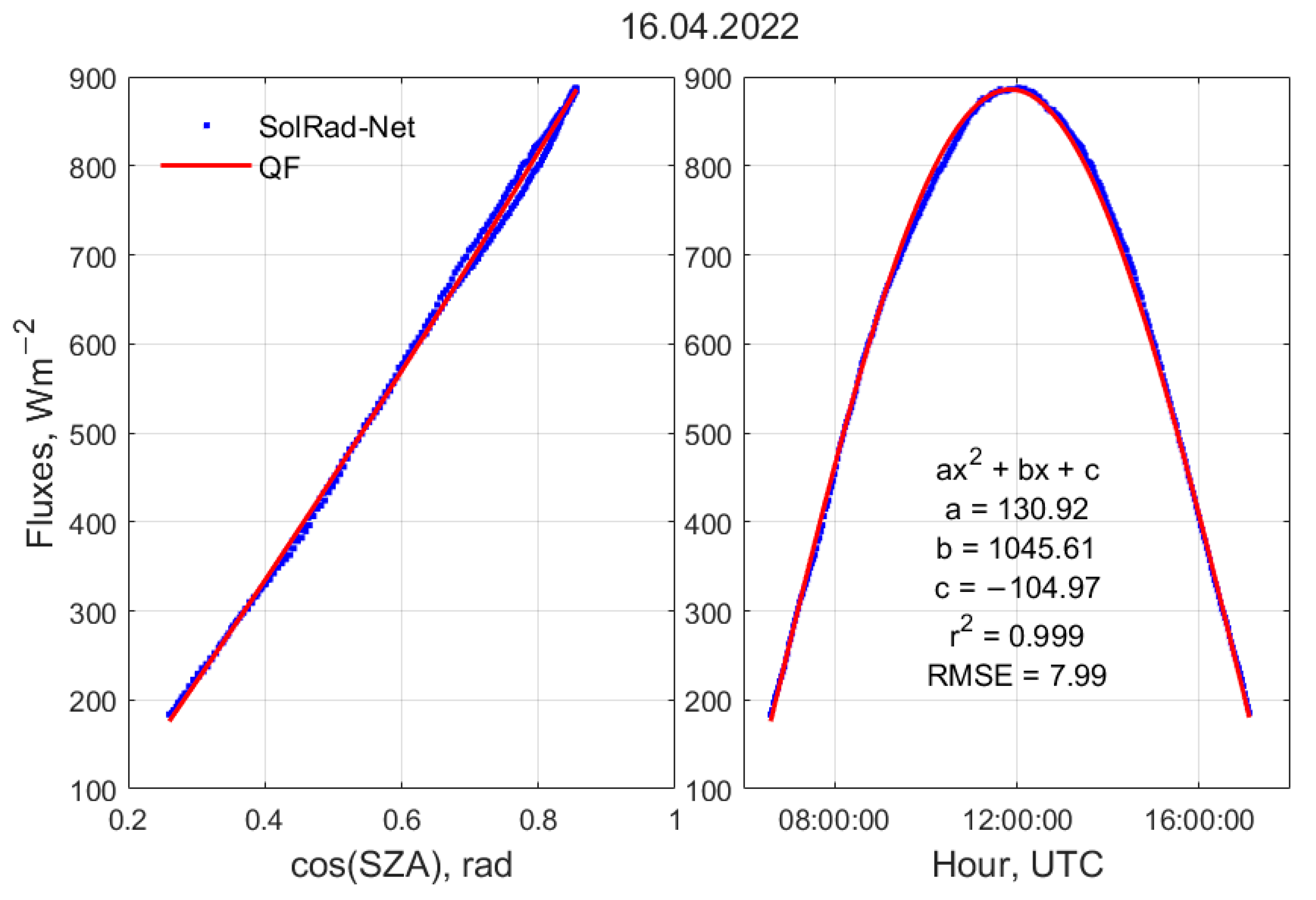
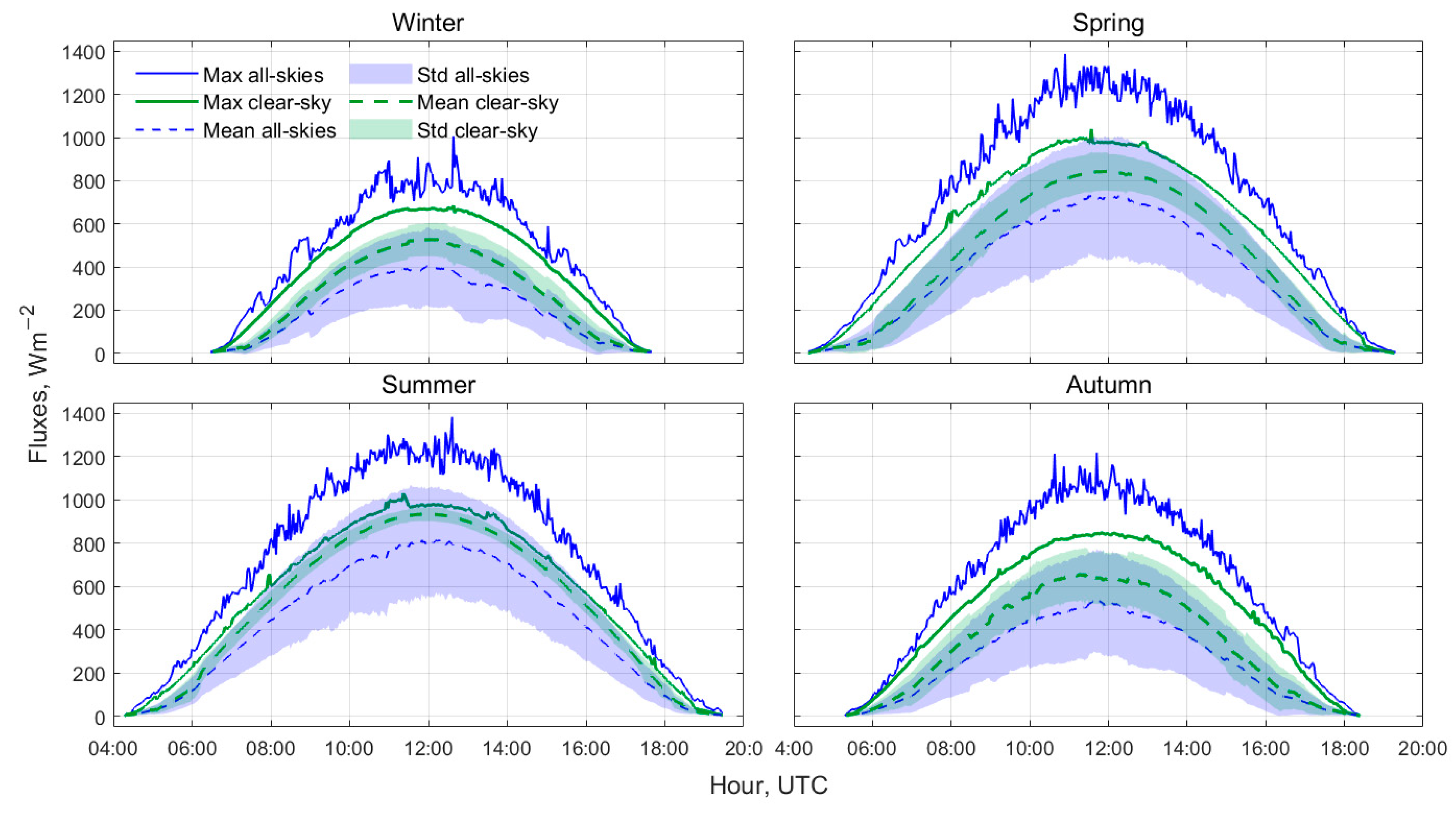
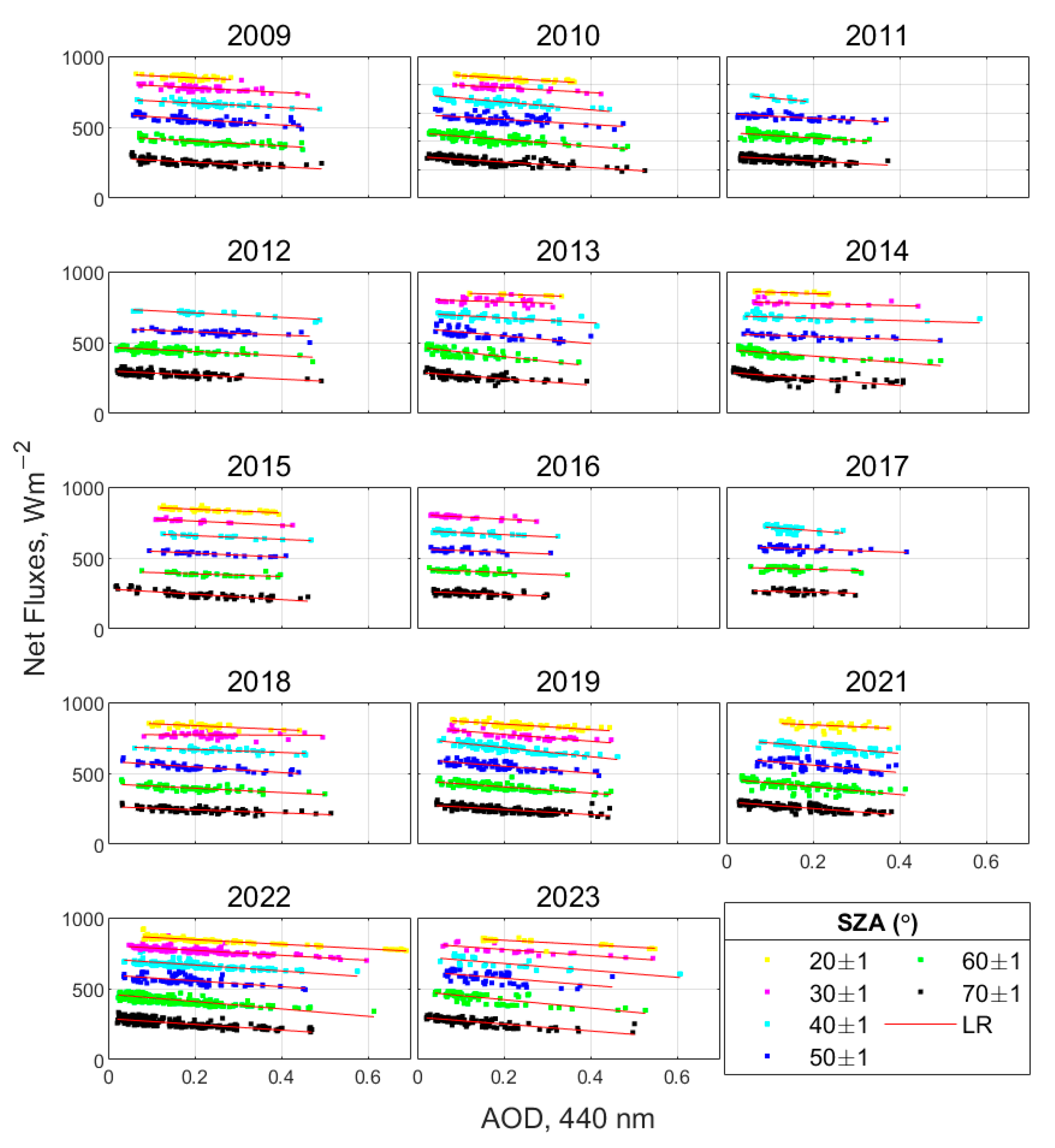
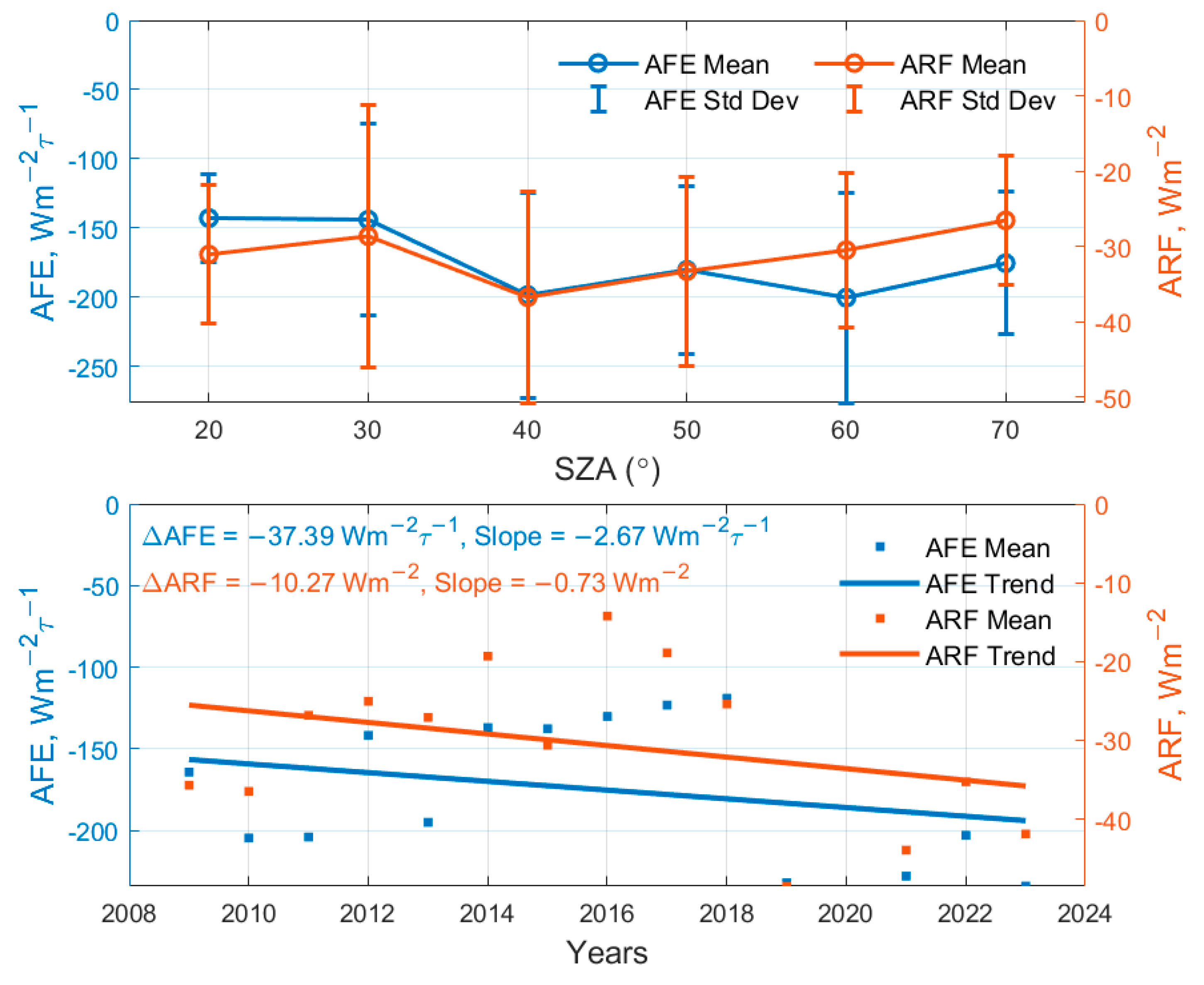
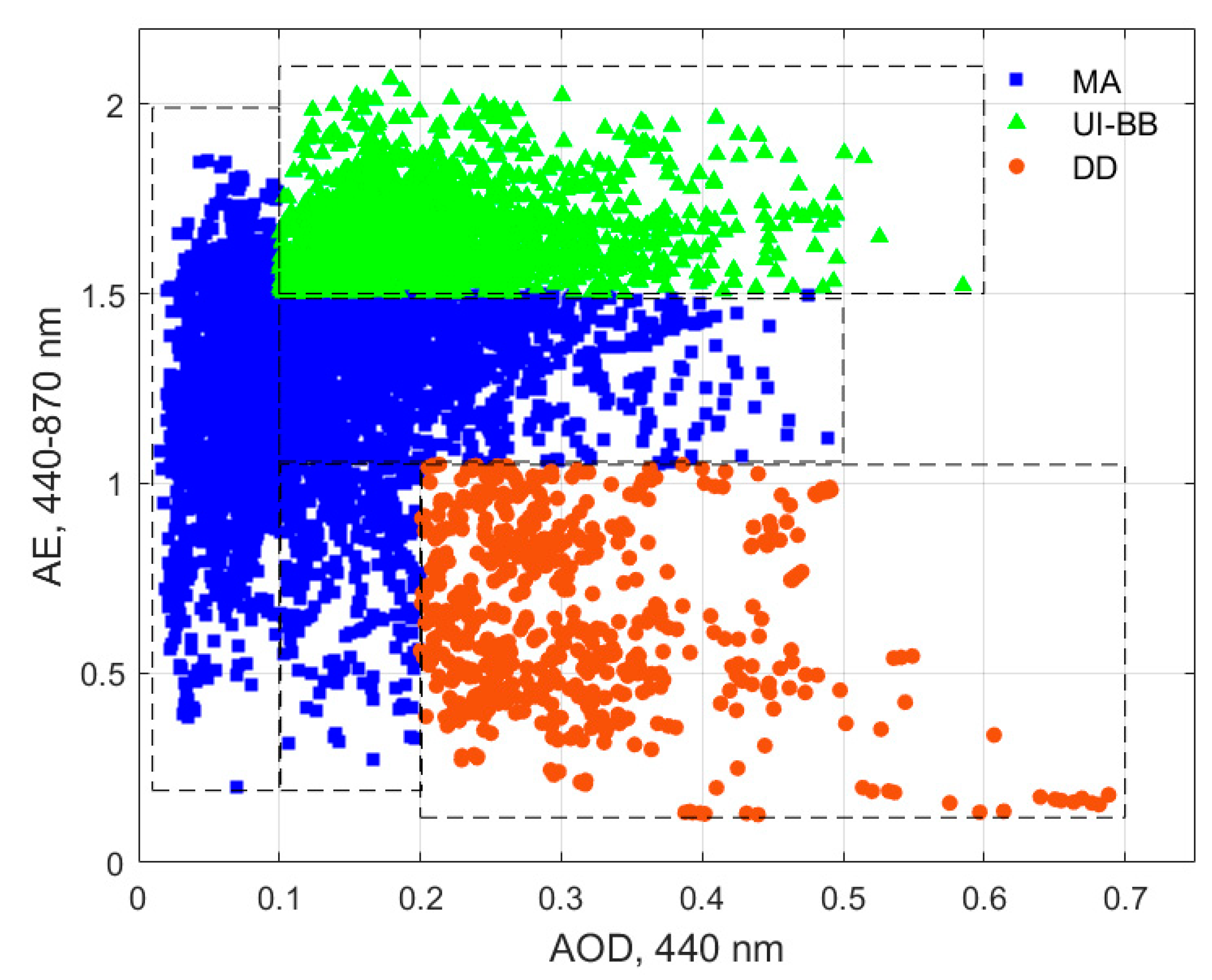
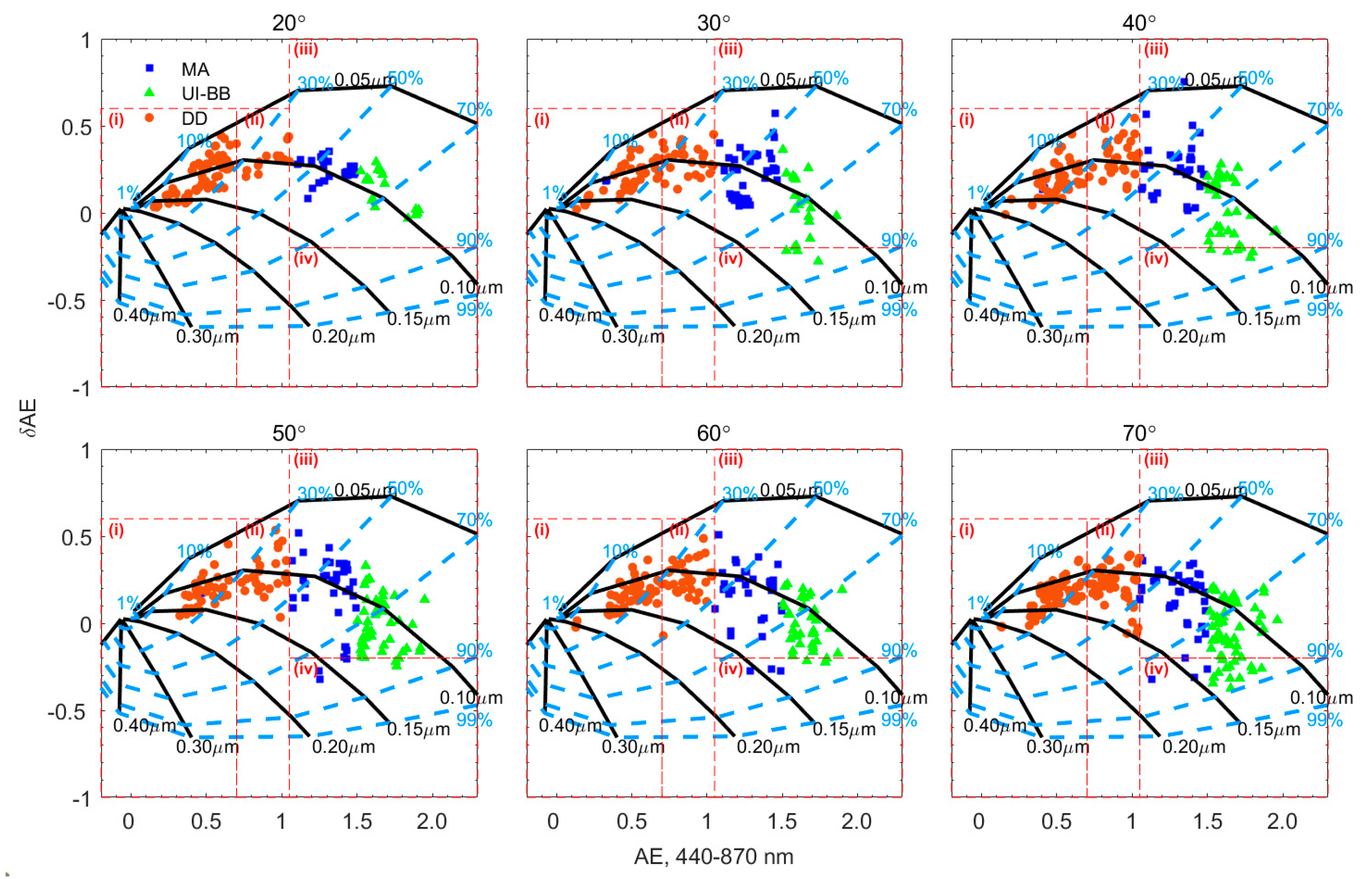
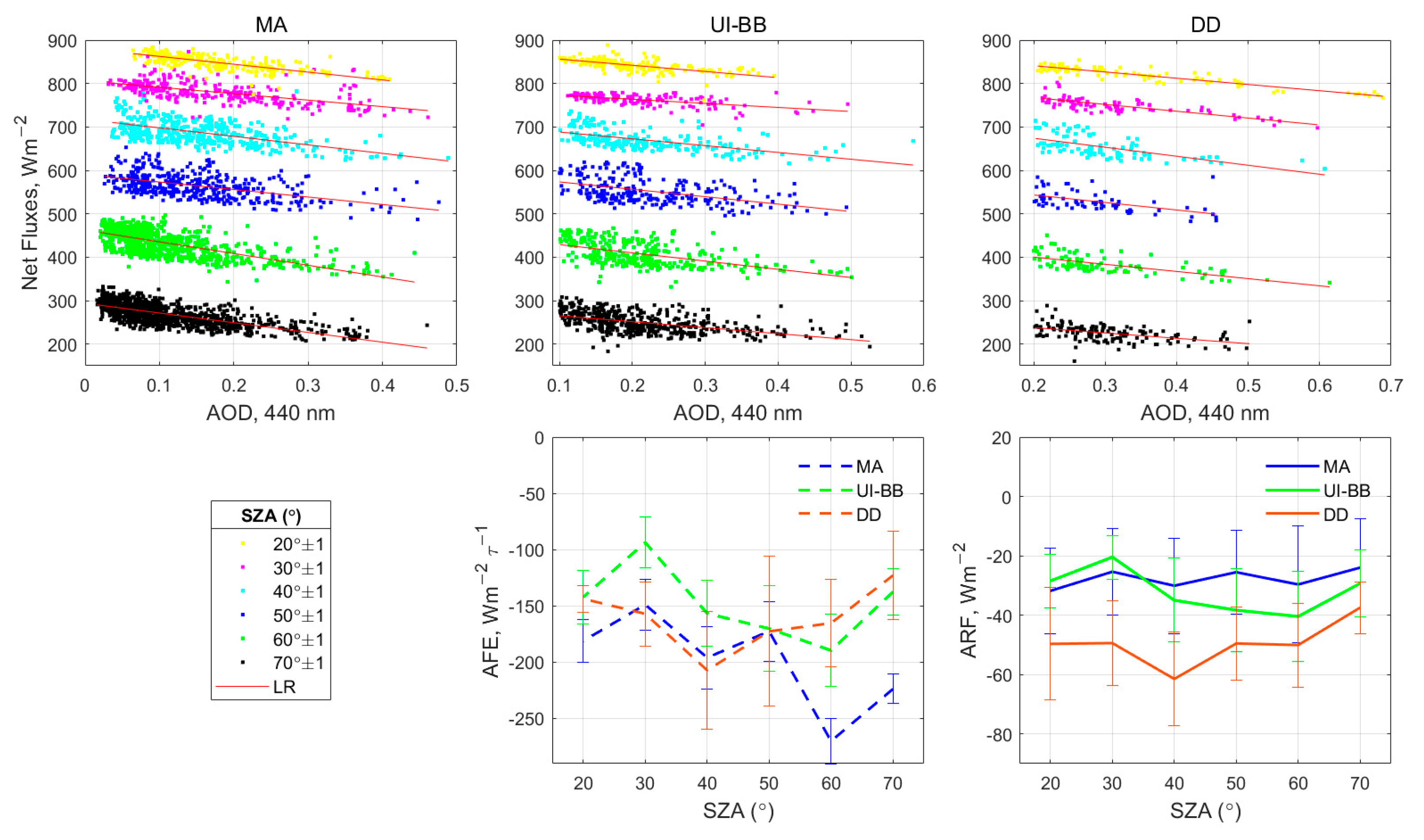
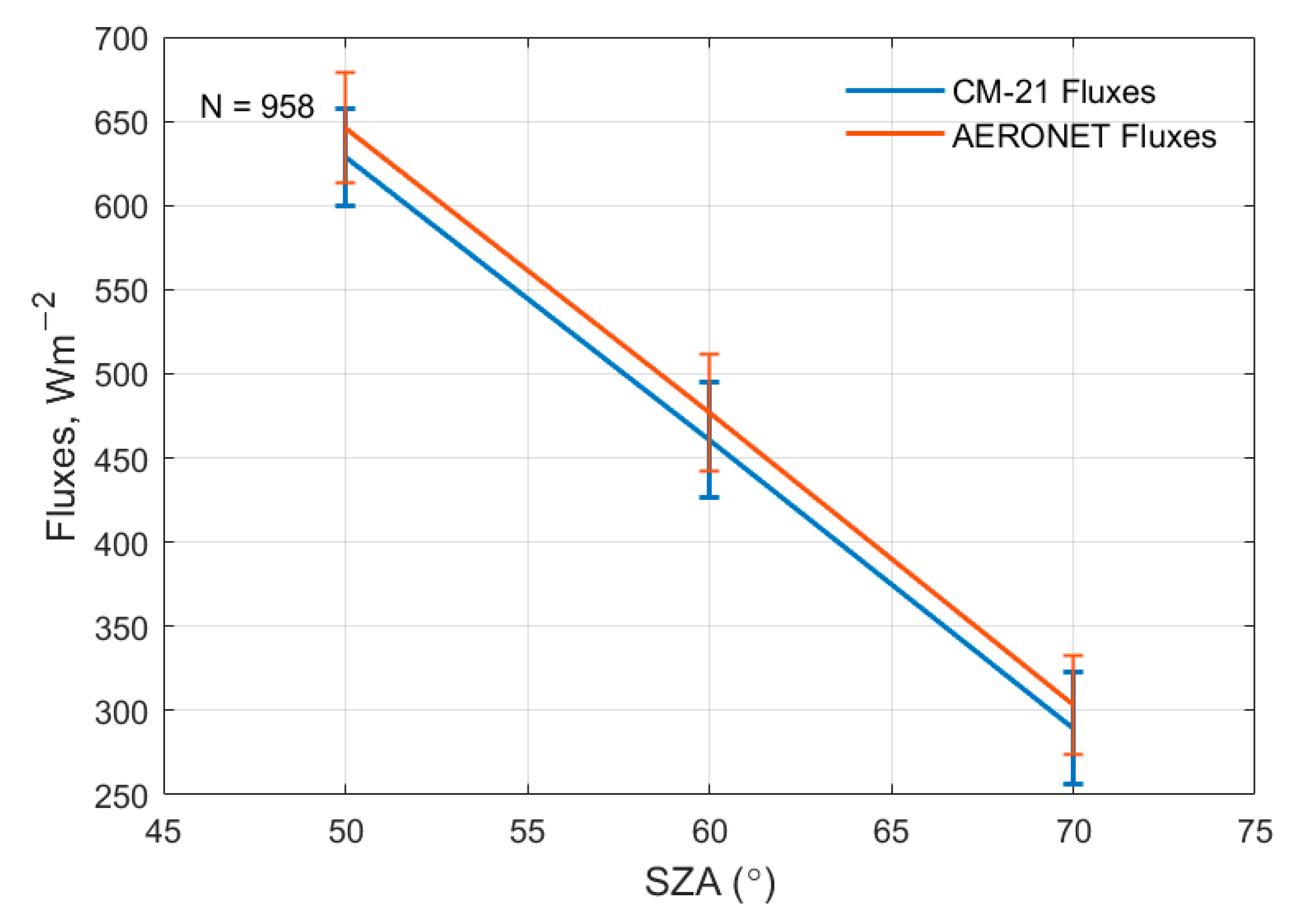
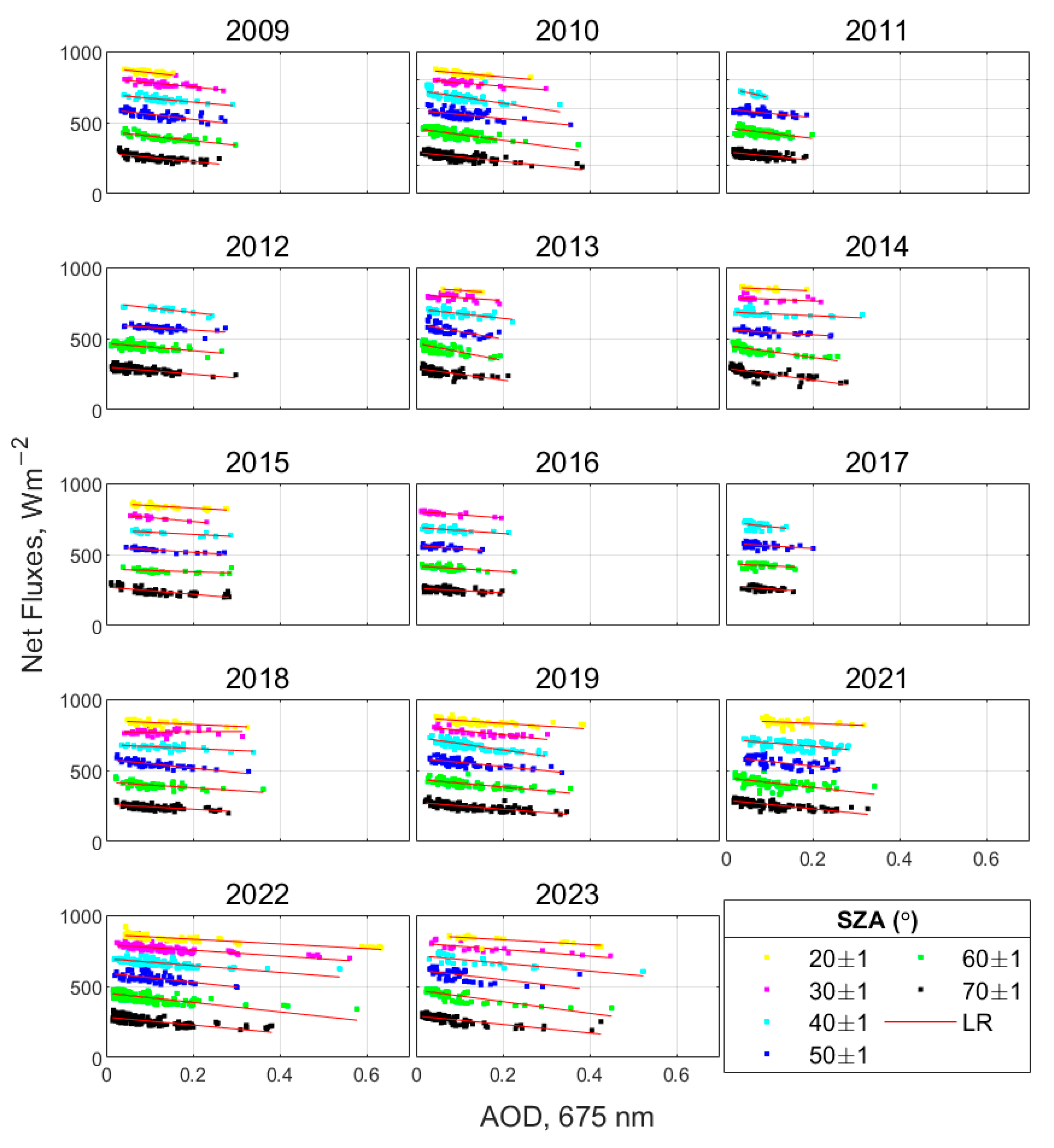
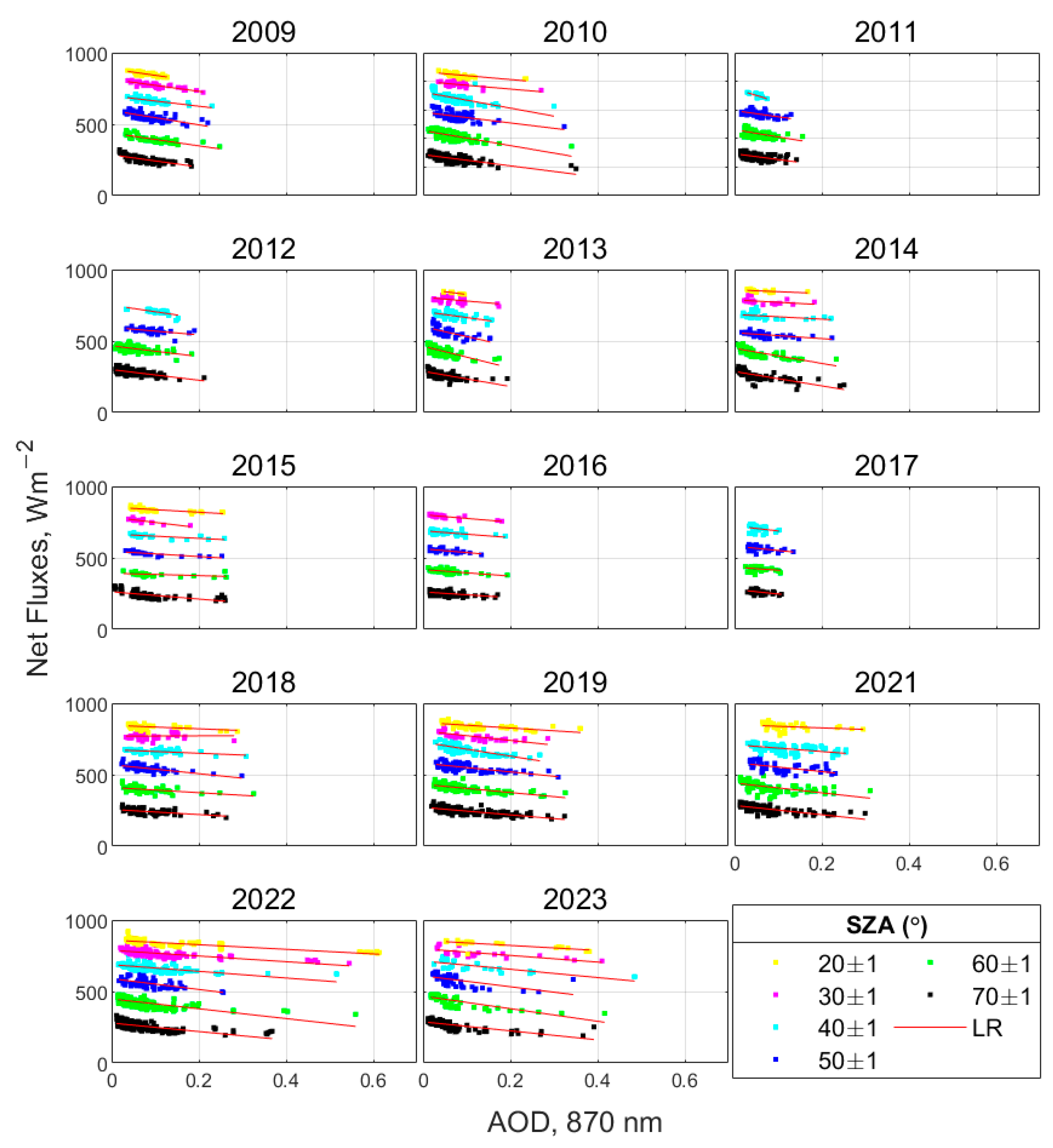
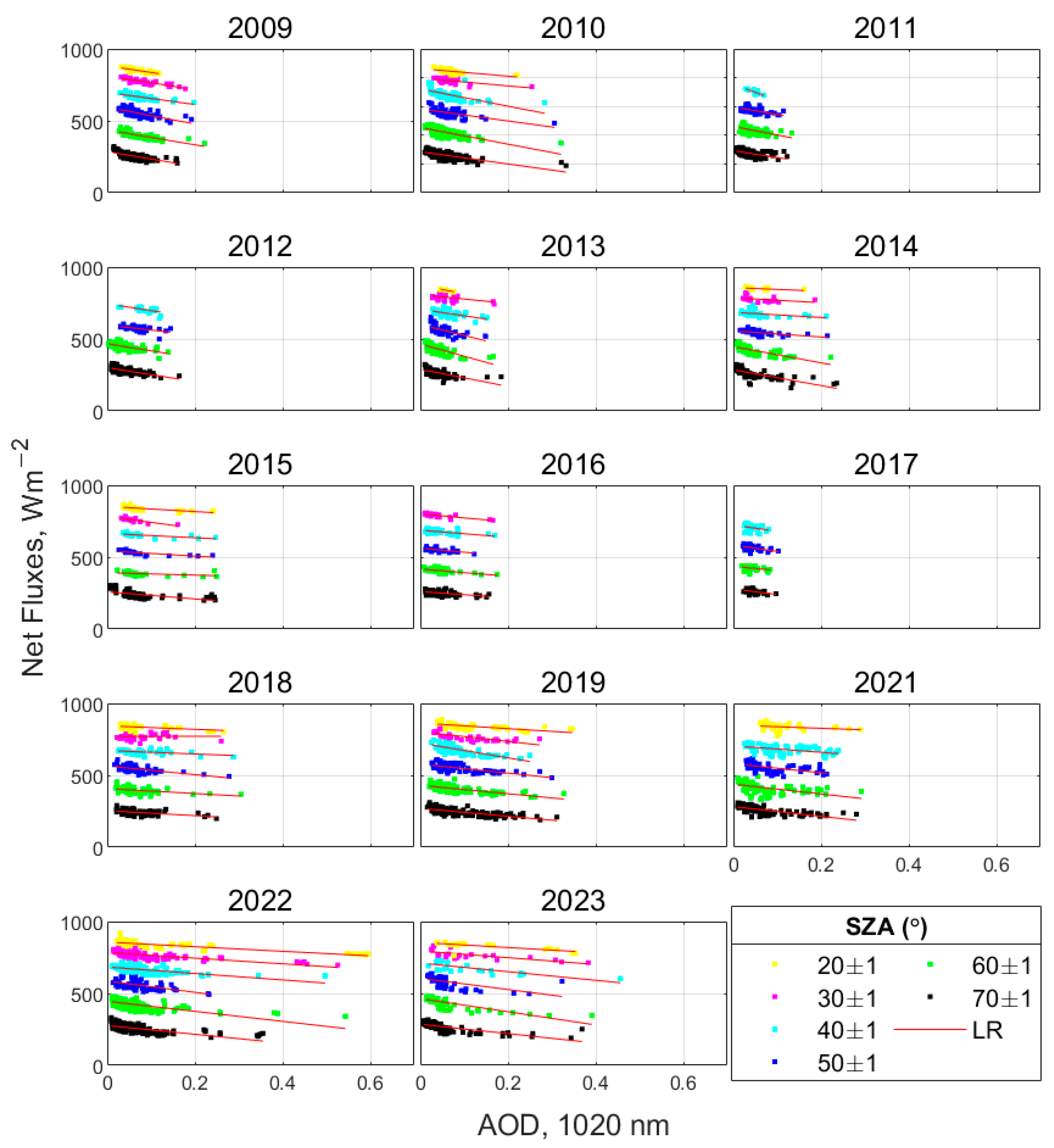
This research aims to estimate long-term aerosol radiative effects by combining radiation and Aerosol Optical Depth (AOD) observations in Barcelona, Spain. Aerosol Radiative Forcing and Aerosol Forcing Efficiency (ARF and AFE) were estimated by combining shortwave radiation measurements from a SolRad-Net CM-21 pyranometer (level 1.5) and AERONET AOD (level 2), using the direct method. The shortwave AFE was derived from the slope between net solar radiation and AOD at 440, 675, 879, and 1020 nm, and the ARF was computed by multiplying the AFE by AOD at six solar zenith angles (20°, 30°, 40°, 50°, 60°, and 70°). Clear-sky conditions were selected from all-skies days by a quadratic fitting. The aerosol was classified to investigate the forcing contributions from each aerosol type. The aerosol classification was based on Pace and Toledano’s thresholds from AOD vs. Ångström Exponent (AE). The GRASP inversions were performed by combined AOD, radiation, Degree of Linear Polarization (DoLP) by zenith angles from the polarized sun–sky–lunar photometer and the elastic signal from the UPC-ACTRIS lidar system. The long-term AFE and ARF are both negative, with an increasing tendency (in absolute value) of +24% (AFE) and +40% (ARF) in 14 years. The yearly AFE varied from −331 to −10 Wm−2τ−1, and the ARF varied from −64 to −2 Wm−2, associated with an AOD (440 nm) from 0.016 to 0.690. The three types of aerosols on clear-sky days are mixed aerosols (61%), desert dust (10%), and urban/industrial-biomass burning aerosols (29%). Combined with Gobbi’s method, this classification clustered the aerosols into four groups by AE analysis (two coarse- and two fine-mode aerosols). Then, the contribution of the aerosol types to the ARF showed that the desert dust forcing had the largest cooling effect in Barcelona (−61.5 to −37.4 Wm−2), followed by urban/industrial-biomass burning aerosols (−40.4 to −20.4 Wm−2) and mixed aerosols (−31.8 and −24.0 Wm−2). Regarding the comparison among Generalized Retrieval of Atmosphere and Surface Properties (GRASP) inversions, AERONET inversions, and direct method estimations, the AFE and ARF had some differences owing to their definitions in the algorithms. The DoLP, used as GRASP input, decreased the ARF overestimation for high AOD.
Keywords: aerosol forcing; AOD; flux; shortwave; CM-21; CNR4; GRASP aerosol forcing; AOD; flux; shortwave; CM-21; CNR4; GRASP