


Abstract
The transition toward sustainable, human-centric, and resilient manufacturing systems has accelerated the emergence of Industry 5.0, repositioning quality management as a key enabler of sustainable industrial transformation. Quality 5.0 extends digitally enabled quality practices by explicitly integrating human wellbeing, environmental responsibility, and organizational resilience. However, for manufacturing firms in developing economies, guidance on how to prioritize the critical success factors (CSFs) for effective Quality 5.0 adoption remains limited. This study aims to identify and prioritize sustainability-oriented CSFs for Quality 5.0 adoption in South African manufacturing organisations using the Fuzzy Analytic Hierarchy Process (Fuzzy AHP). A systematic literature review informs the development of a hierarchical CSF model, which is subsequently evaluated through expert judgements from industry and academia. Triangular fuzzy numbers and Chang’s extent analysis are employed to address uncertainty and subjectivity in decision-making. Key findings indicate that workforce skills and competence (global weight = 0.134), human-centric leadership (0.122), reliable digital infrastructure (0.118), employee engagement and empowerment (0.109), and environmental sustainability integration (0.096, rank 5) are top enablers. The findings highlight that technological readiness alone is insufficient, and that social and organizational sustainability dimensions play a dominant role in Quality 5.0 adoption within resource-constrained contexts. This study contributes by providing a sustainability-oriented decision-support framework for prioritizing Quality 5.0 adoption initiatives and offers actionable insights for managers and policymakers seeking to advance sustainable manufacturing in developing economies.
1. Introduction
Manufacturing systems worldwide are under increasing pressure to transition toward more sustainable, resilient, and socially responsible modes of operation [1,2]. Escalating environmental concerns, resource scarcity, skill shortages, and socio-economic inequalities have exposed the limitations of traditional productivity-driven industrial models [1,3]. While the Fourth Industrial Revolution (Industry 4.0) has delivered significant advances through automation, digitalization, and data-driven decision-making, its predominantly techno-centric orientation has been criticized for insufficiently addressing human wellbeing, social inclusion, and long-term environmental sustainability [1,4,5]. These shortcomings are particularly pronounced in developing economies, where structural constraints often limit the benefits of advanced manufacturing technologies [6].
In response, Industry 5.0 has emerged as a complementary paradigm that repositions humans at the center of industrial systems while explicitly aligning technological progress with sustainability and resilience objectives [7,8]. Kovari [9] argues that rather than replacing Industry 4.0, Industry 5.0 extends it by emphasizing human–technology collaboration, ethical and responsible innovation, and value creation that balances economic performance with social and environmental outcomes. This shift reflects broader global sustainability agendas, including the United Nations Sustainable Development Goals (SDGs), particularly SDG 8 (decent work and economic growth), SDG 9 (industry, innovation, and infrastructure), and SDG 12 (responsible consumption and production).
Parallel to this industrial transition, quality management has also evolved [10,11]. Quality 4.0 integrated digital technologies such as artificial intelligence, big data analytics, and the Internet of Things into traditional quality management systems to enhance efficiency, predictive capability, and real-time control [12,13]. However, similar to Industry 4.0, Quality 4.0 has been criticized for prioritizing technological sophistication over human-centricity, ethical considerations, and sustainability outcomes. Quality 5.0 addresses this gap by extending digitally enabled quality practices to explicitly incorporate human wellbeing, organizational resilience, environmental responsibility, and socio-economic value creation [2,10,14,15,16]. In this sense, Quality 5.0 can be understood as a sustainability-oriented evolution of quality management aligned with the principles of Industry 5.0.
Despite growing conceptual interest in Quality 5.0, its practical adoption remains limited, particularly in developing economy contexts. Manufacturing organisations in countries such as South Africa face persistent challenges, including skills mismatches, unreliable physical and digital infrastructure, constrained investment capacity, and socio-economic inequality [17,18,19]. These conditions complicate the implementation of sustainability-oriented quality initiatives and increase the risk of fragmented or ineffective transformation efforts. Consequently, firms require structured guidance on which factors are most critical to prioritize when adopting Quality 5.0 under conditions of uncertainty, social and digital divide and resource constraint.
Existing studies on quality transformation, Industry 4.0, and digital manufacturing have identified numerous critical success factors (CSFs), such as leadership commitment, employee skills, technological readiness, and organizational culture [7,13,20,21,22,23,24]. However, these factors are often examined in isolation, lack prioritization, or are derived from developed economy contexts. Furthermore, while existing studies acknowledge the importance of sustainability, leadership, and workforce capabilities in digital quality transformations, they largely remain anchored in Quality 4.0 or Industry 4.0 paradigms culture, where sustainability and human-centricity are treated as supporting or contextual variables rather than core quality objectives. Moreover, most CSF frameworks are developed in advanced manufacturing economies and assume stable infrastructure, high digital maturity, and strong institutional support. Consequently, they offer limited guidance for developing economies, where socio-economic constraints, infrastructure unreliability, and skills mismatches fundamentally shape quality outcomes.
To address this gap, this study aims to identify and prioritize sustainability-oriented critical success factors for Quality 5.0 adoption in South African manufacturing organisations. The study employs the Fuzzy Analytic Hierarchy Process (Fuzzy AHP), a multi-criteria decision-making method well suited to handling uncertainty, subjectivity, and ambiguity inherent in expert judgements related to emerging and multidimensional concepts such as Quality 5.0 and sustainability. A systematic literature review informs the development of a hierarchical CSF framework, which is subsequently evaluated by experts from industry and academia.
This study makes three key contributions. First, it advances the theoretical understanding of Quality 5.0 by operationalizing it as a sustainability-oriented quality management paradigm. Second, it contributes methodologically by applying Fuzzy AHP to prioritize Quality 5.0 CSFs within a developing economy context. Third, it provides practical and policy-relevant insights to support sustainable manufacturing transformation, offering a decision-support framework for managers and policymakers seeking to align quality management initiatives with long-term sustainability goals.
The remainder of the paper is structured as follows. Section 2 presents the literature review and systematic literature review findings. Section 3 describes the research methodology and Fuzzy AHP framework. Section 4 reports the results of the CSF prioritization. Section 5 discusses the findings in relation to literature and practical implications. Section 6 outlines the contribution of the study, and Section 7 concludes the study and outlines directions for future research.
2. Literature Review and Systematic Literature Review
2.1. Quality Management Evolution
As manufacturing paradigms, organizational priorities, and socio-technical contexts changed, quality management underwent several distinct phases of evolution. Known as Quality 1.0 through Quality 5.0, these stages show how quality has evolved from defect detection to value creation that is human-centred and sustainable [25,26].
Quality 1.0 was primarily inspection-based and centred on post-production defect detection and correction [12,22]. During this era, quality outcomes were viewed as end-of-line characteristics rather than systemic organizational issues, and quality responsibility was limited to inspection functions. The emergence of statistical methods marked the transition to Quality 2.0, which emphasized process control and variation reduction through tools such as statistical process control [27,28]. Quality became associated with process stability and compliance, enabling defect prevention rather than post-production correction.
Quality 3.0, commonly associated with Total Quality Management, expanded quality beyond operational control to encompass organisational culture, leadership, customer focus, and continuous improvement [29,30]. Quality was reframed as a strategic objective embedded across organisational functions, supported by employee involvement and cross-functional coordination. The advent of digitalisation and Industry 4.0 catalysed Quality 4.0, integrating advanced technologies such as big data analytics, artificial intelligence, and cyber-physical systems into quality management. Quality 4.0 enables predictive, data-driven quality control and real-time decision-making, enhancing operational efficiency and responsiveness. However, its dominant focus remains technological optimisation and performance improvement [6,25].
More recently, recognizing the drawbacks of Quality 4.0, Quality 5.0 has emerged alongside Industry 5.0 as a normative extension of Quality 4.0 [1,3]. Quality 5.0 explicitly integrates human-centricity, ethical governance, and sustainability into quality management, emphasizing human–technology collaboration, workforce wellbeing, and long-term socio-environmental value creation. Rather than replacing Quality 4.0, Quality 5.0 rebalances digital capability with human agency and sustainability imperatives, positioning quality as a socio-technical system rather than a purely technical function [5,31,32].
2.2. Industry 5.0, Quality 5.0, and Sustainability
The emergence of Industry 5.0 reflects a growing recognition that technological advancement alone is insufficient to address the complex sustainability challenges facing modern manufacturing systems [1,2,4,5,16,33]. Unlike Industry 4.0, which prioritizes automation, digitalization, and efficiency, Industry 5.0 places humans at the center of production systems while explicitly aligning technological innovation with sustainability, resilience, and ethical responsibility [5,9]. This paradigm emphasizes human–machine collaboration, inclusive value creation, and long-term socio-economic and environmental impact.
Within this context, quality management has undergone a parallel evolution. Quality 4.0 extended traditional quality principles through the integration of digital technologies such as artificial intelligence, big data analytics, and cyber–physical systems. Recent literature increasingly recognises that while Quality 4.0 has enhanced data-driven decision-making and operational efficiency, its predominantly technology-centric orientation may be ill-suited to developing-economy manufacturing contexts. Quality 4.0 frameworks implicitly assume the availability of stable digital infrastructure, advanced skills bases, and organisational absorptive capacity required to appropriate digital technologies effectively. In contexts such as South Africa, characterised by skills mismatches, uneven digital access, infrastructure instability, and deep socio-economic inequalities—these assumptions are often violated [6,25,34]. As a result, Quality 4.0 initiatives risk reinforcing exclusionary practices, widening the digital divide, and increasing operational fragility rather than improving quality performance [11]. Empirical studies in developing economies have reported that premature digitalisation can exacerbate workforce displacement fears, intensify resistance to change, and divert scarce resources toward underutilised technologies, ultimately undermining both quality outcomes and organisational sustainability [19,25].
Quality 5.0 emerges in the literature as a normative and corrective response to these limitations by explicitly repositioning quality management as a human-centric socio-technical system rather than a technology-led optimisation exercise [3,5,10,14]. Rather than extending Quality 4.0 through additional digital sophistication or sustainability metrics, Quality 5.0 rebalances technological capability with human agency, ethical governance, and long-term socio-environmental value creation. This shift is particularly salient in developing economies, where the success of quality transformation depends less on the availability of advanced technologies and more on leadership commitment, workforce capability development, employee engagement, and institutional trust [17,19,25]. By foregrounding human–technology collaboration, inclusivity, and resilience, Quality 5.0 provides a more context-sensitive framework that mitigates the risk of technological determinism and aligns quality management with broader socio-economic development objectives. Consequently, Quality 5.0 is not conceptualised as a linear progression from Quality 4.0, but as a reorientation of quality management priorities designed to ensure that digital transformation contributes to sustainable and equitable industrial development rather than intensifying existing structural vulnerabilities [2,14,35].
This distinction implies that factors such as employee empowerment, ethical leadership, socio-economic context awareness, and environmental integration are no longer peripheral but constitute core determinants of quality performance.
2.3. Critical Success Factors for Sustainable Quality Transformation
Critical success factors (CSFs) represent the limited number of organizational conditions and capabilities that must be effectively managed to ensure successful implementation of complex initiatives. In the context of quality management and digital transformation, prior research has identified CSFs related to leadership commitment, employee skills, technological readiness, organizational culture, and external collaboration [7,21,36]. However, as quality paradigms evolve toward sustainability-oriented and human-centric models, the nature and relative importance of these CSFs also change.
Studies on Quality 4.0 and Industry 4.0 adoption highlight the importance of digital infrastructure, data integration, and technological capability as foundational enablers [21,24,37,38]. Nevertheless, emerging research increasingly emphasizes that technological readiness alone does not guarantee sustainable outcomes. Instead, human-centric leadership, workforce competence development, organizational learning, and change readiness are identified as critical for embedding digital technologies into sustainable operational practices [3,9].
In the context of Quality 5.0, CSFs extend beyond internal organizational capabilities to include sustainability integration, ethical governance, and stakeholder collaboration. Environmental responsibility, resource efficiency, and alignment with regulatory and societal expectations are increasingly recognized as integral components of quality transformation [1,3,14]. These sustainability-oriented CSFs reflect the broader shift from short-term efficiency toward long-term value creation and resilience.
Although prior studies identify CSFs related to leadership, skills, and infrastructure, they typically examine these factors independently or within technology-centric adoption models. Such frameworks do not capture the interdependencies between sustainability, human-centricity, and quality outcomes, nor do they empirically prioritize these factors under resource-constrained and institutionally volatile environments. As a result, existing CSF models provide limited theoretical or practical guidance for Quality 5.0 adoption in developing economies.
2.4. Systematic Literature Review Methodology
To comprehensively identify and synthesize CSFs for Quality 5.0 adoption from a sustainability perspective, a systematic literature review (SLR) was conducted following Preferred Reporting Items for Systematic reviews and Meta-Analyses (PRISMA) guidelines [7,13] as presented on Figure 1. The objective of the SLR is thematic saturation and conceptual grounding to support the Fuzzy AHP method and not necessarily bibliometric exhaustiveness, therefore the final number of studies reflect the emerging nature of Quality 5.0, particularly when sustainability and quality management are jointly considered.
Figure 1.
PRISMA 2020 flow diagram for the systematic literature review.
2.4.1. Information Sources and Search Strategy
The literature search was conducted across Scopus, Web of Science, and ScienceDirect, which are widely recognised as authoritative databases for engineering, operations management, and sustainability research. The search was limited to peer-reviewed journal articles published between 2021 and 2025 to capture the most recent developments following the formal emergence of Industry 5.0 and Quality 5.0 discourse.
Search strings combined keywords related to quality management, sustainability, and human-centric manufacturing, including:
“Quality 5.0”, “Industry 5.0”, “Quality 4.0”, “human-centric manufacturing”, “sustainable quality management”, “critical success factors”, “CSFs”, “South African manufacturing” and “manufacturing”.
2.4.2. Inclusion and Exclusion Criteria
Studies were included if they:
- Focused on manufacturing or production systems;
- Addressed Quality 4.0, Quality 5.0, Industry 5.0, or sustainability-oriented quality management;
- Explicitly discussed enablers, drivers, or CSFs;
- Were peer-reviewed journal articles written in English.
Studies were excluded if they:
- Were conference papers, editorials, or conceptual notes without empirical or structured analysis;
- Focused exclusively on service sectors;
- Addressed digitalisation without quality or sustainability relevance;
- Were duplicates across databases.
2.4.3. Study Selection and PRISMA Flow
The initial search yielded 299,682 papers collectively as presented in Figure 1. The study selection process followed the PRISMA 2020 guidelines, and the detailed PRISMA checklist is provided in Supplementary Material [39]. The first filter excluded papers that did not support the research objectives, leaving 16,800 for further screening. The papers were screened using the title and full screening of the abstract to see if they would answer the research questions, excluding 1420 papers. A further 100 papers were excluded after reading the methodology and findings of each paper leaving 135 papers for full screening which then left only 22 papers to be used for the study as presented in Table 1.
Table 1.
Systematic Literature Review summary table.
Data were collected systematically from the identified studies using a structured extraction form developed specifically for this review. Two independent reviewers extracted data from each study to ensure accuracy and consistency. Discrepancies between reviewers were resolved through discussion and, where necessary, consultation with a third senior reviewer. Qualitative methods were used in this paper. Reading the articles, classifying the content, and creating a thematic code for additional analysis were all part of the qualitative approach. Both authors reviewed the papers to ensure quality of the results.
Data was extracted and coded to identify recurring CSFs, which were subsequently grouped into higher-order dimensions reflecting strategic, human-centric, technological, organizational, and sustainability-related themes.
2.5. SLR Findings: Sustainability-Oriented CSF Dimensions
Following the systematic literature review, an initial pool of Quality 5.0–related Critical Success Factors was identified from peer-reviewed journal articles published between 2021 and 2025. The initial extraction yielded 32 candidate factors, reflecting a wide range of enablers associated with Quality 4.0, Industry 5.0, sustainable manufacturing, and human-centric quality management. While this breadth ensured comprehensive coverage, it also introduced conceptual redundancy and overlap, necessitating a structured refinement process.
The refinement of CSFs was conducted in three sequential stages to ensure conceptual clarity, theoretical coherence, and contextual relevance. In the first stage, semantic consolidation was performed by grouping conceptually similar factors under broader constructs. For example, factors related to leadership commitment, ethical oversight, and strategic guidance were clustered under strategic and leadership-oriented constructs, while factors related to workforce capability, engagement, and learning were grouped under human-centric and skills-based constructs. This step reduced duplication without eliminating theoretically meaningful distinctions.
In the second stage, theoretical boundary clarification was applied. Each candidate CSF was evaluated against the conceptual foundations of Quality 5.0, which positions quality management as a socio-technical system integrating human-centricity, sustainability, resilience, and advanced digitalisation. Factors that could not be clearly distinguished conceptually, or that represented outcomes rather than enablers, were excluded. Importantly, where conceptually similar constructs appeared across dimensions (e.g., change readiness), they were retained only when their functional role differed. For example, individual-level adaptability versus organisational-level change capability, thus avoiding redundancy while preserving analytical nuance.
In the third stage, contextual validation was conducted through expert consultation. Experts assessed the relevance and applicability of each factor within the South African manufacturing context, characterised by skill shortages, infrastructure instability, and resource constraints. Factors deemed theoretically valid but contextually marginal were excluded. This stage ensured that the final CSF set reflected not only global discourse but also context-specific adoption realities.
This structured refinement process resulted in a final set of 24 theoretically distinct and contextually grounded CSFs, organised into five dimensions: Strategic & Leadership; Human-Centric & Skills; Technological & Infrastructure; Organisational & Cultural; and Sustainability & External Environment. Unlike existing CSF frameworks that emphasise technological maturity, this refined structure reflects the capability-building orientation of Quality 5.0 in developing economies, thereby advancing conceptual clarity and originality.
2.5.1. Strategic and Leadership Category
The strategic and leadership category relates to governance structures, strategic direction, and leadership commitment required to embed Quality 5.0 as a long-term organizational transformation rather than a standalone technological intervention. In developing economies, leadership commitment plays a decisive role in overcoming structural constraints, economic volatility, and institutional inefficiencies that hinder advanced quality and manufacturing transformations [6,7,24].
Sustainability-oriented leadership commitment is consistently identified as a dominant enabler of Quality 5.0 adoption, as top management directly influences resource allocation, strategic priorities, and organizational acceptance of human-centric and sustainable quality practices. In the South African manufacturing context, characterized by infrastructure fragility, port inefficiencies, and energy instability [6], leadership commitment must extend beyond financial support to include ethical responsibility, social awareness, and long-term capability development [13,20,38,47].
A clear strategic vision and alignment ensures that Quality 5.0 initiatives are coherently integrated with broader organizational objectives such as operational resilience, environmental sustainability, and workforce development [9]. Strategic misalignment often leads to fragmented digital investments and failed quality transformation initiatives, particularly in resource-constrained environments. Ethical and responsible governance becomes critical in Quality 5.0 settings characterized by advanced digitalization and human–machine collaboration. Ethical frameworks promote responsible technology use, transparency, and employee wellbeing, addressing societal concerns around job displacement, inequality, and data governance [1,5,14].
Furthermore, a long-term investment orientation supports continuous improvement, skill development, and organizational resilience, which are essential in South Africa’s volatile economic and political environment [5,9,17]. Stakeholder-oriented decision-making such as considering employees, communities, suppliers, and regulators, enhances legitimacy and inclusive value creation, which is particularly important in contexts affected by community unrest, labor disputes, and socio-economic inequality.
2.5.2. Human-Centric and Skills Category
The human-centric and skills category reflects the foundational role of people in Quality 5.0, aligning with Industry 5.0’s emphasis on human wellbeing, empowerment, and social sustainability [10,14,32]. In developing countries, skill shortages, unequal education systems, and a persistent digital divide significantly influence the success of quality and technological transformations. Workforce skills and competence are essential for leveraging digital quality tools such as data analytics, AI-enabled inspection, and predictive quality systems. However, South African manufacturing firms face pronounced skills mismatches due to historical inequalities and limited access to advanced technical education, particularly in rural and economically marginalised regions [17,25,34,48]. Continuous learning and reskilling are therefore critical success factors, enabling employees to adapt to evolving quality technologies and human–machine collaboration environments [3].
Employee engagement and empowerment are particularly important in contexts characterised by labour unrest and low trust between management and workers. Quality 5.0 requires employees to actively participate in decision-making, continuous improvement, and innovation processes, rather than being passive recipients of technological change [5,7,14]. Human-centric leadership styles that emphasise empathy, inclusion, and psychological safety enhance organisational acceptance of Quality 5.0 and reduce resistance to change.
Change readiness and adaptability further determine whether organisations can respond effectively to economic instability, policy uncertainty, and operational disruptions such as port congestion and energy shortages. Organisations with adaptable workforces are better positioned to absorb shocks and sustain quality performance in turbulent environments [20,21,36].
2.5.3. Technological and Infrastructure Category
The technological and infrastructure category addresses the availability, reliability, and integration of digital and physical systems required to support Quality 5.0 practices [1,3,5,49]. In developing countries, this category is strongly influenced by infrastructure constraints, unreliable energy supply, port inefficiencies, and unequal access to digital technologies, collectively reinforcing the national digital divide.
Reliable digital and physical infrastructure is a prerequisite for advanced quality systems, including real-time monitoring, data-driven decision-making, and predictive quality analytics [9,25]. However, frequent power disruptions, ageing logistics infrastructure, and malfunctioning ports disrupt production continuity and data availability, undermining quality consistency and operational resilience [18,48]. Technology usability and integration are therefore critical, as complex or poorly integrated systems exacerbate skills gaps and resistance to adoption.
Data integration and analytics capability enable organisations to transform operational data into actionable quality insights [35]. Yet, many firms, particularly in developing economies struggle with fragmented data systems and limited analytical maturity [13,25], constraining the effective deployment of Quality 5.0 tools. Cybersecurity and system reliability further emerge as critical success factors, particularly as increased digitalisation exposes organisations to cyber risks and system failures that can compromise safety, trust, and compliance.
In developing-country contexts, technological readiness must be aligned with human and organisational capabilities to avoid reinforcing inequality and technological exclusion [1,3,50].
2.5.4. Organizational and Cultural Category
The organisational and cultural category reflects the internal environment that enables or constrains Quality 5.0 adoption. A sustainability-supportive organisational culture promotes continuous improvement, innovation, and long-term thinking, which are essential in environments characterised by uncertainty and systemic disruption [50].
In many manufacturing organisations, hierarchical structures and siloed decision-making often limit knowledge sharing and cross-functional collaboration, reducing the effectiveness of quality initiatives [7,17]. Knowledge sharing and collaboration are therefore critical for disseminating best practices, building collective problem-solving capability, and supporting human–machine integration [13].
Organisational resilience, which entails the ability to absorb shocks and adapt to change, is particularly relevant in contexts affected by economic instability, political uncertainty, and community unrest. Quality 5.0 contributes to resilience by integrating predictive quality tools, human-centric practices, and sustainable operations [1,3,44]. However, without a supportive culture, these benefits cannot be fully realised.
Change readiness and adaptability, while closely linked to human-centric factors, also represent a cultural attribute that reflects openness to innovation and transformation [13]. Organisations that foster trust, learning, and adaptability are more likely to sustain Quality 5.0 initiatives over time.
2.5.5. Sustainability and External Environment Category
The sustainability and external environment category capture the broader socio-economic, regulatory, and institutional conditions influencing Quality 5.0 adoption. In South Africa, external factors such as regulatory uncertainty, economic inequality, infrastructure decay, and community unrest significantly shape organisational decision-making and investment capacity [17,25].
Environmental sustainability integration aligns Quality 5.0 with global sustainability agendas, emphasising responsible resource use, emissions reduction, and environmental stewardship. Resource efficiency and waste reduction are particularly important in a resource-constrained economy, where rising costs and environmental pressures demand more sustainable production practices [9].
External partnerships and collaboration across supply chains, industry associations, academia, and government, are critical for overcoming capability gaps and infrastructural limitations. Regulatory compliance and institutional support further influence adoption by shaping incentives, standards, and enforcement mechanisms. Inconsistent policy implementation and governance challenges, however, often create uncertainty for firms [9,13,24].
Socio-economic context awareness ensures that Quality 5.0 initiatives are sensitive to local realities, including inequality, unemployment, and community dynamics. Firms that neglect these contextual factors risk resistance, legitimacy loss, and implementation failure, particularly in communities affected by unrest and economic marginalisation [6,9,25].
To strengthen the systematic grounding of the identified CSFs, Table 2 maps each sustainability-oriented CSF to representative literature sources identified through the SLR.
Table 2.
Critical Success Factors Identified through SLR.
3. Materials and Methods
3.1. Research Design and Approach
This study adopts a quantitative, expert-based multi-criteria decision-making (MCDM) research design to prioritize the critical success factors (CSFs) influencing Quality 5.0 adoption in South African manufacturing organisations. Given the exploratory and subjective nature of Quality 5.0, the Fuzzy Analytic Hierarchy Process (Fuzzy AHP) was employed to address uncertainty and imprecision in expert judgements.
Fuzzy AHP is particularly suitable for this study as it integrates fuzzy set theory with the classical Analytic Hierarchy Process, enabling the modelling of linguistic assessments and ambiguous perceptions commonly associated with emerging socio-technical systems. The methodology allows for systematic prioritization of CSFs while maintaining mathematical rigor and interpretability [72,73].
The methodological procedure consists of five sequential stages: (i) development of a hierarchical CSF structure, (ii) expert panel selection, (iii) collection of fuzzy pairwise comparison data, (iv) computation of fuzzy weights using Chang’s extent analysis, and (v) defuzzification, normalization, and ranking of CSFs.
3.2. Development of the CSF Hierarchy
A three-level hierarchical structure was developed to operationalise the prioritisation process. The first level represents the overall goal: successful adoption of Quality 5.0 in manufacturing organisations. The second level consists of five CSF dimensions identified through a systematic literature review and validated by domain experts: Strategic and Leadership, Human-Centric and Skills, Technological and Infrastructure, Organisational and Cultural, and Sustainability and External Environment. The third level comprises 24 sub-CSFs (Table 3), reflecting specific enablers necessary for Quality 5.0 implementation.
Table 3.
Refined Critical Success Factors (CSFs) for Quality 5.0 Adoption.
This hierarchical structure provides a logical decomposition of the decision problem and serves as the foundation for the Fuzzy AHP analysis.
3.3. Expert Panel Composition and Selection
An expert-based evaluation approach was adopted to support the Fuzzy AHP analysis, as Quality 5.0 adoption involves strategic, organizational, and socio-technical considerations that cannot be fully captured through purely quantitative data. A purposive sampling strategy was therefore employed to ensure that the selected experts possessed substantial domain knowledge and decision-making experience relevant to quality management, sustainability, and advanced manufacturing systems.
The expert panel comprised 15 experts, reflecting a balanced mix of industry practitioners and academic specialists. Specifically, the panel included nine industry professionals drawn from South African manufacturing sectors such as automotive, rail and transport manufacturing, metals and fabrication, and process manufacturing, as well as six academic experts with established research records in quality management, sustainability, Industry 4.0/5.0, and operations management. This balance ensured both practical relevance and theoretical rigor in the evaluation process.
In terms of experience, all experts had a minimum of eight years of professional or research experience, with several possessing more than 15 years of senior-level experience in areas such as quality leadership, digital transformation, sustainability strategy, and manufacturing operations. Industry experts held positions including quality managers, operations managers, engineering managers, and digital transformation leads, while academic experts were at senior lecturer, associate professor, or professor levels.
Sectoral diversity was intentionally incorporated to capture the heterogeneity of the South African manufacturing landscape, which is characterized by varying levels of technological maturity, infrastructure reliability, and resource availability. This diversity was essential to ensure that expert judgments reflected realistic adoption constraints and priorities in a developing economy context.
To minimize individual bias and enhance the robustness of the results, experts were provided with standardized evaluation guidelines and definitions of all Critical Success Factors prior to assessment. Individual judgments were elicited independently to avoid dominance effects, after which the fuzzy geometric mean method was applied to aggregate expert opinions. This approach aligns with Fuzzy AHP best practices, which recommend small yet knowledgeable panels for reliable judgement aggregation [72].
3.4. Collection of Fuzzy Pairwise Comparison Data
Experts were requested to evaluate the relative importance of CSFs using pairwise comparisons expressed through linguistic terms. A triangular fuzzy number (TFN) scale was employed to convert linguistic judgements into fuzzy values consistent with the foundational work of Castelló-Sirvent et al. [72], Alyamani and Long [74] and Moslem et al. [73]. Each expert completed pairwise comparisons at two levels: comparisons among CSF dimensions and comparisons among sub-CSFs within each dimension. Individual fuzzy comparison matrices were aggregated using the fuzzy geometric mean method to form a consolidated judgement matrix. Expert judgements were converted into triangular fuzzy numbers (TFNs) using the linguistic scale shown in Table 4.
Table 4.
Linguistic Variables and Corresponding Triangular Fuzzy Numbers for Pairwise Comparison.
3.5. Fuzzy AHP Computation Using Chang’s Extent Analysis
Chang’s extent analysis method was applied to compute the fuzzy weights of CSFs. Let represent the fuzzy judgement of criterion over criterion .
The fuzzy synthetic extent value for each criterion is calculated as:
The degree of possibility that is defined as:
The minimum degree of possibility is then computed to derive the non-normalised weight vector:
3.6. Defuzzification, Normalisation, and Ranking
The fuzzy weights were defuzzified using the centre of area (COA) method to obtain crisp priority values:
The crisp weights were subsequently normalised as:
Global weights of sub-CSFs were calculated by multiplying local sub-CSF weights with their corresponding dimension weights. CSFs were then ranked based on their global priority values, allowing identification of the most influential factors for Quality 5.0 adoption.
3.7. Assumptions, Consistency, and Limitations of the Fuzzy AHP Approach
The application of the Fuzzy Analytic Hierarchy Process in this study rests on several methodological assumptions that warrant explicit discussion. First, consistent with classical AHP-based multi-criteria decision-making methods, the model assumes relative independence among criteria and sub-criteria. While Quality 5.0 adoption constitutes an interdependent socio-technical system, this assumption enables tractable prioritisation under uncertainty. Accordingly, the results should be interpreted as relative importance rankings, not as causal or structural relationships among CSFs.
Given the reliance on expert judgement, particular attention was paid to inter-expert consistency and agreement. Prior to aggregation, individual fuzzy pairwise comparison matrices were reviewed for logical consistency, ensuring reciprocal properties and eliminating extreme or contradictory judgements. This screening reduced the influence of outlier assessments while preserving diversity of expert perspectives.
To further assess agreement, a quantitative dispersion analysis of triangular fuzzy numbers was conducted following aggregation using the fuzzy geometric mean. Specifically, the spread between lower and upper bounds of aggregated fuzzy values was examined as an indicator of judgement dispersion. Comparisons exhibiting unusually wide spreads were re-examined and discussed with the expert panel to confirm interpretive intent and contextual relevance. This approach enhanced reliability without imposing rigid consistency thresholds that may be unsuitable for exploratory fuzzy decision-making contexts.
In addition, a robustness and sensitivity analysis was performed by introducing small perturbations to aggregated fuzzy values and observing resulting changes in defuzzified weights and rankings. The analysis showed that the ranking of the highest-priority CSFs remained stable, indicating acceptable robustness of the results.
Nevertheless, limitations remain. Fuzzy AHP captures consensus tendencies under uncertainty rather than exact agreement levels, and it does not explicitly model feedback loops or interdependencies among CSFs. Furthermore, the findings reflect expert perceptions within a single national context and may evolve as Quality 5.0 maturity increases. These limitations suggest opportunities for future research to integrate prioritisation methods with causal modelling approaches.
3.8. Ethical Considerations
Participation of experts was voluntary, and informed consent was obtained prior to data collection. Responses were anonymised to ensure confidentiality and to minimise potential bias.
4. Results
4.1. Fuzzy AHP Global and Local Weights
The Fuzzy Analytic Hierarchy Process (Fuzzy AHP) was applied to the refined set of 24 critical success factors (CSFs) for Quality 5.0 adoption. Table 5 presents the local weights, global weights, and ranking of all CSFs. The results clearly indicate that human-centric and skills-related factors dominate the prioritization, underscoring the socio-technical nature of Quality 5.0 adoption in the South African manufacturing context.
Table 5.
Fuzzy AHP Results: Global Weights and Ranking of CSFs.
The most influential CSF is workforce skills and competence (HC1), which attained the highest global weight (0.134) and ranked first overall. In the South African manufacturing sector, where ongoing skill shortages, education–industry mismatches, and unequal digital literacy continue to impede technological absorption, this result highlights the critical role that human capability plays in enabling Quality 5.0 adoption. Unlike developed economies, where advanced digital infrastructure and automation capabilities are often taken as given, South African manufacturers face a structural deficit in digital, quality, and systems-related competencies. As a result, any significant Quality 5.0 transition requires the ability to create and retain a workforce with the necessary skills. This finding aligns with prior studies by Maisiri et al. [17] and Alexander [48], highlighting that skills readiness mediates the effectiveness of digital and sustainability-oriented quality initiatives in developing economies.
Sustainability-oriented leadership commitment (SL1), the second-ranked CSF (global weight = 0.122), emphasizes the value of leadership in negotiating the socio-technical complexities of Quality 5.0 adoption. Leadership commitment in South Africa goes beyond strategic intent to encompass ethical governance, long-term orientation, and responsible decision-making, given the country’s institutional uncertainty, degrading industries, resource limitations, and socioeconomic inequality [6,19,48]. To strike a balance between investments in workforce development, sustainability integration, and organizational resilience and short-term operational pressures, strong leadership is needed. The high priority given to SL1 indicates that the adoption of Quality 5.0 is seen as a strategic shift that calls for clear and consistent leadership to legitimize change and mobilize limited resources, rather than just a technical improvement. Reliable digital and physical infrastructure (TI1) is ranked third (global weight = 0.118), indicating that it plays an enabling role in the adoption of Quality 5.0, but not a dominant one. Although infrastructure dependability is still a prerequisite for digital quality systems, the fact that it ranks lower than leadership and human-centric factors suggests that infrastructure is insufficient on its own in the South African manufacturing environment. Due to aging physical assets, inconsistent connectivity, and frequent power outages [6,47], infrastructure investments only result in quality gains when backed by competent staff and encouraging leadership. This finding draws attention to a contextual difference from studies conducted in developed economies, where infrastructure readiness frequently ranks among the top enablers because of higher baseline stability.
The high ranking of employee engagement and empowerment (HC3) (global weight = 0.109) further reinforces the human-centric nature of Quality 5.0 in developing economies. In South Africa, where unemployment, job insecurity, and crime contribute to workforce anxiety [11], employee engagement plays a critical role in mitigating resistance to technological change. Empowered employees are more likely to participate in continuous improvement, adopt new quality tools, and support sustainability-oriented practices. The prominence of HC3 suggests that Quality 5.0 adoption is contingent on building trust and participation rather than imposing top-down technological solutions. Environmental sustainability integration (SE1) ranks fifth (global weight = 0.096), indicating strong recognition of sustainability imperatives, albeit secondary to foundational human and organisational capabilities. This positioning reflects a pragmatic prioritization: while environmental sustainability is a core principle of Quality 5.0, South African manufacturers appear to view its effective integration as dependent on prior investments in skills, leadership, and infrastructure. This sequencing highlights the operational realities faced by firms operating under cost pressures and compliance burdens.
The mid-tier rankings of knowledge sharing and collaboration (OC2) (global weight = 0.087) and continuous learning and reskilling (HC2) (global weight = 0.078) further support the interpretation of Quality 5.0 adoption as a learning-intensive process. Knowledge exchange across functions and sustained reskilling initiatives are essential for embedding human–technology collaboration and preventing the fragmentation of quality practices. Their prioritisation reflects recognition that static skill development is insufficient in environments experiencing rapid technological and market change.
The systemic nature of Quality 5.0 adoption is highlighted by the rankings of organizational resilience (OC3), external partnerships and collaboration (SE3), and strategic vision and alignment (SL2). External partnerships, especially those with suppliers, public institutions, and academia, are crucial tools for making up for deficiencies in internal capabilities in the South African context. When investments in sustainability, technology, and people are balanced in uncertain times, organizational resilience is the inevitable result.
Lower-ranked CSFs such as technology scalability (TI5), stakeholder-oriented decision-making (SL5), and socio-economic context awareness (SE5) remain relevant but exert comparatively less influence on immediate Quality 5.0 adoption decisions. Their lower ranking reflects the reality that South African manufacturers prioritize operational readiness, skills availability, and leadership commitment before addressing broader systemic and contextual considerations.
Overall, the results demonstrate that while technological readiness is a necessary condition for Quality 5.0 adoption, successful implementation is primarily driven by human capability development, sustainability-oriented leadership, and organizational learning. This reinforces the argument that Quality 5.0 adoption in developing economies must be approached as a human-centred transformation supported—rather than led—by technology.
Both the algorithm used to get these results, and an example of calculations are attached in Appendix A and Appendix B.
4.2. Top 10 CSFs and Practical Implications
Table 6 presents the highest-priority actionable factors for South African manufacturing firms. Table 6 condenses the Fuzzy AHP results into the top 10 CSFs, linking each to actionable implication for management in constrained economies. For example, human-centric leadership and workforce skills are prioritized to ensure effective management changes and adoption of new technologies. Reliable digital infrastructure supports stable operations and data-driven quality practices, while cross-functional coordination and strategic alignment ensure holistic implementation. This ranking provides managers with a clear roadmap for allocating resources and prioritizing interventions, particularly under South Africa’s resource-constrained industrial environment.
Table 6.
Top 10 Critical Success Factors for Quality 5.0 Adoption and Organizational Implications.
Table 7 translates the prioritized CSFs into a phased managerial roadmap, showing which actions should be taken in the short, medium, and medium-to-long term. Phase 1 focuses on building human-centric capabilities and leadership foundations. Phase 2 emphasizes infrastructure upgrades and organizational resilience, while Phase 3 addresses smart quality integration, sustainability, and cross-sector collaboration. This structured sequencing ensures that foundational human and organizational capabilities are established before advanced technological and sustainability interventions, reducing adoption risks and enabling sustainable Quality 5.0 transformation.
Table 7.
Mapping Top 10 CSFs to Managerial Decision Roadmap Phases.
5. Discussion
Although the systematic literature review consistently emphasizes technological readiness and sustainability integration as key enablers of Quality 4.0 and Industry 5.0 adoption, the Fuzzy AHP results indicate that these factors are relatively deprioritized when evaluated within the South African manufacturing context. This divergence reflects not a rejection of technological or sustainability imperatives, but rather a contextual re-ordering of priorities shaped by structural socio-economic constraints. South Africa’s manufacturing landscape is characterised by high unemployment, persistent poverty, pronounced skills mismatches, a widening digital divide, and elevated levels of social and economic insecurity. In such environments, advanced technologies and sustainability initiatives cannot generate value in isolation; their effectiveness is conditional upon the availability of human capabilities, leadership commitment, and organisational learning mechanisms that enable technology appropriation rather than mere acquisition.
The dominance of human-centric and leadership-related CSFs can therefore be explained through a socio-technical lens: Quality 5.0 adoption in developing economies represents a capability-building challenge rather than a technology deployment problem. Workforce skills readiness, sustainability-oriented leadership commitment, and employee engagement emerge as critical because they directly address the risk of implementation failure under resource-constrained conditions. Without these foundational capabilities, investments in digital quality tools or sustainability practices are likely to remain underutilised, fragmented, or symbolic. This helps explain why technological and sustainability-related CSFs, while conceptually central to Quality 5.0, are ranked lower in practical prioritisation by experts familiar with South African manufacturing realities.
Importantly, these priorities also align with national development objectives that position technology adoption as a mechanism for addressing South Africa’s “triple threat” of unemployment, poverty, and inequality by 2030. Policy instruments such as the National Development Plan (Vision 2030) [6,17,19,25], consistently emphasise that digital transformation and advanced manufacturing can only deliver inclusive and sustainable growth when accompanied by large-scale skill development, ethical leadership, and institutional capacity building. The high weighting assigned to human-centric and leadership CSFs in this study therefore reflects an implicit recognition that Quality 5.0 adoption must support socio-economic inclusion rather than exacerbate existing inequalities.
These findings extend existing Quality 4.0 and Industry 5.0 literature by demonstrating that Quality 5.0 adoption pathways are context-dependent rather than universal. In contrast to developed-economy settings, where technological infrastructure and skills baselines are relatively stable, South African manufacturers must prioritise human and organisational readiness to mitigate systemic risks and enhance resilience. The results thus challenge technology-centric adoption frameworks and suggest that Quality 5.0 should be operationalized as a staged socio-technical transformation, beginning with human-centric capability development and leadership alignment, before progressing toward advanced digitalisation and comprehensive sustainability integration.
6. Contributions and Implications
6.1. Theoretical Contributions
This study makes several important theoretical contributions to the emerging body of knowledge on Quality 5.0, sustainable quality management, and Industry 5.0 transitions, particularly within developing economy contexts. First, it advances Quality 5.0 theory by empirically operationalizing Critical Success Factors (CSFs) using a structured Fuzzy Analytic Hierarchy Process (Fuzzy AHP), thereby moving beyond predominantly conceptual and normative discussions in the literature. By quantifying both local and global weights, the study provides a hierarchical understanding of how human, organizational, technological, and sustainability dimensions interact in enabling Quality 5.0 adoption.
Second, the findings contribute to the human-centric manufacturing and socio-technical systems literature by empirically demonstrating that human-centric and skills-related factors dominate technological enablers. The prominence of workforce skills, leadership commitment, and employee engagement supports the theoretical shift from technology-led Industry 4.0 paradigms toward human-first, sustainability-driven Industry 5.0 models, reinforcing the argument that advanced quality systems must be anchored in human capabilities and organizational readiness.
Third, this study extends sustainable quality management theory by explicitly integrating environmental sustainability and external ecosystem factors into the Quality 5.0 adoption framework. The inclusion and prioritization of factors such as environmental sustainability integration and external partnerships contribute to the quadruple-bottom-line perspective by linking quality, human wellbeing, environmental responsibility, and socio-economic context. Finally, by grounding the analysis in the South African manufacturing sector, the study contributes to the contextualization of Quality 5.0 theory, addressing a critical gap in Global South and developing-economy scholarship.
6.2. Practical Contributions
From a practical perspective, this study offers actionable guidance for managers, practitioners, and policymakers seeking to implement Quality 5.0 in resource-constrained and institutionally complex environments. The ranked CSFs and phased managerial roadmap provide a decision-support tool that helps organisations prioritize interventions based on their relative impact rather than pursuing costly, technology-driven initiatives prematurely. Managers can use the results to focus first on workforce capability development, ethical leadership, and organizational learning before investing heavily in advanced digital quality technologies.
The study also provides practical value by translating abstract Quality 5.0 principles into operational managerial actions, as demonstrated through the mapping of top-ranked CSFs to short-, medium-, and long-term implementation phases. This structured roadmap enables organisations to align quality improvement initiatives with sustainability goals, infrastructure readiness, and organizational resilience. For policymakers and industry bodies, the findings highlight the importance of skill development programs, infrastructure reliability, and institutional support mechanisms in accelerating Quality 5.0 adoption at a national and sectoral level. Overall, the study positions Quality 5.0 not merely as a technological upgrade but as a strategic transformation pathway that simultaneously enhances quality performance, sustainability outcomes, and human wellbeing.
7. Conclusions, Limitations, and Future Research Directions
This study applied a Fuzzy Analytic Hierarchy Process to prioritize sustainability-oriented Critical Success Factors for Quality 5.0 adoption in South African manufacturing. The findings demonstrate that Quality 5.0 adoption is primarily driven by human-centric and leadership capabilities, with technological and sustainability factors playing enabling but conditional roles. These results reinforce the view of Quality 5.0 as a socio-technical transformation rather than a purely technological evolution of quality management.
The study contributes analytically by providing a transparent, reproducible prioritization framework and theoretically by demonstrating the context-dependent nature of Quality 5.0 adoption pathways. Practically, the results support phased, capability-based implementation strategies tailored to resource-constrained manufacturing environments.
However, the conclusions should be interpreted within the study’s methodological boundaries. The reliance on expert judgement limits causal inference and generalizability, while the Fuzzy AHP method does not capture interdependencies among CSFs. In addition, the focus on a single national context constrains cross-country comparison. Future research may address these limitations by integrating prioritization techniques with causal modelling approaches, conducting longitudinal validation studies, and extending analysis across multiple developing and developed economies. Such work would further advance Quality 5.0 as a theoretically grounded and practically actionable paradigm for sustainable manufacturing.
Supplementary Materials
The following supporting information can be downloaded at: https://www.mdpi.com/article/10.3390/su18094432/s1, PRISMA 2020 Checklist.
Author Contributions
Conceptualization, N.G.M.; methodology, N.G.M., software, N.G.M.; validation, N.G.M. and N.I.S.; formal analysis, N.G.M.; investigation, N.G.M.; resources, N.I.S.; data curation, N.G.M.; writing—original draft preparation, N.G.M.; writing—review and editing, N.I.S.; visualization, N.G.M.; supervision, N.I.S.; project administration, N.G.M.; funding acquisition, N.I.S. All authors have read and agreed to the published version of the manuscript.
Funding
This research received no external funding.
Institutional Review Board Statement
The study was conducted in accordance with the Declaration of Helsinki and approved by the Ethics Committee of the University of Johannesburg (UJ_FEBE_FEPC_00904, 04 July 2023).
Informed Consent Statement
Informed consent was obtained from all subjects involved in the study.
Data Availability Statement
The original contributions presented in this study are included in the article. Further inquiries can be directed at the corresponding author.
Conflicts of Interest
The authors declare no conflicts of interest.
Appendix A. Algorithm for Fuzzy AHP Procedure for Prioritizing Quality 5.0 CSFs
This appendix provides a clear Pseudocode box applied in this study. The example is included to enhance methodological transparency and improve reproducibility without disclosing individual expert data.
Input:
- Refined set of n Critical Success Factors (CSFs)
- Linguistic comparison scale mapped to triangular fuzzy numbers (TFNs)
- Expert judgments from E domain experts
Output:
- Normalised global weights and ranking of CSFs
Step 1: Construct the Hierarchical Model
- 1.1
- Define the decision goal (successful adoption of Quality 5.0).
- 1.2
- Structure the hierarchy into dimensions (Level 2) and CSFs (Level 3).
Step 2: Collect Expert Judgements
- 2.1
- Each expert e ∈ {1, 2, …, E} performs pairwise comparisons of CSFs using linguistic terms.
- 2.2
- Convert linguistic terms into triangular fuzzy numbers
Step 3: Aggregate Expert Judgements
- 3.1
- Aggregate individual expert judgments using the fuzzy geometric mean:
Step 4: Compute Fuzzy Synthetic Extent Values (Chang’s Method)
- 4.1
- Compute the fuzzy sum of each row:
- 4.2
- Compute the total fuzzy sum:
- 4.3
- Calculate the fuzzy synthetic extent for each CSF:
Step 5: Defuzzification
- 5.1
- Convert fuzzy synthetic extent values into crisp scores using the centroid method:
Step 6: Normalisation and Global Weight Calculation
- 6.1
- Normalise the crisp values:
- 6.2
- Compute global weights by multiplying local CSF weights by their corresponding dimension weights.
Step 7: Ranking and Validation
- 7.1
- Rank CSFs in descending order of global weights.
- 7.2
- Conduct sensitivity analysis to test ranking stability under small perturbations of input weights.
Appendix B. Numerical Example of the Fuzzy AHP Procedure
This appendix provides a numerical illustration of Chang’s Fuzzy Analytic Hierarchy Process applied in this study. The example is included to enhance methodological transparency and to demonstrate numerical consistency with the results reported in Table 5, Table 6 and Table 7.
The illustration focuses on the three highest-ranked CSFs for Quality 5.0 adoption:
- HC1: Workforce skills and competence
- SL1: Sustainability-oriented leadership commitment
- TI1: Reliable digital and physical infrastructure
Appendix B.1. Triangular Fuzzy Numbers
A triangular fuzzy number (TFN) is defined as:
where , , and denote the lower, modal, and upper values of the fuzzy set, respectively.
The linguistic scale used to capture expert judgements is shown in Table 4.
Appendix B.2. Fuzzy Pairwise Comparison Matrix
Based on aggregated expert opinions, the fuzzy pairwise comparison matrix is constructed as:
This matrix reflects that:
- HC1 is moderately to strongly more important than SL1 and TI1, and
- SL1 is moderately more important than TI1.
Appendix B.3. Fuzzy Synthetic Extent Values
According to Chang’s extent analysis method, the fuzzy synthetic extent value for each criterion is computed as:
Step 1: Row-wise summation
Step 2: Total fuzzy sum
Step 3: Inverse of the total fuzzy sum
Step 4: Fuzzy synthetic extent values
Appendix B.4. Degree of Possibility
The degree of possibility that one fuzzy number is greater than another is defined as:
The minimum degree of possibility for each criterion is obtained as:
Appendix B.5. Normalisation of Weights
The final normalised weight vector is calculated as:
Appendix B.6. Consistency with Main Results
The final ranking derived from this illustrative example is:
This ranking is numerically and logically consistent with the global priorities reported in Table 4, where Human Capital readiness, Strategic leadership, and Technological infrastructure emerged as the three most critical success factors for Quality 5.0 adoption.
Appendix B.7. Robustness and Sensitivity Analysis
To assess the robustness of the Fuzzy AHP results, a limited sensitivity analysis was conducted by introducing small perturbations (±5–10%) to the aggregated fuzzy pairwise comparison values and re-evaluating the synthetic extent weights. The analysis indicated that no rank reversal occurred among the top-ranked CSFs, namely workforce skills and competence (HC1), sustainability-oriented leadership commitment (SL1), and reliable digital and physical infrastructure (TI1). While minor variations in local and global weights were observed, the relative importance ordering remained stable.
Furthermore, alternative defuzzification checks using centroid-based comparisons produced consistent priority rankings, confirming that the dominance of human-centric and leadership-related factors is not sensitive to marginal judgement variability. These findings suggest that the proposed FAHP model exhibits adequate robustness, and that the resulting prioritisation of Quality 5.0 critical success factors is reliable for managerial and policy-oriented decision-making in the South African manufacturing context.
References
- Adel, A. Future of industry 5.0 in society: Human-centric solutions, challenges and prospective research areas. J. Cloud Comput. 2022, 11, 40. [Google Scholar] [CrossRef] [Scilit]
- Fogaça, D.R.; Grijalvo, M.; Neto, M.S. What Are Industry 4.0 and Industry 5.0 All About? An Integrative Institutional Model for the New Industrial Paradigms. Adm. Sci. 2025, 15, 118. [Google Scholar] [CrossRef] [Scilit]
- Ghobakhloo, M.; Mahdiraji, H.A.; Iranmanesh, M.; Jafari-Sadeghi, V. From Industry 4.0 Digital Manufacturing to Industry 5.0 Digital Society: A Roadmap Toward Human-Centric, Sustainable, and Resilient Production. Inf. Syst. Front. 2024, 27, 1–33. [Google Scholar] [CrossRef] [Scilit]
- Leng, J.; Sha, W.; Wang, B.; Zheng, P.; Zhuang, C.; Liu, Q.; Wuest, T.; Mourtzis, D.; Wang, L. Industry 5.0: Prospect and retrospect. J. Manuf. Syst. 2022, 65, 279–295. [Google Scholar] [CrossRef] [Scilit]
- Narkhede, G.B.; Pasi, B.N.; Rajhans, N.; Kulkarni, A. Industry 5.0 and sustainable manufacturing: A systematic literature review. Benchmarking 2024, 32, 608–635. [Google Scholar] [CrossRef] [Scilit]
- Mhlongo, N.; Nyembwe, K. Application of the Delphi Technique for the Successful Adoption of Quality Management 4.0 in the South African Manufacturing Sector. S. Afr. J. Ind. Eng. 2024, 35, 28–42. [Google Scholar] [CrossRef] [Scilit]
- Keenavinna, H.; Wickramarachchi, A.P.R. Potential factors affecting organizational readiness for the industry 5.0 for the Sri Lankan apparel industry: A systematic literature review. J. Sci. Univ. Kelaniya 2024, 17, 146–163. [Google Scholar] [CrossRef] [Scilit]
- Chaurasia, A.; Yadav, A.; Mishra, D.; Kumar, S.; Agarwal, V.; Chaurasia, P.K. Transitioning from Industry 4.0 to Industry 5.0. In Advances in Science, Engineering and Technology; CRC Press: Boca Raton, FL, USA, 2025; pp. 270–276. [Google Scholar] [CrossRef] [Scilit]
- Kovari, A. Industry 5.0: Generalized Definition, Key Applications, Opportunities and Threats. Acta Polytech. Hung. 2024, 21, 267–284. [Google Scholar] [CrossRef] [Scilit]
- Fiałkowska-Filipek, M.; Dobrowolska, A. Quality 5.0: Towards sustainable quality improvement in organizations. Ekonomia 2024, 29, 49–61. [Google Scholar] [CrossRef] [Scilit]
- Mhlongo, N.G.; Nyembwe, K.D. A Framework for Transitioning Organisations to Quality 4.0: Application in the South African Manufacturing Sector. In Proceedings of the 35th Annual Southern African Institute for Industrial Engineering Conference, Cape Town, South Africa, 20–22 October 2025; pp. 562–579. Available online: https://hdl.handle.net/10210/518315 (accessed on 7 December 2025).
- Chiarini, A.; Kumar, M. What is Quality 4.0? An exploratory sequential mixed methods study of Italian manufacturing companies. Int. J. Prod. Res. 2022, 60, 4890–4910. [Google Scholar] [CrossRef] [Scilit]
- Maganga, D.P.; Taifa, I.W.R. The readiness of manufacturing industries to transit to Quality 4.0. Int. J. Qual. Reliab. Manag. 2023, 40, 1729–1752. [Google Scholar] [CrossRef] [Scilit]
- Maljugić, B.; Ćoćkalo, D.; Bakator, M.; Stanisavljev, S. The Role of the Quality Management Process within Society 5.0. Societies 2024, 14, 111. [Google Scholar] [CrossRef] [Scilit]
- Bajic, B.; Suzic, N.; Moraca, S.; Stefanović, M.; Jovicic, M.; Rikalovic, A. Edge Computing Data Optimization for Smart Quality Management: Industry 5.0 Perspective. Sustainability 2023, 15, 6032. [Google Scholar] [CrossRef] [Scilit]
- Pereira, R.; dos Santos, N. Neoindustrialization—Reflections on a New Paradigmatic Approach for the Industry: A Scoping Review on Industry 5.0. Logistics 2023, 7, 43. [Google Scholar] [CrossRef] [Scilit]
- Maisiri, W.; van Dyk, L.; Coeztee, R. Factors that inhibit sustainable adoption of industry 4.0 in the South African manufacturing industry. Sustainability 2021, 13, 1013. [Google Scholar] [CrossRef] [Scilit]
- PwC’s South Africa Manufacturing Analysis 2024. October 2024. Available online: https://www.pwc.co.za/en/assets/pdf/south-africa-manufacturing-analysis-2024.pdf (accessed on 30 January 2025).
- Maharaj, V. South African Manufacturing Sector’s Readiness for Industry 4.0. BBrief. Available online: https://www.bbrief.co.za/2022/07/06/south-african-manufacturing-sectors-readiness-for-industry-4-0/ (accessed on 2 June 2023).
- Antony, J.; Sony, M.; McDermott, O.; Jayaraman, R.; Flynn, D. An exploration of organizational readiness factors for Quality 4.0: An intercontinental study and future research directions. Int. J. Qual. Reliab. Manag. 2023, 40, 582–606. [Google Scholar] [CrossRef] [Scilit]
- Sony, M.; Antony, J.; Douglas, J.A.; McDermott, O. Motivations, barriers and readiness factors for Quality 4.0 implementation: An exploratory study. TQM J. 2021, 33, 1502–1515. [Google Scholar] [CrossRef] [Scilit]
- Fonseca, L.; Amaral, A.; Oliveira, J. Quality 4.0: The efqm 2020 model and industry 4.0 relationships and implications. Sustainability 2021, 13, 3107. [Google Scholar] [CrossRef] [Scilit]
- Tay, S.I.; Alipal, J.; Lee, T.C. Industry 4.0: Current practice and challenges in Malaysian manufacturing firms. Technol. Soc. 2021, 67, 101749. [Google Scholar] [CrossRef] [Scilit]
- Maganga, D.P.; Taifa, I.W.R. Quality 4.0 transition framework for Tanzanian manufacturing industries. TQM J. 2022, 35, 1417–1448. [Google Scholar] [CrossRef] [Scilit]
- Mhlongo, N.G.; Nyembwe, K.D. Quality 4.0 Maturity Assessment for South African Manufacturing Sectors. In Proceedings of the 34th Annual Southern African Institute for Industrial Engineering Conference 2024 (SAIIE34), Vanderbijlpark, South Africa, 14–16 October 2024. [Google Scholar] [CrossRef] [Scilit]
- Forero, D.V.; Sisodia, R. Quality 4.0-How to Handle Quality in the Industry 4.0 Revolution; Chalmers University of Technology: Gothenburg, Sweden, 2020; Available online: www.chalmers.se (accessed on 13 March 2023).
- Carvalho, A.V.; Enrique, D.V.; Chouchene, A.; Charrua-Santos, F. Quality 4.0: An overview. Procedia Comput. Sci. 2021, 181, 341–346. [Google Scholar] [CrossRef] [Scilit]
- Escobar, C.A.; McGovern, M.E.; Morales-Menendez, R. Quality 4.0: A review of big data challenges in manufacturing. J. Intell. Manuf. 2021, 32, 2319–2334. [Google Scholar] [CrossRef] [Scilit]
- Sader, S.; Husti, I.; Daroczi, M. A review of quality 4.0: Definitions, features, technologies, applications, and challenges. Total Qual. Manag. Bus. Excel. 2021, 33, 1164–1182. [Google Scholar] [CrossRef] [Scilit]
- Dias, A.M.; Carvalho, A.M.; Sampaio, P. Quality 4.0: Literature review analysis, definition and impacts of the digital transformation process on quality. Int. J. Qual. Reliab. Manag. 2021, 39, 1312–1335. [Google Scholar] [CrossRef] [Scilit]
- Frick, J.; Grudowski, P. Quality 5.0: A Paradigm Shift Towards Proactive Quality Control in Industry 5.0. Int. J. Bus. Adm. 2023, 14, 51. [Google Scholar] [CrossRef] [Scilit]
- Arıcı, T.; Kitapci, H. An Investigation of the Impact of the Concept of Society 5.0 on Total Quality Management: The Future of Human-Oriented Technology Studies “Social Quality”. Proc. Eng. Sci. 2021, 3, 81–92. [Google Scholar] [CrossRef] [Scilit]
- de Souza, F.F.; Corsi, A.; Pagani, R.N.; Balbinotti, G.; Kovaleski, J.L. Total quality management 4.0: Adapting quality management to Industry 4.0. TQM J. 2022, 34, 749–769. [Google Scholar] [CrossRef] [Scilit]
- Maisiri, W.; Van Dyk, L. Industry 4.0 skills: A perspective of the South African manufacturing industry. SA J. Hum. Resour. Manag. 2021, 19, 1416. [Google Scholar] [CrossRef] [Scilit]
- Wang, J.; Wu, Z.; Wang, T. Data Quality Improvement Supports Digital Transformation in Industry 5.0. Sustainability 2025, 17, 11183. [Google Scholar] [CrossRef] [Scilit]
- Antony, J.; McDermott, O.; Sony, M. Quality 4.0 conceptualisation and theoretical understanding: A global exploratory qualitative study. TQM J. 2021, 34, 1169–1188. [Google Scholar] [CrossRef] [Scilit]
- Antony, J.; Sony, M.; Furterer, S.; McDermott, O.; Pepper, M. Quality 4.0 and its impact on organizational performance: An integrative viewpoint. TQM J. 2022, 34, 2069–2084. [Google Scholar] [CrossRef] [Scilit]
- Maganga, D.P.; Taifa, I.W.R. Quality 4.0 conceptualisation: An emerging quality management concept for manufacturing industries. TQM J. 2022, 35, 389–413. [Google Scholar] [CrossRef] [Scilit]
- Page, M.J.; McKenzie, J.E.; Bossuyt, P.M.; Boutron, I.; Hoffmann, T.C.; Mulrow, C.D.; Shamseer, L.; Tetzlaff, J.M.; Akl, E.A.; Brennan, S.E.; et al. The PRISMA 2020 statement: An updated guideline for reporting systematic reviews. Br. Med. J. 2021, 372, n71. [Google Scholar]
- Javaid, M.; Haleem, A.; Singh, R.P.; Suman, R. Significance of Quality 4.0 towards comprehensive enhancement in manufacturing sector. Sensors Int. 2021, 2, 100109. [Google Scholar] [CrossRef] [Scilit]
- Stentoft, J.; Wickstrøm, K.A.; Philipsen, K.; Haug, A. Drivers and barriers for Industry 4.0 readiness and practice: Empirical evidence from small and medium-sized manufacturers. Prod. Plan. Control 2020, 32, 811–828. [Google Scholar] [CrossRef] [Scilit]
- Santos, G.; Sá, J.C.; Félix, M.J.; Barreto, L.; Carvalho, F.; Doiro, M.; Zgodavová, K.; Stefanović, M. New needed quality management skills for quality managers 4.0. Sustainability 2021, 13, 6149. [Google Scholar] [CrossRef] [Scilit]
- Jamkhaneh, H.B.; Shahin, A.; Parkouhi, S.V.; Shahin, R. The new concept of quality in the digital era: A human resource empowerment perspective. TQM J. 2022, 34, 125–144. [Google Scholar] [CrossRef] [Scilit]
- Ghobakhloo, M.; Iranmanesh, M.; Tseng, M.-L.; Grybauskas, A.; Stefanini, A.; Amran, A. Behind the definition of Industry 5.0: A systematic review of technologies, principles, components, and values. J. Ind. Prod. Eng. 2023, 40, 432–447. [Google Scholar] [CrossRef] [Scilit]
- Dimitrakopoulos, G.; Varga, P.; Gutt, T.; Schneider, G.; Ehm, H.; Hoess, A.; Tauber, M.; Karathanasopoulou, K.; Lackner, A.; Delsing, J. Industry 5.0: Research Areas and Challenges With Artificial Intelligence and Human Acceptance. IEEE Ind. Electron. Mag. 2024, 18, 43–54. [Google Scholar] [CrossRef] [Scilit]
- Rajumesh, S. Promoting sustainable and human-centric industry 5.0: A thematic analysis of emerging research topics and opportunities. J. Bus. Socio-Econ. Dev. 2024, 4, 111–126. [Google Scholar] [CrossRef] [Scilit]
- Nethamba, L.; Grobbelaar, S. Considerations for the Development of a Data-Driven and Machine Learning-Based Predictive Maintenance Implementation Plan for the South African Railway Industry. In ASEM 43rd International Annual Conference Proceedings; American Society for Engineering Management: Huntsville, AL, USA, 2022; pp. 547–556. [Google Scholar] [CrossRef] [Scilit]
- Alexander, R. Key Opportunities and Challenges for 4IR in South Africa. Johannesburg, WP 2021-08d. October 2022. Available online: https://www.uj.ac.za/wp-content/uploads/2021/10/sarchi-wp-2021-08d-alexander-october-2022.pdf#:~:text=URL%3A%20https%3A%2F%2Fwww.uj.ac.za%2Fwp (accessed on 3 June 2023).
- Pozzi, R.; Rossi, T.; Secchi, R. Industry 4.0 technologies: Critical success factors for implementation and improvements in manufacturing companies. Prod. Plan. Control 2021, 34, 139–158. [Google Scholar] [CrossRef] [Scilit]
- Ziatdinov, R.; Atteraya, M.S.; Nabiyev, R. The Fifth Industrial Revolution as a Transformative Step towards Society 5.0. Societies 2024, 14, 19. [Google Scholar] [CrossRef] [Scilit]
- Alzahrani, B.; Bahaitham, H.; Andejany, M.; Elshennawy, A. How ready is higher education for quality 4.0 transformation according to the lns research framework? Sustainability 2021, 13, 5169. [Google Scholar] [CrossRef] [Scilit]
- Sufian, A.T.; Abdullah, B.M.; Ateeq, M.; Wah, R.; Clements, D. Six-gear roadmap towards the smart factory. Appl. Sci. 2021, 11, 3568. [Google Scholar] [CrossRef] [Scilit]
- Pipiay, G.T.; Chernenkaya, L.V.; Mager, V.E. Quality Indicators of Instrumentation Products According to the ‘quality 4.0’ Concept. In Proceedings of the 2021 IEEE Conference of Russian Young Researchers in Electrical and Electronic Engineering, ElConRus; IEEE: Piscataway, NJ, USA, 2021. [Google Scholar] [CrossRef] [Scilit]
- Escobar, C.A.; Chakraborty, D.; McGovern, M.; Macias, D.; Morales-Menendez, R. Quality 4.0—Green, Black and Master Black Belt curricula. Procedia Manuf. 2021, 53, 748–759. [Google Scholar] [CrossRef] [Scilit]
- Kumar, R.R.; Ganesh, L.S.; Rajendran, C. Quality 4.0—A review of and framework for quality management in the digital era. Int. J. Qual. Reliab. Manag. 2022, 39, 1385–1411. [Google Scholar] [CrossRef] [Scilit]
- Bazel, M.A.; Mohammed, F.; Baarimah, A.O.; Alawi, G.; Al-Mekhlafi, A.B.A.; Almuhaya, B. The Era of Industry 5.0: An Overview of Technologies, Applications, and Challenges. In Advances in Intelligent Computing Techniques and Applications; Lecture Notes on Data Engineering and Communications Technologies; Springer: Cham, Switzerland, 2024; Volume 211, pp. 274–284. [Google Scholar] [CrossRef] [Scilit]
- Alojaiman, B. Technological Modernizations in the Industry 5.0 Era: A Descriptive Analysis and Future Research Directions. Processes 2023, 11, 1318. [Google Scholar] [CrossRef] [Scilit]
- Zeb, S.; Mahmood, A.; Ali Khowaja, S.; Dev, K. Industry 5.0 is Coming: A Survey on Intelligent NextG Wireless Networks as Technological Enablers. arXiv 2022, arXiv:2205.09084. [Google Scholar] [CrossRef] [Scilit]
- Fraga-Lamas, P.; Barros, D.; Lopes, S.I.; Fernández-Caramés, T.M. Mist and Edge Computing Cyber-Physical Human-Centered Systems for Industry 5.0: A Cost-Effective IoT Thermal Imaging Safety System. Sensors 2022, 22, 8500. [Google Scholar] [CrossRef] [Scilit]
- Mentzas, G.; Hribernik, K.; Stahre, J.; Romero, D.; Soldatos, J. Editorial: Human-Centered Artificial Intelligence in Industry 5.0. Front. Artif. Intell. 2024, 7, 1429186. [Google Scholar] [CrossRef] [Scilit]
- Jahid, A.; Alsharif, M.H.; Hall, T.J. The Convergence of Blockchain, IoT and 6G: Potential, Opportunities, Challenges and Research Roadmap. arXiv 2021, arXiv:2109.03184. [Google Scholar] [CrossRef] [Scilit]
- Rijwani, T.; Kumari, S.; Srinivas, R.; Abhishek, K.; Iyer, G.; Vara, H.; Dubey, S.; Revathi, V.; Gupta, M. Industry 5.0: A review of emerging trends and transformative technologies in the next industrial revolution. Int. J. Interact. Des. Manuf. 2024, 19, 667–679. [Google Scholar] [CrossRef] [Scilit]
- Hassoun, A.; Jagtap, S.; Trollman, H.; Garcia-Garcia, G.; Duong, L.N.K.; Saxena, P.; Bouzembrak, Y.; Treiblmaier, H.; Parra-López, C.; Carmona-Torres, C.; et al. From Food Industry 4.0 to Food Industry 5.0: Identifying technological enablers and potential future applications in the food sector. Compr. Rev. Food Sci. Food Saf. 2024, 23, e370040. [Google Scholar] [CrossRef] [Scilit]
- Fanoro, M.; Božanić, M.; Sinha, S. A Review of 4IR/5IR Enabling Technologies and Their Linkage to Manufacturing Supply Chain. Technologies 2021, 9, 77. [Google Scholar] [CrossRef] [Scilit]
- Ejjami, R.; Boussalham, K. Resilient Supply Chains in Industry 5.0: Leveraging AI for Predictive Maintenance and Risk Mitigation. Int. J. Multidiscip. Res. 2024, 6, 25116. [Google Scholar] [CrossRef]
- Müller, W.E.; Van Dyk, L. Industry 5.0 Concepts and Components: A Scoping Literature Review. In 34th Southern African Institute for Industrial Engineering Conference 2024 (SAIIE34); Southern African Institute for Industrial Engineering (SAIIE): Vanderbijl Park, South Africa, 2024; pp. 977–991. [Google Scholar] [CrossRef] [Scilit]
- Natalia, T.; Pathani, A.; Dhaliwal, N.; Rajasekhar, N.; Khatkar, M. Blockchain Integration in Industry 5.0: A Security Experiment for Resilience Assessment. BIO Web Conf. 2024, 86, 01070. [Google Scholar] [CrossRef] [Scilit]
- Grabowska, S.; Saniuk, S.; Sługocki, W.; Fahlevi, M. Identification of Key Research Areas of Industry 5.0 Based on Bibliometric Analysis. Agric. Eng. 2024, 28, 301–320. [Google Scholar] [CrossRef] [Scilit]
- Rane, N.L.; Kaya, Ö.; Rane, J. Human-centric artificial intelligence in industry 5.0: Enhancing human interaction and collaborative applications. In Artificial Intelligence, Machine Learning, and Deep Learning for Sustainable Industry 5.0; Deep Science Publishing: San Francisco, CA, USA, 2024. [Google Scholar] [CrossRef] [Scilit]
- Martini, B.; Bellisario, D.; Coletti, P. Human-Centered and Sustainable Artificial Intelligence in Industry 5.0: Challenges and Perspectives. Sustainability 2024, 16, 5448. [Google Scholar] [CrossRef] [Scilit]
- Gamberini, L.; Pluchino, P. Industry 5.0: A comprehensive insight into the future of work, social sustainability, sustainable development, and career. Aust. J. Career Dev. 2024, 33, 5–14. [Google Scholar] [CrossRef] [Scilit]
- Castelló-Sirvent, F.; Meneses-Eraso, C.; Alonso-Gómez, J.; Peris-Ortiz, M. Three Decades of Fuzzy AHP: A Bibliometric Analysis. Axioms 2022, 11, 525. [Google Scholar] [CrossRef] [Scilit]
- Moslem, S.; Farooq, D.; Jamal, A.; Almarhabi, Y.; Almoshaogeh, M.; Butt, F.M.; Tufail, R.F. An Integrated Fuzzy Analytic Hierarchy Process (AHP) Model for Studying Significant Factors Associated with Frequent Lane Changing. Entropy 2022, 24, 367. [Google Scholar] [CrossRef] [Scilit] [PubMed]
- Alyamani, R.; Long, S. The application of fuzzy analytic hierarchy process in sustainable project selection. Sustainability 2020, 12, 8314. [Google Scholar] [CrossRef] [Scilit]
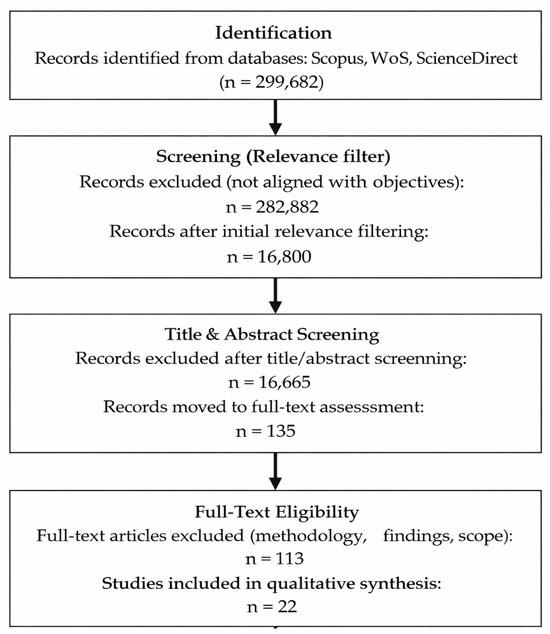

Disclaimer/Publisher’s Note: The statements, opinions and data contained in all publications are solely those of the individual author(s) and contributor(s) and not of MDPI and/or the editor(s). MDPI and/or the editor(s) disclaim responsibility for any injury to people or property resulting from any ideas, methods, instructions or products referred to in the content. |
© 2026 by the authors. Licensee MDPI, Basel, Switzerland. This article is an open access article distributed under the terms and conditions of the Creative Commons Attribution (CC BY) license.