


Abstract
Rising production costs have increased interest in lower-cost, non-inversion crop establishment systems in Ireland, yet uptake remains relatively limited. Growers’ perceptions of relative performance of innovations compared to current practice are key determinants of adoption. We surveyed 154 Irish arable growers (77 plough-based, 59 min-till, 18 direct drill) to assess perceived performance of min-till and direct drill across multiple parameters relative to ploughing to identify potential barriers to adoption. Respondents rated impacts on Likert scales; analyses summarized response distributions and between-system differences. For example: >30% of min-till growers believed min-till winter cereal yields exceed ploughing, compared with 0% of plough and <10% of direct drill growers. Growers generally favoured their own establishment system, consistent with adoption theory. Potential barriers to non-inversion adoption included perceived lower establishment reliability, crop performance concerns (especially spring crops), and anticipated increases in weed pressure, herbicide reliance, and herbicide resistance development risk. Several perceptions diverged from the Ireland-relevant literature, revealing both knowledge gaps (notably establishment stability and winter/spring crop performance of establishment systems) and misperceptions (including establishment system on soil structure). Targeted research to address knowledge gaps, combined with focused, grower-centred knowledge exchange, is required to support evidence-based evaluation and sustainable adoption of establishment systems in Ireland.
1. Introduction
In Ireland, increasing costs of crop establishment, nitrogen fertilizer, and pesticides [1,2,3] as well as constrained labour availability has resulted in increased interest in lower cost, more labour efficient non-inversion crop establishment systems [4]. However, adoption of non-inversion systems in Ireland remains low compared to countries with broadly similar climates [5]. Factors influencing the adoption of these systems have been investigated only to a limited extent and there has been relatively limited research on the performance of these systems in Ireland.
There is extensive research literature on crop establishment systems globally, but this is dominated by work carried out in drier climates, where non-inversion systems have many benefits [5,6,7,8,9]. Limited Irish research has indicated some challenges with non-inversion systems in this climate, such as increases in critical grass weeds and herbicide-resistance development risk [10,11] inconsistent crop yields [12]; poorer crop establishment [12,13] and less suitability for spring cropping [1]. As a result, there are some concerns over the suitability of these systems in Irish conditions. But while there may be gaps in knowledge, there has been an increase in the interest in, and adoption of, non-inversion systems.
Potential adopters’ perceptions of innovations have been identified as factors that influence the adoption process [14,15,16,17,18,19]. Rogers [15] proposed that perception of the relative performance of an innovation compared to current practice influences adoption. However, perceptions may be inaccurate and may be based on information from different climates or production systems that have limited relevance and applicability [20]. Consequently, the identification and evaluation of grower perceptions could identify barriers to adoption, misperceptions and knowledge gaps and as a result facilitate better resource allocation for future research and extension work [21].
Few studies have been conducted into the adoption of non-inversion systems in climates similar to Ireland’s, with these focusing on growers’ socio-demographic characteristics [22]; broad behavioural approaches [23,24] and knowledge exchange and innovation adoption preferences [20]. Jameson et al. [20] found that growers using non-inversion systems sourced more information from non-Irish sources for both major system change and agronomic decision making, than growers using plough-based establishment. Consequently, growers are utilizing information from countries that may have different climatic or production conditions, which may not be relevant to Irish conditions, running the risk that growers may wrongly perceive potential barriers and push factors towards adoption and as a result make inappropriate decisions. It also suggests that growers are using these sources of information because there are considerable information deficits relating to non-inversion systems in Ireland [20]. While studies focusing on the relative performance of new innovations are common, studies focusing on growers’ perceptions of system performance and system performance itself are rare. It is hypothesized that there are knowledge gaps relating to how crop establishment systems perform in Ireland’s Atlantic-influenced climate and that grower misperceptions exist in relation to how the systems perform as a result. This may result in both barriers and push factors towards adoption that have little basis. This manuscript draws on the same 2021/2022 Irish arable grower survey dataset reported in Jameson et al. [20], which focused on information sources, information access methods and innovation adoption preferences. Here, we use the same respondents to analyze perceptions of the relative performance of establishment systems and to identify perceived barriers, misperceptions and knowledge gaps relevant to sustainable adoption in Ireland’s Atlantic-influenced climate.
The aims of this study are:
- To assess the perceptions of Irish growers on the relative performance of non-inversion crop establishment systems compared to plough-based systems.
- To evaluate growers’ perceptions using the available relevant literature from Atlantic-influenced climates like Ireland’s and determine whether their perceptions are accurate and/or whether there is sufficient relevant information available to determine the accuracy of their perceptions.
This will help identify potential barriers and push factors to adoption, misperceptions and knowledge gaps relating to crop establishment systems for use in wetter Atlantic-influenced climates like Ireland’s. It should also provide research and knowledge exchange targets for research organizations and extension services. This will ultimately contribute to the sustainable adoption of the most appropriate crop establishment system for use in this climate. To our knowledge, explicit climate-specific benchmarking of farmers’ perceptions of the relative performance of innovations is a novel and practical approach for identifying and prioritizing research and extension requirements.
This manuscript is organized as follows: Section 2 describes the survey design and analytical approach; Section 3 presents growers perceptions by performance parameter and compares these perceptions with Ireland-relevant evidence to identify knowledge gaps and misperceptions and reports potential barriers and pushes towards adoption of non-inversion systems; Section 4 summarizes conclusions and proposes priorities for research and extension.
2. Materials and Methods
The data reported here comes from the same national survey of 154 Irish arable growers described in Jameson et al. [20]. While that paper reported socio-demographics, innovation adoption preferences, research/extension needs, and information sourcing/access, here we report previously unpublished survey sections on growers’ perceptions of establishment-system performance and evaluate these perceptions against evidence from Atlantic-influenced climates.
2.1. Farm Selection
One hundred and fifty-four Irish arable growers were selected using a purposeful stratified and snowball sampling method to ensure adequate representation of the different crop establishment systems was achieved. Of the 154 farms, 77 used plough-based crop establishment systems and 77 used non-inversion crop establishment systems, of which 59 used min-till (including 9 strip-till) and 18 used direct drilling, on >50% of their cropped land. The surveyed growers were selected from the “network” of Teagasc (Irish state-funded research and farm advisory organization) advisers and commercial crop advisers/consultants.
2.2. Questionnaire Survey
The survey participants (n = 154) were interviewed during a 5-month period, by phone, starting in late 2021. The questionnaire, which included multiple different topic sections, was sent to growers in advance (via. email or post) of their phone interview, which took on average 40 min to complete. A pilot study with 21 growers (7 each of plough, min-till and direct drill) was conducted initially, with some modifications implemented subsequently. An exemption from full ethical review was received from the human research ethics committee of University College Dublin. In addition, informed consent was obtained from participants prior to the survey.
Survey elements capturing information relating to socio-demographics, innovation adoption preferences, extension and research needs/preferences, information sources and information access methods used, were reported previously [20]. In this paper, respondents’ perceptions on the performance of non-inversion systems (both min-till and direct drill systems) compared with the widely used plough-based system are reported on.
2.3. Perception Question Formulation
Questions assessing growers’ perceptions of non-inversion crop establishment systems (min-till and direct drill systems) relative to plough-based systems were formulated following a review of the literature dealing with crop establishment systems in climates like Ireland’s (defined as Atlantic-influenced by Peel et al. [25]). Questions were structured using ‘Likert’ type scales with growers given a baseline figure, for a plough-based system (from the literature) for some of the technical questions and asked how min-till and direct drill systems compared. Survey items were checked by subject-matter experts for face and content validity and refined following a pilot with 21 growers (seven per system); pilot testing identified minor wording and ordering changes which were implemented prior to data collection.
2.4. Data Analysis
All data was analyzed using R, version 4.1.0 [26]. The questions capturing growers’ perceptions generated ordinal data (from Likert-type scales) for which Kruskal–Wallis tests were used to assess whether response distributions differed between respondent establishment-system groups (plough, min-till, direct drill). Following a significant result in the Kruskal–Wallis test, pairwise comparisons were performed using a Dunn test (function: dunnTest, package: FSA) with Holm adjustment for multiple comparisons; this identified which groups of growers had answered differently from each other. The “don’t know/don’t want to answer” responses were retained in descriptive figures to show response distributions but were removed from the data prior to analysis to allow differences in perception between growers using different systems to be confined to those that expressed an opinion. To determine the accuracy of—and extent of support for—growers’ perceptions, the research literature from Atlantic-influenced climates similar to Ireland’s was reviewed. When determining whether there was adequate evidence available to compare to grower perceptions, the quantity of studies and the design, location, duration and results of studies were considered.
A push-barrier normalized difference plot was created to synthesize heterogeneous survey items onto a single interpretable axis that identifies attributes perceived to act as either “pushes” towards or “barriers” to adoption of non-inversion systems [27]. Normalization was necessary because items differed in wording, scale length and directionality (some items were phrased so that smaller values indicate a more favourable outcome). This common scale makes magnitudes directly comparable across items (parameters) and between grower groups. For each survey parameter that asked growers to compare the performance of min-till or direct drill systems to ploughing, individual Likert responses were first centred on the parameters “no change” anchor (identified directly from the response labels). Centred values were then range-standardized by dividing by the maximum possible distance to the “no change” anchor on that parameters scale, yielding a symmetric index bounded by −1 to +1, where ±1 represents the maximum movement on the question scale. To place all parameters on a common perceived positive/negative impact on adoption spectrum, we sign-flipped variables where “less is good” (e.g., pesticide use, herbicide spend, nutrient requirements, deeper tillage frequency, compaction threats, greenhouse gas emissions, establishment costs), so that positive values consistently indicate a perceived push factor towards adoption (positive) and negative values indicate a perceived barrier to adoption. Parameters where growers were asked to rate the performance of plough, min-till and direct drill systems instead of comparing min-till/direct drill systems to plough (e.g., establishment reliability, soil organic matter after five years, deeper tillage/subsoiling frequency, impact of glyphosate registration loss) were reconstructed at respondent level as differences for min-till–plough and direct drill–plough before standardization, ensuring comparability across panels. “Don’t know” responses were excluded. Normalized values were then averaged by respondents’ current system (plough, min-till, direct drill) to obtain group means plotted as three markers per row. The left panel of the push-barrier normalized difference plot shows perceived performance of min-till relative to plough; the right panel shows direct drill relative to plough. Values close to zero indicate “no change,” positive values indicate push factors towards adoption, and negative values indicate barriers to adoption; magnitudes are directly comparable across items because of the common scale.
An institutional large language model interface (TeagGPT; Teagasc-specific implementation of LibreChat AI v0.8.2, analogous to ChatGPT) was used to assist in refining R code syntax for figure generation.
2.5. Literature Benchmarking and Evidence Classification
To assess whether growers’ perceptions are supported by regionally relevant evidence we carried out a focused, targeted review of studies conducted in Atlantic-influenced climates and otherwise directly comparable contexts. For each parameter we favoured field-based studies (on-farm trials, replicated experiments and multi-year studies), giving priority to work reporting management practices comparable to Irish practice. Where multiple independent, robust studies reached a consistent result, we considered the evidence to be sufficient to evaluate perceptions. Where studies were few, dated, or methodologically weak (e.g., unreplicated on-farm study), we classified the parameter as an evidence gap. Where the gatherer evidence contradicted the modal grower perception we classified the parameter as a misperception. These pragmatic criteria were used solely to prioritize research and extension needs rather than to perform a formal systematic review.
2.6. Limitations
This study has several limitations. The sample was purposively stratified and drawn from the network of Teagasc advisors and commercial advisers rather than by random sampling, which may introduce selection bias and limit representativeness of the wider Irish arable population. The total sample size (n = 154) and, in particular, the small direct drill subgroup, constrain statistical power for some comparisons and the precision of subgroup means. Whilst the number of growers in the direct drill category was small compared to the numbers in the other categories, these growers were a large proportion of the total direct drill population fitting the inclusion criteria, which was estimated to be less than 30 growers at the time of the survey [20]. Data are cross-sectional and based on self-reported perceptions collected by phone interviews, leaving results vulnerable to response, social desiarability and recall biases and preventing causal inference. Growers were asked to compare non-inversion systems against a plough-based baseline; we therefore acknowledge that some perceived performance differences may result from management practices optimized for ploughing rather than intrinsic system limitations, and that benchmarking against the literature is constrained by the management regimes used in published studies. The push–barrier index treats Likert responses as approximately interval and applies range normalization and sign inversion; these transformations improve comparability but summarize central tendency and rely on assumptions that should be acknowledged. Finally, ‘don’t know’ responses were excluded from the index, which may underrepresent uncertainty for some items. These limitations suggest results should be interpreted as indicative of perceived barriers and research priorities rather than definitive measures of system performance.
3. Results and Discussion
In this section, results are presented by performance parameters. For most questions, growers who used different crop establishment systems were asked how they perceived min-till and direct drill establishment systems impacted on each of these performance parameters relative to a plough-based system. Grower perceptions (answers to questions asked in survey) are shown in figure format. These perceptions were then compared to the literature from Atlantic-influenced climates similar to Ireland’s. Each subsection first reports growers’ perceptions for the focal parameter, then summarizes relevant Ireland/Atlantic-relevant evidence and draws a short, explicit conclusion about the perception–evidence relationship. For transparency we label each parameter at the end of its subsection as one of: (i) ‘Evidence broadly supports perceptions’, (ii) ‘Perception contradicts relevant evidence (misperception)’, or (iii) ‘Insufficient/heterogeneous evidence (knowledge gap)’. These labels indicate our judgement of the regional evidence base and are intended to guide research and extension priorities.
3.1. Crop Performance
When considering winter cereal yields, a large proportion of growers from each group thought that min-till would produce comparable yields to ploughing. However, there were significant associations between growers’ systems, and the winter cereal yields they perceived min-till systems would produce in comparison to a plough-based system (Figure 1a). Almost a third of min-till growers believed that their system yielded more than ploughing while none of those ploughing and just 6.3% of those direct drilling believed min-till may yield more. Conversely over 40% of those ploughing and 25% of direct drillers believed that min-till would result in lower yields than ploughing compared to almost no min-till growers.
Figure 1.
Perceived impact of establishment system on grain yields. Notes: Superscript letters denote where significant differences exist between groups.
Large proportions of each group perceived that min-till winter cereal yields would be similar to plough-based yields which would be in agreement with studies from Atlantic-influenced climates like Ireland’s [4,12,28,29] where min-till systems had adequate crop establishment. However, Brennan et al. [12], found that min-till systems were more vulnerable to poorer crop establishment in wet autumns, resulting in lower yields. Classification: Evidence broadly supports growers’ perceptions for this parameter (sufficient regional evidence).
When comparing the performance of direct drilling with ploughing, almost 70% of plough-based and 50% of min-till growers perceived that direct drilling would result in some level of a yield reduction compared to approximately 30% of direct drill growers. Plough-based growers answered significantly differently to the other growers, with a higher proportion of them perceiving that direct drilling would result in decreased grain yields (Figure 1b).
The literature from studies conducted where the climate was Atlantic-influenced like in Ireland is mixed on this question with some suggesting direct drilling produces similar yields [30,31,32,33,34]; but there are limited studies suggesting lower [32] yields compared to ploughing. However, most of these studies were conducted in the 1980s and early 1990s, where cereal yields were significantly lower than today, questioning the applicability of these studies. Pittelkow et al. [35] in a global meta-analysis found that direct drill yields in humid (wetter) climates were reduced overall compared with ploughing, there were 306 studies included from humid climates in that study and whilst these are not all from climates exactly comparable to Atlantic-influenced climates like Ireland’s, they are from non-arid climates that would be somewhat comparable to Ireland’s climate. Overall, there is a lack of relevant up to date studies relating to direct drill cereal yields in Atlantic-influenced climates like Ireland’s. Classification: Insufficient or heterogeneous regional evidence (knowledge gap); targeted empirical work is recommended.
When considering spring cereal grain yields, a large proportion of all growers, especially non-inversion growers, perceived that min-till spring cereal grain yields would be similar to a plough-based system. Min-till growers’ perceptions differed significantly to those of plough-based but not direct drill growers (Figure 1c). They were optimistic about their own system, with a higher proportion of them compared to plough growers perceiving that min-till spring cereal grain yields would be increased compared to ploughing.
The literature concerning spring crop yield impact in an Atlantic-influenced climate like Ireland’s suggests; comparable yields on light/medium texture soils but lower yields on heavier soils [4], lower or inconsistent yields [1] and lower yields in an average year and comparable yields in a drier year [36]. While there is a relatively limited amount of information in the literature relevant to Ireland’s climate, it would suggest that many growers’ perceptions are inaccurate, particularly those of min-till growers, as there is a risk of inconsistent spring crop yields with spring min-till systems. However, the common practice of Irish min-till practitioners of cultivating quite deeply (almost to ploughing depth) may be contributing to their perceptions as this practice may result in less difference in performance compared to ploughing than what is recorded in the limited research where shallow min-till is used. Furthermore, growers often use higher seeding rates and earlier sowing to overcome the risk of poorer establishment and subsequent poor performance [37]; whereas, most studies in Ireland have utilized management optimized for plough-based cropping systems in their experiments. This fails to attempt to adopt management approaches to the establishment system used, future research should explore whether establishment system specific management could improve the performance and reliability of non-inversion systems in wetter Atlantic-influenced climates. Classification: Perception contradicts relevant regional evidence (misperception); targeted extension is recommended.
Growers’ perceptions of spring cereal yields produced from direct drilling compared with ploughing indicated that the majority of growers thought direct drilling would result in a yield reduction with significant differences in perceptions between the groups (Figure 1d). Direct drill growers were less pessimistic, with 37.6% expecting a decrease in spring crop yields compared to 66% of min-till and 74.6% of plough practitioners respectively.
Studies assessing spring cereal grain yield in direct drill and plough-based systems in Atlantic-influenced climates like Ireland’s are mixed with some suggesting comparable yields [38,39,40,41], while others lower [42,43,44]. Cannell et al. [45] argue that the success of direct drilling especially in spring strongly depends on soil type. However, all of these studies were conducted at a time when spring cereal yields were much lower than today’s yields with the highest yields reported being approximately 30% lower than Irish national average spring barley yields. This indicates that there is little current research available to indicate whether growers’ perceptions are accurate. Classification: Insufficient or heterogeneous regional evidence (knowledge gap); targeted empirical work is recommended.
The majority of growers thought that a plough-based system would be the best system to successfully establish a crop in challenging wet conditions with a larger proportion of plough-based than min-till and min-till than direct drill growers thinking this (Figure 2a). Work by Brennan et al. [12] and Fortune et al. [46] support these perceptions as they reported that establishment was much better in a plough-based system than a min-till system in wet conditions. Studies reporting on direct drill establishment in wet conditions are very limited, a review by Soane et al. [5], suggest that a direct drill system will have difficulty establishing crops in wet conditions compared to a plough. Baker and Mai [47], Chaudhry and Baker [48], Iqbal et al. [49] and Dudley and Bruce [50] argue that direct drill establishment will be poorer than a plough-based system in wet conditions as direct drills usually smear and compact the soil during sowing in these conditions, creating a less favourable environment for seedling emergence. Recent work by Jameson, Forristal and McDonnell [37] support this as they found that direct drill resulted in a lower percentage establishment compared to plough-based and min-till systems for winter wheat. Classification: Evidence broadly supports growers’ perceptions for this parameter (sufficient regional evidence).
Figure 2.
Perceived impact of establishment system on crop establishment. Notes: Superscript letters denote where significant differences exist between groups.
The majority of growers, irrespective of system, were confident they would achieve satisfactory establishment 9 or 10 years out of 10 with a plough-based system but with direct drill growers being a little less optimistic (Figure 2d).
Overall growers thought satisfactory establishment would be achieved in a lower number of years out of 10 in the non-inversion systems (Figure 2e,f). However, min-till and direct drill growers favoured their own systems as significantly more of them thought satisfactory establishment could be achieved more frequently in their system than in the other systems. There is no relevant literature available from long term experiments to compare with growers’ perceptions, highlighting the need for future research to address this knowledge deficit. Classification: Insufficient or heterogeneous regional evidence (knowledge gap); targeted empirical work is recommended.
3.2. Water Availability and Soil Moisture
The majority of growers thought that water is a yield limiting factor on their farms (Figure 3a). Work by Holden and Brereton [51] and Lynch et al. [2] support these perceptions and suggest cereal yields are negatively affected by water availability in some locations and on some soils. When asked about the occurrence of yield limiting water conditions most growers thought that water would be a yield limiting factor in 1–5 years out of 10, with 2 years being the most commonly selected response and no differences in response attributable to the respondent’s system. (Figure 3b). Soil moisture deficit data [52] for a well-drained soil, from the Oak Park weather station, Carlow, in the main cereal growing region in Ireland would support growers’ perceptions. In 3 out of the last 10 years, there were days in the March to July (inclusive) period where the soil moisture deficit was greater than or equal to 50% of the plant available water capacity in a light textured soil—a yield impacting threshold observed by Foulkes et al. [53] in the UK and used by Lynch et al. [2] in an Irish winter wheat growth model. Classification: Evidence broadly supports growers’ perceptions for this parameter (sufficient regional evidence).
Figure 3.
Perceived impact of water availability on crop yields and impact of establishment system on soil moisture. Notes: Superscript letters denote where significant differences exist between groups.
Approximately half of the plough-based growers, compared to the majority of min-till and direct drill growers, thought that the water retention characteristics of min-till and direct drill systems would have a positive impact on yield (Figure 3c,d). More min-till and direct drill growers also considered that the water retention characteristics of min-till would have a positive impact on yield more frequently than plough-based growers thought (Figure 3e,f). Similarly, when the water retention characteristics of direct drilling was considered, more min-till and direct drill users considered that this would impact positively on yield and would do so more frequently than other min-tilling. A review conducted by Abdallah et al. [54] found that there was generally no significant difference in the water holding capacity between plough and non-inversion systems, but that the increased water saving capacity of non-inversion systems is much more evident and beneficial in arid and semi-arid climates. Evidence suggesting that improved water retention characteristics of non-inversion systems will impact yields positively in Atlantic-influenced climates like Ireland’s is weak. Classification: Insufficient or heterogeneous regional evidence (knowledge gap); targeted empirical work is recommended.
3.3. Crop Protection and Pest Pressure
When all growers were considered, the majority thought that their spend on herbicides would increase when adopting either a min-till or a direct drill system. However, a higher proportion of min-till and direct drill growers thought there would be no difference in herbicide spend in a min-till system relative to a plough-based system (Figure 4a). Considering the herbicide expenditure in a direct drill system, whilst a large proportion of growers thought that the adoption of a direct drill system would result in an increased expenditure on herbicides (Figure 4b), a significant proportion of non-plough and especially direct drill growers thought that expenditure on herbicides would reduce.
Figure 4.
Perceived impact of establishment system on herbicide spend and weed control. Notes: Superscript letters denote where significant differences exist between groups.
Many publications indicate that tillage, especially ploughing, is an important cultural control that reduces weed pressure [55,56,57,58]; the removal of this cultural control could lead to higher weed burden [59] resulting in a potential increase in herbicide requirement. This increased weed pressure may not necessarily mean that herbicide use would increase; for example in Ireland where non-inversion system adoption is relatively recent, Bhaskar et al. [10], while finding greater weed density on farms that used non-inversion systems, did not find any great difference in herbicide use at that time. Classification: Insufficient or heterogeneous regional evidence (knowledge gap); targeted empirical work is recommended.
The majority of growers thought that min-till systems would be more susceptible to brome weed issues than plough-based systems with those ploughing answering significantly different from the other groups, evidenced particularly by 74.7% of this group expecting significantly more brome issues with min-till adoption (Figure 4c). Growers’ answers followed similar trends when the impact of adoption of direct drill was considered (Figure 4d). However, a much higher proportion of direct drill growers (33.4%) thought that direct drill systems would be less susceptible to brome issues than ploughing. Ploughing is an advised cultural control method to control brome species [60,61,62,63], implying non-inversion systems would be inherently more susceptible to infestations from brome species. Historical experience shows that brome infestations were a significant challenge when non-inversion systems were previously adopted, causing some early adopters to revert to ploughing [10]. In Ireland, the expansion of area cultivated with winter barley, earlier sowing, and limited effective herbicide options, may be driving increases in brome infestations in recent years, across all systems, though non-inversion systems appear particularly vulnerable [10]. However, some growers may perceive direct drilling differently because reduced soil disturbance may limit the stimulation and germination of weed seeds. Soil cultivation redistributes seeds vertically and exposes them to light and conditions that can break dormancy and stimulate emergence. In contrast, true direct drill systems minimize soil movement, potentially reducing disturbance-induced germination and redistribution of seeds into optimum emergence depth. Under such conditions, weed seedbanks often become stratified near the soil surface, and the net effect on weed pressure depends strongly on species biology and seed longevity rather than tillage intensity alone. Therefore, while inversion tillage can suppress certain species through burial, repeated shallow disturbance may also increase emergence relative to undisturbed soils, which may explain why a proportion of direct drill growers perceived lower susceptibility to brome issues. Classification: Evidence broadly supports growers’ perceptions for this parameter (sufficient regional evidence).
Most growers thought that there would be an increased risk of herbicide resistance development with the adoption of either non-inversion system (Figure 4e,f). When considering min-till adoption, 89.1% of plough-based, 54.3% of min-till, and 73.3% of direct drill growers thought it would increase the risk of herbicide resistance development, with plough-based growers’ responses differing significantly from the min-till group. When the effect of direct drilling adoption on herbicide resistance development was considered, growers who plough believed that there would be a much greater increase in resistance development risk than the other two groups. Surprisingly, 31.3% of direct drill growers thought that direct drilling would result in a reduction in herbicide resistance development compared to ploughing, but this was not significant probably due to the low numbers in this group. The use of tillage (especially ploughing) in cropping systems reduces the risk of resistance development considerably as rare resistant survivors are likely to be controlled by these tillage operations [62]. This, along with potentially increased grass weed pressure and herbicide use in non-inversion systems may result in an increased risk of herbicide resistance development as there are more individual weeds for selection to occur on, especially in direct drill systems where there is neither inversion to depth nor any tillage to control weeds. Previous studies in Ireland have recorded herbicide resistance across all systems [10], highlighting the importance of developing cultural non-chemical weed management strategies to reduce the pressure on herbicides for weed control. Classification: Evidence broadly supports growers’ perceptions for this parameter (sufficient regional evidence).
Growers were asked to rate what they thought the impact of possible glyphosate registration loss might be on each system. The majority of growers irrespective of system thought the impact of glyphosate loss on ploughing would be significant and that some modification would be needed for the system to function without glyphosate (Figure 5a). Many growers referenced they or their predecessors having significant issues with Scutch grass (Elymus repens L.) control in the pre-glyphosate era and predicted a resurgence in this issue where they could not use glyphosate. Most growers thought the impact of glyphosate loss on min-till and direct drill systems would be detrimental, and these systems would not be able to function without glyphosate, with those ploughing being most pessimistic (Figure 5b,c). Overall, it is clear that the continued availability of glyphosate through re-registration is viewed as critical for the functioning of all systems by all growers. Classification: Evidence broadly supports growers’ perceptions for this parameter (sufficient regional evidence).
Figure 5.
Perceived impact glyphosate registration loss would have on establishment systems. Notes: Scores for each grower groups for each question refer to the mean scale code score for each group. Score of 10 denotes that system could not function without glyphosate, score of 5 denotes that significant modifications would be needed for system to function without glyphosate and score of 0 denotes that there would be no impact on systems if glyphosate registration was lost. Superscript letters denote where significant differences exist between groups.
Most growers, irrespective of system, thought there would be no difference in fungicide use if min-till was adopted; however, there was a difference between groups with 22.2% of plough-based growers thinking that fungicide use would increase in a min-till system (Figure 6a). There was a significant association between system used and perceptions of fungicide use in a direct drill system with 77.8% of direct drill users expecting fungicide use to drop on adoption of direct drilling; the majority of plough-based and min-till growers thought there would be no difference in fungicide use (Figure 6b).
Figure 6.
Pesticide use and aphid pressure. Notes: Superscript letters denote where significant differences exist between groups.
Certain fungal diseases can be increased by non-burial of crop residue as occurs in non-inversion systems [64,65,66,67]. However, fungicide response trials using different crop establishment systems in Atlantic-influenced climates like Ireland’s have not been reported. One study conducted in France found that actual use on farms did not differ between plough-based and non-inversion farms [68]. It could be speculated that the direct drillers response of an expected large reduction in fungicide use may be related to expectations of a yield reduction (and consequently a lower input spend), but only 23.5% of this group anticipated a yield reduction (Figure 1b). Classification: Insufficient or heterogeneous regional evidence (knowledge gap); targeted empirical work is recommended.
The impact of non-inversion system adoption was not perceived to have a major impact on insecticide use with most growers indicating no change; however, there was a difference between how groups answered with a much greater proportion of those direct drilling predicting a more than 10% reduction in insecticide use with non-inversion systems (Figure 6c,d). Approximately 50–60% of growers from each grower group indicated that there would be relatively little change in aphid numbers following the adoption of non-inversion crop establishment systems, but direct drill users believed there would be a substantial reduction in aphid numbers following the adoption of direct drilling (Figure 6e,f). A modest reduction in aphid numbers was expected by min-till and direct drill practitioners when min-till adoption was considered, which differed from the views of those who ploughed. There is considerable literature indicating that the crop establishment system used can impact BYDV risk. Studies conducted in Ireland found significantly lower aphid numbers and BYDV in reduced tillage treatments [46,69,70], probably due to the increased presence of crop residues on the soil surface, which is less appealing as a place to land to flying aphids [70]. This shows that tillage system can impact positively on reducing aphid numbers, but this may not eliminate the response to pesticides. Kennedy and Connery [70] found that whilst min-till crops are less prone to BYDV, a yield response to an insecticide spray was still observed, although not to the same extent as in a plough-based system. However, insecticide response trials including a direct drill system in Ireland have yet to be carried out. Classification: Insufficient or heterogeneous regional evidence (knowledge gap); targeted empirical work is recommended.
3.4. Crop Nutrition
Most growers considered that there would be relatively little change in nitrogen requirement of either min-till or direct drill systems; however, in the case of direct drill adoption, the different grower groups had different views with a larger proportion of those who used plough or min-till establishment systems considering that direct drill adoption would require less nitrogen (Figure 7a,b).
Figure 7.
Crop nutrition. Notes: Superscript letters denote where significant differences exist between groups.
When phosphorus requirement was considered, between 21.1% and 40% of respondents across all establishment systems thought there would be a decrease in phosphorus need when adopting min-till (Figure 7c). A similar trend was evident when direct drilling was considered except in this case, over 60% of those that already practiced direct drilling had a view that phosphorus need would be less (Figure 7d). The trend for potassium was quite similar, with many respondents expecting less potassium to be required but particularly so among those who practiced direct drilling (Figure 7e,f). Literature referencing the nutrient requirements of systems in an Atlantic-influenced climate like Ireland’s were very scarce with only Brennan et al. [1,12], finding that there was no difference in nitrogen use efficiency or requirement between plough-based and min-till systems provided satisfactory establishment is achieved. Vogeler at al. [71], in a study conducted in Germany, also found that tillage system had limited effects on nutrient uptake. Overall, there is little literature available to evaluate whether there are different nutrition requirements for crops grown in different crop establishment systems in a wetter Atlantic climate like Ireland’s. Classification: Insufficient or heterogeneous regional evidence (knowledge gap); targeted empirical work is recommended.
3.5. Soil Biology and Soil Structure
When the impact of non-inversion system adoption on earthworms was considered, most respondents thought that numbers would increase after 5 years of non-inversion adoption, but there was a wide distribution of responses across the range of increase categories (Figure 8a,b). There was a significant association between system used and growers’ perceptions. However, when the impact of min-tilling was considered, of those that already practiced min-till, a significantly greater number, 42.4% considered that earthworm numbers would more than double, whereas both other groups had more modest numbers of growers selecting this option. When the impact of direct drilling on earthworms was considered, broadly similar results were recorded as with min-till except in this case 55.6% of the respondents who were practicing direct drill also suggested that earthworms would increase by more than 100%. A number of studies from Atlantic-influenced climates like Ireland’s support the majority of growers’ perceptions, that earthworm abundance increases as tillage intensity decreases [34,72,73,74,75,76,77,78] and in some cases earthworm diversity [79]. However, the scale of the increases suggested by the respondents, in the time frame considered (5 years after adoption), greatly exceeded that recorded in the literature [80]. Classification: Evidence broadly supports growers’ perceptions for this parameter (sufficient regional evidence).
Figure 8.
Soil biology and soil structure. Notes: Superscript letters denote where significant differences exist between groups.
Most growers expected slug numbers to increase with the adoption of min-till or direct drilling with a relatively even distribution of respondents across the different response categories (Figure 8c,d). Where min-till was considered, there was a difference between the perceptions of those who min-till and those who plough, with the former expecting much less of an increase in slugs than those who plough. The expected increase associated with a tillage intensity decrease is supported in the literature [78,81,82,83,84] but increased slug numbers does not always result in increased slug damage [78,85,86,87,88]. Classification: Evidence broadly supports growers’ perceptions for this parameter (sufficient regional evidence).
The majority of growers irrespective of system thought that min-tilling would result in either no change or a smaller threat of compaction occurring in the topsoil and subsoil compared with ploughing (Figure 8e–h). However, over 20% of plough-based growers thought that min-tilling would result in a larger threat of compaction occurring in the topsoil and subsoil compared with ploughing. When considering direct drilling compared with ploughing, growers mostly thought that the threat of compaction would be smaller for direct drilling. Soil strength is a soil property that can be used as an indicator of compaction [89], with compaction associated with soils with high soil strength readings. Ball and O’Sullivan [90] found that soil strength in direct drilled soils was up to 15 times higher than in ploughed soils, Tebrugge and During [91] also found higher soil strength readings in non-inversion systems. Soil strength values strongly correlate to soil trafficability [92]. Whilst increases in soil strength can be beneficial from a soil trafficability perspective, when soil strength increases to a certain level, plant root penetration [93,94,95,96] and subsequent crop performance can be negatively affected. This may be at odds with growers’ perceptions. If soil strength is increased, non-ploughed soils will be more resilient to traffic and will be less likely to further compact. The aim with direct drilled soils, is to allow a natural vertical porosity to develop over time, which can occur in untilled soils [97,98]. However, in Atlantic-influenced climates like Ireland’s, which are relatively wet, there will be more days where soils are at higher risk of damage due to trafficking [99,100], with a more significant threat of compaction occurring than in drier climates, but in non-plough systems (especially direct drill), there is limited scope to remediate this compaction without interrupting the hoped-for vertical porosity development. Classification: Perception contradicts relevant regional evidence (misperception); targeted extension is recommended.
There was no association between the system used and how often growers thought deeper tillage would be required to overcome compaction in a plough-based system (Figure 9a); 54.5% of plough-based, 60.3% of min-till and 41.2% of direct drill growers thought that you would never need to cultivate deeper to overcome compaction in a plough-based system. Of the remaining growers, over 20% thought that deeper tillage would be required every 5 years.
Figure 9.
Supplementary tillage and soil structure. Notes: Superscript letters denote where significant differences exist between groups.
Considering non-inversion systems, most also consider that deeper tillage would not be required but more of those practicing non-inversion systems (50 to 90%) believed they would never need deeper tillage (Figure 9b,c). More plough-based growers believed that the non-inversion systems would need occasional deeper tillage than growers who used those systems. Compaction usually occurs in soils beneath the cultivated layer and has frequently been referred to as a plough (or tillage) pan, as historically this was the dominant form of deeper tillage practiced on farms [101,102]. The formation of this plough pan layer results in reduced soil porosity and increased soil bulk density [103,104,105] leading to reduced root growth and penetration [106,107]. Since these pans are formed below the cultivated layer, they can also occur in non-inversion systems. Subsoiling (subsoil loosening) has been shown to reduced soil strength in these plough pan layers [108,109]. However, these tillage pans usually reform after 1–2 years [109,110]. Rather than continuous re-subsoiling every couple of years, Munkholm et al. [111] argue that re-compaction avoidance via traffic management would be a more beneficial approach in the long term. Therefore, to generalize about the required frequency of subsoiling in the different systems would be difficult; however, it is clear that if careful consideration is not given to traffic management or if wet soil conditions during key operation schedules (e.g., harvesting) are observed, some damage is inevitable, suggesting that deeper tillage could be required. Direct drilled soils are more compact than tilled soils [90,91] and if this compaction worsens to the point where crop performance is negatively affected, remedial tillage may be required to alleviate compaction. Subsoiling has inconsistent effects on crop yields in ploughed [112,113] and direct drilled [114] crops, this is in agreement with the overall findings of a review by Schneider et al. [115] which found that the impact of deep tillage (subsoiling) on crop yields was slightly positive but highly variable with large yield increases and decreases observed. They found the impact of subsoiling to be highly site-, soil- and weather-dependent. Classification: Insufficient or heterogeneous regional evidence (knowledge gap); targeted empirical work is recommended.
Almost all growers, irrespective of system, thought that after 5 years of min-tilling that soil structure will have slightly or significantly improved relative to ploughing (Figure 9d,e). Min-till growers favoured their own system with a larger proportion of them thinking that min-tilling would significantly improve soil structure overall. Most growers thought that 5 years of direct drilling would somewhat improve soil structure, but non-inversion growers were more optimistic with over 85% of min-till and direct drill growers believing direct drill would significantly improve the structure. The impact of tillage system on soil structure can vary in type and magnitude depending on site specific factors (soil type, site history, etc.) and cropping system (cropping sequence, traffic management, etc.) [116]. Soil structure can be assessed in a myriad of different ways, for example bulk density, soil strength, aggregate stability, visual assessments of soil structure and soil trafficability assessments can all be used as measures of soil structure. In a meta-analysis by Nunes et al. [116], min-till systems had minimal effect on soil structural quality compared to plough-based systems but results varied across studies. Van Groenigen et al. [117] found soil bulk density increased at 0–15 cm and 15–30 cm depths with a minimum tillage system in Ireland. As previously discussed, soil strength and bulk density increases associated with non-inversion systems can improve soil trafficability but if they increase past a certain point can cause crop performance issues. Mueller et al. [118] found that direct drilled and ploughed soils had similar Peerlkamp scores (visual assessment of soil structure) in the 0–5 cm layer but that the direct drill system had poorer soil structure at a depth of 5–25 cm, several studies also had similar findings to these [119,120,121,122]. Cooper et al. [123] found in a split-farm trial in the UK that min-till and direct drill systems had no impact on soil quality. Overall, there are few studies that compare soil structural quality in more than two different systems in Atlantic-influenced climates like Ireland’s; most studies have concentrated on comparisons between plough-based and direct drill systems as they are quite distinct with min-till less studied. Overall, the available Atlantic-influenced literature provides mixed/limited support for the magnitude of improvement in ‘soil structure’ perceived by respondents; some indicators improve (e.g., trafficability) while others may deteriorate (e.g., bulk density/soil strength at depth), depending on site and management. Classification: Insufficient or heterogeneous regional evidence (knowledge gap); targeted empirical work is recommended.
There was no significant association between the system used and growers’ perceptions of how ploughing would affect soil organic matter levels after 5 years practicing the system (Figure 10a). The majority of growers, irrespective of system, thought that soil organic matter levels would either decrease by 5% or not change after 5 years of using a plough-based system. Most growers thought that min-tilling would result in either a 5% increase or no change in soil organic matter levels after 5 years (Figure 10b). Min-till growers favoured their system with a higher proportion of them predicting soil organic matter increases (Figure 10b). For direct drilling’s impact on soil organic matter, 38% of plough-based growers thought its implementation would result in no change after 5 years compared to just 5% of min-till and 11% of direct drill growers (Figure 10c). Most of the remaining plough-based growers and the majority of min-till and direct drill growers thought that soil organic matter levels would increase by 5–10% after 5 years of direct drilling. Soil organic matter is an important determinant of soil functionality and has been reported as improving crop nutrition, aggregate stability (soil structure), water retention and ease of cultivation and seedbed preparation [124].
Figure 10.
Soil organic matter. Notes: For grower response options bracketed values show the implied SOM percentage given a baseline of 3.5% SOM. Superscript letters denote where significant differences exist between groups.
The impact of tillage on soil carbon stocks (tightly related to soil organic matter levels) is complex and widely debated [117,125] and can be highly site specific [126]. As tillage intensity increases so does the surface area of soil that is exposed to oxygen, leading to more CO2 emissions and carbon loss from soils [127,128]. Tillage also breaks down soil aggregates that protect and preserve soil carbon [127,128]. The integration of crop residues by tillage also stimulates carbon degrading microbes in the soil, further enhancing carbon decomposition [129,130,131]. Site history, underlying geology and climate influences the tillage effect on soil carbon change [117,132,133,134,135]. Tillage studies normally compare non-inversion practices to ploughing, with relatively little emphasis on changes within ploughing systems but, it is accepted that soil carbon stocks will reduce in cultivated soils overtime [117]. Mineral soils converted from their natural state (forest) to cropland have been shown to lose between 30 and 60% of their original carbon content [136] (Teng et al., 2024) with large initial carbon loses (following cultivation) before reaching near equilibrium, where following carbon losses are much smaller [137,138,139,140]. Garnier et al. [135] estimated the soil carbon loss of the organic carbon pool associated with ploughing to be approximately 0.24–0.28% per year whilst Heikkinen et al. [141] estimated 0.4% per year. These modest estimated losses are broadly consistent with the majority of growers’ perceptions. To benchmark growers perceptions against published sequestration estimates, soil organic carbon storage potentials reported by King et al. [142], Smith et al. [143], Schwengback et al. [144] Oorts et al. [145] were converted to expected soil organic matter concentrations changes using the approach described by Spink et al. [124] (soil organic matter = 1.7 × soil organic carbon; bulk density = 1.3 g cm−3; depth = 0–30 cm). Under these assumptions, five years of min-till could increase soil organic matter levels by approximately 0.007, 0.042 and 0.002 percentage points (King et al. [142], Smith et al. [143], Schwengback et al. [144], respectively). For direct drilling the corresponding increases are approximately 0.030–0.049, 0.085 and 0.029 percentage points (King et al. [142], Smith et al. [143] and Oorts et al. [145], respectively). On the question response option scale (taking 3.50% SOM), these changes would raise SOM to 3.50–3.54% (min-till) and 3.53–3.59% (direct drill) after five years, substantially smaller than the 5–10% increases (to 3.68–3.85% SOM) selected by many respondents. Overall, this suggests that expectations of SOM build-up over a five-year period are optimistic relative to published sequestration potential rates. Similarly, longer-term UK estimates indicate SOC gains under reduced/no-tillage accrue slowly over decades rather than within a single five-year period [146]. Classification: Perception contradicts relevant regional evidence (misperception); targeted extension is recommended.
3.6. Greenhouse Gas Emissions and Economics
The majority of growers thought that min-tilling would result in a decrease in greenhouse gas emissions compared with ploughing (Figure 11a). However, a larger proportion of min-till growers thought that there would be a larger decrease in emissions compared to what plough-based and direct drill growers thought. Growers, irrespective of system, thought that direct drilling would result in a decrease in greenhouse gas emissions compared with ploughing but with direct drill and min-till growers being much more optimistic (Figure 11b). Assessing greenhouse gas emissions from different tillage systems is extremely difficult with complex interactions between different factors such as temperature, rainfall, water content, amount of soil organic matter and crop residues, etc., all having an effect on emissions [147]. Modelling emissions can allow the isolation of the effect of individual factors [147]; however, there can be large uncertainties associated with some model outputs [148]. It is generally understood that reducing tillage intensity reduces carbon loss but in wetter climates can increase nitrous oxide emissions [132]. There is little support in the literature for the majority of growers’ perceptions for min-till’s effect on greenhouse gas emissions. O’Neill et al. [149] found that there was no significant difference in greenhouse gas emissions (soil-atmosphere gas exchange) between min-till and plough-based systems for winter oilseed rape crops in Ireland. Abdalla et al. [148] found in spring barley, that a min-till system with cover cropping had a lower total greenhouse gas balance compared with a plough-based system without cover cropping, but had no treatment to separate the effects of the cover crop component. Alskaf et al. [150] found a significant reduction in CO2 equivalent emissions compared to ploughing (net ecosystem exchange—soil/plant-atmosphere gas exchange). There is also a scarcity of studies comparing the greenhouse gas emissions from direct drill and plough-based systems. Interestingly, Oorts et al. [147] found increased greenhouse gas emissions (soil-atmosphere gas exchange) from a direct drill system compared to a plough-based system in France but concluded weather over the single growing season studied had a significant effect. In contrast, Alskaf et al. [150] found that direct drilling significantly reduced CO2 equivalent emissions (net ecosystem exchange—soil/plant-atmosphere gas exchange) compared to ploughing when straw was incorporated in both systems by reducing carbon emissions and increasing CH4 uptake and not increasing nitrous oxide emissions. However, when straw was removed, they found similar emissions between plough-based, min-till and direct drill systems. Generally, direct drilled soils have higher soil moisture levels [151] and as a result can have higher nitrous oxide emission as nitrous oxide emissions generally increase with soil moisture levels [152]. These higher nitrous oxide emissions can somewhat counteract the reduced carbon emissions associated with these systems. Many of the respondent growers are likely overestimating potential greenhouse gas benefits. It is clear, however, that there is no consensus in the literature with regard to the impact of systems on greenhouse gas emissions, with limited work conducted in Atlantic-influenced climates like Ireland’s, highlighting the need for more investigation. Classification: Insufficient or heterogeneous regional evidence (knowledge gap); targeted empirical work is recommended.
Figure 11.
Greenhouse gas emissions and economics. Notes: Superscript letters denote where significant differences exist between groups.
Almost all growers irrespective of system thought that crop establishment costs would decrease for min-tilling compared to ploughing with those practicing min-till being more optimistic about the level of reduction (Figure 11c). Over 70% of min-till and direct drill growers compared to 42.1% of plough-based growers thought that crop establishment costs would decrease by over 20% for min-till systems compared to plough-based systems. These growers perceptions are supported by the literature, Šarauskis et al. [153] and Forristal and Murphy [4] found that crop establishment costs with min-till are reduced by 29% and 33% respectively. Similarly, the majority of min-till and direct drill growers thought that crop establishment costs for direct drill would be decreased by 40% or more compared to a plough-based system, whereas a significantly lower proportion of plough-based growers thought this (Figure 11d). The majority of min-till and direct drill growers’ perceptions were supported by the literature. Šarauskis et al. [153] and Forristal and Murphy [4] found that crop establishment costs with direct drill are reduced by 73% and 70% respectively. Classification: Evidence broadly supports growers’ perceptions for this parameter (sufficient regional evidence).
Regarding min-till, 89.9% of min-till and 62.6% of direct drill growers thought that min-tilling would result in an increase in profitability compared to ploughing whereas only 33.4% of plough-based growers thought the same (Figure 11e).
For direct drilling, 34.7% of plough-based, 64.7% of min-till and 83.4% of direct drill growers thought that direct drilling would result in an increase in profitability compared with ploughing, whereas approximately 20% of growers from each group thought that direct drilling would result in no change in profitability compared with ploughing (Figure 11f). More plough-based growers overall thought that direct drilling would result in a reduction in profitability.
Work from Verch et al. [154] in Germany, Cooper at al. [123] in the UK, and Craheix et al. [155] in France on multiple crops as well as Forristal and Murphy [4] and Jameson, McDonnell and Forristal [156] in Ireland on winter wheat support the perception that min-till systems are at least as, or more profitable than plough-based systems. A study by Verch et al. [154] in Germany and Craheix et al. [155] in France found that direct drilling was at least as profitable or more profitable than a plough-based system across a crop rotation, but Verch et al. [154] also found that the direct drilling system carried the most risk of all systems with the highest loss and highest net return of the systems assessed across their experiment. Cooper et al. [123] in an un-replicated split farm trial in the UK found that on average across the rotation, direct drilling was marginally less profitable than ploughing. Jameson, McDonnell and Forristal [156] in Ireland for winter wheat production also found that direct drilling was as profitable as ploughing. Classification: Evidence broadly supports growers’ perceptions for this parameter (sufficient regional evidence).
Figure 12 shows perceived push factors towards adoption of non-inversion systems on a common, directly comparable scale across parameters (zero = no difference relative to plough; positive = push factor; negative = barrier factor). Factors where non-inversion systems were perceived as having the most advantage over ploughing included crop establishment costs, profitability, earthworm numbers, soil structure, water retention, changes to soil organic matter levels after five years and greenhouse-gas emissions. These pushes towards adoption are visible for min-till and generally larger for direct drill. Growers also tended to see the threat of compaction occurring being lower under min-till compared to ploughing (both topsoil and subsoil). For direct drill, the threat of compaction occurring in the subsoil was seen as reduced compared with ploughing whilst the threat of compaction occurring in the topsoil in direct drill was perceived as being similar to under ploughing.
Figure 12.
Perceived pushes-barriers to adoption of non-inversion systems. Notes: Points are respondent-group means (Plough, Min-till and Direct Drill), piecewise normalization maps each side’s extreme to +/−1; values < 0: potential barrier to adoption; >0; potential push towards adoption; magnitudes are comparable across items.
The most prominent perceived barriers were concentrated in weed management, slug pressure and crop performance. Growers perceived there to be higher herbicide expenditure, greater susceptibility to brome infestations, elevated herbicide-resistance development risk, increased slug numbers and a strong negative reliance signal around a hypothetical loss of glyphosate to be associated with non-inversion systems. In terms of crop performance risks that were perceived to further constrain adoption: establishment reliability and the yield were near-neutral to slightly negative for its impact on min-till but more clearly negative for direct drill. Nutrient-requirement items cluster around zero, indicating they may not currently be strong drivers compared with weeds, pests and establishment/crop performance. Overall, the same barrier themes were apparent across groups, although their magnitude varied with growers’ current system, this aligns well with the increased appetite for risk for non-inversion growers compared to plough-based growers already reported [20] as non-inversion growers still adopted these systems despite their perceived shortcomings.
In summary, Figure 12 highlights a small set of perceived barrier areas that may constrain movement away from ploughing; while limited in number, their potential impact is long term and substantial; weed-control complexity (perceived increased herbicide use, weed pressure, herbicide resistance development risk and reliance on glyphosate), slug pressure, and uncertainty around establishment reliability and yield, especially for direct drilling. These are also the areas where Irish-specific evidence remains thin, notably the paucity of recent, regionally relevant non-inversion (especially direct drill) crop performance data for Atlantic-influenced climates and a need for independently validated, local guidance for non-inversion systems management. Future work should therefore prioritize: (i) developing and testing Irish-specific integrated weed-management packages compatible with non-inversion systems, including strategies for brome and other weed species, resistance management and approaches to reduce reliance on glyphosate (ii) generating data on and mitigation advice for slug risk; and (iii) producing establishment systems-specific management advice that mitigate against the risk of poorer establishment and subsequent poorer crop performance in non-inversion systems. Addressing these knowledge gaps will enable targeted advice for growers that directly tackle the main perceived barriers and, in turn, reduce uncertainty for potential adopters, increasing the sustainability and viability of adoption decisions.
4. Conclusions
This study frames establishment system adoption in Ireland as a perception-driven process. Across multiple topics, perceptions of establishment system performance varied with growers tending to favour their own system, a pattern consistent with adoption theory that places perceived relative performance of a practice compared to a baseline at the centre of adoption decisions [14,15,16,17,18,19]. For non-adopters of a system, the crucial question is whether they judge another system to perform better than their current practice: where they do not, that lack of perceived superiority is a practical barrier to adoption; where they do perceive another system as superior, that perception acts as a push factor towards adoption. Identified potential barriers to non-inversion adoption included perceived lower establishment reliability (especially in wet conditions), doubts about spring-crop performance, and concerns about weed management, specifically increased weed pressure, reliance on herbicide (especially glyphosate) and increased risk of herbicide resistance development. Both types of perception are informative: the former highlights specific concerns that must be addressed to reduce perceived risk and the latter points to the need to demonstrate clear, credible benefits of a system. Multiple misperceptions were also identified, for example, the effects of establishment system on soil structure, that targeted extension could help correct. Multiple knowledge gaps were also identified, including those relating to winter and spring crop performance in direct drill systems, crop nutrition requirements in different systems and crop establishment stability/reliability of establishment systems. We also note that perceived poorer performance of non-inversion systems across some parameters may result from management practices optimized for plough-based systems rather than intrinsic system limitations; hence, priority should be given to system × management trials that explicitly test locally adapted non-inversion practices.
Our results therefore point to two complementary priorities. First, where growers perceive inferior relative performance of a system or high uncertainty, revealing a knowledge gap, targeted research is needed to resolve whether perceptions reflect reality and to possibly optimize management to improve the performance of that system. Second, where growers’ views appear to be misaligned with available evidence, focused knowledge exchange taking into account growers preferences, previously identified [20], mainly involving in person events and interactions should be used to correct misperceptions and build confidence in systems. These findings are best used to prioritize research and extension: addressing the specific, identified gaps in evidence and misperceptions to better facilitate the informed evaluation and appropriate adoption of establishment systems in Ireland. Beyond substantive findings, the paper contributes a novel method for identifying and prioritizing agricultural research and extension requirements by benchmarking farmers’ perceptions of the relative performance of innovations against the relevant climate-specific literature.
Author Contributions
Conceptualization, J.J., P.D.F. and K.M.; methodology, J.J. and P.D.F.; formal analysis, J.J. and V.B.A.V.; writing—original draft preparation, J.J.; writing—review and editing, J.J., P.D.F., K.M. and V.B.A.V.; visualization, J.J.; supervision, K.M. and P.D.F.; funding acquisition, P.D.F. and K.M. All authors have read and agreed to the published version of the manuscript.
Funding
This research was funded by Teagasc (the Irish Agriculture and Food Development Authority) under the Teagasc Walsh Scholarship Program, Teagasc project no. 0822.
Institutional Review Board Statement
This study received an exemption from a full ethical review from the Human Research Ethics Committee–Sciences (HREC-LS) of University College Dublin due to the survey data being anonymized. Research Ethics Exemption Reference Number (REERN): LS-E-21-92-Jameson-McDonnell. Approval Date: 15 April 2021.
Informed Consent Statement
Informed consent was obtained from all subjects involved in the study.
Data Availability Statement
The data presented in this study are available on request from the corresponding author. The data are not publicly available due to the privacy of the participants.
Acknowledgments
The authors would like to thank all participants who contributed to the interviews, Teagasc colleagues who helped facilitate the interviewing process, and Sean Lacey and David Hawe from Munster Technological University for their statistical support. An institutional large language model interface (TeagGPT; Teagasc-specific implementation of LibreChat AI v0.8.2, analogous to ChatGPT) was used to assist in refining R code syntax for figure generation.
Conflicts of Interest
The authors declare no conflicts of interest.
References
- Brennan, J.; Forristal, P.D.; McCabe, T.; Hackett, R. The Effect of Soil Tillage System on the Nitrogen Uptake, Grain Yield and Nitrogen Use Efficiency of Spring Barley in a Cool Atlantic Climate. J. Agric. Sci. 2015, 153, 862–875. [Google Scholar] [CrossRef] [Scilit]
- Lynch, J.P.; Fealy, R.; Doyle, D.; Black, L.; Spink, J. Assessment of Water-Limited Winter Wheat Yield Potential at Spatially Contrasting Sites in Ireland Using a Simple Growth and Development Model. Ir. J. Agric. Food Res. 2017, 56, 65–76. [Google Scholar] [CrossRef] [Scilit]
- Stephen, J.; Kildea, S.; Moody, A.; Rennick, G.; Murchie, A.K.; Cooke, L.R. European Union Policy on Pesticides: Implications for Agriculture in Ireland. Pest Manag. Sci. 2014, 70, 1646–1654. [Google Scholar] [CrossRef] [Scilit]
- Forristal, P.D.; Murphy, K. Can We Reduce Costs and Increase Profits with Min Till? In Proceedings of the National Tillage Conference; Teagasc: Carlow, Ireland, 2009. [Google Scholar]
- Soane, B.D.; Ball, B.C.; Arvidsson, J.; Basch, G.; Moreno, F.; Roger-Estrade, J. No-Till in Northern, Western and South-Western Europe: A Review of Problems and Opportunities for Crop Production and the Environment. Soil Tillage Res. 2012, 118, 66–87. [Google Scholar] [CrossRef] [Scilit]
- Triplett, G.B., Jr.; Dick, W.A. No-Tillage Crop Production: A Revolution in Agriculture! Agron. J. 2008, 100, S-153–S-165. [Google Scholar] [CrossRef] [Scilit]
- Rolf, D.; Friedrich, T.; Kassam, A.; Li, H. Current Status of Adoption of No-Till Farming in the World and Some of Its Main Benefits. Int. J. Agric. Biol. Eng. 2010, 3, 1–25. [Google Scholar]
- Amir, K.; Friedrich, T.; Shaxson, F.; Pretty, J. The Spread of Conservation Agriculture: Justification, Sustainability and Uptake. Int. J. Agric. Sustain. 2009, 7, 292–320. [Google Scholar] [CrossRef] [Scilit]
- Zarea, M.J. Conservation Tillage and Sustainable Agriculture in Semi-Arid Dryland Farming. In Biodiversity, Biofuels, Agroforestry and Conservation Agriculture; Lichtfouse, E., Ed.; Springer: Dordrecht, The Netherland, 2011; pp. 195–238. [Google Scholar]
- Vijayarajan, V.B.A.; Fealy, R.M.; Cook, S.K.; Onkokesung, N.; Barth, S.; Hennessy, M.; Forristal, P.D. Grass-Weed Challenges, Herbicide Resistance Status and Weed Control Practices across Crop Establishment Systems in Ireland’s Mild Atlantic Climate. Front. Agron. 2022, 4, 1063773. [Google Scholar] [CrossRef] [Scilit]
- Vijayarajan, A.; Bhaskar, V.; Forristal, P.D.; Cook, S.K.; Schilder, D.; Staples, J.; Hennessy, M.; Barth, S. First Detection and Characterization of Cross-and Multiple Resistance to Acetyl-Coa Carboxylase (Accase)-and Acetolactate Synthase (Als)-Inhibiting Herbicides in Black-Grass (Alopecurus myosuroides) and Italian Ryegrass (Lolium multiflorum) Populations from Ireland. Agriculture 2021, 11, 1272. [Google Scholar]
- Brennan, J.; Hackett, R.; McCabe, T.; Grant, J.; Fortune, R.A.; Forristal, P.D. The Effect of Tillage System and Residue Management on Grain Yield and Nitrogen Use Efficiency in Winter Wheat in a Cool Atlantic Climate. Eur. J. Agron. 2014, 54, 61–69. [Google Scholar] [CrossRef] [Scilit]
- Byrne, R.K.; McCabe, T.; Forristal, P.D. The Impact of Crop Establishment Systems in Combination with Applied Nitrogen Management on the Establishment, Growth and Yield of Winter Oilseed Rape in a Mild Atlantic Climate. Eur. J. Agron. 2022, 139, 126566. [Google Scholar] [CrossRef] [Scilit]
- Kristian Häggman, S. Functional Actors and Perceptions of Innovation Attributes: Influence on Innovation Adoption. Eur. J. Innov. Manag. 2009, 12, 386–407. [Google Scholar] [CrossRef] [Scilit]
- Rogers, E.M. Diffusion of Innovations, 5th ed.; Free Press: Hong Kong, China, 2003. [Google Scholar]
- Caroline, R.; Ridier, A.; Chaib, K. Farmers’ Innovation Adoption Behaviour: Role of Perceptions and Preferences. Int. J. Agric. Resour. Gov. Ecol. 2017, 13, 138–161. [Google Scholar]
- Reimer, A.P.; Weinkauf, D.K.; Prokopy, L.S. The Influence of Perceptions of Practice Characteristics: An Examination of Agricultural Best Management Practice Adoption in Two Indiana Watersheds. J. Rural Stud. 2012, 28, 118–128. [Google Scholar] [CrossRef] [Scilit]
- Arbuckle, J.G.; Roesch-McNally, G. Cover Crop Adoption in Iowa: The Role of Perceived Practice Characteristics. J. Soil Water Conserv. 2015, 70, 418–429. [Google Scholar] [CrossRef] [Scilit]
- D’Emden, F.; Llewellyn, R. No-Till Adoption Decisions in Southern Australian Cropping and the Role of Weed Management. Aust. J. Exp. Agric. 2006, 46, 563–569. [Google Scholar] [CrossRef] [Scilit]
- Jameson, J.; McDonnell, K.; Alwarnaidu Vijayarajan, V.B.; Forristal, P.D. Knowledge Exchange and Innovation Adoption Preferences of Arable Growers in Ireland’s Atlantic-Influenced Climate. Sustainability 2024, 16, 1419. [Google Scholar] [CrossRef] [Scilit]
- Llewellyn, R.S.; Pannell, D.J.; Lindner, R.K.; Powles, S.B. Targeting Key Perceptions When Planning and Evaluating Extension. Aust. J. Exp. Agric. 2006, 45, 1627–1633. [Google Scholar] [CrossRef] [Scilit]
- Kamal, A.; Sparkes, D.; Mooney, S.; Sjögersten, S.; Wilson, P. The Uptake of Different Tillage Practices in England. Soil Use Manag. 2019, 36, 27–44. [Google Scholar] [CrossRef] [Scilit]
- Erwin, W.; Bielders, C.; Poesen, J.; Govers, G.; Mathijs, E. Adoption of Soil Conservation Practices in Belgium: An Examination of the Theory of Planned Behaviour in the Agri-Environmental Domain. Land Use Policy 2010, 27, 86–94. [Google Scholar] [CrossRef] [Scilit]
- Bijttebier, J.; Ruysschaert, G.; Hijbeek, R.; Werner, M.; Pronk, A.A.; Zavattaro, L.; Bechini, L.; Grignani, C.; ten Berge, H.; Marchand, F.; et al. Adoption of Non-Inversion Tillage across Europe: Use of a Behavioural Approach in Understanding Decision Making of Farmers. Land Use Policy 2018, 78, 460–471. [Google Scholar] [CrossRef] [Scilit]
- Peel, M.C.; Finlayson, B.L.; McMahon, T.A. Updated World Map of the Köppen-Geiger Climate Classification. Hydrol. Earth Syst. Sci. 2007, 11, 1633–1644. [Google Scholar] [CrossRef] [Scilit]
- R Foundation for Statistical Computing. R: A Language and Environment for Statistical Computing; R Foundation for Statistical Computing: Vienna, Austria, 2025. [Google Scholar]
- Ogilvie, D.; Fayter, D.; Petticrew, M.; Sowden, A.; Thomas, S.; Whitehead, M.; Worthy, G. The Harvest Plot: A Method for Synthesising Evidence About the Differential Effects of Interventions. BMC Med. Res. Methodol. 2008, 8, 8. [Google Scholar] [CrossRef] [Scilit]
- Michail, G.; Burgess, P.; Rickson, R. Effects of Conservation Tillage Systems on Soil Physical Changes and Crop Yields in a Wheat–Oilseed Rape Rotation. J. Soil Water Conserv. 2019, 74, 247–258. [Google Scholar] [CrossRef] [Scilit]
- Masse, J.; Boisgontier, D.; Bodet, J.M.; Gillet, J.P. Feasibility of Minimum Tillage Practices for Annual Cropping Systems in France. In Conservation Tillage in Temperate Agroecosystems; Carter, M., Ed.; CRC Press: Boca Raton, FL, USA, 1994. [Google Scholar]
- Khaledian, M.; Mailhol, J.-C.; Ruelle, P. Diesel Oil Consumption, Work Duration, and Crop Production of Corn and Durum Wheat under Conventional and No-Tillage in Southeastern France. Arch. Agron. Soil Sci. 2014, 60, 1067–1076. [Google Scholar] [CrossRef] [Scilit]
- Ayling, S.M.; Bacon, E.; Christian, D.G.; Goss, M.J. The Growth and Yield of Winter Wheat Following 10 Years of Continuous Ploughing, Shallow-Tine Cultivation or Direct Drilling on a Non-Calcareous Clay Soil. J. Agric. Sci. 1987, 108, 335–340. [Google Scholar] [CrossRef] [Scilit]
- Cannell, R.Q.; Ellis, F.B.; Christian, D.G.; Graham, J.P.; Douglas, J.T. The Growth and Yield of Winter Cereals after Direct Drilling, Shallow Cultivation and Ploughing on Non-Calcareous Clay Soils, 1974–1978. J. Agric. Sci. 1980, 94, 345–359. [Google Scholar] [CrossRef] [Scilit]
- Cannell, R.Q.; Christian, D.G.; Henderson, F.K.G. A Study of Mole Drainage with Simplified Cultivation for Autumn-Sown Crops on a Clay Soil. 4. A Comparison of Direct Drilling and Mouldboard Ploughing on Drained and Undrained Land on Root and Shoot Growth, Nutrient Uptake and Yield. Soil Tillage Res. 1986, 7, 251–272. [Google Scholar] [CrossRef] [Scilit]
- Francis, G.S.; Knight, T.L. Long-Term Effects of Conventional and No-Tillage on Selected Soil Properties and Crop Yields in Canterbury, New Zealand. Soil Tillage Res. 1993, 26, 193–210. [Google Scholar] [CrossRef] [Scilit]
- Pittelkow, C.M.; Liang, X.; Linquist, B.A.; van Groenigen, K.J.; Lee, J.; Lundy, M.E.; van Gestel, N.; Six, J.; Venterea, R.T.; van Kessel, C. Productivity Limits and Potentials of the Principles of Conservation Agriculture. Nature 2015, 517, 365–368. [Google Scholar] [CrossRef] [Scilit] [PubMed]
- Rial-Lovera, K.; Davies, W.P.; Cannon, N.D.; Conway, J.S. Influence of Tillage Systems and Nitrogen Management on Grain Yield, Grain Protein and Nitrogen-Use Efficiency in Uk Spring Wheat. J. Agric. Sci. 2016, 154, 1437–1452. [Google Scholar] [CrossRef] [Scilit]
- Jameson, J.; Forristal, D.; McDonnell, K. The Impact of Crop Establishment System on Winter Wheat Performance as Assessed by Replicated Trials and Multiple on-Farm Case Studies in Ireland’s Atlantic-Influenced Climate. J. Agric. Sci. 2025, 163, 503–517. [Google Scholar] [CrossRef] [Scilit]
- Elliott, J.; Ellis, F.; Pollard, F. Comparison of Direct Drilling, Reduced Cultivation and Ploughing on the Growth of Cereals: 1. Spring Barley on a Sandy Loam Soil: Introduction, Aerial Growth and Agronomic Aspects. J. Agric. Sci. 1977, 89, 621–629. [Google Scholar] [CrossRef] [Scilit]
- Ellis, F.B.; Elliott, J.G.; Barnes, B.T.; Howse, K.R. Comparison of Direct Drilling, Reduced Cultivation and Ploughing on the Growth of Cereals: 2. Spring Barley on a Sandy Loam Soil: Soil Physical Conditions and Root Growth. J. Agric. Sci. 1977, 89, 631–643. [Google Scholar] [CrossRef] [Scilit]
- Ellis, F.B.; Elliott, J.G.; Pollard, F.; Cannell, R.Q.; Barnes, B.T. Comparison of Direct Drilling, Reduced Cultivation and Ploughing on the Growth of Cereals: 3. Winter Wheat and Spring Barley on a Calcareous Clay. J. Agric. Sci. 1979, 93, 391–401. [Google Scholar] [CrossRef] [Scilit]
- Pollard, F.; Elliott, J.G.; Ellis, F.B.; Barnes, B.T. Comparison of Direct Drilling, Reduced Cultivation and Ploughing on the Growth of Cereals. J. Agric. Sci. 1981, 97, 677–684. [Google Scholar] [CrossRef] [Scilit]
- Clutterbuck, B.J.; Hodgson, D.R. Direct Drilling and Shallow Cultivation Compared with Ploughing for Spring Barley on a Clay Loam in Northern England. J. Agric. Sci. 1984, 102, 127–134. [Google Scholar] [CrossRef] [Scilit]
- Pidgeon, J.D. A Comparison of the Suitability of Two Soils for Direct Drilling of Spring Barley. J. Soil Sci. 1980, 31, 581–594. [Google Scholar] [CrossRef] [Scilit]
- Chaney, K.; Hodgson, D.R.; Braim, M.A. The Effects of Direct Drilling, Shallow Cultivation and Ploughing on Some Soil Physical Properties in a Long-Term Experiment on Spring Barley. J. Agric. Sci. 1985, 104, 125–133. [Google Scholar] [CrossRef] [Scilit]
- Cannell, R.Q.; Davies, D.B.; Mackney, D.; Pidgeon, J.D. The Suitability of Soils for Sequential Direct Drilling of Combine-Harvested Crops in Britain: A Provisional Classification. Outlook Agric. 1978, 9, 306–316. [Google Scholar] [CrossRef] [Scilit]
- Fortune, R.A.; Kennedy, T.F.; Mitchell, B.J.; Dunne, B.; Forristal, P.D.; Murphy, K.M.; Connery, J. A Study of Cultivation and Sowing Systems for Cereals; Teagasc: Carlow, Ireland, 2006. [Google Scholar]
- Baker, C.J.; Mai, T.V. Physical Effects of Direct Drilling Equipment on Undisturbed Soils: V. Groove Compaction and Seedling Root Development. N. Z. J. Agric. Res. 1982, 25, 51–60. [Google Scholar] [CrossRef] [Scilit]
- Chaudhry, A.D.; Baker, C.J. Barley Seedling Establishment by Direct Drilling in a Wet Soil. 1. Effects of Openers under Simulated Rainfall and High Water-Table Conditions. Soil Tillage Res. 1988, 11, 43–61. [Google Scholar] [CrossRef] [Scilit]
- Iqbal, M.; Marley, S.J.; Erbach, D.C.; Kaspar, T.C. An Evaluation of Seed Furrow Smearing. Trans. ASAE 1998, 41, 1243–1248. [Google Scholar] [CrossRef] [Scilit]
- Christian, D.G.; Ball, B.C. Reduced Cultivation and Direct Drilling for Cereals in Great Britain. In Conservation Tillage in Temperate Agroecosystems; CRC Press: Boca Raton, FL, USA, 2017; pp. 117–140. [Google Scholar]
- Holden, N.M.; Brereton, A.J. Definition of Agroclimatic Regions in Ireland Using Hydro-Thermal and Crop Yield Data. Agric. For. Meteorol. 2004, 122, 175–191. [Google Scholar] [CrossRef] [Scilit]
- Met Eireann. Historical Data; Met Eireann (The Irish Meteorogical Service): Dublin, Ireland, 2024. [Google Scholar]
- Foulkes, M.J.; Sylvester-Bradley, R. The Ability of Wheat Cultivars to Withstand Drought in Uk Conditions: Resource Capture. J. Agric. Sci. 2001, 137, 1–16. [Google Scholar] [CrossRef] [Scilit]
- Abdallah, A.M.; Jat, H.S.; Choudhary, M.; Abdelaty, E.F.; Sharma, P.C.; Jat, M.L. Conservation Agriculture Effects on Soil Water Holding Capacity and Water-Saving Varied with Management Practices and Agroecological Conditions: A Review. Agronomy 2021, 11, 1681. [Google Scholar] [CrossRef] [Scilit]
- Byrne, R.; Spink, J.; Freckleton, R.; Neve, P.; Barth, S. A Critical Review of Integrated Grass Weed Management in Ireland. Ir. J. Agric. Food Res. 2018, 57, 15–28. [Google Scholar] [CrossRef] [Scilit]
- Kuipers, H. Agronomic Aspects of Ploughing and Non-Ploughing; Elsevier: Amsterdam, The Netherlands, 1991; pp. 167–176. [Google Scholar]
- Cunningham, H.M.; Chaney, K.; Bradbury, R.B.; Wilcox, A. Non-Inversion Tillage and Farmland Birds: A Review with Special Reference to the Uk and Europe. Ibis 2004, 146, 192–202. [Google Scholar] [CrossRef] [Scilit]
- Lutman, P.J.W.; Moss, S.R.; Cook, S.; Welham, S.J. A Review of the Effects of Crop Agronomy on the Management of Alopecurus myosuroides. Weed Res. 2013, 53, 299–313. [Google Scholar] [CrossRef] [Scilit]
- Townsend, T.J.; Ramsden, S.J.; Wilson, P. How Do We Cultivate in England? Tillage Practices in Crop Production Systems. Soil Use Manag. 2016, 32, 106–117. [Google Scholar] [CrossRef] [Scilit]
- Cussans, G.W.; Cooper, F.B.; Davies, D.H.K.; Thomas, M.R. A Survey of the Incidence of the Bromus Species as Weeds of Winter Cereals in England, Wales and Parts of Scotland. Weed Res. 1994, 34, 361–368. [Google Scholar] [CrossRef] [Scilit]
- Turley, D.B.; Phillips, M.C.; Johnson, P.; Jones, A.E.; Chambers, B.J. Long-Term Straw Management Effects on Yields of Sequential Wheat (Triticum aestivum L.) Crops in Clay and Silty Clay Loam Soils in England. Soil Tillage Res. 2003, 71, 59–69. [Google Scholar] [CrossRef] [Scilit]
- Davies, L.R.; Hull, R.; Moss, S.; Neve, P. The First Cases of Evolving Glyphosate Resistance in Uk Poverty Brome (Bromus sterilis) Populations. Weed Sci. 2019, 67, 41–47. [Google Scholar] [CrossRef] [Scilit]
- James, C.; Moss, S.; Orson, J. The Future for Grass Weed Management in the Uk. Pestic. Outlook 2000, 11, 59–63. [Google Scholar]
- Walters, D.R.; Avrova, A.; Bingham, I.J.; Burnett, F.J.; Fountaine, J.; Havis, N.D.; Hoad, S.P.; Hughes, G.; Looseley, M.; Oxley, S.J.P.; et al. Control of Foliar Diseases in Barley: Towards an Integrated Approach. Eur. J. Plant Pathol. 2012, 133, 33–73. [Google Scholar] [CrossRef] [Scilit]
- Carlton, R.R.; West, J.S.; Smith, P.; Fitt, B.D.L. A Comparison of Ghg Emissions from Uk Field Crop Production under Selected Arable Systems with Reference to Disease Control. Eur. J. Plant Pathol. 2012, 133, 333–351. [Google Scholar] [CrossRef] [Scilit]
- Edwards, S.G.; Godley, N.P. Reduction of Fusarium Head Blight and Deoxynivalenol in Wheat with Early Fungicide Applications of Prothioconazole. Food Addit. Contam. Part A 2010, 27, 629–635. [Google Scholar] [CrossRef] [Scilit]
- Aksel, B.; Wang, J.; Leifert, C. Effect of Organic and Conventional Cereal Production Methods on Fusarium Head Blight and Mycotoxin Contamination Levels. Agronomy 2022, 12, 797. [Google Scholar] [CrossRef] [Scilit]
- Guillaume, A.; Guinet, M.; Courson, E.; Lecaulle, S.; Munier-Jolain, N.; Cordeau, S. Multicriteria Assessment of Conservation Agriculture Systems. Front. Agron. 2022, 4, 999960. [Google Scholar] [CrossRef] [Scilit]
- Kennedy, T.F.; McDonald, J.G.; Connery, J.; Purvis, G. A Comparison of the Occurrence of Aphids and Barley Yellow Dwarf Virus in Minimum-Till and Conventional-Till Autumn-Sown Cereals. J. Agric. Sci. 2010, 148, 407–419. [Google Scholar] [CrossRef] [Scilit]
- Kennedy, T.F.; Connery, J. Control of Barley Yellow Dwarf Virus in Minimum-Till and Conventional-Till Autumn-Sown Cereals by Insecticide Seed and Foliar Spray Treatments. J. Agric. Sci. 2012, 150, 249–262. [Google Scholar] [CrossRef] [Scilit]
- Iris, V.; Rogasik, J.; Funder, U.; Panten, K.; Schnug, E. Effect of Tillage Systems and P-Fertilization on Soil Physical and Chemical Properties, Crop Yield and Nutrient Uptake. Soil Tillage Res. 2009, 103, 137–143. [Google Scholar] [CrossRef] [Scilit]
- Crittenden, S.J.; Eswaramurthy, T.; de Goede, R.G.M.; Brussaard, L.; Pulleman, M.M. Effect of Tillage on Earthworms over Short- and Medium-Term in Conventional and Organic Farming. Appl. Soil Ecol. 2014, 83, 140–148. [Google Scholar] [CrossRef] [Scilit]
- Boone, F.R.; Slager, S.; Miedema, R.; Eleveld, R. Some Influences of Zero-Tillage on the Structure and Stability of a Fine-Textured River Levee Soil. Neth. J. Agric. Sci. 1976, 24, 105–119. [Google Scholar] [CrossRef] [Scilit]
- Gerard, B.M.; Hay, R.K.M. The Effect on Earthworms of Ploughing, Tined Cultivation, Direct Drilling and Nitrogen in a Barley Monoculture System. J. Agric. Sci. 1979, 93, 147–155. [Google Scholar] [CrossRef] [Scilit]
- Springett, J.A. Distribution of Lumbricid Earthworms in New Zealand. Soil Biol. Biochem. 1992, 24, 1377–1381. [Google Scholar] [CrossRef] [Scilit]
- Crittenden, S.J.; Huerta, E.; de Goede, R.G.M.; Pulleman, M.M. Earthworm Assemblages as Affected by Field Margin Strips and Tillage Intensity: An on-Farm Approach. Eur. J. Soil Biol. 2015, 66, 49–56. [Google Scholar] [CrossRef] [Scilit]
- Peigné, J.; Cannavacuolo, M.; Gautronneau, Y.; Aveline, A.; Giteau, J.L.; Cluzeau, D. Earthworm Populations under Different Tillage Systems in Organic Farming. Soil Tillage Res. 2009, 104, 207–214. [Google Scholar] [CrossRef] [Scilit]
- Kennedy, T.F.; Connery, J.; Fortune, T.; Forristal, D.; Grant, J. A Comparison of the Effects of Minimum-Till and Conventional-Till Methods, with and without Straw Incorporation, on Slugs, Slug Damage, Earthworms and Carabid Beetles in Autumn-Sown Cereals. J. Agric. Sci. 2013, 151, 605–629. [Google Scholar] [CrossRef] [Scilit]
- Yvan, C.; Cadoux, S.; Bouchant, P.; Ruy, S.; Roger-Estrade, J.; Richard, G.; Boizard, H. The Effect of Tillage Type and Cropping System on Earthworm Communities, Macroporosity and Water Infiltration. Soil Tillage Res. 2009, 105, 209–216. [Google Scholar] [CrossRef] [Scilit]
- Briones, M.J.I.; Schmidt, O. Conventional Tillage Decreases the Abundance and Biomass of Earthworms and Alters Their Community Structure in a Global Meta-Analysis. Glob. Change Biol. 2017, 23, 4396–4419. [Google Scholar] [CrossRef] [Scilit]
- Symondson, W.O.C.; Glen, D.M.; Wiltshire, C.W.; Langdon, C.J.; Liddell, J.E. Effects of Cultivation Techniques and Methods of Straw Disposal on Predation by Pterostichus melanarius (Coleoptera: Carabidae) Upon Slugs (Gastropoda: Pulmonata) in an Arable Field. J. Appl. Ecol. 1996, 33, 741–753. [Google Scholar] [CrossRef] [Scilit]
- Jordan, V.W.L.; Hutcheon, J.A. Less-Intensive Farming and the Environment an Integrated Farming System Approach for Uk Arable Crop Production. In Ecology and Integrated Farming Systems; John Wiley & Sons: Hoboken, NJ, USA, 1995; pp. 307–318. [Google Scholar]
- Jordan, V. The Life Project. In Sustainable Production Systems: Institute of Arable Crops Research Report for 1995; Plumb, R.T., Ed.; Institute of Arable Crops Research: Harpenden, UK, 1996; pp. 23–31. [Google Scholar]
- Donaldson, G.; Hughes, J.; Dixon, S.D. Influence of Straw Disposal and Different Crop Establishment Methods on Various Parameters in an 8-Year Cropping Sequence; Association of Applied Biologists: Wellesbourne, Warwick, 1996. [Google Scholar]
- Glen, D.M.; Milsom, N.F.; Wiltshire, C.W. Effects of Seed-Bed Conditions on Slug Numbers and Damage to Winter Wheat in a Clay Soil. Ann. Appl. Biol. 1989, 115, 177–190. [Google Scholar] [CrossRef] [Scilit]
- Glen, D.; Milsom, N.; Wiltshire, C. Effect of Seed Depth on Slug Damage to Winter Wheat. Ann. Appl. Biol. 1990, 117, 693–701. [Google Scholar] [CrossRef] [Scilit]
- Glen, D.M.; Spaull, A.M.; Mowat, D.J.; Green, D.B.; Jackson, A.W. Crop Monitoring to Assess the Risk of Slug Damage to Winter Wheat in the United Kingdom. Ann. Appl. Biol. 1993, 122, 161–172. [Google Scholar] [CrossRef] [Scilit]
- Glen, D.M.; Wiltshire, C.W.; Milsom, N.F. Effects of Straw Disposal on Slug Problem in Cereals. Asp. Appl. Biol. 1988, 17, 173–179. [Google Scholar]
- Michael, G.O.; Finnan, J.M.; Curley, E.M.; McDonnell, K.P. Reducing Crop Damage and Yield Loss in Late Harvests of Miscanthus × Giganteus. Soil Tillage Res. 2014, 140, 8–19. [Google Scholar] [CrossRef] [Scilit]
- Ball, B.C.; O’Sullivan, M.F. Soil Strength and Crop Emergence in Direct Drilled and Ploughed Cereal Seedbeds in Seven Field Experiments. J. Soil Sci. 1982, 33, 609–622. [Google Scholar] [CrossRef] [Scilit]
- Tebrügge, F.; Düring, R.A. Reducing Tillage Intensity—A Review of Results from a Long-Term Study in Germany. Soil Tillage Res. 1999, 53, 15–28. [Google Scholar] [CrossRef] [Scilit]
- Anthony, R.D.; Zoebisch, M.A. Degradation: Critical Limits of Soil Properties and Irreversible Degradation. In Encyclopedia of Soil Science, 2nd ed.; Taylor & Francis: Philadelphia, PA, USA, 2006; pp. 411–415. [Google Scholar]
- Bengough, A.G.; McKenzie, B.M.; Hallett, P.D.; Valentine, T.A. Root Elongation, Water Stress, and Mechanical Impedance: A Review of Limiting Stresses and Beneficial Root Tip Traits. J. Exp. Bot. 2011, 62, 59–68. [Google Scholar] [CrossRef] [Scilit] [PubMed]
- Jerzy, L.; Horn, R.; Pietrusiewicz, J.; Siczek, A. Effects of Soil Compaction on Root Elongation and Anatomy of Different Cereal Plant Species. Soil Tillage Res. 2012, 121, 74–81. [Google Scholar] [CrossRef] [Scilit]
- Per, S.; Thomsen, I.K. Screening of Reduced Tillage Effects on Soil Properties for a Range of Danish Soils. In Proceedings of the NJF Seminar 2006; Nordic Association of Agricultural Scientists (NJF): Uppsala, Sweden, 2006. [Google Scholar]
- Pietola Liisa, M. Root Growth Dynamics of Spring Cereals with Discontinuation of Mouldboard Ploughing. Soil Tillage Res. 2005, 80, 103–114. [Google Scholar] [CrossRef] [Scilit]
- Sasal, M.C.; Andriulo, A.E.; Taboada, M.A. Soil Porosity Characteristics and Water Movement under Zero Tillage in Silty Soils in Argentinian Pampas. Soil Tillage Res. 2006, 87, 9–18. [Google Scholar] [CrossRef] [Scilit]
- Hodgson, D.R.; Proud, J.R.; Browne, S. Cultivation Systems for Spring Barley with Special Reference to Direct Drilling (1971–1974). J. Agric. Sci. 1977, 88, 631–644. [Google Scholar] [CrossRef] [Scilit]
- Earl, R. Prediction of Trafficability and Workability from Soil Moisture Deficit. Soil Tillage Res. 1997, 40, 155–168. [Google Scholar] [CrossRef] [Scilit]
- Piwowarczyk, A.; Giuliani, G.; Holden, N.M. Can Soil Moisture Deficit Be Used to Forecast When Soils Are at High Risk of Damage Owing to Grazing Animals? Soil Use Manag. 2011, 27, 255–263. [Google Scholar] [CrossRef] [Scilit]
- Julia, P.; Rücknagel, J.; Koblenz, B.; Schlüter, S.; Vogel, H.-J.; Christen, O. Computed Tomography and Soil Physical Measurements of Compaction Behaviour under Strip Tillage, Mulch Tillage and No Tillage. Soil Tillage Res. 2018, 175, 205–216. [Google Scholar] [CrossRef] [Scilit]
- Denisse, O.-M.K.; Cadena-Zapata, M.; Zermeño-González, A.; Campos-Magaña, S. Effect of Tillage Systems on Physical Properties of a Clay Loam Soil under Oats. Agriculture 2019, 9, 62. [Google Scholar] [CrossRef] [Scilit]
- Hargreaves, P.R.; Baker, K.L.; Graceson, A.; Bonnett, S.; Ball, B.C.; Cloy, J.M. Soil Compaction Effects on Grassland Silage Yields and Soil Structure under Different Levels of Compaction over Three Years. Eur. J. Agron. 2019, 109, 125916. [Google Scholar] [CrossRef] [Scilit]
- Iloabuchi, N.G.; Manyevere, A.; Araya, T.; van Tol, J. Short-Term Impact of Conservation Agriculture on Soil Strength and Saturated Hydraulic Conductivity in the South African Semiarid Areas. Agriculture 2020, 10, 414. [Google Scholar] [CrossRef] [Scilit]
- Ehsan, M.; Rodrigo-Comino, J.; Terol, E.; Mora-Navarro, G.; da Silva, A.M.; Daliakopoulos, I.N.; Khosravi, H.; Pulido Fernández, M.; Cerdà, A. Quantifying Soil Compaction in Persimmon Orchards Using Isum (Improved Stock Unearthing Method) and Core Sampling Methods. Agriculture 2020, 10, 266. [Google Scholar] [CrossRef] [Scilit]
- Somerville, P.D.; May, P.B.; Livesley, S.J. Effects of Deep Tillage and Municipal Green Waste Compost Amendments on Soil Properties and Tree Growth in Compacted Urban Soils. J. Environ. Manag. 2018, 227, 365–374. [Google Scholar] [CrossRef] [Scilit] [PubMed]
- Øverli, K.A.; Riley, H. Effects of Soil Compaction and Moisture Regime on the Root and Shoot Growth and Phosphorus Uptake of Barley Plants Growing on Soils with Varying Phosphorus Status. Nutr. Cycl. Agroecosyst. 2005, 72, 135–146. [Google Scholar]
- Soane, G.C.; Godwin, R.J.; Marks, M.J.; Spoor, G. Crop and Soil Response to Subsoil Loosening, Deep Incorporation of Phosphorus and Potassium Fertilizer and Subsequent Soil Management on a Range of Soil Types.: Part 2: Soil Structural Conditions. Soil Use Manag. 1987, 3, 123–130. [Google Scholar] [CrossRef] [Scilit]
- Hipps, N.A.; Hodgson, D.R. Residual Effects of a Slant-Legged Subsoiler on Some Soil Physical Conditions and the Root Growth of Spring Barley. J. Agric. Sci. 1988, 110, 481–489. [Google Scholar] [CrossRef] [Scilit]
- Tessier, S.; Lachance, B.; Laguë, C.; Chen, Y.; Chi, L.; Bachand, D. Soil Compaction Reduction with a Modified One-Way Disker. Soil Tillage Res. 1997, 42, 63–77. [Google Scholar] [CrossRef] [Scilit]
- Munkholm, L.J.; Schjønning, P.; Jørgensen, M.H.; Thorup-Kristensen, K. Mitigation of Subsoil Recompaction by Light Traffic and on-Land Ploughing: II. Root and Yield Response. Soil Tillage Res. 2005, 80, 159–170. [Google Scholar]
- Russell, E.W. The Effects of Very Deep Ploughing and of Subsoiling on Crop Yields. J. Agric. Sci. 1956, 48, 129–144. [Google Scholar] [CrossRef] [Scilit]
- Jørgen, E.O.; Munkholm, L.J. Subsoil Loosening in a Crop Rotation for Organic Farming Eliminated Plough Pan with Mixed Effects on Crop Yield. Soil Tillage Res. 2007, 94, 376–385. [Google Scholar] [CrossRef] [Scilit]
- Hipps, N.A.; Hodgson, D.R. The Effect of a Slant-Legged Subsoiler on Soil Compaction and the Growth of Direct-Drilled Winter Wheat. J. Agric. Sci. 1987, 109, 79–85. [Google Scholar] [CrossRef] [Scilit]
- Florian, S.; Don, A.; Hennings, I.; Schmittmann, O.; Seidel, S.J. The Effect of Deep Tillage on Crop Yield—What Do We Really Know? Soil Tillage Res. 2017, 174, 193–204. [Google Scholar]
- Nunes, M.R.; Karlen, D.L.; Moorman, T.B. Tillage Intensity Effects on Soil Structure Indicators—A Us Meta-Analysis. Sustainability 2020, 12, 2071. [Google Scholar] [CrossRef] [Scilit]
- van Groenigen, K.J.; Hastings, A.; Forristal, D.; Roth, B.; Jones, M.; Smith, P. Soil C Storage as Affected by Tillage and Straw Management: An Assessment Using Field Measurements and Model Predictions. Agric. Ecosyst. Environ. 2011, 140, 218–225. [Google Scholar] [CrossRef] [Scilit]
- Lothar, M.; Kay, B.D.; Deen, B.; Hu, C.; Zhang, Y.; Wolff, M.; Eulenstein, F.; Schindler, U. Visual Assessment of Soil Structure: Part Ii. Implications of Tillage, Rotation and Traffic on Sites in Canada, China and Germany. Soil Tillage Res. 2009, 103, 188–196. [Google Scholar] [CrossRef] [Scilit]
- Garbout, A.; Munkholm, L.J.; Hansen, S.B. Tillage Effects on Topsoil Structural Quality Assessed Using X-Ray Ct, Soil Cores and Visual Soil Evaluation. Soil Tillage Res. 2013, 128, 104–109. [Google Scholar] [CrossRef] [Scilit]
- Ball, B.C.; Batey, T.; Munkholm, L.J. Field Assessment of Soil Structural Quality–a Development of the Peerlkamp Test. Soil Use Manag. 2007, 23, 329–337. [Google Scholar] [CrossRef] [Scilit]
- Munkholm, L.J.; Heck, R.J.; Deen, B. Long-Term Rotation and Tillage Effects on Soil Structure and Crop Yield. Soil Tillage Res. 2013, 127, 85–91. [Google Scholar] [CrossRef] [Scilit]
- Schlüter, S.; Großmann, C.; Diel, J.; Wu, G.-M.; Tischer, S.; Deubel, A.; Rücknagel, J. Long-Term Effects of Conventional and Reduced Tillage on Soil Structure, Soil Ecological and Soil Hydraulic Properties. Geoderma 2018, 332, 10–19. [Google Scholar] [CrossRef] [Scilit]
- Cooper, R.J.; Hama-Aziz, Z.Q.; Hiscock, K.M.; Lovett, A.A.; Vrain, E.; Dugdale, S.J.; Sünnenberg, G.; Dockerty, T.; Hovesen, P.; Noble, L. Conservation Tillage and Soil Health: Lessons from a 5-Year Uk Farm Trial (2013–2018). Soil Tillage Res. 2020, 202, 104648. [Google Scholar] [CrossRef] [Scilit]
- Spink, J.H.; Hackett, R.; Forristal, D.; Creamer, R.E. Soil Organic Carbon: A Review of ‘Critical’ Levels and Practices to Increase Levels in Tillage Land in Ireland; Teagasc: Carlow, Ireland, 2010. [Google Scholar]
- Jim, J.; McDaniel, M.; Miller, B.A.; Thompson, M.; Villarino, S.; Schulte, L.A. Carbon Storage in Cropland Soils: Insights from Iowa, United States. Land 2023, 12, 1630. [Google Scholar] [CrossRef] [Scilit]
- Mehdi, R.; Eskandari, I.; Kouselou, M.; Feiziasl, V.; Mahdavinia, G.R.; Aliasgharzad, N.; McKenzie, B.M. Changes in Soil Organic Carbon Fractions and Residence Time Five Years after Implementing Conventional and Conservation Tillage Practices. Soil Tillage Res. 2020, 200, 104632. [Google Scholar] [CrossRef] [Scilit]
- Beare, M.H.; Hendrix, P.F.; Cabrera, M.L.; Coleman, D.C. Aggregate-Protected and Unprotected Organic Matter Pools in Conventional- and No-Tillage Soils. Soil Sci. Soc. Am. J. 1994, 58, 787–795. [Google Scholar] [CrossRef] [Scilit]
- Six, J.; Elliott, E.T.; Paustian, K. Aggregate and Soil Organic Matter Dynamics under Conventional and No-Tillage Systems. Soil Sci. Soc. Am. J. 1999, 63, 1350–1358. [Google Scholar] [CrossRef] [Scilit]
- Aulakh, M.S.; Walters, D.T.; Doran, J.W.; Francis, D.D.; Mosier, A.R. Crop Residue Type and Placement Effects on Denitrification and Mineralization. Soil Sci. Soc. Am. J. 1991, 55, 1020–1025. [Google Scholar] [CrossRef] [Scilit]
- Filip, C.; Garnier, P.; Findeling, A.; Merckx, R.; Recous, S. Decomposition of Mulched Versus Incorporated Crop Residues: Modelling with Pastis Clarifies Interactions between Residue Quality and Location. Soil Biol. Biochem. 2007, 39, 2339–2350. [Google Scholar] [CrossRef] [Scilit]
- Sébastien, F.; Barot, S.; Barré, P.; Bdioui, N.; Mary, B.; Rumpel, C. Stability of Organic C in Deep Soil Layers Controlled by Fresh C Supply. Nature 2007, 450, 277–280. [Google Scholar]
- Abdalla, M.; Osborne, B.; Lanigan, G.; Forristal, D.; Williams, M.; Smith, P.; Jones, M.B. Conservation Tillage Systems: A Review of Its Consequences for Greenhouse Gas Emissions. Soil Use Manag. 2013, 29, 199–209. [Google Scholar] [CrossRef] [Scilit]
- Eric, A.D.; Janssens, I.A. Temperature Sensitivity of Soil Carbon Decomposition and Feedbacks to Climate Change. Nature 2006, 440, 165–173. [Google Scholar] [CrossRef] [Scilit] [PubMed]
- Thomas, G.; Bragazza, L.; Levasseur, C.; Libohova, Z.; Sinaj, S. Long-Term Soil Organic Carbon Dynamics in Temperate Cropland-Grassland Systems. Agric. Ecosyst. Environ. 2021, 305, 107184. [Google Scholar]
- Josette, G.; Billen, G.; Tournebize, J.; Barré, P.; Mary, B.; Baudin, F. Storage or Loss of Soil Active Carbon in Cropland Soils: The Effect of Agricultural Practices and Hydrology. Geoderma 2022, 407, 115538. [Google Scholar] [CrossRef] [Scilit]
- Teng, H.; Malone, S.L.; Rumpel, C.; Chabbi, A. Maximizing Soil Organic Carbon Stocks through Optimal Ploughing and Renewal Strategies in (Ley) Grassland. Commun. Earth Environ. 2024, 5, 38. [Google Scholar] [CrossRef] [Scilit]
- Harden, J.W.; Sharpe, J.M.; Parton, W.J.; Ojima, D.S.; Fries, T.L.; Huntington, T.G.; Dabney, S.W. Dynamic Replacement and Loss of Soil Carbon on Eroding Cropland. Glob. Biogeochem. Cycles 1999, 13, 885–901. [Google Scholar] [CrossRef] [Scilit]
- Guo, L.B.; Gifford, R.M. Soil Carbon Stocks and Land Use Change: A Meta Analysis. Glob. Change Biol. 2002, 8, 345–360. [Google Scholar] [CrossRef] [Scilit]
- Mann, L.K. Changes in Soil Carbon Storage after Cultivation. Soil Sci. 1986, 142, 279–288. [Google Scholar] [CrossRef] [Scilit]
- Eric, A.D.; Ackerman, I.L. Changes in Soil Carbon Inventories Following Cultivation of Previously Untilled Soils. Biogeochemistry 1993, 20, 161–193. [Google Scholar] [CrossRef] [Scilit]
- Jaakko, H.; Ketoja, E.; Nuutinen, V.; Regina, K. Declining Trend of Carbon in Finnish Cropland Soils in 1974–2009. Glob. Change Biol. 2013, 19, 1456–1469. [Google Scholar]
- King, J.A.; Bradley, R.I.; Harrison, R.; Carter, A.D. Carbon Sequestration and Saving Potential Associated with Changes to the Management of Agricultural Soils in England. Soil Use Manag. 2004, 20, 394–402. [Google Scholar] [CrossRef] [Scilit]
- Pete, S.; Andrén, O.; Karlsson, T.; Perälä, P.; Regina, K.; Rounsevell, M.; Van Wesemael, B. Carbon Sequestration Potential in European Croplands Has Been Overestimated. Glob. Change Biol. 2005, 11, 2153–2163. [Google Scholar]
- Lea, S.; Hölting, L.; Witing, F. Modeling Climate Regulation of Arable Soils in Northern Saxony under the Influence of Climate Change and Management Practices. Sustainability 2023, 15, 11128. [Google Scholar] [CrossRef] [Scilit]
- Katrien, O.; Bossuyt, H.; Labreuche, J.; Merckx, R.; Nicolardot, B. Carbon and Nitrogen Stocks in Relation to Organic Matter Fractions, Aggregation and Pore Size Distribution in No-Tillage and Conventional Tillage in Northern France. Eur. J. Soil Sci. 2007, 58, 248–259. [Google Scholar]
- Matthew, W.J.; Smith, P.; Long, P.R.; Bürkner, P.-C.; Petrokofsky, G.; Willis, K.J. Can Regenerative Agriculture Increase National Soil Carbon Stocks? Simulated Country-Scale Adoption of Reduced Tillage, Cover Cropping, and Ley-Arable Integration Using Rothc. Sci. Total Environ. 2022, 825, 153955. [Google Scholar]
- Katrien, O.; Merckx, R.; Gréhan, E.; Labreuche, J.; Nicolardot, B. Determinants of Annual Fluxes of CO2 and N2O in Long-Term No-Tillage and Conventional Tillage Systems in Northern France. Soil Tillage Res. 2007, 95, 133–148. [Google Scholar]
- Abdalla, M.; Hastings, A.; Helmy, M.; Prescher, A.; Osborne, B.; Lanigan, G.; Forristal, D.; Killi, D.; Maratha, P.; Williams, M.; et al. Assessing the Combined Use of Reduced Tillage and Cover Crops for Mitigating Greenhouse Gas Emissions from Arable Ecosystem. Geoderma 2014, 223–225, 9–20. [Google Scholar] [CrossRef] [Scilit]
- O’Neill, M.; Lanigan, G.J.; Forristal, P.D.; Osborne, B.A. Greenhouse Gas Emissions and Crop Yields from Winter Oilseed Rape Cropping Systems Are Unaffected by Management Practices. Front. Environ. Sci. 2021, 9, 716636. [Google Scholar] [CrossRef] [Scilit]
- Alskaf, K.; Mooney, S.J.; Sparkes, D.L.; Wilson, P.; Sjögersten, S. Short-Term Impacts of Different Tillage Practices and Plant Residue Retention on Soil Physical Properties and Greenhouse Gas Emissions. Soil Tillage Res. 2021, 206, 104803. [Google Scholar] [CrossRef] [Scilit]
- Alvarez, R.; Steinbach, H.S. A Review of the Effects of Tillage Systems on Some Soil Physical Properties, Water Content, Nitrate Availability and Crops Yield in the Argentine Pampas. Soil Tillage Res. 2009, 104, 1–15. [Google Scholar] [CrossRef] [Scilit]
- Butterbach-Bahl, K.; Baggs, E.M.; Dannenmann, M.; Kiese, R.; Zechmeister-Boltenstern, S. Nitrous Oxide Emissions from Soils: How Well Do We Understand the Processes and Their Controls? Philos. Trans. R. Soc. B Biol. Sci. 2013, 368, 20130122. [Google Scholar] [CrossRef] [Scilit] [PubMed]
- Šarauskis, E.; Buragienė, S.; Romaneckas, K.; Sakalauskas, A.; Jasinskas, A.; Vaiciukevičius, E.; Karayel, D. Working Time, Fuel Consumption and Economic Analysis of Different Tillage and Sowing Systems in Lithuania. Eng. Rural Dev. 2012, 11, 52–59. [Google Scholar]
- Verch, G.; Kächele, H.; Höltl, K.; Richter, C.; Fuchs, C. Comparing the Profitability of Tillage Methods in Northeast Germany—A Field Trial from 2002 to 2005. Soil Tillage Res. 2009, 104, 16–21. [Google Scholar] [CrossRef] [Scilit]
- Craheix, D.; Angevin, F.; Doré, T.; de Tourdonnet, S. Using a Multicriteria Assessment Model to Evaluate the Sustainability of Conservation Agriculture at the Cropping System Level in France. Eur. J. Agron. 2016, 76, 75–86. [Google Scholar] [CrossRef] [Scilit]
- Jameson, J.; McDonnell, K.; Forristal, P.D. Comparing the Profitability of First Wheat Crops Grown with Different Crop Establishment Systems Both on Farms and in a Replicated Trial in Ireland. Ir. J. Agric. Food Res. 2025, 64, 112–124. [Google Scholar] [CrossRef] [Scilit]
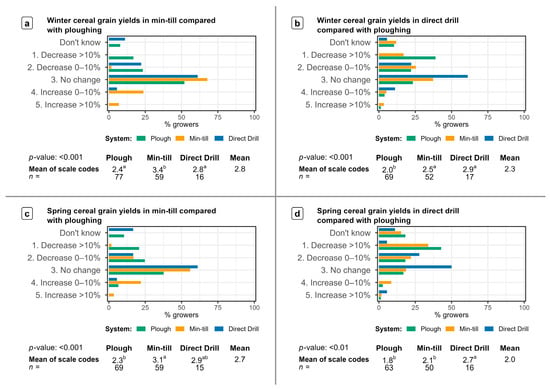
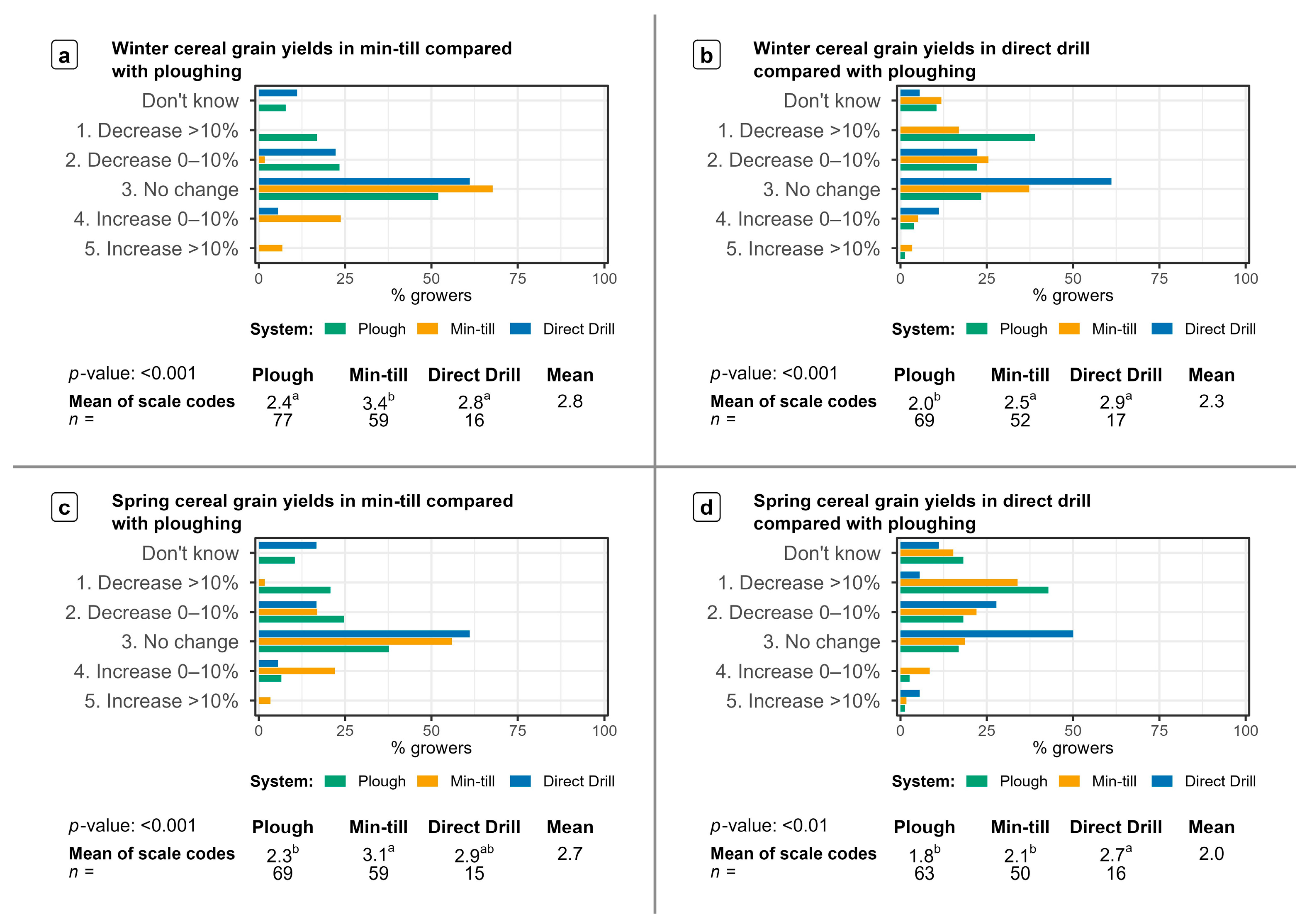
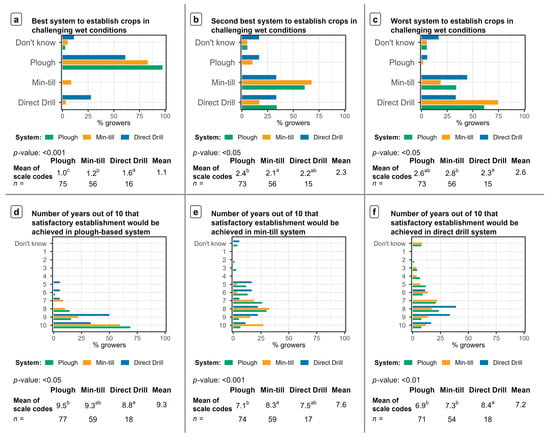
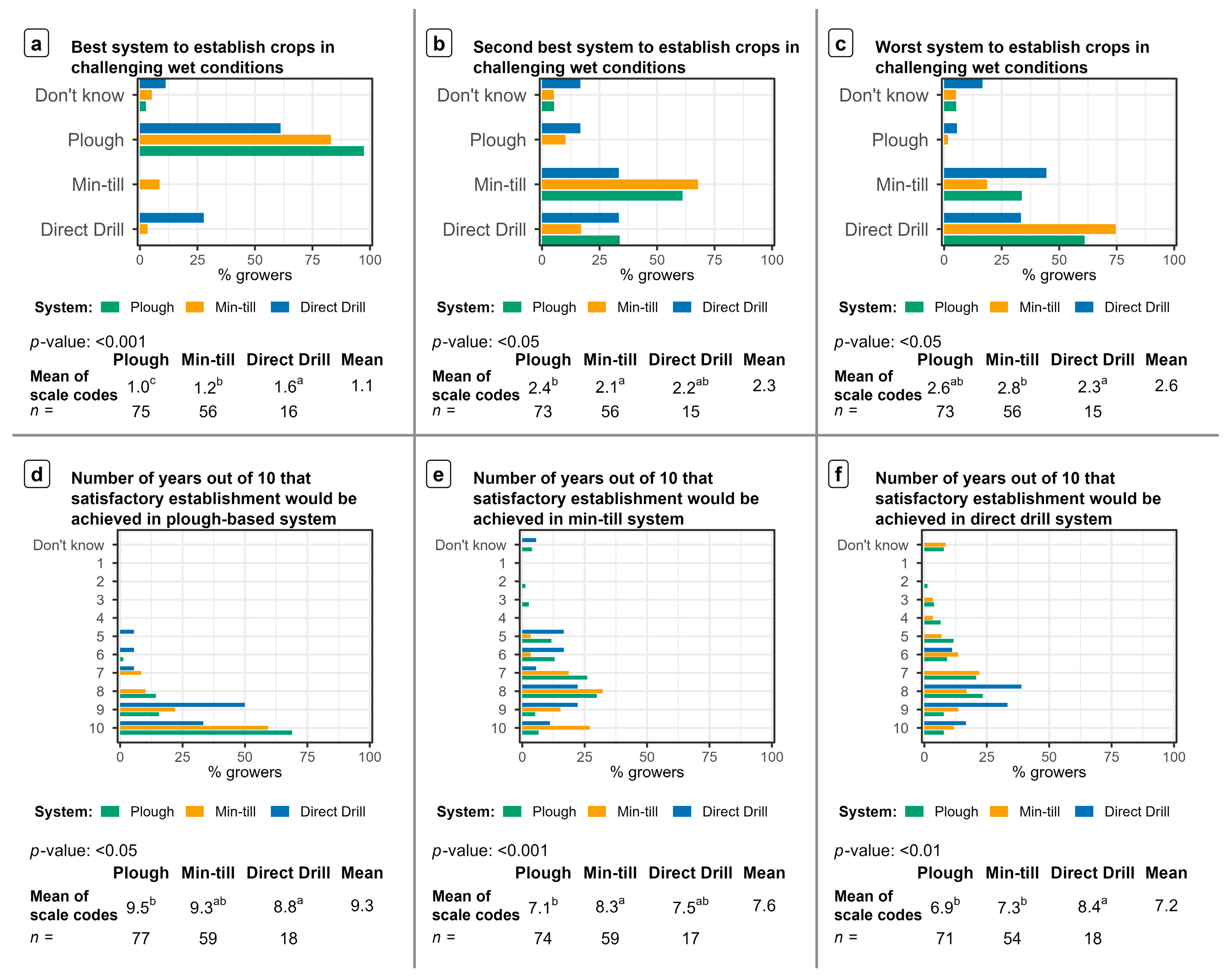
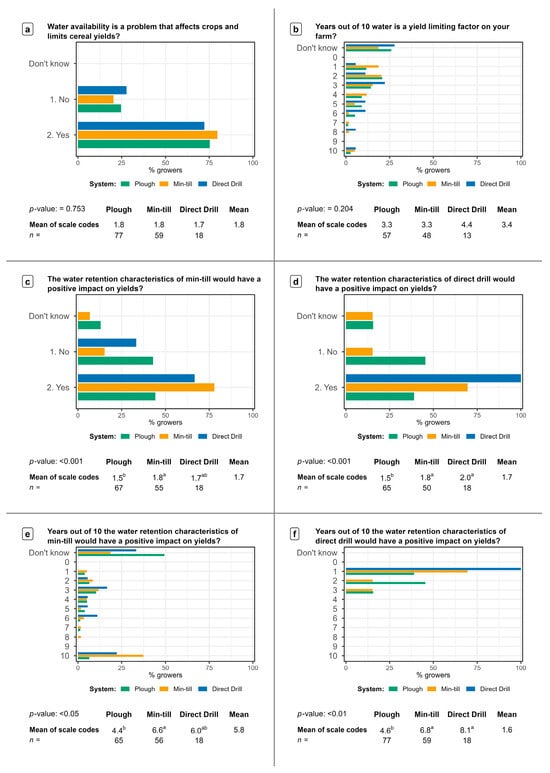
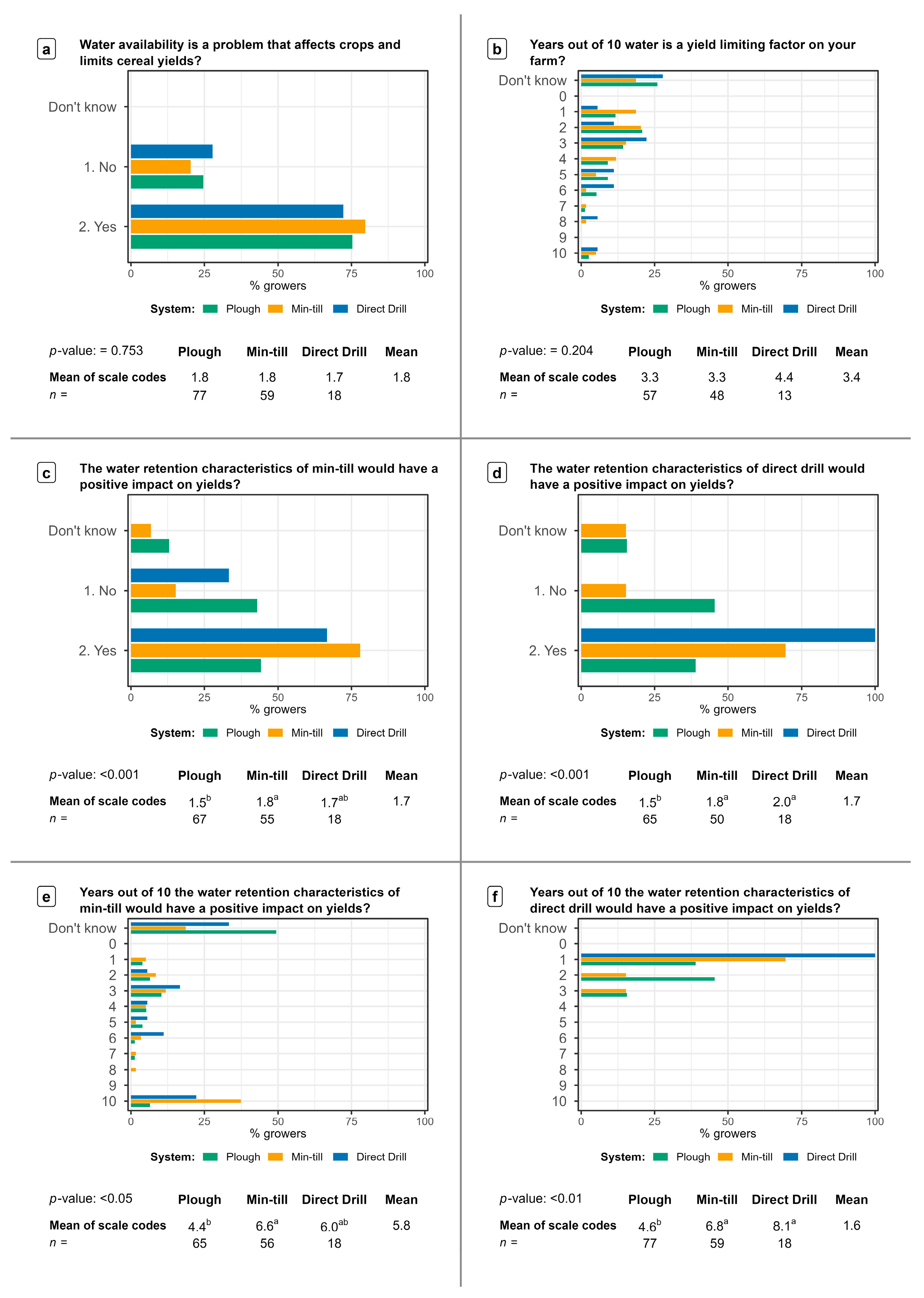
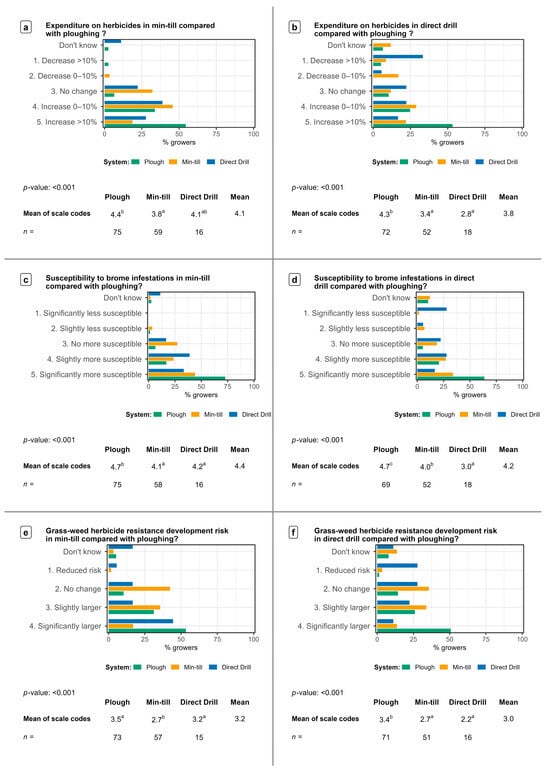
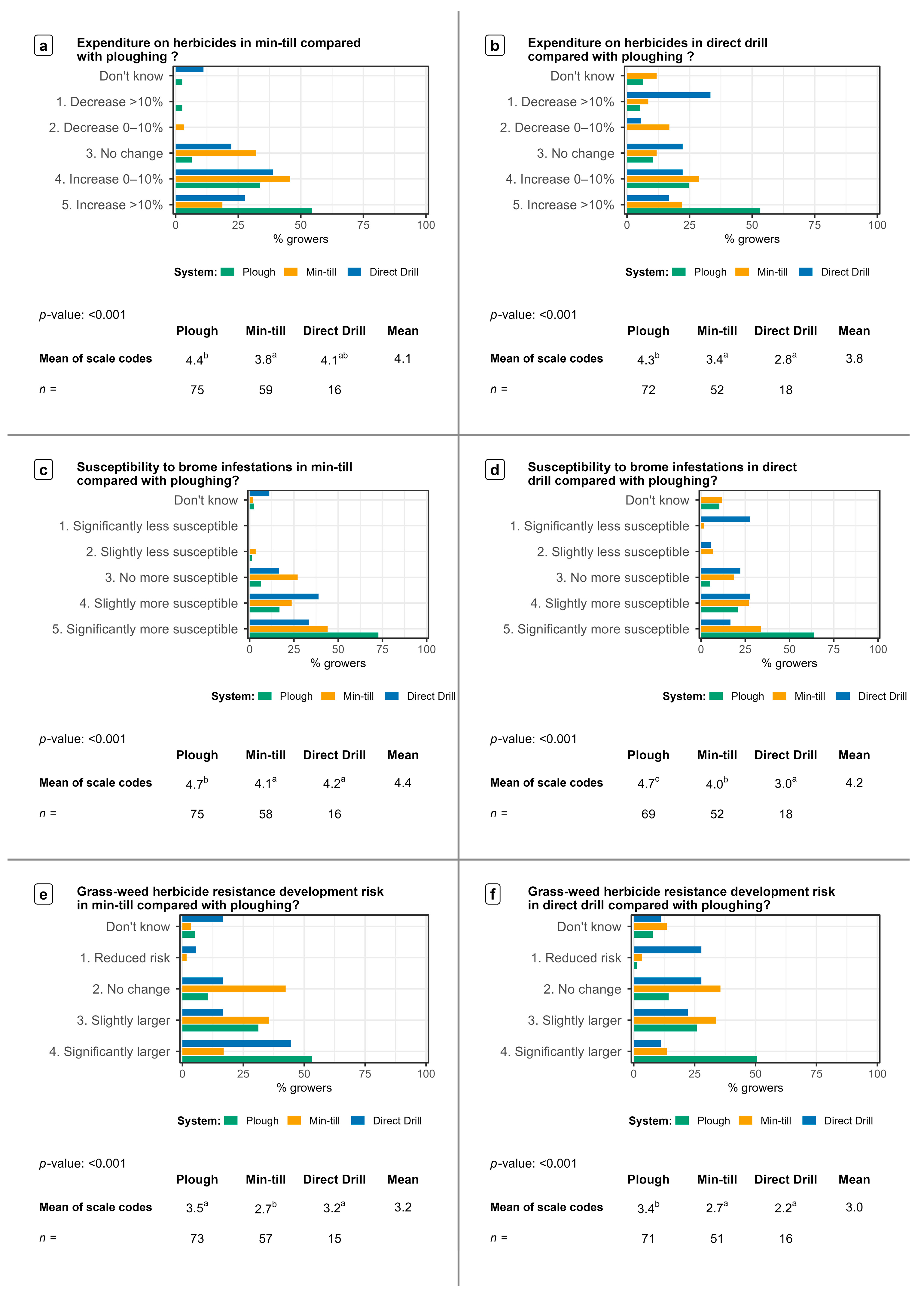
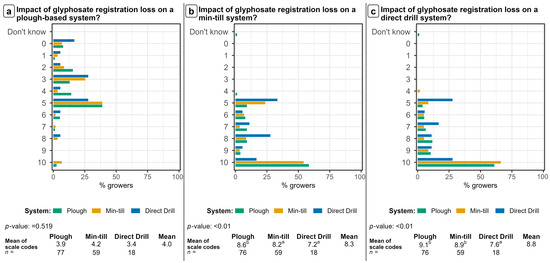
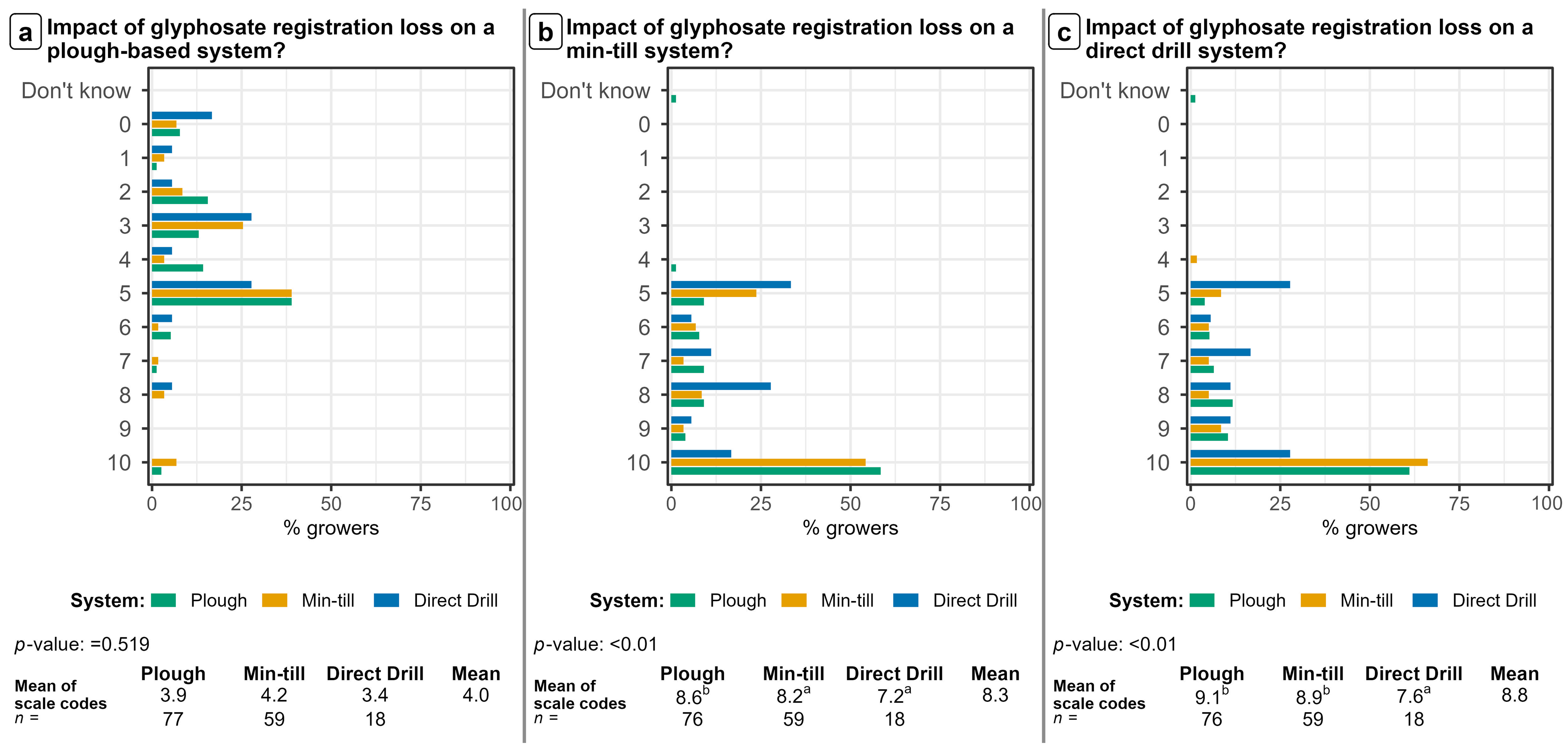
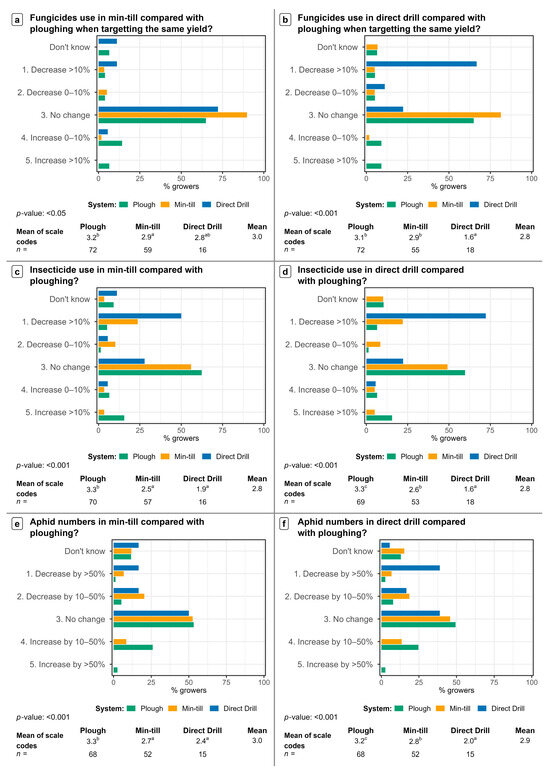
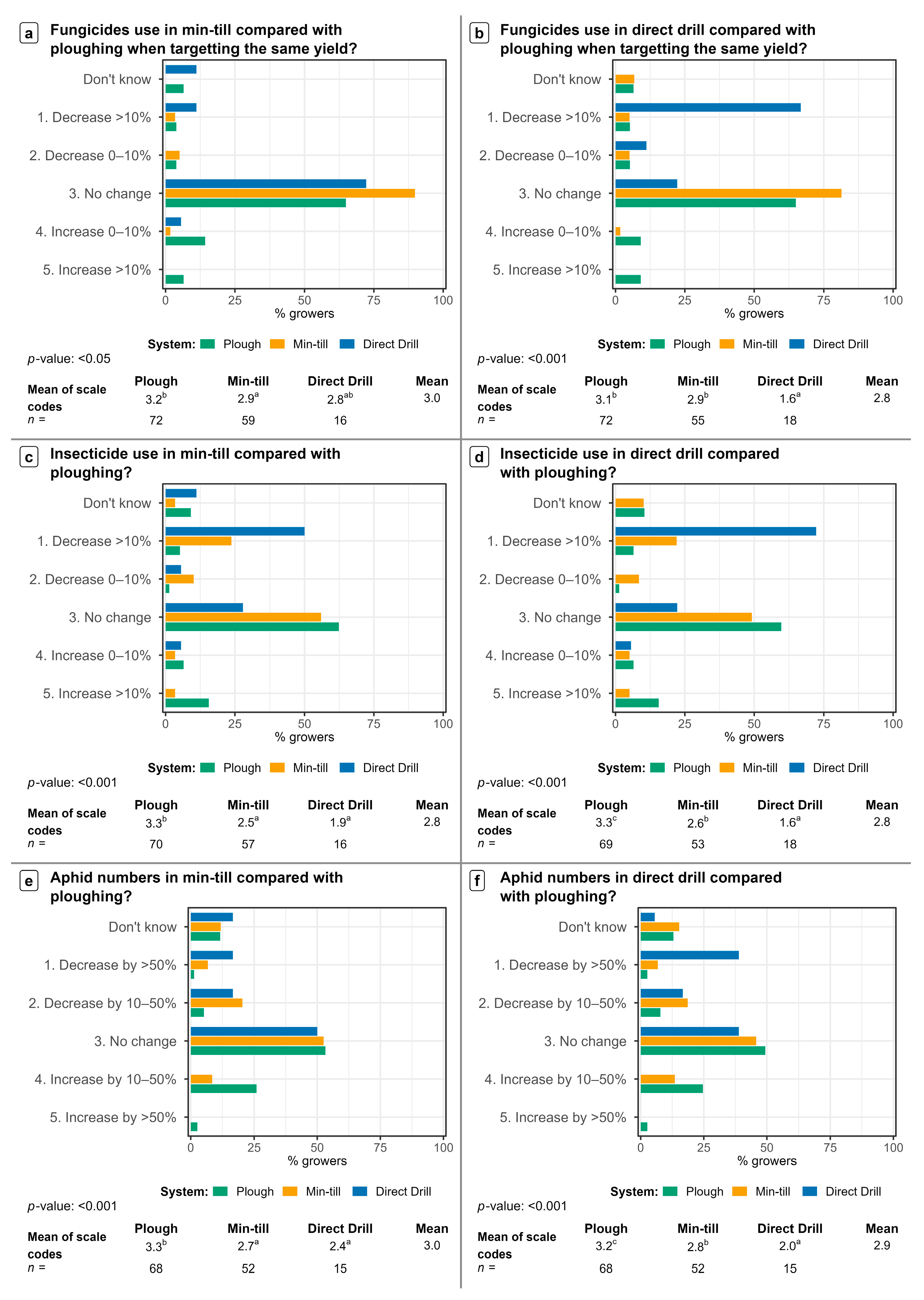
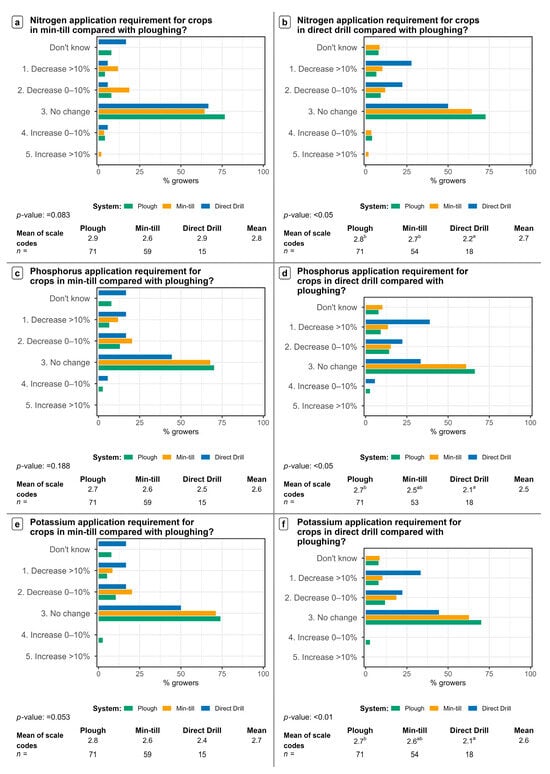
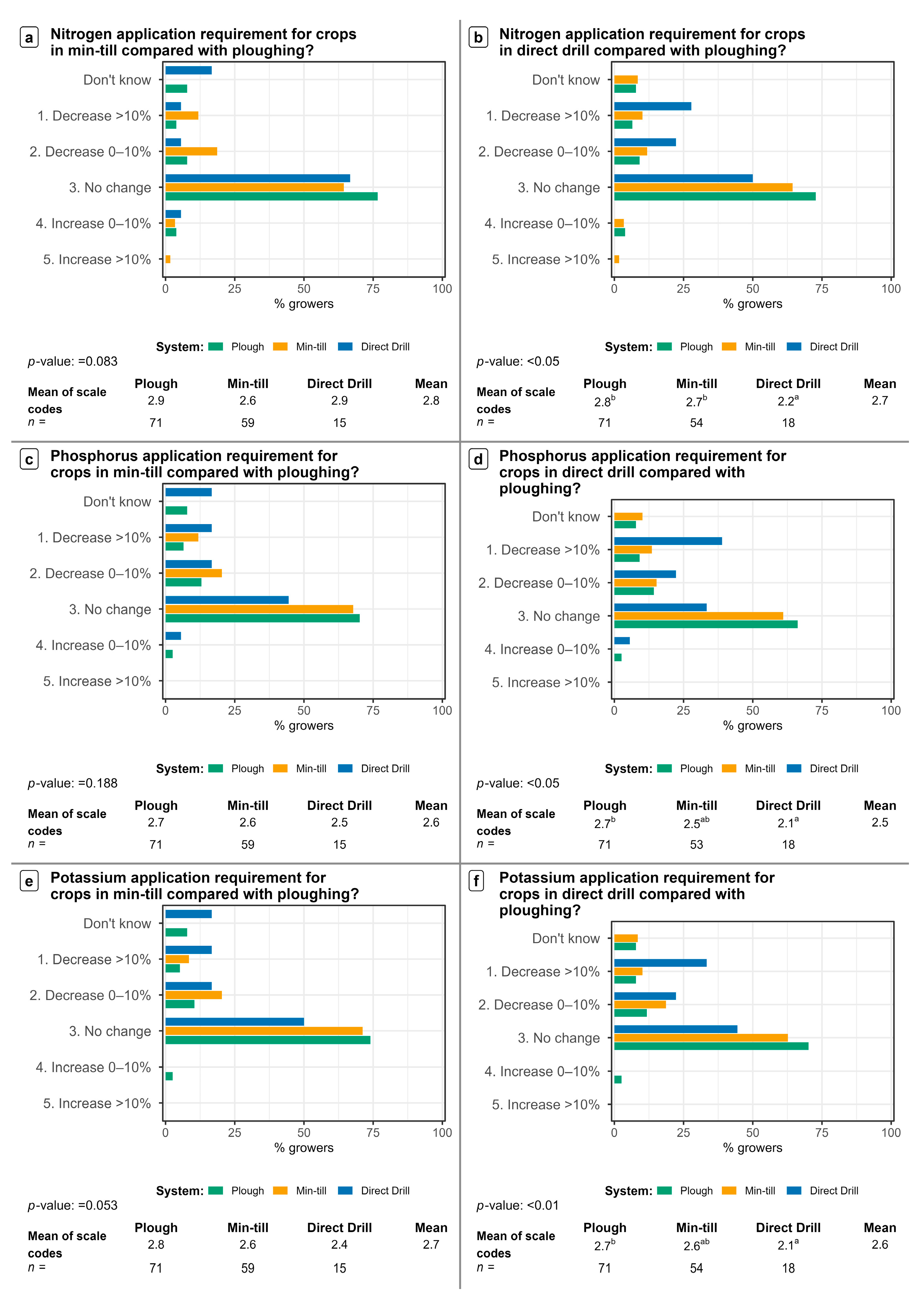
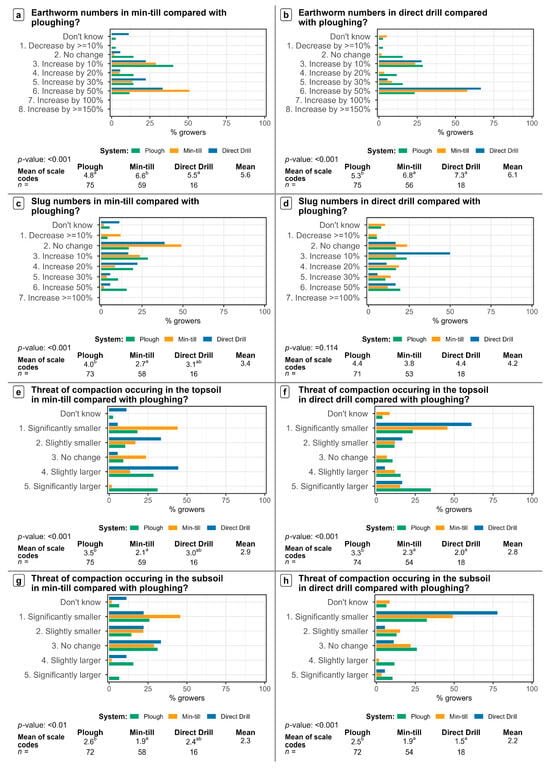
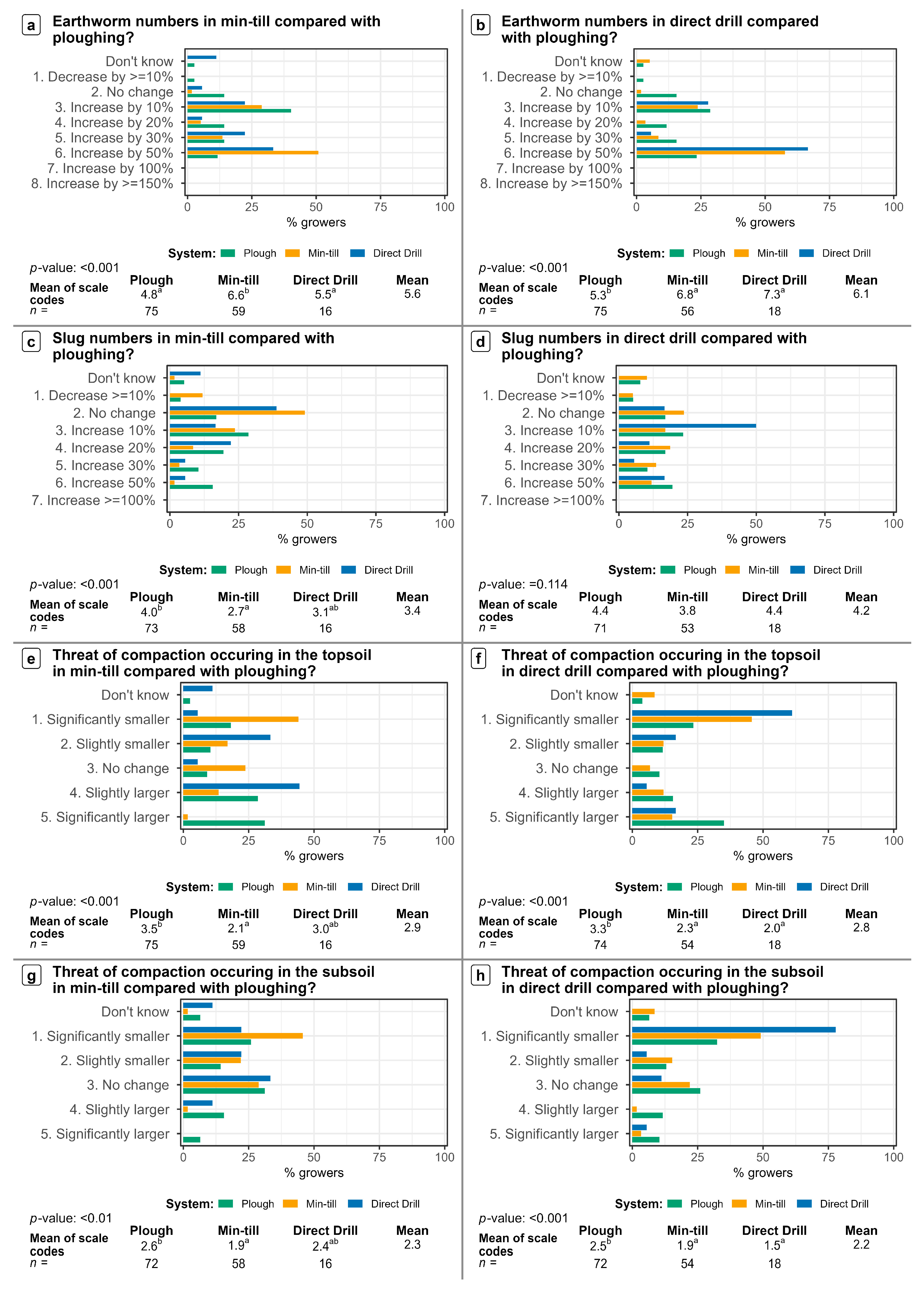
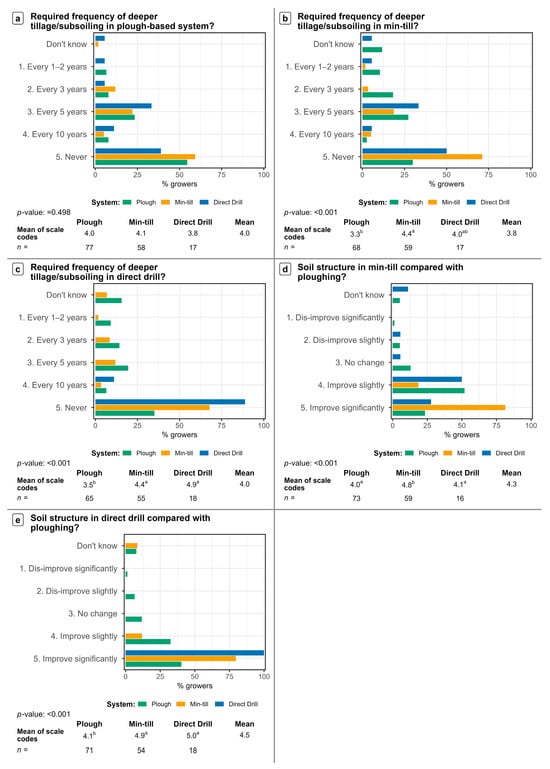
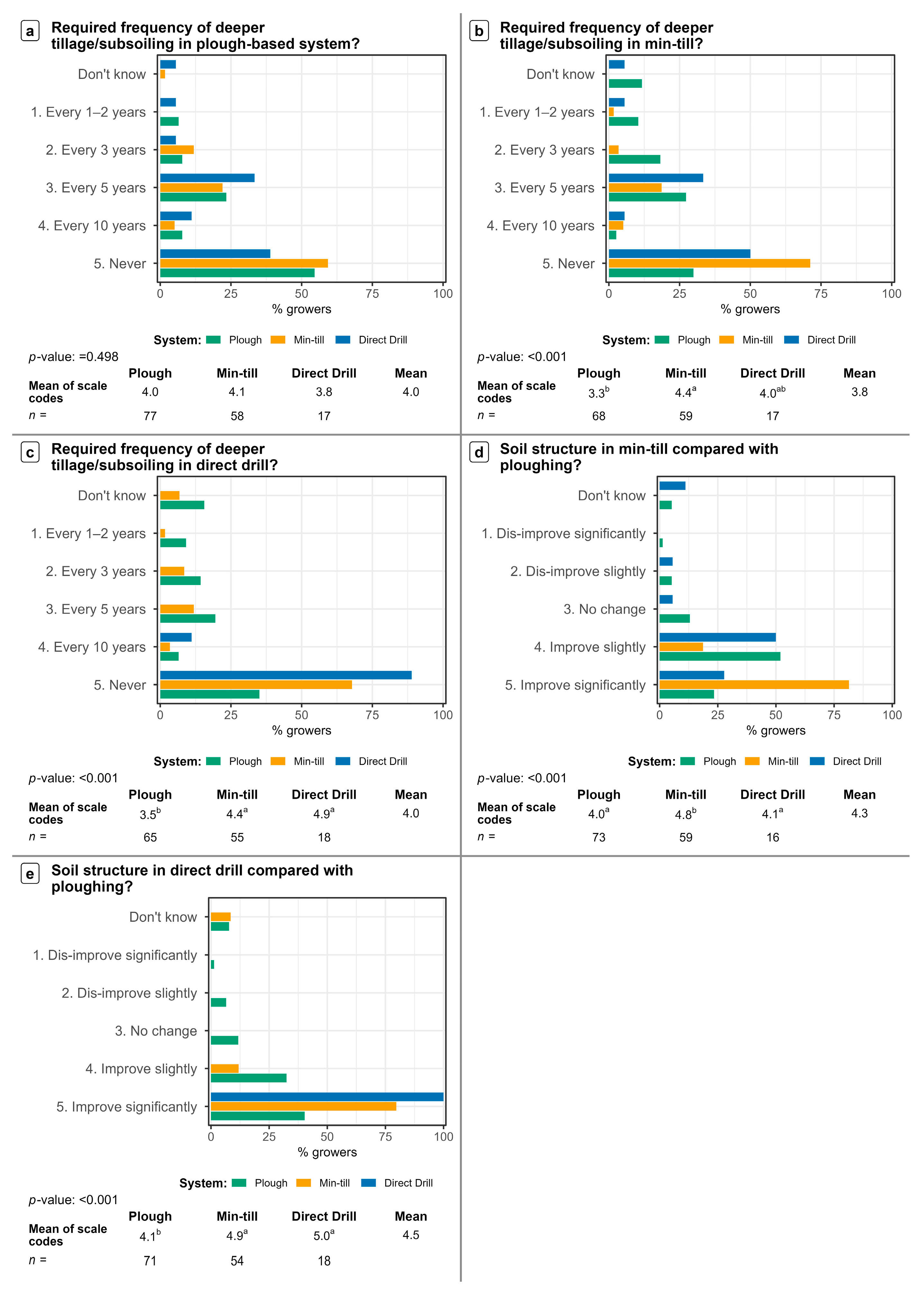
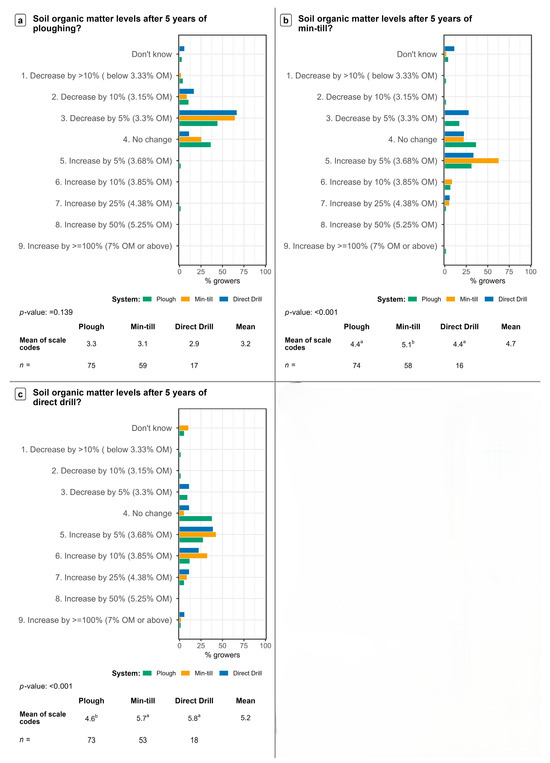
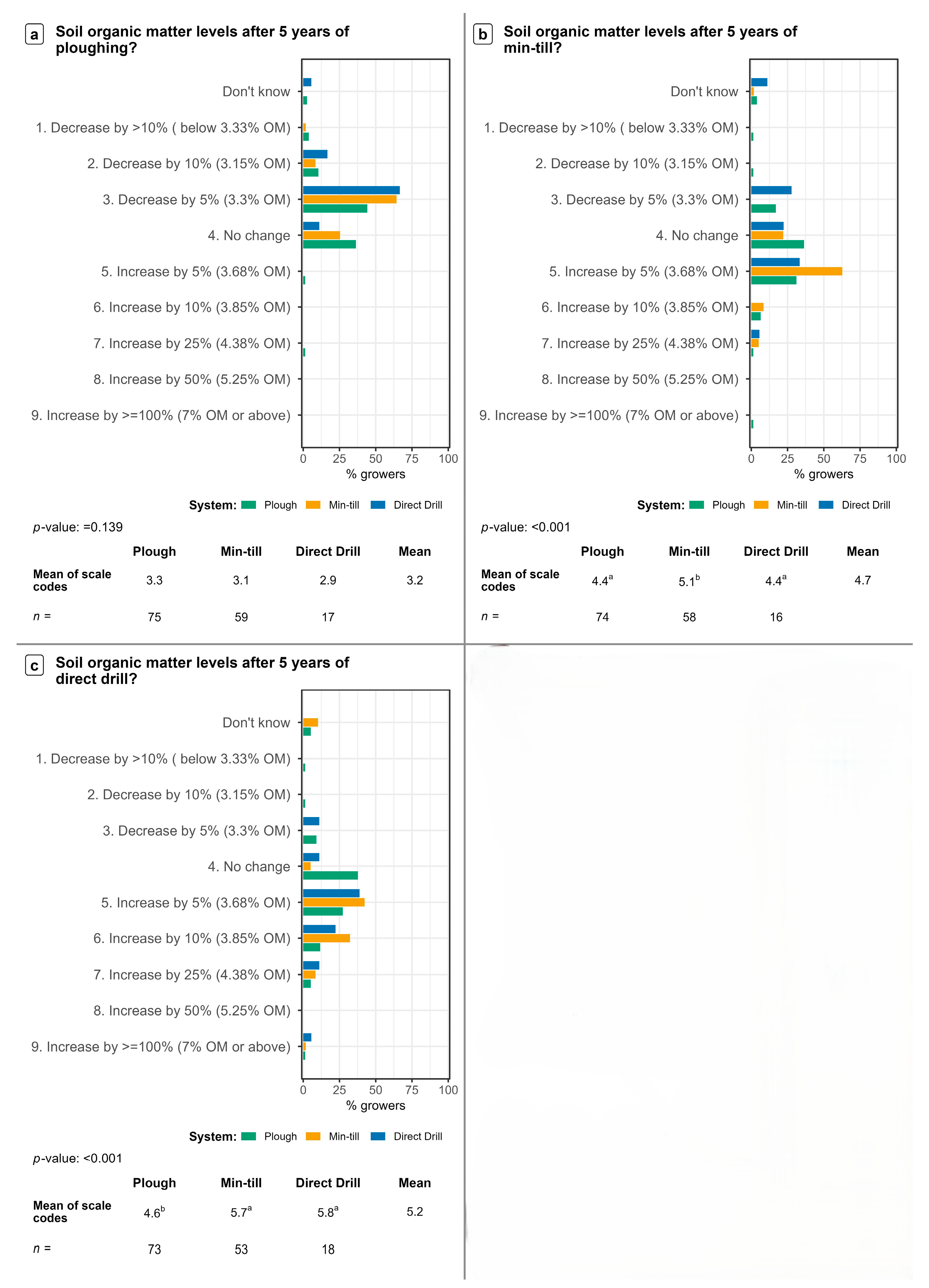
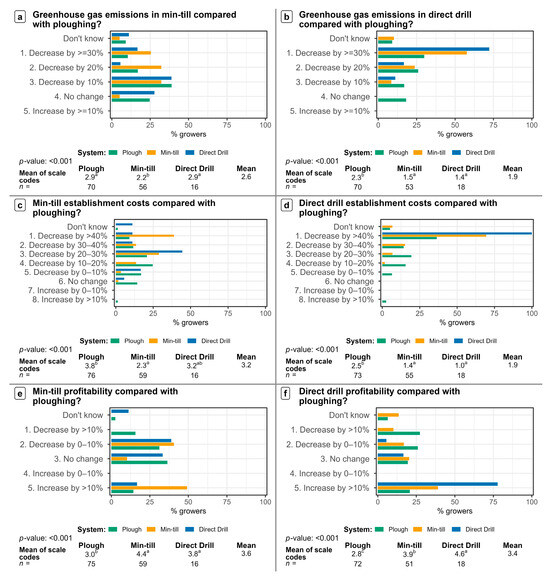
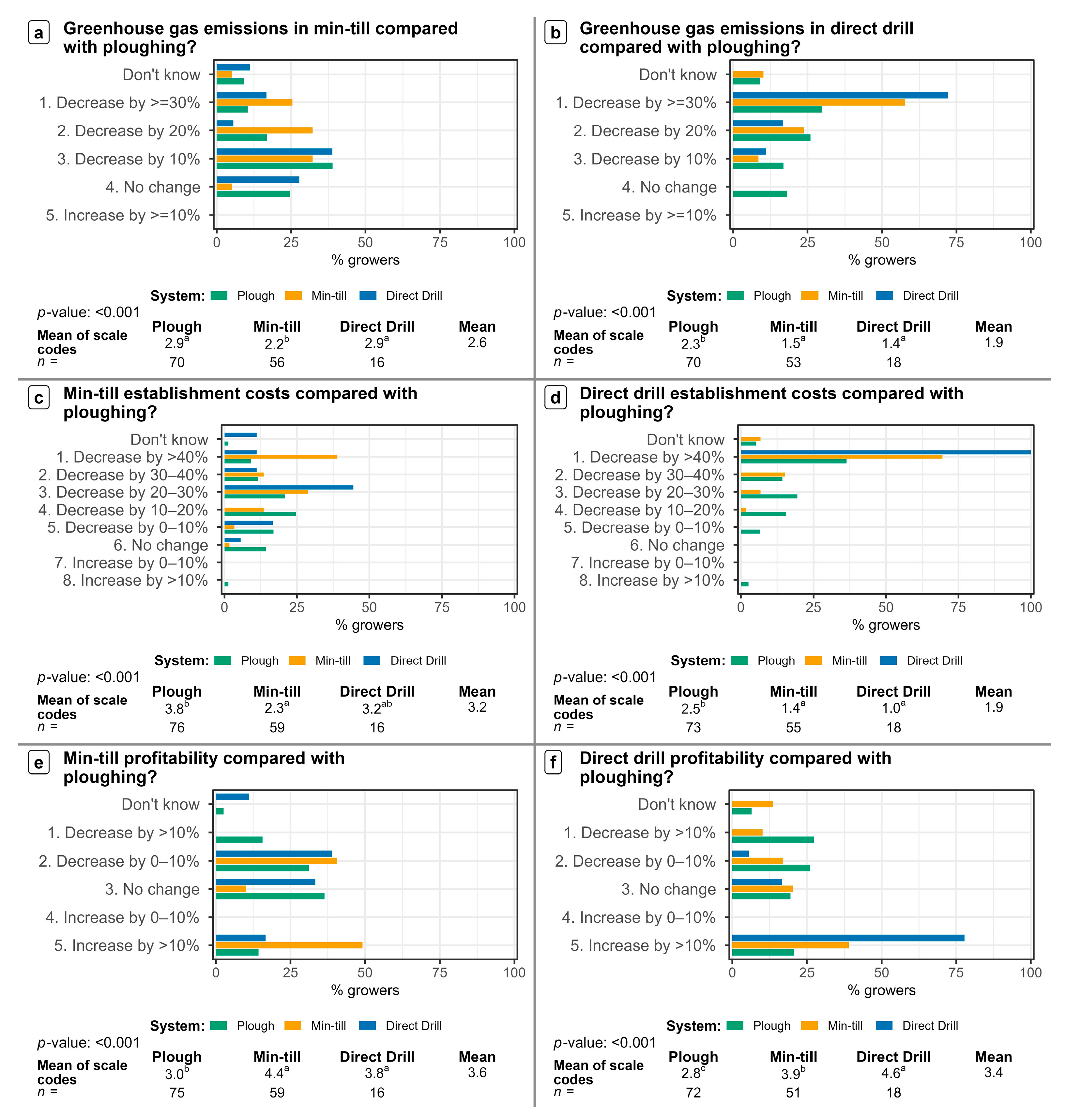
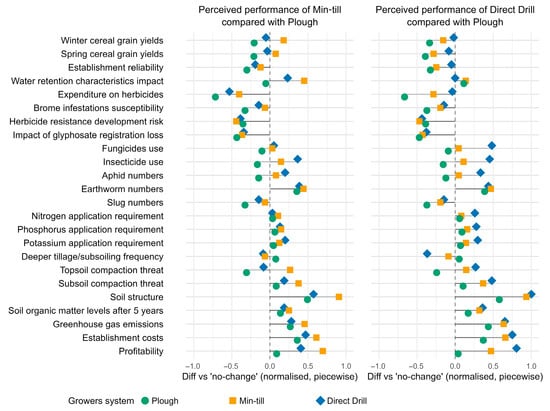
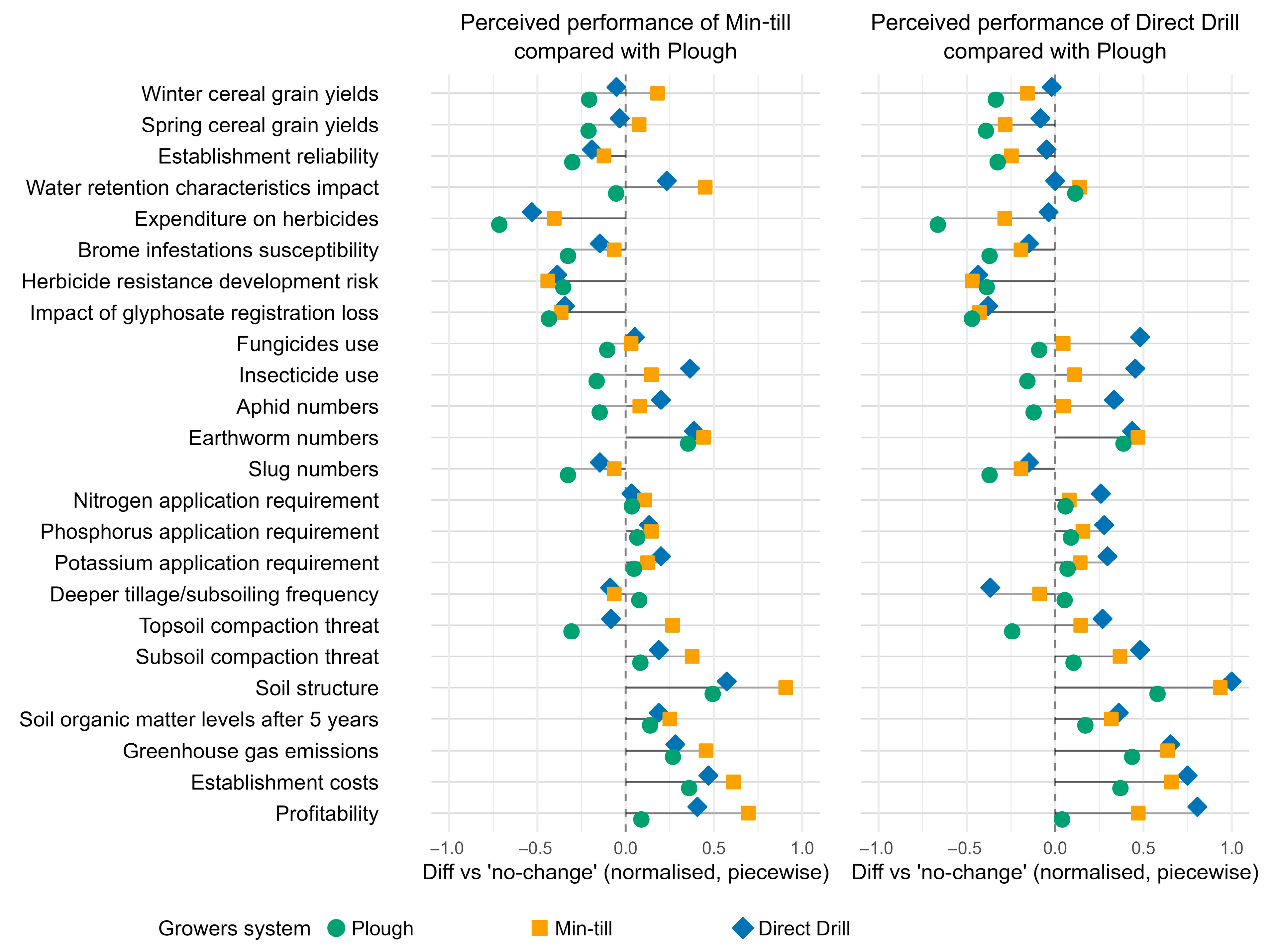
Disclaimer/Publisher’s Note: The statements, opinions and data contained in all publications are solely those of the individual author(s) and contributor(s) and not of MDPI and/or the editor(s). MDPI and/or the editor(s) disclaim responsibility for any injury to people or property resulting from any ideas, methods, instructions or products referred to in the content. |
© 2026 by the authors. Licensee MDPI, Basel, Switzerland. This article is an open access article distributed under the terms and conditions of the Creative Commons Attribution (CC BY) license.