


Abstract
Rapid urbanization and the growth of data-driven planning have increased the need for tools that support integrated, transparent, and accountable urban governance. While Building Information Modeling (BIM) is well established in project delivery, its potential role in city-scale governance remains underexplored. This study conducts a structured qualitative evidence synthesis informed by PRISMA reporting principles and comparative case analysis to investigate how BIM, in combination with GIS, IoT, and AI, intersects with emerging digital governance practices. Through a synthesis of peer-reviewed research and documented case studies, the review evaluates how BIM supports data integration, interoperability, decision-making, regulatory compliance, collaborative governance, and sustainability. The findings suggest that BIM functions as a governance-support infrastructure when embedded within coordinated institutional frameworks, standardized data environments, and interoperable digital ecosystems. Based on these insights, the paper proposes a conceptual framework that organizes BIM governance into technical, institutional, social, and ethical–regulatory dimensions. The review suggests that BIM’s governance potential depends on institutional alignment, regulatory clarity, and sustained organizational capacity, rather than technological capability alone.
1. Introduction
The rapid acceleration of urbanization in the 21st century has generated complex challenges for city governance. By 2050, when nearly 42% of the population is expected to live in cities, the need for tools that support integrated planning, sustainable development, and effective governance will become more pressing [1]. Traditional governance mechanisms, reliant on fragmented datasets and disconnected decision-making processes, are increasingly insufficient in addressing the complexity and interconnectedness of modern urban systems [2]. Against this challenge, digital technologies have emerged as data-driven and participatory instruments supporting urban governance.
Building Information Modeling (BIM) has been widely recognized as a transformative approach within the Architecture, Engineering, and Construction (AEC) industry. At the building scale, BIM enables the creation of data-rich models that support interdisciplinary collaboration, lifecycle management, and sustainable operation analysis [3,4]. BIM is now a central component of project delivery in some countries, such as the United Kingdom, and increasingly integrated with sustainability certifications and facility management [3,5,6]. While the literature on BIM at the building level is extensive, its application beyond individual projects toward neighborhoods, districts, and cities remains an underdeveloped field of study [7,8,9].
Emerging research has explored the integration of BIM with Geographic Information Systems (GIS) and other smart city technologies, establishing the conceptual foundation for city-scale digital twins and digital twin environments [10,11]. Such integrations show potential for evolving urban modeling, infrastructure monitoring, integrated data environments, and citizen-centric planning [12]. However, most studies to date are predominantly technically oriented, focusing on resolving semantic interoperability barriers, ontology and metamodel development, and system-level BIM/GIS integration frameworks rather than broader governance or participatory dimensions [13]. Far fewer examine the socio-political dimensions of how BIM can inform participatory governance mechanisms, institutional coordination, and participatory decision-making [14,15].
While existing BIM–smart city and digital twin reviews predominantly focus on technical interoperability and system integration, limited attention has been given to conceptualizing BIM as an institutional governance infrastructure. BIM is often treated as a digital coordination tool rather than as a structural mechanism through which regulatory oversight, accountability, and cross-agency coordination are embedded. This study advances the literature in three specific ways: First, by repositioning BIM explicitly within digital and smart urban governance theory, moving beyond project-level digitalization narratives; second, by developing a structured four-dimensional framework technical, institutional, social, and ethical–regulatory that clarifies the conditions under which BIM evolves into a multi-scalar governance-support infrastructure; and third, by applying a consistent governance-oriented analytical lens across four case studies to derive comparative insights rather than illustrative narratives. Together, these contributions address a persistent theoretical gap between built-environment technologies and urban governance scholarship.
At the same time, urban research increasingly emphasizes governance as a central mechanism through which cities coordinate actors, manage complexity, and pursue sustainability objectives [16,17]. Recent scholarship highlights how digital tools support collaborative governance, participatory processes, and innovative approaches to urban management [18,19]. Yet, despite this growing body of governance-oriented research, BIM is still rarely positioned within the broader digital and smart urban governance discourse. Although BIM already structures shared information environments, embeds procedural rules and links technical data with institutional workflows across the building lifecycle [20,21], its potential role as a governance infrastructure remains insufficiently theorized.
This theoretical separation between digital built-environment technologies and urban governance scholarship reveals a persistent gap within contemporary digital and smart governance research, particularly regarding model-based regulatory infrastructures. While smart governance literature increasingly focuses on data platforms, real-time analytics, and participatory digital systems as mechanisms for coordinating urban complexity [22], it rarely addresses how governance of the built environment itself is institutionally structured through shared information infrastructures. In particular, the role of model-based environments in embedding regulatory processes, coordinating agencies, and operationalizing sustainability objectives remains insufficiently examined.
As a result, current scholarship still lacks a clear and consolidated conceptualization of BIM as an urban governance infrastructure within digital and smart city frameworks at the systemic level. Addressing this gap, the present review situates BIM explicitly within the domain of digital and smart urban governance, examining its evolution from a project-centered modeling tool toward a multi-scalar governance infrastructure capable of supporting regulatory oversight, cross-agency coordination, transparency, lifecycle accountability, and participatory decision-making. The study is guided by the following research question, derived from this identified theoretical and institutional gap:
How can Building Information Modeling function as an urban governance infrastructure within digital and smart city frameworks, and what technical, institutional, and regulatory conditions are required to enable its effective integration across urban scales?
In this study, governance is analytically operationalized through five mechanisms: accountability allocation, regulatory capacity, interoperability-enabled coordination, participatory transparency, and lifecycle-based institutional continuity.
2. Research Design and Literature Selection
This study adopts a systematic qualitative evidence synthesis, with study identification, screening, and selection conducted using predefined criteria and reported in accordance with PRISMA guidelines to ensure methodological transparency and reproducibility. The research design combines a systematic literature review with a complementary purposive case-study analysis to examine BIM in relation to governance at urban and institutional scales.
A structured database search was conducted in Scopus and Web of Science Core Collection to identify relevant literature on BIM, governance, governance domains, and BIM functions. The initial search yielded 727 records from Scopus and 173 from Web of Science, resulting in a total of 900 records. The searches were conducted prior to manuscript submission (January 2026). The full Boolean search strings used for each database are provided in Appendix A to ensure transparency and reproducibility. Following duplicate removal (n = 229), 671 unique records were retained for screening.
To ensure reproducibility beyond search transparency, explicit inclusion and exclusion criteria were defined prior to screening. Studies were included if they: (i) explicitly addressed Building Information Modeling (BIM) within governance, regulatory, institutional, or public-sector contexts; (ii) were peer-reviewed journal articles; (iii) were published in English; and (iv) demonstrated a clear analytical linkage between BIM processes and governance mechanisms such as policy frameworks, institutional coordination, digital infrastructure, or decision-making systems. Studies were excluded if they: (i) focused solely on technical BIM applications without governance implications; (ii) addressed engineering performance or construction detailing without institutional or policy relevance; (iii) lacked sufficient methodological clarity; or (iv) were conference abstracts, editorials, or inaccessible full texts.
Screening was conducted in sequential stages. Title screening was performed by the first author and abstract screening by the second author, with each stage independently applied against the predefined inclusion and exclusion criteria to ensure consistency.
Title screening assessed initial relevance, excluding records outside the scope of BIM governance research, resulting in the exclusion of 372 records and the retention of 299 studies (Figure 1).
Figure 1.
PRISMA flow diagram illustrating the identification, screening, eligibility, and inclusion process for studies on BIM-enabled urban governance.
Abstract screening further refined the dataset based on the study’s analytical focus on BIM as a governance-enabling mechanism. Each abstract was evaluated against governance relevance, type of BIM application, and presence of institutional or policy-related analysis. Studies were excluded if they demonstrated no analytical linkage between BIM and governance, resulting in the exclusion of 157 records, while 142 studies were retained for full-text review.
Full-text assessment applied predefined eligibility criteria, excluding studies that demonstrated insufficient analytical depth, methodological clarity, or institutional relevance. The resulting 74 studies constitute the core analytical dataset of the systematic review.
For each included study, key variables were systematically extracted, including: (i) type of governance mechanism (regulatory, institutional, technical, or social); (ii) BIM function (e.g., data integration, coordination); (iii) scale of application (building, city, or national); and (iv) reported governance-related outcomes. These variables informed the thematic synthesis and the development of the analytical framework.
In parallel, a complementary case-study analysis was conducted using a purposive, place-based approach. This component was not designed as a systematic review but as a targeted investigation of BIM governance implementation across selected contexts. As a consequence, the case-study component is not independently reproducible in the strict methodological sense: a different researcher applying the same keyword strings may identify a partially different set of sources depending on their judgment during reference chaining and institutional source selection. This limitation is acknowledged as an inherent trade-off of purposive, depth-oriented sampling. The four cases were selected to represent variation across key governance dimensions relevant to BIM adoption. The United Kingdom reflects a mature, mandate-driven governance context, with BIM requirements institutionalized within public procurement processes. Singapore represents an advanced smart city governance model, where BIM is integrated into a broader national digital infrastructure strategy. NEOM reflects an emergent, top-down governance context in which BIM is being implemented as part of a large-scale greenfield urban development. Kuwait represents a developing governance context characterized by early-stage adoption, institutional fragmentation, and capacity-building challenges. This purposive selection enables comparative analysis across a spectrum of BIM governance environments, ranging from established to emerging contexts.
Relevant literature for each case was identified through targeted keyword searches conducted in Scopus using predefined keyword combinations combined with country identifiers, as detailed in Table 1, as well as backward and forward reference chaining. Reference chaining was applied to identify key policy and governance documents. For backward chaining, references cited in retrieved papers were included if they met the same thematic relevance criteria applied during abstract screening. For forward chaining, citing articles were included if they demonstrated substantive analytical engagement with the source paper beyond citation. Sources retrieved through reference chaining were recorded separately to enable partial reconstruction of the search trail.
Table 1.
Case study search strategy.
A total of 19 sources were identified as directly relevant to governance structures, policy mechanisms, and implementation trajectories across the four contexts. These sources were selected purposively based on their analytical contribution rather than through systematic filtering, ensuring contextual depth and relevance.
The findings from both components were integrated through a comparative analytical approach, combining 74 studies from the systematic review with 19 purposively selected case-study sources, informing the synthesis. The systematic review provides a structured synthesis of governance-related literature, while the case studies enable cross-context examination of how governance mechanisms are implemented in practice. This analytical integration supports the contextual grounding of the proposed framework across different institutional settings. The 19 case-study sources are entirely distinct from the 74-study systematic review corpus, as they predominantly comprised policy documents, institutional reports, and grey literature rather than peer-reviewed journal articles. The total corpus of 93 sources therefore reflects two non-overlapping but complementary evidence bases.
3. Theoretical Framework: Urban Governance and Innovation
Rapid digitization and smart technologies have transformed urban governance, enabling complex spatial management [23]. As cities evolve, innovation in governance is becoming crucial. Beyond traditional governance, smart urban governance incorporates emerging forms, processes, and networks: real-time data to inform policy and decision-making, technologically skilled experts, legislations on data sharing and protection, sustainability, e-governance, enhanced citizen participation and e-participation, among others [24,25].
From a theoretical perspective, contemporary urban governance literature conceptualizes governance as a multi-actor and network-based process involving governments, private actors, and citizens in collaborative decision-making structures rather than a purely hierarchical state model [17,22]. In this context, digital technologies can be understood not only as technical tools but also as institutional enablers that reshape governance relationships, data flows, and coordination mechanisms across urban systems [2,18]. This perspective aligns with emerging smart governance frameworks, where digital platforms and urban data infrastructures support more collaborative and adaptive governance arrangements among public authorities, stakeholders, and citizens [19,24].
This is often translated in the use of digital tools, like Geographic Information Systems (GIS), the Internet of Things (IoT), Artificial Intelligence (AI), that support smart-city initiatives [24,25]. Building Information Modeling (BIM), normally used as a design and construction tool, can be reconceived as a large data environment that integrates technical, institutional, and social dimensions of control and coordination, therefore, governance [26,27].
Since its conception, with roots tracing back to the 1960s, BIM has been used on the building scale: it drafts virtual models, detects design errors, delivers cost and schedule estimations, and manages construction coordination [3,28]. However, a growing body of research indicates that BIM has the potential to evolve into a powerful governance tool by incorporating policy rules, performance indicators, regulatory frameworks, and collaborative interfaces into unified and accessible city models [2,24], thereby enhancing the transparency of decision-making, supporting regulatory enforcement, and fostering the engagement of stakeholders and citizens toward more inclusive and accountable governance systems [29]. However, while interoperability standards such as IFC, COBie, and ISO 19650 provide the technical architecture required for data exchange and model integration, their existence does not automatically translate into effective governance. Urban governance scholarship highlights that the operationalization of digital infrastructures depends on institutional arrangements that define responsibilities for data ownership, validation, updating, and lifecycle management across participating actors [2,27,30]. In this sense, the governance feasibility of BIM-enabled urban systems is determined not only by technical interoperability but also by the institutional capacity of public authorities and stakeholders to coordinate, regulate, and oversee shared digital information environments. Also, in terms of ownership regulation, BIM enhances urban governance by facilitating stakeholder communication and supports the management of ownership information for multi-owner buildings (MOB). Within contemporary urban governance theory, BIM and digital twin technologies can be understood as components of emerging urban data infrastructures that enable networked governance and collaborative decision-making by structuring how spatial knowledge is generated, shared, and operationalized across multiple urban actors [17,22,31,32]. Therefore, it can help shape decision-making processes and power relations within cities [22,24,31].
3.1. Geographic Information Systems (GIS), Internet of Things (IoT) and Artificial Intelligence (AI) for Governance
GIS, along with related technologies like Global Positioning System (GPS) and remote sensing (RS), has shifted urban spatial governance from manual methods to digital, precise, and dynamic management. From a governance perspective, this enhances the government’s ability to manage complex spatial phenomena via real-time monitoring, leading to more effective decision-making in urban spaces [23]. Importantly, the technical capacity of digital systems to integrate and analyze urban data does not automatically ensure reliable governance outcomes. Recent research on smart governance emphasizes that data-driven decision-making requires clearly defined institutional responsibilities for data verification, maintenance, and interpretation, as well as mechanisms ensuring transparency and accountability in how algorithmic or model-based outputs inform policy decisions [18,22,33]. Without such governance structures, technically interoperable systems may still generate risks related to outdated, incomplete, or biased datasets influencing regulatory or planning decisions.
Study on smart cities emphasizes the shared role of AI and IoT in assisting more responsive methods of urban governance. IoT offers the infrastructure to monitor urban systems including mobility, energy consumption, and environmental conditions, while AI helps understand these data and interpret them into informed decisions [34]. When sustained by real-time analytics and open data platforms and tools, this combination can reinforce accountability, transparency, and participation in urban governance [35].
Beyond operational efficiency, AI tools help urban systems better reflect stakeholder needs and support more collaborative governance approaches, contributing to more adaptive and sustainable smart city initiatives [36]. From this perspective, the merging of AI and big data supports more decentralized and precise governance models, reinforcing smart city initiatives and environmentally oriented innovation [32].
3.2. Impacts on Urban Governance
Digital urbanism, characterized by AI, IoT, and big data, transforms cities into data-driven ecosystems. This move redefines governance through automated and participatory decision-making and real-time analytics, reflecting the Fourth Industrial Revolution. Digital technologies improve efficiency and precision as they optimize decision-making, enable real-time analysis, promote inclusive governance, and support more accurate urban planning and management [23,35,36]. This can lead to opportunities for innovative environmental solutions and competitive advantages in green innovation [37].
However, concerns arise about data privacy, surveillance, and the potential exclusion of underprivileged groups, highlighting the need for human-centered governance models [38]. Therefore, Homer et al. (2025) highlight that effective urban governance must balance technological innovation with human-centered planning [38].
3.3. Urban Governance and Innovation: A Framework
Within the context of urban governance and innovation, several key patterns emerge. From a theoretical standpoint, these patterns reflect a shift from traditional hierarchical governance toward networked and collaborative governance structures, where public institutions, private actors, and citizens co-produce urban knowledge and policy through digitally mediated platforms and data ecosystems [17,18,22]. Digitalization plays a central role in reshaping urban governance by enhancing inclusivity, transparency, and efficiency. Technologies such as GIS, IoT, and AI function not only as management tools but also as enablers of new governance models, such as co-governance and active citizen participation (Table 2). At the same time, persistent challenges related to ethics, privacy, and social inclusion highlight the need to closely monitor and coordinate technological advancement with participatory governance approaches.
From a governance theory perspective, digital urban platforms such as BIM-based city models or digital twins therefore function not only as technical infrastructures but also as institutional arenas where accountability, authority, and data stewardship must be explicitly defined. Effective governance frameworks must therefore identify which actors are responsible for data quality, regulatory validation, and model maintenance, ensuring that decision-support systems remain transparent, auditable, and subject to public oversight [17,22,31].
Table 2.
Technology functions in urban governance.
In conclusion, digital urban governance operates through structured information infrastructures that redistribute accountability, strengthen regulatory capacity, and enable interoperability-based coordination across institutions. While GIS, IoT, and AI enhance monitoring, evaluation, and participation, their governance impact ultimately depends on institutional embedding within transparent, accountable, and lifecycle-oriented frameworks. This analytical foundation provides the basis for examining BIM more specifically as a governance-support infrastructure in the following section [23,34,35,36,37,38].
4. BIM as a Tool for Governance
This section addresses the first component of the research question by examining how BIM can function as an urban governance infrastructure within digital and smart city frameworks with particular attention to the mechanisms through which model-based environments influence institutional processes. Rather than approaching BIM exclusively as a technical coordination tool, the discussion analyzes how model-based information environments structure regulatory processes, institutional interaction, and decision-making practices across spatial scales. Through six governance principles (Section 4.1, Section 4.2, Section 4.3, Section 4.4, Section 4.5 and Section 4.6), followed by a cross-sectional synthesis (Section 4.7), the section clarifies how BIM contributes to governance capacity.
BIM is increasingly recognized not only as a technical tool for design and construction but also as a governance mechanism that can structure decision-making, accountability, and regulatory oversight in the built environment. By embedding information in shared digital models, BIM enhances traceability and creates a socio-technical environment through which institutions and stakeholders coordinate [4]. In this context, governance extends beyond regulatory compliance and includes aligning responsibilities and everyday practices with larger policy goals.
At the project scale, BIM strengthens governance by developing collaboration and improving the management of data flow. BIM supported systems move project communication into shared models, making information easier to access and more reliable [39]. This shift reduces redundancies, enhances transparency, and enables stakeholders to make more informed decisions.
Recent research shows that BIM’s integration with smart city infrastructure and policy frameworks allows cities to simulate interventions, monitor sustainability metrics, and adapt institutional strategies in real time [40].
The governance potential of BIM therefore lies in its dual capacity to improve technical efficiency and to reshape institutional practices. Its effectiveness ultimately depends on alignment with regulatory frameworks, organizational structures, and stakeholder cultures [6].
To clarify how BIM’s governance roles operate across different spatial scales, Figure 2 summarizes the literature findings through a matrix of the key governance functions discussed in this section. The figure illustrates how functions such as data integration, decision-making support, regulation, transparency, property governance, and sustainability extend from the project level to building, district, and city scales. This overview provides a conceptual reference for the detailed discussion developed in Section 4.1, Section 4.2, Section 4.3, Section 4.4, Section 4.5 and Section 4.6.
Figure 2.
Conceptual matrix illustrating BIM governance functions across multiple spatial scales.
4.1. Data Integration and Interoperability
One of the main structural characteristics of BIM is interoperability and data integration. Interoperability is the ability of different systems or tools to communicate, exchange, and use information [41], whereas data integration is the practice of coordinating and aligning information from different tools and areas so that it can be used consistently through workflows. This includes mapping and converting BIM data for use in systems such as GIS or other analytical platforms [42]. By bringing multiple information flows into a centralized digital environment (CDE), BIM provides a foundation for decision-making across scales and sectors. This integration expands beyond architecture and engineering to include infrastructure, energy systems, and transport networks, enabling a holistic understanding of the built environment. Such a comprehensive approach is particularly relevant to governance, where fragmented data systems often constrain strategic planning and policy coordination [43].
Interoperability is essential for enabling BIM data to move across different software platforms, disciplines, and organizations. When interoperability is lacking, information becomes locked within systems, which limits BIM’s potential to support governance and coordinated decision-making [3]. Open standards such as Industry Foundation Classes (IFC), Construction–Operations Building information exchange (COBie) and ISO 19650 address this challenge by promoting consistent data structures and shared information workflows. These standards support the creation of common data environments where information can be exchanged, reviewed, and reused across the project lifecycle [44].
While open standards such as IFC, COBie, and ISO 19650 establish the technical foundations for interoperability and structured data exchange, they do not ensure effective governance integration. A critical but underexamined question concerns accountability when BIM-enabled systems produce flawed regulatory or resilience outcomes—for instance, when automated compliance checks pass designs based on stale models, or when digital twin simulations inform emergency response decisions using outdated sensor data. The governance feasibility of BIM-enabled urban systems therefore depends on institutional arrangements that clearly define data ownership, update responsibilities, verification procedures, and accountability mechanisms across agencies and lifecycle stages. This study proposes that three accountability conditions must be explicitly assigned within any BIM governance framework: (1) a designated data custodian responsible for model currency and accuracy at each lifecycle stage; (2) a documented audit trail linking each regulatory or planning decision to the specific model version and dataset on which it was based; and (3) an enforceable liability protocol operationalized through contractual clauses, regulatory mandates, or procurement requirements, that clarifies whether responsibility for decision errors rests with the data custodian, the commissioning authority, or the technology vendor, and specifies the legal or administrative consequences of accountability failures. Without these conditions, technical interoperability alone risks producing fragmented or unreliable information environments for regulatory oversight and urban decision-making.
BIM’s integration and interoperability support multi-scalar governance processes operating across buildings, districts, and cities. At the building scale, models embed regulatory compliance and performance benchmarks; at the district scale, they contribute to sustainability assessments and resource management; and at the city scale, BIM supports digital twins that simulate and monitor urban systems. Building on the urban digital infrastructures discussed in Section 3 (GIS, IoT, and AI), BIM integration with GIS and IoT improves cross-sector data flows and supports more effective urban decision-making [45]. These functions depend on interoperability across systems, enabling municipalities, contractors, and regulators to coordinate within the same digital ecosystem.
From a lifecycle perspective, BIM provides a single source for asset management, covering planning, design, operation, maintenance, and eventual demolition. This continuity is critical for governance because it supports lifecycle-oriented maintenance planning, cost estimation, and risk management. Interoperability ensures that lifecycle data can be transferred between design software, facility management systems, and monitoring platforms without information loss, supporting long-term asset management and regulatory oversight [44].
Beyond technical compatibility, governance also depends on semantic interoperability, which ensures that exchanged data retains consistent meaning across BIM, IoT, and other platforms. This is crucial for liability and compliance, since stakeholders must interpret performance and regulatory data in the same way.
Another important dimension of BIM’s role in governance is its connection with digital twins, which link virtual models of physical assets to real-time data.
Overall, the literature indicates that interoperability shapes how effectively BIM information circulates across organizational and spatial boundaries. Consistent data structures and shared exchange protocols enable more stable coordination, while their absence confines BIM use to fragmented technical workflows. This highlights interoperability as a key structural condition influencing the extent to which BIM can function as a governance infrastructure.
4.2. Decision-Making Support
BIM enhances governance by integrating sustainability metrics such as energy, material use, and carbon emissions, directly into project models thereby embedding evaluative criteria within decision workflows rather than external assessment processes. Studies have shown that integrating life cycle assessment (LCA), into BIM objects allows designers to evaluate proposals against standardized benchmarks and compare material choices in terms of environmental performance [46]. While the immediate focus of such frameworks is on sustainability assessment, their integration into BIM models also prepares policymakers with more rigid evidence, thereby supporting responsible resource distribution and reducing the risk of unsustainable design.
Beyond sustainability evaluation, BIM contributes to decision-making through enhanced visualization and participatory tools, reshaping how spatial information is interpreted and validated within governance settings. High-resolution 3D and 4D models allow decision-makers to anticipate the spatial, aesthetic, and environmental impacts of new projects, while also making these impacts understandable to citizens and stakeholders [21].
When integrated with GIS and IoT, BIM can test alternative policies by simulating transportation flows, resource use, and environmental dynamics under different regulatory assumptions, allowing governance actors to assess policy trade-offs prior to implementation. A recent review of BIM–IoT–GIS integration in construction resource monitoring highlights how these technologies, when combined, support real-time tracking of materials, equipment, and spatial resource allocation, though challenges remain around interoperability, dynamic monitoring, and semantic consistency [45].
These conditions enable policymakers to consider short-term costs against long-term sustainability goals using measurable evidence. BIM records choices and assumptions, creating a traceable decision history that enhances procedural accountability in governance contexts. This supports more structured and evidence-based decision-making processes in the built environment [47]. However, while BIM’s decision-support capabilities are technically well documented, their governance feasibility depends on institutional arrangements that validate the accuracy of input data, assign responsibility for simulation assumptions, and establish clear lines of authority over decisions derived from model outputs. Without such arrangements, technically sophisticated decision-support tools may produce outputs that are acted upon without adequate scrutiny of their underlying data quality or institutional legitimacy.
4.3. Transparency, Collaboration and Citizen Participation
BIM operationalizes transparency by generating traceable, auditable, and continuously updated digital records across project and urban development lifecycles. By integrating drawings, schedules, and performance data within a unified model, BIM reduces information asymmetry among stakeholders and enhances accountability in decision-making processes [48]. Transparency in BIM extends beyond technical efficiency to operate as an institutional mechanism that supports procedural fairness and reduces coordination conflicts within governance frameworks.
At the governance level, BIM functions as a shared knowledge base that supports coordination among public authorities, private contractors, and consultants. Through a consistent and traceable information foundation across the asset lifecycle, BIM facilitates aligned decision-making in policy and project implementation [49].
Beyond professional and technical actors, BIM has the potential to support participatory urban governance by making planning and building information accessible to non-experts. Although Volk et al. (2014) primarily examine BIM within the context of existing buildings, they emphasize the importance of information clarity, interoperability, and data richness in broadening stakeholder engagement [21]. When supported by high-resolution visualizations and time-based simulations, BIM models can help reduce comprehension gaps for citizens and communities, enabling improved understanding of proposed urban development decisions. Through such transparent, visual, and data-supported communication, BIM can support interaction between technical and non-technical actors, potentially strengthening trust and perceived legitimacy in governance processes.
Nevertheless, the transparency and collaboration promised by BIM face challenges. Miettinen and Paavola (2014) warn against the “BIM utopia,” emphasizing that without standardized practices, and clear governance frameworks, BIM can reinforce existing organizational and procedural barriers instead of promoting integration [50]. Fox (2014), similarly warns that overly optimistic claims often overlook the complex social and institutional conditions required for BIM’s success, turning expectations into what he calls “fallacies of hype.” [51]. Addressing these challenges requires institutional commitment to open standards, shared data protocols and regulatory frameworks that enable collaboration to be systematically implemented rather than remaining aspirational. Only through such governance mechanisms can BIM’s transformative potential contribute meaningfully to coordinated and accountable urban development [51].
Shared digital environments facilitate coordination and traceability across project lifecycles, strengthening accountability mechanisms within urban development processes. However, participatory benefits depend on accessibility and institutional commitment, indicating that transparency alone does not automatically translate into inclusive governance outcomes.
4.4. Regulation and Compliance
Regulation and compliance form another essential dimension of governance within which BIM’s potential remains comparatively underexplored. As a comprehensive digital environment integrating geometric, spatial, and performance data, BIM can function as a monitoring and verification tool for a wide range of regulatory frameworks including building codes, zoning laws, safety requirements, and environmental certifications. By embedding rule-based systems within the model, authorities can automatically evaluate whether a design conforms to legal and technical standards, integrating compliance verification into earlier stages of the design process [52].
Local governments and planning agencies increasingly recognize BIM’s ability to support automated rule-checking and clash detection between proposed developments and urban constraints. This procedural automation allows potential non-compliance issues to be identified earlier in development workflows, potentially reducing manual review time and administrative inconsistencies [3]. Moreover, by integrating sustainability criteria such as economic, social, and environmental dimensions into BIM models, compliance with energy-efficiency and environmental performance standards can be monitored and documented throughout the project lifecycle [53].
A leading example is the United Kingdom’s mandate of Level 2 BIM for publicly funded projects, which has inserted digital compliance mechanisms into approval workflows. This national policy has been associated with increased documentation consistency and greater traceability in public procurement processes, providing a basis for examining how regulatory application may evolve through digital governance infrastructures [54]. Rather than treating compliance as a separate bureaucratic layer, BIM integrates it directly into the production and validation of data, supporting more proactive compliance monitoring within workflows.
Ultimately, BIM’s regulatory potential lies in its capacity to function as a governance framework in which planning, construction, and environmental regulations are embedded as model parameters. Through such integration, BIM may contribute to more coordinated and traceable systems of urban regulation, supporting the incorporation of sustainability and accountability criteria across stages of development.
Overall, the reviewed studies indicate that BIM enables a shift from post hoc regulatory verification toward embedded and automated compliance within design and planning processes. By integrating rule-based checks and performance standards directly into digital models, regulatory oversight becomes more proactive and traceable. This reconfiguration positions BIM as a procedural mechanism through which governance norms are operationalized within everyday development workflows.
4.5. BIM for Property Governance and Multi-Owner Building Management
Among other functions, BIM can facilitate property governance structures, particularly in the context of multi-owner buildings (MOBs), by minimizing coordination conflicts at the planning stage. Its data-rich models support the integration and management of multidisciplinary 3D information throughout a facility’s lifecycle, including ownership and spatial allocation data. Previous applications show that BIM can assist in property registration and 3D property management; however, the broader use of BIM data for urban-scale governance, including land administration and cadastral functions, remains underdeveloped [55]. This indicates that while BIM effectively supports coordination and information management at the building scale, significant institutional and legal barriers emerge when these capabilities are expanded to the city or national level.
A key challenge is the absence of widely adopted legal, institutional, and technical frameworks for 3D property representation. Despite advances in 3D modelling, most cadastral systems remain 2D-based, creating legal and administrative barriers to registering volumetric property rights and integrating BIM-derived 3D information into land administration systems [56]. From an urban governance perspective, this reveals a gap between what BIM can technically support and what current regulatory and institutional systems are prepared to handle. This suggests that BIM’s contribution to property governance is shaped less by technical modeling capacity and more by institutional and regulatory adaptation [55,56].
4.6. Sustainability, Risk Management, and Urban Resilience
At the building scale, BIM is increasingly tied to sustainability and resilience agendas, offering a data-rich foundation for cities seeking to reduce environmental impacts, meet climate goals, and strengthen disaster readiness, as documented in performance-based assessment and lifecycle modeling studies. From a governance perspective, BIM enables public authorities to translate environmental policy targets into measurable performance parameters within digital models, monitor compliance, and coordinate multi-agency risk responses.
In sustainability assessment, BIM supports energy modeling, daylight analysis, and LCA, providing design teams and regulators with transparent, standardized metrics for evaluating carbon emissions and material impacts. These capabilities allow environmental performance to be incorporated into planning approvals [57].
BIM also contributes significantly to risk management and climate resilience. By integrating BIM’s detailed building information with GIS-based flood parameters such as depth, velocity, and spatial distribution, BIM–GIS environments enable micro-level simulations of how hazards affect individual building components [58]. This integration supports more precise vulnerability assessment and provides a clearer informational basis for preparedness and emergency response planning. When connected to real-time monitoring or incorporated into broader digital platforms, these models can further support ongoing condition assessment and help authorities anticipate potential disruptions and coordinate more effective responses [58].
At the district and city level, digital twins built upon BIM extend these capabilities by combining BIM’s object-oriented representation of facilities with real-time information captured through IoT sensor networks. As demonstrated by Zaballos et al., (2020) linking IoT readings to BIM allows the collected data to be associated with building environment parameters, creating a synthesis between physical and climatic conditions models [59].
By linking environmental performance metrics, hazard simulations, and real-time data to spatial models, BIM supports evidence-informed and anticipatory governance practices. This enables public authorities to move from policy formulation toward measurable implementation in resilience and sustainability agendas.
4.7. Cross-Sectional Synthesis
Taken together, the six governance domains examined in this section demonstrate that BIM’s contribution to urban governance emerges through the combined interaction of informational, procedural, and institutional mechanisms, rather than through any single technical feature. Interoperability structures how data circulate across organizational and spatial boundaries, while decision-support functions translate design and performance information into evidence usable within policy-oriented reasoning processes. Transparency and collaborative coordination reshape accountability relationships by reducing information asymmetries among stakeholders, whereas regulatory embedding integrates compliance criteria and standards directly within documented development workflows. In parallel, property governance applications reveal the institutional interfaces between digital models and legal-administrative systems, highlighting the importance of regulatory and cadastral alignment beyond technical modeling. Finally, sustainability and resilience functions translate environmental objectives and risk management strategies into measurable and monitorable parameters within urban planning and operational contexts.
Across these domains, a consistent pattern emerges in the literature: BIM’s governance relevance depends less on model complexity than on the degree to which digital environments are embedded within institutional arrangements, regulatory frameworks, and inter-agency coordination structures. Where BIM is supported by open standards, shared data environments, and clearly assigned governance responsibilities, it contributes to more integrated and traceable forms of urban management. Where such conditions are absent, its use remains fragmented and largely confined to project-level coordination and efficiency gains. These cross-sectional insights form the empirical and conceptual foundation for the BIM-enabled urban governance framework developed in Section 7.
Together, these findings address the first part of the research question by demonstrating that BIM’s governance capacity depends not solely on technological functionality but on its embeddedness within interoperable, institutionalized, and accountable digital ecosystems across scales.
5. Case Studies and Applications
An increasing number of initiatives demonstrate the value of BIM as a governance tool for city-scale management. These cases show how BIM can shift from modeling private assets to supporting regulatory, environmental, and planning systems at the municipal level. National programs in places such as the United Kingdom and Singapore illustrate how BIM can function as a shared data infrastructure linking design, spatial, and environmental datasets. Across the case studies reviewed in this research, BIM applications vary from established cities integrating BIM into existing systems to newly planned developments adopting BIM from the outset, as well as hybrid contexts where conventional and digital workflows coexist. Together, these examples position BIM as a critical enabler in the transition from building-centered management toward digitally governed urban ecosystems. These cases address the second component of the research question by illustrating how different technical, institutional, and regulatory conditions enable or constrain the transformation of BIM from a project-level tool into an urban governance infrastructure.
To strengthen comparative analysis, the case studies are examined using a governance-oriented analytical framework based on five dimensions: (1) mandate scope and regulatory integration; (2) data governance and institutional coordination models; (3) interoperability and digital infrastructure approaches; (4) mechanisms for transparency and participation; and (5) evidence base, drawing exclusively on peer-reviewed empirical and analytical studies. This structured lens enables systematic cross-case comparison of how BIM evolves from project-level implementation toward urban governance infrastructure across different institutional contexts. To ensure consistency, each case subsection explicitly reports findings across these five analytical dimensions—mandate scope, data governance model, interoperability and digital infrastructure approach, transparency and participation mechanisms, and type of supporting evidence (empirical peer-reviewed studies, policy documentation, or conceptual commentary).
The selected cases represent distinct governance configurations and BIM maturity levels, including an institutionalized procurement-driven mandate in the United Kingdom, a centrally coordinated state-led digital governance model in Singapore, a nationally orchestrated greenfield megaproject in NEOM, and an emerging project-based adoption environment in Kuwait. This variation enables comparative examination of how differing regulatory structures, institutional capacities, and digital infrastructures shape BIM’s transformation from a project-level tool into an urban governance mechanism across diverse contexts. Importantly, the cases differ not only in their governance models but also in the nature of the available evidence. The United Kingdom and Singapore are supported by empirical, peer-reviewed implementation studies; Kuwait is supported by a limited number of peer-reviewed studies; and NEOM is primarily documented through peer-reviewed conceptual studies, with limited peer-reviewed operational assessment. These differences are reflected explicitly in each case subsection and summarized in Table 3. These cases are therefore not treated as equivalent or directly comparable units, but as contrasting instances selected to illuminate how different governance conditions shape BIM adoption trajectories across a spectrum from established to nascent contexts.
5.1. United Kingdom
The United Kingdom represents a procurement-driven BIM governance model in which national policy mandates BIM use for publicly funded projects and institutionalizes collaborative information management through standardized procurement and data governance frameworks. Rather than functioning solely as a technological innovation, BIM in the UK evolved as a process and policy-driven transformation affecting procurement, coordination practices, and institutional workflows. Early analyses of the UK BIM agenda emphasize that Level 2 BIM was framed not merely as a software requirement but as a systemic reconfiguration of information management and collaborative practices across the project lifecycle [54]. Within the comparative criteria applied in this study, the UK case reflects a national mandate limited primarily to publicly funded projects, rather than a universal city-scale regulatory integration.
From a data governance perspective, regulatory authority was exercised through procurement requirements that embedded collaborative BIM processes into contractual arrangements. These requirements formalized information responsibilities, structured data exchanges, and compliance workflows, positioning BIM as a governance-enabling mechanism rather than a standalone technical tool [30,54]. Empirical studies further demonstrate that the adoption of Common Data Environments (CDEs) reshaped coordination and accountability through traceable digital workflows and standardized information deliverables, enabling procedural transparency and institutionalized collaboration [60]. The UK therefore demonstrates a structured data governance model centered on standardized CDEs and contractual information responsibilities, institutionalizing data exchange across project lifecycles. This model operates primarily at the project and asset level; integration of BIM data into broader municipal or urban planning systems is not documented in the peer-reviewed literature reviewed here.
Standards such as UK1192, PAS 1192, BS 1192, and later ISO 19650 have improved consistency in data structuring and collaboration across organizations [61]. In parallel, the UK’s e-Government Interoperability Framework (e-GIF) provides a mature foundation for data exchange across public-sector systems by defining common technical and semantic standards and supporting coordination across government agencies [5,62]. However, implementation of these standards remains uneven in practice. The use of BS 1192 varies across the industry, leading to fragmented practices and differing levels of BIM maturity [62], and interoperability issues persist due to the continued use of incompatible proprietary software platforms, limiting effective cross-organizational data exchange [63].
The UK BIM framework does not include documented mechanisms for direct public participation via BIM-enabled platforms. Transparency in the UK model is achieved indirectly through procedural accountability embedded in public procurement: contractual information responsibilities create an auditable record of project delivery decisions, but this operates within institutional rather than civic governance channels. Public engagement in planning and development decisions continues through statutory planning consultation processes that operate independently of BIM workflows.
These limitations highlight that effective BIM-enabled governance depends not only on technical frameworks but also on institutional capacity and consistent implementation, with impacts remaining primarily concentrated at the project and asset delivery scale rather than comprehensive urban-scale governance systems. The evidence base for the UK case is strongly empirical, grounded in policy evaluations and implementation studies of public-sector BIM mandates.
5.2. Singapore
Singapore’s approach to BIM exemplifies a nationally coordinated strategy in which digital transformation is rooted within the state’s broader governance framework. The National BIM Roadmap was introduced as a phased program to enhance construction productivity, regulatory efficiency, and cross-sectoral digital integration [64]. Unlike the UK’s procurement-driven model, Singapore’s mandate is statutory: BIM e-submissions are legally required for new construction projects above defined gross floor area thresholds, embedding BIM directly into governmental planning and building approval processes. Implementation progressed through phased regulatory mandates that emphasized standardization, institutional alignment, and coordinated capacity-building, supported by structured collaboration between government agencies and industry stakeholders to establish shared modeling standards and consistent technical capabilities [65]. The roadmap was also linked to the Smart Nation agenda, positioning BIM as a data-driven instrument for transparency, inter-agency collaboration, and informed decision-making [66]. Within the comparative criteria applied in this study, Singapore reflects a nationally mandated regulatory integration model. Through this integration, BIM expanded from a design coordination tool into an enabler of digital administration and regulatory coherence, supporting information governance within national planning and regulatory workflows.
BIM adoption in Singapore spans new construction, existing infrastructure assets, and hybrid contexts in which datasets and processes operate alongside emerging model-based workflows. Mandatory BIM e-submissions formally integrated model-based information into governmental planning and compliance processes, positioning BIM as a core component of regulatory oversight and institutional accountability [64].
Singapore’s Smart Nation framework establishes a coordinated digital environment for government operations, with a strong emphasis on data sharing and integrated digital setup [66]. Within this framework, BIM operates as a shared information platform that supports standardized data exchange and coordination across agencies. By using common protocols and data structures, BIM helps reduce information fragmentation and supports regulatory oversight [64], thereby strengthening institutional accountability and cross-agency governance capacity.
At the urban scale, the Virtual Singapore project embodies the Smart Nation vision by creating a three-dimensional (3D) digital twin of the city-state. Virtual Singapore represents an ongoing city-scale digital twin platform that integrates multiple layers of spatial and non-spatial data into a shared 3D environment supporting urban planning, simulation, and policy evaluation [67,68]. Through integrated data structures and open standards, Virtual Singapore facilitates interoperability between datasets and enables multi-agency collaboration, illustrating how digital infrastructure is operationalized as a governance-support platform rather than solely a visualization tool.
5.3. NEOM (Saudi Arabia)
Before proceeding, an evidentiary boundary must be noted. No peer-reviewed literature documents operational BIM-enabled regulatory workflows, interoperability frameworks, or public participation mechanisms for NEOM at the urban scale. The analysis here therefore relies on peer-reviewed governance scholarship, and should be read as a governance model analysis rather than an empirical BIM implementation study, as reflected in Table 3.
In addition to its positioning within centralized governance structures, empirical planning research indicates that NEOM is being developed through state-coordinated investment frameworks and strategic spatial governance instruments designed to accelerate infrastructure deployment and regulatory alignment. Peer-reviewed analyses describe the project as a large-scale policy implementation platform in which national economic diversification objectives, sustainability targets, and territorial planning mechanisms are operationalized simultaneously through coordinated institutional decision-making processes [69]. This integrated governance configuration distinguishes NEOM from incremental smart-city transitions observed in established metropolitan contexts.
Assessed against the study’s comparative governance dimensions (mandate scope, data governance structure, interoperability environment, and participation mechanisms), NEOM is positioned in the peer-reviewed academic literature as a centrally governed megaproject embedded within Saudi Arabia’s Vision 2030 agenda for sustainable urban transformation. Rather than emerging as a decentralized smart-city initiative, NEOM functions as a state-led urban development instrument operating under hierarchical governance structures and national regulatory coordination [70].
Existing peer-reviewed studies primarily focus on sustainability strategy, territorial governance, and smart city vision, with comparatively limited discussion of operational BIM-enabled regulatory workflows at the urban scale [69,71].
Recent sustainability governance research frames NEOM as a flagship carbon-neutral urban development aligned with centralized environmental policy objectives and coordinated institutional financing mechanisms. The project is embedded within national regulatory frameworks aimed at harmonizing sustainability goals, infrastructure investment, and long-term economic diversification under state oversight [72]. This reflects a governance model in which sustainability outcomes are primarily driven through centralized policy instruments rather than municipal-level regulatory autonomy.
Empirical sustainability assessments further indicate that NEOM’s environmental governance ambitions are supported by planned sectoral integration strategies linking mobility systems, energy infrastructure, and urban form optimization within a unified development framework. Such studies highlight how sustainability governance is being operationalized through coordinated investment in low-carbon transport corridors, compact urban configurations, and technology-enabled resource management systems intended to support long-term environmental performance monitoring [32,72]. These findings provide emerging empirical grounding for understanding how strategic sustainability objectives are translated into spatial development priorities within centralized governance arrangements. They also align with broader smart-city governance research emphasizing the integration of digital infrastructures, sustainability planning instruments, and coordinated urban policy implementation [8,24].
Territorial governance scholarship further situates NEOM within Saudi Arabia’s broader spatial restructuring strategy, emphasizing its role as a planned development zone governed through national planning authorities and strategic policy coordination. In this context, NEOM operates as a governance instrument for territorial transformation, concentrating regulatory authority, land management, and infrastructure decision-making within centralized institutional structures [73].
Additional territorial governance analyses emphasize that NEOM functions as a spatial restructuring instrument within national development strategy, enabling experimentation with alternative regulatory environments. This governance positioning allows the project to operate as a controlled policy innovation zone where large-scale infrastructure coordination, land allocation mechanisms, and institutional financing structures can be tested under accelerated implementation timelines [73].
Multi-level governance analysis reinforces this characterization, demonstrating that NEOM occupies a privileged governance position within Saudi Arabia’s hierarchical administrative system. Unlike conventional municipalities, NEOM benefits from direct access to central leadership, concentrated institutional resources, and bypassed local governance constraints [70]. Governance authority is therefore concentrated through national leadership oversight rather than distributed regulatory institutions, prioritizing rapid implementation capacity and strategic national objectives while limiting decentralized accountability and participatory governance.
Comparative governance scholarship also notes that this concentration of authority enables high implementation capacity and rapid policy execution, particularly in relation to large-scale infrastructure delivery and strategic urban branding initiatives. At the same time, observations indicate that governance centralization may introduce challenges related to long-term institutional adaptability, stakeholder inclusiveness, and distributed accountability mechanisms within evolving urban systems [70]. These dynamics suggest that NEOM provides a critical empirical context for examining the trade-offs between accelerated digital urban transformation and participatory governance development.
Taken together, the academic evidence indicates that NEOM exemplifies a centrally orchestrated urban governance model in which sustainability objectives, regulatory authority, and institutional coordination are embedded at the national level. While the project is frequently associated with advanced digital and smart-city ambitions, existing peer-reviewed research does not yet demonstrate BIM-enabled regulatory automation, participatory governance mechanisms, or decentralized data governance structures [70,72]. Current evidence remains largely cross-sectional and policy-focused rather than based on longitudinal governance evaluations.
This case suggests that advanced technological ambition alone does not automatically translate into governance transformation; instead, institutional centralization fundamentally shapes how technological systems are integrated into governance structures, limiting decentralized accountability and participatory governance regardless of technical sophistication. In contrast to governance models where digital infrastructures are integrated into regulatory workflows and institutional accountability systems, NEOM presently reflects a policy-driven centralized development model in which digital systems primarily support strategic implementation rather than rule-based or participatory urban governance.
Operational BIM-enabled governance mechanisms remain insufficiently documented. However, peer-reviewed studies provide growing evidence on institutional coordination processes, spatial policy integration, and infrastructure investment strategies which are shaping the project’s implementation trajectory. Within the comparative criteria applied in this study, NEOM reflects a centralized mandate structure, a nationally coordinated governance structure with centralized data oversight implied in policy frameworks, and high digital ambition at the strategic level. However, documented interoperability frameworks and public participation mechanisms remain primarily described in policy discourse rather than empirically validated governance practice in the peer-reviewed literature. The evidence base for NEOM therefore remains predominantly policy-oriented with limited peer-reviewed operational assessment.
5.4. Kuwait
In the case of Kuwait, BIM adoption has expanded significantly in recent years. Studies and industry publications indicate that while awareness of BIM among professionals is relatively high, adoption is most visible in large-scale infrastructure projects and tends to concentrate on selected uses such as 3D visualization, clash detection, and quantity take-off [74]. Recent public-sector case studies further indicate that BIM use is often linked to specific contractual or client-driven requirements rather than standardized regulatory mandates [75], reflecting the absence of centralized governance mechanisms for BIM institutionalization. Assessed against the study’s comparative governance dimensions (mandate scope, data governance structure, interoperability environment, and participation mechanisms), Kuwait demonstrates a project-based BIM implementation pattern lacking centralized mandate or urban-scale regulatory embedding.
In terms of scale application, BIM use in Kuwait is largely concentrated at the building level, where it supports coordination across design, construction, and selected project management tasks [74]. BIM’s application at the city or urban scale remains limited, with no systematic integration into broader urban planning or municipal data systems [76]. BIM is applied mainly to new construction projects, while its use for existing buildings and comprehensive asset management is still emerging, reflecting the continued reliance on traditional documentation and previous experience alongside model workflows [77]. Evidence from public building projects suggests that digital models are not always carried forward into operation and maintenance phases [75], limiting lifecycle accountability and long-term governance continuity.
From a technical perspective, BIM use in Kuwait remains largely confined to individual projects and organizations, with limited interoperability between BIM platforms and broader administrative or cross-agency information systems. These technical interoperability constraints represent a significant barrier to the effective application of BIM and indicate an early stage of coordinated data exchange and shared digital environment development [78]. In practice, BIM data are typically exchanged within project-specific environments, with limited reuse across project phases or institutional boundaries [75].
From an institutional perspective, BIM practices continue to operate alongside established administrative and regulatory procedures. Public-sector approval and procurement processes predominantly rely on traditional document-based submissions, reflecting enduring governance frameworks developed prior to the widespread adoption of digital models [74,76]. Public-sector initiatives led by agencies such as the Ministry of Public Works demonstrate growing institutional awareness of BIM’s potential, even as formal regulatory integration remains limited [75]. As a result, the integration of model-based information into planning, permitting, and asset management processes is gradual and selective.
Within this predominantly project-focused context, there is growing interest in advanced BIM dimensions, particularly 6D and 7D, as mechanisms for extending BIM use toward sustainability and lifecycle-oriented decision-making in Kuwait [77]. These dimensions enable BIM to support functions such as energy analysis, waste and facilities management, linking design and construction data to longer-term operational considerations. However, their broader application remains influenced by contextual factors, including the availability of specialized skills, implementation costs, and the capacity of organizations, particularly public institutions [77].
Existing research identifies an inadequate BIM-skilled workforce and the need for comprehensive education and training as primary implementation barriers in Kuwait, particularly within public-sector procurement contexts, where limited institutional readiness constrains broader lifecycle integration [75].
The Kuwaiti case illustrates a transitional implementation context in which BIM capabilities are expanding at the project level, while institutional embedding within regulatory and urban governance systems remains gradual. The literature indicates that closer alignment between industry practice, regulatory procedures, and capacity-building initiatives appears necessary for broader governance integration [74,75,76,77].
Table 3.
Comparative Overview of BIM Pathways Toward Governance.
6. Challenges and Limitations
The transition from project-level BIM to urban-scale governance infrastructure is not simply a matter of scaling up existing tools. It represents a qualitatively different governance challenge, one that involves moving from single-client, time-bounded contractual environments to multi-agency, perpetual, and publicly accountable data systems. At the project level, BIM operates within clearly bounded relationships: a client commissions a model, a contractor delivers it, and responsibilities are contractually assigned. At the urban scale, none of these conditions hold by default. Data accumulates across hundreds of projects, owners, and jurisdictions; models must remain current over decades rather than years; accountability for data quality becomes diffuse; and the consequences of errors extend beyond project delays to affect regulatory decisions, public safety, and resource allocation for entire communities. The barriers examined in this section should therefore be understood not merely as implementation obstacles, lack of skills, interoperability gaps, or procurement weaknesses, but as structural governance deficits that emerge specifically because existing institutional frameworks were designed for project delivery, not for the continuous, multi-stakeholder, lifecycle-oriented information management that urban-scale BIM governance requires.
6.1. Technical Challenges
Some of the primary obstacles to using BIM in urban governance lies in the technical realm. At a technical level, two interrelated problems emerge and dominate the literature: (i) the difficulty of representing, capturing and maintaining accurate digital representations of existing (as-built) infrastructure; and (ii) interoperability and data integration with Geographic Information Systems (GIS), and semantic heterogeneity across systems and lifecycles.
The challenge of producing reliable BIM models for existing buildings and infrastructure, called “as-is” BIM, remains strong because of incomplete or uncertain physical data, irregular documentation, and the cost and complexity of surveying and retro-modelling legacy data [21]. As BIM expands to the urban scale through city models or digital twins, data quality challenges grow because information comes from many owners, sensors, and standards [79].
On the other hand, interoperability problems, different file formats, proprietary systems, and inconsistent semantic definitions, are consistently ranked among the highest technical obstacles for urban digital systems [79,80]. For existing cities and infrastructures, specialized sub-categories such as underground utilities, transport tunnels, and ageing building stocks further complicate geometric and semantic modelling; 7D BIM faces particular problems in mapping condition data, maintenance history, and uncertain lifecycle attributes [81]. Furthermore, while BIM excels at representing detailed building-level information, GIS provides broader spatial and environmental data at urban and regional scales. Integrating the two remains problematic due to differences in data structures, coordinate systems, and levels of detail [82]. Data standardization efforts, such as IFC and CityGML, have attempted to bridge these gaps, but real-world implementation remains limited, often requiring costly and time-consuming data conversions [83]. The lack of unified data governance frameworks across municipalities and private stakeholders creates further fragmentation, limiting the scalability of BIM-enabled urban models [26]. At the urban scale, this institutional deficit is structurally different from project-level procurement gaps: rather than a missing contract clause, it represents the absence of a persistent governance authority, an entity with the mandate, resources, and legal standing to own, update, and enforce BIM data standards across an entire city over an indefinite timeframe. No existing institutional model for urban BIM governance has been empirically validated at scale.
In Singapore, despite substantial progress, several challenges remain. Persistent technical barriers related to model integration and effective information exchange across stakeholders continue to constrain full cross-sectoral BIM integration, with inconsistent model collaboration and fragmentation of BIM uses still affecting implementation outcomes [84]. Differences in digital maturity between public and private actors lead to uneven adoption, while later operational stages show slower progress in digital delivery [85]. Even so, Singapore’s experience offers important lessons for integrating BIM into national governance systems. It highlights the role of institutional leadership and standardized frameworks in driving digital transformation across complex construction ecosystems [64]. The incorporation of BIM within Smart Nation demonstrates how model-based data can serve as an evidence for public sector decision-making, linking spatial, infrastructural, and social information to inform policy.
The implementation of BIM and smart urban systems in NEOM presents several technical challenges typical of large-scale planned city megaprojects. The project faces technology-related risks associated with the deployment of pervasive smart infrastructure and digitally integrated systems [69]. The classification of construction, design, operational, and technology-related risks highlights the technical difficulty of coordinating infrastructure systems, ensuring performance reliability, and managing digital and smart urban components within a unified urban framework [69]. These factors indicate that while NEOM’s greenfield status enables advanced digital integration, the project still depends on substantial institutional alignment, technical capacity, and sustained workforce development to fully realize BIM-enabled governance. At the same time, studies focused on Kuwait validate these general technical problems while highlighting additional local challenges such as limited digital surveys of older public assets, variable IT infrastructure across municipal agencies, and low maturity of standards and templates for public tenders [74,75].
All in all, the literature indicates that without sustained investment in data capture, harmonized systems and automated update mechanisms, BIM’s usefulness for urban governance will remain limited. These challenges are qualitatively distinct from project-level BIM problems: unlike a contractor managing a single model for a defined client, urban-scale data systems must remain accurate across hundreds of asset owners, multiple jurisdictions, and decades of incremental change, a coordination challenge that no current technical standard fully resolves.
6.2. Institutional Challenges
A second type of barriers is institutional and concerns governance, procurement, and the organizational configuration required to make BIM useful for urban governance. The implementation of BIM-based systems at the urban level often demands political commitment, cross-departmental collaboration, and sustained investment, which are frequently lacking in public sector environments [86]. The literature shows that public authorities and municipal agencies often lack clear procurement rules, contractual models, and responsibilities that would allocate data ownership, update duties, and liability across the lifecycle of an urban BIM [79]. Many local authorities remain resistant to adopting BIM due to its perceived complexity, high initial setup costs, and the need for specialized training and continuous technical support [21]. Additionally, the absence of clear policy mandates and regulatory frameworks for urban-scale BIM use, observed particularly in developing regions, result in fragmented adoption patterns, organizational silos, and limited long-term strategic planning [79,87].
Research on national and local BIM programs demonstrates that where leadership, mandates, or incentive structures exist, for example in some Northern European cities, adoption and integration are faster; conversely, fragmented governance systems leave BIM isolated in project silos rather than used for continuous urban management [79,80].
The United Kingdom’s experience demonstrates that integrating BIM into governance frameworks requires sustained governmental leadership, standardized information environments, and strong institutional coordination [88]. Long-term policy continuity, standards, and regulatory coherence have allowed BIM to function as a national infrastructure for transparency, accountability, and informed decision-making [5]. Digital transformation in the UK also highlights the importance of human-centered factors, including digital skills, organizational culture, and collaboration across government agencies and industry stakeholders [54,60,63]. By embedding innovation within long-term governance systems, the UK has established a model in which information management supports broader goals of efficiency, sustainability, and public value, positioning it as a benchmark for BIM-enabled governance [63].
In Singapore, achieving interoperability remains as much an institutional challenge as a technical one. Despite strong standardization efforts, aligning digital practices across regulatory agencies, consultants, and contractors remains complex. Reviews emphasize that successful interoperability depends not only on technical standards but also on governance structures, organizational cultures, and data management policies [44]. Virtual Singapore further illustrates how digital twins can facilitate experimental and collaborative policymaking, enabling planners to simulate interventions and assess outcomes before implementation. By supporting data-rich visualization and cross-agency collaboration, the platform adopts a more anticipatory mode of governance. Its development, however, underscores the need for transparent governance structures, inclusive data-sharing frameworks, and public accessibility to ensure that such technologies support institutional coordination, democratic participation, and long-term sustainability goals [66].
The studies focused on Kuwait illustrate the gap between technological readiness and institutional capacity. Through qualitative research involving interviews with key Ministry of Public Works (MPW) stakeholders and investigations on wider industry practice, multiple barriers were identified: weak senior management support, tendering procedures that privilege lowest-cost bidders, and the absence of formal handover and maintenance requirements [74,75]. Al Raqeb and his colleagues (2024) highlighted that awareness of BIM’s benefits varies among institutional stakeholders [75]. In practice, this can shape how shared datasets are handled, how responsibilities for updating information are understood, and how infrastructure owners engage in maintaining city-level models. Together, these factors influence how BIM is experienced and used in urban governance contexts.
6.3. Social Challenges
The social dimension of BIM-enabled governance is equally critical. Thus social factors, such as skills, professional practice, and public acceptance, form another set of constraints for BIM integration at the urban governance level. As cities embrace digital transformation, BIM stands out not only a technical tool but a socio-technical one whose benefits rely on collaborative working practices and new professional roles; therefore, resistance to change, limited BIM skills among contractors and facility managers, and uneven digital literacy all slow down its adaptation [21,89].
Urban governance mechanisms that rely heavily on digital platforms may unintentionally reinforce inequality by privileging those already empowered by technology. While BIM visualizations and interactive city models can improve public participation, these tools often remain accessible only to experts, planners, and developers, rather than to the general public. This exclusion undermines the participatory ideals of smart governance and may reduce trust in public decision-making. Therefore, ensuring inclusivity requires deliberate strategies for public communication, digital education, and accessible visualization formats [79].
Case studies show that when education and training lag behind technology, BIM work is handled by a small number of specialists, while most practitioners continue to rely on CAD and traditional workflows, limiting integration across disciplines [74].
Using BIM for urban governance therefore faces a dual social problem: internal professional resistance, from one side, and external user engagement, from the other side. This limits efficient and sustained use of BIM outputs for planning and service delivery.
6.4. Ethical and Legal Challenges
Ethical and legal concerns also arise in the context of data-driven urban governance. The increasing reliance on digital models, automated decision systems, and data analytics raises questions about accountability, transparency, and technocratic dominance [31]. Dependence on BIM and related digital platforms holds the risk of shifting decision-making power from elected officials and communities to technical experts and private vendors, potentially marginalizing community voices and democratic debates [90]. Also, in cases where urban digital twins involve real-time monitoring of infrastructure and human activity, privacy concerns arise linked to the collection and integration of spatial and building data. Without strong ethical guidelines and data protection frameworks, BIM-enabled governance risks reinforcing surveillance practices rather than promoting sustainability and inclusivity.
Additionally, scholarly literature warns that without robust governance frameworks, city models can reproduce some power imbalances, for example, they may privilege data from well-resourced districts, enable intrusive monitoring, or permit automated decisions [79,80]. In Kuwait and comparable environments the literature highlights legal and regulatory gaps: national procurement and data laws do not yet fully address cross-agency sharing, long-term custody of citizen-related datasets, or the liability implications of using BIM analytics for public decision making [75]. Ethical use of BIM for governance therefore requires explicit laws and policies for privacy, transparency, fairness, and participatory oversight, none of which is yet mature in many jurisdictions.
In conclusion, the transition of BIM from building-centered practice to an efficient urban governance instrument is constrained by interdependent technical, institutional, social, ethical and legal limitations. Figure 2 therefore functions as the integrative structure of the paper, synthesizing insights derived from the literature review (Section 3, Section 4, Section 5 and Section 6) into four interdependent governance dimensions—technical infrastructure, institutional coordination, social engagement, and ethical–regulatory oversight, that together underpin the proposed BIM-enabled urban governance framework. The literature shows that isolated pilot projects are unlikely to deliver systemic impact unless they are accompanied by: investments in as-built data capture and unified semantic standards, reformed procurement and cross-agency governance, workforce development and inclusive engagement strategies, and robust data-ethics and legal safeguards. Context-specific frameworks and pilot mandates, for example within a ministry tendering process, can begin to bridge the divide between BIM and urban governance, but only if supported by sustained institutional commitment and public accountability [74,75]. Addressing these limitations requires interdisciplinary collaboration among engineers, urban planners, policymakers, and social scientists to ensure that BIM evolves not only as a technological tool but also as a catalyst for equitable and sustainable urban governance.
Taken together, the theoretical perspectives on digital governance, the governance functions enabled by BIM, the institutional trajectories observed across international case studies, and the technical and organizational constraints identified in the literature converge toward a common insight: BIM’s capacity to operate at the urban scale depends on its integration within coordinated regulatory frameworks, interoperable digital infrastructures, and accountable institutional arrangements. These interrelated dimensions extend BIM beyond a project-level modeling technology toward a form of urban governance infrastructure, providing the conceptual basis for the framework developed in the following section.
7. Towards a Governance Framework with BIM
This section synthesizes the governance principles outlined in Section 3, the governance functions of BIM identified in Section 4, the implementation trajectories observed across international case studies in Section 5, and the technical, institutional, and social constraints examined in Section 6 to articulate an integrated BIM-enabled urban governance framework. Rather than treating BIM solely as a digital modeling technology, the framework conceptualizes BIM as a multi-dimensional infrastructure through which data integration, regulatory processes, institutional coordination, and participatory mechanisms can be structured at the urban scale.
To strengthen the practical applicability of this framework, governance mechanisms are further translated into operational governance processes that can be embedded within institutional workflows. In this perspective, BIM functions both as a conceptual coordination environment and as an actionable regulatory platform. BIM as a platform can be supported by structured information delivery protocols, lifecycle governance procedures, and enforceable accountability arrangements. Prior research shows that governance-oriented BIM implementation requires predefined information exchange standards, role-based data stewardship structures, and clearly defined validation checkpoints integrated within project governance cycles [26,27]. As a start, embedding these procedural mechanisms within procurement policies and regulatory mandates supports the transition from conceptual governance ambitions toward operational decision-support systems.
The framework was developed through a three-stage synthesis process combining the structured literature review and the comparative case analysis. First, governance-relevant mechanisms identified across Section 3, Section 4, Section 5 and Section 6 were coded thematically into preliminary categories. Second, recurring enabling conditions and constraints were compared across the four international case contexts using the governance dimensions outlined in Table 3. Third, patterns observed across both theoretical and empirical domains were consolidated into four interdependent framework dimensions. This procedure ensures that the proposed framework reflects convergent evidence rather than isolated conceptual propositions and was further validated by cross-mapping identified governance mechanisms against empirical case trajectories.
Figure 3 illustrates the derivation pathway through which each framework dimension is grounded in the governance domains and BIM functions identified across Section 4.1, Section 4.2, Section 4.3, Section 4.4, Section 4.5 and Section 4.6, providing an evidence-based rationale for the framework’s structure rather than a purely normative proposition.
The framework’s empirical grounding is further established through cross-case validation across the four international trajectories examined in Section 5. Each framework dimension maps to observable governance outcomes in at least two cases: technical interoperability conditions are reflected in the UK’s e-GIF standards and Singapore’s e-submission infrastructure; institutional coordination is illustrated through contrasting mandate structures in the UK and Kuwait; social engagement gaps are documented in Kuwait’s workforce barriers and Singapore’s participatory visualization efforts; and ethical–regulatory deficits appear consistently across all four cases. This cross-case convergence supports the framework’s generalizability, while the indicators in Table 3 provide a basis for future empirical assessment of BIM governance maturity in diverse institutional contexts. It should be noted that the indicators proposed here are intended as diagnostic reference points rather than quantitative benchmarks; their calibration in specific jurisdictional or regulatory contexts remains a priority for future research.
To operationalize the framework and support future assessment, Figure 4 presents a set of measurable indicators aligned with each dimension, derived from implementation patterns observed across the reviewed case studies.
Figure 4.
Measurable Indicators for BIM-Enabled Urban Governance Framework Dimensions [4,5,54,60,61,62,64,66,67,68,70,72,75,78].
The framework connects BIM’s technical infrastructure data standard- interoperability, and digital twins with institutional mechanisms such as policy mandates, coordinated procurement and data security. It also integrates social dimensions, including transparency, participation, and accessibility. These elements are organized into four interdependent dimensions. The technical dimension emphasizes open-data standards, interoperability, and real-time integration through IoT and digital twins. The institutional dimension highlights the need for policy alignment, procurement coordination, and clear data ownership. The social dimension focuses on inclusive engagement through accessible visualization tools. The ethical–regulatory dimension addresses issues related to transparency, data protection, and responsible innovation. Together, these dimensions position BIM as a governance-support infrastructure capable of contributing to transparency, resilience, and socially responsive decision-making. While Figure 3 illustrates the derivation pathway from governance domains to framework dimensions, Figure 4 synthesizes the relationships between framework dimensions, BIM components, and their overlapping governance roles, by providing measurable indicators that enable empirical assessment of BIM governance maturity across different institutional contexts.
At an operational level, these dimensions can be activated through digitally embedded governance routines, such as automated compliance-checking workflows, real-time performance monitoring dashboards, and predictive maintenance planning systems. Ontology-based rule-checking tools enable planning regulations and sustainability requirements to be translated into executable digital procedures, allowing continuous regulatory assessment rather than episodic administrative review. When combined with interoperable infrastructures linking BIM, GIS, and IoT data streams, these mechanisms support ongoing governance oversight by enabling environmental monitoring, infrastructure performance evaluation, and evidence-based policy adjustment [45].
The technical dimension therefore emphasizes open data standards, interoperability, and real-time integration capabilities. The institutional dimension highlights policy alignment, coordinated procurement, and explicit data ownership structures. The social dimension focuses on inclusive engagement supported by accessible visualization tools, while the ethical–regulatory dimension addresses transparency, data protection, and responsible innovation. Together, these dimensions position BIM as a governance-support infrastructure capable of contributing to transparency, resilience, and socially responsive decision-making.
A central governance requirement within this framework is the explicit allocation of accountability for data quality, model updating, and decision outcomes. While automated compliance checks, simulations, and analytics can support regulatory and resilience planning, institutional actors remain responsible for data verification, lifecycle maintenance, and decision validation. Building on the three accountability conditions proposed in Section 4.1, these institutional actors therefore function as accountable governance actors, ensuring that BIM-enabled systems remain accurate, auditable, and legally accountable rather than operating as autonomous technical platforms.
7.1. Core Principles of BIM-Enabled Urban Governance
The four dimensions outlined above translate into a set of core principles that structure BIM-enabled governance at the urban scale.
A central principle is interoperability, as effective governance depends on seamless data flow across disciplines and organizations. Research shows that semantic and geometric differences between BIM and GIS often generate information loss during data transformation [10,45,91]. Standardized workflows and shared semantic standards are therefore essential for reliable interoperability and transparent data governance.
Institutional integration is equally crucial. Organizational maturity, structured interdisciplinary workflows, and regulatory clarity enable macro-level BIM adoption [86], while contractual alignment, clear role definitions, and well-established CDEs support coordinated implementation [92]. These findings indicate that policy, procurement, and data governance need to evolve in coordination to support institutional embedding of BIM within public-sector operations.
Transparency and accountability form a further principle. Partnering frameworks demonstrate how formalized contracts and structured information exchange institutionalize transparency in public procurement [48]. BIM’s shared digital environments allow stakeholders to trace design changes and compliance documentation throughout the lifecycle, reducing conflict and strengthening institutional integrity.
Participatory inclusion extends governance beyond institutional coordination. Through 3D and 4D visualization environments, BIM enhances the accessibility of technical information for non-specialists [21]. However, inclusive participation depends on institutional readiness, standardized data protocols, and equitable digital access [50]. Participatory governance therefore requires deliberate organizational commitment rather than technological availability alone.
Lifecycle perspectives reinforce BIM’s governance role by supporting continuity of information across project stages. BIM models evolve between lifecycle phases, with relevant data added, refined, or filtered to reflect changing priorities from design and construction to operation and management [93]. Facility Management BIM models (FM-BIMs) act as a source of information at handover and rely on clearly defined information requirements and vigorous quality assurance processes to remain reliable for long-term asset governance. Where applied, alignment with frameworks such as ISO 19650 supports consistency and information quality across the asset lifecycle [4].
On the other hand, ethical and data governance considerations address how BIM-enabled systems reshape accountability, power, and public decision-making. As digital models increasingly integrate AI-supported analytics, governance structures are required to ensure fairness, transparency, and oversight. Without clear ethical frameworks, monitoring mechanisms, and oversight structures, AI-enabled governance risks reinforcing existing inequalities rather than supporting responsible and inclusive decision-making [33].
7.2. Implementation Strategies for BIM-Enabled Urban Governance
Translating this framework into practice depends on coordinated alignment across technical, institutional, ethical-regulatory and social dimensions. National strategies such as the UK’s Level 2 BIM mandate illustrate how binding standards promote coordinated digital adoption and accountability across public procurement [54,62]. Singapore’s BIM Roadmap similarly demonstrates how regulatory coherence and long-term planning integrate construction processes with city-scale data infrastructures [64]. These examples illustrate how ISO 19650 and related standards have been used to support interoperability, clarify data preservation, and institutionalize compliance.
Institutional and human capacity is equally central to successful implementation. Macro-level adoption requires alignment of policy, process, and technology, supported by continuous organizational learning. Capacity development in model management, information governance, and data ethics emerges in the literature as a recurring enabling condition. Digital coordination mechanisms and inter-agency structures are associated with greater methodological consistency and institutional maturity.
At the technical level, integrated digital infrastructures expand governance capabilities. Common Data Environments connected with GIS and IoT networks, they support predictive maintenance, energy optimization, monitoring, and emergency response [45]. Adoption of open formats such as IFC and CityGML is associated with reduced redundancy and improved data continuity.
Collaborative governance models further enhance implementation. Partnerships among government, academia, and industry formalize shared responsibilities and support innovation. BIM partnering frameworks help define roles, responsibilities, and structured information exchange within project settings, strengthening coordination among participating organizations [48]. Universities provide environments for testing emerging standards and tools, while public–private partnerships advance visualization, simulation, and integration technologies.
Finally, implementation at the urban scale benefits from a phased and adaptive approach. Evidence from implementation trajectories suggests that fully integrated governance systems emerge incrementally rather than simultaneously; rather, gradual deployment through pilot projects allows institutions to test workflows, refine regulatory mechanisms, and build organizational capacity. Continuous evaluation and iterative policy adjustment support progressive BIM maturity based on practical effectiveness rather than theoretical completeness [47].
To further operationalize the framework, an implementation matrix approach is proposed to link governance dimensions with specific institutional actions, digital tools, and measurable outputs. Such a matrix enables public authorities and project stakeholders to translate strategic governance objectives into concrete operational tasks, including defining data custodianship responsibilities, establishing model update schedules, and aligning performance indicators with regulatory targets. This structured mapping approach reflects findings that incremental implementation pathways and phased standard adoption support institutional learning and progressive BIM maturity [47,86].
Collaborative governance arrangements provide an additional operational layer. Partnering frameworks and structured contractual agreements clarify stakeholder roles in data validation, risk allocation, and coordinated information exchange, thereby strengthening accountability and transparency in digitally enabled governance environments [48]. Through these mechanisms, BIM governance evolves from an abstract coordination concept into an institutionalized practice embedded in routine planning, procurement, and asset-management processes.
8. Conclusions
This article has reframed BIM as an emerging governance infrastructure rather than solely a technical tool. By synthesizing literature across multiple scales, the review shows how BIM can support urban governance through functions such as coordination, data integration, transparency, regulatory integration, property management, and sustainability. In doing so, it emphasizes how BIM’s role expands when supported by standards, institutional involvement, policy alignment, and data governance frameworks.
The analysis demonstrates that BIM supports governance by structuring decision-making processes, redistributing authority among stakeholders, and embedding compliance within digital workflows. This shift from document-based oversight to model-based governance is particularly relevant in complex contexts such as multi-owner buildings and public infrastructure, where fragmented responsibilities often limit accountability. However, absent clear data custodianship, lifecycle update mandates, and enforceable interoperability standards, BIM may reinforce technical fragmentation rather than strengthen governance capacity.
To operationalize this perspective, the framework proposed in the final chapter translates BIM’s governance potential into a structured and adaptable model. By organizing governance functions across technical, institutional, social, and ethical dimensions, the framework clarifies how authority, responsibility, and compliance are rooted within BIM-enabled environments. This offers a key for evaluating and guiding governance practices across diverse institutional contexts.
From a practical and policy perspective, these findings suggest that BIM-enabled governance frameworks can support more integrated urban planning, strengthen regulatory oversight, and enhance sustainability implementation by embedding performance metrics and compliance mechanisms directly within digital environments. For public authorities, this implies a shift toward evidence-based, lifecycle-oriented decision-making supported by interoperable data infrastructures. For policymakers, the framework provides a structured reference for aligning digital transformation strategies with institutional coordination, transparency objectives, and environmental governance goals.
At the same time, this review has several limitations. As a structured qualitative evidence synthesis, it does not aim to provide thorough coverage of all BIM city literature, nor does it quantitatively evaluate the effectiveness of BIM-based governance application. Moreover, the available evidence remains contextual and unevenly distributed across regions, with many governance-related applications documented through conceptual discussions or early-stage empirical studies rather than long-term operational evaluations.
Future research should therefore focus on empirical validation of BIM-enabled governance models, comparative studies across regulatory and institutional settings, and longitudinal assessment of how BIM-based systems influence decision-making, accountability, and sustainability outcomes over time. Greater attention is also needed to ethical, legal, and social implications, particularly in relation to data governance, and public participation.
Overall, understanding BIM as a governance tool opens new possibilities for more transparent, accountable, and sustainable management of the built environment, while underlining the need for alignment between digital systems, regulatory frameworks, and societal goals.
Author Contributions
Conceptualization, G.E. and J.S.; methodology, G.E. and J.S.; investigation, G.E. and J.S.; data curation, G.E. and J.S.; writing—original draft preparation, G.E. and J.S.; writing—review and editing, G.E. and J.S.; visualization, G.E. and J.S.; supervision, G.E. and J.S.; project administration, G.E. and J.S. All authors have read and agreed to the published version of the manuscript.
Funding
This research received no external funding.
Institutional Review Board Statement
Not applicable.
Informed Consent Statement
Not applicable.
Data Availability Statement
No new data were created or analyzed in this study.
Conflicts of Interest
The authors declare no conflicts of interest.
Appendix A. Boolean Search Strings
The full Boolean search strings used for each database are reported below to ensure transparency and reproducibility.
Scopus:
(TITLE-ABS-KEY ((“building information modeling” OR BIM) AND (“urban governance” OR “digital governance” OR “public sector” OR “regulatory compliance” OR “institutional coordination” OR “data governance”)) AND PUBYEAR > 2007 AND PUBYEAR < 2027) OR (TITLE-ABS-KEY ((“building information modeling” OR BIM) AND (“smart city” OR “digital twin” OR “urban digital twin”) AND (“governance” OR “public sector” OR “regulation” OR “policy” OR “institutional”)) AND PUBYEAR > 2007 AND PUBYEAR < 2027) OR (TITLE-ABS-KEY ((“building information modeling” OR BIM) AND (interoperability OR “ISO 19650” OR IFC OR “industry foundation class*” OR COBie OR “common data environment” OR CDE OR “information management” OR “data standard*” OR “lifecycle management” OR “facility management”) AND (“governance” OR “public sector” OR “regulation” OR “policy” OR “accountability”)) AND PUBYEAR > 2007 AND PUBYEAR < 2027) AND (LIMIT-TO (DOCTYPE, “ar”) OR LIMIT-TO (DOCTYPE, “cp”) OR LIMIT-TO (DOCTYPE, “re”) OR LIMIT-TO (DOCTYPE, “ch”)) AND (LIMIT-TO (LANGUAGE, “English”)).
Web of Science:
TS = (((“building information modeling” OR BIM) AND (“urban governance” OR “digital governance” OR “public sector” OR “regulatory compliance” OR “institutional coordination” OR “data governance”)) OR ((“building information modeling” OR BIM) AND (“smart city” OR “digital twin” OR “urban digital twin”) AND (governance OR “public sector” OR regulation OR policy OR institutional)) OR ((“building information modeling” OR BIM) AND (interoperability OR “ISO 19650” OR IFC OR “industry foundation class*” OR cobit OR “common data environment” OR CDE OR “information management” OR “data standard*” OR “lifecycle management” OR “facility management”) AND (governance OR “public sector” OR regulation OR policy OR accountability))).
References
- United Nations. World Urbanization Prospects 2025; ST/ESA/SER.A/420; United Nations: New York, NY, USA, 2025. [Google Scholar]
- Song, K.; Chen, Y.; Duan, Y.; Zheng, Y. Urban Governance: A Review of Intellectual Structure and Topic Evolution. Urban Gov. 2023, 3, 169–185. [Google Scholar] [CrossRef] [Scilit]
- Sacks, R.; Eastman, C.; Lee, G.; Teicholz, P. BIM Handbook: A Guide to Building Information Modeling for Owners, Designers, Engineers, Contractors, and Facility Managers; Wiley: Hoboken, NJ, USA, 2018; ISBN 978-1-119-28753-7. [Google Scholar]
- Succar, B. Building Information Modelling Framework: A Research and Delivery Foundation for Industry Stakeholders. Autom. Constr. 2009, 18, 357–375. [Google Scholar] [CrossRef] [Scilit]
- Charalabidis, Y.; Lampathaki, F.; Askounis, D. A Comparative Analysis of National Interoperability Frameworks. In Proceedings of the 15th Americas Conference on Information Systems, AMCIS 2009, San Francisco, CA, USA, 6–9 August 2009; Curran Associates Inc.: Red Hook, NY, USA, 2009; Volume 9. [Google Scholar]
- Kassem, M.; Iqbal, N.; Graham, K.; Lockley, S.; Dawood, N. Building Information Modelling: Protocols for Collaborative Design Processes. J. Inf. Technol. Constr. 2014, 2014, 126–149. [Google Scholar]
- Gartoumi, I.; Koumetio Tekouabou, C.S. Smart-BIM for Smart Cities: Issues and Challenges. E3S Web Conf. 2023, 418, 03004. [Google Scholar] [CrossRef] [Scilit]
- Li, J.; Liu, Z.; Han, G.; Demian, P.; Osmani, M. The Relationship Between Artificial Intelligence (AI) and Building Information Modeling (BIM) Technologies for Sustainable Building in the Context of Smart Cities. Sustainability 2024, 16, 10848. [Google Scholar] [CrossRef] [Scilit]
- Roby, M.; Barmelgy, M.E.; Mohamed, N.M. CPIModel as an Innovative Planning Approach for Upgrading Cities—Empirical Study on Egyptian Context. Civ. Eng. Archit. 2025, 13, 2670–2686. [Google Scholar] [CrossRef] [Scilit]
- Bjelotomić Oršulić, O.; Cetl, V.; Markovinović, D.; Östman, A.; Šamanović, S. Challenges and Opportunities for BIM-GIS Integration—BIRGIT Case Study. Teh. Glas. 2024, 18, 75–83. [Google Scholar] [CrossRef] [Scilit]
- Piras, G.; Muzi, F.; Zylka, C. Integration of BIM and GIS for the Digitization of the Built Environment. Appl. Sci. 2024, 14, 11171. [Google Scholar] [CrossRef] [Scilit]
- Xia, H.; Liu, Z.; Efremochkina, M.; Liu, X.; Lin, C. Study on City Digital Twin Technologies for Sustainable Smart City Design: A Review and Bibliometric Analysis of Geographic Information System and Building Information Modeling Integration. Sustain. Cities Soc. 2022, 84, 104009. [Google Scholar] [CrossRef] [Scilit]
- Celeste, G.; Lazoi, M.; Mangia, M.; Mangialardi, G. Innovating the Construction Life Cycle through BIM/GIS Integration: A Review. Sustainability 2022, 14, 766. [Google Scholar] [CrossRef] [Scilit]
- Dantas, H.S.; Sousa, J.M.M.S.; Melo, H.C. The Importance of City Information Modeling (CIM) for Cities’ Sustainability. IOP Conf. Ser. Earth Environ. Sci. 2019, 225, 012074. [Google Scholar] [CrossRef] [Scilit]
- Berigüete, F.E.; Santos, J.S.; Rodriguez Cantalapiedra, I. Digital Revolution: Emerging Technologies for Enhancing Citizen Engagement in Urban and Environmental Management. Land 2024, 13, 1921. [Google Scholar] [CrossRef] [Scilit]
- Acuto, M.; Parnell, S.; Seto, K.C. Building a Global Urban Science. Nat. Sustain. 2018, 1, 2–4. [Google Scholar] [CrossRef] [Scilit]
- Pierre, J. Can Urban Regimes Travel in Time and Space? Urban Regime Theory, Urban Governance Theory, and Comparative Urban Politics. Urban Aff. Rev. 2014, 50, 864–889. [Google Scholar] [CrossRef] [Scilit]
- Grossi, G.; Welinder, O. Smart Cities at the Intersection of Public Governance Paradigms for Sustainability. Urban Stud. 2024, 61, 2011–2023. [Google Scholar] [CrossRef] [Scilit]
- Tian, N.; Wang, W. Innovative Pathways for Collaborative Governance in Technology-Driven Smart Communities. Sustainability 2025, 17, 98. [Google Scholar] [CrossRef] [Scilit]
- Abanda, H.; Vidalakis, C.; Oti, A.; Tah, J. A Critical Analysis of Building Information Modelling Systems Used in Construction Projects. Adv. Eng. Softw. 2015, 90, 183–201. [Google Scholar] [CrossRef] [Scilit]
- Volk, R.; Stengel, J.; Schultmann, F. Building Information Modeling (BIM) for Existing Buildings—Literature Review and Future Needs. Autom. Constr. 2014, 38, 109–127. [Google Scholar] [CrossRef] [Scilit]
- Tomor, Z.; Meijer, A.; Michels, A.; Geertman, S. Smart Governance for Sustainable Cities: Findings from a Systematic Literature Review. J. Urban Technol. 2019, 26, 3–27. [Google Scholar] [CrossRef] [Scilit]
- He, J.; Tan, Y. Evolution Logic of Urban Spatial Growth Governance and Its Enlightenment in China: From a Perspective of Spatial Governance. J. Urban Manag. 2024, 14, 590–606. [Google Scholar] [CrossRef] [Scilit]
- Allam, Z.; Sharifi, A.; Bibri, S.E.; Chabaud, D. Emerging Trends and Knowledge Structures of Smart Urban Governance. Sustainability 2022, 14, 5275. [Google Scholar] [CrossRef] [Scilit]
- OECD. Smart City Data Governance: Challenges and the Way Forward; OECD Urban Studies; OECD Publishing: Paris, France, 2023. [Google Scholar]
- Alreshidi, E.; Mourshed, M.; Rezgui, Y. Factors for Effective BIM Governance. J. Build. Eng. 2017, 10, 89–101. [Google Scholar] [CrossRef] [Scilit]
- Rezgui, Y.; Beach, T.; Rana, O. A Governance Approach for Bim Management across Lifecycle and Supply Chains Using Mixed-Modes of Information Delivery. J. Civ. Eng. Manag. 2013, 19, 239–258. [Google Scholar] [CrossRef] [Scilit]
- Barlish, K.; Sullivan, K. How to Measure the Benefits of BIM—A Case Study Approach. Autom. Constr. 2012, 24, 149–159. [Google Scholar] [CrossRef] [Scilit]
- Li, Y.; Lai, Y.; Lin, Y. The Role of Diversified Geo-Information Technologies in Urban Governance: A Literature Review. Land 2024, 13, 1408. [Google Scholar] [CrossRef] [Scilit]
- Lee, G.; Borrmann, A. BIM Policy and Management. Constr. Manag. Econ. 2020, 38, 413–419. [Google Scholar] [CrossRef] [Scilit]
- Kitchin, R. Data Lives: How Data Are Made and Shape Our World; Bristol University Press: Bristol, UK, 2021; Volume 10, ISBN 978-1-5292-1514-4. [Google Scholar]
- Bibri, S.E.; Huang, J. Artificial Intelligence of Things for Sustainable Smart City Brain and Digital Twin Systems: Pioneering Environmental Synergies between Real-Time Management and Predictive Planning. Environ. Sci. Ecotechnol. 2025, 26, 100591. [Google Scholar] [CrossRef] [Scilit]
- Papagiannidis, E.; Mikalef, P.; Conboy, K. Responsible Artificial Intelligence Governance: A Review and Research Framework. J. Strateg. Inf. Syst. 2025, 34, 101885. [Google Scholar] [CrossRef] [Scilit]
- Hatami, A.; Jeloudarlou, S.; Asadzadeh, H. Empowering Smart Cities: Unlocking Citizen Participation Through AI-Driven Personalization and Perceived Value. Sustain. Futures 2025, 9, 100664. [Google Scholar] [CrossRef] [Scilit]
- Adhvaryu, B.; Mathew, R.R. Let’s Get Digital: Exploring Urban Governance and Management in India. Habitat Int. 2025, 161, 103419. [Google Scholar] [CrossRef] [Scilit]
- Tapia, F.; Ochoa-Peralta, D.; Reith, A. From Design to Action: Service Design Tools for Enhancing Collaboration in Nature-Based Solutions Implementation. J. Environ. Manag. 2025, 379, 124739. [Google Scholar] [CrossRef] [Scilit]
- Yang, S.; Jahanger, A.; Usman, M. Examining the Influence of Green Innovations in Industrial Enterprises on China’s Smart City Development. Technol. Forecast. Soc. Change 2024, 199, 123031. [Google Scholar] [CrossRef] [Scilit]
- Homer, S.; Berezina, E.; Gill, H. Urban Futures Through Young Eyes: Concept Mapping Youth Visions of Tomorrow’s Cities. Futures 2025, 173, 103677. [Google Scholar] [CrossRef] [Scilit]
- Demian, P.; Walters, D. The Advantages of Information Management through Building Information Modelling. Constr. Manag. Econ. 2014, 32, 1153–1165. [Google Scholar] [CrossRef] [Scilit]
- Liu, Z.; Liu, Y.; Osmani, M. Integration of Smart Cities and Building Information Modeling (BIM) for a Sustainability Oriented Business Model to Address Sustainable Development Goals. Buildings 2024, 14, 1458. [Google Scholar] [CrossRef] [Scilit]
- Guyo, E.; Hartmann, T.; Ungureanu, L. Interoperability between BIM and GIS through Open Data Standards: An Overview of Current Literature. In Proceedings of the CEUR Workshop Proceedings; CEUR-WS; Gesellschaft für Informatik e.V.: Bonn, Germany, 2021; Volume 3081, pp. 115–126. [Google Scholar]
- Zhu, J.; Wu, P. BIM/GIS Data Integration from the Perspective of Information Flow. Autom. Constr. 2022, 136, 104166. [Google Scholar] [CrossRef] [Scilit]
- Wang, H.; Pan, Y.; Luo, X. Integration of BIM and GIS in Sustainable Built Environment: A Review and Bibliometric Analysis. Autom. Constr. 2019, 103, 41–52. [Google Scholar] [CrossRef] [Scilit]
- Chatsuwan, M.; Moriwaki, A.; Ichinose, M.; Alkhalaf, H. BIM–FM Interoperability Through Open Standards: A Critical Literature Review. Architecture 2025, 5, 74. [Google Scholar] [CrossRef] [Scilit]
- Liu, X.; Antwi-Afari, M.F.; Li, J.; Zhang, Y.; Manu, P. BIM, IoT, and GIS Integration in Construction Resource Monitoring. Autom. Constr. 2025, 174, 106149. [Google Scholar] [CrossRef] [Scilit]
- Pibal, S.S.; Bittner, R.; Kovacic, I. A BIM-Based Framework for Life Cycle, Cost, and Circularity Data Integration in Environmental Impact Assessment. Sustainability 2025, 17, 2656. [Google Scholar] [CrossRef] [Scilit]
- Jung, Y.; Joo, M. Building Information Modelling (BIM) Framework for Practical Implementation. Autom. Constr. 2011, 20, 126–133. [Google Scholar] [CrossRef] [Scilit]
- Porwal, A.; Hewage, K.N. Building Information Modeling (BIM) Partnering Framework for Public Construction Projects. Autom. Constr. 2013, 31, 204–214. [Google Scholar] [CrossRef] [Scilit]
- Liu, X.; Xie, H. Research on the Anticipation and Development of Building Information Modeling. Appl. Mech. Mater. 2014, 584–586, 1881–1884. [Google Scholar] [CrossRef] [Scilit]
- Miettinen, R.; Paavola, S. Beyond the BIM Utopia: Approaches to the Development and Implementation of Building Information Modeling. Autom. Constr. 2014, 43, 84–91. [Google Scholar] [CrossRef] [Scilit]
- Fox, S. Getting Real about BIM: Critical Realist Descriptions as an Alternative to the Naïve Framing and Multiple Fallacies of Hype. Int. J. Manag. Proj. Bus. 2014, 7, 405–422. [Google Scholar] [CrossRef] [Scilit]
- Ma, Z.; Zhu, H.; Xiang, X.; Turk, Ž.; Klinc, R. Automatic Compliance Checking of BIM Models against Quality Standards Based on Ontology Technology. Autom. Constr. 2024, 166, 105656. [Google Scholar] [CrossRef] [Scilit]
- Wong, J.K.W.; Zhou, J. Enhancing Environmental Sustainability over Building Life Cycles through Green BIM: A Review. Autom. Constr. 2015, 57, 156–165. [Google Scholar] [CrossRef] [Scilit]
- Ganah, A.A.; John, G.A. Achieving Level 2 BIM by 2016 in the UK. In Computing in Civil and Building Engineering; American Society of Civil Engineers (ASCE): Reston, VA, USA, 2014; pp. 143–150. [Google Scholar]
- Shin, J.; Rajabifard, A.; Kalantari, M.; Atazadeh, B. A BIM-Based Framework for Property Dispute Minimization—A Case Study for Victoria, Australia. Land Use Policy 2022, 119, 106200. [Google Scholar] [CrossRef] [Scilit]
- Döner, F. Analysis of Literature on 3D Cadastre. Int. J. Eng. Geosci. 2021, 6, 90–97. [Google Scholar] [CrossRef] [Scilit]
- Too, J.; Hui, F.K.P.; Ejohwomu, O.A.; Herath, N.; Duffield, C. A Framework for Prioritising Decisions in Zero Carbon Building Design. J. Clean. Prod. 2025, 512, 145627. [Google Scholar] [CrossRef] [Scilit]
- Amirebrahimi, S.; Rajabifard, A.; Mendis, P.; Ngo, T. A BIM-GIS Integration Method in Support of the Assessment and 3D Visualisation of Flood Damage to a Building. J. Spat. Sci. 2016, 61, 317–350. [Google Scholar] [CrossRef] [Scilit]
- Zaballos, A.; Briones, A.; Massa, A.; Centelles, P.; Caballero, V. A Smart Campus’ Digital Twin for Sustainable Comfort Monitoring. Sustainability 2020, 12, 9196. [Google Scholar] [CrossRef] [Scilit]
- Blay, K.B.; Tuuli, M.M.; France-Mensah, J. Managing Change in BIM-Level 2 Projects: Benefits, Challenges, and Opportunities. Built Environ. Proj. Asset Manag. 2019, 9, 581–596. [Google Scholar] [CrossRef] [Scilit]
- Pan, X.; Mateen Khan, A.; Eldin, S.M.; Aslam, F.; Kashif Ur Rehman, S.; Jameel, M. BIM Adoption in Sustainability, Energy Modelling and Implementing Using ISO 19650: A Review. Ain Shams Eng. J. 2024, 15, 102252. [Google Scholar] [CrossRef] [Scilit]
- Eadie, R.; Browne, M.; Odeyinka, H.; Mckeown, C.; McNiff, S. A Survey of Current Status of and Perceived Changes Required for BIM Adoption in the UK. Built Environ. Proj. Asset Manag. 2015, 5, 4–21. [Google Scholar] [CrossRef] [Scilit]
- Khosrowshahi, F.; Arayici, Y. Roadmap for Implementation of BIM in the UK Construction Industry. Engineering 2012, 19, 610–635. [Google Scholar] [CrossRef] [Scilit]
- Jiang, R.; Wu, C.; Lei, X.; Shemery, A.; Hampson, K.; Wu, P. Government Efforts and Roadmaps for Building Information Modeling Implementation: Lessons from Singapore, the UK and the US. Eng. Constr. Archit. Manag. 2022, 29, 782–818. [Google Scholar] [CrossRef] [Scilit]
- Ho, S.; Rajabifard, A. Towards 3D-Enabled Urban Land Administration: Strategic Lessons from the Bim Initiative in Singapore. Land Use Policy 2016, 57, 1–10. [Google Scholar] [CrossRef] [Scilit]
- Das, D.; Kwek, B. AI and Data-Driven Urbanism: The Singapore Experience. Digit. Geogr. Soc. 2024, 7, 100104. [Google Scholar] [CrossRef] [Scilit]
- Mousavi, Y.; Gharineiat, Z.; Karimi, A.A.; McDougall, K.; Rossi, A.; Gonizzi Barsanti, S. Digital Twin Technology in Built Environment: A Review of Applications, Capabilities and Challenges. Smart Cities 2024, 7, 2594–2615. [Google Scholar] [CrossRef] [Scilit]
- Shahat, E.; Hyun, C.T.; Yeom, C. City Digital Twin Potentials: A Review and Research Agenda. Sustainability 2021, 13, 3386. [Google Scholar] [CrossRef] [Scilit]
- Yusuf, N.; Abdulmohsen, D. Saudi Arabia’s NEOM Project as a Testing Ground for Economically Feasible Planned Cities: Case Study. Sustainability 2023, 15, 608. [Google Scholar] [CrossRef] [Scilit]
- Alsayel, A.; Fransen, J.; de Jong, M. City Branding in a Multi-Level Governance Context: Comparing Branding Performance across Five Institutional Models for Urban Development in Saudi Arabia. J. Place Manag. Dev. 2023, 16, 267–290. [Google Scholar] [CrossRef] [Scilit]
- Alqahtany, A.M. Smart Cities as a Pathway to Sustainable Urbanism in the Arab World: A Case Analysis of Saudi Cities. Sustainability 2025, 17, 1525. [Google Scholar] [CrossRef] [Scilit]
- Almatar, K.M. Sustainable Urban Futures: Transportation and Development in Riyadh, Jeddah, and Neom. Sustainability 2025, 17, 10133. [Google Scholar] [CrossRef] [Scilit]
- Kashef, M. Rethinking Masdar and The Line Megaprojects: The Interplay of Economic, Social, Political, and Spatial Dimensions. Land 2025, 14, 1358. [Google Scholar] [CrossRef] [Scilit]
- Al-Roumi, H.; Al-Sabah, R. Exploring the Rate of Adoption and Implementation Depth of Building Information Modeling (BIM): A Case of Kuwait. J. Eng. Res. 2024, 12, 86–99. [Google Scholar] [CrossRef] [Scilit]
- Al-Raqeb, H.; Ghaffar, S.H.; Haitherali, H.; Gopakumar, A. Overcoming Barriers to Implementing Building Information Modelling in Kuwait’s Ministry of Public Works: A Framework for Sustainable Construction. Buildings 2024, 14, 130. [Google Scholar] [CrossRef] [Scilit]
- Asaad, S.; Suleiman, A. A Comparative Analysis of the Opportunities and Challenges Associated with Building Information Modeling Implementation in Jordan and Kuwait. Eurasia Proc. Sci. Technol. Eng. Math. 2024, 28, 581–585. [Google Scholar] [CrossRef] [Scilit]
- Al-Raqeb, H.; Ghaffar, S.H. The Role of BIM 6D and 7D in Enhancing Sustainable Construction Practices: A Qualitative Study. Technol. 2025, 13, 65. [Google Scholar] [CrossRef] [Scilit]
- Suleiman, A.; Asaad, S. BIM Implementation in the Middle East Construction: Evaluating the Prospects and Challenges. E3S Web Conf. 2024, 579, 03004. [Google Scholar] [CrossRef] [Scilit]
- Lei, B.; Janssen, P.; Stoter, J.; Biljecki, F. Challenges of Urban Digital Twins: A Systematic Review and a Delphi Expert Survey. Autom. Constr. 2023, 147, 104716. [Google Scholar] [CrossRef] [Scilit]
- Mazzetto, S. A Review of Urban Digital Twins Integration, Challenges, and Future Directions in Smart City Development. Sustainability 2024, 16, 8337. [Google Scholar] [CrossRef] [Scilit]
- Sood, R.; Laishram, B. Challenges in Implementation of 7D-BIM for Infrastructure Asset Management: A Systematic Review. Constr. Econ. Build. 2024, 24, 95–117. [Google Scholar] [CrossRef] [Scilit]
- Breunig, M.; Bradley, P.E.; Jahn, M.; Kuper, P.; Mazroob, N.; Rösch, N.; Al-Doori, M.; Stefanakis, E.; Jadidi, M. Geospatial Data Management Research: Progress and Future Directions. ISPRS Int. J. Geo-Inf. 2020, 9, 95. [Google Scholar] [CrossRef] [Scilit]
- Noardo, F.; Harrie, L.; Arroyo Ohori, K.; Biljecki, F.; Ellul, C.; Krijnen, T.; Eriksson, H.; Guler, D.; Hintz, D.; Jadidi, M.A.; et al. Tools for BIM-GIS Integration (IFC Georeferencing and Conversions): Results from the GeoBIM Benchmark 2019. ISPRS Int. J. Geo-Inf. 2020, 9, 502. [Google Scholar] [CrossRef] [Scilit]
- Liao, L.; Teo, E.A.L.; Chang, R. Reducing Critical Hindrances to Building Information Modeling Implementation: The Case of the Singapore Construction Industry. Appl. Sci. 2019, 9, 3833. [Google Scholar] [CrossRef] [Scilit]
- Hwang, B.-G.; Ngo, J.; Her, P.W.Y. Integrated Digital Delivery: Implementation Status and Project Performance in the Singapore Construction Industry. J. Clean. Prod. 2020, 262, 121396. [Google Scholar] [CrossRef] [Scilit]
- Succar, B.; Kassem, M. Macro-BIM Adoption: Conceptual Structures. Autom. Constr. 2015, 57, 64–79. [Google Scholar] [CrossRef] [Scilit]
- Boje, C.; Guerriero, A.; Kubicki, S.; Rezgui, Y. Towards a Semantic Construction Digital Twin: Directions for Future Research. Autom. Constr. 2020, 114, 103179. [Google Scholar] [CrossRef] [Scilit]
- Eadie, R.; Browne, M.; Odeyinka, H.; McKeown, C.; McNiff, S. BIM Implementation throughout the UK Construction Project Lifecycle: An Analysis. Autom. Constr. 2013, 36, 145–151. [Google Scholar] [CrossRef] [Scilit]
- Van Dijk, J.A.G.M. The Evolution of the Digital Divide—The Digital Divide Turns to Inequality of Skills and Usage; IOS Press: Amsterdam, The Netherlands, 2012. [Google Scholar]
- Cardullo, P.; Kitchin, R. Being a ‘Citizen’ in the Smart City: Up and down the Scaffold of Smart Citizen Participation in Dublin, Ireland. GeoJournal 2019, 84, 1–13. [Google Scholar] [CrossRef] [Scilit]
- Floros, G.S.; Ellul, C.; Dimopoulou, E. Investigating Interoperability Capabilities Between IFC and CityGML Lod 4—Retaining Semantic Information. Int. Arch. Photogramm. Remote Sens. Spat. Inf. Sci. 2018, XLII-4-W10, 33–40. [Google Scholar] [CrossRef] [Scilit]
- Dolla, T.; Venkatachalam, S.; Delhi, V. Institutional Shaping of CDE Implementation in BIM-Enabled AEC Projects. J. Inf. Technol. Constr. 2024, 29, 826–849. [Google Scholar] [CrossRef] [Scilit]
- Leygonie, R.; Motamedi, A.; Iordanova, I. Development of Quality Improvement Procedures and Tools for Facility Management BIM. Dev. Built Environ. 2022, 11, 100075. [Google Scholar] [CrossRef] [Scilit]
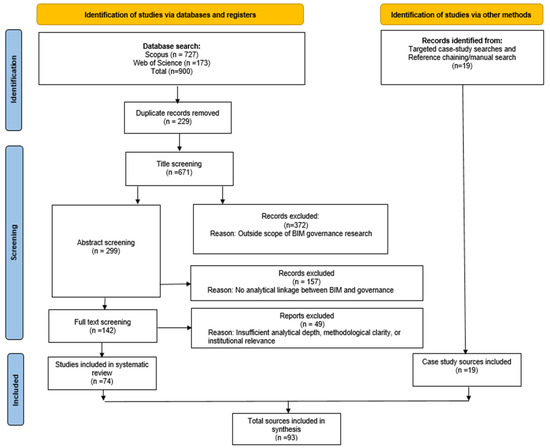
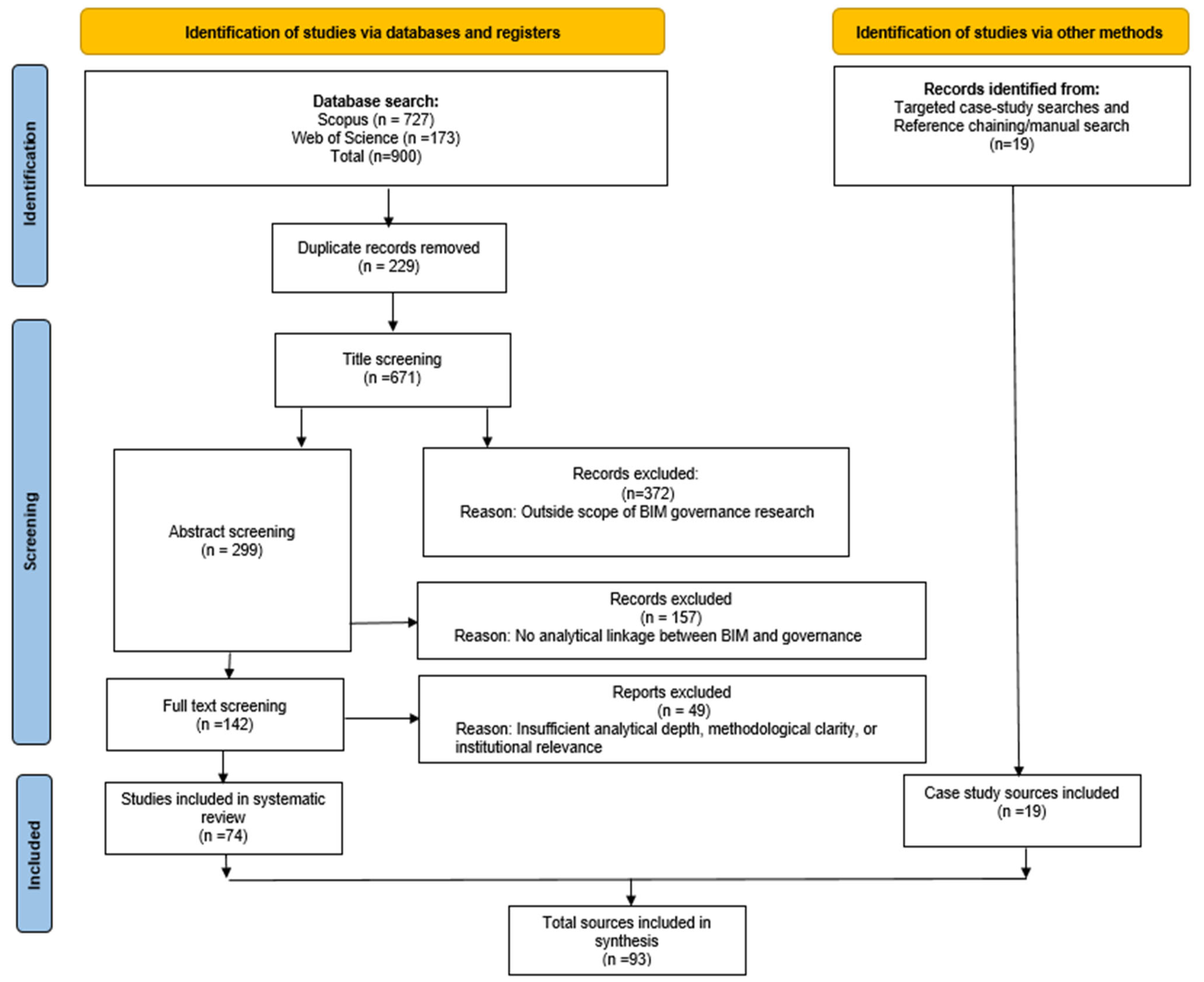
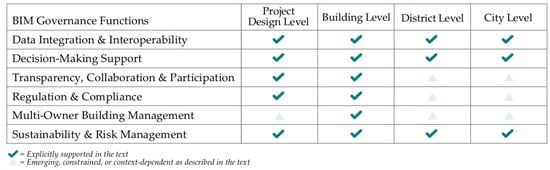
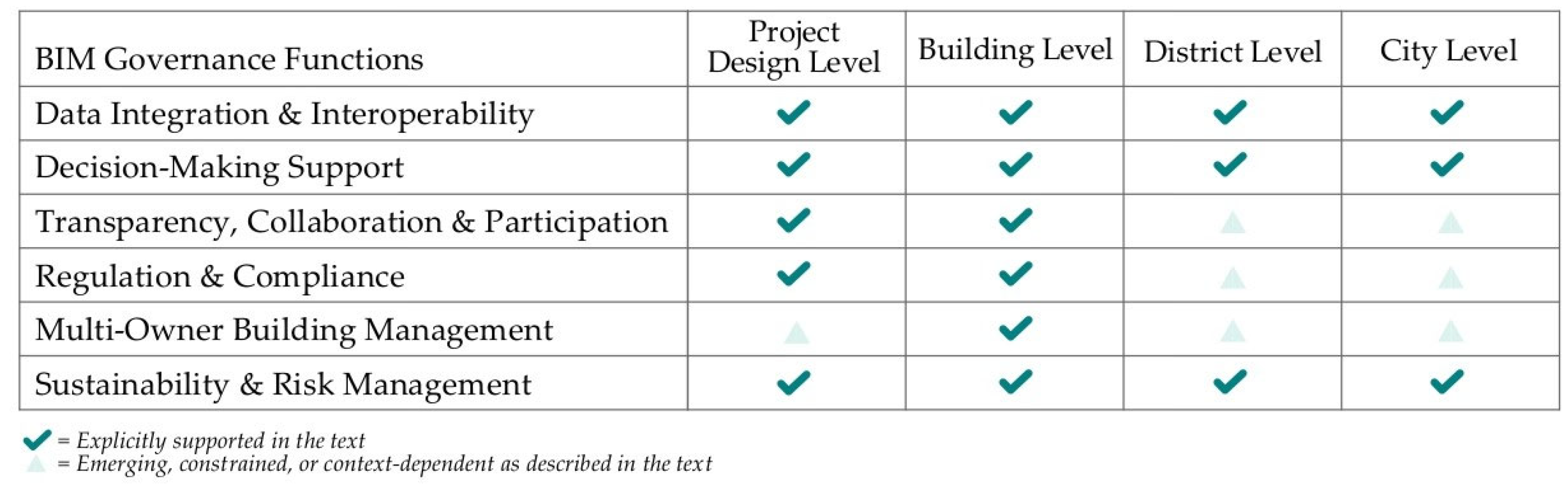
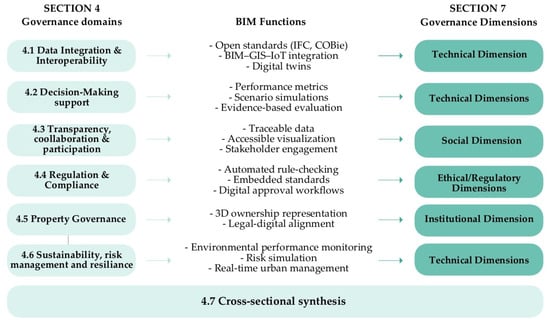
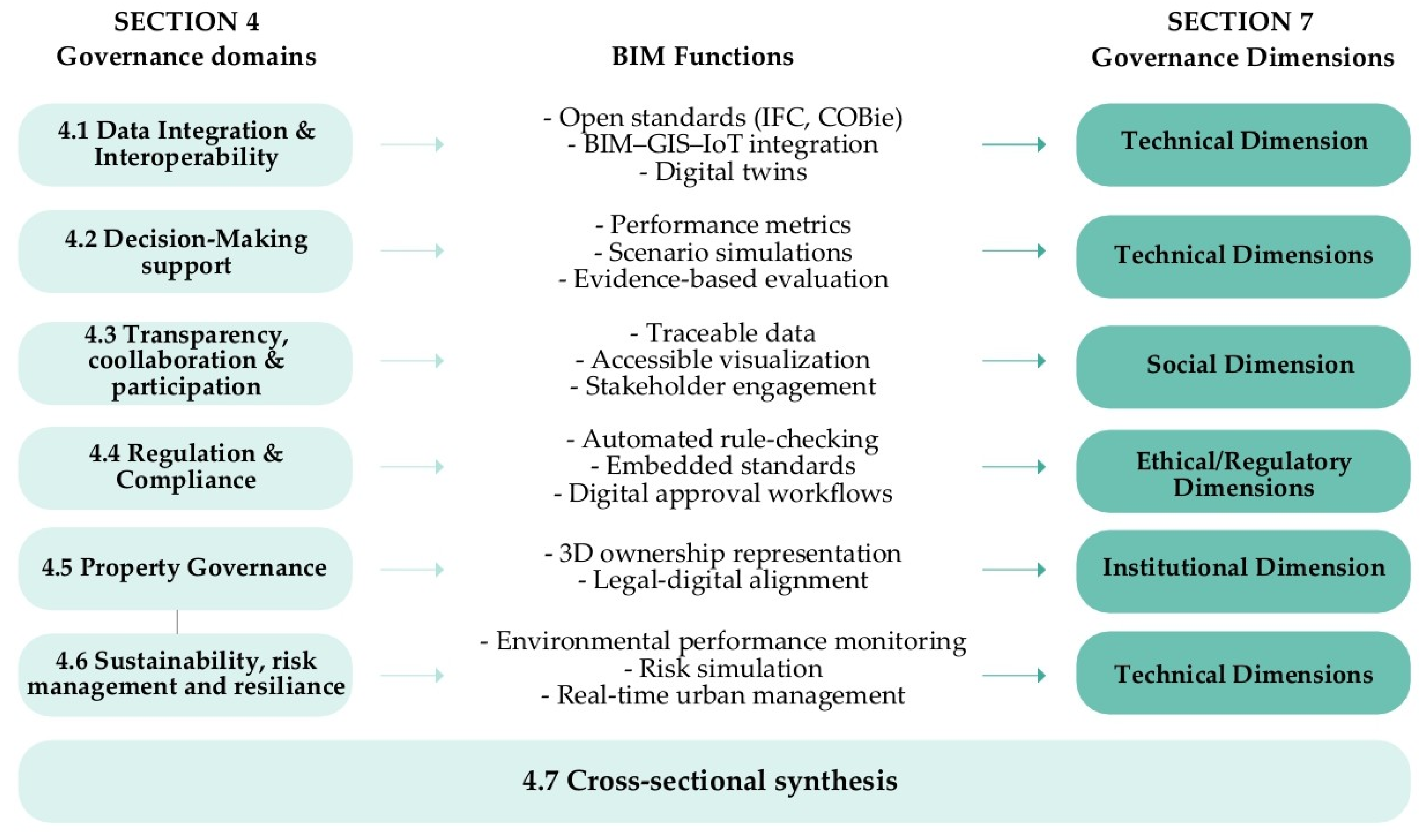
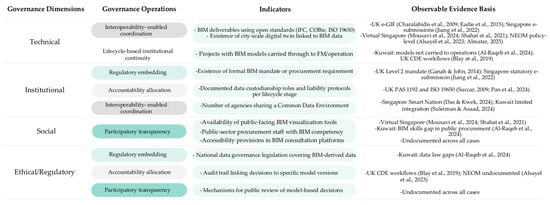
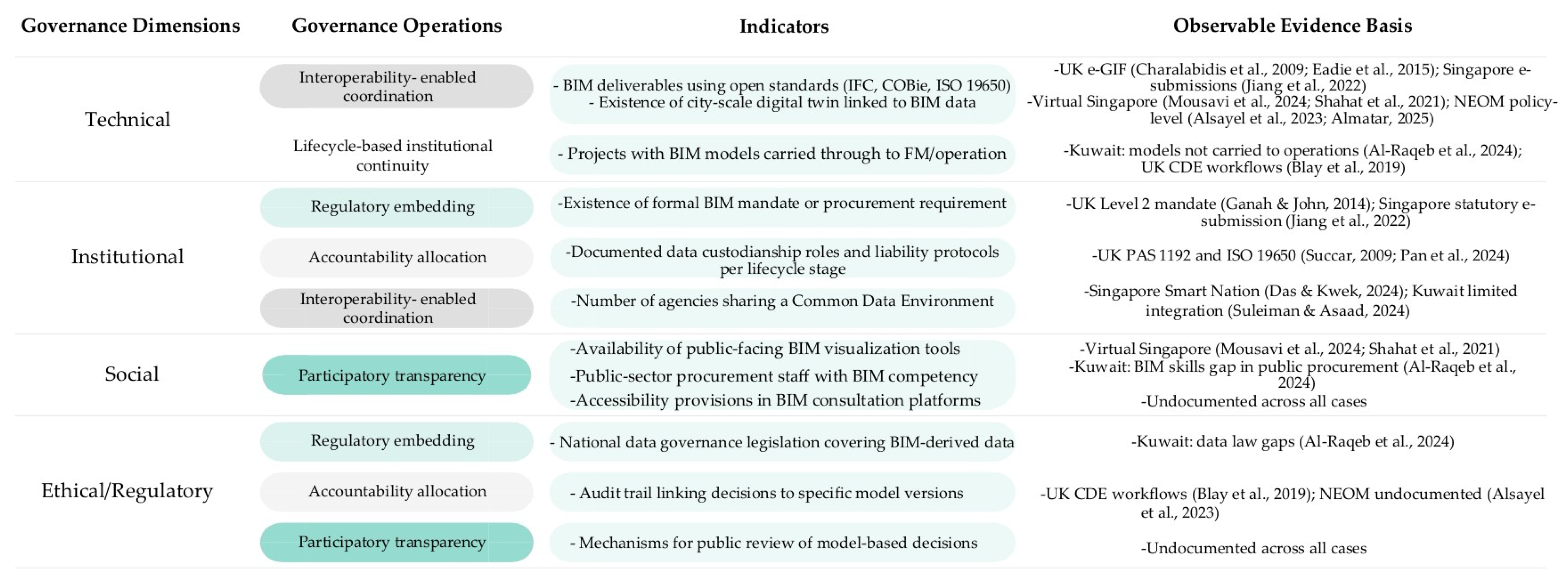

Disclaimer/Publisher’s Note: The statements, opinions and data contained in all publications are solely those of the individual author(s) and contributor(s) and not of MDPI and/or the editor(s). MDPI and/or the editor(s) disclaim responsibility for any injury to people or property resulting from any ideas, methods, instructions or products referred to in the content. |
© 2026 by the authors. Licensee MDPI, Basel, Switzerland. This article is an open access article distributed under the terms and conditions of the Creative Commons Attribution (CC BY) license.