


Abstract
Despite being a biodiversity hotspot, the Republic of Seychelles faces a critical challenge with an estimated 90% of its food imported. This dependency exposes the country to global supply disruptions and climate-related risks, while pressure on protected ecosystems continues to rise. In response, the Erasmus+ Capacity Building Higher Education GreenTraINT project (Green Training INTernational Program for agriculture, livestock farming, and conservation), co-funded by the European Union (2024–2026), aims to strengthen local expertise in sustainable agriculture, livestock farming, and biodiversity conservation. Through a transnational partnership involving European and Seychellois universities and institutions, GreenTraINT is co-designing innovative higher education modules tailored to the island’s priorities in agriculture, livestock, and biodiversity conservation. This paper focuses on a detailed needs analysis conducted in early 2025 across a diverse group of 84 stakeholders, including students, educators, NGOs, and professionals. The findings reveal a strong demand for applied training in sustainable food systems and biodiversity conservation, blended teaching methods, and programs that bridge theory with hands-on skills. Inspired by other Erasmus+ projects such as NETCHEM and SPARKLE, GreenTraINT adopts a multi-stakeholder, needs-driven approach that aligns international academic expertise with local development goals. As a key milestone, a Summer School in 2026 will pilot the newly developed modules. In the long term, GreenTraINT seeks to leave a lasting legacy by integrating its curriculum into national education pathways, thereby contributing to food security and environmental resilience. With less than four years remaining to achieve the 2030 Agenda targets, the project positions higher education reform as a strategic accelerator for SDG implementation in small island developing states (SIDS). By linking curriculum innovation to measurable sustainability priorities, GreenTraINT helps narrow the SDG implementation gap in vulnerable island contexts. The project offers a model for international collaboration in higher education for sustainability in SIDS.
1. Introduction
Small island developing states (SIDS) face a distinctive combination of structural vulnerabilities that amplify their exposure to food insecurity, environmental degradation, and climate-related disruptions. The Republic of Seychelles, an archipelago located in the Western Indian Ocean, exemplifies this convergence of ecological fragility and socio-economic dependency. Globally acknowledged for its rich biodiversity, Seychelles is home to more than 1000 endemic species across terrestrial and marine ecosystems [1]. However, the country imports an estimated 90% of its food [2,3], making it highly sensitive to global supply chain disruptions, foreign exchange volatility, and geopolitical crises—as evidenced during the COVID-19 pandemic and recent inflationary shocks [4].
Recent literature has increasingly emphasized the need to strengthen sustainability education systems in SIDS, particularly regarding climate adaptation, agroecological transitions, and higher education reform. For instance, a recent study highlights how climate change is reshaping educational infrastructures and learning needs in SIDS, calling for more adaptive and resilient curricula. At the same time, higher education institutions are increasingly recognized as key actors in developing place-based and inclusive sustainability knowledge systems tailored to island contexts [5].
Despite this dependency, Seychelles maintains one of the highest proportions of protected terrestrial areas worldwide, with approximately 50% of its land designated for conservation purposes [6]. While ecologically commendable, this protection framework imposes substantial land-use restrictions, limiting the space available for agriculture and infrastructure development. As a result, the limited arable land faces intense pressure to meet growing food demand [7,8]. Environmental stressors further exacerbate these limitations. Seychelles is acutely vulnerable to the impacts of climate change, including rising sea levels, coastal erosion, erratic rainfall patterns, and more frequent extreme weather events, which are leading to the proliferation of crop pests and diseases [9]. Addressing these interconnected challenges calls for a holistic, systemic response that transcends technological fixes. In this context, education is increasingly recognized as a cornerstone for long-term resilience. Equipping local communities with place-based, interdisciplinary skills is essential to advance the Sustainable Development Goals (SDGs), particularly those targeting food security (SDG 2), quality education (SDG 4), climate action (SDG 13), and terrestrial ecosystems [9,10].
Nevertheless, tertiary education systems in many SIDS, including Seychelles, remain underdeveloped in fields such as agroecology, sustainable food systems, and applied conservation science [11]. The limited integration of sustainability-oriented content into higher education curricula represents a critical gap in national human resource capacity building. To address this need, the ERASMUS+ Capacity Building Higher Education (CBHE) GreenTraINT project (Green Training INTernational Program for agriculture and livestock farming and conservation), co-funded by the European Union through the Erasmus+ program, aims to develop context-specific, interdisciplinary academic modules focused on sustainable agriculture, livestock systems, and biodiversity conservation. The project brings together a transnational consortium of universities and institutions engaged in biodiversity conservation at local and international levels from both Europe and Seychelles, adopting a co-creation approach to align academic innovation with local development priorities.
Unlike many existing studies that focus either on policy frameworks or on isolated educational interventions, this study showcases a stakeholder-informed needs analysis from 2025 by the GreenTraINT consortium, offering a practice-based, transferable local model. Engaging 80 participants across academic, professional, and community sectors, the study aimed to identify knowledge gaps, skill priorities, and institutional entry points for embedding sustainability in higher education. The findings highlight key educational gaps that hinder the effective integration of sustainable food systems and biodiversity governance programs in SIDS, with specific reference to the Seychelles context. In line with the recent literature, these gaps extend beyond technical knowledge and include the need for adaptive, interdisciplinary, and context-responsive educational approaches [12,13]. The study further supports the argument that co-designed, locally grounded higher education programs are essential for building capacity, resilience, and policy relevance, as emphasized in recent work on place-based sustainability education in small-island contexts [5] and agroecological capacity development [14]. In this sense, addressing food and ecological insecurity requires not only technical expertise but also inclusive and action-oriented educational pathways aligned with broader sustainability education frameworks [15].
To reach these aims, the project GreenTraINT (launched in 2024) builds on a consortium of European and Seychellois universities, civil society organizations, public institutions, and training centers, co-developing an intensive course that addresses the real-world needs of Seychelles’ socio-ecological context. Its mission is to empower a new generation of professionals equipped with practical skills, ecological knowledge, and systems thinking in key areas such as agroecology, climate-smart livestock management, and applied biodiversity conservation. This aligns with international recommendations on education for sustainable development, notably the UNESCO ESD for 2030 roadmap, which emphasizes contextual relevance and participatory methods as essential for transformative learning [16]. In this respect, GreenTraINT advances existing research on sustainability education and capacity building in SIDS by moving beyond generic skills development and externally designed curricula. While previous studies have highlighted the importance of education for resilience in island contexts, studies that examine how Erasmus+ CBHE projects can operationalize co-design, interdisciplinarity, and local ownership in concrete curricular architectures are scant [17]. The GreenTraINT addresses this gap by embedding stakeholder engagement, applied learning, and Environmental Humanities perspectives into a coherent educational framework.
Previous Erasmus+ initiatives, such as NETCHEM and SPARKLE, have already demonstrated that transdisciplinary and digitally supported environmental training can drive long-term educational and policy impact [18,19]. In particular, SPARKLE (Sustainable Precision Agriculture: Research and Knowledge for Learning how to be an Entrepreneur) has shown how courses co-developed with industry and research partners can significantly enhance employability and innovation in the agroecological sector [20]. GreenTraINT builds on this experience and envisions a model of higher education reform tailored to SIDS, aiming to close skill gaps while concomitantly promoting institutional resilience, food sovereignty, and policy literacy. The forthcoming Summer School in 2026 will serve as a testing ground for the new courses and teaching methodologies with the rationale of integrating these courses into national HE programs in Seychelles. Through this, the project contributes directly to SDG 2 (zero hunger), SDG 4 (quality education), SDG 13 (climate action), and SDG 15 (life on land). The project’s educational philosophy is rooted in the principles of place-based learning, interdisciplinarity, and competence-oriented teaching, as advocated in recent research on sustainability education in SIDS [21]. By centering education within real socio-ecological contexts and engaging stakeholders at every stage, GreenTraINT not only addresses immediate training needs but also cultivates long-term capacities for local leadership and innovation in the face of ecological and climatic uncertainties. As the global community approaches 2027, the narrowing timeline toward 2030 reinforces the urgency of transforming sustainability ambitions into operational frameworks. In this context, higher education systems in SIDS must evolve from knowledge providers to institutional accelerators of SDG implementation.
While several Erasmus+ CBHE projects have been documented in the literature, this study offers novel insights by examining the implementation of this initiative in the Seychelles. In this context, CBHE programs have not previously been developed. This provides a unique opportunity to explore how sustainability-oriented curricula can be co-designed in an SIDS with no prior exposure to this specific policy instrument.
In addition, the paper contributes by linking needs analysis, curriculum co-design, and interdisciplinary integration—particularly through the inclusion of Environmental Humanities—within a single applied framework, thereby offering both a context-specific and conceptually informed contribution to the literature on sustainability education in SIDS.
The present study aims to identify training needs to develop targeted, practice-oriented education and capacity-building programs within the GreenTraINT framework, addressing the current lack of higher education courses in agriculture, livestock production, and biodiversity conservation. By doing so, the study contributes to both capacity-building research and to understanding the structural barriers and innovation pathways that influence progress toward SDGs 2, 4, 13, and 15.
2. Materials and Methods
2.1. Project Governance and Institutional Framework
GreenTraINT is implemented through a transdisciplinary consortium composed of European academic institutions, Seychellois public bodies, and non-governmental actors. The consortium is designed to support the co-development of sustainability-oriented solutions to food systems and biodiversity challenges in SIDS, with particular attention to the Seychelles’ socio-ecological context.
In this framework, the partnership brings together international expertise and locally grounded knowledge with the aim of supporting curriculum development, policy alignment, and capacity building, which aligns with the 2030 Agenda for Sustainable Development and the UNESCO Roadmap for Education for Sustainable Development [22].
The European partners contribute complementary expertise in agroecology, biodiversity conservation, and sustainability education, each bringing a unique blend of academic excellence, applied research, and pedagogical innovation. These institutions not only contribute expertise in agroecology, biodiversity conservation, and sustainability education but also share experience in managing international collaborations and Erasmus+ capacity-building projects. Their involvement ensures that the co-designed training courses are aligned with European standards while remaining sensitive to the specific challenges of SIDS, particularly in the Republic of Seychelles.
The University of Bologna (UNIBO), as the project coordinator, is responsible for coordinating the project’s strategic and operational activities. The UNIBO Department of Agricultural and Food Sciences (DISTAL) leads work package 1 (Table 1) and the whole project with a focus on fostering agroecological transitions and resilient food systems. Its responsibilities also include quality assurance, the development of participatory curricula, and the dissemination of project results, and it also brings experiences from past contributions to Erasmus+ initiatives [3]. Coburg University of Applied Sciences and Arts (UNICOB, Germany) strengthens the consortium by bringing expertise in applied environmental sciences, climate-resilient agriculture, and bioinformatics. Known for its pedagogical innovation, particularly in hybrid and competence-based learning, the institution plays a key role in work packages 2 and 3 (Table 1). Its contribution is vital to ensuring that the training platforms and methodologies developed are both academically rigorous and adaptable to the diverse learning environments of SIDS, spanning higher education and vocational contexts alike.
Table 1.
Overview of GreenTraINT work packages and lead institutions.
Openature contributes as a non-academic partner, bridging the gap between scientific research and public engagement in biodiversity conservation. As a zoological park and active research conservation center, it brings in valuable field expertise and supports the development of biodiversity courses grounded in real-world ecological challenges. Openature also facilitates virtual field experiences, connecting students with conservation practices aligned with national policies and Sustainable Development Goal 15: Life on Land. These institutions collectively provide expertise that aligns with current EU Green Deal objectives, the Farm to Fork Strategy, and the Council Recommendation on learning for the green transition [23].
The Seychellois partners play a central role in ensuring the project’s local relevance. Anchored in the archipelago’s unique ecological, socio-cultural, and educational landscape, these institutions ensure that the project is not merely transplanted from Europe but aligned with the local socio-ecological and institutional context, policy frameworks, and development ambitions of the Republic of Seychelles. Their roles span across academic innovation, vocational training, biodiversity governance, and stakeholder engagement—demonstrating that sustainable development requires integrated, multi-level collaboration. Each partner contributes critical expertise and infrastructure to ensure that the project’s objectives translate into meaningful, long-lasting impact for the Seychellois society. As the country’s primary higher education institution, the University of Seychelles (UNISEY) serves as the academic linchpin of the project. Through its Department of Environmental Science, UNISEY steers the localization and implementation of GreenTraINT’s course innovations. UNISEY’s commitment to knowledge diplomacy and the integration of blue and green policy agendas makes it an ideal driver of both content development and stakeholder engagement, ensuring the courses align with national priorities in education, sustainability, and the blue economy. As the leading vocational training center for the agricultural sector, the Seychelles Institute of Agriculture and Horticulture (SIAH) ensures that the project remains grounded in the technical and practical realities of food production and land stewardship. Its extensive field infrastructure and experience in farmer and technical training make it an indispensable partner in developing hands-on, practice-oriented curricula. SIAH plays a key role in work package 4, which focuses on capacity building, and acts as a vital link between education and employment pathways in the agrifood sector.
As the custodian of the archipelago’s protected terrestrial and marine areas, the Seychelles Parks and Gardens Authority (SPGA) contributes expertise in applied knowledge in biodiversity governance, ecosystem management, and public environmental education. Its involvement ensures that the biodiversity-focused courses respond directly to pressing national issues—such as the management of invasive species, habitat degradation, and the promotion of ecological literacy. Furthermore, SPGA enables experiential learning through national parks and botanical gardens, turning conservation sites into living classrooms. These partners ensure that GreenTraINT remains aligned with national frameworks, including Seychelles Vision 2033, Seychelles National Development Strategy 2024–2028, the National Biodiversity Strategy and Action Plan (NBSAP 2015–2020), and the Blue Economy roadmap [24,25].
The consortium’s architecture embodies the values of reciprocal learning and horizontal cooperation, aligning with best practices emerging from Erasmus+ projects such as NETCHEM and AgriENGAGE [26,27]. GreenTraINT intentionally avoids extractive knowledge transfer, opting instead for a co-design and co-delivery approach in which all institutions participate in decision-making processes on equal footing. Moreover, the consortium actively promotes gender equity, intergenerational inclusion, and the mainstreaming of indigenous ecological knowledge, as recommended by the UN Decade of Ocean Science and the UNESCO Futures of Education initiative [28,29]. This suggests that the GreenTraINT approach may offer insights for similar initiatives in future partnerships aimed at environmental resilience and sustainable development in vulnerable regions.
2.2. Collaborative Governance and Role Distribution
The organizational structure of GreenTraINT is deliberately designed to reflect a balanced, reciprocal division of roles between European and Seychellois partners, which is aligned with the principles of capacity building through co-creation promoted by the Erasmus+ CBHE [30].
Within this framework, the European partners play a central role in the project’s academic and methodological structuring. Their work aligns with internationally recognized standards, including the European Qualifications Framework (EQF) and the UNESCO Education for Sustainable Development (ESD) Roadmap, thereby ensuring coherence, transparency, and academic rigor in learning outcomes and competency frameworks [31].
At the same time, the European partners contribute interdisciplinary scientific expertise in bioanalytics, data science, agroecology, sustainable food systems, biodiversity conservation, and climate-resilient livestock management. This knowledge base supports the development of innovative, modular courses that integrate participatory learning approaches, blended teaching methods, and digital tools. Evaluation frameworks and quality assurance mechanisms are also co-developed under their guidance, informed by established European models for impact assessment and continuous course improvement. Importantly, this contribution builds on concrete experience from previous Erasmus+ initiatives, including SPARKLE, NETCHEM, and BIOVALUE, which have demonstrated the effectiveness of co-designed educational models in environmental and agricultural sciences.
Through direct engagement with students, practitioners, and community stakeholders, the Seychellois partners facilitate access to learning environments beyond the classroom, including agricultural training facilities, protected areas, and biodiversity management sites. They play a decisive role in adapting curricular content to reflect island-specific environmental challenges, cultural values, and indigenous ecological knowledge. Furthermore, their leadership in accreditation processes and institutional integration is key to ensuring that the GreenTraINT courses are not treated as isolated pilot initiatives, but are embedded sustainably within national higher education and vocational training systems as recommended by recent scholarship on sustainability education in SIDS [11].
At the heart of this division of roles lies a co-construction process, characterized by iterative cycles of joint design, reflection, and refinement. Educational content and methodologies are continuously reviewed through collaborative workshops, stakeholder consultations, and transnational working groups, allowing both European and Seychellois partners to contribute on an equal footing. This approach aligns with contemporary scholarship on international development cooperation and higher education reform, which emphasizes horizontal partnerships, reciprocity of capacity building, and shared ownership of knowledge production [32,33,34,35].
By adopting this collaborative governance model, GreenTraINT enhances not only the relevance and effectiveness of its educational outputs but also the institutional trust and long-term partnerships among participating organizations. In doing so, the project may contribute to longer-term collaboration, positioning itself as a replicable model for sustainable capacity building in SIDS and other environmentally vulnerable contexts.
2.3. Capacity Building Through Collaborative Training
This study adopts a participatory capacity-building framework that integrates transnational governance, collaborative curriculum design, and interdisciplinary training to support sustainability education in SIDS. Within this framework, GreenTraINT promotes mutual learning, co-design, and intercultural engagement rather than traditional top-down knowledge transfer. The training strategy addresses human resource gaps in SIDS by fostering skills in agroecology, biodiversity conservation, and climate-smart agriculture adapted to island contexts. Three sequential teacher training sessions constitute the core component of the training structure, strengthening course coherence, aligning teaching approaches among partners, and facilitating knowledge exchange. The final session, held in January 2026, initiated interdisciplinary student working groups, marking the most applied and collaborative phase of the project.
Each partner institution contributes a thematic topic on its disciplinary strengths and contextual relevance. For instance, the UNIBO will lead topics on sustainable agriculture and climate-resilient livestock systems, drawing on its leadership in EU-funded projects such as SPARKLE and FOODIMPACT [36,37,38]. Openature will integrate virtual field-learning tools to facilitate biodiversity-focused education in alignment with SDG 15, while the SIAH ensures local applicability through courses oriented toward vocational learners. This model of modular content creation reflects emerging best practices in development education, particularly those that emphasize intercultural dialogue, real-world problem solving, and pedagogical flexibility. Importantly, all training materials and protocols are co-designed to ensure adaptability across multiple learning environments—face-to-face, online, and blended—and to support long-term institutional integration. At the core of GreenTraINT’s educational innovation is the establishment of interdisciplinary and transnational student working groups. These groups, composed of Seychellois and European students, will engage in a collaborative research and design process structured into three iterative stages, culminating in applied outputs during the Summer School in mid-2026.
Recruitment strategies are intentionally inclusive, emphasizing disciplinary diversity (agriculture, environmental science, biodiversity, and food systems), gender equity, and student motivation. The configuration of mixed-nationality teams reflects the Erasmus+ ethos of intercultural exchange and fosters skills that extend beyond disciplinary knowledge, including critical thinking, communication, and leadership. The working group process includes three main sessions: the first two conducted online (in January and February 2026), and the third integrated into the in-person Summer School. Each session is designed to scaffold student engagement, progressing from conceptual design to collaborative problem solving and finally to the co-creation of outputs with tangible community or policy relevance. Mentors from each institution will provide guidance to these groups throughout, ensuring the scientific robustness and local legitimacy of their work.
An important feature of the GreenTraINT training model is its focus on systemic thinking, understood as the ability to connect ecological, social, and economic dimensions of sustainability challenges. The initiative aims not only to support the development of technical skills but also to foster integrative approaches to complex problem solving.
The emphasis on participatory methods and real-world applications is consistent with broader approaches to sustainability education that promote transformative, practice-oriented learning, in which learners are engaged as active participants in knowledge production and change processes [39,40].
Moreover, the use of blended and virtual components within the training structure increases accessibility and resilience, particularly crucial in SIDS contexts where geographic dispersion and infrastructure limitations often constrain traditional academic delivery models [41]. In this sense, GreenTraINT’s training component is both a response to current capacity deficits and a capacity contribution to longer-term institutional sustainability. By embedding training within existing structures and linking it to national development strategies and labor market needs, the project helps ensure continuity beyond its formal duration.
2.4. Needs Analysis Questionnaire Design
A common questionnaire for the needs analysis was developed by drawing on prior knowledge, existing experiences, and programs. The questionnaire focused on the competences required of trainers across agriculture, animal husbandry, and conservation in Seychelles (see Appendix SA). The questionnaire employed three formats: (1) a multiple-choice grid in Likert scale, where respondents select from the options ‘strongly agree,’ ‘agree,’ ‘neither agree nor disagree,’ ‘disagree,’ or ‘strongly disagree’ for each statement in a grid layout, (2) single-answer questions, where respondents choose one option from a list of choices, and (3) a qualitative set of questions for respondents to suggest additional topics or issues not covered in one or two. Participants were also asked to self-assess their personal skills related to information, communication, and technology (ICT) use, internet proficiency, social networking, and organizational knowledge. This approach yielded valuable qualitative data, which was integrated with quantitative findings to enhance the accuracy of the results. The final version of the questionnaire was later designed in Google Forms (see Appendix SA) to facilitate administration across the various mailing lists and networks. The completion time for a questionnaire ranges from 15 to 30 min. Using Google Forms to administer the questionnaires enabled outreach to diverse stakeholder groups.
2.5. Participants, Survey Administration, and Ethical Considerations
Respondents were identified in different groups of stakeholders across three main categories: (i) students, (ii) universities, research centers, and tertiary institutions, and (iii) public institutions, NGOs, and community members, respectively. The online survey was sent via various mailing lists and networks on 27 January 2025, with a deadline of 31 January 2025. The research was non-interventional and posed no foreseeable risks to participants. Ethical approval for the survey was obtained from the Research Ethics Review Committee of the Faculty Administrative Unit of the University of Seychelles on 6 January 2025 (see Appendix SB). The committee reviewed the study protocol, including the informed consent procedure and survey instruments, and confirmed that no ethical concerns were identified.
Informed consent was obtained from all participants before participation. Participants provided consent directly (see Appendix SC). The introductory statement explained the purpose of the study, guaranteed anonymity, and informed participants of their right to withdraw at any stage before submission (see Appendix SC). By the end of 31st January 2025, a total of 84 surveys had been completed and downloaded as an Excel file for analysis.
2.6. Data Processing and Statistical Analysis
The downloaded Excel file was then screened for missing data and potential outliers. Given that most of the survey questions were multiple-choice questions, they did appear in the Excel file as multiple entries in the same columns; separate data were needed for each question, which were later coded as “1” for “Yes” and “0” for “No” in the Statistical Package for the Social Sciences (SPSS) Version 22. The coded data were analyzed using tables, bar charts, and pie charts, with the results presented as frequencies and percentages. For multiple-choice items, the percentage exceeded 100.
3. Results
3.1. GreenTraINT Envisions Four Major Dimensions
The GreenTraINT project is structured around a robust, needs-driven methodology grounded in the principles of co-creation, place-based learning, and capacity building for sustainable development. Drawing from both participatory research and applied pedagogical design, the project’s methodology seeks to create an integrated training ecosystem for SIDS, beginning with the Republic of Seychelles. The operational framework is articulated through a comprehensive Theory of Change and a modular structure of five interlinked work packages (WPs) (see Table 1), each contributing to the project’s educational and developmental impact.
At the heart of GreenTraINT lies a clear and context-sensitive Theory of Change: if tertiary education institutions in SIDS are equipped with the tools, knowledge, and institutional support to offer high-quality, locally relevant and internationally informed training in sustainable agriculture, biodiversity management, and climate-resilient food systems, then they can foster a new generation of professionals capable of tackling critical socio-ecological challenges in their regions.
The logic underpinning this transformation process is informed by recent calls for systemic change in higher education to meet the SDGs through transdisciplinary approaches in combination with co-production of knowledge [42,43]. This approach is particularly urgent in island contexts such as Seychelles, where food insecurity, biodiversity threats, and climate vulnerability intersect with institutional gaps in agroecological and environmental training [44].
To achieve its vision, the GreenTraINT integrates four strategic dimensions: (I) the establishment of inclusive, multi-actor partnerships that foster reciprocal knowledge exchange; (II) the use of stakeholder-driven needs assessments to guide course development; (III) the co-design and delivery of modular, practice-based educational content; and (IV) the integration of outputs into national institutions to ensure long-term sustainability. These pillars are implemented through an agile work plan structured around five work packages (WPs) that guide the project’s evolution from inception to institutional embedding.
3.2. GreenTraINT Implementation Includes Cross-Cutting Principles
GreenTraINT’s implementation is guided by five interconnected WPs, each led by one or more members of the project consortium and characterized by shared responsibilities and horizontal collaboration (Table 1). WP1, which is led by UNIBO, focuses on quality assurance and institutional sustainability through a quality control plan. This includes developing monitoring indicators, evaluation frameworks, and feedback loops to ensure the scalability and replicability of GreenTraINT in other SIDS contexts. The consortium’s governance model is based on shared decision-making, transparency, and reflexivity. Regular coordination meetings, joint reviews, and adaptive implementation mechanisms ensure that each WP can evolve in response to partner feedback and contextual shifts. WP2, led by UNICOB, centers on context mapping and needs analysis in addition to developing the educational courses. The initial findings from this WP, which engaged 84 stakeholders in Seychelles across academia, government, and civil society, reveal significant gaps in technical knowledge, pedagogical innovation, and interdisciplinary integration within existing courses. UNIBO and UNICOB oversee the co-design process, working closely with Openature and Seychellois institutions to ensure that the resulting courses combine scientific rigor with cultural and environmental relevance. Digital innovation and blended learning are cornerstones of this WP, ensuring accessibility and scalability across diverse learning environments. These collaborative learning spaces are designed to simulate real-world problem solving, promoting peer learning and intercultural exchange in line with the EU best practices in experiential sustainability education [45,46]. WP3 focuses on the organization and implementation of an international Summer School conceived as the pilot phase of the GreenTraINT Intensive Study Program. The work package aims to test the educational model developed in the previous phases through a blended learning approach that combines online preparatory activities with an intensive on-site program in Seychelles. Key activities include selecting students from the EU and Seychelles partner institutions, organizing preparatory online sessions, delivering lectures and conducting field-based activities, and facilitating collaborative group work involving academic staff and external stakeholders. WP4 is dedicated to consolidating, evaluating, and ensuring the long-term sustainability of the GreenTraINT Intensive Study Program. Building on the results of the pilot phase, this work package aims to assess the feasibility of integrating the program into formal higher education and vocational training pathways in Seychelles. WP4 also foresees preparing a feasibility study and developing a Memorandum of Understanding among project partners to support the program’s institutional adoption, accreditation, and continuation beyond the project’s lifetime.
WP5 ensures the visibility, dissemination, and exploitation of GreenTraINT activities and results throughout the entire project duration. The work package aims to raise awareness among target groups, including students, academic staff, stakeholders, and policy-makers, while promoting the transferability and scalability of the project outcomes. Key actions include implementing a communication strategy, producing and disseminating informational and promotional materials, and supporting networking activities at local, regional, and international levels through a dedicated website created specifically for this project.
Throughout the project’s lifecycle, several cross-cutting principles guided the implementation of GreenTraINT, reflecting both Erasmus+ values and global standards in education for sustainable development. Firstly, gender equity and inclusion are prioritized in recruitment and participation across all training activities. This principle is especially pertinent in the agricultural and environmental sectors, where gender disparities in access to education and decision-making remain a persistent issue in SIDS [47,48]. Secondly, digital innovation is central to GreenTraINT’s pedagogy. Each course incorporates hybrid learning strategies, including online teaching, virtual field visits, and multimedia case studies, to accommodate the geographic dispersion and infrastructural limitations typical of island territories. Thirdly, environmental and cultural sensitivity informs the development of courses and teaching materials. Content is adapted to reflect local ecosystems, traditional knowledge systems, and indigenous values, enabling learners to engage with sustainability not only as a scientific concept but as a lived, place-based experience. Lastly, the project embraces the principle of scalability and replicability. While tailored to the Seychelles, the GreenTraINT model is conceived as a blueprint that can inform future educational initiatives across the SIDS network. By embedding outputs within national frameworks and disseminating findings through academic and policy channels, the project contributes to broader regional capacity building and resilience.
3.3. Needs Analysis Top-Ranking Topics for SIDS
To ensure that the GreenTraINT educational offer is relevant, inclusive, and truly grounded in the socio-ecological realities of Seychelles, the consortium undertook a comprehensive needs analysis in January 2025. This activity, led by the UNISEY and SIAH, was not conceived merely as a preliminary assessment but as a foundational element of the project’s co-creative and participatory model of course development. Drawing on a mixed-methods design, the needs analysis combined quantitative data collection via structured surveys with qualitative insights from stakeholder interviews and focus groups. The process was shaped by principles of inclusivity and local empowerment, and aimed to identify both technical training gaps and pedagogical preferences across the agriculture, livestock production, and conservation sectors in Seychelles. It is important to emphasize that the Analytic Hierarchy Process (AHP) [49], although a robust and widely adopted multi-criteria decision-making method, particularly in sustainability research for prioritizing complex criteria and alternatives [50], was not employed in this study. AHP requires a specific methodological framework based on pairwise comparisons and the construction of a reciprocal comparison matrix to derive priority weights [51]. In this work, however, the data consist of aggregated Likert-scale responses rather than pairwise judgments and, therefore, do not fulfill the methodological requirements for applying an AHP.
A total of 84 stakeholders participated in the structured questionnaire phase, covering a broad cross-section of roles: students, academic staff, vocational trainers, civil servants, conservation professionals, and agricultural practitioners. Their demographic and professional composition is detailed in Table 2, which illustrates the diversity of participants across age, occupation, and educational attainment. The use of local facilitators and bilingual tools ensured accessibility and cultural sensitivity throughout the data collection process.
Table 2.
Descriptive statistics of the survey respondents (n = 84).
Moreover, the survey highlights several key challenges that may hinder sustainable development in agriculture, livestock, and biodiversity conservation. The most frequently reported barriers include inadequate training opportunities and financial constraints. Limited access to technology was also identified as a significant obstacle, alongside the increasing impacts of climate change, which further complicate agricultural planning and resource management (Figure 1).
Figure 1.
Key results of the stakeholder survey on training needs, barriers to development, digital readiness, and preferred training modalities in the Seychelles.
Despite these challenges, the results indicate a relatively high level of digital readiness among respondents in the Seychelles. A large majority (83.3%) reported having access to smartphones or tablets, while 71.1% identified Facebook as their primary social networking platform. Furthermore, 73.8% of respondents reported feeling comfortable using videoconferencing tools such as Zoom, Microsoft Teams, or Google Meet for online learning. This suggests that digital and blended training approaches could be effectively implemented within the local context.
The analysis also reveals strong consensus regarding the relevance of the proposed training topics in agriculture, livestock, and biodiversity conservation. In the context of sustainable agriculture, over 80% of respondents highlighted the urgent need to strengthen agroecological practices. Meanwhile, biodiversity conservation and livestock sustainability were also identified as key priorities, each receiving support from approximately 50–60% of respondents (see Figure 2).
Figure 2.
Distribution of stakeholder priorities for training topics across agriculture, livestock, and biodiversity conservation.
These priorities were quantitatively reinforced through a topic-ranking exercise (Table 3). The most important training topics included pest and disease control (66.7%), sustainable farming (64.3%), water management (61.9%), and food safety and security (58.3%)—underscoring the interconnections among agriculture, public health, and ecosystem resilience.
Table 3.
Stakeholder agreement on the relevance of agriculture, livestock, and conservation-related topics for national development (n = 84).
Beyond content preferences, the needs analysis provided valuable guidance on pedagogical design. Participants across stakeholder groups expressed a strong preference for hybrid learning formats that combined the flexibility of online classes with experiential learning. In-person workshops were also highly appreciated (Figure 3).
Figure 3.
Stakeholder preferences regarding training delivery formats.
However, they also flagged concerns as current digital resources were found to be insufficiently adapted to the ecological specificities of the Seychelles, and many training materials were perceived as overly generic or externally imposed. A consistent call emerged for applied learning experiences, such as field visits, site-based research, and community engagement projects. Participants emphasized that learning by doing—especially in real-world settings such as agricultural plots, biodiversity reserves, and coastal ecosystems—was key to consolidating both skills and motivation (Figure 4).
Figure 4.
Stakeholder preferences for practical, hands-on learning experiences.
Finally, several stakeholders identified the need for policy literacy, suggesting that technical expertise must be complemented by an understanding of governance structures, national strategies (e.g., the Seychelles Vision 2033), and policy instruments such as the NBSAP (2020–2025) and the Seychelles Blue Economy Strategic Framework.
In sum, the needs analysis validated GreenTraINT’s core orientation. It provided granular, stakeholder-informed data that now shapes both curriculum co-design and the pedagogical infrastructure of the upcoming Summer School 2026, which will pilot the new training offer. By aligning training priorities with local realities and institutional visions, GreenTraINT ensures that capacity building is not only effective but also owned, sustained, and replicated within Seychelles and potentially across other SIDS.
Moreover, beyond the general demand for applied training, the needs analysis identified several key insights. Food security emerges as the top national priority, strongly shaping sectoral needs. Agriculture and livestock are considered the most valuable sectors, particularly in areas such as crop production and food safety. At the same time, biodiversity conservation is recognized as a cross-cutting priority to be integrated across all topics. There is also a clear preference for short, practical training delivered in-person or in hybrid formats, using familiar tools. Additionally, there is a strong demand for professionally oriented, applied higher education programs.
3.4. Study Limitations and Implications for GreenTraINT Design
The needs analysis was conceived as an exploratory and action-oriented research tool, consistent with the participatory and co-creative approach underpinning the GreenTraINT project. Participants (n = 84) were purposively sampled to ensure a broad, diverse range of stakeholders directly involved in or affected by education and capacity-building processes in agriculture, livestock production, and biodiversity conservation in Seychelles. The sample encompassed students, university lecturers, vocational trainers, public officers, environmental professionals, agricultural practitioners, as well as representatives from government departments and agencies, private sector actors, civil society organizations, community members, and local and international NGOs, including members of the National Technical Working Group on Education for Sustainable Development. This diversity enabled the study to capture perspectives across multiple levels of education, policy, and practice.
While the sample is not statistically representative of the national population, it reflects the key institutional and professional actors who shape and participate in sustainability-related training and governance in the country. Therefore, the findings should be interpreted as indicative rather than generalizable, providing a contextually grounded understanding of sectoral needs. Accordingly, the results are analytical and design-oriented rather than inferential, supporting curriculum development and strategic decision-making rather than population-level generalization.
Several limitations inherent to participatory needs assessments should be acknowledged. First, participation was voluntary, which may have introduced a self-selection bias, favoring respondents already interested in sustainability, environmental education, or innovation in training. Second, the inclusion of institutional stakeholders may have influenced responses toward priorities aligned with existing national strategies or organizational mandates. To mitigate these effects, quantitative survey results were triangulated with qualitative insights from semi-structured interviews and focus groups, enabling cross-validation of emerging themes and identification of convergences and divergences among stakeholder groups. The use of local facilitators and context-adapted instruments further reduced cultural and communicative biases during data collection.
A key objective of the needs analysis was to establish a direct and transparent link between empirical findings and educational design choices. Survey and interview results were systematically mapped against curriculum development decisions. As a result, the system for GreenTraINT was adjusted to (I) top-ranked topics such as sustainable farming, pest and disease control, and water management, which directly informed the inclusion of applied modules on agroecology, integrated pest management, and climate-resilient resource use. (II) Stakeholders’ strong preference for blended and experiential learning formats led to the adoption of hybrid teaching models combining online components, field-based activities, and site-specific case studies. (III) The expressed need for policy literacy and governance awareness led to the integration of transversal content on national strategies, regulatory frameworks, and the roles of institutions in food systems and biodiversity management.
In this sense, the needs analysis functioned not only as a diagnostic exercise but as a design driver, ensuring that the GreenTraINT curriculum responds to locally identified priorities while remaining aligned with international frameworks for education for sustainable development. This objective will be pursued in the subsequent phase of the GreenTraINT project, where detailed curriculum design and pedagogical structuring will be further elaborated.
3.5. A Holistic Approach to Sustainability Education
The ecological crisis cannot be addressed solely through scientific and technical knowledge. While natural sciences provide essential data on climate change, biodiversity loss, and resource depletion, they are often insufficient to explain why unsustainable practices persist or how social values, historical trajectories, and power relations shape environmental decision-making. In this sense, Environmental Humanities (EH) offer a critical and complementary framework, enabling a more holistic understanding of sustainability challenges [52,53]. EH situate environmental issues within their historical, ethical, cultural, and political contexts, highlighting how landscapes, ecosystems, and non-human entities are embedded in narratives, identities, and systems of meaning. This perspective is particularly relevant in postcolonial island nations such as Seychelles, where environmental governance intersects with colonial legacies, global economic dependencies, and culturally specific relationships with land and sea. By foregrounding these dimensions, EH contributes to overcoming technocratic approaches to sustainability and supports more inclusive, reflexive, and context-sensitive forms of environmental education [54,55].
Within the GreenTraINT project, Environmental Humanities (EH) play a strategic role in enriching the Intensive Study Program by broadening its epistemological foundations and pedagogical scope. The integration of EH allows students not only to acquire technical competencies in agriculture, biodiversity, and livestock management, but also to critically reflect on the social and ethical implications of sustainability transitions, in line with recent work highlighting the role of humanities-based approaches in sustainability education [56,57]. Specifically, EH contribute to the program through the introduction of thematic modules and transversal perspectives that draw on: (a) Environmental history, addressing long-term land-use change, colonial agricultural practices, and their impacts on ecosystems and local livelihoods [58]; (b)ecocriticism and cultural representations of nature, examining how landscapes, species, and environmental risks are narrated in the literature, media, and public discourse [59]; (c) environmental ethics, focusing on conservation dilemmas, intergenerational responsibility, and human–non-human relationships [60]; and (d) storytelling and local oral knowledge systems, emphasizing the importance of narrative and community-based knowledge in sustainability learning [61]. Through these contributions, EH fosters students’ reflexivity, ethical reasoning, and critical awareness, supporting forms of place-based learning that connect scientific knowledge with lived experience and cultural context.
The integration of Environmental Humanities within GreenTraINT is not conceived as an additional or isolated component, but as a transversal approach embedded across the different training modules. This ensures coherence between technical content and broader sustainability narratives, reinforcing the program’s holistic character. By embedding EH perspectives in this way, GreenTraINT promotes an educational model in which sustainability is understood not only as a technical challenge, but as a cultural and ethical transformation. This approach equips students with the capacity to navigate complexity, negotiate competing values, and engage responsibly with the socio-ecological systems in which they will operate as future professionals. From a research perspective, the integration of Environmental Humanities within GreenTraINT also contributes to ongoing debates on sustainability education by demonstrating how ethical, historical, and cultural dimensions can be operationalized within applied training programs. This deepens the analytical foundations of capacity-building initiatives and supports a more reflexive, context-aware approach to environmental governance in SIDS.
4. Discussion
The relationship between the needs identified through the GreenTraINT needs analysis and the educational responses envisaged in the project has been clarified in Table 4. In particular, it shows how the topics most frequently prioritized by respondents—such as sustainable farming, pest and disease control, water management, and biodiversity-related content—were translated into preliminary curriculum directions aligned with SDGs 2, 4, 13, and 15. In this sense, the table should be read primarily as an interpretive framework linking empirical findings to proposed educational responses, rather than as evidence of impact at this stage.
Table 4.
Framework linking needs analysis, capacity-building actions, competences, and SDG alignment.
More broadly, the mapping suggests that, in the Seychelles context, some of the barriers identified by stakeholders are not limited to technical knowledge gaps alone, but also concern the organization of training pathways, the balance between theory and practice, and the integration of sustainability across disciplines. These patterns support broader reflection on the role that higher education may play in enabling sustainability transitions in SIDS, while also requiring caution: the present study is based on an exploratory needs analysis and, in itself, does not allow causal claims about SDG acceleration or institutional transformation.
This is consistent with the recent literature highlighting significant knowledge and capacity gaps in climate adaptation in SIDS, which require education systems to move beyond technical training and adopt more integrated and flexible learning approaches (e.g., UNU-IAS, 2023) [12].
Building on these findings, the following sections distinguish between what emerges directly from the needs analysis and the conceptual interpretations proposed by the GreenTraINT project in response to those findings.
4.1. Rethinking Educational Gaps in SIDS: Beyond Technical Deficits
The needs analysis confirms the importance of technical training in areas such as crop production, water management, pest and disease control, and food safety. At the same time, respondents’ preference for hybrid and practice-oriented learning formats, together with their emphasis on applied and professionally relevant training, suggests that perceived educational gaps concern not only subject content, but also pedagogical delivery and curriculum structure.
Within the limits of this case study, these findings may be interpreted as indicating that sustainability-related training gaps in Seychelles are partly pedagogical and institutional rather than exclusively technical. This does not mean that the Seychelles case overturns the broader SIDS literature, but rather, it adds a more nuanced picture in which knowledge needs, modes of delivery, and institutional embedding appear closely interconnected. In this respect, the study contributes an empirically grounded example of how educational demand in a SIDS context may extend beyond technical specialization alone.
4.2. Co-Design as a Critical Intervention, Not Just a Methodological Choice
One important implication of the needs analysis is the value of stakeholder involvement in shaping educational priorities. In particular, respondents highlighted the importance of practice-oriented training, contextual relevance, and professionally applicable competences, suggesting that curriculum design needs to be closely aligned with local expectations and sectoral realities. Because the proposed courses in agriculture, livestock, and conservation were informed by input from students, educators, practitioners, and public actors, the resulting curriculum directions appear more closely aligned with locally perceived needs than would likely be the case with a fully externally designed program, as highlighted in recent research on sustainability education in higher education contexts [62].
From this perspective, co-design can be interpreted not simply as a methodological preference, but also as a form of local legitimacy, as emphasized in recent studies on participatory curriculum development [63]. This interpretation remains conceptual: the current data do not directly measure long-term institutional ownership or epistemic redistribution. However, the needs analysis does support the argument that participatory curriculum development is especially valuable in contexts where imported educational models may not fully reflect local socio-ecological priorities.
4.3. Environmental Humanities as a Structural Component of Sustainability Training
The results of the needs analysis do not directly measure the role of Environmental Humanities (EH), nor do they provide direct evidence of their effectiveness in training outcomes. For this reason, EH should be presented here as a conceptual and pedagogical proposition developed within GreenTraINT, rather than as an empirical finding of the survey itself. At the same time, the needs analysis highlighted the importance of contextual relevance, policy awareness, and applied learning grounded in local realities. These elements suggest that a purely technical curriculum may not be sufficient on its own. In this context, EH may offer an integrative framework for sustainability education that incorporates historical, ethical, and cultural dimensions alongside technical competencies. In the Seychelles case, this should therefore be understood as a proposed curricular response to the needs analysis, rather than as a validated outcome.
That said, several elements emerging from the needs analysis—especially the demand for policy literacy, contextual relevance, and applied learning connected to local realities—suggest that purely technical training may be insufficient on its own. In response, integrating EH can broaden the educational framework by including historical, ethical, and cultural perspectives on sustainability. In the Seychelles context, this may help students reflect more critically on the relationships between conservation, land use, food systems, and local knowledge. Thus, EH is best framed not as a demonstrated solution, but as a theoretically informed curricular response to needs that stakeholders identified only indirectly.
4.4. Repositioning Erasmus+ CBHE Projects: From Capacity Transfer to Systemic Learning
The GreenTraINT case also offers some preliminary reflections on the role of Erasmus+ CBHE projects in sustainability education. In this study, the needs assessment phase was used not only to identify priority thematic areas but also to inform the structure and orientation of new courses. This suggests that CBHE initiatives may be more effective when stakeholder consultation and curriculum co-development are integrated from the outset, rather than treated as secondary implementation steps. However, at this stage, it would be premature to claim that GreenTraINT has already produced systemic institutional learning or durable reform. A more cautious interpretation is that the project provides an example of how CBHE structures can be oriented toward longer-term educational embedding, provided that the subsequent phases—pilot implementation, evaluation, and institutional adoption—are completed. In this sense, GreenTraINT should currently be understood as a promising model in development rather than a fully validated reform model.
4.5. Transferability and Contextual Adaptation
The study suggests that some principles emerging from GreenTraINT—such as stakeholder-informed design, interdisciplinarity, and the combination of technical and contextual learning—may be relevant beyond Seychelles. At the same time, the findings also indicate that training needs are strongly shaped by local ecological, institutional, and policy conditions.
For this reason, the project should not be presented as a universal blueprint for SIDS. A more appropriate conclusion is that GreenTraINT offers a potentially transferable approach, with applicability elsewhere depending on contextual adaptation. What may be scalable are the design principles; what is unlikely to be directly replicable is the exact curricular configuration developed for Seychelles.
An additional element of novelty of the GreenTraINT case lies in its implementation in the Seychelles, where Erasmus+ CBHE projects had not previously been established. This makes the project not only an instance of curriculum development, but also an exploratory case of how such initiatives can be introduced and adapted in contexts with limited prior institutional exposure. This aligns with recent studies emphasizing the importance of place-based and context-sensitive higher education models in small island states [5].
As such, the study contributes not only a geographically underrepresented case but also a process-oriented perspective on how needs analysis, stakeholder engagement, and interdisciplinary design can be combined in early-stage CBHE implementation.
These findings should be interpreted with caution regarding generalizability. Rather than proposing a universally applicable model, this study offers a context-sensitive analysis of the Seychelles case. However, some underlying principles—such as the importance of stakeholder engagement, interdisciplinary training, and alignment with local policy priorities—may be relevant to other small island developing states, provided they are adapted to specific socio-ecological and institutional contexts. In this sense, the study’s contribution lies less in its direct transferability and more in its process-oriented approach, which aligns with recent research emphasizing context-based, place-sensitive sustainability education in SIDS.
4.6. Implications for Research, Policy, and Educational Design
The findings of the needs analysis suggest that higher education in Seychelles could play a more active role in supporting sustainability goals if training is designed to be interdisciplinary, practice-oriented, and institutionally embedded. For researchers, this case highlights the value of studying sustainability education not only in terms of subject content but also in relation to pedagogy, governance, and local relevance. For policymakers, it points to the importance of aligning educational investments with nationally identified priorities in food systems, biodiversity, and resilience. For higher education institutions, it suggests that curriculum reform may be more effective when grounded in stakeholder consultation and linked to practical implementation pathways.
These implications should nevertheless be interpreted with caution. The present study is based on an early-stage needs analysis and therefore supports design-oriented and conceptual conclusions more than evaluative ones. Future research will be needed to assess whether the proposed curriculum model produces measurable effects on learner competencies, institutional practices, or sustainability governance outcomes over time.
More broadly, the findings resonate with recent scholarship calling for education systems in SIDS to play a more active role in supporting climate adaptation, sustainability transitions, and workforce development through interdisciplinary and practice-oriented training.
5. Conclusions and Implications
This paper examines how higher education can better support sustainable food systems and biodiversity governance in small island developing states (SIDS), using the Erasmus+ CBHE GreenTraINT project in Seychelles as a case study. Based on a stakeholder-driven needs analysis and an interdisciplinary educational framework, it argues that capacity building in SIDS must go beyond technical training toward systemic, context-sensitive sustainability education.
The findings show that educational gaps are not merely technical deficits but stem from the interplay between pedagogical design, institutional coordination, and the translation of scientific knowledge into locally meaningful practices. In Seychelles, ambitious conservation policies coexist with limited educational pathways to operationalize sustainability goals. Addressing this mismatch requires rethinking how sustainability knowledge is structured, mediated, and embedded within territorial and governance contexts.
Theoretically, the study contributes an integrated framework linking Environmental Humanities (EH), capacity building, and island sustainability studies. It demonstrates how EH can function not as an ethical “add-on,” but as a core infrastructure for reflexivity, ethical reasoning, and policy literacy—particularly relevant in postcolonial island contexts shaped by historical legacies and power asymmetries.
Methodologically, the paper reframes co-design as an epistemic and institutional intervention rather than a mere participatory tool. In GreenTraINT, stakeholder-driven needs analysis and shared curricular authorship redistributed epistemic authority and strengthened the legitimacy and durability of sustainability education.
At the policy level, the study reconceptualizes Erasmus+ CBHE projects as catalysts for systemic institutional learning rather than simple instruments of capacity transfer. GreenTraINT is presented as a hybrid conceptual–operational model that combines interdisciplinarity, the Environmental Humanities, and governance integration. However, the paper cautions against universal replication and advocates instead contextual adaptation to specific institutional and cultural settings.
While grounded in an early-stage needs analysis, the study highlights higher education as a primary driver of sustainability transitions in SIDS, such as Seychelles, and calls for longitudinal research into the long-term professional, institutional, and policy impacts. In fact, the findings of the needs analysis provide valuable insights for other SIDS, offering a transferable framework to identify sector-specific training priorities and to develop context-relevant, practice-oriented education programs that support sustainable development and climate resilience.
With only four years remaining before 2030, incremental adjustments are unlikely to close the SDG implementation gap in SIDS. Systemic educational reform, institutional embedding, and interdisciplinary integration emerge as necessary conditions for accelerating sustainability transitions. GreenTraINT demonstrates that higher education, when strategically aligned with territorial governance and stakeholder co-design, can operate as a structural driver of SDG advancement rather than a peripheral support mechanism.
Supplementary Materials
The following supporting information can be downloaded at: https://www.mdpi.com/article/10.3390/su18083919/s1.
Author Contributions
Conceptualization, M.O., M.L.D., F.S., P.T., L.B., D.E., C.S. (Caterina Spiezio), C.S. (Camillo Sandri), S.S., M.N., K.K., A.C. and P.M.; methodology, E.K., S.S. and C.S. (Caterina Spiezio); investigation, E.K.; data curation, S.S.; formal analysis, M.O.; validation, C.S. (Caterina Spiezio); writing—original draft preparation, M.O., P.M. and M.L.D.; reviewing: L.H., M.M. (Maryanne Marie), K.K., B.N., M.N., S.S., U.B. and M.O.; editing, S.F., E.F. and M.M. (Monica Modesto); software, S.S.; supervision, F.S., D.E., L.B., P.T., M.L.D. and C.S. (Caterina Spiezio); project administration, P.M., F.S. and M.L.D.; Funding acquisition, P.M., F.S. and M.L.D. All authors have read and agreed to the published version of the manuscript.
Funding
This research was co-funded by the European Commission through the Erasmus+ Programme, Capacity Building in Higher Education (CBHE), project GreenTraINT (grant number 101179780).
Institutional Review Board Statement
Ethical review and approval were waived in accordance with the University of Seychelles institutional guidelines, as the study was based on an anonymous survey and no identifiable personal data were collected.
Informed Consent Statement
Informed consent was obtained from all participants. At the beginning of the survey, participants were provided with information about the study, and continuing the questionnaire was considered as consent to participate.
Data Availability Statement
The datasets presented in this study are openly available in Figshare at https://doi.org/10.6084/m9.figshare.31970811.
Conflicts of Interest
Authors Allen Cedras and Louisette Hoareau were employed by the company Seychelles Parks and Gardens Authority. Author Camillo Sandri was employed by the company Openature. Author Caterina Spiezio was employed by the company Fondazione Zoom, Natura Viva. The remaining authors declare that the research was conducted in the absence of any commercial or financial relationships that could be construed as a potential conflict of interest.
References
- Gerlach, J. Red Listing Reveals the True State of Biodiversity: A Comprehensive Assessment of Seychelles Biodiversity. Phelsuma 2012, 20, 9–22. [Google Scholar]
- Etongo, D. A Situational Analysis of Agricultural Development, Food, and Livelihood Security in Seychelles: Where to from Here? PLoS Clim. 2023, 2, e0000192. [Google Scholar] [CrossRef] [Scilit]
- Rocamora, G.; Skerrett, A.; Fishpool, L.; Evans, M. Seychelles. IBAs Afr. Assoc. Isl. 2001, 1, 751–768. [Google Scholar]
- Xu, Z.; Elomri, A.; Kerbache, L.; El Omri, A. Impacts of COVID-19 on Global Supply Chains: Facts and Perspectives. IEEE Eng. Manag. Rev. 2020, 48, 153–166. [Google Scholar] [CrossRef] [Scilit]
- Telesford, L.; Nsobundu, C.; Lewis, T.; Marks, A.; Alamrany, A.; Zaim, O.; Lachica, I.; Eruaga, A.; Roman, L.C.; Slavkovska, T.; et al. Leveraging small island context to advance and disseminate environmental health and sustainable development knowledge through higher education. Front. Educ. 2024, 9, 1337302. [Google Scholar] [CrossRef] [Scilit]
- Gerlach, J. Climate Change and Identification of Terrestrial Protected Areas in the Seychelles Islands. Biodiversity 2008, 9, 24–29. [Google Scholar] [CrossRef] [Scilit]
- Chartres, C.J.; Noble, A. Sustainable Intensification: Overcoming Land and Water Constraints on Food Production. Food Secur. 2015, 7, 235–245. [Google Scholar] [CrossRef] [Scilit]
- Dale, V.H.; Brown, S.; Haeuber, R.; Hobbs, N.; Huntly, N.; Naiman, R.; Riebsame, W.; Turner, M.; Valone, T. Ecological Principles and Guidelines for Managing the Use of Land. Ecol. Appl. 2000, 10, 639–670. [Google Scholar] [CrossRef] [Scilit]
- Payet, R.; Agricole, W. Climate Change in the Seychelles: Implications for Water and Coral Reefs. AMBIO J. Hum. Environ. 2006, 35, 182–189. [Google Scholar] [CrossRef] [Scilit]
- Rust, B.; Rust, S. Place-Based Innovation for Sustainable and Resilient Human Systems. Sustain. Earth Rev. 2024, 7, 19. [Google Scholar]
- Heaton, M.G. A Pedagogy of Hope: Levers of Change in Transformative Place-Based Learning Systems. Ph.D. Thesis, Antioch University, Yellow Springs, OH, USA, 2020. [Google Scholar]
- United Nations University Institute for the Advanced Study of Sustainability (UNU-IAS). Climate Change Displacement and the Right to Education in Small Island States; UNU-IAS: Tokyo, Japan, 2023. [Google Scholar]
- Robinson, S. Climate change adaptation in SIDS: A systematic review of the literature pre and post the IPCC Fifth Assess-ment Report. WIREs Clim Change 2020, 11, e653. [Google Scholar] [CrossRef] [Scilit]
- Food and Agriculture Organization of the United Nations (FAO). Agroecology and Capacity Development for Sustainable Food Systems; FAO: Rome, Italy, 2023. [Google Scholar]
- United Nations Educational, Scientific, and Cultural Organization (UNESCO). Education for Sustainable Development: ESD for 2030—Progress Report; UNESCO: Paris, France, 2023. [Google Scholar]
- Crossley, M.; Sprague, T. Education for Sustainable Development: Implications for Small Island Developing States (SIDS). Int. J. Educ. Dev. 2014, 35, 86–95. [Google Scholar] [CrossRef] [Scilit]
- Ortega-Sánchez, D. The End-Purpose of Teaching Social Sciences and the Curricular Inclusion of Social Problems. Soc. Sci. 2022, 11, 12. [Google Scholar] [CrossRef] [Scilit]
- Shulla, K.; Filho, W.L.; Lardjane, S.; Sommer, J.H.; Borgemeister, C. Sustainable Development Education in the Context of the 2030 Agenda for Sustainable Development. Int. J. Sustain. Dev. World Ecol. 2020, 27, 458–468. [Google Scholar] [CrossRef] [Scilit]
- Roger, H. Beyond the Obvious: A Practice Oriented Investigation into Blended Learning Cultures of Creative Subjects in the University of Highlands and Islands. Doctoral Thesis, University of Dundee, Dundee, Scotland, 2023. [Google Scholar]
- Vičič Krabonja, M.; Kustec, S.; Skrbinjek, V.; Aberšek, B.; Flogie, A. Innovative Professional Learning Communities and Sustainable Education Practices through Digital Transformation. Sustainability 2024, 16, 6250. [Google Scholar] [CrossRef] [Scilit]
- Van Den Berg, C.; Verster, B. Integrating Education for Sustainable Development into a Sustainable-Smart Transdisciplinary Learning Framework. Indep. J. Teach. Learn. 2023, 18, 8–28. [Google Scholar] [CrossRef] [Scilit]
- Engel-Di Mauro, S.; Martin, G. Urban Food Production for Ecosocialism: Cultivating the CITY; Routledge: Oxfordshire, UK, 2021; ISBN 1-000-43101-0. [Google Scholar]
- Hazard, R. Project-Based Learning for Sustainable Development: An Open Educational Research Framework for Design. In Proceedings of the Barcelona Conference on Education 2023: Official Conference Proceedings, Barcelona, Spain, 19–23 September 2023; pp. 879–893. [Google Scholar]
- Agbedahin, A.V. Sustainable Development, Education for Sustainable Development, and the 2030 Agenda for Sustainable Development: Emergence, Efficacy, Eminence, and Future. Sustain. Dev. 2019, 27, 669–680. [Google Scholar] [CrossRef] [Scilit]
- Marek, C.; Tosun, J. Tackling the Environmental and Climate Footprint of Food Systems: How “Transformative” Is the EU’s Farm to Fork Strategy? In Sustainability Transformations, Social Transitions and Environmental Accountabilities; Springer: Berlin/Heidelberg, Germany, 2023; pp. 265–297. [Google Scholar]
- Benzaken, D.; Hoareau, K. From Concept to Practice: The Blue Economy in Seychelles. In The Blue Economy in Sub-Saharan Africa; Routledge: Oxfordshire, UK, 2021; pp. 141–157. [Google Scholar]
- Hoban, S.; Hvilsom, C.; Aissi, A.; Aleixo, A.; Bélanger, J.; Biala, K.; Ekblom, R.; Fedorca, A.; Funk, W.C.; Goncalves, A.L.; et al. How Can Biodiversity Strategy and Action Plans Incorporate Genetic Diversity and Align with Global Commitments? BioScience 2025, 75, 47–60. [Google Scholar] [CrossRef] [Scilit]
- Chirinda, N.; Abdulkader, B.; Hjortsø, C.N.; Aitelkadi, K.; Salako, K.V.; Taarji, N.; Mhada, M.; Lamdaghri, Z.; Romanova, G.; Assogbadjo, A.E.; et al. Perspectives on the Integration of Agri-Entrepreneurship in Tertiary Agricultural Education in Africa: Insights from the AgriENGAGE Project. Front. Sustain. Food Syst. 2024, 8, 1348167. [Google Scholar] [CrossRef] [Scilit]
- Maletić, S.; Ivančev-Tumbas, I.; Brossas, A.; Antonijević, M.; Čáslavský, J.; Jovančićević, B.; Matović, Z.; Kongoli, R.; MajlindaVasjari; Petrović, M.; et al. Overview of Erasmus+ NETCHEM Project: ICT Networking for Overcoming Technical and Social Barriers in Instrumental Analytical Chemistry Education. Environ. Sci. Pollut. Res. 2021, 28, 2479–2483. [Google Scholar] [CrossRef] [Scilit]
- Guan, S.; Qu, F.; Qiao, F. United Nations Decade of Ocean Science for Sustainable Development (2021–2030): From Innovation of Ocean Science to Science-Based Ocean Governance. Front. Mar. Sci. 2023, 9, 1091598. [Google Scholar] [CrossRef] [Scilit]
- Nash, K.L.; Alexander, K.; Melbourne-Thomas, J.; Novaglio, C.; Sbrocchi, C.; Villanueva, C.; Pecl, G.T. Developing Achievable Alternate Futures for Key Challenges during the UN Decade of Ocean Science for Sustainable Development. Rev. Fish Biol. Fish. 2022, 32, 19–36. [Google Scholar] [CrossRef] [Scilit] [PubMed]
- TESF Collective. Knowledge Co-Creation in Action: Learning from the Transforming Education for Sustainable Futures Network. A Methodological Sourcebook; TESF: Bristol, UK, 2023. [Google Scholar]
- Janssens, L.; Kuppens, T.; Mulà, I.; Staniskiene, E.; Zimmermann, A.B. Do European Quality Assurance Frameworks Support Integration of Transformative Learning for Sustainable Development in Higher Education? Int. J. Sustain. High. Educ. 2022, 23, 148–173. [Google Scholar] [CrossRef] [Scilit]
- Benzaken, D.; Voyer, M.; Pouponneau, A.; Hanich, Q. Good Governance for Sustainable Blue Economy in Small Islands: Lessons Learned from the Seychelles Experience. Front. Political Sci. 2022, 4, 1040318. [Google Scholar] [CrossRef] [Scilit]
- Tomaskinova, J.; Geneletti, D.; Dicks, L.; Grace, M.; Collier, M.; Longato, D.; Stoev, P.; Sapundzhieva, A.; Balzan, M. Capacity-Building as an Instrument to Foster the Implementation of Nature-Based Solutions. Res. Ideas Outcomes 2021, 7, e77666. [Google Scholar] [CrossRef] [Scilit]
- National Research Council; Global Affairs; Policy Division; Board on Sustainable Development. Our Common Journey: A Transition Toward Sustainability; National Academies Press: Washington, DC, USA, 1999; ISBN 0-309-08638-8. [Google Scholar]
- Vieri, M.; Sarri, D.; Lombardo, S. SPARKLE Project: E-Learning Solutions to Create New Digital Agronomist Profiles on European Students; Wageningen University & Research: Wageningen, The Netherlands, 2019; pp. 140–145. [Google Scholar]
- Shideler, D.; Watson, P. Making Change through Local Food Production: Calculating the Economic Impact of Your Local Food Project. J. Agric. Food Syst. Community Dev. 2019, 8, 165–177. [Google Scholar] [CrossRef] [Scilit]
- McGlone, P.; Dobson, B.; Dowler, E.; Nelson, M. Food Projects and How They Work; York Publishing Services Ltd.: York, UK, 1999; ISBN 1-902633-05-9. [Google Scholar]
- Schneider, F.; Giger, M.; Harari, N.; Moser, S.; Oberlack, C.; Providoli, I.; Schmid, L.; Tribaldos, T.; Zimmermann, A. Transdisciplinary Co-Production of Knowledge and Sustainability Transformations: Three Generic Mechanisms of Impact Generation. Environ. Sci. Policy 2019, 102, 26–35. [Google Scholar] [CrossRef] [Scilit]
- Gough, K.V.; Veléz-Torres, I.; Ruette-Orihuela, K.; Fayad, J.; Bueno, B.; Corredor, G.; Escobar-Tello, C.; Hurtado, D.; Larrea, J.; Piccolino, G.; et al. Engaged Pedagogic Research: Transforming Societies through Co-Learning and Social Action. Environ. Plan. C Politics Space 2023, 41, 109–129. [Google Scholar] [CrossRef] [Scilit]
- Burnell, P.J.; Rakner, L.; Randall, V. Politics in the Developing World; Oxford University Press: Oxford, UK, 2017; ISBN 0-19-873743-2. [Google Scholar]
- Dedeurwaerdere, T. Transdisciplinary Research, Sustainability, and Social Transformation: Governance and Knowledge Co-Production; Taylor & Francis: London, UK, 2024; ISBN 1-003-82753-5. [Google Scholar]
- Bolger, P.; Brereton, P.; Grant, O.; Torney, D. Better Together: Knowledge Co-Production for a Sustainable Society; Royal Irish Academy: Dublin, Ireland, 2021. [Google Scholar]
- Paracchini, M.L.; Justes, E.; Wezel, A.; Zingari, P.C.; Kahane, R.; Madsen, S.; Scopel, E.; Hérault, A.; Bhérer-Breton, P.; Buckley, R. Agroecological Practices Supporting Food Production and Reducing Food Insecurity in Developing Countries. A Study on Scientific Literature in 17 Countries; Publications Office of the European Union: Luxembourg, 2020. [Google Scholar]
- Koehn, P.H.; Uitto, J.I. Evaluating Sustainability Education: Lessons from International Development Experience. High. Educ. 2014, 67, 621–635. [Google Scholar] [CrossRef] [Scilit]
- Fors, P.; Lennerfors, T.T. Virtual Exchange in Education for Sustainable Development. In 2020 IEEE Frontiers in Education Conference (FIE); IEEE: Piscataway, NJ, USA, 2020; pp. 1–5. [Google Scholar]
- Wabnitz, C.C.; Blasiak, R.; Harper, S.; Jouffray, J.-B.; Tokunaga, K.; Norström, A.V. Gender Dimensions of Ocean Risk and Resilience in SIDS and Coastal LDCS; Ocean Risk and Resilience Action Alliance: Washington, DC, USA, 2021. [Google Scholar]
- Ghorui, N.; Ghosh, A.; Algehyne, E.A.; Mondal, S.P.; Saha, A.K. AHP-TOPSIS Inspired Shopping Mall Site Selection Problem with Fuzzy Data. Mathematics 2020, 8, 1380. [Google Scholar] [CrossRef] [Scilit]
- Sančanin, B.; Penjišević, A.; Simjanović, D.J.; Ranđelović, B.M.; Vesić, N.O.; Mladenović, M. A Fuzzy AHP and PCA Approach to the Role of Media in Improving Education and the Labor Market in the 21st Century. Mathematics 2024, 12, 3616. [Google Scholar] [CrossRef] [Scilit]
- Koohathongsumrit, N.; Luangpaiboon, P. An integrated FAHP–ZODP approach for strategic marketing information system project selection. Manag. Decis. Econ. 2022, 43, 1792–1809. [Google Scholar] [CrossRef] [Scilit]
- Little, G. Connecting Environmental Humanities: Developing Interdisciplinary Collaborative Method. Humanities 2017, 6, 91. [Google Scholar] [CrossRef] [Scilit]
- Emmett, R.S.; Nye, D.E. The Environmental Humanities: A Critical Introduction; MIT Press: Cambridge, MA, USA, 2017; ISBN 0-262-03676-2. [Google Scholar]
- Mejía-Cáceres, M.A. Interconnecting Knowledges: A Transformative Environmental Education Through the Dialogue Between Sciences and Culture. Preprints 2025. [Google Scholar] [CrossRef] [Scilit]
- Rose, D.B.; van Dooren, T.; Chrulew, M.; Cooke, S.; Kearnes, M.; O’Gorman, E. Thinking Through the Environment, Unsettling the Humanities. Environ. Humanit. 2012, 1, 1–5. [Google Scholar] [CrossRef] [Scilit]
- O’Gorman, E.; Gaynor, A. More-Than-Human Histories. Environ. Hist. 2020, 25, 711–735. [Google Scholar] [CrossRef] [Scilit]
- Galafassi, D.; Daw, T.M.; Thyresson, M.; Rosendo, S.; Chaigneau, T.; Bandeira, S.; Munyi, L.; Gabrielsson, I.; Brown, K. Stories in social-ecological knowledge cocreation. Ecol. Soc. 2018, 23, 23. [Google Scholar] [CrossRef] [Scilit]
- West, S.; Haider, L.J.; Stålhammar, S.; Woroniecki, S. A Relational Turn for Sustainability Science? Relational Thinking, Leverage Points and Transformation. Ecosyst. People 2020, 16, 304–325. [Google Scholar] [CrossRef] [Scilit]
- Jickling, B.; Wals, A.E.J. Debating Education for Sustainable Development 20 Years after Rio: A Conversation Between Two Perspectives. J. Educ. Sustain. Dev. 2008, 6, 49–57. [Google Scholar] [CrossRef] [Scilit]
- Krings, T.; Schlosberg, D. Environmental Humanities and the Challenge of Sustainability Education. Sustainability 2023, 15, 9876. [Google Scholar]
- Trencher, G.; Nagao, M.; Chen, C.; Ichiki, K.; Sadayoshi, T.; Kinai, M.; Kamitani, M.; Nakamura, S.; Yamauchi, A.; Yarime, M. Implementing Sustainability Co-Creation between Universities and Society: A Typology-Based Under-standing. Sustainability 2017, 9, 594. [Google Scholar] [CrossRef] [Scilit]
- Leal Filho, W.; Simaens, A.; Paço, A.; Hernandez-Diaz, P.M.; Vasconcelos, C.R.P.; Fritzen, B.; Mac-Lean, C. Integrating the Sustainable Development Goals into the strategy of higher education institutions. Int. J. Sustain. Dev. World Ecol. 2023, 30, 564–575. [Google Scholar] [CrossRef] [Scilit]
- Cottafava, D.; Cavaglià, G.; Corazza, L. Education of Sustainable Development Goals through Students’ Active Engagement: A Transformative Learning Experience. Sustain. Account. Manag. Policy J. 2019, 10, 521–544. [Google Scholar] [CrossRef] [Scilit]
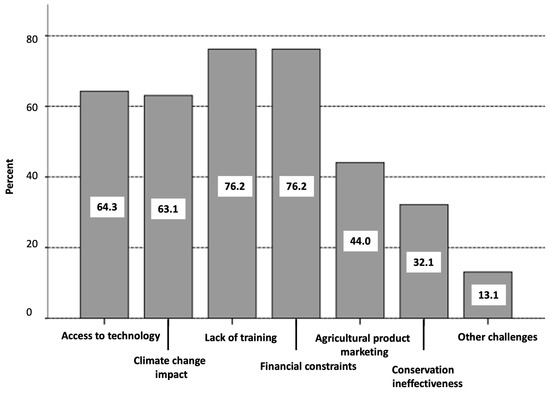
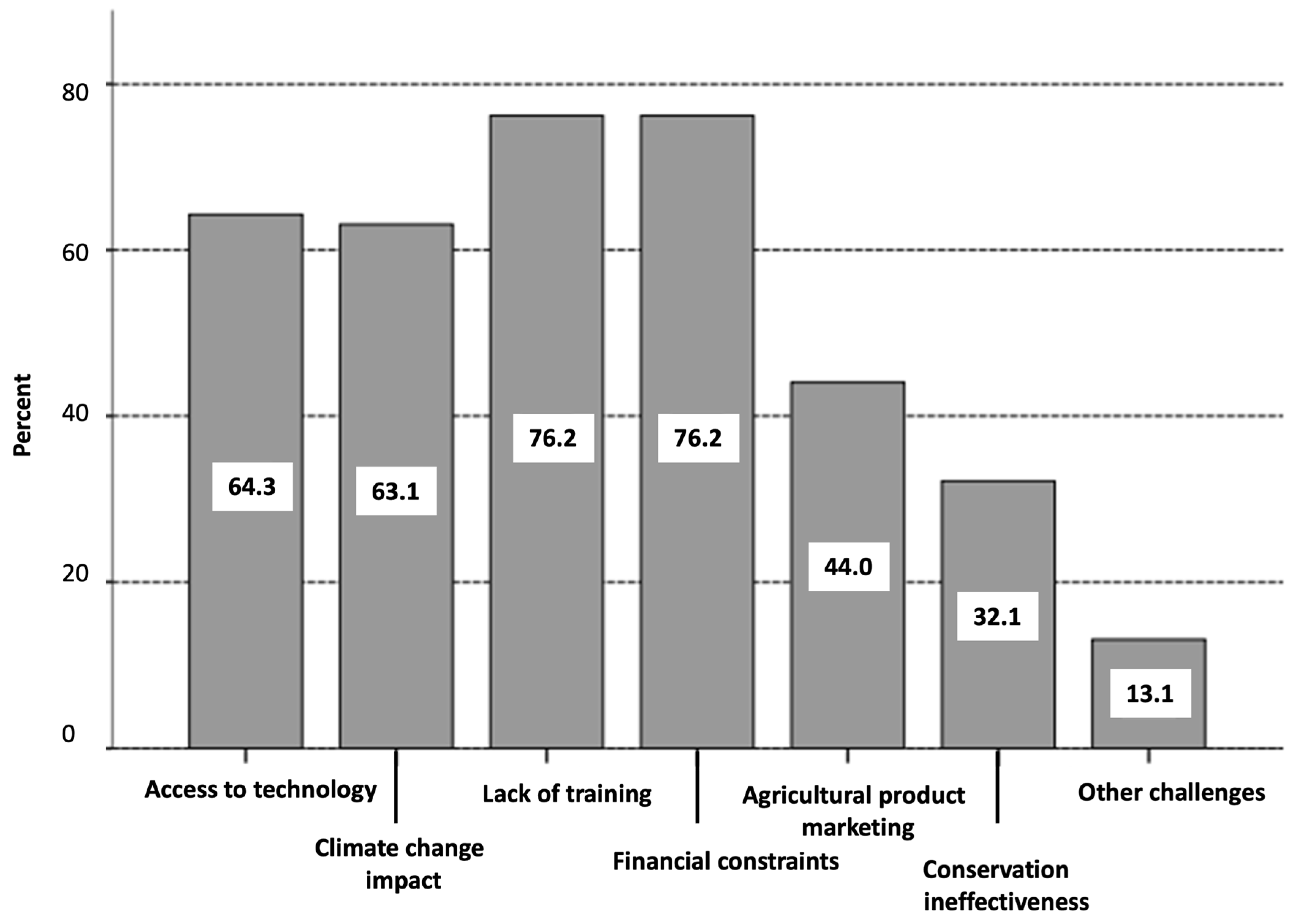
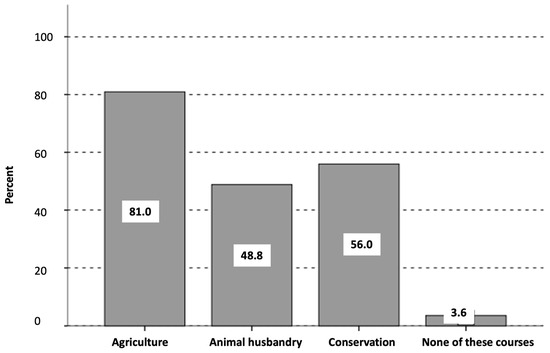
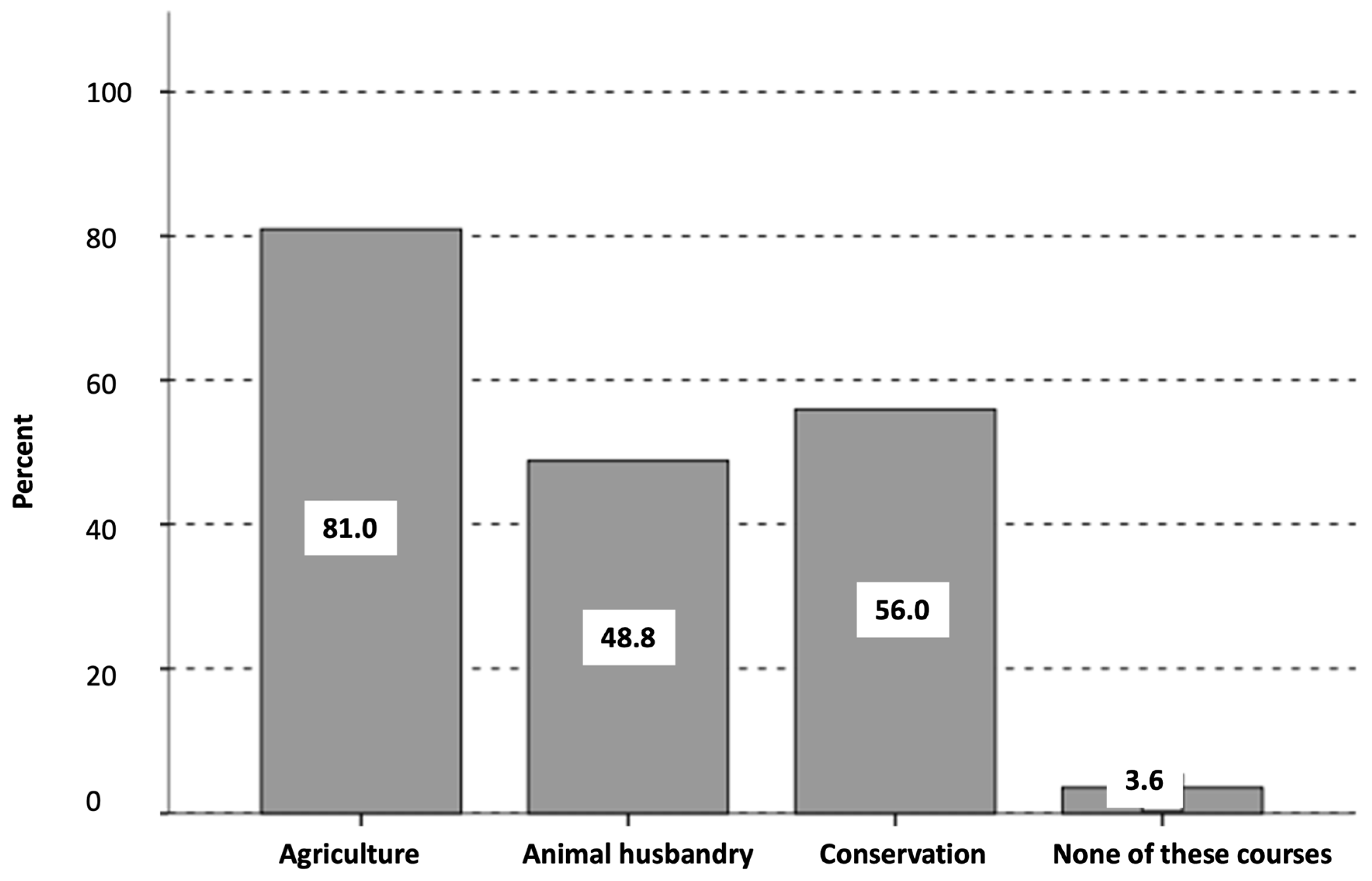
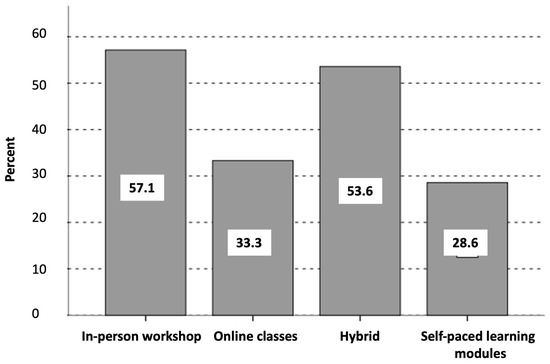
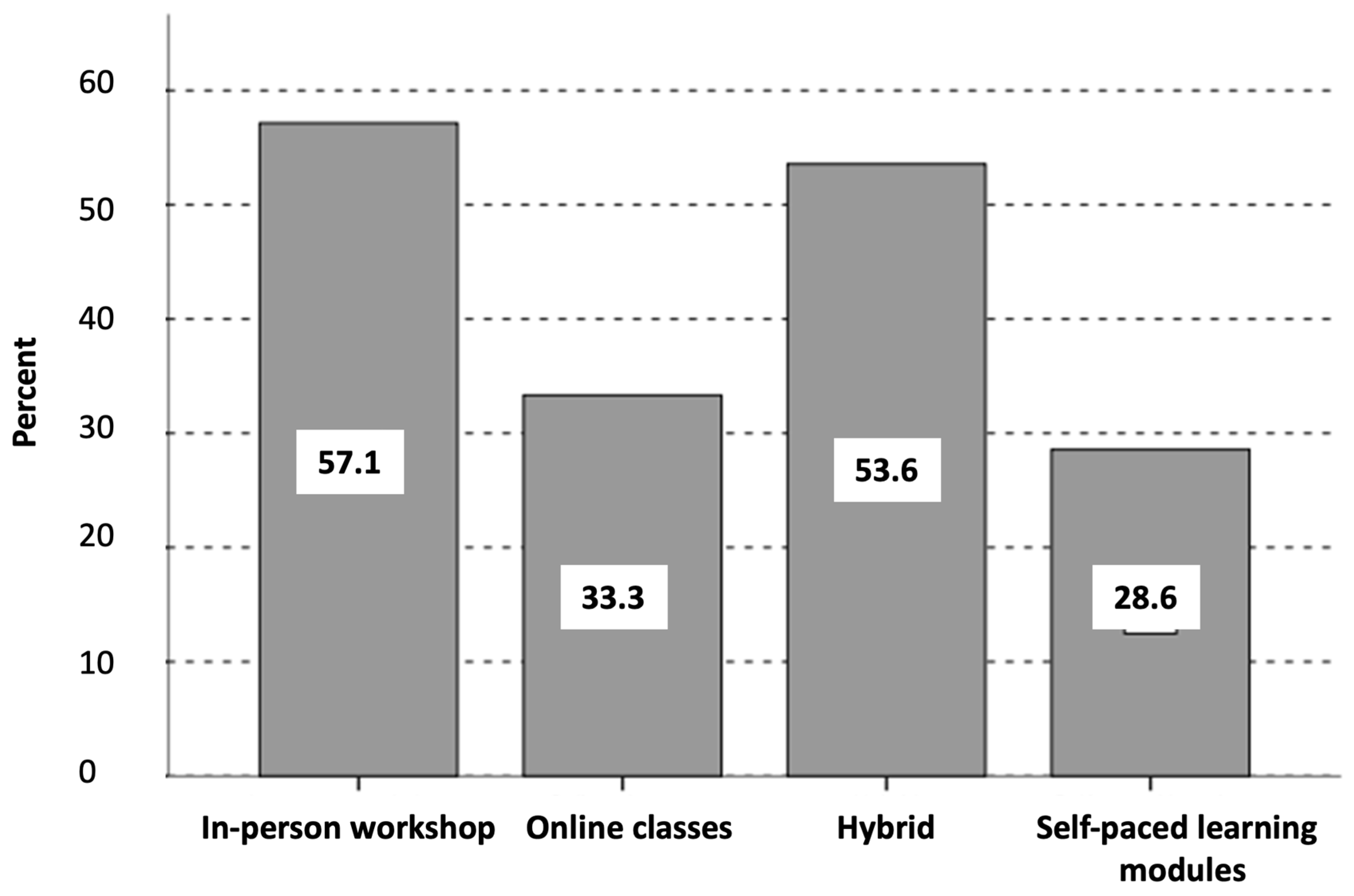
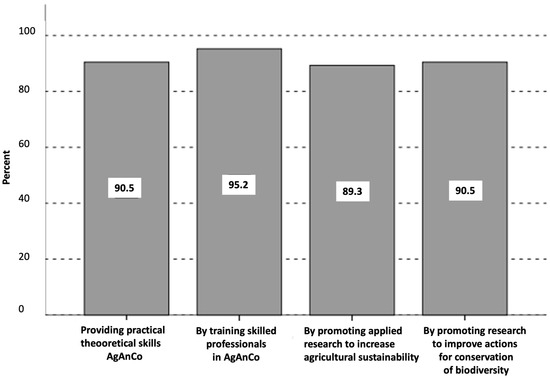
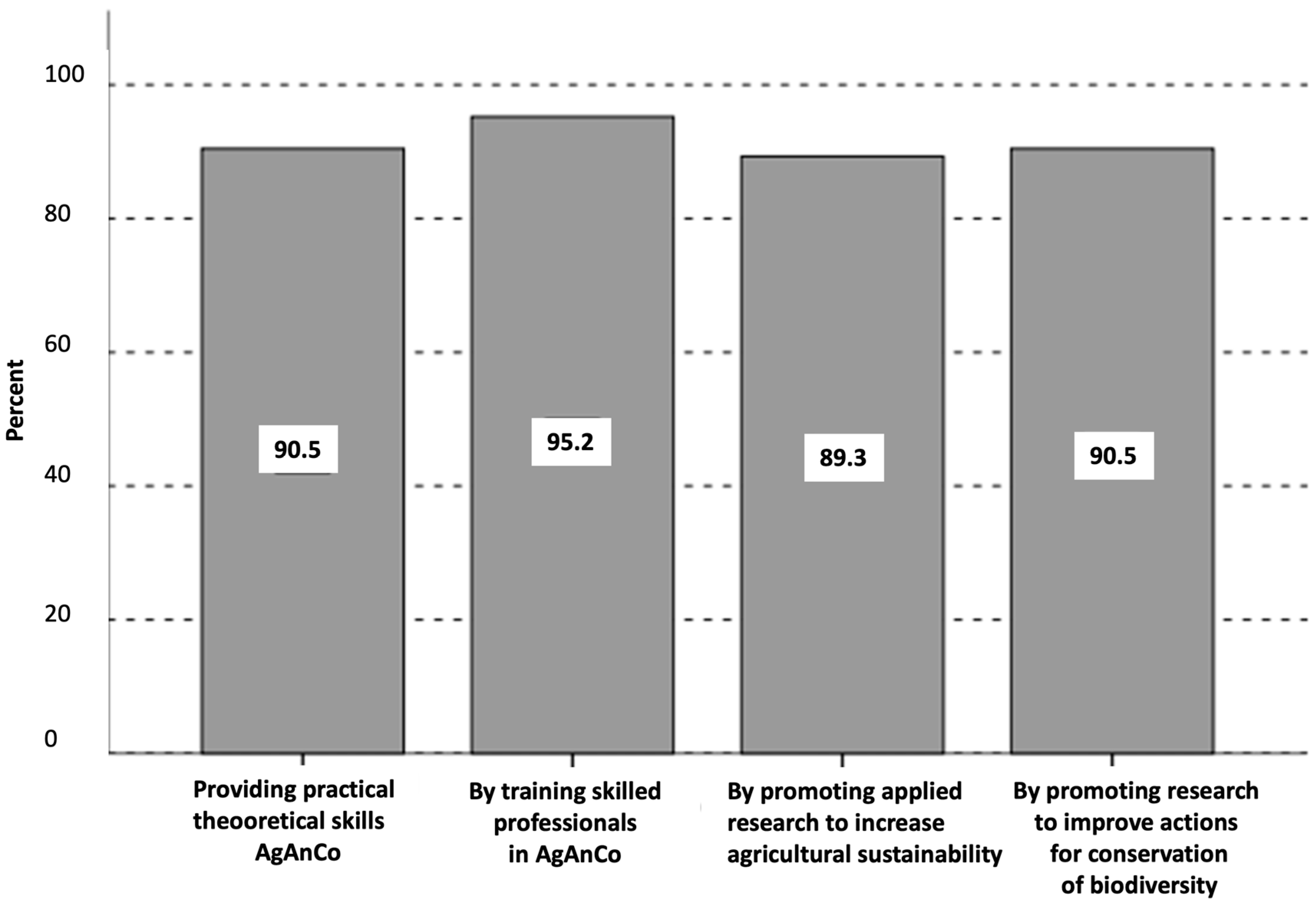

Disclaimer/Publisher’s Note: The statements, opinions and data contained in all publications are solely those of the individual author(s) and contributor(s) and not of MDPI and/or the editor(s). MDPI and/or the editor(s) disclaim responsibility for any injury to people or property resulting from any ideas, methods, instructions or products referred to in the content. |
© 2026 by the authors. Licensee MDPI, Basel, Switzerland. This article is an open access article distributed under the terms and conditions of the Creative Commons Attribution (CC BY) license.