


Abstract
Small and medium-sized enterprises (SMEs) are critical actors in promoting environmentally sustainable supply chains, particularly in emerging economies where their collective environmental footprint is substantial. Despite growing attention to green supply chain management (GSCM), research has predominantly focused on large firms, leaving the motivational drivers shaping GSCM implementation in SMEs underexplored. Addressing this gap, the present study develops and empirically tests a motivation-based framework to examine how four organizational motives, cost, market, ethical, and legitimacy, drive the depth of GSCM implementation in SMEs. In addition, environmental uncertainty is conceptualized as a key contextual contingency moderating the effectiveness of these motives. Drawing on survey data from Vietnamese SMEs, the findings reveal that all four motives positively influence implementation depth, with ethical motives exerting the strongest effect. Furthermore, environmental uncertainty significantly amplifies these relationships. By integrating multiple theoretical perspectives and emphasizing the contingent role of environmental uncertainty, this study advances GSCM research by providing a nuanced, context-sensitive understanding of how SMEs operationalize sustainability practices in dynamic and resource-constrained environments.
1. Introduction
Rapid industrialization has markedly increased global energy and material consumption, leading to pressing environmental challenges, including carbon emissions, pollution, and industrial waste. Consequently, firms are under increasing pressure from regulators, competitors, and broader society to reconcile environmental responsibility with economic performance. Environmental sustainability has thus evolved from a peripheral concern into a strategic imperative that extends beyond firm boundaries to shape supply chain structures and outcomes.
In this context, green supply chain management (GSCM) has emerged as a critical approach for embedding environmental considerations across supply chain activities, including eco-design, green procurement, production, distribution, and end-of-life management [1,2,3,4]. By integrating environmental practices throughout the supply chain, firms can address stakeholder expectations while enhancing operational efficiency and competitive advantage [5,6,7,8,9].
Despite its growing prominence, research on GSCM in emerging economies, particularly among small and medium-sized enterprises (SMEs), remains underdeveloped. SMEs dominate the economic landscape of most emerging markets, including Vietnam, and collectively exert substantial environmental impact [10,11]. However, compared with large firms, SMEs often face acute resource constraints, limited managerial expertise, and heightened exposure to external shocks, all of which complicate the implementation of GSCM [2,12].
Corporate greening typically begins with top management’s recognition of the need to respond to environmental challenges. It then progresses through policy commitment and culminates in implementation at the operational level [13]. While adoption refers to the initial decision to introduce specific GSCM practices, implementation depth captures how thoroughly and systematically these practices are executed. It also reflects the extent to which they are integrated across functions and sustained over time [14,15,16]. However, existing research has largely focused on the adoption of GSCM practices. Far less attention has been paid to implementation depth, that is, the degree to which these practices are embedded in organizational processes and supply chain activities [14,17,18]. This distinction is especially important for SMEs. Superficial or symbolic adoption is unlikely to generate meaningful environmental or economic benefits [19,20].
Prior research has identified a wide range of determinants influencing GSCM adoption. However, this literature remains theoretically fragmented, as most studies examine antecedents in isolation and treat them as largely additive [2,21,22,23]. Such an approach provides limited insight into the distinct motivational logics underlying these drivers or into why some motives lead to more substantive and deeply embedded GSCM practices than others, particularly in the resource-constrained context of SMEs [24]. To address this gap, the present study advances a theoretically grounded and parsimonious typology based on two fundamental dimensions: the locus of motivation (internal vs. external) and the focus of motivation (instrumental vs. normative) [25,26,27]. Four analytically distinct and collectively exhaustive motives are derived: cost, market, ethical, and legitimacy. Rather than merely relabeling existing drivers, this framework systematically organizes heterogeneous antecedents into coherent motivational logics, thereby enabling a more precise explanation of their differential effects. Building on this foundation, the study contributes by examining the coexistence and relative salience of these four motives within a unified model of GSCM implementation.
Simultaneously, escalating global economic uncertainty, partly driven by geopolitical developments, has accelerated the reconfiguration of global supply chains, amplifying cost pressures, demand volatility, and operational risks [28,29,30]. Environmental uncertainty, manifested in fluctuating demand, regulatory ambiguity, and rapid technological change, further complicates managerial decision-making and resource allocation [31,32]. While prior studies have examined environmental uncertainty as an antecedent of organizational behavior, its contingent role in shaping the effectiveness of motivational drivers in GSCM implementation has received limited scholarly attention [33,34].
To address these gaps, this study investigates SMEs in Vietnam, a rapidly industrializing emerging economy characterized by strong economic growth alongside mounting environmental pressures [35]. Vietnamese SMEs play a pivotal role in global supply chains, particularly in export-oriented manufacturing sectors subject to increasing international scrutiny [36]. At the same time, they operate within a transitional institutional environment marked by regulatory evolution, market volatility, and technological change, rendering environmental uncertainty a salient contextual condition [37].
Accordingly, this study examines how cost, market, ethical, and legitimacy motives influence the depth of GSCM implementation in SMEs and explores the moderating role of environmental uncertainty. By shifting the analytical focus from adoption to implementation depth and incorporating environmental uncertainty as a key contingency factor, this research makes three primary contributions. First, it advances a more nuanced understanding of how distinct motivational drivers shape GSCM implementation in SMEs. Second, it elucidates the contingent role of environmental uncertainty in moderating these relationships. Third, it provides empirical evidence from an emerging economy context, offering actionable insights for both managers and policymakers seeking to foster substantive and resilient green supply chain practices.
2. Research Hypotheses
A rich stream of research has identified numerous antecedents of green practice adoption. Motivation is a foundational construct in organizational behavior and environmental management research, and scholars have catalogued a wide array of drivers shaping firms’ engagement with sustainable practices [21,22,38,39,40,41]. Duber-Smith [42], for example, identifies motives ranging from competitive differentiation and cost efficiency to reputational enhancement and ethical obligation. Others distinguish between internal and external sources of motivation [27], or between coercive “push” pressures (e.g., regulation, standards) and incentive-driven “pull” forces (e.g., cost savings, new market opportunities) [11].
Across this diverse literature, two theoretically robust dimensions conceptually unify these findings: the locus of motives and the focus of motives [25,26]. Locus differentiates internally anchored motives, rooted in organizational values, mission, managerial cognition, and strategic orientation, from externally induced motives arising from regulatory demands, customer expectations, competitive pressures, or broader institutional forces [43]. Focus distinguishes between economic motives, grounded in efficiency, competitiveness, and performance enhancement, and social motives, grounded in legitimacy, ethical responsibility, and conformance with societal norms [44,45]. Together, these dimensions offer a powerful analytical lens for understanding why some firms integrate GSCM practices deeply, whereas others remain trapped in symbolic or compliance-driven implementation.
Building on this synthesis, the present study proposes a four-category taxonomy of motives, stemming from the intersection of internal/external locus and economic/social focus, to explain GSCM infusion among SMEs. As illustrated in Figure 1, this taxonomy provides a theoretically coherent foundation for examining the motivational logics that underwrite the deepening of GSCM practices.
Figure 1.
The category of motives.
2.1. Cost Motive for GSCM Implementation
The cost motive reflects a firm’s internally driven economic rationale for adopting GSCM practices. It captures the expectation that environmental initiatives can reduce operational expenditures and enhance resource efficiency by lowering energy and material consumption, minimizing waste, reducing production and disposal costs, and mitigating regulatory risks [19,21,22,46,47,48]. From a Resource-Based View (RBV) perspective, cost-oriented motives are particularly salient for SMEs, which often operate under significant resource constraints. Implementing GSCM enables SMEs to develop efficiency-enhancing capabilities, such as process optimization, resource conservation, and waste reduction, that strengthen the firm’s strategic resource base and improve operational performance [49,50].
For resource-limited SMEs, financial pressures intensify the imperative to adopt practices that streamline operations and increase cost-effectiveness. Empirical evidence demonstrates that GSCM implementation can yield measurable economic benefits, including lower material requirements, reduced energy consumption, improved process efficiency, and decreased waste generation, all of which translate directly into cost savings [48,51,52]. RBV suggests that such efficiency-oriented capabilities not only reduce immediate operational costs but also accumulate into sustained competitive advantage through enhanced resource utilization and performance improvements [53,54]. Given the centrality of internal economic incentives in shaping GSCM implementation, particularly for SMEs, firms motivated by cost considerations are expected to pursue sustained adoption to accumulate efficiency gains over time. Accordingly, this study proposes the following hypothesis:
H1.
Cost motive has a positive influence on GSCM implementation among SMEs.
2.2. Market Motive for GSCM Implementation
The market motive arises from an external locus of influence and an economic orientation, reflecting firms’ responsiveness to shifting customer expectations, competitive pressures, and emerging market opportunities associated with superior environmental performance [55,56,57]. Customers increasingly demand transparency and credible sustainability practices [58], creating opportunities for firms to enhance reputation, attract environmentally conscious buyers, differentiate offerings, and strengthen market positioning [19,21,22,59]. Accordingly, market motive can be defined as a firm’s externally oriented incentive to adopt GSCM practices to meet stakeholder environmental expectations, improve brand credibility, and capture new market opportunities.
Institutional Theory explains the influence of market motive, highlighting that firms respond to coercive, normative, and mimetic pressures to achieve acceptance within their competitive and institutional environment [60,61]. SMEs, often reliant on customer relationships and industry networks, perceive GSCM adoption as a means to align with stakeholder expectations, emulate best practices, and gain a competitive advantage. Normative pressures signal desirable behaviors in the market, while mimetic pressures encourage firms to adopt proven green practices observed in leading organizations. By integrating these market-driven considerations, SMEs reinforce stakeholder trust, enhance reputation, and improve strategic positioning. Market motives thus act as powerful external drivers, encouraging SMEs to adopt GSCM practices proactively and strategically. Consequently, SMEs motivated by market considerations are more likely to institutionalize GSCM practices to improve and sustain their competitive position. The following research hypothesis is proposed:
H2.
Market motive has a positive influence on GSCM implementation among SMEs.
2.3. Ethical Motive for GSCM Implementation
The ethical motive occupies the intersection of an internal locus and a social focus, reflecting a firm’s intrinsic commitment to environmental responsibility grounded in moral principles, organizational values, and a desire to contribute positively to society [34,36,49]. Firms guided by ethical considerations implement environmental practices not merely to comply with external expectations but as an expression of genuine ecological concern and stewardship [19,44]. Ethical motive can thus be defined as a value-driven commitment to adopt green practices based on moral responsibility, ethical obligation, and adherence to organizational principles prioritizing the reduction in environmental harm [62,63].
Stakeholder Theory provides a theoretical foundation for ethical motive, emphasizing that firms bear responsibilities to a wide array of stakeholders, including society and the natural environment [64,65]. SMEs, often embedded in local communities and closely observed by employees, customers, and societal actors, are particularly responsive to ethical considerations. When environmental protection is perceived as a moral obligation and green practices as ethically appropriate, these commitments elevate environmental management from a discretionary activity to a core organizational priority. The values-based perspective further suggests that firms guided by intrinsic moral principles are more likely to pursue proactive sustainability practices even without immediate economic gains [44,66]. For SMEs, where founder-driven values and close community ties are pronounced, ethical motives strongly influence the integration of GSCM into operations, the adoption of pollution-reducing technologies, and the cultivation of responsible behaviors across the supply chain. Accordingly, ethical motives function as powerful internal drivers that promote sustained, value-aligned, and meaningful implementation of GSCM practices. The following research hypothesis is proposed:
H3.
Ethical motive has a positive influence on GSCM implementation among SMEs.
2.4. Legitimacy Motive for GSCM Implementation
The legitimacy motive emerges at the intersection of an external locus and a social focus, reflecting firms’ responsiveness to regulatory, political, and societal pressures [26,44,67]. Governments and industry institutions influence firms through regulations, subsidies, eco-labeling programs, and other policy instruments [68]. Firms motivated by legitimacy concerns adopt GSCM to comply with regulatory mandates, respond to guidance from governmental and industry authorities, access financial or technical support, and align with socially and institutionally prescribed environmental standards [19,21,22,45].
Institutional Theory explains this effect, highlighting that firms implement organizational practices to conform to external expectations and maintain acceptance within their institutional environment [60,61]. SMEs, often operating under resource constraints, perceive regulatory compliance and alignment with industry norms as critical for sustaining operations, accessing support, and demonstrating responsible conduct to stakeholders. Coercive pressures include mandatory regulations and government incentives, while normative pressures originate from industry associations that define acceptable environmental practices. SMEs that internalize these pressures are more likely to adopt GSCM systematically, ensuring compliance and building organizational routines that support sustainable operations. As regulatory and institutional emphasis on sustainability intensifies, SMEs motivated by legitimacy are increasingly likely to integrate GSCM practices into their operations, thereby strengthening social and institutional alignment. Therefore, the following research hypothesis is proposed:
H4.
Legitimacy motive has a positive influence on GSCM implementation among SMEs.
2.5. Relative Strengths of Motives Influencing GSCM Implementation
Although all four motives are expected to exert positive effects on GSCM implementation, their relative influence is unlikely to be uniform. Prior research suggests that environmental behavior is shaped not only by the presence of motivating forces but also by their underlying nature, particularly with respect to whether they are internally or externally driven and whether they emphasize economic or social considerations [19,54]. These distinctions are critical, as they influence the extent to which GSCM practices are substantively internalized versus instrumentally or symbolically adopted.
Among the four motives, the ethical motive is expected to exert the strongest influence. As an internally anchored and value-driven orientation, ethical motive reflects a firm’s intrinsic commitment to environmental responsibility, grounded in managerial values and organizational identity [44,62]. Unlike other motives that depend on external pressures or calculative benefits, ethical considerations are relatively stable and less contingent on situational factors. Consequently, they foster deeper organizational engagement, elevating GSCM from a discretionary or strategic choice to a normative imperative. This intrinsic commitment enhances the likelihood that environmental practices are consistently and systematically embedded across organizational routines and supply chain processes, thereby supporting sustained and substantive implementation. Prior studies further reinforce this argument, identifying ethical motivation as a primary driver of environmental action, particularly in SMEs where managerial values play a pivotal role [19,40,69,70].
Cost motive is expected to rank second, as it is also internally oriented but primarily instrumental in nature. Rooted in efficiency considerations emphasized by the resource-based view, cost motive drives firms to adopt GSCM practices that reduce resource consumption, minimize waste, and improve operational performance [49,53]. However, in contrast to ethical motive, its influence is contingent upon the realization of tangible economic benefits. While cost considerations can effectively justify and reinforce GSCM adoption, particularly in resource-constrained SMEs, they may not generate enduring commitment when anticipated financial returns are uncertain or delayed. Thus, although both ethical and cost motives originate internally, they differ fundamentally in that the former is value-based and enduring, whereas the latter is calculative and condition-dependent.
Market motive occupies an intermediate position, reflecting an externally oriented yet economically driven force. It arises from firms’ responsiveness to customer expectations, competitive pressures, and reputational concerns [60,61]. Unlike the cost motive, which focuses on internal efficiency, the market motive is relational and opportunity-seeking, emphasizing differentiation and market positioning. However, its influence is inherently contingent on external demand conditions and competitive dynamics. As such, while market motive can stimulate proactive GSCM adoption in favorable contexts, it may also fluctuate with shifts in customer preferences or market intensity, limiting its consistency relative to internally grounded motives.
Legitimacy motive is expected to exert the weakest influence, as it is externally driven and primarily compliance-oriented. Grounded in institutional pressures, this motive compels firms to conform to regulatory requirements, industry norms, and societal expectations to secure legitimacy and maintain access to critical resources [68]. In contrast to the market motive, which is opportunity-driven, the legitimacy motive is largely reactive, prompting firms to meet minimum acceptable standards rather than pursue proactive or innovative environmental practices. Consequently, GSCM adoption driven by legitimacy concerns is more likely to be symbolic or imitative, resulting in limited depth and sustainability of implementation [44,71,72].
Taken together, these differences suggest that the relative strength of each motive depends on the degree of internalization, the stability of the underlying incentives, and whether adoption is proactive or reactive. Internally grounded and intrinsically motivated drivers, particularly the ethical motive, are more likely to generate sustained and deeply embedded GSCM practices. In contrast, externally imposed and compliance-oriented motives, such as legitimacy, tend to result in more superficial engagement. Economically oriented motives (cost and market) fall between these extremes, with their influence contingent upon perceived benefits and environmental conditions. Accordingly, the following hypothesis is proposed:
H5.
Among the four motives, the ethical motive has the strongest influence on GSCM implementation, followed by the cost and market motives, and the legitimacy motive has the weakest effect.
2.6. Moderating Role of Environmental Uncertainty
The influence of organizational motives on strategic decisions is neither uniform nor context-free; rather, it is shaped by situational contingencies that guide managerial interpretation and strategic behavior [44,45]. Consequently, the extent to which motives translate into the implementation of GSCM practices is likely to vary across environmental conditions. Recognizing this contingent nature, the present study investigates not only the direct effects of organizational motives on GSCM implementation among SMEs but also the moderating role of environmental uncertainty in shaping these relationships.
Environmental uncertainty refers to the degree to which firms perceive key external conditions as unpredictable and difficult to anticipate. These conditions include regulatory policies, customer preferences, competitor actions, technological developments, and the availability of reliable information. Such uncertainty complicates long-term decision-making [32,73,74]. For SMEs, which typically operate with limited financial and organizational slack, such unpredictability heightens operational vulnerability and strategic ambiguity, shaping how motives translate into action. Drawing on Contingency Theory, organizational initiatives are most effective when internal attributes align with external demands [75]; under stable conditions, even strong economic, strategic, or moral motives may not drive proactive GSCM adoption. As environmental uncertainty rises, however, SMEs increasingly view GSCM as a strategic mechanism to enhance flexibility, mitigate external risks, and safeguard long-term competitiveness, thereby amplifying the behavioral influence of underlying motives.
Environmental uncertainty has long been identified as a critical external force that shapes innovation adoption and environmental strategy execution [32,68,76]. Conceptualized as managers’ perceptions of frequent, unpredictable changes in customer expectations, technological advancements, and competitive actions [77], uncertainty fundamentally alters the cognitive basis of strategic decision making. Under highly turbulent conditions, managers tend to adopt more proactive, innovative, and flexible strategies [78,79]. Such environments compel firms to restructure internal processes, accelerate information acquisition, and cultivate adaptive capabilities to remain competitive [80]. In the context of GSCM, many environmental practices constitute organizational and technological innovations. Empirical studies demonstrate that firms facing high uncertainty are more likely to invest in environmental initiatives both to mitigate external risks and to build dynamic capabilities that enhance responsiveness to external shocks [68,81].
Institutional Theory reinforces this logic by suggesting that uncertainty heightens firms’ sensitivity to legitimacy pressures and stakeholder scrutiny [60,82]. When regulatory and societal expectations are ambiguous, organizations face greater difficulty predicting which environmental norms or standards will prevail. This ambiguity increases the potential for reputational damage or regulatory noncompliance. As a result, SMEs driven by ethical or legitimacy motives may feel intensified pressure to implement GSCM initiatives as a precautionary strategy. Under such conditions, environmental uncertainty strengthens the translation of institutionalized motives into visible environmental actions. Threat-Rigidity Theory offers a complementary perspective, arguing that perceived threats concentrate managerial attention on efficiency, risk mitigation, and compliance [83]. Although SMEs often lack substantial resources for large-scale transformation, uncertainty-induced threats motivate managers to prioritize initiatives that reduce operational vulnerabilities. Consequently, when SMEs hold strong motives, such as cost efficiency, competitive differentiation, or moral responsibility, environmental uncertainty reinforces their inclination to pursue GSCM implementation. Thus, uncertainty serves as a catalytic condition that magnifies the behavioral expression of organizational intentions.
Taken together, these theoretical perspectives converge to suggest that environmental uncertainty strengthens the extent to which organizational motives, whether cost, market, ethical, or legitimacy, predict the implementation of GSCM practices. In uncertain environments, SMEs increasingly perceive GSCM not as a discretionary initiative but as a necessary strategic response to risk, legitimacy pressures, and operational instability. Accordingly, environmental uncertainty is expected to amplify the degree to which firms translate their motives into substantive GSCM practices. Therefore, the following hypotheses are proposed:
H6.
Environmental uncertainty positively moderates the relationship between organizational motives and GSCM implementation among SMEs.
H6a.
Environmental uncertainty positively moderates the relationship between cost motive and GSCM implementation, such that the relationship becomes stronger under higher levels of environmental uncertainty.
H6b.
Environmental uncertainty positively moderates the relationship between market motive and GSCM implementation, such that the relationship becomes stronger under higher levels of environmental uncertainty.
H6c.
Environmental uncertainty positively moderates the relationship between ethical motive and GSCM implementation, such that the relationship becomes stronger under higher levels of environmental uncertainty.
H6d.
Environmental uncertainty positively moderates the relationship between legitimacy motive and GSCM implementation, such that the relationship becomes stronger under higher levels of environmental uncertainty.
2.7. Summary
This study develops an integrative theoretical framework by synthesizing the Resource-Based View, Institutional Theory, Stakeholder Theory, and Contingency Theory to explain SMEs’ implementation of GSCM practices. Specifically, the Resource-Based View elucidates internally driven economic motivations (i.e., cost motives), whereby firms seek to enhance efficiency and build competitive advantage through the development of valuable capabilities. Stakeholder Theory captures internally driven social motivations (i.e., ethical motives), emphasizing firms’ normative commitments to environmental responsibility and the expectations of key stakeholders. Institutional Theory accounts for externally driven motivations, including market motives arising from competitive dynamics and customer pressures, and legitimacy motives reflecting compliance with regulatory requirements and broader societal expectations. Collectively, these theoretical perspectives delineate both the locus (internal versus external) and the orientation (economic versus social) of organizational motives. Furthermore, Contingency Theory introduces environmental uncertainty as a critical boundary condition, positing that the effects of these motivations on GSCM implementation are contingent on the external environment and likely to be amplified under heightened uncertainty.
Taken together, this multi-theoretical integration offers a comprehensive account of why, how, and under what conditions SMEs engage in GSCM practices. The proposed research model illustrating the motivational drivers of GSCM implementation is presented in Figure 2.
Figure 2.
Research Model.
3. Research Methods
3.1. Data Collection
This study investigates the key determinants shaping the adoption of GSCM practices among SMEs in Vietnam. To empirically test the proposed hypotheses, primary data were collected through a structured survey administered using mailed questionnaires. The sampling frame was drawn from an official governmental registry of Vietnamese SMEs, from which firms were initially selected at random. An outreach email was sent to 1000 firms to gauge their willingness to participate. Because organizational consent was required, the final sample constitutes a voluntary subset of the initially contacted firms rather than a purely random sample. Questionnaires were distributed only to participating organizations, and a senior manager with comprehensive knowledge of the firm’s environmental management policies and practices was designated as the primary informant.
To enhance data quality, respondents were assured that all information would remain strictly anonymous and confidential, and were reminded that there were no right or wrong responses. Two weeks after distributing the questionnaires, follow-up reminders were issued by telephone and email to encourage completion and express appreciation for participation. In total, 395 questionnaires were returned. After eliminating incomplete or otherwise unusable responses, 374 valid cases were retained for empirical analysis, yielding an effective response rate of 37.4%.
Prior to conducting the analysis, a statistical power assessment was performed using G*Power 3.1. Based on a two-tailed test with six predictors, a 95% confidence level, statistical power of 0.95, and a medium effect size of f2 = 0.15, the required minimum sample size was estimated to be 109 observations [84,85]. The final sample of 374 thus exceeds this threshold substantially, ensuring adequate statistical power for hypothesis testing. The demographic characteristics of the respondents are summarized in Table 1.
Table 1.
Demographic information of the respondents.
Given the use of a questionnaire survey, the potential for nonresponse bias was considered. Following the procedure recommended by Armstrong and Overton [86], early responses (n = 136) collected during the first two weeks were compared with late responses (n = 78) from the final two weeks. No statistically significant differences were found between the two groups at the 5% significance level, suggesting that nonresponse bias is unlikely to materially affect the study’s findings. Nevertheless, it is acknowledged that unobserved differences between respondents and nonrespondents may exist, and caution should be exercised when generalizing the results to the broader population of Vietnamese SMEs.
3.2. Measurements
The development of the survey instrument followed a rigorous two-stage procedure. In the first stage, an initial pool of items was generated based on an extensive review of the relevant literature, drawing primarily from validated measurement scales widely used in prior empirical studies. In the second stage, the drafted questionnaire was translated from English into Vietnamese and then back-translated into English to ensure semantic equivalence and conceptual accuracy. A pilot test was subsequently conducted with 20 SMEs in Vietnam actively involved in environmental management. Feedback from the pilot respondents informed several minor refinements to wording and clarity. After incorporating these improvements, the finalized questionnaire was distributed to the sampled SMEs. Table 2 presents the complete list of items used to operationalize the study’s constructs.
Table 2.
Measurement items.
GSCM practices were conceptualized as comprising three interrelated dimensions: internal environmental management, eco-design, and investment recovery [4]. Internal environmental management captures the integration of environmental considerations into organizational systems, including environmental auditing and cross-functional collaboration focused on sustainability. Eco-design reflects efforts to embed reduction, reuse, recycling, and recovery principles into product and process design. Investment recovery concerns initiatives aimed at closing material loops, such as selling surplus materials, reclaiming used components, and recycling end-of-life products.
In this study, implementation depth is defined as the extent to which GSCM practices are systematically embedded within organizational processes and supply chain activities [14]. The measurement of GSCM implementation was adapted from the scales developed by Ho et al. [14] and Zhu et al. [4]. Respondents were asked to evaluate the level of implementation using a seven-point Likert scale, ranging from “not at all” to “to a great extent”.
The cost motive (CST) construct reflects a firm’s internally driven economic rationale for adopting GSCM practices. It was measured using items adapted from Darnall and Edwards Jr. [46] and Uecker-Mercado and Walker [48], which capture perceptions of cost reduction and efficiency improvement associated with environmental practices. The market motive (MKT) reflects firms’ responsiveness to shifting customer expectations, competitive pressures, and emerging market opportunities linked to superior environmental performance. It was measured based on the scale proposed by Böttcher and Müller [55], which assesses perceived market demand and competitive advantage arising from green practices. The ethical motive (ETH) reflects a firm’s intrinsic commitment to environmental responsibility grounded in moral principles, organizational values, and a desire to contribute positively to society. Its measurement items were drawn from Aggarwal and Agarwala [62] and Graafland and Van de Ven [63], focusing on voluntary environmental commitment and value-driven responsibility. The legitimacy motive (LGT) reflects firms’ responsiveness to regulatory, political, and societal pressures. It was measured using scales from Ho et al. [14] and Lin and Ho [32], which capture perceived pressure to comply with formal regulations and to maintain social acceptance and organizational legitimacy. Environmental uncertainty refers to the degree to which firms perceive key external conditions as unpredictable and difficult to anticipate. It was measured using established scales from Buchko [73] and Lin and Ho [32], which assess uncertainty related to regulatory changes, market dynamics, technological development, and the availability of reliable strategic information. Except for the GSCM implementation scale, all constructs were measured using a seven-point Likert scale anchored from 1 (“strongly disagree”) to 7 (“strongly agree”).
3.3. Common Method Bias
To address potential common method bias in self-reported data, this study employed both Harman’s one-factor test [87] and the full collinearity assessment method [88]. Harman’s one-factor test involves conducting an exploratory factor analysis across all study variables; common method bias is considered problematic if a single factor accounts for 50% or more of the total variance [89]. In the present study, the first factor explained only 31.48% of the variance, indicating that common method bias is unlikely to be a significant concern. Complementarily, the full collinearity assessment method evaluates potential bias by calculating variance inflation factors (VIFs) for all latent constructs in the model, with values above 3.3 signaling potential collinearity and common method bias [88]. In this study, VIFs ranged from 1.35 to 2.69, well below the critical threshold. Collectively, these results suggest that common method bias does not pose a substantive threat to the validity of the study’s findings.
3.4. Reliability and Validity Analysis
Reliability and validity analyses were conducted to ensure that the measurement model was sufficiently robust for hypothesis testing. Internal consistency reliability was assessed using both Cronbach’s alpha and composite reliability. As reported in Table 3, Cronbach’s alpha values ranged from 0.839 to 0.924, and composite reliability values ranged from 0.844 to 0.925. All values exceeded the recommended minimum threshold of 0.70 [90,91], indicating that the constructs exhibit strong internal consistency and do not present reliability concerns.
Table 3.
Reliability statistics and factor loadings.
Convergent validity, which assesses the extent to which the indicators appropriately represent their underlying latent constructs, was evaluated using standardized factor loadings and average variance extracted (AVE). As shown in Table 3, factor loadings ranged from 0.701 to 0.921, surpassing the recommended benchmark of 0.70. Likewise, AVE values ranged from 0.659 to 0.738, all exceeding the 0.50 threshold [90,91]. These results collectively confirm that the constructs demonstrate satisfactory convergent validity.
Discriminant validity was examined to determine whether individual constructs are empirically distinct from one another. Two complementary approaches were employed: the Fornell–Larcker criterion and the Heterotrait–Monotrait ratio of correlations (HTMT). Consistent with Fornell and Larcker [92], discriminant validity is supported when the square root of each construct’s AVE exceeds its correlations with other constructs. As shown in Table 4, all constructs met this criterion, indicating adequate discriminant validity. Additionally, following Henseler et al. [91], HTMT values below 0.90 indicate satisfactory discriminant validity. Table 5 shows that all HTMT ratios were within the acceptable range, providing further evidence that the constructs are conceptually and empirically distinct.
Table 4.
Fornell–Larcker correlation matrix.
Table 5.
Heterotrait–Monotrait (HTMT) ratio results.
4. Research Results and Discussion
4.1. The Effects of Motivational Drivers on GSCM Implementation
The assessment of the measurement model was done to estimate the validity of the construct and internal consistency. Construct validity was examined by testing AVE (Average Variance Extracted) and Composite Reliability. All the constructs (Table 2) have an AVE value higher than 0.5, which implies convergent validity [83,84]. The analysis results in Table 3 indicate discriminant validity as the value of AVE’s square root in the diagonal being higher than that of other constructs in the off-diagonal [83].
To empirically evaluate the proposed hypotheses, this study employed structural equation modeling (SEM), which allows for the simultaneous estimation of latent constructs and the assessment of directional relationships among them. The analysis was conducted using SPSS AMOS 21.0 to examine the relationships among the focal constructs, including cost, market, ethical, and legitimacy motives, environmental uncertainty, and green supply chain management. To test the moderating effects, interaction terms were estimated using the product indicator approach [90]. All indicators of the independent variables and the moderator were first mean-centered to reduce potential multicollinearity. Subsequently, product indicators were created by multiplying the corresponding indicators of the predictor and moderator constructs, which were then used to specify latent interaction terms in AMOS. These interaction constructs were incorporated into the structural model to estimate the moderating effects, in line with established procedures for latent interaction modeling in SEM.
Before estimating the structural paths, we conducted a confirmatory factor analysis (CFA) to assess the adequacy of the measurement and structural model. Model fit was evaluated using a comprehensive set of indices: the normed fit index (NFI = 0.937), Tucker–Lewis index (TLI = 0.941), comparative fit index (CFI = 0.953), incremental fit index (IFI = 0.955), goodness-of-fit index (GFI = 0.928), and adjusted goodness-of-fit index (AGFI = 0.919). We further examined the chi-square to degrees-of-freedom ratio (χ2/df = 1.764) and the root mean square error of approximation (RMSEA = 0.042). In line with the fit criteria advanced by Holbert and Stephenson [93] and Hu and Bentler [94], which specify that χ2/df should fall below 3, GFI/AGFI/CFI/IFI/NFI/TLI should exceed 0.90, and RMSEA should remain below 0.08, all indices in this study satisfied the recommended thresholds. These results collectively affirm that the model demonstrates a strong and acceptable level of overall fit. The final structural model is presented in Figure 3, and the estimated path coefficients for all hypothesized relationships are detailed in Table 6.
Figure 3.
Structural model. Source: Authors’ own work.
Table 6.
Hypothesis testing results.
The structural estimation results in Table 6 provide compelling evidence that all four motivational dimensions significantly and positively shape SMEs’ engagement in green supply chain management. The standardized coefficients for cost motive (β = 0.289, p < 0.01), market motive (β = 0.271, p < 0.01), ethical motive (β = 0.302, p < 0.01), and legitimacy motive (β = 0.245, p < 0.01) affirm the validity of Hypotheses H1, H2, H3, and H4. These findings collectively underscore the multidimensional nature of motivational drivers within the SME sector, where strategic resource constraints heighten the salience of internal rationales while simultaneously exposing firms to broader institutional and normative pressures. A comparative examination of path coefficients reveals a theoretically meaningful hierarchy. Ethical motives constitute the most influential predictor of GSCM implementation, surpassing both cost and market motives, whereas the legitimacy motive exhibits the weakest, yet still statistically significant, effect.
In addition, effect size (f2) analyses were conducted to assess the substantive impact of each motivational construct. Following Cohen’s benchmarks [95], values exceeding 0.02, 0.15, and 0.35 correspond to small, medium, and large effects, respectively. The results indicate that all four motivational variables exert medium-sized effects on GSCM implementation. Among them, ethical motive demonstrates the strongest effect (f2 = 0.312), followed by cost motive (f2 = 0.275) and market motive (f2 = 0.253), while legitimacy motive exhibits the smallest effect size (f2 = 0.139). This pattern lends empirical support to Hypothesis H5 and reinforces the observed hierarchy of motivational influences.
The prominence of ethical motives in our findings suggests that, even under conditions of structural and resource constraints, SMEs are strongly guided by normative commitments to environmental responsibility. Such commitments are likely reinforced by their reliance on trust-based relationships, close community embeddedness, and the imperative to preserve reputational capital [19,96]. This pattern stands in contrast to the seminal findings of Bansal and Roth [44], who identified legitimation as the primary driver, followed by competitiveness and corporate environmental responsibility, results derived largely from large manufacturing firms. By contrast, our results align more closely with a growing stream of SME-focused research [19,40,69] that underscores the centrality of normative motivations. For instance, Hamann et al. [40], in their study of South African wine firms, found corporate environmental responsibility to be the most influential determinant, with competitiveness and legitimation exerting comparatively weaker effects.
The dominance of ethical motives can be further understood in light of their intrinsically internalized and value-based character. Unlike other drivers, ethical motivation reflects a firm’s normative commitment to environmental responsibility that is less contingent upon external pressures or immediate economic returns. This internalization fosters a stable and enduring orientation toward GSCM, enabling SMEs to sustain engagement even under conditions of resource scarcity or uncertain financial outcomes. By contrast, although cost motives are also internally oriented, they are fundamentally instrumental and dependent on the realization of tangible economic benefits; their influence may therefore attenuate when expected cost savings are delayed or uncertain. Market motives, in turn, represent an externally oriented yet opportunity-driven force shaped by customer expectations and competitive dynamics. While they can stimulate proactive adoption, their effects are inherently volatile and sensitive to shifting market conditions. Legitimacy motives, by comparison, are primarily compliance-driven and reactive, prompting firms to conform to regulatory and societal expectations. Consequently, they tend to encourage implementation aimed at meeting minimum acceptable standards rather than fostering substantive or innovative environmental practices, resulting in a comparatively weaker and more superficial impact.
4.2. Moderating Effects of Environmental Uncertainty
The moderating analyses provide a more nuanced understanding of the contingent nature of these motivational dynamics under conditions of environmental uncertainty, while also revealing systematic variation in the relative sensitivity of each motive. As reported in Table 6, environmental uncertainty significantly strengthens the relationship between each motive and GSCM implementation (β = 0.216, p < 0.01 for cost motive; β = 0.213, p < 0.01 for market motive; β = 0.118, p < 0.05 for ethical motive; β = 0.184, p < 0.01 for legitimacy motive), thereby lending support to Hypothesis H6. These findings posit that firms, particularly SMEs constrained by limited slack resources, become increasingly responsive to both efficiency-oriented imperatives and external institutional pressures when operating in volatile environments.
As illustrated in Figure 4, the positive effects of organizational motives on GSCM implementation are substantially stronger under conditions of high environmental uncertainty, as evidenced by the steeper estimated slopes (CST: 3.706, p < 0.01; MKT: 3.461, p < 0.01; ETH: 1.902, p < 0.01; LGT: 2.985, p < 0.01). In contrast, under low uncertainty, these relationships are markedly weaker (CST: 1.633, p < 0.01; MKT: 1.845, p < 0.01; ETH: 1.397, p < 0.01; LGT: 1.852, p < 0.01). Notably, the ethical motive exhibits the smallest divergence across uncertainty conditions, reinforcing its relative stability. Conversely, the cost motive demonstrates the largest slope differential, underscoring its heightened sensitivity to environmental volatility and its pivotal role as an adaptive mechanism for SMEs navigating uncertain and dynamic contexts.
Figure 4.
Moderating effects of environmental uncertainty. Source: Authors’ own work.
A closer inspection of the interaction effects further elucidates why environmental uncertainty differentially conditions the salience of these motives. Specifically, the moderating effect is most pronounced for cost motives, followed by market and legitimacy motives, while remaining comparatively attenuated for ethical motives. This pattern reflects the fundamentally instrumental character of cost and market considerations, which are directly linked to organizational survival and adaptive capacity. Under heightened uncertainty, firms are more likely to intensify efforts aimed at cost containment, operational efficiency, and market responsiveness, thereby amplifying the influence of these motives on GSCM implementation. Legitimacy motives are likewise strengthened, as uncertain environments tend to heighten stakeholder scrutiny and regulatory ambiguity, prompting firms to more actively seek alignment with institutional expectations to secure external validation and maintain access to critical resources.
By contrast, ethical motives are grounded in relatively stable normative commitments that are less contingent upon short-term environmental fluctuations. Although such motives continue to exert a positive influence on GSCM implementation, their marginal sensitivity to uncertainty remains limited. In this regard, ethical considerations function as a relatively enduring baseline driver of GSCM engagement, rather than a contextually elastic mechanism that firms strategically intensify in response to environmental turbulence.
5. Implications
Based on the aforementioned research findings and discussions, several important implications emerge for both academic research and managerial practices.
5.1. Theoretical Implications
The findings of this study offer several contributions to the green supply chain management literature. Firstly, this research extends prior work on GSCM determinants by developing and empirically examining a four-category taxonomy of organizational motives: cost, market, ethical, and legitimacy. This framework is based on two dimensions, locus (internal vs. external) and focus (economic vs. social). Moving beyond traditional binary classifications, it provides a more differentiated and empirically grounded view of motivational heterogeneity. The results suggest that this structure helps explain not only whether SMEs adopt green practices, but also how extensively they implement them. In this way, the study offers a more fine-grained understanding of how different motivational logics may shape the scope and intensity of sustainability activities.
Secondly, the finding that ethical motive exerts the strongest influence on GSCM implementation, followed by cost and market motives, with legitimacy motive having the weakest effect, offers important contributions to the sustainability and SME literature. It advances prior research by demonstrating that motivations are not equally effective in driving substantive sustainability practices; rather, the degree of internalization and the stability of underlying incentives are critical determinants of implementation depth. In particular, ethical motive plays a pivotal role in fostering deeply embedded and enduring GSCM practices, underscoring the importance of values-based drivers in shaping long-term sustainability behavior. Furthermore, these findings provide a more nuanced understanding of SME behavior by integrating insights from the resource-based view and institutional theory. While prior studies have largely emphasized economic efficiency and external pressures as primary drivers, our results suggest that internally grounded ethical considerations may be more influential in the SME context, where decision-making is often closely aligned with owner-managers’ values. This shifts the theoretical emphasis from purely instrumental and compliance-based explanations toward a more normative perspective, thereby enriching the conceptualization of sustainability adoption in SMEs.
Thirdly, this study contributes to contingency-oriented perspectives in environmental management by identifying environmental uncertainty as a potential boundary condition. Rather than viewing uncertainty only as an antecedent, the findings suggest it may also act as a moderator. Specifically, environmental uncertainty appears to influence the strength of the relationships between organizational motives and GSCM implementation. This perspective provides a more context-sensitive understanding of when and how firms translate motivations into concrete environmental actions. More broadly, the study draws on insights from contingency theory, institutional theory, and behavioral perspectives to explain how firms may adjust their sustainability efforts under changing environmental conditions.
Fourthly, this study contributes by integrating multiple theoretical perspectives to explain GSCM implementation. The four organizational motives are linked to established frameworks, including the Resource-Based View, Institutional Theory, and Stakeholder Theory. The findings suggest that resource constraints, institutional pressures, and normative commitments may jointly shape sustainability behaviors in SMEs. In addition, the results show that ethical motives are strongly associated with GSCM implementation. Although this finding should be interpreted with caution, it highlights the potential importance of value-driven considerations. It also suggests directions for future research on the roles of ethical orientation, organizational identity, and their connections to the development of green supply chain capabilities.
5.2. Practical Implications
This study offers several managerial and policy implications for promoting carbon reduction among SMEs. Firstly, the findings underscore the central role of ethical motives in driving more substantive GSCM implementation. SME leaders can operationalize this insight by embedding environmental values into organizational routines and decision-making processes. For instance, firms may integrate sustainability criteria into employee performance appraisals, incorporate environmental modules into onboarding and training programs, or establish cross-functional “green teams” tasked with identifying and implementing sustainability initiatives. Managers may also adopt visible practices, such as green procurement policies or the reduction in single-use materials, to reinforce organizational commitment. Participation in industry networks or sustainability-oriented alliances can further facilitate peer learning and strengthen value-driven orientations.
Secondly, given the strong influence of cost motives, managers are advised to prioritize low-investment, high-impact initiatives that yield both environmental and economic benefits. Examples include upgrading to energy-efficient lighting systems (e.g., LED), optimizing production schedules to reduce energy consumption, and conducting basic energy or resource audits. SMEs can also implement waste minimization practices, such as recycling production inputs or redesigning packaging to reduce material usage. Policymakers and industry associations can support these efforts by providing standardized toolkits (e.g., audit templates), financial incentives for energy-efficient technologies, and technical consulting services to guide implementation.
Thirdly, the positive effect of market motives highlights the influential role of external stakeholders. In practice, multinational buyers and lead firms can incorporate environmental criteria into supplier selection and evaluation processes, such as requiring compliance with standards like ISO 14001 or setting carbon reduction targets. Preferential contracting with environmentally responsible suppliers can further reinforce such expectations. At the downstream level, retailers and customers can promote eco-friendly products through labeling schemes or targeted marketing, thereby strengthening demand-side incentives for SMEs to adopt GSCM practices.
Fourthly, although legitimacy motives exhibit a comparatively weaker effect, they remain an important driver. Government agencies can enhance their effectiveness by improving regulatory clarity and accessibility. For example, they may provide step-by-step compliance guidelines, digital reporting platforms, or standardized checklists tailored to SMEs. Certification programs and eco-labels can help firms signal compliance and build external credibility. In addition, policy instruments such as tax incentives, subsidies, or public recognition programs can encourage firms to move beyond symbolic compliance toward more substantive engagement.
Fifthly, the moderating role of environmental uncertainty suggests that GSCM can function as a strategic mechanism for enhancing organizational resilience. Managers can translate this insight into practice by integrating environmental considerations into risk management and strategic planning processes. For example, firms may diversify their supplier base to mitigate disruption risks, adopt digital tools to monitor resource usage in real time, or develop contingency plans in response to evolving regulatory requirements. Systematic environmental scanning, such as tracking technological developments, policy changes, and shifting customer preferences, can further support adaptive decision-making. Policymakers can complement these efforts by providing forecasting tools, digital information platforms, and early-warning systems that help SMEs interpret complex environmental signals. Collectively, these measures can strengthen SMEs’ adaptive capacity and support more resilient and effective GSCM implementation in dynamic and uncertain environments.
6. Limitations and Future Directions
This study has several limitations, which provide opportunities for future research. First, the empirical analysis is based exclusively on SMEs in Vietnam, an emerging economy characterized by ongoing institutional transition, evolving regulatory frameworks, and integration into global supply-chain networks. These contextual conditions are likely to shape firms’ sustainability motivations and behaviors in distinctive ways. In particular, cultural norms, institutional maturity, and environmental governance structures in Vietnam may differ substantially from those in other countries. As a result, caution should be exercised in generalizing the findings beyond the Vietnamese context. Future research would benefit from cross-country comparative designs that include SMEs from both developed and developing economies. For example, comparing Vietnam with countries that have more stringent environmental regulations, such as EU member states, or with economies that differ in cultural orientations toward sustainability, would help clarify contextual differences. Cultural dimensions such as collectivism versus individualism, long-term orientation, and uncertainty avoidance may influence how firms interpret and prioritize cost, market, ethical, and legitimacy motives in shaping GSCM implementation. In addition, future studies could systematically examine how institutional and cultural factors jointly operate as boundary conditions of the four-motive framework. Relevant moderators may include regulatory enforcement strength, national sustainability norms, industry-level environmental pressure, and overall governance quality. Such factors may influence the extent to which different motives translate into GSCM implementation depth. Overall, incorporating cross-national and culturally sensitive perspectives would enhance the external validity and theoretical robustness of the proposed framework.
Second, the study relies on cross-sectional survey data and perceptual self-reports from SME managers. Although SEM provides robust statistical validation, the design limits causal inference and exposes the analysis to potential same-source bias, managerial optimism, and retrospective rationalization. Moreover, GSCM implementation depth is measured through self-assessment rather than observable operational indicators. Longitudinal or multi-wave research designs should be adopted to better capture causal mechanisms, temporal dynamics, and the evolutionary nature of motivational drivers. Future work could also integrate objective performance data, such as energy consumption, waste reduction metrics, environmental audits, supply-chain traceability indicators, or third-party certification records, to triangulate perceived GSCM implementation and validate its operational effects.
Third, although the study models the direct and moderated effects of four motives on GSCM implementation, it does not examine the internal organizational mechanisms, such as leadership behaviors, green organizational culture, environmental knowledge, employee engagement, or resource allocation processes, that may mediate or condition these relationships. As a result, the micro-foundations through which motives translate into implementation depth remain underexplored. Future research should incorporate mediating and intraorganizational constructs to unpack the mechanisms linking motives to GSCM implementation. Potential extensions include examining the roles of green transformational leadership, environmental knowledge management, organizational learning capability, or dynamic capabilities. Multi-level designs could also link individual-level motivations (e.g., founder values, managerial cognition) with organizational-level GSCM routines, providing a richer explanatory model.
7. Conclusions
The transition toward environmentally sustainable supply chains has become increasingly important for SMEs, given their substantial contributions to resource consumption, environmental degradation, and industrial emissions. As a result, understanding the drivers of GSCM implementation in SMEs is of both theoretical and practical significance. However, prior research has largely focused on large corporations, leaving the motivational mechanisms underlying SMEs’ environmental engagement relatively underexplored. To address this gap, this study examines how four organizational motives—cost, market, ethical, and legitimacy—influence SMEs’ implementation of GSCM practices. The findings show that all four motives have a significant positive effect on implementation depth. Among them, ethical motives exert the strongest influence, followed by cost, market, and legitimacy motives. This indicates that SMEs’ sustainability behavior is shaped by both value-based considerations and economic efficiency concerns. The study also highlights environmental uncertainty as an important contextual factor. The results indicate that environmental uncertainty strengthens the relationships between all four motives and GSCM implementation. This moderating effect is particularly strong for cost-related motives, suggesting that firms prioritize efficiency and risk reduction under volatile conditions. Overall, the findings suggest that GSCM implementation in SMEs is driven by the interaction of internal motivations and external environmental conditions. This integrated perspective provides a more nuanced understanding of sustainability behavior in SMEs and offers a useful foundation for future research and managerial practice in dynamic and resource-constrained contexts.
Author Contributions
Conceptualization, C.-K.W. and C.-Y.L.; methodology, C.-K.W. and C.-Y.L.; validation, C.-K.W.; writing—original draft preparation, C.-K.W. and C.-Y.L.; writing—review and editing, C.-K.W. and C.-Y.L.; project administration, C.-K.W. All authors have read and agreed to the published version of the manuscript.
Funding
This research received no external funding.
Institutional Review Board Statement
This study is based on firm-level data and does not involve human subjects; therefore, Institutional Review Board approval was not required.
Informed Consent Statement
Informed consent was obtained from all subjects interviewed involved in this study.
Data Availability Statement
The data that support the findings of this study are available from the corresponding authors upon reasonable request.
Conflicts of Interest
The authors declare no conflicts of interest.
References
- Andonia, D.; AlGhasawneh, Y.; Almnadheh, Y.; Samara, H.; Alqudah, M.Z.; Ghasawneh, D. Environmental metrics in green supply chain management: A bibliometric review of trends, gaps and research directions. Int. J. Sustain. Eng. 2026, 19, 2649430. [Google Scholar] [CrossRef] [Scilit]
- Shekarian, E.; Ijadi, B.; Zare, A.; Majava, J. Sustainable supply chain management: A comprehensive systematic review of industrial practices. Sustainability 2022, 14, 7892. [Google Scholar] [CrossRef] [Scilit]
- Srivastava, S.K. Green supply-chain management: A state-of-the-art literature review. Int. J. Manag. Rev. 2007, 9, 53–80. [Google Scholar] [CrossRef] [Scilit]
- Zhu, Q.; Sarkis, J.; Lai, K.H. Confirmation of a measurement model for green supply chain management practices implementation. Int. J. Prod. Econ. 2008, 111, 261–273. [Google Scholar] [CrossRef] [Scilit]
- Abuzawida, S.S.; Alzubi, A.B.; Iyiola, K. Sustainable supply chain practices: An empirical investigation from the manufacturing industry. Sustainability 2023, 15, 14395. [Google Scholar] [CrossRef] [Scilit]
- Essuman, A.N.; Karikari, F.A.; Boateng, S.A.; Asongu, S.A.; Fumey, M.P. An outlook at corporate environmental performance through the lens of green supply chain management, green innovation, sustainable dynamic capabilities, and governance quality in an emerging economy. Bus. Strategy Environ. 2026, 35, 1317–1334. [Google Scholar] [CrossRef] [Scilit]
- Mustafi, M.A.A.; Dong, Y.J.; Hosain, M.S.; Amin, M.B.; Rahaman, M.A.; Abdullah, M. Green supply chain management practices and organizational performance: A mediated moderation model with second-order constructs. Sustainability 2024, 16, 6843. [Google Scholar] [CrossRef] [Scilit]
- Sabat, K.C.; Krishnamoorthy, B. An empirical study to understand the factors influencing green supply chain management adoption in India. NMIMS Manag. Rev. 2018, 35, 94–108. [Google Scholar]
- Wang, J.; Dai, J. Sustainable supply chain management practices and performance. Ind. Manag. Data Syst. 2018, 118, 2–21. [Google Scholar] [CrossRef] [Scilit]
- Leonidou, L.C.; Christodoulides, P.; Thwaites, D. External determinants and financial outcomes of an eco-friendly orientation in smaller manufacturing firms. J. Small Bus. Manag. 2016, 54, 5–25. [Google Scholar] [CrossRef] [Scilit]
- Revell, A.; Stokes, D.; Chen, H. Small business and the environment: Turning over a new leaf? Bus. Strategy Environ. 2010, 19, 273–288. [Google Scholar] [CrossRef] [Scilit]
- Lin, C.Y.; Alam, S.S.; Ho, Y.H.; Al-Shaikh, M.E.; Sultan, P. Adoption of green supply chain management among SMEs in Malaysia. Sustainability 2020, 12, 6454. [Google Scholar] [CrossRef] [Scilit]
- Winn, M.I.; Angell, L.C. Towards a process model of corporate greening. Organ. Stud. 2000, 21, 1119–1147. [Google Scholar] [CrossRef] [Scilit]
- Ho, Y.H.; Lin, C.Y.; Tsai, J.S. An empirical study on organizational infusion of green practices in Chinese logistics companies. J. Econ. Soc. Stud. 2014, 4, 159–189. [Google Scholar] [CrossRef] [Scilit]
- Ren, S.; He, D.; Zhang, T.; Chen, X. Symbolic reactions or substantive pro-environmental behaviour? An empirical study of corporate environmental performance under the government’s environmental subsidy scheme. Bus. Strategy Environ. 2019, 28, 1148–1165. [Google Scholar] [CrossRef] [Scilit]
- Yan, H.; Fiorito, S.S. CAD/CAM diffusion and infusion in the US apparel industry. J. Fash. Mark. Manag. 2007, 11, 238–245. [Google Scholar] [CrossRef] [Scilit]
- Luthra, S.; Garg, D.; Haleem, A. Green supply chain management: Implementation and performance–a literature review and some issues. J. Adv. Manag. Res. 2014, 11, 20–46. [Google Scholar] [CrossRef] [Scilit]
- Masudin, I.; Wastono, T.; Zulfikarijah, F. The effect of managerial intention and initiative on green supply chain management adoption in Indonesian manufacturing performance. Cogent Bus. Manag. 2018, 5, 1485212. [Google Scholar] [CrossRef] [Scilit]
- Ho, Y.H.; Lin, C.Y.; Ooi, K.B. Why SMEs want to reduce carbon emissions? Ecological responsibility, legitimation, or competitiveness. Bus. Strategy Environ. 2026, early view. [Google Scholar] [CrossRef] [Scilit]
- Tetteh, F.K.; Kwateng, K.O.; Tukue, T.; Mensah, J. Green supply chain management practices: Review, framework and future research directions. J. Responsible Prod. Consum. 2025, 2, 112–150. [Google Scholar] [CrossRef] [Scilit]
- Dwidienawati, D.; Indrajaya, B.L.; Zanten, E.V. Factors affecting the implementation of green supply chain in companies in Indonesia: A qualitative study. Sustainability 2025, 17, 5349. [Google Scholar] [CrossRef] [Scilit]
- Eltalhi, M.; Ojekemi, O.S.; Öz, T. The role of government support in adopting green supply chain management: The influence of green market orientation and employee environmental commitment in Libya. Sustainability 2025, 17, 3012. [Google Scholar] [CrossRef] [Scilit]
- Feng, Y.; Lai, K.H.; Zhu, Q. Green supply chain innovation: Emergence, adoption, and challenges. Int. J. Prod. Econ. 2022, 248, 108497. [Google Scholar] [CrossRef] [Scilit]
- Maheshwari, S.; Jaggi, C.K.; Gautam, P. A state-of-the-art review of green supply chain management: Observations and business insights. Ann. Oper. Res. 2025, 358, 193–273. [Google Scholar] [CrossRef] [Scilit]
- Kim, Y.J.; Van Dyne, L.; Kamdar, D.; Johnson, R. Why and when do motives matter? An integrative model of motives, role cognitions, and social support as predictors of OCB. Organ. Behav. Hum. Decis. Process. 2013, 121, 231–245. [Google Scholar] [CrossRef] [Scilit]
- Molla, A.; Abareshi, A. Organizational green motivations for information technology: Empirical study. J. Comput. Inf. Syst. 2012, 52, 92–102. [Google Scholar]
- Walker, H.; Di Sisto, L.; McBain, D. Drivers and barriers to environmental supply chain management practices: Lessons from the public and private sectors. J. Purch. Supply Chain 2008, 14, 69–85. [Google Scholar] [CrossRef] [Scilit]
- Freund, C.; Mattoo, A.; Mulabdic, A.; Ruta, M. Is US trade policy reshaping global supply chains? J. Int. Econ. 2024, 152, 104011. [Google Scholar] [CrossRef] [Scilit]
- Hamdani, M.; Belfencha, I. Strategic implications of the US-China semiconductor rivalry. Discov. Glob. Soc. 2024, 2, 67. [Google Scholar] [CrossRef] [Scilit]
- Liu, K. America’s decoupling from China narrative: Development, determinants, and policy implications. J. Inf. Technol. Politics 2024, 22, 32–48. [Google Scholar] [CrossRef] [Scilit]
- Inman, R.A.; Green, K.W. Environmental uncertainty and supply chain performance: The effect of agility. J. Manuf. Technol. Manag. 2022, 33, 239–258. [Google Scholar] [CrossRef] [Scilit]
- Lin, C.Y.; Ho, Y.H. Determinants of green practice adoption for logistics companies in China. J. Bus. Ethics 2011, 98, 67–83. [Google Scholar] [CrossRef] [Scilit]
- Liu, Z.; Wang, M. Improving circular supply chain performance through green innovations: The moderating role of economic policy uncertainty. Sustainability 2022, 14, 16888. [Google Scholar] [CrossRef] [Scilit]
- Lo, S.M.; Shiah, Y.A. Associating the motivation with the practices of firms going green: The moderator role of environmental uncertainty. Supply Chain Manag. Int. J. 2016, 21, 485–498. [Google Scholar] [CrossRef] [Scilit]
- Do, M.H.; Huang, Y.F.; Phan, V.D.V. Analyzing the barriers to green supply chain management implementation: A case study of the Vietnamese agriculture sector. J. Enterp. Inf. Manag. 2024, 37, 125–147. [Google Scholar] [CrossRef] [Scilit]
- Le, T.T.; Huynh, L.T.V.; Nguyen, H.N.N.; Doan, Q.N. How Digitalization Drives Sustainable Consumption and Production Patterns: The Mediation of Green Supply Chain Management and Corporate Social Responsibility. Corp. Soc. Responsib. Environ. Manag. 2025, 32, 8464–8480. [Google Scholar] [CrossRef] [Scilit]
- Nhon, H.T.; Thong, B.Q.; Trung, N.Q. The effects of intellectual capital on information communication technology firm performance: A moderated mediation analysis of environmental uncertainty. Cogent Bus. Manag. 2020, 7, 1823584. [Google Scholar] [CrossRef] [Scilit]
- Arend, R. Social and environmental performance at SMEs: Considering motivations, capabilities, and instrumentalism. J. Bus. Ethics 2014, 125, 541–561. [Google Scholar] [CrossRef] [Scilit]
- Govindan, K.; Diabat, A.; Madan Shankar, K. Analyzing the drivers of green manufacturing with fuzzy approach. J. Clean. Prod. 2015, 96, 182–193. [Google Scholar] [CrossRef] [Scilit]
- Hamann, R.; Smith, J.; Tashman, P.; Marshall, R.S. Why do SMEs go green? An analysis of wine firms in South Africa. Bus. Soc. 2017, 56, 23–56. [Google Scholar] [CrossRef] [Scilit]
- Leonidou, L.C.; Christodoulides, P.; Kyrgidou, L.P.; Palihawadana, D. Internal drivers and performance consequences of small firm green business strategy: The moderating role of external forces. J. Bus. Ethics 2017, 104, 585–606. [Google Scholar] [CrossRef] [Scilit]
- Duber-Smith, D.C. The green imperative. Soap Perfum. Cosmet. 2005, 78, 24–26. [Google Scholar]
- Graafland, J.; Mazereeuw-Van der Duijn Schouten, C. Motives for corporate social responsibility. Economist 2012, 160, 377–396. [Google Scholar] [CrossRef] [Scilit]
- Bansal, P.; Roth, K. Why companies go green: A model of ecological responsiveness. Acad. Manag. J. 2000, 43, 717–736. [Google Scholar] [CrossRef] [Scilit]
- Wiengarten, F.; Pagell, M.; Fynes, B. ISO 14000 certification and investments in environmental supply chain management practices: Identifying differences in motivation and adoption levels between Western European and North American companies. J. Clean. Prod. 2013, 56, 18–28. [Google Scholar] [CrossRef] [Scilit]
- Darnall, N.; Edwards, D., Jr. Predicting the cost of environmental management system adoption: The role of capabilities, resources and ownership structure. Strateg. Manag. J. 2006, 27, 301–320. [Google Scholar] [CrossRef] [Scilit]
- Hart, S.L.; Ahuja, G. Does it pay to be green? An empirical examination of the relationship between emission reduction and firm performance. Bus. Strategy Environ. 1996, 5, 30–37. [Google Scholar] [CrossRef]
- Uecker-Mercado, H.; Walker, M. The value of environmental social responsibility to facility managers: Revealing the perceptions and motives for adopting ESR. J. Bus. Ethics 2012, 110, 269–284. [Google Scholar] [CrossRef] [Scilit]
- Barney, J. Firm resources and sustained competitive advantage. J. Manag. 1991, 17, 99–120. [Google Scholar] [CrossRef] [Scilit]
- Klassen, R.D.; Whybark, D.C. The impact of environmental technologies on manufacturing performance. Acad. Manag. J. 1999, 42, 599–615. [Google Scholar] [CrossRef] [Scilit]
- Huang, H.H.; Kerstein, J.; Wang, C. The impact of climate risk on firm performance and financing choices: An international comparison. J. Int. Bus. Stud. 2018, 49, 633–656. [Google Scholar] [CrossRef] [Scilit]
- Quazi, H.A.; Khoo, Y.; Tan, C.; Wong, P. Motivation for ISO14000 certification: Development of a predictive model. Omega 2001, 29, 525–542. [Google Scholar] [CrossRef] [Scilit]
- Hart, S.L. A natural-resource-based view of the firm. Acad. Manag. Rev. 1995, 20, 986–1014. [Google Scholar] [CrossRef] [Scilit]
- Zhu, Q.; Sarkis, J. Relationships between operational practices and performance among early adopters of green supply chain management practices in Chinese manufacturing enterprises. J. Oper. Manag. 2004, 22, 265–289. [Google Scholar] [CrossRef]
- Böttcher, C.F.; Müller, M. Drivers, practices and outcomes of low-carbon operations: Approaches of German automotive suppliers to cutting carbon emissions. Bus. Strategy Environ. 2015, 24, 477–498. [Google Scholar] [CrossRef] [Scilit]
- Duanmu, J.L.; Bu, M. Does market competition dampen environmental performance? Evidence from China. Strateg. Manag. J. 2018, 39, 3006–3030. [Google Scholar] [CrossRef] [Scilit]
- Gonzalez-Benito, J.; Gonzalez-Benito, O. An analysis of the relationship between environmental motivations and ISO 14001 Certification. Br. J. Manag. 2005, 16, 133–148. [Google Scholar] [CrossRef] [Scilit]
- Bronn, P.S.; Vidaver-Cohen, D. Corporate motives for social initiative: Legitimacy, sustainability, or the bottom line? J. Bus. Ethics 2009, 87, 91–109. [Google Scholar] [CrossRef] [Scilit]
- Russo, M.V.; Fouts, P.A. A resource-based perspective on corporate environmental performance and profitability. Acad. Manag. J. 1997, 40, 534–559. [Google Scholar] [CrossRef] [Scilit]
- DiMaggio, P.J.; Powell, W.W. The iron cage revisited: Institutional isomorphism and collective rationality in organizational fields. Am. Sociol. Rev. 1983, 48, 147–160. [Google Scholar] [CrossRef] [Scilit]
- Scott, W.R. Institutional theory: Onward and upward. Sage Handb. Organ. Institutionalism 2017, 900, 853–871. [Google Scholar]
- Aggarwal, P.; Agarwala, T. Green organizational culture: An exploration of dimensions. Glob. Bus. Rev. 2025, 26, 1103–1126. [Google Scholar] [CrossRef] [Scilit]
- Graafland, J.; van de Ven, B. Strategic and moral motivation for corporate social responsibility. J. Corp. Citizsh. 2006, 22, 111–123. [Google Scholar] [CrossRef] [Scilit]
- Freeman, R.E.; Phillips, R.A. Stakeholder theory: A libertarian defense. Bus. Ethics Q. 2002, 12, 331–349. [Google Scholar] [CrossRef]
- Hörisch, J.; Freeman, R.E.; Schaltegger, S. Applying stakeholder theory in sustainability management: Links, similarities, dissimilarities, and a conceptual framework. Organ. Environ. 2014, 27, 328–346. [Google Scholar] [CrossRef] [Scilit]
- Aguilera, R.V.; Rupp, D.E.; Williams, C.A.; Ganapathi, J. Putting the S back in corporate social responsibility: A multilevel theory of social change in organizations. Acad. Manag. Rev. 2007, 32, 836–863. [Google Scholar] [CrossRef] [Scilit]
- Wang, R.; Wijen, F.; Heugens, P.P.M.A.R. Government’s green grip: Multifaceted state influence on corporate environmental actions in China. Strateg. Manag. J. 2018, 39, 403–428. [Google Scholar] [CrossRef] [Scilit]
- Aragon-Correa, J.A.; Sharma, S. A contingent resource-based view of proactive corporate environmental strategy. Acad. Manag. Rev. 2003, 28, 71–88. [Google Scholar] [CrossRef] [Scilit]
- Allet, M. Why do microfinance institutions go green? An exploratory study. J. Bus. Ethics 2014, 122, 405–424. [Google Scholar] [CrossRef] [Scilit]
- Kallmuenzer, A.; Nikolakis, W.; Peters, M.; Zanon, J. Trade-offs between dimensions of sustainability: Exploratory evidence from family firms in rural tourism regions. J. Sustain. Tour. 2018, 26, 1204–1221. [Google Scholar] [CrossRef] [Scilit]
- Darnall, N.; Henriques, I.; Sadorsky, P. Adopting proactive environmental strategy: The influence of stakeholders and firm size. J. Manag. Stud. 2010, 47, 1072–1094. [Google Scholar] [CrossRef] [Scilit]
- Fiol, C.M.; O’Connor, E.J. Waking up! Mindfulness in the face of bandwagons. Acad. Manag. Rev. 2003, 28, 54–70. [Google Scholar] [CrossRef] [Scilit]
- Buchko, A.A. Conceptualization and measurement of environmental uncertainty: An assessment of the Miles and Snow perceived environmental uncertainty Scale. Acad. Manag. J. 1994, 37, 410–425. [Google Scholar] [CrossRef] [Scilit]
- Milliken, F.J. Three types of perceived uncertainty about the environment: State, effect, and response uncertainty. Acad. Manag. Rev. 1987, 12, 133–143. [Google Scholar] [CrossRef] [Scilit]
- Donaldson, L. The contingency theory of organizational design: Challenges and opportunities. In Organization Design: The Evolving State-of-the-Art; Cambridge University Press: Cambridge, UK, 2006; pp. 19–40. [Google Scholar]
- Jeyaraj, A.; Rottman, J.W.; Lacity, M.C. A review of the predictors, linkages, and biases in IT innovation adoption research. J. Inf. Technol. 2006, 21, 1–23. [Google Scholar] [CrossRef] [Scilit]
- Li, H.; Atuahene-Gima, K. The adoption of agency business activity, product innovation, and performance in Chinese technology ventures. Strateg. Manag. J. 2002, 23, 469–490. [Google Scholar] [CrossRef] [Scilit]
- Damanpour, F. Organizational innovation: A meta-analysis of effects of determinants and moderators. Acad. Manag. J. 1991, 34, 555–590. [Google Scholar] [CrossRef] [Scilit]
- Karaevli, A. Performance consequences of new CEO “outsiderness”: Moderating effects of pre- and post-succession contexts. Strateg. Manag. J. 2007, 28, 681–706. [Google Scholar] [CrossRef] [Scilit]
- Gupta, A.K.; Govindrajan, V. Knowledge flows and the structure of control within multinational corporations. Acad. Manag. Rev. 1991, 16, 768–792. [Google Scholar] [CrossRef] [Scilit]
- Rothenberg, S.; Zyglidopoulos, S.C. Determinants of environmental innovation adoption in the printing industry: The importance of task environment. Bus. Strategy Environ. 2007, 16, 39–49. [Google Scholar] [CrossRef] [Scilit]
- Oliver, C. Strategic responses to institutional processes. Acad. Manag. Rev. 1991, 16, 145–179. [Google Scholar] [CrossRef] [Scilit]
- Staw, B.M.; Sandelands, L.E.; Dutton, J.E. Threat rigidity effects in organizational behavior: A multilevel analysis. Adm. Sci. Q. 1981, 26, 501–524. [Google Scholar] [CrossRef] [Scilit]
- Cohen, J. Statistical power analysis. Curr. Dir. Psychol. Sci. 1992, 1, 98–101. [Google Scholar] [CrossRef] [Scilit]
- Faul, F.; Erdfelder, E.; Lang, A.G.; Buchner, A. G*Power 3: A flexible statistical power analysis program for the social, behavioral, and biomedical sciences. Behav. Res. Methods 2007, 39, 175–191. [Google Scholar] [CrossRef] [Scilit]
- Armstrong, J.S.; Overton, T.S. Estimating nonresponse bias in mail surveys. J. Mark. Res. 1977, 14, 396–402. [Google Scholar] [CrossRef] [Scilit]
- Harman, H.H. Modern Factor Analysis; The University of Chicago Press: Chicago, IL, USA, 1976. [Google Scholar]
- Kock, N. Common method bias in PLS-SEM: A full collinearity assessment approach. Int. J. e-Collab. 2015, 11, 1–10. [Google Scholar] [CrossRef] [Scilit]
- Podsakoff, P.M.; MacKenzie, S.B.; Lee, J.Y.; Podsakoff, N.P. Common method biases in behavioral research: A critical review of the literature and recommended remedies. J. Appl. Psychol. 2003, 88, 879–903. [Google Scholar] [CrossRef] [Scilit]
- Hair, J.F., Jr.; Sarstedt, M.; Hopkins, L.; Kuppelwieser, V.G. Partial least squares structural equation modeling (PLS-SEM): An emerging tool in business research. Eur. Bus. Rev. 2014, 26, 106–121. [Google Scholar] [CrossRef] [Scilit]
- Henseler, J.; Ringle, C.M.; Sarstedt, M. A new criterion for assessing discriminant validity in variance-based structural equation modeling. J. Acad. Mark. Sci. 2015, 43, 115–135. [Google Scholar] [CrossRef] [Scilit]
- Fornell, C.; Larcker, D.F. Evaluating structural equation models with unobservable variables and measurement error. J. Mark. Res. 1981, 18, 39–50. [Google Scholar] [CrossRef] [Scilit]
- Holbert, R.L.; Stephenson, M.T. Structural equation modeling in the communication sciences, 1995–2000. Hum. Commun. Res. 2002, 28, 531–551. [Google Scholar]
- Hu, L.; Bentler, P. Cutoff criteria for fit indexes in covariance structure analysis: Conventional criteria versus new alternatives. Struct. Equ. Model. 1999, 6, 1–55. [Google Scholar] [CrossRef] [Scilit]
- Cohen, J. Statistical Power Analysis for the Behavioural Sciences, 2nd ed.; Lawrence Erlbaum Associates Publishers: Hillsdale, NJ, USA, 2013. [Google Scholar]
- Junejo, I.; Sohu, J.M.; Alwadi, B.M.; Ejaz, F.; Nasir, A.; Hossain, M.B. Green supply chain management and SMEs sustainable performance in developing country: Role of green knowledge sharing, green innovation and big data-driven supply chain. Discov. Sustain. 2025, 6, 342. [Google Scholar] [CrossRef] [Scilit]
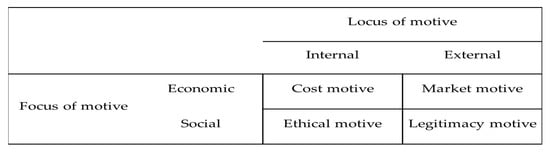
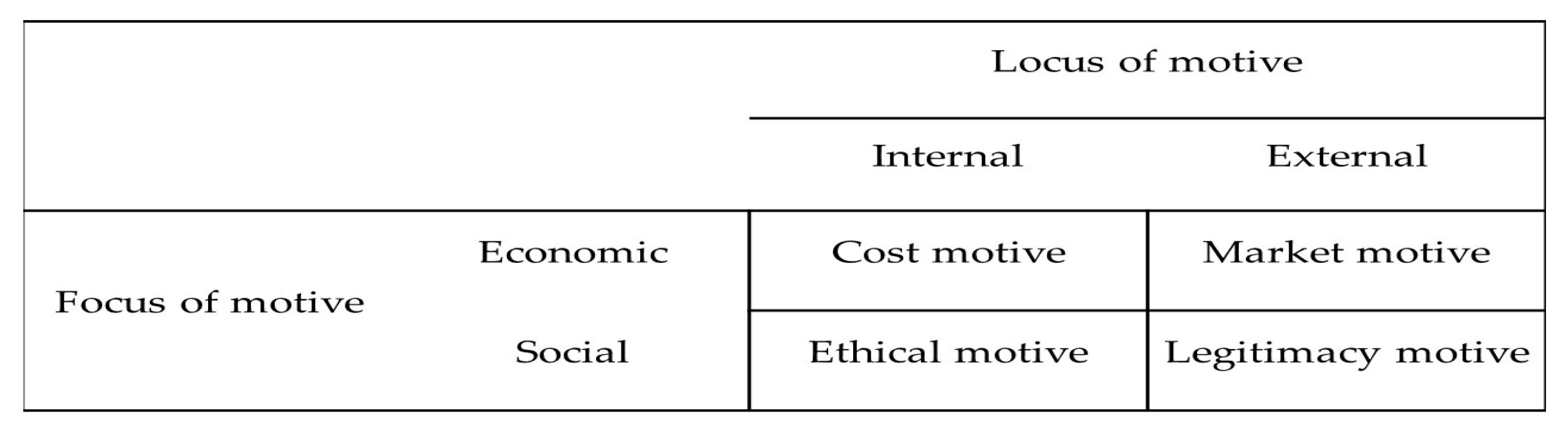
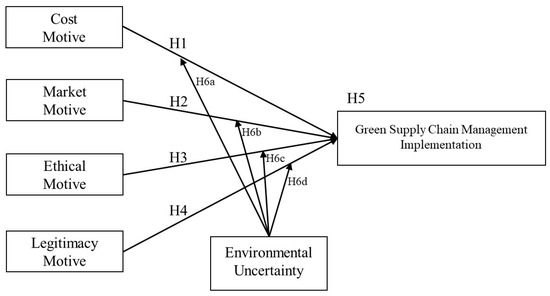
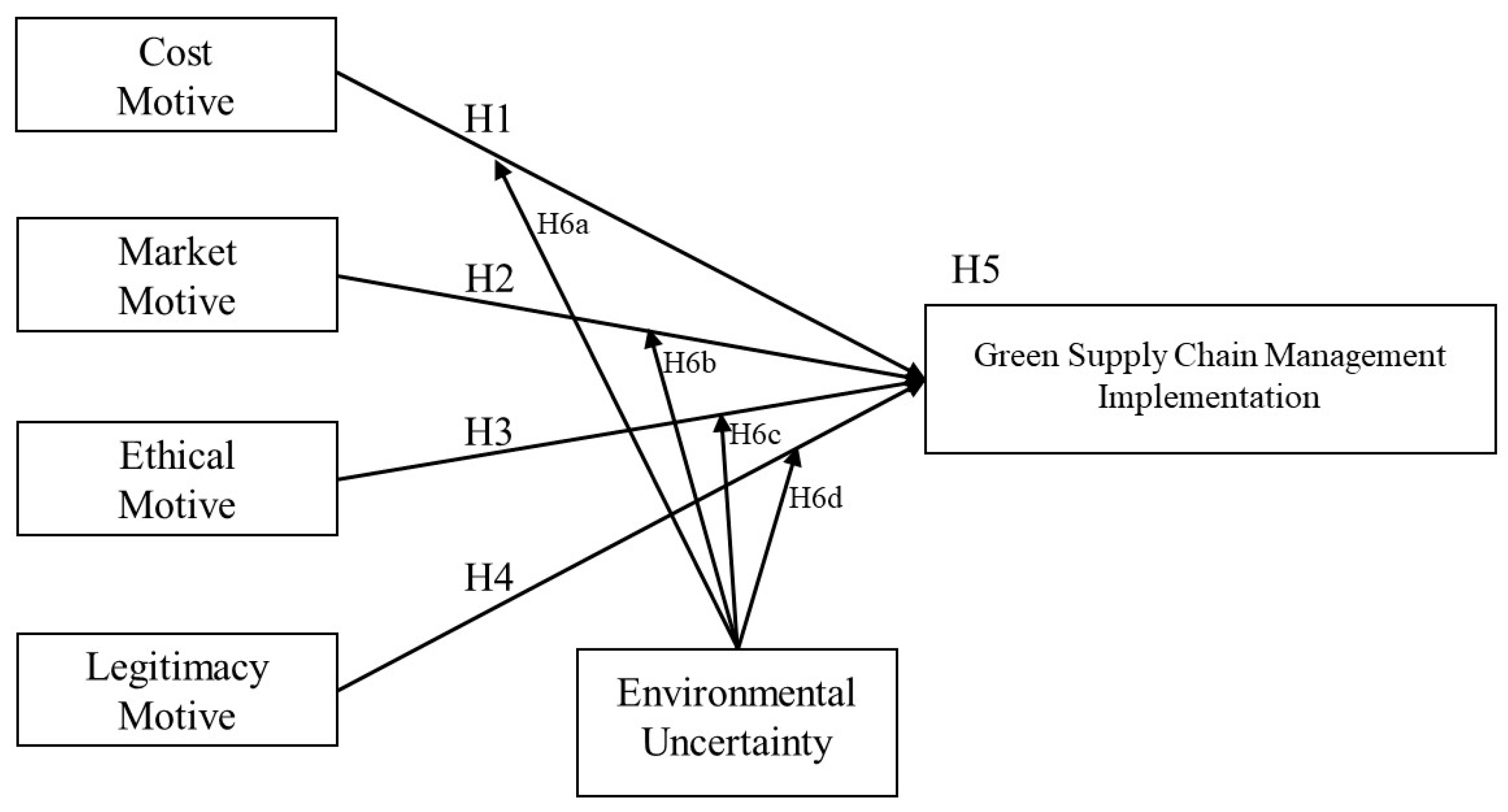
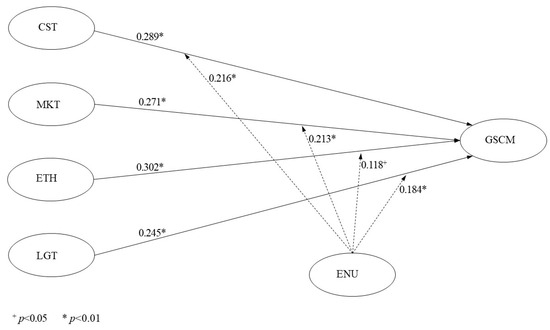
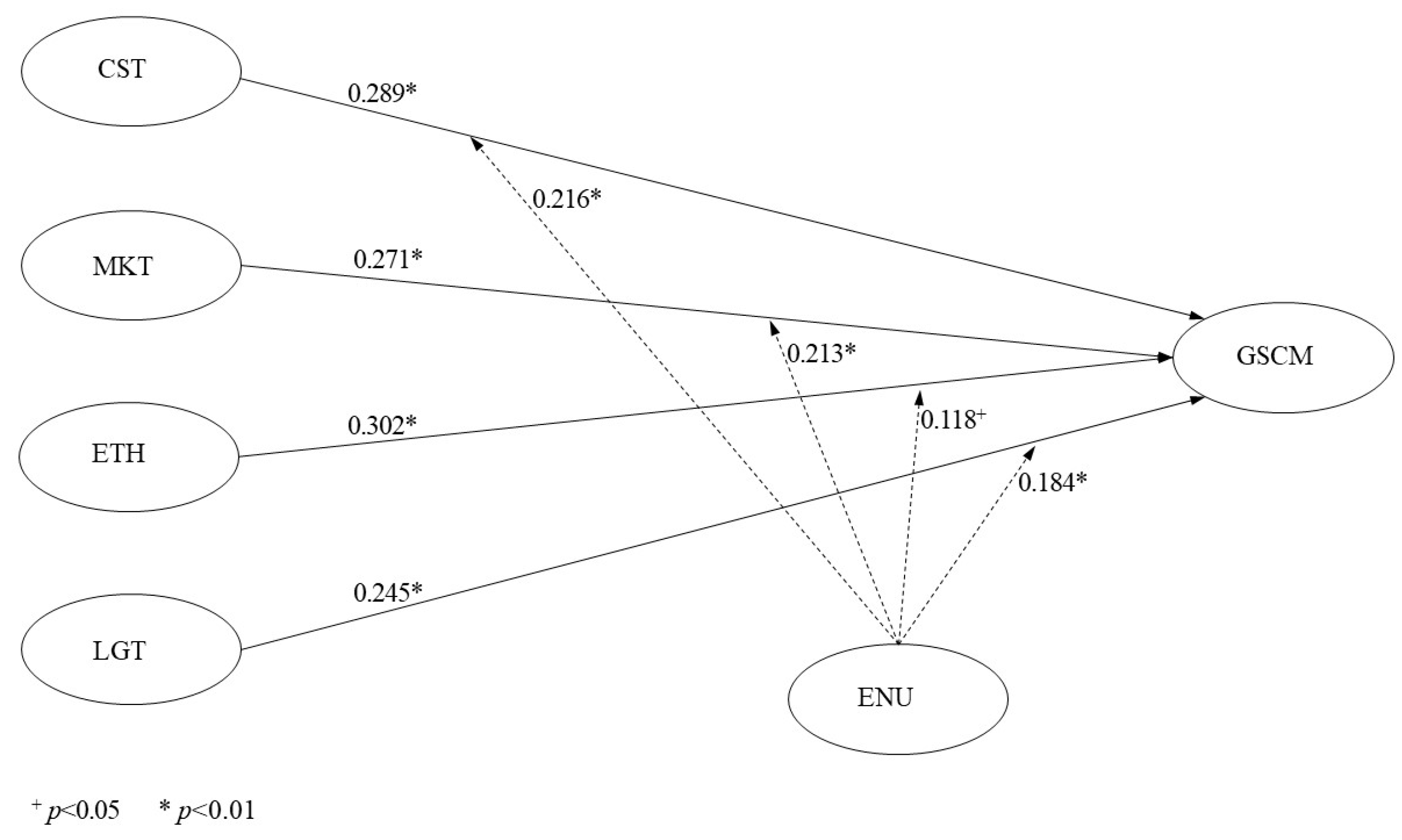
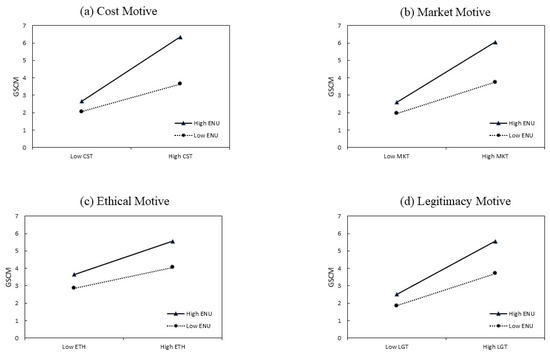
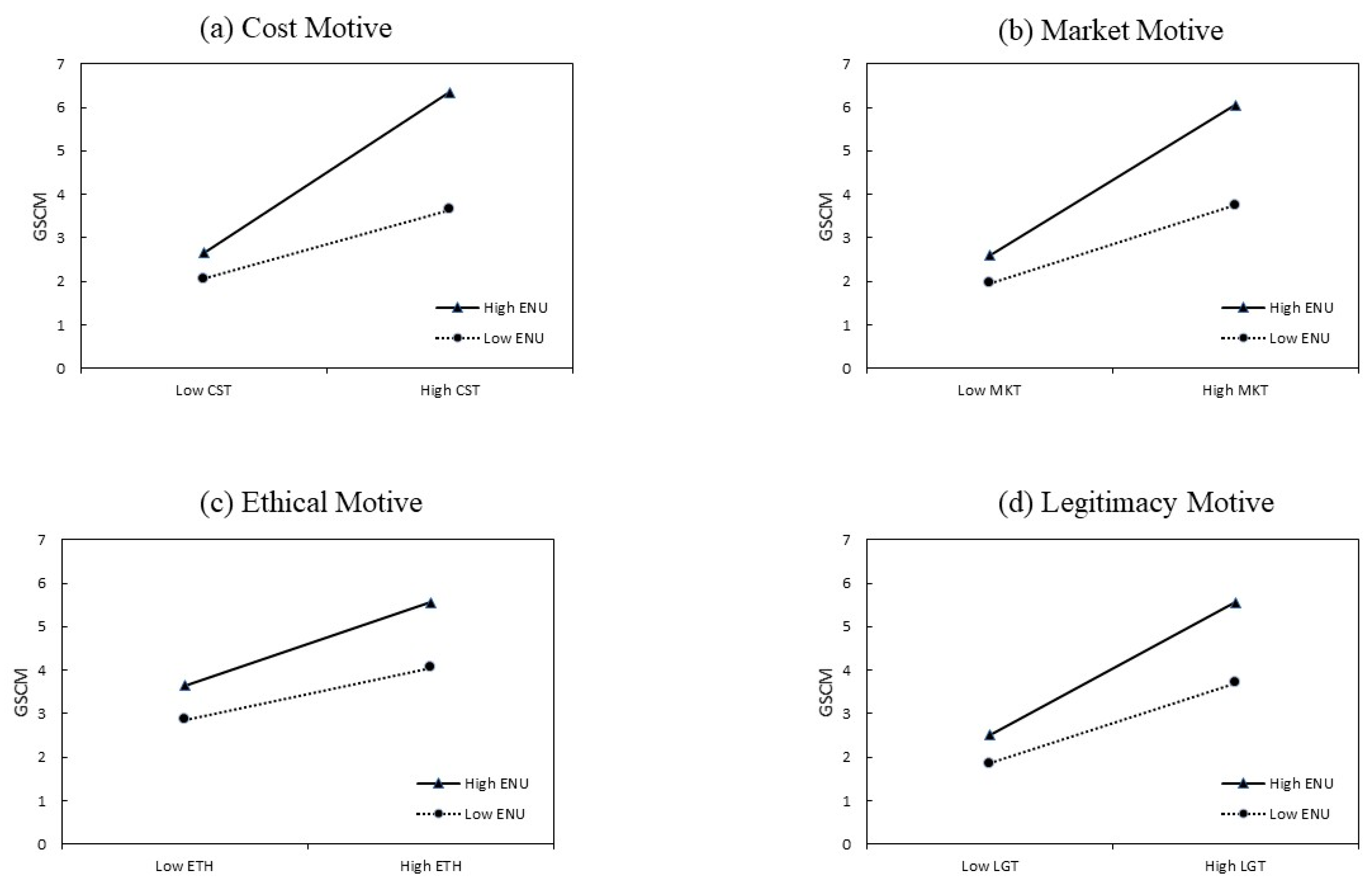

Disclaimer/Publisher’s Note: The statements, opinions and data contained in all publications are solely those of the individual author(s) and contributor(s) and not of MDPI and/or the editor(s). MDPI and/or the editor(s) disclaim responsibility for any injury to people or property resulting from any ideas, methods, instructions or products referred to in the content. |
© 2026 by the authors. Licensee MDPI, Basel, Switzerland. This article is an open access article distributed under the terms and conditions of the Creative Commons Attribution (CC BY) license.