


Abstract
The relevance of this study is driven by the need to develop new mechanisms and tools aimed at improving the technological, resource, and economic efficiencies of industrial businesses while minimizing their negative environmental impacts and enhancing their environmental performances. Although such approaches as the theory of constraints, the concept of sustainable development, and principles of Best Available Techniques have garnered attention individually, their combined, interdisciplinary application to the streamlining of business processes in industry has not yet been fully explored. The purpose of this study is to demonstrate the advisability of managing business processes based on the principles of resource efficiency enhancement by preventing irrational resource consumption, production losses, pollution and waste in the context of the Sustainable Development Goals. This article analyzes the current state of research business process optimization for a greener future. The proposed methodological approach is based on ranking business processes according to their levels of resource efficiency. Business process engineering and an evaluation of its outcomes in terms of resource efficiency were conducted using a case study of a building materials manufacturer in Northwest Russia. Various business management scenarios were developed to improve resource efficiency through process engineering initiatives. The findings of this study can inform the development of strategic approaches for building materials manufacturers as they transition toward sustainable development.
1. Introduction
The interaction between nature and society has become particularly relevant at the present stage of development, which is characterized by the intensification of a triple global environmental crisis: the depletion of natural resources, environmental pollution and climate change, and biodiversity loss.
Environmental, social, technological, and political trends are evolving rapidly, affecting institutional and economic processes at all levels. The development of neo-industrial society is shaped by advances in energy systems, new materials, digital technologies, and life-support technologies. Under these conditions, industrial businesses must seek ways to mobilize internal resources, restructure logistics and business processes, and develop interaction models with other economic actors that enable mutually beneficial partnerships. These efforts are particularly important for addressing import challenges and identifying effective tools for further developing the national economy.
The following objectives may be considered priority goals for the sustainable development of industrial businesses [1]:
- -
- Increasing resource efficiency (RE) and reducing negative environmental impacts;
- -
- Forming linkages characteristic of a closed-loop (circular) economy;
- -
- Implementing responsible production and consumption models;
- -
- Defining indicators that enable the assessment of business process effectiveness;
- -
- Phasing out outdated technologies and consistently replacing them with modern processes;
- -
- Forming conditions that ensure stakeholder access to information on sustainable industrial development.
Achieving these goals requires engineering production systems to reduce their environmental impacts [2]. Process engineering must address not only technological efficiency but also environmental issues. Consequently, strategic priorities should focus on improving both the RE and environmental performance of production processes.
The concept of sustainable development has evolved towards increasing complexity and a more comprehensive consideration of economic, social, and environmental dimensions. Significant contributions to the establishment of global and national sustainable development concepts have been made by the United Nations (including the UN Commission on Sustainable Development, the UN Environment Programme, and the UN Conference on Trade and Development), the Club of Rome, the International Institute for Applied Systems Analysis (Austria), and the Organisation for Economic Co-operation and Development. The formation and measurement of sustainable development have been examined by numerous international and Russian scholars, including Brundtland, Holden, Meadows, Randers, Behrens, Daly, Stiglitz, Fitoussi, Tarasova, and Bobylev [1,2,3,4].
All UN documents related to sustainable development have received widespread international support, allowing sustainable development to be regarded as the official paradigm of human development in the 21st century.
The literature also includes extensive research on modeling and designing business processes, the configuration of logistics and production chains, inventory planning, and the optimization of return flows. These issues are addressed by authors such as Ilgin, Gupta, Dobos, Gobsch, Pakhomova, Pishchulov, Richter, Xiong, Zhao, and others [5,6,7]. In parallel with studies on reverse logistics, considerable attention is paid to resource efficiency, as reflected in the works of Ekins, Hughes, Godina, and Hertwich [8,9,10].
Issues related to the reengineering and engineering of production processes are the subject of research by scholars including Elbasheer, Longo, Turner, Garn, Siame, Zvarivadza and Kotikov [11,12,13,14]. Within sustainable production systems, not competition but cooperation and interaction dominate, with the aim of achieving rational and efficient resource utilization.
The relevance of this study arises from the need to develop new mechanisms and tools to improve the technological and resource efficiencies as well as environmental performances of industrial businesses. In this context, key challenges include improving resource and energy efficiency, implementing business process engineering, and carrying out environmental and technological projects.
This study aims at developing approaches to making management decisions on improving industrial business processes based on the principles of high resource efficiency for a greener future.
This study tests the following hypotheses:
H1.
Optimization of business processes is provided by the orientation on the enhancement of resource efficiency along the overall green value chain.
H2.
In industry, resource efficiency enhancement is achieved through the implementation of Best Available Techniques as technologically, environmentally, and economically balanced solutions.
H3.
Resource efficiency enhancement strategies have to be developed based on the results of the comprehensive assessment of key business processes.
This article is organized into six main sections. Section 1 (Introduction) outlines the research objectives, the current state of the field, and the study hypotheses. Section 2 reviews publications on business process optimization, resource efficiency enhancement, and the concept of Best Available Techniques (BAT). Section 3 presents the methodological framework for analyzing business processes from an RE perspective and describes the assessment stages in detail. Section 4 reports the results of applying the proposed methodology to the production processes at Nefrit-Keramika JSC and presents scenarios for resource-efficient engineering. Section 5 discusses the key findings and suggests directions for future research. Section 6 summarizes the main contributions and outlines practical implications for businesses, researchers, and policymakers seeking to improve their business process efficiency through the implementation of Best Available Techniques.
2. Theoretical Framework
2.1. Literature Review on Business Process Optimization
The theory of constraints (TOC), developed by Goldratt, conceptualizes an organization as a system of interconnected processes whose overall performance is determined by its weakest element, referred to as the “constraint” or “bottleneck.” According to Goldratt, effective management should focus not only on the local optimization of individual functions but also on maximizing the throughput of the entire system by systematically managing its constraints. Recent research confirms the continued relevance of the TOC, particularly in the context of digital transformation. The integration of the TOC with digital technologies and advanced data analytics enables organizations to identify, predict, and eliminate constraints in both their production and management processes [15,16,17,18,19].
From the TOC perspective, a business process is understood as an end-to-end value stream, with emphasis placed on flow velocity and system stability. Studies by Ragazzini, Tang, and their colleagues demonstrate that the use of digital twins and artificial intelligence in conjunction with TOC principles facilitates bottleneck identification and significantly reduces production cycle times [20]. Mabin highlights the importance of integrating the TOC with system dynamics and lean thinking in order to improve business flexibility and resilience [21]. The application of the TOC in industrial business process engineering is increasingly being recognized as a strategic management tool. Yun and Helfer argue that integrating the TOC with ESG concepts and sustainable development principles allows constraints to be interpreted not only as technological or organizational limitations but also as environmental and social barriers that influence business sustainability [22,23]. Thus, the TOC retains its value as a universal methodological framework that supports continuous improvement through the sequential identification, exploitation, and elimination of constraints. Beyond optimizing production flows, the TOC serves as a strategic foundation for promoting the sustainable development of industrial businesses and advancing a greener future.
Other researchers evaluate management systems and key performance indicators of enterprises in order to optimize business processes [24,25]. The integrated management system (IMS) combines management tools into a single, continuous system that allows for successfully achieving goals and implementing an enterprise strategy aimed at creating a competitive and resource-efficient enterprise. It also helps reduce losses [26,27,28]. The IMS covers various stages of production, and lean manufacturing tools are used, as well as decision-making methods, including iterative approaches, to identify shortcomings and find effective solutions for eliminating them [29,30]. Moreover, contemporary research demonstrates a clear shift from the classical understanding of lean manufacturing as a production optimization system toward its interpretation as a sustainable development model [31,32].
A significant number of companies worldwide rely on management systems to improve corporate operations. Nowadays, “corporate executives are under increasing pressure to fulfil one particular stakeholder demand: making their companies more sustainable” [33]. At each point along the value chain, the use of valuable resources can be optimized. “More integrated product design and manufacturing engineering that considers the factor of resource-efficiency will make those products more environmentally sustainable” [34]. There are three main levels where RE can be improved to cover the whole value chain of a product: eco-efficient product design, resource-efficient manufacturing processes at the factory level and the integrated optimization of the manufacturing value chain [35]. Resource efficiency is increasingly viewed as an integrative concept for transformation of business processes, uniting technological, social, environmental, and economic dimensions. Many empirical studies have investigated business process optimization and its impact on business performance. Despite the considerable amount of research that has been conducted, there is no comprehensive resource-based analysis, namely, RE throughout the green value chain, that has had a positive impact on operational performance. Therefore, we present the following hypothesis:
H1.
Optimization of business processes is provided by the orientation on the enhancement of resource efficiency along the overall green value chain.
2.2. Resource Efficiency Enhancement and the Concept of Best Available Techniques: A Short Review
Industrial ecology as an interdisciplinary research field, which studies the flows of materials and energy in industrial systems, is rooted in the investigations of the European, American, and Soviet scientists who published several fundamental articles back in the 1980s [36,37]. Industrial ecology draws parallels between industrial and natural ecosystems to promote sustainability by enhancing RE and reducing negative environmental impacts.
The concept of Best Available Techniques was also put forward in the 1970s–1980s [38,39,40]. It is based on the pollution prevention principle (P2), which is recognized as the nucleus of industrial ecology [41,42] and refers to practices that reduce, eliminate, or prevent pollution at its source before it is created. In industry, P2 includes: (1) modifying manufacturing processes to produce less waste; (2) using non-toxic or less toxic chemicals to prevent or reduce harmful emissions; (3) increasing efficiency in resource use; (4) implementing water conservation practices and water cycles; and (5) reusing materials rather than disposing of them as waste [43]. In the U.S., BAT focus mostly on environmental control methods (those often addressed as “end-of-pipe” technologies or techniques). In the European Union (EU), the BAT concept provides the basis for granting integrated environmental permits (IEPs) to resource-intensive industries and embraces both P2 approaches and “end-of-pipe” techniques [44]. According to the definition provided by the Organisation for Economic Co-operation and Development, “BAT represent state-of-the-art approaches that deliver optimal results in preventing and controlling pollutants (air, water, and soil) while improving process performance across industries. These methods are designed to be both economically and technically feasible, enabling facilities to achieve superior environmental results without incurring excessive costs or encountering technical barriers” [45]. BAT are tools for sustainable development; in Russia they are defined as “a set of technological, technical, and managerial solutions, the practical application of which allows industries to enhance resource efficiency and environmental performance, minimize negative environmental impacts, and reduce carbon intensity of products in economically feasible ways” [46]. Both in the EU and in Russia, Reference Documents on BAT (BREFs) are issued to form a series of documents covering the industrial sectors regulated by the Industrial Emissions (Pollution Prevention and Control, IPPC) Directive in the EU and the National Environmental Protection Act in Russia (Table 1). BREFs provide descriptions of the key industrial processes, their operating conditions, and their emission rates. In Russia, BREFs establish not only BAT-Associated Emission Levels (BAT-AELs) but also target sectoral RE levels [47] and so-called indicative carbon intensity parameters [48].
Table 1.
Approaches to integrating BAT concept and Quality Management System (QMS).
The achievement of sectoral BAT-AELs is obligatory in all countries, and these quantitative requirements become more stringent as a result of each BREF review, thereby following the continual improvement principle [49]. Industrial installations failing to meet sectoral BAT-AELs can apply for derogations. According to the Scottish Environment Protection Agency, “The operator must justify any derogation with detailed plans to bring operations to within the BAT-AEL range and cease the requirement for derogation within an appropriate timescale. This type of derogation would need to be reconsidered again at any future BAT review; consequently, the operator may ultimately be faced with greater upgrade requirements in the future” [50]. In Russia, “detailed plans to bring operations to within the BAT-AEL range” are called Environmental Performance Enhancement Programs (EPEPs); they are developed by the industrial installations and submitted to the Intergovernmental Council on the Transfer to the Principles of BAT (Intergovernmental BAT Council). Sectoral BAT experts provide the necessary advice to the representatives of the government agencies considering draft EPEPs and thereby support the decision-making process [49]. In such cases, both lawyers and practitioners say that IEPs are granted with additional burdens (encumbrances). The larger the number of EPEPs implemented by the sectoral industries, the higher the need for sectoral modernization.
The Intergovernmental BAT Council also considers applications of industries seeking support for the implementation of projects aimed at greening production processes, improving environmental performance and RE, and reducing carbon intensity beyond BAT levels [51,52]. In these cases, one can speak of forming modernization stimuli and rendering support to sectoral leaders. Requirements for green projects are set in the National Taxonomy of Sustainable Projects, which by nature is similar to the taxonomy developed by the International Organization for Standardization [53].
The BAT concept and theory of constraints are based on the principles of (1) pollution/loss prevention and minimization and (2) continual improvement in manufacturing processes and overall performance. This is why they help achieve the Sustainable Development Goals (Figure 1) and drive business process optimization. Within the framework of this article, we plan to use the BAT concept, sectoral BREFs, and quantitative requirements for emissions (BAT-AELs), resource efficiency and carbon intensity as a basis for developing a system of indicators for evaluating the business processes of an industrial enterprise.
Figure 1.
The BAT concept as an instrument for greening industrial business processes. The years reflect the review of the ceramic sector BREFs. Source: compiled by the authors.
Thus, BREFs form the quantitative framework necessary to set interrelated development objectives for the continual improvement in integrated quality, environmental, and energy management systems. Though researchers working in the Americas, Asia, and Europe have published numerous articles devoted to the optimization of business processes using TQM instruments (for example, The TQM Journal provides access to a collection of such articles [54]) (Section 2.1 contains a literature review on business process optimization), studies on resource efficiency enhancement and BAT implementation as a driver for improvement in business processes are rare [55]. Therefore, we propose the following hypothesis:
H2.
In industry, resource efficiency enhancement is achieved through the implementation of Best Available Techniques as technologically, environmentally, and economically balanced solutions.
2.3. Strategies for Enhancing Resource Efficiency
Organizations that effectively incorporate resource efficiency into their core strategies and operations can drive revenue growth, cost reduction, and better risk management and improve their brands and reputations [56]. Resource efficiency management at an enterprise primarily involves a set of strategic decisions made by the enterprise based on an assessment of the existing challenges, trends, and strategic priorities of the government and industry, as well as an analysis of its own potential [57]. It is recommended considering the existing approaches to resource efficiency management in accordance with the stages of enterprise resource efficiency strategies. These strategies can be implemented through the sequential technological modernization of production processes as well as the development and implementation of environmental and technological projects involving other organizations [58]. The strategic orientation of enterprises towards sustainable development necessitates structuring resource potential into subsystems. Organizational and economic interaction between these subsystems determines the possibilities for implementing operational, tactical, and strategic tasks to optimize business processes [59,60]. A key aspect of the resource strategy is identifying those resources that give the company a competitive advantage [61]. The mechanism of the organizational and economic interaction between the processes of utilizing the structural components of the resource base determines the required level of economic efficiency. In the face of increasing competition, the primary goal of such a strategy is to implement innovations and advanced technologies in production processes [62].
Alongside the many studies on strategies of resource efficiency, there is a research gap in understanding the emergence of a resource-efficient strategy, with a focus on business process assessment. Thus, we present the following hypothesis:
H3.
Resource efficiency enhancement strategies have to be developed based on the results of a comprehensive assessment of the key business processes.
3. Materials and Methods
Being an integrated and structured characteristic, business efficiency should be understood not merely as a performance indicator but as a process that must be systematically organized and managed [63]. The challenge of improving the efficiency of resource use has been examined in Solow’s theory of economic growth, Stiglitz’s theory of resource management, and Goldratt’s theory of constraints [64,65]. According to the TOC, businesses should focus primarily on those constraints that prevent them from achieving their maximum potential. Within this framework, a company is viewed as a system of interrelated resources connected through business processes, and the overall system performance is determined by the weakest link—or bottleneck—within these processes. A constraint is defined as any factor that limits the system’s ability to achieve its objectives.
The business process assessment methodology proposed in this study enables the identification of bottlenecks from the perspective of resource efficiency and the effectiveness of business process engineering. The methodology follows a multi-stage structure, which is illustrated in Figure 2.
Figure 2.
The methodological framework for assessing business processes from the perspective of resource efficiency. Source: compiled by the authors.
Step 1. From the perspective of process continuity, execution reliability, and fault tolerance requirements, four levels of process constraints are distinguished. These levels are determined by the magnitude of potential losses and the speed at which they may occur: the greater and more immediate the losses, the higher the constraint level and the stricter the process availability requirements (Figure 3). Constraint levels are assessed by experts using a four-point scale, after which a composite score is calculated for each parameter. The degree of consistency among expert evaluations is assessed using Kendall’s coefficient of concordance (Kendall’s W).
Figure 3.
The business process priority matrix. Source: compiled by the authors.
In Russia, the Expert Assessment System and the green project assessment algorithm were gradually refined from 2019 to 2020; by the end of 2025, members of the Intergovernmental BAT Council had assessed the economic efficiencies, maturity of technological processes, resource and carbon intensities, and environmental performances of more than 300 companies [52]. The necessary expert advice to the council is rendered by the BAT Expert Society, which was established back in 2015 taking into consideration the experience of such well-known professional societies as the Royal Society of Chemistry, Council of Chartered Environmentalists, Engineering Council, etc. The national experience of such bodies as the Expert Council of the Russian Academy of Sciences and the Expert Council of Metallurgy and Mining was also used. The BAT Expert Society specializes in Best Available Techniques and consists of independent chartered engineers (sector-related), environmentalists, experts in resource and energy efficiency, and managers. Most of them participate in working out and reviewing Russian BREFs. The algorithm for expert assessment is based on using a composite assessment criterion, allowing for the consideration of whether an industry (or a project) (1) meets sectoral BAT emission requirements (BAT-AELs); (2) achieves a high level of resource efficiency; and (3) possesses green characteristics (such as carbon intensity reduction, circular economy formation, and participation in ecosystem restoration) [66].
Level I—Critical (vital) processes. Processes whose disruption prevents the business from achieving the required level of resource efficiency, resulting in substantial economic, production, environmental, and reputational losses. This level corresponds to expert scores in the range of 3–4 points and is marked in red.
Level II—Core operational processes. Processes whose disruption prevents the business from achieving an acceptable level of resource efficiency, resulting in economic, pro-duction, environmental, or reputational losses. This level corresponds to expert scores in the range of 2–3 points and is marked in yellow.
Level III—Supporting processes. Processes whose resource efficiencies meet internal and industry standards. This level corresponds to expert scores in the range of 1–2 points and is marked in green.
Level IV—Auxiliary processes. Processes that have a minimal impact on core operations. In the event of temporary unavailability, business activities may continue in a limited mode without critical consequences. This level corresponds to expert scores in the range of 0–1 points.
The constraint level directly influences: (1) the priority of process recovery in emergency or unforeseen situations that disrupt process continuity; (2) the volume of investments allocated to ensuring process reliability, fault tolerance, and maintenance.
Step 2. The scale of losses resulting from process unavailability or malfunction is estimated for Level I and Level II processes. Losses are assessed using integrated indicators that capture four dimensions: production, economic, environmental, and reputational losses. Based on these assessments, a business process priority map is constructed, and a set of organizational and technological measures is developed to improve process reliability, reduce downtime, and mitigate potential losses. This approach enables the rational allocation of business resources and supports loss prevention.
Step 3. To evaluate industrial business processes from the perspective of resource efficiency and environmental performance, a system of indicators and expert assessment scales was developed (Table 2). To substantiate the indicators used, we suggest comparing the parameters achieved by the industries with the respective sectoral BAT requirements established in the national BREFs. As is described in Section 2.2, for most industrial sectors, these requirements are set at two levels: (1) progressive (motivational) and (2) restrictive. In the first case, businesses achieving progressive benchmarks or developing modernization projects aimed at enhancing their resource efficiencies and environmental performances can seek governmental support (as green or being-greened industries). Businesses demonstrating average pollution emission parameters are granted IEPs and exempted from the lists of those obliged to pay pollution charges. Finally, businesses failing to meet sectoral requirements (first of all BAT-AELs) must develop EPEPs, implement them, and report on the improvement achieved.
Table 2.
System of indicators for assessing industrial business processes.
A key feature of the proposed indicator system is its integrative and universal nature, which allows for the combined use of quantitative metrics and expert judgment.
Step 4. After experts assign scores to each individual indicator, an integrated indicator is calculated using the Analytic Hierarchy Process (AHP). One of the key advantages of the AHP is its ability to assess and verify the consistency of expert judgments.
The weighting coefficients for the indicators are determined using the method of pairwise comparison. For each indicator, estimates are made within each block. A nine-point scale is used for comparison. Ratings are assigned as follows: value 1—equal importance; 3—if the i-th element has a slight superiority over the j-th; 5—significant superiority; 7—strong superiority; and 9—maximum superiority. For example, if Ki significantly exceeds Kj, then a 5 should be placed in cell (i, j) of the table, and a 1/5 should be placed in cell (j, i). The normalized priority vector (NPV) is then calculated as the geometric mean of each row, divided by the sum of the geometric means. The sum of the NPV components always equals 1. Each NPV component represents the assessment of the importance of a relevant criterion. Finally, the consistency of estimates in the matrix is determined by three characteristics:
- (1)
- The eigenvalue of the matrix:
- (2)
- The consistency index (CI):
- (4)
- The consistency relation (CR):
This method is particularly appropriate for the present study, as the indicators used are characterized by quantitative heterogeneity and different units of measurement. In addition, the AHP facilitates the structuring and systematization of the decision-making process, thereby increasing its transparency and analytical rigor. The final integrated score is obtained using additive convolution, expressed as follows:
where K(x) is the integrated indicator for alternative x, reflecting its suitability for achieving the research objective; Ki(x) is the set of indicators; n is the number of indicators; ai is the priority of an individual indicator (Ki).
Step 5. To interpret and analyze the calculated integrated indicators, Harrington’s desirability function is employed. The metrics employed in the analytical process may possess diverse dimensions and scopes, rendering the task of making informed management decisions a complex one. This involves resorting to information processing techniques that reduce uncertainty. Harrington’s desirability function allows one to translate natural values into verbal subjective estimates (d ∈ [0, 1]). The generalized desirability (D) represents the aggregation of individual desirability, forming a comprehensive criterion that assigns a numerical value to each entity under study (D ∈ [0, 1]). The advantage of this approach lies in its versatility and adaptability, enabling its application in a wide range of contexts.
When constraints on the evaluation indicators are expressed as one-sided limits (either min or max), the desirability functions (dij) for the corresponding indicators are determined using the following expressions:
where dij is the partial desirability function with a one-sided constraint for the j-th indicator; ymax, ymin are the upper and lower bounds of the one-sided constraint for the i-th indicator; y′ij is the coded (normalized) value of the i-th indicator, transformed into the desirability scale.
Harrington’s desirability function, which serves as the optimization criterion, is defined as the geometric mean of the partial desirability values:
The closer the resulting value is to unity, the higher the effectiveness of the industrial process engineering from the standpoint of integrated resource efficiency.
The proposed methodology incorporates contemporary assessment approaches, including multidisciplinary and interdisciplinary perspectives, with a strong emphasis on innovation, applicable BATs, lean manufacturing principles, and sustainable development objectives. It is suitable both for detailed diagnostics of the current state of industrial businesses and for strategic scenario modeling and long-term planning.
The methodology is subject to several limitations and assumptions:
- -
- Subjectivity of expert assessments. Expert judgments require verification through independent auditing.
- -
- Limited consideration of the relationships between processes. Business processes may be interrelated, and disruptions in one process can affect the performances of others.
- -
- Dynamic nature of business processes. Business processes evolve over time, necessitating periodic reassessment.
4. Results
4.1. Industry Analysis: The Importance of Resource Efficiency in the Construction Materials Industry
The building materials industry refers to sectors manufacturing materials used for construction; normally, the attention of researchers is focused on synthetic materials such as cement, concrete, and glass rather than on naturally occurring materials like wood or clay. Though modern constructions cannot be imagined without metals, plastics, paints, etc., international and national statistical data normally provide information on the growth, consumption, and distribution of them separately from high-temperature mineral materials, such as cement, glass, and construction ceramics, addressed as major building materials. All respective industry sectors are regulated by IPPC/BATs; sectoral BREFs are issued in the EU, Russia, and Kazakhstan (for cement exclusively). All sectors are characterized as resource-intensive. Researchers and practitioners study opportunities for reducing energy consumption, minimizing losses of raw materials, and forming links typical for the circular economy [67,68,69]. Compared to other sub-sectors, production of ceramic construction materials (and especially ceramic tiles) attracts less attention from researchers, though at the regional level, brick plants often play important roles in both socio-economic development and the overall environmental situation [70].
The Russian BREF 4-2015 “Ceramic Manufacturing Industry”, appears to be the first worldwide Reference Document establishing sectoral BAT-AELs. It was reviewed in 2023; the new version sets requirements not only for the emissions of pollutants but also for the production resource efficiency and carbon intensity of products. Another characteristic feature of BREF 4-2023 is that it contains a special chapter devoted to lean manufacturing. It is pointed out that lean management systems allow for reducing losses and improving resource efficiency at plants manufacturing large series of similar products typical of the production of ceramic blocks and ceramic tiles [71]. Lean management systems are addressed as general BATs for the ceramic manufacturing industry. The Polish researchers Ulewicz, Kleszczand, and Ulewicz suggest that lean instruments are rather valuable in terms of improving ceramic industry business processes [72], but BREF 4-2023 remains the only Reference Document that addresses the resource efficiency of ceramic production in great detail.
In Russia, the legislation on Best Available Techniques was passed in 2014, while the first BAT-related pilot projects were implemented in construction materials in 1998–2010. They resulted in the development of a series of national standards setting progressive requirements for the energy efficiency of glass, cement, brick, and ceramic tile production [73]. In the 2010s, ceramic sector industries showed their interest in piloting national BAT standards; Nefrit-Keramika JSC and Esmima LLC appeared to be the most active in improving production energy efficiency.
According to the data of the National Bureau of Best Available Techniques, by the end of 2025, most large-scale installations manufacturing construction materials had been granted integrated environmental permits. The total number of BAT-regulated installations of the discussed sectors exceeds 200: about 150 brick plants, 50 cement plants, 15 producers of ceramic tiles, and 10 producers of flat glass. All BAT-regulated installations must prove their compliance with the sectoral quantitative BAT requirements (established as BAT-AELs) and obtain integrated environmental permits.
To establish quantitative requirements for sectoral BAT-AELs, resource efficiency levels, and so-called indicative carbon intensity parameters, members of the BAT Expert Society run sectoral benchmarking procedures, the results of which are openly discussed with the key stakeholders. Figure 4 presents benchmarking results obtained in 2024 for the production of grey cement clinker. Specific emissions of greenhouse gases (carbon intensity parameters) were calculated in accordance with the guidelines established by the Intergovernmental Panel on Climate Change (IPCC) [74] using real resource consumption data reported by 21 installations.
Figure 4.
Carbon intensity of grey clinker: benchmarking results (Scope 1, 2024, Russia). Source: compiled by the authors.
To motivate industries to reduce GHG emissions, indicative carbon intensity requirements are established at two levels: the lower one (green line) as a guideline for businesses developing their greening strategies, and the upper one (red line), which (as is expected) will be used to introduce GHG-related fines in 2026. The final decision of carbon charges, taxes, fines, and the overall GHG regulation system is to be made by the Ministry for Economic Development of the Russian Federation [48]. Thus, benchmarking helps identify the leaders, the “middle class” companies, and the rearguard industries.
Ceramic bricks as well as ceramic stone (including porous blocks) form one of the most traditional groups of construction materials, and their production is widespread throughout the country. In Russia, annually, 5–6 bln units of so-called “conventional bricks” (or 15–20 mln tons) are manufactured in the country by both larger and smaller industries. The main characteristics of ceramic bricks are regulated by the national standards, which set stricter requirements for the quality of bricks than the standards functioning in the European Union due to the long-term use of bricks under adverse climate conditions.
Ceramic tile-wise, Russia contributes only 1.5% towards the global production manufacturing, about 200 mln square meters of tiles (roughly—4–5 mln tons). Though the sub-sector was fundamentally modernized in the 1980s based on the technologies worked out by Soviet engineers, in the 2000s, national industries appeared not to be competitive due to the (1) high manufacturing resource (first of all—energy) intensity, (2) low quality of products, and (3) poor design of ceramic tiles. Leading international companies entered the Russian market, bringing not only end products but also new technologies, decoration techniques and materials, and management systems. Technology- and decoration-wise, Russian engineers and managers gained a lot from their Spanish, Italian, and Polish partners. At the same time, Portuguese and Spanish technologists and designers took part in modernizing industrial installations and developing new product families.
During the last 8 years, the structure of ceramic tile production has changed a lot. The share of tiles for interiors of buildings (porous, glazed, often requiring two–three firing stages) fell from 44% in 2015 to 35% in 2023. On the contrary, the proportion of ceramic granite (porcelain stone) is gradually growing as the most dense, durable, wear- and frost-resistant type of tile, the applications of which include floor coverings, facades of buildings, and building interiors. The widespread decoration with digital printing has made it possible to diversify the design of ceramic granite. New products (ceramic granite tiles with sizes of 1000 × 3000, 1200 × 3200 mm and larger) are becoming more and more demanded by the market. Their production requires implementation of new pressing technologies and equipment. Moreover, using large-scale tiles provides for reducing material losses during construction operations. Presumably, these facts reflect the global tendency of reducing resource (and energy) intensity and minimizing production losses.
4.2. Case Study: Assessment of Production Processes at Nefrit-Keramika JSC
The proposed methodological framework was tested using the case study of Nefrit-Keramika JSC, a construction materials manufacturer located in Northwest Russia (Table 3). The company specializes in the production of ceramic tiles for interior applications (bathrooms and kitchens) as well as for public spaces. In accordance with the developed methodology, the production processes at Nefrit-Keramika JSC were evaluated and ranked by their levels of constraint using an expert assessment approach. The expert panel consisted of 26 members of the BAT Expert Society, providing advice to the Intergovernmental BAT Council and functioning in Russia since 2019. As already mentioned, the Intergovernmental Council on the Transfer to the Principles of Best Available Techniques considers both Environmental Performance Enhancement Programs worked out by companies trying to achieve compliance with BAT requirements and applications of “potentially green” industries seeking support for the implementation of projects aimed at greening production processes, improving environmental performance and resource efficiency, and reducing carbon intensity beyond BAT levels. We invited 26 independent experts. The group composition was as follows:
Table 3.
Ranking of production processes at Nefrit-Keramika JSC.
Eight chartered ceramic engineers, members of the BAT Expert Society;
Six industrial environmentalists, members of the BAT Expert Society;
Six manager (including energy managers) and economist members of the BAT Expert Society;
Four representatives of authorities—two from the Ministry of Industry and Trade and two from the regional Department for Environmental Protection;
Two members of the national environmental non-governmental organization (NGO) entitled The Russian Environmental Society.
Representatives of the industrial and environmental authorities and NGO are members of the Intergovernmental Council on the Transfer to the Principles of Best Available Techniques.
Again, all 26 experts are (1) independent, (2) highly qualified, and (3) concerned about environmental performance and economic and resource efficiency. The group composition allows for considering both professional issues and interests of the general public.
The algorithm described below can be replicated for any other resource-intensive industry regulated by BAT-based legislation. In the Northwest region, we conducted several assessments jointly with Scandinavian experts who appreciated the overall approach while mentioning that the BAT-based carbon intensity indicators remain the specific feature of the Russian legislation, and the OECD showed its interest in learning from the Russian experience [46,47].
- Drying, decorating, firing, and post-firing treatments were classified as critical (vital) processes due to their high energy intensity, elevated risk of irreversible defects, severe consequences in the event of equipment failure, substantial contributions to production costs, and environmental emissions. The firing stage accounts for the majority of the energy consumption in ceramic tile production. In Russia, the specific thermal energy consumption varies between 4.0 and 8.2 GJ per ton of finished product and depends on the type of furnace, types of products, firing frequency, glaze application, etc. Electricity is required to operate motors, pumps, conveyors, heaters, exhaust fans, smoke extractors, lighting systems, etc. Electricity consumption may reach up to 30% of the total energy use, with specific electricity consumption averaging approximately 170 kWh per ton of finished product. Energy consumption serves as a universal indicator of the efficiency of all production processes, revealing hidden losses, inefficient operating conditions, excessive internal transportation, ineffective workshop logistics, and outdated management models.
- Preparation and shaping of semi-finished products were classified as core operational processes. This stage has a significant impact on the geometric accuracy and quality of ceramic tiles, with potential defects arising from improper shaping, over-drying, or under-drying. However, energy consumption at this stage is lower than that during firing. Industrial wastewater is generated primarily during equipment cleaning for raw material preparation and glazing, during the dewatering of ceramic masses using rotary and filter presses, and during wet grinding operations. The typical emission parameters for major pollutants are as follows: 0.4–0.5 kg of nitrogen oxides (NOx), 0.7–0.8 kg of carbon monoxide (CO), and less than 0.05 kg of sulfur dioxide (SO2) per ton of finished product. Nefrit-Keramika JSC meets all the current (established in 2023) applicable BAT requirements. Carbon intensity varies from 0.8 to 0.9 CO2-eq per ton of product.
- Receipt and storage of raw materials, as well as sorting and packaging of finished products, were classified as supporting processes. Errors in these processes are undesirable but generally result in lower losses and less severe consequences than failures in key stages such as glazing and firing. While delays in raw material reception may disrupt production schedules, the availability of warehouse inventories helps mitigate their impact.
The priority (constraint) flowchart of ceramic tile production processes at Nefrit-Keramika JSC is presented in Figure 5. This visualization enables the company to identify bottlenecks, prioritize critical processes, and determine areas requiring focused technological and organizational interventions. The map also supports informed resource allocation aimed at improving process reliability, reducing downtime, and lowering costs in critical production stages.
Figure 5.
Priority map of ceramic production processes at Nefrit-Keramika JS. Source: compiled by the authors. Solid arrows represent the links between the main business processes, while dashed arrows show connections between the main and auxiliary processes.
Internationally, the ceramic sector faces increasing challenges in reducing losses and managing waste, both from its production processes and external sources, while seeking innovative methods to enhance resource efficiency and minimize negative environmental impacts [75]. In Russia, waste management issues are focused on in-house operations (prevention of losses), and, according to the national statistics, all producers of ceramic tiles demonstrate good results and compliance with the legislative requirements.
Based on the assessment results, the following organizational and technological measures are proposed to further reduce environmental impacts and improve the resource efficiency of ceramic tile production:
- -
- Increasing tile dimensions while reducing thickness;
- -
- Optimizing raw material composition to reduce firing temperatures and shorten firing cycles;
- -
- Automating drying processes to enable continuous monitoring and control of temperature and humidity;
- -
- Implementing interactive computer-based firing control to reduce energy consumption;
- -
- Improving the efficiency of dust collection systems through the use of modern bag filters;
- -
- Organizing the collection of glaze and grinding waste at the point of generation;
- -
- Reusing sludge as a component of molding materials;
- -
- Implementing closed-loop industrial wastewater systems with treatment in accordance with technological requirements.
In addition to organizational and technological measures, the transformation of industrial business processes, including planning, implementation, management, and corrective actions, requires personnel with appropriate professional competencies. The region in which Nefrit-Keramika JSC operates is home to the St. Petersburg academic cluster, which comprises 77 universities, and other higher school educational establishments. Within this cluster, five universities offer six academic programs in glass and ceramics engineering and technology. To assess the availability of relevant competencies among future specialists, the content of these programs, as published on official university websites, was analyzed. The analysis focused on the presence of competencies related to sustainable development, lean manufacturing, resource efficiency, Best Available Techniques, as well as digital technologies and artificial intelligence. Keyword-based content analysis was conducted for each competency area, and the curricula designed for graduates expected in 2026 were examined. The results of the analysis, presented in Table 4, indicate a projected shortage of several key competencies among future specialists. This gap may significantly reduce the effectiveness of business process transformation initiatives at industrial businesses. Therefore, when developing a roadmap for improving business efficiency, it is essential to include a dedicated component aimed at upgrading personnel qualifications. The implementation of lean manufacturing principles requires the active involvement not only of management but also of employees directly engaged in business processes.
Table 4.
Academic majors and competency coverage.
The presence of curriculum components aimed at developing competencies in sustainable development, lean manufacturing, resource efficiency, BATs, digital technologies, and artificial intelligence is summarized in Table 4. The numerator indicates the number of programs that include the corresponding competency, while the denominator represents the total number of programs in the respective field of study.
The next stage involved assessing the company’s production processes from the perspective of resource efficiency using the hierarchical method based on the system of indicators presented in Table 1. The application of the method includes the following steps:
- Definition of assessment objectives and criteria. At this stage, the decision-making objective is formulated and the indicators for evaluating alternatives are determined.
- Development of a pairwise comparison matrix. Alternatives are evaluated through pairwise comparisons for each indicator. A matrix is constructed in which each row and column corresponds to an assessment indicator.
- Calculation of indicator weights. Based on the pairwise comparison matrix, the relative weights of each indicator are calculated, reflecting their importance in the decision-making process.
- Evaluation of alternatives. Each alternative is assessed by each indicator, and the results are recorded in the corresponding evaluation matrix.
- Aggregation. Using the indicator weights, an integrated evaluation of each alternative is performed. The objective of this stage is to identify the most preferable alternative by summing the weighted scores.
The results of the integrated assessment of the production processes at Nefrit-Keramika JSC are presented in Table 5. Resource and energy (as the most significant resource) intensity indicators are listed among the economic block based on their contributions toward the production costs. At the same time, high resource efficiency forms the necessary basis for the compliance with BAT requirements, as well as for the reduction in carbon intensity.
Table 5.
An integrated assessment of production processes at Nefrit-Keramika JSC from the perspective of resource efficiency.
The analysis indicates that, in terms of improving its resource efficiency, the most significant indicators for Nefrit-Keramika JSC are cuts in production costs (primarily through loss prevention) and carbon intensity. These indicators achieved values of 0.55776 and 0.60711.
In the subsequent step, the obtained integrated values were interpreted using Harrington’s desirability function, with the following classification:
- -
- Critical level: 0.00–0.19;
- -
- Low level: 0.20–0.36;
- -
- Satisfactory level: 0.37–0.59;
- -
- Average level: 0.60–0.80;
- -
- High level: 0.81–1.00.
The assessment revealed several key challenges faced by the company, including high energy consumption during firing operations, outdated dust collection and waste management systems, and insufficient digitalization of decorating processes. When resource efficiency falls within the critical or low range, technological modernization becomes imperative.
Based on the assessment results, scenario modeling was conducted, and alternative development scenarios were formulated for each resource efficiency level.
The principles of lean manufacturing are harmoniously integrated into each scenario: defining value; mapping the value stream; creating flow; establishing a pull system; continual improvement from BATs. The main principle is consistent improvement and minimization of emissions.
Scenario 1. Environmentally oriented development (sufficient level of environmental performance and resource efficiency).
This scenario prioritizes environmental sustainability as a key strategic objective. Key strategic directions include the further modernization of production processes through the implementation of modern energy- and resource-efficient technologies and the introduction of educational and social initiatives aligned with the green agenda, reflecting the company’s commitment to corporate social responsibility. The main risks associated with this scenario include:
- -
- High probability of the establishment of stricter sectoral BAT-AELs in 2027–2028, which may lead to the need to develop and implement an Environmental Performance Enhancement Program to be granted a new IEP in 2010;
- -
- Strengthening attention paid by the national authorities to the resource efficiency (first of all, energy efficiency) and circular economy (waste recycling) issues, which may lead to the establishment of obligatory sectoral energy intensity and waste management requirements;
- -
- Long payback periods for environmental projects and the need for substantial capital investment in equipment modernization.
Scenario 2. Adaptive scenario (medium level of resource efficiency).
This scenario positions resource potential as the core driver for advancing technological development to a new level. Strategic implementation is supported through program- and project-based planning. The scenario emphasizes technological renewal and innovation as key factors of business success. It involves the development and implementation of energy-efficient technologies, the establishment of a joint research center in collaboration with universities and research institutions as part of a cluster framework, and the creation of a digital platform for monitoring environmental indicators and managing production processes.
Opportunities associated with this scenario originate from the National Environmental Industrial Policy. Namely, in Russia, the Ministry for Industry and Trade renders support to industries developing and implementing projects aimed at resource efficiency improvement [47]. In most cases, the state pays interest on the loans used to install new equipment or modernize existing equipment, which is important since interest rates on loans for industries now reach 17–18%.
As far as production of ceramic tiles is concerned, reduction in the specific thermal energy consumption from 6.5 GJ to 5 GJ per ton of product would be considered a project that could potentially be supported by the ministry (provided it gets the approval of the Intergovernmental BAT Council). Such a reduction can be achieved by the implementation of the measures recommended in Section 4.2.
In addition, efforts should be directed toward strengthening cooperation with external organizations in the areas of decarbonization and sustainable development, though decarbonization concerns are more typical of scenario 3.
The primary risks and opportunities associated with this scenario include high initial costs related to the development and implementation of advanced technologies.
Scenario 3: Green integration (high level of resource efficiency, low carbon intensity).
This scenario is based on the development of partnerships as the main driver of long-term value creation. Strategic priorities include investment in green and socially oriented projects, as well as collaboration with small and medium-sized businesses through partnerships that facilitate the creation of added green value. Such new directions for the Russian Federation as the use of waste generated in other sectors in the production of ceramic goods could become a way to form links typical for the circular economy, reduce resource consumption (including energy), and minimize environmental impacts [76].
The key opportunity associated with this scenario originates from the growing attention to the Green Building Concept, which has become recognized by various stakeholders. In Russia, responsible suppliers of green building materials must have quality, environmental and energy management systems (preferable—certified) and demonstrate specific resource consumption and carbon intensity levels lying below average sectoral BAT requirements.
Potential risks associated with this scenario include conflicts of interest among stakeholder groups, the high cost of green technologies and projects in the building materials industry, and the complexity of regulatory requirements and documentation procedures.
The implementation of any of the proposed scenarios aimed at improving resource efficiency will enable Nefrit-Keramika JSC to achieve not only direct economic and environmental benefits but also significant reputational advantages, strengthening its image as a socially and environmentally responsible manufacturer.
The results obtained in this study confirm the three hypotheses formulated in the Introduction and allow the following key conclusions to be drawn:
- The existing theoretical approaches to optimization business processes in the context of sustainable industrial development and the theory of constraints are systematized, clarified, and expanded. Resource efficiency is increasingly viewed as an integrative concept for transformation of business processes, uniting technological, social, environmental, and economic dimensions. A comprehensive resource-based analysis was conducted, with particular attention given to optimization of business processes provided by the orientation on the enhancement of resource efficiency along the overall green value chain.
- A methodological approach for assessing the significance and prioritization of industrial business processes was developed. This approach accounts for multidimensional losses (economic, production, environmental, and reputational losses), enabling the identification and prioritization of process bottlenecks based on resource efficiency indicators. In addition, a methodology for evaluating the effectiveness of business process engineering is proposed, using an integrated indicator that incorporates economic, environmental, technological, and organizational efficiencies. This framework allows businesses to assess their current performance and formulate targeted measures to improve resource efficiency.
- The current state and development trends of ceramic tile production were analyzed. Key trends, promising development directions, and potential risks facing the building materials industry were identified. Production processes for which the application of lean manufacturing and sustainable development principles is economically justified were determined. Scenario modeling of business resource potential development was conducted through the formulation of adaptive, environmental and social, and green integration scenarios. The proposed toolkit was tested using the case of Nefrit-Keramika JSC, enabling the development of tailored resource-efficient development pathways for the company.
5. Discussion
Based on the review of the classical and recent publications devoted to the (1) optimization of business processes and (2) improvement in resource efficiency and the concept of Best Available Techniques, we identified research gaps in approaches to making informed scientifically substantiated management decisions regarding improving industrial business processes based on the principles of high resource efficiency for a greener future. We showed that high resource efficiency, being the fundamental principle of green development, needs to be transferred to the business sector and described both on the qualitative and quantitative levels. Hypothesis (H1) is supported.
The BAT concept opens opportunities for solving such a task, but there is a need to set clear and achievable conditions for businesses, motivating them to enhance their production resource efficiencies and environmental performances. We suggest incorporating BATs into management systems for resource-intensive industries. Internationally, sectoral Reference Documents on Best Available Techniques contain the necessary information to assess the environmental performance and resource efficiency of BAT-regulated industries, which helped us develop a system of indicators for assessing industrial business processes covering not only economic and organizational aspects but also technological maturity, resource efficiency, and environmental performance.
In Russia, the BAT concept is promoted as a development category, and the Ministry for Industry and Trade renders support to industries demonstrating leadership in their resource efficiencies and environmental performances. This approach was recognized by the OECD back in 2019, when Russia hosted the international Urban Climate Forum and conducted a special BAT-related session for representatives of industrialized cities [46,47]. Gradual change in the main focus of the BAT concept (from exclusively environmental aspects and impacts to resource efficiency) is the principal issue, which is used in our research as a basis for developing approaches to the improvement in industrial business processes. Hypothesis (H2) is verified.
This brings us to the question of the practical applicability of the research results obtained. Production of building materials (and in particular the ceramic tile sub-sector) was selected as one of the most promising areas from the greening standpoint. Though “the level of greenness” of construction processes themselves is considered by various national and international schemes, standards, and methodologies, industries manufacturing cement, glass, bricks, tiles, etc., attract much less attention. In other words, the role of the business processes of sectoral industrial enterprises, which could potentially contribute a lot towards the sustainability (and greenness) of the construction business, buildings and other structures, urban areas and agricultural settlements, is undervalued. This is why we address our recommendations to managers of industries seeking to strengthen their market positions while improving their resource efficiencies and environmental performances. The key stimuli are associated with opportunities to be integrated into green value chains (national or international). The scenarios suggested can be considered alternatives; however, they are described in such a way that managers can decide to follow them gradually, moving gradually from scenario 1 (sufficient level of environmental performance and resource efficiency) to scenario 2 (medium level of resource efficiency) and, finally, to scenario 3 (green integration, high level of resource efficiency, low carbon intensity). It is a win-win concept, since even “plain compliance” with the national requirements minimizes risks of high environmental charges and fines, while the achievement of the medium level of resource efficiency can help reduce production costs and gain support rendered to resource-efficient companies. Hypothesis (H3) is supported.
All recommendations are described in such a way as to be easily understood by industry management. They are linked to the Russian requirements (first of all established by the sectoral BREFs) but can be easily adopted by any enterprise located in the country where resource-intensive sectors are regulated by the BAT concept (such as members of the Eurasian Economic Union). The managerial and economic “wing” of the expert team participating in the assessment procedure (see Section 4.2) agreed that, at the next step, the research should consider international aspects of business process optimization for a greener future. Finally, we discussed recommendations proposed with Nefrit-Keramika JSC management, who showed their interest in exploring opportunities of green integration with the Northwest construction cluster [67].
This study has several limitations that provide opportunities for future research: (1) the development of tools for assessing the impact of industrial production on the economic and socio-environmental development of regions, enabling the identification of factors that critically influence regional sustainability and growth dynamics [76,77]; (2) the creation of models for integrated interaction among actors within regional industrial sectors to ensure sustainable development along the entire value chain, with an emphasis on high resource and environmental efficiency [78]; (3) digital tools that integrate resource efficiency and sustainability with ESG approaches and artificial intelligence technologies [78,79,80,81]. Studies show that an “AI-powered resilient supply chain model not only reduced carbon emissions but also improved supply chain responsiveness to disruptions” [80]. This dual benefit of environmental sustainability and operational resilience demonstrates the potential of AI to address complex, multifaceted challenges in manufacturing supply chains. According to [81], “enterprises using the potential of artificial intelligence demonstrate higher efficiency, complete orders ahead of schedule and benefit customers through innovative software and algorithms”. Issues related to Industry 4.0, digitalization and artificial intelligence play a key role in the context of business transformation. With the further development of these areas, the future of AI in resource-efficient manufacturing is likely to be characterized by increasingly intelligent, responsive, and integrated systems.
6. Conclusions
This article examines the current state of the research on the concept of Best Available Techniques and its interrelatedness with resource efficiency enhancement, the theory of constraints, and business process engineering in the context of sustainable industrial development. A methodological approach to managing business resource efficiency was developed based on the ranking of business processes according to their levels of resource efficiency. Business process engineering and the evaluation of its outcomes from a resource efficiency perspective were conducted using a building materials manufacturer located in Northwest Russia as a case study. The practical significance of this research lies in the development of management scenarios aimed at improving business resource efficiency. The findings of this study can be applied to the formulation of development strategies for building materials manufacturers in the context of their transition to sustainable development.
Author Contributions
Conceptualization and validation, T.T. and T.G.; methodology, T.K.; data collection, data validation, first data analysis, resources, D.L. and N.S.; data curation and funding acquisition, T.K. and D.L.; writing—original draft, N.S., T.T., T.K. and D.L.; writing—review and editing, T.T. and T.G. All authors have read and agreed to the published version of the manuscript.
Funding
This research was funded by a grant from the Russian Science Foundation (RSF), project No. 25-28-00445 URL: https://rscf.ru/project/25-28-00445/ (accessed on 15 December 2025).
Institutional Review Board Statement
Not applicable.
Informed Consent Statement
Not applicable.
Data Availability Statement
The original contributions presented in this study are included in the article. Further inquiries can be directed to the corresponding author.
Conflicts of Interest
The authors declare no conflicts of interest.
References
- Meadows, D.H.; Meadows, D.L.; Randers, J. Beyond the Limits, 3rd ed.; Earthscan Publications: London, UK, 1998; 300p. [Google Scholar]
- Stiglitz, J.; Sen, A.; Fitoussi, J. Mis-Measuring Our Lives: Why GDP Doesn’t Add Up; The Report of the Commission on the Measurement of Economic Performance and Social Progress; New Press: New York, NY, USA, 2010; 180p. [Google Scholar]
- Tarasova, N.; Dodonova, A.; Zanin, A. The Concept of Sustainable Development and the Principles of Green Chemistry as an Integral Part of the Modern Chemical Education System. ACS Symp. Ser. 2020, 1345, 137–145. [Google Scholar]
- Bobylev, S.N.; Shirin, M.; Cameron, A. What scientists need to do to accelerate progress on the SDGs. Nature 2023, 621, 250–254. [Google Scholar] [CrossRef] [Scilit] [PubMed]
- Ilgin, M.; Gupta, S. Environmentally conscious manufacturing and product recovery (ECMPRO): A review of the state of the art. J. Environ. Manag. 2010, 91, 563–591. [Google Scholar] [CrossRef] [Scilit] [PubMed]
- Dobos, I.; Gobsch, B.; Pakhomova, N.; Pishchulov, G.; Richter, K. Remanufacturing of used products in a closed-loop supply chain with quantity discount. In Operations Research Proceedings; Springer: Berlin/Heidelberg, Germany, 2011; pp. 457–462. [Google Scholar]
- Xiong, Y.; Zhao, Q.; Zhou, Y. Manufacturer-remanufacturing vs supplier remanufacturing in a closed-loop supply chain. Int. J. Ind. Econ. 2016, 176, 21–28. [Google Scholar] [CrossRef] [Scilit]
- Ekins, P.; Hughes, N.; Bringezu, S.; Clarke, C. Resource Efficiency: Potential and Economic Implications. In Summary for Policy-Makers; International Resource Panel, United Nations Environment Program (UNEP): Paris, France, 2016. [Google Scholar] [CrossRef]
- Godina, R. Sustainable manufacturing: A comprehensive review of industrial practices over the last five years. SN Bus. Econ. 2025, 5, 229. [Google Scholar] [CrossRef] [Scilit]
- Hertwich, E.; Lifset, R.; Pauliuk, S.; Heeren, N. Resource Efficiency and Climate Change: Material Efficiency Strategies for a Low-Carbon Future; A Report of the International Resource Panel; United Nations Environment Programme: Nairobi, Kenya, 2020. [Google Scholar] [CrossRef] [Scilit]
- Elbasheer, M.; Longo, F.; Mirabelli, G.; Solina, V. Flexible Symbiosis for Simulation Optimization in Production Scheduling: A Design Strategy for Adaptive Decision Support in Industry 5.0. J. Manuf. Mater. Process. 2024, 8, 275. [Google Scholar] [CrossRef] [Scilit]
- Turner, C.J.; Garn, W. Next generation DES simulation: A research agenda for human centric manufacturing systems. J. Ind. Inf. Integr. 2022, 28, 100354. [Google Scholar] [CrossRef] [Scilit]
- Siame, M.C.; Zvarivadza, T.; Edjeou, W.; Simate, I.N.; Lusambo, E. Integrating Process Re-Engineering Models in Cement Production to Improve Energy Efficiency. Appl. Sci. 2024, 14, 8850. [Google Scholar] [CrossRef] [Scilit]
- Kotikov, I.E. Contemporary problems and features of business process reengineering in commercial organizations. Eurasian Sci. J. 2025, 17, 02FAVN325. Available online: https://esj.today/PDF/02FAVN325.pdf (accessed on 10 November 2025). (In Russian with English abstract).
- Goldratt, E.; Cox, J. The Goal: A Process of Ongoing Improvement: A Process of Ongoing Improvement; North River Press: Great Barrington, MA, USA, 1984; 320p. [Google Scholar]
- Tang, J.; Dai, Z.; Jiang, W.; Wu, X.; Zhuravkov, M.A.; Xue, Z.; Wang, J. A Comprehensive Review of Theories, Methods, and Techniques for Bottleneck Identification and Management in Manufacturing Systems. Appl. Sci. 2024, 14, 7712. [Google Scholar] [CrossRef] [Scilit]
- Gundogar, E.; Sari, M.; Kokcam, A.H. Dynamic Bottleneck Elimination in Mattress Manufacturing Line Using Theory of Constraints. SpringerPlus 2016, 5, 1276. [Google Scholar] [CrossRef] [Scilit]
- Mahmoodi, E.; Fathi, M.; Ghobakhloo, M.; Ng, A.H.C. A Framework for Throughput Bottleneck Analysis Using Cloud-Based Cyber-Physical Systems in Industry 4.0 and Smart Manufacturing. Procedia Comput. Sci. 2024, 232, 3121–3130. [Google Scholar] [CrossRef] [Scilit]
- Su, X.; Lu, J.; Chen, C.; Yu, J.; Ji, W. Dynamic Bottleneck Identification of Manufacturing Resources in Complex Manufacturing System. Appl. Sci. 2022, 12, 4195. [Google Scholar] [CrossRef] [Scilit]
- Ragazzini, L.; Negri, E.; Fumagalli, L.; Macchi, M. Digital Twin-based bottleneck prediction for improved production control. Comput. Ind. Eng. 2024, 192, 110231. [Google Scholar] [CrossRef] [Scilit]
- Mabin, V.; Cavana, R. A framework for using Theory of Constraints thinking processes and tools to complement qualitative system dynamics modelling. Syst. Dyn. Rev. 2024, 40, 1768. [Google Scholar] [CrossRef] [Scilit]
- Hao, Y.; Wu, W. Environment, social, and governance performance and corporate financing constraints. Financ. Res. Lett. 2024, 62, 105083. [Google Scholar] [CrossRef] [Scilit]
- Helfer, D.; Alff, L.; Tedesco, L.; Kipper, L.; Forno, A. Value stream mapping and theory of constraints in a screw company: Generating ways for the implementation of Industry 4.0. Int. J. Product. Qual. Manag. 2024, 43, 46–60. [Google Scholar] [CrossRef] [Scilit]
- Arbelo, A.; Arbelo-Pérez, M.; Pérez-Gómez, P. Profit efficiency as a measure of performance and frontier models: A resource-based view. BRQ Bus. Res. Q. 2021, 24, 143–159. [Google Scholar] [CrossRef] [Scilit]
- Hernan-dez-Vivanco, A.; Bernardo, M. Management Systems and Productive Efficiency along the Certification Lifecycle. Int. J. Prod. Econ. 2023, 266, 109028. [Google Scholar] [CrossRef] [Scilit]
- Arda, O.A.; Bayraktar, E.; Tatoglu, E. How do integrated quality and environmental management practices affect firm performance? Mediating roles of quality performance and environmental proactivity. Bus. Strategy Environ. 2019, 28, 64–78. [Google Scholar] [CrossRef] [Scilit]
- Nunhes, T.V.; Bernardo, M.; Oliveira, O.J. Guiding principles of integrated management systems: Towards unifying a starting point for researchers and practitioners. J. Clean. Prod. 2019, 210, 977–993. [Google Scholar] [CrossRef] [Scilit]
- Carvalho, M.; Sá, J.C.; Marques, P.A.; Santos, G.; Pereira, A.M. Development of a conceptual model integrating management systems and the Shingo Model towards operational excellence. Total Qual. Manag. Bus. Excell. 2023, 34, 397–420. [Google Scholar] [CrossRef] [Scilit]
- Setyadi, A.; Soekotjo, S.; Lestari, S.D.; Pawirosumarto, S.; Damaris, A. Trends and Opportunities in Sustainable Manufacturing: A Systematic Review of Key Dimensions from 2019 to 2024. Sustainability 2025, 17, 789. [Google Scholar] [CrossRef] [Scilit]
- Palange, A.; Dhatrak, P. Lean manufacturing a vital tool to enhance productivity in manufacturing. Mater. Today Proc. 2021, 46, 729–7364. [Google Scholar] [CrossRef] [Scilit]
- El Hafiane, A.; Ennadi, A.; Ramadany, M. Towards Sustainable Construction: Systematic Review of Lean and Circular Economy Integration. Sustainability 2025, 17, 6735. [Google Scholar] [CrossRef] [Scilit]
- Hegedić, M.; Gudlin, M.; Golec, M.; Tošanović, N. Lean and Green Decision Model for Lean Tools Selection. Sustainability 2024, 16, 1173. [Google Scholar] [CrossRef] [Scilit]
- Ronalter, L.M.; Bernardo, M.; Romaní, J.M. Quality and environmental management systems as business tools to enhance ESG performance: A cross-regional empirical study. Environ. Dev. Sustain. 2023, 25, 9067–9109. [Google Scholar] [CrossRef] [Scilit]
- Guide to Resource Efficiency in Manufacturing. Available online: https://greenbusiness.ie/wp-content/uploads/2015/06/Guide_to_resource_efficiency_in_manufacturing.pdf (accessed on 6 January 2026).
- Chahal, H.; Gupta, M.; Bhan, N.; Cheng, T.C. Operations management research grounded in the resource-based view: A meta-analysis. Int. J. Prod. Econ. 2020, 230, 107805. [Google Scholar] [CrossRef] [Scilit]
- Abelson, P.H. Technology and Environment. Science 1989, 246, 429. [Google Scholar] [CrossRef] [Scilit]
- Erkman, S. Industrial ecology: A historic view. J. Clean. Prod. 1997, 5, 1–10. [Google Scholar] [CrossRef] [Scilit]
- Geldermann, J.; Rentz, O. The Reference Installation Approach for the Techno-Economic Assessment of Emission Abatement Options and the Determination of BAT According to the IPPC-Directive. J. Clean. Prod. 2004, 12, 389–402. [Google Scholar] [CrossRef] [Scilit]
- Seitz, J.S. Identification of Candidates for Best Available Control Technology (BACT) Determinations (1977). United States Environmental Protection Agency. Available online: https://www.epa.gov/sites/default/files/2015-07/documents/canidats.pdf (accessed on 12 October 2025).
- Skobelev, D.; Mikaelsson, A.; Bhimani, C. Best Available Techniques as a Tool for Compliance with International Agreements. Eurasian Sci. J. 2020, 12, 34–41. [Google Scholar] [CrossRef] [Scilit]
- Frosch, R.A.; Gallopoulos, N.E. Strategies for Manufacturing. Sci. Am. 1989, 261, 144–152. [Google Scholar] [CrossRef] [Scilit]
- Tarasova, N.P.; Nefedov, O.M.; Lunin, V.V. Chemistry and Problems of Sustainable Development and Protection of the Environment. Russ. Chem. Rev. 2010, 79, 439–440. [Google Scholar] [CrossRef] [Scilit]
- Freeman, H.; Springer, J.; Randall, P.M.; Harten, T. Industrial Pollution Prevention: A Critical Review. J. Air Waste Manag. 1992, 42, 619–620. [Google Scholar] [CrossRef] [Scilit]
- Phu, G.N. Factors Affecting the Use of Best Available Techniques and the Impact on Business Sustainability. Int. J. Asian Bus. Inf. Manag. 2023, 14, 1–18. [Google Scholar] [CrossRef] [Scilit]
- OECD. Best Available Techniques (BAT) for Preventing and Controlling Industrial Pollution. Activity 1: Policies on BAT or Similar Concepts Across the World; OECD Series on Prevention and Control of Pollutant Releases; OECD Publishing: Paris, France, 2017. [Google Scholar] [CrossRef] [Scilit]
- Hjort, M.; Skobelev, D.; Almgren, R.; Guseva, T.; Koh, T. Best Available Techniques and Sustainable Development Goals. In Proceedings of the 19th International Multidisciplinary Scientific GeoConference SGEM, Albena, Bulgaria, 28 June–6 July 2019; pp. 185–192. [Google Scholar] [CrossRef] [Scilit]
- Skobelev, D. Building the Infrastructure for Transforming Russian Industry towards Better Resource Efficiency and Environmental Performance. Procedia Environ. Sci. Eng. Manag. 2021, 8, 483–493. [Google Scholar]
- Roslyakov, P.; Guseva, T.; Kondrat’eva, O.; Dobrokhotova, M.; Shchelchkov, K. Setting Requirements to Carbon Intensity of Thermal Power Plants. E3S Web Conf. 2025, 623, 03009. [Google Scholar] [CrossRef] [Scilit]
- Volosatova, A.; Morokishko, V.; Begak, M. Environmental Performance Enhancement Programme as an Environmental Management Instrument for Industrial Enterprises. In Proceedings of the 8th SWS International Scientific Conference on Social Sciences—ISCSS 2021, Albena, Bulgaria, 21–30 August 2021; pp. 173–178. [Google Scholar] [CrossRef] [Scilit]
- SEPA Guidance: Appraising Derogations for BAT-AELs for Schedule 20 Emissions Activities. SEPA. 2025. Available online: https://share.google/I1GsBK6KjZdjEnYdV (accessed on 10 November 2025).
- Shmeleva, N.V.; Khoroshilova, T.I. Scenario modelling of increasing the resource potential of enterprises in the construction materials industry. Models Syst. Netw. Econ. Technol. Nat. Soc. 2025, 2, 47–59. (In Russian) [Google Scholar] [CrossRef] [Scilit]
- Radionova, L.V.; Ulrikh, D.V. Advances in Ecology and Environmental Engineering; Springer Proceedings in Earth and Environmental Sciences; Springer: Cham, Switzerland, 2024. [Google Scholar] [CrossRef] [Scilit]
- ISO 14030-3:2022; Environmental Performance Evaluation—Green Debt Instruments—Part 3: Taxonomy. International Organization for Standardization: Geneva, Switzerland, 2022.
- The TQM Journal. Available online: https://www.sciencedirect.com/org/journal/the-tqm-journal (accessed on 10 January 2026).
- Saeidi, S.P.; Saeidi, P.; Saeidi, S.P. The Mediating Role of Total Quality Management between Corporate Social Responsibility and Corporate Environmental Performance. Sustainability 2024, 16, 7401. [Google Scholar] [CrossRef] [Scilit]
- UNEP. Resource Efficiency: Potential and Economic Implications. 2016. Available online: https://www.env.go.jp/press/files/jp/102839.pdf (accessed on 11 January 2026).
- Kvint, V.L.; Bodrunov, S.D. Strategizing Societal Transformation. Knowledge, Technologies, and Noonomy; Apple Academic Press: Palm Bay, FL, USA; Burlington, ON, Canada; Abingdon, UK, 2023; 228p. [Google Scholar]
- Kirikkaleli, D.; Ali, M. Resource efficiency, energy productivity, and environmental sustainability in Germany. Environ. Dev. Sustain. 2024, 26, 13139–13158. [Google Scholar] [CrossRef] [Scilit]
- Aftab, J.; Veneziani, M.; Sarwar, H.; Abid, N. Do green practices drive business excellence in SMEs? Investigating how green entrepreneurial orientation improves firm’s performance. Total Qual. Manag. Bus. Excell. 2024, 35, 529–558. [Google Scholar] [CrossRef] [Scilit]
- Capalbo, V.; Caruso, A.; Iavernaro, F.; Fortunato, A. Growth through Green? Evidence from Firms Adopting Resource Efficiency Practices. Res. Soc. Sci. 2025, 8, 1–15. [Google Scholar] [CrossRef] [Scilit]
- Faulstich, M.; Köglmeier, M.; Leipprand, A.; Mocker, M. Strategies to Increase Resource Efficiency. In Factor X. Eco-Efficiency in Industry and Science; Angrick, M., Burger, A., Lehmann, H., Eds.; Springer: Dordrecht, The Netherlands, 2013; Volume 30. [Google Scholar] [CrossRef] [Scilit]
- Findsrud, R.; Hanssen, M.; Sörhammar, D. Toward a theory of sustainable resource integration. AMS Rev. 2025, 15, 142–156. [Google Scholar] [CrossRef] [Scilit]
- Dettmer, H.W. The Logical Thinking Process: A Systems Approach to Complex Problem Solving; American Society for Quality: Milwaukee, WI, USA, 2007; 444p. [Google Scholar]
- Solow, R.N. A contribution to the theory of economic growth. Q. J. Econ. 1956, 70, 65–94. [Google Scholar] [CrossRef] [Scilit]
- Stieglitz, J. People, Power, and Profits: Progressive Capitalism for an Age of Discontent; W. W. Norton & Company: New York City, NY, USA, 2019; 366p. [Google Scholar]
- Shmeleva, N.; Tolstykh, T.; Guseva, T.; Volosatova, A. Open Environmental Collaborations as an Innovation Tool for Sustainable Development: Evidence from Russian Pulp and Paper Industry. Sustainability 2025, 17, 1154. [Google Scholar] [CrossRef] [Scilit]
- Onsongo, S.K.; Olukuru, J.; Mwabonje, O. Circular Economy in the Cement Industry: A Systematic Review of Sustainability Assessment and Justice Considerations in Local Community Development. Circ. Econ. Sustain. 2025, 5, 4221–4241. [Google Scholar] [CrossRef] [Scilit]
- Madivate, C.; Sitoe, A.; Manhique, A. Circular Economy in the Glass Industry. Mater. Sci. Res. India 2025, 22, 25–41. [Google Scholar]
- Shmeleva, N.; Andreev, V.; Tolstykh, T.; Guseva, T.; Rudomazin, V. Managing the Integration of Companies into Green Value Chains: A Regional Perspective. Sustainability 2025, 17, 7582. [Google Scholar] [CrossRef] [Scilit]
- Swaron, M.H.; Sheik, A.; Uddin, J. Brick Kiln Impacts on Environment, Socioeconomic Condition and Human Health of the Surrounding Area: A Case Study in the Barishal Region. Barishal Univ. J. Bio-Sci. 2023, 2, 57–67. [Google Scholar]
- ITS 4-2023 “Ceramic Manufacturing Industry”. 2023. Available online: https://burondt.ru/NDT/NDTDocsDetail.php?UrlId=2102&etkstructure_id=1872 (accessed on 14 November 2025). (In Russian)
- Ulewicz, R.; Kleszczand, D.; Ulewicz, M. Implementation of Lean Instruments in Ceramics Industries. Manag. Syst. Prod. Eng. 2021, 29, 203–207. [Google Scholar] [CrossRef] [Scilit]
- Zakharov, A.; Guseva, T.; Vartanyan, M.; Begak, M. Prospects for Increasing the Energy and Ecological Efficiency of the Production of Ceramic Articles. Glass Ceram. 2009, 66, 356–362. [Google Scholar] [CrossRef] [Scilit]
- IPCC Guidelines for National Greenhouse Gas Inventories. Chapter 2: Mineral Industry Emissions. 2006. Available online: https://www.ipcc-nggip.iges.or.jp/public/2006gl/pdf/3_Volume3/V3_2_Ch2_Mineral_Industry.pdf (accessed on 29 November 2025).
- Javed, S.; Conte, S.; Molinari, C.; Rosa, R.; Ferrari, A.M.; Dondi, M.; Zanelli, C. Strategies and pathways to improve circularity in ceramic tile production. J. Clean. Prod. 2025, 517, 145788. [Google Scholar] [CrossRef] [Scilit]
- Tijanić, L.; Kersan-Škabić, I. Tracking the Green Transition in the European Union Within the Framework of EU Cohesion Policy: Current Results and Future Paths. Economies 2025, 13, 37. [Google Scholar] [CrossRef] [Scilit]
- Gamidullaeva, L.; Shmeleva, N.; Tolstykh, T.; Guseva, T.; Panova, S. The Complex Approach to Environmental and Technological Project Management to Enhance the Sustainability of Industrial Systems. Systems 2024, 12, 261. [Google Scholar] [CrossRef] [Scilit]
- Tolstykh, T.; Shmeleva, N.; Boev, A.; Guseva, T.; Panova, S. System Approach to the Process of Institutional Transformation for Industrial Integrations in the Digital Era. Systems 2024, 12, 120. [Google Scholar] [CrossRef] [Scilit]
- Singh, A. AI-Driven Innovations for Enabling a Circular Economy: Optimizing Resource Efficiency and Sustainability. In Innovating Sustainability Through Digital Circular Economy; IGI Global Scientific Publishing: Hershey, PA, USA, 2025; pp. 47–64. [Google Scholar]
- Kumar, V.; Shahin, K. Artificial Intelligence and Machine Learning for Sustainable Manufacturing: Current Trends and Future Prospects. Intell. Sustain. Manuf. 2025, 2, 10002. [Google Scholar] [CrossRef] [Scilit]
- Adewale, B.; Ene, V.; Ogunbayo, B.; Aigbavboa, C. A Systematic Review of the Applications of AI in a Sustainable Building’s Lifecycle. Buildings 2024, 14, 2137. [Google Scholar] [CrossRef] [Scilit]
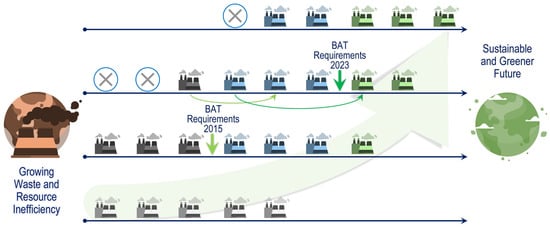
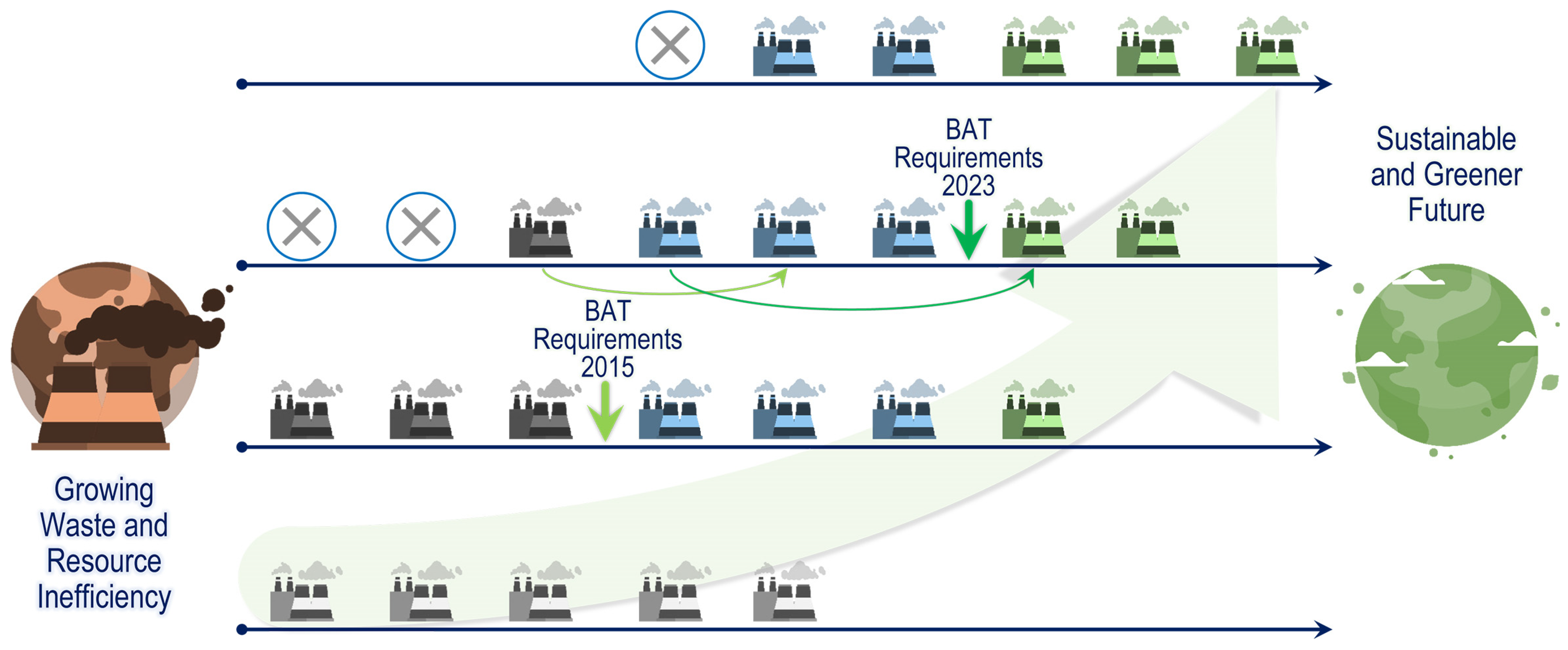
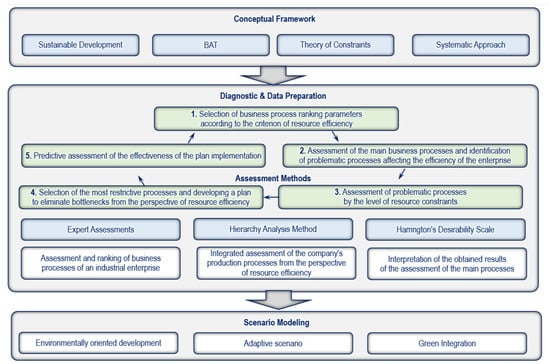
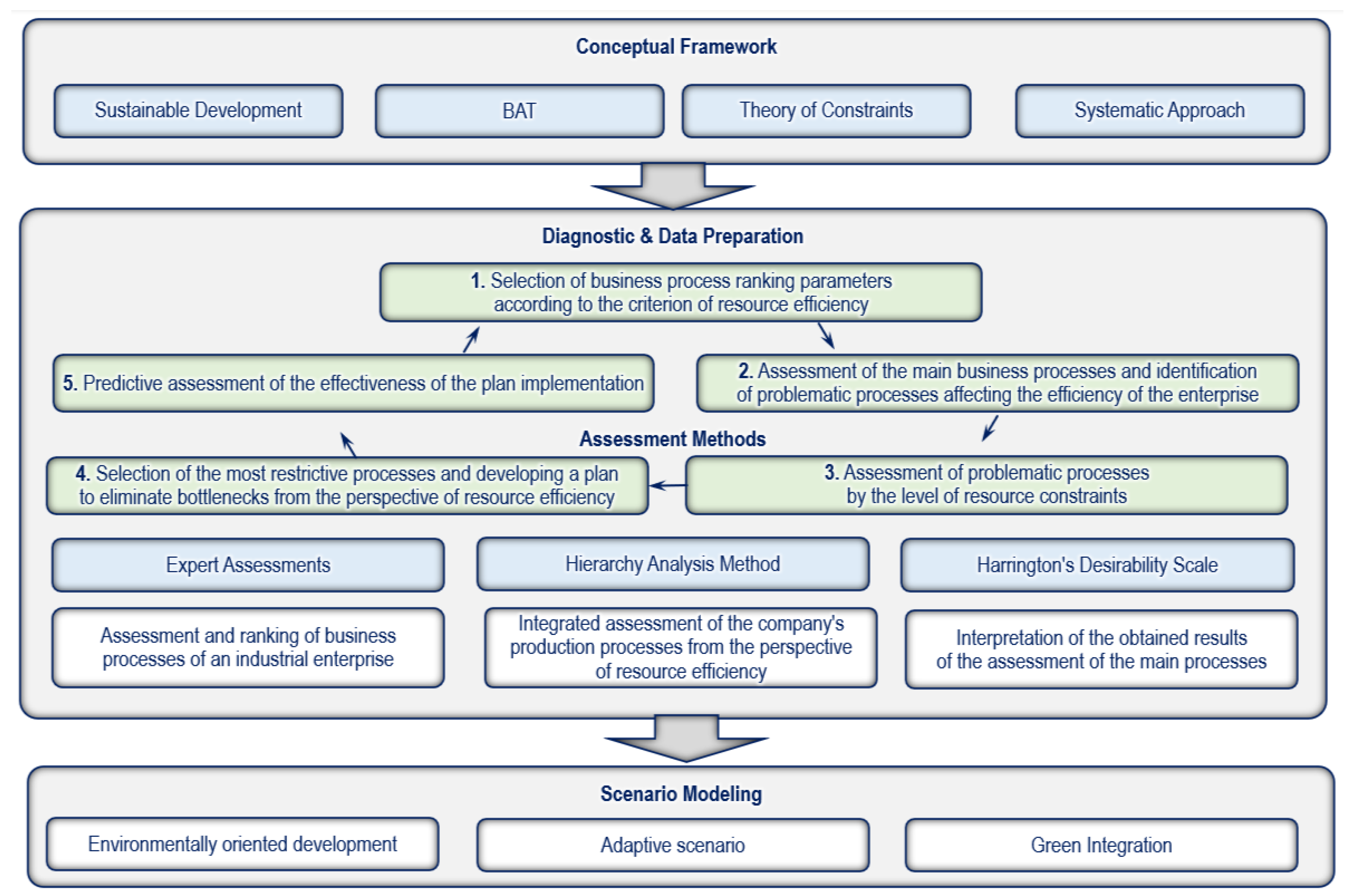
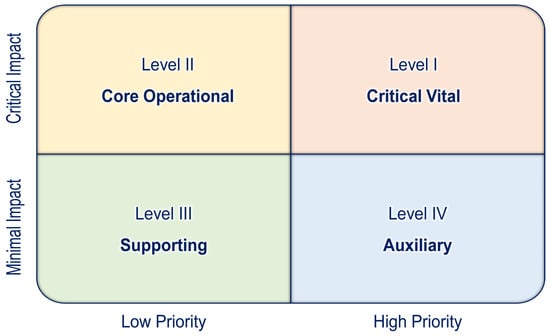
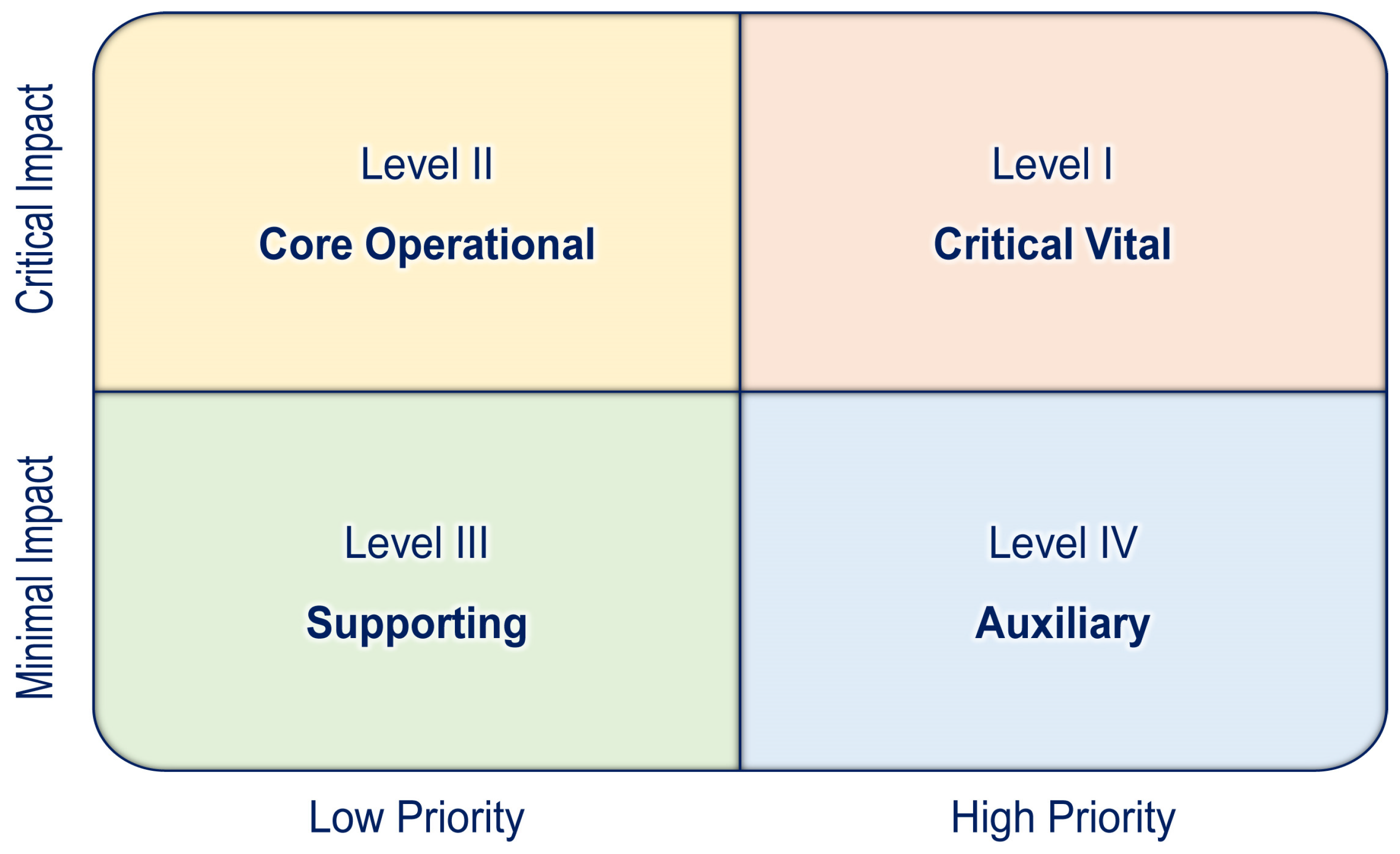
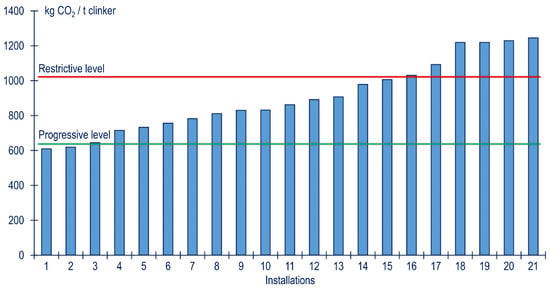
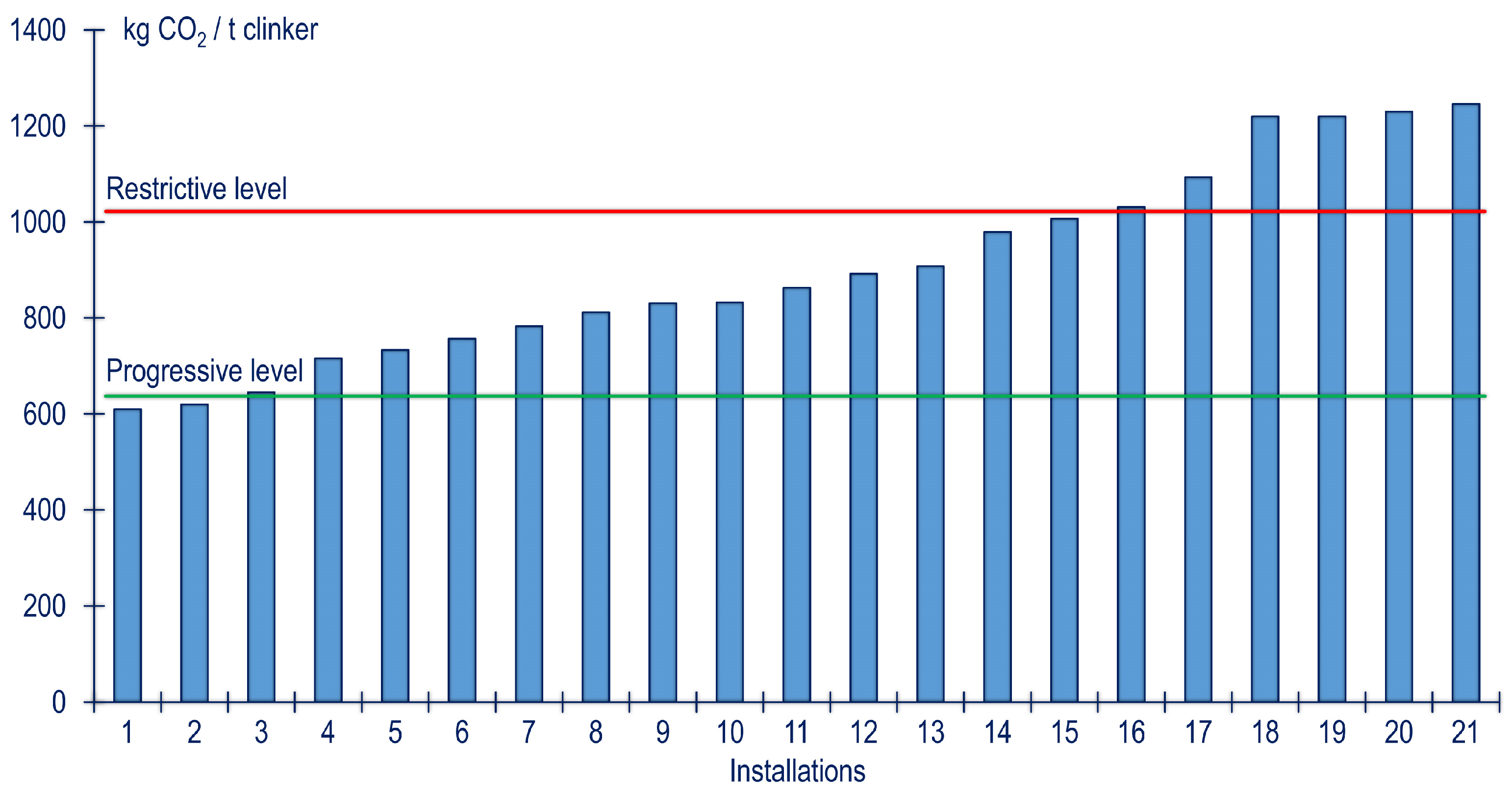
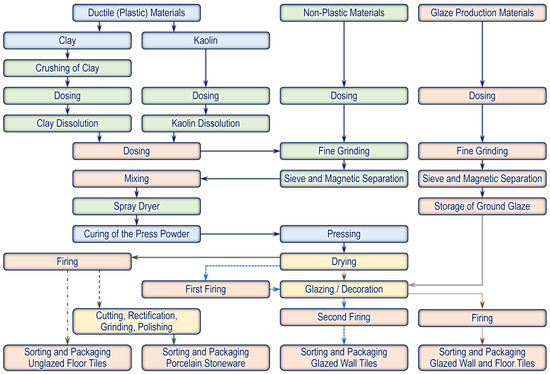
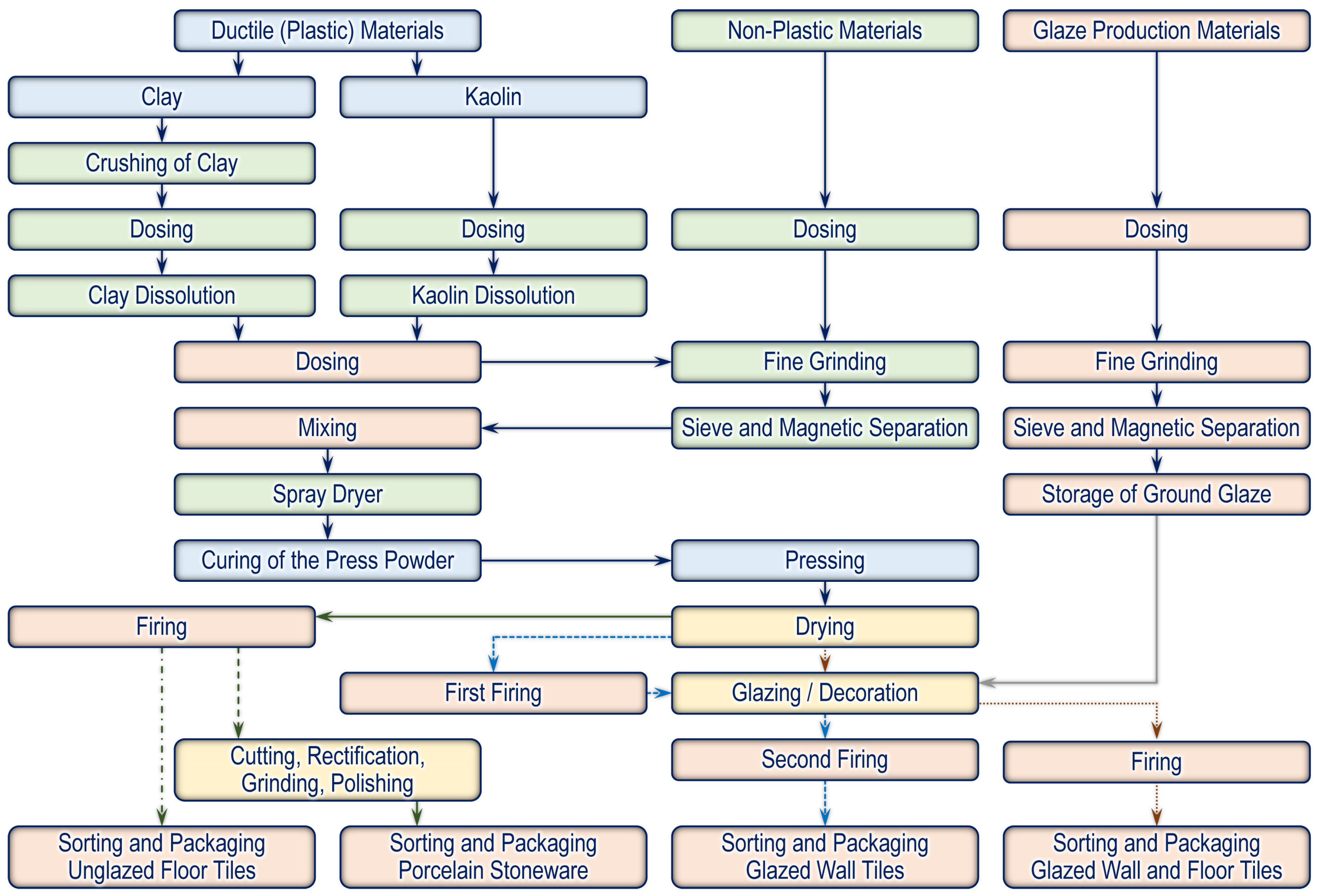

Disclaimer/Publisher’s Note: The statements, opinions and data contained in all publications are solely those of the individual author(s) and contributor(s) and not of MDPI and/or the editor(s). MDPI and/or the editor(s) disclaim responsibility for any injury to people or property resulting from any ideas, methods, instructions or products referred to in the content. |
© 2026 by the authors. Licensee MDPI, Basel, Switzerland. This article is an open access article distributed under the terms and conditions of the Creative Commons Attribution (CC BY) license.