


Abstract
The European Environment Agency believes that circular economy strategies could substantially contribute to CO2 emissions reduction. Therefore, it is necessary that the agro-industrial sector identifies sustainable technologies for side-stream management. The scope of this review was to compare the sustainability of available biological treatments for by-product biomasses and organic waste. A total of 147 studies, all Life Cycle Assessments (LCAs) and Techno-Economic Analyses (TEAs), were selected through PRISMA-ScR methodology, on Scopus and Web of Science, and were bibliographically mapped on VOSviewer (Version 1.6.20) Anaerobic digestion and integrated energy recovery systems were found to be the most environmentally robust options. Integrated biorefineries and multi-product systems have emerged as the highest long-term sustainability potential, especially when process integration and co-product recovery were also implemented. Importantly, the most sustainable systems were found to have required considerable start-up investments. Thus, sustainable deployment of biological treatment technologies was clearly dependent on time-consistent policy frameworks that have been fertile to capital-intensive infrastructures via incentives and fiscal measures and that have embraced circular bioeconomy systems. Finally, this paper has demonstrated that the sustainability of biological treatments has resulted from optimal relationships between biomass characteristics, system boundaries, process integration, and market value of co-product, while no single technology has been sufficient in isolation.
1. Introduction
Since the industrial revolution, the global economy has followed a linear model of production and consumption, often described as "Take, Make, Use, and Dispose”. This system has supported economic growth and industrialization for decades, increasing environmental pressure and the crossing of several planetary boundaries [1]. Over 61% of non-renewable materials are currently used to produce short-lived products [2]. In particular, the constant growth in organic waste production has represented one of the main critical issues that contemporary agri-food systems have faced, both in terms of climate-altering emissions and inefficient resource use. In this context, the sustainable management of residual biomass has become a key element in reducing environmental impact and improving the resilience of production systems [3,4].
A World Bank study estimated that global waste production will increase by 70% by 2050 [5]. Given that the amount of waste generated today exceeds the measured values, this will require a consistent policy response, which should be directed towards the optimization of the production system and, at the same time, towards the protection of the ecosystem services provided by the natural areas still existing, instead of merely increasing the cultivated area [6,7,8]. The circular economy and bioeconomy paradigm, in accordance with the Green Deal, have proposed the valorization of waste streams through recovery and transformation processes into new products, energy, or soil improvers, reducing dependence on fossil resources while minimizing waste production [9,10]. Additionally, they have promoted systems where products and materials have been designed to remain in use for as long as possible, thereby minimizing waste generation and the extraction of natural resources [11,12,13]. According to the European Environment Agency, the circular economy could reduce CO2 emissions by 56% by 2050 [14].
Biological treatments and bioconversion processes have played a key role in this transition, as they have enabled the transformation of organic biomass into energy carriers, fertilizers, alternative proteins, and high-value molecules. Concurrently, through strategies such as eco-design, material regeneration, and the adoption of sustainable technologies, organic waste has gained the potential to be a valuable resource for the agri-food sector [15,16,17]. All these factors are important to meet the expected increase in demand for animal proteins to ensure food security for future generations [18].
In the European agri-food sector alone, 58 million tons (t) of food were wasted in 2023, resulting in a loss of around €132 billion [8]. Food waste has occurred throughout the entire supply chain, from primary production to large-scale distribution to the end consumer. Households, the main source of organic waste, have accounted for 60% of the total. The food processing sector, together with the hotel sector, has generated 28%. All the remainder is lost during production, distribution, and retail processes [8]. Furthermore, approximately 10% of the produced food is wasted, and the pressure on water resources is critical [19].
Heterogeneity in waste management infrastructures across European regions has further complicated the implementation of sustainable biological treatment systems [20,21].
The European Union has set ambitious goals for 2035, aimed at reducing landfill disposal to a maximum of 10% of municipal waste, banning organic waste from landfills, and recycling 65% of all waste [22,23,24,25]. Improper waste management has also led to significant greenhouse gas emissions, with 16% or 252 million tons (Mt) of CO2eq of greenhouse gas emissions from the European agri-food sector having originated from improper organic waste management alone [19]. In addition to generating higher greenhouse gas emissions than methods such as composting, inadequate landfill management has led to leachate leaks. Leachates are rich in pollutants that inevitably filter into the soil and surface or underground water bodies, contributing to the reduction in the availability of water resources [26,27].
Studies have shown that even small changes can make a difference. Restoring just 15% of degraded ecosystems could remove nearly one-third of the excess carbon emitted since the Industrial Revolution [28]. Consequently, the concept of bioeconomy has gained prominence, encompassing the practice of using renewable biological resources to produce food, energy, and other goods, with the aim of reducing dependence on fossil resources, which is necessary for sustainable economic development [29].
The valorization of agro-industrial by-products has been a key factor for the sustainability of human activities and for the activities that fall within the bioeconomy. The implementation of more efficient systems to process unused biomass has presented significant opportunities. Management of organic waste preferably involves biological treatment or bioconversion methods [30]. Biological treatment systems use nutrients in waste materials as nourishment for bacteria or other microorganisms, while bioconversion refers to processes that transform substances into useful products through the metabolism of living organisms. In both cases, organic matter is converted into simpler, less hazardous compounds, often more cost-effectively than through physicochemical methods, from both environmental and economic perspectives.
Moreover, each type of biomass has unique characteristics that make it more or less suitable for specific bioconversion processes, and diverse locations also require the identification of the most appropriate process. Despite extensive recent scientific output, the evidence is fragmented across different technologies, functional and thematic units, and various methodological approaches. Comparison between existing studies is usually difficult, given that they adopt different functional units, different system boundaries, variable allocation criteria, and study-specific economic assumptions. This heterogeneity limits the transferability of results and complicates direct comparisons between technologies and process configurations. Consequently, public decision-makers and economic operators have limited access to comprehensive evidence, which hinders strategic choices regarding the management and valorization of organic biomass. Bridging this gap represents one of the main challenges in the integrated sustainability assessment of biological treatment systems.
There is notable scarcity in the literature regarding structured syntheses that identify recurring trends, the most promising configurations, and systemic critical issues in the organic management of agro-industrial biomass. This scoping review aimed to systematically map and compare environmental and economic evidence on biological treatment technologies for agri-food waste streams, identifying patterns, data limitations or shortages, and sustainability trade-offs. The topic is broad and disparate; as such, the scoping review process was selected as more suitable than a traditional systematic review for this topic, to aid in determining the most environmentally and economically sustainable management system for managing the organic biomass at the territorial scale.
Unlike previous reviews, mainly focused on single technologies, specific biomass, or only one sustainability core dimension, this study proposes a cross-sectional analysis, both qualitative and quantitative, that systematically integrates environmental Life Cycle Assessment (LCA) and Techno-Economic Assessment (TEA) evidence across a wide range of technological configurations and agro-industrial waste flows. Its distinctive feature lies in the harmonization of functional units and the reclassification of biomass–process interactions, allowing for a structured comparison between heterogeneous systems.
To this aim, the study employed a quantitative and descriptive analysis of the dataset outputs, followed by a comparative assessment of the reported environmental and economic performance, and finally a cross-sectional comparison of technologies, under harmonized functional units. The research topic was then further explored via a systematic discussion of sustainability trade-offs, as well as operational implications for public policy and the development of future research, in the field of the circular bioeconomy.
2. Policy and Waste Management Context
2.1. EU Legal Framework for Organic Waste and By-Product Management
The European regulatory framework for biowaste management is primarily defined by Directive 2008/98/EC [31], which establishes the fundamental definitions of waste, by-products, and recovery operations. According to this directive, waste is any substance or object that the holder discards or intends or is required to discard. Biowaste includes biodegradable garden and park waste, food and kitchen waste from households, restaurants, and catering services, as well as similar waste generated by the food industry.
The directive also defines the waste management hierarchy, which prioritizes prevention, reuse, recycling, and recovery over disposal. Biological transformations fall under recovery operations, as they transform waste into useful products or materials. The legislation was subsequently updated by Directive (EU) 2018/851 [24], which strengthened the provisions regarding waste prevention, traceability, and biowaste management. The same directive establishes the criteria for distinguishing by-products from waste; a substance can be considered a by-product if its use is certain, it can be used directly without further treatment other than normal industrial practice, it is generated as an integral part of a production process, and its use complies with current legislation without generating negative impacts on the environment or human health.
The transboundary transfer of waste is governed by Regulation (EU) 2024/1157 [32], while emissions from treatment plants are regulated by Directive 2010/75/EU [33]. This Directive, along with the legislation on landfilling, Directive 1999/31/EC [34] and Directive (EU) 2018/850 [23], was updated by Directive (EU) 2024/1785 [35]. The best available techniques for waste treatment are also described in the technical BREF document "Waste Treatment” [30].
When organic waste contains materials of animal origin, the legislation on animal by-products (ABP), defined by Regulation (EC) 1069/2009 [36], applies. This regulation establishes health risk categories and possible destinations, including composting and anaerobic digestion. Regulation (EU) 142/2011 [37] defines the technical conditions for application. After appropriate treatment, these materials can reach the endpoint and be subsequently used as fertilizers or soil improvers, as provided for by Regulation (EU) 2023/1605 [38]. The placing on the market of fertilizers is regulated by Regulation (EU) 2019/1009 [39], while their agronomic application is governed by Directive 91/676/EEC [40], which establishes limits for the use of organic fertilizers in nitrate-vulnerable zones. The use of sewage sludge in agriculture is governed by Directive 86/278/EEC [41].
If the residues are not classified as waste but as by-products, they can be used for animal feed production. However, the use of animal proteins in animal feed is regulated by Regulation (EC) 999/2001 [42], after being modified by the Regulation (EC) 2021/1372 [43]. The production and marketing of feed is regulated by Regulation (EC) 183/2005 [44] and Regulation (EC) 767/2009 [45], which establish hygiene requirements, traceability, and registration obligations for operators in the sector.
Finally, food safety in the agri-food chain is regulated by the so-called hygiene package, which includes Regulation (EC) 852/2004 [25] and Regulation (EC) 178/2002 [46]. Specifically, regarding the production of insects intended for feed, the regulatory framework requires a dedicated discussion.
Although the EU regulatory framework defines a complex structure for the management and recovery of organic waste, its operational implementation is complex due to the interaction between different regulatory frameworks. Organic biomass may fall under waste legislation, animal by-product regulations, fertilizer legislation, and, in some cases, feed legislation, resulting in a certain regulatory fragmentation. The initial classification of materials (waste, by-product, or raw material) is, therefore, crucial for the applicable treatment chains. Furthermore, implementation differences between Member States and complex authorization procedures can increase administrative complexity and impact the diffusion of biomass recovery chains within the circular economy. To better understand the EU regulatory framework, a representative diagram is shown in Figure 1.
Figure 1.
Overview of the European legislative framework regulating the management and valorization of organic wastes and agro-industrial by-products in the EU. The scheme highlights the main regulatory domains related to waste management, animal by-products, hygiene and feed legislation, fertilizing products, and landfill regulation.
2.2. Italian Waste Management Landscape
Focusing on Italy, according to ISPRA’s Urban Waste Report, 38% of separate waste collection in Italy in 2022 was organic waste [20]. However, only 23% of the total urban waste was treated using biological methods. A total of 29% of waste was sent for recovery, 18% was incinerated, 18% was disposed of in landfills, 5% underwent intermediate treatments, such as sorting and bio-stabilization, and 1% was composted at home. Waste-to-energy plant distribution is not uniform across the country, so the use of landfills remains in some regions [21]. Specifically, the northern regions (particularly Lombardy and Emilia-Romagna) host a significant number of incineration and mechanical-biological treatment plants, which process a significant proportion of the country’s waste (Figure 2 and Figure 3). This irregular distribution led to regional disparities in waste management practices and costs, driving inter-regional waste transfers and increasing costs for management. In Apulia Region, 70,000 t of waste is sent to extra-regional plants. Lazio is the region that exports the most waste to Italy, with 670,000 t, followed by Campania, Sicily, and Piedmont [21]. The movement of waste across regional boundaries impacts costs and potentially environmental sustainability [20]. While progress has been made compared to previous years, it is necessary to optimize the waste management system, especially in regions less advanced in this field, as shown in Figure 3.
Figure 2.
Treatment of the bio-waste from separate collection, by geographical macro-area, years 2018–2021. Source: author’s elaboration based on ISPRA data [20].
Figure 3.
(A) Distribution of the composting plant managing more than 1000 t/y, by municipality, 2023; (B) distribution of aerobic/anaerobic integrated plant for waste management, by municipality, 2023. Source: author’s elaboration based on ISPRA data [20].
According to the Italian legal framework, general waste management regulations are primarily contained in Legislative Decree (DL) 152/2006 (Consolidated Environmental Act) [47], which implements the European Waste Directive and defines the fundamental principles of waste management. However, the regulatory framework is complemented by directly applicable European regulations, national implementing decrees, and regional legislation. Regions are given freedom to plan waste management, authorize facilities, and manage landfills. The management of non-hazardous waste is regulated by the Ministerial Decree (DM) of 5 February 1998 [48], while landfill disposal is regulated by the DM of 27 September 2010 [49]. The distinction between waste and by-products is contained in the DM 27 September 2010, while the regulations on recovery and end of waste are contained in three decrees: DM 5 February 1998, DM 69/2018 [50], and DM 188/2022 [51]. The national regulation for the use of fertilizers is contained in DL 75/2010 [52].
Since 2023, the Italian government has allowed the utilization of live insects for animal feeding (see the communication of the Ministry of Health I.5.h.g 15 September 2023) [53]. The use of the same insects involved in the production of PAT is authorized.
3. Methodology
The study aimed to assess the state of the art in the field of bioconversion methods for organic biomass generated by the agri-food sector. The review followed the PRISMA-ScR methodology, the PRISMA framework for scoping reviews [54]. Life Cycle Assessment (LCA) and Techno-Economic Analysis (TEA) were selected as primary tools for evaluating production systems [55]. LCA quantifies environmental burdens across the entire value chain, while TEA assesses costs, revenues, and economic feasibility over the system’s lifetime. Together, these approaches allow for the evaluation of environmental–economic trade-offs, the identification of hotspots, and comparison across scenarios on a consistent and decision-oriented basis.
The literature search was conducted in July 2025 using Scopus and Web of Science (WoS). The literature research was performed in Scopus using the TITLE-ABS-KEY field and in WoS using the topic search (TS) field, covering title, abstract, author keywords, and keywords Plus. Studies published after 2020 were included in order to capture the most recent developments in environmental and economic assessment of bioconversion technologies. The following keywords were used: (“biomass” OR “food waste” OR “agri-food waste” OR “agro-industrial by-product*” OR “byproducts” OR “by-products” OR “agricultural residue*” OR “organic waste”) AND (“biological treatment” OR “bioconversion” OR “fermentation” OR “anaerobic digestion” OR “composting” OR “vermicomposting” OR “fungi” OR “insect*” OR “microorganism*” OR “microbial process”) AND (“life cycle” OR “LCA” OR “life cycle assessment” OR “TEA” OR “techno-economic”). The research string includes three groups of terms in parentheses to structure the search logic: biomass/waste sources; biological treatment or valorization processes; and methodological filter. Scopus and Web of Science were used in a complementary manner to ensure the broadest possible literature coverage and reduce the risk of omissions. The aim of this study was not to compare the thematic coverage of the databases but rather to ensure the completeness of the sample analyzed. The selection criteria are shown in Figure 4 and included publications from 2020 onwards, articles published in peer-reviewed journals indexed in Scopus or WoS, written in English, and containing environmental data derived from LCA or economic analyses.
Figure 4.
PRISMA-ScR flow diagram illustrating the study selection and screening process, including identification, screening, eligibility assessment, and final inclusion of studies. The search string used in Scopus includes the wildcard symbol (*) to indicate truncation of terms.
To improve comparability, subject areas were harmonized between Scopus and WoS, as reported in Table 1.
Table 1.
Equivalence through subject area between Scopus and Web of Science.
The treatment method/biorefinery–biomass coupling trends were analyzed to identify which biomasses are most frequently associated with specific technologies in the analyzed literature.
A contingency matrix was constructed in Excel by cross-tabulating treatment methods and biomass categories and is presented in Table S5. Each cell represents the frequency of articles addressing a given biomass–technology combination. Frequency analysis of this matrix was used to describe the distribution of treatment approaches across different biomass types and to highlight dominant or underrepresented couplings.
Furthermore, bibliometric analysis was carried out on VOSviewer (Version 1.6.20) to examine co-occurrences in titles, abstracts, and keywords using the SCImago Journal Rank (SJR) and quartile score as paper classification criteria for the year of publication.
Subsequently, the results of the LCA analyses were extracted and reported in Supplementary Materials S1 and S2. For each selected study, key information was extracted and coded into a structured dataset, including biomass type, treatment technology, geographical context, methodological approach, and availability of environmental or economic assessment data. The following midpoint impact categories were selected for comparison, based on their frequent use in the analyzed studies: climate change, acidification, terrestrial eutrophication, freshwater eutrophication, marine eutrophication, land use, and water depletion. Whenever possible, the results were harmonized across functional units to facilitate comparison between studies. Conversions were performed only when sufficient inventory data or explicit conversion factors were available, and the most frequently adopted functional units within the selected cluster were used as references for comparative analysis.
Regarding economic comparison, in order to be able to compare, albeit approximately, the various processes, the studies whose functional unit can be approximated to one of the three groups have been merged: €/kg output, €/kg input, and €/liter gasoline equivalent (LGE).
All values have been converted into Euros with today’s currency (March 2025) (United States dollar—USD = 0.85208 €; 1 Japanese yen—JPY = 0.005735 €; 1 Australian dollar—AUD = 0.5599 €) and reported in SI.2.
4. Results
4.1. Quantitative and Descriptive Analysis of the Dataset
Scopus and Web of Science search (July 2025) yielded 147 articles published between 2020 and 2025 containing LCA or TEA data after PRISMA-ScR screening (Figure 3). The complete list of studies included in the dataset is reported in Supplementary Materials S1 and S2. The majority of the included studies were retrieved from Scopus. Publications grew progressively: 13.6% (2020), 19.7% (2021), 12.9% (2022), 16.3% (2023), and 24.5% (2024) (Figure 5).
Figure 5.
Publication year trend for the dataset.
Affiliations indicate a prevalence of contributions from China (15.6%), followed by Italy (10.2%), the USA (8.8%), Spain (8.2%), and India (5.4%) (Figure 6).
Figure 6.
Geographical distribution of author affiliations across countries. Colors indicate the frequency of affiliations reported in the analyzed publications.
Environmental sciences is the dominant category, encompassing 87% of the reviewed papers. However, since many articles are classified under multiple subject areas, the distribution was also analyzed based on the total number of subject area occurrences (n = 397). Under this approach, environmental sciences accounts for 32% of classifications, followed by energy (18%), engineering (16%), and chemical engineering (8%). Economic disciplines are less represented, including economics, management and accounting (6%), and economics, econometrics, and finance (2%) (Figure 7).
Figure 7.
Pie chart of the subject areas within the dataset based on total classifications (n = 397).
The classification by treatment technology used shows a prevalence of studies on anaerobic digestion (AD) (25%), followed by biorefinery processes (21%), direct use of biomass for animal feed or feed production (9%), and processes for the production of soil improvers, such as composting and vermicomposting (9%). To a lesser extent, studies analyze innovative insect breeding systems (5%) and microalgae cultivation (2%) as well as conventional processes used as benchmarks: pyrolysis (1%), combustion (2%), and landfilling (2%) (Figure 8).
Figure 8.
Pie chart of the treatment method used for the biomass within the dataset.
Because the category “biorefinery” encompasses a wide range of technological pathways, a further classification based on process outputs was performed. Four categories were identified: biomass conversion process for energy or fuel production (biofuel/energy carriers: 23.8%); processes producing chemical intermediates for other industrial processes (platform chemicals/building blocks: 10.9%); biorefineries for the production of materials and polymers such as bioplastics, bio-composites, and nanomaterials (bio-based materials and polymers: 5.4%); and processes aimed at producing high-value, low-volume functional molecules such as enzymes, antioxidants, pigments, and feed or nutraceutical additives (biochemicals and bioactive compounds: 6.0%).
Among analyzed biomass types, lignocellulosic residues prevail (28%), a group composed mainly of straws (31.0%) together with stover and stems (10.5%). Bagasse, shoots, pruning residues, lawn residues, and chaff are also included in this cluster, although with lower frequencies. The second and third most represented groups are mixed agro-industrial residues (23%) and agricultural residues (16%). The valorization of algae/microalgae is evaluated in 11% of studies, followed by food waste (7%), manure (5%), bread (3%), and whey (2%) (Figure 9).
Figure 9.
Pie chart of the biomass used for the study within the dataset.
From a methodological perspective, most studies adopt attributional LCA approaches (83.0%), while consequential LCA is less frequent (4.1%), with some studies applying mixed approaches (8.2%).
Regarding impact assessment methods, Recipe is the most widely used (37.0%). IPCC is the second most frequent (18.0%), followed by CML (16.0%) and environmental footprint (7.0%). Applications of TRACI, Impact 2002+, ILCD, AWARE, and GREET are also reported, albeit with relatively low and distributed frequencies (Figure 10).
Figure 10.
The LCA method used within the dataset.
The most used software is Simapro (42.0%), followed by OpenLCA (14.0%). Other tools include Gabi (5.0%) and Aspen Plus (5.0%). Other calculation tools are also reported (Xcell, EASETECH, CCaLC2), although with marginal frequencies (Figure 11).
Figure 11.
Software LCA used within the dataset.
Regardless of the system evaluated, the definition of system boundaries is predominantly cradle-to-gate (77%). Only a limited number of studies evaluated the entire life cycle, including product disposal, using cradle-to-grave system boundaries (10%). Other boundary definitions include cradle-to-use (including product distribution), cradle-to-cradle, cradle-to-farm gate, cradle-to-tank, cradle-to-biorefinery gate, and gate-to-gate (Figure 12).
Figure 12.
LCA boundaries within the dataset.
For allocation, the mass-based approach prevails (57.8%), followed by economic allocation (20.4%), mixed combinations (6.8%), and energy-based criteria (4.8%). In 5.4% of the studies, the method adopted is not specified (Figure 13).
Figure 13.
Allocation criteria used in LCA analysis within the dataset.
The analysis of the midpoint categories reveals a clear prevalence of climate change/global warming potential (GWP) (95.2%), followed by eutrophication (59.9%), acidification (53.7%), ecotoxicity (34.7%), and ozone depletion (32.0%) (Figure 14).
Figure 14.
LCA midpoint category considered within the dataset.
Other categories, such as human health, resource depletion, and water consumption, appear less frequently.
The analysis of coupling trends between biomass types and treatment method has shown that the method–biomass relationship was non-random. The association was moderate (Cramer’s V = 0.467) and statistically significant (χ2 test, p < 0.05), although highly heterogeneous.
Considering only pairs with at least three observations, lignocellulosic biomass shows a marked connection with composting. Mixed organic waste tends to converge on AD. Straw is more frequently associated with biofuel/energy biorefinery pathways. In particular, straw represents the most common lignocellulosic feedstock for energy-oriented biorefinery processes, while mixed organic waste appears to be the preferred substrate for AD. Additional observations include the use of poultry by-products for feed production, consistent with protein and lipid valorization pathways for animal by-products. Fruit and vegetable residues also show a tendency to be directed towards biofuel and energy production.
4.2. VOSviewer Analysis
4.2.1. Term Co-Occurrence (Titles and Abstracts)
The term co-occurrence analysis (min. 10 occurrences) is shown in Figure 15 and highlights three main clusters:
Figure 15.
VOSviewer map on the co-occurrence of terms on title and abstract by year (minimum occurrence: 10). Node size reflects the frequency of keyword occurrence, while links represent co-occurrence relationships between terms. The distance between nodes indicates the strength of their association. Colors represent the average publication year, highlighting the temporal evolution of research topics.
- Waste to Energy and LCA: Clusters with AD and composting as core technologies, which were strongly linked to LCA-based comparative assessments. Recent emphasis has been given on electricity/greenhouse gases (GHGs)/acidification/eutrophication.
- Biorefinery and Fermentation: Bioethanol and other bio-based products derived from agro-industrial residues. Since 2022, links energy/chemistry/engineering; focuses on by-product valorization to biofuels/chemicals
- Impact Assessment Midpoints: Methodological LCA core, expanding beyond climate change.
Among all clusters, LCA has a central role, with significant linking technologies with both environmental and economic dimensions. The time maps indicated a progressive evolution: from the first studies focused mainly on eutrophication and waste, from 2022 onwards, to an increase in work on biorefinery, fermentation, electricity, and biofuel.
4.2.2. Keyword Analysis (Author Keywords)
Keyword analysis is shown in Figure 16 and Figure 17 and confirms the pattern recognized before. From a temporal point of view, the most consolidated keywords (2021–2022) are “environmental life cycle assessment”, “environmental assessment”, and “energy”, while among the most recent (2023–2024), “bioenergy”, “technical-economic assessment”, and the production of bioethanol emerge. This indicates a progressive transition from consolidated methodological aspects towards applications more aimed at bioenergy production and economic and environmental integration.
Figure 16.
Keyword co-occurrence network generated with VOSviewer (minimum occurrence: 10). Node size reflects keyword frequency, links indicate co-occurrence relationships, and the distance between nodes represents the strength of association. Colors indicate the average publication year of the publications in which the keywords appear.
Figure 17.
Word cloud generated from the keywords of the analyzed publications. The size of each term is proportional to its frequency of occurrence in the dataset, providing a visual overview of the most recurrent topics in the literature. Colors were selected to enhance readability and ensure clear visual differentiation between keywords.
Overall, VOSviewer’s analysis shows that the recent literature is progressively shifting from isolated assessments of waste treatment technologies to integrated frameworks that jointly consider environmental impacts, economic performance, and the valorization of multiple co-products within circular bioeconomy systems.
4.3. Bibliographic Data Analysis
Given the multifunctionality and variety of agri-food by-products and waste, production can be analyzed from multiple perspectives, mainly changing the functional unit (FU). Studies were classified according to the objective of the process used, identifying four main groups: processes for energy production or fuel production, processes for waste/by-product management, processes for food or feed production, and processes for fertilizer or soil improver production.
In the group of selected articles, studies oriented in waste management are the majority, representing about 33.8% of the total. This was followed by those focused on product/biomass production (23.7%) and fuel production (18.0%). Feed/food analyses cover 10.8%, while energy production represents 7.9%. Fertilizer production (3.6%) and wastewater disposal (2.2%) are more marginal.
In the dataset, there are clear trends and connections between objective, FU, and process. Mass-based FUs for waste management and the most recurring processes are AD and composting; product-based FUs for biorefineries produce organic acids, bioplastics, building blocks, or other products; and nutritional FUs are used for food and feed systems, like the production of pelleted feed and food production through innovative processes, such as single-cell protein, the production of microalgae, fungal crops, and insect farms.
In summary, AD is transversal but typically linked to inputs (waste/energy) and waste/fertilizer composting. Biorefinery processes are divided into processes, for the production of energy carriers (expressed with units of volume of fuel or energy produced), and biorefinery processes, for the production of materials, with FUs at quantities of chemical products. Food or feed production processes are typically represented by an FU over amounts of protein produced.
Based on the observed functional units, the following were chosen for the comparison of environmental data for the construction of the comparative tables.
For energy/fuel production, 1 gigajoule (GJ) of energy is the FU selected; for waste management, 1 t of waste/by-product; for feed/food production, 1 kg (Kg) of protein; and for fertilizer, 1 kg of nitrogen and 1 t of compost are the FUs selected. To compare the LCA results among studies, the FUs were harmonized using available information on LCA methodology, emission factors, and inventory data [56].
4.4. Economic Studies
Of the selected articles, 52 contain economic data regarding the analyzed processes. Given the heterogeneity of the analyses, it was chosen to group them into seven different groups: plant-level profitability (TEA+LCA), supply chain cost with life cycle cost analysis (LCC), energy economics with levelized cost of energy and levelized cost of fuel (LCOE/LCOF), impact monetization (environmental shadow prices), system-level optimization and assessment, and hybrid approaches.
Figure 18 summarizes the economic assessment method used. The combination TEA+LCA is by far the industry standard (38.5% of studies), particularly for biorefinery, biofuels, and biochemicals, because it brings together costs/revenues and environmental impact in a single comparable frame. Parameters calculated are minimum selling price (MSP), minimum fuel selling price (MFSP), net present value (NPV), and internal rate of return (IRR).
Figure 18.
Economic analysis methods used in the dataset.
Techno-economic and energy analysis (TEEA) approaches were used by a smaller number of studies (TEA+LCA within a single methodological framework; 5.8%), as were the LCA + non-TEA economic evaluation studies (e.g., profitability analysis, supply chain costs; 5.8%). They arise when the objective is not to estimate a minimum selling price but to compare options or link impacts and costs. In the world of supply chain costs/waste management, LCC stands out (3.8%), sometimes enhanced with LCOE or financial indicators (LCC+LCOE, 1.9%), especially when the unit of analysis is the supply chain (logistics, losses, recoveries), not a single reactor.
Other methods used are the application of TEA without LCA (3.8%) for early-stage plant concepts and other particular methods: cost accounting + externalities (€/GJ with shadow prices), LCA with economic allocation, joint LCA+LCC, energy LCOE, monetization of LCA impacts, emergence with monetary proxies, multi-criteria analysis (MCA) with economic component, optimization with cost as objective, robustness/variability with economic indicators, regional benefit accounting, TEA-like modular assessments, reviews with economic comparison, and studies reporting only cost components (raw materials).
Overall, the economic analyses reflect a strong prevalence of plant-level techno-economic modeling integrated with LCA, complemented by more aggregated approaches when the unit of analysis shifts from individual processes to supply chains or territorial systems.
5. Discussion
The discussion is based on the harmonized dataset presented in the results and explored in greater detail in the Supplementary Materials, which detail the variability ranges and the economic and environmental indicators by technology and functional unit. The following interpretative considerations are, therefore, anchored in the quantitative comparative analysis conducted.
5.1. Environmental Evaluation
The environmental performance of biological treatment systems and energy recovery systems is highly heterogeneous and strongly dependent on system boundaries, functional unit, and substitution assumptions, rather than on the conversion technology itself. Across the cluster selected, environmental outcomes are primarily driven by feedstock characteristics, process integration, and the ability to generate environmental credits through the displacement of conventional products, and not by technology.
5.1.1. Waste Management and Energy Production
When the results are normalized per ton of waste treated, valorization pathways characterized by high process yields and effective substitution of conventional products tend to show the best performance in terms of climate change. In contrast, systems requiring energy-intensive pre-treatments or additional operations often have higher impacts, despite the greater technological innovation [57].
AD emerges as the most frequently analyzed and operationally consolidated technology for various types of waste, thanks to its technological maturity and ability to treat heterogeneous matrices [58,59,60]. However, AD is not systematically the best environmental option. When the analysis includes digestate management, energy recovery efficiency, and replacement credits for electricity, heat, or fertilizers, the performance improves significantly [61,62]. Conversely, configurations that include drying the digestate or transporting it over long distances tend to reduce or cancel out the potential beneficial effects of these operations. Regarding the use of biogas for fuel production, such as biomethane, it is typically more economically advantageous than the cogeneration of energy and heat [63,64,65]. Microalgae or algae can also be used for the production of biodiesel, with a lower environmental impact compared to conventional methods [66,67,68]. Treatment systems that exploit solar energy are also available and reduce energy consumption [69,70,71].
Thermochemical pathways, such as pyrolysis and gasification, show more heterogeneous results [72,73,74]. When energy recovery and carbon storage in the form of biochar are included within the system boundaries, these processes can approach climate neutrality or, in some cases, generate negative net emissive balances [75,76,77]. However, on a small scale or in the absence of adequate energy integration, environmental performance deteriorates due to high auxiliary energy requirements and increased operational instability [78,79].
Fermentation-based pathways, including bioethanol, biohydrogen, and other biological conversion routes, show a highly variable environmental performance depending on feedstock characteristics, pre-treatment intensity, and system integration [80,81,82]. These processes achieve favorable results when high conversion efficiencies are reached, and co-products or energy recovery are included, but they are often penalized by energy- and resource-intensive pre-treatment stages, particularly for lignocellulosic feedstocks [83,84,85]. Production of bioplastics is one of the possibilities for biorefinery, which shows positive performance in agriculture [86,87]. Fermentation-based systems frequently exhibit higher impacts per unit of energy produced when compared to AD or integrated energy recovery pathways, especially when evaluated under product-based FUs [88,89,90]. Nevertheless, when fermentation is incorporated within multi-stage or biorefinery configurations that allow the valorization of residual streams, its environmental performance improves substantially, highlighting the importance of system integration rather than the standalone optimization of single process steps [91,92,93].
Thus, process integration emerges as one of the main factors capable of improving environmental performance [94,95]. Combined systems, such as AD coupled with composting, hydrothermal carbonization, co-digestion with nanoparticles, or co-digestion of different feedstocks, bioenergy, and carbon capture and storage systems (BECCS), or biochar application, generally perform better than single-process configurations, thanks to greater resource recovery and amplification of substitution effects [96,97,98]. However, increasing system complexity also increases sensitivity to local conditions, such as energy mix, infrastructure availability, and the efficiency of waste collection systems [99,100]. Although, the construction of small in situ systems can be an efficient solution. It appears that the systematic application of small AD plants powered by agricultural by-products is capable of reducing GWP by 65% compared to the electricity grid used to date [101,102]. The usage of BECCS in AD of olive prunings achieves net-negative emissions but increased eutrophication by 75% and operational costs, in contrast to conventional AD with methane production [94].
Beyond technological aspects, the reviewed studies show that the association between biomass type and conversion pathway is non-random and reflects intrinsic feedstock characteristics. Lignocellulosic residues, and straw in particular, are frequently associated with combustion and bioethanol pathways, consistent with their high structural carbohydrate content and suitability for energy-oriented valorization [103,104,105,106]. Mixed organic waste streams are predominantly treated through AD, reflecting the flexibility of this technology towards heterogeneous substrates [107,108,109]. Microalgae can be managed with various routes, including AD, thermochemical conversion, and integrated biorefinery approaches, largely driven by their high moisture content and biochemical composition [110]. Similarly, animal-derived by-products are often directed towards feed or energy recovery pathways, in line with protein and lipid valorization logics.
Overall, the analysis confirms that the most technologically advanced or innovative solutions are not always more sustainable than the consolidated ones [111]. Environmental performance in waste management and energy recovery systems depends primarily on system design choices. Particularly, process integration, logistics, and environmental credit allocation have more weight than the adoption of a specific conversion technology.
5.1.2. Production of Biomolecules Through Biorefinery Processes
Several studies have highlighted the potential of biorefineries to enhance different biomass streams [112,113,114,115]. Biorefinery processes usually reach a high rate of return on investment due to the high value of products and multi-product production, with process efficiency as the main factor that influences the profitability and environmental sustainability [116,117]. For this reason, the use of primary biomass is more sustainable than the use of by-products in some cases, as reported for the production of succinic acid and polyisoprene from sugarcane [92,118]. In other cases, however, the use of by-products enhances the sustainability of the process, especially when substitution credits are considered [119,120,121,122]. The use of beer waste for the production of bacterial cellulose can reduce the carbon footprint by 76% compared to synthetic substrates [123].
Sustainability also depends on the boundaries of the system, the source of electricity, and the inclusion in the analysis of credits for the replacement of conventional goods [124,125,126]. The main challenge for these biorefinery systems is the high cost of setting up the facilities and the need to increase the water use efficiency and waste management of the biorefinery [127,128,129,130]. Consequently, the valorization of process residues, the integration of renewable energy sources, and the recovery and reuse of solvents and nutrients are critical to improving both environmental and economic performance [131,132,133]. When such integration is lacking, as in some biorefinery pathways for 2,3-butanediol production from bakery waste, bio-based routes may remain economically uncompetitive compared to conventional chemical synthesis, mainly due to high capital costs [134].
5.1.3. Feed and Food Production
Regarding using food waste upcycling, defined as treating food by-products for human consumption, sustainability is mainly affected by transport costs [89].
In food and feed production-oriented systems, environmental sustainability assessment is highly dependent on the product being replaced and the functional unit adopted, rather than the conversion technology itself. When the analysis is normalized per nutritional unit, typically per kilogram of protein produced, it results in reward systems that can replace ingredients with high environmental impact, such as soy flours or conventional animal proteins [135,136,137]. The cases with the best environmental performance are generally associated with the direct reuse of agro-industrial by-products, such as wet feed, particularly when these streams replace conventional protein feed without requiring complex transformation processes [55,138,139]. In such configurations, environmental benefits arise primarily from the avoided impact of primary agricultural production, rather than from the efficiency of the waste treatment process [140,141,142,143]. Under this comparative framework, direct food uses that replace high-footprint ingredients emerge as the most sustainable option. The most sustainable case is the use as wet feed of distillery by-products replacing soybeans (GWP per kg of protein with marked net credit), while at the other extreme, configurations appear in black soldier fly (BSF) larvae fed with complex mixtures, such as coffee silverskins and microalgae, which show the highest loads per unit of protein [144,145].
The production chains of alternative proteins, such as insects, mycoproteins, and microalgal biomass, show more heterogeneous results. In the case of insect breeding, particularly the black soldier fly, environmental performance depends largely on the substrate used for feeding and the degree of energy intensity of the system. The use of agro-industrial by-products improves the circularity profile of the process, but it can increase environmental impacts per unit of protein produced when combined with high energy consumption or complex logistics [145,146,147]. BSF allows for an 80% reduction in CO2 emissions and an 83% reduction in the consumption of fossil resources compared to traditional models for waste management [108,117]. The use of agricultural by-products (e.g., apple pomace) improves sustainability but increases GWP due to energy processes [148,149]. Therefore, in the insects sector, the research in the last year has explored alternative livestock products such as the production of bioactive molecules, bioplastics, and other secondary products that enhance livestock farming and increase its sustainability [150,151,152,153]. The mycoproteins thus produced show a relatively low environmental impact, in particular with regard to the reduction in land use, compared to conventional animal and plant proteins. Although the production cost of lignocellulosic mycoproteins is currently higher than that of animal proteins, such as beef and chicken, this is still a technology in development [154,155]. Similarly, the production of microbial or microalgal proteins has potential advantages in terms of land use and reduced pressure on agricultural resources but is often penalized by high energy requirements in the cultivation, separation, and drying phases of biomass. In the absence of energy integration or the use of renewable sources, such systems show greater environmental impacts than simpler options for valorizing organic flows [132,156,157].
Lignocellulosic biomass can also be used for animal feed. The use of crop waste as animal feed reduces GWP by 5% compared to composting it, although this is only true thanks to the renewable energy mix used for the evaluation [144,158,159].
A cross-cutting factor that emerges clearly is the role of waste collection and separation systems. Contexts characterized by high organic fraction quality enable targeted reuse of by-products for specific food or livestock applications, significantly improving overall environmental performance compared to undifferentiated treatment scenarios [99,100]. Regarding using food waste upcycling, defined as treating food by-products for human consumption, sustainability is mainly affected by transport costs [160,161,162].
Overall, the analysis confirms that in food and feed systems, environmental sustainability is primarily driven by the function of the replaced product and the nutritional quality of the output, while the contribution of conversion technology plays a secondary role if not incorporated into a system integration logic.
5.1.4. Fertilizer Production
Several studies have evaluated the production of reusable biomass in agriculture. Here, the focus shifts from the functional unit to the agronomic benefit; the most sustainable scenario is an integrated supply chain combining AD, vermicomposting, and soil conditioner production with a negative climate-altering balance per unit of conditioner, while the least sustainable is a food waste compost in which olive pomace intake greatly drives the GWP, a sign that the feedstock mix and energy management weigh more than the “Technological Category” [163,164]. Hybrid systems that close the soil carbon cycle and optimize organic matter stabilization tend to perform better, while single-process configurations with difficult inputs (e.g., high percentages of fuel use) can rapidly degrade the environmental profile per unit of soil improver [111,165,166].
Rising transportation costs, increasing raw material prices, and higher energy costs are making it increasingly difficult for industries to secure the resources needed for production. These challenges are key drivers pushing companies to reduce waste and valorize their material flows. Mechanical composting of kitchen waste that is easily perishable waste has obvious volume reduction effects, but the shortcomings are high operating costs and low product quality [63,99,167].
5.2. Economic Evaluation
A clear temporal evolution emerges in the economic evaluation of biological treatment systems. Studies from 2020 to 2021 focus primarily on TEA+LCA applications for lignocellulosic biomass and biofuel production, often addressing issues of robustness, variability, and resource limitations. Between 2022 and 2023, studies adopting life cycle costing approaches for circular supply chains and multi-product configurations increased, reflecting a trend towards integrated waste management systems. In the more recent period of 2024–2025, economic analyses have increasingly incorporated multi-objective optimization, territorial benefit accounting, and hybrid frameworks (e.g., TEEA), particularly for emerging feedstock, such as microalgae.
Economic feasibility represents the other essential pillar of sustainability, as processes must remain financially viable to be deployed and maintained over time. It varies above all based on the process used. AD, especially when integrated with other technologies (hydrothermal carbonization (HTC), pyrolysis, gasification), tends to improve economic returns due to the diversification of products and the potential to leverage existing infrastructures [168,169,170]. Multi-product biorefineries (ethanol + antioxidants, biofuel + biopolymers, succinic acid + co-products) prove to be cost-effective [171,172,173]. Fermentation processes that aim at producing a single product (2,3-butandieol, lactic acid, volatile fatty acids, ethanol) often remain marginal but become profitable if combined with the energy valorization of the same product or by-product or other technological improvements that reduce capital expenditures (CAPEX) and operational expenditures (OPEX) are applied [170,174]. Insect-oriented solutions are competitive in terms of unit cost per protein, with more stable margins than other alternative protein chains, although insect farms remain highly dependent on the raw material chosen as feed [175,176]. Furthermore, insect-based products are accepted only by a small segment of consumers [177]. Composting supply chain solutions show how the circular economy approach (return of waste such as fertilizer, reusable crates, reverse logistics) significantly reduces unit costs and also improves social sustainability [178,179,180].
5.2.1. Disposal/Management of Biomass
For the category of processes or studies with specific attention to managing biomass, the comparison is possible for the quantity of biomass entering the system. Considering the functional unit referred to the kilogram of input treated, the results show a clear superiority of AD, which stands out as a more economically advantageous process due to the higher NPV value [67,179,181]. In contrast, landfilling is the least attractive option from a value creation perspective and also economically [67,178]. Considering the PBP, composting options with biogas recovery show reduced return times, making them competitive [166]. Overall, with this functional unit, AD and some biorefinery configurations are the most promising solutions [181,182].
In the group of lignocellulosic biomasses, the results indicate that the biorefinery trajectory “green energy + biomass recycling”, mainly for energy recovery from biomass after extraction, is more convenient than selling externally [171,173].
Agricultural by-products could be used to produce energy instead of being burned in uncontrolled fields or landfills. For example, a young 6-hectare vineyard can produce 10.449 t of biomass per year, which is equivalent to 14.537 t of brown coal or 3533 L (l) of diesel fuel. This means that in the above example, replacing lignite with brown coal can reduce 14.66 t CO2 and replace diesel with 11.31 t CO2 [183]. The apparently most burdensome process is that of fungal cultivation, but food-producing systems require other considerations to be properly understood [154]. Fossil energy-based succinic acid production remains even more cost-effective than available alternative pathways [172]. Data on PBP/IRR is too scarce to overturn the cost-based verdict.
For generic food waste biomass, the database is much more limited for this FU. Some publications talk about food waste, but with non-convertible functional units for comparison, without providing the processed quantities. Approximating that the treatment costs for fruit and vegetable waste to those for the disposal of the organic fraction of municipal solid waste, AD treatment has many reduced costs compared to waste management with BSF, although the latter produces more products that it can still make farming economically convenient [65,175]. By only analyzing the treatment cost, aerobic fermentation appears to have a lower treatment cost than AD with biochar production from residues [184,185]. Shortcut nitrification–denitrification is an operation applicable to liquid wastewater, effective in nitrogen subtraction [186]. It is facilitated when the wastewater is mixed together with other biomass, such as food waste. On the other hand, spreading wastewater for crop fertilization is simpler and leads to good results, but it is not currently possible in Europe due to the regulatory framework [185,186,187].
In the group of algal biomasses used for biomolecule extraction, the valorization of algal biomasses after extraction through composting increases the profitability [188]. However, in those processes, costs are dominated by the extractive section (high-value products, but burdensome operations/downstream) [188]. This makes direct comparison with other categories of little significance from the €/kg input angle alone.
Interestingly, regarding wastewater slug management, BSF bioconversion, although not applicable in Europe, is advantageous both economically and environmentally [189]. The production of compost is always a feasible alternative for livestock solid wastewater, for which it turns out that the production of heavy compost, that is, compost with a high solid content, has lower production costs and a much higher recovery of the investment [175].
In the agricultural by-product group (potato, tomato, grape marc, beet pulp, sugar beet), a biorefinery trajectory oriented towards POSs (pectin-derived oligosaccharides) prevails, with a unit cost ≈ 0.63 €/kg, which is the most advantageous of the cluster [190]. Within the same category, the most promising biomass to process is beet pulp, which allows the lowest economic values among the agricultural waste analysis to be achieved [190]. Composting is still an efficient way to manage biomass, especially if a centralized supply chain management system can be connected to composting plants [178]. Olive pomace vermicomposting (with 10 €/t of input) is the more profitable process, with a lower cost than composting [96]. The use of the BSF is an alternative to classic disposal in the absence of biorefinery processes [175]. In any case, not many other data are available regarding the use of agri-food by-products to make a production comparison.
Insect production stands out among unconventional food and feed production processes. It is convenient compared to both the production of fungal proteins and conventional ones, although its cost-effectiveness depends on the substrate used for its feeding [154,175,191]. The production of mycoproteins is also more expensive than animal proteins, although it remains an interesting process, using woody and nutrient-poor biomass [154,175].
5.2.2. Processes That Produce Goods
The FU €/kg of output was used for the economic evaluation of processes that lead to the production of new goods. Among the types of biomass used, the lignocellulosic biomass cluster is the most well-represented; yet, profitability over a longer span of time is not guaranteed [131,154,172]. Specifically, for rice straw, the composting process also does not bring substantial economic benefits [182]. The only process that leads to an increase in NPV is the one that reuses feed biomass [174]. While biorefinery processes allow for obtaining products with high commercial value, even from low-value woody biomass, they still require efficiency improvements and more overall evidence with respect to economic outputs. In practice, most often, economic sustainability is reached if the biorefinery is capable of producing more than one product [182,192,193].
In the category of algal biomass, the results can be distinguished by the simple cultivation cost for obtaining biomass and by post-cultivation use. For cultivation, the literature suggests that strategies relying on nutrient recycling are successful in reducing costs [194]. For the use phase, the possible scenarios are composting of biomass with fertilizer production or applications of biorefinery processes [157,195,196]. With regards to both of the analyzed processes, it appears that the use of residual biomass influences the profitability of the process, with the composting process of residual algal biomass reducing costs more than the AD of the same biomass [188,195,196]. The payback time is usually shorter if energy production is implemented in the process [111,181]. Biorefinery operations on other food waste, such as potato or sugar beet by-products, are financially preferable but show very high raw material management costs [128,197].
5.2.3. Energy Producing Process (€/Liter Gasoline Equivalent)
The analysis of data expressed per functional unit €/LGE allowed us to directly compare processes oriented towards the production of biofuels. The results of the studies expressed by the amount of ethanol produced or in units of energy were converted to this FU. Clear differences emerge between the different categories of biomass and, above all, between the single-product and multi-product configurations.
For lignocellulosic biomass, the results show a very wide range; multi-product biorefinery configurations (ethanol + energy co-products) manage to contain the specific cost, while single-fuel ones reach values up to an order of magnitude higher [91,106,197]. This suggests that, for high-fiber feedstock, economic sustainability is only achieved if the process succeeds in valorizing multiple fractions of biomass and maximizing energy efficiency [79,91].
Interestingly, in the case of AD for wheat straw, the process is so efficient that the cost for biomass management is lower than using a dedicated energy crop [64,198]. In the category of algal biomass and microalgae, the picture is particularly heterogeneous; cultivation followed by AD is confirmed to be uncompetitive, with very high costs per LGE, a sign that recoverable energy does not compensate for the costs of cultivation and management [157]. In contrast, solar-assisted thermochemical processes rank among the most interesting solutions in the dataset, confirming that the energy conversion of microalgae requires more integrated and high-efficiency approaches, with one example being the use of by-products for nutrient recovery, and the approach remains viable [157,199,200].
Despite having intermediate production costs compared to other biomass, systems based on poultry and cattle manure stand out for a relatively short payback period: 3.5–5 years [181]. This is lower than that found for many European alternatives and more favorable than other options in the same dataset. The high availability of substrate (poultry and bovine slurry), the technological stability of AD, and the institutional support in terms of incentive tariffs allow placing the manure as one of the most solid alternatives from the financial point of view, especially when considering the co-benefits related to wastewater management and nutrient recovery [181].
The agricultural by-product category highlights differences between similar feeds, which can lead to different costs based on location [129,197]. This indicates that, even within the same type of residues, the choice of raw material and plant design (centralized vs. distributed) has a crucial impact on the cost per LGE [194,195].
Finally, for food waste, the available data do not allow robust internal comparisons, but the general trend is that the values remain lower on average than for algae and manures [181,197,199]. Furthermore, greater competitiveness of urban organic waste is indicated if well integrated into energy valorization schemes with consolidated systems, such as AD, compared to rural waste, although these also bring satisfactory energy production, especially if engineered bacterial strains are used [50,59].
To facilitate comparison across technologies, Table 2 summarizes the typical cost ranges observed under harmonized functional units. Detailed study-level values are reported in Supplementary Tables S6–S8. Cost ranges reflect substantial heterogeneity across scale, system boundaries, and inclusion of capital expenditures.
Table 2.
Economic performance overview of biological treatment technologies (harmonized units). Interquartile ranges (Q1–Q3) are reported only for categories with at least three observations (n ≥ 3). For categories with limited data availability (n < 3), IQR values are not reported.
5.3. Cross-Technology Comparison Under Harmonized Functional Units
The harmonization of functional units allowed for a more direct comparison of the environmental and economic performance of the different technologies analyzed. Detailed harmonized values are reported in Supplementary Tables S1–S8. When the results are normalized per tons of biomass treated, AD generally emerges as the most robust solution, thanks to the possibility of generating environmental credits from energy production and the replacement of conventional fertilizers [65,181]. Composting systems demonstrate competitive performance, especially in short supply chain contexts and when combined with energy recovery or integration with other processes [111,174,178].
In the case of energy production, normalized per GJ or per LGE, multi-product configurations consistently outperform single-output systems, particularly for lignocellulosic biomass [79,91,106]. Solutions based on microalgae or high-moisture biomass show greater variability and require high process integration to be competitive [71,194,199].
Regarding protein production, expressed per kg of protein produced, systems that directly valorize agro-industrial by-products, such as wet feed, tend to achieve the best environmental results, primarily due to substitution effects compared to conventional proteins [139,181,205]. More complex systems, such as insect farming or mycoprotein production, show heterogeneous performance, strongly dependent on the energy intensity of the process and the biomass used as input [154,175].
From an economic standpoint, normalizing data per €/kg of input processed, AD, and some integrated biorefinery configurations are among the most promising options [65,181,197]. Conversely, single-product systems or those with high pre-treatment costs exhibit greater financial fragility [188,197,206]. When the analysis is conducted per unit of product obtained, multi-output biorefineries demonstrate greater economic resilience, thanks to the diversification of revenue sources [172,190].
When economic results are normalized per €/LGE, multi-product biorefineries based on lignocellulosic biomass demonstrate greater competitiveness compared to single-product systems, thanks to the simultaneous valorization of energy fractions and high-value co-products [91,102,106]. Conversely, systems based on algal cultivation followed by AD generally have high unit costs, due to the energy intensity of the cultivation and treatment phases [157,199]. While livestock waste-based configurations are not the most economical in absolute terms per LGE produced, they offer relatively short PBP (1.6–2 years), especially when incentive mechanisms are in place [181]. Overall, economic competitiveness per unit of fuel produced depends heavily on process integration and the ability to access environmental credits or feed-in tariffs.
Overall, the cross-sectional comparison highlights that sustainability depends not solely on the technology itself but on the systemic configuration, energy integration, the value of co-products, and the operational scale.
5.4. Limitations of the Analysis
Although the functional units have been normalized, the comparison is not without clear limitations. The suboptimal coverage of indices concerning the recovery time of the investment, often absent (PBP and IRR), prevents the assessment of profitability beyond cost alone. Another factor is the heterogeneity of the output between studies: proteins, polymers, energy, or functional ingredients. A normalization of the value of the product would be needed, but this is not always possible due to the large variety of products and the absence of characterization. Furthermore, the system and scale boundaries are not aligned (decentralized vs. centralized, technology readiness level, and plant capacity), with significant effects on OPEX/CAPEX and, therefore, on unit costs. Finally, assumptions on prices/revenues and allocation/expansion rules are not harmonized across studies, which can significantly shift the net cost to the chosen functional unit.
However, the economic comparison between different technologies must be interpreted with caution, since the values reported in the literature do not always reflect the same level of technological readiness level (TRL) of the systems analyzed. Many of the systems analyzed are still in the pilot or demonstration phase and could benefit from significant cost reductions as their scale and technological maturity increase, eventually approaching the competitiveness of established technologies, such as composting and AD, both at TRL 9.
6. Conclusions
The following conclusions synthesize the patterns emerging from the reviewed dataset of studies. The review shows with clarity that sustainability is not implemented via a single “Best Technology” but through the overall architecture of the system. From this perspective, technology choice becomes secondary to systemic configuration. When the supply chain is designed as an integrated biorefinery, capable of jointly valorizing multiple co-products (energy, fertilizers, high-value compounds), the specific cost is reduced, and the financial indicators improve. By contrast, in single-product systems, profitability often remains fragile and dependent on market niches.
The scale and boundaries of the system matter at least as much as yields. Centralized configurations, with energy integration and thermal recoveries, reduce OPEX and MSP; small or hyper-specialized plants tend to incur higher unit costs and greater operational volatility. Therefore, the “more innovative” methods are not always automatically more sustainable; plant complexity, higher transport needs than field management, and the multiplication of subsystems can overturn both the economic and environmental balance. Small-scale thermochemical technologies illustrate how limited scale and regulatory constraints may undermine sustainability [207,208,209].
On an economic level, a strong dependence on final markets emerges; the price sensitivity of co-products is high, and various scenarios only go from negative to positive NPV in the presence of favorable prices [210,211]. Bankability is, therefore, not an exclusive function of technical efficiency and scale-up, as it also reflects price volatility and the possibility of anchoring revenues to fewer cyclical products [205]. In this sense, multi-product and multi-feed models offer a dual advantage: on the one hand, they spread CAPEX across multiple value lines; on the other, they activate economies of scope that reduce dependence on a single commodity. Fermentative processes oriented towards VFA or biochemicals today show costs higher than market prices but clearly benefit from economies of scale and energy integrations [184].
The choice of feedstock is as important as the choice of process; urban organic waste and agri-food waste are, on average, more competitive, both per unit of input and per unit of output. This is mainly thanks to low or negative entry costs (tipping fees) and a proven portfolio of valorizations. Conversely, when extensive pre-treatments of the biomass are needed, the production costs increase and the competitiveness of the process is reduced. Algal biomass confirms a dichotomous profile. If pursued as a pure energy platform (cultivation or AD), it is unlikely to be economically competitive; instead, we aim for high-value molecules, and profitability may improve significantly. Lignocellulosic flows usually achieve economic sustainability mainly when lignin valorization and multiple energy products are combined or when innovative multi-feed configurations are adopted [207]. Similar patterns are identified for livestock effluents.
The economic competitiveness of emerging technologies must also be interpreted in light of their TRL level, as many of the systems analyzed (microalgae production and biorefinery, dark fermentation, insect production, VFA, and advanced thermochemical process) are still in the pilot or demonstration phase and could benefit from significant cost reductions with industrial consolidation.
The combination of system boundaries, pre-treatment of biomass, efficiency of the process, the energetic mix used, and transportation costs entirely influences the impact and cost of the process. The more robust valorization routes integrate low-cost or negative-priced raw materials, which lead to the payment of a disposal tax or carbon credits. Furthermore, a varied product portfolio with at least one high-value product is required. Without these conditions—or targeted policies on environmental credits, standards for biofertilizers, and public procurement—even the most technologically advanced solutions can be less sustainable due to operational complexities, logistical constraints, and operational instability.
6.1. Policy Recommendation
The results of this scoping review highlight that the environmental and economic performance of biological treatment technologies significantly depend on system configuration, energy integration, and the valorization of co-products. In general, AD systems demonstrate greater environmental robustness when combined with energy production and agronomic recovery of digestate, while multi-product biorefinery configurations are more economically competitive than single-output systems. Policy implications include the need to:
- Promote integrated and multi-output configurations rather than isolated solutions;
- Incentivize operational stability and system integration, especially with energy production and nutrient recovery;
- Support market stability for bioenergy and biofuel products through long-term price guarantees or feed-in tariffs, reducing revenue volatility and improving investment bankability;
- Financially support technologies with high potential but still highly capital-intensive, through fiscal instruments, feed-in tariffs, or carbon credit mechanisms;
- Harmonize evaluation methodologies to facilitate transparent comparisons between technologies.
- Develop specific technical standards and monitoring frameworks for thermochemical technologies, particularly in rural contexts [209,211].
For businesses, economic sustainability appears to be strongly correlated with the diversification of revenue sources and the valorization of by-products, suggesting that business models based on short supply chains and territorial integration can increase financial resilience.
6.2. Research Direction Recommendation
From a scientific perspective, the review highlights marked methodological heterogeneity among studies, in terms of functional units, system boundaries, inclusion of CAPEX, and allocation approaches. Comparability between studies requires a complete and transparent LCA, preferably considering all impact categories. Adopting multiple functional units allows for more robust and transferable comparisons [175]. For example, relying solely on climate change or GWP may not represent the sustainability of the system and lead to burden shifting and misallocation of impacts. When comparing, for example, BSF insect meal and fish meal, even in the face of lower climate-changing emissions, it is essential to include the depletion of biotic resources and the loss of marine biodiversity for a truly holistic assessment [160,161,162]. Similarly, on the economic side it should always be spelled out what the cost items include (CAPEX, OPEX, labor, infrastructure, substitutions, revenues, taxation), the plant scale, the exchange rate, and the allocation criteria adopted; sensitivity analyses should explore price of co-products, cost of energy, recovery yield, feedstock price or credit, cost of capital, and incentives. Future research would benefit from:
- Adopting harmonized functional units to allow for more direct comparisons;
- Explaining economic assumptions and financial parameters more transparently;
- Systematically integrating LCA and TEA into real-world system configurations;
- Analyzing sensitivity to operational scale, technological maturity, and market price change;
- Assessing the impact of incentive policies in economic models.
Furthermore, comparative studies at the regional scale are needed that simultaneously consider biomass availability, existing infrastructure, and energy integration potential to support planning decisions based on quantitative evidence. In this perspective, the present review provides a structured methodological basis for future comparative assessments of biological waste treatment systems. Building on the gaps and methodological inconsistencies identified here, subsequent research should focus on the detailed evaluation of specific technologies using harmonized LCA and TEA frameworks, enabling more robust comparisons across waste valorization pathways.
Overall, this review provides a structured synthesis of the available environmental and economic evidence on biowaste valorization pathways, helping to support more informed decisions by public policymakers, researchers, and industrial operators. Future studies should strengthen the integration of LCA and TEA analyses in real-world system configurations, also considering the regional availability of biomass and opportunities for energy integration, to support the design of more sustainable circular bioeconomy systems.
Supplementary Materials
The following supporting information can be downloaded at: https://www.mdpi.com/article/10.3390/su18063095/s1, Supporting Information S1—LCA data: Table S1: Gj energy produced; Table S2: Soil conditioner; Table S3: Kg of protein produced; Table S4: Tons of waste processed; Table S5: Contingency. Supporting Information S2—economic data: Table S6: € kg input; Table S7: € kg output; Table S8: € LGE.
Author Contributions
Conceptualization, M.L. and R.R.; methodology, M.L. and R.R.; formal analysis, M.L.; investigation, M.L.; data curation, M.L. and D.L.; writing—original draft preparation, M.L.; visualization, M.L. and R.P.; writing—review and editing, S.C., R.P., G.B., E.T. and R.R.; supervision, R.R. All authors have read and agreed to the published version of the manuscript.
Funding
This research was co-funded by the European Union funding from the National Programme for Research, Innovation and Competitiveness for the Green and Digital Transition 2021–2027, allocated to the FCS “STEP” initiative. Action 1.1.4 “Collaborative Research”–1.6.1 “Support for Critical STEP Technologies”—Project Title “BIO-VEG: Circular biorefineries for the health-related valorisation of waste plant materials” under the National Programme “Research, Innovation and Competitiveness for the Green and Digital Transition 2021–2027”. Project No.: F/380090/01-02/X77; CUP: B29J25000400005.
Institutional Review Board Statement
Not applicable.
Informed Consent Statement
Not applicable.
Data Availability Statement
The raw data supporting the conclusions of this article will be made available by the authors upon request.
Acknowledgments
The authors acknowledge the support provided by the Industrial PhD Programme in agricultural economy at the University of Bari “Aldo Moro”, carried out in collaboration with Reagri S.r.l. The authors have reviewed and edited the output and take full responsibility for the content of this publication.
Conflicts of Interest
The authors declare no conflicts of interest.
Abbreviations
The following abbreviations are used in this manuscript:
| LCA | Life cycle assessment |
| TEA | Techno-economic assessment |
| TLA | Three-letter acronym |
| GWP | Global warming potential |
| GHGs | Greenhouse gasses |
| LCC | Life cycle costing |
| MSP | Minimum selling price |
| MFSF | Minimum fuel selling price |
| NPV | Net present value |
| IRR | Internal rate of return |
| LCOE | Levelized cost of energy |
| CAPEX | Capital expenditures |
| OPEX | Operative expenditures |
| LCOT | Levelized cost of transport |
| MCA | Multi-criteria analysis |
| PBP | Payback period |
| SSF | Simultaneous saccharification and fermentation |
| SHF | Simultaneous hydrolysis and fermentation |
| CBP | Consolidated bioprocessing |
| TEEA | Techno-economic and energy analysis |
| HTC | Hydrothermal carbonization |
| PLA | Polylactic acid |
| PHA | Polyhydroxyalkanoate |
| BSF | Black soldier fly |
| POS | Pectin-derived oligosaccharide |
| CC | Carbon capture |
| CCS | Carbon capture and storage |
| BECCS | Bioenergy, carbon capture, and storage |
| CHP | Combined heat and power |
| LGE | Liter gasoline equivalent |
References
- Steffen, W.; Richardson, K.; Rockström, J.; Cornell, S.E.; Fetzer, I.; Bennett, E.M.; Biggs, R.; Carpenter, S.R.; De Vries, W.; De Wit, C.A.; et al. Planetary Boundaries: Guiding Human Development on a Changing Planet. Science 2015, 347, 1259855. [Google Scholar] [CrossRef] [Scilit]
- Sariatli, F. Linear Economy Versus Circular Economy: A Comparative and Analyzer Study for Optimization of Economy for Sustainability. Visegrad J. Bioecon. Sustain. Dev. 2017, 6, 31–34. [Google Scholar] [CrossRef] [Scilit]
- Ellen MacArthur Foundation. Towards the Circular Economy: Economic and Business Rationale for an Accelerated Transition; Ellen MacArthur Foundation: Cowes, UK, 2013; Volume 1. [Google Scholar]
- Rockström, J.; Steffen, W.; Noone, K.; Persson, Å.; Chapin, F.S.; Lambin, E.F.; Lenton, T.M.; Scheffer, M.; Folke, C.; Schellnhuber, H.J.; et al. A Safe Operating Space for Humanity. Nature 2009, 461, 472–475. [Google Scholar] [CrossRef] [Scilit] [PubMed]
- FAO; World Bank; IFPRI. Reducing Food Loss and Waste; Food and Agriculture Organization of the United Nations: Rome, Italy, 2013. [Google Scholar]
- Kaza, S.; Yao, L.C.; Bhada-Tata, P.; Van Woerden, F. What a Waste 2.0: A Global Snapshot of Solid Waste Management to 2050; World Bank: Washington, DC, USA, 2018. [Google Scholar]
- FAO. The State of the World’s Land and Water Resources for Food and Agriculture—Systems at Breaking Point (SOLAW 2021); FAO: Rome, Italy, 2021. [Google Scholar]
- Eurostat. Waste Generation and Treatment; European Commission: Luxemburg, 2023. [Google Scholar]
- Feedback EU. No Time to Waste: Why the EU Needs to Adopt Ambitious Legally Binding Food Waste Reduction Targets; Feedback EU: Rijswijk, The Netherlands, 2022. [Google Scholar]
- European Commission. A New Circular Economy Action Plan: For a Cleaner and More Competitive Europe; Communication from the Commission; European Commission: Brussels, Belgium, 2020. [Google Scholar]
- Kirchherr, J.; Reike, D.; Hekkert, M. Conceptualizing the Circular Economy: An Analysis of 114 Definitions. Resour. Conserv. Recycl. 2017, 127, 221–232. [Google Scholar] [CrossRef] [Scilit]
- Ghisellini, P.; Cialani, C.; Ulgiati, S. A Review on Circular Economy: The Expected Transition to a Balanced Interplay of Environmental and Economic Systems. J. Clean. Prod. 2016, 114, 11–32. [Google Scholar] [CrossRef] [Scilit]
- Kedziora, A.; Karg, J.; Kujawa, K.; Kujawa, A.; Oleszczuk, M.; Gołdyn, H.; Bernacki, Z.; Bałazy, S.; Rybacki, M.; Arczyńska-Chudy, E.; et al. Impact of Land-Use and Climate on Biodiversity in an Agricultural Landscape. In Biodiversity Enrichment in a Diverse World; Gbolagade Akeem, L., Ed.; IntechOpen: London, UK, 2012. [Google Scholar]
- European environment agency. The European Environment—State and Outlook 2020; EEA: Copenagen, Denmark, 2020. [Google Scholar]
- Geissdoerfer, M.; Savaget, P.; Bocken, N.M.P.; Hultink, E.J. The Circular Economy–A New Sustainability Paradigm? J. Clean. Prod. 2017, 143, 757–768. [Google Scholar] [CrossRef] [Scilit]
- Geyer, R.; Jambeck, J.R.; Law, K.L. Production, Use, and Fate of All Plastics Ever Made. Sci. Adv. 2017, 3, e1700782. [Google Scholar] [CrossRef] [Scilit] [PubMed]
- World Economic Forum. Towards the Circular Economy: Accelerating the Scale-up Across Global Supply Chains; World Economic Forum Reports; World Economic Forum: Geneva, Switzerland, 2014. [Google Scholar]
- FAO. The State of Food Security and Nutrition in the World 2025; FAO: Rome, Italy; IFAD: Rome, Italy; UNICEF: New York, NY, USA; WFP: Rome, Italy; WHO: Rome, Italy, 2025. [Google Scholar]
- European Commission. Impact Assessment Report—Accompanying the Proposal for Amending Directive; European Commission: Brussels, Belgium, 2023. [Google Scholar]
- ISPRA. Rapporto Rifiuti Urbani—Edizione 2024; ISPRA—Istituto Superiore per la Protezione e la Ricerca Ambientale: Rome, Italy, 2024. [Google Scholar]
- Di Foggia, G.; Beccarello, M. Market Structure of Urban Waste Treatment and Disposal: Empirical Evidence from the Italian Industry. Sustainability 2021, 13, 7412. [Google Scholar] [CrossRef] [Scilit]
- Direttiva (UE) 2018/849 del Parlamento Europeo e del Consiglio, del 30 Maggio 2018, che Modifica le Direttive 2000/53/CE Relativa ai Veicoli Fuori Uso, 2006/66/CE Relativa a Pile e Accumulatori e ai Rifiuti di pile e Accumulatori e 2012/19/UE Sui Rifiuti di Apparecchiature Elettriche ed Elettroniche. Available online: https://eur-lex.europa.eu/legal-content/IT/ALL/?uri=CELEX:32018L0849 (accessed on 15 May 2025).
- Direttiva (UE) 2018/850 del Parlamento Europeo e del Consiglio, del 30 Maggio 2018, che Modifica la Direttiva 1999/31/CE Relativa alle Discariche di Rifiuti. Available online: https://eur-lex.europa.eu/legal-content/IT/TXT/PDF/?uri=CELEX:32018L0850&from=BG (accessed on 15 May 2025).
- Direttiva (UE) 2018/851 del Parlamento Europeo e del Consiglio, del 30 Maggio 2018, che Modifica la Direttiva 2008/98/CE Relativa ai Rifiuti. Available online: https://eur-lex.europa.eu/legal-content/IT/TXT/PDF/?uri=CELEX:32018L0851 (accessed on 15 May 2025).
- Direttiva (UE) 2018/852 del Parlamento Europeo e del Consiglio, del 30 Maggio 2018, che Modifica la Direttiva 94/62/CE Sugli Imballaggi e i Rifiuti di Imballaggio. Available online: https://eur-lex.europa.eu/legal-content/IT/TXT/PDF/?uri=CELEX:32018L0852 (accessed on 15 May 2025).
- Liu, T.; Liu, H.; Wei, G.; Zhao, H.; Gong, Y.; Guo, X.; Zhang, Y. Comprehensive Assessment of Food Waste Treatment Emission Reduction in China: A Life Cycle Perspective. Environ. Sci. Pollut. Res. 2023, 30, 87669–87684. [Google Scholar] [CrossRef] [Scilit]
- Salomone, R.; Saija, G.; Mondello, G.; Giannetto, A.; Fasulo, S.; Savastano, D. Environmental Impact of Food Waste Bioconversion by Insects: Application of Life Cycle Assessment to Process Using Hermetia illucens. J. Clean. Prod. 2017, 140, 890–905. [Google Scholar] [CrossRef] [Scilit]
- Strassburg, B.B.N.; Iribarrem, A.; Beyer, H.L.; Cordeiro, C.L.; Crouzeilles, R.; Jakovac, C.C.; Braga Junqueira, A.; Lacerda, E.; Latawiec, A.E.; Balmford, A.; et al. Global Priority Areas for Ecosystem Restoration. Nature 2020, 586, 724–729. [Google Scholar] [CrossRef] [Scilit]
- European Commission; Directorate General for Research and Innovation; Deloitte; Empirica; Fondazione Giacomo Brodolini. Promoting Education, Training & Skills in the Bioeconomy: Final Report; Publications Office: Luxembourg, 2022. [Google Scholar]
- European Commission; Joint Research Centre; Institute for Prospective Technological Studies. Best Available Techniques (BAT) Reference Document for Common Waste Water and Waste Gas Treatment/Management Systems in the Chemical Sector: Industrial Emissions Directive 2010/75/EU (Integrated Pollution Prevention and Control); Publications Office: Luxembourg, 2016. [Google Scholar]
- Directive 2008/98/EC of the European Parliament and of the Council of 19 November 2008 on Waste and Repealing Certain Directives (Text with EEA Relevance); 2008; Volume 312. Available online: https://eur-lex.europa.eu/eli/dir/2008/98/oj/eng (accessed on 15 May 2025).
- Regulation (EU) 2024/1157 of the European Parliament and of the Council of 11 April 2024 on Shipments of Waste, Amending Regulations (EU) No 1257/2013 and (EU) 2020/1056 and Repealing Regulation (EC) No 1013/2006. Text with EEA Relevance. Available online: https://eur-lex.europa.eu/eli/reg/2024/1157/oj/eng (accessed on 15 May 2025).
- Directive 2010/75/EU of the European Parliament and of the Council of 24 November 2010 on Industrial Emissions (Integrated Pollution Prevention and Control). Available online: https://eur-lex.europa.eu/legal-content/EN/ALL/?uri=celex%3A32010L0075 (accessed on 15 May 2025).
- Council Directive 1999/31/EC of 26 April 1999 on the Landfill of Waste; 1999; Volume 182. Available online: https://eur-lex.europa.eu/LexUriServ/LexUriServ.do?uri=CELEX:31999L0031:en:HTML (accessed on 15 May 2025).
- Directive (EU) 2024/1785 of the European Parliament and of the Council of 24 April 2024 Amending Directive 2010/75/EU of the European Parliament and of the Council on Industrial Emissions (Integrated Pollution Prevention and Control) and Council Directive 1999/31/EC on the Landfill of Waste. Text with EEA Relevance. Available online: https://eur-lex.europa.eu/legal-content/EN/TXT/PDF/?uri=OJ:L_202401785 (accessed on 15 May 2025).
- Regulation (EC) No 1069/2009 of the European Parliament and of the Council of 21 October 2009 Laying Down Health Rules as Regards Animal by-Products and Derived Products not Intended for Human Consumption and Repealing Regulation (EC) No 1774/2002 (Animal by-Products Regulation); 2009; Volume 300. Available online: https://eur-lex.europa.eu/eli/reg/2009/1069/oj/eng (accessed on 15 May 2025).
- Commission Regulation (EU) No 142/2011 of 25 February 2011 Implementing Regulation (EC) No 1069/2009 of the European Parliament and of the Council Laying Down Health Rules as Regards Animal by-Products and Derived Products not Intended for Human Consumption and Implementing Council Directive 97/78/EC as Regards Certain Samples and Items Exempt from Veterinary Checks at the Border Text with EEA Relevance; 2011; Volume 54. Available online: https://eur-lex.europa.eu/eli/reg/2011/142/oj/eng (accessed on 15 May 2025).
- Commission Delegated Regulation (EU) 2023/1605 of 22 May 2023 Supplementing Regulation (EC) No 1069/2009 of the European Parliament and of the Council as Regards the Determination of End Points in the Manufacturing Chain of Certain Organic Fertilisers and Soil Improvers (Text with EEA Relevance); 2023; Volume 198. Available online: https://eur-lex.europa.eu/eli/reg_del/2023/1605/oj/eng (accessed on 15 May 2025).
- Regulation (EU) 2019/1009 of the European Parliament and of the Council of 5 June 2019 Laying Down Rules on the Making Available on the Market of EU Fertilising Products, Amending Regulations (EC) No 1069/2009 and (EC) No 1107/2009 and Repealing Regulation (EC) No 2003/2003. Available online: https://eur-lex.europa.eu/eli/reg/2019/1009/oj/eng (accessed on 15 May 2025).
- Council Directive 91/676/EEC of 12 December 1991 Concerning the Protection of Waters Against Pollution Caused by Nitrates from Agricultural Sources; 1991; Volume 375. Available online: https://eur-lex.europa.eu/legal-content/EN/TXT/?uri=CELEX:31991L0676 (accessed on 15 May 2025).
- Council Directive 86/278/EEC of 12 June 1986 on the Protection of the Environment, and in Particular of the Soil, when Sewage Sludge is Used in Agriculture; 1986; Volume 181. Available online: https://eur-lex.europa.eu/legal-content/EN/TXT/?uri=CELEX:31986L0278 (accessed on 15 May 2025).
- Regulation (EC) No 999/2001 of the European Parliament and of the Council of 22 May 2001 Laying Down Rules for the Prevention, Control and Eradication of Certain Transmissible Spongiform Encephalopathies; 2001; Volume 147. Available online: https://eur-lex.europa.eu/legal-content/EN/TXT/?uri=CELEX:32001R0999 (accessed on 15 May 2025).
- Commission Regulation (EU) 2021/1372 of 17 August 2021 Amending Annex IV to Regulation (EC) No 999/2001 of the European Parliament and of the Council as Regards the Prohibition on the Feeding of Animal Proteins to Non-Ruminant Farmed Animals, other than fur Animals (Text with EEA Relevance); 2021; Volume 295. Available online: https://eur-lex.europa.eu/legal-content/EN/TXT/?uri=CELEX:32021R1372 (accessed on 15 May 2025).
- Regulation (EC) No 183/2005 of the European Parliament and of the Council of 12 January 2005 Laying Down Requirements for Feed Hygiene (Text with EEA Relevance); 2005; Volume 35. Available online: https://eur-lex.europa.eu/legal-content/EN/TXT/?uri=CELEX:32005R0183 (accessed on 15 May 2025).
- Regulation (EC) No 767/2009 of the European Parliament and of the Council of 13 July 2009 on the Placing on the Market and Use of Feed, Amending Regulation (EC) No 1831/2003 and Repealing Council Directives 79/373/EEC, 80/511/EEC, 82/471/EEC, 83/228/EEC, 93/74/EEC, 93/113/EC and 96/25/EC and Commission Decision 2004/217/EC. Text with EEA Relevance. Available online: https://eur-lex.europa.eu/legal-content/EN/TXT/?uri=CELEX:32009R0767 (accessed on 15 May 2025).
- Regulation (EC) No 178/2002 of the European Parliament and of the Council of 28 January 2002 Laying Down the General Principles and Requirements of Food Law, Establishing the European Food Safety Authority and Laying Down Procedures in Matters of Food Safety; 2002; Volume 31. Available online: https://eur-lex.europa.eu/legal-content/EN/TXT/?uri=CELEX:32002R0178 (accessed on 15 May 2025).
- Ministero dell’Ambiente e Della Tutela del Territorio e del Mare dell’Ambiente e della Tutela del Territorio e del Mareù Decreto Legislativo 3 Aprile 2006, n. 152. Norme in Materia Ambientale (Gazzetta Ufficiale n. 88 Del 14 Aprile 2006—Supplemento Ordinario n. 96); 2006. Available online: https://www.gazzettaufficiale.it/dettaglio/codici/materiaAmbientale (accessed on 15 May 2025).
- Repubblica Italiana Decreto 5 Febbraio 1998. Individuazione dei Rifiuti non Pericolosi Sottoposti alle Procedure Semplificate di Recupero ai Sensi Degli Articoli 31 e 33 del Decreto Legislativo 5 Febbraio 1997, n. 22; 1998. Available online: https://www.albonazionalegestoriambientali.it/download/it/normativanazionale/004-dm_05.02.98.pdf (accessed on 15 May 2025).
- Ministero Dell’ambiente e della Tutela del Territorio e del Mare Decreto 27 Settembre 2010 Definizione dei Criteri di Ammissibilita’ dei Rifiuti in Discarica, in Sostituzione di Quelli Contenuti nel Decreto del Ministro Dell’ambiente e della Tutela del Territorio; 2010. Available online: https://www.gazzettaufficiale.it/eli/id/2010/12/01/10A14538/sg (accessed on 15 May 2025).
- Ministro Dell’ambiente e della Tutela del Territorio e del Mare DECRETO 28 Marzo 2018, n. 69. Regolamento Recante Disciplina della Cessazione della Qualifica di Rifiuto di Conglomerato Bituminoso ai Sensi Dell’articolo 184-ter, Comma 2 del Decreto Legislativo 3 Aprile 2006, n. 152. Available online: https://www.normattiva.it/uri-res/N2Ls?urn:nir:ministero.ambiente.e.tutela.territorio.e.mare:decreto:2018-03-28;69!vig= (accessed on 15 May 2025).
- Ministero dell’Ambiente e della Tutela del Territorio e del Mare Decreto 22 Settembre 2020, n. 188. Regolamento Recante Disciplina Della Cessazione Della Qualifica Di Rifiuto Da Carta e Cartone; 2020. Available online: https://www.gazzettaufficiale.it/eli/id/2021/02/09/21G00011/sg (accessed on 15 May 2025).
- Repubblica Italiana Decreto Legislativo 29 Aprile 2010, n. 75. Riordino e Revisione della Disciplina in Materia di fertilizzanti; 2010. Available online: https://www.normattiva.it/uri-res/N2Ls?urn:nir:stato:decreto.legislativo:2010-04-29;75 (accessed on 15 May 2025).
- Ministero della Salute—Direzione Generale della Sanità Animale e dei Farmaci Veterinari (DGSAF). Ministero della Salute—Quadro Normativo Vigente Applicabile All’allevamento ed uso di Insetti per la Produzione di Mangimi; Ministero della Salute—Direzione Generale della Sanità Animale e dei Farmaci Veterinari (DGSAF): Rome, Italy, 2017. [Google Scholar]
- Tricco, A.C.; Lillie, E.; Zarin, W.; O’Brien, K.K.; Colquhoun, H.; Levac, D.; Moher, D.; Peters, M.D.J.; Horsley, T.; Weeks, L.; et al. PRISMA Extension for Scoping Reviews (PRISMA-ScR): Checklist and Explanation. Ann. Intern. Med. 2018, 169, 467–473. [Google Scholar] [CrossRef] [Scilit]
- Rebolledo-Leiva, R.; Estévez, S.; Hernández, D.; Feijoo, G.; Moreira, M.T.; González-García, S. Environmental Insights of Bioethanol Production and Phenolic Compounds Extraction from Apple Pomace-Based Biorefinery. Clean. Circ. Bioecon. 2024, 9, 100125. [Google Scholar] [CrossRef] [Scilit]
- Degieter, M.; Gellynck, X.; Goyal, S.; Ott, D.; De Steur, H. Life Cycle Cost Analysis of Agri-Food Products: A Systematic Review. Sci. Total Environ. 2022, 850, 158012. [Google Scholar] [CrossRef] [Scilit]
- Cusenza, M.A.; Longo, S.; Guarino, F.; Cellura, M. Energy and Environmental Assessment of Residual Bio-Wastes Management Strategies. J. Clean. Prod. 2021, 285, 124815. [Google Scholar] [CrossRef] [Scilit]
- Duman, A.K.; Özgen, G.Ö.; Üçtuğ, F.G. Environmental Life Cycle Assessment of Olive Pomace Utilization in Turkey. Sustain. Prod. Consum. 2020, 22, 126–137. [Google Scholar] [CrossRef] [Scilit]
- Mendieta, O.; Castro, L.; Escalante, H.; Garfí, M. Low-Cost Anaerobic Digester to Promote the Circular Bioeconomy in the Non-Centrifugal Cane Sugar Sector: A Life Cycle Assessment. Bioresour. Technol. 2021, 326, 124783. [Google Scholar] [CrossRef] [Scilit]
- Rydgård, M.; Jensen, L.S.; Schwartzkopff, M.V.; Pinna, S.; Sørensen, P.; Bruun, S. A Life Cycle Assessment of Cover Crop Ensiling and Co-Digestion with Cattle Manure. Nutr. Cycl. Agroecosyst. 2025, 130, 213–232. [Google Scholar] [CrossRef] [Scilit]
- Zaidouni, S.; Kaoui, S.; Ait Baddi, G.; Basaid, K.; Bouharroud, R.; Qessaoui, R.; Chebli, B. Life Cycle Assessment of Tomato Biomass Residue Anaerobic Digestion Preceded by Ethanol-Based Organosolv and Choline Chloride-Based Deep Eutectic Solvent. Sci. Total Environ. 2024, 953, 176030. [Google Scholar] [CrossRef] [Scilit] [PubMed]
- Rasines, L.; Miguel, G.S.; Molina-García, Á.; Artés-Hernández, F.; Hontoria, E.; Aguayo, E. Optimizing the Environmental Sustainability of Alternative Post-Harvest Scenarios for Fresh Vegetables: A Case Study in Spain. Sci. Total Environ. 2023, 860, 160422. [Google Scholar] [CrossRef] [Scilit] [PubMed]
- Vosooghnia, A.; Polettini, A.; Rossi, A.; Vázquez-Rowe, I.; Francini, G. Carbon Footprint of Anaerobic Digestion Combined with Ultrasonic Post-Treatment of Agro-Industrial Organic Residues. J. Environ. Manag. 2021, 278, 111459. [Google Scholar] [CrossRef] [Scilit]
- Zhou, T.; Zhou, T.; Li, Z.; Aviso, K.B.; Tan, R.R.; Jia, X.; Wang, F. Multi-Objective Optimization of Straw-Based Bio-Natural Gas Supply Chains Considering Cost, CO2 Emission, and Safety. J. Clean. Prod. 2024, 449, 141759. [Google Scholar] [CrossRef] [Scilit]
- Garkoti, P.; Thengane, S.K. Techno-Economic and Life Cycle Assessment of Circular Economy-Based Biogas Plants for Managing Organic Waste. J. Clean. Prod. 2025, 504, 145412. [Google Scholar] [CrossRef] [Scilit]
- Nilsson, A.E.; Bergman, K.; Gomez Barrio, L.P.; Cabral, E.M.; Tiwari, B.K. Life Cycle Assessment of a Seaweed-Based Biorefinery Concept for Production of Food, Materials, and Energy. Algal Res. 2022, 65, 102725. [Google Scholar] [CrossRef] [Scilit]
- Vance, C.; Mainardis, M.; Magnolo, F.; Sweeney, J.; Murphy, F. Modeling the Effects of Ecosystem Changes on Seagrass Wrack Valorization: Merging System Dynamics with Life Cycle Assessment. J. Clean. Prod. 2022, 370, 133454. [Google Scholar] [CrossRef] [Scilit]
- Abeliotis, K.; Chroni, C.; Lasaridi, K.; Terzis, E.; Galliou, F.; Manios, T. Environmental Impact Assessment of a Solar Drying Unit for the Transformation of Food Waste into Animal Feed. Resources 2022, 11, 117. [Google Scholar] [CrossRef] [Scilit]
- Rawindran, H.; Khoo, K.S.; Raksasat, R.; Liew, C.S.; Leong, W.H.; Devendran, M.; Ravindran, B.; Tong, W.-Y.; Sin, J.C.; Lam, S.M.; et al. Bio-Refinery of Palm Kernel Expeller Waste into Attached Microalgal Biodiesel, the Life Cycle Analysis of Waste Biomass-to-Energy. Process Saf. Environ. Prot. 2024, 189, 134–145. [Google Scholar] [CrossRef] [Scilit]
- Guo, M.; Van Dam, K.H.; Touhami, N.O.; Nguyen, R.; Delval, F.; Jamieson, C.; Shah, N. Multi-Level System Modelling of the Resource-Food-Bioenergy Nexus in the Global South. Energy 2020, 197, 117196. [Google Scholar] [CrossRef] [Scilit]
- Ieremia, V.; Van Caneghem, J.; Ameryckx, A.G. Waste-to-Energy Treatment of Agro-Industrial Residues: A Life Cycle Assessment of Sunflower Hulls to Generate Bioenergy. J. Clean. Prod. 2025, 506, 145465. [Google Scholar] [CrossRef] [Scilit]
- Rohrer, K.; Whitfield, F.; Aussanasuwannakul, A.; Ningrum, A.; Hugi, C.; Breitenmoser, L. Comparative Screening Life Cycle Assessments of Okara Valorisation Scenarios. Environments 2025, 12, 93. [Google Scholar] [CrossRef] [Scilit]
- Losacco, D.; Campanale, C.; Triozzi, M.; Massarelli, C.; Uricchio, V.F. Application of Wood and Vegetable Waste-Based Biochars in Sustainable Agriculture: Evaluation on Nitrate Leaching, Pesticide Fate, Soil Properties, and Brassica Oleracea Growth. Environments 2024, 11, 13. [Google Scholar] [CrossRef] [Scilit]
- Ji, K.; Pei, J.; Huang, W. Quantitative Assessment of Carbon Reduction Potential in Regional Agricultural Systems Based on Bioenergy: A Case Study of Sichuan Province, China. BioEnergy Res. 2025, 18, 31. [Google Scholar] [CrossRef] [Scilit]
- Kadhum, H.; Murthy, G.S. Novel System Design for High Solid Lignocellulosic Biomass Conversion. Bioresour. Technol. 2022, 350, 126897. [Google Scholar] [CrossRef] [Scilit]
- Jin, M.; Wei, X.; Mu, X.; Ren, W.; Zhang, S.; Tang, C.; Cao, W. Life-Cycle Analysis of Biohydrogen Production via Dark-Photo Fermentation from Wheat Straw. Bioresour. Technol. 2024, 396, 130429. [Google Scholar] [CrossRef] [Scilit] [PubMed]
- Wang, Z.-H.; Li, L.-Q.; Zhao, L.; Chen, C.; Yang, S.-S.; Ren, N.-Q. Comparative Life Cycle Assessment of Biochar-Based Lignocellulosic Biohydrogen Production: Sustainability Analysis and Strategy Optimization. Bioresour. Technol. 2022, 344, 126261. [Google Scholar] [CrossRef] [Scilit]
- Yin, T.; Huhe, T.; Li, X.; Wang, Q.; Lei, T.; Zhou, Z. Research on Life Cycle Assessment and Performance Comparison of Bioethanol Production from Various Biomass Feedstocks. Sustainability 2024, 16, 1788. [Google Scholar] [CrossRef] [Scilit]
- Reaño, R.L. Assessment of Environmental Impact and Energy Performance of Rice Husk Utilization in Various Biohydrogen Production Pathways. Bioresour. Technol. 2020, 299, 122590. [Google Scholar] [CrossRef] [Scilit] [PubMed]
- Zhao, J.; Feng, D.; Lee, J. Life Cycle Assessment of Calcium Oxide Pretreatment of Corn Stover with Carbon Dioxide Neutralization for Ethanol Production. Bioresour. Technol. 2023, 379, 129042. [Google Scholar] [CrossRef] [Scilit]
- López-Hernández, B.N.; Escamilla-Alvarado, C.; Guadalupe Paredes, M.; Albalate-Ramírez, A.; Rodríguez-Valderrama, S.; Universidad Autónoma de Nuevo León, México; Magnin, J.-P.; Université Grenoble Alpes, France; Rivas-García, P.; Universidad Autónoma de Nuevo León, México. Environmental Impact Assessment of Biohydrogen Production from Orange Peel Waste by Lab-Scale Dark and Photofermentation Processes. Rev. Int. Contam. Ambient. 2024, 40, 27–40. [Google Scholar] [CrossRef] [Scilit]
- Puglisi, R.; Cillis, G.; Statuto, D.; Picuno, P. Recycled Plastics Used in the Production of Agricultural Nets for Crop Protection. In AIIA 2022: Biosystems Engineering Towards the Green Deal; Springer: Cham, Switzerland, 2023; pp. 1203–1210. [Google Scholar]
- Fernandes ana rosa, A.; Eduardo Lobo Baêta, B.; Damgaard, A. Life-Cycle Assessment as a Prospection Stage for the Biochemical Methane Potential of Pretreated Lignocellulosic Biomass. Bioresour. Technol. 2023, 386, 129584. [Google Scholar] [CrossRef] [Scilit] [PubMed]
- Raina, N.; Boonmee, R.; Kirdponpattara, S.; Narasingha, M.; Sriariyanun, M.; Phitsuwan, P.; Chuetor, S. Process Performance Evaluation of Different Chemical Pretreatments of Lignocellulosic Biomass for Bioethanol Production. Ind. Crops Prod. 2024, 211, 118207. [Google Scholar] [CrossRef] [Scilit]
- Obydenkova, S.V.; Kouris, P.D.; Smeulders, D.M.J.; Boot, M.D.; Van Der Meer, Y. Evaluation of Environmental and Economic Hotspots and Value Creation in Multi-Product Lignocellulosic Biorefinery. Biomass Bioenergy 2022, 159, 106394. [Google Scholar] [CrossRef] [Scilit]
- Baioni E Silva, G.; Longati, A.A.; Sargo, C.R.; Furlan, F.F.; Capaz, R.S.; Lora, E.E.S.; Milessi, T.S. Life Cycle Analysis of Succinic Acid Production in the Brazilian Biorefinery Context. Sustainability 2024, 16, 1234. [Google Scholar] [CrossRef] [Scilit]
- Piedrahita-Rodríguez, S.; Cardona Urrea, S.; Escobar García, D.A.; Ortiz-Sánchez, M.; Solarte-Toro, J.C.; Cardona Alzate, C.A. Life Cycle Assessment and Potential Geolocation of a Multi-Feedstock Biorefinery: Integration of the Avocado and Plantain Value Chains in Rural Zones. Bioresour. Technol. Rep. 2023, 21, 101318. [Google Scholar] [CrossRef] [Scilit]
- Fanourakis, S.; Romero-García, J.M.; Castro, E.; Jiménez-Esteller, L.; Galán-Martín, Á. Economic and Environmental Implications of Carbon Capture in an Olive Pruning Tree Biomass Biorefinery. J. Clean. Prod. 2024, 456, 142361. [Google Scholar] [CrossRef] [Scilit]
- Longati, A.A.; Campani, G.; Furlan, F.F.; Giordano, R.D.C.; Miranda, E.A. Microbial Oil and Biodiesel Production in an Integrated Sugarcane Biorefinery: Techno-Economic and Life Cycle Assessment. J. Clean. Prod. 2022, 379, 134487. [Google Scholar] [CrossRef] [Scilit]
- Cortés, A.; Moreira, M.T.; Domínguez, J.; Lores, M.; Feijoo, G. Unraveling the Environmental Impacts of Bioactive Compounds and Organic Amendment from Grape Marc. J. Environ. Manag. 2020, 272, 111066. [Google Scholar] [CrossRef] [Scilit]
- Brás, I.; Silva, E.; Raimondo, R.; Saetta, R.; Mignano, V.; Fabbricino, M.; Ferreira, J. Valorisation of Forest and Agriculture Residual Biomass—The Application of Life Cycle Assessment to Analyse Composting, Mulching, and Energetic Valorisation Strategies. Sustainability 2024, 16, 630. [Google Scholar] [CrossRef] [Scilit]
- Ajayi-Banji, A.; Pourhashem, G.; Rahman, S.; Feng, X. Evaluating the Environmental Impacts of Pretreatment and Nanoparticles in Solid-State Anaerobic Digestion Using Life Cycle Assessment. BioEnergy Res. 2024, 17, 1971–1984. [Google Scholar] [CrossRef] [Scilit]
- Adhikari, S.; Mahmud, M.A.P.; Moon, E.; Timms, W. Comprehensive Life Cycle Assessment of Garden Organic Waste Valorisation: A Case Study in Regional Australia. J. Clean. Prod. 2024, 472, 143496. [Google Scholar] [CrossRef] [Scilit]
- Cusenza, M.A.; Longo, S.; Cellura, M.; Guarino, F.; Messineo, A.; Mistretta, M.; Volpe, M. Environmental Assessment of a Waste-to-Energy Practice: The Pyrolysis of Agro-Industrial Biomass Residues. Sustain. Prod. Consum. 2021, 28, 866–876. [Google Scholar] [CrossRef] [Scilit]
- Mistretta, M.; Gulotta, T.M.; Caputo, P.; Cellura, M. Bioenergy from Anaerobic Digestion Plants: Energy and Environmental Assessment of a Wide Sample of Italian Plants. Sci. Total Environ. 2022, 843, 157012. [Google Scholar] [CrossRef] [Scilit]
- Sreekumar, A.; Punnathanam, V.; Shastri, Y. Sustainability Driven Design of Lignocellulosic Ethanol System Highlighting Importance of Water Footprint. Biomass Bioenergy 2021, 151, 106174. [Google Scholar] [CrossRef] [Scilit]
- Buchspies, B.; Kaltschmitt, M.; Junginger, M. Straw Utilization for Biofuel Production: A Consequential Assessment of Greenhouse Gas Emissions from Bioethanol and Biomethane Provision with a Focus on the Time Dependency of Emissions. GCB Bioenergy 2020, 12, 789–805. [Google Scholar] [CrossRef] [Scilit]
- Liu, F.; Short, M.D.; Alvarez-Gaitan, J.P.; Guo, X.; Duan, J.; Saint, C.; Chen, G.; Hou, L. Environmental Life Cycle Assessment of Lignocellulosic Ethanol-Blended Fuels: A Case Study. J. Clean. Prod. 2020, 245, 118933. [Google Scholar] [CrossRef] [Scilit]
- Nickel, D.B.; Fornell, R.; Janssen, M.; Franzén, C.J. Multi-Scale Variability Analysis of Wheat Straw-Based Ethanol Biorefineries Identifies Bioprocess Designs Robust Against Process Input Variations. Front. Energy Res. 2020, 8, 55. [Google Scholar] [CrossRef] [Scilit]
- Pang, B.; Sun, Z.; Wang, L.; Chen, W.-J.; Sun, Q.; Cao, X.-F.; Shen, X.-J.; Xiao, L.; Yan, J.-L.; Deuss, P.J.; et al. Improved Value and Carbon Footprint by Complete Utilization of Corncob Lignocellulose. Chem. Eng. J. 2021, 419, 129565. [Google Scholar] [CrossRef] [Scilit]
- Demichelis, F.; Laghezza, M.; Chiappero, M.; Fiore, S. Technical, Economic and Environmental Assessment of Bioethanol Biorefinery from Waste Biomass. J. Clean. Prod. 2020, 277, 124111. [Google Scholar] [CrossRef] [Scilit]
- Hu, Y.; Du, H.; Xu, L.; Liang, C.; Zhang, Y.; Sun, Z.; Lin, C.S.K.; Wang, W.; Qi, W. Life Cycle Environmental Benefits of Recycling Waste Liquor and Chemicals in Production of Lignocellulosic Bioethanol. Bioresour. Technol. 2023, 390, 129855. [Google Scholar] [CrossRef] [Scilit]
- Fagundes, V.D.; Machado, Ê.L.; De Cássia De Souza Schneider, R.; Colla, L.M. Life Cycle Assessment of Bioethanol Production from Banana, Potato, and Papaya Waste. Int. J. Life Cycle Assess. 2024, 29, 1846–1862. [Google Scholar] [CrossRef] [Scilit]
- Kamizela, T.; Lyng, K.-A.; Saxegård, S.; Švédová, B.; Grobelak, A. Bionor Sewage Sludge Technology—Biomass to Fertiliser and a Soil Addition. J. Clean. Prod. 2021, 319, 128655. [Google Scholar] [CrossRef] [Scilit]
- Pergola, M.; Persiani, A.; Pastore, V.; Palese, A.M.; D’Adamo, C.; De Falco, E.; Celano, G. Sustainability Assessment of the Green Compost Production Chain from Agricultural Waste: A Case Study in Southern Italy. Agronomy 2020, 10, 230. [Google Scholar] [CrossRef] [Scilit]
- Vanapalli, K.R.; Bhar, R.; Maity, S.K.; Dubey, B.K.; Kumar, S.; Kumar, V. Life Cycle Assessment of Fermentative Production of Lactic Acid from Bread Waste Based on Process Modelling Using Pinch Technology. Sci. Total Environ. 2023, 905, 167051. [Google Scholar] [CrossRef] [Scilit] [PubMed]
- Vanapalli, K.R.; Nongdren, L.; Maity, S.K.; Kumar, V. Comparative Life Cycle Assessment of Glycerol Valorization Routes to 1,2- and 1,3-Propanediol Based on Process Modeling. ACS Sustain. Chem. Eng. 2024, 12, 14716–14731. [Google Scholar] [CrossRef] [Scilit]
- Nilsson, A.; Sohn, J.; Vega, G.C.; Birkved, M.; Olsen, S.I. Testing the No Agricultural Waste Concept—An Environmental Comparison of Biorefinery Value Chains in Various Regions. Resour. Conserv. Recycl. 2021, 174, 105702. [Google Scholar] [CrossRef] [Scilit]
- Teigiserova, D.A.; Hamelin, L.; Tiruta-Barna, L.; Ahmadi, A.; Thomsen, M. Circular Bioeconomy: Life Cycle Assessment of Scaled-up Cascading Production from Orange Peel Waste under Current and Future Electricity Mixes. Sci. Total Environ. 2022, 812, 152574. [Google Scholar] [CrossRef] [Scilit]
- Romero-García, J.M.; Solarte-Toro, J.C.; Galán-Martín, Á.; Ruiz, E.; Castro, E.; Ortiz-Sánchez, M.; Cardona Alzate, C.A. Olive Leaves Upgrading Applying a Novel Two-Stage Organosolv Pretreatment: Techno-Economic and Environmental Assessment. Biochem. Eng. J. 2024, 207, 109317. [Google Scholar] [CrossRef] [Scilit]
- Abu Bakar, N.A.; Roslan, A.M.; Hassan, M.A.; Abdul Rahman, M.H.; Ibrahim, K.N.; Abdul Rahman, M.D.; Mohamad, R. Development of Life Cycle Inventory and Greenhouse Gas Emissions from Damaged Paddy Grain as Fermentation Feedstock: A Case Study in Malaysia. J. Clean. Prod. 2022, 354, 131722. [Google Scholar] [CrossRef] [Scilit]
- Batten, R.; Karanjikar, M.; Spatari, S. Bio-Based Polyisoprene Can Mitigate Climate Change and Deforestation in Expanding Rubber Production. Fermentation 2021, 7, 204. [Google Scholar] [CrossRef] [Scilit]
- Dasgupta, D.; Sidana, A.; Ghosh, P.; Sharma, T.; Singh, J.; Prabhune, A.; More, S.; Bhaskar, T.; Ghosh, D. Energy and Life Cycle Impact Assessment for Xylitol Production from Corncob. J. Clean. Prod. 2021, 278, 123217. [Google Scholar] [CrossRef] [Scilit]
- Gadkari, S.; Kumar, D.; Qin, Z.; Ki Lin, C.S.; Kumar, V. Life Cycle Analysis of Fermentative Production of Succinic Acid from Bread Waste. Waste Manag. 2021, 126, 861–871. [Google Scholar] [CrossRef] [Scilit]
- González-Rodríguez, S.; Arias, A.; Feijoo, G.; Moreira, M.T. Modelling and Environmental Profile Associated with the Valorization of Wheat Straw as Carbon Source in the Biotechnological Production of Manganese Peroxidase. Sustainability 2022, 14, 4842. [Google Scholar] [CrossRef] [Scilit]
- Lara-Topete, G.O.; Castanier-Rivas, J.D.; Gradilla-Hernández, M.S.; González-López, M.E. Life Cycle Assessment of Agave Bagasse Management Strategies: PLA Biocomposites versus Conventional Waste Disposal Practices. Sustain. Chem. Pharm. 2024, 37, 101435. [Google Scholar] [CrossRef] [Scilit]
- Tsouko, E.; Pilafidis, S.; Dimopoulou, M.; Kourmentza, K.; Sarris, D. Bioconversion of Underutilized Brewing By-Products into Bacterial Cellulose by a Newly Isolated Komagataeibacter Rhaeticus Strain: A Preliminary Evaluation of the Bioprocess Environmental Impact. Bioresour. Technol. 2023, 387, 129667. [Google Scholar] [CrossRef] [Scilit] [PubMed]
- Mediboyina, M.K.; O’Neill, S.; Holden, N.M.; Murphy, F. Prospective Life Cycle Assessment of an Integrated Biorefinery for Production of Lactic Acid from Dairy Side Streams. Sustain. Prod. Consum. 2024, 50, 376–390. [Google Scholar] [CrossRef] [Scilit]
- Uribe-Velázquez, T.; Díaz-Vázquez, D.; Barajas-Álvarez, P.; González-López, M.E.; Gradilla-Hernández, M.S.; Garcia-Amezquita, L.E.; Carrillo-Nieves, D.; García-Cayuela, T. From Waste to Value: Mitigating the Environmental Impact of Whey in Jalisco, Mexico. J. Clean. Prod. 2025, 501, 145334. [Google Scholar] [CrossRef] [Scilit]
- Asunis, F.; De Gioannis, G.; Francini, G.; Lombardi, L.; Muntoni, A.; Polettini, A.; Pomi, R.; Rossi, A.; Spiga, D. Environmental Life Cycle Assessment of Polyhydroxyalkanoates Production from Cheese Whey. Waste Manag. 2021, 132, 31–43. [Google Scholar] [CrossRef] [Scilit]
- Li, J.; Wang, Y.; Xu, C.; Liu, S.; Dai, J.; Lan, K. Bioplastic Derived from Corn Stover: Life Cycle Assessment and Artificial Intelligence-Based Analysis of Uncertainty and Variability. Sci. Total Environ. 2024, 946, 174349. [Google Scholar] [CrossRef] [Scilit]
- Câmara-Salim, I.; Conde, P.; Feijoo, G.; Moreira, M.T. The Use of Maize Stover and Sugar Beet Pulp as Feedstocks in Industrial Fermentation Plants—An Economic and Environmental Perspective. Clean. Environ. Syst. 2021, 2, 100005. [Google Scholar] [CrossRef] [Scilit]
- Câmara-Salim, I.; González-García, S.; Feijoo, G.; Moreira, M.T. Screening the Environmental Sustainability of Microbial Production of Butyric Acid Produced from Lignocellulosic Waste Streams. Ind. Crops Prod. 2021, 162, 113280. [Google Scholar] [CrossRef] [Scilit]
- Feijoo, H.; Arias, A.; Moreira, M.T. Environmental Assessment of the Valorization of Glycerol for the Production of Hyperthermophilic β-Glucosidase under a Biorefinery Approach. Sustain. Chem. Pharm. 2022, 30, 100836. [Google Scholar] [CrossRef] [Scilit]
- Kachrimanidou, V.; Ioannidou, S.M.; Ladakis, D.; Papapostolou, H.; Kopsahelis, N.; Koutinas, A.A.; Kookos, I.K. Techno-Economic Evaluation and Life-Cycle Assessment of Poly(3-Hydroxybutyrate) Production within a Biorefinery Concept Using Sunflower-Based Biodiesel Industry by-Products. Bioresour. Technol. 2021, 326, 124711. [Google Scholar] [CrossRef] [Scilit]
- Braud, L.; McDonnell, K.; Murphy, F. Beyond Phycocyanin: Environmental Life Cycle Assessment of a European Pilot Scale Spirulina Biorefinery. Bioresour. Technol. Rep. 2025, 29, 102027. [Google Scholar] [CrossRef] [Scilit]
- Lee, J.W.; Bhagwat, S.S.; Kuanyshev, N.; Cho, Y.B.; Sun, L.; Lee, Y.-G.; Cortés-Peña, Y.R.; Li, Y.; Rao, C.V.; Guest, J.S.; et al. Rewiring Yeast Metabolism for Producing 2,3-Butanediol and Two Downstream Applications: Techno-Economic Analysis and Life Cycle Assessment of Methyl Ethyl Ketone (MEK) and Agricultural Biostimulant Production. Chem. Eng. J. 2023, 451, 138886. [Google Scholar] [CrossRef] [Scilit]
- Tiwari, B.R.; Maity, S.K.; Brar, S.K.; Chew, K.W.; Kumar, G.; Kumar, V. Comprehensive Techno-Economic and Environmental Assessment for 2,3-Butanediol Production from Bread Waste. Chem. Eng. J. 2024, 500, 157003. [Google Scholar] [CrossRef] [Scilit]
- Dilek, F.B.; San Martin, D.; Gutierrez, M.; Ibarruri, J.; Iñarra, B.; Yetis, U. Assessing Environmental and Economic Sustainability: Valorizing Grape Stems for Animal Feed Production. ACS Sustain. Chem. Eng. 2024, 12, 18028–18042. [Google Scholar] [CrossRef] [Scilit]
- Somorin, T.; Campos, L.C.; Kinobe, J.R.; Kulabako, R.N.; Afolabi, O.O.D. Sustainable Valorisation of Agri-Food Waste from Open-Air Markets in Kampala, Uganda via Standalone and Integrated Waste Conversion Technologies. Biomass Bioenergy 2023, 172, 106752. [Google Scholar] [CrossRef] [Scilit]
- Wali, M.E.; Karinen, H.; Rønning, S.B.; Skrivergaard, S.; Dorca-Preda, T.; Rasmussen, M.K.; Young, J.F.; Therkildsen, M.; Mogensen, L.; Ryynänen, T.; et al. Life Cycle Assessment of Culture Media with Alternative Compositions for Cultured Meat Production. Int. J. Life Cycle Assess. 2024, 29, 2077–2093. [Google Scholar] [CrossRef] [Scilit]
- Tignani, M.V.; Santolini, E.; Secci, G.; Bovo, M.; Parisi, G.; Barbaresi, A. Assessing Environmental Sustainability of Substitute Feeding Formulas for Gilthead Seabream (Sparus Aurata) Using Life Cycle Assessment. Sci. Total Environ. 2024, 954, 176689. [Google Scholar] [CrossRef] [Scilit] [PubMed]
- Schestak, I.; Styles, D.; Black, K.; Williams, A.P. Circular Use of Feed By-Products from Alcohol Production Mitigates Water Scarcity. Sustain. Prod. Consum. 2022, 30, 158–170. [Google Scholar] [CrossRef] [Scilit]
- Smetana, S.; Schmitt, E.; Mathys, A. Sustainable Use of Hermetia illucens Insect Biomass for Feed and Food: Attributional and Consequential Life Cycle Assessment. Resour. Conserv. Recycl. 2019, 144, 285–296. [Google Scholar] [CrossRef] [Scilit]
- Smetana, S.; Palanisamy, M.; Mathys, A.; Heinz, V. Sustainability of Insect Use for Feed and Food: Life Cycle Assessment Perspective. J. Clean. Prod. 2016, 137, 741–751. [Google Scholar] [CrossRef] [Scilit]
- Smetana, S.; Sandmann, M.; Rohn, S.; Pleissner, D.; Heinz, V. Autotrophic and Heterotrophic Microalgae and Cyanobacteria Cultivation for Food and Feed: Life Cycle Assessment. Bioresour. Technol. 2017, 245, 162–170. [Google Scholar] [CrossRef] [Scilit]
- Schmidt Rivera, X.C.; Gallego-Schmid, A.; Najdanovic-Visak, V.; Azapagic, A. Life Cycle Environmental Sustainability of Valorisation Routes for Spent Coffee Grounds: From Waste to Resources. Resour. Conserv. Recycl. 2020, 157, 104751. [Google Scholar] [CrossRef] [Scilit]
- Mammi, L.M.E.; Ghiaccio, F.; Benini, E.; Vecchiato, C.G.; Fusaro, I.; Buonaiuto, G.; Cavallini, D.; Palmonari, A.; Canestrari, G.; Colleluori, R.; et al. Former Food and Agro-Industrial By-Products in Dairy Cow Diets: Effects on Milk Quality and Cheese Production. Animals 2025, 15, 1113. [Google Scholar] [CrossRef] [Scilit]
- Ruschioni, S.; Duca, D.; Tulli, F.; Zarantoniello, M.; Cardinaletti, G.; Corsi, L.; Olivotto, I.; Basili, D.; Naspetti, S.; Truzzi, C.; et al. Evaluation of Growth Performance and Environmental Impact of Hermetia illucens Larvae Reared on Coffee Silverskins Enriched with Schizochytrium Limacinum or Isochrysis Galbana Microalgae. Animals 2024, 14, 609. [Google Scholar] [CrossRef] [Scilit]
- Naser El Deen, S.; Spranghers, T.; Baldacchino, F.; Deruytter, D. The Effects of the Particle Size of Four Different Feeds on the Larval Growth of Tenebrio molitor (Coleoptera: Tenebrionidae). Eur. J. Entomol. 2022, 119, 242–249. [Google Scholar] [CrossRef] [Scilit]
- Smetana, S.; Leonhardt, L.; Kauppi, S.-M.; Pajic, A.; Heinz, V. Insect Margarine: Processing, Sustainability and Design. J. Clean. Prod. 2020, 264, 121670. [Google Scholar] [CrossRef] [Scilit]
- Güldemund, A.; Klüber, P.; Weyand, S.; Zeller, V. Integrating Regional Survey Data into Life Cycle Assessment: Prospective Environmental Consequences of Directing Apple Pomace to Insect Farming. Int. J. Life Cycle Assess. 2025, 30, 1666–1690. [Google Scholar] [CrossRef] [Scilit]
- Triunfo, M.; Tafi, E.; Guarnieri, A.; Ianniciello, D.; Scieuzo, C.; Salvia, R.; Hahn, T.; Zibek, S.; Falabella, P. Usage of Chitosan from Hermetia illucens as a Preservative for Fresh Prunus Species Fruits: A Preliminary Analysis. Chem. Biol. Technol. Agric. 2023, 10, 101. [Google Scholar] [CrossRef] [Scilit]
- Scieuzo, C.; Giglio, F.; Rinaldi, R.; Lekka, M.E.; Cozzolino, F.; Monaco, V.; Monti, M.; Salvia, R.; Falabella, P. In Vitro Evaluation of the Antibacterial Activity of the Peptide Fractions Extracted from the Hemolymph of Hermetia illucens (Diptera: Stratiomyidae). Insects 2023, 14, 464. [Google Scholar] [CrossRef] [Scilit]
- Moretta, A.; Salvia, R.; Scieuzo, C.; Di Somma, A.; Vogel, H.; Pucci, P.; Sgambato, A.; Wolff, M.; Falabella, P. A Bioinformatic Study of Antimicrobial Peptides Identified in the Black Soldier Fly (BSF) Hermetia illucens (Diptera: Stratiomyidae). Sci. Rep. 2020, 10, 16875. [Google Scholar] [CrossRef] [Scilit]
- Baldacchino, F.; Spagnoletta, A.; Lamaj, F.; Vitale, M.L.; Verrastro, V. First Optimization of Tomato Pomace in Diets for Tenebrio molitor (L.) (Coleoptera: Tenebrionidae). Insects 2023, 14, 854. [Google Scholar] [CrossRef] [Scilit] [PubMed]
- Upcraft, T.; Tu, W.-C.; Johnson, R.; Finnigan, T.; Van Hung, N.; Hallett, J.; Guo, M. Protein from Renewable Resources: Mycoprotein Production from Agricultural Residues. Green Chem. 2021, 23, 5150–5165. [Google Scholar] [CrossRef] [Scilit]
- Gaffey, J.; Martinez, A.A.; Andrade, T.A.; Ambye-Jensen, M.; Bishop, G.; Collins, M.N.; Styles, D. Assessing the Environmental Footprint of Alternative Green Biorefinery Protein Extraction Techniques from Grasses and Legumes. Sci. Total Environ. 2024, 949, 175035. [Google Scholar] [CrossRef] [Scilit] [PubMed]
- Derakhshandeh, M. Microalgae as a Source for Bioenergy: A Search for an Energy-Efficient Process. BioEnergy Res. 2023, 16, 1065–1072. [Google Scholar] [CrossRef] [Scilit]
- Medeiros, D.L.; Tommaso, G.; Moreira, Í.T.A. Biomass Powder, Biogas and Biosolid from Microalgae Processing: The Technical, Environmental and Economic Performance. Biomass Bioenergy 2024, 188, 107329. [Google Scholar] [CrossRef] [Scilit]
- Rodrigues Viana, L.; Dessureault, P.-L.; Marty, C.; Boucher, J.-F.; Paré, M.C. Life Cycle Assessment of Oat Flake Production with Two End-of-Life Options for Agro-Industrial Residue Management. Sustainability 2023, 15, 5124. [Google Scholar] [CrossRef] [Scilit]
- Zhou, Y.; Xu, G.; Li, H.; Chen, Y.; Xu, X.; Li, M. Effect of Greenhouse Gas Emissions on the Life Cycle of Biomass Energy Production and Conversion under Different Straw Recycling Modes. Environ. Res. 2023, 238, 117184. [Google Scholar] [CrossRef] [Scilit]
- Brancoli, P.; Gmoser, R.; Taherzadeh, M.J.; Bolton, K. The Use of Life Cycle Assessment in the Support of the Development of Fungal Food Products from Surplus Bread. Fermentation 2021, 7, 173. [Google Scholar] [CrossRef] [Scilit]
- Brancoli, P.; Bolton, K.; Eriksson, M. Environmental Impacts of Waste Management and Valorisation Pathways for Surplus Bread in Sweden. Waste Manag. 2020, 117, 136–145. [Google Scholar] [CrossRef] [Scilit]
- Jain, S.; Gualandris, J. When Does Upcycling Mitigate Climate Change? The Case of Wet Spent Grains and Fruit and Vegetable Residues in Canada. J. Ind. Ecol. 2023, 27, 522–534. [Google Scholar] [CrossRef] [Scilit]
- PhI, C.P.V.; Walraven, M.; Bézagu, M.; Lefranc, M.; Ray, C. Industrial Symbiosis in Insect Production—A Sustainable Eco-Efficient and Circular Business Model. Sustainability 2020, 12, 10333. [Google Scholar] [CrossRef] [Scilit]
- Arfelli, F.; Cespi, D.; Ciacci, L.; Passarini, F. Application of Life Cycle Assessment to High Quality-Soil Conditioner Production from Biowaste. Waste Manag. 2023, 172, 216–225. [Google Scholar] [CrossRef] [Scilit]
- Keel, S.G.; Budai, A.; Elsgaard, L.; Hardy, B.; Levavasseur, F.; Zhi, L.; Mondini, C.; Plaza, C.; Leifeld, J. Efficiency of Plant Biomass Processing Pathways for Long-Term Soil Carbon Storage. Eur. J. Soil Sci. 2025, 76, e70074. [Google Scholar] [CrossRef] [Scilit]
- Wang, J.; Tian, B.; Li, R.; Li, J. Life Cycle Assessment of Heat, CO2 from Composting for Greenhouse Applications. J. CO2 Util. 2025, 92, 103031. [Google Scholar] [CrossRef] [Scilit]
- Maffia, A.; Marra, F.; Celano, G.; Oliva, M.; Mallamaci, C.; Hussain, M.I.; Muscolo, A. Exploring the Potential and Obstacles of Agro-Industrial Waste-Based Fertilizers. Land 2024, 13, 1166. [Google Scholar] [CrossRef] [Scilit]
- Rahmani, A.M.; Hafyan, R.H.; Tyagi, V.K.; Gadkari, S.; Kazmi, A.A.; Ojha, C.S.P. Advanced Anaerobic Co-Digestion of Hydrothermally Pretreated Wheat Straw: Process Performance, Techno-Economic and Life Cycle Assessment. J. Environ. Manag. 2025, 373, 123559. [Google Scholar] [CrossRef] [Scilit] [PubMed]
- Danevad, D.; Carlos-Pinedo, S. Exploring Interactions Between Fruit and Vegetable Production in a Greenhouse and an Anaerobic Digestion Plant—Environmental Implications. Front. Sustain. 2021, 2, 770296. [Google Scholar] [CrossRef] [Scilit]
- Zhang, X.; Arnold, W.A.; Wright, N.; Novak, P.J.; Guest, J.S. Prioritization of Early-Stage Research and Development of a Hydrogel-Encapsulated Anaerobic Technology for Distributed Treatment of High Strength Organic Wastewater. Environ. Sci. Technol. 2024, 58, 19651–19665. [Google Scholar] [CrossRef] [Scilit]
- Kim, J.; Ko, J.; Lee, Y.; Lee, H.; Jeong, S.; Yoo, J.; Lee, S.-A.; Gong, G.; Suh, Y.-W.; Lee, S.-M.; et al. High-Yield Oleic Acid Production through Glucose-Xylose Co-Fermentation Process from Lignocellulosic Biomass: Techno-Economic Analysis and Environmental Evaluation on a Large-Scale Case Study. Chem. Eng. J. 2025, 510, 161171. [Google Scholar] [CrossRef] [Scilit]
- Kosamia, N.; Sanchez, A.; Rakshit, S. Scenario-Based Life Cycle Assessment and Environmental Monetary Valuation of Biosuccinic Acid Production from Lignocellulosic Biomass. Ind. Crops Prod. 2023, 202, 117101. [Google Scholar] [CrossRef] [Scilit]
- Li, Y.; Bhagwat, S.S.; Cortés-Peña, Y.R.; Ki, D.; Rao, C.V.; Jin, Y.-S.; Guest, J.S. Sustainable Lactic Acid Production from Lignocellulosic Biomass. ACS Sustain. Chem. Eng. 2021, 9, 1341–1351. [Google Scholar] [CrossRef] [Scilit]
- Tang, Z.; Zhang, X.; Chen, R.; Ge, C.; Tang, J.; Du, Y.; Jiang, P.; Fang, X.; Zheng, H.; Zhang, C. A Comprehensive Assessment of Rice Straw Returning in China Based on Life Cycle Assessment Method: Implications on Soil, Crops, and Environment. Agriculture 2024, 14, 972. [Google Scholar] [CrossRef] [Scilit]
- Spykman, R.; Hossaini, S.M.; Peguero, D.A.; Green, A.; Heinz, V.; Smetana, S. A Modular Environmental and Economic Assessment Applied to the Production of Hermetia illucens Larvae as a Protein Source for Food and Feed. Int. J. Life Cycle Assess. 2021, 26, 1959–1976. [Google Scholar] [CrossRef] [Scilit]
- Miskin, V.S.; Hinge, G.A. An Iterative Comprehensive Evaluation of Pretreatment Methods, Comparative Biomass Analysis, and Sustainability Assessment for Optimizing Anaerobic Biogas Production from Lignocellulosic Biomass. Innov. Infrastruct. Solut. 2024, 9, 172. [Google Scholar] [CrossRef] [Scilit]
- Palmieri, N.; Perito, M.A.; Macrì, M.C.; Lupi, C. Exploring Consumers’ Willingness to Eat Insects in Italy. Br. Food J. 2019, 121, 2937–2950. [Google Scholar] [CrossRef] [Scilit]
- Alzubi, E.; Kassem, A.; Melkonyan, A.; Noche, B. Enhancing Economic-Social Sustainability through a Closed-Loop Citrus Supply Chain: A Life Cycle Cost Analysis. Resour. Conserv. Recycl. Adv. 2024, 21, 200199. [Google Scholar] [CrossRef] [Scilit]
- Cortés, A.; Oliveira, L.F.S.; Ferrari, V.; Taffarel, S.R.; Feijoo, G.; Moreira, M.T. Environmental Assessment of Viticulture Waste Valorisation through Composting as a Biofertilisation Strategy for Cereal and Fruit Crops. Environ. Pollut. 2020, 264, 114794. [Google Scholar] [CrossRef] [Scilit]
- Marttila, M.; Havukainen, J.; Uusitalo, V.; Linnanen, L.; Mikkilä, M. Multicriteria Analysis of Sustainable Agri-Food Waste Management for an Agroecosystem in Finland. Front. Sustain. Food Syst. 2024, 8, 1426890. [Google Scholar] [CrossRef] [Scilit]
- Balcioglu, G.; Jeswani, H.K.; Azapagic, A. Evaluating the Environmental and Economic Sustainability of Energy from Anaerobic Digestion of Different Feedstocks in Turkey. Sustain. Prod. Consum. 2022, 32, 924–941. [Google Scholar] [CrossRef] [Scilit]
- Feng, S.; Fan, J.; Sun, Q.; Zheng, W.; Hu, C.; Clark, J.H. Integrated Biorefinery Incorporating the One-Pot Production of Esters, Monophenols, and Alkoxysilanes. J. Clean. Prod. 2024, 452, 142185. [Google Scholar] [CrossRef] [Scilit]
- Ašonja, A.; Vještica, S.; Bošković, A.; Živković Radeta, S.; Ćeranić, M.; Jovanović, Z.; Škrbić, S. Research into the Energy Potential of Vine Pruning Residues in Western Serbia. Energies 2025, 18, 6384. [Google Scholar] [CrossRef] [Scilit]
- Gálvez-Martos, J.-L.; Greses, S.; Magdalena, J.-A.; Iribarren, D.; Tomás-Pejó, E.; González-Fernández, C. Life Cycle Assessment of Volatile Fatty Acids Production from Protein- and Carbohydrate-Rich Organic Wastes. Bioresour. Technol. 2021, 321, 124528. [Google Scholar] [CrossRef] [Scilit]
- Zhang, R.; Li, Y.; Qi, C.; Liu, B.; Zhou, K.; Yang, Y.; Dai, H.; Zhao, Z.; Bian, B. A Novel Strategy for Urban and Rural Organic Waste Utilization with Outstanding Integrated Benefits: Based on Study in China’s Taihu Lake Region. J. Clean. Prod. 2024, 450, 142076. [Google Scholar] [CrossRef] [Scilit]
- Yang, Z.; Yang, Z.; Zhan, Y.; Hu, C.; Zhang, Z.; He, M.; Huang, J.; Wang, J.; Yin, H.; Liu, Z. Optimizing SCND with Carbon-Rich Hydrolysates from Typical Organic Wastes: Material Composition, Augmentation Performance, Microbiome Response, and Life Cycle Impact. J. Environ. Manag. 2023, 340, 117966. [Google Scholar] [CrossRef] [Scilit] [PubMed]
- Moretti, M.; Van Passel, S.; Camposeo, S.; Pedrero, F.; Dogot, T.; Lebailly, P.; Vivaldi, G.A. Modelling Environmental Impacts of Treated Municipal Wastewater Reuse for Tree Crops Irrigation in the Mediterranean Coastal Region. Sci. Total Environ. 2019, 660, 1513–1521. [Google Scholar] [CrossRef] [Scilit]
- Caxiano, I.N.; Mello, P.A.; Alijó, P.H.R.; Teixeira, L.V.; Cano, R.F.; Maia, J.G.S.S.; Bastos, J.B.V.; Pavão, M.S.G. Continuous Design and Economic Analysis of a Sargassum Muticum Biorefinery Process. Bioresour. Technol. 2022, 343, 126152. [Google Scholar] [CrossRef] [Scilit] [PubMed]
- Seng Liew, C.; Ren Mong, G.; Wei Lim, J.; Raksasat, R.; Rawindran, H.; Hong Leong, W.; Devendran Manogaran, M.; Ho Chai, Y.; Chia Ho, Y.; Ur Rahmah, A.; et al. Life Cycle Assessment: Sustainability of Biodiesel Production from Black Soldier Fly Larvae Feeding on Thermally Pre-Treated Sewage Sludge under a Tropical Country Setting. Waste Manag. 2023, 164, 238–249. [Google Scholar] [CrossRef] [Scilit]
- García-Velásquez, C.; Van Der Meer, Y. Mind the Pulp: Environmental and Economic Assessment of a Sugar Beet Pulp Biorefinery for Biobased Chemical Production. Waste Manag. 2023, 155, 199–210. [Google Scholar] [CrossRef] [Scilit]
- Maiolo, S.; Parisi, G.; Biondi, N.; Lunelli, F.; Tibaldi, E.; Pastres, R. Fishmeal Partial Substitution within Aquafeed Formulations: Life Cycle Assessment of Four Alternative Protein Sources. Int. J. Life Cycle Assess. 2020, 25, 1455–1471. [Google Scholar] [CrossRef] [Scilit]
- Teh, K.C.; Tan, J.; Chew, I.M.L. An Integrated Lignocellulosic Biorefinery Design for Nanomaterial and Biochemical Production Using Oil Palm Biomass. Clean Technol. Environ. Policy 2021, 23, 2955–2973. [Google Scholar] [CrossRef] [Scilit]
- Liang, C.; Gracida-Alvarez, U.R.; Hawkins, T.R.; Dunn, J.B. Life-Cycle Assessment of Biochemicals with Clear Near-Term Market Potential. ACS Sustain. Chem. Eng. 2023, 11, 2773–2783. [Google Scholar] [CrossRef] [Scilit]
- Medeiros, D.L.; Moreira, Í.T.A. Microalgae Biomass Production from Cultivation in Availability and Limitation of Nutrients: The Technical, Environmental and Economic Performance. J. Clean. Prod. 2022, 370, 133538. [Google Scholar] [CrossRef] [Scilit]
- Xu, Y.; Wei, C.; Li, B.; Li, W.; Han, J.; Nie, Y.; Li, Z.; Xu, L. Life-Cycle and Economic Assessments of DHA-Biogas Hierarchical Production System Utilizing Microalgae Biomass and Residues. Chem. Eng. J. 2025, 503, 158450. [Google Scholar] [CrossRef] [Scilit]
- Rupawalla, Z.; Robinson, N.; Schmidt, S.; Li, S.; Carruthers, S.; Buisset, E.; Roles, J.; Hankamer, B.; Wolf, J. Algae Biofertilisers Promote Sustainable Food Production and a Circular Nutrient Economy—An Integrated Empirical-Modelling Study. Sci. Total Environ. 2021, 796, 148913. [Google Scholar] [CrossRef] [Scilit]
- Moretti, C.; López-Contreras, A.; De Vrije, T.; Kraft, A.; Junginger, M.; Shen, L. From Agricultural (by-)Products to Jet Fuels: Carbon Footprint and Economic Performance. Sci. Total Environ. 2021, 775, 145848. [Google Scholar] [CrossRef] [Scilit]
- Yang, M.; Baral, N.R.; Anastasopoulou, A.; Breunig, H.M.; Scown, C.D. Cost and Life-Cycle Greenhouse Gas Implications of Integrating Biogas Upgrading and Carbon Capture Technologies in Cellulosic Biorefineries. Environ. Sci. Technol. 2020, 54, 12810–12819. [Google Scholar] [CrossRef] [Scilit]
- Xiao, C.; Fu, Q.; Liao, Q.; Huang, Y.; Xia, A.; Chen, H.; Zhu, X. Life Cycle and Economic Assessments of Biogas Production from Microalgae Biomass with Hydrothermal Pretreatment via Anaerobic Digestion. Renew. Energy 2020, 151, 70–78. [Google Scholar] [CrossRef] [Scilit]
- Frampton, D.M.F.; Haque, N.; Verrelli, D.I.; Dumsday, G.J.; Lee-Chang, K.J. Process Design Guided by Life Cycle Assessment to Reduce Greenhouse Gas-Related Environmental Impacts of Food Processing. Sustainability 2021, 13, 6864. [Google Scholar] [CrossRef] [Scilit]
- Jia, L.; Huang, J.; Zhang, M.; Arvelli, S.; Oh, E.J.; Huang, Y.; Neves, A.C.; Lan, K.; Zhao, J. Experimental, Technoeconomic, and Life-Cycle Evaluation of One-Pot Biomass Pretreatment for Ethanol Production. ACS Sustain. Chem. Eng. 2025, 13, 7267–7275. [Google Scholar] [CrossRef] [Scilit]
- Chagas, M.F.; Ferreira, G.F.; Gomes, L.C.M.; Zanphorlin, L.M.; Martins, L.Z.O.; Sampaio, I.L.M.; Hernandes, T.A.D.; Junqueira, T.L.; Morais, E.R. From Enzyme to Cell-Factory: Economic and Environmental Assessment of Biobased Pathways to Unlock the Potential of Long-Haul Transportation Biofuels. Chem. Eng. J. 2023, 469, 143878. [Google Scholar] [CrossRef] [Scilit]
- Khounani, Z.; Hosseinzadeh-Bandbafha, H.; Moustakas, K.; Talebi, A.F.; Goli, S.A.H.; Rajaeifar, M.A.; Khoshnevisan, B.; Salehi Jouzani, G.; Peng, W.; Kim, K.-H.; et al. Environmental Life Cycle Assessment of Different Biorefinery Platforms Valorizing Olive Wastes to Biofuel, Phosphate Salts, Natural Antioxidant, and an Oxygenated Fuel Additive (Triacetin). J. Clean. Prod. 2021, 278, 123916. [Google Scholar] [CrossRef] [Scilit]
- Wang, Y.; Baral, N.R.; Yang, M.; Scown, C.D. Co-Processing Agricultural Residues and Wet Organic Waste Can Produce Lower-Cost Carbon-Negative Fuels and Bioplastics. Environ. Sci. Technol. 2023, 57, 2958–2969. [Google Scholar] [CrossRef] [Scilit]
- Mu, J.; Wang, L.; Wang, F.; Liao, W.; Dai, H.; Yang, Y.; Jiang, Y.; Liu, L.; Men, X.; Zhang, H. Low-Carbon Bioconversion of Corn Stover through Whole Process Design. Chem. Eng. J. 2025, 508, 160911. [Google Scholar] [CrossRef] [Scilit]
- Khangar, N.S.; Mohanasundari, T.; Bisla, M.; Felix, K.T.; Durga, A.R. Environmental Impact Analysis of Crop Residue Burning in Madhya Pradesh: A Multivariate Comparison across Key Crops. Environ. Monit. Assess. 2025, 197, 211. [Google Scholar] [CrossRef] [Scilit] [PubMed]
- Pucciarelli, V.; Ianniciello, D.; Schmitt, E.; Scieuzo, C.; Falabella, P. Hermetia illucens as an Innovative Feedstock for Biodiesel: Properties, Production Techniques, and Regulatory Compliance. Bioresour. Technol. 2026, 445, 134016. [Google Scholar] [CrossRef] [Scilit] [PubMed]
- Voccia, D.; Abdel Sater, S.; Demichelis, F.; Froldi, F.; Savorani, F.; Tommasi, T.; Wachongkum, S.; Lamastra, L. Unlocking the Power of Italy’s Bioeconomy: A Comparative Analysis of Immediate vs. Deferred Impact on Energy Generation through Straw Valorisation. J. Environ. Manag. 2025, 380, 125056. [Google Scholar] [CrossRef] [Scilit] [PubMed]
- Lyu, H.; Zhang, J.; Zhai, Z.; Feng, Y.; Geng, Z. Life Cycle Assessment for Bioethanol Production from Whole Plant Cassava by Integrated Process. J. Clean. Prod. 2020, 269, 121902. [Google Scholar] [CrossRef] [Scilit]
- Pinto, A.S.S.; McDonald, L.J.; Jones, R.J.; Massanet-Nicolau, J.; Guwy, A.; McManus, M. Production of Volatile Fatty Acids by Anaerobic Digestion of Biowastes: Techno-Economic and Life Cycle Assessments. Bioresour. Technol. 2023, 388, 129726. [Google Scholar] [CrossRef] [Scilit]
- Palmieri, N.; Forleo, M.B. The Potential of Edible Seaweed within the Western Diet. A Segmentation of Italian Consumers. Int. J. Gastron. Food Sci. 2020, 20, 100202. [Google Scholar] [CrossRef] [Scilit]
- Moretti, C.; Vera, I.; Junginger, M.; López-Contreras, A.; Shen, L. Attributional and Consequential LCAs of a Novel Bio-Jet Fuel from Dutch Potato by-Products. Sci. Total Environ. 2022, 813, 152505. [Google Scholar] [CrossRef] [Scilit] [PubMed]
- Javourez, U.; Karan, S.K.; Hamelin, L. Residual Biomasses at Scale: Ensuring Future Bioeconomy Uses Outperform Current Baseline. Sci. Total Environ. 2024, 949, 174481. [Google Scholar] [CrossRef] [Scilit]
- Miao, Y.; Hu, X.; To, M.H.; Wang, H.; Qin, Z.; Mou, J.; Yan, W.; Kaur, G.; Roelants, S.L.K.W.; Lin, C.S.K.; et al. Environmental Evaluation of Emerging Bakery Waste Oil-Derived Sophorolipids Production by Performing a Dynamic Life Cycle Assessment. Sustain. Prod. Consum. 2024, 47, 59–70. [Google Scholar] [CrossRef] [Scilit]
- Huang, X.; Bai, S.; Liu, Z.; Hasunuma, T.; Kondo, A.; Ho, S.-H. Fermentation of Pigment-Extracted Microalgal Residue Using Yeast Cell-Surface Display: Direct High-Density Ethanol Production with Competitive Life Cycle Impacts. Green Chem. 2020, 22, 153–162. [Google Scholar] [CrossRef] [Scilit]
- Yang, X.; Zhang, Q.; Ergas, S.J. Enhancement of System and Environmental Performance of High Solids Anaerobic Digestion of Lignocellulosic Banana Waste by Biochar Addition. Sustainability 2023, 15, 6832. [Google Scholar] [CrossRef] [Scilit]
- Roffeis, M.; Wakefield, M.E.; Almeida, J.; Alves Valada, T.R.; Devic, E.; Koné, N.; Kenis, M.; Nacambo, S.; Fitches, E.C.; Koko, G.K.D.; et al. Life Cycle Cost Assessment of Insect Based Feed Production in West Africa. J. Clean. Prod. 2018, 199, 792–806. [Google Scholar] [CrossRef] [Scilit]
- Maiolo, S.; Cristiano, S.; Gonella, F.; Pastres, R. Ecological Sustainability of Aquafeed: An Emergy Assessment of Novel or Underexploited Ingredients. J. Clean. Prod. 2021, 294, 126266. [Google Scholar] [CrossRef] [Scilit]
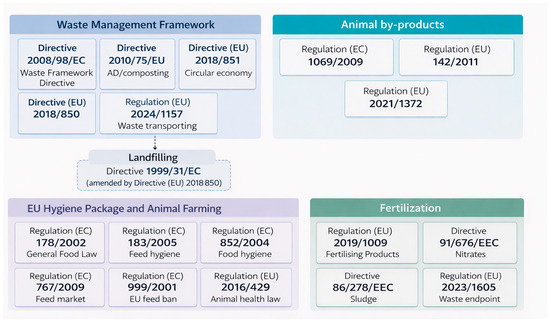
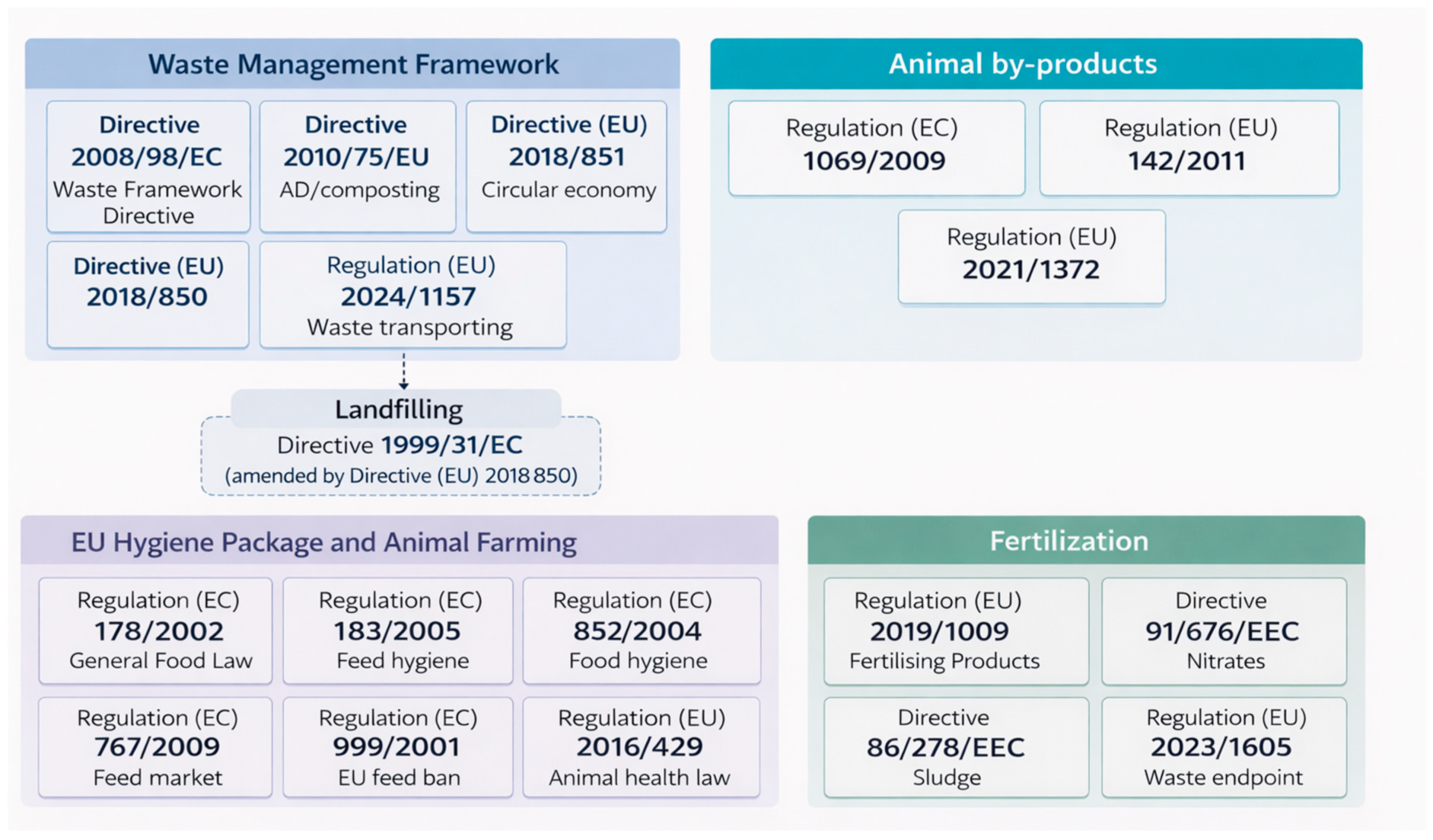
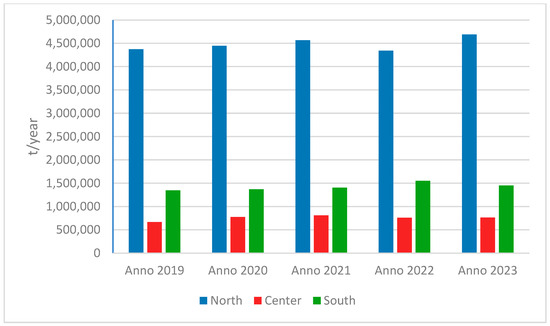
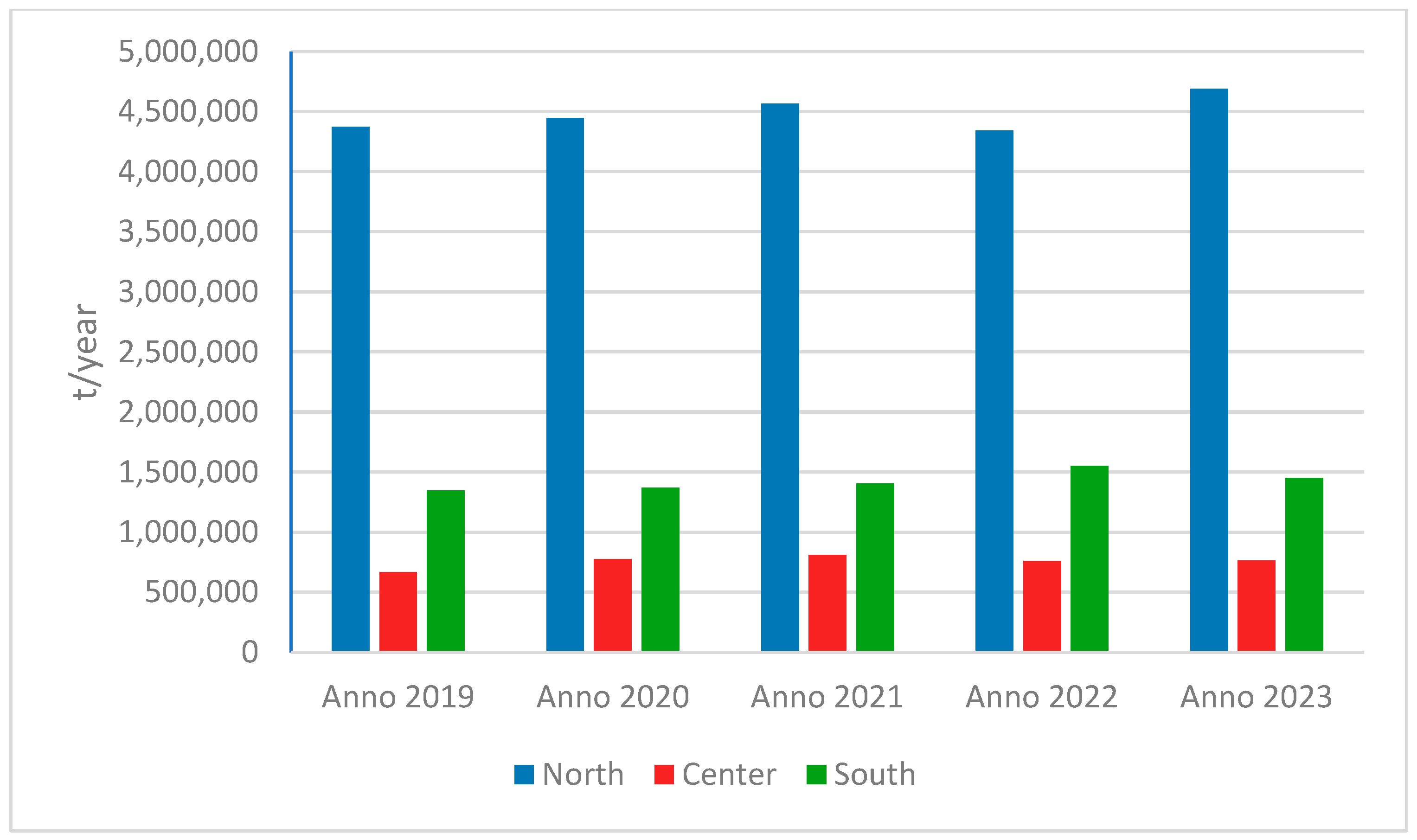
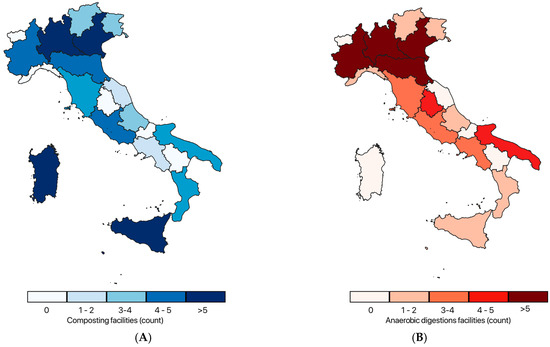
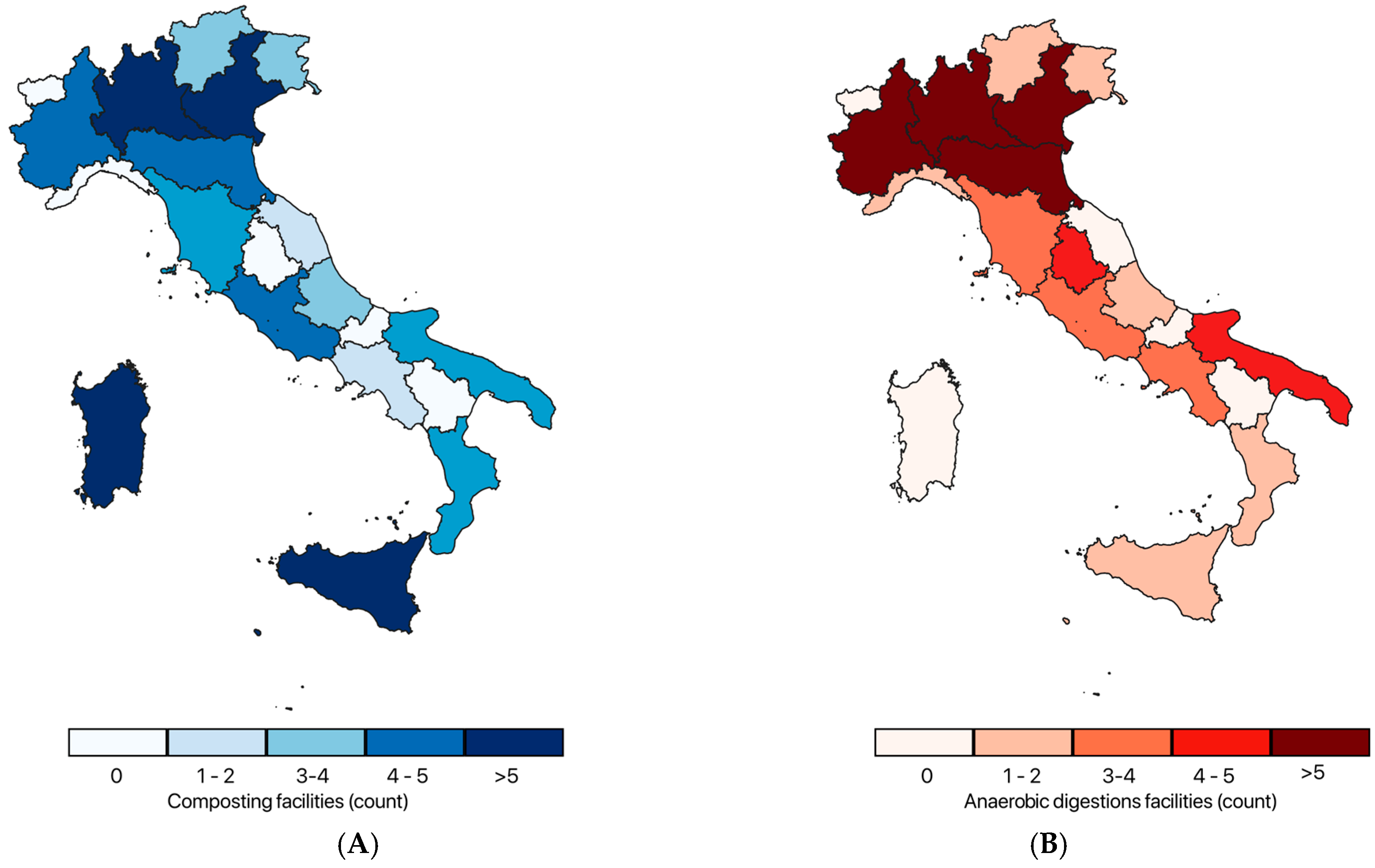
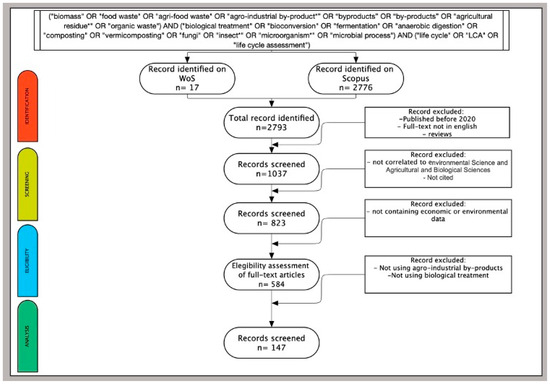
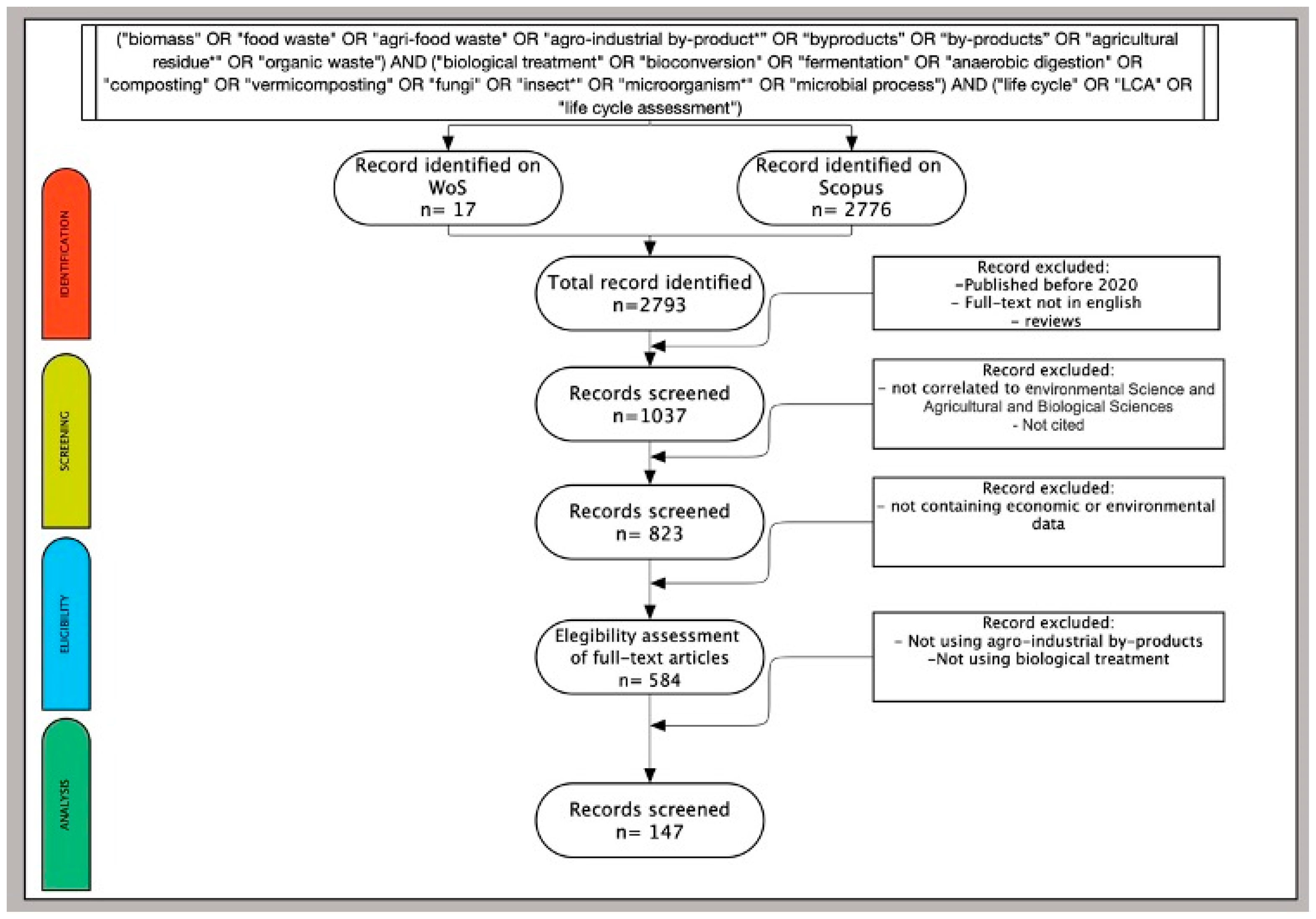
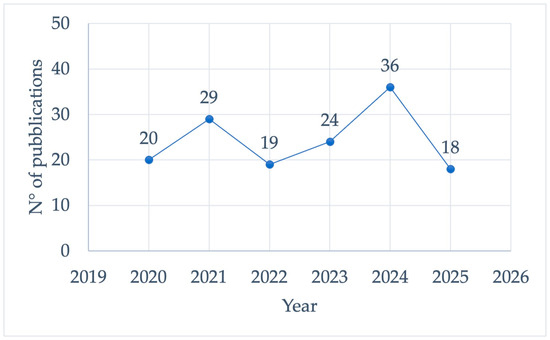
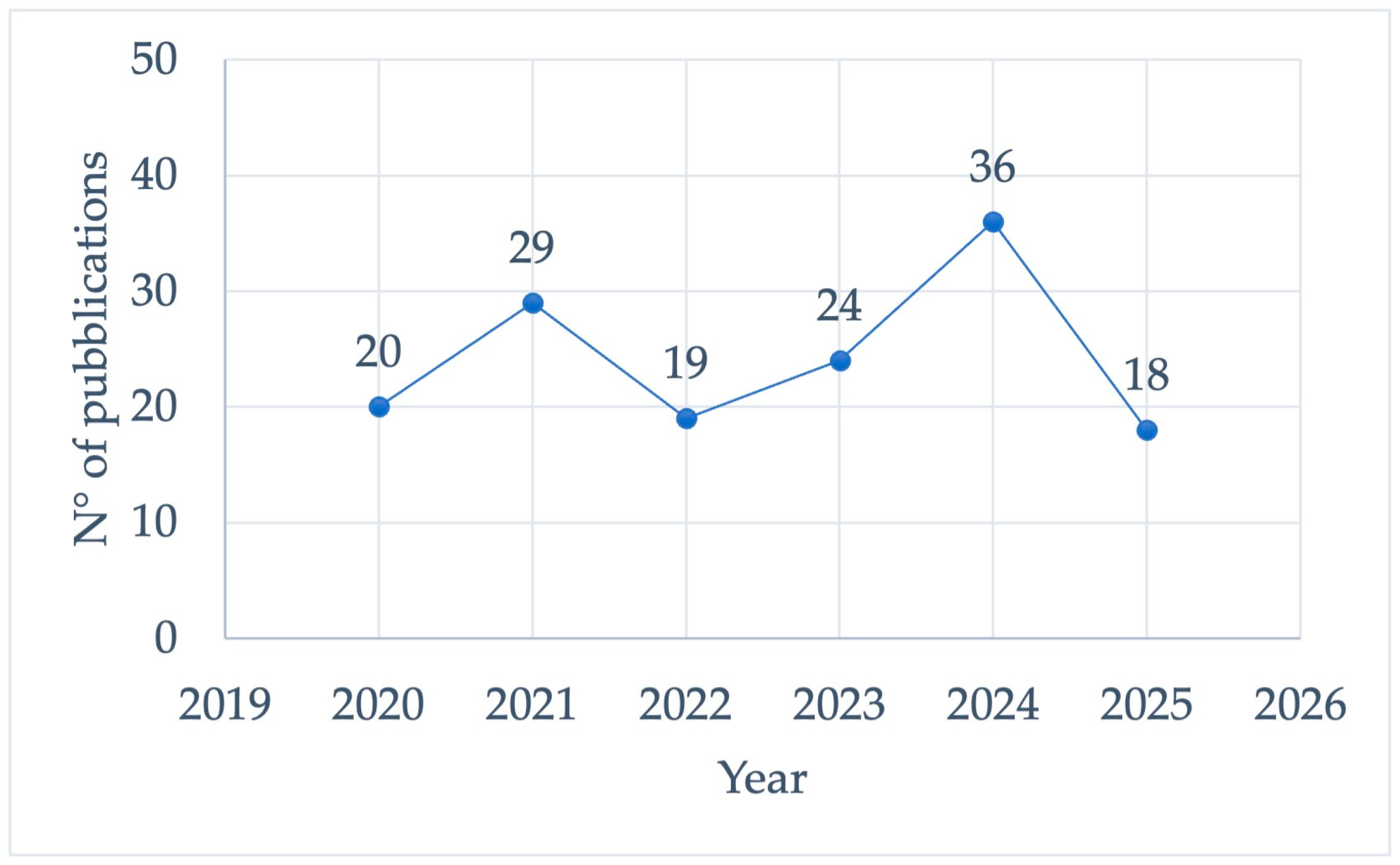
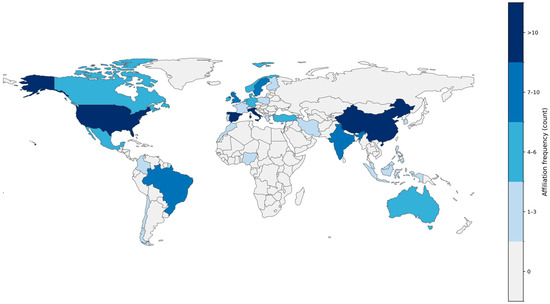
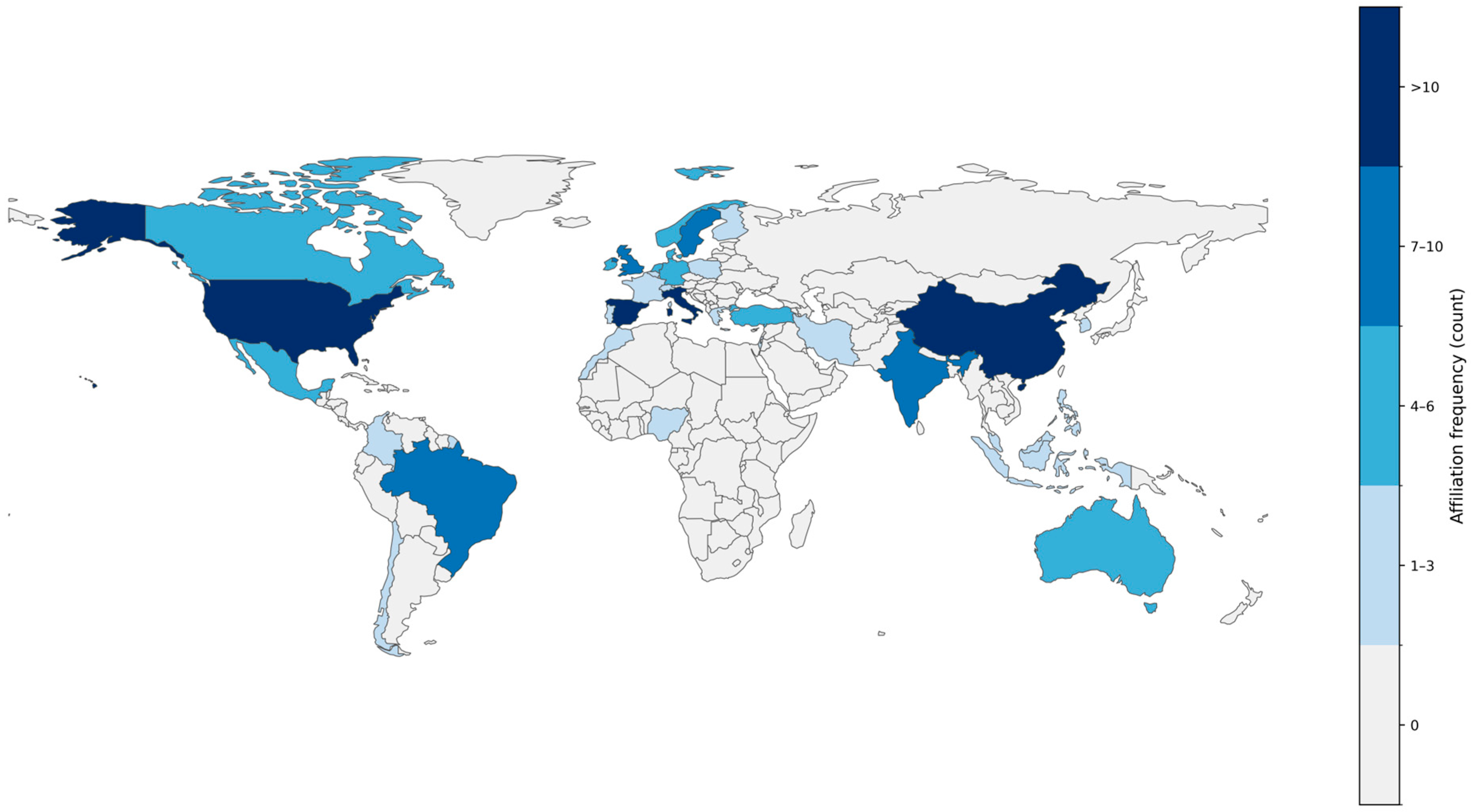
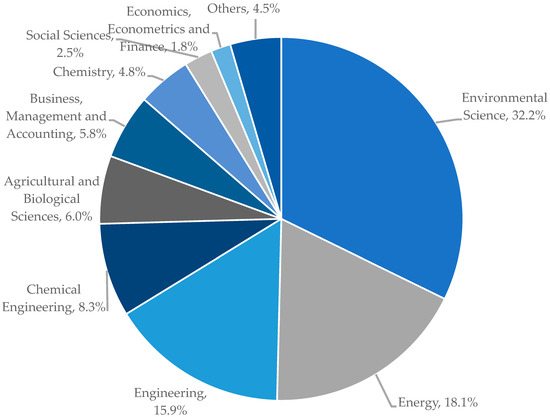
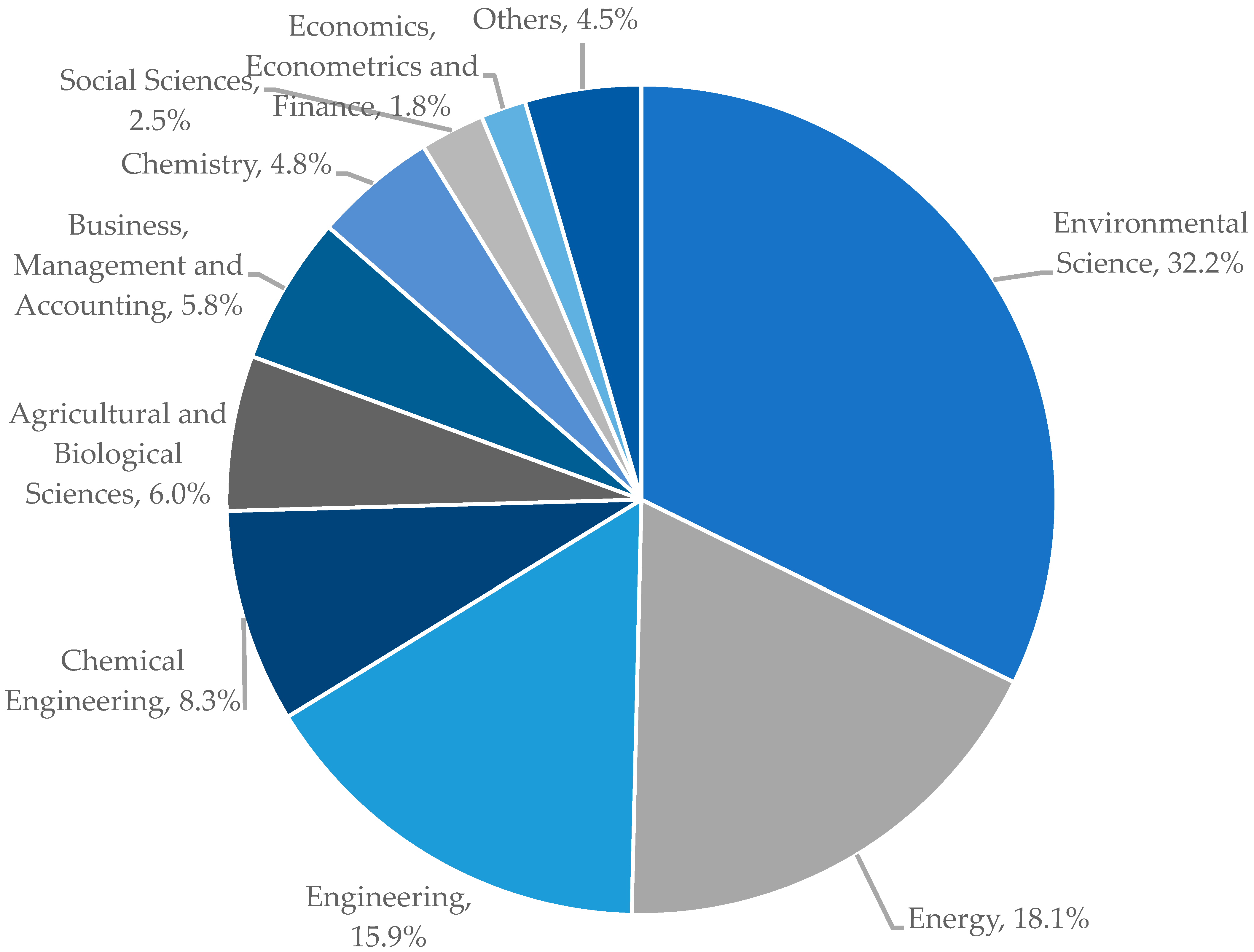
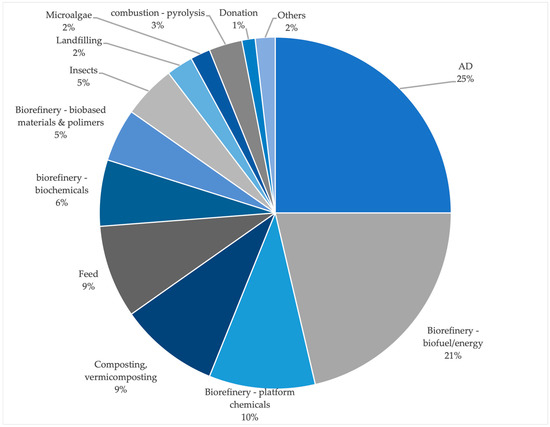
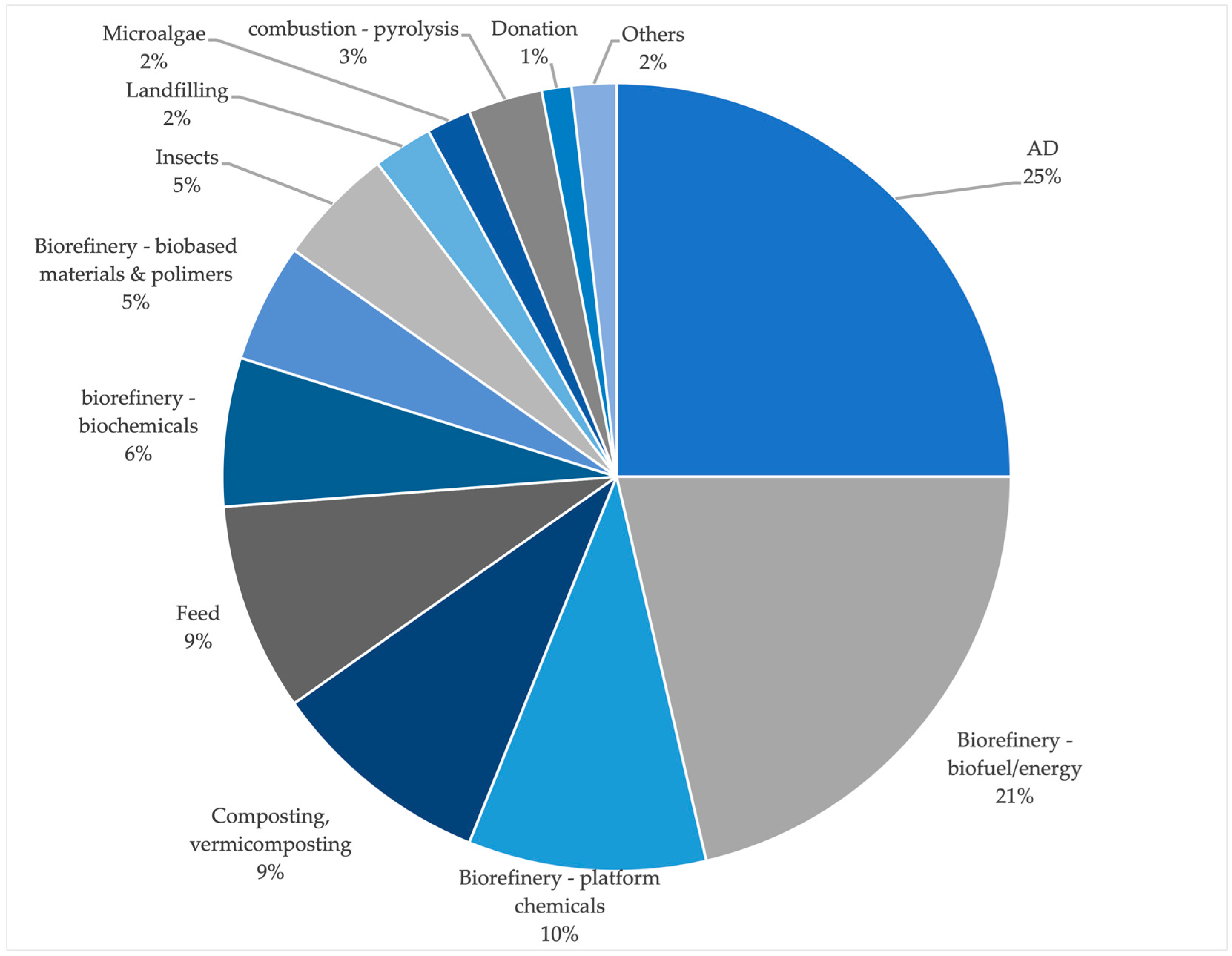
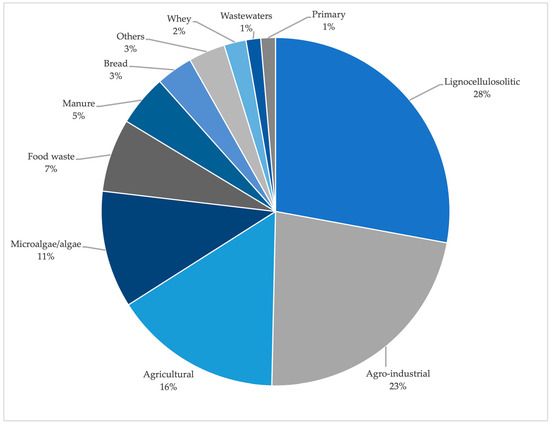
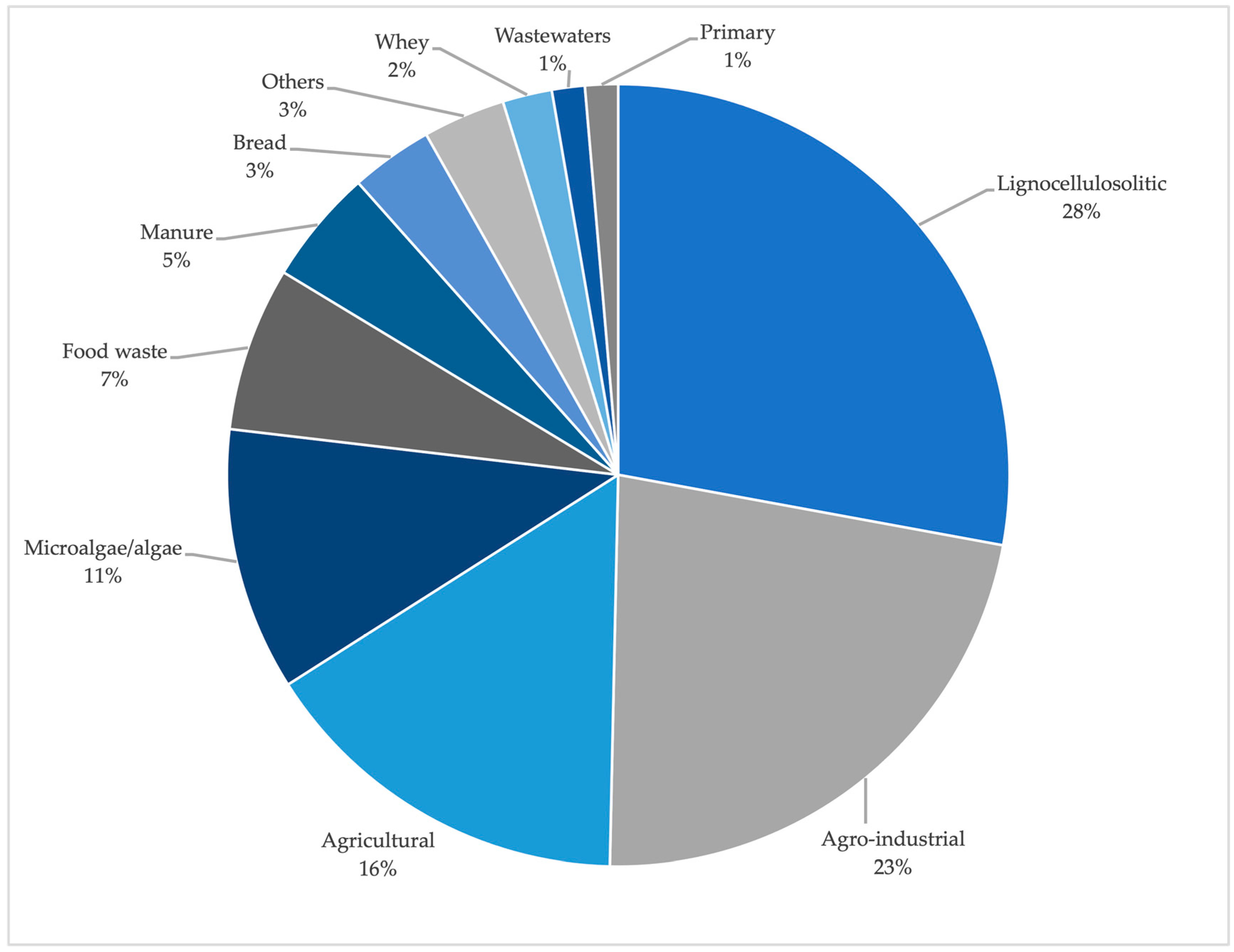
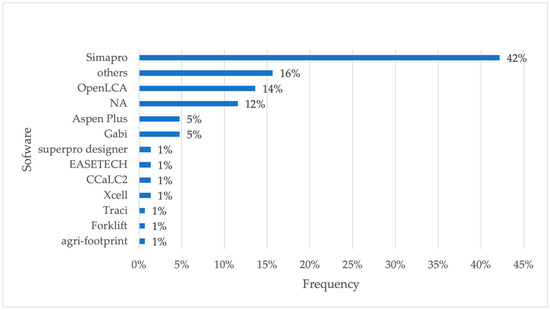
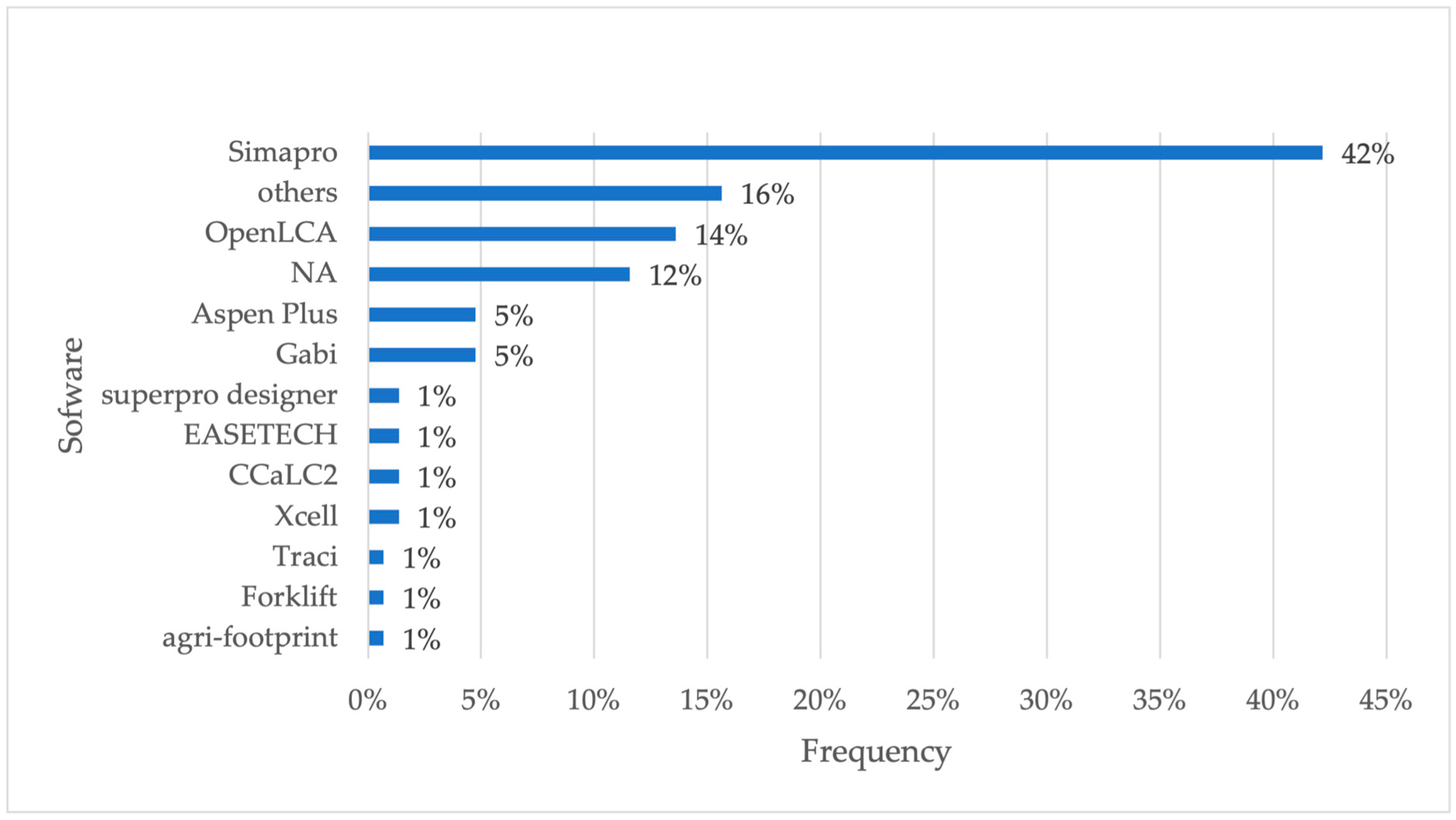
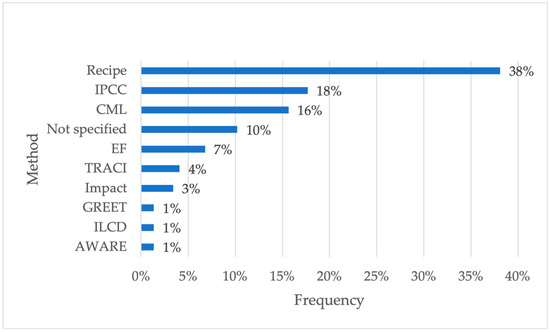
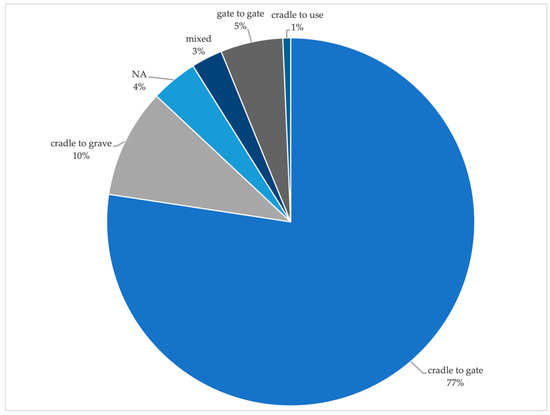
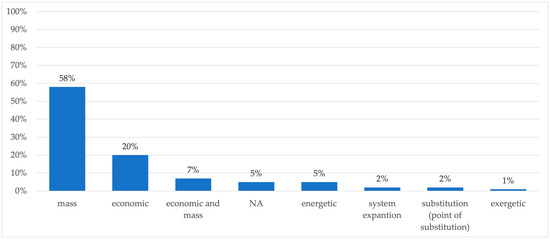
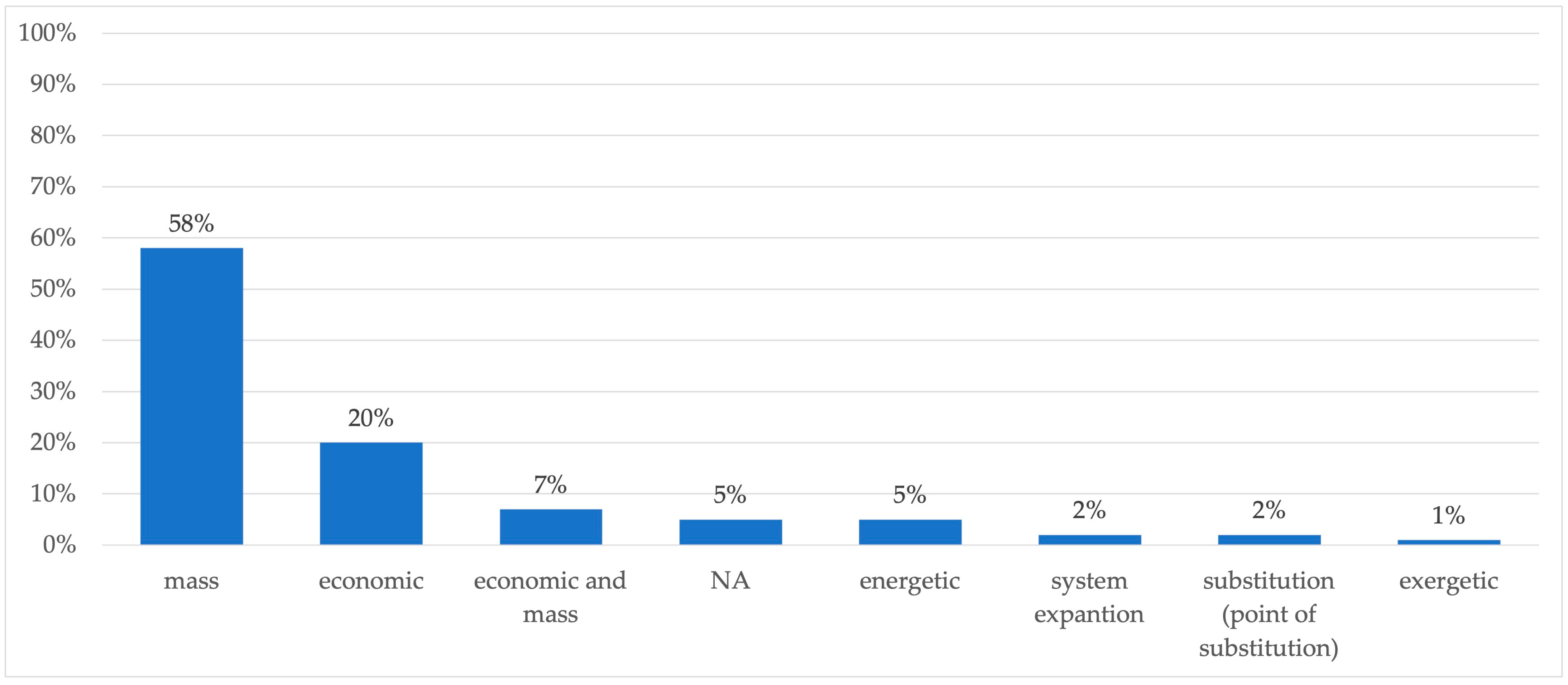
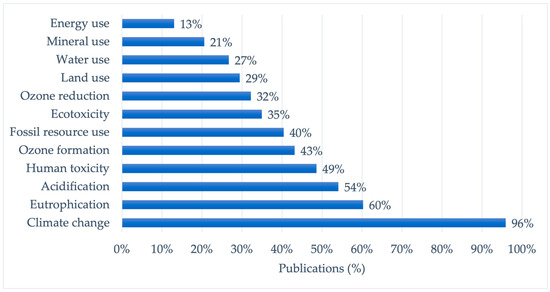
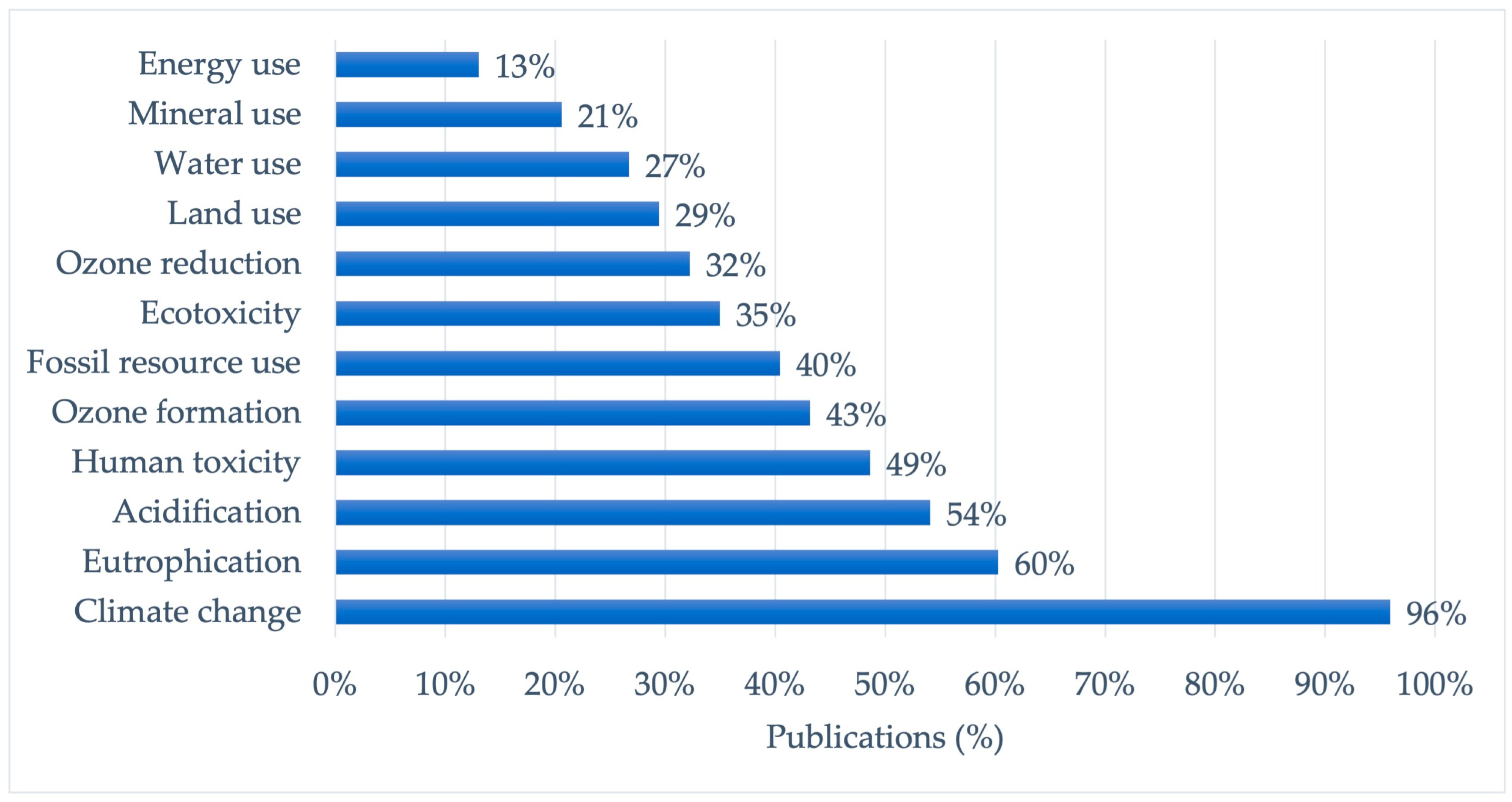
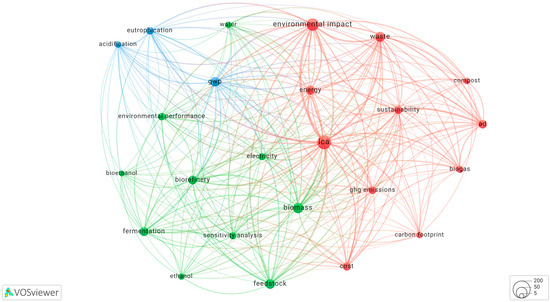
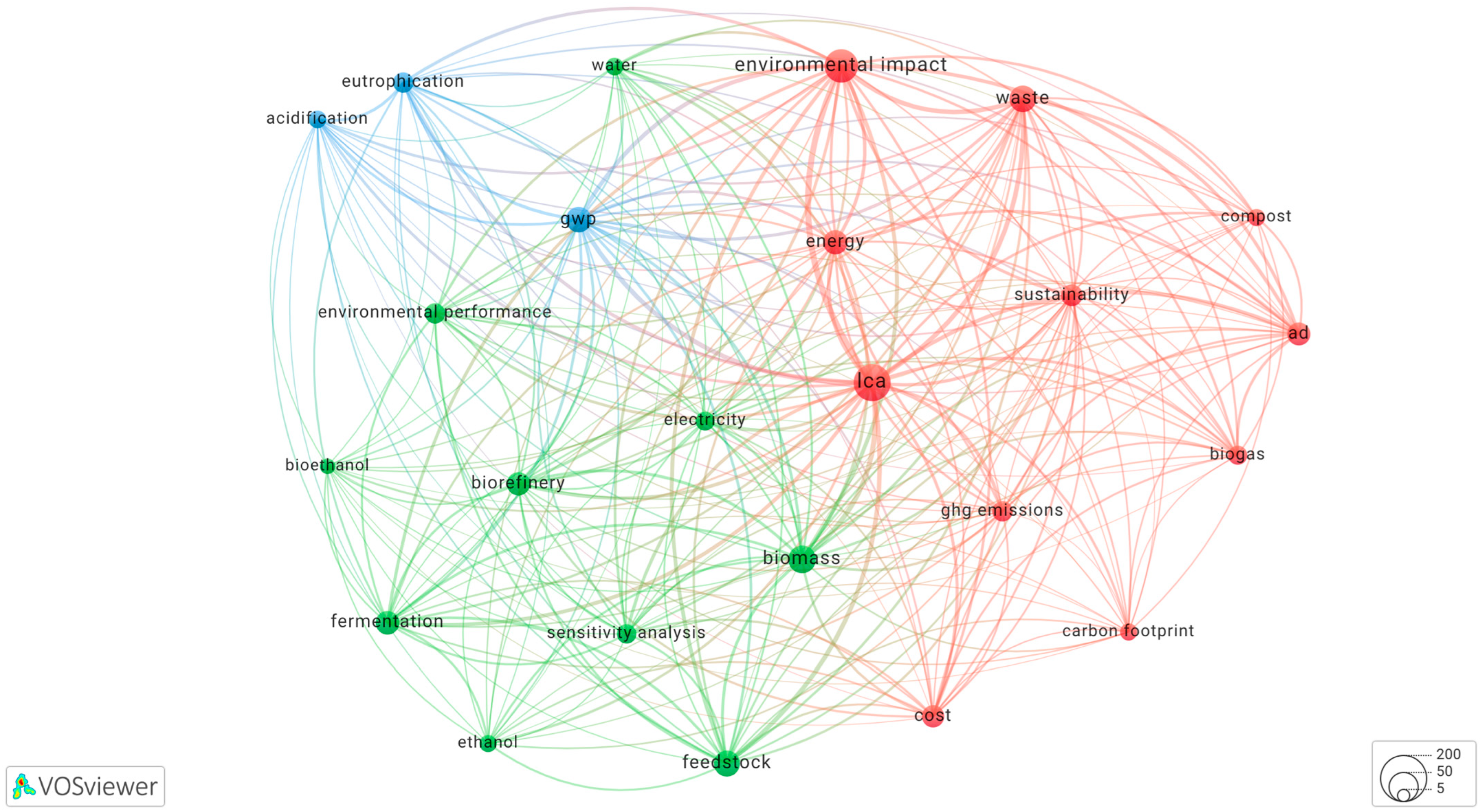
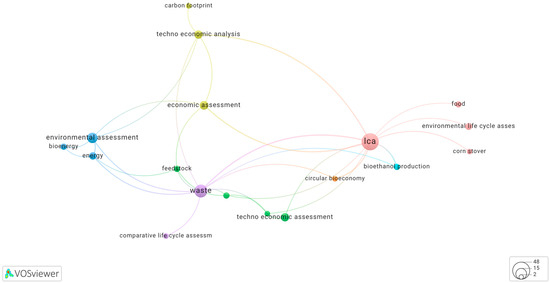
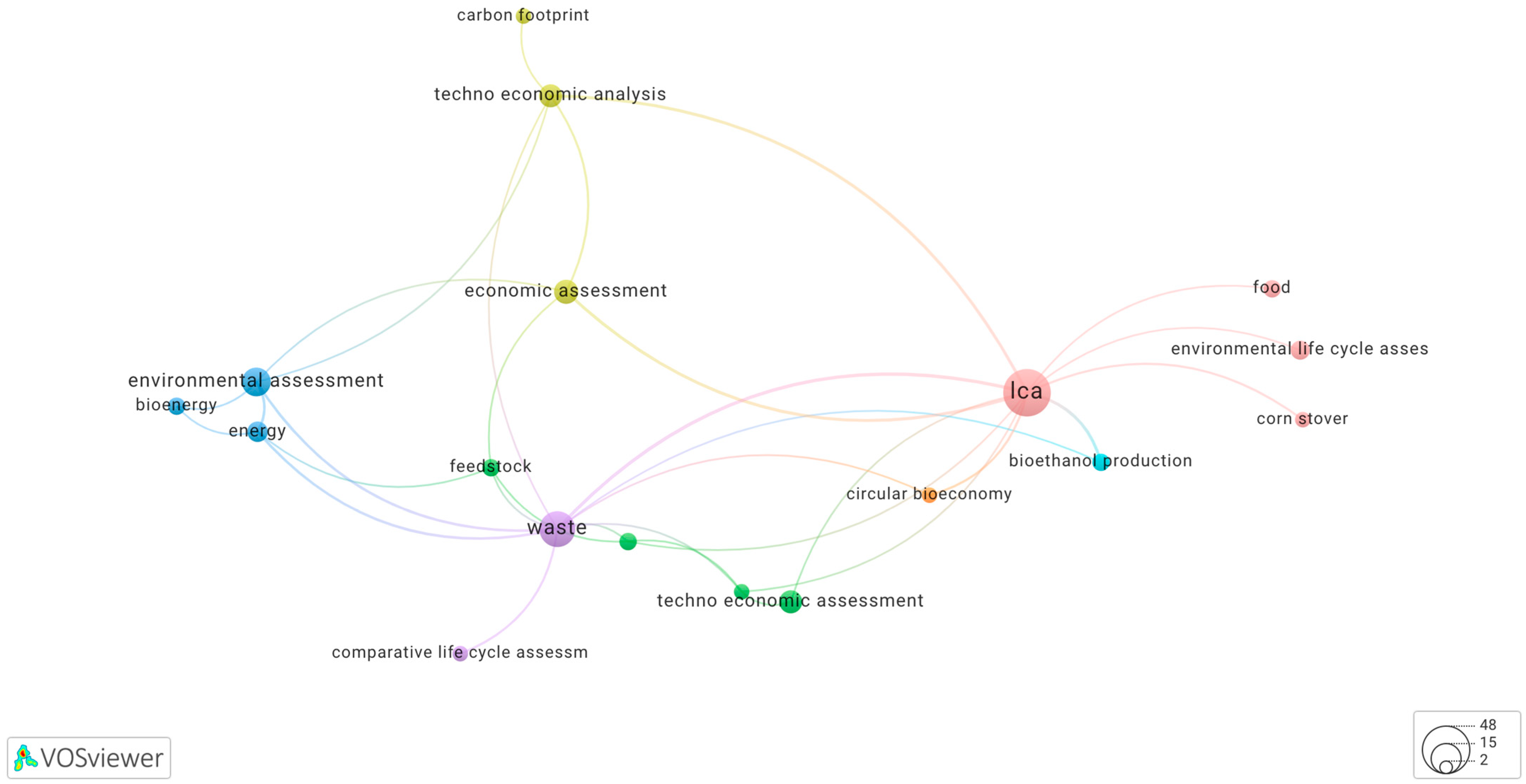


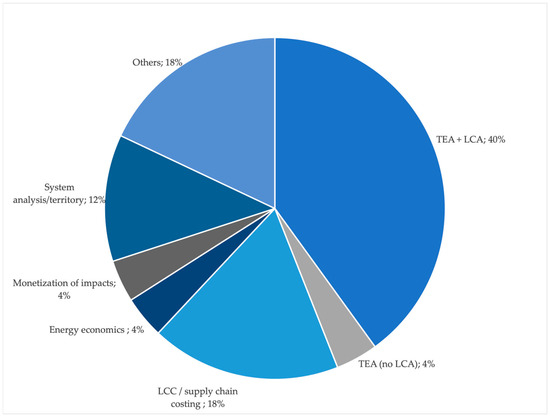

Disclaimer/Publisher’s Note: The statements, opinions and data contained in all publications are solely those of the individual author(s) and contributor(s) and not of MDPI and/or the editor(s). MDPI and/or the editor(s) disclaim responsibility for any injury to people or property resulting from any ideas, methods, instructions or products referred to in the content. |
© 2026 by the authors. Licensee MDPI, Basel, Switzerland. This article is an open access article distributed under the terms and conditions of the Creative Commons Attribution (CC BY) license.