


Abstract
The growing urgency of resource-efficient construction in water-stressed and rapidly urbanizing regions necessitates integrated decision support frameworks that move beyond isolated sustainability metrics. This study operationalizes the water-energy nexus within building design evaluation by developing a structured hybrid multi-criteria decision-making (MCDM) framework tailored to the Indian construction context. Unlike conventional sustainability assessments that treat water and energy independently, the proposed approach integrates life cycle-based water consumption, operational and embodied energy demand, environmental impacts, economic feasibility, and project constraints within a unified analytical hierarchy. A Delphi-validated criterion structure comprising five main criteria and twenty sub-criteria is weighted using the Analytic Hierarchy Process (AHP), and ranked using the VIKOR compromise solution method. To strengthen methodological robustness, ranking outcomes are validated across three independent MCDM logics including TOPSIS, PROMETHEE, and COPRAS. The framework evaluates four representative building strategies aligned with Indian regulatory and certification systems (NBC, ECBC, IGBC/GRIHA, and net-zero water-energy design). Using expert-informed weights derived from a Delphi–AHP involving a panel of experienced practitioners, the VIKOR compromise ranking consistently identifies the net-zero alternative as the most favorable option within the evaluated framework. The results are therefore interpreted as an expert-informed assessment demonstrating the applicability of the proposed decision support methodology rather than as statistically generalizable priorities for the entire Indian construction sector. The study contributes by (i) embedding nexus-based resource interdependence into building-level MCDM modeling, (ii) enhancing transparency through explicit benefit-cost classification and decision matrix disclosure, and (iii) demonstrating ranking stability across multiple validation techniques. The proposed framework provides a transferable methodological approach that can be adapted to different regional contexts through locally derived expert inputs.
1. Introduction
Sustainable construction methods are becoming increasingly important in modern infrastructure development [1,2,3,4], especially as the need for resource-efficient constructions grows [5,6,7]. The water-energy nexus, which represents the relationship between water and energy resources (Figure 1), plays an important role in designing green construction regulations and practices [8,9,10,11,12]. According to Hong et al. [13], Pomponi and Stephan [14], and Sharma and Chani [15], water is required for many construction activities, such as material preparation, concrete curing, and site cleaning, whereas energy is required for machine operation, heating, cooling, and lighting. Despite their importance, these two resources are typically managed independently, resulting in inefficiency, excessive consumption, and environmental degradation [16]. Addressing this issue requires a systematic and comprehensive strategy that considers the trade-offs between water and energy use while being economically viable and regulatory compliant [17,18,19,20]. Construction projects, particularly in urban areas, must prioritize sustainability by utilizing decision-making models [21] that balance water conservation and energy efficiency while maintaining project quality [22,23].
Figure 1.
Water-energy nexus in construction (developed by authors).
Mannan and Al-Ghamdi [24], Dixit and Kumar [25], and Hu et al. [26] stated that, in many areas, the depletion of freshwater resources and rising energy consumption pose significant challenges to the construction industry. As climate change intensifies, the availability of water for construction operations becomes increasingly uncertain, and energy prices rise due to the rise in urbanization and industry [27,28]. The construction industry contributes significantly to global energy consumption, accounting for over 40% of total energy consumption and approximately 30% of greenhouse gas emissions [29,30]. Similarly, construction activities consume a significant amount of water, exacerbating concerns about water shortages [31,32,33]. Without a complete management framework, construction projects are vulnerable to cost overruns, regulatory noncompliance, and environmental consequences [34,35]. As a result, incorporating water-energy nexus management into construction decision-making processes is crucial for achieving sustainable development and resource conservation.
Current approaches to managing water and energy in construction have relied on fragmented decision making, treating water and energy as separate entities with their own management strategies [36,37,38]. This siloed approach fails to recognize the interdependence of these two resources, resulting in subpar solutions that overlook potential synergies. For example, improving energy efficiency in a construction project may unintentionally increase water use, as seen in cooling and HVAC systems [39,40,41]. Conversely, reducing water use may need more energy-intensive treatment procedures [42]. As a result, a multi-criteria decision-making (MCDM) framework is necessary to optimize construction designs by considering many, often conflicting, sustainability goals. An MCDM method enables decision-makers to select the most balanced and sustainable construction approaches by considering multiple variables, such as cost, environmental impact, and regulatory compliance [43,44].
Despite the growing recognition of the water-energy nexus in sustainability discourse, three critical gaps remain. First, most existing MCDM applications treat water and energy performance independently rather than integrating them under a nexus-based life cycle framework [45,46,47,48,49]. Second, few studies contextualize nexus optimization within developing-country building certification systems such as IGBC and GRIHA. Third, prior models rarely validate compromise-based rankings using multiple MCDM logics to test robustness. Addressing these gaps forms the core motivation of the present study. By incorporating MCDM into construction design, stakeholders can make data-driven decisions that enhance sustainability while minimizing environmental impact [50]. This study seeks to close this gap by developing a comprehensive MCDM framework for the water-energy nexus in construction projects.
While MCDM methods, such as the Analytical Hierarchy Process (AHP) and the Technique for Order of Preference by Similarity to Ideal Solution (TOPSIS), have been widely used in other areas of sustainability, their application to the water-energy nexus in buildings remains limited. There is also a lack of empirical validation in using MCDM to optimize resource consumption trade-offs. The objective of this study is not merely to construct a hybrid MCDM model, but to operationalize the water-energy nexus concept within building sustainability decision making in India. The study contributes by (i) developing a structured nexus-oriented criterion hierarchy grounded in Indian certification systems (ii) integrating AHP-based expert weighting with Viekriterijumsko Kompromisno Rangiranje (VIKOR compromise ranking under explicit cost-benefit classification (iii) providing full methodological transparency through decision matrix disclosure; and (iv) validating ranking stability using three independent MCDM approaches, allowing for more sustainable resource allocation and better decision making. In developing this framework to prioritize which water-energy conversion best suits the Indian construction context, the paper evaluated four alternatives, including Baseline National Building Code (NBC)-Compliant, Energy Conservation Building Code (ECBC)-Compliant, Indian Green Building Council (IGBC)/Green Rating for Integrated Habitat Assessment (GRIHA), and net-zero water-energy design (Advanced GRIHA/IGBC Platinum). The framework for evaluating these alternatives under conflicting criteria was tested using two hypotheses:
H1:
AHP-VIKOR MCDM framework shows that net-zero water-energy design outperforms other building choices in terms of sustainability.
H2:
The net-zero water-energy design has comparable sustainability performance to other solutions.
The remainder of this article begins with a comprehensive literature review conducted to identify key characteristics that influence water and energy utilization in construction projects. Expert consultations and the Delphi method survey were then utilized to determine the relative importance of these variables. The AHP was used to assign weights to the stated criteria, ensuring a structured prioritization method. Following that, the VIKOR technique was used to rank construction possibilities based on the specified criteria, resulting in a compromise solution that balances the trade-offs between conflicting aims. To confirm the model outputs, a comparison study was conducted using different MCDM approaches, including TOPSIS, Preference Ranking Organization Method for Enrichment Evaluation (PROMETHEE), and Complex Proportional Assessment (COPRAS).
In this study, the term “water-energy nexus” refers specifically to the interdependent management of water and energy flows within building design and operation, recognizing that interventions in one domain may influence the other. While water management and energy efficiency are evaluated as distinct criteria categories for analytical clarity, the nexus perspective underpins the framework by jointly prioritizing resource intensities and life cycle performance rather than treating them as isolated objectives.
2. Review of Literature
2.1. Related Work
MCDM approaches have emerged as critical analytical tools for resolving the complex interdependences seen in water-energy management systems. The increasing awareness of the water-energy nexus as a critical sustainability challenge has prompted researchers to develop and implement sophisticated MCDM frameworks capable of effectively handling multiple, frequently conflicting criteria while considering stakeholder viewpoints and addressing inherent uncertainties. In the Indian context, the construction sector represents one of the fastest growing segments of the national economy and contributes significantly to electricity demand and urban water consumption [51,52,53]. India has witnessed substantial expansion in green building certification, with IGBC and GRIHA registering thousands of certified projects across residential, commercial, and institutional sectors. However, adoption levels vary regionally and remain concentrated in urban and premium developments [54,55]. Previous studies applying MCDM methods have focused primarily on material selection, renewable energy integration, and infrastructure prioritization, but limited research has explicitly addressed integrated water-energy nexus optimization within building design [56]. Strengthening the regional contextualization of this framework, therefore, enhances its practical relevance for Indian sustainability planning.
Mirzaei et al. [57] evaluated policy options for farmers to implement water-energy-food nexus patterns using the Fuzzy Analytic Hierarchy Process (FAHP) and TOPSIS methodologies. Their research focused on Iran’s Doroodzan dam irrigation network, which is a water-scarce region. The study discovered that the WEFN-based pattern resulted in significant improvements in water and energy productivity (200% and 18% increase in physical and economic water productivity, respectively, and 156% and 67% increase in physical and economic energy productivity), but it required 33% more water than the base pattern. Farmers resisted adopting new irrigation methods and the proposed WEFN pattern, despite the economic benefits. Hamidifar et al. [58] investigated the optimal selection of rural water delivery systems in Iran using AHP, Fuzzy-AHP, and TOPSIS techniques. Their multi-criteria, multidimensional approach rated environmental and economic factors as the most important for executing rural water supply projects, with river water diversion and temporary storage dams ranking first among five possibilities. The study found that negative environmental consequences on humans, project implementation costs, and security threats from subversive agents were the most critical sub-criteria. Key constraints included the geographic confinement to rural Iranian locations, the subjective nature of AHP modeling techniques, and the computing needs that required significant pairwise comparisons for complex decision matrices.
Armas Vargas et al. [59] evaluated water-environmental resource management options utilizing the AHP, TOPSIS, and PROMETHEE methodologies. Their evaluation of six theoretical frameworks (IWRM, Ecohealth, Ecosystem Approach, Water Framework Directive, Watershed Governance Prism, and Sustainability Wheel) from 1990 to 2015 literature revealed that the Water Framework Directive was the best integrated management alternative, meeting 47% of management criteria, followed by the Watershed Governance Prism (45%) and the IWRM (41%). TOPSIS provided the best calibration match with AHP (Pearson’s coefficient = 0.951). However, limitations included word count technique limits, the rising complexity of AHP with 20 or more criteria, and the inherent subjectivity in expert judgments, despite consistency checks. Vassoney et al. [60] employed seven distinct MCDM approaches (SAW, WPM, AHP, TOPSIS, VIKOR, ELECTRE III, and SHARE MCA) to assess flow release scenarios from small hydropower facilities in the Alpine region. Their research focuses on matching energy production requirements with environmental precautions for a run-of-river hydroelectric facility in Aosta Valley, Italy. The study identified SHARE MCA, WPM, and VIKOR as the most promising approaches for hydropower management, with excellent correlation (τ ≥ 0.778 and ρ ≥ 0.917). Except for ELECTRE III, all approaches identified comparable top three options (ALT 3, ALT 0, and ALT 2). The key constraints included the restriction to small hydropower facilities, relatively basic case study complexity, and varied stakeholder training requirements across different methodological approaches.
Haji et al. [61] employed AHP and Fuzzy AHP methodologies to investigate how decentralized decision making can enhance resilience in energy-water-food nexus systems. Their thorough research emphasizes the establishment of composite indicators for assessing EWF resilience. The study found that decentralization enhances EWF system resilience by enabling quicker and more adaptable responses to shocks, with fuzzy MCDM techniques outperforming other methods for managing uncertainty in complex situations. Research gaps have been discovered in GIS-based decentralization models and spatial risk assessment methods. Limitations included insufficient spatial emphasis, the absence of comprehensive cross-sector research, and poor inclusion of spatial feedback mechanisms into current analytical frameworks. Anjum et al. [62] proposed a novel framework for sustainable energy management in smart industrial environments that combines Intuitionistic Fuzzy Sets (IFS) with MCDM methodologies (entropy method for criterion weighting, CRADIS for alternative ranking). Their research revealed that staff training and engagement were the most successful energy efficiency interventions among eight critical criteria, including renewable energy consumption, manufacturing efficiency, and worker health and safety. The framework’s resilience for real-world data processing was shown through rigorous sensitivity testing. However, significant constraints included high data intensity needs, the potential for oversimplification of system complexity, and the necessity for broad stakeholder awareness of IFS conceptual frameworks.
Prum et al. [63] improved hybrid energy systems for distant communities by employing AHP, TOPSIS, EDAS, and PROMETHEE II methodologies. Their research examined the viability of solar PV, wind energy, and battery systems in combination with existing diesel generators in four countries: Cambodia, Laos, Myanmar, and Bangladesh. The study found that PV/diesel with batteries was the most effective solution, attaining 89% PV penetration, an electricity cost of 0.257 USD/kWh, and a CO2 emissions reduction of 51,005 kg/year compared to diesel systems alone. Limitations included geographic restriction to least developed nations, reliance on thorough technical and economic data availability, and the need for considerable stakeholder capacity development. Somasi and Kondamudi [64] applied Fuzzy TOPSIS and Fuzzy AHP-based MCDA to select the optimal locations for solar PV-powered reverse osmosis desalination systems. Their feasibility study in Visakhapatnam, India, integrated technical, economic, environmental, social, and political considerations, utilizing fuzzy methodologies to address decision-making uncertainties. Yarada and Bheemili were identified as the most suitable locations based on a comprehensive multi-criteria evaluation. The study emphasized the critical need for public awareness campaigns and government policy support to ensure the successful implementation of desalination projects. Key limitations included geographic restriction to specific Indian coastal contexts and dependency on substantial government and community support mechanisms.
Rashid et al. [65] developed a hybrid DEA-PROMETHEE II technique to measure and assess the efficiency of water delivery services across 14 Malaysian states. Their solution solved traditional DEA constraints in distinguishing between efficient decision-making units by using PROMETHEE II ranking capabilities. The study effectively produced complete rankings, with Johor claiming top place, illustrating the efficacy of hybrid methodologies for comprehensive performance evaluation. Limitations included geographic restrictions to Malaysian settings, a focus solely on efficiency measurements rather than wider sustainability indicators, and the need for adequate input-output dataset availability. Abdullah et al. [66] used TOPSIS with HOMER optimization to create hybrid renewable energy systems for Indonesia’s future capital area, IKN Nusantara. Their geospatial technique combines literature research with renewable resource assessment to discover the best HRES setups. The PV-hydro combination was found to be optimum, with a relative closeness value of 0.675 when compared to ideal solutions, highlighting the importance of MCDM in implementing sustainable energy systems. However, constraints included the particular geographic applicability to Indonesian circumstances, reliance on large geospatial data requirements, and a focus on new capital development rather than current infrastructure adaptation.
Ahmad Fakhroldin et al. [67] examined the water-energy-food-environment nexus from the standpoint of decision-makers for sustainable agricultural management, employing unspecified multi-criteria decision-making techniques. Their research examined the consumption, production, and economic factors associated with irrigation water and renewable energy. The WEFE scenario, which assigned equal weight to all criteria, produced the biggest gains in sustainable management indices. Barley farming was given the highest priority in terms of water use, energy consumption, and environmental management scenarios. Limitations included a high sensitivity to decision-maker viewpoints, inadequate methodological definition, and geographical specificity limits. Additional research by Gaurav et al. [68] and Akram et al. [69] investigated MCDM applications for hybrid energy systems in healthcare facilities and fuzzy ELECTRE-based water supply management, respectively, but with limited methodological detail disclosure, which limits a comprehensive analysis of their contributions to the field.
Overall, the literature reveals a methodological evolution from single-method MCDM applications toward hybrid and validation-based frameworks. However, the integration of water-energy nexus thinking within building-specific decision models remains limited. Earlier studies predominantly addressed isolated energy optimization or water management challenges. Recent trends show increasing emphasis on life cycle integration, yet cross-validation across multiple decision logics remains uncommon. This study builds upon this progression by embedding nexus-oriented criteria within a multi-method validation structure. A summary of studies focusing on the water-energy nexus using MCDM methods is presented in Table 1.
Table 1.
Summary of studies focused on the water-energy nexus using MCDM methods (developed by the authors).
Despite significant progress in applying MCDM techniques to water-energy management, a serious research gap remains in integrating these frameworks into the building sectors of developing nations. The current literature focuses mostly on agricultural systems, rural water supply, and energy-generating facilities in developed or data-rich contexts. There is a significant lack of research on the water-energy nexus in construction industry applications in developing countries, where particular obstacles include inadequate infrastructure, regulatory uncertainty, resource shortages, population growth issues, and limited technical capacity. In addition, there is an urgent need for study into the temporal dynamics of construction projects at the water-energy nexus, considering how choice criteria and alternatives develop during project life cycles in resource-constrained situations. Such a study would make a substantial contribution to achieving sustainable development goals by developing evidence-based decision support systems tailored to the practical realities of water-energy management in the construction sector of underdeveloped nations.
2.2. Criteria Selection
A thorough hierarchical framework of criteria and sub-criteria that considers water conservation, energy conservation, environmental impacts, financial viability, and project feasibility is necessary for an effective sustainability evaluation in the construction industry. In comprehensive field research spanning three construction sites in Tamil Nadu, India, Rameez et al. [70] developed fundamental water management sub-criteria that are now common in evaluations of the sustainability of building projects. According to their research, the primary indicator is the rate of water consumption, which ranges from 8.87 to 13.67 kL/m2 on average across various regional contexts and is significantly influenced by labor practices, construction methods, and climate. By classifying direct (15.28%) versus indirect (84.47%) water consumption, the study verified the potential for water recycling and showed that indirect consumption from material manufacture accounts for the majority of the overall water footprint. The availability of water resources became a crucial limitation, especially in areas with limited water supplies, where building projects often needed to purchase water from outside sources, which could account for up to 2% of the project’s overall budget. The effectiveness of wastewater treatment was assessed using curing water recovery systems, which showed that appropriate collection and reuse systems might result in water savings of up to 24%.
Nallaperuma et al. [71] supported these findings with a comprehensive water footprint study, which determined that the water consumption rate comprises both on-site direct usage (2.26%) and off-site indirect consumption (97.74%) resulting from material manufacture and transportation. Their findings supported the potential for water recycling, proving that pre-casting procedures and factory-made items use significantly less water on-site than traditional building methods. The study focused on assessing resource availability through blue water footprint quantification, demonstrating that energy-related water consumption varies from 32% to 85% of the total material water footprint, making this a crucial sub-criterion for holistic water management evaluation. Building on these foundational studies, recent research has expanded the water management framework to encompass water quality considerations and the integration of conservation technologies. Research consistently shows that water consumption rates vary dramatically depending on construction methods (ready-mix concrete vs. on-site mixing), foundation types (raft footing consumes 34.87% more water than isolated footing), and climate conditions, making this the primary water management sub-criterion. The water recycling potential has expanded beyond basic reuse to include advanced treatment technologies and closed-loop systems, with recorded water productivity gains of up to 200% when applied correctly.
Ulutaş et al. [72] developed comprehensive energy efficiency sub-criteria by systematically evaluating construction and insulation materials using hybrid MCDM approaches. Their study identified embodied energy in materials (EmbEn [MJ]) as the most important sub-criterion, encompassing all the energy required to manufacture, transport, and install building materials. The study revealed significant differences in embodied energy among materials, ranging from 0.48 MJ for reinforced concrete to 92.38 MJ for extruded polystyrene, highlighting the crucial role of material selection in overall energy efficiency. Operational energy demand was assessed using building envelope performance, with insulating materials showing potential energy consumption savings of up to 64% in summer and 37% in winter circumstances. Theilig et al. [73] extended the energy efficiency framework with a life cycle-based MCDM analysis, identifying renewable energy integration as a critical sub-criterion for sustainable design. Their research established four major environmental criteria for energy efficiency: emissions, energy consumption, resource use, and circularity potential. The study confirmed the energy recovery capability by comparing various construction materials and methods, revealing that utility analysis paired with cost evaluations provides the best decision-making framework for choosing energy-efficient materials. A recent study has enhanced energy efficiency standards to include passive design solutions and smart system integration. Operational energy demand now includes a full assessment of heating, cooling, lighting, and equipment energy requirements throughout the building’s lifespan [74]. Embodied energy in materials assessment now includes transportation energy, end-of-life processing energy, and recycling energy credits. Renewable energy integration assessments increasingly include on-site generation possibilities, grid integration capabilities, and energy storage systems. Waste heat recovery, thermal mass usage, and energy harvesting from building activities are all included when evaluating energy recovery potential.
Environmental impact assessment in construction has been thoroughly verified through life cycle assessment (LCA) approaches, with various international standards providing frameworks for comprehensive examination. A review by Hu et al. [75] determined that environmental impact encompasses both embodied and operational carbon emissions throughout the entire building’s lifetime. Carbon footprint assessments consider CO2 equivalent emissions from raw material extraction to end-of-life disposal. Operational carbon accounts for 60–70% of total life cycle emissions, whereas embedded carbon accounts for 30–40%. Waste generation assessment encompasses building and demolition waste streams, with circular economy concepts driving regulations for a 70% reduction in waste sent to landfills in many jurisdictions. Land disturbance assessment has expanded to encompass biodiversity impact assessments, soil quality preservation, and the disruption of ecosystem services. Contemporary frameworks necessitate a thorough site impact assessment, which includes habitat fragmentation, species relocation, and landscape connectedness. Air pollution evaluation includes particle matter (PM2.5, PM10), nitrogen oxides (NOx), sulfur dioxide (SO2), and volatile organic compounds (VOCs). Real-time monitoring is becoming increasingly essential for large-scale building projects. Ulutaş et al. [72] confirmed the quantification of particular environmental effects through methodical material evaluation, developing uniform metrics including SO2 equivalent for acidification, CO2 equivalent for global warming, C2H4 equivalent for photochemical oxidant formation, and PO4 equivalent for eutrophication. Their findings showed that material selection might cause variations in environmental effects of 300–400% across different building alternatives, highlighting the crucial need for comprehensive environmental impact assessment in construction decision making.
Economic aspects in building sustainability assessment encompass a comprehensive financial examination throughout the project’s lifespan. Capital cost is a major economic criterion used in modern feasibility studies, encompassing all initial inputs, including personnel, materials, equipment, and infrastructure, necessary for project launch. Research consistently shows that capital cost optimization necessitates a balanced consideration of initial investment versus long-term operational efficiency. Sustainable construction materials frequently require 10–15% higher capital costs but deliver 20–30% operational savings over the construction life cycle. The operating and maintenance cost review has expanded to include a whole-life cycle cost assessment, which encompasses energy costs, water prices, maintenance schedules, component replacement cycles, and operational staffing needs. Current frameworks involve a present value analysis of all operational expenses over a minimum 50-year building lifespan, with sustainability upgrades frequently generating positive returns within 7 to 12-year payback periods. LCA currently requires a full examination of purchase costs, operating costs, maintenance expenses, and end-of-life disposal costs. Bennett [76] argued that when full cost accounting procedures are used, sustainable building strategies can reduce overall lifespan costs by 15–25% compared to traditional methods. Return on investment (ROI) evaluation includes both financial returns and sustainable value creation, and frameworks are increasingly combining environmental and social return calculations alongside traditional financial measurements.
Project feasibility and schedule criteria have been thoroughly confirmed through construction project management research, with systematic frameworks established for comprehensive feasibility evaluation [77]. Construction length assessment is a thorough review of the timeline that includes the design phase duration, permit timeframes, construction execution timetables, and commissioning times. Research suggests that sustainability criteria can increase initial project timeframes by 8–15% while frequently lowering total project completion times via enhanced planning and coordination [78]. Technical difficulty evaluation encompasses technological needs, specialist skill demands, the integration of novel materials, and the implementation of sophisticated systems [79]. Contemporary frameworks require a rigorous evaluation of technical feasibility, including available skills, technological maturity, potential implementation hazards, and performance verification capabilities. According to studies, accurate technical complexity assessments increase project success rates by 25–35% by identifying competence shortages and training requirements early on [80,81]. Resource availability is a complete assessment of labor availability, material supply chains, equipment accessibility, and financial resource security. According to Roshdi et al. [82], an assessment of resource availability must consider regional market conditions, seasonal fluctuations, supply chain resilience, and alternative sourcing options. Effective resource availability planning has been demonstrated to minimize project delays by 30–40% and cost overruns by 15–25% [83]. Regulatory compliance assessments encompass building code compliance, adherence to environmental regulations, conformance to safety standards, and permit acquisition delays. Kosenkov et al. [84] demonstrate that early regulatory compliance planning reduces project clearance durations by 20–30% and eliminates 60–70% of compliance-related delays. Comprehensive compliance frameworks today demand the integration of local, regional, and national legal obligations, as well as sustainability certification standards and worldwide best practices.
3. Materials and Methods
3.1. Criteria and Alternative Selection from the Delphi Method
The present research employed a mixed-methods approach that combined both qualitative and quantitative methods to develop an effective MCDM framework for managing the water-energy nexus in Indian construction projects. The approach combines the Delphi method for refining and verifying criteria based on expert input with the AHP and VIKOR methods for systematically analyzing and ranking alternatives. The Delphi method is regarded as trustworthy due to its reliability, competence, and ability to receive prompt feedback and analyze one’s own solution [85,86,87]. Figure 2 illustrates the methodological flow of the research.
Figure 2.
Methodological flow of developing and validating a hybrid MCDM framework (developed by authors).
Although the expert panel size was limited to seven participants, such panel sizes are consistent with established Delphi–AHP applications in sustainability and construction research, where methodological rigor and domain expertise are prioritized over large sample size. The expert panel consisted of seven senior professionals with a minimum of 10 years of experience in relevant domains. While the sample size is limited, expert-based MCDM modeling relies on informed judgment rather than statistical inference, and panel sizes between 5 and 15 experts are common in Delphi–AHP sustainability studies. The objective is structured knowledge elicitation rather than population estimation. The reported 85–95% agreement levels reflect qualitative consensus indicators rather than statistical measures of significance. The reported agreement percentages represent the proportion of experts who identified a given criterion as “important” or “very important” during the Delphi evaluation stage. With seven experts participating, agreement values correspond to discrete counts of expert responses. For example, an agreement level of 85% indicates that six of the seven experts expressed agreement with the inclusion and importance of the criterion, while 100% indicates full consensus among all experts. These percentages are therefore descriptive indicators of expert consensus rather than statistically derived measures of population-level agreement.
To ensure a balanced viewpoint that incorporates both academic and practical expertise, a panel of 7 experts (Table 2) representing academia, business, and public-sector entities was assembled based on these criteria.
Table 2.
Description of the experts who participated in the AHP-VIKOR study (developed by the authors).
Table 3 presents the finalized primary criteria (C1 to C5), along with their associated sub-criteria and brief explanations.
Table 3.
Criteria and sub-criteria validated by the Delphi method (developed by the authors based on the Delphi survey).
After identifying the criteria and sub-criteria, each is assigned a significance weight using AHP. After assigning weights and conducting the pairwise comparison, the VIKOR method was used to evaluate alternatives. Table 4 presents four water and energy conservation-focused alternatives adapted to the Indian construction environment.
Table 4.
Finalized alternatives for water-energy conservation (developed by the authors).
To improve methodological transparency and reproducibility, the quantified performance values used to evaluate the four alternatives across all 20 sub-criteria are explicitly presented in the decision matrix (Appendix A). These values represent the pre-normalized performance inputs used in the VIKOR analysis. The matrix was constructed from three source categories: (i) regulatory and certification benchmarks derived from Indian building standards and rating systems such as NBC, ECBC, IGBC, and GRIHA; (ii) published literature reporting typical performance ranges for water, energy, environmental, and life cycle cost indicators; and (iii) structured expert judgment for criteria where no directly comparable quantitative benchmark was available, particularly for feasibility-related criteria such as technical complexity, resource availability, and regulatory compliance. For transparency, each sub-criterion is accompanied by a source-basis label indicating whether the assigned values were benchmark-based, literature-based, or expert-assigned.
The four alternatives (A1–A4) represent structured and realistic design archetypes aligned with Indian regulatory and green-building certification frameworks. They are not derived from a single empirical case study but from modeled profiles reflecting typical performance characteristics associated with each certification level. This approach ensures conceptual consistency while maintaining transferability across project types. Regarding regional variability, it is acknowledged that India encompasses diverse climate zones and varying levels of water stress, which may influence the absolute performance of alternatives. However, the framework evaluates relative sustainability performance across standardized design profiles rather than region-specific case data. The proposed model is therefore adaptable and can be recalibrated using region-specific performance inputs where required. The selected alternatives adhere to Indian standards and laws to varying degrees, ensuring relevance and realism for stakeholders. A1 is the least expensive and easiest to implement; however, it provides very minimal environmental benefits. A4 has the highest initial costs and complexity, yet it can significantly reduce long-term environmental impacts. Furthermore, A2 is becoming mandatory in several Indian states for certain commercial buildings, A3 certifications are popular among environmentally conscious developers, and net-zero ideas are emerging as the future for flagship projects. While Table 4 provides qualitative descriptions of the four alternatives, their evaluation in the decision matrix was based on quantified relative performance levels derived from certification benchmarks and literature-reported efficiency improvements. These quantified differences informed the normalized scores used in the VIKOR analysis.
3.2. AHP Method
The AHP, developed by Saaty [88], is a structured approach for MCDM. It assists in breaking down complex issues into hierarchical structures, allowing decision-makers to systematically assess alternatives based on their relative relevance [89,90,91,92]. The methodological procedure of AHP can be described as follows.
- Step 1: Setting up the AHP decision tree, as in Figure 3, is the initial step of several critical steps in the AHP.
- Step 2: At each level of the hierarchy, pairwise comparisons are performed to determine the relative importance or preference of components on the same level. Participants, who are generally stakeholders or subject matter experts, provide numerical weights (Table 5) based on their expertise or discretion.
Figure 3.
AHP decision tree (developed by authors).
Table 5.
Saaty’s 9-point scale applied for the pairwise comparison of criteria and alternatives [88].
After defining the criteria and alternatives, the structured decision matrix was developed to evaluate the four alternatives (A1–A4) across the 20 sub-criteria, a pairwise comparison matrix (PCM), as in Equation (1), otherwise termed AT, was derived. Every element ATij in the matrix contributes the average value of the ratio WTi/WTj, or the weight of ITi relative to ITj, as assessed by each survey respondent. The performance scores were assigned based on (i) regulatory and certification benchmarks (NBC, ECBC, IGBC, GRIHA), (ii) published literature reporting typical performance ranges for water, energy, and environmental indicators, and (iii) structured expert assessment for criteria where quantitative benchmarks were not directly available (e.g., technical complexity, regulatory compliance). For quantitative indicators (e.g., operational energy demand, water consumption), relative performance differences between alternatives were derived from certification thresholds and documented efficiency improvements. For qualitative criteria, experts assigned scores using a consistent evaluation scale to reflect realistic implementation conditions in the Indian construction context. To enable comparability across heterogeneous indicators, all values were normalized prior to applying the VIKOR method. Benefit-type and cost-type criteria were treated according to standard normalization procedures. The alternatives represent generalized but realistic design profiles aligned with Indian regulatory and green-building frameworks rather than a single empirical case study.
The same expert panel participated in both the criteria-weighting stage (AHP pairwise comparisons) and the alternative evaluation stage used to construct the decision matrix. The use of a single expert panel was primarily motivated by the need to maintain conceptual consistency between sustainability criteria interpretation and practical assessment of building design alternatives. In studies involving specialized sustainability indicators and construction-sector knowledge, the available pool of experts with sufficient interdisciplinary familiarity is often limited. Using the same experts ensured that the interpretation of criteria definitions remained consistent across both stages of the analysis. To reduce potential anchoring bias between weighting and scoring tasks, the two exercises were conducted sequentially but independently. First, experts completed the pairwise comparison questionnaires to determine the relative importance of criteria using the AHP scale. After completion of the weighting stage, the responses were collected and processed by the research team. A separate evaluation instrument was then distributed for the alternative scoring exercise, where experts assessed the performance of the four building design alternatives against each sub-criterion using predefined performance descriptors.
- Step 3: Since the AHP evaluation was conducted using a panel of seven experts, individual pairwise comparison matrices were first obtained from each expert independently. To construct a single group decision matrix, the geometric mean aggregation method was applied, as recommended in group-AHP literature for preserving the reciprocal properties of judgment matrices. For each pairwise element , the aggregated group value was calculated with Equation (2).where represents the pairwise comparison provided by expert , and denotes the total number of experts.
To evaluate the degree of agreement among experts, the variability of judgments was examined through dispersion measures of pairwise comparison values. The standard deviation of key pairwise elements ranged from 0.32 to 0.68, indicating moderate variation consistent with diverse professional perspectives. The coefficient of variation remained below 25% for 85% of comparisons, suggesting acceptable consensus despite the panel’s interdisciplinary composition. Individual expert consistency ratios all fell below 0.10, confirming logical coherence prior to aggregation.
The geometric mean was selected because it maintains the multiplicative structure of AHP comparisons and ensures reciprocal consistency in the aggregated matrix. Prior to aggregation, the consistency ratio (CR) of each expert’s individual matrix was calculated as described in Step 6. Only matrices satisfying the acceptable consistency threshold (CR < 0.10) were retained. All expert matrices met this requirement, indicating acceptable internal logical coherence. To evaluate the degree of agreement among experts, the variability of judgments was examined through dispersion measures of pairwise comparison values. The standard deviation of key pairwise elements was computed, and the resulting variation was found to be within acceptable limits, indicating reasonable consensus across the expert panel. This aggregation and agreement assessment procedure enhances the transparency, reliability, and reproducibility of the weighting process.
- Step 4: After constructing the comparison matrix, the main eigenvector w is determined by solving the eigenvalue problem with Equation (3). The Eigenvector Method, also known as the Principal Eigenvalue Approach, is used in this study to determine the priority weights of criteria and rank alternatives in the AHP.where λmax is the largest eigenvalue of matrix A, and ω is the related eigenvector indicating the criterion’s priority weights.
- Step 5: The eigenvector is then normalized using Equation (4) in a way that the total of its components equals one.
- Step 6: One of the advantages of AHP’s technique is the ability to check the consistency of responses. Equations (5) and (6) are used to calculate the CR, where n is the matrix order.
The number of criteria in a matrix determines its random index (RI). Table 6 displays the RI values dependent on n.
Table 6.
RI values for consistency check of judgments [82].
A CR score of less than 0.10 indicates satisfactory consistency, while a higher number suggests the need to revise the pairwise comparison. After calculating the priority weights for each criterion, the procedure is repeated at the alternative level, assessing how well each alternative meets the specified criteria.
- Step 7: The final rankings are calculated by summing the weighted scores using Equation (7), where Sj is the final score of option j, wi is the weight of criterion i, and aij indicates the relative performance of alternative j under criterion i.
3.3. VIKOR Method
VIKOR is an MCDM method, initially developed by Opricovic [93], that focuses on ranking and selecting among a set of alternatives under multiple competing criteria. By emphasizing a “compromise solution”, VIKOR helps decision-makers balance performance trade-offs across a wide range of parameters that are suitable for meeting both water and energy objectives. The steps performed in VIKOR are described below.
- Step 1: After completing the PCM and assigning weights, the best and worst values for each criterion are determined. For each criterion xi, the benefit type and the cost type are given by Equation (8).
- Step 2: The utility and regret measures are then calculated using Equation (9) and Equation (10), respectively.where Si is the group utility for alternative Ai, and Ri is the individual regret for alternative Ai. For a benefit-type criterion, (xj∗ − xij) is reversed. Similarly, for cost-type criteria, the transformations align with best (lowest) = xj∗ and worst (highest) = xj−.
- Step 3: The VIKOR index (Qi) is calculated by Equation (11).wherev is a weight for the strategy of the majority of the criteria.
- Step 4: The Si, Ri, and Qi are sorted in ascending order. Then, propose the best-ranked alternative by Qi as the compromise solution if it satisfies VIKOR’s acceptability criteria.
3.4. Model Validation
To verify the robustness, credibility, and practical consistency of the developed AHP-VIKOR decision-making framework, three well-established MCDM methodologies were used for comparative validation, including TOPSIS, PROMETHEE, and COPRAS. These methodologies were chosen for their complementary decision-making logics, methodological rigor, and widespread use in sustainability and infrastructure research. Table 7 describes the summary of the methodological steps of each validation method used.
Table 7.
Summary of the methodological steps of validation methods (developed by the authors).
The goal of comparative validation is to ensure that the alternative rankings generated by the AHP-VIKOR model are consistent with those derived from other established methodologies. To ensure comparability, AHP-derived weights were utilized consistently across all validation models. The four water-energy nexus optimization alternatives (A1–A4) were ranked using all four methods. Table 8 summarizes the MCDM methods used for validation.
Table 8.
Summary of MCDM methods used for validation (developed by the authors).
Spearman’s rank correlation coefficient (ρ) obtained from Equation (12) was used to examine the amount of agreement between AHP-VIKOR and each validation method.
where di is the difference between the ranks of each alternative in the two methods, and n is the total number of alternatives. A ρ value close to 1 indicates strong agreement, while a value near 0 indicates no correlation.
4. Results
4.1. AHP-VIKOR Analysis for Selecting a Suitable Water-Energy Nexus Method
Table 9 presents a comprehensive criterion hierarchy for water management, energy efficiency, environmental impact, economic considerations, and project feasibility and schedule. Results indicated consistently high levels of expert agreement across all sustainability-related criteria, with percentages ranging from 85% to 95%, indicating that they are widely recognized as important in construction project appraisal. Among the primary criteria, C1 received the greatest overall agreement, notably for water consumption rate (95%) and recycling potential (93%), highlighting the crucial importance of sustainable water usage. C2 also found substantial unanimity, with operational energy demand (94%) and renewable energy integration (91%) being prioritized, demonstrating that experts recognize energy performance as a key driver of sustainability. Similarly, Environmental Impact (C3) received good validation, with carbon footprint (92%) and air pollution (90%) appearing as major issues. While C4 earned a somewhat lower but still strong agreement, capital cost (91%) and operational expenses (89%) demonstrate the economic dimension’s impact on long-term project feasibility. C5 was identified as an important criterion, with construction duration (90%) and regulatory compliance (89%) indicating the practical obstacles of timely and legally compliant execution.
Table 9.
Selected criteria, sub-criteria, and expert consensus using the Delphi method (developed by the authors).
Overall, the findings indicate that experts prioritize a balanced integration of environmental, economic, and technical aspects, with a particular emphasis on water and energy management as key facilitators of sustainable building methods. Table 10 presents a normalized matrix illustrating the relevance of key criteria across five decision factors (C1 to C5) in sustainable building assessments. C2 consistently has the highest normalized values, while C1 remains significant. C4 and C5 have lower normalized values, indicating a focus on environmental and resource efficiency over cost and time. This matrix serves as a basis for constructing the priority vector, ensuring consistent expert opinions.
Table 10.
Normalized pairwise comparison matrix for main criteria (developed by the authors).
The CR value for the pairwise comparison among main criteria was 0.06, which was well within the acceptable limit. According to Figure 4, the final priority weights of main criteria from the AHP analysis revealed that stakeholders prioritized reducing energy consumption for sustainable building outcomes, aligning with global sustainability objectives and national construction regulations. Water-energy nexus management is crucial, particularly in countries such as India, Pakistan, Israel, Egypt, and Libya, where water scarcity is a significant issue. GHG, pollution, and ecological degradation are also important, influenced by energy and water metrics. Balancing sustainability initiatives with realistic project delivery issues is crucial. Environmental efficiency and resource efficiency were increasingly valued, indicating a paradigm shift in the construction sector.
Figure 4.
Final priority weights of main criteria (developed by authors).
Table 11, Table 12, Table 13, Table 14 and Table 15 provide the pairwise comparison matrices and priority weights of sub-criteria under the main criteria C1 to C5. The most significant sub-criteria in these categories were C1.1 (0.4786), C2.1 (0.4658), C3.1 (0.4987), C4.1 (0.4010), and C5.1 (0.3940). These findings reveal a high stakeholder emphasis on absolute water consumption, operational energy consumption, greenhouse gas reduction, upfront expenses, and time-sensitive project delivery, all of which reflect sustainability objectives and practical limits in construction activities.
Table 11.
Normalized pairwise comparison matrix and priority weight of sub-criteria under the main criteria Water Management (C1) (developed by the authors).
Table 12.
Normalized pairwise comparison matrix and priority weight of sub-criteria under the main criteria Energy Efficiency (C2) (developed by the authors).
Table 13.
Normalized pairwise comparison matrix and priority weight of sub-criteria under the main criteria, Environmental Impact (C3) (developed by the authors).
Table 14.
Normalized pairwise comparison matrix and priority weight of sub-criteria under the main criteria Economic Considerations (C4) (developed by the authors).
Table 15.
Normalized pairwise comparison matrix and priority weight of sub-criteria under the main criteria Project Feasibility and Schedule (C5) (developed by the authors).
The calculated CRs for all pairwise comparisons are well within the acceptable limit. Figure 5 shows the performance of water-energy nexus management strategies (alternatives) across five criteria. Higher scores indicate better performance, while lower scores indicate a preference for economic considerations. A1 is cost-conscious but trails alternatives, while A4 excels in sustainability but has high associated costs.
Figure 5.
Performance of alternatives against the main criteria (developed by authors).
The best (f+) and worst (f−) values in Figure 6 are used to analyze the performance of each solution. Ideal objectives are chosen for benefit-type criteria, while the smallest score indicates optimal results for cost-type criteria. The best score for C5 is 75, suggesting shorter timetables. These anchor points standardize comparison scales and establish a framework for utility and regret measures.
Figure 6.
Best-worst values for the main criteria (developed by authors).
Figure 7 shows the utility measure (Si) and regret measure (Ri), which quantify the overall and worst-case dissatisfaction associated with each option, respectively. Lower values of Si and Ri indicate better selections. The A4 easily outperforms its competitors in terms of utility and regret ratings, demonstrating its overall excellence across all evaluated metrics. The A3 and A2 alternatives follow, but the A1 option lags significantly due to its poor environmental and resource management performance. These data highlight the strategic benefits of investing in higher certification levels for sustainable buildings.
Figure 7.
Utility and regret measures of the alternatives (developed by authors).
The Qi index, as shown in Table 16, considers utility and regret components. Lower Qi numbers lead to better options. Accordingly, A4 balances sustainability objectives, followed by A3 and A2. A1 is the least desired, indicating that low compliance criteria are insufficient for long-term resilience and competitiveness. These results justify the proposal of more ambitious sustainability certifications in building project design.
Table 16.
The utility and regret coefficients of alternatives for implementing the water-energy nexus in construction (developed by the authors).
4.2. Validation of AHP-VIKOR Analysis Results
The reliability of AHP-VIKOR results was assessed using three MCDM methodologies. As shown in Figure 8, A4 remained the best-performing alternative, confirming its dominance in balancing water-energy nexus priorities. However, minor ranking shifts occurred among other alternatives due to differences in computational logic and ranking sensitivity.
Figure 8.
Model validation through comparative analysis among MCDM methods (developed by authors).
Spearman’s rank correlation coefficient (ρ), as shown in Table 17, was used to evaluate the agreement between AHP-VIKOR and various comparative methods.
Table 17.
Final VIKOR index on alternatives for implementing the water-energy nexus in construction (developed by the authors).
TOPSIS showed the highest correlation, followed by PROMETHEE and COPRAS, indicating that the proposed hybrid framework is strongly aligned with established MCDM methods.
Overall, the strong agreement across validation methods confirms the robustness and reliability of the AHP-VIKOR framework in identifying A4 as the most sustainable alternative. These findings provide a solid basis for further interpretation of their practical and theoretical implications.
5. Discussion
It is acknowledged that India encompasses diverse climate zones and varying levels of water stress, which may influence the absolute performance of alternatives. However, the framework evaluates relative sustainability performance across standardized design profiles rather than region-specific case data. The proposed model is therefore adaptable and can be recalibrated using region-specific performance inputs where required.
The hybrid AHP-VIKOR analysis clearly identifies A4 as the best compromise option, with the minimum VIKOR index, followed by A3, A2, and A1, which is far behind. This ranking arises because A4 minimizes both collective Si and Ri, outranking every other alternative on most benefit-type criteria, while tolerating greater capital costs —exactly the type of trade-off VIKOR is intended to highlight. The criterion weights derived by AHP explain why A4 prevails. The normalized pairwise matrix and priority vector consistently indicate larger weights for C2 and C1 across assessments, indicating decarbonization pressures and water shortage hazards in construction. At the sub-criteria level, the most influential drivers were operational energy demand (C2.1 = 0.4658), water consumption rate (C1.1 = 0.4786), and carbon footprint (C3.1 = 0.4987). This indicates that decision-makers view absolute flows (kWh and m3) and life cycle emissions as the primary drivers for nexus performance. Although capital cost (C4.1 = 0.4010) and construction duration (C5.1 = 0.3940) rank highest inside their respective clusters, their clusters have less global relative importance weight, shifting the compromise solution toward high-performing green solutions even when beginning costs are higher. Comparative validation reinforces the consistency of these results. TOPSIS, PROMETHEE, and COPRAS rankings strongly agree with AHP-VIKOR (Spearman’s ρ = 0.968, 0.876, and 0.778, respectively), demonstrating that A4′s dominance is not due to a particular algorithm, but continues across distance-to-ideal, outranking, and proportional evaluation logics. Minor changes in A2 and A3 are predicted since PROMETHEE’s preference functions and COPRAS’s proportionality address cost-benefit asymmetries differently. Managerially, these findings indicate prioritizing design ambition (IGBC/GRIHA high tiers or net-zero paths) and budgeting at the life-cycle level rather than just the initial cost. The findings also imply that, while scheduling and technical complexity are not insignificant, they should not be used to compromise measures that significantly lower energy and water intensities during the project’s life, especially in water-stressed environments.
While the model identifies the net-zero water-energy design (A4) as the technically optimal compromise solution, practical implementation in typical Indian construction projects may face institutional, financial, and supply chain constraints. Higher upfront capital costs, limited contractor experience with advanced water-recycling systems, fragmented regulatory enforcement, and financing accessibility can delay or constrain adoption. In many regions, the availability of specialized materials, renewable integration technologies, and life cycle-oriented procurement mechanisms remains uneven. Therefore, the technical superiority identified by the framework should be interpreted alongside contextual implementation realities. Bridging this gap requires supportive policy instruments, financial incentives, contractor capacity development, and strengthened enforcement of sustainability standard.
It should be noted that hypothesis evaluation in this study is based on deterministic ranking comparison rather than inferential statistical testing. The hypotheses were examined to determine whether A4 outperforms other alternatives in terms of sustainability performance. The first hypothesis (H1), which states that A4 has much better sustainability performance than other options, is well confirmed by the findings. Across all benefit-type criteria, including operational energy demand, water consumption rate, and carbon footprint, A4 received the highest scores, with the lowest utility and regret degrees in the VIKOR study. Strong Spearman correlations with TOPSIS (ρ = 0.968) and PROMETHEE (ρ = 0.876) support the statistical and methodological validity of H1. The second hypothesis (H2), which proposed no substantial difference between A4 and the other possibilities, is rejected. The consistent superiority of A4 across numerous MCDM approaches, as well as its dominance in both aggregate and worst-case performance metrics, demonstrates that its benefits are not minor but rather significant, particularly in environments where water scarcity and decarbonization objectives are major drivers.
The findings are consistent with recent research that uses AHP-VIKOR and related models to make sustainability decisions in the built environment and energy systems. First, AHP for weighting and VIKOR for compromise ranking is a well-established combination. Taylan et al. [94] employed fuzzy AHP, fuzzy VIKOR, and TOPSIS to select energy solutions, obtaining robust and convergent rankings across techniques, which are consistent with substantial cross-method correlation. Similarly, Raju et al. [95] employed AHP and VIKOR to select corrosion-resistant wind turbine materials, highlighting VIKOR’s strength in balancing criteria in multiple directions, which is similar to the benefit/cost-type structure of this research. Improved VIKOR hybrids have been demonstrated to be effective for supplier and production decisions in precast construction, underscoring the method’s practicality in real-world projects and its suitability with criteria derived from expert elicitation, an approach also followed by this research via the Delphi method [96]. Aside from specific combinations, research on green building and sustainable design consistently affirms energy and water as top-tier areas. Abdel-Basset et al. [97] employed expert elicitation and MCDM to prioritize green-building indicators in underdeveloped nations, yielding five primary dimensions that prominently involve energy efficiency and water management, aligning with C2 and C1 dominance. Studies focused on the Indian setting also agree on the importance of energy and water in local green-building initiatives. Studies comparing IGBC and GRIHA highlight that both frameworks highly weight energy and water performance, which aligns with the result that options advancing these two domains (A3 and A4) increase in rank even when upfront expenditures are greater [98,99]. Related infrastructure evaluations in India, utilizing fuzzy VIKOR, identify environmental resource criteria as decisive, demonstrating the applicability of research findings to construction work more broadly [100,101]. Methodologically, the multi-method validation follows best practice in the literature: comparison tests using TOPSIS or related approaches are generally suggested to ensure ranking stability across multiple decision logics. Review publications evaluating hundreds of VIKOR implementations in sustainability concerns highlight this triangulation as a robustness step, which authors replicate using Spearman tests across three comparators [102,103].
Finally, there is growing support that customizing VIKOR (or combining it with additional weighting methods) boosts decision confidence in sustainability-heavy environments characterized by cost-benefit conflicts. For example, hybrid BWM/CRITIC-VIKOR and entropy-weighted VIKOR studies produce interpretable rankings that are sensitive to both data dispersion and decision-maker priorities, which is directly relevant to water-energy nexus decisions requiring the reconciliation of benefit-type and cost-type metrics [104].
6. Conclusions
This study developed and applied a hybrid AHP-VIKOR framework to select the best alternatives from a water-energy nexus perspective in the Indian construction sector. Using expert-derived relative importance weights, the study consistently found the net-zero water-energy design (A4) as the best compromise option, followed by IGBC/GRIHA-certified designs (A3) and ECBC-compliant designs (A2). The NBC baseline (A1) was placed last. A4′s dominance stems from its superior performance in the most critical criteria, including energy efficiency and water management, as well as strong environmental results, even when higher initial capital expenses are factored in. Cross-method validation using TOPSIS, PROMETHEE, and COPRAS yielded significantly convergent rankings, demonstrating that the preference for A4 is not a result of a single decision logic but is consistent across distance-to-ideal, outranking, and proportional assessments. This triangulation increases the credibility of the findings and their practical applicability.
The research makes three major contributions. First, it implements a clear criterion hierarchy for the water-energy nexus in buildings, balancing technical, environmental, and economic/schedule issues. Second, it illustrates the usefulness of AHP (for stable weighting) and VIKOR (for compromise ranking) in resolving disputes between benefit- and cost-type criteria. Third, it presents decision-ready evidence that life cycle performance in terms of water and energy should be prioritized in design choices, especially in water-stressed environments. For practitioners, the findings suggest that project briefings and procurement should prioritize net-zero or high-tier green solutions, use life cycle costing instead of first-cost optimization, and see ECBC-level designs as transitional rather than final states. Including final criterion weights in tender specifications, milestone reviews, and contractor assessment can help align delivery with nexus goals and decrease long-term operational risks. The results support H1 and do not support H2 based on the comparative ranking outcome, indicating that A4 considerably surpasses all other investigated options in terms of sustainability performance. This dominance is persistent across various decision-making logics, underscoring A4′s strength as the optimal solution for balancing water and energy nexus objectives in Indian building projects.
The study has limitations. The weighting of criteria in this study is derived from a relatively small expert panel consisting of seven professionals with backgrounds in civil engineering, environmental management, energy systems, architecture, and sustainability certification. While such panel sizes are consistent with Delphi–AHP applications in infrastructure and sustainability research, the limited number of experts implies that the resulting weights represent informed professional perspectives rather than statistically representative industry priorities. Different stakeholder groups, such as policymakers, developers, contractors, or building occupant, may prioritize sustainability criteria differently, potentially producing alternative weighting structures and ranking outcomes. Furthermore, although the panel was intentionally composed of experts from academia, industry, and certification bodies to provide interdisciplinary insight, the composition of the group may still introduce perspective-related bias. The results should therefore be interpreted as a demonstration of the methodological framework rather than definitive prioritization of sustainability criteria across the entire Indian construction sector. An additional methodological limitation relates to the use of the same expert panel for both criteria weighting and alternative evaluation. Although the weighting and scoring exercises were conducted in separate rounds with independent questionnaires, complete independence between these two stages cannot be fully guaranteed. Experts who previously evaluated the importance of sustainability criteria may still implicitly consider these preferences when assessing alternative performance. While procedural separation and delayed evaluation were implemented to reduce anchoring effects, some degree of cognitive overlap between the two tasks may remain unavoidable. Future research could address this limitation by employing separate expert groups for weighting and evaluation stages or by combining expert-derived weights with performance data obtained from empirical building case studies. Although the ranking results were validated using multiple MCDM methods (TOPSIS, PROMETHEE, and COPRAS), the sensitivity of outcomes to alternative expert-weighting schemes was not explicitly tested in this study. Future research may examine ranking stability under different aggregation approaches, including (i) equal weighting of expert judgments, (ii) experience-based weighting, and (iii) familiarity-based weighting. Such comparative weighting schemes would further strengthen robustness assessment and enhance confidence in the generalizability of the framework’s conclusions. Future research should expand the expert base and project typologies, incorporate uncertainty-aware weighting and scoring (e.g., fuzzy sets, interval values, or probabilistic life cycle costing), and assess dynamic or scenario-based criteria that account for climate, price volatility, and policy pathways. Extensions that include BWM/CRITIC/entropy-based weighting, social/resilience indicators, and post-occupancy performance data would further enhance external validity.
In summary, when energy and water intensities are treated as first-order goals, net-zero-oriented designs emerge as the most defensible compromise, a methodologically sound and practically actionable conclusion for clients, designers, and policymakers seeking to deliver buildings that are sustainable in the water-energy nexus.
Author Contributions
Conceptualization, D.D. and J.Z.; methodology, D.D.; software, D.D.; validation, T.G.W., I.G. and L.C.; formal analysis, D.D. and T.G.W.; investigation, J.Z. and I.G.; writing—original draft preparation, D.D. and L.C.; writing—review and editing, J.Z. and T.G.W.; supervision, J.Z. and I.G. All authors have read and agreed to the published version of the manuscript.
Funding
This research received no external funding.
Institutional Review Board Statement
Not applicable.
Informed Consent Statement
Not applicable.
Data Availability Statement
The datasets presented in this article are not readily available because of the request of data provider. Requests to access the datasets should be directed to corresponding author.
Conflicts of Interest
The authors declare no conflicts of interest.
Appendix A
Table A1.
Quantified decision matrix for alternative evaluation (developed by the authors).
References
- Zavadskas, E.K.; Šaparauskas, J.; Antucheviciene, J. Sustainability in construction engineering. Sustainability 2018, 10, 2236. [Google Scholar] [CrossRef] [Scilit]
- Correia, A.G.; Winter, M.; Puppala, A. A review of sustainable approaches in transport infrastructure geotechnics. Transp. Geotech. 2016, 7, 21–28. [Google Scholar] [CrossRef] [Scilit]
- Kustova, I.; Hudenko, J.; Lace, N. A systematic review of sustainability criteria in infrastructure development. Sustainability 2024, 16, 4564. [Google Scholar] [CrossRef] [Scilit]
- Willar, D.; Waney, E.V.Y.; Pangemanan, D.D.G.; Mait, R.E.G. Sustainable construction practices in the execution of infrastructure projects. Smart Sustain. Built Environ. 2021, 10, 106–124. [Google Scholar] [CrossRef] [Scilit]
- Derrible, S. An approach to designing sustainable urban infrastructure. MRS Energy Sustain. 2018, 5, E15. [Google Scholar] [CrossRef] [Scilit]
- Munyasya, B.M.; Chileshe, N. Towards sustainable infrastructure development: Drivers, barriers, strategies, and coping mechanisms. Sustainability 2018, 10, 4341. [Google Scholar] [CrossRef] [Scilit]
- Adilova, D.; Tukhtamisheva, A.; Bliudzius, R.; Geipele, I.; Jansons, L.; Lapuke, S. An Efficiency Study of Foamed Polyisocyanurate (PIR) Materials as Building Insulators. Latv. J. Phys. Tech. Sci. 2025, 62, 67–80. [Google Scholar] [CrossRef] [Scilit]
- Cristiano, E.; Deidda, R.; Viola, F. The role of green roofs in urban water-energy-food-ecosystem nexus: A review. Sci. Total Environ. 2021, 756, 143876. [Google Scholar] [CrossRef] [Scilit]
- Guven, H.; Tanik, A. Water-energy nexus. Smart Sustain. Built Environ. 2018, 9, 54–70. [Google Scholar] [CrossRef] [Scilit]
- Meng, F.; Yuan, Q.; Bellezoni, R.A.; De Oliveira, J.A.P.; Cristiano, S.; Shah, A.M.; Liu, G.; Yang, Z.; Seto, K.C. Quantification of the food-water-energy nexus in urban green and blue infrastructure: A synthesis of the literature. Resour. Conserv. Recycl. 2022, 188, 106658. [Google Scholar] [CrossRef] [Scilit]
- Wright, J.; Lytle, J.; Santillo, D.; Marcos, L.; Mai, K.V. Addressing the water–energy–food nexus through enhanced green roof performance. Sustainability 2021, 13, 1972. [Google Scholar] [CrossRef] [Scilit]
- Fan, J.; Kong, L.; Wang, H.; Zhang, X. A water-energy nexus review from the perspective of urban metabolism. Ecol. Model. 2018, 392, 128–136. [Google Scholar] [CrossRef] [Scilit]
- Hong, J.; Zhong, X.; Guo, S.; Liu, G.; Shen, G.Q.; Yu, T. Water-energy nexus and its efficiency in China’s construction industry: Evidence from province-level data. Sustain. Cities Soc. 2019, 48, 101557. [Google Scholar] [CrossRef] [Scilit]
- Pomponi, F.; Stephan, A. Water, energy, and carbon dioxide footprints of the construction sector: A case study on developed and developing economies. Water Res. 2021, 194, 116935. [Google Scholar] [CrossRef] [Scilit] [PubMed]
- Sharma, A.K.; Chani, P.S. Embodied water-energy nexus towards sustainable building construction: Case of conventional Indian houses. J. Build. Eng. 2024, 83, 108453. [Google Scholar] [CrossRef] [Scilit]
- Chen, S.; Chen, B. Urban energy–water nexus: A network perspective. Appl. Energy 2016, 184, 905–914. [Google Scholar] [CrossRef] [Scilit]
- Meng, F.; Liu, G.; Liang, S.; Su, M.; Yang, Z. Critical review of the energy-water-carbon nexus in cities. Energy 2019, 171, 1017–1032. [Google Scholar] [CrossRef] [Scilit]
- Ni, X.; Huang, X.; Guo, R.; Wang, J.; Peng, K.; Zhang, W.; Zhu, Y.; Yang, W.; Wang, L.; Cai, C.; et al. Water–energy–carbon synergies and trade-offs: A daily nexus analysis for wastewater treatment plants. Resour. Conserv. Recycl. 2022, 188, 106712. [Google Scholar] [CrossRef] [Scilit]
- Tang, X.; Huang, Y.; Pan, X.; Liu, T.; Ling, Y.; Peng, J. Managing the water-agriculture-environment-energy nexus: Trade-offs and synergies in an arid area of Northwest China. Agric. Water Manag. 2024, 295, 108776. [Google Scholar] [CrossRef] [Scilit]
- César, S.D.; De Jager, D.; Njoya, M. Environmental trade-offs in energy production: A review of the produced water life cycle and environmental footprint. Mar. Pollut. Bull. 2024, 203, 116480. [Google Scholar] [CrossRef] [Scilit]
- Weerakoon, T.G.; Turskis, Z.; Šliogerienė, J. Bibliometric mapping of MCDM methods in AEC industry: Identifying trends for sustainable development. J. Environ. Eng. Landsc. Manag. 2025, 33, 148–165. [Google Scholar] [CrossRef] [Scilit]
- Alawneh, R.; Jannoud, I.; Rabayah, H.; Imam, R.; Almasaeid, H. Development of an assessment and management framework for sustainable construction projects in Jordan by incorporating the sustainable development goals. Infrastructures 2024, 9, 117. [Google Scholar] [CrossRef] [Scilit]
- Zemite, L.; Kronkalns, D.; Backurs, A.; Jansons, L.; Eglitis, N.; Cnubben, P.; Lapuke, S. Development of an Innovative Landfill Gas Purification System in Latvia. Sustainability 2025, 17, 5691. [Google Scholar] [CrossRef] [Scilit]
- Mannan, M.; Al-Ghamdi, S.G. Environmental impact of water-use in buildings: Latest developments from a life-cycle assessment perspective. J. Environ. Manag. 2020, 261, 110198. [Google Scholar] [CrossRef] [Scilit]
- Dixit, M.K.; Kumar, P.P. Analyzing embodied energy and embodied water of construction materials for an environmentally sustainable built environment. IOP Conf. Ser. Earth Environ. Sci. 2022, 1122, 012045. [Google Scholar] [CrossRef] [Scilit]
- Hu, M.; Chen, S.; Wang, Y.; Xia, B.; Wang, S.; Huang, G. Identifying the key sectors for regional energy, water and carbon footprints from production-, consumption- and network-based perspectives. Sci. Total Environ. 2021, 764, 142821. [Google Scholar] [CrossRef] [Scilit] [PubMed]
- Dirks, J.A.; Gorrissen, W.J.; Hathaway, J.H.; Skorski, D.C.; Scott, M.J.; Pulsipher, T.C.; Huang, M.; Liu, Y.; Rice, J.S. Impacts of climate change on energy consumption and peak demand in buildings: A detailed regional approach. Energy 2014, 79, 20–32. [Google Scholar] [CrossRef] [Scilit]
- Holland, R.A.; Scott, K.A.; Flörke, M.; Brown, G.; Ewers, R.M.; Farmer, E.; Kapos, V.; Muggeridge, A.; Scharlemann, J.P.W.; Taylor, G.; et al. Global impacts of energy demand on the freshwater resources of nations. Proc. Natl. Acad. Sci. USA 2015, 112, 14301–14306. [Google Scholar] [CrossRef] [Scilit]
- Liang, X.; Lin, S.; Bi, X.; Lu, E.; Li, Z. Chinese construction industry energy efficiency analysis with undesirable carbon emissions and construction waste outputs. Environ. Sci. Pollut. Res. 2021, 28, 15838–15852. [Google Scholar] [CrossRef] [Scilit]
- Weerakoon, T.G.; Wimalasena, S.; Zvirgzdins, J. Assessment of implementation of circular economy framework in the Sri Lankan construction sector. Balt. J. Real Estate Econ. Constr. Manag. 2023, 11, 133–152. [Google Scholar] [CrossRef] [Scilit]
- Huang, W.; Shuai, C.; Xiang, P.; Chen, X.; Zhao, B.; Sun, J. Assessing the consumption-based water use of global construction sectors and its impact to the local water shortage. Water Resour. Manag. 2024, 38, 6063–6078. [Google Scholar] [CrossRef] [Scilit]
- Ramantswana, T.; Mdingi, P.; Maake, M.; Vuyani, P. Approaching day zero: Effects of water scarcity in construction projects in South Africa. J. Afr. Real Estate Res. 2021, 6, 104–120. [Google Scholar] [CrossRef] [Scilit]
- Musie, W.; Gonfa, G. Fresh water resource, scarcity, water salinity challenges and possible remedies: A review. Heliyon 2023, 9, e18685. [Google Scholar] [CrossRef] [Scilit]
- Rane, S.B.; Potdar, P.R.; Rane, S. Development of project risk management framework based on Industry 4.0 technologies. Benchmarking 2021, 28, 1451–1481. [Google Scholar] [CrossRef] [Scilit]
- Das, M.; Tao, X.; Liu, Y.; Cheng, J.C. A blockchain-based integrated document management framework for construction applications. Aut. Constr. 2021, 133, 104001. [Google Scholar] [CrossRef] [Scilit]
- De Oliveira, G.C.; Bertone, E.; Stewart, R.A.; Sanjari, M.J.; Bortoni, E.C. Robust capacity sizing and operation scheduling optimisation for resilient precinct-scale energy–water system integration. Energy Convers. Manag. 2025, 326, 119351. [Google Scholar] [CrossRef] [Scilit]
- Namany, S.; Al-Ansari, T.; Govindan, R. Sustainable energy, water and food nexus systems: A focused review of decision-making tools for efficient resource management and governance. J. Clean. Prod. 2019, 225, 610–626. [Google Scholar] [CrossRef] [Scilit]
- Cook, J.; Di Martino, M.; Allen, R.C.; Pistikopoulos, E.N.; Avraamidou, S. A decision-making framework for the optimal design of renewable energy systems under energy-water-land nexus considerations. Sci. Total Environ. 2022, 827, 154185. [Google Scholar] [CrossRef] [Scilit]
- Rodrigues, F.; Silva-Afonso, A.; Pinto, A.; Macedo, J.; Santos, A.S.; Pimentel-Rodrigues, C. Increasing water and energy efficiency in university buildings: A case study. Environ. Sci. Pollut. Res. 2020, 27, 4571–4581. [Google Scholar] [CrossRef] [Scilit] [PubMed]
- Rahman, M.M.; Rahman, M.A.; Haque, M.M.; Rahman, A. Sustainable water use in construction. In Sustainable Construction Technologies; Elsevier: Amsterdam, The Netherlands, 2019; pp. 211–235. [Google Scholar] [CrossRef] [Scilit]
- Wu, Z.; Wu, Z.; Li, H.; Zhang, X.; Jiang, M. Developing a strategic framework for adopting water-saving measures in construction projects. Environ. Geochem. Health 2020, 42, 955–968. [Google Scholar] [CrossRef] [Scilit]
- Schuetze, T.; Lee, J.; Lee, T. Sustainable urban (re-)development with building integrated energy, water and waste systems. Sustainability 2013, 5, 1114–1127. [Google Scholar] [CrossRef] [Scilit]
- Invidiata, A.; Lavagna, M.; Ghisi, E. Selecting design strategies using multi-criteria decision making to improve the sustainability of buildings. Build. Environ. 2018, 139, 58–68. [Google Scholar] [CrossRef] [Scilit]
- Bhuiyan, M.M.A.; Hammad, A. A hybrid multi-criteria decision support system for selecting the most sustainable structural material for a multistory building construction. Sustainability 2023, 15, 3128. [Google Scholar] [CrossRef] [Scilit]
- Krueger, B.; Bennett, E.; Pytlar, A.; Galaitsi, S.; Linvill, C.; Butkus, M.; Pfluger, A. Visualizing system and technology trade-offs in the water–energy nexus. ACS ES&T Water 2025, 5, 548–555. [Google Scholar] [CrossRef] [Scilit]
- King-Okumu, C.; Jaafar, H.; Aboukheira, A.A.A.S.; Benzaied, M.; Obando, J.; Hannachi, A. Tracing the trade-offs at the energy-water-environment nexus in drought-prone urbanising regions. Arab. J. Geosci. 2019, 12, 617. [Google Scholar] [CrossRef] [Scilit]
- Tompkins, E.L.; Adger, W.N. Does adaptive management of natural resources enhance resilience to climate change? Ecol. Soc. 2004, 9, 10. [Google Scholar] [CrossRef] [Scilit]
- Moser, S.C.; Luers, A.L. Managing climate risks in California: The need to engage resource managers for successful adaptation to change. Clim. Change 2008, 87, 309–322. [Google Scholar] [CrossRef] [Scilit]
- Wen, J.; Wan, C.; Ye, Q.; Yan, J.; Li, W. Disaster risk reduction, climate change adaptation and their linkages with sustainable development over the past 30 years: A review. Int. J. Disaster Risk Sci. 2023, 14, 1–13. [Google Scholar] [CrossRef] [Scilit]
- Tsai, W.; Lin, S.; Lee, Y.; Chang, Y.; Hsu, J. Construction method selection for green building projects to improve environmental sustainability by using an MCDM approach. J. Environ. Plan. Manag. 2013, 56, 1487–1510. [Google Scholar] [CrossRef] [Scilit]
- Kumbhar, S.R.; Satpute, S.T.; Patil, Y.S. Harnessing green power: A comprehensive analysis of India’s renewable energy growth and future outlook. Next Energy 2026, 10, 100493. [Google Scholar] [CrossRef] [Scilit]
- Bardhan, S. Assessment of water resource consumption in building construction in India. WIT Trans. Ecol. Environ. 2011, 1, 93–101. [Google Scholar] [CrossRef] [Scilit]
- Vishwanathan, S.S.; Garg, A.; Tiwari, V.; Kapshe, M.; Nag, T. SDG Implications of Water-Energy System Transitions in India, for NDC, 2 °C, and Well below 2 °C Scenarios. Environ. Res. Lett. 2021, 16, 085011. [Google Scholar] [CrossRef] [Scilit]
- Dhingra, R. Review of Indian green building rating systems by using analytical hierarchy process (AHP) on various parameters. Discov. Sustain. 2024, 5, 210. [Google Scholar] [CrossRef] [Scilit]
- Ashokkumar, V.; Palaniappan, S.; Venkataraman, A. Sustainability indicators of GRIHA certified green buildings in India. In Construction Research Congress 2020; American Society of Civil Engineers (ASCE): Reston, VA, USA, 2020; pp. 590–598. [Google Scholar] [CrossRef] [Scilit]
- Emovon, I.; Oghenenyerovwho, O.S. Application of MCDM method in material selection for optimal design: A review. Results Mater. 2020, 7, 100115. [Google Scholar] [CrossRef] [Scilit]
- Mirzaei, A.; Ashktorab, N.; Noshad, M. Evaluation of the policy options to adopt a water-energy-food nexus pattern by farmers: Application of optimization and agent-based models. Front. Environ. Sci. 2023, 11, 1139565. [Google Scholar] [CrossRef] [Scilit]
- Hamidifar, H.; Ghorbani, M.K.; Bakhshandeh, M.A.; Gholami, S. A multi-criteria multidimensional model for optimal selection of rural water supply systems. AQUA Water Infrastruct. Ecosyst. Soc. 2023, 72, 1042–1056. [Google Scholar] [CrossRef] [Scilit]
- Armas Vargas, F.; Nava, L.F.; Reyes, E.G.; Olea-Olea, S.; Serna, C.R.; Solís, S.S.; Meza-Rodríguez, D. Water and environmental resources: A multi-criteria assessment of management approaches. Water 2023, 15, 2991. [Google Scholar] [CrossRef] [Scilit]
- Vassoney, E.; Mochet, A.M.; Desiderio, E.; Negro, G.; Pilloni, M.G.; Comoglio, C. Comparing multi-criteria decision-making methods for the assessment of flow release scenarios from small hydropower plants in the Alpine area. Front. Environ. Sci. 2021, 9, 635100. [Google Scholar] [CrossRef] [Scilit]
- Haji, M.; Namany, S.; Al-Ansari, T. Strengthening resilience: Decentralized decision-making and multi-criteria analysis in the energy-water-food nexus systems. Front. Sustain. 2024, 5, 1367931. [Google Scholar] [CrossRef] [Scilit]
- Anjum, M.; Kraiem, N.; Min, H.; Daradkeh, Y.I.; Dutta, A.K.; Shahab, S. Integrating intuitionistic fuzzy and MCDM methods for sustainable energy management in smart factories. PLoS ONE 2025, 20, e0315251. [Google Scholar] [CrossRef] [Scilit]
- Prum, M.; Goh, H.H.; Zhang, D.; Dai, W.; Kurniawan, T.A.; Goh, K.C. Optimizing hybrid energy systems for remote communities in Asia’s least developed countries. Heliyon 2024, 10, e29369. [Google Scholar] [CrossRef] [Scilit]
- Somasi, A.S.; Kondamudi, S. Fuzzy TOPSIS and fuzzy AHP-based MCDA for selecting the optimal location for a solar PV-powered RO desalination unit in Visakhapatnam, India. Eng. Technol. Appl. Sci. Res. 2024, 14, 13837–13844. [Google Scholar] [CrossRef] [Scilit]
- Rashid, N.R.M.; Huza, D.R.N.M.; Naem, A.M.; Fauzan, F.A.S. Efficiency measurement and ranking of water supply service Malaysia by using hybrid DEA and PROMETHEE II method. In Proceedings of the 4th International Conference on the Future of Asean 2023 (ICoFA 2023); Advances in Social Science, Education and Humanities Research; Atlantis Press: Paris, France, 2023; pp. 41–49. [Google Scholar]
- Abdullah, A.G.; Nurhikam, Y.; Hakim, D.L.; Sugito, N.T.; Zakaria, D. CRITIC-TOPSIS method: Design of hybrid renewable energy systems based on multicriteria decision-making. Int. J. Electr. Comput. Eng. Syst. 2024, 15, 705–718. [Google Scholar]
- Ahmad Fakhroldin, R.; Mirzaei, A.; Taki, M.; Azarm, H. Analysis of the water-energy-food-environment nexus from the perspective of decision-makers for achieving sustainable agricultural management. arXiv 2024. [Google Scholar] [CrossRef] [Scilit]
- Gaurav, A.; Tyagi, A.; Jha, S.K.; Kumar, B. Feasibility analysis using MCDM techniques of hybrid energy systems powering healthcare facility on island. Energy Convers. Manag. 2025, 327, 119549. [Google Scholar] [CrossRef] [Scilit]
- Akram, M.; Zahid, K.; Deveci, M. Multi-criteria group decision-making for optimal management of water supply with fuzzy ELECTRE-based outranking method. Appl. Soft Comput. 2023, 143, 110403. [Google Scholar] [CrossRef] [Scilit]
- Rameez, M.; Taskeen, F.; Indrapriya. Factors affecting water consumption in the construction process in Tamil Nadu. Int. Res. J. Mod. Eng. Technol. Sci. 2021, 4, 5167–5177. [Google Scholar]
- Nallaperuma, B.; Lin, Z.-E.; Wijesinghe, J.; Abeynayaka, A.; Rachid, S.; Karkour, S. Sustainable water consumption in building industry: A review focusing on building water footprint. In Proceedings of the 12th International Conference on Structural Engineering and Construction Management; Lecture Notes in Civil Engineering; Springer: Singapore, 2022; pp. 799–810. [Google Scholar] [CrossRef] [Scilit]
- Ulutaş, A.; Balo, F.; Mirković, K.; Stević, Ž.; Mostafa, M.M.H. MCDM model for critical selection of building and insulation materials for optimising energy usage and environmental effect in production focus. J. Civ. Eng. Manag. 2023, 29, 587–603. [Google Scholar] [CrossRef] [Scilit]
- Theilig, K.; Lourenço, B.; Reitberger, R.; Lang, W. Life cycle assessment and multi-criteria decision-making for sustainable building parts: Criteria, methods, and application. Int. J. Life Cycle Assess. 2024, 29, 1965–1991. [Google Scholar] [CrossRef] [Scilit]
- Weerawardhana, S.; Weerakoon, T.G.; Wimalasena, S.; Moganaraj, N. Factors Influencing the Adoption of Smart Building and Service Preferences in Sri Lanka. Balt. J. Real Estate Econ. Constr. Manag. 2024, 12, 18–35. [Google Scholar] [CrossRef] [Scilit]
- Hu, Y.; Xiang, L.; Shang, K. The research review on life cycle carbon emissions in the operational process of modular buildings. Buildings 2025, 15, 2085. [Google Scholar] [CrossRef] [Scilit]
- Bennett, J. How to Create a Feasibility Report for Project Management. PSOHUB. 2025. Available online: https://www.psohub.com/blog/feasibility-report-project-management (accessed on 14 January 2026).
- Isah, M.A.; Kim, B.-S. Integrating schedule risk analysis with multi-skilled resource scheduling to improve resource-constrained project scheduling problems. Appl. Sci. 2021, 11, 650. [Google Scholar] [CrossRef] [Scilit]
- Banihashemi, S.; Khalilzadeh, M.; Antucheviciene, J.; Šaparauskas, J. Trading off time–cost–quality in construction project scheduling problems with fuzzy SWARA–TOPSIS approach. Buildings 2021, 11, 387. [Google Scholar] [CrossRef] [Scilit]
- Ju, Q.; Sun, Y.; Chen, R. An approach for measuring complexity degree of international engineering projects. Sustainability 2023, 15, 9791. [Google Scholar] [CrossRef] [Scilit]
- Hu, Z.; Wu, G.; Zheng, J.; Zhao, X.; Zuo, J. Unravelling effects of project complexity on project success and project management success: A meta-analytic review. J. Civ. Eng. Manag. 2023, 29, 542–560. [Google Scholar] [CrossRef] [Scilit]
- Azmat, Z.; Siddiqui, M.A. Analyzing project complexity, its dimensions and their impact on project success. Systems 2023, 11, 417. [Google Scholar] [CrossRef] [Scilit]
- Roshdi, F.R.M.; Ismail, K.; Lop, N.; Wahab, L.A. Cost overruns in engineering procurement construction (EPC) fabrication oil and gas megaprojects in Malaysia: The issues of resource allocation (5M). Int. J. Acad. Res. Bus. Soc. Sci. 2023, 13, 17092. [Google Scholar] [CrossRef] [Scilit]
- Susanti, R. Cost overrun and time delay of construction project in Indonesia. J. Phys. Conf. Ser. 2020, 1444, 012050. [Google Scholar] [CrossRef] [Scilit]
- Kosenkov, O.; Elahidoost, P.; Gorschek, T.; Fischbach, J.; Mendez, D.; Unterkalmsteiner, M.; Fucci, D.; Mohanani, R. Systematic mapping study on requirements engineering for regulatory compliance of software systems. Inf. Softw. Technol. 2024, 178, 107622. [Google Scholar] [CrossRef] [Scilit]
- Fletcher, A.J.; Marchildon, G.P. Using the Delphi method for qualitative, participatory action research in health leadership. Int. J. Qual. Methods 2014, 13, 1–18. [Google Scholar] [CrossRef] [Scilit]
- Dalkey, N.; Helmer, O. An experimental application of the DELPHI method to the use of experts. Manag. Sci. 1963, 9, 458–467. [Google Scholar] [CrossRef] [Scilit]
- Hallowell, M.R.; Gambatese, J.A. Qualitative research: Application of the Delphi method to CEM research. J. Constr. Eng. Manag. 2009, 136, 99–107. [Google Scholar] [CrossRef] [Scilit]
- Saaty, T.L. The Analytic Hierarchy Process: Planning, Priority Setting, Resource Allocation; McGraw-Hill: New York, NY, USA, 1980. [Google Scholar]
- Terzi, E. Analytic hierarchy process (AHP) to solve complex decision problems. Southeast Eur. J. Soft Comput. 2019, 8, 1. [Google Scholar] [CrossRef] [Scilit]
- Darko, A.; Chan, A.P.C.; Ameyaw, E.E.; Owusu, E.K.; Pärn, E.; Edwards, D.J. Review of application of analytic hierarchy process (AHP) in construction. Int. J. Constr. Manag. 2019, 19, 436–452. [Google Scholar] [CrossRef] [Scilit]
- Popovic, M.; Kuzmanović, M.; Savić, G. A comparative empirical study of analytic hierarchy process and conjoint analysis: Literature review. Decis. Mak. Appl. Manag. Eng. 2018, 1, 160–188. [Google Scholar] [CrossRef] [Scilit]
- Scholl, A.; Manthey, L.; Helm, R.; Steiner, M. Solving multiattribute design problems with analytic hierarchy process and conjoint analysis: An empirical comparison. Eur. J. Oper. Res. 2005, 164, 760–777. [Google Scholar] [CrossRef] [Scilit]
- Opricovic, S. Multicriteria Optimization of Civil Engineering Systems. Ph.D. Thesis, Faculty of Civil Engineering, Belgrade, Serbia, 1998. [Google Scholar]
- Taylan, O.; Alamoudi, R.; Kabli, M.; AlJifri, A.; Ramzi, F.; Herrera-Viedma, E. Assessment of energy systems using extended fuzzy AHP, fuzzy VIKOR, and TOPSIS approaches to manage non-cooperative opinions. Sustainability 2020, 12, 2745. [Google Scholar] [CrossRef] [Scilit]
- Raju, S.K.; Natesan, S.; Alharbi, A.H.; Kannan, S.; Khafaga, D.S.; Periyasamy, M.; Eid, M.M.; El-Kenawy, E.M. AHP–VIKOR framework for selecting wind turbine materials with a focus on corrosion and efficiency. Sci. Rep. 2024, 14, 24071. [Google Scholar] [CrossRef] [Scilit] [PubMed]
- Dang, P.; Gao, H.; Niu, Z.; Geng, L.; Hui, F.K.P.; Sun, C. The supplier selection of prefabricated component production line: A lean-based AHP–improved VIKOR framework. Buildings 2024, 14, 4018. [Google Scholar] [CrossRef] [Scilit]
- Abdel-Basset, M.; Gamal, A.; Chakrabortty, R.K.; Ryan, M.; El-Saber, N. A comprehensive framework for evaluating sustainable green building indicators under an uncertain environment. Sustainability 2021, 13, 6243. [Google Scholar] [CrossRef] [Scilit]
- Pamu, Y.; Kona, M. A comparative study on green building rating systems in India in terms of energy and water. CVR J. Sci. Technol. 2019, 16, 26–31. [Google Scholar] [CrossRef] [Scilit]
- Sharma, M. A brief overview of GRIHA and IGBC rating systems. Int. Res. J. Eng. Technol. 2021, 9, 21–25. [Google Scholar]
- Bansal, S.; Singh, A.; Singh, S.K. Sustainability evaluation of two iconic bridge corridors under construction using fuzzy VIKOR technique: A case study. Rev. Alconpat 2017, 7, 1–14. [Google Scholar] [CrossRef] [Scilit]
- Tisenkopfs, M.; Jansons, L.; Geipele, I.; Lapuke, S.; Backurs, A. Optimization of Electricity Consumption-Associated Costs in a Medium-Sized Logistics Company. Energies 2025, 18, 3206. [Google Scholar] [CrossRef] [Scilit]
- Mardani, A.; Zavadskas, E.; Govindan, K.; Senin, A.A.; Jusoh, A. VIKOR technique: A systematic review of the state of the art literature on methodologies and applications. Sustainability 2016, 8, 37. [Google Scholar] [CrossRef] [Scilit]
- Weerakoon, T.G.; Zvirgzdins, J.; Lapuke, S.; Wimalasena, S.; Drukis, P. Integrating Circular Economy (CE) Principles into Construction Waste Management (CWM) Through Multiple Criteria Decision-Making (MCDM). Sustainability 2025, 17, 7770. [Google Scholar] [CrossRef] [Scilit]
- Luo, Y.; Yang, Z.; Qin, Y. A hybrid BWM–CRITIC–VIKOR approach for assessing oil and gas risk scenarios in probabilistic linguistic term set. Heliyon 2024, 10, e38514. [Google Scholar] [CrossRef] [Scilit]
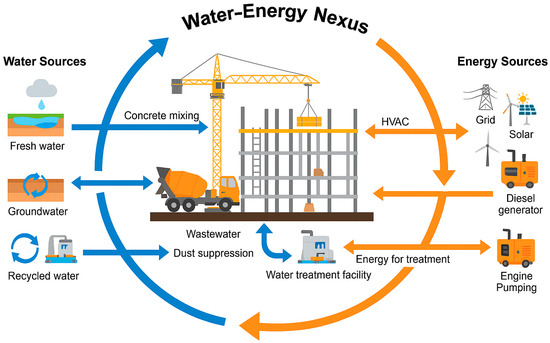
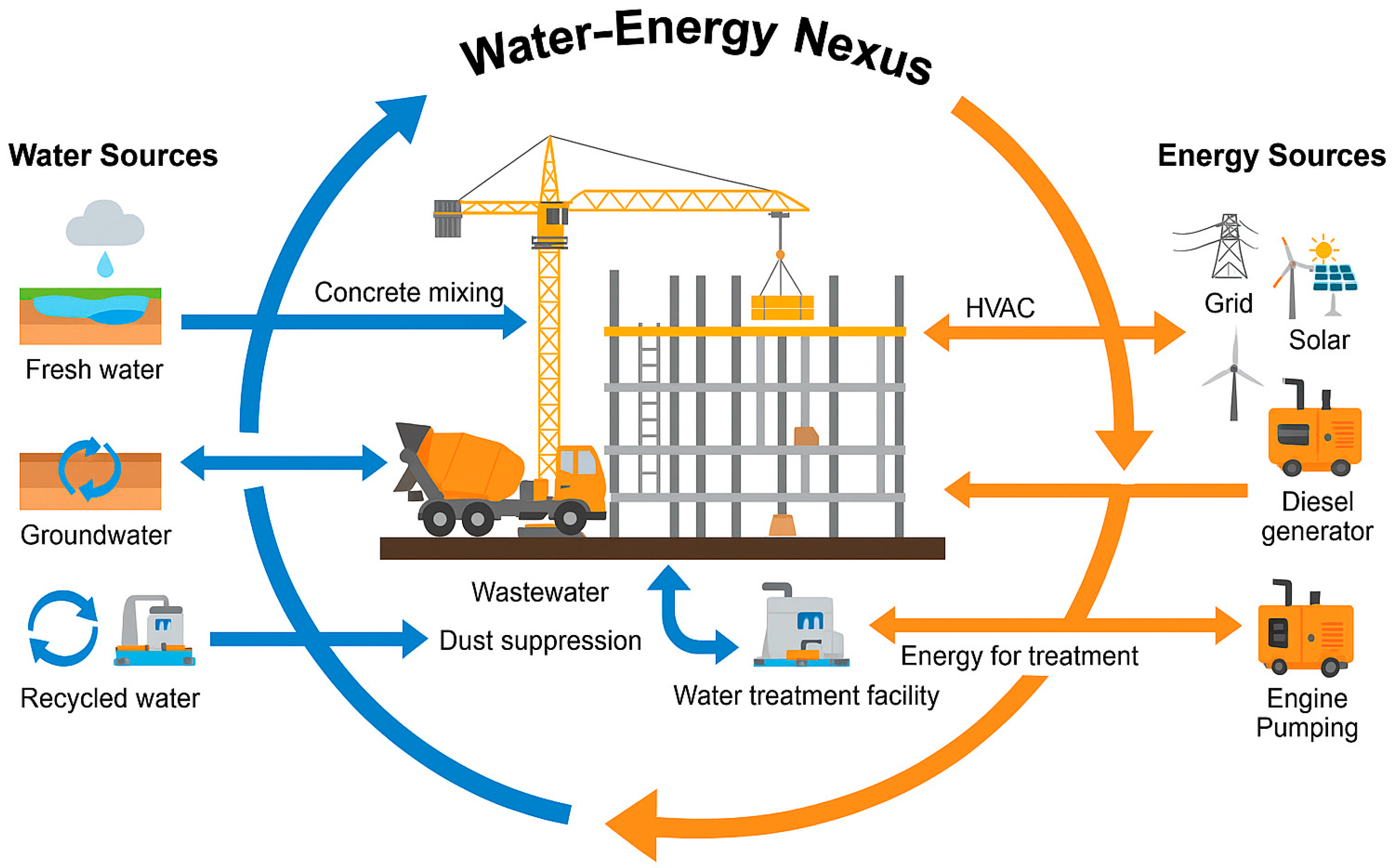
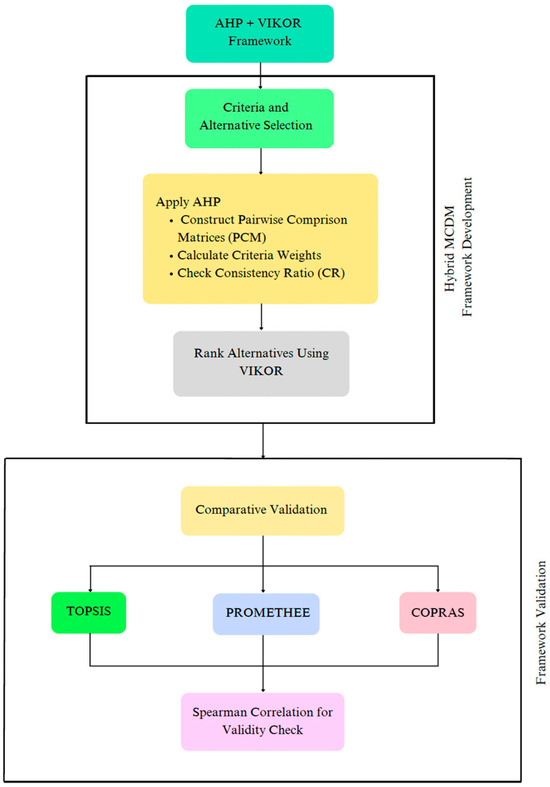
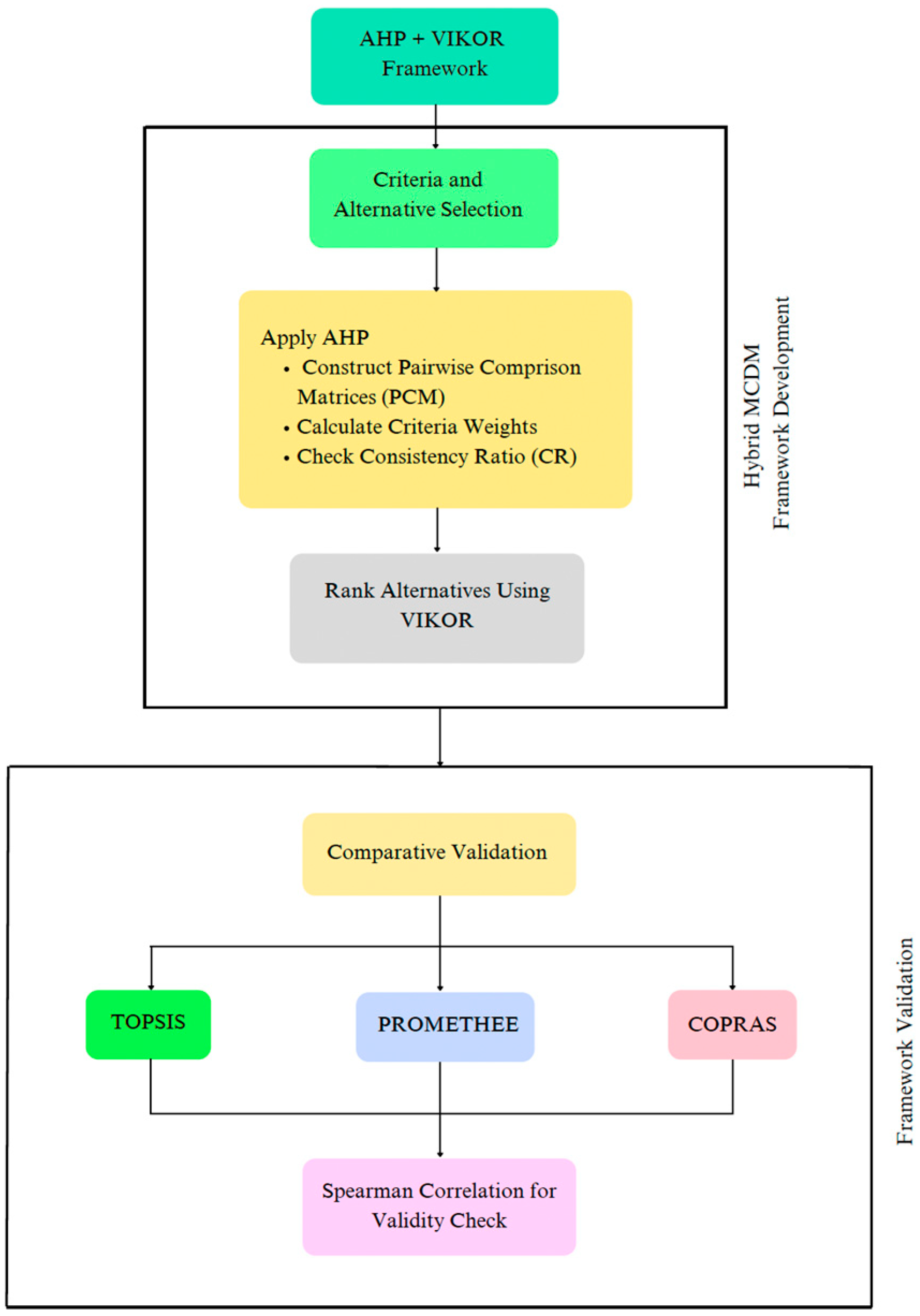
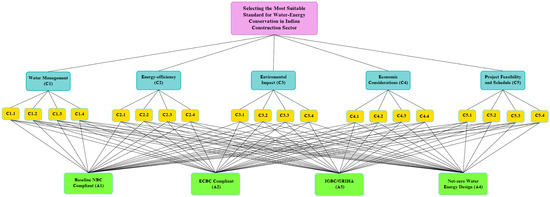
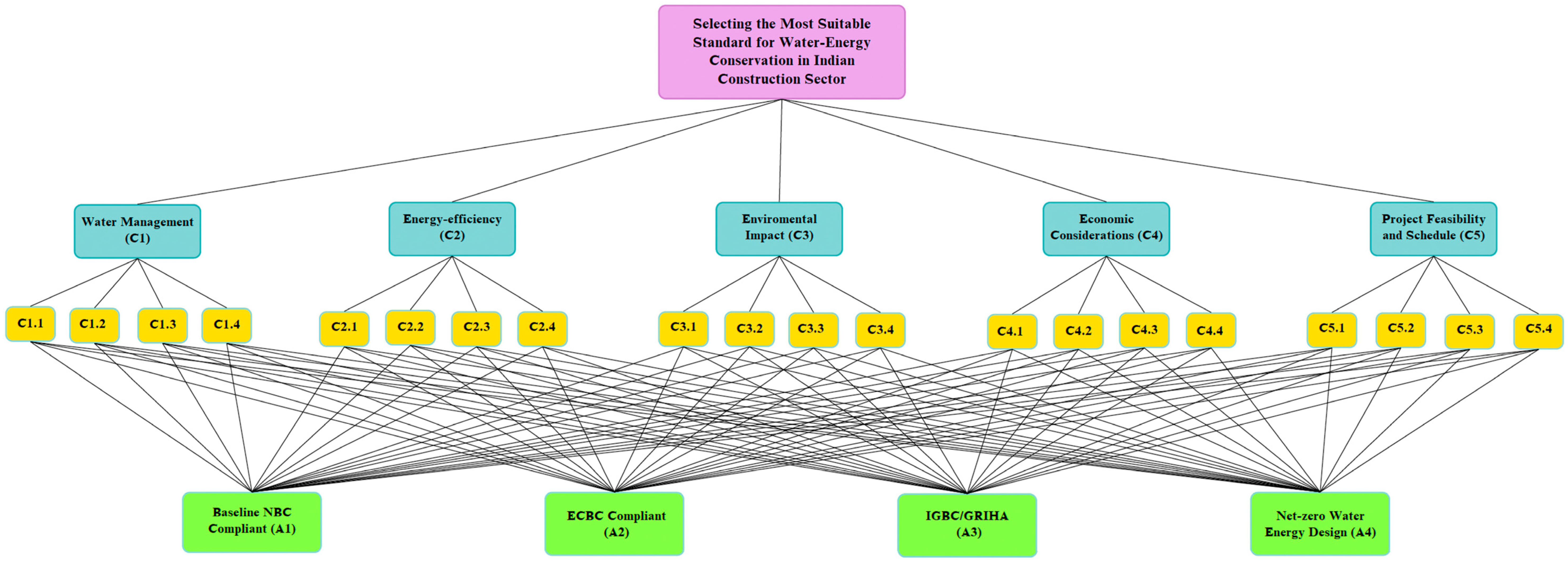
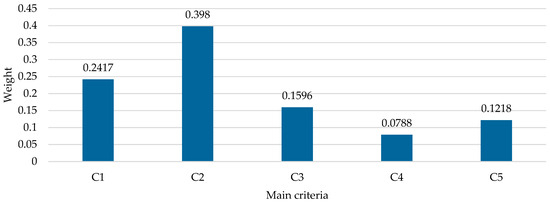
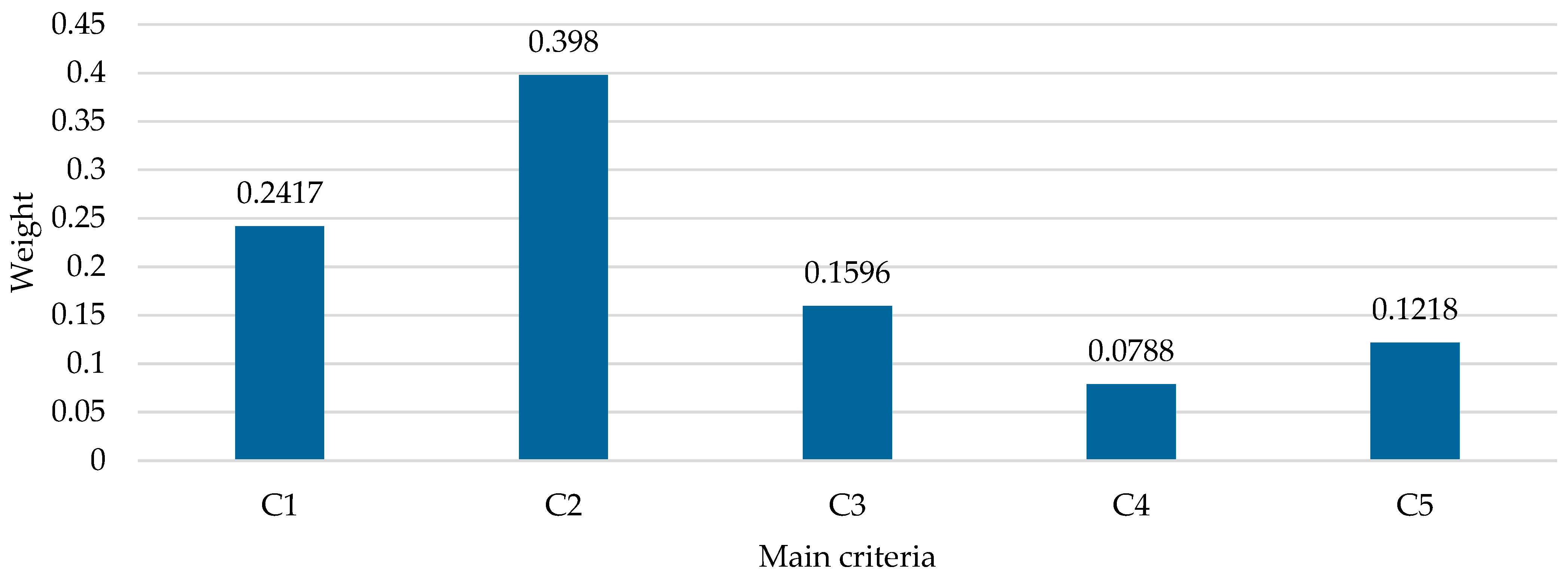
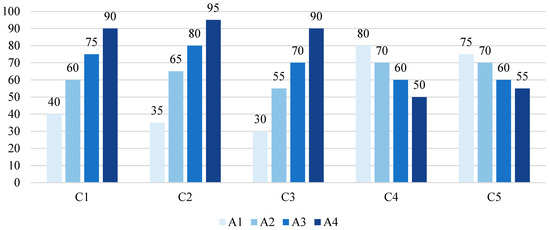
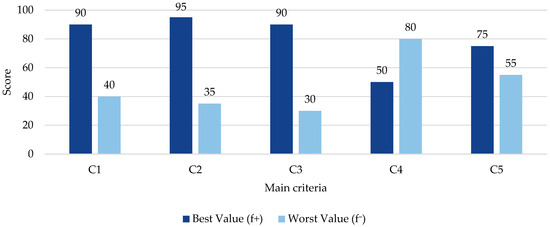
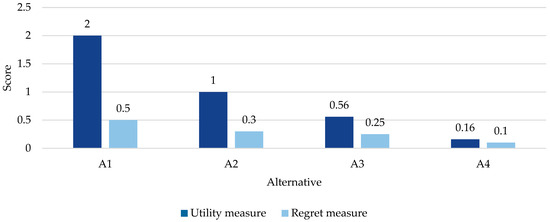
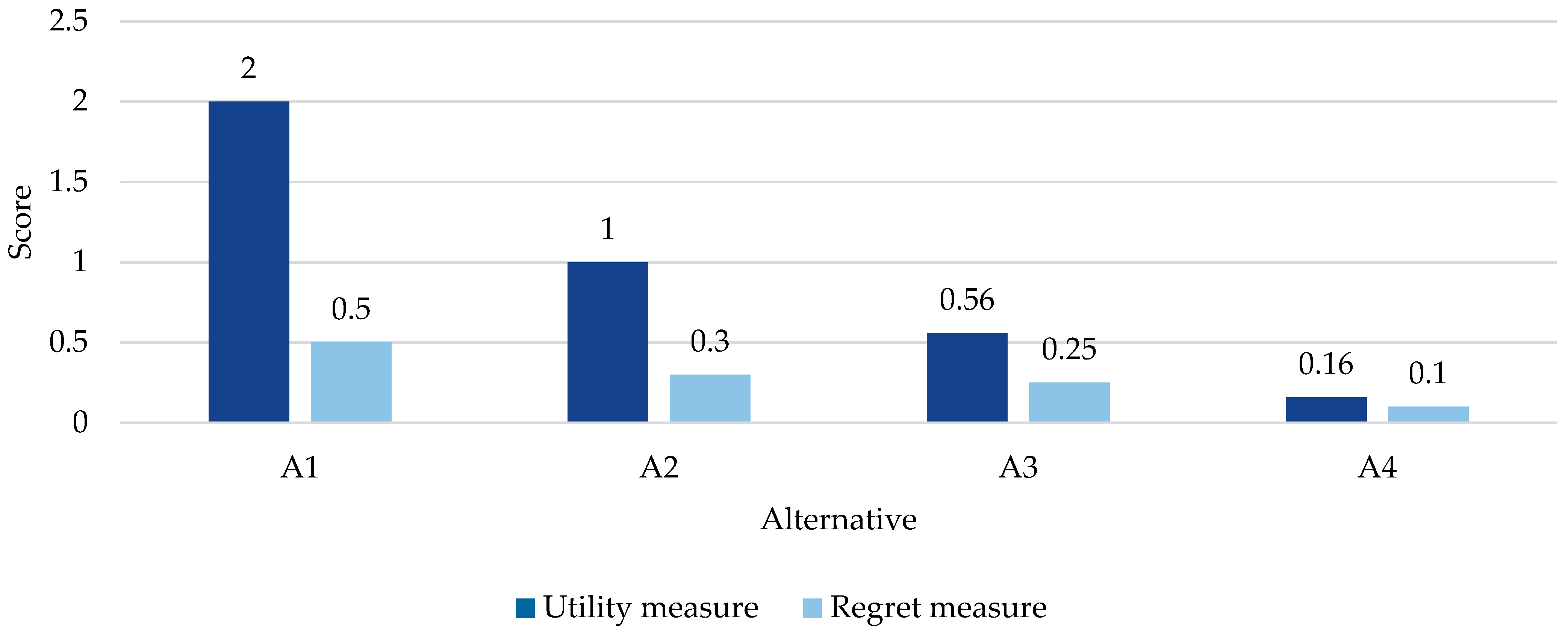
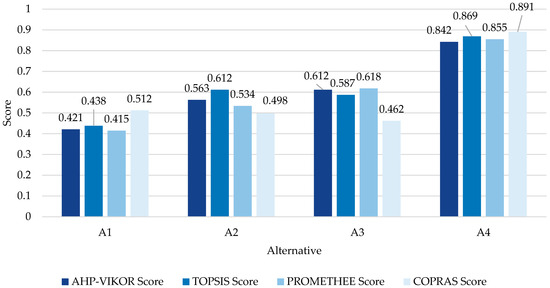
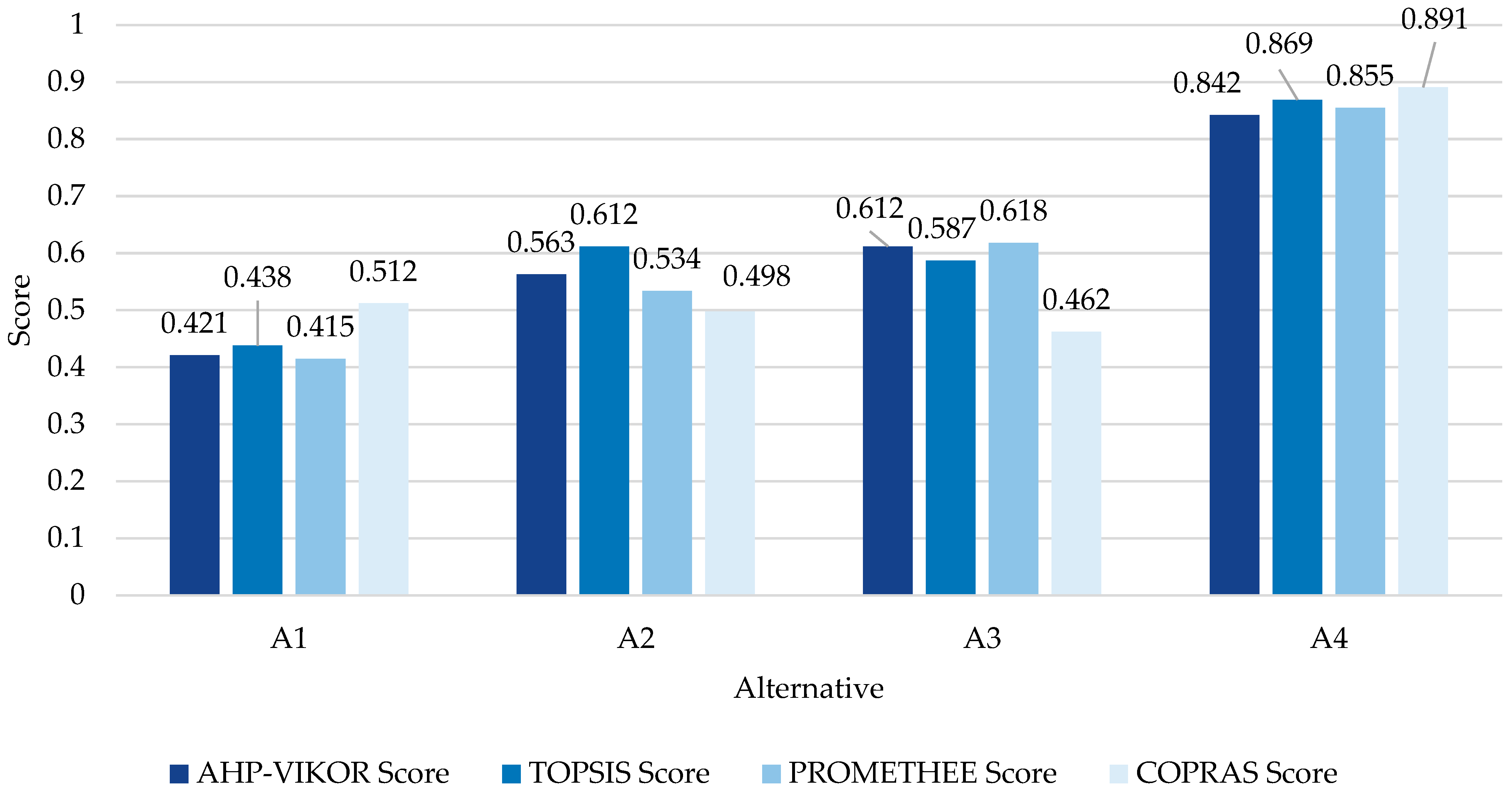

Disclaimer/Publisher’s Note: The statements, opinions and data contained in all publications are solely those of the individual author(s) and contributor(s) and not of MDPI and/or the editor(s). MDPI and/or the editor(s) disclaim responsibility for any injury to people or property resulting from any ideas, methods, instructions or products referred to in the content. |
© 2026 by the authors. Licensee MDPI, Basel, Switzerland. This article is an open access article distributed under the terms and conditions of the Creative Commons Attribution (CC BY) license.