


Abstract
Supply chain digital transformation is fundamentally reshaping information generation, sharing, and utilization across organizational boundaries. Supply chain information integration (SCII), the strategic alignment of digital technologies with inter-organizational information exchange, is a critical enabler of operational efficiency, innovation, and competitive advantage. Existing research on SCII remains fragmented with respect to theoretical perspectives, methodological approaches, and the mechanisms affecting performance outcomes. To address this gap, this systematic literature review aims to analyze SCII research development by examining its theoretical foundations enabling digital technologies, as well as the mechanisms behind its performance, based on 57 peer-reviewed articles published between 2020 and 2025, retrieved from the Web of Science database, following the PRISMA systematic review protocol. This review’s findings reveal antecedents, mediators, and moderators that translate integrated information into superior performance, which are used to develop an integrated conceptual framework. The study contributes theoretically by synthesizing fragmented research and by proposing an integrated framework that clarifies the mechanisms and conditions through which supply chain information integration influences organizational and supply chain performance. Practically, it can guide managers seeking to leverage digital information integration for sustained performance improvement. Directions for future research are proposed to advance theory development in digital and sustainable supply chain management.
1. Introduction
In the era of globalization, firms face challenges in adapting to dynamic markets and securing a competitive advantage via supply chains (SCs). Firms in global markets need to expand their strategies, moving beyond focusing solely on cutting costs (traditional) in favor of incorporating a more contemporary strategy, one focused on integration with SC partners (SCPs), to gain competitive advantages [1]. Organizations now not only compete as independent entities relative to upstream and downstream or sellers and buyers (e.g., materials suppliers and end customers), but as part of interconnected, worldwide SCs [2]. In response to the changing and complicated landscape of global competition, firms must build strategies for efficiently managing their SCs. Supply chain management (SCM) emphasizes the tight coordination or integration of activities among SCPs to provide exceptional services to end consumers at minimal cost, thereby augmenting the competitiveness of the whole SC [3]. Thus, firms seek to build a competitive advantage not just from the company itself, but via collaboration among SCPs to increase value across SCs [4].
In the contemporary global business environment, firms seek to digitalize and adopt Industry 4.0 technologies (e.g., blockchain (B-Chain), big data, information technology (IT), and internet of things (IoT)) to integrate them into business processes. Such integration facilitates the coordination and alignment of SCPs’ objectives, thereby improving the success of overall SC [5]. According to McKinsey and Company [6], almost 90% of all firms have now implemented or intend to invest in the digital transformation (D-Trans) strategy, as this strategic trend is significant in creating value. The intelligent transformation process is difficult, entailing systematic changes in the context of limited resources and competencies for changes in technology, people, and management [7]. Such challenges can be ameliorated by utilizing Industry 4.0 technologies in SCM to facilitate communication across SCPs, resulting in improved transparency and visibility, lower transaction costs, and enabling efficient information exchange [8].
Key benefits that digital technologies (D-Techs) can offer SCM include the ability to leverage and analyze data for better predictive insights and proactive decision-making, allowing the SCM to respond to market fluctuations more rapidly and adeptly [9]. Rapid digitalization, the growing emphasis on sustainability, and the increasing frequency of SC disruptions have significantly elevated the strategic importance of information integration across SCPs [10]. Supply chain information integration (SCII) enables firms to synchronize information flows, share timely and accurate data, and support coordinated decision-making across organizational boundaries [11]. As Junejo et al. [12] posited, disseminating important information across the organization strengthens coordination, elevates product quality, and fosters sustainability. Thus, D-Tech facilitates information integration, leading to improved accuracy in executing business tasks.
Recent empirical evidence underscores that effective communication between SCPs using smart technologies can provide access to operational data to break down information silos, thus improving logistic performance [13]. Combining the implementation of technical aspects (technologies) with social aspects (e.g., sharing information) is crucial to attaining a competitive advantage in the context of SCII. SCII pertains to an organization’s capacity to disseminate information across the SC via electronic connections to provide adequate information flow, both inside and outside the company, resulting in improved firm and SC performance (SC-Per) [14]. Thus, as both aspects (social and technical) are important, this study seeks to systematically review articles that combined both aspects, as well as to study their effects on performance at the organizational (internal) and SC levels.
As S. Li et al. [15] emphasized, the need for SCM strategies that integrate and manage key components of information through the use of IT is crucial to enhancing competitive advantage and performance in the SC sector. This integration allows SCPs to coordinate their activities, decrease lead times, and optimize inventory levels, thereby enhancing performance [10]. Moreover, SCII has facilitated enterprises in integrating production planning, executing collaborative decision-making, and synchronizing operations across the SC to respond to market fluctuations, hence enhancing the overall operational performance of the firm [16].
Despite the growing number of reviews on digital SCM and information sharing, existing reviews remain largely technology-centric and provide limited insight into how and why SCII translates into performance outcomes. Prior studies largely assume a direct and uniformly positive relationship between information integration and performance, overlooking the mechanisms through which integrated information is transformed into actionable knowledge and value creation. Previous systematic literature reviews (SLRs) in this field have concentrated on singular technologies (e.g., B-Chain [17], cloud computing [18], and RFID and IoT integration [19]. Prior research has studied Internet 4.0 with regard to performance outcomes [20], revealing the implementation of different kinds of technologies and their benefits on performance, but the mechanisms and conditions by which SCII leads to performance improvements have not been adequately studied. Moreover, existing reviews tend to focus on technological aspects or isolated performance outcomes, providing limited insight into the intervening capabilities, boundary conditions, and multi-level effects that shape the SCII–performance relationship in digitally enabled SCs.
Our study seeks for a more comprehensive and better-balanced understanding of the implementation of SCII and performance characteristics in the context of SCs via a thorough investigation of the literature through an SLR. Our study encompasses a comprehensive analysis of 57 relevant publications published from 2020 to 2025 to answer the following research questions:
- What are the main theories in the literature that have been used in the SCII–performance relationship?
- How and under what conditions does SCII leads to firm and SC-Per?
This study addresses the identified limitations in the existing literature by systematically analyzing and synthesizing existing research in order to develop an integrated understanding of how SCII influences performance outcomes, offering a systematic and integrative review that goes beyond prior work in four important ways:
- It synthesizes dispersed theoretical perspectives to clarify the underlying theories that have been used to explain the SCII–performance relationship.
- It identifies critical moderators and contextual contingencies that explain inconsistencies in empirical findings.
- It reveals the impact of SCII on different types of performance at the organizational and SC level.
- It develops a comprehensive conceptual framework that integrates antecedents, mediators, moderators, and performance outcomes across organizational and SC levels.
By attaining these objectives, this review advances theory development in digital SCM, and shifts the focus from technology adoption toward capability activation and value creation, providing a structured foundation for future empirical and theoretical research. Furthermore, the ultimate rationale for this review is to provide practitioners and researchers with useful knowledge, aiming to counteract the problem of scattered information and fully unlock the potential of SCII to enhance SC and firm performance.
This systematic review conceptualizes SCs as complex, dynamic systems, encompassing numerous interrelated entities. These SCPs are interconnected via the exchange of knowledge, material, and financial assets. D-Techs improve the coherence and manageability of the system, facilitating real-time information flows. Thus, regarding the importance of digitalization and information sharing in the context of SC, this study contributes to the SCM literature by examining the growing impacts of SCII and their combined effect on performance. It is important to examine its potential in attaining long-term competitiveness and sustainability objectives.
Despite the growing body of research on SCII, the existing literature remains fragmented, with studies examining different antecedents, mechanisms, and performance outcomes across various contexts. While prior studies have investigated specific aspects such as information sharing, D-Techs, or SC collaboration, there is still limited systematic synthesis that integrates these perspectives to explain how SCII contributes to organizational and SC-Per. To address this gap, this study conducts an SLR to synthesize existing empirical evidence and develop an integrated framework that identifies the key antecedents, mediating mechanisms, moderating factors, and performance outcomes associated with SCII. By providing a structured synthesis of the literature, this review advances understanding of the conditions under which SCII contributes to performance and offers directions for future research.
Moreover, this study is anticipated to serve as a reference for researchers and managers concerned with SCM studies, as it assesses progress in theoretical and empirical fields and provides insight into future developments. Specifically, our findings will be valuable to researchers by providing a basis for further exploration, as well as in justifying the importance of the SCII–performance relationship for research in the coming years, due to the novelty of adopting SCII in firms and its potentially unique and evolving effects on performance.
The subsequent parts of this paper are structured as follows. Section 2 gives a brief overview of SCII, followed by explanation of the methodology used for literature searching and analysis (Section 3). The main findings are presented in Section 4, followed by Section 5 and Section 6 identifying this study’s key implications and limitations, as well as future research directions.
2. Supply Chain Information Integration (SCII)
Scholars have defined SCII differently. Prajogo and Olhager [11] define it as “the sharing of key information along the supply chain network which is enabled by information technology”, whereas Jiang et al. [21] stated that SCII is the ability to disseminate, exchange, and share strategic, operational, and tactical information with its SCPs. Moreover, SCII is a strategic collaboration between the firm and its SCPs, focusing on managing information related to sustainable development practices both internally and externally to swiftly adapt to fluctuations in the business environment [22].
This study defines SCII as the synchronization of information both within and outside a business with supporting technology to enhance collaborative communication between SCPs. Thus, this research posits that the coexistence of both components of SCII—the technical side (i.e., ICT, IT, IS, big data, B-Chain, etc.), and the social side (i.e., information sharing, integration or flow)—are essential, since the absence of any aspect would be detrimental. Accordingly, SCII is treated as a multidimensional construct, which captures two complementary components: information sharing and IT system integration. This conceptualization reflects the dual nature of SCII, whereby both technological infrastructure and relational information exchange jointly enable effective integration across SCs.
It is important to distinguish SCII from general technology use, which relates to the adoption or deployment of digital tools, platforms, or information systems, such as enterprise resource planning (ERP) systems, cloud platforms, and data analytics tools. While such technologies enable data collection, storage, and transmission, they do not automatically result in information integration that can be inherent in workers, departments, or firms as a whole. SCII is also conceptually distinct from digital integration and SC collaboration. Digital integration generally refers to the technological connectivity enabled by digital platforms, while collaboration focuses on relational cooperation among partners. In practice, firms that adopt advanced D-Techs and have excessive dependence on technology alone, coupled with a lack of willingness to share essential information, will likely be prevented from achieving meaningful connectivity; however, firms can realize the benefits when they embrace both aspects (technical and social) effectively, leading to enhanced decision-making processes [15].
The prerequisite SC collaboration necessary for the effective use of technology involves “two or more independent companies (that) work jointly to plan and execute supply chain operations with greater success than when acting in isolation” [23]. Consequently, the successful integration of information into routines, relationships, and processes across the SC is necessary for seamless communication of data [24], as this process can maximize firms’ benefits through improved collaborative planning, enhance business operations, and organizational factors to meet market demands [25,26]. Although information sharing is crucial, it requires profound and concerted efforts of comprehensive SC integration to directly influence sustainability results [27].
Through the integration of IT systems, organizations can improve the exchange of real-time information, which in turn helps businesses with demand forecasting, logistical coordination, and rapid response to changing demands [28]. Moreover, SCII provides efficient market information and the feedback from customers leading to a flexible response to various risks that may arise in an unpredictable environment, thereby enhancing performance [4].
Thus, the primary objective of SCII is to foster more trust and collaboration among SCPs to ease the exchange of comprehensive information, hence enhancing their decision-making to improve sustainability and performance [28]. Moreover, SCII is an organizational capability, as technology serves as an enabling infrastructure, whereas SCII reflects how information is synchronized, interpreted, and applied across SCPs. This distinction is critical, as performance benefits arise not from technology adoption per se, but from the degree to which integrated information supports coordination, responsiveness, learning, and governance across the SC.
3. Methodology
3.1. Search Strategy and Keywords
This study aims to identify and evaluate published research during the period 2020–2025, seeking to dig deep in the literature to discover the mechanisms under which circumstances the combined effect of information integration, flow, sharing, or exchange along with technologies lead to performance. Subsequently, a protocol was established delineating the inclusion criteria for reviewed articles [29]. In particular, we focused on articles that addressed SC in relation to the SCII–performance relationship. Moreover, a search strategy was employed to capture a comprehensive set of peer-reviewed articles published in English using the Web of Science (WoS) Database.
This choice of database is in line with prior reviews focusing on SCs, which found WoS to be reliable [30], with expansive, multidisciplinary coverage of high-quality and peer-reviewed literature across different scientific fields, making it a robust basis for high-impact research [31]. The choice of WoS was made deliberately, due to its rigorous journal selection criteria, standardized indexing practices, and robust citation-tracking capabilities, which are widely recognized in high-quality SCM and operations research reviews. By focusing exclusively on WoS, the study ensured the inclusion of peer-reviewed and reputable sources, offering a solid foundation for examining the effects of D-Techs on the integration of information in SCs. This approach aligns with prior systematic reviews that emphasize depth of synthesis and theory development over exhaustive bibliographic enumeration.
We concentrated on original articles, hence excluding any systematic or bibliometric reviews [29]. Thus, we only included empirical studies that used quantitative methods and tested hypotheses. The exclusion of qualitative and purely conceptual studies was a deliberate and theoretically motivated decision, aligned with the objective of this review to identify systematic patterns, dominant mechanisms, and boundary conditions across the SCII–performance literature. Moreover, quantitative empirical studies allow for greater comparability of constructs, mechanisms, and performance effects, enabling the synthesis of consistent evidence across organizational and SC contexts. While qualitative and conceptual studies provide a comprehensive insight into social, relational, and behavioral dimensions of SCII, such insights fall outside the primary scope of this review.
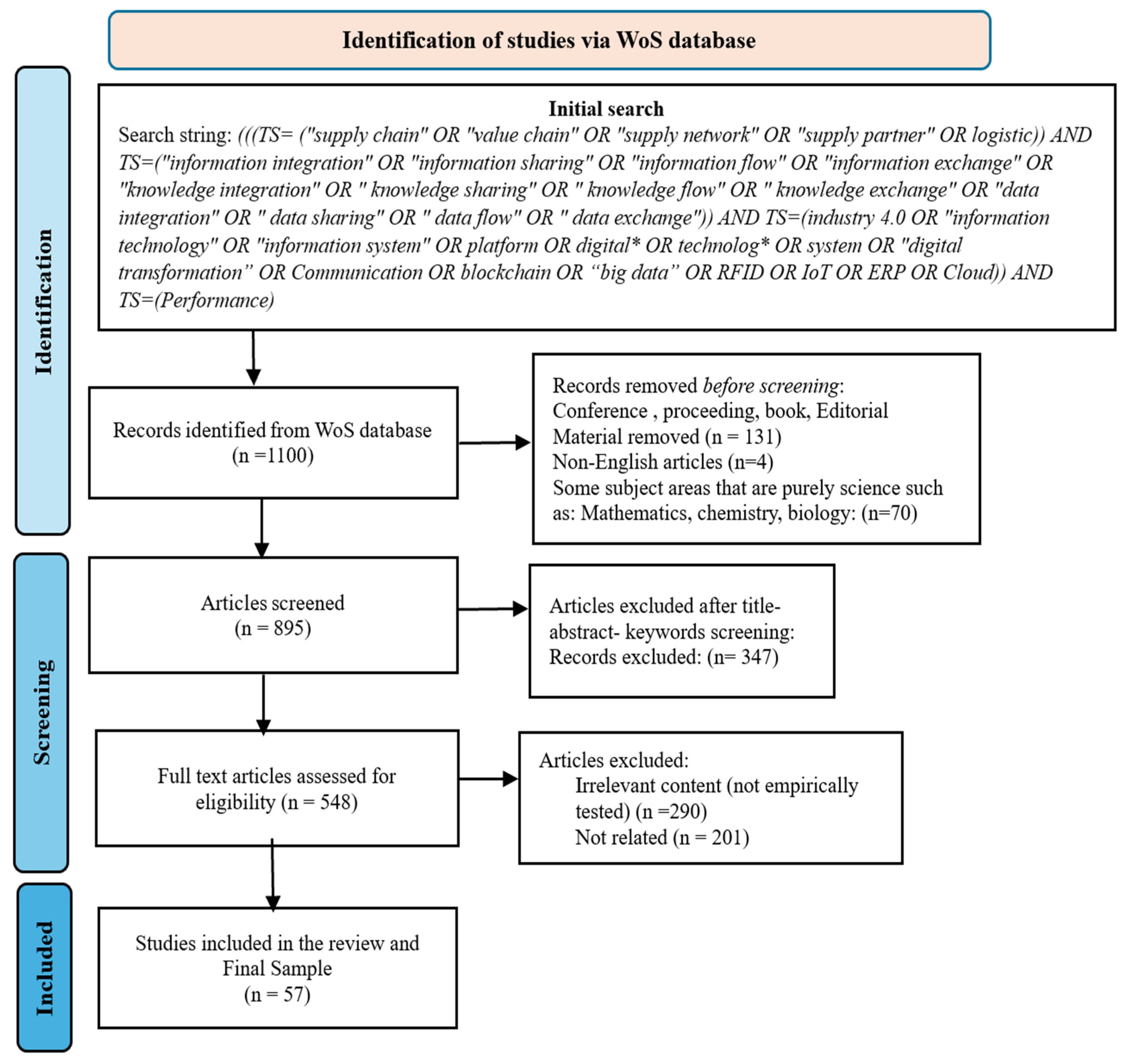
This study builds on analyzing the reviewed studied by using the Preferred Reporting Items for Systematic Reviews and Meta-Analyses (PRISMA) protocol, with its three primary phases: “Identification, Screening, and Inclusion” [32] (Figure 1). Initially, during the Identification phase, we searched WoS for relevant papers using the given keywords in their titles, abstracts, and keywords. The search string used was as follows:
(((TS = (“supply chain” OR “value chain” OR “supply network” OR “supply partner” OR logistic)) AND TS = (“information integration” OR “information sharing” OR “information flow” OR “information exchange” OR “knowledge integration” OR “ knowledge sharing” OR “ knowledge flow” OR “ knowledge exchange” OR “data integration” OR “ data sharing” OR “ data flow” OR “ data exchange”)) AND TS = (industry 4.0 OR “information technology” OR “information system” OR platform OR digital* OR technolog* OR system OR “digital transformation” OR Communication OR connect OR “big data” OR blockchain OR RFID OR IoT OR ERP OR Cloud)) AND TS = (performance) NOT TS = (“systematic review” OR “systematic literature review” OR “meta-analysis” OR experiment OR game OR Dematel OR simulation OR “Bayesian forecast” OR AHP OR ANP OR MCDM OR algorithm).
Figure 1.
PRISMA-based model of the article selection process.
3.2. Inclusion and Exclusion Criteria
The inclusion and exclusion criteria were designed in such a way that the various studies identified would be relevant to the research objectives [32]. The criteria were carefully defined to sift out studies that fell below par in terms of empirical research standards and hypothesis testing. Several steps were taken to ensure that the most relevant studies were considered.
First, all database search results were imported into EndNote, a reference management software facilitating the process of organizing articles and conducting an initial screening. Removing duplicate records was the first stage, ensuring that each study was considered only once. Next, the remaining studies were screened for their relevance to the predefined inclusion and exclusion criteria, by reading titles and abstracts.
For inclusion, studies had to be published between 2020 and 2025, and only articles written in English and indexed in the WoS database were considered during this period. The studies had to be empirical, using quantitative methodologies and focusing on SCII along with any kind of D-Techs in SCs. The key point was that the studies included had to clearly state and test the hypotheses. Therefore, a total of 1100 publications were considered for further evaluation. The removal of (i) articles in different outlets, such as conference proceedings, books, and editorials (n = 131); (ii) studies published in non-English languages (n = 4); (iii) studies in specialist scientific subject areas (e.g., mathematics, chemistry, and biology) (n = 70) left a total of 895 articles.
Through the screening stage, we narrowed our analysis to publications that examined the combination of technologies with SCII, using title–abstract–keyword screening to exclude 347 articles [32]. Moreover, 548 articles met the criteria for comprehensive evaluation. After full evaluation, articles that were not empirically tested (n = 290), or those that were not related to SC or were otherwise irrelevant to the review criteria (n = 201), were eliminated [29] to obtain a final selection that is both rigorous and in line with the research objectives (n = 57).
Although the initial database search returned a significantly larger number of records, only studies that explicitly examined SCII and its performance implications were retained after applying the predefined inclusion and exclusion criteria. Thus, this systematic approach ensured that studies that provided robust empirical evidence relevant to the impact of SCII on performance in the context of SC were included. Table 1 summarizes the inclusion and exclusion criteria.
Table 1.
Summary of inclusion and exclusion criteria.
3.3. Data Extraction and Synthesis Methods
Following the literature search and selection of studies, a standardized set of data extraction forms was used to collect relevant data from each study in a consistent manner. The format was designed to include data collection sheets that provided information about the study, methods, sample size, antecedents, mediators, outcomes, and results (Appendix A). This form was adopted and applied uniformly across all the selected studies, thereby providing comparative results for the extracted data. The extraction of data required analysis of each study to introduce pertinent information and ensure that no important data was omitted.
The extracted data were synthesized using a structured process as we systematically review the literature to discover the effects of D-Techs along with information integration on performance outcomes. This enabled the identification of dominant empirical patterns, frequently examined relationships, and consistent effect directions across studies. The selected studies were analyzed through a structured synthesis process, which involved identifying recurring themes, theoretical perspectives, mediating and moderating mechanisms, and performance outcomes across the literature:
- Studies were grouped based on kind of technologies they used.
- Studies were grouped based on their underlying theoretical perspective (as per theories related to the SCII–performance relationship).
- Iterative comparison was applied, whereby the synthesis highlighted antecedents, mediating, and moderating mechanisms (to evaluate under what conditions and through which paths SCII affects performance).
- Studies were grouped based on performance outcomes into organizational and SC levels, given that different kinds of performance can be affected by SCII. Organizational-level performance reflects internal capabilities, whereas SC-level performance captures inter-organizational outcomes.
The results were then integrated to provide a coherent overall interpretation of how and under what conditions combining D-Tech and information sharing influence performance outcomes. The summary of all the reviewed articles can be seen in Appendix A.
4. Results
4.1. Characteristics of Included Studies
After reviewing the 57 publications, we found that the number of publications increased each year from 2022 to 2025, after a dip from 2020 to 2021. Figure 2 illustrates that 2021 had the lowest number of publications (4 articles), whereas 2025 demonstrated the highest (16 articles). Moreover, the number of publications gradually increased each year, with 2020 (6 articles), 2022 (9 articles), 2023 (10 articles), and 2024 (12 articles). The increasing number of publications demonstrate the growing interest in adopting D-Techs over recent years and revealed the importance of SCII. The sample for our article was derived from 39 journals, comprising Sustainability (6 articles), Journal of Enterprise Information Management (6 articles), Annals of Operations Research (3 articles), Benchmarking (2 articles), Production Planning & Control (2 articles), International Journal of Logistics: Research and Applications (3 articles), Operations Management Research (2 articles), and 30 articles from other assorted journals.
Figure 2.
Number of articles published each year.
Moreover, various different kinds of technologies were the focus of the reviewed articles, including IT (28.1%), B-Chain (15.8%), digital SC (19.3%), information system (InfoSyst) (8.8%), ICT (8.8%), big data use (BDU) (7.0%), cloud computing (3.5%), analytical decision support systems (ADSS) (1.8%), AI (3.5%), and IoT (3.5%). These results indicate that the most prevalent technology scrutinized in the articles was “IT”, reflecting its more general and expansive conceptualization and the fact that it facilitates and enhances the ability to disseminate information efficiently across businesses [33]. Figure 3 illustrates the kinds of technology applied in the analyzed articles.
Figure 3.
Kind of technologies used in reviewed articles.
The majority of the papers that were evaluated focused on the manufacturing sectors (27 articles), followed by small and medium enterprises (SMEs) (8 articles), the food industry (4 articles), logistics, garment, pharmaceutical (2 articles each), and different sectors (12 articles), reflecting the importance of applying SCII in different industrial sectors. The geographical distribution of the articles indicates that China and India were the leading focus. Grouped by continents, for Asia, China was the subject of 17 articles, followed by India (9 articles), Vietnam (4 articles), Taiwan (2 articles), Malaysia (3 articles), Pakistan (2 articles), Bangladesh (3 articles), and South Korea (1 articles). Africa had three articles, and the Middle East was the focus of six. Additionally, one article undertook global empirical testing, while there was one article each focusing on the UK, USA and Latin America. Moreover, 3 articles did not mention the geographical focus. This global spread of research demonstrates the importance of SCII between SCPs across diverse regions and industries.
Furthermore, 24.6% of the papers did not clearly utilize an underlying theory, while the remaining 75.4% did, among which the predominant theoretical paradigms are presented in Table 2. The analysis of 57 articles revealed that previous research on combining any kind of technology with Info-Share in the context of SC presented seven primary theories. The dominant theory is the resource-based view with around 28.1% (16 of 57), followed by the dynamic capability (7 articles) and organizational information-processing theories (6 articles). In addition, the transactional cost economics theory (TCE) and technological, organizational, and environmental (TOE) framework had four articles each, while the knowledge-based view (KBV) had three.
Table 2.
The theoretical frameworks of reviewed studies.
4.2. Main Theoretical Paradigms
This subsection addresses the first research question (RQ1), which examines the main theories used to explain the SCII–performance relationship. Analysis of the articles uncovered the main related theories underpinning the conceptualization and analysis of performance indicators when implementing SCII, as outlined below.
4.2.1. Resource-Based View (RBV)
According to the RBV, resources that are uncommon, precious, unique, and non-substitutable are sources of long-term competitive advantage [57]. The RBV theoretical framework provides a comprehending view of the importance of utilizing effective resources to enhance an organization’s competitive advantages and performance. Chowdhury et al. [36] stressed that success in today’s fast-paced business world relies on a company’s ability to adapt its resources and expertise to seizing opportunities and fulfill customer needs. The consequences of using resources effectively, such as using advancements technology, provide firms with several opportunities to achieve seamless integration with their SCPs [43]. Intangible and tangible resources (e.g., information sharing and integrated technology systems, respectively) are regarded as essential capabilities that are uncommon and difficult to replicate, thereby influencing organizations’ strategic management planning, and ongoing improvement in these resources can lead to persistent competitive advantage and performance [38]. Thus, generating data from BDA adoption with the enhancement of information sharing can generate value and significantly affect its performance, which reflect the RBV perspectives [5].
RBV is a managerial framework that elucidates how organizations can attain and maintain a competitive advantage through their resources and capabilities, particularly when leveraging IT to improve organizational performance [5]. Kumar et al. [37] found that the effective application of the RBV to maintain sustained competitive advantage and performance, lies through the actual use of resources tangible (technology systems) alone or along with intangible (knowledge). Along with this, Zhu et al. [8] underscored the importance of enhancing internal resource capabilities through ICT alignment with external resources from SCPs to improve the overall performance. Accordingly, RBV offers an explanation as to why companies who implement D-Tech in their SCs can attain superiority to competitors, especially in terms of performance outcomes.
4.2.2. Organizational Information-Processing Theory (OPIT)
OPIT is commonly used in contexts with uncertainty and difficulty, based on the premise that organizations must develop information-processing capacities that are equal to or greater than the level of uncertainty they face [58]. This theory postulates that the higher the uncertainty provided by an environment surrounding an organization, the more developed mechanisms of information processing should be available to adequately support decision-making and coordination activities taken within the organization [8]. OIPT emphasizes that when dealing with interdependent and unpredictable activities, SCII is considered a crucial mechanism for decreasing uncertainty and increasing the performance [50]. In this respect, the competencies of processing, sharing, and using information are crucial in today’s business world, which is gradually developing to be more complex and dynamic.
The OIPT posits that the implementation of IT gives businesses the processing power they need to integrate and process both information and real-time data more effectively for better decision-making, allowing them to outperform their competitors and achieve superior performance [51]. Extending on this and according to Gangwani et al. [50], B-Chain technology offers effective information exchange and enhance collaboration that SCPs may use to improve responsiveness to environmental volatility, which addresses quality concerns and ultimately enhance overall quality performance. Lai et al. [3] asserted that the OIPT can be utilized to elucidate the connection between the information integration and enhance decision-making process lies on the collaboration between SCPs and using the data collected from their activities to enhance their logistics services performance.
Grounded on OIPT, the implementation of IT gives businesses the processing power they need to integrate and process information more effectively, allowing them to outperform their competitors and achieve superior performance. Consequently, OIPT agrees that technologies help in processing information that offer solutions to directly address some of the challenges of environmental uncertainty and improve SC-Per and organizational effectiveness [47].
4.2.3. Dynamic Capabilities Theory (DCT)
The DCT, developed by Teece et al. [59], provides a firm with an integrative framework of coherence that focuses on an organization’s capability to integrate, build, and reconfigure internal and external competencies in an effort to responsively address rapid variations in market environment. This theory has much relevance within SCM, especially when firms utilize technology to integrate information due to the firm’s capability to adapt, adjust, and reorganize business resources due to change in market demand, technology advancement, and competitive pressures [1].
SCII is a crucial strategic resource that is essential for sustaining a competitive edge by facilitating the adoption of technology to gain new insights and make better decisions, which ultimately helps to sustain a competitive advantage and enhance performance [48]. Moreover, from the perspective of DCTs, the synergy of information and technological capabilities and skilled personnel allow organizations to adapt and reconfigure their resources to respond to market demands, thereby enhancing operational performance and strategic decision-making [39]. For example, using AI applications and information sharing serve as dynamic capabilities within DCT, allowing agricultural enterprises to identify market possibilities, capitalize on competitive advantages, and reorganize resources to enhance volatile inventory management and mitigate risks via forecasting analysis [49].
According to Mohamed et al. [1] and based on DCT, altering SC processes and resources (i.e., innovative improvements) can create value, as well as improve performance and productivity, due superior information integration capabilities, which ultimately affect environmental SCP. Moreover, B-Chain technology, when combined with better information exchange, enhances firms’ ability to adapt SC operations relative to changing consumer needs and market conditions, which helps businesses boost their innovativeness and competitiveness and in turn enhance SCP [46]. In sum, continuous reconfiguration of SC processes, integration of new technologies, and strategic alignment of resources collectively can enhance performance [24].
4.2.4. Transaction Cost Economics (TCE)
From a TCE perspective, the performance effects of SCII critically depend on firms’ ability to reduce transaction costs arising from uncertainty, asset specificity, and opportunism. TCE emphasizes that business transactions are the fundamental unit of analysis for understanding economic behavior, as companies essentially strive to reduce their costs related to economic transactions and maximize their profits [60]. S. Li et al. [52] stated that TCE is based on the assumptions of rationality and opportunism. In this context, decision-makers in uncertain environments are unable to behave rationally, due to their limited capacities to gather, retain, seek, and convey knowledge under such circumstances. Opportunism demonstrates that individuals may engage in deceit to pursue their self-interests, hence increasing transaction costs. Digital SC integration and collaborative information sharing allow firms to address the issue of information asymmetry reduce transaction costs and opportunism, leading to stronger business relationships and ultimately fostering firm performance [54].
Organizations must implement suitable governance mechanisms to oversee transactional costs, due to the risks of rationality and opportunism. Thus, integrating technology along with collaboration enhance openness and transparency to digest complicated data, which cultivates a more reliable environment, diminishing the probability of opportunistic behavior and supporting better decision-making (i.e., inhibiting rash or opportunistic decisions) [54]. Based on TCE, Nguyan et al. [53] found that effective SC integration (IT and information), particularly with suppliers (SCPs) and end consumers, significantly mitigate opportunistic behaviors and relational costs across SCs, hence enhancing the organization’s economic performance. For example, ICT can diminish costs related to economic transactions via enhanced information sharing, while improved transparency and coordination across SCPs can mitigate uncertainty and opportunism [47].
Moreover, S. Li et al. [52] revealed that information-sharing systems improve service performance under conditions of environmental uncertainty, due to reducing information asymmetry and coordination costs between manufacturers and suppliers; however, these benefits are contingent on governance mechanisms that constrain opportunism and justify transaction-specific investments. Consistent with TCE, this suggests that SCII does not directly generate performance gains; rather, performance improvements emerge when integrated InfoSysts lower transaction costs, enhance coordination efficiency, and support adaptive responses to environmental volatility. Accordingly, SCII should be viewed as an efficiency-enhancing governance infrastructure whose performance impact is conditional on its ability to economize on transaction costs rather than as a standalone technological capability.
4.2.5. Technological, Organizational, and Environmental (TOE) Theory
The TOE theoretical framework for analyzing technology adoption inside businesses includes both internal and external factors that may influence organizational technology adoption [5]. This model delineates the adoption and implementation of technological innovation as influenced by the eponymous technological, organizational, and environmental variables [61]. Dong et al. [55] defined these three aspects as technological aspects pertaining to the internal and external technologies associated with firms, including the practice, platforms, and the availability of technologies. Organizational aspects include structure, management support, business scope, size, and organizational culture [35]. Environmental aspects constitute the macro environment in which an organization functions, including industry dynamics, rivals, and interactions with government entities. Consequently, due to its comprehensive scope and robustness, the TOE framework has been extensively used to analyze technology’s adoption in SCM. The TOE model asserts that technology adoption (e.g., B-Chain) in an organization, along with information sharing, is essential for firm performance [5]. Moreover, Dong et al. [55] asserted that firms may demonstrate hesitance to embrace new technologies (B-Chain) when confronted with uncertainty such as unstable market environments. Hence, they are more likely to use this technology to mitigate uncertainty and reach to performance. Furthermore, the study of Anwar et al. [35] found that the adoption of technology such as BDA leads to enhanced SCII, which in turn improves decision quality and sustainable operation, thus fostering environmental performance.
4.2.6. Knowledge-Based View (KBV)
KBV asserts that organizations need to be evaluated based on their knowledge capabilities, as knowledge is the paramount resource for organizations and that the generation and use of knowledge significantly enhance company operations [62]. Consequently, via the KBV, organizations are seen as cultivators and generators of knowledge, as dissemination of knowledge may provide a competitive advantage [44]. Thus, information sharing is a crucial resource for creating value that may influence strategy formulation, enhance performance, and facilitate the attainment of competitive advantage [56]. Moreover, the KBV theory stresses that the knowledge inherent in an individual (e.g., managers or employees) and the organization as a whole enhance the firm’s capacity to make effective decisions, as well as addressing opportunities and challenges [1].
Recent empirical research supports that integration mechanisms (such as green supplier integration, customer integration, and digital coordination platforms) improve performance only when they stimulate knowledge-sharing and knowledge-processing skills. For example, Chen [56] demonstrates that supplier knowledge sharing serves as a fundamental mediating mechanism by which integration methods enhance SC resilience and environmental performance, emphasizing that integration devoid of knowledge application results in minimal performance improvements. Moreover, Yaroson et al. [44] assert that digital and analytical decision support tools enhance sustainable SC-Per only when organizations have the capacity to store, analyze, and utilize shared knowledge, reinforcing the KBV’s assertion that performance depends on knowledge absorption, rather than solely on technology adoption. In support of this viewpoint, Mohamed et al. [1] illustrate that sophisticated D-Techs like B-Chain display minimal or adverse direct impacts on environmental SC-Per unless facilitated by knowledge-intensive processes such as SC resilience, customer integration, and green information dissemination.
These studies’ results support the KBV perspective that performance outcomes arise from knowledge activation mechanisms, identifying knowledge integration as the essential pathway through which information integration and D-Techs yield operational, environmental, and resilience-related performance advantages.
4.3. Main D-Techs Used
Firms investing in and building their smart manufacturing using Industry 4.0 technologies (e.g., D-Trans, IT, InfoSyst, C-Computing, and B-Chain) can significantly influence cooperation among SCPs, as well as facilitate the rapid sharing and exchange of information, which can lead to substantial opportunities and reduced uncertainty [48]. This approach seeks to enhance the quality and quantity of disseminated information, provide real-time data on market demands and inventory status, and improve resource allocation and decision-making across SCs [53]. The different commonly used technologies identified from reviewing the articles include IT, BDA, info-sys, B-Chain, C-Computing, and IoT. These technologies are overlapping, reflecting common hardware infrastructure, network interconnectedness, and platform integration, but each plays a distinct role in optimizing the overall process of the SC in addressing various inefficiencies.
Digitally transforming SCs entails altering businesses by integrating various D-Techs to strategically improve business processes, capabilities, and interactions [28]. D-trans facilitates real-time data integration, providing stakeholders with a comprehensive insight of the SC and leading them to identify issues in early stages and make tactical adjustments [16]. Implementing D-Trans requires companies to incorporate D-Tech across the corporation, which will enhance business processes, customer interactions, and operational performance [24]. For example, D-Trans facilitates effective communication with distributors and enable manufacturers to promptly obtain more precise market data and consumer insights from distributors. Therefore, incorporating this knowledge is essential to developing products or processes [4]. Jalil et al. [63] stressed that SCII is crucial, especially in SMEs, to maintain competitiveness, stimulate innovation, adjust to a swiftly evolving economic environment, and foster development and success in the contemporary digital economy.
4.3.1. IT
IT includes systems, software, and hardware that are used for improving the capacity of processing, storing, and transmitting information efficiently across businesses [38]. Thus, building an IT infrastructure facilitates the sharing of data between internal and external operations in a timely, accurate, and consistent manner [64]. Moreover, IT-facilitated information exchange to deliver rapid, precise, and secure data, enabling organizations to make educated choices on demand forecasting, inventory management, and delivery scheduling [10]. Kumar and Singh [65] stated that if IT systems are more integrated between SCPs, SCPs will exchange quality of information, hence gaining benefits with low costs. SCII enables collaborative planning, execution, and oversight among SCPs, resulting in improved responsiveness, adaptability to market fluctuations, sales growth, and increased market share, in turn leading to maintained operational efficiency and minimal interruptions [10].
4.3.2. B-Chain
B-Chain has received increasing attention in SCM, especially with regard to the tracing and transparency of items. It is characterized as a decentralized database or ledger system that establishes transparency, security, immutability, and traceability, employing computational methods and encryption to verify asset validity, validate ownership, and confirm transactions independently [66]. Moreover, it also enables the development of tamper-proof transaction records, which ensures data integrity, increases stakeholders’ adherence to compliance policies, reduces counterfeiting, and enhances SC efficiency [67]. The integration of B-Chain technology enables managers to access extensive data, facilitating enhanced decision-making and reduced operating expenses, thereby promoting SC-Per [41].
4.3.3. C-Computing
C-computing has also become widely adopted for data storage, feasibility in sharing, and scalability. Cloud-based systems will enable SCPs to view data in real time, thereby facilitating fast decision-making and coordination among SC entities that are geographically apart [68]. Thus, as Fraihat et al. [69] posit, C-Computing offers numerous advantages for businesses, including cost efficiency, by allowing payment solely for utilized services, scalability to meet evolving business requirements, robust security measures to safeguard data, and access to the latest features and security updates.
4.3.4. InfoSyst
InfoSyst enables consistent, prompt, accurate, and efficient communication between SCPs [52]. It enhances inter-firm cooperation and accelerates bilateral information exchange, leading to improved service performance by allowing manufacturers to deliver items in a timely manner and adapt production plans with flexibility [52]. Som and Anyigba [40] posited that explorative InfoSyst promotes the exchange of data and knowledge across SCPs, serving as a strategic catalyst for enhanced collaboration, planning, and decision-making. Together, they enhance SC-Per by increasing flexibility, reducing costs, and ensuring superior alignment of SC operations with client requirements.
4.3.5. BDA
BDA is another critical technology, particularly in demand forecasting, inventory management, and SC optimization. BDA denotes a firm’s ability to handle, analyze, and manage data that may help managers in decision-making and benefit firms by improving their performance [5]. Moreover, BDA influences decision quality, either directly or indirectly, to achieve higher performance and offers information in uncertain contexts [35]. With the use of BDA, companies can see the whole picture of their intricate SCs in action, pinpoint weaknesses, and choose the best solution in the event of a disruption [9].
4.3.6. IoT
The main role of IoT is to gather or share data obtained from sensors or software. Utilizing IoT technology, diverse smart sensors enable the intelligent perception and interconnection of both physical and software manufacturing resources through various informational mechanisms [68]. IoT is increasingly manifested in various industries and SCs for real-time inventory tracking and management, monitoring the status of shipments, and managing environmental conditions during transit. IoT promotes efficient information exchange among SCPs in terms of quality and quantity, hence enabling earlier error detection and troubleshooting, thereby improving SC efficiency by lowering data-collecting time and reducing supply and demand fluctuations [70]. Performance metrics, such as real-time visibility, predictive maintenance, and operational efficiency, have been identified in various studies as being better achieved through the adoption of IoT [24].
For instance, the influence of IoT on information dissemination and SC efficacy by accelerating customer response times, optimizing order fulfillment, augmenting delivery dependability, and increasing flexibility to market fluctuations results in enhanced organizational performance [71]. Their openness and extensive dispersion render IoT devices susceptible to cyber threats, but integration with other technologies such as cloud computing partially addresses the challenges inherent in each technology [71].
4.4. SCII–Performance: Antecedents, Mediators, and Moderators
The results of this section are organized to answer the overarching RQ2: “When and under what conditions does SCII lead to performance?”. Specifically, we first examine the main antecedents that enable SCII and review the mediating mechanisms and moderating factors that shape the SCII–performance relationship, before analyzing the performance outcomes reported in the selected studies in the following section.
4.4.1. SCII Antecedent Factors
The use of Industry 4.0 is increasingly recognized as enabling effective and successful SCM. Studies in this review highlight Industry 4.0 technologies such as IT adoption, C-Computing, and B-Chain technology as transformative tools [67]. These technologies facilitate faster information exchange, reduce operational costs, and enhance SC agility and resilience [5]. However, studies have given limited consideration to drivers of SCII, such as top management support, organizational factors, SC relationships, and green SCM (GSCM).
Top Management Support
The strategies and objectives of SCM and technology adoption are affected by the awareness of top management as these strategies become more adaptable and responsive to changing market needs [5]. Top management support can promote investment in an effective InfoSyst, as well as drive its integration with SCPs, to exchange comprehensive and sensitive information to enhance decision-making [5]. However, a large investment in IT infrastructure needs top management to ensure the quality, timeliness, and accuracy of data exchange. For example, Narwane et al. [68] posited that investment in technologies in SMEs like Cloud of Thing need senior management to think carefully before making a decision as it requires a substantial initial cost, and the return on investment must be assessed in advance. Thus, managers can facilitate organizational transformations by effectively communicating values, clarifying their vision to subordinates, and providing a supportive culture to guarantee successful technology adoption.
Organizational Factors
Lutfi et al. [5] noted that there are internal and external factors that need to be considered when organizations invest in D-Trans. For the internal factors, it is equally important to consider digital readiness (i.e., the readiness of personnel, the organization in general, and SCPs) to adopt technology, as well as the compatibility of these technologies with existing processes and cultures. Organizational culture and trust are considered an important perquisite for organizations to embrace D-Tech [5]. Kim et al. [4] revealed that organizations with such cultures are adaptable to external changes, inclined to embrace risks, and value innovation, making them more amenable to the adoption of D-Tech. Consequently, companies without adequate capabilities and resources (i.e., IT infrastructure, skilled personnel, and financial assets) may struggle to adopt such a technology.
External factors such as government regulation, which can encourage or inhibit successful SCII, and enterprises may be compelled to implement BDA to remain competitive and compliant in the fast-developing technological context [5]. Businesses may also obtain financial and regulatory aid from the government to help them embrace sophisticated technology even if they do not have the necessary technological skills. Thus, there is a correlation between government support and the adoption of technology (i.e., big data usage).
SC Relationships
Some articles focused on the role of suppliers in enhancing SCII. Enhancing green supplier integration via lean methods may facilitate the exchange of information, leading to greater cooperation partnerships between manufacturers and suppliers, hence enhancing risk sharing and facilitating the attainment of sustainability performance [56]. Moreover, S. Li et al. [52] revealed that there are two kinds of relationship commitment between manufacturers and suppliers: normative and instrumental. Normative relationship commitment builds on trust, and a long-term partnership between manufacturers and suppliers promotes collaboration in terms of the interchange of operational data, including production plans, inventory levels, and demand projections. However, instrumental relationship commitment depends on economic incentives or sanctions to foster collaboration by motivating suppliers to invest in IT-based platforms for effective data transmission, especially during periods of business uncertainty.
Uddin et al. [10] found that SC relationships and transformative characteristics provide a strong basis for SCII, allowing organizations to handle interdependencies efficiently and attain operational and competitive benefits. Transformative characteristics focus on utilizing technology to exchange quality, timely, and trustworthy information, whereas SC relationship characteristics are based on trust and commitment between SCPs to promote collaborative planning and operational decision-making.
Moreover, trust among SCP cultivates cooperation and mitigates apprehensions over opportunistic conduct, prompting organizations to invest in D-Techs [68]. When there is trust between SCPs, they exert more effort and allocate more resources to implement new solutions. Thus, investments in D-Trans of inter-firm transactions are executed more smoothly and vigorously inside high-trust business partnerships. This implies that trust between SCPs allow for deeper integration and improved cooperation between partners to accomplish more strategic goals.
Green SCM (GSCM)
GSCM refers to the incorporation of ecological, social, and economic factors into a SC that operates as an interconnected series of operations, beginning with the purchasing of raw materials and ending with the post-consumption actions of a product or service by the end user [25]. GSCM encompasses the administration of all organizational activities, including their environmental consequences, to promote sustainable production and distribution [12]. It facilitates the incorporation of environmental factors into SC operations, leading to increased efficiency, less waste, and a better business image [12], thus resulting in efficient information sharing and coordination among SCPs of GSCM operations. Moreover, in GSCM, organizations often establish platforms for the dissemination of information across SCPs about sustainable practices to enhance the performance outcomes.
4.4.2. SCII Mediation Factors
The nature of the relationships between SCII and performance is mediated by different factors that convert the advantages of SCII into enhanced performance. Firms can effectively use real-time data (i.e., SCII) and convert them through different mediators, empowering firms and enhancing their capacity to adjust to interruptions and ultimately enhancing their performance. Based on the reviewed studies, this section focuses on mediators that directly explain how SCII influences performance outcomes, as well as mediators that capture the mechanisms through which antecedent factors affect SCII itself.
SC Integration
Integrated SCs via cohesive and transparent communication channels enhance the efficient transmission of information, enhance visibility, bolster confidence among SCPs, and establish an atmosphere where all parties are mutually committed to each other’s success [41]. This integration allows enterprises to swiftly communicate critical documents, make more informed choices, cultivate a collaborative environment, and reduce uncertainty. Thus, companies may attain enhanced performance results, such as decreased costs, heightened profitability, and augmented market competitiveness [54]. In particular, using D-Tech to integrate SC and to share information may enhance organizations by augmenting visibility, boosting efficiency, strengthening flexibility and agility, and fostering innovation that in turn leads to performance [41]. Thus, companies who use digital tools to improve information sharing and SC integration will likely outperform their competitors.
Trust and Collaboration
Collaboration and trust play a pivotal role as a mediating factors in improving the link between information and knowledge exchange and SC-Per. Safe information exchange enhances confidence and fosters successful cooperation among SCPs; this occurs by maintaining communication, aligning connections, and cultivating trust [26]. This effective communication and cooperation among SCPs can enhance the effectiveness of SCs to address concerns more efficiently and promptly respond effectively to unpredicted risks, ultimately leading to performance [50]. Moreover, trust among SCPs enables organizations to exchange and synchronize crucial information related to their operations, procurement, and ordering, which is crucial in enhancing performance [10]. Furthermore, firms that enable collaborative decision-making can reduce mistakes and inefficiencies in operations [2,3], as well as gain benefits such as optimized operational efficiency, improved problem-solving, and enhanced adaptability [63], thereby enhancing overall SC-Per.
Responsiveness
As observed by Gangwani and Bhatia [50], responsiveness refers to the reaction and adaptation of enterprises to environmental changes. They observed that B-Chain facilitates transparency and visibility of shared information which guarantee the availability and traceability of pertinent information about processes. This aids in ensuring and enhancing quality, thus diminishing costs and time linked to quality management. B-Chain facilitates the exchange of pertinent information among SCPs regarding specific indicators, which can be monitored in real time to ensure that products in the production phase are devoid of defects and adhere to quality standards. Moreover, when a corporation has high-quality information on supply and demand, it may anticipate changes proactively, therefore enhancing its responsiveness.
SC Capabilities
Alkhatheeri and Ahmad [46] posited that B-Chain adoption significantly enhances SC-Per, but its effects are considerably amplified when facilitated by SC innovation capabilities, as it facilitates the transformation of B-Chain advantages into concrete performance by promoting innovation in supplier selection, technology adoption, and process reconfiguration. In the context of ports (which are vital hubs of SC operations), Jiang et al. [21] found that the port community operational capability facilitates the connection between SCII and port performance, as it guarantees the proper use of integrated information advantages to optimize operations, save costs, and enhance decision-making. SCII, with prompt communication between SCPs, fosters data consistency and visibility, enabling firms to respond and adjust to environmental changes and uncertainties. This enhances their operational capabilities and responsiveness, as well as improve operational and corporate performance.
Visibility, Transparency, and Sustainability
In sustainability studies, Dubey et al. [72] stated that SC visibility strengthens transparency by giving partners shared access to up-to-date, reliable, and sometimes sensitive information, which supports more efficient use of resources and helps cut waste and environmentally damaging incidents, thereby improving sustainability performance. Thus, through effective SCII, firms can gain immediate and long-term cost savings, enhanced inventory management, and operational efficiency. Moreover, Jalil et al. [63] posits that SMEs can obtain competitive advantages by embracing green technology dynamism through green products and services, while the rapid evolution of such technologies helps them sense external growth opportunities and strengthen internal capabilities to strategically pursue green innovation that advances environmental sustainability. Furthermore, Yaroson et al. [44] identified four mediating mechanisms—circular economy practices, green operations, risk management, and SC dynamism—that jointly strengthen the economic, environmental, and social aspects of sustainable business performance by lowering costs, supporting environmental compliance, improving operational efficiency, and enhancing firms’ ability to cope with market volatility and stakeholder demands.
In summary, the mediating factors identified in this review indicate that the SCII–performance link is rarely effective as a standalone direct relationship; rather, it is strengthened when embedded in relational, collaborative, and capability-based mechanisms. For example, SC integration and responsiveness, which depend on close collaboration among SCPs, enhance joint decision-making and coordination. Likewise, trust functions as a key relational mechanism that facilitates collaboration, aligns partners’ goals, and supports coordinated actions, thereby increasing the value of information integration while curbing opportunistic behavior and information distortion. In addition, SC capabilities improve the SCII–performance relationship by enabling firms to adapt more effectively to changing conditions and disruptions. Taken together, these mediating factors act as facilitators through which SCII is translated into superior performance outcomes.
4.4.3. SCII Moderator Factors
In the last few years, the use of digitalization and automation along with information exchange in different studies have been affected by the moderation role in SC such as stakeholders’ relationship, organizational culture, uncertainty, absorptive capacity (ACAP), and information security. Based on the review of the articles, this section only considers the moderators that affect the relationship between antecedents and SCII or between SCII and performance outcomes.
Stakeholder Relationships
Various forms of formal (trust) and informal inter-organizational relationships (e.g., “guanxi” in China) can function as a moderator that strengthens the relationship between SCII and performance. Firms embedded in stronger informal ties with their partners are able to achieve deeper integration and collaboration, more readily sharing logistics information on the basis of trust and commitment, which in turn enhances logistics performance [2]. Such relationship-based cultures facilitate seamless communication in dynamic environments, remove coordination barriers, improve responsiveness to market demands, and support continuity in inter-organizational engagements [64].
Thus, an organizational environment that actively supports IT implementation tends to strengthen diverse inter-firm relationships, thereby amplifying the benefits of IT-enabled integration. Shared value and supplier trustworthiness, in particular, reinforce the effect of IT integration on information sharing, fostering collaboration, and reducing opportunistic behavior. These findings suggest that leveraging IT within social interactions to maximize information exchange requires an enabling organizational context, where common values and trusted suppliers help remove barriers such as opportunism. At the same time, firms may place relatively little emphasis on cultivating informal networks when engaging in SCII, which is consistent with the result that they do not significantly moderate the relationship between SCII and logistics performance [2].
Organizational Digital Culture
According to Wang and Zahng [28], a digital organizational culture promotes information sharing, collaboration, cooperation, knowledge management, and learning, thereby strengthening both internal and external integration and ultimately improving ESG performance in its environmental, social, and governance dimensions. Externally, such a culture prioritizes digital SC transformation and innovation, encouraging cooperation with external stakeholders and supporting superior ESG outcomes in social responsibility, environmental sustainability, and governance; internally, digital platforms enhance employee communication and collaboration and help employees better understand corporate strategy and objectives, further contributing to ESG performance. Empirical evidence shows that digital organizational culture significantly and positively moderates the relationships between internal and external integration and ESG performance, implying that firms can improve their ESG outcomes by fostering a culture that values data-driven decision-making, integrated digital systems, innovation, and adaptability.
Uncertainty
The reviewed studies show that environmental and demand uncertainty can enhance the SCII–performance relationship, since firms operating in a volatile context must collect and process more information to manage variability effectively [15]. S. Li et al. [52] examined environmental uncertainty as a moderator of the links between supplier relational commitment (normative and instrumental) and SCII activities, finding that normative relational commitment is more effective in stable contexts, whereas instrumental relational commitment is more appropriate for unpredictable and highly uncertain settings. This indicates that economically oriented arrangements provide stronger incentives to invest in InfoSysts.
In such contexts, firms require more structured information to rapidly and accurately detect shifts in customer demand, which is critical for improving SC-Per [52]. S. Li et al. [15] further argue that manufacturer–customer relationships are often characterized by demand uncertainty arising from volatile and unpredictable client requirements, making it harder for manufacturers to estimate demand, create production plans, manage inventory, ensure on-time delivery, and better management of the bullwhip effect. Overall, the ability to plan proactively along the SC (e.g., forward vertical planning) and to anticipate and manage these uncertainties enhances firms’ capacity to respond to disruptions and maintain SC continuity.
Uncertainty plays a pivotal role in the SCII–performance relationship. As structured, demand-side information can quickly become obsolete in environments with high demand uncertainty, whereby customer needs change rapidly. When supported by robust InfoSysts, aligning structured and unstructured information sharing even under such unpredictable conditions can still enhance SC-Per. In addition, environmental uncertainty has been shown to strengthen the links between instrumental relationship commitment, information sharing, and InfoSyst use, because in highly volatile contexts, such commitment encourages partners to share information more extensively and to rely on IT systems to coordinate their responses.
Absorptive Capacity (ACAP)
Cohen and Levinthal [73] posited that ACAP is the mechanism by which a company finds relevant information from outside sources and incorporates them into its operations. According to Lin and Wu [74], businesses may benefit from implementing ACAP, which includes the acquisition, assimilation, and transformation of knowledge. Thus, in order to achieve the best possible allocation of innovation resources, AI knowledge-sharing systems that use machine learning may help companies with high realized ACAP to integrate new encoded information with existing knowledge [74]. Moreover, there are differences between explicit and tacit knowledge in terms of improving innovation performance when moderated by ACAP.
ACAP does not significantly moderate the innovation performance enhanced by explicit knowledge sharing, whereas has a significant positive effect on the innovation performance fostered by tacit knowledge sharing. This is due to explicit knowledge typically manifesting as papers, facts, charts, etc., and it primarily depends on information transmission routes and methods, requiring little cognitive effort, whereas tacit knowledge is information inherently rooted in personal experience, talents, and insights, which can be transmitted via interaction and practical activities.
Information Security
Vafaei-zadeh et al. [43] indicated that accidental information leakage does not substantially alter the positive effect of SCII on operational performance, whereas intentional information leakage does significantly weaken this relationship. This implies that unintentional leaks caused by employee carelessness have limited impacts on the benefits of SCII, but deliberate disclosure of sensitive information by workers can erode those benefits, leading to competitive disadvantages, financial losses, and reputational damage. In other words, intentional information leaking acts as a negative moderator that hinders the SCII–performance link: firms facing deliberate leakage of confidential data are less able to capitalize on external information exchange than those that effectively safeguard such information.
4.5. SCII Adoption Performance Outcomes
After extensive reviewing of the SCII research and its effect on performance, we identified two different levels of performance: organizational and SC-Per. SCII enhances communications and social interactions leading to expeditiously resolve contentious problems, which aids in-depth SC coordination and boosts performance [52]. The effective coordination in sharing information facilitating inter-firm learning, increasing awareness of overall SC success, and fostering confidence in sustaining SC relationships [15].
4.5.1. The Synergistic Relationship Between SCII and Company/Firm Performance
Organizational/Firm Performance
Organizational performance can be operationally defined as the extent to which an organization fulfills its business objectives and operational targets, often assessed by metrics such as the speed of delivery, return on investment, margins of profit, and increased sales [65]. Organizational performance includes several dimensions of a company’s success, such as financial performance, operational efficacy, and competitive edge [5,47]. Enhanced collaboration among SCPs by gathering, processing, and analyzing information (i.e., SCII) within an effective system is particularly significant for improving organizational performance. SCII enhances firm performance by offering more efficient resource usage, enhanced decision-making, production, and decreased expenses [9,65].
Moreover, through SCII process offer a comprehensive view of inventory by improving forecasting, optimizing distribution [47,51], reducing waste, better planning, adaptation of operations, and customer satisfaction [71,75]. For example, Narwane et al. [68] noted that integrating “cloud of things” and information sharing lead to improved cost efficiency, operational efficiency, superior quality assurance, and enriched consumer experiences, which ultimately facilitate performance. SCII enhance the relationships with SCPs which affect inventory costs, decision-making, and enhances responsiveness, resulting in improved performance [47].
Financial Performance
Financial performance denotes a company’s capability to create revenue, minimize operating expenses, augment profitability, boost return on assets, and optimize the use of facilities and equipment [14,53]. Yadav et al. [71] posited that digitalization facilitates data storage and analysis, allowing organizations to leverage substantial data volumes for strategic, tactical, and operational decision-making to enhance efficiency, optimize resource allocation, and ultimately elevate financial performance and competitiveness.
SCII may enhance innovation, as well as decrease inventory level and transaction costs, while increasing transaction efficiency, allowing companies to better understand customer demand and attain superior financial performance by capturing greater market share [8]. Moreover, SCII is a valuable resource for firms that can significantly enhance financial performance by decreasing lead times, minimizing inventory costs, accelerating innovation processes, improving decision-making, and augmenting market responsiveness [55]. Trust and secure systems are the most important factors that enhance information sharing. Dong et al. [55] pointed that using B-Chain technology as a SC network leads organizations to swiftly and securely transmit information to all SCPs, guaranteeing data integrity and fostering trust, which is essential for alleviating the bullwhip effect inside the SC. In the same vein, Ahmed et al. [34] revealed that sharing precise and timely risk-related information among SCPs is crucial to formulating strategies or plans to mitigate risks, as well as take immediate actions for risk reduction.
Operational Performance
Operational performance refers to a company’s capacity to efficiently use its current resources to attain its objectives through the coordination of all sub-units inside an organization. Operational performance refers to a company’s capacity to effectively oversee its actual production operations, including the manufacturing of superior goods, management of production and delivery expenses, adherence to lead times, assurance of timely delivery, and prompt responsiveness to market demand and customer grievances. Moreover, Zhu et al. [8] posited that operational performance primarily assesses the product delivery and customer service interactions between the organization and its upstream and downstream SCPs.
Timely, precise, and effective information dissemination facilitates collaborative decision-making while ensuring data privacy and strengthens SC flexibility and fosters innovation, resulting in enhanced organizational performance [36]. The exchange of strategic and operational information among partners, including capacity utilization, sales data, order status, and forecasts, alongside the synchronization of production and delivery, cultivates inter-organizational learning practices [8]. These can enhance companies’ ability to modify production and ordering policies to promptly respond to market demands [64].
Thus, SCII enables more prompt and precise information dissemination, leading to seamless collaboration, facilitation of superior planning and forecasting, and adjustment to fluctuations in demand and supply [10], which can result in reduced inventory levels, thus leading to diminished inventory costs, decreased transportation expenses, and ultimately enhanced operational performance [43]. Furthermore, SCII mitigates bottlenecks in procurement, manufacturing, and distribution by enhancing resource utilization and flexibility, resulting in optimized just-in-time inventories and improved delivery, enhancing predictive accuracy and minimizing waste or overproduction [64]. Thus, implementing SCII improves firms’ operational performance by empowering businesses to make educated choices, optimize processes, and ultimately improve their operational efficiency and effectiveness [38].
Competitive Performance
Competitive performance assesses a firm’s capability to match or surpass rivals in metrics such as sales volume, market share expansion, customer retention, and overall competitive prowess [10]. Alkhatheeri and Ahmad [46] defined it as an organization’s capacity to attain superior productivity, reduced lead times, and enhanced customer service levels relative to rivals. It is an assessment of a company’s market performance in comparison to its industry peers. By enabling the dissemination of information and market intelligence across SCPs, companies may make better informed choices and adapt more swiftly to market fluctuations [46]. SCII enhances competitive performance by enhancing market responsiveness, reconfiguring their operations appropriately, augmenting product and service quality, and assuring prompt delivery [10]. In summary, SCII serves as a vital facilitator for financial, operational, and competitive performance by enhancing efficiency, responsiveness, and cooperation across the SC.
Innovation Performance
Innovation performance is a reflection of the firms’ ability to create and generate ideas of process, goods, or services related to environmental sustainability that benefit consumers, boost the company’s competitiveness, and guarantee its success in the long run [63]. Organizations can accomplish their green innovation goals and make great strides towards environmental sustainability with the effective SCII. Digital knowledge sharing fosters collaboration, sharing of the best practices, expertise, and continuous learning, leading to the production of sustainable goods and solutions, meeting of environmental and corporate sustainability objectives, and ultimately enhancing innovation performance [63]. According to Lin and Wu [74], the use of AI technology markedly improves information integration and fosters technological and product innovation. An AI information-sharing system broadens the extent of knowledge interaction among all stakeholders as well as internal departments, facilitating the efficient acquisition, assimilation, transformation, and utilization of innovative knowledge resources. Consequently, manufacturing businesses may incorporate their culture, norms, laws, and expertise into business processes more effectively, thus augmenting economic advantages and eventually improving innovative performance.
Quality Performance
Gangwani and Bhatia [50] studied the effect of B-Chain on information integration and cooperation to enhance quality performance. The study revealed that B-Chain enhances SC quality capabilities, enabling firms to respond more effectively to quality concerns across the SC and to foster quality performance. B-Chain facilitates the dissemination of real-time data on a product as it progresses through the SC, enabling manufacturers to monitor products throughout production and distribution phases. The exchange of data enables enterprises to respond more effectively to quality concerns, promptly determine whether rework is necessary at any phase, maintain compliance with quality standards, and prevent expensive product recalls.
Sustainability Performance
Sustainability performance pertains to business objectives to create value through the implementation of economic, social, and environmental objectives within an organization’s fundamental operations [44].
Economic performance can be improved by information integration, which is a fundamental mechanism that enables enterprises to interact and collaborate more efficiently with external partners. Positive relationships with SCPs and collaborative behaviors facilitate the prompt exchange of accurate information, enabling managers to make and modify operational decisions for more efficient resource allocation and to swiftly adapt to fluctuations in market demand, which lead to reduced risks and enhanced economic performance [53]. Furthermore, L. Li et al. [76] revealed that B-chain may provide several business models, diminishing dependence on singular income sources and distributing risk, resulting in the development of innovative goods and services though which companies can gain access to new markets to provide distinctive value propositions.
Social performance can be enhanced by closer external and internal integration among SCPs, allowing enterprises to broaden their social responsibility activities inside and outside organizational confines. As Wang and Zhang [28] stated, integration with partners enhances stakeholder engagement activities, enabling enterprises to more effectively comprehend and address community needs and concerns. Moreover, this integration allows companies to engage in industry-wide social responsibility efforts and collaborative programs that tackle wider societal issues such as education, healthcare, and poverty reduction.
Environmental performance is exemplified by how SCII can support the implementation of GSCM by fostering partnerships and information exchange to drive collective problem-solving, helping firms to save costs by tracking and managing resources efficiently, ensuring compliance with sustainability standards and ultimately improving sustainability and competitiveness [12]. L. Li et al. [76] showed that there is a difference between manufacturing and IT firms in using B-Chain as mediator between knowledge integration and sustainable performance. Manufacturing firms’ B-Chain exploration shows no significant link to sustainable outcomes, likely due to their cautious approach to avoid disrupting core operations, which limits B-Chain’s innovative potential. In contrast, IT firms’ agility, higher digital maturity, and innovation-driven models enable them to leverage B-Chain more effectively, leading to stronger sustainable outcomes.
Moreover, SCII helps firms reduce wastes and emissions, the consumption and storage costs of hazardous materials (including liabilities), and lower energy and materials consumption [72]. Such outcomes collectively lead to the improvement in production activities and processes, as well as a more environmentally friendly image for firms by enhancing their green performance and economic sustainability over the long term [56]. For example, Anwar et al. [35] and Junejo et al. [12] found that big data analytics integrate and process green information from SCPs, leading organizations to make better decisions and achieve better environmental performance and sustainable performance.
4.5.2. The Synergistic Relationship Between SCII and SC Performance
Several emerging trends in SCII point to increasing adoption of advanced technologies, such as B-Chain, AI, and IoT, as it is increasingly recognized as a catalyst for enhancing SC coordination, visibility, and efficiency [24]. Studies indicate that firms leveraging such technologies benefit from real-time data analytics, predictive decision-making, and enhanced collaboration among stakeholders, leading to performance [1]. This study recognized that SCII affects different SC-Per, which can be classified into four main categories: general (overall) performance, sustainable, port, and logistics.
General SC-Per
SC-Per denotes the efficacy and efficiency of a firm’s SC activities in fulfilling its goals, including the timely, cost-effective, and quality delivery of items or services to clients [26]. Enhancing SC-Per is indicated by improved operational efficiency, sales growth, profitability, market share, timeliness, decreased costs, and heightened customer satisfaction. To enhance SC-Per, firms need technology connections with suppliers and consumers to unified communication, real-time data sharing, and collaboration to improve decision-making speed and to respond to market demand [15,37,42,77]. Moreover, firms that invest in effective technologies to provide immutable, transparent records have their data integrity guaranteed, fostering trust among SCPs and other stakeholders to improve collaboration in information dissemination, which leads to the enhancement of overall SC-Per and decision-making [9,16,46].
The exchange of information digitally between manufacturers and distributors enhances time-based performance, which minimizes delays and enhances internal efficiency, production scheduling, inventory control, optimized production, and customer service, thereby augmenting competitiveness and sustainability [4,40]. Using different technologies support the enhancement of SC-Per in previous studies. For example, the employment of B-Chain immediately and directly affects SC-Per by optimizing procedures, decreasing transaction costs, and enhancing customer service. Indirectly, it augments SC innovation capabilities and competitive advantage [41,46,66,67].
Moreover, Saleem et al. [9] posited that using technological advancements (e.g., BDU), along with information sharing related to goods and processes, greatly improve companies’ ability to optimize sourcing, warehousing, and inventory management, ultimately improving SC-Per indicators such as inventory turnover, on-time delivery, and order fill rates. Further evidence from Xue et al. [70] shows that the capacity to process information that is accurate, high-quality, and efficient is increased by the use of IoT-based information integration, as this helps enhance SC-Per. Furthermore, AI technologies allow agricultural firms to enhance inventory management, minimize waste, and increase demand prediction precision by boosting operational efficiency, decision-making skills, and predictive analytics, which are the core of augmenting SC-Per [49].
Logistics Performance
The deployment of information integration seeks to cultivate collaborative partnerships among shippers, carriers, and third-party logistics providers to enhance transportation services and save costs across the SC [2]. Delivering fast, precise, and high-quality logistics information is essential for collaborative decision-making in logistics operations, both inside and outside organizational boundaries and strategic development, thereby enhancing logistics performance for a superior competitive advantage [2]. Thus, SCII minimizes decision-making mistakes, superfluous costs, and logistical service failures, hence optimizing operations, improving service dependability, customer response time, and problem-solving efficiency [3]. Consequently, the integration of SC information is a vital catalyst for enabling collaborative decision-making related to logistics operations, thus improving logistics performance.
Port Performance
Jiang et al. [21] stated that SCPs may improve their performance via exchanging and coordinating information across the whole chain. When SCM in ports use the port-centric ICT system, they are able to learn more about their customers and service providers, which in turn boosts their capacity to integrate data and processes, leading to their enhanced performance. Thus, using ICT to integrate information in ports can lead to its improvement in performance compared with other ports, as well as its expansion into new markets and increasing demand.
Sustainable SC-Per
Sustainable SC-Per refers to SCs that are able to improve their performance and create value in the long run while being socially and environmentally responsible, as well as increasing its economic performance [24]. Information exchange among SCPs establishes a basis for transparency and traceability, which are elements that may bolster sustainable initiatives [27]. Moreover, firms’ ability to share information and adapt to changes in different external environment is impacted by digitalization in the SC, which in turn impacts sustainable SC-Per [45]. Thus, firms can benefit from SCII by minimizing costs and uncertainties, increasing flexibility and enabling eco-friendly decision-making to obtain competitive advantages [72].
Moreover, from the social perspective, sustainability performance can be achieved when SCPs with different degrees of expertise build trust with partners, collaborating with them in exchanging real-time information using D-Tech [48]. Effective integration and collaboration with SCPs improve real-time tracking, manage inventory level, and make better decisions based on realistic demand forecasts and plans [45]. Regarding environmental responsibility, Ma et al. [24] posit that green and sustainable SC-Per is improved by SCII in the areas of procurement, production, packaging, and recycling via the reduction in energy and resource use.
4.6. Conceptual Framework
Figure 4 presents a detailed conceptual framework of a model depicting the adoption of SCII in SCs that influence performance, which we have constructed based on the analyzed literature. The conceptual framework was developed to synthesize fragmented findings in the SCII literature and to explain how and under what conditions SCII translates into performance outcomes. Rather than assuming a direct relationship, the framework explicitly incorporates antecedents, mediating mechanisms, and moderating conditions to reflect the dominant empirical patterns identified across prior studies. This structure was chosen to capture the complex and contingent nature of SCII, which is repeatedly reported as an enabling capability rather than a standalone performance driver.
Figure 4.
The analysis framework for SCII and performance.
Antecedents were included in the framework to account for organizational, technological, and relational factors that condition the adoption and effectiveness of SCII. Mediating mechanisms were incorporated to explain how integrated information is transformed into value, addressing factors that may support this relationship. Moderating variables were introduced to capture contextual contingencies—such as uncertainty or relationships—that shape the strength and direction of SCII–performance relationships. Performance outcomes were conceptualized at both organizational and SC levels to reflect the multi-level nature of value creation emphasized in the reviewed literature. It should be noted that several conceptual challenges were anticipated during framework construction. First was the risk of oversimplifying complex relationships, which was mitigated by distinguishing between enabling conditions, transmission mechanisms, and outcome variables rather than aggregating them into direct effects. Second was potential confirmation bias when selecting framework components, which was addressed by including only those constructs that demonstrated recurring empirical support across multiple studies. Third was the risk of conceptual overlap among constructs, which was reduced by grouping variables according to their theoretical roles within the framework.
Through these steps, the conceptual framework provides a theory-informed and evidence-based representation of SCII–performance relationships.
5. Implications
5.1. Theoretical Implications
While prior research has established links between information sharing and performance, as well as between technology adoption and either information sharing or performance, an integrated perspective that simultaneously considers technology-enabled information sharing as a pathway to performance remains largely absent. This study provides panoramic insights into SCII, charting how the integration of technologies along with information sharing can improve performance. This study goes beyond previous research in its comprehensive exploration of theories, technologies, antecedents, mediators, moderators, and outcomes of the SCII–performance relationship. To address the heterogeneity within the reviewed literature, we extensively evaluated this diverse study area to consolidate previous insights, resulting in the following theoretical conclusions.
First, the findings from this study revealed that firms that embrace SCII can gain benefits from diverse performances, which differs from previous studies that focused only on the effect of technologies on performance. For example, Rad et al. [20] focused on the effect of utilizing Industry 4.0 on SC-Per by analyzing eleven kinds of technologies in relation to SC-Per by addressing their advantages and limitations. Furthermore, another study by Govindan et al. [78] revealed that organizations require a deeper understanding of the benefits of technologies on SC-Per metrics. The study revealed the importance of different kind of technology as well as its implementation and benefits in four aspects (i.e., Procurement, Manufacturing, Logistics, and Warehousing). However, prior studies did not reveal the important role of information sharing, which galvanizes these technologies in reaching to different kinds of performance at the SC or organizational levels, which this study addressed.
Second, some previous studies systematically reviewed articles that focused on performance impacts of single technologies (i.e., B-Chain). Feitosa E. Silva and Machado [79] found that the use of B-Chain alongside other D-Techs can enhance the SC-Per focusing on visibility, reliability, security, and risk management. Their study focused on ways that may assist managers in identifying the most suitable and relevant metrics to enhance competitiveness, unlike this study that focused on the drivers and the mechanisms that enhance this SCII–performance relationship.
Third, some prior studies only reviewed the adoption of technology along with information sharing. Wan et al. [80] studied the implementation of B-Chain that enables information sharing in the context of SC. This study identified types of industries that benefit from implementing B-Chain to enhance information sharing and revealed the barriers that may hinder the development of B-Chain technology.
Another study by Tiwari et al. [81] revealed that the use of Industry 4.0 to integrate various aspects inside organizations and with other SCPs to comprehend the effects of technological integration throughout the SC. Also, their study revealed that information flow connected to Industry 4.0 is delineated in terms of information categorized as operational, tactical, and strategic, which is exchanged among SCPs and the focal business. Even though those studies were comprehensive on their own terms, they ignored the synergistic effects of technology and information sharing on performance.
Fourth, this review revealed the important theories in the field that used to the explain SCII–performance relationship from different perspectives. For example, RBV and KBV revealed that information is a valuable source that every firm can benefit through its effective collaboration and utilization of integrated system [44]. While OIPT revealed the importance of information processing and collaboration on performance [8,51], TCE showed that by integrating digitalization effectively, firms can reduce their transaction costs and opportunistic behavior [52,53].
By synthesizing these perspectives, this review suggests that SCII operates through a combination of value-creation and value-protection mechanisms, whose effectiveness varies across organizational and SC levels. For researchers, this highlights the need to move beyond single-theory explanations and adopt more integrative theoretical approaches when examining the SCII–performance relationship.
Fifth, SCII has to be seen as an enabling factor for performance [3,10,14,43,51]. This SLR revealed that SCII has an important effect on performance directly and indirectly. This insight consistent with technology-driven viewpoint and increasing demand relying on digitalization and collaboration. Therefore, this research offers a base for researcher on the benefits of implementing integrated information that can convert into value. Moreover, our research examines different fundamental technologies (technical) along with information sharing (behavior), thereby elucidating their larger implications for performance. This study paved the way for researchers to dig deep on the evolution of current technologies and the emergence of new ones to enhance performance in the context of SC.
This study enhances the theoretical understanding of the mechanisms under which circumstances SCII improve performance, as it clearly revealed antecedents, mediators, and moderators that shape this relationship. It illustrated that mediation and moderation that may enhance the SCII–performance relationship. In doing so, this study establishes a systematic basis for future exploration of the possible mechanisms that may enhance this relationship. The framework we provide promotes a comprehensive approach to SCM; such an approach helps explain inconsistencies in prior empirical findings and provides a more nuanced understanding of SCII–performance relationships.
Six, this research illustrates the effect of SCII on performance in a comprehensive framework (Figure 4), developed to provide an in-depth understanding of the role of SCII in enhancing performance. We identified six antecedents of SCII (i.e., top management support, SC relationship, commitment, trust, GSCM, and integration) and two kinds of consequences: organizational performance (i.e., firm, operational, financial, sustainable), and SC-Per (i.e., general SC, port logistics, service, sustainable). The model enhances and clarifies the theoretical relationship between SCII and performance, providing substantial benefits for future researchers in this interdisciplinary domain.
Finally, this study revealed that even though SCII affects performance at both the organizational and SC levels. Organizational-level performance is often driven by internal capabilities, such as learning, analytics, or decision-making efficiency, whereas SC-level performance depends more heavily on inter-organizational coordination, governance, and information sharing among partners. Explicitly distinguishing these zones of performance outcomes allows researchers to design more accurate models, select appropriate measures, and draw more reliable conclusions.
5.2. Practical Implications
The outcomes of this review have significant management implications. First, the suggested framework may assist managers in cultivating a comprehensive grasp of the mechanisms that linked SCII with performance outcomes. Second, technologies and their implications for possible advantages, obstacles, and success factors indicate that firms’ capability to invest in technologies to exchange and integrate information is essential to enhance performance. The possible advantages and obstacles of various core technologies may be analyzed and contrasted with the company’s requirements and capabilities.
Moreover, the findings indicate that SCII should not be treated merely as a technological investment or data-sharing initiative. Performance benefits materialize only when integrated information is embedded within organizational routines, decision-making processes, and inter-firm coordination mechanisms. Managers should therefore align SCII initiatives with capability development efforts—such as learning, responsiveness, and coordination—rather than focusing solely on system implementation. In this regard, managers must assess their organizations’ readiness and capabilities for technology adoption, which will enhance long-term competitiveness, mitigate risks, and ultimately improve performance [1].
Third, this research revealed that exchanging real-time information serves as a tool that helps firms navigate the dynamic business environment and effectively reconfigure and restructure their strategy. Managers should utilize advanced platforms to analyze data and gain insights for predicting sustainable company trends, foreseeing consumer issues, and formulating strategies to tackle impending challenges and opportunities. Furthermore, managers should foster a culture that encourages data-driven decision-making, experimentation, and cross-functional collaboration. Training programs and information-sharing practices are essential to ensure that integrated information is effectively interpreted and utilized. Additionally, managers that seek success in competitive environment, should invest in training and development programs to acquire the necessary skills for operating new systems [68].
Fourth, implementing technology with a high degree of security are factors that SC managers should ensure are optimized to reap the benefits of D-Techs to the fullest [34]. Organizations can address these issues by establishing and advocating defined protocols, fostering employee engagement, and conducting training to enhance awareness of information leakage [43]. Firms should implement clear data access protocols, security mechanisms, and contractual safeguards to protect sensitive information while maintaining openness. Effective risk management can prevent opportunistic behavior and sustain the positive performance effects of SCII.
Finally, from a policy perspective, the limited evidence on GSCM outcomes suggests that governments should design policies that jointly promote D-Trans and sustainability objectives. Rather than focusing exclusively on digital infrastructure, policymakers should support initiatives that enhance inter-firm information sharing, capability development, and collaborative platforms (particularly in green and sustainability-oriented SCs). Thus, firms seeking performance outcomes should encourage managers and policymakers to work together in reconfiguring the firms’ strategies to implement SCII by aligning managerial insights with policy decision-making.
6. Limitations and Future Research Directions
6.1. Limitations
Despite promising results, this review faced several limitations that need to be acknowledged. First, although the exclusive use of the WoS database ensured a high-quality and theoretically consistent sample, relevant studies indexed exclusively in other databases (e.g., SCOPUS) may not have been captured. Moreover, the review focuses on peer-reviewed journal articles indexed in the selected database, which may exclude relevant studies published in other sources.
Second, most of the existing research adopts cross-sectional and survey-based designs, which restrict the ability to capture the dynamic and long-term effects of SC practices on organizational and SC-Per, limiting the analysis of long-term effects of D-Trans on performance. Furthermore, there is also a possibility of biases since most of the reviewed literature materials have quantitative data, thus potentially limiting qualities insights into particular challenges and contextual factors that affect technology adoption and limiting the ability to draw strong causal inferences.
Third, the existing literature offers only limited empirical evidence on the relationship between SCII and green innovation performance, with only a small number of studies explicitly examining this linkage, which constrains the ability of the present review to draw robust conclusions from SCII innovation-related outcomes. Although this review provides a comprehensive synthesis of studies examining the SCII–performance relationship, empirical work situated specifically in green or sustainable-oriented SC contexts remains scarce. This narrow evidence base within GSCM limits causal inference and obscures how green initiatives associated with SCII develop and evolve over time.
Finally, the majority of reviewed studies focus on operational and structural mediators—such as collaboration, responsiveness, visibility, and SC capabilities—while largely neglecting deeper knowledge-based mechanisms that may underpin these relationships. As a result, the review is better able to identify what outcomes and intermediate conditions are associated with SCII than to explain how integrated information is transformed into green innovation capabilities.
6.2. Future Research Directions
The limitations of this study help identified some future research directions. First, future reviews could extend the scope by integrating multiple databases (e.g., Scopus and EBSCO) to further broaden coverage. Secondly, although the new discipline of SCII is still in development, our sample comprises 57 papers, indicating a robust research effort in this domain. As world moving toward digitalization, we anticipate that SCII–performance research will expand in the following years, providing possibilities for more bibliometric evaluations to enhance our results.
Third, as advanced D-Techs continue to evolve, future studies should examine the role of Industry 4.0 and Industry 5.0 information integration, especially in terms of the ways in which advanced digital infrastructures (e.g., digital twins, cyber-physical systems, and human-centric integration) reshape SCII outcomes [82,83]. Moreover, future research could extend the scope by examining the role of artificial intelligence and analytics in enhancing SCII as an advanced mechanism for accumulating, processing, and transforming SC information into actionable knowledge. Specifically, researchers could examine how AI-enabled analytics and decision-support systems strengthen the translation of integrated information into performance and sustained competitive advantage, and under what organizational and technological conditions these benefits materialize. Such research could also explore whether AI amplifies or substitutes existing information integration capabilities, thereby reshaping the SCII–performance relationship.
Fourth, as most of the reviewed papers are cross-sectional design. Future research should adopt longitudinal and process-oriented research designs to examine how SC practices develop, mature, and generate value over time. Such approaches would enhance understanding of the dynamic capabilities and learning processes underlying sustained performance.
Fifth, although this study illustrates some antecedents that linked the SCII–performance relationship, in light of the observed scarcity of earlier research regarding specific antecedents that can enrich this field, future research could explore how leadership, regulatory, incentives, culture, or competitiveness can enhance SCII to attain performance. The motivation behind this is to explore the motivational aspects behind technology adoption and the enhancement of transmitting information in manufacturing firms.
Sixth, future research should further investigate the moderating and mediating factors that shape the SCII–performance relationship. Promising moderating relationships that can be explored include how organizational digital culture, absorptive capacity, technological maturity, commitment to innovation, entrepreneurial orientation, or information leakage risks strengthen or weaken performance benefits that firms derive from SCII under different contextual conditions.
Moreover, this review identified several instrumental mediators of performance outcomes that have been largely neglected, suggesting that research should move beyond purely operational mediators to examine foundational knowledge-based mechanisms that explain how SCII generates performance improvements. In particular, future studies should explore these mechanisms, such as how SC integration, responsiveness, collaboration, trust, dynamic capabilities, relationship quality, creativity, organizational learning, or SC capabilities interact to transform integrated information into superior performance outcomes.
Seventh, given the scarcity of work on innovation outcomes, future research should also investigate how SCII can be optimally configured and leveraged to produce measurable innovation performance, especially in the domain of green innovation. More specifically, scholars should explicitly investigate SCII within GSCM contexts, asking under what condition integrated information enables environmental innovation, eco-efficiency, or sustainability-oriented performance, and through which learning- and creativity-based processes these effects materialize. These directions motivate the empirical examination, in the subsequent chapter, of GSCM learning and creativity as key mediating mechanisms in the SCII–green innovation performance relationship.
Finally, cross-national and cross-industry differences merit closer examination in future research on SCII implementation and performance. Differences in legal systems, institutional environments, regulatory frameworks, and technological infrastructure across countries are likely to shape how effectively information integration practices can be designed and leveraged. Comparative studies could, for example, address questions such as how national institutional and regulatory environments influence the effectiveness of SCII, and under what conditions do national governance arrangements, enforcement quality, and digital infrastructure enable or constrain SCII initiatives.
Likewise, firms operating in different industries and policy regimes may experience heterogeneous SCII–performance dynamics. Sectoral differences in SC complexity, digital maturity, coordination requirements, and risk exposure are likely to affect both adoption of SCII and the extent to which its performance benefits materialize. Future research should therefore examine questions such as how the implementation of SCII and its performance outcomes vary across different industries and national contexts, as well as how sector-specific regulations, sustainability pressures, and D-Trans trajectories shape the value that firms capture from SCII. Addressing these issues is crucial for developing a more context-sensitive understanding of the SCII–performance relationship in SCM.
7. Conclusions
This systematic review investigated the synergetic impact of D-Techs along with the integration and flow of information on SCM, with a particular focus on how SCII influences performance. The evidence indicates that D-Techs, such as IT, InfoSyst, IoT, BDA, B-Chain, and C-Computing, play a pivotal role in optimizing SCs by enabling real-time data sharing, reducing lead times, and enhancing decision-making capabilities. Collectively, these technologies constitute key enablers that facilitate effective information exchange and strengthen organizational competitiveness in an increasingly complex and dynamic global marketplace.
In addition, this study revealed that SCII can enhance performance through various mediating and moderating factors such as organizational capabilities, relational conditions, and contextual characteristics that play a critical role in shaping the effectiveness of SCII strategies, yet these mechanisms are only partially understood. Moreover, the findings indicate that SCII affect different kind of performance outcomes in organizational level (e.g., financial, operational, innovation and sustainable) and SC level (e.g., logistics, port, and sustainable). By integrating evidence from prior studies, the review highlights the complex interplay between technological infrastructure, relational mechanisms, and organizational capabilities in shaping SC outcomes. In doing so, the study contributes to the literature by providing a structured framework that clarifies the antecedents, mediators, moderators, and performance outcomes associated with SCII.
Identifying the gaps, patterns, and emerging themes in this body of work offers a roadmap for scholars seeking to deepen understanding of how D-Techs and SCII jointly create value in SCs. As SCs and business environments continue to evolve, the insights generated by this review provide a foundation for researchers, practitioners, and policymakers to advance theory and practice in digital, information-driven SCM. Moreover, this study provides a foundation for future research exploring emerging D-Techs and sustainability-related performance outcomes.
Author Contributions
Conceptualization, S.H.A. and M.A.S.; methodology, S.H.A.; validation, S.H.A., M.A.S. and N.S.B.; formal analysis, S.H.A.; investigation, S.H.A.; data curation, S.H.A.; writing—original draft preparation, S.H.A.; writing—review and editing, S.H.A., M.A.S. and N.S.B.; visualization, S.H.A.; supervision, M.A.S. and N.S.B. All authors have read and agreed to the published version of the manuscript.
Funding
This project was funded by the Deanship of Scientific Research (DSR) at King Abdulaziz University, Jeddah, Saudi Arabia, under grant no. (IPP: 1624-120-2025).
Institutional Review Board Statement
Not applicable.
Informed Consent Statement
Not applicable.
Data Availability Statement
No new data were created or analyzed in this study. Data sharing is not applicable to this article.
Conflicts of Interest
The authors declare no conflicts of interest.
Abbreviations
The following abbreviations are used in this manuscript:
| ACAP | Absorptive capacity |
| ADSS | Analytical Decision Support Systems |
| AI | Artificial Intelligence |
| B-Chain | Blockchain |
| BDU | Big Data Use |
| D-Tech | Digital technology |
| D-Trans | Digital transformation |
| ERP | Enterprise Resource Planning |
| ESG | Environmental, Social, Governance |
| GSCM | Green supply chain management |
| ICT | Information and Communication Technology |
| InfoSyst | Information System |
| IoT | Internet of Things |
| IT | Information Technology |
| KBV | Knowledge-Based View |
| OPIT | Organizational Information-Processing Theory |
| PRISMA | Preferred Reporting Items For Systematic Reviews And Meta-Analyses |
| RBV | Resource-Based View |
| SC | Supply Chain |
| SCII | Supply chain information integration |
| SCM | Supply chain management |
| SC-Per | Supply chain performance |
| SCPs | Supply chain partners |
| SLR | Systematic Literature Review |
| SME | Small And Medium Enterprise |
| TCE | Transactional Cost Economics Theory |
| TOE | Technological, Organizational, And Environmental Framework |
| WoS | Web of Science |
Appendix A
Table A1.
Summary data extraction table for supply chain information integration literature.
References
- Mohamed, S.K.; Haddad, S.; Barakat, M.; Rosi, B. Blockchain Technology Adoption for Improved Environmental Supply Chain Performance: The Mediation Effect of Supply Chain Resilience, Customer Integration, and Green Customer Information Sharing. Sustainability 2023, 15, 7909. [Google Scholar] [CrossRef] [Scilit]
- Lai, P.L.; Kao, J.C.; Yang, C.C.; Zhu, X. Evaluating the Guanxi and Supply Chain Collaborative Transportation Management in Manufacturing Industries. Int. J. Shipp. Transp. Logist. 2022, 15, 435. [Google Scholar] [CrossRef] [Scilit]
- Lai, P.-L.; Su, D.-T.; Tai, H.-H.; Yang, C.-C. The Impact of Collaborative Decision-Making on Logistics Service Performance for Container Shipping Services. Marit. Bus. Rev. 2020, 5, 175–191. [Google Scholar] [CrossRef] [Scilit]
- Kim, J.W.; Rhee, J.H.; Park, C.H. How Does Digital Transformation Improve Supply Chain Performance: A Manufacturer’s Perspective. Sustainability 2024, 16, 3046. [Google Scholar] [CrossRef] [Scilit]
- Lutfi, A.; Al-Khasawneh, A.L.; Almaiah, M.A.; Alshira’h, A.F.; Alshirah, M.H.; Alsyouf, A.; Alrawad, M.; Al-Khasawneh, A.; Saad, M.; Ali, R.A. Antecedents of Big Data Analytic Adoption and Impacts on Performance: Contingent Effect. Sustainability 2022, 14, 15516. [Google Scholar] [CrossRef] [Scilit]
- McKinsey & Company. What Is Digital Transformation? 2024. Available online: https://www.mckinsey.com/featured-insights/mckinsey-explainers/what-is-digital-transformation (accessed on 10 October 2025).
- Liu, Y.; Chao, W.; Mbanyele, W.; Zhu, B.; Huang, H. From Pilot to Peers: How Intelligent Manufacturing Policy Drives Corporate Intelligent Transformation through Demonstration Effects. Econ. Model. 2025, 152, 107292. [Google Scholar] [CrossRef] [Scilit]
- Zhu, C.; Guo, X.; Zou, S. Impact of Information and Communications Technology Alignment on Supply Chain Performance in the Industry 4.0 Era: Mediation Effect of Supply Chain Integration. J. Ind. Prod. Eng. 2022, 39, 505–520. [Google Scholar] [CrossRef] [Scilit]
- Saleem, H.; Li, Y.; Ali, Z.; Ayyoub, M.; Wang, Y.; Mehreen, A. Big Data Use and Its Outcomes in Supply Chain Context: The Roles of Information Sharing and Technological Innovation. J. Enterp. Inf. Manag. 2021, 34, 1121–1143. [Google Scholar] [CrossRef] [Scilit]
- Uddin, M.B.; Jayaram, J.; Akhter, B. The Impact of Supply Chain Information Integration on Supply Chain Coordination and Organizational Performance: Does Directionality Matter? Prod. Plan. Control 2024, 36, 1474–1498. [Google Scholar] [CrossRef] [Scilit]
- Prajogo, D.; Olhager, J. Supply Chain Integration and Performance: The Effects of Long-Term Relationships, Information Technology and Sharing, and Logistics Integration. Int. J. Prod. Econ. 2012, 135, 514–522. [Google Scholar] [CrossRef] [Scilit]
- Junejo, I.; Sohu, J.M.; Alwadi, B.M.; Ejaz, F.; Nasir, A.; Hossain, M.B. Green Supply Chain Management and SMEs Sustainable Performance in Developing Country: Role of Green Knowledge Sharing, Green Innovation and Big Data-Driven Supply Chain. Discov. Sustain. 2025, 6, 342. [Google Scholar] [CrossRef] [Scilit]
- Liu, Y.; Huang, H.; Mbanyele, W.; Li, X.; Balezentis, T. Harnessing Supply Chain Digital Innovation for Enhanced Corporate Environmental Practices and Sustainable Growth. Energy Econ. 2025, 142, 108161. [Google Scholar] [CrossRef] [Scilit]
- Liu, Y.; Song, G. Factors Affecting Supply Chain Integration in Omni-Channel Retailing. Sustainability 2024, 16, 3445. [Google Scholar] [CrossRef] [Scilit]
- Li, S.; Zhou, Q.; Lei, R.; Zhao, X. The Impacts of Structured and Unstructured Information Sharing on Supply Chain Performance: The Roles of Information System Connectivity, Relationship Commitment, and Demand Uncertainty. Int. J. Logist. Res. Appl. 2025, 28, 2006–2033. [Google Scholar] [CrossRef] [Scilit]
- Atieh, A.A.; Abu Hussein, A.; Al-Jaghoub, S.; Alheet, A.F.; Attiany, M. The Impact of Digital Technology, Automation, and Data Integration on Supply Chain Performance: Exploring the Moderating Role of Digital Transformation. Logistics 2025, 9, 11. [Google Scholar] [CrossRef] [Scilit]
- Queiroz, M.M.; Telles, R.; Bonilla, S.H. Blockchain and Supply Chain Management Integration: A Systematic Review of the Literature. Supply Chain Manag. 2019, 25, 241–254. [Google Scholar] [CrossRef] [Scilit]
- Novais, L.; Maqueira, J.M.; Ortiz-Bas, Á. A Systematic Literature Review of Cloud Computing Use in Supply Chain Integration. Comput. Ind. Eng 2019, 129, 296–314. [Google Scholar] [CrossRef] [Scilit]
- Tan, W.C.; Sidhu, M.S. Review of RFID and IoT Integration in Supply Chain Management. Oper. Res. Perspect. 2022, 9, 100229. [Google Scholar] [CrossRef] [Scilit]
- Rad, F.F.; Oghazi, P.; Palmié, M.; Chirumalla, K.; Pashkevich, N.; Patel, P.C.; Sattari, S. Industry 4.0 and Supply Chain Performance: A Systematic Literature Review of the Benefits, Challenges, and Critical Success Factors of 11 Core Technologies. Ind. Mark. Manag. 2022, 105, 268–293. [Google Scholar] [CrossRef] [Scilit]
- Jiang, B.; Haider, J.; Li, J.; Wang, Y.; Yip, T.L.; Wang, Y. Exploring the Impact of Port-Centric Information Integration on Port Performance: The Case of Qingdao Port. Marit. Policy Manag. 2023, 50, 466–491. [Google Scholar] [CrossRef] [Scilit]
- Yu, K.; Qian, C.; Zhang, L. Understanding Sustainable Development Flexibility: An Information Perspective. Bus. Strategy Environ. 2021, 30, 2173–2183. [Google Scholar] [CrossRef] [Scilit]
- Simatupang, T.M.; Sridharan, R. The Collaborative Supply Chain. Int. J. Logist. Manag. 2002, 13, 15–30. [Google Scholar] [CrossRef] [Scilit]
- Ma, J.-Y.; Shi, L.; Kang, T.-W. The Effect of Digital Transformation on the Pharmaceutical Sustainable Supply Chain Performance: The Mediating Role of Information Sharing and Traceability Using Structural Equation Modeling. Sustainability 2022, 15, 649. [Google Scholar] [CrossRef] [Scilit]
- Khan, M.; Ajmal, M.M.; Jabeen, F.; Talwar, S.; Dhir, A. Green Supply Chain Management in Manufacturing Firms: A Resource-based Viewpoint. Bus. Strategy Environ. 2023, 32, 1603–1618. [Google Scholar] [CrossRef] [Scilit]
- Naoui, K.; Boubker, O.; Abdellaoui, M.E. Exploring the Influence of IS on Collaboration, Agility, and Performance. The Case of the Automotive Supply Chain. Logforum 2023, 19, 15–32. [Google Scholar] [CrossRef] [Scilit]
- Duong, A.; Truong, D.; Nguyen Thai, P.; Ulhaq, I.; Nguyen, L.C.; Nguyen, K.; Bui Thi Cam, L.; Truong, H.Q. Driving Carbon Neutrality and Socioeconomic Sustainability through Supply Chain Quality Management 4.0: An Enterprise Information Perspective. J. Enterp. Inf. Manag. 2025, 1–30. [Google Scholar] [CrossRef] [Scilit]
- Wang, S.; Zhang, H. How Does Digital Supply Chain Transformation Determine Environmental, Social, and Governance (ESG) Performance? Mediating Role of Firm Integration and Moderating Effect of Organizational Digital Culture. Oper. Manag. Res. 2025, 18, 960–986. [Google Scholar] [CrossRef] [Scilit]
- Hollebeek, L.D.; Menidjel, C.; Sarstedt, M.; Jansson, J.; Urbonavicius, S. Engaging Consumers through Artificially Intelligent Technologies: Systematic Review, Conceptual Model, and Further Research. Psychol. Mark. 2024, 41, 880–898. [Google Scholar] [CrossRef] [Scilit]
- Choudhary, N.A.; Singh, S.; Schoenherr, T.; Ramkumar, M. Risk Assessment in Supply Chains: A State-of-the-Art Review of Methodologies and Their Applications. Ann. Oper. Res. 2023, 322, 565–607. [Google Scholar] [CrossRef] [Scilit] [PubMed]
- Birkle, C.; Pendlebury, D.A.; Schnell, J.; Adams, J. Web of Science as a Data Source for Research on Scientific and Scholarly Activity. Quant. Sci. Stud. 2020, 1, 363–376. [Google Scholar] [CrossRef] [Scilit]
- Page, M.J.; McKenzie, J.E.; Bossuyt, P.M.; Boutron, I.; Hoffmann, T.C.; Mulrow, C.D.; Shamseer, L.; Tetzlaff, J.M.; Akl, E.A.; Brennan, S.E.; et al. The PRISMA 2020 Statement: An Updated Guideline for Reporting Systematic Reviews. BMJ 2021, 372, n71. [Google Scholar] [CrossRef] [Scilit]
- Phan, A.; Nguyen, H.T.; Nguyen, H.; Matsui, Y. Contribution of Information Sharing to Supply Chain Performance in Developing Country: Empirical Evidence from Manufacturing Plants in Vietnam. Qual. Innov. Prosper 2023, 27, 122–138. [Google Scholar] [CrossRef] [Scilit]
- Ahmed, W.; Khan, M.A.; Najmi, A.; Khan, S.A. Strategizing Risk Information Sharing Framework among Supply Chain Partners for Financial Performance. Supply Chain. Forum Int. J. 2023, 24, 233–250. [Google Scholar] [CrossRef] [Scilit]
- Anwar, M.A.; Zong, Z.; Mendiratta, A.; Yaqub, M.Z. Antecedents of Big Data Analytics Adoption and Its Impact on Decision Quality and Environmental Performance of SMEs in Recycling Sector. Technol. Forecast. Soc. Chang. 2024, 205, 123468. [Google Scholar] [CrossRef] [Scilit]
- Chowdhury, A.H.M.Y.; Shahadat, M.M.H.; Talukder, S.C.; Csonka, A.; Farkas, M.F. Integrating CRM, Lean Practices, and Use of IT to Enhance Operational Performance: The Mediating Role of Quality Information Sharing. Logistics 2025, 9, 123. [Google Scholar] [CrossRef] [Scilit]
- Ganesh Kumar, R.; Kumar, D.; Anirvinna, C.; Goodwin, R.D. An Empirical Assessment of Technological Advancements on Supply Chain Management Performance: A Mixed-Methods Sem Approach Using Smartpls. Oper. Manag. Res. 2025, 18, 1142–1166. [Google Scholar] [CrossRef] [Scilit]
- Muango, C.O.; Abrokwah, E.; Shaojian, Q. Revisiting the Link between Information Technology and Supply Chain Management Practices among Manufacturing Firms. Eur. J. Int. Manag. 2021, 16, 647. [Google Scholar] [CrossRef] [Scilit]
- Polas, M.R.H.; Afshar Jahanshahi, A.; Islam, M.E.; Kabir, A.I.; Sohel-Uz-Zaman, A.S.M.; Fahad, A.A. A Journey From Traditional Supply Chain Processes to Sustainability-Oriented Blockchain Supply Chain: The Critical Role of Organizational Capabilities. Bus. Strategy Environ. 2025, 34, 3522–3543. [Google Scholar] [CrossRef] [Scilit]
- Som, J.O.; Anyigba, H. Examining the Effects of Information Systems Usage and Managerial Commitment on Supply Chain Performance: The Mediating Role of Supply Chain Integration. SAGE Open 2022, 12, 215824402210912. [Google Scholar] [CrossRef] [Scilit]
- Tan, C.L.; Tei, Z.; Yeo, S.F.; Lai, K.-H.; Kumar, A.; Chung, L. Nexus among Blockchain Visibility, Supply Chain Integration and Supply Chain Performance in the Digital Transformation Era. Ind. Manag. Data Syst. 2023, 123, 229–252. [Google Scholar] [CrossRef] [Scilit]
- Tigga, G.A.; Kannabiran, G.; Arumugam, V. Exploring Relationships among IT Advancement, IT Assimilation, Supply Chain Capabilities and Supply Chain Performance. Decis. Syst. 2021, 30, 414–438. [Google Scholar] [CrossRef] [Scilit]
- Vafaei-Zadeh, A.; Ramayah, T.; Hanifah, H.; Kurnia, S.; Mahmud, I. Supply Chain Information Integration and Its Impact on the Operational Performance of Manufacturing Firms in Malaysia. Inf. Manag. J. 2020, 57, 103386. [Google Scholar] [CrossRef] [Scilit]
- Yaroson, E.V.; Chowdhury, S.; Mangla, S.K.; Dey, P.K. Unearthing the Interplay between Organisational Resources, Knowledge and Industry 4.0 Analytical Decision Support Tools to Achieve Sustainability and Supply Chain Wellbeing. Ann. Oper. Res. 2024, 342, 1321–1368. [Google Scholar] [CrossRef] [Scilit]
- Zaid, M.; Farooqi, R.; Azmi, S.N. Driving Sustainable Supply Chain Performance through Digital Transformation: The Role of Information Exchange and Responsiveness. Cogent Bus. Manag. 2025, 12, 2443047. [Google Scholar] [CrossRef] [Scilit]
- Alkatheeri, H.; Ahmad, S.Z. Examining Blockchain Adoption Determinants and Supply Chain Performance: An Empirical Study in the Logistics and Supply Chain Management Industry. J. Modell. Manag. 2024, 19, 1566–1591. [Google Scholar] [CrossRef] [Scilit]
- Kumar, A.; Singh, R.K.; Modgil, S. Exploring the Relationship between ICT, SCM Practices and Organizational Performance in Agri-Food Supply Chain. BIJ 2020, 27, 1003–1041. [Google Scholar] [CrossRef] [Scilit]
- Le, T.T.; Nhu, Q.P.V.; Behl, A. Role of Digital Supply Chain in Promoting Sustainable Supply Chain Performance: The Mediating of Supply Chain Integration and Information Sharing. Int. J. Logist. Manag. 2024, 36, 1439–1462. [Google Scholar] [CrossRef] [Scilit]
- Yin, F.; Lo, M.C.; Mohamad, A.A.; Sin, K.Y. The Impact of AI Applications, Information Sharing, and Supply Chain Resilience on Agricultural Supply Chain Performance. J. Data Inf. Manag. 2025, 7, 287–300. [Google Scholar] [CrossRef] [Scilit]
- Gangwani, K.K.; Bhatia, M.S. Enhancing Quality Performance through Blockchain Technology: An Organization Information Processing Theory Perspective. Enterp. Inf. Manag. 2025, 38, 1536–1557. [Google Scholar] [CrossRef] [Scilit]
- Wei, S.; Ke, W.; Liu, H.; Wei, K.K. Supply Chain Information Integration and Firm Performance: Are Explorative and Exploitative IT Capabilities Complementary or Substitutive? Decis. Sci 2020, 51, 464–499. [Google Scholar] [CrossRef] [Scilit]
- Li, S.; Zhou, Q.; Huo, B.; Zhao, X. Environmental Uncertainty, Relationship Commitment, and Information Sharing: The Social Exchange Theory and Transaction Cost Economics Perspectives. Int. J. Logist. Res. Appl. 2022, 1–25. [Google Scholar] [CrossRef] [Scilit]
- Nguyen, M.H.; Phan, A.C.; Matsui, Y. Supply Chain Integration and Economic Performance: Empirical Evidence from a Developing Country. BIJ 2022, 29, 2710–2732. [Google Scholar] [CrossRef] [Scilit]
- Patil, K.; Garg, V.; Gabaldon, J.; Patil, H.; Niranjan, S.; Hawkins, T. Firm Performance in Digitally Integrated Supply Chains: A Combined Perspective of Transaction Cost Economics and Relational Exchange Theory. J. Enterp. Inf. Manag. 2024, 37, 381–413. [Google Scholar] [CrossRef] [Scilit]
- Dong, X.; Hao, X.; Cai, C.; Li, X.; Wang, K.; Zhang, J. The Impact of Blockchain Adoption in Supply Chain Systems on Corporate Performance: A Technology–Organization–Environment Framework. Prod. Plan Control 2024, 36, 1431–1452. [Google Scholar] [CrossRef] [Scilit]
- Chen, P. Efficiency of Lean Practices and Blockchain Combinations for Green Supplier Integration Improvements in Sustainable Development. Sustain. Dev. 2023, 31, 555–571. [Google Scholar] [CrossRef] [Scilit]
- Barney, J. Firm Resources and Sustained Competitive Advantage. J. Manag. 1991, 17, 99–120. [Google Scholar] [CrossRef] [Scilit]
- Galbraith, J.R. Designing Complex Organizations; Organization development; Addison-Wesley: Reading, PA, USA, 1973; ISBN 978-0-201-02559-0. [Google Scholar]
- Teece, D.J.; Pisano, G.; Shuen, A. Dynamic Capabilities and Strategic Management. Strateg. Manag. J. 1997, 18, 509–533. [Google Scholar] [CrossRef] [Scilit]
- Williamson, O. The Economic Institutions of Capitalism: Firms, Markets, Relational Contracting. APSR 1986, 80, 450. [Google Scholar] [CrossRef] [Scilit]
- Tornatzky, L.G.; Fleischer, M. The Processes of Technological Innovation; Lexington Book: Lexington, MA, USA, 1990. [Google Scholar]
- Grant, R.M. Toward a Knowledge-based Theory of the Firm. Strateg. Manag. J 1996, 17, 109–122. [Google Scholar] [CrossRef] [Scilit]
- Jalil, M.F.; Md Isa, A.H.B.; Awang Marikan, D.A.B.; Jais, M.B. Sharing Is Caring: Exploring Digital Knowledge Sharing and SMEs’ Green Innovative Performance through the Mediating Role of Green Technology Dynamism. Int. J. Eng. Bus. Manag. 2025, 17, 18479790251359378. [Google Scholar] [CrossRef] [Scilit]
- Li, Y.; Liu, H.; Wei, S. When Do IT Capabilities Create Value for Buyer Performance? The Moderating Effect of Social Capital on Supply Chain Information Integration. Inf. Syst. Manag. 2022, 39, 156–176. [Google Scholar] [CrossRef] [Scilit]
- Kumar, A.; Singh, R.K. Supply Chain Management Practices, Retail Outlets Attributes and Organisational Performance: A Case of Organised Food Retailers in India. J. Glob. Oper. Strateg. Sourc. 2023, 16, 568–589. [Google Scholar] [CrossRef] [Scilit]
- Philsoophian, M.; Akhavan, P.; Namvar, M. The Mediating Role of Blockchain Technology in Improvement of Knowledge Sharing for Supply Chain Management. Manag. Decis. 2022, 60, 784–805. [Google Scholar] [CrossRef] [Scilit]
- Kumar, R.; Kumar, D. Blockchain-Based Smart Dairy Supply Chain: Catching the Momentum for Digital Transformation. Agribus. Dev. Emerg. Econ. 2025, 15, 225–248. [Google Scholar] [CrossRef] [Scilit]
- Narwane, V.S.; Raut, R.D.; Mangla, S.K.; Gardas, B.B.; Narkhede, B.E.; Awasthi, A.; Priyadarshinee, P. Mediating Role of Cloud of Things in Improving Performance of Small and Medium Enterprises in the Indian Context. Ann. Oper. Res. 2020, 329, 69–98. [Google Scholar] [CrossRef] [Scilit]
- Fraihat, B.A.M.; Zowid, F.; Ayasrah, F.T.M.; Rababah, A.; Ahmad, A.Y.A.B.; Othman, O.H.O. The Impact of Cloud Computing on Supply Chain Performance the Mediating Role of Knowledge Sharing in Utilities and Energy Sectors. Decis. Sci. Lett. 2024, 13, 377–390. [Google Scholar] [CrossRef] [Scilit]
- Xue, Y.; Yates, N.; Ghadge, A. The Relationship between IoT-Based Information Integration, Decision-Making Uncertainty, and Supply Chain Performance. Int. J. Logist. Res. Appl. 2025, 1–22. [Google Scholar] [CrossRef] [Scilit]
- Yadav, S.; Luthra, S.; Kumar, A.; Agrawal, R.; Frederico, G.F. Exploring the Relationship between Digitalization, Resilient Agri-Food Supply Chain Management Practices and Firm Performance. J. Enterp. Inf. Manag. 2024, 37, 511–543. [Google Scholar] [CrossRef] [Scilit]
- Dubey, R.; Gunasekaran, A.; Childe, S.J.; Papadopoulos, T.; Luo, Z.; Roubaud, D. Upstream Supply Chain Visibility and Complexity Effect on Focal Company’s Sustainable Performance: Indian Manufacturers’ Perspective. Ann. Oper. Res. 2020, 290, 343–367. [Google Scholar] [CrossRef] [Scilit]
- Cohen, W.M.; Levinthal, D.A. Absorptive Capacity: A New Perspective on Learning and Innovation. Adm. Sci. Q. 1990, 35, 128. [Google Scholar] [CrossRef] [Scilit]
- Lin, X.; Wu, D. AI Technology Adoption, Knowledge Sharing, and Manufacturing Firms’ Innovation Performance: The Moderating Effect of Absorptive Capacity. IEEE Trans. Eng. Manag. 2025, 72, 2137–2149. [Google Scholar] [CrossRef] [Scilit]
- Hailu, R.; Gizaw, T.; Berhanu, N.; Mulugeta, T.; Boche, B.; Gudeta, T. Exploring the Role of ICT in Pharmaceutical Supply Chain Practices and Operational Performance in Ethiopia: A Structural Equation Modeling Approach. BMC Health Serv. Res. 2023, 23, 634. [Google Scholar] [CrossRef] [Scilit]
- Li, L.; Hou, Y.; Chen, L.; Liu, Y.; Trindade, M.A.M. Unlocking Sustainable Performance with Blockchain Technology: Insights from Organizational Learning Theory. Int. J. Prod. Econ. 2025, 283, 109555. [Google Scholar] [CrossRef] [Scilit]
- Phan, A.C.; Nguyen, H.T.; Nguyen, H.A.; Matsui, Y. Moderating Roles of Information Technology Link and Information Sharing in Driving Supply Chain Performance Through Supplier Development and Knowledge Absorption: Empirical Evidence From Manufacturing Firms Across Countries. E M Ekon. Manag. 2022, 25, 118–136. [Google Scholar] [CrossRef] [Scilit]
- Govindan, K.; Kannan, D.; Jørgensen, T.B.; Nielsen, T.S. Supply Chain 4.0 Performance Measurement: A Systematic Literature Review, Framework Development, and Empirical Evidence. Transp. Res. Part E Logist. Transp. Rev. 2022, 164, 102725. [Google Scholar] [CrossRef] [Scilit]
- Feitosa E Silva, H.; Machado, R.L. Blockchain in the Supply Chain: Systematic Review of the Literature for a Performance Improvement Proposal Based on a Conceptual Framework. Eng. Manag. J. 2025, 37, 3–24. [Google Scholar] [CrossRef] [Scilit]
- Wan, P.K.; Huang, L.; Holtskog, H. Blockchain-Enabled Information Sharing Within a Supply Chain: A Systematic Literature Review. IEEE Access 2020, 8, 49645–49656. [Google Scholar] [CrossRef] [Scilit]
- Tiwari, S. Supply Chain Integration and Industry 4.0: A Systematic Literature Review. BIJ 2021, 28, 990–1030. [Google Scholar] [CrossRef] [Scilit]
- Wang, W.; Guo, H.; Li, X.; Tang, S.; Li, Y.; Xie, L.; Lv, Z. BIM Information Integration Based VR Modeling in Digital Twins in Industry 5.0. J. Ind. Inf. Integr. 2022, 28, 100351. [Google Scholar] [CrossRef] [Scilit]
- Sariişik, G.; Demir, S. Industry 5.0: A Human-Centric Paradigm for Sustainable and Resilient Industrial Transformation. J. Soc. Perspect. Stud. 2025, 2, 50–66. [Google Scholar] [CrossRef]
- Yuen, S.S.M.; Lam, H.Y. Enhancing Competitiveness through Strategic Knowledge Sharing as a Driver of Innovation Capability and Performance. Sustainability 2024, 16, 2460. [Google Scholar] [CrossRef] [Scilit]
- Lu, Q.; Cui, S.; Jiang, Y.; Wang, Y. The Effect of SMEs’ Digital Supply Chain Capabilities on Supply Chain Financing Performance: An Information Processing Theory Perspective. Enterp. Inf. Manag. 2025, 38, 974–997. [Google Scholar] [CrossRef] [Scilit]
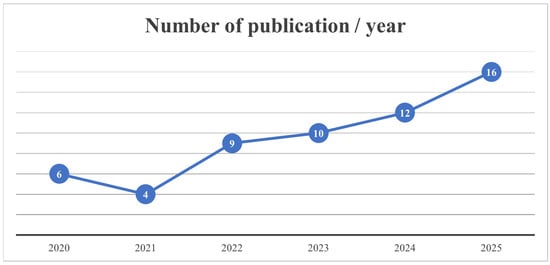
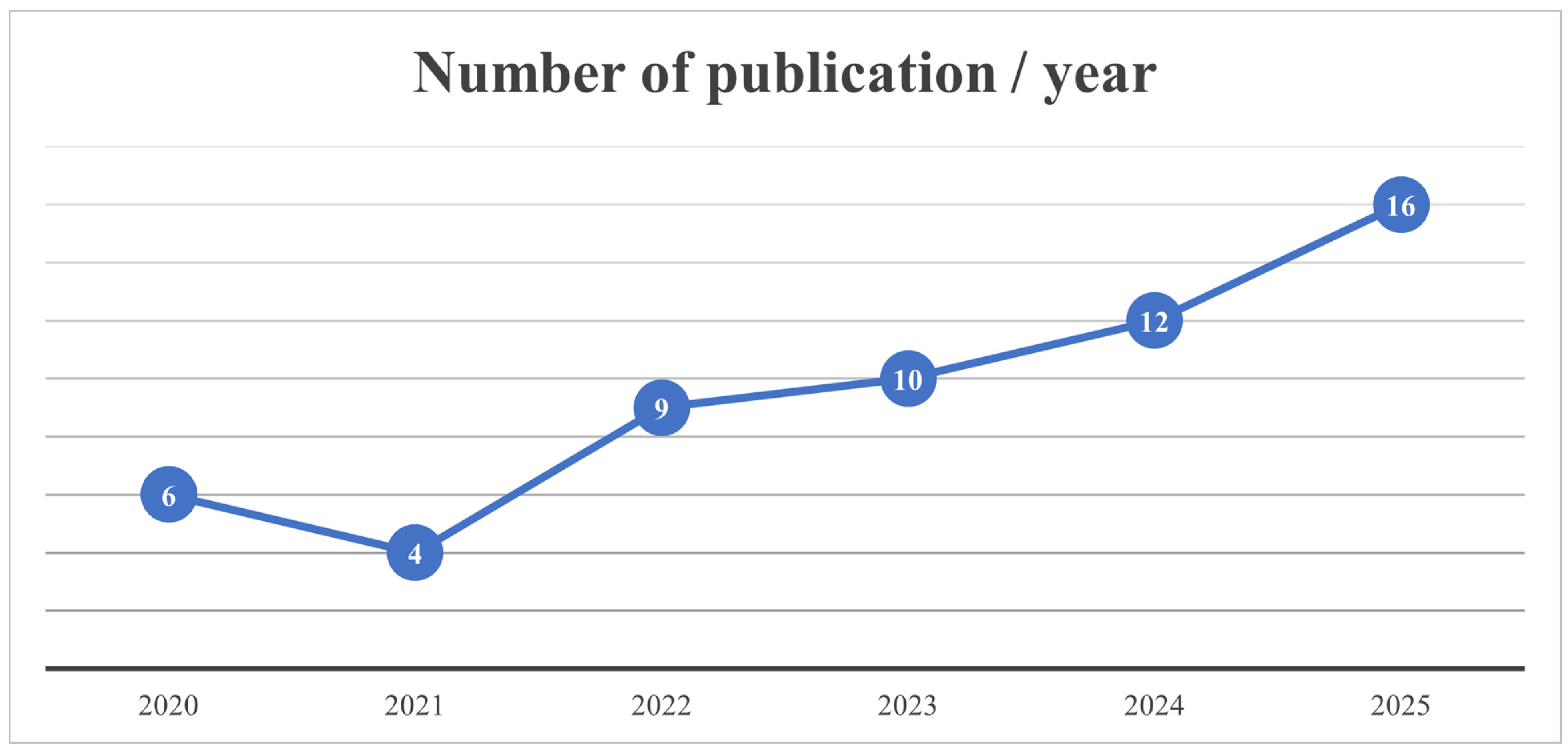
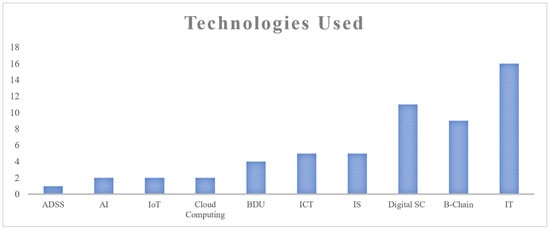
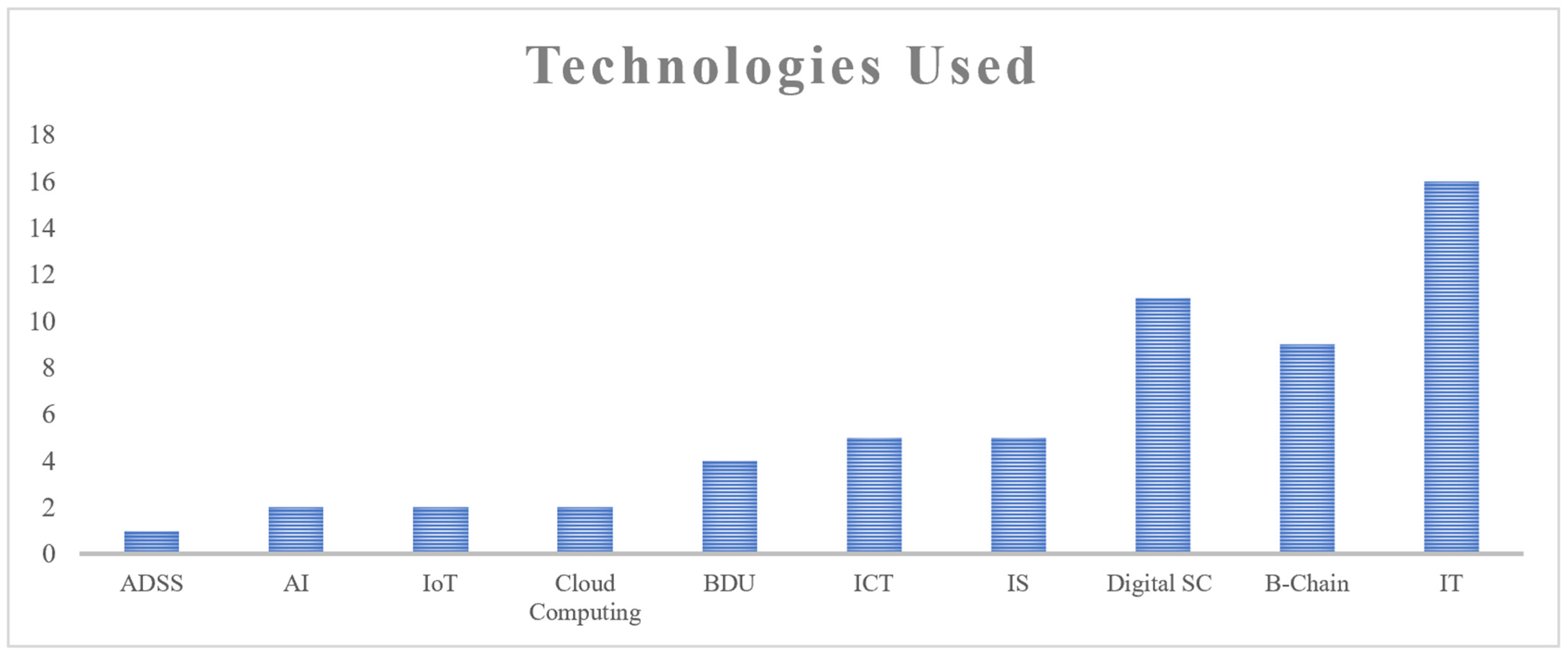
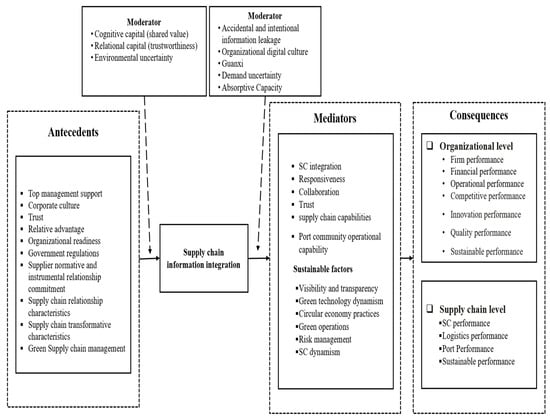
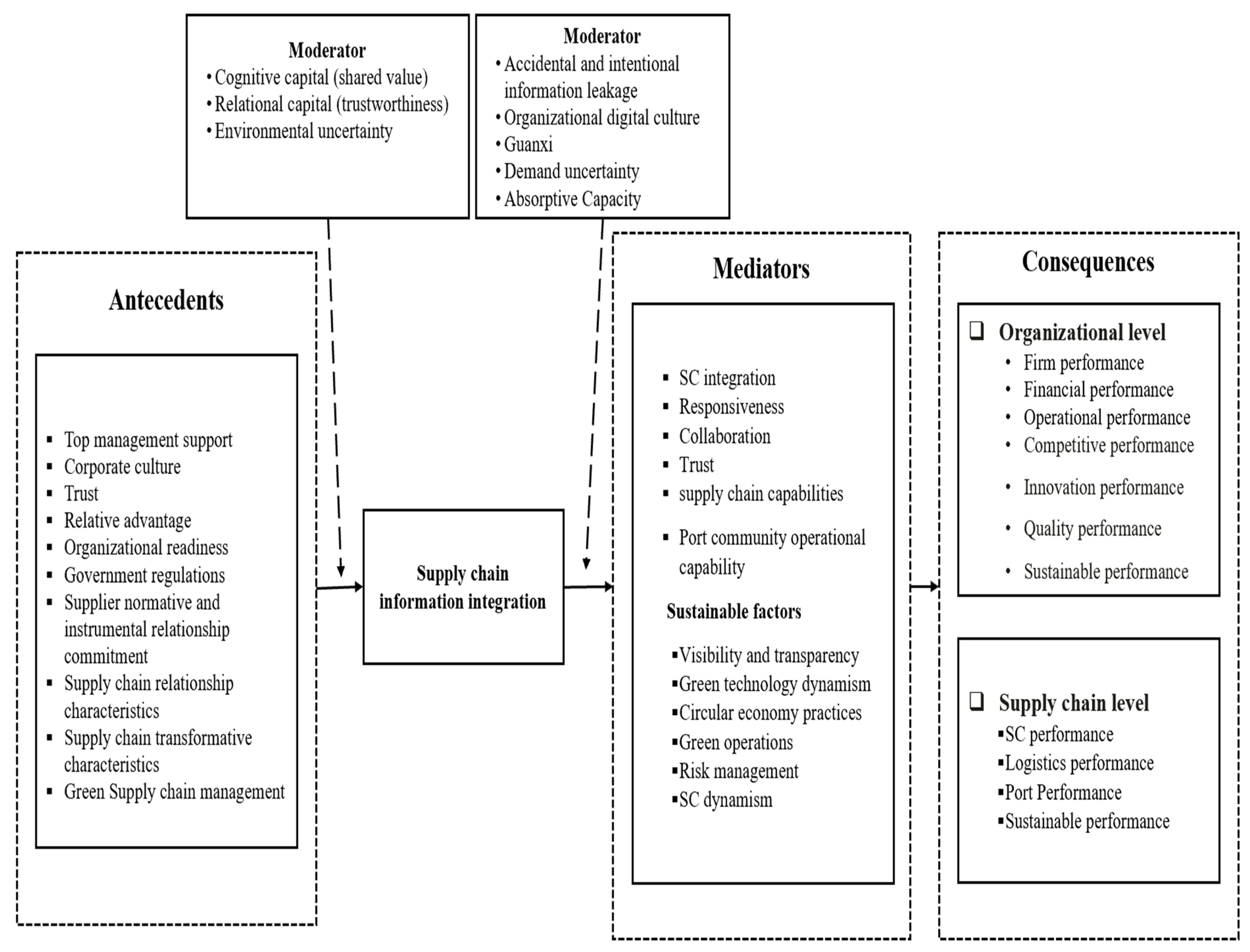

Disclaimer/Publisher’s Note: The statements, opinions and data contained in all publications are solely those of the individual author(s) and contributor(s) and not of MDPI and/or the editor(s). MDPI and/or the editor(s) disclaim responsibility for any injury to people or property resulting from any ideas, methods, instructions or products referred to in the content. |
© 2026 by the authors. Licensee MDPI, Basel, Switzerland. This article is an open access article distributed under the terms and conditions of the Creative Commons Attribution (CC BY) license.