


Abstract
In this work, a bio-based thermal insulation composite is developed and processed with epoxidized cottonseed oil (ECSO) as a renewable binder; performance is then assessed at material and building levels by using a natural fiber. Composite insulators were synthesized by mixing clay, fly ash, perlite, and eggshell powder with ECSO at different concentrations (45–55 wt%) and curing temperatures (165–205 °C). The density, thermal conductivity, compressive and tensile strengths, wear resistance, and water absorption capacity of the obtained composites were investigated in detail in extensive experimental work. The density and thermal conductivity were much dependent on the ECSO content and the curing temperature, unbeknownst to us; they significantly decreased with the increasing ECSO content and curing temperature, due to better binder–filler interaction and increased porosity. Among all the tested samples, the lowest thermal conductivity and density were observed for ECSO36, which suggested the best insulation performance. To validate its real-world usability, the best composite (ECSO36) was also tested by an IES-VE building energy simulation under the climate of Ankara in terms of annual energy consumption and CO2 emission. The results signify that ECSO36 achieves a similar energy consumption and CO2 emission performance to traditional insulation materials. In summary, the results of this work illustrate that ECSO-based composites have excellent potential to be a green and low-carbon alternative for sustainable building insulation applications.
1. Introduction
A high level of technical performance can be retained during a service life, which is the reason that epoxy-based materials find broad application in various industries. They possess outstanding chemical and mechanical stability [1,2], thermal stability [3,4], good electrical insulation [5], and sound insulation [6]. As a result, epoxy resins find extensive use in paints, coatings, adhesives, composites, heat insulation materials, and so on [7]. But the growing shift towards a circular economy has put a spotlight on the dependence on non-renewable petroleum-based materials for epoxy production, as well as on the difficulty of recycling epoxy materials at the end of life [8,9]. To address these issues, the toxic-free epoxies, also known as bio-based or green epoxies, are being widely investigated to produce plant or animal knowledge [10,11,12,13]. Bio-based epoxies can potentially offer a better environmental profile and less material waste if the appropriate synthesis routes and processing methods are used. However, although excellent laboratory results have been obtained, their upscaling and long-term application have still not been investigated in great detail [14].
Epoxides derived from triglycerides constitute a significant renewable starting material for bio-based epoxy resins. They can be derived from a number of natural feedstocks, such as vegetable oil, microalgae, or animal fat (butter, lard, tallow), etc. Triglycerides are composed of a glycerol unit esterified to three fatty acid chains. The length of those chains usually varies from 14 to 24 carbon atoms, and they can carry different functionalities; the most important one is unsaturation. These alkene sites provide access for several further chemical modifications [15,16]. Because of their availability, possibilities for bulk production, and comparatively low cost, vegetable oils stand out as promising candidates for the synthesis of building blocks for polymers [17,18].
Therefore, plant oils’ fatty acids and triglycerides are amongst the most, if not the most, sought-after bio-based chemicals in polymer chemistry [19,20,21,22]. To that, modified and functionalized vegetable oils have become high-value starting materials for the construction of sustainable functional materials, such as polymers [23,24,25], coatings [26,27], composites [28,29], and nanostructured systems [30,31]. Ongoing academic study and material development have paved the way for the aforementioned bio-based materials to be employed in business products at an accelerated pace [32]. Traditionally, oils of the soy variety have been used to make up the majority of the resins within this industry, which has allowed for the production of epoxidized soybean oil and commercial products like epoxidized sucrose soyate [33,34,35]. Yet, only around 5% of the whole world’s supply of soybean oil is utilized for non-food applications, as 95% is destined for the food industry [36,37,38]. With the rising demand for vegetable oils, it is obvious that the availability of soybean oil for materials research may be more constrained in the future. As a consequence, recent work has concentrated on other vegetable oils from non-edible or waste material sources that would not compete with the food supply chain [39,40]. This change contributes not only to an increase in the sustainability level but also to a better valorization of the by-products of agriculture, according to circular economy principles.
Crop oils are renewable raw materials that can be consistently processed into new materials with a wide range of structural and functional characteristics [41]. Their availability and relatively low cost make them attractive raw materials for the plastics industry. As can be seen from Table 1, plant-based oils consist of a number of saturated and unsaturated fatty acids, which have a major impact on their reactivity and the types of polymers that can be synthesized [42]. The fatty acid profile of various vegetable oils in terms of percentage is given in Table 2, and the impact of variation in oil source on the design of materials is also discussed [43]. The degree of unsaturation as a measure of potential epoxidation and further polymerization reactions, based on iodine value, is also important and available in Table 3 [44].
Table 1.
Fatty acid composition commonly found in vegetable oils.
Table 2.
Fatty acid distribution (%) of selected vegetable oils.
Table 3.
Iodine values of unsaturated fatty acids and triglycerides in vegetable oils.
The rising demand for renewable options in the polymer sector is mainly driven by the need to decrease reliance on non-renewable fossil resources [45,46,47]. In this sense, vegetable oils and fats have advantages other than being renewable, such as consolidated supply chains and cost-effectiveness derived from industrial oleochemistry. Soybean, linseed, cottonseed, corn, and peanut are among the most important oilseeds used for edible oil production, whereas palm, olive, and coconut provide other renewable sources [48,49,50]. There is thus a consensus that naturally derived plant oils and fatty acids are the most important renewable feedstocks for making bio-based functional polymers and polymeric materials [51,52,53].
The shift towards a circular economy in the building industry has driven research on materials that decrease reliance on virgin resources, valorize industrial and agricultural waste streams, and have the least environmental impacts over the building life cycle. In this regard, insulation materials have prime importance because they affect the efficiency of energy used for heating and cooling, as well as the efficiency of using material resources. However, applying circular economy concepts to the design of insulation material is complicated by compromises between the thermal performance, mechanical sufficiency, durability, and environmental impact.
Bio-derived polymeric materials have gained success as potential substitutes for petroleum-based insulation binders with the advantages of renewable resources and the possibility for environmental load reduction. Among these, neutral oils have been subjected to epoxidation, which has gained more and more interest as a result of its chemical reactivity, mineral filler compatibility, and potential for networking in thermoset systems. However, current works are mainly at the level of formulation development or isolated material properties, and systematic studies on processing conditions–composite structure–functional performance–whole building energy data are scarce.
To address these lacunae, our work has been focused on fabricating and systematically evaluating the bio-composite insulation materials derived from epoxidized cottonseed oil (ECSO) based on waste-derived fillers (fly ash, perlite, clay, and eggshell powder). The density, thermal conductivity, and mechanical and durability-related properties are studied as a function of binder content and curing temperature, and they are, in addition, translated into building energy use and building operational CO2 emissions through whole-building energy simulation to relate material-level thermal performance to building-level energy performance. In doing so, this work is expected to provide the processing–structure–property–performance relationship, which enables scaling up material-level development to engineering-level demonstration for bio-based insulation systems.
Cottonseed oil (CSO) is one of the non-edible and underexploited vegetable oils that has gained much attention, due to its extensive availability as a by-product of the cotton industry and its positive lipid profile [54,55]. CSO is extracted from the seeds of the cotton plant, which is more widely grown for its fibers than for its seed oil. However, with an annual global cotton production of over 5 million tons, CSO is not fermented into edible oil like other non-woody oilseed crops, which spares edible oil needs [56,57]. CSO, with a fatty acid profile of about 75% unsaturated fat, contains multiple reactive sites for chemical functionalization, including epoxidation [58,59]. In addition, the natural presence of gossypol and the inherent restrictions on food applications of CSO further support the use in nonfood, high-value industrial applications [60,61].
Upon epoxidation, cottonseed oil produces epoxidized cottonseed oil (ECSO) with intermediate oxirane oxygen content, as a bio-based epoxy precursor providing balanced reactivity and processability in comparison to epoxidized soybean oil and epoxidized linseed oil [62,63]. The combination of these unique properties endows ECSO with significant potential in the design of green functional materials with customized mechanical/thermal/environmental properties.
Considered below are references to the various epoxidation techniques for vegetable oils listed in Table 4, which contain most of the commonly employed oxidizing agents, catalysts, and reaction conditions cited in the literature. The properties of oils after epoxidation are given in Table 5 [64].
Table 4.
Common epoxidation methodologies applied to vegetable oils.
Table 5.
Properties of oils after epoxidation.
Unlike traditional petroleum-based systems, epoxy resins prepared from renewable natural resources were found to be consistent with the principles of sustainable development and had better flexural strength, storage modulus, and lesser moisture uptake at times [65]. A number of works have shown that it is possible to obtain partially or fully bio-based epoxy resins that can realistically be applied at the industrial scale [66,67]. Hence, epoxy systems based on plant oils have been investigated for use in coatings, adhesives, composites, processing aids, and shape-memory materials.
Various curing methodologies and practical applications of bio-based epoxies have been reported. For example, epoxidized soybean oil was evaluated as a curing agent for maleopimaric acid at an ambient temperature in the presence of 2-ethyl-4-methylimidazole, to give thermosetting systems that are applicable as coatings, adhesives, and composites [68]. Corresponding cures with fumaropimaric acid also gave thermosetting epoxy foams [69]. Other works have also mentioned the epoxidized broccoli seed oil with several aliphatic and aromatic diacids as proving to cure to give epoxy resins that have shown compatibility with polymer blends [70]. Epoxidized cottonseed oil and Chlorella vulgaris microalgae oil-based bioepoxies cured with citric or tartaric acid are two such examples based on animal or plant origin, respectively [71].
Chemical modification strategies have also been used to further extend the application range of vegetable oil-based epoxies. For example, ring-opening reactions of epoxides with organic amines have also been used to enhance the low-temperature and thermo-oxidative stability of epoxidized soybean oil to be applied as antioxidant and antiwear additives in automotive and industrial applications [72]. Others include the synthesis of graft copolymers by means of polymerizing linseed oil peroxides [73], hyperbranched polyurethane systems based on castor oil [74], and plasticized wheat gluten systems with epoxidized soybean oil for enhanced mechanical properties and hydrophobicity [75]. In addition, epoxidized soybean oil has been extensively studied as a plasticizer and reactive additive for polylactic acid and other biodegradable polymers to enhance their rheological, mechanical, and barrier properties [76,77,78,79,80].
A complete insight into representative works on bio-sourced epoxy resins and their composites is shown in Table 6, with a brief outline of the oil sources, modification approaches, curing agents, and the potential end-use applications.
Table 6.
Overview of research on bio-sourced epoxy resins and their composite systems.
While the further response of bio-based epoxy systems in the literature is increasing, most of the published works are on the applications of food oil-based epoxies or single waste filler systems, and only a few have considered non-edible agricultural byproducts and multi-waste hybrid systems. In particular, the epoxidation of cottonseed oil as a potential main binder for building insulation materials remains a largely unexplored avenue, as it has a promising fatty acid profile, combined with the fact that it is a non-food oil and has a broad availability. In addition to these, to the best of our knowledge, none of the studies have recognized the integration of industrial and agricultural wastes, say fly ash and eggshell powder, within the single ECSO-based insulation system, or analyzed their combined impact on the material performance and the building-scale energy performance. This research is therefore among the first to fill these gaps and demonstrate the design, manufacture, and optimization of ECSO-based hybrid insulation composites, assessing the real-building energy and carbon performance with presented realistic climate conditions.
In this work, a renewable bio-based building insulation material was synthesized, with ECSO as a renewable binder with clay, fly ash, perlite, and eggshell powder. A fully comprehensive, full-scale experimental investigation was performed to study the influence of ECSO concentration, curing temperature, and solid-phase composition on the physical, thermal, mechanical, and durability-relevant characteristics of the produced composites. Based on the experimental results, the specimen with the best insulation performance (denoted ECSO36) is determined and then tested by building energy simulation.
To determine its practical feasibility for Ankara climate conditions, the proposed building material, an ECSO-based composite, was tested at the building level and was compared with traditional building materials. In order to appropriately frame the discussion of performance, the energy and environmental impacts of the proposed insulation system were compared to those of a range of common wall and insulation materials (brick, concrete brick, cellular concrete, gas concrete, light clay brick, light white brick, and extruded polystyrene (XPS)). Because these are well-established in residential building construction, they serve as a technically and commercially relevant baseline by which to compare the potential practicality, energy efficiency, and sustainability of the suggested bio-based alternative. Combining experimental characterization and building-scale energy and environmental performance evaluation, this study provides an in-depth assessment of ECSO-based insulation materials and identifies their promise as energy-efficient and environmentally sustainable solutions for the building applications of the next generation.
Instead of a new epoxy chemistry, the novelty of this work is the establishment of a processing–structure–property–energy performance modeling framework for epoxidized cottonseed oil-based bio-insulation. By rigorously connecting formulation parameters and processing conditions to microstructure-dependent thermal and mechanical properties, and subsequently to building-scale energy and carbon performance, this research bridges a key gap between laboratory-scale material innovation and engineering-scale deployment of bio-based insulation technologies.
2. Materials and Methodologies
The raw materials and waste used in this study were chosen with the aim of producing a bio-based building insulation composite enabled by sustainable renewable binders and employing industrial and agricultural by-products. ECSO was used as the main binder, and clay, fly ash, perlite, and eggshell powder as inorganic fillers. The ECSO applied in this work was purchased from a commercial source in Türkiye and was used as received. The clay was obtained from a local ceramic raw material supplier, and the fly ash was taken from a coal-fired thermal power plant in Türkiye. The perlite was a gift from a national company, and the eggshell powder was produced from post-consumer eggshell waste obtained from local food-service establishments.
In order to avoid moisture absorption and to minimize the effect of environmental moisture among batches, all solid fillers were dried at 105 °C for 24 h before use. These materials were chosen to attempt to optimize the thermal insulation, mechanical properties, environmental friendliness, and availability of materials. The materials chosen are commercially available and widely accessible in the region, making the development of the novel thermal insulation composites proposed in this work scalable. The physical and chemical properties of the materials are listed in Table 7, Table 8, Table 9 and Table 10. The quality and physicochemical properties of the raw materials listed in Table 7, Table 8, Table 9 and Table 10 were referenced, sourced, and cited based on manufacturer technical datasheets or the previously published literature. Main properties of furthered ECSO, such as the density and oxirane oxygen content, were furnished by a commercial supplier. The physical and chemical properties of solid fillers such as clay, fly ash, perlite, and eggshell powder were derived from suppliers’ data. No further composition analysis was performed for these raw materials in the laboratory, as the interest of this work was oriented towards the design, fabrication, and performance characterization of the composite thermal insulation material, rather than raw material analysis.
Table 7.
Chemical composition of the clay used in this study (wt.%).
Table 8.
The chemical features of fly ash obtained from the Çatalağzı Thermal Power Plant.
Table 9.
The eggshell powder’s technical features.
Table 10.
The cottonseed oil’s and epoxidized cottonseed oil’s physico-chemical features.
2.1. Raw Materials
Clay was selected as the main mineral component for its natural abundance and low cost, as well as good binding properties in composites. The chemical composition of the clay (Table 7) is rich in SiO2 and Al2O3, which is the formation of a stable aluminosilicate. This structure provides superior dimensional and mechanical stability for the composites. Moreover, minor oxides such as Fe2O3, CaO, and MgO may also enhance interfacial reactions between the mineral phase and the ECSO binder, increasing the cohesion in the matrix and the load transfer. Due to its platelet shape and the small size of the particles, clay is also important in regulating porosity and in the heat conductivity behavior of the resulting materials.
Fly ash employed in this work was supplied from the Çatalağzı Thermal Power Plant, and its chemical composition is given in Table 8. The fly ash was found to be rich in SiO2, Al2O3, and Fe2O3, with the total (S + A + F) content being more than 85 wt.%, suggesting that it is largely siliceous material. This nature renders fly ash a good lightweight filler that could improve the thermal insulation performance by creating more porosity. Equally, the spherical particle shape that is generally linked with fly ash enhances the packing efficiency and leads to lower density in the matrix. The incorporation of fly ash has the added advantage of increasing the functional and performance attributes of the insulation material and, at the same time, promoting the valorization of wastes and diminishing the environmental burden of industrial residues.
Eggshell powder (ESP) was used as a bio-based, calcium-rich filler to improve sustainability and functionality. As seen in Table 9, eggshell powder is composed mainly of calcium carbonate (94–97 wt.%), with trace amounts of magnesium carbonate, phosphates, and organic matter. The high CaCO3 content provides higher mechanical stability, and it may also be used as a micro-filler to increase the matrix densification and the interfacial bonding. In addition, the rough, angular ESP particles have better mechanical interlocking with the composite matrix. The use of eggshell powder is a sustainable method of waste management of agricultural waste and also enhances the mechanical and durability-related properties of the insulation material.
The particle size distribution of solid raw materials is crucial to the achievable packing density, porosity, and thermal conductivity of the composites. The clay investigated in this work was composed primarily of the smallest particle size, below 63 µm, which favors good matrix continuity and mechanical integrity. The fly ash particles had a mostly spherical shape, with sizes approximately ranging between 1 and 100 µm, which led to a lower packing efficiency and higher internal porosity. The expanded perlite particles are coarse and porous, with sizes ranging from 100 to 1000 µm, and provide further enhancement of the lightweight structure and thermal insulation by air entrapment. The eggshell powder was ball milled and sieved before use, and most of the particles were in the range of 10–100 µm, making it act as a micro-filler, thereby enhancing the interfacial bonding and densification of the matrix.
Cottonseed oil, a byproduct of seed cotton processing, was plumbed as a renewable feedstock source for binder development based on the consideration of its higher amount of unsaturated fatty acids, which allows for efficient chemical modification [108,109,110]. Oxirane rings are introduced into the fatty acid chains via epoxidation, which dramatically increases the reactivity of the oil and allows its application as a bio-bonding agent [111,112,113]. The ECSO is in between that of epoxidized palm oil and epoxidized linseed oil and represents a good compromise between reactivity and processability [114,115,116] as an internal plasticizer and toughener for commercial epoxy systems [117,118], and as a potent plasticizer of polymer films such as poly(lactic acid) and poly(vinyl chloride) [119,120]. Furthermore, ECSO-based materials have also been demonstrated as excellent base fluids for the formulation of lubricants [121], as precursors to bio-based polyols [122,123], and for the preparation of poly(ether-urethane) amide coatings [124,125]. Based on these findings, to the best of our knowledge, it has been reported that the epoxidized cottonseed oil is a green and multi-functional bio-based candidate that can meet both requirements of chemical reactivity and mechanical performance and even provide a relatively light environmental burden to be employed as the binder for the manufacture of building insulation material.
The types and values of physicochemical properties of cottonseed oil before and after epoxidation are shown in Table 10. Enhanced thermal stability, crosslinking potential, and adhesion to inorganic fillers can be expected in the presence of epoxy functionalities. In the literature, ECSO has been found to be a useful ingredient in thermosetting resins, plasticizers, lubricants, and bio-based coatings [126,127,128]. Here, ECSO is a sustainable binder that exhibits good interfacial interaction with mineral fillers and environmental benignity; thus, it has the potential to be used for fabricating building insulation materials [129].
The ECSO used as the bio-based binder was obtained from a commercial supplier and used without further purification. Prior characterization showed that the ECSO possessed an oxirane oxygen content of 3.68% and a viscosity of 182 s (Ford Cup), indicating a suitable balance between chemical reactivity and processability. The iodine value of 21.40 g I2/100 g oil confirmed effective epoxidation of the unsaturated fatty acid chains, while the specific gravity of 0.973 at 30 °C ensured good compatibility with the inorganic filler system.
In the current hybrid system, solid fillers provide physical and interfacial functions that are complementary to those they would perform if they were chemically reactive in/with the ECSO matrix. Fly ash and perlite mainly control the porosity and the thermal insulation features, whereas clay gives mechanical strength and interfacial stability. Made primarily of CaCO3, eggshell powder serves as a bio-derived micro-filler that promotes matrix densification and mechanical interlocking at the binder–filler interface; it does not induce the formation of new chemical bonds in the processing conditions.
2.2. Experimental Methodology
2.2.1. Density Measurement
The density of the ECSO-based composite samples was obtained through experimental measurement by the mass–volume method. In order to obtain the volume with accuracy, all the samples were cast in rigid molds of known dimensions; thus, the samples had a uniform geometry. After curing, the samples were visually examined, and those that had visible surface defects were discarded. The size of each specimen was measured at several points with a calibrated digital caliper, and the mean values were employed to determine the volume. To reduce the experimental uncertainty, the density measurements were performed three times for each sample, and the average values were reported. The samples were equilibrated at room temperature in the laboratory before measurement. The mass of each specimen was determined by using a calibrated analytical balance of high accuracy, and the volume was calculated from the geometrical dimensions of the specimen measured by using a digital caliper.
The density (ρ) of the samples was calculated as the ratio of the measured mass to an estimated volume, using Equation (1):
where ρ is the density of the specimen (kg m−3), m is the mass of the specimen (kg), and V is the volume of the specimen (m3). For each sample, the measurements were taken three times, and the average density values were reported to increase the reliability and reproducibility of the measurements.
Based on the hot-wire method measurements, the thermal conductivity of the obtained samples was determined.
2.2.2. Thermal Conductivity Measurement
The thermal conductivity k is then calculated using Equation (2):
where K = 252 × 10−4 and H = 33 × 10−3.
2.2.3. Mechanical Properties
The compressive strength of the samples was experimentally determined under a universal testing machine, and the outcomes were given as stress in megapascals (MPa). The tests were performed at quasi-static loading conditions to obtain a satisfactory value for the characteristic uniaxial compressive strength of the specimens.
From the experimentally determined values of the compressive machine, the characteristic value of the tensile strength of the samples was calculated based on TS 500. Here is how the characteristic tensile strength relates to the characteristic compressive strength as per this standard [89]:
where Ftensile is the characteristic tensile strength of the specimen (MPa), and Fcompressive is the characteristic compressive strength of the specimen (MPa).
The tensile strength values reported in this study were calculated according to an empirical equation related to the compressive strength given in TS 500. Although this method is very common for construction materials under compressive, mainly uniaxial, stress states, it is not representative of the complex failure modes of bio-based polymer–mineral composites. Hence, the tensile strength values obtained from the calculation are to be understood as indicative mechanical property values that can be used for comparative evaluation. Future work will involve direct tensile and flexure tests to confirm and improve these approximations.
2.2.4. Abrasion Resistance
The samples of the evaluated materials were submitted to the abrasion testing equipment under laboratory conditions. The abrasion resistance was calculated by using the standard formula. The test was carried out to study the wear response and surface life of the ECSO-based composites, as these parameters determine the reliability of material application in building insulation. The degree of abrasion loss was expressed as percentage mass loss after testing.
2.2.5. Water Absorption Test
In order to determine their durability and applicability for building insulation applications, the ECSO-based composite samples were tested for water absorption. All of the samples were oven-dried to a constant mass at a certain temperature before being tested and then were cooled to room temperature in a desiccator. The initial dry weight of each specimen (W0) was measured using an electronic balance. After the initial dry weight measurement (W0), the samples were soaked in distilled water at room temperature for 24 h for water to enter through the open pores. After soaking, the samples were taken out of the water, the dirty water on the sample surface was wiped off by a clean towel, and the excess water was not absorbed into the sample. The weighted saturated mass (W1) of each specimen was measured immediately. Water absorption by mass ΔM is computed using Equation (4), based on the weight change between the dry and saturated samples [89]:
2.2.6. Standards and Experimental Reliability
All testing methodologies followed the applicable standard methods for tests on construction materials in Türkiye. All values are averages of multiple measurements.
All mechanical, physical, and thermal property measurements of the study, such as compressive strength, tensile strength, density, thermal conductivity, and wear resistance tests, are carried out by using calibrated equipment that meets the widely recognized standards that are applicable and widely used in Türkiye. The experimental works were performed according to the related Turkish Standards, which are compliant with the EU (EN) and ISO standards and are designed to be in agreement with the international standards for the purpose of achieving reliable, reproducible, and comparable results to the literature.
2.2.7. Experimental Design and Sample Preparation
The experimental procedure and labeling of samples for the ECSO-based bio-based thermal insulation composites are outlined in Table 11. The proportions of the blends in Table 11 were established by means of a literature-based design and an in-house scouting procedure. The literature related to plant oil-based waste granulated infill insulation composites indicated that the applied effective binder contents were in the range of 45–55 wt.% to provide sufficient wetting of the solid fillers, as well as to maintain reasonable porosity and thermal insulation performance.
Table 11.
Codes of samples and mixture design of bio-based thermal insulation composites.
Thus, ECSO concentrations of 45%, 50%, and 55% were chosen to thoroughly examine their influence on the evolution of pore structures, thermal conductivity, and mechanical characteristics. Different ratios of clay and fly ash were tested to evaluate their synergistic effects on particle packing and load transfer, while the perlite and eggshell powder percentages were held constant at 5 wt.% each, for all the samples to provide uniform lightweight and sustainability effects.
The chosen mix designs are not an optimization of the best recipe but are rather an organized parametric study of the joint influences of binder content, filler composition, and curing temperature on the composite properties. The samples were divided into four groups (A–D) according to the solid-phase ingredients, with each group containing different proportions of clay, fly ash, perlite, and eggshell powder. The solid phase compositions of Groups A–D were set up to systematically study the influence of gradually replacing clay with fly ash, with the contents of perlite and eggshell powder remaining the same amount. This enabled a controlled assessment of the influence of filler composition on density, porosity, and thermal insulation efficiency. Initial formulation tests were carried out to achieve sufficient workability, homogeneity, and structural integrity of the composites and to confirm the mixing ratios to be chosen. For each series, the content of the ECSO binder was modified to 45, 50, and 55 wt%, and the samples were hardened at three temperatures (165, 185, and 205 °C) to thoroughly examine the individual and combined influence of the binder content and curing temperature on the physical, thermal, and mechanical properties of the samples. The curing time was empirically based on the initial optimization tests to ensure full crosslinking/curing of the material without causing thermal degradation or burning. The molded composite specimens were thermally cured under a controlled oven atmosphere for a fixed time of 3 h at the curing temperatures of 165 °C, 185 °C, and 205 °C. The extraction of the influence of the curing temperature and the formulation on physical, thermal, and mechanical composite properties was thus made possible by keeping the curing time constant.
All solid raw materials were dried in an oven beforehand to eliminate any moisture content and for uniformity in the composition before making the sample solution. The dry ingredients were then weighed as per the design mix proportions, and they were mechanically mixed for a sufficient time to ensure the homogeneous distribution of filler. Thereafter, the specified amount of ECSO was slowly added into the solid mixture and stirred until a uniform and workable composite paste was formed.
The formulated blends were then filled into predetermined-size molds and compacted to reduce the internal voids and achieve a uniform density. The molded samples were then thermally cured in a drying oven with a controlled atmosphere at the predetermined temperatures (165, 185, or 205 °C) for the specific curing time, which allowed for efficient crosslinking of the ECSO binder, as well as for the curing of the composite. After curing, the samples were cooled down to room temperature in open air in the laboratory and then demolded and conditioned to be used for testing.
Figure 1 shows the drying oven used in the drying of the ECSO-based composites. Prior to the physical, thermal, and mechanical characterization, the dimensions and macroscopic defect-free nature of all as-prepared samples were checked under visual inspection.
Figure 1.
Drying oven in the preparation of ECSO-based composites.
3. Results and Discussion
The developed ECSO-based insulation materials are thoroughly assessed, based on experimental characterization results and simulation results on the building-level energy performance. This part is divided into two subsections. First, the physical, thermal, mechanical, and durability-related properties of composites as a function of the curing temperature, ECSO amount, and solid-phase composition are discussed and analyzed in detail with the experimental results. Then, the best experimental insulation material is examined by performing a comparative building energy simulation study in the Ankara climate with the IES-VE software 2025.
Together, the experimental/simulation combination provides for a multi-scale assessment of the proposed material, from material-level performance through to building-level energy usage and environmental consequences.
3.1. Experimental Results and Discussion of Physical, Thermal, and Mechanical Properties
Instead of viewing the experimental results as isolated phenomena, the findings of this work are discussed in terms of a processing–structure–property relationship. Changes in the curing temperature, binder content, and solid-phase composition are known to influence the development of porosity, packing efficiency of filler, and bonding at the interface, with a resulting effect on the thermal insulation performance, mechanical adequacy, and durability of the system.
In this part, a thorough analysis of the experimental results for the composite based on ECSO is accomplished. Considering the ECSO content, curing temperature, and solid-phase composition, the density, thermal conductivity, compressive strength, tensile strength, abrasion resistance, and water absorption behaviors are discussed systematically. In order to provide a clear comparative evaluation, the experimental results are presented graphically at the three curing temperatures of 165 °C, 185 °C, and 205 °C. The observed trends can be explained in terms of binder–filler interactions and the microstructural evolution and porosity development within the composites. Particular attention is devoted to identifying the best formulation and curing conditions to provide a reasonable compromise between thermal efficiency, mechanical soundness, and durability before building energy simulation analysis, as influenced by the extent to which these properties can be correlated to building insulation performance.
The densities of the ECSO-based composite insulations as the curing temperature, ECSO content, and solid mixture composition change are shown in Figure 2. In general, the determined densities ranged from about 1.22 to 1.49 g·cm−3, making all the obtained samples have their density value within a range that was acceptable for the use of rigid building insulation materials.
Figure 2.
The densities of the ECSO-based composite insulations as the curing temperature, ECSO content, and solid mixture composition change.
For all solid mixtures (A–D) and ECSO contents, raising the curing temperature from 165 °C to 205 °C led to a consistent density decrease by 3% to 10%, depending on the composition. This may be attributed to greater volatilization of the residuals and rearrangement of the microstructure with the provision of a more porous internal structure at the higher curing temperatures. This trend became more severe for fly ash samples, i.e., Groups C and D, as density decreased by ~12–15% between 205 °C and 165 °C. From the point of view of thermal insulation, this reduction in density induced by heat is promising, because materials with lower thermal conductivity have higher porosity.
The density gradually decreased, with the ECSO content increasing from 45% to 55% for all the groups at the constant curing temperature and composition of the mixture. For example, in Group A, cured at 185 °C, the density changed from about 1.48 g·cm−3 (45%) to 1.45 g·cm−3 (55%), which means a reduction of almost 2~3%. This is consistent with previous results that indicate that higher ECSO contents lead to better binder coverage and greater free volume in the composite matrix, possibly as a result of more pronounced crosslinking-induced microvoid formation in the curing stage. This effect is desirable in insulating materials, since it allows one to obtain lightweight structures with no damage to the matrix integrity. Comparing the four mixture groups with the same ECSO content and the same curing temperature, a distinct density order can be seen:
Group A > Group B > Group C > Group D.
This behavior is traceable with the increasing fly ash and decreasing clay content from Group A to Group D. Fly ash, because of its spherical shape and lower density, reduces the packing efficiency and leads to increased porosity in the composite structure. Thus, samples of Group D had the lowest density, with a minimum value of about 1.22 g·cm−3 at 205 °C and 55% ECSO. This clearly shows that increasing the fly ash substitution is a good way to reduce the density and keep the composites lightweight.
Viewed from the vantage point of insulation material, the diminishing density trends resulting from higher curing temperatures, more ECSO, and the greater ratio of fly ash are definitely a blessing. Lower density materials tend to be more porous and so can trap air within the matrix, which in turn reduces the heat transfer. The density values for Groups C and D at curing temperatures of 185–205 °C and 50–55% ECSO correspond to an ideal interplay of lightweight structure and material cohesion, which makes these formulations particularly suitable for building insulation use.
Though the densification of the matrix is usually brought about by raising the amount of binder, the behavior of the ECSO-based composites was different. At higher ECSO levels, curing-induced crosslinking and polymer densification produced microvoids in the polymer-rich areas. The larger thickness of the ECSO layer that covers the mineral fillers decreases the packing density, preventing the closer particle–particle approach. These phenomena combined to foster an effective free volume and closed porosity increment, accounting for both the density and thermal conductivity decreasing simultaneously, as observed in the composites.
Figure 3 shows the thermal conductivity coefficients of the ECSO-based composite insulations with varying curing temperatures, ECSO content, and mixture formulations. The reported thermal conductivity values vary between 0.212 and 0.466 W m−1 K−1, which suggests an enhanced thermal insulation performance in comparison with traditional mineral-based construction materials.
Figure 3.
The thermal conductivity coefficients of the ECSO-based composite insulations with varying curing temperatures, ECSO content, and mixture formulations.
For all the mixture groups (A–D) and ECSO levels, the thermal conductivity was systematically decreased when being cured at 205 °C compared to 165 C. Reduction was about 6% to 45%, dependent on the composition. This significant decrease can be explained by the increased development of the micro- and meso-scale porosity at elevated curing temperatures, which leads to increased entrapped air within the matrix and lower conductive heat transfer paths. The specific heat capacity is affected by temperature. For examples of differences in heat capacity related to mixtures and compositions, see Table 11. Also, the influence of the curing temperature is more pronounced in high fly ash mixtures (Groups C and D), since the thermal conductivity values decreased below 0.30 W·m−1·K−1 at 205 °C, further indicating the positive influence of thermal processing in enhancing the insulation performance.
At the same curing temperature and mixture ratio, an increase in the ECSO content from 45% to 55% caused a continuous and significant reduction in the thermal conductivity. For instance, in Group B at 185 °C, the thermal conductivity fell from 0.420 W·m−1·K−1 (45%) to 0.384 W·m−1·K−1 (55%), which is about a 9% reduction. This can be attributed to the fact that the increased binder content leads to a more homogeneous matrix, and closed pores can be formed during curing. Higher ECSO content may also contribute to an increase in crosslinking-induced free volume, which interrupts the heat transfer continuity in the composite.
When different mixture groups at the same curing temperatures and ECSO contents are compared, a clear trend emerges. The thermal conductivity decreases gradually from Group A to Group D, in the following order:
Group A > Group B > Group C > Group D
This tendency is closely related to the increase in the fly ash amount and the decrease in the clay content. Fly ash, which has hollow spherical particles, has a great effect on the solid-phase thermal conductivity and porosity, resulting in lower solid-phase thermal conductivity and higher porosity. Consequently, specimens of Group D demonstrated the minimum thermal conductivity values at all curing temperatures and a minimum value of 0.212 W·m−1·K−1 at 205 °C and 55% ECSO among all groups. This figure is an almost 55% decrease from the maximum value in Group A at 165 °C and 45% ECSO.
The decrease in the thermal conductivity is in good agreement with the density trend discussed. Lower density samples also had lower thermal conductivity, with these two properties being strongly negatively correlated. The synergistic knit of the increasing curing temperature, higher ECSO content, and higher fly ash ratio realizes higher porosity and lower density and thermal conductivity, which is very promising for thermal insulator materials. In particular, Groups C and D at 185–205 °C with 50–55% ECSO show a good compromise between low thermal conductivity and material stability and are thus feasible candidates for building insulation applications.
In general, the results of the thermal conductivity show that the ECSO-based composites enable the fine-tuning of the insulation performance by the controlled variation in formulation and processing parameters. The substantial decreases attained illustrate the powerful potential of these bio-based materials to replace traditional insulation products in a sustainable manner.
It is worth mentioning that the above interpretations of the development of porosity and curing-induced crosslinking are founded on indirect but consistent experimental evidence obtained from density, thermal conductivity, mechanical, and durability measurements. Direct microstructural and thermal analyses (e.g., SEM, MIP, or DSC) would allow a more quantitative confirmation of these mechanisms, but such analyses are recognized as significant avenues for future work outside the ambit of this study.
The compressive strength of ECSO-based composite insulating material as a function of curing temperature, ECSO content, and mixture formulation is given in Figure 4. The measured compressive strength values are in the range of about 6.0 to 8.6 MPa, which proves that all the fabricated samples have adequate capacity to potentially be used as non-structural building insulating materials.
Figure 4.
The compressive strength of ECSO-based composite insulating material as a function of curing temperature, ECSO content, and mixture formulation.
For all three groups of mixtures (A–D) and the ECSO contents, the curing temperature increase from 165 °C to 205 °C led to a decreasing compressive strength. The decrease varied between 5 and 25%, depending on the mixture formulation and the binder amount. This tendency can be explained by the more intense generation of internal porosity at elevated curing temperatures, as previously confirmed by the decreases in density and thermal conductivity. High curing temperatures enhance the volatilization and microvoid generation within the ECSO matrix, which is naturally good for thermal insulation but reduces the effective load-bearing cross-sectional area, and this leads to the decrease in compressive strength.
At a single curing temperature and mixture composition, a higher amount of ECSO (from 45% to 55%) always resulted in a reduction in compressive strength across all the sample sets. For example, in Group C at 185 °C, the compressive strength drops from about 8.16 MPa (45%) to 7.41 MPa (55%), nearly a 9% loss. This is indicative of what is to be expected when reading the previous results: that is, that the higher contents of ECSO, which enhance the matrix continuity, may also increase the flexibility and free volume within the cured network and thus give a softened state under compressive loading. This compromise of mechanical strength and insulation performance is characteristic of polymer-bound lightweight composites in general.
Obvious compositional dependence can be seen when comparing myriad types of mixture groups. At the same level of ECSO contents and curing temperature, a gradual decrease in compressive strength from group A to group D can be observed: Group A > Group B > Group C > Group D.
This tendency is consistent with increasing fly ash and decreasing clay contents. Clay particles lead to greater mechanical interlocking and load transfer in the composite, while fly ash, with better insulation performance, results in weaker interparticle bonding and higher porosity. Therefore, the samples from Group D had the smallest compressive strength values, around 6.0 MPa at 205 °C with 55% ECSO.
The compressive strength decrease and the increasing density and thermal conductivity, observed as being negatively correlated, illustrate the inherent structure–property compromise of the insulation materials design. Although increasing the fly ash content, curing temperature, and the ratio of ECSO are good for the reduction in the density and thermal conductivity of the material, they will cause a reduction in the compressive strength of the cube. However, the compressive strength values for Groups C and D (particularly at a 185 °C cure temperature and 50% ECSO) offer the best compromise of mechanical strength and insulation effectiveness. These formulations retain a compressive strength greater than 7 MPa, while their thermal conductivity is substantially reduced, making them attractive for use in building insulation, provided the mechanical loading is modest.
The tensile strengths for the ECSO-based composite insulation materials, based on the calculation from the compressive strength values in line with TS 500, are shown in Figure 5. The tensile strength values lie between about 0.86 and 1.03 MPa, which is in line with the typical behavior of lightweight polymer-bound mineral composites that are mainly intended for use in thermal insulation.
Figure 5.
The tensile strengths for the ECSO-based composite insulation materials, based on the calculation from the compressive strength values in line with TS 500.
The tensile strengths decreased with the curing temperature from 165 °C to 205 °C when they were almost at the whole range of ECSO content for all the mixture groups and for the curing temperature of 200 °C. The decrease is more pronounced at higher ECSO concentrations (55%), suggesting that higher curing temperatures enhance the development of microstructural characteristics, e.g., greater porosity and microcrack nucleation within the ECSO matrix. Such imperfections tend to be more detrimental to tensile performance than they are to compressive performance, because tensile loading is extremely flaw sensitive and relies heavily on the quality of the interfaces between the different phases or grains within the material.
At a fixed curing temperature and mix composition, the tensile strength was found to gradually decrease with an increasing amount of ECSO 45–55% for all groups. For instance, in Group B at 185 °C, the tensile strength declined from around 1.013 MPa to 0.986 MPa, which is about 2.7%. This pattern is indicative of the higher flexibility and lower modulus of the polymer-rich matrix at higher ECSO concentrations that weakens the composite against tension. While ECSO enhances the matrix continuity and toughness, too much binder decreases the strength of the mineral solids to transfer the load effectively.
A compositional trend is apparent within all the mixture classes, with the tensile strength monotonically decreasing from Group A to Group D. This trend is also a close analogy to the compressive strength results, indicating the dominant influence of the mineral phase composition. Greater clay content in Group A provides enhanced particle–matrix adhesion and crack-bridging potentiality to attain better tensile performance. Conversely, the increasing fly ash concentration in Groups C and D causes the presence of weaker interparticle bonds and more porosity, which lowers the values of the tensile strength, especially for the higher temperature of curing.
The tensile strengths are also related to the compressive strengths, as expected based on the calculation from TS 500. Samples with the higher compressive strength also invariably possess the higher tensile strength, which serves to verify the consistency of the experimental data. Notably, the decline in tensile strength is associated with enhancement in the thermal insulation performance, implying a compromise between the mechanical resistance and the insulation efficiency.
Nevertheless, many compositions—especially Group C and Group D specimens cured at 185 °C containing 50% ECSO content—still attain tensile strength values in the vicinity of 1.0 MPa, while also showing low density and reduced thermal conductivity. Therefore, these compositions appear to also provide the best compromise between mechanical and thermal insulation performance, which enables possible use in building insulation applications where tensile loads are minimal.
It is worth mentioning that in the design of thermal insulation materials, the thermal performance plays the leading role, not the structural strength. Additionally, both the compressive and tensile strengths suffered a marginal reduction at a higher ECSO content and curing temperature, but the obtained values of compressive strength (in the range of 3–5 MPa) are still much higher than those minimum values commonly required for the non-load-bearing insulation materials (typically >0.1–0.3 MPa). As such, the novel ECSO-based composites possess mechanical performance that can be considered adequate, to allow for their utilization in non-structural applications for building thermal insulation.
The percentages of abrasion loss of the ECSO-based composite samples are illustrated in Figure 6. The results indicate that abrasion resistance is the most sensitive to curing temperature, ECSO content, and type of mineral (and their mixture), and the values of abrasion loss vary from 0.76% to 3.97%.
Figure 6.
The percentages of abrasion loss of the ECSO-based composite samples.
The degree of abrasion loss was a strong function of the curing temperature for all mixture series and ECSO contents tested, ranging from 165 °C to 205 °C. Abrasion losses were quite low, at 165 °C for all the samples, suggesting a compact microstructure with strong ECSO binder–mineral particle interfacial bonding. In opposition, curing at high temperatures induced greater brittleness of the polymeric matrix and formation of microvoids, which led to a drastic increase in material removal when subjected to an abrasive load.
For example, the abrasion loss of the Group D samples with 55% ECSO was higher, rising from 1.41% at 165 °C to 3.97% at 205 °C, which is nearly a threefold increase, signifying that the wear resistance is more sensitive to thermal curing. At constant curing temperature and mixture composition, the abrasion loss increased gradually with the ECSO content from 45% to 55%. Although a higher ECSO content enhances the continuity and flexibility of the matrix, too large a binder content decreases the surface hardness and the ability of the surface to support loads in abrasive contact. Hence, polymer-rich surfaces are increasingly prone to material removal, especially in the case of intense abrasion.
This phenomenon is amplified at higher curing temperatures, since the synergistic effect of enhanced polymer softening and the microstructural degradation results in rapid wear.
It is worth noting that the effect of the curing temperature on the ECSO network is derived from the evolution of bulk properties and not from a direct observation of changes in chemical structure. Although higher curing temperatures will favor more complete epoxy network formation, chemical quantification by a direct spectroscopic and crosslink density method is necessary and will be pursued, as they both represent important future work.
A distinct compositional pattern can be seen among all groups within the multi-mixture. The abrasion loss increased continuously from Group A to Group D as the clay content decrease and the fly ash content increased. The Group A samples with the highest clay content showed the minimum abrasion losses for every curing temperature and ECSO concentration. The plate-like shape and higher surface hardness of clay particles also improve wear resistance by increasing particle interlocking and surface integrity when subjected to abrasive forces.
The Group D samples present the maximum abrasion loss, particularly for high curing temperatures and ECSO contents. The increased porosity and weaker interparticle bonds as a result of more fly ash material make it easier for particles to be removed and the surface to be degraded while being abraded.
The trends for abrasion loss also correlate well with the trends for compressive and tensile strength. The poorer mechanical strength, i.e., higher porosity, samples also show higher abrasion loss, confirming that the wear resistance is controlled by the overall structural integrity of the composite. It should be mentioned that sample groups with better thermal insulation performances, such as lower density and lower thermal conductivity, tend to result in higher abrasion loss, indicating a trade-off between the efficiency of the insulation and the stability of the surface, though this is, after all, a conclusion that would be almost too obvious to be worth stating in this manner. Yet, a handful of designs, particularly the Group B and Group C specimens cured at 185 °C with 45–50% ECSO content, showed more modest degrees of abrasion loss at comparable mechanical strength and minimal heat conductivity. Consequently, these compositions also represent the good balance of the abrasion resistance and insulation performance for home applications, in which the demands on surface wear are moderate.
The greater abrasion loss for the polymer-rich surfaces is probably due to the lower surface hardness and the smaller load-bearing share of the mineral fillers. With the increase in the ECSO content, the surface is more dominated by the polymer matrix, which is more prone to plastic deformation, smearing, and fatigue during abrasive loading. Curing-induced microvoids and local brittleness in polymer-rich areas promote crack nucleation and substrate separation, leading to enhanced abrasion loss [65].
The water absorption results of the ECSO-based composite samples presented in Figure 7 indicate that the curing temperature, ECSO amount, and solid phase composition had a combined effect on the moisture absorption behavior of the novel insulation materials. The water absorption results showed a systematic increase with rising ECSO content (from 45% to 55%) and curing temperature (from 165 °C to 205 °C) for all groups of materials (A–D). This behavior is related to thermally driven changes in microstructure and increasing organic binder fraction, leading to the establishment of the interconnected pore networks in the composite matrix.
Figure 7.
The water absorption results of the ECSO-based composite samples.
At the same curing temperature, the water absorption of specimens with higher fly ash contents (Groups C and D) is significantly higher than clay-based ones (Group A). At 45% ECSO content and 165 °C, the water absorption increased from 1.9% for Group A to 2.89% for Group D. This is related to the fact that fly ash is naturally porous and its particles have an irregular morphology, which facilitates capillary matric water flow as opposed to the denser clay matrix. This effect is enhanced by the presence of perlite, which adds lightweight porous phases that are susceptible to moisture absorption.
Water absorption exhibited a sharp increase for all groups as the curing temperature was increased. Group D attained the highest water absorption of 9.75% at 205 °C and 55% ECSO, while Group A had a relatively lower value of 6.03%. High curing temperatures have also been reported to increase the evaporation and thermal decomposition of organic materials, resulting in higher creation of micropores and lower matrix continuity. These influences are stronger in fly ash-rich systems where the inorganic particles and the ECSO binder have a weaker interface, making it easier for moisture to get in.
From the point of view of insulation materials, the water absorption values obtained are still considered to be acceptable for lightweight building materials, especially for the formulations with the average amount of ECSO (45–50%) and curing at a temperature of 185 °C. It should be underlined that the compositions from Groups A and B, cured at a temperature of 165–185 °C, demonstrate an advantageous trade-off between low water sorption, decreased density, and enhanced thermal insulation performance. This trade-off is important because too much water uptake can degrade the long-term thermal efficiency and structural integrity in building envelope applications.
In porous insulating materials, the penetration of moisture results in a continuous increase in the effective thermal conductivity, as air-filled pores are replaced by water and continuous heat conduction paths are formed. Although the ECSO-based composites showed low thermal conductivity in the dry state, their insulation effectiveness may be slightly compromised by increased water uptake upon prolonged exposure. This emphasizes the need to trade off the thermal performance and moisture resistance, and signifies the future work of a hygrothermal aging study.
The static water absorption test applied in this study is a preliminary sign of moisture susceptibility and pore interconnectivity. Although these tests yield valuable baseline data, they do not entirely simulate long-term exposure to cyclic humidity, temperature fluctuation, or freeze–thaw in the real environment of buildings. Therefore, in the future, research work will be concentrated on damp–heat cycling and freeze–thaw durability tests for attaining a full-scale assessment of the long-term behavior of the ECSO-based insulative materials.
Although density gives first-level information about porosity, the couple-t analysis of thermal conductivity and water absorption behavior allows us to qualitatively separate closed from interconnected pores. The strong reduction in thermal conductivity indicates the dominance of closed and/or poorly connected pores, while the small increase in water absorption suggests a limited interconnected pore system. This dual-pore topology accounts for the degradation between thermal insulation effectiveness and moisture uptake that was witnessed.
Although the elastic modulus and the detailed failure mode analysis were not directly studied, the behaviors of the compressive strength, abrasion resistance, and water absorption give us some indirect information about the deformation and damage of composites. In the future, studies will be directed towards the determination of the elastic modulus and fracture analysis to further explain the stiffness, brittleness, and failure mechanisms of ECSO-based insulator materials.
To further illustrate the developed ECSO-based insulation composites’ performance, their mechanical strength and water retention properties were benchmarked against appropriate commercial insulation products from the literature. Typically, conventional insulation materials like expanded polystyrene (EPS) and extruded polystyrene (XPS) show compressive strengths ranging between 100 and 250 kPa (EPS) and 300–500 kPa (XPS) at similar densities, while mineral wool products may exhibit reduced mechanical properties as a result of their fibrous nature. Bio-based insulation boards, such as cellulose fiber panels, typically have compressive strengths within the range of about 50–200 kPa, which are conditional on the density and binder system. The engineered ECSO36 composite exhibited compressive strength values that are within or beyond the lower bound of these commercial limits, which suggests that it has a well-balanced mechanical performance for low-density insulation applications. When it comes to water absorption, bio-based insulation materials can have a higher uptake due to the hydrophilic components, while conventional EPS and XPS products have low water absorption (<1% over 24 h). The water absorption profile of the ECSO-based composites is similar to some of the bio-based panels and, in certain instances, is lower than values found for untreated natural fiber boards, indicating potential durability when utilized in building envelopes.
To separately consider the thermal and mechanical properties, the evolving performance of ECSO-based composites can be understood from a coupled structure–property perspective.
The effect of the increasing ECSO content on the intraparticle pore structure of the composite matrix is directly observed. Better dispersion of the organic phase and better organic continuity with higher ECSO content ratios favor pore formation in the curing process. As a consequence, the total porosity is augmented, while the bulk density is reduced. A decrease in density results in a decrease in the solid-phase conduction path that leads to the decrease in thermal conductivity. This explains the decrease in the thermal conductivity with an increasing content of ECSO, due to the monotonic nature of ECSO.
Yet, the same pore structure development that enhances the insulation efficiency also serves to break up the load-bearing mineral skeleton. The rise in porosity will degrade the interparticle bonding network, except effective stress transfer beneath compressive loading. Therefore, the compressive strength decreases with increasing ECSO content. Thus, thermal conductivity and mechanical strength are not random functions but are physically related to each other via structural changes in microstructures.
Moreover, the degree of polymerization and matrix consolidation are controlled by the curing temperature. Higher curing temperatures increase the cross-linking density, providing a partial compensation of strength decrease, and lead to low thermal conductivity. The combination selects ECSO36 as having the most thermally stable–mechanically balanced profile.
This material design based on coupled mechanism thus reinforces the internal coherence of the composition design and validates that the best formulation is not achieved by optimizing properties in isolation, but rather through the manipulation of the pore structure under control.
As seen in Table 12, the thermal conductivity and density of ECSO36 were the lowest among all the tested compositions, which represent the key performance parameters for thermal insulation application. A slight decline in mechanical strength and properties related to durability can be seen at a higher content of ECSO and curing temperature, but these values are still suitable for non-load-bearing insulating materials. For this reason, ECSO36 was chosen as the best representative formulation for assessing the building-scale energy and environmental performance of the ECSO-based insulation materials.
Table 12.
Comparison of the main characterization results between ECSO36 and typical composite samples.
3.1.1. Statistical Uncertainty and Error Analysis
A statistical uncertainty analysis was conducted for all physical, thermal, mechanical and durability-related property of ECSO-based insulation composites to make the experimental findings more reliable and reproducible. This analysis is to confirm that the trends seen are statistically significant, and are not due to experimental noise. For every property that was examined, the average value () was computed as follows:
where xi is an individual measurement and n is the number of measurements. The associated uncertainty of the experiment was represented by a standard deviation (σ), estimated as follows:
When multiple measurements were unavailable, the uncertainty was evaluated from the inherent accuracy of the instruments and through suitable international standards (e.g., ASTM C518 for thermal conductivity, ASTM C39/C109 for mechanical test). In these instances, as reported for composite insulation materials in earlier experimental reporting, a conservative relative standard deviation of 3–5% was assumed.
The confidence interval for each property was as follows:
This procedure allows for a transparent consideration of the experimental scatters, and it guarantees that the comparison among the various ECSO contents and curing temperatures is statistically significant.
3.1.2. Application of Error Analysis to Key Properties
The uncertainty evaluation was equally performed for all the parameters measured experimentally, such as density, thermal conductivity, compressive strength, tensile strength (determined with TS 500 empirical equations), abrasion loss, and water absorption. A summary of the adopted uncertainty ranges is given in Table 13.
Table 13.
Summary of uncertainty analysis applied to experimental properties.
Although there is experimental uncertainty, the trends in ECSO content, curing temperature, and solid-phase composition are robust within the ±1σ error for all the properties considered. The monotonic reductions in thermal conductivity and density with increasing ECSO content, combined with the associated decrease in mechanical strength, surpass the extent of experimental scattering, indicating that these tendencies are statistically meaningful.
Moreover, the uncertainty propagation corroborates the self-consistency of the structure–property relationship reported in this work. The combined effect of ECSO content, development of pore structure, performance of thermal insulation material, and mechanical response can be clearly tracked, even when considering experimental scatter. This shows that the best formulation determined (ECSO36) is not an artifact of sillace fluctuation but something that balances both heat insulation and mechanical sufficiency in a robust manner.
From an engineering perspective, a treatment of uncertainty allows for a more realistic prediction of a material’s performance in service. The stability of the trends in the inexactness bounds also confirms the soundness of the ECSO-based composites as non-load-bearing, thermal insulating material and justifies their comparison with regular insulating systems.
3.1.3. Integrated Multi-Criteria Performance and Uncertainty Evaluation
In order to facilitate a combined assessment of the essential KPIs and good performance in those properties that are more sensitive to the performance of the cure, a normalized multivariate analysis was conducted based on representative samples cured at 205 °C and 55 wt.% ECSO content (ECSO14, ECSO20, ECSO35, and ECSO36).
As the evaluated parameters (density, thermal conductivity, mechanical strength, chip loss and water absorption) have different physical units and different orders of magnitude, it is not meaningful to directly compare these parameters on one linear scale. Thus, all properties were min–max normalized before the following calculation:
For x is the measured value of the property, and xmin and xmax are the minimum and maximum values in the sample chosen, respectively.
Normalized values were visualized via radar plot to qualitatively illustrate the compromise in thermal-, mechanical- and durability-related performance. This representation also implicitly allows for experimental uncertainty, because the data are looked at in terms of relative trends, rather than absolute values.
As depicted in Figure 8, ECSO36 has the lowest normalized thermal conductivity and density and the highest compressive strength, which not only demonstrates that ECSO36 possesses the best insulation performance, but also it satisfies the requirements of non-load-bearing insulation application. The abrasion loss and water absorption increase with a decreasing density; however, the ECSO36′s balanced multi-criteria profile justifies its choice as the best composition.
Figure 8.
Multi-criteria normalized performance comparison against selected ECSO-based insulation composites (density, thermal conductivity, compressive strength, tensile strength, abrasion loss and water absorption).
This two-level representation solidifies the internal correlation between pore morphology evolution, thermal insulation efficiency, and mechanical performance, and consequently, a superior material beyond single-parameter screening is expected.
3.2. Comparative Energy and Environmental Performance of ECSO36 Insulation Material Under Ankara Climate Conditions: An IES-VE Simulation Study
In this study, the building energy simulation model was not calibrated against measured energy use data, since the purpose was to evaluate wall systems comparatively and not to estimate the absolute building energy use. The simulations used specific, constant assumptions for geometry, internal loads, ventilation rates, HVAC efficiency, and operational schedules, such that the differences shown are solely due to relative material and envelope performance.
Here are results of energy simulation that are deterministic and not statistical. As a consequence, the differences found are assessed in mechanical terms of significance, not in terms of statistical significance. Although the differences in energy use over the course of a year are small, they are persistent differences in performance that could become significant when accumulated over the service life of buildings and around the building stock.
In the second step of the research, a building simulation was applied to determine the thermal and environmental performance of the developed ECSO-based building insulation material (ECSO36), and two commercial building insulation materials of similar thermal conductivity and density were compared. The aim of this part is to predict the energy and environmental performance of the developed ECSO-based building insulation material in actual building applications. For this reason, an average seaside residential building in Ankara was modeled by taking into account local climate conditions, using IES Virtual Environment (IES-VE) software. From all formulated samples, the ECSO36 was chosen for the building energy simulation, due to its best insulation-related properties, i.e., minimum thermal conductivity coefficient and one of the lowest densities among the tested samples. The ECSO36 and seven benchmark insulation materials were applied to the building enclosure, while all other building parameters (geometry, orientation, occupancy, internal gains, and HVAC systems) were kept the same to isolate the impact of the insulation material and facilitate an equal comparison.
Thermal insulation was simulated with XPS, and three wall types were separately investigated: walls insulated externally, walls insulated internally, and sandwich walls. In all, 24 simulations were run and analyzed (8 insulation materials × 3 wall types). Among each case studied, energy use and CO2 emissions were estimated for a full year and compared. This comparison with comparable building insulations facilitated the detailed analysis of how well the ECSO36 insulation material performed with regard to energy efficiency and environmental friendliness under real operating conditions.
Three wall structures used for IES-VE analyses are illustrated in Figure 9.
Figure 9.
Three wall structures used for IES-VE analyses.
Table 14 lists the thermophysical properties of the conventional wall and insulation materials used as baselines in the building energy models. The addition of these materials with XPS gives a complete set of comparisons and shows where the ECSO36 composite lies, relative to typical commercially available solutions.
Table 14.
Thermal conductivity and density of insulation materials applied in IES-VE modeling.
The main dimensions of the reference building and the material thicknesses used in the IES-VE simulation case are summarized in Table 15. The model is a one-story reinforced concrete house with a total area of 100 m2, representing a typical coastal housing typology under Ankara climate conditions. In order to make a fair and equal comparison between different thermal insulations, the carrier system, building geometry, window area, and total wall thickness were the same for all simulations; only the layer of thermal insulation material changed. This enables a straightforward analysis between ECSO36 and the conventional insulation alternatives in terms of annual energy consumption and CO2 emissions.
Table 15.
Building and material information used in the IES-VE simulation model.
Figure 10 presents the climatic boundary conditions used in the building energy calculations in the IES-VE software. Figure 10a depicts the monthly average outdoor temperature that drives the heating and cooling demand in Ankara in its temperate continental (inland) climate conditions all year long. In the figure, the solid red line represents the mean monthly temperature, while the dashed blue line represents the minimum monthly temperature. Figure 10b shows the Sun path diagram, which is a graphical representation of the solar angles and paths during the key seasonal dates. This information is needed to allow an accurate treatment of the solar heat gains, shading, and seasonal energy performance of the building envelope. Thenceforward, exploitation of temperature profiles with solar path data makes sure that the simulation output is comparable to the real local climate and provides a sound comparison of the thermal performance of ECSO36 material with traditional options.
Figure 10.
Climatic temperature profile and solar path for Ankara from IES-VE simulation. (a) Monthly mean outdoor temperature variation under Ankara climate conditions throughout the year. (b) Annual Sun path diagram [(solar altitude and azimuth angles for key representative days (21 January, 21 March, 21 June, 21 September, and 21 December)].
Figure 11 shows the 3D model of the reference building and the solar path analysis for this model, using the IES-VE environment. The building modeling is shown in Figure 11a. Figure 11b–d show Sun path charts for the solar position on the three analyzed days, illustrating the seasonal changes in altitude and azimuth angles of the Sun. The solar radiation intensity on the building envelope is represented by the color scale.
Figure 11.
3D building model and detailed analysis of the solar path for one year, produced within the IES-VE software in the climate of Ankara. (a) 3D building model created in IES-VE. (b) Annual solar path diagram showing the sun’s trajectory across the sky vault; the outer ring labeled ‘N’ indicates the North direction, and the points ω1 to ωn represent discrete solar positions or sky segments used for calculating incident solar radiation and shadow analysis. (c) Alternative view of the solar path diagram, showing the sun’s trajectory and sky segments from a different perspective. (d) Another detailed view of the solar path analysis, illustrating the three-dimensional relationship between the building and the sun’s annual movement.
Table 16 presents the wall type options for the building energy simulation. In total 24 variants of the walls were constructed by varying bearing materials in three different wall typologies: internally insulated, externally insulated, and a sandwich wall. The options are listed in order from the inside surface to the outside surface. This parametric modification allows for the default thermal and energy properties of ECSO36 to be compared directly with those of conventional insulant-compatible building materials under uniform boundary conditions.
Table 16.
Wall type scenarios used in the IES-VE simulation (structure from inside to outside for external, internal and sandwich wall, respectively).
Figure 12 shows the annual energy results for IES-VE simulation using three different wall insulation systems: external insulation (Type 1 to 8), internal insulation (Type 9 to 16), and sandwich wall system (Type 17 to 24) under the Ankara climate. The same building geometry, usage schedule, HVAC system, and climate boundary conditions were maintained for all simulations, facilitating a focus on the thermal implications of the wall design and material choices.
Figure 12.
Yearly total energy consumption values [kwh].
External insulation systems (Figure 12a) have the lowest total energy consumption, varying from 22,790 to 22,877 kWh. Type 8, which is based on the ECSO36 insulation material applied from the outside, uses the least amount of energy annually (22,790 kWh) among these options. This underlines how well-suited ECSO36 is for the reduction in heat losses at the outside of a building envelope assembly; thermal bridging is minimized, and the thermal mass of the load-bearing layer is retained within the conditioned space. The improved performance is largely a direct result of the low thermal conductivity and low density of ECSO36, which contribute to the high thermal resistance and low heat transfer through the envelope.
By way of comparison, the internal insulation cases (Figure 12b) have slightly fluctuating figures of energy use, on the high side of 22,821 to 22,923 kWh, with Type 12 resulting in the greatest amount of energy demand out of all options. The lower performance of the internal insulation systems is fundamentally due to the fact that the wall’s thermal mass is partially decoupled from the indoor environment, restricting the wall’s ability to even out diurnal temperature swings. Even the ECSO36-based option in this category (Type 16) fares better than traditional materials, but the potential for energy savings is significantly reduced when used inside.
On the other hand, sandwich walls (Figure 12c) yield a medium level of energy efficiency, with their annual energy consumption ranging from 22,794 to 22,881 kWh. Importantly, Type 24, a design employing a symmetrical placement of ECSO36 within the wall construction, attains one of the lowest energy consumption rates (22,794 kWh), nearly matching the top performing external insulation variants. This behavior clearly shows that separating the insulation material between the layers of the construction is able to produce a balanced thermal result, generating a good combination of thermal inertia and insulation effectiveness. However, sandwich systems are still slightly less efficient than walls that were insulated from outside, because of lingering thermal bridging.
The comparison results also show the clear superiority of the external insulation systems over internal and sandwich ones in the monthly energy efficiency for each insulation material considered. Most significantly, in all wall typologies, the ECSO36-based insulation material attains one of the lowest energy consumption solutions for the building, demonstrating the high potential of this solution as a bio-based sustainable high performance insulation material.
Figure 13a–c shows the annual total CO2 emission results presented in Table 16 for externally insulated (Types 1–8), internally insulated (Types 9–16), and sandwich wall (Types 17–24) building alternatives, respectively. CO2 emission values show a trend parallel to the annual total energy consumption, clearly demonstrating the effect of the wall system’s insulation configuration and the thermophysical properties of the building material used on environmental performance.
Figure 13.
Yearly total CO2 release [kgCO2].
In externally insulated wall systems (Figure 13a), the annual CO2 emissions range from 10,389 to 10,405 kgCO2. Within this group, Type 8 (ECSO36) exhibited the lowest CO2 emission value (10,389 kgCO2), demonstrating superior environmental performance compared to traditional building materials. External insulation effectively utilizes the thermal mass of the load-bearing wall to reduce heat loss, playing a decisive role in lowering energy demand and, consequently, CO2 emissions.
Internally insulated wall systems (Figure 13b) generally produced higher CO2 emission values. In this group, annual emissions ranged from 10,402 to 10,420 kgCO2, with the highest value obtained for Type 12 (10,420 kgCO2). In internal insulation applications, limiting the thermal interaction between the thermal mass of the load-bearing wall and the interior space causes an increase in cooling loads, leading to higher energy consumption and CO2 emissions. However, Type 16 (ECSO36) stands out among internally insulated alternatives with a lower emission value (10,402 kgCO2).
Sandwich wall systems (Figure 13c) showed balanced performance between externally and internally insulated systems. CO2 emissions in this group ranged from 10,390 to 10,407 kgCO2. Specifically, the Type 24 (ECSO36) sandwich wall configuration showed one of the lowest emission levels at 10,390 kgCO2. The sandwich wall structure improves energy performance and reduces environmental impacts by providing thermal resistance on both the interior and exterior surfaces and limiting thermal bridges.
The results obtained show that ECSO36 can make a meaningful contribution to reducing the carbon footprint at the building scale in Ankara’s climate conditions when compared to traditional building materials.
Although this research is on energy use during operation and related CO2 emissions, the life-cycle sustainability of the insulation material is also affected by embodied carbon in its manufacturing. The ECSO-based insulation presented in this study contains non-edible bio-based binders and waste-derived fillers, which are commonly linked with lower embodied energy and carbon footprints when compared to standard petroleum-based insulation materials. A complete life-cycle analysis was not conducted in this study; however, the combined operational performance and bio-based material composition indicates good life-cycle sustainability prospects.
To give an idea, the product carbon footprints for the conventional insulation materials, such as EPS and XPS, reported in the literature are usually on the order of 3–6 kg CO2-eq per kg, following on from their fossil-based feedstocks and the energy-intensive processing methods used. In contrast, the ECSO-based insulation produced in this work was made with renewable bio-based binders and fillers derived from waste, which are typically having a much lower embodied carbon. Although this is a qualitative comparison and not quantitative, it demonstrates the potential life cycle carbon benefits of ECSO-based insulation materials.
Although the present simulations were performed for the continental climate of Ankara, the performance tendencies observed can be qualitatively extended to other climatic regions. In cold, heating-dominated climates, thermal insulation upgrades are likely to result in higher relative energy savings, while in hot climates, insulation performance should be considered together with moisture control and solar heat gain management.
3.3. Energy–Carbon Relationship Modeling and Performance Evaluation
A process-based analysis was used to investigate the environmental impact of ECSO production, although a complete cradle-to-gate life cycle assessment was not performed. The energy and chemicals are consumed in the epoxidation and purification processes to produce the epoxidized cottonseed oil. In contrast to petroleum-based polymerization, which involves high-temperature cracking, polymerization at high pressures, and usually the use of fossil-based feedstocks, vegetable oils are usually epoxidized at a relatively low temperature and pressure. This indicates a relatively lower process intensity.
Furthermore, there are three structural considerations that also reinforce the sustainability benefit of the proposed composite system:
Waste-based renewable feedstock: Cottonseed oil is a non-edible waste stream from cotton production, which does not serve as a competing resource for food and instead contributes to value addition to agricultural waste.
Integration of industrial by-products: FA and ESP are an industrial by-product and a waste product, respectively, whose utilizations decrease reliance on natural mineral sourcing as well as circumventing solid waste disposal issues.
Potential for operational energy savings: The measured reduction in thermal conductivity is directly related to building operational energy use, which is the dominant source of life-cycle carbon emissions for most building types during their service life. Since building operation energy is generally associated with the largest part of total building-related CO2 emissions, relatively small enhancements in the thermal insulation performance can make up for extra embodied energy during production in the service life of the material.
In terms of system-level sustainability, material substitution and operational energy reduction are more attainable routes than pursuing embodied carbon at the material production stage only.
In order to measure the interplay of the operational energy demand and the environmental impact, a combined energy–carbon analysis was carried out for all 24 walls. This study serves to establish a relationship between the annual total energy consumption and the associated CO2 emissions, to allow for a comparison of various traditional wall systems with the wall system using the ECSO36 insulation material.
The methodology for the two-step procedure with the three parts for the second step is as follows: (i) correlation procedure, (ii) regression-based expression, and (iii) normalized performance data.
3.3.1. Correlation Analysis Between Energy Consumption and CO2 Emissions
At the first stage, the linear correlation between the annual total energy use (E, kWh) and annual total CO2 emission (C, kgCO2) was examined by using the Pearson’s correlation coefficient. This analysis is intended to quantify the extent to which changes in operational energy demand map directly to associated carbon emissions for various wall typologies.
A good positive correlation means that the decrease in energy use leads to a proportional decrease in CO2 emission, which also confirms the significance of the envelope improvement in the reduction in environmental load.
3.3.2. Regression-Based Energy–Carbon Formulation
Then, the linear regression model was used to mathematically describe the relationship between energy consumption and carbon emission:
where
C is the annual total CO2 release (kgCO2);
E is the annual total energy consumption (kWh);
α represents the carbon intensity factor (kgCO2/kWh);
β denotes the intercept accounting for background system effects.
Adopting this definition, it is possible to quantitatively compare wall systems by valuing their carbon performance as a direct function of the space heating energy demand. Smaller values of α\alphaα correspond to more environmentally efficient envelope designs. The linear correlation parameters between annual total energy consumption and CO2 emissions are summarized in Table 17.
Table 17.
Linear correlation parameters obtained between annual total energy consumption and CO2 emissions.
3.3.3. Normalized Energy–Carbon Performance Index (NECPI)
A normalized energy–carbon performance index (NECPI) was defined for a holistic and integrated comparison among different VWS:
Ei and Ci are the energy consumption and CO2 emissions of wall type I; Eref and Cref correspond to a reference wall configuration.
Smaller values on the NECPI correspond to better energy–environment performance. This index provides a direct comparison of the external, internal and sandwich wall system within one evaluation system.
3.3.4. Comprehensive Performance Evaluation and Optimization Indicator
To explicitly account for the optimization strategy of the ECSO-based insulating composites, a full performance evaluation indicator was adopted. For thermal insulations, none of the best performances can be judged only by the low thermal conductivity, because it should also have good mechanical integrity to be used in practice. Hence, the thermal–mechanical performance index was used to consider both the insulation efficiency and mechanical suitability at the same time. The performance index (PI) was defined as thermal conductivity divided by compressive strength:
where k is the thermal conductivity (W/m·K), and σc is the compressive strength (MPa). The smaller the value of PI, the better the trade-off between the minimized heat flow and sufficient load bearing capacity, and hence, this parameter should be very useful in non-load-bearing insulation material optimization.
The previously calculated PI values indicate that an overall increasing ECSO amount decreases thermal conductivity; however, a large proportion of binder results in a significant reduction in mechanical strength. Hence, the formulations with the lowest thermal conductivity are not necessarily the best overall performing ones when the mechanical requirements are taken into account. From the studied samples, ECSO36 shows the minimum PI value, indicating the most uniform thermal–mechanical properties.
This overall assessment concludes that the choice of ECSO36 is not due to a single performance aspect, but was obtained by an integrated optimization procedure considering the thermal insulation and mechanical stability. The application of the performance index enhances the internal rationale in the material composition–structure–function performance and enables a quantitative-based material selection, rather than material selection via trend comparison.
Figure 14 shows that the PI decreases systematically as the curing temperature and the optimized filler composition increase. Higher ECSO contents decrease the thermal conductivity, but too much binder addition causes mechanical strength degradation and the PI cannot be continuously improved. The lowest PI of 0.0353 was attained by the mixture with 30% clay and 60% fly ash cured at 205 °C with 55% ECSO, which means that this formulation exhibited the most balanced thermal–mechanical properties. These results highlight that the best material selection cannot be based on the thermal conductivity alone, but over multiple integrated parameters.
Figure 14.
Comprehensive thermal–mechanical performance index of ECSO-based insulation composites as a function of ECSO content (45–55%), curing temperature (165–205 °C), and filler composition. Lower PI values indicate a more favorable balance between reduced thermal conductivity and sufficient compressive strength.
3.3.5. Sensitivity Analysis of Building Energy Simulation Results
To assess the stability of the building energy simulation results with respect to uncertainties in the boundary conditions, a sensitivity study was performed using 24 simulation cases (Types 1–24). These are variations on important operational parameters, including the internal heat gains, ventilation rate and efficiency of the HVAC system, while all envelope configurations and material properties are fixed. This allows one to examine if the difference in energy use and CO2 emissions observed is led by materials-related parameters versus modeling assumptions.
Energy Consumption Sensitivity
The total yearly energy use from the 24 simulation cases was analyzed via statistical analysis. The average annual energy consumption E and the standard deviation σE were computed as follows:
where Ei represents the total yearly energy consumption in the i-th scenario and n is the number of scenarios (n = 24).
The mean annual energy consumption was computed to be 22,839 kWh with a standard deviation of 38.3 kWh, based on this evaluation. The minimum and maximum were 22,790 kWh and 22,923 kWh, respectively. The relative variation range ΔEr was estimated as follows:
leading to a relative variance of the order of 0.6%. This small spread suggests that while absolute values of energy consumption are indeed influenced by the variation in the boundary conditions, the model is robust in terms of its overall sensitivity. To investigate the sensitivities of annual total energy to varying boundary conditions, 24 simulations were conducted. The results of these simulations are shown in Figure 15.
Figure 15.
Sensitivities of the annual total energy were derived from 24 simulations performed under different boundary conditions.
CO2 Emission Sensitivity
An analogous statistical analysis was performed to assess the sensitivity of total annual CO2 emissions. The mean CO2 emission C and standard deviation σC were calculated as follows:
The findings reveal an average emission of 10,400.9 kgCO2, with a standard deviation of 8.6 kgCO2. The smallest and the largest amount of CO2 emissions were 10,389 kgCO2 and 10,420 kgCO2, respectively. The relative variation was about 0.3% in the corresponding case, which reconfirmed an even lower sensitivity than in energy consumption. The sensitivities of annual CO2 emissions to varying boundary conditions were investigated using 24 simulations, as shown in Figure 16.
Figure 16.
Sensitivities of the annual CO2 emissions were derived from 24 simulations performed under different boundary conditions.
The sensitivity analysis confirms that variations in the boundary conditions only induce small changes in the absolute values of energy consumption and CO2 emissions, and the extent of these changes is less than 1%. Even more to the point, the relative ranking of the performance of the insulation systems stays the same under all conditions. This means that the comparative findings in this study are influenced mainly by the thermal properties of the wall systems, rather than by uncertainties in the operating conditions.
The tight standard deviation bands indicate that the results of the simulations are meaningful and only weakly dependent on specific wall configurations, thus verifying that the performance differences observed are significant, both statistically and engineering-wise.
3.3.6. Implications for ECSO36-Based Wall Systems
The presented energy–carbon coupling approach allows for the multi-criteria analysis of ECSO36-based wall systems in comparison with traditional insulation products. Combining energy requirements and carbon emissions in a single analytical tool, the suitability of ECSO36 as an environmentally friendly insulation option can be verified for the climate of Ankara, in this case.
This connects material-level thermal performance to building-scale energy efficiency and environmental impact, and thus enhances the decision-making process.
The results of this study contribute to knowledge on the delineation of building energy policies and practice of sustainable design and construction. A robust linearity between annual energy use and CO2 emissions indicates that a higher degree of envelope thermal performance results in a directly proportional reduction in operational carbon emissions. This conclusion underscores the importance of choice of insulation materials and wall system design for energy efficient/low carbon building in climates that may be considered close to that of Ankara.
The performance of the bio-based insulation material ECSO36 compared to conventional insulation materials can be considered as at least comparable, or even better, in some regards. Since ECSO36 is processed from renewable agricultural waste products, use of the insulation material could potentially result in reductions not only in the operational energy use, but also in the energy associated with feedstock materials derived from petroleum and embodied environmental impacts. This aids in current sustainability-focused building legislation and decarbonization goals, which highlight the use of bio-based and circular-economy-friendly materials within the building sector.
In terms of policy implications, the results indicate the need to consider performance-based approaches in building codes in which energy use and related CO2 emissions are assessed jointly. The dissemination of externally insulated wall systems based on bio-based materials such as ECSO36 could represent a way to increase building energy efficiency and contribute to national and international climate mitigation objectives.
In addition to operating energy and CO2 emission, the energetic and economic aspects of the sustainability of insulation materials are significantly affected by their embodied energy. The new ECSO36 composite is made from non-food-competing epoxidized cottonseed oil and waste-based fillers (fly ash and eggshell powder) that typically have lower embodied energy and raw material costs than petroleum-based insulation products. Moreover, the processing route does not involve extreme temperature or intricate manufacturing procedures, which also implies a good embodied energy status. However, the combination of competitive operational performance and bio-based, waste-derived constituents suggests economic and environmental potential, which could be analyzed by a full life-cycle and cost assessment in the future, although this is outside the scope of the present study.
4. Conclusions
In this work, the influence of ECSO loading, curing temperature, and hybrid waste filler ratio on physical, thermal, mechanical, and long-term performance-related properties of bio-based insulator composites was comprehensively evaluated. The findings show that density and thermal conductivity decrease with increasing ECSO content and curing temperature due to improved binder continuity and pore structure formation, while the mechanical properties are still suitable for non-load-bearing thermal insulation applications.
ECSO36 was found to be the best compromise in terms of thermal performance, mechanical stability, and durability-related behavior among the examined formulations and was utilized for building-scale energy and CO2 emission simulation. Results from the simulations show that the developed ECSO-based insulating system can provide energy and emission benefits that are similar to those of traditional insulation materials in typical climatic conditions. The insulation based on ECSO exhibits low running CO2 emissions in building simulations and contains renewable and waste-based raw materials, showing good prospects for sustainability.
In summary, this work demonstrates that epoxidized cottonseed oil is a viable binder for bio-based thermal insulation materials that provides an acceptable balance of thermal, mechanical, and environmental performance for applications in a sustainable building industry. The novelty of this work lies in the integrated optimization of the thermal, mechanical, and durability-related performance of a bio-based composite material, supported by uncertainty analysis and multi-criteria evaluation. Therefore, the primary contribution is material substitution and performance enhancement within conventional wall assemblies.
The demonstrated consistency in the trends for density, thermal conductivity, mechanical strength, abrasion resistance, and water absorption is indirect evidence, although not direct like SEM imaging, for the development of porosity and for interactions between the binder and the filler. In future research, this research will also address SEM microstructural investigations to visually confirm the dispersion of the filler, pore morphology, and interfacial bonding mechanisms of the ECSO-based insulation composites.
Longer-term aging behavior, hygrothermal performance under dynamic climatic conditions, and full life-cycle assessment could be the subject of further investigations to further enhance the industrial applicability, directly relating microstructure to properties with advanced characterization techniques, predicting long-term hygrothermal durability in realistic service conditions, and adjusting the formulation parameters to achieve a desired compromise in thermal performance. More mechanical properties, the evaluation of fire performance, techno-economic analyses, and climatic durability are important procedures planned to be included in future studies to evaluate this sustainable material in terms of all its properties.
Funding
This research received no external funding.
Institutional Review Board Statement
Not applicable.
Informed Consent Statement
Not applicable.
Data Availability Statement
The raw data supporting the conclusions of this article will be made available by the authors upon request.
Conflicts of Interest
The author declares no conflicts of interest.
References
- Jelić, A.; Sekulić, M.; Travica, M.; Gržetić, J.; Ugrinović, V.; Marinković, A.D.; Božić, A.; Stamenović, M.; Putić, S. Determination of Mechanical Properties of Epoxy Composite Materials Reinforced with Silicate Nanofillers Using Digital Image Correlation (DIC). Polymers 2022, 14, 1255. [Google Scholar] [CrossRef] [Scilit]
- Atmakuri, A.; Palevicius, A.; Kolli, L.; Vilkauskas, A.; Janusas, G.; Puglia, D. Development and Analysis of Mechanical Properties of Caryota and Sisal Natural Fibers Reinforced Epoxy Hybrid Composites. Polymers 2021, 13, 864. [Google Scholar] [CrossRef] [Scilit]
- Korolev, A.; Mishnev, M.; Zherebtsov, D.; Vatin, N.I.; Karelina, M.; Arjmand, M. Polymers under Load and Heating Deformability: Modelling and Predicting. Polymers 2021, 13, 428. [Google Scholar] [CrossRef] [Scilit]
- Zhang, W.; Wu, W.; Meng, W.; Xie, W.; Cui, Y.; Xu, J.; Qu, H. Core-Shell Graphitic Carbon Nitride/Zinc Phytate as a Novel Efficient Flame Retardant for Fire Safety and Smoke Suppression in Epoxy Resin. Polymers 2020, 12, 212. [Google Scholar] [CrossRef] [Scilit]
- Rodríguez-Uicab, O.; Abot, J.L.; Avilés, F. Electrical Resistance Sensing of Epoxy Curing Using an Embedded Carbon Nanotube Yarn. Sensors 2020, 20, 3230. [Google Scholar] [CrossRef] [Scilit]
- Shi, X.; Shi, G.; Li, S.; Du, X.; Han, Y. Sound Insulation Properties of Hollow Polystyrene Spheres/Polyethylene Glycol/Epoxy Composites. Polymers 2022, 14, 1388. [Google Scholar] [CrossRef] [Scilit] [PubMed]
- Sukanto, H.; Raharjo, W.W.; Ariawan, D.; Triyono, J.; Kaavesina, M. Epoxy resins are thermosetting for mechanical engineering. Open Eng. 2021, 11, 797–814. [Google Scholar] [CrossRef] [Scilit]
- Van Fan, Y.; Lee, C.T.; Lim, J.S.; Klemeš, J.J.; Le, P.T.K. Cross-disciplinary approaches towards a smart, resilient, and sustainable circular economy. J. Clean. Prod. 2019, 232, 1482–1491. [Google Scholar] [CrossRef] [Scilit]
- Liu, S.; Chevali, V.S.; Xu, Z.; Hui, D.; Wang, H. A review of extending the performance of epoxy resins using carbon nanomaterials. Compos. Part B Eng. 2018, 136, 197–214. [Google Scholar] [CrossRef] [Scilit]
- Di Mauro, C.; Malburet, S.; Genua, A.; Graillot, A.; Mija, A. Sustainable Series of New Epoxidized Vegetable Oil-Based Thermosets with Chemical Recycling Properties. Biomacromolecules 2020, 21, 3923–3935. [Google Scholar] [CrossRef] [Scilit]
- Zhao, X.L.; Liu, Y.Y.; Weng, Y.; Li, Y.D.; Zeng, J.B. Sustainable Epoxy Vitrimers from Epoxidized Soybean Oil and Vanillin. ACS Sustain. Chem. Eng. 2020, 8, 15020–15029. [Google Scholar] [CrossRef] [Scilit]
- Auvergne, R.; Caillol, S.; David, G.; Boutevin, B.; Pascault, J.P. Biobased thermosetting epoxy: Present and future. Chem. Rev. 2014, 114, 1082–1115. [Google Scholar] [CrossRef] [Scilit] [PubMed]
- Ding, C.; Matharu, A.S. Recent developments on biobased curing agents: A review of their preparation and use. ACS Sustain. Chem. Eng. 2014, 2, 2217–2236. [Google Scholar] [CrossRef] [Scilit]
- Shanmugam, V.; Mensah, R.A.; Försth, M.; Sas, G.; Restás, Á.; Addy, C.; Xu, Q.; Jiang, L.; Neisiany, R.E.; Singha, S.; et al. Circular economy in biocomposite development: State-of-the-art, challenges, and emerging trends. Compos. Compos. Part C Open Access 2021, 5, 100138. [Google Scholar] [CrossRef] [Scilit]
- Biermann, U.; Friedt, W.; Lang, S.; Lühs, W.; Machmüller, G.; Metzger, J.O.; Rüsch gen Klaas, M.; Schaefer, H.J.; Schneider, M.P. New syntheses with oils and fats as renewable raw materials for the chemical industry. Angew. Chem. Int. Ed. 2000, 39, 2206–2224. [Google Scholar] [CrossRef] [Scilit]
- Biermann, U.; Butte, W.; Eren, T.; Haase, D.; Metzger, J.O. Regio- and stereoselective lective Diels–Alder additions of maleic anhydride to conjugated triene fatty acid methyl esters. Eur. J. Org. Chem. 2007, 2007, 3859–3862. [Google Scholar] [CrossRef] [Scilit]
- Tremblay-Parrado, K.K.; García-Astrain, C.; Avérous, L. Click chemistry for the synthesis of biobased polymers and networks derived from vegetable oils. Green Chem. 2021, 23, 4296–4327. [Google Scholar] [CrossRef] [Scilit]
- Biermann, U.; Bornscheuer, U.; Meier, M.A.R.; Metzger, J.O.; Schäfer, H.J. Oils and fats as renewable raw materials in chemistry. Angew. Chem. Int. Ed. 2011, 50, 3854–3871. [Google Scholar] [CrossRef] [Scilit]
- Tan, S.G.; Chow, W.S. Biobased epoxidized vegetable oils and its greener epoxy blends: A review. Polym.-Plast. Technol. Eng. 2010, 49, 1581–1590. [Google Scholar] [CrossRef] [Scilit]
- Gandini, A.; Lacerda, T.M.; Carvalho, A.J.F.; Trovatti, E. Progress of polymers from renewable resources: Furans, vegetable oils, and polysaccharides. Chem. Rev. 2016, 116, 1637–1669. [Google Scholar] [CrossRef] [Scilit]
- Mustapha, R.; Rahmat, A.R.; Abdul Majid, R.; Mustapha, S.N.H. Vegetable oil-based epoxy resins and their composites with bio-based hardeners: A short review. Polym.-Plast. Technol. Eng. 2019, 58, 1311–1326. [Google Scholar] [CrossRef] [Scilit]
- Meier, M.A.R.; Metzger, J.O.; Schubert, U.S. Plant oil renewable resources as green alternatives in polymer science. Chem. Soc. Rev. 2007, 36, 1788–1802. [Google Scholar] [CrossRef] [Scilit] [PubMed]
- Rahman, M.M.; Dey, A.; Yodo, N.; Lee, C.W.; Grewell, D. Soybean by-products Bioplastic (polylactic acid)-based plant containers: Sustainable development and performance study. Sustainability 2023, 15, 5373. [Google Scholar] [CrossRef] [Scilit]
- Kalita, D.J.; Tarnavchyk, I.; Sibi, M.; Moser, B.R.; Webster, D.C.; Chisholm, B.J. Biobased poly(vinyl ether)s s derived from soybean oil, linseed oil, and camelina oil: Synthesis, characterization, and properties of crosslinked networks and surface coatings. Prog. Org. Coat. 2018, 125, 453–462. [Google Scholar] [CrossRef] [Scilit]
- Di Mauro, C.; Tran, T.-N.; Mija, A. One-pot terpolymerization synthesis of high carbon biocontent recyclable epoxy thermosets and their composites with flax woven fibers. ACS Sustain. Chem. Eng. 2021, 9, 8526–8538. [Google Scholar] [CrossRef] [Scilit]
- Paramarta AWebster, D.C. The exploration of Michael-addition reaction chemistry to create high performance, ambient cure thermoset coatings based on soybean oil. Prog. Org. Coat. 2017, 108, 59–67. [Google Scholar] [CrossRef] [Scilit]
- Arvin, Z.Y.; Rahimi, A.; Webster, D.C. High performance bio-based thermosets from dimethacrylated epoxidized sucrose soyate (DMESS). Eur. Polym. J. 2018, 99, 202–211. [Google Scholar] [CrossRef] [Scilit]
- Zhang, W.; Zhang, Y.; Liang, H.; Liang, D.; Cao, H.; Liu, C.; Qian, Y.; Lu, Q.; Zhang, C. High bio-content castor oil-based waterborne polyurethane/sodium lignosulfonate composites for environmental friendly UV absorption application. Ind. Crop. Prod. 2019, 142, 111836. [Google Scholar] [CrossRef] [Scilit]
- Di Mauro, C.; Genua, A.; Rymarczyk, M.; Dobbels, C.; Malburet, S.; Graillot, A.; Mija, A. Chemical and mechanical reprocessed resins and bio-composites based on five epoxidized vegetable oil thermosets reinforced with flax fibers or PLA woven. Compos. Sci. Technol. 2021, 205, 108678. [Google Scholar] [CrossRef] [Scilit]
- Badea, G.; Lăcătuşu, I.; Badea, N.; Ott, C.; Meghea, A. Use of various vegetable oils in designing photoprotective nanostructured formulations for UV protection and antioxidant activity. Ind. Crop. Prod. 2015, 67, 18–24. [Google Scholar] [CrossRef] [Scilit]
- Bansal, K.; Webster, D.; Quadir, M. Self-assembled nanostructures from amphiphilic sucrose-soyates for. Langmuir 2022, 38, 2066–2075. [Google Scholar] [CrossRef] [Scilit] [PubMed]
- Liu, P.; Zhang, X.; Liu, R.; Liu, X.; Liu, J. Highly functional bio-based acrylates with a hard core and soft arms: From synthesis to enhancement of an acrylated epoxidized soybean oil-based UV-curable coating. Prog. Org. Coat. 2019, 134, 342–348. [Google Scholar] [CrossRef] [Scilit]
- Pan, X.; Sengupta, P.; Webster, D.C. Novel biobased epoxy compounds: Epoxidized sucrose esters of fatty acids. Green Chem. 2011, 13, 965–975. [Google Scholar] [CrossRef] [Scilit]
- Monono, E.M.; Webster, D.C.; Wiesenborn, D.P. Pilot scale (10 kg) production and characterization of epoxidized sucrose soyate. Ind. Crop. Prod. 2015, 74, 987–997. [Google Scholar] [CrossRef] [Scilit]
- He, Z.; Nam, S.; Kulkarni, S.; Bagheri Kashani, M.; Nagarajan, R. Thermal evaluation of biocomposites made from poly(lactic acid) and cottonseed byproducts. Macromol 2025, 5, 16. [Google Scholar] [CrossRef] [Scilit]
- Hartman, G.L.; West, E.D.; Herman, T.K. Crops that feed the world 2. Soybean—Worldwide production, use, and constraints caused by pathogens and pests. Food Secur. 2011, 3, 5–17. [Google Scholar] [CrossRef] [Scilit]
- Chen, K.-I.; Erh, M.-H.; Su, N.-W.; Liu, W.-H.; Chou, C.-C.; Cheng, K.-C. Soyfoods and soybean products: From traditional use to modern applications. Appl. Microbiol. Biotechnol. 2012, 96, 9–22. [Google Scholar] [CrossRef] [Scilit]
- Fombuena, V.; Petrucci, R.; Dominici, F.; Jord’a-Vilaplana, A.; Montanes, N.; Torre, L. Maleinized linseed oil as epoxy resin hardener for composites with high bio content obtained from linen byproducts. Polymers 2019, 11, 301. [Google Scholar] [CrossRef] [Scilit]
- Sahoo, S.K.; Khandelwal, V.; Manik, G. Renewable approach to synthesize highly toughened bioepoxy from castor oil derivative–epoxy methyl ricinoleate and cured with biorenewable phenalkamine. Ind. Eng. Chem. Res. 2018, 57, 11323–11334. [Google Scholar] [CrossRef] [Scilit]
- Chen, Z.; Chisholm, B.J.; Patani, R.; Wu, J.F.; Fernando, S.; Jogodzinski, K.; Webster, D.C. Soy-based UV-curable thiol–ene coatings. J. Coat. Technol. Res. 2010, 7, 603–613. [Google Scholar] [CrossRef] [Scilit]
- He, Z.; Rogers, S.I.; Nam, S.; Dhandapani, R. Preparation and Evaluation of the Poly (lactic acid)–Cottonseed Oil Composite Films. ACS Omega 2026, 11, 12675–12686. [Google Scholar] [CrossRef] [Scilit] [PubMed]
- Bailey, A.E. Bailey’s Industrial Oil and Fat Products; Wiley: New York, NY, USA, 1996. [Google Scholar]
- Güner, S.; Yağcı, Y.; Tuncer Erciyes, A. Polymers from Triglyceride Oils. Prog. Polym. Sci. 2006, 31, 633–670. [Google Scholar] [CrossRef] [Scilit]
- Deligny, P.; Tuck, N. Alkyds and Polyesters. In Resins for Surface Coatings; Oldring, P.K.T., Ed.; Wiley: New York, NY, USA, 2000; Volume II, pp. 1–204. [Google Scholar]
- Wool, R.P.; Sun, X.S. Polymers and Composite Resins from Plant Oils in Bio-Based Polymers and Composites; Elsevier Academic Press: Burlington, NJ, USA, 2005; pp. 6–113. [Google Scholar]
- Belgacem, M.N.; Gandini, A. Materials from Vegetable Oils: Major Sources, Properties, and Applications. In Monomers, Polymers, and Composites from Renewable Resources; Elsevier: Amsterdam, The Netherlands, 2008; Chapter 3; pp. 39–66. [Google Scholar]
- Lu, Y.; Larock, R.C. Novel Polymeric Materials from Vegetable Oils and Vinyl Monomers: Preparation, Properties, and Applications. ChemSusChem 2009, 2, 136–147. [Google Scholar] [CrossRef] [Scilit] [PubMed]
- Hui, Y.H. Bailey’s Industrial Oil and Fats Products, Edible Oil and Fat Products: General Application, 5th ed.; Wiley: Blackwell, OK, USA, 1995; Volume 1, pp. 19–44. [Google Scholar]
- Whba, R.; Sahinbay, S.; Whba, F.; Nakir, M.Y.; Altin, S. Unlocking the Potential of Epoxidized Natural Rubber (ENR)-Based Polymer Electrolytes: Key Strategies, Bibliometric Insights, and Future Directions. Langmuir 2025, 41, 17311–17321. [Google Scholar] [CrossRef] [Scilit] [PubMed]
- Khot, S.N.; Lascala, J.J.; Can, E.; Morye, S.S.; Williams, G.I.; Palmese, G.R.; Kusefoglu, S.H.; Wool, R.P. Development and Application of Triglyceride-Based Polymers and Composites. J. Appl. Polym. Sci. 2001, 82, 703–723. [Google Scholar] [CrossRef] [Scilit]
- Habib, F.; Bajpai, M. Synthesis and Characterization of Acrylated Epoxidized Soybean Oil for UV-Cured Coatings. Chem. Chem. Technol. 2011, 5, 317–326. [Google Scholar] [CrossRef] [Scilit]
- Ronda, J.C.; Lligadas, G.; Galià, M.; Cádiz, V. Vegetable Oils as Platform Chemicals for Polymer Synthesis. Eur. J. Lipid Sci. Technol. 2011, 113, 46–58. [Google Scholar] [CrossRef] [Scilit]
- Montero de Espinosa, L.; Meier, M.A.R. Plant Oils: The Perfect Renewable Resource for Polymer Science? Eur. Polym. J. 2011, 47, 837–852. [Google Scholar] [CrossRef] [Scilit]
- O’Brien, R.D. Cottonseed oil. In Vegetable Oils in Food Technology: Composition, Properties and Uses; Blackwell Publishing Ltd.: Oxford, UK, 2002; pp. 203–230. [Google Scholar]
- Xia, Y.; Larock, R.C. Vegetable Oil-Based Polymeric Materials: Synthesis, Properties, and Applications. Green Chem. 2010, 12, 1893–1909. [Google Scholar] [CrossRef] [Scilit]
- Setien, R.A.; Ghasemi, S.; Pourhashem, G.; Webster, D.C. Comparison of epoxidation methods for biobased oils: Dioxirane intermediates generated from Oxone versus peracid derived from hydrogen peroxide. Polym. Int. 2021, 70, 594–603. [Google Scholar] [CrossRef] [Scilit]
- Carbonell-Verdu, A.; Bernardi, L.; Garcia-Garcia, D.; Sanchez-Nacher, L.; Balart, R. Development of environmentally friendly composite matrices from epoxidized cottonseed oil. Eur. Polym. J. 2015, 63, 1–10. [Google Scholar] [CrossRef] [Scilit]
- Pérez-Sena, W.Y.; Cai, X.; Kebir, N.; Vernières-Hassimi, L.; Serra, C.; Salmi, T.; Leveneur, S. Aminolysis of cyclic-carbonate vegetable oils as a non-isocyanate route for the synthesis of polyurethane: A kinetic and thermal study. Chem. Eng. J. 2018, 346, 271–280. [Google Scholar] [CrossRef] [Scilit]
- Gadelha, I.C.N.; Fonseca, N.B.S.; Oloris, S.C.S.; Melo, M.M.; Soto-Blanco, B. Gossypol toxicity from cottonseed products. Sci. World J. 2014, 2014, 231635. [Google Scholar] [CrossRef] [Scilit] [PubMed]
- Bello, E.; Aladesuru, A. Cottonseed (Gossypium arboretum) oil biodiesel. Sci. Agric. 2015, 11, 1–7. [Google Scholar]
- Orhevba, B.A.; Efomah, A. Extraction and Characterization of Cottonseed (Gossypium) Oil. J. Basic Appl. Sci. 2012, 1, 398–402. [Google Scholar]
- Isaac, I.O.; Ekpa, O.D. Fatty acid composition of cottonseed oil and its application in production and evaluation of biopolymers. Am. J. Polym. Sci. 2013, 3, 13–22. [Google Scholar]
- Meng, Y.; Kebir, N.; Cai, X.; Leveneur, S. In-depth kinetic modeling and chemical analysis for the epoxidation of vegetable oils in a liquid–liquid–solid system. Catalysts 2023, 13, 274. [Google Scholar] [CrossRef] [Scilit]
- Available online: https://www.izoder.org.tr/dosyalar/haberler/Turkiye-U-degerleri-haritasi-raporu-2016-Turkce.pdf (accessed on 12 December 2025).
- Qi, Y.; Weng, Z.; Kou, Y.; Li, J.; Cao, Q.; Wang, J.; Zhang, S.; Jian, X. Facile synthesis of bio-based tetra-functional epoxy resin and its potential application as a high-performance composite resin matrix. Compos. Part B Eng. 2021, 214, 108749. [Google Scholar] [CrossRef] [Scilit]
- Ortiz, P.; Vendamme, R.; Eevers, W. Fully Biobased Epoxy Resins from Fatty Acids and Lignin. Molecules 2020, 25, 1158. [Google Scholar] [CrossRef] [Scilit]
- Bunekar, N.; Tsai, T.Y. Chapter 4—Bio-based nanomaterials for properties and applications. In Bio-Based Nanomaterials: Synthesis Protocols, Mechanisms and Applications; Elsevier: Amsterdam, The Netherlands, 2022; pp. 67–72. [Google Scholar]
- Chen, Y.; Xi, Z.; Zhao, L. New bio-based polymeric thermosets synthesized by ring-opening polymerization of epoxidized soybean oil with a green curing agent. Eur. Polym. J. 2016, 84, 435–447. [Google Scholar] [CrossRef] [Scilit]
- Huang, X.; Yang, X.; Liu, H.; Shang, S.; Cai, Z.; Wu, K. Bio-based thermosetting epoxy foams from epoxidized soybean oil and rosin with enhanced properties. Ind. Crops Prod. 2019, 139, 111540. [Google Scholar] [CrossRef] [Scilit]
- Gobin, M.; Loulergue, P.; Audic, J.L.; Lemiègre, L. Synthesis and characterization of bio-based polyester materials from vegetable oil and short- to long-chain dicarboxylic acids. Ind. Crops Prod. 2015, 70, 213–220. [Google Scholar] [CrossRef] [Scilit]
- Pawar, M.; Kadam, A.; Yemul, O.; Thamke, V.; Kodam, K. Biodegradable bioepoxy resins based on epoxidized natural oil (cottonseed & algae) cured with citric and tartaric acids through solution polymerization: A renewable approach. Ind. Crops Prod. 2016, 89, 434–447. [Google Scholar]
- Biswas, A.; Adhvaryu, A.; Gordon, S.H.; Erhan, S.Z.; Willett, J.L. Synthesis of Diethylamine-Functionalized Soybean Oil. J. Agric. Food Chem. 2005, 53, 9485–9490. [Google Scholar] [CrossRef] [Scilit]
- Cakmakli, B.; Hazer, B.; Tekin, I.O.; Kizgut, S.; Koksal, M.; Menceloglu, Y. Synthesis and Characterization of Polymeric Linseed Oil Grafted Methyl Methacrylate or Styrene. Macromol. Biosci. 2004, 4, 649–655. [Google Scholar] [CrossRef] [Scilit]
- Rana, S.; Karak, N.; Cho, J.W.; Kim, Y.H. Enhanced Dispersion of Carbon Nanotubes in Hyperbranched Polyurethane and Properties of Nanocomposites. Nanotechnology 2008, 19, 495707. [Google Scholar] [CrossRef] [Scilit]
- Zhang, X.; Do, M.D.; Kurniawan, L.; Qiao, G.G. Wheat Gluten-Based Renewable and Biodegradable Polymer Materials with Enhanced Hydrophobicity by Using Epoxidized Soybean Oil as a Modifier. Carbohydr. Res. 2010, 345, 2174–2182. [Google Scholar] [CrossRef] [Scilit]
- Fu, C.; Zhang, B.; Ruan, C.; Hu, C.; Fu, Y.; Wang, Y. Improved Hydrolytic Stability of Poly(DL-Lactide) with epoxidized soybean oil. Polym. Degrad. Stab. 2010, 95, 485–490. [Google Scholar] [CrossRef] [Scilit]
- Xu, Y.; You, M.; Qu, J. Melt Rheology of Poly(lactic acid) Plasticized by Epoxidized Soybean Oil. Wuhan Univ. J. Nat. Sci. 2009, 14, 349–354. [Google Scholar] [CrossRef] [Scilit]
- Zhan, G.Z.; Zhao, L.; Hu, S.; Gan, W.J.; Yu, Y.F.; Tang, X.L. A Novel Biobased Epoxidized Soybean Oil Modified Cyanate Ester. Polym. Eng. Sci. 2008, 48, 1322–1328. [Google Scholar] [CrossRef] [Scilit]
- Ali, F.; Young, W.; Chang, Y.W.; Kang, S.C.; Yoon, J.Y. Thermal, Mechanical, and Theological Properties of Poly(Lactic Acid)/Epoxidized Soybean Oil Blends. Polym. Bull. 2009, 62, 91–98. [Google Scholar] [CrossRef] [Scilit]
- Japon, S.; Boogh, L.; Leterrier, Y.; Manson, J.A.E. Reactive Processing of Poly(Ethylene Terephthalate) Modified with Multifunctional Epoxy-Based Additives. Polymer 2000, 41, 5809–5818. [Google Scholar] [CrossRef] [Scilit]
- Zhang, H.; Guo, Y.; Yao, J.; He, M. Epoxidised soybean oil polymer composites reinforced with modified microcrystalline cellulose. J. Exp. Nanosci. 2016, 11, 1213. [Google Scholar] [CrossRef] [Scilit]
- Gogoi, G.; Thakur, A.J.; Maji, T.K. Effect of natural crosslinker on the properties of chicken feather and modified vegetable oil-based green composites. J. Nat. Fibers 2022, 19, 7896. [Google Scholar] [CrossRef] [Scilit]
- Balo, F.; Yücel, L.; Uçar, A. Research of the thermal and strength properties for materials obtained with sunflower oil. J. Adhes. Sci. Technol. 2011, 25, 1629–1645. [Google Scholar] [CrossRef] [Scilit]
- Supanchaiyamat, N.; Shuttleworth, P.S.; Sikhom, C.; Chaengkham, S.; Yue, H.-B.; Fernández-Blázquez, J.P.; Budarin, V.L.; Hunt, A.J. Bio-based carbonaceous composite materials from epoxidised linseed oil, bio-derived curing agent and starch with controllable functionality. RSC Adv. 2017, 7, 24282–24290. [Google Scholar] [CrossRef] [Scilit]
- Bhalerao, M.S.; Patwardhan, A.V.; Bhosale, M.A.; Kulkarni, V.M.; Bhanage, B.M. Epoxidised soybean oil–Cu/Cu2O bio-nanocomposite material: Synthesis and characterization with antibacterial activity. RSC Adv. 2016, 6, 38906–38912. [Google Scholar] [CrossRef] [Scilit]
- Balo, F. Castor oil-based building materials reinforced with fly ash, clay, expanded perlite, and pumice powder. Ceram. Silik. 2011, 55, 280–293. [Google Scholar]
- Supanchaiyamat, N.; Hunt, A.J.; Shuttleworth, P.S.; Ding, C.; Clark, J.H.; Matharu, A.S. Bio-based thermoset composites from epoxidised linseed oil and expanded starch. RSC Adv. 2014, 4, 23304–23313. [Google Scholar] [CrossRef] [Scilit]
- Anuar, H.; Rahman, N.A.A.; Manshor, M.R.; Alli, Y.A.; Alimi, O.A.; Alif, F.; Suhr, J. Novel soda lignin/PLA/EPO biocomposite: A promising and sustainable material for 3D printing filament. Mater. Today Commun. 2023, 35, 106093. [Google Scholar] [CrossRef] [Scilit]
- Balo, F. Characterization of green building materials manufactured from canola oil and natural zeolite. J. Mater. Cycles Waste Manag. (JMCWM) 2015, 17, 336–349. [Google Scholar] [CrossRef] [Scilit]
- Sarma, A.D.; Federico, C.E.; Staropoli, M.; Nzulu, F.; Weydert, M.; Verge, P.; Schmidt, D.F. Properties of silica-filled rubber compounds vs. epoxidized oil content and degree of epoxidation. Ind. Crop. Prod. 2021, 168, 113600. [Google Scholar] [CrossRef] [Scilit]
- Hidalgo, P.; Echeverria, A.; Romero, L.; Navia, R.; Hunter, R. Microwave-assisted epoxidized oil production from the wet microalga Nannochloropsis gaditana to obtain environmentally friendly epoxy resins. Chem. Eng. Process. Process Intensif. 2023, 183, 109215. [Google Scholar] [CrossRef] [Scilit]
- Balo, F.; Yücel, L.; Uçar, A. Determination of the thermal and mechanical properties for materials containing epoxidized palm oil, clay and fly ash. Int. J. Sustain. Eng. 2010, 3, 47–57. [Google Scholar] [CrossRef] [Scilit]
- Lee, K.-Y.; Ho, K.K.; Schlufter, K.; Bismarck, A. Hierarchical composites reinforced with robust short sisal fiber preforms utilizing bacterial cellulose as a binder. Compos. Sci. Technol. 2012, 72, 1479–1486. [Google Scholar] [CrossRef] [Scilit]
- Santmarti, A.; Zhang, H.; Lappalainen, T.; Lee, K.-Y. Cellulose nanocomposites reinforced with bacterial cellulose sheets prepared from pristine and disintegrated pellicle. Compos. Part A Appl. Sci. Manuf. 2020, 130, 105766. [Google Scholar] [CrossRef] [Scilit]
- Balo, F.; Yucel, H.L.; Ucar, A. Physical and mechanical properties of materials prepared using class C fly ash and soybean oil. J. Porous Mater. 2009, 17, 553–564. [Google Scholar] [CrossRef] [Scilit]
- Lal, S.S.; Kannan, S.; Sahoo, S.K. Investigation on the effect of castor-oil-based bio-resins on mechanical, visco-elastic, and water diffusion properties of flax fiber reinforced epoxy composites. Polym. Compos. 2023, 44, 4289–4308. [Google Scholar]
- Balo, F.; Yücel, L. Assessment of thermal performance of green building materials produced with plant oils. Int. J. Mater. Sci. (IJMSCI) 2013, 3, 118–129. [Google Scholar]
- Zhao, Y.; Huang, M.; Gao, Z.; He, H.; Chen, Y.; He, F.; Lin, Y.; Yan, B.; Chen, S. Bio-based epoxy resins of epoxidized soybean oil cured with salicylic acid loaded with chitosan: Evaluation of physical–chemical properties. Polym. Eng. Sci. 2023, 63, 1613. [Google Scholar] [CrossRef] [Scilit]
- Matic, A.; Hess, A.; Schanzenbach, D.; Schlaad, H. Epoxidized 1, 4-polymyrcene. Polym. Chem. 2020, 11, 1364–1368. [Google Scholar] [CrossRef] [Scilit]
- Balo, F. Feasibility study of ‘green’ insulation materials including tall oil: Environmental, economical and thermal properties. Energy Build. 2015, 86, 161–175. [Google Scholar] [CrossRef] [Scilit]
- Hu, Y.; Jia, P.; Lamm, M.E.; Sha, Y.; Kurnaz, L.B.; Ma, Y.; Zhou, Y. Plant oil-derived vitrimers-graphene composites with self-healing ability triggered by multiple stimuli. Compos. Part B Eng. 2023, 259, 110704. [Google Scholar] [CrossRef] [Scilit]
- Sumrith, N.; Dangtungee, R. Mechanical properties of water hyacinth fiber reinforced bio-based epoxy composite. In Applied Engineering, Materials and Mechanics III; Trans Tech Publications Ltd.: Wollerau, Switzerland, 2019; Volume 818, pp. 7–11. [Google Scholar]
- Balo, F. Theoretical modelling, experimental testing and simulation analysis of thermal properties for green building-insulation materials. Polymers 2025, 17, 340. [Google Scholar] [CrossRef] [Scilit] [PubMed]
- Budd, R.; Cree, D. Effect of fire retardants on mechanical properties of a green bio-epoxy composite. J. Appl. Polym. Sci. 2019, 136, 47398. [Google Scholar] [CrossRef] [Scilit]
- Yashas Gowda, T.G.; Madhu, P.; Kushvaha, V.; Rangappa, S.M.; Siengchin, S. A new study on flax-basalt-carbon fiber reinforced epoxy/bioepoxy hybrid composites. Polym. Compos. 2021, 42, 1891–1900. [Google Scholar]
- Balo, F.; Uçar, A.; Yücel, L. Development of the insulation materials from coal fly ash, perlite, clay and linseed oil. Ceram. Silik. 2010, 54, 182–191. [Google Scholar]
- Garcia-Mejia, G.; Saavedra-Intriago, G.; Cedeño, A.R.; Rivas-Ferrín, A.; Tapia-Bastidas, C. Effect of silica fume and rice husk silica in bio-epoxy composites. Mater. Today Proc. 2020, 33, 2008–2012. [Google Scholar] [CrossRef] [Scilit]
- Shahriari-Khalaji, M.; Alassod, A.; Nozhat, Z. Cotton-based health care textile: A mini review. Polym. Bull. 2022, 79, 10409–10432. [Google Scholar] [CrossRef] [Scilit]
- Lligadas, G.; Ronda, J.C.; Galià, M.; Cádiz, V. Renewable polymeric materials from vegetable oils: A perspective. Mater. Today 2013, 16, 337–343. [Google Scholar] [CrossRef] [Scilit]
- Riaz, T.; Iqbal, M.W.; Mahmood, S.; Yasmin, I.; Leghari, A.A.; Rehman, A.; Mushtaq, A.; Ali, K.; Azam, M.; Bilal, M. Cottonseed oil: A review of extraction techniques, physicochemical, functional, and nutritional properties. Crit. Rev. Food Sci. Nutr. 2021, 63, 1219–1237. [Google Scholar] [CrossRef] [Scilit] [PubMed]
- Zhang, W.-J.; Xu, Z.-R.; Pan, X.-L.; Yan, X.-H.; Wang, Y.-B. Advances in gossypol toxicity and processing effects of whole cottonseed in dairy cows feeding. Livest. Sci. 2007, 111, 1–9. [Google Scholar] [CrossRef] [Scilit]
- Mahadi, M.B.; Azmi, I.S.; Ab Kadir, M.Z.; Mohamed, N.; Rahman, M.A.; Jalil, M.J. Sustainable epoxidation of expired palm oil–derived oleic acid via in situ peracid mechanism with applied ion resin Amberlite IR-120H: From waste to wealth. Biomass-Convers. Biorefinery 2023, 14, 17395–17403. [Google Scholar] [CrossRef] [Scilit]
- Dinda, S.; Patwardhan, A.V.; Goud, V.V.; Pradhan, N.C. Epoxidation of cottonseed oil by aqueous hydrogen peroxide catalyzed by liquid inorganic acids. Bioresour. Technol. 2008, 99, 3737–3744. [Google Scholar] [CrossRef] [Scilit]
- Cai, X.; Zheng, J.L.; Aguilera, A.F.; Vernières-Hassimi, L.; Tolvanen, P.; Salmi, T.; Leveneur, S. Leveneur, Influence of ring-opening reactions on the kinetics of cottonseed oil epoxidation. Int. J. Chem. Kinet. 2018, 50, 726–741. [Google Scholar] [CrossRef] [Scilit]
- Kim, J.R.; Sharma, S. The development and comparison of bio-thermoset plastics from epoxidized plant oils. Ind. Crop. Prod. 2012, 36, 485–499. [Google Scholar] [CrossRef] [Scilit]
- Saurabh, T.; Patnaik, M.; Bhagat, S.; Renge, V. Studies on synthesis of biobased epoxide using cottonseed oil. Int. J. Adv. Eng. Res. Stud. 2012, 1, 279–284. [Google Scholar]
- Wijayapala, R.; Mishra, S.; Elmore, B.; Freeman, C.; Kundu, S. Synthesis and characterization of crosslinked polymers from cottonseed oil. J. Appl. Polym. Sci. 2019, 136, 47655. [Google Scholar] [CrossRef] [Scilit]
- Narute, P.; Rao, G.R.; Misra, S.; Palanisamy, A. Modification of cottonseed oil for amine cured epoxy resin: Studies on thermo-mechanical, physico-chemical, morphological and antimicrobial properties. Prog. Org. Coat. 2015, 88, 316–324. [Google Scholar] [CrossRef] [Scilit]
- Carbonell-Verdu, A.; Garcia-Garcia, D.; Dominici, F.; Torre, L.; Sanchez-Nacher, L.; Balart, R. PLA films with improved flexibility properties by using maleinized cottonseed oil. Eur. Polym. J. 2017, 91, 248–259. [Google Scholar] [CrossRef] [Scilit]
- Azmi, I.S.; Jalil, M.J.; Hadi, A. Epoxidation of unsaturated fatty acid–based palm oil via peracid mechanism as an intermediate product. Biomass-Convers. Biorefinery 2022, 14, 7847–7855. [Google Scholar] [CrossRef] [Scilit]
- Carbonell-Verdu, A.; Garcia-Sanoguera, D.; Jord’a-Vilaplana, A.; Sanchez-Nacher, L.; Balart, R. A new biobased plasticizer for poly (vinyl chloride) based on epoxidized cottonseed oil. J. Appl. Polym. Sci. 2016, 133, 43642. [Google Scholar] [CrossRef] [Scilit]
- Zhang, L.; Luo, Y.; Hou, Z.; He, Z.; Eli, W. Synthesis of carbonated cottonseed oil and its application as lubricating base oil. J. Am. Oil Chem. Soc. 2014, 91, 143–150. [Google Scholar] [CrossRef] [Scilit]
- Jia, L.K.; Gong, L.X.; Ji, W.J.; Kan, C.Y. Synthesis of vegetable oil-based polyol with cottonseed oil and sorbitol derived from natural source. Chin. Chem. Lett. 2011, 22, 1289–1292. [Google Scholar] [CrossRef] [Scilit]
- Gaikwad, M.S.; Gite, V.V.; Mahulikar, P.P.; Hundiwale, D.G.; Yemul, O.S. Eco-friendly polyurethane coatings from cottonseed and karanja oil. Prog. Org. Coat. 2015, 86, 164–172. [Google Scholar] [CrossRef] [Scilit]
- Meshram, P.D.; Puri, R.G.; Patil, A.L.; Gite, V.V. High-performance moisture cured poly (ether–urethane) amide coatings based on renewable resource (cottonseed oil). J. Coat. Technol. Res. 2012, 10, 331–338. [Google Scholar] [CrossRef] [Scilit]
- Muhammad, A.A.; Frederick, F.Y.; Muhammad, C.B. Extraction, Characterization and Epoxidation of Cotton Seed Oil. Nanochem. Res. 2023, 8, 252–257. [Google Scholar]
- West, C.; West, C.; Zhang, S.; Fang, X.; Greeson, K.; Dhandapani, R.; Ankeny, M.; Salmon, S.; Shen, J. Chemoenzymatic Synthesis of Epoxidized Cottonseed Oil as a Sustainable PVC Plasticizer. ACS Appl. Polym. Mater. 2025, 7, 4427–4435. [Google Scholar] [CrossRef] [Scilit]
- Carbonell-Verdu, A.; Samper, M.D.; Garcia-Garcia, D.; Sanchez-Nacher, L.; Balart, R. Plasticization effect of epoxidized cottonseed oil (ECSO) on poly(lactic acid). Ind. Crop. Prod. 2017, 104, 278–286. [Google Scholar] [CrossRef] [Scilit]
- Vonsul, M.I.; Webster, D.C. Investigation of cottonseed oil as renewable source for the development of highly functional UV-curable materials. Prog. Org. Coat. 2023, 185, 107883. [Google Scholar] [CrossRef] [Scilit]
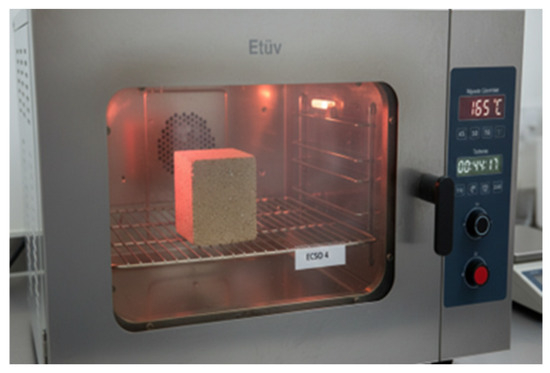
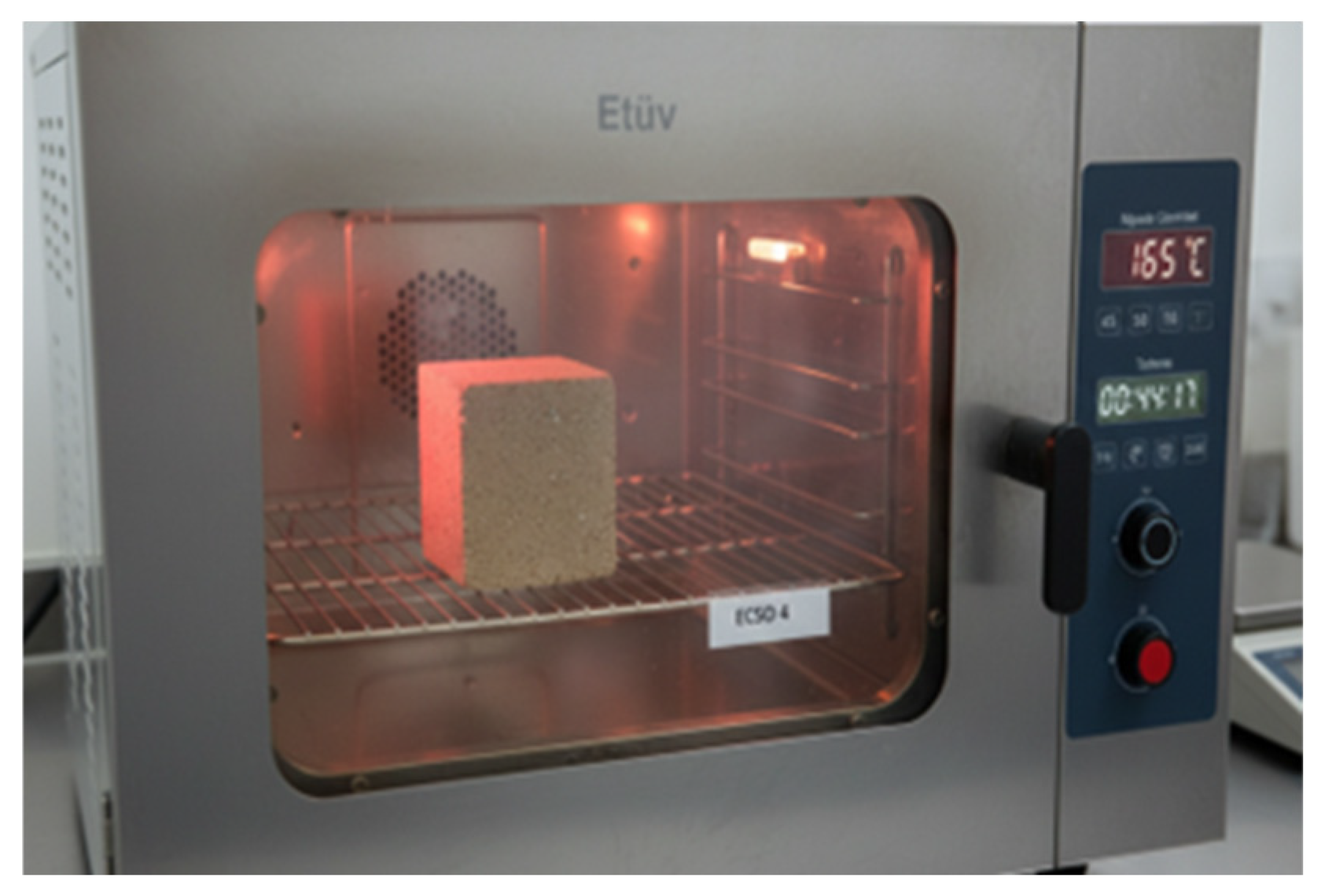
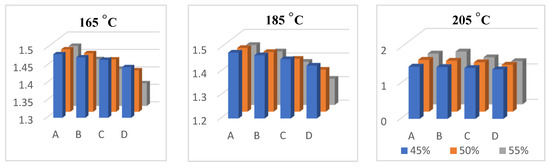
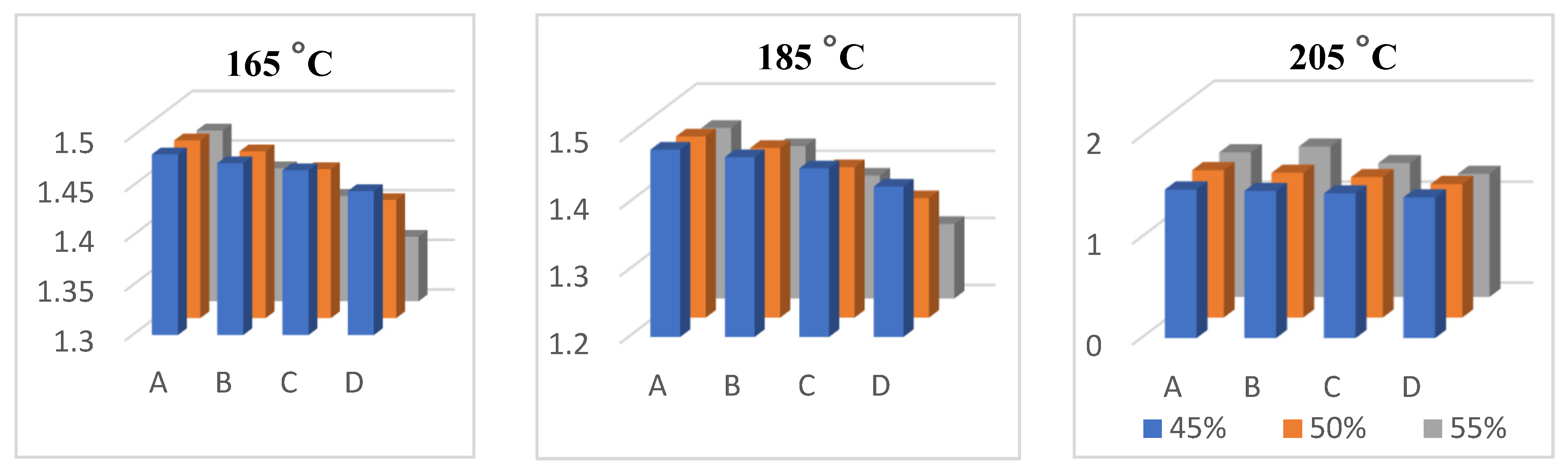
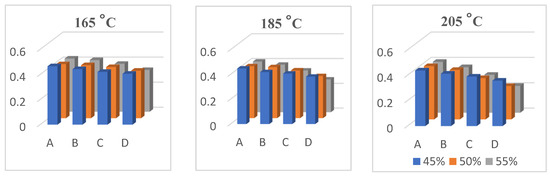
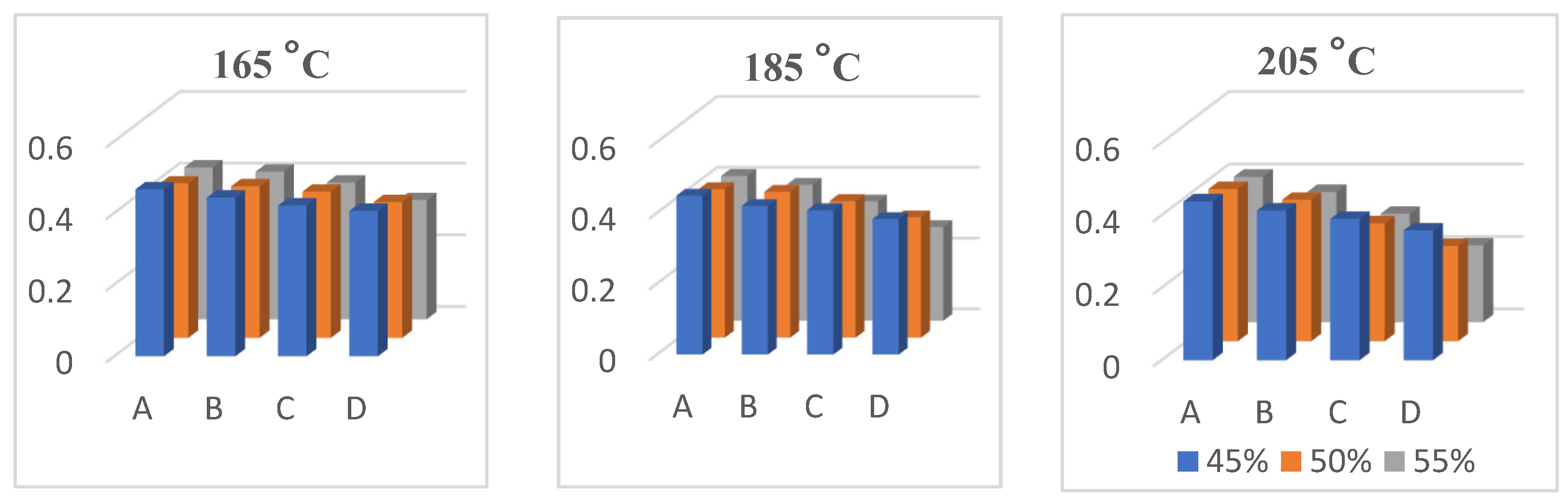
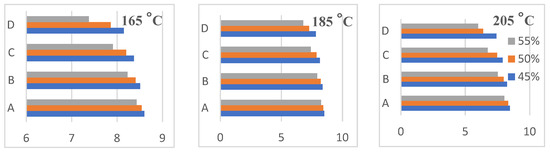
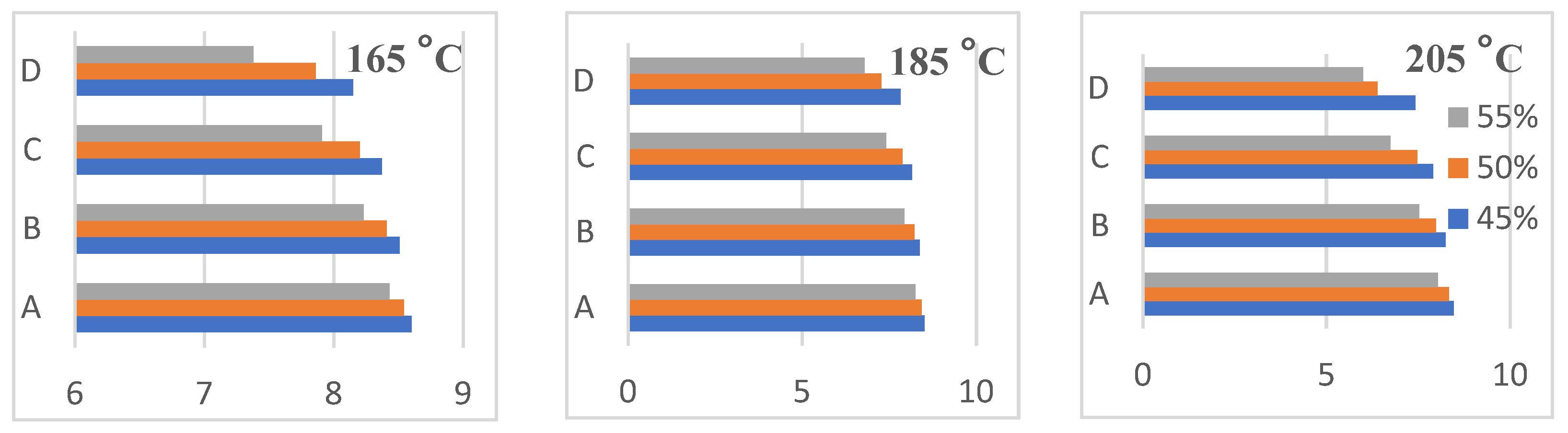
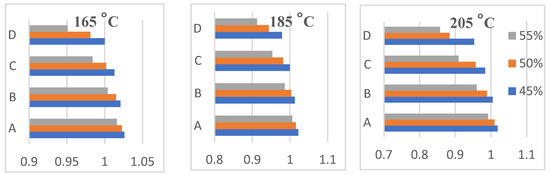
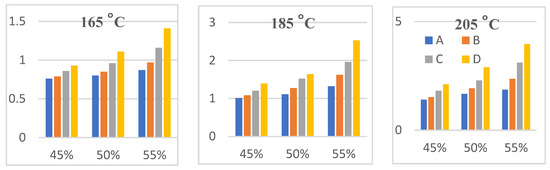
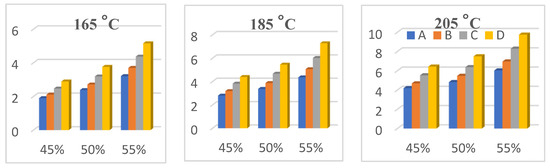
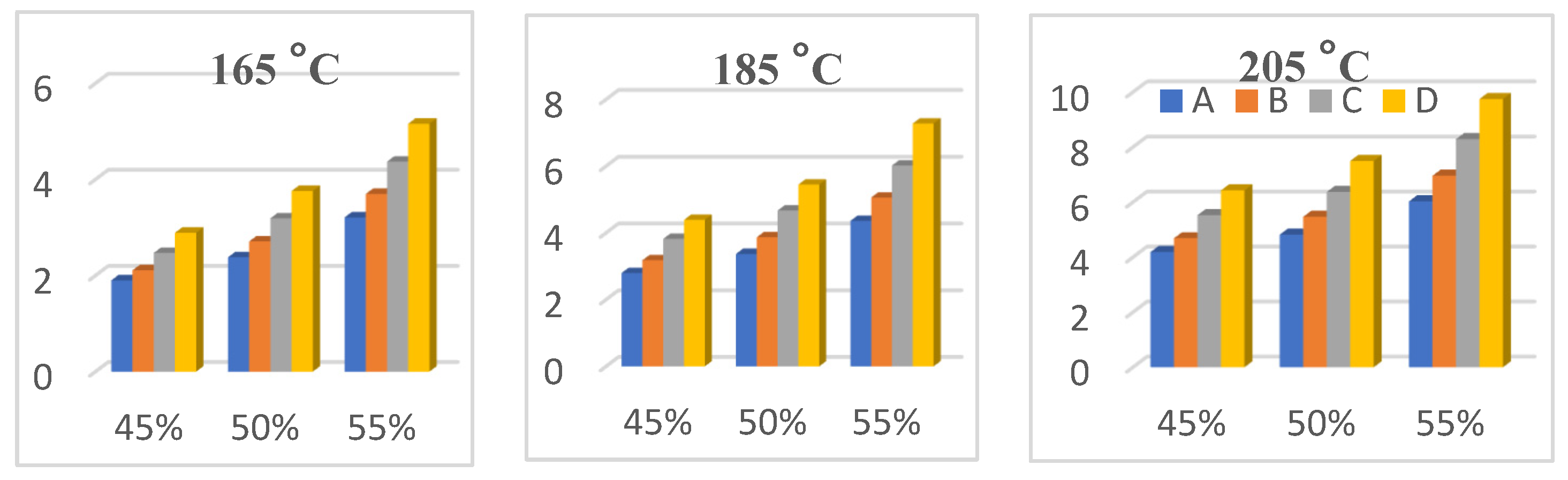
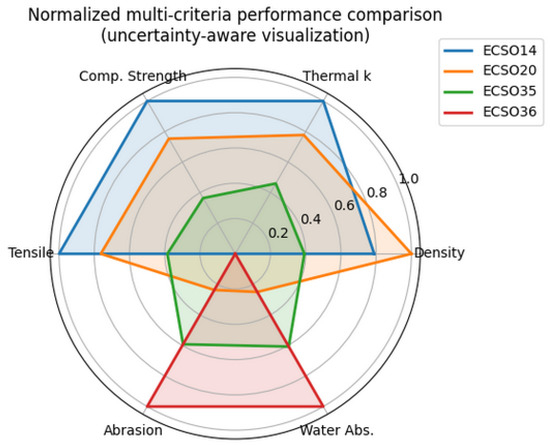
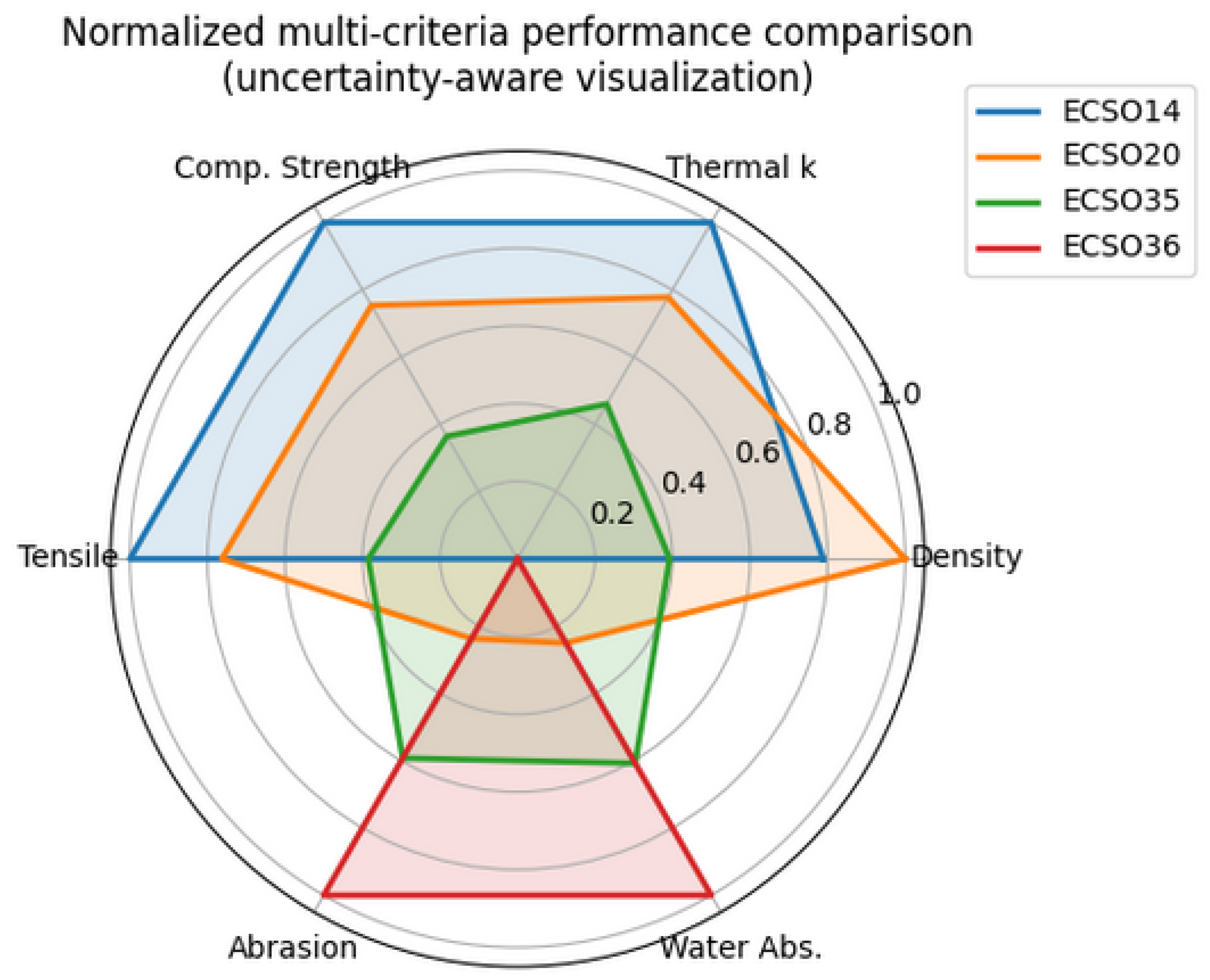
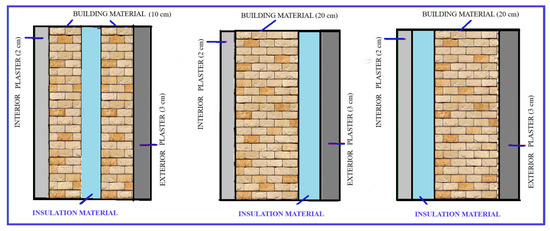
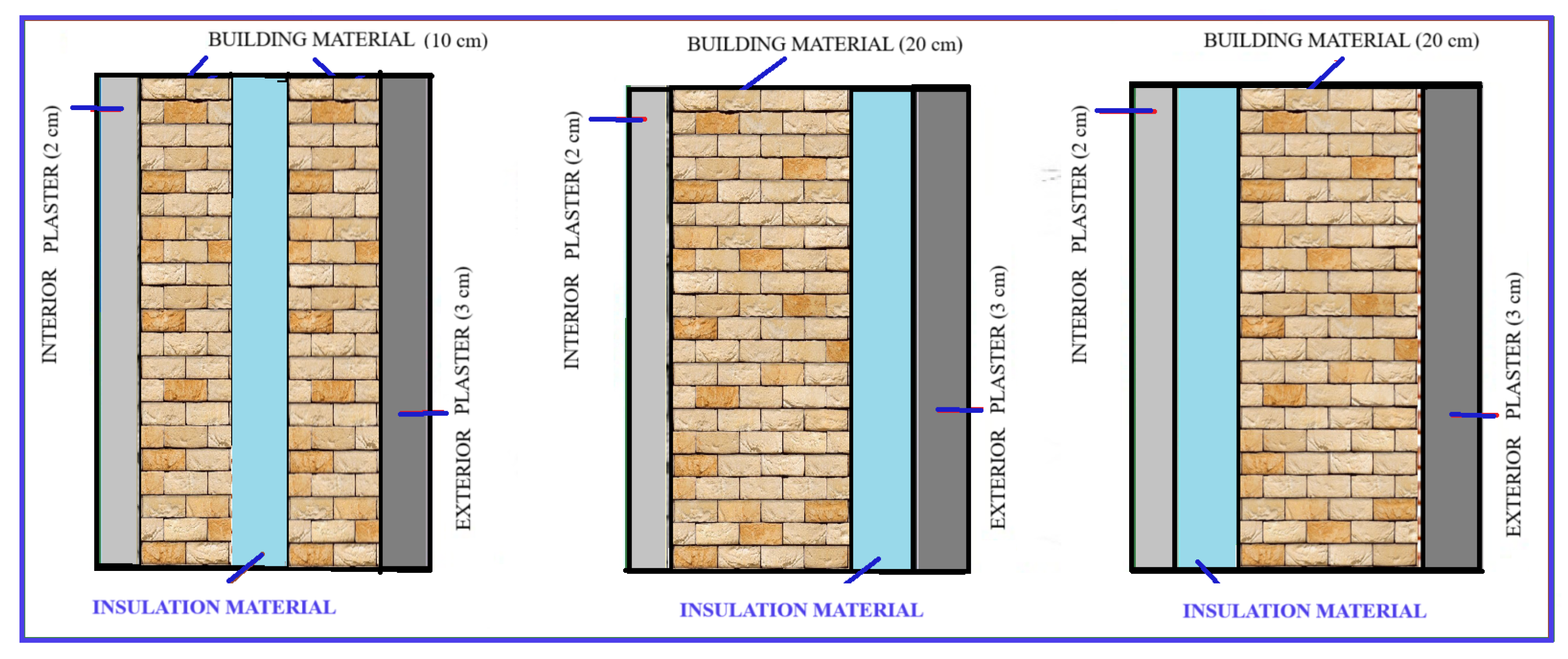
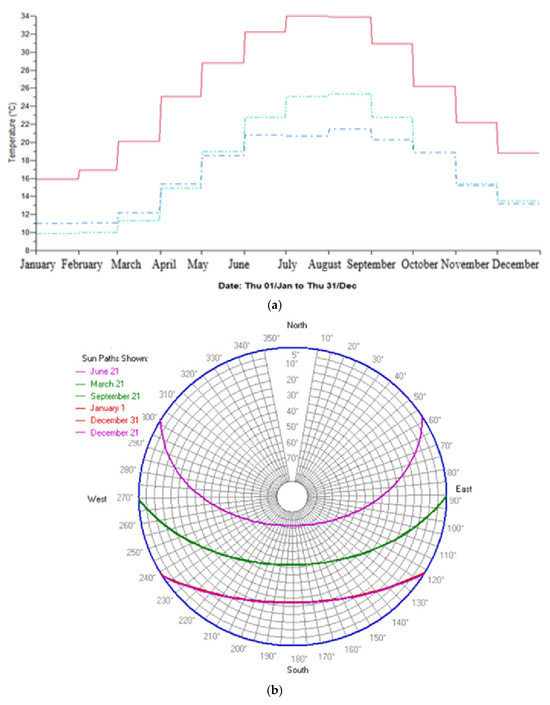
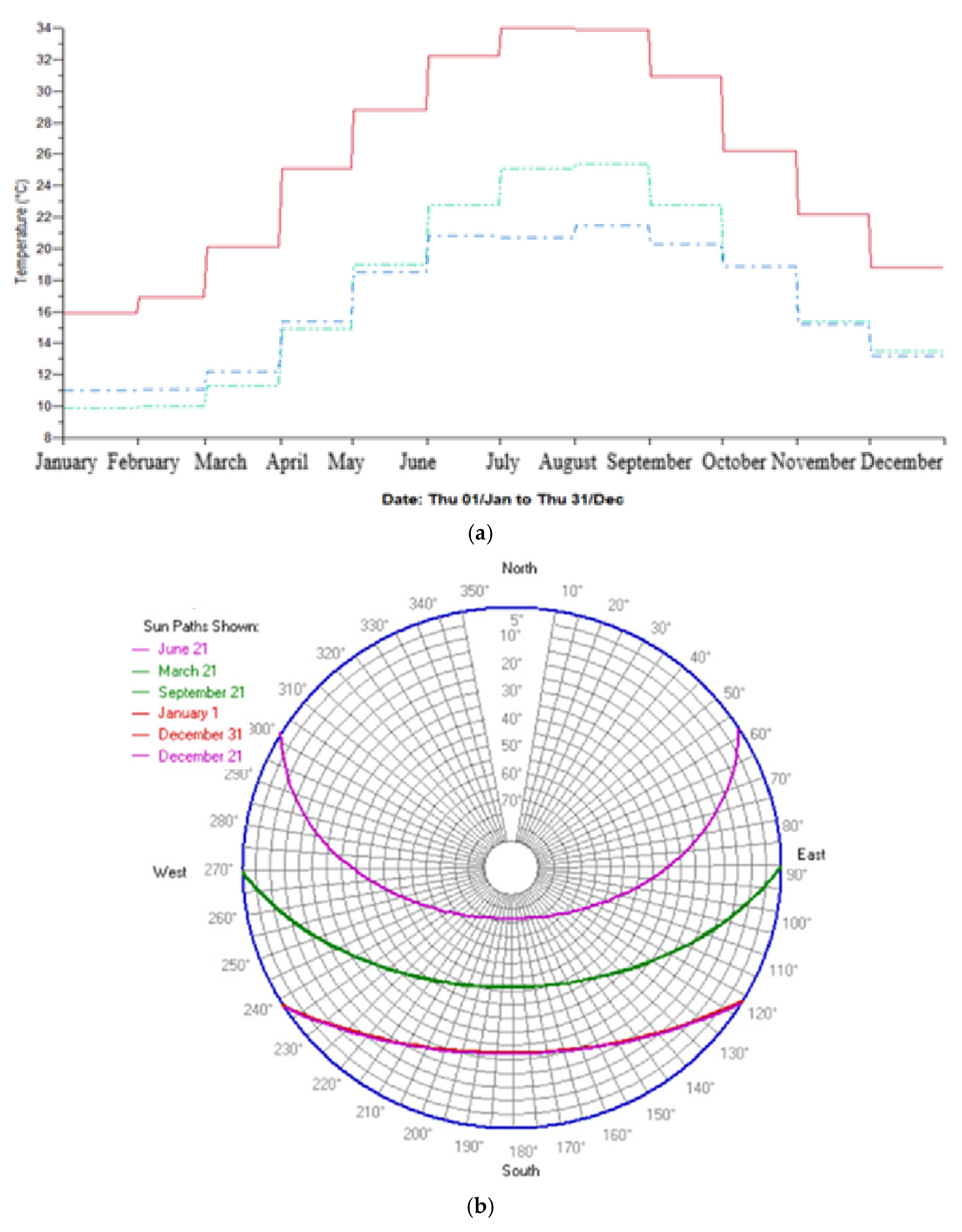
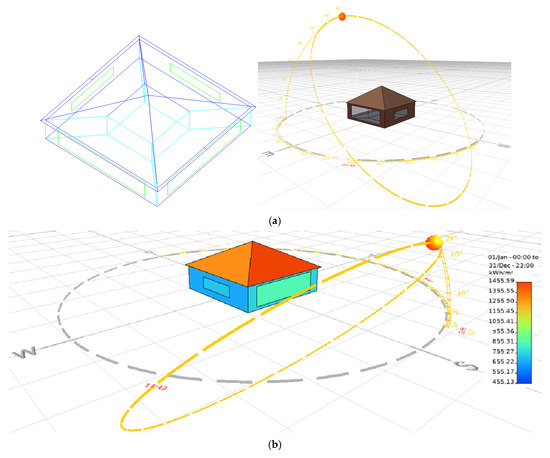
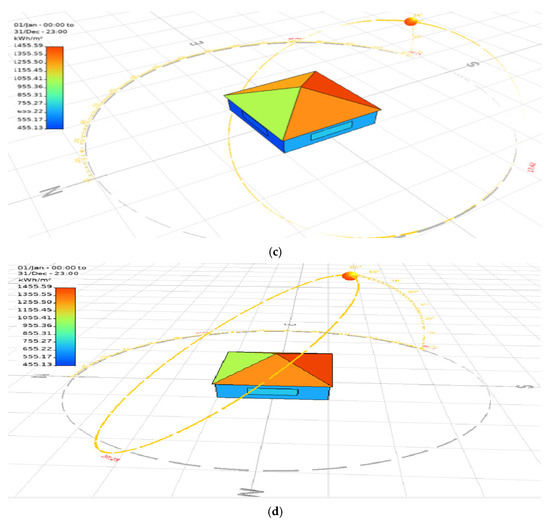
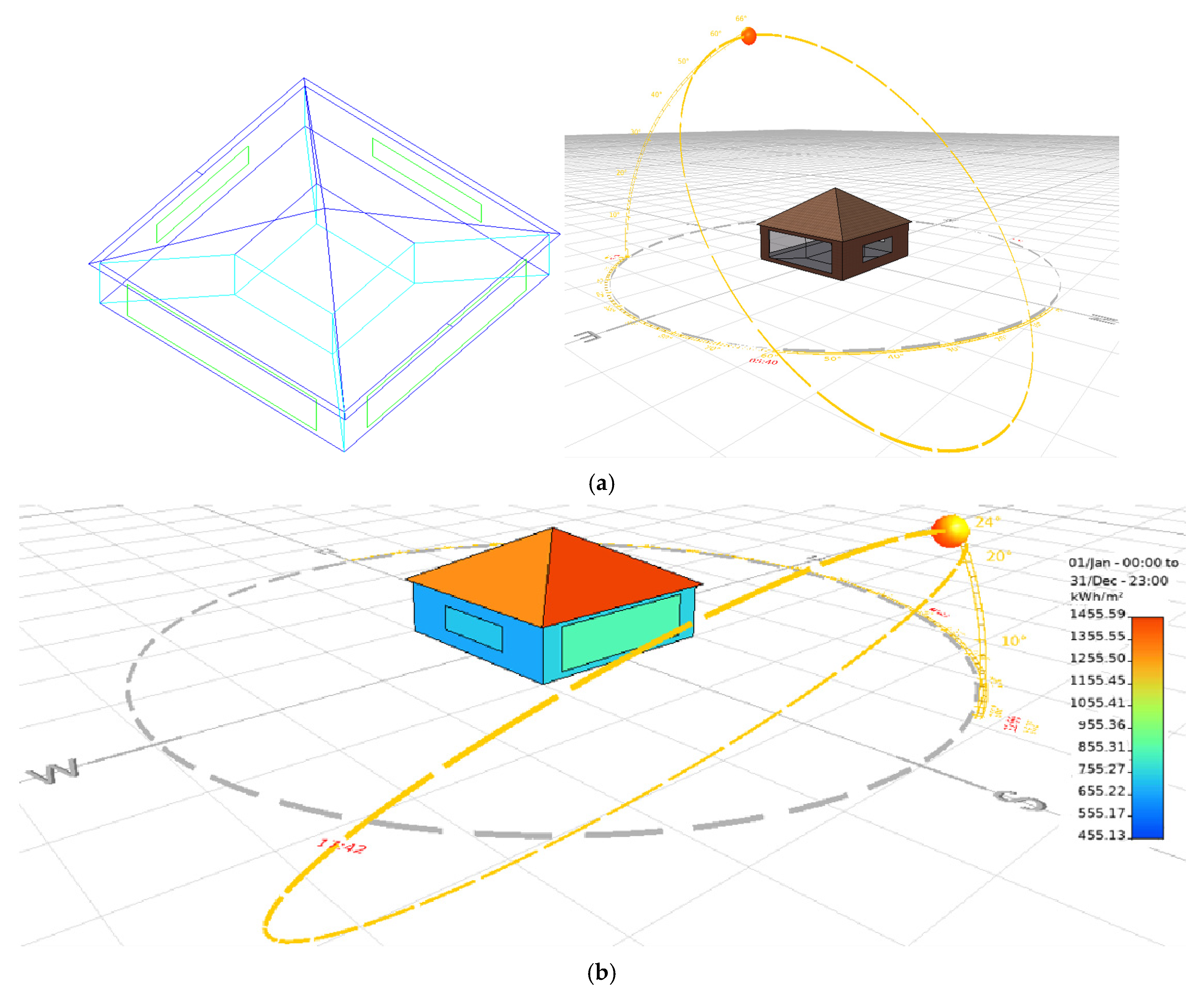
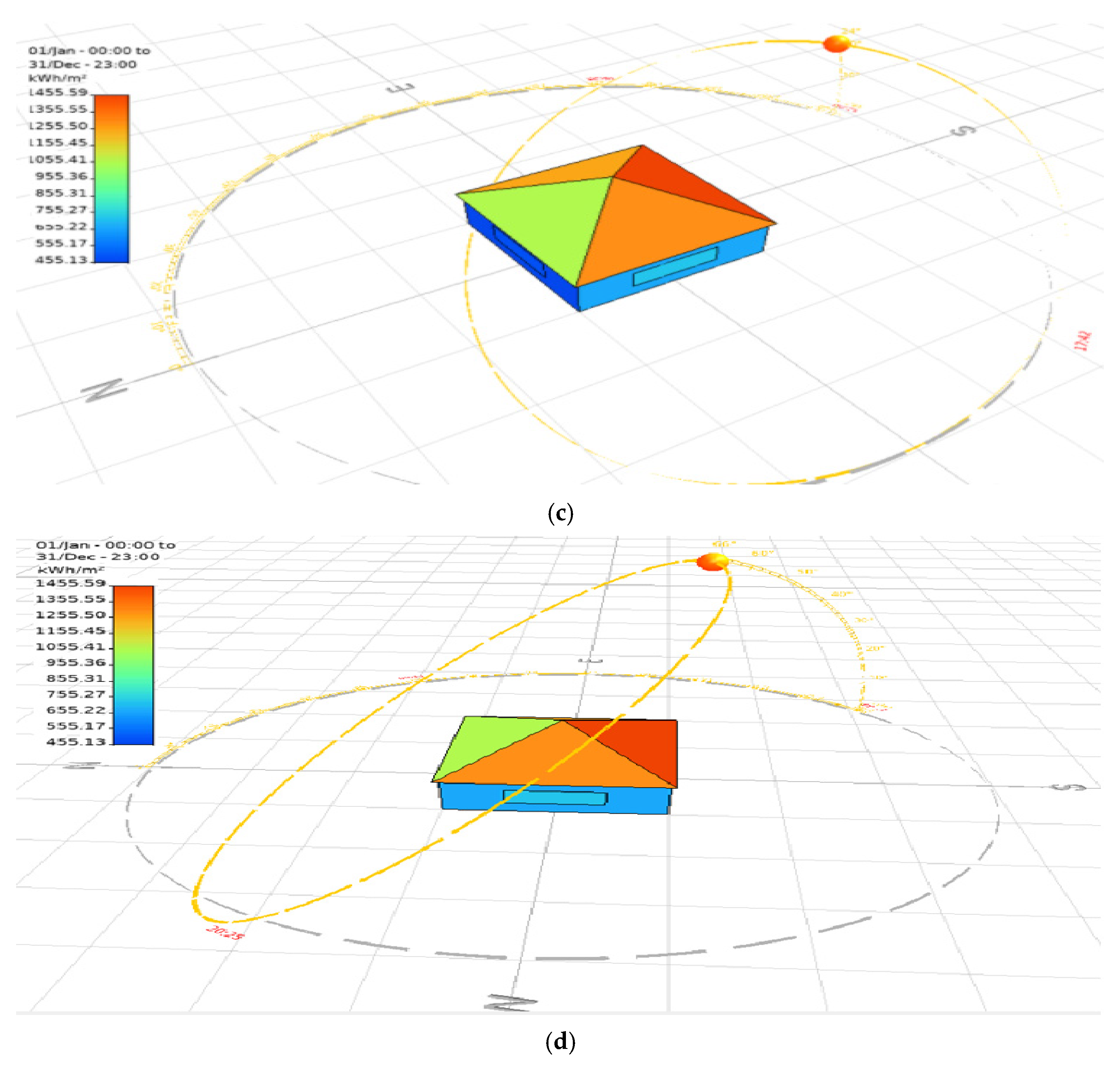
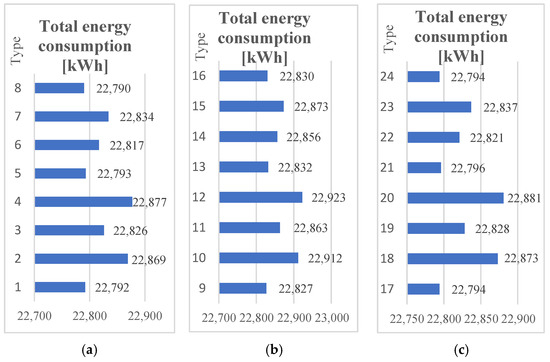
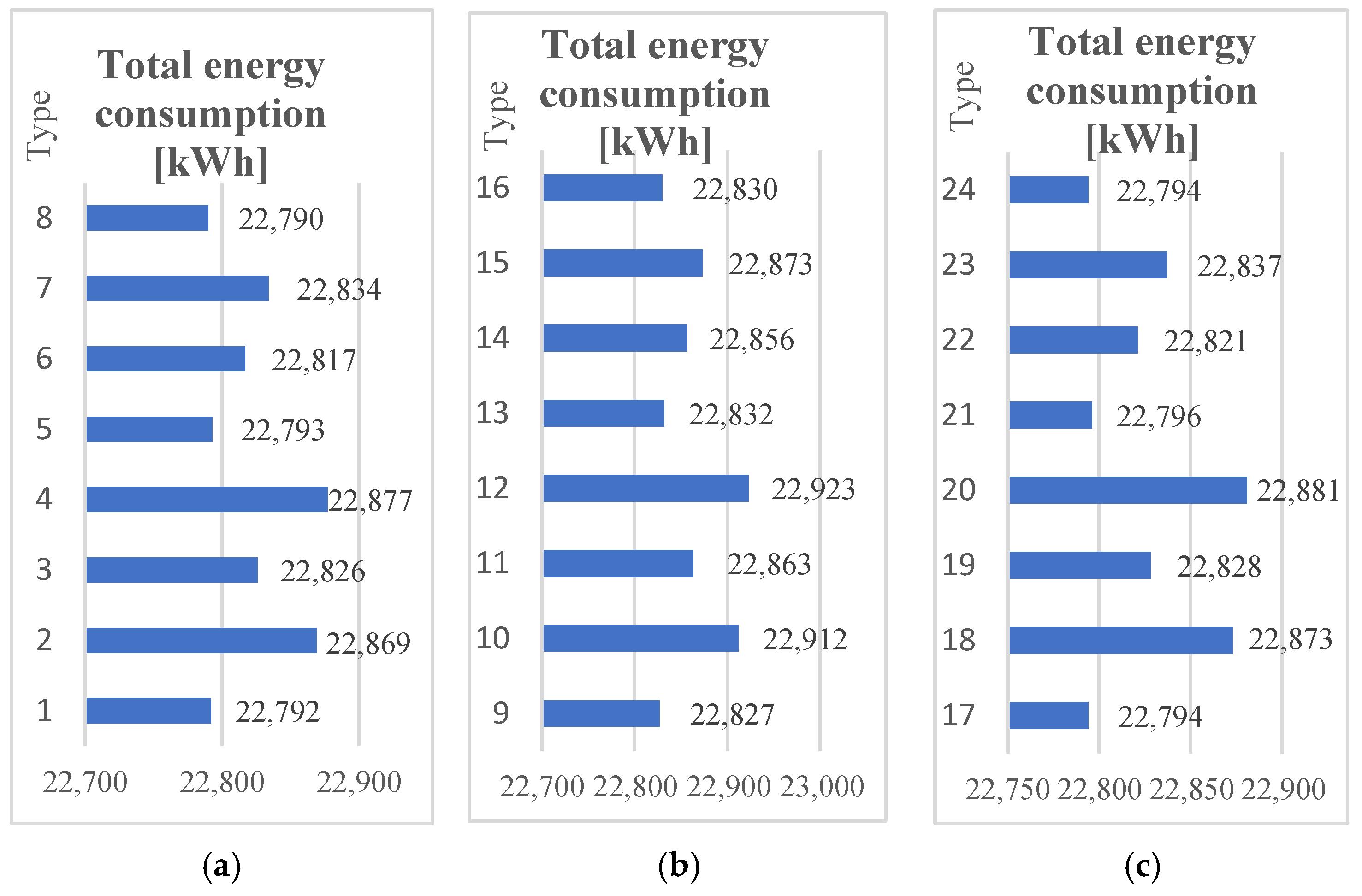
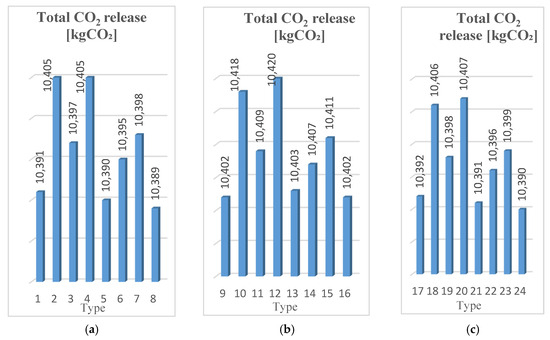
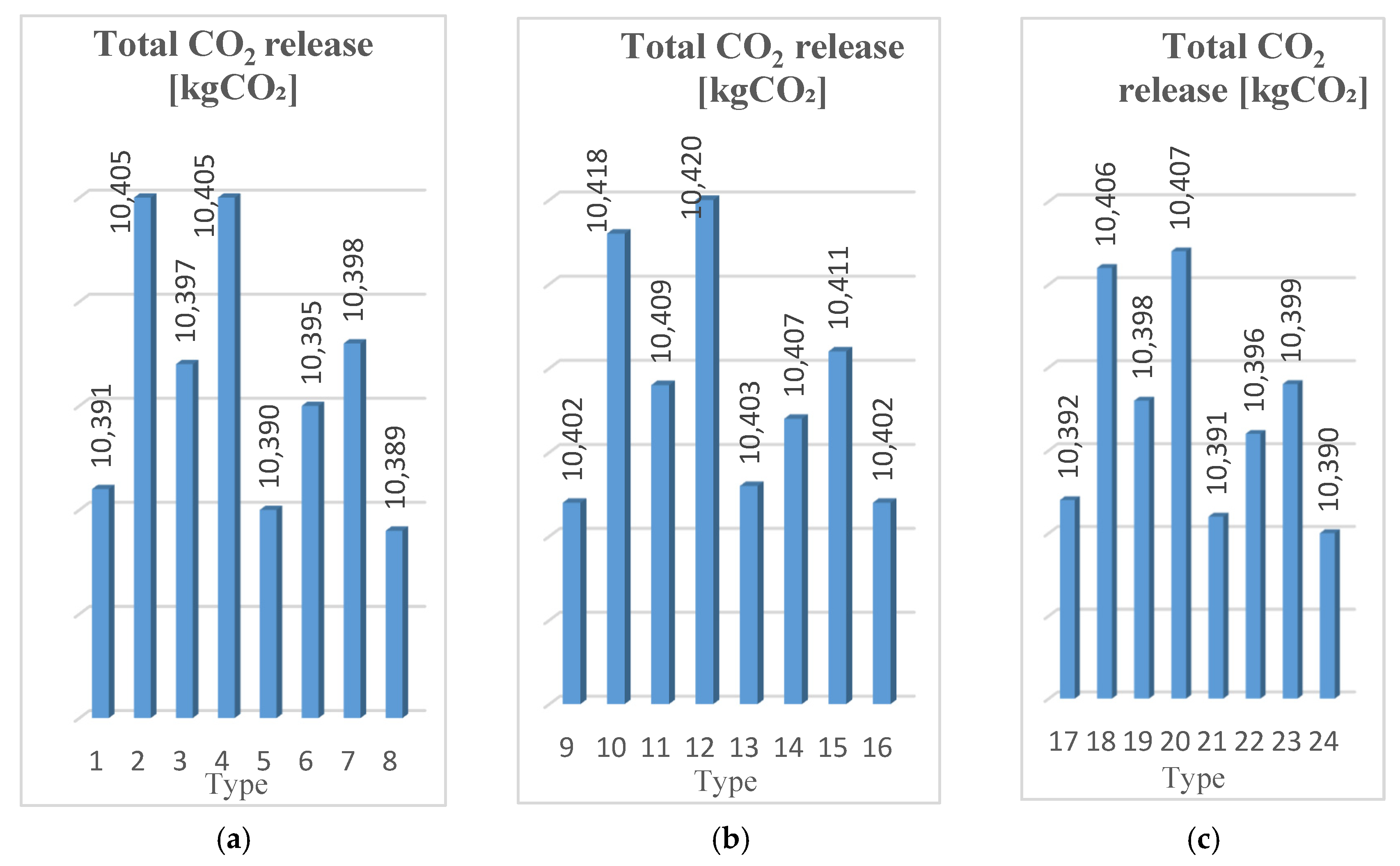
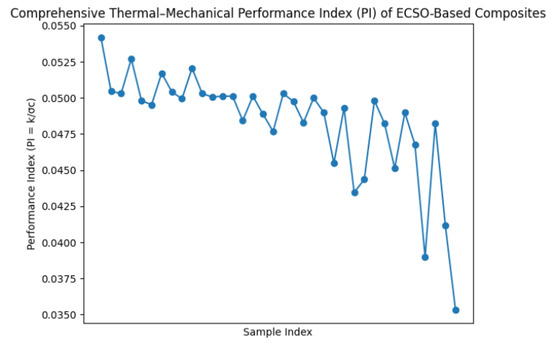
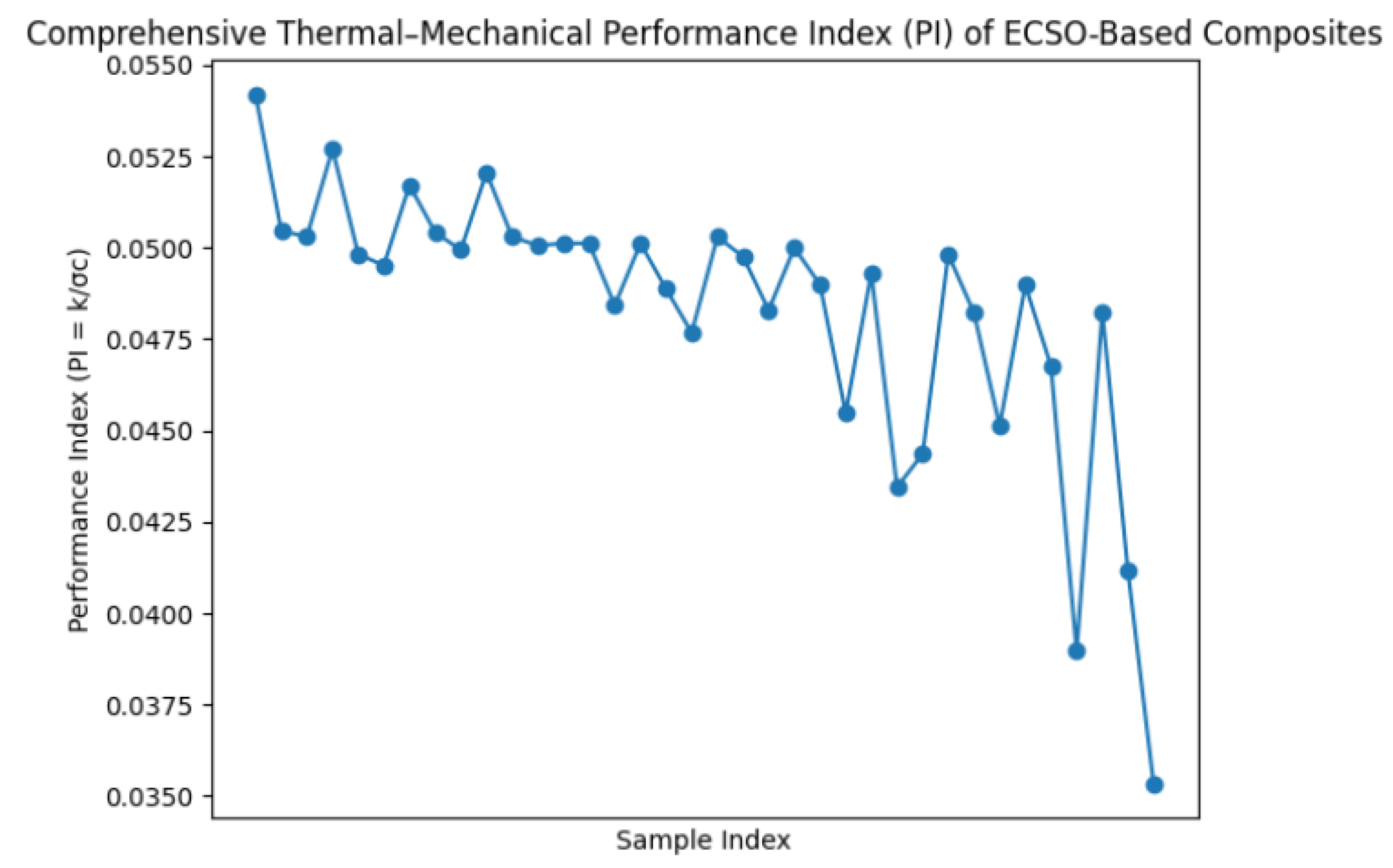
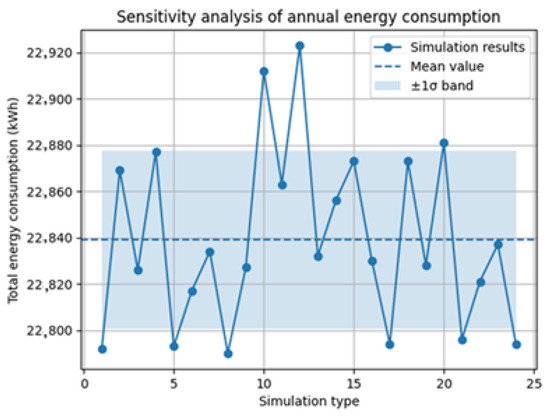
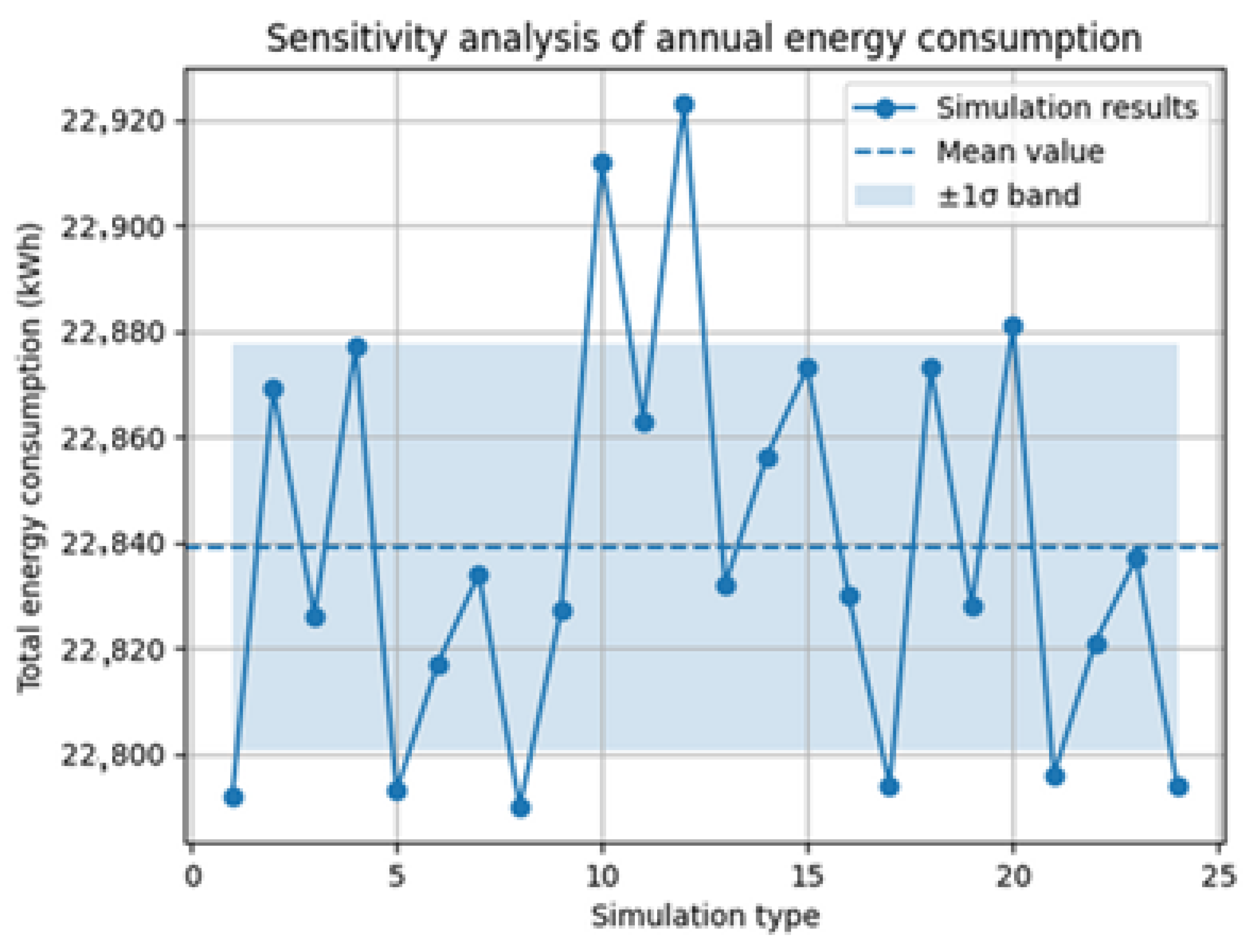
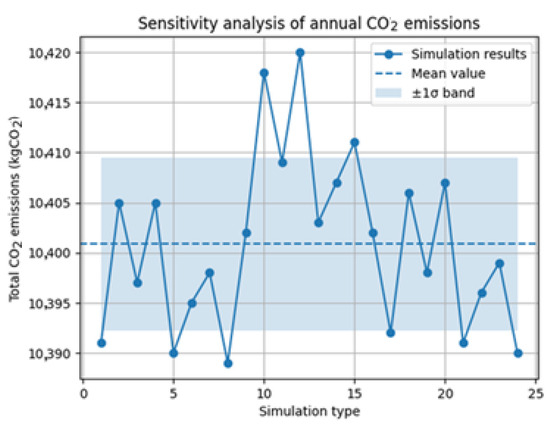
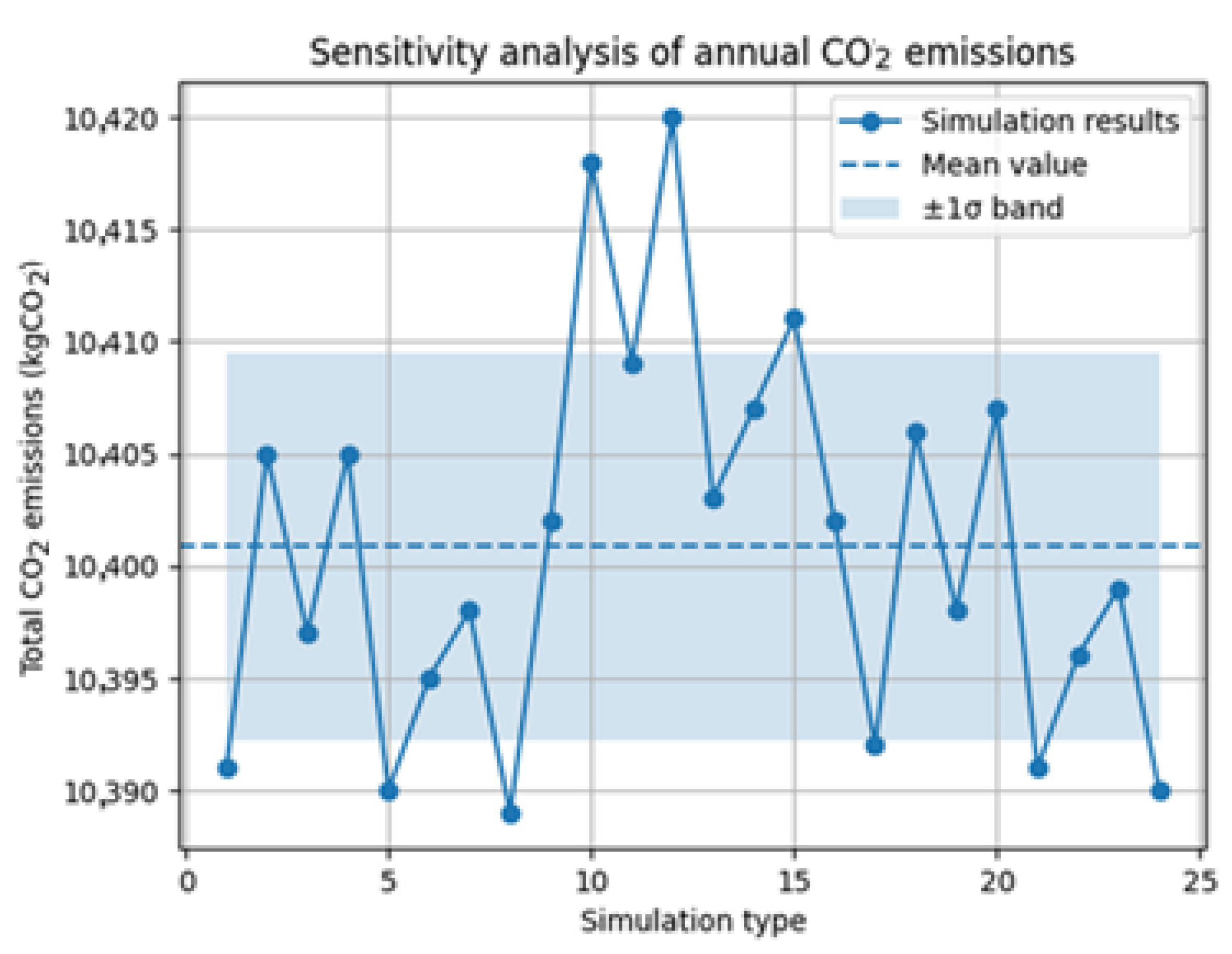




Disclaimer/Publisher’s Note: The statements, opinions and data contained in all publications are solely those of the individual author(s) and contributor(s) and not of MDPI and/or the editor(s). MDPI and/or the editor(s) disclaim responsibility for any injury to people or property resulting from any ideas, methods, instructions or products referred to in the content. |
© 2026 by the author. Licensee MDPI, Basel, Switzerland. This article is an open access article distributed under the terms and conditions of the Creative Commons Attribution (CC BY) license.