


Abstract
This article presents the results of investigations into washed mineral waste (WMW) from grit chambers, fly ash generated during the thermal treatment of municipal sewage sludge (SSA), and their mixtures prepared in varying proportions. Their general physicochemical characteristics and heavy metal concentrations were presented. An experiment was conducted to assess the mobility of metals in the analyzed samples during extraction with distilled water and groundwater. The feasibility and safety of using the recovered materials in the ground environment, as soil backfills, and as materials for the construction of roads and flood embankments, were assessed. The feasibility of safely using materials in the indicated construction solutions was demonstrated for WMW and mixtures with a dominant WMW content. These results will be helpful in further research on solid waste applications. To the best of the authors’ knowledge, this study is the first to confirm the ecological safety of the analyzed wastes, as evidenced by assessments of heavy metal content and mobility. Furthermore, taking into account the laboratory and field costs associated with waste verification to obtain appropriate values for other physical and mechanical parameters (e.g., compaction index or shear strength), and the need to determine the level of waste contamination before practical application, the physicochemical tests carried out are economically justified.
1. Introduction
Wastewater treatment plants are unique production facilities that generate waste streams from various technological processes. These facilities offer opportunities to implement activities based on a closed-loop model if waste is viewed as raw materials [1,2,3]. The recycling of mineral waste and fly ash generated by the thermal treatment of municipal sewage sludge at wastewater treatment plants is a subject of considerable global interest in the construction industry. These wastes could provide the global economy with an alternative source of raw materials for construction applications and replace natural aggregates mined for industry. The urgent need for waste reuse in many countries concerns socio-political, economic, and environmental issues resulting from the growing sand crisis [4,5,6], as well as economic issues related to the costs of waste disposal and storage [7,8,9]. The cost of mineral waste disposal at a Polish wastewater treatment plant has reached approximately EUR 500 per ton, which, for large-scale facilities (780,000 population equivalent) generating more than 3000 tons annually, represents a substantial financial burden [8]. Furthermore, due to renovation and construction work on water and sewage networks carried out by public companies of the Municipal Water and Sewerage Companies, the demand for construction materials for backfilling installation trenches is significant. Therefore, the ability to utilize the waste generated by these companies’ treatment plants offers a dual benefit: reducing waste disposal costs and using raw materials derived from natural resources.
From the perspective of mineral deposit geology, the depletion of local natural aggregate resources (e.g., sand and gravel deposits) in many regions of Central Europe significantly increases the costs and environmental impacts of extracting construction materials. The utilization of secondary mineral resources, such as sewage sludge ash (SSA) and mineral waste from wastewater treatment processes, may partially replace natural aggregates, thereby reducing pressure on geological deposits and extending the service life of existing resource bases. Considering current market prices for natural aggregates and rising transport costs, replacing approximately 20–30% of primary materials with mixtures of both wastes may significantly reduce total material costs, depending on the applied technology, as well as local availability and logistics. This also translates into a lower exploitation rate of the region’s geological deposits. The incorporation of such mixtures into construction practices aligns with the concept of sustainable mineral resource management, where waste-derived materials serve as secondary geological resources. This approach reduces the depletion of natural resources and the amount of waste sent to landfill, thus supporting national strategies to implement a circular economy.
Mineral waste may be classified into two principal categories. The first category comprises untreated mineral waste (MW), including material collected directly from grit chambers (waste code 19 08 02, in accordance with the European Waste Catalogue [10,11]), as well as sludge derived from sewer cleaning (waste code 20 03 06) and street cleaning operations (waste code 20 03 03). The second category consists of washed mineral waste (WMW), designated by waste code 19 12 09, which is obtained through additional separation and washing processes applied to mineral waste at wastewater treatment plants.
The sustainable use of traditionally disposed of MW in construction has attracted growing interest in recent years. Studies by various authors have focused on considering the potential use of MW as building materials [12,13], a sand substitute for concrete [7,8], construction aggregates [14], or land reclamation materials [15]. The scope of the presented studies varied and, depending on the survey, included determining the physical, mechanical, or chemical parameters of this waste. These included: moisture, solids and organic matter content, specific and bulk density, particle size distribution, compressive and tensile strength, biodegradable organic matter content, total organic carbon, ammonium nitrogen, total nitrogen, sodium, calcium, potassium, lithium, barium, heavy metals, and leachability of harmful substances and heavy metals, fluorides, and dissolved organic carbon. Many scientists [7,8,13,14] emphasize that the possibility of using MW in construction requires careful rinsing to minimize the organic matter content, which can be as high as 68.49% [12]. Additionally, the applied MW purification process can reduce the organic matter content by up to 67.1% [7].
Research on WMW has only recently been conducted [16] because this waste remains an insufficiently understood material. Due to the dominant percentage of the sand fraction, it is called sandy waste [9] and is most often compared to anthropogenic soils [17] or aggregates [16]. Furthermore, its low organic matter content (even below 2%) [18] undoubtedly has the advantage of WMW as an alternative mineral raw material to natural sand. Previous studies [16,17,18] have shown that the physicochemical parameters of WMW indicate its potential application as soil backfill, in the construction of roads and flood embankments, or as a partial substitute for sand in concrete. However, the use of WMW in construction may require the use of an additive to improve its compactability, because in terms of granulometric composition, it corresponds to uniformly grained medium sands with a low content of fine-grained fractions (less than 1% of the waste mass).
The potential of using fly ash from thermal treatment of municipal sewage sludge (SSA) in construction is widely described in the literature. SSA can be used to partially replace cement in the production of concrete or in other cement-based materials, e.g., mortars [19,20,21], as an additive to stabilize natural soils, e.g., clay [22,23], and cement–soil mixtures for use in road pavement sub-bases [24], or as a component of bricks [25,26].
The use of wastes generated in wastewater treatment plants in construction requires meeting appropriate technical requirements depending on the location and intended use of the structure, while simultaneously preventing negative impacts on the environment, human health, and life resulting from its use. However, the lack of standards, construction guidelines, or technical requirements regarding criteria parameters and principles for the safe management of such wastes in construction motivates the need to first assess their chemical impact on the environment. One of the determinants of the safety of using waste materials and their environmental impact may be verification of the levels of heavy metals in the waste and the intensity of their release.
This study examined WMW and SSA samples and samples obtained from a combination of both types of wastes prepared in various proportions. Their general physicochemical characteristics and heavy metal concentrations were presented. An experiment was conducted to assess the mobility of metals in the analyzed samples during extraction with distilled water and groundwater. Based on the conducted research, the feasibility and safety of using the recovered materials in the soil environment were assessed. These results will be helpful in further research on solid wastes applications. To the best of the authors’ knowledge, the present study is the first to confirm the ecological safety of the use of the investigated materials, as demonstrated by assessments of heavy metal content and mobility. Furthermore, considering the laboratory and field costs associated with waste verification to obtain appropriate values for other physical and mechanical parameters (e.g., compaction index or shear strength), and the need to determine the level of waste contamination before practical application, the physicochemical studies conducted are economically justified.
2. Materials and Methods
The laboratory tests included analysis of the granulometric composition, bulk density, organic matter content, and heavy metals: zinc (Zn), lead (Pb), copper (Cu), cadmium (Cd), chromium (Cr), nickel (Ni), cobalt (Co), mercury (Hg), arsenic (As), and tin (Sn) in the wastes, their mixtures, and aqueous extracts. Furthermore, the waste microstructure and particle size distribution were determined, along with the elemental chemical composition.
2.1. Materials
Two types of wastes were analyzed and classified as industrial wastes [27] and non-hazardous wastes [10,11,28,29]. The first was WMW with code 19 12 09 [10,11]. It is generated in the mechanical wastewater treatment process by sedimentation of mineral suspension in grit chambers, which is transported to flushing separators and ultimately to a storage tank or temporary waste storage facility. The WMW sample (P-2) was collected from a temporary waste storage facility in an open space. The second waste material investigated was sewage sludge ash (SSA), classified under waste code 19 01 14 [10,11], which is generated during the incineration of municipal sewage sludge in fluidized-bed furnaces. Following incineration, the ash is transported to a storage silo, which serves as a temporary waste storage facility. SSA samples (PL1, PL2, and PL3) were collected during waste transfer for disposal. During the research campaign, the following sample masses were collected: washed mineral waste (P-2) in November—wet mass: approximately 160 kg; sewage sludge ash no. 1 (PL1) in January—air-dry mass: approximately 20 kg; sewage sludge ash no. 2 (PL2) in September—air-dry mass: approximately 40 kg; sewage sludge ash no. 3 (PL3) in November—air-dry mass: approximately 60 kg. Waste samples for laboratory testing were collected from Poland’s largest wastewater treatment plant (2,100,000 population equivalent). The sewage sludge thermal treatment plant has an annual capacity of 62,200 tons of dry matter.
2.2. Wastes Mixtures Proportions
According to European Union legislation [30], the reuse of waste materials (e.g., in construction) may result in the waste losing its status as waste and being considered a by-product. This process requires verifying waste materials to ensure they meet the appropriate technical requirements for specific purposes, as well as applicable regulations and standards for the products. Where necessary, the criteria include limit values for pollutants and consider the product’s potential environmental impact.
In the case of technical criteria based on the potential use of waste materials as soil backfills and materials for the construction of roads and hydraulic embankments, the basic parameter is grain size. Preferred mineral, non-cohesive, sandy, and frost-unsusceptible soils with an appropriate grain size uniformity coefficient, above 3 for materials for embankment construction and above 5 for backfills [17].
Previous research [17,18] confirms that washed mineral waste can be classified as mineral, non-cohesive, sandy, and frost-unsusceptible soil. However, washed mineral waste does not meet the criteria for the grain size uniformity coefficient. The research results indicate that the grain size uniformity coefficient is below 3. This is due to the removal of fine-grained fractions during the mineral waste washing process used in wastewater treatment plants.
To meet expectations for soil, backfill, or embankment construction material with an acceptable grain-size uniformity coefficient, washed mineral waste was mixed with sewage sludge ash. SSA is characterized by a significantly higher content of fine-grained fractions compared to washed mineral waste [31].
Both types of wastes (WMW and SSA) were combined in varying weight proportions to create six mixtures for comparison purposes. The selection of the mixture component proportions was an experimental engineering process based on expert laboratory research in soil mechanics and binder specificity, as well as a literature review. The goal was to design environmentally friendly mixture formulations with optimal technical properties, ensuring acceptable grain-size uniformity coefficient values as defined by construction standards.
The most common decision in selecting mixture proportions containing industrial by-products added to soils was to improve material properties [32,33]. Research was also continued based on previously conducted experiments available in the literature [34]. Similarities in the properties of the waste to those of conventional binders were also demonstrated, leading to a reduction in waste disposal [35]. Among the papers, one could also find a reference [36], in which the mixture proportions for experiments were chosen arbitrarily. Limits for waste material content in soil mixtures vary. In one study [36], even a 50% share of fly ash from coal combustion was assumed in the mixture recipe, confirming the achievement of maximum compaction, improved strength, and reduced settlement.
Environmental criteria relevant to the practical management of wastes and their mixtures include the content of organic substances, which is also limited, and the quantity of which affects the durability of engineering structures. Furthermore, verifying the concentrations of heavy metals in waste and their mixtures, as well as their mobility in the environment, is crucial. Limit values for substances posing a risk, both for soil and aquatic environments, provide significant confirmation or denial of the suitability of the indicated materials for use. Chemical analysis also provides an undeniable advantage before performing more time-consuming and cost-intensive tests (e.g., shear strength). Exceeding the permissible concentration values of heavy metals allows for the straightforward elimination of a given material sample from consideration for practical application. It is also worth emphasizing that the wastes analyzed by the authors come from a wastewater treatment plant and that it is necessary to monitor the behavior of individual mixture components over a more extended period, accounting for weather anomalies. This manuscript, therefore, presents a preliminary assessment of the potential use of waste and mixtures, emphasizing the need to expand the scope of research in the longer term. At the same time, it cites critical values outlined in regulations that are often omitted by other authors addressing the potential use of waste-based materials in road construction.
The mixture tests presented in the paper constitute an innovative aspect regarding washed mineral waste, not previously published in the literature. The optimal mass ratios of washed mineral waste to sewage sludge ash (WMW/SSA) for preparing the mixtures are presented in Table 1.
Table 1.
Waste mixture sample matrix.
The selection of the studied proportions (9/1, 7/3, 5/5) was primarily driven by the desire to systematically analyze the behavior of materials beyond the optimal particle size distribution. The selected combinations allow for the illustration of the full spectrum of possible mixtures, from the dominance of a single fraction to more balanced distributions, without introducing additional criteria or assumptions regarding their properties. This experimental design enabled the assessment of the effects of varying component proportions on the analyzed parameters and processes while maintaining a straightforward interpretation of the results.
The purpose of preparing mixtures of category A and B waste was to compare their properties based on the structures of available materials: SSA from a single thermal treatment cycle of municipal sewage sludge and SSA mixtures obtained from several independent combustion cycles. This approach reflects real-world operating conditions, in which material sent for further management can originate from either a single process or from accumulated SSA from various periods of the plant’s operation. The use of mixtures enabled us to assess the impact of averaging material from several thermal cycles on its properties and on the course of the analyzed processes.
In summary, the selection of mixture proportions results from laboratory research aimed at finding a compromise between physical and chemical properties, and, in the longer term, research into environmentally sustainable mixtures, also with respect to mechanical parameters. The scientific justification for this manuscript is evidence from research that the selected mixture proportions meet technical standards and are durable under specific soil and water conditions.
2.3. Methods
A significant advantage of the conducted research was the collection of relatively large samples, which significantly increased their representativeness and thus the reliability of the obtained results. The use of such large sample masses allowed for more effective averaging of local inhomogeneities in the material.
The waste materials selected for testing were subjected to physicochemical analysis. Before analysis, the WMW sample was dried to constant mass at 105–110 °C in a laboratory dryer. Grains and particles with a diameter greater than or equal to 2 mm were then sieved on a shaker, representing 4.45% of the dry fraction, with a focus on the sand fraction of 0.063–2 mm.
Before separating the portions for laboratory testing, each waste sample (WMW, SSA) was subjected to a carefully selected homogenization procedure, conducted to ensure the most uniform distribution of components throughout the material. First, the samples were mixed with a mechanical mixer, and then the quartering method was used. Mixture samples were prepared from the individual waste samples after homogenization. This approach significantly reduces the impact of material variability on the analytical results and increases their reliability.
The waste samples’ microstructural and elemental chemical composition studies were performed using a Scanning Electron Microscope (SEM) with an EDS (Energy Dispersive Spectroscopy) system (HITACHI SU8000, Tokyo, Japan) at accelerating voltages of 3 kV and 15 kV, respectively. The samples were mounted on carbon tape to steel stages and, due to their nonconductive nature, were sputtered with an 8 nm-thick layer of gold. Laser diffraction of the waste samples was performed on a HORIBA Particle LA-950 device (Kyoto, Japan) in distilled water to measure the particle size distribution.
Granulometric composition was determined by sieve analysis using a set of sieves with mesh sizes of 1.0, 0.5, 0.25, 0.125, 0.10, and 0.063 mm, along with a collection pan [37].
The bulk density of the samples was determined in a vessel of known volume [38].
The content of organic substances in the samples was determined using Tyurin’s method [39,40].
The concentrations of selected heavy metals (zinc, lead, copper, cadmium, chromium, nickel, and cobalt) in the prepared samples were determined following microwave-assisted digestion using a PerkinElmer Titan MPS digestion system. Metal concentrations were measured by flame atomic absorption spectrometry (FAAS) [41] using a PinAAcle 900F instrument (PerkinElmer, Waltham, MA, USA). The contents of arsenic, tin, and mercury were analyzed by inductively coupled plasma–mass spectrometry (ICP-MS), inductively coupled plasma–optical emission spectrometry (ICP-OES), and atomic absorption spectrometry (AAS) [42,43,44] using NexION 2000, Optima 7300 DV, and FIAS100 AAnalyst 800 instruments (PerkinElmer, Waltham, MA, USA), respectively.
The effects of metal extraction from wastes and mixtures using distilled water and groundwater were compared to a laboratory experiment. The pH, specific electrical conductivity, and heavy metal content of the aqueous extracts were determined [41,42,43,44,45,46]. The groundwater was analyzed for composition, with selected parameters (pH, specific electrical conductivity, alkalinity, HCO3−, Cl−, SO42−, NO2−, NO3−, PO43−, Ca2+, Mg2+, NH4+, turbidity, odor, suspended solids, hardness, and free CO2) determined. Aqueous extracts for heavy metal determination were obtained by mixing the liquid and solid phases at a ratio of L/S = 10 L/kg [47]. The prepared extraction samples were agitated on a roller table for 24 h and subsequently filtered using a vacuum pump.
To determine the level of immobilization of heavy metals in the investigated wastes and their mixtures, Equation (1) was applied [18].
where
Ii—the level of immobilization of the i-th heavy metal [%];
mi,e—the mass of the i-th heavy metal in the extract [mg];
mi,m—the mass of the i-th heavy metal in the material subjected to leaching [mg].
2.4. Statistical Analysis
The statistical experimental design method was not used in planning the experiment; therefore, the minimum sample size was not determined at the experimental design stage. The statistical analysis approach was selected based on the results obtained. Their mean and standard deviation were determined from the measured heavy metal concentrations.
The influence of SSA sample batches on the concentrations of individual heavy metals was evaluated using the nonparametric Kruskal–Wallis test, followed by multiple comparisons of rank means across all samples. For cases where the content of a given metal was below the limit of quantification, the analysis was conducted in two variants. In the first variant, pairwise cases were removed (statistics for each pair of variables were calculated based on all concentrations exceeding the limit of quantification). In the second variant, the metal concentration equal to the limit of quantification was assumed for the analysis, rather than concentrations below the limit of quantification. Statistics were analyzed at the α = 0.05 significance level. The Kruskal–Wallis test was used due to the number of groups, the sample sizes, and the non-normal distribution of the results.
The concentration of heavy metals in the water extracts was analyzed concerning the effect of the applied agent on leaching intensity. The significance of differences between mean values was assessed using the nonparametric Mann–Whitney U test. This test was used due to the large number of cases and the non-normal distribution of the results. Statistics were analyzed at a significance level of α = 0.05. The analysis was limited to heavy metals for which the concentrations in the water extracts exceeded the limit of quantification.
3. Results and Analysis
3.1. Macroscopic Evaluation of Waste Samples
The collected WMW sample was moist and dark yellow (Figure 1a). After drying, the color intensity decreased, turning light brown in the air-dry state (Figure 1b). The moisture content of the raw fraction of washed mineral waste varies. On the day of sampling, the moisture content of the washed mineral waste was determined to be approximately 5.5%, suggesting a reduction in the mass of the raw fraction to the mass of the dried fraction of the washed mineral waste by approximately 8.8 kg, from the 160 kg of raw fraction collected to 151.2 kg of the dried fraction. The waste materials contained minor amounts of gravel-sized particles and organic matter, including wood fragments, fruit pits, and shell fragments, as well as anthropogenic materials such as small pieces of glass, plastic, and contaminated textiles (Figure 1c). Separating grains and particles with diameters greater than or equal to 2 mm enabled the removal of larger organic and anthropogenic contaminants from the sample (Figure 1d). This procedure allows for the avoidance of sharp elements (e.g., glass or metals) that prevent proper mechanical testing (during testing of washed mineral waste [18] in a triaxial apparatus, cracks in the rubber membranes occurred) and, in the long run, may generate difficulties in the proper incorporation of the material in the field. The ratio of the fraction up to 2 mm (Figure 1d) to the fraction above 2 mm of the washed mineral waste (Figure 1c) is approximately 21. The average percentage of the fraction up to 2 mm was 95.55, while the percentage of the fraction above 2 mm was 4.45.
Figure 1.
Washed mineral waste (sample P-2): (a) raw material; (b) raw material after drying to constant mass at 105–110 °C; (c) the dried fraction retained on a 2 mm sieve; (d) the dried fraction passing through a 2 mm sieve.
Approximately 4.45% of the processed material (Figure 1c) constitutes a coarse reject fraction that is not suitable for the targeted fine-fraction applications investigated in this study. Rather than treating this stream as waste, it can be valorized through alternative material recovery pathways. Owing to its particle size distribution and likely mineral composition, the coarse fraction may be considered for use as a secondary aggregate in civil engineering applications, particularly in road construction (e.g., as a sub-base or embankment material), provided that it meets the relevant mechanical and environmental standards. Prior to such use, comprehensive characterization should be performed, including granulometric analysis, leaching tests, mechanical strength assessment, and evaluation of potential contaminants. Alternatively, the coarse material may be incorporated into construction materials such as low-grade concrete, controlled low-strength materials (CLSM), or geopolymer composites, where strict particle size uniformity is not required. In the case of mineral-rich waste, its use in land reclamation, backfilling operations, or as a component in engineered barriers may also be considered, subject to environmental risk assessment. Such valorization strategies would contribute to waste minimization, reduce landfill disposal, and enhance overall process sustainability by closing material loops in accordance with circular economy principles.
The collected SSA samples (Figure 2) were dry, orange, or red. This waste was relatively homogeneous, with no discernible additional organic or anthropogenic contaminants. Sewage sludge ash color variations, observed as shades ranging from orange to intense red, result primarily from the presence of iron oxides, primarily hematite (Fe2O3). However, color intensity is determined not only by total iron content but also by the degree of hematite crystallinity; the redox conditions prevail during combustion, and the temperature and duration of the material’s exposure to high temperatures. Additionally, iron may partially incorporate into other mineral phases (e.g., aluminosilicates or calcium ferrites) or occur in transitional forms, which weakens the intensity of the red color. The presence of light-colored mineral components (e.g., CaO, SiO2) also plays a significant role, causing an optical dilution of the color. Consequently, sewage sludge ashes with similar chemical compositions may exhibit distinct color differences due to different combustion conditions. The higher the total Fe2O3 content, the more intense (red) the sewage sludge ash color. At lower iron contents or when iron is diluted by other minerals (SiO2, CaO, Al2O3), the color becomes lighter, orange, or brick-red. Combustion temperature is also essential: lower temperatures (700–800 °C) produce fine-crystalline hematite with a lighter color; higher temperatures (above 850–900 °C) promote crystallite growth and intensify the red. Furthermore, very high temperatures can lead to partial vitrification and a change in color perception.
Figure 2.
Fly ash from thermal treatment of municipal sewage sludge (SSA): (a) sample PL1; (b) sample PL2; (c) sample PL3.
3.2. Microstructure, Particle Size Distribution, and Elemental Chemical Composition of Wastes
The microstructure of the waste samples is shown in Figure 3a. Washed mineral waste (P-2) is rounded, mostly spherical or elliptical. Edges and faults typical of brittle fracture mechanisms, characteristic of ceramic materials, are visible. No porosity is visible within the particle volume. Fly ash (PL1, PL2, PL3) shows a different microstructure. The particles have significantly more edges and visible surface porosity.
Figure 3.
Tested materials (WMW: P-2; SSA: PL1, PL2, PL3): (a) Microstructure images (SEM); (b) Particle size distribution (laser diffraction); (c) Elemental chemical composition (EDS).
The particle size distribution measured by laser diffraction is shown in Figure 3b. The difference in particle size distribution of the two waste types is noticeable. Washed mineral waste (P-2) and fly ash (PL1) are characterized by a unimodal distribution with a predominance of particles of 700 μm and 8 μm, respectively. In contrast, fly ash (PL2 and PL3) is characterized by a bimodal distribution with a predominance of larger particles, approximately 110 μm. This suggests that these two ashes tend to agglomerate, which is also confirmed by SEM microstructure images.
The elemental chemical composition of the wastes is presented in Figure 3c. WMW (P-2) contains mainly silicon, aluminum, and iron oxides, while SSA (PL1, PL2, PL3) contains aluminum, magnesium, sodium, iron, silicon, phosphorus, and calcium oxides. According to the adopted research methodology, carbon and gold content constitute an analytical impurity.
SSA particles’ microstructure and elemental chemical composition are similar to the research results [48]. Currently, the literature does not report the results of SEM, EDS, and laser diffraction studies of WMW particles.
3.3. Granulometric Composition (Fraction Content)
The grain size distribution curves for WMW, SSA, and their mixtures, according to the European classification [49], are presented in Figure 4.
Figure 4.
Grain-size distribution curves of tested materials: 1. WMW; 2. SSA; 3. Mixtures of both wastes.
According to the European soil classification system [49,50], all waste samples and their mixtures are classified as coarse-grained soils. By mass, more than half of the particles fall within the sand size range (≥0.063 mm and <2 mm). Washed mineral waste can be classified as medium sand, SSA as fine sand with a high silt content, and the waste mixtures as medium sand with low silt content. Comparable SSA classification results have been reported in previous studies [19].
Table 2 presents the fundamental physicochemical properties of the tested wastes and their mixtures, including the results of grain size coefficients (uniformity coefficient and curvature coefficient). In accordance with the European classification [50], WMW (P-2) corresponds to uniformly graded soils, SSA samples PL1 and PL3 to poorly graded soils, and PL2 to medium-graded soils. The waste mixtures were classified as poorly graded (M1A, M1B) and medium-graded (M2A, M2B, M3A, M3B) soils.
Table 2.
Basic physicochemical properties of waste and mixtures tested.
The results obtained for WMW are similar to the results of studies presented in other publications [8,16,17], both in terms of the percentage content of individual fractions (sand fraction content in the range of 85.7–94.8% or reaching even 98% and fine-grained fraction content below 0.20%), as well as the grain size uniformity coefficient (1.84–2.24). All SSA samples are characterized by the highest percentage content (80–83%) of fractions in the 0.02–0.25 mm range. The grain size composition of SSA is similar to the grain size of ash presented in similar studies [48]. Waste mixtures constitute an innovative combination that other researchers have not previously considered. All mixture samples were characterized by a fine-grained fraction content ranging from approximately 5.04% to 24.10% by mass (Table 2). The uniformity coefficient value increased as the mixtures’ mass fraction of fine-grained fractions increased.
3.4. Bulk Density
The bulk density results for the tested samples are presented in Table 2 (see Section 3.3. Granulometric Composition (Fraction Content)). The obtained bulk density results for WMW and SSA are similar to the values [51] for sand (1.6 g/cm3) and ash (0.6–0.7 g/cm3), respectively. As the mass fraction of SSA in the mixtures increased, their bulk density decreased.
3.5. Organic Substance Content
The results of organic matter content analysis are presented in Table 2 (see Section 3.3. Granulometric Composition (Fraction Content)). Based on the European classification [50], the organic matter contents listed in Table 2 fall below the threshold for soils classified as weakly organic (2–6%). Consequently, WMW, SSA, and their mixtures may be classified as mineral soils containing organic matter.
The proportion of organic substances in both WMW and SSA samples was lower than values reported in the literature. Specifically, the obtained results did not exceed the ranges reported for WMW (0.78–14.44%) [16] and MW (1.11–68.49%) [8,12,13,14,15]. The WMW samples exhibited a lower organic matter content than that reported for laboratory-cleaned and dried MW (1.00 ± 0.17%) [7]. Similarly, the organic matter content of SSA samples did not exceed the range of 0.7–6.8% reported by other authors [48,52,53,54,55,56]. The organic matter content in the waste mixtures was negligible, reaching a maximum of 0.14% by mass, indicating minimal influence of organic substances on the mixtures’ properties.
3.6. Heavy Metal Content After Mineralization and in Water Extracts
Groundwater parameters are presented in Table 3. The concentrations of heavy metals after mineralization and in extracts, along with their degree of immobilization in wastes and their mixtures, are presented in Table 4 and Table 5, respectively. The groundwater used to prepare the extracts was characterized by typical content of fundamental parameters, similar to the quality of natural water found in the environment.
Table 3.
Parameters of groundwater (on the intake day) for the preparation of aqueous eluates from waste and their mixtures.
Table 4.
Heavy metal content and the level of their immobilization in wastes.
Table 5.
Heavy metal content and the level of their immobilization in mixtures.
In the samples after mineralization, the mercury concentration in WMW (P-2) was below the lower limit of the measuring range (0.05 mg/kg d.m.), whereas in SSA (PL2) it reached 0.09 ± 0.02 mg/kg d.m. For the M2A mixture, the mercury concentration reached 0.12 ± 0.02 mg/kg d.m. The content of arsenic and tin in both wastes’ samples (P-2, PL2) and their mixture (M2A) was below the lower limit of the measuring range (5.00 mg/kg d.m.).
In both types of water extracts, WMW (P-2) and SSA (PL2), the concentration of mercury, arsenic, and tin was below the lower limit of the measurement range (0.01, 0.25, and 0.50 mg/kg d.m., respectively).
The heavy metal concentrations, pH range, and specific electrical conductivity of the aqueous wastes extracts and their mixtures are presented in Table 6. Based on the available literature, Table 7 presents the results of heavy metal concentrations in wastes and their aqueous extracts, along with the level of immobilization of these elements.
Table 6.
Physicochemical elements in extracts of aqueous wastes and their mixtures 1.
Table 7.
Heavy metal content in material and water extracts from wastewater treatment plants’ wastes—own study based on [8,14,16,18,20,54,56,57,58,59].
In the samples after mineralization, WMW had lower zinc, lead, copper, cadmium, chromium, nickel, cobalt, and mercury concentrations than SSA. WMW were characterized by higher contents of lead, cadmium, chromium, and nickel compared to the maximum concentrations of these elements (17.50, 0.50, 11.00, and 9.76 mg/kg d.m., respectively) presented by [16]. In turn, the content of zinc and copper was lower in relation to the maximum values for WMW (491 and 677 mg/kg d.m.) presented in their study. Furthermore, they indicated that the concentrations of mercury and arsenic were below the measurement range, with lower values (0.01 and 0.50 mg/kg d.m., respectively) than those reported in our own studies. WMW (P-2) was characterized by a higher content of zinc, chromium, nickel, and cobalt compared to the results of the WMW study (98.87, 9.75, 12.77 and 7.48 mg/kg d.m., respectively) [18], as well as a comparable concentration of lead and cadmium (131.28 and 1.51 mg/kg d.m.) and a lower content of copper (64.57 mg/kg d.m.).
In the WMW extracts, the concentrations of zinc, lead, copper, cadmium, and chromium were below the range of values (Zn: 1.00–3.50; Pb: 0.05–0.50; Cu: 0.80; Cd: 0.20; Cr: 0.20–0.40 mg/kg d.m.) presented by [14] for the MW extracts. Only nickel and cobalt contents exceeded the values (0.00 and 0.40 mg/kg d.m., respectively) indicated in their studies. A similar situation was observed compared to the content of heavy metals in the WMW water extracts [18]. However, the concentrations of zinc, lead, copper, cadmium, chromium, and nickel in the WMW extracts (P-2) did not exceed the values for the MW extracts [8].
In SSA samples after mineralization, the concentrations of all heavy metals were significantly lower than the maximum values (Zn: 10,000; Pb: 4254; Cu: 8325; Cd: 130; Cr: 2636; Ni: 2000; Co: 78; Hg: 11; As: 726; Sn: 617 mg/kg d.m.) presented for SSA in the literature [20,57].
Based on the calculated statistics, no effect of SSA batches on their overall heavy metal content was detected. Only for cadmium (Table 8) a statistically significant difference was observed between batches one (PL1) and three (PL3).
Table 8.
Cadmium—Kruskal–Wallis test, p-value for multiple (two-sided) comparisons, independent variable: Batch 1.
In SSA extracts, the concentrations of lead, copper, and chromium were similar to the results (Pb: 0.0–0.6; Cu: 0.0–0.9; Cr: 0.0–3.5 mg/kg d.m.) presented by [56]. However, the contents of zinc, cadmium, mercury, and arsenic were below the limit values (Zn: 0.66; Cd: 1.00; Ni: 0.50; Hg: 0.03; As: 1.00 mg/kg d.m.) presented by [58].
In both series of waste mixtures after mineralization, the increased concentration of zinc, copper, cadmium, nickel, and cobalt was observed due to the increased mass fraction of SSA. A similar trend was not observed only in the mixtures for lead and in the mixture of series B for chromium. Comparing the heavy metal content in the waste mixtures with WMW [16], a higher zinc, cadmium, chromium, and nickel content was observed in most samples, as well as mercury in the M2A mixture. Furthermore, in all mixtures of series A, the lead concentration was higher than the values presented in their study. Only the copper concentration was lower in all the mixture samples. The arsenic concentration in the mixtures was slightly higher compared to the survey [16]. The vast majority of mixtures were characterized by a higher content of zinc, copper, cadmium, chromium, nickel, and cobalt, and a lower concentration of lead compared to the concentrations of these elements in WMW [18].
No relation was observed between the increase in the mass fraction of SSA in the mixtures and the concentration of heavy metals in their aqueous extracts. Heavy metal concentrations in the mixture extracts were considered in terms of the analysis of results, as for the MW extracts presented by [8,14] and WMW [18]. The concentrations of zinc, lead, copper, and chromium in the majority of the mixture extracts did not exceed the maximum values indicated by [14,18], in contrast to the concentrations of cadmium, nickel, and cobalt, which obtained higher values for at least several mixture samples. However, the concentrations of zinc, lead, copper, cadmium, chromium, and nickel in the extracts of all mixtures did not exceed the values for the MW extracts [8].
In most aqueous extracts of waste and waste mixtures, zinc and chromium concentrations were below the quantification range. Due to the low concentrations of heavy metals in the aqueous extracts, statistical analysis was limited to nickel and cobalt for WMW and SSA and copper, cadmium, nickel, and cobalt for waste mixtures. Based on the studies, no statistically significant effect of the leaching agent on the intensity of heavy metal release in the tested samples was found.
The tested wastes and their mixtures immobilized heavy metals at high levels regardless of the leaching agent. The least immobilized heavy metal was cadmium, respectively, in the mixtures of both wastes (degree of immobilization: 87.76%) and the SSA (95.98%). In comparison, in the WMW, it was cobalt (degree of immobilization: 96.48%). The most strongly immobilized heavy metals (degree of immobilization: approximately 100%) included zinc, lead, cadmium, and chromium in the WMW, zinc and chromium in the SSA, and only zinc in the waste mixtures.
The degree of immobilization of heavy metals (zinc, lead, copper, chromium, nickel, and cobalt) in WMW (P-2) was within the range presented by [18] for WMW (100, 97.20–100, 96.87–99.92, 99.38–100, 95.73–98.85, and 94.79–96.72%, respectively). Only in the case of cadmium was the degree of immobilization higher than that indicated in the literature (91.45–93.44%). With respect to zinc, lead, copper, cadmium, chromium, and nickel in SSA samples, the degree of immobilization was higher than that reported in other studies (Zn > 99.98; Pb > 98.38; Cu > 99.91; Cd > 94.97; Cr > 99.55; Ni > 98.71%) [54]. Similar results of immobilization of heavy metals (Zn: 99.92; Pb: 97.30; Cu > 99.98; Cd: 99.24; Cr > 99.83%) in SSA were obtained by [59]. An exception to the study’s results [54] is the value of copper for the SSA sample (PL1 for groundwater), for which the immobilization level was slightly below 99.91%. Furthermore, an immobilization level below 99.98% obtained by [59] was also observed for copper in the SSA (PL1) samples and for cadmium (99.24%) in the SSA (PL3 for groundwater) sample. The degree of immobilization of heavy metals in mixtures of both wastes in most samples was within the range presented for WMW [18] or reached higher values.
The observed high degree of heavy metal immobilization in washed mineral waste (WMW), sewage sludge ash (SSA), and their mixtures can be explained by multiple physicochemical mechanisms that govern metal retention in complex solid matrices. One of the principal factors controlling metal mobility is the environment’s pH. Elevated pH conditions enhance the formation of low-solubility metal hydroxides and oxyhydroxides (e.g., Zn(OH)2, Pb(OH)2) and favor the precipitation of metal carbonates and phosphates, effectively reducing metal leachability. This mechanism is commonly reported in studies on heavy metal stabilization in waste and soil systems, where metal speciation and pH-driven solubility control are critical determinants of immobilization efficiency [60].
Adsorption processes, including surface complexation and ion exchange, occur at reactive sites associated with metal oxides, silicates, and other mineral phases present in WMW and SSA. These surface interactions result in the formation of inner-sphere complexes, limiting metal mobility. Dynamic adsorption behavior studies have shown that such mechanisms can vary with metal type, concentration, and reaction time, and that transitions between adsorption modes (e.g., from ion exchange to complexation) may occur, further influencing retention behavior [61].
It should also be noted that the specific surface chemistry and organic content of waste materials, including functional groups such as hydroxyls and carboxyls, contribute to strong binding affinities for heavy metals. Reviews on heavy metal removal using various adsorbents, including biochar and other organic–mineral composites, consistently highlight the synergistic effect of surface area, functional group chemistry, and matrix composition on adsorption capacity and immobilization mechanisms [60].
In mixed waste systems, such as those investigated in the current study, immobilization may be enhanced by co-precipitation and encapsulation mechanisms, in which interactions between phases result in the formation of stable metal-bearing compounds or the physical trapping of metal species within a glassy or crystallized waste matrix. For example, component regulation in multi-source waste aggregates has been shown to promote both encapsulation and co-immobilization of metals via the formation of glassy phases and spinel structures, indicating that mixed waste compositions can yield synergistic effects on immobilization [62].
Differences in immobilization efficiency among metals (e.g., lower immobilization of cadmium compared to zinc or lead) can be rationalized by metal-specific chemical properties such as ionic radius, hydrolysis constants, and coordination behavior, which influence both precipitation kinetics and the strength of surface binding. Overall, the interplay of pH-dependent precipitation, surface sorption, ion exchange, and co-precipitation mechanisms provides a comprehensive explanation for the high levels of heavy metal immobilization observed in WMW, SSA, and their mixtures, and supports the interpretation of leaching and environmental risk assessments presented in this work.
The low leachability of heavy metals observed in the studied materials can be attributed to several complementary immobilization mechanisms characteristic of mineral–ash composites. Recent research indicates that metal stabilization in such matrices is governed by the interplay of alkaline chemistry, mineralogical interactions, and microstructural controls [63,64].
A primary factor is the inherently alkaline nature of sewage sludge ash (SSA) [65], which typically exhibits elevated pH due to calcium-rich phases formed during thermal processing. Under such alkaline conditions, heavy metals tend to precipitate as sparingly soluble hydroxides and carbonates, substantially limiting their aqueous mobility. This precipitation-driven immobilization is widely recognized as a dominant mechanism responsible for reduced leaching in ash-containing construction materials.
In addition, mineral interactions between SSA and washed mineral waste may further enhance metal retention. Washed mineral fractions derived from wastewater treatment plants are commonly dominated by quartz and aluminosilicate phases, which provide abundant sorption sites for trace metals via surface complexation and ion exchange mechanisms. The heterogeneous nature of these mixtures promotes the partitioning of metals across multiple binding environments, thereby lowering their effective mobility.
Microstructural factors also play a critical role. Fine ash particles can occupy intergranular voids between coarser mineral grains, leading to densification of the composite matrix. This process reduces permeability and restricts pore-water diffusion, effectively limiting metal transport under leaching conditions. Reduced hydraulic conductivity is frequently identified as a key parameter controlling long-term leaching behaviour in recycled and secondary geomaterials.
Furthermore, recent studies suggest that secondary mineral formation can significantly contribute to metal immobilization. Reactive constituents in SSA, including calcium-, aluminum-, and iron-bearing phases, can participate in pozzolanic or geopolymer-like reactions, resulting in the formation of calcium–aluminosilicate hydrates or Fe-rich phases that can incorporate metal ions into their structure. Such structural incorporation has been shown to reduce metal bioavailability and long-term mobility markedly.
For both types of leaching agent, it was observed that water extracts of WMW were characterized by lower pH and specific electrical conductivity values (Table 6) than the water extracts of SSA and waste mixtures. Furthermore, the test results indicate that as the mass fraction of SSA in both mixture series increased, the pH of the extracts increased. A similar relation was observed for the specific electrical conductivity of the water extracts in mixture series B. Mixture series A did not demonstrate such a relation. This indicates the leaching of chemicals affecting the mineralization of aqueous solutions.
The environmental impact of waste is measured by the mobility of heavy metals contained therein, which depends on the environmental pH [48]. According to van der Sloot et al. [66], a higher pH of eluates (8÷11) is beneficial for heavy metal immobilization. For WMW samples, the pH was higher than the pH of MW (6.6–7.3) presented by [14] and comparable to the pH of WMW (7.36–7.81) [18]. For SSA samples, the pH was slightly higher than the pH of ash (8.7–8.9) [59] and lower than 9.70 [53]. However, the pH of the waste mixtures exceeded the values presented by [14,18], being below the value presented by [53].
The specific electrical conductivity of WMW (P-2) was higher than that reported in the literature (260–421 μS/cm) for WMW [18]. For ash samples (PL2, PL3), when the leaching agent was distilled water, the specific electrical conductivity was lower than the SSA conductivity range (1443–1600 μS/cm) presented in the study [59] and higher than this range for ash (PL1) and all SSA samples when the leaching agent was groundwater. All waste mixtures, regardless of the type of leaching agent, were characterized by higher specific electrical conductivity compared to the test results for WMW [18].
3.7. Assessment of the Suitability of Research Materials for Construction Applications
The analysis of test results for the wastes and their mixtures, considered as potential construction materials for applications such as backfill for installation trenches, backfill for bridge abutments and retaining structures, and materials for the construction of road and flood embankments, was conducted in accordance with national and international soil selection criteria. These criteria are specified in applicable standards, guidelines, regulations, and the scientific literature, as well as in legal provisions defining permissible concentrations of substances posing a significant risk to ground protection. In addition, regulatory limits for the leaching of such chemicals in landfills, for discharges to the aquatic environment and soil, and for specific synthetic and non-synthetic pollutants across river basin districts were considered.
The national criteria were derived from the requirements set out in the road standard [67], the installation standard [68], and the water and land improvement standard [69], as well as from the technical specifications governing the execution and acceptance of earthworks [70], the regulation defining the technical conditions for hydraulic structures and their location [71], and guidelines for the implementation of projects assessing the technical condition of flood embankments [72]. Standard [67] applies to the design, construction, and acceptance of earthworks associated with the building, reconstruction, and maintenance of roads, streets, squares, parking areas, and airports, and specifies the required parameters and testing methods for road earthworks, with particular emphasis on embankments and backfills for engineering structures. Standard [68] defines the requirements for backfilling open trenches for water supply and sewage pipelines in areas not affected by mining-induced damage, whereas standard [69] establishes the criteria and testing procedures for the acceptance of embankments used as water and land improvement structures. In the context of research on washed mineral waste obtained from grit chambers, the paper [17] also presents soil requirements for excavations, backfills, and road embankments, based on construction standards [67,68]. Furthermore, the paper [18] presents Polish criteria for selecting soil for the construction of flood embankment bodies [69,70,71,72].
None of the aforementioned standards explicitly addresses the direct application of wastes generated at wastewater treatment plants or their mixtures in the indicated construction works. Nevertheless, standard [67] and the recommendations provided in [72] permit the use of anthropogenic soils—defined as soils formed from the by-products of economic or industrial activities (e.g., ash or municipal waste)—in road construction and hydraulic earthworks. Although specific parameter limits for structures constructed from municipal waste are not provided, and existing guidelines concerning ash utilization apply primarily to coal combustion residues rather than sewage sludge ash, these documents are frequently used as reference points in scientific studies. Furthermore, regulation [71] allows for the use of anthropogenic soils in the construction of earthen hydraulic structures, including dams and flood embankments, provided that the content of components susceptible to decomposition or dissolution in water does not compromise the durability or safety of the structure during either construction or operation.
The international criteria considered in this study include recommendations related to the siting, design, and construction of small earth dams [73,74], flood embankments [75], and road and bridge infrastructure [76]. These documents are generally non-prescriptive and focus primarily on identifying soil types unsuitable for construction purposes. A fundamental principle underlying these guidelines is the preferential use of locally available soils near the construction site to reduce transportation costs while ensuring the structural safety and performance of the engineered facility. International criteria for selecting soil for the construction of flood embankments in the context of research on washed mineral waste are also presented in the paper [18].
Table 9 presents the soil requirements for trenches, backfills, and road and flood embankments. It presents the application criteria for the indicated purpose.
Table 9.
Requirements for soils for earth structures (trenches, backfills, and road and flood embankments)—own study based on [17,18,31,67,68,69,70,72,73,74,75,76].
In accordance with references [17,67], the suitability of test materials for use in trenches extending to the frost depth must be verified by assessing their frost susceptibility (Table 9). Soils classified as non-frost-susceptible are considered most suitable for such applications. Soils categorized as doubtful or frost-susceptible may be conditionally applied, provided that their engineering properties are enhanced through stabilization with binders such as cement or lime. The classification of frost susceptibility is based primarily on the proportion of fine particles (≤0.075 mm and ≤0.02 mm). Based on these criteria, WMW and M1 mixtures may be classified as non-frost-susceptible soils, M2 and M3 mixtures as doubtful soils, and SSA as frost-susceptible soil. Consequently, WMW and M1 mixtures may be directly applied in trenches to the frost depth, whereas M2 and M3 mixtures, as well as SSA, require prior improvement through stabilization with appropriate binders.
For backfilling installation trenches up to 30 cm above the crown of the pipe or its casing, sandy soils with a maximum grain size of 20 mm or less are recommended [17,67]. Protective layers of the backfill should consist of non-rocky, mineral, non-cohesive, fine- or medium-grained soils free of clods and stones [17,68]. The backfill material must achieve a compaction index of at least 1.00 to a depth of 1.20 m and at least 0.97 at greater depths, provided that measures are implemented to mitigate settlement, for example, by improving the material with binders [17]. Accordingly, both types of waste and their mixtures may be considered suitable for trench backfill applications, subject to confirmation of the required compaction index.
The use of WMW, classified as medium sand [49], in embankment construction is feasible in lower layers situated below the frost depth and in upper layers located at the frost depth. A comparable application potential exists for SSA and waste mixtures classified as fine or medium sands [49], provided that they are placed in dry or water-insulated zones (i.e., in lower embankment layers below the frost depth) or that their engineering properties are improved through stabilization with binders such as cement or lime (in the case of mixtures). For SSA applied in upper embankment layers at the frost depth, confirmation of a California Bearing Ratio (CBR) value of at least 10 is required.
An additional essential criterion governing the use of these materials is the grain size uniformity coefficient, which should be at least 3 for road embankments and at least 5 for backfills of bridge abutments and retaining structures [17,67]. In the case of road embankments, materials with a lower uniformity coefficient may be used conditionally, provided that the required compaction is verified through field compaction tests. WMW does not satisfy the specified uniformity coefficient requirements for road embankments or for backfills of bridge abutments and retaining structures; therefore, its application in road embankments remains limited until satisfactory compaction performance is confirmed in preliminary field tests [17]. SSA and waste mixtures characterized by a grain size uniformity coefficient higher than 3, or even 5 (the exception being M1 mixtures), meet the grain size requirements for materials used to construct road embankments and backfills for bridge abutments and retaining structures. Nevertheless, their practical application also necessitates verification of the required compaction index. Furthermore, both waste and their mixtures comply with the organic matter content requirement (≤10%) for road embankment construction [31].
When treated as mineral soils (sands), the investigated waste and their mixtures may be used in the construction of flood embankments of all structural classes, provided that the required moisture and compaction parameters are achieved [18,69,72]. For Class I–II structures, the compaction index—corresponding to a degree of compaction of at least 0.70—should not be less than 0.97. For Class III–IV structures, corresponding to a degree of compaction of at least 0.55, the compaction index should not be less than 0.95. Prior to compaction, the moisture content of the materials should exceed 0.7 of the optimum moisture content. However, due to its classification as frost-susceptible soil, SSA is recommended for use only below the frost depth.
When incorporated into engineering structures, the wastes and their mixtures must be free of organic and anthropogenic contaminants and must not be frozen at the time of placement [18,69,70,76]. The principal criteria for evaluating their suitability for flood embankment construction include determining organic matter and clay fraction content, assessing chemical contaminant levels, and evaluating their environmental impact in accordance with relevant environmental regulations [18,69,70,72].
Owing to the prior removal of the gravel fraction from WMW and the thermal treatment of municipal sewage sludge during SSA production, the investigated materials contained only limited quantities of organic and anthropogenic constituents. Moreover, the wastes and their mixtures did not exceed the permissible limits specified in Table 9 for organic matter and clay fraction content.
Analyzing the results of physical characterization of materials, it is possible to identify the significant impact of their properties on compactability, frost susceptibility, and, consequently, the stability of embankments. Granular composition and organic matter content play key roles. Uniformly grained materials are difficult to compact due to the lack of fine particles to fill the spaces between coarser grains. Such materials have a lower maximum dry density than heterogeneous soils. The low ability of uniformly grained materials to fill voids with finer grains hinders achieving a high compaction index, which impacts mechanical strength. As a result, they are considered unsuitable for embankment construction. To improve compactability, homogeneous soils are mixed with soils of different granulometric compositions, thereby increasing their heterogeneous uniformity coefficient and facilitating higher density by reducing porosity.
Furthermore, uniformly grained materials (WMW) are less susceptible to frost damage. Large grain diameters and porosity allow unrestricted water flow, preventing accumulation and freezing and minimizing the risk of frost heave. The presence of fine particles (SSA) increases water retention because their structure promotes capillary rise in water. Under freezing conditions, water forms ice lenses, causing a significant increase in soil volume (heave) that, in turn, weakens the soil structure and risks structural damage. It is essential to carefully select the individual components of WMW-SSA mixtures to achieve optimal compaction while reducing frost susceptibility.
Mineral soils with a low organic content (less than 2%) are considered the most suitable soils for construction. Significant amounts of organic matter in waste can negatively impact its properties. Organic matter increases soil porosity and moisture content, making it more permeable and less durable. Furthermore, it impedes compaction and weakens the mechanical structure, making it more deformable and compressible, which is crucial for structural stability. It can also contribute to the intensification of waste putrefaction through the growth of biological microorganisms, posing a biological hazard.
Taking these properties into account enables better interpretation of test results for potential use of materials in engineering structures.
The concentrations of heavy metals in the wastes and their mixtures following mineralization were compared with the permissible soil concentrations of substances posing a particularly significant risk to the protection of the earth’s surface [18,77,78], as presented in Table 10. Permissible heavy metal concentrations in soil depend on the depth below ground level, the soil group determined by its intended land use, and the corresponding subgroup defined by soil properties, including hydraulic conductivity. Considering the prospective application of the investigated materials in road and flood embankments, the analytical results were evaluated against the permissible limits established for soil Group I (residential areas) and Group IV (communication areas, including roads).
Table 10.
Permissible contents of substances posing a risk significant for the protection of the earth’s surface, limit values of heavy metal leaching in all types of waste landfills (at the ratio of the liquid to solid phase L/S = 10 L/kg), maximum permissible values of pollutants for the aquatic environment and limit values for surface water quality classes (I and II) of surface water quality indicators from the group of specific synthetic and non-synthetic pollutants for all river basin areas—own study based on [18,28,29,77,78,79,80].
For Group I soils at a depth of 0–0.25 m below ground level, compliance with permissible heavy metal concentrations was achieved only for WMW (P-2) and mixture M1A. At depths exceeding 0.25 m below ground level, no sample met all individual elemental limits simultaneously. In the case of WMW, lead was identified as the limiting element for this depth category, whereas for SSA and the waste mixtures, zinc, lead, copper, and cadmium constituted the principal limiting factors.
For soil Group IV (communication areas), the majority of samples (P-2, PL1, PL2, M1A, M1B, M2A, M2B, and M3A) complied with the permissible heavy metal concentrations at a depth of 0–0.25 m below ground level. Only slight exceedances were observed for copper in SSA (PL3) and for zinc in mixture M3B, relative to the respective limits of 600 mg/kg d.m. and 2000 mg/kg d.m. However, for depths exceeding 0.25 m below ground level, compliance was achieved solely for WMW (P-2) and mixture M1B. In the remaining samples, the permissible limits for at least two heavy metals—predominantly zinc, lead, or copper—were exceeded.
The concentrations of heavy metals in aqueous extracts of the analyzed wastes and their mixtures were further compared with the permissible leaching limits established for landfills at a liquid-to-solid ratio (L/S) of 10 L/kg [18,28,29] (Table 10). The measured concentrations were significantly lower than the threshold values for hazardous and non-hazardous waste landfills. However, in the context of inert waste landfills, nickel (for WMW), cadmium (for SSA), and both elements (for the mixtures) were identified as limiting parameters.
Additionally, the concentrations of heavy metals and the pH values determined in the aqueous extracts (Table 6) were compared with regulatory limits applicable to the aquatic environment under Polish legislation [79,80]. These regulations specify conditions for discharging sewage into water or soil, including permissible concentrations of substances particularly harmful to the marine environment [79], as well as criteria for assessing ecological and chemical status and environmental quality standards for priority substances in surface waters [80]. It was assumed that the exceedance of the heavy metal limits specified in regulation [80] in the waste extracts would preclude the use of the materials in flood embankment construction.
A comparison of heavy metal concentrations in the aqueous extracts with the maximum permissible values for substances particularly harmful to the marine environment during discharge to water or soil (Table 10) demonstrated compliance for all analyzed samples. However, the pH values of certain materials—namely SSA samples PL2 and PL3, as well as mixtures M2A, M3A, and M3B (Table 6)—exceeded the permissible range of 6.5–9.0 for discharge to water or soil.
With respect to environmental quality standards for surface water quality classes I and II, applicable to specific synthetic and non-synthetic pollutants across all river basin districts (Table 10), compliance with permissible heavy metal concentrations in aqueous extracts was achieved only for mixtures M1A and M3B. In the remaining samples, exceedances were primarily observed for copper and cobalt.
Table 11 summarizes the achievement of the permissible values of the considered chemical parameters by wastes and their mixtures, resulting from legal provisions. A summary of the potential possibilities of waste and their mixtures management in construction, considering their physicochemical properties, is presented in Table 12.
Table 11.
Assessment of compliance with the criteria for permissible chemical parameters set out in the regulations by wastes and their mixtures—own study based on [18,28,29,77,78,79,80].
Table 12.
Summary of the suitability of the considered research materials for construction applications.
4. Conclusions
Wastes generated at wastewater treatment plants have significant potential as economically viable construction materials, offering measurable benefits to water and sewage utilities while advancing sustainable resource management principles. In particular, incorporating SSA–WMW mixtures may reduce demand for natural aggregates and limit the extraction of primary geological resources. The presented research constitutes the first comprehensive assessment of the environmental risk associated with the potential use of WMW–SSA mixtures as backfills and in embankment structures, combining analyses of granulometric composition, organic substance content, and potential pollutant mobility, thereby emphasizing the novelty and usefulness of the results. Despite the long-standing interest in the reuse of wastewater treatment by-products, especially sewage sludge ash (SSA), clear regulatory guidelines defining permissible heavy metal concentrations, acceptable levels of environmental mobility, and safe conditions for their application in construction are still lacking.
The results indicate that the tested materials (WMW, SSA, and their mixtures) do not pose a risk related to organic matter content. However, their potential use in construction is constrained by legal and environmental criteria, including permissible concentrations of substances posing a significant risk to groundwater, heavy metal leaching, and pH-dependent behavior. Based on the regulatory and environmental criteria analyzed in this study, mixture M1A was identified as the only material suitable for hydrotechnical applications at a depth of 0–0.25 m below ground level, as it complies with permissible heavy metal concentrations across relevant soil groups and falls within the acceptable pH range. In areas with limited access to surface water, WMW and mixture M1B are the most advantageous options for road construction, as they meet regulatory threshold values for heavy metal concentrations regardless of embedment depth or pH conditions. From an engineering standpoint, the frost-insusceptible nature of these materials constitutes an additional advantage. For the remaining tested materials (SSA sample PL1 and selected mixtures from series A and B with a dominant WMW fraction, including M1A and M2B), their application in road construction should be restricted to a depth of 0–0.25 m below ground level, due to exceedances of permissible heavy metal concentrations identified at greater depths.
Before incorporating wastes or their mixtures into engineering structures, continuous monitoring of heavy metal concentrations is required. Furthermore, field-scale investigations and microbiological assessments should be conducted to confirm the engineering suitability of the materials (including adequate compaction performance) and to verify the extent of their environmental impact and sanitary safety under real-use conditions.
The results of the presented research not only have practical and engineering significance but also align with the Sustainable Development Goals (SDGs). The authors’ work contributes to SDG 6—Clean Water and Sanitation, by developing methods for water purification and sludge management; SDG 11—Sustainable Cities and Communities, by supporting more sustainable waste management in urban environments; SDG 12—Responsible Consumption and Production, by optimizing industrial processes and reducing the negative impact of waste on the environment; and SDG 13—Climate Action, by potentially decreasing harmful emissions and promoting more ecological waste management processes. This research demonstrates that implementing experimental results can support both technological efficiency and environmental protection, and sustainable development goals.
Author Contributions
Conceptualization, J.K., J.B. and Ł.S.; methodology, J.K., J.B., Ł.S. and G.K.; validation, J.B., Ł.S., G.K. and P.P.; formal analysis, Ł.S.; investigation, J.K., J.B., Ł.S. and G.K.; resources, J.K., J.B., Ł.S., G.K. and B.Z.; data curation, J.K., Ł.S. and G.K.; writing—original draft preparation, J.K. and G.K.; writing—review and editing, J.B., Ł.S., P.F., M.W., Ł.K. and P.P.; visualization, J.K. and G.K.; supervision, Ł.K. and P.P.; project administration, J.K.; funding acquisition, J.K. All authors have read and agreed to the published version of the manuscript.
Funding
This research was co-financed under the research grant of the Warsaw University of Technology supporting the scientific activity in the discipline of Civil Engineering, Geodesy and Transport (No. 3/ILGiT/2023).
Institutional Review Board Statement
Not applicable.
Informed Consent Statement
Not applicable.
Data Availability Statement
The raw data supporting the conclusions of this article will be made available by the authors on request.
Acknowledgments
The authors would like to thank the Institute of Meteorology and Water Management—National Research Institute in Warsaw for determining the content of heavy metals (arsenic, tin, and mercury) in selected samples as part of external research commissioned under a grant.
Conflicts of Interest
Author Bartosz Zaborski is employed by the Municipal Water Supply and Sewerage Company in Warsaw Joint Stock Company. The remaining authors declare that the research was conducted in the absence of any commercial or financial relationships that could be construed as a potential conflict of interest.
Abbreviations
The following abbreviations are used in this manuscript:
| AAS | Atomic Absorption Spectrometry |
| As | Arsenic |
| CBR | California Bearing Ratio |
| Cd | Cadmium |
| Co | Cobalt |
| Cr | Chromium |
| Cu | Copper |
| d.m. | Dry matter |
| EDS | Energy Dispersive Spectroscopy |
| FAAS | Flame Atomic Absorption Spectrometry |
| Hg | Mercury |
| ICP-MS | Inductively Coupled Plasma-Mass Spectrometry |
| ICP-OES | Inductively Coupled Plasma-Optical Emission Spectrometry |
| LOD | Detection limit |
| L/S | Liquid-to-solid phase ratio |
| M1A | Category A Mixture No. 1 |
| M2A | Category A Mixture No. 2 |
| M3A | Category A Mixture No. 3 |
| M1B | Category B Mixture No. 1 |
| M2B | Category B Mixture No. 2 |
| M3B | Category B Mixture No. 3 |
| MW | Untreated mineral waste |
| n.d. | Not detected |
| Ni | Nickel |
| P-2 | A sample of Washed Mineral Waste |
| PL1 | Sewage Sludge Ash No. 1 |
| PL2 | Sewage Sludge Ash No. 2 |
| PL3 | Sewage Sludge Ash No. 3 |
| Pb | Lead |
| SEM | Scanning Electron Microscope |
| Sn | Tin |
| SSA | Fly ash from the thermal treatment of municipal sewage sludge |
| WMW | Washed mineral waste received from the rinsing process of the mineral waste from grit chambers |
| Zn | Zinc |
References
- Papa, M.; Foladori, P.; Guglielmi, L.; Bertanza, G. How far are we from closing the loop of sewage resource recovery? A real picture of municipal wastewater treatment plants in Italy. J. Environ. Manag. 2017, 198, 9–15. [Google Scholar] [CrossRef] [Scilit] [PubMed]
- Chrispim, M.C.; Scholz, M.; Nolasco, M.A. A framework for resource recovery from wastewater treatment plants in megacities of developing countries. Environ. Res. 2020, 188, 109745. [Google Scholar] [CrossRef] [Scilit] [PubMed]
- Smol, M. Circular Economy in Wastewater Treatment Plant—Water, Energy and Raw Materials Recovery. Energies 2023, 16, 3911. [Google Scholar] [CrossRef] [Scilit]
- Bendixen, M.; Best, J.; Hackney, C.; Iversen, L.L. Time is running out for sand. Nature 2019, 571, 29–31. [Google Scholar] [CrossRef] [Scilit]
- Da, S.; Le Billon, P. Sand mining: Stopping the grind of unregulated supply chains. Extr. Ind. Soc. 2022, 10, 101070. [Google Scholar] [CrossRef] [Scilit]
- Oliveira, L.S.; Angulo, S.C.; John, V.M. Quantifying the informal sand market and its consequences: The case of Brazil. Environ. Dev. 2024, 51, 101032. [Google Scholar] [CrossRef] [Scilit]
- Borges, N.B.; Campos, J.R.; Pablos, J.M. Characterization of residual sand removed from the grit chambers of a wastewater treatment plant and its use as fine aggregate in the preparation of non-structural concrete. Water Pract. Technol. 2015, 10, 164–171. [Google Scholar] [CrossRef] [Scilit]
- Górka, J.; Poproch, D.; Cimochowicz-Rybicka, M.; Łuszczek, B. Characteristics of sand recovered from the municipal wastewater treatment plant. Miner. Resour. Manag. 2023, 39, 109–123. [Google Scholar] [CrossRef] [Scilit]
- Kostrzewa, J.; Popielski, P.; Dąbska, A. Review of possibilities of using sandy waste obtained in wastewater treatment plants as an alternative raw material in construction. Mater. Econ. Logist. J. 2023, 3, 25–37. [Google Scholar] [CrossRef] [Scilit]
- The European Commission. 2014/955/EU: Commission Decision of 18 December 2014 amending Decision 2000/532/EC on the list of Waste Pursuant to Directive 2008/98/EC of the European Parliament and the Council. Off. J. Eur. Union 2014, 1–43. Available online: https://eur-lex.europa.eu/eli/dec/2014/955/oj (accessed on 21 November 2025).
- Regulation of the Minister of Climate of 2 January 2020 on the Waste Catalogue. Journal of Laws of the Republic of Poland Item 10/03.01.2020. Available online: https://isap.sejm.gov.pl/isap.nsf/DocDetails.xsp?id=WDU20200000010 (accessed on 21 November 2025). (In Polish)
- Vítěz, T.; Kukla, R.; Trávníček, P. Physical properties of sand from the waste water treatment plants. Acta Univ. Agric. Silvic. Mendel. Brun. 2010, 58, 233–238. [Google Scholar] [CrossRef] [Scilit]
- Sun, X.; He, J.; Lv, W.; Wu, S.; Peng, Y.; Peng, Y.; Fei, J.; Wu, Z. Characteristics and Resource Recovery Strategies of Solid Waste in Sewerage Systems. Sustainability 2023, 15, 1662. [Google Scholar] [CrossRef] [Scilit]
- Czop, M.; Petryk, A.; Balcerzak, L.; Jamry, A.; Kopiec, W.; Nowak, K.; Piwowarczyk, M.; Zackiewicz, W. Testing and Evaluation of Physical and Chemical Properties of Waste from Desanding. Inżynieria Miner. 2024, 2, 129–134. [Google Scholar] [CrossRef] [Scilit]
- Czop, M.; Wyczarska-Kokot, J.; Kalka, J.; Kudlek, E.; Balcerzak, L.; Jamry, A.; Kopiec, W.; Nowak, K.; Piwowarczyk, M.; Zackiewicz, W. Possibilities of using waste from wastewater treatment plants to create soil-like materials. Desalination Water Treat. 2025, 321, 100907. [Google Scholar] [CrossRef] [Scilit]
- Bieniowski, M.; Bauman-Kaszubska, H.; Kozakiewicz, P. Considerations on the management of sand generated in wastewater treatment plants. Forum Eksploatatora 2020, 3–4, 52–55. Available online: https://scholar.google.com/scholar?hl=pl&as_sdt=0%2C5&q=Rozwa%C5%BCania+na+temat+zagospodarowania+piasku+powstaj%C4%85cych+w+oczyszczalniach+%C5%9Bciek%C3%B3w&btnG= (accessed on 21 November 2025). (In Polish)
- Kostrzewa, J.; Popielski, P.; Dąbska, A. Geotechnical Properties of Washed Mineral Waste from Grit Chambers and Its Potential Use as Soil Backfill and Road Embankment Materials. Buildings 2024, 14, 766. [Google Scholar] [CrossRef] [Scilit]
- Kostrzewa, J.; Kaczmarek, Ł.; Bogacki, J.; Dąbska, A.; Wojtkowska, M.; Popielski, P. Potential Use of Wastewater Treatment Plant Washed Mineral Waste as Flood Embankment Materials. Materials 2025, 18, 3384. [Google Scholar] [CrossRef] [Scilit]
- Lynn, C.J.; Dhir, R.K.; Ghataora, G.S.; West, R.P. Sewage sludge ash characteristics and potential for use in concrete. Constr. Build. Mater. 2015, 98, 767–779. [Google Scholar] [CrossRef] [Scilit]
- Liang, C.; Le, X.; Fang, W.; Zhao, J.; Fang, L.; Hou, S. The Utilization of Recycled Sewage Sludge Ash as a Supplementary Cementitious Material in Mortar: A Review. Sustainability 2022, 14, 4432. [Google Scholar] [CrossRef] [Scilit]
- Chang, Z.; Long, G.; Xie, Y.; Zhou, J.L. Recycling sewage sludge ash and limestone for sustainable cementitious material production. J. Build. Eng. 2022, 49, 104035. [Google Scholar] [CrossRef] [Scilit]
- Wiśniewski, K.; Rutkowska, G.; Jeleniewicz, K.; Dąbkowski, N.; Wójt, J.; Chalecki, M.; Siwiński, J. The Impact of Fly Ashes from Thermal Conversion of Sewage Sludge on Properties of Natural Building Materials on the Example of Clay. Sustainability 2022, 14, 6213. [Google Scholar] [CrossRef] [Scilit]
- Sah, P.K.; Sah, B.K.; Kumar, S.S. Sustainable utilization of sewage sludge ash in stabilizing subgrade soil: An appraisal. Environ. Dev. Sustain. 2025, 27, 12477–12515. [Google Scholar] [CrossRef] [Scilit]
- Durante Ingunza, M.d.P.; de Araújo Pereira, K.L.; dos Santos Junior, O.F. Use of Sludge Ash as a Stabilizing Additive in Soil-Cement Mixtures for Use in Road Pavements. J. Mater. Civ. Eng. 2014, 27, 06014027. [Google Scholar] [CrossRef] [Scilit]
- Bubalo, A.; Vouk, D.; Stirmer, N.; Nad, K. Use of Sewage Sludge Ash in the Production of Innovative Bricks—An Example of a Circular Economy. Sustainability 2021, 13, 9330. [Google Scholar] [CrossRef] [Scilit]
- Feldthus, F.B.; Ottosen, L.M.; Bertelsen, I.M.G.; Kirkelund, G.M. Fluxing properties of sewage sludge ash in brick manufacturing: Effect of phosphorus extraction and brick clay composition. Case Stud. Constr. Mater. 2025, 23, e05387. [Google Scholar] [CrossRef] [Scilit]
- Statistics Poland. Environment. 2024. Available online: https://stat.gov.pl/obszary-tematyczne/srodowisko-energia/srodowisko/ochrona-srodowiska-2024,1,25.html (accessed on 21 November 2025).
- The European Commission. 2003/33/EC: Council Decision of 19 December 2002 establishing criteria and procedures for the acceptance of waste at landfills pursuant to Article 16 of and Annex II to Directive 1999/31/EC. Off. J. Eur. Union 2003, 1–23. Available online: https://eur-lex.europa.eu/legal-content/EN/TXT/?uri=CELEX%3A32003D0033 (accessed on 21 November 2025).
- Regulation of the Minister of Economy of 16 July 2015 on Admitting Waste to Be Landfilled. Journal of Laws of the Republic of Poland Item 1277/01.09.2015. Available online: https://isap.sejm.gov.pl/isap.nsf/DocDetails.xsp?id=WDU20150001277 (accessed on 21 November 2025). (In Polish)
- Directive 2008/98/EC of the European Parliament and of the Council of 19 November 2008 on waste and repealing certain Directives. Off. J. Eur. Union 2008, 1–28. Available online: https://eur-lex.europa.eu/eli/dir/2008/98/oj (accessed on 27 February 2026).
- Zabielska-Adamska, K. Sewage Sludge Bottom Ash Characteristics and Potential Application in Road Embankment. Sustainability 2020, 12, 39. [Google Scholar] [CrossRef] [Scilit]
- Silva, A.C.P.d.; Rodrigues, K.H.d.P.; Nalon, G.H.; Pitanga, H.N.; Silva, N.A.B.; Silva, T.O.d.; Lopes, E.C.; Rodrigues, M.H.R. Mechanical Behavior of Geopolymers Containing Soil and Red Mud Stabilized by Alkali Activation. Buildings 2025, 15, 3105. [Google Scholar] [CrossRef] [Scilit]
- Mohamed, A.A.M.S.; Yuan, J.; Al-Ajamee, M.; Dong, Y.; Ren, Y.; Hakuzweyezu, T. Improvement of expansive soil characteristics stabilized with sawdust ash, high calcium fly ash and cement. Case Stud. Constr. Mater. 2023, 18, e01894. [Google Scholar] [CrossRef] [Scilit]
- Rodrigues, M.H.R.; Silva, T.O.d.; Pitanga, H.N.; Pedroti, L.G.; Rodrigues, K.H.d.P.; Lopes, E.C.; Nalon, G.H. Efficacy of the Simplex-Centroid Method for Optimization of Mixtures of Soil, Ladle Furnace Slag and Fly Ash Applied in Pavement Construction. Sustainability 2024, 16, 7726. [Google Scholar] [CrossRef] [Scilit]
- Montenegro-Cooper, J.; Celemín-Matachana, M.; Cañizal, J.; González, J. Study of the expansive behavior of ladle furnace slag and its mixture with low quality natural soils. Constr. Build. Mater. 2019, 203, 201–209. [Google Scholar] [CrossRef] [Scilit]
- Karim, M.A.; Sami Hassan, A.; Kaplan, A. Optimization of Soil to Fly-Ash Mix Ratio for Enhanced Engineering Properties of Clayey Sand for Subgrade Use. Appl. Sci. 2020, 10, 7038. [Google Scholar] [CrossRef] [Scilit]
- ISO 17892-4:2016; Geotechnical Investigation and Testing—Laboratory Testing of Soil—Part 4: Determination of Particle Size Distribution. International Organization for Standardization: Geneva, Switzerland, 2016.
- PN-EN 1097-3:2000; Testing of the Mechanical and Physical Properties of Aggregates—Determination of Bulk Density and Void Content. Polish Committee for Standardization: Warsaw, Poland, 2000. (In Polish)
- Lisetskii, F.N.; Buryak, Z.A.; Marinina, O.A.; Ukrainskiy, P.A.; Goleusov, P.V. Features of Soil Organic Carbon Transformations in the Southern Area of the East European Plain. Geosciences 2023, 13, 278. [Google Scholar] [CrossRef] [Scilit]
- PN-ISO 14235:2003; Soil Quality—Determination of Organic Carbon Content by Oxidation with Dichromate (VI) in a Sulfuric Acid (VI) Medium. Polish Committee for Standardization: Warsaw, Poland, 2003. (In Polish)
- PN-ISO 11047:2001; Soil Quality—Determination of Cadmium, Chromium, Cobalt, Copper, Lead, Manganese, Nickel, and Zinc in Soil Extracts with Aqua Regia—Flame and Electrothermal Atomic Absorption Spectrometry Methods. Polish Committee for Standardization: Warsaw, Poland, 2001. (In Polish)
- PN-EN ISO 17294-2:2016-11; Water Quality—Application of Inductively Coupled Plasma Mass Spectrometry (ICP-MS)—Part 2: Determination of Selected Elements, Including Uranium Isotopes. Polish Committee for Standardization: Warsaw, Poland, 2016.
- PN-EN ISO 11885:2009; Water Quality—Determination of Selected Elements by Inductively Coupled Plasma Optical Emission Spectrometry (ICP-OES). Polish Committee for Standardization: Warsaw, Poland, 2009.
- PN-EN ISO 12846:2012; Water Quality—Determination of Mercury—Atomic Absorption Spectrometry (AAS) Method with or Without Enrichment. Polish Committee for Standardization: Warsaw, Poland, 2012.
- PN-EN ISO 10523:2012; Water Quality—Determination of pH. Polish Committee for Standardization: Warsaw, Poland, 2012.
- PN-EN 27888:1999; Water Quality—Determination of Specific Electrical Conductivity. Polish Committee for Standardization: Warsaw, Poland, 1999. (In Polish)
- PN-EN 12457-4:2006; Characterisation of Waste—Leaching—Compliance Test for Leaching of Granular Waste Materials and Sludges—Part 4: One Stage Batch Test at a Liquid to Solid Ratio of 10 L/kg for Materials with Particle size Below 10 mm (Without or with Size Reduction). Polish Committee for Standardization: Warsaw, Poland, 2006. (In Polish)
- Wichowski, P.; Kalenik, M.; Rutkowska, G.; Malarski, M.; Czajkowska, J.; Franus, W. Properties of products obtained in the process of solidification and stabilization of fly ash resulting from thermal treatment of sewage sludge. Cem. Lime Concr. 2023, 28, 389–408. [Google Scholar] [CrossRef] [Scilit]
- PN-EN ISO 14688-1:2018-05; Geotechnical Investigation and Testing—Identification and Classification of Soil—Part 1: Identyfication and Description. Polish Committee for Standardization: Warsaw, Poland, 2018. (In Polish)
- PN-EN ISO 14688-2:2018-05; Geotechnical Investigation and Testing—Identification and Classification of Soil—Part 2: Principles for a Classification. Polish Committee for Standardization: Warsaw, Poland, 2018. (In Polish)
- Chen, M.; Blanc, D.; Gautier, M.; Mehu, J.; Gourdon, R. Environmental and technical assessments of the potential utilization of sewage sludge ashes (SSAs) as secondary raw materials in construction. Waste Manag. 2013, 33, 1268–1275. [Google Scholar] [CrossRef] [Scilit]
- Latosińska, J.; Czapik, P. The Ecological Risk Assessment and the Chemical Speciation of Heavy Metals in Ash after the Incineration of Municipal Sewage Sludge. Sustainability 2020, 12, 6517. [Google Scholar] [CrossRef] [Scilit]
- Mejdi, M.; Saillio, M.; Chaussadent, T.; Divet, L.; Tagnit-Hamou, A. Hydration mechanisms of sewage sludge ashes used as cement replacement. Cem. Concr. Res. 2020, 135, 106115. [Google Scholar] [CrossRef] [Scilit]
- Grünhäuser Soares, E.; Castro-Gomes, J.; Sitarz, M.; Zdeb, T.; Hager, I. The Immobilisation of Heavy Metals from Sewage Sludge Ash in CO2-Cured Mortars. Sustainability 2021, 13, 12893. [Google Scholar] [CrossRef] [Scilit]
- Haustein, E.; Kuryłowicz-Cudowska, A.; Łuczkiewicz, A.; Fudala-Książek, S.; Cieślik, B.M. Influence of Cement Replacement with Sewage Sludge Ash (SSA) on the Heat of Hydration of Cement Mortar. Materials 2022, 15, 1547. [Google Scholar] [CrossRef] [Scilit]
- Shehadeh, D.; Govin, A.; Grosseau, P.; Krour, H.; Bessette, L.; Ziegler, G.; Serclerat, A. Characterization of Ashes from Sewage Sludge–Limestone Incineration: Study of SSA Properties and Reactivity for SCM Use. Constr. Mater. 2024, 4, 611–628. [Google Scholar] [CrossRef] [Scilit]
- Cyr, M.; Coutand, M.; Clastres, P. Technological and environmental behavior of sewage sludge ash (SSA) in cement-based materials. Cem. Concr. Res. 2007, 37, 1278–1289. [Google Scholar] [CrossRef] [Scilit]
- Smol, M. Inventory of Wastes Generated in Polish Sewage Sludge Incineration Plants and Their Possible Circular Management Directions. Resources 2020, 9, 91. [Google Scholar] [CrossRef] [Scilit]
- Szarek, Ł. Leaching of heavy metals from thermal treatment municipal sewage sludge fly ashes. Arch. Environ. Prot. 2020, 46, 49–59. [Google Scholar] [CrossRef] [Scilit]
- Raji, Z.; Karim, A.; Karam, A.; Khalloufi, S. Adsorption of Heavy Metals: Mechanisms, Kinetics, and Applications of Various Adsorbents in Wastewater Remediation—A Review. Waste 2023, 1, 775–805. [Google Scholar] [CrossRef] [Scilit]
- Shen, S.; Li, W.; Guo, T.; Wan, R.; Lu, X.; Dai, H.; Li, X. Mechanistic insights into heavy metal adsorption on hydroxyapatite: New perspectives from dynamic adsorption behavior. J. Environ. Chem. Eng. 2025, 13, 118855. [Google Scholar] [CrossRef] [Scilit]
- Li, B.; Jian, S.; Zhu, J.; Lv, Y.; Gao, X.; Huang, J. Immobilization enhancement of heavy metals in lightweight aggregate by component regulation of multi-source solid waste. Chemosphere 2023, 344, 140389. [Google Scholar] [CrossRef] [Scilit]
- He, Y.; Jiang, Y.; Ren, L.; Qian, C.; Zhang, H.; Zhong, Y.; Qu, X.; Dou, J.; Zhang, S.; Ding, J.; et al. Recent Advances in Heavy Metal Stabilization and Resource Recovery from Municipal Solid Waste Incineration Fly Ash. Toxics 2025, 13, 695. [Google Scholar] [CrossRef] [Scilit]
- Ajorloo, M.; Ghodrat, M.; Scott, J.; Strezov, V. Heavy metals removal/stabilization from municipal solid waste incineration fly ash: A review and recent trends. J. Mater. Cycles Waste Manag. 2022, 24, 1693–1717. [Google Scholar] [CrossRef] [Scilit]
- Wang, H.; Wang, X.; Sun, D.; Zhang, Z.; Yang, S.; Liu, J.; Li, J.; Mao, Y.; Wang, W.; Song, Z. Hydration characteristics and heavy metal leaching risk of sewage sludge-based sulphoaluminate cement. J. Environ. Chem. Eng. 2025, 13, 116996. [Google Scholar] [CrossRef] [Scilit]
- Van der Sloot, H.A.; Dijkstra, J.J. Development of Horizontally Standardized Leaching Tests for Construction Materials: A Material or Release Based Approach? Identical Leaching Mechanisms for Different Materials. 2004. Available online: https://www.researchgate.net/publication/314480558_Development_of_horizontally_standardized_leaching_tests_for_construction_materials_a_material_or_release_based_approach_Identical_leaching_mechanisms_for_different_materials?channel=doi&linkId=58c2bc20a6fdcce648de1c9a&showFulltext=true (accessed on 21 November 2025).
- PN-S-02205:1998; Roads—Earthworks—Requirements and Tests. Polish Committee for Standardization: Warsaw, Poland, 1998. (In Polish)
- PN-B-10736:1999; Earthworks—Open Trenches for Water Supply and Sewage Pipes—Technical Conditions of Execution. Polish Committee for Standardization: Warsaw, Poland, 1999. (In Polish)
- PN-B-12095:1997; Water Reclamation Structures—Embankments—Requirements and Acceptance Tests. Polish Committee for Standardization: Warsaw, Poland, 1997. (In Polish)
- Technical Conditions of Execution and Acceptance, Earthworks; Ministerstwo Ochrony Środowiska, Zasobów Naturalnych i Leśnictwa: Warsaw, Poland, 1994; Available online: https://scholar.google.com/scholar?hl=pl&as_sdt=0%2C5&q=Warunki+techniczne+wykonania+i+odbioru.+Roboty+ziemne.+Warszawa%2C+1994.&btnG= (accessed on 21 November 2025). (In Polish)
- Regulation of the Minister of Environment of 20 April 2007 on the Technical Conditions to Be Met by Hydraulic Structures and Their Location. Journal of Laws of the Republic of Poland Item 579/16.05. 2007. Available online: https://isap.sejm.gov.pl/isap.nsf/DocDetails.xsp?id=WDU20070860579 (accessed on 21 November 2025). (In Polish)
- Borys, M.; Mosiej, K. Assessment of the Technical Condition of Flood Embankments; Wydawnictwo IMUZ: Falenty, Poland, 2008; Available online: https://scholar.google.com/scholar?hl=pl&as_sdt=0%2C5&q=Borys+M.%2C+Mosiej+K.+%282008%29.+Oceny+stanu+technicznego+obwa%C5%82owa%C5%84+przeciwpowodziowych&btnG= (accessed on 21 November 2025). (In Polish)
- Design of Small Dams; A Water Resources Technical Publication; U.S. Department of the Interior, Bureau of Reclamation: Washington, DC, USA, 1987. Available online: https://scholar.google.com/scholar?q=Design+of+small+dams.+A+water+resources+technical+publication.+United+States+Department+of+the+Interior.+Bureau+of+reclamation.+1987&hl=pl&as_sdt=0%2C5&as_ylo=1987&as_yhi=2010 (accessed on 21 November 2025).
- Stephens, T. Manual on Small Earth Dams: A Guide to Siting, Design and Construction; FAO Irrigation and Drainage Paper: Rome, Italy, 2010; Available online: https://scholar.google.com/scholar?hl=pl&as_sdt=0%2C5&q=Stephens+T.+%282010%29.+Manual+on+small+earth+dams%3A+a+guide+to+siting%2C+design+and+construction&btnG= (accessed on 21 November 2025).
- Sharp, M.; Wallis, M.; Deniaud, F.; Hersch-Burdick, R.; Tourment, R.; Matheu, E.; Seda-Sanabria, Y.; Wersching, S.; Veylon, G.; Durand, E. The International Levee Handbook; CIRIA: London, UK, 2013; Available online: https://scholar.google.com/scholar_lookup?title=The+International+Levee+Handbook&author=Sharp,+M.&author=Wallis,+M.&author=Deniaud,+F.&author=Hersch-Burdick,+R.&author=Tourment,+R.&author=Matheu,+E.&author=Seda-Sanabria,+Y.&author=Wersching,+S.&author=Veylon,+G.&author=Durand,+E.&publication_year=2013 (accessed on 21 November 2025).
- Design Manual for Roads and Bridges; Highways Agency, H.M.S.O: London, UK, 2008; Available online: https://scholar.google.com/scholar_lookup?title=Design%20manual%20for%20roads%20and%20bridges&publication_year=2000&author=Agency%2CHighways (accessed on 21 November 2025).
- Regulation of the Minister of the Environment of 1 September 2016 on Assessing Ground Surface Contamination. Journal of Laws of the Republic of Poland Item 1395/05.09.2016. Available online: https://isap.sejm.gov.pl/isap.nsf/DocDetails.xsp?id=WDU20160001395 (accessed on 21 November 2025). (In Polish)
- Regulation of the Minister of Climate and Environment of 31 October 2024 Amending the Regulation on Assessing Ground Surface Pollution. Journal of Laws of the Republic of Poland Item 1657/13.11.2024. Available online: https://isap.sejm.gov.pl/isap.nsf/DocDetails.xsp?id=WDU20240001657 (accessed on 21 November 2025). (In Polish)
- Regulation of the Minister of Maritime Affairs and Inland Navigation of 12 July 2019 on Substances Particularly Harmful to the Aquatic Environment and Conditions to Be Met When Discharging Waste Water into Waters or into the Ground and When Discharging Rainwater or Snowmelt into Waters or into Water Facilities. Journal of Laws of the Republic of Poland Item 1311/15.07.2019. Available online: https://isap.sejm.gov.pl/isap.nsf/DocDetails.xsp?id=WDU20190001311 (accessed on 21 November 2025). (In Polish)
- Regulation of the Minister of Infrastructure of 25 June 2021 on the Classification of Ecological Status, Ecological Potential, and Chemical Status, and the Method of Classifying the Status of Surface Water Bodies, as well as Environmental Quality Standards for Priority substances. Journal of Laws of the Republic of Poland Item 1475/13.08.2021. Available online: https://isap.sejm.gov.pl/isap.nsf/DocDetails.xsp?id=WDU20210001475 (accessed on 21 November 2025). (In Polish)
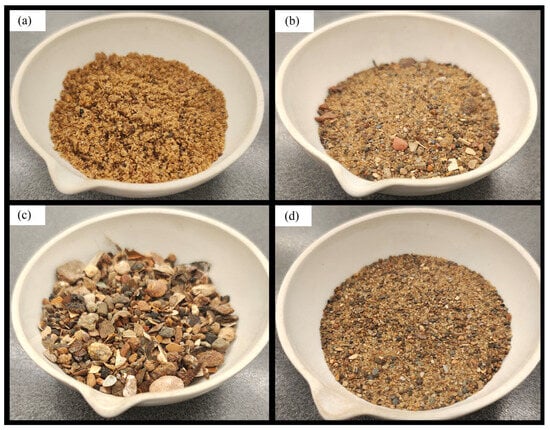
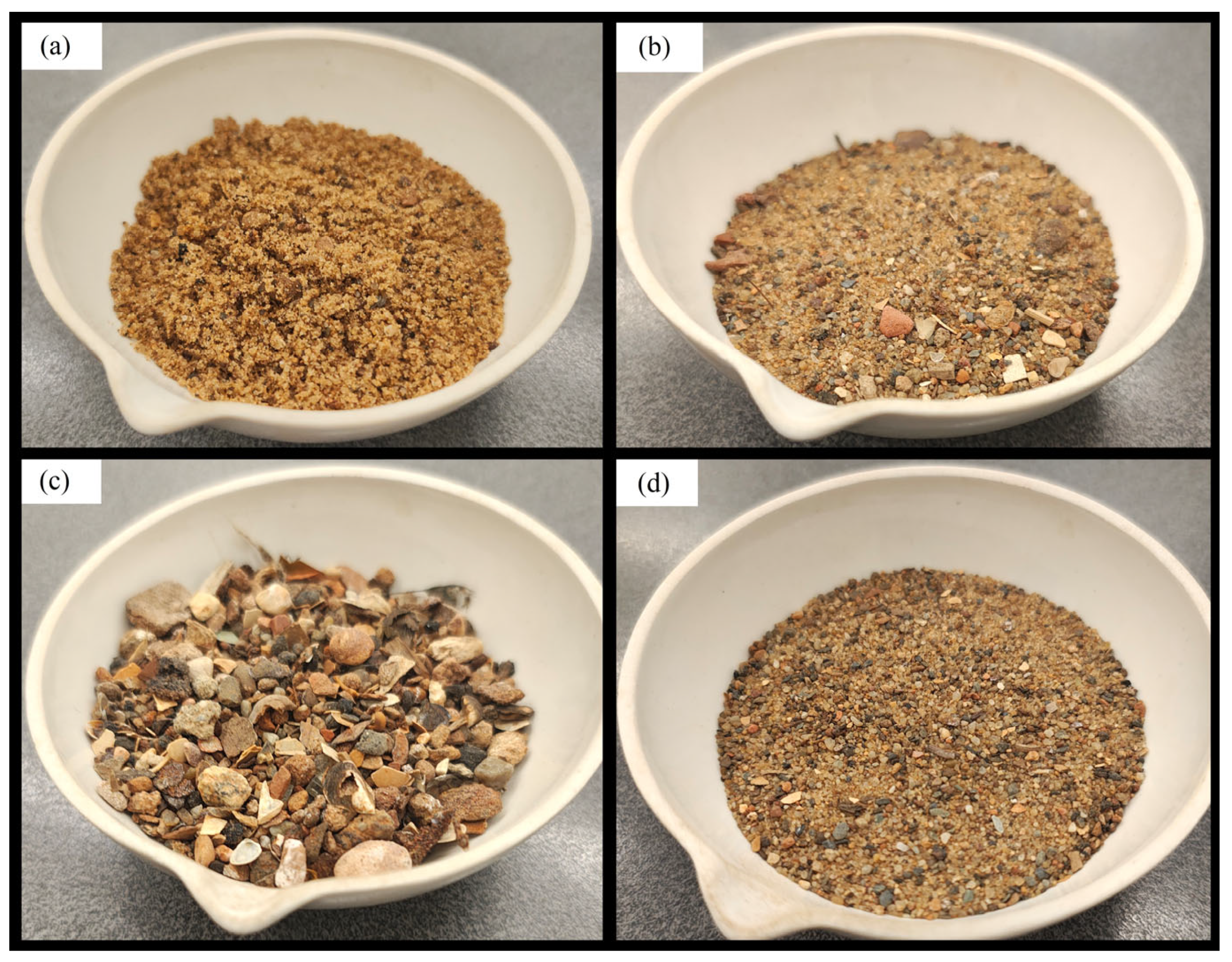
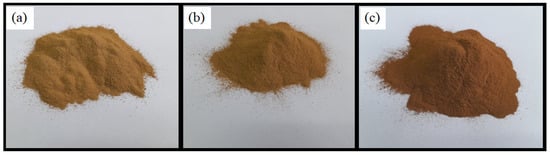
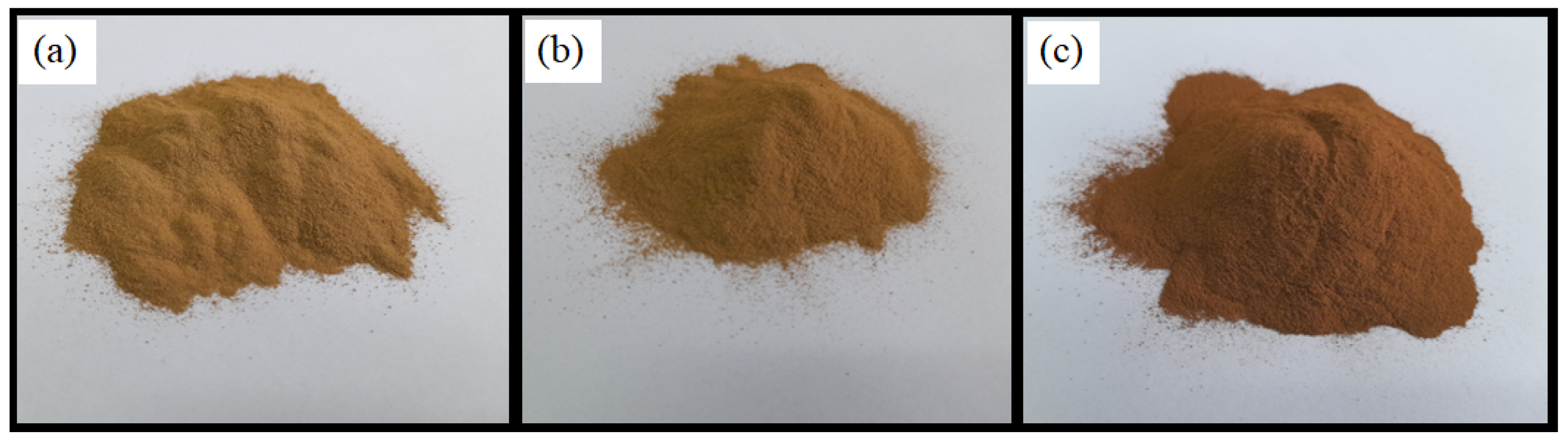
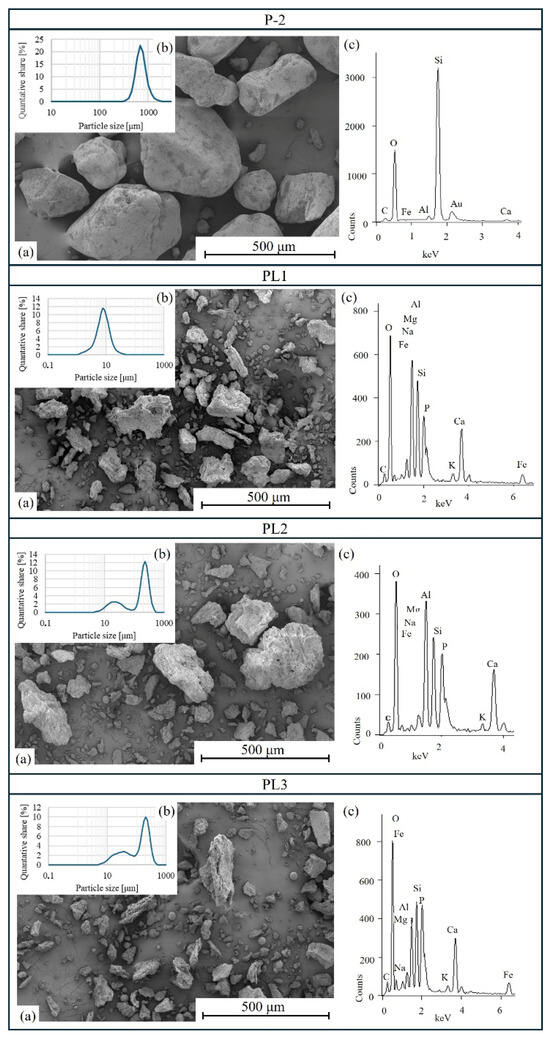
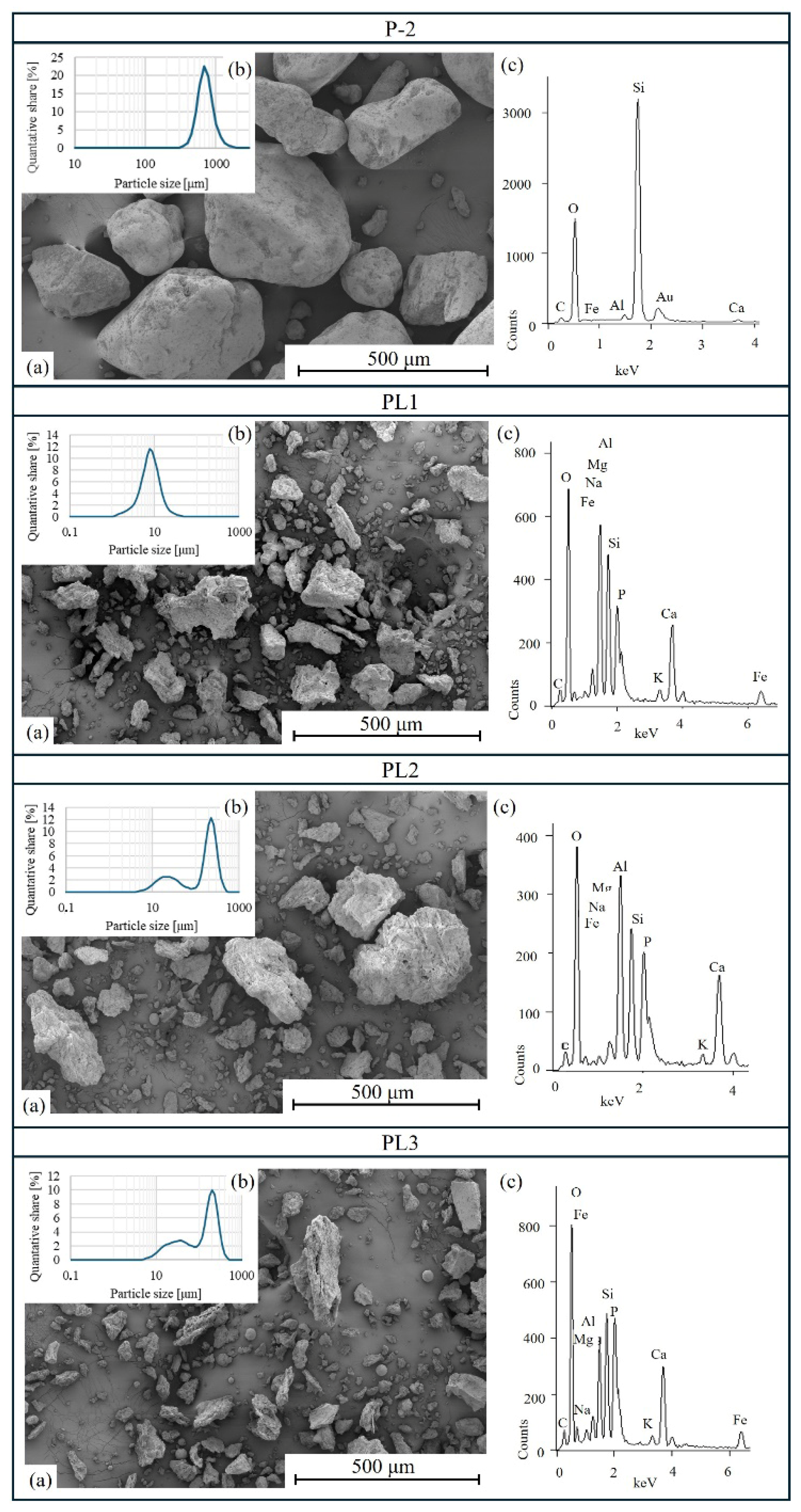
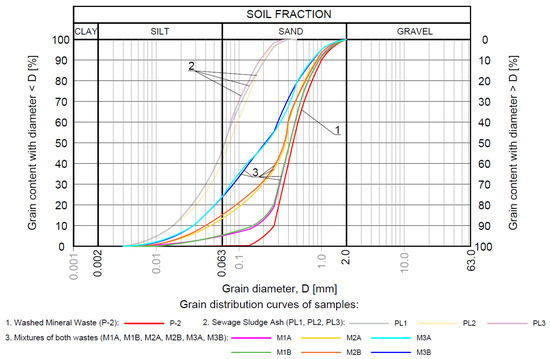
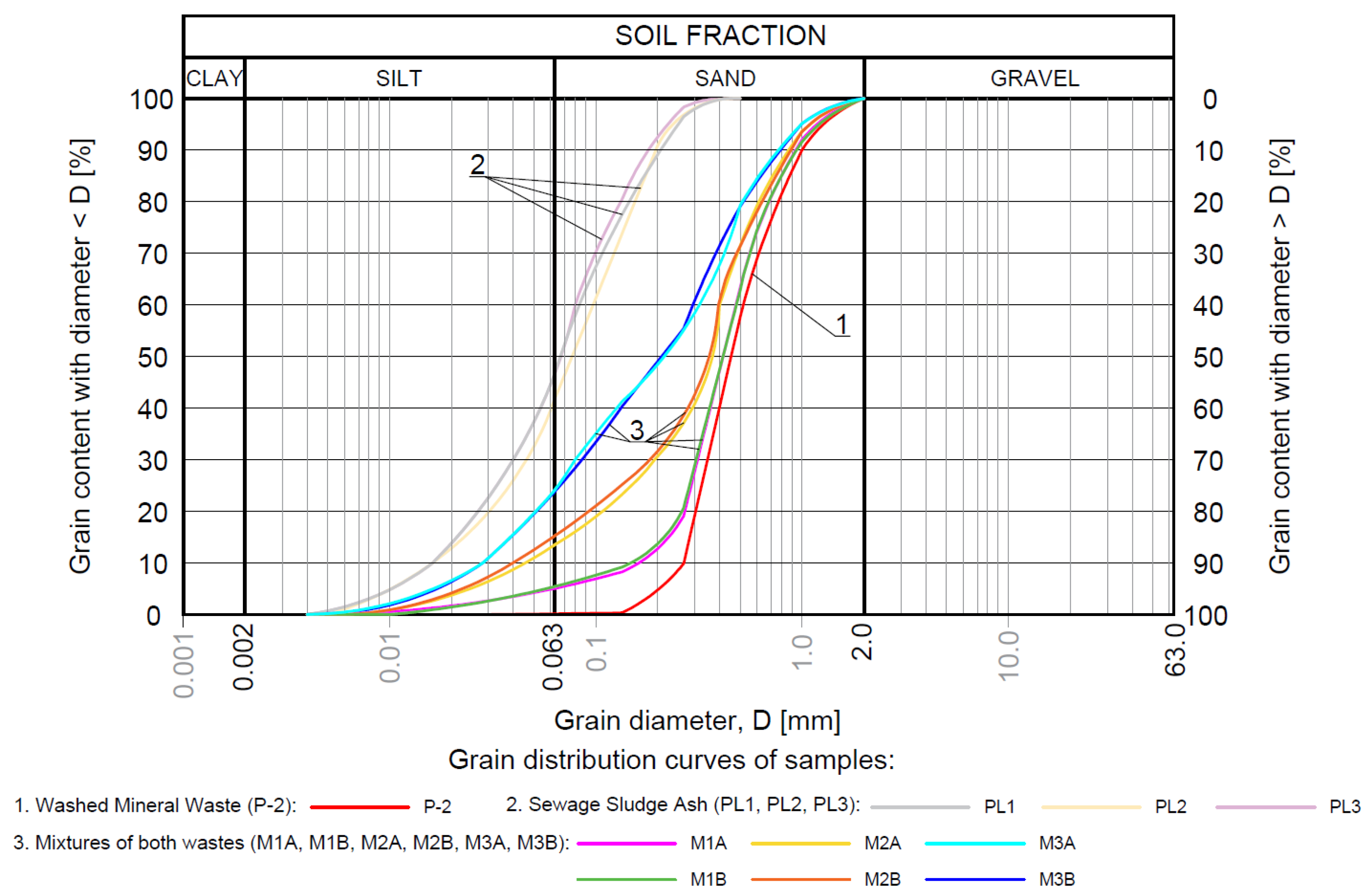

Disclaimer/Publisher’s Note: The statements, opinions and data contained in all publications are solely those of the individual author(s) and contributor(s) and not of MDPI and/or the editor(s). MDPI and/or the editor(s) disclaim responsibility for any injury to people or property resulting from any ideas, methods, instructions or products referred to in the content. |
© 2026 by the authors. Licensee MDPI, Basel, Switzerland. This article is an open access article distributed under the terms and conditions of the Creative Commons Attribution (CC BY) license.