


Abstract
Chinese users possess unique service experiences and behavioural intentions for utilising car-sharing. Car-sharing services offer a variety of competitive car-sharing options and possess distinctive traits that merit exploration. This mixed methods study examines the factors influencing repurchase intention in China’s car-sharing market by combining qualitative insights with quantitative validation. Utilising the theory of planned behaviour and the technology acceptance model, we propose a framework wherein perceived ease of use, price consciousness, perceived security, perceived consumer effectiveness, and environmental concern directly affect repurchase intention, with service quality and perceived usefulness acting as essential mediators. Qualitative studies from 12 in-depth interviews indicate that user experiences are influenced by multifaceted convenience, pricing transparency, risk perception, and contextual usage patterns. A later quantitative analysis of 416 car-sharing service users was conducted utilising PLS-SEM. The findings indicate that perceived usefulness (β = 0.272, p < 0.001) is the most significant direct predictor of repurchase intention, followed by perceived security (β = 0.209) and environmental concern (β = 0.195). Service quality exerts a significant full mediating effect on the influence of perceived ease of use, and perceived security has a mediating effect on perceived usefulness (the direct effects of perceived ease of use and perceived security on perceived usefulness are not significant after including service quality as a mediator). The qualitative phase involved participants from eight major Chinese cities (Beijing, Shanghai, Guangzhou, Shenzhen, Dongguan, Wuhan, Changsha, and Zhengzhou), while the quantitative survey covered over 20 cities (including first-tier, new first-tier, and prefecture-level cities) via the Credamo platform, ensuring broad geographic representation. Significantly, price-quality beliefs do not substantially influence repurchase intention. This study contributes to the literature on the sharing economy by integrating technology, trust, and sustainability factors, providing practical recommendations for platform operators seeking to improve client retention in China’s competitive mobility sector.
1. Introduction
Platform-based car-sharing has become a core component of China’s rapidly developing mobility ecosystem. Beyond the fundamental principle of “access better than ownership” in the sharing economy [1,2], Chinese consumers today can choose among multiple competing mobility options such as ride-hailing, hitch rides, short- and long-term rentals (including P2P and B2C rental), and free-floating and station-based self-car hiring services within a single digital infrastructure that integrates mapping, routing, payment, reputation, and customer support. China’s car-sharing sector has some unique traits that set it apart from Western markets. The distinctiveness of the business model shows that China’s car-sharing market constitutes a multi-model integrated digital ecosystem centred around super-apps: platforms like DiDi, Amap, and Tencent amalgamate car-sharing with mapping, payment, social media, and various lifestyle services, ensuring seamless integration of mapping, routing, payment, and reputation systems, in contrast to the single-model operations prevalent in Western markets. Given this, the “multi-model within one platform” ecosystem is a distinctive characteristic of China’s car-sharing operations, where users can easily switch across modes and providers within integrated apps, making continued use of services while being highly sensitive to perceived value, risk, and controllability. The competitive market makes consumers’ continued use a critical strategic target. Official data show that, 395 platform companies that had obtained ride-hailing platform operating licenses by the end of 2025, ride-hailing platforms in China completed 963 million orders in a single month (December 2025) [3]. These data reflect a high-frequency, large-scale market in which users repeatedly evaluate service quality during each trip. This also implies intense competition and relatively low switching barriers; therefore, platforms must stabilise demand through reliable service delivery and risk management (e.g., pricing transparency, safety assurance, and complaint handling). The large market scale indicates that consumers often repeatedly use car-sharing, which makes repurchase intention a key indicator for measuring a platform’s sustainability and profitability. However, platform sustainability depends on retaining users and stabilising demand through reliable service delivery.
China’s policy environment has also played an essential role in facilitating the development of platform-based mobility and car-sharing. At the national level, regulators have issued guidance frameworks aimed at standardising and managing the sharing economy (SE) and reducing risks associated with platform services, which shows a shift from growth-first to standardisation and quality-oriented service. At the same time, the ride-hailing sector is gradually becoming institutionalised through licensing, compliance reporting, and regulation, forming a unique institutional environment where service reliability, safety governance, and accountability are key factors for consumers’ continued use [4]. Moreover, China’s “dual-carbon” goals (peaking carbon emissions by 2030 and achieving carbon neutrality by 2060) have become a significant policy driver, strengthening the alignment between shared mobility and low-carbon transformation, particularly in the electrification of urban vehicles and the expansion of charging infrastructure [5]. At the local level, many cities have translated these goals into specific operational constraints and incentive measures. For example, Shenzhen’s local regulations explicitly require newly registered ride-hailing vehicles to be pure electric passenger vehicles, which embeds sustainability in market access rather than leaving consumers solely to follow their preferences [6].
From a theoretical perspective, car-sharing is often seen as a sustainable consumption option because it reallocates underutilised resources and may reduce the demand for and use of private cars [7,8]. However, sustainability is not automatically achieved and cannot directly influence consumers’ behaviour. Rebound effects and induced demand can offset environmental benefits, and consumers may prioritise convenience, safety, and predictability over sustainability ideals in daily mobility decisions [2,9]. Recent studies on car-sharing with a focus on sustainability have further reinforced the argument for “conditional sustainability” and clarified where and how sustainability benefits can be achieved. For example, an empirical study suggests that car-sharing can reduce private car ownership under certain conditions [10], and from the perspective of greenhouse gas emissions, greenhouse gas emissions decrease when private car owners participate in car sharing [11]. Broader assessments also point out that the sustainability of car-sharing services is driven by multi-level factors including market conditions, policy environment, and user perceptions, rather than just technology [12,13]. Therefore, the key question for both scholars and practitioners is not whether car-sharing is sustainable, but whether and how sustainability-related motives coexist with utilitarian and risk-related evaluations, thereby affecting its continued usage.
To address these gaps, this study adopts the theory of planned behaviour (TPB) as the general behavioural perspective. In the car-sharing sector, consumer decisions involve repeated trade-offs among functional value, uncertainty and perceived risk, and situational constraints; these factors closely align with TPB’s attitude and control-belief mechanisms [14,15]. In addition, sustainability-related motives can be recognised as belief inputs, influencing attitudes and norms within TPB, but their behavioural impact may depend on whether the service remains useful and controllable in practice [7,8].
Therefore, this study employs a mixed-methods approach to investigate Chinese consumers’ service experience and repurchase intention by combining qualitative insight with quantitative validation. This study conducted 12 in-depth semi-structured interviews to uncover consumers’ experiential beliefs, including service experience, perceived value, and factors and decisions regarding continued use of car-sharing services. Based on these insights and existing constructs from relevant research, this study further conducted a survey of 416 Chinese car-sharing users, which encompassed nine construct scales to elucidate the elements influencing car-sharing users’ motives when utilising the service, thereby investigating and validating repeated use of car-sharing services.
The subjective inclination of car-sharing users to voluntarily select identical or comparable car-sharing services offered by the same platform or industry participants in the future for travel requirements is a specific and behaviourally orientated intention grounded in actual usage experience. We delineate the conceptual distinction between continuous use intention and repurchase intention: continuous use intention refers to a general predisposition to persist in utilising a particular service type (e.g., car-sharing), whereas repurchase intention is a more specific platform- and experience-oriented intention within the sharing economy context, closely aligned with actual consumption behaviour and more pertinent for platform operators aiming to enhance customer retention. This distinction underpins our study’s emphasis on repurchase intention over general continuous use intention.
Accordingly, this study will address the following questions:
RQ1: What factors of service experience influence Chinese consumers’ perceptions of car-sharing and their repurchase intention?
RQ2: How does contextualised mobility with multiple mobility choice influence TPB-based belief formation, thereby generating context-specific repurchase intentions?
RQ3: What are key direct and indirect factors influencing repurchase intention in China’s car-sharing market, and how do these factors interact?
By answering these questions, this study informs strategies to optimise service delivery and strengthen long-term repurchase intention in competitive mobility markets.
2. Theoretical Foundation
2.1. Sharing Economy and Sustainability
The SE is commonly defined as a shift from ownership to access, where consumers gain temporary use to goods, services, or capacities that would otherwise remain underutilised [1,2,7]. In practice, SE activities are typically based on platforms and can include renting, lending, swapping, and using on-demand mobility services, often facilitated through digital matching, reputation systems, and payment infrastructures [2]. Shared mobility provides short-term access to vehicles or transport services rather than private ownership [8].
Regarding sustainability, SE enhances utilisation, extends effective product life, and reduces the need for new production through reallocating resources such as accommodations, clothes, and vehicles [2,7]. This argument aligns with the broader view of sustainable development, claiming that SE can improve resource efficiency and reduce overproduction and overconsumption [16]. However, sharing solutions can lead to rebound effects, where lower costs or improved convenience can stimulate additional demand, partially or fully offsetting the environmental benefits gained therefrom [2,9]. In mobility contexts, shared mobility may reduce emissions, but impacts are sensitive to factors such as induced travel, public transport alternatives, and service operations [8]. Determining whether car-sharing is more sustainable is beyond the scope of this research. This study contends that car-sharing constitutes a part of SE, by definition making it a more sustainable solution than traditional practices in transportation [17,18,19,20].
Accordingly, SE enables sustainability through effectively utilising existing resources, but it may involve rebound shifting, while consumers’ sustainability-related motives operate alongside (and sometimes beneath) stronger drivers such as convenience and safety. Therefore, it is necessary to conduct a study to investigate the role of sustainability motives (e.g., environmental concern, frugality, social responsibility, green awareness) in consumers’ decision-making process and how they interact with perceived risks, trust, and situational constraints.
2.2. Consumer Perceptions of Car-Sharing
Car-sharing is an important form of shared mobility in the SE. Consumers gain temporary access to the vehicle without ownership transfer, effectively reducing ownership risk and shifting towards on-demand usage [14,20,21]. Car-sharing has enabled a shift from “owning a car” to “using a car when needed”, through digital platforms that can mediate market exchanges [22]. It also involves various models, and differences in the models affect consumers’ perception of service experience and value [21]. Thus, the adoption of car-sharing is fundamentally perception-driven, which aligns with the theory of planned behaviour (TPB), in which individuals’ behavioural intentions are shaped by attitudes, subjective norms, and perceived behavioural control.
From the consumer’s perspective, the economic benefit and functional value of car-sharing are based on fixed assets being converted into variable costs [23]. Additionally, convenience and flexibility are core motivations for consumers to engage in car-sharing [15]. Furthermore, some consumers associate environmental concern with car-sharing and recognise it as a more environmental friendly solution, which can add symbolic meaning beyond its functional utility [24]. At the same time, potential risks and uncertainty can negatively impact consumer attitudes towards car-sharing, thus becoming an obstacle to participation. The main factors include safety and privacy concerns, hygiene and maintenance uncertainty, and financial and penalty uncertainty (e.g., deposits, disputes, unexpected charges) [25]. Although the literature suggests a variety of reasons why consumers choose car-sharing in their daily life, few studies focus on the reasons for consumers’ service experience with car-sharing. Table 1 shows the concerns and benefits of consumers’ experience with car-sharing services in the existing literature.
Table 1.
Consumer perceptions of the concerns and benefits of car-sharing services.
While Table 1 does not provide a systematic review, it highlights current perceptions of concerns and benefits related to car-sharing. Sustainability is a noted benefits of car-sharing, but will this advantage drive consumer participation? More importantly, these concerns and benefits have limited relevance to the service experience of car-sharing. This study aims to fill this gap by examining service-related factors influencing car-sharing and providing an in-depth analysis of the service elements affecting consumer expectations and concerns.
2.3. Theory of Planned Behaviour (TPB)
The TPB [30,31] extends the theory of reasoned action, positing that behavioural intention is influenced by the attitude toward the behaviour, subjective norms, and perceived behavioural control (PBC), with behavioural intention serving as a direct predictor of actual behaviour. Attitude denotes an individual’s positive or negative assessment of a behaviour; subjective norms signify the social pressure perceived by an individual to engage in or refrain from a behaviour; and PBC relates to the individual’s perception of the ease or difficulty of executing the behaviour, influenced by resource and opportunity factors. Ref. [31] indicated that the TPB possesses strong predictive capability for diverse human behaviours, with PBC being the paramount predictor of behavioural intention in context-specific actions (e.g., service consumption). Ref. [32] corroborated the cross-cultural validity of the TPB in its meta-analysis, revealing that the predictive strength of PBC is markedly greater in Asian cultural contexts, which emphasise pragmatism and control.
The behaviour of participating in car-sharing is both driven and constrained by perception; thus, the TPB is appropriate for this study. Unlike other consumption choices, car-sharing involves uncertainty (e.g., vehicle condition, safety, hygiene, pricing disputes) and situational dependence (e.g., whether vehicles are available, whether booking and pick-up procedures are convenient, whether deposits are feasible). Ref. [14] was the first to apply the TPB to access-based consumption, such as car-sharing, and discovered that PBC, including factors like service ease and platform reliability, is the primary determinant of user behavioural intention, surpassing the significance of attitude and subjective norms. Ref. [33] extended the TPB within the Chinese car-sharing setting by incorporating perceived danger as a moderating variable, discovering that perceived risk diminishes the positive influence of PBC on behavioural intention. The conventional TPB emphasises general behavioural intention while neglecting contextual factors influencing car-sharing usage, such as varying travel scenarios that affect perceptions of PBC, as well as sustainability-related belief inputs like environmental concern and perceived consumer effectiveness. Our study addresses this deficit by incorporating sustainability motives as belief inputs into the TPB’s attitude and subjective norms, while integrating qualitative findings to examine the contextualised PBC in car-sharing usage.
2.4. Technology Acceptance Model (TAM)
The TAM proposed by [34] in 1989 is a seminal framework for elucidating technology acceptance behaviour, positing that perceived usefulness (PU) and perceived ease of use (PEU) are the primary factors influencing users’ intention to utilise information technology. PU denotes the extent to which an individual perceives that utilising a technology enhances work or life efficiency; PEU signifies the extent to which an individual perceives that employing a technology is effortless, with PEU positively influencing PU. Ref. [35] enhanced the TAM to TAM2 by incorporating social influence and cognitive instrumental processes to elucidate the development of PU and PEU. Ref. [36] confirmed the relevance of the TAM in the context of service technology acceptance, identifying PU as the primary predictor of repurchase and continued usage intentions in digital platform services.
Ref. [37] utilised the TAM in the Indonesian car-sharing industry, identifying PU, such as time savings and cost reduction, and PEU, shown by straightforward app functionality, as the primary determinants influencing user adoption intention. Ref. [38] integrated the TAM with perceived security inside the Chinese electric car-sharing framework, revealing that perceived security (PS) moderates the influence of PU on behavioural intention. The conventional TAM emphasises the acceptability of information technology but fails to adequately elucidate the service experience attributes of car-sharing, which integrates digital technology with physical service. It overlooks the intermediary function of service quality in the transformation of perceived ease of use/perceived usefulness to behavioural intention, and it also fails to account for sustainability factors. This study amalgamates the TAM with the TPB and incorporates service quality as a pivotal mediator linking PEU and PS from TAM and risk perception to PU, thereby enhancing the model’s applicability to the setting of car-sharing repurchase intention.
2.5. Integration of TPB and TAM in This Study
PU and PEU (TAM) are seen as the fundamental cognitive factors influencing repurchase intention and are incorporated into the attitude component of the TPB (the user’s favourable assessment of car-sharing services is predicated on PU and PEU). PS, price consciousness, and sustainability motives (environmental concern, perceived consumer effectiveness) are regarded as perceived behavioural control and belief inputs of the TPB, influencing repurchase intention by modifying consumers’ PBC and attitude. SQ is presented as a cross-theory mediator that links the technical acceptance elements (perceived ease of use, perceived security) of the TAM with the fundamental cognitive factor (perceived usefulness) of the TAM, while also transforming the perception of PBC from the TPB into actual behavioural intention. This integration preserves the fundamental elements of the TPB and the TAM, while also implementing specific modifications tailored to the specifics of China’s car-sharing market, representing the theoretical innovation of this study.
3. Methodology: Mixed-Methods Approach
This study employs a mixed-methods research design, combining qualitative and quantitative research methods, to explore consumers’ service experience and behavioural intentions regarding car-sharing, an area that remains underexplored in the previous literature [18,39]. The key objective of this approach is to understand consumer experiences with car-sharing services, using the TPB to focus on consumer drivers and concerns. Mixed-methods research (MMR) remains relatively sparse in academic marketing studies [40]. The advantage of this mixed approach is that it combines qualitative and quantitative research methods, enabling a more comprehensive and in-depth understanding of the phenomenon under study [41,42]. Given the lack of substantive previous research, a mixed-methods design is essential both to understanding consumer perspectives on car-sharing patronage decisions and to assisting development of measurement scales.
3.1. Qualitative Inductive Research Design
In car-sharing, research on consumer service experience is limited, as are related academic knowledge and theoretical frameworks [39,43]. Thus, this study uses a qualitative inductive research design to gain initial exploratory insights [14,25]. This study utilises constructivist and interpretivist paradigms to explore consumers’ perceptions of car-sharing service experiences [44,45,46]. The present study employs in-depth semi-structured interviews, enabling participants to gain a deeper understanding of their views and perspectives on car-sharing [46,47,48]. This data collection method is consistent with previous research, which has shown that in-depth interviews are an important tool for qualitative research in many consumer behaviour studies [49,50].
The semi-structured interview guide underwent a thorough pre-testing procedure. Initially, three academic authorities in consumer behaviour and sharing economy research evaluated the protocol for content validity, question clarity, and alignment with aspects of TPB. We revised the phrasing of the questions to minimise ambiguity and guarantee thorough representation of attitudes, subjective standards, and perceived behavioural control based on their comments. Subsequently, two pilot interviews were conducted with car-sharing participants who satisfied the inclusion criteria but were excluded from the final sample. The pilot interviews evaluated question progression, duration (about 45 min), and the efficacy of probing methods in obtaining comprehensive experiential narratives. Minor modifications were implemented in the sequencing: contextualised usage enquiries were advanced to earlier due to participant feedback indicating that these “warm-up” questions enhanced recollection of specific incidents and articulation of sensitive information.
3.1.1. Sample and Data Collection
This study employs both judgmental and snowball sampling, as these two sampling strategies are non-probability sample techniques believed to support studies with information-rich cases and are commonly used in qualitative research [45,51]. This sampling design was adopted for two reasons. First, the target users of this study are experienced users who can clearly describe service experience; however, the experiences are difficult to obtain through random sampling. Therefore, a purposeful screening mechanism aims to ensure richness of information and align participants’ eligibility with the research objectives. Specifically, participants must meet the following inclusion criteria: (1) are aged over 18 years old; (2) have recently used platform-based car-sharing services multiple times; and (3) are able to recall specific events and decision-making processes related to continued use and repurchase intentions. Secondly, snowball sampling, as a practical supplementary method, aims to expand the recruitment scope to more information-rich users beyond the authors’ existing networks, especially those at different life stages and in different travel contexts. Importantly, snowball recommendations are considered a recruitment channel rather than sampling logic: each recommended participant is still screened according to the inclusion criteria to avoid homogeneity and ensure the diversity of the analysis.
The qualitative study involved 12 interviewees from diverse backgrounds (see Table 2), which includes 7 women and 5 men, aged between 18 and 50. The participants are required to have rich experience in car-sharing. Participants received a detailed research introduction before the online interviews to ensure a comfortable and relaxed interview atmosphere, thereby encouraging diverse perspectives. All semi-structured interviews were conducted online and lasted an average of 40 min. All interviews were first transcribed verbatim using Audio to Text (an application for transcribing videos and voice memos into text). Subsequently, the author re-listened to the voice recordings and carefully checked the transcripts to ensure no errors or mis-transcribing were present in the transcripts.
Table 2.
Participants’ information.
The geographical distribution of participants is intentionally cross-regional rather than concentrated in a single city (see Figure 1). While China’s platform-based mobility services operate within a highly standardised digital infrastructure, user experiences still vary depending on local supply and demand, traffic conditions, and municipal regulation. Thus, a cross-city qualitative sample was used to ensure that the elicited themes reflect shared experience mechanisms, rather than being limited to a specific region. At the same time, this study does not aim to conduct a city-level comparison. To address potential regional market differences, the interview design explicitly required participants to describe the urban context in which the events occurred, and the analysis treated context as an experiential condition within themes rather than as a regional variable. The subsequent quantitative survey (N = 416) was distributed across multiple Chinese cities, which provides broader validation. Thus, regional policy and market differences were considered as background factors, while the core analytical focus remains on cross-context belief formation and repurchase intentions.
Figure 1.
Qualitative data location maps (bubble size = number of participants).
3.1.2. Interview Structure
The interview design was divided into five parts. The first part consisted of basic questions, including interviewee introductions and fundamental questions about car-sharing. The second part explored participants’ experience and perceived value of car-sharing, aligning with the attitude determinant in the TPB. The third part investigated the influencing factors and decision-making processes of consumers using car-sharing, with outputs representing the subjective norms and perceived behavioural control determinants of the TPB. The fourth part included questions about consumers’ subsequent behavioural intentions, allowing for quantitative research to measure and test the relationship between consumer experience and further behavioural intentions. The final part was designed to offer open suggestions to inform service improvement and marketing strategies.
3.1.3. Data Analysis
Authors collected interviewees’ attitudes and opinions on car-sharing, usage frequency, and experience, factors influencing usage and decision-making, subsequent behavioural intentions, and suggestions for experience and service improvement. The first 10 interviews were sufficient to reach theoretical saturation; therefore, a sample size of 12 was adequate to obtain the research results. In the qualitative analysis, the authors followed Easterby-Smith et al.’s (2021) seven-step framework (grounded approach analysis) to analyse the interview data [52]. Multiple authors coded independently and resolved disagreements through team discussions to ensure the rigor of the analysis and to follow a detailed coding scheme primarily supervised by the first author. Through data analysis, 34 initial codes were generated. Then, these initial codes were correlated and classified into eight themes. Later, qualitative findings will be presented based on these eight themes in Section 3.2.
3.2. Qualitative Findings
Table 3 illustrates the initial codes of qualitative semi-structure interview data. According to these codes, eight themes were generated: (A) perceived convenience; (B) economy and price perception; (C) safety and risk perception; (D) comfort and service experience; (E) platform and technology characteristics; (F) contextualised use and mode selection; (G) vehicle preference and environmental awareness; (H) user type and behavioural style. These factors have a great impact on the consumer experience of car-sharing services. Additionally, consistent with previous car-sharing research emphasising the role of perceived value, risks, and usage constraints [14,15,20], participants’ narratives suggest that car-sharing experiences are influenced by repeated trade-offs among convenience, costs, and perceived control, which also provides an empirical basis for later interpretation based on the TPB.
Table 3.
Initial codes and example findings.
3.2.1. Perceived Convenience
Convenience is widely recognised as a core motive of access-based mobility, where users prioritise “completing tasks” with minimal time and effort [14,15]. In this study, perceived convenience emerged as a multi-dimensional construct, covering time management and planning, parking and space-related convenience, process simplicity, and situational accessibility. Participants frequently regarded car-sharing as an efficiency-enhancing solution, especially for travel chains that would otherwise require multiple transfers or long periods of driving fatigue. P1 explained that renting after taking flight or train is strategy to reduce overall travel burden: “The core advantage is convenience… I prefer to take a train or flight to a nearby place and then rent a car, which saves time and energy, and ensures a better travel experience afterwards.” (P1).
However, convenience is also context-dependent. During peak hours or in high-demand areas, participants illustrated the need for trip planning and platform switching to ensure there is a car available, which undermines the seamless promise of car-sharing [20]. For example, a commuter described using multiple apps simultaneously to cope with this situation: “It’s hard to get a car during rush hour… I often use three apps to order a ride at the same time.” (P3). Another participant highlighted how supply constraints lead to uncertainty in waiting times: “Sometimes it’s very slow… the car arrives too late, so I cancelled the order.” (P9).
Convenience is also closely related to parking avoidance and one-way trips. Even car owners used car-sharing service to avoid finding parking spaces or paying high parking fees and the return trip problem: “I don’t want to park… and for one-way trips like going to the airport or railway station, car-sharing is more convenient because you don’t need a return trip.” (P6). All in all, these descriptions show that perceived convenience is not merely ease of ordering, but a broader judgement that combines time predictability, effort reduction (especially parking), and situational reliability.
In summary, most past studies regarded convenience as a general adoption benefit [15,24,39]. However, the present study shows that convenience is multi-dimensional and contextually sensitive, consisting of distinct factors (time planning, parking and space-related convenience, process simplicity, situational accessibility), which collectively form the perceived behavioural control component of the TPB. This convenience is unable to be applied to specific contexts such as late night, peak hours, and suburbs. This research also provides a solution for how to manage inconvenience in those situations, thus positioning convenience as the result of the combined effect of platform reliability and contextual feasibility, rather than as a stable attribute.
3.2.2. Economy and Price Perception
Within the car-sharing literature, price and perceived value are consistently emphasised, where consumers evaluate whether the service is worth it or not through comparisons with private cars and public transportation, as well as their sensitivity to pricing fairness [15,20]. In this study, economy and price perception involves price level, price transparency and fairness, discount and promotion strategies, and contextual price fluctuation expectations. Many participants perceived car-sharing as acceptable or competitive compared to other modes of transportation, especially considering the time-saving advantage (P1, P8). As one daily user stated: “Because I don’t own a car, I use car-sharing every day for commuting.” (P2).
A core finding is that price transparency can reflect trust. Several participants (P4, P5, P6, P8, P10) compared the platform-based fares with their previous negative experiences in taking traditional taxis, emphasising the importance of pre-estimated fares and traceable records: “The price is relatively transparent… the platform gives an estimated price; if it matches my expectation, I’ll choose it.” (P5). This transparency also demonstrates fairness: consumers will be dissatisfied when the final charge is much higher than the pre-estimated fare, without clear explanation. P9 described a case where the driver/platform did not communicate extra costs in advance: “The driver didn’t communicate the price point… the app didn’t give any notification, and then the charge increased.” (P9).
Economy perceptions were also influenced by contextualised price fluctuations and by cancellation rules, as some participants felt that even a small cancellation fee was unfair. P9 noted: “Sometimes they will change some fee when you cancel the order… I was in a hurry so I didn’t complain.” (P9). Meanwhile, for rental-based sharing, participants evaluated value through flexibility and potential shortcomings: “Returning the car in a different city is still not that flexible… the return fee is very high.” (P2).
Previous works emphasised lower costs and pay-per-use, sometimes discussing price fairness [18,21,29,39]; however, participants’ narratives of price in this study suggest that perceived value depends on predictable, explainable pricing and manageable trade-offs rather than simply being “cheaper than owning”. This finding redefined price perception, shaping attitudes and perceived behavioural control in the TPB and suggesting that, even if the service is cheap, consumers may still refuse to accept it if pricing rules are non-transparent or if they lack of the confidence to resolve deputes.
3.2.3. Safety and Risk Perception
Risk is a key point of contradiction in access-based mobility: users gain flexibility but lose some control over vehicles, drivers, and dispute resolution [14,15]. Safety and risk perception in this study covered driving safety, hygiene/health safety, and platform control and responsibility. Safety is not only a concern for consumers, but it may also lead the avoidance behaviours. For instance, P12 remembered an experience of renting a low-end car and driving in severe weather: “In heavy wind and rain on the highway, that small car felt like a ‘boat’… I was really worried.” (P12).
Health and hygiene risks were repeatedly mentioned as a significant barrier towards car-sharing, especially odour, hygiene, and comfort in the car. P8 insisted: “If the smell is bad, I might get carsickness, so I really can’t accept this environment, its hygiene, and the smell.” (P8). Others linked hygiene to their willingness to upgrade their service level, indicating a strong correlation between hygiene and perceived behavioural control: “It affects me… and then I started ordering premium rides.” (P6).
Platform control determines whether risks are manageable. Several participants (P1, P5, P8) pay attention to platform’s traceability and complaint channels, and regard them as a protector: “If the driver takes a longer route or charges extra fees… the app has records and customer service, so I can deal with it after the trip.” (P5). Yet, the platform control under different car-sharing models shows diversity; for example, participants felt platforms lack management authority in ride-hitch contexts: “It’s hard to complain in hitch rides… the platform can’t really constrain them.” (P5). Thus, safety perceptions depended not only on objective risk, but also on whether users believe the platform could effectively regulate behaviour and resolve disputes.
Overall, existing studies identify safety and privacy as barriers [15,27], but often restrict their analysis to perceived risk. However, the findings of this article divided risk into three aspects: operational risk, interactional risk, and institutional risk. Operational and interactional risks reduce users’ positive attitudes through negative performance, while institutional uncertainty acts as a barrier reducing perceived behavioural control. This explains why safety concerns persist even when consumers generally hold positive attitudes toward car-sharing.
3.2.4. Comfort and Service Experience
In this study, the comfort and service experience includes passenger comfort, service attitude and interaction, and service details. Participants commonly compared vehicle hygiene, space, and service quality across different service levels, viewing high-quality service as a form of payment for the certainty of comfort: “Premium car service feels better, it is cleaner, better smell, larger space… and the driver is quiet.” (P6). This suggests that comfort is an additional purchase made to reduce uncertainty, which has not been mentioned in current literature [20].
Service attitude was repeatedly highlighted as an important factor influencing the overall journey atmosphere. P6 explicitly linked service professionalism to willingness to use the service more frequently: “If drivers’ attitudes were better, people would be more willing to choose this service… the trip would be happier.” (P6). Others (P3, P10, P12) linked negative moods to reduced satisfaction and safety perceptions, particularly in stressful contexts. Notably, service details such as luggage support became significant in travel scenarios, where consumers expect practical assistance: “When I have luggage, I expect the driver to help carry it.” (P11).
These findings extend car-sharing knowledge in the current literature, indicating that vehicle conditions (hygiene/odour), service attitudes, and support behaviours jointly construct service quality, which influences the attitude component of the TPB. Crucially, upgrading to premium service emerges as a strategy to purchase certainty, transforming comfort into a perceived behavioural control rather than a passive preference.
3.2.5. Platform and Technology Characteristics
The platform plays a central role in car-sharing: algorithms match supply and demand, interfaces construct user control, and digital traceability shapes trust [15]. In this study, participants considered the functions and stability of apps and brand trust and reputation to be crucial and often independent of the consumer car-sharing experience itself. In terms of functionality, consumers valued fast order placement, identity verification, map integration, and responsive customer support. For example, a participant praised the digital registration process of car-sharing vehicles: “Registration and unlocking were very quick… real-name verification was also fast, no offline procedures needed.” (P9).
However, participants also revealed technology-induced conflict with drivers, particularly regarding location accuracy and delays in customer service response. A location display error led to friction between the driver and consumer, which later escalated into perceived unfairness and stress: “The GPS location was about 20 metres away from the actual location… the driver got angry and blamed me.” (P12). In these cases, the quality of complaint channels becomes a key control factor. Consumers often compare the slow in-app chat with more effective and direct conversation by phone: “When a problem happens, the processing speed is slow… customer service responses are not in time.” (P9).
Brand trust plays a role in reducing risks, especially in the rental sector where risks related to deposits, hidden damage, or disputes are more prominent. An interviewee emphasised that they preferred well-known brands even at higher prices: “I’d rather choose a platform with good reputation… to avoid unknown risks.” (P1). Habit also influences platform selection: “I’m used to this platform… I just keep using it.” (P6)
In summary, these findings illustrate that platform characteristics influence consumer experience through both platform reliability and reputation. The novelty of this study shows how participants relate platform technology to social and emotional aspects, as errors in location display not only cause inconvenience, but also lead conflict and dissatisfaction. GPS accuracy, dispatches, and direct customer service become key control beliefs that determine perceived behavioural control. In addition, brand reputation and perceived response in time shape consumers’ trust expectations, indirectly strengthening subjective norms and stabilising consumers’ willingness to use the platform despite uncertainty.
3.2.6. Contextualised Use and Mode Selection
Car-sharing is rarely a single choice for mode of transportation, and users plan traveling mode combinations based on different contexts [14,20]. According to participants’ descriptions, the travel situations and corresponding car-sharing options are shown in Table 4. For those without private cars, daily commutes are usually dominated by ride-hailing services: “I use it every day… for commuting.” (P2). In contrast, different travel scenarios lead to complex choices; for example, a train ride or flight is combined with a ride-hailing service for short trips, or rental based car-sharing will be considered for multi-day trips or trips with too many people and too much luggage. As a participant stated: “If it’s not far, I’ll take high-speed train, then call a ride-hailing car.” (P7).
Table 4.
Different travel situations and corresponding car-sharing options.
For long exploration trips, car rental is the first option, provided that the constraint of flexibility can be accepted. Participants indicated the importance of booking in advance and ease of pick up: “I can pre-book the car model… pickup is convenient; but returns are less flexible—return fees are high when return to a different city.” (P2). For leisure group trips, shared cars were sometimes chosen because ride-hailing service is unreliable at crowded tourist areas: “At scenic area, it’s hard to get a ride-hailing… we rented a shared car.” (P9). In special contexts (e.g., drinking, one-way airport trips), participants tend to choose ride-hailing options due to parking and traveling back: “If there’s a dinner and I’ll drink, I won’t drive… also for one-way trips to the airport, ride-hailing is more convenient.” (P6).
Overall, the choice of mode of transportation is not changeless, but rather a situational optimisation that requires a balance among time, energy, controllability, and the limitations of specific situations. Past studies have examined the adoption of single modes of car-sharing [14,27,43]; however, the novelty of this article shows context-specific intention formation across commuting, long-term and short-term trips, leisure, and emergencies. Each situation activates different behaviours, resulting in constantly changing attitudes and perceived behavioural control and explaining why travel intentions vary depending on the situation. This provides an explanation in accord with the TPB for complex and inconsistent usage situations: consumers’ behavioural intentions for car-sharing depend on the specific context, rather than on car-sharing in general.
3.2.7. Vehicle Preference and Environmental Awareness
Vehicle preference in car-sharing is influenced by both functional comfort and ethical considerations [15]. Participants discussed power system preference and environmental awareness and behaviour, but these factors are often less important than practicality. Participants have an interest in trying electric cars for perceived comfort and environmental benefits: “Electric cars are environmentally friendly… no emissions… and the feeling of driving is better; since I don’t have a electric car, I’d like to try it when renting.” (P1). Yet, long-term trip and infrastructure constraints pushed consumers to revert to petrol cars: “For long-term trips like going to Xinjiang, I rented a petrol car… electric charging would be a problem.” (P2).
Importantly, environmental preference was frequently influenced by personal comfort. Some participants avoided electric cars in ride-hailing services due to motion sickness and requested choice in car types: “Can you allow me to select petrol cars? I don’t want to take electric cars because I get motion sickness.” (P11). This illustrates that sustainability options are only attractive if they do not impose perceived real costs.
All in all, consumers’ environmental awareness exists, but it is recognised as a conditional secondary standard. This explained why environmental awareness may not straightforwardly translate into behavioural intentions without perceived behavioural control of the TPB.
3.2.8. User Type and Behavioural Styles
Participants represent distinct user types and behavioural styles, which is consistent with past studies [14,15]. The data highlight three types of consumers: price-sensitive, service-/safety-sensitive, and conflict-handling. Price-sensitive participants emphasised cost performance, discounts, and promotions and often switch platforms when the price point is outside of their expectations: “If the estimated price is acceptable, I’ll take it; if I can’t afford it, I’ll check other platforms.” (P5). In contrast, service-/safety-sensitive participants are willing to pay extra for hygiene, quietness, and safety: “The extra cost might be 50–100% higher… but if spending an extra 20 RMB for a better experience, I can accept it.” (P6).
Some of the conflict-handling participants trusted platform control and used formal complaint pathways: “The platform refunded part of the extra charge… the result was acceptable.” (P9). Others avoided complaining due to time pressure, even when faced with unfair situations: “I was in a hurry… I never think about complaining.” (P9). At the same time, some participants applied risk avoidance as their primary strategy: “I am worry about my safety… I mainly choose platforms that are stable and have been running for a long time.” (P2).
In summary, these participants’ profiles demonstrate that behavioural intentions are influenced by different combinations of beliefs: some give priority to instrumental value (attitude), others give priority to safety/comfort assurance, and still others rely on platform reputation and trust (subjective norms).
4. Proposed Theoretical Framework and Hypothesis Development
We developed the theoretical model in Figure 2 of this study, utilising data from the extant literature and the findings from the qualitative phase of this study. We employed the concepts of “price consciousness” [53,54,55], “perceived ease of use” [56,57], “price-quality beliefs” [58,59], “perceived security” [60], “perceived consumer effectiveness” [61,62,63], “environmental concern” [60], “perceived usefulness” [36,64], “service quality” [36,65], and “repurchase intention” [66,67,68]. The second-order factors in the proposed model consist of reasons for and against, each comprising four first-order factors [69]. When first-order elements are correlated, a second-order model is warranted [70]. The requirement for a second-order factor model is substantiated by the correlation between the first-order factors, or “reasons for” and “reasons against” [71]. In our integrated framework, PEU, PS, and SQ collectively represent antecedents of perceived behavioural control—consumers’ assessment of whether they can successfully use the service. PU captures instrumental attitude—the evaluation of car-sharing’s functional outcomes. EC and PCE reflect value-based attitudes aligned with sustainability motivations. PC and PQB represent economic beliefs influencing overall attitude formation. RI serves as the focal behavioural intention consistent with both theoretical traditions.
Figure 2.
Theoretical model.
4.1. Perceived Ease of Use
According to the technology acceptance model (TAM), extensive research demonstrates that perceived ease of use (PEU)––the extent to which a consumer perceives a car-sharing system as effortless––significantly enhances repurchase intentions [72]. Ref. [73] asserts that, when mobile travel applications are intuitive and user-friendly and demand low cognitive or operational effort, users are more inclined to develop positive views and engage in repeated usage. In urban settings where efficiency and convenience are paramount, intuitive app interfaces, uncomplicated booking procedures, and streamlined payment systems markedly reduce barriers to reuse, thereby enhancing behavioural loyalty [74,75]. Thus, enhancing the usability of car-sharing platforms is not just a functional necessity, but also a strategic tool for promoting enduring customer engagement in China’s competitive mobility sector. Therefore, the subsequent hypothesis is posited:
H1:
Perceived ease of use positively affects repurchase intention.
4.2. Price Consciousness
Ref. [54] characterises price consciousness (PC) as the “degree to which the consumer focuses exclusively on paying low prices”. This description distinguishes the construct as a consumer orientation or trait, in contrast to other price-oriented constructs that assess price judgement in specific contexts. Nevertheless, as noted by those authors, there are instances when the term has been employed to characterise price-related cognition (e.g., [76,77]). The economic context is more likely to influence variances in price consciousness than other traits [66]. Nevertheless, not all individuals exhibit the same level of stability. Research in the Chinese market indicates that price-sensitive consumers exhibit significant responsiveness to pricing strategies, discounts, and perceived value in car-sharing systems [38]. The price is a key factor influencing judgements regarding repurchase intension [78]. Pricing tactics designed to improve perceived affordability and transparency are crucial for cultivating customer loyalty and ongoing participation in China’s competitive car-sharing industry. Consequently, the authors posit the subsequent hypothesis:
H2:
Price consciousness significantly and directly affects repurchase intention.
4.3. Price-Quality Beliefs
The correlation between price-quality beliefs (PQB)—consumers’ cognitive links between price levels and anticipated service quality—and repurchase intention is a vital dynamic in China’s car-sharing business. Research indicates that, for Chinese customers, who frequently utilise pricing as a primary heuristic for assessing value and reliability, there is a notable positive correlation between these perceptions and their desire to repeat use of a service [54,77]. An empirical study not specific to the sharing economy confirmed that, when consumers regard a car-sharing service’s pricing as reflective of superior quality (e.g., vehicle condition, safety, app functionality, or customer support), their post-use satisfaction and perceived value are elevated, thereby directly reinforcing repurchase intention. A low price that raises doubts about quality might erode trust and discourage future usage, especially in a price-sensitive market [79]. This is especially significant in China, where swift market growth and diverse service levels render quality indicators essential. Consequently, adeptly controlling PQB via fair pricing, reliable service provision, and strategic communication is essential for car-sharing platforms seeking to transform trial users into loyal customers in this competitive environment. Consequently, the authors propose that:
H3:
Price-quality beliefs significantly and directly affect repurchase intention.
4.4. Perceived Security
Perceived security (PS) denotes a consumer’s psychological evaluation of the extent to which a product, service, or transactional environment is deemed safe, dependable, and safeguarded from potential threats, including financial loss, data breaches, and physical or psychological risks [80]. This concept is frequently analysed within the larger context of perceived risk and trust, especially in digital and service-oriented environments, where intangible dangers are prominent. Research consistently indicates that PS serves as a fundamental precursor to trust, contentment, and behavioural intentions, including purchase, repurchase, and loyalty [81]. In e-commerce and sharing economy contexts, perceived security concerning payment methods, data management, and platform protections directly affect both uptake and sustained usage [82]. In high-involvement or credence service sectors—such as fintech, telehealth, and mobility services––marketers strategically implement perceived security through design elements, certifications, privacy policies, and assurance mechanisms to alleviate consumer anxiety and improve value perceptions [83]. Perceived security, defined as the consumer’s conviction that a service platform protects their personal information and guarantees physical safety during usage, has become a crucial and direct precursor to repurchase intention in China’s car-sharing industry. When users regard car-sharing services as secure, their trust in the platform intensifies, which subsequently strongly forecasts continued usage. Hence:
H4:
Perceived security significantly and directly affects repurchase intention.
4.5. Perceived Consumer Effectiveness
Perceived consumer effectiveness (PCE) denotes an individual’s conviction that their personal actions can significantly contribute to addressing larger environmental or social issues [84]. This concept is pivotal in comprehending sustainable, ethical, and socially responsible consumption, as it connects personal attitudes with tangible behavioural results. Research has consistently shown that consumers with elevated PCE are more inclined to participate in pro-environmental actions, including acquiring eco-friendly products, recycling, and endorsing sustainable companies [85]. This impression of efficacy reduces the “psychological distance” frequently linked to global crises, enabling individuals to convert worry into action [86]. In applied marketing contexts, strategies that augment PCE––such as explicit communication of individual impact, concrete cause-and-effect narratives, and community-based social proof––have demonstrated the capacity to bolster brand loyalty, increase willingness to pay a premium, and foster long-term engagement with sustainable products and initiatives [87]. As consumers increasingly demand that businesses tackle societal issues, enhancing perceived consumer efficacy has become a strategic necessity for marketers seeking to cultivate trust, encourage conscientious consumption, and integrate corporate responsibility with consumer identity. In the realm of car-sharing, frequently regarded as an environmentally friendly substitute for private vehicle ownership, consumers with elevated PCE are more inclined to view their participation as a concrete effort to mitigate traffic congestion, carbon emissions, and urban pollution. When car-sharing platforms effectively convey the environmental benefits of collective usage, such as through individualised carbon-saving metrics or community-oriented sustainability objectives, consumers’ perception of personal efficacy is enhanced, thereby strengthening their commitment to ongoing service utilisation [88]. Consequently:
H5:
Perceived consumer effectiveness positively affects repurchase intention.
4.6. Environmental Concern
Environmental concern (EC) denotes an individual’s awareness, apprehension, and adverse feelings regarding the declining condition of the natural environment and its implications for human and ecological welfare [89]. It is understood as a multidimensional attitudinal construct that includes cognitive, affective, and conative dimensions, functioning as a crucial precursor to ecologically conscious consumer behaviour. Studies have consistently identified EC as a significant predictor of green purchasing intentions, readiness to pay a premium for sustainable products, brand loyalty to environmentally responsible firms, and engagement in corporate social responsibility initiatives [90,91]. In marketing, EC is frequently utilised via green marketing communication, eco-labelling, and sustainability narratives to segment consumers, connect company values with consumer identities, and alleviate scepticism regarding green promises [92]. With increasing regulatory and societal pressures for sustainability, comprehending and strategically addressing consumers’ EC is essential for formulating effective sustainable marketing strategies and cultivating enduring consumer–brand relationships in an eco-conscious market. Thus, car-sharing platforms that genuinely articulate their environmental advantages via impact metrics, carbon-neutral commitments, and alignment with comprehensive green lifestyles can adeptly harness environmental awareness to foster a devoted user base and attain a sustainable competitive edge in a progressively eco-aware market. Thus:
H6:
Environmental concern positively affects repurchase intention.
4.7. Perceived Usefulness
Perceived usefulness (PU), a fundamental element of the TAM, is characterised as the extent to which an individual believes that utilising a specific system or service will improve their job performance, productivity, or overall well-being in a particular context [72]. This construct has been widely adapted and expanded beyond information systems to elucidate the adoption, usage, and loyalty intentions associated with various consumer-oriented technologies, digital platforms, and innovative services. PU serves as a fundamental cognitive influence on behavioural intention by moulding the consumer’s anticipation of a favourable result from the usage experience [93]. Marketers strategically utilise perceived usefulness by effectively conveying functional benefits, comparative advantages over alternatives, and task-oriented outcomes—such as time savings, cost reduction, or enhanced access––to mitigate adoption barriers and promote sustained engagement [94]. As digital transformation persists in altering consumer environments, PU remains a fundamental criterion for evaluating value propositions and forecasting the enduring viability of technology-mediated products. Consequently, car-sharing providers aiming to foster consistent usage in China must carefully articulate and emphasise the practical benefits of their service, ensuring that perceived utility is a fundamental aspect of the consumer value proposition.
H7:
Perceived usefulness positively affects repurchase intention.
4.8. Service Quality
Service quality (SQ) is a multifaceted concept that encapsulates the consumer’s assessment of a service’s overall excellence, primarily based on a comparison of expectations and perceived performance [95], which is essential for comprehending customer satisfaction, loyalty, and long-term relational outcomes. SQ is a vital precursor to customer trust, commitment, and favourable word-of-mouth, especially in experience-centric and high-contact service industries [96,97]. Its use spans various contexts, such as digital services, where factors such as website operation, security, and customer assistance timeliness are crucial [98]. Consequently, SQ is a fundamental factor in strategic marketing initiatives focused on enhancing customer retention and cultivating brand equity in service-oriented sectors.
Nonetheless, empirical studies in the sharing economy demonstrate that this direct relationship frequently depends on the user’s assessment of the overall service experience. High SQ––evidenced by dependable vehicle availability, prompt customer assistance, clear pricing, and well-maintained resources––enhances the beneficial impact of ease of use on perceived utility [99]. When consumers encounter a car-sharing application that is user-friendly and receive reliable, consistent, and compassionate service, their confidence in the system’s overall utility is markedly enhanced [100]. Conversely, an intuitive platform may not be regarded as genuinely beneficial if the quality of service is subpar, as functional difficulties diminish the practical advantages of usability [101]. In the competitive Chinese mobility market, SQ serves as a crucial mediating factor, ensuring that the beneficial effects of user-friendly design are completely actualised in influencing perceived utility, which subsequently promotes adoption and continued usage.
A study based on trust-oriented extensions of the TAM indicated that security perceptions cultivate initial trust, which is essential for users to acknowledge the functional advantages of a service [102]. In the high-contact and system-dependent realm of car-sharing, the trust-to-utility pathway is not inherently automatic. Empirical research focused on Chinese consumers demonstrates that PS positively influences PU solely when users simultaneously encounter high SQ, defined by reliability (e.g., vehicle availability and condition), responsiveness (e.g., real-time support and incident management), and assurance (e.g., transparent safety protocols) [103]. A secure platform with strong encryption may be trusted with personal data; however, if service failures such as inadequately maintained vehicles or unresolved safety issues arise, the perceived utility of the service significantly declines, as security assurances become disconnected from experiential value. Consequently, SQ serves as a crucial mediator, converting security-based trust into concrete utility perceptions by guaranteeing that security assurances are continually maintained during the service interaction.
H8:
The effect of perceived ease of use on perceived usefulness is mediated by service quality.
H9:
The effect of perceived security on perceived usefulness is mediated by service quality.
5. Quantitative Study
5.1. Measurement of Constructs
Drawing on the qualitative interview results and the current literature, we initially formulated the questionnaire with 46 items, all employing a seven-point Likert scale (1 = strongly disagree, 7 = strongly agree). In November 2025, we administered a pre-test to 50 experienced car-sharing users in Guangdong Province, gathering input on the clarity, readability, and reasoning of the questionnaire items. The pre-test results demonstrated excellent sample adequacy (KMO: 0.96) and a seven-factor structure accounting for 66.47% of the total variance. Additionally, the Cronbach’s α for all constructs was above 0.7, signifying strong internal consistency of the questionnaire [104]. To evaluate the hypotheses, we administered an online survey via Credamo consisting of three sections. The initial portion succinctly presented the research purpose to the participants, followed by the demographics section. The results are displayed in Table 5, while the Section 3 encompasses measures derived from the previous literature, as illustrated in Table 6. Credamo is an online professional data platform for research purposes, featuring over 3 million pooled participants. Research publications utilising Credamo are being accepted by esteemed FT 50 journals, including the Journal of Marketing, the Journal of Consumer Research, etc. [105]. This indicates that researchers can utilise Credamo to gather data and publish in global publications without any apprehensions. Credamo randomly disseminated questionnaires in 48 cities across China with this online survey. The poll conducted in December 2025 randomly recruited actual users of car-sharing services to participate in the study. Respondents were posed the screening question: “How often do you use car-sharing services?” Individuals who answered “Never” to this inquiry were excluded from the poll.
The gender composition of the sample (60.82% female, 39.18% male) necessitates examination. This distribution is influenced by three factors: first, the urban female population in China exhibits elevated car-sharing usage rates for specific trip types (shopping, family transport, evening travel) due to safety perceptions that favour app-tracked rides over informal alternatives; second, our screening criteria for “regular car-sharing use” may have selectively included women, who depend on car-sharing as their primary mode of transportation, in contrast to men, who have greater access to private cars. To evaluate potential bias, we performed a multigroup analysis comparing male and female subsamples across all pathways. The results revealed no significant gender differences (all Δχ2 p > 0.10), indicating that, although the gender distribution is uneven, it does not materially influence the theoretical relationships studied [106]. We recognise this issue and suggest that future studies utilise quota sampling to guarantee gender representativeness.
Table 5.
Sample demographics for the questionnaire.
Table 6.
Scales.
A total of 531 respondents completed the task. A series of quality checks established further criteria for rejection using a multi-criteria QC model, including time spent taking the survey; number of instances of pattern clicking; and diligence in entering text in open-ended questions. Following the advice of [108], embedded attention filters detected inattentive responders. This left a sample of 416 good cases for further analysis. SPSS 27 and PLS-SEM are employed for data analysis. The structural model is designed to assess the proposed model.
5.2. Results
The confirmatory factor analysis (CFA) results shown in Table 7 indicate that the measurement model for the study’s nine constructs has strong psychometric qualities, satisfying the criteria for reliability and convergent validity necessary for rigorous structural equation modelling. All constructs (EC, PC, PCE, PS, PEU, PQB, PU, RI, and SQ) demonstrate robust internal consistency, with Cronbach’s alpha (α) values between 0.831 and 0.912, all surpassing the suggested threshold of 0.7 [109]. Likewise, the composite reliability (CR) values, ranging from 0.886 to 0.932, were above the 0.7 threshold, hence affirming the constructs’ substantial reliability [110]. Convergent validity is further confirmed, as the average variance extracted (AVE) for each construct ranges from a minimum of 0.599 (PS) to a maximum of 0.778 (PEU), surpassing the acceptable threshold of 0.5, which signifies that each latent variable explains more than half of the variance in its indicators, on average [111]. The AVE for perceived security (0.599) is slightly above the 0.5 criterion but remains below the more stringent 0.6 standard suggested for robust structures. This illustrates the multifaceted nature of perceived security in car-sharing environments, including physical safety (PS1, PS3–4), health issues (PS2), and institutional protections (PS5–6). In accordance with the recommendations from [110], we emphasise composite reliability (CR = 0.899), which significantly surpasses the threshold of 0.7, hence demonstrating sufficient construct dependability. Furthermore, all item loadings surpass 0.7, with the exceptions of PS2 (0.705) and PS4 (0.707), both of which are still deemed acceptable. To assess robustness, we performed further analysis utilising the heterotrait-monotrait ratio (HTMT) for discriminant validity for PS (all HTMT values < 0.85) and evaluated alternative measurement models by excluding PS2 or PS4, which did not enhance model fit or modify structural associations. Consequently, we maintain the six-item PS measure as theoretically suitable for encapsulating the multidimensional nature of security in this setting. All individual item loadings are significant and considerable, ranging from 0.705 to 0.909, with average loadings per construct continuously exceeding 0.77, thus affirming that the measured items are strong representations of their underlying theoretical constructs.
Table 7.
Convergent validity assessment.
The findings validate that the reflective measurement model is appropriately defined and effective for evaluating the proposed structural linkages. The elevated reliability and convergent validity scores establish a robust basis for conducting route analysis, as they signify negligible measurement error and a strong, unidimensional framework for each latent variable. The AVE for PS (0.599) is somewhat above the threshold and is deemed acceptable, particularly due to its robust CR (0.899) and item loadings, indicating that the construct is sufficiently measured [109]. The exceptional psychometric performance of dimensions such as PEU (AVE = 0.778, CR = 0.913) and RI (AVE = 0.734, CR = 0.917) underscores notably accurate operationalisations. The analysis reveals that the direct effects of PEU and PS on PU become non-significant when SQ is included as a mediator (PEU direct: β = 0.043, p = 0.182; PS direct: β = 0.031, p = 0.245), consistent with full statistical mediation. This indicates that SQ fully transmits the effects of usability and security perceptions to PU [109]. These results satisfy an essential criterion for structural model assessment, guaranteeing that any ensuing discoveries concerning the mediation effect of SQ or the direct influences of constructs such as PU on RI are not artefacts of inadequate measurement, but can be ascribed to the significant theoretical relationships being examined.
The discriminant validity of the measurement model was evaluated using the Fornell–Larcker criterion and the HTMT ratio [110], which stipulates that the square root of the AVE for each construct (as presented in Table 8) must surpass its maximum correlation with any other construct in the model. This research verifies strong discriminant validity for all nine constructs. The square root of the AVE for EC is 0.794, above its maximum association of 0.59 with PCE. The square root of the AVE for RI is 0.857, significantly above its highest association of 0.575 with PU. This pattern is consistently observed across all constructs, including PEU (PEU, √AVE = 0.882 vs. max r = 0.523) and SQ (SQ, √AVE = 0.834 vs. max r = 0.512). The findings demonstrate that each latent variable exhibits greater variance with its respective indicators than with any other construct in the model, thereby ensuring clear conceptual distinction and fulfilling the rigorous discriminant validity criteria for advanced path analysis in structural equation modelling [112].
Table 8.
Discriminant validity assessment.
Harman’s single-factor test was conducted on all 46 measurement items to evaluate the possible risk of common method variance (CMV) [113]. The unrotated exploratory factor analysis results reveal that the first factor accounts for 32.423% of the total variance, much below the essential criterion of 50% (shown in Appendix A). Additionally, a more rigorous rotating solution identified eight unique components with eigenvalues exceeding 1.0, which together represented 65.522% of the total variance, without any single factor dominating the covariance structure. The variance accounted for by the first factor in the rotated solution was merely 11.061%, further corroborating the lack of a singular underlying factor that could explain the majority of the variance. Although Harman’s test has recognised limitations and cannot definitively exclude CMV, the findings indicate that common method bias is not a substantial issue in the current dataset, as the variance accounted for by a single factor remains within acceptable thresholds for social science research [114]. Consequently, the identified correlations among the constructs are improbable artefacts of the measurement technique, thereby enhancing trust in the validity of the ensuing structural model results.
Partial least squares structural equation modelling (PLS-SEM) analysis reveals strong and robust route linkages among the primary constructs, with all proposed direct effects validated at a 99% confidence level (p < 0.01, as illustrated in Figure 3). The findings demonstrate that PEU has a substantial positive effect on PU (β = 0.606, t = 85.209, p < 0.001), while PS also significantly forecasts PU (β = 0.287, t = 31.522, p < 0.001). Additionally, PU serves as a significant predictor of RI (β = 0.272, t = 30.332, p < 0.001). The model demonstrates substantial effects of EC and PC on RI (β = 0.182, t = 25.689, p < 0.001 and β = 0.155, t = 34.439, p < 0.01, respectively). This research validates the suggested mediation routes, with SQ significantly moderating the connection between PEU and PU (β = 0.209, t = 46.467, p < 0.001). The elevated t-values, all surpassing the critical threshold of 2.58, coupled with the non-significance of one control path (β = 0.043, p = 0.245), validate the model’s discriminant validity and predictive relevance, thereby offering substantial empirical support for the proposed theoretical framework in elucidating Chinese consumers’ RI within the car-sharing context [109,112].
Figure 3.
Structural model assessment (SMA) utilising PLS-SEM, displaying standardised path coefficients (β) and significance levels.
The results of hypothesis testing, obtained through PLS-SEM, offer substantial empirical evidence for most of the postulated theoretical linkages regarding the determinants of RI within the Chinese car-sharing scenario. Table 9 indicates that seven out of the eight proposed direct effects were statistically significant. PU emerged as the most significant predictor of RI (β = 0.272, p < 0.001), exhibiting a considerable effect size (f2 = 0.136), highlighting its crucial function as a primary cognitive determinant of continuance intention, in alignment with the fundamental principles of the TAM [72]. Subsequent to PU, PS (β = 0.209, p < 0.001, f2 = 0.076) and EC (β = 0.195, p < 0.001, f2 = 0.057) exhibited significant positive effects, underscoring the combined significance of risk alleviation and pro-environmental principles in cultivating loyalty. PEU (β = 0.182, p < 0.001, f2 = 0.054) demonstrated a substantial, moderately strong direct effect on RI, indicating that usability factors not only influence PU, but also directly affect behavioural intention.
Table 9.
Hypothesis testing.
The non-significant negative coefficient for PQB (β = −0.043, p > 0.05) necessitates theoretical elucidation beyond mere statistical insignificance [115]. This research indicates that, in China’s developed car-sharing industry, consumers do not utilise price as a quality indicator when making repurchase decisions, which contradicts conventional consumer behaviour models that posit price as a signal of quality, particularly in services characterised by pre-purchase quality ambiguity. We present three elucidations. Initially, platform-mediated transparency mechanisms––especially real-time user ratings (average 4.8/5 for drivers), verified reviews, and platform-guaranteed service standards––have institutionalised quality assurance, making price-based assumptions unnecessary. When consumers have access to peer assessments of driver conduct, car condition, and timeliness, they assess quality directly instead of deducing it from price. Secondly, the super-app ecosystem, which distinctly categorises numerous service tiers (economy, comfort, business, luxury) with clear feature descriptions, ensures that users comprehend precisely what each price tier offers, thus removing uncertainty. Third, qualitative data indicated that consumers link low costs to promotional subsidies rather than diminished quality: a “promotion mentality” where reductions signify competitive platforms that advantage customers, rather than a decline in quality. The separation of price from quality perceptions during repurchase stages differs from adoption phases, where price-quality beliefs may have greater influence, indicating a dynamic in which experiential information ultimately prevails over price-based heuristics.
Subsequent investigation corroborates the substantial influence of economic and psychological factors. PC (β = 0.121, p < 0.01, f2 = 0.026) and PCE (β = 0.137, p < 0.01, f2 = 0.024) were confirmed as positive and significant predictors of RI. The endorsement of PC corresponds with the budget-conscious characteristics of the sharing economy, while the affirmation of PCE strengthens the idea that consumers who perceive their decisions as environmentally impactful are more like to exhibit loyalty to car-sharing services. The anticipated positive correlation between PQB and RI was not substantiated (β = −0.043, p > 0.05). This insignificant pathway indicates that, in this particular service context, consumers’ perceptions of quality derived from price do not directly correlate with increased repurchase intentions, suggesting that alternative value dimensions, such as PU or PS, may take precedence over price-based quality heuristics during the post-adoption evaluation phase.
The collective findings offer important theoretical and managerial implications. Theoretically, the results validate an integrated model that synthesises technology acceptance (PU, PEU), perceived risk (PS), sustainable consumption (EC, PCE), and economic motivation (PC) to explain repurchase behaviour, thereby extending the nomological network in sharing economy research. From a managerial perspective, car-sharing operators in China should prioritise enhancing the perceived usefulness and security of their platforms as primary levers for customer retention. Concurrently, marketing communications should effectively articulate the environmental benefits of car-sharing to resonate with consumers’ growing ecological awareness and sense of personal efficacy. While competitive pricing remains important, the non-significant finding for PQB suggests that competing primarily on premium price positioning to signal quality may be less effective than clearly demonstrating the service’s practical utility, reliability, and contribution to sustainability goals.
The mediation analysis, performed with a bias-corrected bootstrap method including 5000 resamples, validates the important indirect pathways outlined in the theoretical model. Table 10 demonstrates that all examined mediation effects are statistically significant, as indicated by their 95% bias-corrected confidence intervals, which exclude zero. SQ completely mediates the link between PS and PU (indirect impact = 0.044, 95% CI [0.015, 0.079]) and between PEU and PU (indirect effect = 0.051, 95% CI [0.017, 0.095]). Additionally, PU acts as a crucial mediator in the interactions between PS and RI (indirect impact = 0.070, 95% CI [0.040, 0.105]) and between PEU and RI (indirect effect = 0.075, 95% CI [0.042, 0.112]). A sequential double mediation is established, wherein PEU and PS affect RI via the intermediary variables SQ and PU (indirect effect = 0.014, 95% CI [0.004, 0.027] and 0.012, 95% CI [0.004, 0.023], respectively), while SQ influences RI through PU (indirect effect = 0.042, 95% CI [0.015, 0.072]). The findings validate the proposed mediating mechanisms, demonstrating that the impact of security and usability perceptions on repurchase intention is indirect, conveyed through improved assessments of service quality and, subsequently, perceived usefulness [116,117].
Table 10.
Mediation testing.
6. Discussion and Conclusions
6.1. Discussion
The qualitative part of this study indicated that car-sharing utilisation is a context-dependent activity influenced by many trade-offs among convenience, cost, safety, and control. Participants’ accounts highlighted that perceived convenience is not a uniform concept, but fluctuates based on situational factors, including parking avoidance, trip planning, and platform reliability, which together affect perceived behavioural control—a fundamental component of the TPB [31,32]. Likewise, risk perceptions encompassed not only physical safety, but also cleanliness, data security, and platform responsibility [15,19], embodying what [14] refers to as “access-based consumption risks”. These findings enhance the existing car-sharing literature by demonstrating how sensory and emotional factors—such as driver contact, service attitude, and comfort certainty—significantly influence post-use assessments and repurchase intentions, especially among service-sensitive user demographics.
The structural model quantitatively established that PU is the most significant direct precursor of RI, consistent with the core principles of the TAM [72]. The substantial roles of PS and EC are equally crucial, highlighting the increasing significance of trust and sustainability in platform-based mobility services. The insignificant influence of PQB indicates that, in post-adoption phases, functional usefulness and risk assurance take precedence over price-based quality assessments, diverging from conventional consumer behaviour models [54]. The complete mediation of SQ in the relationships between PEU/PS and PU indicates that perceptions of usability and safety yield instrumental value solely when underpinned by dependable, responsive, and high-quality service delivery [95,97].
This study’s mixed-methods design uncovers both convergent and complementary insights from both qualitative and quantitative phases, enhancing our comprehension of RI in car-sharing [50]. Consumers expressed complex, context-sensitive decision-making, where perceived convenience was characterised not as a fixed advantage, but as a multi-faceted construct involving trade-offs among time, effort, and situational reliability—directly associated with perceived behavioural control in the TPB [31]. In a similar vein, safety and risk perceptions were delineated into operational, interactional, and institutional dimensions, with platform accountability identified as a crucial modulator of trust. Quantitatively, these complex experiential narratives were condensed into strong statistical correlations. Perceived usefulness was identified as the most important predictor (β = 0.272), although PS, which includes many qualitatively described hazards, also had a notable direct effect (β = 0.209). This illustrates how entrenched, context-dependent issues are ultimately integrated into comprehensive evaluative assessments that influence behavioural intentions.
A significant distinction exists in the function of PQB. The qualitative results indicated that price transparency and fairness were essential for trust, with participants articulating dissatisfaction with dynamic pricing and concealed fees. The quantitative model indicated that PQB did not have a significant effect on repurchase intention (β = −0.043, ns). This contrast indicates that, although price-related perceptions are emotionally significant and crucial for initial trust and satisfaction, as emphasised in interviews, their influence may diminish during the repurchase phase, where experiential factors such as service quality, perceived utility, and security become more pivotal. This highlights a possible transition from economic heuristics during first adoption to performance-based assessment in ongoing utilisation.
Moreover, the qualitative insights regarding contextualised usage and user classifications—such as price-sensitive versus service-sensitive segments—offered a detailed context that the quantitative model could not entirely encapsulate through latent variables alone. The quantitative phase effectively confirmed that primary motivations such as EC and PCE, which were implicitly referenced in qualitative discussions regarding “eco-friendly” alternatives and individual impact, are significant direct precursors to repurchase behaviour. This complementary interaction affirms that, although quantitative methods are proficient in validating the strength and direction of proposed relationships, qualitative inquiry is essential for revealing the underlying mechanisms, situational contingencies, and experiential nuances that impart significance to those relationships in consumers’ lived experiences. Collectively, they provide a more comprehensive depiction of loyalty inside the SE than either method could accomplish independently.
6.2. Conclusions
In conclusion, this mixed-methods study offers a thorough, empirically based framework for comprehending repurchase intention in China’s car-sharing industry, synthesising findings from technological adoption, service experience, and sustainable consumption. The results indicate that PU and PS are main direct determinants of loyalty, with their influence substantially facilitated by good SQ, which serves as the essential mediator that converts platform capabilities into actual consumer value. The research notably expands traditional models by illustrating that sustainability motives—EC and PCE—have a substantial and direct impact on repurchase decisions, even in a functionally orientated mobility service. This underscores the dynamic nature of consumer value perception in the SE, where utilitarian, emotional, and ethical factors intersect to influence post-adoption behaviour.
6.3. Theoretical Implications
This study provides significant theoretical contributions to the literature on the SE and consumer behaviour. Initially, it proposes a contextualised combination of the TPB and the TAM for the SE. Previous studies have utilised these theories independently; however, our mixed-methods approach illustrates their combined application: the TPB elucidates the situational development of intention (through attitudes, norms, and control beliefs identified qualitatively), whereas the TAM elucidates the primary cognitive assessment (PU) that quantitatively influences the intention–behaviour relationship. This integration offers a comprehensive framework for examining continuation intention in access-based, platform-mediated services.
This study redefines the significance of service quality within digital platform models. We empirically establish SQ as a vital mediator that enhances the value of technological and security aspects, transcending its conventional role as a mere precursor to satisfaction. This integrates the literature on information systems, which emphasises system features, with services marketing, which prioritises experience. It posits that, in hybrid digital-physical services such as car-sharing, SQ serves as the medium via which system attributes are converted into consumer-perceived value.
Third, it elucidates the nomological network of sustainable consumption within utilitarian services. This research identifies EC and PCE as crucial, direct precursors of RI within a predominantly functional service environment, thus broadening their relevance beyond merely symbolic or “green” product categories. It posits that sustainability objectives can coexist with and enhance utilitarian motives, creating a “hybrid value proposition” that is especially effective in markets with significant environmental consciousness, such as China.
6.4. Practical Implications
The results provide practical consequences for operators and marketers of car-sharing platforms. To augment PU and PS, platforms ought to allocate resources towards features that significantly enhance travel efficiency (e.g., integrated multi-modal routing, assured parking collaborations) and transparently convey safety protocols (e.g., vehicle sanitisation records, driver background verification badges). Given that PU is the primary catalyst for loyalty, communication should continually emphasise time efficiency, economic advantages compared to ownership, and alleviation of inconvenience.
Secondly, to capitalise on sustainability objectives, platforms ought to establish and publicly display “impact dashboards” that personalise and quantify the user’s environmental contributions (e.g., carbon emissions reduced, equivalent trees saved). Marketing initiatives could position car-sharing not merely as a prudent option, but as a collectively impactful endeavour, thereby enhancing perceived consumer efficacy and appealing to the expanding demographic of environmentally conscious customers.
Third, the critical significance of SQ as a mediator necessitates operational excellence. This entails guaranteeing vehicle availability and cleanliness, reducing application and GPS inaccuracies, and—most crucially—enabling human customer care to address concerns promptly. Driver training should prioritise both safety and service demeanour, as adverse interpersonal encounters significantly diminish perceived control and satisfaction, according to our qualitative findings. Moreover, open and equitable dynamic pricing algorithms are crucial for sustaining confidence, considering the qualitative focus on price justice.
6.5. Limitations and Future Research Directions
This study has limitations that suggest directions for future investigation. The sample, although robust for PLS-SEM, is geographically restricted to Chinese users, hence constraining the generalisability of findings to other cultural and legislative contexts, where values around sharing, privacy, and sustainability may vary. The cross-sectional design also prevents clear causal inferences regarding the evolution of associations with experience across time. Future studies should employ longitudinal designs to monitor the evolution of the impact of parameters such as PU, PS, and SQ on RI from initial trial to habitual usage. Additionally, examining boundary conditions and moderators—such as user demographics (e.g., price-sensitive versus service-sensitive segments), service models (ride-hailing versus station-based rental), and the incorporation of focus on emerging technologies like autonomous electric vehicles —would yield a more refined comprehension of the repurchase decision-making process. Ultimately, examining the possible negative aspects of SQ, such as overdependence on platform control, resulting in reduced personal accountability or “service fatigue”, may provide insightful counterarguments.
Author Contributions
S.H.: writing—original draft, writing—review and editing, methodology, visualisation, investigation, formal analysis, data curation, conceptualisation, resources, project administration, funding acquisition. J.S.: writing—original draft, writing—review and editing, conceptualisation, software, methodology, visualisation, investigation, formal analysis, data curation. W.L.: conceptualisation, supervision, funding acquisition, resources, validation, methodology guidance, quality assurance. All authors have read and agreed to the published version of the manuscript.
Funding
This research was funded by the Guangdong Provincial Philosophy and Social Sciences “14th Five-Year Plan” Project “Research on the Selection and Adjustment of Fiscal and Tax Support Policies for Enterprise Digital Transformation”, grant number: GD24CYJ32; the Guangdong Provincial Higher Education Innovation Team Project “Research on Digital Upgrading of Traditional Advantageous Industries in the Guangdong-Hong Kong-Macao Greater Bay Area”, grant number: 2021WTSCX091; and the Guangdong Provincial Social Science Research Base—Dongguan University of Technology Quality and Brand Development Research Centre, grant number: GB200101.
Institutional Review Board Statement
The study was approved by the Institutional Review Ethics Committee of Dongguan University of Technology (protocol code: 2025021 and date of approval: 25 February 2025).
Informed Consent Statement
Informed consent was obtained from all subjects involved in the study.
Data Availability Statement
Data will be made accessible upon request. Additional enquiries may be sent to the corresponding authors.
Conflicts of Interest
The authors declare no conflicts of interest.
Abbreviations
The following abbreviations are used in this manuscript:
| SE | Sharing economy |
| TPB | Theory of planned behaviour |
| TAM | Technology acceptance model |
| PBC | Perceived behavioural control |
| PEU | Perceived ease of use |
| PC | Price consciousness |
| PQB | Price-quality beliefs |
| PS | Perceived security |
| PCE | Perceived consumer effectiveness |
| EC | Environmental concern |
| PU | Perceived usefulness |
| SQ | Service quality |
| RI | Repurchase intention |
Appendix A. Multiple Choice Question Results
Table A1.
Multiple choice question: When do you use car-sharing services?
Appendix B. Harman’s Test
Table A2.
Total variance explained.
Appendix C. Pearson Correlation
Table A3.
Pearson correlation.
Appendix D. Quantitative Survey Participants, by City
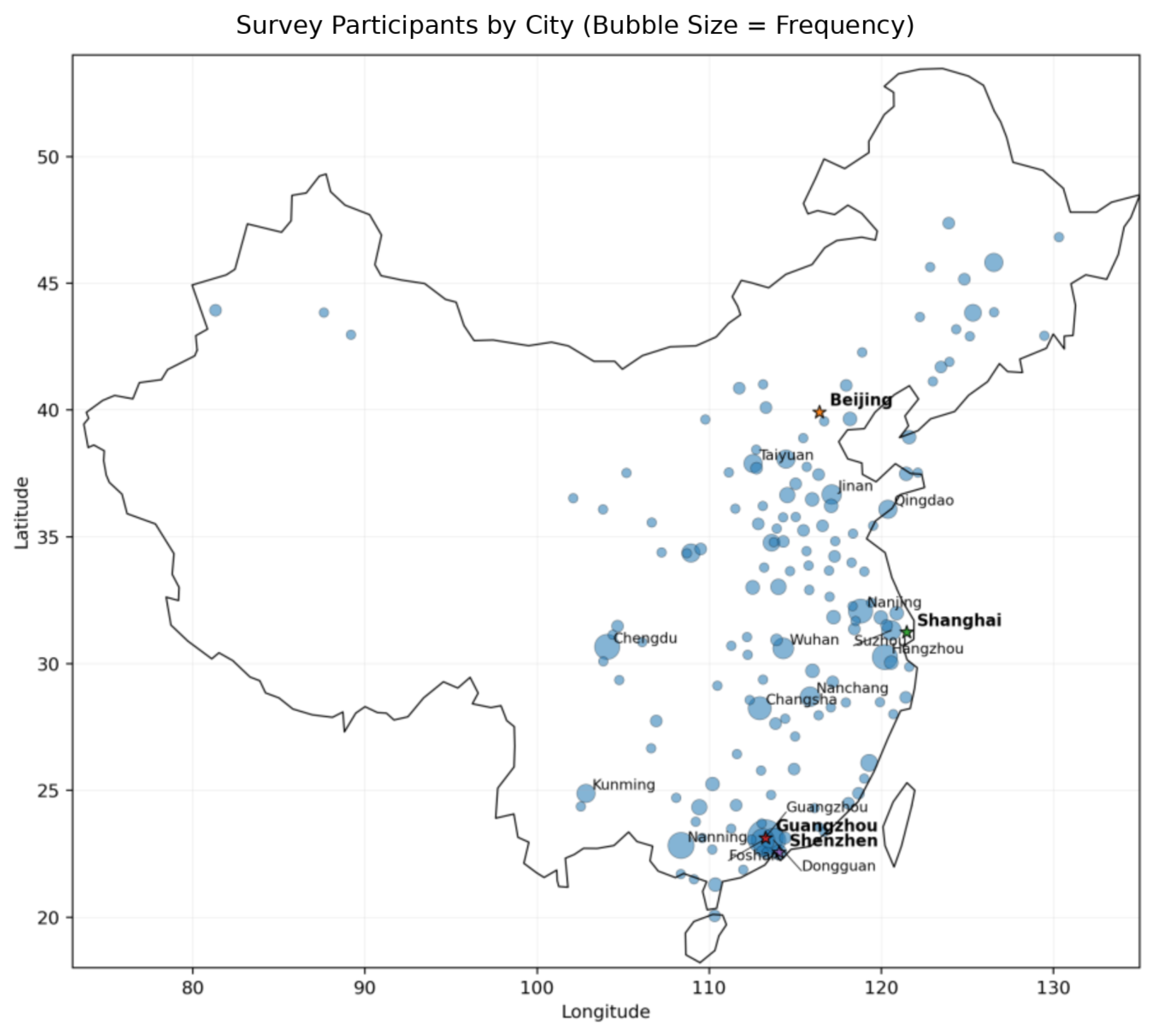
References
- Cheng, M. Sharing economy: A review and agenda for future research. Int. J. Hosp. Manag. 2016, 57, 60–70. [Google Scholar] [CrossRef] [Scilit]
- Hossain, M. Sharing economy: A comprehensive literature review. Int. J. Hosp. Manag. 2020, 87, 102470. [Google Scholar] [CrossRef] [Scilit]
- Ministry of Transport of the People’s Republic of China. China Transportation News. Available online: https://www.mot.gov.cn/xinwen/jiaotongyaowen/202601/t20260122_4198489.html (accessed on 19 February 2026).
- Ministry of Transport of the People’s Republic of China. Available online: https://xxgk.mot.gov.cn/2020/jigou/ysfws/202006/t20200623_3315999.html (accessed on 19 February 2026).
- The State Council of the People’s Republic of China. Available online: https://www.gov.cn/zhengce/202203/content_3635518.htm (accessed on 19 February 2026).
- Justice Bureau of Shenzhen Municipality. Available online: https://sf.sz.gov.cn/ztzl/zflf/gzsd/content/post_6991814.html (accessed on 19 February 2026).
- Curtis, S.K.; Lehner, M. Defining the sharing economy for sustainability. Sustainability 2019, 11, 567. [Google Scholar] [CrossRef] [Scilit]
- Castellanos, S.; Grant-Muller, S.; Wright, K. Technology, transport, and the sharing economy: Towards a working taxonomy for shared mobility. Transp. Rev. 2022, 42, 318–336. [Google Scholar] [CrossRef] [Scilit]
- Korhonen, J.; Nuur, C.; Feldmann, A.; Birkie, S.E. Circular economy as an essentially contested concept. J. Clean. Prod. 2018, 175, 544–552. [Google Scholar] [CrossRef] [Scilit]
- Kolleck, A. Does car-sharing reduce car ownership? Empirical evidence from Germany. Sustainability 2021, 13, 7384. [Google Scholar] [CrossRef] [Scilit]
- Vélez, A.M.A.; Plepys, A. Car sharing as a strategy to address GHG emissions in the transport system: Evaluation of effects of car sharing in Amsterdam. Sustainability 2021, 13, 2418. [Google Scholar] [CrossRef] [Scilit]
- Svennevik, E.M. Providers and practices: How suppliers shape car-sharing practices. Sustainability 2021, 13, 1764. [Google Scholar] [CrossRef] [Scilit]
- Mavlutova, I.; Kuzmina, J.; Uvarova, I.; Atstaja, D.; Lesinskis, K.; Mikelsone, E.; Brizga, J. Does car sharing contribute to urban sustainability from user-motivation perspectives? Sustainability 2021, 13, 10588. [Google Scholar] [CrossRef] [Scilit]
- Bardhi, F.; Eckhardt, G.M. Access-based consumption: The case of car sharing. J. Consum. Res. 2012, 39, 881–898. [Google Scholar] [CrossRef] [Scilit]
- Chun, Y.Y.; Matsumoto, M.; Tahara, K.; Chinen, K.; Endo, H. Exploring factors affecting car sharing use intention in the Southeast-Asia region: A case study in Java, Indonesia. Sustainability 2019, 11, 5103. [Google Scholar] [CrossRef] [Scilit]
- Sadiq, M.; Moslehpour, M.; Qiu, R.; Hieu, V.M.; Duong, K.D.; Ngo, T.Q. Sharing economy benefits and sustainable development goals: Empirical evidence from the transportation industry of Vietnam. J. Innov. Knowl. 2023, 8, 100290. [Google Scholar] [CrossRef] [Scilit]
- Bocken, N.; Jonca, A.; Södergren, K.; Palm, J. Emergence of carsharing business models and sustainability impacts in Swedish cities. Sustainability 2020, 12, 1594. [Google Scholar] [CrossRef] [Scilit]
- Roblek, V.; Meško, M.; Podbregar, I. Impact of car sharing on urban sustainability. Sustainability 2021, 13, 905. [Google Scholar] [CrossRef] [Scilit]
- Khodayari, M.; Akbari, M.; Foroudi, P. The sharing economy: A systematic literature review and research agenda. Int. J. Consum. Stud. 2025, 49, e70010. [Google Scholar] [CrossRef] [Scilit]
- Nansubuga, B.; Kowalkowski, C. Carsharing: A systematic literature review and research agenda. J. Serv. Manag. 2021, 32, 55–91. [Google Scholar] [CrossRef] [Scilit]
- Carrone, A.P.; Hoening, V.M.; Jensen, A.F.; Mabit, S.E.; Rich, J. Understanding car sharing preferences and mode substitution patterns: A stated preference experiment. Transp. Policy 2020, 98, 139–147. [Google Scholar] [CrossRef] [Scilit]
- Eckhardt, G.M.; Houston, M.B.; Jiang, B.; Lamberton, C.; Rindfleisch, A.; Zervas, G. Marketing in the sharing economy. J. Mark. 2019, 83, 5–27. [Google Scholar] [CrossRef] [Scilit]
- Bellos, I.; Ferguson, M.; Toktay, L.B. The car sharing economy: Interaction of business model choice and product line design. Manuf. Serv. Oper. Manag. 2017, 19, 185–201. [Google Scholar] [CrossRef] [Scilit]
- Guglielmetti, M.R.; Toni, M.; Di Pietro, L.; Pasca, M.G.; Renzi, M.F. Understanding the antecedents of car sharing usage: An empirical study in Italy. Int. J. Qual. Serv. Sci. 2019, 11, 523–541. [Google Scholar] [CrossRef] [Scilit]
- Valor, C. Anticipated emotions and resistance to innovations: The case of p2p car sharing. Environ. Innov. Soc. Transit. 2020, 37, 50–65. [Google Scholar] [CrossRef] [Scilit]
- Catulli, M. What uncertainty? Further insight into why consumers might be distrustful of product service systems. J. Manuf. Technol. Manag. 2012, 23, 780–793. [Google Scholar] [CrossRef] [Scilit]
- AlKheder, S. Alternate green and carsharing mobility options: A strategy to fight climate change in oil producing countries. Phys. Chem. Earth 2024, 136, 103694. [Google Scholar] [CrossRef] [Scilit]
- Terama, E.; Peltomaa, J.; Rolim, C.; Baptista, P. The contribution of car sharing to the sustainable mobility transition. Transfers 2018, 8, 113–121. [Google Scholar] [CrossRef] [Scilit]
- Diana, M.; Ceccato, R. A multimodal perspective in the study of car sharing switching intentions. Transp. Lett. 2019, 14, 317–323. [Google Scholar] [CrossRef] [Scilit]
- Ajzen, I. The theory of planned behavior. Organ. Behav. Hum. Decis. Process. 1991, 50, 179–211. [Google Scholar] [CrossRef] [Scilit]
- Ajzen, I. The theory of planned behavior: Frequently asked questions. Hum. Behav. Emerg. Technol. 2020, 2, 314–324. [Google Scholar] [CrossRef] [Scilit]
- Hagger, M.S.; Hamilton, K. Progress on theory of planned behavior research: Advances in research synthesis and agenda for future research. J. Behav. Med. 2025, 48, 43–56. [Google Scholar] [CrossRef] [Scilit]
- Li, R.; Li, X.; Li, X. Integration of TPB and TAM frameworks to assess driving assistance technology-mediated risky driving behaviors among young urban Chinese drivers. Vehicles 2025, 7, 79. [Google Scholar] [CrossRef] [Scilit]
- Davis, F.D. Technology acceptance model: TAM. Al-Suqri MN Al-Aufi Inf. Seek. Behav. Technol. Adopt. 1989, 205, 5. [Google Scholar]
- Lala, G. The emergence and development of the technology acceptance model (TAM). Mark. Inf. Decis. 2014, 7, 149–160. [Google Scholar]
- Alsabawy, A.Y.; Cater-Steel, A.; Soar, J. Determinants of perceived usefulness of e-learning systems. Comput. Hum. Behav. 2016, 64, 843–858. [Google Scholar] [CrossRef] [Scilit]
- Fauzi, A.A.; Sheng, M.L. Ride-hailing apps’ continuance intention among different consumer groups in Indonesia: The role of personal innovativeness and perceived utilitarian and hedonic value. Asia Pac. J. Mark. Logist. 2021, 33, 1195–1219. [Google Scholar] [CrossRef] [Scilit]
- Yu, T.; Zhang, Y.; Teoh, A.P.; Wang, A.; Wang, C. Factors influencing university students’ behavioral intention to use electric car-sharing services in Guangzhou, China. Sage Open 2023, 13, 21582440231. [Google Scholar] [CrossRef] [Scilit]
- Turoń, K. Factors affecting car-sharing services. Smart Cities 2023, 6, 1185–1201. [Google Scholar] [CrossRef] [Scilit]
- Davis, D.F.; Golicic, S.L.; Boerstler, C.N.; Choi, S.; Oh, H. Does marketing research suffer from methods myopia? J. Bus. Res. 2013, 66, 1245–1250. [Google Scholar] [CrossRef] [Scilit]
- Creswell, J.W.; Plano Clark, V.L. Revisiting mixed methods research designs twenty years later. Handb. Mix. Methods Res. Des. 2023, 1, 21–36. [Google Scholar]
- Oranga, J. Mixed methods research: Application, advantages and challenges. J. Account. Res. 2025, 3, 370–375. [Google Scholar]
- Li, M.; Feng, T. What hinders car owners’ participation in private car sharing? Insights from a business perspective. J. Retail. Consum. Serv. 2025, 83, 104160. [Google Scholar] [CrossRef] [Scilit]
- Vrasidas, C. Constructivism versus objectivism: Implications for interaction, course design, and evaluation in distance education. Int. J. Educ. Telecommun. 2000, 6, 339–362. [Google Scholar]
- Bryman, A.; Bell, E. Business Research Methods; Social Research; Oxford University Press: Oxford, UK, 2015. [Google Scholar]
- Malhotra, N.K.; Nunan, D.; Birks, D.F. Marketing Research an Applied Approach, 5th ed.; Pearson Education: London, UK, 2017. [Google Scholar]
- Keller, S.; Conradin, K. Semi-Structured Interviews. 2010. Available online: https://sswm.info/planning-and-programming/decision-making/gathering-ideas/semi-structured-interviews (accessed on 25 October 2025).
- Adams, W.C. Conducting semi-structured interviews. In Handbook of Practical Program Evaluation, Fourth; Jossey-Bass: San Francisco, CA, USA, 2015; pp. 492–505. [Google Scholar]
- Hu, S.; Henninger, C.E.; Boardman, R.; Ryding, D. Challenging current fashion business models: Entrepreneurship through access-based consumption in the second-hand luxury garment sector within a circular economy. In Sustainable Luxury: Cases on Circular Economy and Entrepreneurship; Gardetti, M.A., Muthu, S.S., Eds.; Springer: Singapore, 2018; pp. 39–54. [Google Scholar]
- Soni, S.; Arora, P.; Kasilingam, D.; Jain, V. Digital daydreams: Exploring consumer motivations for engaging with the metaverse. J. Retail. Consum. Serv. 2025, 85, 104294. [Google Scholar] [CrossRef] [Scilit]
- Saunders, M.; Lewis, P.; Thornhill, A. Research Methods for Business Students; Pearson Education: London, UK, 2019. [Google Scholar]
- Easterby-Smith, M.; Valizade, D.; Thorpe, R.; Jaspersen, L.J. Management and Business Research; SAGE Publications Ltd.: Los Angeles, CA, USA, 2021. [Google Scholar]
- Majeed, M.U.; Aftab, H.; Arslan, A.; Shakeel, Z. Determining online consumer’s luxury purchase intention: The influence of antecedent factors and the moderating role of brand awareness, perceived risk, and web atmospherics. PLoS ONE 2024, 19, e0295514. [Google Scholar] [CrossRef] [Scilit] [PubMed]
- Lichtenstein, D.; Ridgway, N.; Netemeyer, R. Price perceptions and consumer shopping behavior: A field study. J. Mark. Res. 1993, 30, 234–245. [Google Scholar] [CrossRef] [Scilit]
- Steenkamp, J.B.E.; Maydeu-Olivares, A. Stability and change in consumer traits: Evidence from a 12-year longitudinal study, 2002–2013. J. Mark. Res. 2015, 52, 287–308. [Google Scholar] [CrossRef] [Scilit]
- Hussain, A.; Zhiqiang, M.; Li, M.; Jameel, A.; Kanwel, S.; Ahmad, S.; Ge, B. The mediating effects of perceived usefulness and perceived ease of use on nurses’ intentions to adopt advanced technology. BMC Nurs. 2025, 24, 33. [Google Scholar] [CrossRef] [Scilit]
- Hartono, E.; Holsapple, C.W.; Kim, K.Y.; Na, K.S.; Simpson, J.T. Measuring perceived security in B2C electronic commerce website usage: A respecification and validation. Decis. Support Syst. 2014, 62, 11–21. [Google Scholar] [CrossRef] [Scilit]
- Liu, F.; Wei, H.; Chen, Z.; Chen, H. The Impact of Cultural Tightness–Looseness on Consumers’ Price Sensitivity. Psychol. Mark. 2025, 43, 312–329. [Google Scholar] [CrossRef] [Scilit]
- De Langhe, B.; Van Osselaer, S.M.; Puntoni, S.; McGill, A.L. Fooled by heteroscedastic randomness: Local consistency breeds extremity in price-based quality inferences. J. Consum. Res. 2014, 41, 978–994. [Google Scholar] [CrossRef] [Scilit]
- Lopes, J.M.; Gomes, S.; Trancoso, T. Navigating the green maze: Insights for businesses on consumer decision-making and the mediating role of their environmental concerns. Sustain. Account. Manag. Policy J. 2024, 15, 861–883. [Google Scholar] [CrossRef] [Scilit]
- Minh, T.C.; Quynh, N.N.T. Factors affecting sustainable consumption behavior: Roles of pandemics and perceived consumer effectiveness. Clean. Responsible Consum. 2024, 12, 100158. [Google Scholar] [CrossRef] [Scilit]
- Emekci, S. Green consumption behaviours of consumers within the scope of TPB. J. Consum. Mark. 2019, 36, 410–417. [Google Scholar] [CrossRef] [Scilit]
- Kim, S.Y.; Yeo, J.; Sohn, S.H.; Rha, J.Y.; Choi, S.; Choi, A.Y.; Shin, S. Toward a composite measure of green consumption: An exploratory study using a Korean sample. J. Fam. Econ. Issues 2012, 33, 199–214. [Google Scholar] [CrossRef] [Scilit]
- Chang, M.; Ko, E.E. Impact of tourism destination image on perceived usefulness of online reviews: Psychological distance effect and two methodologies. Int. J. Tour. Res. 2024, 26, e2690. [Google Scholar] [CrossRef] [Scilit]
- Lin, P.M.; Au, W.C.W.; Baum, T. Service quality of online food delivery mobile application: An examination of the spillover effects of mobile app satisfaction. Int. J. Contemp. Hosp. Manag. 2024, 36, 906–926. [Google Scholar] [CrossRef] [Scilit]
- Sharif, S.; Rehman, S.U.; Ahmad, Z.; Albadry, O.M.; Zeeshan, M. Consumer quality management for beverage food products: Analyzing consumer’perceptions toward repurchase intention. TQM J. 2024, 36, 431–459. [Google Scholar] [CrossRef] [Scilit]
- Aren, S.; Güzel, M.; Kabadayı, E.; Alpkan, L. Factors affecting repurchase intention to shop at the same website. Procedia-Soc. Behav. Sci. 2013, 99, 536–544. [Google Scholar] [CrossRef] [Scilit]
- Harris, L.C.; Goode, M.M. Online servicescapes, trust, and purchase intentions. J. Serv. Mark. 2010, 24, 230–243. [Google Scholar] [CrossRef] [Scilit]
- Marsh, H.W.; Hocevar, D. Application of confirmatory factor analysis to the study of self-concept: First- and higher order factor models and their invariance across groups. Psychol. Bull. 1985, 97, 562–582. [Google Scholar] [CrossRef]
- Claudy, M.C.; Garcia, R.; O’Driscoll, A. Consumer resistance to innovation—A behavioral reasoning perspective. J. Acad. Mark. Sci. 2015, 43, 528–544. [Google Scholar] [CrossRef] [Scilit]
- Chen, G.; Bliese, P.D.; Mathieu, J.E. Conceptual framework and statistical procedures for delineating and testing multilevel theories of homology. Organ. Res. Methods 2005, 8, 375–409. [Google Scholar] [CrossRef] [Scilit]
- Davis, F.D. Perceived usefulness, perceived ease of use, and user acceptance of information technology. MIS Q. 1989, 13, 319–340. [Google Scholar] [CrossRef] [Scilit]
- Hassan, H.K.; Das, S.; Quader, M.S. Adoption intention and usage behaviour of mobile travel apps: Integration of trust, and technology acceptance model with social cognitive theory. Int. J. Bus. Innov. Res. 2024, 33, 1–24. [Google Scholar] [CrossRef] [Scilit]
- Azhar, N.B.A.; Zahari, M.S.M.; Ferdian, F.; Hanafiah, M.H. Unpacking the power of trust: How relative advantage, compatibility, ease of use and usefulness drive hotel self-directed bookings. Consum. Behav. Tour. Hosp. 2025, 20, 148–163. [Google Scholar] [CrossRef] [Scilit]
- Yellanki, S.K. Behavioral Intelligence and Operational Design: Exploring Modern Service Models, Customer-Centric Platforms, and Sustainable Digital Infrastructure; Deep Science Publishing: San Francisco, CA, USA, 2025. [Google Scholar] [CrossRef] [Scilit]
- Valencia-Arias, D.A.; Martinez-Tavera, C.R.; Areiza-Padilla, J.A.; Barajas-Portas, K.; Veas-González, I.; Manzi-Puertas, M.A. The power of centennials and their environmental awareness: Willingness to pay a premium price on the internet for sustainable fashion products. Clean. Waste Syst. 2025, 10, 100221. [Google Scholar] [CrossRef] [Scilit]
- Zeithaml, C.P.; Zeithaml, V.A. Environmental management: Revising the marketing perspective. J. Mark. 1984, 48, 46–53. [Google Scholar] [CrossRef] [Scilit]
- Jiang, J.; Ding, Y. The effect of reward type on consumer recommendation intention in the C2C car-sharing context in China: The moderating role of scarcity cues. Int. J. Electron. Bus. 2025, 20, 186–209. [Google Scholar] [CrossRef] [Scilit]
- Elakkad, E.; Barakat, M.R.; Obrecht, M. The dynamics of green behaviour in Egypt and jordan: Financial attitude, price sensitivity and greenwashing effects. Sustainability 2025, 17, 7434. [Google Scholar] [CrossRef] [Scilit]
- Featherman, M.S.; Pavlou, P.A. Predicting e-services adoption: A perceived risk facets perspective. Int. J. Hum.-Comput. Stud. 2003, 59, 451–474. [Google Scholar] [CrossRef] [Scilit]
- Kim, D.J.; Ferrin, D.L.; Rao, H.R. A trust-based consumer decision-making model in electronic commerce: The role of trust, perceived risk, and their antecedents. Decis. Support Syst. 2008, 44, 544–564. [Google Scholar] [CrossRef] [Scilit]
- Zhang, K.; Chen, X. Research on the influencing mechanism via which security perception of personal information affects tourist happiness: A moderated mediation model. Sustainability 2022, 14, 15407. [Google Scholar] [CrossRef] [Scilit]
- Salih, L.; Tarhini, A.; Acikgoz, F. AI-Enabled service continuance: Roles of trust and privacy risk. J. Comput. Inf. Syst. 2025, 1–16. [Google Scholar] [CrossRef] [Scilit]
- Ellen, P.S.; Wiener, J.L.; Cobb-Walgren, C. The role of perceived consumer effectiveness in motivating environmentally conscious behaviors. J. Public Policy Mark. 1991, 10, 102–117. [Google Scholar] [CrossRef] [Scilit]
- Kim, Y.; Choi, S.M. Antecedents of green purchase behavior: An examination of collectivism, environmental concern, and PCE. Adv. Consum. Res. 2005, 32, 592–599. [Google Scholar]
- White, K.; MacDonnell, R.; Dahl, D.W. It’s the mind-set that matters: The role of construal level and message framing in influencing consumer efficacy and conservation behaviors. J. Mark. Res. 2011, 48, 472–485. [Google Scholar] [CrossRef] [Scilit]
- Malik, F.; Irfan, S.; Saba, S.; Mumtaz, L.; Nasir, H. Consumers Spirituality Towards Green Purchase Intention: MediatingRoleofPerceived Consumer Effectiveness and Moderating Role of Religious Commitment. J. Manag. Soc. Sci. 2025, 2, 138–157. [Google Scholar]
- Kovacs, I.; Keresztes, E.R. Perceived consumer effectiveness and willingness to pay for credence product attributes of sustainable foods. Sustainability 2022, 14, 4338. [Google Scholar] [CrossRef] [Scilit]
- Echavarren, J.M. The gender gap in environmental concern: Support for an ecofeminist perspective and the role of gender egalitarian attitudes. Sex Roles 2023, 89, 610–623. [Google Scholar] [CrossRef] [Scilit]
- Kumar, P.; Ghodeswar, B.M. Factors affecting consumers’ green product purchase decisions. Mark. Intell. Plan. 2015, 33, 330–347. [Google Scholar] [CrossRef] [Scilit]
- Lee, K. Opportunities for green marketing: Young consumers. Mark. Intell. Plan. 2008, 26, 573–586. [Google Scholar] [CrossRef] [Scilit]
- Yu, T.Y.; Liu, C.H.; Horng, J.S.; Chou, S.F.; Ng, Y.L.; Lin, J.Y. Integrating the critical concepts of sustainability to predict sustainable behavior–the moderating role of information seeking. Mark. Intell. Plan. 2025, 43, 1366–1395. [Google Scholar] [CrossRef] [Scilit]
- Venkatesh, V.; Davis, F.D. A theoretical extension of the technology acceptance model: Four longitudinal field studies. Manag. Sci. 2000, 46, 186–204. [Google Scholar] [CrossRef] [Scilit]
- Gupta, G.; Lim, W.M.; Chaudhuri, N.; Sharma, D. Alexa, it’s not just us! Voice commerce through the lens of service providers and consumers. J. Serv. Manag. 2025, 37, 105–140. [Google Scholar] [CrossRef] [Scilit]
- Parasuraman, A.B.L.L.; Zeithaml, V.A.; Berry, L. SERVQUAL: A multiple-item scale for measuring consumer perceptions of service quality. J. Retail. 1988, 64, 12–40. [Google Scholar]
- Chen, X. Service Quality Gaps and Customer Retention: An Empirical SERVQUAL-Based Study of East Asian Retail Chains. J. Glob. Econ. Insights 2025, 1, 27–37. [Google Scholar] [CrossRef] [Scilit]
- Zeithaml, V.A.; Berry, L.L.; Parasuraman, A. The behavioral consequences of service quality. J. Mark. 1996, 60, 31–46. [Google Scholar] [CrossRef] [Scilit]
- Brady, M.K.; Cronin, J., Jr. Some new thoughts on conceptualizing perceived service quality: A hierarchical approach. J. Mark. 2001, 65, 34–49. [Google Scholar] [CrossRef] [Scilit]
- Rasheed, A.F.; Nandukrishna, A.T. Caring the sharing apps–exploration of the factors affecting user satisfaction with sharing economy apps. J. Glob. Mark. 2023, 36, 225–239. [Google Scholar] [CrossRef] [Scilit]
- Yu, T.; Teoh, A.P.; Liao, J.; Wang, C. Show Your Palm to Pay: Are Customers Ready for Palm Print Recognition Technology in Retail Stores in China? Int. J. Hum.–Comput. Interact. 2025, 42, 1–30. [Google Scholar] [CrossRef] [Scilit]
- Adnan, N.; Rehman, H.M.; Alam, M.N. Exploring agricultural innovation: An empirical investigation of factors influencing the adoption and non-adoption of smart fertilizer technology among farmers in developing countries. Agric. Food Secur. 2025, 14, 11. [Google Scholar] [CrossRef] [Scilit]
- Gefen, D.; Karahanna, E.; Straub, D.W. Trust and TAM in online shopping: An integrated model. MIS Q. 2003, 27, 51–90. [Google Scholar] [CrossRef] [Scilit]
- Alloh, K.; Abrham, J.; Sanova, P.; Čermák, M.; Petrzilka, S.; Schilla, F. Sustainability of shared economy in the agri-food, tourism, and hospitality industries. Front. Sustain. Food Syst. 2024, 8, 1369089. [Google Scholar] [CrossRef] [Scilit]
- Voorhees, C.M.; Brady, M.K.; Calantone, R.; Ramirez, E. Discriminant validity testing in marketing: An analysis, causes for concern, and proposed remedies. J. Acad. Mark. Sci. 2016, 44, 119–134. [Google Scholar] [CrossRef] [Scilit]
- Credamo. Available online: https://www.credamo.cc/#/help/web/4?page_id=118 (accessed on 6 January 2026).
- Zampetakis, L.A.; Bakatsaki, M.; Litos, C.; Kafetsios, K.G.; Moustakis, V. Gender-based differential item functioning in the application of the theory of planned behavior for the study of entrepreneurial intentions. Front. Psychol. 2017, 8, 451. [Google Scholar] [CrossRef] [Scilit] [PubMed]
- Dogra, N.; Adil, M. Should we or should we not? Examining travelers’ perceived privacy, perceived security and actual behavior in online travel purchases. J. Vacat. Mark. 2024, 30, 123–142. [Google Scholar] [CrossRef] [Scilit]
- Oppenheimer, D.M.; Tom, M.; Nicolas, D. Instructional manipulation checks: Detecting satisficing to increase statistical power. J. Exp. Soc. Psychol. 2009, 45, 867–872. [Google Scholar] [CrossRef] [Scilit]
- Hair, J.F.; Black, W.C.; Babin, B.J.; Anderson, R.E.; Tatham, R.L. Multivariate Data Analysis; Cengage Learning: Boston, MA, USA, 2019. [Google Scholar]
- Fornell, C.; Larcker, D.F. Evaluating structural equation models with unobservable variables and measurement error. J. Mark. Res. 1981, 18, 39–50. [Google Scholar] [CrossRef] [Scilit]
- Bagozzi, R.P.; Yi, Y. On the evaluation of structural equation models. J. Acad. Mark. Sci. 1988, 16, 74–94. [Google Scholar] [CrossRef]
- Henseler, J.; Ringle, C.M.; Sarstedt, M. A new criterion for assessing discriminant validity in variance-based structural equation modeling. J. Acad. Mark. Sci. 2015, 43, 115–135. [Google Scholar] [CrossRef] [Scilit]
- Podsakoff, P.M.; MacKenzie, S.B.; Lee, J.Y.; Podsakoff, N.P. Common method biases in behavioral research: A critical review of the literature and recommended remedies. J. Appl. Psychol. 2003, 88, 879–903. [Google Scholar] [CrossRef] [Scilit]
- Fuller, C.M.; Simmering, M.J.; Atinc, G.; Atinc, Y.; Babin, B.J. Common methods variance detection in business research. J. Bus. Res. 2016, 69, 3192–3198. [Google Scholar] [CrossRef] [Scilit]
- Hair, J.F. Multivariate data analysis: An overview. In International Encyclopedia of Statistical Science; Springer: Berlin/Heidelberg, Germany, 2011; pp. 904–907. [Google Scholar]
- Hayes, A.F. Introduction to Mediation, Moderation, and Conditional Process Analysis: A Regression-Based Approach; Guilford Publications: New York, NY, USA, 2017. [Google Scholar]
- Zhao, X.; Lynch, J.G., Jr.; Chen, Q. Reconsidering Baron and Kenny: Myths and truths about mediation analysis. J. Consum. Res. 2010, 37, 197–206. [Google Scholar] [CrossRef] [Scilit]
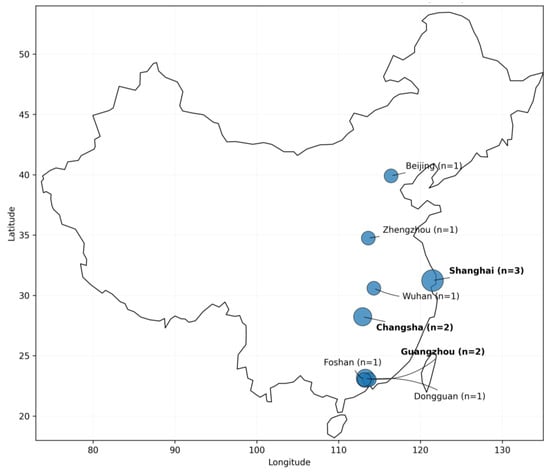
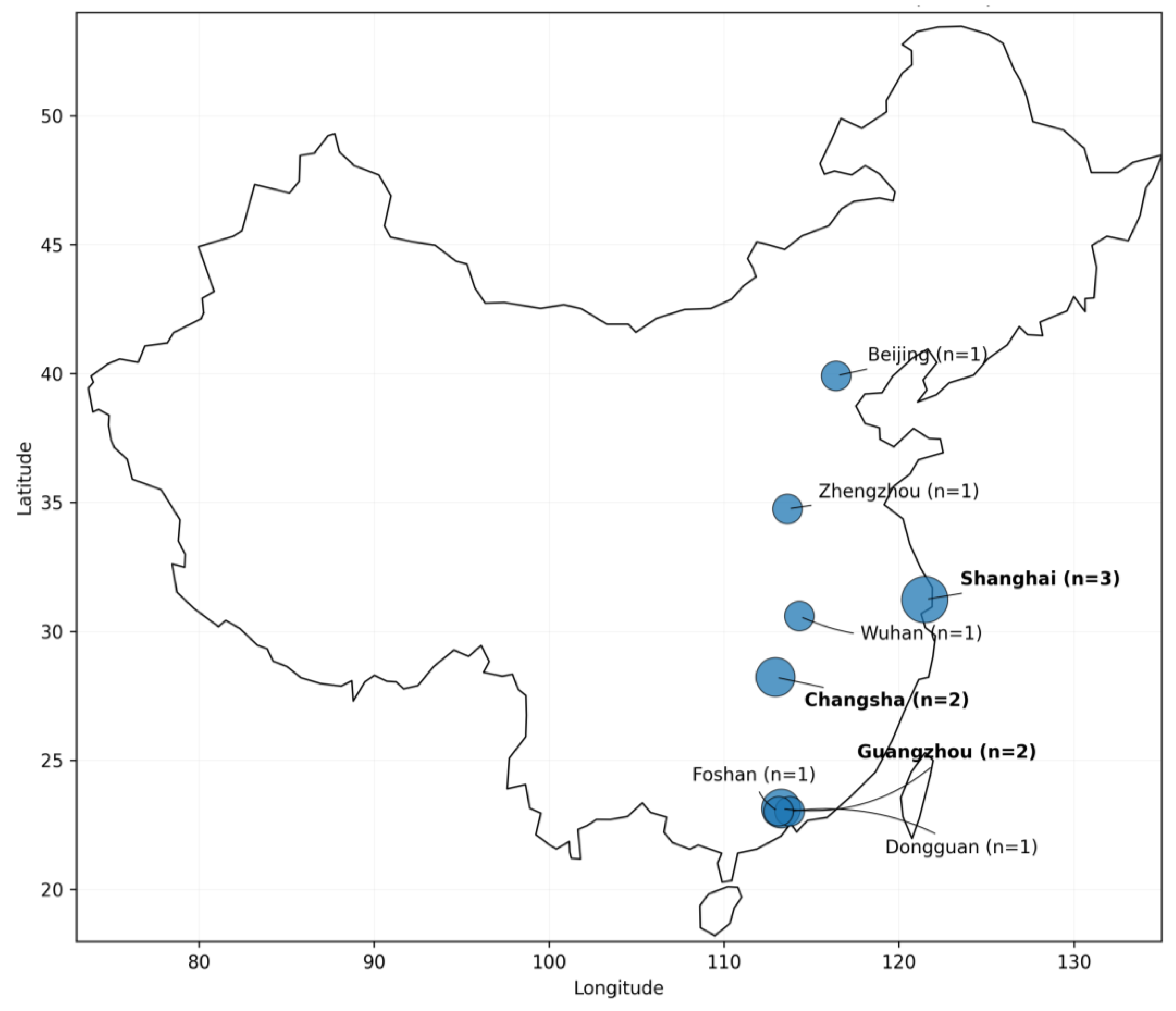
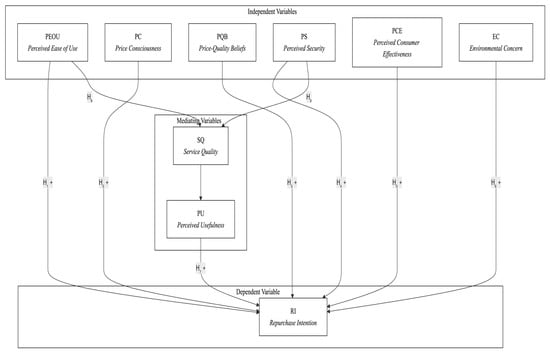
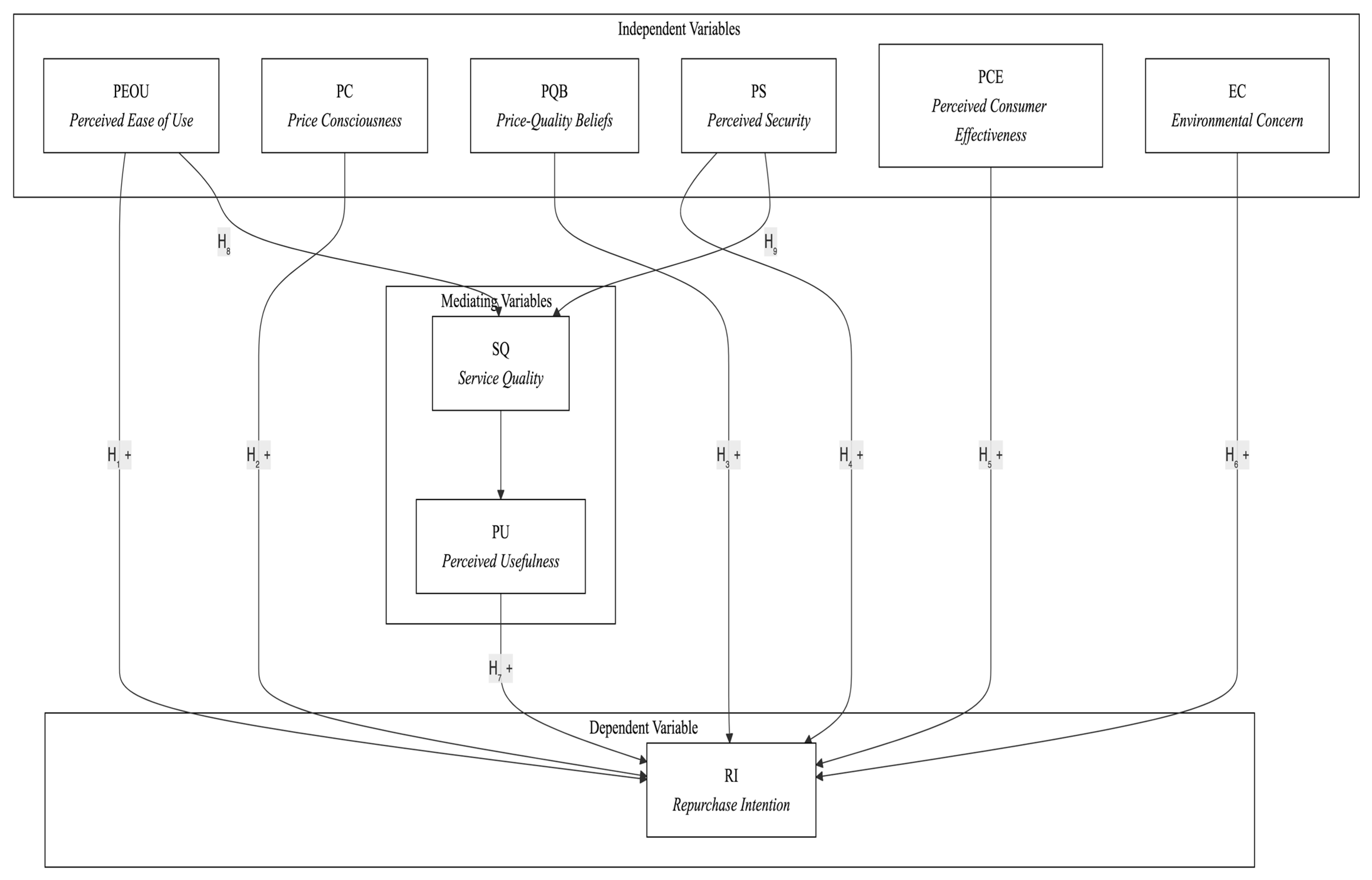
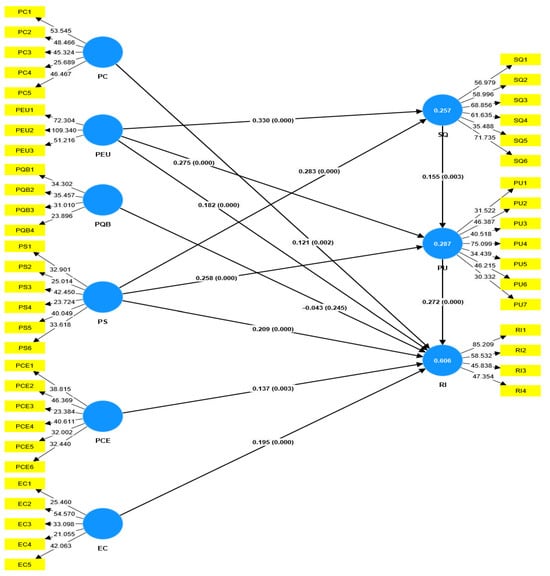
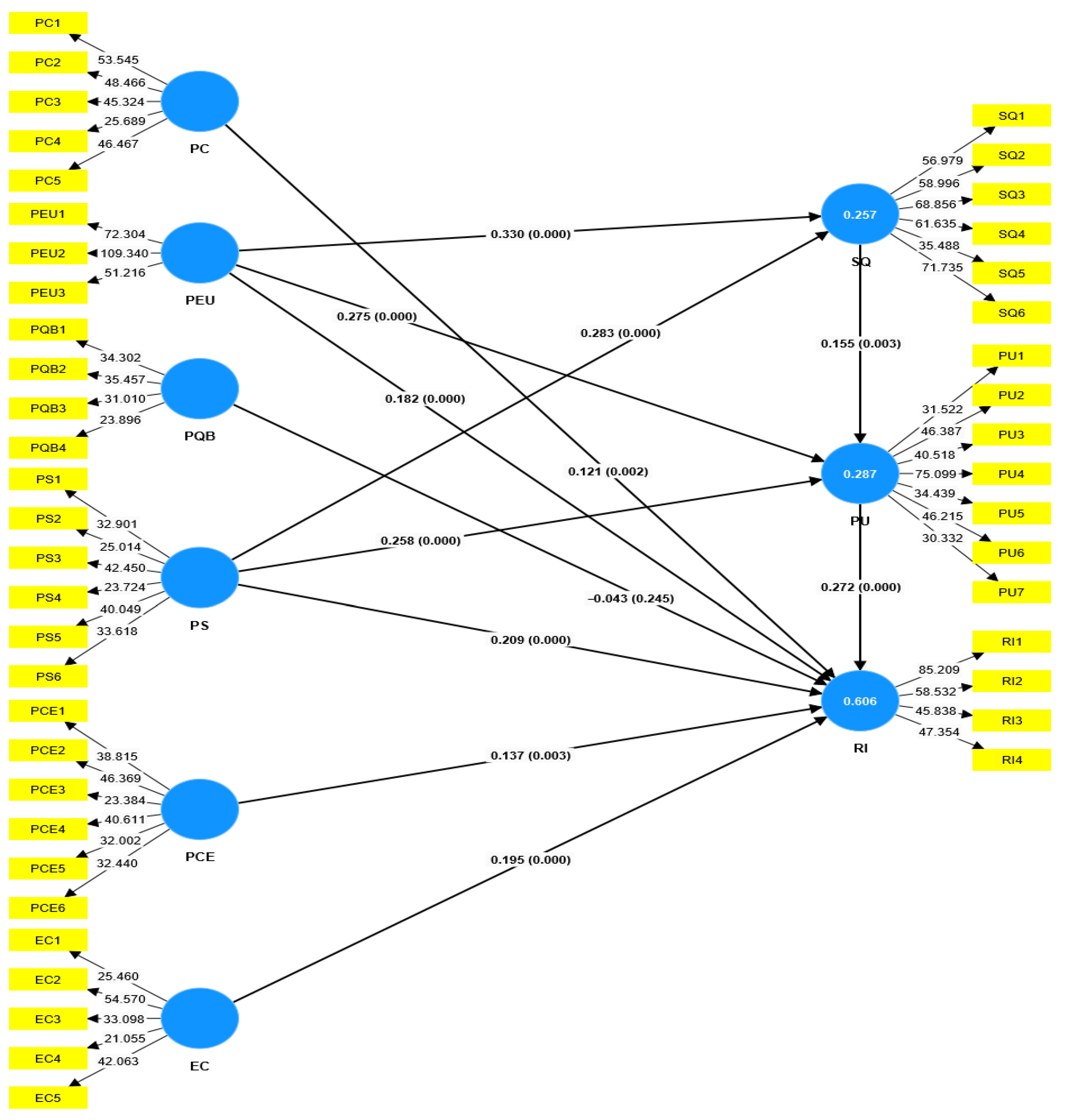

Disclaimer/Publisher’s Note: The statements, opinions and data contained in all publications are solely those of the individual author(s) and contributor(s) and not of MDPI and/or the editor(s). MDPI and/or the editor(s) disclaim responsibility for any injury to people or property resulting from any ideas, methods, instructions or products referred to in the content. |
© 2026 by the authors. Licensee MDPI, Basel, Switzerland. This article is an open access article distributed under the terms and conditions of the Creative Commons Attribution (CC BY) license.