


Abstract
Recycled cellulosic fiber (RCF) composites offer significant potential to reduce environmental burdens associated with virgin fiber production; however, their broader adoption remains limited by feedstock variability, recycling-induced degradation, and uncertainty regarding long-term performance. This review critically synthesizes recent advances in RCF composites using a structure–processing–performance–sustainability framework, treating recycled fibers as secondary materials with distinct morphological, chemical, and mechanical characteristics rather than direct substitutes for virgin reinforcements. Emphasis is placed on the effects of fiber shortening, surface damage, moisture sensitivity, and altered surface chemistry on interfacial adhesion, load transfer efficiency, durability, and failure mechanisms. The analysis reveals that many reported performance discrepancies arise from poorly defined structure–property relationships and the absence of standardized characterization, grading, and durability testing protocols for recycled fibers. Addressing these gaps enables more reliable predictive modeling and application-specific material design. Beyond mechanical behavior, the review evaluates various critical factors for integration into higher-value applications such as durability under realistic service conditions, including environmental aging, fire performance, and long-term stability. Emerging strategies such as hybrid reinforcement, environmentally benign surface functionalization, smart functionalities, and recyclable or bio-based matrices are assessed for their potential to enhance multifunctionality and circularity. Overall, the findings indicate that RCF composites can meaningfully contribute to circular material systems if materials design, performance validation, and life-cycle assessment are integrated systematically. Advancing standardized evaluation and aligning materials innovation with circular economy principles are essential to transition RCF composites from downcycled applications to reliable, performance-oriented components in sustainable engineering systems.
1. Introduction
The widespread popularity of synthetic fibers is due to their high performance, low cost, and excellent durability, making them indispensable not only in everyday fashion apparel but also across a broad range of technical and industrial applications [1,2]. These fibers such as polyester, nylon, polypropylene, and aramids, offer desirable properties including high tensile strength, abrasion resistance, dimensional stability, elasticity, and chemical resistance that have enabled their integration into sportswear, geotextiles, automotive interiors, filtration media, medical textiles, protective clothing, and high-performance composites [3,4]. However, the escalating environmental concerns associated with plastic pollution, resource depletion, and the increasing burden of synthetic materials have intensified global efforts toward sustainable material development and circular economic strategies [5]. Conventional petroleum-based plastics now exceed 400 million tonnes in annual production, yet less than 10% is effectively recycled, resulting in massive accumulation in landfills, ecosystems, and marine environments where degradation can take centuries [6]. These pressing environmental challenges have motivated a transition toward renewable, biodegradable, and environmentally responsible material alternatives [7,8]. Within this context, natural fiber–reinforced polymer composites (NFRPCs) have gained considerable interest due to their biodegradability, low embodied energy, favorable specific mechanical properties, and reduced environmental footprint compared to synthetic composites [9,10]. Among natural fibers, cellulosic and lignocellulosic fibers such as cotton, flax, hemp, jute, sisal, and kenaf have emerged as highly attractive reinforcement materials. Their hierarchical structure, low density, biodegradability, renewability, and abundant surface hydroxyl groups enable chemical modification and interfacial interactions, facilitating their incorporation into a wide range of thermoplastic, thermoset, and bio-based polymer matrices [11,12,13,14]. These fibers have expanded beyond traditional textile and packaging applications to serve increasingly in industrial sectors such as automotive components, construction materials, aerospace non-structural parts, sports equipment, flexible devices, and technical apparel. Their growing industrial adoption demonstrates both technological progress and increased confidence in bio-based reinforcements. However, the increasing global demand for virgin natural fibers, particularly cotton, raises concerns related to agricultural land use, high water consumption, pesticide and fertilizer dependency, and carbon emissions associated with fiber cultivation and processing [15]. At the same time, global textile waste now exceeds 92 million tonnes annually, with the majority ending up in landfills or incinerators, despite being rich in cellulose that could be valorized into engineered materials [16]. These realities underscore the urgent need for more circular approaches to fiber utilization, particularly through the recycling and reuse of cellulosic fibers derived from post-consumer garments, post-industrial waste streams, and agricultural residues. Recycled cellulosic fibers offer numerous environmental and economic advantages. For example, their reuse significantly reduces water and energy consumption, minimizes landfill burden, and lowers the environmental impact associated with producing virgin fibers [17,18]. Advances in recycling technologies including mechanical, chemical, and enzymatic processes have improved the ability to recover fibers with retained structural integrity suitable for composite reinforcement [19,20]. These reclaimed fibers preserve many intrinsic advantages of cellulose, such as biodegradability, natural porosity, and hydrogen-bonding potential, enabling their integration into polymer matrices to produce eco-efficient composites. The significance of recycled cellulosic fiber composites extends beyond sustainability considerations. When properly processed and combined with appropriate compatibilizers, surface modification techniques, or hybrid reinforcement strategies, recycled fibers can achieve mechanical properties comparable to their virgin counterparts in many engineering applications [21,22,23]. These composites have been successfully applied in automotive interior structures, building panels, insulation boards, home goods, and sustainable packaging solutions. With ongoing developments in interface engineering, fiber modification, and processing optimization, their applicability is expected to expand even further. Despite these advantages, the integration of recycled fibers into polymer composite systems presents several scientific and technological challenges. Recycling processes, especially mechanical shredding, often result in fiber shortening, structural degradation, reduced crystallinity, and contamination, all of which diminish the reinforcing efficiency of the fibers [24,25,26,27]. The hydrophilic nature of cellulosic fibers also leads to poor interfacial adhesion with hydrophobic polymer matrices (e.g., Polypropylene (PP), Polyethylene (PE), Polylactic Acid (PLA)) and contaminants such as dyes, finishes, or chemical residues further exacerbate surface incompatibility [28]. At the industrial level, the lack of standardized testing, certification protocols, and uniform quality metrics for recycled fibers continues to hinder commercial scaling and cross-industry adoption. Moreover, despite the widely assumed environmental benefits, there remains a shortage of comprehensive, high-quality life-cycle assessment (LCA) studies evaluating recycled natural fiber composites. Inconsistent methodologies, variable waste stream compositions, and limited long-term durability data complicate environmental benchmarking and material selection decisions [29,30,31]. Unlike substantial opportunities, the industrial scale-up also faces challenges related to fiber sorting, multi-material textile blends, economic constraints, and limited recycling infrastructure. In addition, recycling cellulosic fibers contributes significantly to material circularity, reduces greenhouse gas emissions, and supports sustainable production systems through recovered material loops [32,33]. Emerging research demonstrates strong potential in hybrid composites that combine recycled fibers with nanocellulose, recycled plastics, or high-performance fibers, enabling enhanced mechanical properties and improved moisture resistance [34,35,36,37]. Moreover, the functionalization approaches including fire-retardant treatments, antimicrobial coatings, and conductive additives are expanding the application of recycled fiber composites into smart materials, medical textiles, sensing platforms, and advanced packaging [38,39,40,41]. In parallel, innovations in bio-resin development, lignin-based polymers, and green processing methods offer new opportunities for low-impact composite manufacturing [42,43,44]. Given the rapid growth of research and emerging industrial adoption, a comprehensive and critical review is essential. The objective of this paper is therefore to systematically evaluate the recycling methods, processing strategies, interfacial adhesion mechanisms, and application domains of recycled cellulosic natural fiber–reinforced composites. Additionally, the review examines the key limitations, including fiber quality variability, degradation during recycling, interfacial compatibility challenges, lack of standardized certification, and restricted application in high-performance environments. The paper also highlights opportunities for hybrid composite development, smart and functional materials, bio-resins, and green processing innovations, and identifies future research needs to support commercial scale-up and broader adoption. Through this structure, the review aims to provide a scientifically rigorous and forward-looking assessment of recycled cellulosic natural fiber composites, outlining their current capabilities, challenges, and future potential within the transition toward a circular, bio-based materials economy.
2. Processing and Manufacturing of Recycled Fiber-Reinforced Polymer Composites
2.1. Overview of Composite Processing Requirements
The successful integration of recycled cellulosic fibers into composite systems fundamentally depends on achieving robust reinforcement-matrix compatibility through careful control of interfacial adhesion, fiber morphology, and processing conditions. Strong fiber-matrix adhesion is critical for effective stress transfer and overall mechanical performance, necessitating strategic interface design through surface modifications, compatibilizers, and optimized processing parameters [45]. The influence of recycled cellulose fiber characteristics significantly impacts composite performance, particularly regarding fiber length distribution, where the reinforcing effect is highly sensitive to fiber aspect ratio reductions in fiber size during milling or reprocessing diminish tensile reinforcement but may improve dispersion and impact homogeneity [46,47]. Residual impurities and morphology present additional challenges, as residual lignin, hemicelluloses, fines, and other contaminants from recycled streams affect wettability and bonding, typically requiring cleaning or surface treatment to improve compatibility [48]. Furthermore, recycled fibers often experience loss of crystallinity and mechanical integrity during recycling cycles through hornification, fibrillation, shortening, and partial thermal degradation of cellulose, which degrades crystallinity and intrinsic fiber strength unless controlled feeding or protective measures are employed [49,50]. General performance considerations center on balancing dispersion versus damage tradeoffs, where aggressive shear can disperse fibers but also shorten them, requiring optimal processing that preserves aspect ratio and fibrillar structure [47,49]. Moisture stability remains a persistent challenge due to the high hygroscopicity of cellulosic reinforcements, which raises water uptake and dimensional instability; fiber pre-treatment, matrix selection, and coupling agents are common strategies to reduce moisture sensitivity [45,51].
2.2. Matrix Materials Used with Recycled Cellulosic Fibers
2.2.1. Thermoplastic Matrices
Thermoplastic matrices represent the most widely adopted option for recycled cellulosic fiber composites due to their industrial scalability and circular economic potential. Common matrices include polypropylene (PP), polyethylene (PE), polylactic acid (PLA), polyhydroxyalkanoates (PHA), polybutylene succinate (PBS), and polyamide-6 (PA6), which are extensively used in both research and industrial practice [52,53]. The primary advantages of thermoplastic matrices include their inherent recyclability and melt processability, which enable extrusion and injection reprocessing compatible with high-throughput manufacturing and circular-economy workflows [52]. Additionally, their processing versatility through melt processing routes such as extrusion, injection molding, and compression molding permits straightforward compounding with milled or micronized cellulose and scales effectively to high volumes [52]. However, thermoplastics face significant limitations, particularly poor interfacial bonding with hydrophilic fibers due to the hydrophobic/hydrophilic mismatch between unmodified polyolefins and cellulose, which reduces tensile and flexural reinforcement unless compatibilizers or fiber treatments are applied [45,51]. Furthermore, melt processing temperatures for some engineering thermoplastics (e.g., PA6) can approach cellulose degradation regimes, necessitating special feeding strategies or low-temperature processing routes [54]. Despite these challenges, thermoplastics demonstrate strong suitability for high-volume industrial processing, particularly polyolefins (PP/PE) in wood-plastic composite (WPC) production when combined with maleated coupling agents, while biopolymers (PLA, PHA, PBS) are increasingly adopted but require additives or processing modifications to offset brittleness and thermal sensitivity [55,56]. Compatibilization strategies employing maleated polyolefins or reactive additives during melt mixing have proven effective in improving adhesion and mechanical performance in thermoplastic composites [46,57].
2.2.2. Thermoset Matrices
Thermosetting matrices, including epoxy, unsaturated polyesters, vinyl esters, and phenolic resins, are selected for structural applications requiring superior mechanical properties and dimensional stability [58]. The primary advantages of thermoset matrices lie in their ability to deliver superior matrix strength, crosslinked dimensional stability, and higher heat and distortion resistance compared to many thermoplastics, enabling high-end structural parts and hybrid laminates [58]. These properties make thermosets particularly suitable for load-bearing and high-performance applications in automotive, marine, and construction sectors, where stiffness and dimensional stability are prioritized [58,59]. However, thermosets present significant limitations for recycled cellulosic fiber applications. Their non-recyclability, stemming from irreversible crosslinked networks that cannot be easily remelted or mechanically recycled, complicates circularity for composites containing recycled fibers [58]. Additionally, achieving strong adhesion between cured thermosets and recycled cellulose proves more challenging because curing chemistries must be compatible with residual fiber surface chemistries and moisture content [45,58]. Despite these constraints, thermoset composites reinforced or hybridized with natural fibers find use in structural applications, with surface treatments and hybridization with synthetic fibers frequently employed to improve reliability [58,59]. Recent advances in vitrimer chemistry and dynamic covalent bond networks are redefining the recyclability paradigm of thermosets. Vitrimers incorporate dynamic covalent bonds capable of bond exchange reactions under thermal or catalytic activation, allowing network rearrangement without complete depolymerization [60,61]. Unlike conventional thermosets with permanently crosslinked architectures, vitrimer-based matrices exhibit reprocessability, repairability, and reshaping capabilities while maintaining mechanical integrity under service conditions [60]. Such systems offer promising opportunities for improving circularity in natural fiber–reinforced composites, particularly when combined with recycled cellulosic fibers. The integration of dynamic crosslinking chemistries, therefore, represents a transformative strategy to mitigate the traditional recycling limitations associated with thermoset matrices [61]. The comprehensive matrix material in the recycled cellulose composite is summarized in Table 1.
2.2.3. Biopolymer Matrices
Biopolymer matrices represent an emerging frontier in sustainable composite development, with representative materials including PLA, the PHA family of polymers, PBS, thermoplastic starch blends, and cellulose acetate esters, all of which have been extensively explored with cellulosic reinforcements [52,53]. The sustainability advantages of biopolymer matrices are substantial, as replacing petroleum-based matrices with biopolymers enables fully bio-based composite systems and offers the potential for industrial compostability or biodegradability in appropriate applications, thereby supporting circular bioeconomy goals [48,53]. However, biopolymer systems face distinct challenges related to thermal degradation of fibers during processing, as melt processing and recycling cycles can impose thermal and oxidative stress that degrades microcellulose and reduces fiber reinforcement unless processing temperatures and residence times are carefully controlled or protective additives and coatings are employed [50,52]. Mechanical limitations also present challenges, as biopolymer composites often exhibit brittleness, lower strength, or reduced thermal stability compared to petrochemical thermoplastics, thereby requiring plasticizers, impact modifiers, or fiber treatments to achieve target properties [59,62]. Emerging developments in biodegradable composite systems are driven by several technical advances. These include the incorporation of reactive and bio-based additives, such as epoxidized vegetable oils and sugar-based surfactants, to enhance melt flow, toughness, and processability while preserving biodegradability. Recent studies have also demonstrated multi-cycle recyclability in selected cellulose-based thermoplastic systems (e.g., cellulose acetate propionate reinforced with microcellulose), although the greater thermal sensitivity of microcellulose highlights the need for targeted material design to ensure repeatable recycling performance [50]. In parallel, research increasingly focuses on integrated approaches combining low-temperature processing, fiber surface protection, compatibilizers, and biodegradable matrices to develop compostable, high-volume biocomposites [48,59].
Table 1.
A comprehensive matrix material used with recycled cellulosic fibers in recent research.
2.3. Fiber-Matrix Interface Compatibility Challenges
2.3.1. Intrinsic Hydrophilicity of Cellulosic Fibers
The inherent polar chemistry of cellulosic fibers creates persistent interface challenges when combined with typical hydrophobic polymer matrices, directly compromising composite mechanical and thermal performance. Moisture absorption and swelling constitute primary concerns, as the high hygroscopicity of cellulosic fibers leads to increased fiber swelling and internal stresses that promote interfacial microcracking and hygro-mechanical degradation (Figure 1) [28]. This moisture uptake behavior fundamentally stems from the abundance of hydroxyl groups along the cellulose backbone, which form hydrogen bonds with water molecules, resulting in dimensional instability and compromised interfacial integrity under humid conditions [69]. Weak interfacial adhesion with hydrophobic polymers arises directly from the mismatched surface energy between polar cellulose and nonpolar polyolefins, resulting in poor load transfer and significantly reduced tensile and impact strengths [69,70]. This polarity mismatch creates a fundamental incompatibility that prevents effective stress transfer across the fiber-matrix interface, limiting the reinforcing potential of the cellulosic fibers [70]. The effects on mechanical and thermal performance are substantial and well-documented, including reduced glass transition stability of the composite, lowered interfacial shear strength, and decreased impact toughness and long-term durability under wet or cyclic loading conditions [62,70]. Reviews consistently indicate that high moisture uptake, fiber swelling, and inadequate interfacial stress transfer are the primary contributors to reduced composite strength and durability, thereby necessitating targeted interfacial engineering strategies to achieve reliable performance [28,69].
Figure 1.
Schematic representation of effect of water on fiber–matrix interface (a) Fiber and it swells once hemicellulose absorbs moisture, (b) Fiber and water molecules egress from fiber matrix interface region, (c) Fiber and water molecules leach from fiber and cause debonding phenomenon, and (d) Fiber and natural fiber–matrix debonding. Adapted from [28]. © 2024 by the authors. Licensed under CC BY 4.0.
2.3.2. Impact of Recycling on Surface Chemistry
Surface chemistry plays a critical role in determining textile performance by influencing fiber–fiber and fiber–matrix interactions, wettability, adhesion, dye uptake, moisture management, and durability [4,71]. However, recycling processes can substantially alter fiber surface characteristics and thereby modify bonding behavior, though the specific mechanisms and extent of degradation depend on the recycling route employed. Reduction in hydroxyl group availability represents a potential concern, though direct quantitative measurements showing systematic reduction in accessible cellulose hydroxyl groups as a universal effect of standard recycling workflows remain limited in the current literature, indicating this area requires further targeted analytical investigation [72]. Fiber surface damage that alters interfacial bonding is well documented because of mechanical recycling processes, including grinding and reprocessing, which can reduce bonding capacity. However, recovery or re-functionalization remains feasible through appropriate surface treatments that restore or modify damaged interfaces. Multiple reviews highlight such practical recycling challenges related to fiber damage, contamination, and altered interfacial behavior, while experimental studies demonstrate that surface chemistry and adhesion can be tailored and, in some cases, partially restored through targeted coatings or chemical treatments [72,73]. Contaminants interfering with adhesion, including residual matrix fragments, oils, and processing additives, are identified as significant practical issues that reduce effective interface formation and require thorough cleaning or compatibilization prior to fiber reuse in composite applications [74]. Basically, research on reversible interface approaches demonstrates both the challenges and opportunities in recycling: surface coatings such as polydopamine can provide strong adhesion during composite service life while being weakened under alkaline conditions to assist fiber recovery, illustrating how designed chemistries can facilitate both composite performance and end-of-life separation and reuse [73].
2.3.3. Strategies to Improve Interface Compatibility
Improving interfacial bonding between recycled cellulosic fibers and polymer matrices is commonly achieved through the introduction of compatibilizers or coupling agents that chemically or physically bridge the fiber and matrix phases, with several polymer-grafted maleic anhydride systems and silanes widely validated in experimental studies and comprehensive reviews. Use of coupling agents represents the most established approach, with maleic anhydride-grafted polyolefins (MAPP and MA-g-PE) proving particularly effective with polyethylene or polypropylene matrices by introducing anhydride groups that can form ester or hydrogen bonds with fiber hydroxyls while maintaining compatibility with the polyolefin phase, thereby improving morphology, interfacial adhesion, and fracture toughness in biopolyethylene systems [75,76]. Silanes function as bifunctional coupling agents, with varieties including amino (e.g., 3-aminopropyltriethoxysilane, APTES), epoxy, and methacryloxy silanes providing organofunctional groups that bond to matrices and silanol groups that condense with fiber hydroxyls, significantly improving wettability and adhesion for both thermoplastics and thermosets [70,77]. Compatibilizers for biopolymers represent an emerging research frontier, with bio-based compatibilizers and tailored graft copolymers being explored to replace petroleum-derived maleated polyolefins while preserving or improving tensile and flexural properties, thereby supporting fully bio-based composite systems [77]. Surface energy matching approaches combine compatibilizers with surface treatments (e.g., partial esterification or plasma activation) to create a graded interphase that reduces stress concentrations and limits moisture ingress, targeting optimal interfacial adhesion through balanced surface energy, covalent or hydrogen bonding formation, and improved fiber dispersion to increase load transfer and dimensional stability [70,76].
2.4. Fiber Treatment and Modification Techniques
2.4.1. Alkaline (NaOH) Treatment
Surface modification techniques systematically alter chemical functionality, topography, and surface energy to improve fiber–matrix adhesion, with each method offering distinct mechanisms, advantages, and application contexts for recycled cellulosic fiber composites. Alkaline treatment, commonly employing sodium hydroxide (NaOH) solutions, represents one of the most widely studied and applied chemical modification methods for cellulosic fibers [78]. Removal of pectin, hemicellulose, and lignin occurs through NaOH-mediated hydrolysis and saponification of surface pectins and hemicelluloses, along with partial lignin removal, which exposes microfibrils and generates fibrillation that substantially increases surface area and mechanical interlocking potential with the matrix (Figure 2a) [69]. The mechanism involves alkaline attack and solubilization of non-cellulosic components, revealing the more crystalline cellulose core and creating a roughened, more reactive surface [69,79]. Increase in surface roughness constitutes a primary benefit, as typical effective concentrations reported in reviews cluster around 3–6 wt.% NaOH for many fiber types to balance effective cleaning with retention of fiber strength; specifically, 5% NaOH treatments are frequently cited as improving composite physical and thermal properties compared to untreated fibers [69,79]. The increased roughness enhances mechanical interlocking at the fiber–matrix interface, complementing chemical bonding mechanisms to improve overall adhesion [79]. However, risks of fiber damage when using recycled short fibers must be carefully managed, as prolonged or excessively concentrated alkali treatments can shorten fibers, reduce aspect ratio, and thus diminish reinforcing efficiency, necessitating careful optimization when treating mechanically shortened or recycled pulp fibers that may already possess compromised length distributions [79]. The balance between effective surface cleaning and preservation of fiber structural integrity becomes particularly critical for recycled materials that have undergone prior mechanical or thermal processing [69,79].
Figure 2.
(a) Schematic mechanism of untreated and treated natural fiber using alkaline treatment. Adapted from [78]. © 2021 by the authors. Licensed under CC BY 4.0. (b) Schematic representation of silane treatment. (c) Schematic representation of acetylation treatment. (d) Illustration of the re-duction and oxidation reactions of ZnO NPs and mechanism of photocatalysis of ZnO NPs. (b–d) Reproduced from [28]. © 2024 by the authors. Licensed under CC BY 4.0.
2.4.2. Silane Treatment
Silane coupling agents provide a versatile and effective chemical bridging mechanism between hydrophilic cellulosic fibers and hydrophobic polymer matrices through their bifunctional molecular structure. Silane varieties encompass a range of organofunctional silanes tailored to specific matrix chemistries, including amino silanes (e.g., 3-aminopropyltriethoxysilane, APTES), epoxy silanes, methacryloxy silanes, and fluorinated silanes, each selected based on the target polymer system and desired interfacial properties [77,80]. The Mechanism is formation of covalent bonds and improved wettability proceeds through a two-stage process whereby alkoxysilane hydrolysis produces reactive silanol groups that subsequently condense with cellulose hydroxyl groups to form stable siloxane bonds; simultaneously, the organofunctional tail reacts with or compatibilizes the polymer matrix (e.g., amine groups with epoxies or polyamides), generating a covalent or chemically bonded interphase that substantially improves fiber wettability and matrix penetration (Figure 2b) [70,77]. This dual functionality allows silanes to form a molecular bridge that overcomes the polarity mismatch between cellulosic fibers and hydrophobic matrices. Benefits for thermoplastics and thermosets are well-documented, with silanes demonstrating improved fiber wettability and enabling reactive processing approaches such as APTES functionalization for reactive injection of polyamide-6 (PA6); furthermore, silane treatments benefit both thermoplastic and thermoset matrices by forming stable chemical bridges at the interface that enhance load transfer efficiency and interfacial shear strength [70,77]. The versatility of silane chemistry allows tailoring of the coupling agent to specific processing conditions and matrix requirements, making this approach applicable across a wide range of composite systems [77,80].
2.4.3. Acetylation
Acetylation represents a chemical esterification approach that fundamentally reduces the hydrophilic character of cellulosic fibers through the substitution of hydroxyl groups with acetyl moieties. Reduction in hydrophilicity occurs as cellulose hydroxyl groups are esterified to form acetyl esters, thereby lowering the fiber’s polarity and reducing its capacity for hydrogen bonding with water molecules, which translates to decreased moisture uptake and improved dimensional stability in composite applications [81]. The acetylation mechanism involves the reaction of cellulose with acetic anhydride or acetyl chloride, typically catalyzed by acids or bases, to achieve varying degrees of substitution depending on reaction conditions (Figure 2c) [79,81]. Applicability to recycle pulp fibers has been demonstrated through multiple studies showing that acetylated fillers in unsaturated polyester matrices exhibited improved tensile, impact, and flexural properties compared with untreated fillers, confirming that acetylation is applicable to pulp-derived materials to reduce water uptake and swelling in composite systems [79,81]. The treatment is particularly valuable for recycled cellulosic materials because it addresses the fundamental hydrophilicity challenge without requiring extensive fiber length or structural modification, making it compatible with fibers that may have undergone prior processing [82]. Acetylation thus provides a chemical pathway to enhance fiber–matrix compatibility while preserving the fiber’s structural integrity, which is especially important for recycled materials with potentially compromised mechanical properties [81].
2.4.4. Enzymatic and Bio-Based Treatments
Enzymatic and bio-based treatments represent eco-friendly alternatives to harsh chemical modification methods, offering selective surface modification with minimal environmental impact and reduced fiber damage. The mechanism involves targeted enzymatic removal of hemicellulose, pectin, or lignin using specific enzymes (cellulases, hemicellulases, pectinases) or fungal delignification processes that selectively remove non-cellulosic surface components while minimizing mechanical damage to the cellulose structure [83]. Selective removal of surface impurities through enzymatic action provides several advantages: these treatments are environmentally benign, require lower chemical inputs, and can improve interfacial bonding while reducing composite water uptake; reviews indicate improved impact and flexural strength in composites when enzymatic pre-treatment parameters are optimized for specific fiber types and target properties [83]. The selectivity of enzymatic treatments allows precise control over surface chemistry modification, removing undesirable components that interfere with bonding while preserving the structural integrity of the cellulose core [83]. This approach is particularly attractive for recycled fiber applications where preservation of remaining fiber strength is critical, and where sustainable processing methods align with the environmental motivations for using bio-based reinforcements. The biological nature of these treatments also facilitates integration into biorefinery and circular economy frameworks, potentially enabling closed-loop processing systems for composite manufacturing [83]. In addition to conventional chemical treatments, advanced surface modification strategies such as polymer grafting, polymer coating, and surfactant-assisted treatments have been increasingly explored to enhance fiber–matrix compatibility [84,85]. Polymer grafting, including graft copolymerization or compatibilizer-induced grafting (e.g., maleic anhydride-grafted polymers), introduces tailored functional chains onto the fiber surface, improving interfacial adhesion and stress transfer [86]. Polymer coating methods create a thin interphase layer that can act as a stress-relieving and moisture-barrier interface, enhancing durability. Similarly, surfactant treatments modify surface energy and improve fiber dispersion in polymer matrices by reducing interfacial tension. These approaches provide versatile pathways to optimize interface engineering, particularly in recycled or heterogeneous fiber systems where surface chemistry variability may affect composite performance [85].
2.4.5. Plasma and Corona Discharge
Plasma and corona discharge treatments provide dry-surface activation methods that modify fiber surfaces without wet chemical processing, offering significant advantages for continuous manufacturing operations. The mechanism involves gas-phase ionization that creates reactive radicals, introduces polar oxygen-containing functional groups, and etches the surface to increase surface energy and roughness without requiring aqueous or solvent-based chemistry [72,80]. Increased roughness and surface polarity result from the plasma treatment, with cold plasma applied to kapok fibers yielding modified water and oil uptake characteristics, reduced mixing torque during composite processing, higher storage modulus, and elevated glass transition temperature (Tg) in recycled polyethylene composites; fracture surface imaging of plasma-treated composites showed significantly improved fiber–matrix connectivity and adhesion [72]. The surface modifications induced by plasma treatment include the introduction of carbonyl, carboxyl, and hydroxyl groups that enhance polarity and wettability, while the physical etching increases surface area and mechanical interlocking potential [72,80]. Suitability for continuous processing lines represents a key advantage, as plasma and corona treatments can be integrated into roll-to-roll or continuous fiber processing systems with short treatment times (typically seconds to minutes), enabling industrial-scale implementation without the drying, washing, or chemical handling requirements of wet chemical treatments [72,80]. This makes plasma and corona discharge particularly attractive for high-volume composite manufacturing, where processing efficiency and environmental considerations favor dry, rapid surface modification methods [72]. Technology’s scalability and environmental profile position it as an increasingly important approach for industrial composite production, particularly when processing recycled or waste-derived cellulosic fibers [77,80]. Summary of surface modification techniques that influence chemical functionality, surface topography, and surface energy to improve fiber–matrix adhesion. The table provides a comparative overview of principal methods, mechanisms, and representative outcomes documented in the literature is presented in Table 2.
Table 2.
Surface modification techniques that alter chemical functionality, topography, and surface energy to improve adhesion; the table compares principal methods, underlying mechanisms, and representative outcomes reported in the literature.
2.4.6. Nanoparticle Coatings
Nanoparticle coating strategies employ ZnO, TiO2, nanoclay, and cellulose nanocrystals to create tailored interphases that modify surface roughness, surface energy, barrier properties, and can introduce additional mechanical reinforcement or functional properties including UV resistance and antibacterial activity (Figure 2d) [62,79]. The mechanism involves deposition of nanoparticles onto fiber surfaces through various methods including sol–gel processes, electrostatic adsorption, or in situ precipitation, creating a nanostructured coating that fundamentally alters the fiber surface characteristics and interface behavior [79]. Improvement in interfacial adhesion and functional properties has been demonstrated through multiple studies, with nanoparticle coatings combined with surface treatments producing substantial increases in water contact angle and improved interfacial adhesion and mechanical performance; specifically, titanium dioxide (TiO2) nanoparticle coatings on recycled jute fibers were reported to increase hydrophobicity with contact angles reaching approximately 120–130°, representing a dramatic shift from the inherently hydrophilic character of untreated cellulosic surfaces [62,79]. Beyond adhesion enhancement, nanoparticle coatings confer additional functional benefits, including UV protection through photocatalytic nanoparticles (TiO2, ZnO), antibacterial properties, flame retardancy, and enhanced thermal stability, making this approach particularly valuable for multifunctional composite applications [62,79]. Cellulose nanocrystals (CNCs) and nanoclay coatings provide additional reinforcement at the nanoscale while improving interfacial compatibility, with the high aspect ratio and surface area of these nanofillers contributing to enhanced mechanical properties and reduced moisture permeability [62]. The versatility of nanoparticle coating approaches allows simultaneous optimization of multiple composite properties, mechanical performance, environmental durability, and functional characteristics, making this an increasingly important strategy for advanced recycled cellulosic fiber composites targeting high-performance applications [62,79]. A summary of fiber treatment and modification strategies reported in the literature for recycled cellulose fiber-reinforced composites is presented in Table 3.
Table 3.
Overview of fiber treatment and modification techniques employed by various researchers in recycled cellulose fiber-reinforced composites.
2.5. Manufacturing and Processing Methods for Recycled Fiber-Reinforced Composites
2.5.1. Compression Molding
The successful manufacturing of recycled cellulose fiber-reinforced composites requires careful selection of processing routes matched to fiber characteristics, target properties, and production volumes. Each manufacturing method presents distinct advantages and technical challenges that must be addressed through appropriate process parameter optimization and material preparation strategies. Compression molding represents the most commonly used manufacturing method for recycling natural fiber composites due to its versatility, relatively simple equipment requirements, and ability to produce high-quality parts from both thermoset and thermoplastic matrices [90,91]. The process offers advantages including simplicity of operation, uniform compaction across the part geometry, and excellent control over fiber orientation and consolidation [90]. A comprehensive Taguchi design of experiment coupled with Moldflow analysis identified optimal compression molding settings for recycled wood fiber composites as: mold temperature 60 °C, compression time 40 s, melt temperature 210 °C, and compression force 600 kN, with melt temperature identified as the most significant parameter by ANOVA for controlling warpage and flow outcomes [90]. Parametric effects of pressure, temperature, and residence time are critical determinants of final composite quality: higher melt temperature improves polymer flow and fiber impregnation but increases thermal exposure risk for cellulose fibers; compression time and pressure affect cavity filling and consolidation quality and were identified as secondary factors influencing part quality. Proper consolidation pressure and dwell time reduce porosity and improve fiber–matrix interfacial contact, with simulation studies indicating that increased pressure (e.g., 600 kN) combined with adequate melt temperature yields low warpage and complete mold filling [90,91]. Suitable matrices include both thermoset resins and thermoplastic polymers; recycled thermoplastics and engineered thermoset formulations that can be fed as sheet molding charges or pre-compound materials have been successfully processed by compression molding in demonstrations involving recycled polymer and wood-fiber blends. The method is particularly well-suited for medium-volume production of complex geometries where fiber orientation control and low void content are priorities [90,91]. The compression molding process and experimental procedure for the bamboo-fiber-reinforced PP composite used in this study are illustrated in Figure 3.
Figure 3.
Compression molding process for plant fiber-reinforced PP composites. (a) Extraction process of bamboo fiber. (b) The compression molding process of bamboo fiber-reinforced polypropylene composite material. (c) Research content during the research process. Adapted from [90] © 2024 by the authors. Licensed under CC BY 4.0.
2.5.2. Injection Molding
Injection molding is particularly suitable for short, recycled fibers and offers high productivity levels that make it excellent for automotive and packaging applications requiring high-volume manufacture of complex parts [92,93]. The process has been successfully employed in automotive-relevant recycling workflows for paper fiber-reinforced polypropylene composites, demonstrating industrial viability for recycled cellulosic reinforcements. However, injection molding presents significant limitations related to fiber breakage and orientation issues that must be carefully managed through process optimization [92,93]. Processing intensity, specifically the combination of temperature and shear experienced during injection, strongly influences fiber damage through aspect ratio reduction and can induce crystallinity changes in the matrix; studies of recycled paper fiber-reinforced polypropylene showed that higher temperature and shear increased fiber damage and altered crystallinity, which reduced tensile strength but sometimes improved flexural properties, indicating complex structure-property relationships [92]. The severe mechanical environment of injection molding makes it best suited for short-fiber or commingled feedstocks where some degree of fiber breakage is acceptable and where the priority is high throughput and complex part geometries rather than maximum fiber aspect ratio preservation [93]. Fiber orientation during injection creates anisotropic properties, with alignment in the flow direction providing reinforcement along that axis but potentially creating weaknesses in transverse directions [93]. Despite these challenges, injection molding remains attractive for recycled cellulose composites in applications where moderate mechanical properties, complex geometries, and high production rates are required, particularly in automotive interior components and consumer packaging [92,93].
2.5.3. Extrusion Processing
Extrusion processing, employing either twin-screw or single-screw configurations, serves as the primary compounding method for preparing recycled cellulose fiber-reinforced thermoplastic feedstocks for subsequent forming operations. Twin-screw melt extrusion has been successfully employed to disperse cellulose nanofibers into polylactic acid (PLA) for 3D printing feedstock production, with properly designed screw configurations promoting both distributive and dispersive mixing when processing parameters are optimized [94,95]. The superior mixing capability of twin-screw extruders makes them the preferred choice when targeting improved fiber dispersion or when producing masterbatches for subsequent dilution [94,95]. In contrast, single-screw extrusion is commonly utilized for pelletizing and re-extrusion operations but offers more limited mixing capability for fibrous reinforcements, making it less suitable for initial compounding of recycled cellulosic fibers that require thorough dispersion [94]. Fiber dispersion challenges with recycled fibers represent a primary technical hurdle in extrusion processing, with three main compounding and pelletizing routes reported in the literature: direct compounding where fibers and matrix are fed simultaneously, pre-milling followed by compounding to reduce fiber size prior to extrusion, and masterbatch dilution where a concentrated fiber-polymer blend is subsequently diluted to target loading levels [96]. Reprocessing through multiple extrusion cycles can progressively reduce particle size and lower melt viscosity, which may improve fiber dispersion but risks converting fibers into particulate-like morphology that reduces reinforcing efficiency and can lower tensile properties [96]. The balance between achieving adequate dispersion and preserving fiber aspect ratio represents a critical optimization challenge in extrusion processing of recycled cellulosic materials [95,96].
2.5.4. Pultrusion (Limited Use with Recycled Fibers)
Pultrusion technology is employed for manufacturing continuous profiles with aligned fiber reinforcement and offers high throughput for producing structural profiles with excellent mechanical properties along the pultrusion direction. The process yields continuous fiber orientation and consistent cross-sectional properties, making it attractive for structural applications requiring high stiffness and strength [93]. However, pultrusion faces significant challenges in maintaining fiber length after recycling, as recycled cellulose typically appears as short fibers or milled particles following mechanical recycling processes rather than the continuous fiber tows or rovings required for conventional pultrusion. The literature identifies fiber length and continuity as practical barriers for pultrusion with recycled cellulose unless dedicated textile reprocessing is performed to create yarns or rovings from reclaimed fibers, which adds complexity and cost to the recycling workflow. Consequently, pultrusion remains a limited-use technology for recycled cellulosic composites, with application primarily restricted to scenarios where recycled textile streams can be processed into continuous reinforcement formats suitable for pultrusion operations [93].
2.5.5. Sheet Molding Compound and Bulk Molding Compound
Sheet Molding Compound (SMC) and Bulk Molding Compound (BMC) technologies offer potential pathways for utilizing recycled cellulose mats or chopped fibers in mass production applications, with these processes providing advantages for high-volume manufacture of complex thermoset composite parts [97]. SMC typically employs continuous or chopped fiber mats impregnated with thermoset resin paste, while BMC uses shorter chopped fibers in a putty-like compound, both of which are subsequently compression molded to final part geometry. These processes are well-established in automotive and electrical applications for their ability to produce complex parts with good surface finish and dimensional stability at high production rates. However, the current literature provides insufficient detailed technical data on specific SMC/BMC manufacturing protocols using recycled cellulose mats, including mat preparation methods, resin formulation optimization, processing condition windows, or industrial-scale mass production demonstrations with recycled cellulosic reinforcements. This represents an area requiring further research and development to fully establish processing guidelines and performance benchmarks for recycled cellulose in SMC/BMC applications [97].
2.5.6. Additive Manufacturing (3D Printing)
Additive manufacturing technologies have emerged as promising routes for utilizing recycled cellulose fibers as fillers in thermoplastic matrices, enabling the production of customized parts with potential for applications in biodegradable and structural printing filaments [57]. Cellulose-containing thermoplastic compounds, such as cellulose acetate propionate with 20 wt.% microcellulose, have been successfully processed by both injection molding and granular extrusion-based 3D printing, demonstrating reprocessability through multiple cycles with the polymer matrix enduring several reprocessing events while the microcellulose fraction showed higher thermal sensitivity [57]. Cellulose, as an additive manufacturing feedstock, is highly processable and versatile, enabling the fabrication of 3D-printed objects with diverse properties and applications, as illustrated in Figure 4. However, additive manufacturing of fiber-filled thermoplastics presents significant challenges including nozzle clogging, fiber–matrix dispersion issues, and filament uniformity problems that must be addressed through careful feedstock design and process parameter optimization [98,99]. Meta-analyses and comprehensive reviews identify nozzle clogging, fiber-induced increases in melt viscosity, and anisotropic printed properties as the principal technical barriers for material extrusion (fused filament fabrication/material extrusion) of short-fiber cellulose composites, requiring careful tuning of printing temperature, extrusion rate, and feedstock particle size to mitigate these issues [98,99]. Emerging trends include direct ink writing with fiber-rich slurries, which has been successfully demonstrated for producing recycled cellulose aerogel composites for building insulation applications, showing the feasibility of printable cellulose-rich systems through appropriate ink formulation that provides shear-thinning behavior and structural stability during printing and subsequent drying or curing [91]. Direct ink writing approaches enable processing of highly filled cellulose systems that would be impractical for conventional filament-based printing due to viscosity and clogging concerns, opening new application spaces for recycled cellulosic materials in functional and structural components [47,57].
Figure 4.
Examples of all-cellulose 3D printing highlighting: (a,b) objects with structural color. (c–e) meshes with tunable porosity. (f) cellulose-based structures printed on cellulosic fabrics. (g–i) design, gel, and freeze-dried structures with shape fidelity and structural integrity. Adapted from [100]. © 2024 by the authors. Licensed under CC BY 4.0.
2.5.7. Resin Transfer Molding (RTM)
Resin Transfer Molding (RTM) and related liquid composite molding processes are applicable for higher-value recycled cellulose fabrics where textile-grade reinforcement structures can be produced from reclaimed fibers and subsequently infused with thermoset resins [101]. RTM processes have been successfully employed with long bast fibers such as kenaf to produce structural composite parts, achieving high tensile performance when fibers are appropriately compatible with the thermoset resin system [101]. For example, RTM parts fabricated with kenaf fiber reinforcement at 40 wt.% loading achieved substantial tensile strength, demonstrating the potential of the process for natural and recycled cellulosic reinforcements [101]. However, RTM faces significant limitations related to permeability and moisture content of recycled cellulose fabrics that must be carefully managed to achieve successful part production [93,101]. The permeability of recycled cellulose fabrics or mats affects resin flow during infusion, with tightly packed or heterogeneous fiber architectures potentially creating flow restrictions that lead to incomplete impregnation or dry spots [101]. Furthermore, the inherent hydrophilicity of cellulosic reinforcements results in moisture retention that reduces fabric permeability, promotes void formation during resin infusion, and can interfere with resin cure chemistry [93,101]. Studies employing natural fibers in RTM processes have emphasized the importance of moisture analysis and controlled pre-drying prior to resin infusion to achieve acceptable mechanical outcomes and minimize void content [101]. Consequently, successful RTM processing of recycled cellulose fabrics requires sized or treated fabrics with controlled moisture content, potentially modified infusion strategies (such as vacuum-assisted resin transfer molding with extended degassing), and resin systems tolerant of residual moisture to overcome the inherent challenges posed by hydrophilic cellulosic reinforcements [93,101]. An overview of manufacturing and processing methods for recycled fiber-reinforced composites as reported by recent researchers is presented in Table 4.
Table 4.
Summary of manufacturing and processing techniques employed in recent studies on recycled fiber-reinforced composites.
2.6. Process Parameters Influencing Performance and Quality of Fiber-Reinforced Composite
2.6.1. Temperature Effects
The quality and performance of recycled cellulose fiber-reinforced composites are governed by four primary process parameters: temperature, pressure/consolidation, fiber loading/orientation, and moisture content, each of which exerts specific influences on fiber integrity, matrix behavior, and interfacial development that collectively determine final composite properties. Temperature represents the most critical process parameter affecting both fiber degradation thresholds and matrix viscosity/impregnation quality in recycled cellulose composite manufacturing [57,90]. Reported process windows from optimization studies provide practical guidance: a comprehensive compression molding investigation for recycled polymer and wood fiber blends identified optimal melt temperature of 210 °C and mold temperature of 60 °C, with melt temperature dominating flow and warpage control through its strong influence on polymer rheology [90]. Higher melt temperatures reduce matrix viscosity, thereby improving cavity filling during molding and enhancing textile impregnation at given residence times by facilitating polymer flow into fiber bundles and around individual fibers [57]. However, increased thermal exposure accelerates thermal stress on cellulosic fibers, with multi-cycle reprocessing studies demonstrating that microcellulose fractions show progressive thermal sensitivity across repeated heating cycles even when the polymer matrix remains stable. The balance between processing temperature and impregnation quality versus fiber thermal degradation represents a fundamental optimization challenge: temperatures must be sufficiently high to achieve adequate matrix flow and fiber wetting, but excessive temperatures or prolonged thermal exposure risk cellulose depolymerization, discoloration, and loss of mechanical properties [57]. While specific fiber degradation threshold temperatures for recycled cellulose vary with fiber source, prior processing history, and heating rate, the literature generally indicates that processing temperatures should be minimized consistent with achieving adequate matrix flow, with typical upper limits for cellulose-filled thermoplastics in the range of 200–220 °C for short residence times to balance processability against thermal degradation risk [57].
2.6.2. Pressure and Consolidation
Consolidation pressure and dwell time exert a critical influence on porosity and interface quality in compression-molded and consolidated composite systems. Proper consolidation pressure reduces void content and improves fiber–matrix interfacial contact by forcing polymer into inter-fiber spaces and ensuring intimate contact at fiber surfaces [90,91]. Moldflow analyses and experimental compression molding studies indicate that increased consolidation pressure such as the 600 kN force identified as optimal in one parametric study combined with adequate melt temperature and sufficient dwell time yields low warpage, complete mold filling, and minimal porosity [90]. Simulation studies of recycled polymer and wood fiber systems found that optimized processing conditions produced parts without detectable voids at appropriate fiber loadings (e.g., 10 wt.% in one study), confirming that proper pressure/time/temperature combinations can achieve high-quality consolidation [91]. Interface quality improvement through consolidation results from both mechanical densification that eliminates macro-voids and enhanced molecular contact that facilitates interfacial bonding mechanisms, including mechanical interlocking, hydrogen bonding, and—when compatibilizers are present—chemical coupling reactions [90,91]. However, tradeoffs exist in pressure/consolidation optimization: excessive pressure combined with high melt temperature and prolonged dwell time can increase thermal and mechanical degradation of short cellulose fibers during molding cycles through fiber crushing and extended thermal exposure, requiring careful balancing of consolidation intensity against fiber damage risk [90]. The optimal consolidation strategy, therefore, depends on fiber characteristics (length, stiffness, thermal sensitivity), matrix rheology, and part geometry, with robust process development requiring systematic investigation of the pressure–temperature–time processing space [90,91].
2.6.3. Fiber Loading and Orientation
Fiber content and orientation distribution represent fundamental design variables that govern mechanical property trade-offs in recycled cellulose composites [93,102]. Increasing fiber loading generally increases composite stiffness (elastic modulus) through the reinforcing effect of the stiffer cellulosic phase, but at high fiber contents, typically above approximately 30–40 wt.% in multiple studies, micro-defects, including voids, fiber-fiber contact points, and interfacial asperities, increase in frequency, and a ductile-to-brittle transition is commonly observed [102]. This transition manifests as substantially reduced elongation at break and decreased impact toughness, while modulus may remain acceptable or continue to increase, creating a mechanical property envelope that must be matched to application requirements [102]. The percolation threshold for reinforcement, the fiber loading at which a continuous reinforcing network forms and properties begin to show substantial increases, depends on fiber aspect ratio, dispersion quality, and orientation, though the current literature does not provide universal quantitative percolation threshold values for mechanical network formation with recycled cellulose across different systems [102]. Fiber orientation effects are particularly significant in processes such as injection molding, extrusion, and pultrusion that create preferential alignment: oriented reinforcements yield substantially higher strength and stiffness along the fiber direction but create anisotropic properties with potential weaknesses in the transverse direction [93]. Injection and extrusion processes produce complex orientation distributions and simultaneous fiber length reduction that shift composite properties toward more isotropic behavior but at reduced absolute property levels compared to aligned long-fiber systems [93]. Consequently, fiber loading and orientation must be jointly optimized based on processing method, fiber characteristics, and target application requirements, with higher loadings favored for stiffness-critical applications and moderate loadings preferred when toughness and processability are properties [93,102].
2.6.4. Moisture Content
Moisture content of cellulosic fibers represents a critical process parameter requiring careful control through pre-drying requirements to achieve acceptable composite quality [93,101]. Studies employing natural fibers such as kenaf in RTM and compression molding processes have emphasized the necessity of moisture analysis and controlled drying prior to composite fabrication, as hydrophilic fibers inherently retain moisture from atmospheric exposure that must be removed to prevent processing defects [101]. Effects on void formation and interfacial bonding are substantial and multifaceted: moisture present in the fiber charge increases the risk of vapor-induced voids during melt processing as water vaporizes at processing temperatures, creating gas bubbles that become trapped as voids in the solidified composite [93,101]. These voids reduce mechanical properties, create stress concentrations, and provide initiation sites for environmental degradation [101]. Furthermore, moisture at the fiber surface interferes with interfacial bonding by occupying hydroxyl sites that would otherwise participate in hydrogen bonding or chemical coupling reactions, and by creating a weak boundary layer that reduces adhesion strength [93,101]. Simulations and recycling studies have confirmed that improved homogeneity and reduced porosity accompany proper fiber drying, controlled dispersion, and optimized processing conditions [91,96]. Practical moisture management strategies include pre-drying fibers at elevated temperature (typically 80–105 °C for several hours) prior to compounding or molding, storing dried fibers in moisture-barrier packaging until use, and, in some cases, processing under reduced pressure or with venting to facilitate moisture removal during heating [58]. The importance of moisture control increases with fiber loading and with decreasing processing temperature, as higher fiber contents introduce more moisture and lower temperatures provide less driving force for moisture removal during the brief heating cycles typical of injection molding or compression molding [93,101].
2.7. Advances in Sustainable and Circular Processing Approaches
2.7.1. Green Solvent Processing
The development of sustainable and circular processing strategies for recycled cellulose composites addresses both environmental imperatives and technical challenges, with emerging approaches focusing on closed-loop material flows, green chemistry alternatives, and hybrid reinforcement strategies that enhance both performance and circularity. Green solvent processing approaches, particularly utilizing ionic liquids for dissolved cellulose reinforcement and enabling low-impact manufacturing, represent an emerging frontier in sustainable composite processing. Ionic liquids offer the potential to dissolve and process cellulose under relatively mild conditions compared to traditional cellulose solvents, enabling novel composite architectures and potentially facilitating fiber recovery at end-of-life [102]. However, the current literature corpus provides insufficient detailed evidence to extract specific protocols, processing conditions, or performance outcomes for ionic liquid-based processing routes for recycled cellulose composite manufacturing. This area represents an active research frontier requiring further development and validation before industrial implementation, with key challenges including ionic liquid cost, recovery/recycling of the solvent, and scaling of dissolution and regeneration processes [102].
2.7.2. Reactive Extrusion
Reactive extrusion enables in situ compatibilization and improved dispersion of recycled fibers through chemical reactions occurring during the compounding process, offering significant advantages for processing cellulosic reinforcements with hydrophobic thermoplastic matrices [95,101]. In-process compatibilization examples demonstrate the effectiveness of this approach: hybrid formulations combining recycled cellulose or paper fibers with polyolefin matrices have successfully employed maleic anhydride-grafted polypropylene (MAPP) or similar reactive compatibilizers introduced during extrusion to improve fiber–matrix adhesion, yielding competitive mechanical performance in automotive-relevant components processed by subsequent injection molding or RTM [101]. The reactive extrusion role extends beyond simple mixing to enable master batching strategies and in situ dispersion with simultaneous chemical modification when compatibilizers or reactive agents are co-fed with fibers and matrix [95]. For example, twin-screw extrusion processing of cellulose nanofibers into PLA for 3D printing feedstock production exemplifies in-line reactive compounding to create printable, reinforced thermoplastic pellets with improved fiber dispersion and interfacial adhesion compared to simple dry-blending approaches [95]. The reactive extrusion process provides sufficient residence time, temperature, and mechanical energy to promote grafting reactions or compatibilizer adsorption while simultaneously achieving distributive and dispersive mixing, making it a particularly attractive approach for processing recycled cellulosic fibers that may have heterogeneous surface chemistry or contamination from prior use [95,101].
2.7.3. Closed-Loop Composite Manufacturing
Closed-loop composite manufacturing approaches focus on recovery and re-incorporation of composite waste into subsequent production cycles, supporting circular economy principles and reducing virgin material consumption [57,102]. Multi-cycle recyclability has been demonstrated for thermoplastic cellulose-based compounds, with a cellulose acetate propionate system containing 20 wt.% microcellulose successfully reprocessed through at least seven cycles in both injection molding and granular extrusion-based 3D printing without polymer matrix degradation, though the microcellulose fraction showed progressive thermal sensitivity across cycles [57]. This finding indicates that closed-loop workflows are technically feasible but require attention to thermal history management and potentially progressive dilution of recycled content with virgin material to maintain property targets [57]. Industrial circularity pilot programs have demonstrated processing, characterization, and mechanical testing protocols for composites containing textile and particulate wastes, establishing operational closed-loop workflows where regrind and reclaimed fibers are re-incorporated into compounds for subsequent molding operations [102]. Material flow strategies employed in these circular systems include grinding or milling of reclaimed composites, melt re-extrusion for homogenization and pelletization, and remolding into new parts, with studies showing that fibrous charges can retain reinforcing function even after several recycling cycles, despite some reduction in fiber size [96,102]. Integration into circular textile-plastic systems represents a particularly promising avenue, as textile waste streams provide a source of relatively clean cellulosic fibers that can be processed into composite reinforcements, used in product applications, and potentially recovered for additional cycles [102]. Practical demonstrations of mass-production reuse, such as injection and compression molding of recycled paper fiber-reinforced polypropylene with optimized processing to balance tensile and flexural property evolution after reprocessing, support the viability of closed-loop approaches for automotive and consumer product applications [92,96,102]. To provide a clearer critical perspective and facilitate cross-study comparison, the major findings from representative studies are summarized in Table 5. Rather than presenting isolated results, this table highlights how differences in fiber type (virgin vs. recycled cellulosic fibers), filler loading, surface treatment strategies, processing routes (e.g., extrusion, compression molding, hand lay-up), and testing conditions contribute to variations in reported mechanical, thermal, and durability performance. This comparative synthesis allows readers to better interpret conflicting results in the literature and to identify consistent performance trends and methodological limitations across studies.
Table 5.
Comparative analysis of recycled/cellulosic natural fiber–reinforced polymer composites.
2.7.4. Hybrid Reinforcement Approaches
Hybrid reinforcement strategies combining recycled cellulose with natural fibers or nanocellulose offer pathways to enhanced mechanical and barrier properties through synergistic reinforcement at multiple length scales [95,96]. Combining scales, specifically integrating recycled cellulose fibers with nanoscale cellulose nanofibers (CNF) or cellulose nanocrystals (CNC), improves fiber dispersion and provides hierarchical mechanical reinforcement when processed through twin-screw compounding with appropriate compatibilization [95,96]. Twin-screw melt extrusion studies demonstrate technical feasibility for such hybrid feedstocks intended for downstream additive manufacturing or molding operations, with the nanocellulose fraction filling inter-fiber spaces, improving matrix-fiber load transfer, and potentially providing barrier property enhancement [95]. Practical outcomes from reprocessing studies indicate that while particulate regrind from recycled composites may reduce tensile properties compared to virgin long-fiber systems, the retained fibrous fraction continues to provide stiffness reinforcement, and strategic hybridization with other reinforcement types can partially compensate for property losses [96,102]. Hybrid approaches also enable functional property optimization: combining recycled cellulose macro-fibers for mechanical reinforcement with functional nano-fillers (such as ZnO for barrier properties or nanocellulose for additional stiffness) create multifunctional composites addressing multiple performance requirements simultaneously [7,55,108,109]. These hybridization and optimized compounding strategies represent plausible pathways to circular composites that meet demanding application requirements while incorporating substantial recycled content, supporting both environmental and performance objectives in next-generation sustainable materials [95,96,102].
3. Application of Recycled Cellulosic Fiber Composites in Various Sectors
Textile recycling is essential as apparel has a large environmental footprint and rising waste volumes. However, true fiber to fiber recycling at garment quality remains technically challenging. Life cycle assessments show that while reuse offers clear benefits, recycling advantages depend on process energy, yield and the need to add virgin material to meet apparel performance. If these conditions are not properly controlled, impacts can shift rather than fall [110,111]. For cellulosic textiles, mechanical routes shorten fibers and weaken properties, and chemical routes can raise impacts unless solvent recovery and energy efficiency are proven at scale. Cotton and polyester blends, which dominate apparel streams, add a separation quality challenge [19,20]. Given these constraints, this section examines how recycled textile cellulosic are directed into other technical applications (Figure 5) such as composites and laminates for interiors, packaging, footwear and home goods, where shorter fibers and broader length distributions are acceptable and where performance is verified by part-level tests and sector-specific acceptance criteria.
Figure 5.
Applications of recycled cellulosic natural fiber composites across key sectors.
3.1. Application in Automotive Industry
Recycled cellulosic fibers have become increasingly applicable in the automotive industry as sustainable alternatives to glass and talc-filled polymers. Their use spans interior substrates, acoustic insulation and exterior or semi-structural panels, typically in components that experience modest mechanical loads or rely on geometric stiffening and porosity for function. These applications leverage low density, renewability and acoustic damping potential from the recycled textiles. In interior nonstructural parts of automobiles, cellulosic fibers are widely used in door cards, dashboard backers, seat backs and parcel shelves. A recent study shows that polypropylene (PP) reinforced with natural cellulosic can meet the stiffness and strength required for molded substrates. For a modern door panel design, a coir fiber/PP substrate achieved acceptable deformation in service simulations and satisfied door panel constraints [112]. A research work on coir-PP composite panels explicitly targeting automotive interior use reported that 60 wt.% coir with PP and maleic anhydride PP yielded improved flexural and tensile properties while maintaining processability, supporting use as interior backers and boards [113]. A more recent automotive study [114] fabricated interior and exterior parts with kenaf reinforcements and PP/thermoset matrices, reporting tensile strengths up to 55 MPa at optimized fiber contents in resin transfer molded plaques intended for trim and panel applications. This evidence conveys that cellulosic-reinforced PP can be used for interior substrates where geometry provides added stiffness. Durability in cabin service is critical for long term performance. A one-year under-glass study on hemp fiber/PP bio-composites mapped volatile organic compounds emission pathways and oxidation under realistic temperature and humidity swings and found that coated or skinned parts maintained mechanical integrity consistent with how door substrates and parcel shelves are finished in production [115].
Noise and vibration and harshness (NVH) control is another established use. Nonwoven mats composed of kenaf, jute, flax, or waste cotton with PP or polyester binders are used in headliners, door inners, dashboards, floor insulation and trunk liners. Parikh et al. demonstrated sound absorption coefficients up to 0.81 in the 0.8–4 kHz band for natural fiber floor assemblies relevant to road/tire noise [116]. Figure 6 illustrates the frequency-dependent sound absorption coefficient (α) of recycled-textile panels across the building/automotive-relevant band. The curves make the application link explicit: absorption increases in the mid-to-high frequency range, where cabin and interior noise control treatments such as headliners, door inners, and floor assemblies are typically designed to perform. Recent applied acoustics work confirmed that absorption can be tuned via fiber selection, thickness, areal density and punch density, enabling NVH performance for headliners and dash or floor absorbers [117]. Likewise, stitch-bonded nonwovens made entirely from recycled selvedge cotton waste showed broadband absorption increasing with frequency, supporting headliners, parcel-tray liners and door inners [118].
Figure 6.
Sound absorption coefficient (α) versus frequency for recycled-textile panels, showing composition-dependent acoustic performance relevant to NVH liners and interior acoustic panels (adapted from [119] CC BY 4.0.).
For exterior and semi-structural parts, kenaf-based hybrids show clear advantages in mass and damping. In an automotive underbody shield and wheel arch liner study, kenaf-glass laminates retained flexural properties comparable to glass fiber reference panels after moisture conditioning while reducing mass by 15–20% and improving damping [120]. These results point to hybrid cellulosic systems for shields and liners where moisture and impact must be managed. Recyclability and circularity are advancing alongside applications. A 2024 study demonstrated that PP–cellulose composites made from paper fiber waste can be mechanically recycled and re-compounded while retaining properties suitable for interior substrates, offering a blueprint for closed-loop strategies in cellulosic-PP parts [92]. Overall, with emerging recycling routes, recycled and manmade cellulosic continue to expand from interior trim into targeted exterior applications in the automotive portfolio.
3.2. Application in Construction and Cementitious Bonded Boards
In the construction industry, recycled cellulosic textiles are used as reinforcement in cementitious and polymer-bonded boards, sheets and panels that rely on fiber matrix interaction for performance, rather than on loose insulation. Recycled cotton-rich fibers from apparel and household textiles can be dispersed into cement slurries or thermoplastic and or thermoset matrices to produce flat sheets for interior linings, ventilated-facade backers, soffit panels, acoustic liners and floor or wall underlays. These placements are non-bearing; hence, design targets emphasize flexural response, screw-holding, dimensional stability after humidity cycling and acoustic damping, with thermal metrics considered where panel density is low enough to contribute. In cement-bound flat sheets, recycled cellulose pulp from paper and textiles acts as crack-bridging reinforcement and internal curing aid. Laboratory boards made with Hatschek-type processing and blends of 10 wt.% cellulose pulp plus small bamboo fiber additions (≤6 wt.%) reported flexural strengths up to 10.4 MPa with improved toughness at densities below mineral-only references. The authors concluded that such sheets satisfy interior flat sheet requirements when edges and joints are sealed and exposure remains controlled [121]. Testing on commercial fiber cement boards containing recycled cellulose recorded clear modulus of rupture in three-point bending and used acoustic emission to separate matrix cracking and fiber pull out during humidity-driven damage evolution, reinforcing the practical rule that capillary breaks, sealed edges and ventilated cavities are required to prevent liquid water accumulation in service [122]. Typical moisture-induced damage mechanisms reported for recycled-cellulose fiber-cement boards are illustrated in Figure 7. Compared with conventional fiber-cement or gypsum-fiber boards of similar thickness, recycled cellulose boards are typically lighter for a given bending capacity and offer adequate screw holding for interior fixtures; the trade-offs mirror standard fiber cement practice, avoiding sustained wetting and detail penetrations carefully [121,122].
Figure 7.
Moisture-related damage modes observed in fiber-cement boards containing recycled cellulose fibers: (a) surface cracking after repeated wet–dry cycling; (b) edge swelling and delamination caused by capillary water uptake; (c) panel warping due to non-uniform moisture expansion; and (d) façade-level degradation associated with prolonged exposure. These examples highlight why sealed edges, drainage, and controlled exposure classes are critical for building applications (adapted from [122] CC BY 4.0.).
Polymer-bonded fiber-reinforced composite panels based on recycled textiles cover two roles. This includes sound-absorbing interior finishes and light, impact-tolerant wall/ceiling boards. Panels fabricated from postindustrial textile waste bound in elastomeric matrices exhibit environmentally friendly sound insulation and broadband absorption. The composite behaves as a damped, porous panel and can be tuned by fiber fraction and thickness for applications such as wall/ceiling absorbers and plenum liners in dry interiors [123]. These panels provide absorption coefficients in the same mid-frequency range targeted by mineral/glass-wool systems when thickness and cavity depth are matched, while offering easier cutting and lower dust during installation [123,124]. For thermal contribution, polymer-bonded textile boards occupy the thermal conductivity range (λ) range typical of low-density porous panels; while they do not reach the lowest λ values of closed-cell foams, their vapor openness and circular fiber content align with room-side retrofits where drying paths must be maintained [125].
Textile-modified cementitious composites provide a thin, trowelable alternative where a full board is undesirable. In coating mortars, replacing a portion of mineral aggregate with graded textile waste reduces the effective thermal conductivity of the hardened layer while increasing flexural capacity at practical thickness, and compressive strength remains within coating-mortar specifications for interior use [126]. In practice, these composites function as fiber-reinforced overlays on masonry or board substrates, creating a tough, thin finish that adds both crack resistance and modest thermal resistance without the mass and thickness of conventional cement boards. In retrofits with limited space tight reveals, services close to the wall allow a continuous composite layer that can be finished with vapor-open paints or mineral plasters.
From a benchmarking perspective, the credibility of recycled textile fiber-reinforced boards rests on whether their flexural strength and moisture cycling stability meet interior lining requirements and whether their acoustic and thermal contributions are in the expected bands for porous composites. Reported flexural strengths near 10 MPa for Hatschek-type sheets with recycled cellulose are consistent with many commercial fiber-cement products used for interior liners and ventilated-façade backers, provided exposure is controlled [121]. Acoustically, stitch-bonded or needle-punched recycled fabrics embedded in polymer matrices achieve absorption comparable to mineral/glass wool absorbers of equal thickness when a backing cavity is employed. Literature surveys place conventional porous absorbers at αs ≈ 0.6–0.9 in the 500–2000 Hz range for 40–60 mm panels, and textile-based composites can match these values under like-for-like conditions [123,124]. Thermally, porous textile composites fall within the mineral-wool band (0.032–0.040 W·m−1· K−1) and approach the higher end of expanded or extruded polystyrene (0.029–0.038 W m−1 K−1) when density and pore structure are optimized, which is adequate for room side liners and service cavities that complement, rather than replace core insulation layers [125].
In practical deployments, recycled textile fiber-reinforced composites are used in different construction application parts. In these applications, recycled textile fiber composites reduce mass and improve workability and porosity, while liquid-water management and exposure class remain the main durability constraints.
3.3. Application in Packaging
Recycled textile cellulosic fibers are used in packaging to deliver low mass, high energy absorption at modest thickness and circular feedstock content [127]. In practice, they are converted into chopped fiber mats, air-laid or carded nonwovens and short fiber or microfibril reinforcements for starch-bonded or polymer-bonded composite boards, inserts and films. The value proposition is geometry-tuned stiffness and cushioning at a lower areal weight than many foamed plastics, clean die-scoring and tight folds and credible end-of-life routes when binders are water dispersible, or biopolymer layers are thin and separable.
Rigid and semi-rigid shells for retail and e-commerce replace foams when shaped protection and stack strength matter most. Typical parts include edge guards, cushioning end caps, bottle and appliance spacers and electronics nests. The composite is a chopped recycled textile web bonded with starch clay or other low-temperature binders, forming a fiber binder composite shell with ribs, posts and flanges. Design is geometry-led, with increasing rib or post height is usually more mass efficient than thickening walls. Parts in the 250–900 g/m2 basis weight range and 1–3 mm caliper meet drop clamp in the cited studies when rib height and spacing were tuned for progressive crushing rather than brittle failure. Mailer envelopes and padded bags pair a semirigid liner board with a soft inner felt that replaces plastic bubbles. Experiments using cotton and polyester scrap nonwovens as breathable produce wraps report tunable areal density and perforation patterns to balance protection and mass, with tensile and air-permeability data provided for packaging-relevant handling [127]. Tray sets and clamshells use textile-fiber reinforced composite bodies to carry stack loads, with thin lid films or in tray liners handling contact. For chilled chains, microfibrillated cellulose reinforced poly(3-hydroxybutyrate-co-3-hydroxyvalerate) (PHBV) lids preserved fatty foods under refrigeration and met overall migration limits in standard simulants while increasing film modulus relative to neat PHBV, directly supporting composite lidding for meals or deli items [128]. For produce of berries, mushrooms, ventilated trays without liners are favored because stiffness and airflow dominate over a very high water-vapor barrier for short chains.
Fiber-reinforced bioplastics extend textile-fiber roles into thin sheets and wraps. Cotton filter waste reinforced starch composites achieved their best combined tensile, bending and impact response at 50 wt.% fiber in compression-molded plates, motivating replacement of polystyrene-type protective inserts in non-food packs [129]. In food-contact films, microfibrillated cellulose in PHBV improved modulus and delivered migration-compliant lids for fatty foods in refrigerated storage [128]. Where barrier is critical, nanocellulose derived from polyester cotton textile waste can be used in coatings or films. One route reported that 62–71% nanocellulose yield after alkaline removal of polyester from 35/65 polyester/cotton blends with dimensions and crystallinity suitable for film reinforcement and oxygen-barrier use [130]. A recent review consolidates textile-waste nanocellulose processing windows and notes that oxygen transmission rate decreases are substantial at low relative humidity, whereas water vapor barrier generally requires surface hydrophobization or multilayers to remain stable at high humidity guardrails that help select realistic packaging applications [131]. Recycled textile cellulosic fibers are chosen because they let the packaging itself carry the mechanical loads such as tear, puncture, stacking, and impact while still running on standard paper converting lines for the process of die-cutting, scoring, folding, gluing and fitting paper style end-of-life routes. The recycling or composting mostly depends on the binder and coatings. Selection is driven by how the reinforcement stabilizes cuts, folds, and perforations; how the fiber network manages local loads without brittle failure; and how thin barrier layers can be paired only where the product needs moisture or grease control. In practice, the design levers are fiber length distribution, local geometry such as ribs, posts, perforation bridges and binder choice that allows clean cutting and recovery. This keeps the package light, serviceable, and aligned with circular feedstock goals without repeating details already covered in the application paragraphs.
3.4. Application in the Textiles and Apparel Sector
This subsection reviews apparel applications where recycled textile cellulosic fibers act as reinforcement in composites. It covers soft fiber binder layers used for interlinings, paddings and liners; coated fabric panels for bags, caps and outerwear; laminated or stitched panels where adhesive films share load between textile plies; and narrow goods such as shoelaces, drawcords, trims and labels where finishes and tip resins create local matrices at edges and seams. Interlinings, paddings and liners sit behind the shell or next to the skin and control shape, warmth, and comfort. In practice, they are fiber binder nonwovens. The web carries the structure; a light binder locks junctions so loft and airflow remain stable during sewing and wear. Recycled cotton-rich staples can replace virgin staples without changing the design interface. Reviews place interlinings near 150–350 g/m2 and comfort liners near 120–400 g/m2. Insulation grows with basis weight until permeability begins to fall, and hence designers choose needling density and blend ratio to hit the desired balance [132]. This is where recycled fiber matters: the opened textile fibers provide a long, entangled network that resists growth around stitch lines while the binder sets the loft. For footwear and active garments, ergonomics tests on textile-fabricated insoles give temperature and humidity trajectories during walking. Those data set realistic permeability targets that recycled-cellulose pads can meet by adjusting basis weight and openness [133]. Bags, caps, and outerwear panels need abrasion resistance and a stable hand. However, they also need breathability. These parts are often built as coated fabrics. The textile bears most of the load, and a very thin finish provides surface stiffness and scuff protection. Recycled cellulosic contributes to two places. First, the base fabric can be woven or knit from regenerated cellulose produced from cotton-rich waste, which keeps the reinforcement in a cellulose family compatible with coatings [134]. Second, the finish itself can include nanocellulose recovered from textile waste. Properly dispersed fibrils form a dense hydrogen-bonded network that stiffens the surface at low add-on, which increases scuff resistance without heavy films. Coating studies emphasize dispersion and adhesion under humidity. Primers or hybrid binders are recommended to stabilize the interface. These conditions define a credible operating space for breathable, abrasion-resistant recycled cellulose panels [135].
Quilted panels and adhesive-film laminates spread loads across stacked plies. The adhesive or film distributes stress; the textile plies supply the reinforcement. Here, recycled fibers enter as regenerated cellulose plies spun from rich cotton waste. When the degree of polymerization, dope purity, and draw are controlled, yarn and fabric tests land in the viscose/lyocell range, which supports use as reinforcement plies without changing converting windows [134]. Lyocell-type spinning from post-consumer cotton produced fibers with apparel-level strength and evenness, confirming that waste origin does not preclude performance when process control is tight [136]. Consistency upstream matters. Converting waste cotton to dissolving-pulp quality using hydrated zinc chloride while recycling the solvent has been demonstrated and helps keep chain length and dope quality stable. That stability carries through to laminate strength and handle as the ply properties vary less from batch to batch [137]. Narrow goods such as shoelaces, drawcords, edge trims, and woven labels carry load in a braid or tape and need clean edges and durable tips. They become composites at their interfaces. Finish pick-up inside the braid, hot-set resins at the tips, and adhesive bonds at seams act as the local matrix that holds the structure together. Waste-derived regenerated cellulose can supply viscose-like yarn properties, so cords and tapes can run on standard braiding and weaving. A practical advantage arises when the waste stream contains vat or reactive dyes. The regenerated fibers can retain color with laundering fastness in the tested range, which eliminates a re-dyeing step for cords and labels and keeps finishing unchanged [138,139]. Cord-level abrasion and fatigue datasets are limited in the literature, the current evidence supports regenerated cellulose as compatible with standard braiding and finishing and adequate for the target applications; statistically robust proof of superiority over PET or PA has not been established [134,138]. Across these composite applications (Table 6) the recycled textile cellulosic phase supplies the load-bearing network, while binders, finishes, or films manage load transfer and durability; within the reported test windows, this combination meets mass, stiffness, abrasion, and comfort targets documented in the cited studies.
Table 6.
Summary of applications of recycled cellulosic fibers and textiles in composites and other functional materials across major industrial sectors.
3.5. Other Applications of Recycled Cellulosic Natural Fiber Composites
In this group we highlighted applications that focus on furniture and interior goods, agricultural products, biomedical and healthcare materials, and environmental remediation. In these areas, recycled cellulosic natural fibers offer not only mechanical reinforcement but also moisture control, biocompatibility and sorption capacity. The examples below illustrate their current use, while recognizing that their potential scope is wider as processing and surface-modification techniques advance.
i. Furniture and interior goods: Recycled cellulosic fiber natural fiber-based composites have attracted interest in the production of furniture panels, fittings, and decorative elements where dimensional stability, surface quality, and fastener retention are critical. Plywood and laminated boards reinforced with nonwoven residues from upholstered furniture demonstrated improved internal-bond strength and screw-withdrawal resistance compared with unreinforced panels, indicating suitability for shelves, backboards, and lightweight casework [140]. Similarly, high-density fiberboards incorporating up to 10 wt.% fibers from upholstery waste met European standards for indoor panels after refining process parameters [141]. Both studies emphasize the importance of proper fiber dispersion and bonding to avoid variability in strength and moisture response, showing that moderate recycled fiber additions can yield functional furniture composites without overclaiming their load-bearing ability.
ii. Agricultural substrates and coverings: Recycled textile and paper fibers have been successfully formed into biodegradable seedling pots and mulch films. Pots made from blended cotton or poly-cotton waste with paper pulp retained sufficient tensile and compressive strength for handling, decomposed under anaerobic conditions, and achieved 100% seed germination in greenhouse trials [142]. A companion optimization study identified alkali pretreatment, forming pressure, and binder composition (starch or alginate) as key factors improving pot integrity [143]. For field use, multiple cross-linked paper fiber mulch films achieved water contact angles near 124° while remaining biodegradable and maintaining crop growth comparable to polyethylene mulch [144]. These materials provide realistic short-term alternatives to plastic-based agricultural films and containers while reusing cellulose waste streams.
iii. Environmental remediation sorbents: Cellulosic sorbent composites produced from textile waste fibers have been developed for oil and chemical spill control. Fatty acid-modified cotton fibers absorbed more oil and retained it through multiple cycles compared with untreated cotton [147]. Nonwoven felts combining cotton comber noil with recycled polyester showed efficient uptake of petroleum oils and diesel while maintaining reusability over repeated tests [148]. The studies carefully report absorption capacity under controlled laboratory conditions, demonstrating practical potential for shoreline cleanup, workshop maintenance, and industrial spill recovery.
iv. Biomedical and healthcare materials: Cellulosic composites are increasingly investigated for wound dressings and tissue-engineering scaffolds because of their hydrophilicity, breathability, and biocompatibility. A recent review compiled clinical and preclinical studies showing that bacterial cellulose-based dressings maintain moisture balance, support granulation, and manage exudates effectively without excessive claims of superiority [145]. Composite scaffolds combining bacterial cellulose with biopolymers or bioactive agents have demonstrated controlled drug release and cytocompatibility in vitro and in vivo [146]. These systems exemplify how recycled or biogenic cellulose can function in biomedical products that demand both mechanical stability and biological safety. Another recent paper also examines recent advances in the synthesis, functionalization, and application of nanocellulose and its composites from virgin and recycled fiber for developing flexible electronic and electrical devices used in various sectors including medical and healthcare [9]. The paper highlights its renewable origin, strong mechanical performance, tunable surface chemistry, and film-forming capability as key advantages for sustainable conductive materials. It also evaluates how it integrates with metallic nanoparticles, carbon-based materials, and polymers to enhance electrical conductivity and durability, while identifying challenges related to reliability, interfacial compatibility, and long-term stability.
Beyond these verified uses, recycled cellulose natural fiber composites show technical promise for emerging areas such as acoustic panels, flexible electronics substrates, and controlled-release horticultural media. As fiber compatibility, matrix selection, and recycling logistics continue to improve, the range of commercially viable applications is expected to expand well beyond those demonstrated to date.
4. Challenges, Opportunities, Advancements and Future Directions
4.1. Challenges and Drawbacks of Recycled Cellulosic Fiber Composites
Despite their clear alignment with circular-economy principles, composites reinforced with recycled cellulosic fibers (RCFs) face several interconnected technical and systemic challenges that currently limit their uptake in high-value applications [149]. A fundamental issue is the strong variability in fiber quality arising from heterogeneous feedstocks [150]. End-of-life textiles and agro-residues are typically collected as mixed streams with wide variation in fiber type (cotton, viscose, flax, polyester blends), fineness, degree of damage, coloration, and finishing chemicals [151]. Mechanical recycling steps such as tearing and carding shorten the fibers, broaden the length distribution, and introduce a high content of fines. Systematic analyses of recycled cotton fiber blending, for example, show that increasing recycled content tends to reduce spinnability and increase yarn irregularity unless processing parameters and blend ratios are very carefully optimized (e.g., ring vs. rotor spinning, carding intensity, blend levels with virgin cotton) [152]. In composite applications, this heterogeneity translates into stochastic fiber orientation and packing, uneven stress transfer, and large scatter in mechanical properties even for nominally identical formulations. Studies on textile waste–reinforced thermoplastics also highlight that mechanical performance is often governed as much by the previous life of the fibers (number of use–laundering cycles, UV exposure, finishing) as by the composite processing itself [153,154,155]. In addition, mechanical recycling processes of cellulosic fibers, such as shredding, tearing, cutting, and carding, could produce substantial fiber shortening, fibrillation, and morphological damage, which significantly reduce the intrinsic strength and reinforcing capacity of the fibers in composite systems [156,157]. Thermo-mechanical processes used during reprocessing (drying, melting compounding) can also induce additional thermo-oxidative degradation and depolymerization, especially in hydrophilic fibers that retain residual moisture [158]. Reviews on recycling of natural-fiber composites and textile waste report that the mechanical performance of Natural fiber reinforced composites (NFRPCs) is sensitive to repeated recycling, with properties typically declining after about 4–6 reprocessing cycles due to fiber shortening and polymer degradation. Higher fiber content also reduces weather resistance, as natural fibers are prone to environmental degradation, while fiber type, polymer type, and reprocessing method strongly influence post-recycling performance [149]. This degradation is compounded when recycled fibers are combined with recycled polymers whose molar mass and melted viscoelasticity are also reduced, making it more difficult to achieve good fiber wet-out and dispersion. Interfacial adhesion between recycled cellulosic fibers and polymer matrices remains another key bottleneck [159,160]. Cellulosic fibers are polar and strongly hydrophilic, whereas most commodity matrices (polypropylene, polyethylene, PET, PA) are non-polar or only weakly polar. The presence of spin finishes, dyes, softeners, flame retardants, and other textile auxiliaries on the fiber surface introduces additional chemical complexity that can either inhibit or, less often, randomly enhance interfacial bonding. Clean, well-controlled fiber surfaces needed for reproducible coupling with silanes, maleated polyolefins, or bio-based compatibilizers are rare in industrial waste streams. Work on polyamide composites filled with mixed textile waste shows that mechanical performance can be improved by appropriate compatibilization and surface treatment, but the processing window is narrow, and benefits are sensitive to the specific composition of the waste [161]. At the same time, the high moisture affinity of recycled cellulosic fibers aggravates dimensional instability, swelling-induced microcracking, and hydrolytic matrix degradation under cyclic humidity or temperature, which is especially problematic for structural and outdoor applications [162].
The absence of robust, harmonized standards for characterizing recycled fibers and RCF composites also represents a more systemic barrier. Current studies use widely differing protocols for conditioning (humidity, temperature), specimen preparation, test geometries, and property reporting (e.g., strength per cross-section, per unit mass, or per volume fraction), making it difficult to compare results or to define a reliable design allowable. Reviews of life-cycle assessment (LCA) for green and natural-fiber composites similarly highlight inconsistent system boundaries, functional units, allocation rules for recycling, and databases, which can lead to contradictory conclusions regarding environmental benefits [163]. For recycled textile–based composites, this problem is expanded by the need to model multi-material streams and complex recycling routes. Recent environmental assessments of natural-fiber composites emphasize that while they often offer lower global-warming potential than glass fiber, results are highly sensitive to assumptions on end-of-life and co-product allocation [29,30,31].
From an application perspective, recycled cellulosic fiber (RCF) composites remain limited in very high-performance and safety-critical sectors, including primary aerospace structures, advanced ballistic armor, and heavily loaded components in aggressive environments [164,165]. Although recycled flax, cotton, and other agro-fiber composites can offer favorable specific stiffness and moderate strength, their fatigue resistance, long-term creep behavior, high-temperature stability, and resistance to moisture-induced property degradation are generally inferior to those of glass, carbon, or aramid fiber composites [166]. In addition, variability and anisotropy introduced by secondary fibers complicate the development of reliable predictive models for failure under complex multiaxial loading, restricting most applications to semi-structural, interior, or non-critical components in automotive, construction, and consumer products rather than demanding load-bearing roles.
Further challenges arise from limited data availability and barriers to commercial scale-up. Robust life cycle assessments (LCAs) and techno-economic analyses covering complete recycling-to-composite value chains remain scarce, as many studies are conducted at laboratory scale, rely on idealized feedstocks, and neglect contamination, logistics, and sorting costs [163]. Industrial literature on textile waste management indicates that mechanical recycling of mixed post-consumer streams is still largely confined to low-value applications such as insulation, wiping materials, or energy recovery due to the high cost and complexity of sorting by fiber type, color, and finishing [153,154,155]. While chemical and enzymatic recycling routes capable of selectively depolymerizing synthetic components and preserving cellulose quality are technically promising, they remain capital-intensive and are not yet widely implemented. The feedstock variability, degraded material properties, interfacial adhesion challenges, lack of standards, and scale-up constraints explain why RCF composites, despite demonstrated technical feasibility and potential environmental benefits, are not yet widely adopted in high-value markets. Moreover, reported environmental advantages vary considerably across studies because of methodological inconsistencies in system boundaries, allocation rules, and end-of-life assumptions, leading to uncertain conclusions regarding sustainability benefits. A recurring methodological weakness in the literature is the reliance on idealized laboratory feedstocks and simplified LCA system boundaries that omit sorting inefficiencies, contamination effects, and logistics burdens. Such assumptions may overestimate both mechanical performance and environmental benefits. More transparent reporting standards and scenario-based modeling are required to avoid overgeneralization and to support realistic techno-economic feasibility assessments.
Despite extensive experimental efforts, the field also lacks a unifying framework that links recycling history, fiber morphology, surface chemistry, and composite performance in a predictive manner. Most existing studies evaluate isolated variables such as fiber content or compatibilizer type without systematically accounting for recycling-induced heterogeneity, prior use history, or moisture exposure. As a result, reported property variations are often attributed to “material inconsistency” rather than rigorously quantified structure–processing–property relationships. Furthermore, statistically robust datasets or standardized durability protocols are commonly used, which limit reproducibility and hinder the establishment of design allowable for engineering applications. This methodological fragmentation represents a critical barrier to scaling RCF composites beyond laboratory demonstrations.
4.2. Advancements, Opportunities, and Future Directions
Although recycled cellulosic fiber composites face substantial technical and systemic challenges, this review proposes exploring different frameworks, including rapid advancements in recycling technologies, interfacial engineering, hybrid reinforcement, functionalization, and sustainable processing present significant opportunities to enhance performance and accelerate adoption. Rather than treating recycled fibers as degraded versions of virgin reinforcements, the perspective recognizes them as secondary materials with distinct morphological distributions, surface chemistry, and aging histories that must be explicitly incorporated into composite design strategies. By integrating fiber damage metrics, interfacial engineering approaches, durability modeling, and life-cycle assessment within a unified framework, this approach aims to transition RCF composites from empirical material substitution toward predictive, performance-oriented material systems aligned with circular economy objectives. For example, one of the clearest advantages of RCF composites is their contribution to material circularity and reduced carbon footprints. LCA studies that couple natural fibers with end-of-life textiles demonstrate that replacing virgin synthetic reinforcements or neat polymers with recycled fibers can significantly decrease greenhouse-gas emissions, fossil-energy demand, and several toxicity indicators, especially when combined with bio-based matrices [163]. For instance, flax/bio-epoxy laminates reinforced with polyester and polyamide fabrics show both improved mechanical performance and lower environmental impacts than equivalent flax-only laminates across multiple midpoint categories, highlighting the leverage gained by valorizing textile waste in structural products [167,168]. Broader reviews of natural-fiber composites similarly conclude that, provided logistics and processing are optimized, bio-based and recycled fiber composites generally outperform glass fiber composites in terms of global-warming potential and cumulative energy demand, even when their mechanical properties are somewhat lower [169,170,171]. In the context of rapidly tightening extended-producer-responsibility and textile-waste regulations, this environmental advantage is a strong driver for RCF composite adoption.
On the materials side, hybridization strategies are emerging as a powerful route to overcome many performance limitations of recycled cellulosic fibers [172,173,174]. Recent comprehensive reviews on hybrid polymer composites with nanocellulose, nanomaterials, and other fibers show that carefully designed hybrid architectures can combine the toughness and renewability of lignocellulosic fibers with stiffness, fatigue resistance, or functional properties of synthetic fibers, particles, or metallic fillers [175]. In the context of recycling, this has motivated composites where textile waste fibers are combined with virgin or bio-based fibers, or with nanocellulose, to restore stiffness and improve load transfer without fully sacrificing circularity [161]. Nanocellulose, either as nanofibrils or nanocrystals, has been particularly effective in reinforcing recycled matrices, improving barrier properties at low loading levels, as summarized in recent research on micro- and nanocellulose-reinforced polymer composites and biodegradable packaging [175]. Such hybrid systems point toward “resource-efficient” composite designs in which high-surface-area nanocellulose complements lower-cost recycled microfibers to deliver balanced mechanical performance.
Another area of rapid progress is applying the functionalization and smart composite concepts. Various research work has focused on imparting flame retardancy, antimicrobial behavior, or sensing capability to cellulose-based substrates using inherently safer, bio-derived, or phosphorus–nitrogen–synergistic chemistries. A recent review on flame-retardant cellulose and its polymer applications, for example, documents substantial improvements in limiting oxygen index, heat-release rates, and char formation through targeted modification of cellulose with boron, nitrogen, phosphorus, sulfur, and inorganic synergists, while also identifying remaining challenges in interfacial compatibility and processability [176]. Experimental studies have also demonstrated flexible cellulose composites containing ammonium polyphosphate or other phosphorus-rich additives that meet UL-94 requirements, illustrating the feasibility of fully bio-based, fire-resistant substrates [177]. Parallel efforts on nano-hybrid coatings, such as kaolinite–TiO2 systems grafted onto cotton, show that multi-functional surfaces with combined UV-blocking, self-cleaning, and fire-retardant behavior can be achieved without resorting to halogenated chemistries [178]. These approaches are directly transferable to recycled cellulosic fibers, which can be upgraded via surface functionalization to deliver antimicrobial, flame-retardant, or even sensing properties (e.g., by integrating conductive fillers or responsive dyes) while still leveraging the recycled origin of the substrate.
In terms of processing, green and bio-based resin systems are increasingly being combined with recycled fibers to produce fully or largely bio-derived composites. Studies on eco-efficient composites from textile waste in polyamide matrices show that appropriately designed formulations can maintain or even enhance storage modulus and thermal stability despite high textile waste loadings, particularly when mineral or silane treatments are used to tune rheology and interfacial bonding [161]. At the same time, bio-epoxy, PLA, and other bio-resins are being used with recycled fibers to produce sandwich structures, automotive interior panels, and consumer products with low volatile-organic-compound emissions and improved end-of-life options [179,180,181]. On the fiber-recovery side, research on chemical and enzymatic recycling of textile waste is advancing toward milder processes using ionic liquids, deep eutectic solvents, or tailored enzymes that can selectively dissolve synthetic polymers while preserving cellulose integrity, or conversely, depolymerize cellulosic into soluble oligomers for re-spinning and composite feedstock [182,183]. These developments directly address the degradation and contamination challenges discussed in the above section and could enable higher-quality, more predictable recycled cellulosic fibers in the medium term.
From a system and design perspective, digital technologies and new policy frameworks are likely to accelerate the integration of RCF composites into industrial practice. Work on sustainable composite supply chains and textile circularity emphasizes the role of digital product passports, automated optical/near-infrared sorting, and traceability systems in enabling consistent recycled feedstock streams and in linking product design decisions with end-of-life options [184]. Coupled with stricter regulations on landfill and incineration of textiles in regions such as the EU, these tools will make recycled textile streams more visible and economically attractive for composite manufacturers. On the sustainability side, methodological advances in LCA of natural-fiber composites, including better treatment of avoided burdens, multi-functional recycling routes, and long-term durability are progressively reducing uncertainty and helping to quantify the benefits of substituting virgin materials with RCF composites [163]. This, in turn, supports the development of eco-design guidelines and performance-based standards for bio-based and recycled composites. Future advancements in recycled cellulosic fiber (RCF) composites will rely on the development of distinct structure-processing-property relationships that take surface chemistry, fiber damage, and morphology into consideration. To lower variability and facilitate dependability, application-specific use, standardized characterization and grading procedures are crucial. Evidence of long-term durability, safety, and environmental performance under practical service conditions will also be necessary for broader adoption in high-value applications. Simultaneously, new methods that integrate RCF composites with intelligent features and recyclable, low-toxicity matrices suggest the development of truly circular, high-performing material systems. RCF composites are positioned as important contributors to sustainable composite technologies despite present difficulties due to advancements in recycling, functionalization, and quality control.
5. Conclusions
Recycled cellulosic natural fiber–reinforced polymer composites (RCF/NFRPCs) present a credible pathway toward reducing material footprints and advancing circular-economy objectives; however, the reliability and generality of reported performance trends must be interpreted with caution. Across the literature, improvements in stiffness, density reduction, and environmental indicators are frequently reported, yet these outcomes are strongly contingent on fiber source, recycling route, processing history, matrix selection, and interface engineering. Apparent inconsistencies among studies often arise not from contradictory material behavior, but from insufficiently defined structure–processing–property relationships and the absence of standardized protocols for recycled fiber characterization, grading, and durability testing. A critical assessment indicates that while recycled cellulosic fibers can retain reinforcing functionality over limited recycling cycles, performance degradation due to fiber shortening, hornification, surface damage, and polymer matrix aging is cumulative and system-specific. Consequently, results obtained under idealized laboratory conditions should not be extrapolated directly to industrial-scale or long-term service environments without validation. Claims of parity with virgin or synthetic fiber composites must be contextualized by application requirements, loading conditions, moisture exposure, and thermal history. The review highlights that recycled cellulosic composites are presently most reliable in semi-structural, interior, and function-driven applications where stiffness, acoustic damping, or sustainability benefits outweigh ultimate strength demands. From a sustainability perspective, life cycle assessments suggest potential environmental advantages over virgin and synthetic composites; however, these conclusions remain sensitive to methodological choices, including system boundaries, allocation rules, recycling yields, and assumptions regarding end-of-life scenarios. The lack of harmonized LCA frameworks and techno-economic analyses limits confidence in cross-study comparisons and may contribute to the overgeneralization of environmental benefits.
Looking forward, the transition of recycled cellulosic fiber composites from niche or downcycled applications to higher-value material systems will depend on several research priorities: (i) development of standardized fiber quality metrics and performance benchmarks, (ii) improved understanding of multi-cycle degradation mechanisms at both fiber and interface levels, (iii) scalable surface modification and compatibilization strategies compatible with circular processing, and (iv) rigorous durability and aging studies under realistic service conditions. Hybrid reinforcement approaches, recyclable or bio-based matrices, and closed-loop manufacturing strategies emerge as particularly promising directions, but their effectiveness must be demonstrated beyond laboratory scale. Overall, this review underscores that recycled cellulosic fiber composites are technically feasible and environmentally promising, yet not universally interchangeable with virgin or synthetic systems. Their successful deployment requires application-specific design, critical interpretation of reported data, and integration of materials science with sustainability assessment. By adopting a more critical and systems-oriented approach, future research can enable recycled cellulosic composites to evolve into reliable, performance-driven components within sustainable materials infrastructures.
Author Contributions
Conceptualization—M.A.A.; methodology—M.A.A., E.K.G., B.K.D. and D.A.; writing—original draft—M.A.A., E.K.G. and B.K.D.; writing—review, and editing—M.A.A., E.K.G., B.K.D. and D.A.; validations—M.A.A., E.K.G., B.K.D. and D.A.; visualization—M.A.A., E.K.G., B.K.D. and D.A.; resources—M.A.A., E.K.G., B.K.D. and D.A. All authors contributed to the work reported. All authors have read and agreed to the published version of the manuscript.
Funding
This research received no external funding.
Institutional Review Board Statement
Not applicable.
Informed Consent Statement
Not applicable.
Data Availability Statement
No new data were created or analyzed in this study. Data sharing is not applicable to this article.
Conflicts of Interest
The authors declare no conflicts of interest.
References
- Abtew, M.A.; Boussu, F.; Cristian, I.; Nauman, S. Refined structural design and classification of 3D warp interlock woven fabrics for technical textiles and advanced composite solutions. Compos. Struct. 2025, 371, 119393. [Google Scholar] [CrossRef] [Scilit]
- Abtew, M.A.; Boussu, F.; Bruniaux, P. Dynamic impact protective body armour: A comprehensive appraisal on panel engineering design and its prospective materials. Def. Technol. 2021, 17, 2027–2049. [Google Scholar] [CrossRef] [Scilit]
- Abtew, M.A.; Boussu, F.; Bruniaux, P.; Loghin, C.; Cristian, I. Ballistic impact mechanisms—A review on textiles and fibre-reinforced composites impact responses. Compos. Struct. 2019, 223, 110966. [Google Scholar] [CrossRef] [Scilit]
- Abtew, M.A.; Dejene, B.K.; Atalie, D.; Bajya, M. Advanced surface functionalization for smart, flexible and multi-threat impact resistance protective textiles and composites. Def. Technol. 2026; in press. [CrossRef] [Scilit]
- Lebreton, L.; Slat, B.; Ferrari, F.; Sainte-Rose, B.; Aitken, J.; Marthouse, R.; Hajbane, S.; Cunsolo, S.; Schwarz, A.; Levivier, A.; et al. Evidence that the Great Pacific Garbage Patch is rapidly accumulating plastic. Sci. Rep. 2018, 8, 4666. [Google Scholar] [CrossRef] [Scilit]
- Geyer, R.; Jambeck, J.R.; Law, K.L. Production, use, and fate of all plastics ever made. Sci. Adv. 2017, 3, e1700782. [Google Scholar] [CrossRef] [Scilit]
- Dejene, B.K. Natural nanofibers for textile applications: A review on electrospinning of cellulose, chitin, and silk for sustainable functional materials. Int. J. Biol. Macromol. 2025, 321, 146597. [Google Scholar] [CrossRef] [Scilit]
- Dejene, B.K.; Yirga, B.H.; Worku, B.G. Conductive cellulose composites: A review on advances toward biodegradable and sustainable smart materials. Mater. Today Chem. 2026, 52, 103422. [Google Scholar] [CrossRef] [Scilit]
- Ahmmed, A.S.; Tadesse, M.G.; Abtew, M.A.; Bräuning, M. Nanocellulose-Based Sustainable Composites for Advanced Flexible Functional Devices: Progress, Challenges, and Opportunities. Sustainability 2026, 18, 1511. [Google Scholar] [CrossRef] [Scilit]
- Dejene, B.K. Advancing Natural Fiber-Reinforced Composites Through Incorporating ZnO Nanofillers in the Polymeric Matrix: A Review. J. Nat. Fibers 2024, 21, 2356015. [Google Scholar] [CrossRef] [Scilit]
- Koronis, G.; Silva, A.; Fontul, M. Green composites: A review of adequate materials for automotive applications. Compos. Part B Eng. 2013, 44, 120–127. [Google Scholar] [CrossRef] [Scilit]
- Shah, D.U. Developing plant fibre composites for structural applications by optimising composite parameters: A critical review. J. Mater. Sci. 2013, 48, 6083–6107. [Google Scholar] [CrossRef] [Scilit]
- Ramesh, M.; Palanikumar, K.; Reddy, K.H. Plant fibre based bio-composites: Sustainable and renewable green materials. Renew. Sustain. Energy Rev. 2017, 79, 558–584. [Google Scholar] [CrossRef] [Scilit]
- Atalie, D.; Abtew, M.A.; Zhao, L. Recent Advances in Bio-Based Nonwoven Materials: Sustainable Production, Applications, and Circular Economy. J. Nat. Fibers 2025, 22, 2565661. [Google Scholar] [CrossRef] [Scilit]
- Chapagain, A.; Hoekstra, A.; Savenije, H.; Gautam, R. The water footprint of cotton consumption: An assessment of the impact of worldwide consumption of cotton products on the water resources in the cotton producing countries. Ecol. Econ. 2006, 60, 186–203. [Google Scholar] [CrossRef] [Scilit]
- Abtew, M.A.; Atalie, D.; Dejene, B.K. Recycling of cotton textile waste: Technological process, applications, and sustainability within a circular economy. J. Ind. Text. 2025, 55. [Google Scholar] [CrossRef] [Scilit]
- Abagnato, S.; Rigamonti, L.; Grosso, M. Life cycle assessment applications to reuse, recycling and circular practices for textiles: A review. Waste Manag. 2024, 182, 74–90. [Google Scholar] [CrossRef] [Scilit]
- Huang, Y.; Li, G.; Wu, R. Upcycling textile waste into sustainable functional fibres. Nat. Rev. Bioeng. 2025, 4, 101–103. [Google Scholar] [CrossRef] [Scilit]
- Andini, E.; Bhalode, P.; Gantert, E.; Sadula, S.; Vlachos, D.G. Chemical recycling of mixed textile waste. Sci. Adv. 2024, 10, eado6827. [Google Scholar] [CrossRef] [Scilit]
- Kim, E.H.; Lee, H. Comprehensive Review of Textile Waste Recycling: From Origins to Innovations. Fibers Polym. 2025, 26, 1449–1464. [Google Scholar] [CrossRef] [Scilit]
- Kakroodi, A.R.; Leduc, S.; Rodrigue, D. Effect of hybridization and compatibilization on the mechanical properties of recycled polypropylene-hemp composites. J. Appl. Polym. Sci. 2012, 124, 2494–2500. [Google Scholar] [CrossRef] [Scilit]
- Cai, J.; Li, Q.; Wu, C. Surface modification of recycled coir fibers with hybrid coating and its effect on the properties of ABS composites. Mater. Res. Express 2022, 9, 025307. [Google Scholar] [CrossRef] [Scilit]
- Nassar, M.M.A.; Sider, I. Evaluation of Novel Compatibility Strategies for Improving the Performance of Recycled Low-Density Polyethylene Based Biocomposites. Polymers 2021, 13, 3486. [Google Scholar] [CrossRef] [Scilit] [PubMed]
- Lipkiewicz, A.; Małachowska, E.; Dubowik, M.; Przybysz, P. Impact of shredding degree on papermaking potential of recycled waste. Sci. Rep. 2021, 11, 17528. [Google Scholar] [CrossRef] [Scilit] [PubMed]
- Brandberg, A.; Österling, S.R.; Kulachenko, A.; Hirn, U. Characterization and impact of fiber size variability on the mechanical properties of fiber networks with an application to paper materials. Int. J. Solids Struct. 2022, 239–240, 111438. [Google Scholar] [CrossRef] [Scilit]
- Lei, H.; Zhang, Z.; Liu, B. Effect of fiber arrangement on mechanical properties of short fiber reinforced composites. Compos. Sci. Technol. 2012, 72, 506–514. [Google Scholar] [CrossRef] [Scilit]
- Vaidya, U.; Tamo, R.S.F.; Chahine, G.; Hiremath, N.; Ozcan, S.; Unser, J.; Holmes, J. Effect of recycled fibers and shredded intermediates variation on the mechanical properties and energy absorption of fiber-reinforced composite panels. Polym. Compos. 2024, 45, 3700–3712. [Google Scholar] [CrossRef] [Scilit]
- Mohammed, M.; Jawad, A.J.M.; Mohammed, A.M.; Oleiwi, J.K.; Adam, T.; Osman, A.F.; Dahham, O.S.; Betar, B.O.; Gopinath, S.C.; Jaafar, M. Challenges and advancement in water absorption of natural fiber-reinforced polymer composites. Polym. Test. 2023, 124, 108083. [Google Scholar] [CrossRef] [Scilit]
- Malviya, R.K.; Singh, R.K.; Purohit, R.; Sinha, R. Natural fibre reinforced composite materials: Environmentally better life cycle assessment—A case study. Mater. Today Proc. 2020, 26, 3157–3160. [Google Scholar] [CrossRef] [Scilit]
- Hasan, M.Z.; Salit, M.S.; Hamdan, N.S.; Aziz, F.A.; Khan, A. Environmental life cycle analysis of natural fiber composites in energy sector. Phys. Sci. Rev. 2025, 10, 229–243. [Google Scholar] [CrossRef] [Scilit]
- Mansor, M.R.; Salit, M.S.; Zainudin, E.S.; Aziz, N.A.; Ariff, H. Life Cycle Assessment of Natural Fiber Polymer Composites. In Agricultural Biomass Based Potential Materials; Springer International Publishing: Cham, Switzerland, 2015; pp. 121–141. [Google Scholar] [CrossRef] [Scilit]
- Shunqi, M.; Jia, C.; Bin, X.; Zekui, H.; Guojun, F.; Xiongxing, D.; Quan, Z.; Qiao, X.; Zhen, C.; Zhiming, Z. Advances in Recycling and Reuse Technologies for Textile Fiber Material Products. Adv. Mater. Sustain. Manuf. 2025, 2, 10013. [Google Scholar] [CrossRef] [Scilit]
- Hammar, T.; Peñaloza, D.; Hanning, A.-C.; Haatanen, N.; Pakkasmaa, J. Life cycle assessment of textile fibre-to-fibre recycling by cellulose carbamate technology. J. Clean. Prod. 2023, 426, 139189. [Google Scholar] [CrossRef] [Scilit]
- Seydibeyoğlu, M.Ö.; Dogru, A.; Wang, J.; Rencheck, M.; Han, Y.; Wang, L.; Seydibeyoğlu, E.A.; Zhao, X.; Ong, K.; Shatkin, J.A.; et al. Review on Hybrid Reinforced Polymer Matrix Composites with Nanocellulose, Nanomaterials, and Other Fibers. Polymers 2023, 15, 984. [Google Scholar] [CrossRef] [Scilit]
- Kaufmann, J.; Temesgen, A.G.; Cebulla, H. A comprehensive review on natural fiber reinforced hybrid composites processing techniques, material properties and emerging applications. Discov. Mater. 2025, 5, 227. [Google Scholar] [CrossRef] [Scilit]
- Nurazzi, N.M.; Asyraf, M.R.M.; Fatimah Athiyah, S.; Shazleen, S.S.; Rafiqah, S.A.; Harussani, M.M.; Kamarudin, S.H.; Razman, M.R.; Rahmah, M.; Zainudin, E.S.; et al. A Review on Mechanical Performance of Hybrid Natural Fiber Polymer Composites for Structural Applications. Polymers 2021, 13, 2170. [Google Scholar] [CrossRef] [Scilit]
- Atmakuri, A.; Palevicius, A.; Vilkauskas, A.; Janusas, G. Review of Hybrid Fiber Based Composites with Nano Particles—Material Properties and Applications. Polymers 2020, 12, 2088. [Google Scholar] [CrossRef] [Scilit] [PubMed]
- Dejene, B.K.; Abtew, M.A.; Worku, B.G. Smart core-sheath fibers for advanced textiles: Material integration, manufacturing strategies, and applications. Mater. Today Adv. 2025, 28, 100655. [Google Scholar] [CrossRef] [Scilit]
- Dejene, B.K.; Gudayu, A.D.; Abtew, M.A. Development and optimization of sustainable and functional food packaging using false banana (Enset) fiber and zinc-oxide (ZnO) nanoparticle-reinforced polylactic acid (PLA) biocomposites: A case of Injera preservation. Int. J. Biol. Macromol. 2024, 279, 135092. [Google Scholar] [CrossRef] [Scilit]
- Akabe, M.; Bello, T.K.; Adamu, Y.; Isa, M.T. Fire-Retardant Wastepaper Reinforced Waste Polyethylene Composite: A Review. Sustain. Polym. Energy 2025, 3, 10013. [Google Scholar] [CrossRef] [Scilit]
- Sahayaraj, A.F.; M, T.S.; Kumar, M.S.; Sathish, S.; Gokulkumar, S.; Jenish, I.; Makeshkumar, M. Fire retardant potential of natural fiber reinforced polymer composites: A review. Polym.-Plast. Technol. Mater. 2024, 63, 771–797. [Google Scholar] [CrossRef] [Scilit]
- Ridho, M.R.; Agustiany, E.A.; Dn, M.R.; Madyaratri, E.W.; Ghozali, M.; Restu, W.K.; Falah, F.; Lubis, M.A.R.; Syamani, F.A.; Nurhamiyah, Y.; et al. Lignin as Green Filler in Polymer Composites: Development Methods, Characteristics, and Potential Applications. Adv. Mater. Sci. Eng. 2022, 2022, 1–33. [Google Scholar] [CrossRef] [Scilit]
- Machado, M.; Hofmann, M.; Garrido, M.; Correia, J.R.; Bordado, J.C.; Rosa, I.C. Incorporation of Lignin in Bio-Based Resins for Potential Application in Fiber–Polymer Composites. Appl. Sci. 2023, 13, 8342. [Google Scholar] [CrossRef] [Scilit]
- Sahoo, S.; Misra, M.; Mohanty, A.K. Enhanced properties of lignin-based biodegradable polymer composites using injection moulding process. Compos. Part A Appl. Sci. Manuf. 2011, 42, 1710–1718. [Google Scholar] [CrossRef] [Scilit]
- dos Santos, A.; Bulla, R.L.; Aguiar, L.W.; Moises, M.P.; Radovanovic, E.; Favaro, S.L. Enhancing Composite Performance: Hydrothermally Treated Wood Reinforcement in Recycled Polypropylene. Glob. J. Res. Eng. 2025, 24, 1–12. [Google Scholar] [CrossRef] [Scilit]
- Terzopoulou, P.; Achilias, D.S.; Vouvoudi, E.C. Advanced Wood Composites with Recyclable or Biodegradable Polymers Embedded—A Review of Current Trends. J. Compos. Sci. 2025, 9, 415. [Google Scholar] [CrossRef] [Scilit]
- Kader, A.H.A.; Fahmy, T.Y.A.; Kamel, S. Lignocellulosic reinforced composites: A snapshot of progress. J. Wood Chem. Technol. 2025, 45, 167–195. [Google Scholar] [CrossRef] [Scilit]
- Díaz-Gómez, F.; León-Becerra, J.; Polo-Triana, S.I.; Tavera-Ruiz, C.P. Biocomposite materials for a circular economy in manufacturing companies: A review. Green Mater. 2025, 1–18. [Google Scholar] [CrossRef] [Scilit]
- Pęśko, M.; Masek, A. Plant-Based Biofillers for Polymer Composites: Characterization, Surface Modification, and Application Potential. Polymers 2025, 17, 2286. [Google Scholar] [CrossRef] [Scilit]
- Awais, H.; Nawab, Y.; Amjad, A.; Anjang, A.; Akil, H.M.; Abidin, M.S.Z. Environmental benign natural fibre reinforced thermoplastic composites: A review. Compos. Part C Open Access 2021, 4, 100082. [Google Scholar] [CrossRef] [Scilit]
- Gigante, V.; Aliotta, L.; Coltelli, M.-B.; Lazzeri, A. Mechanical Response of Reactive Extruded Biocomposites Based on Recycled Poly(lactic Acid) (R-PLA)/Recycled Polycarbonate (R-PC) and Cellulosic Fibers with Different Aspect Ratios. Macromol 2022, 2, 509–521. [Google Scholar] [CrossRef] [Scilit]
- Shelly, D.; Singhal, V.; Jaidka, S.; Banea, M.D.; Lee, S.; Park, S. Mechanical performance of bio-based fiber reinforced polymer composites: A review. Polym. Compos. 2025, 46, S9–S43. [Google Scholar] [CrossRef] [Scilit]
- Marin, D.; Chiarello, L.M.; Wiggers, V.R.; de Oliveira, A.D.; Botton, V. Effect of coupling agents on properties of vegetable fiber polymeric composites: Review. Polímeros 2023, 33, e20230012. [Google Scholar] [CrossRef] [Scilit]
- Sridhara, P.K.; Vilaseca, F. High Performance PA 6/Cellulose Nanocomposites in the Interest of Industrial Scale Melt Processing. Polymers 2021, 13, 1495. [Google Scholar] [CrossRef] [Scilit]
- Dejene, B.K. Reviewing the manufacturing challenges and scientific debates: Insights into the antibacterial capabilities and potential applications of PLA/ZnO nanocomposites. J. Thermoplast. Compos. Mater. 2025, 38, 2779–2849. [Google Scholar] [CrossRef] [Scilit]
- Dejene, B.K. Leveraging synergistic effects of metallic nanoparticles and essential oils in biopolymers: Emerging nanocomposites for food packaging applications–A review. J. Agric. Food Res. 2025, 21, 101885. [Google Scholar] [CrossRef] [Scilit]
- Immonen, K.; Metsä-Kortelainen, S.; Nurmio, J.; Tribot, A.; Turpeinen, T.; Mikkelson, A.; Kalpio, T.; Kaukoniemi, O.-V.; Kangas, H. Recycling of 3D Printable Thermoplastic Cellulose-Composite. Sustainability 2022, 14, 2734. [Google Scholar] [CrossRef] [Scilit]
- Kumar, A.; Biswal, M.; Mohanty, S.; Nayak, S.K. Recent developments of lignocellulosic natural fiber reinforced hybrid thermosetting composites for high-end structural applications: A review. J. Polym. Res. 2021, 28, 459. [Google Scholar] [CrossRef] [Scilit]
- Ullah, S.; Akhter, Z.; Palevicius, A.; Janusas, G. Review: Natural fiber-based biocomposites for potential advanced automotive applications. J. Eng. Fibers Fabr. 2025, 20. [Google Scholar] [CrossRef] [Scilit]
- Toldy, A.; Poór, D.I.; Geier, N.; Pomázi, Á. Recent advances and challenges in the mechanical and chemical recycling of vitrimers and fibre-reinforced vitrimer composites: A review. Compos. Part B Eng. 2025, 306, 112760. [Google Scholar] [CrossRef] [Scilit]
- Pugliese, D.; Malucelli, G. Current State-of-the-Art and Perspectives in the Design and Application of Vitrimeric Systems. Molecules 2025, 30, 569. [Google Scholar] [CrossRef] [Scilit]
- Chakkour, M.; Moussa, M.O.; Khay, I.; Balli, M.; Ben Zineb, T. Towards widespread properties of cellulosic fibers composites: A comprehensive review. J. Reinf. Plast. Compos. 2023, 42, 222–263. [Google Scholar] [CrossRef] [Scilit]
- Fathi, Z.; Abdulkhani, A.; Hamzeh, Y.; Ashori, A.; Shakeri, A.; Lipponen, J. Innovative upcycling cigarette filters into high-performance cellulose nanofiber-epoxy composites. Int. J. Biol. Macromol. 2024, 281, 136561. [Google Scholar] [CrossRef] [Scilit]
- Adil, S.; Kumar, B.; Pham, D.H.; Kim, J. Recyclable, Fully Bio-Based, High-Performance Cellulose Long Filament Reinforced Vanillyl Alcohol Epoxy Composites for Structural Applications. Adv. Sustain. Syst. 2024, 8, 2400108. [Google Scholar] [CrossRef] [Scilit]
- Faidallah, R.F.; Hanon, M.M.; Salman, N.D.; Ibrahim, Y.; Babu, N.; Gaaz, T.S.; Szakál, Z.; Oldal, I. Development of Fiber-Reinforced Polymer Composites for Additive Manufacturing and Multi-Material Structures in Sustainable Applications. Processes 2024, 12, 2217. [Google Scholar] [CrossRef] [Scilit]
- Ondiek, W.; Ridzuan, A.; Iwamoto, M.; Macadre, A.; Goda, K. Comparative Analysis of Mechanical and Morphological Properties of Cordenka and Ramie Fiber-Reinforced Polypropylene Composites. Materials 2024, 17, 5519. [Google Scholar] [CrossRef] [Scilit]
- Rabbani, F.A.; Yasin, S.; Iqbal, T.; Mahmood, H.; Mujtaba, M.A.; Fouad, Y.; Soudagar, M.E.M.; Kalam, M.A. Lignocellulosic fiber reinforcement in PPRC composites: An analysis of structural and thermal enhancements. PLoS ONE 2024, 19, e0309128. [Google Scholar] [CrossRef] [Scilit]
- Yapar, Ö.; Piltonen, P.; Hadela, A.; Lobnik, A. Sustainable All-Cellulose Biocomposites from Renewable Biomass Resources Fabricated in a Water-Based Processing System by the Vacuum-Filtration-Assisted Impregnation Method. Polymers 2024, 16, 1921. [Google Scholar] [CrossRef] [Scilit]
- Hasan, A.; Rabbi, M.; Billah, M. Making the lignocellulosic fibers chemically compatible for composite: A comprehensive review. Clean. Mater. 2022, 4, 100078. [Google Scholar] [CrossRef] [Scilit]
- Oribe, A.M.; Shabbeb, K.M.; Hassan, A.K. Synthesis and Characteristics of Acetylated Corn Cob Powder/ Unsaturated Polyester Composite. Eng. Technol. J. 2020, 38, 1084–1095. [Google Scholar] [CrossRef] [Scilit]
- Wright, T.; Mahmud-Ali, A.; Bechtold, T. Surface coated cellulose fibres as a biobased alternative to functional synthetic fibres. J. Clean. Prod. 2020, 275, 123857. [Google Scholar] [CrossRef] [Scilit]
- Macedo, M.J.P.; Silva, G.S.; Feitor, M.C.; Costa, T.H.C.; Ito, E.N.; Melo, J.D.D. Composites from recycled polyethylene and plasma treated kapok fibers. Cellulose 2020, 27, 2115–2134. [Google Scholar] [CrossRef] [Scilit]
- Sethubathi, J. Recent Progress in Polymer Matrix Composites with Chemically Modified Natural Fiber Reinforcement. Int. J. Innov. Sci. Res. Technol. 2025, 10, 828–833. [Google Scholar] [CrossRef] [Scilit]
- Jadhav, N.C.; Annaldewar, B.N.; Jadhav, A.C. Surface Modification and Different Recycling Techniques of Natural Fibre Reinforced Polymer Matrix Composites to Overcome Current & Future Challenges. In Interfacial Bonding Characteristics in Natural Fiber Reinforced Polymer Composites: Fiber-Matrix Interface in Biocomposites; Springer Nature: Singapore, 2024; pp. 291–316. [Google Scholar] [CrossRef] [Scilit]
- Boey, J.Y.; Yusoff, S.B.; Tay, G.S. A review on the enhancement of composite’s interface properties through biological treatment of natural fibre/lignocellulosic material. Polym. Polym. Compos. 2022, 30. [Google Scholar] [CrossRef] [Scilit]
- Ermeydan, M.A. New Methodologies to Improve the Interfacial Interaction in Natural Fibre Polymer Composites. In Interfacial Bonding Characteristics in Natural Fiber Reinforced Polymer Composites: Fiber-Matrix Interface in Biocomposites; Springer Nature: Singapore, 2024; pp. 23–45. [Google Scholar] [CrossRef] [Scilit]
- Prasad, C.V.; Narayana, K.; Rao, V.V.S. Surface Modifications and Properties for Caryota Urens Cellulose Fibers Reinforced Polymer Composites. Int. J. Mech. Prod. Eng. Res. Dev. 2020, 10, 1423–1432. [Google Scholar] [CrossRef] [Scilit]
- Dejene, B.K. False Banana (Enset Ventricosum) Fibers: An Emerging Natural Fiber with Distinct Properties, Promising Potentials, Challenges and Future Prospects–A Critical Review. J. Nat. Fibers 2024, 21, 2311303. [Google Scholar] [CrossRef] [Scilit]
- Aravindh, M.; Sathish, S.; Raj, R.R.; Karthick, A.; Mohanavel, V.; Patil, P.P.; Muhibbullah, M.; Osman, S.M. A Review on the Effect of Various Chemical Treatments on the Mechanical Properties of Renewable Fiber-Reinforced Composites. Adv. Mater. Sci. Eng. 2022, 2022, 2009691. [Google Scholar] [CrossRef] [Scilit]
- Amiandamhen, S.O.; Meincken, M.; Tyhoda, L. Natural Fibre Modification and Its Influence on Fibre-matrix Interfacial Properties in Biocomposite Materials. Fibers Polym. 2020, 21, 677–689. [Google Scholar] [CrossRef] [Scilit]
- Closse, A.; Potiron, C.O.; Arsene, M.-A.; Bilba, K. Assessment of vegetable fiber-matrix adhesion and durability, in cement-based and polymer-based composite: Principles from literature review. J. Compos. Mater. 2024, 58, 953–992. [Google Scholar] [CrossRef] [Scilit]
- Zaman, H.U.; Khan, R.A. Acetylation used for natural fiber/polymer composites. J. Thermoplast. Compos. Mater. 2021, 34, 3–23. [Google Scholar] [CrossRef] [Scilit]
- de Prá Andrade, M.; Poletto, M. Wood Treatments and Interfacial Bonding in Wood-Plastic Composites. In Wood Polymer Composites: Recent Advancements and Applications; Springer: Singapore, 2021; pp. 43–65. [Google Scholar] [CrossRef] [Scilit]
- Palaniyappan, S.; Ramesha, H.K.; Trautmann, M.; Quirin, S.; Heib, T.; Herrmann, H.-G.; Wagner, G. Surface Treatment Strategies and Their Impact on the Material Behavior and Interfacial Adhesion Strength of Shape Memory Alloy NiTi Wire Integrated in Glass Fiber-Reinforced Polymer Laminate Structures. Materials 2024, 17, 3513. [Google Scholar] [CrossRef] [Scilit]
- Mohammadi, M.; Ishak, M.R.; Sultan, M.T.H. Exploring Chemical and Physical Advancements in Surface Modification Techniques of Natural Fiber Reinforced Composite: A Comprehensive Review. J. Nat. Fibers 2024, 21, 2408633. [Google Scholar] [CrossRef] [Scilit]
- van Duin, M. Grafting of polyolefins with maleic anhydride: Alchemy or technology? Macromol. Symp. 2003, 202, 1–10. [Google Scholar] [CrossRef] [Scilit]
- Tengsuthiwat, J.; Raghunathan, V.; Ayyappan, V.; Techawinyutham, L.; Srisuk, R.; Yorseng, K.; Rangappa, S.M.; Siengchin, S. Lignocellulose sustainable composites from agro-waste Asparagus bean stem fiber for polymer casting applications: Effect of fiber treatment. Int. J. Biol. Macromol. 2024, 278, 134884. [Google Scholar] [CrossRef] [Scilit]
- Zaman, H. Fabrication and Analysis of Physico-Mechanical Characteristics of Chemically Treated Bhendi Fiber Reinforced Thermoplastic Composites: Effect of UV Radiation. Malays. J. Compos. Sci. Manuf. 2024, 13, 1–13. [Google Scholar] [CrossRef] [Scilit]
- Seyoum, D.; Asratie, A.; Gnanadurai, R.; Gzate, Y. Experimental characterization of Grewia Ferruginea fiber reinforced polyester matrix composite materials. Funct. Compos. Mater. 2024, 5, 7. [Google Scholar] [CrossRef] [Scilit]
- Li, W.; Feng, T.; Lu, T.; Zhao, F.; Zhao, J.; Guo, W.; Hua, L. Optimization of compression molding parameters and lifecycle carbon impact assessment of bamboo fiber-reinforced polypropylene composites. Polymers 2024, 16, 3435. [Google Scholar] [CrossRef] [Scilit]
- Lee, M.-L.; Sarkar, A.; Guo, Z.; Zhou, C.; Armstrong, J.N.; Ren, S. Additive manufacturing of eco-friendly building insulation materials by recycling pulp and paper. Nanoscale Adv. 2023, 5, 2547–2552. [Google Scholar] [CrossRef] [Scilit]
- Grubb, C.A.; Mokhtarnejad, M.; Greene, J.; Misasi, J.; Keffer, D.J.; Kardos, M.; Mainka, H.; Harper, D.P. Development of an Automotive-Relevant Recycling Process for Paper Fiber-Reinforced Polypropylene Composites. Recycling 2024, 9, 126. [Google Scholar] [CrossRef] [Scilit]
- Cosse, R.L.; Berg, T.v.D.; Voet, V.; Folkersma, R.; Loos, K. Innovative Approaches for Manufacturing Epoxy-Modified Wood and Cellulose Fiber Composites: A Comparison between Injection Molding and 3D Printing. ChemPlusChem 2024, 89, e202300714. [Google Scholar] [CrossRef] [Scilit]
- Pokharel, A.; Falua, K.J.; Babaei-Ghazvini, A.; Acharya, B. Biobased Polymer Composites: A Review. J. Compos. Sci. 2022, 6, 255. [Google Scholar] [CrossRef] [Scilit]
- Elsheikh, A.H.; Panchal, H.; Shanmugan, S.; Muthuramalingam, T.; El-Kassas, A.; Ramesh, B. Recent progresses in wood-plastic composites: Pre-processing treatments, manufacturing techniques, recyclability and eco-friendly assessment. Clean. Eng. Technol. 2022, 8, 100450. [Google Scholar] [CrossRef] [Scilit]
- Suárez, L.; Mhuirí, A.N.; Millar, B.; McCourt, M.; Cunningham, E.; Ortega, Z. Recyclability Assessment of Lignocellulosic Fiber Composites: Reprocessing of Giant Reed/HDPE Composites by Compression Molding. In International Scientific-Technical Conference Manufacturing; Springer Nature: Cham, Switzerland, 2024; pp. 198–212. [Google Scholar] [CrossRef] [Scilit]
- Hussain, A.; Podgursky, V.; Goljandin, D.; Antonov, M. Industrial approach to circularity of polymer composites: Processing, characterization, mechanical testing, and wear regression. J. Reinf. Plast. Compos. 2024, 43, 456–472. [Google Scholar] [CrossRef] [Scilit]
- Pacheco, A.; Evangelista-Osorio, A.; Muchaypiña-Flores, K.G.; Marzano-Barreda, L.A.; Paredes-Concepción, P.; Palacin-Baldeón, H.; Dos Santos, M.S.N.; Tres, M.V.; Zabot, G.L.; Olivera-Montenegro, L. Polymeric Materials Obtained by Extrusion and Injection Molding from Lignocellulosic Agroindustrial Biomass. Polymers 2023, 15, 4046. [Google Scholar] [CrossRef] [Scilit] [PubMed]
- Dicu, M.M.; Nicolae, M.I. Manufacturing methods used to produce certain biocomposite materials—A mini-review. Univ. Pitesti Sci. Bull.—Automot. Ser. 2022, 32, 1–7. [Google Scholar] [CrossRef] [Scilit]
- Albelo, I.; Raineri, R.; Salmon, S. Materials and Methods for All-Cellulose 3D Printing in Sustainable Additive Manufacturing. Sustain. Chem. 2024, 5, 98–115. [Google Scholar] [CrossRef] [Scilit]
- Demir, M.; Çetin, N.; Narlıoğlu, N. Comparison of Additive Manufacturing and Injection Molding of Biocomposites Reinforced with Alkali-Treated Wood Flour Derived from Recycled Wooden Pallets. Polymers 2025, 17, 2004. [Google Scholar] [CrossRef] [Scilit]
- Cisneros-López, E.O.; Pal, A.K.; Rodriguez, A.U.; Wu, F.; Misra, M.; Mielewski, D.F.; Kiziltas, A.; Mohanty, A.K. Recycled poly(lactic acid)–based 3D printed sustainable biocomposites: A comparative study with injection molding. Mater. Today Sustain. 2020, 7–8, 100027. [Google Scholar] [CrossRef] [Scilit]
- Pickering, K.L.; Aruan Efendy, M.G.; Le, T.M. A review of recent developments in natural fibre composites and their mechanical performance. Compos. Part A Appl. Sci. Manuf. 2016, 83, 98–112. [Google Scholar] [CrossRef] [Scilit]
- Faruk, O.; Bledzki, A.K.; Fink, H.-P.; Sain, M. Biocomposites reinforced with natural fibers: 2000–2010. Prog. Polym. Sci. 2012, 37, 1552–1596. [Google Scholar] [CrossRef] [Scilit]
- Kabir, M.M.; Wang, H.; Lau, K.T.; Cardona, F. Chemical treatments on plant-based natural fibre reinforced polymer composites: An overview. Compos. Part B Eng. 2012, 43, 2883–2892. [Google Scholar] [CrossRef] [Scilit]
- Yan, L.; Chouw, N.; Jayaraman, K. Flax fibre and its composites—A review. Compos. Part B Eng. 2014, 56, 296–317. [Google Scholar] [CrossRef] [Scilit]
- Dicker, M.P.; Duckworth, P.F.; Baker, A.B.; Francois, G.; Hazzard, M.K.; Weaver, P.M. Green composites: A review of material attributes and complementary applications. Compos. Part A Appl. Sci. Manuf. 2014, 56, 280–289. [Google Scholar] [CrossRef] [Scilit]
- Dejene, B.K.; Gudayu, A.D. Achieving performance and functionality in PLA-based packaging: Insights from hybrid composites with false banana (Enset) fiber and ZnO nanoparticles. J. Thermoplast. Compos. Mater. 2025, 38, 2138–2168. [Google Scholar] [CrossRef] [Scilit]
- Dejene, B.K. Eco-friendly synthesis of metallic nanoparticles from agri-food waste extracts: Applications in food packaging and healthcare–A critical review. Mater. Today Chem. 2025, 45, 102619. [Google Scholar] [CrossRef] [Scilit]
- Sandin, G.; Peters, G.M. Environmental impact of textile reuse and recycling—A review. J. Clean. Prod. 2018, 184, 353–365. [Google Scholar] [CrossRef] [Scilit]
- Hammar, T.; Peñaloza, D.; Hanning, A.-C. Life cycle assessment of a circular textile value chain: The case of a garment made from chemically recycled cotton. Int. J. Life Cycle Assess. 2024, 29, 1880–1898. [Google Scholar] [CrossRef] [Scilit]
- Swayam, R.; Sahoo, S.P.; Nayak, M.; Sahoo, A.; Khuntia, T. Design and Analysis of Coir Fibre Reinforced Polypropylene Based Internal Car Door Panel. In International Conference on Recent Advances in Mechanical Engineering Research and Development; Springer Nature: Singapore, 2023; pp. 197–208. [Google Scholar] [CrossRef]
- Ayrilmis, N.; Jarusombuti, S.; Fueangvivat, V.; Bauchongkol, P.; White, R.H. Coir fiber reinforced polypropylene composite panel for automotive interior applications. Fibers Polym. 2011, 12, 919–926. [Google Scholar] [CrossRef] [Scilit]
- Uzoma, A.E.; Nwaeche, C.F.; Amin, A.; Muniru, O.S.; Olatunji, O.; Nzeh, S.O. Development of Interior and Exterior Automotive Plastics Parts Using Kenaf Fiber Reinforced Polymer Composite. Eng 2023, 4, 1698–1710. [Google Scholar] [CrossRef] [Scilit]
- Badji, C.; Sotiropoulos, J.-M.; Beigbeder, J.; Garay, H.; Bergeret, A.; Bénézet, J.-C.; Desauziers, V. Under Glass Weathering of Hemp Fibers Reinforced Polypropylene Biocomposites: Degradation Mechanisms Based on Emitted Volatile Organic Compounds. Front. Mater. 2020, 7, 162. [Google Scholar] [CrossRef] [Scilit]
- Parikh, D.; Chen, Y.; Sun, L. Reducing Automotive Interior Noise with Natural Fiber Nonwoven Floor Covering Systems. Text. Res. J. 2006, 76, 813–820. [Google Scholar] [CrossRef] [Scilit]
- Paul, P.; Ahirwar, M.; Behera, B. Acoustic behaviour of needle punched nonwoven structures produced from various natural and synthetic fibers. Appl. Acoust. 2022, 199, 109043. [Google Scholar] [CrossRef] [Scilit]
- Fera, T.F.; Zeleke, Y.; Girmay, Y. Development of non-woven from recycled fabric selvedge wastes for functional sound absorption. Int. J. Sustain. Eng. 2022, 15, 136–143. [Google Scholar] [CrossRef] [Scilit]
- Siltumens, K.; Grinfelde, I.; Brencis, R.; Paeglitis, A. Sound Absorption Coefficient Data for Laboratory-Produced Sound-Absorbing Panels from Textile Waste. Data 2025, 10, 199. [Google Scholar] [CrossRef] [Scilit]
- Tamrakar, S.; Kiziltas, A.; Mielewski, D.; Zander, R. Characterization of kenaf and glass fiber reinforced hybrid composites for underbody shield applications. Compos. Part B Eng. 2021, 216, 108805. [Google Scholar] [CrossRef] [Scilit]
- Taiwo, A.S.; Ayre, D.S.; Khorami, M.; Rahatekar, S.S. Optimizing the Mechanical Properties of Cement Composite Boards Reinforced with Cellulose Pulp and Bamboo Fibers for Building Applications in Low-Cost Housing Estates. Materials 2024, 17, 646. [Google Scholar] [CrossRef] [Scilit] [PubMed]
- Gorzelańczyk, T.; Schabowicz, K.; Szymków, M. Tests of Fiber Cement Materials Containing Recycled Cellulose Fibers. Materials 2020, 13, 2758. [Google Scholar] [CrossRef] [Scilit]
- Dissanayake, D.; Weerasinghe, D.; Thebuwanage, L.; Bandara, U. An environmentally friendly sound insulation material from post-industrial textile waste and natural rubber. J. Build. Eng. 2021, 33, 101606. [Google Scholar] [CrossRef] [Scilit]
- Asdrubali, F.; Schiavoni, S.; Horoshenkov, K.V. A Review of Sustainable Materials for Acoustic Applications. Build. Acoust. 2012, 19, 283–311. [Google Scholar] [CrossRef] [Scilit]
- Jelle, B.P. Traditional, state-of-the-art and future thermal building insulation materials and solutions—Properties, requirements and possibilities. Energy Build. 2011, 43, 2549–2563. [Google Scholar] [CrossRef] [Scilit]
- Ayed, R.; Bouadila, S.; Skouri, S.; Boquera, L.; Cabeza, L.F.; Lazaar, M. Recycling Textile Waste to Enhance Building Thermal Insulation and Reduce Carbon Emissions: Experimentation and Model-Based Dynamic Assessment. Buildings 2023, 13, 535. [Google Scholar] [CrossRef] [Scilit]
- Khojitmate, S.; O-Thongkham, M.; Kwankhao, B. A needle-punched nonwoven experiment using cotton and polyester scraps to wrap preserved fruit. Heliyon 2022, 8, e11288. [Google Scholar] [CrossRef] [Scilit]
- Hernández-García, E.; Chiralt, A.; Vargas, M.; Torres-Giner, S. Lid Films of Poly(3-hydroxybutyrate-co-3-hydroxyvalerate)/Microfibrillated Cellulose Composites for Fatty Food Preservation. Foods 2023, 12, 375. [Google Scholar] [CrossRef] [Scilit]
- Reza, M.; Begum, H.A.; Uddin, A.J. Potentiality of sustainable corn starch-based biocomposites reinforced with cotton filter waste of spinning mill. Heliyon 2023, 9, e15697. [Google Scholar] [CrossRef] [Scilit]
- Srichola, P.; Witthayolankowit, K.; Sukyai, P.; Sampoompuang, C.; Lobyam, K.; Kampakun, P.; Toomtong, R. Recycling of Nanocellulose from Polyester–Cotton Textile Waste for Modification of Film Composites. Polymers 2023, 15, 3324. [Google Scholar] [CrossRef] [Scilit]
- Sathasivam, T.; Sugiarto, S.; Yew, M.P.Y.; Oh, X.Y.; Chan, S.Y.; Chan, B.Q.Y.; Tim, M.J.; Kai, D. Transforming textile waste into nanocellulose for a circular future. Nanoscale 2024, 16, 14168–14194. [Google Scholar] [CrossRef] [Scilit] [PubMed]
- Wang, Y.; Liu, S.; Zhu, H.; Ji, H.; Li, G.; Wan, Z.; Ma, Y.; Xie, L. The Entangled Conductive Structure of CB/PA6/PP MFCs and Their Electromechanical Properties. Polymers 2021, 13, 961. [Google Scholar] [CrossRef] [Scilit] [PubMed]
- Ning, K.; Yick, K.-L.; Yu, A.; Yip, J. Effects of textile-fabricated insole on foot skin temperature and humidity for enhancing footwear thermal comfort. Appl. Ergon. 2022, 104, 103803. [Google Scholar] [CrossRef] [Scilit]
- Björquist, S.; Aronsson, J.; Henriksson, G.; Persson, A. Textile qualities of regenerated cellulose fibers from cotton waste pulp. Text. Res. J. 2018, 88, 2485–2492. [Google Scholar] [CrossRef] [Scilit]
- Spagnuolo, L.; D’Orsi, R.; Operamolla, A. Nanocellulose for Paper and Textile Coating: The Importance of Surface Chemistry. ChemPlusChem 2022, 87, e202200204. [Google Scholar] [CrossRef] [Scilit]
- Schlapp-Hackl, I.; Rissanen, M.; Ojha, K.; Sawada, D.; Gorniak, K.; Onkinen, E.; Niinimäki, K.; Sixta, H. From postconsumer cotton towels to new cotton textile fibers. J. Appl. Polym. Sci. 2024, 141, e55460. [Google Scholar] [CrossRef] [Scilit]
- Bågenholm-Ruuth, E.; Sanchis-Sebastiá, M.; Hollinger, N.; Teleman, A.; Larsson, P.T.; Wallberg, O. Transforming post-consumer cotton waste textiles into viscose staple fiber using hydrated zinc chloride. Cellulose 2024, 31, 737–748. [Google Scholar] [CrossRef] [Scilit]
- Haslinger, S.; Hummel, M.; Anghelescu-Hakala, A.; Määttänen, M.; Sixta, H. Upcycling of cotton polyester blended textile waste to new man-made cellulose fibers. Waste Manag. 2019, 97, 88–96. [Google Scholar] [CrossRef] [Scilit]
- Haslinger, S.; Wang, Y.; Rissanen, M.; Lossa, M.B.; Tanttu, M.; Ilen, E.; Määttänen, M.; Harlin, A.; Hummel, M.; Sixta, H. Recycling of vat and reactive dyed textile waste to new colored man-made cellulose fibers. Green Chem. 2019, 21, 5598–5610. [Google Scholar] [CrossRef] [Scilit]
- Bartoszuk, K.; Kowaluk, G. Utilization of Fibrous Mat Residues from Upholstered Furniture as Sustainable Fillers in Plywood Production. Materials 2024, 17, 4080. [Google Scholar] [CrossRef] [Scilit]
- Wojciechowska, M.; Kowaluk, G. Challenges and Opportunities in Recycling Upholstery Textiles: Enhancing High-Density Fiberboards with Recycled Fibers. Fibers 2024, 12, 105. [Google Scholar] [CrossRef] [Scilit]
- Juanga-Labayen, J.P.; Yuan, Q. Making Biodegradable Seedling Pots from Textile and Paper Waste—Part B: Development and Evaluation of Seedling Pots. Int. J. Environ. Res. Public Health 2021, 18, 7609. [Google Scholar] [CrossRef] [Scilit] [PubMed]
- Juanga-Labayen, J.P.; Yuan, Q. Making Biodegradable Seedling Pots from Textile and Paper Waste—Part A: Factors Affecting Tensile Strength. Int. J. Environ. Res. Public Health 2021, 18, 6964. [Google Scholar] [CrossRef] [Scilit]
- Jiang, C.; Wu, J.; Wang, H.; Tao, Y.; Lu, J.; Hu, J.; Du, J.; Wang, H. Multiple cross-linked cellulosic paper-based waterproof and biodegradable mulch film for “green” agriculture. Int. J. Biol. Macromol. 2025, 284, 137977. [Google Scholar] [CrossRef] [Scilit]
- Horue, M.; Silva, J.M.; Berti, I.R.; Brandão, L.R.; Barud, H.d.S.; Castro, G.R. Bacterial Cellulose-Based Materials as Dressings for Wound Healing. Pharmaceutics 2023, 15, 424. [Google Scholar] [CrossRef] [Scilit]
- Das, M.; Zandraa, O.; Mudenur, C.; Saha, N.; Sáha, P.; Mandal, B.; Katiyar, V. Composite Scaffolds Based on Bacterial Cellulose for Wound Dressing Application. ACS Appl. Bio Mater. 2022, 5, 3722–3733. [Google Scholar] [CrossRef] [Scilit] [PubMed]
- Shin, Y.; Han, K.S.; Arey, B.W.; Bonheyo, G.T. Cotton Fiber-Based Sorbents for Treating Crude Oil Spills. ACS Omega 2020, 5, 13894–13901. [Google Scholar] [CrossRef] [Scilit]
- Viju, S.; Thilagavathi, G.; Keertana, N. Oil sorption properties of cotton comber noil/recycled polyester blended needle punched nonwoven fabrics- An optimization study. J. Ind. Text. 2022, 52. [Google Scholar] [CrossRef] [Scilit]
- Zhao, X.; Copenhaver, K.; Wang, L.; Korey, M.; Gardner, D.J.; Li, K.; Lamm, M.E.; Kishore, V.; Bhagia, S.; Tajvidi, M.; et al. Recycling of natural fiber composites: Challenges and opportunities. Resour. Conserv. Recycl. 2022, 177, 105962. [Google Scholar] [CrossRef] [Scilit]
- Huber, T.; Graupner, N.; Müssig, J. Regenerated cellulose fibres and their composites: From fundamental properties to advanced applications. Prog. Mater. Sci. 2026, 156, 101547. [Google Scholar] [CrossRef] [Scilit]
- Samanta, K.K.; Basak, S.; Chattopadhyay, S.K. Recycled Fibrous and Nonfibrous Biomass for Value-Added Textile and Nontextile Applications. In Environmental Implications of Recycling and Recycled Products; Springer: Singapore, 2015; pp. 167–212. [Google Scholar] [CrossRef] [Scilit]
- Alcantara, S.; Moore, F.; Ontaneda, M. A Systematic Review of Recycled Cotton Fibre Blending Practices, Challenges and Recommendations. Text. Leather Rev. 2024, 7, 153–175. [Google Scholar] [CrossRef] [Scilit]
- Abbas-Abadi, M.S.; Tomme, B.; Goshayeshi, B.; Mynko, O.; Wang, Y.; Roy, S.; Kumar, R.; Baruah, B.; De Clerck, K.; De Meester, S.; et al. Advancing Textile Waste Recycling: Challenges and Opportunities Across Polymer and Non-Polymer Fiber Types. Polymers 2025, 17, 628. [Google Scholar] [CrossRef] [Scilit]
- Hall, C.A.; Goldsworthy, K.; Earley, R. Design for sorting knitwear: Exploring blended textile wastes and the relationship between sorting, recovery, and recycled blending in yarn manufacture. Mater. Open Res. 2022, 1, 3. [Google Scholar] [CrossRef] [Scilit]
- Akter, M.; Anik, H.R.; Mahmud, S. Conversion of Textile Waste to Wealth and Their Industrial Utilization. In From Waste to Wealth; Springer Nature: Singapore, 2024; pp. 669–738. [Google Scholar] [CrossRef] [Scilit]
- Chen, Y.; Wan, J.; Zhang, X.; Ma, Y.; Wang, Y. Effect of beating on recycled properties of unbleached eucalyptus cellulose fiber. Carbohydr. Polym. 2012, 87, 730–736. [Google Scholar] [CrossRef] [Scilit]
- Wan, J.; Wang, Y.; Xiao, Q. Effects of hemicellulose removal on cellulose fiber structure and recycling characteristics of eucalyptus pulp. Bioresour. Technol. 2010, 101, 4577–4583. [Google Scholar] [CrossRef] [Scilit]
- Najafi, S.K. Use of recycled plastics in wood plastic composites—A review. Waste Manag. 2013, 33, 1898–1905. [Google Scholar] [CrossRef] [Scilit]
- Olonisakin, K.; Fan, M.; Zhang, X.-X.; Ran, L.; Lin, W.; Zhang, W.; Yang, W. Key Improvements in Interfacial Adhesion and Dispersion of Fibers/Fillers in Polymer Matrix Composites; Focus on PLA Matrix Composites. Compos. Interfaces 2022, 29, 1071–1120. [Google Scholar] [CrossRef] [Scilit]
- Zhou, Y.; Fan, M.; Chen, L. Interface and bonding mechanisms of plant fibre composites: An overview. Compos. Part B Eng. 2016, 101, 31–45. [Google Scholar] [CrossRef] [Scilit]
- Burgada, F.; Arrieta, M.P.; Borrell, B.; Fenollar, O. Development of Eco-Efficient Composite from Textile Waste with Polyamide Matrix. Polymers 2024, 16, 2061. [Google Scholar] [CrossRef] [Scilit]
- Taib, M.N.A.M.; Hamidon, T.S.; Garba, Z.N.; Trache, D.; Uyama, H.; Hussin, M.H. Recent progress in cellulose-based composites towards flame retardancy applications. Polymer 2022, 244, 124677. [Google Scholar] [CrossRef] [Scilit]
- Arya, M.; Skrifvars, M.; Khalili, P. Performance and Life Cycle Assessment of Composites Reinforced with Natural Fibers and End-of-Life Textiles. J. Compos. Sci. 2024, 8, 196. [Google Scholar] [CrossRef] [Scilit]
- Ramesh, M.; Selvan, M.T.; Saravanakumar, A. Evolution and recent advancements of composite materials in structural applications. In Applications of Composite Materials in Engineering; Elsevier: Amsterdam, The Netherlands, 2025; pp. 97–117. [Google Scholar] [CrossRef] [Scilit]
- Jadhav, A.B.; Gaikwad, A.; Gori, Y.; Somaiah, A.; Rambabu, G.; Al-Ataby, F.H.; Saxena, K.K. A review of armour’s use of composite materials. Mater. Today Proc. 2023; in press. [CrossRef] [Scilit]
- Shiferaw, M.; Tegegne, A.; Asmare, A. Utilization of textile fabric waste as reinforcement for composite materials in car body applications: A review. Mater. Eng. Res. 2023, 5, 279–290. [Google Scholar] [CrossRef] [Scilit]
- Gopalan, V.; Suthenthiraveerappa, V.; Annamalai, A.R.; Manivannan, S.; Pragasam, V.; Chinnaiyan, P.; Mannayee, G.; Jen, C.-P. Dynamic Characteristics of Woven Flax/Epoxy Laminated Composite Plate. Polymers 2021, 13, 209. [Google Scholar] [CrossRef] [Scilit]
- Sarkar, F.; Akonda, M.; Shah, D.U. Mechanical Properties of Flax Tape-Reinforced Thermoset Composites. Materials 2020, 13, 5485. [Google Scholar] [CrossRef] [Scilit]
- Olanrewaju, O.; Oladele, I.O.; Adelani, S.O. Natural fiber biocomposites: A comprehensive review of current developments and material properties of plant and animal fiber reinforcements in cement concrete, and ultra-high-performance concrete. Next Mater. 2025, 9, 101337. [Google Scholar] [CrossRef] [Scilit]
- Hubbe, M.A. Sustainable Composites: A Review with Critical Questions to Guide Future Initiatives. Sustainability 2023, 15, 11088. [Google Scholar] [CrossRef] [Scilit]
- Joshi, S.V.; Drzal, L.T.; Mohanty, A.K.; Arora, S. Are natural fiber composites environmentally superior to glass fiber reinforced composites? Compos. Part A Appl. Sci. Manuf. 2004, 35, 371–376. [Google Scholar] [CrossRef] [Scilit]
- Jawaid, M.; Abdul Khalil, H.P.S. Cellulosic/synthetic fibre reinforced polymer hybrid composites: A review. Carbohydr. Polym. 2011, 86, 1–18. [Google Scholar] [CrossRef] [Scilit]
- Balea, A.; Fuente, E.; Monte, M.C.; Blanco, A.; Negro, C. Recycled Fibers for Sustainable Hybrid Fiber Cement Based Material: A Review. Materials 2021, 14, 2408. [Google Scholar] [CrossRef] [Scilit]
- Rahmanian, V.; Pirzada, T.; Wang, S.; Khan, S.A. Cellulose-Based Hybrid Aerogels: Strategies toward Design and Functionality. Adv. Mater. 2021, 33, 2102892. [Google Scholar] [CrossRef] [Scilit] [PubMed]
- Omran, A.A.B.; Mohammed, A.A.B.A.; Sapuan, S.M.; Ilyas, R.A.; Asyraf, M.R.M.; Koloor, S.S.R.; Petrů, M. Micro- and Nanocellulose in Polymer Composite Materials: A Review. Polymers 2021, 13, 231. [Google Scholar] [CrossRef] [Scilit] [PubMed]
- Yuan, Q.; Wang, S.; He, L.; Xu, S. Advances in the Study of Flame-Retardant Cellulose and Its Application in Polymers: A Review. Polymers 2025, 17, 1249. [Google Scholar] [CrossRef] [Scilit]
- Chandrasekaran, S.; Cruz-Izquierdo, A.; Castaing, R.; Kandola, B.; Scott, J.L. Facile preparation of flame-retardant cellulose composite with biodegradable and water resistant properties for electronic device applications. Sci. Rep. 2023, 13, 3168. [Google Scholar] [CrossRef] [Scilit]
- de Oliveira, C.R.S.; Batistella, M.A.; Souza, S.M.d.A.G.U.d.; de Souza, A.A.U. Functionalization of cellulosic fibers with a kaolinite-TiO2 nano-hybrid composite via a solvothermal process for flame retardant applications. Carbohydr. Polym. 2021, 266, 118108. [Google Scholar] [CrossRef] [Scilit]
- Capretti, M.; Giammaria, V.; Santulli, C.; Boria, S.; Del Bianco, G. Use of Bio-Epoxies and Their Effect on the Performance of Polymer Composites: A Critical Review. Polymers 2023, 15, 4733. [Google Scholar] [CrossRef] [Scilit]
- Dragonetti, R.; Napolitano, M.; Boccarusso, L.; Durante, M. A study on the sound transmission loss of a new lightweight hemp/bio-epoxy sandwich structure. Appl. Acoust. 2020, 167, 107379. [Google Scholar] [CrossRef] [Scilit]
- Mezeix, L.; Gupta, P.; Bouvet, C.; Wongtimnoi, K. Mechanical Characterization of Recyclable and Non-Recyclable Bio-Epoxy Resins for Aerospace Applications. J. Compos. Sci. 2024, 8, 191. [Google Scholar] [CrossRef] [Scilit]
- Egan, J.; Wang, S.; Shen, J.; Baars, O.; Moxley, G.; Salmon, S. Enzymatic textile fiber separation for sustainable waste processing. Resour. Environ. Sustain. 2023, 13, 100118. [Google Scholar] [CrossRef] [Scilit]
- Navone, L.; Moffitt, K.; Hansen, K.-A.; Blinco, J.; Payne, A.; Speight, R. Closing the textile loop: Enzymatic fibre separation and recycling of wool/polyester fabric blends. Waste Manag. 2020, 102, 149–160. [Google Scholar] [CrossRef] [Scilit] [PubMed]
- Hasan, M.R.; Khan, M.A.; Wuest, T. Towards Industry 5.0: A Systematic Literature Review on Sustainable and Green Composite Materials Supply Chains. arXiv 2024, arXiv:2402.06100. [Google Scholar] [CrossRef] [Scilit]
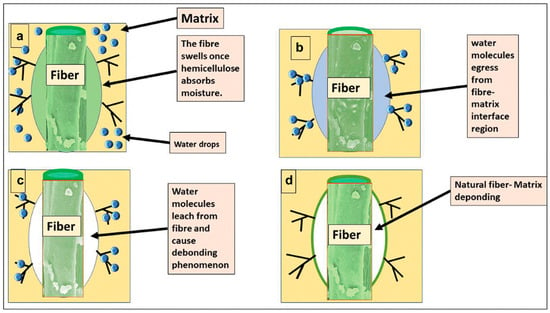
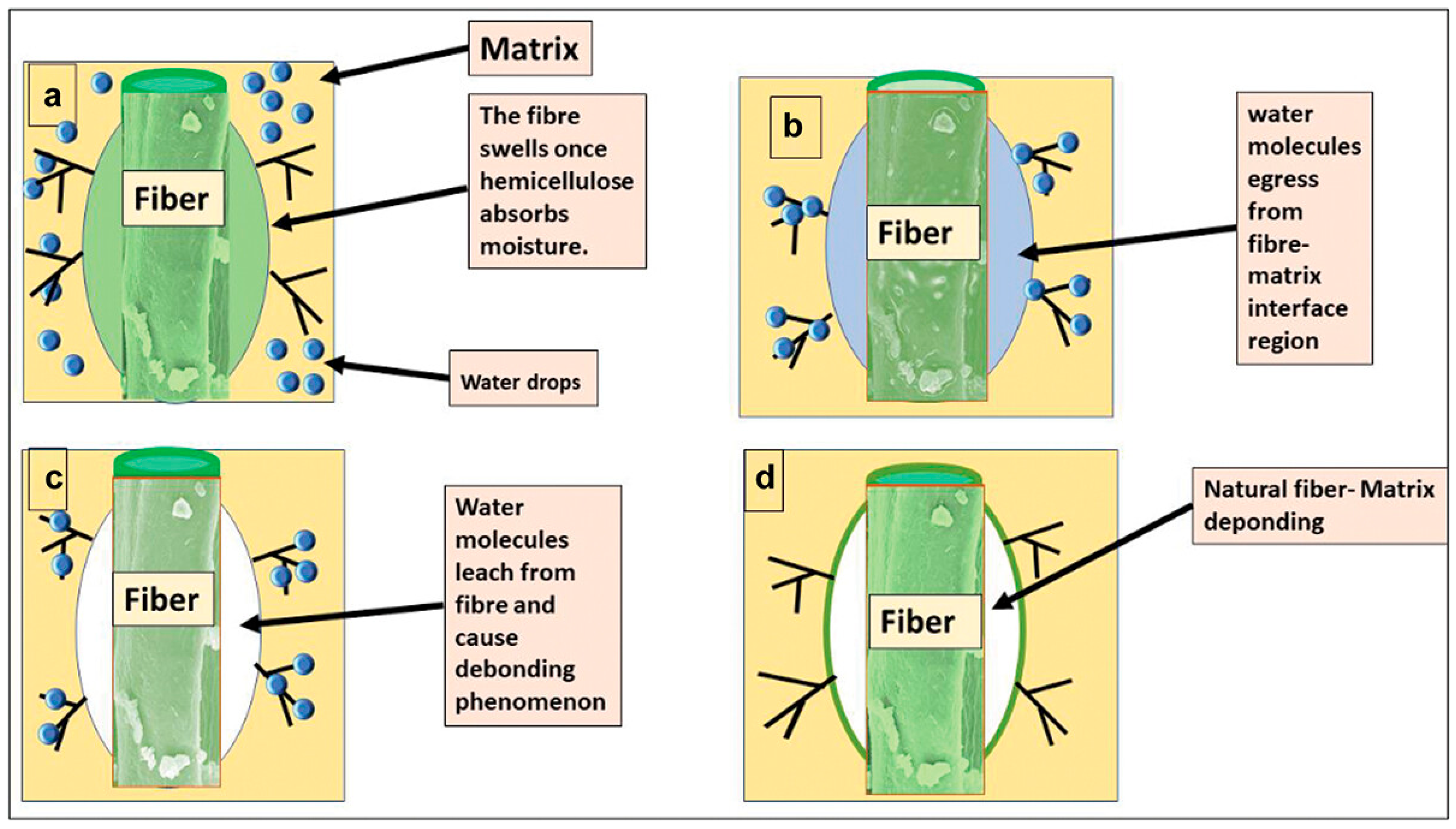
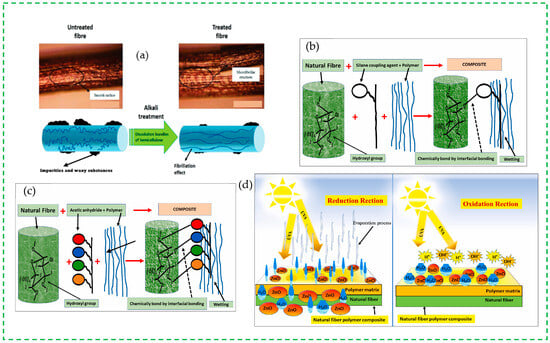
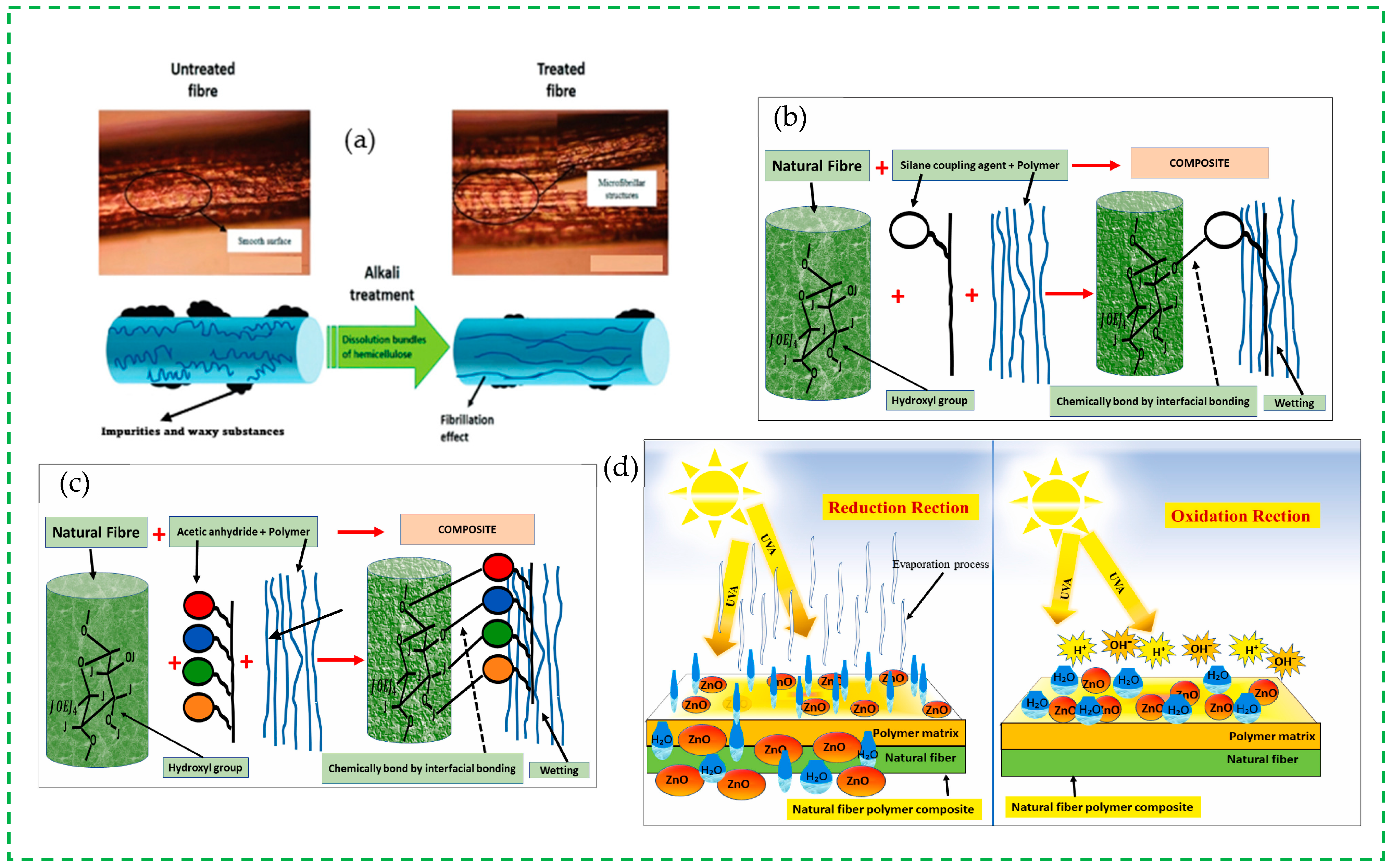
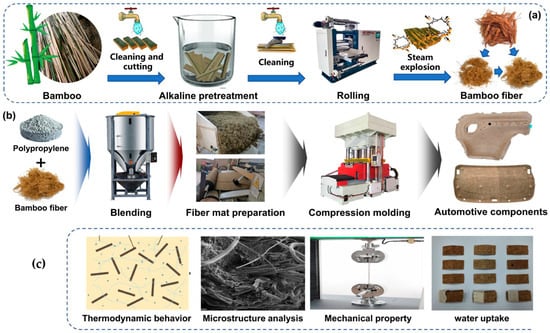
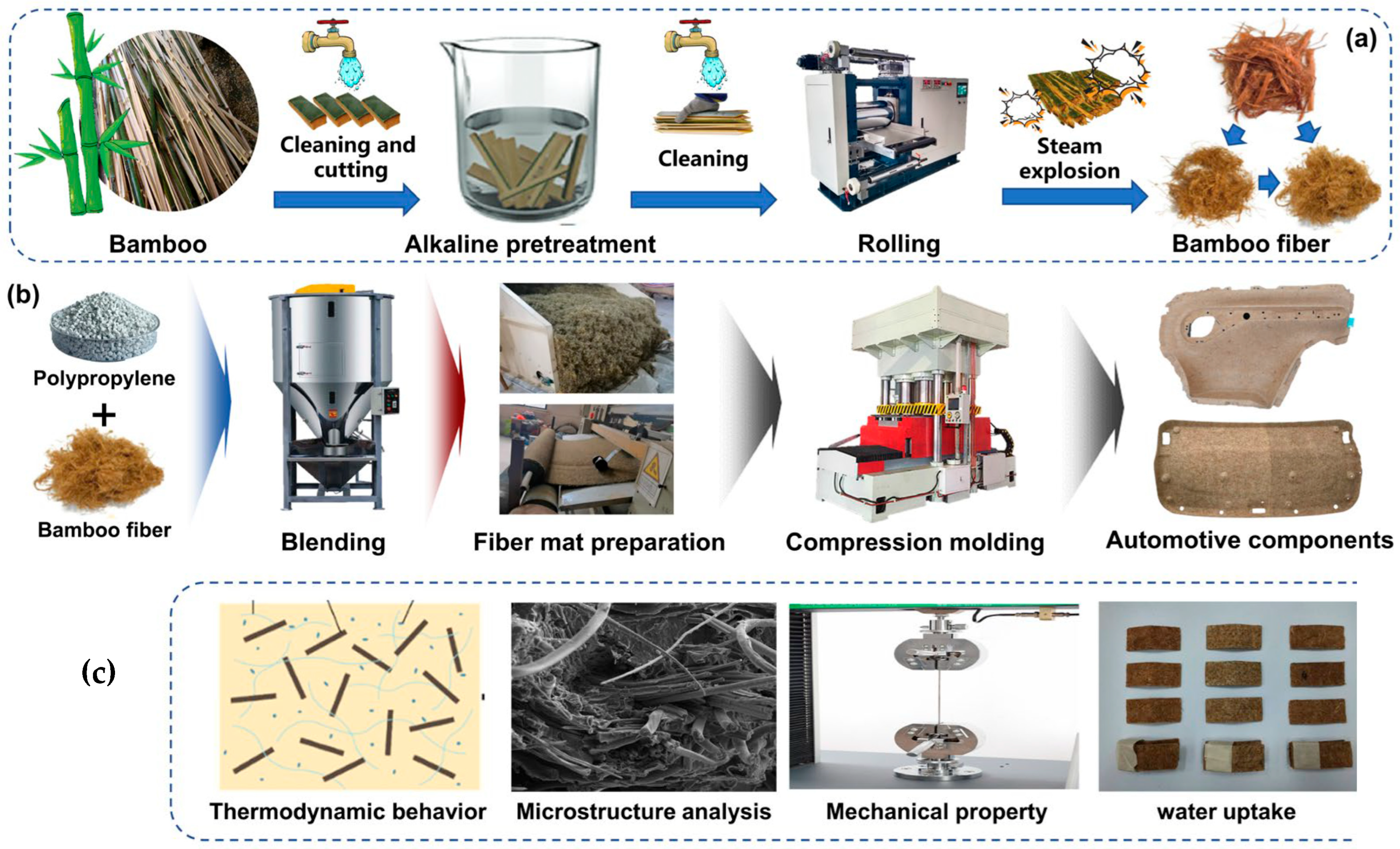
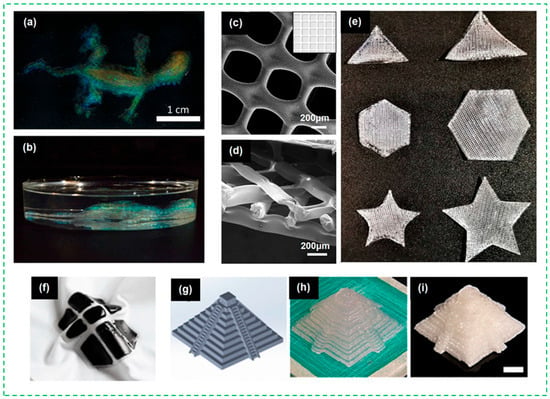
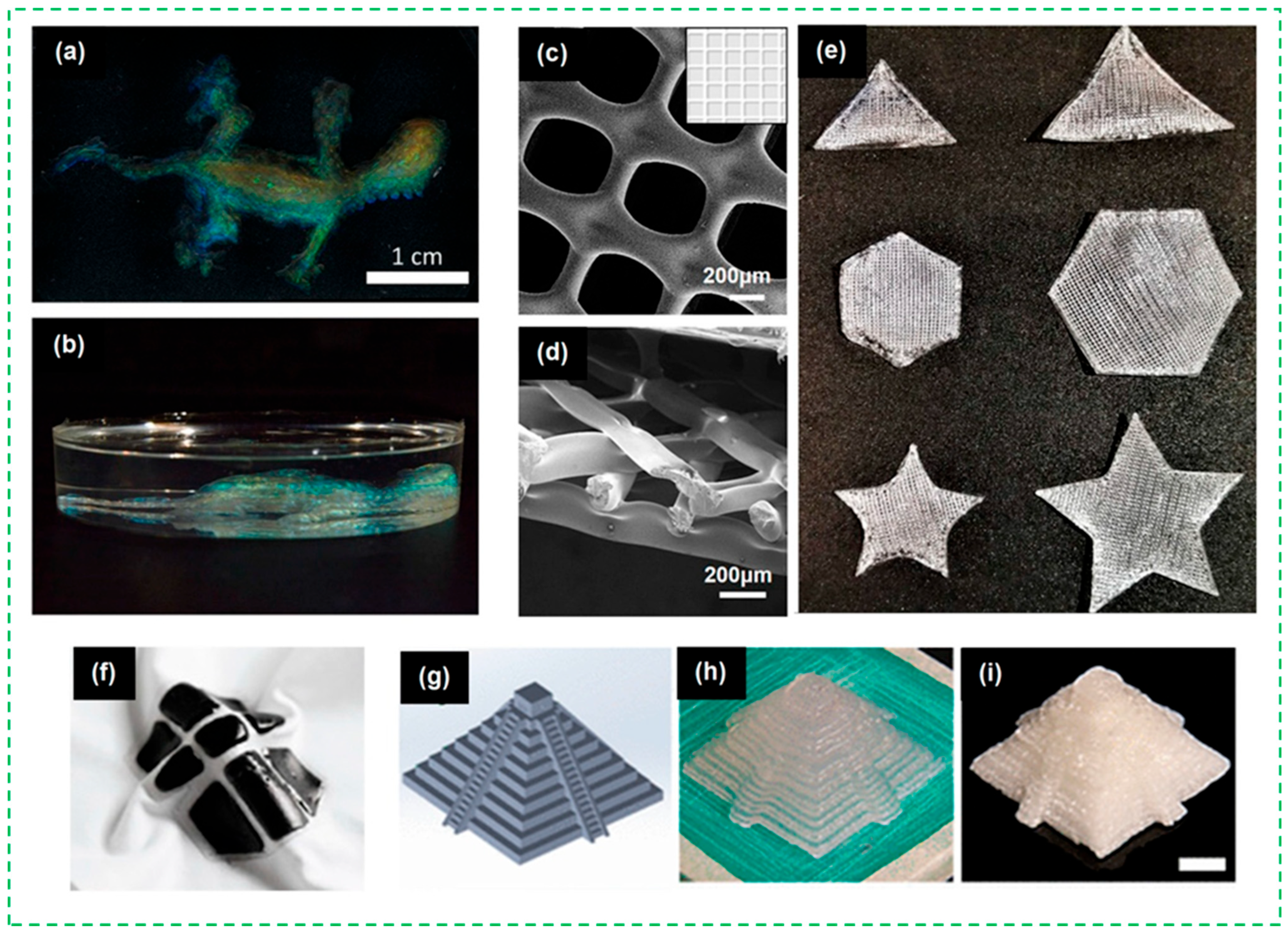
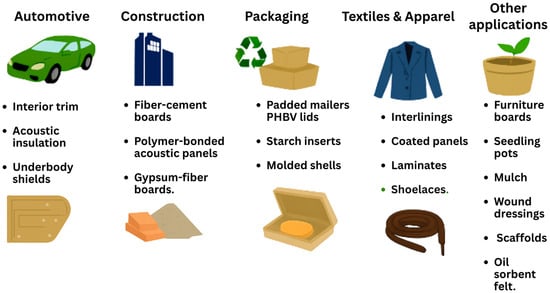
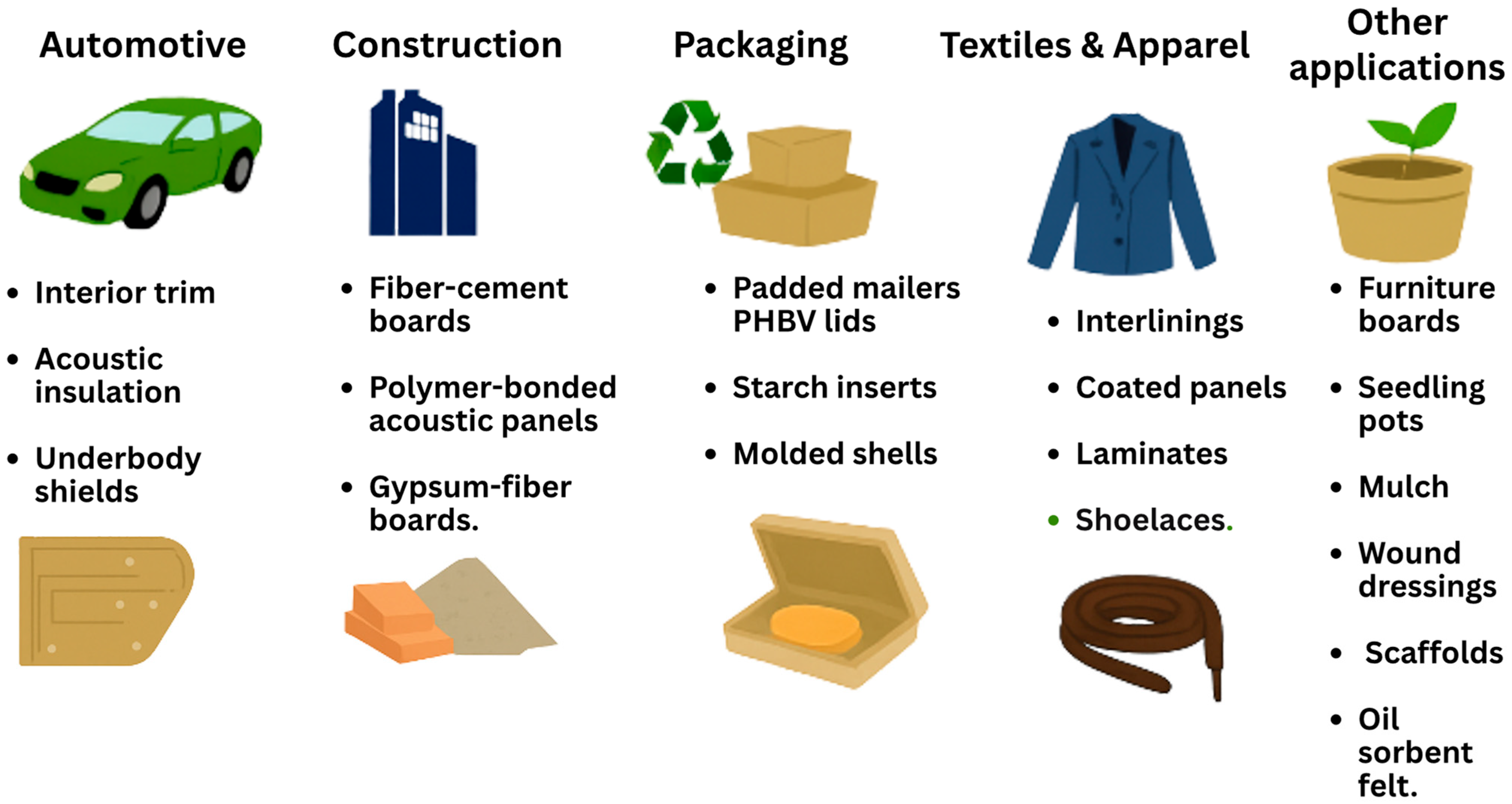
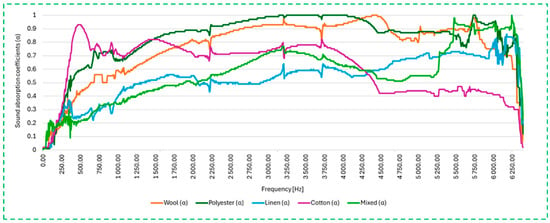
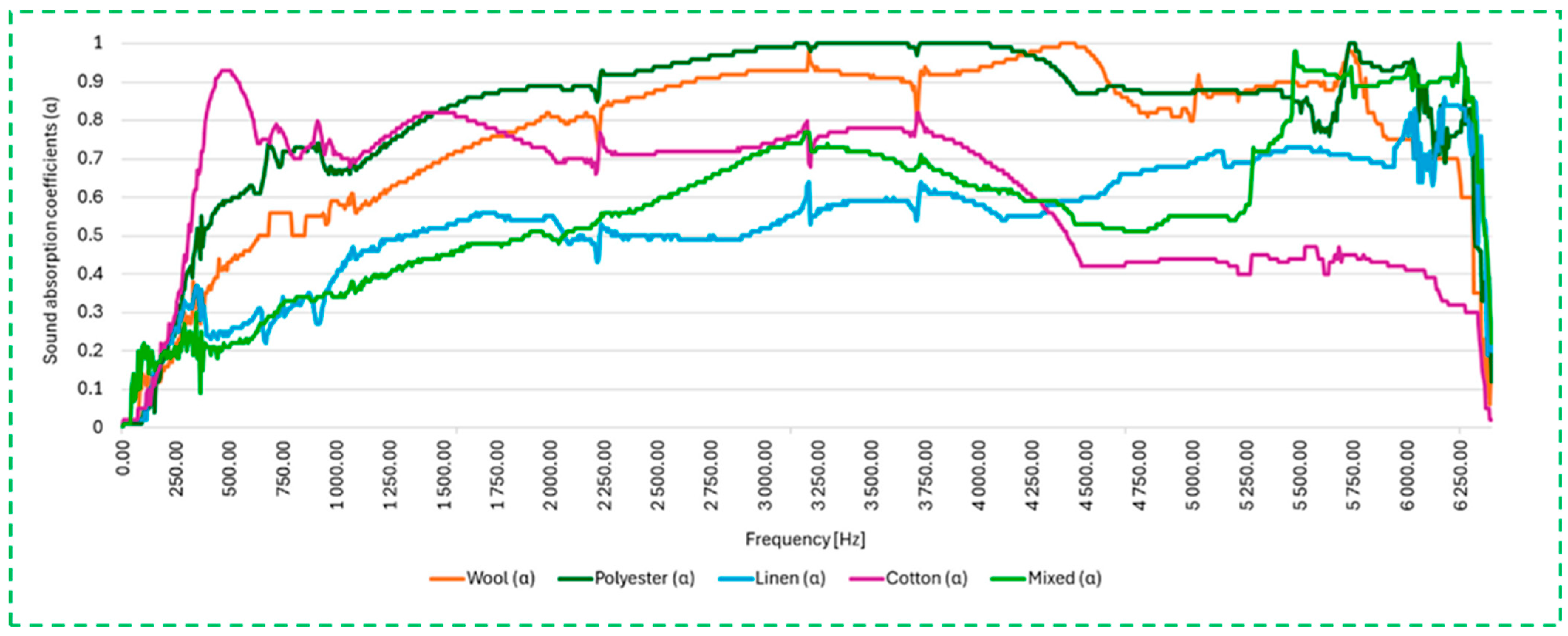
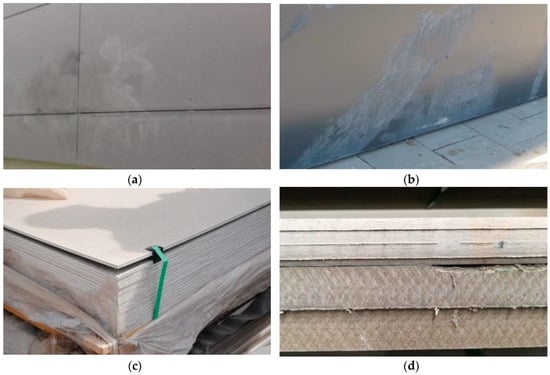
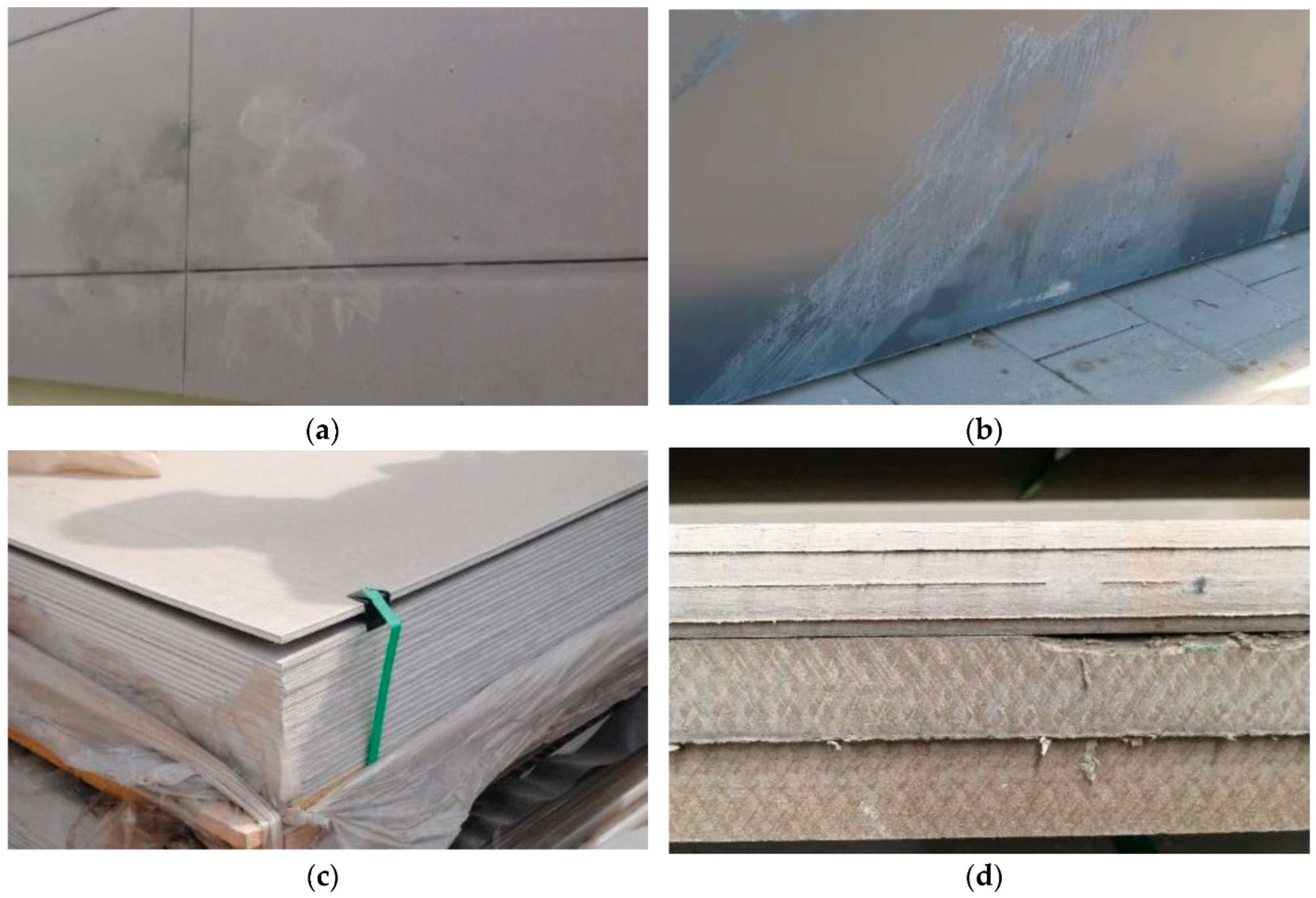

Disclaimer/Publisher’s Note: The statements, opinions and data contained in all publications are solely those of the individual author(s) and contributor(s) and not of MDPI and/or the editor(s). MDPI and/or the editor(s) disclaim responsibility for any injury to people or property resulting from any ideas, methods, instructions or products referred to in the content. |
© 2026 by the authors. Licensee MDPI, Basel, Switzerland. This article is an open access article distributed under the terms and conditions of the Creative Commons Attribution (CC BY) license.