


Abstract
Generative Artificial Intelligence (GAI) is rapidly reshaping pedagogical practices and offering new opportunities to advance sustainability within higher education. This study investigates the extent to which postgraduate students utilize GAI to support Sustainable and Environmentally Responsible Teaching Practices (SERTPs), and examines whether this use varies across demographic, academic, and technological characteristics. A descriptive quantitative design was employed, involving 310 postgraduate students from the College of Education at King Khalid University. Data were collected using a validated and highly reliable instrument measuring five dimensions of GAI-supported sustainable teaching. Descriptive and inferential analyses, including t tests, one-way ANOVA, and LSD post hoc comparisons, were conducted. The findings reveal that postgraduate students demonstrate a moderate overall level of GAI use in advancing SERTPs, with the highest engagement occurring in the promotion of sustainable educational practices. Significant differences were only found in relation to students’ levels of technology use and students’ levels of GAI use, indicating that frequent and sophisticated engagement with AI tools is the strongest predictor of sustainable teaching practices. No significant differences emerged across gender, age, academic department, program level, or specialization. The study highlights the need for targeted training and institutional strategies that enhance students’ AI proficiency, thereby enabling GAI to serve as a catalyst for environmentally responsible and sustainable teaching practices in higher education.
1. Introduction
The rapid evolution of Generative Artificial Intelligence (GAI) has reshaped the ways in which knowledge is produced, accessed, and applied within higher education. As universities continue to integrate digital technologies into their instructional systems, GAI has emerged as a central tool for both educators and learners. Unlike earlier generations of artificial intelligence that relied on predefined rules or predictive algorithms, contemporary GAI systems—such as ChatGPT-5.2 and other large language models—possess the ability to generate original content, tailor learning materials to individual needs, support assessment processes, and create interactive learning environments. These advanced capabilities have positioned GAI as a transformative force capable of redefining pedagogical practices and expanding the possibilities for instructional innovation. In particular, the capacity of GAI to generate coherent text, produce visual materials, and design assessment tasks underscores its growing relevance as a versatile educational resource [1,2]. As higher education institutions increasingly adopt digital tools, GAI is becoming an essential component of modern teaching and learning ecosystems.
Given the increasing reliance on GAI in educational contexts, it is important to distinguish it clearly from traditional forms of artificial intelligence. Artificial Intelligence (AI) encompasses a wide range of computational techniques designed to perform tasks such as prediction, classification, and automated decision-making based on predefined rules or learned patterns. In contrast, GAI represents a more advanced subset of AI capable of producing new and original content—including text, images, and interactive learning materials—rather than simply analyzing existing data. This generative capacity allows GAI systems, such as large language models, to support creativity, personalization, and complex pedagogical functions that traditional AI systems cannot achieve [3,4,5]. Understanding this distinction is essential for situating the role of GAI within contemporary higher education and for clarifying its unique contributions to sustainable and innovative teaching practices.
Building on these technological advancements, recent research highlights the potential of GAI to enhance instructional quality, accommodate diverse learning styles, and support more creative and flexible teaching approaches [6,7]. GAI tools can assist educators in designing adaptive learning pathways, developing engaging content, and providing timely feedback, thereby contributing to more inclusive and effective learning environments. At the same time, global attention to sustainability and environmentally responsible educational practices has intensified, particularly in alignment with the United Nations’ Sustainable Development Goals (SDGs). This growing emphasis on sustainability has led to heightened expectations for educational institutions to adopt digital and ecological strategies that reduce resource consumption, minimize waste, and promote environmentally conscious teaching. Within this context, GAI is increasingly viewed as a promising tool for advancing sustainability in education, as it can support paperless learning, streamline instructional planning, and encourage the integration of ecological themes into the curriculum [8]. As a result, the intersection of GAI and sustainability is gaining recognition as a critical area for innovation in higher education.
Global attention to sustainability and environmental responsibility has grown substantially in recent years, largely driven by the United Nations’ Sustainable Development Goals (SDGs), particularly SDG4, which emphasizes quality education, and SDG13, which focuses on climate action. In response, higher education institutions are increasingly expected to adopt environmentally responsible practices, reduce resource consumption, and prepare graduates who can contribute meaningfully to sustainable development. Within this evolving landscape, Sustainable and Environmentally Responsible Teaching Practices (SERTPs) have emerged as an important pedagogical framework that integrates ecological awareness, digital sustainability, and responsible resource use into teaching and learning. These practices encourage educators to minimize environmental impact, promote critical thinking about sustainability issues, and leverage digital technologies to support efficient, low waste instructional processes. As universities continue to align their strategies with global sustainability priorities, SERTPs offer a structured approach for embedding environmental responsibility into curriculum design and classroom practice, thereby strengthening the role of education in addressing contemporary ecological challenges [9,10].
In contemporary higher education, sustainability extends far beyond exposure to digital or ecological content. It encompasses multiple pedagogical dimensions that shape how learners think, act, and engage with global challenges. First, sustainability functions as a cognitive skill, requiring students to analyze complex systems, evaluate environmental trade-offs, and apply interdisciplinary reasoning. Second, it represents a core educational value that promotes responsibility, stewardship, and ethical decision-making. Third, sustainability operates as a teaching methodology that emphasizes inquiry-based learning, problem-solving, and real-world application. Finally, sustainability reflects an institutional transformation, where universities adopt policies and practices that reduce environmental impact and promote long-term ecological resilience. Within this multidimensional framework, GAI contributes at each level: supporting analytical reasoning through data-driven insights, reinforcing sustainability values through reflective prompts, enabling innovative pedagogies through simulations and scenario-based learning, and facilitating institutional sustainability through digital workflows and reduced material consumption.
Within this broader sustainability agenda, the intersection of GAI and environmentally responsible teaching represents a promising yet insufficiently explored area of educational research. While a growing body of literature has examined the pedagogical benefits of AI—such as enhanced personalization, improved student engagement, and more efficient assessment processes—far fewer studies have investigated how GAI can directly support sustainability-oriented teaching. Emerging scholarship suggests that GAI may contribute to sustainability in several meaningful ways, including reducing reliance on printed materials, enabling energy efficient digital workflows, supporting environmentally themed learning activities, and fostering deeper critical thinking about ecological issues. GAI tools can also generate simulations, case studies, and data driven scenarios that help students engage with complex environmental challenges in more interactive and reflective ways [11,12,13]. Despite these promising applications, empirical evidence on how students—particularly those in postgraduate programs—actually use GAI to advance sustainable teaching practices remains limited, highlighting a significant gap in the current literature.
Saudi Arabia provides a distinctive context for interpreting the present study, particularly given the nation’s accelerated digital transformation and its strategic commitment to artificial intelligence under Vision 2030. Saudi universities have invested heavily in digital infrastructure, cloud-based platforms, and AI-enabled learning systems, making GAI tools increasingly accessible to postgraduate students. Colleges of education, in particular, emphasize instructional design, digital pedagogy, and evidence-based teaching—creating a natural alignment between program expectations and the affordances of GAI. Moreover, national sustainability priorities have encouraged institutions to adopt environmentally responsible practices, reduce paper consumption, and integrate ecological themes into curricula. Within this context, the moderate-to-high levels of GAI use observed in this study are both logical and contextually grounded. At the same time, the rapid pace of technological adoption means that students are still developing the pedagogical and ethical competencies needed for deeper, more transformative integration of GAI into sustainability-oriented teaching.
In the Saudi higher education context, recent empirical work has highlighted the growing relevance of generative AI for university students and the unique cultural and institutional factors shaping its adoption. Aldossary et al. [14] found that Saudi students generally perceive GAI as a valuable educational tool, yet their engagement is influenced by varying levels of digital readiness and concerns related to ethical and academic integrity. Similarly, Al-Samarraie et al. [15] reported that gender-based perceptions of GAI remain salient within Saudi universities, reflecting broader sociocultural dynamics that influence technology acceptance in the region. These studies underscore that GAI adoption in Saudi HEIs is not only a technological matter but also a culturally embedded process shaped by local norms, institutional policies, and national digital transformation initiatives. Integrating these insights helps situate the present study within the evolving Saudi educational landscape and highlights the importance of understanding how postgraduate students in Saudi Arabia engage with GAI to support sustainability-oriented teaching practices.
Recent studies [3,4,14,16,17] further emphasize that the effectiveness of GAI in promoting sustainability depends heavily on users’ digital proficiency, ethical awareness, and pedagogical readiness. These competencies shape how individuals engage with AI tools and influence whether GAI is used in ways that genuinely support sustainability goals rather than merely replicating traditional practices in digital form. However, little is known about how these competencies manifest among postgraduate students, who represent future educators, researchers, and academic leaders and are therefore positioned to influence the next generation of sustainability-oriented teaching practices. Existing research [15,18,19,20,21,22,23,24,25] also presents mixed findings regarding the influence of demographic and academic characteristics—such as age, gender, specialization, and program level—on AI adoption, suggesting that experience and exposure may play a more decisive role than demographic attributes. In light of these uncertainties, the present study seeks to examine the extent to which postgraduate students use GAI to support SERTPs and to identify the demographic, academic, and technological factors that shape their engagement with sustainability-oriented teaching. Addressing this gap is essential for informing institutional strategies aimed at fostering responsible, equitable, and environmentally aligned AI integration in higher education.
Postgraduate students represent a strategically positioned group within higher education, as they are often engaged in advanced coursework, research activities, and professional preparation that place them closer to future roles in teaching, academic leadership, and educational innovation. While undergraduate students also contribute meaningfully to pedagogical transformation, recent studies indicate that postgraduates are more likely to participate in curriculum design, policy development, and AI-enhanced instructional practices [14,26,27,28]. Positioned at the forefront of emerging pedagogical trends, these students are expected to play a central role in advancing sustainable practices within schools, universities, and wider educational systems [16,17]. Their interaction with GAI not only mirrors the broader shift toward digital and AI-enhanced learning environments but also contributes to defining the direction of sustainability-oriented pedagogy in the years ahead. For this reason, examining how postgraduate students use GAI—and identifying the personal, academic, and technological factors that influence this engagement—is essential for guiding institutional decision-making. Insights into their experiences can support the development of informed policies, targeted professional development programs, and curriculum enhancements that encourage responsible, equitable, and sustainability-aligned integration of AI within higher education.
Despite the growing interest in GAI, its integration into sustainability-oriented teaching remains challenging for several reasons. Students demonstrate varying levels of confidence and skill in navigating AI tools such as ChatGPT, DALL·E, GrammarlyGO, Khanmigo, and Socratic, which are increasingly used to support academic writing, visual content creation, tutoring, and instructional design [3,4,14,16,17]. The rapid evolution of digital technologies has created noticeable differences in students’ levels of digital readiness, with some postgraduate learners demonstrating strong confidence and skill in navigating AI tools, while others struggle to use them effectively or consistently. Concerns related to academic integrity, data privacy, and the ethical use of AI further complicate adoption, as many students remain uncertain about how to employ GAI responsibly within academic settings. Adding to this complexity, existing research offers mixed evidence regarding the influence of demographic and academic characteristics—such as age, gender, specialization, and program level—on patterns of AI use, with some studies reporting meaningful differences and others finding no significant variation [14,29]. These inconsistencies highlight the need for more comprehensive empirical investigations that not only document the extent of GAI use but also explore the underlying factors that shape how students engage with AI in sustainability focused educational contexts.
The present study addresses this gap by investigating how postgraduate students at King Khalid University use GAI to support SERTPs. The study focuses on five key dimensions of GAI-supported sustainable teaching: lesson planning and content personalization, student engagement and interaction, performance assessment and academic progress, environmental awareness and critical thinking, and the promotion of sustainable educational practices. By examining these dimensions, the study provides a comprehensive understanding of how GAI contributes to sustainability within higher education.
Furthermore, the study explores whether the use of GAI varies across demographic and academic variables, including gender, age, academic department, program level, specialization, level of technology use, and level of GAI use. This analysis is essential for identifying potential disparities in access, readiness, or engagement that may influence the effectiveness of GAI-supported sustainable teaching. For example, previous research has suggested that younger students may be more comfortable with emerging technologies, while older students may adopt them more cautiously [30]. Similarly, students in technology-oriented disciplines may exhibit higher levels of GAI use compared to those in fields with less emphasis on digital tools [26]. By examining these variables, the study contributes to a nuanced understanding of the factors that shape GAI adoption in sustainability focused educational contexts.
The theoretical foundation of this study draws on three intersecting domains: digital pedagogy, sustainability education, and AI-supported learning. Digital pedagogy has evolved into a central pillar of contemporary higher education, reflecting a shift toward technology enhanced learning environments that prioritize flexibility, personalization, and learner autonomy. At its core, digital pedagogy examines how digital tools, platforms, and resources can be intentionally integrated into teaching to enrich learning experiences and expand access to knowledge. Recent scholarship highlights that effective digital pedagogy goes beyond the mere use of technology; it involves designing learning experiences that promote interaction, collaboration, and critical engagement with digital content [31,32]. Digital platforms enable instructors to tailor materials to diverse learning needs, support multimodal instruction, and create dynamic spaces for communication and feedback. Moreover, digital pedagogy encourages students to develop digital literacy skills that are essential for navigating complex information ecosystems and participating in knowledge driven societies. As higher education institutions continue to adopt digital transformation strategies, digital pedagogy provides a conceptual foundation for understanding how technology—including GAI—can be used responsibly and creatively to support meaningful, equitable, and sustainable learning.
Sustainability education has become increasingly important as global challenges such as climate change, resource depletion, and environmental degradation demand new forms of knowledge, awareness, and action. This field emphasizes the development of ecological literacy, critical thinking, and responsible decision making, encouraging learners to understand the environmental consequences of human behavior and to engage in practices that support long term planetary well being. Sustainability education aligns closely with the United Nations’ Sustainable Development Goals (SDGs), particularly SDG4 and SDG13, which call for integrating sustainability principles into all levels of education. Recent studies highlight that sustainability education is most effective when it connects theoretical understanding with real world application, enabling students to analyze environmental issues, evaluate solutions, and participate in sustainability-oriented initiatives [8,9]. Within higher education, sustainability education also promotes institutional responsibility by encouraging universities to adopt environmentally conscious policies, reduce waste, and embed sustainability across curricula. As such, it provides a crucial framework for examining how emerging technologies—including GAI—can support environmentally responsible teaching practices.
AI-supported learning represents a rapidly expanding domain that explores how artificial intelligence can enhance instructional processes, support knowledge construction, and improve learning outcomes. This field examines the role of intelligent systems in automating routine tasks, analyzing learning data, generating personalized feedback, and facilitating adaptive learning pathways. Recent research demonstrates that AI tools can help educators identify student needs more accurately, design targeted interventions, and create interactive learning experiences that respond to individual progress [3,4]. GAI, in particular, has expanded the possibilities of AI-supported learning by enabling the creation of original content, simulations, case studies, and problem-solving scenarios that enrich the learning environment. When used responsibly, AI-supported learning can reduce administrative burdens, enhance instructional efficiency, and promote deeper engagement with course material. Importantly, this domain also raises questions about ethics, transparency, and equitable access—issues that are especially relevant when integrating AI into sustainability-oriented teaching. By situating GAI within AI-supported learning, this study highlights its potential to advance both pedagogical innovation and environmentally responsible educational practices.
In addition to its theoretical contributions, the study has practical implications for higher education institutions seeking to integrate GAI into sustainability initiatives. As universities adopt digital transformation strategies, understanding how students use GAI—and the barriers they encounter—can inform the development of training programs, curriculum enhancements, and institutional policies that promote responsible and sustainable AI use. For example, targeted workshops on GAI-supported lesson planning or assessment could help students develop the skills needed to integrate AI into environmentally responsible teaching. Similarly, institutional guidelines on ethical AI use could support students in navigating concerns related to data privacy, academic integrity, and environmental impact.
The study also aligns with global priorities related to sustainable development. The United Nations’ SDGs emphasize the importance of quality education, responsible consumption, and climate action, all of which are supported by the integration of GAI into sustainable teaching practices. By examining how postgraduate students use GAI to advance SERTPs, the study contributes to broader efforts to promote digital sustainability and prepare future educators to address environmental challenges. This alignment underscores the relevance of the study not only within the context of King Khalid University but also within the global movement toward sustainable and technologically enhanced education.
In summary, this study underscores the importance of understanding how postgraduate students engage with GAI to support sustainability-oriented teaching, highlighting the growing relevance of AI-enhanced pedagogies and the need for empirical evidence that clarifies how digital innovation and sustainability intersect in practice. By examining patterns of GAI use and the demographic, academic, and technological factors that shape students’ engagement, the study offers insights that can inform institutional policies, strengthen curriculum development, and promote responsible, sustainability-aligned AI integration. At the same time, the findings are interpreted within the specific context of Saudi higher education—characterized by rapid digital transformation and strong national commitments to AI and sustainability—therefore any broader generalizations should be approached with caution and with careful attention to contextual differences.
2. Research Problem
The growing integration of GAI into higher education has created new possibilities for supporting SERTPs. Although GAI can reduce resource consumption, streamline instructional processes, and enhance sustainability-aligned learning activities [8,11,12,13], little is known about how postgraduate students actually use these tools to support SERTPs—particularly within the rapidly transforming context of Saudi higher education. Existing studies [3,4,6,7,14,16,17,33] have primarily examined the pedagogical benefits of AI in general, with limited empirical evidence on its role in sustainability-oriented teaching or on how students’ demographic, academic, and technological characteristics shape their engagement with GAI.
Furthermore, research findings [16,18,19,20,29,30] regarding the influence of variables such as age, gender, specialization, program level, and digital proficiency on AI adoption remain inconsistent, making it difficult for institutions to design targeted interventions that promote responsible and sustainability-aligned AI use. These gaps are especially relevant in Saudi Arabia, where digital transformation and sustainability are national and institutional priorities under Vision 2030.
Accordingly, this study investigates the extent to which postgraduate students at King Khalid University use GAI to support SERTPs and examines whether this use varies across demographic, academic, and technological factors. Addressing this problem provides evidence needed to inform institutional policies, training programs, and curriculum development aimed at fostering responsible, context-sensitive, and sustainability-aligned AI integration in higher education.
3. Research Questions
This research answered the following questions:
- What is the level of postgraduate students’ use of Generative Artificial Intelligence (GAI) in advancing sustainable and environmentally responsible teaching practices (SERTPs)?
- Are there significant differences in the use of GAI in advancing SERTPs among postgraduate students based on the following variables:
- Gender (male/female);
- Age (under 30/30–40/over 40);
- Academic department (teaching and learning/educational leadership and policy/psychology);
- Program level (master’s/doctoral);
- Specialization (various curriculum and instruction fields, educational technology, measurement and evaluation, educational leadership, counseling and psychological guidance, educational administration and supervision);
- Level of technology use (high/moderate);
- Level of GAI use (high/moderate/low).
4. Research Objectives
This research aimed to achieve the following objectives:
- Assess the level of postgraduate students’ use of Generative Artificial Intelligence (GAI) in advancing sustainable and environmentally responsible teaching practices (SERTPs).
- Examine differences in the use of GAI in advancing SERTPs among postgraduate students based on gender, age, academic department, program level, specialization, level of technology use, and level of GAI use.
- Identify ways to enhance the use of GAI in supporting SERTPs within educational settings.
5. Research Hypotheses
The study sought to test the following hypotheses:
H1.
The level of postgraduate students’ use of GAI in advancing SERTPs is moderate.
H2.
The level of SERTPs among postgraduate students differs according to gender, age, academic department, program level, specialization, level of technology use, and level of GAI use.
6. Research Importance
This study carries important theoretical, empirical, and practical value within the context of higher education and the increasing use of GAI in teaching and learning.
From a theoretical perspective, the study adds to current scholarship by exploring how GAI can contribute to SERTPs. Although many studies have examined the educational benefits of AI, far fewer have considered its connection to sustainability, especially among postgraduate students. By bringing together ideas from sustainability education, digital pedagogy, and AI-supported learning, the study offers a clearer understanding of how GAI can be used to promote environmentally conscious teaching in universities.
Empirically, the study provides data-driven insights into how postgraduate students actually use GAI to support SERTPs. It also examines how this use varies across demographic, academic, and technological factors. These analyses help fill a gap in the literature and offer a more detailed picture of the conditions that influence effective GAI use in sustainability-focused education.
Practically, the study offers guidance for policymakers, curriculum developers, and higher education leaders who aim to integrate GAI in ways that advance sustainability goals. The findings highlight strategies that can strengthen the use of GAI in teaching, support ethical and responsible technology adoption, and inform institutional policies that promote digital sustainability and improve teaching quality. The results also align with broader international priorities, including the Sustainable Development Goals (SDGs).
Overall, the study emphasizes the potential of GAI to act as a driver for sustainable and environmentally responsible teaching, and it positions postgraduate students as important contributors to advancing innovation and sustainability in higher education.
7. Research Methodology
This study adopted a descriptive research methodology to address its core questions and to examine how postgraduate students engage with Generative Artificial Intelligence (GAI) in the context of sustainable and environmentally responsible teaching practices (SERTPs). A descriptive approach was appropriate because it enables the systematic exploration of existing behaviors, levels of use, and patterns of variation across different groups within the study population.
8. Research Design
A descriptive quantitative research design was employed to investigate the extent to which postgraduate students use GAI to support SERTPs. This design allowed for the collection of numerical data that could be analyzed to determine overall usage levels and to identify statistically significant differences across demographic, academic, and technological variables. Such a design is well suited for studies seeking to capture trends and variations in technology adoption within higher education settings.
9. Ethical Considerations
This study adhered to the ethical standards outlined by the College of Education at King Khalid University and complied with national research ethics guidelines. The research design was non-interventional and based on a voluntary questionnaire administered to postgraduate students. It did not involve experimental manipulation, vulnerable populations, or the collection of sensitive or personally identifying information.
Prior to participation, students received a plain language statement explaining the purpose of the study, the voluntary nature of their involvement, and their right to withdraw at any time without penalty or harm. Informed consent was obtained from all participants. The survey instrument included a clear notice that responses were optional and anonymous, and that no identifying data would be collected.
Formal approval for the study and its instrument was granted by the Department of Learning and Instruction and the Ethics Committee at the College of Education, King Khalid University. Copies of the ethics approval letters and a blank version of the questionnaire were submitted to the journal for review.
10. Research Sample
The study sample consisted of 310 postgraduate students enrolled in the College of Education at King Khalid University. Participation was voluntary, ensuring that students could choose freely whether to take part. The sample included students from a wide range of academic departments, program levels, and specializations, providing a comprehensive representation of the postgraduate population within the college. This diversity strengthens the study’s ability to generalize its findings to similar educational contexts.
Table 1 presents the demographic and academic characteristics of the 310 postgraduate students who participated in the study. Overall, the sample demonstrates a balanced and diverse distribution across key variables, enhancing the representativeness and reliability of the findings.
Table 1.
Description of the sample’s demographic and academic characteristics.
Gender distribution was nearly equal, with males representing 50.65% and females 49.35% of the sample. This balance minimizes gender-related bias and supports meaningful comparisons when examining differences in GAI use.
Age distribution shows that the largest group of participants fell within the 30–40 age range (40.65%), followed by those over 40 (32.26%) and those under 30 (27.10%). This suggests that the sample largely consisted of mature students who may have accumulated academic or professional experience relevant to technology adoption and sustainability-oriented teaching.
Academic department representation indicates that more than half of the participants were from the Teaching and Learning department (50.97%), followed by Educational Leadership and Policy (40.00%), with a smaller proportion from Psychology (9.03%). This distribution reflects the academic structure of the college and provides a suitable context for examining pedagogical and leadership-related applications of GAI.
Program level was also well balanced, with 48.71% enrolled in master’s programs and 51.29% in doctoral programs. This balance supports valid comparisons between academic levels.
Specializations were diverse, with the highest representation in Educational Administration and Supervision (28.39%) and Science Curriculum and Instruction (20.00%). Other specializations appeared in smaller but meaningful proportions, reflecting the multidisciplinary nature of postgraduate programs in the college.
Technology use levels showed that 52.90% of participants reported high use of digital technologies, while 47.10% reported moderate use. This indicates strong technological readiness among the students, which is essential for effective engagement with GAI tools.
GAI use levels varied, with most participants reporting moderate (42.90%) or high (42.58%) use, and a smaller group reporting low use (14.52%). This pattern suggests that GAI tools are widely adopted among postgraduate students, while also highlighting variability that warrants further investigation.
Taken together, the demographic profile of the sample demonstrates sufficient diversity and balance to support the study’s objectives and enhance the generalizability of its findings within similar higher education contexts.
11. Research Tool
Data for this study were collected using the Generative AI Use for Sustainable and Environmentally Responsible Teaching Practices Scale (GAI-SERTPs Scale). This scale is a self-administered questionnaire designed to measure the extent to which postgraduate students use GAI to enhance SERTPs. The instrument employed a 10-point response scale, allowing participants to express nuanced levels of agreement or frequency of use. No identifying information—such as names or email addresses—was requested, ensuring full anonymity and confidentiality.
11.1. Instrument Development
The development of the questionnaire followed a systematic multi-stage process to ensure conceptual clarity and methodological rigor. An initial pool of items was generated through an extensive review of the literature on GAI in education, sustainability education, and digital pedagogy. This item pool was then refined through expert review by three specialists in educational technology and measurement, who evaluated the relevance, clarity, and theoretical alignment of each item. Based on their feedback, several items were reworded, merged, or removed to enhance coherence and eliminate redundancy.
11.2. Conceptual Boundaries of the Dimensions
The final instrument (GAI-SERTPs Scale) consisted of five dimensions, each representing a distinct conceptual domain through which GAI may contribute to SERTPs:
- GAI in Lesson Planning and Content Personalization (GAI-LPCP)
- GAI in Student Engagement and Interaction (GAI-SEI)
- GAI in Performance Assessment and Academic Progress (GAI-PAAP)
- GAI in Environmental Awareness and Critical Thinking (GAI-EACT)
- GAI in Promoting Sustainable Educational Practices (GAI-PSEP)
Each dimension was defined based on established theoretical models in sustainability education and AI-supported learning. The boundaries between dimensions were clearly delineated to ensure that items within each domain captured a coherent and non-overlapping construct.
11.3. Operationalization of Theoretical Foundations
To ensure strong alignment between theory and measurement, each item was directly mapped to a specific theoretical indicator derived from prior research. Abstract constructs—such as digital sustainability, ecological responsibility, and AI-supported pedagogy—were translated into observable behaviors and perceptions. This process strengthened the construct validity of the instrument and ensured that the questionnaire captured both pedagogical and sustainability-related aspects of GAI use.
11.4. Justification for the 10-Point Response Scale
A 10-point Likert-type scale was selected to provide greater sensitivity and discrimination among levels of GAI use. Compared to traditional 5-point scales, the extended range allows respondents to express more nuanced judgments, increases score variability, and enhances the precision of statistical analyses. This choice is consistent with previous studies in digital pedagogy and technology-adoption research that employ broader response ranges to capture subtle differences in user behavior.
11.5. Classification of Use Levels
Students’ responses on the 10-point scale (1 to 10) were classified using equal-interval distribution. The total range (10 − 1 = 9) was divided into five categories (very low, low, moderate, high, very high), with each category covering an interval of 1.8 points. This method is widely used in educational measurement and aligns with prior empirical studies that categorize technology-use levels using similar cutoffs. The table below presents the mean score ranges and their corresponding percentage ranges for each level.
11.6. Psychometric Properties: Validity and Consistency
11.6.1. Validity
The face validity of the instrument was established through expert review. A panel of nine specialists in educational psychology, educational technology, and science education examined the questionnaire. Their unanimous agreement regarding the clarity, relevance, and appropriateness of the items confirmed that the instrument was suitable for measuring the intended constructs among postgraduate students.
11.6.2. Internal Consistency (Item-Total and Dimension-Total Correlations)
Internal consistency was assessed after administering the instrument to the full sample of 310 postgraduate students. Table 2 presents the Pearson correlation coefficients between each item and its corresponding dimension, as well as the correlation between each item and the overall scale score.
Table 2.
Performance Level Criteria Based on Mean Scores and Percentages.
Table 3 offers compelling evidence of the instrument’s strong internal consistency. The correlations between each of the 30 items and their corresponding dimensions ranged from 0.863 to 0.966, while correlations with the overall scale fell between 0.770 and 0.929. All coefficients were statistically significant at the 0.01 level, demonstrating that every item is closely aligned with both its specific sub-dimension and the broader construct the instrument is designed to measure. This pattern of results reflects a high degree of conceptual coherence within each dimension, indicating that the items grouped together successfully capture the same underlying aspects of SERTPs.
Table 3.
Pearson correlation coefficients for individual item scores with respect to their corresponding dimension total scores and the overall scale total score (n = 310).
The strength of the correlations with the total scale further illustrates that each item contributes meaningfully to the overarching construct of GAI-supported SERTPs. None of the items displayed weak or marginal correlations, suggesting that the instrument does not include elements that are ambiguous, misaligned, or conceptually inconsistent. Instead, the results point to a well-structured and internally stable measurement tool capable of capturing the nuances of lesson planning, student engagement, assessment practices, environmental awareness, and sustainability-oriented pedagogical behaviors.
Taken together, the consistently high correlations across dimensions and with the overall scale underscore the instrument’s strong psychometric quality. The internal structure appears robust and coherent, supporting its suitability for empirical research examining the intersection of GAI use and sustainability in educational contexts. Overall, Table 2 confirms that the questionnaire demonstrates excellent internal consistency, reinforcing its validity as a reliable tool for assessing SERTPs supported by GAI.
Table 4 provides a clear overview of the relationships among the five dimensions of the scale and their association with the overall score. All inter-dimension correlations were statistically significant at the 0.01 level, with values ranging from 0.771 to 0.930. Similarly, the correlations between each dimension and the total scale were consistently high, falling between 0.890 and 0.960. These results collectively indicate that the dimensions are strongly related to one another while also maintaining meaningful connections to the overarching construct measured by the instrument.
Table 4.
Pearson correlation coefficient matrix showing inter-dimension correlations and correlations with the overall scale total score (n = 310).
The strength of the correlations suggests that the five dimensions are conceptually interconnected, which aligns with theoretical expectations. Each dimension represents a different facet of how GAI can support sustainable and environmentally responsible teaching, and the high degree of association among them reflects the integrated nature of these practices. At the same time, the correlations are not perfect, indicating that each dimension captures a distinct aspect of GAI use—whether related to lesson planning, student engagement, performance assessment, environmental awareness, or sustainability-oriented instructional practices. This balance between distinctiveness and interdependence reinforces the multidimensional structure of the scale.
Notably, the strongest relationships were observed between Performance Assessment and Environmental Awareness (r = 0.930), as well as between Student Engagement and Performance Assessment (r = 0.917). These patterns suggest that students who rely on GAI for assessment purposes are also more likely to use it in ways that promote environmental awareness and critical thinking. Such findings highlight the potential of GAI to support pedagogical practices that integrate assessment with broader sustainability goals.
The consistently high correlations with the total scale further confirm that each dimension contributes substantially to the overall construct. This coherence indicates that the scale effectively captures the multifaceted nature of GAI-supported sustainable teaching practices. Overall, Table 3 demonstrates that the instrument possesses a robust and coherent multidimensional structure, with each dimension playing a meaningful role in representing the broader concept of sustainability-oriented teaching supported by GAI.
11.6.3. Confirmatory Factor Analysis
Confirmatory factor analysis (CFA) was conducted to assess the factorial validity of the scale in its five-dimensional structure, with each latent factor represented by six observed items (totaling 30 items). The analysis was performed using LISREL 9.20 with Maximum Likelihood Estimation (MLE) on a sample of 310 participants.
All items loaded significantly on their respective latent dimensions, with standardized factor loadings ranging from 0.82 to 0.97. These values exceed the commonly accepted threshold of 0.50, indicating that the items adequately represent their theoretical constructs. Residual variances were generally low, further supporting the reliability of the measurement model.
Convergent validity was evaluated using Composite Reliability (CR) and Average Variance Extracted (AVE). All five dimensions demonstrated CR values above 0.70 and AVE values above 0.50, confirming the convergent validity of the scale.
The unified CFA diagram (Figure 1) illustrates the five latent dimensions (V1–V5), each linked to six observed items, with standardized factor loadings displayed along the paths. A general factor (GF) is modeled above the five dimensions, capturing shared variance across the scale. Residual variances are shown adjacent to each item. Fit indices are reported below the diagram. Table 5 summarizes the key model fit indices, their obtained values, recommended thresholds, and corresponding interpretations.
Figure 1.
Unified CFA Model. Chi-Square = 58.18, df = 5, p-value = 0.00000, RMSEA = 0.185.
Table 5.
Model Fit Indices.
As presented in Table 5, the CFA results support the five-factor structure of the scale, with strong item loadings and robust convergent validity. Most fit indices (CFI, NFI, NNFI, SRMR) indicate excellent model fit. However, the RMSEA value was relatively high (0.185), exceeding the conventional cutoff of 0.08. This elevation may be attributed to the simplicity of the model, the high number of items, or the presence of correlated error terms among items—factors known to inflate RMSEA in multidimensional psychological instruments. Despite this, the overall pattern of fit indices suggests that the model is statistically adequate and conceptually coherent.
11.6.4. Reliability
Reliability was assessed using Cronbach’s alpha and the Guttman split-half coefficient. Table 6 summarizes the results.
Table 6.
Reliability coefficients of the scale (n = 310).
Table 6 demonstrates that the instrument exhibits exceptionally high reliability across all dimensions as well as for the total scale. Cronbach’s alpha coefficients, which range from 0.958 to 0.990, far exceed the widely accepted benchmark of 0.70, indicating outstanding internal consistency. These values show that the items within each dimension function cohesively and measure their intended constructions with remarkable precision. Similarly, the split-half reliability coefficients, which fall between 0.934 and 0.972, confirm that the scale maintains its reliability even when divided into two halves. This level of stability reflects a consistent measurement structure that is not affected by item ordering or sample variation.
The strength of these reliability indicators underscores the dependability of the instrument. Such high coefficients suggest that the scale captures the constructs related to GAI-supported sustainable teaching practices with minimal random error, providing researchers with confidence that observed variations in scores reflect genuine differences rather than inconsistencies in measurement. This robustness enhances the suitability of the instrument for advanced statistical analyses, including group comparisons, correlational studies, and multivariate modeling, where measurement precision is essential for drawing valid conclusions.
Taken together, the results presented in Table 6 offer compelling evidence that the instrument possesses excellent reliability. Its strong internal structure and consistent performance across dimensions make it a rigorous and trustworthy tool for examining how GAI supports SERTPs in higher education.
12. Statistical Analysis
Descriptive statistics, including means and standard deviations, were used to determine the level of GAI use in advancing SERTPs. To explore differences among groups, inferential analyses were conducted. Independent samples t-tests were used for variables with two categories, while one-way ANOVA was applied to variables with more than two categories. When significant differences emerged, the Least Significant Difference (LSD) post hoc test was used to identify their source and direction. Statistical significance was evaluated using appropriate confidence levels.
13. Research Results
13.1. First Question Answer
What is the level of postgraduate students’ use of Generative Artificial Intelligence (GAI) in advancing sustainable and environmentally responsible teaching practices (SERTPs)?
To answer this question, descriptive statistics—including means, standard deviations, and percentages—were calculated based on participants’ responses to all items of the scale. Table 7 shows the overall level of SERTPs, along with the overall level for each of its six dimensions among the postgraduate students.
Table 7.
Descriptive statistics for the total scale and its six dimensions (n = 310).
Table 7 summarizes the overall level of postgraduate students’ use of GAI in advancing sustainable and environmentally responsible teaching practices. The results indicate a moderate overall level of use (M = 5.87, SD = 2.65), suggesting that while students are engaging with GAI in meaningful ways, their adoption remains uneven across pedagogical domains.
Among the five dimensions, Promoting Sustainable Educational Practices recorded the highest mean score (M = 6.41, SD = 2.74), reaching a high level of use. This pattern indicates that students most readily employ GAI in tasks directly linked to sustainability-oriented instructional behaviors, such as reducing resource consumption and designing environmentally conscious learning activities.
The remaining four dimensions—Lesson Planning and Content Personalization, Student Engagement and Interaction, Performance Assessment and Academic Progress, and Environmental Awareness and Critical Thinking—all fell within the moderate range (55–59%). These results suggest that although students recognize the potential of GAI across multiple instructional functions, its integration into day-to-day pedagogical practice is still developing. The moderate scores may reflect limited training, uncertainty about best practices, or continued reliance on traditional instructional approaches.
Overall, the descriptive results portray a cohort that is beginning to incorporate GAI into sustainability-related teaching, with the strongest uptake occurring in areas where the benefits of AI—such as efficiency, personalization, and digital resource creation—are most immediately realized.
Table 8 provides a detailed view of how postgraduate students use GAI in lesson planning and content personalization. The overall mean score for this dimension (M = 5.88, SD = 2.67) reflects a moderate level of engagement, indicating that students are beginning to incorporate GAI into sustainability-oriented instructional design but have not yet integrated it as a consistent or advanced pedagogical practice.
Table 8.
Descriptive statistics for the use of GAI in lesson planning and content personalization (n = 310).
Across the six items, the pattern of responses suggests that students rely on GAI most heavily for enhancing digital learning materials and adapting content to sustainability concepts (both M = 6.02). These higher scores indicate that students tend to use GAI in areas where its benefits—such as rapid content generation, visual enhancement, and efficient adaptation of materials—are immediate and straightforward to apply.
In contrast, the lowest-scoring item involved designing customized lessons that address specific environmental learning needs (M = 5.68). This gap suggests that while students are comfortable using GAI to refine or supplement content, they are less likely to employ it for deeper pedagogical differentiation or for tailoring instruction to diverse learner profiles. This may reflect limited experience with adaptive AI-supported instructional design or uncertainty about how to align AI-generated materials with learner-centered approaches.
The remaining items—designing environmentally themed lesson plans, delivering sustainability content more effectively, and creating sustainability-based learning activities—also fell within the moderate range, reinforcing the overall pattern of emerging but not yet advanced integration.
Taken together, the results indicate that students currently use GAI as a supportive tool for content preparation, rather than as a fully embedded component of instructional planning capable of shaping pedagogical decisions or personalized learning pathways. This consistent pattern of moderate engagement highlights the need for targeted professional development that moves beyond technical familiarity and supports students in applying GAI within more sophisticated, sustainability-aligned instructional frameworks.
Table 9 summarizes how postgraduate students use GAI to support student engagement and interaction in sustainability-related learning. The overall mean score for this dimension (M = 5.76, SD = 2.90) reflects a moderate level of use, indicating that while students are incorporating GAI into engagement-oriented activities, its integration remains largely introductory rather than deeply embedded in interactive pedagogical practices.
Table 9.
Descriptive statistics for the use of GAI in student engagement and interaction (n = 310).
Across the six items, the highest mean score was associated with the use of interactive AI-based tools to make sustainability concepts more engaging (M = 5.81). This suggests that students primarily rely on GAI to enhance the appeal and accessibility of environmental content, using AI to create visually rich or interactive learning experiences. Such practices point to a functional, surface-level use of AI aimed at capturing learners’ attention rather than transforming the underlying pedagogical approach.
Similarly, students reported moderate use of GAI to motivate participation in environmental projects (M = 5.79). This indicates that GAI is perceived as a supportive tool for encouraging involvement in sustainability-related activities, though it appears to complement rather than drive project-based or experiential learning.
The lowest-scoring item involved using GAI to promote collaborative learning on sustainability topics (M = 5.72). This pattern suggests that the social and collaborative dimensions of learning are less frequently supported through AI. Limited familiarity with AI-enabled collaborative platforms, or uncertainty about how to design group-based learning experiences mediated by AI, may contribute to this lower level of use.
Other practices—such as encouraging interaction with environmental content, supporting collective problem-solving, and monitoring students’ progress—also showed moderate and closely clustered mean scores. This uniformity indicates that no single engagement-related practice has yet become firmly established among postgraduate students.
Taken together, the results suggest that students tend to use GAI to support initial or surface-level engagement, such as interaction and motivation, rather than deeper forms of engagement involving collaboration, sustained dialog, or reflective problem-solving. This pattern highlights the need for pedagogically grounded training that helps students move beyond basic uses of GAI and toward more meaningful, interactive, and collaborative learning experiences aligned with sustainability goals.
Table 10 summarizes how postgraduate students use GAI to support performance assessment and monitor academic progress in sustainability-related learning. The overall mean score for this dimension (M = 5.55, SD = 2.89) reflects a moderate level of use, indicating that GAI is beginning to complement traditional assessment practices but has not yet evolved into a fully integrated evaluative tool. The relatively wide standard deviation suggests notable variation in adoption, likely shaped by differences in students’ technological confidence and familiarity with AI-enhanced assessment methods.
Table 10.
Descriptive statistics for the use of GAI in performance assessment and academic progress (n = 310).
Across the six items, the highest mean score was associated with enhancing assessment methods through interactive AI-based tools (M = 5.75). This pattern indicates that students tend to adopt GAI where its benefits—such as real-time feedback, automated scoring, and interactive assessment formats—are most immediately visible. Similarly, students reported moderate use of GAI for generating progress reports and conducting continuous assessments, suggesting that AI is valued for its efficiency and its ability to streamline routine evaluative tasks.
In contrast, the lowest mean scores were observed for predicting performance levels and tracking the application of environmental principles in practical projects (M = 5.39 and M = 5.42, respectively). These findings point to a more cautious approach toward using GAI for complex or high-stakes evaluative decisions. Such caution may stem from uncertainty about the reliability of AI-generated predictions, limited experience with advanced prompting techniques, or concerns about the appropriateness of AI in assessing hands-on, experiential learning outcomes—particularly those tied to sustainability competencies.
Overall, the results suggest that students currently use GAI in assessment primarily as a support mechanism that enhances efficiency and provides supplementary insights, rather than as a transformative tool capable of reshaping evaluative practices. To move beyond moderate adoption, students may require structured training that builds confidence in using GAI for more sophisticated assessment tasks, including predictive analytics, project-based evaluation, and personalized feedback aligned with sustainability-oriented learning goals.
Table 11 summarizes how postgraduate students use GAI to support environmental awareness and critical thinking. The overall mean score (M = 5.74, SD = 2.91) reflects a moderate level of use, indicating that while GAI is increasingly incorporated into environmental education, it has not yet become a central mechanism for fostering higher-order cognitive engagement. The relatively large standard deviations across items suggest notable variation in students’ ability to apply AI tools for deeper analytical and reflective tasks.
Table 11.
Descriptive statistics for the use of GAI in environmental awareness and critical thinking (n = 310).
Across the six items, the highest mean score was associated with guiding students to explore innovative solutions to environmental challenges (M = 5.86). This was closely followed by using AI to enrich students’ understanding of contemporary sustainability trends (M = 5.83) and designing content that fosters innovation (M = 5.80). These patterns indicate that students tend to use GAI most effectively when it serves as a catalyst for creativity, idea generation, and exposure to emerging sustainability issues. In these contexts, GAI appears to function as a tool that helps students connect complex environmental concepts with practical, solution-oriented thinking.
In contrast, the lowest-scoring items involved stimulating critical thinking (M = 5.63) and strengthening analytical skills (M = 5.64). Although these scores remain within the moderate range, their relative position suggests that students find it more challenging to use GAI for tasks requiring deeper cognitive processing. This may reflect limited experience with AI-supported inquiry, uncertainty about how to design activities that promote rigorous analysis, or a tendency to rely on GAI primarily for content enrichment rather than for structured critical engagement.
Overall, the results reveal a consistent pattern: GAI is currently used more to expand knowledge and inspire innovative thinking than to cultivate sustained critical analysis or reflective problem-solving. While this represents a promising foundation, the findings highlight an important developmental gap. To fully leverage GAI’s potential in environmental education, students may require targeted pedagogical support that emphasizes how AI can be used not only to present information but also to interrogate assumptions, evaluate evidence, and engage with complex environmental data in more sophisticated ways.
Table 12 summarizes postgraduate students’ use of GAI to promote sustainable educational practices. The overall mean score (M = 6.41, SD = 2.74) reflects a high level of adoption, indicating that students view GAI as a practical and effective tool for advancing environmentally responsible teaching. Compared with other dimensions of the scale, this domain shows the strongest and most consistent integration of AI into sustainability-oriented instructional behaviors.
Table 12.
Descriptive statistics for the use of GAI in promoting sustainable educational practices (n = 310).
The highest-scoring items relate to facilitating access to sustainable digital resources (M = 6.47) and improving the efficiency of teaching practices (M = 6.45). These results suggest that students primarily leverage GAI to streamline instructional processes, reduce reliance on physical materials, and transition toward more efficient, low-waste digital workflows. The strong score for reducing paper consumption through AI-driven solutions (M = 6.43) reinforces this pattern, highlighting the immediate and tangible environmental benefits that students associate with AI adoption.
In contrast, items involving more complex or design-oriented sustainability practices—such as minimizing environmental impact through innovative AI approaches (M = 6.39) and designing sustainable learning environments (M = 6.37)—received slightly lower, though still moderate-to-high, ratings. This distinction suggests that while students are confident using GAI for operational sustainability (e.g., resource reduction, digital substitution), they are less experienced in applying AI to broader, system-level sustainability planning or pedagogical redesign.
The relatively low variability in responses (SD = 2.74) compared with other dimensions indicates a stronger consensus among students regarding the value of GAI in promoting sustainable practices. This consistency suggests that sustainability-aligned uses of AI—particularly those related to digital resource management—are becoming normalized within students’ instructional routines.
Overall, the findings demonstrate that GAI plays a meaningful and increasingly influential role in supporting sustainable educational practices. Its strongest contributions lie in enhancing efficiency, reducing environmental impact through digital alternatives, and supporting everyday instructional decisions that align with sustainability goals. While more advanced applications remain less developed, the high adoption levels observed in this dimension indicate a solid foundation for deeper and more innovative uses of AI in sustainability-focused educational design.
13.2. Second Question Answer
Are there significant differences in the use of GAI in advancing SERTPs among postgraduate students based on gender, age, academic department, program level, specialization, level of technology use, and level of GAI use?
Table 13 provides the statistical foundation for examining whether postgraduate students differ in their use of generative AI to advance SERTPs across key demographic, academic, and technological variables. To address this question, a series of independent-samples t-tests and one-way ANOVAs were conducted. The overall pattern of findings indicates that demographic and academic characteristics do not meaningfully influence students’ engagement with GAI, whereas technological readiness stands out as the primary factor shaping adoption.
Table 13.
Independent samples t-test results for differences in postgraduate students’ use of GAI in advancing SERTPs across the dichotomous variables of gender, program level, and level of technology use.
As presented in Table 13, the t-test results show no significant differences in GAI use based on gender (p = 0.870) or program level (p = 0.198). The near-identical mean scores for males and females, as well as for Master’s and Doctoral students, indicate that GAI adoption is broadly equitable across these groups. This suggests that access to AI tools and the motivation to use them for sustainability-related purposes are not influenced by gendered or hierarchical academic distinctions.
In contrast, level of technology use produced a highly significant effect (p < 0.001). Students who reported high levels of general technology use demonstrated substantially greater engagement with GAI (M = 227.70) compared with those reporting moderate use (M = 117.88). This large and statistically robust difference underscores the central role of technological self-efficacy in shaping students’ ability to integrate GAI into sustainability-oriented teaching practices. Rather than demographic or structural factors, it is students’ familiarity, confidence, and prior experience with digital tools that most strongly predict their capacity to use GAI effectively.
Taken together, these findings highlight a clear implication for higher education: building students’ digital competence is essential for expanding the meaningful use of GAI in sustainability-focused teaching. Institutional efforts that prioritize digital skill development—through training, guided practice, and exposure to AI-enhanced learning environments—are likely to have the greatest impact on strengthening GAI adoption across the postgraduate population.
Table 14 provides a detailed one-way ANOVA analysis aimed at further exploring the factors that may influence postgraduate students’ use of GAI in advancing SERTPs. The analysis compares differences across age, academic department, program specialization, and level of GAI use. The results reveal a consistent pattern: demographic and academic characteristics do not meaningfully differentiate students’ engagement with GAI, whereas prior experience and actual levels of GAI use emerge as the strongest and most decisive predictors of adoption.
Table 14.
One-way analysis of variance (ANOVA) results for differences in postgraduate students’ use of GAI in advancing SERTPs across age, academic department, program specialization, and level of GAI use.
Table 15 presents the post hoc (LSD) comparisons that further clarify the significant differences identified across levels of GAI use. This table highlights the specific pairwise contrasts, demonstrating how students with higher levels of GAI use differ substantially from those with moderate or lower levels, thereby reinforcing the central role of prior GAI engagement in shaping adoption patterns.
Table 15.
Post hoc (LSD) test results for differences in postgraduate students’ use of GAI in advancing SERTPs across levels of GAI use.
The ANOVA results show no significant differences in GAI use based on age (p = 0.751), academic department (p = 0.195), or program specialization (p = 0.681). These findings indicate that neither biological age nor disciplinary affiliation shapes students’ ability or willingness to integrate GAI into sustainability-oriented teaching. The absence of variation across these groups suggests that GAI holds broad pedagogical relevance and is being adopted in ways that transcend traditional academic boundaries.
In contrast, the analysis revealed a highly significant effect for level of GAI use (F = 872.986, p < 0.001). This exceptionally large F-value demonstrates that the frequency and depth of students’ prior engagement with AI tools are the primary determinants of their ability to apply GAI effectively in sustainability contexts. In other words, the digital divide in this study is not demographic but experiential: students who regularly use AI tools are far more capable of leveraging them for sustainability-related teaching practices.
The LSD post hoc comparisons further clarify this pattern. All pairwise differences among the High, Moderate, and Low GAI-use groups were statistically significant (p < 0.001). Students in the High-use group scored substantially higher than those in the Moderate group (mean difference = 110.04) and dramatically higher than those in the Low group (mean difference = 204.11). Even the gap between Moderate and Low users was considerable (mean difference = 94.07). These results indicate that moving from basic or occasional use of AI to more advanced, consistent engagement produces exponential—not incremental—gains in the ability to apply GAI to sustainability-focused educational tasks.
Taken together, the findings underscore a central conclusion: effective integration of GAI in sustainability-oriented teaching depends primarily on students’ practical mastery of AI tools rather than on demographic or academic characteristics. This highlights the need for institutional strategies that prioritize hands-on training, guided practice, and structured opportunities for students to develop deeper AI proficiency. By supporting students’ progression from low or moderate to high levels of AI engagement, universities can significantly enhance the meaningful use of GAI in promoting sustainable and environmentally responsible teaching practices.
14. Results Discussion
The study examined how postgraduate students use GAI to advance SERTPs and whether this use varies across demographic, academic, and technological factors. Overall, the findings offer meaningful insights into the growing role of GAI in sustainability-oriented pedagogy within the specific context of postgraduate students enrolled in the College of Education at King Khalid University. While the results align with broader trends reported in the literature, their interpretation remains bounded by the characteristics of the study sample, which consisted of 310 students from diverse departments and program levels within a single institutional setting.
The study found that postgraduate students demonstrate a moderate overall level of GAI use in advancing SERTPs (M = 5.87; 58.66%). Rather than indicating a lack of interest, this moderate level reflects a transitional stage in students’ engagement with emerging AI technologies. Although GAI tools have become increasingly accessible, their integration into pedagogical practice remains uneven and exploratory, a pattern consistent with earlier research showing that early adoption of new technologies tends to be experimental rather than transformative [1,2]. However, these interpretations should be understood as reflective of the practices and experiences of students within this particular institutional context, rather than generalizable to all postgraduate learners in Saudi Arabia or beyond.
This moderate level of use suggests that students recognize the potential value of GAI for sustainability-oriented teaching but have not yet developed the pedagogical fluency, technical confidence, or strategic awareness required for deeper integration. In other words, students appear to be operating at the threshold between initial exposure and meaningful pedagogical application. This interpretation aligns with broader trends in higher education, where technology adoption often progresses from functional use to pedagogically embedded practice only after sustained training, institutional support, and iterative experimentation [14]. Within the present sample, this transitional pattern may also reflect the varying levels of digital readiness and prior exposure to AI-enhanced tools among postgraduate students in the College of Education.
Importantly, the findings do not imply resistance to GAI; rather, they highlight the gap between availability and effective use. Students are beginning to incorporate GAI into their teaching-related tasks, but their engagement remains shaped by limited experience, uncertainty about best practices, and the absence of structured models that explicitly connect GAI with sustainability-focused pedagogy. The moderate level of use therefore reflects a developmental phase in which students are building familiarity with GAI but have not yet reached the stage where AI becomes a routine or transformative component of their instructional decision-making.
Among the five dimensions, Promoting Sustainable Educational Practices recorded the highest level of GAI use (M = 6.41; 64.06%), indicating that students most readily integrate AI into tasks directly linked to operational and environmental sustainability. Unlike other dimensions that require deeper pedagogical redesign, this domain reflects practices that are immediately actionable, such as reducing paper consumption, streamlining digital workflows, and substituting resource-intensive materials with AI-generated alternatives. These behaviors suggest that students perceive GAI as a practical tool for minimizing environmental impact and enhancing the efficiency of everyday instructional processes.
This pattern aligns with Ibrahim et al. [34], who found that awareness of digital tools’ capacity to reduce waste significantly shapes engagement in sustainable instructional practices. It is also consistent with research highlighting GAI’s contribution to digital sustainability through resource-efficient teaching methods [9,10]. The high scores observed in this dimension therefore reflect not only individual student choices but also a broader institutional and global shift toward environmentally responsible digital practices.
The prominence of this dimension can also be understood within the wider context of higher education’s digital transformation. As Jin et al. [27] note, universities increasingly embed GAI within sustainability-oriented policies that emphasize ethical use, improved teaching efficiency, and institutional responsibility. From the perspective of Diffusion of Innovations Theory, GAI’s advantages—such as efficiency, reduced resource consumption, and alignment with institutional sustainability priorities—make it highly compatible with existing values and norms in higher education. This compatibility likely accelerates adoption in this dimension more than in others that require more complex pedagogical adaptation.
Taken together, the findings suggest that students’ strongest engagement with GAI occurs where environmental benefits are direct, visible, and operationally straightforward. This indicates that sustainability-aligned uses of GAI are already becoming normalized within students’ academic routines, even as more complex pedagogical applications remain in earlier stages of development.
The moderate level of GAI use in lesson planning and content personalization (M = 5.88) reflects a pattern of selective and cautious integration, suggesting that students are experimenting with GAI-supported instructional design but have not yet reached a stage where AI meaningfully reshapes their pedagogical decision-making. This transitional pattern is consistent with findings from Saudi higher education. Jabli et al. [35], in a study conducted with university students in Saudi Arabia, reported that GAI contributes substantially to digital design thinking and academic creativity only when learners receive structured guidance, scaffolded practice, and institutionally supported opportunities for experimentation. The alignment between the present study and Jabli et al.’s findings indicates that Saudi postgraduate students—despite having access to advanced digital infrastructure—are still developing the pedagogical, ethical, and creative competencies required for deeper and more transformative use of GAI in instructional contexts. This reinforces the need for Saudi HEIs to provide targeted professional development and context-sensitive training that enables students to move beyond surface-level experimentation toward more meaningful and sustainability-aligned integration of GAI in teaching.
The findings also echo broader concerns documented in the literature. Limited pedagogical training, uncertainty about the accuracy and contextual appropriateness of AI-generated content, and ongoing ethical considerations continue to constrain the use of GAI in planning [9,11]. These constraints help explain why traditional planning approaches persist alongside emerging AI-supported methods: students may trust GAI for idea generation or content refinement but remain hesitant to rely on it for more complex instructional decisions.
Moreover, research by Rahim et al. [36] and Leal Filho et al. [37] underscores that effective AI-supported planning requires more than access to technology. It depends on the presence of pedagogical frameworks, adaptive instructional strategies, ethical safeguards, and sustained professional development—elements that are still developing in many higher education contexts. The moderate use observed here therefore signals a structural gap: students are willing to incorporate GAI into planning, but the institutional and pedagogical scaffolding needed for deeper integration remains limited.
Taken together, this dimension highlights a critical implication for practice: advancing GAI-supported lesson planning will require clearer institutional guidelines, targeted training that builds pedagogical and ethical competence, and practical models that demonstrate how GAI can be used not only to generate content but to support coherent, sustainability-aligned instructional design.
The moderate level of GAI use in the Student Engagement and Interaction dimension (M = 5.76) suggests that students are beginning to incorporate AI into activities designed to stimulate participation, but the integration remains surface-level rather than transformative. While students appear comfortable using GAI to generate prompts, interactive scenarios, or exploratory tasks, these uses do not yet translate into sustained or dialogic engagement—an essential component of meaningful learning. This pattern aligns with the GAISE framework proposed by Baskara [38], which emphasizes that genuine engagement requires moving beyond content generation toward human–AI collaboration that supports inquiry, reflection, and co-construction of knowledge.
Although prior research demonstrates that GAI can facilitate interactive and exploratory learning experiences [39], the current findings indicate that this potential remains underutilized. Several factors may contribute to this limited uptake. Concerns about algorithmic bias, data privacy, and the risk of diminishing human interaction—highlighted by Joshi [40] and Arpaci et al. [12]—continue to shape students’ willingness to rely on AI for socially mediated learning tasks. These concerns are not merely technical; they reflect deeper uncertainties about the pedagogical appropriateness of delegating aspects of interaction, collaboration, or feedback to AI systems.
Taken together, the results suggest that advancing GAI-supported engagement will require more than access to tools. It will depend on the development of clear pedagogical models, stronger ethical and procedural guidance, and increased educator confidence in using AI to support adaptive, student-centered learning environments. Without such scaffolding, students are likely to continue using GAI in ways that enhance interaction superficially—through prompts or activities—rather than leveraging its capacity to support deeper forms of engagement, such as collaborative problem-solving, sustained dialog, or reflective inquiry.
The Assessment and Academic Progress dimension recorded the lowest mean among the five domains (M = 5.55), reflecting a broader set of pedagogical and ethical tensions surrounding the use of GAI in evaluative contexts. Rather than indicating disinterest, this moderate level of use suggests that students approach AI-supported assessment with greater caution than other instructional tasks. This pattern aligns with Zhao et al. [41], who identify concerns about academic integrity and educator perceptions as persistent barriers to adopting AI-enhanced assessment tools.
Students’ ambivalence mirrors findings by Kizilcec et al. [42], who argue that reliance on GenAI may compromise creativity and authenticity—two qualities central to meaningful assessment. This tension is particularly salient in sustainability-oriented learning, where authentic inquiry, reflective judgment, and context-sensitive problem-solving are essential outcomes. The hesitation observed in this study therefore reflects not only technical uncertainty but also deeper concerns about the appropriateness of delegating evaluative authority to AI systems.
The findings also resonate strongly with Abdelmagid et al. [43], whose study—conducted with postgraduate students in Saudi Arabia—emphasizes that cognitive gains from AI require active and critical engagement with AI outputs rather than passive acceptance. Their results highlight that meaningful learning occurs only when students are able to question, evaluate, and refine AI-generated information, a competency that remains unevenly developed among Saudi learners. Limited GenAI literacy, as noted by Jin et al. [44], further constrains students’ ability to use AI responsibly in assessment contexts. Without the skills needed to interrogate AI-generated feedback or predictions, students may default to superficial use or avoid AI-supported assessment altogether. Liubchenko et al. [45] similarly caution that poorly designed assessment tasks can inadvertently encourage shallow engagement, especially when AI tools are used without clear pedagogical intent. Taken together, these findings suggest that Saudi HEIs must prioritize structured AI literacy training and assessment-aligned guidance to ensure that postgraduate students develop the evaluative and ethical competencies required for responsible and sustainability-aligned use of GAI.
At a structural level, Weng et al. [46] argue that traditional assessment models are increasingly misaligned with the realities of digital learning environments. The moderate use observed in this study reflects this misalignment: students recognize the potential of GAI to support continuous assessment, progress monitoring, and personalized feedback, yet they lack frameworks that integrate AI responsibly and rigorously into evaluative practice.
Taken together, the results indicate that GAI-supported assessment remains in an early developmental stage. Students are willing to experiment with AI for administrative or low-stakes evaluative tasks, but they remain hesitant to rely on it for high-stakes or cognitively demanding assessments. Advancing this dimension will require redesigned assessment strategies that explicitly incorporate AI literacy, ethical safeguards, and sustainability-aligned evaluative principles—ensuring that GAI enhances, rather than undermines, the integrity and depth of learning.
The moderate level of GAI use in the Environmental Awareness and Critical Thinking dimension (M = 5.74) highlights a domain with substantial pedagogical potential that remains only partially realized. Although GAI is capable of supporting higher-order thinking—through tools such as scenario-based simulations, environmental data analysis, and AI-mediated inquiry—the findings indicate that these capabilities have not yet been systematically integrated into students’ instructional routines. This gap suggests that students are aware of GAI’s potential but lack the pedagogical scaffolding needed to translate that potential into sustained cognitive engagement.
The findings also align with Abdelmagid et al. [47], whose study—conducted with university students in Saudi Arabia—demonstrated that generative AI can significantly enhance students’ production of smart digital content and strengthen both analytical and creative thinking. However, similar to the present results, their study also indicated that such benefits emerge only when students possess sufficient digital competence and receive structured pedagogical support. The current findings suggest that these affordances remain underutilized among postgraduate students, reflecting a broader pattern observed in Saudi HEIs, where rapid technological adoption has outpaced students’ pedagogical and ethical readiness for advanced AI-supported tasks. Likewise, Chang and Kidman [5] argue that while GAI can enrich inquiry-based learning and deepen environmental awareness, its effectiveness depends on deliberate instructional design and critical engagement—conditions that appear to be only partially met in the present context. Moreover, Moravec et al. [48] caution that the environmental footprint of AI technologies must be considered to ensure alignment with sustainability goals, adding another layer of complexity to integrating GAI into environmental education. Together, these insights highlight the need for Saudi universities to provide targeted training and context-sensitive guidance that enable students to leverage GAI in ways that are both pedagogically meaningful and environmentally responsible.
The findings also resonate with Nasr et al. [17], who distinguish between passive reliance on AI and active, dialogic engagement. Meaningful cognitive gains occur only when learners critically interrogate AI outputs rather than accepting them uncritically. This aligns with Gonsalves [49], who argues that GAI can support advanced cognitive processes—such as analysis, synthesis, and evaluation—when embedded within reflective pedagogical frameworks. The moderate use observed here suggests that such frameworks are not yet fully established, limiting students’ ability to leverage GAI for deeper environmental inquiry.
Taken together, the results point to a transitional stage in students’ use of GAI for environmental awareness and critical thinking. While the tools are available and their potential is recognized, the pedagogical structures needed to support sustained, critical, and sustainability-aligned engagement remain limited. Advancing this dimension will require targeted instructional interventions, educator training, and curricular models that position GAI not merely as a content generator but as a catalyst for deeper cognitive engagement and environmental reasoning.
Finally, when interpreting these findings across all five dimensions, it becomes clear that technological competence and frequency of GAI use are the strongest predictors of students’ ability to advance SERTPs. This pattern aligns with prior research showing that digital readiness and familiarity with AI tools often outweigh demographic or academic characteristics in shaping effective technology-supported teaching. Although the present study did not employ multivariate analyses, the descriptive and inferential results provide a solid foundation for future research. More advanced analytical approaches could explore interaction effects among demographic, academic, and technological variables, offering deeper insights into how these factors jointly influence sustainability-oriented teaching practices.
The analysis of differences across demographic and academic variables revealed no significant variation in GAI use across gender, age, academic department, program level, or specialization. This uniformity suggests that GAI adoption has become a broadly shared academic practice rather than one shaped by demographic or disciplinary boundaries. In other words, the diffusion of GAI appears to be driven less by who students are and more by the technological and pedagogical conditions that structure their learning environments. This finding aligns with the growing normalization of AI tools in higher education, where access and exposure are increasingly standardized across programs and learner groups.
The absence of significant gender differences indicates that both male and female postgraduate students engage with GAI at comparable levels, reflecting a shift toward more equitable digital participation in higher education [1]. However, the literature suggests that qualitative differences in attitudes and usage patterns may persist beneath this quantitative similarity. Donaldson [21] reports that male students tend to use chatbots more frequently and perceive them as more useful, whereas female students often express heightened concerns about reliability and accuracy. Møgelvang et al. [22] similarly note that male learners adopt GAI for exploratory, task-driven purposes, while female learners approach AI tools more cautiously, emphasizing ethical considerations and critical evaluation. Al Samarraie et al. [15] further highlight the role of sociocultural and pedagogical factors—such as trust, perceived relevance, and prior digital experiences—in shaping gendered perceptions of AI.
Taken together, these findings suggest that while quantitative parity exists, qualitative nuances remain. Future research should explore these subtleties to inform more inclusive pedagogical strategies that address diverse learner dispositions toward AI.
The lack of age-related differences challenges the assumption that younger learners are inherently more inclined to adopt emerging technologies [30]. Instead, the findings point to a convergence in digital behaviors across age groups, likely driven by shared academic expectations, institutional exposure to AI-enhanced platforms, and the widespread integration of digital tools into postgraduate study. Sprengers [23] supports this interpretation, noting that age is not a significant predictor of GAI use and that technostress may motivate learners of all ages to rely on AI tools as coping mechanisms. Marzano [50] similarly argues that effective AI integration depends more on pedagogical design and institutional support than on generational differences. Kubovics [51] adds that digital literacy and AI-related behaviors are increasingly homogenized across age groups due to pervasive exposure to AI-mediated systems.
Overall, these findings reinforce the idea that GAI use transcends generational boundaries, underscoring the need for inclusive AI-supported learning strategies that do not assume age-based differences in readiness or capability.
The absence of significant differences across academic departments or specializations indicates that GAI has become a cross-disciplinary academic resource, rather than a tool confined to technology-oriented fields. This reflects a broader shift in higher education toward recognizing AI as a versatile support mechanism for diverse pedagogical and research needs. Maxwell et al. [24] report similar findings, noting that students across disciplines perceive GAI as beneficial for improving readiness, efficiency, and learning outcomes. Xiao et al. [25] further show that students integrate GAI into coursework, problem-solving, and project-based learning across multiple fields, driven by institutional expectations and growing digital competence. Jiang et al. [52] likewise demonstrate that students across humanities, social sciences, and STEM fields use GAI for similar purposes—such as drafting, idea generation, and conceptual exploration—reflecting shared academic norms rather than discipline-specific cultures. Kim et al. [28] add that both faculty and students view GAI as a transformative tool that enhances learning and supports instructional innovation.
These findings point to a broader institutional and cultural mainstreaming of GAI in higher education, highlighting the need for cross-disciplinary guidelines, ethical frameworks, and pedagogical models that support responsible and effective AI use across all fields.
In contrast to the demographic and academic variables, the level of technology use and GAI use produced strong and statistically significant differences, underscoring the central role of digital engagement and AI proficiency in shaping students’ ability to advance SERTPs. The clear performance gaps between high, moderate, and low use groups indicate that GAI competence develops cumulatively through iterative use, experimentation, and reflective practice, consistent with Nikolopoulou [10].
Evidence from sustainability education reinforces this interpretation. Huang [53] found that AI-supported systems enhance environmental knowledge and attitudes, while Alkhawaja et al. [54] showed that active engagement with AI strengthens skills for sustainable development. Huynh et al. [55] similarly demonstrated that consistent and critical use of AI deepens understanding of environmental challenges, mirroring the performance gaps observed across use-level groups.
From a regional perspective, the findings align closely with Alammari [56], whose mixed-methods study on Saudi education emphasizes that effective integration of generative AI depends heavily on learners’ digital readiness and their confidence in navigating AI tools. The present results reflect a similar pattern, suggesting that postgraduate students in Saudi Arabia possess emerging but still uneven levels of preparedness for leveraging GAI in sustainability-oriented teaching. Nedungadi et al. [9] likewise highlight that GAI can advance SDG 4 when learners have the skills and motivation to use AI meaningfully, while Alshamsi et al. [1] underscore that active, informed, and ethical engagement with GAI enables students to design innovative sustainability-focused learning experiences. Taken together, these studies reinforce the idea that Saudi HEIs must cultivate not only access to AI technologies but also the pedagogical, ethical, and sustainability-aligned competencies required for their effective use. The current findings therefore point to a need for targeted institutional support that helps postgraduate students transition from basic experimentation to more purposeful and transformative applications of GAI.
Taken together, these findings point to a central conclusion: the level of GAI use—not demographic or disciplinary factors—is the decisive predictor of students’ capacity to translate sustainability principles into effective teaching practices. This underscores the need for structured training, scaffolded practice, and institutional support to ensure that all students—not only high-frequency users—can fully harness the pedagogical potential of GAI.
15. Implications for Sustainable Educational Transformation
The implications of this study should be interpreted with caution, given the exploratory nature of the statistical analysis and the limited generalizability of the sample. The findings offer preliminary insights into how a specific group of postgraduate students from the College of Education at King Khalid University engage with generative AI (GAI) in ways that may support sustainability-oriented teaching practices. However, the descriptive and basic inferential analyses used in this study do not permit broad or definitive claims about causal relationships or trends across Saudi higher education. Instead, the results highlight emerging patterns that may inform future institutional efforts, while underscoring the need for more rigorous, large-scale research.
Within these limitations, the study suggests that students’ level of engagement with GAI appears more influential than demographic or disciplinary factors in shaping their ability to apply AI tools in pedagogical contexts. This observation—although not generalizable beyond the studied group—points to a potential institutional responsibility: creating learning environments that help students progress from basic awareness of AI tools to more confident and purposeful use. In the context of Saudi higher education, where national initiatives such as the National Strategy for Data and AI (NSDAI) emphasize responsible and future-ready AI adoption, universities may consider aligning their instructional support with these national priorities. Recent studies on AI integration in Saudi universities have similarly emphasized the need for structured digital literacy programs, clearer ethical guidelines, and context-sensitive implementation frameworks that reflect local educational cultures.
Given the modest scope of the present analysis, the implications should be viewed as indicative rather than prescriptive. Institutions may explore offering introductory training opportunities that familiarize students with AI tools in pedagogically meaningful ways, while ensuring that such training is grounded in ethical, responsible, and culturally appropriate use. Likewise, embedding sustainability concepts within AI-related learning activities may help students recognize the broader societal and environmental dimensions of digital practices, though this requires further empirical validation.
Finally, the absence of strong disciplinary differences in this sample—while interesting—cannot be interpreted as evidence of uniform adoption across fields. Rather, it likely reflects the characteristics of the specific institution and the postgraduate education cohort examined. Future research with more diverse and representative samples is needed to determine whether similar patterns exist across Saudi higher education. Until such evidence is available, conclusions should remain measured, and recommendations should be framed as potential directions for exploration rather than definitive pathways for sustainable educational transformation.
16. Summary of Key Insights
This study offers several key insights into postgraduate students’ use of GAI to support sustainability-oriented teaching:
- GAI use is moderate overall, reflecting a transitional stage in which students recognize AI’s potential but have not yet fully integrated it into their pedagogical routines.
- Students use GAI most effectively to promote sustainable educational practices, particularly those involving resource efficiency and digital sustainability.
- Demographic and academic variables do not significantly influence GAI use, indicating that AI adoption has become broadly normalized across learner groups.
- Level of GAI use is the strongest predictor of sustainable teaching practices, highlighting the central role of digital readiness and AI proficiency.
- Targeted training, ethical guidance, and sustainability-aligned AI literacy are essential for maximizing GAI’s educational impact.
Together, these insights contribute to the growing literature on AI-supported sustainability in education and provide a foundation for future research and institutional action aimed at advancing sustainable, AI-enhanced teaching practices.
17. Research Limitations
This study is subject to several limitations that should be acknowledged when interpreting the findings. First, the sample was drawn from a single higher-education institution, which may limit the generalizability of the results to other universities with different cultural, technological, or institutional contexts. Given the unique characteristics of Saudi higher education—particularly its rapid digital transformation and strong national commitments to AI and sustainability—the findings should be interpreted within this specific context, and broader generalizations should be made cautiously.
Second, although the instrument demonstrated very high internal consistency, the exceptionally high reliability coefficients may indicate potential redundancy among some items, suggesting the need for further refinement in future studies. In addition, the development of the instrument was grounded in established theoretical frameworks; however, the operationalization of these constructs into measurable items may not fully capture the full conceptual breadth of sustainability-oriented teaching practices. Sustainability is a multidimensional pedagogical construct, and the instrument may not encompass all of its cognitive, ethical, methodological, and institutional dimensions. Future research may benefit from further clarifying the conceptual boundaries of the dimensions and expanding the item pool to ensure broader construct coverage.
Third, the study relied primarily on descriptive statistics and mean comparisons, which, while appropriate for the research objectives, may not fully capture the complex relationships among demographic, academic, and technological variables. Although multivariate analytical techniques were not employed in the present study due to its descriptive design, such approaches could provide deeper insights into potential interaction effects and the combined influence of multiple variables. Future studies are encouraged to incorporate multivariate analyses to explore these relationships more comprehensively.
Finally, the cross-sectional design limits the ability to infer causal relationships between GAI use and sustainable teaching practices. Longitudinal or mixed-method designs may offer richer insights into how GAI engagement evolves over time and how it influences sustainability-aligned pedagogical behaviors.
18. Conclusions
This study explored how postgraduate students use GAI to advance SERTPs and whether this use varies across demographic, academic, and technological characteristics. The findings reveal that while students recognize the potential of GAI in sustainability-oriented pedagogy, their overall engagement remains moderate, reflecting an early adoption phase marked by selective and exploratory use rather than deep integration.
Among the five SERTP dimensions, the highest level of GAI use was observed in Promoting Sustainable Educational Practices, indicating students’ comfort with using GAI to support digital sustainability and reduce reliance on traditional resources. In contrast, moderate use in lesson planning, engagement, assessment, and critical thinking highlights ongoing challenges related to pedagogical confidence, ethical awareness, and the ability to connect GAI with higher-order cognitive processes.
Notably, no significant differences were found across gender, age, academic department, program level, or specialization. This uniformity suggests that GAI tools are broadly accessible and relevant across diverse student groups, and that digital proficiency—not demographic factors—is the key driver of effective GAI integration.
The most impactful finding concerns the strong effect of GAI use level on students’ ability to advance SERTPs. High-frequency users demonstrated substantially stronger sustainability-aligned teaching practices. However, because the study used a cross-sectional, correlational design, the results show an association rather than a cause-and-effect relationship. As students engage more deeply with GAI, they become better equipped to embed sustainability principles into their teaching.
These conclusions have been achieved by aligning with the overarching aims of the research, which have been validated by distinguishing between findings arising directly from the data and those based on forward-looking inferences. All interpretations rely on self-reported information from one institution, which limits how broadly the results can be applied and should be kept in mind when considering what the findings actually tell us.
These conclusions need to be understood within the specific setting of Saudi higher education, especially the College of Education at King Khalid University. In this environment, rapid digital transformation and national priorities related to AI and sustainability strongly influence how students encounter and use generative AI. Because of this, applying the findings to institutions or disciplines with different conditions should be done carefully.
Overall, generative AI offers substantial potential for strengthening teaching and learning that supports sustainability in comparable higher-education environments. To make the most of this potential, institutions may benefit from adopting intentional and inclusive approaches that build students’ digital skills, encourage ethical and responsible use of AI, and weave sustainability principles into learning experiences. Such efforts can help students design learning activities that are both innovative and socially responsible.
Future studies that draw on multiple institutions and use longitudinal or experimental designs would provide clearer insight into how students’ engagement with generative AI develops over time and whether it plays a causal role in shaping sustainability-focused teaching and learning.
19. Recommendations
Based on the findings of this study, several recommendations can be proposed to enhance the effective and sustainable integration of GAI into postgraduate teaching and learning. These recommendations target institutional leaders, curriculum designers, faculty members, and students, with the aim of strengthening digital sustainability and promoting environmentally responsible pedagogical innovation.
In addition to the pedagogical implications, the methodological considerations of this study also highlight several important directions for institutional practice and future research. Higher-education institutions should consider offering targeted training programs that strengthen students’ digital proficiency and their ability to use GAI tools responsibly and effectively in sustainability-oriented teaching. Researchers are further encouraged to refine measurement instruments by examining item redundancy and clarifying the conceptual boundaries of sustainability-related constructs. Future studies may also benefit from exploring the potential value of multivariate analytical techniques to examine the combined influence of demographic, academic, and technological factors on GAI use. Expanding future research to include multiple institutions would enhance the generalizability of findings and provide a broader understanding of how GAI can support SERTPs.
19.1. Develop Structured Training Programs on GAI for Sustainability
Given that the level of GAI use was the strongest predictor of students’ engagement in SERTPs, universities should design comprehensive training programs that build students’ proficiency in using GAI tools. These programs should include hands-on workshops, guided practice sessions, and discipline-specific applications that demonstrate how GAI can support sustainable teaching practices.
19.2. Integrate GAI Competencies into Postgraduate Curricula
Embedding GAI-related learning outcomes into postgraduate courses can ensure that students acquire the skills needed to use AI tools responsibly and effectively. Curriculum designers should incorporate modules on AI literacy, digital sustainability, ethical AI use, and environmentally responsible instructional design.
19.3. Provide Clear Institutional Guidelines for Ethical and Responsible AI Use
Moderate use of GAI in assessment and critical thinking suggests that students may be uncertain about ethical considerations. Institutions should develop and disseminate guidelines addressing data privacy, academic integrity, transparency, and responsible AI use. These guidelines can help students navigate concerns related to fairness, accuracy, and environmental impact.
19.4. Promote Cross-Disciplinary Adoption of GAI
Since no significant differences were found across academic departments or specializations, GAI training and resources should be made available to all postgraduate students, regardless of discipline. This approach supports equitable access and encourages the integration of GAI into diverse pedagogical contexts.
19.5. Encourage Faculty Engagement and Mentorship
Faculty members play a critical role in modeling effective GAI use. Institutions should support faculty development initiatives that enable instructors to integrate GAI into their teaching and mentor students in sustainability-oriented AI practices.
19.6. Foster a Culture of Digital Sustainability
Universities should promote awareness of how GAI can reduce environmental impact by minimizing paper use, optimizing digital workflows, and supporting eco-conscious instructional design. Campaigns, seminars, and sustainability-focused projects can reinforce this culture.
19.7. Support Ongoing Research on GAI and Sustainability
Further empirical studies are needed to explore long-term impacts, disciplinary differences, and emerging applications of GAI in sustainable education. Institutions should encourage research collaborations and provide funding for studies in this area.
19.8. Align GAI Initiatives with the Saudi Higher-Education Context
Given the rapid digital transformation and national commitments to AI and sustainability under Vision 2030, universities should ensure that GAI training, policies, and curriculum enhancements are tailored to the specific institutional and cultural context of Saudi higher education.
19.9. Strengthen the Multidimensional Understanding of Sustainability
Institutions should emphasize sustainability not only as a digital practice but also as a cognitive, ethical, methodological, and institutional framework. Training programs should help students understand how GAI can support each of these dimensions.
Author Contributions
Conceptualization, A.M.I. and R.E.S.A.; methodology, A.S.A.A.-S.; formal analysis, A.M.I. and A.S.A.A.-S.; investigation, A.M.I.; resources, R.E.S.A.; data curation, A.S.A.A.-S.; writing—original draft preparation, A.M.I.; writing—review and editing, R.E.S.A. and A.S.A.A.-S.; supervision, A.M.I.; project administration, A.M.I.; funding acquisition, R.E.S.A. All authors have read and agreed to the published version of the manuscript.
Funding
This work was funded by the Deanship of Scientific Research and Graduate Studies at King Khalid University through the Large Research Project under grant number RGP2/493/46.
Institutional Review Board Statement
This study is waived for ethical review as it does not involve any experimental manipulation, vulnerable populations, or the collection of sensitive or personally identifying data by Institution Committee.
Informed Consent Statement
Informed consent was obtained from all participants involved in the study. Participation was voluntary, and students were informed about the objectives, procedures, and their right to withdraw at any time without penalty.
Data Availability Statement
The data supporting the findings of this study are available from the corresponding author upon reasonable request.
Acknowledgments
The authors extend their appreciation to the Deanship of Research and Graduate Studies at King Khalid University for funding this work through the Large Research Project under grant number RGP2/493/46.
Conflicts of Interest
The authors declare no conflicts of interest.
References
- Alshamsi, I.; Sadriwala, K.F.; Alazzawi, F.J.I.; Shannaq, B. Exploring the impact of generative AI technologies on education: Academic expert perspectives, trends, and implications for sustainable development goals. J. Infrastruct. Policy Dev. 2024, 8, 8532. [Google Scholar] [CrossRef] [Scilit]
- Wang, X.; Zainuddin, Z.; Leng, C.H. Generative artificial intelligence in pedagogical practices: A systematic review of empirical studies (2022–2024). Cogent Educ. 2025, 12, 2485499. [Google Scholar] [CrossRef] [Scilit]
- Giannakos, M.; Azevedo, R.; Brusilovsky, P.; Cukurova, M.; Dimitriadis, Y.; Hernández-Leo, D.; Järvelä, S.; Mavrikis, M.; Rienties, B. The promise and challenges of generative AI in education. Behav. Inf. Technol. 2025, 44, 2518–2544. [Google Scholar] [CrossRef] [Scilit]
- Shahzad, M.F.; Xu, S.; Zahid, H. Exploring the impact of generative AI-based technologies on learning performance through self-efficacy, fairness & ethics, creativity, and trust in higher education. Educ. Inf. Technol. 2025, 30, 3691–3716. [Google Scholar] [CrossRef] [Scilit]
- Chang, C.H.; Kidman, G. The rise of generative artificial intelligence (AI) language models—Challenges and opportunities for geographical and environmental education. Int. Res. Geogr. Environ. Educ. 2023, 32, 85–89. [Google Scholar] [CrossRef] [Scilit]
- Zhong, Y.; Rosli, M.S.B. Generative Artificial Intelligence in Higher Education: Opportunities, Challenges, and Future Directions. Int. J. Acad. Res. Progress. Educ. Dev. 2025, 14, 301–312. [Google Scholar] [CrossRef] [Scilit] [PubMed]
- Stein, A.L. Generative AI and Sustainability. In The Oxford Handbook of the Foundations and Regulation of Generative AI; Hacker, P., et al., Eds.; Oxford Academic: Oxford, UK, 2025. [Google Scholar] [CrossRef] [Scilit]
- Abo-Khalil, A.G. Integrating sustainability into higher education: Challenges and opportunities for universities worldwide. Heliyon 2024, 10, e29946. [Google Scholar] [CrossRef] [Scilit]
- Nedungadi, P.; Tang, K.-Y.; Raman, R. The transformative power of generative artificial intelligence for achieving the sustainable development goal of quality education. Sustainability 2024, 16, 9779. [Google Scholar] [CrossRef] [Scilit]
- Nikolopoulou, K. Generative artificial intelligence and sustainable higher education: Mapping the potential. J. Digit. Educ. Technol. 2025, 5, ep2506. [Google Scholar] [CrossRef] [Scilit]
- Mbah, M.F.; Nugraha, T.R.; Kushnir, I. Challenges and Opportunities for Leveraging Generative AI for Sustainability Education: A Critical Review. Sustainability 2025, 17, 10623. [Google Scholar] [CrossRef] [Scilit]
- Arpaci, I.; Al-Emran, M.; Al-Qaysi, N.; Al-Sharafi, M.A. What drives the use of generative artificial intelligence to promote educational sustainability? Evidence from SEM–ANN approach. TechTrends 2025, 69, 957–971. [Google Scholar] [CrossRef] [Scilit]
- Lengyel, F. Generative AI in the Printing Industry: Revolutionizing Workflow, Design, and Efficiency. 2024. Available online: https://www.researchgate.net/publication/385491651_Generative_AI_in_the_Printing_Industry_Revolutionizing_Workflow_Design_and_Efficiency?channel=doi&linkId=672633ed5852dd723ca4a76d&showFulltext=true (accessed on 5 January 2026).
- Aldossary, A.S.; Aljindi, A.A.; Alamri, J.M. The role of generative AI in education: Perceptions of Saudi students. Contemp. Educ. Technol. 2024, 16, ep536. [Google Scholar] [CrossRef] [Scilit] [PubMed]
- Al-Samarraie, H.; Sarsam, S.M.; Ibrahim Alzahrani, A.; Chatterjee, A.; Swinnerton, B.J. Gender perceptions of generative AI in higher education. J. Appl. Res. High. Educ. 2025, 17, 1944–1958. [Google Scholar] [CrossRef] [Scilit]
- Mulyani, H.; Istiaq, M.A.; Shauki, E.R.; Kurniati, F.; Arlinda, H. Transforming education: Exploring the influence of generative AI on teaching performance. Cogent Educ. 2025, 12, 2448066. [Google Scholar] [CrossRef] [Scilit]
- Nasr, N.R.; Tu, C.-H.; Werner, J.; Bauer, T.; Yen, C.-J.; Sujo-Montes, L. Exploring the Impact of Generative AI ChatGPT on Critical Thinking in Higher Education: Passive AI-Directed Use or Human–AI Supported Collaboration? Educ. Sci. 2025, 15, 1198. [Google Scholar] [CrossRef] [Scilit]
- Cai, Z.; Fan, X.; Du, J. Gender and attitudes toward technology use: A meta-analysis. Comput. Educ. 2017, 105, 1–13. [Google Scholar] [CrossRef] [Scilit]
- Shaouf, A.; Altaqqi, O. The Impact of Gender Differences on Adoption of Information Technology and Related Responses: A Review. Int. J. Manag. Appl. Res. 2018, 5, 22–41. [Google Scholar] [CrossRef] [Scilit]
- Terblanche, N.; Kidd, M. Adoption factors and moderating effects of age and gender that influence the intention to use a non-directive reflective coaching chatbot. Sage Open 2022, 12, 21582440221096136. [Google Scholar] [CrossRef] [Scilit]
- Donaldson, M. Do Males Use AI Tools Differently than Female Students When Conducting Social Science Research? Doctoral Dissertation, Liberty University, Lynchburg, VA, USA, 2025. Available online: https://digitalcommons.liberty.edu/doctoral/7365/ (accessed on 2 January 2026).
- Møgelvang, A.; Bjelland, C.; Grassini, S.; Ludvigsen, K. Gender Differences in the Use of Generative Artificial Intelligence Chatbots in Higher Education: Characteristics and Consequences. Educ. Sci. 2024, 14, 1363. [Google Scholar] [CrossRef] [Scilit]
- Sprengers, J.O. The Effect of Age on Generative AI Usage, and the Mediating Role of Technological Stress. Bachelor’s Thesis, Tilburg University, Tilburg, The Netherlands, 2025. Available online: https://arno.uvt.nl/show.cgi?fid=185404 (accessed on 1 January 2026).
- Maxwell, D.; Oyarzun, B.; Kim, S.; Bong, J.Y. Generative AI in Higher Education: Demographic Differences in Student Perceived Readiness, Benefits, and Challenges. TechTrends 2025, 69, 1248–1259. [Google Scholar] [CrossRef] [Scilit]
- Xiao, L.; Pyng, H.S.; Ayub, A.F.M.; Zhu, Z.; Gao, J.; Qing, Z. University Students’ Usage of Generative Artificial Intelligence for Sustainability: A Cross-Sectional Survey from China. Sustainability 2025, 17, 3541. [Google Scholar] [CrossRef] [Scilit]
- Jwair, A.A.B. Generative artificial intelligence in higher education: Students’ journey through opportunities, challenges, and the horizons of academic transformation. Cogent Educ. 2025, 12, 2589495. [Google Scholar] [CrossRef] [Scilit]
- Jin, Y.; Yan, L.; Echeverria, V.; Gašević, D.; Martinez-Maldonado, R. Generative AI in higher education: A global perspective of institutional adoption policies and guidelines. Comput. Educ. Artif. Intell. 2025, 8, 100348. [Google Scholar] [CrossRef] [Scilit]
- Kim, J.; Klopfer, M.; Grohs, J.R.; Eldardiry, H.; Weichert, J.; Cox, L.A.; Pike, D. Examining Faculty and Student Perceptions of Generative AI in University Courses. Innov. High. Educ. 2025, 50, 1281–1313. [Google Scholar] [CrossRef] [Scilit]
- UNESCO. Guidance for Generative AI in Education and Research; UNESCO Publishing: Paris, France, 2023. [Google Scholar] [CrossRef] [Scilit]
- Offerman, J.; Fristedt, S.; Schmidt, S.M.; Iwarsson, S. Factors associated with the ability to keep up with technology developments: Findings from a national multigenerational cross-sectional survey in Sweden. JMIR Aging 2025, 8, e77930. [Google Scholar] [CrossRef] [Scilit] [PubMed]
- Bui, N.T.A.; Nguyen, L.; Nguyen, N.D.K.; Hoang, C.C. Generative AI-driven digital transformation in education: Systematic review and future research directions. In Proceedings of the 2024 International Conference on Logistics and Industrial Engineering (ICLIE), Ho Chi Minh City, Vietnam, 1 December 2024; IEEE: New York, NY, USA, 2024; pp. 1–6. [Google Scholar] [CrossRef] [Scilit]
- Nazyrova, A.; Miłosz, M.; Bekmanova, G.; Omarbekova, A.; Aimicheva, G.; Kadyr, Y. The Digital Transformation of Higher Education in the Context of an AI-Driven Future. Sustainability 2025, 17, 9927. [Google Scholar] [CrossRef] [Scilit]
- Tlili, A.; Bond, M.; Bozkurt, A.; Arar, K.; Chiu, T.K.F.; Rospigliosi, P. Academic integrity in the generative AI (GenAI) era: A collective editorial response. Interact. Learn. Environ. 2025, 33, 1819–1822. [Google Scholar] [CrossRef] [Scilit]
- Ibrahim, A.M.; Al-Shamrani, A.S.A.; Abdelmagid, A.S. Evaluating SERTPs: Sustainable and Environmentally Responsible Teaching Practices Among Science Teachers. Sustainability 2026, 18, 271. [Google Scholar] [CrossRef] [Scilit]
- Jabli, N.M.; Al-Mohaya, A.Y.; Abdelmagid, A.S.; Ibrahim, A.M. Exploring the impact of generative artificial intelligence on enhancing digital design thinking skills and academic creativity among university students. Int. J. Innov. Res. Sci. Stud. 2025, 8, 1795–1805. [Google Scholar] [CrossRef] [Scilit]
- Rahim, S.; Sahar, G.; Jabeen, G.; Khatoon, S.; Angaiz, D. Harnessing generative AI: Reviewing applications, challenges, and solutions for out-of-school children in developing regions. Sustain. Futures 2025, 10, 101206. [Google Scholar] [CrossRef] [Scilit]
- Leal Filho, W.; Kim, E.; Borsatto, J.M.L.S.; Marcolin, C.B. Using artificial intelligence in sustainability teaching and learning. Environ. Sci. Eur. 2025, 37, 124. [Google Scholar] [CrossRef] [Scilit]
- Baskara, F.X.R. Generative AI as an enabler of sustainable education: Theoretical perspectives and future directions. Br. J. Teach. Educ. Pedagog. 2024, 3, 122–134. [Google Scholar] [CrossRef] [Scilit]
- Abdelmagid, A.S.; Jabli, N.M.; Ibrahim, A.M.; Teleb, A.A. Generative artificial intelligence (ChatGPT) technology and its impact on the development of digital entrepreneurship skills among university students. Int. J. Innov. Res. Sci. Stud. 2025, 8, 2917–2924. [Google Scholar] [CrossRef] [Scilit]
- Joshi, M.A. Adaptive learning through artificial intelligence. Int. J. Integr. Educ. 2024, 7, 41–43. [Google Scholar] [CrossRef] [Scilit]
- Zhao, J.; Chapman, E.; Sabet, P.G.P. Generative AI and educational assessments: A systematic review. Educ. Res. Perspect. 2024, 51, 124–155. [Google Scholar] [CrossRef] [Scilit]
- Kizilcec, R.F.; Huber, E.; Papanastasiou, E.C.; Cram, A.; Makridis, C.A.; Smolansky, A.; Zeivots, S.; Raduescu, C. Perceived impact of generative AI on assessments: Comparing educator and student perspectives in Australia, Cyprus, and the United States. Comput. Educ. Artif. Intell. 2024, 7, 100269. [Google Scholar] [CrossRef] [Scilit]
- Abdelmagid, A.S.; Al-Mohaya, A.Y.; Ibrahim, A.M.; Teleb, A.A.; Jabli, N.M. The Impact of Artificial Intelligence Applications on Developing Levels of Cognitive Depth of Information among Postgraduate Students. Int. J. Learn. Teach. Educ. Res. 2025, 24, 316–333. [Google Scholar] [CrossRef] [Scilit]
- Jin, Y.; Martinez-Maldonado, R.; Gašević, D.; Yan, L. GLAT: The Generative AI Literacy Assessment Test. arXiv 2024, arXiv:2411.00283. [Google Scholar] [CrossRef] [Scilit]
- Liubchenko, V.; Komleva, N.; Zinovatna, S. Task design and assessment strategies for AI-influenced education. In Proceedings of the ICST-2025: Information Control Systems & Technologies, Odesa, Ukraine, 24–26 September 2025; Odessa Polytechnic National University: Odessa, Ukraine, 2025; pp. 12–19. Available online: https://ceur-ws.org/Vol-4048/paper02.pdf (accessed on 1 January 2026).
- Weng, X.; Xia, Q.; Gu, M.; Rajaram, K.; Chiu, T.K.F. Assessment and learning outcomes for generative AI in higher education: A scoping review on current research status and trends. Australas. J. Educ. Technol. 2024, 40, 37–55. [Google Scholar] [CrossRef] [Scilit]
- Abdelmagid, A.S.; Al-Mohaya, A.Y.; Ibrahim, A.M.; Teleb, A.A. Generative AI Technology and Creativity in Smart Digital Content Production among University Students. Int. J. Inf. Educ. Technol. 2025, 15, 1648–1658. [Google Scholar] [CrossRef] [Scilit]
- Moravec, V.; Gavurova, B.; Kovac, V. Environmental footprint of GenAI—Changing technological future or planet climate? J. Innov. Knowl. 2025, 10, 100691. [Google Scholar] [CrossRef] [Scilit]
- Gonsalves, C. Generative AI’s Impact on Critical Thinking: Revisiting Bloom’s Taxonomy. J. Mark. Educ. 2024, 48, 1–6. [Google Scholar] [CrossRef] [Scilit]
- Marzano, D. Generative Artificial Intelligence (GAI) in Teaching and Learning Processes at the K-12 Level: A Systematic Review. Technol. Knowl. Learn. 2025. [Google Scholar] [CrossRef] [Scilit]
- Kubovics, M. The Impact of Age Groups’ Attitudes Towards Artificial Intelligence and Data Protection. Int. J. Bus. Econ. Res. 2025, 14, 99–108. [Google Scholar] [CrossRef] [Scilit]
- Jiang, J.; Farag, I.M.; Lucia, B.; Vetter, M.; Silvestro, J. Generative AI across the disciplines: An activity theory perspective on undergraduate students’ AI use and disclosure practices. SSRN 2025. [Google Scholar] [CrossRef] [Scilit]
- Huang, S.-P. Effects of Using Artificial Intelligence Teaching System for Environmental Education on Environmental Knowledge and Attitude. Eurasia J. Math. Sci. Technol. Educ. 2018, 14, 3277–3284. [Google Scholar] [CrossRef] [Scilit]
- Alkhawaja, L.; Idris, M.; Al-Sayyed, S.; Al Jaber, A.M. Exploring the impact of artificial intelligence on students’ skills for sustainable development in education. Front. Educ. 2025, 10, 1691148. [Google Scholar] [CrossRef] [Scilit]
- Huynh, T.N.; Nguyen, K.A.; Nguyen Trong, L. The impact of artificial intelligence on university students’ perceptions of environmental challenges and sustainable solutions. bioRxiv 2025. [Google Scholar] [CrossRef] [Scilit]
- Alammari, A. Evaluating generative AI integration in Saudi Arabian education: A mixed-methods study. PeerJ Comput. Sci. 2024, 10, e1879. [Google Scholar] [CrossRef] [Scilit]
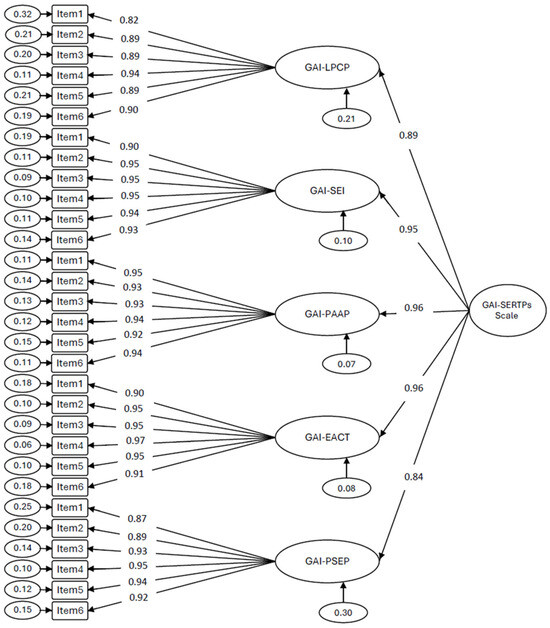
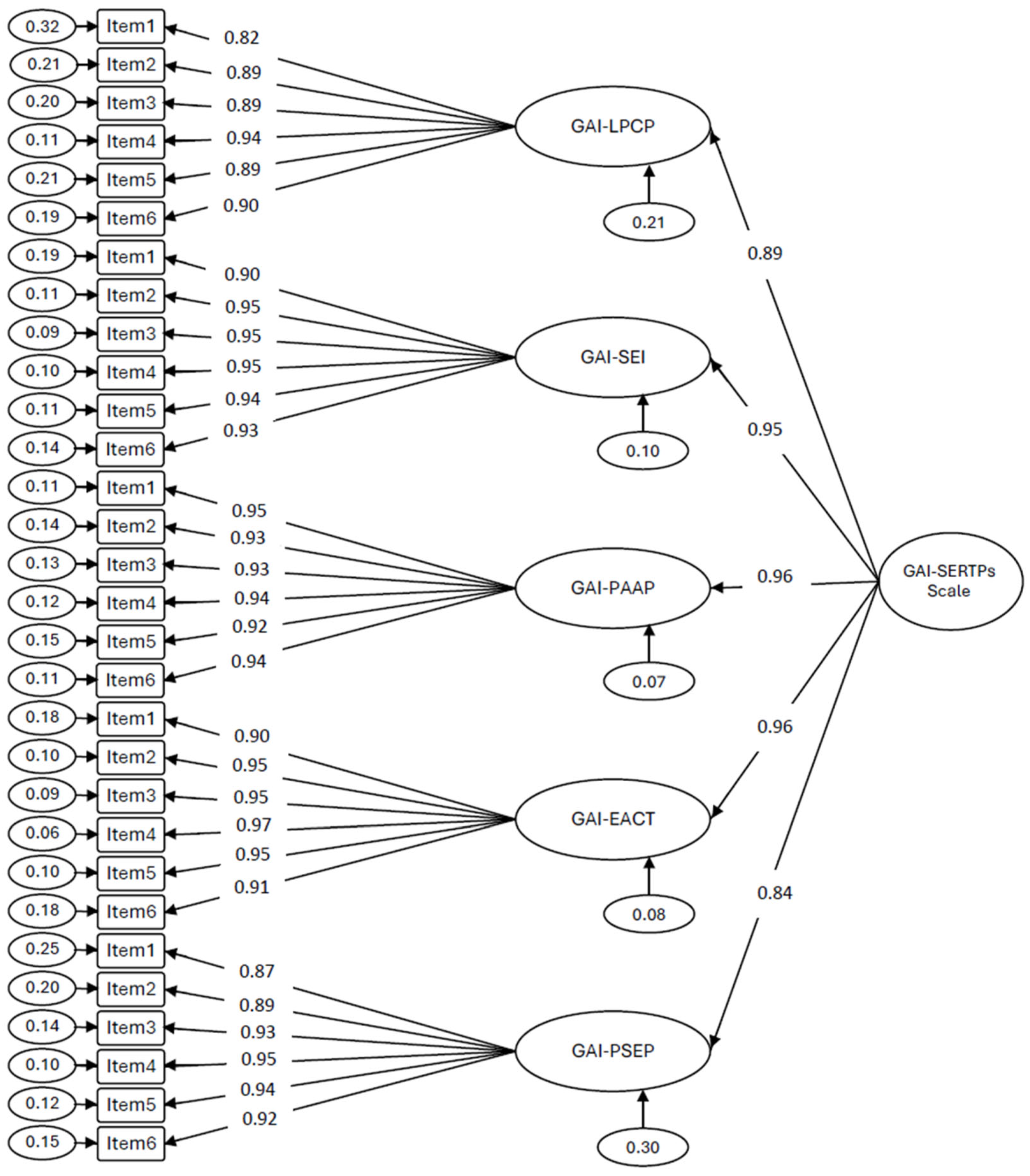

Disclaimer/Publisher’s Note: The statements, opinions and data contained in all publications are solely those of the individual author(s) and contributor(s) and not of MDPI and/or the editor(s). MDPI and/or the editor(s) disclaim responsibility for any injury to people or property resulting from any ideas, methods, instructions or products referred to in the content. |
© 2026 by the authors. Licensee MDPI, Basel, Switzerland. This article is an open access article distributed under the terms and conditions of the Creative Commons Attribution (CC BY) license.