


Abstract
The issue of cadmium (Cd(II)) contamination of the water is a serious concern of the environmental and health problem, and this requires effective technology to remove the problem of toxic element. It is the purpose of this review paper to give an overview of several techniques of cadmium removal, such as polymer membranes and composites, adsorption using green materials, and electrochemical methods. The important conclusions are presented regarding the effectiveness of the polymer and composite membranes; e.g., the efficacy of the PES/HPEI-SH membrane that reached 99% removal of Cd(II) in 20 min with adsorption capacity of 135.59 mg/cm2, and the PVA/IC/PANI/GO nanofiber composite that indicates high adsorption of the 459 mg/g. The electrochemical process, i.e., electro-membrane extraction, exhibits 90% removal at 60 V, whereas the adsorption-based electro-membrane extraction contains an extraordinary capacity of 496.51 mg/g, using Fe@HC nanocomposites. Furthermore, the removal efficiencies of solar-powered electrocoagulation reached a percentage of 99.1% with respect to Cd(II). The review ends by stating that the tools to resolve cadmium removal problem include advanced materials and hybrid technologies and are promising, but various challenges such as membrane fouling and scalability are undeniable. Future studies ought to emphasize on improving reusability, expense effectiveness, and long-term applicability to address these challenges, thus contributing to the attainment of the United Nations Sustainable Development Goals (SDGs), particularly Goal 6: Clean Water and Sanitation, by guaranteeing the availability and sustainable management of water resources.
1. Introduction
Contamination of water in the industry process has become one of the most acute environmental issues of the 21st century, and pollution with heavy metals is one of the worst threats to the health of humans and ecological integrity [1,2]. Of the numerous contaminants, cadmium is one of the priority pollutants owing to its extreme toxicity, long-term environmental persistence, and bio-accumulative nature. The need to come up with efficient and cost-effective cadmium removal technology of the aqueous solution has become particularly essential since industrial activities keep on gaining momentum worldwide [3,4].
The use of covalent organic frameworks (COFs) and metal–organic frameworks (MOFs) has shifted the intention of the scholars toward improved removal techniques in water treatment with recognizing their outstanding adsorptive, cleansing, and extraction characteristics [5]. These techniques can substantially be flexible in binding different types of contaminants, like heavy metals and cadmium as s specific example. This can be conducted utilizing various strategies such as chemical complexation, physical adsorption, and catalytic degradation practices. The efficiency of these materials has paved the way into developing smart materials that enable to successfully eliminate specific pollutants [6,7]. In this aspect, the hetero-interface strategy has been involved as an enriched process to upgrade the overall removal competence. The hetero-structures of ZIF-8 and ZIF-67 were presented as water-stable composite materials that specifically introduce superior and robust systems [8]. Specifically, the hetero-interface materials were elucidated as a promising solution for heavy metal removal as a result of their increased stability and favored adsorption kinetics. The engineering concepts embedded in these composite materials can help become an eye-opener in the designing of cadmium-specific elimination mechanisms [9].
The progress of photocatalytic systems to the hybrid category is another significant development in the context. The g-C3N4/ZnO-W/Cox heterojunctions engineering demonstrated probable of combining two or more removal mechanisms in a system [10]. Although they are particularly directed at removal of organic pollutants, these hybrid systems deliver a proof of how multi-functional treatment systems can be established to manage cadmium contamination and other co-occurring wastewater pollutants (in industrial waste streams) at the same time.
The popularity of industrial pollutants poses substantial risks to human health and the environment, making efficient remediation techniques imperative [11]. Heavy metals such as cadmium are chiefly dangerous due to their propensity to accumulate in living organisms, leading to long-term health issues such as cancer, kidney damage, and neurological disorders [12]. This persistent health issue pushes the continuous search for more inexpensive, environmentally friendly, and effective removal methods.
The current improved technologies of dealing with water treatment have not been restricted to conventional practices, but also include solar-assisted practices. Three-dimensional spherical evaporators designed with distinct surface topologies deliver an innovative platform of contaminated water treatment [13]. Although they are principally projected to treat dye waste waters, such solar-assisted systems depict how energy-efficient heavy metal removal could be attained in combined evaporation and concentration processes, which would be of superior interest in cases of cadmium recovery and reuse.
Affordable treatment measures have gained significance in view of the rising demand of industrial water treatment in the world. The use of ozonation together with the anaerobic treatment process methods is one such economical solution to remove the contaminants [14]. The rationale behind these integrated treatment systems can be of utility, though initially created on the basis of organic pollutant degradation, in devising economical cadmium removal systems where multiple treatment mechanisms can be facilitated to enhance the efficacy of the treatment systems.
The efficiency and selectivity of extracting solvents have enabled the sustainability of the technology, despite its fluctuations in the industrial separation process. The extractive separation and purification of the mixed ionic species illustrate the ongoing significance of the conventional technique of separation [15]. Cadmium removal through metal recovery is represented as an advantageous solvent extraction technique as a result of the selectivity of manufacturing interested metals, specifically in areas of industrial concerns where metal jettison and recapture are economically and financially attractive.
Hierarchical materials have made a notable advancement in upgrading separation performance. The properties of SAPO-34, an acid-treated hierarchical material, demonstrated outstanding superiority owing to improved mass transfer and higher accessibility of active sites [16]. These hierarchical design philosophies can be instantly employed to cadmium removal systems, where improved mass transport can expressively hasten removal kinetics and overall system efficiency.
Coagulation and flocculation processes endure indispensable in industrial-scale water treatment, predominantly for systems with high pollutant loads and mitigated treatment costs. In this aspect, analyzing the bio-stability of various coagulants in textile wastewater treatment exposes prospects for optimising these conventional techniques [17]. Specifically, coagulation-flocculation can assist as a pretreatment option for cadmium removal or be tailored to openly abolish heavy metals by picking appropriate coagulants and optimizing the overall performance.
The development of nanocomposite membrane technologies is undoubtedly a promising direction through which cadmium can be efficiently removed. The latest advancements in the development of nanocomposite membranes have revealed great enhancements in their separation performance, selectivity, and their stability during operation [18]. The membranes utilize the benefits of both membrane separation and the increased performance offered by nanoscale additives and, thus, give rise to systems with higher rejection rates, less fouling, and improved shelf-life.
Zeolite membranes developed in two dimensions have been identified as one of the most useful methods of small molecule separation. The designing of such kinds of zeolite membrane, particularly MWW-type zeolites, to separate dyes by using a highly selective separation process shows the prospective of the approach [19]. Their molecular sieving capabilities in particular present the materials as particularly promising to cadmium removal applications, where often the selective separation of cadmium than other encountered ionic species is highly desired. In this regard, zeolite-polymer composite membranes formed a practical solution to incorporating the selective properties of the zeolite and process ability of polymers. The effectiveness of the removal of metal pollutants with zeolite-poly-sulfone adsorptive membranes indicated that this type of a hybrid solution was viable [20]. The merits of such composite systems lie in the fact that they allow several removal mechanisms to be implemented in the individual membranes.
A membrane that makes use of waste industrial materials is a benefit with regard to both setting and finances. Composites of geo-polymers and zeolites have been produced by using low-cost materials and have shown that they are good at removing chromium, setting the precedent of sustainable technologies for removing heavy metals [21]. Such a strategy will be more applicable especially when it comes to cadmium removal efforts where in some cases cost-effectiveness can be a defining element in selection of technology.
Natural polymer-zeolite composite materials are good substitutes to the membrane applications, which are environmentally friendly. The biodegradable treatment systems will be promising on the horizon as zeolite–cellulose composite membranes have shown their efficiency in the removal of metals and bacteria [22]. Bio-based systems have been found to be especially tempting in regards to applications in which environmental compatibility is a key concern.
Modification of zeolite membranes has been especially promising as a means of anionic pollutant removal. PVA/agar/modified ZSM-5 zeolite membranes have proven to be productive regarding eliminating anionic species within the aqueous solution and open up the prospects of customized membrane systems [23]. Although these techniques were originally developed for eliminating anionic dyes, the alterations can also be efficiently used for cadmium removal, predominantly in cases where cadmium complexes are present.
Multi-component membrane systems have been elucidated as promising separation techniques. ZSM-5 zeolite membranes have been used in the successful adsorption of anionic species; another indication that multi-component techniques are viable [24]. The merits of these systems include the fact that an integration of the functional components in the systems would permit augmentation of separation performance.
The utilization of sophisticated composite membranes with biological ingredients is designed in a new way of meeting sustainable separation systems. Composite membranes of A-zeolite/bacterial cellulosic have demonstrated good adsorption behavior of carcinogenic dyes [25]. Added biological components hold the promise of self-regenerating or biodegradable treatment systems.
The economic factors influence the selection of membrane technology more and more. The water treatment applications of ceramic membranes can offer valuable cost and efficiency results that would be able to detail the economic feasibility of highly advanced separation methods [26]. In cadmium removal systems, the trade between performance and cost is especially critical since treatment systems have to be affordable to proliferate within the industry.
Another strategy of cost-effective separation systems is the clay composite membranes. The fabrication of faujasite and sodalite clay composite membranes in order to decontaminate dye effluents shows that even easily accessible materials can be used [27]. These systems based on clay may be especially pertinent to cadmium remediation in areas where sophisticated materials are hard to come by.
Using industrial waste materials as a source of raw materials in the synthesis of membranes is an environmental and economic advantage. ZSM-35 zeolite membranes made by using a silica fume to remove cadmium is a direct illustration of the possibilities of waste-to-resource strategies as a method of treating heavy metals [28]. The direction is a perfect illustration of circular economy within the industrial water treatment, which is gaining significance.
The basic concepts of the zeolite separation processes give the scientific basis of the knowledge needed to optimize cadmium removal systems. Benchmark articles written about the zeolite separation mechanism emphasize the presence of molecular sieving, adsorption, and ion exchange mechanisms [29]. These basic mechanisms are important to understand in order to design optimized cadmium removal systems.
Referring to polymer and composite membrane-based cadmium removal, it can be said that membrane fouling and low rejection rate of small, uncharged species such as Cd(II) ions are the key limitations of this technology. Indeed, membrane fouling can reduce water flux with increasing feed pressure due to blocking of the membrane pores, which can elucidate a higher specific energy consumption [30]. Moreover, chemical/mechanical stability, and selectivity/permeability trade-offs are further known to be challenges [31]. In this regard, polysulfone (PS) or polyvinylidene fluoride (PVDF) of traditional polymeric membranes has ascertained their efficient removal of several pollutants. However, they showed a complexity of removing heavy metal ions such as Cd(II) as a result of their small size and charge features, which causes a low rejection rate [32].
Adsorption is another primitive and a high potential and sustainable treatment technique for cadmium remediation that specifically uses green materials of high availability of precursors and low cost, in addition to their environmentally friendly nature of the resulted adsorbents, such as agricultural waste. Interestingly, these materials retain plentiful surface functional groups like hydroxyl, carboxyl, or amine groups that enable durable chemical or physical binding with Cd(II) ions through mechanisms such as ion exchange [33,34]. The recent research demonstrated that chemically enhanced green adsorbents can attain a high adsorption capacity that might exceed 400 mg/g, which is competitive against to commercial activated carbon [35]. However, the low initial adsorption efficacy and selectivity of raw, unmodified materials, in addition to the difficulty of regenerating and safely disposing of the loaded adsorbent after saturation are the key challenges with the adsorption technique that limit their prolonged commercial practicality [36].
In the same context of effectual remediation of Cd(II) ions removal, electrochemical approaches such as electrocoagulation and electrosorption can deliver an efficient alternative option, specifically to attain a high removal rate without the immense sludge production linked to chemical precipitation. Solar-powered electrocoagulation–adsorption units indicated extraordinary performance, attaining a cadmium removal efficiency of more than 99.1%, representing a robust coupling between renewable energy and remediation [37]. In the same aspect, electrosorption, utilizing advanced electrodes such as those based on activated carbon felt, has proven its high removal capacity and the promise for metal recovery instead of just disposal, introducing a notable merit beyond conventional approaches [38]. However, the high energy consumption specifically when treating very low concentrations of cadmium ions establish the most challenge of the electrochemical approaches as the treatment requires a high-voltage. Moreover, scaling up these electrochemical reactors for a large industrial wastewater volume is another primitive challenge against the widespread use of these approaches due to the complexity of maintaining fixed electrode stability and associated performance [39].
Referring to the current review, the main aim is to deliver a detailed examination of the most recent improvements in the removal of Cd(II) from wastewater, emphasizing three main technologies including the polymer and composite membranes, adsorption using eco-friendly materials, and electrochemical methods. In other words, the revolutions behind the Cd(II) elimination technologies will be specifically discussed. This also includes the focus on integrating different processes to promote the efficiency and sustainability of the discussed technologies. Specifically, this review strives to synthesize contemporary knowledge and research results to signify the effectiveness, operational parameters, and mechanisms that manage these techniques in cadmium remediation. It highlights emerging materials such as thiol-functionalized membranes, graphene oxide derivatives, and bio-derived adsorbents such as PVA/IC/PANI/GOnanofibers. Furthermore, recent novel combinations of both new and existing processes, e.g., solar-powered electrocoagulation and machine learning-optimized processes are also discussed, along with the issues of scalability and fouling. This integration of various ways and new tendencies gives this work a prospective outlook on how to utilize the best of Cd(II) remediation in practice. Accordingly, the significance of this review lies in its merits to assess the associated studies published between 2019 to 2025, elucidating the synergies between these procedures and their potential implications in real-world scenarios. Also, the associated challenges of each removal technique will be outlined, including membrane fouling, regeneration of adsorbents, and energy consumption of electrochemical systems. Thus, the current review intends to guide future investigations toward improving the competence and sustainability of cadmium treatment technologies. This in turn supports the efforts of accessing clean water with the goal of attaining the United Nations Sustainable Development Goals (SDGs), predominantly Goal 6: Clean Water and Sanitation.
2. Review Method
The current paper is a systematic review of the latest advancements in Cd(II) removal technology that is based on consideration of the peer-reviewed literature published over 2019 to 2025 that was sourced from reputable journal databases. These studies are located through Elsevier, Springer, ACS (American Chemical Society), MDPI, and RSC (Royal Society of Chemistry) journal databases. A diversity of search strings and keyword groupings like cadmium removal, polymer membranes, adsorption, electrochemical methods, hybrid systems, and green materials were deployed to guarantee an inclusive recovery of relevant studies. To assure the applicability and exclusivity of the findings, a deduplication process was deployed, tracked by a systematic screening of titles and abstracts based on predefined inclusion and exclusion norms. Studies were included if they concentrated on cadmium removal technologies developed during the specified time frame, lectured ground-breaking approaches, or provided empirical data on performance indexes. On the other hand, studies that did not include adequate methodological accuracy or did not specifically discuss cadmium removal were excluded from consideration. However, a risk-of-bias assessment was achieved based on predefined scoring criteria, assessing parameters such as sample size, experimental design, and reproducibility of associated findings. Each selected paper was analytically analyzed for its procedural soundness and significance to the objectives of this review.
The reviewed literature has been classified into five major approaches; polymer and composite membranes, adsorption and green materials, electrochemical methods, computational modeling, and hybrid and industrial systems. Each chapter delivers a critical analysis of key knowledge gained in the experiment, material developments (e.g., PES/HPEI-SH membranes, Fe@HC nanocomposites), and performance parameters (e.g., adsorption capacities, rejection rates). The survey comprises empirical experiments, theoretical modeling (molecular dynamics, artificial neural network (ANN) simulations), and industrial testing, delivering a balanced overview of laboratory scale innovations and practical implications in real scenarios. Various tables of key studies facilitate a comparative analysis, whereas figures are used to visualize the mechanism-based insight and efficiency patterns. Following the database searches, a total of 40 studies were included in the current review.
2.1. PRISMA-Based Literature Review
Figure 1 demonstrates the flow diagram of PRISMA that utilised in the current systematic review. In this aspect, a wide range of academic databases was considered to collect relevant papers from peer-reviewed journals and conference papers that clearly deliberated cadmium removal from contaminated water and associated technologies. Specifically, the applied strategy was designed based on excluding those papers that were published in non-English languages, or that were precisely motivated by process modeling, or that did not validate performance indexes. The deployed methodology is represented in the PRISMA flow diagram that enabled selection of the most applicable studies. First of all, 105 papers were collected, 90 studies from databases and 15 studies from other relevant sources. Five duplicated studies were removed throughout the identification stage. Throughout the screening stage, 52 studies were excluded as they were not closely relevant to the scope of the current review The remaining 48 studies were entered to the eligibility stage of screening the full text and simultaneously filtered considering a number of guidelines such as associated methodology, data, obtained results, and performance metrics. This stage concluded with the eligibility of only 40 studies, excluding 8 others. They were excluded due to a number of rationales, such as deficient data and deficient performance indicators. A thorough evaluation throughout the eligibility stage was utilized to investigate the research limitations, discrepancy, complexity, and imprecision. Thus, this stage introduced the overall confidence levels of high, moderate, low, or very low for the outcomes referring to the synthesized data and risk-of-bias evaluations. Overall, 40 high-quality studies were selected to enter a precise sensitivity analysis after discarded all low-quality studies. This in turn assured the inclusion of more accurate findings from the selected studies. On top of this, the initial 105 studies were lessened to 40 studies that reflected the firm filtering methodology employed and signified relevant studies that agreeably covered successful cadmium treatments to upgrade the reliability of the synthesized results. Referring to the evaluation of risk of bias, it must be noted that three independent reviewers were nominated separate from the original authors to evaluate each research paper to guarantee reliability and consistency. In this aspect, divergences were resolved through intensive discussion or by a fourth reviewer throughout the investigation stage. Also, the outcomes of each selected research paper were evaluated for their potential of having biases such as selective reporting of findings.
Figure 1.
PRISMA flow diagram to demonstrate the included and excluded papers at each stage of the systematic review.
During the assessment of the selected papers, it should be noted that the authors were focused on identifying the most relevant performance indicators of chromium removal from wastewater. The performance indicators include removal efficiency, adsorption capacity, and optimal removal conditions.
2.2. Polymer and Composite Membranes
Mosikatsi et al. (2019) [40] developed a polyethersulfone (PES)-based composite membrane integrated with hyperbranched polyethyleneimine (HPEI), trimesoyl chloride (TMC), and cysteamine (-SH) via interfacial polymerization for cadmium (II) ion removal from water. The composite membranes, termed PES/HPEI-SH, were characterized for chemical composition, surface charge, and polyamide layer morphology, demonstrating enhanced hydrophilicity and water uptake compared to unmodified PES. Batch adsorption experiments revealed Cd(II) removal efficiencies of 22%, 53%, and 99% for PES, PES/HPEI, and PES/HPEI-SH, respectively, after 20 min, with PES/HPEI-SH exhibiting the highest adsorption capacity (135.59 mg/cm2) due to the strong affinity of thiol groups for Cd(II) via hard–soft acid–base theory, forming coordination complexes (2R-S-Cd(II) → R-S-Cd-2H+). Additionally, the thiol-modified membrane achieved 62.50% Cd(II) removal in real water samples after 20 min (Figure 2).
Figure 2.
Cadmium’s adsorption from the real water sample [40]. (Copyright permission ID: 6205200605365).
Poly(vinyl alcohol)/chitosan (PVA/Chi) nanofiber membranes examined by Karim et al. (2019) [41] were electrospun to create membranes able to selectively and effectively adsorb Pb(II) and Cd(II) ions, with the efficiency of the process determined by the acidity of solutions used to make the membranes. The membranes were well-characterized in terms of different techniques and the various important adsorption parameters, such as precursor concentration of the metal, time of contact, the dosage of adsorbent, and pH of solution; the effect of competing ions was also studied. The findings indicated great levels of kinetic performance at optimal conditions, with kinetic of adsorption occurring in accordance with pseudo-second-order kinetic model on both ions. The results obtained using equilibrium data fitted close to the Langmuir isotherm with a maximum of 266.12 mg/g and 148.79 mg/g of Pb(II) and Cd(II), respectively.
Derami et al. (2019) [42] synthesized an interesting polydopamine (PDA) and bacterial nano-cellulose (BNC) combination membrane with an efficient co-removal of heavy metal ions (e.g., lead, cadmium) and organic dyes (e.g., rhodamine 6G, methylene blue, methyl orange) using filtration of contaminated water at low pH 4, pH 6, and low pH 7. High removal efficiency by the biocompatible and biodegradable membrane synthesized with PDA particles embedded in the BNC scaffold during the bacterial growth (Figure 3) was revealed, both against individual and hybrid contaminants. Furthermore, multiple regeneration cycles through washing preserved the adsorption capacity of the membrane and intact mechanical properties. Since it is simple to fabricate, scalable, chemically stable, mechanically robust, and reusable (Figure 4 shows the filtration process), this PDA/BNC membrane is an exciting one to solve the problem of wastewater treatment.
Figure 3.
(A) Images of the PDA/BNC membrane at various stages of production. (B) A schematic illustration of the PDA/BNC membrane manufacturing process [42] (Copyright permission ID: 6205201357982).
Figure 4.
(A) Membrane filtration experiment schematic depiction. Concentrations of permeate water following filtration of (B) Pb(II) at a feed concentration of 58 ppm (the inset displays the performance of the PDA/BNC membrane following 10 cycles of Pb(II) filtration-regeneration); (C) Cd(II) at a feed concentration of 50 ppm [42] (copyright permission ID: 6205201357982).
Issa and Abidin (2020) [43] developed a universal approach to produce polyvinyl alcohol (PVA)/nitrogen-doped carbon dots (CDs) composite films (PVA-CDs) to remove cadmium ions. CDs were synthesized using carboxymethylcellulose (CMC) of oil palm empty fruit bunch waste and polyethyleneimine (PEI) and then embedded into PVA. The UV-visible and fluorescence spectroscopy of the PVA-CDs film demonstrated increased hydrogen bonding as compared to the pure CDs and described bright blue emissions, performing 47% quantum yield (QY) with stable and excitation-independent fluorescence properties and a high Cd(II) removal capability of 91.1%, reaching that probe to equilibrium within 10 min. The experiment data fitted well with pseudo-second-order reaction and the Langmuir isotherm with the highest uptake at pH 7 of 113.6 mg/g. The adsorbent had an effective adsorption–desorption cycle of 5 times using 0.1 M HCl and its practical tests removed 95.34% (tap water) and 90.9% (drinking water). The HCl was very successful in the recovery of Cd(II) by PVA-CDs (Figure 5).
Figure 5.
(a) Various desorbents to extract Cd(II) from PVA-CDs; (b) a five-cycle reusability study of PVA-CDs using HCl; and (c) a test of PVA-CDs using actual water samples [43].
Borhani et al. (2020) [44] prepared polyacrylonitrile (PAN)/boehmite nanofibers through electrospinning a homogeneous PAN/DMF solution and noted that the addition of more boehmite nanoparticle (NP) increased the size of the nanofiber. The pure water flux was high in the samples and more or less constant with differing boehmite concentrations, but reduced with increased electrospinning time. It is interesting to note that the Escherichia Coli removal efficiency remarkably increased up to 97.37% with the increment in boehmite NP wt. concentration of 0 to 10%, because of the NPs large surface area and positive electrostatic forces of attraction between them and microorganisms. Additional concentration of boehmite (10–50%) did not contribute significantly to the removal of bacteria, but increase in time of electrospinning significantly improved performance. A 6-will electrospun PAN/boehmite membrane that contained 50% boehmite reported 99.7% E. coli removal, 99.39% Staphylococcus aureus removal, 99.82%, and 74% adsorptivity of cadmium by weight, outdoing pure PAN nanofibers (Figure 6). Also, the repetition of the filtration step four times boosted E. coli elimination effectiveness to 99.99%.
Figure 6.
PAN/boehmite nanofiber layers’ permeability performance at varying electrospinning times and boehmite NP concentrations: Air permeability (a) and pure water flow (b) [44].
As Figure 7 shows, Azad and Mohsennia (2020) [45] prepared a new free-standing polyvinyl butyral-polyacrylonitrile/ZnAl-layered double hydroxide nanocomposite membrane (PVB-PAN/ZnAl-LDH NCM) using a phase inversion procedure as a salt and heavy metal removal aqueous solution. The quality of the membrane in structural and physicochemical terms was studied with the help of the XRD, FTIR, FE-SEM, EDX, AFM, and the water contact angle. The researchers analyzed how the different ZnAl-LDH contents of the membranes (5, 10, and 15 wt.%) affected the mechanical strength and separation efficiency, showing that the membrane incorporated with 5, 10, and 15 wt.% of ZnAl-LDH had a much higher hydrophilicity, surface porosity, roughness, pore diameter, and membrane morphology, which meant the membrane was more efficient in both the mechanical strength and separation efficiency. The separation was characterized in terms of applied rejection rates of salt solutions (Na2SO4, CaSO4, CaCl2, NaCl) at various pH values as well as measuring the effect of starting concentration and pH on Pb(II) and Cd(II) removal. Reusability tests indicated use of the membrane during 3 cycles, through which the effectiveness of the membrane in the removal of Pb(II) was indicated. The result showed a high level of efficiency of the Pb(II) and Cd(II); Pb(II) had more rejection ratio compared to Cd(II) and the results are presented in Figure 8.
Figure 7.
Diagrammatic representation of the phase inversion technique used to fabricate NCMs [45] (Copyright permission ID: 6205211187244).
Figure 8.
The impact of starting Pb(II) and Cd(II) metal ion concentrations on the M3 NCM’s rejection and permeate flow [45] (Copyright permission ID: 6205211187244).
Ferrous sulfide (FeS) and carboxyl-functionalized ferroferric oxide (CFFO) nanoparticle were prepared by Mishra et al. (2020) [46] and embedded in a polyvinylidene fluoride (PVDF) matrix separately or in an optimum proportion by utilizing phase inversion technique to produce three types of mixed matrix membranes (MMMs): FeS/PVDF, CFFO/PVDF and FeS/CFFO/PVDF. SEM, TEM, AFM, FTIR, XRD, BET, and XPS methods characterized the membranes, and their performance was assessed in terms of pure water permeability, hydrophilicity, water holding capacity, mechanical and thermal stability, salt separation, and the concomitant recycling of contaminating heavy metals (Pb(II), Cd(II), Cr(VI)) in industrial groundwater. Several treatments to the membranes increased water flux (3,401,266 L/m2 h) drastically owing to high porosity, and hydrophilicity via the modified membranes in comparison to the unmodified PVDF. FeS/CFFO/PVDF membrane showed quite impressive removals of 88, 99, 99, and 95% of Cr(VI), Cd(II), Pb(II), and arsenic (As), respectively, to a level that is far below the WHO and BIS (India) limits, in one single step of filtration. Also, the membranes showed 91.2% and 95.4% of total chromium removal in Jajmau and Rania industrial drawing respectively, as represented by Figure 9.
Figure 9.
(a) FeS/CFFO/PVDF’s metal ion rejection capabilities for actual groundwater treatment; (b) FeS/CFFO/PVDF’s salt rejection capabilities and their use in actual water samples [46] (copyright permission ID: 6205220347110).
Alotaibi et al. (2021) [47] chemically modified the amine and sulphonic functionalities of the inner and outer surface of mesoporous silica nanoparticles (MSNs) and utilised them as inorganic nano-fillers toward the development of mixed matrix polysulfone (PSU) nanocomposites through the phase inversion process to make nanocomposites membrane materials. The NPs and membranes were characterized in aspect of physicochemical nature, pure water permeability and cadmium/zinc ion removal efficiency. High water permeability was achieved upon the incorporation of functionalized MSNs, arguably owing to changed surface characteristics and porosity, and metal ion removal was high (>90%) as a result of the functional groups. The incorporation of 1.0 wt.% nanoparticle increased the porosity of such membranes to 76% and the mean pore radius to 1.9 nm, as depicted in Figure 10, indicating the viability of functionalized MSNs/PSU membranes in the wastewater treatment of industries.
Figure 10.
Water content and porosity of pure PSU and functionalized MSNs/PSU nanocomposite membranes [47].
Talukder et al. (2022) [48] designed electrospun nanofiber membrane of sulfonated polyether sulfone (SPES)/polyethersulfone (PES) (SP ENMs) with incorporated Eucommia ulmoides leaf extract-stabilized silver nanoparticles (EUOL@AgNPs) as a substitute to the conventional electrode-based methods using the electrospun nanofiber membranes to remove Pb(II) and Cd(II) ions present in water. XRD, FTIR, TGA, SEM, TEM, and contact angle tests were conducted to determine the characteristics of the membranes which were prepared in different EUOL@AgNPs loadings. Linear adsorption tests showed a fast kinetic process of Cd (II) and Pb (II) with equilibrium attainment in 40 min and 60 min of reaction respectively, according to pseudo-second-order (PSO) kinetic model than the second order kinetic model, with the Freundlich isotherm more adequate to data than Langmuir. Silicate and phosphate ions were effective in Cd(II) and Pb(II) adsorption even though fluoride and chloride as well as nitrate anions had minor influence on adsorption of Cd(II). The EUOL@AgNPs-SP ENMs proved to be highly recyclable, with high adsorption capacity being achieved during the course of five cycles. DFT determination showed the SP-5 ENMs were most selective to Cd(II) with an energy of 219.35 and 206.26 kcal.mol−1 with Cd(II) and Pb(II), respectively.
As shown in Figure 11, Sun et al. (2022) [49] prepared a cadmium ion (Cd(II)) adsorption in water using a zeolitic imidazolate framework (ZIF-8)@polyacrylonitrile (PAN) nanofiber membrane. The fabrication of the ZIF-8@PAN membrane began by sputtering zinc oxide (ZnO) onto a PAN electrospun nanofiber membrane to act as a source of metal ions, followed by an in situ solvothermal process to hydrate the ion and then the synthesis of ZIF-8@PAN (solvent: N,N-dimethylforminamide, Zn:Co molar ratio = 1:1) and the carbonization of ZIF-8@PAN occurred in the N2 gas flow at Polyhedral ZIF-8 particles which are uniformly distributed on the PAN nanofiber surface released polygonal ZIF-8 particles upon carbonization, giving the final membrane. The adsorption capacity and Cd(II) removal efficiency was 102 mg/L and more than 90% respectively at 35 °C and pH 7.5 and thermodynamic analysis revealed the spontaneity of adsorption process.
Figure 11.
Carbonized ZIF-8@PAN nanofiber membrane’s fabrication process [49].
An eco-friendly functional composite has been developed by Elessawy et al. (2022) [50], which is used to treat water by combining an electrospun nanofiber membrane—a mixture of polymers polyvinyl alcohol (PVA) and iota carrageenan (IC) with bioactive nanoparticle (graphene oxide, GO) and polyaniline (PANI) additives. This composite was best optimized as a fixed-bed filter in a batch system to remove cadmium (Cd(II)) and lead (Pb(II)) ions and also tested upon its functional properties, namely, antimicrobial, anti-fungal, and cytotoxicity. The nanocomposite has very powerful antibacterial properties and attained the highest adsorption capacities of 459 mg/g Cd(II) after 120 min and 486 mg/g Pb(II) after 90 min. Optimal removal conditions were identified using response surface methodology giving 91.4 Cd(II) removal at 25 °C, 117 min, 89.5 mg/L initial concentration, and 29.6 cm2 membrane surface area and 97.19 Pb(II) removal at 105 min, 83.2 mg/L initial concentration, and 30.9 cm2 membrane surface area. Once again, the composite exhibited a low value of removal degradation as drawn in Figure 12, its removal efficiency remained more or less the same even after use and it only degraded a small amount (~1%) after each desorption cycle.
Figure 12.
Metal ion cycles of adsorption and desorption into a PVA/IC/PANI/GO nanofiber composite membrane have an initial concentration of 20 mg/L, membrane area of 25 cm2, pH of 6, and temperature of 25 °C [50].
Yu et al. (2022) [51] designed and produced a dual-face asymmetric type of cadmium ion-imprinted membranes (Cd-IIMs) inserted with multi-walled carbon nanotubes (MWCNTs) directly conjugated on both side surfaces of the membrane through dip-coating and delayed phase inversion. Adding high-surface-area MWCNTs raised the unit-area loading capacity of the membrane without sacrificing long-term stability under continuous and extreme conditions, resulting in a Cd(II) rebinding capacity of 162.44 mg/g. The membranes were highly selective with selectivity factor of 2.20 Zn2+, 2.53 Pb(II), 2.72 Ni2+, 2.94 Fe3+, 2.12 Na+,1.98 K+, 2.24 Ca2+, and 2.26 Mg2+ in high interfering concentration environments. The researchers studied the stability at low temperatures, strong acid, and strong alkali and displays good stability. The Cd-IIMs stay quite superior in terms of their regeneration ability as it was found that around 94% of the initial rebinding capacity remained after 10 adsorption–desorption cycles.
The efficiency of new quaternized polysulfone (PSFQ)/ionic liquid (IL) membranes in removing the cadmium ions (Cd(II)) in the water was comparatively examined by Lupa et al. (2022) [52] by taking into account the design of the membranes through rheological analysis of casting solutions with Cyphos 101 IL and Aliquat 336. The experiment showed Aliquat 336 had greater compatibility with PSFQ which improved workability of the solution and PSFQ membrane property when compared to Cyphos 101 IL, and the best performance was given at 5 wt.% ph-IL and 15 wt.% Am-il concentrations. The characterization and examination of the membranes with regards to their surface chemistry and morphology shed some light on the interaction of the PSFQ-IL and its effect on filtration efficiency. Kinetic experiments revealed that the addition of ILs enhanced Cd(II) removal with 15 wt.% Aliquat 336 producing the maximum accumulation (3300 mg/m2) but a 20% lesser efficiency (Figure 13) was observed as Vd (II) ion was not completely removed after washing.
Figure 13.
The PIM-Am15’s filtration effectiveness during various washing/filter cycles while treating water with a Cd(II) ion concentration [52].
New innovative polymer inclusion membranes (IPIMs) with newly synthesized symmetric ionic liquids with different alkyl chain lengths were made by Eyupoglu and Unal (2023) [53] to target selectively cadmium separation in the iodide-rich acidic solution. Optimized IPIM (24.97% (w/w) 2-nitrophenyl octyl ether plasticizer, 35.12% (w/w) 1,3-decyl-1H-imidazol-3-ium bromide carrier) recorded the highest cadmium mass transport efficiencies in a 25 mg/L Cd(II) (0.958 gmol/s cm2) and a 75 mg/L Cd(II) solution (2). Transport experiments of a mixed competition Cr3+, Fe2+, CO2+, Ni2+ and Zn2+ transport included the cadmium mass of 0.567 mumol/s m2. The researchers employed scanning electron microscopy equipped with energy-dispersive X-ray spectroscopy (SEM-EDX) to perform the surface analysis of the samples and similar methods were used with Fourier transform infrared spectroscopy (FTIR) according to the experiments carried out to study the cadmium transport.
Khedr (2023) [54] also grafted modified films of polypropylene (PP) with acrylonitrile (An) and acrylic acid (AAc) monomers, employing gamma radiation in order to generate active sites to polymerize and subsequently improve the hydrophilicity of the films without affecting the mechanical properties, which are considered hard to attain by traditional chemical approaches. The research optimized graft parameters in order to maximize grafting efficiency and used FTIR spectroscopy to verify monomer grafting, and these were checked with SEM and XRD to discover the structure of the graft. The mechanical characteristics such as tensile strength and hardness were assessed and compared with untreated PP film, where it was revealed that there exists a critical grafting degree at which they maintain these properties. Water uptake tests were also performed in order to determine suitability toward water treatment applications, and thermal stability was determined with TGA and DSC in examination of how the copolymer would behave in heat.
Li et al. (2024) [55] discussed how to increase the performance of a PEI-TMC membrane by surface modification with choline chloride, which is a quaternary ammonium compound that led to the design of the high-performance PEI-TMC-CC- membrane. Such a modification not only optimized the surface morphology, hydrophilicity, and roughness, but also took advantage of the Donnan exclusion and sieving effects, which allowed the membrane to reach an incredible level of heavy metal ion rejection (98.3% of Cd(II), 95.9 of Pb(II), 98.1 of Ni2+, 98.5 of Zn2+, and 99.1 of Cu2+) and high water permeance (10.0 L/m2 h bar). The experimental results were also proved by density functional theory (DFT) calculations, and the hydrophilicity of choline chloride was recognized to be improved.
Mir et al. (2024) [56] synthesized a new precursor with hard and soft base functional groups (e.g., amines, carbonyls, amides, and hydroxyls) and grafted them on to bacterial cellulose (BC) membranes to guarantee the membrane to get a uniform surface with respect to consistent property of the membranes. It was further determined that the synthesized precursors and functionalized the membrane successfully by the use of a variety of structural characterization methods, and alterations in the morphology of the BC membranes were evaluated through use of both scanning electron microscopy (SEM) and atomic force microscopy (AFM). The low-pressure filtration capability of both pristine BC membranes and the modified membrane was investigated on the efficacy of cadmium and chromium ion removal and both pristine and the modified one could effectively remove cadmium and chromium ions with the modified membrane being more effective with respect to its water permeability and filtration capacity. Also, the modified membrane was able to retain more than 90% flux recovery despite five cycles of cleaning-filtration. The large rejection of chromium which is caused by higher hydrated radius, valence charge, and diffusion coefficient was enabled through steric hindrance and electrostatic repulsion of trivalent chromium ions and positive charged, rich on amine surface membrane, as shown in Figure 14.
Figure 14.
(a) Average flux recovery of tcpa-bc and pristine (b) chromium and cadmium recovery following filtering [56] (copyright permission ID: 6205220786834).
To improve PVDF membranes, Saravanabhavan et al. (2025) [57] added chitosan (CS) and polyaniline (PANi). This process makes use of nitrogen-rich functional groups on PANi that allows it to bind heavy metal ions. Hydrophilicity of CS and PANi enhanced water holding capacity and ruggedness of membranes to enhance the removal of heavy metals. The modified membrane showed better removal of sulfamethazine and high permeate flux than the pure PVDF as well as low fouling. This model fit analysis of a model thought of by Hermia established that the complete pore-blocking model most closely fitted the experimental evidence. It was noteworthy that the CS-PANi-modified PVDF membrane that contained more PANi was able to remove ~95% of lead and cadmium, whereas the pure PVDF membrane achieved the removal of less than 15%. Table 1 shows a summary of the studies that are related to polymer and composite membranes.
Three artificial neural networks (ANN): feed-forward backpropagation (FFBPNN), recurrent neural network (RNN), and generalized regression neural network (GRNN), were formulated by Eren et al. (2019) [58] to model the Cd(II) removal efficiency by using polymer inclusion membranes (PIMs) in addition to a multiple linear regression (MLR) analysis as a comparison. They calculated statistical parameters including root-mean-squared, mean absolute error, and coefficient of determination (R2) as the factors determining the measurement of the models and lengths of the time and thickness of the film, the type and amount of the extractant, the type and amount of choosing the plasticizer and the molecular weight of the polymer as the inputs measurements whereas Cd(II) removal efficiency was the output. Sensitivity analysis was carried out which showed that the amount of extractant, the type of plasticizer and the amount of this plasticizer played the most important role in comparison with other factors. The findings showed that FFBPNN and RNN were more accurate in terms of prediction than GRNN and MLR.
Based on molecular dynamics analysis, Zheng et al. (2020) [59] investigated the possibility of using layered graphene oxide membranes to separate cadmium ions in the water medium and analyzed the effect of three geometric characteristics of the membrane on the task efficiency. According to their results, interlayer spacing and offset value were found to more severely influence the salt rejection than water permeability, whereas a gap size influenced the two in a similar manner. More analysis of the process of water transport and migration process of ions revealed, based on the number-density maps, that the size of the gap also played a key role in determining the permeability of water. Radial distribution profiles and coordination number analyses suggested that Cd(II) is engulfed by two hydration shells, with the second being more flexible to lose water molecules and free the movement of Cd(II). Potential of mean force showed the increase of energy barrier to the migration of Cd(II) and Cl and molecules among nanosheets in contrast to the water particles. Most notably, the membrane obtained high water permeability of 458 L/(m2 h bar), which is higher than the commercial membrane.
A non-solvent phase inversion (NIPS) technique was used by Figoli et al. (2020) [60] to cast cellulose acetate (CA) nanofiltration (NF) membranes with different polymer concentrations that ranged between 22 and 25 wt.% to study their effect on the membrane properties. The efficiency of Cd(NO3)2, CdCl2, and CdSO4 salts to remove cadmium was tested by the researchers, with maintaining the operational parameters, like the pH of the feed solution (2–12), trans-membrane pressure (0–14 bar), feed solution concentration (10−4–10−2 mol/L), and ionic strength. In turn, this indicated that fabricated CA-NF membranes can provide a practical solution to refine water polluted with cadmium.
The removal of Cd(II) in surface water was accomplished by Meng et al. (2021) [61] by using a polymer-enhanced ultrafiltration procedure (PEUF). The researchers used three commercially available polymers (CTS, PVA, and PAAS) and indicated that PAAS with Cd(II) had the resilient interaction and removal rate of cadmium (II). The researchers also investigated the impacts of pH, polymer/Cd(II) ratio (P/M), ionic strength, and humic acid (HA), with results showing that at optimum condition 100% Cd(II) removal occurred, whereas with pH 4, competitive complexation resulted in a decrease in efficiency to 60% while NaCl and HA decreased removal by collapsing the electric double layer and competing with binding sites respectively. Also, the UF membrane fouling was aggravated by increasing P/M, decreasing pH and concentration of HA and PAAS-Cd dissociated by 99.8 at pH 2.5 and activation of PAAS (with 20% fresh polymer at P/M 5) reached 99.6% Cd(II) removal rate.
The reverse osmosis (RO) process is extensively used for water desalination and wastewater treatment by proficiently removing salts, impurities, and contaminants, thus producing clean, potable water suitable for different applications [62,63]. Kapepula et al. (2022) [64] assessed the efficiency of commercial reverse osmosis (RO) and NF membranes in removing metal ions from both synthetic water and surface water sourced from Lake Tanganyika in Uvira, Democratic Republic of Congo, using ICP-MS and ICP-OES for analysis. The RO membrane demonstrated superior rejection rates, exceeding 98% for Cr3+, Pb(II), Cd(II), As3+, Ni2+, and Sb3+ in synthetic solutions and 99.2%, 98.8%, 98.6%, 99.2%, 98.4%, and 98.8%, respectively, in real samples, with permeate concentrations varying by feed concentration (0.15–1.02 mg/L for RO, 0.33–22 mg/L for NF90, and 0.11–22 mg/L for NF270). NF membranes showed notable rejection rates for Cr, Ni, and Cd (98.2%, 97.8%, and 92.3%) but lower for Pb, As, and Sb (76.9%, 52.5%, and 64.1%), while achieving higher fluxes (329–375 L/m2 h) compared to RO (98–132 L/m2 h). At operational pressures of 50 bars (303.14 K) for RO and 38 bars (297.14 K) for NF, Cr and Sb were completely removed from the permeate across all membranes, as illustrated in Figure 15.
Figure 15.
Comparison of synthetic and natural water removal percentages [64].
A polysulfone (Psf) hollow fiber membrane (HFM) modified with a Fe3O4/MWCNTs-COOH nanohybrid was synthesized by Kumar and Bellare (2025) [65], which showed a 5-fold increase in pure water permeability (64.42 ± 7.12 L/(m2 h bar)) compared to unmodified membranes (12.18 ± 0.47 L/(m2 h bar)), along with superior antifouling properties (82.50% flux recovery vs. 51.6% for pristine membranes). The modified membranes exhibited strong adsorption capacities for Cd(II) (85.06 ± 7.12 mg/g) and As3+ (54 ± 4.13 mg/g) and demonstrated high removal efficiencies in both lab water (99.19 ± 0.25% for Cd(II) and 76.89 ± 1.056% for As3+) and lake water (79.51 ± 4.21% for Cd(II) and 64.14 ± 4.58% for As3+). Additionally, the membranes-maintained effectiveness over five reuse cycles, confirming their reusability. Table 1 depicts the main characteristics of relevant studies that focused on polymer and composite membranes.
Table 1.
A summary of the studies that are related to polymer and composite membranes.
2.3. Adsorption and Green Materials
Using cost-effective polyester fabric membranes that are selective membranes and microbes in activated sludge, Mirzaienia et al. (2019) [66] treated a synthetic mixture of cadmium and mercury in 25, 50, 75, and 100 mg/L concentrations. The removal efficiency study considered retention times of 60, 90, and 120 min under psychrophilic, mesophilic, and thermophilic conditions using the dissolved oxygen (DO) levels of 34, 45, and 56 mg/L. The best recovery of cadmium and mercury was done with 100 mg/L concentration, 4.43 mg/L 1 DO, 26.25 °C, and 120 min retention time. In the Isfahan Steel Company waste water of Iran, specific removal efficiencies of 69.57% and 67.26% cadmium and mercury respectively were observed when the system was tested. The findings showed that initial concentrations had a linear relationship with the removal efficiency, whereby at the optimum contact time (120 min), the higher the initial concentration, the higher the removal rate, which is shown in Figure 16.
Figure 16.
Impact of starting Cd(II) and Hg(II) concentrations on MDC removal effectiveness [66] (Copyright permission ID: 6205221080792).
Azamat et al. (2021) [67] investigated the boron nitride nanosheets (BNNS) in removing cadmium (Cd(II)) and lead (Pb(II)) ions selectively in water in respect to molecular simulations. They also designed a functionalized hole in the membrane of BNNS through fluorine and hydrogen atom modification making it functional enabling easy interaction of ions and being selective at the same time. An external voltage was applied and several analyses were performed to optimise the efficiency of removal such as the potential of mean force of both ion and water molecules, radial distribution functions of ion–water, the autocorrelation functions of hydrogen bonds, and an average count of hydrogen bonds. The researchers showed that adequately functionalized pores, together with an appropriate voltage, can accomplish effective separation of heavy metal and that Pb(II) ions exit the BNNS pore more easily than Cd(II) ions, as depicted in Figure 17.
Figure 17.
The quantity of Pb(II) and Cd(II) ions that entered the mixed system through the functionalized BNNS pore [67] (copyright permission ID: 6205221348751).
Cheng et al. (2023) [68] found a low-carbon and effective way of deep removals of trace Cd(II) to water sample dispersing nanoscale zero-valence iron (nZVI) film onto the bacterial cellulose membranes (BCM). The composite exhibited pH (5.98) across a wide range that effectively removed 99.96% and the adsorption was most characterized by Freundlich isotherm and pseudo-second-order kinetics with max capacity of 134.0 mg/g at 30 °C. It is also notable that the resulting Cd(II) seen with the treated real drinking water samples were within strict regulatory limits (<5 μg/L), according to China, USA, and EU regulations, without the formation of secondary pollutants. The substance demonstrated incredible resistance (3-month storage) and affordability ($75.6/m3 of treatment) and, therefore, its feasibility in practice. The hydrated electron-assisted mechanistic research demonstrated that the toxic Cd(II) was converted to non-toxic Cd0.
Sachit (2024) [69] considered the separation of Cd ions in a simulated wastewater using sawdust as a natural adsorbent and its enhanced adsorption capacity due to the activation with sulfuric acid (H2SO4). It was observed that multiple factors such as pH, contact time, temperature, and weight of adsorbent had their impact on the adsorption process with a marked difference between modified sawdust (95.51% removal) and raw sawdust (82.22% removal). Speaks measured equilibrium adsorption isotherms and analyzed kinetics with Freundlich isotherm exhibiting better fit to experimental data than Langmuir model, and the kinetic data being of pseudo-second-order model. It was observed to be an endothermic process where raising the temperature led to an increment in the removal efficiency. The carboxyl and hydroxyl functional groups formed were identified as important factors in metal ion binding associated with the surface of the sawdust based on FTIR analysis.
To remove cadmium in water, Khalajiolyaie and Jian (2024) [70] studied the application of a functionalized graphene nanosheet using machine learning and molecular simulation. The researchers performed an experiment that prepared specific graphene pores with no or minimal modifications of hydrogen or hydroxyl groups to choose specific heavy metal ions and improve the purification level of water. Machine learning analysis showed the heavy metal-to-water ratio played an important role in ion distribution and clustering, with Cd(II) ion being highly clustered in systems with 1700 water molecules and lower clustering being observed in larger systems (8500 and 17,000 water molecules), likely because of better solvation, dilution effectiveness, and high entropy. Applying external pressure further enhanced removal efficiency and potential of mean force (PMF) analysis has been used to show that functional groups (particularly OH−) dominate water-membrane contacts at low pressure, but at high pressure the effective pore radius determines the situation, reducing energy barriers and allowing water to tunnel its way through the membrane.
Jaffar et al. (2017) [71] prepared a composite hollow fiber adsorptive ceramic membrane (SLCHA) with mullite and hydroxyapatite (HAp) prepared by raw waste eggshells through the phase inversion/sintering for cadmium removal in water. Through a trial of both sintering temperatures, it worked out optimum under 1150 °C sintering temperature where they obtained pure water flux of 5202 L/m2 h in 15 min and good porosity of membrane and high mechanical strength (36.99 MPa). The variation of HAp/mullite ratio also indicated that the packing of particles played an important role in the membrane behavior since marked higher flux (833 L/m2 h at 30 min) was observed with SLCHA-1, but lower mechanical strength of the membranes. The results in Figure 18 indicate that the adsorption capacities and the removal efficiencies were different in the membrane whereby pure mullite was the worst performing (5.73 mg/g, 68.72%), which made HAp a crucial component in the removal of Cd(II).
Figure 18.
Cd(II) adsorption on SLCHA membranes [71] (copyright permission ID: 6205230060621).
The extensive use of biogas residue (BR) became more valuable when Chen et al. (2025) [72] comfortably produced zero-valent iron-coated hydrochar (Fe@HC) that removes cadmium in wastewater. They used several methods of characterization to verify the effective adsorption of zero-valent iron on mesoporous BR-derived hydrochar that had a layered structure with numerous functional groups. The composite exhibited extraordinary Cd(II) adsorption capacity (496.51 mg/g), which was through synergistic forces, which included electrostatic attraction, precipitation, surface complexation, ion exchange, and chemical reduction. Parameters of the ANN model (R2 > 0.98) optimized the synthesis and adsorption parameters indicating the rather significant impact of hydrothermal temperature (19.11%) and Fe2O3 dosage (12.61%) as the most influential. The experiment showed the uptake of Cd(II) is inhibited as coexisting ion concentrations increase due to the electrostatic competition, and only divalent Ca2+ showed the greatest interference to the uptake of Cd (II) relative to monovalent Na+ and K+ based on the same competition in active sites via an example provided in Figure 19.
Figure 19.
Fe@HC reduction of Cd(II) in the presence of ions [72].
Hira et al. (2025) [73] evaluated 24 zeolites using a computational chemistry method to evaluate the best adsorbents without the challenges of an experiment since they used Monte Carlo and Molecular Dynamics simulations to measure the adsorption capacities of Cd(II) and Lead (Pb(II)) in a state of pH 6, 24.85 °C, and 101.3 kPa. According to their results, LTA and FAU proved to be the best to remove Cd(II) (212.5 and 199.9 mg/g respectively), whereas CLO and FAU were the best to remove Pb (489.5 and 420.6 mg/g respectively). The effects of pH (1–14) temperature (8–68 °C) and pressure (100–350 kPa) on Cd(II)adsorption with LTA and Pb(II) adsorption with CLO were studied. In addition, an artificial neural network (ANN) model was constructed to assess both CLO and LTA, demonstrating high R2 values at the stages of training, validation, and testing (0.9978, 0.9982, 0.9854 for Pb(II) adsorption on CLO and 0.9797, 0.9982, 0.9876 of Cd(II)adsorption on LTA). According to Figure 20, adsorption was characterized by increased adsorption with pressure up to a limited range. Table 2 presents a summary of the studies that are related to adsorption and green materials.
Figure 20.
Pressure’s impact on the assessed absorbency [73].
Table 2.
A summary of the studies that are related to adsorption and green materials.
2.4. Electrochemical Methods
Hibbard et al. (2020) [74] demonstrated that NU-902, a water-stable zirconium porphyrin-based metal–organic framework (MOF) has the ability to fluoresce and its photoluminescent emission was easily detected upon exposure to divalent cadmium ions, and that fluorescence quenching occurs at cadmium concentrations as low as 0.3 ppb—well below most regulatory limits—indicating that it may serve as a relatively simple and highly sensitive chemosensor of cadmium. Having described the fluorescent properties of the powdered MOF, the researchers embedded it in plasticized polyvinylchloride (PVC) to constitute a membrane that can be applied in the field of action, considering that in five minutes of Mohs exposure, the MOF-PVC composite was found to recognize cadmium by quenching fluorescence. This work highlights the usefulness of water-stable porphyrin-based MOFs in sensitive and rapid detection of metal ions contamination of water in both powder and as a polymer composite. In this regard, it should be noted that the inclusion of the NU-902 MOF-PVC composite can be justified for a number of rationales. First, understanding practices for capturing cadmium is vital to address broader concerns of water quality and safety. The capacity to capture cadmium at low concentrations of 0.3 ppb can outline the significance of early detection in averting water contamination. This detection ability is often a precursor to remediation efforts, making the technology relevant to the primary subject of cadmium management in water resources. Second, the study of Hibbard et al. (2020) [74] has demonstrated that the MOF-PVC composite can capture cadmium quickly, which can underscore the potential of combining sensing technology into existing water treatment processes. By recognizing specific contamination events, this technology can introduce an efficient strategy of cadmium removal from wastewater.
Motsoane et al. (2020) [75] produced, optimised, and preliminarily used a passive sampler with the polymer inclusion membrane (PIM), a chamber in polytetrafluoroethylene with an inclination volume of receiving 5.5 mL, and a polyvinyl chloride membrane that includes di-(2-ethylhexyl) phosphoric acid, as a carrier, clamped by a screw cap. The sampler was described in terms of stability, morphology, and functional groups, and performed best with these specific parameters: 40 w/w carrier impregnation, source pH = 6, 1 mol/L HNO3 as the receiving solution, an unclear membrane thickness, and up to 12-days deployment time. The sampler had a time lag of 5 days and linear uptake with the limitation of longer metal transport due to the stripping to the receiver phase. Field tests showed that it was effective in extracting the target metals (Cd >> Cu >> Co > Ni) but efficiency in transport dropped after initial cycle, perhaps as a result of the extractant leaching into the source solution, as shown in Figure 21.
Figure 21.
Polymer inclusion membrane stability and reusability [75] (copyright permission ID: 6205230418563).
The process of ion exchange with subsequent membrane filtration together was examined by Chauhan et al. (2023) [76] with the aim of protecting the environment and the availability of fresh water through the treatment of contaminated water of Swarnamukhi River in Tirupati. The main pollutants covered in the research were TSS, TDS, BOD, COD, heavy metals, and fecal coliform bacteria, which were analyzed and described regarding the process of their treatment and efficiency. The findings indicated very strong values of TSS removal that stand at 95% and TDS of 93.33%, with reductions of BOD that stand 76.25% and COD of 85%, illustrating the success of the employed ion exchange and membrane filtration plan in the destruction of these pollutants.
The efficiency of Cd(II) removal through electro-dialysis in terms of ion exchange membrane (IEM) scaling and fouling control investigations was discussed by Min et al. in 2023 [77]. In their results, they found that spacers increased limiting current density but increased foulant buildup whereas Cd(II)-treatment was found to be at 85.4% without spacers. Dissolved organic carbon (DOC) and hydrophobic DOC reduced by 0.65 mg/L and 2.1 mg/L, respectively, and hydrophilic DOC increased by 1.45 mg/L in the diluted water suggesting a transition from hydrophobic to hydrophobic and ultimately low-molecular-weight (LMW) DOC. The concentrated water recorded slight overall changes in DOC with an increase in hydrophilic LMW-DOC. Scale analysis showed that the deposition of calcium sulfate occurred at the bottom layer of cation-exchange membrane and was covered by di- and trivalent hydroxides, and the anion-exchange membrane was fouled by humic substances.
Admawi and Mohammed (2024) [78] experimented with the role of the liquid membrane (Green Emulsion Liquid Membrane, GELM) in extracting cadmium, cobalt, and nickel simultaneously from aqueous solutions where the membrane phase consisted of a sunflower oil and kerosene (ratio 7:3) emulsifier (Span 80) and, as the carrier, D2EHPA and inner phase, HCl. In the favorable conditions, Cd(II), CO2+, and Ni2+ were effectively extracted and stripped with efficiencies of 97.45%, 98.42, 96.82%, and 97.84%, and 89.74%, and 92.69% under optimum conditions with low breakage (0.8%). Homogenizer speed, the acidity of the external and internal phase, the HLB value (Tween 80 and Span 80) of the surfactants, the concentration of the surfactants and of the carrier, the volume ratio membrane/internal phase, the speed of the mixer, the ratio of the external phase to the membrane phase, emulsification time, and the extraction time were also extensively studied in the study since they affect membrane stability and efficiency. The mass transfer coefficient of cadmium total (Ft) was 3.28% greater than that of cobalt, and 28.61% more than the nickel one, and cobalt Ft was 25.33% larger than nickel. Moreover, the recovered membrane achieved the high extraction efficiency in the initial 6 cycles in optimal conditions.
Kadhim et al. (2025) [79] used electro-membrane extraction (EME) to the removal of cadmium in aqueous solutions utilizing a new type of electrochemical cell supported liquid membrane (SLM) comprising a flat membrane of polypropylene impregnated with 1-octanol and a carrier that connects one of two adjacent glass chambers. Stainless steel and graphite plates acted as anode and cathode respectively and an electric field caused the movement of cadmium through the SLM. The following parameters were identified as the main ones in the study: carrier type (Tris(2-ethylhexyl) phosphate (TEHP), bis(2-ethylhexyl) phosphate (DEHP)), applied voltage, initial pH, and cadmium concentration; applied voltage was the most important parameter in increasing the mass transfer of cadmium. The best results (90% removal rate), an improvement of 50% when using no voltage, occurred at 1.0% v/v DEHP in 1-octanol, 60 V, pH 5, 15 mg/L initial cadmium, duration of 6 h, and 1000 rpm stirring, illustrating the viability of EME as the removal method of heavy metals.
The electrocoagulation process was examined by Boulanouar et al. (2025) [80] as a means of eliminating nickel (Ni) and cadmium (Cd(II)) pollutant residues in synthetic and industrial wastewater using a solar-powered electrocoagulation device and revealed that the two heavy metals were successfully extracted in an hour under optimum neutral-pH conditions (6.9). The treatment duration was decreased and removal efficiencies increased to 87.2 and 92.3% when current density was increased to 24 mA/cm2 and 0.5 g/L potassium chloride (KCl) was added respectively, improving electrical conductivity and resulting in removal rates of 98.8% and 99.1%, respectively. It also cut pollution in wastewater produced in industries by half and slashed total organic carbon (85.3%) and major micronutrients (Cl−, NH4+, NO3−, and PO43− by over 74.9%), heavy metals (Cu, Pb, Zn, Cr, Cd(II)) by more than 92.3%. The removal of metals was proved by SEM and XRD analyses where aluminum hydroxides (Al(OH)3) were found on recovered flocs and whitish deposits of gypsum on electrodes, with modified compositions and shapes on cathode and anode surfaces. Table 3 shows a summary of the studies that are related to electrochemical methods.
Table 3.
A summary of the studies that are related to electrochemical methods.
3. Comparative Study
This section offers a comparison of the different Cd(II) removal technologies that are reported in the review based on their effectiveness, scalability, affordability, and relevance in real time situation on water treatment. The comparisons concentrate on polymer/composite membranes, adsorption of green material, and electrochemical techniques, with respect to their advantages, drawbacks, and the possible expectations during the Cd(II) extraction under the best conditions. Through a comparative analysis of these methods, the present review underlined the most viable strategies under various waste water treatment settings such as industrial effluents to low concentration drinking water contamination, and difficulties like membrane clogging and power consumption. The comparative analysis of Cd(II) removal technologies in terms of performance, advantages, and limitations are demonstrated in Table 4
Table 4.
Comparative analysis of cadmium removal technologies: Performance, advantages, and limitations.
4. Critical Analysis of Recent Developments in Cadmium Removal Technologies
This section focuses on conducting a critical analysis of the associated results of those papers related to cadmium removal techniques comprising the polymer membranes and composites, adsorption using green materials, electrochemical methods, computer modeling, and hybrid methods. First of all, a prominent enhancement in cadmium removal efficiency across various configurations was endorsed via the introduction of recent investigations on polymer and composite membranes. For example, a PES/HPEI-SH composite membrane was introduced by Mosikatsi et al. (2019) [40], who displayed a progressive removal efficiency of cadmium of around 99% within 20 min. Indeed, this highlighted the promise of interfacial polymerization techniques. Also, Derami et al. (2019) [42] and Issa and Abidin (2020) [43] stated the usefulness of nanocomposite membranes, representing efficient adsorption capacity. The utilization of electrospinning techniques illustrated the adaptability of such technique in synthesizing membranes of upgraded surface areas and functionality as shown by Karim et al. (2019) [41] and Borhani et al. (2020) [44]. These results support the progressive tendency to develop high-performing membranes that can be combined into different industrial applications for efficient removal of cadmium. Second, the investigation of adsorption and green materials presented ground-breaking techniques to cadmium removal. In this regard, the utilization of microbial desalination cells demonstrated the promise of biological techniques in attaining optimum cadmium removal in optimal conditions as elucidated by Mirzaienia et al. (2019) [66]. Also, the success of computational techniques in optimizing material properties for selective cadmium adsorption was indicated by Azamat et al. (2021) [67]. Activated carbon from sawdust can offer a cost-effective and sustainable practice, signifying the practicality of utilizing waste materials for environmental remediation (Sachit, 2024 [69]). The incorporation of smart materials and sustainable methods was demonstrated as a promising adsorption technology. Third, electrochemical methods were approved for the removal of cadmium. Hibbard et al. (2020) [74] ascertained the flexibility of MOF-PVC composite membranes to capture cadmium of low concentrations, featuring rapid response times that can be energetic for monitoring practices. The efficiency and flexibility of ion exchange and electrochemical systems techniques in wastewater treatment were endorsed by Motsoane et al. (2020) [75] and Chauhan et al. (2023) [76]. Admawi and Mohammed (2024) [78] approved the emulsion liquid membrane technique with a substantial extraction competence, suggesting a promising avenue for future research in industrial implications. Fourth, the exploration of computational and modeling techniques was approved the victory of artificial neural networks and molecular dynamics simulations to deliver respected visions into optimizing membrane configurations and predicting accurate removal rate. Eren et al. (2019) [58] and Zheng et al. (2020) [59] tested these techniques and ascertained their viability to generate noticeable advancements in the design of membranes with upgraded performance levels. The combination of computational techniques with experimental data was enabled to comprehensively understanding the material behaviors which helps to depict pioneering solutions for the removal of cadmium. Fifth, the revolutions in hybrid and industrial systems for cadmium removal emphasized the meaning of integrated various techniques to enhance the overall removal rate of cadmium. In this regard, the success of non-solvent phase inversion and polymer-enhanced ultrafiltration techniques was approved to be the most efficient techniques. Recently, the utilization of solar-powered electrocoagulation represented a notable step toward sustainable practices in industrial water treatment (Boulanouar et al. (2025) [80]). Also, the integration of phase inversion techniques in hollow fiber membranes demonstrated the promise for high reusability and efficiency in cadmium removal processes as demonstrated by Kumar and Bellare (2025) [65]. Overall, the findings of the relevant discussed studies have represented the potential of hybrid systems for resolving cadmium pollution in water systems that integrate different methodologies to maximize efficiency and minimize operational costs. However, future investigation is required to assure optimal cadmium removal and should focus on scalability, material costs, and system optimization.
On top of this, it is essential to introduce a detailed comparison of the cadmium removal approaches to perceive the existed processes and associated challenges. Clearly, the revised studies ascertained a significant variation of the mechanisms related to associated technologies for cadmium removal, which can influence the overall performance features. First, the size exclusion and charge interactions are the dominant mechanisms of polymer membranes that directly influence the removal of cadmium ions from wastewater and the prosperity of membrane fouling. For example, Mosikatsi et al. (2019) [40] and Karim et al. (2019) [41] specified that membrane fouling is a stubborn concern, chiefly in polymer and composite membranes. Thus, efficient fouling remediation strategies should be quantitatively contrasted across various membrane configurations to assure optimal cadmium removal performance. Indeed, these mechanisms are clearly affected by the membrane pore size and surface charge density, which can affect the membrane selectivity. On the other hand, the reliance on green materials for adsorption approaches would introduce mechanisms of physical adsorption and chemical bonding, that can be adjusted by surface modifications. However, the associated challenges such as the requirement of extensive treatment for the adsorbents to be reused, i.e., a complexity of regeneration. Similarly, a specific set of contaminates can be the byproduct of electrochemical practices that use redox reactions and ion exchange process besides encountering with a high level of energy consumption and electrode degradation over prolonged operational time. Realizing these challenges would allow for the documentation of synergistic opportunities to develop hybrid systems of the associated technologies that would integrate the merits of each approach while resolving inherent limitations, predominantly in terms of scalability and cost-effectiveness. In turn, the development of hybrid systems would offer a primitive option to enhance the overall cadmium removal competence across different industrial applications.
Referring to energy consumption, electrochemical practices often exhibit high energy demands, with specific energy consumption ranging between 3 to 10 kWh/m3, as demonstrated by the results of Hibbard et al. (2020) [74] and Min et al. (2023) [77]. In turn, the implementation of a larger scale application of electrochemical technologies can prohibit such high energy consumption, which requires the use of optimal electrode designs to lessen the critical issues of electrode passivation that impact long-term operation. In the same domain, acid washing or the use of chelating agents can be used for electrode regeneration; however, these methods can reestablish other pollutants, which can passively impact the operational cost. Moreover, the existence of other ions and organic matter with cadmium can present another challenge against efficient removal of cadmium. For instance, Azamat et al. (2021) [67] and Cheng et al. (2023) [68] stated that the attendance of competing ions might meaningfully decrease the adsorption competence of heavy metals including cadmium. Thus, these extra interferences should be considered when introducing efficient solutions for cadmium removal from wastewater.
Further investigations are required to cover the aspect of process scale-up and associated challenges, as demonstrated by Kapepula et al. (2022) [64] who elaborated a marked reduction of cadmium removal from wastewater due to existing concerns of membrane integrity and longevity with scale-up procedures. Indeed, understanding this operational landscape necessitates detailed investigation of operational cost, chemical consumption, and sludge byproducts production.
Despite the current review has delivered a detailed overview of cadmium removal from wastewater and associated technologies and their limitations, there are still other aspects that should be covered in the future studies. A deep exploration of the economic feasibility and life cycle evaluation of the studied technologies are imperative to realize their practical deployment in various industrial applications.
5. Conclusions and Further Enhancements
The current review delved into the critical issue of cadmium contamination in water and presented a detailed overview of several efficient removal technologies, including polymer membranes and composites, adsorption using green materials, and electrochemical methods. The results highlighted the notable enhancements in these techniques, especially the significant efficiency of the PES/HPEI-SH composite membrane, which attained a 99% removal rate of cadmium within just 20 min, and the PVA/IC/PANI/GO nanofiber composite with an remarkable adsorption capacity of 459 mg/g. Electro-membrane extraction, an example of electrochemical methods, achieved a 90% removal rate of cadmium at 60 V, while the adsorption-based electro-membrane extraction using Fe@HC nanocomposites displayed an extraordinary capacity of 496.51 mg/g. Artificial neural networks and molecular dynamics simulations presented successes in optimizing membrane performance while affording a water permeability of 458 L/(m2 h bar) for oxide membranes. Hybrid systems, represented by solar-powered electrocoagulation, have been depicted as a potential solution with a 99.1% of cadmium removal. However, membrane fouling and scalability still exist as notable challenges that need to be resolved to ensure practical removal rate of pollutants. In conclusion, the integration of hybrid technologies and smart materials may deliver a potential solution to effectively address the associated concern of cadmium removal. In this aspect, the integration of bio-based polymers and nanocomposites can be utilized to raise the performance of cadmium removal. Also, the use of higher surface areas or functional groups can be evaluated via the adsorption practices. Future investigations could underscore the combination of different techniques like the upgraded filtration and adsorption techniques with electrochemical processes to upgrade the removal of cadmium, in addition to increasing the reusability, cost-effectiveness, and longevity of the associated systems. The reliance on membrane surface adjustments techniques like the antifouling agents can aid to ensure longevity of membranes via mitigating the risk of membrane fouling. Last but not least, the integration of solar or wind power as imperative renewable energy systems would enhance the sustainability matters in addition to lessening operational costs and environmental effects.
Author Contributions
Conceptualization, A.H.I. and M.A.A.-O.; methodology, A.H.I., M.A.A.-O. and M.K.R.; formal analysis, A.H.I., M.A.A.-O., M.K.R. and D.M.N.M.; investigation, S.A.-A. and M.N.M.; resources, D.M.N.M.; writing—original draft preparation, A.H.I. and M.A.A.-O.; writing—review and editing, M.A.A.-O.; visualization, S.A.-A., D.M.N.M. and M.N.M.; supervision, A.H.I., M.K.R. and M.N.M.; project administration, M.A.A.-O. All authors have read and agreed to the published version of the manuscript.
Funding
This research received no external funding.
Institutional Review Board Statement
Not applicable.
Informed Consent Statement
Not applicable.
Data Availability Statement
No data was used in this manuscript.
Acknowledgments
The authors gratefully acknowledge the support of Middle Technical University and Al-Naji University as part of its commitment to advancing scientific knowledge and fostering academic excellence.
Conflicts of Interest
The authors declare no conflicts of interest.
Abbreviations
The following abbreviations are used in this manuscript:
| AFM | Atomic force microscopy |
| ANN | Artificial neural network |
| BCM | Bacterial cellulose membrane |
| BET | Brunauer–Emmett–Teller surface area analysis |
| BIS | Bureau of Indian Standards |
| BNC | Bacterial nano-cellulose |
| BNNS | Boron nitride nanosheets |
| BOD | Biochemical oxygen demand |
| Cd(II) | Cadmium ion |
| CFFO | Carboxyl-functionalized ferroferric oxide |
| CLO | Clinoptilolite zeolite |
| COD | Chemical oxygen demand |
| DEHP | Bis(2-ethylhexyl) phosphate |
| DFT | Density functional theory |
| DO | Dissolved oxygen |
| DSC | Differential scanning calorimetry |
| D2EHPA | Di-(2-ethylhexyl) phosphoric acid |
| EDX | Energy-dispersive X-ray spectroscopy |
| EME | Electro-membrane extraction |
| EU | European Union |
| FAU | Faujasite zeolite |
| FeS | Ferrous sulfide |
| Fe@HC | Zero-valent iron-coated hydrochar |
| FTIR | Fourier transform infrared spectroscopy |
| GO | Graphene oxide |
| HLB | Hydrophilic-lipophilic balance |
| HPEI | Hyperbranched polyethyleneimine |
| IC | Iota carrageenan |
| LTA | Linde Type A zeolite |
| MOF | Metal–organic framework |
| MSNs | Mesoporous silica nanoparticles |
| MWCNTs | Multi-walled carbon nanotubes |
| NF | Nanofiltration |
| nZVI | Nanoscale zero-valent iron |
| PAAS | Polyacrylate sodium |
| PAN | Polyacrylonitrile |
| PANI | Polyaniline |
| PDA | Polydopamine |
| PES | Polyethersulfone |
| PEUF | Polymer-enhanced ultrafiltration |
| PIM | Polymer inclusion membrane |
| PMF | Potential of mean force |
| PVA | Polyvinyl alcohol |
| PVC | Polyvinylchloride |
| PVDF | Polyvinylidene fluoride |
| RO | Reverse osmosis |
| R2 | Coefficient of determination |
| SEM | Scanning electron microscopy |
| SLM | Supported liquid membrane |
| TDS | Total dissolved solids |
| TEHP | Tris(2-ethylhexyl) phosphate |
| TEM | Transmission electron microscopy |
| TGA | Thermo-gravimetric analysis |
| TMC | Trimesoyl chloride |
| TSS | Total suspended solids |
| WHO | World Health Organization |
| XPS | X-ray photoelectron spectroscopy |
| XRD | X-ray diffraction |
| ZIF-8 | Zeolitic imidazolate framework-8 |
| -SH | Thiol group |
References
- Nile, B.K.; Faris, A.M.; Alesary, H.F.; Jafar, N.N.; Ismail, H.K.; Abdulredha, M.; Al Juboury, M.F.; Hassan, W.H.; Ahmed, L.M.; Abid, H.R.; et al. Simulation study of a practical approach to enhance cadmium removal via biological treatment by controlling the concentration of MLSS. Sci. Rep. 2024, 14, 1714. [Google Scholar] [CrossRef] [Scilit] [PubMed]
- Rmaidh, A.Y.; Al-Mahdawi, A.S.; Al-Obaidi, N.S.; Al-Obaidi, M.A. Organic ligands as adsorbent surface of heavy metals and evaluating antibacterial activity of synthesized complexes. Inorg. Chem. Commun. 2023, 156, 111148. [Google Scholar] [CrossRef] [Scilit]
- Rahman, E.A.; Mustafa, M.A. Prediction of heavy metals values for south-east of Baghdad study area. J. Tech. 2022, 4, 9–16. [Google Scholar] [CrossRef] [Scilit]
- Essa, F.A.; Mohammed, S.A.; Basem, A.; Alawee, W.H.; Aljaghtham, M.; Abdullah, A.S.; Majdi, H.S.h.; Sultan, A.J.; Omara, Z.M.; Gamiel, Y. Maximizing desalination performance in pyramid distiller: Integration of vertical wick still and enhanced phase change material by nanoparticle and emerging fins. Sol. Energy 2024, 283, 113033. [Google Scholar] [CrossRef] [Scilit]
- Hammoodi, K.A.; Dhahad, H.A.; Alawee, W.H.; Omara, Z.M.; Essa, F.A.; Abdullah, A.S. Improving the performance of a pyramid solar still using different wick materials and reflectors in Iraq. Desalin. Water Treat. 2023, 285, 1–10. [Google Scholar] [CrossRef] [Scilit]
- Faghihian, H.; Iravani, M.; Moayed, M.; Ghannadi-Maragheh, M. A novel polyacrylonitrile–zeolite nanocomposite to clean Cs and Sr from radioactive waste. Environ. Chem. Lett. 2013, 11, 277–282. [Google Scholar] [CrossRef] [Scilit]
- Shaban, M.; Abukhadra, M.R.; Shahien, M.G.; Ibrahim, S.S. Novel bentonite/zeolite-NaP composite efficiently removes methylene blue and Congo red dyes. Environ. Chem. Lett. 2018, 16, 275–280. [Google Scholar] [CrossRef] [Scilit]
- Nazir, M.A.; Najam, T.; Shahzad, K.; Wattoo, M.A.; Hussain, T.; Tufail, M.K.; Shah, S.S.A.; Rehman, A.U. Heterointerface engineering of water-stable ZIF-8@ZIF-67: Adsorption of rhodamine B from water. Surf. Interfaces 2022, 34, 102324. [Google Scholar] [CrossRef] [Scilit]
- Kayvani Fard, A.; McKay, G.; Buekenhoudt, A.; Al Sulaiti, H.; Motmans, F.; Khraisheh, M.; Atieh, M. Inorganic membranes: Preparation and application for water treatment and desalination. Materials 2018, 11, 74. [Google Scholar] [CrossRef] [Scilit] [PubMed]
- Malik, M.; Ibrahim, S.M.; Nazir, M.A.; Tahir, A.A.; Tufail, M.K.; Shah, S.S.A.; Anum, A.; Wattoo, M.A.; Rehman, A.U. Engineering of a hybrid g-C3N4/ZnO–W/Cox heterojunction photocatalyst for the removal of methylene blue dye. Catalysts 2023, 13, 813. [Google Scholar] [CrossRef] [Scilit]
- Al-Obaidi, M.; Alsarayreh, A.; Mujtaba, I.M. Performance evaluation of several reverse osmosis process configurations for the removal of N-nitrosomethylethylamine (NMEA) from wastewater. In Computer Aided Chemical Engineering; Elsevier: Amsterdam, The Netherlands, 2024; Volume 53, pp. 121–126. [Google Scholar] [CrossRef] [Scilit]
- Rasheed, N.F.; Jassim, H.S.; Hassan, A.S. Assessment of some heavy metals and trace elements in a sample of patients with viral hepatitis in Baghdad. J. Tech. 2022, 4, 8–13. [Google Scholar] [CrossRef] [Scilit]
- Yuan, B.; Zhang, C.; Liang, Y.; Yang, L.; Yang, H.; Bai, L.; Wei, D.; Wang, W.; Wang, Q.; Chen, H. A low-cost 3D spherical evaporator with unique surface topology and inner structure for solar water evaporation-assisted dye wastewater treatment. Adv. Sustain. Syst. 2021, 5, 2000245. [Google Scholar] [CrossRef] [Scilit]
- Venkatesh, S.; Venkatesh, K.; Quaff, A.R. Dye decomposition by combined ozonation and anaerobic treatment: Cost effective technology. J. Appl. Res. Technol. 2017, 15, 340–345. [Google Scholar] [CrossRef] [Scilit]
- Yi, S.; Sun, G.; Dai, F. Removal and separation of mixed ionic dyes by solvent extraction. Text. Res. J. 2018, 88, 1641–1649. [Google Scholar] [CrossRef] [Scilit]
- Ren, S.; Liu, G.; Wu, X.; Chen, X.; Wu, M.; Zeng, G.; Liu, Z.; Sun, Y. Enhanced MTO performance over acid treated hierarchical SAPO-34. Chin. J. Catal. 2017, 38, 123–130. [Google Scholar] [CrossRef] [Scilit]
- Dotto, J.; Fagundes-Klen, M.R.; Veit, M.T.; Palácio, S.M.; Bergamasco, R. Performance of different coagulants in the coagulation/flocculation process of textile wastewater. J. Clean. Prod. 2019, 208, 656–665. [Google Scholar] [CrossRef] [Scilit]
- Gupta, O.; Roy, S. Recent progress in the development of nanocomposite membranes. In Nanocomposite Membranes for Water and Gas Separation; Elsevier: Amsterdam, The Netherlands, 2020; pp. 29–67. [Google Scholar] [CrossRef] [Scilit]
- Ji, X.; Bao, Y.; Du, C.; Shi, Q.; Xu, W.; Wang, Z. Two-dimensional MWW-type zeolite membranes for efficient dye separation and water purification. Desalination 2022, 541, 116023. [Google Scholar] [CrossRef] [Scilit]
- Abd Hamid, S.; Shahadat, M.; Ismail, S. Zeolite–polysulfone-based adsorptive membrane for removal of metal pollutants. Chem. Pap. 2021, 75, 4479–4492. [Google Scholar] [CrossRef] [Scilit]
- He, P.Y.; Zhang, Y.J.; Chen, H.; Han, Z.C.; Liu, L.C. Low-cost and facile synthesis of geopolymer–zeolite composite membrane for chromium (VI) separation from aqueous solution. J. Hazard. Mater. 2020, 392, 122359. [Google Scholar] [CrossRef] [Scilit] [PubMed]
- Baghdad, K.; Hasnaoui, A.M. Zeolite–cellulose composite membranes: Synthesis and applications in metals and bacteria removal. J. Environ. Chem. Eng. 2020, 8, 104047. [Google Scholar] [CrossRef] [Scilit]
- Sabarish, R.; Jasila, K.; Aswathy, J.; Jyotishkumar, P.; Suchart, S. Fabrication of PVA/agar/modified ZSM-5 zeolite membrane for removal of anionic dye from aqueous solution. Int. J. Environ. Sci. Technol. 2021, 18, 2571–2586. [Google Scholar] [CrossRef] [Scilit]
- Radoor, S.; Karayil, J.; Parameswaranpillai, J.; Siengchin, S. Adsorption study of anionic dye, Eriochrome Black T, from aqueous medium using polyvinyl alcohol/starch/ZSM-5 zeolite membrane. J. Polym. Environ. 2020, 28, 2631–2643. [Google Scholar] [CrossRef] [Scilit]
- Ibrahim, S.M.; Ghanem, A.F.; Sheir, D.H.; Badawy, A.A. Effective single and contest carcinogenic dyes adsorption onto A-zeolite/bacterial cellulose composite membrane: Adsorption isotherms, kinetics, and thermodynamics. J. Environ. Chem. Eng. 2022, 10, 108588. [Google Scholar] [CrossRef] [Scilit]
- Dong, Y.; Wu, H.; Yang, F.; Gray, S. Cost and efficiency perspectives of ceramic membranes for water treatment. Water Res. 2022, 220, 118629. [Google Scholar] [CrossRef] [Scilit] [PubMed]
- El-Kordy, A.; Elgamouz, A.; Lemdek, E.M.; Tijani, N.; Alharthi, S.S.; Kawde, A.N.; Shehadi, I. Preparation of sodalite and faujasite clay composite membranes and their utilization in the decontamination of dye effluents. Membranes 2022, 12, 12. [Google Scholar] [CrossRef] [Scilit]
- Li, C.J.; Zhang, Y.J.; Chen, H.; He, P.Y. High value-added utilization of silica fume to synthesize ZSM-35 zeolite membrane for Cd2+ removal. Mater. Lett. 2020, 260, 126940. [Google Scholar] [CrossRef] [Scilit]
- Yue, B.; Liu, S.; Chai, Y.; Wu, G.; Guan, N.; Li, L. Zeolites for separation: Fundamental and application. J. Energy Chem. 2022, 71, 288–303. [Google Scholar] [CrossRef] [Scilit]
- Kadhom, M.; Albayati, N.; Sultan, A.E.; Al-Obaidi, M.A.; Salih, S.; Deng, B. Thin film nanocomposite (TFN) membranes filled with a novel metal organic framework for reverse osmosis applications. Membr. Water Treat. 2025, 16, 121–132. [Google Scholar] [CrossRef]
- Ruiz-García, A.; Al-Obaidi, M.A.; Nuez, I.; Mujtaba, I.M. Impact of SWMM fouling and position on the performance of SWRO systems in operating conditions of minimum SEC. Membranes 2023, 13, 676. [Google Scholar] [CrossRef] [Scilit] [PubMed]
- Mokhter, A.; Fatah, N.A.; Huan, C.J.; Kamaludin, R.; Adam, M.R.; Jamil, S.M.; Taib, N.H. Fabrication and Surface Modification of PVDF Membrane for Zinc and Cadmium ions Removal. J. Appl. Membr. Sci. Technol. 2023, 27, 97–109. [Google Scholar] [CrossRef] [Scilit]
- Thakur, A.K.; Singh, R.; Pullela, R.T.; Pundir, V. Green adsorbents for the removal of heavy metals from Wastewater: A review. Mater. Today Proc. 2022, 57, 1468–1472. [Google Scholar] [CrossRef] [Scilit]
- Padmaja, M.; Bhavani, R.; Pamila, R. Adsorption of cadmium from aqueous solutions using low cost materials-a review. Int. J. Eng. Technol. 2018, 7, 26–29. [Google Scholar] [CrossRef] [Scilit]
- Gelaw, Y.B.; Dagne, H.; Adane, B.; Yirdaw, G.; Moges, M.; Aneley, Z.; Kumlachew, L.; Aschale, A.; Deml, Y.A.; Tegegne, E.; et al. Adsorptive removal of cadmium (II) from wastewater using activated carbon synthesized from stem of Khat (Catha edulis). Heliyon 2024, 10, e40389. [Google Scholar] [CrossRef] [Scilit] [PubMed]
- Gupta, A.; Sharma, V.; Sharma, K.; Kumar, V.; Choudhary, S.; Mankotia, P.; Kumar, B.; Mishra, H.; Moulick, A.; Ekielski, A.; et al. A review of adsorbents for heavy metal decontamination: Growing approach to wastewater treatment. Materials 2021, 14, 4702. [Google Scholar] [CrossRef] [Scilit] [PubMed]
- Vasudevan, S.; Lakshmi, J.; Packiyam, M. Electrocoagulation studies on removal of cadmium using magnesium electrode. J. Appl. Electrochem. 2010, 40, 2023–2032. [Google Scholar] [CrossRef] [Scilit]
- Rajumon, R.; Aravind, S.P.; Bhuvaneshwari, S.; Ranjitha, J.; Mohanraj, P. Removal of cadmium heavy metal ions from wastewater by electrosorption using modified activated carbon felt electrodes. Water Sci. Technol. 2020, 82, 1430–1444. [Google Scholar] [CrossRef] [Scilit] [PubMed]
- Merçon, F.; Mainier, F.B. Cadmium Removal from Wastewater: A Comparative Study Between Electrolytic and Membrane Separation Processes. In Science and Connections: The Interdependence of Disciplines; Seven Editora: São José dos Pinhais, PR, Brazil, 2024. [Google Scholar] [CrossRef] [Scilit]
- Mosikatsi, B.E.; Mabuba, N.; Malinga, S.P. Thin film composite membranes consisting of hyperbranched polyethylenimine (HPEI)-cysteamine layer for cadmium removal in water. J. Water Process Eng. 2019, 30, 100686. [Google Scholar] [CrossRef] [Scilit]
- Karim, M.R.; Aijaz, M.O.; Alharth, N.H.; Alharbi, H.F.; Al-Mubaddel, F.S.; Awual, M.R. Composite nanofibers membranes of poly(vinyl alcohol)/chitosan for selective lead (II) and cadmium (II) ions removal from wastewater. Ecotoxicol. Environ. Saf. 2019, 169, 479–486. [Google Scholar] [CrossRef] [Scilit] [PubMed]
- Gholami Derami, H.; Jiang, Q.; Ghim, D.; Cao, S.; Chandar, Y.J.; Morrissey, J.J.; Jun, Y.S.; Singamaneni, S. A robust and scalable polydopamine/bacterial nanocellulose hybrid membrane for efficient wastewater treatment. ACS Appl. Nano Mater. 2019, 2, 1092–1101. [Google Scholar] [CrossRef] [Scilit]
- Abdullah Issa, M.; Abidin, Z.Z. Sustainable development of enhanced luminescence polymer–carbon dots composite film for rapid Cd2+ removal from wastewater. Molecules 2020, 25, 3541. [Google Scholar] [CrossRef] [Scilit] [PubMed]
- Borhani, S.; Asadi, A.; Dabbagh, H.A. Preparation and characterization of PAN nanofibers containing boehmite nanoparticles for the removal of microbial contaminants and cadmium ions from water. J. Water Health 2020, 18, 106–117. [Google Scholar] [CrossRef] [Scilit]
- Azad, H.; Mohsennia, M. A novel free-standing polyvinyl butyral–polyacrylonitrile/ZnAl-layered double hydroxide nanocomposite membrane for enhanced heavy metal removal from wastewater. J. Membr. Sci. 2020, 615, 118487. [Google Scholar] [CrossRef] [Scilit]
- Mishra, S.; Singh, A.K.; Singh, J.K. Ferrous sulfide and carboxyl-functionalized ferroferric oxide incorporated PVDF-based nanocomposite membranes for simultaneous removal of highly toxic heavy-metal ions from industrial groundwater. J. Membr. Sci. 2020, 593, 117422. [Google Scholar] [CrossRef] [Scilit]
- Alotaibi, A.A.; Shukla, A.K.; Mrad, M.H.; Alswieleh, A.M.; Alotaibi, K.M. Fabrication of polysulfone-surface functionalized mesoporous silica nanocomposite membranes for removal of heavy metal ions from wastewater. Membranes 2021, 11, 935. [Google Scholar] [CrossRef] [Scilit]
- Talukder, M.E.; Pervez, M.N.; Jianming, W.; Stylios, G.K.; Hassan, M.M.; Song, H.; Naddeo, V.; Figoli, A. Ag nanoparticles immobilized sulfonated polyethersulfone/polyethersulfone electrospun nanofiber membrane for the removal of heavy metals. Sci. Rep. 2022, 12, 5814. [Google Scholar] [CrossRef] [Scilit] [PubMed]
- Sun, H.; Feng, J.; Song, Y.; Xu, L.; Cui, X.; Yu, B. Preparation of the carbonized ZIF-8@PAN nanofiber membrane for cadmium ion adsorption. Polymers 2022, 14, 2523. [Google Scholar] [CrossRef] [Scilit] [PubMed]
- Elessawy, N.A.; Gouda, M.H.; Elnouby, M.; Ali, S.M.; Salerno, M.; Youssef, M.E. Sustainable microbial and heavy metal reduction in water purification systems based on PVA/IC nanofiber membrane doped with PANI/GO. Polymers 2022, 14, 1558. [Google Scholar] [CrossRef] [Scilit]
- Yu, C.; Song, J.; Ma, Z.; Lu, J.; Xing, W.; Meng, M.; Dai, J.; Yan, Y.; Wu, Y. Tailor-made double-face imprinted membrane with ultra-high specific surface area asymmetric structure for selective adsorption of cadmium ion. Sep. Purif. Technol. 2022, 280, 119865. [Google Scholar] [CrossRef] [Scilit]
- Lupa, L.; Cocheci, L.; Dobos, A.M.; Onofrei, M.D.; Negrea, P.; Filimon, A. Metal ions removal from contaminated water using membranes functionalized with ionic liquids. Water 2022, 14, 4105. [Google Scholar] [CrossRef] [Scilit]
- Eyupoglu, V.; Unal, A. The extraction and removal of Cd(II) using polymer inclusion membrane containing symmetric room temperature ionic liquid as ion carrier. J. Environ. Chem. Eng. 2023, 11, 110570. [Google Scholar] [CrossRef] [Scilit]
- Khedr, R.F. Radiation-grafting on polypropylene copolymer membranes for using in cadmium adsorption. Polymers 2023, 15, 686. [Google Scholar] [CrossRef] [Scilit]
- Li, J.; Song, Y.; Xu, D.; Zhang, X.; Du, J.; Liu, R.; Zhao, R.; Chen, Q.; Volodine, A.; Dewil, R.; et al. Choline chloride modification of nanofiltration membranes for improving heavy metal ions separation in wastewater. J. Membr. Sci. 2024, 708, 123079. [Google Scholar] [CrossRef] [Scilit]
- Mir, I.S.; Riaz, A.; Roy, J.S.; Fréchette, J.; Morency, S.; Gomes, O.P.; Dumée, L.F.; Greener, J.; Messaddeq, Y. Removal of cadmium and chromium heavy metals from aqueous medium using composite bacterial cellulose membrane. Chem. Eng. J. 2024, 490, 151665. [Google Scholar] [CrossRef] [Scilit]
- Saravanabhavan, S.S.; Kamalakannan, V.P.; Thanarasu, A.; Marimuthu, N.; Devarajan, P.; Sivalinga, V.D.; Natarajan, K.; Natesan, B. A method to remove heavy metals from wastewater by modifying the surface of a PVDF membrane using chitosan and PANi and assessing it using the Hermia model. Int. J. Biol. Macromol. 2025, 316, 144673. [Google Scholar] [CrossRef] [Scilit] [PubMed]
- Eren, B.; Yaqub, M.; Eyupoglu, V. A comparative study of artificial neural network models for the prediction of Cd removal efficiency of polymer inclusion membranes. Desalin. Water Treat. 2019, 143, 48–58. [Google Scholar] [CrossRef] [Scilit]
- Zheng, B.; Tian, Y.; Jia, S.; Zhao, X.; Li, H. Molecular dynamics study on applying layered graphene oxide membranes for separating cadmium ions from water. J. Membr. Sci. 2020, 603, 117996. [Google Scholar] [CrossRef] [Scilit]
- Figoli, A.; Ursino, C.; Santoro, S.; Ounifi, I.; Chekir, J.; Hafiane, A.; Ferjani, E. Cellulose acetate nanofiltration membranes for cadmium remediation. J. Membr. Sci. Res. 2020, 6, 226–234. [Google Scholar] [CrossRef] [Scilit]
- Meng, Q.; Nan, J.; Mu, Y.; Zu, X.; Guo, M. Study on the treatment of sudden cadmium pollution in surface water by a polymer-enhanced ultrafiltration process. RSC Adv. 2021, 11, 7405–7415. [Google Scholar] [CrossRef] [Scilit] [PubMed]
- Al-Obaidi, M.A.; Rasn, K.H.; Aladwani, S.H.; Kadhom, M.; Mujtaba, I.M. Flexible design and operation of multi-stage reverse osmosis desalination process for producing different grades of water with maintenance and cleaning opportunity. Chem. Eng. Res. Des. 2022, 182, 525–543. [Google Scholar] [CrossRef] [Scilit]
- Al-Obaidi, M.A.; Kara-Zaitri, C.; Mujtaba, I.M. Removal of phenol from wastewater using spiral-wound reverse osmosis process: Model development based on experiment and simulation. J. Water Process Eng. 2017, 18, 20–28. [Google Scholar] [CrossRef] [Scilit]
- Lumami Kapepula, V.; García Alvarez, M.; Sang Sefidi, V.; Buleng Njoyim Tamungang, E.; Ndikumana, T.; Musibono, D.D.; Van der Bruggen, B.; Luis, P. Evaluation of commercial reverse osmosis and nanofiltration membranes for the removal of heavy metals from surface water in the Democratic Republic of Congo. Clean Technol. 2022, 4, 1300–1316. [Google Scholar] [CrossRef] [Scilit]
- Kumar, V.; Bellare, J. Heavy metals removal from contaminated water with polysulfone hollow fiber membrane blended with Fe3O4/MWCNTs–COOH nanohybrid. J. Water Process Eng. 2025, 69, 106880. [Google Scholar] [CrossRef] [Scilit]
- Mirzaienia, F.; Jafari, A.J.; Malakootian, M. Evaluating the removal efficiency of cadmium and mercury from industrial wastewater using microbial desalination cell. Desalin. Water Treat. 2019, 154, 289–295. [Google Scholar] [CrossRef] [Scilit]
- Azamat, J.; Sardroodi, J.J.; Poursoltani, L.; Jahanshahi, D. Functionalized boron nitride nanosheet as a membrane for removal of Pb2+ and Cd2+ ions from aqueous solution. J. Mol. Liq. 2021, 321, 114920. [Google Scholar] [CrossRef] [Scilit]
- Cheng, R.; Chen, Y.; Jiang, P.; Zheng, J.; Zheng, X. Deep removal of trace Cd2+ from water by bacterial cellulose membrane loaded with nanoscale zero-valent iron: Practical application and mechanism. Chem. Eng. J. 2023, 468, 143668. [Google Scholar] [CrossRef] [Scilit]
- Sachit, D.E. Cadmium removal efficiency from synthetic wastewater using sawdust as a sustainable adsorbent. Desalin. Water Treat. 2024, 318, 100321. [Google Scholar] [CrossRef] [Scilit]
- Khalajiolyaie, A.; Jian, C. Advancing wastewater treatment from cadmium contamination via functionalized graphene nanosheets. J. Water Process Eng. 2024, 63, 105491. [Google Scholar] [CrossRef] [Scilit]
- Jaffar, F.H.; Othman, M.H.D.; Ismail, N.J.; Abdullah, F.H.; Pauzan, M.A.B.; Puteh, M.H.; Jaafar, J.; Rahman, M.A.; Ismail, A.F.; Li, K. Innovative chicken eggshells-derived bio-hydroxyapatite/mullite ceramic hollow fiber adsorptive membrane for efficient cadmium removal. Ceram. Int. 2025, in press. [Google Scholar] [CrossRef] [Scilit]
- Chen, D.; Cheng, H.; Wen, K.; Yang, X.; Yu, J.; Tang, Q.; Wang, H.; Xu, R. Efficient removal of cadmium by zero-valent iron-coated hydrochar derived from biogas residues: Surface interaction and machine learning interpretation. Results Eng. 2025, 27, 106310. [Google Scholar] [CrossRef] [Scilit]
- e Hira, N.; Lock, S.S.M.; Lim, L.G.; Arshad, U.; Darban, M.A.; Farooqi, A.S.; Ilyas, S.U.; Yiin, C.L. Molecular simulation and ANN modelling for cadmium and lead adsorption from water using zeolites. Results Eng. 2025, 25, 104517. [Google Scholar] [CrossRef] [Scilit]
- Hibbard, H.A.; Burnley, M.J.; Rubin, H.N.; Miera, J.A.; Reynolds, M.M. Porphyrin-based metal–organic framework and polyvinylchloride composites for fluorescence sensing of divalent cadmium ions in water. Inorg. Chem. Commun. 2020, 115, 107861. [Google Scholar] [CrossRef] [Scilit]
- Motsoane, N.; Maiphetlho, K.; Ncube, S.; Richards, H.; Kotze, I.; Tutu, H.; Cukrowska, E.; Chimuka, L. Technical development and optimisation of a passive sampler based on polymer inclusion membrane for uptake of copper, nickel, cobalt and cadmium in surface waters. Environ. Technol. Innov. 2020, 19, 100939. [Google Scholar] [CrossRef] [Scilit]
- Chauhan, M.S.; Rahul, A.K.; Shekhar, S.; Kumar, S. Removal of heavy metal from wastewater using ion exchange with membrane filtration from Swarnamukhi River in Tirupati. Mater. Today Proc. 2023, 78, 1–6. [Google Scholar] [CrossRef] [Scilit]
- Min, K.J.; An, H.J.; Park, K.Y. Cadmium-treatment efficiency and membrane fouling during electrodialysis of wastewater discharged from zinc smelting. Chemosphere 2023, 332, 138881. [Google Scholar] [CrossRef] [Scilit]
- Admawi, H.K.; Mohammed, A.A. Simultaneous extraction of cadmium, nickel, and cobalt ions from acidic aqueous solutions by emulsion liquid membrane using sunflower–kerosene mixture as a diluent. Results Surf. Interfaces 2024, 15, 100216. [Google Scholar] [CrossRef] [Scilit]
- Kadhim, N.R.; Flayeh, H.M.; Abbar, A.H. Electromembrane extraction of cadmium (II) using a novel design of electrochemical cell with a flat sheet supported liquid membrane. Process Saf. Environ. Prot. 2025, 197, 107035. [Google Scholar] [CrossRef] [Scilit]
- Boulanouar, L.; Louhichi, B.; Hamdi, W.; Jellali, S.; L’taief, B.; Hamdi, N.; Rebouh, N.Y.; Houas, A. Parametric study of cadmium and nickel removal from synthetic and actual industrial wastewater by electrocoagulation using solar energy. J. Water Process Eng. 2025, 71, 107261. [Google Scholar] [CrossRef] [Scilit]
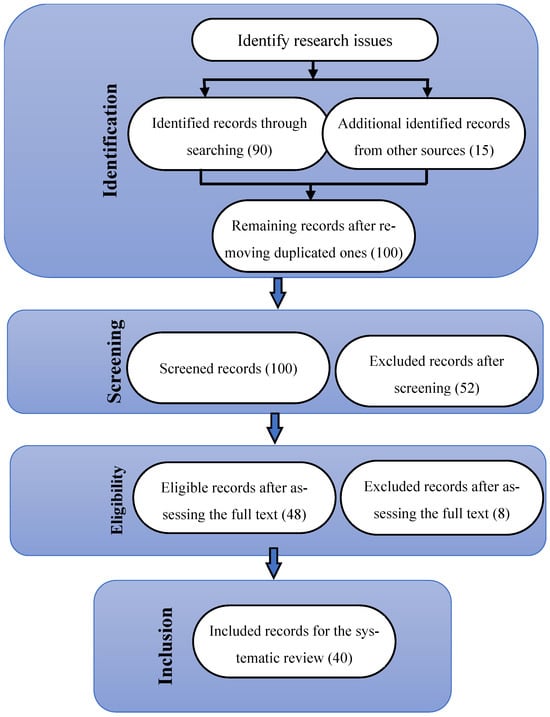
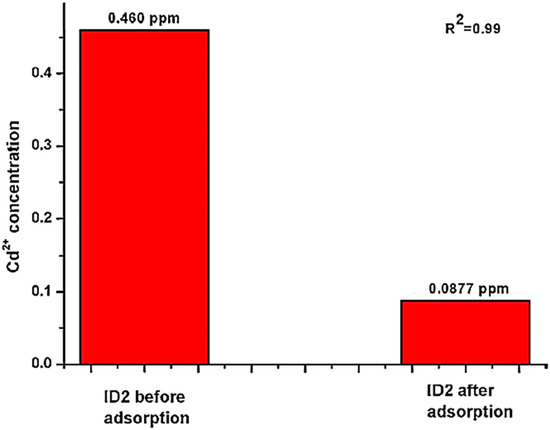
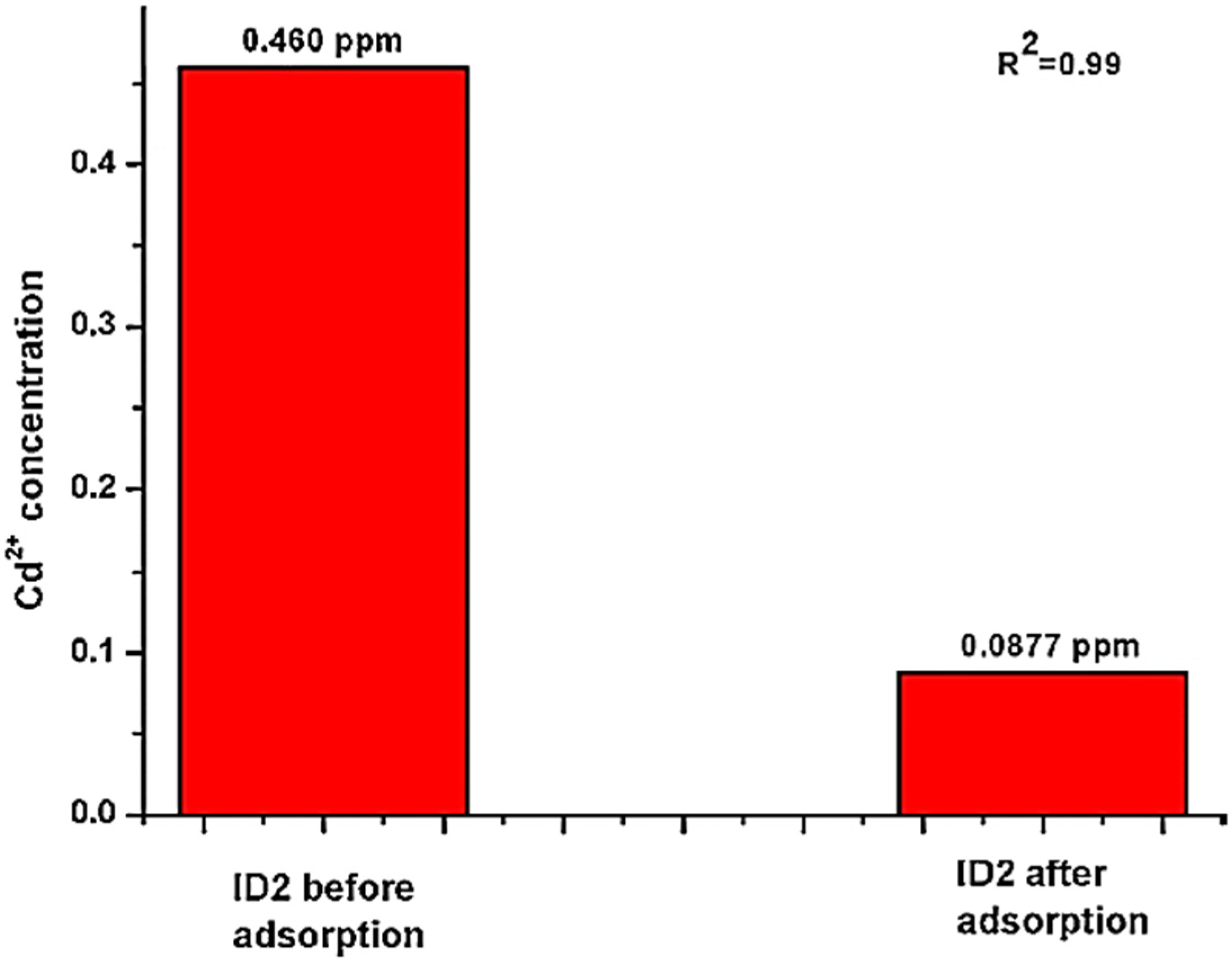
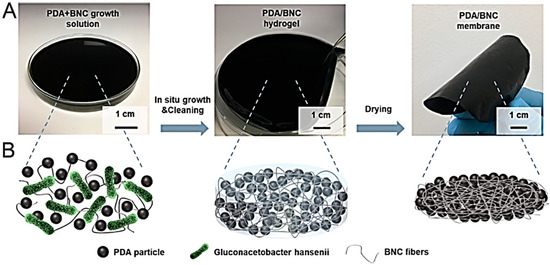
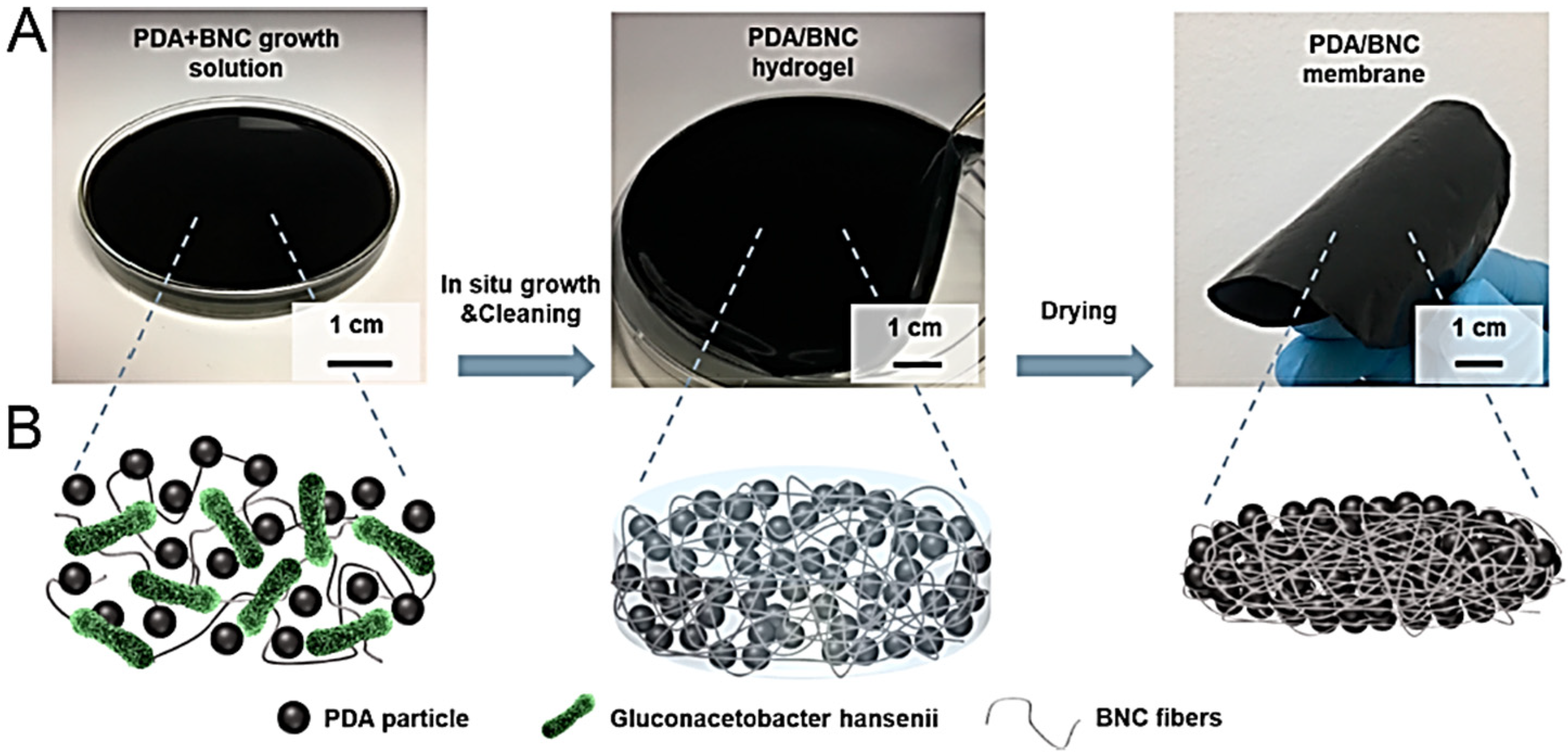
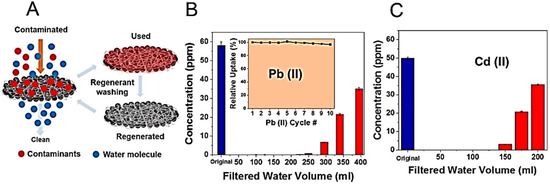
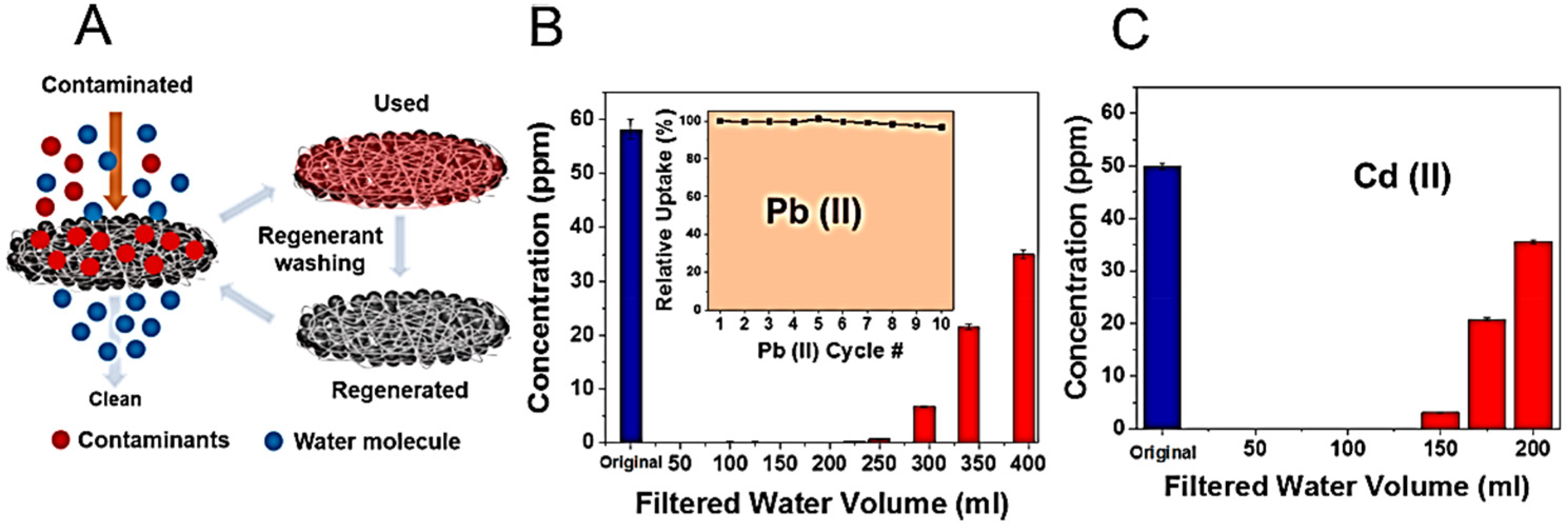
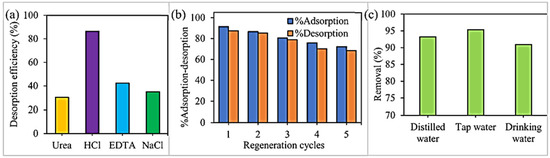
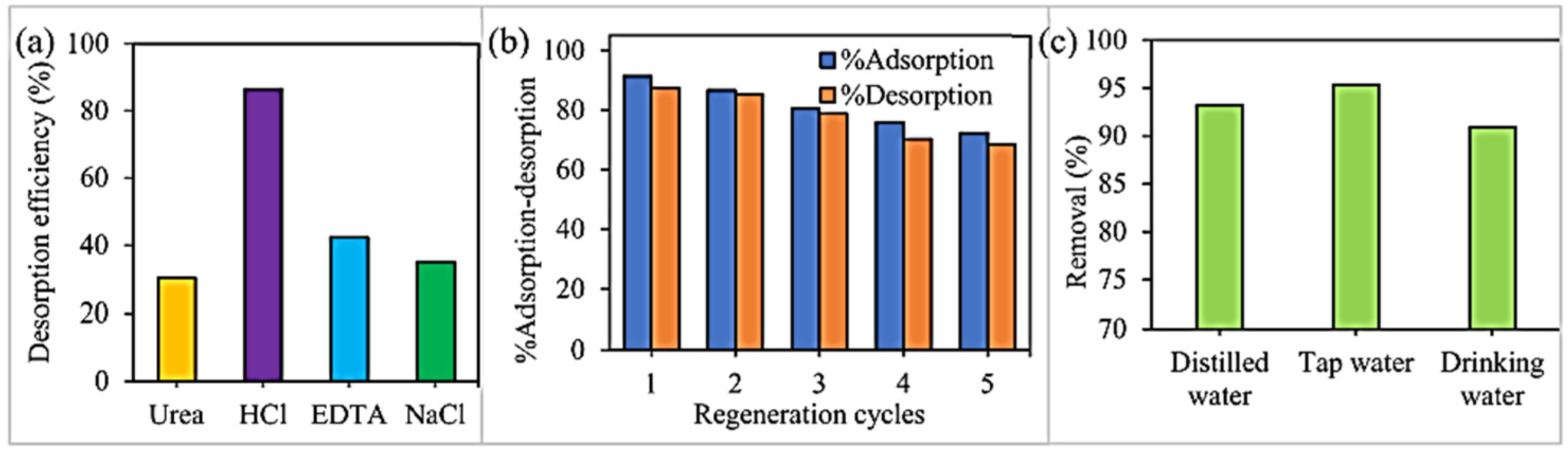
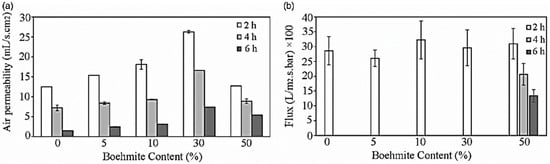
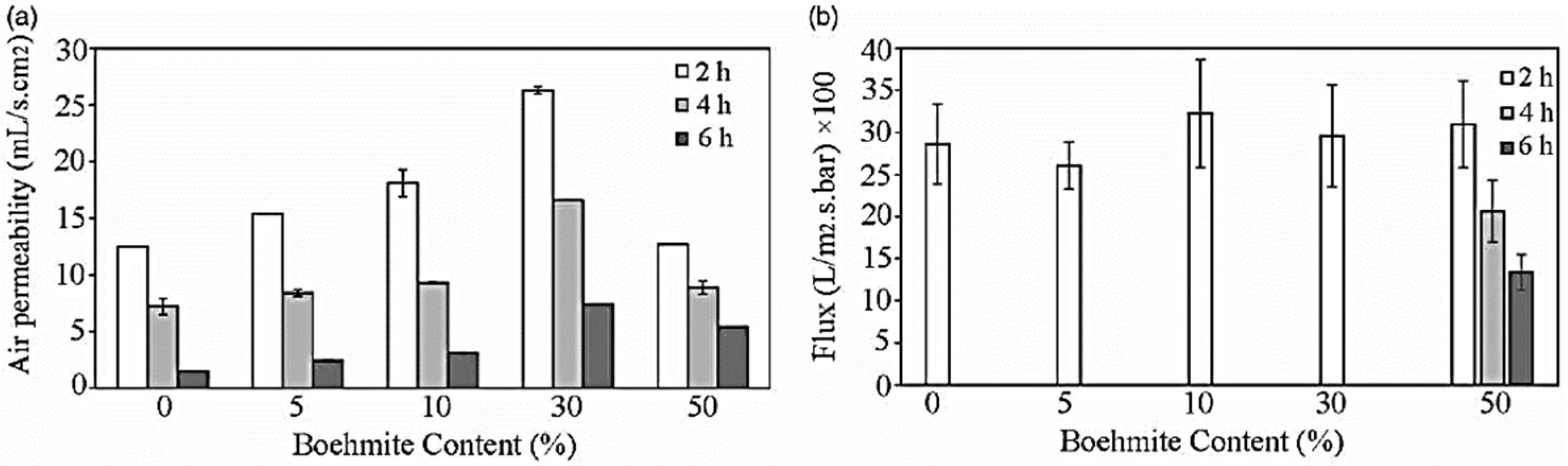
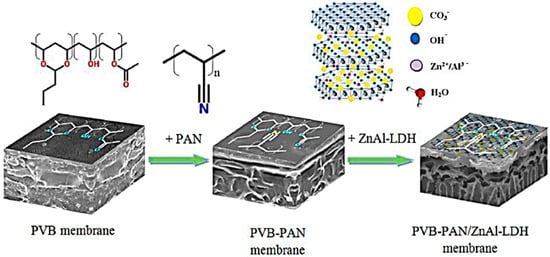
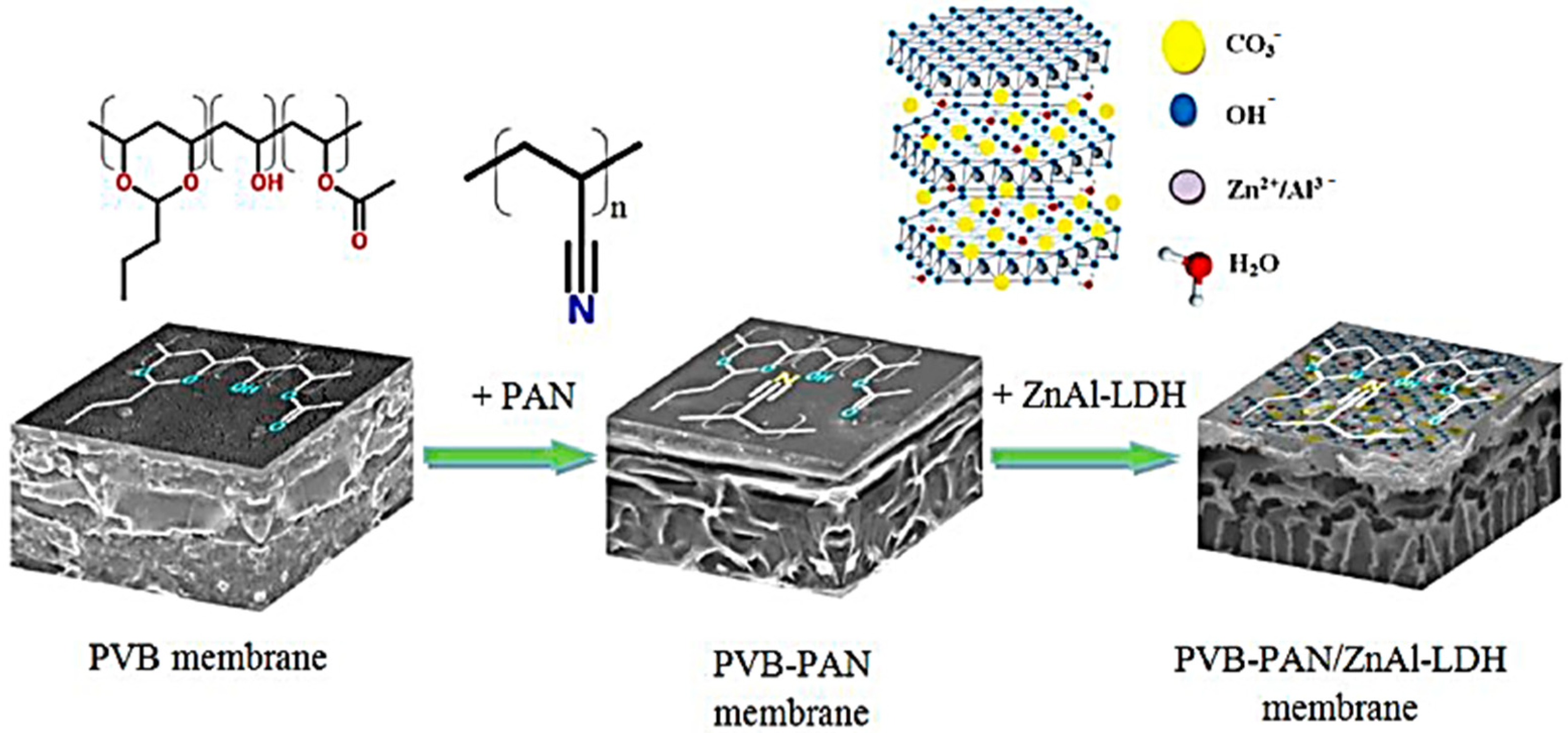
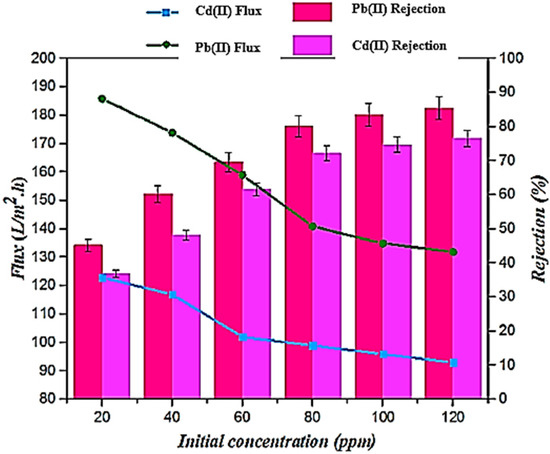
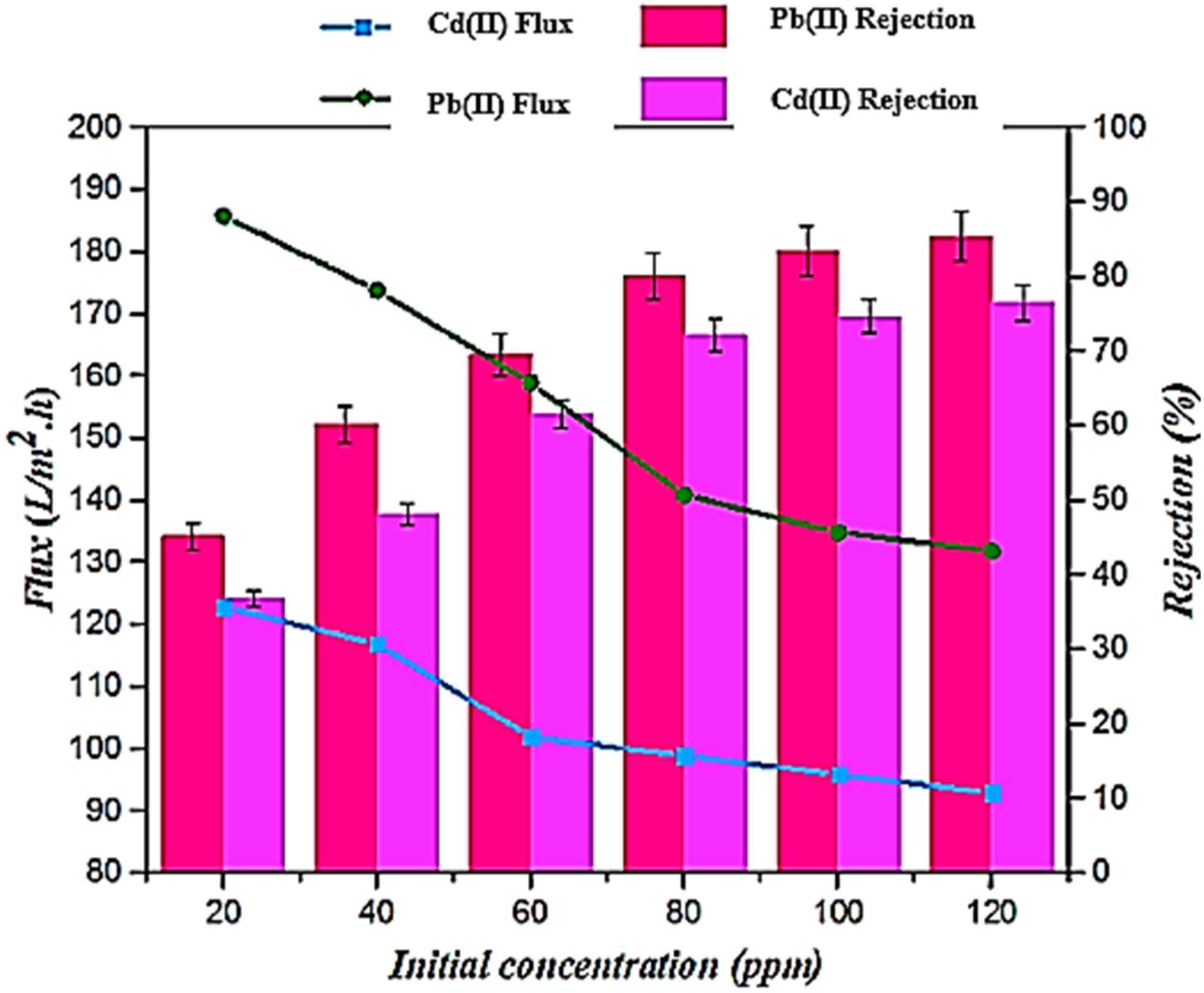
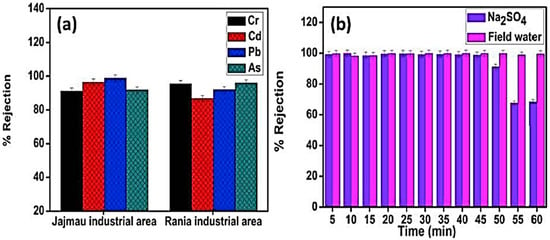
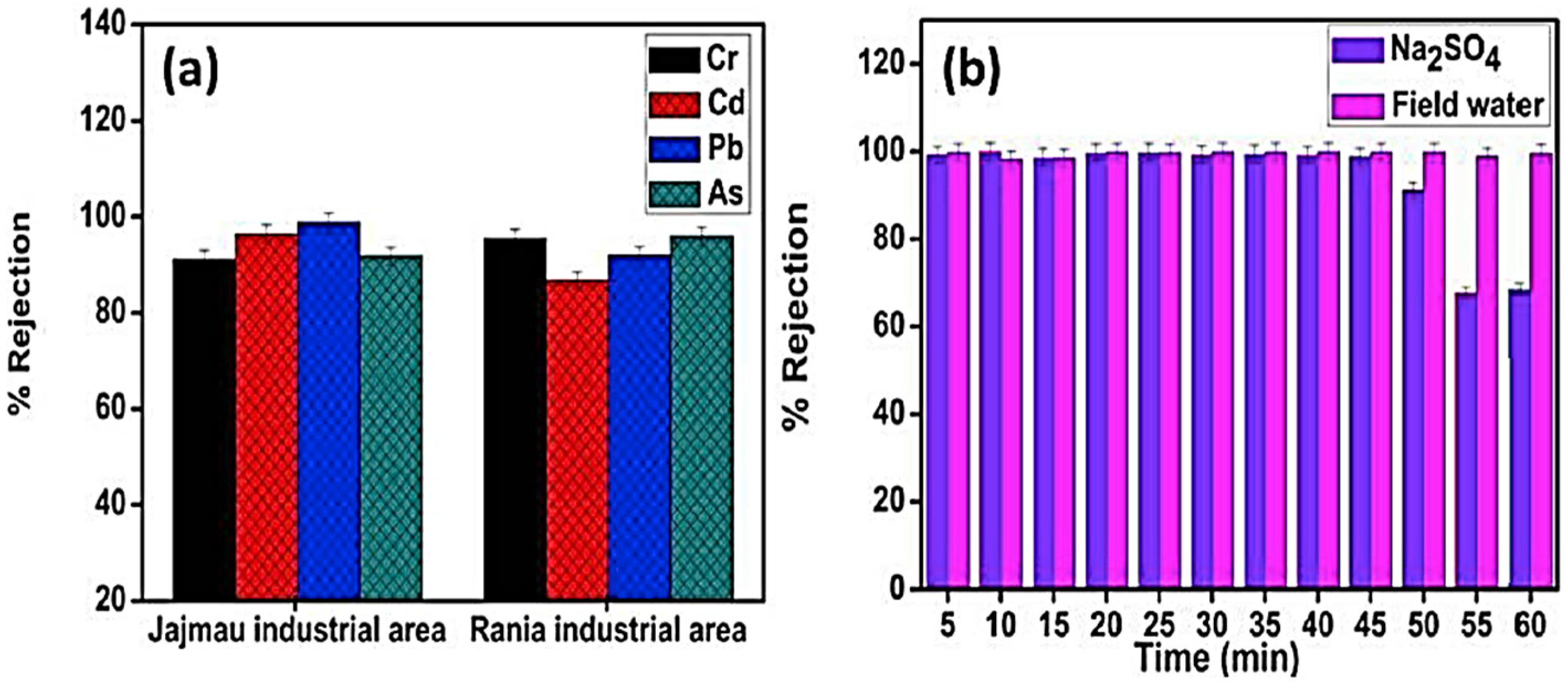
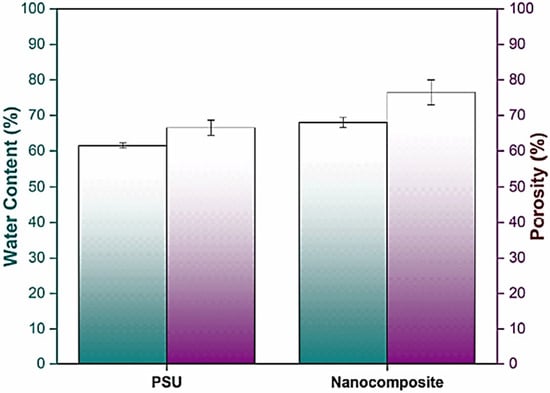
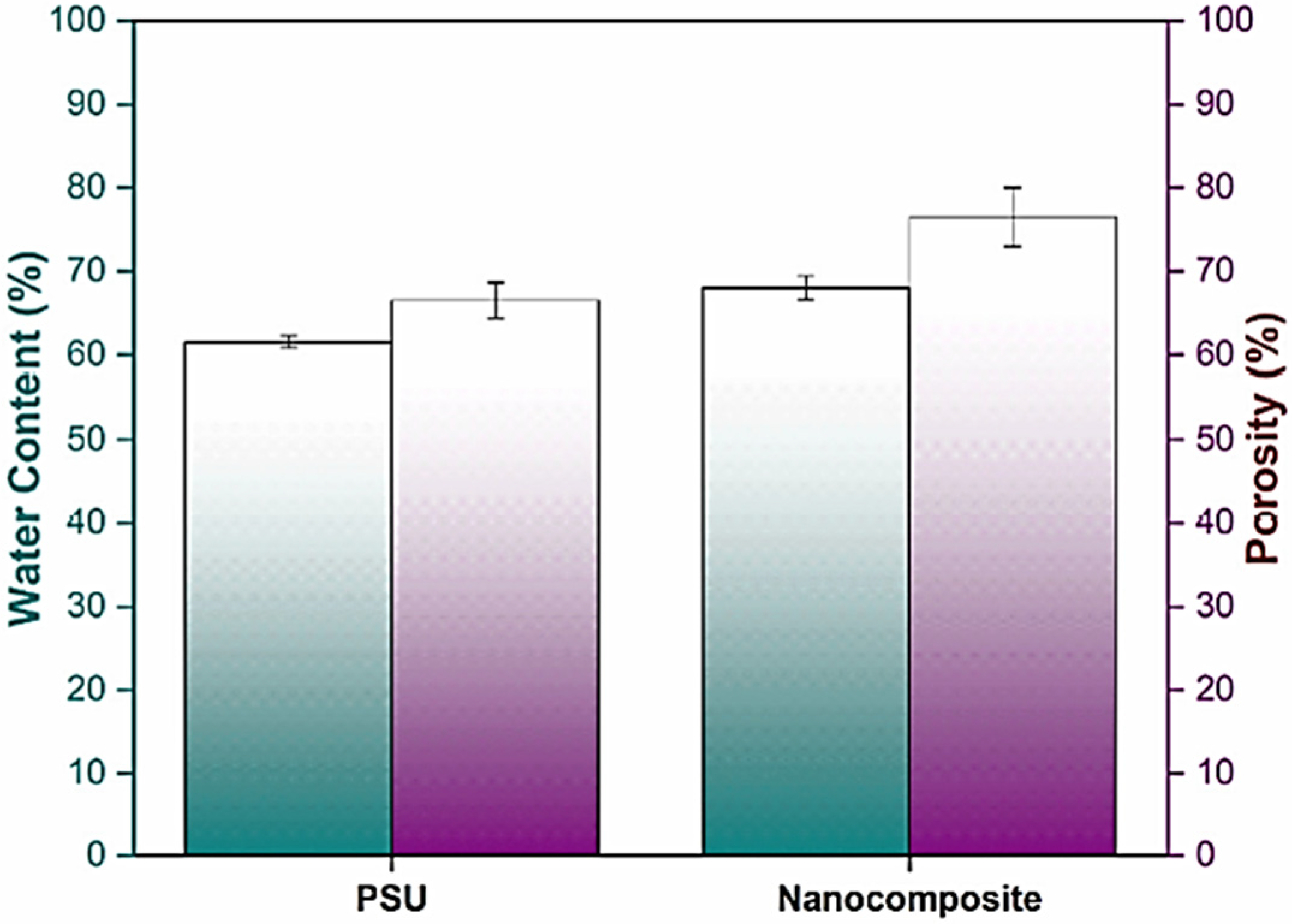
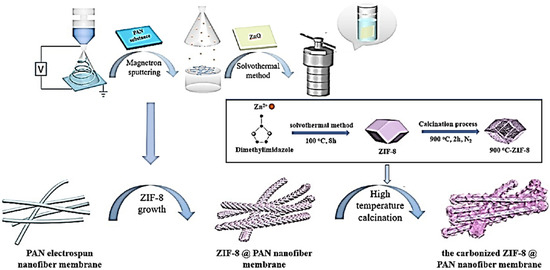
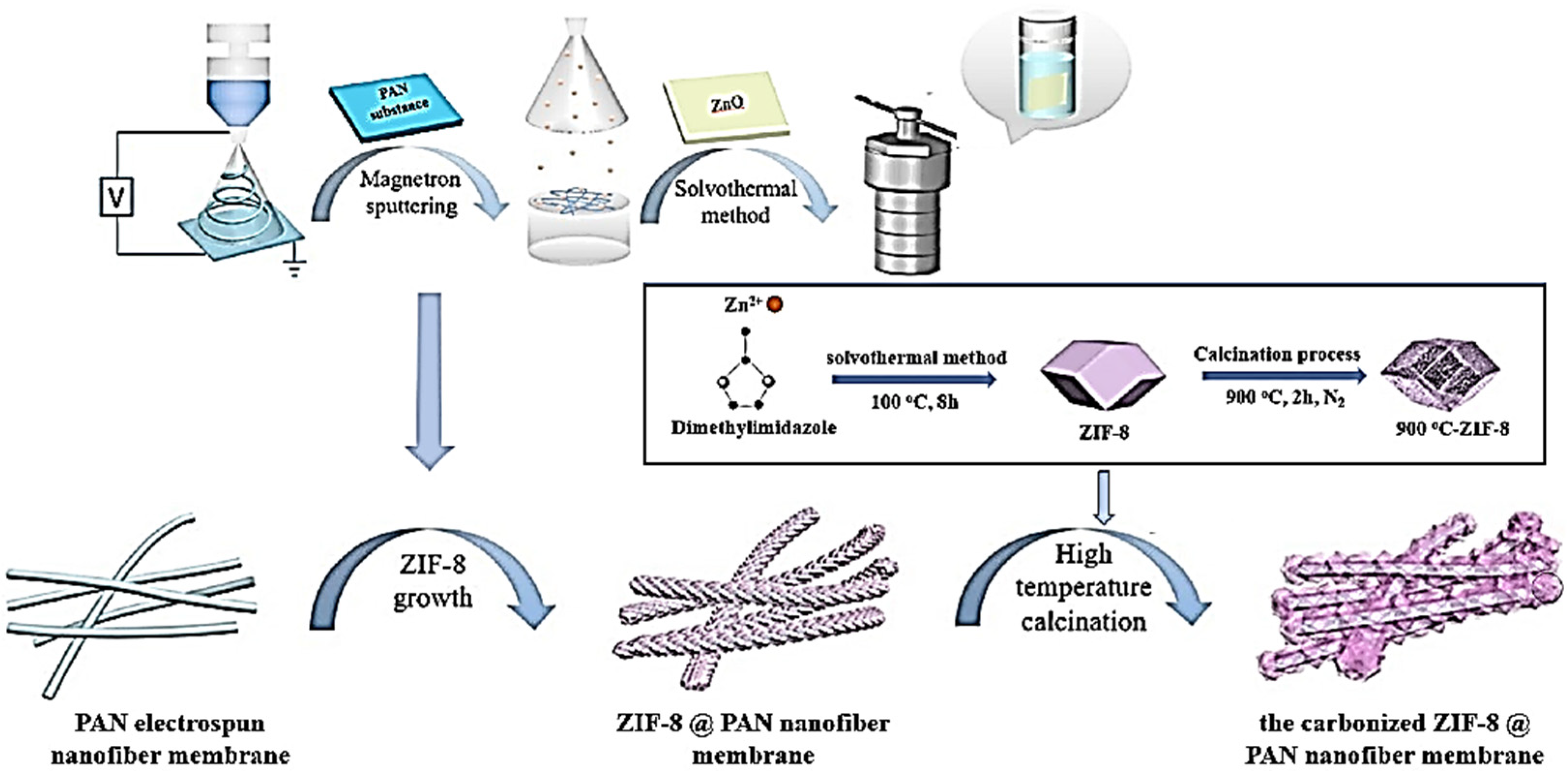
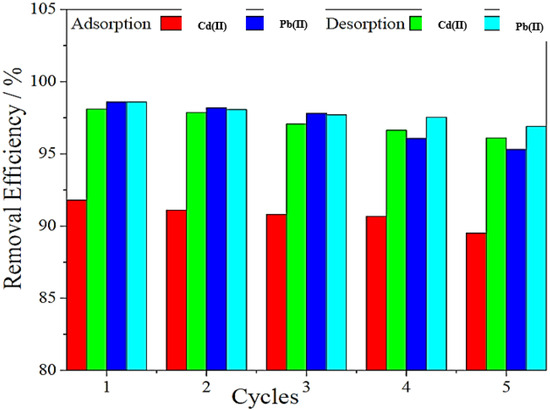
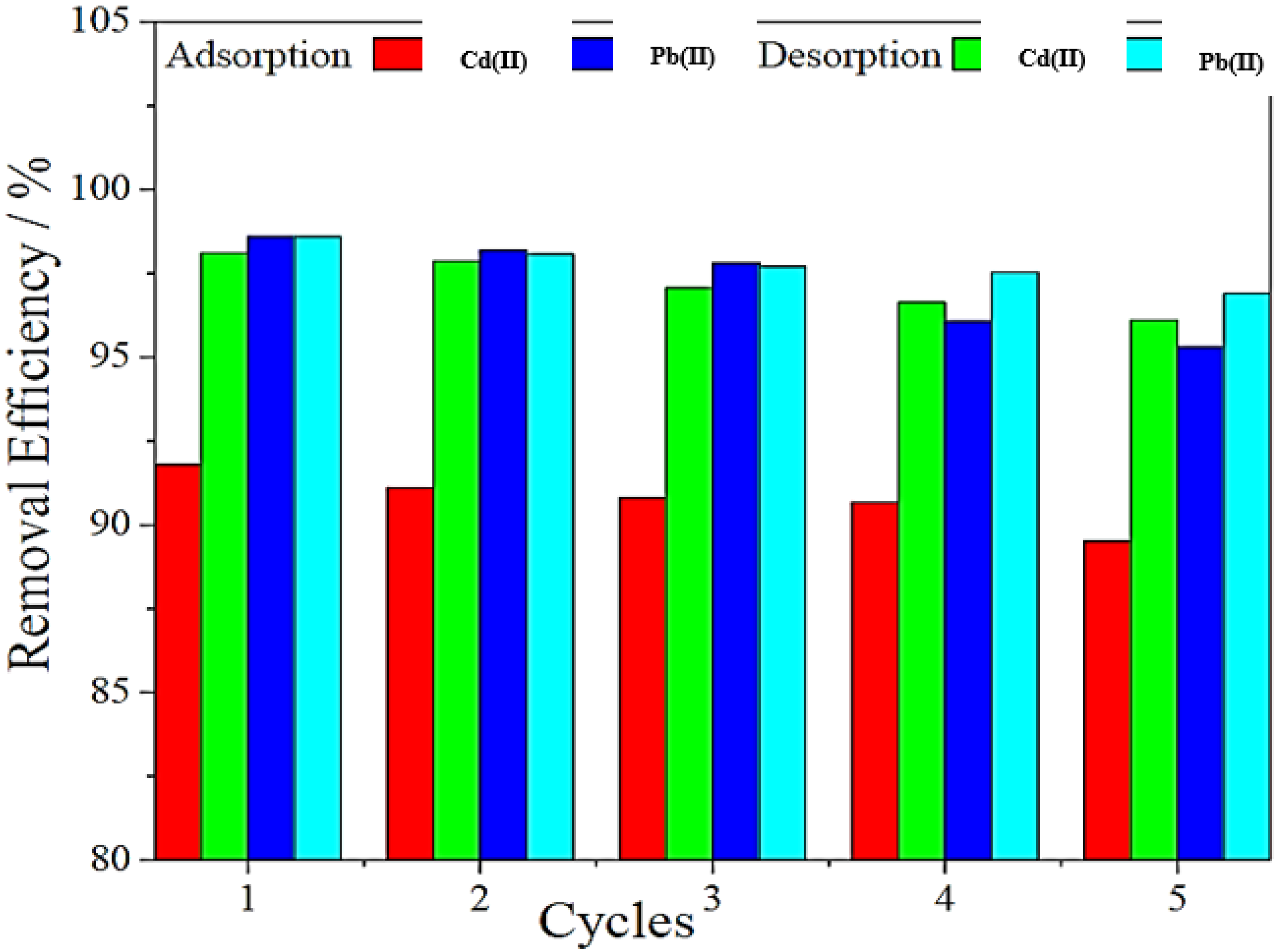
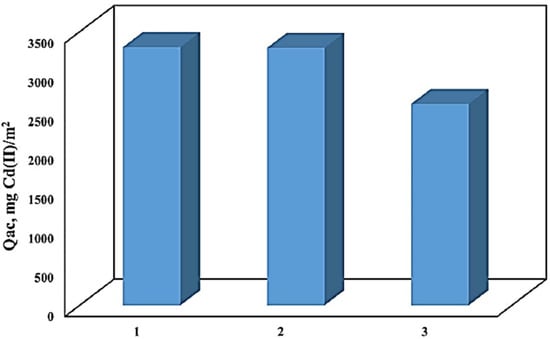
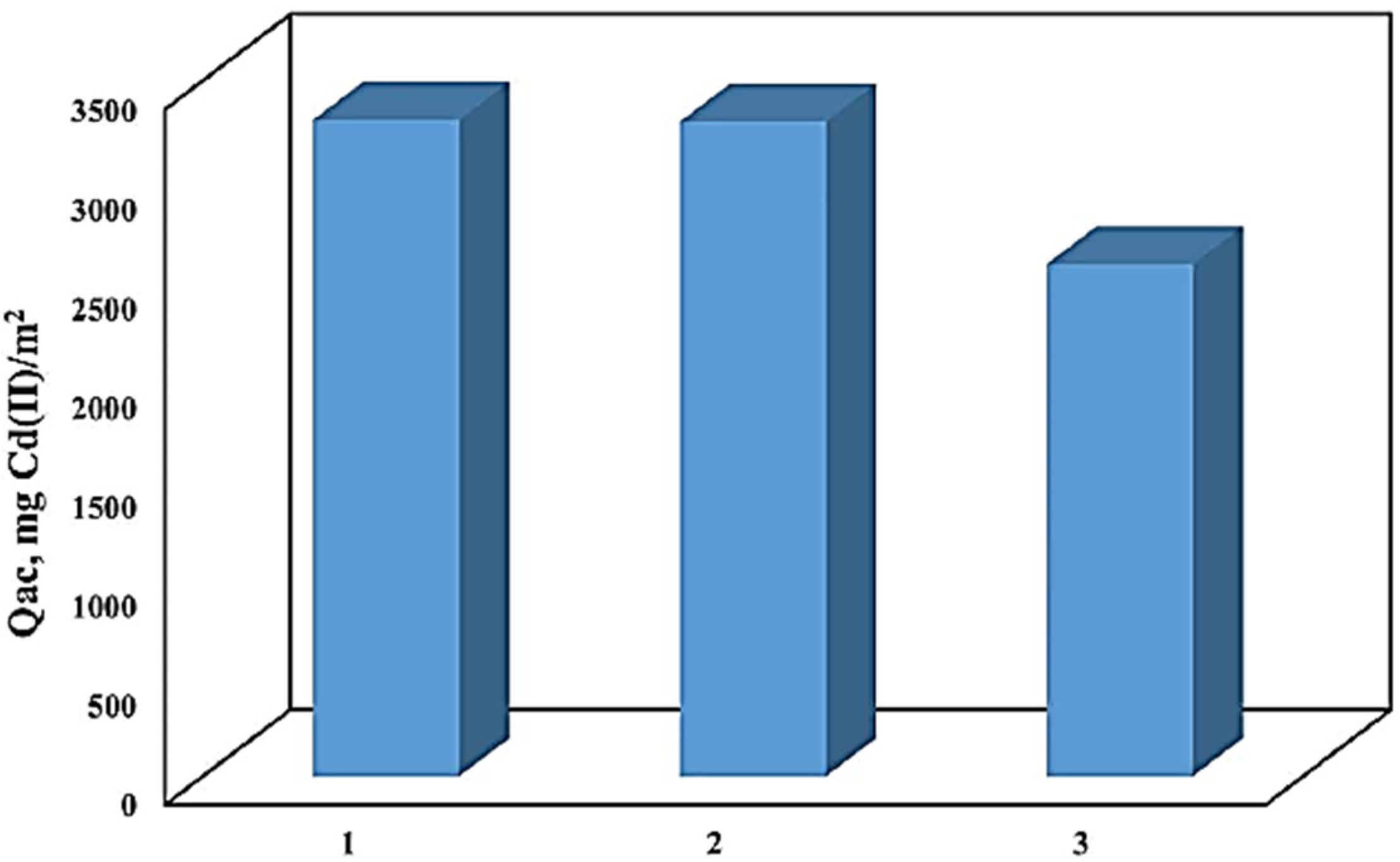
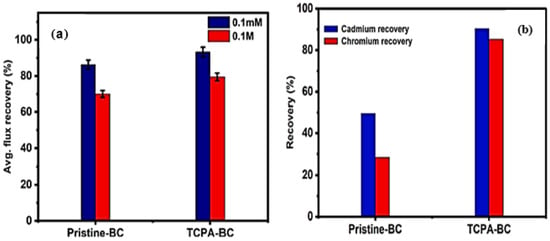
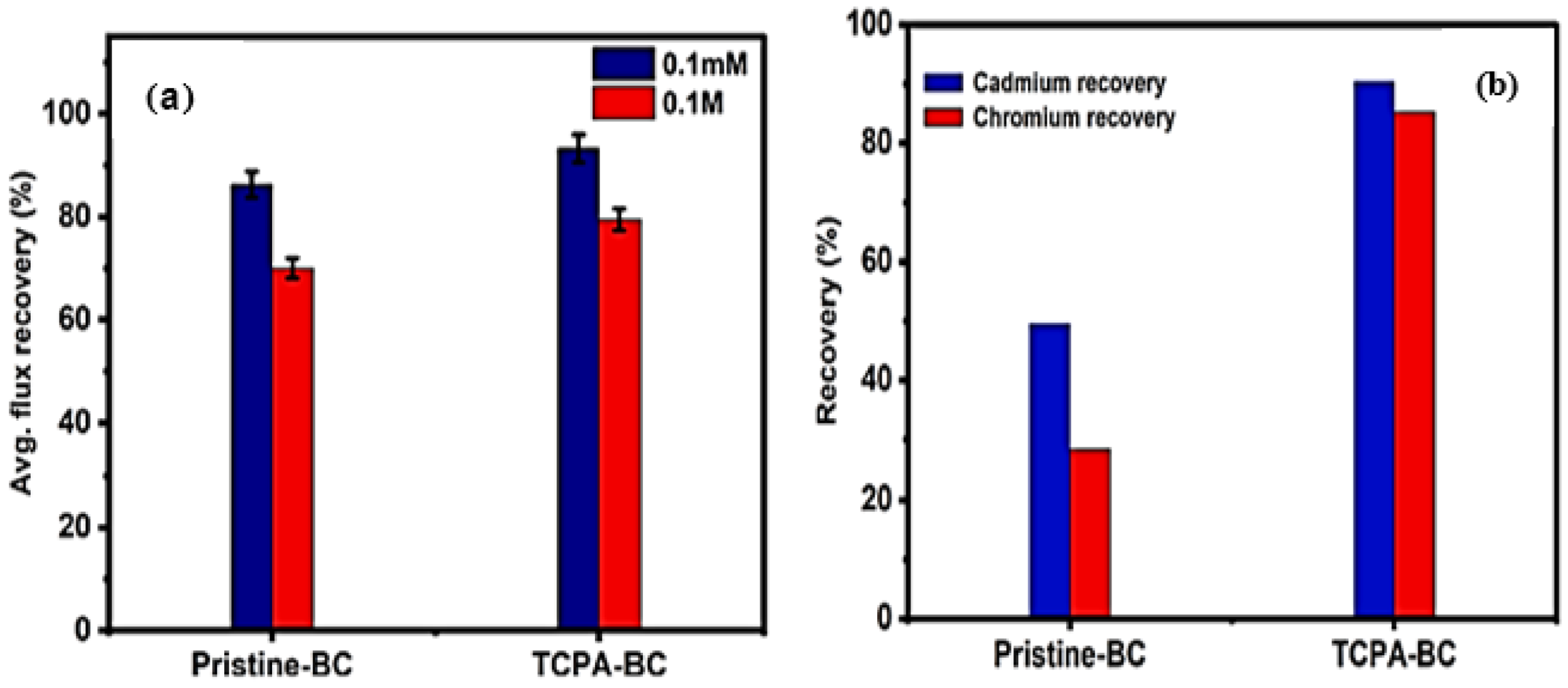
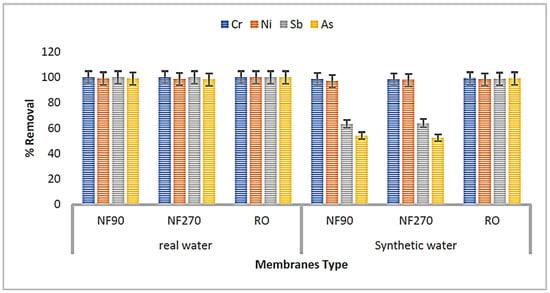
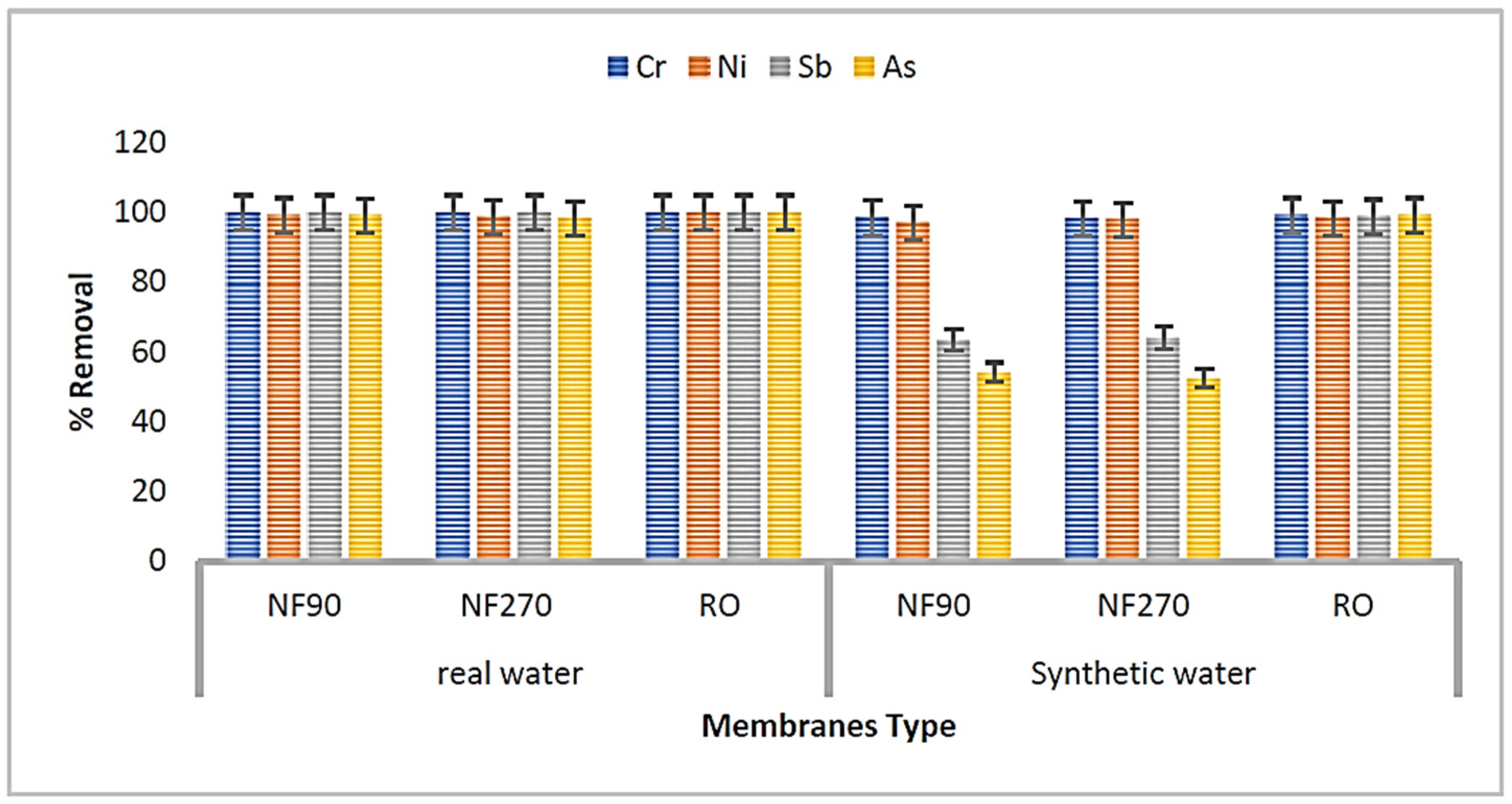
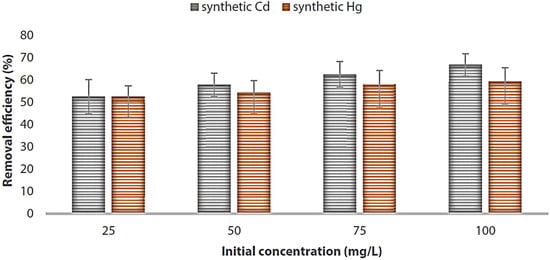
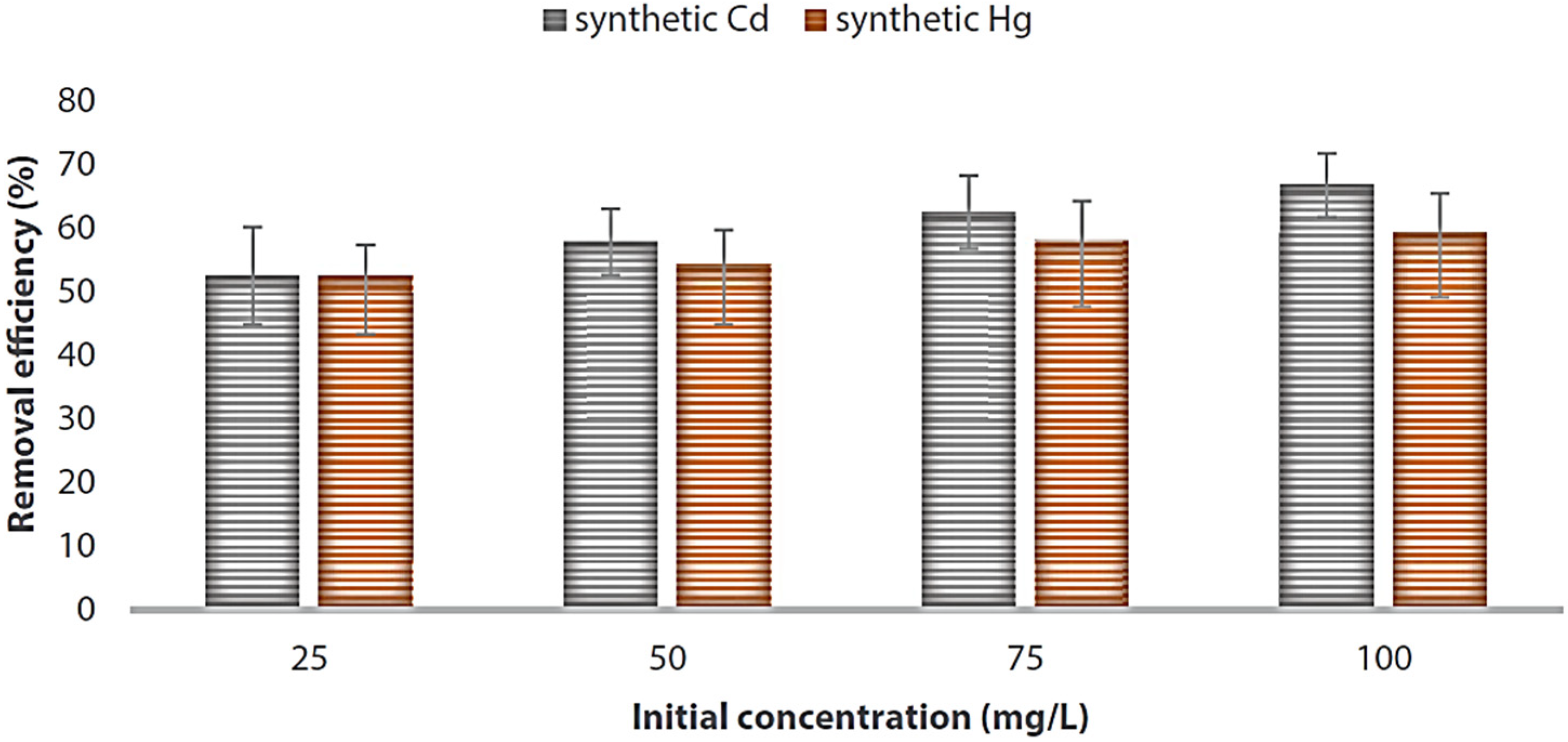
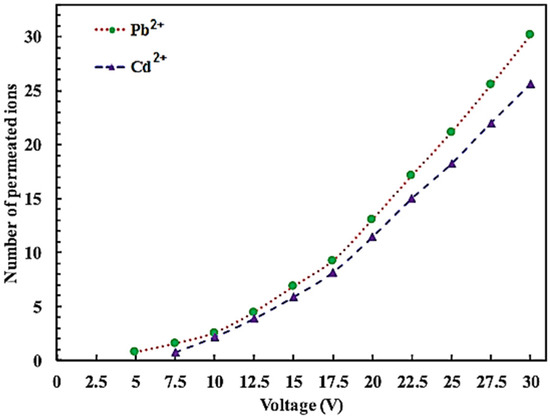
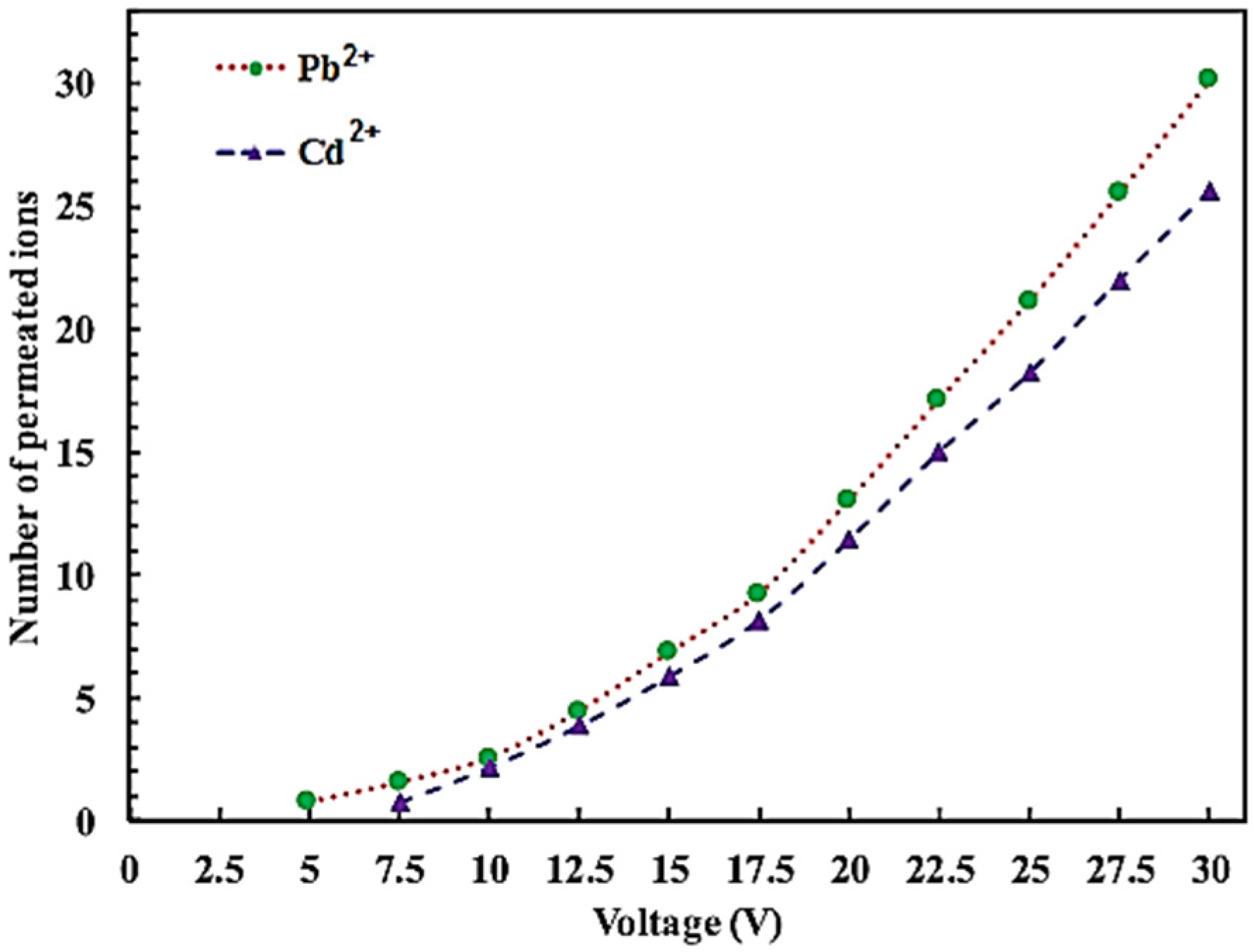
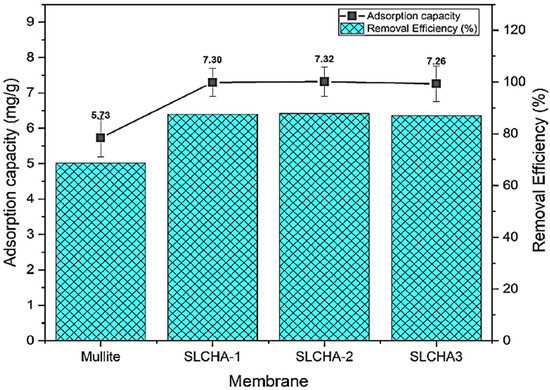
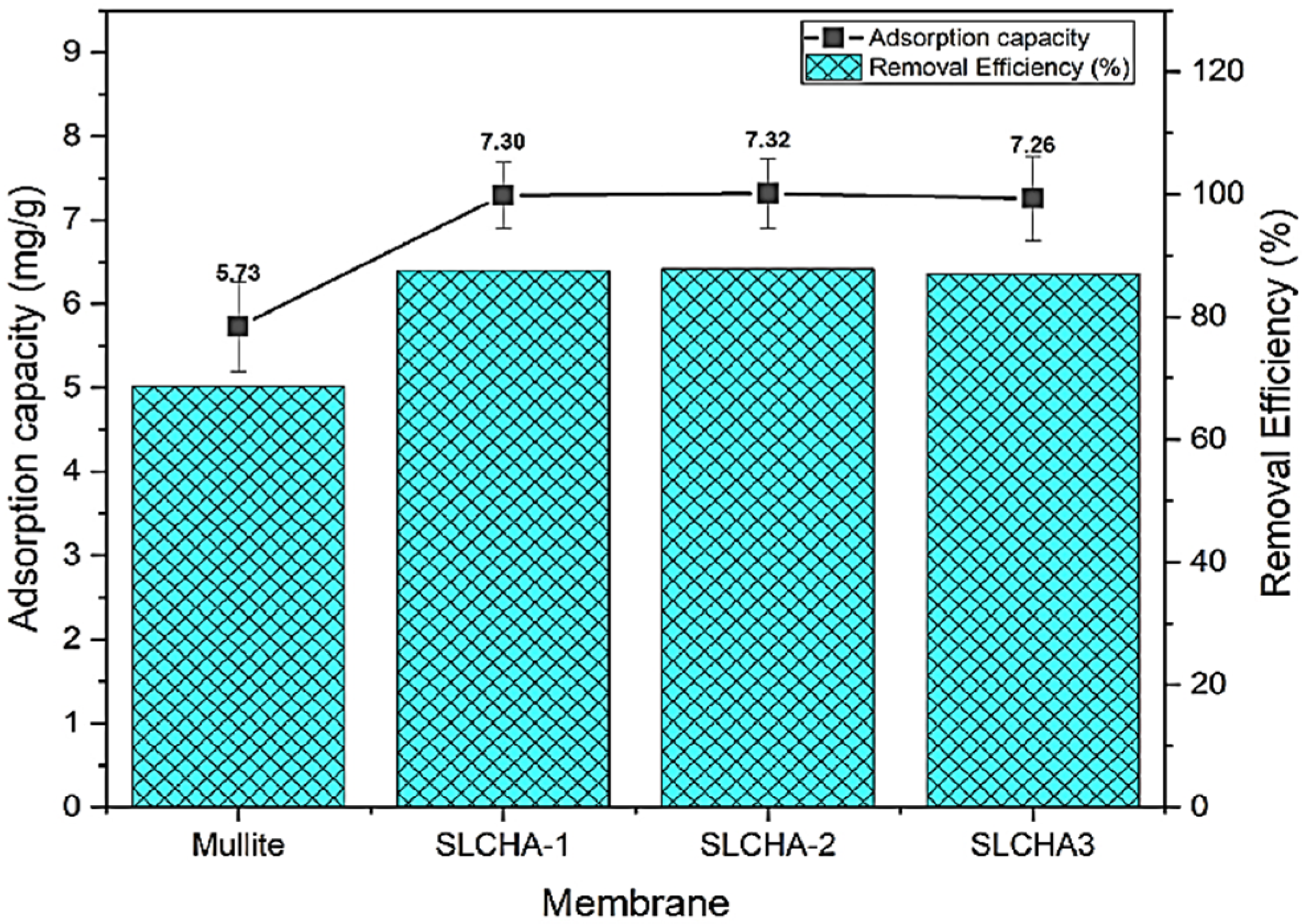
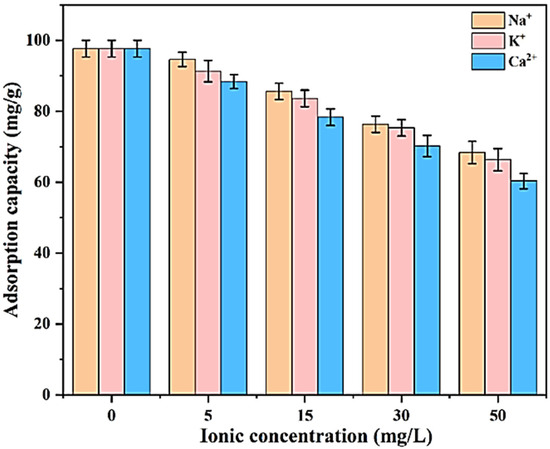
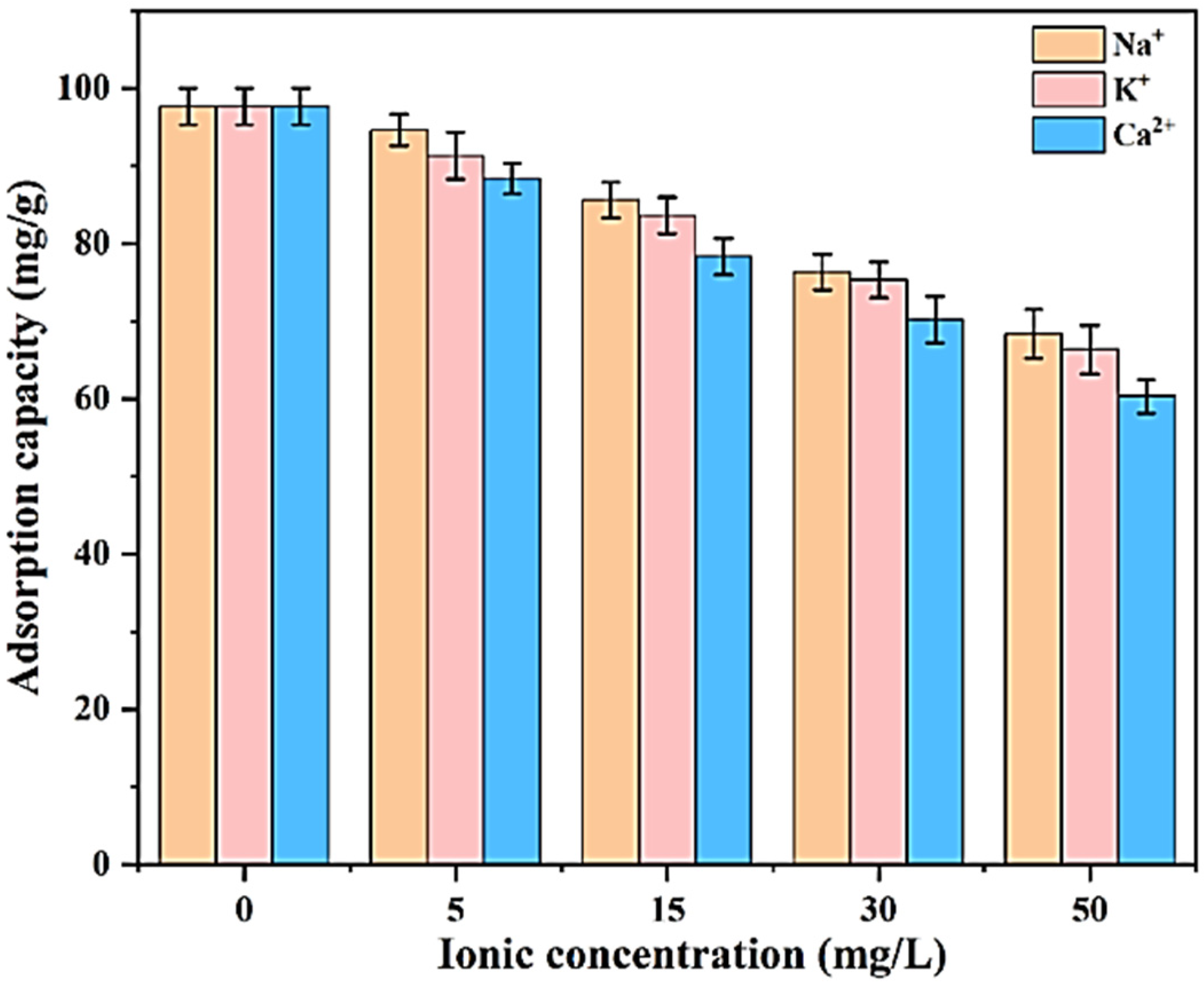
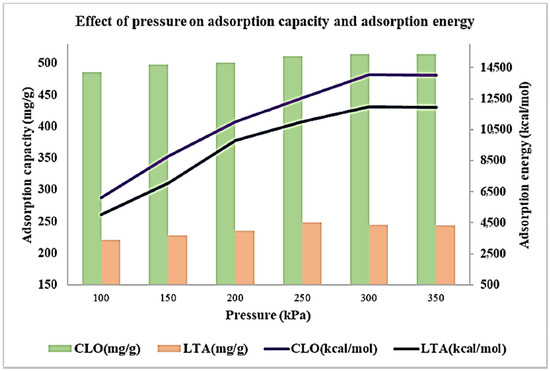
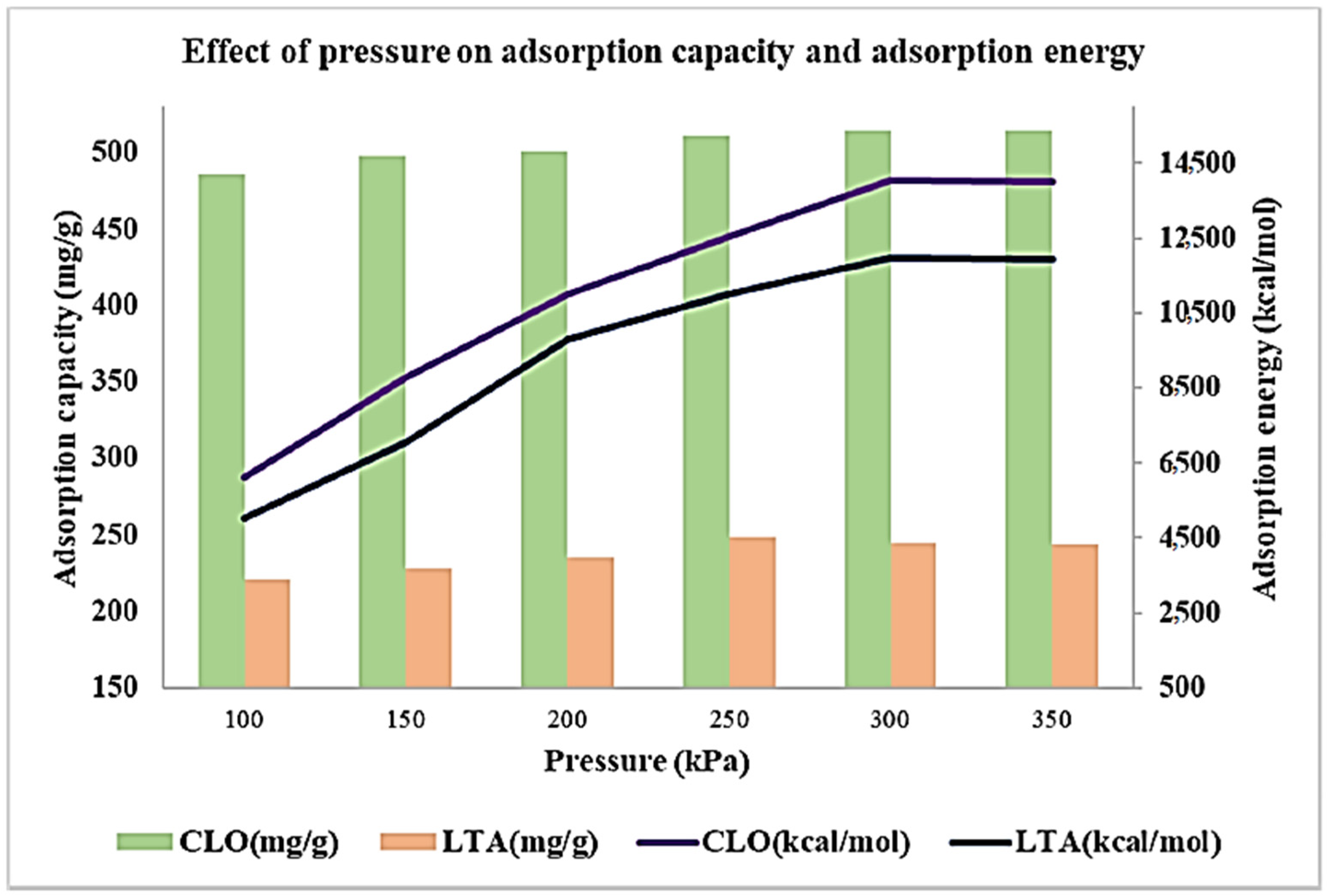
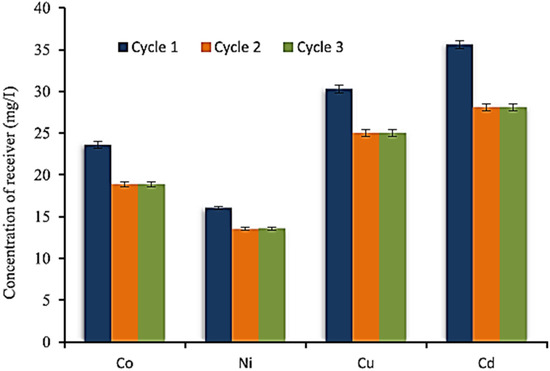
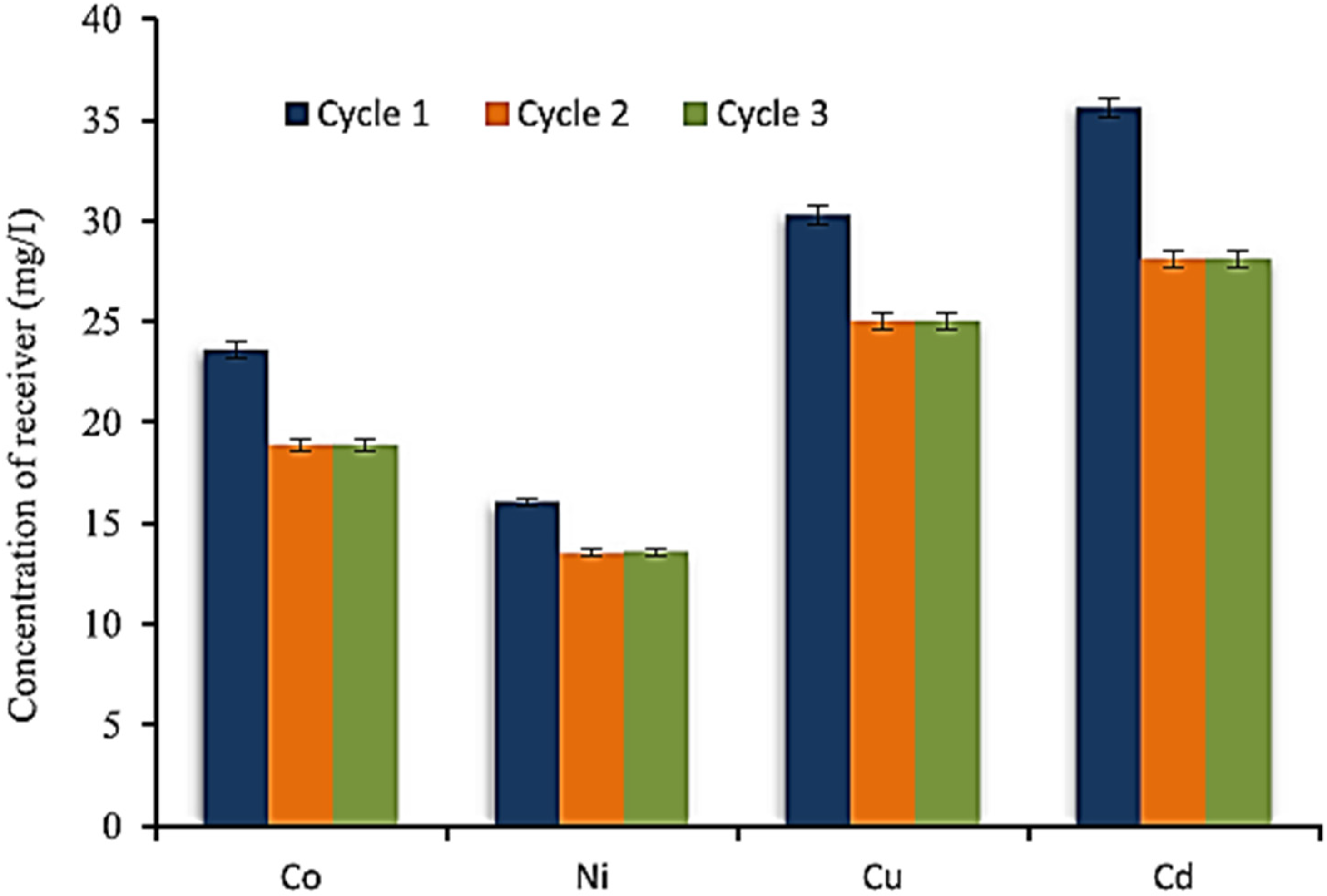

Disclaimer/Publisher’s Note: The statements, opinions and data contained in all publications are solely those of the individual author(s) and contributor(s) and not of MDPI and/or the editor(s). MDPI and/or the editor(s) disclaim responsibility for any injury to people or property resulting from any ideas, methods, instructions or products referred to in the content. |
© 2026 by the authors. Licensee MDPI, Basel, Switzerland. This article is an open access article distributed under the terms and conditions of the Creative Commons Attribution (CC BY) license.