


Abstract
Promoting sustainability in the building sector requires greater attention to household energy-saving behavior alongside technical efficiency measures. This exploratory longitudinal study investigates how an educational intervention influences residents’ environmental awareness, knowledge, energy-saving behaviors, and motivation, while examining psychological barriers to behavioral change—specifically procrastination and comfort prioritization. The study was conducted in two residential building types in Sétif, Algeria (high-end and mid-range housing), using a pre–post questionnaire design to assess changes before and after the intervention. Findings indicate measurable improvements across all examined determinants: mean awareness scores increased from 2.10 to 3.75, knowledge from 1.75 to 2.66, reported energy-saving behavior from 2.53 to 3.36, and motivation from 2.27 to 3.83 following the educational phase. Nonlinear regression analysis further suggests that procrastination and comfort prioritization explain 40.8% of the variance in reported energy-saving behavior, underscoring the importance of psychological determinants in residential energy use. Overall, the results point to the potential of educational and behavioral strategies to complement technical measures in promoting household energy saving. Given the exploratory and context-specific design, this study offers initial empirical insights and establishes a foundation for future research involving larger and more representative samples, a broader range of building types, and diverse sociocultural settings.
1. Introduction
Sustainable development and climate mitigation have become central global priorities, particularly in the context of rising energy demand and its environmental consequences. Over the past decades, global energy consumption has increased substantially, intensifying pressure on natural resources, accelerating climate change, and contributing to anthropogenic pollution through the emission of greenhouse gases and other combustion-related pollutants. According to Lopes et al. (2005) [1], a 30% rise was reported over the 25 years preceding their study. Furthermore, in 2023, a 2.2% increase was recorded in a single year, compared to an average of 1.5% per year during the period from 2010 to 2019 [2], depleting natural resources and accelerating climate change. The residential sector accounts for 55% to 72% of total building energy consumption, with greenhouse gas emissions estimated at 9 gigatonnes, which could reach 10 gigatonnes by 2060 in the absence of new mitigation measures [3].
Recent research indicates that, in complement to technical interventions, occupant behavior-oriented measures can reduce residential energy consumption by 10–25% [4,5,6,7,8,9,10,11,12,13,14,15]. These behaviors, sometimes as influential as the physical characteristics of buildings, are essential to maximizing energy efficiency. Thus, combining technical and behavioral interventions represents a crucial lever for achieving substantial energy savings, with resident education and awareness-raising measures holding particularly high potential.
The effects of energy-saving, environmental, and climate change education interventions on households’ energy behavior have been examined by several authors across different sociodemographic contexts. Ouyang & Hokao (2009) [16], Hafner et al., (2020) [17], and Kang et al., (2012) [18] reported positive outcomes in China, the United Kingdom, and South Korea, respectively. However, Nahiduzzaman et al. (2018) [19] found that, in the context of Saudi Arabia, such interventions proved to be ineffective. These findings suggest that the effectiveness of educational interventions may vary depending on the sociodemographic context. Within this framework, and given that the Algerian context remains little explored—if not entirely unexplored—to the best of our knowledge, this study seeks to contribute to the existing literature by examining the sociocultural context of the Sétif region in Algeria, within its specific climatic setting.
As one of the world’s leading natural gas exporters, Algeria faces growing energy security pressures due to rapid increases in domestic consumption driven by population growth, economic development, and subsidized energy prices. Between 2002 and 2011, total energy use rose by 5.7% annually, while natural gas consumption increased by 8–10% [20], reducing export capacity. The residential sector—responsible for 6312 tons of CO2 equivalent emissions—ranks third after industry and transport [21], with demand largely driven by heating, cooling, domestic hot water, and electrical appliances, particularly space heating during the cold season, which relies heavily on natural gas.
Households exhibit limited environmental awareness, and public policies continue to prioritize technical solutions, with comparatively little emphasis on behavioral change. Strengthening education and awareness initiatives therefore represents an important complementary strategy.
This paper presents an exploratory empirical study examining the impact of an educational intervention on key determinants of household energy saving—namely environmental awareness, energy-saving knowledge, motivation, and sustainable energy-saving behavior—while also identifying psychological barriers that may hinder behavioral adoption. The study was conducted in Sétif, Algeria, and involved a limited sample from two types of collective housing: high-end and mid-range dwellings.
Consistent with approaches adopted in previous research [22,23,24], a longitudinal design was implemented in which participants completed a questionnaire assessing the targeted determinants before and after receiving a structured educational intervention. The collected data were statistically analyzed to evaluate changes between the two phases. The results indicate preliminary improvements across the examined determinants, suggesting that educational interventions may positively influence the cognitive and motivational foundations of energy-saving behavior.
Overall, the findings provide initial empirical support for considering educational interventions as a complementary strategy to technical measures in promoting residential energy saving. While the results remain indicative due to the exploratory design and limited sample, they offer a useful baseline for future, more representative studies and highlight the importance of integrating behavioral dimensions into energy policy frameworks.
2. Literature Review
2.1. Determinants of Sustainable Energy Saving
A growing body of international research identifies environmental awareness, energy-saving knowledge, motivation, and behavior as key determinants of sustainable energy saving. Wang et al. (2014) [25] showed in China that environmental knowledge significantly shaped pro-environmental attitudes and energy-saving behavioral intentions. Wang et al. (2025) [26] further demonstrated in China that system knowledge, action knowledge, and efficacy knowledge helped bridge the knowledge–action divide through intention and behavioral capability pathways. Zeng et al. (2023) [27] found that environmental knowledge enhanced environmental concern and pro-environmental behavior, which in turn promoted sustainable consumption behavior. Jaciow et al. (2022) [28] reported in Poland that environmental awareness, perceived consumer effectiveness, and mobilizing attitudes significantly predicted energy-saving and curtailment behaviors. Dincă et al. (2022) [29] showed in Romania that environmental awareness and collectivist values positively influenced energy-saving habits. Salehi and Pazokinejad (2022) [30] demonstrated in Iran that environmental beliefs, subjective norms, self-efficacy, and knowledge significantly determined household energy-saving behavior. Xuan et al. (2023) [31] integrated the Theory of Planned Behavior and the Norm Activation Model in Vietnam and showed that awareness of consequences, ascription of responsibility, subjective norms, and personal norms shaped energy-saving intention and habit formation. Jakučionytė-Skodienė and Liobikienė (2023) [32] found in Lithuania that environmental knowledge and attitudes significantly influenced electricity and heating energy consumption. Streimikiene et al. (2022) [33] reported, in the Lithuanian context, that environmental awareness, knowledge, and attitudes were strongly associated with sustainable household energy consumption. Wu et al. (2022) [34] emphasized in a systematic review that public awareness and lifestyle factors influenced low-carbon behavior but highlighted a persistent awareness–behavior gap. Dos Santos et al. (2024) [35] similarly concluded in their global systematic review that while environmental awareness and knowledge formed an essential foundation for sustainable energy consumption, motivational mechanisms and behavioral capabilities ultimately determined sustained energy-saving action.
2.2. The Role of Education in Fostering Sustainable Energy-Saving Behavior
Identifying determinants such as awareness, knowledge, and motivation may provide a theoretical foundation; however, translating these determinants into sustained behavioral change may require targeted intervention strategies. Consequently, recent research has increasingly focused on educational and behavioral interventions as potential instruments to activate and reinforce these underlying drivers [36,37]. Turdaliev et al. (2026) [38] examined an intermittent informational intervention in Yerevan, Armenia, and found substantial reductions in electricity consumption during active phases, with nearly half of the effect persisting after an eight-month pause. Borzino et al. (2025) [39] demonstrated in Singapore that combining feedback, goal-setting, and energy-saving tips significantly reduced household electricity use, while additional monetary or environmental incentives did not produce further savings. Zhu et al. (2024) [40] showed in China that mixed normative feedback strategies, particularly those combining social norms with group-contrast feedback, generated the strongest and most sustained reductions in shared university dormitories. Tiberio et al. (2025) [41] reported in Italy that descriptive norm messages significantly reduced electricity consumption, whereas adding injunctive messaging did not enhance effectiveness. Fan and Fan (2024) [42] proposed an integrated framework linking education and awareness programs with advanced monitoring systems to foster long-term energy-saving behavior and system resilience. Delmas et al. (2024) [43] demonstrated in Los Angeles that youth-driven educational programs increased parental awareness, knowledge, and self-efficacy, leading to measurable household conservation. Wang et al. (2025) [44] showed across five Chinese cities that engaging students in electricity audits and peer competitions improved knowledge and daily conservation behaviors, resulting in sustained household reductions. Mi et al. (2020) [45] found in Xuzhou, China, that environmental contribution feedback significantly reduced household electricity consumption compared to other informational strategies. Asgarabad et al. (2024) [46] investigated multiple behavioral interventions across six European countries and assessed the effectiveness of individual and combined approaches, highlighting the importance of integrating information provision, social norms, feedback, competition, and commitment to sustain energy saving. Based on this background, we formulate the following hypotheses:
H1.
The energy-saving education intervention positively influences the underlying determinants of household energy consumption by enhancing environmental awareness, knowledge, motivation to adopt energy-efficient practices and energy-saving behaviors.
H2.
The effect of the educational intervention is stronger among households with a lower initial level of environmental awareness and energy-related knowledge.
2.3. Psychological Barriers to Adopting Sustainable Energy-Saving Behavior
However, the effectiveness of such interventions must be understood in light of psychological constraints that shape individual decision-making. Even when educational initiatives improve awareness, knowledge and attitudes, internal barriers can prevent intentions from translating into sustained energy-saving behavior. Several studies have shown that psychological barriers play a central role in explaining the value–action gap in adopting sustainable energy-saving behavior [47,48,49,50]. Shen et al. (2023) [51] demonstrated in Singapore that irrational procrastination and present bias significantly hindered energy-saving behavior, as individuals delayed action despite recognizing long-term benefits. Peng and Klöckner (2025) [52] showed in Norway that although energy-saving awareness increased during the energy crisis, higher affordability weakened the development of motivation and the retention of energy-saving behavior, suggesting that the ability to maintain thermal comfort undermined sustained change. Hnin et al. (2025) [53] found in Bangkok, Thailand that individual comfort significantly reduced actual energy-saving behavior despite pro-environmental intentions, highlighting a clear intention–behavior gap driven by thermal and lighting comfort prioritization. Wang et al. (2025) [54] attributed the cognition–behavior gap among Chinese university students to limited self-control, competing daily priorities, and weak habit disruption, indicating that behavioral inertia and short-term comfort considerations impeded the consistent adoption of conservation practices. Accordingly, we introduce the following hypothesis:
H3.
Procrastination and comfort prioritization partially explain the non-adoption of energy-saving behaviors.
In summary, sustainable household energy-saving behavior results from a process where environmental awareness and knowledge boost motivation and promote action. Educational interventions enhance this pathway by activating awareness, knowledge, and motivation and hence sustainable energy-saving behavior. However, psychological barriers like procrastination and comfort prioritization can impede the translation of motivation into consistent behavior. This conceptual framework is illustrated in Figure 1.
Figure 1.
Conceptual framework illustrating the determinants of household energy-saving behavior, the activating role of educational interventions, and the moderating influence of psychological barriers.
2.4. Research Gap
Despite extensive international research on educational interventions and psychological determinants of energy-saving behavior, limited evidence exists, to the best of our knowledge, for the North African context, particularly Algeria as a developing country. This gap is significant given Algeria’s unique profile as a developing country and a major natural gas producer and exporter with heavily subsidized domestic energy prices, which may weaken economic incentives and reinforce comfort-oriented consumption patterns. Moreover, few studies have simultaneously examined the role of educational interventions and psychological barriers, leaving an important gap in understanding how these factors interact to shape sustainable energy-saving behavior.
3. Research Materials and Methods
This exploratory study investigates how communicating information to residents influences their awareness, knowledge, attitudes, and sustainable behaviors related to energy saving, with the aim of evaluating the impact of informational and educational interventions on these determinants. It also identifies barriers to behavioral change, particularly action inertia, which encompasses procrastination and the prioritization of comfort.
A preliminary survey, based on semi-structured interviews [24,55], was conducted to collect information on housing design and residents’ behaviors related to thermal comfort during the cold season, spanning from December to February. The selection of this period is specific to the Algerian context, where the country is a major global producer and exporter of natural gas. Furthermore, substantial domestic subsidies have resulted in the widespread use of natural gas for residential space heating, making the cold season particularly relevant for this study. This phase aimed to identify potential sources of energy waste as well as opportunities for energy savings linked to housing characteristics. Data gathered during this preliminary phase guided the design of the main survey, serving to inform and raise occupants’ awareness of their buildings’ energy performance, in line with our previous findings (see case study Section 2.1).
A longitudinal trial was subsequently carried out in the form of a questionnaire survey, inspired by the work of Hafner et al. (2020) [17]. The questionnaire was designed to assess residents’ awareness, knowledge, sustainable behaviors, and attitudes, including motivations and psychological barriers related to energy savings. The questions, phrased in simple and accessible language, were grounded in previous research identifying these dimensions as key psychological and behavioral determinants influencing energy consumption [16,18,22] (see Survey content Section 3.2.3).
3.1. Case Study Selection and Description
In this study, two types of collective housing located in the city of Sétif, Algeria, were selected:
- High-end housing (Résidence Amrani), hereafter referred to as Building A.
- Mid-range housing (Cité des 600 logements), hereafter referred to as Building B.
Sétif is situated in eastern Algeria, approximately 300 km east of the capital Algiers (36°09′00″ N, 5°26′00″ E), at an altitude of about 1100 m above sea level. The city experiences a semi-arid climate (BSk, Köppen classification), characterized by hot, dry summers and cold winters. These geographical and climatic conditions strongly influence residential energy consumption patterns, making Sétif a relevant and appropriate case study for examining energy-related behaviors.
The selection of these two types of housing is based on our previous findings [56,57], which revealed relatively high levels of energy consumption in both housing types during the cold season. These findings were based on actual electricity and natural gas consumption data obtained from household energy bills.
Although these two housing types do not fully represent the entire collective housing stock of Sétif, they constitute two distinct and contrasting typologies. When examined jointly, they contribute to enhancing the analytical scope and validity of the results by capturing variability in building characteristics and energy performance.
An Energy Performance Diagnosis (EPD), conducted on the basis of building envelope characteristics, revealed notable differences between the two housing types (see [56,57] for detailed descriptions of the simulations):
Figure 2.
Illustrations of building A; (a) a satellite view of the building (source: Google Earth, accessed 10 January 2026), and (b) an apartment’s architectural plan.
Figure 3.
Illustrations of building B; (a) a satellite view of the building (source: Google Earth, accessed 10 January 2026), and (b) an apartment’s architectural plan.
Table 1 lists, for each housing type, the actual energy consumption, the results of dynamic thermal simulation, and Energy Performance Diagnosis alongside energy label.
Table 1.
Comparison of Actual and Simulated Energy Consumption Using Dynamic Thermal Simulation and Energy Performance Diagnosis (EPD) for both housing types.
The comparison between these two housing types is justified by the importance of building characteristics in assessing occupant behaviors. Indeed, building design can directly influence residents’ energy practices [58].
Sampling
A total of 42 households, corresponding to participants from previous studies [56,57], were invited to take part in the present research. Of these, 26 households agreed to participate and completed the first assessment. Subsequently, 10 households withdrew from the study, leaving 16 households that completed both assessment phases as well as the educational intervention. These 16 households were retained for the longitudinal analysis.
Table 2 summarizes the demographic characteristics of the participants. Participants from Building B generally had higher education levels compared to those from Building A, whereas participants from Building A had higher household incomes.
Table 2.
Sample demographic data.
Although attrition (38.48%) reduced the final sample to 16 households, no evident demographic or baseline discrepancies were observed between participants who completed the study and those who withdrew. However, given the limited sample size, the possibility of attrition-related bias cannot be entirely ruled out.
3.2. Data Collection
Face-to-face interviews were conducted with each participant. This strategy helped to overcome comprehension difficulties encountered by some respondents when completing the questionnaire. Indeed, for certain individuals, concepts such as energy consumption and thermal comfort can be relatively abstract.
3.2.1. Empirical Approach and Data Collection Phases
The survey was conducted in two phases:
- Initial phase (first test): Participants completed a questionnaire assessing their energy awareness, energy knowledge, sustainable energy-saving behaviors, and attitudes.
- Education phase and second test: One year after the pre-test, to ensure similar weather conditions, participants received information and educational advices on energy savings. They then filled out the same questionnaire again.
3.2.2. Longitudinal Survey Approach
This study aims to compare the levels of awareness, knowledge, behaviors, and motivations of residents regarding energy savings before and after an educational intervention by adopting a longitudinal approach. This methodology involves repeated observation of the same sample of individuals over a given period, enabling the analysis of behavior and attitude changes over time [17].
Additionally, the study also integrates an “antecedent” approach, which provides participants with specific information on energy-saving measures. This method, inspired by the works of Langevin et al. (2013) [59] and Abrahamse et al. (2005) [22], targets key underlying determinants of energy consumption, such as awareness and knowledge, in order to trigger sustainable behavioral changes by reinforcing the effectiveness of education interventions for energy saving.
3.2.3. Survey Content
The content of the survey is divided into four sections as follows:
Energy Saving Awareness
To assess residents’ awareness of energy saving and environmental related issues, the following questions were asked regarding their interests and concerns about energy and environmental issues.
- EA1. Do energy savings impact the economic development of a country, particularly regarding energy exports?
- EA2. Should we consider the seriousness of resource depletion, even if the effects won’t be immediate (by 2050 or beyond)?
- EA3. Is the energy used in Algeria entirely produced domestically?
- EA4. Is it crucial to practice energy saving to extend the lifespan of available energy resources?
- EA5. Should every individual contribute, at their level, to environmental protection?
- EA6. Can energy saving practices help mitigate climate-related issues caused by global warming?
- EA7. Do information and education on energy savings encourage households to adopt energy-saving practices at home?
- EA8. Do you apply energy-saving methods you have learned from the following sources: television, radio, newspapers/magazines, billboards, flyers, SMS, internet?
- EA9. Do you often feel the need to save energy?
- EA10. Do you think your home consumes excessive amounts of energy?
The response choices offered to participants were based on a five-grade Likert scale, with: 1, very negative; 2, negative; 3, neutral; 4, positive; 5, very positive.
Knowledge of Energy Savings
To evaluate respondents’ knowledge of energy savings, questions were asked regarding two categories of behaviors identified in the literature: efficiency behaviors and reduction behaviors [60]. This distinction aims to collect relevant data on the participants’ pro-environmental predisposition and knowledge [61].
The asked questions were about:
- EK1. Using thick curtains to reduce heat loss through windows.
- EK2. Using double-glazed windows for better thermal insulation (keeping heat inside).
- EK3. Caulking windows and doors to reduce heat loss and air infiltration.
- EK4. Purchasing energy-efficient appliances.
- EK5. Heating specific areas of the home to a lower temperature or leaving certain rooms unheated, concentrating heat in the most used spaces while reducing consumption in less-used areas.
- EK6. Reducing thermostat settings or turning off heating when absent or overnight helps lower energy consumption.
The response possibilities to these questions follow a three-grade Likert scale, with: 1, not knowledgeable; 2, fairly knowledgeable; 3, knowledgeable.
Residents’ Sustainable Energy-Saving Behaviors
Residents’ energy-saving behaviors are strongly influenced by their quest for thermal comfort, which is often the primary factor studied in this area [62]. Occupants’ energy behaviors can be classified into two main categories: (1) adaptive actions and (2) non-adaptive actions [63]. These behaviors are partly governed by Humphreys’ principle, which states that “when a change causes discomfort, individuals react to restore their comfort” [64].
Occupants interact with their indoor environment in three main ways [65]:
- Direct interactions with the building: controlling the physical properties of the indoor environment, such as adjusting the set temperature, opening or closing windows, shutters, or doors.
- Unintentional influences on the indoor environment: using various devices and equipment that indirectly affect indoor conditions.
- Adaptation to existing conditions: changing their clothing, activity level, or consuming hot beverages.
Taking this into account, in our study, several aspects of occupants’ behaviors influencing both energy consumption and thermal comfort were considered. These behaviors include: shared use of space to optimize thermal comfort, wearing appropriate clothing, opening windows, managing shading devices, using artificial lighting and electrical appliances, adjusting heating setpoints, and using hot water.
To assess the level of adoption of these energy-saving behaviors, the following questions were asked about the various aspects mentioned above:
- EB1. Do you prefer staying in the same room to reduce the number of heaters turned on?
- EB2. Do you choose to wear warmer clothes instead of increasing the heating temperature to save energy?
- EB3. Do you pay attention to controlling drafts in your home to prevent heat loss?
- EB4. Do you close the doors of unheated rooms to concentrate heating in a smaller area?
- EB5. Do you lower the temperature or turn off heating when you are absent or in rooms not being used?
- EB6. Do you close curtains at night to conserve heat?
- EB7. Do you set your heating temperature as low as comfortably possible (preferably below 20 °C)?
- EB8. Are your heating appliances suitable for your home’s size and insulation needs?
- EB9. Are you sure your heating appliances are not blocked by furniture or thick curtains?
- EB10. Do you bleed your hot water radiators 1–2 times during the cold season (or as needed)?
- EB11. Do you use energy-efficient light bulbs?
- EB12. Do you turn off unnecessary lights in your home?
- EB13. Do you fully turn off electrical appliances when not in use?
- EB14. Do you reduce the time you use hot water?
A five-grade Likert scale was used for the possible responses to these questions, with: 1, never; 2, rarely; 3, occasionally; 4, frequently; 5, very frequently.
Attitudes Towards Energy-Saving Behaviors
Attitude, a key predictor of behavior, reflects a person’s positive or negative evaluation of actions [23,61,66]. According to Ajzen’s Theory of Planned Behavior (1991) [67], favorable environmental attitudes strengthen behavioral intentions, promoting pro-environmental actions. Similarly to previous studies, this study considers environmental attitudes as a set of motivational factors and psychological barriers influencing households’ intentions and behaviors [66,68]. Among identified barriers, action inertia, including procrastination and comfort prioritization [17,19,62,69].
- ○
- Motivation
The following questions were posed to assess the residents’ motivation to adopt energy-saving behaviors:
- EM1. Would you be willing to reduce your energy consumption to save money?
- EM2. Would you be willing to reduce your energy consumption to protect the environment?
- EM3. Do you think the current price of gas and electricity is high?
- EM4. Are you aware that the more you consume, the more expensive energy becomes per unit?
- EM5. Are you aware that the rates charged by SONELGAZ are subsidized by the government, and energy production costs more than what we pay?
- EM6. If other households implement energy-saving practices, do you think you would also do the same?
A five-grade Likert scale was used for the possible responses to these questions, with: 1, strongly disagree; 2, disagree; 3, neutral; 4, agree; 5, agree strongly.
- ○
- Psychological Barriers
Participants were questioned to examine how their tendency toward procrastination (delaying tasks or decisions requiring effort) [69] and comfort prioritization affect their energy-saving behaviors.
- ▪
- Degree of Procrastination
The following questions regarding procrastination were asked:
- Do you delay adopting energy-saving practices that require significant effort?
- Does paying the gas and electricity bill after consumption influence your energy-saving behavior?
- When you decide to delay adopting an energy-saving behavior, do you still manage to put it into practice?
The response possibilities to these questions follow a three-grade Likert scale, with: 1, rarely; 2, occasionally; 3, frequently.
- ▪
- Comfort Prioritization
The following questions regarding comfort prioritization were posed:
- Do you think saving money is important, but comfort is even more important?
- Do you think changing your habits to reduce your household’s energy consumption would be inconvenient?
- Do you recognize that the convenience is more important than energy-saving activities?
- Do you tend to use extra blankets or sweaters instead of turning up the heating?
- Do you try to avoid turning on the heating or adjusting the temperature frequently during the day, as long as it’s not too cold?
The response possibilities to these questions follow a five-grade Likert scale, with: 1, not important; slightly important; 3, important; 4, very important; 5, crucial.
3.2.4. Energy Saving Education
To intervene on residents’ awareness, knowledge, behaviors, and motivations regarding energy savings, this study provides them with information about energy issues in Algeria, energy pricing, and specific measures to reduce their consumption.
Reducing energy consumption related to heating in winter is a key aspect of energy saving education, as the thermal comfort of occupants is a crucial factor influencing building energy performance [70,71]. Furthermore, practical advice is provided on lighting and the use of major electrical appliances.
These information and advices are available in Appendix A.
3.3. Data Analysis Methods
Prior to statistical analysis, the dataset was assessed for normality, validity, and reliability. Normality was evaluated using the Shapiro–Wilk test, which is well-suited for small sample sizes. Reliability was examined using Cronbach’s alpha, and validity was assessed through inter-variable correlations. These preliminary checks guided the selection of appropriate statistical methods for subsequent analyses.
The data collected during both phases were compared and statistically analyzed to assess the impact of the educational intervention on residents’ energy awareness, knowledge, sustainable behaviors, and motivation.
For this purpose, descriptive statistical methods and two types of non-parametric statistical comparison tests were applied using SPSS (Statistical Package for the Social Sciences), version 26. The Wilcoxon signed-rank test was used for paired samples (the same group), allowing for the comparison of mean scores within the same sample before and after the education intervention and assessing the statistical significance of its effect on the studied determinants. Specifically, it was used to compare:
- The mean scores recorded by residents of Building A in the first and second tests.
- The mean scores recorded by residents of Building B in the first and second tests.
- The mean scores of residents from both buildings in the first and second tests.
Considering the exploratory nature of the study and the limited sample size, effect sizes (Cohen’s d) were calculated alongside p-values to provide a more comprehensive interpretation of the magnitude of observed changes beyond statistical significance.
As for the Mann–Whitney U test, it was used for independent samples to compare the mean scores of residents from the two building types during each test. More specifically, it was used to compare:
- The mean scores recorded by residents of Building A and those of Building B in the first test.
- The mean scores recorded by residents of Building A and those of Building B in the second test.
Additionally, regression analyses were conducted to understand the effect of psychological barriers (explanatory variables), namely procrastination and comfort prioritization, on behavioral actions (dependent variable) and to predict the relationship between behavior and obstacles. Specifically:
- A simple nonlinear regression analysis with procrastination as the sole explanatory variable.
- A simple nonlinear regression analysis with comfort prioritization as the sole explanatory variable.
- A multiple nonlinear regression analysis with both procrastination and comfort prioritization combined as explanatory variables.
Multicollinearity diagnostics were performed to assess the independence of explanatory variables. Model adequacy and comparative performance were evaluated using the Akaike Information Criterion (AIC) and Bayesian Information Criterion (BIC).
Given the small sample size (n = 16), the robustness of the nonlinear regression results was further examined using a bootstrap resampling procedure (2000 iterations) to generate bias-corrected confidence intervals for the estimated coefficients and model fit indices.
4. Results and Discussion
Following the survey described in Section 2, the results obtained are presented below:
4.1. Data Normality, Validity and Reliability
The results of data normality and validity assessments are presented in Appendix B.
The assumption of normality was examined using the Shapiro–Wilk test, which is recommended for small sample sizes. Analyses were conducted separately for Building A, Building B, and the total sample, across the first and second measurements (See Table A1 and Table A2).
The Shapiro–Wilk tests indicated that the assumption of normality was violated for some of the variables under analysis. Given the small sample size, observed violations of normality, and instances of zero variance, Non-parametric statistical tests (Wilcoxon signed rank and Mann–Whitney U tests) were adopted for analyses.
Moreover, the correlation coefficients between the variables indicate an acceptable level of validity for the instrument used to assess the psychological and behavioral determinants of energy consumption (see Table A3).
Finally, Cronbach’s alpha values ranged from 0.68 to 0.88, indicating moderate to high internal consistency and adequate reliability for the statistical analyses.
4.2. Energy Saving Awareness
The results of the responses to the energy saving awareness questions are presented in Table 3, where statistically significant differences at the 0.05 level are indicated by an asterisk (*). The corresponding mean scores are illustrated in Figure 4.
Table 3.
Residents’ awareness of energy saving results.
Figure 4.
Energy saving awareness mean scores. Sample size (n = 16).
A closer inspection of the data points to the following observations:
- -
- First test:
- At the first test, overall energy awareness was relatively low, with a total mean score of 2.10 (0.45). Respondents showed limited concern for resource depletion but expressed interest in energy-saving practices, recognizing the potential value of awareness campaigns and educational programs.
- A statistically significant difference with large effect size (p < 0.05, Cohen’s d = 1.54) was observed between the two building types (A and B), with Group B demonstrating a higher level of awareness (especially in items EA5, EA6, EA7, and EA9), likely due to the higher education levels of its residents.
- -
- Second test:
- At the second test, improvements were observed across both groups, with a statistically significant increase and a large effect size, in the total mean score reaching 3.75 (0.64), (p < 0.05, Cohen’s d = 4.67), supporting H1.
- Item-level analysis suggests that participants developed a stronger interest in environmental issues and the importance of energy saving at home, while also recognizing the value of energy-saving education and awareness. Items EA1, EA2, EA3, EA4, EA8, and EA10 showed statistically significant differences between the two tests. Notably, responses to EA10 indicate that households developed a more comparative and reflective perspective on their own energy consumption patterns.
Given the limited sample and exploratory nature of the study, these results suggest that educational interventions can enhance occupants’ understanding of energy and environmental issues, in line with prior studies (Trotta (2018) [8], Kang et al. (2012) [18], Hu et al. (2020) [72]), which highlight the effectiveness of informational strategies in improving energy issue perception and cognition. that emphasize the effectiveness of informational strategies in improving energy-related perception and cognition. Furthermore, research by Heydarian et al. (2020) [23] and Lee et al. (2015) [73] indicates that as residents become more aware of the importance of energy savings and associated costs, they are more likely to prioritize conservation over convenience and report greater satisfaction with their indoor environment.
4.3. Knowledge of Energy Saving
The responses to questions related to energy saving knowledge are listed in Table 4, with statistically significant values at a 0.05 significance level marked by an asterisk (*). Figure 5 illustrates the recorded scores as curves.
Table 4.
Residents’ energy saving knowledge results.
Figure 5.
Energy saving knowledge mean scores. Sample size (n = 16).
Closer examination of the results indicates the following patterns:
- -
- First test:
- Overall, residents demonstrated a relatively good level of knowledge regarding energy-saving practices, with a total mean score of 1.75 (0.48). For four of the six items (EK1, EK3, EK4, and EK6), mean scores ranged between 2.00 and 2.13, indicating familiarity with common energy-saving habits. In contrast, items EK2 and EK5 scored lower 1.13 (0.35), as these referred to less frequent practices requiring technical modifications or financial investment.
- No statistically significant differences were observed between housing types (A vs. B) for overall scores (1.5 (0.48) vs. 2.0 (0.67), p > 0.05, Cohen’s d = 0.97, suggesting a large effect size). However, residents of Type B housing scored significantly higher on EK4 and EK6.
- -
- Second test:
- Knowledge improved across both groups, with the overall mean score rising to 2.66 (0.25), a statistically significant increase from the first test with a large effect size (p < 0.05, Cohen’s d = 1.83), supporting H1.
- Both groups achieved the same final score of 2.66 (0.25). Notably, Group A, which initially scored lower and had the greatest margin for improvement, showed a larger gain than Group B, confirming H2.
These exploratory trends provide preliminary insight on the fact that educational interventions appear to enhance residents’ knowledge of energy-saving practices. Moreover, the greater improvement in the initially less-informed group (Group A) underscores this point. This aligns with Abrahamse et al. (2005) [22], who highlighted that increased knowledge is a key precursor to behavioral change. The results are also consistent with Barr et al. (2005) [74], who found that greater knowledge can positively influence perceptions of barriers to energy-saving practices, facilitating their adoption.
4.4. Energy-Saving Behavior
The results of the responses to questions related to energy-saving behavior are summarized in Table 5 and Figure 6. Values with a statistical significance level of 0.05 are indicated by an asterisk (*) in Table 5.
Table 5.
Residents’ energy saving behavior results.
Figure 6.
Energy saving behavior mean scores. Sample size (n = 16).
A detailed examination of the data reveals the following observations:
- -
- First test:
- In the first test, respondents achieved an overall mean score of 2.53 (0.94). For 57% of the items (8 out of 14), scores were in the moderate range, indicating partial engagement in energy-saving practices.
- A difference was observed between Groups A and B, with mean scores of 2.42 (1.07) and 2.64 (0.82), respectively. Although this difference was not statistically significant (p > 0.05), the effect size was large (Cohen’s d = 0.81), suggesting a meaningful practical difference between the groups.
- -
- Second test:
- In the second test, scores improved for both housing types, with the overall mean increasing to 3.36 (1.22). This increase was statistically significant and associated with a large effect size (p < 0.05, Cohen’s d = 1.36), supporting H1. Item-level analysis showed that statistically significant improvements were primarily observed for items EB3, EB6, EB7, EB8, EB9, EB10, EB11, and EB12—namely, items for which respondents had already reported relatively high scores at the first test. These trends suggest that informational efforts tend to strengthen and consolidate existing behaviors rather than initiate entirely new ones. This highlights the importance of continuous information and educational support to sustain and progressively improve behavioral patterns.
- A statistically significant difference with a large effect size (p < 0.05, Cohen’s d = 2.42) was observed between the two groups in the second test, favoring Group A (3.73 (1.33)) over Group B (2.98 (1.11)). Notably, Group A, which had initially scored lower, demonstrated greater improvement than Group B, supporting H2. This may be partly explained by the spatial layout of the dwelling, with its additional living spaces, room orientation, and thermal veranda, which creates thermal differentiation and adaptive opportunities [75]. These features allow occupants to gather in the same heated area and move toward naturally warmer spaces, thereby facilitating the implementation of educational recommendations.
Overall, these exploratory patterns highlight the positive impact of energy-saving education on household behavior, in line with previous research [16,18,76,77,78]. However, some studies (e.g., Nahiduzzaman et al., 2018 [19]), have reported statistically insignificant effects despite observing positive trends. Furthermore, Steg (2008) [79], Stern (2014) [80], and Abrahamse et al. (2005) [22] emphasize that information alone has limited effectiveness, although it plays a critical role in increasing awareness of behavioral alternatives for energy saving.
The differences observed across studies may be partly attributed to variations in intervention design and implementation. In the present study, the inclusion of follow-up meetings and reminders to reinforce behavior may help explain the observed improvements.
4.5. Attitudes Towards Energy-Saving Behaviors
4.5.1. Motivation
The results of the responses to questions related to motivation are summarized in Table 6 and illustrated in Figure 7. In Table 6, values with a statistical significance level of 0.05 are indicated by an asterisk (*).
Table 6.
Residents’ energy saving motivation results.
Figure 7.
Energy saving motivation mean scores. Sample size (n = 16).
A closer inspection of the data points to the following observations:
- -
- First test:
- The first test indicated a relatively low overall motivation score of 2.27 (0.70). Both housing types displayed particularly low scores on items EM2, EM3, EM4, and EM5.
- Group B exhibited higher motivation, with a mean score of 2.83 (0.93) compared to 1.70 (0.53) for Group A. Although this difference was not statistically significant (p > 0.05), the effect size was large (Cohen’s d = 2.20). This pattern may be explained by Group B’s greater exposure to financially relevant information encouraging cost savings, as well as stronger social comparison, reflected in the relatively high scores for EM1 (4.0) and EM6 (3.5).
- -
- Second test:
- The second assessment showed a marked increase in motivation, with the overall mean rising to 3.83 (0.34). This improvement was statistically significant and associated with a large effect size (p < 0.05, Cohen’s d = 2.59), supporting H1.
- Group A demonstrated a greater improvement between the two tests compared to Group B, supporting H2.
- Notably, item EM4 (progressive pricing) showed a substantial change. While Group A initially scored very low (1.5) and Group B moderately low (2.75), both groups reached a high mean score of 4 in the second test. This shift suggests that progressive pricing may represent a strong potential incentive for motivating residents to adopt energy-saving behaviors.
Overall, these preliminary patterns underscore the importance of information in fostering motivation toward energy-saving practices. Cost savings emerged as the most influential motivational factor, despite potential differences in socio-economic status between the groups (see Table 2). However, while financial incentives can act as powerful drivers, their effects may be temporary, as noted by Huebner et al. (2013) [62], who indicate that financial incentives often lead to temporary behavioral changes. who report that monetary incentives often result in short-term behavioral adjustments. In addition, the rebound effect—where financial savings are redirected toward energy-intensive activities—may offset intended environmental gains [81].
Our findings also emphasize the importance of social influence (question EM6), aligning with studies by Zhang et al. (2020) [3], Abrahamse et al. (2013) [22], Hu et al. (2020) [72], and Battaglini et al. (2005) [82] which demonstrate that peer information and social norms can foster energy-saving behavior. However, this contrasts with Gao et al. (2017) [83], who reported no significant effects of social norms, possibly due to contextual and methodological differences. Finally, the results suggest that targeted informational interventions may help reduce motivational disparities between socio-economic groups.
4.5.2. Psychological Barriers
Figure 8 and Figure 9 show the results of responses to questions related to behavioral change barriers, namely procrastination and comfort prioritization, respectively, for both groups.
Figure 8.
The average scores are given for the different items identified as barriers to behavior change (procrastination). Sample size (n = 16).
Figure 9.
The average scores are given for the different items identified as barriers to behavior change (comfort prioritization). Sample size (n = 16).
Prior to examining the relationship between behavior and obstacles to action, key assumptions were assessed. The Shapiro–Wilk test indicated normally distributed standardized residuals (W = 0.950, p = 0.714). Multicollinearity diagnostics showed tolerance values (0.60) exceeding the 0.10 threshold and VIF values (1.66) below 5, confirming no problematic multicollinearity. The Durbin-Watson statistic (1.997) suggested independent errors with no autocorrelation. A scatterplot of standardized residuals versus predicted values revealed random dispersion, supporting homoscedasticity. Mahalanobis distances identified no multivariate outliers; however, Cook’s distance flagged one potentially influential case (D = 1.580), which merits attention given the small sample (n = 16).
Although the statistical assumptions were met, the small sample size (n = 16) and the presence of a potentially influential observation (Cook’s D = 1.580) require caution in the use of multiple linear regression. Therefore, to address this issue, a non-linear regression analysis was employed to test the model.
Regression analyses were conducted to estimate and predict the relationship between behavior and the identified obstacles. Procrastination and comfort prioritization were incorporated using a stepwise nonlinear regression approach. Three separate analyses were performed: two using each predictor individually, and one combining both predictors. The results of these analyses are summarized in Table 7 and Table 8.
Table 7.
Simple nonlinear regression analysis to test the individual contribution of procrastination and comfort prioritization in explaining behavior.
Table 8.
Multiple nonlinear regression analysis to test the combined contribution of procrastination and comfort prioritization in explaining behavior.
When used separately as predictors, procrastination and comfort prioritization explain 24.2% and 10.3% of the variance in energy-saving behavior, respectively. However, neither variable had a statistically significant effect:
- For procrastination: F = 0.8, p = 0.5 > 0.05.
- For comfort prioritization: F = 0.287, p = 0.762 > 0.05.
Comparing the different models showed that the highest explained variance was obtained when both explanatory variables were combined as predictors. The results of the multiple nonlinear regression model demonstrated that the explanatory variables account for 40.8% (R2) of behavior variations, indicating that the strength of the relationship between behavior and explanatory variables is moderate (Table 8). Moreover, this value is higher than the sum of the individual effects (24.2% + 10.3% = 34.5%), suggesting that there is an interaction between the two variables or that their combined effect is more complex than a simple addition. This relationship is represented by Equation (1):
where
- Y represents behavior (dependent variable)
- X1 represents procrastination (first explanatory variable)
- X2 represents comfort prioritization (second explanatory variable)
- The results of our study partially align with the existing literature, though there are notable differences.
The comparison between competing models was conducted using the Akaike Information Criterion (AIC) and the Bayesian Information Criterion (BIC). These indices were employed as relative model comparison criteria rather than as significance tests, with lower values indicating a better relative fit among alternative models.
Model fit was further assessed using likelihood-based statistics. Although the adjusted model yielded lower information criterion values (AIC = 2.87; BIC = 3.18), suggesting an improved relative fit, the likelihood ratio test indicated that the improvement over the intercept-only model was not statistically significant, χ2(2) = 4.03, p = 0.133. This non-significant result may partly be explained by the limited sample size.
Our findings suggest a potential negative association between procrastination and energy-saving behaviors, consistent with previous research by Lillemo (2014) [69], Loewenstein (1996) [84], and Rabinovich Webley (2007) [85]. However, unlike Lillemo (2014) [69], who found that procrastination significantly reduced engagement in energy-saving activities, our results show that procrastination did not have a statistically significant effect.
Comfort prioritization appears to function as a barrier to energy-saving behavior in our sample, broadly consistent with the findings of Nahiduzzaman et al. (2018) [19], Barr et al. (2005) [74], and Poortinga et al. (2004) [86]. However, our results differ from those of Huebner et al. (2013) [62], who identified habit as the primary obstacle to behavioral change, habit-related tendencies seem to play a comparatively less prominent role in the present study, aligning more closely with Maréchal (2010) [87].
Overall, while procrastination and comfort prioritization emerge as relevant obstacles, their explanatory power remains moderate. The findings indicate that additional factors likely contribute to variations in energy-saving behavior. Among these, limited awareness and knowledge may represent important determinants, providing support for the rationale underlying the educational intervention.
Bootstrap resampling with 2000 iterations was conducted for the three models to further assess the robustness of these results, allowing for the evaluation of coefficient stability, estimation of bias and calculation of robust confidence intervals.
Table 9, Table 10 and Table 11 list the results of bootstrap analysis respectively for model 1 using procrastination as predictor, model 2 using comfort prioritization as predictor, and model 3 combining both procrastination and comfort prioritization as predictors.
Table 9.
Bootstrap Analysis of Nonlinear Regression for Model 1.
Table 10.
Bootstrap Analysis of Nonlinear Regression for Model 2.
Table 11.
Bootstrap Analysis of Nonlinear Regression for Model 3.
In Model 1, a quadratic specification of procrastination was examined. Neither the linear term (β = −1.129, p = 0.625, 95% CI [−4.884; 2.654]) nor the quadratic term (β = 0.051, p = 0.740, 95% CI [−0.585; 0.683]) was statistically significant. Bias estimates were negligible (0.014 and −0.002), suggesting stable coefficients.
Model 2 tested a quadratic effect of comfort prioritization. Consistent with the previous model, neither the linear (β = −0.889, p = 0.712, 95% CI [−5.29; 3.57]) nor the quadratic component (β = 0.022, p = 0.755, 95% CI [−0.26; 0.30]) reached significance. Bias values remained low, indicating reliable parameter estimation.
The third analysis combined the two predictor variables into a full quadratic model. Although the intercept reached marginal statistical significance (β = 8.874, p = 0.042, 95% confidence interval [0.15; 16.75]), the predictor variables remained non-significant: linear procrastination (β = 0.186, p = 0.918), quadratic procrastination (β = −0.072, p = 0.834), linear comfort prioritization (β = −2.761, p = 0.298) and quadratic comfort prioritization (β = 0.090, p = 0.562).
Bootstrap analysis showed acceptable stability of the coefficients, with minimal bias between models (the maximum observed being 0.424 in absolute value), although the confidence intervals were considerably wider, particularly for the linear limits of models 1 and 2. These results indicate that procrastination or comfort prioritization, whether modeled linearly or quadratically, do not significantly predict the behaviors observed in the sample studied.
Bootstrap analysis supports the initial results, confirming the robustness of the regression results and the absence of a significant contribution from the predictive variables to the dependent variable.
5. Conclusions
This exploratory study explored the impact of non-technical interventions on the underlying determinants of household energy consumption—specifically, environmental awareness, knowledge, motivation, and sustainable energy-saving behaviors—among residents of collective housing in Sétif, Algeria. Two types of housing were considered: high-end and mid-range dwellings, which differ in energy performance and resident characteristics.
A longitudinal approach was employed, with participants completing a questionnaire one year apart—before and after receiving targeted educational information on energy-saving practices and environmental issues. The first test revealed generally low levels of awareness, knowledge, motivation, and behavior, with mid-range housing residents showing slightly higher baseline scores than high-end residents. Following the intervention, preliminary improvements were observed in all studied determinants, with high-end housing residents exhibiting the largest gains in knowledge, behaviors, and motivation.
Furthermore, two psychological barriers to action—procrastination and comfort prioritization—were also assessed. These factors explained a moderate portion of the variance in energy-saving behaviors (24.2% and 10.3%, respectively, and 40.8% combined). While this suggests a moderate influence, it does not fully explain the observed variations which could be explained by the lack of information that our intervention was designed to address.
Overall, the findings indicate the potential effectiveness of educational interventions in fostering household sustainable energy-saving behavior to complement technical measures. However, given the exploratory design, limited sample size, and reliance on self-reported data, these results are preliminary and indicative.
6. Limitations of the Study and Future Research
As an exploratory study, this research presents limitations. First, the small sample size requires cautious interpretation of the results, which should be regarded as indicative rather than causal. Second, the analysis focuses on two types of collective housing, which do not fully represent the diversity of the residential housing stock in Sétif, thereby limiting the generalizability of the findings.
In addition, the assessment of energy-related behavior relies on self-reported data, which may be subject to response biases, particularly social desirability bias. Although face-to-face interviews were conducted to improve response reliability, such biases cannot be entirely excluded. Moreover, the study primarily captures changes observed after the intervention; therefore, the long-term persistence of these behavioral improvements, as well as the possible emergence of rebound effects over time, could be explored in future research.
Despite these limitations, the study provides valuable preliminary insights into the potential role of energy-saving education in fostering sustainable residential behaviors, and constitute a baseline for future research which should build on these findings by employing larger and more representative samples, incorporating objective energy consumption data derived from electricity and gas bills, and further examining the interaction between building characteristics and sustainable energy-saving behavior.
Author Contributions
Conceptualization, N.E.B. and S.A.; methodology, N.E.B.; software, N.E.B.; validation, N.E.B. and S.A.; formal analysis, N.E.B.; investigation, N.E.B.; data curation, N.E.B. and S.A.; writing—original draft preparation, N.E.B.; writing—review and editing, N.E.B. and S.A.; supervision, S.A.; project administration, S.A. All authors have read and agreed to the published version of the manuscript.
Funding
This research received no external funding.
Institutional Review Board Statement
Ethical approval was waived for this study, as all participants were adults, participation was voluntary, and informed consent was obtained prior to data collection. The study did not involve any vulnerable populations and did not include any interventions or procedures that could pose physical or psychological risk to participants. According to local and national regulations in Algeria, research of this nature does not require formal approval.
Informed Consent Statement
All participants signed an anonymous informed consent form prior to their participation in the survey.
Data Availability Statement
Data underlying the results presented in this paper are not publicly available at this time but may be obtained from the authors upon reasonable request.
Acknowledgments
The authors would like to thank the survey participants in the community studied.
Conflicts of Interest
The authors declare no conflict of interest.
Abbreviations
The following abbreviations are used in this manuscript:
| SNMG | Salaire National Minimal Garanti |
| SPSS | Statistical Package for the Social Sciences |
| AIC | Akaike Information Criterion |
| BIC | Bayesian Information Criterion |
Appendix A
To effectively promote energy-efficient behavior, it is essential for residents to have accurate information to act upon. Below are measures and tips to reduce heating energy consumption in winter, which are a key aspect of energy-saving education in this study. The thermal comfort of occupants is a crucial factor in building performance, as it is closely linked to their behavior [70,71].
Additionally, advice on lighting management and the use of major electrical appliances is also provided.
Appendix A.1. Energy-Saving Guidelines and Measures
- Let sunlight in during the day:
The sun is a free heat source. Open your curtains and blinds during the day to take advantage of the greenhouse effect and naturally warm your home.
- 2.
- Close the curtains at night:
Windows can also be points of heat loss. Close your curtains and blinds at nightfall to retain heat inside your home. For better insulation, consider purchasing thermal curtains, available from certain brands.
- 3.
- Reduce air leaks and drafts:
Sealing windows and doors can result in significant energy savings. Use weather stripping to seal gaps around doors and window frames to eliminate drafts.
- 4.
- Close doors to unused rooms:
If you have a room that is rarely used, you may be wasting energy by heating it in winter. Close the door to this room to avoid paying for heating an unoccupied space.
- 5.
- Lower the temperature when you are away:
Reduce the heating temperature when you are away or at night. You will stay warm under your blankets while saving energy.
- 6.
- Bleed air from hot water radiators:
Bleed trapped air from your radiators once or twice per season, or as needed.
- 7.
- Ensure your radiators are not obstructed by furniture or curtains to guarantee proper functioning and optimal heat distribution.
- 8.
- Stay warm with clothing and blankets:
It is often more cost-effective to warm your body rather than your home.
- Lower the thermostat and compensate by wearing warm clothing and thick socks.
- At night, keep yourself warm under a thick blanket.
- 9.
- Combine daily activities with thermal comfort practices:
For example, take advantage of the heat generated while cooking in your kitchen. This adaptive strategy not only keeps you warm but also helps heat adjacent rooms.
- 10.
- Encourage collective practices:
Stay together in the same room and, if possible, lower the heating temperature to save energy.
- 11.
- Look for “adaptive opportunities”:
Move around your home to find the warmest spot, such as a south-facing room with minimal drafts.
- 12.
- Avoid electric space heaters:
Avoid using oil-filled radiators, as gas is significantly cheaper than electricity.
- 13.
- Lighting
- Opt for LED lights:
LED bulbs are the most energy-efficient available, consuming 75% less energy than incandescent bulbs and lasting 25 times longer. Although they require a higher initial investment, their durability makes them a cost-effective choice in the long run.
- Eliminate unnecessary lighting.
- Reduce lighting duration.
- Stay together in the same room and use fewer light bulbs whenever possible.
- 14.
- Hot Water Usage
- Reduce the temperature of hot water if possible.
- Avoid using hot water unless necessary.
- 15.
- Electrical Appliances use
- Purchase energy-efficient appliances.
- Completely turn off all devices when not in use.
Appendix A.2. Progressive Energy Billing in Algeria
Appendix A.2.1. Time-Based Tariff System
In Algeria, the cost per kWh is determined by three time periods:
- Off-peak hours: 10:30 PM–6:00 AM
- Standard hours: 6:00 AM–5:00 PM and 9:00 PM–10:30 PM
- Peak hours: 5:00 PM–9:00 PM
This differentiated pricing system aims to optimize consumption. High consumption can lead to power outages due to supply overloads. Moreover, excessive electricity use has a negative environmental impact, as thermal power plants using fossil fuels emit increased amounts of greenhouse gases.
Appendix A.2.2. Tiered Pricing Structure
To encourage energy savings, the Algerian government has implemented a progressive pricing system for electricity and gas.
Electricity Pricing:
Sonelgaz divides electricity consumption into four tiers:
- First tier: 0–125 kWh per quarter
- Second tier: 125–250 kWh per quarter
- Third tier: 250–1000 kWh per quarter
- Fourth tier: Above 1000 kWh per quarter
The first 125 kWh are billed at an affordable rate of 1.779 DZD/KWh (excluding taxes) (DZD stands for Algerian Dinar). Subsequent kWh are charged at 4.179 DZD/KWh (excluding taxes).
This progressive pricing system applies only to households, while businesses are billed at a flat rate of 4.179 DZD/KWh (excluding taxes).
- First tier: 1.7787 DZD/KWh (excluding taxes)
- Second tier: 4.1789 DZD/KWh (excluding taxes)
- Third tier: 4.812 DZD/KWh (excluding taxes)
- Fourth tier: 5.479 DZD/KWh (excluding taxes)
Thus, the unit price starts at 1.7787 DZD and increases as consumption rises. The higher the consumption, the greater the cost. This method encourages consumers to reduce their energy use.
Gas Pricing:
For gas, the pricing is also divided into three tiers:
- First tier: 1125 TH
- Second tier: 1375 TH
- Third tier: 4712 TH
The unit prices are as follows:
- First tier: 0.1682 DZD
- Second tier: 0.3245 DZD
- Third tier: 0.4025 DZD
Appendix A.3. Algeria Facing Resource Depletion
It is important to understand that:
- The Algerian economy relies heavily on revenue from oil and gas exports.
- In 2000, Algeria was the third-largest gas supplier to Europe, accounting for 13–15% of supply, after Russia and Norway.
- Natural gas is the primary source of electricity production in Algeria.
- In 2013, 96% of Algeria’s electricity came from natural gas, 3% from diesel (used in isolated southern regions), and only 1% from hydroelectric power.
- Domestic gas consumption is increasing by 8–10% per year, significantly affecting export levels.
- If this consumption trend continues, current reserves could be depleted quickly.
- It is therefore imperative to reduce domestic consumption to extend the duration of exports.
Appendix B
Table A1.
Shapiro–Wilk normality test of the studied variables for each group for first and second tests.
Table A2.
Shapiro–Wilk normality test of the studied variables for both groups types for first and second tests.
Table A3.
Correlations between the study variables. * p < 0.05.
References
- Lopes, L.; Hokoi, S.; Miura, H.; Shuhei, K. Energy efficiency and energy savings in Japanese residential buildings—Research methodology and surveyed results. Energy Build. 2005, 37, 698–706. [Google Scholar] [CrossRef] [Scilit]
- Enerdata. World Energy Consumption Statistics. Available online: https://yearbook.enerdata.net/total-energy/world-consumption-statistics.html (accessed on 5 January 2026).
- Zhang, Y.; Bai, X.; Mills, F.P. Characterizing energy-related occupant behavior in residential buildings: Evidence from a survey in Beijing, China. Energy Build. 2020, 214, 109823. [Google Scholar] [CrossRef] [Scilit]
- Tam, V.W.Y.; Almeida, L.; Le, K. Energy-Related Occupant Behaviour and Its Implications in Energy Use: A Chronological Review. Sustainability 2018, 10, 2635. [Google Scholar] [CrossRef] [Scilit]
- Gao, H.; Zhong, H.; Zou, L. Human-centric IoT control: A framework for quantifying the impact of occupant behaviour on energy efficiency in shared offices. J. Build. Eng. 2025, 108, 112784. [Google Scholar] [CrossRef] [Scilit]
- Chaer, I.; Ozarisoy, B.; Abdelrasoul, M.; Ismail, E.; Salari, S.; Zhihui, Y. Energy efficiency in educational buildings: A systematic review of smart technology integration and occupant behaviour. Build. Environ. 2025, 280, 113132. [Google Scholar] [CrossRef] [Scilit]
- Pandey, P.R.; Liu, Y.; Wilson, N.; Dong, B. Dataset on occupant behavior, indoor environment, and energy use before and after dormitory retrofit. Sci. Data 2025, 12, 798. [Google Scholar] [CrossRef] [Scilit]
- Trotta, G. Factors affecting energy-saving behaviours and energy efficiency investments in British households. Energy Policy 2018, 114, 529–539. [Google Scholar] [CrossRef] [Scilit]
- Perez-Bezos, S.; Figueroa-lopez, A.; Etxebarria-Mallea, M.; Oregi, X.; Hernandez-Minguillon, R.J. Assessment of Social Housing Energy and Thermal Performance in Relation to Occupants’ Behaviour and COVID-19 Influence—A Case Study in the Basque. Sustainability 2022, 14, 5594. [Google Scholar] [CrossRef] [Scilit]
- Xu, X.; Yu, H.; Sun, Q.; Tam, V.W.Y. A critical review of occupant energy consumption behavior in buildings: How we got here, where we are, and where we are headed. Renew. Sustain. Energy Rev. 2023, 182, 113396. [Google Scholar] [CrossRef] [Scilit]
- Ebuy, H.T.; El Haouzi, H.B.B.; Benelmir, R.; Pannequin, R. Occupant Behavior Impact on Building Sustainability Performance: A Literature Review. Sustainability 2023, 15, 2440. [Google Scholar] [CrossRef] [Scilit]
- Zhang, Z.; Yao, J.; Zheng, R. Multi-Objective Optimization of Building Energy Saving Based on the Randomness of Energy-Related Occupant Behavior. Sustainability 2024, 16, 1935. [Google Scholar] [CrossRef] [Scilit]
- Haji, D.; Aldoski, M.; Sevinc, H. A Sustainable Residential Building Model in North Iraq by Considering Occupant Behaviour, Sociocultural Needs, and the Impact on Energy Use. Sustainability 2024, 16, 3651. [Google Scholar] [CrossRef] [Scilit]
- Ying, J.; Yao, J.; Zheng, R. Robustness Indicators for the Impact of Occupant Behavior. Energies 2024, 17, 4571. [Google Scholar] [CrossRef] [Scilit]
- Arowoiya, V.A.; Onososen, A.O.; Moehler, R.C. Influence of Thermal Comfort on Energy Consumption for Building Occupants: The Current State of the Art. Buildings 2024, 14, 1310. [Google Scholar] [CrossRef] [Scilit]
- Ouyang, J.; Hokao, K. Energy-saving potential by improving occupants’ behavior in urban residential sector in Hangzhou City, China. Energy Build. 2009, 41, 711–720. [Google Scholar] [CrossRef] [Scilit]
- Hafner, R.J.; Pahl, S.; Jones, R.V.; Fuertes, A. Energy use in social housing residents in the UK and recommendations for developing energy behaviour change interventions. J. Clean. Prod. 2020, 251, 119643. [Google Scholar] [CrossRef] [Scilit]
- Kang, N.N.; Cho, S.H.; Kim, J.T. The energy-saving effects of apartment residents’ awareness and behavior. Energy Build. 2012, 46, 112–122. [Google Scholar] [CrossRef] [Scilit]
- Nahiduzzaman, K.M.; Aldosary, A.S.; Abdallah, A.S.; Asif, M.; Kua, H.W.; Alqadhib, A.M. Households energy conservation in Saudi Arabia: Lessons learnt from change-agents driven interventions program. J. Clean. Prod. 2018, 185, 998–1014. [Google Scholar] [CrossRef] [Scilit]
- Hasni, T.; Malek, R.; Zouioueche, N. L’Algérie 100% Énergies Renouvelables. Friedrich Ebert Stift. 2021, 33, 1–33. [Google Scholar]
- Kharchi, R. L’éfficacité énergétique dans le bâtiment. Bull. Energies Renouvlables 2013, 8–9. [Google Scholar]
- Abrahamse, W.; Steg, L.; Vlek, C.; Rothengatter, T. A review of intervention studies aimed at household energy conservation. J. Environ. Psychol. 2005, 25, 273–291. [Google Scholar] [CrossRef] [Scilit]
- Heydarian, A.; McIlvennie, C.; Arpan, L.; Yousefi, S.; Syndicus, M.; Schweiker, M.; Jazizadeh, F.; Rissetto, R.; Pisello, A.L.; Piselli, C.; et al. What drives our behaviors in buildings? A review on occupant interactions with building systems from the lens of behavioral theories. Build. Environ. 2020, 179, 106928. [Google Scholar] [CrossRef] [Scilit]
- Hong, T.; D’Oca, S.; Turner, W.J.N.; Taylor-Lange, S.C. An ontology to represent energy-related occupant behavior in buildings. Part I: Introduction to the DNAs framework. Build. Environ. 2015, 92, 764–777. [Google Scholar] [CrossRef] [Scilit]
- Wang, Z.; Zhang, B.; Li, G. Determinants of energy-saving behavioral intention among residents in Beijing: Extending the theory of planned behavior. J. Renew. Sustain. Energy 2014, 6, 053127. [Google Scholar] [CrossRef] [Scilit]
- Wang, S.; Mbanyele, W.; Feng, T.; Khan, S.; Fan, S. Bridging the knowledge-action divide: Environmental awareness and low-carbon behaviors of Chinese university students. Humanit. Soc. Sci. Commun. 2025, 12, 925. [Google Scholar] [CrossRef] [Scilit]
- Zeng, Z.; Zhong, W.; Naz, S. Can Environmental Knowledge and Risk Perception Make a Difference? The Role of Environmental Concern and Pro-Environmental Behavior in Fostering Sustainable Consumption Behavior. Sustainability 2023, 15, 4791. [Google Scholar] [CrossRef] [Scilit]
- Jaciow, M.; Rudawska, E.; Sagan, A.; Tkaczyk, J.; Wolny, R. The Influence of Environmental Awareness on Responsible Energy Consumption—The Case of Households in Poland. Energies 2022, 15, 5339. [Google Scholar] [CrossRef] [Scilit]
- Dincă, V.M.; Busu, M.; Nagy-Bege, Z. Determinants with Impact on Romanian Consumers’ Energy-Saving Habits. Energies 2022, 15, 4080. [Google Scholar] [CrossRef] [Scilit]
- Salehi, S.; Pazokinejad, Z. Household energy consumption and its social determinants in Mazandaran. Innov. Eur. J. Soc. Sci. Res. 2022, 1–25. [Google Scholar] [CrossRef] [Scilit]
- Xuan, V.N.; Loan, L.T.; Hoa, N.M.; Dao, N.T. Using a Unified Model of TPB, NAM, and SOBC to Investigate the Energy-Saving Behaviour of Urban Residents in Vietnam: Moderation Role of Cultural Values. Sustainability 2023, 15, 2225. [Google Scholar] [CrossRef] [Scilit]
- Jakučionytė-Skodienė, M.; Liobikienė, G. Changes in energy consumption and CO2 emissions in the Lithuanian household sector caused by environmental awareness and climate change policy. Energy Policy 2023, 180, 113687. [Google Scholar] [CrossRef] [Scilit]
- Streimikiene, D.; Kyriakopoulos, G.L.; Lekavicius, V.; Pazeraite, A. How to support sustainable energy consumption in households? Acta Montan. Slovaca 2022, 27, 479–490. [Google Scholar] [CrossRef] [Scilit]
- Wu, Y.; Martens, P.; Krafft, T. Public Awareness, Lifestyle and Low-Carbon City Transformation in China: A Systematic Literature Review. Sustainability 2022, 14, 10121. [Google Scholar] [CrossRef] [Scilit]
- Santos, I.D.; da Silveira, D.S.; da Costa, M.F.; de Freitas, H.M.S. Systematic review of sustainable energy consumption from consumer behavior perspective. Renew. Sustain. Energy Rev. 2024, 203, 114736. [Google Scholar] [CrossRef] [Scilit]
- Marchi, L.; Gaspari, J. Energy Conservation at Home: A Critical Review on the Role of end-user behavior. Energies 2023, 16, 7596. [Google Scholar] [CrossRef] [Scilit]
- Irmak, A.; Kurmanov, N.; Zhadigerova, O.; Turdiyeva, Z.; Bakirbekova, A. Shaping Energy-Saving Behavior in Education System: A Systematic Review. Int. J. Energy Econ. Policy 2023, 13, 46–60. [Google Scholar] [CrossRef] [Scilit]
- Turdaliev, S.; Sargsyan, Y.; van Koten, S. How Effective are Intermittent Energy Reports? Evidence from a Long-Term Behavioral Intervention in Energy. Environ. Resour. Econ. 2026, 89, 1. [Google Scholar] [CrossRef] [Scilit]
- Borzino, N.; Hiepler, B.; Schmitt, K.; Schmitz, J. Switching Off: Energy Saving Goals Outshine Incentives—Evidence from a Field Experiment. Environ. Resour. Econ. 2025, 88, 1499–1540. [Google Scholar] [CrossRef] [Scilit]
- Zhu, J.; Li, J.; Liu, P.; Shang, Y.; Ding, Z.; Alam, M. Effects of mixed normative feedback strategies on residents’ energy conservation in shared spaces. Energy Build. 2024, 305, 113893. [Google Scholar] [CrossRef] [Scilit]
- Tiberio, L.; Kirchler, B.; Massullo, C.; Carrus, G.; Haider, J.; Kollmann, A.; Caffaro, F. Unveiling the power of social norms interventions: Investigating energy savings behavior in an Italian energy cooperative. Energy Res. Soc. Sci. 2025, 122, 103989. [Google Scholar] [CrossRef] [Scilit]
- Fan, H.; Fan, L. Role of education and awareness programs in fostering energy conservation behavior in cities: Empowering urban sustainability using deep learning approach. Sustain. Cities Soc. 2024, 112, 105505. [Google Scholar] [CrossRef] [Scilit]
- Delmas, M.A.; Giottonini, P.; Teng, G. Adolescents as energy conservation stewards. Sustain. Environ. 2024, 10, 2408926. [Google Scholar] [CrossRef] [Scilit]
- Wang, Y.; Xu, H.; Xu, X.; Zhou, Y. The power of children in energy conservation: Evidence from a randomized controlled trial. J. Dev. Econ. 2025, 174, 103439. [Google Scholar] [CrossRef] [Scilit]
- Mi, L.; Qiao, L.; Du, S.; Xu, T.; Gan, X.; Wang, W.; Yu, X. Evaluating the effect of eight customized information strategies on urban households’ electricity saving: A field experiment in China. Sustain. Cities Soc. J. 2020, 62, 102344. [Google Scholar] [CrossRef] [Scilit]
- Asgarabad, M.H.; Vesely, S.; Biresselioglu, M.E.; Caffaro, F.; Carrus, G.; Demir, M.H.; Massullo, C.; Kirchler, B.; Tiberio, L.; Kollmann, A.; et al. Promoting electricity conservation through behavior change: A study protocol for a web-based multiple-arm parallel randomized controlled trial. PLoS ONE 2024, 19, e0293683. [Google Scholar] [CrossRef] [Scilit] [PubMed]
- Hoffmann, R.; Kanitsar, G.; Seifert, M. Behavioral barriers impede pro-environmental decision-making: Experimental evidence from incentivized laboratory and vignette studies. Ecol. Econ. 2024, 225, 108347. [Google Scholar] [CrossRef] [Scilit]
- Vieira, J.; Castro, S.L.; Souza, A.S. Psychological barriers moderate the attitude-behavior gap for climate change. PLoS ONE 2023, 18, e0287404. [Google Scholar] [CrossRef] [Scilit]
- Mouchrek, N.; Cullen, C.; Ganino, A.; Gliga, V.; Kramer, P.; Mahesh, R.; Maunder, L.; Scott, K.; Shaikh, T. Investigating Environmental Values and Psychological Barriers to Sustainable Behaviors Among College Students. Cons. J. Sustain. Dev. 2023, 26, 1–18. [Google Scholar] [CrossRef] [Scilit]
- Dioba, A.; Kroker, V.; Dewitte, S.; Lange, F. Barriers to Pro-Environmental Behavior Change: A Review of Qualitative Research. Sustainability 2024, 16, 8776. [Google Scholar] [CrossRef] [Scilit]
- Shen, M.; Jagu, D.; Lu, Y.; Ma, X. Why energy-efficient behaviors are delayed? Exploring the moderating role of procrastination in green ticks experiment probing household refrigerator upgrading. Environ. Impact Assess. Rev. 2023, 101, 107118. [Google Scholar] [CrossRef] [Scilit]
- Peng, Y.; Klöckner, C.A. Drivers and barriers to energy-saving behaviour formation and retention in response to extreme events: Insights from the energy crisis. Sustain. Sci. 2025, 1–19. [Google Scholar] [CrossRef] [Scilit]
- Hnin, S.W.; Javed, A.; Karnjana, J.; Jeenanunta, C.; Kohda, Y. Workplace sustainability: Energy-saving behaviors in office environments of Thailand. Front. Psychol. 2025, 16, 1400410. [Google Scholar] [CrossRef] [Scilit]
- Wang, H.; Li, J.; Mao, P. Identifying factors influencing energy saving cognition-behavior gaps in shared residential spaces using interpretable machine learning: A dormitory case study. J. Build. Eng. 2025, 100, 111809. [Google Scholar] [CrossRef] [Scilit]
- Carricano, M.; Poujol, F. Analyse de Données Avec SPSS; Pearson Education France: Paris, France, 2008. [Google Scholar]
- Bouchenak, N.E.H.; Abdou, S. Energy Consumption of Public Housing: Performance, Characteristics and Household Behavior. Fabr. Urbaines 2020, 1, 18–25. [Google Scholar]
- Bouchenak, N.E. Consommation Energétique des Logements Collectifs: Performances, Caractéristiques et Comportement des Ménages; Constantine 3 University: Constantine, Algeria, 2014. [Google Scholar]
- Khalid, R.; Sunikka-Blank, M. Housing and household practices: Practice-based sustainability interventions for low-energy houses in Lahore, Pakistan. Energy Sustain. Dev. 2020, 54, 148–163. [Google Scholar] [CrossRef] [Scilit]
- Langevin, J.; Gurian, P.L.; Wen, J. Reducing energy consumption in low income public housing: Interviewing residents about energy behaviors. Appl. Energy 2013, 102, 1358–1370. [Google Scholar] [CrossRef] [Scilit]
- Zhang, Y.; Bai, X.; Mills, F.P.; Pezzey, J.C.V. Rethinking the role of occupant behavior in building energy performance: A review. Energy Build. 2018, 172, 279–294. [Google Scholar] [CrossRef] [Scilit]
- Pothitou, M.; Hanna, R.F.; Chalvatzis, K.J. Environmental knowledge, pro-environmental behaviour and energy savings in households: An empirical study. Appl. Energy 2016, 184, 1217–1229. [Google Scholar] [CrossRef] [Scilit]
- Huebner, G.M.; Cooper, J.; Jones, K. Domestic energy consumption—What role do comfort, habit, and knowledge about the heating system play? Energy Build. 2013, 66, 626–636. [Google Scholar] [CrossRef] [Scilit]
- Hong, T.; Yan, D.; Oca, S.D.; Chen, C. Ten questions concerning occupant behavior in buildings: The big picture. Build. Environ. 2017, 114, 518–530. [Google Scholar] [CrossRef] [Scilit]
- Nicol, J.F.; Humphreys, M.A. Adaptive thermal comfort and sustainable thermal standards for buildings. Energy Build. 2002, 34, 563–572. [Google Scholar] [CrossRef] [Scilit]
- Rinaldi, A.; Schweiker, M.; Iannone, F. On uses of energy in buildings: Extracting influencing factors of occupant behaviour by means of a questionnaire survey. Energy Build. 2018, 168, 298–308. [Google Scholar] [CrossRef] [Scilit]
- Yang, S.; Zhang, Y.; Zhao, D. Who exhibits more energy-saving behavior in direct and indirect ways in China? The role of psychological factors and socio-demographics. Energy Policy 2016, 93, 196–205. [Google Scholar] [CrossRef] [Scilit]
- Ajzen, I. The theory of planned behavior. Organ. Behav. Hum. Decis. Process. 1991, 50, 179–211. [Google Scholar] [CrossRef] [Scilit]
- Li, D.; Menassa, C.C.; Karatas, A. Energy use behaviors in buildings: Towards an integrated conceptual framework. Energy Res. Soc. Sci. 2017, 23, 97–112. [Google Scholar] [CrossRef] [Scilit]
- Lillemo, S.C. Measuring the effect of procrastination and environmental awareness on households’ energy-saving behaviours: An empirical approach. Energy Policy 2014, 66, 249–256. [Google Scholar] [CrossRef] [Scilit]
- Brounen, D.; Kok, N.; Quigley, J.M. Residential energy use and conservation: Economics and demographics. Eur. Econ. Rev. 2012, 56, 931–945. [Google Scholar] [CrossRef] [Scilit]
- Van den Brom, P.; Hansen, A.R.; Gram-Hanssen, K.; Meijer, A.; Visscher, H. Variances in residential heating consumption—Importance of building characteristics and occupants analysed by movers and stayers. Appl. Energy 2019, 250, 713–728, Corrigendum in Appl. Energy 2020, 265, 114714. [Google Scholar] [CrossRef] [Scilit]
- Hu, S.; Yan, D.; Azar, E.; Guo, F. A systematic review of occupant behavior in building energy policy. Build. Environ. 2020, 175, 106807. [Google Scholar] [CrossRef] [Scilit]
- Lee, T.K.; Kim, J.T. Residents’ responses on indoor environment quality and energy use in apartments. Energy Build. 2015, 98, 34–38. [Google Scholar] [CrossRef] [Scilit]
- Barr, S.; Gilg, A.W.; Ford, N. The household energy gap: Examining the divide between habitual- and purchase-related conservation behaviours. Energy Policy 2005, 33, 1425–1444. [Google Scholar] [CrossRef] [Scilit]
- Malik, J.; Bardhan, R.; Hong, T.; Piette, M.A. Contextualising adaptive comfort behaviour within low-income housing of. Build. Environ. 2020, 177, 106877. [Google Scholar] [CrossRef] [Scilit]
- Kastner, I.; Matthies, E. Implementing web-based interventions to promote energy efficient behavior at organizations—A multi-level challenge. J. Clean. Prod. 2014, 62, 89–97. [Google Scholar] [CrossRef] [Scilit]
- Delmas, M.A.; Fischlein, M.; Asensio, O.I. Information strategies and energy conservation behavior: A meta-analysis of experimental studies from 1975 to 2012. Energy Policy 2013, 61, 729–739. [Google Scholar] [CrossRef] [Scilit]
- Meinke, A.; Hawighorst, M.; Wagner, A.; Trojan, J.; Schweiker, M. Comfort-related feedforward information: Occupants’ choice of cooling strategy and perceived comfort. Build. Res. Inf. 2017, 45, 222–238. [Google Scholar] [CrossRef] [Scilit]
- Steg, L. Promoting household energy conservation. Energy Policy 2008, 36, 4449–4453. [Google Scholar] [CrossRef] [Scilit]
- Stern, P.C. Individual and household interactions with energy systems: Toward integrated understanding. Energy Res. Soc. Sci. 2014, 1, 41–48. [Google Scholar] [CrossRef] [Scilit]
- Druckman, A.; Chitnis, M.; Sorrell, S.; Jackson, T. Missing carbon reductions? Exploring rebound and backfire effects in UK households. Energy Policy 2011, 39, 3572–3581, Corrigendum in Energy Policy 2012, 49, 778. [Google Scholar] [CrossRef] [Scilit]
- Battaglini, M.; Bénabou, R.; Tirole, J. Self-control in peer groups. J. Econ. Theory 2005, 123, 105–134. [Google Scholar] [CrossRef] [Scilit]
- Gao, L.; Wang, S.; Li, J.; Li, H. Application of the extended theory of planned behavior to understand individual’s energy saving behavior in workplaces. Resour. Conserv. Recycl. 2017, 127, 107–113. [Google Scholar] [CrossRef] [Scilit]
- Loewenstein, G. Out of control: Visceral influences on behavior. Organ. Behav. Hum. Decis. Process. 1996, 65, 272–292. [Google Scholar] [CrossRef] [Scilit]
- Rabinovich, A.; Webley, P. Filling the gap between planning and doing: Psychological factors involved in the successful implementation of saving intention. J. Econ. Psychol. 2007, 28, 444–461. [Google Scholar] [CrossRef] [Scilit]
- Poortinga, W.; Steg, L.; Vlek, C. Values, environmental concern, and environmental behavior: A study into household energy use. Environ. Behav. 2004, 36, 70–93. [Google Scholar] [CrossRef] [Scilit]
- Maréchal, K. Not irrational but habitual: The importance of “behavioural lock-in” in energy consumption. Ecol. Econ. 2010, 69, 1104–1114. [Google Scholar] [CrossRef] [Scilit]
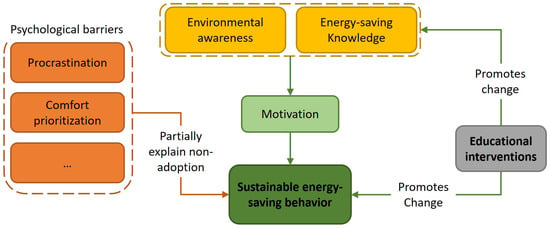
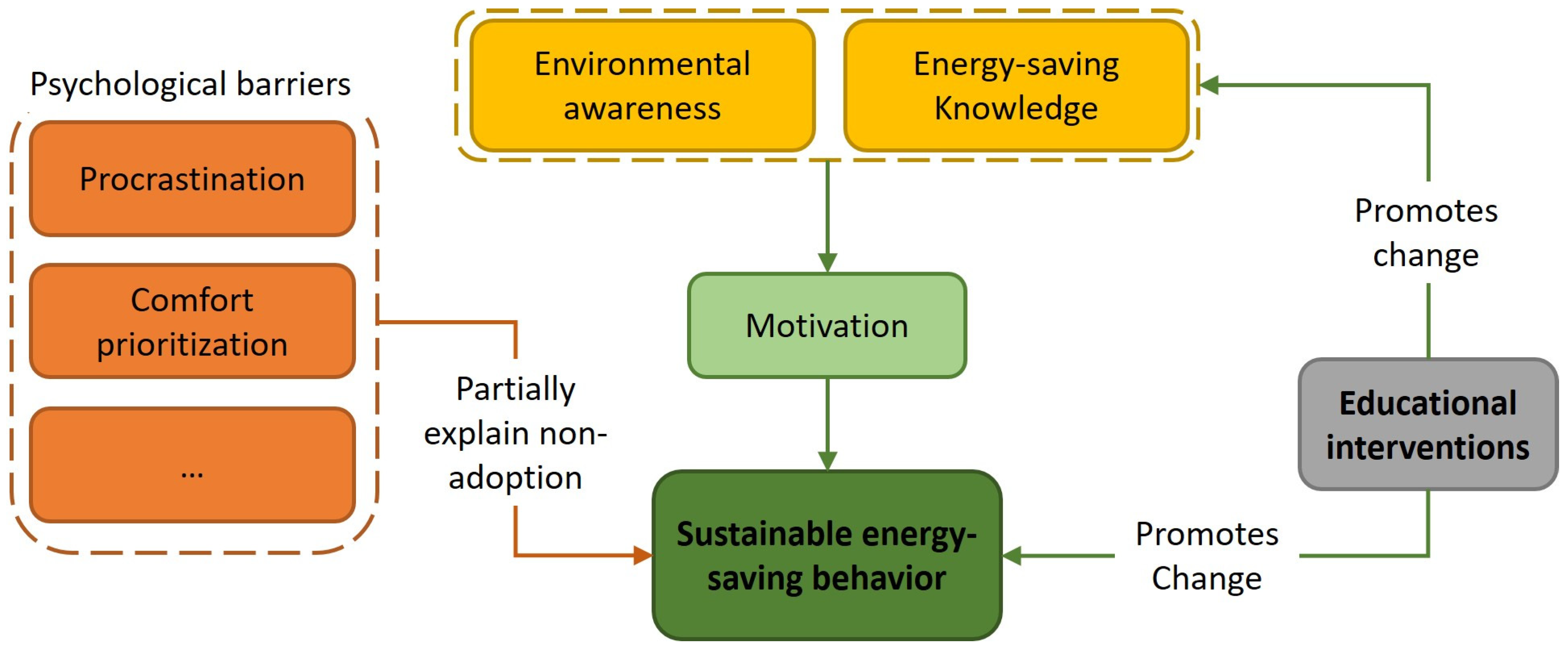
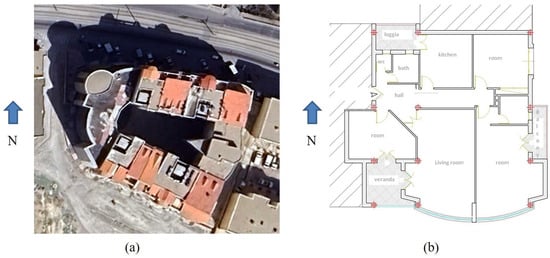
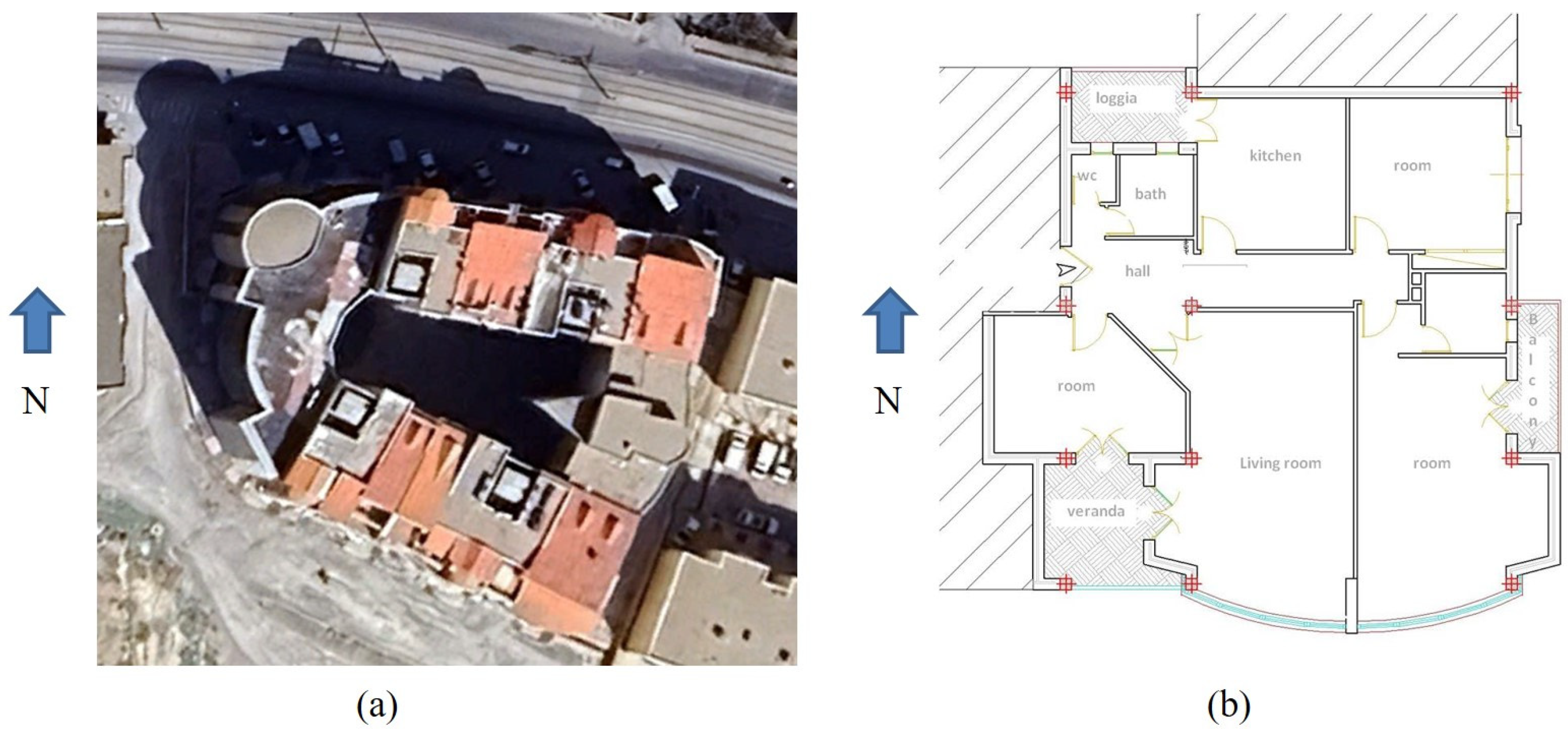
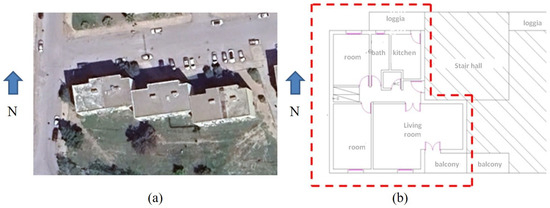
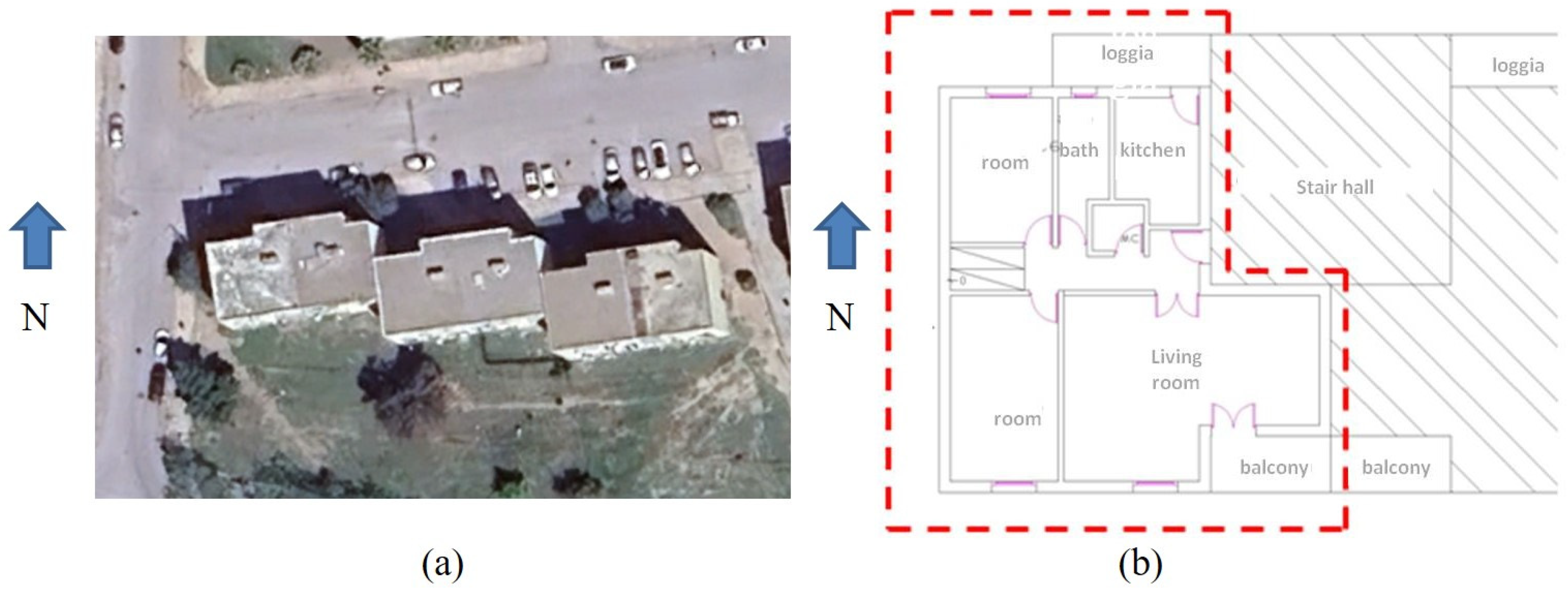
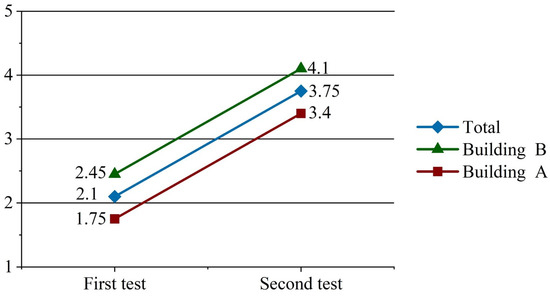
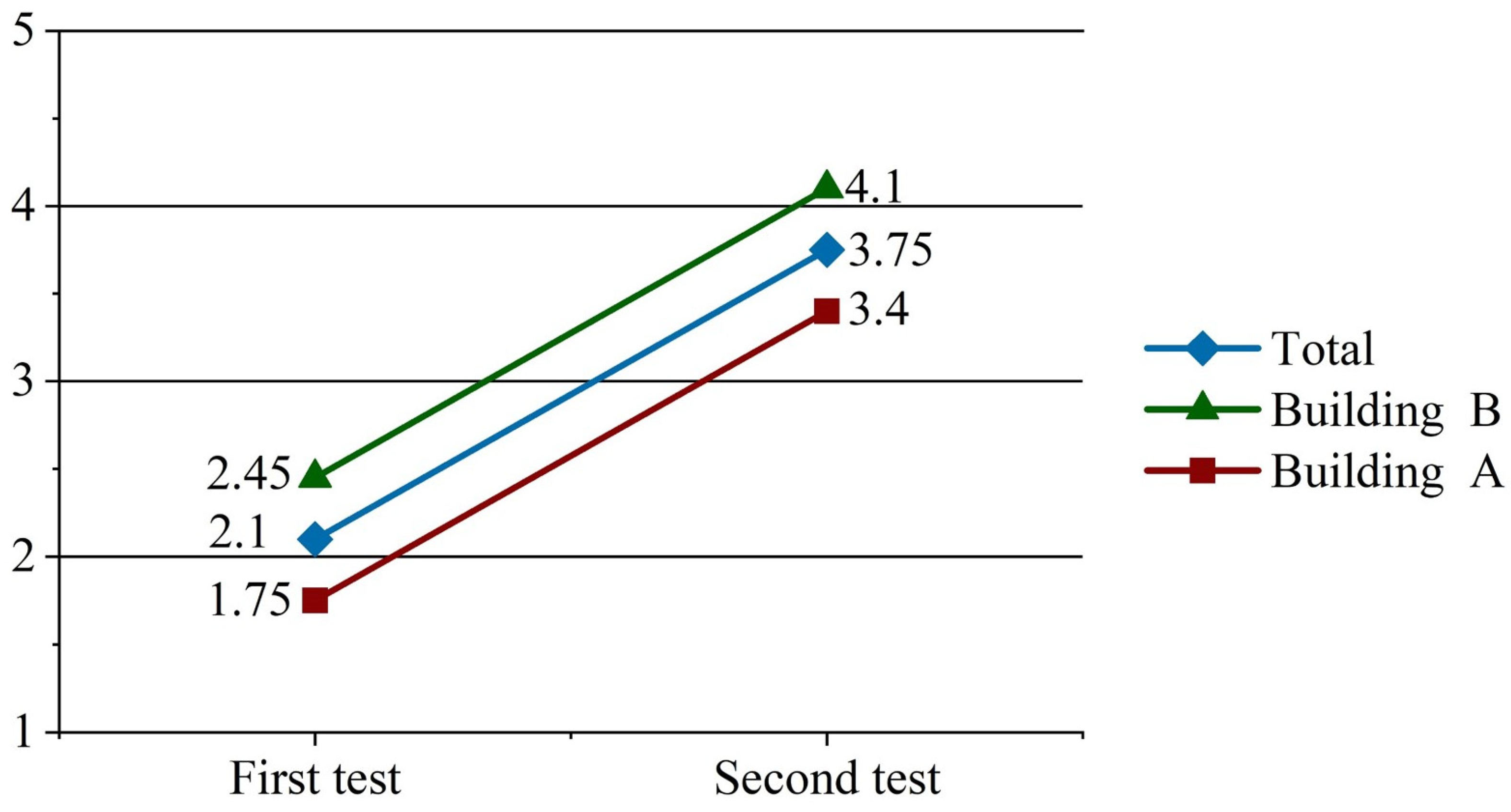
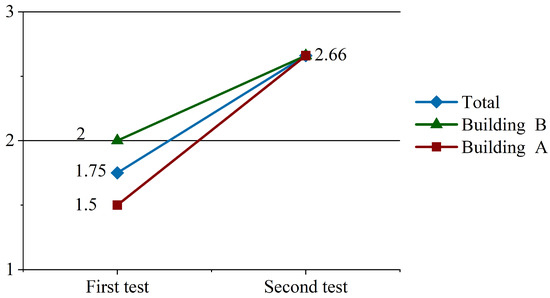
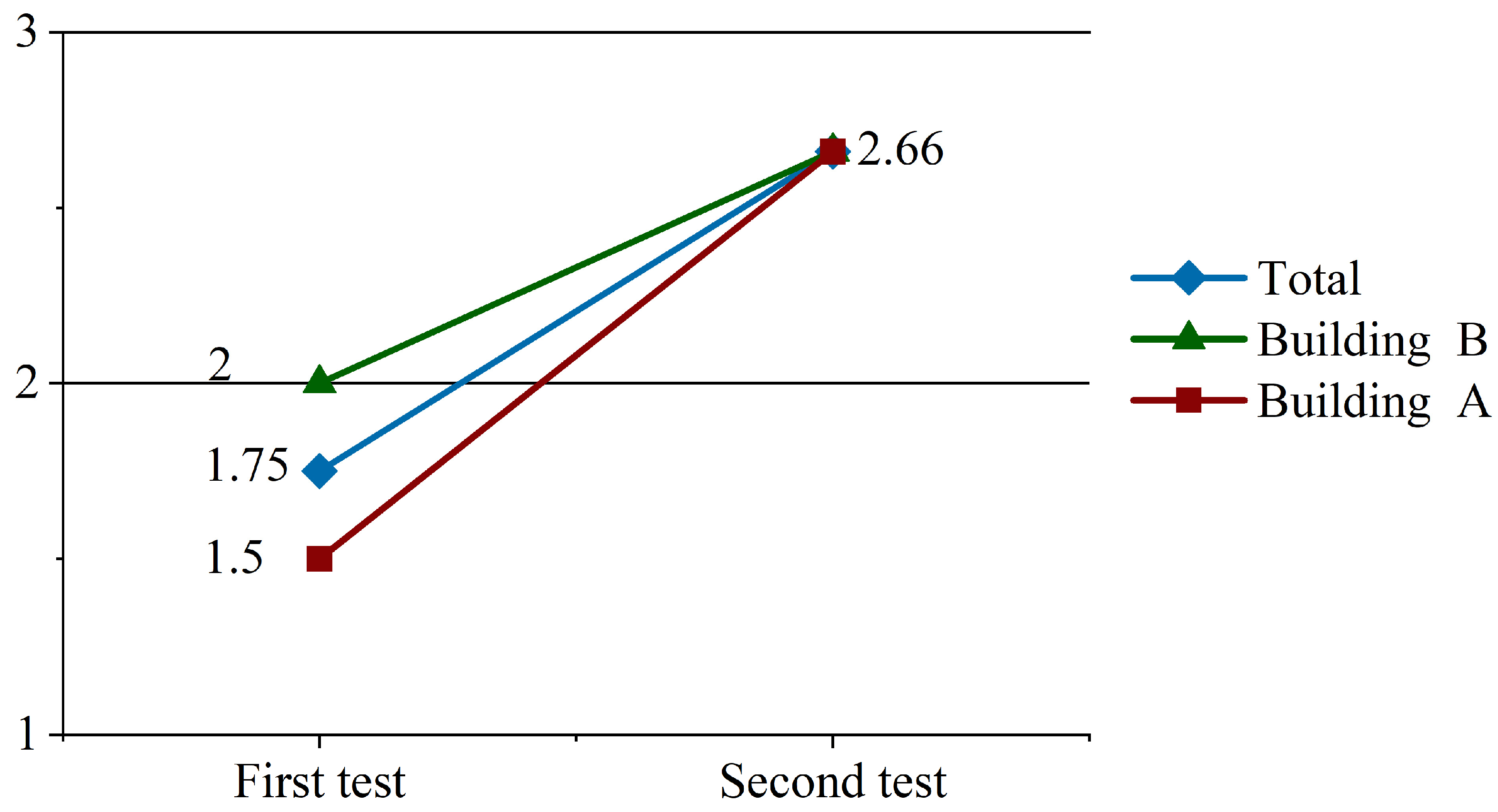
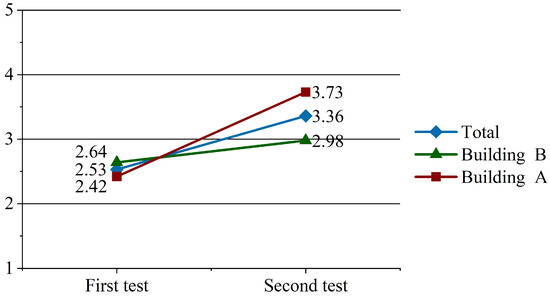
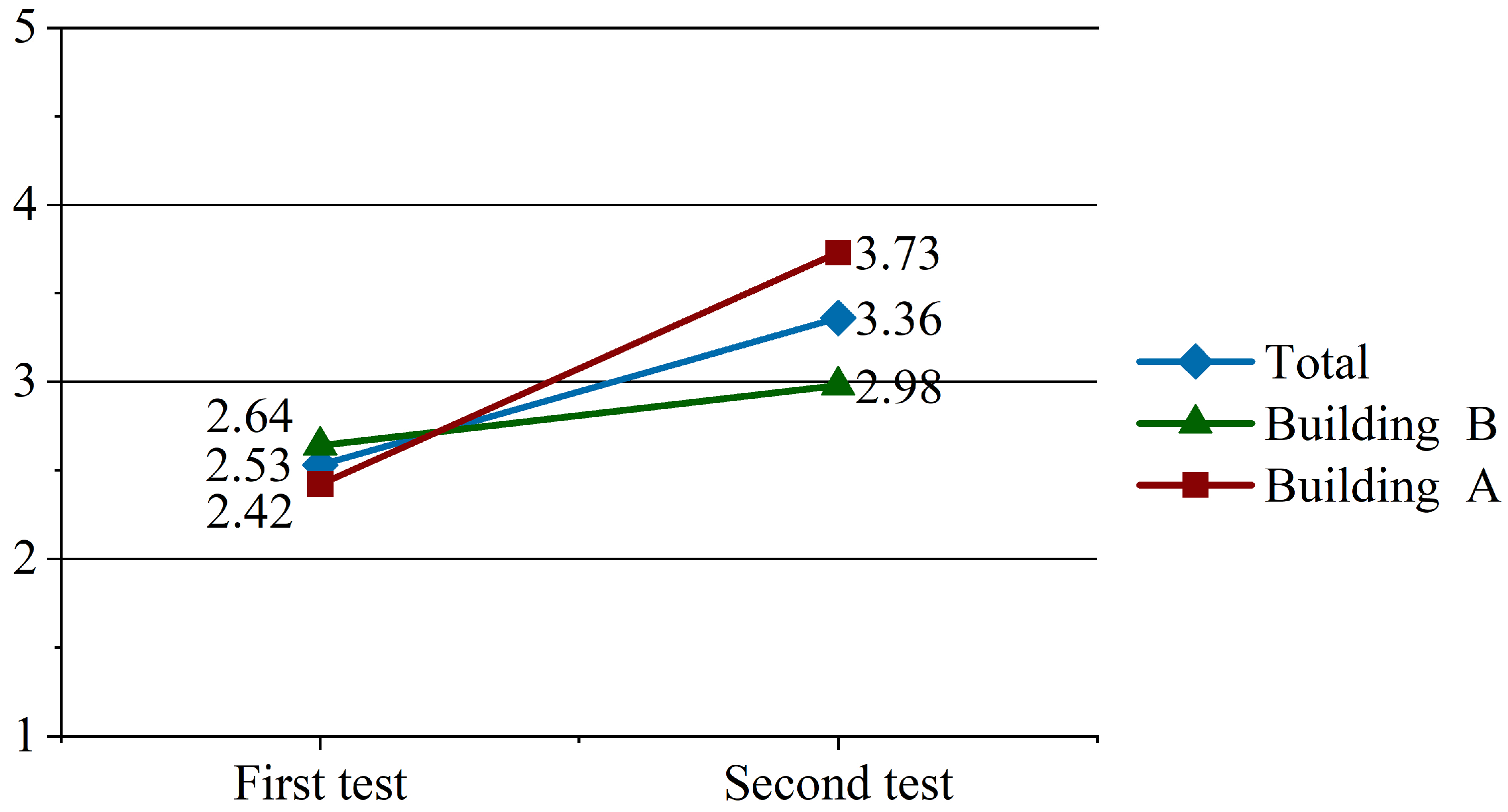
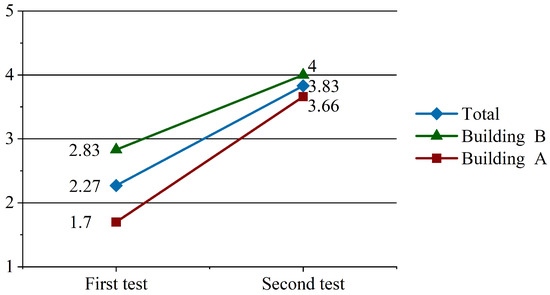
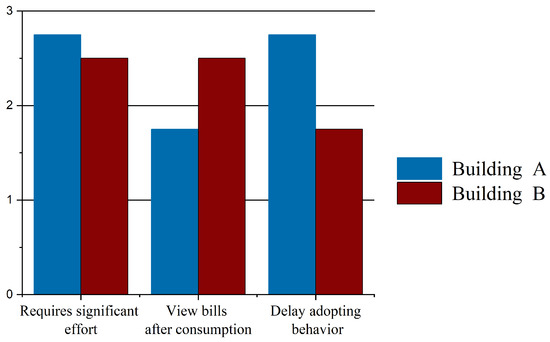
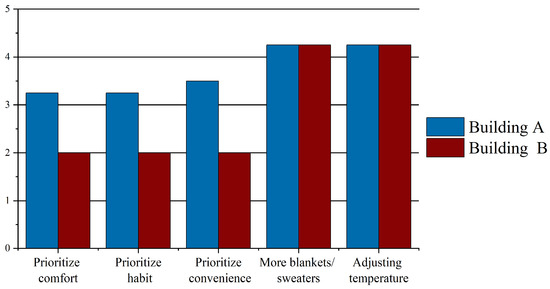
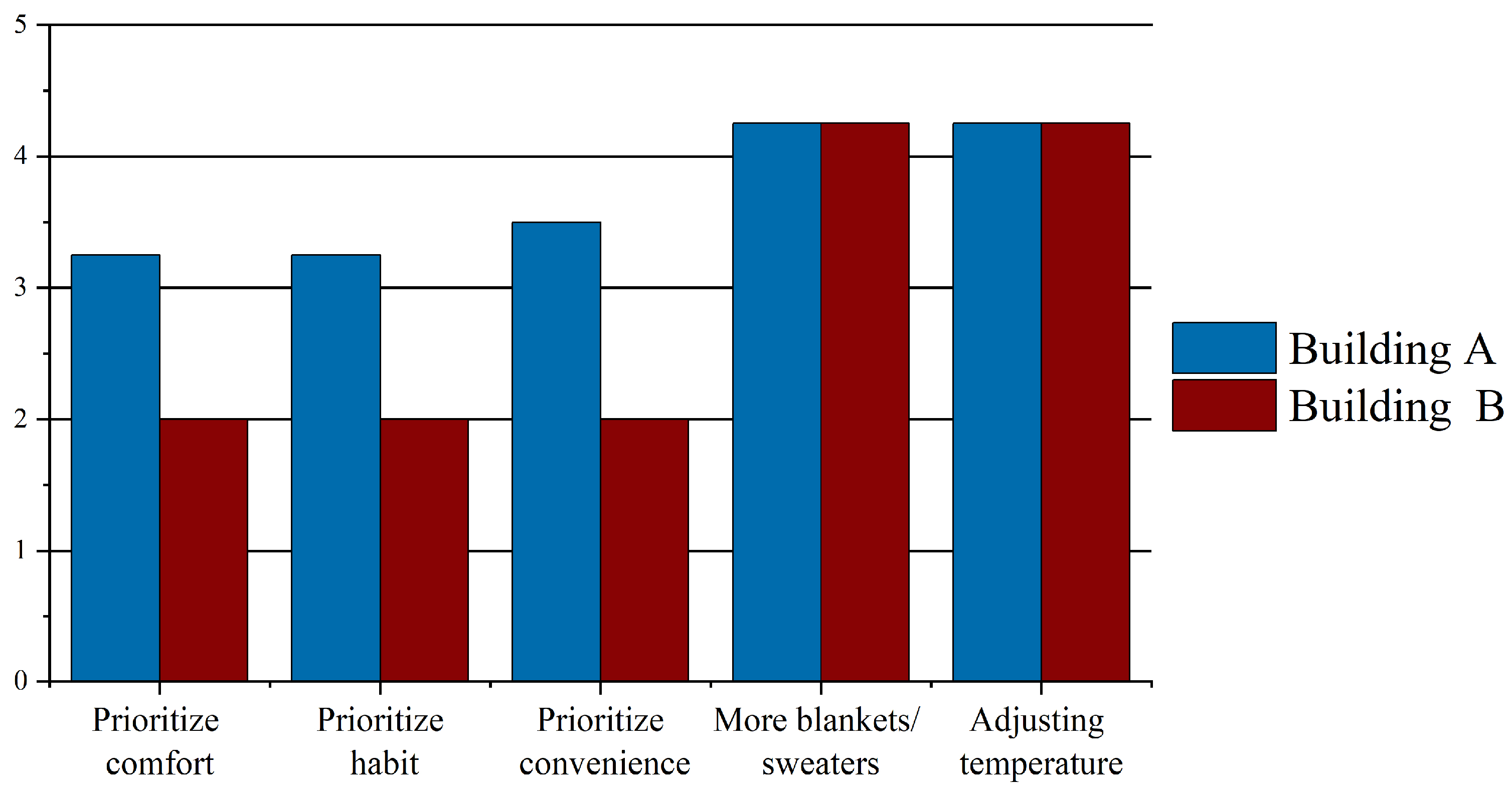

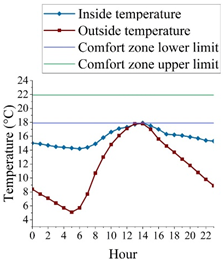
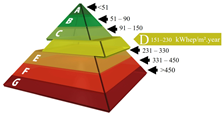
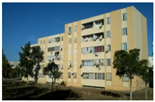
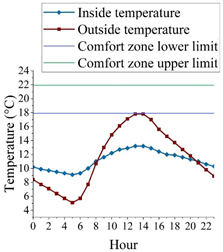
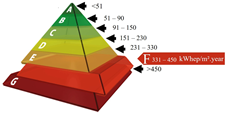
Disclaimer/Publisher’s Note: The statements, opinions and data contained in all publications are solely those of the individual author(s) and contributor(s) and not of MDPI and/or the editor(s). MDPI and/or the editor(s) disclaim responsibility for any injury to people or property resulting from any ideas, methods, instructions or products referred to in the content. |
© 2026 by the authors. Licensee MDPI, Basel, Switzerland. This article is an open access article distributed under the terms and conditions of the Creative Commons Attribution (CC BY) license.