


Abstract
This study investigates the impact of the Slow Food movement on sustainability and local gastronomy in Northern Cyprus. After reviewing key concepts such as sustainable gastronomy, local food heritage and regional practices, the research focuses on the five Cittaslow regions of Northern Cyprus and the development of Slow Food activities since 2013. Using a qualitative design with purposive sampling, semi-structured interviews were conducted with twelve participants, including local producers, chefs and regional administrators. The study identifies the challenges faced by local businesses, the role of Slow Food in promoting sustainable practices and the ways regional actors contribute to cultural and environmental preservation. Findings highlight both progress and gaps, offering practical recommendations and outlining areas for future research. As one of the few studies examining Slow Food in Northern Cyprus, the research provides valuable insights and contributes significantly to the existing literature.
1. Introduction
Contemporary food systems must be viewed not as linear structures but as complex, interdependent networks shaped by diverse actors, institutions, and socio-cultural dynamics. As many researchers argue, food-system transformation arises through alliances, coalitions, and socio-political networks, in which farmers, social movements, policymakers, researchers, firms, and investors all play integral roles in shaping sustainable futures [1,2,3,4,5,6,7,8]. This perspective underscores that food systems are embedded within broader political, ecological, and cultural processes requiring holistic and inclusive governance [9,10].
In the Mediterranean context—particularly in North Cyprus—gastronomy plays a critical role in linking sustainability, heritage, and identity. Studies show that local food systems in North Cyprus remain strongly connected to the Mediterranean diet model, which the UNESCO recognizes as an intangible cultural heritage for its health, ecological, and social benefits [11]. Traditional Cypriot products such as halloumi, olive oil, and Commandaria wine are integral to this sustainable food identity, reflecting a balance between agricultural heritage and contemporary food innovation [12].
Industrialization accelerated deep shifts in human–environment relations, contributing to the erosion of cultural distinctiveness and the increasing standardization of urban life [13]. The Industrial Revolution also marked the rise of a globalized consumption culture, profoundly influencing culinary practices. Industrial food production led to the widespread adoption of the fast-food paradigm, or what describes as McDonaldization, reshaping dietary habits, weakening traditional food cultures, and threatening the survival of local food heritage and gastronomic identities, particularly in developing regions [14,15,16,17].
As a counter-response to these homogenizing forces, the Slow Food movement emerged in Italy in 1986, advocating biodiversity preservation, heritage agriculture, and sustainable gastronomic practices [18,19,20]. Built around the principles of “good, clean, and fair” food, the movement encourages communities to reconnect with local production systems, culinary traditions, and environmentally responsible food choices [21]. In an era characterized by technological acceleration and lifestyle intensification, consumers increasingly seek authenticity, ecological responsibility, and cultural rootedness in their food choices [22].
The Mediterranean experience—particularly in regions like Italy, Portugal, and Cyprus—demonstrates that slow food initiatives help sustain culinary landscapes and local economies through community participation and tourism integration. For instance, the co-creation of local gastronomy in Mediterranean “slow cities” has been shown to enhance regional identity and food heritage preservation [23]. Similarly, street food traditions in North Cyprus not only reflect its multicultural culinary history but also promote sustainable food practices through the use of fresh, seasonal, and locally sourced ingredients [24].
Moreover, recent scholarship emphasizes the role of digital and creative strategies in preserving Mediterranean food heritage and promoting sustainable gastronomy across rural regions [25]. This aligns with the broader shift towards eco-gastronomic models that blend traditional food practices with modern sustainability goals, including the “Cittaslow” approach—already implemented in several Mediterranean cities—to counter the pace and homogeneity of modern life [26]. In Northern Cyprus, efforts to link local gastronomy, ecotourism, and heritage architecture demonstrate how community-based initiatives can strengthen regional sustainability through food culture [27]. When viewed through the lens of the Slow Food philosophy, these developments offer a practical model for sustainable food governance, balancing modern consumption demands with cultural continuity and ecological awareness.
1.1. Problem Statement
Within the Mediterranean context, the interdependence between food systems, cultural heritage, and environmental sustainability presents both an opportunity and a challenge. Although the Mediterranean diet has been globally recognized as a model of sustainable living, modern food production and consumption trends increasingly diverge from its ecological and cultural foundations [11]. Regions such as North Cyprus, where culinary heritage and tourism are vital economic pillars, face a dual challenge: maintaining the authenticity of local gastronomy while adapting to the pressures of globalization, urbanization, and tourism-driven demand [12,24,27,28].
Since the 1980s, research has explored the potential for linking local food producers with tourist demand in developing regions. Yet, despite the growing interest in authentic, place-based gastronomy, supply chains in many tourism destinations remain dominated by imported goods and standardized menus, leading to cultural homogenization and environmental inefficiencies [29]. This imbalance highlights the limited integration between local agricultural systems and hospitality sectors, a gap that undermines both sustainability goals and cultural distinctiveness. As hospitality professionals often report, tensions persist between guest expectations, local food availability, and traditional culinary practices—revealing a lack of coherent policy frameworks and cross-sector collaboration to support sustainable gastronomic transitions [30,31,32].
In Northern Cyprus, this issue is further compounded by structural limitations in local food distribution networks, dependence on imports, and fragmented governance mechanisms for tourism and agriculture [33]. While emerging movements such as Slow Food, eco-gastronomy, and Cittaslow initiatives emphasize biodiversity preservation, local resilience, and community empowerment as their practical implementation in the Cypriot context remains limited [18,23,26]. Thus, there is a clear need to investigate how sustainable gastronomy frameworks can be adapted to North Cyprus’s socio-economic and cultural conditions to ensure both environmental responsibility and long-term regional competitiveness.
1.2. Purpose of the Study
This study aims to examine the role and impact of the Slow Food movement on sustainable local gastronomy in Northern Cyprus, with a specific focus on its contributions to cultural preservation, environmental sustainability and community well-being. By engaging chefs, producers and local operators associated with or influenced by the Slow Food philosophy, the study seeks to identify key practices, challenges and opportunities that support sustainable gastronomic development.
Additionally, the research aims to document local producers’ perspectives on sustainability, highlight existing gaps and propose evidence-based recommendations. Given the limited academic work on Slow Food and Cittaslow initiatives in Northern Cyprus, this study also aims to enrich the regional and international literature on sustainable gastronomy.
1.3. Significance of the Study
This study holds significant value for both academic research and regional policy-making. Through expert interviews and stakeholder insights, it provides an empirically grounded understanding of how local culinary traditions, sustainability practices and food systems are maintained and transmitted in Northern Cyprus. The findings have the potential to guide policymakers, tourism planners and local operators in developing culturally grounded, sustainable gastronomic strategies. Furthermore, because the topic remains underexplored in the Northern Cyprus context, the study offers an important contribution to filling a notable gap in the literature. The primary research question guiding this study is: “What are the impacts of the Slow Food movement on sustainable and local gastronomy?”. Supporting sub-questions include:
- How does the Slow Food movement influence sustainable gastronomy?
- How does the movement shape local gastronomic identities and practices?
- What conceptual and operational frameworks define the Slow Food movement?
- How is the movement implemented in practice within local contexts?
1.4. Limitations
The research is limited to Cittaslow regions in Northern Cyprus and focuses on businesses, chefs and producers affiliated with or influenced by the Slow Food network. While secondary data from documents and online sources were used to supplement the literature review, the qualitative research design—particularly purposive sampling and semi-structured interviews—limits generalizability. However, this approach offers depth, contextual richness and nuanced insights appropriate for exploratory studies on sustainable gastronomy.
2. Literature Review
2.1. Conceptual Framework: Sustainability and Food Systems
Global environmental challenges such as climate change and biodiversity loss have placed unprecedented pressure on food systems and intensified calls for sustainability-oriented transformations. The Brundtland Report introduced the concept of sustainable development as a process that meets present needs without compromising the ability of future generations to meet their own, highlighting the need for coherent changes in resource use, technology and institutions [34]. Sustainability is now widely understood as a multidimensional construct encompassing ecological, social and economic dimensions [35,36]. It not only addresses environmental protection but also concerns such as social justice, local development and food security [37].
The United Nations Sustainable Development Goals (SDGs) explicitly emphasize ending hunger and promoting sustainable food systems, which in turn requires rethinking production, distribution and consumption practices at local and global scales [37]. In this context, food is increasingly framed as both an ecological and political act, and alternative food movements such as Slow Food have been proposed as pathways to more just and sustainable food futures [38,39,40].
2.2. Sustainability and Sustainable Tourism
Within tourism, sustainability refers to the long-term preservation of environmental resources, cultural heritage and community well-being while ensuring economic viability. Sustainable tourism seeks to balance economic, social and esthetic needs with the protection of natural and cultural environments [41,42]. It calls for planning practices that go beyond visitor numbers to include residents’ quality of life, visitor behaviour, and local expectations. Sustainable tourism frameworks typically promote; conservation of ecological and cultural resources; reduction in waste and overconsumption; participation of local stakeholders in decision-making, and continuous monitoring, education and responsible marketing [43,44]. Recent research highlights that local food and gastronomy are increasingly integral to sustainable tourism, particularly in forms such as gastronomy, rural and cultural tourism [42]. In this sense, food is not merely a service but a medium through which destinations express identity, authenticity and sustainability commitments.
2.3. Sustainable Gastronomy
The global food sector has undergone a significant transformation, driven by growing consumer concern for health, well-being and environmental impact. Consumers increasingly value not only the nutritional content of food but also its contribution to long-term health, environmental integrity and cultural continuity [45]. These shifts have strengthened the role of gastronomy as a driver of sustainable development, especially when it supports local producers, seasonal products and traditional practices [46].
Studies on gastronomy and tourism typically stress on three interrelated themes: food as a tourism product and attraction; food marketing to tourists; and loyalty and food tourism as a development tool for destinations [46,47,48]. Gastronomy tourism offers visitors distinctive culinary experiences rooted in local culture and heritage [49,50]. In this context, heritage and cuisine are closely linked: gastronomic products and practices help materialize cultural memory, while destinations leverage food to differentiate (creativity on the other hand) themselves and build competitive advantage [51]. From a sustainability perspective, gastronomy is often framed through the “People, Planet, Plate” triad, integrating social equity, environmental stewardship and culinary pleasure [52,53,54,55]. Food is seen not only as nourishment but also as a social practice that fosters conviviality, community and identity [56].
2.4. Local Gastronomy and Sustainable Local Gastronomy
Local gastronomy is shaped by the interaction of multiple civilizations, migration patterns and ecological conditions. It is neither static nor isolated; rather, it evolves through the layering and blending of diverse culinary traditions over time [57]. Local cuisines are widely recognized as a key component of intangible cultural heritage, providing tourists with authentic sensory experiences and communities with a vehicle for expressing identity [58]. Researchers emphasize that local food products play a critical role in regional growth, sustainability and cultural representation.
The disappearance of local producers can threaten the economic and social vitality of rural communities, while industrialization often accelerates this process [59]. For this reason, using locally grown food in hospitality and tourism is considered essential for supporting regional economies, preserving culinary traditions, and strengthening local supply chains and employment [60,61]. Sustainable local gastronomy thus emerges at the intersection of heritage protection, environmental responsibility, and community-based economic development. Within this broader agenda, the Slow Food movement has been particularly influential in positioning local gastronomy as a driver of sustainability and cultural resilience [21,42].
2.5. The Slow Food Movement: Evolution, Principles and Instruments
The Slow Food movement originated in 1986 in Rome, when the opening of a fast-food outlet near the Spanish Steps triggered protests led by journalist Carlo Petrini against the homogenization of taste and the erosion of local food traditions [62,63]. In 1989, representatives from 14 countries signed the Slow Food Manifesto in Paris, officially transforming Slow Food into an international movement devoted to defending “the right to pleasure” and resisting the cultural and ecological impacts of fast food and industrial agriculture [15,63]. In subsequent years, Slow Food developed a range of initiatives and institutions: Salone del Gusto (from 1996), a biennial fair in Turin showcasing small-scale high-quality producers; The Ark of Taste, a global catalogue of endangered food products and breeds; Slow Cheese (from 1997), dedicated to raw-milk cheeses and dairy biodiversity; The Presidia programme (from 1999), supporting small-scale producers and threatened products; Terra Madre, launched in 2004, bringing together food communities from around the world; and The University of Gastronomic Sciences in Pollenzo, established to study food in an interdisciplinary way [15,64,65,66,67,68].
Over time, Slow Food has evolved from a primarily gastronomic movement into a politically engaged, global grassroots organization, explicitly addressing topics such as food justice, biodiversity loss, agroecology and climate change [67,69,70,71]. Many researchers demonstrate how Slow Food’s defence of “endangered foods” intersects with debates on European identity, neoliberal governance and the politics of ‘slowness’ [1,2,72]. Contemporary conceptual work further positions Slow Food as a form of alternative food consumption that integrates relational, sensory, temporal, sustainable, cultural and political dimensions, operating under the principles of “good, clean and fair” food [40].
The well-known “good, clean and fair” triad encapsulates Slow Food’s normative orientation [73,74]; Good refers to sensory quality, pleasure and health; clean denotes environmentally sound production that respects ecosystems and biodiversity; fair emphasizes social justice, decent working conditions and equitable economic relations for producers and communities. Terroir is central in this framework, linking taste and product identity to specific combinations of climate, soil, landscape and cultural practice [75,76]. Consumers are encouraged to become co-producers, engaging actively with the origins, methods and meanings of their food [53,55,77]. Slow Food’s Biodiversity Foundation coordinates initiatives such as Ark of Taste, Presidia, Earth Markets and community gardens, protecting thousands of products, producers and traditional practices worldwide [1,2,55,77,78,79,80,81,82,83]. These instruments not only conserve biological and cultural diversity, but also support local economies and stimulate gastronomic tourism through tastings, educational activities and producer–consumer encounters [84,85,86,87].
2.6. Cittaslow and the Slow Living Agenda
Inspired by Slow Food, the Cittaslow (Slow City) movement was founded in 1999 in Orvieto, Italy, with the aim of integrating slowness, sustainability and social justice into local governance [82,88,89,90,91]. Cittaslow is a network of small towns (typically under 50,000 inhabitants) committed to improving residents’ quality of life by protecting local identity, supporting traditional production, enhancing environmental performance and promoting convivial public spaces [1,63,92].
Membership requires compliance with a set of criteria related to environmental policy, infrastructure, local products, hospitality, social cohesion and urban quality. By emphasizing local distinctiveness and human-scale development, Cittaslow is seen as a response to the homogenizing effects of globalization and mass tourism [28,93]. Cittaslow and Slow Food are closely interconnected: both share commitments to local products, biodiversity, food education and community participation. Initiatives such as school gardens, local markets, traditional food festivals and Terra Madre events are often co-organized under both labels, linking sustainable agriculture, gastronomy and urban policy [94,95,96].
2.7. Slow Food, Cittaslow and Local Gastronomy in Northern Cyprus
Northern Cyprus possesses a rich Mediterranean culinary heritage, shaped by layers of Greek, Turkish, Levantine and broader Mediterranean influences [97]. The island’s geography and climate support a wide range of local products such as halloumi, carob, citrus, wild herbs, grains, pulses and olive oil, which underpin traditional dishes including şeftali kebab, fırın kebabı, molehiya, kolakas, magarina bulli, pilavuna, various macun (fruit preserves) and local breads [97,98,99,100,101,102,103]. These products and recipes form the core of the island’s gastronomic identity and represent a valuable resource for sustainable tourism development. However, as in many destinations, industrial food chains, changing lifestyles and globalized consumption patterns pose risks to the continuity of local practices [104].
In this context, the expansion of Cittaslow and Slow Food networks in Northern Cyprus is particularly relevant. Five municipalities have joined the Cittaslow network—Yeniboğaziçi (2013), Lefke (2015), Mehmetçik-Galatya (2016), Geçitkale (2018) and Tatlısu (2019)—each leveraging local products (e.g., artichokes, citrus, carob, olives, organic vegetables) and cultural heritage (festivals, handicrafts, historic sites) as pillars of sustainable, place-based development [105,106,107,108,109,110,111].
Parallel to this, two Slow Food Convivia—Slow Food Salamis and Slow Food Kom-i Kebir—have been established, organizing Terra Madre events, local markets, food education activities and producer–consumer encounters that promote traditional Cypriot products such as pilavuna, tarhana, local cheeses and sweets [105,112,113]. Local media sources document periodic Terra Madre celebrations, workshops and participation in international Slow Cheese events, as well as seed-saving initiatives and collaborations with other Slow Food communities, indicating an emerging but still under-researched Slow Food ecosystem in the region [12,109].
Despite these developments, academic studies on Slow Food, Cittaslow and sustainable local gastronomy in Northern Cyprus remain scarce. This literature gap underscores the relevance of the present study, which empirically investigates how the Slow Food movement interacts with local producers, chefs and municipalities in Cittaslow regions of Northern Cyprus, and how this interaction contributes to the sustainability of local gastronomy.
3. Research Methods
3.1. Methodology
This study employs a qualitative research design to investigate how the Slow Food movement shapes sustainable regional gastronomy in Northern Cyprus. Given the complexity of food systems—where cultural values, production practices, consumption patterns and local governance intersect—qualitative inquiry offers an effective means of capturing the nuanced perspectives of chefs, restaurant owners, food producers and municipal actors operating within Slow Food and Cittaslow frameworks. Semi-structured interview questions were adapted from established research (shown as Appendix A) on food systems and sustainability transitions, particularly the works, which emphasize the networked, multi-actor nature of contemporary gastronomy and the importance of alternative food movements in enhancing sustainability [3,6,37].
A purposive sampling strategy was adopted in alignment with previous studies examining gastronomic networks and regional food practices [6,114]. Participants were intentionally selected based on their direct involvement in sustainable or regional gastronomy—either as restaurant operators, chefs, local producers, or decision-makers within municipal bodies connected to Cittaslow or Slow Food initiatives. Purposive sampling was deemed appropriate because it maximizes the relevance and analytic depth of the collected data, a rationale supported by [4]; who identify credibility, transferability, dependability and confirmability as essential elements in strengthening trustworthiness within qualitative research. In total, twelve participants (n = 12) who are experts in their fields with academic and sectoral years of experience from the Cittaslow regions of Yeniboğaziçi, Lefke, Mehmetçik-Galatya, Geçitkale and Tatlısu were recruited and anonymized using the codes R1–R12.
Data collection followed a two-stage process, beginning with an extensive review of academic literature, organizational documents and online sources related to Slow Food activities, Cittaslow implementations, and regional gastronomic traditions in Northern Cyprus. Major academic databases were consulted, alongside the official websites of Slow Food and Cittaslow. Due to the scarcity of formal academic research on Slow Food in the Northern Cyprus context, additional insights were drawn from local news archives documenting relevant culinary events, Terra Madre celebrations and regional food festivals. Building upon this contextual foundation, qualitative data were then gathered through semi-structured interviews conducted either face-to-face or online. The interview protocol covered eight core questions reflecting key themes in sustainable gastronomy literature. All interviews were audio-recorded with participants’ consent, transcribed verbatim and stripped of personally identifiable information to preserve anonymity.
The data were analyzed using thematic analysis, a method well suited to identifying recurring patterns across qualitative datasets and generating conceptual insights into the interconnections between food, culture, and sustainability [115]. The analytic process unfolded through three iterative stages designed to ensure methodological rigour and interpretive depth.
In the first stage, all interview recordings were carefully transcribed, reviewed multiple times, and manually annotated to facilitate deep familiarization with the content. This phase focused on identifying preliminary ideas, phrases, and concepts that reflected participants’ views and experiences, following the procedures outlined [116]. In the second stage, these initial codes were reorganized according to the eight guiding research questions of the study. This step involved identifying convergent and divergent perspectives among participants, highlighting both shared experiences and unique insights related to sustainable gastronomy and local food practices. Through iterative comparison and refinement, codes were clustered into broader conceptual categories. In the final stage, the emerging categories were synthesized into overarching themes that represented the structure of participants’ experiences. This process followed the thematic consolidation principles recommended and resulted in the creation of Table 1, which summarizes the study’s main sub-problems, themes, and codes [8]. This rigorous multi-step approach strengthened the internal consistency and explanatory power of the findings while enhancing the overall methodological robustness of the study.
Table 1.
The main sub-problems, themes and codes.
Table 1 presents the thematic framework that organizes the study’s main sub-problems, illustrating the interconnections between sustainability, gastronomy, and regional development in Northern Cyprus. The analysis highlights how Slow Food networks contribute to preserving regional culinary identity and ecological balance, while local businesses and chefs face structural and market-related challenges in applying sustainable practices. Moreover, the integration of Slow Tourism and Cittaslow principles reveals the growing alignment between gastronomy, authenticity, and community-based tourism. Finally, the themes of institutional engagement and slow living emphasize the importance of governance, awareness, and collective resilience in driving systemic change. Together, these findings underscore that sustainable gastronomy in Northern Cyprus depends on the collaboration of multiple actors—linking local producers, chefs, policymakers, and communities—to achieve culturally rooted and environmentally conscious development.
3.2. NVivo-Assisted Thematic Coding
To strengthen analytical transparency and precision, NVivo 12 qualitative data analysis software was used to manage, organize, and interpret the interview data. After transcription, all interview notes and field observations were uploaded into NVivo to facilitate systematic coding and visualization of relationships among sustainability, gastronomy, and community development concepts. This digital process followed the procedures demonstrated in prior qualitative tourism and sustainability studies. Particularly some models effectively applied NVivo to explore slow tourism and community-based destination planning [117,118]. NVivo’s word frequency and coding query functions allowed for the identification of recurring concepts such as “sustainability,” “slow tourism,” “regional identity,” “chefs,” “community,” and “local producers.” Both a priori themes (drawn from the literature) and emergent themes (derived from participants’ narratives) were analyzed. This dual-coding approach captured the interplay between existing theoretical frameworks and the lived realities of local gastronomy actors. As a result, NVivo provided a systematic means to trace linkages between ecological, cultural, and economic sustainability—aligning closely with the research objectives. Using NVivo, themes were visualized through lexical schemes and frequency clustering, revealing dominant terms such as “local,” “slow,” “gastronomy,” “tourism,” “sustainability,” and “biodiversity.” These linguistic clusters mirrored the conceptual focus of the study and illustrated how participants’ language reflected both traditional values and modern sustainability aspirations (as shown in Figure 1). The coding results were further refined through axial mapping, identifying relationships between chefs’ roles, producer networks, institutional recognition, and community collaboration. The conceptual word map and concept map (as shown in Figure 2) of the research developed by Nvivo includes the similar words including “North Cyprus”, “slow food”, “chef effect” “gastronomy” and “sustainability”.
Figure 1.
Conceptual word map of Nvivo.
Figure 2.
Concept map of NVivo.
3.3. Ethical Considerations
The study ensured methodological rigour and ethical soundness through the application of established qualitative research principles and digital analytical tools. Trustworthiness was addressed through four core criteria: credibility, transferability, dependability, and confirmability [4]. Credibility was strengthened through sustained engagement with participants and triangulation across interviews, relevant literature, and organizational documents. Transferability was supported by rich contextual descriptions of Cittaslow regions and Slow Food practices in Northern Cyprus, enabling analytical generalization across comparable settings. Dependability was maintained through systematic documentation of sampling procedures, coding strategies, and analytical decisions, while confirmability was enhanced by reflexive journaling, audit trails, and computer-assisted qualitative analysis processes, consistent with NVivo-based approaches to transparency and rigour highlighted [117].
Ethical approval was obtained from the Ethics Committee of FIU (Decision No: 2024/06/01). All participants were informed about the study’s purpose, confidentiality measures, and their right to withdraw at any time. Written or verbal consent was collected before interviews, and all data were anonymized. The diverse participant group—including chefs, restaurant owners, local producers, and regional administrators—ensured a wide representation of perspectives within the local gastronomic ecosystem, enriching the study’s qualitative insights. Finally, the integration of NVivo-assisted analysis enhanced the precision and interpretive depth of the findings. This digital approach aligned with the “Act–Belong–Commit” model of sustainable community engagement and with slow tourism frameworks emphasizing identity and resilience in small island contexts [117,118]. Together, these perspectives position slow gastronomy not only as a culinary movement but as a catalyst for sustainability, cultural continuity, and community well-being.
4. Findings
The findings are presented in line with the demographic and eight interview research questions. Each subsection synthesizes common views across participants and illustrates them with selected anonymized quotations (R1–R12) as shown in Table 2.
Table 2.
Demographic Information Table of Research Participants.
4.1. Perceptions of the Importance of Sustainability and Preserving Regional Cuisine
All participants (n = 12) agreed that developing sustainability and preserving regional cuisine is critically important in the current context. They emphasized that regional food is not only an economic asset but also a marker of identity and continuity. Several participants underlined that local dishes are what distinguish their communities from others and must therefore be kept alive for future generations:
“Regional food is what makes this place ‘ours’. If we cannot keep these tastes alive, we lose our identity and our future in our own country.”(R1)
Others stressed that traditions must be transmitted in their original form as much as possible:
“We try to cook like our parents and grandparents did, using the same ingredients. That is how we carry regional cuisine to younger generations.”(R3)
Participants also highlighted the tension between fast-paced lifestyles and fast food on the one hand, and the need to retain traditional flavours on the other:
“Fast food is everywhere now. If we don’t consciously protect our childhood dishes, the new generation will never taste them.”(R7)
Overall, sustainability and regionality were perceived as inseparable: preserving traditional dishes was seen as a way to safeguard cultural heritage, support local producers and foster healthier, more authentic food systems.
4.2. Role of Awards and Certification in Supporting Sustainability and Regional Cuisine
Most participants (n ≈ 10) believed that awards and certification schemes (e.g., Slow Food and Cittaslow labels, UNESCO recognitions) can be effective tools for promoting sustainability and regional cuisine. They argued that such symbols contribute to visibility, trust and motivation:
“When guests see the Slow Food or Cittaslow flags, they show more interest and trust. It helps us economically and encourages us to keep using local products.”(R8)
“Awards can motivate businesses. If you work hard to reach certain criteria, and then you receive a label, it pushes you to maintain and improve your standards.”(R5)
Some participants (n = 2) explicitly referenced international models:
“UNESCO-type mechanisms show how standards and financial support can protect quality and sustainability.”(R2)
However, a small number of participants reported limited direct benefit for their own businesses, either because they had not yet engaged with such schemes or because local authorities were not using them actively:
“In my case, I didn’t really see any benefit during the opening or continuation of my restaurant.”(R4)
4.3. Key Challenges in Enhancing Sustainability and Preserving Regional Cuisine
Participants identified a range of structural and operational challenges faced by food and beverage businesses striving to be sustainable and regional; volatile input prices and rising costs for local ingredients; lack of financial incentives and institutional support; shortage of qualified staff familiar with regional dishes and techniques; limited demand from some segments of the local population; environmental threats (urbanization, wildfires, habitat loss) affecting wild edible plants. As one owner–chef explained:
“Local ingredients are expensive and the prices change constantly. When we raise our menu prices, regular customers are unhappy; if we don’t, we struggle to survive.”(R4)
Another pointed to the lack of institutional backing:
“There is no serious support for small businesses working with local food. We can only go so far on our own; we need promotion and assistance from higher-level institutions.”(R5)
The shortage of knowledgeable kitchen staff was a recurring theme:
“Many employees don’t know the history or the proper way to cook regional dishes. We spend time training them, but it requires extra effort and resources.”(R7)
4.4. Role of Chefs and Restaurants in Sustainable Gastronomy
All participants agreed that chefs and restaurants are central actors in sustainable gastronomy. Several described them as “the main force” behind the sustainability of regional cuisine and in support of this, they gave theses following anecdotes;
“Chefs and restaurants are the strongest actors in keeping regional food alive.”(R1)
Participants stressed that chefs must have knowledge of local products, traditional techniques and the cultural meaning of dishes, and that they should use their position to educate guests:
“Chefs should know the local plants, seasons and traditional methods. They can guide customers and connect them with regional flavours.”(R6)
Some also emphasized horizontal collaboration among small businesses:
“A regional tavern can buy desserts from a local pastry shop or halloumi from a traditional producer. That kind of cooperation also supports sustainability.”(R9)
At the same time, participants warned that restaurants labelling themselves as “regional” without actually respecting authenticity can harm the culinary heritage they claim to promote:
“If a place calls itself ‘regional’ but does not serve real regional food, it can damage the culture instead of protecting it.”(R7)
4.5. Perceived Changes in the Sustainability of the Restaurant Industry
Most participants (n = 8) felt that, compared to the past, the restaurant sector has moved towards greater sustainability and awareness, though progress is uneven and constrained by economic realities:
“We are in a better position than before. People are more aware and social media helps us promote regional dishes.”(R2)
“There are now strong, reputable regional restaurants in the area. This is a big change compared to the past.”(R3)
Several participants highlighted improved waste management and broader acceptance of eating out as a regular habit:
“We are much more conscious about food waste and how to use leftovers compared to the old days.”(R10)
However, one participant clearly distinguished between fast-food growth and regional gastronomy:
“Fast-food has absolutely grown, but regional gastronomy is not at a good point yet. Local people still do not show enough sensitivity toward regional dishes, and there are not enough restaurants to meet tourist demand.”(R8)
Others drew attention to post-pandemic price instability as a major threat to small enterprises:
“After the pandemic, price instability has made life very difficult for local businesses trying to keep quality and authenticity.”(R9)
4.6. Challenges in Food Quality and Supply for Sustainable/Regional Menus
Some participants stressed that financial burdens (taxes, wages, utilities) compound these sourcing challenges and may undermine sustainability in the long term (R7, R12). Participants’ experiences with food quality and supply were mixed. Those who also produce some of their own raw materials reported fewer problems:
“We produce many of our own ingredients, so we do not experience serious supply issues.”(R3)
Others minimized risk by increasingly growing or processing key products themselves:
“Over time, we started to grow or produce the basic items we need, so we are less dependent on unstable external suppliers.”(R5)
However, several participants underlined ongoing difficulties with consistent quality and fluctuating prices:
“It is not always easy to access high-quality products in the market. Sometimes we spend a lot of time just to find the standard we are looking for.”(R1)
“We struggle because products we must buy from outside are neither stable in quality nor in price.”(R8)
4.7. Time to Protect Sustainability and Regional Cuisine
Most participants (n = 10) believed it is not too late to protect sustainability and regional cuisine, as long as conscious efforts continue:
“As long as we keep fighting, it is never too late.”(R1)
“If people keep cooking and others keep researching, we are not too late.”(R8)
Several mentioned increasing societal awareness and the potential of education and incentives:
“The community is only now becoming more aware. With the right support and education, we can still protect many things.”(R9)
A minority of participants expressed stronger concern, arguing that some damage has already occurred, especially in relation to uncontrolled production and declining standards:
“In some cases, it is already very late. If producers do not clearly state what is in the product and local authorities do not check them, they can damage the image of regional food.”(R3)
4.8. Adequacy of Existing Awards and Suggested Measures
Most participants considered current awards and recognition mechanisms insufficient on their own to protect sustainability and regional cuisine. They called for stronger public awareness campaigns; vocational education for young people; financial incentives (e.g., tax reductions, targeted subsidies) for small regional businesses; more active use of Slow Food and Cittaslow symbols in national and international events; better engagement of local authorities in implementing and promoting these frameworks.
“Awards are not enough by themselves. We need to educate the younger generation and raise awareness in society, otherwise there is no one to carry these traditions forward.”(R1)
“In other countries, regional restaurants sometimes get tax relief if they work for a purpose. Even such a simple measure would be a huge incentive for small businesses here.”(R8)
Some participants acknowledged that awards can be powerful, but only if local governments actively leverage them:
“The organisations are strong, but regional authorities must use these symbols more visibly and strategically.”(R9)
A few participants perceived current efforts as potentially sufficient, but underutilized:
“The systems are there, but we need to place the flags and signs everywhere and use them much more.”(R10)
5. Discussion
This study provides empirical evidence that sustainability and regional gastronomy in Northern Cyprus are not perceived as separate agendas but as mutually reinforcing dimensions of cultural identity, ecological responsibility, and economic resilience. Across interviews, participants consistently framed regional cuisine as a living expression of heritage, emphasizing that the preservation of traditional dishes, ingredients, and preparation techniques is essential not only for cultural continuity but also for sustaining local producer networks and healthier food systems. These perceptions closely align with scholarship positioning local gastronomy as a cornerstone of intangible cultural heritage and a vehicle for place-based sustainability [50,119,120]. From a conceptual standpoint, participants’ narratives resonate strongly with the Brundtland definition of sustainable development and the multidimensional sustainability framework articulate, where environmental integrity, social cohesion, and economic viability are inseparable [35].
The findings further demonstrate that Slow Food principles—particularly the “good, clean and fair” triad—are perceived as highly compatible with the Mediterranean foodscape of Northern Cyprus, where seasonality, local ingredients, and culinary memory still structure everyday food practices. Participants’ emphasis on cooking “as parents and grandparents did” reflects the centrality of terroir, embodied knowledge, and intergenerational transmission highlighted in Slow Food literature [40,55,75]. In this sense, the study empirically supports arguments that alternative food movements do not merely oppose industrial food systems symbolically, but actively provide normative and practical frameworks for re-embedding food within ecological and cultural contexts [38,39].
At the institutional level, participants acknowledged the symbolic and economic value of awards and certification schemes, including Slow Food, Cittaslow, and UNESCO designations, particularly in terms of visibility, trust, and visitor interest. This finding is consistent with prior research demonstrating that labels and certifications can function as quality signals and motivation mechanisms for sustainable practices [121,122]. However, the interviews clearly reveal that such instruments are widely perceived as insufficient when not supported by active governance, monitoring, and communication strategies. This echoes broader critiques in the sustainability and tourism literature, which caution that certification without institutional enforcement risks becoming performative rather than transformative [6,29,110]. Participants’ calls for stronger engagement by local authorities reinforce the argument that sustainability transitions require not only grassroots commitment but also coordinated, place-sensitive leadership [90].
A key contribution of this study lies in its identification of chefs and restaurants as pivotal intermediaries in sustainable gastronomy transitions. Participants consistently described chefs as cultural mediators who translate local products, traditions, and sustainability values into tangible consumer experiences. This finding aligns with recent research emphasizing chefs’ roles as knowledge brokers, educators, and connectors within local food networks [123,124,125]. Importantly, participants also stressed horizontal collaboration—such as sourcing from neighbouring producers or artisans—as a practical mechanism for reinforcing local economies and reducing dependency on unstable external supply chains. At the same time, concerns about “pseudo-regional” restaurants misusing local labels highlight a critical tension: without professional integrity and regulatory oversight, claims of regional authenticity may accelerate cultural dilution rather than protection. This supports calls in the literature for clearer standards and governance mechanisms to safeguard gastronomic heritage [51,57].
Despite broad consensus on the value of sustainability, participants identified significant structural constraints that hinder its realization in practice. These include volatile input prices, rising operational costs, limited financial incentives, shortages of skilled staff familiar with heritage cuisine, and environmental pressures affecting local and wild food resources. Such challenges mirror those documented in studies of small-scale gastronomic and rural enterprises operating under globalized market conditions [115,126,127]. The post-pandemic context was frequently cited as intensifying these vulnerabilities, reinforcing findings that economic shocks disproportionately affect small, place-based food businesses [128]. While some participants mitigated risk by producing or growing their own ingredients, this strategy was not universally accessible, underscoring inequalities in adaptive capacity within the sector.
Participants nevertheless perceived a gradual but uneven shift toward greater sustainability awareness in the restaurant industry, driven by social media visibility, increased consumer interest, and improved waste management practices. This perception aligns with broader evidence of rising sustainability consciousness in gastronomy and tourism [45,52]. However, fast-food expansion and limited local demand for regional dishes were seen as persistent counterforces, suggesting that cultural change remains fragile and contested. Importantly, most participants rejected a narrative of irreversible loss, expressing cautious optimism that it is not too late to protect regional gastronomy—provided that education, incentives, producer–restaurant networks, and strategic deployment of Slow Food and Cittaslow mechanisms are strengthened [50,117].
Taken together, these findings extend the literature by offering context-specific empirical insight into how Slow Food and Cittaslow operate within a small-island, politically and economically constrained setting. While Northern Cyprus shares many challenges with other Mediterranean destinations, the relative scarcity of institutionalized research and limited governance capacity make local actors—particularly chefs and small producers—even more central to sustainability transitions. The study thus reinforces theoretical arguments that sustainable food-system change is inherently relational and multi-actor, requiring alignment between cultural values, everyday practices, and supportive institutional frameworks [6,29]. By foregrounding participants’ voices, this research contributes to a deeper understanding of how sustainable gastronomy is negotiated, enacted, and contested on the ground, offering insights relevant not only to Northern Cyprus but also to other regions seeking to reconcile heritage preservation with contemporary sustainability demands.
6. Conclusions and Recommendations
This study examined the emergence, principles and operational dynamics of the global Slow Food network and explored its implications for sustainable regional gastronomy in Northern Cyprus. The research began by tracing the historical development, ideology and project-based structure of Slow Food, followed by an evaluation of the Cittaslow movement and its adoption across five Northern Cyprus regions. These contextual foundations were supported by an in-depth literature review and a qualitative field investigation conducted with twelve participants, including local producers, chefs, restaurateurs and regional administrators. Through semi-structured interviews, the study assessed participants’ perceptions of sustainability, challenges in preserving regional cuisine, and the practical relevance of Slow Food and Cittaslow initiatives.
The findings clearly demonstrate that Slow Food principles resonate strongly with the realities and aspirations of regional producers in Northern Cyprus, yet the sustainability of local gastronomy remains vulnerable. Participants emphasized that safeguarding regional cuisine requires not only individual commitment but also stronger institutional support, coherent policies and effective coordination between producers, regional authorities and international networks. Although Slow Food and Cittaslow labels possess significant symbolic and promotional value, their impact remains limited when local communities are insufficiently informed or when governance structures do not actively implement and monitor related standards.
A recurring theme in the study is the insufficient awareness and engagement of the local population, driven partly by modern lifestyle shifts, globalized consumption patterns and the growing dominance of fast food. This trend threatens the continuity of regional dishes, traditional production methods and intergenerational culinary knowledge. Another critical finding concerns the challenges faced by producers—fluctuating prices, lack of training, inadequate incentives and weak strategic planning—highlighting the urgent need for reinforced systems that financially and operationally support small-scale local enterprises.
Overall, the study concludes that Northern Cyprus possesses a strong foundation for sustainable regional gastronomy, but the long-term protection of local culinary heritage requires more comprehensive policies, sustained education, stronger Slow Food/Cittaslow utilization and community-level engagement. Given the limited academic attention previously directed to Slow Food in Northern Cyprus, this research provides an important contribution and offers a basis for future scholarly work on sustainable gastronomy in island contexts.
Based on the study’s results, several recommendations can be proposed for local producers, food and beverage businesses, regional authorities, the tourism sector and academic institutions:
- ➢
- Strengthen Awareness and Training for Local Producers and Communities: Structured training programmes and continuous community education should be implemented to enhance knowledge of sustainability, traditional food practices and the significance of Slow Food/Cittaslow certifications across all regional stakeholders.
- ➢
- Enhance the Role of Regional Authorities in Promotion and Governance: Local administrations should adopt a more proactive role in international promotion, branding and enforcement of quality standards through strategic use of Slow Food and Cittaslow networks, supported by transparent monitoring mechanisms.
- ➢
- Develop Incentive-Based Support Systems for Producers: Financial aid, tax benefits, subsidies and collaborative partnerships can help reduce operational burdens on small producers and create more resilient, locally rooted supply chains.
- ➢
- Encourage International Promotion and Gastronomy Tourism Integration: Tourism authorities should integrate regional products into global events and culinary tourism strategies to increase visibility, stimulate economic opportunities and reinforce cultural heritage.
- ➢
- Document and Preserve Traditional Food Knowledge: Systematic documentation of recipes, production methods and native food varieties is essential to prevent cultural erosion and ensure that local gastronomic knowledge is preserved for future generations.
- ➢
- Foster Cross-Sector Collaboration and Stakeholder Networks: Effective sustainable gastronomy development requires stronger collaboration among local producers, chefs, tourism operators, municipalities, and civil society organizations. Creating formal platforms for dialogue and cooperation can facilitate knowledge exchange, align sustainability goals, and support integrated decision-making across agriculture, gastronomy, and tourism sectors.
- ➢
- Integrate Sustainable Gastronomy into Education and Research Agendas: Universities and vocational institutions should embed sustainable gastronomy, local food systems, and Slow Food principles into curricula, applied research, and community engagement projects. This would support evidence-based policy-making, nurture future professionals, and strengthen the long-term intellectual and human capital necessary for sustaining regional food heritage.
- ➢
- Future studies: They should further advance understanding of sustainable regional gastronomy by conducting detailed case analyses of individual Cittaslow regions, exploring the structure and influence of local Convivium groups, examining biodiversity-focused initiatives such as the Zeka Bey Seed Center, comparing Northern Cyprus with other island contexts implementing Slow Food/Cittaslow principles and undertaking longitudinal research to observe how sustainability perceptions and food practices evolve over time.
Author Contributions
Conceptualization, M.U.G. and I.C.; methodology, I.C.; software, M.U.G.; validation, M.U.G.; formal analysis, I.C.; investigation, I.C.; resources, I.C.; data curation, I.C.; writing—original draft preparation, M.U.G.; writing—review and editing, M.U.G.; visualization, M.U.G.; supervision, M.U.G.; project administration, M.U.G.; funding acquisition, M.U.G. and I.C. All authors have read and agreed to the published version of the manuscript.
Funding
This research received no external funding.
Institutional Review Board Statement
The study was conducted in accordance with the Declaration of Helsinki, and approved by the Ethics Committee of Final International University (Decision No.: 2024/06/01 and 4 March 2024).
Informed Consent Statement
Informed consent was obtained from all subjects involved in the study.
Data Availability Statement
The original contributions presented in this study are included in the article. Further inquiries can be directed to the corresponding author.
Conflicts of Interest
The authors declare no conflict of interest.
Appendix A. Research Questions
|
|
|
|
|
|
|
|
| Source: [6]. |
References
- Barstow, C.; Mukiibi, E.; Zocchi, D.M. Slow Food and NUS: Protecting and promoting endangered food products. In Orphan Crops for Sustainable Food and Nutrition Security; Routledge: London, UK, 2021; pp. 216–224. [Google Scholar]
- Barstow, C.; Jones, M.; Patterson, L. Slow Food and the politics of sustainable eating. J. Sustain. Food Syst. 2021, 14, 115–132. [Google Scholar]
- Bucak, T.; Turan, Ö. Bölge turizmine yeni akımların etkisi: Gökçeada Slow Food örneği. Yaşar Üniv. E-Derg. 2016, 11, 211–219. [Google Scholar] [CrossRef] [Scilit]
- Campbell, S.; Greenwood, M.; Prior, S.; Shearer, T.; Walkem, K.; Young, S.; Bywaters, D.; Walker, K. Purposive sampling: Complex or simple? Research case examples. J. Res. Nurs. 2020, 25, 652–661. [Google Scholar] [CrossRef] [Scilit] [PubMed]
- Debrah, J.K.; Vidal, D.G.; Dinis, M.A.P. Raising awareness on solid waste management through formal education for sustainability: A developing countries evidence review. Recycling 2021, 6, 6. [Google Scholar] [CrossRef] [Scilit]
- Garat, M.; Alexandra, J. Gastronomy and Sustainability: A Study of the Role of the Michelin Green Star Sustainability Award in Food System Transformation. Master’s Thesis, Norwegian University of Life Sciences, Ås, Norway, 2022. [Google Scholar]
- Scoones, I. The politics of sustainability and development. Annu. Rev. Environ. Resour. 2016, 41, 293–319. [Google Scholar] [CrossRef] [Scilit]
- Shahrin, N.; Hussin, H.; Shahrin, R. Malay Heritage Food Competitiveness and Sustainability in Kuala Lumpur. J. Int. Food Agribus. Mark. 2024, 37, 249–269. [Google Scholar] [CrossRef] [Scilit]
- Alpat, E. Yavaş moda nedir? Akdeniz Sanat Derg. 2013, 5, 44–47. [Google Scholar]
- Silvestre, M.J.; Gonçalves, S.P.; Velez, M.J. Slow Work: The Mainstream Concept. Soc. Sci. 2024, 13, 178. [Google Scholar] [CrossRef] [Scilit]
- Tarsitano, E.; Calvano, G.; Cavalcanti, E. The Mediterranean Way a model to achieve the 2030 Agenda Sustainable Development Goals (SDGs). J. Sustain. Dev. 2019, 12, 108–117. [Google Scholar] [CrossRef] [Scilit]
- Dayi, T.; Oniz, A. Traditional and local food knowledge on the island of Cyprus. Cyprus J. Med. Sci. 2022, 7, 501–506. [Google Scholar] [CrossRef] [Scilit]
- Sağır, A. Industrialization and cultural transformation in modern societies. J. Cult. Stud. 2017, 4, 22–39. [Google Scholar]
- Garcia Santana, T.K. Good, Clean, and Fair Food for All: Slow Food Role in Safeguarding Food Heritage in Brazil and Germany. Doctoral Dissertation, Universitat Rovira i Virgili, Tarragona, Spain, 2023. [Google Scholar]
- Pietrykowski, B. You are what you eat: The social economy of the slow food movement. Rev. Soc. Econ. 2004, 62, 307–321. [Google Scholar] [CrossRef] [Scilit]
- Slow Food. Good, Clean and Fair Food for All. 2023. Available online: https://www.slowfood.com/ (accessed on 19 November 2025).
- Yıldız, F. Mutfak Kültürünin Tarihsel Gelişiminde Slow Food ve Günümüz Tüketim Kültüründe Slow Food’un Algılanması. In Proceedings of the Cittaslow Gökçeada Eko-Gastronomi Kongresi, Gökçeada, Turkey, 24–25 April 2014. [Google Scholar]
- Avcıkurt, C.; Özgürel, G. Yavaş yemek (slow food) hareketinin yerli turistler (akademisyenler) tarafından algılanışı. J. Tour. Gastron. Stud. 2018, 6, 568–587. [Google Scholar] [CrossRef] [Scilit]
- Lotti, A. The commoditization of products and taste: Slow Food and the conservation of agrobiodiversity. Agric. Hum. Values 2010, 27, 71–83. [Google Scholar] [CrossRef] [Scilit]
- Slow Food. Biodiversity Programs, Presidia. 2024. Available online: https://www.slowfood.com/biodiversity-programs/presidia/ (accessed on 10 November 2025).
- Arslan, Ö.; Seçim, Y. Slow Food Akımı ve Sille Köyüne Uygulanabilirliğinin Incelenmesi. Tour. Econ. Manag. Policy Res. 2023, 3, 75–85. [Google Scholar]
- Yumusak, T.T.; Yilmaz, K.G.; Deligonul, S.Z.; Cavusgil, T. Slow food and the slow food movement: A case study of consumer activism in Turkey. J. Hosp. Tour. Insights 2024, 7, 2951–2967. [Google Scholar] [CrossRef] [Scilit]
- Emmendoerfer, M.; de Almeida, T.C.; Richards, G.; Marques, L. Co-creation of local gastronomy for regional de-velopment in a slow city. Tour. Manag. Stud. 2023, 19, 51–60. [Google Scholar] [CrossRef] [Scilit]
- Kaya, F.; Ulusoy, B.H. Street food: Public health and examples from Northern Cyprus. Vet. Hekimler Dern. Derg. 2022, 93, 166–172. [Google Scholar] [CrossRef] [Scilit]
- Del Soldato, E.; Massari, S. Creativity and digital strategies to support food cultural heritage in Mediterranean rural areas. EuroMed J. Bus. 2024, 19, 113–137. [Google Scholar] [CrossRef] [Scilit]
- Ekinci, D. Seferihisar as a Cittaslow. EPRA Int. J. Multidiscip. Res. 2024, 10, 446–451. [Google Scholar]
- Turkan, Z.; Yılmaz, M.D. Ecotourism in North Cyprus: Fostering traditional architecture in accommodation buildings for sustainable tourism. Eur. J. Sustain. Dev. 2023, 12, 262–276. [Google Scholar] [CrossRef] [Scilit]
- Stalmirska, A.M.; Ali, A. Sustainable development of urban food tourism: A cultural globalisation approach. Tour. Hosp. Res. 2025, 25, 249–261. [Google Scholar] [CrossRef] [Scilit]
- Laeis, G.C.M.; Scheyvens, R.A.; Morris, C. Cuisine: A new concept for analysing tourism-agriculture linkages? J. Tour. Cult. Chang. 2020, 18, 643–658. [Google Scholar] [CrossRef] [Scilit]
- Mısır, S.; Koç, B. Cittaslow Kentlerde Yaşayan Halkın Slow Food Algı Düzeyinin Belirlenmesi. Turk. J. Agric.-Food Sci. Technol. 2023, 11, 51–58. [Google Scholar] [CrossRef] [Scilit]
- Pajo, A.; Uğurlu, K. Cittaslow kentleri için slow food çalışmalarının önemi. Ejovoc. Electron. J. Vocat. Coll. 2015, 5, 65–73. [Google Scholar]
- Schirmacher, H.; Elshiewy, O.; Boztug, Y. That’s not natural! Consumer response to disconfirmed expectations about ‘natural’ food. Appetite 2023, 180, 106270. [Google Scholar] [CrossRef] [Scilit]
- Seyedabolghasemi, M.A.; Kilic, H.; Avci, T.; Eluwole, K.K.; Lasisi, T.T. Residents’ perceptions of sustainable tourism destination recovery: The Case of Northern Cyprus. Land 2022, 11, 94. [Google Scholar] [CrossRef] [Scilit]
- WCED. Report of the World Commission on Environment and Development: Our Common Future. World Commission on Environment and Development. Un Documents Gathering a Body of Global Agreements. 1987. Available online: http://www.un-documents.net/wced-ocf.htm (accessed on 24 November 2025).
- Giovannoni, E.; Fabietti, G. What Is sustainability? A review of the concept and its applications. In Integrated Reporting: Concepts and Cases that Redefine Corporate Accountability; Springer: New York, NY, USA, 2013; pp. 21–40. [Google Scholar]
- Kuhlman, T.; Farrington, J. What is sustainability? Sustainability 2010, 2, 3436–3448. [Google Scholar] [CrossRef] [Scilit]
- Akay, E.; Yılmaz, İ.; Çiçek, A. Michelin yeşil yıldız kriterlerinin zincir işletmeler tarafından uygulanabilirliğinin değerlendirilmesi: İstanbul örneği. Sos. Beşerî İdari Bilim. Derg. 2023, 6, 1182–1197. [Google Scholar]
- Shawki, N.; Hunter, G.L. Building Solidarity in the Slow Food Movement. Int. J. Sociol. Agric. Food 2022, 28, 75–93. [Google Scholar]
- Slow Food. Our History. 2023. Available online: https://www.slowfood.com/our-history/ (accessed on 15 May 2023).
- Sobreira, É.M.C.; Mantovani, D.; Leocádio, Á. Slow Food as an alternative food consumption. Res. Soc. Dev. 2022, 11, e53111326771. [Google Scholar] [CrossRef] [Scilit]
- Akdağ, G.; Özata, E.; Sormaz, Ü.; Çetinsöz, B.C. Sürdürülebilir gastronomi turizmi için yeni bir alternatif: Surf & Turf. J. Tour. Gastron. Stud. 2016, 4, 270–281. [Google Scholar]
- Çılgınoğlu, H.; Muharrem, A.; Çılgınoğlu, Ü. Sürdürülebilir gastronomi açısından dikey tarımın önemi. J. Humanit. Tour. Res. 2022, 12, 455–467. [Google Scholar] [CrossRef] [Scilit]
- Demir, B. Sürdürülebilir turizm hareketi olarak slow food: Germiyan örneği. GSI J. Ser. A Adv. Tour. Recreat. Sports Sci. 2021, 4, 99–114. [Google Scholar] [CrossRef] [Scilit]
- Guden, N.; Girgen, M.U.; Saner, T.; Yesilpinar, E. Barriers to sustainable tourism for small hotels in small island developing states and some suggested remedies. Worldw. Hosp. Tour. Themes 2021, 13, 510–521. [Google Scholar] [CrossRef] [Scilit]
- Payandeh, E.; Allahyari, M.S.; Fontefrancesco, M.F.; Surujlale, J. Good vs. Fair and Clean: An Analysis of Slow Food Principles Toward Gastronomy Tourism in Northern Iran. J. Culin. Sci. Technol. 2020, 20, 51–70. [Google Scholar] [CrossRef] [Scilit]
- Rinaldi, C. Food and gastronomy for sustainable place development: A multidisciplinary analysis of different theoretical approaches. Sustainability 2017, 9, 1748. [Google Scholar] [CrossRef] [Scilit]
- Cheng, Q.; Huang, R. Is food tourism important to Chongqing (China). J. Vacat. Mark. 2015, 13, 225–236. [Google Scholar]
- Chi, X.; Han, H. Performance of tourism products in a slow city and formation of affection and loyalty: Yaxi Cittáslow visitors’ perceptions. J. Sustain. Tour. 2021, 29, 1586–1612. [Google Scholar] [CrossRef] [Scilit]
- Gálvez, J.C.P.; Granda, M.J.; López-Guzmán, T.; Coronel, J.R. Local gastronomy, culture and tourism sustainable cities: The behavior of the American tourist. Sustain. Cities Soc. 2017, 32, 604–612. [Google Scholar] [CrossRef] [Scilit]
- Sorcaru, I.A. Gastronomy Tourism-A Sustainable Alternative for Local Economic Development. Ann. Univ. Dunarea Jos Galati Fascicle I Econ. Appl. Inform. 2019, 25, 103–110. [Google Scholar] [CrossRef] [Scilit]
- Abidin, M.R.Z.; Ishak, F.A.C.; Ismail, I.A.; Juhari, N.H. Explicating chefs’ creativity in utilising Malaysian local herbs toward the development of modern Malaysian cuisine: A proposition of a conceptual framework for creative culinary process. Think. Ski. Creat. 2022, 46, 101133. [Google Scholar] [CrossRef] [Scilit]
- Alves, J.; Gaspar, P.D.; Lima, T.M.; Silva, P.D. What is the role of active packaging in the future of food sustainability? A systematic review. J. Sci. Food Agric. 2023, 103, 1004–1020. [Google Scholar] [CrossRef] [Scilit]
- Debs, P. Analysis of the Slow Food Movement Impact on the Farmers and Rural Areas’ Sustainable Development. 2013. Available online: http://amsdottorato.unibo.it/5628/ (accessed on 14 January 2013).
- Elkington, J. Enter the triple bottom line. In The Triple Bottom Line: Does It All Add Up? Assessing the Sustainability of Business and CSR; Henriques, A., Richardson, J., Eds.; Earthscan: London, UK, 2004; pp. 1–16. [Google Scholar]
- Petrini, C.; Padovani, G. Slow Food Revolution: Da Arcigola a Terra Madre. Una Nuova Cultura del Cibo e Della Vita; Rizzoli Publications: Milan, Italy, 2005. [Google Scholar]
- Andrews, G. The Slow Food Story: Politics and Pleasure; Pluto Press: London, UK, 2008. [Google Scholar]
- Hernández-Rojas, R.D.; Huete-Alcocer, N.; Hidalgo-Fernández, A. Analysis of the impact of traditional gastronomy on loyalty to a world heritage destination. Int. J. Gastron. Food Sci. 2022, 30, 100585. [Google Scholar] [CrossRef] [Scilit]
- Labelle, J.E. Beyond Food as Fuel: A Socio-Cultural Analysis of the Slow Food Movement. Published Thesis. Available online: http://hdl.handle.net/1828/722 (accessed on 10 April 2008).
- Bilgin, S.; Akoğlu, A. Yerel Gıda Ürünlerinin Sürdürülebilirlik Açısından Önemi. In Proceedings of the International Conference on Food, Nutrition and Dietetics, Gastronomy Research, Alanya, Turkey, 28–30 November 2018; pp. 326–331. [Google Scholar]
- Berno, T.; Fusté-Forné, F. Imaginaries of cheese: Revisiting narratives of local produce in the contemporary world. Ann. Leis. Res. 2019, 23, 608–626. [Google Scholar] [CrossRef] [Scilit]
- Fusté-Forné, F.; Jamal, T. Slow food tourism: An ethical microtrend for the Anthropocene. J. Tour. Futur. 2020, 6, 227–232. [Google Scholar] [CrossRef] [Scilit]
- Altuna, N.; Dell’Era, C.; Landoni, P.; Verganti, R. Developing radically new meanings through the collaboration with radical circles: Slow food as a platform for envisioning innovative meanings. Eur. J. Innov. Manag. 2017, 20, 269–290. [Google Scholar] [CrossRef] [Scilit]
- Güven, E. ‘Yavaş Yemek’ten Yavaş Medya’ya Hızlı Tüketime Dair Bir Çözüm Önerisi. Selcuk İletişim Derg. 2011, 7, 113–121. [Google Scholar]
- Amo, E. The Slow Food Movement and the Terra-Madre project: Food sovereignty and translocal assemblages. Globalizations 2023, 20, 644–660. [Google Scholar] [CrossRef] [Scilit]
- Nabhan, G.P.; Walker, D.; Moreno, A.M. Biocultural and Ecogastronomic Restoration: The Renewing America’s Food Traditions Alliance. Ecol. Restor. 2010, 28, 266–279. [Google Scholar] [CrossRef] [Scilit]
- Pezzana, A.; Bersani, L.; Baldereschi, F.; Ponzio, R.; Frighi, Z.; Durelli, C.P.; Vassallo, D.; Petrini, C. An “LCA” Approach to Slow Food Presidia Products: From Agro-Environmental and Socio-Cultural Aspects to Economic Sustainability and Nutritional Evaluations. In Proceedings of the 9th International Conference LCA of Food, San Francisco, CA, USA, 8–10 October 2014. [Google Scholar]
- Scaffidi, C. Slow Food: The politics and the pleasure. Development 2014, 57, 257–261. [Google Scholar] [CrossRef] [Scilit]
- West, H.G.; Domingos, N. Gourmandizing poverty food: The serpa cheese slow food presidium. J. Agrar. Chang. 2012, 12, 120–143. [Google Scholar] [CrossRef] [Scilit]
- Friedmann, H.; Mcnair, A. Whose rules rule? Contested projects to certify ‘Local production for distant consumers’. J. Agrar. Chang. 2008, 8, 408–434. [Google Scholar] [CrossRef] [Scilit]
- Morrisey, L. Slow Food: An Interview with Carlo Petrini. Development 2010, 53, 447–448. [Google Scholar] [CrossRef] [Scilit]
- Stokes, A.Q. You are what you eat: Slow Food USA’s constitutive public relations. J. Public Relations Res. 2013, 25, 68–90. [Google Scholar] [CrossRef] [Scilit]
- Leitch, A. Slow food and the politics of pork fat: Italian food and European identity. Ethnos 2003, 68, 437–462. [Google Scholar] [CrossRef] [Scilit]
- Petrini, C. Slow Food Nation: Why Our Food Should be Good, Clean, and Fair; Rizzoli Publications: Milan, Italy, 2013. [Google Scholar]
- Tencati, A.; Zsolnai, L. Collaborative enterprise and sustainability: The case of slow food. J. Bus. Ethics 2012, 110, 345–354. [Google Scholar] [CrossRef] [Scilit]
- Dias, R.R.; Lopes De Almeıda, A.; Hemsworth, K. Slow tourism and food: The ‘Good’ principle as Portuguese trend. Rev. Tur. Desenvolv. (RTD) J. Tour. Dev. 2023, 42, 99–117. [Google Scholar]
- Sjölander-Lindqvist, A.; Skoglund, W.; Laven, D. Craft beer—Building social terroir through connecting people, place and business. J. Place Manag. Dev. 2020, 13, 149–162. [Google Scholar] [CrossRef] [Scilit]
- Rosa, R.; Nogueira, M.; Azinheira, F. Spirituality, socialization and knowledge: A philosophical approach to the slow food agri-food system. Int. J. Food Syst. Dyn. 2022, 13, 411–424. [Google Scholar] [CrossRef] [Scilit]
- Fondazione Slow Food. Slow Food Foundation for Biodiversity. 2011. Available online: https://www.fondazioneslowfood.com/en (accessed on 30 May 2012).
- Fondazione Slow Food. Ark of Taste. 2024. Available online: https://www.fondazioneslowfood.com/en/ark-of-taste-slow-food/pafos-cheese (accessed on 16 May 2014).
- Güner, D.; Çılgınoğlu, H. Gastronomi şehri Afyonkarahisar ve slow food Nuh’un Ambarı Projesindeki yeri. Güncel Tur. Araştırmaları Derg. 2023, 7, 281–300. [Google Scholar] [CrossRef] [Scilit]
- Petrini, C.; Watson, B. Slow Food: Collected Thoughts on Taste, Tradition, and the Honest Pleasures of Food; Green Publications: London, UK, 2001. [Google Scholar]
- Slow Food. Slow Food Foundation. 2023. Available online: https://www.slowfood.com/our-global-structure/ (accessed on 15 October 2023).
- Yiğit, S.; Bucak, T. Yöresel Ürünlerin Destinasyon Pazarlamasına Etkisi: Mardin Bulguru İçin Bir Model Önerisi. Mardin Artuklu Üniv. 2017, 18, 18–22. [Google Scholar]
- Bucak, T. Slow Food akımı. In Yiyecek İçecek Endüstrisinde Trendler, Kavramlar, Yaklaşımlar, Başarı Hikayeleri; Özdoğan, O.N., Ed.; Detay Yayıncılık: Ankara, Turkey, 2014; pp. 21–46. [Google Scholar]
- Güneş, S.G. Eco-gastronomy, tourism and sustainability: The rise of sustainable restaurants in the world. Organization 2019, 16, 17. [Google Scholar]
- Peano, C.; Migliorini, P.; Sottile, F. A methodology for the sustainability assessment of agri-food systems: An application to the Slow Food Presidia project. Ecol. Soc. 2014, 19, 24. [Google Scholar] [CrossRef] [Scilit]
- Sabur, D.G.; Güneş, S.G. Lezzet Turları ve Slow Food Hareketi. Toros Univ. J. Food Nutr. Gastron. 2023, 2, 105–123. [Google Scholar]
- Kim, J.H.; King, B.E.M.; Kim, S. Developing a slow city tourism evaluation index: A Delphi-AHP review of Cittaslow requirements. J. Sustain. Tour. 2021, 30, 846–874. [Google Scholar] [CrossRef] [Scilit]
- Kole, A.; Girgen, M.Ü.; Tokgoz, E.D. Certification and Adequacy of the Slow City Global Trend Model in Relation to Seferihisar Tourism and City Branding. New Era Int. J. Interdiscip. Soc. Res. 2025, 10, 52–66. [Google Scholar]
- Marenzana, A. Slow living and socio-cultural transitions: Reframing community, time and sustainability. Int. J. Cult. Stud. 2023, 26, 512–529. [Google Scholar]
- Şahin, İ.; Kutlu, S.Z. Cittaslow: Sürdürülebilir kalkınma ekseninde bir değerlendirme. J. Tour. Gastron. Stud. 2014, 2, 55–63. [Google Scholar]
- Presenza, A.; Abbate, T.; Micera, R. The Cittaslow Movement: Opportunities and Challenges for the Governance of Tourism Destinations. Tour. Plan. Dev. 2015, 12, 479–488. [Google Scholar] [CrossRef] [Scilit]
- Donat, O. Sakin Kent (Cittaslow) Üyeliğinin Kamusal Mekânlara Etkisi: Türkiye’deki Sakin Kentler Üzerine Bir İnceleme. Master’s Thesis, Pamukkale University, Denizli, Turkey, 2016. [Google Scholar]
- Cheng, E.S.-K. From slow food festival to fine dining table: Politicized foodscape, gastronomy, and social sustainability in eastern Taiwan. Food Cult. Soc. 2025, 28, 816–835. [Google Scholar] [CrossRef] [Scilit]
- Dimitrovski, D.; Starčević, S.; Marinković, V. Which Attributes Are the Most Important in the Context of the Slow Food Festival? Leis. Sci. 2021, 46, 340–358. [Google Scholar] [CrossRef] [Scilit]
- Jarossová, M.A. Slow food and Culinary Heritage as European activities to promote traditional and regional foods and dishes. In Proceedings of the 6th International Scientific Conference: Trends and Challenges in the European Business Environment: Trade, International Business and Tourism, Mojmírovce, Slovakia, 17–18 October 2019; pp. 170–178. [Google Scholar]
- Girgen, M.Ü.; Şah, M. Kuzey Kıbrıs’a ait geçmişten günümüze geleneksel mutfak kültürü üzerine bir çalışma. In Proceedings of ECLSS; CSU: Kyrenia, Cyprus; 2020.
- Adalıer, M. Kıbrıs Mutfağinda Yerel Ürünlerde Kullanilan Malzemelerin ve Pişirme Yöntemlerinin Bölgelere Göre Analizi. Master’s Thesis, Eastern Mediterranean University, Gazimağusa, Cyprus, 2020. [Google Scholar]
- Altun, Ö.; Elidemir, S.N. Kıbrıs meyhane lezzetlerinin gastronomi turizmi bağlamında incelenmesi. Sos. Beşeri İdari Bilim. Derg. 2023, 6, 410–426. [Google Scholar]
- Ferit, K. Kuzey Kıbrıs’ta Yetişen Yenilebilir Ot Çeşitleri ve Kullanım Alanlarının Belirlenmesi. Master’s Thesis, Eastern Mediterranean University (EMU)–Doğu Akdeniz Üniversitesi (DAÜ), Gazimağusa, Cyprus, 2022. [Google Scholar]
- Oktay, S.; Guden, N. Yunan, Türk ve Kıbrıs Mutfaklarının Gastronomik Kültürel Yansıması. J. Gastron. Hosp. Travel 2021, 4, 2. [Google Scholar]
- Şah, M. Kıbrıs’ ın Tatları-Kıbrıslı Gastronomik Öğün; Zoom Yayınevi: Lefkoşa, Turkey, 2017. [Google Scholar]
- Uzkesici, D.; Gürdal, İ. Destinasyon Pazarlamasında Çok Kültürlülük ve Gastronominin Rolü. Güncel Tur. Araştırmaları Derg. 2024, 8, 134–153. [Google Scholar] [CrossRef] [Scilit]
- Yılmaz, İ.; Balyemez, M. Kıbrıs Türk Mutfak Kültürünün Tarihine Dair Nitel Bir Araştırma. J. Gastron. Hosp. Travel 2024, 7, 265–275. [Google Scholar]
- Atakara, C. Sürdürülebilir Yerel Kalkınmada Belediyelerin Rolü: Cyprus–Yeniboğaziçi Cittaslow (Slow City) Example. Master’s Thesis, Institute of Social Sciences, Den Haag, The Netherlands, 2017. [Google Scholar]
- Boynukalın, R. Dijital sanatta yeniden üretim olanakları ve imgesel aktarımlar. In Proceedings of the Erasmus International Academic Research Symposium, Paris, France, 11–13 October 2019; pp. 11–13. [Google Scholar]
- Cittaslow Network of Northern Cyprus Yeniboğaziçi, Lefke, Mehmetçik, Geçitkale and Tatlısu. 2019. Available online: https://ktbb.org/v1/yenibogazici-lefke-mehmetcik-gecitkale-ve-tatlisu-belediye-baskanlari-orvietoda-cittaslow-genel-kuruluna-katildi (accessed on 24 June 2019).
- Cittaslow, Yeniboğaziçi. Terra Madre Day 2013. 2013. Available online: https://www.cittaslow.it/news/yeni-bogazici-yenibogazici-turkish-rep-north-cyprus-terra-madre-day-2013 (accessed on 13 December 2013).
- Ince, E. Impacts of Cittaslow Philosophy on Sustainable Tourism Development: Case of North Cyprus. Open House Int. 2020, 45, 173–193. [Google Scholar] [CrossRef] [Scilit]
- Koch, M.A.; Tosun, J.; Kellermann, L.; Marek, C.; Kiefer, M.; Thiv, M. Reducing pesticides without organic certification? Potentials and limits of an intermediate form of agricultural production. Cogent Food Agric. 2023, 9, 2202892. [Google Scholar] [CrossRef] [Scilit]
- Nazifi, H.; Sabouri, M.S.; Allahyari, M.S.; Niknami, M.; Danaei, E. Exploring Extension Implications for Slow Food Development in Iran: A Comprehensive Analysis. Sustainability 2023, 15, 16538. [Google Scholar] [CrossRef] [Scilit]
- Paronich, I. Talking Slow Food. J. Act. Sci. Technol. Educ. 2010, 2, 29. [Google Scholar]
- Slow Food. Convivia. 2024. Available online: https://www.slowfood.com/convivia/ (accessed on 29 July 2022).
- Ertaş, Ç.; Ayaz, M. Yerli turistlerin yavaş şehir algısı: Gökçeada örneği. Tour. Recreat. 2023, 5, 114–124. [Google Scholar] [CrossRef] [Scilit]
- Adekunle, O.; Akinremi, T.; Oluwafemi, O.; Caleb, A.; Olarinde, R.O.; Idowu-Mogaji, G.O. Sustainable culinary tourism in Osogbo: Integrating ecotourism, nutrition, and gastronomy for holistic destination experiences. Toros Univ. J. Food Nutr. Gastron. 2024, 3, 147–161. [Google Scholar]
- Lamy, A.; Costa, S.; Sirieix, L.; Michaud, M. Less red meat to be greener? An exploratory study of the representations of sustainable cuisine among French chefs. Int. J. Gastron. Food Sci. 2023, 31, 100627. [Google Scholar] [CrossRef] [Scilit]
- Soeswoyo, D.M.; Dewantara, M.H. Act-belong-commit: Developing strategic plan of sustainable tourism village in Indonesia through NVivo qualitative analysis. J. Socioecon. Dev. 2022, 5, 201–215. [Google Scholar] [CrossRef] [Scilit]
- Walker, T.B.; Lee, T.J.; Li, X. Sustainable development for small island tourism: Developing slow tourism in the Caribbean. J. Travel Tour. Mark. 2021, 38, 1–15. [Google Scholar] [CrossRef] [Scilit]
- Gopal, R.; Kusum; Chaudhery, A. A Systematic Review of Various Promotional Events and Festivals Organized in Uttarakhand and Their Impact on Regional Cuisine. Cent. Eur. Manag. J. 2022, 30, 737–745. [Google Scholar]
- Rivza, B.; Foris, D.; Foris, T.; Privitera, D.; Uljanova, E.; Rivza, P. Gastronomic heritage: A contributor to sustainable local tourism development. Geoj. Tour. Geosites 2022, 44, 1326–1334. [Google Scholar] [CrossRef] [Scilit]
- Bui, T.-D.; Aminah, H.; Wang, C.-H.; Tseng, M.-L.; Iranmanesh, M.; Lim, M.K. Developing a Food and Beverage Corporate Sustainability Performance Structure in Indonesia: Enhancing the Leadership Role and Tenet Value from an Ethical Perspective. Sustainability 2022, 14, 3658. [Google Scholar] [CrossRef] [Scilit]
- Wang, Y.-F.; Chen, S.-P.; Lee, Y.-C.; Tsai, C.-T. Developing green management standards for restaurants: An application of green supply chain management. Int. J. Hosp. Manag. 2013, 34, 263–273. [Google Scholar] [CrossRef] [Scilit]
- Garcia, J.P.; Capelari, M.G.; Guéneau, S.; Zaneti, T.B.; Diniz, J.D. The role of chefs and gastronomy in transforming the Brasília food system. In Evaluating Sustainable Food System Innovations; Routledge: London, UK, 2023; pp. 36–54. [Google Scholar]
- Huang, Y.; Hall, C.M.; Chen, N. The sustainability characteristics of Michelin green star restaurants. J. Foodserv. Bus. Res. 2023, 28, 219–244. [Google Scholar] [CrossRef] [Scilit]
- Huang, Y.; Hall, C.M. Locality in the promoted sustainability practices of Michelin-starred restaurants. Sustainability 2023, 15, 3672. [Google Scholar] [CrossRef] [Scilit]
- Abas, A.; Phong, S.Y.; Kassim, S.; Borhanordin, A.H.; Saja, I.; Norwahi, N.A.; Rahman, N.H.A. The challenges faced by traditional food entrepreneurs in business sustainability. Int. J. Acad. Res. Bus. Soc. Sci. 2023, 13, 7972–7981. [Google Scholar] [CrossRef] [Scilit] [PubMed]
- Roy, H. Connecting farmers’ markets to foodservice businesses: A qualitative exploration of restaurants’ perceived benefits and challenges of purchasing food locally. Int. J. Hosp. Tour. Adm. 2024, 25, 602–637. [Google Scholar] [CrossRef] [Scilit]
- Ditlevsen, K.; Denver, S.; Christensen, T.; Lassen, J. A taste for locally produced food—Values, opinions and sociodemographic differences among ‘organic’ and ‘conventional’ consumers. Appetite 2020, 147, 104544. [Google Scholar] [CrossRef] [Scilit] [PubMed]
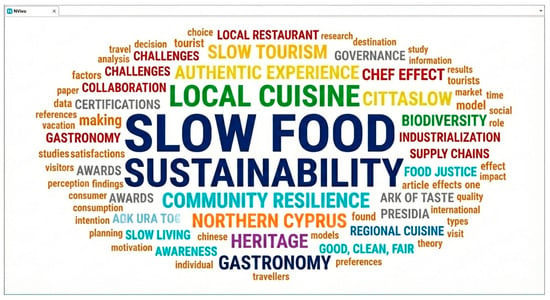
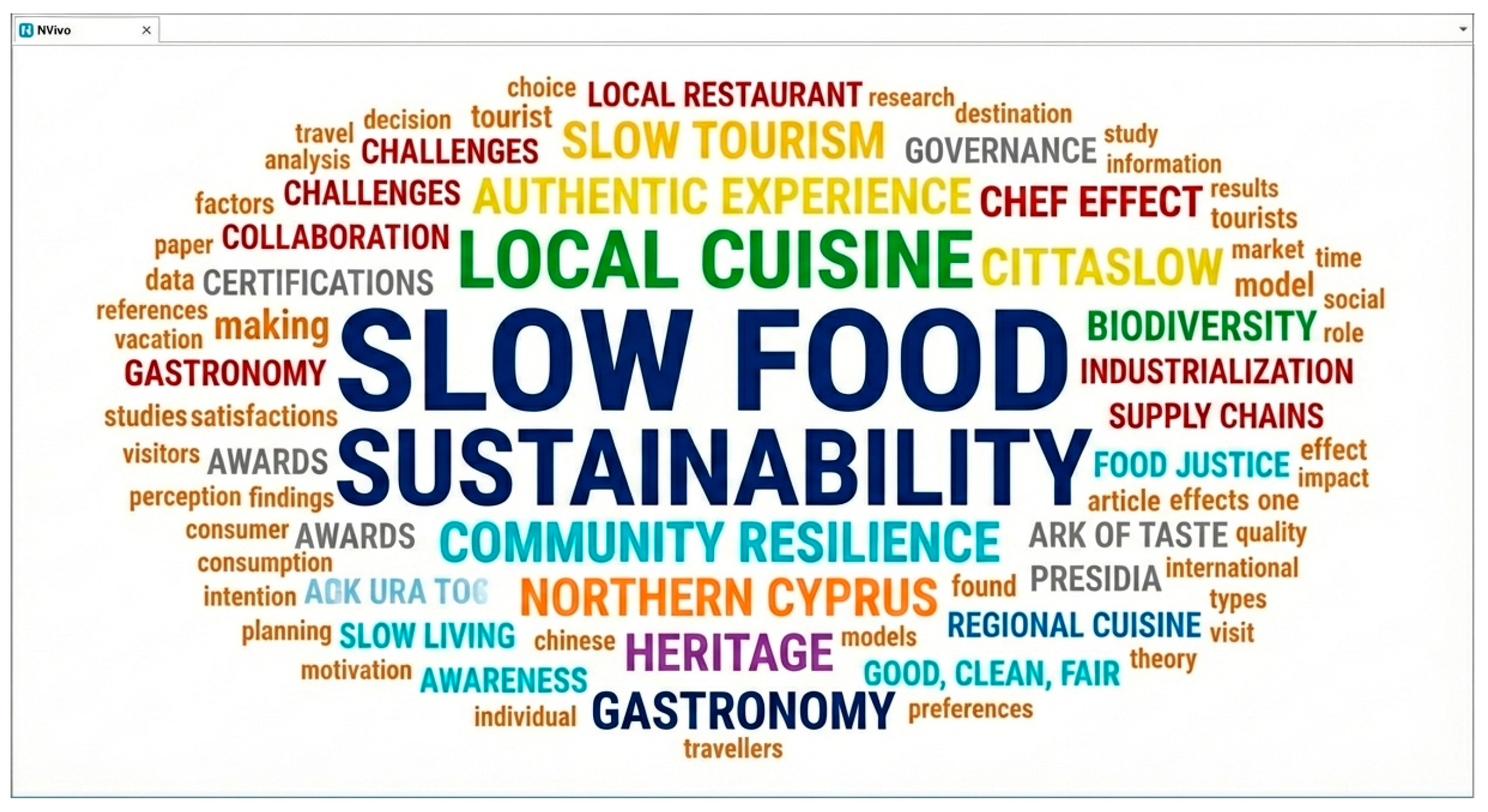
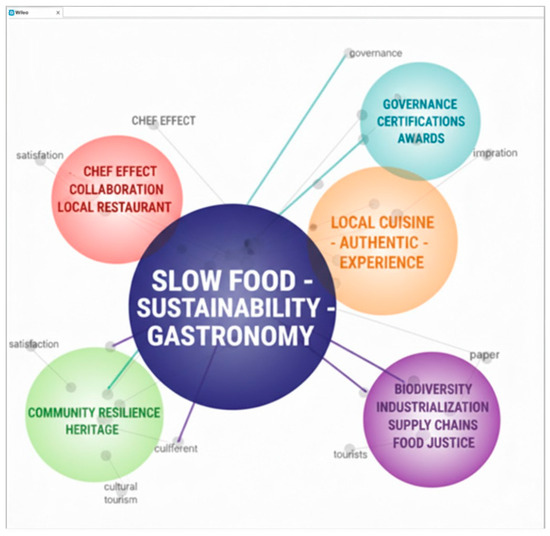
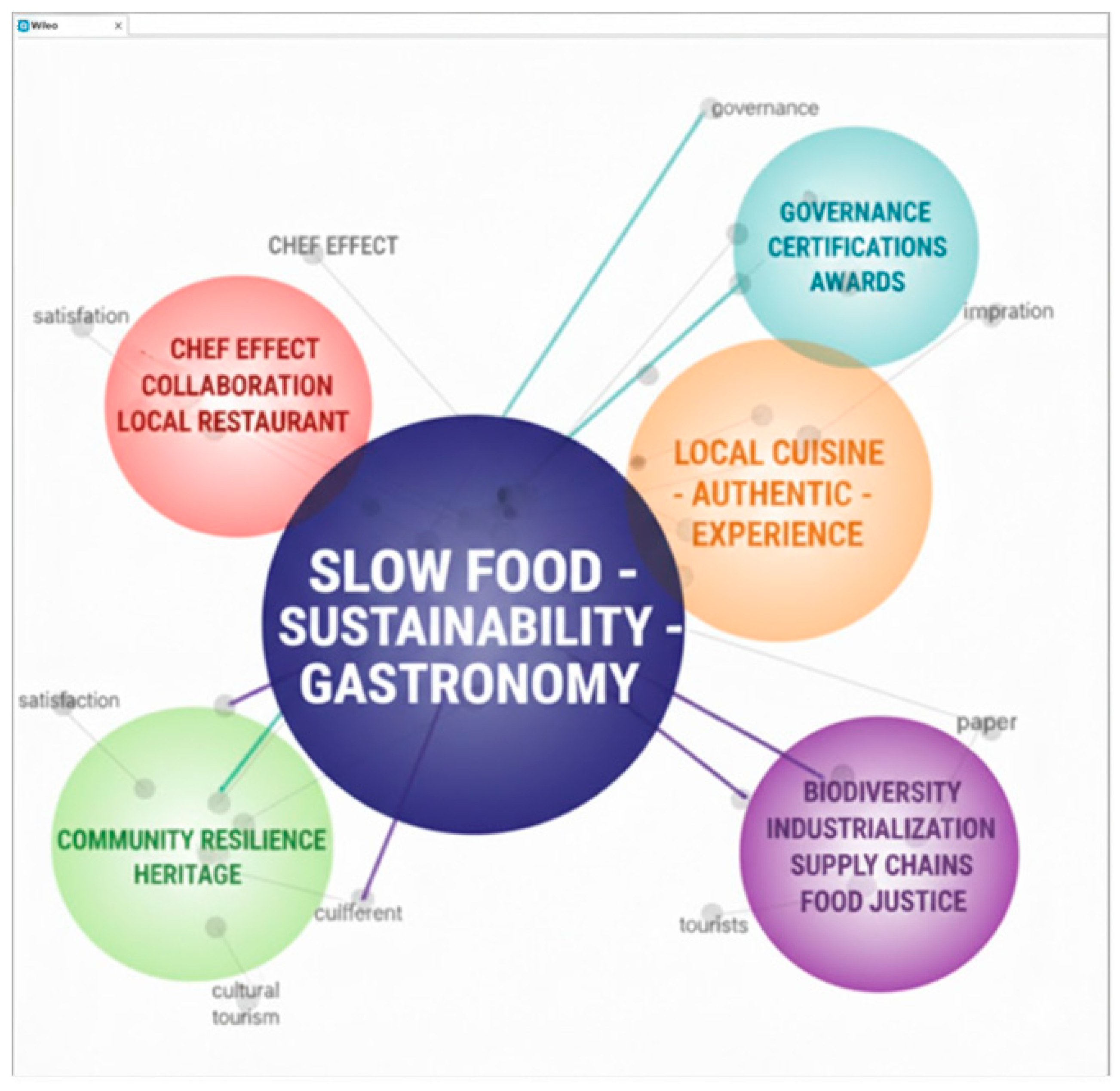

Disclaimer/Publisher’s Note: The statements, opinions and data contained in all publications are solely those of the individual author(s) and contributor(s) and not of MDPI and/or the editor(s). MDPI and/or the editor(s) disclaim responsibility for any injury to people or property resulting from any ideas, methods, instructions or products referred to in the content. |
© 2026 by the authors. Licensee MDPI, Basel, Switzerland. This article is an open access article distributed under the terms and conditions of the Creative Commons Attribution (CC BY) license.