


Abstract
Artisanal fishing, understood as a form of rural entrepreneurship, extends beyond purely economic performance; however, the quantitative influence of informal institutions on sustainable value creation remains insufficiently examined. This study analyzes how Indigenous governance, cooperation, and ancestral knowledge shape the economic, social, and environmental dimensions of sustainability in artisanal fisheries. A quantitative, non-experimental, cross-sectional design was applied using face-to-face surveys administered to 148 fishers in Taganga, Colombia. Data were analyzed using partial least squares structural equation modeling (PLS-SEM) to assess both measurement and structural relationships. The results indicate that Indigenous governance is strongly associated with sustainable value creation, significantly enhancing economic, social, and environmental outcomes through collective participation, cooperative arrangements, and community-based environmental practices. Ancestral knowledge shows a specific but meaningful relationship with social value by reinforcing cultural identity and community cohesion; this construct was measured through fishers’ perceptions of intergenerational knowledge transmission, traditions, and cultural values shared by elder fishers. Cooperation exhibits a positive association with economic value by strengthening productive resilience, although its effects do not extend to broader social outcomes. Overall, the model explains moderate proportions of economic and social value and a low proportion of environmental value. These findings demonstrate that informal institutions operate as differentiated yet essential mechanisms of sustainability, highlighting the importance of strengthening Indigenous governance, consolidating cooperative practices, and integrating ancestral knowledge into governance strategies for small-scale fisheries.
1. Introduction
Sustainability has become a central analytical framework for understanding contemporary development strategies in which economic, social, and environmental dimensions interact. Since the publication of the Brundtland Report [1], the concept has evolved into a systemic approach aimed at meeting present needs without compromising those of future generations. In the context of artisanal and small-scale fisheries (SSF), sustainability extends beyond ecological conservation to encompass the creation of shared value through economic viability, social equity, and environmental stewardship. Accordingly, sustainability in the SSF sector is defined by the capacity to balance productive performance with the preservation of socio-ecological heritage.
Artisanal fishing can be conceptualized as a specific form of rural entrepreneurship that has gained relevance as a driver of sustainable territorial development. Once viewed primarily as a subsistence-based livelihood, it is now understood as a socially embedded process that mobilizes endogenous resources, local knowledge, and community-based organizational forms to enhance territorial resilience [2,3,4]. Beyond its economic contribution, artisanal fisheries strengthen social cohesion, reinforce cultural identity, and support ecological resilience [5,6], all of which are integral to sustainable value creation in coastal socio-ecological systems.
From this perspective, artisanal fisheries represent a form of inclusive rural entrepreneurship that integrates traditional production practices, local ecological knowledge, and collective resource management [2,7]. The FAO [8] characterizes small-scale fisheries as complex socio-ecological systems that, when supported by appropriate institutional arrangements, can evolve from subsistence activities into resilient and sustainable entrepreneurial models. This approach positions artisanal and ancestral fishing not merely as an economic activity, but as an institutional and cultural system that generates multidimensional value through intergenerational knowledge transmission and community cooperation [9,10].
A key factor shaping the sustainability of these systems is the role of informal institutions, understood as socially embedded norms, cultural values, customs, and networks of cooperation that guide collective behavior [11]. These institutions influence economic, social, and environmental outcomes by shaping how communities access resources, distribute benefits, and preserve their sociocultural identity [12,13]. Despite their recognized importance in the governance of common-pool resources, empirical research examining the contribution of informal institutions to sustainable value creation in artisanal fisheries remains limited, particularly from a quantitative perspective [14,15].
The literature on coastal and fisheries governance has evolved along two main strands. Research on collective action emphasizes cooperation as a critical determinant of resilience and adaptive capacity in Latin American fisheries [16]. Complementarily, studies focusing on sociocultural dimensions highlight the role of traditional identity, local knowledge, and ancestral practices in sustaining community stability and continuity [17]. However, these strands have largely developed in parallel, offering limited insight into how cooperation, Indigenous governance, and ancestral knowledge jointly shape the economic, social, and environmental dimensions of sustainability.
Systematic literature reviews [14,15,18,19,20] consistently identify a gap in quantitative studies that assess the simultaneous effects of informal institutions on multiple dimensions of sustainable value within intercultural artisanal fishing contexts. This gap constrains our understanding of the institutional mechanisms that sustain cultural resilience and ecological stewardship in rapidly changing coastal environments and directly motivates the research question addressed in this study.
1.1. Overview of Colombian Artisanal Fisheries
Santa Marta, a coastal city in the Colombian Caribbean, exhibits a distinctive interaction between marine and terrestrial ecosystems shaped by the Sierra Nevada de Santa Marta, prevailing trade winds, and high levels of biodiversity [21,22]. These environmental conditions have historically supported tourism, port activities, and—most notably—artisanal fishing. Despite its essential role in local employment and food security, artisanal fishing has often been undervalued in national statistics due to its relatively low contribution to GDP and the lack of updated and disaggregated official data [17].
Taganga, a traditional fishing village located north of Santa Marta, exemplifies this historical and cultural legacy. Its artisanal fishing practices trace back to Indigenous groups such as the Kashingui’ and Peibuni’ [23], who developed fishing techniques adapted to the local marine–coastal ecosystem. Fishing activities are organized through long-standing associations such as the Corporación de Pescadores Chinchorreros de Taganga, often cited as one of the oldest fishing organizations in Latin America, with more than 160 members and 171 registered nets. Fishing in Taganga is predominantly carried out by men. Other organizations—including Asopapuga, Copepazbe, Asopesalg, and Asopesmar—operate in different areas of the bay and maintain cooperative practices governed by community agreements. Despite this rich cultural and ecological heritage, tourism expansion, urban pressure, and limited institutional recognition have progressively marginalized these communities within coastal development policies. Nevertheless, their traditional organizational structures and ecological knowledge constitute a relevant foundation for sustainability, as informal institutions support cultural transmission, solidarity-based cooperation, and responsible resource use.
The most commonly employed fishing techniques include handlines, artisanal longlines, and gillnets, typically operated from small vessels equipped with outboard motors or, in some cases, directly from the shoreline. These practices reflect a multispecies fishing model adapted to the coastal conditions of the Colombian Caribbean and grounded in intergenerationally transmitted local ecological knowledge [24,25].
The most frequently captured species include pelagic and demersal fish such as snapper (Lutjanus spp.), Spanish mackerel (Scomberomorus spp.), jack fish (Caranx spp.), snook (Centropomus spp.), and various reef-associated species, along with lobster and mollusks on a smaller scale. Fisheries management in the area combines formal regulations established by national authorities—such as closed seasons, minimum catch sizes, and gear restrictions—with informal community-based governance arrangements. Within this hybrid regime, Indigenous governance and customary norms play a central role in regulating access to fishing grounds, marine space use, and conflict resolution [26,27].
From a socioeconomic and cultural perspective, artisanal fishing constitutes a central activity for subsistence, income generation, and local food security, while also serving as a fundamental pillar of cultural identity and ancestral practices within the community. Beyond its economic relevance, fishing in Taganga sustains social cohesion, intergenerational knowledge transmission, and place-based cultural meanings closely linked to the marine environment [28,29].
These considerations converge in the central research question of this study: How do informal institutions—specifically cooperation, Indigenous governance, and ancestral knowledge—influence the economic, social, and environmental dimensions of sustainable value in rural enterprises based on artisanal fisheries?
To address this question, the study examines artisanal fisheries in Taganga, Colombia—an intercultural coastal context where informal institutions play a central role in community life and resource management. While prior research has examined isolated dimensions such as cooperative practices [16] or cultural identity, integrated quantitative assessments capturing the combined effects of informal institutions on multiple sustainability dimensions remain scarce. This study addresses this gap by developing and empirically testing a structural model linking informal institutional factors to sustainable value outcomes. Moreover, the application of Partial Least Squares Structural Equation Modeling (PLS-SEM) offers a methodological contribution by enabling the analysis of complex socio-institutional relationships that are often overlooked in fisheries governance research.
The remainder of the article is structured as follows: the next section presents the theoretical and conceptual framework; the subsequent section describes the methodology; the results are then reported and discussed; and the final section concludes by highlighting the theoretical and practical contributions and outlining directions for future research.
1.2. Literature Review on Framework of Social, Economic, and Environmental Value
1.2.1. Sustainable Rural Entrepreneurship and Small-Scale Fisheries
Sustainable rural entrepreneurship is increasingly understood as a process through which rural actors develop initiatives that simultaneously generate economic, social, and environmental value, thereby strengthening territorial resilience and community well-being [4,30]. Unlike traditional approaches centered primarily on financial performance, contemporary perspectives situate rural entrepreneurship within social–ecological systems, where production activities, environmental stewardship, and social inclusion are inherently interconnected [3,31].
Within this framework, artisanal and small-scale fisheries (SSF) represent a paradigmatic form of sustainable rural entrepreneurship. SSF integrate responsible resource use, culturally embedded practices, intergenerational knowledge transmission, and cooperative organizational structures rooted in local histories. The global literature consistently highlights their central role in food security, local livelihoods, and cultural identity, particularly across the Global South [32,33].
Empirical research further demonstrates that artisanal fishers operate as entrepreneurs who actively manage their production systems, make strategic decisions regarding technology, markets, and regulatory constraints, and adapt to ecological variability [34]. These characteristics position SSF at the core of international debates on co-management, blue justice, community-based governance, and social–ecological resilience.
Evidence from Latin America reinforces this perspective. Moreno Ponce [35], identify structural constraints such as limited access to education and credit, while simultaneously highlighting fishers’ capacity to generate socio-economic value despite these barriers. Saavedra Gallo et al. [36] show that fishing communities reorganize their local economic practices in response to global environmental pressures through culturally grounded strategies. Similarly, Arias-Vargas et al. [37] argue that contemporary rural entrepreneurship extends well beyond agriculture, encompassing diverse livelihood models anchored in local knowledge systems.
Taken together, this body of evidence suggests that artisanal fishers embody a form of rural entrepreneurship that balances economic viability with social cohesion, cultural identity, and environmental responsibility. SSF should therefore be understood not merely as subsistence activities, but as complex entrepreneurial systems shaped by intertwined institutional, ecological, and cultural dynamics.
1.2.2. Informal Institutions
Institutions provide the frameworks that shape and regulate social, economic, and political interactions [38]. Within this tradition, North [11] distinguishes between formal institutions—such as laws and property rights—and informal institutions, which encompass customs, traditions, social norms, and culturally embedded codes of conduct. Informal institutions emerge through historical experience and social interaction, becoming shared behavioral reference points that play a critical role in maintaining social cohesion and fostering trust [39,40].
This study situates informal institutions within the analytical framework of Elinor Ostrom’s [41] design principles for the governance of common-pool resources (CPR). Ostrom emphasized that sustainable resource management depends on collective-choice arrangements and local autonomy tailored to community-specific conditions. However, much institutional analysis has focused primarily on the functional efficiency of rules and organizational arrangements.
Building on this foundation, the present research extends Ostrom’s framework by examining whether, in intercultural coastal contexts, the legitimacy of ancestral knowledge and Indigenous governance constitutes a stronger driver of sustainability outcomes than participatory arrangements based solely on cooperation. In this regard, cooperation is not treated as a purely functional mechanism, but as a process whose effectiveness is contingent upon deep-rooted traditional authority and culturally legitimate governance structures.
Beyond classical institutional theory, contemporary fisheries governance research consistently emphasizes the central role of informal institutions in shaping sustainability outcomes in artisanal and small-scale fisheries [42,43]. Empirical studies show that social norms, customary rules, community-based leadership arrangements, and culturally embedded practices are essential for regulating access to resources and coordinating collective action—particularly in contexts where state capacity for formal monitoring and enforcement is limited [42,43,44].
Recent governance frameworks further highlight the importance of community-based and polycentric arrangements, in which informal institutions interact dynamically with formal regulations to influence fisheries’ performance and sustainability outcomes [14,45]. Trust-based social relations, Indigenous governance structures, ancestral norms, and locally legitimate rules play a decisive role in shaping how formal policies are interpreted and implemented at the community level [46]. Evidence from diverse regional contexts suggests that sustainability outcomes depend not only on regulatory design, but also on the alignment between formal institutions and deeply embedded informal norms within local socio-ecological systems [47].
1.2.3. Cooperation as a Driver of Social and Economic Value
Cooperation constitutes a primary mechanism through which informal norms are translated into tangible social and economic outcomes. From an economic perspective, collective organization enables artisanal fishers to overcome market asymmetries by pooling resources, reducing transaction costs, and strengthening bargaining power vis-à-vis intermediaries. These dynamics enhance adaptive capacity to market volatility and contribute to more stable and higher incomes [48,49,50].
From a social perspective, cooperation functions as a catalyst for community resilience. Cooperative arrangements foster trust, social learning, and mutual support, reinforcing a sense of belonging that is critical for sustaining the social fabric of marginalized coastal communities [51,52]. Unlike purely formal management systems, cooperative governance in SSF derives its legitimacy from shared norms and reciprocal relationships, promoting equitable resource use and broader participation [53,54].
In this sense, cooperation operates as a multidimensional driver that simultaneously enhances economic performance and strengthens community well-being.
Hypothesis 1 (H1):
Cooperation has a positive effect on social value generation in artisanal fisheries.
H1: Cooperation → Social value.
Hypothesis 2 (H2):
Cooperation has a positive effect on economic value generation in artisanal fisheries.
H2: Cooperation → Economic value.
1.2.4. Indigenous Governance as a Driver of Environmental, Economic, and Social Value
Indigenous governance systems generate environmental, economic, and social value by integrating ancestral knowledge with community-based management practices. Evidence across multiple contexts shows that these governance arrangements promote collective natural resource management, strengthen community autonomy, and support more equitable distributions of economic benefits.
Studies such as Kennedy Rolando Lomas Tapia et al. [55] demonstrate that Indigenous governance structures embed sociocultural models grounded in ancestral knowledge. Similarly, Gasca Zamora et al. [56] document how Indigenous communities develop cooperative strategies for natural resource management, generating ecological and economic benefits through collective enterprises and shared decision-making.
Traditional governance systems also contribute to environmental conservation. Palafox-Muñoz et al. [57] show that customary regulatory mechanisms—such as traditional norms, community-enforced sanctions, and the protection of sacred or ecologically significant sites—enhance ecological sustainability while reinforcing social cohesion and participatory governance.
In small-scale fisheries, Indigenous governance is particularly relevant because it enhances management legitimacy, strengthens adaptive capacity, and anchors resource-use decisions in culturally grounded ecological knowledge [58]. These governance forms align principles of reciprocity and clan-based organization with broader concepts of social–ecological resilience, improving coordination and compliance.
Moreover, Indigenous governance supports environmental stewardship by advancing territorial management practices and fostering knowledge co-production between Indigenous and scientific systems [59]. Evidence suggests that well-managed fisheries can simultaneously achieve environmental, economic, and social sustainability, reinforcing the potential of Indigenous governance to generate multidimensional value [60].
Hypothesis 3 (H3):
Indigenous governance has a positive effect on environmental value in artisanal fisheries.
H3: Indigenous governance → Environmental value.
Hypothesis 4 (H4):
Indigenous governance has a positive effect on economic value generation in artisanal fisheries.
H4: Indigenous governance → Economic value.
Hypothesis 5 (H5):
Indigenous governance has a positive effect on social value generation in artisanal fisheries.
H5: Indigenous governance → Social value.
1.2.5. Tradition and Ancestral Knowledge as Drivers of Social Value
Ancestral knowledge and traditional practices generate substantial social value in artisanal fishing communities by strengthening cultural identity, social cohesion, and resilience. These knowledge systems are transmitted intergenerationally—primarily through oral traditions—and enable communities to respond to contemporary social, economic, and environmental challenges [61]. As García-Allut et al. [62] note, processes of cultural homogenization increasingly threaten traditional knowledge, underscoring its importance for sustaining communal continuity.
Territorial relationships in coastal communities are also shaped by historical and sociocultural processes. Cortés et al. [63] show how differentiated cultural appropriations of coastal spaces emerge from community-specific histories, generating distinctive forms of interaction with marine resources that underpin social organization.
Consistent with this perspective, research on traditional ecological knowledge demonstrates that rituals, beliefs, and customary fishing practices strengthen community cohesion, collective identity, and a shared sense of belonging [64,65]. Acott et al. [66] further argue that social well-being in artisanal fisheries is deeply intertwined with cultural continuity, heritage, and local history, which confer symbolic and emotional meaning to fishing activities.
Elders play a central role in this process as custodians of communal memory. Through the transmission of ecological knowledge and social values, they reinforce norms of reciprocity, cooperation, and solidarity that are essential for social cohesion and adaptive capacity [67].
Altogether, this evidence supports the proposed hypothesis:
Hypothesis 6 (H6):
Ancestral knowledge has a positive effect on social value generation in artisanal fisheries.
H6: Ancestral Knowledge → Social value.
1.3. Informal Institutions and Sustainability in Colombian Artisanal Fisheries: A Conceptual Framework Applied to Taganga
In Colombia, the sustainability of artisanal and small-scale fisheries is strongly shaped by the interaction between informal institutions, local governance arrangements, and culturally embedded practices operating within rural and coastal territories [68,69]. In contexts characterized by limited state presence and weak enforcement capacity, cooperation, Indigenous governance, and ancestral knowledge function as core institutional mechanisms that support economic viability, social cohesion, and environmental stewardship [45,46]. Empirical evidence indicates that cooperative practices enhance economic sustainability by improving market access, reducing transaction costs, and strengthening collective bargaining power, while simultaneously fostering trust, reciprocity, and social capital within fishing communities [49,53]. At the same time, Indigenous governance systems and customary rules contribute to environmental sustainability by regulating access to resources, promoting collective decision-making, and embedding conservation principles within culturally legitimate frameworks [12,27]. Taken together, these informal institutional arrangements enhance adaptive capacity and support long-term sustainability in Colombian artisanal fisheries, particularly where formal regulatory systems alone are insufficient to address complex socio-ecological dynamics [70].
In communities such as Taganga, the sustainability of artisanal fisheries has been conceptualized in the literature as emerging from locally embedded informal institutions rooted in long-standing relationships between fishing communities and the marine environment [12,46]. Existing studies suggest that customary fishing norms, shared rules governing access to fishing grounds, informal leadership structures, and collective decision-making practices play a central role in organizing everyday fishing activities and mediating interactions among fishers, markets, and regulatory actors in small-scale fisheries [27,42]. Within this context, cooperation is consistently identified as a key mechanism that enables fishers to organize production, manage economic and environmental risks, and respond collectively to ecological variability, thereby contributing to livelihood stability and social cohesion [42,50].
Similarly, research on Indigenous governance and ancestral knowledge highlights their potential to reinforce sustainability by anchoring resource use in principles of reciprocity, respect for nature, and intergenerational responsibility, particularly in settings characterized by limited formal enforcement capacity [43,44]. Building on this body of literature, the present study proposes an integrative institutional model that links cooperation, Indigenous governance, and ancestral knowledge to the creation of economic, social, and environmental value in artisanal fisheries. This model is derived from the literature and empirically validated in the specific context of Taganga. Accordingly, the following section presents the conceptual framework and hypotheses guiding the empirical analysis [70].
1.4. Hypotheses and Conceptual Model
Drawing on the conceptual relationships established in the preceding sections, this study proposes a structural model in which informal institutions—operationalized through cooperation, Indigenous governance, and ancestral knowledge—are specified as latent constructs influencing three outcome variables representing economic, social, and environmental value.
The model is hypothesis-driven and designed to empirically test the predictive relationships between these institutional dimensions and sustainable value creation in artisanal fisheries. All latent variables are operationalized through observable indicators validated in prior research and adapted to the empirical context of the study.
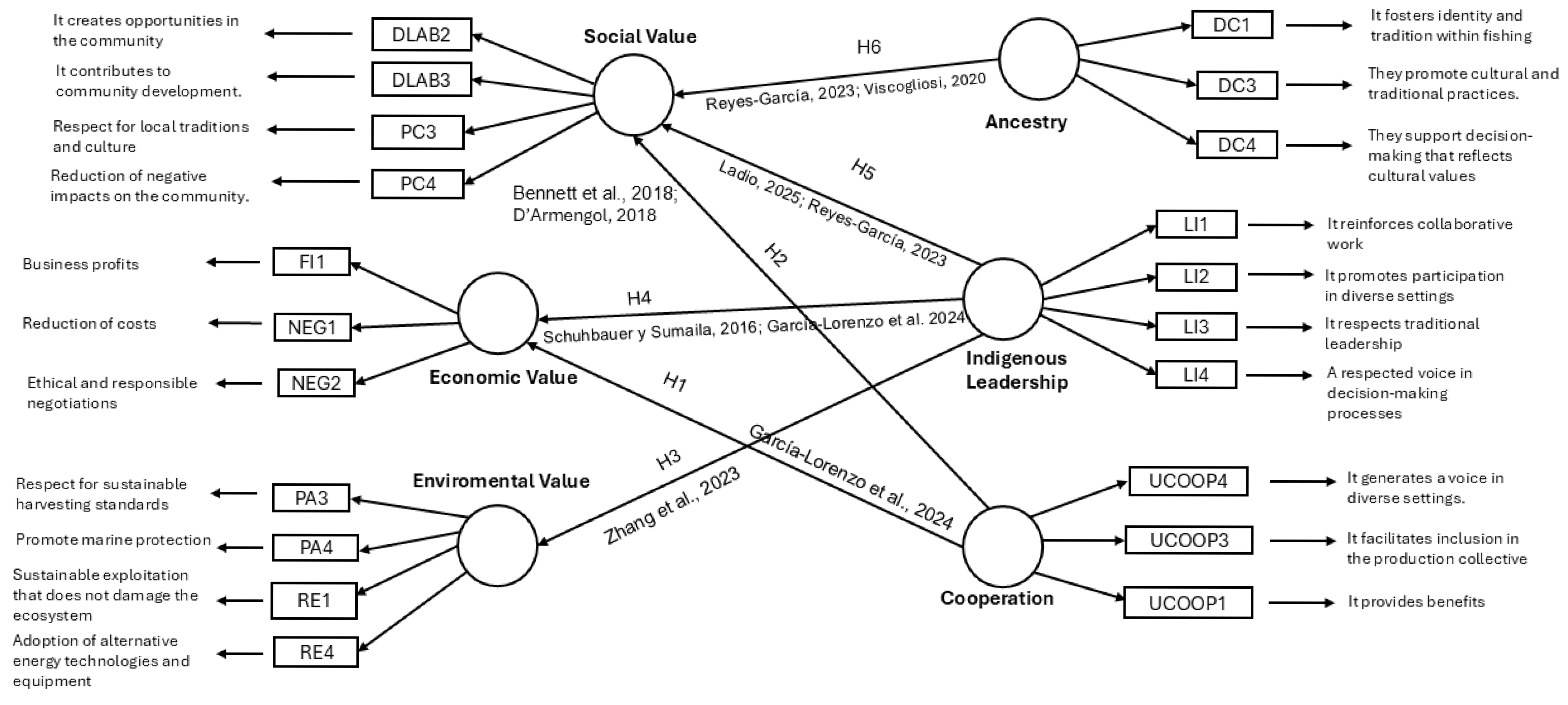
Figure 1 presents the proposed conceptual framework, summarizing the hypothesized relationships among constructs and illustrating the structural paths to be tested using PLS-SEM.
Accordingly, the following hypotheses are formulated:
- H1: Cooperation → Social value
- H2: Cooperation → Economic value
- H3: Indigenous governance → Environmental value
- H4: Indigenous governance → Economic value
- H5: Indigenous governance → Social value
- H6: Ancestral knowledge → Social value
This model provides the basis for subsequent empirical testing using Partial Least Squares Structural Equation Modeling (PLS-SEM) [71], allowing for the exploration of complex, multivariate relationships within a relatively small sample context.
Figure 1.
Theoretical structural model of the research. Note. The circles represent the latent variables, the rectangles represent the indicators with their subcriteria (which were used in the instrument applied). The arrows connecting the latent variables (the circles) have the number of the hypothesis proposed and the authors who support the formulation of the hypothesis [14,48,51,64,67,72,73,74].
2. Materials and Methods
2.1. Research Approach and Design
This study adopted a quantitative research approach with a non-experimental, cross-sectional design to examine how informal institutions—namely cooperation, Indigenous governance, and ancestral knowledge—influence the generation of economic, social, and environmental value in the artisanal fisheries of Taganga. This design is appropriate for analyzing latent constructs grounded in sociocultural perceptions and practices that cannot be experimentally manipulated.
Taganga represents a suitable empirical setting due to its strong community cohesion, the intergenerational transmission of fishing knowledge, and the historically significant role of the Indigenous Cabildo. These characteristics highlight the relevance of informal institutions in shaping local governance structures and productive activities within the artisanal fisheries sector.
2.2. Sample and Participants
The target population consisted of 164 active artisanal fishers registered in local associations. The minimum sample size was estimated using the finite-population formula proposed by Cochran [75]:
where n is the required sample size, N is the population size (164), Z is the critical value for a 95% confidence level (1.96), p is the expected proportion (0.5), q = 1 − p, and E is the allowable margin of error (0.03).
Substituting these values resulted in a minimum required sample of 139 participants. A total of 148 fishers were ultimately surveyed, surpassing the minimum threshold and ensuring adequate statistical power for the PLS-SEM analysis.
2.3. Instrument and Data Collection
The research instrument was developed through a structured, multi-stage process grounded in an extensive review of the literature on informal institutions, community-based governance, and sustainable value in small-scale fisheries. Figure 1 illustrates the conceptual structure of the model, where circles represent latent variables and rectangles denote observable indicators and their corresponding subcriteria, which were operationalized in the survey instrument. The arrows linking the latent variables indicate the proposed hypotheses and the key authors supporting each theoretical relationship.
Content validity was ensured by adapting measurement items to the sociocultural context of artisanal fishers in Taganga and through an expert review process involving scholars specializing in fisheries governance and sustainability, as well as practitioners and members of the Indigenous Cabildo of Taganga. This process informed item refinement in terms of conceptual alignment, cultural relevance, and clarity of wording. A pilot test was subsequently conducted with 10 artisanal fishers and 6 members of the Indigenous Cabildo to assess semantic clarity, comprehension, and contextual adequacy. This phase was explicitly intended for qualitative refinement rather than full psychometric validation. All participants provided informed consent, confirming their voluntary participation.
The finalized questionnaire was administered in person during field visits using paper-based surveys, which were later transcribed into Google Forms for data systematization, consolidation, and management prior to statistical analysis. All constructs were measured using five-point Likert scales. The psychometric evaluation of the measurement model was conducted using Partial Least Squares Structural Equation Modeling (PLS-SEM), assessing internal consistency reliability and convergent validity through indicator loadings, composite reliability, and average variance extracted (AVE), as well as discriminant validity using the heterotrait–monotrait (HTMT) ratio. These procedures followed established methodological guidelines proposed by Fornell and Larcker [76], Nunnally [77], and Hair et al. [78].
The survey instrument was originally developed and administered in Spanish, as this is the primary language spoken by participants in the study area. For reporting and transparency purposes, the questionnaire was subsequently translated into English to allow for methodological assessment and replication by an international academic audience. The full version of the survey instrument, including all items and response scales used in the analysis, is provided in Appendix A.
2.3.1. Data Analysis
Data analysis was performed using Partial Least Squares Structural Equation Modeling (PLS-SEM) with SmartPLS version 4 [71]. PLS-SEM was selected due to its suitability for analyzing latent constructs derived from sociocultural perceptions, its robustness to non-normal data distributions, and its emphasis on predictive accuracy and variance explanation. These characteristics align with the objectives of this study, which seeks to explain how informal institutions influence sustainable value creation in artisanal fisheries—an emerging theoretical domain in which causal relationships are still being refined [78,79]. In addition, PLS-SEM is well suited to moderate sample sizes and complex models, making it appropriate for community-based field research [80].
The analytical procedure followed a structured evaluation framework summarized in Figure 2, which organizes the validation process into three sequential stages: (1) global model assessment, (2) measurement model assessment, and (3) structural model assessment. Figure 2 consolidates the evaluation criteria, threshold values, and seminal methodological references that guided each stage of the analysis.
Figure 2.
Steps and Criteria for the Evaluation of a PLS-SEM Model [71,76,77,81,82,83,84,85,86,87,88,89,90].
Global Model Assessment
The analysis began with an assessment of the model’s overall goodness of fit. The Standardized Root Mean Square Residual (SRMR), presented as the first stage in Figure 2, was used as the primary absolute fit indicator. Following the criteria proposed by Hu and Bentler [81] and Henseler [82,83], SRMR values below 0.10 were considered acceptable. This initial assessment ensured that discrepancies between the empirical and model-implied correlation matrices remained within theoretically acceptable limits.
In addition, two discrepancy-based fit measures were examined: the unweighted least squares discrepancy (d_ULS = 1.954) and the geodesic discrepancy (d_G = 0.811). Consistent with PLS-SEM guidelines [84], Hair et al. [78], these indices were interpreted descriptively by comparing the observed values with their respective 95% bootstrap confidence intervals. In both cases, the observed discrepancies fell below the upper bootstrap thresholds, indicating no evidence of severe global model misspecification. As recommended in the PLS-SEM literature, global fit measures were considered complementary to—rather than substitutes for—the evaluation of the measurement and structural models.
Measurement Model Assessment
The second stage of the analysis, presented in Figure 2 as the Measurement Model, evaluated the reliability and validity of the latent constructs.
- Convergent Validity
- Convergent validity was assessed through:
- Indicator loadings greater than 0.50 [85];
- Cronbach’s alpha and composite reliability (CR) values of at least 0.70 [77,86];
- Average Variance Extracted (AVE) values equal to or exceeding 0.50 [76].
Together, these criteria ensured that the indicators consistently captured the theoretical dimensions they were intended to measure.
- Discriminant Validity
Discriminant validity was evaluated using the Heterotrait–Monotrait ratio (HTMT), shown in Figure 2 as Step 2.2. HTMT values below 0.90 indicated satisfactory construct distinctiveness, following the robust criterion proposed by Henseler, Ringle, and Sarstedt [84].
Structural Model Assessment
The final stage of the analysis, illustrated in Figure 2 as the Structural Model, assessed the hypothesized relationships among the latent constructs.
Path coefficients were examined to evaluate the direction, magnitude, and statistical significance of the proposed effects. Statistical significance was assessed using a bootstrapping procedure with 10,000 subsamples, following the recommendations of Chin [87]. This resampling approach provides robust estimates of standard errors and confidence intervals.
The predictive power of the model was evaluated using R2 values for each endogenous construct. These values were interpreted according to Falk and Miller [88], who suggest that R2 values above 0.10 indicate meaningful explanatory power in behavioral and social science research.
Effect sizes (f2) were calculated to assess the relative contribution of each exogenous construct to its corresponding endogenous variable. Cohen’s [89] thresholds of 0.02 (small), 0.15 (medium), and 0.35 (large) were applied to interpret the substantive magnitude of the effects.
Following the evaluation of the global, measurement, and structural models, the statistical adequacy and internal coherence of the PLS-SEM approach were confirmed. The analytical procedure aligns with the structured evaluation sequence summarized in Figure 2, which integrates the criteria, thresholds, and methodological references applied throughout the assessment. As a visual synthesis of the PLS-SEM process, Figure 2 enhances transparency and methodological traceability by illustrating how the global, measurement, and structural components were systematically evaluated.
3. Results
3.1. Sociodemographic Profile
The surveyed fishers were predominantly adults between 45 and 54 years of age, with a mean age of 51 years and a standard deviation of 16 years. This age distribution indicates that artisanal fishing in Taganga remains a traditional livelihood largely sustained by older generations, with limited participation from younger cohorts. The sample was predominantly male (90% men and 10% women) and was typically organized into productive units consisting of 5 to 10 members.
In terms of experience, 74% of participants reported more than 10 years of involvement in fishing activities, with the most frequent experience range being between 20 and 25 years. These characteristics reflect the highly specialized, experience-based, and intergenerational nature of artisanal fishing in Taganga, where knowledge transmission and occupational continuity play a central role in sustaining the activity.
3.2. Model Evaluation (PLS-SEM)
Partial Least Squares Structural Equation Modeling (PLS-SEM) provided an integrated assessment of how informal institutions—cooperation, Indigenous governance, and ancestral knowledge—shape the economic, social, and environmental dimensions of sustainability in artisanal fisheries in Taganga. The results are presented in three stages: evaluation of the measurement model, assessment of discriminant validity, and analysis of the structural model.
- Measurement Model Evaluation
Table 1 presents the results for internal consistency reliability and convergent validity of the constructs included in the model. All reliability indicators met established threshold criteria. Cronbach’s alpha values ranged from 0.702 (Economic Value) to 0.878 (Indigenous Governance), indicating acceptable to strong internal consistency across constructs. Similarly, composite reliability coefficients (ρₐ and ρc) exceeded the recommended threshold of 0.70 for all latent variables, confirming the internal homogeneity of the measurement scales.
Table 1.
Evaluation of the measurement model (reliability and validity of constructs).
Convergent validity was further supported by Average Variance Extracted (AVE) values above 0.50 for all constructs. The highest AVE values were observed for Indigenous Governance (0.732) and Environmental Value (0.602), indicating that the indicators explained a substantial proportion of variance in their respective latent constructs. Overall, the results summarized in Table 1 confirm that the measurement model provides a robust representation of the theoretical dimensions of sustainability and informal institutional mechanisms in small-scale fisheries.
- Discriminant Validity
Discriminant validity was assessed using the Heterotrait–Monotrait (HTMT) ratio, as reported in Table 2. All HTMT values were below the conservative threshold of 0.90 proposed by Henseler et al. [84], ranging from 0.144 (Environmental Value ≥ Cooperation) to 0.750 (Social Value ≥ Economic Value). These results indicate satisfactory construct distinctiveness and confirm that each latent variable represents a conceptually and empirically separate domain.
Table 2.
Results of the HTMT method for discriminant validity.
The HTMT results demonstrate that the model adequately differentiates among the economic, social, and environmental dimensions of sustainable value, thereby supporting the conceptual independence of the constructs.
- Structural Model Evaluation
The results of the structural model are reported in Table 3 and indicate that most of the hypothesized relationships are positive and statistically significant (p < 0.05). Indigenous governance emerged as the most influential predictor across all dimensions of sustainable value. Its strongest effect was observed on Economic Value (β = 0.297, t = 4.396, p < 0.001), followed by Social Value (β = 0.299, t = 3.661, p < 0.001) and Environmental Value (β = 0.244, t = 2.175, p < 0.05). These results suggest that Indigenous governance—expressed through traditional leadership structures and community-based decision-making—plays a central role in enhancing productive stability, strengthening social cohesion, and promoting environmental stewardship. Overall, the findings confirm the pivotal contribution of Indigenous governance to sustainability outcomes in artisanal fisheries.
Table 3.
Results of the hypothesis testing of the structural model (bootstrapping with 10,000 subsamples).
Cooperation exhibited a significant positive effect on Economic Value (β = 0.169, t = 2.570, p = 0.010), indicating that collaborative networks among fishers contribute to greater productive efficiency and income stability. However, its relationship with Social Value was not statistically significant (p > 0.05), suggesting that cooperation in this context remains primarily oriented toward productive coordination and has not yet translated into broader social benefits.
Ancestral Knowledge showed a positive and significant association with Social Value (β = 0.175, t = 2.240, p = 0.025), highlighting the role of traditional practices and intergenerational knowledge transmission in strengthening cultural identity, collective cohesion, and community resilience. These findings reinforce the view that local ecological knowledge and ancestral values are central to sustaining the social dimension of artisanal fisheries.
The model demonstrated a moderate but consistent explanatory capacity, with R2 values of 0.184 for Social Value, 0.146 for Economic Value, and 0.059 for Environmental Value. These results indicate that informal institutions account for a larger proportion of variance in the social and economic dimensions of sustainability, while environmental outcomes are more likely influenced by exogenous factors such as public policies, regulatory frameworks, and ecological conditions beyond direct community control.
Effect size analysis (f2) further confirmed the differentiated influence of the constructs. Indigenous governance exerted medium-sized effects across all three sustainability dimensions (f2 ≈ 0.09–0.10), followed by Ancestral Knowledge (f2 = 0.034) and Cooperation (f2 = 0.013–0.031), which showed smaller but positive effects. Taken together, these results suggest that the institutional structure of artisanal fisheries is primarily anchored in traditional governance and ancestral knowledge, while cooperation functions as a complementary mechanism that supports productive articulation and economic cohesion.
Overall, the model indicates that sustainability in the artisanal fisheries of Taganga is shaped by the synergistic interaction of three institutional pillars:
- (1)
- Indigenous governance, which integrates community leadership and collective resource management;
- (2)
- Ancestral Knowledge, which sustains cultural identity and social resilience; and
- (3)
- Cooperation, which enhances economic performance and organizational stability.
Together, these informal institutions constitute the backbone of social, economic, and environmental value creation, positioning local governance and cultural heritage as key drivers of resilience and sustainability in coastal rural contexts.
4. Discussion
The findings of this study provide a clear and empirically grounded response to the research question regarding how informal institutions—Indigenous governance, cooperation, and ancestral knowledge—shape social, economic, and environmental value within the artisanal fishing system of Taganga. Overall, the results reveal a differentiated influence of informal institutions: some function as cross-dimensional drivers of sustainability, while others operate through more specific social or economic pathways. Among these, Indigenous governance emerges as the most influential mechanism, exerting significant effects across all three value dimensions. This highlights leadership as a central institutional force through which shared norms, culturally embedded authority, and collective decision-making are translated into social cohesion, economic performance, and environmentally responsible behavior.
The strong influence of Indigenous governance is consistent with community governance theories that emphasize the role of locally legitimate authorities in coordinating collective action and regulating resource use [41,91]. In Taganga, the authority and recognition attributed to Indigenous leaders facilitate cooperation, conflict resolution, and the transmission of traditional norms. These dynamics help explain the broad impact of Indigenous governance on value creation. Moreover, such leadership structures reinforce voluntary compliance, collective monitoring, and mutual support practices that enhance economic and social well-being, while exerting a comparatively weaker—but still significant—influence on environmental practices.
Ancestral knowledge, by contrast, exhibits a more selective effect, significantly shaping only the social dimension of value. This finding aligns with previous research showing that traditional ecological knowledge primarily strengthens identity, social cohesion, and intergenerational transmission of cultural practices rather than generating direct economic returns [12,92]. In Taganga, rituals, techniques, and symbolic meanings associated with fishing foster a strong sense of belonging and reinforce community ties, which accounts for the significant association with social value. The absence of measurable effects on economic or environmental outcomes suggests that ancestral knowledge may require stronger institutional integration or formal recognition within management programs to extend its influence beyond the social domain.
Cooperation, in turn, shows a significant effect only on economic value. Similar patterns have been documented in small-scale fisheries where cooperation emerges primarily from economic necessity and risk management [93]. Although cooperation is theoretically associated with social value creation in community-based fisheries, the direct relationship between cooperation and social value was not statistically significant in this model. This result does not imply the absence of a social role for cooperation, but rather points to more complex institutional dynamics. Multicollinearity was assessed using the heterotrait–monotrait (HTMT) criterion, with values well below conservative thresholds, indicating that collinearity did not bias the estimates. Instead, the findings suggest a potential absorption effect, whereby the social contributions of cooperation are largely captured by Indigenous governance and ancestral knowledge when these constructs are modeled simultaneously. This interpretation is consistent with the literature on Indigenous and community-based governance, which emphasizes that social value often emerges through institutionalized leadership and cultural frameworks rather than through cooperation alone.
The model’s explanatory power for environmental value is relatively low (R2 = 0.059), indicating that the informal institutional variables included in this study explain only a limited share of variance in environmental outcomes. This result suggests that, unlike social and economic value, environmental performance in artisanal fisheries is less directly shaped by community-level informal institutions. Previous research indicates that environmental outcomes in coastal socio-ecological systems are often influenced by broader external pressures—such as tourism, pollution, regulatory fragmentation, and ecological constraints—that lie beyond the direct control of local communities [26]. In the case of Taganga, these structural drivers may attenuate the observable influence of informal institutions on environmental practices.
Beyond these findings, the evidence supports the argument that strengthening Indigenous governance and integrating ancestral knowledge can serve as transformative pathways for enhancing sustainability. Supporting this view, Ainomujuni & Kothari [94] demonstrate that meaningful community participation in conservation initiatives strengthens stewardship and long-term commitment to sustainable practices. While Burgos-Ayala et al. [95] report that only 1% of environmental projects in Colombia fully incorporate Indigenous peoples as primary actors, this figure reflects a national trend and is not intended to generalize directly to Taganga. Rather, it highlights a broader institutional gap that underscores the importance of empowering Indigenous governance and integrating traditional ecological knowledge at the local level. In Taganga, Indigenous leadership and ancestral practices already play a central role in community-based conservation, illustrating the potential of culturally grounded governance strategies to enhance ecological outcomes while respecting local identities.
Overall, these findings contribute to the literature on institutions and fisheries governance by demonstrating that informal institutions do not exert uniform effects across sustainability dimensions. Indigenous governance emerges as a broadly influential mechanism linking cultural authority with collective decision-making, whereas cooperation and ancestral knowledge operate through more delimited and dimension-specific pathways. This differentiation advances existing debates by showing that informal institutions vary not only in strength, but also in their functional scope within community-based fisheries systems.
4.1. Theoretical and Practical Implications
From a theoretical perspective, this study reinforces the view that informal institutions and Indigenous governance are central—rather than peripheral—components of effective socio-ecological governance, particularly in coastal and fisheries contexts. Gelcich et al. [50] demonstrate that polycentric governance systems, characterized by multiple decision-making centers, enhance adaptability and resilience in marine resource management. Similarly, Lee et al. [58] highlight that Indigenous governance practices, refined through long-term social learning, provide critical insights for building resilient coastal fisheries.
Recent empirical contributions further support these conclusions. Pellowe et al. [96] show that the coexistence of formal and informal institutions enhances system adaptability, while Torregroza-Espinosa et al. [65] confirm that ancestral knowledge contributes to environmental sustainability and community resilience. Collectively, these findings underscore that integrating traditional knowledge and local leadership into formal governance frameworks is not merely beneficial, but essential for sustainable fisheries management in Latin America.
From a practical standpoint, the results suggest several actionable pathways. Strengthening Indigenous governance structures can enhance sustainability outcomes across all value dimensions. Expanding cooperation beyond operational tasks toward collective social initiatives may help transform functional collaboration into broader social capital. Additionally, integrating ancestral knowledge into environmental management programs—particularly through partnerships with conservation agencies—could translate cultural practices into tangible ecological improvements.
4.2. Policy Implications for Fisheries Management in Colombia
The findings of this study offer relevant insights for the design of public policies aimed at promoting the sustainable development of artisanal fisheries in Colombia. First, the evidence highlights the need for a shift in how the state engages with coastal communities. Rather than relying exclusively on top-down regulatory approaches, national authorities—such as the National Authority for Aquaculture and Fisheries (AUNAP)—should move toward the formal recognition and integration of Indigenous governance structures within fisheries management frameworks. Given that Indigenous leadership emerges as the strongest driver of sustainable value, institutionalizing its role in decision-making could enhance policy legitimacy, compliance, and environmental effectiveness.
Second, policy interventions should move beyond a narrow focus on economic subsistence and adopt a cultural heritage perspective. Since ancestral knowledge is a key driver of social value, public programs should actively support intergenerational knowledge transmission, including the protection of traditional fishing areas and the recognition of oral traditions as valid sources of ecological knowledge. Third, with respect to collective action, the findings suggest that standardized cooperative models may be ineffective. Policies should instead support community-led associations that align with existing informal norms and sources of ancestral legitimacy. Finally, these elements should converge within intercultural management plans that bridge scientific expertise and local ecological knowledge, ensuring that sustainability initiatives in the Colombian Caribbean are both ecologically robust and culturally grounded.
4.3. Limitations
This study presents several limitations. Its cross-sectional design limits causal inference and does not capture institutional change over time. Additionally, reliance on self-reported perceptions may introduce social desirability bias. The relatively low explained variance for environmental value suggests the need to incorporate ecological indicators, governance variables, and external pressures in future models. Comparative or longitudinal research across multiple fishing communities would further enrich understanding of institutional dynamics and help validate the patterns identified here. The predominantly male composition of the sample may also have introduced gender bias in perception-based responses.
These limitations also open avenues for future research. Although cooperation is conceptually linked to social value, the present model did not explicitly test mediation mechanisms. The non-significant direct relationship between cooperation and social value suggests that cooperative practices may exert their social influence indirectly through Indigenous governance and ancestral knowledge. Future studies should explicitly model these mediating pathways to better capture the institutional processes through which cooperation contributes to social outcomes. Longitudinal or mixed-method approaches would further illuminate how cooperative practices become institutionalized over time and translate into sustained social value within Indigenous fishing communities.
In addition, some interpretations should be approached with caution, as the quantitative design prioritizes explanatory and predictive relationships over in-depth contextual validation. Future research could strengthen the robustness of these claims by integrating qualitative methods, such as interviews or participatory observation, and by incorporating gender-disaggregated analyses to better capture differentiated roles, perceptions, and power relations within artisanal fishing communities.
5. Conclusions
This study demonstrates that informal institutions play a significant and differentiated role in shaping the social, economic, and environmental value associated with artisanal fisheries in Taganga. The research question is addressed clearly: Indigenous governance emerges as the most influential institutional mechanism, ancestral knowledge contributes through more selective pathways, and cooperation primarily explains the economic dimension of sustainability. At the same time, the model’s explanatory power—particularly with respect to environmental outcomes—remains limited, which constrains the strength and generalizability of inferences for this dimension.
The study contributes to institutional and fisheries governance theory by showing that informal institutions do not operate as a homogeneous category. Rather, they are associated with distinct and complementary institutional dynamic: leadership appears to function as a coordinating and legitimizing force; cooperation operates mainly as a productivity-oriented practice; and ancestral knowledge serves as a foundation for community identity and continuity. Within a polycentric governance perspective, these findings are consistent with the interpretation that multiple informal centers of authority coexist and operate simultaneously, each influencing specific dimensions of sustainability without relying on a single dominant regulatory structure. This functional differentiation is consistent with polycentric approaches that emphasize institutional diversity, dispersed decision-making, and context-specific governance arrangements in socio-ecological systems.
From a practical standpoint, the results underscore the importance of strengthening Indigenous governance structures, broadening cooperative practices beyond purely economic functions, and integrating ancestral knowledge into environmental and coastal management initiatives. Such actions may contribute to the development of governance strategies that are culturally grounded, socially legitimate, and responsive to local realities. Nevertheless, these implications should be interpreted with caution given the study’s cross-sectional design, the predominantly male composition of the sample, reliance on self-reported perceptions, and the potential presence of endogeneity and common method bias. Future research should adopt longitudinal and comparative designs and incorporate additional ecological and regulatory indicators to more fully capture the dynamics of cooperation and governance in artisanal fisheries.
Overall, this study highlights the differentiated yet contextually significant contribution of informal institutions to sustainability in small-scale fisheries. Although the observed effect sizes are modest, the findings provide theoretically and empirically grounded insights that advance academic debates on institutional diversity and polycentric governance, while also informing locally grounded governance interventions.
Author Contributions
Conceptualization, M.A.L.-S.; methodology, J.D.L.H.-M.; software, L.M.-M.; validation, L.M.-M. and J.D.L.H.-M.; investigation, L.M.-M. and M.A.L.-S.; writing—original draft preparation, L.M.-M.; writing—review and editing, J.D.L.H.-M. and L.M.-M.; supervision, J.D.L.H.-M.; project administration, L.M.-M. All authors have read and agreed to the published version of the manuscript.
Funding
This research is funded by resources from the Francisco José de Caldas National Fund for Science, Technology, and Innovation, under project code 109822. Additionally, it forms part of the project “Evaluación de las instituciones y las prácticas de sostenibilidad aplicadas en la captura, producción y comercialización internacional de pescado (rico en Omega 3) disponible en la zona marino-costera de la ciudad de Santa Marta”, contract No. 112721 145-2024, funded through the Orquídeas: Mujeres en la Ciencia 2024 call by the Ministry of Science, Technology, and Innovation (MinCiencias), with Universidad del Magdalena as the executing institution. The APC was funded by the same project.
Institutional Review Board Statement
The study was conducted in accordance with the Declaration of Helsinki and approved by the Ethics Committee of the University of Magdalena (Act No. 003, protocol approved on 4 April 2024), in compliance with Rectoral Resolution 427 of 2018. The Committee evaluated the research proposal titled “Evaluación de las instituciones y las prácticas de sostenibilidad aplicadas en la captura, producción y comercialización internacional de pescado (rico en Omega 3) disponible en la zona marino-costera de la ciudad de Santa Marta” and determined that it meets all ethical requirements. The study was classified as research with minimal risk in accordance with Resolution 8430 of 1993.
Informed Consent Statement
Informed consent was obtained from all subjects involved in the study. A total of 148 fishers voluntarily agreed to participate after being informed about the purpose of the research—to understand their conditions and their perceptions regarding sustainability and institutional practices. Participants were assured that all information collected would remain confidential and handled in accordance with the Habeas Data Law 1581 of 2012. All data were used exclusively for academic, scientific, and dissemination purposes.
Data Availability Statement
The datasets presented in this study are not readily available because they contain sensitive personal information from the 148 fishers who participated in the research. In accordance with the commitments made in the informed consent process and the Colombian Habeas Data Law (Law 1581 of 2012), the data cannot be publicly shared to safeguard participants’ privacy and confidentiality. Requests for access to the datasets, for academic purposes and subject to additional confidentiality agreements, should be directed to Leydis Marcela Maestre Matos: lmaestre@unimagdalena.edu.co.
Conflicts of Interest
The authors declare no conflicts of interest.
Appendix A
| Survey Form for Fishermen in the Marine-Coastal Fishing Area |
| Informed consent for participants |
|
| Category | Indicator | Code | Response | ||||
| Strongly Disagree | Somewhat Disagree | Undecided | Somewhat Agree | StronglyAgree | |||
| Cultural and traditional | 16. Fishing traditions have been preserved as part of the fishermen’s identity. | DC1 | |||||
| 17. The cultural values of fishing communities are taken into account in the programs developed by different entities. | DC2 | ||||||
| 18. Traditional cultural practices are promoted by local authorities. | DC3 | ||||||
| 19. Collective decisions reflect shared cultural values. | DC4 | ||||||
| Local leadership and indigenous | 20. Indigenous leadership has strengthened cooperative work. | LI1 | |||||
| 21. The participation of local leaders encourages fishermen to be taken into account by the corporation, vendors, consumers, etc. | LI2 | ||||||
| 22. Collective decisions respect the authority of traditional leaders. | LI3 | ||||||
| 23. The voice of indigenous leaders is recognized in decisions and policies regarding resources. | LI4 | ||||||
| Economic policy | 24. Economic policies have encouraged cooperative organization. | PE1 | |||||
| 25. Access to credit and support is aligned with sector policies. | PE2 | ||||||
| 26. National policy promotes the inclusion of artisanal fishers. | PE3 | ||||||
| 27. There are incentives to comply with quality requirements. | PE4 | ||||||
| 28. Regional policies benefit fishermen and their families. | PE5 | ||||||
| Regulations and formal governance | 29. Regulations facilitate the formalization of fishing cooperatives’ businesses. | NG1 | |||||
| 30. Local authorities ensure compliance with regulations. | NG2 | ||||||
| 31. There is cooperation between institutions (governments, universities, companies) that support the chain. | NG3 | ||||||
| Financial assistance and non-financial | 32. The training provided is sufficient for my learning. | AF1 | |||||
| 33. The financial support received is adequate. AF2 | |||||||
| 34. Assistance from people from different entities has promoted the fish capture and sale business | AF3 | ||||||
| 35. The aid I receive strengthens the sustainability (finances) of the cooperative. | AF4 | ||||||
| Cooperation and collective work | 36. Joint work among fishermen has generated benefits. | UCOOP 1 | |||||
| 37. The union between cooperatives has been a mechanism for progress. | UCOOP 2 | ||||||
| 38. Cooperative work facilitates the inclusion of fishermen as participants in the fish catching and selling business. | UCOOP 3 | ||||||
| 39. Collective work has allowed the voice of fishermen to be heard in different settings. | UCOOP 4 | ||||||
| Networks, links, and social capital | 40. The corporation connects fishermen and marketers. | RA1 | |||||
| 41. There are cooperative ties between the corporation and fishermen. | RA2 | ||||||
| 42. The links between the corporation and marketers (sellers) are adequate. | AR3 | ||||||
| 43. The fisherman’s links with support entities are solid. | AR4 | ||||||
| 44. The fisherman’s links with the community are adequate. | AR5 | ||||||
| 45. Links with the government are sufficient for cooperative development. | RA6 | ||||||
- I. SUSTAINABILITY:
- Please indicate how much you agree with the help that your fishing activity provides to the following aspects:
| Category | Indicator | Response | ||||
| Strongly Disagree | Somewhat Disagree | Undecided | Somewhat Agree | StronglyAgree | ||
| 1. Technology that helps reduce environmental impact | 46. Promotes the use of solar energy | |||||
| 47. Use of energy-efficient machinery | ||||||
| 48. Innovation and resource management for the development of new capture methods | ||||||
| 2. Environmental policies | 49. Regulation of the fish capture process | |||||
| 50. Use of inputs, equipment, or tools that do not harm the environment | ||||||
| 51. Compliance with regulations related to the exploitation of specific geographical areas or exclusion from such exploitation | ||||||
| 52. Promoting the protection of the sea with the communities that are part of it | ||||||
| 3. Resources | 53. Development of coastal marine exploitation activities without harming the ecosystem | |||||
| 54. Voluntarily complying with requirements for environmental protection | ||||||
| 55. Efficient use of water | ||||||
| 56. Seek materials in the development of the trade that do NOT harm the ecosystem | ||||||
| 4. Waste | 57. Sorting of waste produced in fishing | |||||
| 58. Recycling of supplies and materials | ||||||
| 59. Risk assessment for pollution | ||||||
| 5. Human rights | 60. Access to education | |||||
| 61. Access to health services | ||||||
| 62. Fair treatment and freedom from violence | ||||||
| 63. Non-discriminatory practices | ||||||
| 6. Labor rights | 64. Fair remuneration for workers or as a worker | |||||
| 65. Written contracts for workers | ||||||
| 66. Freedom of association and bargaining among fishermen | ||||||
| 67. Prohibition of child labor | ||||||
| 68. Prohibition of forced labor | ||||||
| 69. Transparency in labor practices | ||||||
| 7. Working conditions and Employment | 70. Worker protection policy practices | |||||
| 71. Access to drinking water for workers | ||||||
| 72. Access to sanitary facilities | ||||||
| 73. Access to food services at work | ||||||
| 74. Adequate training for workers | ||||||
| 75. Provision of adequate equipment and clothing for workers | ||||||
| 8. Community involvement and engagement | 76. Development of local commitment | |||||
| 77. Direct communication channels between fishermen, sellers, and consumers of fish | ||||||
| 78. Respect for local traditions and culture | ||||||
| 79. Reduction in negative impacts on the community | ||||||
| 9. Local development | 80. Investment in infrastructure, technology, and works for local improvements | |||||
| 81. Local employment and hiring opportunities | ||||||
| 82. Support for the development of the local sector (local enterprises). | ||||||
| 83. Incentives to purchase supplies from local suppliers | ||||||
| 10. Market conditions | 84. Set minimum prices per line | |||||
| 85. Access to financing | ||||||
| 86. Access to market information (customers) | ||||||
| 87. Customers require products beyond those harvested/produced. | ||||||
| 88. Formal contracts with customers or marketers | ||||||
| 89. Direct access to customers (without intermediaries) | ||||||
| 11. Finance | 90. Business profits | |||||
| 91. Cost reduction | ||||||
| 92. New investments from internal and external parties | ||||||
| 93. Improved finances for fishermen | ||||||
| 94. Positive impacts on business investment | ||||||
| 12. Business relationships | 95. Fair business practices (no corruption and no drugs) | |||||
| 96. Ethical and responsible negotiations | ||||||
| 97. Engaged business participants and collaborative work | ||||||
References
- Comisión Mundial sobre el Medio Ambiente y el Desarrollo. Nuestro futuro común. In Alianza Editorial/Colegio Verde de Villa de Leyva; Comisión Mundial sobre el Medio Ambiente y el Desarrollo: Geneva, Switzerland, 1987. [Google Scholar]
- Korsgaard, S.; Ferguson, R.; Gaddefors, J. The best of both worlds: How rural entrepreneurs use placial embeddedness and strategic networks to create opportunities. Entrep. Reg. Dev. 2015, 27, 574–598. [Google Scholar] [CrossRef] [Scilit]
- Pato, L. Entrepreneurship and innovation towards rural development: Evidence from a peripheral area in Portugal. Eur. Countrys. 2020, 12, 209–220. [Google Scholar] [CrossRef] [Scilit]
- Shao, Q.; Zhao, Y.; Xu, C.; Zhang, L. Influencing factors of sustainable rural entrepreneurship. Systems 2024, 12, 387. [Google Scholar] [CrossRef] [Scilit]
- Ministerio de Agricultura y Desarrollo Rural. Resolución No. 000355 de 2021: Plan Integral de Gestión del Cambio Climático del Sector Agropecuario (PIGCCS-Agropecuario). 2021. Available online: https://www.minagricultura.gov.co/Normatividad/Resoluciones/RESOLUCI%C3%93N%20NO.%20000355%20DE%202021.pdf (accessed on 1 July 2025).
- Martinidis, G.; Adamseged, M.E.; Dyjakon, A.; Fallas, Y.; Foutri, A.; Grundmann, P. How clusters create shared value in rural areas: An examination of six case studies. Sustainability 2021, 13, 4578. [Google Scholar] [CrossRef] [Scilit]
- FAO. Voluntary Guidelines for Securing Sustainable Small-Scale Fisheries; Food and Agriculture Organization of the United Nations: Rome, Italy, 2015. [Google Scholar]
- FAO. Indigenous Peoples and Small-Scale Fisheries. In Voluntary Guidelines for Securing Sustainable Small-Scale Fisheries in the Context of Food Security and Poverty Eradication. 2022. Available online: https://www.fao.org/voluntary-guidelines-small-scale-fisheries/key-thematic-areas/indigenous-peoples-and-small-scale-fisheries (accessed on 1 July 2025).
- Berkes, F. Sacred Ecology, 4th ed.; Routledge: New York, NY, USA, 2017. [Google Scholar]
- Jentoft, S. Small-scale fisheries within maritime spatial planning: Knowledge integration and power. J. Environ. Policy Plan. 2017, 19, 266–278. [Google Scholar] [CrossRef] [Scilit]
- North, D.C. A transaction cost theory of politics. J. Theor. Politics 1990, 2, 355–367. [Google Scholar] [CrossRef] [Scilit]
- Berkes, F. Sacred Ecology, 3rd ed; Routledge: New York, NY, USA, 2012. [Google Scholar] [CrossRef] [Scilit]
- Ostrom, E. Understanding Institutional Diversity; Princeton University Press: Princeton, NJ, USA, 2005. [Google Scholar]
- D’Armengol, L.; Prieto Castillo, M.; Ruiz-Mallén, I.; Corbera, E. A systematic review of co-managed small-scale fisheries: Social diversity and adaptive management improve outcomes. Glob. Environ. Change 2018, 52, 212–225. [Google Scholar] [CrossRef] [Scilit]
- Paramita, A.O.; Partelow, S.; Fujitani, M. A systematic review of deliberation research in marine and coastal case studies. Front. Mar. Sci. 2023, 10, 1178453. [Google Scholar] [CrossRef] [Scilit]
- Pita, P.; Alós, J.; Antelo, M.; Artetxe, I.; Biton-Porsmoguer, S.; Cuadros, A.; Feas, J.; Font, T.; Beiro, J.; GarcíaCharton, J.A.; et al. Estado del arte de la investigación sobre pesca marítima recreativa en España. In Informe Técnico del Proyecto SICORE; Pita, P., Villasante, S., Eds.; Pablo Pita y Sebastián Villasante: Santiago de Compostela, Spain, 2018; 42p. [Google Scholar]
- Grijalba-Bendeck, M.; Bustos-Montes, D.; Posada Peláez, C.; Santafé-Muñoz, A. (Eds.) La Pesca Artesanal Marítima del Departamento del Magdalena (Colombia): Una Visión Desde Cuatro Componentes; Fundación Universidad de Bogotá Jorge Tadeo Lozano; Ministerio de Agricultura y Desarrollo Rural: Bogotá, Colombia, 2012. [Google Scholar]
- Rahman, H.M.T.; Saint Ville, A.S.; Song, A.M.; Po, J.Y.T.; Berthet, E.; Brammer, J.R.; Hickey, G.M. A framework for analyzing institutional gaps in natural resource governance. Int. J. Commons 2017, 11, 823–853. [Google Scholar] [CrossRef] [Scilit]
- Refulio-Coronado, S.; Lacasse, K.; Dalton, T.; Humphries, A.; Basu, S.; Uchida, H.; Uchida, E. Coastal and marine socio-ecological systems: A systematic review of the literature. Front. Mar. Sci. 2021, 8, 648006. [Google Scholar] [CrossRef] [Scilit]
- Sierra Castillo, L.; Wilson, J.R.; Aceves-Bueno, E.; Quintana, A.C.E.; Gaines, S. Enforcement, deterrence, and compliance in co-managed small-scale fisheries. Ecol. Soc. 2024, 29, 10. [Google Scholar] [CrossRef] [Scilit]
- Molina, A. Estudio geológico de la plataforma continental del Caribe (Santa Marta-Punta Morro Hermoso). In Memorias VII Seminario Nacional de Ciencias y Tecnologías del Mar; Comisión Colombiana de Oceanografía: Bogotá, Colombia, 1990; pp. 120–131. [Google Scholar]
- IDEAM. Plan de Acción 2008: Año de la Socialización y Divulgación de la Información. 2008. Available online: https://www.minambiente.gov.co/wp-content/uploads/2021/10/Plan_Accio%CC%81n_Institucional_2008.pdf (accessed on 1 July 2025).
- Navarro, J. Historia Social y Cultural de Taganga; Universidad del Magdalena: Santa Marta, Colombia, 2004. [Google Scholar]
- Food and Agriculture Organization of the United Nations (FAO). Voluntary Guidelines for Securing Sustainable Small-Scale Fisheries in the Context of Food Security and Poverty Eradication; FAO: Rome, Italy, 2015. [Google Scholar]
- INVEMAR. Diagnóstico de las Pesquerías Artesanales del Caribe Colombiano; Instituto de Investigaciones Marinas y Costeras: Santa Marta, Colombia, 2017. [Google Scholar]
- Cinner, J.E.; McClanahan, T.R.; MacNeil, M.A.; Graham, N.A.; Daw, T.M.; Mukminin, A.; Feary, D.A.; Rabearisoa, A.L.; Wamukota, A.; Jiddawi, N.; et al. Comanagement of coral reef social–ecological systems. Proc. Natl. Acad. Sci. USA 2012, 109, 5219–5222. [Google Scholar] [CrossRef] [Scilit] [PubMed]
- Defeo, O.; Castrejón, M.; Pérez-Castañeda, R.; Castilla, J.C.; Gutiérrez, N.L.; Essington, T.E.; Folke, C. Co-management in Latin American small-scale shellfisheries: Assessment from long-term case studies. Fish Fish. 2016, 17, 176–192. [Google Scholar] [CrossRef] [Scilit]
- Béné, C.; Hersoug, B.; Allison, E.H. Not by rent alone: Analysing the pro-poor functions of small-scale fisheries in developing countries. Dev. Policy Rev. 2010, 28, 325–358. [Google Scholar] [CrossRef] [Scilit]
- Salas, S.; Chuenpagdee, R.; Charles, A.; Seijo, J.C. Coastal Fisheries of Latin America and the Caribbean; Fisheries and Aquaculture Technical Paper No. 544; FAO: Rome, Italy, 2011. [Google Scholar]
- Veselá, D.; Klimová, K. Sustainable entrepreneurship in rural areas. J. Entrep. Manag. Innov. 2019, 15, 153–170. [Google Scholar] [CrossRef] [Scilit]
- Korsgaard, S.; Müller, S.; Tanvig, H.W. Rural entrepreneurship or entrepreneurship in the rural—Between place and space. Int. J. Entrep. Behav. Res. 2015, 21, 5–26. [Google Scholar] [CrossRef] [Scilit]
- FAO. The Role of Aquaculture in Rural Development; FAO Fisheries Technical Paper No. 374; Food and Agriculture Organization of the United Nations: Rome, Italy, 2006; Available online: https://www.fao.org/4/y4490e/y4490e04.pdf (accessed on 1 July 2025).
- Magego, J.; Gor, J.O.; Kinaro, Z. Artisanal fisheries socio-economic characteristics in development planning strategies: A case of Lake Victoria, Kenya. Afr. J. Educ. Sci. Technol. 2021, 6, 63–72. [Google Scholar]
- López-Martínez, G.; Schriewer, K.; Meseguer-Sánchez, V. Small-scale fishing and sustainability: An ethnographic approach to the case of self-employed fishermen in the south-east of Spain. Sustainability 2021, 13, 10542. [Google Scholar] [CrossRef] [Scilit]
- Ponce, M.R.M.; Salazar, Y.K.B. Emprendimiento e Innovación. Creación de valor en la producción de los pescadores artesanales. Rev. Cienc. Líderes 2023, 2, 74–86. [Google Scholar] [CrossRef] [Scilit]
- GAllo, G.S.; Vázquez, A.M. Tradición e innovación en las comunidades de pesca artesanal del sur de Chile: Hacia un enfoque reflexivo del desarrollo endógeno. AIBR Rev. Antropol. Iberoam. 2012, 7, 33–64. [Google Scholar]
- Arias-Vargas, F.J.; Ribes-Giner, G.; Garcés-Giraldo, L.F. Emprendimiento rural: Una aproximación histórica. RETOS. Rev. Cienc. Adm. Econ. 2022, 12, 45–66. [Google Scholar] [CrossRef] [Scilit]
- Parada Corrales, J. Instituciones, Desarrollo y Regiones: El Caso de Colombia; Editorial Universidad del Norte: Barranquilla, Colombia, 2011. [Google Scholar]
- Dequech, D. The demarcation between the “old” and the “new” institutional economics: Recent complications. J. Econ. Issues 2002, 36, 565–572. [Google Scholar] [CrossRef] [Scilit]
- Helmke, G.; Levitsky, S. Instituciones informales y política comparada: Una agenda de investigación. Perspect. Sobre Política 2004, 2, 725–740. [Google Scholar] [CrossRef] [Scilit]
- Ostrom, E. Political Economy of Institutions and Decisions: Governing the Commons: The Evolution of Institutions for Collective Action; Cambridge University Press: Cambridge, UK, 1990. [Google Scholar]
- Bennett, N.J.; Blythe, J.; Cisneros-Montemayor, A.M.; Singh, G.; Sumaila, U.R. Just transformations to sustainability. Sustainability 2019, 11, 3881. [Google Scholar] [CrossRef] [Scilit]
- Cinner, J.E.; Barnes, M.L.; Gurney, G.G.; Lockie, S.; Marshall, N.A.; Hicks, C.C. Markets and the adaptive capacity of small-scale fishers. Glob. Environ. Change 2018, 48, 73–85. [Google Scholar] [CrossRef] [Scilit]
- Partelow, S. A review of the social–ecological systems framework: Applications, methods, and challenges. Ecol. Soc. 2018, 23, 36. [Google Scholar] [CrossRef] [Scilit]
- Bennett, N.J.; Di Franco, A.; Calò, A.; Nethery, E.; Niccolini, F.; Milazzo, M.; Guidetti, P. Local support for conservation is associated with perceptions of good governance, social impacts, and ecological effectiveness. Conserv. Lett. 2020, 13, e12640. [Google Scholar] [CrossRef] [Scilit]
- Cinner, J.E.; Barnes, M.L. Social dimensions of resilience in social–ecological systems. One Earth 2019, 1, 51–56. [Google Scholar] [CrossRef] [Scilit]
- Kittinger, J.N.; Bernard, M.; Finkbeiner, E.; Murphy, E.; Obregon, P.; Klinger, D.H.; Schoon, M.L.; Dooley, K.J.; Gerber, L.R. Applying a jurisdictional approach to support sustainable seafood. Conserv. Sci. Pract. 2021, 3, e386. [Google Scholar] [CrossRef] [Scilit]
- García-Lorenzo, I.; Varela-Lafuente, M.; Garza-Gil, M.D.; Sumaila, U.R. Social and solidarity economy in small-scale fisheries: An international analysis. Ocean. Coast. Manag. 2024, 253, 107166. [Google Scholar] [CrossRef] [Scilit]
- Selvaraj, J.J.; Rosero-Henao, L.V.; Cifuentes-Ossa, M.A. Small-scale fisheries in the Colombian Pacific: Understanding the impact of climate change on fishermen’s livelihoods. Fishes 2023, 8, 453. [Google Scholar] [CrossRef] [Scilit]
- Gelcich, S.; Guzmán, R.; Rodríguez-Sickert, C.; Castilla, J.C.; Cárdenas, J.C. Explorando la validez externa de experimentos con recursos comunes: Conocimientos de la pesca bentónica artesanal en Chile. Ecol. Soc. 2013, 18, 2. [Google Scholar] [CrossRef] [Scilit]
- Bennett, N.J.; Govan, H.; Satterfield, T. Ocean grabbing. Mar. Policy 2018, 57, 61–68. [Google Scholar] [CrossRef] [Scilit]
- Weeratunge, N.; Béné, C.; Siriwardane, R.; Charles, A.; Johnson, D.; Allison, E.H.; Nayak, P.; Badjeck, M.C. Small-scale fisheries through the wellbeing lens. Fish Fish. 2014, 15, 255–279. [Google Scholar] [CrossRef] [Scilit]
- Gutiérrez, N.L.; Hilborn, R.; Defeo, O. Leadership, social capital and incentives promote successful fisheries. Nature 2011, 470, 386–389. [Google Scholar] [CrossRef] [Scilit]
- Cohen, P.J.; Steenbeek, J. Social networks and the resilience of small-scale fisheries. Fish Fish. 2015, 16, 532–547. [Google Scholar] [CrossRef] [Scilit]
- Tapia, K.R.L.; Trujillo, C.; Cevallos, L.A.C.; Jaramillo, L.A.C. Alianzas de gobernanza indígena para el desarrollo comunitario del etnoturismo. Latam: Rev. Latinoam. Cienc. Soc. Humanidades 2024, 5, 171. [Google Scholar]
- Gasca Zamora, J. Gobernanza y gestión comunitaria de recursos naturales en la Sierra Norte de Oaxaca. Región Soc. 2014, 26, 89–120. [Google Scholar] [CrossRef] [Scilit]
- Muñoz, A.P.; Delgado, M.V.A. Gobernanza y sustentabilidad social a través del turismo en el Área Natural Protegida de Cabo Pulmo, Baja California Sur, México. Apunt. Rev. Cienc. Soc. 2020, 47, 119–147. [Google Scholar] [CrossRef] [Scilit]
- Lee, L.C.; Reid, M.; Jones, R.; Winbourne, J.; Rutherford, M.; Salomon, A.K. Drawing on indigenous governance and stewardship to build resilient coastal fisheries: People and abalone along Canada’s northwest coast. Mar. Policy 2019, 109, 103701. [Google Scholar] [CrossRef] [Scilit]
- Brondízio, E.S.; Aumeeruddy-Thomas, Y.; Bates, P.; Carino, J.; Fernández-Llamazares, Á.; Ferrari, M.F.; Galvin, K.; Reyes-García, V.; McElwee, P.; Molnár, Z.; et al. Locally based, regionally manifested, and globally relevant: Indigenous and local knowledge, values, and practices for nature. Annu. Rev. Environ. Resour. 2021, 46, 481–509. [Google Scholar] [CrossRef] [Scilit]
- Asche, F.; Garlock, T.M.; Anderson, J.L.; Bush, S.R.; Smith, M.D.; Anderson, C.M.; Chu, J.; Garrett, K.A.; Lem, A.; Lorenzen, K.; et al. Three pillars of sustainability in fisheries. Proc. Natl. Acad. Sci. USA 2018, 115, 11221–11225. [Google Scholar] [CrossRef] [Scilit]
- González-Sánchez, M.E.; León-Bassantes, L.S.; Peñafiel-Cox, M.F. La economía circular como nuevo modelo de negocio empresarial. Rev. Científica Arbitr. Investig. Comun. Mark. Empresa REICOMUNICAR 2023, 6, 118–131. Available online: https://reicomunicar.org/index.php/reicomunicar/article/view/137 (accessed on 1 July 2025).
- García-Allut, A. La pesca artesanal, el cambio y la patrimonialización del conocimiento. Rev. PH 2003, 44, 74–83. [Google Scholar] [CrossRef] [Scilit]
- Cortés, J.A.; Quintero, V.; Valcuende, J.M. Naturalezas discursivas en espacios protegidos. AIBR. Rev. Antropol. Iberoam. 2011, 6, 27–56. [Google Scholar]
- Reyes-García, V. Indigenous and local knowledge contributions to social-ecological systems’ management. In The Barcelona School of Ecological Economics and Political Ecology; Villamayor-Tomas, S., Muradian, R., Eds.; Studies in Ecological Economics; Springer: Cham, Switzerland, 2023; Volume 8. [Google Scholar] [CrossRef] [Scilit]
- Torregroza-Espinosa, A.C.; Guzmán, N.; Restrepo, J.C.; De la Parra-Guerra, A.C.; Acuña Rodríguez, M.; Blanco Álvarez, D.A.; Stumpf, R. Ancestral Knowledge and River Systems: Pathways to Sustainability, Peace, and Community Resilience. Water 2025, 17, 1966. [Google Scholar] [CrossRef] [Scilit]
- Acott, T.G.; Johnson, D.S.; Stacey, N.; Urquhart, J. Reflections on social wellbeing and the values of small-scale fisheries: Implications for research, policy and management. In Social Wellbeing and the Values of Small-Scale Fisheries; Springer International Publishing: Cham, Switzerland, 2018; pp. 317–332. [Google Scholar]
- Viscogliosi, C.; Asselin, H.; Basile, S.; Borwick, K.; Couturier, Y.; Drolet, M.-J.; Gagnon, D.; Obradovic, N.; Torrie, J.; Zhou, D.; et al. Importance of Indigenous elders’ contributions to individual and community wellness: Results from a scoping review on social participation and intergenerational solidarity. Can. J. Public Health 2020, 111, 667–681. [Google Scholar] [CrossRef] [Scilit]
- García, A.; Ruiz, J. Instituciones Informales y Desarrollo Territorial en Colombia; Universidad Nacional de Colombia: Bogotá, Colombia, 2019. [Google Scholar]
- Lizcano, A.; Pérez, M.; Rodríguez, L. Informal institutions, trust, and rural entrepreneurship in Colombia. J. Rural. Stud. 2024, 98, 102–114. [Google Scholar]
- Kittinger, J.N.; Teh, L.C.; Allison, E.H.; Bennett, N.J.; Crowder, L.B.; Finkbeiner, E.M.; Hicks, C.; Scarton, C.G.; Nakamura, K.; Ota, Y.; et al. Committing to socially responsible seafood. Science 2020, 356, 912–913. [Google Scholar] [CrossRef] [Scilit]
- Ringle, C.M.; Wende, S.; Will, A. Finite mixture partial least squares analysis: Methodology and numerical examples. In Handbook of Partial Least Squares: Concepts, Methods and Applications; Springer: Berlin/Heidelberg, Germany, 2009; pp. 195–218. [Google Scholar]
- Zhang, Y.; West, P.; Thakholi, L.; Suryawanshi, K.; Supuma, M.; Straub, D.; Agyei, F.K. Governance and con-servation effectiveness in protected areas and indigenous and locally managed areas. Annu. Rev. Environ. Resour. 2023, 48, 559–588. [Google Scholar] [CrossRef] [Scilit]
- Schuhbauer, A.; Sumaila, U.R. Economic viability and small-scale fisheries—A review. Ecol. Econ. 2016, 124, 69–75. [Google Scholar] [CrossRef] [Scilit]
- Ladio, A.H. Transformative governance based on local ecological knowledge is impossible without genuine in-clusion of indigenous peoples and local communities in NW Patagonia. J. Ethnobiol. Ethnomedicine 2025, 21, 9. [Google Scholar] [CrossRef] [Scilit] [PubMed]
- Cochran, W.G. Sampling Techniques, 3rd ed.; John Wiley & Sons: Hoboken, NJ, USA, 1977. [Google Scholar]
- Fornell, C.; Larcker, D. Evaluating structural equation models with unobservable variables and measurement error. J. Mark. Res. 1981, 18, 39–50. [Google Scholar] [CrossRef] [Scilit]
- Nunnally, J. Psychometric Methods; McGraw-Hill: New York, NY. USA, 1978. [Google Scholar]
- Hair, J.F.; Hult, G.T.M.; Ringle, C.; Sarstedt, M. A Primer on Partial Least Squares Structural Equation Modelling (PLS-SEM), 2nd ed.; Sage Publications: Thousand Oaks, CA, USA, 2017. [Google Scholar]
- Dash, G.; Paul, J. CB-SEM vs PLS-SEM methods for research in social sciences and technology forecasting. Technol. Forecast. Soc. Change 2021, 173, 121092. [Google Scholar] [CrossRef] [Scilit]
- Kock, N.; Hadaya, P. Minimum sample size estimation in PLS-SEM: The inverse square root and gamma-exponential methods: Sample size in PLS-based SEM. Inf. Syst. J. 2018, 28, 227–261. [Google Scholar] [CrossRef] [Scilit]
- Hu, L.T.; Bentler, P.M. Fit indices in covariance structure modelling: Sensitivity to under-parameterized model misspecification. Psychol. Methods 1998, 3, 424–453. [Google Scholar] [CrossRef]
- Henseler, J. User Manual Adanco 2.0. 1. Kleve: Composite Modeling GmbH and Co. 2017. Available online: https://www.researchgate.net/publication/313769051_ADANCO_201_User_Manual (accessed on 10 January 2023).
- Henseler, J. Bridging design and behavioral research with variance-based structural equation modelling. J. Advert. 2017, 46, 178–192. [Google Scholar] [CrossRef] [Scilit]
- Henseler, J.; Ringle, C.M.; Sarstedt, M. A new criterion for assessing discriminant validity in variance-based structural equation modelling. J. Acad. Mark. Sci. 2015, 43, 115–135. [Google Scholar] [CrossRef] [Scilit]
- Afthanorhan, W.M.A.B.W. A comparison of partial least square structural equation modeling (PLS-SEM) and covariance based structural equation modeling (CB-SEM) for confirmatory factor analysis. Int. J. Eng. Sci. Innov. Technol. 2013, 2, 198–205. [Google Scholar]
- Werts, C.E.; Linn, R.L.; Jöreskog, K.G. Quantifying unmeasured variables. In Measurement in the Social Sciences; Blalock, B., Ed.; Routledge: New York, NY, USA, 2017; pp. 270–292. [Google Scholar]
- Chin, W.W. The partial least squares approach to structural equation modeling. In Modern Methods for Business Research; Lawrence Erlbaum Associates: Mahwah, NJ, USA, 1998; pp. 295–336. [Google Scholar]
- Falk, R.F.; Miller, N.B. A Primer for Soft Modeling; University of Akron Press: Akron, OH, USA, 1992. [Google Scholar]
- Cohen, J. Statistical Power Analysis for the Behavioral Sciences, 2nd ed.; Lawrence Erlbaum Associates: Mahwah, NJ, USA, 1988. [Google Scholar]
- Dijkstra, T.; Henseler, J. Consistent partial least squares path modelling. MIS Q. 2015, 39, 297–316. [Google Scholar] [CrossRef] [Scilit]
- Jentoft, S. The community: A missing link of fisheries management. Mar. Policy 2000, 24, 53–59. [Google Scholar] [CrossRef] [Scilit]
- Daw, T.; Brown, K.; Rosendo, S.; Pomeroy, R. Applying the ecosystem services concept to poverty alleviation: The need to disaggregate human well-being. Environ. Conserv. 2011, 38, 370–379. [Google Scholar] [CrossRef] [Scilit]
- Béné, C.; Friend, R. Poverty in small-scale fisheries: Old issue, new analysis. Prog. Dev. Stud. 2011, 11, 119–144. [Google Scholar] [CrossRef] [Scilit]
- Ainomujuni, J.; Twinamatsko, M.; Smis, S.; Nuwagira, U. A review of exploring the role of indigenous knowledge in environmental governance: A case study of Lake Mburo and Bwindi Impenetrable National Parks in Uganda. Afr. J. Clim. Change Resour. Sustain. 2025, 4, 324–353. [Google Scholar] [CrossRef] [Scilit]
- Burgos-Ayala, A.; Jiménez-Aceituno, A.; Rozas-Vásquez, D. Integrating ecosystem services in nature conservation for Colombia. Environ. Manag. 2020, 66, 149–161. [Google Scholar] [CrossRef] [Scilit]
- Pellowe, K.E.; Leslie, H.M. The interplay between formal and informal institutions and the poten-tial for co-management in a Mexican small-scale fishery. Mar. Policy 2020, 121, 104179. [Google Scholar] [CrossRef] [Scilit]
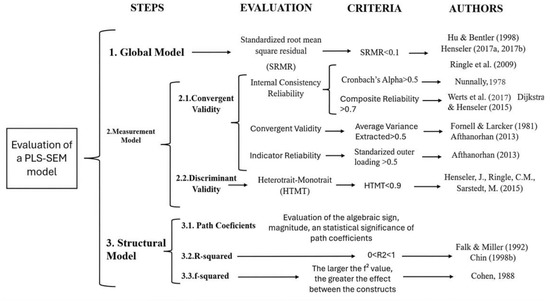
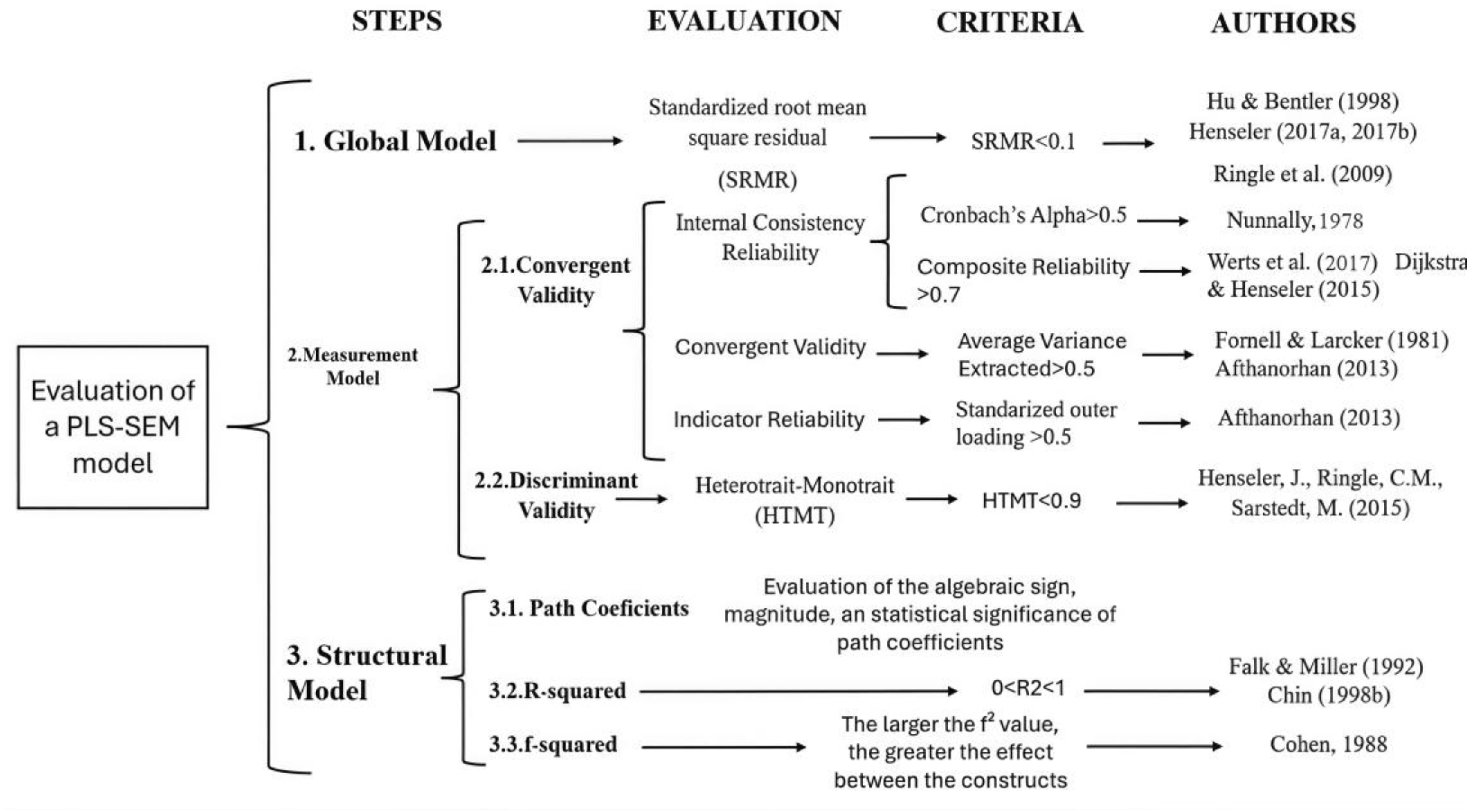

Disclaimer/Publisher’s Note: The statements, opinions and data contained in all publications are solely those of the individual author(s) and contributor(s) and not of MDPI and/or the editor(s). MDPI and/or the editor(s) disclaim responsibility for any injury to people or property resulting from any ideas, methods, instructions or products referred to in the content. |
© 2026 by the authors. Licensee MDPI, Basel, Switzerland. This article is an open access article distributed under the terms and conditions of the Creative Commons Attribution (CC BY) license.