


Abstract
In the era of VUCA (Volatility, Uncertainty, Complexity, Ambiguity), cultivating and enhancing the resilience of SRDI (specialized, refined, distinctive, and innovative) enterprises is critical. Based on existing research, this paper defines enterprise resilience at the beginning and constructs an enterprise resilience evaluation index system that includes three segmented capabilities: recognition and resistance, adaptation and adjustment, and recovery and rebound. Taking 1422 SRDI enterprises in China between 2016 and 2023 as samples, this study conducts an empirical study on the relationship between human capital investment, ambidextrous innovation and SRDI enterprises’ resilience by comprehensively employing various econometric methods such as fixed-effects models, mediating effect tests, and threshold regression. The empirical findings demonstrate that human capital investment positively affects the resilience of SRDI enterprises, with breakthrough and progressive innovation serving as mediating factors. Further research reveals that as scale expands, human capital investment exerts an increasingly strong positive influence on enterprise resilience; concurrently, as resilience improves, the impact of human capital investment shifts from negative to positive, with its positive effect growing progressively stronger. Moreover, increased investment in human capital has a significant positive impact on the recognition and resistance capability, as well as the adaptation and adjustment capability, of SRDI enterprises, but has no significant effect on their recovery and rebound capability. Meanwhile, a heterogeneity analysis by certification type of SRDI enterprises reveals that human capital investment has no significant impact on overall enterprise resilience or on the segmented capabilities of the SRDI “Little Giants” Enterprises. However, for SRDI SMEs, it positively influences their overall enterprise resilience, recognition and resistance capability, and adaptation and adjustment capability. Additionally, for innovative SMEs, it positively impacts their overall enterprise resilience and their recognition and resistance capability. Based on the above, this paper recommends that SRDI enterprises should strengthen their strategic focus, continuously enhance investments in human capital and ambidextrous innovation, implement differentiated human capital investment strategies, and prioritize the recruitment and development of cutting-edge talents.
1. Introduction
Key core technologies are crucial factors that affect China’s national security and contribute to high-quality development and the building of strong country in science and technology [1]. When enterprises master key core technologies in a specific field, they gain the capability to influence the entire innovation ecosystem and industrial chain [2]. SRDI enterprises represent a key group of SMEs prioritized by China’s industrial policies. Their particularity lies not only in their defining attributes of specialization, refinement, distinctiveness, and innovation, but also in their unique structural strategic role. Unlike the short-term focus on scale expansion and diversified layout of typical enterprises, SRDI enterprises deeply cultivate single niche markets. By leveraging high R&D investment, core technologies, and intellectual property to build competitive barriers, they become key entities for strengthening industrial foundations. They are essentially a group of SMEs characterized by highly specialized market positioning, continuously deepening technological barriers, deep integration and dominance in niche markets, and agile, efficient innovation conversion mechanisms. Despite their limited scale, these enterprises play irreplaceable roles in critical segments of industrial and supply chains, emerging as a vital force in breaking through key core technologies and resolving critical bottlenecks [3].
According to data from the Ministry of Industry and Information Technology of the People’s Republic of China [4], by the end of 2024, the number of SRDI enterprises nationwide has exceeded 140,000, including 14,600 SRDI “Little Giants” enterprises. In 2024, these enterprises achieved average annual revenues of 179 million yuan and total net assets of 137 million yuan, respectively increasing 6.0% and 8.9% over the past two years. SRDI “little giants” enterprises allocated an average of 7% of their revenue to R&D, holding 327,400 invention patents—accounting for 11% of all invention patents held by enterprises nationwide. Among these “Little Giants” enterprises, manufacturing companies constituted 88%, with nearly 60% operating in foundational industrial sectors and over 80% positioned within strategic emerging industrial chains. It is evident that SRDI enterprises have long focused on niche sectors and occupied critical links in industrial chains, so their high growth potential and strong innovation capabilities have become increasingly prominent. By “aggregating points into chains and strengthening chains to enhance efficiency,” they have effectively boosted the synergy and overall supporting capabilities of industrial chains. These enterprises serve as both the bellwether leading innovation and development among SMEs and a vibrant new force propelling high-quality economic growth [5].
Despite achieving specific successes, SRDI enterprises still face significant challenges in their development. Currently, the world is undergoing accelerated changes unseen in a century, with a complex and severe external environment. Tariff barriers have intensified, disrupting the stability of global industrial and supply chains and hindering international economic exchanges, causing difficulties for some enterprises in production and operations [6]. Meanwhile, global technological competition is intensifying, with critical core technologies becoming the focal point of rivalry among major powers [7]. In this environment, achieving steady and healthy corporate development requires cultivating and continuously enhancing enterprise resilience. Cultivating and enhancing the enterprise resilience of SRDI enterprises is both an inevitable choice in line with SME development patterns and a proactive measure aligned with broader trends. This approach plays a crucial role in promoting manufacturing sectors toward high-end, intelligent, and green development.
The notion of “resilience” originated in fields such as physics and engineering [8]. So far, scholars have yet to reach a definitive agreement on the precise definition of enterprise resilience. Brown et al. considered enterprise resilience to be a situational variable [9], whereas Ahmad et al. viewed this as a multinational competency that evolved through the enterprises’ organizational development [10]. Regarding the factors influencing enterprise resilience, existing research has explored both internal and external dimensions. Internal factors encompass individual-level attributes such as leaders’ traits, cognition, and behaviors [11], alongside organizational-level aspects such as firm size [12], organizational learning [13], and organizational resources [14]. External factors primarily concentrate on institutional environments [15], digital transformation [16], social capital [17], and corporate social responsibility [18].
The development of enterprise resilience is influenced by multiple determinants, as documented in prior literature. Cultivating and enhancing the resilience of SRDI enterprises requires fully mobilizing their innovation vitality and strengthening sci-tech innovation [19]. As a complex activity, innovation possesses dual attributes: a breakthrough and a progressive nature [20]. Organizations can no longer rely on singular technological approaches; instead, they must reconcile both breakthrough innovation and progressive innovation simultaneously to accommodate both short-term development requirements and long-term competitive advantages [21]. Joseph Alois Schumpeter’s Theory of Innovation posits that innovation is a knowledge-driven process rooted in human creation [22]; therefore, human capital is regarded as a critical input to ambidextrous innovation in enterprises [23]. At the same time, as the most dynamic and decisive part during corporate development, human plays a vital role in driving organizational growth [24]. Now, most scholars widely acknowledge the importance of ambidextrous innovation for enhancing enterprise resilience. Still, few have integrated human capital into their research to examine the joint impact of human capital investment and ambidextrous innovation on resilience outcomes.
Based on this, this paper will first define enterprise resilience and then construct a resilience evaluation index system for SRDI enterprises. Using data from 1422 such enterprises in China from 2016 to 2023 as the research sample, it will conduct an empirical study on the relationship among human capital investment, ambidextrous innovation, and the resilience of SRDI enterprises.
The contributions of this paper are as follows. First, SRDI enterprises serve as a vital force driving China’s economic growth. In recent years, some western nations have imposed restrictions on China, including core technology controls and the disruption of key equipment and component supplies. Under this background, this paper focuses on cultivating and enhancing the resilience of SRDI enterprises, explores the mechanisms by which human capital investment and ambidextrous innovation influence enterprise resilience, and offers corresponding management recommendations. By integrating the core characteristics and strategic positioning of SRDI enterprises, this study explores pathways for cultivating their resilience, thereby addressing the shortfall in conventional resilience research that often overlooks this specialized sector. Therefore, the research results have some strategic value and practical significance. Second, drawing from previous studies, this research focuses on the role of human capital investment and develops an integrated analytical framework for “Human Capital Investment—Ambidextrous Innovation—Enterprise Resilience”. At the same time, it clarifies pathways for enhancing SRDI enterprises’ resilience through human capital investment and ambidextrous innovation and enriches the theoretical framework in the field of enterprise resilience, providing a reference for practice. Third, this study provides a relatively clear definition of enterprise resilience and constructs a resilience evaluation index system for SRDI enterprises, thereby providing necessary support for subsequent related studies. Based on empirical findings, targeted management recommendations are proposed to provide practical guidance for SRDI enterprises to enhance their resilience and overcome developmental challenges. Finally, robust organizational resilience allows businesses to sustain stable operations amid disruptions like natural disasters, market volatility, and shifts in economic cycles. Such resilience enables adaptive strategy adjustments, more efficient use of resources, lowered pollutant output, and proactive engagement with environmental issues. Consequently, enhancing resilience supports companies in attaining the dual benefit of economic performance and ecological stewardship, thereby advancing broader social sustainability.
The remainder of this paper is structured as follows. Section 2 focuses on foundational concepts and measurement, clarifying the conceptual definition of enterprise resilience and constructing a measurement system for the resilience of SRDI enterprises. Section 3 delves into the underlying mechanisms, explaining how human capital investment influences SRDI enterprises’ resilience through ambidextrous innovation. Section 4 presents the research design, systematically defining and measuring the core variables, constructing the econometric model, and detailing data sources and preprocessing process. Section 5 shows empirical results and analysis, reporting benchmark regression conclusions and validating the reliability of research findings through robustness test and endogeneity test. Section 6 extends the analysis with threshold effect tests and heterogeneity analysis. Section 7 summarizes the conclusions and practical implications, highlighting key findings and offering targeted recommendations. Finally, Section 8 provides a discussion and prospect, reviewing the contributions, limitations, and potential directions for future research.
2. Definition of Enterprise Resilience and Measurement of SRDI Enterprise Resilience
2.1. Definition of Enterprise Resilience
Based on the Dynamic Capabilities Perspective, the existing literature has largely shaped two viewpoints on defining enterprise resilience: the “reactive” and “proactive” views. Barghouti et al. [25] viewed resilience as a contextual variable that emerged in a complex and volatile environment. Companies respond to each crisis they encounter, continually honing their resilience. Zhang et al. [26] believed that enterprise resilience is not merely a passive reaction to changing conditions, but rather a comprehensive capacity proactively built throughout a firm’s development, encompassing three dimensions: prevention before a crisis, adaptation during a crisis, and recovery and growth after a crisis. To date, scholars have not yet established a clear consensus on the precise concept and meaning of enterprise resilience. Practice shows that highly resilient enterprises are generally adept at keenly sensing shifts in both internal and external settings and responding effectively. They not only take preemptive actions to guard against risks but also deploy strategies to handle and resolve challenges, and have the capacity to seize the strategic initiative to turn threats into opportunities. Thus, the essence of enterprise resilience can be understood as a form of sustainable development capability [27]. This paper regards enterprise resilience as a multidimensional capacity gradually developed throughout a firm’s growth, integrating three specific capabilities: recognition and resistance, adaptation and adjustment, and recovery and rebound.
2.2. Construction of the Resilience Evaluation Index System for SRDI Enterprises
Enterprise resilience is distinguished by pluralism and multidimensionality [12]. To date, scholars have not reached a consensus on how to measure enterprise resilience. Existing approaches to measure enterprise resilience can generally be classified into direct [28] and indirect methods [29]. The direct method designs survey items based on the concept and definition of resilience and collects data through questionnaires [28]. In contrast, the indirect method evaluates resilience from an outcome perspective, using publicly available data from listed companies or financial institutions. For instance, Zhang et al. [30] measured enterprise resilience through loss severity and recovery time, while Huan et al. [29] used dimensions of long-term growth and financial volatility. Due to the lack of agreement on the concept and meaning of enterprise resilience, the direct method tends to vary widely in its quantitative content when measuring resilience. Meanwhile, when using the indirect measurement method, the selected financial indicators are insufficiently comprehensive. For these reasons, based on the proposed definition of enterprise resilience, this paper divides it into three sub-capabilities—recognition and resistance, adaptation and adjustment, and recovery and rebound—and defines proper measurement indicators by considering typical embodiments of each segmented capability, thus constructing the resilience evaluation index system of SRDI enterprises.
When facing potential crises, resilient enterprises are often able to swiftly detect environmental shifts, anticipate impacts in advance, and prepare contingency plans. This capacity to recognize and resist risks is primarily reflected in the company’s operational scale [31], talent resources [32], and cash flow adequacy [33]. Current research indicates that larger enterprises are better equipped to sustain longer innovation revenue cycles and closed-loop innovation processes, providing continuous innovative momentum and helping diversify R&D risks [31]. Enterprise operating scale is commonly reflected in profit levels and operating revenues. Accordingly, this paper uses total profit and operating revenue to represent scale. Talent serves as the most critical resource for an enterprise. Having abundant talent reserves enables an enterprise to identify risks promptly and actively resist them [32]. For SRDI enterprises, building technological innovation advantages through practical R&D activities forms a key foundation for risk resistance. In this context, R&D personnel constitute the core force in cultivating and strengthening their resilience. Therefore, this paper uses the number of R&D personnel as a proxy for the talent resources of SRDI enterprises. The cash held by companies serves transactional and precautionary purposes. Under normal circumstances, cash primarily fulfills a transactional role. Once risks emerge, however, its precautionary function becomes prominent—much like blood is vital to the human body, money proves critical to corporate survival and resilience [33]. The sufficiency of corporate cash flow is influenced by both its internal “hematopoietic” capacity, reflected in net cash flow from operating activities, and its external “transfusion” capability, represented by net cash flow from financing activities.
In times of crisis, resilient enterprises demonstrate flexible adaptation and adjustment capability, which is mainly influenced by three key factors: operational efficiency [34], the flexibility of resource allocation [35], and government support [36]. Firstly, higher operational efficiency, indicating higher output capacity and market responsiveness, facilitates rapid capital recovery and reduces occupancy costs, thus strengthening profitability [34]. It is measured by the current and fixed asset turnover ratios in this study. Additionally, enterprises’ flexibility in crisis response is largely contingent upon the specific resource allocation strategy implemented [35]. Since effective resource allocation hinges on the structure of expenditures across capital, R&D, and selling expenses, this paper uses the proportions of these three expenditures to measure a firm’s resource allocation flexibility. Finally, given the role and contribution of SRDI enterprises, governments typically provide substantial support during crises [36], such as subsidies. Therefore, government subsidies are used in this study as the indicator of such support.
Opportunities often emerge from crises. Resilient enterprises can not only recover promptly under pressure but also leverage the crisis to learn, improve, and achieve a rebound. This capacity for recovery and rebound is concretely reflected in three dimensions of SRDI enterprises: profitability [37], innovation capability [38], and growth potential [39]. Profitability is a prominent indicator of an enterprise’s ability to recover and rebound [37]. Strong profitability enables firms to adapt to dynamic environments effectively, ensure business continuity, and thus recover and rebound more swiftly in uncertain conditions. Therefore, this paper selects the net profit margin of total assets to represent the profitability of SRDI enterprises. Innovation and growth capabilities are critical drivers that allow SRDI enterprises to sustain high-end development [38,39]. They help break inertia dependence in uncertain situations, foster continuous innovation and breakthroughs, and enhance adaptation to complex and dynamic environments. Therefore, they are also fundamental to strengthening recovery and rebound capacity. Hence, they are critical factors for improving recovery and rebound capability. The level of innovation in an enterprise reflects its capacity to create and apply new knowledge [38], typically measured by R&D investment. Accordingly, this paper uses R&D expenditure to gauge the innovation capabilities of SRDI enterprises. Enterprise growth capacity refers to the ability to sustain expansion over time [39], so this paper uses the operating income growth rate and total assets growth rate to reflect it. In summary, the resilience evaluation index system established for SRDI enterprises is presented in Table 1.
Table 1.
Resilience evaluation index system for SRDI enterprises.
2.3. Resilience Evaluation Methods for SRDI Enterprises
A number of multi-index comprehensive evaluation methods are in common use, such as the analytic hierarchy process, fuzzy comprehensive evaluation, gray clustering method, TOPSIS model, and entropy evaluation method [40]. In these methods, the analytic hierarchy process is highly subjective, whereas the fuzzy comprehensive evaluation, gray clustering method, and TOPSIS model require determining weights indirectly. The entropy evaluation method can effectively minimize the interference of subjective factors, directly determine the weight, and objectively reflect the information of the evaluation object [41]. Therefore, this paper chooses the entropy evaluation method to calculate the resilience index of SRDI enterprises based on the constructed evaluation index system.
3. Internal Mechanism Analysis
The fostering and strengthening of SRDI enterprises’ resilience represents an evolving process [42]. This is externally manifested as the ability to consistently overcome constraints in key core technologies and build unique technological advantages, thereby underscoring the pivotal role of innovation throughout this trajectory [43]. Great achievements are driven by exceptional individuals. History has consistently shown that human capital serves as a critical force at the vanguard of technology, propelling technological innovation, and underpinning the high-quality development of enterprises [44]. SRDI enterprises are firms defined by their focus on specialization, refinement, distinctiveness, and innovation. Consequently, cultivating and enhancing the resilience of such enterprises must prioritize talent as the primary resource and innovation as the primary driving force [45]. According to resource-based theory, human capital represents a scarce, valuable, non-imitable, and irreplaceable resource for enterprises, as well as the starting point for fostering and strengthening enterprise resilience. At the same time, human capital is viewed as the most active factor in innovation. Building a large-scale, well-structured, and high-quality innovation talent pool will help enterprises pursue ambidextrous innovation [22]. Building on the foregoing point, this paper posits that human capital influences the resilience of SRDI enterprises through two distinct channels. On the one hand, human capital will directly contribute to enterprise resilience. On the other hand, it exerts its influence via ambidextrous innovation.
Through direct channels, enterprises can shape employees’ competencies, mindsets, and psychological states by making continuous investments in human capital, thereby strengthening the resilience of SRDI enterprises [46]. First, human capital investment enables the formation of a staff team with corresponding competencies by strategic selection and deployment of members [47]. Second, human capital input can also continuously enhance employee capabilities through systematic training and development to meet the evolving demands of the enterprise’s development process. It simultaneously cultivates heightened responsibility, loyalty, and a sense of belonging among employees, thereby strengthening their cohesiveness. Furthermore, by effectively motivating employees, such investment can further help optimize their psychological well-being, boosting both their adversity quotient and self-efficacy [48]. When a potential disruption looms, managers with a strong sense of mission and keen insight can promptly identify risks. By integrating internal and external resources, they demonstrate key leadership qualities and prepare thoroughly to address the crisis [49]. During a crisis, these managers sustain relatively stable and sound psychological states, swiftly adjust corporate strategies, optimize resource allocation, and respond flexibly to market changes [50]. Employees, relying on their professional competencies, fulfill tasks as scheduled. Motivated by a strong sense of responsibility and mission, they unite under pressure and actively collaborate to solve problems. After a crisis, a deep sense of belonging and high self-efficacy motivate both managers and employees to learn under pressure, driving them to seek breakthroughs, explore new growth opportunities, and sustain innovation and stable operations [51]. Based on the above analysis, this paper puts forward the first hypothesis.
H1:
Human capital investment enhances the resilience of SRDI enterprises.
From the indirect pathway perspective, human capital investment can strengthen the resilience of SRDI enterprises by fostering ambidextrous innovation [52]. The knowledge-based view holds that the knowledge and capabilities inherent in human capital are essential drivers of innovation and development. Innovation, as a complex endeavor, exhibits both breakthrough and progressive characteristics [20]. In the complex and ever-changing market environment, relying on a single form of technological innovation is insufficient to meet corporate development demands. Instead, enterprises must pursue both breakthrough and progressive innovation to align with short-term operational needs and long-term competitive advantage [21]. Breakthrough innovation represents a higher degree of novelty, involving activities aimed at developing new products, technologies, and processes. Progressive innovation refers to activities that improve existing products, technologies, and processes, focusing on the refinement and extension based on existing foundations. These two innovation models exert different impacts on enterprise resilience at various stages of business development through the evolution of dynamic capabilities and the deepening of organizational learning. Dynamic capability theory emphasizes an organization’s ability to perceive, capture, integrate, and reconfigure internal and external resources to respond to environmental changes. Organizational learning theory focuses on the dynamic process of knowledge acquisition, sharing, storage, and application within organizations, encompassing two cognitive and behavioral modes: explorative learning and exploitative learning. Within this framework, breakthrough innovation centers on explorative learning, focusing on acquiring entirely new knowledge and integrating heterogeneous resources to transcend existing knowledge boundaries and technological paradigms. Simultaneously, by restructuring internal and external resource configurations to align with explorative learning, it enhances resource reconfiguration capabilities, enabling breakthroughs in advanced dynamic capabilities to navigate complex and volatile market environments. Progressive innovation, grounded in exploitative learning, emphasizes deepening, refining, and applying existing knowledge to optimize the efficiency of established technologies and processes. At the same time, it enhances utilization-based learning through refined resource allocation to achieve robust development.
Specifically, the pathway through which human capital investment fosters enterprise resilience in SRDI enterprises via breakthrough innovation is rooted in the synergistic interaction between explorative learning and the reconstruction of dynamic capabilities. Sustained human capital investment can not only enrich employees’ knowledge and enhance their capabilities, but also facilitate knowledge sharing and recombination within groups through training and development programs [53]. Additionally, it can also stimulate employees’ motivation to innovate through effective incentive mechanisms. This contributes to expanding the enterprise’s knowledge reservoir and shaping an organizational learning model for explorative learning within enterprises, thereby promoting breakthrough innovation. Meanwhile, SRDI enterprises can also perceive and seize fundamental new opportunities by leveraging the reconstruction capabilities built through breakthrough innovation, thereby turning crises into opportunities and further strengthening their resilience. First, human capital can be strategically invested by selecting and recruiting staff with extensive knowledge bases and advanced cognitive abilities to assemble R&D teams. These professionals possess cross-disciplinary knowledge integration capabilities, which enable them to keenly identify emerging technological trends and latent market demands, thereby establishing the core talent foundation for breakthrough innovation. This plays a crucial role in detecting and seizing breakthrough innovation opportunities. Second, human capital investment can take the form of systematic training and development to conduct deep engagement and learning with experts from relevant industries and technological domains, driving the acquisition of cutting-edge and heterogeneous knowledge and helping enterprises identify the technological barriers and potential obstacles to breakthrough innovation. This equips them with the practical skills and conceptual frameworks needed to support such endeavors [54]. Ultimately, cognitive behavioral theory indicates that the manifestation of innovative behavior among employees is contingent not only on their capacity for innovation but also on their willingness to innovate. By implementing effective incentive measures, investments in human capital can ignite intrinsic motivation for innovation, thereby strengthening employees’ innovation commitment, shaping an organizational learning model for explorative learning, and accelerating breakthrough innovation within the organization [55].
Meanwhile, breakthrough innovation opens up opportunities for SRDI companies [56]. Especially during periods of high environmental turbulence, enterprises can integrate internal and external innovation resources through dynamic capabilities, enhance the depth and breadth of explorative learning, and promote the output of breakthrough innovations. When confronting possible crises, it allows firms to anticipate potential future challenges earlier and adjust promptly. During a crisis, breakthrough innovation helps companies secure a unique competitive edge that differentiates them from competitors. This enables them to maintain their market position amid intense competition, thereby further boosting resilience. After a crisis, breakthrough innovation can give rise to entirely new business models, products, and services, allowing firms to tap into new markets and capture fresh opportunities [20]. In this way, the ability to recover and rebound is strengthened, thereby improving resilience. Accordingly, this paper posits a second hypothesis.
H2:
Human capital investment enhances the resilience of SRDI enterprises through breakthrough innovation.
In contrast, the path that human capital investment enhances the resilience of SRDI enterprises through progressive innovation is based on the core logic of utilizing exploitative learning and optimizing dynamic capabilities. Firstly, investment in human capital enables enterprises to attract highly educated and cognitively skilled talent. Such individuals are better equipped to interpret market demands and to assimilate and apply new knowledge, thereby facilitating the continuous improvement of products and services. Secondly, through systematic training and development, human capital investment actively engages in the summarizing and accumulation of industry-specific experience. This knowledge base helps employees understand industry standards, customer expectations, and technological trends, enabling them to conduct practical innovations built on existing foundations and to refine products and services through progressive innovation. Finally, sustained investment in human capital provides employees with access to diverse information and resources, enabling them to refine existing products and processes. This cultivates an organizational learning model centered on exploitative learning, which is critical for identifying and implementing progressive innovation [48].
Compared with breakthrough innovation, progressive innovation poses lower risk and is highly significant for enhancing the resilience of SRDI enterprises [54]. Especially during periods of low environmental turbulence, when market conditions are relatively stable and technological change is gradual, firms can leverage dynamic capabilities to carefully deploy internal resources. This strengthens the continuity of exploitative learning, thereby fostering the methodical implementation of progressive innovation. When confronting a potential crisis, progressive innovation improves and optimizes existing foundations, making problems easier to identify and adjust promptly through experimentation and verification. This approach reduces the likelihood of failure and allows for the preemptive management of operational risks by taking rapid, incremental steps and engaging in ongoing trial-and-error, thereby increasing their resilience [57]. During a crisis, the trial-and-error cost of progressive innovation remains relatively low. Enterprises can continually experiment and learn to accumulate valuable experience in both market dynamics and technological development. Such ongoing learning enables firms to adapt more effectively to market changes and adjust their strategies more flexibly, further reinforcing their resilience. After a crisis, sustained progressive innovation enables enterprises to steadily enhance product quality and service efficiency, which, in turn, improves economic performance. Stable financial outcomes help companies gradually recover and rebound from economic fluctuations and competitive pressures, thereby strengthening their resilience [58]. Accordingly, this paper proposes a third hypothesis.
H3:
Human capital investment enhances the resilience of SRDI enterprises through progressive innovation.
To sum up, this paper contends that human capital investment and ambidextrous innovation both play vital roles in cultivating and strengthening the resilience of SRDI enterprises. On the one hand, through the recruitment, selection, and ongoing training and development of talent, enterprises build an irreplaceable foundation that directly enhances organizational resilience. On the other hand, by shaping two distinct organizational learning modes—explorative and exploitative learning—human capital investment is translated into two types of dynamic capabilities: reconfiguration capability and integrative utilization capability. These capabilities, in turn, drive the dual innovation modes of breakthrough and progressive innovation, ultimately enhancing the resilience of SRDI enterprises. Based on the above, this paper proposes the following theoretical model in Figure 1.
Figure 1.
Theoretical model of how human capital investment influences SRDI enterprise resilience through ambidextrous innovation.
4. Research Design
4.1. Sample Selection and Data Sources
In 2016, China launched the SRDI Enterprises Cultivation Project to refine and implement measures for nurturing such enterprises. Therefore, this study selected listed companies classified as SRDI enterprises from 2016 to 2023 as the initial sample and build the final dataset through the following steps. First, based on the “SRDI Enterprises” thematic research series in the CSMAR database, we identified the list of firms officially recognized as SRDI enterprises and obtained their information such as certification type, level, and listing status. Next, to match the financial and innovation variables required for the study, we extracted relevant financial indicators for the listed companies from CSMAR and collected patent data from the CNRDS database. Furthermore, to ensure data completeness and reliability, we applied strict screening criteria to the sample, excluding firms with continuously missing key financial data or those labeled as ST, *ST, or delisted during the sample period. After the above procedures, we obtained an unbalanced panel dataset covering 1422 enterprises, with a total of 5798 valid observations. It should be noted that the “unbalanced” structure of the panel primarily stems from some firms’ later listing dates, mid-period delisting, or incomplete disclosure of key data in certain years, resulting in discontinuous observation periods across firms. The number of years a firm appears in the sample ranges from 1 to 6, which objectively reflects the dynamic characteristics of the SRDI listed companies. In terms of data, the number of enterprise patent applications are from the CNRDS database, and other data are from the CSMAR database.
4.2. Variable Design
- (1)
- The explained variable is enterprise resilience (ER). Based on the resilience evaluation index system constructed in the previous section for SRDI enterprises, we use the entropy evaluation method to calculate their resilience indices.
- (2)
- The explaining variable is human capital investment (HCI). Drawing on the research of Shela et al. [51], this study employs three indicators: the proportion of R&D personnel salaries, the proportion of R&D personnel, and the proportion of personnel with advanced educational backgrounds. Using the entropy evaluation method, we calculate the human capital investment index, with higher values indicating greater human capital investment by SRDI enterprises.
- (3)
- The mediating variable is ambidextrous innovation. Drawing on the research of Chai et al. [20], this paper divides ambidextrous innovation into breakthrough innovation and progressive innovation according to the number of patent applications granted by the company in the current year. The breakthrough innovation (BI) is measured as the natural logarithm of 1 plus the number of invention patents granted to a company in the current year. The progressive innovation (PI) is calculated as the natural logarithm of 1 plus the number of non-invention patents (including utility model patents and design patents) granted to the enterprise in the current year.
- (4)
- Based on the studies conducted by existing scholars [17,20,30,59], this paper controlled for variables that may influence enterprise resilience, such as Age, Soe, MBR, Size, and Board to minimize the impact of omitted variables on regression results and enhance the robustness of the findings. Definitions of the specific variables are listed in Table 2.Table 2. Definition and coding of variables.
4.3. Construction of Models
Based on the aforementioned research hypotheses and variable specifications, this paper constructs the basic regression model (1) to examine the impact of human capital investment on the resilience of SRDI enterprises. Models (2), (3), (4), and (5) are constructed to examine the mediating effects of breakthrough innovation and progressive innovation using stepwise regression analysis.
In these models, is the total resilience index of SRDI enterprises i in year t. represents the human capital investment. and represent breakthrough innovation and progressive innovation, respectively. is the control variable. are coefficients of the corresponding variables. is the random disturbance term.
5. Empirical Analysis and Results
5.1. Descriptive Statistics
The descriptive statistical analysis of the main variables was conducted using Stata 18.0 software. The results are shown in Table 3.
Table 3.
Descriptive statistics of variables.
Table 3 shows that the mean resilience of SRDI enterprises is 0.0117 and the standard deviation is 0.0122. The maximum value of 0.3047 is substantially higher than the mean, indicating a positively skewed distribution. This suggests a notable disparity in resilience levels among these firms and the presence of a small number of highly resilient enterprises. The mean human capital investment is 0.0128, and the standard deviation is 0.0109, exhibiting a right-skewed distribution. This indicates that the level of investment varies significantly across enterprises. The minimum and maximum values for breakthrough innovation are 0 and 6.8211, respectively, while those for progressive innovation are 0 and 7.1221, respectively. This indicates significant differences in ambidextrous innovation levels across enterprises.
5.2. Correlation Analysis
The statistical correlation analysis of the main variables was conducted using Python 3.14.2 software. The results are shown in Figure 2.
Figure 2.
Correlation analysis of variables. Note: *** denotes significance level of 1%.
In Figure 2, the upper triangle displays the correlation coefficients and significance levels among the primary variables. The lower triangle shows a scatter plot of the variables with a fitted line, where red indicates a positive influence and blue a negative one. The diagonal region is a density plot of variables. From this figure, we can see that the correlation coefficient between human capital investment and enterprise resilience is positive, preliminarily validating H1. Furthermore, most control variables exhibit significant correlations with enterprise resilience, indicating that the selection of control variables is relatively appropriate. The variables are then subjected to the VIF test. As shown in Appendix A Table A1, the variance inflation factors range from 1.04 to 1.25, all well below the common threshold of 10. This indicates no significant multicollinearity issues, so additional regression analyses are feasible.
5.3. Basic Regression Analysis
This paper employs Stata 18.0 software to conduct the Hausman test. The results indicate that the model should fix firm and year effects. After controlling for firm and year fixed effects, we performed regression analysis using Model (1) to examine the impact of human capital investment on the resilience of SRDI enterprises. Subsequently, we tested the mediating role of breakthrough innovation using Models (1), (2), and (3), and the mediating role of progressive innovation using Models (1), (4), and (5). The results are presented in Table 4. It is important to note that during the estimation of the two-way fixed effects model, Stata 18.0 automatically drops observations that exhibit no variation within either the firm or time dimensions, often referred to as “singleton observations.” This occurs because the model relies on within-unit variation over time for parameter identification. Consequently, the effective sample size entering the regression analysis is 5645, which is slightly lower than the initial screened sample of 5798. This data handling procedure is standard practice for fixed effects estimation and ensures the validity of the results.
Table 4.
Baseline regression results: the impact of human capital investment on enterprise resilience and the mediating role of ambidextrous innovation.
Table 4 shows that human capital investment has a significant positive impact on the resilience of SRDI enterprises. This indicates that enterprises can substantially enhance their resilience through investment in human capital, thereby validating H1. Column (2) of Table 4 shows that human capital investment plays a significant positive role in breakthrough innovation. Column (3) of Table 4 shows that both human capital investment and breakthrough innovation positively influence the resilience of SRDI enterprises. Combined with the results in Column (1), it is evident that breakthrough innovation partially mediates the relationship between human capital investment and the resilience of SRDI enterprises, thereby validating H2. As shown in Column (1), Column (4), and Column (5) of Table 4, progressive innovation partially mediates the relationship between human capital investment and SRDI enterprises’ resilience, thereby validating H3.
5.4. Robustness Test
This study conducted robustness tests by altering the measurement method of the core explaining variable. We remeasured human capital investment using the natural logarithm of employee compensation payable and the natural logarithm of average employee wages, respectively, and performed the aforementioned regression analysis. The results, presented in Appendix B Table A2, are qualitatively unchanged from the baseline findings, attesting to the robustness of our main conclusions.
5.5. Endogeneity Test
Given that there may be a causal relationship between two variables, drawing on the method of Hu et al. [60], this paper conducts an endogeneity test by lagging human capital investment by one period and taking the deviation form of human capital investment as the instrumental variable. The regression results for the endogeneity test are shown in Table 5.
Table 5.
Regression results for explaining variables lagged by one period.
According to Table 5, there are no substantial changes in the regression results of the endogeneity test relative to the previous baseline results, indicating no endogeneity between human capital investment and SRDI enterprises’ resilience.
This paper calculates the industry-level annual average of HCI and employs a 2SLS estimation approach, using the difference between each firm’s human capital investment and this mean as an instrumental variable for each firm’s human capital investment. Since the number of instrumental variables equals the number of endogenous variables, it is unnecessary to examine the Sargan overidentification test results. Table 6 presents the results of the under-identification and weak-identification tests. The under-identification test results indicate that the test statistics from models are relatively large, with p-values below 0.01. This suggests that the null hypothesis of insufficient identification of the instrumental variables can be rejected, demonstrating the validity of the instrumental variables. The results of the weak instrumental variables test indicate that the model’s F-statistics are all well above their critical values. Therefore, we have sufficient reason to believe that there are no weak instrumental variables.
Table 6.
Instrumental variables test.
After passing the test, the instrumental variables are regressed, and the results are shown in Table 7.
Table 7.
Instrumental variables regression results.
Table 7 shows that the regression results remain broadly consistent with the previous baseline results, suggesting no endogeneity between human capital investment and the SRDI enterprises’ resilience.
6. Further Analysis
6.1. Threshold Effect Analysis
With the expansion of enterprise scale, SRDI enterprises will gain access to a broader range of resources, achieving economies of scale. This helps them reduce operational costs, effectively alleviates external financing constraints, and ultimately enhances enterprise resilience [31]. As enterprise resilience levels increase, the strong agglomeration and knowledge accumulation effects provide SRDI enterprises with ample resources. This can promote deep integration within industrial chains, effectively reduce corporate risks, and thereby enhance enterprise resilience levels. Therefore, this paper argues that firm-size thresholds and enterprise resilience thresholds may exist in the relationship between human capital investment, ambidextrous innovation, and the resilience of SRDI enterprises.
To examine these threshold effects, this paper constructs the following models.
In both models, I(·) is the indicator function that equals 1 if the condition in parentheses holds and 0 otherwise. , are the threshold coefficients to be estimated, and the rest of the variables have the same meaning as in the previous models. Based on Models (6) and (7), the Bootstrap method is used to sample 300 times autonomously for the threshold effect test, and the confidence intervals for the threshold variables and the trend of the LR statistic are shown in Figure 3 and Figure 4. The two figures display the confidence intervals for the two threshold variables—firm size and enterprise resilience, and the trend of the LR statistic. The dashed line represents the 95% confidence level, and the confidence interval is the range below this line, including the minimum likelihood ratio.
Figure 3.
Test of the threshold effect of firm size.
Figure 4.
Test of the threshold effect of enterprise resilience.
From Figure 3 and Figure 4, both firm size and enterprise resilience passed the double-threshold test. The two threshold values for firm size are 22.0609 and 23.2760, respectively. Based on these values, all samples are categorized into three groups: small-scale enterprises (ϕ < 22.0609), small and medium-scale enterprises (22.0609 < ϕ < 23.2760), and large-scale enterprises (ϕ > 23.2760). The two threshold values for enterprise resilience are 0.0139 and 0.0453, respectively. Based on these values, all samples are categorized into three groups: low enterprise resilience (ϕ < 0.0139), medium enterprise resilience (0.0139 < ϕ < 0.0453), and high enterprise resilience (ϕ > 0.0453). Based on Models (6) and (7), regression analyses were conducted using each subgroup sample. The results are shown in Figure 5 and Figure 6.
Figure 5.
The threshold interval and coefficient variation chart of firm size.
Figure 6.
The threshold interval and coefficient variation chart of enterprise resilience.
Figure 5 and Figure 6 show the threshold intervals and the corresponding changes in coefficients for firm size and enterprise resilience, respectively. The horizontal axes in both figures represent the grouping intervals of the corresponding variables, while the vertical axes show the regression coefficients. The dashed line indicates a regression coefficient of zero. The solid circles in both figures represent the regression coefficients of human capital investments on SRDI enterprises’ resilience. The line segments denote the 95% confidence intervals for these regression coefficients. If the segment crosses the zero line, it indicates that the coefficient has failed the significance test.
As shown in Figure 5, when firm size is relatively small, the coefficient fails to pass the significance test. As firm size increases, the regression coefficient for human capital investment on the resilience of SRDI enterprises gradually increases, and all of them pass the significance test. It indicates that as SRDI enterprises grow, they gain access to abundant resources, thereby increasing the marginal contribution of human capital investment to enterprise resilience. This process generates economies of scale that effectively alleviate external financing constraints, thereby strengthening enterprise resilience.
As shown in Figure 6, as enterprise resilience strengthens, the impact of human capital investment on the resilience of SRDI enterprises shifts from negative to positive, and this positive effect grows progressively. This indicates that when SRDI enterprises are in a state of low resilience, their organizational systems often face significant survival pressure and resource constraints. Under such conditions, the firm’s strategic logic exhibits strong survival-orientation and risk-aversion characteristics. Bullough et al. [61] notes that in environments with a heightened sense of crisis, individuals’ opportunity recognition and entrepreneurial intentions are significantly suppressed, while self-efficacy serves as a key psychological resource that can buffer this suppression. Extending this mechanism to the organizational level, low-resilience firms typically operate under a high level of “perceived survival threat,” where both managerial decisions and employee behaviors are dominated by short-term survival pressure, resulting in a conservative behavioral pattern. In this context, additional human capital investment not only fails to deliver the expected benefits but may also trigger significant resource misallocation and organizational friction. On one hand, such investment directly increases the financial burden on firms experiencing cash flow constraints. On the other hand, low-resilience organizations generally lack the adaptive structures and cultural climate needed to effectively integrate new knowledge or absorb new talent. Newly introduced human resources are prone to synergistic conflicts with existing fragile operational routines and rigid communication mechanisms, thereby increasing internal management complexity and organizational cognitive load. More critically, in a dual psychological environment characterized by low self-efficacy and weak organizational identification [61], even if employees achieve capability enhancement, they lack the psychological motivation and behavioral space to translate knowledge reserves into innovative practices. Consequently, the accumulation of human capital cannot be effectively activated into substantive actions for building resilience. However, as resilience improves, the pronounced agglomeration and knowledge-accumulation effects provide SRDI enterprises with ample resources and facilitate deeper integration into industrial chains. These developments effectively mitigate business risks, strengthen crisis resilience, and motivate firms to optimize their resource-allocation strategies. Consequently, the negative impact of high operating costs arising from substantial human capital investment is counteracted, leading to a significant enhancement in overall enterprise resilience.
6.2. Heterogeneity Analysis
6.2.1. Heterogeneity Analysis of Enterprise Resilience: Evidence from Segmented Capabilities
Based on the definition of enterprise resilience and the established evaluation index system, it is evident that the three segmented capabilities that collectively constitute enterprise resilience differ significantly. Therefore, for SRDI enterprises, the impact of human capital investment on these three resilient segmented capabilities also varies. Accordingly, this study substitutes the three capability indices for the enterprise resilience index in the aforementioned model for regression analysis. The results are presented in Table 8 and Figure 7.
Table 8.
Heterogeneity test of enterprise resilience based on segmented capabilities.
Figure 7.
Heterogeneity characteristics of enterprise resilience by segmented capabilities.
The numerical results in Table 8 accurately depict the quantitative characteristics and statistical test results for heterogeneity in the segmented capabilities of enterprise resilience. Figure 7 visually shows the distributional trends and significance boundaries of the coefficients. The two complement and support each other. As shown in the chart above, SRDI enterprises’ sustained investment in human capital has a significant positive impact on their ability to recognize and resist risks, as well as adapt and adjust. Still, it does not significantly influence their ability to recover and rebound. This phenomenon may be attributed to a significant shift in strategic focus following an external shock. Drawing on the research of Shepherd and Williams [62] on post-disaster entrepreneurial behavior, organizations in the aftermath of a crisis often adhere to a logic of “compassion organizing.” This logic prioritizes the mobilization of resources and capabilities toward loss mitigation and the restoration of core functions, rather than toward exploring new markets or pursuing growth-oriented innovation. Under this dominant logic, even if an enterprise has accumulated a reserve of knowledge and capabilities through human capital investment, these resources are primarily allocated to repairing existing operations, maintaining stable processes, and buffering against risks, instead of being directed toward more uncertain breakthrough innovations or market-catch-up behaviors. Consequently, constrained by a “survival-first, stability-paramount” strategic context, the transmission pathway from human capital investment to recovery and rebound capabilities experiences a “behavioral logic block.” In the absence of a clear shift in strategic intent and mechanisms for opportunity reconfiguration, routine human capital investment, while enhancing organizational resilience and adaptive capacity, struggles to automatically translate into the core technological breakthroughs or structural competitive advantages necessary for achieving a strategic comeback. This finding indicates that routine investments in human capital enhance the risk recognition and resistance, as well as the adaptation and adjustment, ability of SRDI enterprises, but their contribution to the recovery and rebound ability remains limited. If SRDI enterprises want to recover and rebound from the crisis, they must break the shackles in key fields and cultivate their own core technological advantages. This requires these enterprises to promptly update their human capital investment strategy, focusing on attracting and fully leveraging top-tier talent, and activating the translation of such talent resources into actionable practices that enhance recovery and rebound capabilities.
6.2.2. Heterogeneity Analysis of Enterprise Resilience: Evidence from Certification Level
Based on the assessment of the overall strength of SRDI enterprises, their certification is divided into two levels: national and subnational [5]. Given the significant differences between national-level and subnational-level SRDI enterprises in resource acquisition capabilities, policy support intensity, and developmental stage characteristics, the mechanisms and effectiveness of human capital investment in enhancing their resilience are likely to differ. National-level enterprises typically possess stronger innovation foundations and greater risk-resilience, so their enterprise resilience may rely more heavily on the leadership of top talent and the stability of core teams. In contrast, most subnational-level SRDI enterprises are in a rapid growth phase, where resilience is more attributable to the accumulation of skilled human capital. To examine the differential impact of human capital investment on the enterprise resilience of SRDI enterprises across certification levels, this study conducted a grouped regression analysis by certification level. The results are presented in Table 9 and Figure 8.
Table 9.
Heterogeneity test of enterprise resilience based on certification level.
Figure 8.
Heterogeneity characteristics of enterprise resilience by certification level.
The numerical results in Table 9 precisely capture the quantitative characteristics and statistical test outcomes of the heterogeneity in certification levels of SRDI enterprises, while Figure 8 intuitively presents the distribution trends and significance boundaries of the coefficients. The two complement and support each other. As can be inferred from the figure and table above, for national-level SRDI enterprises, human capital investment shows no significant impact on either overall enterprise resilience or its segmented capabilities. This result reflects the diminishing marginal effects of human capital investment. As leading firms in their respective niche sectors, national-level SRDI enterprises have built high-quality, abundant human capital over the long term. Their talent structure is highly aligned with the needs of core technology R&D and risk response, and the “stock advantage” of their human capital foundation is already relatively solid. Under such conditions, it is difficult for additional human capital investments to generate breakthrough incremental value, and the marginal contribution to overall resilience or specific capabilities becomes diluted. Moreover, enhancing the resilience of national-level SRDI enterprises relies more on higher-order strategic initiatives such as technological breakthroughs and industrial chain integration, meaning that human capital investment alone is no longer a core variable influencing enterprise resilience.
For subnational-level SRDI enterprises, human capital investment exerts a significant positive impact on overall resilience, risk recognition and resistance, and the ability to adapt and adjust. Yet, it shows no significant effect on recovery and rebound capacity. This pattern closely aligns with the developmental stage and resilience requirements of such enterprises, underscoring the foundational enabling role of human capital investment. Most subnational-level SRDI enterprises are in a growth and development phase, with evident shortcomings in both the scale and quality of their human capital. As foundational dimensions of enterprise resilience, the ability to recognize and resist and the ability to adapt and adjust have a more direct and urgent demand on human capital. Additional investment in human capital can effectively address capability gaps in areas such as risk assessment, operational optimization, and technology adaptation, thereby significantly enhancing overall enterprise resilience. In contrast, recovery and rebound capacity, as a higher-order dimension of resilience, relies not only on human capital but also on the synergistic effects of multiple factors such as capital investment, policy support, and industrial chain coordination. Solely increasing human capital investment can hardly overcome these multiple constraints and therefore fails to impact recovery and rebound capacity significantly.
6.2.3. Heterogeneity Analysis of Enterprise Resilience: Evidence from Certification Type
Based on differences in cultivation tiers for SRDI enterprises, their certifications are categorized into three types: SRDI “Little Giants” enterprises, SRDI SMEs, and innovative SMEs [63]. These three types of enterprises diverge substantially in terms of resource endowments, policy support intensity, and corporate life cycle stages. As a result, the mechanisms and effects of human capital investment on enterprise resilience are likely to differ significantly across these categories. Based on this, the paper grouped samples by the certification types of SRDI “Little Giants” enterprises, SRDI SMEs, and innovative SMEs for regression analysis. The results are shown in Table 10 and Figure 9.
Table 10.
Heterogeneity test of SRDI enterprises by certification type.
Figure 9.
Heterogeneity characteristics of SRDI enterprises by certification type.
The numerical results in Table 10 accurately depict the quantitative characteristics and statistical test results for heterogeneity in the certification types of SRDI enterprises. Figure 9 visually presents the distributional trends and significance boundaries of the coefficients. The above findings reveal distinct patterns across SRDI enterprise types: human capital investment shows no significant effect on either overall or three-dimensional capabilities in SRDI “Little Giant” enterprises. For SRDI SMEs, it positively affects overall resilience, the recognition and resistance capability, and the adaptation and adjustment capability, but significantly impairs their recovery and rebound capacity. Among innovative SMEs, such investment shows a positive effect on overall resilience and the recognition and resistance capability, yet no significant influence on the adaptation and adjustment capability and the recovery and rebound capability. This indicates that the effectiveness of human capital investment is closely related to the resource endowments, development stages, and resilience requirements structure of enterprises at different levels.
Specifically, as the highest tier in the tiered cultivation system for high-quality SMEs, SRDI “Little Giants” enterprises Such enterprises have typically established highly stable, institutionalized crisis-response systems and resource deployment pathways. Their strategic identity is well-defined, and their behavioral patterns have ossified, leading to a capability trap centered on stable operations and efficiency optimization. Their resource integration mechanisms and learning models are heavily biased toward exploitative learning, that is, the continuous refinement of existing knowledge systems and operational processes. Consequently, new human capital inputs are readily absorbed by the prevailing organizational logic and channeled into further refining existing capabilities, rather than being directed toward exploring new technological roads or market opportunities. According to the behavioral activation theory under crisis proposed by Solodoha and Rosenboim [64], the conversion of resources toward opportunity-seeking or growth-oriented actions often depends on the triggering of cognitive-psychological mechanisms such as “risk reappraisal” or “identity reconstruction.” SRDI “Little Giant” enterprises, having long operated within a steady state of proven success, exhibit solidified risk perception, opportunity recognition frameworks, and strategic self-conception among decision-makers and organizational members. They lack the endogenous motivation to proactively update cognition and reconstruct meaning. In this context, merely increasing human capital investment—without being accompanied by external shocks or internal strategic changes that can trigger a reorganization of organizational cognition and behavior—makes it difficult to break the existing path dependence in resource conversion. This phenomenon indicates that for SRDI “Little Giant” enterprises, the key to enhancing resilience lies not in the simple accumulation of human capital, but in leveraging strategic guidance, designing organizational learning mechanisms, or utilizing structural shocks to break the institutionalized rigidity of cognition and behavior, thereby unlocking the potential for resources to be converted into breakthrough growth. As the intermediate tier in the graded cultivation system, SRDI SMEs possess a certain scale of human capital reserves, though their structural composition remains suboptimal. These enterprises are in a phase of rapid expansion, during which enhancing resilience can directly improve professional operational efficiency, accelerate technological upgrading, and strengthen market responsiveness, thereby bolstering the capability of recognition and resistance, as well as the capability of adaptation and adjustment. However, when confronted with disruptive shocks, existing organizational inertia makes it difficult for such firms to swiftly shift strategic direction or restructure resources, resulting in what can be termed “transformational inertia”. Moreover, human capital investment may divert funds and resources from critical areas such as technology R&D and industrial chain collaboration, and it might not align with the firm’s strategic transformation direction. The integration costs for new talent and the time required for them to become fully productive can further reduce the efficiency of resource allocation, ultimately impeding the promotion of recovery and rebound capability. As the foundational tier in the graded cultivation system, innovative SMEs are generally in the early growth phase, with insufficient human capital reserves. For these firms, the primary imperative is to withstand external market risks and sustain basic operations. Therefore, investment in human capital can directly enhance their recognition and resistance capability, exerting a significant positive impact on both this capability and overall enterprise resilience. However, improving adaptation and adjustment ability, as well as recovery and rebound ability, requires not only human capital support but also the coordinated mobilization of multiple resources, including capital investment, policy support, and technological iteration. Human capital investment alone is seldom sufficient to overcome such multidimensional constraints, thus failing to significantly impact either of these two higher-order capabilities.
7. Discussion
This paper focuses on the pathways for cultivating and enhancing the resilience of SRDI enterprises. It systematically investigates the influence mechanisms and boundary conditions of human capital investment on enterprise resilience, achieving the following core advancements through rigorous empirical analysis.
First, regarding the direct impact, this study finds that human capital investment has a significant positive effect on the resilience of SRDI enterprises. This conclusion is highly consistent with Liu et al. [23], who examined the relationship between board human capital and enterprise growth based on the resource-based view, thereby validating the critical value of human capital as a heterogeneous core resource in helping SRDI enterprises cope with external risks, adapt to environmental changes, and maintain sustainable development. It is also consistent with the findings of Musa et al. [57], who studied resilience construction through the interaction of absorptive capacity, organizational creativity, and organizational agility from a knowledge-based view. Musa et al. [57] demonstrated that in disruptive environments, enterprises tend to seek new knowledge externally through absorptive capacity to cultivate creativity and thereby build enterprise resilience.
Secondly, regarding the mediating mechanisms, both breakthrough innovation and progressive innovation play partial mediating roles in the relationship between human capital investment and enterprise resilience. This finding is consistent with the conclusions of Douglas et al. [58], who examined the relationship between organizational learning and organizational resilience based on organizational learning theory. It also engages in an effective dialogue with the findings of Chai et al. [20], who investigated the relationship between ambidextrous innovation and organizational resilience from the perspective of dynamic capabilities theory. Chai et al. [20] demonstrated that breakthrough innovation and progressive innovation serve as important drivers of organizational resilience by enhancing firms’ adaptability to environmental changes, risk anticipation and crisis identification capabilities, as well as emergency response and problem-solving abilities. This implies that human capital investment, by shaping two distinct organizational learning modes—explorative learning and exploitative learning—is subsequently transformed into dynamic capability dimensions such as reconfiguration capability and integrative utilization capability, ultimately driving firms to achieve both breakthrough and progressive innovation, thereby enhancing the resilience of SRDI enterprises.
Third, regarding boundary conditions, the study identifies both an enterprise size threshold and an enterprise resilience threshold in the relationship between human capital investment and the resilience of SRDI enterprises. Concerning the enterprise size threshold, as firm size increases, the positive impact of human capital investment on enterprise resilience continues to strengthen. This pattern is inherently consistent with the logic of the resource-based view: smaller SRDI enterprises generally face multiple constraints such as capital shortages, financing difficulties, and extensive management practices. Under such conditions, human capital investment not only struggles to activate resilience potential but may instead exacerbate cash flow pressures and organizational coordination costs. Once enterprises cross the size threshold, however, ample resource reserves and well-established management systems provide the necessary complementary assets for unlocking the value of human capital, thereby generating increasing returns to scale in input–output efficiency. Regarding the enterprise resilience threshold, as resilience levels improve, the effect of human capital investment shifts from negative to positive, with its positive impact progressively increasing. This finding resonates with the research of Bullough et al. [61] on crisis perception and self-efficacy: when SRDI enterprises are in a low-resilience state, their organizational systems typically face significant survival pressures and resource constraints, with strategic logic exhibiting strong survival-oriented and risk-averse characteristics. Under such circumstances, newly added human capital struggles to be effectively absorbed due to issues such as resource misallocation, cultural conflicts, and cognitive load, thereby generating negative effects. However, once an enterprise’s resilience level crosses a specific threshold, the enabling effect of human capital is unleashed, demonstrating increasing marginal returns.
Finally, regarding heterogeneity patterns, the impact of human capital investment on the resilience of SRDI enterprises exhibits differentiated effects across resilience segmented capabilities, certification levels, and certification types. First, human capital investment has no significant effect on recovery and rebound capability. This finding engages in dialogue with Shepherd and Williams’ research [24] on post-disaster entrepreneurial behavior: during the strategic response period following external shocks, the resource mobilization logic of SRDI enterprises tends toward maintaining stability rather than pursuing growth-oriented objectives. Even when sufficient knowledge reserves have been accumulated, under the strategic constraint of “survival first,” these resources are primarily allocated to defensive purposes, making it difficult to transform them into momentum for market catch-up and the construction of structural competitive advantages. Second, for national-level SRDI enterprises, human capital investment shows no significant impact on either overall resilience or its segmented capabilities. This finding resonates with the perspective of dynamic capabilities theory: once organizations complete the accumulation of foundational capabilities, the source of competitive advantage shifts from resource possession to resource reconfiguration and ecosystem synergy. Mere expansion of human capital scale can no longer generate marginal contributions under such conditions. Third, human capital investment has no significant effect on either overall resilience or its segmented dimensional capabilities for SRDI “Little Giant” enterprises. This result is highly consistent with the behavioral activation theory under crisis proposed by Solodoha and Rosenboim [64]. The transformation of resources into opportunity-oriented behaviors often depends on the triggering of cognitive-psychological mechanisms such as “risk reappraisal” or “identity reconstruction.” However, SRDI “Little Giant” enterprises have long operated within a steady state of successful trajectories, leading decision-makers and organizational members to exhibit solidified risk perceptions, opportunity recognition frameworks, and strategic self-conceptions, lacking the endogenous impetus for proactively updating cognition and reconstructing meaning. Therefore, the key to enhancing resilience for such enterprises lies not in the simple accumulation of human capital, but rather in breaking the institutionalized rigidity of cognition and behavior through strategic guidance, organizational learning mechanism design, or structural shocks.
In summary, the findings of this study further refine the context-dependent research on the influencing factors of SRDI enterprises’ resilience. They offer targeted decision-making references for firms seeking to optimize human capital allocation, balance ambidextrous innovation strategies, and precisely enhance resilience levels. Concurrently, they provide a theoretical foundation for government authorities to formulate differentiated cultivation policies for SRDI enterprises and improve resilience support systems, thereby assisting SRDI enterprises in achieving high-quality and sustainable development within complex and volatile market environments.
8. Research Conclusions and Limitations
8.1. Conclusions and Implications
Based on the concept definition and mechanism analysis, this paper empirically investigates the impact of human capital investment and ambidextrous innovation on the resilience of SRDI enterprises, using relevant data on 1422 SRDI enterprises from 2016 to 2023 in China as the research sample. The study results show that human capital investment has a significant positive effect on the resilience of high-end manufacturing firms, with both breakthrough and progressive innovation playing a partly mediating role. Further research shows that the impact of human capital investment on the resilience of SRDI enterprises exhibits threshold effects related to both firm size and enterprise resilience. Furthermore, this impact demonstrates heterogeneity across different resilience segmented capabilities, enterprise certification levels, and enterprise certification types. Based on the above results, this paper proposes the following management recommendations:
Adhere to a human-centric philosophy and give priority to human capital investment. Human capital serves as a pivotal element in fostering and strengthening the resilience of SRDI enterprises. Such enterprises require managers equipped with strategic decision-making and strong leadership capabilities, as well as employees who possess professional expertise, identify with the corporate culture, and demonstrate conscientious and responsible qualities. Hence, they should focus on cultivating, uniting, and guiding talent to build a talent pool that excels in both continuity and professionalism. This entails that SRDI enterprises establish a talent development planning system before recruitment and thoroughly assess candidates based on their educational background, professional experience, developmental potential, and other relevant factors during the recruitment process. In parallel, they should institute systematic training and development programs to progressively elevate employees’ professional skills and overall competencies, thereby strengthening their identification with corporate culture. Furthermore, establishing effective incentive mechanisms is essential to integrating talent development, organizational identification, and long-term rewards organically, continuously reinforcing employees’ sense of belonging, purpose, and accountability.
Elevate human capital philosophy and optimize the structure of human capital. In response to a complex and ever-changing operating environment, SRDI enterprises must renew their human capital strategies and optimize their human capital structure. SRDI enterprises are defined by the attributes of “specialization, refinement, distinctiveness, and innovation”. Grounded in these four characteristics, human capital investment in such enterprises should focus on attracting and cultivating specialized professionals with “high-end, specialized, and cutting-edge” competencies—namely, “craftsman-type” and “expert-type” talents who possess both profound professional expertise and outstanding innovative capabilities. In key core areas, building a significant reserve of strategic talent, top-tier scientific and technological leaders, and creative teams ensures enterprises maintain a strong pipeline of frontrunners in core technologies and pioneers in emerging fields. Additionally, enterprises should perfect their talent management systems by adhering to a human-centric philosophy, trusting, respecting, and being kind and inclusive to talent. Top-tier professionals should be afforded greater autonomy to decide on technical pathways, allocate R&D funds, and deploy resources. Concurrently, enterprises must strive to foster an open, tolerant, equitable, and accessible work environment that supports talent of all backgrounds.
Enhance ambidextrous innovation and foster talent–innovation synergy. SRDI enterprises should deepen the integration of human capital and ambidextrous innovation to drive breakthroughs in core technologies and unleash talent’s innovative potential. On the one hand, establish a dedicated innovation talent incentive fund to encourage core personnel to engage in technological breakthroughs, thereby driving progressive innovation that steadily enhances enterprise resilience. On the other hand, establish industry–university research collaboration platforms, attract top-tier innovation teams to drive breakthrough innovations, leverage human capital advantages to overcome technical bottlenecks, and enhance the transmission efficiency of innovation intermediary chains.
Maintain strategic resolve and dynamically adjust human capital investment. Firm size and enterprise resilience both exert multiple threshold effects on the cultivation and enhancement of the resilience of SRDI enterprises. Therefore, such enterprises must maintain strategic resolve, adhere to a long-term perspective, and continuously strengthen investments in human capital. Simultaneously, establish a dynamic evaluation mechanism for human capital investment, adjusting the structure of such investments in alignment with the pace of corporate expansion and the stages of resilience enhancement. SRDI enterprises in small and medium-sized enterprises should increase investment in human capital, focus on building a talent pool for fundamental competencies such as risk assessment and operational optimization, and strengthen the foundation of enterprise resilience, thereby overcoming the “negative impact range”. Larger and more resilient SRDI enterprises should focus on attracting and cultivating high-end innovative talent and multi-skilled management personnel, thereby amplifying the role of human capital in enhancing resilience.
Implement differentiated human capital investment strategies based on corporate hierarchical differences. Based on enterprise certification outcomes, allocate human capital investments precisely. National-level SRDI enterprises should focus their human capital deployment on cutting-edge technologies, leveraging the human capital spillover effects of benchmark enterprises. Subnational-level SRDI enterprises should strengthen the “shortcoming-addressing” orientation of human capital investments, avoiding blind expansion. SRDI “Little Giant” enterprises should abandon scale-driven expansionary investment and instead optimize their human capital structures. This involves prioritizing the recruitment of talent specialized in industrial chain integration and core technology breakthroughs. Furthermore, mechanisms such as equity incentives and project profit-sharing should be implemented to release talent potential fully. SRDI SMEs should strictly control the scale of human capital investment, prioritize securing talent for foundational resilience, and balance resource allocation between technological R&D and human capital investment to mitigate the negative impact on their ability to recover and rebound. Innovative SMEs should focus on enhancing risk resistance by conducting employee training in risk response skills. Moreover, leveraging university-enterprise collaboration to reduce talent acquisition costs will strengthen the foundation of human capital reserves.
8.2. Limitations and Prospects
While this study yields meaningful findings, it nonetheless acknowledges certain limitations. In the future, it can be further expanded and deepened in the following aspects. First, the consideration of boundary conditions requires further refinement. This research primarily focuses on the direct and mediating effects of human capital investment and ambidextrous innovation on enterprise resilience. It has not incorporated contextual factors such as macroeconomic policy fluctuations, environmental turbulence, firm lifecycle stages, or top management team characteristics into the analytical framework. Future studies could introduce these contextual variables to develop moderating effect models or employ comparative multi-case study methods to delve deeper into the heterogeneous nature of the relationships among core variables under different conditions, thereby enriching the theoretical boundaries of this research stream. Second, the validity of the enterprise resilience evaluation index system requires further verification. Although the index system constructed for SRDI enterprise resilience in this study is grounded in theoretical derivation and preliminary validation, its reliability and validity need to be further tested using larger samples, longitudinal tracking, or cross-case comparisons. Subsequent research could select SRDI enterprise samples from different regions and sectors, employing methods like factor analysis or structural equation modeling to test the system’s reliability and validity. Alternatively, machine learning algorithms could be leveraged to optimize the method for assigning indicator weights, thereby enhancing the system’s scientific rigor and applicability. Third, research on the subdivisions of human capital investment needs strengthening. This study treats human capital investment as an aggregate variable without differentiating its structural characteristics or categorical differences. Future research could further deconstruct this concept by considering dimensions such as educational background structure and job-role fit, categorizing human capital into types like high-end technical, managerial, and basic production human capital. Investigating the differential impact paths of various human capital structures and types on ambidextrous innovation and enterprise resilience would reveal the mechanisms through which the “human” factor shapes resilience in greater detail. This would provide more targeted theoretical guidance for enterprises implementing precise human capital investment strategies.
Author Contributions
Conceptualization, K.C.; methodology, K.C. and S.W.; software, S.W. and M.W.; validation, K.C. and S.W.; formal analysis, K.C. and S.W.; investigation, M.W.; data curation, K.C., S.W. and M.W.; writing—original draft preparation, K.C. and S.W.; writing—review and editing, S.W. and M.W.; funding acquisition, K.C. All authors have read and agreed to the published version of the manuscript.
Funding
This research was funded by the National Natural Science Foundation of China-Research on the Impact of Information Interaction Network on Labor Investment, grant number 7230222.
Institutional Review Board Statement
Not applicable.
Informed Consent Statement
Not applicable.
Data Availability Statement
Data are available from the authors upon request.
Conflicts of Interest
The authors declare no conflicts of interest.
Appendix A
Table A1.
Variance inflation factor test results.
Appendix B
Table A2.
Robustness test results with alternative explaining variables.
References
- Wang, F.; Huang, Z. Analysis of International Competitive Situation of Key Core Technology in Strategic Emerging Industries: New Generation of Information Technology Industry as an Example. PLoS ONE 2023, 18, e0287034. [Google Scholar] [CrossRef] [Scilit]
- Miao, P.; Zhang, X.; Zhang, N. The Complex Impact of China’s Science and Technology Talent Policies on Key Core Technologies R&D. PLoS ONE 2025, 20, e0324587. [Google Scholar] [CrossRef] [Scilit]
- Sun, Z.; Hu, D.; Lou, X. The Impact of Digital Transformation on the Sustainable Growth of Specialized, Refined, Differentiated, and Innovative Enterprises: Based on the Perspective of Dynamic Capability Theory. Sustainability 2024, 16, 7823. [Google Scholar] [CrossRef] [Scilit]
- Vice Minister of Industry and Information Technology Shan Zhongde: Intensify Efforts to Cultivate Specialized, Refined, Distinctive and Innovative Small and Medium-Sized Enterprises. Available online: https://www.miit.gov.cn/xwfb/bldhd/art/2025/art_fb2e3795fe044c3ba15a07dbed6c52ba.html (accessed on 5 September 2025).
- Jian, G.; Meng, Y. The Impact of China’s SRDI Qualification Accreditation Policy on the Low-Carbon Resilience of SMEs. Emerg. Mark. Financ. Trade 2025, 62, 697–713. [Google Scholar] [CrossRef] [Scilit]
- Su, X.; Xie, G.; Huang, M.; Jiang, X.; Zheng, Q. How Does Digital Transformation Influence Organizational Resilience in the VUCA Environment: The Role of Incremental Innovation and Radical Innovation. Environ. Dev. Sustain. 2025, 1–19. [Google Scholar] [CrossRef] [Scilit]
- Fan, X.; Xiao, D.; Hui, P.; Cui, L.; Zhu, G. Multi-Entity Collaboration Mechanism of Key Core Technology Innovation Based on Differential Game. Systems 2025, 13, 436. [Google Scholar] [CrossRef] [Scilit]
- Gunderson, L.H.; Pritchard, L., Jr. Resilience and the Behavior of Large-Scale Systems. Manag. Environ. Qual. Int. J. 2003, 14, 423–424. [Google Scholar] [CrossRef] [Scilit]
- Brown, K.; Jie, F.; Le, T.; Sharafizad, J.; Sharafizad, F.; Parida, S. Factors Impacting SME Business Resilience Post-COVID-19. Sustainability 2022, 14, 14850. [Google Scholar] [CrossRef] [Scilit]
- Ahmad, N.; Mobarek, A.; Raid, M. Impact of Global Financial Crisis on Firm Performance in UK: Moderating Role of ESG, Corporate Governance and Firm Size. Cogent Bus. Manag. 2023, 10, 2167548. [Google Scholar] [CrossRef] [Scilit]
- Soomro, M.A.; Khan, A.N. Reimagining Resilience: Visionary Leadership, Digital Transformation, and Strategic Flexibility in Small and Medium Enterprises in Construction Sector. IEEE Trans. Eng. Manag. 2024, 71, 15070–15083. [Google Scholar] [CrossRef] [Scilit]
- Koporcic, N.; Kukkamalla, P.K.; Markovic, S.; Maran, T. Resilience of Small and Medium-Sized Enterprises in Times of Crisis: An Umbrella Review. Rev. Manag. Sci. 2025, 20, 301–329. [Google Scholar] [CrossRef] [Scilit]
- Dong, W.; Dong, M.; Qin, J. The Effect of Data Empowerment on Channel Resilience: The Roles of Ambidextrous Learning, Guanxi Inertia and Enterprise Openness. J. Bus.-to-Bus. Mark. 2023, 30, 419–439. [Google Scholar] [CrossRef] [Scilit]
- Sun, Y.; Xiong, D. Supply Chain Finance and Enterprise Resilience: From the Perspectives of Resource Integration and Organizational Governance. Econom. Lett. 2025, 254, 112487. [Google Scholar] [CrossRef] [Scilit]
- Chen, H.; Wang, Z.; Liu, D.; Han, L. The Formation and Evolution of the Resilience of Resource-Based Enterprises under Continuous Institutional Shocks: An Explanation from the Perspective of Organizational Legitimacy. Sustainability 2025, 17, 7215. [Google Scholar] [CrossRef] [Scilit]
- Zhang, J.; Long, J.; von Schaewen, A.M.E. How Does Digital Transformation Improve Organizational Resilience?-Findings from PLS-SEM and fsQCA. Sustainability 2021, 13, 11487. [Google Scholar] [CrossRef] [Scilit]
- Xie, X.; Wu, Y.; Palacios-Marques, D.; Ribeiro-Navarrete, S. Business Networks and Organizational Resilience Capacity in the Digital Age during COVID-19: A Perspective Utilizing Organizational Information Processing Theory. Technol. Forecast. Social Change 2022, 177, 121548. [Google Scholar] [CrossRef] [Scilit]
- Ruan, R.; Zhu, Z. Exploring the Relationship between Corporate Social Responsibility and Organizational Resilience. Systems 2025, 13, 878. [Google Scholar] [CrossRef] [Scilit]
- Li, J.; Guo, Y.; Wei, L.; Niu, X.; Li, W. Patient Capital and Supply Chain Resilience in Manufacturing Enterprises: An Analysis from the Perspectives of Funding, Governance, and Innovation. Int. Rev. Financ. Anal. 2026, 110, 104905. [Google Scholar] [CrossRef] [Scilit]
- Chai, M.; Chen, J.; Liu, P.; Foster, W. Ambidextrous Innovation, Organizational Resilience, and the High-Quality Development of Enterprises: A Dynamic Analysis Based on the Enterprise Life Cycle. Sustainability 2025, 17, 3325. [Google Scholar] [CrossRef] [Scilit]
- Wu, J.; Li, L.; Lin, T. Corporate Altruism, Dual Innovation and Competitive Advantage. Financ. Res. Lett. 2024, 68, 105985. [Google Scholar] [CrossRef] [Scilit]
- Liu, C.; Xiao, H.-L. The Impact of Ambidextrous Innovation Human Capital on the Technological Innovation Efficiency and Stage Efficiency of Big Data Enterprises. Sustainability 2022, 14, 16636. [Google Scholar] [CrossRef] [Scilit]
- Liu, Z.; Chi, G.-D.; Han, L. Board Human Capital and Enterprise Growth: A Perspective of Ambidextrous Innovation. Sustainability 2019, 11, 3993. [Google Scholar] [CrossRef] [Scilit]
- Jung, J. International Trade and Human Capital Investment with Heterogeneous Firms and Workers: Modeling and Analysis. Mathematics 2021, 9, 1106. [Google Scholar] [CrossRef] [Scilit]
- Barghouti, Z.; Guinot, J.; Chiva, R. Compassion and Altruism in Organizations: A Path for Firm Survival. Int. J. Manpow. 2023, 44, 1–19. [Google Scholar] [CrossRef] [Scilit]
- Zhang, J.; Yang, Z.; He, B.; Zhang, J.; Yang, Z.; He, B. Empowerment of Digital Technology for the Resilience of the Logistics Industry: Mechanisms and Paths. Systems 2024, 12, 278. [Google Scholar] [CrossRef] [Scilit]
- Sun, X.; Meng, Z.; Zhang, X.; Wu, J. The Role of Institutional Quality in the Nexus between Green Financing and Sustainable Development. Res. Int. Bus. Financ. 2025, 73, 102531. [Google Scholar] [CrossRef] [Scilit]
- Verreynne, M.-L.; Ford, J.; Steen, J. Strategic Factors Conferring Organizational Resilience in SMEs during Economic Crises: A Measurement Scale. Int. J. Entrep. Behav. Res. 2023, 29, 1338–1375. [Google Scholar] [CrossRef] [Scilit]
- Huan, Y.; Liu, D.; Huang, L.; Luo, C. Digital Intelligent Transformation, Financial Collaboration, and Economic Resilience of Tourism Enterprises. Financ. Res. Lett. 2026, 90, 109246. [Google Scholar] [CrossRef] [Scilit]
- Zhang, X.; Liu, D.; Chen, J. Managerial Overconfidence and Corporate Resilience. Financ. Res. Lett. 2024, 62, 105087. [Google Scholar] [CrossRef] [Scilit]
- Bak, O.; Shaw, S.; Colicchia, C.; Kumar, V. A Systematic Literature Review of Supply Chain Resilience in Small–Medium Enterprises (SMEs): A Call for Further Research. IEEE Trans. Eng. Manag. 2023, 70, 328–341. [Google Scholar] [CrossRef] [Scilit]
- Seow, A.N.; Choong, Y.O.; Low, M.P.; Ismail, N.H.; Choong, C.K. Building Tourism SMEs’ Business Resilience through Adaptive Capability, Supply Chain Collaboration and Strategic Human Resource. J. Contingencies Crisis Manag. 2024, 32, e12564. [Google Scholar] [CrossRef] [Scilit]
- Miklian, J.; Hoelscher, K. SMEs and Exogenous Shocks: A Conceptual Literature Review and Forward Research Agenda. Int. Small Bus. J. Res. Entrep. 2022, 40, 178–204. [Google Scholar] [CrossRef] [Scilit]
- Nguyen, N.D.K.; Ali, I.; Gupta, S.; Chen, R.; Naresho, B.S. Bridging the Nexus between Cloud ERP and Enterprise Resilience. J. Glob. Inf. Manag. 2024, 32, 1–22. [Google Scholar] [CrossRef] [Scilit]
- Wang, X.; Wang, D.; Zhao, Y. Managerial Time Orientation, Corporate Resource Allocation, and Firm Resilience. J. Knowl. Econ. 2024, 15, 19989–20018. [Google Scholar] [CrossRef] [Scilit]
- Choong, Y.O.; Seow, A.N.; Low, M.P.; Ismail, N.H.; Choong, C.K.; Seah, C.S. Delving the Impact of Adaptability and Government Support in Small-and Medium-Sized Enterprises Business Resilience: The Mediating Role of Information Technology Capability. J. Contingencies Crisis Manag. 2023, 31, 928–940. [Google Scholar] [CrossRef] [Scilit]
- Guo, J.; Yang, Y.; He, J. Supply Chain Resilience and Corporate Performance Enhancement of Chinese IT Service Firms in the Era of “Decoupling”. Asia Pac. Bus. Rev. 2025, 1–28. [Google Scholar] [CrossRef] [Scilit]
- Zhang, J.; Li, H.; Zhao, H. The Impact of Digital Transformation on Organizational Resilience: The Role of Innovation Capability and Agile Response. Systems 2025, 13, 75. [Google Scholar] [CrossRef] [Scilit]
- Zhan, Y.; Li, W. Has Digital Transformation Enhanced the Resilience of Manufacturing Enterprises? Int. Rev. Econ. Financ. 2024, 96, 103688. [Google Scholar] [CrossRef] [Scilit]
- Weng, J.; Li, M.; Wang, W. Evaluation Research Based on Entropy Weight and Multi-Index Comprehensive Health Index Method. In Advances in Guidance, Navigation and Control; Yan, L., Duan, H., Deng, Y., Eds.; Lecture Notes in Electrical Engineering; Springer: Singapore, 2025; Volume 1343, pp. 127–139. [Google Scholar] [CrossRef] [Scilit]
- Zhou, M.; Li, X.; Shi, Y. Study on the Resilience Measurement of the New Energy Vehicle Industry Chain. Sustainability 2024, 16, 5184. [Google Scholar] [CrossRef] [Scilit]
- Napier, E.; Liu, S.Y.H.; Liu, J. Adaptive Strength: Unveiling a Multilevel Dynamic Process Model for Organizational Resilience. J. Bus. Res. 2024, 171, 114334. [Google Scholar] [CrossRef] [Scilit]
- Kamutando, G.; Tregenna, F. Complementarity between Product and Process Innovation in Small and Micro-Enterprises in Johannesburg, South Africa. Econ. Innov. New Technol. 2024, 33, 792–818. [Google Scholar] [CrossRef] [Scilit]
- Lang, L.D.; Behl, A.; Phuong, N.N.D.; Gaur, J.; Dzung, N.T. Toward SME Digital Transformation in the Supply Chain Context: The Role of Structural Social and Human Capital. Int. J. Phys. Distrib. Logist. Manag. 2023, 53, 448–466. [Google Scholar] [CrossRef] [Scilit]
- Chao, K.; Wang, S.; Wang, M. Human Capital Investment, Technological Innovation, and Resilience of Chinese High-End Manufacturing Enterprises. Sustainability 2025, 17, 247. [Google Scholar] [CrossRef] [Scilit]
- Yu, L.; Hu, J. Employee Equity Incentive, Executive Psychological Capital, and Enterprise Innovation. Front. Psychol. 2023, 14, 1132550. [Google Scholar] [CrossRef] [Scilit] [PubMed]
- Lu, X. A Human Resource Demand Forecasting Method Based on Improved BP Algorithm. Comput. Intell. Neurosci. 2022, 2022, 3534840. [Google Scholar] [CrossRef] [Scilit] [PubMed]
- Li, W.; Peng, Y.; Yang, J.; Hossain, M.S. Human Capital Structure and Innovation Efficiency under Technological Progress: Evidence from China. Sage Open 2024, 14, 21582440241277165. [Google Scholar] [CrossRef] [Scilit]
- Bai, X. Impact of Social Mindset of Private Entrepreneurs on Enterprise Resilience in Environmental Dynamism. Appl. Econ. 2025, 58, 1998–2012. [Google Scholar] [CrossRef] [Scilit]
- Eyamu, S. Revisiting the Human Resource Architecture: Contextual Influences on Human Capital Allocation. S. Afr. J. Bus. Manag. 2025, 56, 12. [Google Scholar] [CrossRef] [Scilit]
- Shela, V.; Ramayah, T.; Hazlina, A.N. Human Capital and Organisational Resilience in the Context of Manufacturing: A Systematic Literature Review. J. Intellect. Cap. 2023, 24, 535–559. [Google Scholar] [CrossRef] [Scilit]
- Chin, T.; Li, X.; Caputo, F.; Marrone, T. Strategic Orchestration of Intellectual Capital and Human Resources for AI-Driven Business Model Innovation. J. Intellect. Cap. 2025, 26, 1169–1189. [Google Scholar] [CrossRef] [Scilit]
- Xu, L.; Zhou, Y.; Chen, L. Digital Transformation and Breakthrough Innovation in Chinese Manufacturing Firms: Based on Ability-Motivation-Opportunity (AMO) Framework of Human Capital. Sage Open 2024, 14, 21582440241264348. [Google Scholar] [CrossRef] [Scilit]
- Byun, S.K.; Oh, J.-M.; Xia, H. Incremental vs. Breakthrough Innovation: The Role of Technology Spillovers. Manag. Sci. 2021, 67, 1779–1802. [Google Scholar] [CrossRef] [Scilit]
- Hu, R.; Li, Y.; Huang, J.; Zhang, Y.; Jiang, R.; Dunlop, E. Psychological Capital and Breakthrough Innovation: The Role of Tacit Knowledge Sharing and Task Interdependence. Front. Psychol. 2023, 14, 1097936. [Google Scholar] [CrossRef] [Scilit] [PubMed]
- Li, X.; Li, X.; Ding, S. Digital Transformation and Innovation Ambidexterity: Perspectives on Accumulation and Resilience Effects. Eur. J. Innov. Manag. 2025, 28, 1601–1624. [Google Scholar] [CrossRef] [Scilit]
- Musa, S.; Enggarsyah, D.T.P. Absorptive Capacity, Organizational Creativity, Organizational Agility, Organizational Resilience and Competitive Advantage in Disruptive Environments. J. Strategy Manag. 2024, 18, 303–325. [Google Scholar] [CrossRef] [Scilit]
- Douglas, S.; Haley, G. Connecting Organizational Learning Strategies to Organizational Resilience. Dev. Learn. Organ. Int. J. 2023, 38, 12–15. [Google Scholar] [CrossRef] [Scilit]
- Zhang, F.; Liu, Z.; Feng, F.; Li, J. Can FinTech Promote Enterprises’ Ambidextrous Innovation Capability? Organizational Resilience Perspective. Financ. Res. Lett. 2024, 68, 105994. [Google Scholar] [CrossRef] [Scilit]
- Hu, H.; Zhu, Y.; Lee, C.-C.; Morrison, A.M. The Effects of Foreign Product Demand-Labor Transfer Nexus on Human Capital Investment in China. Humanit. Soc. Sci. Commun. 2023, 10, 610. [Google Scholar] [CrossRef] [Scilit]
- Bullough, A.; Renko, M.; Myatt, T. Danger zone entrepreneurs: The importance of resilience and self-efficacy for entrepreneurial intentions. Entrep Theory Pract. 2014, 38, 473–499. [Google Scholar] [CrossRef] [Scilit]
- Shepherd, D.A.; Williams, T.A. Local venturing as compassion organizing in the aftermath of a natural disaster: The role of localness and community in reducing suffering. J. Manag. Stud. 2014, 51, 952–994. [Google Scholar] [CrossRef] [Scilit]
- Shen, D.; Zhao, X.; Lyu, S.; Liu, H.; Zeng, H.; Ma, S. Qualification and Construction Enterprise Innovation—Quasi-Natural Experiments Based on Specialized, High-End and Innovation-Driven “Small Giant” Enterprises. J. Asian Archit. Build. Eng. 2025, 1–19. [Google Scholar] [CrossRef] [Scilit]
- Solodoha, E.; Rosenboim, M. Entrepreneurship in extremes: The mediating role of risk-taking on entrepreneurial intentions during war. J. Innov. Entrep. 2025, 14, 111–132. [Google Scholar] [CrossRef] [Scilit]
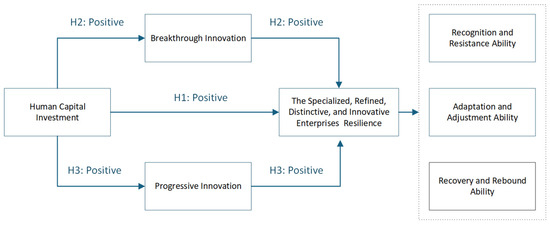
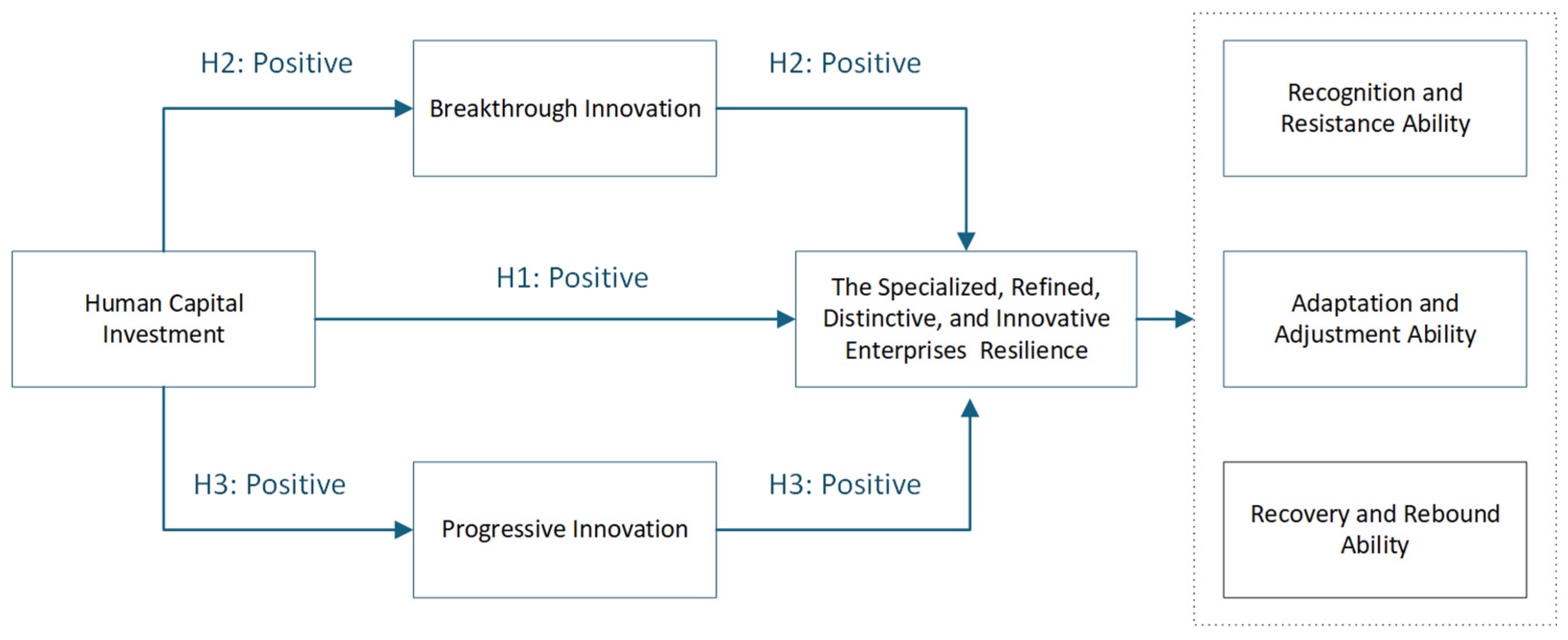
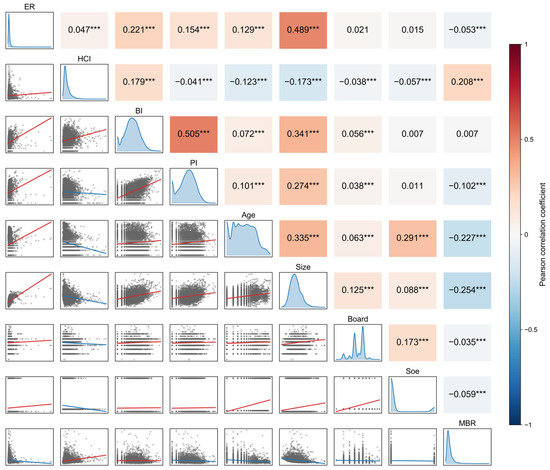
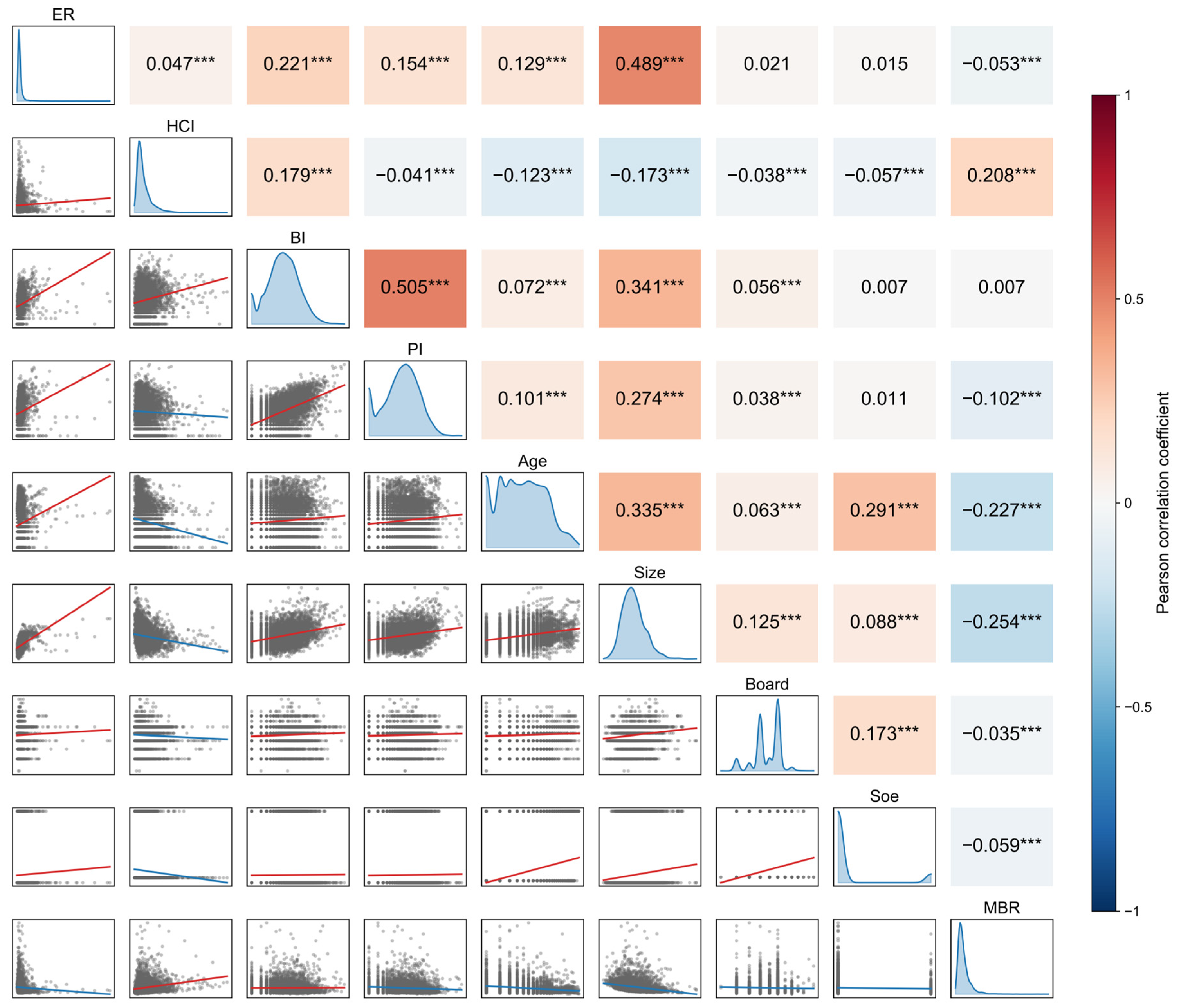
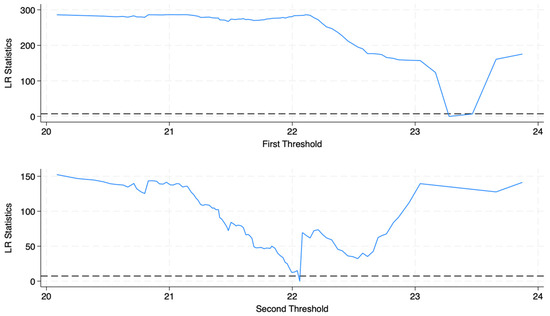
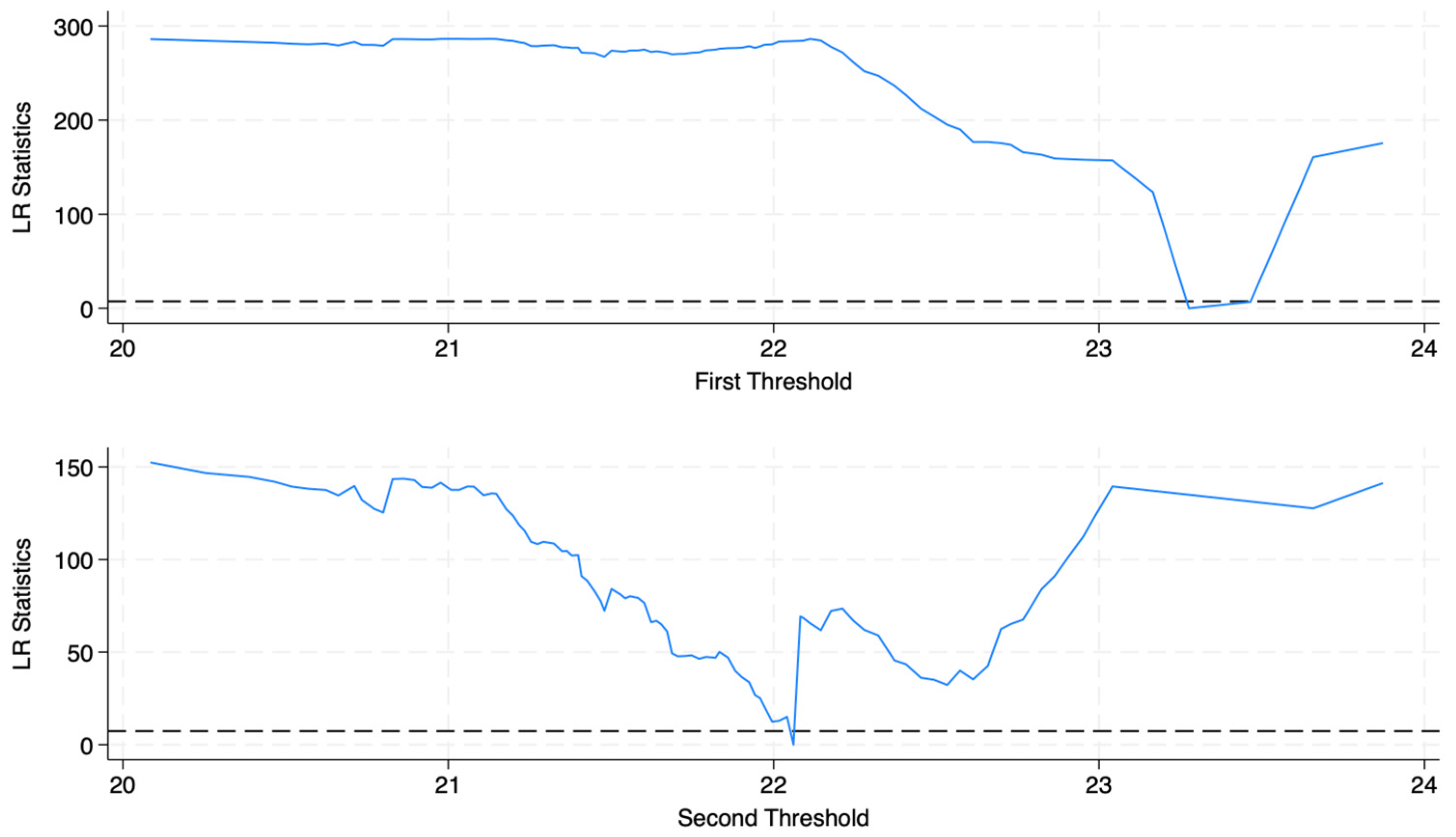
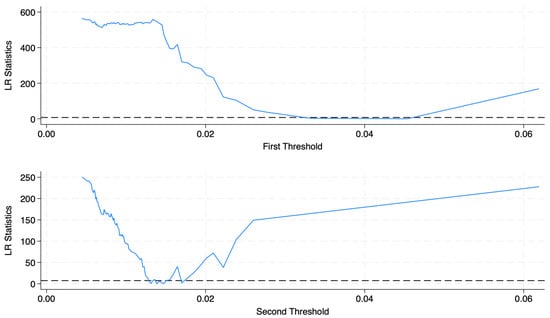
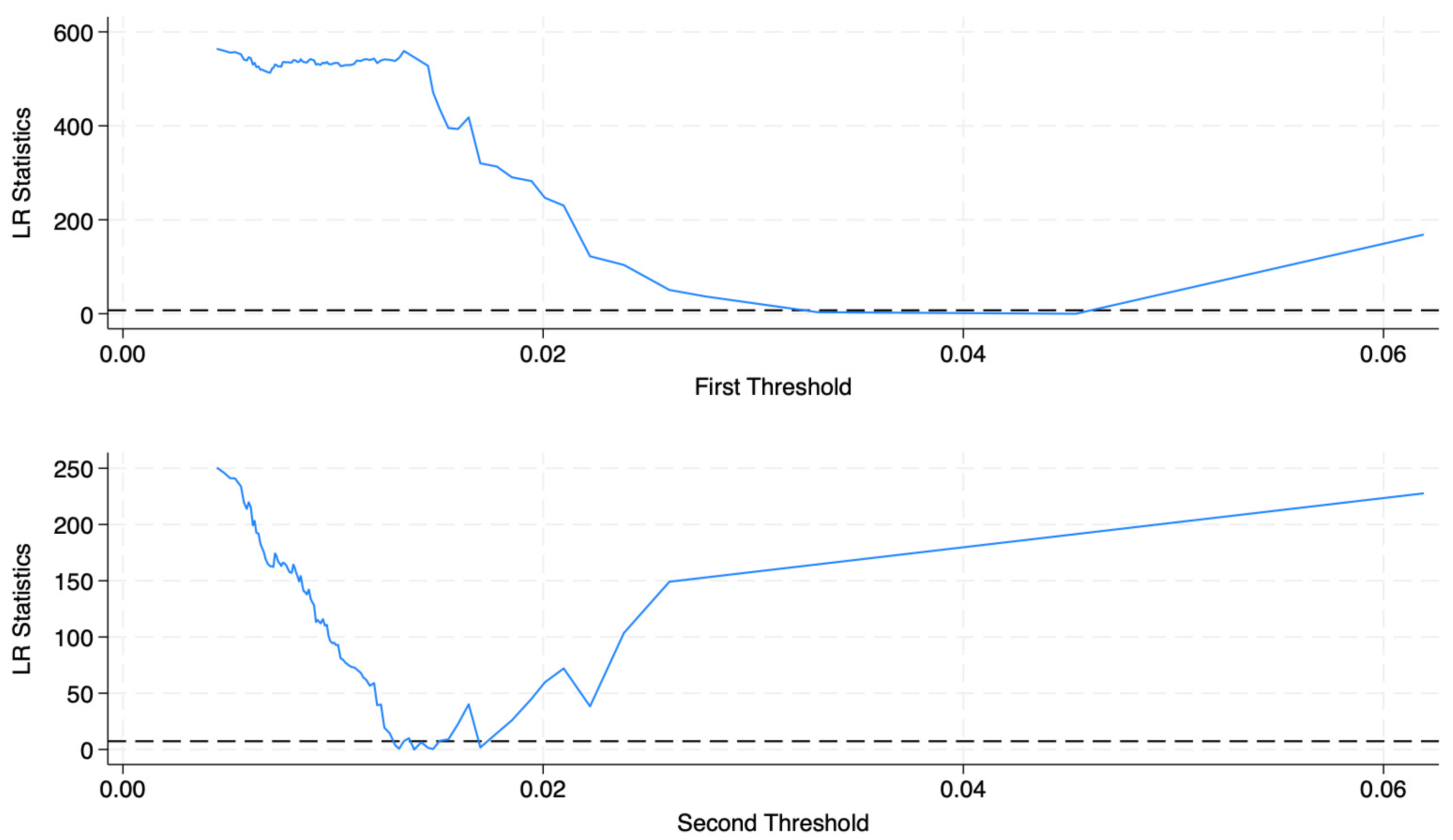
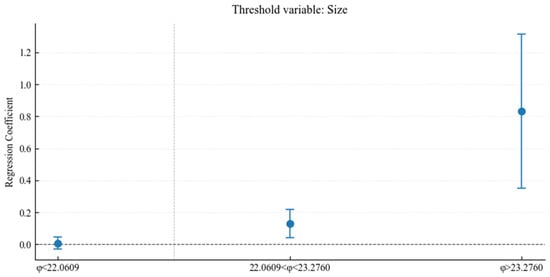
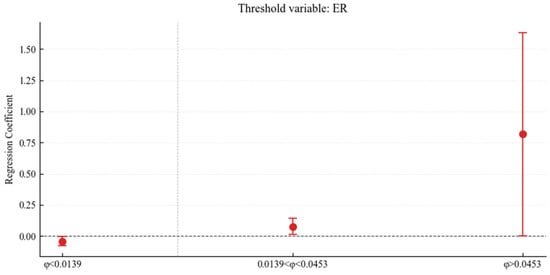
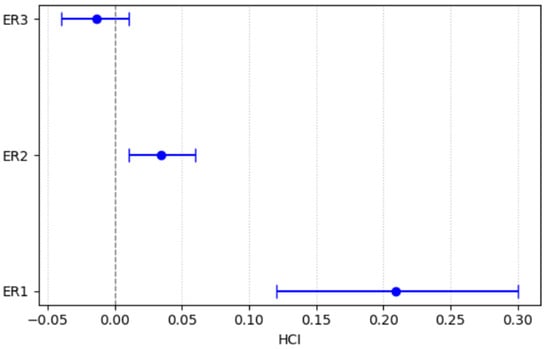
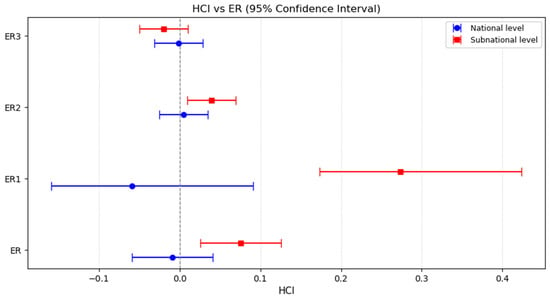
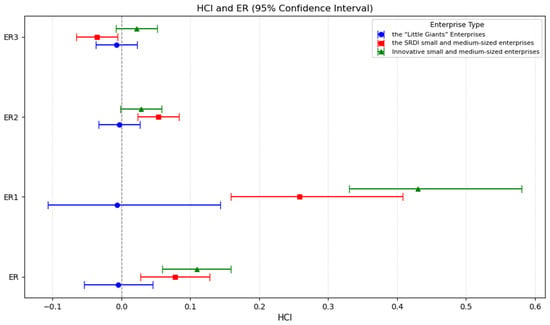
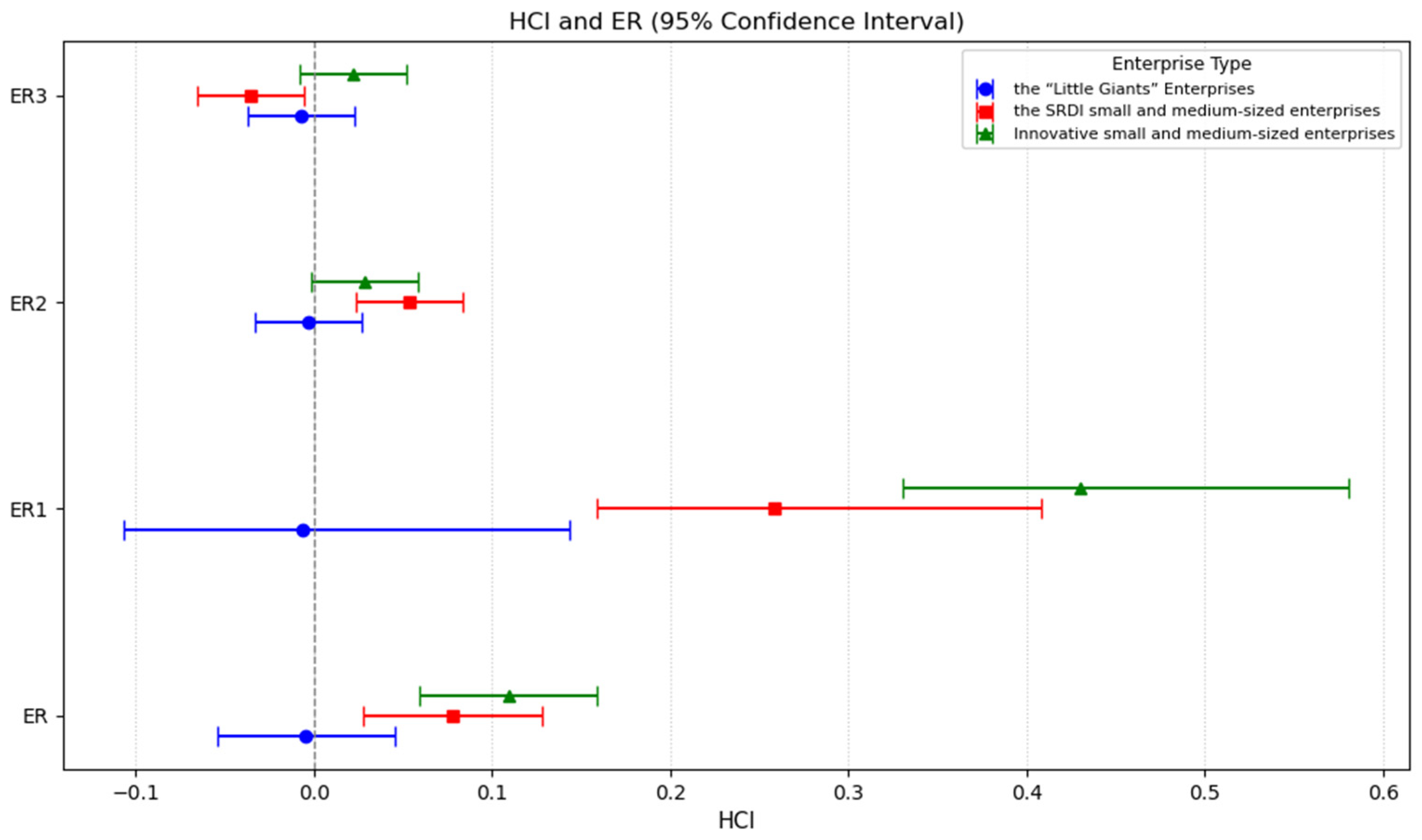

Disclaimer/Publisher’s Note: The statements, opinions and data contained in all publications are solely those of the individual author(s) and contributor(s) and not of MDPI and/or the editor(s). MDPI and/or the editor(s) disclaim responsibility for any injury to people or property resulting from any ideas, methods, instructions or products referred to in the content. |
© 2026 by the authors. Licensee MDPI, Basel, Switzerland. This article is an open access article distributed under the terms and conditions of the Creative Commons Attribution (CC BY) license.