


Abstract
This study investigates the relationships among students’ socio-contextual ecosystems including interactions with parents, teachers, and society (i.e., participation in cocurricular activities), their dual-pathway self-regulatory strategies—emotional self-regulation (SR) and motivated learning strategies (MLS)—and their mathematics achievement emotions. Drawing on data from a sample of 1269 Chinese secondary school students, the findings indicate that all dimensions of parent–teacher–society interactions significantly predict students’ mathematics achievement emotions (i.e., enjoyment and anger) through the mediation of both emotional self-regulation strategies (i.e., positive reappraisal and rumination) and motivated learning strategies. Results in this study revealed a clear differential mediation pattern: teacher–student interactions exerted significant direct effects on students’ emotions alongside indirect effects through their self-regulation (partial mediation). In contrast, the impact of social cocurricular activities was fully mediated by students’ self-regulatory processes. Notably, parent–child interactions directly influenced enjoyment but only affected anger indirectly through self-regulation. These results unpack the “black box” of how socio-contextual ecosystems shape student well-being, highlighting the critical and distinct roles of dual self-regulation pathways. The study provides a novel theoretical framework for understanding achievement emotions and offers actionable insights for building supportive, sustainable learning environments that foster both emotional and academic resilience.
1. Introduction
The Programme for International Student Assessment (PISA) has reported and compared students’ mathematics learning time and academic burden across various countries [1]. Results revealed that students experiencing a heavy mathematics study burden, characterized by prolonged study hours and heightened anxiety, show a decline in mental health, leading to significant academic stress and even psychological issues such as bipolarity [2]. Heavy mathematics learning burden, including extensive homework, curriculum demands, and participation in mathematics competitions, contributes to serious sleep deprivation and reduced physical activity [1]. Studies on mathematics achievement emotions have also found that excessive learning time, low teaching quality, and high evaluation pressure perpetuate this academic burden [3]. This scenario poses a significant challenge to achieving Sustainable Development Goal 4 (SDG 4)—quality education—and undermines student well-being (SDG 3), which are foundational to sustainable human development. Consequently, there is an urgent need to develop students’ emotional literacy, as emphasized in policies and practices aimed at enhancing student well-being by UNESCO and various developed countries, including the United States, Japan, Germany, and the United Kingdom [4].
In the past decade, the exploration of students’ self-regulation has gained traction in mathematics education [5,6]. On one hand, students’ academic emotions and their strategies for managing these emotions arouse our attention. The theory of emotional self-regulation (SER) developed by Gross (1998) emphasizes the cognitive processes involved in evaluating and regulating emotions [7]. Through self-regulation, students can better manage their emotions to cope with academic tasks and challenges, ultimately achieving personal goals [8]. Research has suggested a strong correlation between emotional regulation and students’ physical and mental health [9]. Effective emotional regulation has been shown to alleviate students’ mathematics-related stress and foster a positive learning attitude in the face of a rapidly changing society and complex interpersonal relationships [10]. On the other hand, students’ cognitive regulation, such as their use of Motivated Strategies for Learning (MLS), has also attracted increasing attention in the academic community. Motivated Strategies for Learning focus on both students’ motivational orientations and the diverse learning strategies they employ, serving as an extension of self-regulated learning [11]. The structure of Motivated Strategies for Learning is commonly explained in terms of motivation, emotion, and learning strategies [12]. Together, emotional self-regulation (ESR) and motivated learning strategies (MLS) represent two fundamental and interconnected dimensions of self-regulation. These components form a dual-pathway system where emotional processes (e.g., reappraisal, rumination) and cognitive–metacognitive processes (e.g., strategy use, monitoring) dynamically interact. Students’ emotional states can either facilitate or hinder the application of cognitive strategies, while effective cognitive engagement can, in turn, influence emotional experiences [8,12]. This ongoing interaction is essential for understanding how students navigate academic challenges. Developing these dual self-regulation skills is not merely an individual coping strategy but a vital investment in creating sustainable and resilient educational systems that support lifelong learning and overall well-being.
Previous studies have indicated that managing achievement emotions requires students to develop some self-regulation skills, including the awareness, monitoring, evaluation, modification, inhibition, and activation of their attention and behavior based on prior learning experiences [8]. The complex emotional experiences and processes accompanying academic pursuits underscore the critical importance of students’ self-regulation [8]. Moreover, students’ self-regulation of emotions and cognition/metacognition is influenced by factors such as age, environment, and individual differences. It is also closely linked to self-evaluation of achievement, self-efficacy, learning motivation, academic adaptation, and learning performance [8]. Therefore, students’ mathematics self-regulated strategies and emotional burdens should be analyzed within interactive frameworks—such as relational thinking models—rather than through simple linear approaches [1].
Furthermore, according to the United Nations’ Sustainable Development Goals (SDGs), it is worth examining how parent–school–society interactions shape students’ achievement emotions through self-regulation and identifying pathways to create more inclusive and supportive learning ecosystems. Aligning with the vision of education for sustainable development, this study seeks to unpack how these supportive ecosystems can be fostered. Such ecosystems are fundamental to ensuring that all students, regardless of their background, can thrive academically and affectively. However, research on the relationship between students’ self-regulation and their learning emotions, particularly in mathematics contexts, has been under explored [13]. Thus, it is crucial to gain a comprehensive understanding of the factors that facilitate students’ mathematics learning emotions and their impacts [1,14]. Although previous studies have mostly paid attention to teacher–student and student–student interactions [15], the present study aims to investigate how society, family, and school influence students’ self-regulation in mathematics and their affective learning outcomes.
2. Conceptual Framework
2.1. Understanding Emotional Self-Regulation (ESR) in Mathematics Learning
Emotional self-regulation is a complex process that encompasses changes in experience, behavior, and physiological reactions, significantly impacting the intensity, duration, and quality of emotional experiences during mathematics learning. Gross (1998) proposed the emotion regulation (ER) process model that outlines five strategies for regulating emotions: (a) situational selection, which involves approaching or avoiding certain people, places, or objects in order to regulate emotions [7]. (b) Situational modification, which refers to actively and directly altering external factors within a situation to change its emotional impact. (c) Attention deployment, which involves redirecting attention toward specific aspects of a situation or away from them. (d) Cognitive change or reappraisal, which refers to altering the evaluation or interpretation of their learning situation, thereby influencing emotional responses. (e) Response modulation, or expression suppression, which involves directly influencing physiological, experiential, or behavioral responses to emotions.
Building on this framework, Garrido et al. expanded Gross’s model to include emotion generation processes and dimensions—cognitive, physiological, and behavioral—while accounting for both adaptive and maladaptive aspects [16]. Their model identifies six emotional regulation strategies: arousal regulation, positive reappraisal, controlled expression, suppression, rumination and unhealthy behaviors. Especially, positive reappraisal and rumination were selected to explore in this study:
Positive reappraisal refers to strategies aimed at enhancing interpersonal functioning and promoting higher levels of positive affect [17]. Students are encouraged to make judgments about the situations they engage with, clearly understanding both the short-term and long-term benefits for their mathematics learning.
Rumination refers to the prolonged and repetitive focus on one’s emotional states and the antecedents and consequences of those emotions [18]. When students encounter setbacks in their mathematics learning, they may unconsciously engage in repetitive thinking about and experiencing feelings associated with negative events, such as poor mathematical performance, often linking these events to a series of adverse outcomes.
Despite Gross’s emphasis on the significance of situational regulation, research exploring its effects remains limited. Thus, future investigations should focus on examining emotional regulation within specific subjects and contexts to enhance our understanding of its role in education. These results suggest the need for further investigation, and we generally hypothesized the following:
H1.
Students’ emotional self-regulation strategies will be significantly associated with their mathematics achievement emotions. Specifically.
H1a.
Positive reappraisal will be positively associated with students’ positive emotions.
H1b.
Positive reappraisal will be negatively associated with students’ negative emotions.
H1c.
Rumination will be negatively associated with students’ positive emotions.
H1d.
Rumination will be positively associated with students’ negative emotions.
2.2. Understanding Motivated Strategies for Learning (MSL) in Mathematics
The concept of Motivated Strategies for Learning (MSL) emerged from combining Student Approaches to Learning (SAL) and self-regulated learning (SRL) [19]. While SAL emphasizes students’ general motivation and learning approaches, SRL focuses on students’ active management of their learning in specific contexts. MSL bridges these perspectives, measuring both motivational orientations and learning strategies. In mathematics learning, SAL studies usually describe students’ learning methods holistically, whereas SRL research delves into specific strategies and processes involved in particular tasks, providing more detailed insights.
Motivated Strategies for Learning (MSL) combines students’ motivation—such as their goals, values, expectancy, and affect toward learning—with their use of cognitive and metacognitive strategies, as well as resource management [20]. While early research considered motivation and learning strategies separately, studies now show they are closely related to each other and to self-regulation [4]. Rather than treating these components in isolation, MSL should be understood holistically as students’ choices of learning strategies based on different motivational orientations. This study, therefore, explores motivated learning strategies among students in mathematics, and we hypothesized the following:
H2.
Students’ self-regulation learning strategies will be significantly associated with their mathematics achievement emotions. Specifically.
H2a.
Motivated learning strategies will be positively associated with students’ positive emotions.
H2b.
Motivated learning strategies will be negatively associated with students’ negative emotions.
2.3. The Role of Parent–Teacher–Society Interactions in Shaping Students’ Self-Regulation
Numerous studies have shown that students’ academic emotions are influenced by various personal factors such as competence expectations, control appraisal, and motivational beliefs [21]. Beyond personal factors, the social environment, particularly the expectations set by significant individuals like parents and teachers, plays a crucial role in shaping students’ emotional states. Negative evaluations of mathematics performance and adverse consequences, such as public humiliation or interpersonal competition, can detrimentally affect students’ emotions [5]. Additionally, emotional development, particularly self-regulation, is significantly impacted by adults, including parents and teachers [22,23]. Adult leaders, including teachers and parents, are vital for enhancing students’ mathematics learning by providing emotional support, care, and modeling effective self-regulation strategies [17]. The interactions among parents, teachers, and the community can effectively raise standards for students’ mathematics learning by fostering emotional and cognitive self-regulation, especially during the development of systematic thinking [17]. Research by Xu indicates that students’ emotional management in mathematics is closely related to adult-oriented rationales, highlighting the influence of the social environment along with individual factors [24].
2.3.1. The Relationship Between Parent–Student Interactions and Students’ Self-Regulation
Family background and parent–child interactions significantly impact students’ emotional regulation, cognitive regulation, and motivation [25]. Studies show that socioeconomic status, parental involvement, and access to cultural resources are linked to students’ emotional expression and educational outcomes [25,26]. For instance, students from privileged backgrounds tend to show higher motivation and better academic performance compared to their disadvantaged peers [26]. In terms of cognition, previous research has shown that cognitive and metacognitive learning strategies related to self-regulated learning are influenced by parenting style. Specifically, students raised by authoritative parents are more likely to use cognitive and metacognitive strategies compared to those with authoritarian, indulgent, or neglectful parents [27].
In mathematics learning, students’ cognitive reappraisal is positively associated with parental education [24]. Parental support in emotion monitoring and control is crucial for assisting students in mathematics [24]. A supportive parent–child relationship is especially beneficial for both the students’ mental health when facing negative experiences and their self-regulated learning skills [28]. Conversely, students struggle to regulate their negative emotions when parents display anger or distress over their learning or when they come from conflict-prone families [27]. Furthermore, communication patterns between parents and children can vary significantly across cultural contexts [29]. For instance, American mothers often express more intense negative emotions in response to their children’s learning challenges [30], while Australian mothers tend to maintain a more positive outlook [31]. Notably, both positive and negative emotions are often intertwined during parent–child interactions [32]. These results required further investigation, and we generally hypothesized the following:
H3.
Parent–student interactions will be significantly associated with students’ self-regulation. Specifically.
H3a.
Parent–student interactions will be positively associated with positive reappraisal.
H3b.
Parent–student interactions will be negatively associated with rumination.
H3c.
Parent–student interactions will be positively associated with motivated learning strategies.
2.3.2. The Influence of Teacher–Student Interactions on Students’ Self-Regulation
Teacher–student interactions within the school environment also play a critical role in shaping students’ cognitive and emotional regulation [33]. On one hand, close and low-conflict relationships with teachers significantly contribute to students’ emotional control [23]. As students become adolescents, the teacher–student relationship becomes increasingly important for emotional expression and learning emotions [34]. On the other hand, research has found that positive teacher–student interactions can effectively promote students’ use of appropriate cognitive strategies. Through instructional methods such as teaching learning strategies and guiding ways of thinking, teachers help students regulate their cognitive strategies [35]. Although, frequent use of direct instruction may hinder students’ development of effective self-regulation strategies, while supportive interactions that encourage students’ autonomy can foster the development of metacognitive strategies and critical thinking.
Lin et al. have found that teacher leadership styles and student autonomy positively correlate with students’ learning emotions and mathematics learning outcomes [36]. When teachers adopt leadership roles, students can be guided toward positive emotional management, while emotional support from teachers provides strategies for sharing experiences and expressing negative emotions [37]. Conversely, students often experience negative learning emotions when teachers shame them publicly [38]. However, Martinez et al. have noted that there is no significant relationship between school-related factors and students’ emotional regulation strategies; high-achieving students may also find it difficult to regulate their emotions despite experiencing less stress [8]. Consist with the logic of teacher–student interaction, we hypothesized the following:
H4.
Teacher–student interactions will be significantly associated with students’ self-regulation. Specifically.
H4a.
Teacher–student interactions will be positively associated with positive reappraisal.
H4b.
Teacher–student interactions will be negatively associated with rumination.
H4c.
Teacher–student interactions will be positively associated with motivated learning strategies.
2.3.3. The Influence of Social Cocurricular Interactions on Students’ Self-Regulation
In addition to in-school interactions, other social institutes such as after-school mathematics activities and cocurricular activities educators, such as counselors, also play a crucial role in students’ academic development [39]. Out-of-school education has been shown to improve not only academic performance but also students’ emotional well-being, confidence, and happiness [40]. Cayubit et al. have observed that effective cocurricular activities tutoring can transform students’ negative emotions—such as anxiety and lack of confidence—into self-efficacy and high self-esteem [41]. Moreover, Cho and Cho [42] found that social media interactions can enhance students’ cognitive and affective strategies. Positive engagement through out-of-school social media provides an effective means for students to collaboratively regulate their motivation, emotions, and learning strategies [12]. We thus hypothesized the following:
H5.
Social cocurricular interactions will be significantly associated with students’ self-regulation. Specifically.
H5a.
Social cocurricular interactions will be positively associated with positive reappraisal.
H5b.
Social cocurricular interactions will be negatively associated with rumination.
H5c.
Social cocurricular interactions will be positively associated with motivated learning strategies.
While evidence highlights that students’ cognitive and emotional knowledge, management skills, and a psychologically safe environment stem from teachers’ ethos cultivation and parental support, there has been limited attention paid to students’ emotional experiences within specific interactional contexts [43]. Scholars have debated the relative influence of different interactional partners on students’ mathematics learning. For instance, Kipnis argues that teacher–student interactions are more impactful due to the time students spend in school [44], while Chiang et al. posit that interactions with parents have a greater influence, particularly regarding exam preparation [26]. Thus, it is beneficial to explore the advantages of emotion sharing and co-regulation while expanding the framework to examine how various environmental interactions relate to students’ self-regulation and emotional experiences in learning [45]. Accordingly, this study aims to investigate the diverse impacts from school, parents, and society (i.e., cocurricular activities) on students’ mathematics learning.
2.4. The Mediating Role of Students’ Self-Regulation
Preliminary studies indicate that the role of students’ emotional self-regulation in academic achievement can be either positive or negligible. Research has shown that employing emotional self-regulation strategies, such as cognitive reappraisal and emotion management, can enhance academic performance, particularly in mathematics, especially in situations of frustration or confusion [46]. Moreover, adaptive strategies help foster positive emotions and improve self-control while reducing negative emotions like anxiety [47]. On the contrary, reliance on maladaptive strategies, such as suppression, can lead to negative emotional experiences [48]. Moreover, emotion regulation has been widely studied as a mediating factor in the relationships between various variables in educational contexts [49,50]. Some research highlights the mediating role of emotion regulation between students’ mathematical emotions and cognitive performance. For instance, Rentzios et al. have demonstrated that both reappraisal and suppression strategies mediate the relationship between students’ positive/negative emotions and their deep/surface learning approaches [50]. Additionally, studies have also shown that emotional regulation mediates the effects of various interactions on students’ cognitive and affective performance [51,52]. Pallini et al. have confirmed that the quality of teacher–student relationships enhances students’ attention through emotional regulation [51], while Moriya et al. have found that reappraisal and suppression mediate the impact of interpersonal stress on depression [52]. Despite these insights, some research suggests that emotional self-regulation strategies may not significantly impact students’ achievement emotions, indicating a need for further exploration into their role in mathematics learning.
On the other hand, self-regulated learning strategies have also been shown to be related to students’ academic emotions [13]. Several studies suggest that positive emotions promote the use of self-regulated learning strategies, while negative emotions can reduce attention. For example, Artino found that positive academic emotions positively predict elaboration and meta-cognitive strategies in online classes [21]. Compared to negative emotions, positive emotions have a stronger influence on self-regulated learning and motivation [13]. Some researchers also argue that the relationship is reciprocal: students’ cognitive learning strategies can affect their emotional states, and emotions, in turn, impact learning strategies [5]. Additionally, self-regulated learning strategies may serve as a mediating variable, explaining how academic emotions impact other outcomes. For instance, academic emotions have been shown to positively influence academic achievement through the mediation of self-regulated learning strategies [13]. Understanding how students’ emotional characteristics and self-regulated learning strategies relate to specific emotions is essential [53]. However, research has yet to explore whether other variables can affect students’ academic emotions through self-regulated learning strategies. We thus hypothesized the following:
H6.
Parent–student interactions will have both direct and mediated effects on positive emotions (H6a) and negative emotions (H6b) through self-regulation.
H7.
Teacher–student interactions will have both direct and mediated effects on positive emotions (H7a) and negative emotions (H7b) through self-regulation.
H8.
Social cocurricular interactions will have both direct and mediated effects on positive emotions (H8a) and negative emotions (H8b) through self-regulation.
These hypotheses (See Figure 1) collectively propose that the socio-contextual ecosystem fosters student well-being in mathematics not merely through direct influence but primarily through the cultivation of students’ capacities to self-regulate both emotionally and cognitively.
Figure 1.
The hypothesized model of this study.
Overall, existing research only indicates that emotional self-regulation acts as an intermediary mechanism linking students’ achievement emotions to academic performance, while also connecting various aspects of the learning environment, such as teacher–student relationships, to educational outcomes. This study aims to investigate whether both of the emotional and cognitive self-regulation strategies affect students’ emotional behaviors in response to different external factors. Specifically, it will examine the relationships between various environmental factors—such as students’ interactions with parents, teachers, and cocurricular activities institutes—and their academic emotions in mathematics learning, assessing whether emotional and cognitive self-regulation significantly mediates these effects.
3. Methods
3.1. Participants and Procedures
This study is supported and approved by the Research Ethics Review Committee of National Ministry of Education in China. Participants were a total of 1269 students from secondary schools in China. There were 46.77% male students (n = 592) and 53.3% female students (n = 677); 28.1% (n = 357) students from the southern area (i.e., Guangdong, Guangxi provinces) of China, 32.2% (n = 408) students from the northern area (i.e., Heilongjiang provinces) of China, 24.1% (n = 306) students from the eastern area (i.e., Shandong provinces) of China, and 15.6% (n = 198) students from the western area (i.e., Sichuan provinces) of China. Of these students, 862 were from high school, with 22.9% (n = 290), 37.8% (n = 480), and 7.2% (n = 92) of students from the first, second, and third years of high school, respectively. The remaining 407 students came from junior high school, with 13.3% (n = 169), 13.1% (n = 166), and 5.7% (n = 72) students from the first, second, and third years of high school, respectively. With regard to the occupation of the parents of the students, 11.1% (n = 139) were teachers, 25.5% (n = 323) worked in enterprises, 25.5% (n = 323) were businessmen, 5.4% (n = 68) were civil servants, and 32.8% (n = 416) had parents in other occupations. In terms of participants’ mathematics teachers’ ages, 47.4% (n = 601) of teachers were reported in the 30–40 age group, followed by 36.5% (n = 463) of teachers in the 40–50 age group, 10.5% (n = 133) of teachers in the 20–30 age group, and 5.7% (n = 72) of teachers over 50 years of age.
Data were collected using an online questionnaire platform. Before the overall data collection, a pilot test was conducted to refine the questionnaire. This involved distributing the survey to several experts in relevant fields, mathematics teachers, and junior/senior high school students for preliminary feedback. Based on their input regarding the questioning style and information presentation, the final version of the survey was developed.
The formal questionnaire was initially distributed through purposive sampling, with assistance from mathematics teacher leaders (Jiaoyanyuan) from various provinces across China, representing the eastern, western, southern, and northern regions. Subsequently, these teacher leaders randomly invited mathematics teachers in their areas to participate in the survey. Each mathematics teacher then selected students willing to participate, securing consent from school leaders and parents. To ensure data quality and a high response rate, mathematics teachers organized for students to complete and submit the questionnaires together in an electronic classroom during recess or community activity periods. Before the survey commenced, mathematics teachers orally explained the survey precautions, emphasizing that responses would be collected anonymously and used solely for research purposes. Students were instructed to complete the questionnaire thoughtfully, reflecting their actual experiences and feelings regarding interactions with teachers and parents, as well as their emotional responses to mathematics.
3.2. Instruments
A questionnaire comprising three scales was used in this study. The details of these scales were provided in the following sections. The Chinese versions of these scales were administered in the present study. Translation and back translation procedures were conducted by two researchers who were fluent in both Chinese and English.
3.2.1. Emotion Self-Regulation Questionnaire (ESRQ)
The 18-item Emotion Self-regulation Questionnaire (ESRQ) was developed by Hernansaiz et al., in both Spanish and English translation, to explore how each person tries to manage their emotions differently [54]. Six dimensions of emotional self-regulation assessed by students were measured in this scale. This study has selected two dimensions of this scale, positive reappraisal (three items, e.g., “I focus on what I can learn from what I’m feeling”) and rumination (three items, e.g., “I keep thinking about what worries me again and again”), to assess students’ different emotional self-regulation. The participants were asked to rate each item on a 5-point Likert scale, represented as 1 (never or hardly ever), 2 (rarely), 3 (sometimes), 4 (often), and 5 (always or almost always), respectively. Cronbach’s alpha coefficients for each dimension ranged from 0.64 to 0.88. The current study of the emotional self-regulation scale has acceptable psychometric properties (χ2 = 746.88, df = 80, p < 0.001, CFI = 0.93, TLI = 0.92, and RMSEA = 0.078).
3.2.2. Motivated Strategies for Learning Scale (MSL)
The 13-item Motivated Strategies for Learning Scale (MSL) used in this study was selected and adjusted from the study of Pintrich, assessing students’ cognitive self-regulation strategies [55]. The original comprised five factors and 44 items; the factor “cognitive strategy use” was selected in this study to investigate students’ mathematics cognitive strategies. The sample items for this scale in this study were: “When I study for a math test, I try to put together the information from the class and text book”; “I am good at applying the mathematical knowledge I have learned before to solve new tasks”. The participants responded to these items on a 7-point Likert scale (from not at all true of me to very true of me). The adjusted survey in the current study has acceptable psychometric properties (χ2 = 599.54, df = 61, p < 0.001, CFI = 0.93, TLI = 0.95, and RMSEA = 0.08).
3.2.3. Parent–Student Communication Survey (SPCS)
The 12-item Parent–Student Communication Survey (SPCS), adjusted from the work of Weintraub & Sax, was used to measure the communication and interactions between students and their parents [56]. Though the frequency of measures described students’ interactions with parental figures, this study sorted these measures into three dimensions of parent–student communication and adjusted the parent–student interactions with their mathematics learning. Parental socialization, parent–student relationships, and parental influence on decision making were measured with four items for each dimension. Sample items included “I often interact with my parents from phone, text messaging or email to talk about my math learning” (parental socialization), “My parents often care about my math learning” (parent-student relationships), and “My parents often influence my choice of math extra-curriculum activities” (parental influence on decision making). The participants were asked to rate each item on a 5-point Likert scale ranging from 1 (strongly disagreed) to 5 (strongly agreed). Cronbach’s alpha coefficients for parental socialization, parent–student relationships, and parental influence on decision making were 0.64, 0.85, and 0.75, respectively. The adjusted survey in the current study has acceptable psychometric properties (χ2 = 509.34, df = 51, p < 0.001, CFI = 0.94, NFI = 0.93, and RMSEA = 0.08).
3.2.4. Teacher Interaction Questionnaire (QTI)
Two selected Teacher Interaction Questionnaire (QTI) subscales developed by Wubbels & Brekelmans to assess teacher–student interactions were used in this study [57]. The original QTI contains 8 dimensions assessed by 48 items. This study used 6 items extracted from the QTI to assess teachers’ leadership behaviors and freedom behavior dimensions in students’ mathematics learning. Sample items included “We learn a lot from math teacher” (leadership behaviors), and “Our math teacher allows us to work on things that we like” (freedom behaviors). Each dimension was measured by three items. The participants were asked to rate each item on a 5-point Likert scale ranging from 1 (strongly disagreed) to 5 (strongly agreed). Cronbach’s alpha coefficients for leadership behaviors, freedom behaviors, and admonishing behaviors were 0.90, 0.87, and 0.85, respectively. A previous study suggested that Teacher Interaction Questionnaire (QTI) has acceptable psychometric properties [36], as does the current study (χ2 = 153.96, df = 24, p < 0.001, CFI = 0.97, NFI = 0.98, and RMSEA = 0.06).
3.2.5. Cocurricular Activities Interaction Questionnaire (QECI)
The 12-item Cocurricular Activities Interaction Questionnaire used in this study was selected and adjusted from the Panorama Social–Emotional Learning Survey [58] to assess the interactions with the students’ cocurricular activities institutes in which the student’s learn. Three dimensions of cocurricular interaction were selected in this scale: sense of belonging (four items, e.g., “ Students and teachers in Cocurricular mathematics activities show me enough respect”), institute climate (four items, e.g., “The rules in outside-school mathematics learning institute are fair to all students”), and rigorous expectations (four items, e.g., “Teachers in outside-school mathematics learning institute make me keep trying when I feel like giving up on a difficult task”). The participants were asked to rate each item on a 5-point Likert scale, represented as 1 (never or hardly ever), 2 (rarely), 3 (sometimes), 4 (often), and 5 (always or almost always), respectively. Cronbach’s alpha coefficients for sense of belonging, school climate, and rigorous expectations were 0.94, 0.92, and 0.90, respectively. A previous study suggested that the scale of the Panorama Social–Emotional Learning Survey [58] be used, as the current study selected three dimensions of this survey (χ2 = 521.26, df = 51, p < 0.001, CFI = 0.97, NFI = 0.97, and RMSEA = 0.08).
3.2.6. Mathematics Achievement Emotion Questionnaire (AEQ-M)
Two selected Mathematics Achievement Emotion Questionnaire (AEQ-M) subscales, developed by Perkun et al., were used to assess students’ mathematics achievement emotions in this study [59]. The original AEQ-M contains 5 dimensions assessed by 37 items. This study used 12 items extracted from the AEQ-M to assess the two opposite kinds of achievement emotions (i.e., positive emotions and negative emotions), namely, enjoyment (e.g., “My enjoyment of mathematics class makes me want to participate) and anger (e.g., “I get so angry I feel like throwing the math homework out of the window”). These two dimensions comprise 7 items and 5 items, respectively. The participants were asked to rate each item on a 5-point Likert scale ranging from 1 (strongly disagreed) to 5 (strongly agreed). Cronbach’s alpha coefficients for enjoyment and anger were 0.95 and 0.92, respectively. A previous study suggested that AEQ-M has acceptable psychometric properties [36], as does the current study (χ2 = 396.40, df = 50, p < 0.001, CFI = 0.98, NFI = 0.98, and RMSEA = 0.07).
3.3. Data Analyses
SPSS 22.0 (IBM Corp, Armonk, NY, USA) and AMOS 17.0 (IBM Corp, Armonk, NY, USA) were used to manage and analyze data in this study. Data analyzed followed these two procedures: First, the construct validity and reliability of the five scales and their intercorrelations were determined. Confirmatory factor analysis (CFA) was performed to examine the factors’ structure. Then, the descriptive statistics and correlations were calculated by SPSS 22.0. Second, the method of structural equation modeling (SEM) was determined using AMOS 17.0 to explore the relationships among all variables. The following indexes, such as χ2 statistics, the comparative fit index (CFI), the Tucker–Lewis index (TLI), and the root-mean-square error of approximation (RMSEA), were used to assess the goodness of fit for this model. The acceptable model fit requires the CFI and TLI values to be no less than 0.90, and the RMSEA value to be less than 0.08 [60].
4. Results
4.1. Descriptive Statistics and Correlations
As shown in Table 1, the results of the data analysis revealed that the six self-report scales used in this study reached acceptable reliability coefficients, with Cronbach’s alpha coefficients greater than 0.75, except for the sub-dimension of parent socialization, indicating good reliability of these 13 relevant variables. Cronbach’s alpha coefficient of parent socialization was 0.64, which was acceptable with a less strict cut-off criteria for reliability because of the limited number of items (i.e., three items) of this factor [4].
Table 1.
Descriptive reliability and correlations.
The descriptive statistics of all thirteen factors and the correlation matrix among factors are displayed in Table 1. Among the three dimensions of the Parent–Student Communication Survey scale, parental influence on decision making had the highest score (M = 2.73, SD = 0.91) followed by parental socialization (M = 2.20, SD = 0.72), and parent–student relationships had the lowest score (M = 1.66, SD = 0.71). As for the Teacher Interaction Questionnaire, students reported that their mathematics teachers communicated with them mostly by freedom (M = 1.80, SD = 0.82), followed by leadership (M = 1.51 SD = 0.68). The Cocurricular Activities Interaction Questionnaire indicated that students had stronger feelings about social expectation (M = 2.26, SD = 0.87) than social climate (M = 2.25, SD = 0.91) and belonging (M = 2.06, SD = 0.84). In terms of emotional self-regulation, students have similarly chosen between positive reappraisal (M = 1.83, SD = 0.74) and rumination (M = 1.84, SD = 0.90). At the two dimensions of mathematics achievement emotions, students’ enjoyment (M = 2.18, SD = 0.93) scored higher than anger (M = 1.09, SD = 0.95). As for the correlations of factors, all variables observed in this study were positively correlated with each other.
4.2. SEM Analysis
A SEM model was constructed and tested the effects of parent–school–society interactions on students’ mathematics achievement emotions (e.g., enjoyment and anger), mediated by students’ self-regulations (i.e., positive reappraisal, rumination, and motivated learning strategies). The SEM results showed that this model reached an acceptable data fit (χ2 = 6714.87, χ2/df = 3.88, p < 0.001, CFI = 0.93, TLI = 0.92, and RMSEA = 0.05). The results are displayed in Figure 2.
Figure 2.
Results of path analysis on parent–school–society interactions impacting students’ mathematics achievement emotions and self-regulation strategies. (χ2 = 6714.87, χ2/df = 3.88, p < 0.001, CFI = 0.93, TLI = 0.92, and RMSEA = 0.05) Notes: ** p < 0.01.
The results showed that both positive reappraisal and motivated learning strategies included in students’ self-regulation strategies were positively correlated with all kinds of parent–school–society interactions, while rumination strategies showed negative correlations. Although there were no significant negative relationships found between social cocurricular interactions and students’ rumination strategies, parent–student interactions (β = −0.22, p < 0.01) have stronger impacts on rumination strategies than teacher interactions (β = −0.14, p < 0.01). Therefore, results support H3b and H4b, expect H5b. In terms of the positive reappraisal strategy, there were stronger impacts found from social cocurricular interactions (β = 0.53, p < 0.01) than teacher–student interactions (β = 0.32, p < 0.01) and parent–student interactions (β = 0.21, p < 0.01). These results support H3a, H4a, and H5a. As for the cognitive self-regulated strategies (i.e., motivated learning strategies), there were stronger impacts found from social cocurricular interactions (β = 0.43, p < 0.01) than teacher–student interactions (β = 0.31, p < 0.01) and parent–student interactions (β = 0.34, p < 0.01). Therefore, results all support H3c, H4c, and H5c. In other words, social cocurricular interaction is more likely to rely on students’ positive self-regulated strategies, while parent and teacher–student interactions had significant but weaker impacts on students’ self-regulated strategies.
Moreover, only the motivated learning strategy was positively and significantly related to the students’ enjoyment emotion (β = 0.41, p < 0.01) and negatively and significantly related to the students’ anger emotion (β = −0.23, p < 0.01), while no significant relationship was found between the positive reappraisal strategy and students’ mathematics achievement emotions including enjoyment (β = 0.07, n.s.) and anger (β = −0.07, n.s.); H1a and H1b were supported rather than H2a and H2b. Rumination was positively and only significantly related to students’ anger emotion (β = 0.40, p < 0.01); this finding did not support H1c but did support H1d. In other words, students’ positive emotions are most likely to be influenced by the motivated learning strategy, while negative emotions are most likely caused by rumination.
4.3. The Results of Mediation Test
To examine the relationship of students’ emotional self-regulation on parent–school-society partnerships (i.e., teacher–student, parent–student, and social cocurricular interactions) and students’ mathematics achievement emotions (i.e., enjoyment and anger), as well as their cognitive learning strategies, mediation analysis was conducted using 5000 bootstrapping samples. The results of the mediation analysis are presented in Table 2, in which the point estimate of the indirect effect (ab) is reported, with a 95% confidence interval (CI). According to Hayes, the indirect effect is significant when zero is not between the lower and upper bound in the 95% confidence interval.
Table 2.
Mediation analysis of emotional self-regulation and motivated learning strategies on the indirect effects of parent–teacher–society interactions on students’ mathematics emotions.
The bootstrapping results have shown that the partially mediating effects of teacher–student interactions on students’ mathematics achievement emotions (i.e., enjoyment and anger) through students’ self-regulation (i.e., motivated learning strategies, positive reappraisal, and rumination) (H7a and H7b) were supported. The results of Figure 2 suggested that, after considering the mediation effects of students’ self-regulation strategies, teacher interaction still had a significant direct effect on students’ mathematics achievement emotions, including their positive emotions (β = 0.45, p < 0.01) and negative emotions (β = −0.31, p < 0.01). Moreover, as shown in Table 2, significant total indirect effects were found between teacher–student interactions and both students’ enjoyment and anger. To be specific, the total estimated indirect effects of teacher interaction on students’ enjoyment and anger via self-regulation strategies were 0.16 (95%CI = [0.12,0.20]) and −0.15 (95%CI = [−0.19,−0.11]), respectively.
In terms of parent–student interactions, results have shown the partially mediating effects and full mediating effects of parent–student interactions on students’ enjoyment (H6a was supported) and anger (H6b was not supported), respectively, through students’ self-regulation. Figure 2 suggested that parent interaction still had a significant direct effect on students’ enjoyment (β = 0.25, p < 0.01), while there was no significant effect on students’ anger emotions (β = 0.03, n.s.). On the other hand, significant total indirect effects were found in Table 2 between parent–student interactions and both students’ enjoyment and anger. To be specific, the total estimated indirect effects of parent interaction on students’ enjoyment and anger via self-regulation strategies were 0.17 (95%CI = [0.13,0.21]) and −0.18 (95%CI = [−0.23,−0.13]), respectively.
By contrast, only the full mediating effects of social cocurricular interactions on students’ mathematics achievement emotions (including enjoyment and anger) have been found in these results (H8a and H8b were not supported). The direct effect of social cocurricular interaction was, in general, non-significant and weak on both students’ positive and negative mathematics emotions, while the estimated indirect effects of social cocurricular interaction on students’ positive/ negative mathematics emotions via their self-regulation strategies were 0.22 (95%CI = [0.16,0.27]) and −0.14 (95%CI = [−0.20,−0.09]), respectively, which indicated that self-regulation strategies were the full mediation of parent interactions on students’ positive and negative mathematics emotions. Specifically, after comparing all kinds of students’ self-regulation strategies, results in Table 2 have shown that a motivated learning strategy contributes the most (indirect effect = −0.10; 95%CI = [−0.12,−0.07]) to the full mediating effect of social cocurricular interaction on students’ anger emotion.
The overall results showed that students’ self-regulation significantly mediates the influence of parent–school–society interactions on students’ mathematics achievement emotions. However, only parent–student interactions with students’ negative mathematics emotions and social cocurricular interactions with students’ mathematics achievement emotions were fully dependent on the mediating effect of students’ self-regulation strategies.
5. Discussion
5.1. The Direct Effects of Teacher–Student Interactions on Students’ Mathematics Achievement Emotions
The results of the SEM analysis in this study revealed that among parent–school–society interactions, teacher–student interactions exhibited the weakest reliance on students’ emotional self-regulation and their motivated learning strategies. Despite this, teacher–student interactions had a significant direct effect on students’ mathematics achievement emotions, influencing both positive (i.e., enjoyment) and negative (i.e., anger) affective learning outcomes. Emotional self-regulation as well as motivated learning strategies played a partial mediating role in the relationship between teacher–student interactions and students’ mathematics achievement emotions. This suggests that, while some aspects of students’ mathematics achievement emotions are aroused by their interactions with teachers through their self-regulation, other emotional aspects are directly influenced by teachers.
Aligning with previous findings from Ahmed et al., the results show that students with impulsive personalities respond quickly to teacher–student interactions [61], whereas stable and timid students tend to internalize and process their emotions before expressing them. Other studies have indicated that students’ value judgments regarding a subject, such as mathematics, can also impact the relationship between teacher–student interactions and learning outcomes [5]. Students often experience more positive emotions when they perceive teacher–student interactions and subject learning as valuable. Becker et al. found that teachers’ emotions can be transmitted to students, influencing their learning behaviors—this emotional contagion is especially strong for joy, followed by anger [62]. Similarly, Sutton and Wheatley discovered that teachers’ yelling can directly provoke harmful emotions in students, such as guilt, distress, shame, and inferiority [63]. Frenzel et al. further highlighted that emotions expressed by teachers during interpersonal interactions can be directly transferred to students, which is related to emotional contagion [64].
Unlike earlier research, this study emphasizes the importance of students’ self-regulation strategies, showing that students can adjust their perceptions in response to teachers’ feedback. Students with strong skills often boost their academic confidence through positive interactions with teachers. In contrast, students who are highly motivated but encounter difficulties need to apply cognitive strategies to transform negative emotions into positive ones, thereby reducing the negative impact of these emotions on their learning.
This study corroborates previous findings about the significant impact of teacher–student interactions on student learning [36]. It expands the understanding of the differences between teacher–student interactions and other forms of interactions, emphasizing the unique authoritative role of teachers on influencing students’ mathematics outcomes. In China, teachers often guide students’ educational choices and exam preparations [26]. This authoritative role is deeply rooted in Confucian values, which promote the idea of “respecting teachers and valuing education”. As a result, students may feel compelled to conform to teachers’ expectations, sometimes leading to the “mutism effect”, where students remain silent or agree with teachers to avoid disapproval and pressure. This effect can hinder the quality of interpersonal relationships and decision-making in mathematics learning. From a sustainability perspective, this direct influence highlights the significant responsibility and opportunity within the school ecosystem to foster and co-create emotionally supportive learning environments. Such climates are essential prerequisites for maintaining long-term student engagement and promoting overall well-being.
5.2. The Mediating Role of Self-Regulation Strategies in the Relationship Between Interaction with Parents and Students’ Negative Achievement Emotions in Mathematics
The SEM results indicated that parent–student interactions were directly associated with students’ positive mathematics achievement emotions (i.e., enjoyment), while their association with students’ negative mathematics achievement emotions (i.e., anger) was indirect and mediated by the students’ use of self-regulation strategies. This evidence indicates that students’ learning emotions are not totally directly elicited by interactions with parents; only enjoyment was directly affected by parent–student interactions.
However, most existing research suggests that the impact of parent–student interactions on students’ emotions typically requires mediating variables. For instance, the appraisal theories of emotion and control–value theory indicate that factors such as students’ motivation, self-efficacy, academic value, and family’s socioeconomic status mediate the relationship between parent–student interactions and students’ learning emotions [65]. This is inconsistent with the current study’s finding regarding parent–student interactions and students’ enjoyment in mathematics. Previous research offers mixed conclusions on whether parental support influences students’ enjoyment in mathematics directly or indirectly. For example, Buff et al. found that parental support has an indirect effect on students’ learning enjoyment, mediated by students’ control beliefs and value beliefs [66]. Similarly, Yung et al. argued that parents’ influence on students’ enjoyment is also indirect: parents with a higher socioeconomic status provide more resources, which in turn enhance students’ self-concept (a mediating variable) and consequently their enjoyment [67]. In contrast, Shen et al. have found that parental social support can directly increase children’s enjoyment during physical activities, especially among girls who perceive themselves as lacking physical skills [68]. In line with this, the results of the present study show that parental interaction can directly influence students’ enjoyment in mathematics learning. Compared to the authoritative role of teachers, parents serve as supportive out-of-school managers in children’s mathematics learning, providing a sense of security, belonging, and dependence. From an early age, Chinese students routinely complete a significant amount of mathematics homework at home, and parents’ supportive, patient, and friendly attitudes during these activities positively impact their children’s learning emotions. Furthermore, Confucian culture emphasizes respect for authority, and Chinese children are typically expected and accustomed to being obedient and respectful toward their parents. Consequently, parental discipline in mathematics learning is often interpreted by children as positive support, which helps elicit positive learning emotions.
On the other hand, unlike the emotional contagion effect—where fluctuations in parent–child relationships can lead to a loss of emotional control—this study found that parent–student interactions do not directly influence students’ negative emotions; instead, self-regulation serves as a mediating factor. When parent–student interactions trigger students’ maladaptive emotional regulation strategies, such as rumination or self-blame, or hinder the development of effective cognitive or metacognitive strategies in mathematics, students are more likely to experience increased anger in their math learning [69]. One possible explanation is that overwhelming parental expectations may cause students to subconsciously resist parental persuasion and emotionally withdraw, appearing indifferent. Only after engaging in specific emotional regulation strategies can students appreciate their parents’ guidance, making parent–student interactions more impactful on their emotions in mathematics learning. Therefore, when parent–student interactions help reduce students’ negative self-regulation mechanisms, feelings of anger in mathematics learning may also be alleviated. This aligns with previous research showing that cognitive and emotional regulation in parent–child interactions can effectively reduce students’ negative emotions, such as anger. Parent–child interactive games have been found to help children develop better cognitive and emotional regulation, thereby reducing anger and anxiety [69]. In challenging and logic-intensive subjects like mathematics, children often internalize effective learning strategies by observing how their parents organize tasks, prioritize goals, monitor progress, manage time, and apply problem-solving techniques [70]. This process enhances their problem-solving skills and helps reduce the negative emotions associated with mathematics learning.
As children grow, they gradually internalize self-regulation skills, learning that emotions can stem from internal rather than external sources [71]. Older students may be more receptive to adopting reflective and regulatory responses to parental suggestions [72]. Although students’ social networks expand, parents continue to play a crucial role in helping them employ appropriate adjustment strategies [73]. Despite having improved self-regulation skills and receiving additional support from teachers and peers, children still largely rely on parental reactions and behaviors to internalize their feelings and expressions [74]. Students’ learning emotions are closely linked to the implicit interactions they observe regarding how their parents handle emotionally triggering situations.
Although prior research has not specifically examined the mediating role of students’ self-regulation, related studies have highlighted the significant role of parent–child interactions in emotional regulation [75]. Thus, the results of this study contribute valuable insights into how parental interaction influences students’ different mathematics achievement emotions. This highlights the family’s pivotal role in sustainable education—not only as a provider of academic support but also as a foundational context for building the emotional and cognitive resilience necessary for students to thrive in the face of challenges.
5.3. The Influence of Social Cocurricular Interactions on Students’ Mathematics Achievement Emotions Mediated by Self-Regulation Strategies
The SEM results showed that only social cocurricular interactions, among parent, school, and societal interactions, were indirectly related to students’ mathematics achievement emotions, and this association depended on students’ use of emotional and cognitive self-regulation strategies. Compared to teacher and parent–student interactions, social cocurricular interactions have a more pronounced reliance on self-regulation, likely due to greater trust distance and interest expectations arising from economic factors. Relationships with teachers and parents often involve clear hierarchies and authority, whereas social relationships such as those with peers, tutors, or institutional staff are more voluntary and flexible, making it harder for them to directly influence students’ emotions [23]. Previous studies have suggested that the effect of social cocurricular interactions on students’ emotions often requires a mediating variable. For example, Liang et al. found that participation in shadow education in Hong Kong could boost positive emotions and reduce negative learning emotions, with educational expectations acting as a mediator [40]. This aligns with the current findings suggesting that, under the influence of Confucian culture, students typically pursue academic success fervently [40], but increased learning demands also reduce rest time and require significant financial investment [12]. Thus, students’ own motivation and parental expectations are key factors influencing their engagement in shadow education [12]. Overall, these results highlight that, in social cocurricular interaction contexts like shadow education, students must employ self-regulation strategies to enhance their learning emotions.
Specifically, this study found that students’ negative emotions (i.e., anger) may arise from weakened cognitive strategy development during social cocurricular interactions. A recent longitudinal study on private tutoring for mathematics among Chinese secondary students [76] tracked 1500 students over a year and found that private tutoring did not positively impact students’ interest, habits, or attitudes toward mathematics; in fact, it may have even diminished their interest and attitudes. This has raised questions in the academic community about the mechanisms through which social cocurricular interactions (e.g., private tutoring) may trigger negative student emotions. Previous research has confirmed that, in social cocurricular interaction contexts such as after school tutoring or shadow education, there is a close relationship between students’ cognitive and meta-cognitive strategies and their learning emotions [77].
However, it remains uncertain whether social cocurricular interactions necessarily facilitate the development of students’ cognitive skills. For example, Kuan conducted a survey of seventh and ninth graders in Taiwan and found no significant impact of cocurricular activities tutoring on academic skills [78]. Similarly, Park & Kang have investigated the effects of private tutoring on students’ mathematics cognitive skills in Seoul and found that, although private tutoring had a positive effect on cognitive skills at the primary and secondary levels [79], this effect diminished in senior high school [80]. These findings suggest that if social cocurricular interactions do not promote the development of students’ cognitive skills, they may lead to negative emotions. In the highly competitive environment of mathematics learning among Chinese students, many families invest heavily in private tutoring [76], which tends to prioritize efficiency. Private mathematics tutoring usually focuses on exam-oriented skills, such as the rote memorization of algorithms and quick problem-solving techniques, rather than teaching engaging or interesting mathematics. This approach often neglects a deeper understanding of mathematical concepts and the development of more complex problem-solving skills [81]. As a result, if students do not achieve genuine improvement in their cognitive skills and effective strategies, their interest in mathematics may gradually decline, leading to negative academic emotions. Furthermore, compared to in-school mathematics teachers, students often perceive private tutors and institutions as less professional or knowledgeable [76]. This skepticism can cause students to undervalue the learning strategies provided by private tutoring, feel that their efforts are wasted, and experience persistent negative emotions. Although private tutoring is popular in Confucian-influenced societies, its effectiveness and cost–benefit are widely debated [82], especially when there is a mismatch between students’ cognitive development and the financial investment, which can further fuel negative attitudes toward private tutoring [76].
While these findings resonate with the present study, we contribute to a deeper understanding of the mediating role of self-regulation strategies. In China, mathematics classrooms often employ a transmission style of instruction, which can lead to passive learning, where students follow teachers’ guidance [1]. Despite the potential benefits of active social cocurricular interactions, such as online learning or effective tutoring, students’ academic skills often suffer under prolonged teacher supervision [83]. This may be because students seek out-of-school tutoring when school learning fails to meet their expectations, looking for more effective and targeted support. Consequently, when faced with challenges in math learning, they may struggle to resolve issues quickly and effectively, necessitating adjustments in emotional and cognitive strategies to better leverage social support. Beyond the specific findings on mediation pathways, this study addressed significant implications for educational sustainability. The central role of self-regulation in converting social interactions into positive learning emotions underscores a vital leverage point for achieving SDG 4 (quality education). Educational systems that actively foster students’ self-regulatory skills and strengthen parent–school–society partnerships are investing in a sustainable learning infrastructure. This infrastructure not only enhances academic outcomes but also promotes equity (SDG 10) by empowering students from diverse backgrounds with the emotional and cognitive tools to navigate academic challenges. Moreover, the direct and indirect links we found between these interactions and students’ anger and enjoyment highlight that educational practices are intrinsically linked to student well-being (SDG 3). A relentless focus on academic performance without considering its emotional toll is unsustainable. Therefore, we argue that policies and practices of shadow education aimed at building emotionally supportive and collaborative educational environments are not merely an educational ideal but a fundamental prerequisite for sustainable human development.
Taken together, the findings present a nuanced yet cohesive understanding of how the socio-contextual ecosystem—encompassing school, family, and society—collectively shapes students’ mathematics achievement emotions. This perspective resonates with Bronfenbrenner’s bioecological model, which posits that development is shaped by proximal processes—the recurring interactions between an individual and their immediate environments [84]. Teacher–student interactions serve as the most immediate and authoritative microsystem processes, capable of directly evoking both positive and negative emotions through teaching practices, feedback, and relational dynamics, with self-regulation acting as only a partial mediator. Parent–student interactions, on the other hand, operate through a dual-pathway mechanism within another key microsystem: they directly enhance enjoyment by providing emotional security and support, while their influence on anger is entirely mediated by students’ self-regulatory processes, positioning the family as both a direct emotional nurturer and an indirect regulator of affect. Social cocurricular interactions, being voluntary and often performance-driven in nature, affect emotions almost exclusively through self-regulation. These interactions typically unfold in settings that connect multiple microsystems (e.g., school and community), reflecting the dynamics of the mesosystem, where individuals regulate and make sense of their experiences. They highlight the role of these factors as external resources or challenges that require personal processing and strategic management.
These three contextual layers interact within a nested ecosystem rather than functioning in isolation. This integrative perspective emphasizes that student well-being in mathematics arises not from singular, isolated relationships, but from the emergent dynamics of a complex, multi-contextual system—aligning with Bronfenbrenner’s emphasis on the mesosystem (interconnections among microsystems) and the exosystem (indirect environmental influences). Within this system, emotional and cognitive self-regulation serve as pivotal personal anchors, enabling students to navigate and integrate the influences of their academic, familial, and societal contexts.
6. Implications and Limitations
The results of this study demonstrated that students’ emotional and cognitive self-regulation plays a critical role in the impact of their learning environment, including the interactions within parent–school–society interactions, on their mathematics learning emotions. This finding suggests that educators, including parents, should prioritize the cultivation of students’ self-regulation skills. Students are encouraged to undergo systematic training to utilize positive emotional regulation strategies, such as cognitive reappraisal and controlling emotional expression, as well as motivated learning strategies in specific learning and interaction scenarios to achieve effective emotional control.
To enhance emotional self-regulation, students should learn more about emotions, recognizing that they are cumulative and transferable. Understanding the sources of their emotions can lead to improved emotional awareness. They should also practice acknowledging and accepting their emotions; deliberately rationalizing negative feelings can empower them to cope more effectively. Implementing short breaks for reflection can help students activate their self-regulation strategies, allowing them to make calm and thoughtful decisions. Integrating emotional regulation interventions, such as psycho education and exercises, into the school mathematics curriculum is advisable. Promoting emotional awareness, acceptance of emotional responses, and the practice of emotional regulation strategies during mathematics learning activities can enhance academic achievements.
Furthermore, when comparing the effects of parent–school–society interactions, the study found that teacher–student interactions were more directly related to students’ affective learning outcomes in mathematics. In contrast, parent–student interactions and social cocurricular interactions significantly influenced students’ learning emotions only when students activated their emotional or cognitive self-regulation strategies. Therefore, it is essential for schools, parents, and society (i.e., mathematics cocurricular activities institutes) to be considered equal partners in education. Each party should possess the knowledge, skills, expertise, and interest to participate in students’ mathematics learning, respect one another’s roles, and actively negotiate conflicts. These partnerships should allow each group to support one another in fulfilling their responsibilities in supporting students’ mathematics learning. Parents, while being careful observers, should learn to seek teachers’ assistance when persuading their children becomes challenging, while teachers should utilize social resources to support students facing difficulties in achieving mathematics success. It is worth noting that the use of the term “society” in this paper is operationalized narrowly through variables on teachers/schools, parents, afterschool math tutoring, and social media, and therefore does not encompass other key social institutions (e.g., government and law, the economy and workplace, religion, broader technologies, and sports and leisure), which might be more fully considered in future research.
Teachers can enhance emotional awareness and acceptance by facilitating discussions with students about managing their thoughts and feelings related to mathematics learning and homework. This skill can be integrated into pre-service mathematics teacher training, educating future teachers about the role of emotions in the classroom and providing strategies to enhance students’ emotional engagement and self-regulation in various classroom situations. Finally, considering that socioeconomic factors can influence the emotional environment within a family—such as parental adaptability to emotional regulation, parenting styles, and the quality of parent–adolescent relationships—parents, particularly those with a lower socioeconomic status, should focus more on providing learning support and fostering motivation for their children.
The limitations of the current study are twofold. First, in addition to the environmental factors, such as the parent–teacher–society interactions discussed in this study, students’ perceptions of emotional regulation can also be influenced by their own beliefs and biases [85]. Further research is needed to explore the differences in emotional regulation across various races, age groups, regions, and cultural backgrounds [86]. Second, due to the scarcity of longitudinal studies, researchers have an incomplete understanding of how emotional understanding and emotional regulation develop over time [74]. Longitudinal studies are necessary to investigate how other interpersonal dynamics, such as inter-parental conflict and parent–teacher conflict, influence children’s emotional development and psycho-social adjustment [87]. Such research would contribute to a more comprehensive understanding of the dynamic and mutually enriching nature of developmental systems.
7. Conclusions
This study sheds light on a dual-pathway mediation model, highlighting how the socio-contextual ecosystem—encompassing parents, teachers, and society—shapes students’ mathematics achievement emotions. The findings uncover distinct patterns of influence: teacher–student interactions directly affect students’ emotions, parent–student interactions function through a dual pathway (directly enhancing enjoyment while influencing anger via self-regulation), and societal cocurricular interactions impact emotions solely through the mediation of self-regulation. At the core of these processes lies students’ abilities to self-regulate emotionally and cognitively, serving as the vital mechanism that transforms contextual interactions into emotional experiences. These insights underscore the critical role of cultivating self-regulation skills and creating collaborative, supportive environments across school, family, and the community to foster academic resilience and emotional well-being in mathematics education.
Future research should employ longitudinal or experimental study designs to better unravel the causal mechanisms underpinning the dual-pathway model. Additionally, exploring sub-group differences—such as the moderating effects of parental occupation or teacher age—could reveal more nuanced, context-specific dynamics. Extending this research to diverse cultural and educational contexts would further validate the model’s applicability and delineate its boundary conditions, offering a more comprehensive understanding of how socio-contextual ecosystems influence student outcomes globally.
Author Contributions
W.L.: Visualization, Project administration, Investigation, Writing—review and editing, Conceptualization, Writing—original draft, Funding acquisition, Software. H.Y.: Supervision, Writing—review and editing, Conceptualization, Visualization. W.W.: Investigation, Resources, Writing—review and editing. X.L.: Investigation, Writing—review and editing, Software. All authors have read and agreed to the published version of the manuscript.
Funding
This work was funded by the Humanities and Social Sciences Foundation of Ministry of Education of China (2022; grant number 22YJC880040), Guangdong Provincial Philosophy and Social Sciences Planning (2022; grant number GD22CJY16), Guangdong Provincial Philosophy and Social Sciences Planning (2024; grant number GD24CJY47).
Institutional Review Board Statement
The animal study protocol was approved by the Institutional Review Board (or Ethics Com-mittee) of Humanities and Social Sciences Foundation of Ministry of Education of China/Guangdong University of Education (protocol code 22YJC880040 and date: 6 November 2023).
Informed Consent Statement
Informed consent was obtained from all subjects involved in the study.
Data Availability Statement
The original contributions presented in this study are included in the article. Further inquiries can be directed to the corresponding author.
Acknowledgments
This work was supported by the Annual Scientific Research Innovation Team of Guangdong University of Education (Grant number 2024KYCXTD007).
Conflicts of Interest
The authors declare that the research was conducted in the absence of any commercial or financial relationships that could be construed as a potential conflict of interest.
Abbreviations
The following abbreviations are used in this manuscript:
| ESR | Emotion self-regulation |
| MLS | Motivated learning strategies |
| SEM | Structural equation modeling |
| CFI | Comparative fit index |
| TLI | Tucker-Lewis index |
| RMSEA | Root-mean-square error of approximation |
References
- Wang, Y. Building, teachers’ resilience: Practical applications for teacher education of China. Front. Psychol. 2021, 12, 738606. [Google Scholar] [CrossRef] [Scilit]
- Tsocheva, I.; Uzun, B.; Essau, C.A. Psychometric properties of centre for epidemiologic studies depression scale for adolescents in Bulgaria. EJIHPE Eur. J. Investig. Health Psychol. Educ. 2018, 8, 53–64. [Google Scholar]
- Li, S.; Zheng, J.; Lajoie, S.P.; Wiseman, J. Examining the relationship between emotion variability, self-regulated learning, and task performance in an intelligent tutoring system. Educ. Technol. Res. Dev. 2021, 69, 673–692. [Google Scholar] [CrossRef] [Scilit]
- Hagenauer, G.; Lazarides, R.; Järvenoja, H. Motivation and Emotion in Learning and Teaching Across Educational Contexts: Theoretical and Methodological Perspectives and Empirical Insights; Routledge: New York, NY, USA, 2024; pp. 26–42. [Google Scholar]
- Pekrun, R.; Linnenbrink-Garcia, L. Introduction to emotions in education. In International Handbook of Emotions in Education; Routledge: London, UK, 2014; pp. 1–10. [Google Scholar]
- Bataller, A.; Ferrando, I.; Reyes-Torres, A. Visual poetry and real context situations in mathematical problem posing and solving: A study of the affective impact. Mathematics 2022, 10, 1647. [Google Scholar] [CrossRef] [Scilit]
- Gross, J.J. The emerging field of emotion regulation: An integrative review. Rev. Gen. Psychol. 1998, 2, 271–299. [Google Scholar] [CrossRef]
- Martínez-López, Z.; Villar, E.; Castro, M.; Tinajero, C. Autorregulación de las emociones académicas: Investigaciones recientes y prospectiva. An. Psicol./Ann. Psychol. 2021, 37, 529–540. [Google Scholar] [CrossRef] [Scilit]
- Liu, H.; Zhang, Y.; Li, Y.; Kong, X. Review on emotion recognition based on electroencephalography. Front. Comput. Neurosci. 2021, 15, 758212. [Google Scholar] [CrossRef] [Scilit] [PubMed]
- OECD Publishing. Education Policy Outlook 2015: Making Reforms Happen; OECD Publishing: Paris, France, 2015; pp. 25–35. [Google Scholar]
- Ng, B.; Wang, C.J.; Liu, W.C. Self-regulated learning in Singaporean context: A congeneric approach of confirmatory factor analysis. Int. J. Res. Method Educ. 2017, 40, 91–107. [Google Scholar] [CrossRef] [Scilit]
- Cho, M.H.; Heron, M.L. Self-regulated learning: The role of motivation, emotion, and use of learning strategies in students’ learning experiences in a self-paced online mathematics course. Distance Educ. 2015, 36, 80–99. [Google Scholar] [CrossRef] [Scilit]
- Mega, C.; Ronconi, L.; De Beni, R. What makes a good student? How emotions, self-regulated learning, and motivation contribute to academic achievement. J. Educ. Psychol. 2014, 106, 121–131. [Google Scholar] [CrossRef] [Scilit]
- Lambert, B.; Caza, B.B.; Trinh, E.; Ashford, S. Individual-centered interventions: Identifying what, how, and why interventions work in organizational contexts. Acad. Manag. Ann. 2022, 16, 508–546. [Google Scholar] [CrossRef] [Scilit]
- Darmawan, D. The dynamics of student social interaction with teachers and peers: Its influence on academic achievement at MA Miftahut Thullab Sampang. Kabillah J. Soc. Community 2023, 8, 161–170. [Google Scholar]
- Garrido, S.; Du Toit, M.; Meade, T. Music listening and emotion regulation: Young people’s perspectives on strategies, outcomes, and intervening factors. Psychomusicol. Music Mind Brain 2022, 32, 7–14. [Google Scholar] [CrossRef] [Scilit]
- Larsen, R.J.; Prizmic, Z. Affect regulation. In Handbook of Self-Regulation: Research, Theory, and Applications; Guilford Press: New York, NY, USA, 2004; pp. 40–61. [Google Scholar]
- Gross, J.J. Emotion regulation: Current status and future prospects. Psychol. Inq. 2015, 26, 1–26. [Google Scholar] [CrossRef] [Scilit]
- Rotgans, J.I.; Schmidt, H.G. The motivated strategies for learning questionnaire: A measure for students’ general motivational beliefs and learning strategies. Asia-Pac. Educ. Res. 2010, 19, 357–369. [Google Scholar] [CrossRef] [Scilit]
- Hariri, H.; Karwan, D.H.; Haenilah, E.Y.; Rini, R.; Suparman, U. Motivation and Learning Strategies: Student Motivation Affects Student Learning Strategies. Eur. J. Educ. Res. 2021, 10, 39–49. [Google Scholar] [CrossRef] [Scilit]
- Artino, A.R.; La Rochelle, J.S.; Durning, S.J. Second-year medical students’ motivational beliefs, emotions, and achievement. Med. Educ. 2010, 44, 1203–1212. [Google Scholar] [CrossRef] [Scilit] [PubMed]
- Djambazova-Popordanoska, S. Implications of emotion regulation on young children’s emotional wellbeing and educational achievement. Educ. Rev. 2016, 68, 497–515. [Google Scholar] [CrossRef] [Scilit]
- Diaz, A.; Eisenberg, N.; Valiente, C.; VanSchyndel, S.; Spinrad, T.L.; Berger, R.; Hernandez, M.M.; Silva, K.M.; Southworth, J. Relations of positive and negative expressivity and effortful control to kindergarteners’ student–teacher relationship, academic engagement, and externalizing problems at school. J. Res. Personal. 2017, 67, 3–14. [Google Scholar] [CrossRef] [Scilit] [PubMed]
- Xu, Y. A methodological review of L2 teacher emotion research: Advances, challenges and future directions. In Emotions in Second Language Teaching: Theory, Research and Teacher Education; Springer International Publishing: Cham, Switzerland, 2018; pp. 35–49. [Google Scholar]
- Sabatier, C.; Restrepo Cervantes, D.; Moreno Torres, M.; Hoyos De los Rios, O.; Palacio Sañudo, J. Emotion Regulation in Children and Adolescents: Concepts, processes and influences. Psicol. Desde Caribe 2017, 34, 101–110. [Google Scholar] [CrossRef] [Scilit]
- Chiang, W.S.; Idris, M.Z.; Chuen, T.W. What makes an undergraduate graphic design education valuable. J. Educ. Soc. Sci. 2018, 11, 73–82. [Google Scholar]
- Erden, M.; Uredi, I. The effect of perceived parenting styles on self-regulated learning strategies and motivational beliefs. Int. J. About Parents Educ. 2008, 2, 25–34. [Google Scholar] [CrossRef] [Scilit]
- Daniels, A.D.; Bryan, J. Resilience despite complex trauma: Family environment and family cohesion as protective factors. Fam. J. 2021, 29, 336–345. [Google Scholar] [CrossRef] [Scilit]
- Guan, X.; Li, X. A cross-cultural examination of family communication patterns, parent-child closeness, and conflict styles in the United States, China, and Saudi Arabia. J. Fam. Commun. 2017, 17, 223–237. [Google Scholar] [CrossRef] [Scilit]
- Ackil, J.K.; Van Abbema, D.L.; Bauer, P.J. After the storm: Enduring differences in mother–child recollections of traumatic and nontraumatic events. J. Exp. Child Psychol. 2003, 84, 286–309. [Google Scholar] [CrossRef] [Scilit]
- Alisic, E.; Groot, A.; Snetselaar, H.; Stroeken, T.; Hehenkamp, L.; van de Putte, E. Children’s perspectives on life and well-being after parental intimate partner homicide. Eur. J. Psychotraumatol. 2017, 8, 1463796. [Google Scholar] [CrossRef] [Scilit] [PubMed]
- Abel, A., Jr.; Corcuera, L. The webinar experiences of higher education instructors in the time of emergency remote education. Int. J. Sch. Educ. 2021, 4, 134–145. [Google Scholar]
- Schlesier, J.; Roden, I.; Moschner, B. Emotion regulation in primary school children: A systematic review. Child. Youth Serv. Rev. 2019, 100, 239–257. [Google Scholar] [CrossRef] [Scilit]
- Lewis, A.D.; Huebner, E.S.; Reschly, A.L.; Valois, R.F. The incremental validity of positive emotions in predicting school functioning. J. Psychoeduc. Assess. 2009, 27, 397–408. [Google Scholar] [CrossRef] [Scilit]
- Alvi, E.; Gillies, R.M. Social interactions that support students’ self-regulated learning: A case study of one teacher’s experiences. Int. J. Educ. Res. 2015, 72, 14–25. [Google Scholar] [CrossRef] [Scilit]
- Lin, W.; Yin, H.; Han, J.; Han, J. Teacher–student interaction and Chinese students’ mathematics learning outcomes: The mediation of mathematics achievement emotions. Int. J. Environ. Res. Public Health 2020, 17, 4742. [Google Scholar] [CrossRef] [Scilit]
- Ivcevic, Z.; Eggers, C. Emotion regulation ability: Test performance and observer reports in predicting relationship, achievement and well-being outcomes in adolescents. Int. J. Environ. Res. Public Health 2021, 18, 3204. [Google Scholar] [CrossRef] [Scilit]
- Brophy-Herb, H.E.; Zajicek-Farber, M.L.; Bocknek, E.L.; McKelvey, L.M.; Stansbury, K. Longitudinal connections of maternal supportiveness and early emotion regulation to children’s school readiness in low-income families. J. Soc. Soc. Work Res. 2013, 4, 2–19. [Google Scholar] [CrossRef] [Scilit]
- Pan, Y.; Ke, F.; Xu, X. A systematic review of the role of learning games in fostering mathematics education in K-12 settings. Educ. Res. Rev. 2022, 36, 100448. [Google Scholar] [CrossRef] [Scilit]
- Liang, H.; Wang, Z.; Wu, W. The effect of shadow education on Hong Kong student wellbeing: Evidence from PISA 2018. Front. Psychol. 2022, 13, 860179. [Google Scholar] [CrossRef] [Scilit]
- Cayubit, R.F.O.; Castor, J.Y.S.; Divina, E.J.S.; Francia, R.M.S.; Nolasco, R.T.P.; Villamiel, A.J.E.; Zarraga, M.T.G. AQ analysis on the impact of shadow education on the academic life of high school students. Psychol. Stud. 2014, 59, 252–259. [Google Scholar] [CrossRef] [Scilit]
- Cho, K.; Cho, M.H. Training of self-regulated learning skills on a social network system. Soc. Psychol. Educ. 2013, 16, 617–634. [Google Scholar] [CrossRef] [Scilit]
- Larson, R.W.; Brown, J.R. Emotional development in adolescence: What can be learned from a high school theater program? Child Dev. 2007, 78, 1083–1099. [Google Scholar] [CrossRef] [Scilit]
- Kipnis, N. Errors in science and their treatment in teaching science. Sci. Educ. 2011, 20, 655–685. [Google Scholar] [CrossRef] [Scilit]
- Curci, A.; Rimé, B. The temporal evolution of social sharing of emotions and its consequences on emotional recovery: A longitudinal study. Emotion 2012, 12, 1404–1414. [Google Scholar] [CrossRef] [Scilit]
- Spann, C.A.; Shute, V.J.; Rahimi, S.; D’Mello, S.K. The productive role of cognitive reappraisal in regulating affect during game-based learning. Comput. Hum. Behav. 2019, 100, 358–369. [Google Scholar] [CrossRef] [Scilit]
- Stiller, A.K.; Kattner, M.F.; Gunzenhauser, C.; Schmitz, B. The effect of positive reappraisal on the availability of self-control resources and self-regulated learning. Educ. Psychol. 2019, 39, 86–111. [Google Scholar] [CrossRef] [Scilit]
- Ben-Eliyahu, A.; Linnenbrink-Garcia, L. Extending self-regulated learning to include self-regulated emotion strategies. Motiv. Emot. 2013, 37, 558–573. [Google Scholar] [CrossRef] [Scilit]
- Pizzie, R.G.; Kraemer, D.J. The association between emotion regulation, physiological arousal, and performance in math anxiety. Front. Psychol. 2021, 12, 639448. [Google Scholar] [CrossRef] [Scilit]
- Rentzios, C.; Kamtsios, S.; Karagiannopoulou, E. The mediating role of implicit and explicit emotion regulation in the relationship between academic emotions and approaches to learning: Do defense styles matter? J. Nerv. Ment. Dis. 2019, 207, 683–692. [Google Scholar] [CrossRef] [Scilit] [PubMed]
- Pallini, S.; Vecchio, G.M.; Baiocco, R.; Schneider, B.H.; Laghi, F. Student–teacher relationships and attention problems in school-aged children: The mediating role of emotion regulation. Sch. Ment. Health 2019, 11, 309–320. [Google Scholar] [CrossRef] [Scilit]
- Moriya, J.; Takahashi, Y. Depression and interpersonal stress: The mediating role of emotion regulation. Motiv. Emot. 2013, 37, 600–608. [Google Scholar] [CrossRef] [Scilit]
- Kwon, H.; Lee, E.; Lee, D. Meta-Analysis on the Effectiveness of Invention Education in South Korea: Creativity, Attitude, and Tendency for Problem Solving. J. Balt. Sci. Educ. 2016, 15, 48–57. [Google Scholar] [CrossRef] [Scilit]
- Garrido-Hernansaiz, H.; Rodríguez-Rey, R.; Nieto, C.; Alonso-Tapia, J. Construction and evidence of validity regarding the emotion self-regulation questionnaire. Personal. Individ. Differ. 2022, 193, 1–7. [Google Scholar] [CrossRef] [Scilit]
- Pintrich, P.R.; Zusho, A. Student motivation and self-regulated learning in the college classroom. In The Scholarship of Teaching and Learning in Higher Education: An Evidence-Based Perspective; Springer: Dordrecht, The Netherlands, 2007; pp. 731–810. [Google Scholar]
- Weintraub, D.S.; Sax, L.J. The Relationship Between Student–Parent Communication and First-Year Academic Performance. J. Natl. Acad. Advis. Assoc. 2018, 38, 61–76. [Google Scholar] [CrossRef] [Scilit]
- Wubbels, T.; Brekelmans, M. The teachers factor in the social climat of the classroom. In International Handbook of Science Education; Kluwer Academic Publishers: Dordrecht, The Netherlands, 1998; pp. 565–580. [Google Scholar]
- Panorama Education. Reliability and Validity of Panorama’s Social Emotional Learning Measures; Panorama Education: Boston, MA, USA, 2016; pp. 13–18. [Google Scholar]
- Pekrun, R.; Goetz, T.; Titz, W.; Perry, R.P. Academic emotions in students’ self-regulated learning and achievement: A program of qualitative and quantitative research. Educ. Psychol. 2002, 37, 91–105. [Google Scholar] [CrossRef] [Scilit]
- Schreiber, D.; Bell, R.S.; Wunder, J.S.; O’Sullivan, B.; Turcotte, R.; Masri, B.A.; Davis, A.M. Evaluating function and health related quality of life in patients treated for extremity soft tissue sarcoma. Qual. Life Res. 2006, 15, 1439–1446. [Google Scholar] [CrossRef] [Scilit]
- Ahmed, W.; Van der Werf, G.; Minnaert, A.; Kuyper, H. Students’ daily emotions in the classroom: Intra-individual variability and appraisal correlates. Br. J. Educ. Psychol. 2010, 80, 583–597. [Google Scholar] [CrossRef] [Scilit] [PubMed]
- Becker, E.S.; Goetz, T.; Morger, V.; Ranellucci, J. The importance of teachers’ emotions and instructional behavior for their students’ emotions–An experience sampling analysis. Teach. Teach. Educ. 2014, 43, 15–26. [Google Scholar] [CrossRef] [Scilit]
- Sutton, R.E.; Wheatley, K.F. Teachers’ emotions and teaching: A review of the literature and directions for future research. Educ. Psychol. Rev. 2003, 15, 327–358. [Google Scholar] [CrossRef] [Scilit]
- Frenzel, A.C.; Daniels, L.; Burić, I. Teacher emotions in the classroom and their implications for students. Educ. Psychol. 2021, 56, 250–264. [Google Scholar] [CrossRef] [Scilit]
- Dong, D. Collective Representation of Emotion: A Study on the Psychological Mechanism of Adolescents’ Emotional Socialization Based on Sang Language. Rev. Argent. Clíni. Psicol. 2020, 29, 1881–1887. [Google Scholar]
- Buff, A.; Reusser, K.; Dinkelmann, I. Parental support and enjoyment of learning in mathematics: Does change in parental support predict change in enjoyment of learning? ZDM–Math. Educ. 2017, 49, 423–434. [Google Scholar] [CrossRef] [Scilit]
- Yung, K.W.H. Comparing the effectiveness of cram school tutors and schoolteachers: A critical analysis of students’ perceptions. Int. J. Educ. Dev. 2020, 72, 102141. [Google Scholar] [CrossRef] [Scilit]
- Shen, B.; Centeio, E.; Garn, A.; Martin, J.; Kulik, N.; Somers, C.; McCaughtry, N. Parental social support, perceived competence and enjoyment in school physical activity. J. Sport Health Sci. 2018, 7, 346–352. [Google Scholar] [CrossRef] [Scilit] [PubMed]
- Akhlaghi, M.; Ganji, A.M. Relationship between Classroom Climate and Academic Vitality of Second-Grade Secondary School Students. Spec. J. Psychol. Manag. 2019, 5, 8–14. [Google Scholar]
- Gonzalez-DeHass, A. Preparing 21st century learners: Parent involvement strategies for encouraging students’ self-regulated learning. Child. Educ. 2016, 92, 427–436. [Google Scholar] [CrossRef] [Scilit]
- De Raeymaecker, K.; Dhar, M. The influence of parents on emotion regulation in middle childhood: A systematic review. Children 2022, 9, 1200. [Google Scholar] [CrossRef] [Scilit] [PubMed]
- Berk, Ş. Education Policies in the 21st Century. In General Education Versus Vocational Education: Vocational Education and Its Future; Comparative Perspectives; Springer Nature: Singapore, 2022; pp. 131–158. [Google Scholar]
- Acar, H.; Eler, N. The Effect of Balance Exercises on Speed and Agility in Physical Education Lessons. Univers. J. Educ. Res. 2019, 7, 74–79. [Google Scholar] [CrossRef] [Scilit]
- Jin, Y.L.; Luo, S.Q. The Level of Academic Burden, Teaching Effectiveness and Learning Effectiveness and the Relations Between Them. Educ. Sci. China 2019, 2, 73–89. [Google Scholar] [CrossRef]
- Shaver, M.P. Using low-tech interactions in the chemistry classroom to engage students in active learning. J. Chem. Educ. 2010, 87, 1320–1323. [Google Scholar] [CrossRef] [Scilit]
- Zhang, Y.; Wu, X.; Cui, C.; Chen, S.; He, Y.; Wang, L. Effect of private tutoring on students’ non-cognitive mathematics learning outcomes in China. Int. J. Educ. Dev. 2024, 107, 103029. [Google Scholar] [CrossRef] [Scilit]
- Benckwitz, L.; Kohl, K.; Roloff, J.; Guill, K. Reciprocal relationships between parental and scholastic homework assistance and students’ academic functioning at elementary school. Front. Psychol. 2023, 14, 1106362. [Google Scholar] [CrossRef] [Scilit]
- Kuan, T. “The heart says one thing but the hand does another”: A story about emotion-work, ambivalence and popular advice for parents. China J. 2011, 65, 77–100. [Google Scholar] [CrossRef] [Scilit]
- Park, J.Y.; Jin, H.K.; Kang, J.E.; Rhie, S. Perception gap between preceptors and pharmacy students on introductory pharmacy practice education in community pharmacy practice setting. Korean J. Clin. Pharm. 2015, 25, 102–110. [Google Scholar]
- Han, S.; Suh, H. The effects of shadow education on high school students’ creative thinking and academic achievement in mathematics: The case of the Republic of Korea. Educ. Stud. 2023, 49, 314–333. [Google Scholar] [CrossRef] [Scilit]
- Panero, M.; Castelli, L.; Di Martino, P.; Sbaragli, S. Preservice primary school teachers’ attitudes towards mathematics: A longitudinal study. ZDM–Math. Educ. 2023, 55, 447–460. [Google Scholar] [CrossRef] [Scilit]
- Guo, Q.; Wei, Y. Confucianism and corporate environmental protection investment: Evidence from heavily polluting listed companies in China. Manag. Decis. Econ. 2025, 46, 1973–1992. [Google Scholar] [CrossRef] [Scilit]
- Hwang, G.J.; Tu, Y.F. Roles and research trends of artificial intelligence in mathematics education: A bibliometric mapping analysis and systematic review. Mathematics 2021, 9, 584. [Google Scholar] [CrossRef] [Scilit]
- Christensen, J. Proposed enhancement of Bronfenbrenner’s development ecology model. Educ. Inq. 2010, 1, 117–126. [Google Scholar] [CrossRef] [Scilit]
- Splett, J.W.; Raborn, A.; Brann, K.; Smith-Millman, M.K.; Halliday, C.; Weist, M.D. Between-teacher variance of students’ teacher-rated risk for emotional, behavioral, and adaptive functioning. J. Sch. Psychol. 2020, 80, 37–53. [Google Scholar] [CrossRef] [Scilit] [PubMed]
- Malkoç, A.; Gördesli, M.A.; Arslan, R.; Çekici, F.; Sünbül, Z.A. The Relationship between Interpersonal Emotion Regulation and Interpersonal Competence Controlled for Emotion Dysregulation. Int. J. High. Educ. 2019, 8, 69–76. [Google Scholar] [CrossRef] [Scilit]
- Davies, P.T.; Woitach, M.J. Children’s emotional security in the interparental relationship. Curr. Dir. Psychol. Sci. 2008, 17, 269–274. [Google Scholar] [CrossRef] [Scilit]
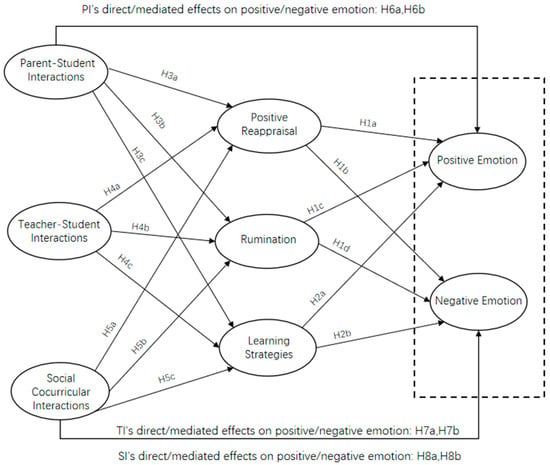
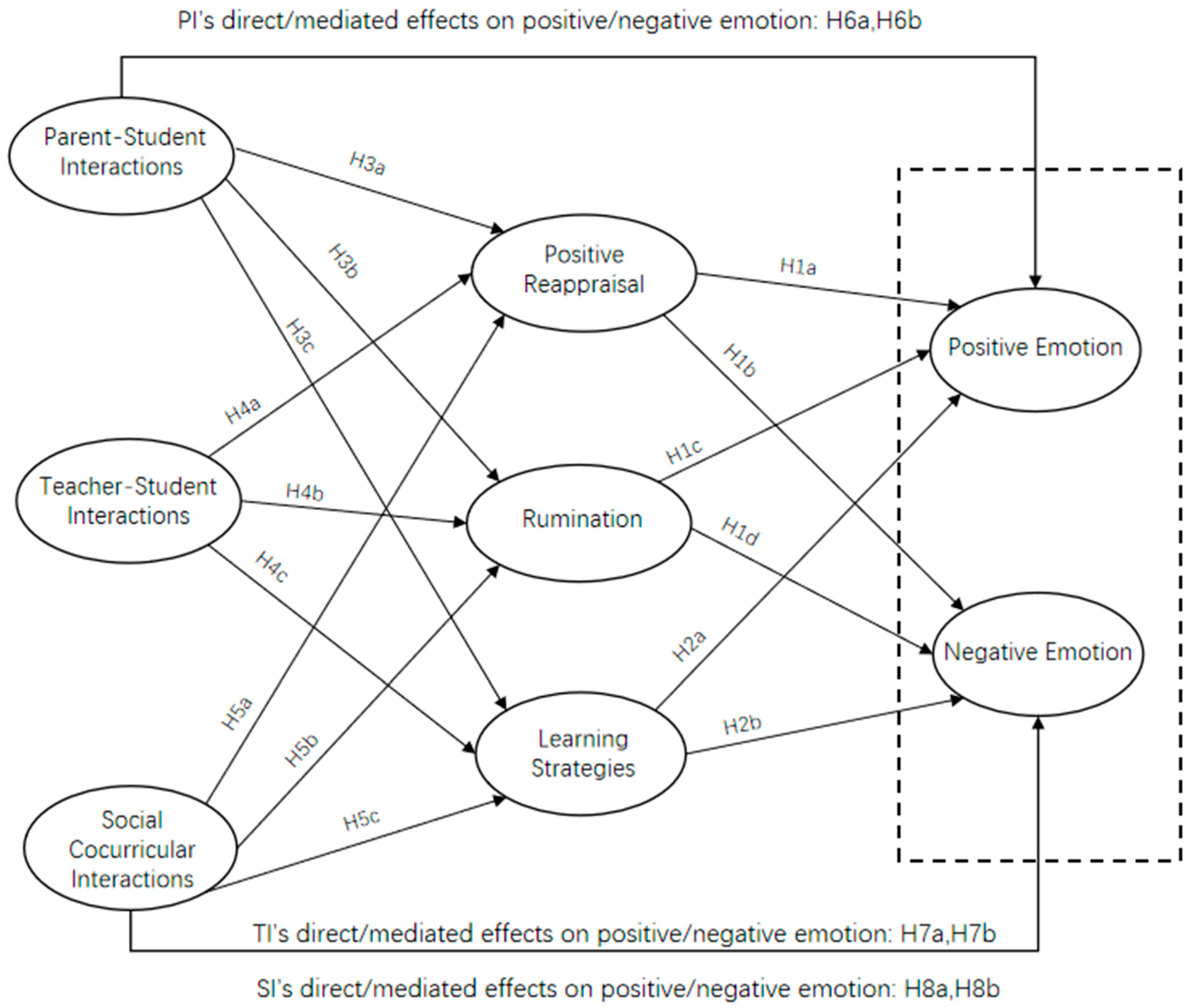
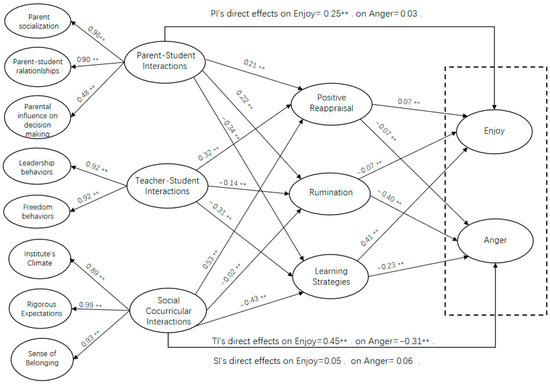
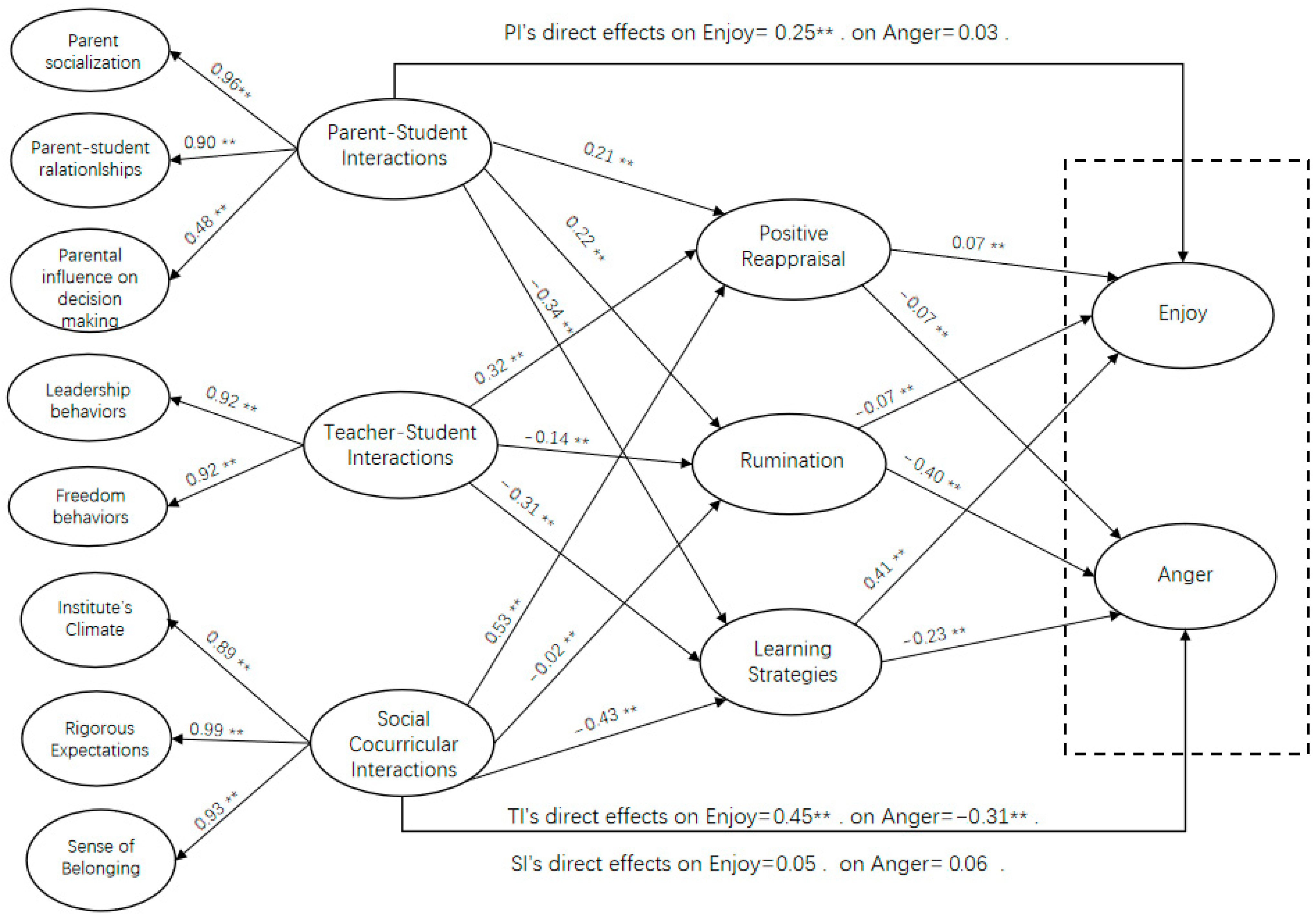

Disclaimer/Publisher’s Note: The statements, opinions and data contained in all publications are solely those of the individual author(s) and contributor(s) and not of MDPI and/or the editor(s). MDPI and/or the editor(s) disclaim responsibility for any injury to people or property resulting from any ideas, methods, instructions or products referred to in the content. |
© 2026 by the authors. Licensee MDPI, Basel, Switzerland. This article is an open access article distributed under the terms and conditions of the Creative Commons Attribution (CC BY) license.