


Abstract
Drawing on data from Chinese A-share listed companies between 2011 and 2020, this paper explores how corporate digital transformation shapes Green Total Factor Productivity (GTFP) and its underlying components. The findings suggest that digital transformation promotes GTFP by enhancing innovation capability and accounting transparency, while simultaneously reducing financing frictions. However, stricter environmental regulation attenuates these positive effects, particularly with respect to Green Technological Efficiency Change (GTEC). Non-state-owned enterprises, industrial firms, and high-carbon emitters can more effectively leverage digital transformation to enhance their GTFP; however, the negative impact of environmental regulations is also more pronounced among these entities. The interaction between digital transformation and GTFP elevates corporate market value, with this value effect primarily stemming from improvements in GTEC. By decomposing GTFP into Green Technological Change (GTC) and GTEC, this study clarifies the operational pathways of digital transformation and environmental regulations, enriching the theoretical framework for green productivity research. It reveals the channel-specific effects of environmental regulations—namely, their primary modulation of digital transformation’s green enabling role through influencing GTEC rather than GTC—and systematically integrates multiple pathways for enhancing green productivity via digital transformation, green innovation, information transparency, and financing mechanisms. This provides mechanistic guidance for corporate green development strategies. The research highlights digital transformation’s pivotal role in advancing corporate green development, offering practical insights for policymakers and business managers in promoting sustainable development and formulating environmental policies.
1. Introduction
In the context of intensifying climate change, mounting resource and environmental pressures, and the continued implementation of green development strategies, firms have become key actors in promoting sustainable development and facilitating the shift toward a low-carbon economy. Data released by the International Energy Agency indicate that global carbon dioxide emissions from energy use amounted to around 36.8 billion tonnes (36.8 GtCO2) in 2022, setting a new historical high and indicating that global carbon emissions remain at elevated levels [1]. Owing to its sizable contribution to global carbon emissions, China represents a key arena for carbon neutrality efforts, making improvements in firms’ green productivity crucial for both economic efficiency and environmental sustainability [2,3].
From a productivity-based perspective, green total factor productivity is employed to assess firms’ sustainability-related outcomes. Unlike traditional total factor productivity (TFP), which focuses solely on economic output, Green Total Factor Productivity (GTFP) calculates corporate output efficiency while incorporating environmental constraints such as carbon emissions, energy consumption, and other pollutant discharges. By comprehensively examining input-output efficiency and environmental performance, GTFP enables a more holistic assessment of an enterprise’s advancement in green technologies and resource utilisation efficiency, providing a scientific basis for studying corporate sustainability. Compared to singular output or environmental performance metrics, GTFP simultaneously reflects an enterprise’s technical efficiency, technological progress, and environmental cost constraints, making it a vital tool for evaluating green sustainable development efficiency [4,5]. It should be noted that green total factor productivity does not represent a single, uniform concept. Rather, it encompasses improvements arising from more efficient use of existing technologies as well as advances stemming from the development and adoption of new green technologies. These two sources of productivity growth correspond to green technological efficiency and green technological progress, respectively. Separating these components allows for a clearer identification of whether firms’ green productivity gains are driven primarily by internal efficiency optimisation or by shifts in the technological frontier.
Digital technologies, exemplified by artificial intelligence, big data, cloud computing, and blockchain, have become key drivers of change in firms’ governance systems and their surrounding business environments. Digital transformation, by restructuring corporate accounting information systems and internal control mechanisms, enhances information processing efficiency and data accessibility. This helps mitigate information asymmetry, optimize resource allocation decisions, and promote the adoption and diffusion of green technologies. On the one hand, digital technologies elevate enterprises’ capabilities for refined management of energy consumption, environmental costs, and production processes, thereby enhancing green technological efficiency [2,6,7]. On the other hand, by strengthening the integration of innovation resources and knowledge spillover mechanisms, digital transformation may drive green technological progress [8], with implications for firms’ long-term green productivity. From a mechanism perspective, the channels through which digital transformation influences green productivity are not uniform. Digital technologies may improve firms’ operational coordination, monitoring accuracy, and decision-making efficiency, thereby strengthening performance under existing production technologies. At the same time, their role in stimulating long-term green technological breakthroughs is more uncertain and depends on firms’ innovation incentives and absorptive capacity. This asymmetry suggests that examining green productivity at an aggregated level may conceal important differences in how digital transformation operates across distinct dimensions. This process renders digital transformation an important endogenous driver for firms to enhance green production efficiency and achieve sustainable development. Consequently, researching the mechanisms through which firms enhance green productivity in the context of digital transformation holds both pressing practical significance and considerable academic value.
However, external environmental factors also play a crucial role in enterprises’ pursuit of enhanced green performance. Particularly against the backdrop of increasingly stringent carbon emission restrictions, energy consumption controls, and environmental protection policies, environmental regulations not only constrain enterprises’ green behaviour but may also affect the performance gains derived from digital transformation. For instance, stringent environmental regulations may strengthen firms’ incentives to adopt green technologies while directing digital resources more effectively towards green innovation and energy conservation [9]. Conversely, overly rigid environmental policies may increase compliance costs and constrain innovation flexibility [10,11], and thus reduces the extent to which digital transformation enhances GTFP. Consequently, environmental regulations emerge as a potential boundary condition between digital transformation and GTFP, whose moderating role holds significant theoretical and practical implications, warranting further examination. Furthermore, environmental regulation may interact with different sources of green productivity in distinct ways. Regulatory pressure can incentivise firms to improve compliance-related efficiency, yet it may also crowd out resources available for riskier and longer-term green technological exploration. Without distinguishing between efficiency-related improvements and technology-driven progress, it becomes difficult to accurately assess the boundary conditions under which digital transformation contributes to green productivity.
Prior studies have largely examined how digital transformation affects firms’ green practices and environmental outcomes [6,12], the literature remains lacking in systematic and in-depth theoretical explanations and empirical tests regarding how digital transformation influences the efficiency metric of green total factor productivity. Particularly, against the backdrop of continuously strengthening environmental regulations, whether digital transformation affects corporate green technological efficiency and green technological progress differently, and what its boundaries and constraints are, still requires further exploration. Moreover, insufficient evidence exists regarding whether enhanced corporate green efficiency can be further translated into economic value from an economic consequences perspective.
By promoting information transparency, improving the efficiency of resource use, and supporting innovation, corporate digital transformation has been found to generate positive performance outcomes [13,14]. The adoption of digital technologies contributes to stronger green innovation performance and higher energy efficiency [7,15], thereby indirectly driving improvements in green productivity. Despite the growing body of research on digital transformation, several gaps remain in understanding its implications for green productivity. First, much of the existing work emphasizes conventional productivity measures or firm performance, with limited attention to distinguishing between green technological efficiency and green technological progress. As a result, existing studies that rely solely on an aggregated GTFP indicator may overlook the possibility that digital transformation enhances green productivity through fundamentally different pathways, particularly under tightening environmental regulations. This limitation restricts our understanding of how efficiency improvements and technological advancement respond to digitalisation and policy constraints. Second, the role of environmental regulation as an external constraint shaping the relationship between digital transformation and green total factor productivity has not been sufficiently examined. Finally, existing research lacks detailed analysis of how different types of digital technologies contribute to distinct dimensions of green productivity.
This paper explores the effect of corporate digital transformation on green total factor productivity. What moderating role do environmental regulations play in this process? To address these questions, the study sets an overarching objective: to systematically analyse the effects of corporate digital transformation on GTFP and its underlying mechanisms. This study seeks to achieve four main objectives. First, it identifies the mechanisms through which digital transformation contributes to green total factor productivity, with particular attention to the roles of financing constraints, debt financing costs, innovation activity, and accounting information transparency. Second, it evaluates whether environmental regulation alters the relationship between digital transformation and GTFP. Third, it explores potential heterogeneity in the effects of digital transformation on GTFP across different firm characteristics. Finally, it investigates the market value implications associated with the interaction between digital transformation and green total factor productivity.
Based on firm-level evidence from China’s A-share market between 2011 and 2020, this study finds a positive association between corporate digital transformation and green total factor productivity. This relationship is mediated by improvements in innovation performance, information transparency, and financing conditions, and varies across green technological efficiency and green technological progress. Environmental regulations exert a negative moderating effect on this relationship, confirming the significance of policy constraints in enabling green development through digitalisation. Firm-level heterogeneity suggests that digital transformation contributes more substantially to GTFP in non-state-owned, industrial, and high carbon-emission firms; however, environmental regulation imposes a relatively greater inhibitory effect on these firms. The interaction between digital transformation and GTFP can elevate corporate market value, primarily stemming from Green Technological Efficiency Change (GTEC).
By addressing these issues, this study contributes to the theoretical understanding of the relationship between digital transformation and green productivity, while also offering practical insights for enterprises seeking to pursue green development under environmental policy constraints in the digital era. The findings offer a scientific basis for formulating corporate digital strategies and sustainable development approaches, while informing policymakers in designing more targeted green incentive and regulatory frameworks.
2. Literature Review and Research Hypothesis
Enterprise digital transformation refers to a data-driven process that continuously reshapes organizational structures, decision-making, and resource allocation, rather than a mere adoption of information technology. Against the backdrop of intensifying green development constraints, whether enterprises can translate digital investments into long-term green productivity advantages hinges critically on their ability to develop capability structures aligned with external environments. Building on dynamic capability theory, this paper explores the internal pathways through which digital transformation shapes enterprise-level green total factor productivity.
Dynamic capability theory posits that sustained performance improvement in uncertain environments relies not on static resource endowments, but on an organisation’s capacity to identify change, integrate resources, and reconfigure production methods [16,17,18]. Within the green transition context, digital transformation enhances data acquisition, processing, and feedback capabilities. This enables enterprises to perceive environmental regulatory pressures, technological evolution trends, and shifts in resource constraints more promptly, thereby adjusting green investment and production decisions. Concurrently, digital systems strengthen cross-departmental coordination and process re-engineering, granting enterprises greater flexibility in selecting green technologies and reconfiguring production factors. This continuous evolutionary process facilitates the formation of replicable and scalable productivity enhancement pathways under green constraints.
GTFP describes firms’ performance outcomes when economic output is generated alongside binding environmental and resource constraints. Variations in GTFP do not arise from a single mechanism, but instead reflect heterogeneous sources of productivity adjustment. GTEC captures changes in how effectively existing technologies and production factors are utilised, whereas Green Technological Change (GTC) refers to shifts in the technological frontier associated with innovation, experimentation, and knowledge recombination. Although both channels contribute to improvements in green productivity, they differ in their organisational requirements and sensitivity to structural transformation. Consequently, capability reconfiguration induced by digital transformation may exert differentiated influences across these two dimensions, underscoring the necessity of analysing them separately.
Further analysis reveals that digital transformation influences green productivity not through a single channel, but via a series of interconnected mechanisms. On one hand, data-driven knowledge integration and intelligent analytical tools reduce information costs in green technology R&D and trial-and-error processes, thereby enhancing enterprises’ learning efficiency and success probability in green innovation. Prior research suggests that firms undergoing digital transformation experience notable improvements in digital technology-related innovation [6], enabling enterprises to successfully overcome innovation dilemmas [12]. Digital transformation is increasingly integrated into the behavioural decision-making of micro-enterprises, leading to shifts in traditional production resources and technological combinations [19].
Digital management systems improve internal governance and disclosure quality, which facilitates external evaluation of green investment and reduces financing-related information asymmetry [2,13,20,21]. Research indicates that digital transformation may also enhance transparency regarding internal environmental information and optimise the internal control environment through the effects of “green technology adoption”, “increased external media attention”, and “strengthened internal management controls” [22].
Furthermore, by optimising production organisation and transaction processes, digital transformation reduces operational costs and improves capital allocation efficiency [21,23], equipping enterprises with stronger resource mobilisation capabilities to navigate the uncertainties of green transition [14]. These mechanisms jointly shape corporate dynamic capabilities and, through this channel, affect the evolution of green total factor productivity.
On the one hand, digital transformation may facilitate green technological progress by lowering information acquisition costs, strengthening knowledge integration, and supporting exploratory innovation activities. Data-driven analytical tools and digital platforms enhance firms’ learning efficiency and experimentation capacity in green technology development, thereby increasing the likelihood of breakthroughs and technological upgrading. Through these channels, digital transformation is expected to play a more pronounced role in promoting GTC.
On the other hand, improvements in green technological efficiency rely heavily on effective coordination across organisational units, process standardisation, and the alignment of digital systems with existing production routines. The implementation of digital technologies often entails organisational restructuring, employee retraining, and process adaptation, which may generate adjustment costs and internal frictions. As a result, the impact of digital transformation on GTEC may be constrained in the short to medium term, and its efficiency-enhancing effects may not materialise uniformly across firms.
Taken together, digital transformation is expected to enhance firms’ green total factor productivity, while its effects on the two underlying dimensions of GTFP may differ. Accordingly, the following hypotheses are proposed:
H1:
Corporate digital transformation positively affects GTFP.
H1a:
The impact of corporate digital transformation on GTEC is subject to organizational and adjustment constraints.
H1b:
Corporate digital transformation promotes GTC.
Through more efficient resource allocation, greater information transparency, and strengthened green innovation, digital transformation contributes to improvements in corporate green total factor productivity. Structurally, GTFP can be decomposed into two core dimensions: firstly, GTC, reflecting a firm’s capacity to generate technological innovation; and secondly, GTEC, embodying the ability to translate innovative outcomes into actual production efficiency. Enhancing GTFP requires the synergistic contribution of both dimensions, with the external institutional environment playing a crucial moderating role in this process.
Environmental regulations, as a key exogenous institutional factor, can influence the effectiveness of digital transformation in enhancing GTFP. However, their moderating effect is primarily concentrated on GTEC rather than GTC. On the one hand, according to the Porter hypothesis, environmental regulations can incentivise enterprises to allocate more digital resources towards green production and process optimisation [24]. This enables innovation outcomes to be more effectively converted into production efficiency, thereby strengthening the capacity of digital transformation to enhance GTEC and indirectly boosting GTFP through GTEC [9,25]. On the other hand, technological innovation itself (GTC) relies more heavily on internal research and development capabilities, knowledge accumulation, and strategic planning within firms, with limited direct influence from external environmental regulations. Accordingly, the interaction effect of environmental regulation on the link between digital transformation and GTC tends to be statistically insignificant.
Furthermore, neoclassical cost theory indicates that environmental regulations often entail increased compliance costs and heightened operational uncertainty [26]. When corporate resources are constrained, excessive environmental regulation may compel firms to prioritise digital transformation resources towards regulatory compliance rather than enhancing long-term productivity [10,11,27], thereby weakening the positive effect of digital transformation on GTEC. In summary, the moderating effect of environmental regulation on digital transformation primarily operates through GTEC, subsequently influencing GTFP, while its moderating effect on GTC is relatively weak or insignificant.
Drawing on the foregoing analysis, competing hypotheses on the moderating effect of environmental regulation are proposed as follows:
H2a:
Strengthened environmental regulations enhance the promotional effect of corporate digital transformation on GTFP and GTEC.
H2b:
(Competing hypothesis): Strengthened environmental regulations diminish the effect of corporate digital transformation on GTFP and GTEC.
Digital transformation affects firms’ green total factor productivity in a heterogeneous manner. Its effects are often jointly constrained by structural factors such as corporate governance arrangements, production technology characteristics, and exposure to environmental regulation. Drawing upon dynamic capability theory, whether digital transformation effectively translates into enhanced green productivity hinges critically on firms’ differential endowments in resource allocation flexibility, technological absorption and integration capabilities, and approaches to navigating institutional constraints [17]. This offers a solid theoretical basis for understanding the heterogeneous green impacts of digital transformation.
Non-state-owned firms typically experience greater market pressures and financing limitations, with their long-term growth and performance relying heavily on internal efficiency and technological capacity [14]. In this context, digital transformation is more likely to be employed to optimise production processes, promote green technology adoption, and enhance the effectiveness of resource allocation, leading to a greater positive influence on green total factor productivity. Relative to state-owned enterprises, non-state-owned enterprises operate under environmental regulations with reduced policy cushioning and institutional support. Their compliance costs and adjustment pressures are more likely to exert crowding-out effects on digital investments and green innovation resources, making the inhibitory impact of environmental regulations on the green effects of digital transformation more pronounced.
From an industry perspective, industrial enterprises typically exhibit high energy consumption and pollution emission levels, with production processes being highly responsive to technological improvements and process optimisation. Digital transformation, through smart manufacturing, process monitoring, and data-driven management, provides industrial enterprises with practical pathways to identify high-energy consumption and high-emission segments and implement technological substitution. This creates greater scope for improvement in green technological progress and efficiency gains. However, precisely because industrial enterprises are often subject to stringent environmental scrutiny, the compliance constraints and cost pressures imposed by environmental regulations more readily constrain the resource allocation available for long-term green efficiency gains through digital transformation, thereby amplifying the negative regulatory effect.
Furthermore, in terms of carbon emission intensity, high-emission enterprises typically face more pronounced environmental constraints and transformation pressures, yet their potential for green productivity gains is correspondingly greater. Digital transformation assists such enterprises in achieving structural adjustments to production processes through refined emissions monitoring, optimised energy management, and the introduction of green technologies, thereby significantly enhancing green total factor productivity. However, concurrently, high-carbon-emitting enterprises are often subject to stricter regulatory oversight and higher environmental regulation intensity. Their compliance expenditures and uncertainty costs are also more pronounced, potentially constraining the effective allocation of digital transformation resources towards green technological progress and efficiency improvements. Consequently, the inhibitory effect of environmental regulations on the green effects of digital transformation becomes more pronounced among such enterprises.
In summary, corporate ownership structures, industry attributes, and carbon emission intensity systematically alter the pathways and intensity of digital transformation’s impact on GTFP by influencing the conditions for developing dynamic capabilities and the degree of institutional constraints faced by enterprises. Consequently, this paper further examines the differentiated effects of digital transformation and environmental regulation under varying corporate characteristics in its empirical analysis. Drawing from the analysis above, we propose the following hypotheses:
H3a:
The positive impact of digital transformation on green total factor productivity is more pronounced in non-state-owned enterprises relative to state-owned ones, but the dampening effect of environmental regulations is likewise stronger.
H3b:
Compared with non-industrial firms, industrial enterprises experience a stronger positive effect from digital transformation on green total factor productivity, yet the dampening role of environmental regulations is also more evident.
H3c:
Compared with low-carbon emitting enterprises, high-carbon emitters benefit more from digital transformation in terms of green total factor productivity, yet they are also more affected by the negative moderating role of environmental regulations.
3. Research Design
3.1. Sample Selection and Data Sources
The study initially collected annual report data from non-financial A-share firms listed on the Shanghai and Shenzhen stock markets covering the period 2011–2020. Observations corresponding to ST and *ST companies, as well as those with missing values, were excluded, resulting in a final sample of 33,021 records. To limit the effect of extreme values on the analysis, major continuous variables were trimmed at the 1st and 99th percentiles.
Data Sources: CSMAR database and Wind (WIND) data, China Urban Statistical Yearbook, China Environmental Statistical Yearbook, annual reports of listed companies, corporate social responsibility reports of listed companies, and information from listed company websites.
In the main model, to control for potential heterogeneity across years and industries, referring to existing research, this paper incorporates annual fixed effects and industry fixed effects [6,28]. This methodology eliminates the potential impact of annual variations and industry differences on GTFP and has been adopted in numerous related studies. Furthermore, to validate the robustness of the empirical findings, this study additionally employs a firm fixed effects model to eliminate the influence of firm-specific unobservable factors on GTFP. All data processing and statistical analyses were conducted using SAS Enterprise Guide 8.3 (SAS Institute Inc., Cary, NC, USA) and STATA 17 (StataCorp LLC, College Station, TX, USA).
3.2. Variable Definitions
3.2.1. Dependent Variable
This study adopts the Super-SBM model along with the GML index to assess firms’ green total factor productivity and track its dynamic changes over time. The Super-SBM model constitutes an enhanced data envelopment analysis methodology, whose core principle involves removing a decision-making unit (DMU) from the benchmark technology set during efficiency calculation. It then recalculates efficiency using a frontier formed by the remaining DMUs, thereby yielding more precise efficiency assessments. The GML index measures the dynamic evolution of green total factor productivity across different periods, simultaneously accounting for the contribution of technological progress to productivity growth. This provides robust support for analysing corporate green efficiency. The application of these two methodologies ensures the reliability and scientific validity of the findings presented herein.
Green Total Factor Productivity (GTFP): According to existing research [29,30], enterprises’ environmental pollution is included in the evaluation system, and the GTFP of enterprises is evaluated using the non-radial SBM-ML index (hereafter referred to as the “ML index”). The associated input and output indicators for measuring GTFP are defined as follows.
Consider a model comprising n firms, where each firm’s GTFP is measured using the Super-SBM method in the cross-section. The GML index facilitates the temporal comparison of GTFP [31]. Combining these two indices can calculate a dynamic index of GTFP over time. Following the studies [29,32,33], an ET model is first defined, including expected and unanticipated outputs. Assume a model with n firms, denoted as . Each decision-making unit DMU is characterized by three categories of input-output indicators, including m input variables .
kinds of expected output , and kinds of unintended output . Thus, the environmental technology functions are as follows:
In Equation (1), λ represents the weight vector associated with the input-output data and is restricted to be non-negative. The model allows for variable returns to scale. The Super-SBM model, incorporating undesirable outputs, is employed to calculate the directional distance function, which is defined as:
Here, denotes the target efficiency value, λ represents the weight vectorand the subscript k indicates the DMU under evaluation. By solving the Super-SBM model within the production possibility set over the relevant period, the GML index can be computed to track changes in GTFP between periods t and t + 1:
The GML index can be further decomposed using linear programming into GTEC and GTC. GTEC captures efficiency changes due to improvements in production processes, economies of scale, and experience, whereas GTC reflects the efficiency gains attributable to technological innovation. Multiplying these factors by the GML index for each period provides the GTFP of a firm across the observed timeframe.
Input and output indicators for GTFP measurement are as follows:
- Factor inputs: Labour input is proxied by the number of enterprise employees; capital input is proxied by the net fixed assets of the enterprise; energy input is proxied by the industrial electricity consumption of the city where the enterprise is located, adjusted according to the proportion of the enterprise’s workforce relative to the city’s urban employment.
- Expected Output: Enterprise operating revenue serves as the proxy variable for expected output.
- Unexpected Output: Unexpected output is proxied by the adjusted emissions of industrial sulfur dioxide, industrial wastewater, and industrial smoke dust, where the adjustment is made according to the ratio of enterprise employees to the total urban employment in the city.
Although the expected output is measured in revenue terms, it ultimately reflects firms’ physical production outcomes and resource allocation efficiency. In a production-theoretic framework, revenue is generated through the transformation of physical inputs into marketable outputs, where technological progress and efficiency improvements enhance output quantity and reduce unit production costs. By controlling for time, industry, and firm-level fixed effects, the influence of price fluctuations and macroeconomic factors is largely mitigated. Therefore, revenue-based output remains a reasonable proxy for firms’ production performance within the green total factor productivity framework.
Table 1 systematically lists the input factors, output indicators, and their data sources employed in constructing the GTFP, GTC, and GTEC metrics. Based on this indicator system, this paper further elucidates the pollutant allocation assumptions and their rationale.
Table 1.
Measurement Indicators for Enterprise Green Total Factor Productivity.
Regarding input factors, this paper selects capital, labour, and energy as core input variables. Capital is measured through the firm’s stock calculated via the perpetual inventory method, while labor input is indicated by the total workforce. Energy consumption is approximated by the company’s spending on energy-related resources. For outputs, desirable results are reflected by actual production levels, and undesirable results are captured by the emissions of major industrial pollutants.
Given constraints on the availability of pollutant emission data at the enterprise level, this paper employs an estimation method based on city-level pollutant emission data. The total annual pollutant emissions for a city are allocated according to the relative production scale of enterprises within the same city-year combination. This approach implicitly assumes that, within a given city-year combination, the pollutant emission intensity of an enterprise is proportional to its production scale. This approach is widely adopted in the existing literature [4,7], enabling the preservation of inter-firm differences and the evolution of green production characteristics within individual firms over time, despite data limitations.
GTFPp1 and GTFPp2 represent GTFP in period t + 1 and t + 2, respectively.
3.2.2. Independent Variable
To avoid measurement bias from relying on a single indicator, this paper assesses corporate digital transformation across two dimensions: strategic orientation and resource allocation. The main regression utilizes a digital transformation measure, constructed from annual report texts, to reflect firms’ strategic and organizational adoption of digital technologies. In robustness tests, the proportion of digitally related intangible assets is further utilised as an alternative structural proxy variable to reflect actual resource investments in digital technologies by enterprises.
Text Density Metric for Enterprise Digital Transformation (DT): Drawing upon the work of Wu et al. (2021) and Wang et al. (2023), using textual information disclosed in listed firms’ annual reports, this study develops a firm-level indicator to capture the extent of corporate digital transformation [30,35].
Regarding the identification and selection of digital transformation-related terminology, this study first systematically reviews representative academic research in the fields of the digital economy and industrial digitalisation. By integrating policy documents and research reports issued at the national level, a preliminary set of digital transformation keywords is derived. Building upon this foundation, ambiguous terms with unclear semantic connotations or those unable to accurately reflect actual corporate transformation behaviours are manually verified and excluded. The finalised lexicon is then cross-referenced against established digital measurement methodologies in the existing literature to enhance its content validity.
During the indicator construction process, Python techniques were employed to systematically collect annual reports A-share companies on the Shanghai and Shenzhen exchanges. The Apache PDFBox (Java, version 2.0.29) tool was utilised to extract report text, thereby establishing a corporate-level textual database. Subsequently, annual report texts were matched and statistically analysed against the established keyword system. Expressions containing negative semantics were excluded, as were relevant terms appearing outside the corporate context (e.g., shareholder, customer, supplier, or management background introductions). Furthermore, drawing upon the existing literature and policy documents, this study categorised and consolidated keywords pertinent to digital transformation. Based on existing research [6,30], this yielded a text feature system encompassing diverse technological dimensions, with the keyword structure visualised as depicted in Figure 1.
Figure 1.
Conceptual framework of enterprise digital transformation. Note: This figure presents a conceptual framework of enterprise digital transformation. The classification of digital technologies and application domains is developed by the authors based on and inspired by the prior literature [30,35].
Given significant variations in annual report length and text volume across enterprises, this study normalises raw keyword frequencies based on the proportion of digital-related terms to the overall text length of the report. This establishes a text density metric for corporate digital transformation. For empirical analysis, this metric is multiplied by 100, with higher values indicating greater digital transformation advancement.
Digital Transformation Intangible Asset Ratio (DI): Assesses a firm’s digital maturity by the ratio of digital transformation-related intangible assets to total intangible assets, based on the year-end itemized schedule disclosed in the notes to the financial statements.
3.2.3. Moderator Variable
Environmental Regulation (IER): Building upon existing research [27,36], the study quantifies environmental regulation intensity (IER) by combining industrial wastewater emissions, soot emissions, and SO2 emissions into a single index.
Environmental regulation intensity (IER) is quantified here through a composite index of pollutant emissions, reflecting a method selected based on several key factors. Firstly, the composite pollution emission index effectively reflects regional pollution control intensity; a higher IER value indicates stricter environmental oversight in the area. Secondly, numerous classical studies have similarly employed composite pollution emission indices to gauge environmental regulation intensity, thereby lending this methodology robust comparability and scientific rigour [27,37]. Thirdly, in China, environmental regulations are typically enforced at the regional or city level. Consequently, employing regional IER as a proxy variable at the enterprise level is reasonable, effectively representing the regional environmental pressures faced by businesses. Finally, standardising raw pollution data and introducing adjustment coefficients to weight pollutants ensures fair comparisons of pollution emission intensity across different regions on a uniform scale. Although pollution emission levels may vary between enterprises, regional IER effectively represents the environmental regulatory pressure faced by enterprises, given that environmental policies are predominantly implemented regionally. Consequently, this methodology is highly justified. The specific process for constructing the IER index comprises the following steps:
After standardising the raw data via Equation (5), adjustment coefficients were calculated according to Equation (6). The measured results of the comprehensive pollution emission index for each region are presented in Equation (7).
Among these, , , and represent the raw data, maximum, minimum, and average unit emission values of pollutant m in region k, respectively. prime denotes the standardized index. is the adjustment coefficient reflecting regional variations in pollution control, used to weight pollutant m. denotes the comprehensive pollution emission index for region k during period t. Higher IER values indicate stricter environmental constraints. The IER value is positively associated with the strictness of regional environmental policies, with higher values signaling increased environmental constraints for firms. Employed as a measure of the strictness of environmental regulation, this index effectively quantifies regional variations in environmental regulation and provides a reliable metric for further empirical analysis.
3.2.4. Mechanism Variables
- Corporate Innovation (CI). Prior research often uses firms’ research and development (R&D) spending as a proxy for their technological innovation capacity. However, due to the inherently high risks associated with innovation activities, R&D investment does not always translate efficiently into actual innovation outcomes. Consequently, relying solely on R&D expenditures may lead to an overestimation of a firm’s true innovation capabilities. This raises the possibility of overestimating corporate innovation capabilities when using such indicators. Consequently, corporate patent innovation output data may be more suitable for measuring their technological innovation capabilities. According to the Patent Law, patents filed by firms fall into three categories: invention patents, utility models, and design patents. Invention patents, in particular, serve as the most reliable indicator of a firm’s original innovation capability and corporate value. To ensure rigorous variable selection and align with existing research, this study employs the natural logarithm of the sum of a company’s total invention patent applications for the year plus one to measure innovation [38].
- Transparency of Accounting Information (DSCROE). This study adopts the methodology employed in prior research [12,13], accounting information transparency (DSCROE) is measured using the annual disclosure assessment results published by the Shenzhen Stock Exchange. This evaluation systematically examines the quality of listed companies’ information disclosure, taking into account both the quantity and quality of disclosed information, making it a reliable and comparable indicator. Since 2001, the results have been classified into four levels: Excellent, Good, Acceptable, and Unsatisfactory, which were updated in 2011 to Grades A, B, C, and D. For the purposes of empirical analysis, these grades are assigned numerical values as follows: Excellent (A) = 4, Good (B) = 3, Acceptable (C) = 2, and Unsatisfactory (D) = 1.
- Debt Financing Costs (Cost). Following previous research, debt financing cost (Cost) is quantified as the proportion of financial expenses relative to total liabilities at the close of the period [39].
- Financing constraints (WW). Currently, the primary indices used to measure financing constraints include the KZ Index [40], the SA Index [41], and the WW Index [42]. The WW Index demonstrates superior practical effectiveness compared to the KZ and SA indices, providing a more accurate and objective description of corporate financing constraints. Moreover, the WW Index is constructed in a manner that better corresponds to the concept of financing constraints. In contrast to the KZ index, the WW methodology effectively captures the essence of financing constraints and demonstrates strong consistency with other firm-level evaluation indicators [14]. This study employs the WW index to measure corporate financing constraints [42].
3.2.5. Control Variables
To control for other factors potentially influencing GTFP, this study incorporates multiple control variables. These include firm size (Size), profitability (ROA), indebtedness (Lev), growth potential (Growth), Tobin’s Q (TobinQ), cash flow (CashFlow), and firm age (FirmAge), reflecting the impact of corporate resources, financial standing, growth prospects, and organisational experience on digital transformation and green productivity. Additionally, governance and information-related variables were incorporated: Board size (Board), Chairman-CEO duality (Dual), Big Four audit firms (Big4), and audit fees (Mfee). These control for the potential effects of corporate governance, information transparency, and financing conditions on GTFP. By including these controls, the effect of digital transformation on green TFP can be estimated more reliably. Year and industry fixed effects are also incorporated. Key variables and their measurement are summarized in Table 2.
Table 2.
Definition table of main research variables.
4. Empirical Results and Analysis
4.1. Descriptive Statistics Analysis
Table 3 reports the descriptive statistics for the key variables. The average GTFP is 1.011, with a median of 1.028, suggesting a fairly concentrated distribution and moderate growth in firms’ green productivity throughout the sample period. The mean values of GTEC and GTC are 1.011 and 1.000, respectively, with limited dispersion, suggesting that improvements in green productivity are mainly driven by efficiency gains rather than substantial shifts in the technology frontier.
Table 3.
Descriptive statistical analysis.
Digital transformation (DT) exhibits an average value of 3.743 and a standard deviation of 1.508, highlighting pronounced heterogeneity among firms. The environmental regulation index (IER) has a mean of 0.949 and a standard deviation of 0.229, suggesting notable regional variation in regulatory stringency.
For the control variables, the average firm size (Size) is 22.234, while mean return on assets (ROA) and leverage ratio (Lev) are 0.038 and 0.419, respectively, indicating that the sample firms maintain reasonable profitability and capital structures. Other firm characteristics, including board size (Board), Big 4 auditor engagement (Big4), CEO duality (Dual), and state ownership (SOE), also exhibit sufficient cross-sectional variation, providing a solid basis for subsequent empirical analysis.
Reports the pairwise correlations among green total factor productivity (GTFP), its components—GTEC and GTC—as well as digital transformation (DT) and the environmental regulation index (IER). Consistent with the SBM–GML decomposition framework, GTFP exhibits a strong correlation with GTEC, while its correlation with GTC is positive but relatively moderate, suggesting that improvements in green productivity are mainly driven by efficiency improvements rather than shifts in the technological frontier.
Table 4 reports the pairwise correlations among GTFP, its components—GTEC and GTC—as well as digital transformation (DT) and the environmental regulation index (IER). Consistent with the SBM–GML decomposition framework, GTFP exhibits a strong correlation with GTEC, while its correlation with GTC is positive but relatively moderate, suggesting that improvements in green productivity are mainly driven by efficiency improvements rather than shifts in the technological frontier.
Table 4.
Correlation Analysis of Primary Variables.
Moreover, the correlations among GTFP, GTEC, and GTC are all well below unity, indicating that these indicators capture distinct dimensions of green productivity dynamics rather than being mechanically driven by common regional factors. Although GTFP and its components are partly constructed using region-level environmental data, they display substantial variation across firms as well as meaningful within-firm variation over time at the firm level. Industry and year fixed effects are incorporated in the regression to account for industry-specific heterogeneity and common temporal shocks.
4.2. Basic Regression Analyses
4.2.1. Changes in Firm-Level GTFP over Time
Prior to the baseline regression, we examined the annual average trends of firms’ GTFP, GTEC, and GTC (see Figure 2), which align with previous research findings [7,34]. Over the sample period, GTFP showed an overall upward trajectory, with GTEC closely tracking its movements. In contrast, GTC fluctuated less and followed a smoother path. These preliminary observations indicate that changes in firm-level GTFP are largely driven by GTEC.
Figure 2.
Annual Trends of Enterprise GTFP, GTEC, and GTC.
4.2.2. Benchmark Regression Results
Based on existing research [7], we discussed the relationship between corporate digital transformation and GTFP. Figure 3 illustrates the scatter plot and fitted trend between corporate digital transformation and GTFP from 2011 to 2020. The results suggest a positive association, with higher levels of digital transformation corresponding to greater GTFP.
Figure 3.
Scatter Plot Showing the Association Between Digital Transformation and GTFP.
Baseline regression results are reported in Table 5, where year and industry fixed effects are included and relevant firm-level characteristics are controlled for. Column (1) shows that corporate digital transformation (DT) is positively associated with GTFP, with the estimated coefficient remaining statistically significant at the 1% level. This finding provides empirical support for Hypothesis 1, suggesting that digital transformation constitutes an effective driver of firms’ green productivity improvement.
Table 5.
Basic Regression Tests.
To further disentangle the underlying channels, Columns (2) and (3) decompose GTFP into its two core components: GTC and GTEC. The results indicate that DT exerts a significantly positive effect on GTC, whereas its impact on GTEC is statistically insignificant. This asymmetric pattern implies that the green productivity gains from digital transformation are primarily realised through technological progress rather than efficiency enhancement, thereby supporting Hypothesis 1b, while lending indirect evidence to Hypothesis 1a, which posits that organisational rigidities and adjustment costs may constrain short-term efficiency improvements.
Considering that the benefits of digital transformation may materialise gradually, Columns (4) and (5) further examine its lagged effects on GTFP. The estimated coefficients of DT remain positive and statistically significant for both the one-period-ahead and two-period-ahead GTFP, indicating a sustained and persistent influence over time. Overall, the baseline regression results consistently confirm the positive role of corporate digital transformation in promoting green productivity, with its effects predominantly operating through green technological progress.
4.3. Model Construction
Based on theoretical analysis and the formulated research hypotheses, the study adopts a fixed-effects modeling approach to examine the relationships among corporate digital transformation, environmental regulations, and GTFP:
First, we test Hypothesis 1 using Model (8), where the dependent variable represents the magnitude of GTFP for firm i in year t. The independent variable represents the company’s digital transformation level in year t. Control variables are listed in Table 2. denotes the constant term, represents the error term, and the model incorporates fixed effects for year (FE_Year) and industry (FE_Industry). The coefficient measures the promotional effect of corporate digital transformation GTFP.
Second, using Model (9) to examine the role of environmental regulations in mediating the relationship between corporate digital transformation and green total factor productivity:
Variance inflation factors (VIFs) are employed to examine potential multicollinearity among explanatory variables, thereby reinforcing the reliability of the regression findings. The results show that multicollinearity is not severe and therefore does not affect the stability of the estimated coefficients.
4.4. Environmental Regulation Effects on Firms’ Digital Transformation and Green Total Factor Productivity
Table 6 presents the moderating role of environmental regulation (IER) on the relationship between corporate digital transformation (DT) and GTFP along with its components. The results indicate that the interaction term (DT × IER) is significantly negative for both GTFP and GTEC, at the 1% and 5% significance levels, respectively.
Table 6.
Moderating Effects of Environmental Regulations on Firms’ Digital Transformation and GTFP.
These results indicate that environmental regulation exerts a statistically significant but economically modest negative moderating effect, partially weakening the positive association between digital transformation and improvements in GTFP and GTEC. Rather than fully offsetting the benefits of digital transformation, heightened regulatory intensity appears to moderate its marginal contribution to green productivity outcomes.
This finding supports the competitive hypothesis H2b, suggesting environmental regulations may constrain the conversion of digital transformation into actual productivity gains by increasing compliance costs or operational constraints.
In contrast, the interaction term for GTC is not statistically significant, indicating that environmental regulation does not exhibit a robust moderating effect on the link between digital transformation and GTC.
In summary, the empirical findings indicate that environmental regulations primarily influence the enhancement of GTFP through digital transformation by moderating GTEC, while exerting no significant effect on GTC. Consequently, we accept H2b and reject H2a.
Regression results indicate that environmental regulations exert a significant negative moderating effect on the relationship between corporate digital transformation and green total factor productivity. One plausible explanation is that under stringent environmental regulatory constraints, enterprises must allocate greater resources to meet compliance requirements. The resulting increase in compliance costs partially diverts resources that could otherwise be directed towards green technological improvements and production process optimisation within digital transformation. Concurrently, heightened environmental regulations may prompt management to prioritise short-term environmental compliance and risk avoidance objectives, thereby diminishing the marginal contribution of digital transformation to enhancing green production efficiency.
Moreover, stricter environmental policies typically entail heightened uncertainty and enforcement pressures, which to some extent constrain enterprises’ flexibility in exploring digital technologies for green applications. This shifts the focus of digital transformation towards compliance support and information disclosure functions, rather than directly translating into green technological progress and efficiency gains. The combined effect of these mechanisms may result in environmental regulations exerting a restraining influence on the enhancement of green total factor productivity through digital transformation.
From a mechanistic perspective, the negative moderating effect of environmental regulation does not mean that digital transformation reduces firms’ green development potential. Rather, it likely reflects how institutional constraints reshape its pathways. On the one hand, stringent environmental regulations increase compliance costs and operational uncertainty for enterprises, potentially prompting management to prioritise digital resources towards meeting short-term regulatory requirements. This, in turn, compresses the scope for investment in enhancing the quality of green innovation and achieving long-term efficiency improvements. On the other hand, environmental regulations may also alter the actual effectiveness of digital transformation in alleviating financing constraints by influencing financial institutions’ risk assessments and credit preferences, causing their green enabling effect to face diminishing marginal returns under highly regulated scenarios. The analysis above shows that the effect of digital transformation on GTFP is highly dependent on institutional context, with environmental regulations serving as a key boundary condition.
To more clearly demonstrate how environmental regulations moderate the relationship between corporate digital transformation and GTFP, a diagram illustrating this moderating effect is constructed. As shown in Figure 4, within the group with lower environmental regulations (IER), the slope is steeper, indicating a stronger promotional effect of corporate digital transformation on GTFP. In contrast, for firms with higher IER, the slope is flatter, indicating that digital transformation has a comparatively weaker effect on GTFP. This suggests that environmental regulations negatively moderate this relationship.
Figure 4.
Marginal Effects of Digital Transformation (DT) on Green Total Factor Productivity (GTFP) Under Different Intensities of Environmental Regulation (IER).
4.5. Endogeneity Test
To mitigate potential endogeneity issues between corporate digital transformation and green total factor productivity, referring to existing research [9], the paper additionally utilizes the average digital transformation of other firms within the same region, industry, and year as a second instrumental variable (IV1), designed to represent the exogenous impact of regional and industry-level digital environments on corporate digital transformation. This variable primarily reflects the digital development atmosphere at the regional-industry level, rather than productivity shocks specific to individual enterprises, thereby helping to mitigate reverse causality and omitted variable bias issues.
Table 7 reports the corresponding two-stage least squares estimation results. In Column (1), the first-stage regression indicates that coefficients for both the lagged-variable-based instrumental variables and the regional-industry-mean-based instrumental variables are statistically significant. Moreover, the first-stage F-statistic substantially exceeds common empirical thresholds, demonstrating robust explanatory power for the selected instrumental variables and the absence of pronounced weak instrumentation issues. In Column (2), the second-stage results show that the coefficient for digital transformation remains significantly positive under the instrumental variable estimation, consistent with the baseline regression. This confirms that the positive impact of corporate digital transformation on GTFP is robust after addressing potential endogeneity. Collectively, these findings substantially alleviate concerns regarding endogeneity and strengthen the causal interpretation of the paper’s conclusions.
Table 7.
Endogeneity Test: IV Estimation Using Peer-Based Instruments. (Average Digital Transformation Across Region, Industry, and Year).
To mitigate potential endogeneity issues between corporate digital transformation and green total factor productivity, this paper employs a two-stage least squares (2SLS) approach for further examination, referring to existing research [21], utilising regional broadband penetration rates (broadband) as an instrumental variable for corporate digital transformation.
Broadband infrastructure constitutes a vital physical foundation for digital economic development. Higher broadband penetration levels significantly enhance enterprises’ access to digital technologies and information resources, thereby effectively advancing their digital transformation processes and satisfying the requirements for instrumental variable relevance. On the other hand, regional broadband penetration rates are primarily determined by historical telecommunications infrastructure development and governmental digitalisation strategies. They are typically unaffected by fluctuations in individual enterprises’ green production efficiency. As a result, their effect on firms’ green total factor productivity operates through the digital transformation channel, ensuring strong exogeneity. Based on these considerations, regional broadband penetration is proposed as a valid instrumental variable for corporate digital transformation, allowing for the identification of causal effects on GTFP.
In Column (1) of Table 8, the results of the first-stage regression reveal that regional broadband penetration exerts a significant positive influence on the degree of corporate digital transformation, with significance at the 1% level.. This indicates that enhanced internet infrastructure effectively accelerates the digital transformation process. The F-statistic from the first-stage regression is 827.315, considerably surpassing the empirical threshold of 10, confirming that the selected instrumental variable is sufficiently strong and provides robust explanatory capacity.
Table 8.
Endogeneity Test: IV Estimation with Regional Broadband Penetration Rates.
In Column (2) of Table 8, the second-stage regression, after controlling for firm characteristics and including industry and year fixed effects, shows that digital transformation continues to have a significant positive effect on green total factor productivity. The coefficient remains stable both statistically and economically, indicating that digital transformation robustly promotes GTFP even when addressing potential endogeneity. These results further support the robustness of the baseline regression findings.
4.6. Mechanism Analysis
The previous benchmark regression results demonstrate that corporate digital transformation significantly improves GTFP. Nevertheless, the specific channels through which digital transformation affects corporate green production efficiency require further clarification. To move beyond simple correlations, this study, grounded in theoretical analysis, systematically investigates the mechanisms by which digital transformation influences GTFP, focusing on factors such as firms’ innovation capacity, information environment, and financing conditions.
Theoretically, digital transformation reshapes production organisation and information processing patterns. This may simultaneously promote green technology R&D and application, driving technological advancement, while improving internal governance and external disclosure environments to mitigate information asymmetry, thereby enhancing resource allocation efficiency. Concurrently, digital transformation may optimise external financing conditions by reducing financing costs and alleviating financing constraints, providing essential capital support for green investment and low-carbon transition. Based on this analysis, the study develops a mediation model to empirically investigate the various channels through which corporate digital transformation affects green total factor productivity.
Table 9 presents the results of mediation analyses using financing constraints measured by the Whited–Wu (WW) index [42]. Column (1) shows the baseline regression, indicating that corporate digital transformation significantly enhances GTFP. Column (2) further incorporates financing constraints as the dependent variable, revealing that digital transformation significantly reduces firms’ financing constraint levels, suggesting it helps alleviate friction encountered during external financing processes. Column (3) incorporates both digital transformation and financing constraints into the benchmark model. The results show a significantly negative coefficient for financing constraints, suggesting that higher financing constraints hinder firms’ improvements in GTFP. Concurrently, the regression coefficient for digital transformation, while numerically reduced compared to the benchmark regression, remains statistically significant. This suggests that financing constraints partially mediate the effect of digital transformation on firms’ GTFP.
Table 9.
Mediating Role of Financing Constraints in the Effect of Digital Transformation on GTFP.
To further examine the significance of this indirect effect, this study employs the mediation effect testing method proposed by Iacobucci (2012) [43]. The results show that the corresponding z-statistic is significant, providing further evidence that financing constraints act as an important channel through which digital transformation affects corporate GTFP.
Table 10 presents the results of the mediation analysis for innovation levels. Column (1) shows the baseline regression, indicating that corporate digital transformation significantly enhances GTFP. Column (2) employs corporate innovation as the dependent variable, revealing that digital transformation substantially enhances corporate innovation, indicating that digital transformation contributes to strengthening corporate innovation capabilities. Column (3) incorporates both digital transformation and corporate innovation variables into the baseline model. The results show a significantly positive coefficient for corporate innovation, suggesting that innovation activities effectively promote improvements in firms’ green total factor productivity. Concurrently, while the regression coefficient for digital transformation exhibits a numerically lower value compared to the baseline regression, it remains statistically significant. This suggests that corporate innovation partially mediates the effect of digital transformation on corporate GTFP.
Table 10.
Mediating Role of Innovation in the Effect of Digital Transformation on GTFP.
Using Iacobucci’s (2012) approach to test mediation effects, the results show statistically significant z-statistics [43], further supporting that corporate innovation acts as an important channel through which digital transformation improves green total factor productivity.
Table 11 presents the results of mediation tests for corporate accounting information transparency, measured by DSCORE. Column (1) shows the baseline regression, indicating that digital transformation significantly improves GTFP. Column (2), using accounting information transparency as the dependent variable, reveals that digital transformation substantially enhances firms’ information transparency, suggesting it strengthens the quality of corporate disclosure. Column (3), incorporating both digital transformation and accounting transparency variables into the baseline model, reveals a significantly positive regression coefficient for accounting transparency. This indicates that enhanced transparency effectively promotes improvements in corporate GTFP. Concurrently, while the regression coefficient for digital transformation decreases numerically compared to the baseline regression, it remains statistically significant. This suggests that accounting transparency partially mediates the effect of digital transformation on corporate GTFP.
Table 11.
Mediating Role of Accounting Information Transparency in the Effect of Digital Transformation on GTFP.
Furthermore, employing Iacobucci’s (2012) mediation effect testing methodology to examine the significance of indirect effects, the results reveal statistically significant corresponding z-statistics [43]. This further substantiates the conclusion that accounting information transparency serves as a crucial conduit through which digital transformation enhances corporate GTFP.
Table 12 reports the results of the mechanism test with debt capital cost (COST) as the mediating variable. The regression results in Column (1) indicate that corporate digital transformation exerts a significant positive effect on GTFP. Column (2), treating debt capital cost as the dependent variable, reveals a significantly negative regression coefficient for digital transformation, demonstrating that digital transformation effectively reduces firms’ debt capital costs. Column (3), incorporating both digital transformation and debt capital cost variables into the benchmark model, reveals a significantly negative regression coefficient for debt capital cost. This indicates that reduced debt financing costs contribute to enhancing corporate green TFP. Concurrently, while the regression coefficient for digital transformation on GTFP is numerically weaker than in the benchmark regression, it remains statistically significant. This indicates that the cost of debt capital partially mediates the impact of digital transformation on corporate GTFP.
Table 12.
Mediating Role of Debt Financing Costs in the Effect of Digital Transformation on GTFP.
Furthermore, testing the significance of the mediating effect using Iacobucci’s (2012) method revealed statistically significant z-statistics [43], this further confirms that lowering debt financing costs serves as an important channel through which corporate digital transformation enhances green total factor productivity.
The findings from the overall mechanism analysis suggest that corporate digital transformation enhances green total factor productivity through several channels. Specifically, digital transformation drives technological progress by enhancing green innovation capabilities, optimising resource allocation by improving the accounting information environment, and increasing disclosure transparency, while simultaneously reducing debt capital costs and alleviating financing constraints to provide financial support for green investment and technological upgrading. Further mediation tests show that, after including each mediator, digital transformation continues to have a significant effect on green total factor productivity, although the coefficient is reduced. This indicates that these mechanisms partially mediate its impact.
5. Further Testing
5.1. Robustness Test
Robustness checks were performed by using an alternative method to measure the primary variable as follows: The replacement of proxy variables for corporate digital transformation draws upon existing research [44]. A digital transformation index for manufacturing firms was developed using text analysis and expert scoring. Regression tests were then performed by replacing proxy variables for both current and future GTFP.
The revised proxy variable was regressed on the firm’s GTFP for both the current and subsequent periods. The results, presented in Table 13, are consistent with prior findings, confirming the robustness of the analysis.
Table 13.
Robustness Checks: Alternative Digital Transformation Measure and Subsample Tests.
Additionally, considering the significant financial shock within China’s domestic market—the 2015 stock market crash—present in the time series data of this paper’s sample, it is objectively challenging for the existing literature to incorporate the impact of such factors through variable construction methods. Based on this, this study draws upon the research of Tang et al. (2020) [45] to exclude the financial crisis factor. Considering that stock market volatility may affect various economic activities in subsequent years, separate samples from 2011–2014 and 2017–2020 were extracted for regression testing. The regression results are presented in Table 7. Column (3) indicates that the coefficient for corporate digital transformation (zdigitaltrans) remains positive and statistically significant at the 5% level, with a value of 0.001. Column (4) shows that in the cross-sectional sample from 2017 to 2020, the coefficient is positive and significant at the 1% level, further confirming the robustness of the results.
Third, to examine the robustness of the baseline regression results with respect to alternative measures of digital transformation, this paper further employs an alternative metric constructed from an enterprise resource input perspective to re-evaluate the core explanatory variables. In particular, following existing research, this study quantifies corporate digital transformation by the share of digital-related intangible assets in total intangible assets (DI) for the current period. This indicator reflects actual corporate investment in information systems, software platforms, and data resources at the capital input structure level, placing greater emphasis on the ‘substantive investment’ characteristic of digital transformation compared to textual indicators. Table 14 reports the corresponding regression results.
Table 14.
Robustness Check: Alternative Measure of Digital Transformation.
Building on this, the study re-estimates the effect of digital transformation on GTFP using the same model specification, control variables, and fixed effects. In Table 14,when digital transformation is measured by the proportion of digital intangible assets, the coefficients of the key explanatory variable remain consistent in both sign and significance with the baseline results. This demonstrates that the study’s conclusions are not driven by specific digital transformation measurement methods, thereby exhibiting robust validity.
Finally, to account for potential unobserved, time-invariant firm characteristics, firm-level and year-level fixed effects were included in the robustness tests by re-estimating the benchmark model. The results, shown in Table 15, indicate that the coefficient of digital transformation (DT) on GTFP remains statistically significant, with the same sign as in the baseline regression. This confirms that the main findings are not driven by firm-specific factors or macro-level temporal trends.
Table 15.
Robustness Check: Controlling for Firm and Year Fixed Effects.
5.2. The Impact of Digital Transformation on Green Total Factor Productivity Across Different Contexts
This study investigates how corporate digital transformation affects green total factor productivity (GTFP) under three conditions: ownership structure, industry sector, and carbon emission levels. Group-specific analyses show that the impact of digital transformation on GTFP varies significantly across different ownership types, industries, and carbon emission profiles.
5.2.1. Analysis of Heterogeneous Effects Based on Corporate Ownership Structure
Columns (1) and (2) of Table 16 indicate that the positive effect of digital transformation on total factor productivity is considerably stronger in non-state-owned firms (SOE) relative to state-owned firms (Non-SOE).
Table 16.
Further Grouped Analysis.
5.2.2. Analysis of Heterogeneous Effects Across Industries
The impact of corporate digital transformation on GTFP exhibits significant industry heterogeneity. Columns (3)–(5) of Table 16 indicate that the enabling effect of digital transformation on GTFP is notably higher in industrial firms than in service and agricultural industries.
5.2.3. Analysis of Heterogeneous Effects Based on High-Carbon and Low-Carbon Emitting Enterprises
In Columns (6)–(7) of Table 16, results reveal that corporate digital transformation significantly boosts GTFP, with the effect being particularly evident among high-carbon-emitting enterprises.
5.3. Analysis of the Heterogeneity of Environmental Regulation Effects Across Different Scenarios
The grouped test results show that the impact of environmental regulations varies significantly depending on corporate ownership type, industry category, and whether firms are high- or low-carbon emitters. Table 17 reports the corresponding results of the heterogeneity analysis.
Table 17.
Analysis of Heterogeneity in the Regulatory Effects of Environmental Policies.
5.3.1. Analysis of Heterogeneous Effects Based on Corporate Ownership Structure
In Columns (1)–(2) of Table 17, for non-state-owned enterprises, environmental regulations have a significant negative effect on both digital transformation and GTFP, while no statistically significant impact is observed in state-owned enterprises.
5.3.2. Analysis of Heterogeneous Effects Across Different Industries
In Columns (3)–(5) of Table 17, the results show that the moderating effect of environmental regulations has a significant negative impact in the industrial sector, while this negative effect is not significant in the service and agricultural sectors.
5.3.3. Analysis of Heterogeneous Effects Based on High-Carbon and Low-Carbon Emitting Enterprises
In Columns (6)–(7) of Table 17, the negative moderating effect of environmental regulations is more pronounced among high-carbon-emitting enterprises, while it is not significant among low-carbon-emitting enterprises.
Overall, the heterogeneity analysis demonstrates that both the promoting effect of digital transformation and the inhibitory moderating role of environmental regulation are more evident in non-state-owned enterprises, industrial firms, and high-carbon-emitting enterprises. These findings provide empirical support for Hypotheses H3a, H3b, and H3c.
6. Economic Consequences Test
Based on the empirical evidence that corporate digital transformation significantly improves green total factor productivity, it is important to investigate whether these green outcomes generate value feedback in the capital market. Accordingly, this study uses market value (Tobin’s Q) as the dependent variable to examine the economic consequences of the interaction between digital transformation and GTFP, including its component indicators.
Table 18 presents the effects of corporate digital transformation and GTFP, along with its components, on firm market value (Tobin’s Q). The results show that while the direct effect of digital transformation on Tobin’s Q is negative and significant, its interaction with GTFP significantly increases firm value (β = 0.798, p < 0.01), suggesting that the value-enhancing impact of digital transformation primarily operates through improvements in green productivity.
Table 18.
Examination of the Economic Consequences of Corporate Market Value.
Further analysis of GTFP’s sub-dimensions shows that the interaction between digital transformation and GTEC is positive and significant (β = 0.829, p < 0.01), whereas the interaction with GTC is not significant (β = −0.266, p > 0.1). These findings indicate that the economic benefits of enhanced green productivity for market value mainly derive from improvements in GTEC—i.e., the firm’s ability to translate innovation into operational efficiency—while the generation of GTC has limited immediate impact on market valuation. This distinction underscores that investors and the market primarily value the efficiency and practical outcomes of green innovations rather than mere innovation output.
Control variables, such as firm size (Size), return on assets (ROA), leverage (Lev), growth (Growth), board size (Board), Big 4 auditor affiliation, and cash flow (CashFlow), exhibit significant effects on Tobin’s Q, consistent with expectations. The overall model explains approximately 33% of the variation in firm market value, indicating reasonable explanatory power.
In summary, the evidence suggests that the market value consequences of digital transformation-driven green productivity are mainly realised through GTEC, highlighting the importance of innovation efficiency in translating green initiatives into firm value. This also clarifies the distinct roles of GTC and GTEC in driving economic benefits, providing a nuanced understanding of how digital transformation contributes to both operational performance and market valuation.
This pattern can be explained by the nature of market valuation: while GTC reflects the generation of green innovations, such innovations may require time and further development before being recognised by the market. In contrast, GTEC captures the efficiency with which innovations are implemented and converted into operational performance, which has more immediate and tangible effects on firm value.
7. Conclusions, Policy Implications, and Limitations
7.1. Conclusions
Using panel data from Chinese A-share listed firms between 2011 and 2020, this study examines the impact of corporate digital transformation on green total factor productivity and its underlying mechanisms. The empirical results show that digital transformation significantly enhances firms’ GTFP. This positive effect is mainly driven by green technological progress, while its direct impact on green technological efficiency is relatively weak. Further analysis indicates that environmental regulations significantly weaken the GTFP-enhancing effect of digital transformation, with the inhibitory influence being more pronounced for green technological efficiency. In addition, the effect of digital transformation on GTFP exhibits substantial heterogeneity, with non-state-owned enterprises, industrial firms, and high-carbon emitters benefiting more strongly, although these firms are also more sensitive to regulatory constraints.
This study contributes to the literature on digital transformation and green productivity by extending existing findings along several dimensions. First, while prior studies generally identify a positive relationship between digital transformation and firms’ green or environmental performance, they tend to treat green productivity as a unified outcome [6,7,13]. This paper advances the discussion by decomposing green total factor productivity into green technological change and green technical efficiency. The empirical evidence shows that digital transformation primarily operates through technological progress, whereas its effect on efficiency improvement is comparatively limited, thereby refining existing conclusions on the sources of green productivity growth.
Second, existing research on environmental regulation reports mixed evidence, alternately supporting the Porter hypothesis or the compliance cost perspective [11,46,47]. Rather than focusing on the overall effect of regulation, this study provides channel-specific evidence by examining its moderating role across different components of green productivity. The results indicate that environmental regulation mainly constrains the efficiency-enhancing effect of digital transformation, while its influence on green technological progress remains insignificant. This finding helps reconcile divergent results in the related literature.
Third, previous studies often emphasize single mechanisms—such as innovation incentives or financing conditions—through which digital transformation affects firm performance [6,12,35]. By contrast, this study integrates multiple channels, including green innovation capability, accounting information transparency, and financing constraints. The mediation analysis suggests that these mechanisms jointly transmit the green productivity effects of digital transformation, offering a more comprehensive explanation of firms’ green development paths.
Overall, the analysis deepens existing research by disentangling the roles of technological progress and efficiency in the digital–green nexus and by situating these effects within differentiated regulatory environments. The evidence thus refines current understandings of how firm-level digitalisation shapes green development outcomes.
7.2. Policy Implications
Based on the preceding results, the paper offers policy implications from three perspectives: government regulation, firm-level decisions, and the capital market.
First, from the standpoint of government and regulatory bodies, digital transformation serves as an important channel for improving firms’ green total factor productivity. However, environmental regulations may currently impose certain constraints on its enabling effects. Consequently, environmental policy design should prioritise synergies with corporate digital transformation. On one hand, regulatory approaches should avoid a one-size-fits-all model, instead implementing tiered, differentiated, and phased environmental regulations tailored to firms’ digital foundations, industry characteristics, and carbon emission levels. On the other hand, digitally oriented green subsidies, tax incentives, and information infrastructure development can guide enterprises to redirect digital technology investments towards green R&D and emissions management, thereby mitigating the crowding-out effect of compliance costs on digital transformation incentives.
Secondly, from the enterprise perspective, research findings indicate that digital transformation primarily enhances GTFP by driving green technological progress rather than merely improving technical efficiency. This implies that enterprises advancing digital transformation should deepen the integration of digital technologies with green innovation activities, positioning digitalisation as a strategic tool to support green R&D, optimise resource allocation, and enhance long-term innovation capabilities. Simultaneously, against a backdrop of tightening environmental regulations, enterprises must enhance their adaptability to external institutional constraints by improving internal governance efficiency and the quality of information disclosure.
Moreover, the heterogeneity analysis shows that digital transformation has a stronger potential to enhance green productivity in non-state-owned firms, industrial enterprises, and high-carbon emitters, although these groups are also more vulnerable to the adverse effects of environmental regulations. This finding suggests policymakers should implement more targeted support measures for these enterprise groups, such as providing tailored digital infrastructure assistance and incentives for green technology upgrades. This would enable them to achieve synergistic improvements in productivity and environmental performance while fulfilling their emission reduction responsibilities.
Finally, from the standpoint of capital markets and financial intermediaries, easing financing constraints and lowering debt costs constitute important channels through which digital transformation affects GTFP. Consequently, financial institutions and auditing intermediaries can guide resource allocation towards enterprises with high digitalisation levels and substantial green transition potential by developing green financial instruments, refining disclosure standards, and implementing differentiated credit pricing.
Overall, the policy implications of this study underscore the need to establish more coordinated institutional arrangements between digital transformation, environmental regulations, and green development objectives. This should be achieved through parallel differentiated regulation and targeted incentives to foster sustained improvements in enterprises’ green total factor productivity.
7.3. Limitations
Although the robustness tests support the reliability of the study’s findings, several issues merit further investigation. First, the measurement of corporate digital transformation is largely based on textual content from annual reports. While this indicator captures firms’ digital strategy and disclosure characteristics, it may not fully reflect the actual depth of digital transformation in terms of organizational restructuring and business process redesign. Future research could integrate metrics such as corporate digital investment intensity, IT capital stock, or micro-project data to refine the measurement of digital transformation’s substance. Secondly, the findings are grounded in a sample of Chinese listed companies, carrying contextual characteristics regarding institutional environments and developmental stages. Subsequent studies could conduct comparative analyses across different nations or institutional frameworks to test the external applicability of these conclusions. The environmental regulation indicators employed herein are widely used in existing research and align with China’s institutional framework of implementing environmental policies at the regional level. Nevertheless, they inevitably face limitations in fully reflecting variations in regulatory intensity faced by individual enterprises at the regional level. Future research accessing more granular environmental enforcement data—such as the frequency of municipal-level environmental inspections or penalty information—would facilitate further examination of the moderating role of environmental regulation and its underlying mechanisms at a more micro level.
Author Contributions
Conceptualization, Q.Z.; methodology, Q.Z.; software, Q.Z.; validation, Q.Z.; formal analysis, Q.Z.; data curation, Q.Z.; writing—original draft preparation, Q.Z.; writing—review and editing, Z.M.; supervision, Z.M. All authors have read and agreed to the published version of the manuscript.
Funding
This research received no external funding.
Institutional Review Board Statement
Not applicable.
Informed Consent Statement
Not applicable.
Data Availability Statement
The raw data was obtained from commercially licensed databases (e.g., CSMAR, Wind) and thus cannot be publicly shared due to copyright restrictions. Further request should be requested from the corresponding author.
Conflicts of Interest
The authors declare no conflicts of interest.
References
- CO2 Emissions in 2022—Analysis. Available online: https://www.iea.org/reports/co2-emissions-in-2022 (accessed on 23 January 2026).
- George, G.; Schillebeeckx, S.J.D. Digital Transformation, Sustainability, and Purpose in the Multinational Enterprise. J. World Bus. 2022, 57, 101326. [Google Scholar] [CrossRef] [Scilit]
- Tan, L.; Yang, Z.; Irfan, M.; Ding, C.J.; Hu, M.; Hu, J. Toward Low-Carbon Sustainable Development: Exploring the Impact of Digital Economy Development and Industrial Restructuring. Bus. Strategy Environ. 2024, 33, 2159–2172. [Google Scholar] [CrossRef] [Scilit]
- Wang, W.; Wang, J.; Wu, H. The Impact of Energy-Consuming Rights Trading on Green Total Factor Productivity in the Context of Digital Economy: Evidence from Listed Firms in China. Energy Econ. 2024, 131, 107342. [Google Scholar] [CrossRef] [Scilit]
- Sharma, H.; Padhi, B.; Sharif, A.; Bashir, M.F. Striving towards Green Total Factor Productivity: A Bibliometric and Systematic Literature Review for Future Research Agenda. J. Environ. Manag. 2025, 377, 124639. [Google Scholar] [CrossRef] [Scilit]
- Fang, X.; Liu, M. How Does the Digital Transformation Drive Digital Technology Innovation of Enterprises? Evidence from Enterprise’s Digital Patents. Technol. Forecast. Soc. Change 2024, 204, 123428. [Google Scholar] [CrossRef] [Scilit]
- Ren, X.; Li, W.; Li, Y. Climate Risk, Digital Transformation and Corporate Green Innovation Efficiency: Evidence from China. Technol. Forecast. Soc. Change 2024, 209, 123777. [Google Scholar] [CrossRef] [Scilit]
- Nambisan, S.; Lyytinen, K.; Majchrzak, A.; Song, M. Digital Innovation Management: Reinventing Innovation Management Research in a Digital World. Mis Q. 2017, 41, 223–238. [Google Scholar] [CrossRef] [Scilit]
- Jie, G.; Jiahui, L. Media Attention, Green Technology Innovation and Industrial Enterprises’ Sustainable Development: The Moderating Effect of Environmental Regulation. Econ. Anal. Policy 2023, 79, 873–889. [Google Scholar] [CrossRef] [Scilit]
- Hu, S.; Wang, A.; Du, K. Environmental Tax Reform and Greenwashing: Evidence from Chinese Listed Companies. Energy Econ. 2023, 124, 106873. [Google Scholar] [CrossRef] [Scilit]
- Wang, A.; Si, L.; Hu, S. Can the Penalty Mechanism of Mandatory Environmental Regulations Promote Green Innovation? Evidence from China’s Enterprise Data. Energy Econ. 2023, 125, 106856. [Google Scholar] [CrossRef] [Scilit]
- Zhuo, C.; Chen, J. Can Digital Transformation Overcome the Enterprise Innovation Dilemma: Effect, Mechanism and Effective Boundary. Technol. Forecast. Soc. Change 2023, 190, 122378. [Google Scholar] [CrossRef] [Scilit]
- Qiu, J.; Deng, X.; Liang, R. Can the Enterprise Intelligent Transformation Promote Accounting Information Transparency? Pressure from Media Attention. Financ. Res. Lett. 2024, 66, 105605. [Google Scholar] [CrossRef] [Scilit]
- Li, C.; Wang, Y.; Zhou, Z.; Wang, Z.; Mardani, A. Digital Finance and Enterprise Financing Constraints: Structural Characteristics and Mechanism Identification. J. Bus. Res. 2023, 165, 114074. [Google Scholar] [CrossRef] [Scilit]
- Wang, M.L. Effects of the Green Finance Policy on the Green Innovation Efficiency of the Manufacturing Industry: A Difference-in-Difference Model. Technol. Forecast. Soc. Change 2023, 189, 122333. [Google Scholar] [CrossRef] [Scilit]
- Teece, D.J.; Pisano, G.; Shuen, A. Dynamic Capabilities and Strategic Management. Strateg. Manag. J. 1997, 18, 509–533. [Google Scholar] [CrossRef] [Scilit]
- Teece, D.J. Explicating Dynamic Capabilities: The Nature and Microfoundations of (Sustainable) Enterprise Performance. Strateg. Manag. J. 2007, 28, 1319–1350. [Google Scholar] [CrossRef] [Scilit]
- Eisenhardt, K.M.; Martin, J.A. Dynamic Capabilities: What Are They? Strateg. Manag. J. 2000, 21, 1105–1121. [Google Scholar] [CrossRef] [Scilit]
- Long, Y.; Liu, L.; Yang, B. The Effects of Enterprise Digital Transformation on Low-Carbon Urban Development: Empirical Evidence from China. Technol. Forecast. Soc. Change 2024, 201, 123259. [Google Scholar] [CrossRef] [Scilit]
- Verhoef, P.C.; Broekhuizen, T.; Bart, Y.; Bhattacharya, A.; Dong, J.Q.; Fabian, N.; Haenlein, M. Digital Transformation: A Multidisciplinary Reflection and Research Agenda. J. Bus. Res. 2021, 122, 889–901. [Google Scholar] [CrossRef] [Scilit]
- Zhang, Q.; Mao, Z. Digital Finance, Financing Constraints, and Green Innovation in Chinese Firms: The Roles of Management Power and CSR. Sustainability 2025, 17, 7110. [Google Scholar] [CrossRef] [Scilit]
- Cheng, W.; Li, C.; Zhao, T. The stages of enterprise digital transformation and its impact on internal control: Evidence from China. Int. Rev. Financ. Anal. 2024, 92, 103079. [Google Scholar] [CrossRef] [Scilit]
- Cui, L.; Wang, Y. Can Corporate Digital Transformation Alleviate Financial Distress? Financ. Res. Lett. 2023, 55, 103983. [Google Scholar] [CrossRef] [Scilit]
- Porter, M.E.; Linde, C.V.D. Toward a New Conception of the Environment-Competitiveness Relationship. J. Econ. Perspect. 1995, 9, 97–118. [Google Scholar] [CrossRef] [Scilit]
- Yan, Z.; Yu, Y.; Du, K.; Zhang, N. How Does Environmental Regulation Promote Green Technology Innovation? Evidence from China’s Total Emission Control Policy. Ecol. Econ. 2024, 219, 108137. [Google Scholar] [CrossRef] [Scilit]
- Jaffe, A.B.; Palmer, K. Environmental Regulation and Innovation: A Panel Data Study. Rev. Econ. Stat. 1997, 79, 610–619. [Google Scholar] [CrossRef] [Scilit]
- Luo, G.; Guo, J.; Yang, F.; Wang, C. Environmental Regulation, Green Innovation and High-Quality Development of Enterprise: Evidence from China. J. Clean. Prod. 2023, 418, 138112. [Google Scholar] [CrossRef] [Scilit]
- Sun, G.; Fang, J.; Li, J.; Wang, X. Research on the Impact of the Integration of Digital Economy and Real Economy on Enterprise Green Innovation. Technol. Forecast. Soc. Change 2024, 200, 123097. [Google Scholar] [CrossRef] [Scilit]
- Wu, J.; Xia, Q.; Li, Z. Green Innovation and Enterprise Green Total Factor Productivity at a Micro Level: A Perspective of Technical Distance. J. Clean. Prod. 2022, 344, 131070. [Google Scholar] [CrossRef] [Scilit]
- Wu, F.; Hu, H.; Lin, H.; Ren, X. Corporate Digital Transformation and Capital Market Performance: Evidence from Stock Liquidity. Manag. World 2021, 37, 130–144. [Google Scholar] [CrossRef]
- Oh, D. A Global Malmquist-Luenberger Productivity Index. J. Prod. Anal. 2010, 34, 183–197. [Google Scholar] [CrossRef] [Scilit]
- Fang, C.; Cheng, J.; Zhu, Y.; Chen, J.; Peng, X. Green Total Factor Productivity of Extractive Industries in China: An Explanation from Technology Heterogeneity. Resour. Policy 2021, 70, 101933. [Google Scholar] [CrossRef] [Scilit]
- Zhong, K.; Wang, Y.; Pei, J.; Tang, S.; Han, Z. Super Efficiency SBM-DEA and Neural Network for Performance Evaluation. Inf. Process. Manag. 2021, 58, 102728. [Google Scholar] [CrossRef] [Scilit]
- Hao, Y.; Guo, Y.; Wu, H. The Role of Information and Communication Technology on Green Total Factor Energy Efficiency: Does Environmental Regulation Work? Bus. Strategy Environ. 2022, 31, 403–424. [Google Scholar] [CrossRef] [Scilit]
- Wang, J.; Liu, Y.; Wang, W.; Wu, H. How Does Digital Transformation Drive Green Total Factor Productivity? Evidence from Chinese Listed Enterprises. J. Clean. Prod. 2023, 406, 136954. [Google Scholar] [CrossRef] [Scilit]
- Dong, Z.; Wang, H. The “Local–Neighbor” Green Technological Progress Effects of Environmental Regulation. China Industrial Economics 2019, 36, 100–118. [Google Scholar] [CrossRef]
- Wang, Y.; Zhao, Z.; Shi, M.; Liu, J.; Tan, Z. Public Environmental Concern, Government Environmental Regulation and Urban Carbon Emission Reduction—Analyzing the Regulating Role of Green Finance and Industrial Agglomeration. Sci. Total Environ. 2024, 924, 171549. [Google Scholar] [CrossRef] [Scilit]
- Liu, Z.; Chen, L.; Jiang, H.; Yan, Z.; Li, T. Corporate Innovation and ESG Performance: The Role of Government Subsidies. J. Cleaner Prod. 2025, 498, 145209. [Google Scholar] [CrossRef] [Scilit]
- Guo, K.; Bian, Y.; Zhang, D.; Ji, Q. ESG performance and corporate external financing in China: The role of rating disagreement. Res. Int. Bus. Finance 2024, 69, 102236. [Google Scholar] [CrossRef] [Scilit]
- Kaplan, S.N.; Zingales, L. Do Investment-Cash Flow Sensitivities Provide Useful Measures of Financing Constraints? Q. J. Econ. 1997, 112, 169–215. [Google Scholar] [CrossRef] [Scilit]
- Hadlock, C.J.; Pierce, J.R. New Evidence on Measuring Financial Constraints: Moving beyond the KZ Index. Rev. Financ. Stud. 2010, 23, 1909–1940. [Google Scholar] [CrossRef] [Scilit]
- Whited, T.M.; Wu, G.J. Financial Constraints Risk. Rev. Financ. Stud. 2006, 19, 531–559. [Google Scholar] [CrossRef] [Scilit]
- Iacobucci, D. Mediation Analysis and Categorical Variables: The Final Frontier. J. Consum. Psychol. 2012, 22, 582–594. [Google Scholar] [CrossRef] [Scilit]
- Lu, Y.; Xu, C.; Zhu, B.; Sun, Y. Digitalization Transformation and ESG Performance: Evidence from China. Bus. Strategy Environ. 2024, 33, 352–368. [Google Scholar] [CrossRef] [Scilit]
- Tang, S.; Wu, X.; Zhu, J. Digital Finance and Corporate Technological Innovation: Structural Characteristics, Mechanism Identification, and Heterogeneous Effects under Financial Regulation. Manag. World 2020, 36, 52–66. [Google Scholar] [CrossRef]
- Zhao, X.; Mahendru, M.; Ma, X.; Rao, A.; Shang, Y. Impacts of Environmental Regulations on Green Economic Growth in China: New Guidelines Regarding Renewable Energy and Energy Efficiency. Renew. Energy 2022, 187, 728–742. [Google Scholar] [CrossRef] [Scilit]
- Xie, R.; Teo, T.S.H. Green Technology Innovation, Environmental Externality, and the Cleaner Upgrading of Industrial Structure in China—Considering the Moderating Effect of Environmental Regulation. Technol. Forecast. Soc. Change 2022, 184, 122020. [Google Scholar] [CrossRef] [Scilit]
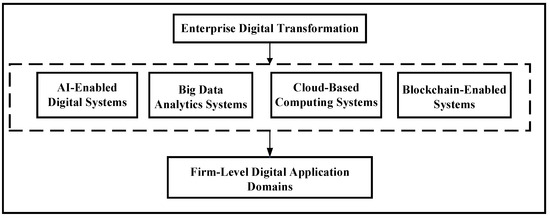
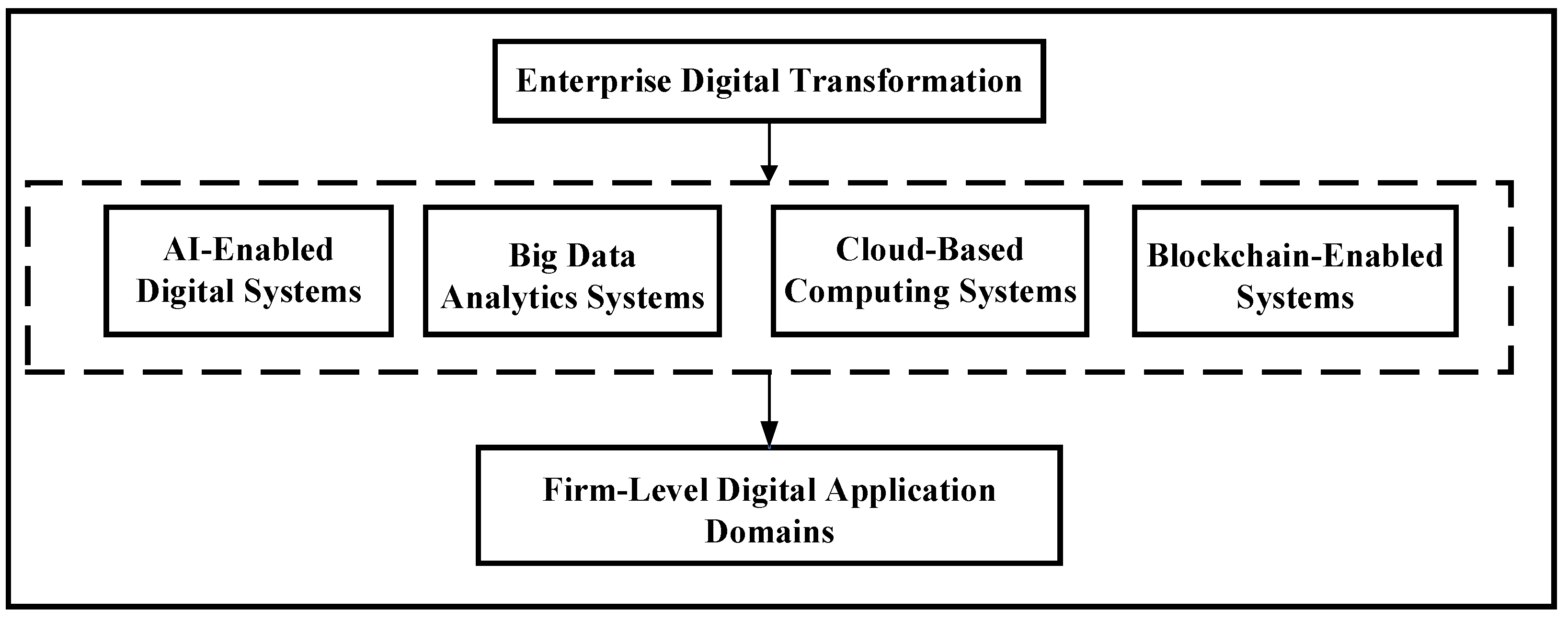
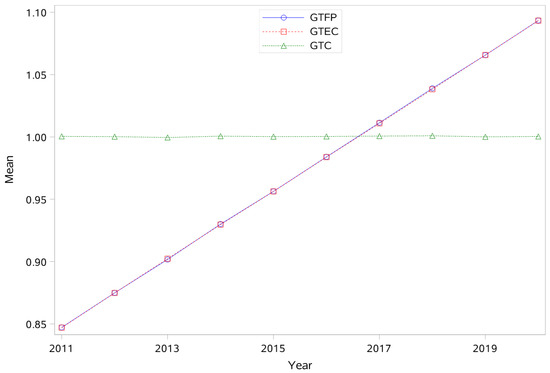
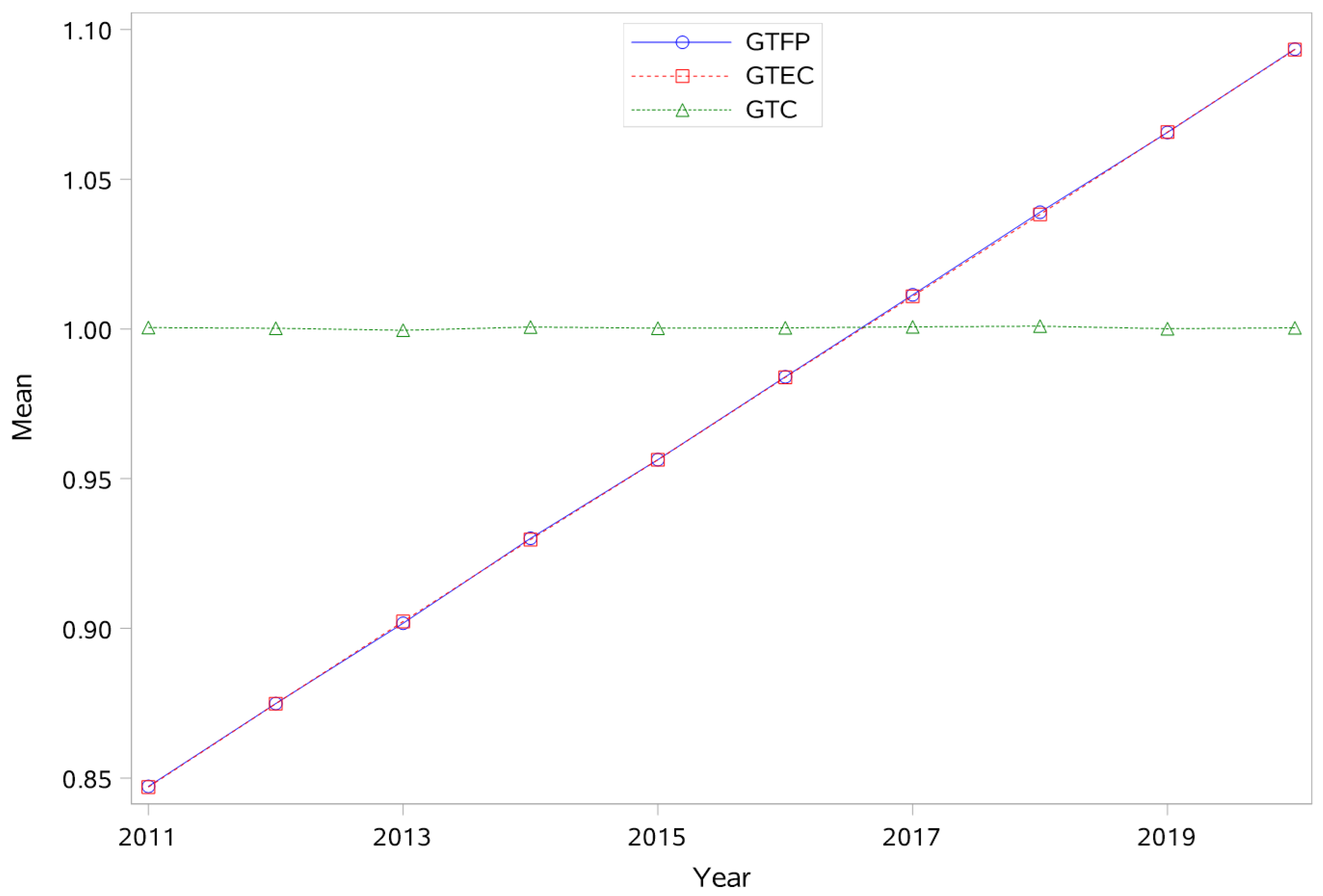
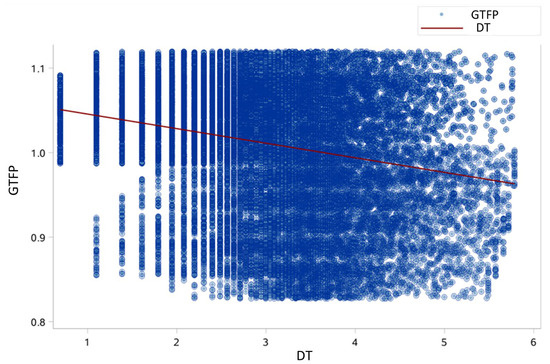
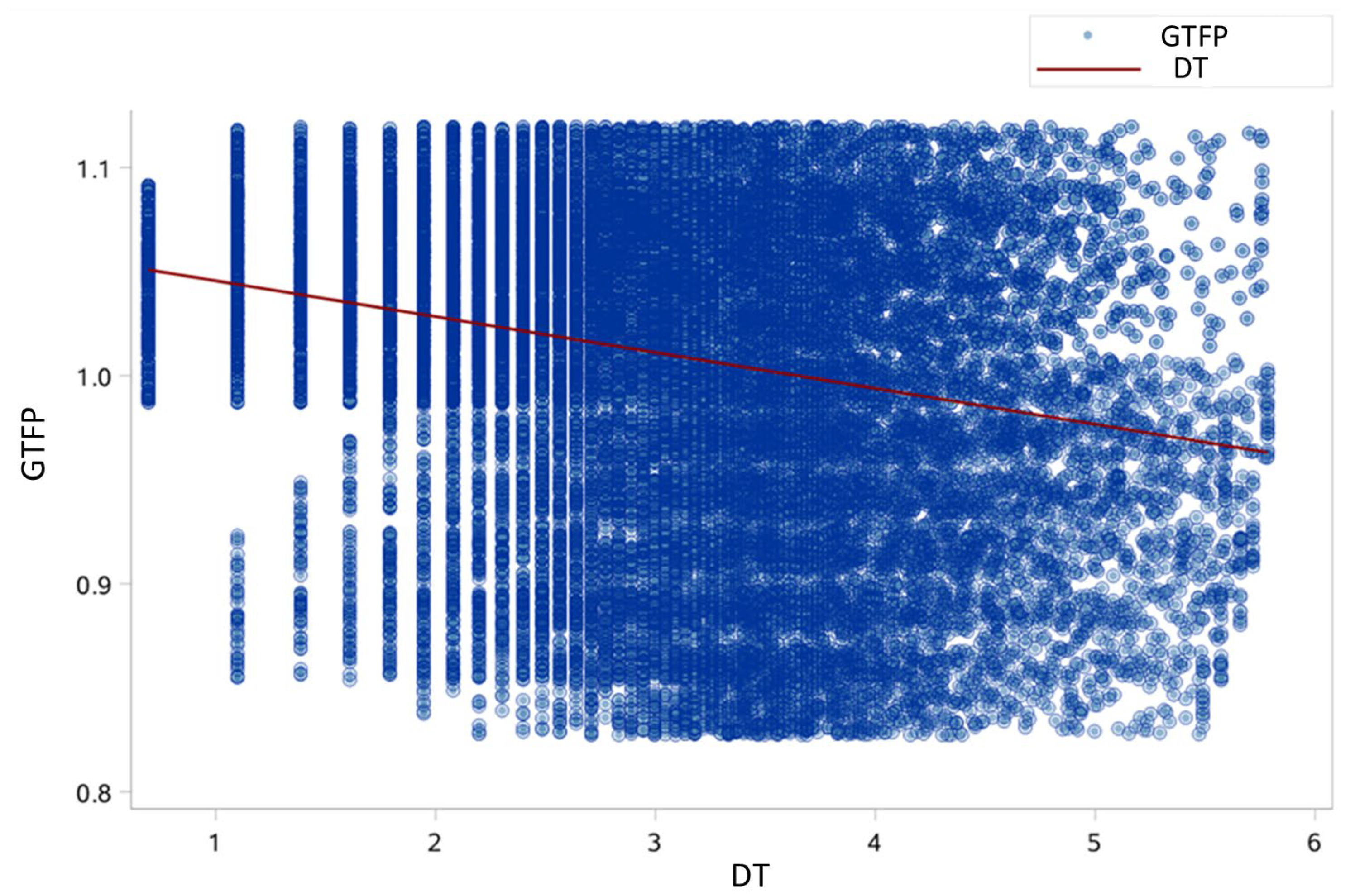
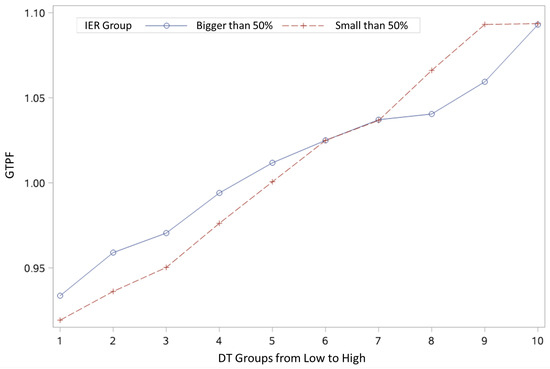
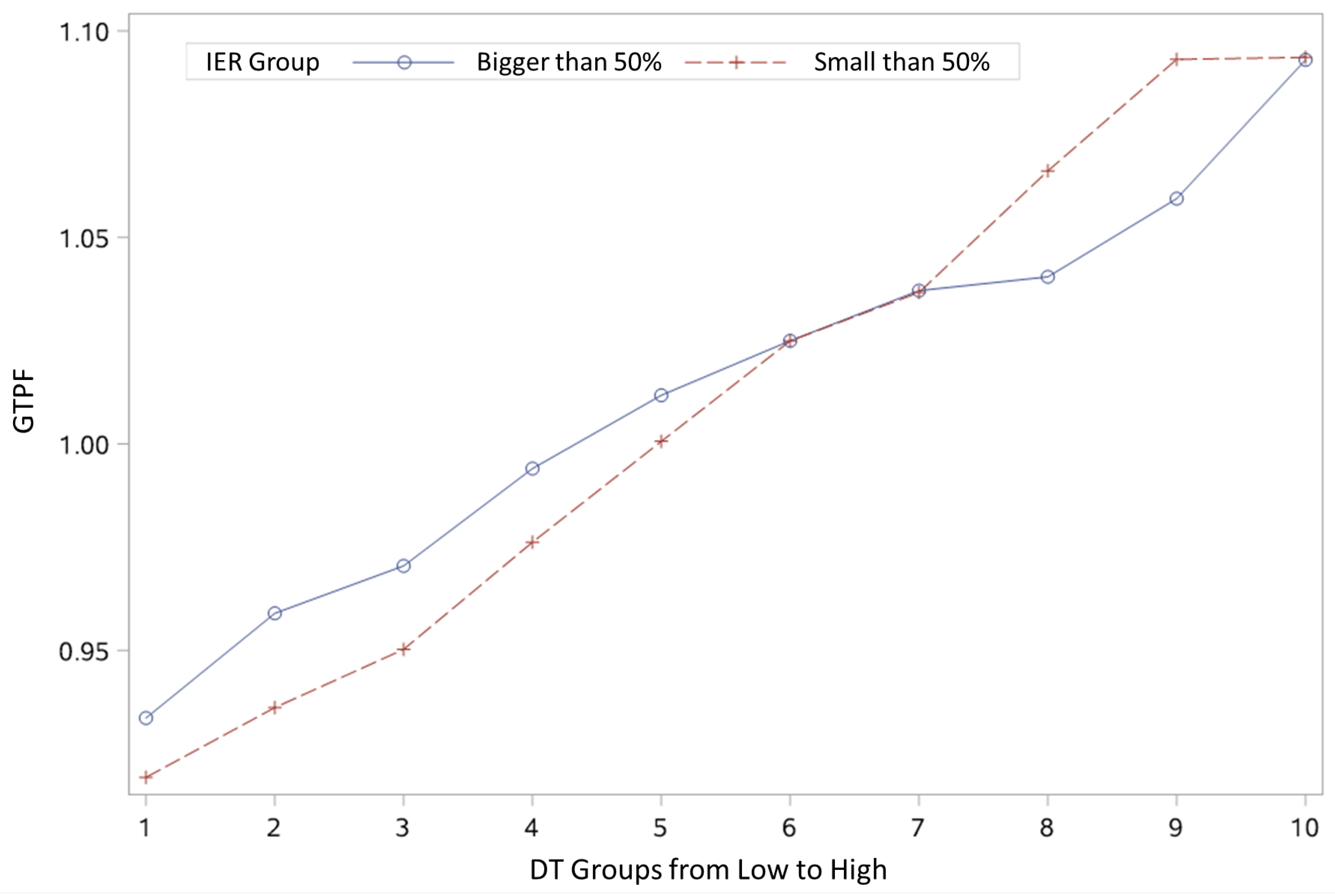

Disclaimer/Publisher’s Note: The statements, opinions and data contained in all publications are solely those of the individual author(s) and contributor(s) and not of MDPI and/or the editor(s). MDPI and/or the editor(s) disclaim responsibility for any injury to people or property resulting from any ideas, methods, instructions or products referred to in the content. |
© 2026 by the authors. Licensee MDPI, Basel, Switzerland. This article is an open access article distributed under the terms and conditions of the Creative Commons Attribution (CC BY) license.