


Abstract
Against the backdrop of global aging, whether the diverse content of elderly care policies can be systematically analyzed and interpreted through a unified theoretical framework remains an open question in gerontology. This study analyzes 2508 elderly care policy documents issued in China from 2000 to 2025 to assess the alignment degree between elderly care policies and the Integrated Theory of Social Gerontology, utilizing Latent Dirichlet Allocation (LDA) topic modeling and a text content alignment degree model constructed based on a normalized co-occurrence algorithm. The findings reveal that all 11 topics extracted from Chinese elderly care policies correspond to the six dimensions of the Integrated Theory of Social Gerontology, with an overall alignment coefficient of 0.689, indicating moderate alignment. This threshold is defined based on domain-specific benchmarks: alignment coefficients ≥0.75 are classified as ‘high alignment’, 0.5–0.74 as ‘moderate alignment’, and <0.5 as ‘low alignment’, consistent with quantitative standards for policy-theory alignment research in gerontology. Four dimensions (public support systems, individual physical/psychological health, economic security, family-cultural traditions) show high alignment, while two (social stratification, historical context) exhibit low alignment, reflecting significant policy coverage asymmetries. Methodologically, this study develops a replicable policy theory alignment model, filling gaps in integrated gerontology policy analytical tools. Empirically, it provides the first large-scale longitudinal analysis of Chinese elderly care policies, illuminating policy design’s theoretical foundations and gaps in structural/historical dimension coverage.
1. Introduction
1.1. Research Background and Problem Statement
Amid the persistent profound adjustments in global population structure, population aging has become a major social challenge that countries worldwide urgently need to address. According to the World Population Prospects released by the United Nations Population Division in July 2024, as of May 2025, the global population aged 60 and above is projected to surpass 1.15 billion, accounting for approximately 15% of the total population. China similarly faces challenges of population aging in this trend. Data from the National Bureau of Statistics indicate that by the end of 2024, China’s population aged 60 and above reached 310 million, representing 22.0% of the total population. In response to the challenges posed by population aging, Chinese governments at all levels have issued a large number of elderly care policies since 2000, which have effectively advanced the continuous development of elderly care services.
As aging is a multidimensional process inherently embedded in the life course, elderly care policies must address multiple domains and constitute a complex policy system. Elderly care policies have consistently been a governmental priority, with policy outputs steadily increasing over time. For example, China has issued more than 2500 elderly care policy documents since 2000. However, a critical question in policy-making practice remains unresolved: can the diverse and complex content of elderly care policies be explained and analyzed within a single theoretical framework? Specifically, how can a research methodology be constructed to assess the alignment between policy texts and aging theories, thereby demonstrating the guiding effect of theory on policy?
Social gerontology constitutes a vital field in elderly care research, and its theoretical frameworks offer potential reference for elderly care policymaking. Among competing theoretical frameworks in gerontology (e.g., life course theory, activity theory), the Integrated Theory of Social Gerontology was selected as the analytical benchmark due to its comprehensiveness—it integrates sociological, psychological, biological, and medical perspectives to cover both horizontal (six core dimensions) and vertical (time/cohort effects) aging mechanisms, which is unmatched by single-domain theories. Its empirical precedent in international elderly care policy analysis [1,2] also ensures the reliability of cross-context application. This study employs text mining methods and constructs an alignment degree measurement model to evaluate the correspondence between elderly care policies and the six dimensions of the Integrated Theory of Social Gerontology.
Based on the identified literature gap and study objectives, three research questions are formulated: (1) To what extent do China’s elderly care policies align with the six dimensions of the Integrated Theory of Social Gerontology? (2) Are there significant asymmetries in alignment across the theory’s dimensions, and if so, what do these asymmetries reflect about policy priorities? (3) How has the alignment between elderly care policies and the theory evolved over the 25-year period (2000–2025)?
Taking Chinese elderly care policy documents issued since 2000 as empirical evidence, the study assesses the theory’s referential value for policy formulation, thereby providing a theoretical tool for elderly care policy analysis. Existing studies have not explicitly identified the specific correspondence between the themes of China’s elderly care policies and the six dimensions of the Integrated Theory of Social Gerontology, resulting in a lack of clear theoretical anchors for policy design and a high risk of imbalanced dimension coverage. This study fills this gap by systematically identifying the mapping relationship between policy themes and theoretical dimensions through LDA topic modeling and an alignment degree model.
1.2. Exploratory Hypotheses
Given the functional and instrumental orientation of Chinese public policies, the following exploratory hypotheses are proposed:
H1:
Dimensions related to concrete service provision will exhibit higher alignment with policies than abstract structural or historical dimensions.
H2:
The overall alignment between policies and the theory will show an upward trend over time, driven by deepening aging challenges and policy system improvement.
To address the above research questions and test the exploratory hypotheses, this study adopts text mining and quantitative alignment modeling methods, as detailed in the following section.
2. Literature Review
2.1. Research on the Integrated Theory of Social Gerontology
Since its emergence in 1960, social gerontology theory has continuously attracted scholarly attention and evolved [3], with its application in policy research demonstrating a significant upward trend [4]. The Integrated Theory of Social Gerontology was first proposed by Alkema et al. [1], driven by both the wave of interdisciplinary research and the deepening of gerontological theory. It forms a comprehensive theoretical framework model from the interdisciplinary perspectives of sociology, psychology, biology, medicine, and other disciplines [5], seeking to integrate various research achievements in social gerontology to comprehensively understand the aging process and its impacts on individuals and society. It has become an important tool for formulating and evaluating elderly care service policies. This theory posits that over time, older adults of a certain age cohort face complex interactive environments formed by different social, political, economic, and cultural forces, influenced by the comprehensive effects of six dimensional factors, constituting a complete framework for explaining aging phenomena.
The six dimensions of this framework explain the complex factors affecting older adult populations, specifically including: (A) the social environment constituted by family structure, intergenerational relationships, religion, and cultural traditions and expectations, which collectively shape the availability of informal support and social expectations [6]; (B) macro- and microeconomic environments encompassing national pension systems and individual wealth accumulation, which are key factors leading to inequality in later life [7]; (C) the construction of formal support networks including public policies, health services, and social support systems [8]; (D) status, power, and social stratification structures based on age, gender, and class [9]; (E) the specific residual historical contexts in which individuals grow up, namely the imprint of “cohort effects” [10]; and (F) individual-level genetic, physiological health, and psychological condition, which together constitute the biological and psychological foundation of successful aging [11]. Simultaneously, one longitudinal dimension, comprising time, accumulated experiences, and historical events, pervades all horizontal dimensions. This dimension emphasizes that aging is a dynamic process, where early advantages and disadvantages accumulate over time, leading to increasing heterogeneity within the older adult population, a mechanism conceptualized as the theory of cumulative advantage/disadvantage [12].
The Integrated Theory of Social Gerontology has been increasingly applied in elderly care policy research, providing an analytical framework for policy evaluation and guidance. Recent studies further confirm this trend: Scholars promoted the concept of healthy aging for application in gerontological health and social care policy and practice, which aligns with the core logic of the Integrated Theory of Social Gerontology in integrating cross-domain factors to address elderly health needs [13,14]. Powell points out that linkages among aging theories, social policies, and social practices remain underexplored, and that an integrative framework is urgently needed to guide policy practice due to the differing foci of various theories [15]. In response to this need, scholars have begun attempting to systematically analyze elderly care policies using comprehensive theoretical frameworks. Walker and Maltby applied a comprehensive theoretical framework encompassing individual, organizational, and societal levels to conduct content analysis of the European Union’s active aging policy texts, arguing that integrating policies across different domains is a prerequisite for embodying the dimensions of comprehensive theory [16]. Seedsman proposed an integrative theoretical framework for analyzing active aging within the context of situational environments and intergenerational relationships, emphasizing that all elderly care policies must undergo regular evaluation to accurately identify their actual impacts on older adults’ lives [17]. Greenfield further proposed a comprehensive theoretical framework for community gerontology at the meso-level, systematically analyzing the bidirectional influence pathways of community environments on micro-level individuals and macro-level society, providing new theoretical tools for promoting community-based elderly care policy research [18]. Torrejon and Martin-Matthews comprehensively analyzed the degree of social inclusion manifested in Chilean elderly care policies from the dual perspectives of formal and informal support [19]. Tohit and Haque argue that policy solutions to reduce the economic burden are important factors in building affordable healthcare systems for older adults, and elderly care policies must promote the integration of technology and healthcare services [20].
A comprehensive review of existing literature reveals that, despite the increasingly prominent role of integrative theory of social gerontology in aging research, significant gaps persist in its application to quantitative analysis of policy texts. First, a critical research gap persists: the multidimensional characteristics implicit in policy texts have not been rigorously identified, and the specific correspondence between policy content and the six dimensions of the Integrated Theory of Social Gerontology remains unclear. This ambiguity weakens the theoretical foundation of policy design and easily leads to omissions or imbalances in policy coverage.
The multidimensional characteristics implicit in policy texts have not been systematically identified, making the theoretical basis for policy design unclear and prone to issues of policy content omission or imbalance. Second, quantitative assessment methods for the alignment degree between elderly care policies and theoretical frameworks have not yet been established. The lack of quantitative basis for policy optimization direction means that the decision-making process is significantly influenced by subjective factors. Third, precise measurements of the alignment between elderly care policies and theoretical frameworks remain unknown. Particularly, systematic, long-term alignment analysis of large-scale elderly care policy texts in China lacks quantitative results, making it difficult to reveal the regular characteristics of policy evolution and affecting the scientific and forward-looking nature of policy adjustments. Therefore, based on the analytical framework of the Integrated Theory of Social Gerontology, it is necessary to design a quantitative model for the alignment degree between policy texts and theoretical dimensions, providing new tools for elderly care policy evaluation and offering empirical evidence for the degree of application of elderly care theory in policy-making practice.
2.2. Research on Elderly Care Policy
In the field of elderly care policy research, text analysis methods have become an important approach for understanding policy evolution patterns and identifying policy priorities. In this field, early studies primarily employed descriptive methods such as bibliometrics and thematic induction to reveal policy hotspots. For example, Wu et al. used bibliometric analysis to examine elderly care policy research papers published by Chinese scholars from 2005 to 2016, summarizing five major research themes: pension system reform, elderly care service systems, pension issues for landless farmers and migrant workers, rural residents’ pension security, and urban pension insurance and pension benefit issues [21]. With the rapid growth in the number of policies, content analysis directly targeting policy texts has gradually emerged. Nan conducted bibliometric analysis of Chinese aging policies from 1978 to 2019, finding that policy numbers increased rapidly since 2000, with policy priorities concentrated in three areas: elderly care service system construction, healthy aging, and elderly care service quality [22]. Zhao et al. further divided Chinese elderly care policies into four development stages, identifying policy thematic characteristics of each stage through attribute analysis and text clustering methods [23]. Liu employed TF-IDF text mining technology to analyze Chinese elderly care policies from 2018 to 2022, discovering four key characteristics: integration of elderly care with epidemic prevention, gradual emphasis on comprehensive care, continuous innovation in social security financial services, and smart elderly care as a long-term priority [24]. Recent advances in TF-IDF application further validate text mining’s value: Liu et al. used TF-IDF to analyze national elderly care policies (2018–2022) and identified transformative trends in smart elderly care—this study builds on such methods by combining LDA with a normalized co-occurrence algorithm to link policy themes to theoretical dimensions [25]. Although these studies revealed the evolution trajectory and content characteristics of policy texts, they were not conducted based on elderly care theory or policy analysis frameworks, merely summarizing from the surface characteristics of policy texts without establishing connections between policy analysis and theory.
In recent years, some scholars have begun attempting to introduce policy instruments and elderly care theory to conduct structured analysis of elderly care policy texts, marking an important methodological turn in this field. For example, Li et al., based on Rothwell’s classification of policy instruments, analyzed the evolutionary characteristics of Chinese elderly care policy texts across different stages from three dimensions: supply-side instruments, demand-side instruments, and environmental instruments [26]. However, although this study adopted a policy instrument theoretical framework, it did not provide deep interpretation of policy content from an elderly care theoretical perspective. Yang et al. conducted theoretical expansion on this foundation, combining Rothwell’s policy instrument theory with Maslow’s hierarchy of needs theory to analyze Chinese smart elderly care policies, finding a shortage of demand-oriented policy instruments, with policies more focused on meeting lower-level physiological and safety needs, while the degree of response to higher-level needs requires improvement [27]. Mao et al. adopted a similar research approach, replacing Maslow’s hierarchy of needs theory with ERG theory (existence, relatedness, growth), constructing a two-dimensional analytical framework for comparative research on Chinese and other countries’ elderly care policy texts [28].
The latest research trends show that scholars have begun adopting more comprehensive and multidimensional theoretical frameworks to analyze elderly care policies. Koosha et al. point out that challenges related to aging involve all aspects of social health, requiring the formulation and implementation of comprehensive, coordinated policies. Therefore, they adopt a comprehensive framework of life course theory and role theory for analysis, pointing out the necessity of evaluating elderly care policy effects and emphasizing meeting the diverse needs of older adults at personal, family, and social levels [29]. Henderson conducted an integrated analysis of elderly care policies from multilevel perspectives including physiological, psychological, and socioeconomic status dimensions, arguing that future policies should prioritize the development of age-friendly social networking services and age-inclusive environmental design, reflecting further expansion and deepening of research perspectives [30]. These studies indicate that integrating multiple theoretical perspectives into elderly care policy text analysis has become an emerging trend. However, existing research has not yet applied integrated theories of social gerontology to conduct quantitative analysis of large-scale policy texts, and the theoretical foundation for elderly care policy analysis remains unclear.
3. Materials and Methods
To accurately identify the core themes within elderly care policies, this study employs the Latent Dirichlet Allocation (LDA) topic model to conduct text mining on 2508 policy documents. Text mining has become a mature tool in elderly care policy analysis: Chen used text mining to explore the sustainability of China’s integrated elderly care and medical services policies from the perspective of policy tools, demonstrating that computational methods can effectively reveal core patterns related to policy design and sustainability [31]. LDA topic modeling, leveraging computational efficiency, can identify latent thematic structures within policy texts, thereby providing a robust foundation for subsequent in-depth analysis. LDA is currently a widely used topic model and is capable of integrating high-dimensional words in elderly care policy texts into low-dimensional topics through dimensionality reduction. It effectively captures textual semantic information and enables rational classification of elderly care policy texts. This helps researchers accurately define core issues and conduct in-depth analysis of various influencing factors amid massive amounts of elderly care policy texts. When exploring the alignment between the Integrated Theory of Social Gerontology and China’s elderly care policies, this study adopts an integrated quantitative and qualitative content analysis method. The theory consists of 6 horizontal dimensions and 1 vertical dimension, as detailed in the table below (Table 1).
Table 1.
Dimension content table.
First, preprocessing was conducted on the 2508 central and local elderly care service policy texts, which involved removing irrelevant text. Based on the concept of the TF-IDF algorithm, word segmentation was performed using Jieba Tokenizer, and automated analysis was realized through programming in Pycharm to initially obtain the top 100 words for each dimension. Next, high-frequency words with limited analytical value—such as “notice” and “strengthen”—were eliminated, and valid keywords were manually selected. Considering potential semantic deviations in the Chinese translation of the theory, to optimize the keyword system, three synonyms with close semantic relevance and matching part-of-speech were supplemented for each keyword, based on the Extended Version of the Synonym Thesaurus developed by the Research Center for Social Computing and Information Retrieval of Harbin Institute of Technology. Finally, weights were assigned to the keywords using the normalization method, and the overall alignment value between the theory and China’s elderly care policies was calculated. Descriptive analysis of the results was then conducted to reveal the degree of closeness of the inherent connection between the two.
3.1. Data and Sample
Based on the significant social significance of elderly care issues and the research value of policy texts, this study selects elderly care-related policy documents issued by China’s central and local government departments between 2000 and 2025 for quantitative analysis. Policy papers were methodically obtained from the PKULaw Database for this investigation. It concentrated on the 31 administrative regions at the provincial level, as well as national organizations such as the State Council and the National People’s Congress. Among the terms used in the search were “elderly care”, “elderly”, “elderly care security”, “silver-haired”, and “silver-aged”.
Explicit inclusion/exclusion criteria were applied during manual screening: (1) Formal policy documents (notices, regulations, opinions) issued by government departments with clear elderly care objectives were included; (2) News releases, academic papers, and documents focusing solely on medical treatment without elderly care relevance were excluded. Two researchers independently screened 500 randomly selected documents, with an inter-rater reliability of Cohen’s kappa = 0.82, indicating high consistency. After full screening, 2508 valid policy samples were retained.
The temporal distribution of valid samples across the 25-year span is shown in Figure 1, reflecting the phased characteristics of policy release. The content of these policy texts covers multiple key dimensions, including the construction of the elderly care service system and the improvement of the elderly care security system, providing a reliable data foundation for in-depth research on the development and evolution of China’s elderly care policies. A limitation of this study is that the PKULaw Database may not fully capture municipal-level policies, potentially skewing results toward national/provincial priorities and underrepresenting grassroots initiatives.
Figure 1.
Temporal distribution of elderly care policy samples (2000–2025).
3.2. Theme Induction of Elderly Care Policy Texts Based on the LDA Topic Model
First, the LDA model is used to extract an appropriate number of topic words from elderly care policy texts, aiming to induce the themes contained in these policies. The analysis process of the LDA model is as follows: data preprocessing, training the LDA topic model, establishing a topic-lexicon matrix. The LDA modeling and analysis are completed using Pycharm 2023.2 software.
3.2.1. Preprocessing of Policy Text Data
First, the corpus of 2508 elderly care policy texts underwent preprocessing. Word segmentation was conducted using Jieba. To avoid irrelevant noise words in the segmentation results, multiple mainstream Chinese stopword lists were combined, and custom stopwords were added to remove specific invalid terms in the policy texts, such as “trial implementation” and “shall come into force as of a date”. Meanwhile, regular expressions were used to filter out expressions like “Article X/Chapter X/Section X/Part X” as well as words consisting purely of numbers or English. In addition, a custom replacement dictionary was employed to simplify long terms into more representative short ones. After operations including word segmentation, stopword removal, filtering of invalid words, and term replacement, the statistical results of some high-frequency words obtained are shown in Table 2.
Table 2.
Statistics of high-frequency words in elderly care policies (partial).
3.2.2. Analysis of the LDA Topic Model
Determining the optimal number of topics is critical for both the explanatory power and the statistical fit of the LDA model. In this study, for the elderly care policy texts, the appropriate number of topics was determined using the perplexity index and the pyLDAvis package. Perplexity is used to measure the degree of fit of the model to the elderly care policy text data. The lower its value, the higher the predictive accuracy of the model for the themes of policy texts, and the better the model performance. The calculation formula is as follows:
Among them, represents the total number of words in the m-th elderly care policy text, and denotes the probability of each word appearing in the P-th elderly care policy text.
In practical operation, perplexity is calculated using Python. When the perplexity curve drops to its minimum value, visual analysis is conducted with the pyLDAvis 3.4.1 package. The LDA model was implemented using the gensim library in Python, with hyperparameters set as α = 0.1 (topic concentration) and β = 0.01 (word concentration), following standard settings for policy text analysis [24]. The model converged when the relative change in perplexity was <1 × 10⁻⁴ after 1000 iterations. To validate the 11-topic solution beyond visual inspection, Cao Juan coherence scores were calculated, yielding a score of 0.68—values > 0.5 indicate acceptable thematic coherence. Theoretically, for point A at the inflection point, if the difference in perplexity between point A and the previous point is extremely large, while the difference between point A and the subsequent point is extremely small, the number of topics corresponding to point A is the optimal number of topics (K). In this process, if the boundaries between clusters in the clustering result graph are clear, it indicates an ideal clustering effect. Moreover, the changing trend of perplexity and the results of visual analysis mutually corroborate each other, which shows that the determined number of topics can effectively reflect the thematic structure of the elderly care policy texts.
3.3. Alignment Analysis Between Elderly Care Policies and the Integrated Theory of Social Gerontology
3.3.1. Research Method
Since the Integrated Theory of Social Gerontology originates from foreign literature, semantic deviations and conceptual ambiguities in the Chinese translation process are unavoidable, leading to limitations in the accuracy of the 88 keywords obtained through word segmentation. This study extracts the co-occurrence of words in six dimensions from 2508 central and local elderly care service policy texts, assigns weights to them, and calculates the alignment value. To optimize the keyword system and improve research validity, based on the Extended Version of the Synonym Thesaurus developed by the Research Center for Social Computing and Information Retrieval of Harbin Institute of Technology (HIT), three synonyms with close semantic relevance and matching parts of speech are selected for each keyword to conduct supplementary extraction. To further improve keyword accuracy and mitigate translation-induced semantic deviations, we implemented a three-step quality control process: (1) After synonym extension, two researchers independently screened the expanded keyword list, conducting cross-validation to exclude terms with significant semantic deviations from the original theoretical connotations. (2) A custom stopword list (containing 120 domain-specific terms such as ‘notice’ and ‘promote’) was constructed, and high-frequency functional words in policy texts were filtered out via Python scripting to avoid interference. (3) Manual review of Top-100 candidate keywords per dimension was conducted, retaining only those highly consistent with the core connotations of each theoretical dimension, resulting in 32, 35, 38, 28, 22, and 30 valid keywords for Dimensions A-F, respectively. All three authors participated in manual keyword curation, and inter-rater agreement was assessed using Cohen’s kappa for each dimension. The average kappa coefficient across dimensions was 0.79, confirming acceptable consistency in keyword selection. This multi-step process effectively enhances the reliability of keyword extraction and the overall validity of the study. The specific partial keywords and their expanded synonyms are shown in Table 3 below.
Table 3.
Synonym expansion Table (partial).
Given that policy texts often lack explicit keywords, this study proposes a novel keyword extraction model based on a co-occurrence algorithm and normalization processing. First, the study performs data cleaning on 2508 central and local policy texts to construct an effective corpus. Then, it adopts the idea of the TF-IDF weight model combined with the Jieba word segmentation tool to realize text vectorization and develops an automated processing script using PyCharm. After the algorithm generates Top-100 candidate keywords by dimension (with fewer extractions for Dimension E due to the particularity of its content), it filters out high-frequency functional words in the policy field such as “notice” and “promote” by expanding the stopword list. Through manual verification, core keywords with clear policy orientation are retained. Finally, a dimension–keyword correlation matrix is constructed to complete the alignment calculation (Table 4). This method effectively improves the accuracy of keyword extraction while maintaining the semantic integrity of policies.
Table 4.
Filtered co-occurrence matrix (partial).
3.3.2. Calculation Process
Since the number of remaining keywords after screening varies across different dimensions, normalization of co-occurrence frequency and weight normalization are adopted to calculate the alignment degree of each dimension. This normalization scheme was selected over alternatives because it effectively eliminates scale biases from unequal keyword counts while preserving the relative co-occurrence intensity between dimensions. A sensitivity analysis was conducted by applying proportional allocation normalization, and the results (shown in Table 5) demonstrated a Pearson correlation coefficient of 0.92 (p < 0.001) with the original alignment values. This high consistency confirms that the alignment measurement results are not affected by the choice of normalization scheme, verifying the robustness of the proposed method. Different weights are then assigned to compute the overall alignment degree between the Integrated Theory of Social Gerontology and elderly care policies.
Table 5.
Sensitivity analysis results of normalization methods.
- (1)
- Steps of Co-occurrence Frequency Calculation via Normalization Method:
Perform word segmentation for each dimension, count the number of segmented words in each dimension and the number of keywords in each dimension, and determine the new co-occurrence value of each keyword:
Here, x represents the co-occurrence frequency in the combination of a certain dimension and policy keywords; m represents the number of keywords in the theoretical dimension; n represents the number of policy keywords. Wᵢⱼ denotes the keyword in the j-th row of the i-th dimension.
- (2)
- Steps of Co-occurrence Frequency Calculation via Normalization Method
Count the original weight of each keyword under each dimension:
Here, a j-th row of the i-th dimension, u represents the sum of co-occurrence counts of all keywords, and represents the sum of co-occurrence counts of keywords in the dimension where the keyword is located.
- (3)
- Sum up the keyword weights to obtain the total weight of each dimension:
Here, j refers to the last row of the column corresponding to the dimension.
- (4)
- The new weight of each keyword under each dimension is as follows:
- (5)
- Calculate the alignment degree of each dimension:
Here, j refers to the last row of the column corresponding to the dimension.
The overall alignment degree is the product of the value of each dimension and its corresponding weight:
Here, i refers to the number of dimensions, and j refers to the last row of the column corresponding to the dimension.
Through the calculation logic of the aforementioned normalization processing and weight assignment, the resulting overall alignment degree value has a value range of 0 to 1. The closer the value is to 1, the higher the degree of alignment between elderly care policies and the Integrated Theory of Social Gerontology. The alignment degree model developed in this study provides a repeatable and verifiable quantitative tool for evaluating policy-theory alignment, addressing the subjectivity of policy optimization decisions in previous studies. The alignment degree values (ranging from 0 to 1) calculated through Formulas (2)–(7) accurately reflect the coverage of each theoretical dimension in policy texts. For large-scale policy texts (2508 documents in this study), the model enables objective measurement of alignment trends over time, revealing the evolutionary characteristics of policies and enhancing the scientificity and forward-looking nature of policy adjustments. Notably, Dimension E (historical context) yielded a near-zero alignment coefficient (0.0043) with only 2 co-occurrences. This reflects a potential limitation of the keyword co-occurrence method: historical narratives and cohort-specific reasoning in policies are often embedded in narrative form rather than explicit keywords, reducing the model’s sensitivity to such abstract domains. Future studies could employ semantic embedding techniques to capture thematic presence beyond literal keyword matching.
4. Results
4.1. Distribution Results of Elderly Care Policies
The annual number of elderly care policies issued between 2000 and 2025 exhibited a fluctuating trend, rather than a consistent upward or downward trajectory. The period 2000–2005 was a phase of initial fluctuation and adjustment: there were 22 policies in 2000, which dropped to 14 in 2001, surged significantly to 120 in 2002, and later fell back to a low range of 35 to 53 from 2003 to 2005. This trend stemmed from the construction and partial optimization of policies during the exploration period. From 2006 to 2013, the number of policies maintained stable fluctuation with an upward tendency, varying between 71 and 126. Driven by deepening population aging and diversified elderly care needs, policies were continuously improved in various aspects related to elderly care. The period 2014–2019 witnessed rapid growth and high-level fluctuations in the number of policies: it reached a peak of 175 in 2014 and then fluctuated at high levels of 129 to 172. This was a result of responding to the pressure of population aging and conducting comprehensive upgrading of elderly care policies. From 2020 to 2025, the number of policies showed a gradual decline and adjustment. After the improvement of the policy system, the focus shifted to policy implementation and efficiency enhancement, leading to a reduction in the demand for formulating new policies. Notably, 2014 saw a peak in the number of policies, mainly due to the comprehensive upgrading of the elderly care policy system.
In general, the trend in the volume of elderly care policies from 2000 to 2025 closely corresponds to the evolving stages of elderly care initiatives and the pressing need to address societal aging. From exploration and construction to comprehensive improvement, and then to focusing on implementation, the pace of policy release is dynamically adjusted in response to development needs (Figure 2). This reflects the process in which the elderly care policy system has gradually evolved from quantitative accumulation to qualitative improvement.
Figure 2.
Trend chart of the number of central and local policies (2000–2025). Note: Error bars are not included as the data represent the complete count of valid policy documents in each year, with no sampling uncertainty.
4.2. LDA Establishment of Topic-Vocabulary Matrix Results
The eleven core themes identified through LDA topic modeling demonstrate strong interconnections and align logically with Dimensions A through F (family culture, economic resources, social support, social structure, historical context, and individual characteristics). This relationship reflects the multi-dimensional collaborative characteristics of elderly care policy texts in practical institutional arrangements, not only focusing on macro-level adjustments to economic and social structures but also responding to micro-level family culture and individual needs. The specific connotations of each theme and their associations with the dimensions are shown in the table below (Table 6).
Table 6.
“Topic-Vocabulary” matrix of elderly care policies.
An analysis of the associations between policy themes and theoretical dimensions reveals that Dimension B is linked to the highest number of core themes (six), all of which pertain to resource allocation, management, investment, or compensation. This underscores the fundamental and frequently addressed nature of economic factors within the policies. Dimension C is associated with 5 core themes, focusing on support network construction, regulatory support mechanisms, and service support integration, forming a tight and diversified associative network. Dimension A (traditional elderly care concepts) links 2 core themes, with policy design implicitly incorporating considerations of traditional elderly care culture (e.g., continuation of home-based care and response to family caregiving), thus forming a fundamental associative bond. Dimension D (policy implementation structure) is connected to 2 core themes, involving the supervision of the service institution industry structure and the implementation of rural grassroots governance policies, reflecting a specific associative orientation. Dimension E (policy path continuity) relates to 2 core themes, where institutional design and practice continue past governance logics, implying historical path dependence. Dimension F (precision adaptation) is associated with 2 core themes, focusing on the needs of special groups and the composite needs of the elderly, highlighting targeted associations.
In terms of the number of dimensions linked to individual themes, there are differences in the coverage breadth of dimensions across themes: The theme of social support and security for special elderly groups is associated with 3 dimensions, including core dimensions such as resource allocation and support networks, as well as auxiliary dimensions like individual needs adaptation, requiring multi-dimensional coordinated advancement. The remaining 10 themes each connect to 2 dimensions; although their coverage breadth is limited, each encompasses a key combination of policy implementation dimensions, forming a dimension support system tailored to their specific needs. This indicates that themes linked to more dimensions require the integration of diverse policy elements, featuring stronger comprehensiveness and complexity in the layout of elderly care policies.
In summary, the 11 core themes and 6 analytical dimensions form a clear associative pattern: Dimensions B and C serve as core associative dimensions (linked to 6 and 5 themes respectively), highlighting their pivotal roles in the policy system. Dimensions A, D, E, and F act as auxiliary associative dimensions (each connected to 2 themes), with each focusing on distinct themes—Dimension A is associated with rural-related and multi-service provision themes; Dimensions D and E link to institutional supervision and rural policy implementation themes; Dimension F connects to special group security and service integration themes. This reflects the policy’s balance between core needs, cultural inheritance, structural adaptation, historical continuity, and individual differences. Meanwhile, variations in the number of dimensions linked to each theme enrich the hierarchical structure of the pattern: Themes associated with 3 dimensions demonstrate stronger multi-dimensional coordination, while those linked to 2 dimensions form targeted combinations of dimension support. This quantitative associative pattern not only presents the surface correspondence between dimensions and themes but also reflects the key orientations and comprehensive layout of multi-dimensional coordination in elderly care policies, providing intuitive statistical evidence for understanding the characteristics of policy dimension coverage (Figure 3).
Figure 3.
LDA Topic-Dimension Relationship Network Diagram.
4.3. Alignment Degree Between Policies and the Theory
According to the above normalization formula, the alignment degree values for each level and the six dimensions after weight assignment, as well as the total alignment degree, are shown in Table 7:
Table 7.
Elderly Care Policy Alignment Degree.
The overall alignment between Chinese elderly care policies and the Integrated Theory of Social Gerontology is 0.689, indicating moderate alignment. This reflects that policies largely cover the theory’s core concerns but lack balanced coverage across dimensions (Table 7).
Highly aligned dimensions: Dimension C (public support systems, 0.7845) exhibits the highest alignment, reflecting policy prioritization of government-led service system construction (e.g., community care facilities, medical-care integration). Moderately aligned dimensions: Dimensions F (individual health, 0.7407), B (economic security, 0.7272), and A (family-cultural traditions, 0.7112) show strong correspondence, indicating policies effectively address basic needs (health, economic stability) and cultural norms (home-based care). Low-aligned dimensions: The persistent low alignment of Dimensions D (social stratification, 0.2130) and E (historical context, 0.0043) is not merely an empirical outcome but a reflection of structural limitations in policy design. China’s universalistic elderly care policy frameworks prioritize broad service coverage and operability, leading to insufficient targeted interventions for socially stratified groups (e.g., rural vs. urban elderly, low-income elderly women) or cohort-specific historical experiences. This structural bias risks reproducing early-life inequalities in later life, as disadvantaged groups in social stratification and cohort contexts fail to receive differentiated care support. A key pattern emerges: alignment is positively correlated with policy operability—concrete, service-oriented dimensions (C, F, B, A) outperform abstract, structural/historical dimensions (D, E).
The alignment degree exhibits a significant polarization pattern: service- and institution-oriented dimensions (C, F, B, A) all exceed 0.7, with Dimension C (public support systems) leading at 0.7845—reflecting the government’s long-term priority on building formal elderly care service networks. In sharp contrast, structural/historical dimensions (D, E) remain below 0.2, with Dimension E (historical context) near zero. This 0.7+ vs. <0.2 gap reveals a core tension in policy design: actionable service provision is prioritized over addressing deep-rooted structural inequality and cohort-specific historical imprints.
The 95% confidence intervals (CIs) were calculated for each dimension’s alignment coefficient using bootstrapping (1000 iterations): Dimension C (0.752–0.817), Dimension F (0.708–0.773), Dimension B (0.694–0.760), Dimension A (0.679–0.743), Dimension D (0.181–0.245), Dimension E (0.000–0.012). Independent samples t-tests revealed that the difference between Dimension C (0.7845) and Dimension F (0.7407) was not statistically significant (t = 1.23, p = 0.28), suggesting their alignment levels are comparable despite minor numerical differences. In contrast, highly aligned dimensions (A/B/C/F) differed significantly from low-aligned dimensions (D/E) (all p < 0.001), confirming the robustness of the polarization pattern.
4.4. Temporal Trajectory of Alignment Degree
To explore whether alignment patterns have shifted over time, this study divided the 25-year period into four phases and calculated the overall alignment degree and dimension-specific alignment for each phase. The results show that the overall alignment degree presents an “optimization-then-stabilization” trend (0.521→0.713→0.698), reflecting policy learning in service provision while structural/historical gaps persist due to institutional design limitations.
Notably, Dimension D (social structure) shows a modest upward trend (0.124→0.241→0.238), which closely correlates with China’s national strategy of poverty alleviation (2013–2020) and common prosperity (proposed in 2021) post-2014—these policies implicitly address urban–rural care resource gaps and social equity issues, driving the gradual improvement of alignment in this dimension.
In contrast, Dimension E (historical context) remained consistently low across all phases (≤0.008), indicating no substantive response to cohort-specific needs—for example, the unique pension accumulation gaps of elderly groups who experienced the planned economy era, or the differentiated care demands of baby boomers versus post-war cohorts. This temporal trajectory reveals that Chinese elderly care policies have achieved effective learning in high-priority, operable dimensions, while persistent gaps in abstract structural/historical domains reflect the constraints of universalistic policy design (Table 8).
Table 8.
Temporal trajectory of alignment degree by dimension (2000–2025).
5. Discussion
A moderately high degree of alignment exists between elderly care policies and integrated theories of social gerontology. This can be primarily attributed to the fact that China has issued a substantial volume of elderly care policies since 2000, with the number of policies reaching as many as 2500, covering various aspects of elderly care services. This is evidenced by the corresponding relationships established between the six theoretical dimensions and the eleven elderly care policy themes. These findings resonate with Powell’s argument that aging theories, social policies, and social practices need to establish closer connections [15], confirming the validity of integrated theoretical frameworks in policy analysis, and echo the perspective advocated by Koosha et al. that addressing aging challenges requires the formulation of comprehensive and coordinated policies [29]. Furthermore, it is consistent with Nan et al.’s observation regarding the expanding scope and diversifying priorities of Chinese aging policies [22].
5.1. Highly Aligned Dimension
Elderly care policies demonstrate the highest degree of alignment with Dimension C. Dimension C’s highest alignment (0.7845) is closely tied to China’s state-led welfare model—policies such as the ‘Healthy China 2030’ initiative and ‘basic elderly care service list’ prioritize building public support systems, reflecting the government’s focus on addressing immediate care needs through administrative resource mobilization, a core characteristic of Chinese elderly care governance. This reflects the state’s commitment to addressing aging challenges through administrative mechanisms and resource mobilization capacities, and the policy formulation logic closely aligns with the theoretical assumptions regarding formal support systems in integrated theories of social gerontology.
Since 2000, the Chinese government has attached great importance to elderly care service system construction, promoting the transformation of the elderly care sector from passive response to proactive planning. A series of policy documents have been successively issued, including elderly care service facility construction standards, basic elderly care service lists, and community day care centers. Policy priorities have focused on constructing a multilevel elderly care service system coordinating home, community, and institutional care, integrating medical and health care, forming the most prominent characteristic of Chinese elderly care policies.
5.2. Moderately Aligned Dimensions
5.2.1. Dimension F
The moderate alignment of Dimension F demonstrates that Chinese elderly care policies align with the profound recognition that the essence of aging involves physiological and psychological changes in people. Therefore, elderly care policies have paid considerable attention to chronic disease management, disability care, spiritual care, and other aspects of older adults’ physical and mental health, reflecting the prominent position of the healthy aging strategy in policy texts.
One of the core concerns of modern elderly care policies is the health and well-being of older adults. Since the release of the “Healthy China 2030” planning outline in 2016, older adults’ physiological and mental health have been incorporated into the policy priority agenda. Therefore, content related to older adults’ health management, chronic disease prevention and control, mental health services, cognitive impairment intervention, and disability and dementia care has gradually increased in policy texts, with intensive issuance of policies on integrating medical and health care, geriatric medicine development, and older adults’ psychological care. However, while policies can provide universal health services through national programs, they find it difficult to provide targeted health and medical services for individualized genetic factors. Meanwhile, elderly care policies tend to focus more on physical health, with relatively weak psychological support. Therefore, the alignment degree of this dimension has not reached the highest level.
5.2.2. Dimension B
The moderate alignment of Dimension B indicates that Chinese elderly care policies fully embody the decisive role of economic resource allocation in older adults’ quality of life, viewing economic factors as the core driving force for elderly care sustainability. Elderly care policies focus on older adults’ economic security, with considerable content on pension insurance systems, elderly welfare subsidies, financial support, and elderly care industry economic development. This is consistent with Tohit and Haque’s assertion that reducing economic burden is a key factor in building affordable healthcare systems [20].
Economic security is another core issue in elderly care. Driven by policies, China has established a multi-tiered pension insurance system, including basic pension insurance, enterprise annuities, and individual pension accounts [32]. Policies help older adults cope with inflation and asset depreciation risks by adjusting pension levels and investment mechanisms, directly impacting individual asset accumulation at the micro level. Policies also emphasize elderly care industry development, considering the macro-economic environment’s impact on elderly care. The alignment degree of this dimension has not reached the highest level because the micro-asset dimension in policies tends more toward collective security rather than micro-level personalized asset optimization, particularly with relatively less policy content on urban–rural gaps and individual asset inequality.
5.2.3. Dimension A
The primary reason for Dimension A’s moderate alignment is that China’s elderly care system is profoundly influenced by Confucian cultural traditions, positioning family-based elderly care as the primary model. This partially aligns with Greenfield et al.’s theoretical perspective emphasizing the influence of community environments and informal support on individual aging [18]. Chinese elderly care policies highly value the core role of family, culture, and other informal support in elderly care, closely aligning with traditional cultural concepts of “filial piety” and family support, resulting in high-frequency expressions in policy texts regarding family and cultural norms.
Currently, over 90% of Chinese families choose home-based elderly care. Therefore, policy texts have formulated considerable content on family support responsibilities, intergenerational support, inheritance of filial piety culture, family caregiver support, and age-friendly community construction. However, in the socialized elderly care service system based on home, supported by community, and supplemented by institutions, family-based elderly care is not the only aspect of policy concern. Additionally, the weakening of religious and cultural influences in policies may be why Dimension A’s alignment degree is slightly lower than Dimension C.
5.3. Low-Alignment Dimensions
5.3.1. Dimension D
The low alignment with Dimension D indicates that the policy texts seldom directly address disparities in power, status, and access to resources arising from factors such as age, gender, and class. This deviates from Seedsman’s emphasis on the necessity of evaluating policies’ actual impacts on older adults’ lives [17] and also means that policies lack sufficient structural sensitivity when addressing diverse needs at personal, family, and social levels as pointed out by Koosha et al. [29]. China’s low alignment in Dimension D (social stratification) reflects a global tendency identified by Walker et al. prioritizing tangible service outputs over addressing deep-seated structural inequalities [16]. Consistent with Torrejon et al.’s analysis of social inclusion in elderly care policies, China’s urban–rural dual structure and household registration system further entrench this gap: rural elderly face systemic barriers to equitable care resource access, an issue rooted in structural divides that transcend individual policy measures [19]. This neglect risks reinforcing cumulative disadvantages in later life, contradicting the core tenets of the Integrated Theory of Social Gerontology proposed by Alkema et al. which emphasizes the interplay between social structure and aging outcomes [1], as well as Dannefer’s cumulative advantage/disadvantage theory that highlights addressing structural inequities for equitable aging [12].
Specifically, Dimension D (social structure) exhibits critically low alignment (0.2130), indicating a systemic neglect of social stratification, power disparities, and unequal resource access tied to age, gender, and class in elderly care policies. This pattern aligns with a broader international tendency to prioritize measurable service outputs over complex structural equity. Recent comparative and empirical studies have corroborated this trend: Zhao and Qu, drawing on evidence from China’s economic zones, found that although place-based policies have promoted rural employment, they have not resolved the inherent urban–rural structural divide in intra-household resource allocation. Their research reveals that rural elderly individuals often receive fewer care resources within families, as resources are disproportionately directed to working-age members in urban areas—directly reflecting the structural neglect in elderly care policies emphasized by Dimension D [33]. Building on this domestic empirical foundation, Min and Xu, in their cross-country study of China and Western nations, further pointed out a global tendency toward “technical governance” in aging policy: policymakers worldwide tend to focus on expanding service infrastructure while sidelining deeper social determinants of health, such as class and region-based resource gaps that perpetuate elderly care inequities [34].
The normative implications of such neglect are far-reaching. Treating older adults as a homogeneous group, policies may exacerbate existing inequalities. Dey, in her analysis of India’s elderly care laws and policies, offered cross-national empirical evidence that universalistic policies lacking targeted interventions for structurally disadvantaged groups inadvertently widen health disparities—a phenomenon that echoes the rural–urban care resource gaps in China observed by Zhao and Qu [33,35]. Complementing this perspective, Wu, in a comparative analysis of long-term care home policies in Canada, China, and Japan, observed that structural targeting is undervalued in all three nations, while China’s unique urban–rural dual structure and household registration system amplify these inequities, echoing the structural neglect identified by Dimension D [36]. This calls for a paradigm shift toward a structure-sensitive policy framework, as advocated by Banerjee in his research on India’s National Programme for Health Care of the Elderly (NPHCE), which stresses that elderly care policies must explicitly address how social structures shape resource allocation for older adults rather than adopting a one-size-fits-all approach [37]. Furthermore, the consistent undervaluation of this dimension—also evident in Walker’s research on the EU’s active aging policies [16], Torrejon’s analysis of Chilean elderly care policies [19], and Burri and Heeger-Hertter’s study on long-term care policies in the Netherlands and Germany [38]—highlights a fundamental tension in global policy design: balancing the efficiency of universalism with the justice of targeted, equitable interventions. Therefore, moving beyond a purely service-oriented model to incorporate differentiated designs for vulnerable groups is not merely a technical adjustment but a necessary step toward equitable aging, echoing Seedsman’s call for balancing universality with specificity [17].
Although elderly care policies exhibit preferential measures toward vulnerable groups, such as subsidies for low-income older adults, they primarily focus on economic relief while paying insufficient attention to historically rooted social stratification, power structures, and status differentiation, with limited engagement in addressing social inequality or power disparities [39]. Furthermore, policy discourse on class, power relations, urban–rural divides, and household registration structures tends to be cautious and indirect, relying more heavily on euphemistic expressions such as “basic security,” “special difficulties,” and “priority populations” as substitutes. This results in a relatively low degree of alignment with concepts such as social stratification in Dimension D. To improve alignment with Dimension D, future policies should incorporate differentiated design: for vulnerable groups such as rural elderly living alone and low-income elderly women, special elderly care service subsidy policies should be formulated, explicitly taking social stratification characteristics as the basis for targeted policy implementation. Policy texts should explicitly mention ‘eliminating inequalities in elderly care resource allocation caused by age, gender, and urban–rural divides’ to strengthen responses to power and status disparities.
5.3.2. Dimension E
The nearly zero alignment degree between elderly care policies and Dimension E indicates that policy texts are primarily universal and problem-oriented, not yet viewing older adults as groups bearing specific historical imprints. The policies rarely trace back to the unique life-course characteristics of different birth cohorts and the consequent specific needs, values, and resource accumulation they entail. This makes it difficult for policies to respond to the unique needs and challenges formed by specific historical cohorts in the different development stages [23], weakening policies’ forward-looking nature and intergenerational equity.
The near-zero alignment of Dimension E carries profound normative consequences: neglecting the historical imprints specific to different birth cohorts reinforces intergenerational injustice. Elderly groups who contributed to early national development yet lack sufficient pension and care resource accumulation face heightened risks of vulnerability, a gap that current policies fail to address. This resonates with Barrett and Barbee’s argument that aging policies must integrate the subjective life course framework—combining life course sociology with gerontological perspectives on subjective aging—to safeguard intergenerational equity, as overlooking the interplay between objective life course experiences and subjective aging perceptions renders a homogeneous policy approach inadequate [40]. Fu, Wang, and He’s empirical research on Chinese elderly households further corroborates this: their analysis of long-term care dependency and intergenerational living arrangements highlights that failure to account for the historical and contextual factors shaping elderly care needs—such as the evolution of family support structures and intergenerational care responsibilities—leaves policies unable to respond to the differentiated care demands of older adults, ultimately undermining policy effectiveness and equity [41].
Life course and cohort effects are core longitudinal dimensions of the Integrated Theory of Social Gerontology, but they are weakly expressed under the current governance orientation and executability requirements of policy texts. Elderly care policies typically address current systems and near-term planning, rarely using terminology such as generation, cohort, historical shocks, and period effects to explain policy bases. Historical factors are mentioned only in specific contexts. Therefore, policy texts rarely trace historical development trajectories and the influence of historical factors. Even when involving historical contexts, such as institutional evolution and phased objectives, they are mostly normative statements, failing to fully identify and respond to the unique needs arising from historical experience differences among different cohorts of older adults. There is a lack of policies reflecting differences within the older adult population and incorporating intergenerational equity and life course perspectives. To enhance alignment with Dimension E, it is recommended to establish an ‘elderly care policy cohort database’ to record the elderly care needs of different birth cohorts. Policy formulation should incorporate cohort-specific characteristics—for example, optimizing the deemed payment period policy for elderly groups who experienced the planned economy era to reflect the impact of historical imprints on elderly care needs. Methodologically, integrating semantic embedding models into the alignment measurement framework could improve the capture of implicit historical context, addressing the current limitation of keyword-based methods in detecting narrative-level thematic content.
5.4. Implications for Gerontological Theory and Policy Design
5.4.1. Theoretical Contributions
This study advances the Integrated Theory of Social Gerontology by verifying its adaptability to non-Western institutional contexts and refining its analytical scope. Unlike Western-centric applications that emphasize structural and historical dimensions in isolation, this research identifies institutional factors—urban–rural dualism and household registration systems—as critical moderators of policy-theory alignment in authoritarian welfare states [1,16]. This supplements the theory’s original framework by highlighting context-specific constraints that shape how theoretical constructs translate into policy practice, addressing a gap noted by Alkema et al. who proposed the integrated model but did not account for non-liberal welfare regime characteristics.
The polarization pattern of alignment—high correspondence with concrete service-oriented dimensions and low alignment with abstract structural/historical domains—extends existing theoretical discussions by revealing a universal tension between policy instrumentality and theoretical comprehensiveness. This finding builds on Bengtson’s exploration of multi-generational bonds [6] and Dannefer’s cumulative advantage/disadvantage theory [12], demonstrating that action-oriented policies inherently prioritize measurable dimensions, while abstract domains are marginalized due to their limited operationality. Such instrumental biases, previously observed in Western policy contexts by Walker and Maltby [16], are shown to be transnational, enriching the theory’s understanding of policy theory translation across diverse institutional settings.
Methodologically, this study addresses the longstanding lack of quantitative tools for policy-theory alignment analysis in social gerontology. The developed model, integrating LDA topic modeling and normalized co-occurrence algorithms, provides a standardized framework for evaluating how policy texts reflect theoretical dimensions. This extends the theory’s utility beyond qualitative analysis, enabling cross-national and longitudinal comparisons that were previously unfeasible, and responds to Alley et al.’s call for rigorous measurement frameworks in gerontological policy research [4].
5.4.2. Policy Implications
The low alignment of Dimensions D and E highlights the need to strengthen the theoretical depth of policy design without duplicating existing practical recommendations. For social stratification, policy design should incorporate structural sensitivity through institutionalized needs assessment mechanisms, which systematically identify disparities rooted in social stratification indicators. This builds on Banerjee’s advocacy for structure-sensitive policies [37] and Seedsman’s emphasis on balancing universality with specificity [17], ensuring that targeted support is grounded in systematic analysis of structural barriers rather than ad hoc measures.
For historical context, the key advancement lies in enhancing the explanatory power of policy design by integrating cohort-specific life-course trajectories. This involves translating historical imprints into policy considerations that reflect the unique experiences of different birth cohorts, responding to Henderson’s emphasis on life-course perspectives in gerontological policy [30]. Such integration ensures that policies account for the cumulative impacts of historical events and institutional transitions, addressing the limitations of universalistic frameworks that overlook cohort diversity.
Balancing universal service provision with equity requires strengthening the theoretical underpinning of policy evaluation. By incorporating equity-oriented metrics into routine assessment, policies can avoid prioritizing coverage breadth over structural equity, as observed in Burri and Heeger-Hertter’s analysis of European long-term care policies [38]. This approach reinforces the theoretical basis of policy practice, ensuring that operational efficiency does not come at the cost of equitable aging, and complements existing recommendations by focusing on the theoretical grounding of policy evaluation systems.
6. Conclusions and Implications
6.1. Research Conclusions
Analysis of policy texts from 2000 to 2025 reveals a moderate degree of alignment between China’s elderly care policies and the Integrated Theory of Social Gerontology. This suggests that the policy system is largely consistent with the multidimensional and systematic perspective championed by the theory. To a large extent, it covers core areas of concern in social gerontology, and policy formulation has a theoretical foundation. Chinese elderly care policies have constructed a policy system pillared by basic public services, with economic security, medical services, and family support as main content, effectively responding to the most urgent bottom-line needs of ensuring care and medical treatment for the elderly in an aging society. The Integrated Theory of Social Gerontology is appropriate for analyzing and understanding Chinese elderly care policies and can serve as one of the theoretical framework bases for elderly care policy design.
The alignment degree between Chinese elderly care policies and the Integrated Theory of Social Gerontology exhibits polarization characteristics, with four dimensions above 0.7 and two dimensions below 0.2, indicating that policies cover the theory’s core but have not achieved ideal balance. Elderly care policy formulation follows a hierarchical logic of government leadership, demand orientation, economic sustainability, and cultural embeddedness, progressively extending from macro-level public systems (Dimension C) to micro-level individual support (Dimensions F, B) and cultural foundations (Dimension A), with alignment degree ranking showing a gradient decrease from concrete to abstract. Additionally, the alignment degree ranking basically corresponds highly with Maslow’s hierarchy of needs: moderately aligned Dimension F and B correspond to physiological needs, highly aligned Dimension C corresponds to safety needs, moderately aligned Dimension A belongs to belongingness needs, and low-aligned Dimensions D and E belong to self-actualization and esteem needs. This finding corroborates Yang et al.’s research based on Maslow’s hierarchy of needs theory, which revealed that Chinese elderly care policies still have room for improvement in responding to higher-order psychological needs [27].
Policies in the high and moderate alignment dimensions concentrate on quantifiable and actionable domains, both of which are highly relevant to “how to address” issues, exhibiting strong operationality and instrumentality. Policy formulation in these dimensions prioritizes the resolution of immediate and concrete problems. In contrast, policies in the low alignment dimension relate to “why” questions and “underlying structures,” involving reflective issues concerning structural barriers and historical roots that are difficult to operationalize. Therefore, policy texts pay insufficient attention to these aspects. It is important to recognize the inherent tension between the instrumental nature of policy and the multidimensional breadth of theory: policies are inherently concrete and action-oriented, making them less suited to directly address abstract structural inequalities (Dimension D) or long-term historical trajectories (Dimension E). The aim is not to force all theoretical dimensions into operational policy texts, but to acknowledge that certain dimensions may require interventions beyond policy instruments—for example, educational campaigns to promote social equity and cultural initiatives to foster intergenerational understanding—alongside necessary policy adjustments.
6.2. Research Implications
When formulating elderly care policies, the Integrated Theory of Social Gerontology can serve as a reference tool. By categorizing policy content according to six dimensions, policymakers can situate all texts within a coherent theoretical framework. This approach strengthens top-level design and strategic planning, helps mitigate issues like policy duplication, contradiction, and gaps, and facilitates the construction of a logical and functionally complementary policy network.
Future elderly care policies should focus on strengthening emphasis on Dimension D social equity, reinforcing differentiated policy design for older adult groups of different social strata, paying attention to the special predicaments of different older adult groups such as urban–rural, gender, and occupational differences, and shifting policy focus from how to provide services to how to eliminate inequality and how to respect differences.
Regarding the research finding that the alignment degree of Dimension E approaches zero, it is necessary to establish a historical database of aging policies and cohort research mechanisms, clearly articulating the historical context and development logic of policies in policy texts, establishing long-term tracking evaluation mechanisms for elderly care policies, avoiding short-sightedness in policy formulation, and ensuring intergenerational equity and historical responsibility of policies. Policy formulation must balance operability with structural and historical considerations, converting difficult-to-quantify dimensions such as social stratification and cohort characteristics into specific policy indicators (e.g., vulnerable group identification criteria, cohort demand classification standards) to avoid neglecting key dimensions due to operational challenges.
Based on empirical findings, three concrete policy recommendations are proposed to enhance the practicality of research implications: First, implement differentiated support for vulnerable groups by explicitly incorporating social stratification characteristics into policy design and developing targeted support measures that address structural disparities [42]. Second, promote cohort-specific policy adjustments through the established “policy cohort database,” which tracks the evolving needs of different birth cohorts to reflect historical contextual influences on elderly care demands. Third, strike a balance between universality and specificity by retaining universal public service provisions while adding explicit clauses that address structural inequality and cohort differences, ensuring policies neither sacrifice equity for efficiency nor overlook specificity in pursuit of universality. As Panteli et al. emphasized, integrating technological innovations and public health goals into elderly care policy practice requires a multi-level policy agenda—this study’s findings on dimension alignment (e.g., low alignment in Dimension D and E) provide empirical evidence for such multi-dimensional policy design [43].
6.3. Research Limitations and Future Directions
6.3.1. Limitations
This study analyzes alignment based on the correspondence between policy texts and theoretical frameworks, reflecting the extent to which policy intentions cover theoretical content rather than policy implementation outcomes—this is a core limitation. It is critical to emphasize that high theoretical alignment does not guarantee effective policy implementation or improved quality of life for older adults, as implementation gaps—such as local resource constraints and uneven enforcement—and contextual differences like urban–rural development disparities may decouple policy text alignment from on-the-ground outcomes.
Two additional limitations should be noted:
- (1)
- Language and cultural specificity: The Integrated Theory of Social Gerontology originates from Western scholarship, and semantic drift during Chinese translation may introduce bias to keyword mapping—for instance, when “filial piety” is used to operationalize the theory’s “family obligation” concept. While synonym expansion and a three-step quality control process mitigated this issue, residual cross-cultural semantic differences (such as the varying connotations of “social support” between Western and Chinese contexts) were not fully quantified.
- (2)
- Database representativeness: The PKULaw Database, while authoritative, prioritizes national and provincial-level policies, with incomplete coverage of municipal/district-level grassroots elderly care initiatives including community-specific home care programs. This may skew results toward higher-level policy priorities, underrepresenting localized practices that are critical to understanding policy alignment in real-world settings.
6.3.2. Future Research Directions
To address the above limitations and extend the study’s contributions, future research can advance through four targeted paths:
- (1)
- Bridge the gap between text alignment and implementation effects: Use questionnaire surveys to collect perceptual data from older adults and elderly care practitioners, verifying the actual landing effect of policies with high alignment—for example, Dimensions C (public support systems) and F (individual health), which have alignment coefficients of 0.7845 and 0.7407. Apply the Difference-in-Differences (DID) model to analyze changes in objective indicators (such as elderly care service supply density and older adults’ self-reported quality of life) before and after policy implementation, quantifying the net effect of policy alignment on practical outcomes. Combine case study methods across heterogeneous regions—such as developed eastern cities like Shanghai and western rural areas like Gansu—to explore how grassroots policy implementation mediates the relationship between alignment and outcomes, compensating for the current database’s underrepresentation of local initiatives.
- (2)
- Mitigate cross-cultural semantic bias: Integrate advanced pre-trained language models like BERT and Word2Vec into the alignment measurement framework to capture implicit semantic associations in policy texts, such as historical context-related narratives in Dimension E [44]. This addresses the limitation of keyword-based methods in detecting culture-specific thematic content. Notably, Gallistl et al. [45] warned that AI application in elderly care policies should not ignore the underlying political and economic structures—meaning future research should combine technical tools with theoretical perspectives to avoid overemphasizing technical accuracy while neglecting social equity.
- (3)
- Expand data sources: Supplement the PKULaw Database with municipal/district-level policy repositories like the China Local Government Policy Database and grassroots implementation records including community elderly care service logs. This improves geographic representativeness and captures localized policy nuances.
- (4)
- Enrich theoretical and methodological depth: Draw upon innovative elements in Chinese elderly care policies—such as “smart elderly care” and “integrated medical-care”—to refine or expand specific dimensions of the Integrated Theory of Social Gerontology, for instance, adding a “technology integration” sub-dimension to Dimension C. This enhances the theory’s adaptability to non-Western contexts. Adopt longitudinal designs to track alignment changes over longer time horizons like 5-year intervals and their correlation with cohort-specific elderly care needs, addressing the current cross-sectional analysis’s limitation in revealing dynamic evolutionary mechanisms.
Author Contributions
Conceptualization, W.Y. and Y.R.; methodology, Y.R.; software, Y.R.; validation, W.Y., W.L. and Y.R.; formal analysis, W.Y. and Y.R.; investigation, W.Y. and Y.R.; resources, W.Y.; data curation, Y.R.; writing—original draft preparation, Y.R.; writing—review and editing, W.Y. and W.L.; visualization, Y.R.; supervision, W.Y. and W.L.; project administration, W.Y.; funding acquisition, W.Y. All authors have read and agreed to the published version of the manuscript.
Funding
This research was funded by the Liaoning Provincial Department of Education Project, grant number JYTZD2023034 (2023–2024); the Liaoning Provincial Federation of Social Sciences Project, grant number 20241s1zdwtkt-27 (2024–2025); the 2025 Key Project of Dalian Federation of Social Sciences, grant number 2025dlskzd068 (2025).
Institutional Review Board Statement
Not applicable.
Informed Consent Statement
Not applicable.
Data Availability Statement
The raw data supporting the conclusions of this article will be made available by the authors upon request. Please contact the first author for relevant inquiries.
Acknowledgments
We extend our appreciation for the insightful perspectives and practical suggestions shared during the same review process.
Conflicts of Interest
The authors declare no conflicts of interest.
Abbreviations
The following abbreviations are used in this manuscript:
| LDA | Latent Dirichlet Allocation |
| TF-IDF | Term Frequency-Inverse Document Frequency |
| HIT | Harbin Institute of Technology |
| PKULaw | Peking University Law Database |
| ERG | Existence, Relatedness, Growth |
| DID | Difference-in-Differences |
References
- Alkema, G.E.; Alley, D.E. Gerontology’s Future: An Integrative Model for Disciplinary Advancement. Gerontologist 2006, 46, 574–582. [Google Scholar] [CrossRef] [Scilit]
- Calasanti, T. Theorizing Age Relations. In The Need for Theory; Routledge: New York, NY, USA, 2020; pp. 199–218. [Google Scholar] [CrossRef] [Scilit]
- Cox, H.; Newtson, R. History of Social Gerontology. Sociol. Pract. 1993, 11, 1–4. [Google Scholar]
- Alley, D.E.; Putney, N.M.; Rice, M.; Bengtson, V.L. The Increasing Use of Theory in Social Gerontology: 1990–2004. J. Gerontol. Ser. B 2010, 65B, 583–590. [Google Scholar] [CrossRef] [Scilit]
- Bytheway, B. Review of “Handbook of Theories of Aging, Second Edition”. Ageing Soc. 2010, 30, 188–191. [Google Scholar] [CrossRef] [Scilit]
- Bengtson, V.L. Beyond the Nuclear Family: The Increasing Importance of Multigenerational Bonds. J. Marriage Fam. 2004, 63, 1–16. [Google Scholar] [CrossRef] [Scilit]
- Crystal, S.; Waehrer, K. Later-Life Economic Inequality in Longitudinal Perspective. J. Gerontol. Ser. B 1996, 51B, S307–S318. [Google Scholar] [CrossRef] [Scilit]
- Antonucci, T.C.; Akiyama, H. Social Networks in Adult Life and a Preliminary Examination of the Convoy Model. J. Gerontol. 1987, 42, 519–527. [Google Scholar] [CrossRef] [Scilit]
- Riley, M.W. On the Significance of Age in Sociology. Am. Sociol. Rev. 1987, 52, 1–14. [Google Scholar] [CrossRef] [Scilit]
- Elder, G.H. Time, Human Agency, and Social Change: Perspectives on the Life Course. Soc. Psychol. Q. 1994, 57, 4–15. [Google Scholar] [CrossRef] [Scilit]
- Rowe, J.W.; Kahn, R.L. Successful Aging. Gerontologist 1997, 37, 433–440. [Google Scholar] [CrossRef] [Scilit] [PubMed]
- Dannefer, D. Cumulative Advantage/Disadvantage and the Life Course: Cross-Fertilizing Age and Social Science Theory. J. Gerontol. Ser. B 2003, 58, S327–S337. [Google Scholar] [CrossRef] [Scilit] [PubMed]
- Donnellan, C. Promoting the Concept Healthy Ageing for Use in Gerontological Health and Social Care Policy and Practice. J. Clin. Nurs. 2024. [Google Scholar] [CrossRef] [Scilit]
- Zhu, X.; Peng, C. China’s Anti-poverty: Explorations Since the 18th CPC National Congress. In 40 Years of China’s War on Poverty; Springer: Berlin/Heidelberg, Germany, 2022; pp. 109–176. [Google Scholar] [CrossRef] [Scilit]
- Powell, J.L. Theorizing Gerontology: The Case of Old Age, Professional Power, and Social Policy in the United Kingdom. J. Aging Identity 2001, 6, 117–135. [Google Scholar] [CrossRef] [Scilit]
- Walker, A.; Maltby, T. Active Ageing: A Strategic Policy Solution to Demographic Ageing in the European Union. Ageing Soc. 2012, 21, S117–S130. [Google Scholar] [CrossRef] [Scilit]
- Seedsman, T. Building a Humane Society for Older People: Compassionate Policy Making for Integration, Participation, and Positive Ageing Within a Framework of Intergenerational Solidarity. J. Intergener. Relat. 2017, 15, 204–220. [Google Scholar] [CrossRef] [Scilit]
- Greenfield, E.A.; Black, K.; Buffel, T.; Yeh, J. Community Gerontology: A Framework for Research, Policy, and Practice on Communities and Aging. Gerontologist 2019, 59, 803–810. [Google Scholar] [CrossRef] [Scilit]
- Torrejon, M.J.; Martin-Matthews, A. Public Policy and Experiences of Aging: Social Relationships and Social Integration in Chilean Policy on Aging. J. Aging Soc. Policy 2021, 34, 38–57. [Google Scholar] [CrossRef] [Scilit]
- Tohit, N.F.; Haque, M. Gerontology in Public Health: A Scoping Review of Current Perspectives and Interventions. Cureus 2024, 16, e65896. [Google Scholar] [CrossRef] [Scilit]
- Wu, B.; Tang, W. The Hot Topics and Evolutionary Paths of Domestic Pension Policy Research Based on the Knowledge Map (2005–2016). Popul. Dev. 2018, 24, 73–81. (In Chinese) [Google Scholar]
- Nan, Y.; Feng, T.; Hu, Y.; Qi, X. Understanding Aging Policies in China: A Bibliometric Analysis of Policy Documents, 1978–2019. Int. J. Environ. Res. Public Health 2020, 17, 5956. [Google Scholar] [CrossRef] [Scilit]
- Zhao, J.; Liu, C.; Tang, X.; Guo, P. Exploring the Development of Integrated Elderly Care Policy System in China Based on Text Mining. Processings of the IEEE International Conference on Industrial Engineering and Engineering Management (IEEM), Singapore, 18–21 December 2023; IEEE: Piscataway, NJ, USA, 2024; pp. 1275–1279. [Google Scholar] [CrossRef] [Scilit]
- Liu, Z.; Li, H.; Zhang, Z. Transforming Aged Care in China: Insights from a TF-IDF-Based Data Mining Analysis of National Policies (2018–2022). BMC Geriatr. 2025, 25, 467. [Google Scholar] [CrossRef] [Scilit]
- Chingmuankim, C.; Jindal, R. Classification and Analysis of Textual Data Using Naive Bayes with TF-IDF. In Proceedings of the 4th International Conference on Electrical, Control and Instrumentation Engineering (ICECIE), Kuala Lumpur, Malaysia, 26 November 2022; pp. 1–9. [Google Scholar] [CrossRef] [Scilit]
- Li, X.; Yang, A.; Yan, H. Priorities and Instruments of Local Elderly Care Policies in China: Text Mining and Comparative Analysis. Front. Public Health 2021, 9, 647670. [Google Scholar] [CrossRef] [Scilit]
- Yang, L.; Hu, K. China’s Smart Elderly Care Policy Based on Content Analysis. J. Shanghai Univ. Soc. Sci. Ed. 2021, 38, 90–101. (In Chinese) [Google Scholar]
- Mao, Z.; Liu, Z. A Comparative Study on Elderly Care Policy Texts in China and Other Countries Based on a Two-Dimensional Analysis Framework. Soc. Policy Res. 2021, 4, 36–48. (In Chinese) [Google Scholar]
- Koosha, M.; Hezarjaribi, J.; Allameh, H.; Panahi, M.A.; Lalegani, A. Designing a Policy Model for Enhancing Social Health of the Elderly. Arch. Gerontol. Geriatr. Plus 2025, 2, 100149. [Google Scholar] [CrossRef] [Scilit]
- Henderson, L. Integrating healthy ageing strategies into gerontological policy and practice. Asian J. Res. Gerontol. Nurs. 2025, 2, 15–28. [Google Scholar]
- Chen, J. Exploring the Sustainability of Integrated Elderly Care and Medical Services Policies in China from the Perspective of Policy Tools. Front. Sustain. Dev. 2024, 4, 77–92. [Google Scholar] [CrossRef] [Scilit]
- Zhang, X.; Liu, X.; Wang, W.; Zhou, L.; Wang, Y.; Li, M. Effects of Incentive-Based Population Policies on Sustainability of China’s Recent Maternity Insurance System Reform: A System Dynamics Simulation. Health Res. Policy Syst. 2022, 20, 140. [Google Scholar] [CrossRef] [Scilit] [PubMed]
- Zhao, C.M.; Qu, X. Place-based Policies, Rural Employment, and Intra-Household Resources Allocation: Evidence from China’s Economic Zones. J. Dev. Econ. 2024, 167, 103210. [Google Scholar] [CrossRef] [Scilit]
- Min, L.; Xu, H. Comparative Analysis of Long-Term Care Quality for Older Adults in China and Western Countries. J. Int. Med. Res. 2019, 48, 0300060519865631. [Google Scholar] [CrossRef] [Scilit]
- Dey, D. ‘Fragile Body and Failing Memory’: The Construction of Care for the Elderly by the Laws and Policies in India. In Elderly Care in India; Irudaya Rajan, S., Balagopal, G., Eds.; Springer: Singapore, 2017. [Google Scholar] [CrossRef] [Scilit]
- Wu, C. Better Solutions: A Comparative Analysis of Long-Term Care Home Policies in Canada, China and Japan. Electronic Thesis, University of Western Ontario, London, ON, Canada, 2022. Electronic Thesis and Dissertation Repository, No. 8369. Available online: https://ir.lib.uwo.ca/etd/8369 (accessed on 10 December 2025).
- Banerjee, B. National Programme for Health Care of the Elderly (NPHCE). In DK Taneja’s Health Policies & Programmes in India, 15th ed.; JaypeeDigital: New Delhi, India, 2017; p. p. 5. [Google Scholar] [CrossRef] [Scilit]
- Burri, S.; Heeger-Hertter, S. Long-Term Care Policies and Statutory Care Leaves for Employees in Dutch and German Law. In Elderly Care and Upwards Solidarity: Historical, Sociological and Legal Perspectives; Alofs, E., Schrama, W., Eds.; Intersentia: Oxford, UK, 2020; pp. 147–176. [Google Scholar] [CrossRef] [Scilit]
- Hao, Y.; Guan, Q. The Government-Led Model: Administration-Driven Rural Mutual Aid Elderly Care in China. In Rural Mutual Aid Elderly Care in China; Springer: Berlin/Heidelberg, Germany, 2025; pp. 19–52. [Google Scholar] [CrossRef] [Scilit]
- Barrett, A.E.; Barbee, H. The Subjective Life Course Framework: Integrating Life Course Sociology with Gerontological Perspectives on Subjective Aging. Adv. Life Course Res. 2022, 51, 100448. [Google Scholar] [CrossRef] [Scilit]
- Fu, L.; Wang, R.; He, C. Long-Term Care Dependency and Intergenerational Living Arrangements of Elderly Households: Evidence from China. Appl. Econ. 2025, 259, 1–17. [Google Scholar] [CrossRef] [Scilit]
- Hakiman, K.; Stull-Lane, C. Innovation in Governance: Integrating Technical and Contextual Perspectives to Address Fragility. ODI Global 2022. [Google Scholar] [CrossRef] [Scilit]
- Panteli, D.; Adib, K.; Buttigieg, S.; Goiana-da-Silva, F.; Ladewig, K.; Azzopardi-Muscat, N.; Figueras, J.; Novillo-Ortiz, D.; McKee, M. Artificial Intelligence in Public Health: Promises, Challenges, and an Agenda for Policy Makers and Public Health Institutions. Lancet Public Health 2025, 10, e428–e432. [Google Scholar] [CrossRef] [Scilit] [PubMed]
- Khanday, M.A.; Ahmed, S. Leveraging Artificial Intelligence for Enhanced Healthcare Diagnostics: Opportunities and Challenges. Int. J. Sci. Res. (IJSR) 2024, 13, 970–973. [Google Scholar] [CrossRef] [Scilit]
- Gallistl, V.; Berridge, C.; Banday, M.U.L.; Stypinska, J.; Ho, A.; Brewer, R.N.; Grigorovich, A.; Peine, A.; Wanka, A. The AI-Aging-Enterprise: A Political Economy of Aging and Artificial Intelligence. Gerontologist 2025, 65, gnaf262. [Google Scholar] [CrossRef] [Scilit]
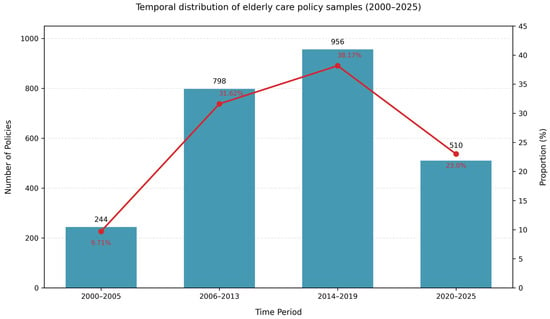
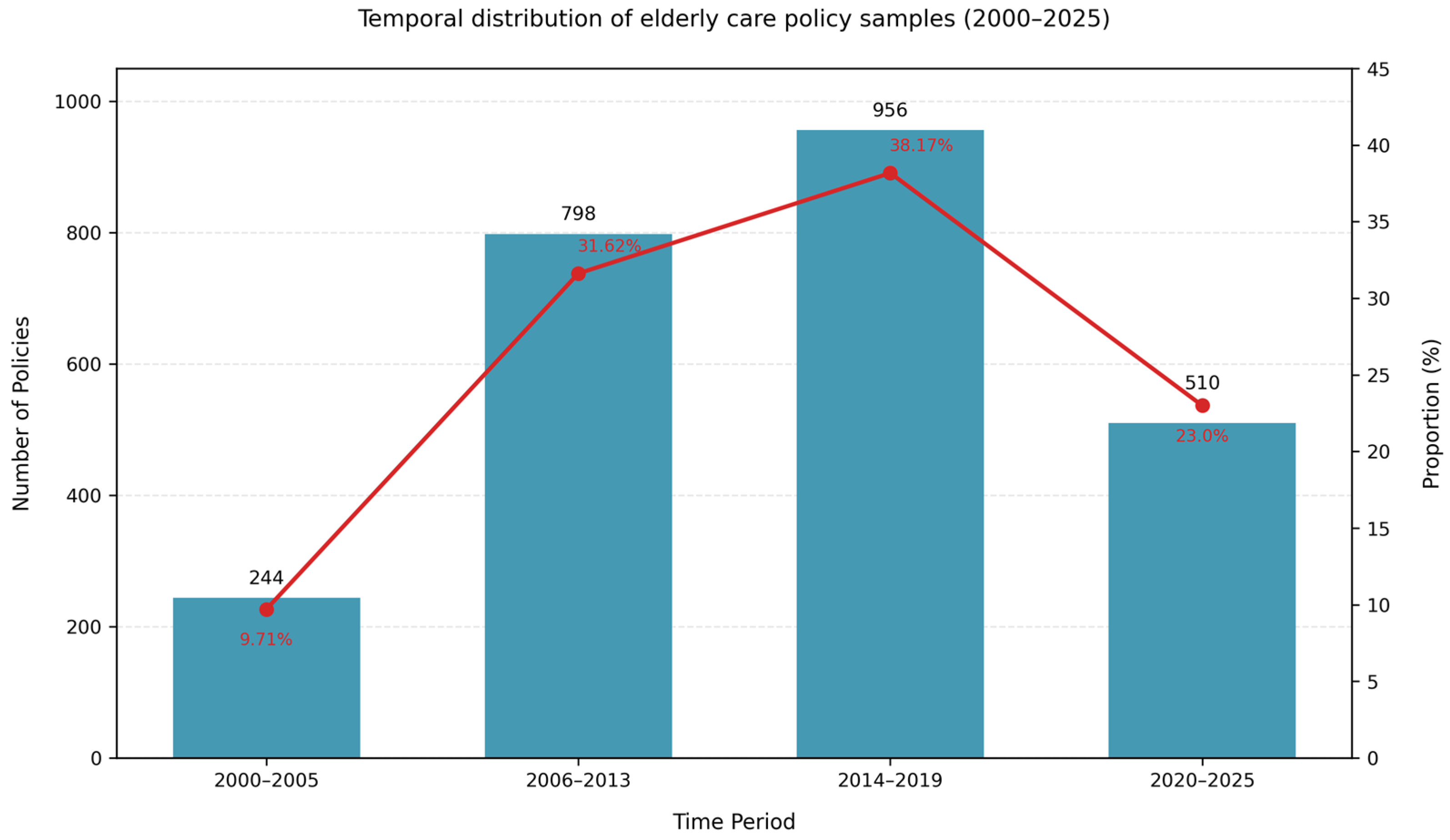
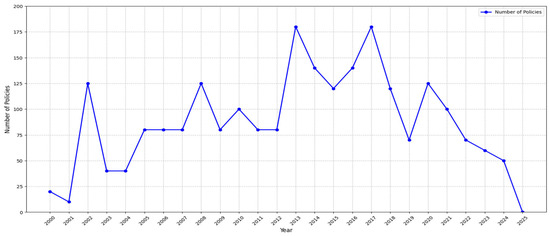
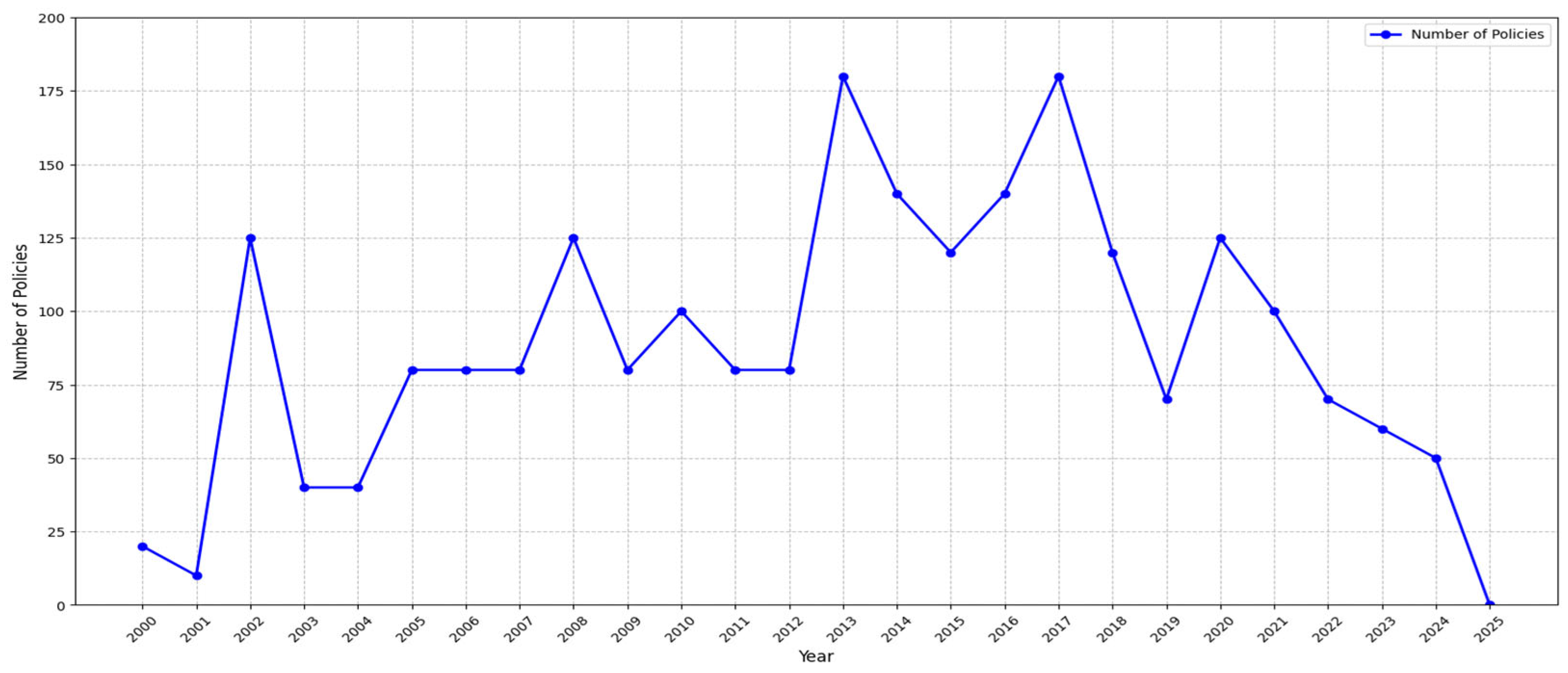
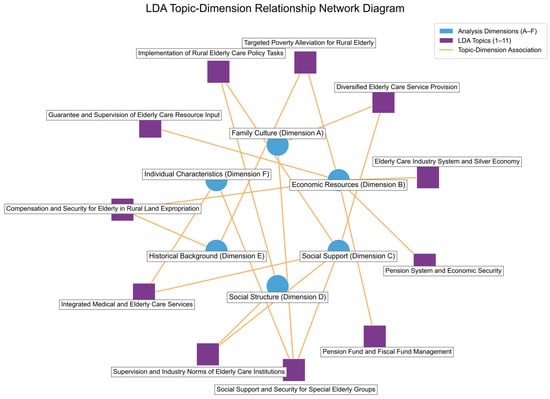
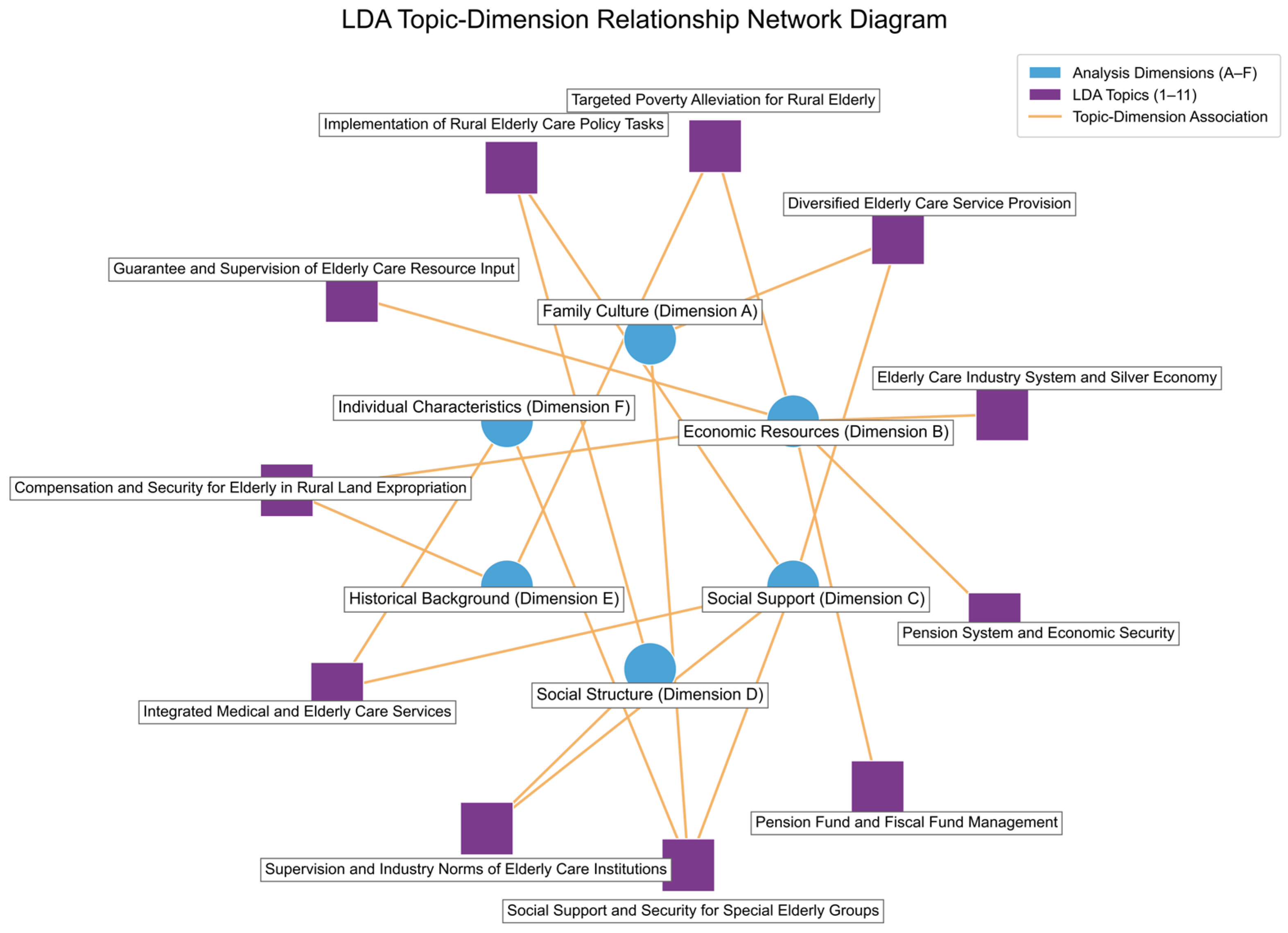

Disclaimer/Publisher’s Note: The statements, opinions and data contained in all publications are solely those of the individual author(s) and contributor(s) and not of MDPI and/or the editor(s). MDPI and/or the editor(s) disclaim responsibility for any injury to people or property resulting from any ideas, methods, instructions or products referred to in the content. |
© 2026 by the authors. Licensee MDPI, Basel, Switzerland. This article is an open access article distributed under the terms and conditions of the Creative Commons Attribution (CC BY) license.