1. Introduction
Scientific and technological advances have substantially improved living standards across the world; however, they have also accelerated the overuse of natural resources and have led to severe environmental crisis [
1]. This tension between improved living standards and growing environmental risks has brought the idea of sustainability to the centre of international and national agendas. In this process, education is seen not only as a vehicle for transmitting knowledge but also as a key lever for shaping the ways in which individuals think about and respond to complex global challenges [
2]. Education thus plays a crucial role in cultivating a “sustainability mindset,” understood as a holistic way of thinking that connects being, thinking and acting, and goes beyond technical expertise or basic ecological literacy to include ethical management, entrepreneurship, systems thinking, environmental awareness and self-reflection [
3].
From early childhood through higher education, learning environments are expected to prepare future citizens to understand how society, science and technology intersect in solving real-world problems. Today’s global citizens are increasingly expected to apply the scientific and technological knowledge they acquire at school to tackle urgent challenges such as environmental degradation, climate instability and resource depletion [
4]. Secondary schools hold a particularly strategic position in this regard, as they support the development of students’ global competence, that is, their ability to analyze local and international issues, appreciate diverse perspectives, engage constructively with others and assume responsibility for sustainability and collective well-being [
5].
In parallel, the circular economy (CE) has been promoted as a key strategy for sustainable development. CE seeks to keep products and materials in use for as long as possible through redesign, reuse and recycling, which is aimed at minimizing waste and emissions, and improving resource efficiency [
6,
7]. Its core principles—redesign, reuse, and recycling—aim to lessen dependence on limited natural resources [
8]. Extending product lifespans and maximizing the recovery of materials and energy are considered important for overall resource management and sustainability [
9]. Considered an essential strategy for sustainable development, the CE helps lower pollution, reduces reliance on finite resources, and offers long-term economic advantages [
10], leading many nations to adopt it as a key pathway toward sustainability [
11]. Integrating CE concepts into educational settings, particularly in connection with science and technology, has therefore become a growing focus in the literature [
12].
STEM (science, technology, engineering and mathematics) education aligns closely with these aims. It promotes observation, inquiry, critical thinking and design, encouraging students to approach problems from interdisciplinary perspectives and to apply theoretical knowledge in practice [
13,
14]. Short-term E→STEM interventions have been linked to positive changes in students’ environmental knowledge, attitudes, and behaviours [
15], while longer programmes with pre-service teachers increased their awareness through designing curriculum-based activities [
16]. Other studies also highlight the potential role of E→STEM activities in raising awareness about soil pollution, acid rain, and sustainable agriculture [
17], as well as in fostering environmentally friendly behaviours among eighth-grade students [
18]. Furthermore, research focusing on environmental literacy demonstrates that STEM-based instruction is associated with greater understanding of concepts such as life cycles [
19] and contributes to higher levels of environmental literacy among secondary school learners [
20]. Early STEM experiences can strengthen children’s understanding of sustainability-related content and skills [
21]. Bulut [
22] argues that students develop stronger recycling awareness when theoretical instruction is complemented with hands-on activities. Environmental and sustainability-focused STEM education is essential, as today’s learners will become the future scientists, policymakers, educators and parents who must act with sustainability in mind and help the next generation develop the skills and attitudes required for a sustainable future [
23].
Many countries have introduced sustainability-focused curricula, particularly at the secondary and high school levels [
24]. Similarly, in Türkiye, these global trends are reflected in recent curricular reforms and national initiatives. Sustainability-oriented curricula have been introduced at the secondary school level, including an environmental education and climate change course for grades 6–8, and projects such as Zero Waste aim to promote awareness about waste reduction and recycling [
25]. However, studies point to persisting gaps in students’ knowledge of waste and recycling, low recycling rates and fragmented implementation of sustainability practices in schools [
26,
27,
28,
29]. Although some research has examined recycling-oriented STEM activities in relation to students’ attitudes [
30,
31] or design thinking skills [
32,
33,
34], there is still a lack of comprehensive studies that investigate students’ STEAM attitudes, recycling behaviours and design thinking skills within a single framework.
Against this background, the present study examines the associations between participation in recycling-based STEM activities and secondary school students’ STEAM attitudes, recycling behaviours, and design thinking skills, and explores students’ views on the implementation process. Specifically, the study addresses the following research questions:
RQ1: Is there a statistically significant difference between secondary school students’ pre-test and post-test STEAM attitude scores after the implementation period of the recycling-based STEM activities?
RQ2: Is there a statistically significant difference between secondary school students’ pre-test and post-test recycling-related behaviour scores after the implementation period of the recycling-based STEM activities?
RQ3: Is there a statistically significant difference between secondary school students’ pre-test and post-test design thinking skill scores after the implementation period of the recycling-based STEM activities?
RQ4: What challenges do students report facing during the design process?
RQ5: How do students describe their experiences of the implementation of the recycling-based STEM activities?
RQ6: What are students’ opinions about the recycling-related practices carried out during the activities?
1.1. Literature Review
1.1.1. STEM Education
The rapid technological progress of the twenty-first century, together with countries’ emphasis on economic advancement, largely relies on the ability of educational systems to fully develop human potential. In this context, promoting the participation of high-achieving students in STEM disciplines becomes particularly significant [
35]. By equipping learners with knowledge and skills in STEM, STEM education (STEM-e) is widely framed as supporting a more informed, equitable, and sustainable future [
36].
At its core, STEM-e aims to support the development of students’ ability to address complex, multidisciplinary issues through the integration of multiple disciplines [
37]. Learners are expected to apply scientific inquiry, engineering design processes, mathematical reasoning, statistical analysis, and technological applications to generate solutions to real-life problems [
38]. In doing so, STEM is often linked to national strategies in education, health, and defence, and is positioned as a means of supporting workforce development [
39].
Beyond its role in national and global development, STEM also plays a pivotal role in fostering 21st-century skills. Through interdisciplinary engagement, students may develop problem-solving, creativity, critical thinking, collaboration, and communication skills [
13,
40]. They can handle and solve the problems faced in real life by using different disciplines [
41,
42]. Additionally, they take responsibility for their own learning by using different disciplines and creating an original product based on their sense of curiosity [
43]. Hence, it can be said that the ultimate goal of STEM-e is for individuals to put forward an idea, solution, suggestion or product at the end of the process by utilizing multiple fields.
Moreover, STEM contributes to shaping individuals who are innovative, entrepreneurial, communicative, and productive, which are qualities that are increasingly vital in today’s dynamic and competitive world [
44]. In the digital age, every new piece of knowledge and technological innovation plays a significant role in enhancing national economic growth and living standards [
45]. In general, STEM-e aims to raise individuals who can address real-life challenges by utilizing technology and engineering systems, and who can integrate scientific and mathematical knowledge in the process of developing effective solutions. This is often described as supporting problem solving and as being associated with skills such as critical thinking, multidimensional thinking and entrepreneurship [
40,
46,
47,
48,
49]. In sum, STEM-e stands as a transformative approach that equips learners with the knowledge and skills necessary to address real-world problems and competencies required to thrive in the 21st century. Therefore, strengthening and effectively implementing STEM-e is not merely an educational priority but also a strategic necessity for shaping future generations capable of meeting the complex challenges of an ever-changing world.
The Turkish context provides valuable insights into these dynamics. The STEM-e Report [
50], prepared by the General Directorate of Innovation and Educational Technologies, emphasized that cultivating students’ positive attitudes toward STEM would enhance their 21st-century skills and improve their performance in international assessments such as PISA and TIMSS. In alignment with this vision, the Ministry of National Education’s 2015–2019 Strategic Plan included objectives for strengthening STEM-e, leading to the establishment of STEM centres by provincial education directorates and municipalities [
50]. Furthermore, Turkey’s participation in the SCIENTIX project and the publication of the STEM Education Teacher’s Handbook offered teachers valuable tools for integrating STEM into classroom practices. Complementary initiatives, such as regional workshops and in-service training programmes, were also implemented to deepen teachers’ understanding of STEM and support the adoption of STEM-based pedagogy [
51]. In sum, students’ attitudes toward STEM strongly affect both their school success and future career choices. Developing positive attitudes toward STEM may support skill development and may be relevant to workforce readiness.
1.1.2. STEM Education and Environmental Sustainability
In addition to its economic and individual contributions, STEM-e is widely discussed in relation to global challenges, particularly environmental problems that have intensified with rapid social and technological change. Population growth, urbanization, industrialization, the overconsumption of resources and unsustainable lifestyles place increasing pressure on natural systems and contribute to environmental degradation and pollution [
52]. In this context, STEM-e is often framed as a promising educational approach for engaging learners with such problems by drawing on multiple disciplines and encouraging higher-order thinking skills. It supports students in developing a solid understanding of key environmental issues, including climate change, biodiversity loss and pollution, and, through various activities and projects, enables them to evaluate these issues and make sustainability-oriented decisions [
21]. At the same time, STEM-based learning environments emphasize collaboration and teamwork, bringing together diverse perspectives and encouraging students to co-create innovative solutions to environmental challenges [
53].
One area in which STEM-e is frequently linked to environmental sustainability is waste reduction and resource conservation. The repeated use of waste materials is particularly important because these materials are originally derived from the Earth’s natural resources, which are becoming increasingly scarce. Data from the Global Footprint Network, for instance, show that each year there is a specific date on which humanity’s resource use exceeds the planet’s ecological limits, underscoring the urgency of more sustainable consumption and production patterns [
27]. In response, both developed and developing countries have recognized domestic waste as a global issue and launched educational initiatives to raise public awareness, acknowledging that the problem is largely rooted in inadequate education [
22].
Recycling has therefore emerged as a widely recognized strategy in addressing today’s complex environmental challenges and ecological crises. Large-scale deforestation, for example, driven by paper production, timber extraction and land development, has placed many plant and animal species at risk of extinction. In its simplest sense, recycling refers to giving a second life to materials that have already been used [
54]. More specifically, it involves reprocessing products or their components at the end of their useful life so that they can re-enter the production cycle instead of being disposed of as waste [
55]. By reducing the volume of waste and enabling the recovery of materials, recycling plays a significant role in mitigating greenhouse gas emissions and decreasing the environmental burden associated with waste disposal [
56].
Recycling can apply to a wide range of materials—from food-related waste to everyday objects and technological products. Developing students’ awareness and behaviour in this area therefore requires input from multiple disciplines. STEM, by its very nature, provides a suitable structure for this: students can build recycling-related knowledge, attitudes and behaviours while simultaneously engaging with scientific, technological, engineering and mathematical perspectives. Integrating STEM activities with recycling enables learners to experience real-life environmental problems and to design practical solutions [
12]. In primary schools, one of the key environmental practices is the recycling of waste, particularly inorganic materials, which are often prioritized over organic waste at this level [
57]. In this regard, recycling-based STEM activities are increasingly viewed as having considerable potential, as they are associated with innovative, human-centred approaches and provide opportunities for environmental awareness to be reflected in tangible products and practices.
1.1.3. Integrating Design Thinking into STEM Education
Addressing real-life problems in STEM activities positions problem solving as a central component of the approach. To support this aim, STEM commonly draws on instructional strategies such as problem- and project-based learning, which are intended to encourage interdisciplinary thinking and connections between learning experiences and everyday contexts [
58,
59]. Through such approaches, learners are provided with opportunities to approach challenges from multiple perspectives, consider alternative solutions, and engage in higher-order thinking processes when dealing with complex situations [
60,
61]. Such practices align closely with the principles of design thinking, a structured and iterative process consisting of empathizing, defining, ideating, prototyping, and testing [
62]. While design thinking is frequently linked to technical and creative disciplines, it is equally relevant to STEM-e as it emphasizes the cultivation of critical thinking and problem-solving abilities. Despite ongoing practices and research, there remains an absence of clear and consistent definitions as well as standardized methods for STEM-e [
63]. Moreover, design thinking remains a relatively recent concept in STEM-e, and existing research has tended to focus more on teachers’ instructional design practices than on students’ learning processes [
64]. In this context, STEM education and design thinking can be viewed as closely related and mutually informative frameworks.
Recent research indicates that design-oriented tasks within STEM-e not only enhance student engagement but also strengthen cognitive development and higher-order thinking skills [
65,
66]. Design thinking is therefore viewed not only as a methodological tool for structuring STEM activities but also as a valuable pedagogical framework that emphasizes creativity, human-centeredness, collaboration, and tangible product creation [
67]. Design thinking is an approach that transforms the theoretical structure of thinking into practice by questioning, producing solutions and producing products [
68]. Giving students more freedom in STEM activities and adequate guidance by their teachers will support the idea generation and experimentation stage of design thinking by enabling students to come up with original and innovative ideas [
69]. Design thinking also supports real-life problem solving through empathy, iteration, and creativity, while also strengthening collaboration and resilience—skills that are essential for STEM learning [
70]. In addition, STEM activities offer students the opportunity to make and test prototypes, especially with technology and engineering dimensions. This is similar to the prototype and testing stages of design thinking [
71]. In this context, while STEM strengthens the technical and engineering aspects of students, design-oriented thinking ensures that this can be used functionally in daily life. Thus, integrating design thinking into STEM does not simply enrich the problem-solving process but also enhances students’ creativity, innovation, and ability to produce sustainable solutions to complex real-world challenges.
1.1.4. Sustainability and Environmental Education in Turkish Context
In recent years, sustainability and environmental education have gained increasing prominence within the Turkish education system through national policies, curriculum reforms, and institutional initiatives. These developments reflect Türkiye’s efforts to align schooling with broader sustainability and climate goals and to embed environmental awareness within formal educational processes. In this context, the Turkish Ministry of National Education (MoNE) has introduced a series of reforms aimed at strengthening sustainability and climate-related content in schools. Within the scope of the Climate Change Action Plan announced in 2022, curricula were revised to better address environmental and climate issues, climate workshops were planned for schools, and initiatives such as the establishment of “National Education Nature Parks” were launched. The plan also includes innovative practices, such as installing air-quality measurement devices in classrooms and implementing grey-water storage systems. As part of the “Climate Change Awareness Education” component, teachers were expected to receive professional training and subsequently deliver climate- and environment-related activities at preschool, primary, and lower secondary levels [
25].
Digital platforms have played a complementary role in supporting these policy initiatives. The Education Informatics Network (EBA) introduced an online “Sustainable World” platform that provides learning materials on environmental issues, climate change, and zero waste, thereby extending learning opportunities beyond traditional classroom settings. In addition, within the “1000 Eco-Friendly Schools” project, the “Environmental Education and Climate Change” curriculum was developed for lower secondary students and implemented during the 2022–2023 academic year [
25].
More broadly, environmental education in Türkiye is delivered indirectly through several compulsory subjects—such as Life Studies and Social Studies in primary school; Social Studies, Science and Turkish in lower secondary; and Biology and Geography in upper secondary. In addition to this cross-curricular approach, a dedicated environmental education course was first introduced in 2015 as the elective “Environmental Education” at the lower secondary level. In 2022, a new curriculum was developed and, from 2023 onwards, this course has been implemented as “Environmental Education and Climate Change” for grades 6–8 [
72].
These educational initiatives are embedded within the broader “Century of Türkiye” vision, a strategic framework that seeks to transform the country in the twenty-first century in areas such as education, technology, the economy and social life. In education, this vision prioritizes values education, science, technology and innovation, and the integration of local and global perspectives, with the goal of meeting national and international quality standards and raising individuals with competencies suited to contemporary conditions [
73]. In line with this vision, the 2024 Türkiye Century Education Model (Türkiye Yüzyılı Maarif Modeli) Science Curriculum places sustainability literacy at the centre of the teaching–learning process, aiming to enhance students’ awareness of environmental, social and economic dimensions of sustainability. Learning outcomes, classroom activities, performance tasks and projects are conceived as an integrated whole with the potential to transform sustainability into a concrete skill set, strengthening students’ ability to use natural resources efficiently, develop sensitivity to environmental problems and propose informed solutions [
74].
Taken together, these developments indicate that sustainability, recycling, and environmental awareness are formally recognized within Türkiye’s education policies and curricula. However, the existence of policy initiatives and curricular reforms does not necessarily ensure consistent and effective implementation at the classroom level. While global research points to promising developments, studies conducted in Türkiye suggest ongoing challenges in students’ environmental knowledge and behaviours. For instance, Taşan [
28] reported that students at almost all levels of schooling lack sufficient knowledge about waste, recycling, and environmental issues, and Artvinli and Bayar [
27] noted that recycling rates in Türkiye remain relatively low. Although recycling and environmental topics have increasingly been incorporated into curricula—such as being emphasized as a value in Science, Life Sciences, and Social Studies courses [
27] and addressed through multiple learning outcomes in Science and Biology curricula [
29]—these efforts remain fragmented and unevenly integrated into STEM-based pedagogical practices. Moreover, while several studies have examined recycling-oriented STEM activities in relation to students’ attitudes [
30,
31] or design thinking skills [
32,
33,
34], comprehensive research that simultaneously investigates students’ STEAM attitudes, recycling behaviours, and design thinking skills within a single framework remains limited in the Turkish context. This gap is particularly significant given the growing emphasis on sustainability education and the need to foster environmentally responsible behaviours and innovative problem-solving skills among secondary school learners.
Overall, the Turkish policy and curriculum landscape demonstrates a clear and increasing commitment to sustainability, climate change awareness, and environmental literacy. However, implementing these policy intentions in consistent classroom practices remains an ongoing challenge, particularly in fostering measurable changes in students’ everyday behaviours and higher-order competencies. In this respect, evaluating classroom-based interventions that integrate sustainability themes with STEM/STEAM pedagogy is essential for understanding what works in practice and for informing future implementation. Therefore, building on the national emphasis on sustainability and the identified gaps in classroom-level evidence, the present study examines pre-test to post-test changes in secondary school students’ STEAM attitudes, recycling-related behaviours, and design thinking skills following the implementation of recycling-based STEM activities.
1.1.5. Theoretical Rationale and Conceptual Framework
Although the present study reports statistically significant pre–post differences in students’ STEAM attitudes, recycling-related behaviours, and design thinking skills, explaining the mechanisms underlying these changes is essential for strengthening the study’s theoretical contribution. Accordingly, the study is grounded in a conceptual framework informed by constructivist learning theory, situated learning theory, and self-efficacy theory. From a constructivist perspective, learning is an active process in which students construct knowledge through engagement, reflection, and social interaction rather than passively receiving information [
75]. Constructivist learning also emphasizes collaboration and problem solving and highlights the teacher’s role in designing learning environments that support meaningful learning [
76]. Consistent with this view, research indicates that hands-on STEM approaches (e.g., project-based and inquiry-based learning) can enhance students’ motivation and engagement and support academic achievement [
77,
78]. In the present study, recycling-based STEM activities required students to work on authentic environmental problems, develop and test solutions, and iteratively refine prototype processes aligned with key stages of design thinking (problem framing, ideation, prototyping, and evaluation). The conceptual framework is further informed by situated learning theory, which conceptualizes learning as socially mediated and context-dependent, occurring most effectively in authentic activity settings and communities of practice [
79]. Because sustainability and recycling are embedded in students’ everyday lives, connecting STEM activities to these real-world contexts is often discussed as being associated with higher levels of learner engagement and as providing conditions conducive to the application of learning in practical problem-solving and behavioural contexts [
80]. Finally, self-efficacy theory [
81], provides a motivational explanation for observed changes. Design-based activities can strengthen self-efficacy through mastery experiences, peer interaction, and feedback [
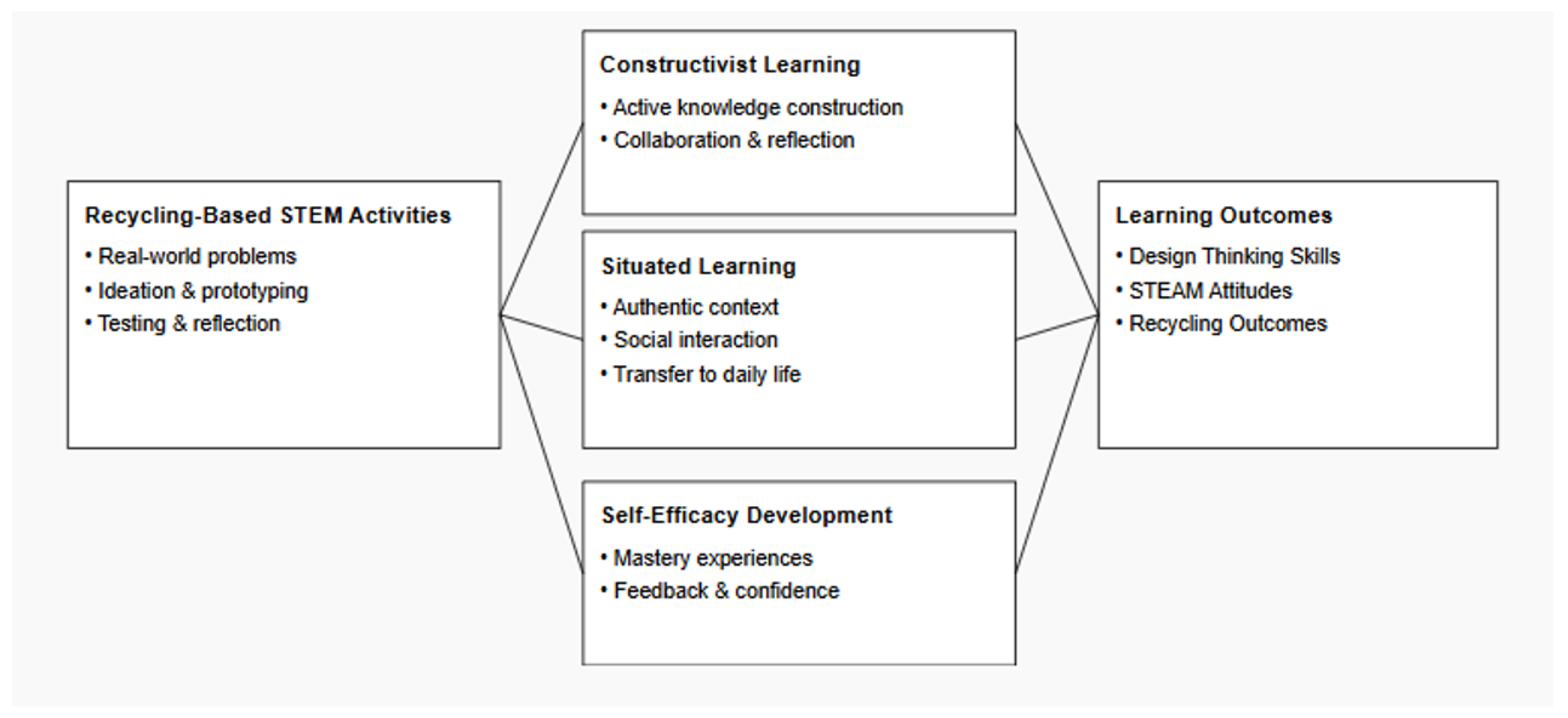
82]. As students successfully completed design tasks and received feedback, their confidence in addressing complex problems may have increased, supporting persistence and engagement in sustainability-related behaviours. Taken together, the proposed model suggests that recycling-based STEM activities shape learning outcomes indirectly through cognitive, contextual, and motivational mechanisms. Active, authentic, and collaborative design tasks support knowledge construction, situate learning in meaningful contexts, and enhance self-efficacy, offering a theoretical basis for interpreting gains in design thinking, STEAM attitudes, and recycling-related behaviours. The conceptual model illustrating these relationships is presented in
Figure 1.
Specifically, as illustrated in
Figure 1, the proposed conceptual model explicates the pathways through which recycling-based STEM activities influence learning outcomes. Engagement in authentic, hands-on design tasks first activates constructivist learning processes, such as active knowledge construction, collaboration, and reflection. These cognitive processes support students’ understanding of ill-structured problems and foster core components of design thinking, including problem framing, ideation, and iterative evaluation. Simultaneously, situating learning activities in real-life sustainability contexts promotes situated learning by increasing the perceived relevance of tasks and facilitating the transfer of learning to everyday environmental practices. Finally, repeated opportunities for successful task completion, peer interaction, and formative feedback contribute to self-efficacy development, strengthening students’ confidence and persistence when engaging with complex STEM and sustainability-related challenges. Through these interconnected cognitive, contextual, and motivational mechanisms, recycling-based STEM activities indirectly lead to improvements in design thinking skills, STEAM attitudes, and recycling-related behaviours.
2. Materials and Methods
2.1. Research Design
In this study, the changes in secondary school students’ STEAM attitudes, recycling-based behaviours, and design thinking skills were examined in relation to participation in recycling-based STEM activities. In addition, students’ views were collected at the end of the implementation. Accordingly, the study adopted a mixed research method combining quantitative and qualitative data. The research design was based on the embedded mixed design, also referred to as the nested mixed design. The embedded mixed design can be defined as the inclusion of a qualitative phase within a predominantly quantitative experimental study [
83]. In this approach, the quantitative part forms the core of the research, while the qualitative part is incorporated to support, elaborate on, and provide deeper insight into the quantitative findings. The quantitative component of the study was conducted using a one-group pre-test–post-test experimental design. Although this design is considered one of the most vulnerable experimental designs in terms of internal validity, it is frequently recommended for use in the experimental component of embedded mixed-methods research, particularly when implementing a new method, newly developed activities, or an innovative programme design [
83].
In the present study, quantitative data were gathered through a one-group experimental design by administering STEAM, recycling, and design thinking scales as pre-tests and post-tests before and after the STEM activities. At the end of the implementation, qualitative data were collected through semi-structured interviews to reveal students’ experiences and perspectives. By integrating quantitative and qualitative data, the study sought to offer a more comprehensive understanding of the observed pre–post patterns and students’ reported experiences.
2.2. Study Group
The study group consisted of 32 seventh-grade secondary school students (19 girls and 13 boys) enrolled in the same class of a public school in Türkiye. In the social sciences, approximately 30 participants per group are considered sufficient to detect an effect size with 80% statistical power [
84]. All students were 13 years old and resided in the same region; therefore, they had a similar, average socio-economic background. In addition, the students had no prior experience with STEM. The demographic characteristics of the participant group are presented in
Table 1.
The participants were determined through the convenient sampling technique, which involves selecting participants who are readily accessible to the researcher [
85]. While this approach facilitates the implementation of exploratory and practice-oriented educational interventions, it also introduces a potential risk of selection bias and limits the generalizability of the findings beyond the specific study context. Accordingly, the results should be interpreted as context-specific rather than representative of all secondary school students in Türkiye.
In addition, qualitative data were collected through semi-structured interviews with seven students who volunteered to participate. The interview sample was therefore based on volunteer (self-selected) participation. In qualitative research, the most important consideration for determining the number of interviews is data saturation, defined as the point at which additional interviews no longer yield new themes or codes; prior research suggests that core themes often emerge with approximately 6–12 participants [
86]. Within this framework, interviewing seven students from a total of 32 participants was considered sufficient for the purposes of this study.
However, because the interviewees were volunteers, the qualitative findings may reflect a motivational bias, as students who agreed to be interviewed may have been more engaged, more reflective, or more positively disposed toward the activities than non-volunteers. To broaden the qualitative evidence base beyond the interviewees, structured reflection journals were collected from the whole class after each session and analyzed alongside the interview data. This triangulation helped incorporate perspectives from students who did not participate in the interviews.
2.3. Experimental Process
In order to examine pre–post changes in students’ STEAM attitudes, recycling-related behaviours, and design thinking skills over the implementation period of the activities, the quantitative part of the study employed a one-group pretest–posttest design. This design involves carrying out the experimental procedure on a single group, in which the independent variables are applied between a pretest administered prior to the intervention and a posttest administered afterwards, and the impact of the intervention is examined accordingly [
87]. The procedures carried out in relation to the experimental design used in the study are presented in
Table 2.
The implementation of the recycling-based activities was carried out over a six-week period, with one activity conducted each week. The activities carried out during the experimental process, along with the weeks and disciplinary dimensions, are presented in
Table 3.
The activities included in the study were as follows: designing one’s own recycling bin (engineering + art); creating everyday usable items from waste materials (engineering + science); paper recycling workshop (science + process monitoring); heat conservation (engineering + science); rainwater garden irrigation system (engineering + mathematics); and spoiled fruit utilization (science + observation). In the eighth week, the post-tests were administered, and focus group interviews were conducted with volunteer students, marking the completion of the experimental process to gather qualitative data and provide deeper insights into the quantitative findings. The intervention was implemented for 2 or 3 class hours per week, with each class hour lasting 40 min. The weekly activities and the implementation process are described in detail below.
In the first week, students completed the pre-test instruments assessing STEAM attitudes, recycling-related behaviours, and design thinking skills. This session also included an orientation in which students were informed about the purpose of the project, the structure of the upcoming activities, and basic concepts related to recycling, sustainability, and design-based problem solving. No instructional intervention was implemented during this week.
The objective of this activity was to introduce students to design thinking through an engineering-based sustainability task. Students were instructed to design a recycling bin suitable for their school environment by considering functionality, usability, and visual appearance. Materials included cardboard, recycled paper, plastic containers, markers, and adhesive materials. Students worked in small groups, first sketching their ideas and then creating simple prototypes. Students’ engagement and design processes were monitored through observation and reflection notes.
This activity aimed to develop students’ creativity and problem-solving skills by transforming waste materials into usable everyday objects. Students were asked to identify a common household need and design a functional product using recycled materials. Scientific concepts related to material properties and durability were discussed during the activity. Materials included bottles, cans, paper, fabric scraps, and basic crafting tools. Students documented their design ideas and final products through brief written reflections. The activities were implemented for 3 class hours.
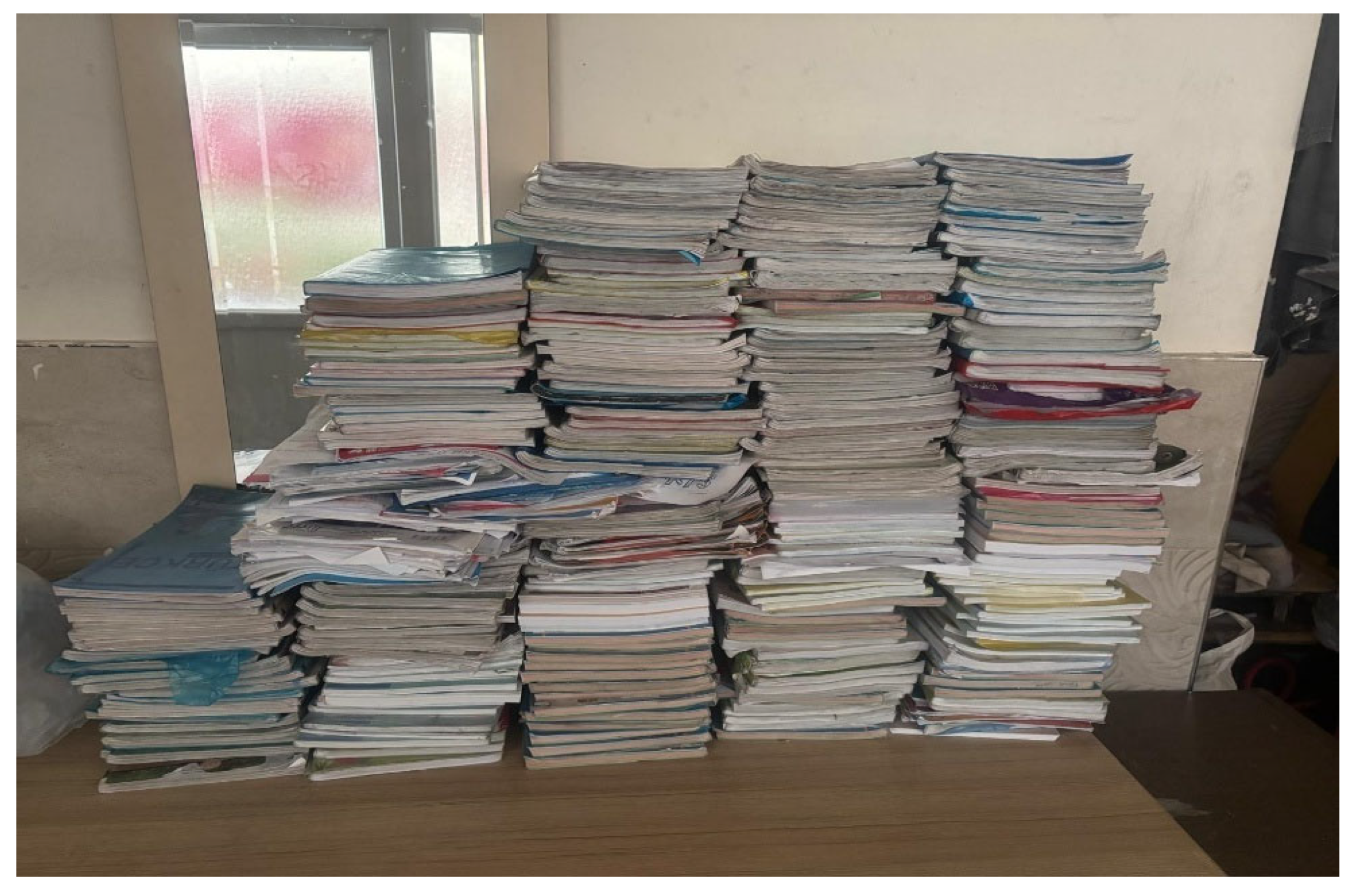
The focus was to help students understand the recycling process through hands-on scientific exploration. Students followed step-by-step instructions to recycle used paper into new sheets, observing changes in material structure throughout the process. Learning outcomes were assessed through observation and student explanations of the recycling stages. Additionally, beginning in Week 2, an ongoing paper-collection campaign was introduced to reinforce recycling practices beyond classroom activities. Students brought used paper from home and school each week, and weekly totals were recorded to encourage sustained participation. The campaign was used as a motivational component and as an informal indicator of students’ engagement with recycling practices throughout the intervention period.
Figure A1 shows the accumulated used-paper collected through the ongoing paper-collection campaign, illustrating students’ sustained participation in recycling practices across the intervention weeks.
This activity addressed energy efficiency and sustainability through an engineering perspective. Students explored ways to reduce heat loss in buildings by designing simple insulation models. They were instructed to test different materials and discuss their effectiveness. Materials included cardboard boxes, aluminum foil, fabric, plastic sheets, and thermometers.
The objective of this activity was to integrate engineering and mathematics concepts in a real-life sustainability problem. Students designed a basic rainwater collection and irrigation system for a school garden. They calculated simple measurements related to water flow and container capacity. Materials included plastic bottles, tubes, rulers, and measuring cups. Students’ designs were evaluated based on functionality and feasibility rather than technical accuracy. The activities were implemented for 3 class hours.
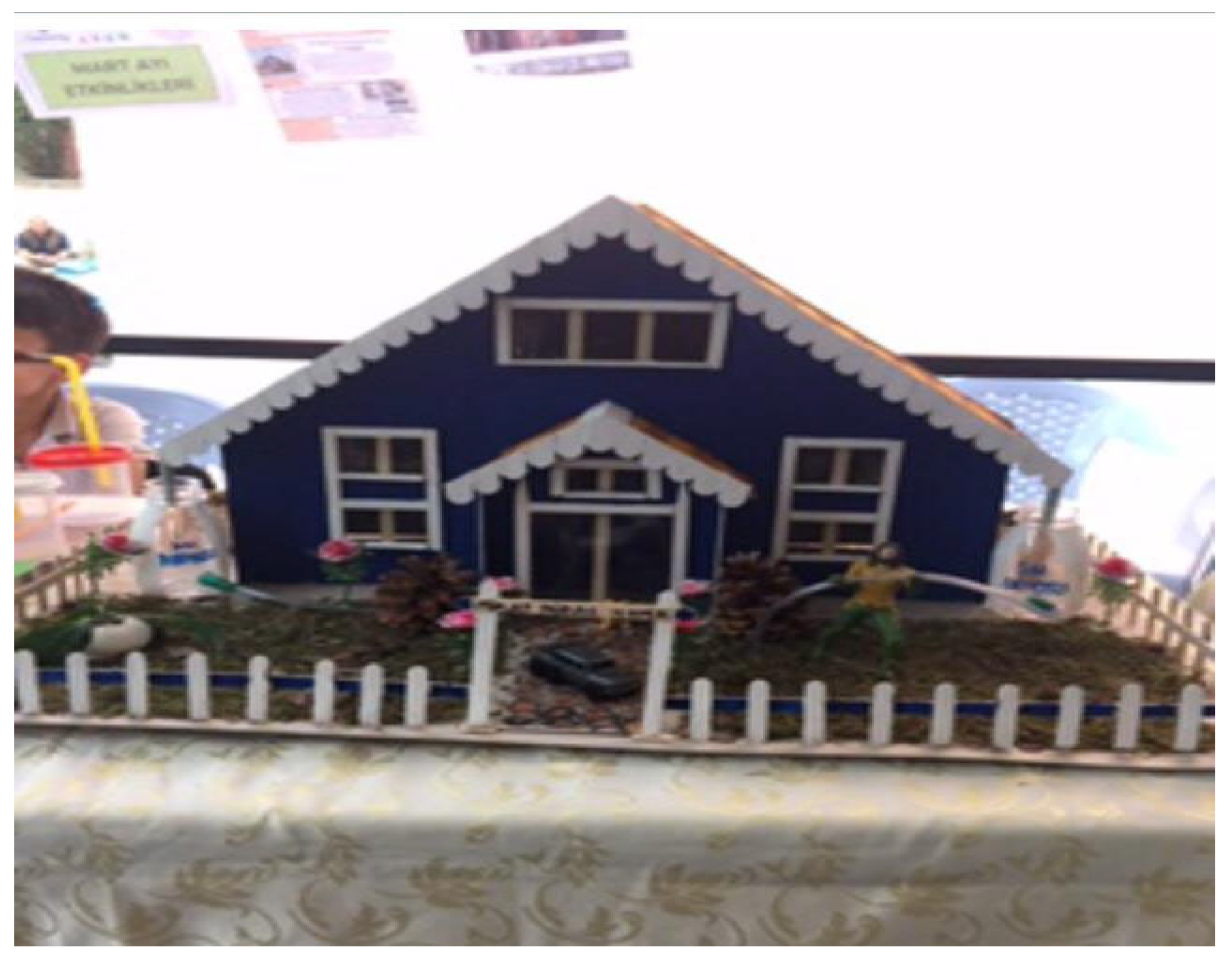
Figure A2 shows students integrating engineering design with mathematical thinking through hands-on prototyping, demonstrating design thinking and problem-solving.
This science-based activity aimed to raise students’ awareness of natural recycling and biological processes. Students observed seed formation from decomposed fruit and discussed its relevance to sustainability and food waste reduction. Materials included fruit waste, soil, containers, and observation sheets. The session emphasized observation and reflection. Students recorded their observations and shared their interpretations during class discussion.
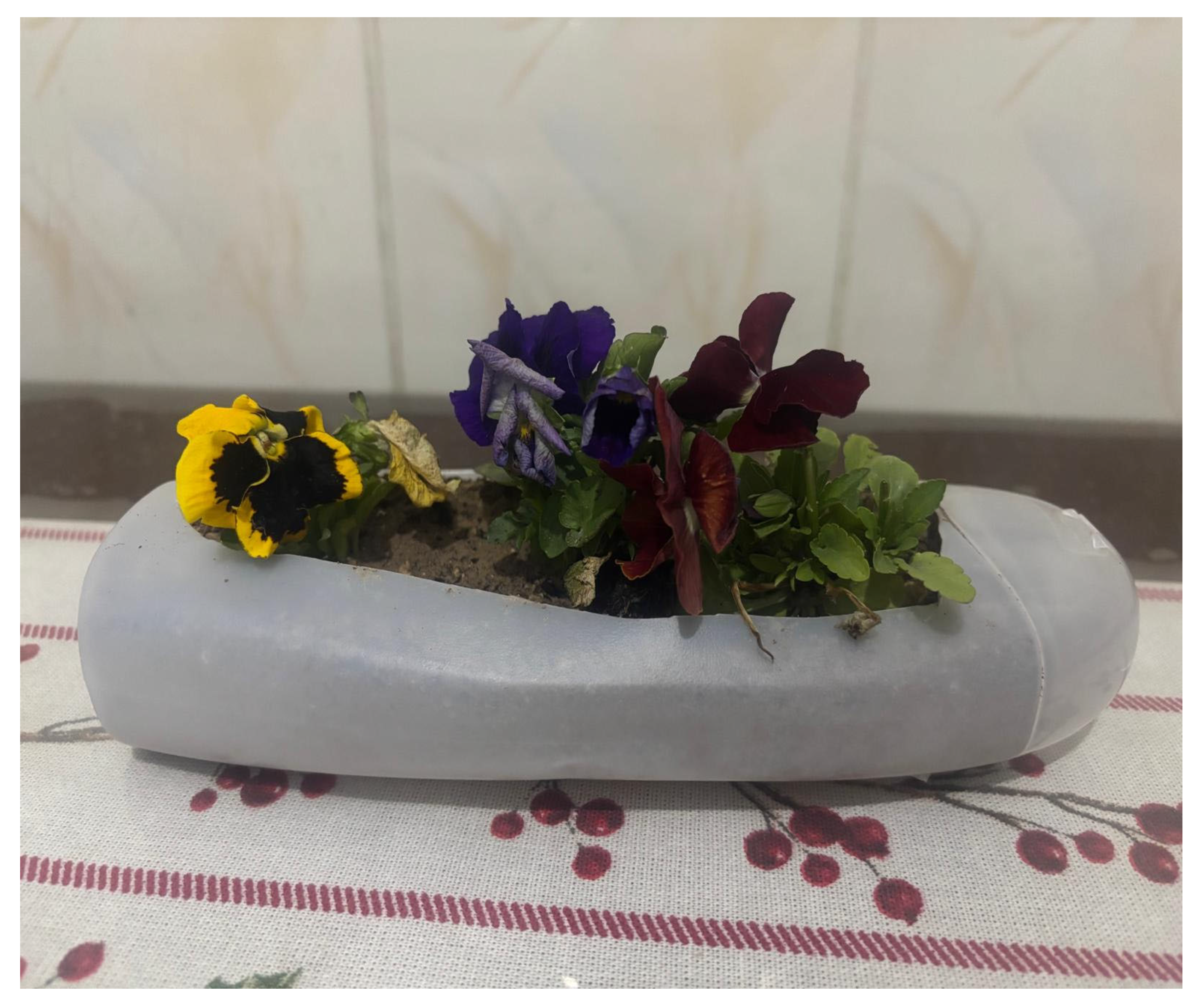
Figure A3 shows students creating a desktop flower pot from waste materials, demonstrating creative reuse and design thinking by transforming discarded items into a functional product for daily life.
In the final week, students completed the post-test instruments. Semi-structured interviews were conducted with volunteer students to gather qualitative insights into their experiences during the intervention. No instructional activity was implemented during this week.
2.4. Setting
The study was conducted in a public secondary school within the centralized Turkish education system, where instructional processes and curricula are regulated at the national level. In this system, regular student attendance is compulsory, and clear regulations govern absenteeism. Students are permitted a limited number of absences per academic year (up to 10 days without justification and up to 20 days with medical documentation). Exceeding these limits results in grade repetition. Accordingly, student attendance during the intervention period was consistent, and no attrition or irregular participation was observed throughout the implementation.
The intervention was implemented during regular science class hours, ensuring that all planned instructional activities were carried out within the scheduled timetable. All students continued to attend the course as part of their formal schooling, which contributed to the stable and uninterrupted delivery of the intervention.
The intervention was implemented by the students’ regular science teacher, with whom they had an established instructional relationship. As the teacher was already familiar with the students and classroom routines, no additional classroom adaptation period was required, and the instructional process proceeded within the existing learning environment. This continuity helped ensure that the intervention was delivered under natural classroom conditions, minimizing potential disruptions and supporting the smooth implementation of the planned activities.
The intervention was delivered by the students’ regular science teacher, who was a qualified teacher with 20 years of work experience. The Turkish science curriculum incorporates STEM-oriented learning outcomes and activity-based instruction, and science teachers are therefore generally familiar with implementing STEM-based classroom activities and environmental/sustainability-related topics. In this respect, the intervention was consistent with the teacher’s existing curricular responsibilities and instructional repertoire.
Prior to implementation, the teacher participated in preparatory meetings during which the researchers provided detailed guidance on the study objectives, the sequence and content of the activities, classroom procedures, and data collection requirements. This orientation aimed to support consistent implementation across sessions and to ensure that the teacher was fully informed about the instructional and research-related aspects of the intervention.
2.5. Data Collection Tools
In the study four data collection tools were employed: the STEAM Attitude Scale, the Recycling Scale, the Design Thinking Scale, and a semi-structured interview form.
2.5.1. STEAM Attitude Scale
The scale was originally developed by Gurliyenkaya [
88] and validated on a sample of 548 students. Following exploratory factor analysis (EFA) and confirmatory factor analysis (CFA), the instrument was determined to consist of 20 items distributed across five sub-dimensions: mathematics, engineering, technology, art, and science, which collectively represent the components of the STEAM framework. The instrument is structured as a five-point Likert-type scale, and the overall reliability coefficient (Cronbach’s alpha) was reported as 0.816, indicating an acceptable level of internal consistency.
Although the activities implemented in this study were designed within the framework of STEM, the STEAM Attitude Scale was preferred as the measurement tool. This choice is based on the fact that the recycling-based STEM activities inherently included elements of creativity, design, and esthetic thinking, which align with the ‘A’ (Arts) component of STEAM. In the STEAM framework, the “A” dimension does not solely refer to the fine arts but is also conceptualized as encompassing creativity, design, and esthetic perspectives that enrich the learning process. Scholars emphasize that integrating the arts into STEM fosters students’ capacity for innovation, problem-solving, and design-oriented thinking by encouraging them to approach challenges from multiple perspectives [
89,
90]. In this sense, the “A” component is closely linked with the design process, as it involves imagination, prototyping, and iterative improvement, which are integral to engineering and technology practices [
91].
Importantly, the intervention required students to engage in product design and prototyping using waste materials, including (i) generating original design ideas (ideation), (ii) producing a physical prototype, and (iii) revising designs through iterative improvement and peer feedback. Students also made decisions regarding form, usability, visual appearance, and the presentation of their final products. These features align directly with the STEAM scale’s Arts-related items that address creativity and engagement in imagination-based projects (Item 13), interest in artistic domains (Item 14), valuing arts education (Item 15), and willingness to allocate greater time for arts-related learning activities (Item 16). Therefore, using a STEAM-oriented instrument provided a construct-valid approach to capturing attitudinal change not only in STEM domains but also in students’ design- and creativity-related orientations embedded within the intervention.
2.5.2. Recycling Scale
The scale developed by Atabek et al. [
92] consists of 14 items across three sub-dimensions, structured as a five-point Likert scale. The scale accounts for 48.125% of the explained variance. Afterwards, the construct validity of the instrument was confirmed through CFA, and its reliability was established with a Cronbach’s alpha value of 0.854.
2.5.3. Design Thinking Scale
This instrument was developed by Üçtepe [
93]. During the development phase, an item pool of 60 items was created, and expert opinions from five field specialists were obtained. As a result of EFA, the final version of the scale was structured with 12 items distributed across three sub-dimensions, rated on a five-point Likert scale. The Cronbach’s alpha reliability coefficient was reported as 0.789. Higher or lower scores on the scale are directly proportional to students’ self-perceptions of their design thinking skills.
2.5.4. Semi-Structured Interview Form
After the applications, 4 open-ended questions were prepared by the researcher to investigate the experiences of the students in the process and the effect of the activities on the students. After the questions were prepared, two different experts (2 PhDs) who have worked on STEM were consulted. No changes were made in the interview form in line with the expert opinions.
2.6. Data Analysis
Quantitative data were analysed using SPSS (Version 22.0, IBM Corp., Armonk, NY, USA). To check the normality of the data, Shapiro–Wilk tests were applied to the gain scores of the STEAM attitude, recycling, and design thinking scales. The Shapiro–Wilk test is more powerful than the Kolmogorov–Smirnov test when the number of participants is small (
n < 50) [
86]. If Skewness (Skew.) and Kurtosis (Kurt.) values are between −1.5 and +1.5, the data are considered to follow a normal distribution [
94]. Although the sample size was relatively limited (
n = 32), no violations that would preclude the use of parametric tests were detected, as the skewness and kurtosis values fell within the range of −1.5 to +1.5 and the normality assumptions of the data were examined using the Shapiro–Wilk test. Therefore, paired-samples
t-tests were employed for pre-test–post-test comparisons. The paired-samples
t-tests is a statistical test in which the data obtained from two different measurements at different times from the same participant group are analyzed [
95]. After the analysis, Cohen’s d effect size calculation was performed to determine the effect size of the scales. Accordingly, if the effect size (d) value is less than 0.2, the effect size is weak, 0.5 is moderate, and greater than 0.8 is high [
96]. Content analysis was used to analyze the qualitative data. Content analysis is an analysis method in which themes and codes are determined by using different types of data such as text, photographs, pictures, audio or video [
84].
2.7. Validity of the Study
In experimental studies, maturation of the participants, separation of the participants, selection of the participants, equivalence of the groups, assignment of the groups, data collection tools are considered as factors affecting validity [
97]. Validity was supported by the study’s experimental design, the use of a single-group procedure, the short duration of the intervention (which minimized maturation effects), and the use of validated data collection tools. The Cronbach alpha value of the scales used in the study were also analyzed. Alpha coefficients were 0.871 for STEAM scale, 0.888 for recycling scale and 0.819 for design thinking scale. The content analysis used to analyze the qualitative data was scored by two different raters and the agreement between the raters was examined. The Miles and Huberman [
98] agreement formula was used to calculate inter-rater agreement. According to the formula, agreement of opinion is the ratio of agreement to disagreement multiplied by one hundred. The agreement rate between the raters was calculated as 85.3%.
3. Results
It was examined whether the STEM activities created a significant difference in the STEAM attitudes of the students before and after the implementation. First, normality test was performed to determine whether the gain score between the pre and post test scores was normally distributed, and the findings are given in
Table 4.
Since the Shapiro–Wilk value for the gain scores obtained from the STEAM-A scale was greater than 0.05, and the Skew. and Kurt. values were between −1.5 and +1.5, a paired samples
t-test was conducted. To examine pre–post differences in students’ STEAM attitudes, paired-samples
t-tests were conducted on pre- and post-test STEAM scores, and the results are presented in
Table 5.
Based on the results shown in
Table 5, there is a significant difference between secondary school students’ STEAM attitude scores before and after the activities, in favour of the post-test (t(31): −9.14,
p < 0.01). The Cohen’s d value of 0.94 indicates a large effect size for the pre–post difference in students’ STEAM attitude scores. In terms of the sub-dimensions, a significant difference in favour of the post-test was found at the level of (
p < 0.05) in the art sub-dimension, and at the level of (
p < 0.01) in the other sub-dimensions. Since Cohen’s d is greater than 0.80 in all sub-dimensions, the effect level is high. The Cohen’s d value of 0.94 indicates a large effect size; however, given the single-group pre-test–post-test design and the relatively small sample size, this effect should be interpreted with caution, as it may be influenced by factors such as the novelty effect or the Hawthorne effect.
Changes in students’ recycling-related behaviours from pre-test to post-test were examined over the implementation period. Initially, a normality test was conducted to check if the gain scores between the pre and post test followed a normal distribution, which is provided in
Table 6.
Since the Shapiro–Wilk value for the gain scores obtained from the recycling scale was greater than 0.05, and the Skew. and Kurt. values were within the normal distribution range (−1.5 and +1.5), a paired samples
t-test was conducted to assess the effectiveness of the recycling-based STEM activities in fostering students’ recycling-related behaviours. The obtained pre- and post-test recycling scores are given in
Table 7.
A paired-samples t-test revealed a statistically significant increase in students’ recycling scores from pre-test (M = 3.26, SD = 1.30) to post-test (M = 4.27, SD = 1.03), t(31) = −4.74, p < 0.001. The effect size was large (Cohen’s d = 0.86), indicating that the recycling-based STEM activities had a substantial impact on students’ attitudes towards recycling.
Changes in students’ design thinking skills from pre-test to post-test were examined over the implementation period. The normality test conducted to check if the gain scores between the pre and post-test followed a normal distribution, and the findings are presented in
Table 8.
Since the Shapiro–Wilk value for the gain scores obtained from the design thinking scale was greater than 0.05, and the Skew. and Kurt. values are within the normal distribution range. Therefore, to examine pre–post differences in students’ design thinking skill scores, pre- and post-test scores were compared using a paired-samples
t-test, and the findings are presented in
Table 9.
A paired-samples t-test revealed a statistically significant increase in students’ design thinking scores from pre-test (M = 3.42, SD = 1.06) to post-test (M = 4.32, SD = 0.99), t(31) = −4.67, p < 0.001. The effect size was large (Cohen’s d = 0.87), suggesting that participation in the activities was associated with a substantial improvement in students’ design thinking scores from pre-test to post-test.
Following the completion of the implementation phase, semi-structured interviews were administered to the students to gather in-depth qualitative data. The opinions of the students on how they solved the problems they encountered while designing are shown in
Table 10.
As shown in
Table 10, students employed both individual and collaborative approaches while addressing challenges in the design process. Under the theme of problem-solving strategies, students most frequently reported using a trial-and-error approach (f = 4), followed by conducting research to seek solutions (f = 2). In addition, under the theme of collaboration, exchanging ideas with peers was identified as an important code (f = 3). Sample excerpts from participants’ responses are presented below.
S3: “While designing a thermal insulated bottle, I initially used only aluminum foil. Later, I tried again using styrofoam, which helped prevent the bottle from cooling.”
(Trial and Error)
S4: “I didn’t know how to use rotten fruits for recycling. I asked my mother, and she told me that I could dry them and use their seeds as plantable seeds.”
(Conducting Research)
S2: “To collect more waste paper for recycling, we discussed what we could do with our group members. We came up with the idea of visiting other schools and asking for discarded books to use in our paper recycling workshop.”
(Collaborative Idea Exchange)
Table 11 summarizes the students’ reflections on their emotional responses to incorporating STEM into the activities.
As presented in
Table 11, students reported various affective outcomes related to their experiences with STEM-based activities. Within the theme of self-efficacy, the codes of project development (f = 3) and feeling successful (f = 2) were most frequently expressed. Under the theme of creativity, students highlighted designing (f = 2) and creating a product (f = 2) as indicators of their enhanced innovative capacities. Finally, the theme of disciplinary approach included the code of interdisciplinary connection (f = 1), suggesting that some students explicitly linked their projects to knowledge gained in science and mathematics classes. To illustrate these themes, representative sample excerpts are provided below:
S4: “When we first started working on the project related to the activities, we struggled, but we got used to it later. Our projects were beautiful and successful.”
(Self-Efficacy)
S1: “The desktop flowerpot I made from an empty shampoo bottle for use at home was highly appreciated by my friends and family. I am currently using it on my desk. The fact that what I made is functional made me feel happy and successful.”
(Self Efficacy)
S5: “For the broken sprinkler at home, we created a sprinkler design by making small holes in an empty PET bottle. I made my own design using a simple method and easy materials.”
(Creativity)
S7: “I made trash bins for paper, plastic, and glass waste I saw outside, to use inside the house. In the past, we used to throw all these wastes into one trash bag at home. Now, we separate them and dispose of them accordingly.”
(Creativity)
S6: “In our bottle project designed for thermal insulation, we used the knowledge we gained in science class for temperature measurements and comparisons, and applied what we learned in mathematics class for calculations.”
(Disciplinary Approach)
The opinions of the students on whether they would like to work in one of these fields in their occupational life have been shown in
Table 12.
As presented in
Table 12, students expressed their occupational aspirations in relation to STEM fields. Within the theme of career interest, three codes were identified: interest in engineering (f = 3), interest in technology (f = 3), and interest in architecture (f = 1). Representative sample excerpts illustrating these intentions are provided below.
S4: “I want to become an engineer when I grow up. Because of my interest in technology, I am particularly interested in becoming a software or computer engineer.”
(Interest in Engineering)
S2: “I am most interested in the field of technology. I would like to work in a technology-related field in the future.”
(Interest in Technology)
S3: “While building a house model for a rainwater garden irrigation design, I realized that houses need to be esthetic, visually appealing, and durable. That’s why I started researching the profession of architecture.”
(Interest in Architecture)
The opinions of the students about their thoughts on recycling and the differences between recycling at home or at school are given in
Table 13.
An analysis of
Table 13 shows that students emphasized both behavioural changes and knowledge gains regarding recycling. Within the theme of behaviour, the codes of utilization of waste (f = 3) and recycling awareness (f = 2) emerged. Under the theme of knowledge, the code knowledge about recycling (f = 3) was identified. To illustrate these themes, representative sample excerpts are provided below.
S1: “We transformed items that became unusable at home into various functional tools such as spice jars, toothbrush holders, showerheads, desktop flowerpots, and pen holders, making waste reusable in daily life.”
(Utilization of Waste)
S7: “I have become more aware that the waste we used to throw away carelessly can actually be recycled and reused. Therefore, I now separate recyclable materials into different bins.”
(Recycling Awareness)
S6: “Recycling is something that everyone should comply with. If it is neglected, we rapidly deplete natural resources. Additionally, it contributes to saving money, labor, time and energy.”
(Knowledge about Recycling)
4. Discussion
STEM is a teaching approach that enables students to develop integrated knowledge and skills by bringing together the fields of science, mathematics, engineering and technology [
13]. In this respect, students are expected to achieve a result by finding solutions to the problems encountered by combining their knowledge and skills of different disciplines in the process. This study examined changes in secondary school students’ STEAM attitudes, recycling-based behaviours, and design thinking skills in relation to participation in recycling-focused STEM activities. The experimental phase of the research was implemented through a one-group pre-test–post-test. Following the intervention, students’ perspectives were elicited using a semi-structured interview form. Within this framework, a mixed methods approach was employed, integrating both quantitative and qualitative data to provide a comprehensive understanding of the findings.
Scholars have suggested the development of a balanced educational model called STEAM by incorporating art, design, and the humanities into STEM-e [
99]. In this study, pre-test and post-test differences in the STEAM attitudes of secondary school students were examined. Following the intervention, post-test scores were significantly higher than pre-test scores for both the total scale and its sub-components. Although the observed Cohen’s d values meet conventional criteria for a large effect [
84], its practical and contextual significance should be interpreted cautiously given the single-group design, small sample size, and potential novelty/Hawthorne or practice effects from pre-testing. In me-ta-analyses of STEM education interventions, overall effect sizes for learning outcomes have often been in the small to moderate range, indicating that field-based STEM implementations frequently yield more modest effects compared with tightly controlled designs [
100]. In studies focusing on design thinking within STEM contexts, similarly large effect sizes have been reported, though these results vary by outcome type and methodology [
101]. Taken together, these comparisons suggest that the observed effects in the present study should be interpreted as promising associations that require replication in larger controlled studies across diverse contexts.
Courses such as Mathematics and Science are generally seen as abstract and difficult to understand by students. Since STEM activities are activities that arouse students’ curiosity and enable them to participate actively, students both learn and have fun thanks to the activities. This situation positively affects their attitudes [
102]. In the literature, the studies conducted by Açışlı Çelik [
46] with 6th grade students, Ayaz et al. [
103] with 8th grade students, as well as Karışan and Yurdakul [
104] and Akkaya and Benzer [
105] with 6th grade students, found that STEM activities positively influence students’ attitudes towards STEM. There are also studies conducted with students at different levels of education that have reached the same conclusion. Lou et al. [
106] found that STEM activities had a positive effect on high school students’ STEM attitudes. Bircan and Çalışıcı [
107] and Kelley et al. [
108] determined that STEM activities affect the attitudes of primary school 4th grade students. As a general result of the studies, it can be said that STEM activities affect students’ STEM attitudes. Consistent with this literature, students in the present study also reported that the activities supported their creativity, self-efficacy, and their ability to make connections across disciplines. This aligns with the broader aim of STEM/STEAM approaches to foster interdisciplinary collaboration and to support students’ problem solving through inquiry and creativity [
109].
Statistically significant pre–post improvements were observed in secondary school students’ recycling-related behaviours, with higher scores at post-test. However, given the absence of a comparison group, these changes should be interpreted cautiously and viewed as associations observed during the intervention period. From this perspective, recycling-based, interdisciplinary STEM activities may support students’ environmental and recycling awareness by encouraging them to approach the reuse of materials through multiple perspectives and to consider ways of returning used products to the material cycle. For instance, a study with seventh-grade students reported that prior to recycling-related STEM activities, students had difficulty articulating environmental awareness, whereas after the activities they more frequently emphasized individual awareness and conscious waste separation [
110]. Similarly, prior research has reported positive changes in students’ attitudes toward recycling or related environmental outcomes following STEM-based activities using waste materials [
30,
31,
111]. These studies and the present findings suggest that such activities may contribute to students’ awareness, knowledge, and self-reported behaviours related to waste recycling, conserving natural resources, and environmental protection. This interpretation is also supported by our qualitative data: in interviews, students reported increased awareness and understanding of recycling and highlighted the importance of reusing waste materials.
Another finding of the study was that secondary school students’ design thinking skill scores showed a statistically significant pre–post difference, with higher scores on the post-test. This indicates that STEM activities, along with student-centred teaching methods and techniques, can effectively enhance the design thinking skills of secondary school students. STEM emphasizes technical and analytical skills in the problem-solving process and design thinking emphasizes entrepreneurship, creativity and innovation skills. The integration of these two skills can facilitate the transformation of technical knowledge from various disciplines into innovative and functional products that address human needs, particularly when grounded in the empathy phase of the design process. Uyar et al. [
112] emphasized that STEM-E equips students with 21st-century skills, including cognitive abilities such as creative and critical thinking, as well as affective competencies. Similarly, Sarıkoç and Ersoy [
113] found that STEM activities grounded in a design-oriented thinking approach enhance students’ skills in empathy, communication, responsibility, and problem-solving. Creswell and Clark [
83] emphasized that engaging in STEM practices enhances secondary school students’ abilities in interdisciplinary thinking, critical problem-solving, and creative design. Supporting these results, Günsal [
33] found that STEM activities foster the growth of design thinking, student autonomy, and future-oriented perspectives among seventh-grade learners. Butler et al. [
32] stated that STEM activities based on design thinking called Innovation Nation, which they carried out for secondary school students in the USA, raised students’ awareness of design processes and communication skills based on group work; Nguyen et al. [
34] stated that the integration of STEM and design thinking in Vietnam was effective in problem solving, idea development and prototyping stages in students. In the student interviews, participants reported that they engaged in research, trial-and-error practices, and idea exchange in alignment with the stages of the design thinking process to address challenges encountered during the design phase. Moreover, students expressed that their growing interest in engineering and technology, fostered by these activities, influenced their willingness to pursue careers within professional fields related to STEM disciplines.
5. Conclusions
This study examined pre–post changes in secondary school students’ STEAM attitudes, recycling-related behaviours, and design thinking skills in relation to participation in recycling-based STEM activities, using an embedded mixed-methods approach. Overall, the findings suggest that engaging students in sustainability-oriented STEM activities may contribute to positive developments across cognitive, affective, and behavioural domains. The quantitative results indicated statistically significant pre–post differences in students’ STEAM attitudes, recycling-based behaviours, and design thinking skill scores over the implementation period, while the qualitative findings provided complementary insights into how students experienced the design process, addressed challenges, and reflected on recycling-related practices. These results highlight the potential value of integrating recycling-focused contexts into STEM learning environments.
Beyond the measured outcomes, the qualitative findings highlight that students perceived the activities as meaningful and relevant to their daily lives, particularly in terms of problem solving, collaboration, creativity, and environmental awareness. Students’ reflections suggest that hands-on design tasks and the reuse of waste materials encouraged them to think more critically about resource use and sustainability, while also fostering a sense of self-efficacy and interdisciplinary connection. Although these findings are context-specific and should be interpreted with caution due to the study’s design and sample size, they nonetheless provide indicative evidence that recycling-based STEM activities can serve as a pedagogically rich context for supporting both sustainability-related behaviours and higher-order thinking skills at the secondary school level.
From an educational perspective, the results may inform teachers, curriculum developers, and policymakers who aim to strengthen sustainability education within STEM frameworks. Incorporating recycling-based, design-oriented activities into secondary school curricula could offer opportunities for students to engage with real-world environmental issues while developing transferable skills such as creativity, collaboration, and design thinking. Future research employing larger samples, control or comparison groups, and longitudinal designs would be valuable for examining the robustness and durability of these effects across different educational contexts. Such studies could further clarify how sustainability-oriented STEM practices can be systematically embedded into school curricula to support learners’ long-term engagement with both STEM disciplines and environmental responsibility.
This study is limited by its one-group pretest–posttest design and relatively small sample size (n = 32). The absence of a control or comparison group restricts causal inference, as observed changes may reflect alternative explanations such as novelty (or Hawthorne) effects, maturation, pretest sensitization/practice effects, or regression to the mean rather than intervention-specific impacts. Accordingly, the observed (large) effect sizes should be interpreted with caution and should not be considered definitive evidence of intervention efficacy. Instead, these findings should be viewed as preliminary and warrant confirmation through more robust designs (e.g., controlled or quasi-experimental studies with comparison groups and larger samples).
A further limitation of the present study is the absence of a post-intervention follow-up phase. While the findings indicate positive changes in students’ attitudes and learning-related behaviours during the intervention, the sustainability of these changes beyond the implementation period remains unknown. Given that the study aims to promote sustainability education, this represents an important limitation. Longitudinal follow-up studies are therefore needed to examine whether the observed changes are maintained over time and to better understand the long-term impact of sustainability-oriented instructional interventions.
Although a demographics table is provided, the quantitative analyses were not conducted by gender, prior STEM achievement, or prior interest in STEM, as examining subgroup differences was not a focus of the present study and the sample size was limited given the one-group, classroom-based intervention design. Therefore, the study does not allow conclusions about whether the observed pre–post differences varied across these characteristics, which should be considered a limitation in terms of the generalizability of the findings.