


Abstract
Ultra-high-performance concrete (UHPC) is an emerging cementitious material owing to its excellent mechanical properties and durability, and it has received extensive attention and research around the world. In recent years, it has become a major research topic in the search for greener reactive powders, supplementary cementitious materials (SCMs) and suitable curing regimes that can effectively reduce the carbon emissions and preparation costs of UHPC. This study provides a review of the latest research results obtained in recent years on the compressive and flexural strength and hydration of UHPC containing low-carbon SCMs under different curing conditions. It has been shown that many low-cost admixtures, such as industrial waste, agricultural waste, nanomaterials and natural mineral powders, can be used as reactive powders or SCMs in the preparation of UHPC. Moreover, the mechanical strength and microstructure of UHPC incorporated with appropriate dosages of SCMs are not significantly weakened. This is due to the fact that these admixtures usually have good activity, and their physical and chemical filling effects can effectively mitigate the property losses caused by the reduction in the cement dosage. Meanwhile, high-temperature curing conditions, including steam, hot water and autoclave curing, can greatly promote the mechanical properties and microstructure of low-carbon UHPC at an early age. This is conducive to further reducing the comprehensive cost of UHPC, thus enhancing the prospects of UHPC’s application in engineering sites. Moreover, some insights into future research directions regarding low-carbon UHPC, such as intelligent materials and the combination of several reactive powders, are presented at the end.
1. Introduction
In recent years, UHPC has emerged as a cementitious material with ultra-high compressive strength and durability. It is a dense matrix with extremely low porosity, prepared by combining various raw materials, such as cement, aggregates, reactive powders, steel fibers, high-performance water reducers and other relevant components and fabricated under a very low water-to-binder ratio (w/b) and at a certain volume via a mixing approach [1,2,3]. Due to its ultra-high strength and durability, UHPC has been used in projects such as large-span bridges and thin-walled structures. To date, UHPC has been widely studied in many aspects, such as raw material selection, mixing ratios, strength and durability, as well as hydration and microstructure, yielding many useful conclusions [4,5,6]. This lays a solid foundation for the utilization of UHPC materials in building structures. However, the preparation of UHPC consumes large amounts of cement, and every ton of cement produced emits at least 0.5 t carbon dioxide into the atmosphere [7]. This can further exacerbate the global greenhouse effect. Moreover, the high energy consumption of cement production is not in line with the idea of sustainable development. In addition, high percentages of natural quartz sand as fine aggregates, as well as high-cost steel fibers, are also required in the mixing ratio of UHPC [8]. Despite the outstanding strength and durability of UHPC, its high preparation costs and environmental burden result in a low utilization rate in engineering structures. Therefore, in order to reduce the cost and mitigate its pollution to the environment—so as to increase its usage rate in engineering—a large number of researchers have attempted to adopt green, low-carbon materials for the preparation of UHPC. Choi [9] used recycled sand (RS) to replace 100% natural sand (NS) in the preparation of UHPC and demonstrated that the 28 d compressive strength was more than 100 MPa. With the addition of steel fibers, the compressive strength of UHPC could reach 128 MPa. Moreover, the internal curing effect of RS significantly reduced the early-age shrinkage of UHPC. Rafieizonooz [10] investigated the effects of artificial lightweight fine aggregates (RLFAs) on the performance of UHPC. It was indicated that the compressive strength of UHPC decreased with the proportion of RLFAs replacing NS. However, the 28 d compressive strength of all RLFA-mixed UHPCs could exceed 100 MPa, and the compressive strength reduction for UHPC blended with 25% RLFAs was small compared to the control mixture. Wang [11] used waste glass (WG) as a fine aggregate for the preparation of UHPC, and the results showed that the combination of WG and steel fibers did not evidently reduce the mechanical properties of UHPC. Gandhi [12] employed waste tire recycled fibers (RSFs) instead of steel fibers to prepare UHPC, and it was verified that the compressive strength of 0.5% RSF-containing UHPC was slightly higher than that of the corresponding steel fiber-incorporated UHPC. Additionally, the durability performance of UHPC incorporating RSFs was not remarkably reduced. It is clear that the above recycled materials, used instead of NS or steel fibers, can reduce the use of natural resources and decrease the production costs for UHPC, which aligns with the concept of sustainable development.
In the preparation of UHPC, a reactive powder is a crucial raw material. The ultra-fine particle sizes of reactive powders enable them to fully fill the pores between the cement grains in the matrix, which refines the pore structure. Additionally, reactive powders, with excellent activity, can undergo secondary hydration reactions, generating additional gels, which further reduces the porosity of the mixture and remarkably increases the performance of UHPC [13]. Silica fume (SF) is usually chosen as the reactive powder for UHPC, characterized by its ultra-high specific surface area and excellent activity [1]. However, the price of SF is relatively high, which leads to increased preparation costs for UHPC. Thus, many scholars have begun to study the effects of other low-energy mineral admixtures as reactive powders on the performance of UHPC. Wang [14] discussed the effects of substituting SF with ultra-fine glass powder on the mechanical properties and hydration of UHPC. It was demonstrated that the filling and nucleation effects of ultra-fine glass powder, as well as its active reaction, could increase the hydration degree and improve the mechanical properties of UHPC. It was indicated that the optimal ratio of glass powder replacing SF was 60%. In addition, the preparation of UHPC requires large amounts of cement—specifically, more than twice the amount of cement required for common concrete [15]. It is well known that cement production exacerbates the greenhouse effect on the Earth. So now there are many reports related to its influence of cement substitution materials on the property of UHPC [16]. Wu [17] used biomass ash as a kind of supplementary cement material for preparing UHPC with the maximum addition level of 44% by cement mass. The results confirmed that the addition of biomass ash can decrease the shrinkage value of UHPC and promoted the hydration of cement. Further more the active reaction of biomass ash could increase the gel amount in UHPC and improve its microstructure. Moreover, the employed curing regime of UHPC also has a powerful effect on its property development especially for the early-age properties. For instance, steam and autoclave curing accelerated the hydration of cement and reactive powder and improves the microstructure of UHPC matrix, which obviously raises the early-age compressive strength of UHPC [18]. Oliveira [19] utilized glass waste (GW) replacing 100% SF to prepare UHPC. The results showed that although GW substituting SF noticeably reduced the compressive strength of UHPC, the compressive strength of GW incorporated UHPC after 36 h hot water curing at 60 °C can exceed 120 MPa. Microscopic tests confirmed that more CSH and CASH gels were formed in UHPC under hot water curing regime than that under standard curing condition.
In view of the above background, this paper gives an overview of the latest research results focusing on the effects of various low-energy reactive powders and cement substitution materials on the mechanical performance, hydration as well as microstructure of UHPC with standard and high temperature curing regimes. It is expected that the summary of this paper can provide some experimental guidance and theoretical references for further research and development of low-carbon UHPC in the future.
2. Effect of Green Reactive Powder on the Properties of UHPC
This section details the influence of low-cost green reactive powders including rice husk ash, metakaolin, nano silicon, and glass powder on UHPC’s mechanical strength and microstructure. Reactive powder is a type of ultra-fine powder (usually with a particle size ≤ 10 μm) with high pozzolanic activity or potential hydraulic activity. It can chemically react with cement hydration products (calcium hydroxide) to generate additional cementitious products (e.g., C-S-H gel). This can exert a micro-aggregate filling effect, optimizing the compactness and mechanical properties of composite materials.
2.1. Rice Husk Ash (RHA)
RHA is an active admixture generated by calcining and grinding rice husk at around 800 °C, which has the advantages of low energy consumption and being easy to obtain. Calcined RHA contains abundant amorphous silica and is an ideal mineral admixture for concrete preparation owing to its high specific surface area and excellent activity [20,21]. A study verified that the partial replacement of SF with RHA improves the mechanical properties of UHPC [22]. Alkhaly [23] used chemically treated RHA as a substitute for SF to prepare reactive powder concrete and tested its mechanical properties and shrinkage characteristics. The results confirmed that RHA showed the potential to improve the mechanical strength and reduce the shrinkage of reactive powder concrete compared to an SF-mixed mixture. Raza [24] explored the influence of RHA on the strength and durability of high-performance concrete (HPC) blended with steel fibers; the mechanical properties tested included compressive and splitting tensile strengths and load-deflection properties, while the tested durability indices were ultrasound pulse, water absorption, and chloride permeability. The results demonstrated that RHA can improve the early- and late-age mechanical strengths of HPC. The compressive strength of HPC mixed with 7.5% RHA increased by 15–20%, and its flexural strength increased by 11%, compared to the reference specimen. The secondary hydration reaction of RHA further enhanced the compactness of HPC. Thus, the water absorption and chloride permeability were reduced and the durability was improved.
Many studies have demonstrated that using RHA as a reactive powder can furnish UHPC with satisfactory properties. Zhao’s [25] study showed that the 28 d compressive strength of RHA-mixed UHPC exceeded that of a pure SF-containing specimen when RHA replaced 10–30% of the SF, and the optimal replacement ratio was 10%. Tuan [26] selected RHA as the reactive powder for manufacturing UHPC, with a 20% dosage of the cement mass. The results verified that the compressive strength of RHA-modified UHPC exceeded the strength of the control specimen at 7 d, and the strengths of these two UHPC specimens were very similar at 90 d. Huang [27] prepared UHPC by substituting a certain percentage of SF with RHA and measured its compressive and flexural strengths. The results demonstrated that the strengths of UHPC at various ages increased with the RHA level, and the optimal strength values were achieved when RHA substituted 1/2 or 2/3 of the mass fraction of SF. Vigneshwari [28] prepared UHPC by substituting part of the SF with heat-treated RHA; the total dosage of reactive powder was maintained at 24% by cement mass [28]. It was observed that the highest compressive strengths of UHPC at 7 d and 28 d were achieved when RHA substituted 30% of the SF. The abovementioned studies show major differences in the reported optimal proportions of SF replacement by RHA. This may be related to the calcination temperature and duration in RHA preparation, which have a large impact on the activity of RHA. Additionally, the specific surface area of RHA also affects the performance development of UHPC. Although the activity of RHA tends to increase with the specific surface area, RHA is a porous structural material that possesses a strong water-absorbing capacity, which may degrade the workability of fresh UHPC mixtures [26]. Figure 1 shows the microstructure of heat-treated RHA [27], and Figure 2 presents the tendency of fresh UHPC’s fluidity to vary with an increase in the SF or RHA level, as determined by Tuan [29]. It is observed that increasing the RHA dosage reduces the fluidity of the UHPC matrix, and too-low fluidity would inevitably impair the mechanical properties of the hardened UHPC matrix. Tuan’s [29] study suggested that the RHA addition level in UHPC should be less than 30% of the cement mass when the mean size of the RHA is about 5.6 μm.
Figure 1.
SEM images of RHA grain [27].
Figure 2.
The desired amount of water reducer for UHPC to achieve a specific fluidity [29].
The hydration degree test results showed that RHA has a lower reaction degree at an early age but a higher reaction degree at a late age compared to SF [26]. The pore structure tests indicated that the filling effect and active reaction of RHA can evidently refine the early- and late-age pore sizes of UHPC [26,27,28]. Therefore, the mechanical properties of RHA-modified UHPC show a measurable increase with age as reported in several studies [26,30]. On the one hand, this is due to the gradual increased active reaction degree of RHA. On the other hand, Van [31] confirmed that RHA absorbs part of the free water in the UHPC matrix, which reduces the effective w/c of the UHPC and improves its compressive strength. In addition, it was shown that RHA can mitigate the self-shrinkage tendency of UHPC compared to SF, which is ascribed to the fact that RHA absorbs some of the free water and is able to markedly delay the tendency of the relative humidity inside the matrix to decrease [31].
2.2. Metakaolin
Metakaolin (MK) is a highly active admixture formed by calcining kaolinite clay at 500–800 °C. The heating process mainly releases water vapor, so the preparation of MK consumes little energy and generates very little pollution. The replacement of SF with MK as the reactive powder was demonstrated to help maintain the desired performance of UHPC. Tafraoui [32,33] fabricated MK-containing UHPC and verified that its compressive strength was similar to that of an SF-blended mixture. The compressive strength of the MK-containing UHPC under steam curing even exceeded that of the SF-containing specimen. Similarly, Amin’s [34] study proved that the mechanical strength of UHPC containing MK as a reactive powder was similar to that of SF-mixed UHPC. Jiang [35,36] surveyed the effect of MK on the properties of UHPC when incorporating a fixed amount of SF and fly ash. It was verified that the compressive and flexural strengths were increased when the addition level of MK did not exceed 10%. Huang [37] investigated the effects of two types of calcined clays with different origins and specific surface areas on the hydration and microstructures of UHPC. It was shown that UHPC containing calcined clay had a slower hydration reaction in the initial stage, with a lag of the acceleration period due to a higher water reducer dosage. The hydration reaction rate increased rapidly after 12 h, and the total heat of hydration exceeded that of the SF-containing mixture at a later stage. This indicates that the secondary active reaction of calcined clay may be more significant than that of SF in UHPC.
Figure 3 provides SEM images for the UHPC specimens containing MK tested by Norhasri [38] at 28 d. The surface of the MK-modified sample is evidently more refined and dense than that of the pure cement sample; this improvement is brought about by the filling effect and active reaction of MK. However, MK is characterized by a large specific surface area and high water absorption. Nano-scale MK has an especially large effect on the fluidity of a fresh UHPC matrix. Norhasri’s [38,39] study showed that the workability of a fresh mixture significantly decreased with an increase in nano-MK level, while the early-age strength of UHPC was degraded as the nano-MK dosage increased. Although the mechanical strength of UHPC increases rapidly with the enhancement of the MK reaction degree at a late age, the nano-MK dosage should not surpass 3% by binder mass for optimal results.
Figure 3.
SEM images for the specimens at 28 d [38]: (a) pure cement sample; (b) sample blended with MK.
Mo [40,41] investigated MK’s impact on the mechanical properties and hydration of a UHPC matrix with standard and steam curing regimes. It was shown that an MK dose of 10–15% of the cement mass resulted in optimal mechanical properties. Moreover, the higher the early-age curing temperature, the greater the MK reaction degree. For instance, the MK reaction extent in UHPC mixed with 15% MK at 7 d was increased by about 50% under steam curing at 90 °C compared with that under 20 °C water curing. Abdellatief [42] also confirmed that a 15% MK dosage increased the compressive, flexural, and splitting tensile strength, and could also improve the UHPC’s resistance to chloride ion permeability. Hong [43] confirmed that MK can not only refine the microstructure of UHPC and reduce the quantity of connecting pores but also react with chloride ions to generate Friedel’s salt, which lowers the quantity of free chloride ions in the UHPC matrix, thus improving its resistance to chloride permeation. The mechanism underlying MK’s improvement of UHPC’s performance is the reaction of amorphous aluminum and silicon phases from the MK with portlandite from the cement hydration reaction to generate CSH and CASH gels. This can improve the mechanical strength and durability of concrete [44,45]. Liu [46] verified that the aluminum phase in MK participating in the secondary hydration reaction can increase the Al/Si ratio of gels, which increases the chain length of the CASH gel and densifies the pore structures of the UHPC, thus improving its mechanical properties.
2.3. Nano-Silica
Nano-materials can be employed to replace SF in preparing UHPC due to their exceptional specific surface area and activity. Although the prices per part of nano-materials are higher than those of SF, only extremely low doses of the former need to be used in UHPC, thus facilitating a balance between performance and cost. An example is nano-silica (NSF), composed of crystalline silicon particles with a particle size typically less than 5 nm, and characterized by a high specific surface area, high activity, and low bulk density. Ghafari [47,48] investigated the effect of NSF on the mechanical and durability properties of UHPC. The results proved that an appropriate dose of NSF reduces the quantity of capillary pores in the UHPC matrix and improves the UHPC’s compressive strength and durability. This is because the active reaction of NSF is more prominent compared to that of SF. Yu [2] explored the impact of NSF on the microstructures of UHPC. It was shown that NSF could obviously shorten the hydration induction period and promote the hydration reaction of cement grains. Figure 4 provides the test results of the hydration heat for UHPC containing NSF as measured by Yu [2]. It is apparent that the acceleration period of the UHPC paste was advanced as the NSF dosage was increased. This is because the nucleation effect of NSF can compensate for the delayed reaction induced by the water reducer’s addition.
Figure 4.
The calorimetry test results of UHPC pastes blended with nano-silica [2].
The optimal dosage of NSF in UHPC is generally low due to its ultra-high specific area. Janković [49] investigated the tendencies of UHPC’s properties to change upon the replacement of 2% or 5% of the cement by NSF. The results indicated that 2% NSF was favorable for both the compressive and flexural strengths, but the flexural strength was reduced at 5%. This is because, although the outstanding active reaction and the nucleation effect of NSF grains can promote the generation of more gels, excess NSF tends to agglomerate in the matrix instead of damaging the interface between the aggregate and cement paste [50]. For different types of NSF, it is necessary to determine the most reasonable addition level for UHPC. Figure 5 demonstrates the effect of the NSF proportion replacing SF on the average chain length of the CSH gel in UHPC as determined by Oh [51]. The results proved that the average chain length of the CSH gel was maximized by a 10% NSF dose in the UHPC, and the UHPC’s mechanical strength was best when the NSF dose was 10–20%.
Figure 5.
Mean chain length of UHPC paste with and without NSF [51].
In addition, it is necessary to choose an effective method to ensure the full and uniform distribution of the nano-admixtures in the UHPC matrix. For instance, Meng [52] prepared UHPC with no more than 0.3% of graphene nanosheets or carbon nanotubes. An appropriate amount of surfactant and an ultrasonic degradation method were utilized to ensure that the nano-materials could be sufficiently dispersed. It was shown that the toughness of the UHPC was greatly improved. Hashemi [53] used nano-magnesium oxide and nano-copper oxide to prepare UHPC by substituting part of the SF, respectively. The results suggested that the compressive strength of UHPC was improved to different degrees when the dose of nano-particles did not exceed 2%, verifying that relatively small dosages of nano-materials are appropriate for use in UHPC.
It should be noted that the conclusions regarding the ability of nano-materials to enhance UHPC’s performance are highly dependent on their dispersion state in the actual paste. All the studies cited in this paper that yielded positive conclusions adopted comprehensive dispersion schemes including predispersion, ultrasonic treatment, and optimized feeding sequences. Cross-validation was conducted through microstructural observation, pore structure analysis, and hydration kinetics testing. This helps to ensure that the observed effects originate from the intrinsic functions of nano-materials (such as the nucleation effect, filling effect, and pozzolanic reaction) rather than defects introduced by poor dispersion.
2.4. Glass Powder
Glass powder (GP) is a powdered material made by grinding waste glass. It has been shown that GP exhibits pozzolanic activity when its average particle size does not exceed 75 µm [54]. Therefore, GP can be used as an active filler to participate in the hydration reaction when preparing cementitious materials to improve their mechanical strength and durability [55]. Soliman [56] used GP to prepare UHPC by replacing 30, 50, 70, and 100% of the SF. It was confirmed that the 28 d compressive strength of the GP-containing mixture was close to or exceeded that of the comparison specimen when the GP level was not more than 70%; the optimal substitution percentage was 30%. Wang [14] employed GP with an average diameter of 0.316 and 5.33 µm to substitute part of the SF when preparing UHPC, respectively, and found that both nano-sized GP and micro-sized GP increased the compressive strength. The optimal doses of these two types of GP were 60% and 50%, respectively.
It is noted that GP usually has a lower activity index than SF. The complete substitution of SF with GP may result in reduced mechanical strength for UHPC; Vaitkevičius [57] showed that the total replacement of SF with fine GP decreased the compressive strength. Similarly, Garcia [58] used GP to prepare UHPC by replacing 100% of the SF and verified that the compressive strengths of GP-containing UHPC were lower than those of an SF-incorporating mixture. Nia [59] investigated the effects on the UHPC’s fluidity and strength of fully replacing the SF with discarded GP with a median size of 50 µm, confirming that GP was able to improve the flowability of the fresh UHPC matrix. Additionally, the first 7 d-age compressive strength for the GP-mixed UHPC was lower than that of the SF-containing specimen. Meanwhile, the late-age compressive strength of UHPC incorporating GP gradually approached that of the comparison specimen, which verifies that the inferior activity of GP compared to SF can result in lower early-age strength.
It is indicated that the grain size of the used GP can exert a major effect on the mechanical properties. Tran [60] adopted GP with a diameter of around 75 µm to replace SF for preparing UHPC, with replacement levels of 10, 20, 30, and 50%. It was found that the compressive strengths of UHPC decreased with GP level at 28 d, and the strengths of all the GP-incorporating UHPC specimens were lower than those of the reference specimen. The optimal substitution level of GP is 20%, considering cost, carbon footprint, and strength. Figure 6 summarizes the increased percentage of compressive strength at 28 d for UHPC at an optimal GP dosage in different studies. The percentage corresponding to each bar in the bar chart indicates the glass powder dosage of that group. According to Figure 6, the correlation between the GP particle size and UHPC growth percentage of compressive strength is not consistently linear, though finer GP (e.g., 0.31 μm) tends to contribute to a higher strength growth rate in some cases. Obviously, the particle size of the GP affects its filling effect, nucleation effect, and active reaction in UHPC, thus measurably affecting the compressive strength of the UHPC. In addition, the test results confirmed that the partial replacement of SF with GP usually improves the workability of UHPC [14,58]. This is because the poor hydrophilicity, smooth surface, and lower specific surface area of GP compared to those of SF can reduce the amount of free water required by GP. Therefore, the effective w/c of the UHPC is raised, which in turn improves its flowability.
Figure 6.
The increasing ratio of compressive strength for UHPC incorporating GP [14,56,57,58,59,60].
2.5. Other Types of Reactive Powders
Apart from the abovementioned alternative reactive powders, other low-carbon admixtures can be added to UHPC at suitable dosages. Pyo [61] investigated the effect of reactive admixtures such as coal bottom ash (CBA), fly ash (FA), and granulated blast furnace slag (GGBS) as reactive powders on the fresh and hardened properties of UHPC. The test results indicated that these types of admixtures at appropriate levels can satisfy the workability and mechanical strength requirements of UHPC compared to SF. Das [62] prepared UHPC blended with ultra-fine GGBS, which confirmed that the compressive strength of GGBS-mixed concrete showed no measurable reduction compared to that of SF-mixed UHPC. He investigated the influence of the morphology of ultra-fine FA on the mechanical strength of UHPC, finding that fragmented ultra-fine FA increased the flexural strength, while spherical ultra-fine FA could effectively improve the workability of fresh concrete but slightly impaired the mechanical properties [63].
Lan [64] manufactured UHPC incorporating zeolite powder (ZP) to replace part of the SF, showing that this decreased the early-age mechanical strength, but the late-age strength of UHPC blended with 15% ZP could surpass that of pure SF-containing UHPC. Sun [65] investigated the effect of partially replacing SF with virgin FA on the properties of UHPC. It was indicated that, when the virgin FA level replacing SF did not exceed 30%, the flexural strengths increased while the compressive strengths decreased with FA level compared to that of reference specimens. Ahmad [66] researched the effect of FA and natural volcanic ash (NP) replacing 40, 60, and 80% of the SF, respectively, on the mechanical and durability properties. These properties were not significantly reduced when the addition level of FA or NP was 60% or lower. It was concluded that these active admixtures can bring about economic and environmental benefits without reducing the performance of UHPC when replacing part of the SF.
This section summarizes the effects of low-carbon mineral admixtures as reactive powders replacing SF on the properties of UHPC reported in recent studies. Based on the obtained results, it can be inferred that using these low-carbon mineral admixtures as reactive powders with an appropriate level of SF substitution does not significantly compromise the mechanical strength of UHPC compared with pure SF-incorporating UHPC. The compressive strength can even sometimes be improved. For instance, adding small amounts of nano-admixtures to UHPC can improve its mechanical and durability properties. Additionally, these studies also show that the choice of reactive powders in UHPC can be diverse, which provides a solid basis for reducing the cost of UHPC. It is noted that different types of reactive powders have optimal dosages according to the variety, median size, and specific area of the employed reactive powder. An excessive dosage can not only reduce the fluidity of the fresh UHPC mixture but also degrade the mechanical properties at a late age. Additionally, adding too much water reducer to improve the fluidity of UHPC blended with excessive admixture would inevitably inhibit the early hydration reaction of the UHPC and greatly reduce its early strength.
Table 1 summarizes the optimal ratios of various types of reactive powders when replacing SF, according to different reports. The results demonstrated that, even for the same type of reactive powder, the optimal dosage for replacing SF differs across studies. This is because the fineness and specific surface areas of the reactive powders employed in different studies are different. On the other hand, the varieties of the employed cement and aggregate are also discrepant. These factors can affect the activity of the admixture and workability as well as the denseness of the fresh UHPC, which ultimately affects its strength and durability. In the carbon index column below, the numerator is the carbon index at the optimal replacement ratio, and the denominator is the carbon index of the reference group.
Table 1.
Optimal substitution level of SF by other kinds of reactive powders in UHPC.
3. Supplementary Cementitious Materials (SCMs)
Compared to the production of common concrete, that of UHPC requires a greater quantity of cement. A relevant study confirmed that cement preparation accounts for around 5–8% of the total carbon dioxide in the atmosphere [67], which is one of the major causes of the greenhouse effect. Because of the low w/b of UHPC, the quantity of cement involved in the hydration reaction is actually only 30–35% of the total cement mass [68,69]. Therefore, the remaining majority of unhydrated cement grains serve only as a filler, which results in a great waste of energy and heavy environmental burden. For these reasons, many studies have explored how substituting cement in UHPC with low-carbon and eco-friendly materials may impact the properties of the UHPC [70,71,72,73]. SCMs are powdery materials used in combination with cement in concrete or cementitious systems. Through physical filling, the pozzolanic reaction, or the hydration synergy effect, they replace part of the cement dosage, while improving workability, strength, and durability or reducing carbon emissions. It is noted that some ultra-fine SCMs such as FA, GP, and GGBS can serve as the reactive powder, substituting SF, as described in Section 2. The latest review describes the following two cases: (a) the single addition of a supplementary cement material and (b) a double mixture of two kinds of SCMs. It is noted that reactive powders such as GP, FA, and GGBS can be treated as SCMs of UHPC. The pozzolanic activity of reactive powders substituting SF tends to be more pronounced than that of adopted SCMs in UHPC. Some inert powders including limestone or quartz can also replace part of the cement when preparing UHPC. Therefore, the selection of SCMs for UHPC is more extensive compared to for reactive powders substituting SF.
3.1. Single Addition of Supplementary Cement Material in UHPC
3.1.1. Natural Minerals and Construction Wastes
Relevant studies have confirmed that replacing part of the cement with micro-sized limestone (LS) increases the fluidity of the fresh UHPC matrix without impairing its compressive strength [69,74]. Although LS is usually regarded as an inert admixture, its filling and nucleation effect can promote the cement’s hydration and densify the pore structure of the UHPC. Zhang [75] confirmed that the hydration degree of cement paste gradually increased with a decrease in LS particle size, and its microstructure was also refined. When LS replaced 25% of the cement by volume, the carbon emission per unit of compressive strength for cement paste was reduced by 17%, which indicates that good environmental benefits can be obtained for LS-containing concrete.
Huang [76,77] prepared UHPC by replacing 34%, 54%, and 74% of the cement by volume with LS. It is suggested that the addition of LS promoted the workability of the UHPC mixture because LS addition can reduce the water demand and modify the rheological properties of UHPC mixtures [57]. The 56 d age compressive strength of UHPC blended with 34% and 54% LS exceeded that of the comparative specimen not incorporating LS. If the substitution level reached 74%, the UHPC’s compressive strength was remarkably reduced. This is because insufficient hydration products can be obtained at a late age due to the low quantity of cement used. The hydration heat test verified that both the hydration heat rate and the total hydration heat of LS-blended UHPC were much higher than those of the comparison specimen. Zhuang [78] demonstrated that the microstructure of UHPC is refined when the LS dose is not more than 10% and the corresponding mechanical properties are improved. However, there is a large decrease in mechanical strength when the LS dosage increases to 40–50%. It is observed that the optimal level of LS to substitute cement in UHPC should be determined based on specified mix proportions. Yang [79] investigated the effect of replacing part of the cement with ultra-fine quartz powder (QP) with a median size of 2 µm on the workability and mechanical properties of UHPC. This confirmed that the early-age compressive strengths of UHPC decreased with QP level. However, the 28 d age compressive strength of UHPC containing no more than 30% QP was higher than that of the reference specimen. The compressive strength and drying shrinkage value of UHPC were optimal with a 15% dosage of QP at 28 d, without the workability of the fresh UHPC matrix being reduced.
Despite the low activity of LS and QP, the partial replacement of cement with them increases the w/c of UHPC, thus promoting the hydration reaction. Therefore, there is no significant loss in the performance of UHPC with an appropriate LS or QP dosage. Figure 7 presents the phase evolution of UHPC blended with LS with age, as tested by Huang [76]. The development tendency of the hydration products in the UHPC paste blended with LS was similar to that of the comparison specimen, but the quantity of unhydrated cement grains in LS-containing UHPC was obviously lower. This can enhance the cement utilization efficiency in UHPC and reduce costs and carbon emissions.
Figure 7.
Phase evolution of UHPC blended with LS with age: (a) Reference specimen; (b) 34% LS mixed UHPC; (c) 54% LS mixed UHPC; (d) 74% LS mixed UHPC [76].
Construction wastes such as glass powder, ceramic tile powder, and granite powder can also be treated as SCMs of UHPC under suitable addition. Soliman investigated the effects of replacing cement with GP on UHPC’s performance [80]. It is suggested that the workability of UHPC increased upon GP addition. Moreover, its cement hydration reaction was accelerated if the substitution level did not exceed 20%. Due to the activity of GP generating additional gels, the strength of UHPC blended with 20% GP was also improved. Similarly, Yan [81] confirmed that the best mechanical behaviors of UHPC can be achieved when GP replaces 20% of the cement. At this point, the porosity of UHPC was evidently degraded due to the filling effect and active reaction of GP. It was found that the compressive strength of UHPC containing 50% GP prepared by Tahwia [82] could still exceed 150 MPa. Additionally, the low water absorption of GP grains can promote the workability of UHPC. Zhang [83] used waste ceramic tile powder (CTP) to prepare UHPC by replacing different proportions of cement; they confirmed that the compressive strength was improved at 25% CTP at various ages to a certain extent compared with the reference specimen. This is because the incorporation of CTP can improve the packing density in the UHPC matrix. CTP also undergoes a secondary hydration reaction to produce additional gels that refine the pore structure of UHPC. Amin [84] used waste granite powder, ceramic powder, and GP to replace 26% of the cement by mass when preparing UHPC, confirming that the compressive strengths of UHPC doped with granite powders were optimal. It can be concluded that using these construction wastes as SCMs not only reduces the energy consumption and cost of UHPC but also mitigates the environmental pollution caused by the massive accumulation of these construction wastes.
3.1.2. Agricultural Waste
Agricultural waste can also be used as a substitution material to reduce the amount of cement employed in UHPC. Garcia [85] utilized RHA to replace 3–21% of the cement in preparing UHPC. The results indicated that, although the flowability declined to different degrees, the compressive strengths of the RHA-mixed UHPC were not apparently degraded relative to those of the comparison specimen, ascribed to its internal curing characteristic and the active reaction for RHA. Yang [86] studied the effect of RHA dosage and fineness on the mechanical and durability properties of UHPC. The test results showed that the flowability of UHPC at 40% RHA replacement was apparently reduced but could still reach 163.6 mm. Additionally, it is indicated that, with a decrease in RHA grain size, the quantity of gels generated in UHPC increased. The UHPC mixture incorporating 5% RHA with a particle size of 5 µm showed the best mechanical and durability properties.
Agwa [87] adopted sugarcane leaf ash (SLA) to replace cement for manufacturing ultra-high-strength concrete. They proved that the mechanical properties of concrete could be optimized when SLA produced by 700 °C calcination was used to replace 20% of the cement. Amin [88] attempted to prepare UHPC using either straw ash (SA) or palm leaf ash (PLA) with a maximum replacement of 50%, showing that the mechanical performance of UHPC containing these two wastes was similar to that of the reference specimen. Similarly, UHPC was prepared by partially replacing cement with cotton stalk ash (CTA) or PLA. It was demonstrated that the optimal compressive strength was obtained when 20% PLA or 5% CTA was added [88]. Although the mechanical strength of UHPC may decrease with an increased level of agricultural wastes, the compressive strength of UHPC containing no more than 50% SCMs remains competitive. Shaban prepared UHPC with sugar beet residue ash (SBA), SLA, and sugarcane bagasse ash (SCBA) ranging from 10 to 50%, respectively. Figure 8 provides the compressive strength of the UHPC mixture at various ages with different waste dosages, which indicates that the 28 d age compressive strength of all the UHPC specimens was more than 100 MPa [89].
Figure 8.
Compressive strengths of UHPC containing waste ash [89].
The above studies confirm that the pozzolanic activity of agricultural waste ashes is greatly increased after calcination. Furthermore, the calcination temperature rarely exceeds 800 °C, so its energy consumption is lower than that of cement production. Figure 9 presents the activity indices of beet pomace ash, sugarcane leaf ash, and bagasse ash as surveyed by Shaban [89]. From Figure 9, it can be seen that all the agricultural waste ashes demonstrate good activity at both early and late stages. Accordingly, the addition of these active admixtures can increase the quantity of gels in the UHPC matrix, thereby improving the microstructures of the UHPC and enhancing its strength and durability. Meanwhile, it is confirmed that agricultural waste ash has high water absorption, which may remarkably lower the workability of fresh UHPC incorporating a high dosage of waste ash and impair the corresponding mechanical properties. An appropriate dosage of waste ash can reduce the preparation cost of UHPC and reduce the accumulation of agricultural waste without evidently reducing the mechanical and durability properties.
Figure 9.
Strength-activity index of agricultural waste ashes [89].
3.1.3. Industrial Wastes
Many industrial wastes have been used to prepare UHPC, to reduce cement usage. Steiner [15] investigated the effect of partial cement replacement by industrial wastes such as GGBS or FA on the properties of UHPC. It was shown that the mechanical properties of UHPC were not significantly reduced when the substitution ratio of GGBS or FA did not exceed 45%. These low-energy substitutes are momentous for reducing the cost of UHPC and for environmental protection. The early-age strengths of UHPC blended with GGBS or FA are generally lower than those of the reference specimen. Yalçınkaya’s [90] study confirmed that GGBS decreases the hydration heat of UHPC, and its strength decreases as the GGBS dose increases. However, the difference in late-age strength for UHPC blended with various dosages of GGBS compared to the reference mixture is small. If the fineness of GGBS is reduced, it can accelerate the hydration reaction rate of UHPC at an early age [91]. This suggests that the specific surface area of GGBS used may exert an important influence on the early-age properties of UHPC. Ganesh [92] also used GGBS to partially substitute cement for the preparation of UHPC with a maximum substitution ratio of 80%. The results showed that its workability improved with GGBS level, and the mechanical properties of UHPC after 28 d were optimal at 20% substitution with GGBS.
Other industrial wastes have been utilized in UHPC, obtaining similar conclusions to those obtained for GGBS- or FA-containing UHPC. Zhang [93] used gangue powder to replace a certain percentage of cement when preparing UHPC and verified that the compressive strength could approach 120 MPa when replacing 40% of the cement with gangue powder. Correspondingly, the 28 d age compressive strength of UHPC blended with spontaneous combustion gangue replacing 30% of the cement exceeded 120 MPa [94]. Xu [95] studied the performance development of UHPC incorporating polymerized aluminum chloride (PAC) waste, which confirmed that PAC waste would reduce the early-age strength. However, an appropriate proportion of PAC waste could boost the late-age strength and also improve the resistance to chloride ion permeability and drying shrinkage performance. Phosphorus slag powder (PSP) can also be adopted as a cement replacement material for preparing UHPC. Similarly, it was shown that PSP addition could reduce the early-age compressive strength of UHPC, but its compressive strength was quickly increased with age due to the pozzolanic reaction of PSP. The compressive strength of UHPC blended with 60% PSP at 60 d was close to that of the control mixture [96].
These studies have shown that the optimal dosage of industrial wastes in UHPC is variable, which is related to factors such as the variety of admixtures, chemical composition, physical properties, and synergistic reactions between different raw materials. For example, Li [97] confirmed that high-calcium fly ash (HFA) possesses higher activity than low-calcium fly ash (LFA) and, thereby, that HFA better improves the mechanical and durability properties of UHPC. Tuan’s [98] study showed that SF in UHPC can promote the active reaction of GGBS, which increases the proportion of GGBS replacing cement. It is indicated that the active reaction of SF at an early age can offset the property degradation induced by cement replacement with GGBS.
Although industrial wastes such as GGBS and FA may degrade the mechanical strength of UHPC, its mechanical properties can still meet engineering demands. For instance, Aghdasi [99] used 25% FA and 25% GGBS to replace 50% of the cement in preparing UHPC. The results indicated that UHPC’s compressive strength at 28 d can exceed 125 MPa with a reasonable material volume combination. Shao [100,101] confirmed that the optimal dosage of FA to replace cement is about 50% when considering the performance and cost of fiber-reinforced UHPC. Fang’s [102] study proved that the compressive strength of concrete mixed with 50% FA beads still exceeded 100 MPa at 28 d, although its compressive strength was obviously lower than that of the control mixture.
3.1.4. Nano-Materials
For the preparation of UHPC, nano-materials can also be used as SCMs to reduce the usage of cement and improve the physical properties. Chu [103] used nano-alumina (NA) to replace different percentages of cement (5–20%) in preparing UHPC, and the results confirmed that NA could boost its mechanical strength and elastic modulus. Meanwhile, the drying shrinkage value and chloride permeability of UHPC were also decreased to different degrees. Zhang [104] used nano-zirconium dioxide (NZ) to replace 0–5% of the cement in manufacturing UHPC. It is confirmed that the mechanical strength, sulfate resistance, and carbonation resistance of UHPC were optimal when the NZ dose was 3%. Wu [105,106] used nano-calcium carbonate in the manufacture of UHPC; their test results indicate that the UHPC’s mechanical properties were improved when the dosage of nano-calcium carbonate was not more than 4% of the cement by mass. The mechanisms underlying such improvement include the promoting effect of cement hydration and the cement’s own active reaction [107]. Replacing part of the cement with an appropriate dosage of nano-particles not only has a filling effect but also has a nucleation effect, promoting the hydration reaction of cement particles. Simultaneously, with the active reaction of nano-materials, the microstructure of the UHPC becomes more homogeneous and densely packed, thus improving its strength and durability. However, if the dosage of nano-materials is too high, agglomeration occurs, which correspondingly reduces the workability and mechanical strength of the UHPC.
These SCMs reported in the abovementioned studies are wastes from industrial or agricultural production, thus having lower cost compared to cement. This can not only lessen the quantity of cement used in UHPC, thus reducing the carbon footprint, but also alleviate the environmental pollution induced by the massive accumulation of these wastes. After substituting part of the cement with these SCMs, the mechanical strength and durability of UHPC were not significantly reduced, due to the filling effect and secondary hydration reaction. In addition, these SCMs can dilute the total heat of hydration of UHPC and improve the cement hydration degree, thus enhancing the cement utilization efficiency [108].
Table 2 presents the workability and mechanical strengths of UHPC blended with various levels of SCMs as reported in different studies. It is observed that the SCMs employed in UHPC are usually micro-sized or nano-sized particles, enabling them to effectively play a pozzolanic and filling role. The fluidity of UHPC blended with different variety of SCMs is discrepant. For instance, the fluidity of a fresh UHPC mixture can increase with GGBS, LS, or GP level [69,80,91], whereas the fluidity of UHPC decreases with agricultural wastes such as RHA and SLA, which is attributed to the intense water absorption of these SCMs [86,87,88]. In addition, the workability of UHPC is related to its median sizes and the dosage level of adopted SCMs. It is observed that the fluidity of UHPC increases with 4 µm sized LS but reduces with nano-sized LS [69]. The fluidity of UHPC blended with GP or nano-alumina firstly increases and then decreases with an increment in admixture level [81,103]. The optimal addition levels to maximize the UHPC’s mechanical strength also vary for different SCMs. It is noted that, although a high dosage level of SCMs added to UHPC may result in reduced mechanical strength at an early age, its late-age strength generally approaches that of the reference specimen. For instance, the compressive strength of UHPC incorporating 60% PSP was only about 45% of that of the reference mixture at 3 d, but it reached 97% at 60 d [96].
Table 2.
The work-ability and strengths of UHPC blended with various level of SCMs.
The optimal dosages of these SCMs in UHPC need to be specifically determined based on the species and properties of the employed SCMs as well as the required workability and mechanical properties of the UHPC. For instance, Yan [109] confirmed that replacing 20% of the cement with red mud when preparing UHPC resulted in optimal mechanical and durability properties. Although the addition of red mud reduced the workability of UHPC, the fluidity of a mixture containing 20% red mud was capable of meeting the construction requirements. In addition, the proportion of cement replacement in UHPC can be determined based on a combination of relevant standards, project requirements, and economic and environmental benefits. Abdellatief [42] utilized GGBS or FA to replace 40% and 30% of the cement, respectively, which indicated that the compressive and flexural strengths of UHPC surpassed 100 MPa and 18 MPa, respectively, though its mechanical properties were lower than those of the comparative specimen. Therefore, the UHPC component prepared by Abdellatif has application value in engineering, while the preparation cost and carbon footprint can be clearly reduced.
3.2. Binary or Ternary SCMs in UHPC
To improve the utilization efficiency of SCMs in UHPC, thereby further reducing the amount of cement used, binary or ternary SCMs can be employed to prepare low-carbon UHPC. Zhang [110] studied the compressive strength and microstructures of UHPC mixed with binary lithium slag and phosphorus slag wastes. It is indicated that the early-age compressive strength gradually decreased with an increase in the substitution ratio, while it showed a large increase at a late age. Microstructure tests confirmed that the active reaction degrees for lithium and phosphorus slag in UHPC at a late age significantly increased, generating abundant CSH gels, which enhanced the mechanical strength. The compressive strengths of mixtures incorporating 35% SCMs at 28 d are higher than those of comparative mixture [110]. Yang [111] investigated the influence of using ternary iron tailings, silicomanganese slag, and red mud as mineral admixtures to replace cement on the strength of UHPC. It was demonstrated that silico-manganese slag and red mud can help in raising the addition level of inert iron tailings in UHPC. The results verified that the compressive, flexural, and splitting tensile strengths of mixtures blended with 20% iron tailings were close to the strength values of the comparison specimen at 28 d. The total substitution level of iron tailings, silicomanganese slag, and red mud was 40%.
There may be a synergistic reaction between binary or ternary admixtures, which is beneficial for enhancing the properties of UHPC. Huang [112] used red mud and limestone powder to substitute cement and investigated the effect of the red mud level on the compressive strength of UHPC. The LS dosage was fixed at 10%. It was found that the 28 d age compressive strength was close to that of the comparison specimen when the dosage of red mud reached 20%. The hydration and microstructure measurements confirmed that the aluminum phase from the red mud can react with LS powder to generate a calcium carbonate–aluminate phase in an alkaline environment. On the one hand, this reduces the amounts of portlandite in UHPC, and on the other hand, it increases the densification of the UHPC matrix and accelerates the growth of its strength at a late age. It can be concluded that the synergistic effect of red mud and LS can help to improve the microstructure and mechanical properties of UHPC. Similarly, Ha [113] employed binary GGBS and RHA to replace part of the cement when preparing UHPC and tested the corresponding mechanical performance. It was shown that, when GGBS and RHA replaced a total of 30% of the cement by mass (15% GGBS + 15% RHA), the compressive strength was similar to that of the control mixture. Li [114] investigated the influence of replacing cement with a combination of glass powder and shell powder on UHPC’s compressive strength; the compressive strength was highest at a 20% dose.
Except for the possible synergistic effects of different SCMs, this study demonstrated that the active reaction of an additive may be promoted by other additives. Wei used a combination of circulating fluidized bed fly ash (CFA), RM, and blast furnace slag (BFS) to replace cement in UHPC. It is proved that CFA and RM can clearly promote the active reaction of BFS at a high dosage, which results in the generation of large amounts of CSH, CASH, and ettringite (AFt) phases [115]. RM can stimulate the dissolution of ions in BFS that participated in the active reaction. In addition, the SO42− in CFA was able to react with RM and Al phases from BFS to generate AFt and other phases, which ultimately ensured that the UHPC could obtain satisfactory mechanical strength [115]. Figure 10 shows the mass loss of UHPC paste doped with different minerals heated from 50 to 300 °C as determined by Wei, which was mainly due to the dehydration of phases such as AFt, CSH, and CASH. According to Figure 10, the mass loss of the C-RM-CFA and C-RM-CFA-BFS pastes is greater than that of the C-RM and C-BFS pastes, respectively. This verified that CFA may facilitate the active reaction of RM and BFS.
Figure 10.
Mass loss of UHPC paste in the temperature range of 50–300 °C [115].
3.3. Combination of Limestone Powder and Other Admixtures into UHPC
Limestone powder (LS) is usually regarded as an inert material and mainly acts as a filler in cementitious materials. To stimulate its activity, a combination of LS and other active admixtures can be used. LS can react with the aluminum phases from other mineral admixtures in an alkaline environment to form a calcium carbon–aluminate phase, which refines the pore structure of the concrete matrix. Therefore, it is possible to increase the addition level of LS in concrete without visibly decreasing its mechanical and durability performance [116]. This is important for reducing the carbon emissions of concrete preparation. LS and FA were added to cementitious materials in studies, which demonstrated that LS can react with the aluminum phase from FA to form a calcium carbon–aluminate phase, and the mechanical properties were similar to those of concrete mixed with FA alone [116,117]. However, due to the low content of the aluminum phase in FA, the amount of LS involved in the hydration reaction was relatively low. To increase the active reaction degree of LS in cementitious materials, Moesgaard [118] replaced part of the cement with binary calcium aluminum silicate glass powder and LS, leading to a noticeable active reaction of LS in concrete.
Therefore, it is necessary to use mineral admixtures with high aluminum content in combination with LS to enhance the quantity of LS grains participating in the hydration reaction. Many studies have focused on the effect of binary calcined kaolin clay (CC) and LS on the properties of cementitious materials [119,120,121]. This is because CC is a highly reactive admixture and contains a high proportion of amorphous aluminum phase. Therefore, a combination of CC and LS (LC2) can lead to more LS participating in the active reaction [122]. Figure 11 shows the phase composition of the cement paste blended with LC2 determined by Antoni using thermodynamic simulations. The horizontal axis in the figure represents the mix ratio of LC2 in the cement paste, and the mass ratio of CC to LS in LC2 is 2.0. It is observed that the amount of mono-carbon calcium aluminate phase (Mc) in the paste quickly increases with the LC2 dosage. The Mc originates from the synergistic effect of the MK grains in CC and LS that consumes Ca(OH)2. The ratio of the compressive strength of the paste blended with LC2 to that of the pure cement paste is shown in Figure 12. It is indicated that, at 1 d, the compressive strength of the LC2 mixed paste was lower than that of the comparison specimen. With an increase in curing age, the strength of the LC2 mixed specimen increased rapidly. The compressive strengths of the pastes incorporating LC2 with proportions ranging from 15 to 45% all exceeded those of the comparison specimen at 28 d. At 90 d, due to the insufficient amount of cement, the compressive strength of the LC2-containing paste decreased, whereas the 90 d age strength of the LC2-containing paste could still reach about 90% of the control specimen. Therefore, LC2 has good potential as a cement replacement material because it can apparently reduce the amount of cement used without degrading the concrete’s performance [123]. The effects of LC2 on the performance of UHPC demonstrated in recent years are highlighted below.
Figure 11.
The phase development of pastes with increase of LC2 addition [122].
Figure 12.
Compressive strength ratio of LC2 mixed paste to pure cement paste [122].
Sun [124] used LC2 to prepare UHPC with partial replacement of cement up to 57% of the binder mass. The results showed that LC2 was able to enhance the interfacial transfer zone (ITZ) and resistant chloride permeability. Although the compressive strength of the LC2-blended UHPC was reduced to some extent, the incorporation of LC2 can bring about good environmental benefits by reducing cement usage. Wang [125] confirmed that the early-age strength of a mixture blended with 40% LC2 was reduced compared to that of the control mixture but the late-age strengths were close to those of the comparison specimen. This was due to the active reaction of MK grains from CC and the synergistic reaction between MK and LS, which boosted the late-age mechanical properties of the UHPC. Xuan [126] used LC2- and belite-enriched cement to prepare UHPC, obtaining low shrinkage, low carbon emissions, and high strength. Dong [127] demonstrated that the percentage of LC2 replacement of cement can be up to 60% without sharply decreasing the 28 d age compressive strength of UHPC, with a mass ratio of CC to LS of 2:1. The porosity and pore size distributions of UHPC at 28 d with different LC2 dosages as determined by Dong are given in Figure 13. The results demonstrated that LC2 addition was able to reduce the pore size and porosity of UHPC. It is observed that the pore size distribution gradually shifted in the direction of a small pore size with an increase in LC2 dosage [127]. On one hand, this is because LS and CC grains can fill the UHPC matrix at the early stage of hydration and LS can promote the active reaction of cement grains. On the other hand, the MK activity reaction and synergistic effect of MK and LS can produce additional gels formed with the growth of age, which improves the pore structure of UHPC [128]. Therefore, it is feasible to substitute LC2 for high volumes of cement in UHPC without impairing its strength and durability performance. For instance, Huang [129] studied the mechanical strengths and chloride ion permeability of UHPC containing 50% LC2, finding that the active reaction of CC as well as the synergistic effect of LC2 could greatly reduce the free chloride ion concentration in the UHPC matrix without sacrificing the mechanical properties. Liu [130] demonstrated that the best compressive strength was achieved when 55% of the cement was replaced with LC2 (the mass ratio of CC to LS was 2:1), but the workability of UHPC decreased as the LC2 dosage increased.
Figure 13.
Pore structure of UHPC at 28 d blended with different LC2 dosage [127].
Currently, the mass ratio of CC to LS in cementitious materials is usually set at 2.0, which may lead to more LS participating in the synergistic reaction [122]. However, due to the large specific surface area and high water absorption of CC, an excessive amount of CC may reduce the workability and mechanical properties of concrete. In addition, the pozzolanic reaction of MK would compete for free water with the synergistic reaction between CC and LS, ascribed to the very low w/b of UHPC [37]. Therefore, some researchers have tried to reduce the mass ratio of CC to LS in UHPC. Mo and Fan [131,132] surveyed the effect of LC2 dosage on the hydration and strength of the UHPC matrix, where the mass ratio of CC to LS was 0.5. The results proved that the optimal levels of LC2 were 45% and 30%, respectively, and the strengths were over 100 MPa. The reason for the difference in the optimal LC2 dosage in these two studies could be ascribed to the different specific surface areas of CC adopted. Guo [133] doped LC2 and recycled fine aggregate (RFA) into UHPC, which verified that LC2 was able to promote the generation of more gels in the UHPC than in the reference mixture. This strengthened the ITZ between the RFA and paste. Additionally, the compressive strength upon doping with 15% LC2 and 30% RFA was close to that of the control specimen.
This work summarizes the development tendency of the corresponding mechanical properties, hydration, and microstructure of UHPC prepared by replacing part of the cement with low-carbon admixtures under a room-temperature curing regime. The optimal addition percentage of SCMs in UHPC is related to the characteristics of the employed admixture, such as the activity index, particle size, and specific surface area. It also has a strong relationship with the mix proportions of UHPC. For example, the proportion of LS replacing cement in the UHPC prepared by Huang [73], as mentioned above, can be as high as 60% by cement mass, and the compressive strength at 14 d can be improved compared to that of the reference mixture. However, Burroughs [134] demonstrated that the 14 d age compressive strength of UHPC started to gradually decline when the LS dosage was over 15%. This is because the binder-to-sand ratio of the UHPC in Huang’s study reached 3.0, whereas the corresponding binder-to-sand ratio of the UHPC prepared by Burroughs was only about 1.0, and its cement dosage was significantly lower than that of the UHPC prepared by Huang. The average particle size of the LS used in Huang’s study was smaller than that of the latter. Therefore, the former can replace a larger percentage of cement without weakening the mechanical properties of UHPC. Therefore, good workability and mechanical properties should be regarded as prerequisites when selecting suitable SCMs for UHPC, and the proportion of SCMs should be reasonably determined according to the physical properties of the admixture and the mix proportions of UHPC.
The filling effect, nucleation effect, and hydration reaction of the reactive powder or SCMs can play an important role in improving the strength, promoting the hydration, and refining the microstructure of UHPC. Figure 14 shows the TG/DTA curves of UHPC incorporating LC2 binder at early and late ages [37]. CSF.LS is a reference sample containing SF, and the other two samples contain MK and LP, replacing SF and cement, respectively. It is indicated that the quantity of CSH gel in LC2-UHPC is similar to that of the reference sample at 1 d. The hydration heat development in Figure 4 also indicates that NSF addition can promote the early-age hydration of UHPC [2]. The gel quantity exceeds that of the control specimen at 21 d. This is because its filling and nucleation effect promote the early-age hydration reaction and offset the loss of CSH gel induced by cement reduction. With increasing age, the secondary hydration of LC2 can help to generate more gels in UHPC compared to the reference sample, as shown in the DTA curves at 21 d. Additionally, the pore structure of UHPC blended with LC2 is shown in Figure 15 [131]. The pore sizes of PLS15 containing 15% MK are slightly smaller than those of the reference sample (PLS00) at 1 d, which indicates that the filling effect of MK can help to refine the pore structure. At 28 d, the pore sizes of MK-UHPC are much smaller than those of PLS00 because of the pozzolanic reaction of MK. Therefore, the corresponding strength of the UHPC could be maintained compared to the control sample. Moreover, much SF and cement could be saved when preparing UHPC.
Figure 14.
DTA curves of UHPC [37].
Figure 15.
Pore structures of UHPC [131].
4. Low Carbon UHPC Under High Temperature Maintenance
Often, to swiftly enhance the early age performance of UHPC and thereby expedite the construction period of engineering structure as much as possible, high temperature curing condition can be adopted. Following a brief period of high temperature maintenance, the mechanical properties of UHPC components can be greatly enhanced, even surpassing those of UHPC cured at room temperature for 28 d. Commonly employed methods for high temperature curing include hot water, hot air, steam, autoclave, microwave and electric curing, among others [135,136]. Thermal curing can measurably enhance the degree of early age hydration and refine the pore structure of UHPC, thereby apparently boosting its early-age mechanical properties and durability. This significantly contributes to reducing the curing duration of UHPC components and boosting overall economic advantages. Hiremath [137] conducted an investigation into the early age mechanical performance development of reactive powder concrete under various curing regime, encompassing room temperature water and air curing, as well as high temperature water and air curing. Figure 16 presents the compressive strength results of UHPC subjected to various curing regimes, revaling that the early age strength achieved under high-temperature curing is substantially greater than that obtained through normal temperature curing. It can be gained that the compressive strength achieved after 12 h of hot water curing is comparable to that obtained under ambient water curing for 28 d. Huang [129] confirmed that high temperature water curing can enhance the mechanical strengths and chloride ion permeability for LC2-UHPC mixed with seawater and sea sand.
Figure 16.
Compressive strengths of UHPC with diverse curing regime [137].
High-temperature curing methods typically involve wet thermo-curing conditions such as steam, hot water or autoclave curing. Therefore, the subsequent section will focus on discussing the development trends in strength performances, hydration and microstructure of UHPC incorporated with various kinds of mineral admixtures under steam, autoclave and hot water curing regimes.
4.1. Steam Curing
Steam curing employs high temperature steam at atmospheric pressure to accelerate the early age property development of concrete, which can apparently elevate the hydration degree and refine the microstructure of cement-based materials. Generally the curing temperature under steam curing condition does not surpass 100 °C. Zeyad [138] demonstrated that prolonging the duration of steam curing can improve the mechanical properties and durability of high performance concrete blended with a substantial of palm oil fuel ash. It was shown that steam curing can improve the compressive strength and acid erosion resistance of UHPC compared to standard curing [139]. Fan [140] employed steel slag powder as a partial replacement for cement in the preparation of UHPC, which confirmed that the early-age strength under standard curing decreases with growth of steel slag powder level. Steam curing can effectively alleviate the declining trend in mechanical strength of UHPC blended with steel slag. The reason is that steam curing promotes the reaction degree of cement and steel slag powder thus reducing the porosity of UHPC matrix and refining its pore structure. Chen [141] formulated UHPC with phosphorus slag replacing part of cement and studied its performance progression under steam curing. It verifies the compressive strength of UHPC containing 20% phosphorus slag surpasses that of the comparison specimens when subjected to steam curing at either 60 °C or 90 °C. It is proved that steam curing can promote the reaction between SiO2 in phosphor slag and portlandite generating hard tobermorite, which can raise the strengths of UHPC. The following discussion will focus on elaborating the effect of several commonly employed admixtures on the hydration of UHPC under steam curing.
4.1.1. SF Modified UHPC
Although the preparation cost of UHPC incorporating SF is comparatively high, the rapid performance improvement of steam-cured UHPC may help reducing its overall cost. Mostofinejad [142] investigated the impact of steam curing on the property evolution of UHPC. The test results suggests that steam curing effectively promotes the hydration reaction of SF. Thus, the microstructure and mechanical property of steam-cured UHPC can be further enhanced compared to those with standard curing. Figure 17 and Figure 18 respectively display the SEM images and XRD patterns of UHPC after steam curing as tested by Shen [143,144]. It is noted that the specimens underwent demolding after being subjected to standard curing for 24 h, followed by 90 °C steam curing for an additional 48 h. Figure 17 shows that the steam cured UHPC matrix at 3 d has a very dense microstructure, with the aggregates appearing to be tightly enveloped by the gels. The XRD patterns in Figure 18 indicates that the diffraction peaks associated with portlandite are hardly observed in UHPC matrix following steam curing. This implies steam curing greatly promotes the pozzolanic reaction of SF within UHPC consuming almost all Ca(OH)2. Moreover, Shen [144] verified that the mechanical property of UHPC improved as the steam curing temperature increased. Xu [145] confirmed that the hydration degree of UHPC after 3 days of 90 °C steam curing was slightly higher than that of UHPC subjected to standard curing for 28 d, and that the porosity was reduced by about 34%.
Figure 17.
SEM micrograph of UHPC at 3 d [143].
Figure 18.
XRD diffraction patterns of steam cured UHPC [144].
4.1.2. GGBS or FA Modified UHPC
It is indicated that GGBS or FA addition generally degrades the early-age strengths of UHPC under standard curing compared to the reference specimen mentioned in the preceding section. However, the tendency for a decrease in strength of steam cured UHPC containing GGBS or FA at an early age can be alleviated. Yazıcı [18] studied the influence of partially replacing cement and SF by GGBS and FA on the mechanical performances and hydration of UHPC with 100 °C steam curing for a duration of 3 d. It is evident that the compressive strengths of UHPC following steam curing were higher than those cured in 20 °C water at 28 d, indicating that steam curing can increase the active reaction degree of GGBS or FA. So the early strength of steam-cured UHPC containing various level of GGBS or FA are similar to that of SF contained reference mixture. Furthermore, substituting a significant proportion of cement and SF with GGBS and FA does not lead to a substantial decrease in the compressive strength of the mixture at later stages. However, steam curing has the potential to heighten the brittleness of UHPC and reduce the flexural strength after 28 d. An appropriate increase of FA level can help alleviating the loss of flexural strength. Likewise, Wu [146] tested the development trend of mechanical properties in UHPC by replacing 0, 20, 40 and 60% cement with GGBS or FA, employing standard, 90 °C steam and hot water curing, respectively. The results showed that the strength characteristics of GGBS contained UHPC were notably enhanced under both steam and hot water curing conditions were apparently improved, as opposed to those subjected to standard curing. Rai [147] demonstrated that the compressive strength of UHPC blended with 30% GGBS exceeded 190 MPa following 24 h of steam curing at 90 °C, with over 90% of the strength being achieved within the initial 6 hours of the curing process.
4.1.3. MK-Modified UHPC
It has been verified that the MK reaction in UHPC experiences a significant enhancement under steam curing compared to standard curing [41]. This implies that UHPC incorporating MK may achieve superior performance when subjected to steam curing rather than room temperature curing. Zeng [148] tested the impact of MK or GGBS on the performances of high-strength mortars under steam curing. The results indicate that the compressive strength of GGBS modified mortar were similar to that of pure cement mortar. The compressive strength of mortar blended with either single MK or binary MK and GGBS at both 1 d and 28 d were greatly improved compared to that of control specimen. The XRD patterns presented in Figure 19 reveal that the Ca(OH)2 phase in MK-modified pastes corresponding to P2 and P3, subjected to steam curing, was significantly depleted compared to its presence in the GGBS-modified paste (P1) and the pure cement paste (P0) [148]. This observation leads to the conclusion that the pozzolanic reaction of MK was more pronounced than that of GGBS under steam curing conditions. Shen [149] explored the mechanical property and microstructures of high strength concrete with steam curing regime at 80 °C. It suggestes that the compressive strength of concrete mixed with 10% or 15% MK was clearly higher than that of the comparison specimens. which is attributed to improved pore structure. And MK addition can help to easing the expansion and microcracking induced by steam curing.
Figure 19.
XRD diffraction patterns of pastes after steam curing [148].
Han [150] surveyed the impact of MK on the hydration of high performance concrete at 70 °C steam curing. It is indicated similar conclusions to those of Shen [149] were obtained. Figure 20 shows the pore size distributions of high performance concrete subjected to a 24 h of steam curing determined by Han. Among which, C1–C3 in the legends are MK modified concretes and C0 is the reference specimen. It is observed that the reaction of MK under steam curing greatly reduced the quantity of pores with sizes over 100 nm in concrete compared with that of blank mixture. Mo [41,151] investigated the effect of steam curing on the mechanical behaviors and microstructure of MK incorporated UHPC, which shows that steam curing can elevate the early-age hydration degree of MK at a large extent as well as the mechanical strengths of UHPC. The optimal steam curing regime was 90 °C for 24 h taking into account both energy consumption and mechanical property.
Figure 20.
Pore size distribution of concrete after 24 h steam curing [150]. C0: pure cement mixture; C1: mixture containing 10% MK; C2: mixture containing 10% MK and 10% GGBS; C3: mixture containg 10% MK and 10% LS.
By summarizing the research results from above literatures, it is inferred that the steam curing regime can greatly boost the early-age mechanical development of UHPC. This is achieved by the swiftly increasing hydration degree of the mineral admixtures incorporated into UHPC, which generates additional gels and efficiently improves the pore structure at a short period. In addition, Zdeb [152] verified steam temperature plays an important influence on increasing compressive strength of UHPC while the role of steam duration on compressive strength was not as significant as that of curing temperature. Figure 21 and Figure 22 give the influence of steam curing temperature and duration on the compressive strength of UHPC determined by Zdeb, respectively. It is observed that the compressive strength linearly increases with the rise of curing temperature while the increasing trend of that with curing duration is not remarkable compared to curing temperature [152]. The compressive strength of 0.3 w/b concrete blended with FA measured by Ba [153] even begins to decrease after undergoing steam curing for over 14 h, which verified that excessive curing duration may be unnecessary for enhancing the early age properties of UHPC.
Figure 21.
Compressive strength of UHPC with steam curing temperature [152].
Figure 22.
Compressive strength of UHPC with steam curing duration [152].
4.2. Autoclave Curing
Autoclave curing is also a notable curing method to rapidly promote early age strength increment of concrete components. The curing pressure is usually higher than the outdoor pressure and correspondingly the curing temperature is higher than 100 °C. Similar to the steam curing condition, the test results revealed in Figure 21 and Figure 22 indicate that the autoclave temperature has a considerable effect on the compressive strength increment of UHPC. While Figure 22 confirms that the compressive strength begins to decrease when the autoclave duration exceeded 24 h [152]. Yazıcı [154] demonstrated that these parameters including pressure, temperature, and duration of autoclave curing are three key variables determining the development trend of mechanical properties of UHPC. Tam’s [155] study showed that the autoclave curing duration can alter the quantity and quality of crystals generated while the curing temperature affects the type of crystals produced.
The mechanical strengths commonly increased with the growth of both autoclave curing pressure and temperature. Azeez [156] confirmed that excessively low autoclave pressure and temperature (0.1 MPa, 90 °C) offer minimal assistance in enhancing the mechanical properties of UHPC blended with FA, as such low autoclave temperatures can not effectively activate the pozzolanic activity of FA. Chen [141] investigated the effect of phosphorous slag (PS) replacing part of cement on the strength and hydration of UHPC under both steam and autoclave curing. This can be indicated that the compressive strength of concrete under standard curing generally decreases as the PS level increases. For instance, the compressive strength of UHPC mixing 60% PS decreases by about 20% than that of the reference mixture at 28 d. Whereas, its compressive strength of 60% PS contained UHPC under heat curing (which involves 90 °C steam for 48 h and 180 °C autoclave at 1.0 MPa for 6 h) reach around 136 and 134 MPa, respectively, values comparable to those of control mixture. The XRD patterns of UHPC specimens under different curing methods measured by Chen is shown in Figure 23. The quantity of portlandite degrades with increase of temperature. Furthermore, the portlandite phase in mixture containing 60% PS is exhausted under high temperature curing. It can be inferred that autoclave curing can greatly stimulate the pozzolanic reaction of mineral admixtures like SF and PS.
Figure 23.
The XRD patterns of UHPC under various curing conditions [141]. (a) UHPC specimen without PS (b) UHPC specimen containing 60% PS.
It is needed to determine proper autoclaving duration for UHPC with different mix ratios for obtaining excellent mechanical properties. Chen [157] studied the effect of FA replacing 10–30% cement on the strength of autoclaved UHPC. The curing temperature is set as about 200 °C while the curing pressure is 0.5, 1.0 and 1.5 MPa and curing duration is 6, 8, 10 and 12 h, respectively. The results indicated that increasing the autoclave duration from 6–10 h is conductive to enhancing the mechanical strengthens of UHPC containing high dosage of FA. In contrast, the mechanical strength of UHPC begins to decrease when the autoclave duration is prolonged to 12 h. Therefore, the most appropriate autoclave curing duration should be 10 h. The compressive strength of UHPC incorporating 30% FA with autoclave curing for 10 h increased by around 39% compared to the compressive strength of UHPC under room temperature curing for 28 d. Additionally, its pozzolanic activity of inert admixture such as quartz powder (QP) can be activated under autoclave curing. Xiong [158] replaced SF with QP to prepare UHPC under 200 °C autoclave curing at 1.2 MPa for 8 h. It is discovered that the mechanical strengths of UHPC blended with QP fully replacing SF at 28 d are over 90% of control specimen containing SF. The hydration test verified that the activity of QP can be greatly stimulated under autoclave curing conditions.
4.3. High Temperature Water Curing
For rapidly improving the properties of UHPC, hot water curing can also be chosen as an accelerated curing method. Zhang [159] investigated the effect of natural granite powder (NGP) as a cement replacement, with dosages from 0 to 25%, on the performance of UHPC. Three types of curing conditions were employed: standard curing, 200 °C autoclave curing at 1.2 MPa for 9.5 h and 90 °C water curing for 2 d. It showed that the Ca/Si ratio of hydration products decreased with the increment of curing temperature. The hot water and autoclave curing regimes were able to improve the pore structure of UHPC, enabling an increase in NGP dosage while maintaining its mechanical strengths without any noticeable decline. Considering the mechanical strength and permeability resistance of UHPC, the optimal NGP dosage under these three curing methods were 5, 10, and 15%, respectively, which verifies that increasing curing temperature can reduce cement usage in UHPC. Xu’s [13] study confirmed the compressive strength of UHPC was degraded by 27% when immersed in 90 °C water for 3 d compared with that cured in 20 °C water for 1 year. The reaction degree of cement and SF after hot water curing increased by 6% and 21%, respectively compared with standard curing. Figure 24 shows the development trend of Si/Ca or Al/Ca ratio in CSH gel as the curing temperature increases, as tested by Xu. It is confirmed that the Si/Ca ratio in the gels increased measurably with an elevation of curing temperature. This verified increasing curing temperature could effectively raise its hydration extent of reactive powder in UHPC when subjected to hot water curing. GGBS was used to prepare UHPC by replacing 12.5, 25 and 50% SF, respectively and the results suggested that the compressive strength of mixture under standard curing at 28 d decreased with growth of GGBS level but the compressive strength of all GGBS contained UHPC at 90 d exceeded the pure cement specimen [160]. This aligns with the development trend of compressive strength for UHPC containing GGBS with standard curing as reported in other studies. While the compressive strength of mixture containing GGBS through 72 h hot water curing at 95 °C surpassed that of the comparison specimen, which indicates that high-temperature water curing can obviously accelerate the active reaction of GGBS.
Figure 24.
The chemical compositions of CSH gel in UHPC with curing temperature [13].
Yang [79] examined the effect of ultra fine quartz powder (UQP) replacing cement on mechanical strength of UHPC under hot water curing. Test result shows the compressive strength of standard cured UHPC mixing over 45% UQP was apparently lower than that of the comparison specimen. However, the compressive strength of all UQP contained UHPC were close to or exceeded that of the reference specimen when cured in 90 °C hot water for 7 d. This is attributed to the active reaction of some UQP grains under high temperature curing condition, which increased the quantity of gel in UHPC and reduced its porosity. Oliveira [19] also affirmed the compressive strength of UHPC blended with either MK or waste GP replacing 35% SF, after being immersed in 60 °C water for 36 h, was close to that of the specimen only containing SF. The TGA analysis results show that the hydration degree of reactive powder in UHPC containing 35% MK or GP under hot water curing is similar to that of control specimen. This once again demonstrates that high-temperature curing can effectively stimulate the active reaction of mineral admixtures, thereby compensating for the loss of mechanical properties caused by the reduction in cement or SF dosage.
The mechanical performance of UHPC can be significantly enhanced under high-temperature curing conditions. This is primarily because elevated temperatures effectively activate the SiO2 present in UHPC’s raw materials, leading to a reduction in the Ca/Si ratio of the C-S-H gel. Additionally, these conditions facilitate the formation of crystalline C-S-H gels, such as tobermorite and xonotlite [153]. These two crystalline gels have a very dense structure and special hardness, which are very positive for enhancing strength and microstructure of UHPC. Moreover, increasing curing temperature generally can improve the mechanical strengths of UHPC. Zhang [161] claimed that the strengths of UHPC blended with MK and magnesium oxide follows this sequence in terms of curing effectiveness: autoclave > hot water > steam > standard curing. The median chain length of CSH gel was prolonged due to the incorporation of Al element from MK into CSH under high temperature curing. Additionally, the pozzolanic activity of inert mineral admixture such as QP can be promoted under high temperature curing condition. Especially when considering the autoclave curing temperature, which can reach up to 200 °C, it becomes readily feasible to activate the pozzolanic of QP in UHPC, leading to the consumption of Ca(OH)2 and the formation of dense, crystalline gels [162,163]. Figure 25 shows the SEM images of cement specimen blended with 40% QP at 0.2 w/b under autoclave curing regime determined by Garcia [162]. The microscopic morphology of pure cement paste is characterized by cloudy features whereas the hardness of 40% QP contained paste is greatly enhanced ascribed to the generation of large amounts of tobermorite and xonotlite.
Figure 25.
SEM images of 0.2 w/b pastes under autoclave curing [162].
4.4. Comparative Analysis of Standard Curing, Steam Curing, Hot Water Curing, and Autoclave Curing
As common curing methods for UHPC, standard curing, steam curing, hot water curing, and autoclave curing exhibit major differences in their curing environment parameters, action mechanisms, and impacts on properties [137]. The following is a detailed comparison based on relevant research results.
Standard curing, characterized by a temperature of 20 ± 2 °C and a relative humidity of ≥95%, falls into the category of natural curing. It does not require additional heating equipment and involves a mild curing process. Under this curing method, the hydration reaction of UHPC is slow but sufficient. The 28-day compressive strength can typically reach around 110 MPa, but the early-age strength development is delayed. This makes it difficult to meet the needs of rapid construction. At the microstructural level, the hydration products formed under standard curing are mainly amorphous C-S-H gels, with a relatively loose pore structure, and a high proportion of harmful pores (50–200 nm).
Hot water curing is achieved by immersing the specimens in high-temperature water below 100 °C, maintaining a humidity of 100%. The equipment is simple and easy to operate, making it suitable for small specimens and prefabricated components. Studies have shown that after 48 h of hot water curing at 90 °C, the 28-day compressive strength of UHPC can be increased to 200 MPa. And the bond strength between steel fibers and the matrix is improved by 68.6%, and the early 3-h compressive strength can reach 82% of the 7-day strength under standard curing. Its advantage lies in accelerating the secondary hydration of cement and mineral admixtures, reducing the proportion of harmful pores, with the average pore size decreasing from 11.98 nm to 9.76 nm [13].
Steam curing, with environmental parameters of humidity > 95%, temperature 40–100 °C, and normal pressure, is the mainstream curing method for large prefabricated UHPC components. This method can significantly improve the early-age strength, with the 3-day compressive strength reaching 120 MPa, which is 30% higher than that of standard curing, and the long-term strength is stable, with the 365-day compressive strength remaining at 197 MPa [160]. Steam curing promotes the formation of C-S-H gels and pore refinement, reducing the total porosity to 1.725%. However, when the temperature is lower than 90 °C, the strength improvement effect weakens, and the 28-day compressive strength under steam curing at 60 °C is 14.3% lower than that at 90 °C.
Autoclave curing is a coupled curing method integrating high temperature (100–250 °C), high humidity (>95%), and high pressure (0.1–4 MPa), with complex equipment and high cost. Its unique advantage is that under the synergistic effect of high temperature and high pressure, the hydration products are transformed into crystalline phases such as tobermorite and xonotlite. The Ca/Si ratio of C-S-H gels is as low as 0.93, greatly improving the mechanical properties. After 8 h of autoclave curing at 210 °C and 2 MPa, the 2-day compressive strength of UHPC is 21.7% higher than that of steam curing [162]. However, excessively high temperatures (above 250 °C) may cause dehydration of hydration products, which in turn affects the integrity of the microstructure.
In summary, standard curing is suitable for scenarios where there is no requirement for the construction cycle and hot water curing is applicable to small prefabricated components. Steam curing that balances cost and performance is suitable for large prefabricated projects. And autoclave curing is irreplaceable in special scenarios pursuing extreme strength. The selection of a curing method should be comprehensively determined based on component size, construction progress, and performance requirements.
To scientifically evaluate the sustainability of different curing regimes, it is necessary to quantitatively balance their early-age strength gain against additional energy consumption costs. Data shows that increasing the curing temperature from standard curing at 20 °C to steam curing at 90 °C increases the energy consumption during the curing stage when producing each cubic meter of UHPC. It is approximately 150–200 kWh with a corresponding increase in carbon emissions of 80–120 kg CO2-eq. If autoclave curing at 200 °C and 1.2 MPa is adopted, this value can rise to 5–8 times that of standard curing. However, high-temperature curing can significantly accelerate the development of material properties. 24 h of steam curing at 90 °C enables the compressive strength of UHPC containing 50% GGBS to reach over 90% of the strength achieved by 28 days of standard curing. Furthermore, autoclave curing can further stimulate the activity of SCMs, resulting in an additional 15–25% increase in compressive strength and a reduction in the chloride ion diffusion coefficient by an order of magnitude. Therefore, the selection of a curing strategy essentially involves seeking a system-optimal solution between “early performance efficiency” and “immediate carbon cost”. For general precast components, steam curing can achieve indirect carbon savings at the project level by shortening the curing cycle by more than 70% and improving formwork turnover rate. For marine or nuclear facilities with extremely high durability requirements, although autoclave curing involves high initial carbon input, the ultra-high performance and centenarian service life it endows the material with can achieve better carbon benefits over the entire life cycle. Future optimization directions should focus on establishing a quantitative prediction model of “strength-energy consumption-lifespan” and promoting the use of industrial waste heat or renewable energy for heating, thereby systematically reducing the carbon intensity of the curing process.
5. The Research Directions in Future
Although many useful conclusions have been obtained, the development and research history of eco-friendly UHPC is relatively short after all. And there are several issues that need to be continued in-depth studied in future:
- (1)
- While often necessary, the traditional test methods for UHPC, which involve a series of experiments, inevitably lead to an increase in its cost. Therefore, employing the computer vision method should enable a positive and accurate prediction of the strength and durability of UHPC, ensuring high precision while significantly reducing prediction costs. Images of cementitious materials or pathological images were processed with computer vision or deep learning for predicting the corresponding performances [164,165]. It demonstrates that this is very beneficial for enhancing the precision and saving cost.
- (2)
- It is essential to develop a wider range of green reactive powders and SCMs based on local resources and study their effects on the properties of UHPC. For example, previous research has validated that incorporating locally sourced palm oil fuel ash as a partial replacement for cement and utilizing waste organic bottle fragments as fibers in the production of UHPC yields competitive mechanical and durability characteristics [166].
- (3)
- It should intensively study the influence of the combination of different curing regimes on the properties of low carbon UHPC. It is verified reactive powder concrete, subjected to autoclave curing at 125 °C for 3 d and subsequently to heat curing at 220 °C for 7 d, exhibits exceptionally superior mechanical properties [142].
- (4)
- Further research is required to examine the impacts of combining various reactive powders on the properties of UHPC. Previous research has established that UHPC, when combined with various admixtures such as GGBS, FA, SF, and nano-SF through the simultaneous application of alkali activation and thermal curing, can successfully strike a balance between meeting performance demands and promoting environmental sustainability [167].
- (5)
- The long-term durability of eco-friendly UHPC warrants further systematic investigation. For instance, a notable research gap lies in marine chloride environments, where the influence of high-volume SCMs, such as MK and GGBS, on the time-dependent chloride binding capacity of UHPC remains insufficiently understood. In particular, there is a notable absence of comprehensive experimental validation regarding the microstructural evolution and the associated mechanisms of macro-performance degradation in eco-friendly UHPC when subjected to the combined effects of wet-dry cycles and chloride attack in the splash zone. Addressing these issues is critical for reliably predicting the service life of eco-friendly UHPC in marine and other chloride-laden infrastructure applications.
6. Conclusions
Considering its outstanding mechanical and durability properties, UHPC is one of the cementitious materials that has been extensively promoted and developed around the world. However, the consumption of high volume cement and the high requirement of reactive powder such as SF when preparing UHPC result in elevated cost. The large amount of cement production and utilization can bring a heavy burden to the environment. Therefore, searching for more eco-friendly mineral admixtures to replace SF and cement has become an urgent issue for the development of UHPC. In addition, suitable curing methods should also be actively sought to improve the early age mechanical properties and microstructure of low-carbon UHPC as much as possible. This can facilitate to speed up the production of UHPC components and shorten the construction period of buildings so as to bring more economic benefits. Therefore, this paper presents a review on the mechanical property, hydration and microstructure of low-carbon UHPC under diverse curing regimes, focusing on the effect of low-energy mineral admixtures as reactive powder or cement replacement materials on the performances of UHPC. The following conclusions are obtained:
- (1)
- Low-carbon mineral admixtures such as rice husk ash, calcined clay, glass powder, ultra-fine fly ash, and GGBS usually have competent activity and can partially or completely replace SF as reactive powder when preparing UHPC. Compared with SF modified UHPC, the mechanical strengths of UHPC incorporated with these admixtures would not be significantly reduced. The optimal addition level of these admixtures is intricately linked to their physical properties, including specific surface area, water absorption, and pozzolanic activity. These factors must be comprehensively evaluated in conjunction with the actual performance requirements of UHPC in practical engineering scenarios. In addition, nano-materials owing to their ultra-high specific surface area and excellent activity can be served as the reactive powder. The dosage of employed nano-material is usually no more than 1% of the cement mass, yet it can apparently enhance the performance of UHPC.
- (2)
- For reducing cement consumption in UHPC, supplementary cement materials (SCMs) that boast low energy consumption should be positively explored and developed. These SCMs include construction waste powders such as glass powder and ceramic powder, calcined agricultural wastes such as rice husk ash, sugarcane leaf ash, grass ash, and palm leaf ash and industrial wastes such as fly ash, GGBS and gangue powder and so on. Due to their fine particle size and varying degrees of activity, these mineral admixtures can diminish porosity and enhance the microstructure of UHPC through physical and chemical filling effects, thereby offsetting the decline in macroscopic properties resulting from a reduction in cement dosage. Additionally, owing to the low hydration degree of cement in UHPC, the inert admixtures such as limestone powder and quartz powder can also replace part of cement. This can improve the fluidity of fresh UHPC mixture and increase the cement hydration degree, which is important for reducing the preparation cost of UHPC and reducing the carbon footprint.
- (3)
- For further increasing the replacement level of SCMs so that effectively reduce the energy consumption of UHPC production, different varieties of mineral admixtures can be used in combination into UHPC. The combined use of different admixtures, such as LP, MK, RHA, NS, and GP, can produce a synergistic effect, thereby generating more hydration products. So there is no obvious damage to the macroscopic properties of UHPC and at the same time, the employed cement quantity in UHPC can be further reduced. For example, limestone powder can be combined with red mud, fly ash or calcined clay replacing high volume of cement when preparing UHPC. It has been observed that the aluminum phase derived from these admixtures has the potential to react with limestone grains and portlandite resulting from cement hydration, leading to the formation of calcium carbon-aluminate phase that refines the pore structure of UHPC. The results in literature show that when replacing more than 50% of cement with LC2, the strength of UHPC have not obvious sacrifice.
- (4)
- High-temperature curing can distinctly raise the hydration degree of mineral admixtures at early age thus compacting the UHPC matrix and improving the strength and durability. This can apparently shorten the curing period of UHPC components and enhance the synthetic economic efficiency. Frequently used high-temperature curing conditions include steam, high temperature water, and autoclave curing. The research results in literatures show that 90 °C steam or water curing can greatly improve the hydration degree of mineral admixtures. So the early age mechanical properties of UHPC can be close to that of UHPC under standard curing at late age. Compared with steam curing, autoclave curing can stimulate its activity of the admixtures used in UHPC generating crystalline gels, which is very conductive to raising the addition level of low-carbon mineral admixtures in UHPC.
In conclusion, in view of prominent mechanical and durability property of UHPC, more valuable research results will certainly be presented in the near future. It will provide direct and powerful guidance for engineering practice—helping to optimize material design, promote construction standardization, and enhance structural performance and lifespan, thereby accelerating the large-scale and efficient application of UHPC in practical projects.
Author Contributions
Conceptualization, Z.M. and X.G.; investigation, L.Q.; writing—original draft, Z.M.; writing—review and editing, Z.M. and Y.X.; supervision, W.Z. All authors have read and agreed to the published version of the manuscript.
Funding
This study was supported by the New Era Education Quality Project on Graduate Education of Anhui Province (2024szsfkc091), Industry-Academia Collaboration Dedicated Education Program of China’s Ministry of Education (2510152221) and Engineering Research Center of Anhui Green Building and Digital Construction (AHSGCZX202501 and AHSGCZX202506).
Institutional Review Board Statement
Not applicable.
Informed Consent Statement
Not applicable.
Data Availability Statement
Data sharing is not applicable to this article.
Conflicts of Interest
The authors declare no conflict of interest.
References
- Yin, T.; Yu, R.; Liu, K.; Wang, Z.; Fan, D.; Wang, S.; Feng, Y.; Shui, Z. Precise mix-design of Ultra-High Performance Concrete (UHPC) based on physicochemical packing method: From the perspective of cement hydration. Constr. Build. Mater. 2022, 352, 128944. [Google Scholar] [CrossRef] [Scilit]
- Yu, R.; Spiesz, P.; Brouwers, H.J.H. Effect of nano-silica on the hydration and microstructure development of Ultra-High Performance Concrete (UHPC) with a low binder amount. Constr. Build. Mater. 2014, 65, 140–150. [Google Scholar] [CrossRef] [Scilit]
- Yu, R.; Spiesz, P.; Brouwers, H.J.H. Development of an eco-friendly Ultra-High Performance Concrete (UHPC) with efficient cement and mineral admixtures uses. Cem. Concr. Compos. 2015, 55, 383–394. [Google Scholar] [CrossRef] [Scilit]
- Shi, C.; Wu, Z.; Xiao, J.; Wang, D.; Huang, Z.; Fang, Z. A review on ultra high performance concrete: Part I. Raw materials and mixture design. Constr. Build. Mater. 2015, 101, 741–751. [Google Scholar] [CrossRef] [Scilit]
- Wang, D.; Shi, C.; Wu, Z.; Xiao, J.; Huang, Z.; Fang, Z. A review on ultra high performance concrete: Part II. Hydration, microstructure and properties. Constr. Build. Mater. 2015, 96, 368–377. [Google Scholar] [CrossRef] [Scilit]
- Mo, Z.; Wang, Y.; Guo, F.; Cui, H.; Han, Y.; Zhuang, W.; Gao, X. Study on mechanical properties and microstructures of UHPC containing calcined kaolin clay at elevated temperature. Constr. Build. Mater. 2024, 450, 138668. [Google Scholar] [CrossRef] [Scilit]
- Williams, F.; Yang, A. Substituting fossil fuels in cement production with solar energy to reduce carbon emissions. Renew. Energy 2026, 260, 125227. [Google Scholar]
- Zhang, D.; Tan, K.H. Fire performance of ultra-high performance concrete: Effect of fine aggregate size and fibers. Arch. Civ. Mech. Eng. 2022, 22, 116. [Google Scholar] [CrossRef] [Scilit]
- Choi, D.; Hong, K.; Ochirbud, M. Didar Meiramov and Piti Sukontaskuul, Mechanical Properties of Ultra-High Performance Concrete (UHPC) and Ultra-High Performance Fiber-Reinforced Concrete (UHPFRC) with Recycled Sand. Int. J. Concr. Struct. Mater. 2023, 17, 67. [Google Scholar] [CrossRef] [Scilit]
- Rafieizonooz, M.; Kim, J.-H.J.; Kim, J.-S.; Jo, J.-B.; Khankhaje, E. Microstructure, XRD, and strength performance of ultra-high performance lightweight concrete containing artificial lightweight fine aggregate and silica fume. J. Build. Eng. 2024, 94, 109967. [Google Scholar] [CrossRef] [Scilit]
- Wang, J.; Wu, S.; Zhang, Y.; Qian, X. Study on the mechanics and self sensing properties of ultrahigh performance concrete containing waste glass aggregates. Sci. Rep. 2025, 15, 2936. [Google Scholar] [CrossRef] [Scilit] [PubMed]
- Gandhi, R.R.; Saritha, B. Sustainable Utilization of Waste Carbon Black in Recycled Steel Fibre Substituted Ultra High-Performance Concrete. Iran. J. Sci. Technol. Trans. Civ. Eng. 2025, 49, 4713–4731. [Google Scholar] [CrossRef] [Scilit]
- Xu, D.; Tang, J.; Hu, X.; Zhou, Y.; Yu, C.; Han, F.; Liu, J. Influence of silica fume and thermal curing on long term hydration, microstructure and compressive strength of ultra-high performance concrete (UHPC). Constr. Build. Mater. 2023, 395, 132370. [Google Scholar] [CrossRef] [Scilit]
- Wang, Y.; Wang, J.; Wu, Y.; Li, Y.; He, X.; Su, Y.; Strnadel, B. Preparation of sustainable ultra-high performance concrete (UHPC) with ultra-fine glass powder as multi-dimensional substitute material. Constr. Build. Mater. 2023, 401, 132857. [Google Scholar] [CrossRef] [Scilit]
- Randl, N.; Steiner, T.; Ofner, S.; Baumgartner, E.; Mészöly, T. Development of UHPC mixtures from an ecological point of view. Constr. Build. Mater. 2014, 67, 373–378. [Google Scholar] [CrossRef] [Scilit]
- Sun, D.; Hu, H.; Ma, R.; Hu, X.; Ding, Y.; Wang, A.; Liu, K. Preparation and hydration of low-carbon UHPC with high fraction of activated tuff and recycled fine powders. J. Build. Eng. 2024, 90, 109396. [Google Scholar] [CrossRef] [Scilit]
- Wu, P.; Dai, K.; Shi, Y.; Rong, H.; Zhang, X. Effect of biomass ash on hydration, properties and microstructure of ultra-high performance concrete. J. Build. Eng. 2025, 104, 112276. [Google Scholar] [CrossRef] [Scilit]
- Yazıcı, H.; Yardımcı, M.Y.; Aydın, S.; Karabulut, A. Mechanical properties of reactive powder concrete containing mineral admixtures under different curing regimes. Constr. Build. Mater. 2009, 23, 1223–1231. [Google Scholar] [CrossRef] [Scilit]
- Da Cunha-Oliveira, J.V.; de Andrade Meira, F.F.D.; de Araújo Neves, G.; Menezes, R.R.; Chagas, L.S.V.B.; da Silva Morais, C.R. Influence of supplementary cementitious materials on the product characteristics of thermally cured ternary blended ultra-high performance concrete. Constr. Build. Mater. 2025, 459, 139757. [Google Scholar] [CrossRef] [Scilit]
- Nair, D.G.; Fraaij, A.; Klaassen, A.A.K.; Kentgens, A.P.M. A structural investigation relating to the pozzolanic activity of rice husk ashes. Cem. Concr. Res. 2008, 41, 861–869. [Google Scholar] [CrossRef] [Scilit]
- Mosaberpanah, M.A.; Umar, S.A. Utilizing Rice Husk Ash as Supplement to Cementitious Materials on Performance of Ultra High Performance Concrete: A review. Mater. Today Sustain. 2008, 7, 100030. [Google Scholar] [CrossRef] [Scilit]
- Trinh, H.T.M.; Fernando, P.H.H.; Tran, T.M.; Pham, T.M. Synergistic effect of rice husk ash and ceramic powder on mechanical properties of ultra-high-performance concrete. Structures 2024, 67, 106974. [Google Scholar] [CrossRef] [Scilit]
- Alkhaly, Y.R.; Abdullah, H.; Hasan, M. Characteristics of reactive powder concrete comprising synthesized rice husk ash and quartzite powder. J. Clean. Prod. 2022, 375, 134154. [Google Scholar] [CrossRef] [Scilit]
- Raza, S.S.; Ali, B.; Noman, M.; Fahad, M.; Elhadi, K.M. Mechanical properties, flexural behavior, and chloride permeability of high-performance steel fiber-reinforced concrete (SFRC) modified with rice husk ash and micro-silica. Constr. Build. Mater. 2022, 359, 129520. [Google Scholar] [CrossRef] [Scilit]
- Zhao, S.; Yang, Y.; Liu, J.; Liu, R. Rice husk ash and recycled sand as synergistic substitutes in ultra-high performance concrete. Microstructural, mechanical performance, and eco-economic analysis. Constr. Build. Mater. 2024, 453, 138945. [Google Scholar] [CrossRef] [Scilit]
- Van Tuan, N.; Ye, G.; Breugel, K.; Copuroglu, O. Hydration and microstructure of ultra high performance concrete incorporating rice husk ash. Cem. Concr. Res. 2011, 41, 1104–1111. [Google Scholar] [CrossRef] [Scilit]
- Huang, H.; Gao, X.; Wang, H.; Ye, H. Influence of rice husk ash on strength and permeability of ultra-high performance concrete. Constr. Build. Mater. 2017, 149, 621–628. [Google Scholar] [CrossRef] [Scilit]
- Vigneshwari, M.; Arunachalam, K.; Angayarkanni, A. Replacement of silica fume with thermally treated rice husk ash in Reactive Powder Concrete. J. Clean. Prod. 2018, 188, 264–277. [Google Scholar] [CrossRef] [Scilit]
- Van Tuan, N.; Ye, G.; van Breugel, K.; Fraaij, A.L.A.; Dai, B.D. The study of using rice husk ash to produce ultra high performance concrete. Constr. Build. Mater. 2011, 25, 2030–2035. [Google Scholar] [CrossRef] [Scilit]
- Kang, S.-H.; Hong, S.-G.; Moon, J. The use of rice husk ash as reactive filler in ultra-high performance concrete. Cem. Concr. Res. 2019, 115, 389–400. [Google Scholar] [CrossRef] [Scilit]
- Van, V.T.A.; Rößler, C.; Bui, D.D.; Ludwig, H.M. Rice husk ash as both pozzolanic admixture and internal curing agent in ultra-high performance concrete. Cem. Concr. Compos. 2014, 54, 270–278. [Google Scholar] [CrossRef] [Scilit]
- Tafraoui, A.; Escadeillas, G.; Lebaili, S.; Vidal, T. Metakaolin in the formulation of UHPC. Constr. Build. Mater. 2009, 23, 669–674. [Google Scholar] [CrossRef] [Scilit]
- Tafraoui, A.; Escadeillas, G.; Vidal, T. Durability of the Ultra High Performances Concrete containing metakaolin. Constr. Build. Mater. 2016, 112, 980–987. [Google Scholar] [CrossRef] [Scilit]
- Amin, M.; Tayeh, B.A.; Agwa, I.S. Effect of using mineral admixtures and ceramic wastes as coarse aggregates on properties of ultrahigh-performance concrete. J. Clean. Prod. 2020, 273, 123073. [Google Scholar] [CrossRef] [Scilit]
- Jiang, G.; Rong, Z.; Sun, W. Effects of metakaolin on mechanical properties, pore structure and hydration heat of mortars at 0.17 w/b ratio. Constr. Build. Mater. 2015, 93, 564–572. [Google Scholar] [CrossRef] [Scilit]
- Jiang, G.; Rong, Z.; Sun, W. Effects of metakaolin on properties of high performance mortar. J. Southeast Univ. (Nat. Sci. Ed.) 2015, 45, 121–125. [Google Scholar]
- Huang, W.; Kazemi-Kamyab, H.; Sun, W.; Scrivener, K. Effect of replacement of silica fume with calcined clay on the hydration and microstructural development of eco-UHPFRC. Mater. Des. 2017, 121, 36–46. [Google Scholar] [CrossRef] [Scilit]
- Norhasri, M.S.M.; Hamidah, M.S.; Fadzil, A.M.; Megawati, O. Inclusion of nano metakaolin as additive in ultra high performance concrete (UHPC). Constr. Build. Mater. 2016, 127, 167–175. [Google Scholar] [CrossRef] [Scilit]
- Norhasri, M.S.M.; Hamidah, M.S.; Fadzil, A.M. Inclusion of nano metaclayed as additive in ultra high performance concrete (UHPC). Constr. Build. Mater. 2019, 201, 590–598. [Google Scholar] [CrossRef] [Scilit]
- Mo, Z.; Bai, L.; Fu, X. Strength and hydration of metakaolin-containing ultra-high-performance paste. Proc. Inst. Civ. Eng.—Constr. Mater. 2023, 176, 106–116. [Google Scholar] [CrossRef] [Scilit]
- Mo, Z.; Gao, X.; Su, A. Mechanical performances and microstructures of metakaolin contained UHPC matrix under steam curing conditions. Constr. Build. Mater. 2021, 268, 121112. [Google Scholar] [CrossRef] [Scilit]
- Abdellatief, M.; AL-Tam, S.M.; Elemam, W.E.; Alanazi, H.; Elgendy, G.M.; Tahwia, A.M. Development of ultra-high-performance concrete with low environmental impact integrated with metakaolin and industrial wastes. Case Stud. Constr. Mater. 2023, 18, e01724. [Google Scholar] [CrossRef] [Scilit]
- Hong, F.; Yu, S.; Sun, W.; Xia, W.; Hou, D.; Wang, M. Mix proportion design based on particle compact packing theory and research on the resistance of metakaolin to chloride salt erosion in UHPC cementitious system. Constr. Build. Mater. 2024, 447, 137982. [Google Scholar] [CrossRef] [Scilit]
- Mo, Z.; Cui, H.; Zhuang, W.; Jiang, L.; Guo, F.; Wang, J. Influence of curing Humidity on the Strength and Microstructure of Cement Paste Incorporating Metakaolin and Limestone. J. Mater. Civ. Eng. 2024, 36, 04024299. [Google Scholar] [CrossRef] [Scilit]
- Mohamed, A.M.; Tayeh, B.A. Metakaolin in ultra-high-performance concrete: A critical review of its effectiveness as a green and sustainable admixture. Case Stud. Constr. Mater. 2024, 21, 03967. [Google Scholar] [CrossRef] [Scilit]
- Liu, Z.; Qi, X.; Shui, Z.; Lv, Y. The preparation, property and hydration mechanism of ultra high performance concrete with metakaolin substitution for silica fume. J. Build. Eng. 2024, 94, 109927. [Google Scholar] [CrossRef] [Scilit]
- Ghafari, E.; Costa, H.; Júlio, E.; Portugal, A.; Durães, L. The effect of nanosilica addition on flowability, strength and transport properties of ultra high performance concrete. Mater. Des. 2014, 59, 1–9. [Google Scholar] [CrossRef] [Scilit]
- Ghafari, E.; Arezoumandi, M.; Costa, H.; Júlio, E. Influence of nano-silica addition on durability of UHPC. Constr. Build. Mater. 2015, 94, 181–188. [Google Scholar] [CrossRef] [Scilit]
- Janković, K.; Stanković, S.; Bojović, D.; Stojanović, M.; Antić, L. The influence of nano-silica and barite aggregate on properties of ultra high performance concrete. Constr. Build. Mater. 2016, 126, 147–156. [Google Scholar] [CrossRef] [Scilit]
- Ghafari, E.; Costa, H.; Júlio, E. Critical review on eco-efficient ultra high performance concrete enhanced with nano-materials. Constr. Build. Mater. 2015, 101, 201–208. [Google Scholar] [CrossRef] [Scilit]
- Oh, T.; Chun, B.; Lee, S.K.; Kim, G.W.; Banthia, N.; Yoo, D.Y. Effect of high-volume substituted nanosilica on the hydration and mechanical properties of Ultra-High-Performance Concrete (UHPC). Cem. Concr. Res. 2024, 175, 107379. [Google Scholar] [CrossRef] [Scilit]
- Meng, W.; Khayat, K.H. Mechanical properties of ultra-high-performance concrete enhanced with graphite nanoplatelets and carbon nanofibers. Compos. Part B 2016, 107, 113–122. [Google Scholar] [CrossRef] [Scilit]
- Hashemi, S.S.; Ganjali, A.; Mirzakhani, A.; Irani, H.; Dezhampanah, S. Effect of magnesium oxide and copper oxide nanoparticles on UHPC properties under different curing conditions. Constr. Build. Mater. 2024, 427, 136198. [Google Scholar] [CrossRef] [Scilit]
- Jiang, Y.; Ling, T.-C.; Mo, K.H.; Shi, C. A critical review of waste glass powder—Multiple roles of utilization in cement-based materials and construction products. J. Environ. Manag. 2019, 242, 440–449. [Google Scholar] [CrossRef] [Scilit] [PubMed]
- Ishaq, M.B.; Mohammed, A.S.; Mohammed, A.A. Novel exploration of chemical compounds in mono-variate, Bi-variate, and multi variate scenarios of waste glass powder as a cement replacement in concrete. Sustain. Chem. Pharm. 2025, 43, 101894. [Google Scholar] [CrossRef] [Scilit]
- Soliman, N.A.; Tagnit-Hamou, A. Partial substitution of silica fume with fine glass powder in UHPC: Filling the micro gap. Constr. Build. Mater. 2017, 139, 374–383. [Google Scholar] [CrossRef] [Scilit]
- Vaitkevičius, V.; Šerelis, E.; Hilbig, H. The effect of glass powder on the microstructure of ultra high performance concrete. Constr. Build. Mater. 2014, 68, 102–109. [Google Scholar] [CrossRef] [Scilit]
- Abellan-Garcia, J.; Abbas, Y.M.; Khan, M.I.; Pellicer-Martínez, F. ANOVA-guided assessment of waste glass and limestone powder influence on ultra-high-performance concrete properties. Case Stud. Constr. Mater. 2024, 20, 03231. [Google Scholar] [CrossRef] [Scilit]
- Nia, S.B.; Nyland, A.; Wivast, J.; Kioumarsi, M.; Shafei, B. Investigations of portland limestone cement and waste glass powder for sustainable ultra-high performance concrete. Case Stud. Constr. Mater. 2025, 22, 04425. [Google Scholar] [CrossRef] [Scilit]
- Tran, T.M.; Trinh, H.T.M.K.; Nguyen, D.; Tao, Q.; Mali, S.; Pham, T.M. Development of sustainable ultra-high-performance concrete containing ground granulated blast furnace slag and glass powder: Mix design investigation. Constr. Build. Mater. 2023, 397, 132358. [Google Scholar] [CrossRef] [Scilit]
- Pyo, S.; Kim, H.-K. Fresh and hardened properties of ultra-high performance concrete incorporating coal bottom ash and slag powder. Constr. Build. Mater. 2017, 131, 459–466. [Google Scholar] [CrossRef] [Scilit]
- Das, N.; Nedunuri, A.S.S.S.; Nanthagopalan, P. Physio-chemical characterization of ultra-fine-slag-based ultra-high- performance concrete. Proc. Inst. Civ. Eng.—Constr. Mater. 2023, 177, 195–214. [Google Scholar] [CrossRef] [Scilit]
- Xiongfei, H.E.; Yahao, C.H.N.; Xindong, Z.H.N.; Eimei, Z.H.; Hui, L.I. Effect of ultrafine fly ash morphology on ultra-high performance concrete (UHPC) properties and structures. Mater. Rep. 2024, 38, 257–261. [Google Scholar]
- Lan, B.; He, Z.; Hu, H.; Yirgalemfissiha, W.; Yang, Y.; Han, X. Mechanical Properties of UHPC with Zeolite Powder Replacing Part Silica Fume. Bull. China Ceram. Soc. 2021, 40, 792–800. [Google Scholar]
- Sun, J.; Wang, H.; Lan, J.; Zhou, K.; Liu, H. Effect of Raw Fly Ash on Performance of Ultra-High Performance Concrete. Bull. China Ceram. Soc. 2022, 41, 209–217. [Google Scholar]
- Ahmad, S.; Bahraq, A.A.; Al-Fakih, A.; Maslehuddin, M.; Al-Osta, M.A. Durability and Mechanical Aspects of UHPC Incorporating Fly Ash and Natural Pozzolan. Arab. J. Sci. Eng. 2024, 49, 5255–5266. [Google Scholar] [CrossRef] [Scilit]
- Von Weizsäcker, E.U.; Hargroves, K.; Smith, M. Faktor Fünf—Die Formel für Nachhaltiges Wachstum; Droemer Verlag: München, Germany, 2010. [Google Scholar]
- Korpa, A.; Kowald, T.; Trettin, R. Phase development in normal and ultra high performance cementitious systems by quantitative X-ray analysis and thermoanalytical methods. Cem. Concr. Res. 2009, 39, 69–76. [Google Scholar] [CrossRef] [Scilit]
- Zhang, C.; Wang, J.; Zhang, X.; Hou, J.; Huang, J.; Wang, J.; Duan, G. Influence of limestone powder on water film thickness and plasticviscosity of UHPC. Case Stud. Constr. Mater. 2024, 20, 03036. [Google Scholar]
- Zou, S.; Chen, R.; Wang, H.; Fang, Z.; Qu, C.; Zhang, C. Effect of shear key geometrical dimensions on seismic performance of prefabricated concrete piers with shallow socket connections. Structures 2025, 71, 107975. [Google Scholar] [CrossRef] [Scilit]
- Jiang, H.; Chen, Z.; Fang, Z.; Fang, S.; Tu, W.; Mo, F.; Xie, S.; Liu, J. Rapid hardening high performance concrete (RHHPC) for bridge expansion joints: From material properties to interfacial shear performance. Constr. Build. Mater. 2025, 458, 139638. [Google Scholar] [CrossRef] [Scilit]
- Xu, W.; Fan, D.; Yu, R. Unravelling thermal conduction mechanisms in microwave-cured cement-based composites: Transform from phonon- to electron-based conduction channels driven by nano carbon black. Cem. Concr. Res. 2026, 199, 108013. [Google Scholar] [CrossRef] [Scilit]
- Zou, S.; Wang, H.; Fang, S.; Fang, Z.; Wenliuhan, H.; Qu, C.; Zhang, C. Seismic isolation effect and parametric analysis of simply supported beam bridges with multi-level sliding friction adaptive isolation bearing. Soil Dyn. Earthq. Eng. 2025, 188, 109000. [Google Scholar] [CrossRef] [Scilit]
- Jia, Z.; Kong, L.; Jia, L.; Ma, L.; Chen, Y.; Zhang, Y. Printability and mechanical properties of 3D printing ultra-high performance concrete incorporating limestone powder. concrete incorporating limestone powder. Constr. Build. Mater. 2024, 426, 136195. [Google Scholar] [CrossRef] [Scilit]
- Zhang, W.; Wang, J.; Chen, Z. Hydration kinetics, strength, autogenous shrinkage, and sustainability of cement pastes incorporating ultrafine limestone powder. Case Stud. Constr. Mater. 2024, 20, 03149. [Google Scholar] [CrossRef] [Scilit]
- Huang, W.; Kazemi-Kamyab, H.; Sun, W.; Scrivener, K. Effect of cement substitution by limestone on the hydration and microstructural development of ultra-high performance concrete (UHPC). Cem. Concr. Compos. 2017, 77, 86–101. [Google Scholar] [CrossRef] [Scilit]
- Huang, W.; Sun, W. Effects of limestone addition on hydration development of ultra-high performance concrete. Effects of limestone addition on hydration development of ultra-high performance concrete. J. Southeast Univ. (Nat. Sci. Ed.) 2017, 47, 751–759. [Google Scholar]
- Zhuang, W.; Li, S.; Wang, Z.; Zhang, Z.; Yu, Q. Impact of micromechanics on dynamic compressive behavior of ultra-high performance concrete containing limestone powder. Compos. Part B Eng. 2022, 243, 110160. [Google Scholar]
- Yang, X.; Zhao, X.; Lv, Y.; Wang, J.; Bai, W.; Qiao, M.; Hu, K.; Liu, Q.; Song, C.; Jin, W. Study on workability and mechanical strength of low cement ultra-high performance concrete with ultrafine quartz powder as alternative material under high temperature curing. Case Stud. Constr. Mater. 2024, 21, 04074. [Google Scholar] [CrossRef] [Scilit]
- Soliman, N.A.; Tagnit-Hamou, A. Development of ultra-high-performance concrete using glass powder-Towards ecofriendly concrete. Constr. Build. Mater. 2016, 125, 600–612. [Google Scholar]
- Yan, P.; Chen, B.; Zhu, M.; Meng, X. Study on mechanical properties and microstructure of green ultra-high performance concrete prepared by recycling waste glass powder. J. Build. Eng. 2024, 82, 108206. [Google Scholar]
- Tahwia, A.M.; Essam, A.; Tayeh, B.A.; Elrahman, M.A. Enhancing sustainability of ultra-high performance concrete utilizing high-volume waste glass powder. Case Stud. Constr. Mater. 2022, 17, 01648. [Google Scholar] [CrossRef] [Scilit]
- Zhang, L.Q.; Pan, Y.N.; Hu, W.B.; Xu, K.; Fu, S.; Chen, M.; Han, B. Effect law and mechanism of ceramic tile powder on compressive strength of ultra high performance concrete. Acta Mater. Compos. Sin. 2023, 40, 1611–1623. [Google Scholar]
- Amin, M.; Zeyad, A.M.; Agwa, I.S.; Rizk, M.S. Effect of industrial wastes on the properties of sustainable ultra-high-performance concrete: Ganite, ceramic, and glass. Constr. Build. Mater. 2024, 428, 136292. [Google Scholar] [CrossRef] [Scilit]
- Abellan-Garcia, J.; Martinez, D.M.; Khan, M.I.; Abbas, Y.M.; Pellicer-Martínez, F. Environmentally friendly use of rice husk ash and recycled glass waste to produce ultra-high-performance concrete. J. Mater. Res. Technol. 2023, 25, 1869–1881. [Google Scholar] [CrossRef] [Scilit]
- Yang, Y.P.; Deng, Y.G.; Chen, L.S. Properties of high-volume rice husk ash UHPC with various fineness. Constr. Build. Mater. 2025, 458, 139614. [Google Scholar] [CrossRef] [Scilit]
- Agwa, I.S.; Zeyad, A.M.; Tayeh, B.A.; Amin, M. Effect of different burning degrees of sugarcane leaf ash on the properties of ultrahigh-strength concrete. J. Build. Eng. 2022, 56, 104773. [Google Scholar] [CrossRef] [Scilit]
- Amin, M.; Zeyad, A.M.; Tayeh, B.A.; Agwa, I.S. Effects of nano cotton stalk and palm leaf ashes on ultrahigh-performance concrete properties incorporating recycled concrete aggregates. Constr. Build. Mater. 2021, 302, 124196. [Google Scholar] [CrossRef] [Scilit]
- Shaban, W.M.; Heniegal, A.M.; Amin, M.; Zeyad, A.; Agwa, I.S.; Hassan, H.H. Effect of agricultural wastes as sugar beet ash, sugarcane leaf ash, and sugarcane bagasse ash on UHPC properties. J. Build. Eng. 2024, 98, 111359. [Google Scholar] [CrossRef] [Scilit]
- Yalçınkaya, Ç.; Çopuroǧlu, O. Hydration heat, strength and microstructure characteristics of UHPC containing blast furnace slag. J. Build. Eng. 2021, 34, 101915. [Google Scholar] [CrossRef] [Scilit]
- Moula, S.; Fraj, A.B.; Wattez, T.; Bouasker, M.; Ali, N.B.H. The very early-age behavior of Ultra-High Performance Concrete containing ground granulated blast furnace slag. Constr. Build. Mater. 2023, 400, 132630. [Google Scholar] [CrossRef] [Scilit]
- Ganesh, P.; Murthy, A.R. Tensile behavior and durability aspects of sustainable ultra-high performance concrete incorporated with GGBS as cementitious material. Constr. Build. Mater. 2019, 197, 667–680. [Google Scholar] [CrossRef] [Scilit]
- Zhang, M.; Chen, T.; Wu, D.; Zheng, Q.; Li, G.; Hou, D. Study of the design and preparation of a sustainable ultra-high performance concrete using coal gangue powder. J. Qingdao Univ. Sci. Technol. 2024, 45, 19–26. [Google Scholar]
- Xu, Y.; Wu, Q.; Zhang, Y.; Han, D.; Nehdi, M.L.; Zhang, L. Preparation of ultra-high performance concrete using spontaneous combustion gangue as a substitute for cement. Mater. Today Commun. 2024, 41, 110856. [Google Scholar] [CrossRef] [Scilit]
- Xu, S.; Wang, S.; Hou, X. Properties of green ultra-high performance concrete containing polyaluminum chloride waste. New Build. Mater. 2024, 51, 146–149. [Google Scholar]
- Huang, Y.; Chen, G.; Yang, R.; Yu, R.; Xiao, R.; Wang, Z.; Xie, G.; Cheng, J. Hydration kinetics and microstructure development of Ultra-High Performance Concrete development of Ultra-High Performance Concrete (UHPC) by high volume of phosphorus slag powder. Cem. Concr. Compos. 2023, 138, 104978. [Google Scholar] [CrossRef] [Scilit]
- Luan, C.; Wu, Z.; Han, Z.; Gao, X.; Zhou, Z.; Du, P.; Wu, F.; Du, S.; Huang, Y. The effects of calcium content of fly ash on hydration and microstructure of ultra-high performance concrete (UHPC). J. Clean. Prod. 2023, 415, 137735. [Google Scholar] [CrossRef] [Scilit]
- Van Tuan, N.; Phung, Q.T.; Seetharam, S.; Thang, N.C. Synergistic effects of ground granulated blast furnace slag and silica fume on the hydration and compressive strength of extremely low w/b ratio cement pastes. Mater. Today Commun. 2022, 33, 104531. [Google Scholar] [CrossRef] [Scilit]
- Aghdasi, P.; Ostertag, C.P. Green ultra-high performance fiber-reinforced concrete (G-UHP-FRC). Constr. Build. Mater. 2018, 190, 246–254. [Google Scholar] [CrossRef] [Scilit]
- Shao, R.; Wu, C.; Li, J.; Liu, Z. Repeated impact resistance of steel fibre-reinforced dry UHPC: Effects of fibre length, mixing method, fly ash content and crumb rubber. Compos. Struct. 2023, 321, 117274. [Google Scholar] [CrossRef] [Scilit]
- Shao, R.; Wu, C.; Li, J.; Liu, Z.; Wu, P.; Yang, Y. Mechanical behavior and environmental benefit of eco-friendly steel fibre-reinforced dry UHPC incorporating high-volume fly ash and crumb rubber. J. Build. Eng. 2023, 65, 105747. [Google Scholar] [CrossRef] [Scilit]
- Fang, Z.; Luo, Y.; Chen, H.; Gao, Y.; Yang, W.; Wang, C. Research on mechanical properties and hydration characteristics of ultra-high performance concrete with high-volume fly ash microsphere. J. Build. Eng. 2023, 78, 107738. [Google Scholar] [CrossRef] [Scilit]
- Chu, H.Y.; Tang, J.H.; Wang, Q.; Gao, L.; Zhao, Z. Feasibility of producing ultra-high performance concrete with high elastic modulus by nano alumina. Mater. Rep. 2024, 38, 176–181. [Google Scholar]
- Zhang, F.; Xia, H.; Wu, J.; Guo, R. Influence of nano-zirconia on mechanical properties, sulfate corrosion resistance and carbonization resistance of ultra-high performance concrete. Mater. Rep. 2024, 38, 189–196. [Google Scholar]
- Wu, Z.; Shi, C.; Khayat, K.H.; Xie, L. Effect of SCM and nano-particles on static and dynamic mechanical properties of UHPC. Constr. Build. Mater. 2018, 182, 118–125. [Google Scholar] [CrossRef] [Scilit]
- Wu, Z.; Khayat, K.H.; Shi, C.; Tutikian, B.F.; Chen, Q. Mechanisms underlying the strength enhancement of UHPC modified with nano-SiO2 and nano-CaCO3. Cem. Concr. Compos. 2021, 119, 103992. [Google Scholar] [CrossRef] [Scilit]
- Zhang, R.; Chen, G.; Song, C.; Zhu, Y. Effects of graphene oxide on mechanical properties and chloride penetration resistance of ultra-high performance concrete incorporating recycled sand. Inorg. Chem. Ind. 2024, 56, 54–59. [Google Scholar]
- Shi, Y.; Zhang, H.; Long, G.; Liu, Z.; Xie, Y. Comparative study on the chemical and physical filling effects of binder materials in Green Ultra-High Performance Concrete and Ultra-High Performance Concrete. Constr. Build. Mater. 2024, 449, 138470. [Google Scholar] [CrossRef] [Scilit]
- Yan, P.; Chen, B.; Haque, M.A.; Liu, T. Influence of red mud on the engineering and microstructural properties of sustainable ultra-high performance concrete performance concrete. Constr. Build. Mater. 2023, 396, 132404. [Google Scholar] [CrossRef] [Scilit]
- Zhang, Y.; Zhu, D.; Li, X.; Han, D.; Wang, Q.; Zhao, J.; An, L. Study on the properties and microstructure of multi-solid waste ultra-high performance concrete. Non-Met. Mines 2024, 47, 85–88. [Google Scholar]
- Yang, S.; Li, H.; Teng, B. Study on Mechanical Properties of Ultra-high Performance Concrete Prepared with Iron Tailings. Met. Mine 2024, 8, 259–264. [Google Scholar]
- Huang, Y.; Chen, Q.; Shang, H.; Wang, J.; Song, N. Development of sustainable ultra-high-performance concrete (UHPC) by synergistic utilization of red mud and limestone powder. J. Build. Eng. 2024, 90, 109372. [Google Scholar] [CrossRef] [Scilit]
- Ha, N.S.; Marundrury, S.S.; Pham, T.M.; Pournasiri, E.; Shi, F.; Hao, H. Effect of grounded blast furnace slag and rice husk ash on performance of ultra-high-performance concrete (UHPC) subject to impact loading. Constr. Build. Mater. 2022, 329, 127213. [Google Scholar] [CrossRef] [Scilit]
- Li, Z.-J.; Zhan, J.-Y.-Y.; Wang, Y.-J.; He, Z.-H.; Xie, Y.-D. Low-carbon UHPC with glass powder and shell powder: Deformation, compressive strength, microstructure and ecological evaluation. J. Build. Eng. 2024, 94, 109833. [Google Scholar] [CrossRef] [Scilit]
- Wei, C.; Yan, Y.; Zhang, Z.; Liu, X.; Wu, P.; Gu, J.; Han, F.; Ren, Q. Insight into the synergic effects of circulating fluidized bed fly ash, red mud and blast furnace slag in preparation of ultra high-performance concrete: Reaction mechanism and performance optimization. Constr. Build. Mater. 2023, 403, 133120. [Google Scholar] [CrossRef] [Scilit]
- Bentz, D.P.; Sato, T.; de la Varga, I.; Weiss, W.J. Fine limestone additions to regulate setting in high volume fly ash mixtures. Cem. Concr. Compos. 2012, 34, 11–17. [Google Scholar] [CrossRef] [Scilit]
- Thongsanitgarn, P.; Wongkeo, W.; Chaipanich, A.; Poon, C.S. Heat of hydration of Portland high-calcium fly ash cement incorporating limestone powder: Effect of limestone particle size. Constr. Build. Mater. 2014, 66, 410–417. [Google Scholar] [CrossRef] [Scilit]
- Moesgaard, M.; Herfort, D.; Steenberg, M.; Kirkegaard, L.F.; Yue, Y. Physical performances of blended cements containing calcium aluminosilicate glass powder and limestone. Cem. Concr. Res. 2011, 41, 359–364. [Google Scholar] [CrossRef] [Scilit]
- Ibrahim, K.A.; van Zijl, G.P.A.G.; Babafemi, A.J. Influence of limestone calcined clay cement on properties of 3D printed concrete for sustainable construction. J. Build. Eng. 2023, 69, 106186. [Google Scholar] [CrossRef] [Scilit]
- Salman, A.M.; Akinpelu, M.A.; Yahaya, I.T.; Salami, H.M. Workability and strengths of ternary cementitious concrete incorporating calcined clay and limestone powder. Mater. Today Proc. 2023, 86, 51–58. [Google Scholar] [CrossRef] [Scilit]
- Guo, M.; Gong, G.; Yue, Y.; Xing, F.; Zhou, Y.; Hu, B. Performance evaluation of recycled aggregate concrete incorporating limestone calcined clay cement (LC3). J. Clean. Prod. 2022, 366, 132820. [Google Scholar] [CrossRef] [Scilit]
- Antoni, M.; Rossen, J.; Martirena, F.; Scrivener, K. Cement substitution by a combination of metakaolin and limestone. Cem. Concr. Res. 2012, 42, 1579–1589. [Google Scholar] [CrossRef] [Scilit]
- Sharma, M.; Bishnoi, S.; Martirena, F.; Scrivener, K. Limestone calcined clay cement and concrete: A state-of-the-art review. Cem. Concr. Res. 2021, 149, 106564. [Google Scholar] [CrossRef] [Scilit]
- Sun, Y.; Yu, R.; Wang, S.; Zhou, Y.; Zeng, M.; Hu, F.; Shui, Z.; Rao, B.; Yuan, S.; Luo, Z.; et al. Development of a novel eco-efficient LC2 conceptual cement based ultra-high performance concrete (UHPC) incorporating limestone powder and calcined clay tailings: Design and performances. J. Clean. Prod. 2021, 315, 128236. [Google Scholar] [CrossRef] [Scilit]
- Wang, J.; Huang, Y. Mechanical properties and hydration of ultra-high-performance seawater sea-sand concrete (UHPSSC) with limestone calcined clay cement (LC3). Constr. Build. Mater. 2023, 376, 130950. [Google Scholar] [CrossRef] [Scilit]
- Xuan, M.-Y.; Bae, S.C.; Kwon, S.-J.; Wang, X.-Y. Sustainability enhancement of calcined clay and limestone powder hybrid ultra-high-performance concrete using belite-rich Portland cement. Constr. Build. Mater. 2022, 351, 128932. [Google Scholar] [CrossRef] [Scilit]
- Dong, Y.; Liu, Y.; Hu, C. Towards greener ultra-high performance concrete based on highly-efficient utilization of calcined clay and limestone powder. J. Build. Eng. 2023, 66, 105836. [Google Scholar] [CrossRef] [Scilit]
- Briki, Y.; Avet, F.; Zajac, M.; Bowen, P.; Haha, M.B.; Scrivener, K. Understanding of the factors slowing down metakaolin reaction in limestone calcined clay cement (LC3) at late ages. Cem. Concr. Res. 2021, 146, 106477. [Google Scholar] [CrossRef] [Scilit]
- Huang, Y.; Wang, J.; Jing, Y.; Yang, G.; Song, J.; You, W.; Liu, X. Mechanical properties and chloride resistance of ultra-high-performance seawater sea-sand concrete with limestone and calcined clay cement (UHPSSC-LC3) under various curing conditions. J. Build. Eng. 2024, 97, 110767. [Google Scholar] [CrossRef] [Scilit]
- Liu, X.; Chen, Q.; Song, F.; Zhang, Q.; Guo, S.; Qiao, Y.; Jiang, Z.; Zhu, H. Research on limestone calcined clay cement- based ultra-high performance concrete with high cement substitution: Mixture design and engineering properties. Constr. Build. Mater. 2023, 409, 133913. [Google Scholar] [CrossRef] [Scilit]
- Mo, Z.; Wang, R.; Gao, X. Hydration and mechanical properties of UHPC matrix containing limestone and different levels of metakaolin. Constr. Build. Mater. 2020, 256, 119454. [Google Scholar] [CrossRef] [Scilit]
- Fan, K.; Du, P.; Yao, Y. Compressive stress-strain relationship of limestone calcined clay cement-based UHPC matrix. Case Stud. Constr. Mater. 2025, 22, 04274. [Google Scholar] [CrossRef] [Scilit]
- Guo, D.; Guo, M.; Xing, F.; Zhou, Y.; Huang, Z.; Cao, W. Using limestone calcined clay cement and recycled fine aggregate to make ultra-high-performance concrete: Properties and environmental impact. Constr. Build. Mater. 2023, 394, 132026. [Google Scholar] [CrossRef] [Scilit]
- Burroughs, J.F.; Shannon, J.; Rushing, T.S.; Yi, K.; Gutierrez, Q.B.; Harrelson, D.W. Potential of finely ground limestone powder to benefit ultra-high performance concrete mixtures. Constr. Build. Mater. 2017, 141, 335–342. [Google Scholar] [CrossRef] [Scilit]
- Dong, S.; Ouyang, X.; Yoo, D.-Y.; Han, B. Influence of early thermal curing regimes on properties of ultra-high performance concrete: A review. J. Build. Eng. 2024, 96, 110494. [Google Scholar] [CrossRef] [Scilit]
- Dong, S.; Wang, X.; Zhou, J.; Sui, X.; Tian, L.; Tian, L. Internal Ion Transport and Reaction of Steam-cured Slag Concrete in Marine Atmosphere Zone. J. Hebei Univ. Eng. (Nat. Sci. Ed.) 2023, 40, 25–31. [Google Scholar]
- Hiremath, P.N.; Yaragal, S.C. Effect of different curing regimes and durations on early strength development of reactive powder concrete. Constr. Build. Mater. 2017, 154, 72–87. [Google Scholar] [CrossRef] [Scilit]
- Zeyad, A.M.; Johari, M.A.M.; Abadel, A.; Abutaleb, A.; Mijarsh, M.J.A.; Almalki, A. Transport properties of palm oil fuel ash-based high-performance green concrete subjected to steam curing regimes. Case Stud. Constr. Mater. 2022, 16, 01077. [Google Scholar] [CrossRef] [Scilit]
- Lessly, S.H.; Kumar, S.L.; Jawahar, R.R.; Prabhu, L. Durability properties of modified ultra-high performance concrete with varying cement content and curing regime. Mater. Today Proc. 2021, 45, 6426–6432. [Google Scholar] [CrossRef] [Scilit]
- Fan, D.; Zhang, C.; Lu, J.-X.; Liu, K.; Yin, T.; Dong, E.; Yu, R. Recycling of steel slag powder in green ultra-high strength concrete (UHSC) mortar at various curing conditions. J. Build. Eng. 2023, 70, 106361. [Google Scholar] [CrossRef] [Scilit]
- Chen, G.; Huang, Y.; Yang, R.; Yu, R.; Xiao, R.; Wang, Z.; Ke, X.; Xie, G.; Cheng, J.; Bao, M. Comparative study on mechanical properties and microstructure development of ultra-high performance concrete incorporating phosphorous slag under different curing regimes. Constr. Build. Mater. 2023, 392, 131963. [Google Scholar] [CrossRef] [Scilit]
- Mostofinejad, D.; Nikoo, M.R.; Hosseini, S.A. Determination of optimized mix design and curing conditions of reactive powder concrete. Constr. Build. Mater. 2016, 123, 754–767. [Google Scholar] [CrossRef] [Scilit]
- Shen, P.; Lu, L.; He, Y.; Rao, M.; Fu, Z.; Wang, F.; Hu, S. Experimental investigation on the autogenous shrinkage of steam cured ultra-high performance concrete. Constr. Build. Mater. 2018, 162, 512–522. [Google Scholar] [CrossRef] [Scilit]
- Shen, P.; Lu, L.; He, Y.; Wang, F.; Hu, S. The effect of curing regimes on the mechanical properties, nano-mechanical properties and microstructure of ultra-high performance concrete. Cem. Concr. Res. 2019, 118, 1–13. [Google Scholar] [CrossRef] [Scilit]
- Xu, X.; Jin, Z.; Yu, Y.; Li, N. Impact properties of Ultra High Performance Concrete (UHPC) cured by steam curing and standard curing. Case Stud. Constr. Mater. 2022, 17, 01321. [Google Scholar] [CrossRef] [Scilit]
- Wu, Z.; Shi, C.; He, W. Comparative study on flexural properties of ultra-high performance concrete with supplementary cementitious materials under different curing regimes. Constr. Build. Mater. 2017, 136, 307–313. [Google Scholar] [CrossRef] [Scilit]
- Rai, B.; Wille, K. Time-dependent properties of steam cured non-proprietary ultra high-performance concretes. Case Stud. Constr. Mater. 2024, 20, 02760. [Google Scholar] [CrossRef] [Scilit]
- Zeng, J.; Shui, Z.; Wang, S. Hydration and pore structure of steam cured high-strength mortar with metakaolin and slag at early age. J. Cent. South Univ. (Sci. Technol.) 2014, 45, 2857–2863. [Google Scholar]
- Shen, P.; Lu, L.; Chen, W.; Wang, F.; Hu, S. Efficiency of metakaolin in steam cured high strength concrete. Constr. Build. Mater. 2017, 152, 357–366. [Google Scholar] [CrossRef] [Scilit]
- Han, J.; Shui, Z.; Wang, G.; Sun, T.; Gao, X. Performance evaluation of steam cured HPC pipe piles produced with metakaolin based mineral additives. Constr. Build. Mater. 2018, 189, 719–727. [Google Scholar] [CrossRef] [Scilit]
- Mo, Z.; Han, Y.; Jiang, L.; Wang, J.; Gao, X. Strength properties and hydration of ultra-high performance concrete incorporating calcined clay and limestone with steam curing regimes. Case Stud. Constr. Mater. 2022, 17, 01658. [Google Scholar] [CrossRef] [Scilit]
- Zdeb, T. An analysis of the steam curing and autoclaving process parameters for reactive powder concretes. Constr. Build. Mater. 2017, 131, 758–766. [Google Scholar] [CrossRef] [Scilit]
- Ba, M.-F.; Qian, C.-X.; Guo, X.-J.; Han, X.-Y. Effects of steam curing on strength and porous structure of concrete with low water/binder ratio. Constr. Build. Mater. 2011, 25, 123–128. [Google Scholar] [CrossRef] [Scilit]
- Yazıcı, H.; Deniz, E.; Baradan, B. The effect of autoclave pressure, temperature and duration time on mechanical properties of reactive powder concrete. Constr. Build. Mater. 2013, 42, 53–63. [Google Scholar] [CrossRef] [Scilit]
- Tam, C.-M.; Tam, V.W.-Y. Microstructural behavior of reactive powder concrete under different heating regimes. Mag. Concr. Res. 2012, 64, 259–267. [Google Scholar] [CrossRef] [Scilit]
- Bahedh, M.A.; Jaafar, M.S. Ultra high-performance concrete utilizing fly ash as cement replacement under autoclaving technique. Case Stud. Constr. Mater. 2018, 9, 00202. [Google Scholar] [CrossRef] [Scilit]
- Chen, T.; Gao, X.; Ren, M. Effects of autoclave curing and fly ash on mechanical properties of ultra-high performance concrete. Constr. Build. Mater. 2018, 158, 864–872. [Google Scholar] [CrossRef] [Scilit]
- Xiong, X.; Wu, M.; Shen, W.; Li, J.; Zhao, D.; Li, P.; Wu, J. Performance and microstructure of ultra-high-performance concrete (UHPC) with silica fume replaced by inert mineral powders. Constr. Build. Mater. 2022, 327, 126996. [Google Scholar] [CrossRef] [Scilit]
- Zhang, H.; Ji, T.; He, B.; He, L. Performance of ultra-high performance concrete (UHPC) with cement partially replaced by ground granite powder (GGP) under different curing conditions. Constr. Build. Mater. 2019, 213, 469–482. [Google Scholar] [CrossRef] [Scilit]
- Peng, G.; Wu, J.; Shi, C.; Hu, X.; Niu, D. Effect of thermal curing regimes on the mechanical properties, and durability of UHPC: A state-of-the-art review. Structures 2025, 74, 108667. [Google Scholar] [CrossRef] [Scilit]
- Zhang, B.; Zhou, Y.; Gong, H.; Liang, Y.; Liu, D.; Ma, Y.; Zhang, Q.; Ji, T. Effect of curing regime on ultra-high performance concrete containing metakaolin and magnesium oxide. Constr. Build. Mater. 2025, 490, 142388. [Google Scholar] [CrossRef] [Scilit]
- Garciaa, D.C.S.; Wang, K.; Figueiredoa, R.B. The influences of quartz content and water-to-binder ratio on the microstructure and hardness of autoclaved Portland cement pastes. Cem. Concr. Compos. 2018, 91, 138–147. [Google Scholar] [CrossRef] [Scilit]
- Alhozaimy, A.; Jaafar, M.S.; Negheimish, A.A.; Abdullah, A.; Taufiq-Yap, Y.H.; Noorzaei, J.; Alawad, O.A. Properties of high strength concrete using white and dune sands under normal and autoclaved curing. Constr. Build. Mater. 2012, 27, 218–222. [Google Scholar] [CrossRef] [Scilit]
- Song, Z.; Zou, S.; Zhou, W.; Huang, Y.; Shao, L.; Yuan, J.; Gou, X.; Jin, W.; Wang, Z.; Chen, X.; et al. Clinically applicable histopathological diagnosis system for gastric cancer detection using deep learning. Nat. Commun. 2020, 11, 4294. [Google Scholar] [CrossRef] [Scilit]
- Kabir, H.; Wu, J.; Dahal, S.; Joo, T.; Garg, N. Automated estimation of cementitious sorptivity via computer vision. Nat. Commun. 2024, 15, 9935. [Google Scholar] [CrossRef] [Scilit]
- Alani, A.H.; Bunnori, N.M.; Noaman, A.T. Durability performance of a novel ultra-high-performance PET green concrete (UHPPGC). Constr. Build. Mater. 2019, 209, 395–405. [Google Scholar] [CrossRef] [Scilit]
- Shi, Y.; Long, G.; Ma, C.; Xie, Y.; He, J. Design and preparation of ultra-high performance concrete with low environmental impact. J. Clean. Prod. 2019, 214, 633–643. [Google Scholar] [CrossRef] [Scilit]
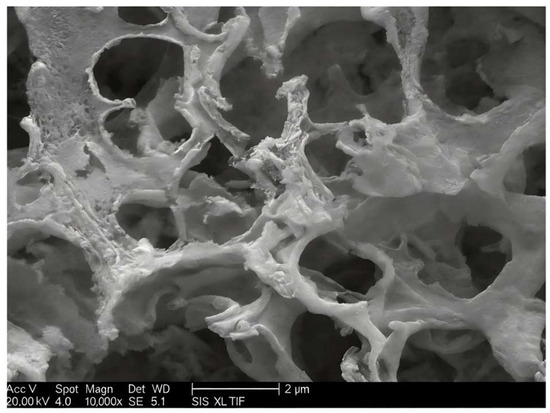
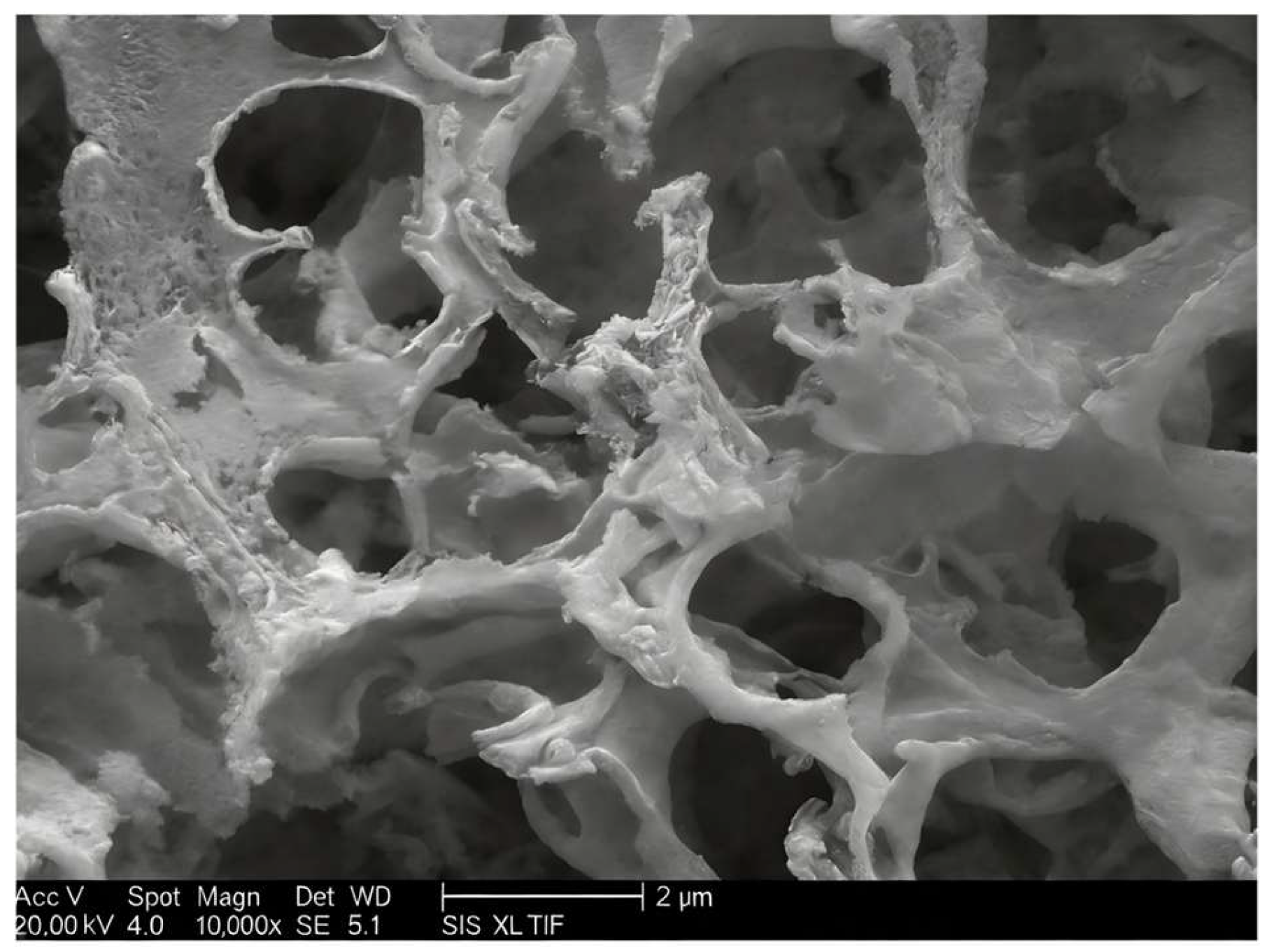
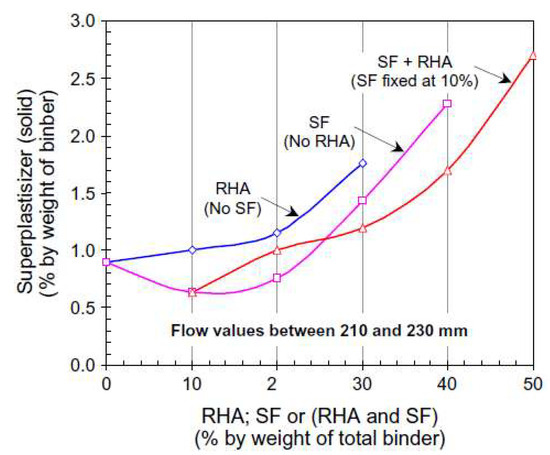
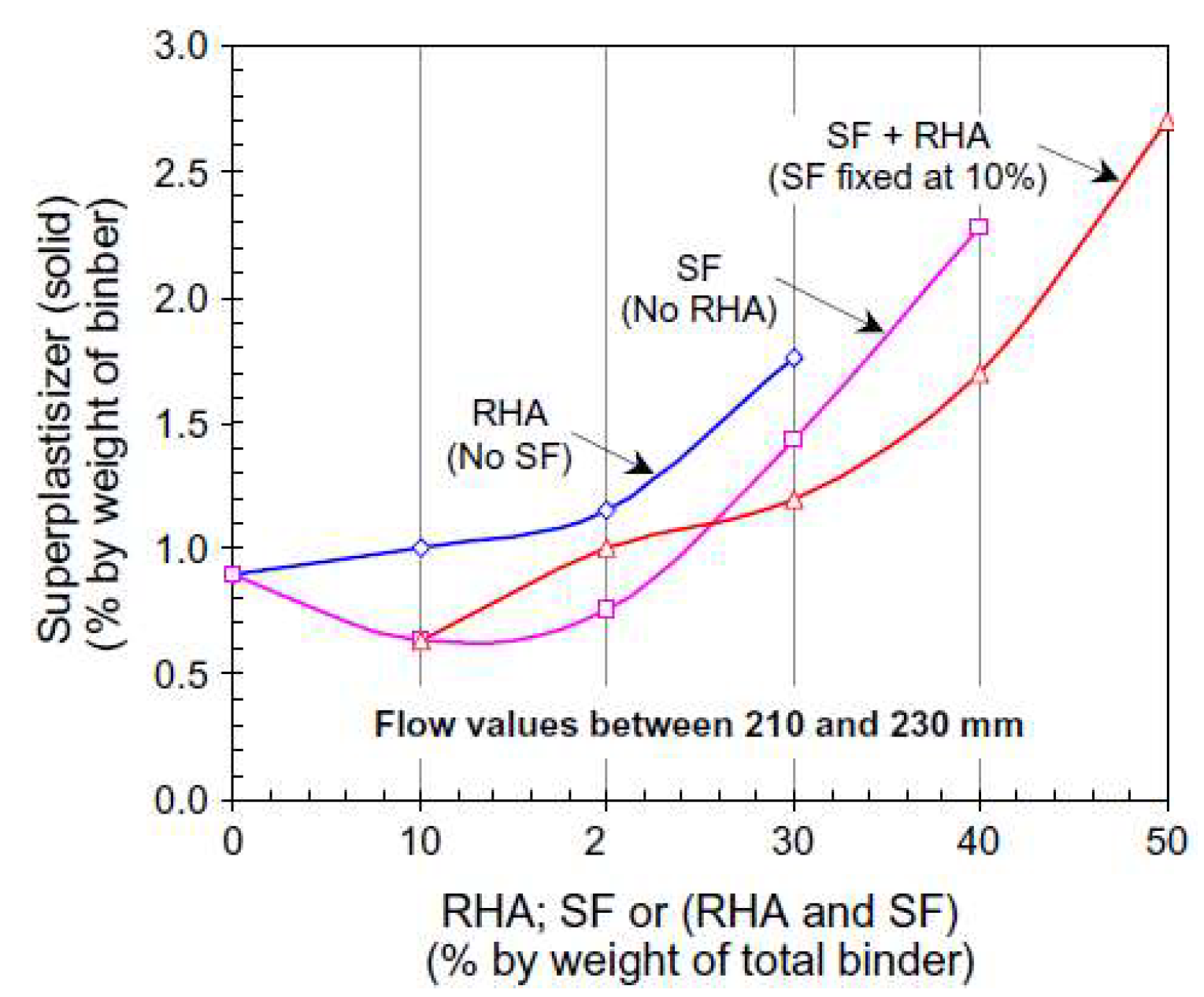
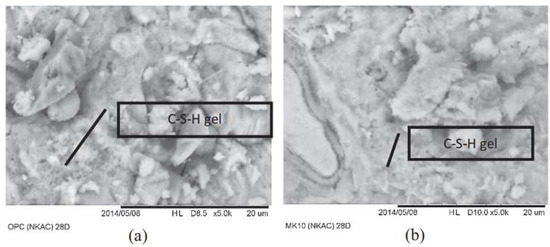
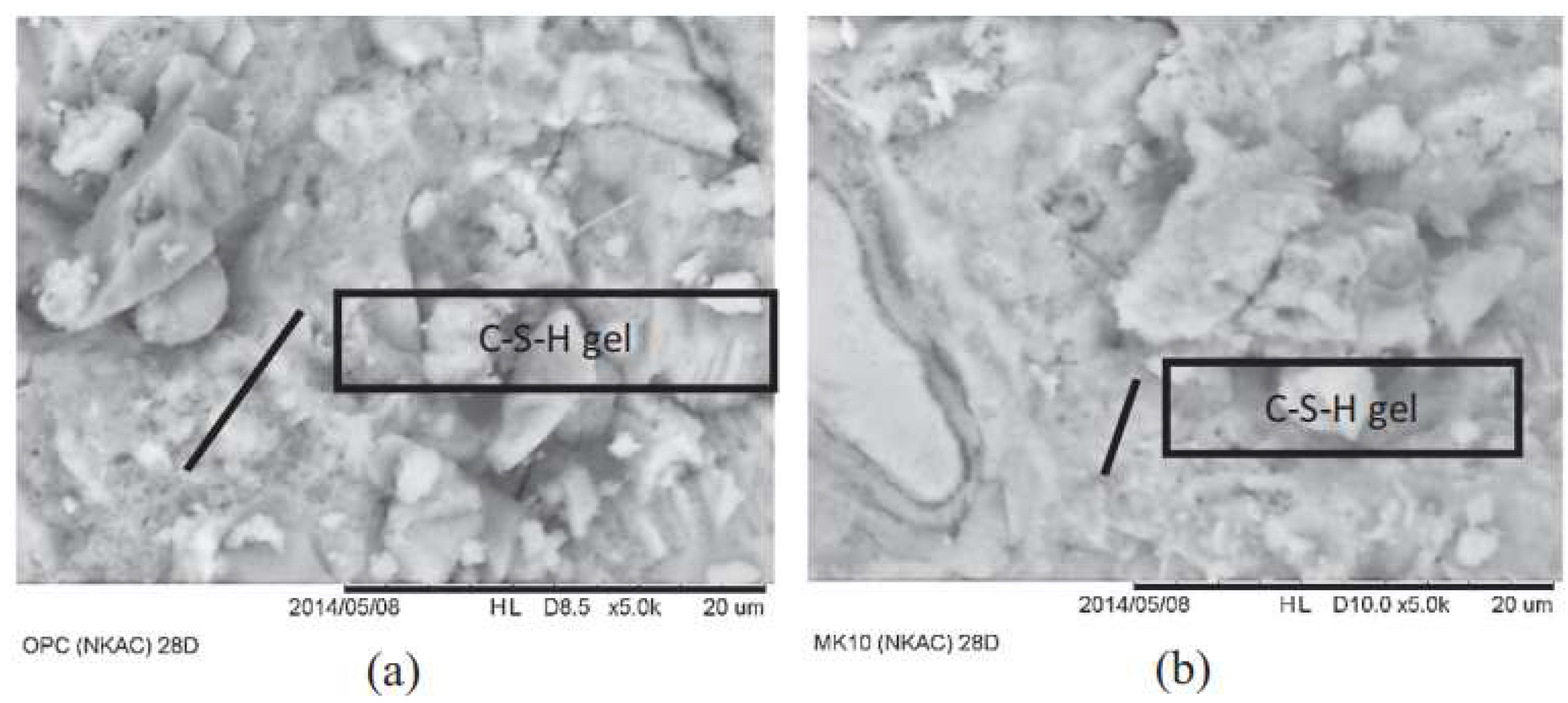
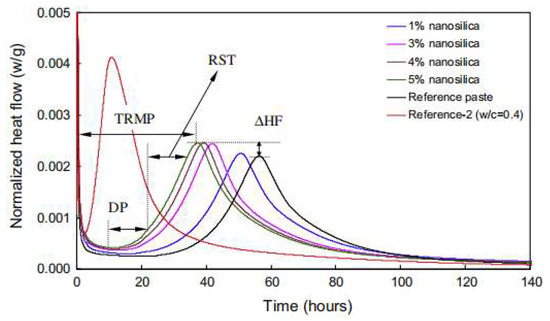
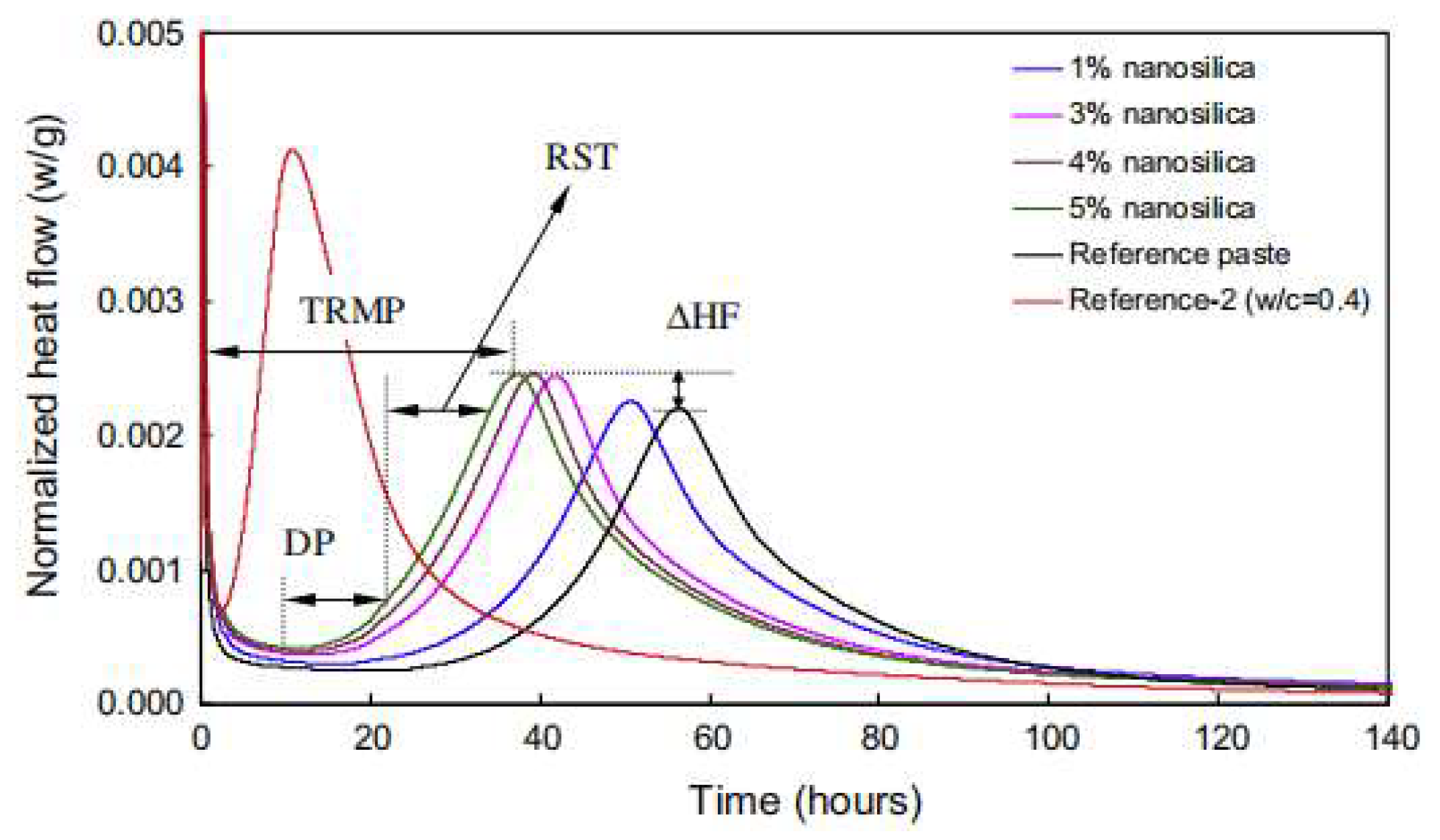
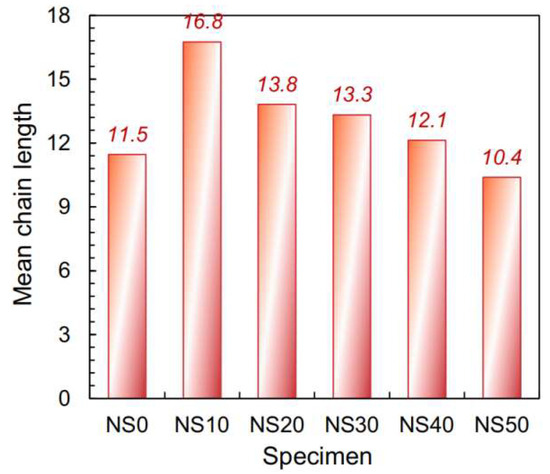
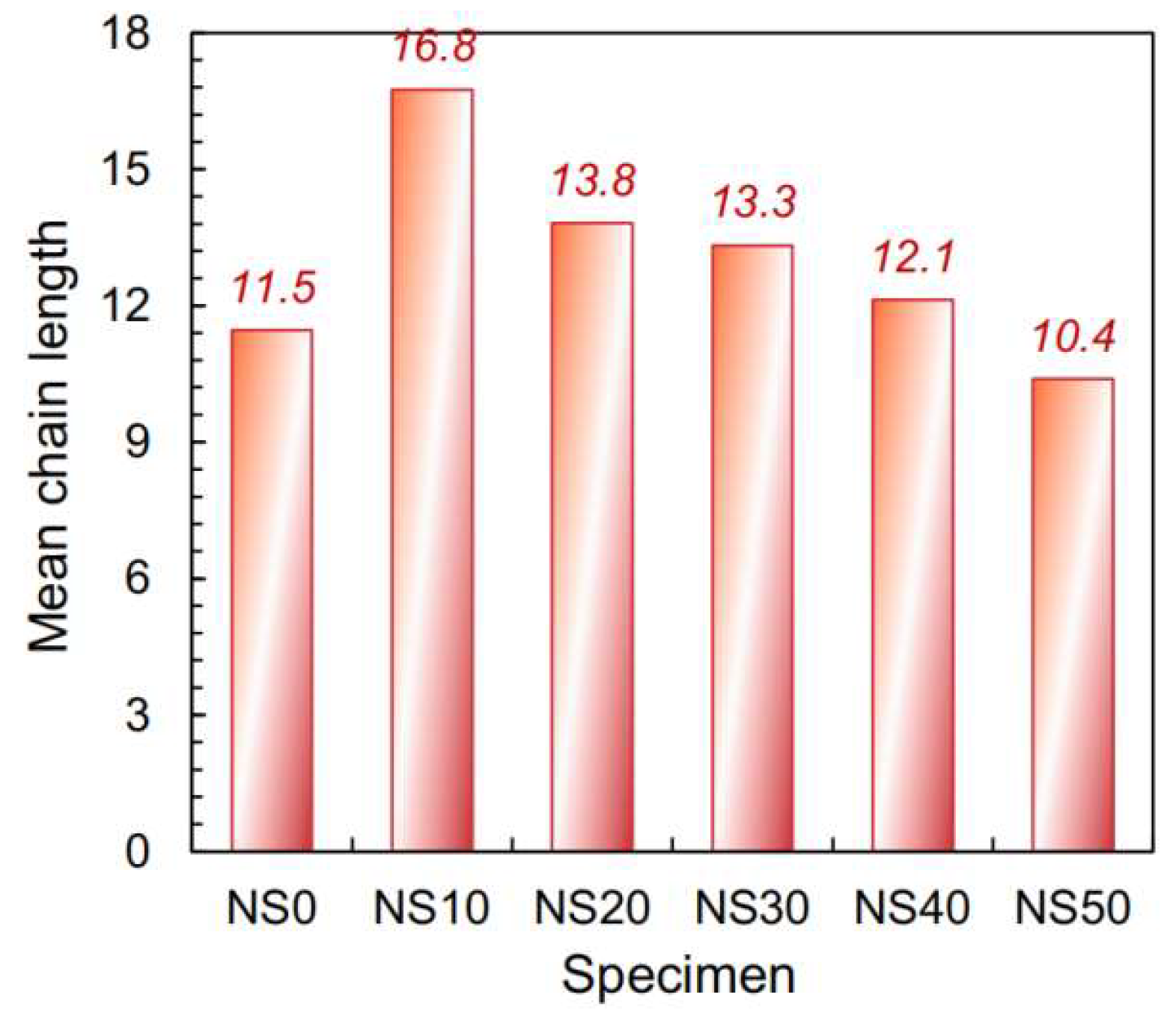
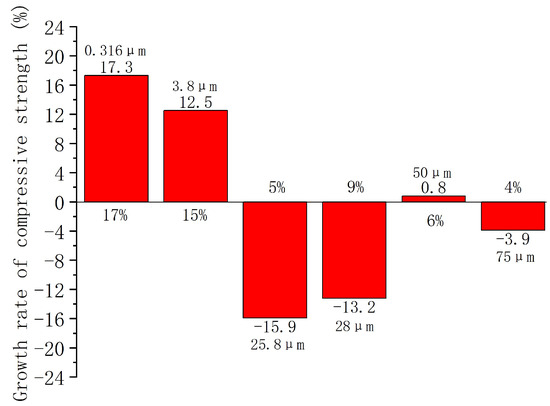
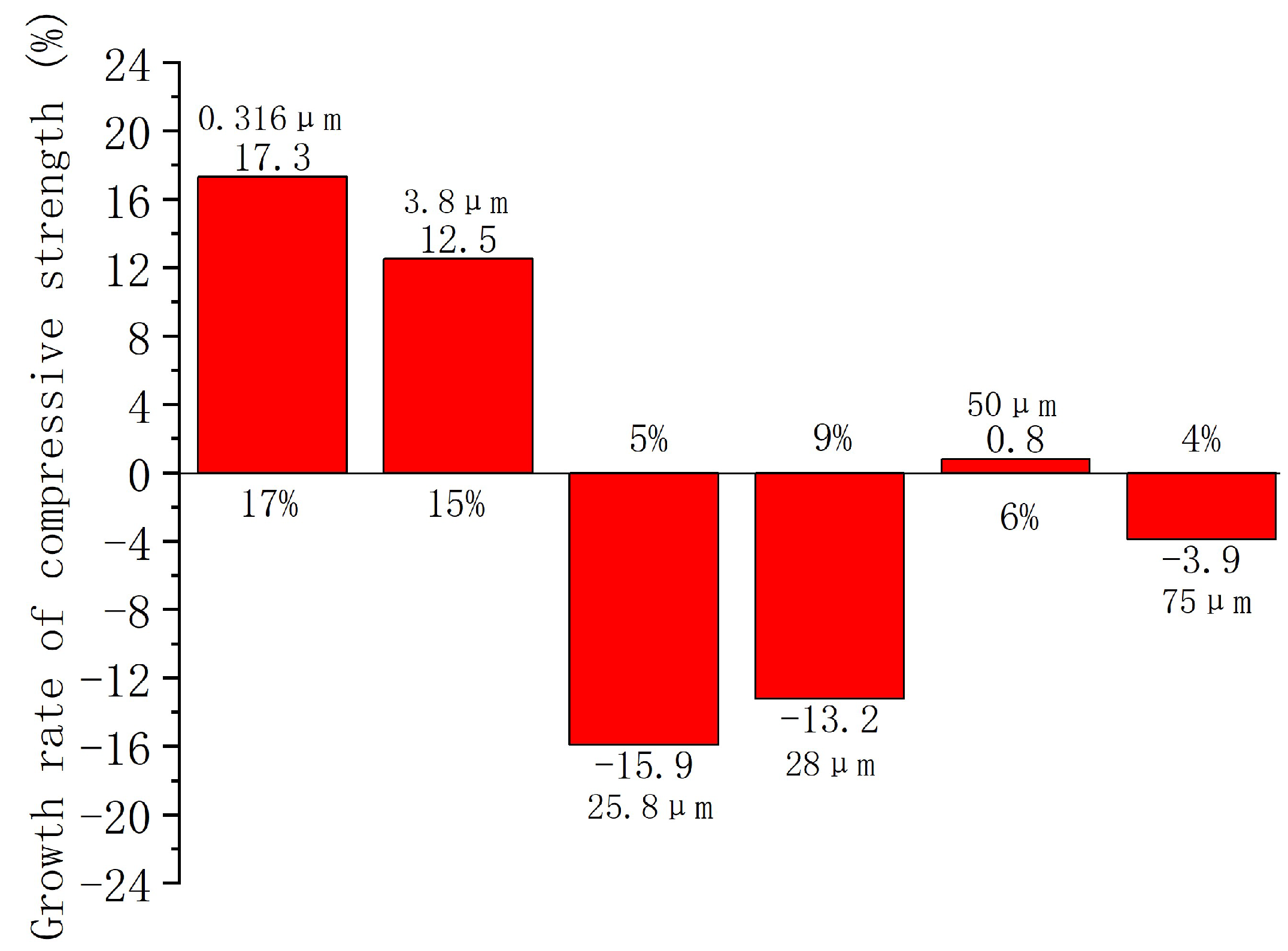
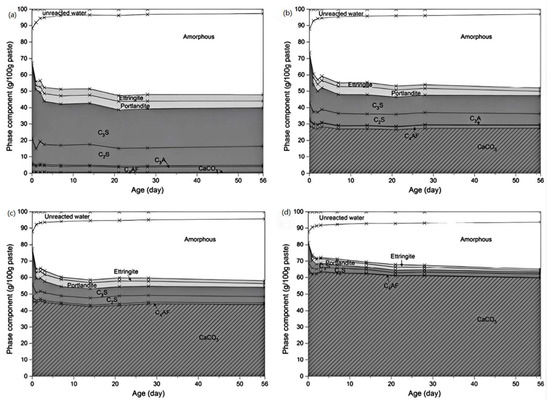
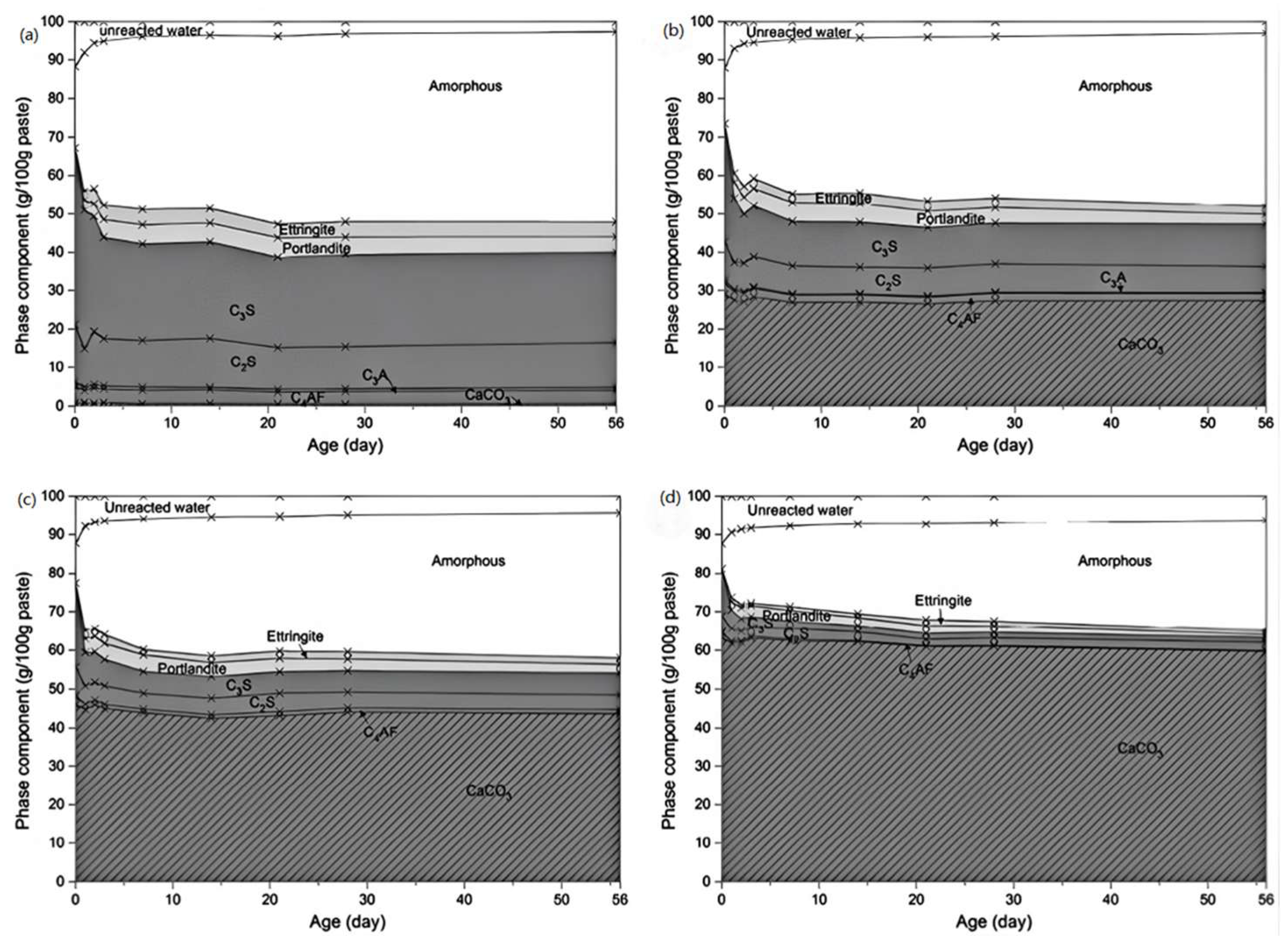
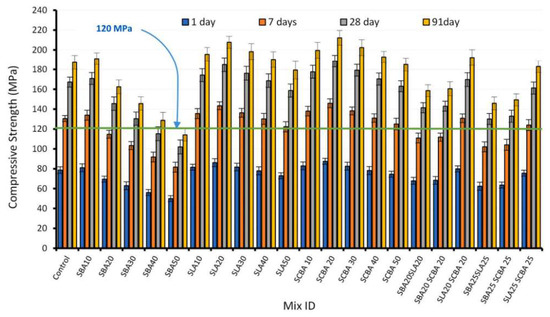
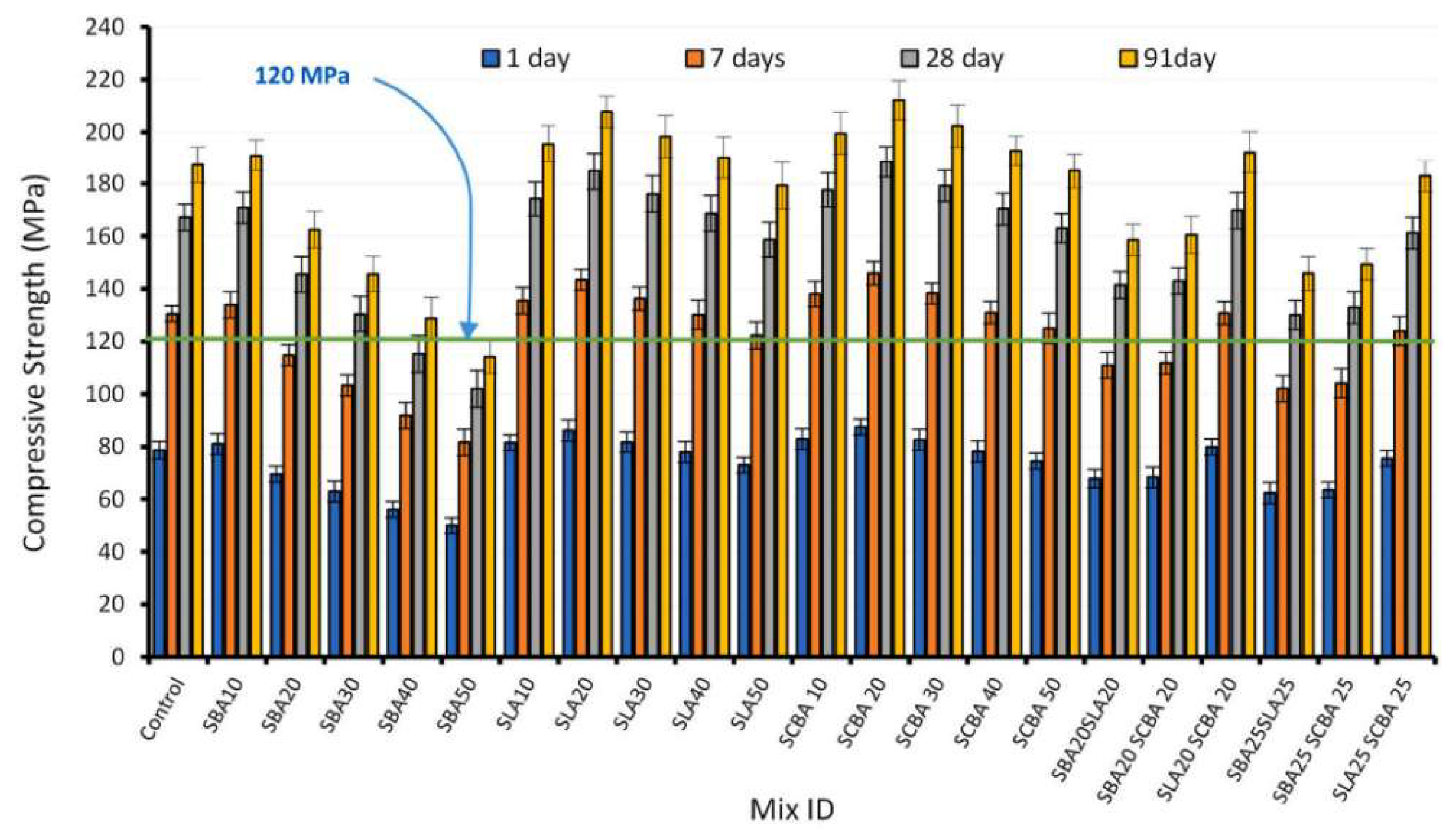
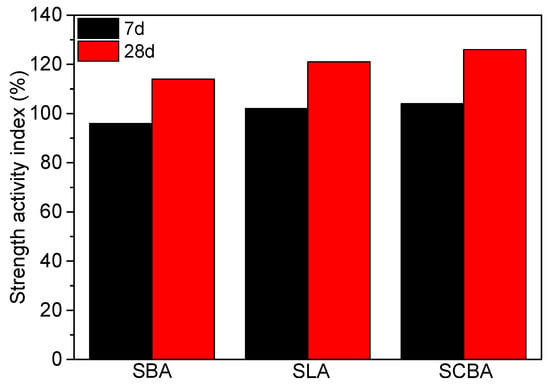
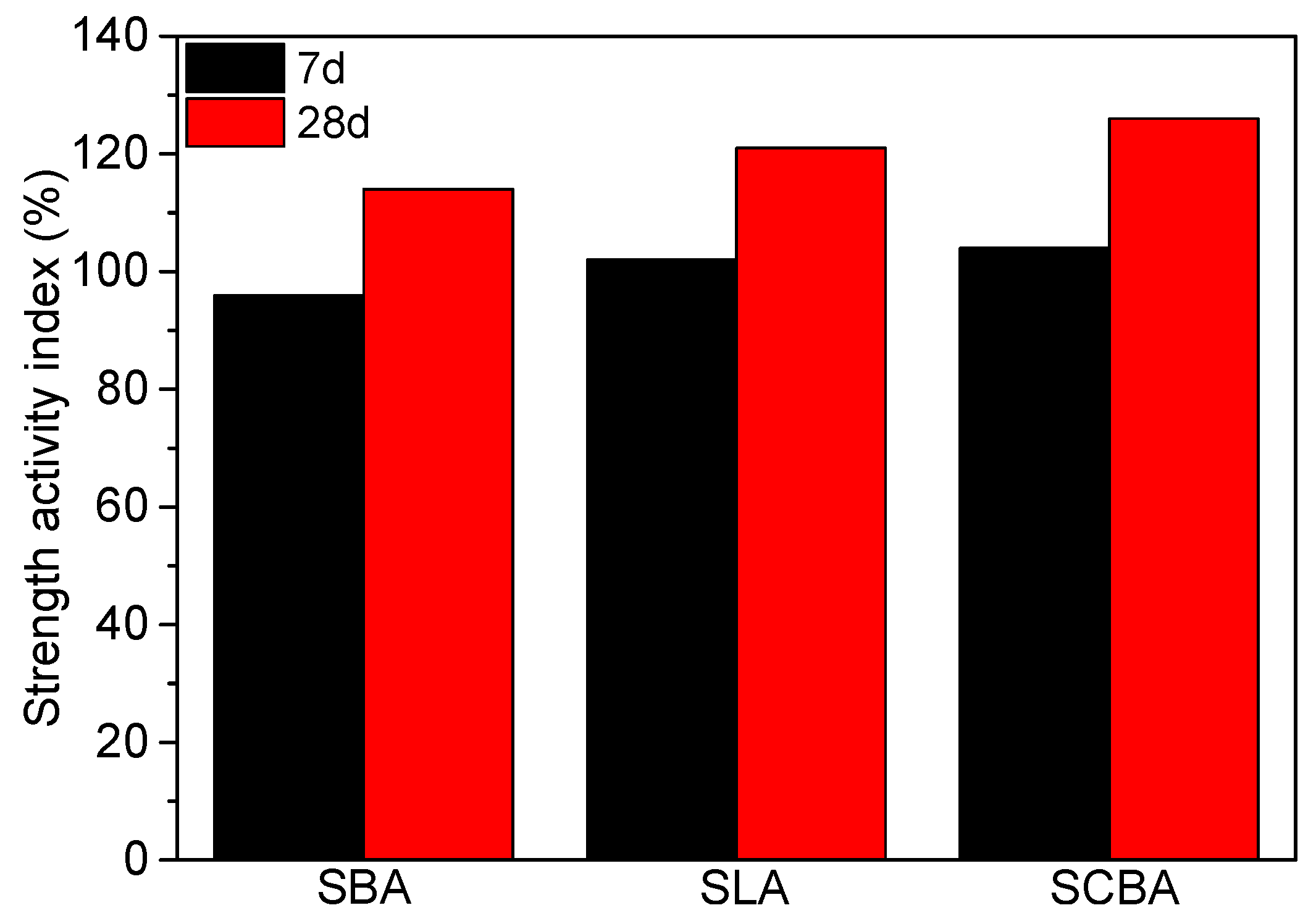
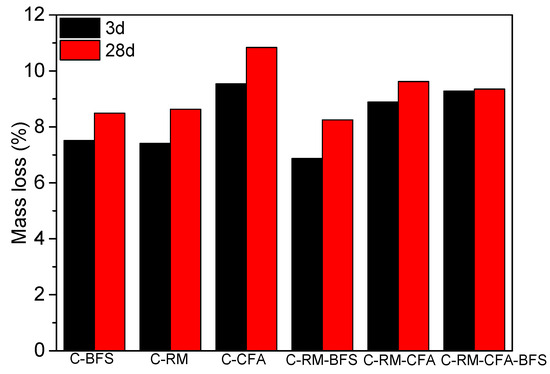
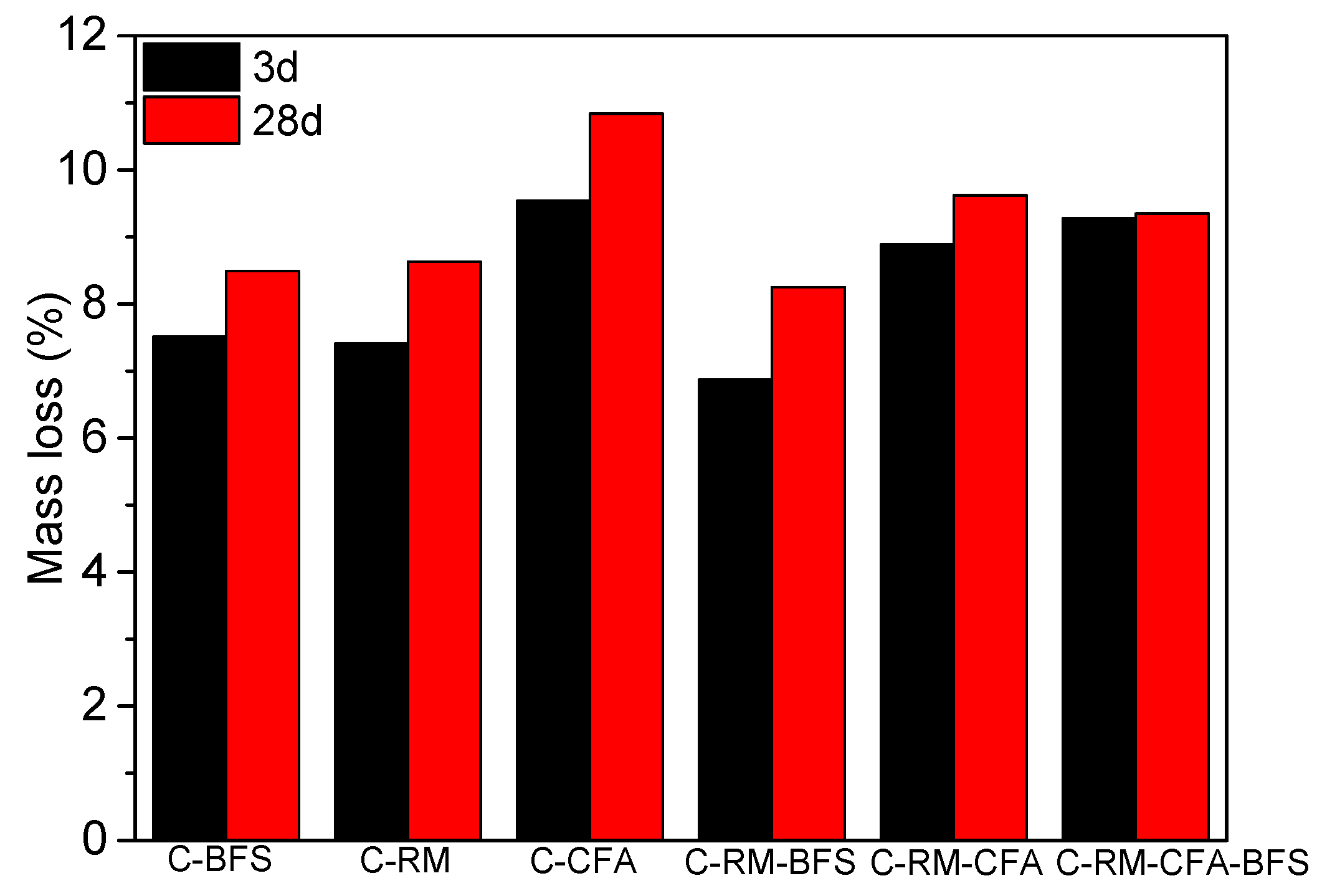
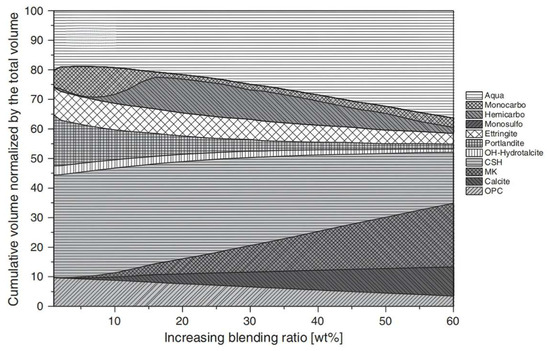
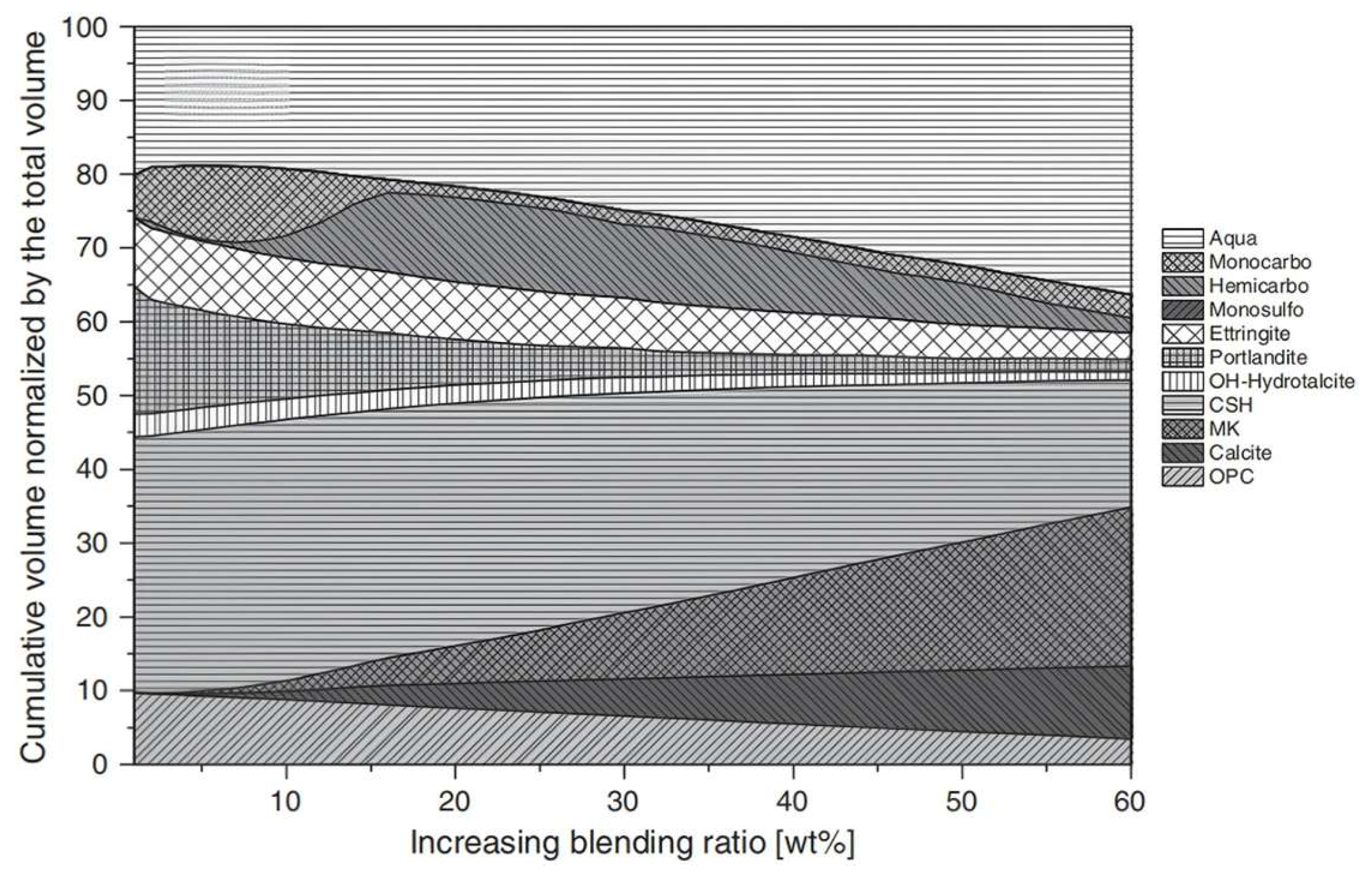
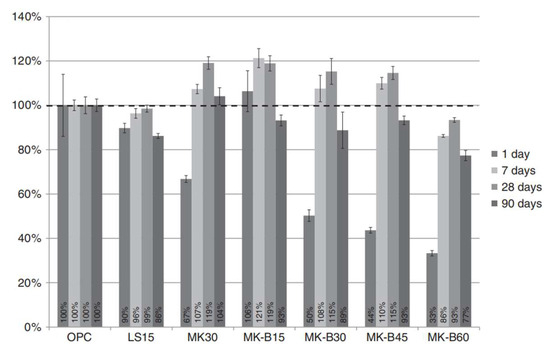
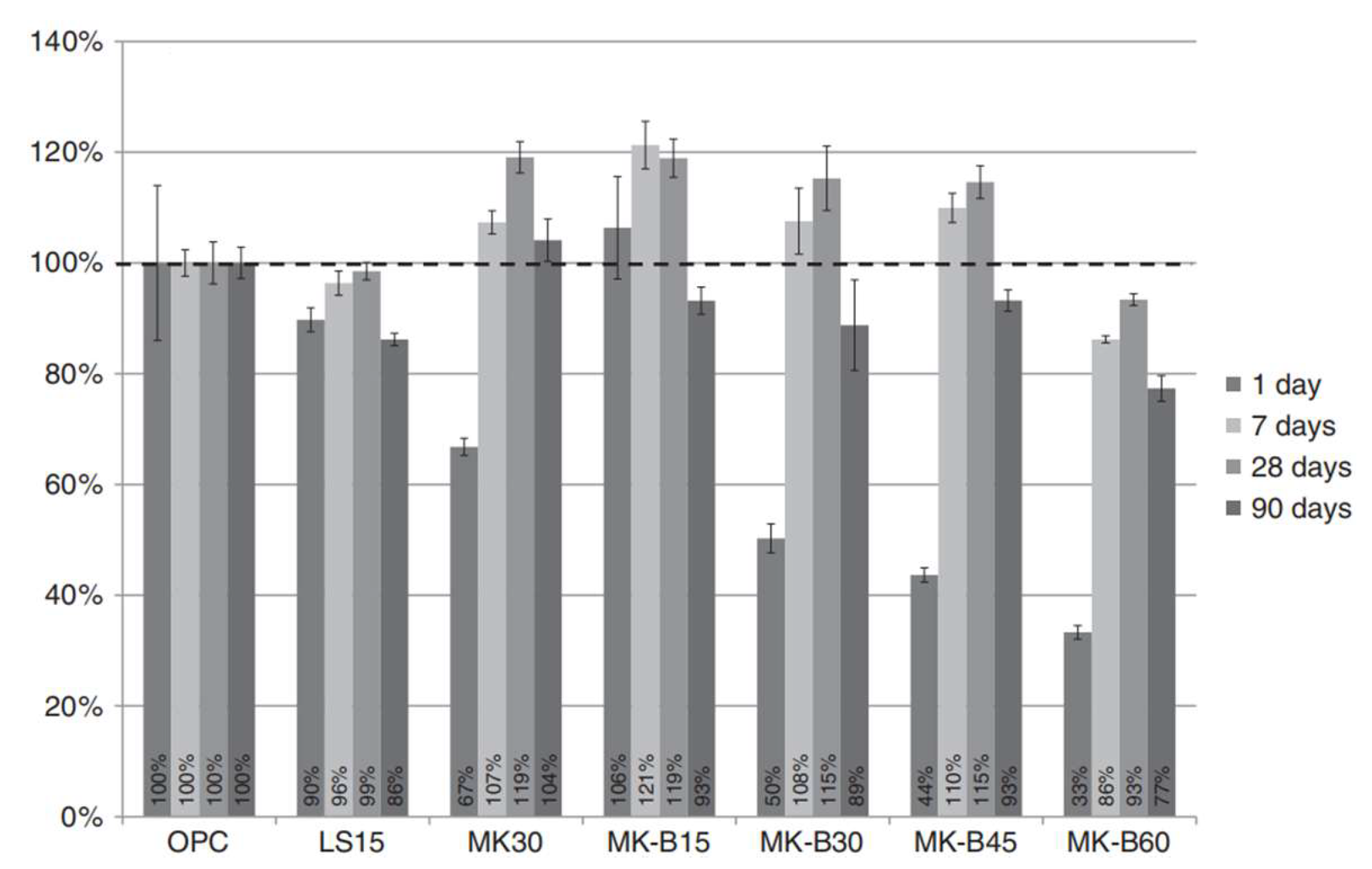
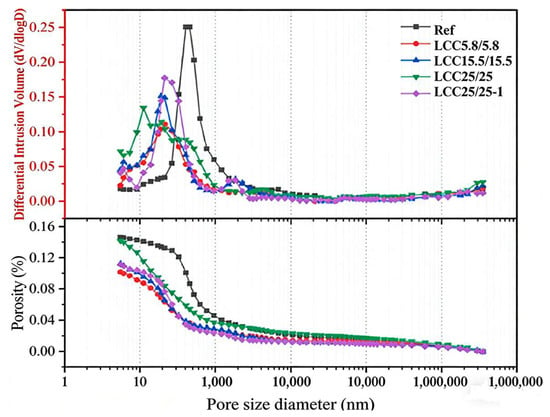
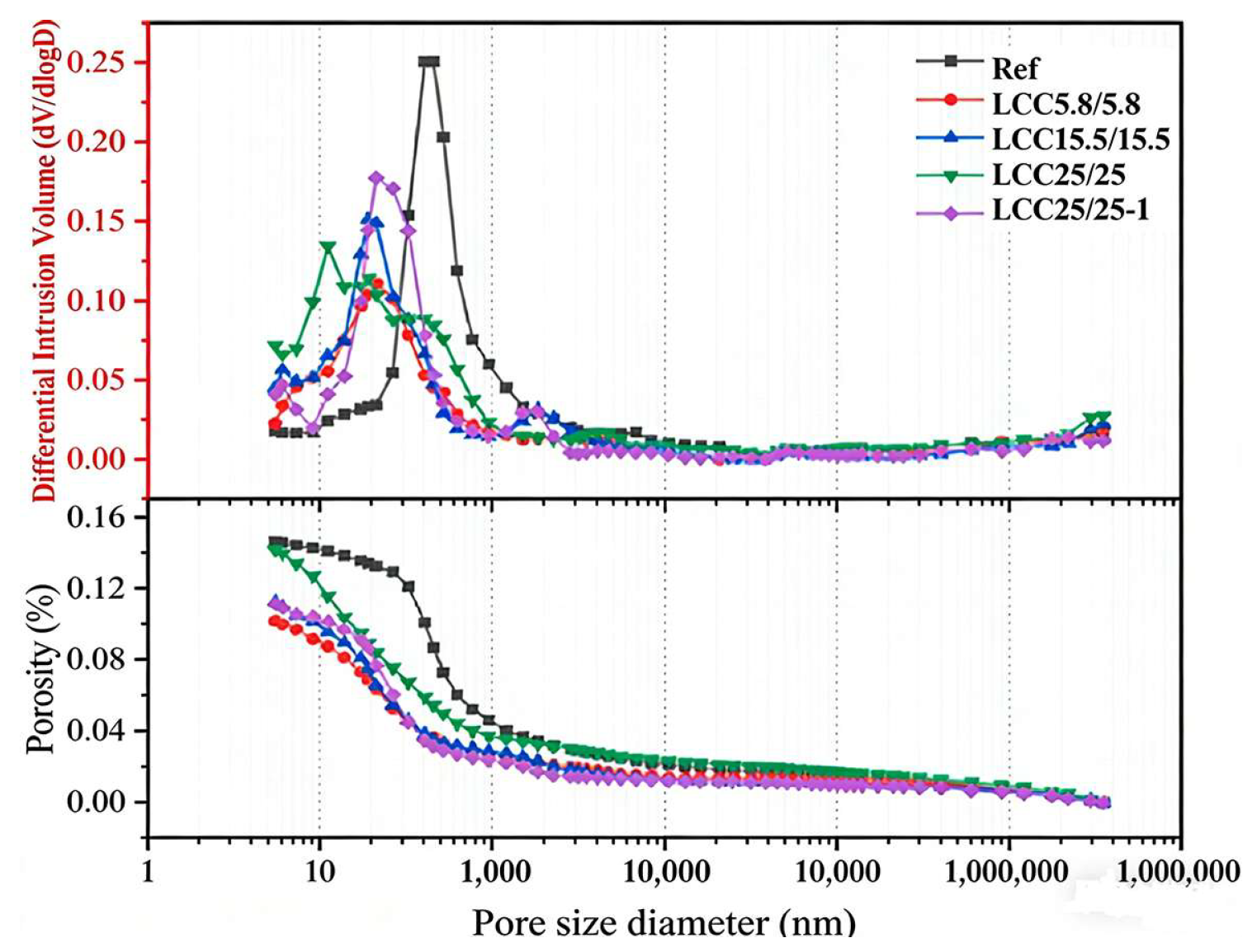
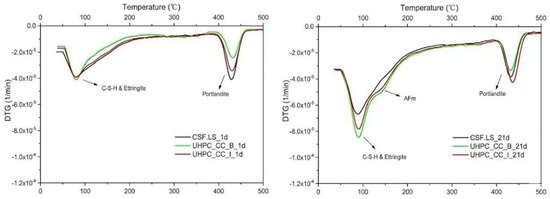
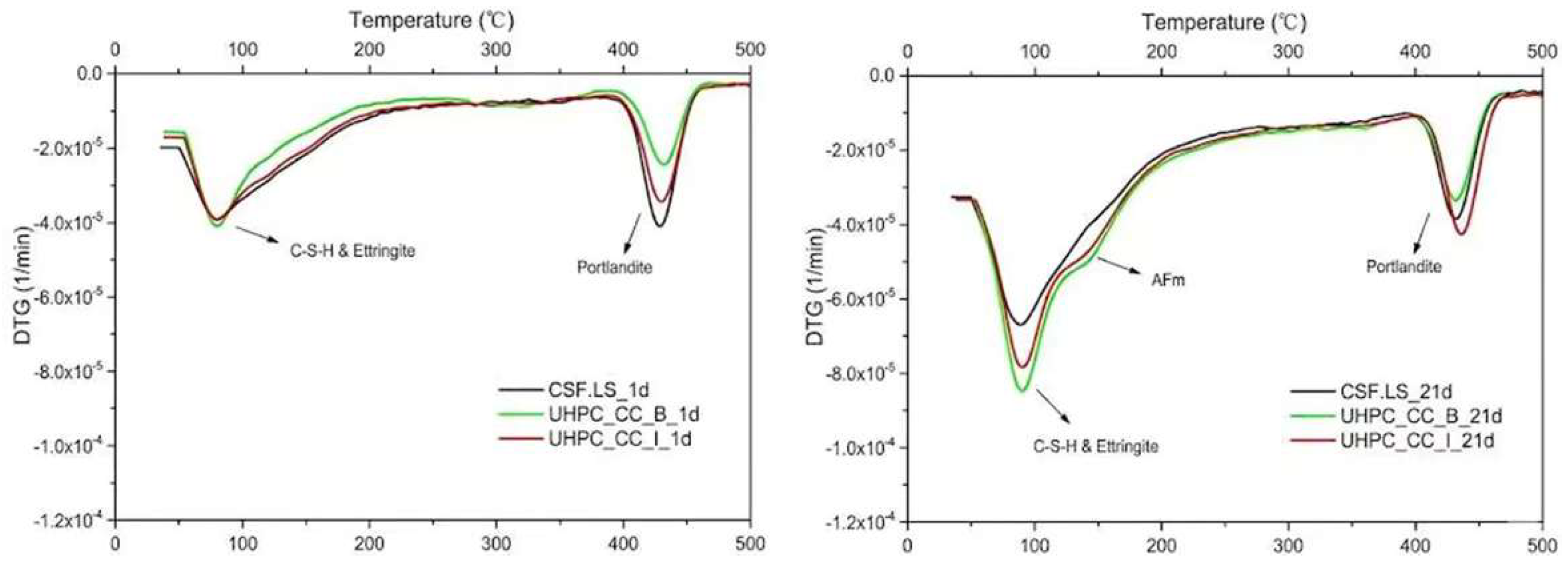
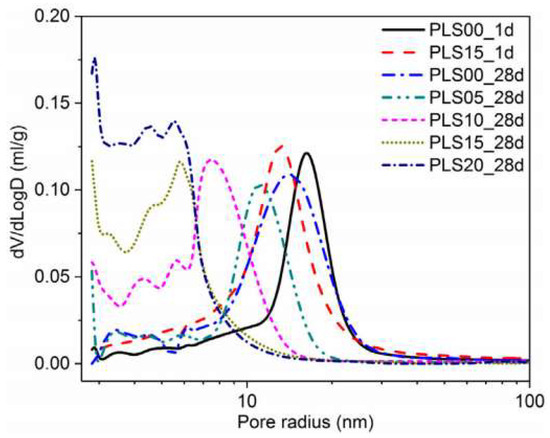
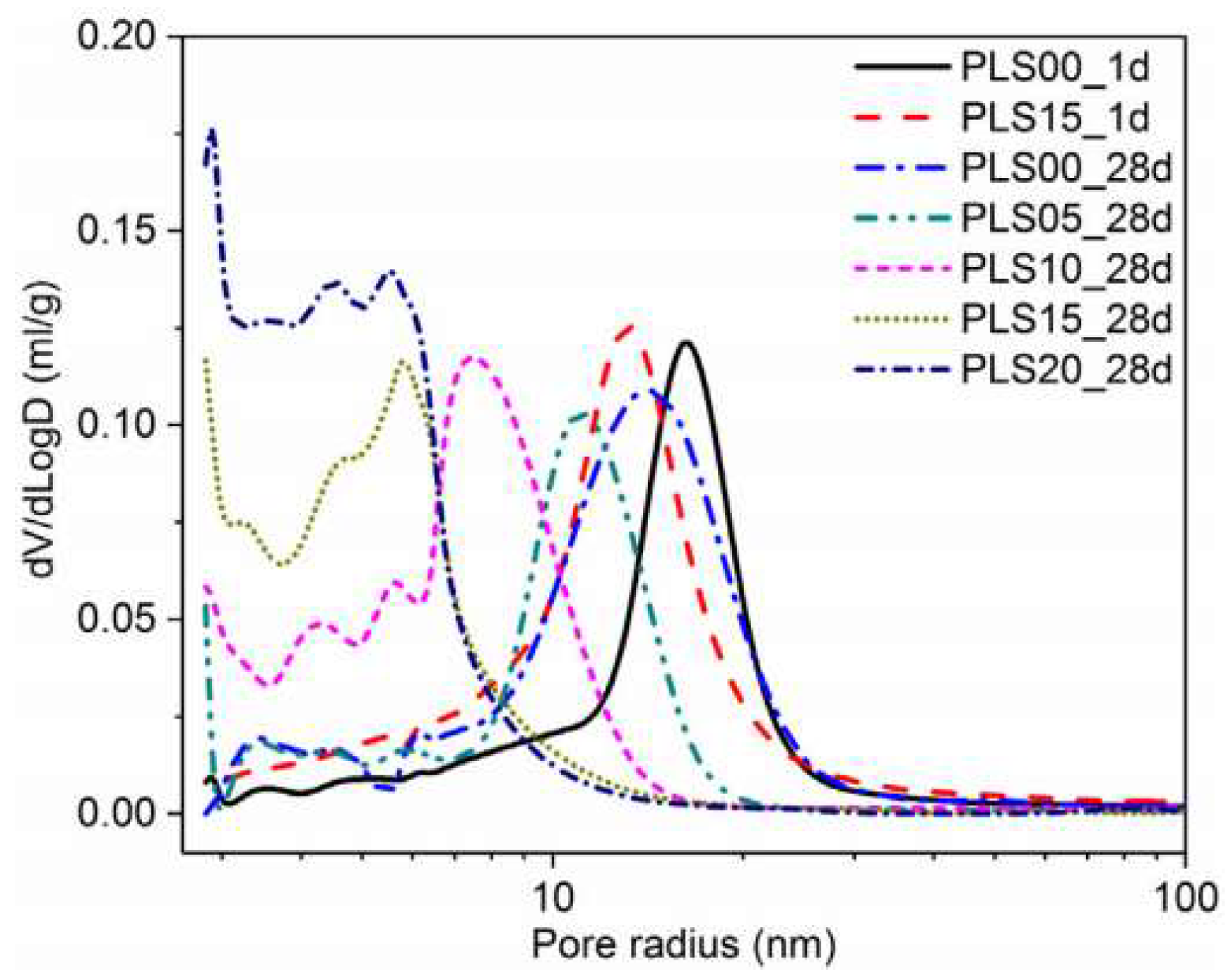
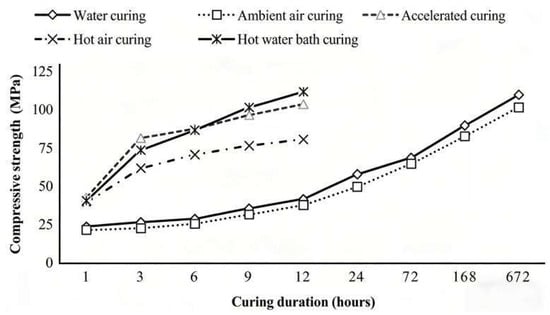
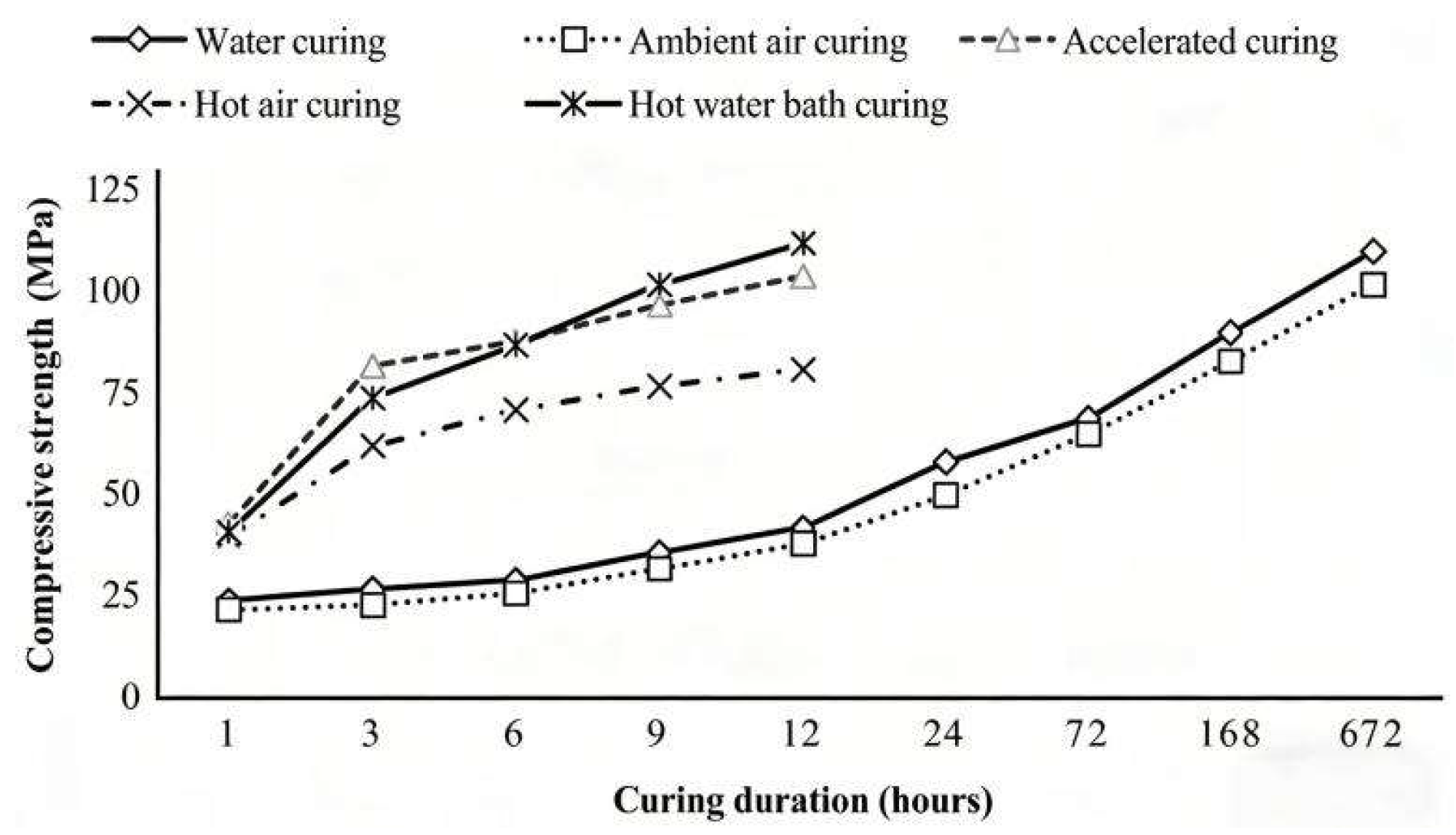
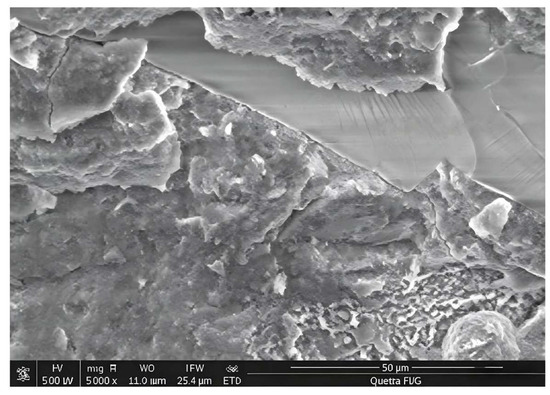
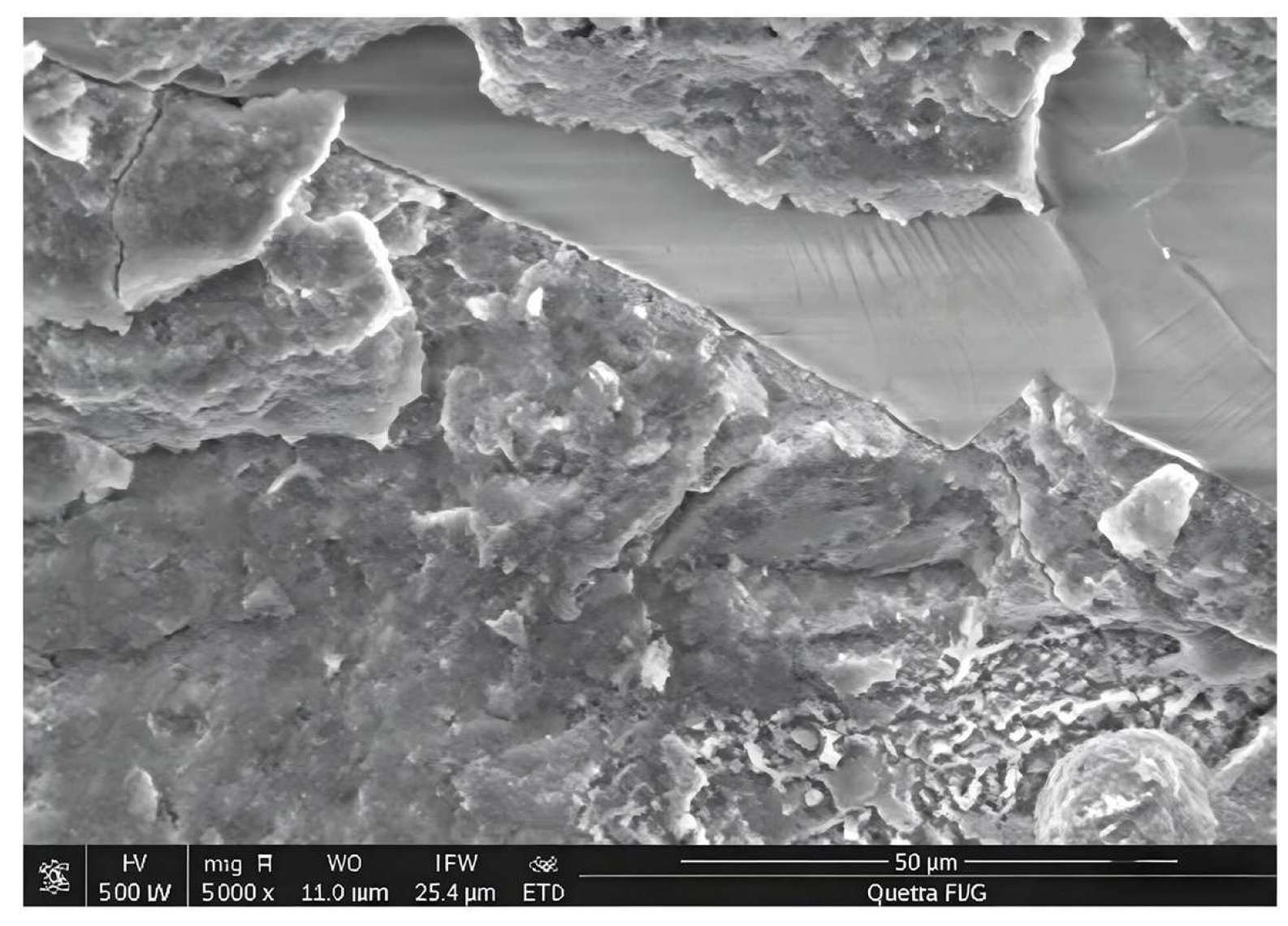
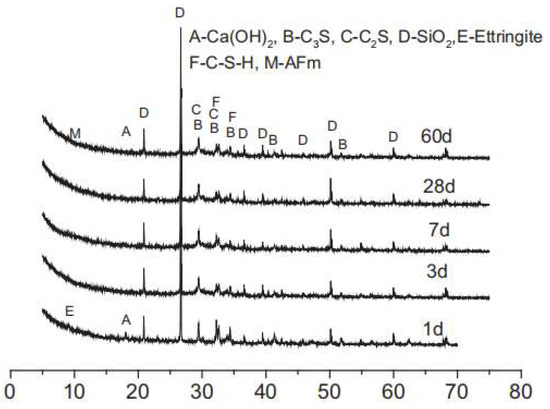
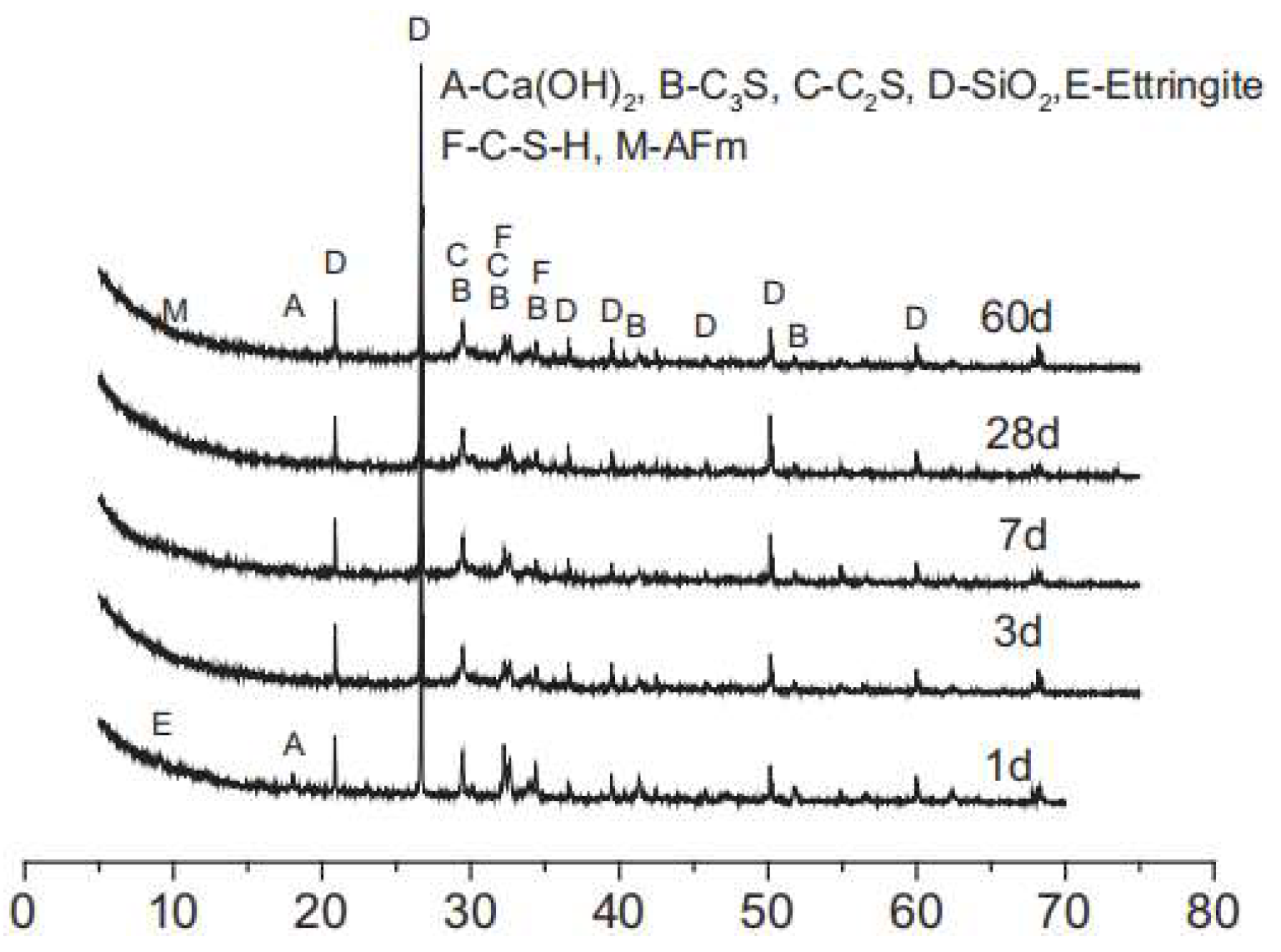
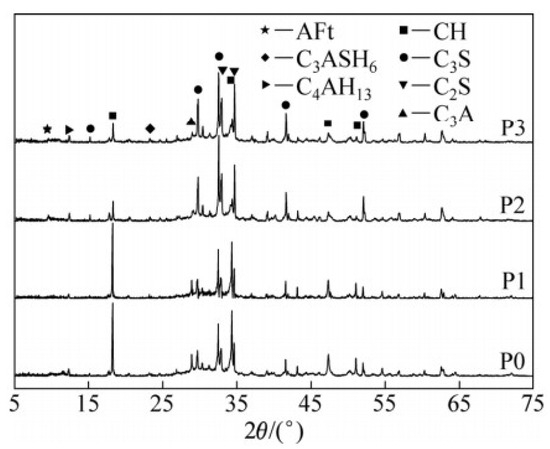
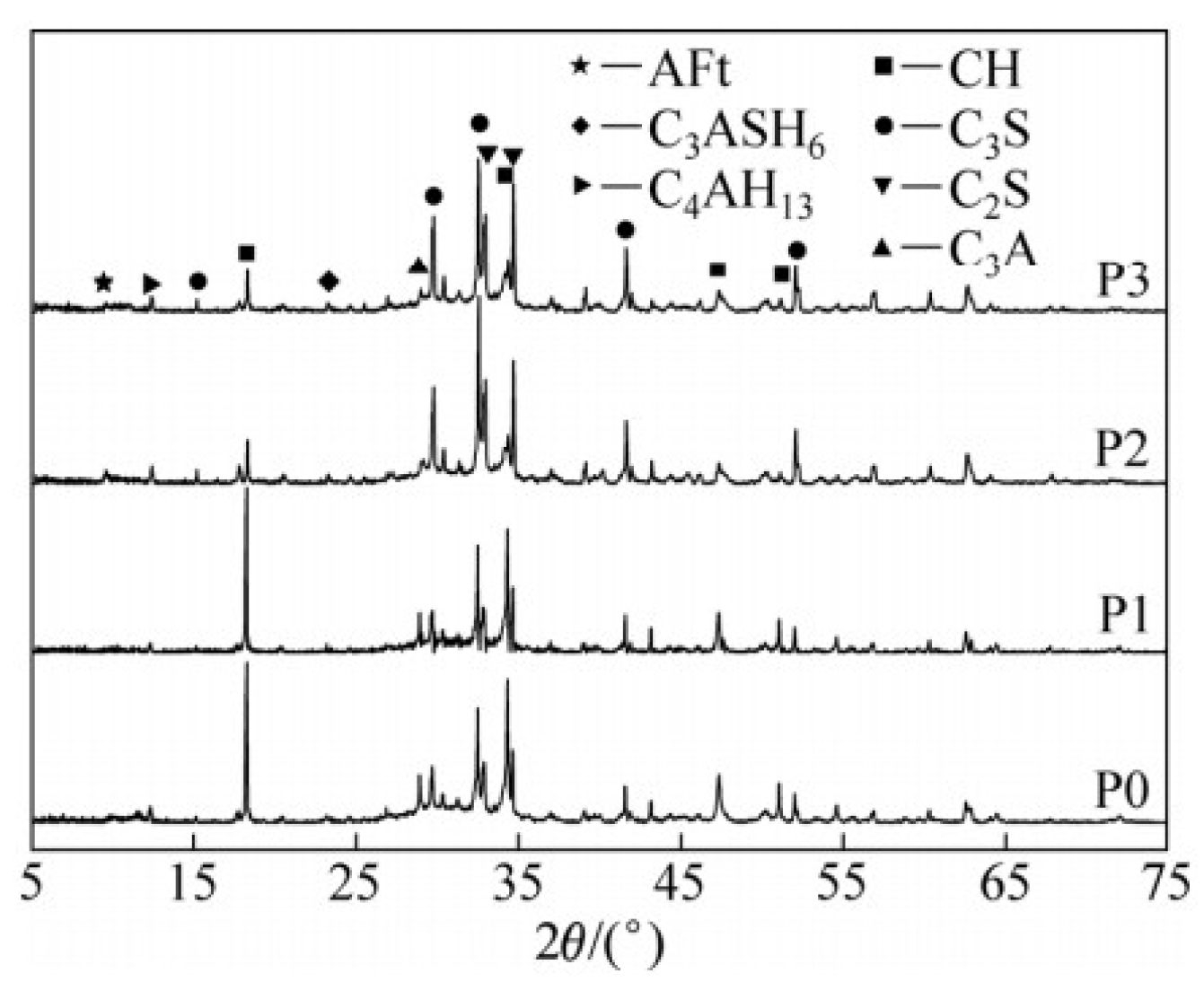
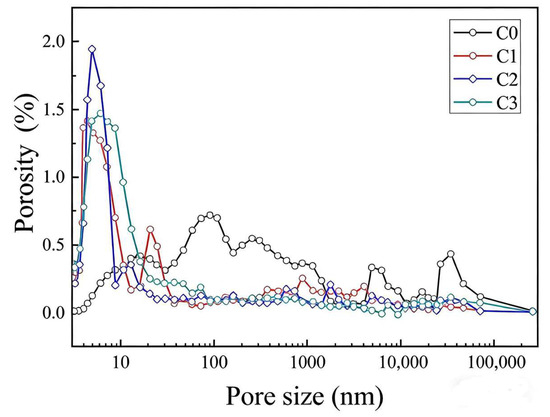
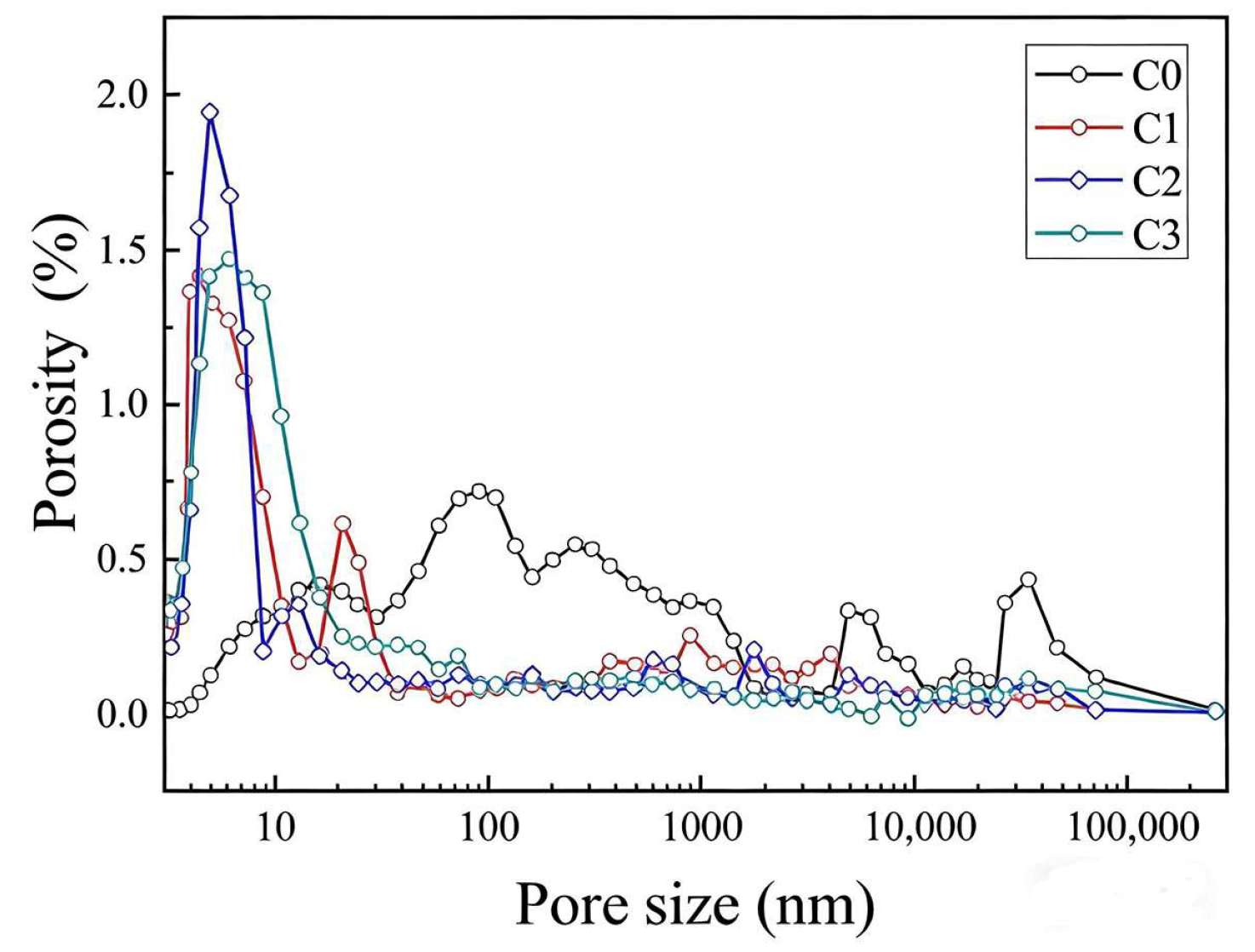
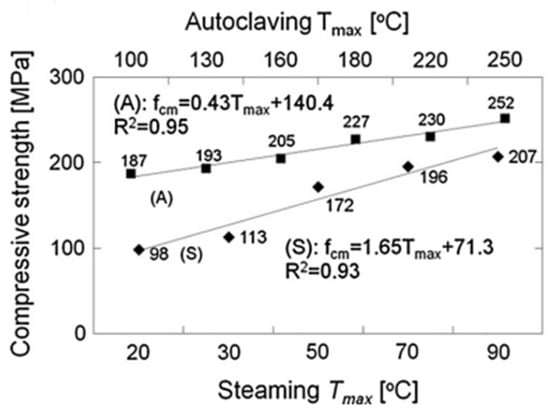
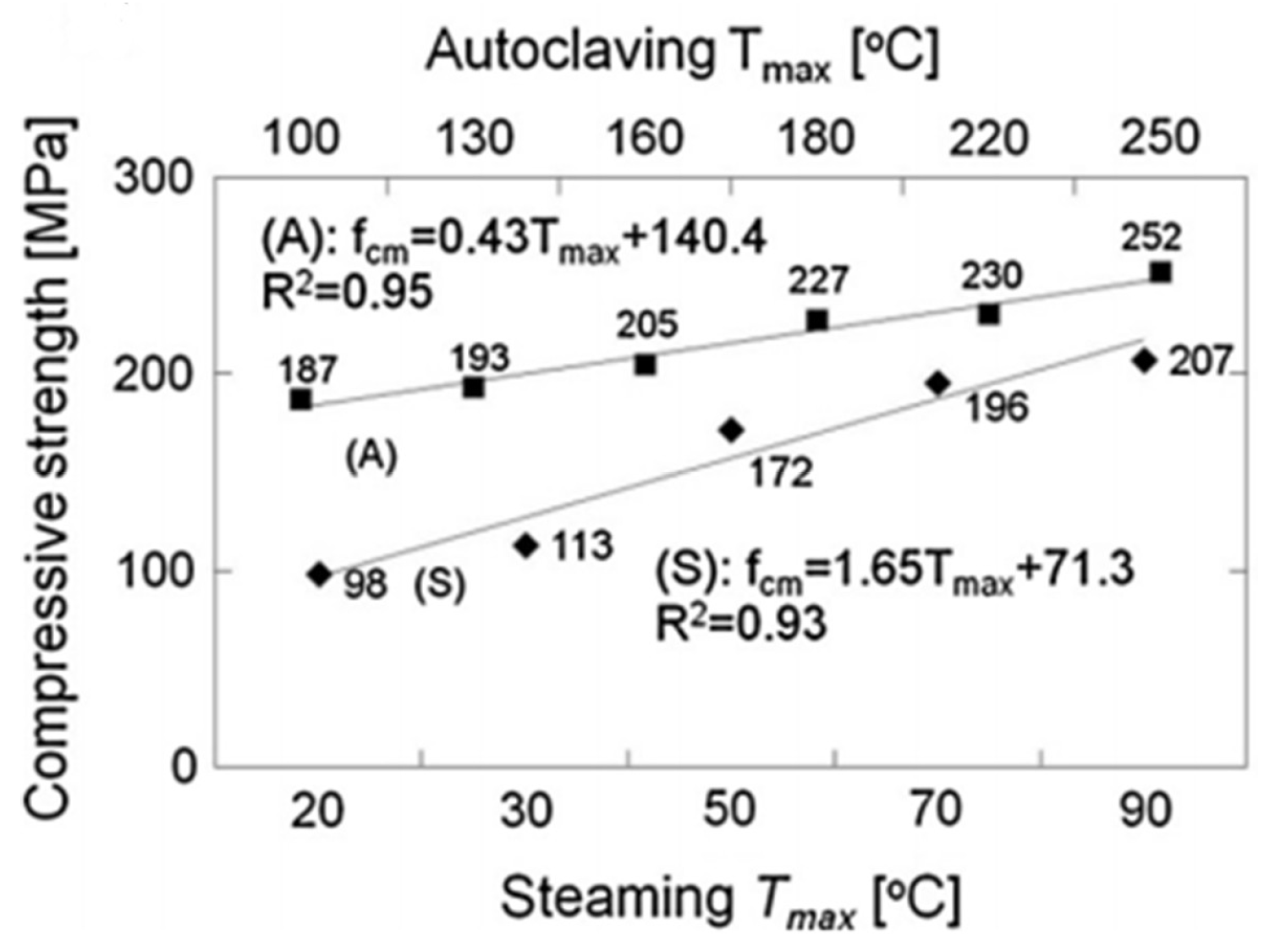
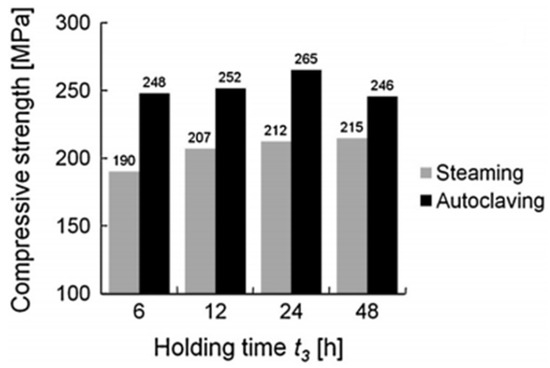
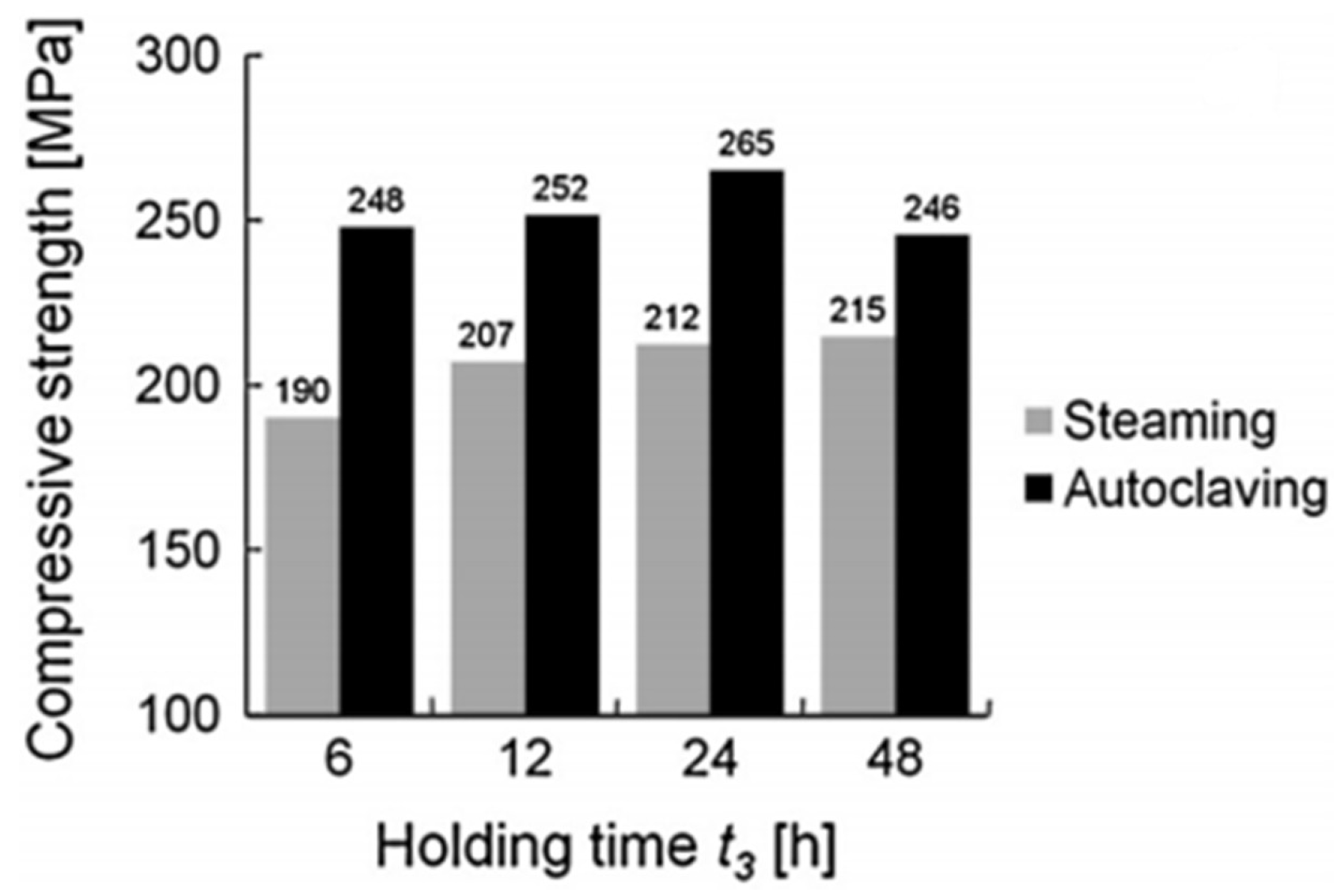
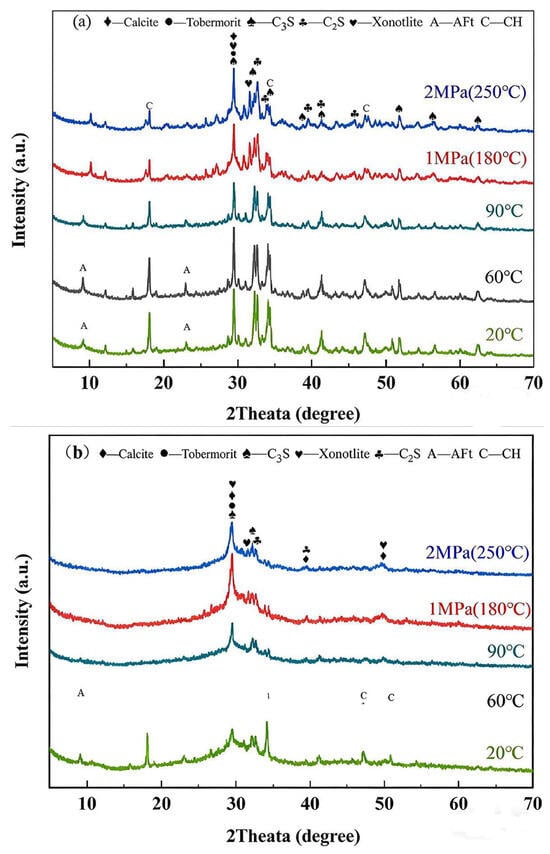
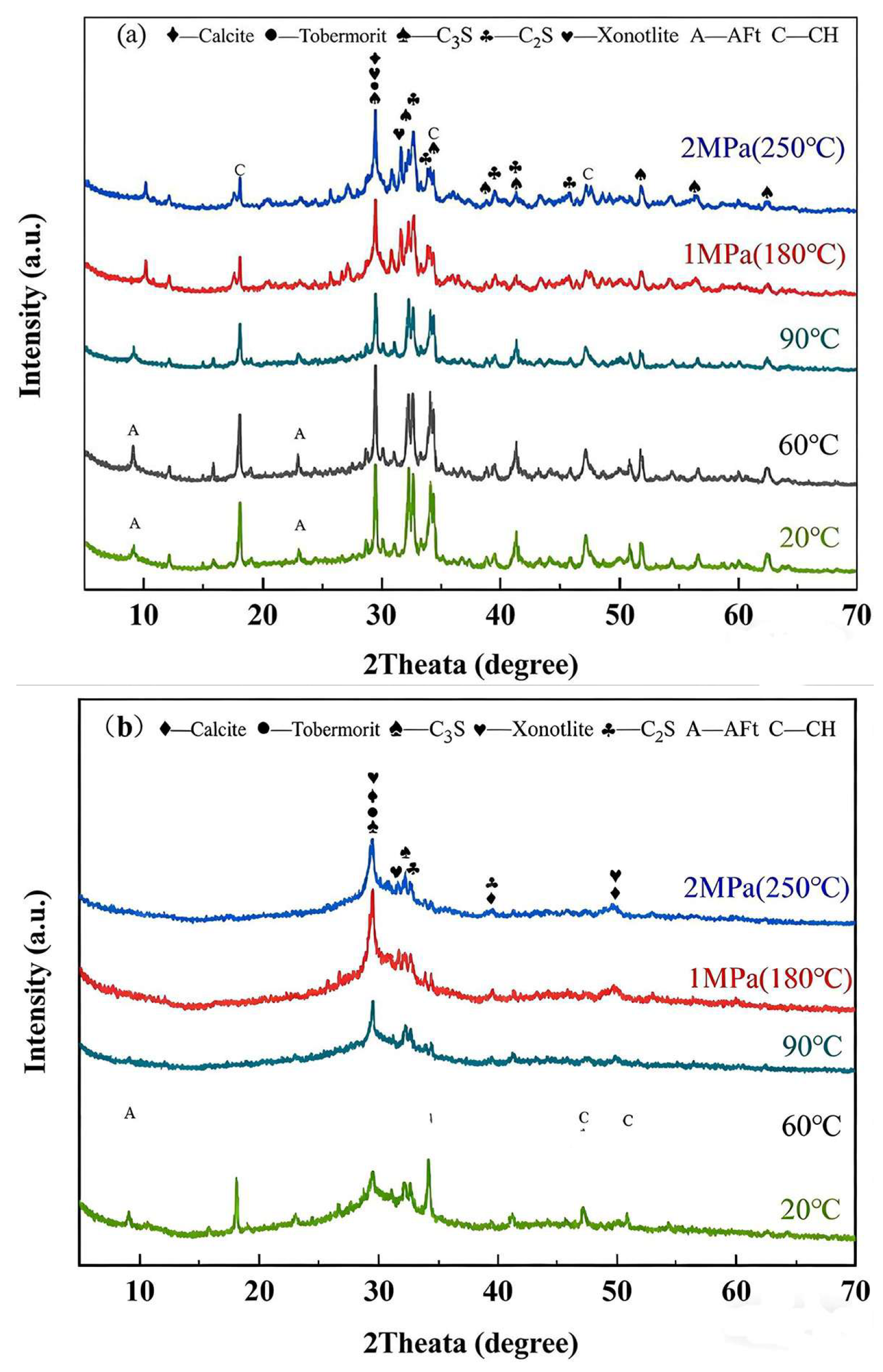
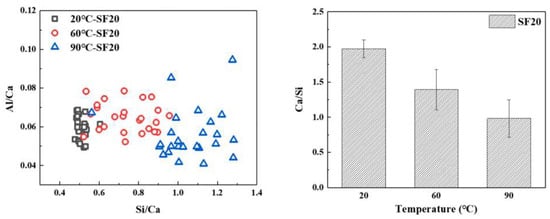
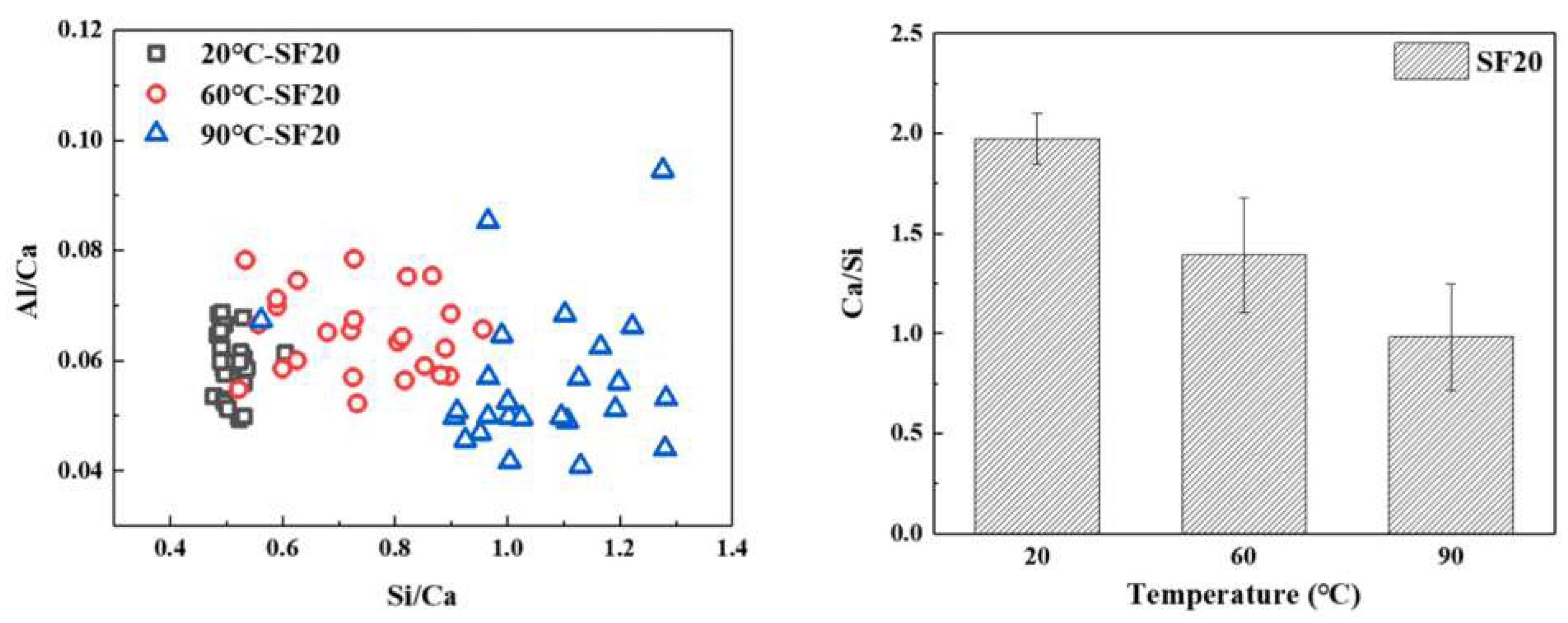
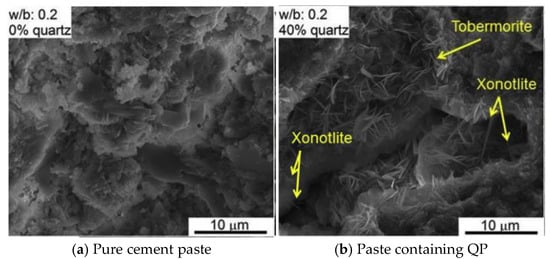

Disclaimer/Publisher’s Note: The statements, opinions and data contained in all publications are solely those of the individual author(s) and contributor(s) and not of MDPI and/or the editor(s). MDPI and/or the editor(s) disclaim responsibility for any injury to people or property resulting from any ideas, methods, instructions or products referred to in the content. |
© 2026 by the authors. Licensee MDPI, Basel, Switzerland. This article is an open access article distributed under the terms and conditions of the Creative Commons Attribution (CC BY) license.