


Abstract
Green streets—streets that systematically integrate vegetation-based and nature-based solutions into the public right-of-way as part of contemporary urban green infrastructure and climate adaptation strategies—have become an increasingly important planning and design approach. While historical precedents of vegetated and tree-lined streets exist, modern green streets represent a more integrated and performance-oriented paradigm that combines stormwater management, ecosystem service provision, climate resilience, and social functions within coordinated policy and infrastructure frameworks. This review synthesizes current knowledge on green street management practices and their performance across environmental, hydrological, ecological, and socio-spatial dimensions. The analysis examines design strategies, maintenance regimes, governance arrangements, and performance assessment methods reported in the literature. Evidence indicates that well-managed green streets can significantly reduce stormwater runoff, improve water quality, mitigate urban heat, enhance biodiversity, and contribute to pedestrian comfort and neighborhood livability. However, reported outcomes vary widely depending on local climate, design specifications, maintenance intensity, and institutional capacity. Persistent research gaps include limited long-term monitoring, underrepresentation of cities in the Global South, insufficient integration of governance, economic, and social dimensions, and a lack of standardized performance metrics. Comparative and longitudinal studies remain scarce, constraining understanding of lifecycle performance and trade-offs. Future research should prioritize standardized evaluation frameworks, long-term empirical monitoring, socio-spatial equity assessments, and the integration of emerging digital technologies for real-time monitoring and decision support. Strengthening these areas is essential to support evidence-based planning and scalable implementation of green streets as a key component of sustainable urban development.
1. Introduction
The global urban population has exceeded 4.6 billion people, accounting for more than half of the world’s total population. In highly developed regions such as Japan, North America, and Europe, urban areas accommodate approximately 76–93% of the population. This rapid and extensive urbanization has intensified pressures on natural systems and urban infrastructure, creating a growing need for innovative and sustainable solutions to ensure adequate living conditions within densely populated anthropogenic environments [1,2,3,4,5,6].
In response to the growing conflict between socioeconomic development and the conservation of natural ecosystems, the concepts of sustainable development and smart growth have been widely adopted [7]. Early planning approaches emphasized the establishment of forest and green belts, green–yellow zones surrounding metropolitan areas, and green corridors intended to counterbalance gray infrastructure and maintain ecological connectivity with surrounding natural ecosystems such as forests and grasslands [8].
Building on these concepts, urban blue–green infrastructure has emerged as a nature-based approach that integrates networks of green spaces (e.g., parks, urban trees, green roofs, and home gardens) with blue elements (e.g., rivers, ponds, and wetlands). This integrated system provides multiple ecosystem services, including stormwater management, biodiversity enhancement, urban climate regulation, and improvements in public health and quality of life, while offering a sustainable alternative to conventional gray infrastructure [9,10,11]. Green infrastructure more broadly has been recognized as an effective means of mitigating the negative impacts of urbanization by balancing impervious surfaces and enhancing urban ecosystem functions through the use of natural materials such as vegetation, soil, and water [12,13,14].
Stormwater management represents one of the most critical challenges in urban environments. Traditional stormwater management systems typically treat runoff as waste, often leading to flooding, water pollution, and ecosystem degradation. In this context, green streets represent an increasingly adopted approach for managing stormwater runoff at its source through landscape architecture and nature-based design. While the term “green streets” has been widely popularized through policy frameworks and implementation programs in the United States, comparable street-level vegetated drainage systems and stormwater control concepts have long been applied in Europe, Australia, and other regions under related frameworks such as Sustainable Urban Drainage Systems (SUDS), Water Sensitive Urban Design (WSUD), and Nature-Based Solutions (NBS). Common typologies include stormwater curb extensions, stormwater planters, vegetated swales, permeable pavements, and infiltration gardens. Empirical evidence from applications in Portland, Oregon, demonstrates that green streets can provide a highly effective and cost-efficient solution for managing street-level stormwater runoff [15]. Very important is the trees and water management, especially in the climate change context [16,17,18,19,20,21].
According to the United States Environmental Protection Agency, green streets incorporate integrated stormwater treatment systems designed to improve water quality and reduce runoff volumes. These systems are frequently connected to public open spaces and are typically pedestrian-oriented, contributing to safer and healthier urban communities [22,23]. More broadly, green streets are defined as urban streets designed to manage stormwater, reduce environmental impacts, and enhance public spaces through the integration of sustainable and nature-based infrastructure. As a component of urban green infrastructure, green streets employ best management practices within the public right-of-way, including bioretention systems and rain gardens, vegetated swales and tree trenches, permeable pavements, and the use of sustainable materials and energy-efficient design.
The performance of green streets is primarily associated with their environmental benefits, such as carbon sequestration, air quality improvement, mitigation of the urban heat island effect, and the creation of habitats and ecological connectivity within urban landscapes. In addition, green streets enhance urban resilience to climate change impacts, including droughts and extreme precipitation events, by leveraging nature-based solutions. Beyond environmental outcomes, green streets also generate economic and social benefits, including increased property values, job creation in green sectors, improved neighborhood esthetics, and enhanced overall livability [24,25].
Although several review articles addressing green infrastructure, SUDS/WSUD, and street-level nature-based solutions have been published [14,26,27], a focused synthesis that explicitly examines green streets as an integrated urban system—combining design typologies, management practices, and multidimensional performance assessment—remains limited. Existing reviews typically address green streets only as one element within broader green infrastructure networks, without systematically comparing management strategies, maintenance regimes, and performance outcomes at the street scale. This review therefore aims to fill this gap by synthesizing international evidence on green street management practices and evaluating their environmental, social, and economic performance in the context of sustainable urban development.
The goal of this study is to provide a comprehensive and systematic review of green street management practices and their performance in the context of sustainable urban development. Specifically, the article aims to (i) map and analyze global research trends through a bibliometric assessment of the scientific literature; (ii) synthesize existing knowledge on the design components, management strategies, and assessment methods associated with green streets; and (iii) evaluate the environmental, social, and economic performance of green street systems across diverse geographic and socio-economic contexts. By integrating quantitative bibliometric analysis with qualitative thematic review, this study seeks to identify key drivers, governance challenges, and knowledge gaps, thereby supporting evidence-based planning, implementation, and policy development for sustainable and resilient urban streetscapes.
This review focuses specifically on the concept of green street management as an integrated approach to street-scale planning, design, governance, and environmental performance. While related frameworks such as SUDS, WSUD, and LID address urban water management more broadly, they often operate at neighborhood or catchment scales and therefore fall outside the street-centered scope of this review.
2. Materials and Methods
2.1. Conceptual Definition of Green Streets
In this review, “green streets” are defined as street-level urban spaces intentionally designed or retrofitted to integrate vegetation-based systems and nature-based solutions that provide ecological, hydrological, climatic, and social functions. This includes features such as bioswales, rain gardens, street trees, permeable vegetated verges, linear green corridors, and other forms of green infrastructure embedded within the street right-of-way.
The term is used here as an umbrella concept encompassing street-scale applications of green infrastructure, nature-based solutions, and sustainable street design. While individual studies may use different terminology (e.g., green infrastructure, eco-streets, sustainable streets), they were included when the primary focus involved vegetation-based or ecological management practices located within street environments.
Thus, in this review, “green streets” does not refer solely to studies explicitly using the term itself, but also to research addressing street-level green infrastructure systems that contribute to stormwater regulation, urban cooling, biodiversity enhancement, mobility integration, and social or esthetic improvements.
2.2. Study Design and Data Sources
The review was carried out in two interrelated stages. The first stage comprised a bibliometric analysis designed to identify and characterize global research patterns in the field of green street management. Relevant publications were collected from two major international bibliographic databases: Scopus and the Science Citation Index Expanded (SCI-Expanded) within Web of Science.
2.3. Search Strategy and Keyword Selection
An initial search was conducted using the core term “green street management”, supplemented with additional keywords and Boolean operators to ensure broad thematic coverage. The extended keyword set included eco-street, sustainable street, and green infrastructure. Boolean operators (AND/OR) were applied to refine and combine these terms. The use of broad and partially overlapping terminology was intentional, reflecting the strong disciplinary diversity of the field. Research on green street systems is distributed across urban planning, landscape architecture, transportation engineering, urban ecology, stormwater management, and climate adaptation studies, where similar concepts are often described using different terminologies. Employing a wide terminological net therefore reduced the risk of database bias, minimized the omission of relevant studies, and ensured comprehensive coverage of vegetation-based and nature-based street management practices across disciplinary boundaries.
These terms were selected based on the operational definition adopted in this review, where green streets are considered an umbrella concept that includes street-level green infrastructure and nature-based solutions, even when the original studies use different terminology. The selected keywords were intended to capture a diverse range of vegetation-based, ecological, and hydrological practices implemented within street environments.
2.4. Screening Protocol
All retrieved records were screened and refined in accordance with the PRISMA (Preferred Reporting Items for Systematic Reviews and Meta-Analyses) framework [28]. This ensured transparency, reproducibility, and methodological consistency throughout the review process.
Database queries and reproducibility Minor syntax modifications were applied to accommodate database-specific requirements while preserving the logical structure of the queries. Although the search string included broader terms such as “green infrastructure,” records were retained only when they aligned with the operational definition of street-level green systems described above.
To enhance reproducibility, the exact search strings used in each database were documented. Searches were conducted using advanced field tags, Boolean operators, quotation marks, and wildcards to account for plural forms and morphological variations.
Scopus (advanced search; fields: TITLE-ABS-KEY):
- TITLE-ABS-KEY (“green street management” ”OR” “green street*” ”OR“ “eco-street *” “OR” “sustainable street *” “OR” “green infrastructure”).
Web of Science—SCI-Expanded (topic search; TS): TS = (“green street management” *” OR” green street *” “OR” “eco-street *” “OR” “sustainable street *” “OR” “green infrastructure”).
Minor syntax modifications were applied to accommodate database-specific requirements while preserving the logical structure of the queries.
During the searching phase, broader keyword combinations including SUDS, WSUD, LID, sponge city, and blue–green infrastructure were tested. However, these terms yielded a large volume of publications unrelated to street-scale planning and management. To maintain conceptual coherence and analytical relevance, the final search strategy prioritized street-oriented terminology while acknowledging related frameworks as complementary research domains.
2.5. Search Parameters
The search period was unrestricted, covering all years indexed up to the date of retrieval. Eligible document types included peer-reviewed journal articles, conference proceedings, book chapters, and review papers. Editorials, correspondence items, and academic theses were excluded during the screening phase.
2.6. De-Duplication and Data Quality Assurance
Duplicate records were identified and removed using a two-step procedure. First, automated filtering based on Digital Object Identifiers (DOIs) and exact title matches was performed using Microsoft Excel. Second, remaining records were manually reviewed by comparing titles, first authors, publication years, and journal names to resolve cases with missing or inconsistent DOI information. This process resulted in the removal of a defined number of duplicate entries.
Data quality control procedures included verification of bibliographic metadata (e.g., titles, abstracts, author names, and publication years), correction of optical character recognition (OCR) errors, and standardization of author and institutional affiliations. All corrections were recorded in a dedicated data-audit log.
2.7. Inclusion and Exclusion Criteria
Study selection followed a two-stage screening approach consisting of (i) title and abstract screening and (ii) full-text assessment. Inclusion criteria were: peer-reviewed articles or reviews published in English, a primary focus on green street management or street-level green infrastructure consistent with the operational definition of green streets, and the availability of sufficient bibliographic metadata. Exclusion criteria included non-peer-reviewed material (editorials, correspondence, posters, theses, and patents), studies unrelated to green street management, marginal or peripheral mentions of the topic, inaccessible full texts, and records lacking abstracts.
Full-text exclusions were categorized using standardized codes: (A) out of scope, (B) non-peer-reviewed or editorial content, (C) absence of relevant green street or vegetation-based management data, (D) inaccessible full text, and (E) insufficient methodological detail. Representative examples of excluded studies are provided in the Supporting Information.
2.8. Screening and Reviewer Agreement
Two independent reviewers (Reviewer A and Reviewer B) conducted the screening process. During the first stage, titles and abstracts were evaluated independently, and records identified as potentially relevant by either reviewer were advanced to full-text review. In the second stage, full texts were assessed independently. Any disagreements were resolved through discussion with a third senior reviewer (Reviewer C), who acted as an adjudicator.
2.9. Final Dataset and Analytical Procedures
Following completion of the screening process and resolution of reviewer disagreements, a final set of 929 publications was selected for bibliometric and qualitative analysis (Figure 1). The bibliometric assessment examined nine dimensions: publication type, research discipline, year of publication, geographic distribution, authorship patterns, institutional affiliations, journals, publishers, and keyword usage.
Figure 1.
Selection process of the eligible reports based on the PRISMA 2020 flow diagram.
The PRISMA checklist is in the Supplementary Materials. We have registered our Systematic/Scoping Review in a public registry in the Open Science Framework (OSF) database with this code: https://osf.io/mw7×8/(accessed on 2 February 2026). Overview and registration: https://doi.org/10.17605/OSF.IO/J26DY (accessed on 2 February 2026).
Data processing and visualization were conducted using Scopus [29], the Web of Science Core Collection (version 5.35, Clarivate) [30], Microsoft Excel (version 2024) [31], and Geochart [32]. Network analyses of co-authorship, co-citation, and keyword co-occurrence were performed using VOSviewer (version 1.6.20) [33].
2.10. Bibliometric Clustering and Thematic Classification
To classify the literature thematically, bibliometric clustering was conducted using VOSviewer (version 1.6.20). A co-occurrence analysis of author keywords and indexed keywords was performed to identify dominant research themes and knowledge structures within the field.
The clustering procedure involved:
- (1)
- extraction of keyword networks from the final dataset;
- (2)
- construction of a co-occurrence matrix based on keyword frequency;
- (3)
- application of the VOS clustering algorithm using a minimum occurrence threshold;
- (4)
- automatic detection of thematic clusters based on network modularity; and
- (5)
- manual interpretation and labeling of clusters based on dominant research topics.
The resulting clusters represent the main research domains in green street management, including stormwater management, urban ecology, street design, mobility integration, climate adaptation, and social dimensions.
2.11. Qualitative Content Analysis
The second phase involved an in-depth qualitative content analysis of the screened publications. This analysis enabled a deeper exploration of thematic patterns and knowledge production within the field. The findings were organized into six major thematic domains: (1) Green street components and design features; (2) Global research trends in green street management; (3) Case studies and examples of sustainable green street practices; (4) Assessment and monitoring methods for urban green streets; (5) Governance frameworks, management strategies, and implementation challenges; (6) Social perception, public participation, and equity considerations in green street planning
The thematic structure and analytical workflow are summarized in Figure 2.
Figure 2.
Schematic presentation of the workflow used in our research.
2.12. Methodological Limitations and Potential Biases
Despite efforts to ensure methodological rigor and transparency, several limitations should be acknowledged. First, the bibliographic data were obtained exclusively from Scopus and the Web of Science Core Collection. Although these are widely recognized and comprehensive databases, their coverage is not exhaustive and may underrepresent regional journals, emerging research outlets, and publications from the Global South. Consequently, some relevant studies indexed in other databases or gray literature sources may not have been captured.
Second, the review was restricted to English-language publications. This language filter may introduce linguistic bias and potentially exclude important contributions published in other languages, particularly from regions where green street practices are implemented but reported in local scientific outlets.
Third, the geographic distribution of studies identified in the dataset reflects existing research production patterns, which tend to be concentrated in economically developed countries. This may limit the representativeness of findings regarding green street management practices in rapidly urbanizing or resource-constrained regions.
Finally, bibliometric analyses inherently emphasize publication metadata, citation structures, and keyword patterns rather than detailed contextual or implementation-specific insights. While this approach is effective for identifying research trends, networks, and thematic structures, it does not directly evaluate the practical performance or on-the-ground effectiveness of green street interventions. Therefore, the bibliometric findings should be interpreted as indicative of knowledge structures and research dynamics rather than as direct measures of practice effectiveness.
3. Results
3.1. A Bibliometric Review
The bibliometric analysis identified a total of 929 publications on this topic. The vast majority consisted of research articles (722 records, 78%), followed by 137 proceedings papers (15%), 46 review articles (5%), and 24 book chapters (2%) (Figure 3).
Figure 3.
Overview of the principal publication types on green streets management.
The annual number of publications has increased steadily, with particularly pronounced growth after 2018. Over the past 7 years, the average yearly output has ranged between 60 and 120 publications (Figure 4).
Figure 4.
Distribution per year of articles concerning green streets management.
The large number of articles published on this topic has resulted in their classification across a wide range of research areas. Among the 70 identified categories, Environmental Sciences/Ecology is by far the most strongly represented (360 articles), followed by Urban Studies (162 articles), Forestry (120 articles), and Engineering (104 articles) (Figure 5).
Figure 5.
Distribution of the primary research areas in publications on green streets management.
Researchers from 90 countries across five continents contributed to publications on this topic (Figure 6). The most represented countries were USA (165 articles), China (164 articles), Australia (58 articles), and Canada (48 articles).
Figure 6.
Geographic distribution of authors contributing to green streets management research.
The countries can be grouped into seven clusters, three of which included at least six countries. The first cluster comprises Canada, Denmark, Finland, India, Malaysia, Nigeria, Singapore, and Switzerland; the second includes Chile, Israel, Italy, Portugal, Romania, Slovenia and Spain; and the third consists of Australia, Iran, Japan, Pakistan, China and Korea, respectively. With the exception of the last cluster, which predominantly includes countries from Asia, no clear spatial or thematic grouping patterns were identified for the remaining clusters (Figure 7).
Figure 7.
Country clusters of authors publishing on green streets management.
The number of journals in which articles on this topic have been published is remarkably high, totaling 435. The most frequently used journal is Urban Forestry and Urban Greening (77 articles), followed by Sustainability (39 articles), Forests (29 articles), and Landscape and Urban Planning (28 articles) (Table 1, Figure 8).
Table 1.
The most representative journals publishing articles on green streets management.
Figure 8.
The main journals where articles on green streets management have been published.
The most representative institutions for authors who have published on this topic were: Chinese Academy of Sciences (with 26 articles), United States Department of Agriculture (15 articles) and University of California System and University of Chinese Academy of Sciences (with 14 articles each). Among the 116 publishers that have issued articles on this topic, the most prominent were: Elsevier (247 articles), MDPI (135 articles), and Springer Nature (60 articles).
Ecosystem services, green infrastructure and street trees were the most frequently used keywords in the published articles (Table 2). It is worth noting, however, that the search terms used in this study do not appear among the most frequent keywords. The term management ranks fourth, while green streets appears only in eighteenth position, indicating that this relatively recent term has not yet been widely adopted in the scientific literature. This low ranking highlights terminological fragmentation across disciplines rather than a lack of research on the subject. Street-level green interventions are commonly described using broader or discipline-specific terms such as green infrastructure, urban forestry, stormwater management, nature-based solutions, or sustainable street design. Consequently, studies addressing functionally similar systems may not employ the term green streets, even though they examine comparable ecological processes and infrastructural functions. This explains why a substantial body of relevant literature was identified despite the limited prominence of the specific term in the keyword analysis. The finding underscores the importance of clearly defining green streets as an integrative concept, which this review adopts to bridge research traditions in urban ecology, hydrology, and street design.
Table 2.
The most frequently used keywords in articles on green streets management.
The keywords can be grouped into four clusters, of which the first three include a minimum of nine items each. The first cluster comprises terms related to green spaces and vegetation, such as green space, green spaces, vegetation, biodiversity, parks, landscape, and space. The second cluster includes terms associated with urbanization and its impacts, including urban greening, urban planning, urbanization, impacts, nature-based solutions, and performance. The third cluster contains terms related to forests and environmental issues, such as forest, environmental justice, and growth (Figure 9).
Figure 9.
Commonly used keywords by authors in green streets management publications.
3.2. Literature Review
To address the multidimensional nature of green street management, this literature review is structured as a progressive framework moving from physical design elements to governance and social dimensions. Specifically, Section 3.2.1 introduces the core green street components that form the technical foundation of green street systems. Section 3.2.2 synthesizes global research trends to contextualize how these components are studied and managed worldwide. Section 3.2.3 then presents international implementation examples, illustrating how different regions operationalize green street concepts in practice. Building on these applications, Section 3.2.4 reviews assessment and monitoring methods used to evaluate green street performance. Section 3.2.5 discusses management strategies and governance mechanisms that influence implementation effectiveness, while Section 3.2.6 highlights social perception, participation, and equity considerations that ultimately affect public acceptance and long-term sustainability.
3.2.1. Green Street Components and Design Elements
As the physical and functional basis of green street systems, green street components and design elements determine their hydrological, ecological, and climatic performance. Understanding these elements is essential for interpreting subsequent discussions on global research trends, implementation practices, and performance evaluation.
Green streets integrate decentralized green stormwater infrastructure (GSI) elements into the public right-of-way to manage runoff at its source. These systems are designed to reduce runoff volumes, improve water quality, enhance urban microclimates, and provide co-benefits such as biodiversity support and improved urban livability. The most frequently reported components include bioswales, permeable pavements, rain gardens, tree trenches, and curb extensions, each of which contributes differently to hydrological regulation and pollutant mitigation.
Bioswales
Bioswales are vegetated, linear drainage systems designed to intercept, convey, store, and infiltrate roadway runoff. Typically shallow and flat-bottomed, these systems receive lateral inflows from adjacent impervious surfaces through vegetated side slopes. Runoff volume reduction is primarily achieved through infiltration, while overflow structures connected to conventional drainage networks allow excess water to be safely conveyed during large storm events [34]. By slowing flow velocities, vegetated swales promote sedimentation, filtration, and pollutant removal, thereby improving runoff quality [35].
Early studies evaluating bioswale performance have mainly focused on outflow water quality rather than infiltrated water, which may pose risks to groundwater [36,37,38]. Nevertheless, grassed swales demonstrated strong removal efficiencies for total suspended solids (TSS), ranging from 44% to 98%. Substantial reductions were also reported for trace metals such as Cu, Zn, Pb, and Cd, with removal efficiencies between 17% and 99%, frequently exceeding 85% [39]. In contrast, nutrient behavior was inconsistent, with studies reporting both decreases and increases in nitrogen and phosphorus concentrations, likely due to organic matter mineralization within the swale substrate [35,36].
Research on the fate of organic pollutants in bioswales remains limited, particularly regarding infiltration waters. Bench-scale experiments showed high removal rates (80–95%) for hydrocarbons such as naphthalene, toluene, and motor oil through sorption and filtration processes [40]. Field-scale studies reported event mean concentration reductions in polycyclic aromatic hydrocarbons (PAHs) between 31% and 99%, with mass load reductions up to 87% at the watershed outlet [41]. Experimental mesocosm studies further demonstrated PAH reductions exceeding 99% in infiltrated waters [42], indicating strong retention and degradation potential.
Vegetated swales function as complex ecosystems where pollutant retention and transformation involve multiple physical, chemical, and biological mechanisms, including sedimentation, filtration [37], adsorption [43], complexation [44], microbial degradation of hydrocarbons and PAHs [45], and phyto-retention or phyto-extraction of trace elements [46]. Understanding the interactions among these processes remains critical, particularly for mixed organic–inorganic pollution in infiltration waters.
Comparative field studies evaluating vegetation types showed that swales planted with macrophytes outperform grassed swales in pollutant retention. Over a two-year monitoring period, macrophyte-planted swales receiving runoff from a moderately trafficked road (<2500 vehicles day−1) achieved concentration reductions of 17–45% for trace metals and approximately 30% for PAHs in infiltrated waters, while also exhibiting lower variability in pollutant concentrations [42]. Grass-covered swales showed poorer performance, attributed to reduced soil particle retention.
Beyond pollutant control, bioswales also play a role in integrated urban design and participatory planning. A geodesign-based study in Hamilton, Ontario, demonstrated that bioswale systems could significantly reduce stormwater runoff volumes and alleviate pressure on aging combined sewer systems, while also improving stakeholder engagement through interactive modeling tools [47].
Permeable Pavements
Permeable pavements are widely adopted GSI elements that reduce runoff by allowing stormwater to infiltrate through a porous surface into an underlying aggregate reservoir. The stored water gradually exfiltrates into native soils, restoring local hydrological processes [48,49]. While their effectiveness depends on subsoil infiltration capacity, overflow drains can be incorporated to enable application in low-permeability soils [50,51].
Porous asphalt represents a common permeable pavement type, characterized by the exclusion of fine aggregates from the asphalt mix [52]. Although the concept builds on the long-standing Open-Graded Friction Course (OGFC) technology, porous asphalt differs in that permeability extends through the full pavement depth to the aggregate base layer [53]. Current applications are largely limited to low-traffic areas such as parking lots and sidewalks, though material innovations such as carbon fiber and Kevlar reinforcement may enhance durability [54,55].
A review of Low Impact Development practices reported runoff volume reductions between 50% and 93% for permeable pavements, with complete runoff elimination observed in some cases [56,57,58]. Companion studies demonstrated infiltration rates approaching 99% of incident rainfall for porous asphalt pavement cells [57].
Long-term field monitoring showed that porous asphalt systems are highly effective in removing particulate pollutants. Over a five-year period, removal efficiencies reached 98.7% for coarse sediments, 93.4% for TSS, and approximately 98% for total Pb and Zn [59]. Removal of dissolved metals and PAHs was limited, although performance improved with pavement age. Maintenance through regenerative air sweeping did not significantly alter pollutant removal efficiency.
Cementitious permeable pavement (CPP) has also been identified as a multifunctional green infrastructure material capable of load-bearing while supporting infiltration, filtration, thermal regulation, and pollutant removal. Laboratory investigations showed that CPP can achieve high hydraulic conductivities and effective particle separation, though periodic cleaning is required to maintain performance [60].
Rain Gardens
Rain gardens are shallow, vegetated depressions designed to collect and infiltrate runoff from relatively clean surfaces such as roofs, driveways, or streets [61,62]. More comprehensive definitions emphasize engineered soil layers, vegetation diversity, overflow structures, and optional underdrains to enhance filtration and reuse potential [63,64].
Field evaluations of rain gardens installed in urban streets served by combined sewer systems demonstrated mixed hydrological performance. In St. Louis, Missouri, runoff volume reductions were statistically significant at only two monitoring sites, largely due to high variability in sewer flow data and measurement challenges [65]. These findings highlight the importance of robust monitoring methodologies and appropriate statistical analysis.
Beyond site-scale performance, rain gardens have been increasingly embedded in local governance frameworks. Case studies from multiple U.S. municipalities show that regulatory requirements, economic incentives, and retrofit standards can effectively promote rain garden implementation, though outcomes vary depending on policy design and local context [66].
Tree Trenches
Tree trenches integrate stormwater infiltration systems directly with urban tree planting areas, allowing runoff to be retained, treated, and stored for use by trees during dry periods [67]. These systems typically consist of subsurface storage zones that receive runoff from nearby impervious surfaces and distribute water through soil media.
Field experiences from Melbourne and Philadelphia demonstrate that tree trenches can effectively provide irrigation while retaining stormwater, though performance strongly depends on inlet design, storage capacity, and system sizing [68,69,70,71]. Benefits include improved tree water status, increased evapotranspiration, and enhanced stormwater retention. However, risks such as waterlogging, insufficient moisture for young trees, and overdesign-related stress have also been reported [70,71,72].
Trees also improve air quality, mitigate the urban heat island effect, absorb carbon, create natural habitats and green connections (corridors) within urban landscapes, enhance neighborhood esthetics and livability [73,74,75,76,77,78].
Recent large-scale pilot projects further illustrate the potential of tree trenches as nature-based solutions. In Lyon, retrofitted stormwater trees infiltrated up to 39 mm of rainfall, exceeding design expectations, while also doubling tree growth rates and increasing evapotranspiration [79]. Similarly, long-term monitoring in Leipzig showed that tree trenches incorporating sealed retention layers provided superior water retention and tree health compared to systems without storage capacity [80].
Curb Extensions
Curb extensions and modified curb-and-gutter systems can serve as effective pretreatment devices for green infrastructure in space-constrained urban environments. Laboratory testing demonstrated that adding surface roughness to curbs and gutters significantly enhanced sediment capture, reducing TSS concentrations by up to 95% and substantially decreasing particle size distributions in runoff [81]. These systems maintained performance over repeated runoff events, suggesting that with routine street sweeping, curb modifications can prolong the functional lifespan of downstream infiltration-based SCMs.
3.2.2. Global Research Trends in Green Street Management
Building upon the technical foundation of green street components, global research trends reveal how these elements are conceptualized, prioritized, and evaluated across different urban and climatic contexts worldwide.
Based on the analysis of the scientific literature, the most important aspects related to green street management, applicable to cities worldwide, were identified and synthesized (Table 3).
Table 3.
International studies on urban green street practices and issues.
Table 3 presents an overview of global research focused on green street management and related urban environmental issues across 28 cities worldwide. The collected studies illustrate a broad geographical distribution—from North America and Europe to Asia, Africa, and Oceania—reflecting the growing international interest in urban greening practices, their ecological impacts, and their role in sustainable city planning.
Research themes vary widely. Several studies investigate the environmental performance of street trees and urban greenery, such as the work in Athens on design impacts [82], Lagos on species abundance and distribution [90], and Lahore on physiochemical screening of roadside vegetation [91]. Others emphasize spatial accessibility and vitality of green areas, as demonstrated in Bratislava [83], Chengdu [84], Montréal [92], and Xuzhou [109].
A number of studies examine green infrastructure (GI) and its hydrological or climate-regulation benefits, including analyses from Parma, Ohio [96], Pittsburgh [98], and Santa Monica [103]. Disaster resilience and emergency management also appear as emerging themes, such as in Kastamonu [88] and Naples [94]. Additional works focus on social dimensions—including resident preferences, public support, and socio-spatial equity—in cities such as Prishtina [100], Prague [99], and Wuhan [106].
Overall, Table 3 highlights the wide-ranging research concerns and methodological approaches shaping contemporary green street management across global urban contexts.
3.2.3. Examples of Sustainable Green Street Management
Following the identification of global research trends, international case examples provide concrete illustrations of how green street concepts and management approaches are implemented in practice under varying institutional, environmental, and socio-economic conditions.
United States
Urban areas in the United States face a growing demand for green infrastructure (GI) to promote social, economic, and environmental well-being, yet limited available space within the built environment poses challenges for implementation. Streets, being public, numerous, and evenly distributed, offer opportunities for GI, though they are heavily regulated and designed according to standardized codes and manuals. Several U.S. cities have introduced green streets—streets incorporating environmental features within the public right-of-way—driven by federal green stormwater management policies. Studies in Portland, Seattle, and Philadelphia indicate that incorporating green elements into traditional street designs leads to longer and more complex planning processes involving multiple disciplines [110].
A 2014 U.S. Environmental Protection Agency project in Boise demonstrated that green street features can mitigate stormwater runoff from adjacent redeveloped parcels by providing off-site retention credits, highlighting their effectiveness in enhancing stormwater management within public streets [111]. In Southern California, green streets have been recognized as both Low Impact Development (LID) best management practices (BMPs) and mechanisms for beautifying urban areas while improving environmental performance. Distributed green street BMPs can mitigate stormwater pollutants at source, address urban heat island effects, enhance esthetics, create habitats, and promote social engagement and economic growth. However, implementation faces challenges such as engineering constraints, extreme hydrology, erosion potential, pollutant accumulation, and vegetation-specific requirements [112].
In Minneapolis, community demand for GI led to the creation of a Green Infrastructure Coordinator position to guide program development despite initial institutional resistance, lack of mandates, and limited resources. Through strategic partnerships and adaptive management, the program installed over 200 facilities, with close to 300 planned for 2022, providing significant environmental and social benefits [113]. Similarly, the City of St. Paul has implemented over 200 boulevard rain gardens through its Residential Street Vitality Program, demonstrating cost-effective stormwater treatment by utilizing street-based BMPs in coordination with municipal and homeowner responsibilities [114]. Portland’s Bureau of Environmental Services employs green streets to reduce peak flows, filter pollutants, replenish groundwater, and enhance neighborhood streetscapes, with careful design considering water collection, utility conflicts, parking, street type, and pedestrian/bike connectivity [115]. In Cincinnati, pilot green street projects in the downtown area demonstrated the feasibility of implementing BMPs in public rights-of-way to reduce combined sewer overflows, with conceptual designs evaluated using the LIFE model to estimate runoff reduction and associated costs [116].
China
China’s rapid urbanization has disrupted the natural relationship between water and urban environments, leading to stormwater pollution, erosion, and declining water tables. To address these issues, Chinese cities are exploring green streets as part of a “sponge city” approach, emphasizing ecological management of rainwater through modular construction, comprehensive transformation strategies, and sustainable stormwater management facilities [117]. The Shennongjia region in Hubei Province applied a harmonious road systems strategy, balancing environmental protection with socioeconomic development and esthetic considerations. Monitoring over six years showed improved harmony between roads and natural landscapes, enhanced traffic safety, and promoted ecotourism while protecting habitats and cultural values [118].
In Chengdu, research on the Third Ring Road area combined spatial analysis, ecosystem service valuation, and street green view indices to identify priority areas for ecological restoration and protection. Results indicated high ecological landscape fragmentation, with key ecological sources, corridors, and pinch points mapped to guide the coordinated development of ecological networks and street green spaces [119].
Europe
European cities have increasingly focused on sustainable street design in response to public health and environmental challenges, including the COVID-19 pandemic. The pandemic prompted temporary interventions such as expanded pedestrian paths and bicycle networks, revealing the potential for long-term sustainable street redesign. Studies have evaluated environmental outcomes, including urban runoff management and heat mitigation, using interdisciplinary frameworks and spatial analyses [120].
Street trees play a crucial ecological role in European urban areas, contributing to air quality improvement, stormwater management, and biodiversity. Strategic management through Street Tree Master Plans (STMPs) ensures the protection, enhancement, and expansion of urban tree networks, as illustrated by Rome’s STMP, which combines historical, ecological, and esthetic considerations to guide tree selection and maintenance [121,122]. Integrated green infrastructure projects, such as the Elmer Neighborhood Retrofit in Europe, demonstrate comprehensive approaches to water conservation, pollution reduction, and habitat restoration through public–private partnerships and holistic planning [123].
Australia
Urban greening in Australia is increasingly recognized for its role in biodiversity conservation, heat mitigation, and improved urban liveability. While research often focuses on major cities, regional towns also implement adaptive urban greening strategies. The ‘Naturally Cooler Towns’ project in north-east Victoria exemplifies a regional approach to street tree management and climate-adapted canopy expansion, facilitated by a collaborative regional alliance to support adaptive governance and knowledge sharing [124].
3.2.4. Methods of Urban Green Street Assessment and Monitoring
Given the diversity of green street implementations worldwide, robust assessment and monitoring methods are required to evaluate their performance, effectiveness, and long-term sustainability across different urban settings.
Rapid advances in remote sensing, geospatial analytics, and street-level imagery have significantly expanded the tools available for evaluating urban green street systems. Across diverse urban contexts, these technologies enable detailed assessments of vegetation structure, spatial distribution, ecological function, and management performance.
Studies applying high-resolution satellite imagery illustrate the utility of spectral indices in comparing greenness and biomass patterns across socio-ecological gradients. In Johannesburg, for example, NDVI values derived from SPOT-6 imagery were correlated with above-ground biomass (AGB) of dominant street trees to generate an AGB estimation model. While the affluent suburb of Rosebank exhibited considerably higher greenness (83%) than the low-income township of Soweto (14%), its total AGB (113,179 tons) was markedly lower than that of Soweto (504,400 tons), revealing substantial ecological disparity between the two areas [86,125].
Beyond single-time assessments, remote sensing has also been applied to characterize long-term land-cover dynamics [126]. Along Tehran’s Azadi Street, land-cover maps from 1986, 2000 and 2016 demonstrate a significant decline of 474 ha of green space alongside an increase of 658 ha in built-up land. CA-Markov modeling predicts further conversion by 2032, suggesting a trajectory towards car-oriented urban form unless management interventions are implemented [105].
GIS-based prioritization has proven valuable for strategic street-tree planting. In Durham, NC, a spatially explicit multi-criteria ranking framework integrated land-cover data, demographic information, road attributes, and sidewalk conditions to identify optimal planting locations for 10,000 new deciduous trees. Objective-specific prioritizations showed limited spatial overlap, while multi-objective strategies emphasized historically disadvantaged neighborhoods and delivered greater cumulative benefits. The approach directly informed a seven-year municipal planting program [85].
Emerging photogrammetric and 3D measurement techniques also enhance biomass and carbon estimation accuracy. A UAV-based method combining height and DBH extraction with spherical image data produced reliable atmospheric carbon stock estimates for individual urban trees, achieving consistency with high-cost terrestrial laser scanning results. This highlights the potential for affordable, scalable monitoring in complex city environments [126].
Several studies underscore the value of non-destructive subsurface assessment technologies. In Rome, Ground Penetrating Radar (GPR) has proven effective for detecting anomalies in root architecture beneath paved streets, allowing early diagnosis of infrastructure damage and supporting forensic evaluations of tree-related accidents [127].
Street-level image data—particularly from Baidu, Tencent, and Google—have become central to assessing visible greenery from a pedestrian perspective. Panoramic street-view imagery supports quantification of green visibility, vegetation coverage, and spatial heterogeneity. In Sanya, a Panoramic Green View Index (PGVI) derived from Baidu images showed a dominant frequency of 0.075 and substantial spatial variation across primary, secondary, and minor roads [128]. In Beijing, GVI extracted from Tencent imagery revealed low average values, with higher greenery on wider minor roads and at longer road segments [129].
Additional work in Tai’an demonstrated strong correlations (r = 0.49–0.76) between remotely sensed vegetation cover and the Baidu Street Vegetation Distribution Index (BSVDI), confirming the value of street-view approaches in detecting shrubs, lawns, and vertically oriented greenery [130]. Similarly, Changsha’s street spatial-quality evaluation combined semantic segmentation of 150 land-cover classes with indicators including GVI, sky visibility, and enclosure. Results indicated generally high overall spatial quality but deficiencies in greenery and pedestrian-oriented infrastructure [131].
Global comparative analyses reveal substantial biases between satellite-derived NDVI and street-view GVI across different cities. Eight primary factors—including perspective distortion, single-profile limitations, and multi-layer vegetation concealment—contribute to systematic underestimation of greenery, particularly in GVI measures. Cities such as Amsterdam, Johannesburg, and Singapore exhibit high bias risk, while Dubai and Seoul show fewer discrepancies [132].
Several studies focus explicitly on the functional performance of street-green systems. CFD simulations in South Korea demonstrated that PM2.5 concentrations decrease more effectively along streets with multi-layer planting (trees + shrubs), particularly within central road reserves. Variations in planting structure had greater influence on pollutant reduction than wind direction or speed [133].
Google Street View has also been shown to be suitable for quantifying street-level greenery, enabling objective applications of modified GVI metrics for streetscape evaluation, as demonstrated in New York City’s East Village [134].
Integrated vegetation indices have been proposed to overcome the limitations of single data sources. In Shenzhen, combining Sentinel-2 street fractional vegetation cover (SFVC) with GVI from Baidu panoramas yielded a comprehensive street greening evaluation index (CSGEI), able to capture shrubs and green walls overlooked by satellite imagery alone. The proportion of streets classified at the lowest greenery level decreased from 53.68% (SFVC alone) to 31.29% after integration [135].
Finally, a Baidu Green View Index (BGVI) applied in Tai’an demonstrated strong potential to support street classification and pedestrian-oriented planning. Though correlated with canopy coverage, BGVI revealed unique greenery patterns in certain locations, further highlighting the complementary value of street-level and remote-sensing approaches [38].
3.2.5. Management Strategies, Governance, and Implementation Challenges Concerning Green Streets
While assessment tools enable performance evaluation, effective green street outcomes ultimately depend on management strategies, governance frameworks, and the capacity to address implementation challenges within complex urban systems.
Recent literature highlights that green street and urban forest initiatives are increasingly promoted as responses to air pollution, climate change, and urban sustainability challenges. Quantitative assessments demonstrate that while increasing tree canopy cover generally enhances ecosystem service provision, management practices play a decisive role in determining net environmental outcomes. Integrating ecosystem service evaluation with life-cycle assessment reveals that higher canopy cover improves air pollutant removal and carbon sequestration, yet intensive management activities—particularly in short-term implementation scenarios—can offset these benefits through increased emissions. Carbon balance is largely influenced by planting density, whereas pollutant balance is more sensitive to maintenance intensity, indicating that aggressive management strategies may undermine sustainability goals when rapid canopy expansion is pursued [136,137].
Beyond ecological accounting, governance and decision-making processes substantially shape green street performance. Research focusing on street trees as operational units shows that small-scale, site-specific management decisions are critical leverage points for achieving broader sustainability objectives. These decisions form the foundation for higher-level policies and programs, yet they are frequently undervalued, leading to missed opportunities for strategic alignment and interdisciplinary collaboration [138,139].
Effective green street implementation is also contingent on the integration of green infrastructure within broader urban systems. Studies emphasize that urban green infrastructure—including street greenery, parks, green roofs, and spontaneous vegetation—requires comprehensive, long-term management to function effectively under harsh urban conditions. Continuous maintenance, monitoring, and protection are necessary to preserve ecosystem functions and ensure the resilience of planted systems [140].
From a hydrological perspective, conventional stormwater management approaches are insufficient when applied in isolation. Evidence supports the integration of vegetated sustainable drainage systems within a wider green infrastructure framework, particularly through street greening, biofiltration systems, and riparian corridors. Achieving minimum canopy cover thresholds is essential for meaningful improvements in surface water regulation and urban water quality, though successful implementation depends on embedding green infrastructure into formal planning and drainage protocols [141].
Spatial planning and design considerations further influence green street effectiveness. Street greenery—especially tree rows and allées—plays a multifunctional role by enhancing environmental quality, urban esthetics, and spatial coherence with transport systems. However, these elements require tailored management strategies that address their specific establishment, maintenance, and protection needs within constrained street environments [142].
Regional implementation experiences reveal practical challenges that shape management outcomes. In cold-climate cities, green street retrofits face barriers related to maintenance, public acceptance, winter performance, and the absence of standardized design precedents. Concerns over deicing materials, frozen soils, and operational reliability often slow adoption, underscoring the importance of context-specific design and stakeholder engagement [143].
Governance structures also affect the long-term success of green street initiatives. Polycentric governance arrangements, involving coordination among municipal departments, developers, residents, and higher-level authorities, influence key decisions related to tree planting, retention, and removal. While non-governmental greening groups currently play a limited role, better coordination and stakeholder mobilization could strengthen urban forest resilience under development pressure [144].
The multifunctionality of green streets extends beyond trees alone. Roadside vegetation—including herbaceous plants—supports a wide range of ecosystem services, from air filtration and temperature regulation to public health and social well-being. Nevertheless, trade-offs and disservices exist, and significant knowledge gaps remain regarding biodiversity contributions and sociocultural valuation, complicating management and governance decisions [145].
Design strategies increasingly aim to combine stormwater management with air quality improvement. Street geometry, vegetation type, planting location, and prevailing wind conditions significantly influence pollutant dispersion. While vegetation can reduce particulate matter concentrations, improper placement may impede airflow, highlighting the need for informed, site-sensitive design guidance [146].
Institutional frameworks further shape implementation pathways. Municipal programs that prioritize multi-benefit green street solutions demonstrate the importance of aligning stormwater management, water quality compliance, and infrastructure planning through geospatial analysis, design standards, and regulatory tools [147].
Finally, conceptual approaches emphasize the role of green streets as adaptive resources for climate resilience. “Convivial green streets” illustrate how informal and community-driven greening practices can contribute to climate adaptation and social engagement, provided they avoid overly prescriptive or aestheticized interpretations [148]. Mediterranean case studies reinforce the potential of green streets to manage flooding, improve microclimates, and enhance well-being, while also highlighting the need to adapt international best practices to local climatic and social contexts [149].
3.2.6. Social Perception, Participation, and Equity in Green Street Planning
Beyond technical performance and governance structures, social perception, public participation, and equity considerations play a critical role in determining the acceptance, usability, and long-term success of green street initiatives.
Recent literature highlights the growing importance of social perception, participatory processes, and equity considerations in the planning and management of green streets. Several studies emphasize that integrating citizens’ perceptions with objective urban data enhances decision-making and improves urban safety, livability, and acceptance of green infrastructure.
Participatory data collection methods, such as volunteered geographic information, e-participation portals, and public participation GIS, have been shown to be valuable tools for assessing perceived safety in urban environments. Combining subjective perceptions with objective spatial characteristics—such as street layout, urban morphology, and service distribution—allows for a more holistic understanding of urban safety, a practice still not routinely embedded in urban planning or security management [150].
Residents’ preferences for greenery are strongly influenced by socioeconomic characteristics. Research conducted in Kuala Lumpur demonstrates that perceptions of residential street quality vary across income levels, neighborhood typologies, and demographic factors such as age, gender, ethnicity, and education. Street trees and residential gardens are consistently identified as important contributors to perceived quality of life, though expectations and priorities differ across social groups [151].
The relationship between urban green space quality and health-related ecosystem services has also been documented. A case study in Berlin reveals that residents’ perceptions, expectations, and conflicts of use play a critical role in managing residential greenery. While well-maintained green elements such as trees, shrubs, lawns, and playgrounds are common, green facades and swales remain rare. Co-design and participatory management strategies are identified as effective approaches to mitigating user conflicts and enhancing the contribution of green spaces to urban health and well-being [152].
Social perceptions of green streets also extend to environmental learning and awareness. In Portland, qualitative interviews indicate that bioswales and green streets can increase awareness of stormwater systems, particularly when combined with educational elements such as informational signage. However, perceptions of these features as “nature” are nuanced and vary among residents, underscoring the complexity of human–nature relationships in urban infrastructure [153].
Street trees are widely recognized as contributors to residential satisfaction and community livability. Evidence shows that both objective attributes (e.g., tree size, condition) and subjective attitudes toward trees significantly influence satisfaction levels. Moreover, higher satisfaction is associated with increased willingness to participate in tree planting and restoration initiatives, highlighting the importance of aligning urban tree programs with residents’ values and expectations [154].
Attitudes toward less conventional greening strategies, such as spontaneous vegetation, reveal both opportunities and challenges. Research in a French city indicates that while municipal leaders increasingly support biodiversity-friendly approaches, successful implementation depends on aligning ecological goals with psychosocial, organizational, and technical factors. Public perceptions are generally positive or neutral, and in situ ecological information modestly improves acceptance, suggesting that education must be combined with broader engagement strategies [155].
Economic valuation studies further demonstrate strong public support for street-level greening. A discrete choice experiment in Berlin shows that residents place particularly high value on street greening compared to other urban green attributes, providing evidence that social preferences can inform cost-effective and publicly supported green infrastructure investments [156].
From a governance perspective, green streets are framed as multifunctional infrastructure delivering environmental, social, and economic benefits. In the United States, typological frameworks for green streets have been proposed to improve communication among planners, policymakers, and the public, thereby facilitating broader acceptance and adoption, especially in growth-driven cities [14].
Public perceptions of street trees in metropolitan areas of Korea reveal generally positive attitudes, with residents valuing ecosystem services such as shade provision and air purification. However, responsibility for maintenance is largely attributed to government authorities rather than residents, indicating a gap between appreciation and willingness to engage in stewardship [157].
Awareness and understanding of green infrastructure are also critical determinants of public support. Surveys conducted in New York City and Philadelphia suggest that familiarity with the purpose of green infrastructure increases recognition of its benefits while also clarifying concerns. Effective communication and education are therefore essential to foster long-term acceptance and participation [158].
Stakeholder perspectives on road verge greening highlight the complexity of multi-actor governance. In the Perth Metropolitan Area, stakeholders consistently value temperature regulation, water management, and esthetics, while identifying knowledge gaps, organizational costs, and governance fragmentation as key challenges. Emphasizing local identity and native species is seen as a way to strengthen sense of place and stakeholder alignment [159].
Community engagement is also central to urban tree strategies. The case of Bristol demonstrates that insufficient consultation over tree removal can undermine public trust and overlook ecosystem benefits. Legal and procedural mechanisms for structured community involvement are proposed to ensure more transparent and inclusive decision-making [160].
Finally, studies on raingardens show strong public preference for streetscapes incorporating stormwater features. Research in Melbourne indicates that while residents support raingardens esthetically and environmentally, maintenance is widely viewed as a governmental responsibility. Contextual factors, including neighborhood characteristics and street use, significantly influence preferences, reinforcing the need for place-specific design and management guidelines [161].
4. Discussion
4.1. Bibliometric Review
As in other cases, journal articles account for the predominant share of publications on this topic [162,163,164]; however, in the case of green streets, a notably high proportion of proceedings papers (15%) is observed, which is approximately double that reported in other contexts. The marked increase in the number of publications after 2018 is similar to trends identified in other studies and can be attributed, on the one hand, to the growing number of authors and specialized journals, and, on the other hand, to the increasing interest in this subject [165,166,167,168].
The strong interest shown by researchers in this topic is reflected in the large number of research areas to which the published articles are assigned, the wide range of journals in which they appear, and the high number of countries represented. From this perspective, the countries ranking highest (the USA, China, Australia, and Canada) are also prominent in other topics [76,169,170,171], their presence in this case being partly explained by the large number of cities in these countries where street management is a priority. This is evidenced by the substantial number of case studies conducted in U.S. and Chinese cities, which have adopted and, in practice, implemented guidelines related to green streets management.
The keywords used are highly diverse and representative of current scientific concerns, referring to green spaces and vegetation, urbanization and its impacts, as well as forests and the environment.
4.2. Comparative Performance and Design Implications of Green Street Stormwater Systems
The reviewed studies collectively demonstrate that green street components provide substantial hydrological and water quality benefits, though performance varies widely depending on design, vegetation, maintenance, and local conditions. Bioswales consistently show strong removal efficiencies for suspended solids and particulate-bound pollutants, while their effectiveness for nutrients and dissolved contaminants remains more variable. The superior performance of macrophyte-planted swales compared to grassed systems underscores the importance of vegetation structure and root depth in enhancing pollutant retention and buffering concentration peaks [42].
Permeable pavements primarily function as volume control systems, achieving high infiltration rates and significant reductions in runoff generation. Their pollutant removal performance is strongest for particulate matter and particulate-bound metals, whereas dissolved pollutants and PAHs are less effectively removed. The observed improvement in removal efficiency with system age suggests progressive clogging and filtration development, highlighting the dynamic nature of pavement performance [59].
Rain gardens exhibit variable hydrological outcomes, reflecting challenges associated with field-scale monitoring and the influence of local sewer system dynamics. While site-scale reductions may be difficult to quantify, broader policy-driven implementation indicates their value as distributed controls within urban stormwater strategies [66].
Tree trenches emerge as multifunctional systems offering both stormwater management and urban forestry benefits. However, their success depends on careful hydraulic design to balance infiltration, storage, and plant water requirements. Evidence from recent European pilot projects suggests that integrating retention layers can significantly enhance system performance and resilience under climate stress [79,80].
Finally, curb extensions demonstrate that relatively simple retrofits can play a critical role in sediment pretreatment, especially in dense urban settings where conventional pretreatment options are limited. By reducing sediment loads upstream, these systems support the long-term functionality of infiltration-based green infrastructure [81].
Overall, the findings emphasize that no single green street element is universally optimal. Instead, performance is maximized when components are selected and combined based on site-specific hydrological conditions, pollutant profiles, spatial constraints, and maintenance capacity.
4.3. Cross-Regional Perspectives on the Evolution of Green Street Management
The global patterns summarized in Table 3 reveal that research on green streets has evolved substantially in terms of thematic orientation, methodological sophistication, and disciplinary integration. Early studies—such as those from Santa Monica [103] and Saskatchewan [104]—were predominantly concerned with the technical feasibility and performance of green infrastructure elements, including design standards, hydrological efficiency, and maintenance requirements. Over time, the literature has expanded beyond engineering perspectives toward more holistic frameworks incorporating ecology, urban planning, public health, and spatial analysis.
A defining trend in recent research is the increased application of remote sensing, GIS, and geospatial modeling to evaluate street-level greenness and its environmental impacts. Studies in Bratislava using free geospatial data [83], Chengdu’s spatiotemporal analysis of green spatial vitality [84], and Nanjing’s quantitative assessment of roadside greenbelts and air pollution [93] illustrate how technological advancements have enabled scalable, data-driven assessments of urban green systems. These approaches mark a methodological shift from site-specific evaluations toward citywide and longitudinal analyses.
Another major research trajectory focuses on the ecosystem services provided by green streets, including air quality regulation, thermal mitigation, stormwater management, and biodiversity support. Empirical investigations from Athens [82], Lagos [90], and Vitoria-Gasteiz [107] emphasize vegetation’s role in improving environmental quality and ecological diversity, while North American studies in Durham [85], Pittsburgh [98], and Parma, Ohio [96] concentrate particularly on hydrological performance and runoff reduction. Collectively, these works demonstrate a growing emphasis on quantifying multifunctional benefits rather than assessing single performance indicators.
Distinct regional emphases also characterize the evolution of research agendas. Studies from African and South Asian cities—such as Kano [87], Johannesburg [86], Kolkata [89], and Lahore [91]—tend to prioritize environmental health risks, pollution exposure, and socio-spatial inequalities, reflecting pressing urban challenges in rapidly growing contexts. In contrast, research from Europe and North America more frequently addresses accessibility, user preferences, and socio-spatial distribution of green infrastructure, as illustrated by cases in Prague [99] and Montréal [92].
More recently, scholarship has increasingly incorporated social dimensions, including public perceptions, community awareness, and behavioral responses to green streets. Research from Perth [97], Prishtina [100], and Wuhan [106] signals a transition toward people-centered analytical frameworks, recognizing social acceptance and local engagement as critical variables influencing green street effectiveness.
Finally, emerging studies link green streets to climate adaptation and urban resilience, highlighting their potential role in disaster risk reduction and adaptive capacity building. Investigations in Naples [94] and Kastamonu [88] illustrate how green streets are being reframed within broader resilience and climate-response narratives.
Overall, the literature reflects a maturing research field, progressing from narrowly defined technical assessments toward interdisciplinary, technologically advanced, and socially informed analyses. This evolution underscores a conceptual shift from viewing green streets as isolated greening interventions to understanding them as complex urban systems embedded within environmental, social, and climatic processes.
4.4. Comparative Analysis of Green Street Practices Worldwide
While Section 4.3 emphasizes the evolution of research perspectives, this section focuses on comparative implementation models and governance practices of green streets across different regions. The reviewed cases demonstrate that green street management is globally relevant, yet its practical realization varies significantly depending on institutional frameworks, policy drivers, and socio-economic conditions.
In the United States, green street initiatives are largely driven by stormwater regulations and environmental compliance requirements, supported by strong municipal leadership and community-based programs. Successful examples from Minneapolis, St. Paul, and Portland highlight the importance of cross-departmental coordination, technical expertise, and partnerships among public agencies, non-governmental organizations, and residents [110,113,114,115]. These cases illustrate a governance model where green infrastructure is systematically integrated into public rights-of-way, delivering stormwater control alongside esthetic and social benefits, while also revealing challenges related to regulatory complexity and institutional inertia.
In China, green street implementation is closely aligned with the “sponge city” strategy and ecological network planning, emphasizing multifunctionality at the neighborhood and city scales [117,119]. Chinese practices integrate stormwater management, biodiversity enhancement, and landscape connectivity with esthetic, cultural, and economic considerations [118]. This model reflects a top-down planning approach that prioritizes large-scale integration and rapid deployment, tailored to high-density urban environments and significant environmental pressures.
European cases underscore the role of strategic planning and long-term management frameworks, particularly through structured street tree policies and integrated green infrastructure strategies [120,121,122,123]. Instruments such as Street Tree Management Plans (STMPs) highlight the importance of lifecycle management, species diversity, and heritage preservation. Temporary street interventions during the COVID-19 pandemic further demonstrated the capacity of flexible planning tools to expand green space access, promote active mobility, and improve urban microclimates.
Australia provides examples of place-based and climate-adaptive implementation models, particularly in smaller cities and regional towns. Collaborative governance structures support locally tailored street tree programs that emphasize drought resilience, species suitability, and adaptive management [124]. These cases illustrate that effective green street implementation is not limited to large metropolitan areas but can be scaled to diverse urban contexts.
Taken together, these international experiences suggest that successful green street implementation depends on integrated governance, institutional coordination, and context-sensitive design, rather than on a single technical solution. Across regions, green streets function not only as stormwater infrastructure but also as social, ecological, and economic assets, reinforcing their role as a foundational component of sustainable urban development.
4.5. Integrating Multiscale Assessment Techniques for Sustainable Green Street Management
Across the studies reviewed, clear methodological trends emerge that collectively advance the assessment and management of green streets. First, remote sensing technologies—including satellite imagery, UAV photogrammetry, and automated tree-metric extraction—provide increasingly detailed insights into biomass, carbon storage, and temporal land-cover change. The work of Abutaleb et al. [86] and Allahyari and Salehi [105] underscores the importance of multispectral and temporal datasets in uncovering ecological disparities and long-term transformations. These approaches reveal that high greenness does not necessarily equate to high biomass and that rapid urbanization continues to threaten street-adjacent vegetation.
Second, the integration of multi-criteria GIS-based planning tools enables cities to target planting efforts more effectively. Almeter et al. [85] demonstrate how social, infrastructural, and environmental objectives can be balanced, and how such frameworks promote equitable green-street interventions.
Third, street-level imaging has emerged as one of the most influential developments in urban greenery assessment. Baidu, Tencent, and Google street-view datasets enable detailed quantification of visible greenery, capturing understory vegetation, shrubs, and vertical green walls that traditional aerial imagery often misses [128,129,130]. These methods support fine-scale streetscape quality analysis [131] and offer pedestrian-centered perspectives critical for human-comfort assessments. Typically, street-view-based indices rely on semantic segmentation of panoramic images to calculate the proportion of green pixels (e.g., tree canopy, shrubs, grass), requiring large image datasets, trained classification models, and standardized sampling intervals along streets.
However, as Huang et al. [132] highlight, these methods also carry inherent perspective-based biases. Satellite-derived greenness often fails to capture the human-view experience, while GVI may underestimate canopy cover due to occlusion and depth constraints. This strengthens the case for hybrid approaches, such as the integrated CSGEI developed by Sun et al. [135] and the BGVI framework of Yu et al. (2018), which combine multiple vantage points to provide more representative assessments. The CSGEI (Comprehensive Street Greenery Evaluation Index) integrates overhead vegetation metrics (e.g., canopy cover, NDVI-derived greenness) with street-view indicators (e.g., Green View Index, vertical greenery presence) and spatial attributes such as planting continuity and street morphology. It typically requires synchronized satellite/UAV data, street-view imagery, and GIS layers, allowing evaluation of both ecological structure and human visual exposure. Its main advantage lies in its holistic representation of street greenery performance, though it involves higher data-processing demands and potential inconsistencies across data sources. Similarly, the BGVI (Baidu/Beijing Green View Index) framework builds on large-scale street-view image analysis, emphasizing pedestrian-visible greenness and spatial distribution patterns along road networks. It is particularly suitable for human-centered urban design and micro-scale comfort studies, but is sensitive to image availability, seasonal differences, and visual occlusion, which may affect accuracy in densely built environments.
Fourth, functional evaluations—particularly those related to air-quality improvement—indicate that the structural characteristics of street-tree networks strongly influence environmental performance. Jeong et al. [157] show that multi-layered planting schemes outperform single-layer layouts in reducing PM2.5 concentrations, reinforcing the need for design-oriented planting strategies.
Finally, subsurface monitoring techniques such as GPR offer essential insights into tree–infrastructure interactions [127]. As cities increasingly rely on intensively engineered streetscapes, such diagnostic tools are central to preventing accidents and supporting sustainable management.
Overall, the reviewed methods collectively demonstrate that no single indicator or technology is sufficient for capturing the full complexity of urban street greening. Instead, the most robust assessments arise from the integration of satellite data, street-view imagery, in situ sensing, and spatial planning tools. Together, these approaches provide multi-perspective evaluations that better inform design, policy, and management toward more sustainable and equitable green street systems.
4.6. Implications of Management and Governance for Green Street Performance
The reviewed studies collectively demonstrate that green street performance is not determined solely by the presence of vegetation, but by the interaction between management intensity, governance structures, and contextual design choices. Quantitative evidence indicates that while increased canopy cover enhances ecosystem service provision, aggressive short-term management strategies may reduce net environmental benefits due to associated emissions. This finding underscores the importance of temporal planning horizons and cautions against policies that prioritize rapid canopy expansion without accounting for life-cycle impacts [136].
Decision-making at the site level emerges as a critical but often underestimated factor. Small-scale management actions directly affect tree survival and growth, shaping long-term ecosystem service outcomes. When these decisions are disconnected from strategic objectives, opportunities for sustainability gains are lost, highlighting the need for stronger vertical integration between operational practices and policy frameworks [138].
Governance complexity further influences implementation success. Polycentric arrangements can facilitate coordination across stakeholders, yet they also introduce challenges related to authority, responsibility, and competing priorities. Evidence suggests that municipal departments and developers exert substantial influence over urban forest outcomes, while civic greening groups remain underutilized, pointing to untapped potential for collaborative governance [144].
From a systems perspective, integrating green streets into broader green infrastructure and urban drainage networks is essential. Fragmented or stand-alone interventions are insufficient to address hydrological and environmental challenges at the catchment scale. Studies consistently emphasize the necessity of embedding green street strategies within formal planning protocols and infrastructure standards [141,147].
Context-specific challenges—such as winter maintenance, soil conditions, and public acceptance—highlight the limits of transferring green street models across regions without adaptation. Cold-climate experiences illustrate how operational constraints can slow adoption, reinforcing the need for locally responsive design and long-term maintenance planning [143]. The importance of use local and climatic resilient species together with the most adapted non-native ones was previously highlighted [172,173,174,175,176].
Finally, the literature expands the conceptual scope of green streets by emphasizing multifunctionality and social dimensions. Beyond regulating services, green streets contribute to public health, social interaction, and climate adaptation. However, managing trade-offs, minimizing disservices, and addressing knowledge gaps related to biodiversity and sociocultural values remain critical challenges for future research and practice [145,148].
Overall, the findings suggest that sustainable green street implementation depends on aligning ecological performance with governance capacity, design intelligence, and long-term management strategies tailored to local environmental and social conditions.
4.7. Green Streets as Socio-Ecological Systems: Insights from Social Perception and Participation
The reviewed studies collectively demonstrate that social perception, participation, and equity are central to the success of green street planning and management. Across diverse geographic and cultural contexts, residents consistently value green streets for their esthetic, environmental, and health-related benefits. However, perceptions are shaped by socioeconomic status, demographic factors, and local context, highlighting the need for equity-sensitive planning approaches.
A key finding is the importance of integrating subjective perceptions with objective urban data. Participatory tools and mixed-method approaches provide richer insights into urban safety, livability, and infrastructure performance than technical assessments alone [150]. This integration remains underutilized in conventional urban governance, particularly in sectors such as security and infrastructure maintenance.
Public support for green streets is strongly linked to awareness and understanding. Studies consistently show that educational components—such as signage, ecological information, and transparent communication—enhance acceptance and foster environmental learning [153,155,158]. However, education alone is insufficient; it must be embedded within broader participatory and co-design processes to address conflicts of use and differing stakeholder priorities [152].
The literature also reveals a recurring governance challenge: while residents highly value green infrastructure and street trees, responsibility for maintenance is predominantly assigned to public authorities [157,161]. This reliance underscores the need for clearer frameworks that balance professional management with community stewardship, particularly as cities increasingly depend on residents to support urban greening initiatives [154].
Equity considerations emerge as a critical dimension. Preferences and perceptions vary across income levels and neighborhood types, suggesting that uniform green street strategies may reinforce existing inequalities if not carefully tailored [151]. Valuation studies further indicate that street-level greening is particularly valued by residents, providing a strong justification for prioritizing such interventions in dense urban areas [156].
Finally, multi-actor governance and institutional coordination are essential for scaling up green street implementation. Studies emphasize the need for standardized typologies, stakeholder alignment, and formal consultation mechanisms to navigate the contested nature of public space and ensure long-term sustainability [14,159,160].
Overall, the evidence suggests that green streets function not only as technical solutions for stormwater and climate adaptation, but also as socio-ecological systems. Their success depends on meaningful participation, context-sensitive design, equitable distribution, and sustained engagement between public authorities, professionals, and urban residents.
4.8. Ecosystem Disservices in Urbanized Areas
Urban ecosystem disservices are ecological functions or components in cities perceived as harmful, unpleasant, or costly to human well-being. These, complicate urban planning by creating conflicts between green infrastructure benefits and negative impact [177,178,179].
- −
- Ecologic disservices. Urban vegetation is one of the main pathways for introduction of alien and invasive species—vascular plants [180,181], pathogens (fungi, oomycetes, bacteria, viruses [182,183]), and invertebrates (insects, spiders, molluscs, annelids [184,185,186]. Balancing native with exotic plants, young vegetation with old trees, using genetically resistant plants or biological control of invasive organisms are among the management tools to diminishing the ecological risks [187,188,189,190].
- −
- Economic impact. There are frequent costs due to green infrastructure [191,192]:
- −
- Repairing infrastructure (pavement, power system) or properties (buildings, cars, gardens) damaged by tree roots, branch/stem breakage or tree felling.
- −
- Medical expenses related to allergens and diseases induced by plants and wild animals.
- −
- Traffic accidents due to reduce visibility, tree alignments, wood failure, mammals-car collisions, bird-aircraft collisions.
- −
- Management actions to mitigate the potential risks.
- −
- Damage to households caused by animals (termites, bears, beavers, rats) or plants (Reynoutria japonica).
- −
- Wildfire extension to households.
- −
- High maintenance costs (cleaning leaves, managing water, pruning, treatments, etc.).
- −
- Social perspective. Public attitudes toward urban biodiversity are often shaped more strongly by the negative experiences (disservices) than by the positive benefits (services). There are many aspects that produced medical problems, fear, insecurity, or dissatisfaction:
- −
- Hygiene and health problems induced by urban plants and animals: parasites or disease (viruses, bacteria) vectors (mites, ticks, flea, lice, mosquitoes, sandflies, assasin/triatomine bugs, rodents, birds, etc.), allergens (pollen, fungi, animal dander, wildberries, etc.), volatile organic compounds, methane emissions, toxic/poisonous organisms (plants, fungi, reptiles, spiders, mammals); accidents (branch felling, slippering leaves), contamination of drinking water [193,194]. The smell from organic waste and animal excrement, the noise from nature can be considered disturbing.
- −
- Fear and stress of dense thickets/woods (especially in the night), or induced by some insects, reptiles, amphibians, birds, bats, rodents, large mammals [195].
- −
- Reduction in esthetic value (bird droppings and animal fences on built-up areas and green spaces; presence of undesirable animals, i.e., rats, mosquitos); unmown lawns and dense bushy vegetation may be perceived as unmanaged, neglected or ugly [191]. Tall and dense vegetation can block the sunlight, impede the visibility to architectural ensembles, historical vestiges, or distinctive urban landscapes.
4.9. Research Gaps and Future Directions
Although this review provides a comprehensive synthesis of green street management literature, it does not attempt to cover the entire body of research on urban stormwater systems or water-sensitive urban design. Future reviews could explore comparative analyses between green streets, SUDS, WSUD, and LID frameworks.
Despite the rapid growth of scientific interest in green street management, the reviewed literature reveals several persistent research gaps and opportunities for future investigation. First, while numerous studies assess individual green street components—such as bioswales, permeable pavements, rain gardens, and tree trenches—there is a lack of integrated, system-level evaluations that examine how these elements function collectively within entire street corridors or urban catchments. Future research should move beyond component-specific performance and focus on synergistic effects, trade-offs, and cumulative impacts of combined green street interventions at neighborhood and city scales.
Second, long-term performance data remain limited. Many studies rely on short monitoring periods or pilot projects, which restrict understanding of how green street systems perform over time under changing climatic conditions, vegetation maturation, infrastructure aging, and maintenance regimes. Longitudinal studies are needed to evaluate durability, adaptive capacity, and life-cycle environmental, economic, and social outcomes, particularly in the context of climate change, extreme weather events, and increasing urban stressors.
Third, geographic and climatic biases are evident in the existing literature. Research is heavily concentrated in North America, Europe, China, and Australia, while cities in Africa, South America, South Asia, and parts of the Middle East remain underrepresented. Given the distinct socio-economic conditions, governance structures, and climatic challenges in these regions, future studies should prioritize context-specific investigations to ensure that green street concepts and design guidelines are transferable, equitable, and globally relevant.
Fourth, although ecosystem services are frequently discussed, quantitative assessments of ecosystem disservices and trade-offs—such as maintenance burdens, allergenic effects, safety concerns, infrastructure conflicts, or potential pollutant accumulation—are comparatively scarce. Future research should adopt balanced evaluation frameworks that explicitly address both benefits and risks, enabling more realistic decision-making and improved public acceptance.
Fifth, governance, institutional arrangements, and economic dimensions remain insufficiently explored. While several studies highlight the importance of policy frameworks and interdepartmental coordination, there is limited empirical evidence on how governance models, funding mechanisms, regulatory instruments, and maintenance responsibilities influence green street success or failure. Comparative analyses of governance structures and cost–benefit assessments across different institutional contexts would provide valuable guidance for practitioners and policymakers.
Sixth, social perception, equity, and participation are increasingly recognized as critical factors, yet they are often treated as secondary to technical performance. More interdisciplinary research is needed to integrate social science methods with environmental and engineering approaches, particularly to examine how green streets affect vulnerable populations, address environmental justice concerns, and influence long-term community stewardship. Participatory and co-design methodologies should be further explored to strengthen public engagement and social legitimacy.
Finally, methodological challenges persist in the assessment and monitoring of green streets. While advances in remote sensing, street-level imagery, and GIS-based tools have expanded analytical capabilities, inconsistencies between data sources and indicators limit comparability across studies and cities. Future research should focus on developing standardized metrics, harmonized assessment frameworks, and hybrid monitoring approaches that combine remote sensing, in situ measurements, and social data to support robust, multi-scale evaluations.
Addressing these research gaps will be essential for advancing green street management from isolated case studies toward evidence-based, scalable, and context-sensitive strategies that support sustainable, resilient, and inclusive urban development.
4.10. Priority Directions for Future Green Street Research
Building on the gaps identified above, future research on green street management should move toward more integrative, long-term, and decision-oriented approaches. The following priority directions emerge from the synthesis of the reviewed literature.
- (1)
- From component studies to system-level performance
Most existing research evaluates individual elements (e.g., bioswales, permeable pavements, rain gardens, tree trenches) in isolation. Future work should assess entire green street systems as interacting socio-ecological–technical networks, examining cumulative hydrological effects, cross-component interactions, and trade-offs between stormwater control, thermal regulation, biodiversity support, and street functionality. Corridor-scale and catchment-scale modeling and monitoring are particularly needed to understand how distributed green street interventions influence urban water balance and microclimate regulation at meaningful planning scales.
- (2)
- Climate change resilience and extreme-event performance
While green streets are widely promoted as climate-adaptation measures, empirical evidence under extreme rainfall, prolonged drought, and heat-wave conditions remains limited. Research should test performance thresholds under future climate scenarios, including system failure points, recovery capacity, and adaptive design strategies. Coupling field monitoring with scenario-based modeling would support the development of climate-resilient design standards.
- (3)
- Governance–management–performance linkages
A critical gap lies in linking governance arrangements and maintenance regimes to environmental outcomes. Future studies should explicitly analyze how institutional structures, funding models, maintenance intensity, and stakeholder roles influence long-term system effectiveness. Comparative studies across cities and governance models would help identify which management strategies maximize ecosystem service provision while minimizing environmental and economic costs.
- (4)
- Social equity and distributional outcomes
Although social perception is increasingly studied, fewer works quantify whether green street benefits are equitably distributed across socio-economic groups. Future research should integrate spatial socio-economic data with environmental performance indicators to evaluate distributional justice in access to cooling, air-quality improvement, stormwater protection, and esthetic benefits. Participatory and co-design research can further clarify how green streets meet the needs of diverse user groups.
- (5)
- Integration of multi-source assessment technologies
Rapid advances in remote sensing, UAV monitoring, and street-level imagery offer new opportunities but are often applied separately. Future research should develop integrated assessment frameworks combining satellite data, street-view indices, in situ sensors, and GIS-based planning tools. Standardized protocols would improve comparability across studies and support evidence-based urban decision-making.
- (6)
- Ecosystem disservices and trade-offs
The literature emphasizes benefits, while less attention is given to disservices such as maintenance burdens, allergenic pollen, safety concerns, infrastructure conflicts, or unintended hydrological impacts. Balanced assessments that explicitly quantify trade-offs will improve realistic planning and avoid overestimating benefits.
5. Conclusions
This review provides a comprehensive synthesis of the scientific literature on green street management, highlighting its growing relevance as a multifunctional strategy for advancing sustainable and resilient urban development. By integrating a large-scale bibliometric analysis with an in-depth qualitative review, this study consolidates fragmented knowledge across disciplines and geographic contexts, offering a structured overview of research trends, design components, performance outcomes, and governance challenges associated with green streets.
The bibliometric analysis reveals a rapid increase in scientific output over the past decade, reflecting heightened global awareness of the need for nature-based solutions in urban environments. Research on green streets spans a wide range of disciplines—including environmental sciences, urban studies, forestry, and engineering—and involves contributions from nearly all world regions. Nevertheless, the uneven geographic distribution of studies indicates that empirical evidence remains concentrated in a limited number of countries, underscoring the need for broader international engagement and context-specific research.
The literature review demonstrates that green streets deliver substantial environmental benefits, particularly in stormwater regulation, pollutant removal, urban heat mitigation, and enhancement of urban biodiversity. Components such as bioswales, permeable pavements, rain gardens, and tree trenches have proven effective in managing runoff and improving environmental quality, especially when designed and maintained in accordance with local hydrological, climatic, and spatial conditions. At the same time, performance varies considerably across systems, emphasizing that green streets function most effectively as integrated, site-adapted systems rather than as isolated technical interventions.
Beyond environmental performance, green streets contribute important social and economic co-benefits, including improved streetscape esthetics, enhanced public health and well-being, increased property values, and strengthened community identity. Evidence from diverse case studies indicates that public perception, awareness, and acceptance play a decisive role in the long-term success of green street initiatives. Participatory planning, transparent communication, and equitable distribution of green infrastructure emerge as critical factors for ensuring social legitimacy and sustained community support.
The review also highlights the central role of management and governance in shaping green street outcomes. Long-term maintenance, inter-institutional coordination, adaptive management strategies, and supportive policy frameworks are essential to realizing the full potential of green streets. Conversely, insufficient maintenance, fragmented governance, or overly prescriptive design approaches can undermine ecological performance and public trust. These findings reinforce the need to align operational practices with strategic sustainability goals and to embed green streets within broader urban planning and infrastructure systems.
Methodologically, recent advances in remote sensing, street-level imagery, GIS-based analysis, and non-destructive monitoring techniques have significantly improved the capacity to assess green street structure and function. However, inconsistencies among indicators and data sources remain a challenge, pointing to the need for standardized and integrated assessment frameworks that capture both biophysical performance and human experience.
In conclusion, green streets represent a critical interface between gray infrastructure, natural systems, and urban society. Their successful implementation requires interdisciplinary knowledge, context-sensitive design, inclusive governance, and long-term commitment. By synthesizing current evidence and identifying key research gaps, this review provides a foundation for future research and supports policymakers, planners, and practitioners in developing green street strategies that contribute meaningfully to sustainable, resilient, and livable cities.
Supplementary Materials
The following supporting information can be downloaded at: https://www.mdpi.com/article/10.3390/su18041732/s1, Table S1: PRISMA checklist [29]. The PRISMA file was completed by following the sections in the article and entering all essential data and results obtained.
Author Contributions
Conceptualization, L.D. and D.C.; methodology, L.D. and G.M.; software, L.D. and G.M.; formal analysis, L.D., G.M. and D.C.; investigation, B.O.; data curation, L.D. and B.O.; writing—original draft preparation, L.D., D.C. and G.M.; writing—review and editing, L.D. and G.M., visualization, G.M.; supervision, G.M. and D.C.; project administration, L.D.; funding acquisition, L.D. All authors have read and agreed to the published version of the manuscript.
Funding
The work of Gabriel Murariu was supported by “Grant Intern de Cercetare in Domeniul Ingineriei Mediului Privind Studierea Distribuției Factorilor Poluanți in Zona de Sud Est a Europei”—Contract de Finantare nr. 14886/11.05.2022 Universitatea Dunărea de Jos din Galati—“Internal Research Grant in the Field of Environmental Engineering Regarding the Study of the Distribution of Polluting Factors in the South-Eastern Area of Europe”—Financing Contract no. 14886/11.05.2022 Dunărea de Jos University of Galati. Also, this research work was carried out with the support of the Romanian Ministry of Education and Research, within the FORCLIMSOC Nucleu Programme (Contract no. 12N/2023)/Project PN23090203 and through the project “Optimizarea Deciziilor de Management Silvic Pentru un Viitor cu Emisii Reduse de Carbon, si Rezilientă Climatică in Europa” (contract 35PHE/2024).
Institutional Review Board Statement
Not applicable.
Informed Consent Statement
Not applicable.
Data Availability Statement
Data sharing not applicable. No new data were created or analyzed in this study. Data sharing is not applicable to this article.
Conflicts of Interest
The authors declare no conflicts of interest.
References
- Kii, M. Projecting future populations of urban agglomerations around the world and through the 21st century. npj Urban Sustain. 2021, 1, 10. [Google Scholar] [CrossRef] [Scilit]
- Deshmukh, A.; Nair, K. An analysis of the impact of migration on population growth and aging in urban areas. Progress. J. Hum. Demogr. Anthropol. 2024, 1, 1–7. [Google Scholar]
- UN-Habitat. World Cities Report 2024: Cities and Climate Action; Stylus Publishing, LLC: Sterling, VA, USA, 2024. [Google Scholar]
- Evans, J.P.; Cassanmagnago, D.; Chatterji, T.; Irvin, A.; Jance, B., IV; Oke, C.; Yarime, M. Grand challenges in sustainable cities: Urban innovation for global climate and sustainability goals—From policy agenda to research needs. Front. Sustain. Cities 2025, 7, 1568701. [Google Scholar] [CrossRef] [Scilit]
- Alonzo, M.; Ibsen, P.C.; Locke, D.H. Urban trees and cooling: A review of the recent literature (2018–2024). Arboric. Urban For. 2025, 51, 420–444. [Google Scholar] [CrossRef] [Scilit]
- Kumari, M.; Thakur, A.K. Analysing spatial patterns of population density in Patna for identifying urban clusters and planning priorities. J. Earth Syst. Sci. 2025, 134, 189. [Google Scholar] [CrossRef] [Scilit]
- Alexander, D.; Tomalty, R. Smart growth and sustainable development: Challenges, solutions and policy directions. Local Environ. 2002, 7, 397–409. [Google Scholar] [CrossRef] [Scilit]
- Szczepańska, A.; Senetra, A. Forests as the key component of green belts surrounding urban areas. Balt. For. 2019, 25, 141–151. [Google Scholar] [CrossRef] [Scilit]
- Ghofrani, Z.; Sposito, V.; Faggian, R. A comprehensive review of blue-green infrastructure concepts. Int. J. Environ. Sustain. 2017, 6, 15–36. [Google Scholar] [CrossRef] [Scilit]
- O’Donnell, E.C.; Netusil, N.R.; Chan, F.K.; Dolman, N.J.; Gosling, S.N. International perceptions of urban blue-green infrastructure: A comparison across four cities. Water 2021, 13, 544. [Google Scholar] [CrossRef] [Scilit]
- Bratu, I.; Dincă, L.; Schiteanu, I.; Mocanu, G.; Murariu, G.; Stanciu, M.; Zhiyanski, M. Sports in natural forests: A systematic review of environmental impact and compatibility for readability. Sports 2025, 13, 250. [Google Scholar] [CrossRef] [Scilit] [PubMed]
- Mell, I.C. Green infrastructure: Concepts and planning. FORUM eJournal 2008, 8, 69–80. [Google Scholar]
- Wang, J.; Banzhaf, E. Towards a better understanding of green infrastructure: A critical review. Ecol. Indic. 2018, 85, 758–772. [Google Scholar] [CrossRef] [Scilit]
- Im, J. Green streets to serve urban sustainability: Benefits and typology. Sustainability 2019, 11, 6483. [Google Scholar] [CrossRef] [Scilit]
- Zhang, S.F. Green street: Landscape design approach to street stormwater management. Adv. Mater. Res. 2010, 113, 1601–1605. [Google Scholar] [CrossRef] [Scilit]
- Mihalache, A.L.; Marin, M.; Davidescu, Ș.O.; Ungurean, C.; Adorjani, A.; Tudose, N.C.; Davidescu, A.A.; Clinciu, I. Physical status of torrent control structures in Romania. Environ. Eng. Manag. J. 2020, 19, 861–872. [Google Scholar] [CrossRef] [Scilit]
- Marin, M.; Clinciu, I.; Tudose, N.C.; Ungurean, C.; Mihalache, A.L.; Mărțoiu, N.E.; Tudose, O.N. Assessment of seasonal surface runoff under climate and land use change scenarios for a small forested watershed: Upper Tărlung Watershed (Romania). Water 2022, 14, 2860. [Google Scholar] [CrossRef] [Scilit]
- Marin, M.; Tudose, N.C.; Ungurean, C.; Mihalache, A.L. Application of life cycle assessment for torrent control structures: A review. Land 2024, 13, 1956. [Google Scholar] [CrossRef] [Scilit]
- Tudose, N.C.; Cheval, S.; Ungurean, C.; Broekman, A.; Sanchez-Plaza, A.; Cremades, R.; Pereira, P. Climate services for sustainable resource management: The water–energy–land nexus in the Tărlung River Basin (Romania). Land Use Policy 2022, 119, 106221. [Google Scholar] [CrossRef] [Scilit]
- Murariu, G.; Stanciu, S.; Dincă, L.; Munteanu, D. GIS applications in monitoring and managing heavy metal contamination of water resources. Appl. Sci. 2025, 15, 10332. [Google Scholar] [CrossRef] [Scilit]
- Achim, F.; Dincă, L.; Chira, D.; Răducu, R.; Chirca, A.; Murariu, G. Sustainable management of willow forest landscapes: A review of ecosystem functions and conservation strategies. Land 2025, 14, 1593. [Google Scholar] [CrossRef] [Scilit]
- Environmental Protection Agency. What is Green Infrastructure? Available online: https://www.epa.gov/green-infrastructure (accessed on 1 November 2018).
- City of Seattle. Seattle Right-of-Way Improvements Manual. Available online: https://www.seattle.gov/documents/Departments/SDOT/CAMs/cam2106.pdf (accessed on 1 December 2018).
- MacDonald, E.; Sanders, R.; Anderson, A. Performance Measures for Complete, Green Streets: A proposal for Urban Arterials in California; University of California, Berkeley: Berkeley, CA, USA, 2010. [Google Scholar]
- Ferrell, C.E.; Eells, J.M.; Lee, R.W.; Hosseinzade, R. Analysis of the Benefits of Green Streets; Mineta Transportation Institute: San Jose, CA, USA, 2020; pp. 20–32. [Google Scholar]
- Yu, J.; Zhang, H.; Dong, X.; Shen, J. The impact of street greenery on active travel: A narrative systematic review. Front. Public Health 2024, 12, 1337804. [Google Scholar] [CrossRef] [Scilit]
- Hassen, N.; Kaufman, P. Examining the role of urban street design in enhancing community engagement: A literature review. Health Place 2016, 41, 119–132. [Google Scholar] [CrossRef] [Scilit] [PubMed]
- Page, M.J.; McKenzie, J.E.; Bossuyt, P.M.; Boutron, I.; Hoffmann, T.C.; Mulrow, C.D.; Shamseer, L.; Tetzlaff, J.M.; Akl, E.A.; Brennan, S.E.; et al. The PRISMA 2020 statement: An updated guideline for reporting systematic reviews. BMJ 2021, 372, n71. [Google Scholar] [CrossRef] [Scilit]
- Elsevier. Scopus. Available online: https://www.scopus.com (accessed on 20 June 2025).
- Clarivate Analytics. Web of Science Core Collection. Available online: https://www.webofscience.com (accessed on 20 June 2025).
- Microsoft Corporation. Microsoft Excel. Available online: https://www.microsoft.com (accessed on 26 June 2025).
- Google. GeoChart. Available online: https://developers.google.com/chart/interactive/docs/gallery/geochart (accessed on 23 June 2025).
- van Eck, N.J.; Waltman, L. VOSviewer. Available online: https://www.vosviewer.com (accessed on 22 June 2025).
- Davis, A.P.; Stagge, J.H.; Jamil, E.; Kim, H. Hydraulic performance of grass swales for managing highway runoff. Water Res. 2012, 46, 6775–6786. [Google Scholar] [CrossRef] [Scilit] [PubMed]
- Stagge, J.H.; Davis, A.P.; Jamil, E.; Kim, H. Performance of grass swales for improving water quality from highway runoff. Water Res. 2012, 46, 6731–6742. [Google Scholar] [CrossRef] [Scilit] [PubMed]
- Barrett, M.E. Performance comparison of structural stormwater best management practices. Water Environ. Res. 2005, 77, 78–86. [Google Scholar] [CrossRef] [Scilit]
- Bäckström, M. Grassed swales for stormwater pollution control during rain and snowmelt. Water Sci. Technol. 2003, 48, 123–132. [Google Scholar] [CrossRef] [Scilit]
- Yu, S.L.; Kuo, J.T.; Fassman, E.A.; Pan, H. Field test of grassed-swale performance in removing runoff pollution. J. Water Resour. Plan. Manag. 2001, 127, 168–171. [Google Scholar] [CrossRef] [Scilit]
- Kabir, M.I.; Daly, E.; Maggi, F. A review of ion and metal pollutants in urban green water infrastructures. Sci. Total Environ. 2014, 470, 695–706. [Google Scholar] [CrossRef] [Scilit]
- Hong, E.; Seagren, E.A.; Davis, A.P. Sustainable oil and grease removal from synthetic stormwater runoff using bench-scale bioretention studies. Water Environ. Res. 2006, 78, 141–155. [Google Scholar] [CrossRef] [Scilit]
- DiBlasi, C.J.; Li, H.; Davis, A.P.; Ghosh, U. Removal and fate of polycyclic aromatic hydrocarbon pollutants in an urban stormwater bioretention facility. Environ. Sci. Technol. 2009, 43, 494–502. [Google Scholar] [CrossRef] [Scilit]
- Leroy, M.C.; Portet-Koltalo, F.; Legras, M.; Lederf, F.; Moncond’huy, V.; Polaert, I.; Marcotte, S. Performance of vegetated swales for improving road runoff quality in a moderate traffic urban area. Sci. Total Environ. 2016, 566, 113–121. [Google Scholar] [CrossRef] [Scilit] [PubMed]
- Cox, L.; Hermosin, M.C.; Celis, R.; Cornejo, J. Sorption of two polar herbicides in soils and soil clay suspensions. Water Res. 1997, 31, 1309–1316. [Google Scholar] [CrossRef] [Scilit]
- Shuman, L.M. Effect of organic matter on the distribution of manganese, copper, iron, and zinc in soil fractions. Soil Sci. 1988, 146, 192–198. [Google Scholar] [CrossRef] [Scilit]
- LeFevre, G.H.; Hozalski, R.M.; Novak, P.J. The role of biodegradation in limiting the accumulation of petroleum hydrocarbons in raingarden soils. Water Res. 2012, 46, 6753–6762. [Google Scholar] [CrossRef] [Scilit]
- Krämer, U. Phytoremediation: Novel approaches to cleaning up polluted soils. Curr. Opin. Biotechnol. 2005, 16, 133–141. [Google Scholar] [CrossRef] [Scilit] [PubMed]
- Pierre, A.; Amoroso, N.; Kelly, S. Geodesign application for bio-swale design: Rule-based approach stormwater management for Ottawa Street North in Hamilton, Ontario. Landsc. Res. 2019, 44, 642–658. [Google Scholar] [CrossRef] [Scilit]
- United States Environmental Protection Agency. Stormwater Technology Fact Sheet: Porous Pavement; U.S. Environmental Protection Agency: Washington, DC, USA, 1999.
- Collins, K.A.; Hunt, W.F.; Hathaway, J.M. Hydrologic comparison of four types of permeable pavement and standard asphalt in eastern North Carolina. J. Hydrol. Eng. 2008, 13, 1146–1157. [Google Scholar] [CrossRef] [Scilit]
- Drake, J.A.P.; Bradford, A.; Marsalek, J. Review of environmental performance of permeable pavement systems: State of the knowledge. Water Qual. Res. J. Can. 2013, 48, 203–222. [Google Scholar] [CrossRef] [Scilit]
- Fassman, E.A.; Blackbourn, S. Urban runoff mitigation by a permeable pavement system over impermeable soils. J. Hydrol. Eng. 2010, 15, 475–485. [Google Scholar] [CrossRef] [Scilit]
- Dietz, M.E. Low impact development practices: A review of current research and recommendations for future directions. Water Air Soil Pollut. 2007, 186, 351–363. [Google Scholar] [CrossRef] [Scilit]
- Roseen, R.M.; Ballestero, T.P.; Houle, J.J.; Briggs, J.F.; Houle, K.M. Water quality and hydrologic performance of a porous asphalt pavement as a storm-water treatment strategy in a cold climate. J. Environ. Eng. 2011, 138, 81–89. [Google Scholar] [CrossRef] [Scilit]
- Scholz, M.; Grabowiecki, P. Review of permeable pavement systems. Build. Environ. 2007, 42, 3830–3836. [Google Scholar] [CrossRef] [Scilit]
- Al-Rubaei, A.M.; Stenglein, A.L.; Viklander, M.; Blecken, G.T. Long-term hydraulic performance of porous asphalt pavements in northern Sweden. J. Irrig. Drain. Eng. 2013, 139, 499–505. [Google Scholar] [CrossRef] [Scilit]
- Ahiablame, L.M.; Engel, B.A.; Chaubey, I. Effectiveness of low impact development practices: Literature review and suggestions for future research. Water Air Soil Pollut. 2012, 223, 4253–4273. [Google Scholar] [CrossRef] [Scilit]
- Knappenberger, T.; Jayakaran, A.D.; Stark, J.D.; Hinman, C.H. Monitoring porous asphalt stormwater infiltration and outflow. J. Irrig. Drain. Eng. 2017, 143, 04017027. [Google Scholar] [CrossRef] [Scilit]
- Bean, E.Z.; Hunt, W.F.; Bidelspach, D.A. Field survey of permeable pavement surface infiltration rates. J. Irrig. Drain. Eng. 2007, 133, 249–255. [Google Scholar] [CrossRef] [Scilit]
- Jayakaran, A.D.; Knappenberger, T.; Stark, J.D.; Hinman, C. Remediation of stormwater pollutants by porous asphalt pavement. Water 2019, 11, 520. [Google Scholar] [CrossRef] [Scilit]
- Sansalone, J.; Kuang, X.; Ranieri, V. Permeable pavement as a hydraulic and filtration interface for urban drainage. J. Irrig. Drain. Eng. 2008, 134, 666–674. [Google Scholar] [CrossRef] [Scilit]
- U.S. Environmental Protection Agency (EPA). Soak Up the Rain: Rain Gardens. Available online: https://www.epa.gov/soakuptherain/soak-rain-rain-gardens (accessed on 30 September 2021).
- Wojciechowska, E.; Gajewska, M.; Żurkowska, N.; Surówka, M.; Obarska-Pempkowiak, H. Zrównoważone Systemy Gospodarowania Wodą Deszczową; Wydawnictwo Politechniki Gdańskiej: Gdańsk, Poland, 2015. [Google Scholar]
- Shafique, M.; Kim, R. Retrofitting the low impact development practices into developed urban areas including barriers and potential solution. Open Geosci. 2017, 9, 240–254. [Google Scholar] [CrossRef] [Scilit]
- Zhang, L.; Ye, Z.; Shibata, S. Assessment of rain garden effects for the management of urban storm runoff in Japan. Sustainability 2020, 12, 9982. [Google Scholar] [CrossRef] [Scilit]
- Alyaseri, I.; Zhou, J.; Morgan, S. Sustainable stormwater management using rain gardens in urban areas. IOP Conf. Ser. Earth Environ. Sci. 2021, 779, 012041. [Google Scholar] [CrossRef] [Scilit]
- Hall, A. Rain gardens and green streets: The future of municipal stormwater management in the US. In Low Impact Development for Urban Ecosystem and Habitat Protection; ASCE: Reston, VA, USA, 2009; pp. 1–12. [Google Scholar] [CrossRef] [Scilit]
- Hanley, P.A.; Livesley, S.J.; Fletcher, T.D.; Grey, V.; Szota, C. Stormwater retention performance of tree integrated infiltration trenches designed for suburban streetscapes. Sci. Total Environ. 2024, 954, 176634. [Google Scholar] [CrossRef] [Scilit]
- Burge, K.; Allison, R.; Wong, T.; Breen, P. Water sensitive urban design in the Melbourne Docklands—Raingardens and bioretention tree pits. Environ. Des. Guide 2008, 47, 1–12. [Google Scholar]
- Szota, C.; Coutts, A.M.; Thom, J.K.; Virahsawmy, H.K.; Fletcher, T.D.; Livesley, S.J. Street tree stormwater control measures can reduce runoff but may not benefit established trees. Landsc. Urban Plan. 2019, 182, 144–155. [Google Scholar] [CrossRef] [Scilit]
- Caplan, J.S.; Galanti, R.C.; Oshevski, S.; Eisenmann, S.W. Water relations of street trees in green infrastructure tree trench systems. Urban For. Urban Green. 2019, 41, 170–178. [Google Scholar] [CrossRef] [Scilit]
- Tu, M.-C.; Caplan, J.S.; Eisenmann, S.W.; Wadzuk, B.M. When green infrastructure turns grey: Plant water stress as a consequence of overdesign in a tree trench system. Water 2020, 12, 573. [Google Scholar] [CrossRef] [Scilit]
- Richter, M.; Heinemann, K.; Meiser, N.; Dickhaut, W. Trees in sponge cities—A systematic review of trees as a component of blue-green infrastructure, vegetation engineering principles, and stormwater management. Water 2024, 16, 655. [Google Scholar] [CrossRef] [Scilit]
- Zhang, Z.; Meerow, S.; Newell, J.P.; Lindquist, M. Enhancing landscape connectivity through multifunctional green infrastructure corridor modeling and design. Urban For. Urban Green. 2019, 38, 305–317. [Google Scholar] [CrossRef] [Scilit]
- Ayturan, Z.C.; Kongoli, C.; Kunt, F. Investigation of the effects of tree species on air quality using i-Tree software: A case study in California. Ann. For. Res. 2024, 67, 201–213. [Google Scholar] [CrossRef] [Scilit]
- Dudek, T. Recreation in suburban forests—Monitoring the distribution of visits using the example of Rzeszów. Ann. For. Res. 2024, 67, 131–141. [Google Scholar] [CrossRef] [Scilit]
- Munteanu, D.; Murariu, G.; Lupoae, M.; Dinca, L.; Chira, D.; Popa, A.S. Global perspectives on the medicinal potential of pines (Pinus spp.). Forests 2025, 16, 1772. [Google Scholar] [CrossRef] [Scilit]
- Budău, R.; Timofte, C.S.C.; Mirisan, L.V.; Bei, M.; Dincă, L.; Murariu, G.; Racz, K.A. Living landmarks: A review of monumental trees and their role in ecosystems. Plants 2025, 14, 2075. [Google Scholar] [CrossRef] [Scilit]
- Georgescu, P.-L.; Barbuta-Misu, N.; Zlati, M.L.; Fortea, C.; Antohi, V.M. Quantifying the performance of European agriculture through the new European sustainability model. Agriculture 2025, 15, 210. [Google Scholar] [CrossRef] [Scilit]
- Caltran, H.; Sanabria, J.; Weiss, J. Mise en œuvre du concept d’arbre de pluie, une solution fondée sur la nature, pour contribuer à désimperméabiliser et végétaliser la ville existante. Milieux 2025, 27, 60–70. [Google Scholar] [CrossRef] [Scilit]
- Moeller, L.; Bernhard, K.; Kruckow, S.; Wolf, S.; Georgi, A.; Friesen, J.; Müller, R.A. Tree infiltration trenches in the city of Leipzig—Experiences from four years of operation. Land 2025, 14, 1315. [Google Scholar] [CrossRef] [Scilit]
- Grimm, A.G.; Oabel, A.; Steiner, H.; Winston, R.J. Curbing sediment: The effects of added surface roughness in the curb and gutter as a novel pretreatment for green infrastructure stormwater control measures. J. Environ. Manag. 2023, 344, 118370. [Google Scholar] [CrossRef] [Scilit]
- Alevizos, I.; Paraskevopoulou, A.T.; Kamoutsis, A.; Psychogiou, M.; Londra, P. The impact of design on the environmental contribution of street trees in Kallithea, Athens. Acta Hortic. 2016, 1189, 251–256. [Google Scholar] [CrossRef] [Scilit]
- Bobáľová, H.; Falťan, V.; Benová, A.; Kožuch, M.; Kotianová, M.; Petrovič, F. Measuring the quality and accessibility of urban greenery using free data sources: A case study in Bratislava, Slovakia. Urban For. Urban Green. 2024, 93, 128217. [Google Scholar] [CrossRef] [Scilit]
- Dong, R.; Zhang, Y.; Zhao, J. How green are the streets within the sixth ring road of Beijing? An analysis based on Tencent street view pictures and the green view index. Int. J. Environ. Res. Public Health 2018, 15, 1367. [Google Scholar] [CrossRef] [Scilit] [PubMed]
- Almeter, A.; Tashie, A.; Procter, A.; McAlexander, T.; Browning, D.; Rudder, C.; Araujo, R. A needs-driven, multi-objective approach to allocate urban ecosystem services from 10,000 trees. Sustainability 2018, 10, 4488. [Google Scholar] [CrossRef] [Scilit]
- Abutaleb, K.; Mudede, M.F.; Nkongolo, N.; Newete, S.W. Estimating urban greenness index using remote sensing data: A case study of an affluent vs. poor suburbs in the city of Johannesburg. Egypt. J. Remote Sens. Space Sci. 2021, 24, 343–351. [Google Scholar] [CrossRef] [Scilit]
- Barau, A.S.; Maconachie, R.; Ludin, A.N.M.; Abdulhamid, A. Urban morphology dynamics and environmental change in Kano, Nigeria. Land Use Policy 2015, 42, 307–317. [Google Scholar] [CrossRef] [Scilit]
- Körmeçli, P.Ş. Investigating the green space accessibility for assembly areas of the urban road in case of disaster: Kastamonu case study. Ain Shams Eng. J. 2025, 16, 103663. [Google Scholar] [CrossRef] [Scilit]
- Das, T.; Mookherjee, S. Role of urban green spaces and drinking water for improving city health and quality of life of Kolkata Municipal Corporation. Dev. Environ. Sci. 2024, 15, 555–574. [Google Scholar]
- Adeyemi, O.; Shackleton, C.M. Street tree abundance, composition, and (mal)distribution in Lagos Metropolis, Nigeria. Trees For. People 2024, 15, 100470. [Google Scholar] [CrossRef] [Scilit]
- Munam, B.; Muhammad, S.; Tayyab, M.; Hanif, H.K.; Majeed, M.; Nawaz, H.; Zahid, M. Physiochemical screening of road avenue plants in better landscape management of highly polluted urbanized city (Lahore), Pakistan. PeerJ 2025, 13, e20121. [Google Scholar] [CrossRef] [Scilit]
- Lachapelle, U.; Rocheleau, A. Greening the alleys: Socio-spatial distribution and characteristics of green alleys in Montréal. Landsc. Urban Plan. 2022, 226, 104468. [Google Scholar] [CrossRef] [Scilit]
- Sheng, Q.; Zhang, Y.; Zhu, Z.; Li, W.; Xu, J.; Tang, R. Quantifying road greenbelts and their association with PM2.5 concentration along city main roads in Nanjing, China. Sci. Total Environ. 2019, 667, 710–717. [Google Scholar] [CrossRef] [Scilit] [PubMed]
- Bosco, R.; Giacobbe, S.; Mozingo, L.A.; Valente, R. Urban green streets and water management safety hubs in public school lots. IOP Conf. Ser. Earth Environ. Sci. 2024, 1402, 012011. [Google Scholar] [CrossRef] [Scilit]
- Andrianjara, I.; Bordenave-Jacquemin, M.; Roy, V.; Cabassa, C.; Federici, P.; Carmignac, D.; Planchais, S. Urban tree management: Diversity of Tilia genus in streets and parks of Paris based on morphological and genetic characteristics. Urban For. Urban Green. 2021, 66, 127382. [Google Scholar] [CrossRef] [Scilit]
- Avellaneda, P.M.; Jefferson, A.J.; Grieser, J.M.; Bush, S.A. Simulation of the cumulative hydrological response to green infrastructure. Water Resour. Res. 2017, 53, 3087–3101. [Google Scholar] [CrossRef] [Scilit]
- Hunt, S.; Maher, J.; Swapan, M.S.H.; Zaman, A. Street verge in transition: A study of community drivers and local policy setting for urban greening in Perth, Western Australia. Urban Sci. 2022, 6, 15. [Google Scholar] [CrossRef] [Scilit]
- Mullins, A.R.; Bain, D.J.; Pfeil-McCullough, E.; Hopkins, K.G.; Lavin, S.; Copeland, E. Seasonal drivers of chemical and hydrological patterns in roadside infiltration-based green infrastructure. Sci. Total Environ. 2020, 714, 136503. [Google Scholar] [CrossRef] [Scilit]
- Badura, T.; Lorencová, E.K.; Ferrini, S.; Vačkářová, D. Public support for urban climate adaptation policy through nature-based solutions in Prague. Landsc. Urban Plan. 2021, 215, 104215. [Google Scholar] [CrossRef] [Scilit]
- Balaj, N. Preferences for street tree planting in Kosovo urban areas: Challenges and benefits. Int. J. Ecosyst. Ecol. Sci. 2016, 6, 351–358. [Google Scholar]
- Lucas, S.; Clar, M.; Gracie, J. A green street retrofit in a Chesapeake Bay community using bioswales. In Low Impact Development Technology: Design Methods and Case Studies; American Society of Civil Engineers: Reston, VA, USA, 2015; pp. 81–90. [Google Scholar]
- Chen, M.; Cai, Y.; Guo, S.; Sun, R.; Song, Y.; Shen, X. Evaluating implied urban nature vitality in San Francisco: An interdisciplinary approach combining census data, street view images, and social media analysis. Urban For. Urban Green. 2024, 95, 128289. [Google Scholar] [CrossRef] [Scilit]
- Shapiro, N.; Valentine, B. Green street retrofit in an urban transportation infrastructure. In Green Streets and Highways 2010: An Interactive Conference on the State of the Art and How to Achieve Sustainable Outcomes; American Society of Civil Engineers: Reston, VA, USA, 2010; pp. 190–200. [Google Scholar]
- Berthelot, C.; Haichert, R.; Podborochynski, D.; Wandzura, C.; Taylor, B.; Guenther, D.; Cherry, D. Integrated mechanistic-based framework for sustainable “green street” rehabilitation of urban low-volume roads. Transp. Res. Rec. 2011, 2205, 103–110. [Google Scholar] [CrossRef] [Scilit]
- Allahyari, H.; Salehi, E. Presentation of a suitable approach for green programming of urban ways through integrative method CA-Markov: Case study—Azadi Street of Tehran, Iran. Model. Earth Syst. Environ. 2020, 6, 373–382. [Google Scholar] [CrossRef] [Scilit]
- Lu, C.; Tanaka, K.; Shen, Q. Residents’ preferences on green infrastructure in Wuhan, China. Sustainability 2024, 16, 10303. [Google Scholar] [CrossRef] [Scilit]
- Aznarez, C.; Svenning, J.C.; Pacheco, J.P.; Have Kallesøe, F.; Baró, F.; Pascual, U. Luxury and legacy effects on urban biodiversity, vegetation cover and ecosystem services. NPJ Urban Sustain. 2023, 3, 47. [Google Scholar] [CrossRef] [Scilit]
- Falfán, I.; Bonilla-Moheno, M.; Vázquez, L.B.; MacGregor-Fors, I. A tree-prone community: Residential and street tree planting and care in the neotropical city of Xalapa, Mexico. Arboric. Urban For. 2024, 50, 286–300. [Google Scholar] [CrossRef] [Scilit]
- Guo, N.; Liang, X.; Meng, L. Evaluation of thermal effects on urban road spatial structure: A case study of Xuzhou, China. Heliyon 2024, 10, e37244. [Google Scholar] [CrossRef] [Scilit]
- Rodriguez-Valencia, A.; Ortiz-Ramirez, H.A. Understanding green street design: Evidence from three cases in the US. Sustainability 2021, 13, 1916. [Google Scholar] [CrossRef] [Scilit]
- Smith, J.; Frey, M.; Meitl, J.; Piziali, J.; Kloss, C. Evaluating the use of green streets to mitigate stormwater requirements in an urban redevelopment corridor. In Proceedings of the WEFTEC 2015, Chicago, IL, USA, 26–30 September 2015; Water Environment Federation: Alexandria, VA, USA, 2015. [Google Scholar]
- Susilo, K.J.; Abe, C. Green streets in Southern California: Transformation of basic street infrastructure to a conversation of beauty and environmental enhancements. In Low Impact Development 2010: Redefining Water in the City; American Society of Civil Engineers: Reston, VA, USA, 2012; pp. 347–361. [Google Scholar]
- Bell, A. Party of one: Building the Minneapolis green infrastructure program with no authority, regulations, or budget, and a single staff member. In Proceedings of the WEFTEC 2022, New Orleans, LA, USA, 8–12 October 2022; Water Environment Federation: Alexandria, VA, USA, 2022. [Google Scholar]
- Doneux, M.J.; Mundal, B. Residential street vitality program (RSVP): Capitalizing on planned street reconstruction for widespread green infrastructure implementation. In Proccedings of the WEFTEC 2015, Chicago, IL, USA, 26–30 September 2015; Water Environment Federation: Alexandria, VA, USA, 2015. [Google Scholar]
- Elkin, D. Portland’s green streets: Lessons learned retrofitting our urban watersheds. In Low Impact Development for Urban Ecosystem and Habitat Protection; American Society of Civil Engineers: Reston, VA, USA, 2009; pp. 1–9. [Google Scholar]
- Marengo, B.; Cahill, T.; Wible, D.; Marm, C.; Johnstone, R. Developing green streets prototypes to reduce combined sewer overflows for Cincinnati, Ohio. In World Environmental and Water Resources Congress 2009: Great Rivers; American Society of Civil Engineers: Reston, VA, USA, 2009; pp. 1–10. [Google Scholar]
- Wang, W.; Yi, H. Research on the green streets planning of sponge city. In Proceedings of the 2016 International Conference on Sensor Network and Computer Engineering, Xi’an, China, 8–10 July 2016; pp. 407–410. [Google Scholar]
- Cheng, B.; Lv, Y.; Zhan, Y.; Su, D.; Cao, S. Constructing China’s roads as works of art: A case study of “esthetic greenway” construction in the Shennongjia region of China. Land Degrad. Dev. 2015, 26, 324–330. [Google Scholar] [CrossRef] [Scilit]
- Hou, S.; Yu, Y.; Jung, T.; Han, X. How to coordinate urban ecological networks and street green space construction? Insights from a multi-scale perspective. Land 2024, 14, 26. [Google Scholar] [CrossRef] [Scilit]
- Valente, R.; Mozingo, L.; Bosco, R.; Cappelli, E.; Donadio, C. Environmental regeneration integrating soft mobility and green street networks: A case study in the metropolitan periphery of Naples. Sustainability 2021, 13, 8195. [Google Scholar] [CrossRef] [Scilit]
- Clemente, M.; Pignatti, G.; Degaetano, M.; Corona, P. A “street tree” master plan for the strategic management of linear reforestation and urban landscape enhancement in Rome, Italy. Land 2025, 14, 606. [Google Scholar] [CrossRef] [Scilit]
- D’Amato, L.; Bartoli, F.; Savo, V.; Paiella, P.A.; Messina, F.; Caneva, G. Distribution pattern of urban street trees in Rome (Italy): A multifactorial evaluation of selection criteria. Sustainability 2023, 15, 14065. [Google Scholar] [CrossRef] [Scilit]
- Belden, E.; Steele, N.L. Green infrastructure and sustainable design for streets: The Elmer Avenue neighborhood retrofit demonstration. In World Environmental and Water Resources Congress; American Society of Civil Engineers: Reston, VA, USA, 2011; pp. 3166–3173. [Google Scholar]
- Bush, J.; Coffey, B.; De Kleyn, L. Urban greening beyond the major cities: Insights from the “Naturally Cooler Towns” initiative in Victoria’s Goulburn Murray region. Aust. Plan. 2022, 58, 84–94. [Google Scholar] [CrossRef] [Scilit]
- Peticilă, A.; Iliescu, P.G.; Dinca, L.; Popa, A.-S.; Murariu, G. Vegetation indices from UAV imagery: Emerging tools for precision agriculture and forest management. AgriEngineering 2025, 7, 431. [Google Scholar] [CrossRef] [Scilit]
- Balestra, M.; Choudhury, M.A.M.; Pierdicca, R.; Chiappini, S.; Marcheggiani, E. UAV-spherical data fusion approach to estimate individual tree carbon stock for urban green planning and management. Remote Sens. 2024, 16, 2110. [Google Scholar] [CrossRef] [Scilit]
- Barone, P.M.; Ferrara, C.; Di Maggio, R.M.; Salvati, L. When the crime scene is the road: Forensic geoscience indicators applied to road infrastructure and urban greening. Geosciences 2016, 6, 50. [Google Scholar] [CrossRef] [Scilit]
- Chen, X.; Meng, Q.; Hu, D.; Zhang, L.; Yang, J. Evaluating greenery around streets using Baidu panoramic street view images and the panoramic green view index. Forests 2019, 10, 1109. [Google Scholar] [CrossRef] [Scilit]
- Dong, Q.; Cai, J.; Chen, S.; He, P.; Chen, X. Spatiotemporal analysis of urban green spatial vitality and the corresponding influencing factors: A case study of Chengdu, China. Land 2022, 11, 1820. [Google Scholar] [CrossRef] [Scilit]
- Feng, S.Y.; Wei, Y.N.; Wang, Z.J.; Yu, X.Y. Pedestrian-view urban street vegetation monitoring using Baidu Street View images. Chin. J. Plant Ecol. 2020, 44, 205–213. [Google Scholar] [CrossRef] [Scilit]
- Gao, L.; Xiang, X.; Chen, W.; Nong, R.; Zhang, Q.; Chen, X.; Chen, Y. Research on urban street spatial quality based on street view image segmentation. Sustainability 2024, 16, 7184. [Google Scholar] [CrossRef] [Scilit]
- Huang, Y.; Sanatani, R.P.; Liu, C.; Kang, Y.; Zhang, F.; Liu, Y.; Ratti, C. No “true” greenery: Deciphering the bias of satellite and street view imagery in urban greenery measurement. Build. Environ. 2025, 269, 112395. [Google Scholar] [CrossRef] [Scilit]
- Jeong, N.R.; Han, S.W.; Ko, B. Effects of green network management of urban street trees on airborne particulate matter (PM2.5) concentration. Int. J. Environ. Res. Public Health 2023, 20, 2507. [Google Scholar] [CrossRef] [Scilit] [PubMed]
- Li, X.; Zhang, C.; Li, W.; Ricard, R.; Meng, Q.; Zhang, W. Assessing street-level urban greenery using Google Street View and a modified green view index. Urban For. Urban Green. 2015, 14, 675–685. [Google Scholar] [CrossRef] [Scilit]
- Sun, L.; Wang, J.; Xie, Z.; Li, R.; Wu, X.; Wu, Y. Evaluating the street greening with the multiview data fusion. J. Sens. 2021, 2021, 2793474. [Google Scholar] [CrossRef] [Scilit]
- Antenucci, E.; Di Pirro, E.; Di Cristofaro, M.; Garfì, V.; Marchetti, M.; Lasserre, B. Beneficial or impactful management? Life cycle assessment and i-Tree Canopy to evaluate the net environmental benefits of Mediterranean urban forests. Urban For. Urban Green. 2025, 107, 128800. [Google Scholar] [CrossRef] [Scilit]
- Slepetiene, A.; Belova, O.; Fastovetska, K.; Dinca, L.; Murariu, G. Advances in understanding carbon storage and stabilization in temperate agricultural soils. Agriculture 2025, 15, 2489. [Google Scholar] [CrossRef] [Scilit]
- Bassett, C.G.; Day, S.D.; Konijnendijk, C.C.; Roman, L.A. Small decisions as social and ecological leverage points for cities to meet sustainability goals: A synthesis for urban forestry research and practice. Urban For. Urban Green. 2025, 113, 129114. [Google Scholar] [CrossRef] [Scilit]
- Timis-Gansac, V.; Dincă, L.; Tudose, N.C.; Constandache, C.; Murariu, G.; Cheregi, G.; Moțiu, P.T.; Derecichei, L.M. Community-based conservation in mountain forests: Patterns, challenges, and policy implications. Trees For. People 2025, 101041. [Google Scholar] [CrossRef] [Scilit]
- Borowski, J.; Fortuna-Antoszkiewicz, B.; Łukaszkiewicz, J.; Rosłon-Szeryńska, E. Conditions for the effective development and protection of the resources of urban green infrastructure. E3S Web Conf. 2018, 45, 00010. [Google Scholar] [CrossRef] [Scilit]
- Ellis, J.B. Sustainable surface water management and green infrastructure in UK urban catchment planning. J. Environ. Plan. Manag. 2013, 56, 24–41. [Google Scholar] [CrossRef] [Scilit]
- Marcinková, D. Street tree rows as a specific category in the system of management of public greenery. Int. Multidiscip. Sci. GeoConf. SGEM 2016, 2, 699–705. [Google Scholar]
- Ogden, K.M.; Seluga, M.J.; Eisenberg, B.E. Green street retrofits in the Northeast: Design and acceptance challenges for stormwater management retrofits. In Low Impact Development 2010: Redefining Water in the City; American Society of Civil Engineers: Reston, VA, USA, 2010; pp. 628–641. [Google Scholar]
- Ordonez, C. Polycentric governance in nature-based solutions: Insights from Melbourne urban forest managers. Landsc. Archit. Front. 2019, 7, 46–61. [Google Scholar]
- Säumel, I.; Weber, F.; Kowarik, I. Toward livable and healthy urban streets: Roadside vegetation provides ecosystem services where people live and move. Environ. Sci. Policy 2016, 62, 24–33. [Google Scholar] [CrossRef] [Scilit]
- Shaneyfelt, K.M.; Anderson, A.R.; Kumar, P.; Hunt, W.F., III. Air quality considerations for stormwater green street design. Environ. Pollut. 2017, 231, 768–778. [Google Scholar] [CrossRef] [Scilit]
- Susilo, K.; Tam, W. Proactive advances in stormwater management for green streets and public rights-of-way in the City of Los Angeles. In International Conference on Transportation and Development 2016; American Society of Civil Engineers: Reston, VA, USA, 2016; pp. 341–352. [Google Scholar]
- Tamminga, K.; Cortesão, J.; Bakx, M. Convivial greenstreets: A concept for climate-responsive urban design. Sustainability 2020, 12, 3790. [Google Scholar] [CrossRef] [Scilit]
- Valente, R.; Cozzolino, S.; Ferrara, P. Enforceability and benefits of Mediterranean green streets. Sustain. Mediterr. Constr. Land Cult. Res. Technol. 2019, 10, 47–53. [Google Scholar]
- Galaktionova, A.; Antonov, A. Analysis of the interconnection between perceived safety and custodianship in urban green zones. In Proceedings of the International Conference on Theory and Practice of Electronic Governance, Guimarães, Portugal, 4–7 October 2022; pp. 266–273. [Google Scholar]
- Azwar, D.H.; Ghani, I. The importance of green space: Towards a quality living environment in urban areas. Int. J. Archit. Res. 2009, 3, 245–262. [Google Scholar]
- Battisti, L.; Pille, L.; Larcher, F.; Butenschön, S.; Säumel, I. Managing urban greening for improving well-being in European cities. Acta Hortic. 2018, 1279, 59–66. [Google Scholar] [CrossRef] [Scilit]
- Church, S.P. Exploring green streets and rain gardens as instances of small-scale nature and environmental learning tools. Landsc. Urban Plan. 2015, 134, 229–240. [Google Scholar] [CrossRef] [Scilit]
- Coleman, A.F.; Eisenman, T.S.; Locke, D.H.; Harper, R.W. Exploring links between resident satisfaction and participation in an urban tree planting initiative. Cities 2023, 134, 104195. [Google Scholar] [CrossRef] [Scilit]
- Deparis, M.; Legay, N.; Isselin-Nondedeu, F.; Bonthoux, S. How managers and city dwellers relate to spontaneous vegetation in cities: Towards an integrative approach. Urban For. Urban Green. 2023, 82, 127876. [Google Scholar] [CrossRef] [Scilit]
- Fruth, E.; Kvistad, M.; Marshall, J.; Pfeifer, L.; Rau, L.; Sagebiel, J.; Winiarski, B. Economic valuation of street-level urban greening: A case study from an evolving mixed-use area in Berlin. Land Use Policy 2019, 89, 104237. [Google Scholar] [CrossRef] [Scilit]
- Jeong, N.R.; Han, S.W.; Ko, B. Understanding urban residents’ perceptions of street trees to develop sustainable maintenance guidelines in the Seoul Metropolitan Area, Korea. Forests 2023, 14, 837. [Google Scholar] [CrossRef] [Scilit]
- Kim, C.; Arik, A.D. Greening streets, gaining insights: Unpacking resident perceptions of urban greening. Urban For. Urban Green. 2025, 107, 128775. [Google Scholar] [CrossRef] [Scilit]
- Ligtermoet, E.; Ramalho, C.E.; Foellmer, J.; Pauli, N. Greening urban road verges highlights diverse views of multiple stakeholders on ecosystem service provision, challenges and preferred form. Urban For. Urban Green. 2022, 74, 127625. [Google Scholar] [CrossRef] [Scilit]
- Papastavrou, V. Community engagement in urban tree management decisions: The Bristol case study. Arboric. J. 2019, 41, 91–104. [Google Scholar] [CrossRef] [Scilit]
- Dobbie, M.F.; Farrelly, M.A. Using best–worst scaling to reveal preferences for retrofitting raingardens in suburban streets. Urban For. Urban Green. 2022, 74, 127619. [Google Scholar] [CrossRef] [Scilit]
- Dincă, L.; Coca, A.; Tudose, N.C.; Marin, M.; Murariu, G.; Munteanu, D. The role of trees in sand dune rehabilitation: Insights from global experiences. Appl. Sci. 2025, 15, 7358. [Google Scholar] [CrossRef] [Scilit]
- Tudor, C.; Constandache, C.; Dincă, L.; Murariu, G.; Badea, N.O.; Tudose, N.C.; Marin, M. Pine afforestation on degraded lands: A global review of carbon sequestration potential. Front. For. Glob. Change 2025, 8, 1648094. [Google Scholar] [CrossRef] [Scilit]
- Chețan, F.; Moraru, P.I.; Rusu, T.; Șimon, A.; Dincă, L.; Murariu, G. From contamination to mitigation: Addressing cadmium pollution in agricultural soils. Agriculture 2025, 15, 2179. [Google Scholar] [CrossRef] [Scilit]
- Murariu, G.; Dincă, L.; Munteanu, D. Trends and applications of principal component analysis in forestry research: A literature and bibliometric review. Forests 2025, 16, 1155. [Google Scholar] [CrossRef] [Scilit]
- Dincă, L.; Constandache, C.; Postolache, R.; Murariu, G.; Tupu, E. Timber harvesting in mountainous regions: A comprehensive review. Forests 2025, 16, 495. [Google Scholar] [CrossRef] [Scilit]
- Buciumeanu, E.C.; Guță, I.C.; Vizitiu, D.E.; Dincă, L.; Murariu, G. From vines to ecosystems: Understanding the ecological effects of grapevine leafroll disease. Appl. Sci. 2025, 15, 11920. [Google Scholar] [CrossRef] [Scilit]
- Dincă, L.; Constandache, C.; Murariu, G.; Antofie, M.M.; Drăghici, T.; Bratu, I. Environmental archaeology through tree rings: Dendrochronology as a tool for reconstructing ancient human–environment interactions. Heritage 2025, 8, 482. [Google Scholar] [CrossRef] [Scilit]
- Slepetiene, A.; Belova, O.; Fastovetska, K.; Dincă, L.; Murariu, G. Managing boreal birch forests for climate change mitigation. Land 2025, 14, 1909. [Google Scholar] [CrossRef] [Scilit]
- Dincă, L.; Crișan, V.; Murariu, G.; Țupu, E. Oxalis acetosella in forests: A systematic bibliometric study over the last 47 years. Sci. Pap. Ser. B Hortic. 2025, 69, 756–761. [Google Scholar]
- Enescu, C.M.; Mihalache, M.; Ilie, L.; Dincă, L.; Chira, D.; Vasić, A.; Murariu, G. Advancing the sustainability of poplar-based agroforestry: Key knowledge gaps and future pathways. Sustainability 2025, 18, 341. [Google Scholar] [CrossRef] [Scilit]
- Apostol, E.N.; Stuparu, E.; Scarlatescu, V.; Budeanu, M. Testing Hungarian oak (Quercus frainetto Ten.) provenances in Romania. iForest 2020, 13, 9–15. [Google Scholar] [CrossRef] [Scilit]
- Besliu, E.; Curtu, A.L.; Apostol, E.N.; Budeanu, M. Using adapted and productive European beech (Fagus sylvatica L.) provenances as future solutions for sustainable forest management in Romania. Land 2024, 13, 183. [Google Scholar] [CrossRef] [Scilit]
- Budeanu, M.; Popescu, F.; Şofletea, N. In situ conservation of forest genetic resources in Romania. In Forests of Southeast Europe under a Changing Climate: Conservation of Genetic Resources; Šijačić-Nikolić, M., Milovanović, J., Nonić, M., Eds.; Springer International Publishing: Cham, Switzerland, 2019; Chapter 16; pp. 195–205. [Google Scholar]
- Budeanu, M.; Apostol, E.N.; Radu, G.R.; Ioniță, L. Genetic variability and juvenile–adult correlations of Norway spruce (Picea abies) provenances tested in multisite comparative trials. Ann. For. Res. 2021, 64, 105–122. [Google Scholar] [CrossRef] [Scilit]
- Budeanu, M.; Popescu, F.; Beșliu, E.; Apostol, E.N. Diallel crossing (10 × 10) in Swiss stone pine: Juvenile–adult correlations and genetic gain for predicting forward selection. Ann. For. Res. 2024, 67, 109–120. [Google Scholar] [CrossRef] [Scilit]
- Guo, R.Z.; Song, Y.B.; Dong, M. Progress and prospects of ecosystem disservices: An updated literature review. Sustainability 2022, 14, 10396. [Google Scholar] [CrossRef] [Scilit]
- von Döhren, P.; Haase, D. Risk assessment concerning urban ecosystem disservices: The example of street trees in Berlin, Germany. Ecosyst. Serv. 2019, 40, 101031. [Google Scholar] [CrossRef] [Scilit]
- Davoren, E.; Shackleton, C.M. Urban ecosystem disservices in the Global South. In Urban Ecology in the Global South; Springer International Publishing: Cham, Switzerland, 2021; pp. 265–292. [Google Scholar]
- Montagnani, C.; Sebesta, N.; Vegini, E.; Daniele, G.; Barni, E.; Celesti-Grapow, L.; Citterio, S. Invasive alien plants and the city: Distribution patterns in response to urban elements and urbanization in three of the largest cities in Italy. Urban Ecosyst. 2026, 29, 14. [Google Scholar] [CrossRef] [Scilit]
- Shah, M.; Khan, S.M.; Manan, F.; Hussain, J.; Din, Z.U.; Shah, I.; Ahmad, I. Role of the plant nurseries in spread of invasive alien plant species in Pakistan’s subtropical region: A threat for urban greening. Urban For. Urban Green. 2025, 105, 128688. [Google Scholar] [CrossRef] [Scilit]
- Patejuk, K.; Pusz, W.; Baturo-Cieśniewska, A.; Najberek, K. Urban areas as reservoirs for pathogen adaptation of invasive alien plant species. Plant Pathol. 2025, 74, 2795–2817. [Google Scholar] [CrossRef] [Scilit]
- Fernández-Fernández, M.; Naves, P.; Witzell, J.; Musolin, D.L.; Selikhovkin, A.V.; Paraschiv, M.; Diez, J.J. Pine pitch canker and insects: Relationships and implications for disease spread in Europe. Forests 2019, 10, 627. [Google Scholar] [CrossRef] [Scilit]
- Zemek, R.; Pastirčáková, K. Pests and pathogens of urban trees. Forests 2023, 14, 1653. [Google Scholar] [CrossRef] [Scilit]
- Raum, S.; Collins, C.M.; Urquhart, J.; Potter, C.; Pauleit, S.; Egerer, M. Tree insect pests and pathogens: A global systematic review of their impacts in urban areas. Urban Ecosyst. 2023, 26, 587–604. [Google Scholar] [CrossRef] [Scilit]
- Mang, S.M.; Marcone, C.; Camele, I. Fungal diversity in chestnut galls induced by Dryocosmus kuriphilus from Basilicata Region (Southern Italy). Ann. For. Res. 2024, 67, 115–130. [Google Scholar] [CrossRef] [Scilit]
- Potgieter, L.J.; Gaertner, M.; Kueffer, C.; Larson, B.M.; Livingstone, S.W.; O’Farrell, P.J.; Richardson, D.M. Alien plants as mediators of ecosystem services and disservices in urban systems: A global review. Biol. Invasions 2017, 19, 3571–3588. [Google Scholar] [CrossRef] [Scilit]
- Chira, D.; Bolea, V.; Chira, F.; Mantale, C.; Tăut, I.; Şimonca, V.; Diamandis, S. Biological control of Cryphonectria parasitica in Romanian protected sweet chestnut forests. Not. Bot. Horti Agrobot. 2017, 45, 632–638. [Google Scholar] [CrossRef] [Scilit]
- Paap, T.; Burgess, T.I.; Wingfield, M.J. Urban trees: Bridge-heads for forest pest invasions and sentinels for early detection. Biol. Invasions 2017, 19, 3515–3526. [Google Scholar] [CrossRef] [Scilit]
- Chira, D.; Borlea, F.G.; Chira, F.; Mantale, C.Ș.; Ciocîrlan, M.I.; Turcu, D.O.; Mang, Ș.M. Selection of elms tolerant to Dutch elm disease in south-west Romania. Diversity 2022, 14, 980. [Google Scholar] [CrossRef] [Scilit]
- Lorek, A.; Lorek, P. Ecosystem disservices in urbanized areas—An economic and social perspective. Ekon. Sr. 2025, 92, 997. [Google Scholar] [CrossRef] [Scilit]
- Conover, M.R.; Pitt, W.C.; Kessler, K.K.; DuBow, T.J.; Sanborn, W.A. Review of human injuries, illnesses, and economic losses caused by wildlife in the United States. Wildl. Soc. Bull. 1995, 23, 407–414. [Google Scholar]
- Lindahl, J.; Magnusson, U. Zoonotic pathogens in urban animals: Enough research to protect the health of the urban population? Anim. Health Res. Rev. 2020, 21, 50–60. [Google Scholar] [CrossRef] [Scilit]
- Sebald, V.; Schmack, J.; Egerer, M. Occurrence and diversity of poisonous plants in urban community gardens. Renew. Agric. Food Syst. 2023, 38, e30. [Google Scholar] [CrossRef] [Scilit]
- Bixler, R.D.; Floyd, M.F. Nature is scary, disgusting, and uncomfortable. Environ. Behav. 1997, 29, 443–467. [Google Scholar] [CrossRef] [Scilit]
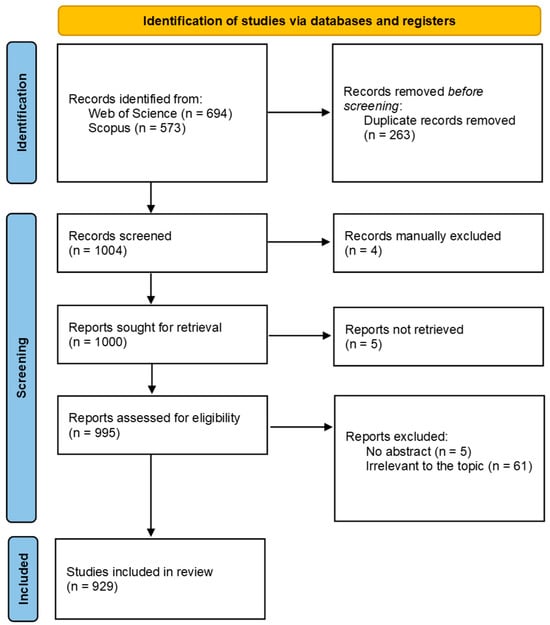
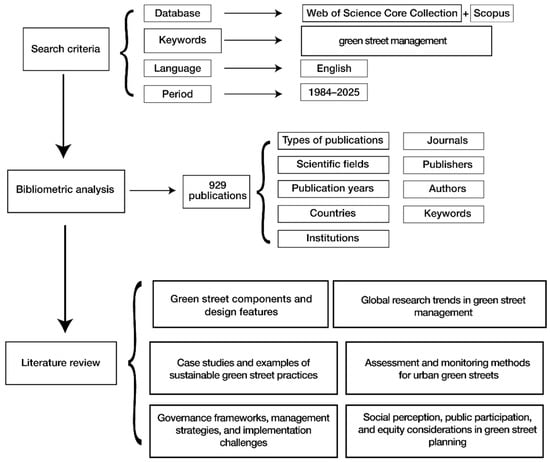
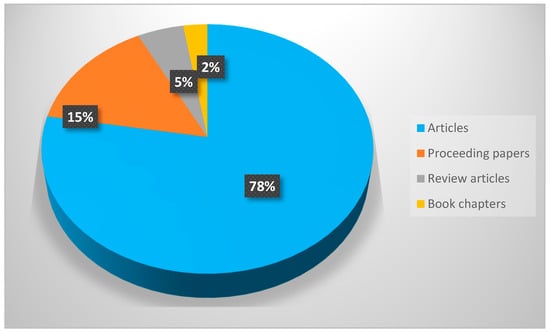
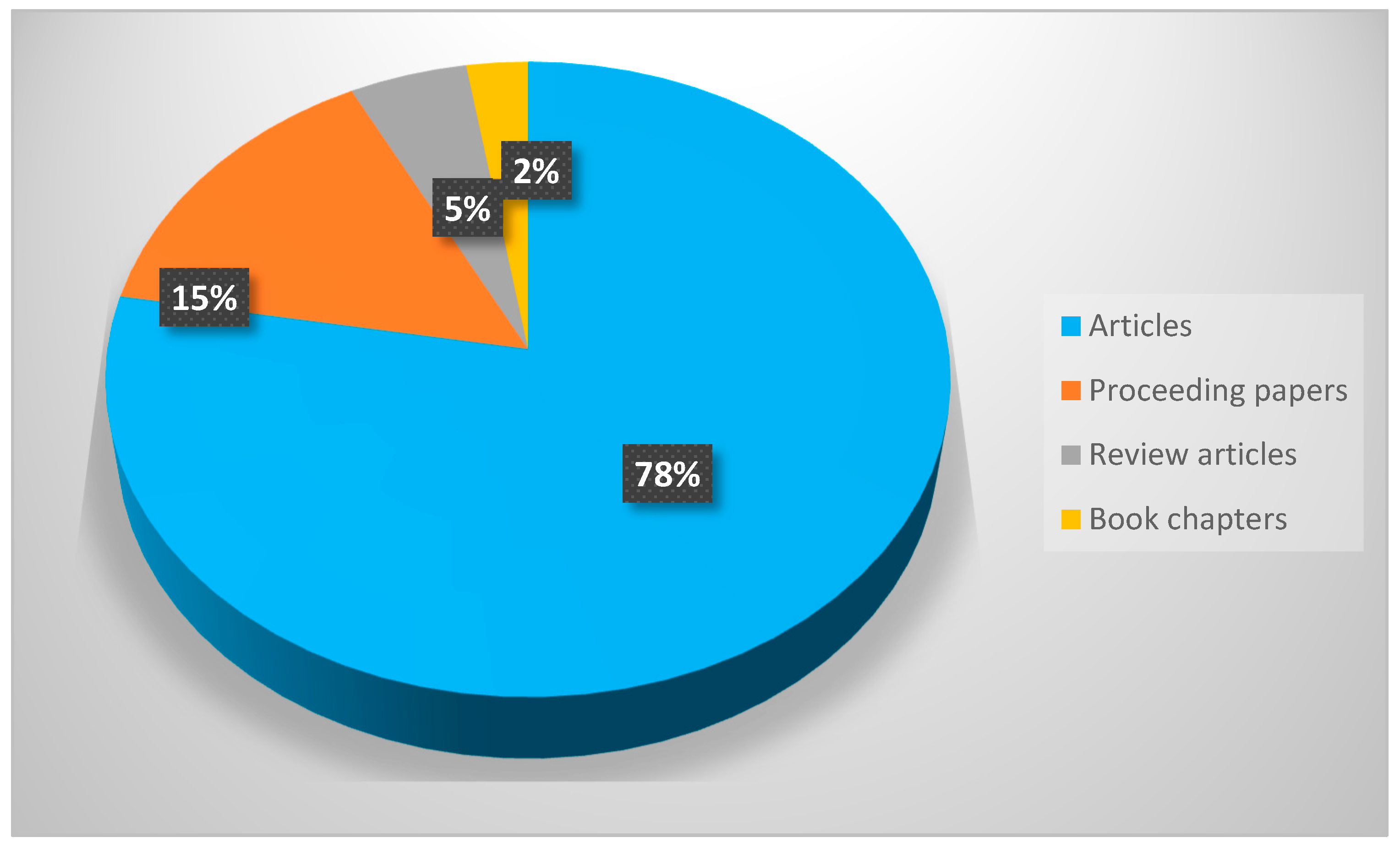
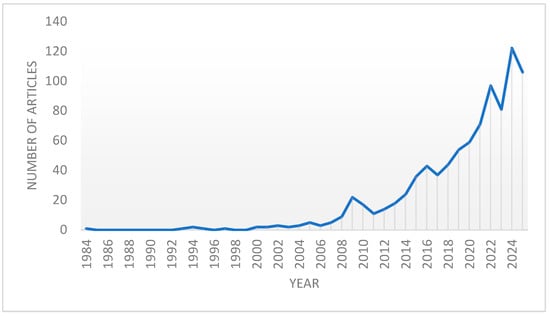
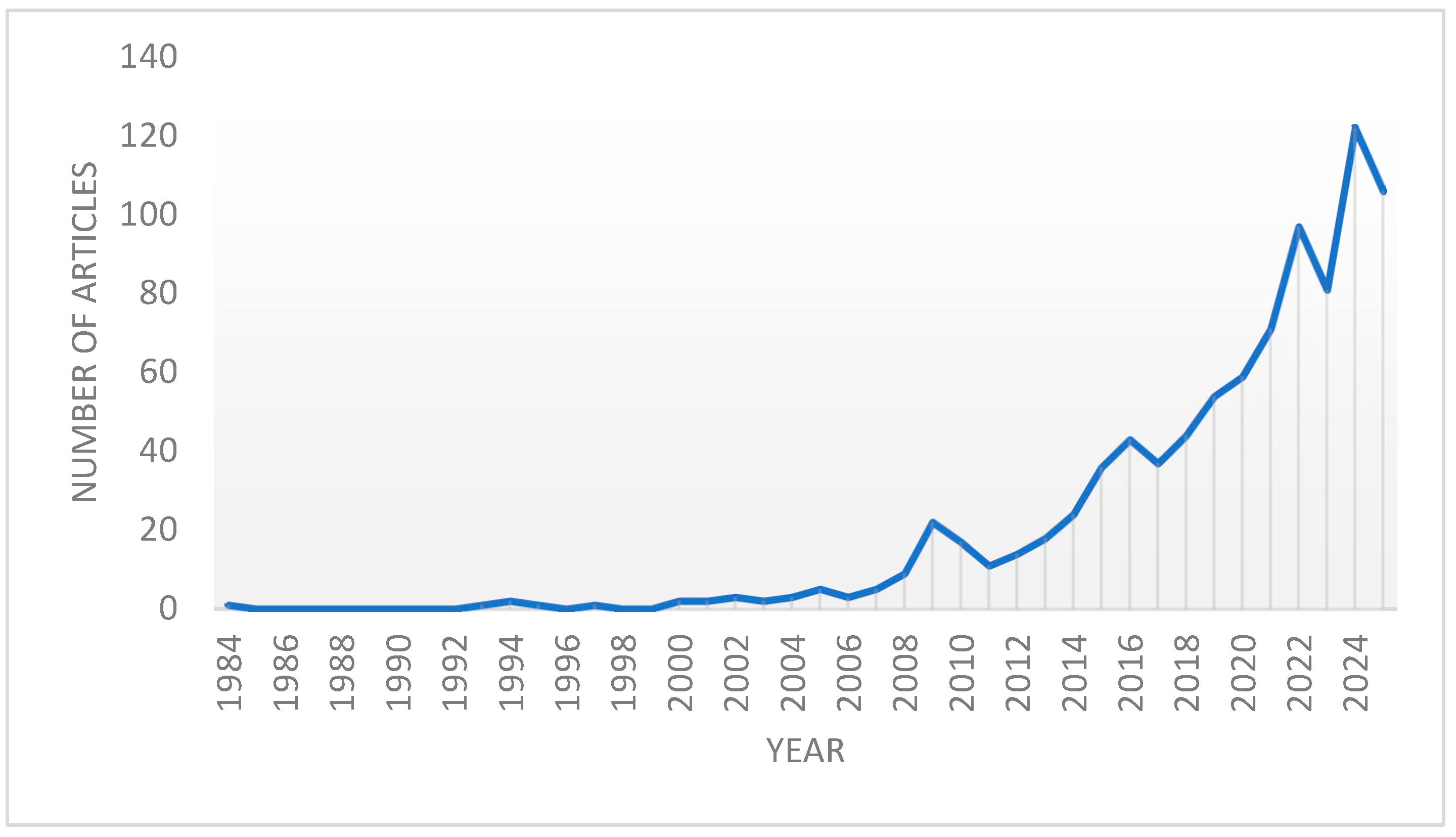
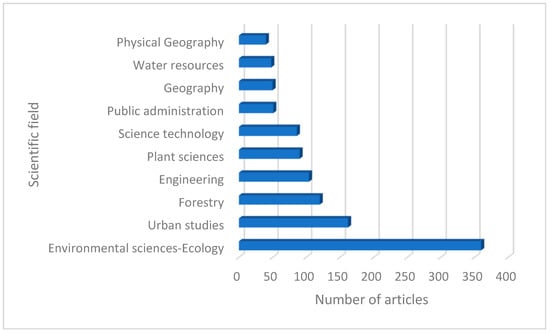
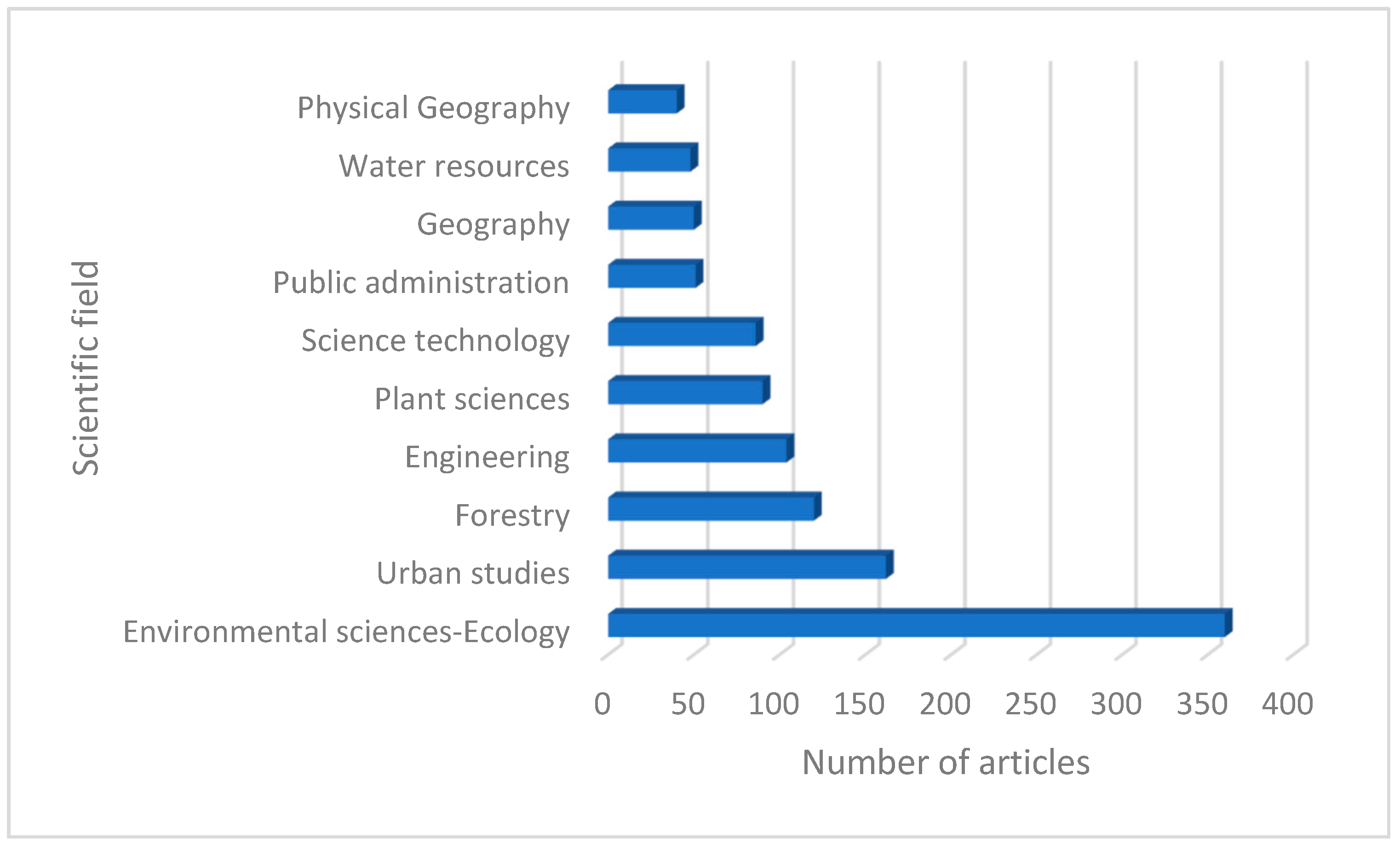
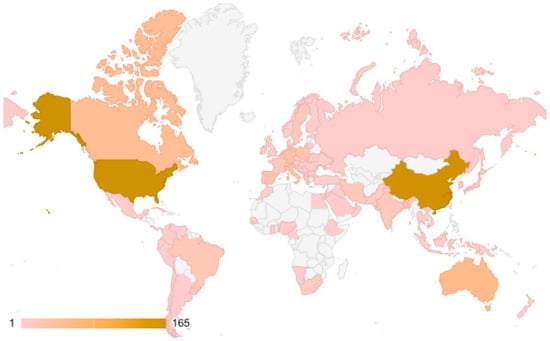
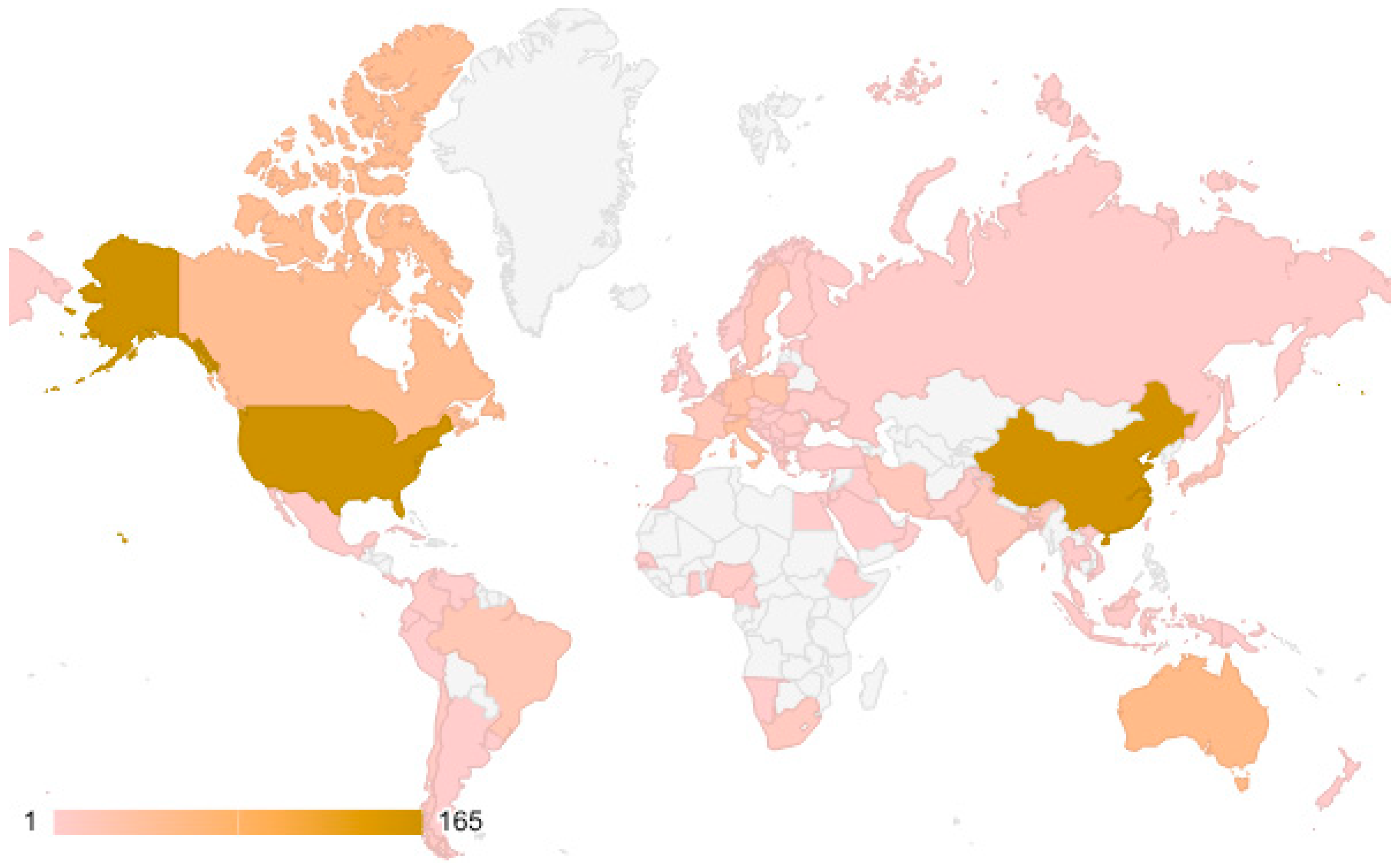
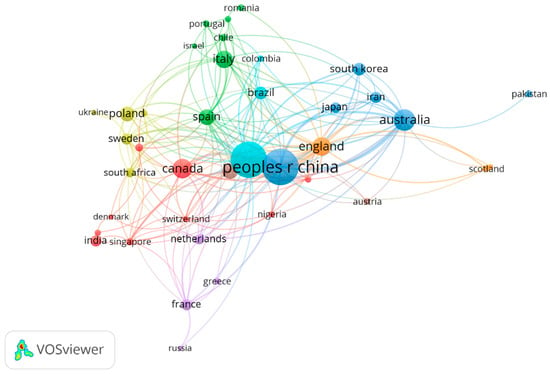
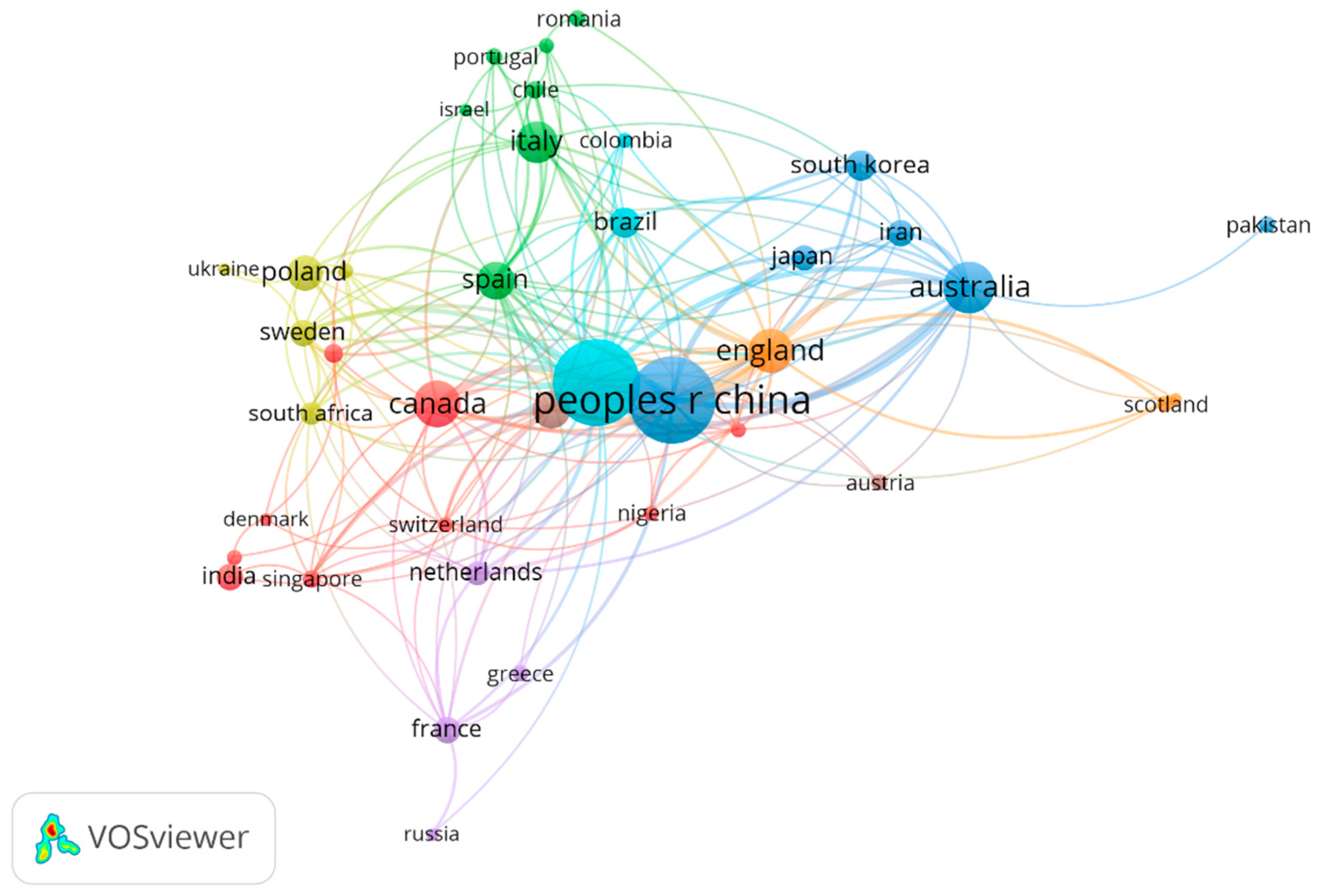
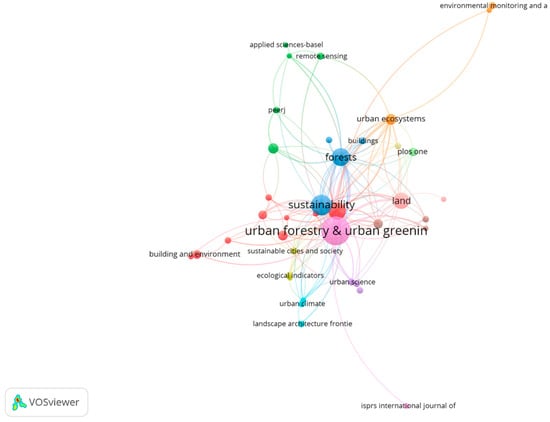
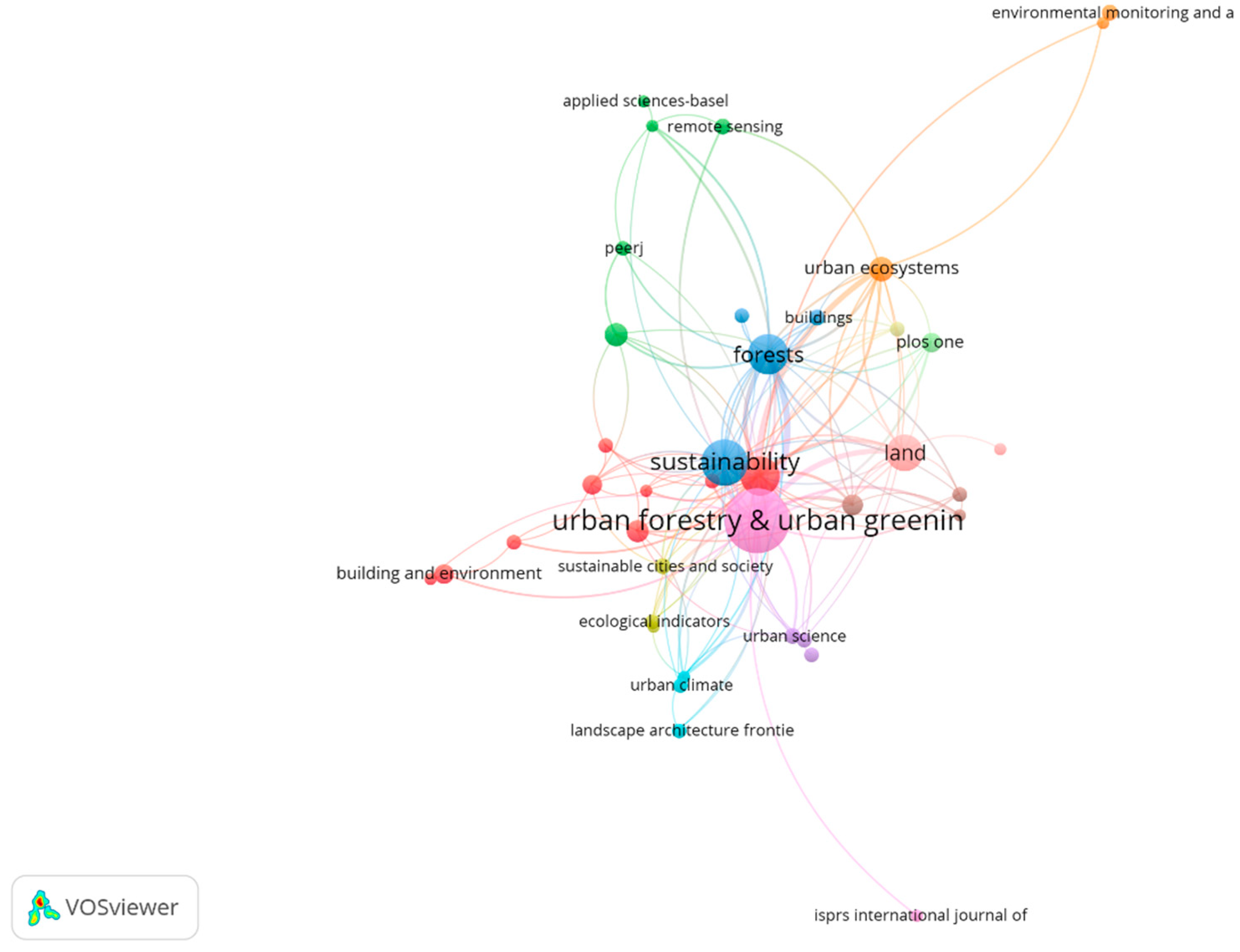
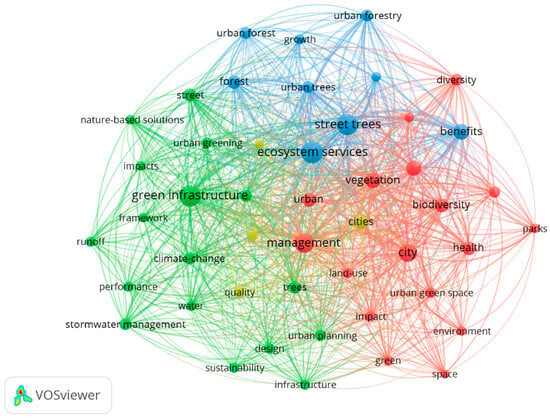
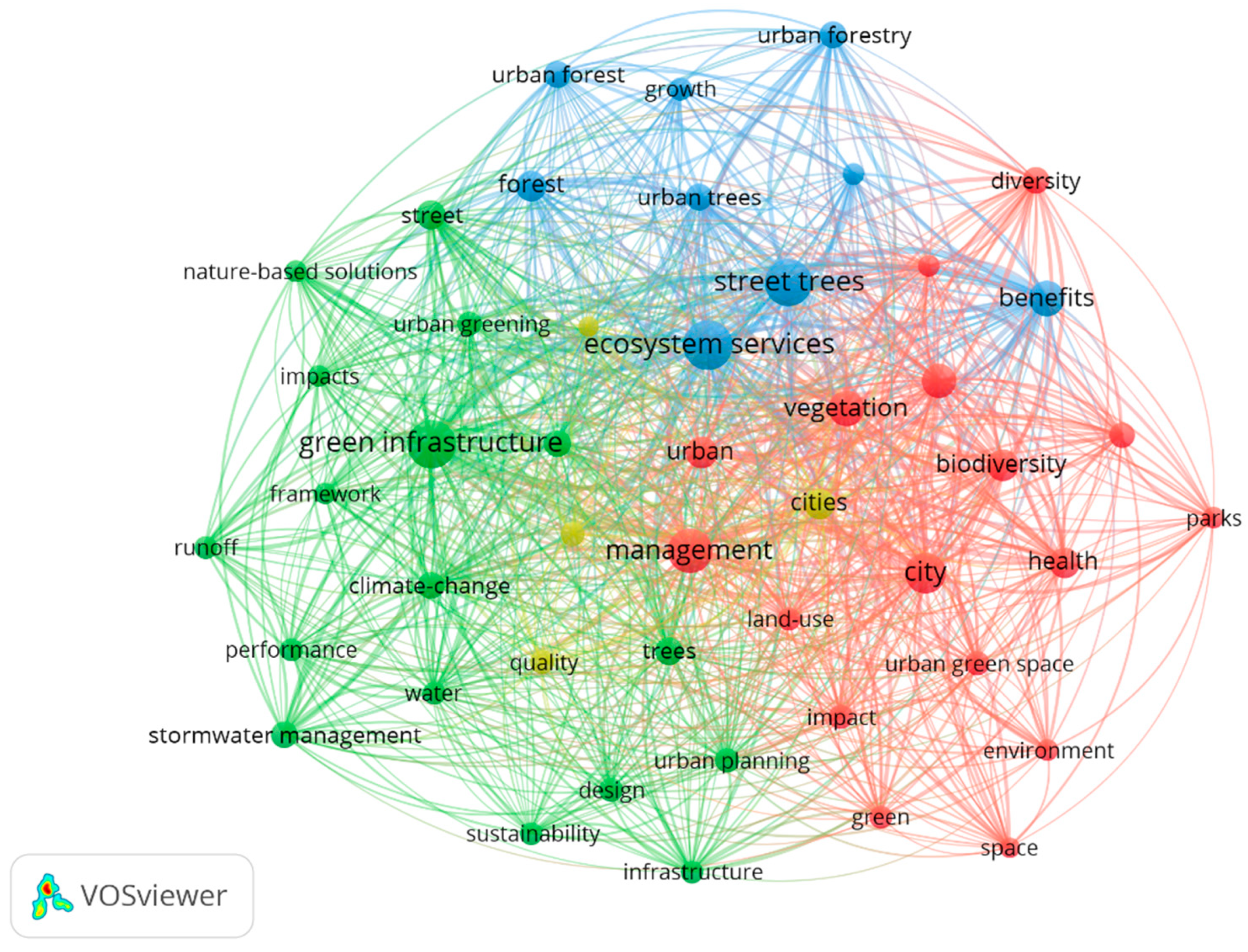

Disclaimer/Publisher’s Note: The statements, opinions and data contained in all publications are solely those of the individual author(s) and contributor(s) and not of MDPI and/or the editor(s). MDPI and/or the editor(s) disclaim responsibility for any injury to people or property resulting from any ideas, methods, instructions or products referred to in the content. |
© 2026 by the authors. Licensee MDPI, Basel, Switzerland. This article is an open access article distributed under the terms and conditions of the Creative Commons Attribution (CC BY) license.