


Abstract
Manufacturing industries are increasingly applying sustainable closed-loop supply chains (CLSCs) to meet economic, environmental, and societal goals. The increasing complexity and interdependence associated with the sustainability CLSCs make them highly vulnerable to disruption risks that threaten continuity and sustainability. However, prior studies fall short of guiding how disruption risks in sustainable CLSCs can be systematically prioritized under uncertainty in a stable and decision-relevant manner. To fill this literature void, this study develops a hybrid of the Fuzzy Technique for Order of Preference by Similarity to Ideal Solution (Fuzzy-TOPSIS) method and the genetic algorithm (GA) technique to prioritize disruption risks under uncertainty. Triangular fuzzy numbers are used to capture the imprecision of 13 experts from industry and academia, whereas the GA technique used aimed to improve stability and reduce the variability commonly observed in conventional fuzzy multi-criteria decision-making methods. The method is validated through a real-world case study, identifying supplier disruption risk, route disruption risk, and industrial accidents as the most critical risks. Moreover, sensitivity analysis is conducted to validate the robustness of GA-based Fuzzy-TOPSIS, demonstrating its superior stability and reliability compared to the classical Fuzzy-TOPSIS method in uncertain environments. The novelty of this study lies in embedding a GA-driven approach within the fuzzy-TOPSIS structure to explicitly address ranking instability under uncertainty in sustainable CLSCs. The study provides significant theoretical contributions by enhancing multi-attribute decision-making regarding disruption risk in sustainable CLSC literature, as well as practical insights for decision-makers to efficiently allocate resources by focusing mitigation investments on consistently high-priority risks instead of low-priority ones.
1. Introduction
The past few decades have seen a dramatic growth in population, climate change, air pollution, and the generation of solid waste, consequently increasing stresses on the economy, the natural environment, and collective well-being. As a result, rising awareness among consumers, in addition to increasing government and non-governmental organization pressures, has forced the manufacturing sector to adopt waste minimization, the recovery of end-of-life products, and adherence to environmental regulations in order to maintain market competitiveness.
In this respect, the (CLSC) has evolved as a critical business operation and planning initiative aimed at realizing sustainability goals in manufacturing operations. The CLSC mitigates the forward and backward supply chains to make feasible the recovery, reuse, remanufacture, and recycle of the EOLPs in a manner that supports economic, environmental, and social sustainability. Theoretically, the CLSC bridges the conventional open-loop (or forward) supply chain operation and the reverse logistics process [1,2,3,4,5,6]. In the forward supply chain operation, raw materials are processed into finished goods and shipped to the consumer. This process leads to the generation of waste and the consumption of natural resources [7,8]. In the opposite supply chain operation, the focus relies on recovering the collected EOLPs from consumers to send them to collection, recycling, or manufacturing points. While the reverse logistics process supports compliance with legislation and the preservation of the environment, the process alone appears to lack the economics of circular value creation [9,10].
The integration process of the forward and reverse flows under the CLSC model facilitates the move towards a circular economy as it aims at reducing the usage of resources, minimizing waste, and maximizing efficiency within the system as a whole [6,8,11,12,13,14]. Research studies have illustrated the efficacy of the CLSC paradigm to reduce overall operating expenses, improve customer satisfaction, and optimize environmental performance [15,16]. In this respect, the CLSC concept is gaining currency as a real avenue to ensure the attainment of the Sustainable Development Goals set forth by the United Nations [17].
Despite the advantages mentioned, the structural and dynamic complexities of modern CLSC systems have significantly increased their susceptibility to disruptive risks. In a traditional CLSC, there are several network entities such as suppliers, producers, logistics companies, customers, collection centers, recycling facilities, and units for refurbishing. There are interdependencies between the different entities in the CLSC network. Such interdependencies make the CLSC network prone to different disruptive risks that have the capability of affecting the sustainability of operation continuity [11]. Some of the disruptive risks include production downtime, shortage of products and penalties, and market share with customer drift to rivals.
Risks associated with disruptive events are, however, vastly different and distinct from those associated with CLSC operations. This is because, where CLSC risks are commonly geo-localized and associated with demand variations, cost changes, and capacity constraints, disruptive risk effects are diffused across different levels of CLSC echelons and may cause systemic crises. Examples of disruptive risk events include natural disasters, labor disputes, industrial shutdowns, logistics and transportation disruptions, supplier disruption, and geopolitical crises, which may have protracted effects on CLSCs. However, because of resource constraints, it is neither practicable nor necessarily efficient to address all risk areas at the same time.
Although the application of multi-criteria decision analysis techniques has been common among research studies dealing with complicated decision-making in SCs, the relative importance of disruptive risks associated with sustainable CLSCs has remained an unexplored area. For instance, the Fuzzy-TOPSIS was employed to evaluate supply chain risks occurring in a ceramic factory [18]. The Fuzzy-AHP was utilized to analyze emergency supply chain risks [19]. This method was also employed to prioritize supply chain risks in the apparel industry [20]. In a related study, the fuzzy TOPSIS was applied to prioritize supply chain risks [21]. A combination of the BWM and the comprehensive distance-based ranking method was used to prioritize agri-food circular supply chain risks [22]. Similarly, the weighted fuzzy risk priority number method was employed to prioritize supply chain risks occurring in the steel industry [23]. A hybrid of the Fuzzy-AHP method and Fuzzy-ADAM was applied to identify the most important circular supply chain risks [24]. Moreover, a hybrid of AHP and Fuzzy-TOPSIS was utilized to prioritize supply chain risks faced by micro, small, and medium manufacturing industries [25]. In the context of humanitarian supply chains, a combination of FMEA and GRA was used to prioritize risks [26]. To identify important sustainable supply chain risks for the logistics industry, a hybrid of the Fuzzy-VIKOR approach and the CRITIC method was employed by [27]. Furthermore, a combination of the Fuzzy-AHP method and the TOPSIS method was applied to identify the highest potential risks from disasters and rank alternative solutions that enhance the resilience of the manufacturing supply chain [28].
All the abovementioned studies employed a hybrid of MCDM methods to address supply chain risk prioritization problems. The hybrid methods addressed the limitations of classical standalone MCDM methods. For example, both AHP and ANP are incapable of analyzing large-size comparison matrices, as they become perplexing for the experts who are supposed to fill in the pairwise comparison matrix [29]; the TOPSIS method is challenged when the number of alternatives and criteria is large, thus causing inconsistency in experts’ judgments [30]; and BWM is incapable of producing accurate results due to the subjective opinions of experts [30]. The classical methods are not capable of considering the uncertainty and vagueness of the expert’s judgment [31]. The aforementioned studies addressed this limitation by combining fuzzy sets with a classical method. Despite the abovementioned studies using a hybrid of MCDM methods, they have a methodological limitation related to supply chain risk prioritization. The employed methods, including Fuzzy-TOPSIS, are challenged to solve problems with a large number of alternatives and criteria, along with decision stability and accuracy [32]. To bridge these limitations, scholars suggested combining the Fuzzy-TOPSIS method with operations research techniques, such as GA, to make decisions more accurate and stable [33]. However, the level of such research is in its infancy. Moreover, the mentioned studies have predominantly focused on addressing supply chain risk prioritization problems of open-loop supply chains; they have overlooked addressing this problem within a sustainable CLSC. Moreover, a few existing studies employed a hybrid of MCDM methods and GA to address problems, including supplier selection [34,35] and facility location [36]. However, studies focusing on addressing the disruption risk of sustainable CLSC are scant.
To fill these research gaps, this study proposes a hybrid decision support tool that uses the Fuzzy-TOPSIS approach together with a genetic algorithm (GA) to formulate the ranking of disruptive risks in sustainable CLSCs. The use of fuzzy logic helps in addressing the uncertainties and subjective nature of expert opinions, which are common in decision-making. Additionally, GA is used to improve the effectiveness of the solution by overcoming the limitations of traditional MCDM models. To the best of the researchers’ knowledge, none of the prior studies has focused on prioritizing disruptive risks in sustainable CLSCs in manufacturing industries using a hybrid Fuzzy-TOPSIS and GA approach. By applying the proposed framework to a manufacturing case study, this research assists decision-makers in efficiently allocating resources and enhancing the ability of CLSCs to respond to disruptive events. The contributions of this study are summarized as follows.
- A hybrid of Fuzzy-TOPSIS and GA methods was proposed to address the problem of prioritizing disruption risks in sustainable CLSC.
- The applicability and effectiveness of the proposed hybrid approach was validated through a case study in the sustainable metal industry CLSC.
- Assisted Decision-makers in efficiently allocating risk mitigation resources, thereby enhancing the resilience and responsiveness of CLSCs to disruptive events.
The rest of the paper is structured as follows. Section 2 presents an overview of CLSCs, disruptive risks, and hybrid multi-criteria decision-making techniques. Section 3 discusses the proposed research framework and methodology. Section 4 describes the empirical findings, while Section 5 presents a comparative analysis. Section 6 presents sensitivity analysis, while Section 7 interprets the results. Section 8 discusses the implications of this research, and finally, Section 9 concludes the study.
2. Related Works
There exists a large amount of literature that has used MCDM methods to solve complex issues in sustainable CLSCs. These methods are especially suitable for CLSCs, where there exists a set of multiple, sometimes competing, economic, environmental, and societal objectives under uncertainty. Of these MCDM solution methods, Fuzzy-TOPSIS has been widely used owing to its ability to address linguistic opinions and vagueness.
Many studies have used the applications of Fuzzy-TOPSIS and its modifications to assess barriers, suppliers, and factors of performance for CLSCs. Fuzzy-TOPSIS has been applied to measure and prioritize the barriers of CLSCs, specifically in the automotive industry [37]. A hybrid model using DEMATEL, ANP, and gray clustering was developed to prioritize the core value of incoming quality related to remanufacturing systems [38]. In a similar manner, a hybrid AHP-TOPSIS method has been applied to measure triple-bottom-line attributes specifically in a laptop CLSC [39]. Other authors focused on supplier selection and allocation issues using models that combined Fuzzy-ANP, Fuzzy-DEMATEL, and TOPSIS specifically in the automotive industry and related industries [40,41].
Apart from supplier-focused decisions, MCDM approaches have also found applications in facility selection, sustainability risk analysis, and performance analysis in backward and closed-loop chains. For example, FMEA, in combination with Fuzzy-ANP and Fuzzy-TOPSIS, has been used in the steel industry for the analysis of sustainability risks in collection centers [42]. Fuzzy-TOPSIS has also been used in the investigation of the correlation of eco-innovation and sustainable CLSCs in another study [43], whereas fuzzy DEMATEL-based approaches have been adopted in remanufacturing and reverse logistics performance analysis in terms of significant factors in two separate research works [44,45]. The BWM was employed to assist organizations in selecting the most suitable third-party logistics provider [46].
Uncertainty and risk exist as typical factors of modern supply chains, and even more so for CLSCs that stretch across the globe. Risks that cause disruptions, which differ from ordinary operational risks, spread through various levels and can lead to systemic breakdowns. The source of the aforementioned risks can stem from disruptions in suppliers, delivery failures, natural disasters, pandemics, labor strikes, industrial incidents, and global instabilities.
To mitigate supply chain risks, some researchers have suggested risk-priority models based on MCDM. Intuitionistic Fuzzy TOPSIS was suggested for risk priority in supply chains facing uncertainty scenarios [47]. Fuzzy set theory (QFD) was suggested for analyzing risk management strategies in supply chains by some authors or for the application of interval-valued fuzzy TOPSIS to different supply chain risks in the selection of suppliers in other research works [48,49]. Simulation models like hybrid models based on BWM-VIKOR have been suggested for evaluating risks to the resiliency of the natural stone industries for their processing [50]. Some authors [51,52,53] have suggested combining CRITIC, Fuzzy-TOPSIS, or Delphi approaches to identify criteria that enhance supply chain resiliency.
Recently, there has been a growing trend in research papers concerning the topic of supply chain resilience, especially in the context of large-scale events such as the COVID-19 crisis. For instance, the method of Fuzzy-AHP was used to focus on supply chain capabilities relating to resilience in [54], whereas hybrid models including Fuzzy-TOPSIS, Fuzzy-AHP, and Fuzzy-QFD have been proposed to focus on risks and strategies related to resilience in agri-food supply chains and healthcare-related supply chains in [55,56].
Nevertheless, to date, existing research efforts focus on either open-loop supply chain networks or address risk management, sustainability, and resilience as individual variables. The underlying emphasis on disruptive risks under sustainable CLSCs is still an unexplored area, especially when considered comparatively with supplier selection and performance assessment problems. Moreover, current models address the problem by using existing traditional multi-criteria decision-making approaches that could be vulnerable to rank reversal, searchability, and value-based opinions.
To overcome these weaknesses, recent research has called upon the integration of MCDM techniques with the use of artificial intelligence (AI) techniques, such as genetic algorithms (GAs), to improve the efficacy of decisions [32]. The integration of fuzzy logic and GA assists the decision-makers not only in dealing with vagueness associated with expert decisions but also improves the efficacy of decisions by using evolutionary search techniques to arrive at optimized solutions [57,58,59].
Several research studies have proved the efficiency of hybrid models of MCDM-GA for applications involving supply chain management. For example, a hybrid model of BWM-Fuzzy-TOPSIS-GA was used for the selection of suppliers in the food supply chain [34]. GA and AHP were used to choose suppliers [35] and locations [36]. The studies also involve the optimization of parameters of manufacturing processes [60] and the management of inventory [61], where AHP-VIKOR-GA was used. Nevertheless, despite the advantages established by hybrid methods of MCDM and GAs, applying them to the problem of disruptive risk prioritization in the context of CLSC is still in its early stages. In view of the identified research gaps, this research proposes the use of a hybrid fuzzy-TOPSIS-GA approach to formulate an effective risk priority approach in the context of sustainable CLSCs with disruptive risks. This proposed method combines the benefits of fuzzy analysis with evolutionary optimization techniques to reduce uncertainty, variability, and subjective bias in making risk evaluation decisions, especially when dealing with uncertain and multidimensional risk assessment criteria. Table 1 lists the primary research studies on the same subject that were used to identify the novelty of the proposed study.
Table 1.
The summary of the literature related to this current study.
3. Research Method
3.1. Data Collection
A detailed and expert-driven method was used to find the kinds of risks and evaluation criteria that could disrupt sustainable CLS. A baseline disruptive risk list has been compiled based on the CLS and SCM resilience literature.
To ensure the risks were accurate, we checked them against different sources of literature, removing any that were similar or not relevant to the context. Only risks that were commonly represented within CLSC studies focused on manufacturing were selected.
The case study research was conducted at a large metal manufacturing company located in Shaggar City, Ethiopia. The selection of the company was based on the fact that it operates throughout the supply chain, from reverse to forward logistics systems, providing an appropriate background for evaluating the CLSC context within this study.
A group of decision-makers (DMs) was formed, including representatives from the industry and academia. The criteria for selection included a minimum of five years in their field, an educational background beyond the diploma level, and awareness about the terms relating to sustainability and supply chain risk.
Although there are no set rules stated in the existing literature regarding the number of experts to be considered in an MCDM technique, guidelines state that the number of experts, ranging from 5 to 18 individuals with equal domain knowledge, must be considered [65]. Therefore, the study incorporated the perspectives of 13 experts.
Structured briefing sessions and calibration exercises conducted before data collection ensured consensus among the participating experts. During these sessions, experts were provided with a clear explanation of the study objectives, evaluation criteria, and linguistic scales to establish a shared understanding. A pilot assessment was then carried out to identify inconsistencies in judgments, followed by discussion and refinement of interpretations. This process helped align expert perspectives and improve the consistency and reliability of the aggregated evaluations.
3.2. Identification and Validation of Disruptive Risks and Evaluation Criteria
After a thorough review of related studies on the theme of sustainable supply chain, disruption risks addressed in prior studies were systematically examined to identify those most relevant to sustainable CLSC [15,16,66,67,68,69]. This review revealed that the disruption risks most frequently considered in sustainable CLSC research include natural disasters such as floods, earthquakes, and hurricanes; man-made disruptions including war, terrorist attacks, and labor strikes; operational disturbances such as transport route disruptions and industrial accidents (e.g., fires); as well as supplier-related disruptions. To ensure the contextual relevance and adequacy of the identified risks, a validation process was conducted involving domain experts. The experts assessed the applicability of these risks within the context of the case study and confirmed their relevance. Importantly, no additional risks were proposed during the validation process, thereby indicating that the selected set of disruption risks is comprehensive and sufficiently represents the major sources of disruption affecting sustainable CLSCs.
Moreover, the evaluation criteria have been identified from the extant literature [18,21,23,24,25,70]. Based on this review, three evaluation criteria were selected for the present study: probability of occurrence, severity of impact, and recovery time. These criteria were chosen due to their widespread adoption in supply chain risk assessment studies and their proven capability to comprehensively evaluate the many different types of supply chain risks. To guarantee the contextual relevance and sufficiency of the chosen criteria, a validation process was executed with the participation of domain experts. The experts examined the applicability of the criteria within the context of the case study and confirmed their relevance and suitability for assessing supply chain disruption risks. These criteria were considered independent variables for analysis, as has been done in previous fuzzy TOPSIS risk assessment studies, to reduce the complexity of the model. Although these criteria may interact in practice, they are not inherently correlated and can vary independently across different risk events. Treating them as separate criteria, therefore, enables a more comprehensive and nuanced assessment of disruption risks in CLSCs.
3.3. Fuzzy-TOPSIS Procedure and Integration of GA
To prioritize disruptive risks of sustainable CLSC, we employed a hybrid of Fuzzy-TOPSIS and GA. Below, we present a detailed step of the implemented hybrid method.
- Step 1. Convert linguistic terms into fuzzy numbers.
The linguistic terms of the evaluation criteria were converted into fuzzy sets using triangular fuzzy numbers (TFN), a widely used technique in extant literature. Suppose A denotes a TFN that can be defined as a triple (a, b, c), and its value is between 0 and 1. The application of TFNs facilitates partial membership and transitional movement between linguistic values and, therefore, is suitable for representing the uncertainty and subjectivity involved in expert risk assessment.
- Step 2. Develop an aggregate fuzzy decision matrix and aggregate weights of evaluation criteria.
Assume i represents identified disruption risks in CLSC (i1, i2, …, im), and j represents evaluation criteria (j1, j2, …, jn) with f number of experts.
The aggregate fuzzy number ij = (aij, bij, cij), where
Aggregate fuzzy weight (wj) was computed as
Then, the aggregate fuzzy decision matrix D was computed as
The method used for aggregating group opinions allows the most extreme viewpoints of the experts to be kept and thereby improves the representativeness of the group judgments.
- Step 3. Normalize the aggregated weight of the criteria and decision matrix.
The linear scale transformation was utilized to normalize the constructed fuzzy decision matrix, . To normalize the fuzzy decision matrix, the following equation was employed.
The weighted normalized decision matrix,, was developed by taking the dot product of the normalized aggregate weight for the criteria, and the normalized fuzzy aggregated decision matrix :
where
The normalized weighted fuzzy decision matrix can be achieved through the multiplication of the normalized matrix and the normalized criteria weights. It helps guarantee dimensional consistency and avoids scale dominance, which is critical when making multi-criteria decisions.
- Step 4. Initialize a population of chromosomes.
Each chromosome represents a candidate set of criteria weights, with each gene denoting the weight of a single criterion. The first population was created using Python 3.13. Random initialization helps to create a diverse set of solutions, reducing the chance of convergence to a sub-optimal solution.
- Step 5. Definition of the fitness function and genetic operators.
The crossover operators, as well as the mutation operators, were used to produce the next set of candidate solutions. The crossover probability and the mutation probability were set at 0.9 and 0.1, respectively, as many studies normally state.
In the proposed model, the fitness function is expressed using the Fuzzy-TOPSIS closeness coefficient to ensure the GA optimization process increases the closeness of the fuzzy ideal solution.
- Step 6. Convergence criterion of the genetic algorithm.
The processes described in Step 5 are repeated until the algorithm converges to a stable optimal solution. The process converges when there is no significant improvement in the fitness function, which indicates that there is no further gain derived from the repeated processes.
- Step 7. Rank (prioritize) identified disruption risks.
The optimal chromosome obtained at the converged state was utilized to formulate the final ranking of disruptive risks associated with the sustainable CLSC. The combination of GA helps overcome rank instability and the susceptibility to small variations in expert judgment, which are known problems associated with traditional approaches using TOPSIS alone.
GA Encoding and Optimization Logic
In this study, the GA was used to improve the robustness of disruption risk prioritization in a sustainable CLSC under fuzzy uncertainty. The GA does not aim to optimize the risk ranking directly. Instead, it focuses on optimizing the criteria weight structure, which serves as input to the Fuzzy-TOPSIS method. The detailed GA encoding and optimization logic employed for this study is presented below.
Chromosome Encoding: Each chromosome represents a potential solution as a criteria weight vector. Each gene in a chromosome corresponds to the weight given to one evaluation criterion, which includes (i) probability of occurrence, (ii) severity of impact, and (iii) recovery time. The chromosome is therefore encoded as
W = (w1, w2, w3)
The fuzzy performance ratings of disruption risks, expressed using triangular fuzzy numbers, remain fixed throughout the GA process.
Optimization Objective and Fitness Evaluation: The Fuzzy-TOPSIS method is used to determine the closeness coefficients and associated disruption risk rankings for each chromosome (i.e., candidate weight vector). A chromosome’s ability to generate a stable and trustworthy ranking of disruption risks is used to assess its fitness. To increase the robustness of the prioritization results, the GA specifically aims to reduce ranking sensitivity and dispersion brought on by subjective variability in expert judgments. Weight vectors that produce the following are preferred by the fitness function: rankings that are constant throughout GA iterations; the closeness coefficients’ smooth convergence behavior; and decreased sensitivity to slight changes in the weights of the criteria.
Search Space and Constraints: The GA investigates a continuous, constrained, and interdependent weight space where the presence of fuzzy evaluations can cause small changes in criteria weights to result in disproportionate changes in Fuzzy-TOPSIS closeness coefficients. The search space is non-trivial and inappropriate for straightforward analytical or heuristic optimization techniques due to its non-linearity and interdependence. Normalization constraints are applied following genetic operations like crossover and mutation to guarantee feasibility. The population evolves toward weight combinations that improve ranking robustness using the standard GA operators of selection, crossover, and mutation.
GA stabilizes rankings and reduces rank reversal by optimizing the decision space globally and iteratively, rather than using fixed or locally optimal weight structures. Through population-based search and evolutionary operators, GA reduces sensitivity to small perturbations in criteria weights or input data, a primary cause of rank reversal in conventional MCDM methods. By converging toward solutions that exhibit consistent performance across iterations, GA enhances the robustness and reliability of the final rankings.
3.4. Robustness, Replicability, and Bias Mitigation
To evaluate the robustness of the proposed GA-based Fuzzy-TOPSIS methodology, a sensitivity analysis was performed. Before the sensitivity analysis, the disruption risks in the sustainable CLSC context were ranked using the conventional Fuzzy-TOPSIS method. This step ensured that the conventional Fuzzy-TOPSIS model exhibited a certain level of ranking behavior with respect to the disruption risks under fuzzy uncertainty. This, in turn, allowed the proposed model to be compared with the conventional model in terms of the ranking behavior of the disruption risks.
For the sensitivity analysis, the weights of the aggregated evaluation criteria were varied systematically, and all other parameters remained the same. Four scenarios of the weights of the aggregated criteria were considered to represent the potential variations in the expert judgments and the decision-maker’s preferences. For each of the scenarios, the ranking of the disruption risks was obtained using the conventional Fuzzy-TOPSIS model and the proposed GA-based Fuzzy-TOPSIS model. The robustness of the proposed model was evaluated in terms of the stability of the obtained rankings. It was observed that the proposed GA-based Fuzzy-TOPSIS model exhibited more stable rankings compared to the conventional model.
The GA’s convergence was also studied by observing the fitness function’s behavior at each iteration. The analysis of convergence indicated that the quality of the solutions consistently improves and that the solutions rapidly approach the best or nearly the best options. This result further justifies the effectiveness of the embedded optimization mechanisms. This analysis provides further evidence of the effectiveness of the GA in improving the stability of Fuzzy-TOPSIS results and reducing the variability that is commonly associated with MCDM methods. The proposed method is completely replicable since all steps, equations, and parameters are defined and presented. This feature will allow other researchers to replicate the analysis under similar or different conditions. The hybrid model is adaptable and can be effortlessly expanded to include supplementary criteria, alternative disruption risk categories, and various expert groups without altering its fundamental framework. The potential influence of expert bias is controlled through expert briefings, aggregation of expert judgments, and the use of fuzzy set theory to account for uncertainty, vagueness, and divergence in expert opinions. All these factors enhance the objectivity and credibility of the DSS and, therefore, the overall validity of the GA-based Fuzzy-TOPSIS model.
4. Result
4.1. Experts
Experts from the metal manufacturing industry and academia were involved in assessing the criteria and disruptive risks relevant to sustainability.
A panel of experts is crucial during risk prioritization analyses because disruptive risks involve various dimensions, such as operations and environments.
Table 2 indicates that representatives from the industry formed the largest group (84.59%), followed by 15% who were academics. The industry group included representatives with varying profiles, such as spare parts manufacturing management, logistics and transport coordination, production planning and control, supply chain and procurement coordination, maintenance, design and development, project leading, operations management, and marketing and sales. The academic staff included an assistant professor and an associate professor.
Table 2.
Background information of experts.
The dominance of industry experts increases the relevance of the study to the industry, and representation from academics brings rigor and consistency to the methodology and concepts. In terms of experience, the majority of the experts (46.15%) had 10–15 years of experience, and the next highest group had more than 15 years (30.77%). From an educational viewpoint, the majority had a master’s degree (53.85%).
In sum, the expert profile reveals a high level of competence and fitness for assessing the risk of disruption within the manufacturing CLSC.
4.2. Prioritization of Disruptive Risks in a Sustainable CLSC Using a Hybrid Fuzzy-TOPSIS and GA
Figure 1 illustrates the three levels of the decision hierarchy. The first level represents the primary goal of giving importance to disruptive risks in the CLSC. The second level includes the criteria of evaluation, and the third level includes the disruptive risks used in the assessment.
Figure 1.
CLSC disruptive risks analysis hierarchy.
As illustrated in Table 3, the criteria include the likelihood of occurrence (C1) and severity of impact (C2), as well as the recovery time (C3). The combination of these criteria enables an adequate assessment of the likelihood, consequence, and recovery capacity, all of which are crucial factors related to disruptive risks.
Table 3.
Evaluation criteria.
The linguistic scales and associated triangular fuzzy numbers used in determining the relative importance and disruptive risks are presented in both Table 4 and Table 5.
Table 4.
Linguistic terms and their TFNs for rating the criteria.
Table 5.
This is a list of linguistic terms and their corresponding TFNs, which are used to assess disruptive risks in the sustainable CLSC.
In Table 5, the linguistic terms and their corresponding definitions used to measure disruptive risks in the sustainable CLSC of the manufacturing sector are presented.
The following steps were followed to prioritize the disruptive risks for sustainable CLSC.
- Step 1. Convert the linguistic variable into a fuzzy number.
The linguistic terms required to evaluate criteria were converted into fuzzy sets using triangular fuzzy numbers (TFN), a widely used technique in the extant literature. Suppose A denotes a TFN that can be defined as a triple (a, b, c), and its value is between 0 and 1. The membership function of μA is defined as
- Step 2. Development of the Aggregate Fuzzy Decision Matrix and Aggregate Weights of Evaluation Criteria.
Equation (1) was employed to compute the aggregate fuzzy number. Subsequently, Equations (2) and (3) were applied to determine the aggregate fuzzy weights and to construct the aggregate fuzzy decision matrix, respectively.
The relative importance of each evaluation criterion, expressed using linguistic terms, is reported in Table 6. The corresponding triangular fuzzy numbers (TFNs) are provided in Table 7.
Table 6.
List linguistic terms along.
Table 7.
Rating of the criteria in terms of TFNs.
With Equations (3)–(5), the individual fuzzy assessments provided by the decision makers were first evaluated in linguistic terms (Table 8) and subsequently transformed into TFNs through fuzzy-based evaluation (Table 9). These TFNs were then aggregated to obtain the aggregate fuzzy decision matrix, which is presented in Table 10. This matrix represents a combination of expert opinions for all criteria and disruptive risks and is used as the subsequent step for normalization and weight calculation.
Table 8.
Evaluation of disruptive risks of sustainable CLSC in linguistic terms.
Table 9.
TFN-based evaluation of the disruptive risks.
Table 10.
Aggregate fuzzy decision matrix.
Similarly, the aggregate weights for the evaluation criteria were calculated using Equation (2). Hence, the aggregate fuzzy weights for criteria C1, C2, and C3 were calculated as (1, 1.92, 3.5), (1, 2.08, 3.5), and (1, 2.08, 3.5), respectively.
- Step 3. Normalization of the Aggregate Criteria Weights and the Decision Matrix.
The normalized aggregate weights of the criteria were calculated using Equations (4) and (5). Normalization has been performed using Python version 3.13. Since all criteria in the evaluation are of cost type, the normalized aggregate fuzzy weights of criteria C1, C2, and C3 are identified as (0.29, 0.52, 1.0), (0.29, 0.48, 1.0), and (0.29, 0.48, 1.0), respectively. Using the same concept of normalization, the normalized aggregate fuzzy decision matrix has also been developed, which is shown in Table 11 below:
Table 11.
Normalized aggregate fuzzy decision matrix.
The normalized weighted aggregate fuzzy decision matrix was developed by using Equation (7), where the normalized aggregate fuzzy decision matrix and the normalized weights of the criteria were used. The resulting matrix, shown in Table 12, is a measure of the weighted performance of each disruptive threat with respect to the evaluation criteria and will play a pivotal role in calculating the Fuzzy TOPSIS distance.
Table 12.
Normalized weighted aggregate fuzzy decision matrix.
- Step 4. Initialization of population chromosomes.
To solve the GA-based Fuzzy-TOPSIS MCDM problem, the GA programming was written using Python version 3.13. To perform the encoding, each GA chromosome represents a candidate set of criterion weights, with each gene denoting the weight of a single criterion. This makes it feasible for the GA to test different sets of risk–criterion interactions during the course of optimization. Randomly created chromosomes formed the initial population to ensure convergence on a satisfactory global optimum.
- Step 5. Crossover, mutation, and fitness evaluation.
After the initialization of the population, genetic operators, such as crossover and mutation, were used to produce offspring. The probabilities of crossover (P_cross) and mutation (P_mut) were defined according to common values in the literature, which aimed to achieve exploration and exploitation in the evolutionary process. Therefore, P_cross and P_mut were defined as 0.9 and 0.1, respectively. The crossover processes help create opportunities for the exchange of genetic material among parent chromosomes, and mutation helps create variability through the introduction of randomness. The fitness value of the newly created chromosome was measured using the closeness coefficient obtained from Fuzzy TOPSIS. The selection process selects chromosomes with higher fitness values, which aims to provide opportunities for improved chromosomes to survive in the evolutionary process.
- Step 6. Repetition of step 5 until the results of the algorithm converge to the optimal solution.
The iterative process of crossover, mutation, and fitness function evaluation was continued until convergence occurred. The GA was run for a population of eight chromosomes for a maximum of 40 generations, using a mutation probability of 0.1, as well as a mutation rate of 0.1 (Figure 2). The outcome shows that the best fitness, as defined by the closeness coefficient, is reached at the 40th generation, thereby showing the convergence of the GA. The convergence indicates that no further improvements can be achieved through additional iterations of the GA, thereby confirming the best priorities derived from the GA.
Figure 2.
GA fitness function experiment results.
- Step 7. Final Ranking of Identified Disruptive Risks.
Once the GA converged, the optimal ranking of the disruptive risks was identified on the basis of the optimal fitness, as quantified by the closeness coefficients of the Fuzzy-TOPSIS approach. The results of the calculation for the ranking of the disruptive risks are given in Table 13.
Table 13.
Priority of disruptive risks.
As presented in Table 13, supplier disruption (A8) is revealed to have the utmost risk of disruption, followed by route disruption (A5) and industrial accidents such as fire (A7). This is because these risks have the highest fitness values, indicating their importance to the sustainability of CLSC manufacturing. This data helps to ensure that risk management receives focused attention.
5. Comparative Analysis: Fuzzy-TOPSIS Method
In this section, the Fuzzy-TOPSIS method was used to conduct comparative analysis and ensure the superiority of the GA-based Fuzzy-TOPSIS method over the Fuzzy-TOPSIS method to address the disruptive risk prioritization problem of the sustainable CLSC of manufacturing industries. The TFN was employed to cope with the uncertainty of linguistic terms given by DMs. The first three steps (Steps 1 to 3) presented in the above section were also applied to this section. In this regard, the results for these steps can be referred to in the above section.
- Step 4. Compute the Positive (A+) and Negative (A−) Ideal Solutions.
The following equation was utilized to determine positive and negative ideal solutions for the considered problem. The Python programming language, version 3.13, was employed for computation. Table 14 presents the results of the computation.
Table 14.
Results of positive ideal solutions and negative ideal solutions.
- Step 5. Determine Euclidean Distance.
Assume and are two TFNs for the weighted normalized fuzzy aggregated decision matrix and fuzzy ideal solutions, respectively. To calculate the distance between these two TFNs, the study employed the vertex method, which is defined as follows:
Additionally, assume Si+ and Si− represent the distances of each alternative from A+ and A−, respectively.
The results of the Euclidean distance calculation are shown in Table 15.
Table 15.
Euclidean distance and closeness coefficient.
- Step 6. Compute Closeness Coefficient.
The closeness coefficient for each disruption risk (CCi) was computed by employing Equation (13). The results of the closeness coefficient are depicted in Table 15.
6. Sensitivity Analysis
Sensitivity analysis was performed to see how effective the GA-based Fuzzy-TOPSIS framework is compared to the regular Fuzzy-TOPSIS method for solving MCDM problems related to sustainable CLSC. Four weighting scenarios were considered based on the aggregated weights of the evaluation criteria. Python was used to validate the impact of the varying input parameters on the prioritization of disruption risks. The obtained results are provided in Table 16 in numerical form, while the graphical representation is provided in Figure 3 and Figure 4.
Table 16.
Sensitivity analysis results.
Figure 3.
Sensitivity analysis results for the Fuzzy-TOPSIS-GA method.
Figure 4.
Sensitivity analysis results for the Fuzzy-TOPSIS method.
Figure 3 indicates that the GA-based Fuzzy-TOPSIS framework produced results that were close to the baseline, with only minor differences in risk prioritization in the third weighting scenario. In contrast, Figure 4 shows that the traditional Fuzzy-TOPSIS method had significant changes in how disruption risks were prioritized in all scenarios compared to the baseline. This data proves that the GA-based Fuzzy-TOPSIS framework is more robust than the conventional Fuzzy-TOPSIS approach in addressing disruption risk prioritization in the context of sustainable CLSC.
7. Discussion
The hybrid model of Fuzzy-TOPSIS with a GA gives useful information about the different types of disruptive risks and how important they are in a sustainable CLSC for metal industries. By bringing together expert opinions with fuzzy multi-criteria analysis methods and evolutionary computation, this research helps us to clearly understand how different risks affect the CLSC. The composition of the panels of experts lends credibility to the results. The dominance of professionals from the field guarantees that the assessments are field-realistic, while the inclusion of academics lends a degree of methodological consistency. The different types of professionals who work in supply chain, production, logistics, maintenance, and management roles are similar to the different levels that are expected in CLSCs. This is due to the likelihood that the effects will impact multiple areas within the organization, rather than just one.
The decision hierarchy and criteria selection) offer a well-balanced and transparent procedure for assessment. In addition, the combination of the criteria weighting mentioned above captures both the risk and the operational aspects of the potential impacts associated with the different forms of disruptions. In other words, the well-balanced criteria weight suggests that the specific risk is multidimensional, where the time to recover is no less significant than exposure and effects. This data is reflective of the increasing trend of interventions in the area of CLSC that are associated with resilience and continuity. The linguistic evaluation tool and its conversion into triangular fuzzy numbers are able to handle uncertainty and subjectivity in expert opinions. The differences seen in the language and fuzzy risk estimates show that disruptive risks vary greatly and cannot be easily compared using single numbers. The combined fuzzy decision matrix can bring together these opinions and highlight route disruption and supplier disruption as key risks in every area of evaluation. The normalization and weighting processes ensure that each criterion has an equal proportionate weight and that comparisons can be made between the risks. These steps are crucial in preventing dominance and achieving effective distance-based ranking using the fuzzy TOPSIS technique. The use of the GA has further improved the stability of the outcomes. The convergence analysis clarifies that the GA can refine the outcomes of the fuzzy TOPSIS and provide a stable ranking.
The findings of the study show that supplier disruption is the most prominent risk to a sustainable CLSC of metal industries, followed by route disruption and industrial accidents. This conclusion is because CLSCs are highly vulnerable to supplier and logistics interruptions. Since the closed loop is interwoven, supplier and route risks have a dual effect of disrupting both the original and returns supply chains. This increases the risk impact level. Industrial disruption ranks next because of its immediate effects on CLSC operations and the possibility of protracted downtimes. The present study ranked natural disruption risks, such as earthquakes and hurricanes, at a lower priority level. Although natural disruptions such as floods, earthquakes, and hurricanes are widely recognized in the literature as low-probability but high-impact events, the magnitude and relevance of their impacts vary substantially across countries due to differences in geographical exposure, institutional preparedness, infrastructure resilience, and socio-economic conditions. In the Ethiopian context, large-scale natural disasters occur relatively infrequently when compared with disaster-prone countries such as Japan. They are therefore seen as posing a relatively smaller threat to the sustainability and continuity of CLSCs. Conversely, man-made disruption risks, such as transportation route disruptions and supplier-related disruptions, are encountered more frequently and have more immediate operational consequences. This contextual reality influenced expert judgment, leading to the assignment of higher priority to man-made disruption risks in the case study.
The study’s results can also be connected to larger ideas in CLSC resilience theory, like how different parts of the network depend on each other, the weaknesses in reverse logistics, and how supply and demand are linked. The strong connection between the forward and reverse processes in metal industry CLSCs can lead to problems with suppliers and transportation routes, making the system more vulnerable. The network’s reliance on a limited set of suppliers and critical logistics routes increases system vulnerability, particularly when reverse logistics processes, such as returns collection, remanufacturing, and spare-part redistribution, must operate in tandem with production and distribution activities. This tight coupling between supply and demand in circular systems amplifies the operational impact of disruptions, as delays or failures in one node propagate throughout the chain. From a CLSC resilience perspective, these findings align with the theory emphasizing that system robustness is constrained by network interdependencies and the fragility of recovery pathways in circular operations, which calls for targeted mitigation strategies that enhance redundancy, flexibility, and recovery capability.
The study conducted a comparative analysis using the baseline Fuzzy-TOPSIS method to prioritize disruption risks. The results indicate that transportation route disruption is the most critical risk affecting the sustainability of the metal industry CLSC, followed by supplier disruption and war and terrorist attacks. The GA-based Fuzzy-TOPSIS method ranks natural disruption risks as less important, even though the highest-ranked risks are different. Furthermore, sensitivity analysis was conducted to validate the robustness of the GA-based Fuzzy-TOPSIS method. The results indicate that the GA-based Fuzzy-TOPSIS approach is more robust and reliable in addressing the prioritization of disruption risks in a sustainable metal industry CLSC compared to the baseline Fuzzy-TOPSIS method, which is more sensitive to variations in input parameters. This study indicates that the GA-based Fuzzy-TOPSIS method is effective for prioritizing disruption risks in sustainable metal industry CLSCs.
Despite methodological differences and variations in the case country, the findings of this study are broadly consistent with those reported in [73]. That study identified supplier risk as a critical vulnerability in manufacturing supply chains and emphasized the necessity of implementing effective mitigation strategies. Similarly, although [74] employed a different methodological approach, structural equation modeling, its findings partially support the results of the present study by illustrating the value of strengthening supplier collaboration as a key mechanism for enhancing supply chain resilience against disruption risks in manufacturing industries. Furthermore, the results of this study are also corroborated by [75], which highlighted the need for proactive risk management strategies to address major disruption sources, including supply and transportation disruptions. Together, these studies reinforce the argument that manufacturing industries must adopt systematic and anticipatory resilience-building measures to reduce vulnerability and ensure the continuity of supply chain operations.
8. Theoretical and Managerial Implications
From a theoretical perspective, the research represents an extension of the CLSC and SCM-R literature by addressing the disruptive risk priority problem in a specific, analytical manner. In the literature, most research is inclined towards supplier choice or the evaluation of sustainability, while the proposed research shows that the priority problem of disruptive risks requires specific analysis owing to their system-level behavior and implications over time, thereby achieving a multidimensional conceptualization of disruptive risks tuned to the resilience concept and theories of SCM and SC, respectively. From a methodological viewpoint, this research makes an important contribution by attempting to verify the ability to prioritize risks in CLSC by employing a hybrid Fuzzy-TOPSIS-GA approach. The employment of fuzzy logic helps incorporate uncertainty and subjective aspects related to expert opinions, which is further improved by using a GA to increase the stability and reliability of rankings. The hybrid technique overcomes many limitations related to implementing a multi-criteria technique.
Real-world observations support the idea that ongoing and regular disruptions have a bigger impact on CLSC vulnerability than rare disasters, as shown by how supplier disruption and route disruption rank highest. The importance placed on supplier disruption and route disruption in the final ranking identifies the holistic nature of CLSCs, which are impacted on the supply side as well as on the logistics side simultaneously, thereby impacting downstream production streams as well as reverse supply chains.
The focus on disruptive risks adds to current CLSC sustainability models by clearly including how risks affect decision-making aimed at sustainability. While traditional CLSC sustainability models primarily focus on economic, environmental, and social performance dimensions, they often assume stable operational conditions and overlook the differential impact of disruption risks across supply chain processes. By systematically ranking disruptive risks based on probability, severity, and recovery capability, this study enriches sustainability models with a resilience perspective, thereby enhancing the theoretical relevance of this study.
From a practical managerial perspective, this study offers several important implications for practitioners involved in the design and management of sustainable CLSCs. The proposed framework enables managers in metal industries to strategically allocate limited resources toward mitigating the most critical disruption risks identified by the model. The case study ranked supplier disruption as the highest-priority risk. A closer look at what influenced the rankings shows that how quickly the company can recover from issues with suppliers was the main reason supplier disruption was rated the highest risk, meaning the company struggles to quickly get back to normal after problems with suppliers. To address this vulnerability, managerial resources should be directed toward enhancing recovery capability and supply chain resilience. Important actions include finding multiple suppliers to avoid relying on just one, having backup logistics to keep materials moving, and ensuring spare parts are available to reduce long downtimes. In addition, strengthening reverse logistics buffering, implementing supplier sustainability and ESG performance auditing, and developing in-house or partner-based spare-part remanufacturing capacity can significantly improve recovery responsiveness within a CLSC context. Furthermore, digital tools, including IoT technologies, and contingency planning for logistics bottlenecks should be implemented to mitigate the top-priority risks by enhancing real-time monitoring of supply flows, enabling early detection of potential disruptions, and providing alternative routing or resource allocation options to maintain continuity in both forward and reverse CLSC operations.
Even though the results come from just one company, the way metal industry CLSCs operate and the risks they face are mostly similar in other cases. So, the ideas and management suggestions from this study can be carefully applied to other sustainable CLSCs in the metal industry, but it is important to remember that specific conditions of each company and country might affect what risks are most important and how well they can be managed.
9. Conclusions
The paper focuses on disruptive risk priority in sustainable CLSCs in the context of a manufacturing environment and industry. A method to help make decisions about the complicated and uncertain issues in CLSCs has been suggested in earlier research by merging Fuzzy-TOPSIS with a genetic algorithm. This conclusion is based on the idea that combining fuzzy decision-making with the evolutionary method can effectively handle complexity and strengthen how we prioritize decisions.
Figuring out the main causes of disruption risk, like problems with suppliers, delivery routes, industrial accidents, earthquakes, and labor strikes, shows that ongoing risks in supply chains and logistics are a bigger weakness than rare disasters for CLSCs.
Despite its significant contributions, this study is subject to several limitations. First, the analysis relies on expert judgments, which are inherently subjective, even though fuzzy modeling was employed to reduce uncertainty and vagueness in evaluations. Second, the list of disruption risks and evaluation criteria was decided in advance based on existing research and expert advice, which might not cover all the different types of risks in every CLSC situation. Third, although rigorous sensitivity analysis was conducted to verify the effectiveness and robustness of the GA-based Fuzzy-TOPSIS method in addressing the problem of prioritizing disruption risks, the empirical application of the model was limited to a single case study, thereby constraining the generalizability of the findings.
Future research can extend this work in several directions. Additional and context-specific criteria may be incorporated into the hybrid multi-criteria decision-making framework to enhance its explanatory power. Expert subjectivity could be further mitigated through advanced approaches such as intuitionistic fuzzy TOPSIS, iterative Delphi rounds, or scenario-based analysis. Furthermore, the incorporation of real-time or historical disruption data alongside probabilistic modeling techniques would enhance the objectivity and adaptability of the proposed framework. Finally, applying the model across multiple industries, regions, and organizational settings would provide stronger empirical validation and improve the external validity of the results.
Consequently, this study contributes to a complete framework that encompasses uncertainties and the optimization of disruption risks within CLSCs. The results will help make decisions and provide guidelines necessary to counter the limitations posed by the sustainability of CLSCs.
Author Contributions
Investigation, conceptualization, writing—original draft preparation, W.W.; conceptualization, writing—review and editing, validation, E.B.; writing—review and editing, validation, G.T.; writing—review and editing, validation, T.Y.M.; writing—review and editing, P.F.O.; All authors have read and agreed to the published version of the manuscript.
Funding
This research received no external funding.
Institutional Review Board Statement
Ethical review and approval were waived for this study by Institution Committee due to Legal Regulations (Ethiopian National Research Ethics Review Guidelines (Chapter 7, Section 7.2)).
Informed Consent Statement
Informed consent was obtained from all 13 participants involved in the study prior to participation.
Data Availability Statement
The data presented in this study are available on request from the corresponding author.
Conflicts of Interest
The authors declare no conflicts of interest.
Abbreviations
The following abbreviations are used in this manuscript:
| CLSC | Closed-Loop Supply Chain |
| SCM | Supply Chain Management |
| OLSC | Open-Loop Supply Chain |
| BSC | Backward Supply Chain |
| EOLP | End-of-Life Product |
| MCDM | Multi-Criteria Decision-Making |
| GA | Genetic Algorithm |
| Fuzzy-TOPSIS | Fuzzy Technique for Order of Preference by Similarity to Ideal Solution |
| TFN | Triangular Fuzzy Number |
| ANP | Analytic Network Process |
| DEMATEL | Decision-Making Trial and Evaluation Laboratory |
| BWM | Best–Worst Method |
| VIKOR | VIseKriterijumska Optimizacija I Kompromisno Resenje |
| GRA | Gray Relational Analysis |
| FMEA | Failure Mode and Effects Analysis |
| QFD | Quality Function Deployment |
| DM | Decision-Maker |
| Fuzzy-AHP | Fuzzy Analytic Hierarchy Process |
| Fuzzy-QFD | Fuzzy Quality Function Deployment |
| IFuzzy-TOPSIS | Intuitionistic Fuzzy-TOPSIS |
| Fuzzy-ADAM | Fuzzy Axial Distance-based Aggregated Measurement |
References
- Xu, Z.; Pokharel, S.; Elomri, A. An Eco-Friendly Closed-Loop Supply Chain Facing Demand and Carbon Price Uncertainty. Ann. Oper. Res. 2023, 320, 1041–1067. [Google Scholar] [CrossRef] [Scilit]
- Zhao, Y.; Ghiasvand, M.R.; Tosarkani, B.M. Balanced Uncertainty Sets for Closed-Loop Supply Chain Design: A Data-Driven Robust Optimization Framework with Fairness Considerations. Expert Syst. Appl. 2025, 276, 127170. [Google Scholar] [CrossRef] [Scilit]
- Ahadzadeh, R.; Dehghani, E.; Ghasemi, P. Towards Sustainable Closed-Loop Photovoltaic Supply Chains: A Hybrid Framework Integrating Reinforcement Learning and Mathematical Models. Expert Syst. Appl. 2026, 296, 129182. [Google Scholar] [CrossRef] [Scilit]
- Diaz, J.D.R.; Amin, S.H. A Multi-Objective Optimization Approach for Sustainable Management of Computers E-Waste in a Closed-Loop Supply Chain Network. J. Clean. Prod. 2025, 506, 145494. [Google Scholar] [CrossRef] [Scilit]
- Camacho, A.R.E.; Gholian-jouybari, F.; Mosallanezhad, B.; Smith, N.R.; Hajiaghaei-keshteli, M. Designing a Sustainable and Resilient Agri-Food Closed-Loop Supply Chain Network for Porcine Products. Sustain. Futures 2025, 9, 100591. [Google Scholar] [CrossRef] [Scilit]
- Zarreh, M.; Khandan, M.; Goli, A.; Aazami, A.; Kummer, S. Integrating Perishables into Closed-Loop SupplyChains: A Comprehensive Review. Sustainability 2024, 16, 6705. [Google Scholar] [CrossRef] [Scilit]
- Akash, M.H.; Al Aziz, R.; Karmaker, C.L.; Bari, A.B.M.M.; Kabir, K.M.A.; Islam, A.R.M.T. Investigating the Attributes for Implementing Circular Economy in the Textile Manufacturing Supply Chain: Implications for the Triple Bottom Line of Sustainability. Sustain. Horiz. 2025, 14, 100129. [Google Scholar] [CrossRef] [Scilit]
- Ali, S.M.; Fathollahi-fard, A.M.; Ahnaf, R.; Wong, Y.K. A Multi-Objective Closed-Loop Supply Chain under Uncertainty: An Efficient Lagrangian Relaxation Reformulation Using a Neighborhood-Based Algorithm. J. Clean. Prod. 2023, 423, 138702. [Google Scholar] [CrossRef] [Scilit]
- Mohammadi, A.S.; Alemtabriz, A.; Pishvaee, M.S.; Zandieh, M. A Multi-Stage Stochastic Programming Model for Sustainable Closed-Loop Supply Chain Network Design with Nancial Decisions: A Case Study of Plastic Production and Recycling Supply Chain. Sci. Iran. E 2020, 27, 377–395. [Google Scholar] [CrossRef] [Scilit]
- Mohajeri, A.; Fallah, M. A Carbon Footprint-Based Closed-Loop Supply Chain Model under Uncertainty with Risk Analysis: A Case Study. Transp. Res. Part D 2016, 48, 425–450. [Google Scholar] [CrossRef] [Scilit]
- Abbasi, S.; Rokhva, S.; Farahmand, K.; Ghasemi, P.; Shahab, E. Designing Sustainable Closed-Loop Supply Chain Network Based on a Circular Economy Approach: Under Uncertainty During the Post-COVID Era Number of Pareto Solutions. Circ. Econ. Sustain. 2025, 5, 2229–2271. [Google Scholar] [CrossRef] [Scilit]
- Jauhari, W.A.; Kenlaksita, D.N.; Kurdhi, N.A.; Utama, D.M. An Optimization Framework for Sustainable Closed-Loop Supply Chains with Green Investment and Recovery Policy. Supply Chain Anal. 2025, 11, 100146. [Google Scholar] [CrossRef] [Scilit]
- Zahedi, A.; Andez-Gress, E.S.H.; Camacho-Vallejo, J.F. Enhancing Sustainable Closed-Loop Supply Chains Efficiency: Comparative Insights on Subsidy and Surcharge Strategies in Mexico City. Clean. Logist. Supply Chain 2025, 16, 100233. [Google Scholar] [CrossRef] [Scilit]
- Gao, Y.; Lu, S.; Cheng, H.; Liu, X. Data-Driven Robust Optimization of Dual-Channel Closed-Loop Supply Chain Network Design Considering Uncertain Demand and Carbon Cap-and-Trade Policy. Comput. Ind. Eng. 2024, 187, 109811. [Google Scholar] [CrossRef] [Scilit]
- Nili, M.; Jabalameli, M.S.; Jabbarzadeh, A.; Dehghani, E. An Optimization Approach for Sustainable and Resilient Closed-Loop Floating Solar Photovoltaic Supply Chain Network Design. Comput. Chem. Eng. 2025, 193, 108927. [Google Scholar] [CrossRef] [Scilit]
- Hasan, K.W.; Ali, S.M.; Paul, S.K.; Kabir, G. Multi-Objective Closed-Loop Green Supply Chain Model with Disruption Risk. Appl. Soft Comput. 2023, 136, 110074. [Google Scholar] [CrossRef] [Scilit]
- Farrokh, M.; Zenouz, R.Y.; Jamalnia, A.; Asadi, M. Sustainable Tire Closed-Loop Supply Chain Design under Uncertain Return and Demand. Int. J. Supply Oper. Manag. 2025, 12, 364–395. [Google Scholar] [CrossRef]
- Al Zubayer, M.A.; Mithun Ali, S.; Kabir, G. Analysis of Supply Chain Risk in the Ceramic Industry using the TOPSIS Method under A Fuzzy Environment. J. Model. Manag. 2019, 14, 792–815. [Google Scholar] [CrossRef] [Scilit]
- Paksoy, T.; Çalik, A.; Yildizbaşi, A.; Huber, S. Risk management in lean and green supply chain: A novel fuzzy linguistic risk assessment approach. In Lean and Green Supply Chain Management; Paksoy, T., Weber, G.W., Huber, S., Eds.; Springer: Cham, Switzerland, 2019; Volume 273, pp. 75–100. [Google Scholar] [CrossRef] [Scilit]
- Dohale, V.; Verma, P.; Gunasekaran, A.; Ambilkar, P. COVID-19 and supply chain risk mitigation: A case study from India. Int. J. Logist. Manag. 2023, 34, 417–442. [Google Scholar] [CrossRef] [Scilit]
- Mukherjee, S.; De, A.; Roy, S. Supply Chain Risk Prioritization: A Multi-Criteria Based Intuitionistic Fuzzy TOPSIS Approach. Int. J. Qual. Reliab. Manag. 2024, 41, 1693–1725. [Google Scholar] [CrossRef] [Scilit]
- Krsti, M.; Elia, V.; Agnusdei, G.P.; De Leo, F.; Miglietta, P.P. Evaluation of the Agri-Food Supply Chain Risks: The Circular Economy Context. Br. Food J. 2024, 126, 113–133. [Google Scholar] [CrossRef] [Scilit]
- Mukherjee, S.; De, A.; Roy, S. Enterprise Risk Management in Supply Chain Operation: A Fuzzy Risk Prioritization Approach. Benchmarking Int. J. 2024, 32, 2776–2806. [Google Scholar] [CrossRef] [Scilit]
- Krsti, M.; Agnusdei, L.; Palmi, P.; Baležentis, T. Enabling Organizations to Strategically Manage Risks in Circular Supply Chains. Bus. Strategy Environ. 2024, 33, 5996–6009. [Google Scholar] [CrossRef] [Scilit]
- Alora, A.; Barua, M.K. Development of a Supply Chain Risk Index for Manufacturing Supply Chains. Int. J. Product. Perform. Manag. 2022, 71, 477–503. [Google Scholar] [CrossRef] [Scilit]
- Minguito, G.; Banluta, J. Risk Management in Humanitarian Supply Chain Based on FMEA and Grey Relational Analysis. Socio-Econ. Plan. Sci. 2023, 87, 101551. [Google Scholar] [CrossRef] [Scilit] [PubMed]
- Amin, F.U.; Dong, Q.; Grzybowska, K.; Ahmed, Z.; Yan, B. A Novel Fuzzy-based VIKOR–CRITIC Soft Computing Method for Evaluation of Sustainable Supply Chain Risk Management. Sustainability 2022, 14, 2827. [Google Scholar] [CrossRef] [Scilit]
- Samhouri, M.; Abualeenein, M.; Al-Atrash, F. Enhancing Supply Chain Resilience through a Fuzzy AHP and TOPSIS to Mitigate Transportation Disruption. Sustainability 2025, 17, 7375. [Google Scholar] [CrossRef] [Scilit]
- Kannan, D.; Mina, H.; Nosrati-abarghooee, S.; Khosrojerdi, G. Sustainable Circular Supplier Selection: A Novel Hybrid Approach. Sci. Total Environ. 2020, 722, 137936. [Google Scholar] [CrossRef] [Scilit]
- Leong, W.Y.; Wong, K.Y.; Wong, W.P. A New Integrated Multi-Criteria Decision-Making Model for Resilient Supplier Selection. Appl. Syst. Innov. 2022, 5, 8. [Google Scholar] [CrossRef] [Scilit]
- Tian, G.; Lu, W.; Zhang, X.; Zhan, M.; Dulebenets, M.A.; Aleksandrov, A.; Fathollahi-Fard, A.M.; Ivanov, M. A Survey of Multi-Criteria Decision-Making Techniques for Green Logistics and Low-Carbon Transportation Systems. Environ. Sci. Pollut. Res. 2023, 30, 57279–57301. [Google Scholar] [CrossRef] [Scilit]
- Mirzaee, H.; Ashtab, S. Sustainability, Resiliency, and Artificial Intelligence in Supplier Selection: A Sustainability Sustainability, Resiliency, and Artificial Intelligence in Supplier Selection: A Triple-Themed Review. Sustainability 2024, 16, 6325. [Google Scholar] [CrossRef] [Scilit]
- Paul, A.; Shukla, N.; Paul, S.K.; Trianni, A. Sustainable Supply Chain Management and Multi-Criteria Decision-Making Methods: A Systematic Review. Sustainability 2021, 13, 7104. [Google Scholar] [CrossRef] [Scilit]
- Modares, A.; Kazemi, M.; Emroozi, V.B.; Roozkhosh, P. A new supply chain design to solve supplier selection based on internet of things and delivery reliability. J. Ind. Manag. Optim. 2023, 19, 7993–8028. [Google Scholar] [CrossRef] [Scilit]
- Ben Jouida, S.; Krichen, S. A Genetic Algorithm for Supplier Selection Problem under Collaboration Opportunities. J. Exp. Theor. Artif. Intell. 2022, 34, 53–79. [Google Scholar] [CrossRef] [Scilit]
- Kaveh, M.; Kaveh, M.; Mesgari, M.S.; Paland, R.S. Multiple Criteria Decision-Making for Hospital Location-Allocation Based on Improved Genetic Algorithm. Appl. Geomat. 2020, 12, 291–306. [Google Scholar] [CrossRef] [Scilit]
- Ahmed, S.M.; Karmaker, C.L.; Doss, D.A.; Khan, A.H. Modeling the Barriers in Managing Closed Loop Supply Chains of Automotive Industries in Bangladesh. Int. J. Supply Oper. Manag. IJSOM 2020, 7, 76–92. [Google Scholar] [CrossRef] [Scilit]
- Ciptomulyono, U.; Mustajib, M.I.; Karningsih, P.D.; Anggrahini, D.; Basuki, S.S.A. A New Multi-Criteria Method Based on DEMATEL, ANP and Grey Clustering for Quality Sorting of Incoming Cores in Remanufacturing Systems under Epistemic Uncertainty: A Case Study of Heavy-Duty Equipment A New Multi-Criteria Method Based on DEMATEL, ANP a. Cogent Eng. 2022, 9, 2099056. [Google Scholar] [CrossRef] [Scilit]
- Darbari, J.D.; Devika, D.; Agarwal, V.; Jha, P.C. Fuzzy Criteria Programming Approach for Optimising the TBL Performance of Closed Loop Supply Chain Network Design Problem. Ann. Oper. Res. 2019, 273, 693–738. [Google Scholar] [CrossRef] [Scilit]
- Goodarzi, F.; Abdollahzadeh, V.; Zeinalnezhad, M. An Integrated Multi-Criteria Decision-Making and Multi-Objective Optimization Framework for Green Supplier Evaluation and Optimal Order Allocation under Uncertainty. Decis. Anal. J. 2022, 4, 100087. [Google Scholar] [CrossRef] [Scilit]
- Govindan, K.; Mina, H.; Esmaeili, A.; Gholami-Zanjani, S.M. An Integrated Hybrid Approach for Circular Supplier Selection and Closed Loop Supply Chain Network Design under Uncertainty. J. Clean. Prod. 2020, 242, 118317. [Google Scholar] [CrossRef] [Scilit]
- Pourmehdi, M.; Paydar, M.M.; Asadi-gangraj, E. Reaching Sustainability through Collection Center Selection Considering Risk: Using the Integration of Fuzzy ANP-TOPSIS and FMEA. Soft Comput. 2021, 25, 10885–10899. [Google Scholar] [CrossRef] [Scilit]
- Shih, D.-H.; Lu, C.-M.; Lee, C.-H.; Cai, S.-Y.; Wu, K.-J.; Tseng, M.-L. Eco-Innovation in Circular Agri-Business. Sustainability 2018, 10, 1140. [Google Scholar] [CrossRef] [Scilit]
- Shahidzadeh, M.H.; Shokouhyar, S. Toward the Closed-Loop Sustainability Development Model: A Reverse Logistics Multi-Criteria Decision—Making Analysis. Environ. Dev. Sustain. 2023, 25, 4597–4689. [Google Scholar] [CrossRef] [Scilit]
- Singhal, D.; Tripathy, S.; Jena, S.K. Cturing for the Circular Economy: Study and Evaluation of Critical Factors. Resour. Conserv. Recycl. 2020, 156, 104681. [Google Scholar] [CrossRef] [Scilit]
- Hamlehvar, T.; Aazami, A. Prioritizing the Selection Criteria of A Third-Party Logistics Company using the Best-Worst Method. Int. J. Res. Ind. Eng. 2025, 14, 651–668. [Google Scholar] [CrossRef]
- Samvedi, A.; Jain, V.; Chan, F.T.S. Quantifying risks in a supply chain through integration of fuzzy AHP and fuzzy TOPSIS. Int. J. Prod. Res. 2013, 51, 2433–2442. [Google Scholar] [CrossRef] [Scilit]
- Chatterjee, K.; Kar, S. Multi-Criteria Analysis of Supply Chain Risk Management Using Interval Valued Fuzzy TOPSIS. Opsearch 2016, 53, 474–499. [Google Scholar] [CrossRef] [Scilit]
- Chowdhury, M.M.H.; Priyabrata, C.; Quaddus, M.; Rahman, K.W.; Shahriar, S. Flexibility in Enhancing Supply Chain Resilience: Developing a Resilience Capability Portfolio in the Event of Severe Disruption. Glob. J. Flex. Syst. Manag. 2024, 25, 395–417. [Google Scholar] [CrossRef] [Scilit]
- Mirzaaliyan, M.; Heidary, M.H.; Amiri, M. Evaluating the Supply Chain Resilience Strategies Using Discrete Event Simulation and Hybrid Multi- Criteria Decision-Making (Case Study: Natural Stone Industry). J. Simul. 2024, 18, 851–867. [Google Scholar] [CrossRef] [Scilit]
- Mehrjerdi, Y.Z.; Shafiee, M. A Resilient and Sustainable Closed-Loop Supply Chain Using Multiple Sourcing and Information Sharing Strategies. J. Clean. Prod. 2021, 289, 125141. [Google Scholar] [CrossRef] [Scilit]
- Rostamzadeh, R.; Ghorabaee, M.K.; Govindan, K.; Esmaeili, A.; Nobar, H.B.K. Evaluation of Sustainable Supply Chain Risk Management Using an Integrated Fuzzy TOPSIS-CRITIC Approach. J. Clean. Prod. 2018, 175, 651–669. [Google Scholar] [CrossRef] [Scilit]
- Vergara, J.I.T.; Saucedo Martínez, J.A.; Lucio, D.O. Resilient and Sustainable Supply Chain Criteria for Performance Evaluation: Selection and Ranking through Fuzzy Delphi. Benchmarking Int. J. 2024, 31, 799–823. [Google Scholar] [CrossRef] [Scilit]
- Mistarihi, M.Z.; Magableh, G.M. Prioritization of Supply Chain Capabilities Using the FAHP Technique. Sustainability 2023, 15, 6308. [Google Scholar] [CrossRef] [Scilit]
- Rehman, O.U.; Ali, Y. Enhancing Healthcare Supply Chain Resilience: Decision-Making in a Fuzzy Environment. Int. J. Logist. Manag. 2022, 33, 520–546. [Google Scholar] [CrossRef] [Scilit]
- Lotfi, R.; Kargar, B.; Gharehbaghi, A.; Weber, G.-W. Hybrid fuzzy and data-driven robust optimization for resilience and sustainable health care supply chain with vendor-managed inventory approach. Int. J. Fuzzy Syst. 2022, 24, 1216–1231. [Google Scholar] [CrossRef] [Scilit]
- Arai, K.; Sang, T.X. Fuzzy Genetic Algorithm for Prioritization Determination with Technique for Order Preference by Similarity to Ideal Solution. Int. J. Comput. Sci. Netw. Secur. 2011, 11, 229–235. [Google Scholar]
- Banaeian, N.; Mobli, H.; Fahimnia, B.; Nielsen, I.E.; Omid, M. Computers & Operations Research Green Supplier Selection Using Fuzzy Group Decision Making Methods: A Case Study from the Agri-Food Industry. Comput. Oper. Res. 2018, 89, 337–347. [Google Scholar] [CrossRef] [Scilit]
- Memari, A.; Dargi, A.; Reza, M.; Jokar, A.; Ahmad, R.; Rahman, A.; Rahim, A. Sustainable Supplier Selection: A Multi-Criteria Intuitionistic Fuzzy TOPSIS Method. J. Manuf. Syst. 2019, 50, 9–24. [Google Scholar] [CrossRef] [Scilit]
- Chinchanikar, S.; Shinde, S.; Shaikh, A.; Gaikwad, V.; Ambhore, N.H. Multi-Objective Optimization of FDM Using Hybrid Genetic Algorithm-Based Multi-Criteria Decision-Making (MCDM) Techniques. J. Inst. Eng. (India) Ser. D 2024, 105, 49–63. [Google Scholar] [CrossRef] [Scilit]
- de Paula Vidal, G.H.; Caiado, R.G.G.; Scavarda, L.F.; Ivson, P.; Garza-Reyes, J.A. Decision support framework for inventory management combining fuzzy multi-criteria methods, genetic algorithm a decision support framework for inventory management combining fuzzy multicriteria methods, genetic algorithm and artificial neural network. Comput. Ind. Eng. 2022, 174, 108777. [Google Scholar] [CrossRef] [Scilit]
- Ulutaş, A.; Karaköy, Ç.; Topal, A.; Stanujkic, D. A new integrated multi-criteria decision-making model for sustainable supplier selection based on a novel grey WISP and grey BWM methods. Sustainability 2022, 14, 16921. [Google Scholar] [CrossRef] [Scilit]
- Iqbal, M.; Ma, J.; Ahmad, N.; Ullah, Z.; Ahmed, R.I. Uptake and Adoption of Sustainable Energy Technologies: Prioritizing Strategies to Overcome Barriers in the Construction Industry by Using an Integrated AHP-TOPSIS Approach. Adv. Sustain. Syst. 2021, 5, 2100026. [Google Scholar] [CrossRef] [Scilit]
- Iqbal, M.; Wang, Z.; Ahmed, N.; Ahmad, M. From Waste to Treasure: Transforming Construction Waste into Concrete Masonry Blocks: Challenges and Solutions for Environmental Sustainability in Emerging Economies. Eng. Constr. Archit. Manag. 2025, 1–28, Ahead of print. [Google Scholar] [CrossRef] [Scilit]
- Clayton, M.J. Delphi: A Technique to Harness Expert Opinion for Critical Decision-making Tasks in Education. Educ. Psychol. 1997, 17, 373–386. [Google Scholar] [CrossRef] [Scilit]
- Yavari, M.; Zaker, H. Designing a Resilient-Green Closed Loop Supply Chain Network for Perishable Products by Considering Disruption in Both Supply Chain and Power Networks. Comput. Chem. Eng. 2020, 134, 106680. [Google Scholar] [CrossRef] [Scilit]
- Tajik, M.; Yousefi, S.; Tosarkani, B.M.; Makui, A. Digitalization-Driven Circular Economy in Battery Closed-Loop Supply Chain Network Design. J. Clean. Prod. 2025, 496, 145054. [Google Scholar] [CrossRef] [Scilit]
- Dehshiri, S.J.H.; Amiri, M.; Olfat, L.; Pishvaee, M.S. Multi-Objective Closed-Loop Supply Chain Network Design: A Novel Robust Stochastic, Possibilistic, and Flexible Approach. Expert Syst. Appl. 2022, 206, 117807. [Google Scholar] [CrossRef] [Scilit]
- Fazli-Khalaf, M.; Naderi, B.; Mohammadi, M.; Pishvaee, M.S. The Design of a Resilient and Sustainable Maximal Covering Closed-Loop Supply Chain Network under Hybrid Uncertainties: A Case Study in Tire Industry. Environ. Dev. Sustain. 2021, 23, 9949–9973. [Google Scholar] [CrossRef] [Scilit]
- Mukherjee, S.; De, A.; Roy, S. Risk Prioritization in Enterprise Supply Chains: Application of Fuzzy. Bus. Process Manag. J. 2026, 13. [Google Scholar] [CrossRef] [Scilit]
- Chukwuka, O.J.; Ren, J.; Wang, J.; Paraskevadakis, D. A Comprehensive Research on Analyzing Risk Factors in Emergency Supply Chains. J. Humanit. Logist. Supply Chain Manag. 2023, 13, 249–292. [Google Scholar] [CrossRef] [Scilit]
- Singh, R.; Dwivedi, G. Resilience in Agri-Food Supply Chains: A Framework for Risk Assessment and Strategy Development. Int. J. Logist. Res. Appl. 2025, 28, 1659–1690. [Google Scholar] [CrossRef] [Scilit]
- Kumar, V.; Bak, O.; Guo, R.; Shaw, S.L.; Colicchia, C.; Garza-Reyes, J.A.; Kumari, A. An empirical analysis of supply and manufacturing risk and business performance: A Chinese manufacturing supply chain perspective. Supply Chain Manag. Int. J. 2018, 23, 461–479. [Google Scholar] [CrossRef] [Scilit]
- Patidar, A.; Sharma, M.; Agrawal, R.; Sangwan, K.S. Developing the Supply Chain of Tomorrow: A Path to Resilience and Sustainability. Int. J. Ind. Eng. Oper. Manag. 2026, 8, 21–42. [Google Scholar] [CrossRef] [Scilit]
- Maheshwari, S.; Jaggi, C.K. Enhancing Supply Chain Resilience through Industry-Specific Approaches to Mitigating Disruptions. Opsearch 2025, 62, 1687–1720. [Google Scholar] [CrossRef] [Scilit]
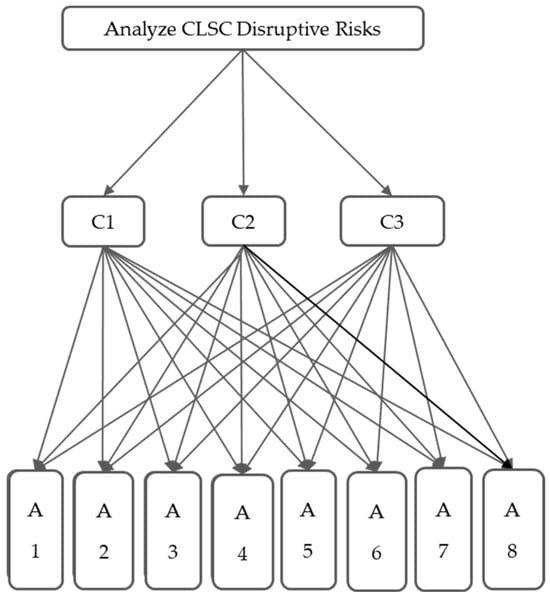
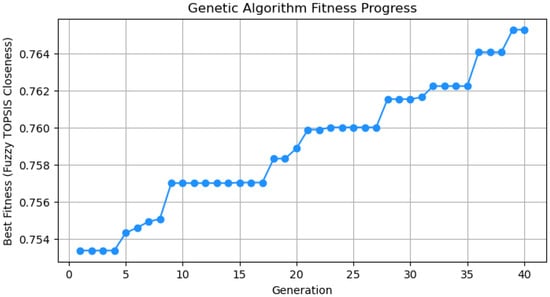
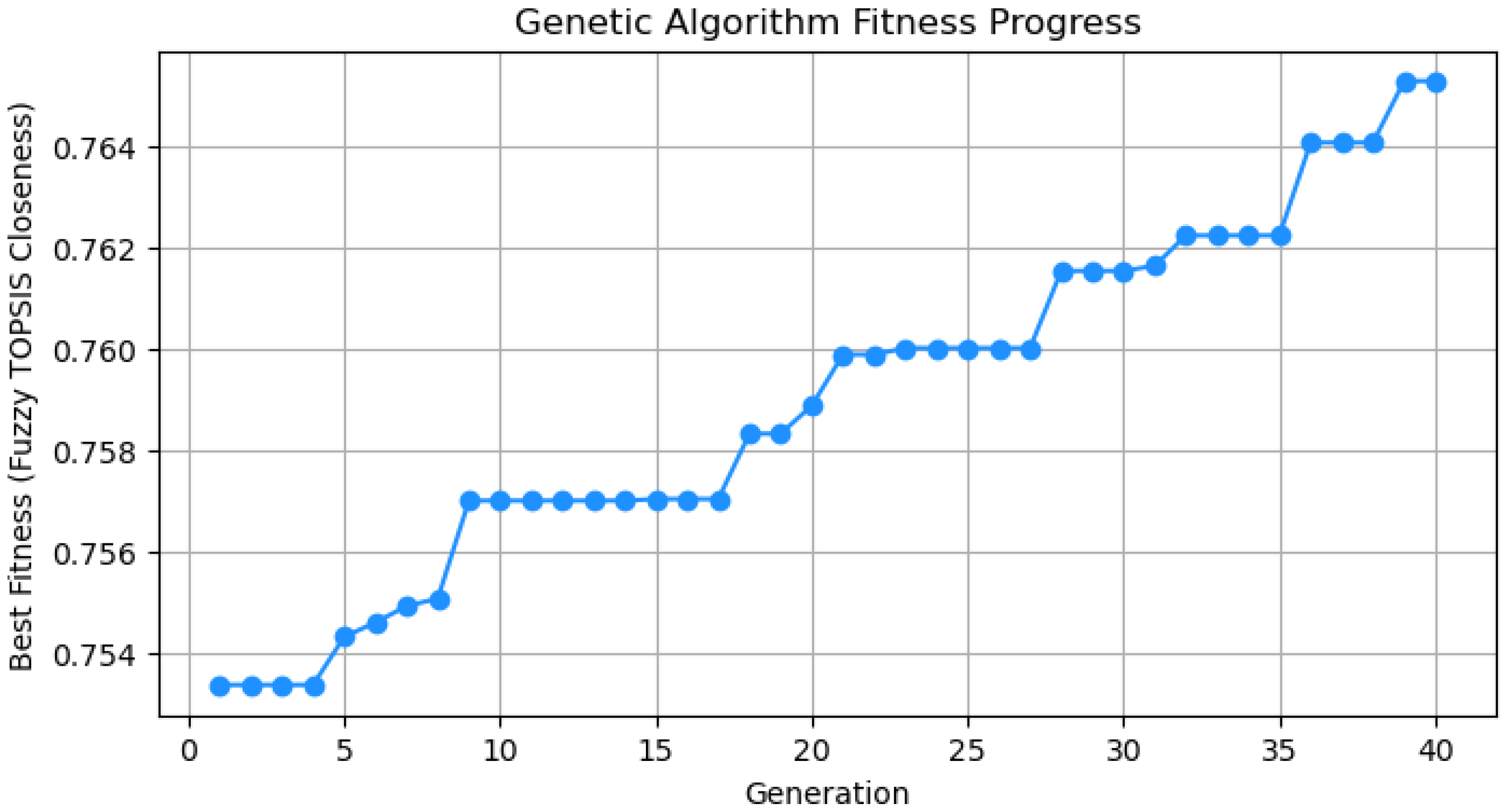
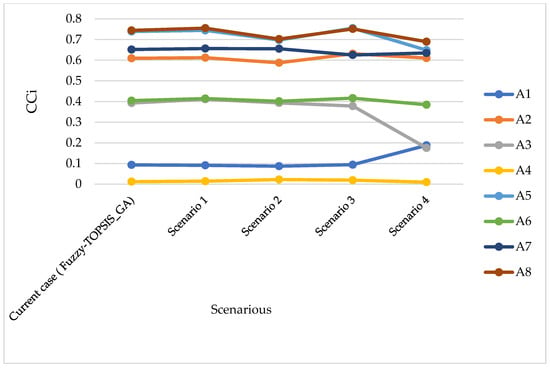
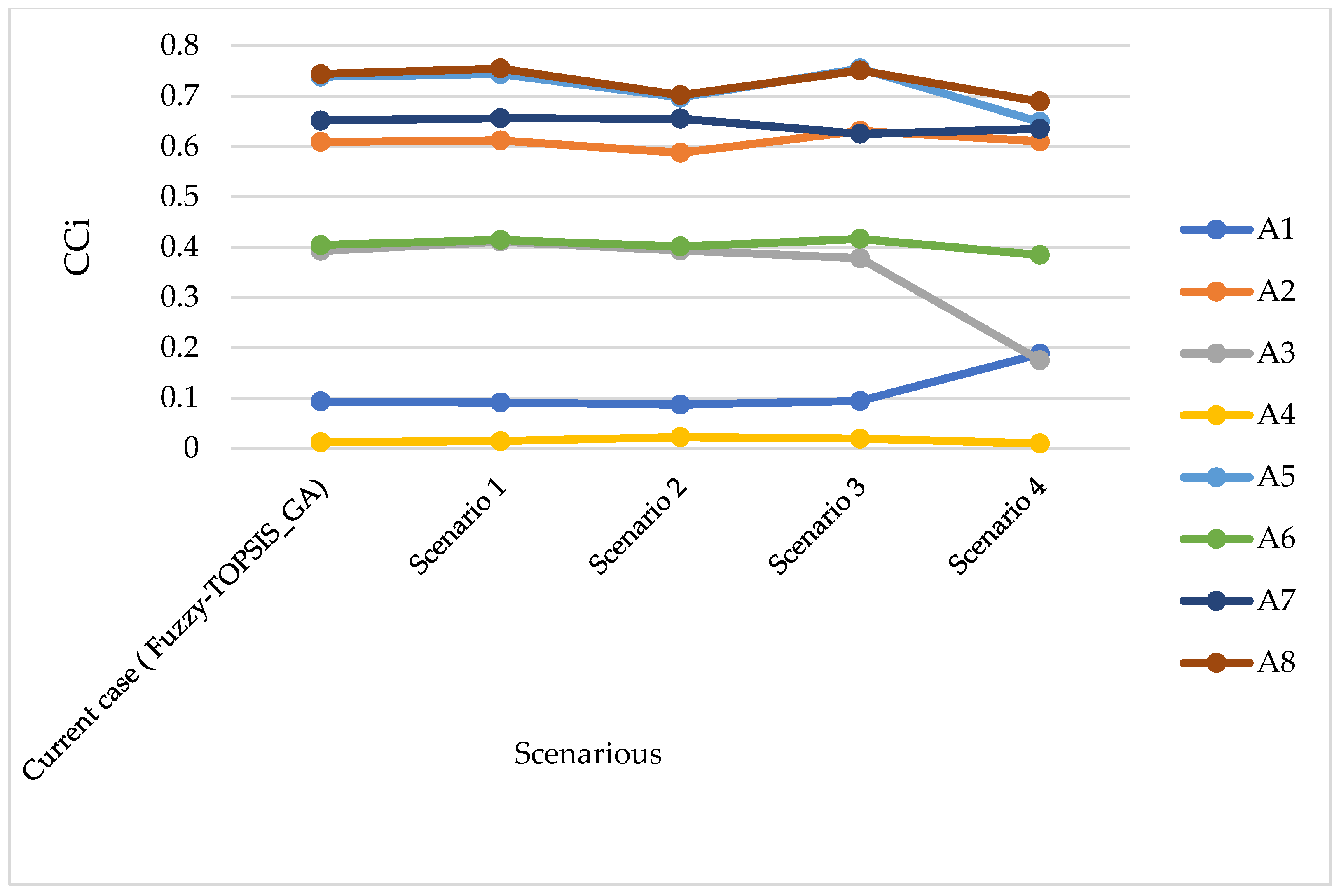
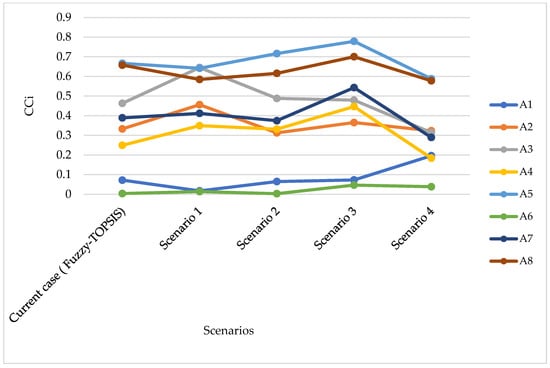
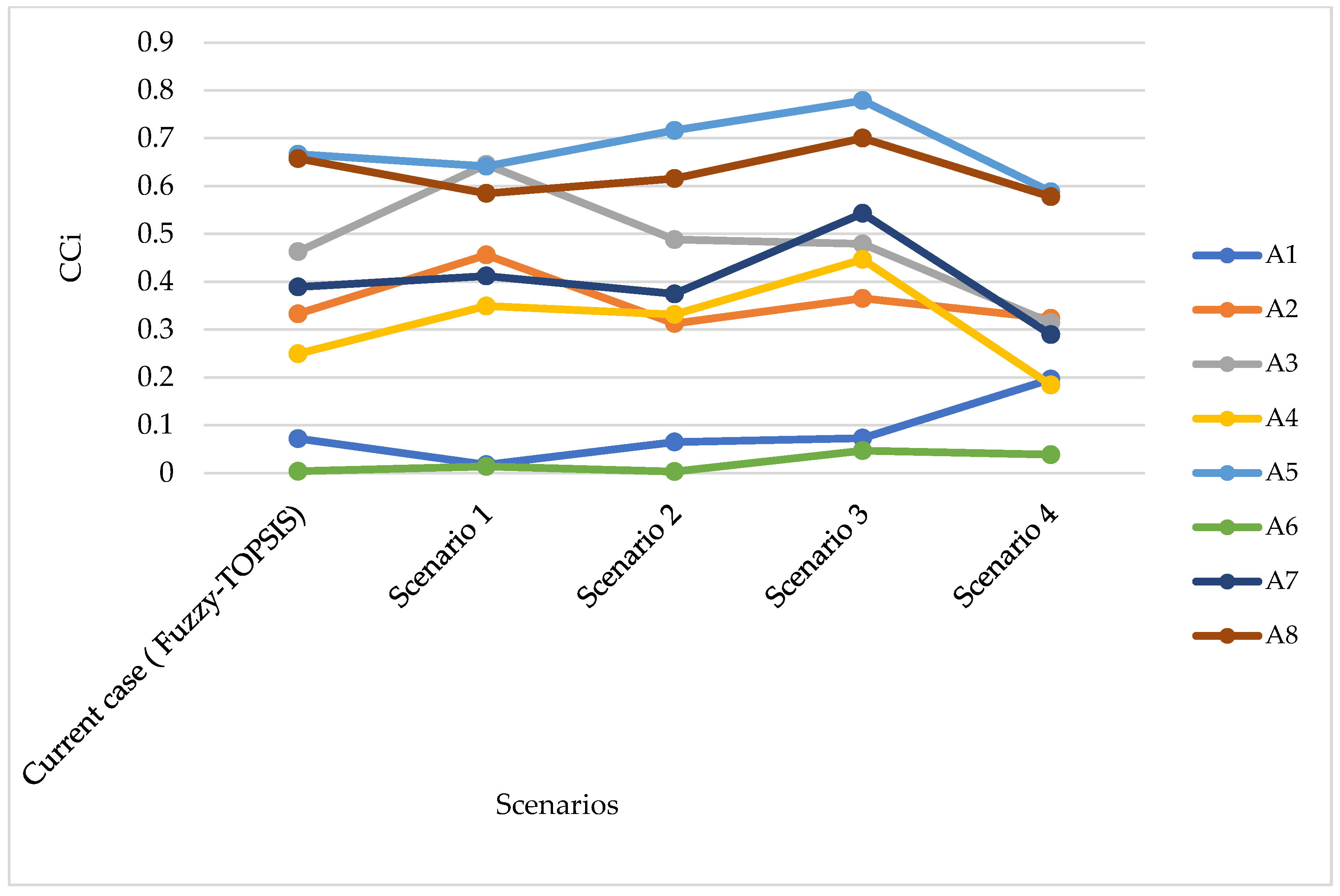

Disclaimer/Publisher’s Note: The statements, opinions and data contained in all publications are solely those of the individual author(s) and contributor(s) and not of MDPI and/or the editor(s). MDPI and/or the editor(s) disclaim responsibility for any injury to people or property resulting from any ideas, methods, instructions or products referred to in the content. |
© 2026 by the authors. Licensee MDPI, Basel, Switzerland. This article is an open access article distributed under the terms and conditions of the Creative Commons Attribution (CC BY) license.