


Abstract
Microbial carotenoids are bioactive compounds with significant applications in the food, pharmaceutical, and cosmetic industries, and their efficient production is of interest for sustainable biotechnology. In this study, a multi-agent model was developed using the NetLogo platform to simulate carotenoid biosynthesis by Rhodotorula rubra ICCF 220 in a batch bioreactor. The model, based on a super-individual population representation, integrates biomass growth, carbon and nitrogen resource availability, physiological transitions, and carotenoid accumulation; it was calibrated using experimental data obtained during a 120-h cultivation. Calibration of glucose dynamics using eight experimental measurements yielded an apparent glucose depletion coefficient of 0.0212 h−1, an RMSE of 1.8345 g L−1, and a coefficient of determination (R2) of 0.9715. The specific carotenoid content determined experimentally at 120 h (52.39 μg g−1 dry biomass) served as the final constraint for calibrating the biosynthesis module, with the temporal accumulation profile representing a model-generated estimate. The results support the use of multi-agent modeling as a complementary framework for the exploratory analysis of bioprocess dynamics, particularly the relationships between nutrient availability, microbial physiological transitions, and carotenoid accumulation. Further experimental validation is required before the model can be reliably applied to process optimization or experimental design.
1. Introduction
Interest in natural compounds obtained through biotechnological processes has increased considerably in recent decades, in the context of concerns regarding the development of more sustainable alternatives to synthetic products [1,2]. Among them, natural pigments are of particular interest for the food, pharmaceutical, cosmetic and nutritional supplement industries [3].
Carotenoids represent an important category of natural pigments, characterized by valuable biological and functional properties. In addition to their role in generating yellow, orange and red colors, these compounds are involved in cellular protection against oxidative stress and have important antioxidant potential [4].
Conventional sources of carotenoids include plants and algae, but microbial production has attracted increasing interest due to the possibility of carrying out the process under controlled conditions, independent of climatic and seasonal variations. In addition, fermentative processes allow control of cultivation parameters and offer opportunities for increased productivity and more efficient use of resources [4].
The development of efficient bioprocesses for the production of carotenoids, however, requires an understanding of the complex relationships between the microorganism, the substrate and the cultivation conditions. In this context, modeling and simulation can complement experimental investigations by enabling the preliminary exploration of bioprocess dynamics and the formulation of hypotheses regarding cultivation conditions. Their potential contribution to experimental design and resource efficiency requires appropriate experimental validation [5].
Pigmented yeasts of the genus Rhodotorula are considered promising microorganisms for obtaining bioactive compounds with high added value due to their ability to synthesize and accumulate carotenoids intracellularly [6]. Adaptability to different cultivation conditions and relatively low nutritional requirements support the interest in their use in the development of efficient bioprocesses [7].
Rhodotorula rubra is of particular interest due to its ability to biosynthesize carotenoids such as β-carotene, torulene and torularhodin. The accumulation of these metabolites is closely related to the physiological state of the cells and the cultivation conditions. The composition of the environment, carbon and nitrogen sources, oxygen availability, pH and temperature can influence both biomass development and carotenoid biosynthesis [7,8,9,10].
In the present study, the Rhodotorula rubra ICCF 220 strain was selected as a reference microorganism for the development of an individual-based model intended to simulate biomass growth and carotenoid accumulation in a batch system. The choice of the strain is based on preliminary experimental results obtained in bioreactor cultures and its potential for the biosynthesis of carotenoid pigments.
This dependence on numerous factors means that exclusively experimental optimization requires a large number of successive cultivations and monitoring. From this perspective, R. rubra constitutes a suitable biological system for the development and testing of models capable of describing the relationship between cell growth, nutrient availability and the formation of metabolites of interest. Batch processes are frequently used to cultivate microorganisms and obtain metabolites of interest. Since the components of the medium are introduced at the beginning of the process, without subsequent substrate feeding, nutrient concentrations, biomass and metabolic products evolve continuously during cultivation. The system thus exhibits a dynamic behavior, determined by the interaction between the physiological state of the microorganisms and the modification of the conditions in the culture medium [11].
The production of secondary metabolites, including carotenoids, involves complex interactions between microbial physiology and cultivation conditions. Modeling and simulation provide a complementary approach for exploring these relationships and identifying potential factors for subsequent experimental investigation. However, the application of computational models to experimental design and process optimization requires quantitative validation against experimental data [5].
From the perspective of developing more sustainable bioprocesses, the use of in silico simulations can support more efficient experimental design, limiting resource-consuming iterative testing. Modeling does not replace experimental validation, but it can be a useful preliminary step for guiding experiments and further process optimization [5].
To address these challenges, different mathematical and computational modeling approaches have been developed to describe microbial cultivation processes, each offering distinct levels of detail in representing population dynamics and interactions with the cultivation environment.
Conventional models used to describe microbial cultures are frequently built at the population level and track the evolution of global variables, such as biomass, substrate, and product of interest. Although these approaches are useful for the analysis of bioprocesses, representing the microbial population as a homogeneous system can limit the description of variability between cells and individual behaviors [12].
Individual-based models (IBM) approach the system from a different perspective, representing microorganisms as distinct entities, characterized by their own properties and behavioral rules [12]. Processes such as growth, resource utilization, physiological transitions, and metabolite production can be described at the individual level, while the global behavior of the culture results from the interactions between agents and the environment in which they evolve.
The NetLogo 7.0.3 platform was chosen for the implementation of the model due to the features provided for defining agents, virtual environment and interaction rules, as well as for visualizing the evolution of the simulated system [13]. Agent-based modeling using NetLogo has also been applied to food safety research, including the simulation of foodborne disease outbreaks through the integration of individual-level interactions and epidemiological dynamics [14]. Although addressing a different biological process, this application illustrates the versatility of agent-based approaches for investigating complex biological systems.
In the present study, the platform is used to simulate the batch cultivation of Rhodotorula rubra ICCF 220 and to represent the processes associated with biomass growth, resource availability, physiological transitions, and carotenoid accumulation.
Despite the increasing use of modeling in the analysis of microbial processes [15], individual-based approaches dedicated to describing the dynamic relationship between microbial population development and carotenoid biosynthesis in batch cultures of Rhodotorula rubra remain insufficiently explored. In particular, the agent-level representation of the processes involved in biomass growth and carotenoid accumulation, with the goal of integrating experimental data from the bioreactor, is a direction that requires further investigation. This gap was the basis for the development of the model proposed in the present study.
At the same time, the study aims to examine the potential of agent-based simulation for the exploratory analysis of microbial cultivation dynamics. The developed model provides a conceptual framework for investigating relationships between nutrient availability, physiological transitions, and carotenoid accumulation. Further quantitative experimental validation is required before the framework can be applied to process optimization or experimental design.
2. Materials and Methods
2.1. Experimental Fermentation Setup and Cultivation Conditions
Experimental cultivation of Rhodotorula rubra ICCF 220 was performed in a Bioengineering KLF stirred-tank bioreactor (Bioengineering AG, Wald, Switzerland), with a total vessel capacity of 3.7 L and a working volume of 2.0 L, operated in batch mode.
The culture medium contained glucose (40 g/L), yeast extract (1.5 g/L), NH4H2PO4 (5.0 g/L), KH2PO4 (1.0 g/L), MgSO4·7H2O (0.4 g/L), and NaCl (0.4 g/L), dissolved in purified water.
The bioreactor was inoculated with 200 mL of R. rubra ICCF 220 culture, corresponding to 10% (v/v) of the working volume. Cultivation was carried out at 28 °C, with an agitation speed of 700 rpm and a nominal aeration rate of approximately 2.08 vvm (corresponding to a rotameter reading of 250 NL/h for a working volume of 2.0 L). The airflow was manually adjusted using a needle valve. The rotameter calibration reference pressure was 1.013 bar (absolute), according to the equipment documentation. No correction for the actual operating pressure was applied. Cultivation was continued for 120 h.
The bioreactor was equipped with a 48 mm diameter impeller. The agitation Reynolds number was estimated using Re = ρND2/μ, where ρ is the liquid density, N is the impeller rotational speed, D is the impeller diameter, and μ is the dynamic viscosity. Assuming water-like physical properties for the culture medium (ρ ≈ 1000 kg/m3 and μ ≈ 0.001 Pa·s), the estimated Reynolds number at 700 rpm was approximately 26,880. This value is consistent with turbulent agitation and supports the use of a well-mixed approximation in the computational model. However, complete spatial homogeneity was not independently verified by mixing-time measurements. During the same experimental fermentation batch, dissolved oxygen (pO2), pH, and optical density at 600 nm (OD600) were monitored. The dissolved oxygen signal decreased from approximately 100% of air saturation at the beginning of cultivation to nearly 0% around 43 h, remaining at very low levels until approximately 83 h before increasing again towards the end of the process. The pronounced decrease in pO2 coincided with the active growth phase (approximately 18–45 h), as indicated by the increase in OD600, and is consistent with increased oxygen consumption by the growing microbial population. The near-zero pO2 values suggest potentially oxygen-limited conditions despite continuous aeration and agitation. The culture pH initially decreased slightly from approximately 3.6 to 3.5 and subsequently increased to approximately 4.4 at 120 h. These experimental variations were not explicitly incorporated into the current NetLogo model.
The bioreactor was equipped with systems for temperature control, mechanical agitation, aeration, pH monitoring, dissolved oxygen (pO2) measurement, and automated data acquisition. The pH and dissolved oxygen probes were calibrated before cultivation. Silicone-based antifoam was added when necessary.
Experimental observations were used to support the calibration and assessment of the NetLogo model. Glucose concentration data were used to calibrate substrate dynamics, while observations of biomass development and dissolved oxygen evolution provided contextual information for interpreting the simulated physiological transitions. Glucose concentrations were determined in triplicate at each sampling time, and the results are expressed as mean ± standard deviation (SD).
The experimentally determined carotenoid content at 120 h was used as an endpoint constraint for calibrating the carotenoid accumulation component. Intermediate carotenoid concentrations were generated by the model and were not independently validated experimentally.
During the 120 h batch cultivation, samples were periodically withdrawn for experimental analyses, resulting in a reduction in the culture volume from 2.0 L to approximately 1.8 L. At the end of cultivation, the biomass was recovered by centrifugation, washed with distilled water, and weighed, yielding 32.83 g of wet biomass. A representative sample of approximately 1.0 g of wet biomass was transferred into a pre-weighed crucible and dried at 105 °C until reaching constant weight. The dry matter content was determined gravimetrically as approximately 23.0% (w/w), corresponding to an estimated total dry biomass of 7.55 g. Considering the final culture volume of approximately 1.8 L, the calculated dry biomass concentration was 4.19 g/L.
2.2. General Concept of the Model
The model developed in this study adopts a coarse-grained segregated population approach, implemented through individual-based modeling (IBM) in which the microbial population of Rhodotorula rubra ICCF 220 is represented by super-individual agents interacting with the culture medium [12,15]. Each super-individual represents a fraction of the microbial population characterized by similar physiological properties rather than an individual biological cell.
The complete NetLogo model, including the source code, model parameters, calibration procedures, and simulation interface, is provided in Supplementary File S1 to ensure transparency, reproducibility, and independent verification of the computational approach.
Each super-individual is characterized by state variables describing its associated biomass, growth capacity, physiological state, and specific carotenoid content. At each simulation step, these variables are updated according to the global availability of carbon and nitrogen resources and the biological rules defined for biomass growth, physiological transitions, and carotenoid accumulation. The collective evolution of the super-individuals determines the global dynamics of the simulated microbial population.
Based on the agitation conditions and the estimated Reynolds number presented in Section 2.1, the culture medium was approximated as well mixed. Accordingly, carbon and nitrogen availability was represented by global variables shared by all super-individuals, while local concentration gradients were neglected in the current version of the model.
The model’s structure allows for the modification of initial conditions and simulation parameters, enabling the observation of their effects on microbial population dynamics and carotenoid accumulation. This capability enables exploratory analysis of how changes in model parameters affect simulated microbial population dynamics and carotenoid accumulation. The resulting scenarios are hypothesis-generating and require independent experimental validation before they can inform cultivation decisions or process optimization.
Figure 1 schematically illustrates the model’s organization and the interrelationships between the resources available in the culture medium, the behavior of the “super-individuals,” and the response of the simulated population. Carbon and nitrogen availability influences the growth capacity of the super-individuals and, by extension, their physiological state. These changes are reflected in biomass evolution and carotenoid accumulation. In turn, biomass formation drives nitrogen consumption, thereby establishing a link between population development and nutrient availability in the culture medium.
Figure 1.
Conceptual structure of the individual-based model developed to simulate the batch cultivation of the Rhodotorula rubra ICCF 220 strain.
2.3. Structure of the Virtual Environment
The virtual environment used in the simulation was designed to reproduce, in a simplified manner, the conditions of batch cultivation of the Rhodotorula rubra ICCF 220 strain in a stirred bioreactor. The model was implemented in the NetLogo platform [13], with the culture medium being represented by a discrete two-dimensional space and the microbial population by super-individual agents.
The simulation space is made up of a network of 50 × 50 spatial units (patches). The size of the virtual world is not a direct geometric transposition of the bioreactor volume, but defines the computational space necessary for the distribution and interaction of the agents. To avoid artificial effects associated with the limits of the simulation space, periodic boundary conditions are used, allowing the continuity of the movement of the agents between the opposite edges of the virtual environment. The conceptual structure of the developed individual-based model is illustrated in Figure 1. The model integrates the experimental cultivation conditions, environmental resources, resource-dependent growth dynamics, and physiological behavior of super-individuals to simulate biomass growth, nutrient consumption, and carotenoid accumulation. Different background colors distinguish the main model components, while the arrows indicate the direction of information flow, interactions between components, and feedback mechanisms associated with nutrient depletion and biomass formation.
Each agent represents a super-individual, corresponding to a group of R. rubra cells with similar physiological properties, rather than a single biological cell. This approach allows the representation of a large microbial population without explicitly simulating each cell in the real system. At the initialization of the simulation, the super-individuals are randomly distributed in the virtual environment.
Two main nutrient resources are explicitly represented in the model: glucose as the carbon source and an aggregated nitrogen resource. Consistent with the assumption of a well-mixed bioreactor, these resources are represented as global environmental variables rather than as local patch-specific concentrations. Their initial values correspond to the starting conditions of the batch cultivation and progressively decrease during the simulation. The other components of the culture medium are not dynamically represented in the current version of the model and are considered implicitly through the defined cultivation conditions.
Given the operating conditions of the stirred bioreactor, the culture medium is assumed to be well mixed. Consequently, spatial gradients of glucose and nitrogen are not explicitly modeled, and all super-individuals experience the same global resource availability at a given simulation time. The spatial representation is therefore used primarily for visualization of the microbial population rather than for describing concentration gradients or hydrodynamic phenomena.
During the simulation, carbon and nitrogen availability progressively decreases, without additional nutrient feeding, thus reproducing the fundamental characteristic of batch operation. Changes in resource availability affect the growth capacity and physiological state of the super-individuals and, consequently, biomass development and carotenoid accumulation.
Pigment biosynthesis is represented through the specific carotenoid content associated with each super-individual. Individual carotenoid compounds are not differentiated in the current version of the model, and the population-level output is expressed as biomass-weighted specific carotenoid content.
The evolution of the system is described in discrete time steps (ticks), with one tick corresponding to 1 h of cultivation. This temporal resolution allows the direct correlation of the simulated evolution with the experimental data recorded during the batch process and facilitates the comparison of the simulated dynamics of the culture with the experimentally observed evolution.
The structure of the virtual environment thus allows the simultaneous examination of microbial population evolution, resource dynamics, and carotenoid accumulation within an exploratory computational framework, providing a basis for future model extensions and experimental validation.
2.4. Definition of Biological Agents
In the proposed model, the population of Rhodotorula rubra ICCF 220 is represented by super-individual agents, each agent corresponding to a group of cells with similar physiological characteristics. The use of this representation allows the description of the behavior of the microbial population without explicitly simulating the very large number of cells existing in the bioreactor. This simplification reduces computational complexity while preserving the representation of population-level physiological dynamics. Each super-individual is characterized by a set of state variables updated at each simulation step. These variables describe the biomass associated with the agent, its current growth rate and relative growth capacity, physiological state, and specific carotenoid content (Table 1). The behavior of each super-individual is determined by these internal variables together with the global availability of carbon and nitrogen resources in the culture medium.
Table 1.
State variables of the microbial super-individual agents implemented in NetLogo.
It is not necessary to manually define a unique identifier, as NetLogo automatically assigns each agent the internal identifier who [13]. Also, in the current version of the model, independent variables for energy reserve or viability are not introduced, since these processes are not quantified experimentally and would require the introduction of additional hypotheses that are difficult to validate.
The behavior of super-individuals is described by three physiological states. In the active growth state, nutrient availability supports biomass development, and super-individuals exhibit relatively high growth capacity. This state corresponds to the period of active biomass development observed experimentally during the first part of cultivation.
As nutrient availability changes and conditions become less favorable for growth, agents can enter a transition state. This state represents the progressive modification of the physiological behavior of the culture, characterized by a reduction in the growth rate and an increase in the share of processes associated with the response to resource limitation and cultivation stress.
In the stationary/accumulation state, biomass growth is reduced and carotenoid accumulation becomes relatively more important. In the model, carotenoid biosynthesis is not triggered at a predetermined time point but is determined by the physiological state of the super-individual and the availability of resources. Thus, the simulation time itself does not constitute the criterion for switching to carotenoid production.
Carotenoid accumulation is represented by the variable carotenoid-specific, which describes the specific carotenoid content associated with each super-individual. Individual carotenoid compounds are not differentiated in the current version of the model. The specific carotenoid accumulation rate is described by:
where represents the specific carotenoid accumulation rate, is the maximum specific carotenoid accumulation rate, describes the influence of the physiological state, and and represent functions accounting for carbon and nitrogen availability, respectively.
2.5. Environmental Variables and Available Resources
In addition to the super-individual biological agents, the model includes a set of variables associated with the virtual environment, used to describe the availability of resources necessary for the growth of the microbial population and the biosynthesis of carotenoids (Table 2). In the current version of the model, two main categories of nutrient resources are explicitly represented: the carbon source and the nitrogen source, since their availability directly influences the development of biomass and the modification of the physiological state of the agents.
Table 2.
Main variables associated with the simulated environment and system.
In accordance with the batch operation, the nutrient resources are introduced at the initialization of the simulation, without additional feeding during the process. The available quantities progressively decrease as a result of the consumption by the super-individual population, thus reproducing the gradual depletion of nutrients characteristic of batch cultivation.
The carbon source is represented in the model by glucose, the main substrate considered for supporting biomass development and carotenoid biosynthesis. Under the experimental conditions considered, the initial glucose concentration is 40 g L−1. Its concentration progressively decreases during the simulation according to the apparent first-order kinetic relationship defined in Section 2.6.1. As glucose is consumed, the amount of carbon available in the culture medium decreases. This reduction affects the growth capacity of the super-individuals and, implicitly, contributes to changes in their physiological state.
In the model, nitrogen is introduced as a global variable representing, in a simplified manner, the total amount of assimilable nitrogen available in the culture medium. Nitrogen sources within the medium’s composition are not modeled individually, nor is a distinct contribution assigned to each. Consequently, nitrogen availability is expressed as a normalized relative value rather than an absolute concentration. This simplified approach allows for the consideration of the overall effect of reduced nitrogen availability on the growth and physiological state of the super-individuals, without introducing separate consumption mechanisms for each nitrogen source. The evolution of this variable throughout the simulation is determined using the nitrogen consumption scaling parameter presented in Table 3.
Table 3.
Model parameters and initial conditions used in the reference simulation.
The other components of the culture medium—namely KH2PO4, NH4H2PO4, MgSO4·7H2O, and NaCl—are part of the medium used in the experiment but are not included in the model as resources consumed independently over time. Their effects on phosphate availability, ionic balance, and other medium properties are implicitly accounted for through the established cultivation conditions. Total biomass and the population-level specific carotenoid content do not represent environmental resources; rather, they are global variables derived from the simulated state of the population. The total biomass is determined by summing the biomass associated with each super-individual:
The population-level specific carotenoid content is calculated as the biomass-weighted mean of the specific carotenoid content associated with the super-individuals:
where is the number of super-individuals, is the relative biomass associated with super-individual , and is its specific carotenoid content.
The temporal evolution of the specific carotenoid content represents a model-generated output, since experimental carotenoid quantification was available only at the end of cultivation.
The operating parameters of the bioreactor, such as temperature, stirring speed, and aeration flow rate, are considered fixed experimental conditions for the reference simulation and are not treated as consumable resources. The model reproduces the conditions used experimentally, namely 28 °C, 700 rpm, and 250 L h−1 aeration.
Dissolved oxygen and pH are not introduced, in the current version, as variables that directly control the behavior of the agents. Their experimental values are used as independent indicators of the evolution of the culture and for the interpretation of the physiological transitions observed during the process. At this stage of the model, the oxygen transfer and pH regulation processes are not introduced separately, as they would require the description of additional mechanisms, which are not part of the current objective of the simulation.
In its current form, the virtual environment primarily tracks how carbon and nitrogen availability is reflected in biomass development and carotenoid accumulation. We chose this simplified representation so that the model could be calibrated and evaluated using available experimental data, without introducing processes for which there is insufficient experimental information.
2.6. Agent Behavior Rules
The behavior of super-individuals is described by rules governing biological processes considered relevant to the simulation: biomass growth, transitions between physiological states, and carotenoid accumulation. These processes are influenced by the available quantities of carbon and nitrogen. At each simulation step—equivalent to one hour of cultivation—the state of each super-individual is updated based on its current characteristics and the resources available in the culture medium. The rules are applied successively so that changes in resource availability affect the growth capacity and physiological state of the super-individuals, while their individual responses determine the global evolution of the simulated biomass and carotenoid accumulation.
2.6.1. Consumption of Nutritional Resources
Carbon and nitrogen availability is represented by two global variables that progressively decrease during batch cultivation. Their current values determine the growth capacity of the super-individuals and consequently influence their physiological state and carotenoid accumulation.
A combined Monod-type relationship is used to describe the simultaneous effect of carbon and nitrogen availability on biomass development:
where μ represents the specific growth rate, μmax the maximum specific growth rate, C the glucose availability, N the nitrogen availability, and KC and KN the half-saturation constants associated with the two resources.
As the availability of one or both resources decreases, the value of μ decreases, limiting biomass development and contributing to the modification of the physiological state of the agent.
The dynamics of the carbon source are represented separately by the variation in glucose concentration in the culture medium. Since a time profile of biomass concentration expressed in mass-per-volume units was not available, glucose consumption was not directly correlated with biomass formation via a yield coefficient. The experimentally estimated dry biomass concentration at 120 h was 4.19 g/L. This value provides a physical reference for interpreting the simulated biomass expressed in relative units. However, because experimental dry biomass concentrations were not determined throughout the cultivation period, the simulated biomass trajectory cannot be independently validated in absolute concentration units.
Instead, glucose dynamics were described by an apparent first-order kinetic relationship:
where C represents the glucose concentration in the culture medium (g L−1), and kglucose represents the apparent glucose depletion coefficient (h−1). In the discrete implementation of the model, for a time step of Δt = 1 h, the glucose concentration is updated according to the relationship:
Nitrogen availability is represented by a normalized aggregate variable describing the relative reserve of assimilable nitrogen in the culture medium. In the current version of the model, the individual contributions of nitrogen-containing components are not modeled separately. The availability of this resource, together with glucose availability, contributes to determining the specific growth rate via the previously defined Monod relationship. The progressive decrease in normalized nitrogen availability is represented using the nitrogen depletion scaling parameter , which provides a model-dependent relationship between simulated biomass development and depletion of the normalized nitrogen pool.
2.6.2. Biomass Growth
Each super-individual’s biomass growth is determined by its specific growth rate and current biomass. The biomass update at each time step is described by:
where Xi(t) represents the biomass of super-individual i at time t, μi(t) is the specific growth rate under the prevailing conditions, and Δt is the time interval corresponding to one simulation step. In the current model, Δt = 1 h.
Under favorable conditions of carbon and nitrogen availability, agents in the active growth state exhibit the highest growth rates. Reducing the availability of one of the resources causes a progressive decrease in the growth rate.
2.6.3. Transition Between Physiological States
The behavior of super-individuals is described by the three physiological states defined previously: active growth (growth), transition (transition) and stationary/accumulation (stationary).
The transition between these states is not imposed at predetermined time points, but is determined by the change in the agent’s growth capacity as a result of the availability of resources.
To characterize the progressive reduction in growth capacity, the current growth capacity of each super-individual is expressed relative to its value under the initial cultivation conditions:
where represents the relative growth capacity of super-individual , and represents the resource-dependent growth-capacity term defined by:
Under the initial cultivation conditions, . As carbon and nitrogen availability decreases, the relative growth capacity progressively declines. High values of correspond to the active-growth state, while its progressive decrease determines the transition to the transition state and subsequently to the stationary/accumulation state. The threshold values delimiting these states were established during model calibration based on the experimental progression of the culture.
With this approach, the physiological phases of the population are not artificially introduced depending on the cultivation time, but result from the interaction between the availability of resources and the biological response of the super-individuals.
2.6.4. Carotenoid Accumulation
Carotenoid biosynthesis is represented at the level of each super-individual through the progressive increase in its specific carotenoid content. The accumulation rate depends on the physiological state of the super-individual and on carbon and nitrogen availability, according to the relationship defined in Section 2.3.
The specific carotenoid content associated with each super-individual is updated at each simulation step by:
where represents the specific carotenoid content associated with super-individual at time , and represents its specific carotenoid accumulation rate under the corresponding physiological state and resource conditions.
In the active growth state, resources are predominantly allocated to biomass development, and carotenoid accumulation remains relatively low. As super-individuals enter the transition state and subsequently the stationary/accumulation state, the carotenoid accumulation rate increases [8].
The specific carotenoid contents associated with the super-individuals are integrated at the population level as a biomass-weighted mean, as defined in Section 2.4. Since carotenoids were experimentally quantified only at the end of cultivation, the temporal profile predicted between 0 and 120 h represents a model-generated output, while the experimentally derived final specific carotenoid content is used as an endpoint constraint for model calibration.
2.7. Model Assumptions
A series of simplifying assumptions was formulated for the development of the individual-based model, necessary to represent the main biological phenomena associated with the batch cultivation of the Rhodotorula rubra ICCF 220 strain, while avoiding the introduction of an excessive level of complexity. These assumptions were established in such a way as to ensure an appropriate balance between biological realism, computational efficiency and the availability of experimental data. Particular attention was paid to the representation of the microbial population by super-individuals, the availability of nutritional resources, the transitions between physiological states and the accumulation of carotenoids.
2.7.1. Culture Medium Homogeneity
The culture medium is considered homogeneous throughout the process because of mechanical agitation and aeration in the batch bioreactor. Consequently, carbon and nitrogen availability is represented by global variables that are equally accessible to all super-individuals at a given simulation time, while local concentration gradients are neglected.
2.7.2. Constant Temperature
During the simulation, the process temperature is considered constant, consistent with the experimental cultivation conditions (28 °C). Consequently, the influence of temperature variations on biomass growth and carotenoid biosynthesis is not included in the model.
2.7.3. Absence of Contamination
The model assumes the existence of a pure culture of Rhodotorula rubra ICCF 220. Interactions with other microorganisms are not taken into account, and the dynamics of the simulated population are attributed exclusively to the activity of super-individuals representing the studied microbial population.
2.7.4. Oxygen Availability
Cultivation was performed under aerobic conditions, with continuous aeration and mechanical agitation. However, experimental monitoring revealed a pronounced decrease in dissolved oxygen during the active growth phase, with pO2 approaching zero and remaining at very low levels for an extended period. This behavior suggests that microbial oxygen consumption may have exceeded the oxygen transfer capacity of the system, potentially resulting in oxygen-limited conditions despite continuous aeration. Oxygen availability may influence respiratory metabolism, biomass formation, and carotenoid biosynthesis. Nevertheless, dissolved oxygen is not explicitly represented as a dynamic variable in the current model, and oxygen transfer and consumption kinetics are not simulated. Similarly, the experimentally observed pH variations may influence enzyme activity, nutrient assimilation, microbial growth, and carotenoid biosynthesis, but pH-dependent effects are not included in the computational rules. These simplifications limit the model’s ability to predict biological responses under changing oxygen availability and pH conditions.
The relevance of oxygen transfer to carotenoid-producing bioprocesses has also been demonstrated in previous experimental research by Ungureanu et al. [16], involving Rhodotorula rubra ICCF 209. That study characterized the volumetric oxygen transfer coefficient (kLa) under different agitation and aeration conditions in a bioreactor with a working volume of 42 L and highlighted the importance of dissolved oxygen availability during cultivation. However, differences in microbial strain and bioreactor configuration prevent direct application of those experimentally determined kLa values to the present system involving R. rubra ICCF 220. Consequently, the absence of explicit oxygen-transfer dynamics limits the model’s ability to predict carotenoid accumulation under alternative aeration and agitation conditions.
From a bioprocess engineering perspective, dissolved oxygen can be considered an additional potentially limiting substrate alongside glucose. Previous studies on aerobic bioprocesses have demonstrated the relevance of double-substrate-limited kinetic models, in which dissolved oxygen and a nutrient substrate simultaneously influence microbial growth [17]. A more comprehensive representation of the present fermentation process would therefore require an extended modeling approach accounting for carbon and nitrogen availability, oxygen transfer, and microbial oxygen consumption. Although these aspects are particularly important for accurately describing aerobic yeast cultivation, their explicit implementation is beyond the scope of the present exploratory study, which focuses on resource-dependent physiological transitions and carotenoid accumulation. Incorporating dissolved oxygen dynamics into the current framework represents an important direction for future research.
2.7.5. Simplified Representation of Metabolism
Intracellular metabolic processes are represented by simplified rules that describe the relationship between the availability of carbon and nitrogen resources, biomass growth, transitions between physiological states, and carotenoid accumulation. The model does not explicitly include the biochemical pathways involved in carotenoid biosynthesis or the genetic regulatory mechanisms associated with them. Carotenoid biosynthesis in Rhodotorula rubra is influenced by microbial growth, physiological state, nutrient availability, and environmental conditions, including oxidative stress. In the present framework, the relationships between glucose and nitrogen availability, physiological transitions, and carotenoid accumulation are represented through simplified empirical rules. Oxidative stress and its underlying biochemical mechanisms are not explicitly modeled. Consequently, the simulated carotenoid accumulation profiles should be interpreted as exploratory estimates rather than quantitatively validated predictions.
2.7.6. Representation of the Microbial Population
The microbial population is represented by a fixed number of super-individuals throughout the simulation. Each super-individual represents a fraction of the real microbial population rather than an individual biological cell. Population development is therefore represented through changes in the relative biomass associated with the super-individuals, without explicitly creating or dividing agents during the simulation. This coarse-grained representation reduces computational complexity while allowing the temporal evolution of biomass and physiological state to be investigated.
2.7.7. Assumptions Regarding Carotenoid Accumulation
Carotenoids are considered intracellular metabolites, and their accumulation is influenced by the physiological state of the super-individual and by carbon and nitrogen availability. The model tracks the specific carotenoid content associated with the super-individuals without separately quantifying the individual carotenoid compounds produced by Rhodotorula rubra ICCF 220. At the population level, the specific carotenoid content is calculated as a biomass-weighted mean.
2.7.8. Batch Operation
The simulation exclusively reproduces a batch cultivation process, in which the medium components are introduced at the beginning of the process. During the simulation, no additional nutrient supplies or removal of the culture medium take place. The progressive decrease in availability of the modeled nutrient resources determines the modification of the growth capacity of the super-individuals and, implicitly, the transition between the physiological states defined in the model.
2.8. Model Parameters and Initial Conditions
The model parameters and initial conditions were defined based on experimental cultivation conditions, available experimental data, and model-specific assumptions. Parameters directly supported by experimental measurements were entered using the corresponding experimental values, while model-specific parameters were defined or calibrated according to the procedures described in Section 2.9. The complete set of parameters and initial conditions used in the simulations is presented in Table 3.
At the start of the simulation, the glucose concentration was set to g L−1, a value corresponding to the nominal glucose concentration in the culture medium. For nitrogen, a normalized initial value of was used, representing the initial availability of assimilable nitrogen for the microbial population. The initial population was represented by 100 super-individuals, each assigned an initial relative biomass of 0.001 model units.
Microbial growth is characterized by the maximum specific growth rate, , and the Monod constants and , which describe the biomass response to carbon and nitrogen availability. Carbon source dynamics are characterized by the apparent glucose depletion coefficient, , calibrated using experimental data. For nitrogen, the scaling parameter establishes the relationship within the model between biomass formation and the reduction in normalized nitrogen availability. The transition of super-individuals from one physiological state to another is determined by two threshold values of relative growth capacity: and . The first defines the transition from active growth to the transition state, while the second marks the transition to the stationary/accumulation state.
These thresholds were calibrated using the experimental culture profile, with the end of the active growth phase set at approximately 45 h and the onset of the stationary/accumulation state at approximately 90 h.
Carotenoid accumulation is controlled by the maximum specific carotenoid accumulation rate, , alongside factors dependent on the physiological state that describe the relative contribution of the active growth, transition, and stationary/accumulation states. Reference values for these factors were defined as model assumptions and subsequently evaluated via sensitivity analysis. The value of was determined through calibration, using the experimental specific carotenoid content measured at 120 h as a constraint.
represents the normalized initial nitrogen availability. GAT and GTS represent the relative growth capacity thresholds associated with the transitions between the active growth state and the transition state and between the transition state and the stationary/accumulation state, respectively. The physiological state-dependent factors used for carotenoid accumulation represent baseline model assumptions and were subsequently evaluated through sensitivity analysis.
2.9. Model Implementation in the NetLogo Platform
The proposed individual-based model was implemented in the NetLogo platform [13], which provides a suitable computational environment for defining agent populations, the virtual environment, state variables, and behavioral rules. Through implementation in NetLogo, the previously presented biological hypotheses and mathematical relationships are translated into a simulation that evolves in successive time steps.
The Rhodotorula rubra ICCF 220 population is not represented by modeling each individual yeast cell separately. Instead, “super-individuals” were used, each corresponding to a fraction of the microbial population. For each super-individual, the associated biomass, physiological state, growth capacity, and specific carotenoid content are tracked. The evolution of these characteristics depends on the overall availability of carbon and nitrogen, as well as the rules established in the model for biomass growth, changes in physiological state, and carotenoid accumulation.
The culture medium is considered homogeneous, based on the assumption of efficient mixing within the bioreactor. Consequently, carbon and nitrogen are treated as global resources equally accessible to all super-individuals, regardless of their position in virtual space. The agent movement incorporated into the simulation serves solely to represent biomass redistribution resulting from mixing and should not be interpreted as a description of the biological motility of yeast cells.
The simulation proceeds in discrete steps, with one NetLogo tick corresponding to one hour of cultivation . At each step, carbon and nitrogen resources, biomass growth, and relative growth capacity are successively updated. Based on these changes, the physiological state of the super-individuals is determined, and specific carotenoid accumulation is calculated. The values obtained for each super-individual are then used to update the state of the entire simulated population.
At the beginning of each step, the super-individuals are redistributed across the simulation’s two-dimensional domain via a simplified movement: each agent randomly selects a direction and advances by one spatial unit. This movement is intended to represent the redistribution of biomass within the agitated medium and does not replicate the actual physical phenomena governing microorganism transport in the bioreactor. Consequently, gravitational settling, fluid drag forces, hydrodynamic effects induced by agitation, and oxygen-related transport are not explicitly modeled.
Following microbial redistribution, the available glucose concentration is updated. Glucose is represented by the global carbon variable and decreases at each simulation step according to an exponential consumption profile governed by the glucose depletion coefficient. Since carbon and nitrogen are global environmental variables, all super-individuals are exposed to the same resource levels at a given simulation time.
The updated carbon availability, together with the current nitrogen availability, is subsequently used to determine the growth capacity of each super-individual. Both resources contribute through saturation terms, and their combined effect determines the specific growth rate. If either carbon or nitrogen is depleted, the growth capacity and specific growth rate are set to zero. The current growth capacity is then normalized with respect to its initial value to obtain the relative growth capacity, which provides a dimensionless measure of the evolution of the growth potential during cultivation.
The relative growth capacity is subsequently used to update the physiological state of each super-individual. Two threshold values distinguish three physiological states: active growth, transition, and stationary accumulation. Consequently, the transition between physiological states is not prescribed at predefined simulation times but results from the progressive modification of growth conditions. The simulation additionally records the first occurrence of the transition and stationary-accumulation states, allowing the corresponding transition times to be compared with experimental targets during model calibration.
Carotenoid accumulation is evaluated after the physiological state has been updated. Its rate is determined by three factors: the current physiological state, the fraction of the initial carbon resource remaining in the system, and the extent of nitrogen depletion. Biomass growth is then calculated for each super-individual from its current biomass and specific growth rate. After all individual biomass values have been updated, the total biomass of the simulated population is recalculated.
The biomass increase achieved in the given step is used to calculate nitrogen consumption, based on the scaling parameter established in the model. In this way, nitrogen consumption is directly linked to biomass formation, and the value of nitrogen availability is always maintained at a level of at least zero.
At the end of each step, the variables that describe the population are recalculated. The total biomass results from the summation of the biomass of all super-individuals. The specific carotenoid content at the population level is obtained from the individual values, considering the biomass associated with each super-individual.
Within the NetLogo main loop, operations are performed in a specific order. First, the redistribution of super-individuals takes place, followed by the updating of glucose levels and the calculation of growth capacity and specific growth rate. Next, the physiological state and the timing of state transitions are determined, carotenoid accumulation and biomass are updated, and nitrogen consumption is calculated. Finally, population variables are recalculated, the simulation time is advanced, and the results are recorded.
This sequence establishes the model’s feedback mechanism. Resource availability influences the population’s growth and physiological state, while biomass formation determines the reduction in available nitrogen. Changes over time in carbon and nitrogen availability, in turn, influence subsequent growth and carotenoid accumulation.
During the simulation, the following parameters are monitored: total relative biomass, glucose concentration, normalized nitrogen availability, specific growth rate, population distribution across physiological states, and population-level specific carotenoid content. Recording these variables allows tracking the evolution of the batch process over time and—for parameters where experimental measurements exist—comparing model results with experimentally obtained data.
The interface allows for the modification of model parameters and initial conditions used for the simulation. This capability was utilized for model calibration and sensitivity analysis, as well as for testing various cultivation conditions. The graphical interface developed in NetLogo provides direct visualization of the simulated microbial population, process variables, physiological-state distribution, and the main model outputs during batch cultivation (Figure 2).
Figure 2.
NetLogo interface of the exploratory agent-based model for Rhodotorula rubra ICCF 220 batch cultivation at 120 h, showing the super-individual population, glucose depletion, specific carotenoid accumulation, and selected model outputs following glucose calibration.
Design Concepts of the Multi-Agent Simulation
Basic principles. The design concepts of the present multi-agent model were formulated according to the ODD framework [12], with the objective of clarifying the mechanisms by which the behavior of the simulated microbial population emerges from the interaction between super-individuals and the cultivation environment. The model was intentionally kept at a reduced level of complexity, focusing on the relationships among nutrient availability, biomass development, physiological transitions, and carotenoid accumulation. The main design concepts considered are described below.
The model is based on the behavior of super-individuals to describe the population dynamics of Rhodotorula rubra ICCF 220. Their number remains constant throughout the simulation, with each super-individual representing a fraction of the actual microbial population. At the individual level, the associated biomass, growth rate and capacity, physiological state, and carotenoid accumulation are tracked. Population evolution emerges from the changes in these characteristics over time in response to the conditions within the cultivation medium.
The simulation employs a two-dimensional environment in NetLogo, yet nutrient resources are not spatially distributed. Glucose—used as a carbon source—and nitrogen (expressed via a normalized variable) are available throughout the entire system. Initial values for both resources are set at the start of the process and subsequently decrease during cultivation. As a batch process is being simulated, no additional medium or nutrients are introduced, nor is any medium removed, during the run.
Emergence. The evolution of the culture is not introduced into the model by pre-determining the timing of the various physiological states. Instead, it emerges during the simulation from changes in glucose and nitrogen availability. As these resources are depleted, the relative growth capacity of the super-individuals declines. Upon reaching calibrated threshold values, the super-individuals transition successively from the active growth state to the transition state, and finally to the stationary/accumulation state. Consequently, the timing of these transitions is determined by resource dynamics and the growth rules incorporated into the model, rather than being directly set based on cultivation time.
At the population level, total biomass and specific carotenoid content are derived from the values calculated for super-individuals. Population biomass is obtained by summing individual biomasses, while specific carotenoid content is determined by relating individual values to their associated biomass.
Adaptation. In the simulation, the response of super-individuals to changes in environmental conditions is represented by the updating of their biological state based on nutrient availability. The specific growth rate is recalculated at each simulation step from the combined availability of carbon and nitrogen. As one or both resources become limited, the growth rate decreases, affecting biomass development and eventually triggering a change in physiological state.
The response of the agents is therefore adaptive in the sense that their growth characteristics and physiological state are not fixed but change according to the current cultivation conditions. The model does not include adaptive metabolic pathways or gene-regulatory mechanisms; adaptation is represented at the phenomenological level through changes in growth capacity, physiological phase, and carotenoid accumulation.
Sensing. Super-individuals are assumed to respond to the current availability of the two modeled nutritional resources. Because the culture medium is considered homogeneous, carbon and nitrogen are represented as global variables and are equally accessible to all agents at a given simulation time. Local sensing of patch-specific concentrations is therefore not implemented.
The sensing mechanism is expressed computationally through the calculation of the growth-capacity term from current carbon and nitrogen availability. Each super-individual therefore responds to the same environmental resource state but may exhibit a different biological response depending on its current biomass, physiological state, and accumulated carotenoid content.
Interaction. Interactions among super-individuals are indirect rather than explicit. No direct cell–cell interaction rules are implemented. Instead, agents are coupled through their common dependence on nutritional resources and through their contribution to population-level resource depletion.
Carbon and nitrogen availability influences microbial growth, while biomass formation contributes to nitrogen depletion. This generates a feedback mechanism between the microbial population and its environment: nutrient availability supports biomass development, whereas increasing biomass contributes to the progressive exhaustion of resources, which subsequently limits further growth and alters the physiological state of the population.
Carotenoid accumulation is additionally coupled to both environmental and physiological conditions. The accumulation rate depends on the current physiological state of the super-individual, the remaining carbon availability, and the degree of nitrogen limitation.
Stochasticity. Stochasticity is limited in the current implementation. At each simulation step, super-individuals change their spatial position by selecting a random direction and moving within the virtual domain. This random displacement is used only as a simplified representation of microbial redistribution in the culture medium.
The principal biological processes, including glucose depletion, growth-capacity calculation, biomass development, nitrogen depletion, physiological transitions, and carotenoid accumulation, are deterministic for a given set of parameters and initial conditions. No stochastic distributions are currently used to assign biological parameters or to introduce variability in growth or carotenoid-production characteristics among super-individuals.
Collectives. The super-individual population constitutes the main collective structure of the model. Although agents are updated individually, the current implementation does not define explicit subpopulations or dynamically formed groups. The response of the population is described by variables derived from individual values—specifically, total biomass and specific carotenoid content calculated based on the biomass of the super-individuals.
Another characteristic monitored at the population level is the distribution of super-individuals across the three physiological states considered: active growth, transition, and stationary/accumulation. In the current configuration, all super-individuals start from equivalent biological conditions and have access to the same global resources. Consequently, changes in their physiological state occur largely in a synchronized manner.
2.10. Model Calibration and Evaluation
Experimental results recorded during the 120-h batch cultivation of the Rhodotorula rubra ICCF 220 strain were used for model calibration. The available time-course experimental data included the evolution of glucose concentration in the culture medium and the optical density (OD600) profile, the latter serving as an experimental indicator of biomass growth and culture progression through various physiological phases. At the end of the cultivation, cell concentration, dry matter content, and carotenoid concentration were additionally determined.
The carbon source module was calibrated independently based on the experimental glucose profile. The apparent glucose depletion coefficient, kglucose, was estimated by minimizing the root mean square error (RMSE) between the simulated and experimentally determined glucose concentrations. The quality of the fit was evaluated using the following relationship:
where and represent the simulated and experimentally determined glucose concentrations, respectively, at sampling time j, and n represents the total number of experimental observations. Glucose dynamics were calibrated against eight experimental concentrations measured at 0, 10, 14, 18.5, 24, 48, 74, and 120 h. The calibration yielded an apparent glucose depletion coefficient of 0.0212 h−1, corresponding to an RMSE of 1.8345 g L−1 and an R2 of 0.9715.
Transitions between the physiological states of the super-individuals were determined based on the experimental progression of the culture.
The experimental OD600 profile was used to monitor biomass development and to approximately identify the points at which the culture transitioned from one physiological state to another. Based on these observations, the relative growth-capacity thresholds were calibrated to reproduce a transition from active growth to the transition state at approximately 45 h and entry into the stationary/accumulation state at approximately 90 h. The physiological states thus established were subsequently used to differentiate the contribution of each stage to carotenoid accumulation.
Following cell separation by centrifugation, the wet biomass underwent three successive freeze–thaw cycles to facilitate cell disruption. Carotenoid extraction was subsequently performed using acetone, followed by partitioning into n-hexane, based on the procedure previously described by Ungureanu et al. [18].
Since the carotenoid concentration was experimentally determined only at the end of the cultivation, the value obtained at 120 h served as the final experimental constraint for calibrating the carotenoid accumulation module. The maximum specific carotenoid accumulation rate, , was adjusted so that the simulated final specific carotenoid content matched the experimentally derived value of 52.39 μg g−1 dry biomass. Consequently, the temporal profile of carotenoid accumulation between 0 and 120 h represents a model prediction rather than a curve experimentally validated at every stage of the process.
Other measurements taken at the end of the cultivation—including cell concentration and dry matter content—served as complementary indicators of the culture’s final state rather than as time-dependent calibration targets. Notably, the experimental dry matter value represents the dry fraction of the harvested wet biomass and was therefore not directly interpreted as the biomass concentration in the culture medium. Finally, a sensitivity analysis was conducted to evaluate the influence of factors dependent on physiological state on the estimated carotenoid accumulation profile. Factors corresponding to the active growth, transition, and stationary/accumulation states were systematically varied around their reference values, while the calibrated glucose dynamics and the timing of physiological transitions were kept constant. The results obtained for carotenoid accumulation in each of the analyzed scenarios were compared to the reference simulation. This approach made it possible to track how changes in the assumptions regarding the contribution of physiological states to carotenoid biosynthesis influence the model’s response.
3. Results
3.1. Calibration of Glucose Dynamics
Experimental glucose concentrations decreased progressively during batch cultivation. The first-order exponential model was recalibrated using eight experimental observations, including the final measurement at 120 h. The resulting apparent glucose depletion coefficient was 0.0212 h−1, with an RMSE of 1.8345 g L−1 and an R2 of 0.9715. The experimental glucose concentrations ranged from 2.97 to 40.00 g L−1, with a mean of 22.1213 g L−1 and a standard deviation of 11.6085 g L−1 across the eight sampling times. The normalized RMSE (NRMSE), calculated relative to the experimental concentration range of 37.03 g L−1, was 0.0495 (4.95%).
To evaluate the adequacy of the first-order approximation, an alternative power-law kinetic expression, dC/dt = −kCn, was fitted to the same eight experimental observations. The estimated exponent was n = 1.4436, and the power-law formulation provided a better empirical fit (RMSE = 1.3105 g L−1; R2 = 0.9854) than the first-order exponential model. Nevertheless, the exponential formulation was retained in the exploratory agent-based model to preserve consistency with its existing coupled biomass and physiological-state dynamics. The power-law formulation is therefore considered a potential refinement for future model development.
Despite the improved empirical fit obtained with the power-law expression, the first-order exponential formulation was retained in the present exploratory agent-based model to maintain consistency with the calibrated simulation framework. Introducing the power-law relationship would require recalibration of the coupled biomass growth and physiological-state transition dynamics. Therefore, the alternative formulation is considered a potential refinement for future model development rather than a modification of the current implementation.
At 120 h, the recalibrated first-order model predicted a residual glucose concentration of approximately 3.14 g L−1, compared with the experimentally measured value of 2.97 g L−1 (Figure 3). The inclusion of the final experimental measurement constrains the calibration over the complete 120 h cultivation period, rather than relying on extrapolation beyond the last experimental observation.
Figure 3.
Comparison of experimental glucose concentrations (mean ± SD, n = 3) and the simulated glucose consumption profile during batch cultivation of Rhodotorula rubra ICCF 220. The lower panel shows the standard deviations of the experimental measurements on an expanded scale.
3.2. Simulated Biomass Dynamics and Transitions Between Physiological States
The simulated evolution of the culture revealed the progressive change in the growth capacity of the super-individuals as a result of the reduction in the availability of carbon and nitrogen resources. Simulated total biomass increased during cultivation, reaching a value of approximately 11.46 relative units at 120 h, while normalized nitrogen availability decreased to approximately 0.430. Since biomass is expressed in relative units, this evolution is used to characterize the internal behavior of the model and is not a direct prediction of biomass concentration in g L−1.
The progressive decline in relative growth capacity drove the transition of super-individuals between the three physiological states defined in the model. In the reference simulation, the transition from the active growth state to the transition state corresponded to a time of approximately 45 h, while the onset of the stationary/accumulation state was estimated at approximately 90 h. These time points were determined by calibrating the relative growth capacity thresholds against the experimental culture dynamics, without explicitly hardcoding specific timeframes for the physiological state changes.
The transition points obtained in the simulation are consistent with the experimental observations used during model calibration. Around the 45 h mark, following the rapid growth phase, the increase in OD600 begins to slow down amidst reduced dissolved oxygen availability. Towards 90 h, the OD600 shows a much slower rise, coinciding with a recovery in pO2, which indicates a decline in the culture’s growth activity (Figure 4). These experimental observations were used to calibrate or constrain the thresholds associated with physiological transitions, without OD600 or pO2 being introduced into the model as variables directly controlling the behavior of the super-individuals.
Figure 4.
Dynamics of relative biomass and normalized nitrogen availability during batch cultivation of the Rhodotorula rubra ICCF 220 strain.
3.3. Model-Based Carotenoid Accumulation Profile and Endpoint Calibration
During cultivation, the model indicates a gradual increase in specific carotenoid content, with its progression influenced by both the physiological state of the super-individuals and the availability of carbon and nitrogen. During the active growth phase, accumulation is low, with the estimated value at 45 h being approximately 0.904 µg g−1 dry biomass. As the population enters the transition state, accumulation intensifies, and at 90 h, the model estimates a specific content of approximately 15.791 µg g−1 dry biomass.
Upon the population entering the stationary/accumulation phase, the increase in specific carotenoid content becomes much more pronounced, reaching 52.39 µg g−1 dry biomass at 120 h. Unlike the intermediate values, Figure 5 is derived from the experimental determination of the n-hexane-extractable carotenoid fraction and served as the target for calibrating the maximum carotenoid accumulation rate. The agreement between the simulated and experimental carotenoid content at 120 h results from the endpoint calibration procedure and should not be interpreted as independent validation of the model. The intermediate carotenoid values are generated by the model according to its physiological and substrate-dependent assumptions. Therefore, the resulting accumulation profile illustrates the model’s behavior but does not establish its temporal predictive accuracy.
Figure 5.
Model-simulated specific carotenoid accumulation during batch cultivation of Rhodotorula rubra ICCF 220. The values at 45 and 90 h represent simulation outputs, whereas the experimental carotenoid content at 120 h (52.39 µg/g dry biomass) was used as the endpoint calibration target. The simulated profile does not represent independent experimental validation.
The simulation results follow a pattern also observed in other carotenogenic yeasts of the genus Rhodotorula. Carotenoid biosynthesis in these microorganisms varies depending on the physiological state of the culture and nutritional conditions, particularly the availability of carbon and nitrogen [4].
Carotenoid accumulation in Rhodotorula is strongly influenced by cultivation and nutritional conditions, including carbon and nitrogen availability and the C/N ratio [4,19]. In R. glutinis, carotenoid production has been shown to depend on the composition of the cultivation substrate [20]. Furthermore, the concentration and nature of the nitrogen source, the C/N ratio, and cultivation conditions such as aeration and temperature can influence both cell growth and carotenoid accumulation [21,22]. These observations conceptually support the structure of the proposed model—in which the rate of carotenoid accumulation depends on physiological state and resource availability—without, however, implying that the simulated transitions directly replicate a specific metabolic mechanism.
Compared to conventional population-level kinetic descriptions, the proposed individual-based framework allows the explicit representation of transitions between physiological states at the level of super-individuals. Although the current implementation assumes a homogeneous availability of resources and agents with a largely synchronized evolution, the structure of the model allows the correlation of microbial growth, physiological state and carotenoid accumulation within the same computational system. An important aspect is the fact that the transition between physiological states is not imposed at predetermined cultivation times, but results from the modification of the growth capacity dependent on the availability of resources. This framework provides a basis for further extensions to include agent heterogeneity, additional environmental variables, and distributions of experimentally substantiated physiological characteristics.
3.4. Sensitivity Analysis
A sensitivity analysis was conducted to evaluate how the weighting assigned to physiological states influences the temporal profile of carotenoid accumulation. Three values were investigated for the factor associated with the active growth state (0.05; 0.10; 0.20) and three for the factor corresponding to the transition state (0.25; 0.50; 0.75), while the factor associated with the stationary/accumulation state was kept constant at 1.00. Combining these values resulted in the evaluation of nine simulation scenarios.
For each scenario, the maximum carotenoid accumulation rate parameter, , was recalibrated so that the specific carotenoid content at 120 h remained equal to the experimental target value—namely, 52.39 µg g−1 dry biomass. Consequently, the analysis does not focus on the sensitivity of the final carotenoid yield (which is constrained by calibration) but rather on the effect of altering physiological weights on the shape of the accumulation profile, on intermediate values, and on the recalibrated value of the parameter.
This approach allows for an assessment of the model structure’s robustness regarding assumptions about the relative contribution of different physiological states to carotenogenesis. In particular, the analysis highlights the extent to which modifying the contribution of the active and transition states redistributes carotenoid accumulation throughout the cultivation period while keeping the final experimental target unchanged.
The results of the sensitivity analysis are presented in Table 4. For all nine scenarios analyzed, recalibrating the parameter allowed the final specific carotenoid content to be maintained at the target value of 52.39 µg g−1 dry biomass. However, altering the factors associated with physiological states resulted in significant differences in both the intermediate carotenoid content values and the required value of the parameter .
Table 4.
The results of the sensitivity analysis.
The analysis highlights a differential sensitivity of the accumulation profile to the two varying physiological factors. Increasing the factor associated with the active state from 0.05 to 0.20 generally leads to an increase in the estimated carotenoid content at 45 h. For instance, at , Car45 rises from 0.526 to 1.750 µg g−1. This result is expected, as the culture is at the threshold of the transition from the active growth state at the 45-h mark, and accumulation prior to this point is predominantly governed by the contribution attributed to the active state.
The factor associated with the transition state exerts a much more pronounced influence on accumulation up to 90 h. At , increasing from 0.25 to 0.75 causes Car90 to rise from 10.096 to 20.134 µg g−1. Similar trends are observed for other values of the active-state factor, indicating that the temporal distribution of carotenoid accumulation is particularly sensitive to the contribution attributed to the transition period.
At the same time, increasing the contribution of the active and transition states leads to a reduction in the value required to reach the same final target. In the scenarios analyzed, the recalibrated parameter ranges from 29.298 to 39.196 µg g−1 h−1, compared to 33.648 µg g−1 h−1 for the reference scenario. Thus, a greater contribution to carotenoid accumulation prior to the onset of the stationary/accumulation state requires a lower maximum accumulation rate to reproduce the experimental value at 120 h.
The fact that all scenarios converge to the same value at 120 h is a direct consequence of the recalibration procedure and does not indicate model insensitivity to the analyzed parameters. On the contrary, the differences observed at 45 and 90 h demonstrate that the temporal profile of carotenogenesis is sensitive to the weights assigned to physiological states, even when the final value is experimentally constrained.
From a modeling perspective, these results indicate that the representation of physiological states influences not only the level of carotenoid accumulation during intermediate cultivation stages but also the temporal distribution of predicted biosynthesis. Consequently, experimentally determining carotenoid content at intermediate cultivation time points would provide particularly useful information for distinguishing between alternative model parameterizations and for reducing the uncertainty associated with physiological state-dependent accumulation factors.
4. Conclusions
This study developed an exploratory agent-based framework in NetLogo to investigate batch cultivation of Rhodotorula rubra ICCF 220 and the associated accumulation of carotenoids. The model employs a coarse-grained, segregated population representation in which super-individual agents respond to glucose and normalized nitrogen availability through changes in growth capacity, physiological state, and specific carotenoid content. This approach enables the examination of population-level dynamics without explicitly modeling intracellular metabolic pathways.
Calibration against eight experimental glucose measurements yielded an apparent glucose depletion coefficient of 0.0212 h−1, an RMSE of 1.8345 g L−1, and an R2 of 0.9715. These results indicate that the simplified first-order relationship adequately describes the overall glucose depletion trend under the investigated cultivation conditions. The simulated population exhibited transitions between active growth, transitional, and stationary/accumulation states, providing a basis for exploring the relationship between nutrient availability and carotenoid accumulation.
The simulated specific carotenoid content increased from 0.904 µg g−1 dry biomass at 45 h to 15.791 µg g−1 at 90 h, reaching 52.39 µg g−1 at 120 h. The final value corresponded to the experimental endpoint used for model calibration. Consequently, the intermediate values represent model-generated estimates rather than independently validated predictions of carotenoid accumulation kinetics.
Sensitivity analysis demonstrated that the assumed contributions of different physiological states influence the temporal distribution of carotenoid accumulation and the parameter values required to reproduce the experimental endpoint. These findings emphasize the importance of physiological-state representation and highlight the need for additional experimental constraints to distinguish between alternative model parameterizations.
The framework has several limitations. Biomass is represented in relative units, nitrogen availability is normalized, and dissolved oxygen dynamics, oxygen-transfer kinetics, and intracellular metabolic regulation are not explicitly modeled. Although experimental monitoring indicated potentially oxygen-limited conditions during cultivation, their effects are not directly incorporated into the simulation. Therefore, the present model should be regarded as an exploratory tool for investigating process behavior and generating experimentally testable hypotheses rather than as a quantitatively validated process optimization tool.
Future research will focus on integrating time-resolved experimental carotenoid measurements, improving the representation of biomass and nutrient dynamics, and incorporating dissolved oxygen as an additional process-relevant variable. Independent fermentation experiments will be necessary to evaluate predictive performance and model robustness.
The proposed framework provides a conceptual basis for exploring relationships between nutrient availability, physiological transitions, and carotenoid accumulation. Its potential application to experimental design and resource-efficient bioprocess development will require further quantitative validation using independent experimental data.
Supplementary Materials
The following supporting information can be downloaded at: https://www.mdpi.com/article/10.3390/su182311926/s1, Supplementary File S1: Complete NetLogo model of Rhodotorula rubra ICCF 220 batch cultivation (.nlogo format), including source code, model parameters, initialization procedures, calibration algorithms, simulation rules, and graphical interface. The model is provided to facilitate reproducibility and independent verification of the simulation results.
Author Contributions
Conceptualization, C.U. and S.R.; methodology, C.U., S.R. and V.-I.C.; software, S.R.; validation, C.U., S.R., V.-I.C. and A.M.; formal analysis, C.U. and S.R.; investigation, C.U., V.-I.C. and A.M.; resources, C.U. and A.M.; data curation, C.U., V.-I.C. and A.M.; writing—original draft preparation, C.U. and S.R.; writing—review and editing, C.U., S.R., V.-I.C. and A.M.; visualization, C.U. and S.R.; supervision, C.U. and S.R.; project administration, C.U.; funding acquisition, C.U. All authors have read and agreed to the published version of the manuscript.
Funding
This research received no external funding.
Institutional Review Board Statement
Not applicable.
Informed Consent Statement
Not applicable.
Data Availability Statement
The data presented in this study are available within the article. Further information is available from the corresponding author upon reasonable request.
Conflicts of Interest
The authors declare no conflicts of interest.
References
- Dias Rodrigues, T.V.; Amore, T.D.; Teixeira, E.C.; de Medeiros Burkert, J.F. Carotenoid Production by Rhodotorula mucilaginosa in Batch and Fed-Batch Fermentation Using Agroindustrial Byproducts. Food Technol. Biotechnol. 2019, 57, 388–398. [Google Scholar] [CrossRef] [Scilit] [PubMed]
- Fonseca, R.S.K.; Lotas, K.M.; Cortez, A.C.A.; Fernandes, F.D.S.; de Souza, S.É.; Dufossé, L.; de Souza, J.V.B. Exploration of carotenoid-producing Rhodotorula yeasts from amazonian substrates for sustainable biotechnology applications. Curr. Res. Microb. Sci. 2025, 8, 100373. [Google Scholar] [CrossRef] [Scilit] [PubMed]
- Xu, S.; Gao, S.; An, Y. Research progress of engineering microbial cell factories for pigment production. Biotechnol. Adv. 2023, 65, 108150. [Google Scholar] [CrossRef] [Scilit] [PubMed]
- Ochoa-Viñals, N.; Alonso-Estrada, D.; Pacios-Michelena, S.; García-Cruz, A.; Ramos-González, R.; Faife-Pérez, E.; Michelena-Álvarez, L.G.; Martínez-Hernández, J.L.; Iliná, A. Current Advances in Carotenoid Production by Rhodotorula sp. Fermentation 2024, 10, 190. [Google Scholar] [CrossRef] [Scilit]
- Möller, J.; Kuchemüller, K.B.; Steinmetz, T.; Koopmann, K.S.; Pörtner, R. Model-assisted Design of Experiments as a concept for knowledge-based bioprocess development. Bioprocess Biosyst. Eng. 2019, 42, 867–882. [Google Scholar] [CrossRef] [Scilit] [PubMed]
- Allahkarami, S.; Sepahi, A.A.; Hosseini, H.; Razavi, M.R. Isolation and identification of carotenoid-producing Rhodotorula sp. from Pinaceae forest ecosystems and optimization of in vitro carotenoid production. Biotechnol. Rep. 2021, 32, e00687. [Google Scholar] [CrossRef] [Scilit] [PubMed]
- Tang, W.; Wang, Y.; Zhang, J.; Cai, Y.; He, Z. Biosynthetic Pathway of Carotenoids in Rhodotorula and Strategies for Enhanced Their Production. J. Microbiol. Biotechnol. 2019, 29, 507–517. [Google Scholar] [CrossRef] [Scilit] [PubMed]
- Frengova, G.I.; Beshkova, D.M. Carotenoids from Rhodotorula and Phaffia: Yeasts of biotechnological importance. J. Ind. Microbiol. Biotechnol. 2009, 36, 163–180. [Google Scholar] [CrossRef] [Scilit] [PubMed]
- Gong, G.; Liu, L.; Zhang, X.; Tan, T. Comparative evaluation of different carbon sources supply on simultaneous production of lipid and carotene of Rhodotorula glutinis with irradiation and the assessment of key gene transcription. Bioresour. Technol. 2019, 288, 121559. [Google Scholar] [CrossRef] [Scilit] [PubMed]
- Mussagy, C.U.; Gonzalez-Miquel, M.; Santos-Ebinuma, V.C.; Pereira, J.F.B. Microbial torularhodin—A comprehensive review. Crit. Rev. Biotechnol. 2023, 43, 540–558. [Google Scholar] [CrossRef] [Scilit] [PubMed]
- Mahnert, C.; Oyarzún, D.A.; Berrios, J. Multiscale modelling of bioprocess dynamics and cellular growth. Microb. Cell Factories 2024, 23, 315. [Google Scholar] [CrossRef] [Scilit] [PubMed]
- Grimm, V.; Berger, U.; Bastiansen, F.; Eliassen, S.; Ginot, V.; Giske, J.; Goss-Custard, J.; Grand, T.; Heinz, S.K.; Huse, G.; et al. A standard protocol for describing individual-based and agent-based models. Ecol. Model. 2006, 198, 115–126. [Google Scholar] [CrossRef] [Scilit]
- Wilensky, U. NetLogo; Center for Connected Learning and Computer-Based Modeling, Northwestern University: Evanston, IL, USA, 1999. [Google Scholar]
- Chen, S.H.; Londoño-Larrea, P.; McGough, A.S.; Bible, A.N.; Gunaratne, C.; Araujo-Granda, P.A.; Morrell-Falvey, J.L.; Bhowmik, D.; Fuentes-Cabrera, M. Application of Machine Learning Techniques to an Agent-Based Model of Pantoea. Front. Microbiol. 2021, 12, 726409. [Google Scholar] [CrossRef] [Scilit] [PubMed]
- Ginovart, M.; Prats, C. A Bacterial Individual-Based Virtual Bioreactor to Test Handling Protocols in a Netlogo Platform. IFAC Proc. Vol. 2012, 45, 647–652. [Google Scholar] [CrossRef] [Scilit]
- Ungureanu, C.; Ferdes, M.; Mihalcea, A.; Ana, C. Characterization of O2 transfer capability in the aerobic bioreactor for carotenoid pigments formation. UPB Sci. Bull. Ser. B Chem. Mater. Sci. 2011, 7, 57–66. [Google Scholar]
- Beyenal, H.; Chen, S.N.; Lewandowski, Z. The double substrate growth kinetics of Pseudomonas aeruginosa. Enzym. Microb. Technol. 2003, 32, 92–98. [Google Scholar] [CrossRef] [Scilit]
- Ungureanu, C.; Ferdes, M.; Chirvase, A.A.; Mocanu, E. Method for Torularhodin Separation and Analysis in the Yeast Rhodotorula rubra Aerobically Cultivated in Lab Bioreactor. Chem. Eng. Trans. 2011, 24, 943–948. [Google Scholar] [CrossRef] [Scilit]
- Braunwald, T.; Schwemmlein, L.; Graeff-Hönninger, S.; French, W.T.; Hernandez, R.; Holmes, W.E.; Claupein, W. Effect of different C/N ratios on carotenoid and lipid production by Rhodotorula glutinis. Appl. Microbiol. Biotechnol. 2013, 97, 6581–6588. [Google Scholar] [CrossRef] [Scilit] [PubMed]
- Buzzini, P.; Martini, A. Production of carotenoids by strains of Rhodotorula glutinis cultured in raw materials of agro-industrial origin. Bioresour. Technol. 2000, 71, 41–44. [Google Scholar] [CrossRef] [Scilit]
- Mussagy, C.U.; Guimarães, A.A.C.; Rocha, L.V.F.; Winterburn, J.; de Carvalho Santos-Ebinuma, V.; Pereira, J.F.B. Improvement of carotenoids production from Rhodotorula glutinis CCT-2186. Biochem. Eng. J. 2021, 165, 107827. [Google Scholar] [CrossRef] [Scilit]
- Zhang, Z.; Zhang, X.; Tan, T. Lipid and carotenoid production by Rhodotorula glutinis under irradiation/high-temperature and dark/low-temperature cultivation. Bioresour. Technol. 2014, 157, 149–153. [Google Scholar] [CrossRef] [Scilit] [PubMed]
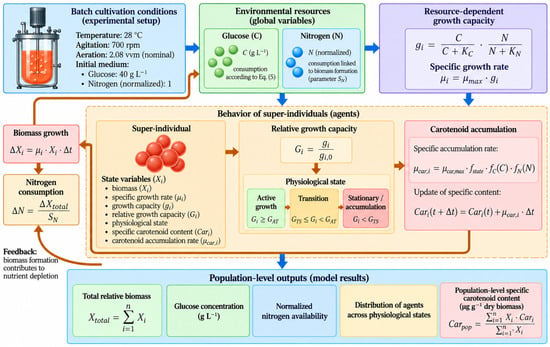
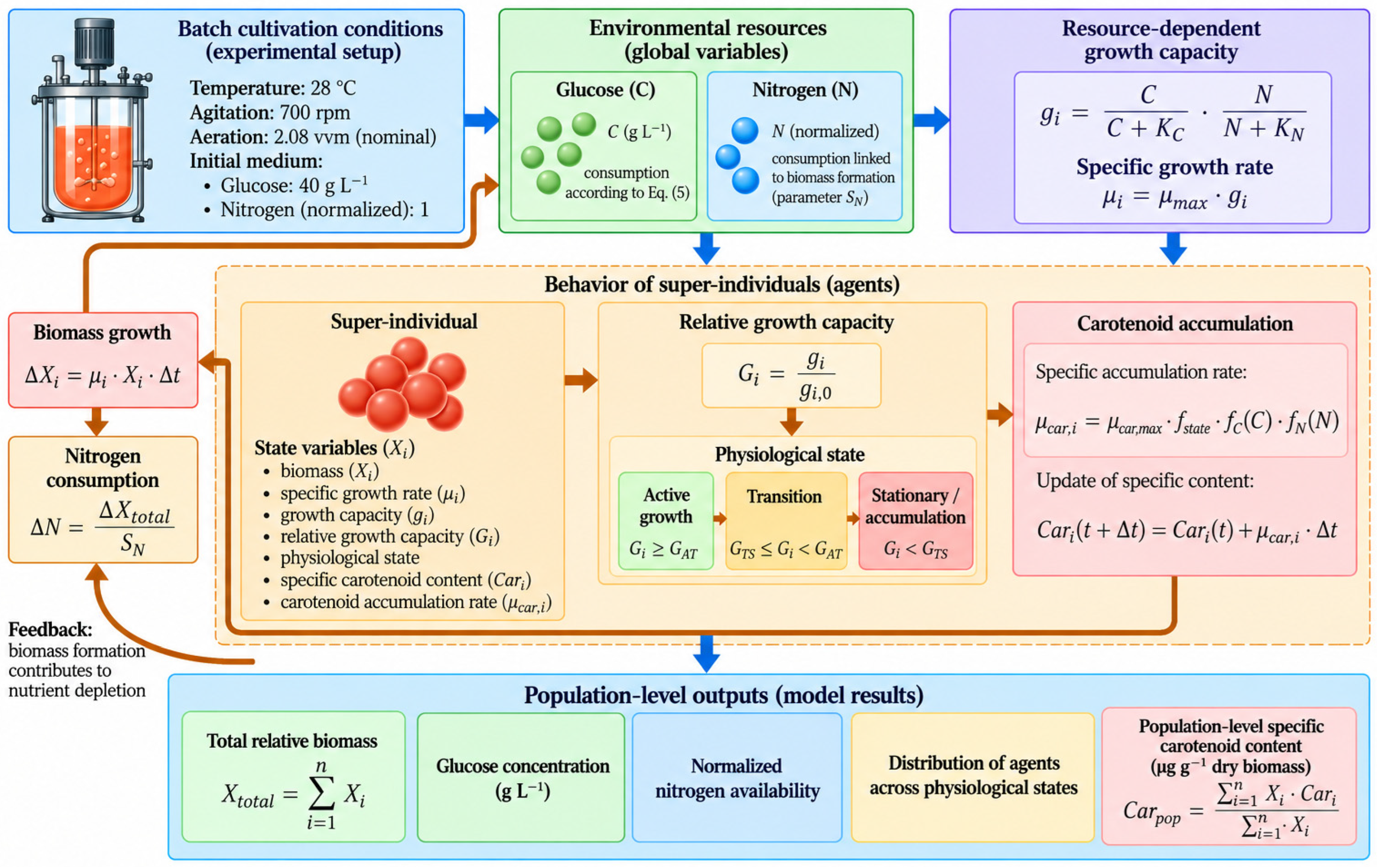
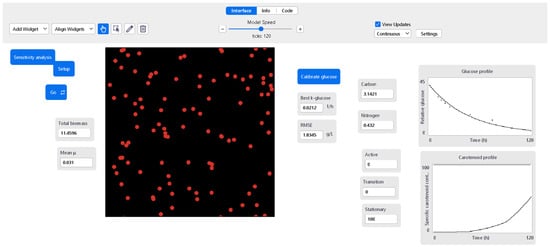
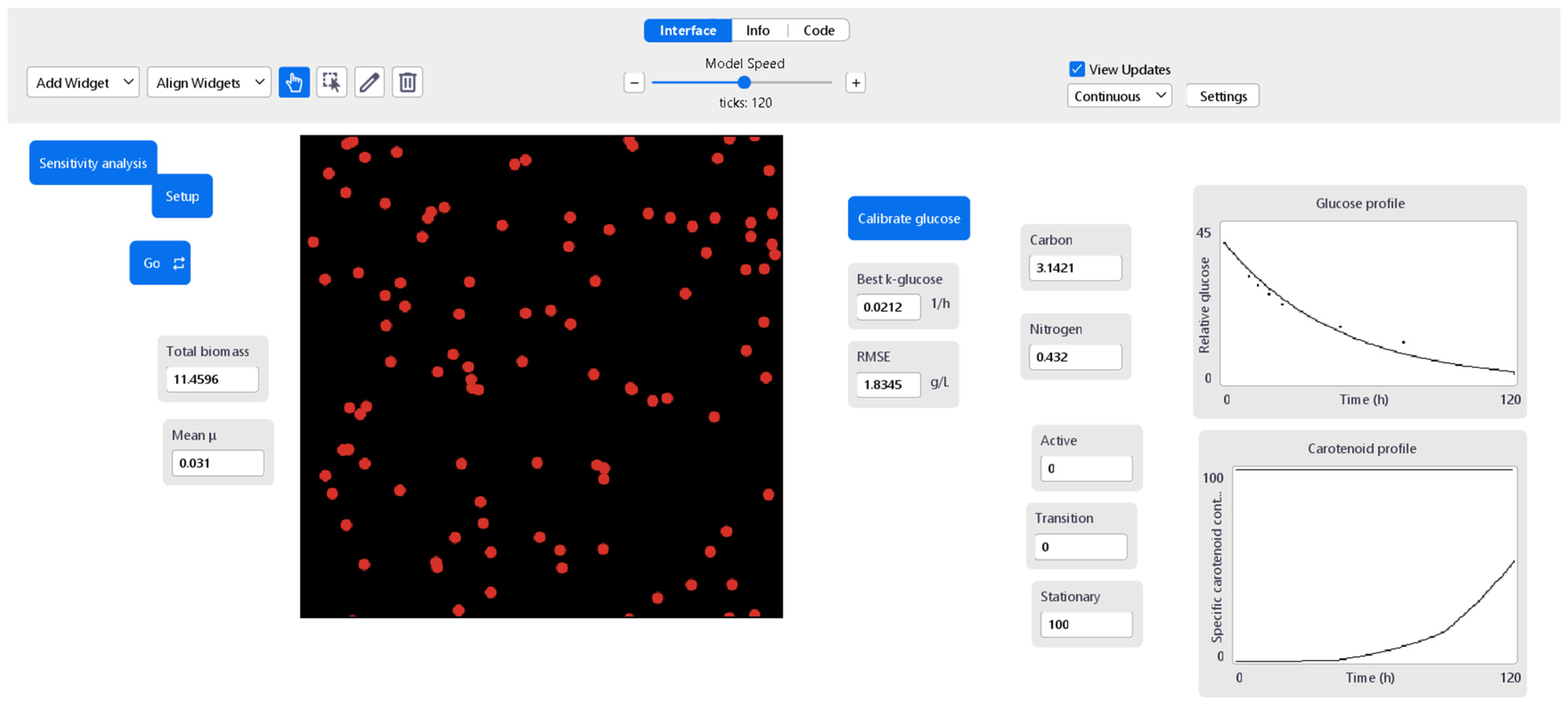
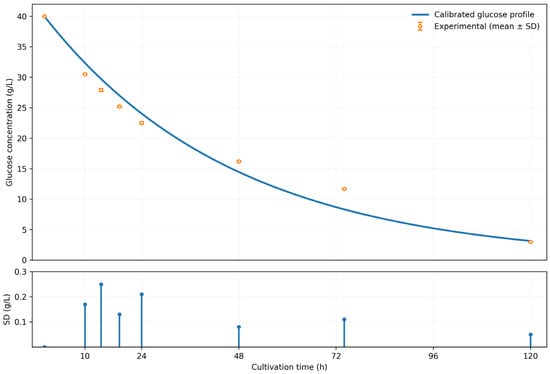
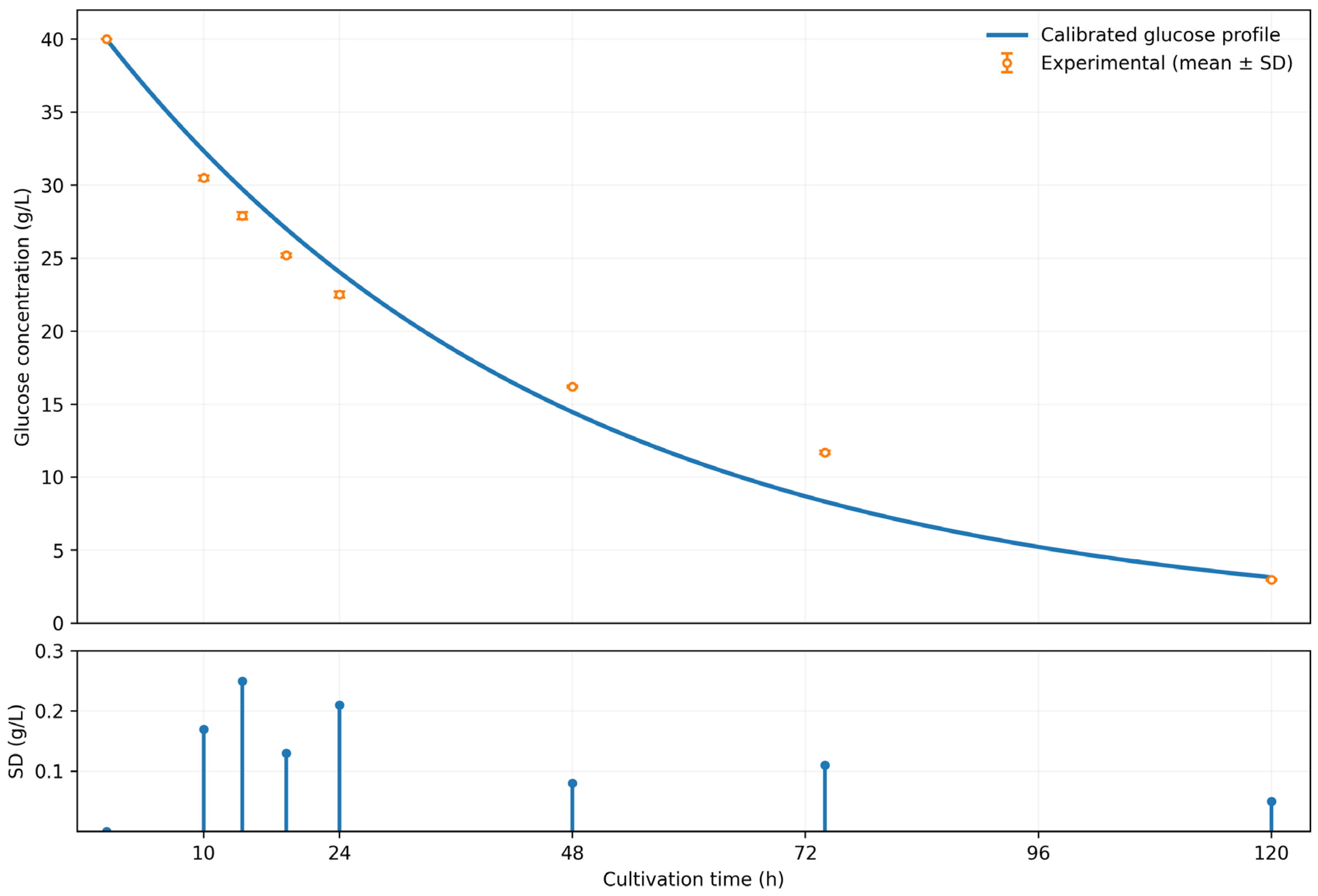
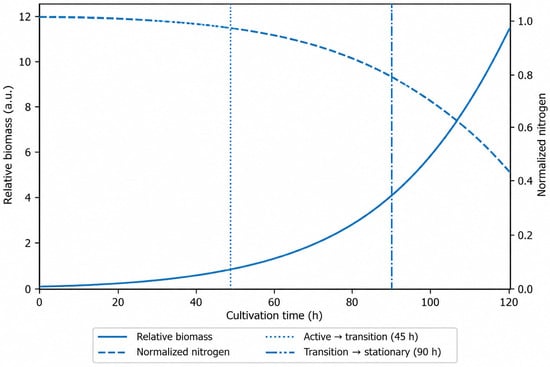
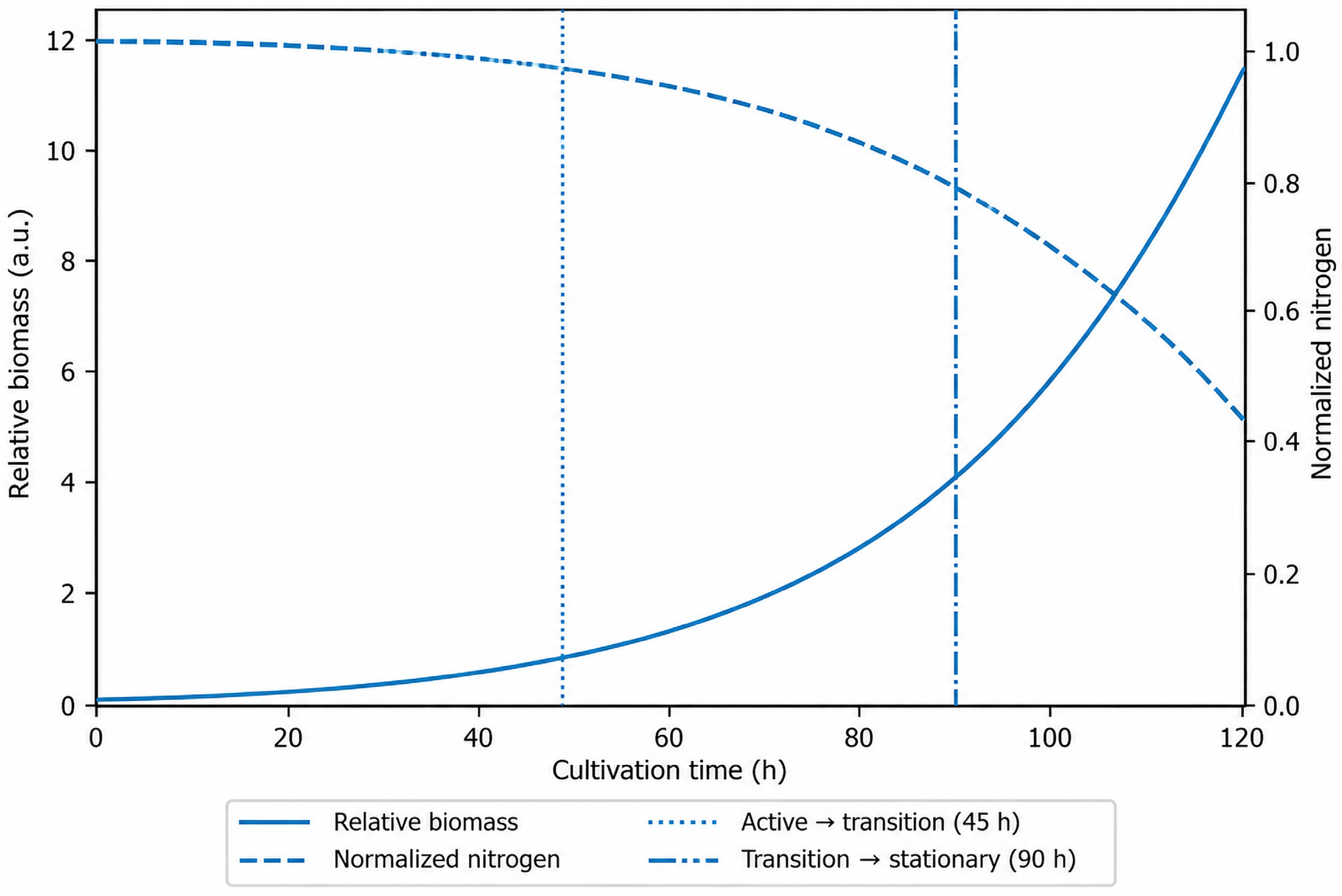
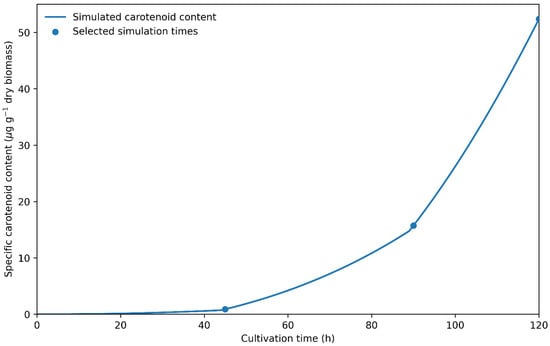

Disclaimer/Publisher’s Note: The statements, opinions and data contained in all publications are solely those of the individual author(s) and contributor(s) and not of MDPI and/or the editor(s). MDPI and/or the editor(s) disclaim responsibility for any injury to people or property resulting from any ideas, methods, instructions or products referred to in the content. |
© 2026 by the authors. Licensee MDPI, Basel, Switzerland. This article is an open access article distributed under the terms and conditions of the Creative Commons Attribution (CC BY) license.