


Abstract
Saraguro culinary heritage represents an important expression of intangible cultural heritage and a potential resource for community-based gastronomy education and sustainable territorial development. This study examines traditional culinary knowledge, community participation, and collaborative gastronomic innovation in Saraguro, Ecuador, exploring their potential educational and territorial implications. A qualitative exploratory design incorporated documentary analysis, focus group discussions with 12 local knowledge holders, culinary stimulus-assisted discussions, and collaborative culinary reconstruction involving community members, chefs, and university gastronomy students. Thematic analysis examined traditional ingredients, culinary practices, cultural meanings, and intergenerational knowledge transmission. The findings identified culturally significant preparations, including uchumati, roasted guinea pig, tilapia maito, and chicha de jora, highlighting their connections with territorial identity and ancestral knowledge. Collaborative activities supported the development of contemporary gastronomic proposals informed by traditional culinary practices. These findings suggest opportunities for culturally responsible gastronomic innovation and community-based education. However, student learning outcomes, intercultural competence, and territorial identity changes were not directly assessed. The study contributes to documenting Saraguro culinary heritage and identifies potential connections among cultural safeguarding, experiential gastronomy education, and sustainable territorial development that warrant further empirical evaluation.
1. Introduction
Ecuadorian gastronomy constitutes one of the most representative expressions of the country’s cultural diversity, reflecting the interaction between ancestral knowledge, local ecosystems, historical processes, and contemporary social dynamics [1]. The culinary traditions of Ecuador have been shaped by the coexistence of Indigenous, European, African, and mestizo influences, contributing to a rich and diverse gastronomic heritage that varies significantly across the country’s four natural regions: the Coast, Highlands, Amazon, and Galápagos Islands [2]. These geographical and cultural differences have contributed to the development of unique culinary practices, ingredients, preparation techniques, and food-related rituals that form an essential component of Ecuadorian identity [3].
The historical evolution of Ecuadorian cuisine has been strongly influenced by processes of cultural exchange and transculturation. Indigenous populations originally developed sophisticated agricultural systems and culinary traditions based on native crops such as maize, potatoes, quinoa, cassava, cacao, and a wide variety of fruits and vegetables. Following the arrival of the Spanish during the colonial period, significant transformations occurred in food production and consumption patterns. New ingredients, livestock species, cooking techniques, and dietary habits were introduced, leading to the creation of hybrid culinary traditions that continue to characterize Ecuadorian gastronomy today [4]. These interactions generated new recipes and food practices while preserving many elements of ancestral food culture.
At the international level, Ecuador has gained recognition for the quality and diversity of its agricultural and gastronomic products. Ingredients such as cacao, shrimp, tropical fruits, coffee, and Andean grains are increasingly featured in international culinary events, gastronomic festivals, and tourism promotion initiatives. The growing visibility of Ecuadorian cuisine has contributed to positioning gastronomy as a strategic resource for tourism development and destination branding. Gastronomic experiences enable visitors to establish deeper connections with local culture, traditions, and communities, fostering more meaningful and immersive forms of tourism [5].
One of the distinguishing characteristics of Ecuadorian cuisine is the central role of soups and broths in daily food consumption. Ecuador is frequently referred to as the “land of soups” due to the remarkable variety of traditional preparations found throughout the country. Popular examples include encebollado and caldo de bolas de verde on the Coast, as well as locro de papa, yaguarlocro, quinoa soup, barley soup, and pumpkin cream in the Highlands. These dishes reflect the diversity of local ingredients and culinary traditions while serving as symbols of regional identity and cultural continuity [6].
Despite the richness of Ecuador’s culinary heritage, processes of globalization, urbanization, changing consumption patterns, and the decline of traditional food practices have threatened the preservation of ancestral knowledge and recipes. The gradual loss of traditional preparation methods and the limited transmission of culinary knowledge between generations have raised concerns regarding the safeguarding of Ecuador’s gastronomic heritage. Furthermore, insufficient promotion and limited incentives for traditional food production have contributed to the abandonment of many ancestral culinary practices [7]. Consequently, recent efforts have focused on recovering native ingredients, documenting traditional recipes, and promoting food heritage as a mechanism for cultural preservation and sustainable development.
Within this context, gastronomic tourism has emerged as an important strategy for enhancing local development while preserving cultural identity. Gastronomic tourism extends beyond the consumption of food; it encompasses the exploration of culinary traditions, production systems, local knowledge, cultural narratives, and community-based experiences that connect visitors with the cultural landscapes of a destination. Such experiences contribute to the preservation of intangible cultural heritage while generating economic opportunities for local communities [8].
In the Saraguro context, realizing the sustainable tourism potential of culinary heritage therefore requires an educational framework that enables future gastronomy professionals to understand, interpret, and communicate ancestral food practices while respecting their cultural meanings, community ownership, and territorial foundations.
The Saraguro territory, located in southern Ecuador, represents a culturally significant landscape shaped by Indigenous knowledge, agricultural practices, collective memory, and distinctive culinary traditions. The Saraguro people have historically developed food systems based on locally cultivated products, seasonal cycles, community organization, ritual practices, and knowledge transmitted through families and across generations [9].
Traditional preparations, ingredients, techniques, and forms of food sharing therefore constitute more than culinary expressions; they represent living educational practices through which cultural values, territorial relationships, and collective identities are reproduced.
Despite their cultural and educational relevance, many ancestral gastronomic practices face processes of transformation, marginalization, and progressive loss. Changes in food consumption, migration, globalization, reduced participation of younger generations, and the growing standardization of culinary training may weaken the continuity of traditional knowledge. In formal gastronomy education, local food practices are frequently approached as products, recipes, or elements of tourism promotion, while their pedagogical, symbolic, historical, and epistemological dimensions receive less attention. This situation creates a need for educational models that connect university learning with community knowledge and recognize Indigenous knowledge holders as legitimate participants in knowledge production and transmission.
Accordingly, this study approaches Saraguro culinary heritage as a form of intergenerational education and as a culturally situated resource for university gastronomy education. Rather than treating ancestral gastronomy exclusively as a tourism product, the research examines how community-based learning can facilitate dialogue among traditional knowledge holders, local producers, culinary professionals, educators, and gastronomy students. Through this interaction, students can learn not only how traditional foods are prepared but also why particular ingredients, techniques, rituals, agricultural cycles, and forms of social organization are culturally meaningful.
Education is not limited to the transmission of decontextualized disciplinary content. It also involves the development of cultural awareness, ethical responsibility, critical reflection, and the capacity to understand knowledge within the social and territorial contexts in which it is produced. From this perspective, community-based education creates opportunities for students to participate in real cultural environments, establish relationships with local actors, and connect academic knowledge with lived experience. Such an approach can contribute to meaningful learning by allowing students to observe, document, interpret, prepare, and reflect on traditional foods in collaboration with the communities that sustain them.
The educational value of Saraguro gastronomy is particularly relevant to intercultural higher education. Intercultural learning requires more than the inclusion of Indigenous content in a curriculum; it demands dialogue between different knowledge systems and recognition of the historical inequalities that have privileged academic or technical knowledge over community-based knowledge. When Saraguro knowledge holders participate as educators, mentors, and co-creators, the learning process can challenge hierarchical relationships and encourage students to recognize ancestral food knowledge as a valid and dynamic form of expertise.
This educational process is also closely related to territorial identity. Food practices emerge from relationships among people, land, biodiversity, agricultural production, spirituality, family memory, and community organization. Learning about traditional gastronomy in its territorial context can therefore help students understand that food heritage cannot be separated from the places, social relationships, and cultural meanings that sustain it. Place-based learning can strengthen students’ sense of connection with the territory and encourage a more responsible understanding of culinary innovation.
The conservation of ancestral gastronomic knowledge should not be understood as the static reproduction of recipes or as the idealization of the past. Culinary heritage is dynamic and evolves in response to social, environmental, and economic change. However, innovation becomes culturally responsible only when it is based on prior understanding, community participation, and respect for the meanings attributed to food practices by their knowledge holders. Collaborative culinary innovation can consequently function as an educational strategy through which students reinterpret traditional preparations while maintaining their relationship with local ingredients, cultural narratives, and territorial identity.
Experiential learning provides a relevant framework for understanding this process because knowledge is developed through concrete experience, reflective observation, conceptual interpretation, and active practice [10]. In the context of gastronomy education, students can participate in agricultural and culinary activities, observe traditional techniques, interview community members, prepare ancestral foods, document oral knowledge, and reflect on the cultural implications of modifying or presenting traditional preparations. These activities transform the community and the territory into educational environments where technical competence is integrated with cultural understanding and ethical reflection.
Community-based learning further emphasizes reciprocity and collaborative knowledge construction. Unlike educational activities in which communities are treated solely as sources of information, this approach recognizes local actors as partners who contribute to the design, implementation, and interpretation of the learning experience. Such participation can support the safeguarding of intangible cultural heritage by documenting knowledge, strengthening intergenerational dialogue, increasing the involvement of young people, and returning educational products and records to the community.
The preservation of Saraguro culinary heritage may also contribute to sustainable territorial development. Tourism can generate economic and cultural opportunities when it is planned with community participation and respect for local knowledge. The United Nations World Tourism Organization has emphasized that tourism can facilitate access to culture, education, nature, and intercultural exchange [11]. Nevertheless, the incorporation of ancestral gastronomy into tourism must avoid reducing culturally significant practices to commercial products disconnected from their original meanings.
Community-based and culturally responsible tourism models may provide local populations with greater participation in decision-making and may contribute to cultural continuity, local entrepreneurship, and territorial valorization [12]. Within this framework, gastronomic experiences can become spaces of learning for both visitors and students when they communicate the history, agricultural origins, symbolic meanings, and community relationships associated with food. Gastronomy can therefore strengthen destination identity and support the preservation of traditional practices, provided that local knowledge holders retain an active role in how their heritage is interpreted and represented [13].
However, the main contribution of this study lies in understanding culinary heritage as an educational process rather than merely as an economic or tourism resource. The collaborative recovery, documentation, preparation, and reinterpretation of Saraguro foods can create an intergenerational learning environment in which students develop professional competencies while strengthening their intercultural sensitivity, territorial awareness, and appreciation of Indigenous knowledge. At the same time, community participants can contribute to the transmission and visibility of knowledge that may otherwise be weakened or lost.
Within this framework, the study examines how community-based learning grounded in Saraguro culinary heritage can support the conservation of ancestral gastronomic knowledge and enrich the education of university gastronomy students. Specifically, the research addresses the following questions:
The study addresses the following research questions:
- RQ1 Which traditional ingredients, culinary preparations, techniques, and cultural meanings are identified by Saraguro knowledge holders as representative of their gastronomic heritage?
- RQ2 How is ancestral culinary knowledge documented, shared, and incorporated into collaborative culinary reconstruction activities involving community knowledge holders, chefs, and university gastronomy students?
- RQ3 What potential pedagogical applications for community-based and experiential gastronomy education can be identified from the documented culinary heritage and collaborative activities?
- RQ4 How can traditional Saraguro culinary practices inform culturally responsible gastronomic innovation while respecting their cultural meanings, territorial context, and community ownership?
By addressing these questions, the study seeks to contribute to intercultural, experiential, community-based, and place-based education. It also proposes a pedagogical approach in which ancestral gastronomy becomes a medium for connecting higher education with community knowledge, strength-ening cultural continuity, promoting responsible culinary innovation, and supporting the safeguarding of Saraguro intangible cultural heritage.
2. Literature Review and Conceptual Framework
This section presents the theoretical and conceptual foundations underpinning the study, examining the relationships among culinary heritage, Indigenous knowledge systems, intergenerational education, and sustainable territorial development. The review integrates perspectives on community-based and experiential learning, intercultural competence, place-based education, and culturally responsible gastronomic innovation. These interconnected approaches provide a framework for understanding Saraguro culinary traditions as living systems of knowledge and identifying their potential applications in university gastronomy education. Furthermore, the section identifies gaps in the existing literature and establishes the conceptual basis for examining the relationships among cultural heritage safeguarding, community participation, and educational opportunities.
2.1. Culinary Heritage as a Living System of Knowledge
Culinary heritage encompasses more than recipes, ingredients, and techniques inherited from previous generations. It includes knowledge of agricultural cycles, biodiversity, food preservation, ritual practices, family organization, collective memory, and the social meanings associated with food production and consumption. From this perspective, traditional gastronomy can be understood as a living knowledge system through which communities interpret their environment, reproduce cultural values, and sustain relationships with their territory.
Research on food, tourism, and cultural heritage has established that local gastronomy communicates place-based meanings and contributes to the construction of destination identity. Local foods can be perceived as authentic representations of the cultural and environmental characteristics of a territory, particularly when their ingredients, methods of production, and narratives remain connected to local communities [14]. Similarly, food-related practices can reinforce regional identity, sustain cultural heritage, and create opportunities for community participation in territorial development [15]. A broader review of food tourism research identifies culture, authenticity, destination orientation, management, and visitor motivation as central dimensions of contemporary gastronomic experiences [16].
Although this literature demonstrates the cultural and territorial relevance of food, much of it approaches culinary heritage primarily from the perspectives of tourism development, destination competitiveness, visitor experience, or product innovation. Its educational function has received comparatively less attention. Traditional gastronomy is not only something that can be presented to visitors; it is also a medium through which younger generations learn how communities cultivate, prepare, distribute, consume, and attribute meaning to food. Consequently, the conservation of culinary heritage depends not only on documenting traditional dishes but also on maintaining the social and educational processes through which knowledge is transmitted.
In the Saraguro context, culinary practices may therefore be conceptualized as forms of situated knowledge embedded in family life, agricultural work, community celebrations, ritual cycles, and relationships with the Andean territory. This interpretation shifts the emphasis from cataloguing traditional foods toward examining the pedagogical relationships that allow ancestral gastronomic knowledge to remain meaningful and relevant across generations.
2.2. Intergenerational Education and Indigenous Knowledge Systems
Intergenerational education refers to reciprocal learning processes involving people from different generations who exchange knowledge, experience, values, practices, and cultural responsibilities. Within Indigenous communities, this transmission frequently occurs through observation, oral narratives, participation in daily activities, imitation, collective work, ritual practice, and sustained relationships with elders and other knowledge holders. Learning is therefore relational, experiential, and inseparable from the cultural and territorial contexts in which knowledge is produced.
Indigenous knowledge systems challenge educational models that treat academic knowledge as universal while positioning community knowledge as informal, secondary, or anecdotal. Castagno and Brayboy [17] demonstrate that incorporating Indigenous knowledge into formal education entails addressing epistemic tensions concerning who is authorized to produce knowledge, how knowledge is validated, and which forms of knowing are privileged by educational institutions. This issue is particularly relevant to gastronomy education, where technical standards and internationally recognized culinary procedures may unintentionally marginalize local methods, oral knowledge, and culturally specific interpretations of food.
Research on Indigenous education proposes pedagogical pathways that include learning from tradi-tional teaching models, adopting decolonizing pedagogies, developing anti-racist approaches, and connecting education with Indigenous places and communities [18]. These pathways imply that ancestral knowledge should not simply be added to an unchanged curriculum as supplementary cultural content. Instead, educational processes should reconsider the relationships among teachers, students, community members, knowledge, and territory.
A dialogue between epistemologies provides a useful framework for this purpose. Rather than replacing academic knowledge with Indigenous knowledge, this approach encourages critical and constructive interaction between knowledge systems [19]. In gastronomy education, such interaction can occur when culinary science, nutrition, food safety, sensory evaluation, and professional cooking techniques are discussed alongside ancestral knowledge of seeds, crops, preparation methods, medicinal properties, ritual meanings, and community food practices. The objective is not to homogenize these perspectives but to create spaces in which their differences, complementarities, and tensions can be examined respectfully.
Recent research also emphasizes that the incorporation of Indigenous content must be guided by ethical protocols, relational accountability, and the meaningful participation of Indigenous educators and community knowledge holders. Without these conditions, educational institutions risk appropriating cultural knowledge, decontextualizing practices, or representing Indigenous communities without their authority. Indigenous pedagogies therefore require more than the use of culturally themed materials; they demand reciprocity, respect for community ownership, acknowledgment of knowledge holders, and careful attention to the conditions under which knowledge can be documented and shared.
Studies of Indigenous pedagogical practices further demonstrate the relevance of dialogue, collective reflection, and relational learning. For example, talking-circle approaches highlight collective partici-pation, attentive listening, reciprocity, and respect for culturally established protocols [20]. A recent scoping review similarly indicates growing interest in integrating Indigenous knowledge and perspec-tives into professional education, while emphasizing the importance of sustained, context-sensitive, and ethically grounded learning experiences [21]. These contributions support the recognition of Saraguro knowledge holders not merely as research participants but as educators, mentors, interpreters, and co-creators of the learning process.
2.3. Community-Based and Experiential Learning in Gastronomy Education
Community-based learning connects academic objectives with activities developed collaboratively in real social contexts. Unlike conventional field visits, it requires meaningful engagement with community actors, reciprocal relationships, reflection, and the production of outcomes that are relevant to both students and participating communities. Its pedagogical value lies in enabling students to apply disciplinary knowledge while developing social awareness, ethical responsibility, communication skills, and an understanding of complex community realities.
Experiential learning provides a complementary explanation of how these processes occur. According to Kolb [10], learning develops through a cycle involving concrete experience, reflective observation, abstract conceptualization, and active experimentation. In culinary education, concrete experience may include cultivating or harvesting ingredients, observing traditional preparation techniques, participating in community kitchens, interviewing knowledge holders, and preparing ancestral foods. Reflective observation occurs when students analyze what they experienced, compare knowledge systems, identify assumptions, and discuss the cultural implications of culinary practice. Con-ceptualization connects these experiences with academic concepts, while active experimentation allows students to apply their learning through documentation, educational materials, or culturally responsible culinary proposals.
Evidence from service-learning research suggests that structured community engagement can positively influence students’ understanding of social issues, personal insight, and cognitive development [22]. However, educational outcomes depend on the quality of the relationship between the institution and the community. Community participation should not be reduced to providing access to information or facilitating university activities. Local actors should contribute to identifying relevant knowledge, defining appropriate forms of documentation, interpreting findings, evaluating representations, and deciding how educational products are returned to the community.
Applied to the Saraguro context, community-based culinary learning may include interviews with elders and traditional cooks, visits to farms and community markets, observation of agricultural and ritual cycles, collective preparation of foods, documentation of oral histories, and reflection on the cultural meanings of ingredients and techniques. These activities can transform the territory into an extended learning environment and connect professional culinary competencies with historical, social, environmental, and ethical dimensions.
This approach also redefines the roles of participants. Community knowledge holders become co-educators; students become active learners and responsible documenters; culinary profession-als facilitate dialogue between traditional and contemporary practices; and universities assume responsibilities related to reciprocity, knowledge protection, and long-term collaboration. Thus, community-based learning is not simply a teaching technique but a relational model that can support both student learning and cultural continuity.
2.4. Intercultural Competence as an Educational Outcome
Intercultural competence involves the attitudes, knowledge, skills, and reflective capacities that enable individuals to interact appropriately and effectively across cultural differences. One influential model conceptualizes it as a developmental process that begins with attitudes such as respect, openness, and curiosity; incorporates cultural self-awareness, contextual knowledge, and interpretive skills; and leads to internal and external outcomes such as adaptability, empathy, and appropriate intercultural behavior [23].
In the present study, intercultural competence should not be understood merely as familiarity with Saraguro foods or the acquisition of information about Indigenous culture. Students may recognize the names of traditional dishes while continuing to interpret them through external assumptions or purely commercial perspectives. Meaningful intercultural learning requires students to examine their own beliefs, recognize asymmetries between academic and Indigenous knowledge, listen to community interpretations, and modify their professional practices in response to culturally grounded perspectives.
Community-based culinary activities can support this process by placing students in situations where they must communicate with knowledge holders, interpret cultural meanings, negotiate different understandings of innovation, and reflect on the ethical consequences of representing ancestral foods. The encounter with another knowledge system can promote cultural humility when students recognize that technical culinary training does not provide complete authority over the interpretation of community food heritage.
Nevertheless, intercultural competence should not be assumed as an automatic consequence of contact with Indigenous communities. Contact without preparation, reflection, reciprocity, or ethical guidance may reinforce stereotypes or reproduce unequal relationships. Educational interventions therefore require facilitated reflection, clear community protocols, opportunities for dialogue, and assessment strategies capable of examining changes in attitudes, knowledge, interpretive skills, and culturally responsible behavior.
2.5. Place-Based Education and Territorial Identity
Place-based education situates learning within the ecological, cultural, historical, economic, and social characteristics of a specific territory. A systematic review of place-based education demonstrates that the approach connects curriculum with local environments, community participation, identity, and meaningful engagement with place [24]. Rather than treating the territory as a passive setting in which educational activities occur, place-based education recognizes it as a source of knowledge and as an active component of the learning process. This perspective is particularly relevant to culinary heritage because food practices emerge from relationships among land, climate, biodiversity, agriculture, spirituality, labor, memory, and community organization. Traditional ingredients cannot be fully understood independently from the places where they are cultivated, exchanged, prepared, and consumed. Similarly, the significance of a traditional dish may depend on the celebration, agricultural season, family event, or ritual context in which it is prepared.
Territorial identity refers to the meanings, attachments, memories, practices, and responsibilities through which individuals and groups understand their relationship with a place. In gastronomy education, territorial identity can be strengthened when students recognize food as an expression of the relationships between communities and their environment. This involves moving beyond the visual presentation or sensory qualities of a dish to consider its agricultural origins, historical development, symbolic meanings, and role in community life.
Place-based culinary education may consequently generate three interconnected forms of learning. First, students acquire technical knowledge concerning ingredients, processes, and preparation methods. Second, they develop cultural understanding by interpreting the meanings attributed to these practices by community members. Third, they develop territorial awareness by recognizing the relationships among food, land, biodiversity, local production, and collective identity. These forms of learning provide a basis for evaluating territorial identity not only as emotional attachment but also as knowledge, belonging, participation, and commitment to cultural and environmental stewardship.
2.6. Responsible Culinary Innovation and Heritage Safeguarding
Culinary heritage is dynamic rather than static. Communities continuously adapt food practices in response to environmental changes, migration, new technologies, market conditions, and evolving preferences. Consequently, safeguarding does not require the permanent reproduction of an unchanging recipe. It requires maintaining the knowledge, meanings, relationships, and community agency that allow culinary practices to evolve without losing their cultural foundations.
Contemporary gastronomic innovation can contribute to the visibility and continuity of traditional foods, but it can also produce decontextualization, cultural appropriation, and excessive commercial-ization. Studies of local food and tourism demonstrate that authenticity is associated with perceived connections among food, place, producers, and cultural narratives [14,15]. Innovation that removes a preparation from these relationships may increase its commercial appeal while weakening its value as cultural heritage.
Responsible culinary innovation should therefore be based on prior documentation, dialogue with knowledge holders, community authorization, transparent acknowledgment of origins, and respect for restrictions concerning sacred or sensitive knowledge. Students should be encouraged to distinguish between modifying the sensory or visual presentation of a preparation and altering the cultural meanings through which it is recognized by the community.
From an educational perspective, collaborative innovation can function as an assessment of inter-cultural and ethical learning. Students demonstrate deeper understanding when they can explain why particular elements may be adapted, which elements should be maintained, whose authorization is required, how community contributions should be acknowledged, and how benefits or educa-tional products should be returned. The value of innovation should therefore be evaluated not only through sensory acceptability or technical quality but also through cultural coherence, community participation, territorial relevance, and contribution to heritage safeguarding.
2.7. Research Gap and Conceptual Synthesis
The literature reviewed above provides important but partially disconnected explanations of culinary heritage, Indigenous education, experiential learning, intercultural competence, and territorial identity. Gastronomic tourism research demonstrates how traditional food contributes to authenticity and regional identity [14,15,16], but generally gives less attention to the educational mechanisms through which culinary knowledge is transmitted. Indigenous education research emphasizes epistemological plurality, relational pedagogy, ethical participation, and community authority [18], yet these prin-ciples have rarely been examined within university gastronomy education. Community-based and experiential learning research identifies relevant cognitive, personal, and social outcomes [10,22], while place-based education explains how learning can strengthen relationships with territory [24].
Within this intersection, a research gap remains concerning how community-based engagement with Indigenous culinary heritage influences the education of gastronomy students. In particular, limited evidence explains how participation in intergenerational culinary activities simultaneously contributes to intercultural competence, territorial identity, appreciation of ancestral knowledge, and culturally responsible professional practice.
To address this gap, the present study conceptualizes community-based culinary learning through four interconnected components:
- Educational inputs: participation of Saraguro knowledge holders, territorial immersion, tra-ditional food preparation, oral-history documentation, reflective activities, and collaborative culinary work.
- Learning mechanisms: concrete experience, reflection, dialogue between knowledge systems, reciprocity, recognition of community authority, and connection between culinary practice and territory.
- Educational outcomes: intercultural competence, meaningful learning, appreciation of Indige-nous knowledge, territorial identity, ethical awareness, and responsible culinary decision-making.
- Heritage outcomes: intergenerational transmission, documentation of culinary practices, youth participation, community visibility, and culturally responsible innovation.
The proposed relationship is not that community contact automatically produces intercultural or territorial learning. Rather, educational outcomes are expected to depend on the quality and duration of participation, structured reflection, community governance, reciprocity, ethical safeguards, and the recognition of Saraguro knowledge holders as co-educators. This conceptual synthesis positions culinary heritage as an educational environment in which professional training, intercultural dialogue, territorial learning, and the safeguarding of ancestral knowledge can be developed together.
3. Methodological Approach
This section describes the methodological approach employed to document and examine Saraguro culinary heritage, community-based knowledge transmission, and collaborative gastronomic innovation. The study adopted a qualitative exploratory design involving focus group discussions with local knowledge holders, culinary stimulus-assisted discussions, thematic content analysis, and collaborative culinary reconstruction activities involving community members, chefs, and university gastronomy students. Additionally, a sensory acceptability assessment was conducted to examine participants’ evaluations of the proposed gastronomic preparations. The following subsections describe the research design, participant selection, data collection procedures, analytical approach, and collaborative activities, providing the methodological context for interpreting the findings.
3.1. Research Design and Setting
This study adopted a qualitative exploratory research design to document traditional Saraguro culinary heritage, examine community-based knowledge transmission, and explore opportunities for collaborative gastronomic innovation. The empirical component focused on the experiences and knowledge of local participants, complemented by collaborative culinary reconstruction activities involving chefs and university gastronomy students. Although these activities provided opportunities for interaction between ancestral knowledge and contemporary culinary practices, they were not designed as a formal educational intervention. Consequently, student learning outcomes, intercultural competence, and territorial identity were not directly assessed [25]. The educational dimension of the study was therefore approached interpretively, with the aim of identifying potential pedagogical applications for future community-based gastronomy education rather than demonstrating measurable educational effects.
The research comprised three complementary components. The first focused on documenting traditional culinary knowledge through qualitative engagement with participants in the Saraguro community. The second involved collaborative culinary reconstruction and innovation, bringing together community knowledge holders, culinary professionals, and university gastronomy students to explore the contemporary reinterpretation of traditional preparations. The third consisted of a descriptive sensory acceptability assessment of the proposed tasting menu. These components addressed different aspects of documentation of culinary heritage, community participation, and gastronomic innovation. The study was exploratory and was not designed to measure changes in student learning, intercultural competence, or territorial identity.
3.2. Focus Group and Culinary Stimulus-Assisted Discussion
Qualitative research encompasses a variety of methods aimed at generating rich and detailed descriptions of human experiences through observations, interviews, narratives, recordings, and participatory techniques [25]. Among these methods, focus groups have become a widely used tool for exploring collective perceptions, cultural values, and shared experiences. Unlike individual interviews, focus groups generate data through participant interaction, allowing researchers to identify agreements, disagreements, and socially constructed meanings that emerge during group discussions [26].
The focus group technique facilitates a multidimensional exploration of specific topics by encouraging participants to discuss their experiences, knowledge, and opinions within a moderated environment. This approach enables the construction of collective narratives and provides deeper insights into cultural practices than those obtained through individual responses alone [27,28]. Furthermore, the interaction among participants often stimulates memories, reflections, and interpretations that contribute to a more comprehensive understanding of the phenomenon under study.
To facilitate the exploration of participants’ perceptions and cultural interpretations of traditional gastronomy, the focus group discussions incorporated culinary stimuli consisting of samples of preparations based on ancestral recipes. These samples were presented during the sessions to encourage participants to recall personal and collective experiences, discuss traditional ingredients and preparation methods, and express the cultural meanings associated with local food practices. The research team moderated the discussions using a semi-structured protocol, allowing participants to elaborate on their memories, perceptions, and interpretations. The culinary samples functioned as discussion prompts rather than as formal psychological projective instruments. This approach facilitated the collection of qualitative information concerning traditional food knowledge, cultural identity, and intergenerational transmission.
3.3. Participants and Sampling
The qualitative component involved a focus group of 12 purposively selected participants aged between 50 and 65 years. Participants included traditional cooks, local farmers, community members, and ancestral knowledge holders with experience in traditional Saraguro food preparation, local agricultural practices, and the intergenerational transmission of culinary knowledge. Purposive sampling was used to prioritize participants’ cultural knowledge and practical experience rather than statistical representativeness. University gastronomy students and culinary professionals also participated in the collaborative reconstruction and innovation activities; however, their involvement was distinct from the focus group data collection. The sensory acceptability assessment was conducted by a panel of 12 evaluators comprising three chefs, six university gastronomy students, and three local community members. These numbers refer to participation in the respective research activities and should not be interpreted as the total number of unique individuals involved in the study.
3.4. Data Collection and Thematic Analysis
During the focus group sessions, participants discussed traditional dishes, beverages, preparation techniques, ingredients, cooking utensils, and food-related cultural practices (Figure 1). Samples of preparations based on ancestral recipes were used as culinary discussion stimuli to facilitate the recollection of food-related experiences and encourage participants to elaborate on the cultural significance of traditional preparations. The sessions were moderated by the research team using a semi-structured discussion protocol that allowed participants to share personal experiences, collective memories, and perspectives on the preservation and transformation of Saraguro culinary heritage.
Figure 1.
Chefs and gastronomy students applying contemporary culinary techniques in the collaborative reconstruction of ancestral foods from a food-heritage learning perspective.
Qualitative data collection focused on participants’ knowledge and experiences concerning traditional dishes, beverages, ingredients, preparation techniques, cooking utensils, and food-related cultural practices. Culinary samples prepared from ancestral recipes were presented as discussion stimuli to encourage participants to recall personal experiences, describe preparation methods, and interpret the cultural meanings associated with local food traditions. The discussions were guided by a semi-structured protocol and moderated by the research team, allowing participants to elaborate on their experiences and perspectives regarding the preservation and transformation of Saraguro culinary heritage. The collected information was transcribed, coded, and examined through thematic content analysis to identify recurring patterns concerning culinary practices, traditional ingredients, cultural meanings, knowledge transmission, and opportunities for gastronomic innovation.
The discussions generated valuable information concerning traditional ingredients, culinary techniques, preparation processes, cultural meanings associated with food, and opportunities for developing innovative gastronomic tourism products. Particular attention was given to identifying elements of intangible cultural heritage that could contribute to destination differentiation and enhance visitor experiences. The information collected was transcribed, coded, and analyzed through thematic content analysis, allowing the identification of recurring themes, cultural patterns, and innovation opportunities related to gastronomic tourism in Saraguro city.
This methodological approach provided a comprehensive understanding of the relationship between culinary heritage, cultural identity, and tourism development. Furthermore, it enabled the integration of local knowledge into the design of innovative gastronomic experiences that contribute to heritage preservation, community participation, and sustainable territorial development.
The thematic content analysis aimed to identify recurring patterns and culturally significant meanings within the qualitative material. The analysis focused on traditional ingredients and preparations, culinary techniques, relationships between food and cultural identity, intergenerational knowledge transmission, and opportunities for gastronomic innovation. The transcribed discussions were examined through coding and thematic organization to characterize the principal dimensions of Saraguro culinary heritage. The resulting themes informed the interpretation of the qualitative findings and provided contextual information for the collaborative culinary reconstruction activities.
The identification of culturally representative culinary preparations was informed by the qualitative discussions conducted with 12 Saraguro community participants. To support the transparency of the descriptive findings, the reporting of consensus levels distinguishes the number of participants contributing valid responses from the number endorsing each preparation. Where consensus is expressed as a proportion of individual endorsements, it is calculated by dividing the number of endorsements by the corresponding number of valid responses and multiplying by 100. The resulting values are interpreted descriptively and are not intended to represent statistically generalizable estimates of community preferences.
To strengthen the traceability of the qualitative findings, the thematic presentation was organized around the relationships between traditional culinary practices, cultural meanings, intergenerational knowledge transmission, and opportunities for gastronomic innovation. The interpretation of each theme was linked to the corresponding qualitative material, including focus group discussions and descriptions of traditional food preparation practices. Particular attention was given to distinguishing participants’ accounts of culinary heritage from the researchers’ interpretations and the gastronomic proposals developed during the collaborative activities. Where available, anonymized participant quotations provide illustrative evidence of the cultural meanings associated with the identified themes. The analysis does not treat sensory acceptability as equivalent to the formal validation of cultural authenticity.
3.5. Collaborative Culinary Reconstruction and Innovation
Following the collection and analysis of traditional culinary knowledge, chefs and gastronomy students actively participated in a collaborative process aimed at recovering and revitalizing the culinary identity of the Saraguro city. This initiative involved the reconstruction and preparation of traditional recipes based on information gathered from local knowledge holders, particularly experienced women cooks and gastronomy practitioners who have preserved ancestral food traditions through generations.
Working closely with local gastronomic experts, the participants replicated traditional dishes and beverages using original ingredients, preparation methods, and cooking techniques documented during the fieldwork phase. This collaborative process not only facilitated the preservation of culinary heritage but also created opportunities for intergenerational knowledge exchange between community members, culinary professionals, and future gastronomy students (Figure 2).
Figure 2.
Chefs and gastronomy students applying contemporary culinary techniques during the collaborative reconstruction and innovation process.
The collaborative culinary activities constituted a practical component of the research, distinct from the qualitative focus group and sensory acceptability assessment. Community knowledge holders contributed information about ancestral ingredients, traditional preparation methods, and the cultural significance of the selected foods. Culinary professionals supported the technical reconstruction and contemporary reinterpretation of the preparations, while university gastronomy students participated in the collaborative culinary process. These activities resulted in gastronomic proposals inspired by Saraguro culinary heritage. The student component was exploratory and did not involve systematic measurement of educational outcomes.
The participation of gastronomy students was integrated into the collaborative culinary activities rather than structured as an independent educational intervention. These activities provided opportunities for direct engagement with traditional ingredients, preparation techniques, and culturally situated knowledge shared by local participants. The student component was therefore interpreted in relation to the practical and collaborative characteristics of the culinary reconstruction process. Since no student interviews, reflective journals, or standardized learning assessments were analyzed, the activities are considered illustrative of the educational potential of culinary heritage rather than empirical evidence of measurable learning gains.
Building upon this traditional foundation, chefs and students explored innovative approaches inspired by contemporary and avant-garde cuisine. The objective was to reinterpret ancestral recipes while preserving their cultural essence, enhancing their presentation, sensory attributes, and potential attractiveness for gastronomic tourism markets. Through the application of modern culinary techniques, including texture modification, innovative plating, ingredient transformation, and creative presentation methods, new gastronomic products were developed that combined tradition and innovation.
This process demonstrated that culinary heritage can serve as a source of inspiration for gastronomic innovation, enabling the creation of unique tourism experiences that strengthen territorial identity while responding to contemporary consumer preferences. Furthermore, the integration of traditional knowledge with modern culinary practices contributes to the preservation of intangible cultural heritage and supports the development of sustainable gastronomic tourism initiatives in the Saraguro city.
4. Results
This section presents the main findings of the study, focusing on the identification and documentation of traditional Saraguro culinary preparations, their cultural significance, and their potential applications in gastronomic innovation and sustainable territorial development. The results are organized around the representative culinary practices identified through community participation, the historical and cultural relevance of uchumati, and the collaborative development of contemporary gastronomic proposals. Additionally, the section reports the sensory acceptability assessment of the proposed tasting menu and describes a signature beverage inspired by muleteering heritage. These findings provide an empirical basis for examining the relationships among ancestral culinary knowledge, community participation, and culturally responsible gastronomic innovation.
4.1. Representative Culinary Preparations
The identification of representative Saraguro culinary preparations was based on the contributions of 12 focus group participants. The analysis considered the cultural significance attributed to each preparation during the discussions. For transparency, the corresponding descriptive results should be reported together with their underlying response frequencies, valid denominators, and calculation procedures. These results reflect the perspectives of the participating knowledge holders and should not be interpreted as population-level estimates of culinary preferences.
The results obtained from the focus group discussions and interviews with local knowledge holders allowed the identification of traditional culinary preparations with the greatest potential for the development of gastronomic tourism in Saraguro city (Table 1). To prioritize the most representative dishes and beverages, a consensus analysis was conducted among the participants. Only those preparations receiving a level of agreement exceeding 50% were considered significant for inclusion in the tourism valorization strategy.
Table 1.
Traditional Saraguro food preparations commonly associated with the uchumati.
The findings reveal that traditional gastronomy remains an important component of local cultural identity and collective memory. The dishes and beverages identified by participants not only represent food consumption practices but also embody historical processes, territorial knowledge, and cultural traditions associated with mobility, agricultural production, and community life.
The results indicate that uchumati obtained the highest level of consensus (73%), highlighting its cultural relevance as a symbol of the historical muleteering routes that connected the Andes and the Amazon. Likewise, roasted guinea pig (cuy) achieved a high level of recognition (69%), reflecting its importance within the culinary traditions of the Ecuadorian Highlands. Tilapia maito (55%) and chicha de jora (51%) were also identified as representative gastronomic expressions that contribute to the cultural distinctiveness of the region.
These findings emphasize the importance of documenting and preserving local culinary traditions as part of broader strategies aimed at strengthening gastronomic tourism, safeguarding intangible cultural heritage, and promoting sustainable territorial development.
Beyond the descriptive identification of representative culinary preparations, the qualitative findings were interpreted in relation to the cultural knowledge associated with traditional food practices. The analysis considered the significance of ingredients, preparation techniques, historical food-related practices, and intergenerational knowledge transmission. These dimensions provide a contextual basis for understanding why the identified preparations constitute expressions of Saraguro culinary heritage rather than merely potential gastronomic tourism products. The following thematic synthesis distinguishes the documented culinary practices from their cultural interpretation and potential application in contemporary gastronomy.
4.2. The Uchumati as a Heritage Resource of the Muleteering Routes
Among the gastronomic elements identified, uchumati emerged as the most representative food tradition of the Saraguro. Historically, the term refers to the food provisions carried by muleteers (arrieros) during long journeys across mountainous and Amazonian territories. These provisions were transported in cloth bags and secured beneath the cargo covers of pack animals or attached to traditional belts (macanas), allowing muleteers to access food easily without interrupting their travel.
The composition of the uchumati varied according to the geographical origin of the muleteers and the resources available in different regions. However, its primary function was to provide a practical, nutritious, and durable food supply capable of withstanding extended travel periods under demanding environmental conditions.
Beyond its nutritional role, the uchumati represents an important element of the cultural heritage associated with historical trade routes and mobility systems in Ecuador. It reflects traditional food preservation techniques, local agricultural production, and adaptive strategies developed by rural communities. Consequently, it constitutes a valuable gastronomic resource for the development of heritage-based tourism experiences linked to the historical Muleteer Route of Saraguro city [9].
The cultural interpretation of uchumati extends beyond its practical function as food carried during historical journeys. The preparation is discussed in relation to traditional practices of food preservation, portability, agricultural production, and mobility between Andean and Amazonian territories. These dimensions provide a basis for interpreting uchumati as part of the culinary heritage associated with muleteering traditions. However, this interpretation should be distinguished from claims about the uniformity of historical practices across communities, since the available qualitative material reflects the experiences and knowledge of the participants involved in this study.
The diversity of foods included in the uchumati demonstrates a sophisticated understanding of nutrition, food preservation, portability, and energy requirements among historical muleteers. These products combined carbohydrates, proteins, fats, and minerals, providing a balanced diet during extended journeys. Furthermore, many of the ingredients remain deeply rooted in the gastronomic traditions of the Ecuadorian Andes and Amazon regions.
From a tourism perspective, the uchumati represents a unique opportunity to develop experiential gastronomic products that connect visitors with the historical, cultural, and culinary heritage of the Saraguro city. The reinterpretation of these traditional foods through contemporary culinary techniques can contribute to creating innovative gastronomic experiences while preserving the authenticity and identity of the region.
The information collected during the fieldwork facilitated the development of a comprehensive characterization of the uchumati, enabling the proposal of an innovative reinterpretation of this traditional preparation through the application of contemporary culinary techniques. The objective of this adaptation was to enhance the visual presentation, texture, and overall gastronomic experience while preserving the authentic flavors, ingredients, and cultural significance associated with the original preparation. This approach aligns with current trends in gastronomic innovation, where multisensory dining experiences play an increasingly important role in visitor satisfaction and destination differentiation. By integrating traditional knowledge with modern culinary practices, the uchumati can be transformed into a heritage-based gastronomic product capable of attracting contemporary tourists while safeguarding its cultural authenticity.
4.3. Tasting Menu and Acceptability
Roasted guinea pig (cuy) as shown in Figure 3 emerged as the second most highly valued preparation among participants, confirming its importance within Andean gastronomy and its relevance to the culinary identity of Saraguro city. As one of the most emblematic dishes of Ecuadorian cuisine, cuy occupies a prominent position among culturally accepted traditional foods and represents an essential component of regional food heritage. Its deep historical roots in the Ecuadorian Highlands have contributed to its recognition as a gastronomic symbol appreciated by local residents, national visitors, and international tourists alike.
Figure 3.
Guinea pig (cuy) as a traditional Andean gastronomic heritage.
This strong cultural acceptance provides opportunities for culinary innovation through the appli-cation of contemporary gastronomic techniques while maintaining the dish’s traditional identity. Consequently, the present study proposes a modern culinary creation centered on cuy, highlighting its versatility and potential contribution to the diversification of local gastronomic offerings (Figure 4). Building upon the findings obtained through the research process, an experimental culinary phase was conducted to evaluate the feasibility of transforming traditional ingredients and preparations into innovative gastronomic products. This phase resulted in the design and presentation of a three-course tasting menu inspired by the culinary heritage of the Saraguro city. The menu incorporated locally significant ingredients and traditional flavors while employing creative and avant-garde culinary techniques to enhance presentation, texture, and sensory appeal.
Figure 4.
Innovative presentation of a traditional guinea pig (cuy) dish.
The proposed menu consisted of:
- Starter: Tilapia ceviche served with peanut and passion fruit cream.
- Main course: Glazed guinea pig accompanied by broad bean and green pea foam.
- Dessert: Chicha de jora ice cream served with mango and pineapple confit and chocolate soil.
The tasting session was evaluated by a panel composed of gastronomy experts and members of the local community, combining professional culinary perspectives with cultural authenticity assessments. Participants were invited to assess the menu through an acceptability test designed to evaluate sensory attributes such as flavor, aroma, texture, appearance, creativity, and overall satisfaction.
The tasting session was evaluated by a panel of 12 participants, comprising three chefs (25%), six university gastronomy students (50%), and three local community members (25%). This composition incorporated professional culinary perspectives, student participation, and community perspectives on the proposed gastronomic preparations. Panel members were invited to assess the three-course tasting menu considering sensory attributes such as flavor, aroma, texture, appearance, creativity, and overall acceptability. Acceptance percentages were calculated as the proportion of evaluators who accepted each preparation.
The results demonstrated a high level of acceptance for the proposed dishes. Participants particularly valued the successful integration of traditional ingredients with innovative culinary techniques, emphasizing that the reinterpretations preserved the essential flavors and cultural meanings of the original preparations. The versatility of local ingredients, combined with their strong connection to regional food traditions, contributed significantly to the positive evaluations obtained during the tasting process.
These findings suggest that gastronomic innovation can serve as an effective strategy for preserving culinary heritage while simultaneously enhancing the attractiveness of local food traditions for contemporary tourism markets. The combination of ancestral ingredients, traditional recipes, and avant-garde culinary techniques contributes to the development of a distinctive gastronomic identity capable of enriching visitor experiences and strengthening the tourism competitiveness of the Saraguro city. Furthermore, this approach supports the preservation of intangible cultural heritage by ensuring that traditional flavors and culinary knowledge remain relevant within contemporary gastronomic contexts.
The results obtained from the acceptability assessment are presented in Table 2. The acceptability assessment revealed a highly positive response from both gastronomy experts and members of the local community. All three courses achieved acceptance levels exceeding 90%, indicating strong appreciation for the innovative reinterpretation of traditional ingredients and culinary practices from the Saraguro. These findings suggest that the integration of ancestral food heritage with contemporary culinary techniques can generate attractive gastronomic experiences without compromising cultural authenticity.
Among the dishes evaluated, the dessert obtained the highest acceptance score (100%), demonstrating the potential of traditional fermented beverages such as chicha de jora to be transformed into innovative gastronomic products. The main course, consisting of glazed guinea pig with broad bean and green pea foam, achieved a 94% acceptance rate, highlighting the successful modernization of one of the most emblematic dishes of Andean cuisine. Similarly, the tilapia ceviche served with peanut and passion fruit cream received a 90% acceptance rate, reflecting the compatibility of local ingredients with contemporary culinary presentations.
The high levels of acceptability obtained across all courses support the viability of developing gastronomic tourism products based on the reinterpretation of traditional recipes. These results demonstrate that culinary innovation can enhance the attractiveness of local gastronomy while preserving the flavors, ingredients, and cultural meanings that characterize the food heritage of the Saraguro city.
The results presented in Table 2 demonstrate the successful application of gastronomic innovation strategies based on local culinary heritage. The combination of traditional ingredients, cultural authenticity, and contemporary culinary techniques generated a highly valued gastronomic proposal capable of enhancing the tourism appeal of the Saraguro city while contributing to the preservation and revitalization of its food heritage.
Table 2.
Acceptability test results for the proposed gastronomic menu.
Figure 5.
Three-course gastronomic innovation proposal: tilapia ceviche, glazed guinea pig, and chicha de jora ice cream.
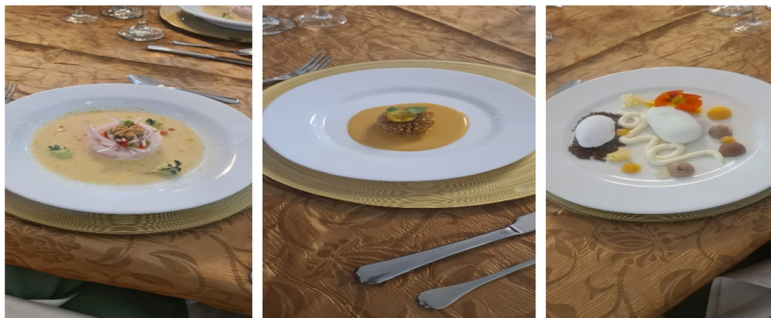
The sensory acceptability assessment involved 12 evaluators, including three chefs, six university gastronomy students, and three local community members. Descriptive statistics were used to summarize the evaluation results. For each preparation, the acceptance rate was defined as the proportion of valid evaluations indicating acceptance, calculated by dividing the number of positive responses by the total number of valid responses and multiplying by 100. This descriptive approach was intended to characterize the panel’s acceptance of the proposed gastronomic preparations rather than establish statistically generalizable consumer preferences.
Each sensory attribute was evaluated using a five-point Likert-type scale ranging from 1 (very poor) to 5 (excellent). The assessed attributes included flavor, aroma, texture, appearance, creativity, and overall satisfaction. The evaluation was conducted individually by panel members following the tasting of each preparation.
In the same contet, community perspectives were incorporated into the sensory acceptability assessment through the participation of three local community members alongside three chefs and six university gastronomy students. This composition allowed the proposed preparations to be considered from different participant perspectives. However, sensory acceptance should be distinguished from formal community validation of cultural authenticity. The evaluation provides preliminary information regarding participants’ appraisal of the proposed gastronomic adaptations, but does not establish collective community endorsement or demonstrate that all cultural meanings associated with the original preparations were preserved.
4.4. Signature Cocktail Inspired by Muleteering Heritage
In addition to the gastronomic menu, an innovative signature cocktail named The Muleteer (El Mular) was developed as part of the gastronomic proposal. This beverage was inspired by the historical muleteering traditions that shaped the cultural identity of the Saraguro city and incorporates two emblematic local ingredients: chicha, a traditional fermented beverage deeply rooted in the region’s cultural heritage, and naranjilla (Solanum quitoense), a native Amazonian fruit commonly known in the Saraguro city as the “golden seed” due to its cultural significance, distinctive flavor, and economic importance for local communities.
The cocktail was conceived as a contemporary reinterpretation of traditional regional flavors, combining ancestral ingredients with modern mixology techniques. Its development sought to create a unique sensory experience capable of appealing to both local consumers and visitors interested in authentic gastronomic tourism experiences. Furthermore, the cocktail contributes to the valorization of local agricultural products while strengthening the connection between culinary innovation and territorial identity (Figure 6).
Figure 6.
The Muleteer (El Mular) cocktail, developed using traditional chicha and naranjilla and inspired by the culinary heritage and muleteering traditions of Saraguro, Ecuador.
By incorporating traditional ingredients into a modern beverage concept, The Muleteer represents an innovative strategy for diversifying the gastronomic offerings of the Saraguro city and enhancing its attractiveness as a food tourism destination. The proposal demonstrates how local food heritage can be transformed into contemporary tourism products while preserving its cultural authenticity and symbolic meaning.
4.5. Gastronomic Innovation, Learning, and Territorial Development
The gastronomic landscape of the Saraguro city has experienced significant growth in recent years, driven in part by local chefs who successfully combine traditional culinary knowledge with con-temporary cooking techniques. These innovative culinary professionals have played a key role in reinterpreting local food heritage, transforming traditional ingredients and recipes into modern gastro-nomic experiences while maintaining their cultural authenticity. Through creativity, experimentation, and a commitment to preserving regional identity, they have elevated the visibility and appeal of Saraguro cuisine, contributing to the diversification of tourism offerings and the strengthening of local gastronomic culture.
Ultimately, the findings of this study highlight that gastronomic tourism in the Saraguro city offers a holistic and immersive experience that extends far beyond the simple consumption of food. It represents a journey through the region’s rich culinary heritage, historical traditions, and cultural narratives, while simultaneously embracing innovation as a mechanism for enhancing visitor experiences. The combination of ancestral knowledge, local ingredients, contemporary culinary techniques, and community participation creates a unique tourism product capable of generating meaningful connections between visitors and the destination.
The results demonstrate that traditional gastronomy can serve as a strategic resource for sustainable tourism development when combined with contemporary culinary innovation. The high consensus achieved by traditional preparations such as uchumati, roasted guinea pig (cuy), maito de tilapia, and chicha de jora highlights their cultural significance and their potential to function as gastronomic attractions capable of differentiating the Saraguro city from other tourism destinations.
The successful reinterpretation of these traditional foods through avant-garde culinary techniques generated high levels of acceptance among both gastronomy experts and local community members. These findings support previous studies suggesting that gastronomic innovation can enhance the attractiveness of local cuisine without compromising its cultural authenticity. Furthermore, the integration of traditional knowledge and modern culinary practices contributes to the preservation of intangible cultural heritage while responding to evolving tourist expectations for unique and memorable experiences.
The development of innovative gastronomic products, including the three-course tasting menu and the signature cocktail El Mular, demonstrates how local ingredients and ancestral food traditions can be transformed into value-added tourism experiences. Such initiatives contribute to the diversification of the tourism economy, encourage the participation of local communities, and strengthen territorial identity.
From a sustainability perspective, gastronomic tourism offers opportunities to support local agricul-tural production, promote short food supply chains, and encourage the conservation of traditional culinary knowledge. By generating economic value from cultural heritage, gastronomic tourism can become an effective mechanism for balancing cultural preservation and economic development within rural and Amazonian territories.
This study explored the gastronomic heritage of the Saraguro city and its potential contribution to tourism development through culinary innovation. The findings revealed that traditional preparations such as uchumati, roasted guinea pig, maito de tilapia, and chicha de jora constitute important ele-ments of local cultural identity and possess significant potential for gastronomic tourism development.
The qualitative methodology, based on focus groups, interviews, and participatory culinary exper-imentation, facilitated the documentation of ancestral culinary knowledge and the identification of opportunities for innovation. The collaborative involvement of local knowledge holders, chefs, and gastronomy students enabled the creation of innovative gastronomic products that successfully integrated traditional flavors with contemporary culinary techniques.
The acceptability assessment demonstrated strong positive responses to the proposed gastronomic menu, with acceptance rates ranging from 90 to 100%. These results confirm the feasibility of developing innovative tourism products based on local food heritage while maintaining cultural authenticity and preserving traditional culinary practices.
The study concludes that gastronomic tourism can serve as an effective strategy for safeguarding intangible cultural heritage, strengthening territorial identity, generating economic opportunities for local communities, and promoting sustainable tourism development in the Ecuadorian Amazon. The Saraguro city possesses unique culinary resources that, when appropriately valorized through innovation and heritage preservation, can contribute to its positioning as a distinctive gastronomic destination at both national and international levels.
Future research should explore visitor perceptions of these gastronomic innovations, evaluate their economic impacts on local communities, and examine the long-term contribution of food heritage initiatives to sustainable territorial development.
5. Discussion
The findings of this study demonstrate that the gastronomic heritage of the Saraguro city represents a valuable cultural asset capable of supporting sustainable tourism development while contributing to the preservation of local identity. The high levels of consensus obtained for traditional preparations such as uchumati, roasted guinea pig (cuy), maito de tilapia, and chicha de jora indicate that these foods continue to occupy an important place within the collective memory of local communities. These results support previous studies that recognize traditional gastronomy as a repository of cultural knowledge, social practices, and territorial identity that can be transformed into tourism resources without losing their cultural significance.
Among the culinary elements identified, the uchumati emerged as the most representative gastronomic resource of the Saraguro city. Beyond its nutritional function, the uchumati embodies the historical legacy of the muleteering routes that connected the Ecuadorian Highlands and the Amazon region. Its composition reflects adaptive strategies developed by local populations to address food preservation, mobility, and subsistence during long-distance journeys. Consequently, the uchumati should be understood not merely as a traditional meal but as a manifestation of intangible cultural heritage associated with trade, cultural exchange, and regional connectivity. Similar studies have demonstrated that food traditions linked to historical routes can enhance destination authenticity and strengthen visitors’ emotional connection with local culture.
The qualitative interpretation of Saraguro culinary heritage highlights the importance of examining traditional preparations within their historical, social, and territorial contexts. In the case of uchumati, the documented relationship between food practices and muleteering traditions provides a culturally situated perspective on the connections among mobility, food preservation, and collective memory. Nevertheless, these interpretations should be understood within the scope of the participants’ contributions and the available qualitative evidence. Similarly, community involvement in collaborative culinary activities and sensory assessment offers an initial basis for discussing culturally responsible innovation, but further participatory validation would be necessary to determine how proposed adaptations are interpreted and accepted by a broader range of Saraguro knowledge holders.
The results also reveal the potential of gastronomic innovation as a mechanism for revitalizing traditional culinary heritage. The collaborative work carried out among local knowledge holders, chefs, and gastronomy students facilitated the transformation of ancestral recipes into contemporary gastronomic experiences while preserving their cultural authenticity. This finding aligns with current perspectives on culinary innovation, which emphasize the reinterpretation of traditional foods as a strategy for maintaining their relevance in modern tourism markets. Rather than replacing traditional cuisine, innovation functioned as a complementary process that enhanced sensory appeal, presentation, and visitor engagement while maintaining the symbolic value of local ingredients and recipes.
The acceptability test further supports the viability of integrating culinary heritage into innovative tourism products. All dishes included in the proposed menu achieved acceptance rates above 90%, suggesting that the combination of traditional ingredients with avant-garde culinary techniques can generate highly attractive gastronomic experiences. Particularly noteworthy was the dessert based on chicha de jora, which achieved a 100% acceptance rate. This result highlights the potential of traditional beverages and ancestral ingredients as sources of culinary creativity and tourism differentiation. These findings reinforce the argument that heritage preservation and innovation are not contradictory processes but can coexist to create competitive and culturally meaningful tourism experiences.
The development of the signature cocktail El Mular provides additional evidence of how local ingredients and cultural narratives can be transformed into tourism products that communicate territorial identity. By incorporating chicha and naranjilla, two ingredients deeply embedded in the cultural and agricultural landscape of the Saraguro city, the cocktail functions not only as a beverage but also as a storytelling mechanism that conveys local history and traditions. Such initiatives contribute to the experiential dimension of tourism, allowing visitors to engage with local culture through multisensory experiences, which have become increasingly important in contemporary tourism consumption patterns.
From a sustainability perspective, the results demonstrate that gastronomic tourism can contribute simultaneously to economic, social, cultural, and environmental dimensions of development. Economically, the valorization of local food heritage creates opportunities for farmers, producers, restaurateurs, artisans, and tourism entrepreneurs. Socially, it strengthens community participation and facilitates the intergenerational transmission of traditional knowledge. Culturally, it supports the safeguarding of recipes, culinary practices, and food-related traditions that may otherwise be at risk of disappearing. Environmentally, the promotion of local ingredients encourages shorter supply chains and reduces dependency on imported products, contributing to more sustainable food systems.
Furthermore, the case of the Saraguro city illustrates how gastronomy can complement existing tourism attractions and diversify the destination’s tourism portfolio. Traditionally recognized for its biodiversity, natural landscapes, and adventure tourism opportunities, the region can strengthen its competitiveness through the incorporation of culinary experiences rooted in local heritage. Such diversification contributes to destination resilience, reduces dependency on a single tourism segment, and creates new opportunities for local value creation. The findings also support the growing recognition of food heritage as an instrument for place branding and destination differentiation. In an increasingly competitive tourism market, destinations seek unique attributes that distinguish them from other locations. The culinary traditions of the Saraguro city, particularly those associated with muleteering culture and the historical interaction between Andean and Amazonian communities, provide a distinctive narrative capable of positioning the region as an emerging gastronomic destination within Ecuador. The integration of heritage preservation, culinary creativity, and tourism development therefore represents a promising pathway toward sustainable territorial development.
Despite these contributions, several limitations should be acknowledged. The study primarily involved local stakeholders and culinary experts, limiting the generalizability of the findings to broader visitor markets. Future research should incorporate larger samples of national and international tourists to evaluate visitor perceptions, willingness to pay, and behavioral intentions related to heritage-based gastronomic experiences. Longitudinal studies could also assess the long-term economic, cultural, and social impacts of gastronomic tourism initiatives on local communities.
Overall, the findings suggest that the integration of gastronomic heritage and culinary innovation offers a viable strategy for promoting sustainable tourism development in the Saraguro city. By transforming traditional culinary practices into authentic and engaging tourism experiences, local communities can preserve their cultural identity while generating new opportunities for economic growth, social cohesion, and sustainable territorial development.
Educational Implications
The collaborative process documented in this study suggests that culinary heritage can operate as a culturally situated, relational, and experiential learning environment rather than solely as a tourism or economic resource. Community knowledge holders contributed historical memory, cultural meanings, locally recognized ingredients, preparation techniques, and interpretations of the relationships among food, territory, spirituality, agriculture, and collective life. Chefs supported the technical analysis and careful reinterpretation of traditional preparations, while gastronomy students participated through observation, dialogue, documentation, reconstruction, experimentation, and sensory evaluation. These complementary roles are consistent with experiential learning, in which knowledge develops through concrete experience, reflective observation, conceptual interpretation, and active experimentation [10]. They also align with community-engaged learning, which emphasizes reciprocal collaboration, co-learning, structured reflection, and the connection between academic objectives and community-identified priorities [29,30].
From an educational perspective, the value of these activities does not derive from practical partici-pation alone. Culinary demonstrations, interviews, visits, and food preparation become educational experiences when they are connected to clearly defined learning outcomes and accompanied by opportunities for interpretation and critical reflection. A heritage-based learning sequence could therefore include four interconnected stages: contextual immersion in the community; dialogue with knowledge holders; collaborative preparation and documentation of foods; and critical reflection on the cultural, ethical, environmental, and professional implications of the experience. This sequence would allow students to move beyond the reproduction of recipes and develop a more comprehensive understanding of why ingredients, techniques, rituals, agricultural cycles, and forms of food sharing are culturally meaningful.
The findings also suggest that community knowledge holders should be recognized as educators, mentors, and co-creators of the learning process rather than treated merely as informants or sources of cultural content. Research on Indigenous pedagogies emphasizes that knowledge is relational, territorially grounded, and transmitted through participation, observation, storytelling, family interaction, and community practice [31]. Similarly, the contextualization of formal curricula through Indigenous socio-educational knowledge requires the co-construction of learning content and the recognition of epistemological plurality [32]. In the Saraguro context, this implies creating educational spaces in which ancestral knowledge and university knowledge enter into dialogue without assuming that academic or professional knowledge is inherently superior.
This recognition has important ethical implications. Universities should establish agreements with participating communities regarding the purposes of the educational activity, the knowledge that may be documented, the forms in which it may be disseminated, and the conditions under which recipes, images, recordings, narratives, or innovations may be used. Community participants should also be involved in validating educational materials and deciding whether particular knowledge is public, restricted, sacred, family-based, or inappropriate for commercial adaptation. Such safeguards can reduce the risk of extractive learning practices and support community governance, cultural ownership, reciprocity, and the responsible return of educational products.
The territorial dimension of Saraguro gastronomy further supports the use of place-based education. Place-based approaches connect disciplinary content with local cultural, environmental, economic, and community contexts, making learning more relevant and enabling students to relate theoretical knowledge to concrete territorial challenges [33]. Within gastronomy education, the territory can therefore function as an extended classroom in which students examine the relationships among bio-diversity, agricultural production, seasonality, food preparation, oral history, community organization, and cultural identity. This approach may help students understand that culinary heritage cannot be separated from the ecosystems, social relationships, and knowledge systems that sustain it.
The incorporation of Saraguro culinary heritage into university curricula should consequently go beyond the inclusion of isolated traditional recipes. Heritage-based learning could be integrated into courses on culinary techniques, food history, nutrition, food anthropology, sustainable gastronomy, tourism, entrepreneurship, menu design, and culinary innovation. Intended learning outcomes could include the ability to document traditional food practices ethically; explain the cultural and territorial meanings of a preparation; communicate respectfully with community knowledge holders; compare ancestral and contemporary culinary techniques; evaluate the cultural implications of modifying a traditional dish; and design gastronomic proposals that respect community ownership and local identity.
Intercultural competence should constitute a central outcome of this educational process. Experiential pedagogies can support intercultural learning when students participate in authentic interactions, examine their assumptions, receive feedback, and reflect on how cultural differences influence communication and professional practice [34]. In this study context, intercultural competence would involve more than acquiring information about Saraguro culture. It would include openness toward different knowledge systems, respectful communication, awareness of unequal power relations, willingness to question stereotypes, and the capacity to make ethically informed decisions when documenting, presenting, adapting, or commercializing ancestral foods.
A future curriculum based on these principles should incorporate systematic assessment. Student learning could be evaluated through a combination of pre- and post-intervention instruments, reflective journals, observation protocols, portfolios, oral presentations, documentary products, culinary performance tasks, and analytic rubrics. Assessment dimensions could include knowledge of Saraguro food heritage, intercultural sensitivity, territorial iden-tity, ethical reasoning, collaborative capacity, documentation skills, and the ability to justify culinary adaptations. Community knowledge holders should participate in the assessment process by evaluating the cultural accuracy, respectful representation, and territorial relevance of student work. This would complement teacher assessment and help prevent exclusively academic criteria from determining what counts as valid learning.
The educational implications of this study should be interpreted in accordance with its exploratory qualitative design. Although gastronomy students participated in collaborative culinary reconstruction and innovation activities, they were not systematically assessed as research participants in an educational intervention. No student interviews, reflective journals, validated educational instruments, or pre- and post-intervention assessments were analyzed to determine changes in learning, intercultural competence, or territorial identity. Accordingly, the findings provide a basis for identifying potential pedagogical applications of Saraguro culinary heritage rather than demonstrating educational effectiveness. Future studies should incorporate student-centered qualitative and quantitative evidence to examine these outcomes systematically.
The educational relevance of the documented activities should be distinguished from evidence of educational effectiveness. The qualitative findings primarily concern the identification of traditional culinary knowledge, community participation, and collaborative gastronomic reconstruction. These findings provide a contextual basis for considering how ancestral food practices could be incorporated into experiential, intercultural, and place-based gastronomy education. However, the participation of students in culinary activities and sensory evaluations does not, in itself, establish improvements in learning, intercultural competence, or territorial identity. Such outcomes remain hypotheses for future educational research and would require dedicated assessment instruments and systematic student-centered data collection.
Future research should evaluate this pedagogical potential through mixed-method, quasi-experimental, or longitudinal designs. An intervention group participating in community-based activities could be compared with students studying the same content through lectures, readings, and conventional laboratory practices. Quantitative measures could assess changes in knowledge, intercultural competence, territorial identity, and attitudes toward Indigenous knowledge, while qualitative evidence could be obtained from interviews, focus groups, reflective journals, classroom observations, and community evaluations. Delayed post-tests would also help determine whether learning is retained and transferred to professional practice. Such evidence would clarify the mechanisms through which heritage-based culinary education influences students and would strengthen the integration of community-engaged, place-based, experiential, and intercultural pedagogies into gastronomy and tourism curricula.
6. Conclusions
This study demonstrates that Saraguro culinary heritage can be understood not only as an expression of intangible cultural heritage but also as a culturally situated form of intergenerational education. Traditional ingredients, preparation techniques, food-related narratives, agricultural practices, and forms of community participation constitute living knowledge that is transmitted through observation, dialogue, practice, memory, and collective experience. From this perspective, ancestral gastronomy becomes an educational medium through which cultural identity, territorial relationships, ethical values, and community knowledge are shared across generations.
The educational contribution of this study lies in identifying the pedagogical potential of community-based culinary activities for connecting university gastronomy education with Indigenous knowledge systems. The documented collaboration among local knowledge holders, chefs, community members, and students illustrates how traditional culinary knowledge and contemporary gastronomic practices can be brought together within culturally situated educational experiences. Although these activities provide a relevant foundation for experiential and intercultural learning, the study did not directly assess changes in students’ knowledge, competencies, or attitudes. Therefore, the educational implications should be understood as exploratory rather than as evidence of demonstrated learning outcomes.
The findings also identify potential educational applications of heritage-based culinary activities beyond technical food preparation. Engagement with Saraguro culinary traditions may provide opportunities for students to develop intercultural awareness, appreciation of ancestral knowledge, ethical reflection, and a contextual understanding of the relationships between food and territory. Nevertheless, these potential contributions require systematic evaluation through student-centered assessment instruments before conclusions can be drawn regarding measurable educational outcomes.
The study also contributes a pedagogical perspective for incorporating food heritage into higher education. Community immersion, dialogue with knowledge holders, collaborative preparation, cultural documentation, sensory analysis, and reflective activities can be organized as interconnected stages of an experiential learning process. This model may be applied in courses related to culinary techniques, food history, sustainable gastronomy, cultural tourism, entrepreneurship, and culinary innovation. However, its implementation should be based on reciprocity, informed consent, community participation, and respect for knowledge that may be culturally restricted or unsuitable for commercial use.
The educational implications of this study should be interpreted in light of its exploratory design and the absence of direct measurements of student learning, intercultural competence, and territorial identity. Future research should incorporate validated assessment instruments, student reflections, and longitudinal or quasi-experimental designs to examine whether participation in community-based culinary activities contributes to measurable educational outcomes. Such evaluations would help determine the pedagogical effectiveness and transferability of heritage-based approaches in higher gastronomy education.
Although the study identifies significant educational potential, its conclusions should be interpreted in light of the absence of direct pre- and post-intervention measurements of student learning, intercultural competence, and territorial identity. Future research should employ mixed-method, quasi-experimental, and longitudinal designs to evaluate how community-based culinary learning influences these outcomes and whether the acquired knowledge is transferred to students’ professional practice. Community members should also participate in defining assessment criteria and evaluating the cultural accuracy and relevance of educational outputs.
Overall, the article positions culinary heritage as a dynamic pedagogical resource capable of connecting higher education, community knowledge, cultural safeguarding, and territorial identity. Its central contribution is to propose that the conservation of Saraguro food heritage should not be limited to documenting recipes or promoting gastronomic tourism. Instead, safeguarding can be strengthened through educational processes in which ancestral knowledge is practiced, interpreted, critically reflected upon, and transmitted through equitable collaboration between generations, communities, and universities.
The results of this study demonstrate that gastronomic tourism in the Saraguro city represents a strategic mechanism for promoting sustainable territorial development while preserving and enhancing local cultural heritage. Beyond generating employment opportunities, income, and economic benefits for local communities, gastronomic tourism contributes significantly to the valorization of the region’s natural and cultural resources. The integration of culinary experiences with natural attractions, protected areas, cultural landscapes, and historical heritage has strengthened the tourism value proposition of the Saraguro city, transforming gastronomy into a key component of the visitor experience.
The research findings reveal that initiatives aimed at rescuing and revitalizing traditional culinary practices can strengthen local identity and foster a greater sense of belonging among community members. Through the identification and documentation of emblematic preparations such as uchumati, roasted guinea pig (cuy), maito de tilapia, and chicha de jora, this study contributes to the preservation of intangible cultural heritage while establishing a foundation for the future development of gastronomic tourism products. These culinary resources not only reflect the historical and cultural evolution of the region but also provide opportunities for creating authentic tourism experiences that differentiate the Saraguro city from other destinations within Ecuador.
A significant contribution of this research lies in the successful integration of traditional gastronomy with contemporary culinary innovation. The avant-garde gastronomic proposals developed during the study demonstrated that it is possible to enhance the presentation, sensory appeal, and marketability of traditional dishes without compromising their cultural authenticity. The combination of ancestral culinary knowledge with modern gastronomic techniques generated highly positive acceptance levels among both experts and community members, highlighting the potential of culinary innovation as a tool for heritage preservation and tourism diversification. This balance between tradition and innovation adds value to local culinary products while simultaneously promoting the revalorization of Ecuadorian food heritage.
Furthermore, the study highlights the importance of traceability as a fundamental element in the transition toward sustainable gastronomic tourism. The development of heritage-based culinary experiences requires a comprehensive understanding of the origin, production processes, and cultural significance of local ingredients. Traceability enables the monitoring of food products throughout the entire supply chain, from agricultural production to final consumption, ensuring transparency, quality, authenticity, and sustainability. Within this framework, farmers play a critical role as custodians of local biodiversity and traditional agricultural knowledge, connecting production systems with gastronomic experiences offered to visitors.
The incorporation of traceability principles into gastronomic tourism management strengthens the relationship between producers, restaurateurs, tourism operators, and consumers. This integrated approach not only supports responsible consumption practices but also promotes local food systems, short supply chains, and sustainable agricultural production. As a result, gastronomic tourism becomes a mechanism for generating economic value while preserving environmental resources and cultural traditions.
From a sustainability perspective, the findings demonstrate that gastronomic tourism can contribute to multiple dimensions of sustainable development. Economically, it diversifies local income sources and stimulates entrepreneurship. Socially, it promotes community participation and intergenerational knowledge transmission. Culturally, it safeguards culinary traditions and food-related practices that form part of the region’s intangible cultural heritage. Environmentally, it encourages the use of local ingredients and supports sustainable food production systems. These contributions align with the principles of sustainable tourism and reinforce the role of gastronomy as a driver of territorial resilience and inclusive development.
This study contributes to the documentation of Saraguro culinary heritage and illustrates how collaboration among community knowledge holders, chefs, and university gastronomy students can inform culturally responsible culinary reconstruction and innovation. From an educational perspective, the documented activities offer a contextual basis for developing community-based and experiential learning approaches that integrate ancestral knowledge into university gastronomy education. Nevertheless, the study did not directly measure changes in student learning, intercultural competence, or territorial identity. Therefore, its educational contribution should be understood as exploratory and conceptual rather than as evidence of demonstrated pedagogical effectiveness. Future research should systematically evaluate these potential outcomes through student-centered qualitative and quantitative methods, incorporating community perspectives into the design and assessment of educational interventions.
Ultimately, the Saraguro city possesses unique gastronomic resources that, when combined with innovation, cultural preservation, and sustainable management practices, can position the region as an emerging gastronomic destination within the Ecuadorian Amazon. The integration of culinary heritage, local identity, traceability, and tourism innovation provides a replicable model for other rural destinations seeking to leverage food heritage as a catalyst for sustainable tourism development. Future initiatives should focus on strengthening producer networks, expanding gastronomic experiences, and implementing sustainable certification and traceability systems to further enhance the competitiveness and long-term sustainability of the destination.
Author Contributions
Conceptualization, P.M.C.-C., P.A.Q.-S., W.T.S.-Á. and F.A.M.-G.; methodology, P.A.Q.-S. and W.T.S.-Á.; validation, F.A.M.-G. and P.M.C.-C.; formal analysis, P.A.Q.-S., W.T.S.-Á. and P.M.C.-C.; investigation, P.A.Q.-S. and W.T.S.-Á.; resources, P.A.Q.-S. and P.M.C.-C.; data curation, P.A.Q.-S.; writing—original draft preparation, P.A.Q.-S. and P.M.C.-C.; writing—review and editing, W.T.S.-Á., F.A.M.-G. and P.M.C.-C.; visualization, P.A.Q.-S.; supervision, P.M.C.-C.; project administration, P.A.Q.-S.; funding acquisition, P.A.Q.-S. and P.M.C.-C. All authors have read and agreed to the published version of the manuscript.
Funding
This research was funded by Universidad Tecnológica Indoamérica-University–Community Engagement Project Cultura y tradiciones del SUR grant number Q-A26-07.
Institutional Review Board Statement
The study was conducted in accordance with the Declaration of Helsinki. Research design for this study was approved by the Ethics Committee for Research and Knowledge Revitalization (CEIRS-UDET-2026-003, 5 January 2025).
Informed Consent Statement
Informed consent was obtained from all subjects involved in the study.
Data Availability Statement
The qualitative materials generated and analyzed during this study are linked to community knowledge and cultural protocols and are therefore not publicly available by default.
Acknowledgments
The authors gratefully acknowledge Universidad Tecnológica Indoamérica and the Doctoral Program in Communication and Interculturality at the Universitat de València for their institutional and academic support. The authors also extend their sincere appreciation to the local knowledge holders, chefs, students, and community members whose knowledge, participation, and collaboration made this study possible. During manuscript preparation, OpenAI ChatGPT 5 was used for English-language editing and LaTeX formatting; all AI-assisted outputs were critically reviewed, verified, and revised by the authors, who assume full responsibility for the final content.
Conflicts of Interest
The authors declare no conflicts of interest. The funder had no role in the design of the study; collection, analysis, or interpretation of data; writing of the manuscript; or decision to submit the results for publication.
References
- Chango-Cañaveral, P.M.; Quezada-Sarmiento, P.A.; Morales-Herrera, V.J. Analysis of sustainable development goals (2016–2030) and their integration into tourism activities in Lago Agrio canton, Sucumbíos province: SDG 9 and SDG 15. Sustainability 2025, 17, 6023. [Google Scholar] [CrossRef] [Scilit]
- World Tourism Organization; Basque Culinary Center. Guidelines for the Development of Gastronomy Tourism; World Tourism Organization: Madrid, Spain, 2019. [Google Scholar] [CrossRef] [Scilit]
- Quezada-Sarmiento, P.A.; Chango-Cañaveral, P.M.; Gordón-Sotomayor, I.S.; Álvarez Salas, W.T.; Gaibor-Monar, F.M.; Artieda-Ponce, M.P. Gastronomy as a cultural and tourist reference in the downtown historic Quito city. In Trends in the ICTs Toward Tourism, Hospitality and Gastronomy; Lecture Notes in Networks and Systems; Springer: Cham, Switzerland, 2025; Volume 1451. [Google Scholar]
- Artieda-Ponce, M.P.; Macas-Mogrovejo, J.K.; Chango-Cañaveral, P.M.; Quezada-Sarmiento, P.A. Study on the agricultural products of the towns Loja and Catamayo as a historical contribution on the Ecuadorian gastronomy. In Advances in Tourism, Technology and Systems: Selected Papers from ICOTTS 2020; Springer: Singapore, 2021; pp. 25–34. [Google Scholar]
- Aulestia Vizcaíno, A.C. Los mercados de Quito y su oferta de gastronomía tradicional como recurso turístico. Rev. San Gregor. 2021, 1, 47. [Google Scholar] [CrossRef] [Scilit]
- Bindi, L.; Grasseni, C. Media heritagization of food. Arx. Ciènc. Soc. 2014, 30, 59. [Google Scholar]
- Bonn, M.A.; Chang, H.; Cho, M. The environment and perceptions of wine consumers regarding quality, risk, and value: Reputations of regional wines and restaurants. J. Hosp. Tour. Manag. 2020, 45, 203–212. [Google Scholar] [CrossRef] [Scilit]
- Champredonde, M.; Cosiorovski, J. ¿Agregado de valor o valorización? Reflexiones a partir de denominaciones de origen en América Latina. Rev. Iberoam. Vitic. Agroind. Rural. 2016, 3, 147–172. [Google Scholar]
- Quezada-Sarmiento, P.A.; Martínez-Gallego, F.A.; Salas-Alvarez, W.T.; Chango-Cañaveral, P.M. Living heritage and knowledge dialogue: Intercultural revitalization of muleteering as a strategy for safeguarding intangible cultural heritage in Saraguro, Ecuador. Sustainability 2026, 18, 7007. [Google Scholar] [CrossRef] [Scilit]
- Kolb, D.A. Experiential Learning: Experience as the Source of Learning and Development; Prentice-Hall: Englewood Cliffs, NJ, USA, 1984. [Google Scholar]
- World Tourism Organization. Global Code of Ethics for Tourism; World Tourism Organization: Madrid, Spain, 1999; Available online: https://www.unwto.org/global-code-of-ethics-for-tourism (accessed on 5 September 2026).
- Ruiz-Ballesteros, E. Social-ecological resilience and community-based tourism: An approach from Agua Blanca, Ecuador. Tour. Manag. 2011, 32, 655–666. [Google Scholar] [CrossRef] [Scilit]
- Lin, M.-P.; Marine-Roig, E.; Llonch-Molina, N. Gastronomy as a sign of the identity and cultural heritage of tourist destinations: A bibliometric analysis 2001–2020. Sustainability 2021, 13, 12531. [Google Scholar] [CrossRef] [Scilit]
- Sims, R. Food, place and authenticity: Local food and the sustainable tourism experience. J. Sustain. Tour. 2009, 17, 321–336. [Google Scholar] [CrossRef] [Scilit]
- Everett, S.; Aitchison, C. The role of food tourism in sustaining regional identity: A case study of Cornwall, South West England. J. Sustain. Tour. 2008, 16, 150–167. [Google Scholar] [CrossRef] [Scilit]
- Ellis, A.; Park, E.; Kim, S.; Yeoman, I. What is food tourism? Tour. Manag. 2018, 68, 250–263. [Google Scholar] [CrossRef] [Scilit]
- Castagno, A.E.; Brayboy, B.M.J. Culturally responsive schooling for Indigenous youth: A review of the literature. Rev. Educ. Res. 2008, 78, 941–993. [Google Scholar] [CrossRef] [Scilit]
- Madden, B. Pedagogical pathways for Indigenous education with/in teacher education. Teach. Teach. Educ. 2015, 51, 1–15. [Google Scholar] [CrossRef] [Scilit]
- Seehawer, M.; Breidlid, A. Dialogue between epistemologies as quality education: Integrating knowledges in sub-Saharan African classrooms to foster sustainability learning and contextually relevant education. Soc. Sci. Humanit. Open 2021, 4, 100200. [Google Scholar] [CrossRef] [Scilit]
- Hanson, A.; Danyluk, P. Talking circles as Indigenous pedagogy in online learning. Teach. Teach. Educ. 2022, 115, 103715. [Google Scholar] [CrossRef] [Scilit]
- Yip, S.Y.; Chakma, U. The teaching of Indigenous knowledge and perspectives in initial teacher education: A scoping review of empirical studies. J. Furth. High. Educ. 2024, 48, 287–300. [Google Scholar] [CrossRef] [Scilit]
- Yorio, P.L.; Ye, F. A meta-analysis on the effects of service-learning on the social, personal, and cognitive outcomes of learning. Acad. Manag. Learn. Educ. 2012, 11, 9–27. [Google Scholar] [CrossRef] [Scilit]
- Deardorff, D.K. Identification and assessment of intercultural competence as a student outcome of internationalization. J. Stud. Int. Educ. 2006, 10, 241–266. [Google Scholar] [CrossRef] [Scilit]
- Yemini, M.; Engel, L.; Ben Simon, A. Place-based education: A systematic review of literature. Educ. Rev. 2025, 77, 640–660. [Google Scholar] [CrossRef] [Scilit]
- Hamui-Sutton, A.; Varela-Ruiz, M. La técnica de grupos focales. Investig. Educ. Med. 2013, 2, 55–60. [Google Scholar] [CrossRef] [Scilit]
- Quezada-Sarmiento, P.A.; Elorriaga, J.A.; Arruarte, A.; Washizaki, H. Open BOK on Software Engineering Educational Context: A Systematic Literature Review. Sustainability 2020, 12, 6858. [Google Scholar] [CrossRef] [Scilit]
- Ministerio de Turismo del Ecuador. Mapa Gastronómico del Ecuador. 2018. Available online: https://www.turismo.gob.ec/ecuador-cuenta-con-un-plan-nacional-gastronomico-para-promover-el-turismo-en-el-pais/ (accessed on 1 June 2026).
- Morgan, D.L. Focus Groups as Qualitative Research, 2nd ed.; Sage Publications: Thousand Oaks, CA, USA, 1997. [Google Scholar]
- Nguyen, J.J.; Condry, D.L.J. Evaluating differences in community-engaged learning and service-learning via the context, input, process, and product model. Front. Educ. 2023, 8, 1289322. [Google Scholar] [CrossRef] [Scilit]
- Guanlao, R.; Pax, J.; Wei, Y.; Zhang, W. A meta-analysis of community engaged learning and thriving in higher education. Front. Educ. 2025, 10, 1525176. [Google Scholar] [CrossRef] [Scilit]
- Peltier, S.M. The child is capable: Anishinaabe pedagogy of land and community. Front. Educ. 2021, 6, 689445. [Google Scholar] [CrossRef] [Scilit]
- Quezada-Sarmiento, P.A.; Martínez-Gallego, F.A.; Salas-Alvarez, W.T. Design and exploratory assessment of a mobile educational prototype for Saraguro cultural heritage and Kichwa-language learning. Front. Educ. 2026, 11, 1906121. [Google Scholar] [CrossRef] [Scilit]
- Kizys, D.; Lotter, C.; Perez, L.; Gilreath, R.; Limberg, D. Integrating community assets, place-based learning, and career development through project-based learning in rural settings. Front. Educ. 2025, 10, 1577093. [Google Scholar] [CrossRef] [Scilit]
- Wibowo, A.H.; Mohamad, B.; Djatmika; Santosa, R. Designing and assessing experiential learning pedagogy for an intercultural communicative competence training module: A quasi-experimental study. Front. Educ. 2024, 9, 1470209. [Google Scholar] [CrossRef] [Scilit]
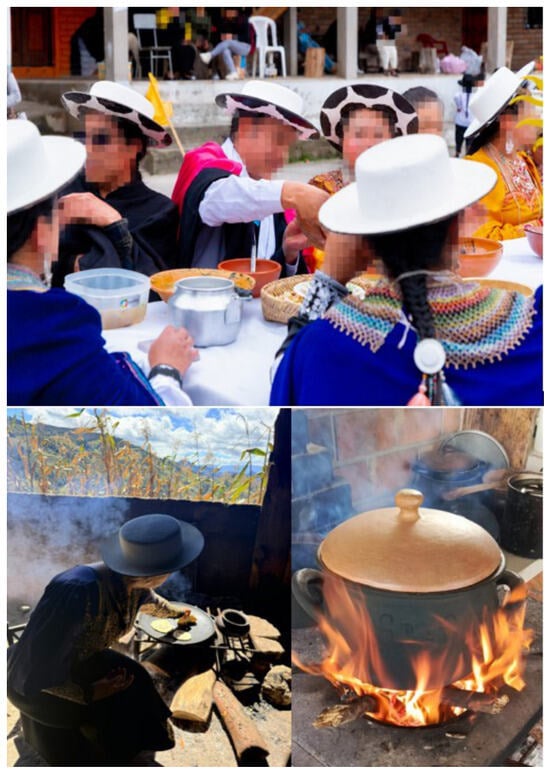
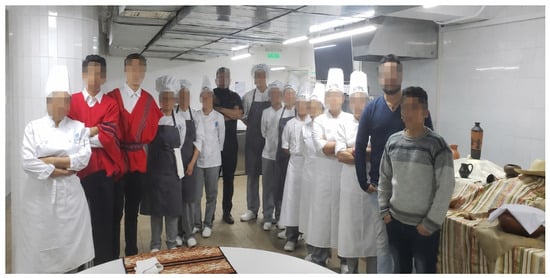
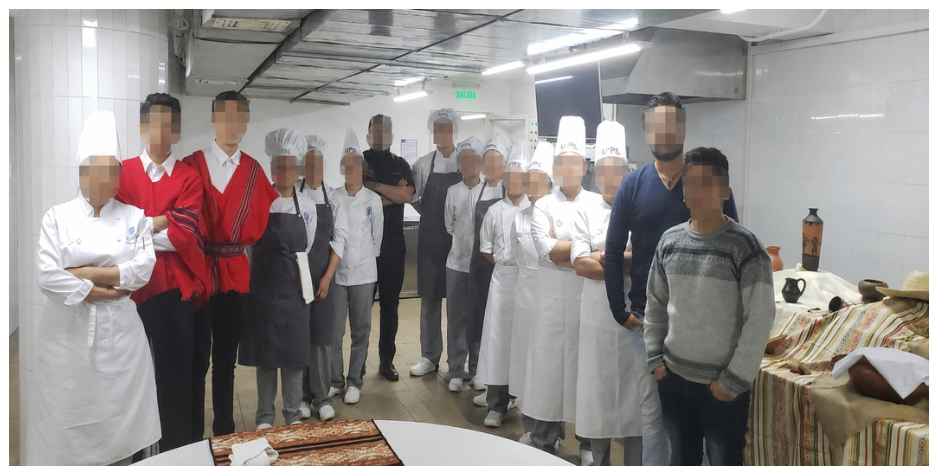
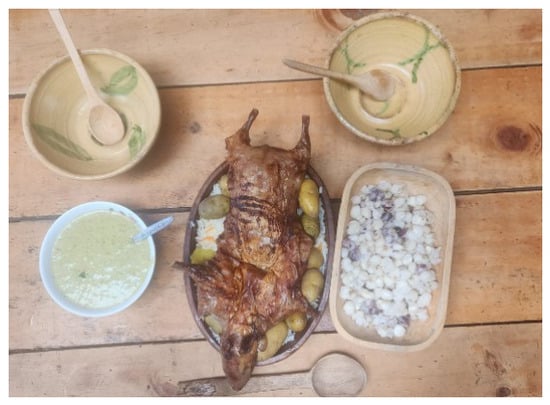
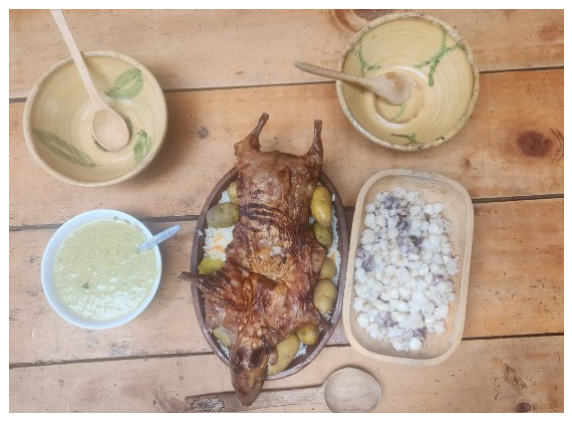
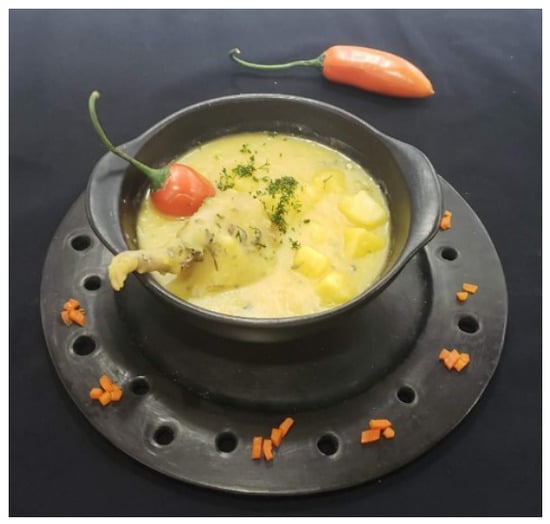
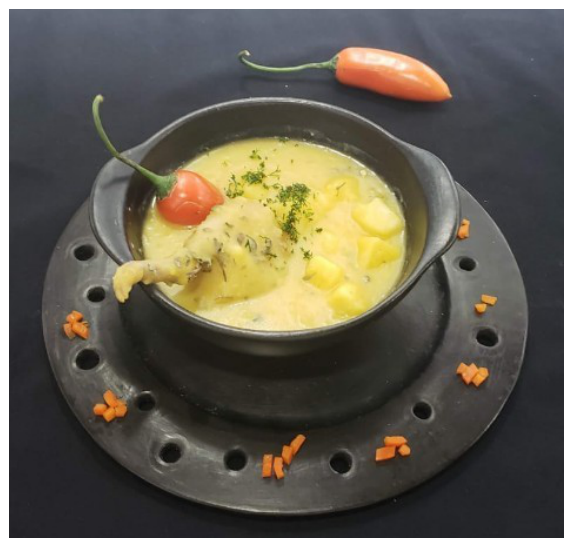
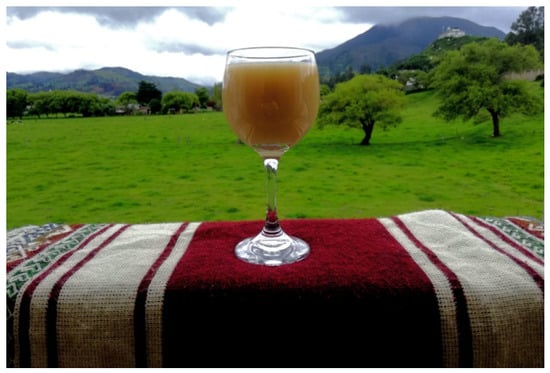
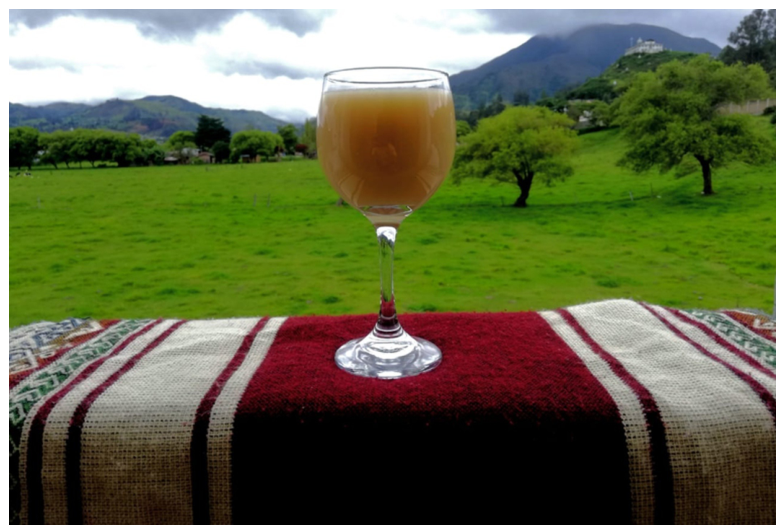

Disclaimer/Publisher’s Note: The statements, opinions and data contained in all publications are solely those of the individual author(s) and contributor(s) and not of MDPI and/or the editor(s). MDPI and/or the editor(s) disclaim responsibility for any injury to people or property resulting from any ideas, methods, instructions or products referred to in the content. |
© 2026 by the authors. Licensee MDPI, Basel, Switzerland. This article is an open access article distributed under the terms and conditions of the Creative Commons Attribution (CC BY) license.