


Abstract
Population ageing has created an urgent need to prioritise home modifications in older urban communities, yet evaluation frameworks that jointly integrate residents’ importance perceptions with current performance remain limited. This study applied Importance–Performance Analysis (IPA) to assess priorities for age-friendly home modifications in Xinhai Community, Shanghai, China. A literature-based pool of 20 candidate indicators was contextualised through field observations and screened by nine experts, yielding 17 indicators grouped by primary function into Safety, Independence, Comfort, and Sustainability. The analysis included 361 older residents retained from 419 initially usable questionnaires after excluding 58 (13.84%). Using mean-based crosshairs, at the criterion level, Safety and Independence were located in the high-importance–low-satisfaction priority-improvement quadrant, whereas Comfort occupied the low-importance–high-satisfaction extra-resource quadrant and Sustainability occupied the low-importance–low-satisfaction secondary-improvement quadrant. At the indicator level, 8 of 17 factors were classified as priority-improvement items. Classification was sensitive to threshold choice, particularly for indicators 8, 11, and 14; conservative uncertainty bounds did not establish population-level quadrant membership. The four largest negative satisfaction–importance gaps were observed for Anti-slip Measures (P − I = −1.939), Indoor Pathway Width and Smoothness (−1.931), the Grab-bar and Handrail System (−1.709), and Restroom Accessibility (−1.670). The IPA framework provides a transparent, evidence-based decision aid for identifying preliminary areas for subsequent technical and economic assessment, distinguishing building-embedded structural deficits from device-based support. While the single-community, cross-sectional design limits generalisability, the proposed priority-setting process offers a replicable protocol for comparable communities in rapidly ageing cities.
1. Introduction
Population ageing is advancing rapidly in China and worldwide [1,2]. By the end of 2024, China had 310.31 million people aged 60 years or older, representing 22.0% of the national population [3]. Globally, the population aged 60 years or older is projected to reach 1.4 billion by 2030 and 2.1 billion by 2050 [4], underscoring the accelerating demographic transition across countries [2]. This challenge is especially pronounced in Shanghai. At the end of 2024, 5.7762 million registered residents aged 60 years or older accounted for 37.6% of the city’s registered population [5]. This advanced stage of population ageing has important implications for urban health and age-friendly planning [6]. On a permanent-resident basis, the Seventh National Population Census (2020) recorded 637,900 permanent residents in Chongming District, of whom 253,100 were aged 60 and above (39.68%). This share exceeded the citywide permanent-resident average of approximately 23.38% at the same census, making Chongming the administrative district with the highest proportion of older permanent residents in Shanghai and a district with advanced population ageing [5]. The difference between the registered population and permanent-resident figures reflects the concentration of working-age in-migrants in central Shanghai and the out-migration of younger residents from Chongming.
A substantial share of homes occupied by older adults in China, particularly those in long-established communities, remains poorly aligned with later-life accessibility, safety, and functional needs [1,7]. Shanghai began piloting government-supported age-friendly home modifications for older residents at the end of 2019, expanded the pilot to 51 subdistricts and towns by the end of 2020, and launched citywide implementation in July 2021 [8]. Nevertheless, preliminary field observations and resident interviews in Xinhai Community indicated that substantial environmental deficiencies persisted, including abrupt changes in floor level and slippery surfaces; narrow or obstructed circulation routes; fall hazards in toilet and bathing spaces; inadequate lighting and visual legibility; insufficient grab bars and other assistive features; and poorly organised storage and task areas. These observations are consistent with Shanghai-based evidence of latent home-modification needs and with systematic-review evidence that targeted home fall-hazard reduction can reduce falls, particularly among older adults at elevated risk [9,10]. Such barriers increase environmental demands just as age-related declines in intrinsic capacity may reduce an individual’s ability to meet them, thereby constraining mobility and activities of daily living and increasing the risk of falls [10,11,12]. Syntheses of intervention research indicate that person-centred environmental assessment followed by tailored home modification can improve functional performance and reduce falls, with the clearest fall-prevention benefits observed among older adults at elevated risk [10,13]. Age-friendly home modification should therefore be treated as a core housing and public-health intervention rather than as a discretionary cosmetic upgrade.
Environmental gerontology conceptualises the home not as a passive backdrop but as an active component of later-life functioning, because autonomy and well-being emerge from ongoing transactions between personal competence and environmental demands [14,15,16]. The competence–environmental press model posits that maladaptive outcomes become increasingly likely when environmental demands exceed an individual’s functional competence [14,17]. Related research has linked home environments to disability-related outcomes [18], distinguished objectively assessed accessibility from residents’ subjectively perceived usability [19,20], and conceptualised supportive environments as resources for both agency and belonging [15]. A one-year prospective study further found that the magnitude of objectively assessed person–environment fit problems predicted indoor falls after adjustment (OR = 1.025, p = 0.037), whereas the number of environmental barriers alone did not [21]. Accordingly, an age-friendly housing evaluation should assess not only the presence of specific physical features but also person–environment fit—whether environmental demands exceed residents’ functional capacities—and residents’ perceived usability of the dwelling [14,20,21]. Evidence on the effectiveness of home modification is heterogeneous. Systematic reviews generally report improvements in functional performance and fall-related outcomes, but the clearest fall-prevention benefits occur among residents at elevated risk and when comprehensive environmental assessment informs individually tailored modifications [10,13,22]. A cluster-randomised trial in New Zealand found that a low-cost package comprising handrails on steps and stairs, bathroom grab rails, improved outdoor lighting, step edging, and slip-resistant treatments reduced the adjusted rate of medically treated home fall injuries by 26% (relative rate = 0.74, 95% CI: 0.58–0.94) [23]. These findings indicate that the inclusion of a home modification component does not by itself ensure improved person–environment fit. Outcomes may also depend on targeting, professional tailoring, resident goals, implementation quality, follow-up, and the measures used to define effectiveness.
Research on home-environment evaluation has consequently developed through complementary but partly separate approaches. Objective home audits document observable hazards and environmental or accessibility barriers, whereas resident-reported measures capture perceived usability and housing satisfaction [16,20]. The environmental barriers identified by trained assessors may not fully correspond to those perceived by older residents themselves [16,24]. IPA has been used to identify dwelling-type-specific priorities in older adults’ ratings of home-accessibility attributes [25]. A subsequent mixed-method study used extended IPA to rank artificial lighting, mechanical ventilation, and accessible fittings, while qualitative analysis identified ease of access and emergency management as complementary priorities for bathroom designs intended to reduce fall risk [26]. Beyond indoor environments, IPA has also been applied to evaluate age-friendly public spaces in old urban communities; for instance, Zeng and Chen [27] used IPA in Wuhan to classify 18 outdoor space factors into Accessibility, Safety, Comfort, and Aesthetics, highlighting safety as the top renovation priority. Beyond IPA, other multi-criteria decision-making frameworks have also been applied to home modification prioritization, including the integration of Particle Swarm Optimization and Analytic Hierarchy Process for functional space adaptation in aging-in-place settings [28]. Although these IPA studies demonstrate the value of comparing importance with performance, their findings also suggest that the resulting priorities are context-dependent and may vary with dwelling type, the spatial scope of assessment, and locally applied design standards [25,26]. Chinese research has begun to document older adults’ home-modification needs and post-project experiences, but existing studies have relied primarily on cross-sectional needs assessments or small qualitative samples rather than multidimensional post-modification performance evaluations [9,29]. More broadly, reviews have identified diverse outcome domains and substantial heterogeneity among home-modification models [7,30,31]. Against this background, the present study evaluates a community with a high concentration of older residents using a unified set of home-environment attributes organized into four study-defined domains: Safety, Independence, Comfort, and Sustainability.
Evidence from China further demonstrates the value of an integrated evaluation. In a 2021 cross-sectional survey of 5485 adults aged ≥60 years in Hubei, Hunan, and Henan, 29.55% reported at least one home-modification need; non-slip tiles or vinyl flooring (17.45%), handrails at toilets (12.18%) and thresholds (12.00%), and floor levelling (7.66%) were among the most frequently selected items [29]. In a nationally representative four-wave cohort of 12,382 Chinese adults aged ≥45 years, squatting toilets (adjusted HR = 1.14, 95% CI 1.03–1.26) and household untidiness (adjusted HR = 1.09, 95% CI 1.01–1.18) were associated with higher risks of self-reported falls during follow-up [32]. A 12-month prospective study across 25 long-term care facilities in Shanghai—an institutional rather than community-home setting—found that inadequate or inappropriate handrails, unsafe floors, and poor lighting were common facility-level hazards and were individually associated with falls in univariable analyses; moreover, the overall environmental-hazard level interacted with habitual night-time toilet visits [33]. These designs answer complementary rather than interchangeable questions: needs surveys elicit requested changes, cohort studies estimate prospective exposure–outcome associations, assessor-led audits document observable environmental hazards, and resident-reported measures capture perceived usability and housing satisfaction [16,34]. Broader reviews have also identified considerable heterogeneity in home-modification models, outcome measures, and study quality, while China-specific evidence concerning residents’ experiences during and after publicly supported modifications remains limited [9,30,31]. The remaining issue addressed here is how to translate older residents’ appraisals across several home-environment domains into an explicit set of concerns for local assessment. The present study addresses this applied gap by combining importance and satisfaction ratings at the dimension and indicator levels, while treating the resulting priorities as provisional inputs to technical and economic evaluation.
To address this gap, the present study applies importance–performance analysis (IPA) as a descriptive priority-setting method. IPA maps each attribute according to residents’ ratings of importance and perceived current performance, operationalized here as satisfaction with existing conditions [35]. The resulting matrix distinguishes four action categories: maintain performance (high importance–high satisfaction), lower priority (low importance–low satisfaction), review for possible overinvestment (low importance–high satisfaction), and priority improvement (high importance–low satisfaction). These categories are heuristic rather than prescriptive: placement in the low-importance–high-satisfaction quadrant does not by itself demonstrate inefficient expenditure, while placement in the high-importance–low-satisfaction quadrant identifies candidates for improvement rather than establishing a complete expenditure ranking. Accordingly, quadrant placement is considered together with the magnitude of the importance–satisfaction gap to identify concerns for assessment before intervention selection and resource allocation [36,37]. Because classification depends on how importance and performance are operationalized, the study population, and the selected crosshairs, IPA is interpreted as a relative, context-specific planning aid rather than an absolute performance standard, a test of statistical significance, or evidence of causality [38,39,40].
Environmental press and person–environment fit provide the conceptual lens for interpreting the evaluation framework [14,15,41]. The competence–press model treats adaptation as a joint function of personal competence and environmental demand: as competence declines, a given level of demand is more likely to fall outside the individual’s range of positive adaptation. Housing research likewise associates greater person–environment fit problems with dependence in activities of daily living, whereas more accessible and usable homes are associated with independence and subjective well-being [16,20]. Reducing excessive environmental barriers and task demands may therefore improve the fit between residents’ capacities and their dwellings. Guided by this theoretical lens, together with the literature review, fieldwork, and expert screening, the retained indicators were organized according to their primary intended functions into four interrelated analytical dimensions: Safety, Independence, Comfort, and Sustainability. Collectively, these dimensions represent the principal later-life requirements of physical safety, autonomous daily functioning, bodily and psychological comfort, and continued residence over time.
The theoretical gap addressed here concerns the operational link between environmental-gerontology concepts and residents’ judgements about which dwelling attributes warrant attention. Person–environment models explain why functional demands and the experience of home matter [14], while accessibility and usability research establishes that objective barriers and subjective evaluations are related but distinct [19,20]. These concepts alone do not specify how to compare perceived shortfalls across the functions a home is expected to support. Building on earlier housing and bathroom applications of IPA [25,26], this study connects the four study-defined domains with paired importance and satisfaction ratings in one community. The intended contribution is to explain how broad domain appraisals relate to perceived shortfalls in individual attributes; it does not provide a new test of the competence–press mechanism.
Accordingly, this study uses IPA based on 361 valid questionnaires to compare older residents’ perceived importance of and satisfaction with the 17 indicators to identify perceived concerns for subsequent technical and economic assessment. It addresses three research questions: (1) How do importance and satisfaction differ across the four criterion-level dimensions and 17 indicator-level attributes? (2) Which dimensions and indicators fall within the high-importance–low-satisfaction priority-improvement quadrant? (3) What provisional priorities for further assessment and planning do these ratings suggest when resources are limited? Section 2 describes the case, derives 20 candidate indicators from the literature and contextualises them through fieldwork, reports expert scoring by 9 specialists and mean-based expert screening used to retain the 17 indicators (the coefficient of variation is reported as a descriptive indicator of expert agreement and was not used as an additional retention threshold), and explains the resident survey and IPA procedure. Section 3 presents the criterion-level and indicator-level IPA matrix results. Section 4 interprets the findings and discusses the study limitations. Section 5 synthesises the main findings, theoretical contributions and applications for relevant stakeholders.
2. Materials and Methods
2.1. Study Setting and Literature-Based Candidate Indicators
Shanghai was the first Chinese city to enter an ageing society and remains one of the country’s most deeply aged cities [42,43]. Consistent with this trend, Chongming District’s ageing rate exceeded the municipal average, and Chongming had the city’s highest proportion of residents aged 80 years or older [5,43]. These demographic characteristics make Chongming an appropriate setting for examining home-modification priorities under advanced population ageing.
This study focuses on Xinhai Community in Xinhai Town, Chongming District, Shanghai. Established in the 1980s, Xinhai was among the city’s earliest large-scale residential developments. Its ageing housing stock and increasingly obsolete facilities and equipment reflect conditions common to Shanghai’s older urban communities [44]. The community comprises 1885 households and 5166 residents [5]. Since 2019, Shanghai has progressively implemented age-friendly home modification programmes in established residential communities. In Xinhai, these programmes have combined universal-access measures with targeted modifications to entrances, bedrooms, bathrooms, kitchens, living rooms, and balconies. These characteristics make Xinhai a relevant case for examining perceived importance and satisfaction with current home conditions in an older urban community.
Xinhai Community was selected because it offers a representative and analytically informative case and provides a setting for studying residents’ assessments of current home conditions. The study includes residents reporting both previous modification and no previous modification. Its ageing housing stock, obsolete facilities and equipment, and location within Chongming’s exceptionally old population reflect the challenges confronting many established urban communities. Residents’ perceptions of their current living conditions and the extent to which these conditions meet their needs remain largely unexamined. Taken together, advanced population ageing, deteriorated housing, and the local modification programme make Xinhai well suited to assessing residents’ perceptions of their current home environment, identifying persistent performance gaps, and deriving practical lessons for comparable communities in Shanghai and other rapidly ageing Chinese cities.
Indicator development comprised literature-based candidate identification, contextualisation in Xinhai Community, and expert screening. First, the competence–environmental press perspective and the concepts of accessibility and usability provided the theoretical basis for identifying dwelling attributes relevant to changing functional abilities [14,15,25,26]. Home-modification research and design studies supplied candidate features addressing movement, self-care, household tasks, and continued residence [23,29,45]. The initial pool comprised 20 indicators. Table 1 presents the conceptual scope of each candidate indicator and the supporting literature.
Table 1.
Conceptual scope and literature source of 20 indicators.
2.2. Establishing Evaluation Indicators
Through on-site observations, a questionnaire survey, and face-to-face interviews conducted in Xinhai Community, this study identified several problems relating to its indoor environment and facilities. These included structural hazards within the building fabric, unsafe flooring and barriers to circulation, slip-and-fall risks in toilet and bathing areas, inadequate lighting and visual legibility, a lack of age-friendly assistive facilities, and poorly configured storage and operational spaces. These preliminary observations contextualised the 20 literature-derived candidates described in Section 2.1.
The study examined older residents’ ratings of the importance of, and satisfaction with, age-friendly home modification attributes in Xinhai Community. The 20 literature-derived candidates described in Section 2.1 were considered in relation to the initial field observations before expert screening. A panel of 9 experts (3 in architecture, 3 in interior design, and 3 in related disciplines) then rated the importance of each candidate home modification indicator on a five-point Likert scale from 1 (“not important”) to 5 (“extremely important”).
For each candidate home modification indicator, the mean, standard deviation, and coefficient of variation were calculated (Table 2). The coefficient of variation was calculated and reported as a descriptive indicator of the dispersion of expert ratings; it was not used as an additional inclusion threshold. Indicators with a mean score of at least 3 were retained (17 of 20 candidates; retained means, 3.44–4.44). The three candidates below 3.00 were excluded: addition of a staircase or residential elevator (2.56), appropriate color contrast (2.44), and reconstruction of the building structure (2.33; Table 3). The final 17-indicator framework assesses perceived importance and satisfaction with current home-environment attributes at the criterion and indicator levels.
Table 2.
Formula for screening ageing-friendly factors.
Table 3.
Expert ratings of ageing-friendly factors.
The 17 factors were organized into four criterion-level dimensions: safety (A), independence (B), comfort (C), and sustainability (D). The safety dimension comprises four factors, the independence dimension five factors, the comfort dimension four factors, and the sustainability dimension four factors. Collectively, these factors provide a comprehensive framework for evaluating the age-friendly retrofitting of interior spaces and offer an evidence base for interventions aimed at improving older adults’ quality of life.
Within the competence–environmental press framework, they represent attributes that may reduce demands imposed by the dwelling and improve person–environment fit as residents’ functional capacities change [14,15,18]. After expert screening, the retained indicators were assigned to Safety, Independence, Comfort, or Sustainability according to their primary intended contribution to ageing in place, while recognising overlap between functions. Safety (indicators 1–4) groups anti-slip measures, grab bars and handrails, clear indoor pathways, and emergency facilities because these attributes primarily concern injury prevention or access to assistance when an incident occurs. Appropriately targeted home-hazard reduction can reduce rates of falls and fall-related injuries, particularly among older adults at elevated risk [10,23]. Independence (indicators 5–9) groups entrance access, restroom accessibility, kitchen convenience, facility operability, and easy-to-use fixtures because these attributes support entering the home and completing basic and instrumental activities of daily living with less assistance. Comfort (indicators 10–13) groups thermal and acoustic conditions, daylight and ventilation, ergonomic furniture, and aesthetics and dignity because they concern bodily ease and the psychological experience of home, including privacy and identity [16,49]. Sustainability (indicators 14–17) groups room layout, lighting and visibility, caregiver education support, and durable, low-maintenance design because they concern continued usability, adaptation, upkeep, and support for remaining at home as needs change [13,15].
Sustainability is used here to mean the continuity of ageing in place, rather than measured environmental life-cycle performance. Room layout (14) concerns space that can accommodate changing mobility and assistance needs, whereas lighting and visibility (15) concern the usability of that space as vision changes [45]. This distinguishes indicator 15 from Natural Lighting and Ventilation (11), which addresses the ambient experience of daylight and air movement. Caregiver education (16) represents a support service for sustaining home care; trials of environmental education and skill-building with families of people with dementia support its conceptual inclusion [59,61], but the present rating does not measure a reduction in caregiver burden. Durability and maintenance (17) address the material and practical demands of keeping a dwelling usable over time [52].
These allocations are analytical choices rather than exclusive functional boundaries. Lighting, layout, and furniture can also contribute to safety or independence. Facility Operability (8) concerns usability in carrying out activities, whereas Easy-to-operate Fixtures and Facilities (9) focuses on manipulating individual controls. Each retained indicator contributes to one dimension in the reported composite scores (Table 4); this assignment does not demonstrate that the dimensions are independent latent constructs. The three candidates excluded by expert scoring remain relevant in the broader literature: their exclusion reflects the local screening rule, not evidence that elevators, visual contrast, or substantial building alterations are universally unimportant.
Table 4.
Satisfaction–importance evaluation system.
2.3. Research Methods
All resident-rated items used a five-point Likert scale. For importance, the anchors were 1 = “not important”, 2 = “slightly important”, 3 = “moderately important”, 4 = “very important”, and 5 = “extremely important”. For satisfaction with current performance, the anchors were 1 = “very dissatisfied”, 2 = “dissatisfied”, 3 = “neutral”, 4 = “satisfied”, and 5 = “very satisfied”. Higher scores indicated greater perceived importance or better perceived performance. For the satisfaction scale, the midpoint 3 represented a neutral response. No items were reverse-scored. Dimension-level composite scores were calculated as unweighted arithmetic means of the item scores within each dimension.
This study employed a stratified random sampling design. The sampling frame was constructed based on the official register of all individuals aged 60 and above provided by the Xinhai Community Residents Committee as of March 1, 2024. All eligible individuals were assigned a unique identification number. The survey framework was stratified by age group (60–69 years, 70–79 years, and ≥80 years) and gender. The target number of questionnaires distributed was 485, proportionally allocated to each stratum using the formula . The initial sampling procedure was conducted at the individual level. If the random selection resulted in multiple eligible residents from the same household, a random number table was used to select exactly one respondent from that household. This one-respondent-per-household rule was implemented to prevent intra-household clustering and minimize respondent burden, and it was strictly executed by interviewers, who were not permitted to replace or add participants themselves. Because multi-member households were thinned by random selection after individual-level sampling, the rule introduced a deviation from strict equal-probability sampling. We did not derive or apply design weights to adjust for this deviation. The final sample distribution was compared with the sampling frame by age and sex; because the deviations were minor, no post-stratification weights were applied. All analyses (including the importance–performance analysis and paired t-tests) were therefore conducted using unweighted respondent-level data, and variance estimation followed standard simple random sampling procedures (df = n − 1 = 360). This unweighted approach does not adjust for possible unequal inclusion probabilities induced by the one-respondent-per-household rule, and the reported standard errors and confidence intervals should be interpreted with this limitation in mind. 66 records did not result in an initially usable questionnaire: 28 refused to participate, 20 could not be contacted after three attempts, 8 had relocated, 4 did not meet the inclusion criteria (severe cognitive impairment), and 6 abandoned the survey midway. This yielded 419 initially usable questionnaires. The questionnaires recorded residents’ perceived importance and satisfaction with each indicator. After data screening using IBM SPSS Statistics version 26.0, 58 questionnaires were excluded, resulting in a final sample of 361 valid questionnaires (86.16%) included in the analysis. Of the 58 questionnaires excluded after data screening, 16 were excluded for excessive omissions, 13 for duplicate identifiers, 8 for shared IP addresses, 15 for identical start and end times, and 6 for identical or highly similar response sequences. These records were excluded on data-quality grounds rather than as sampling non-respondents. A formal comparison of their demographic and dwelling characteristics with the 361 retained cases was not performed because the exclusion categories did not yield a consistent analytic dataset: records with excessive omissions lacked complete item-level data, duplicate-identifier and shared-IP records could not be treated as independent observations, and records with identical timing or response sequences were flagged as unreliable. The exclusion log recorded reason codes and counts but did not provide a comparable set of complete demographic and dwelling variables for formal testing. Accordingly, the 58 exclusions were not used to estimate selection effects, and the retained sample was analysed as the complete-case dataset. The questionnaire contained 34 rating items—17 importance items and 17 satisfaction items—in addition to demographic and residential questions. The demographic and residential characteristics of the final analysis sample are summarized in Table 5. Previous home renovations were recorded as a binary characteristic in the questionnaires (Table 5). The indicator ratings were not linked to specific modifications, their completion dates, or respondents’ use of the relevant facilities or equipment. The summarized IPA indicators describe the current state and do not estimate changes after renovations or compare different types of interventions.
Table 5.
Demographic and dwelling characteristics of participants (n = 361).
The screening criteria were established before reviewing the analysis results. Potential duplicate submissions or careless responses were flagged using four checks: (1) repeated names, email addresses, telephone numbers, or WeChat/QQ identifiers; (2) multiple submissions from the same IP address; (3) identical start and end times across submissions, recorded to the minute; and (4) identical responses to all 34 items or matching responses to more than 70% of the items. These flags were not immediately excluded; rather, they triggered a verification process. Records flagged with identical identifiers or matching IP addresses were cross-checked against the phone numbers and interview logs. A record was confirmed as a duplicate submission only if it shared both the same IP address/time signature and identical demographic details with an earlier valid record. For confirmed multiple submissions, the first valid submission was retained. Careless responses were confirmed when identical answer sequences were paired with an implausibly short completion time (e.g., under 5 min). Only after this verification process were the 58 records removed. For the 361 retained cases, data screening indicated no missing responses across the 34 items. Therefore, no imputation was performed, and the complete-case dataset was used for all analyses. The 16 records with excessive omissions were removed at the data-quality screening stage and are not part of the 361 retained complete cases.
Importance and satisfaction data were linked within each of the 361 retained respondents. For the criterion-level analysis in Table 6, importance and satisfaction composite scores were first calculated separately for each respondent as the unweighted arithmetic means of the indicator ratings within each dimension: Safety, indicators 1–4; Independence, indicators 5–9; Comfort, indicators 10–13; and Sustainability, indicators 14–17 (Table 4). Thus, each respondent contributed one importance composite and one satisfaction composite for each dimension.
Table 6.
Paired-samples t-test statistics for criterion level.
Data were analyzed using IBM SPSS Statistics version 26.0. The 17 items measuring perceived importance demonstrated excellent overall internal consistency (Cronbach’s alpha = 0.883), as did the 17 items measuring satisfaction (Cronbach’s alpha = 0.887). At the dimension level, the Cronbach’s alpha values for the importance and satisfaction scales were, respectively: Safety (0.764 and 0.739), Independence (0.774 and 0.790), Comfort (0.750 and 0.790), and Sustainability (0.775 and 0.808). These results indicate acceptable to good internal consistency for both constructs across all four study-defined domains. For Table 6, each respondent’s satisfaction composite was paired with that same respondent’s importance composite for the same dimension. Four two-sided paired-samples t-tests, one per dimension, tested whether the population mean within-respondent difference (P − I) was zero. The same procedure was applied separately to each of the 17 indicators (Table 7). Each test used 361 matched pairs (df = 360); the unit of analysis was the respondent. The t statistic was the mean paired difference divided by its standard error, calculated as the standard deviation of the 361 paired differences divided by the square root of 361. Two-sided 95% confidence intervals for the mean paired differences were calculated using the t distribution with 360 degrees of freedom. Tests used a two-sided significance level of 0.05, without adjustment for multiple comparisons; paired-test calculations used unrounded respondent-level composite or individual-indicator scores. The mean satisfaction scores were compared across factors and interpreted with reference to the Likert-scale response categories to identify perceived deficiencies in current home conditions. (This descriptive analysis reflects residents’ assessments of their current living environments and does not estimate the specific effects of previously implemented modifications, as the sample includes residents with and without such experience.) Importance–performance analysis (IPA) was subsequently employed to examine the relationship between the importance and satisfaction scores of each factor, with satisfaction serving as the measure of performance. The resulting classifications were used to identify provisional priorities for local assessment across four dimensions: safety, independence, comfort, and sustainability. Potential improvement strategies are discussed in Section 4 and Section 5. However, intervention costs, available budgets, technical feasibility, number of beneficiaries, expected effects, and dependencies between interventions were not included in the analysis. No cost-effectiveness analysis or budget-constrained optimisation was performed.
Table 7.
Paired-samples t-test statistics for indicator level.
IPA thresholds were defined by the arithmetic mean of the coordinates at each analysis level. Let Q denote importance (I) or satisfaction (P), and let Qrk be respondent r’s score for unit k. At the criterion level, each unit is a dimension composite as defined above (K = 4); at the indicator level, each unit is an individual indicator (K = 17). The coordinate means and crosshairs were calculated as follows (n = 361):
Importance is plotted on the horizontal axis and satisfaction on the vertical axis (Figure 1). Scores strictly above or below each crosshair were classified as high or low, respectively; exact ties were treated as boundary cases. Mean-based centering was selected to identify relative priorities within this community. It does not define an absolute minimum standard or imply that below-average importance is unimportant. The same rule was applied at both levels: dimensions receive equal weight at the criterion level, whereas indicators receive equal weight at the indicator level. Because Independence contains five indicators and the other dimensions contain four each, the numerical crosshairs differ slightly.
Figure 1.
IPA Scatter Plot.
The revised plots and robustness calculations were reconstructed from the two-decimal means in Table 6 and Table 7. The resulting crosshairs are importance 3.7925 and satisfaction 3.0225 at the criterion level, and importance 3.7965 and satisfaction 3.0018 at the indicator level. They are reported as approximate reconstructions of the unrounded sample crosshairs. Under rounding to the nearest 0.01, each reconstructed crosshair differs from its unrounded value by at most 0.005; a centered coordinate differs by at most . All baseline classifications remain unchanged within these rounding bounds.
Threshold sensitivity was assessed with the reported coordinate means held fixed. At the indicator level, we compared the mean-based classification with fixed crosshairs of importance 3.75 and satisfaction 3.00. At both levels, we compared the mean-based classification with the scale-midpoint rule (importance = satisfaction = 3.00) and varied the two mean-based crosshairs independently over ±0.05 and ±0.10 points, small perturbations on the 1–5 scale, to identify units that could cross either line. These are deterministic sensitivity scenarios, not confidence intervals or probabilities of quadrant membership.
Sampling uncertainty was assessed conservatively from the reported means and sample size, conditional on independent respondents and ratings bounded between 1 and 5. For each unit and axis, the respondent-level contrast below accounts for uncertainty in both the coordinate and the estimated crosshair; its range has width .
Applying Hoeffding’s inequality and a union bound over the two axes gives joint coverage of at least 95% for one unit’s two population-centered coordinates, without assuming independence among that respondent’s item ratings. The sampling half-width HK and rounding allowance RK are as follows:
Each reported centered coordinate was expanded by ±(HK + RK). A quadrant was supported by these bounds only if both axis intervals excluded zero in the directions defining that quadrant. Coverage is joint for the two axes of one unit, not simultaneous across all units. These worst-case bounds require no estimated covariance matrix and are deliberately conservative; they do not provide empirical quadrant probabilities or replace respondent-level resampling.
Using these methods, the study characterised residents’ assessments of the importance of and satisfaction with age-friendly home modification indicators and assessed residents’ perceptions of their current home conditions in an older urban community. The findings provide an evidence base for improving older adults’ quality of life and the age-friendliness of home environments in older communities. The findings identify preliminary intervention areas that require subsequent technical and economic assessment before implementation or funding decisions.
3. Results
3.1. Criterion-Level Importance–Performance Analysis of Age-Friendly Home Modifications
To describe the empirical sample and clarify the background distribution of the surveyed population, this section presents the basic demographic and housing-related characteristics of 361 valid respondents (Table 5), including age group, gender, housing ownership, housing type, previous renovation experience, use of mobility aids, and residential arrangements. Participants were all from the Xinhai Community in Shanghai, China. Previous modification was reported by 257 respondents (71.2%), while 104 (28.8%) reported none. Thus, the sample includes residents with and without a reported history of modification.
Table 6 reports within-respondent comparisons of importance and satisfaction composite scores from the same 361 respondents, with 361 matched pairs and 360 degrees of freedom in each dimension. Analysis of the questionnaire data using SPSS showed that among the four criterion-level dimensions—safety, independence, comfort, and sustainability—older residents assigned the greatest importance to safety (A, I = 4.12), followed in descending order by independence (B, I = 3.86), sustainability (D, I = 3.66), and comfort (C, I = 3.53). In terms of satisfaction, comfort (C, P = 3.51) received the highest rating, followed by sustainability (D, P = 3.00), safety (A, P = 2.91), and independence (B, P = 2.67). The correlations between paired importance and satisfaction scores were 0.672 for Safety, 0.700 for Independence, 0.643 for Comfort, and 0.709 for Sustainability (Table 6).
Using the sample-mean crosshairs in the criterion-level IPA matrix (Figure 2), Safety (A) and Independence (B) were located in the high-importance–low-satisfaction priority-improvement quadrant, Comfort (C) in the low-importance–high-satisfaction extra-resource quadrant, and Sustainability (D) in the low-importance–low-satisfaction secondary-improvement quadrant. These are relative classifications under the stated crosshairs; they do not establish an expenditure ranking or demonstrate that Comfort receives excess resources. Paired-samples tests showed lower satisfaction than importance for Safety (P − I = −1.215, 95% CI [−1.258,−1.171], t(360) = −54.582), Independence (P − I = −1.186, 95% CI [−1.230,−1.142], t(360) = −52.807), and Sustainability (P − I = −0.661, 95% CI [−0.708,−0.615], t(360) = −27.826; all p < 0.001). The difference for Comfort was not statistically significant (P − I = −0.020, 95% CI [−0.070,0.030], t(360) = −0.789, p = 0.431; Table 6). These within-dimension tests do not compare gap magnitudes between dimensions, and statistical significance does not determine IPA quadrant membership.
Figure 2.
IPA Scatter Plot at Criterion Level. Crosshairs: importance ≈ 3.7925; satisfaction ≈ 3.0225.
The criterion-level classification was sensitive near the crosshairs. Sustainability was only 0.0225 satisfaction points below the horizontal threshold and could move from secondary improvement to the extra-resource quadrant within the ±0.05 perturbation. At ±0.10, Independence could also move from priority to secondary improvement because its importance margin was 0.0675; Safety and Comfort retained their quadrants. Under fixed midpoint crosshairs of 3.00 on both axes, Safety and Independence remained priorities, Comfort moved to good condition, and Sustainability lay on the satisfaction boundary at the reported precision.
3.2. Indicator-Level Importance–Performance Analysis of Age-Friendly Home Modifications
At the indicator level, the five attributes with importance scores above 4.00 were Anti-slip Measures (1, I = 4.25), Grab-bar and Handrail System (2, I = 4.15), Indoor Pathway Width and Smoothness (3, I = 4.18), Barrier-Free Entrance/Exit (5, I = 4.03), and Restroom Accessibility (6, I = 4.08); all five received low satisfaction scores (P = 2.25 − 2.54). Emergency Rescue Facilities (4) recorded the highest satisfaction score (P = 4.64, I = 3.92). Satisfaction also exceeded importance for Ergonomic Furniture Adaptability (12, P = 3.73, I = 3.35), Aesthetics and Preservation of Dignity (13, P = 3.46, I = 3.32), and Caregiver Burden Education Support (16, P = 3.81, I = 3.65), whereas all remaining indicators had negative satisfaction–importance gaps (Table 7).
The paired tests identified 13 negative mean satisfaction–importance differences (all p < 0.001) and four positive differences for indicators 4, 12, 13, and 16 (p = 0.002 for indicator 13; p < 0.001 for the other three). The reported importance–satisfaction correlations were positive for all 17 indicators, ranging from 0.351 for Emergency Rescue Facilities (4) to 0.502 for Kitchen Operation Convenience (7). In Table 7 and Tables 9–12, p-values below 0.001 are reported as p < 0.001. Mean paired differences use unrounded scores and may differ slightly from subtraction of the displayed two-decimal means.
Figure 3 and Table 8 identify eight priority-improvement indicators (1, 2, 3, 5, 6, 8, 14, and 15), three secondary-improvement indicators (7, 9, and 17), five extra-resource indicators (10, 11, 12, 13, and 16), and one good-condition indicator (4).
Figure 3.
IPA scatter plot at indicator level. Crosshairs importance ≈ 3.7965; satisfaction ≈ 3.0018.
Table 8.
IPA quadrant classifications of indicator-level factors.
Compared with fixed crosshairs of importance 3.75 and satisfaction 3.00, mean-based centering changed only Natural Lighting and Ventilation (11), from good condition to the extra-resource quadrant; the eight priority indicators were unchanged. With independent ±0.05 or ±0.10 shifts in the mean-based crosshairs and the reported means held fixed, 14 of 17 indicators retained their quadrants throughout each range. The sensitive indicators were Facility Operability (8), Natural Lighting and Ventilation (11), and Bedroom and Living-Room Layout (14), whose importance margins were +0.0335, −0.0165, and +0.0235, respectively. Indicator 8 was also only 0.0918 satisfaction points below the horizontal crosshair. Six of the eight priority indicators (1, 2, 3, 5, 6, and 15) retained priority status throughout the ±0.10 perturbations.
The alternative scale-midpoint rule classified 11 indicators (1, 2, 3, 5, 6, 7, 8, 9, 14, 15, and 17) as priority improvement and the remaining six (4, 10, 11, 12, 13, and 16) as good condition. Thus, all eight mean-based priorities remained priorities, while three additional indicators entered that category. This broader classification reflects the different question addressed by an absolute scale midpoint: all reported importance means exceeded 3.00.
The conservative joint 95% sampling bounds, including rounding allowances, had half-widths of 0.4749 at the criterion level and 0.5960 at the indicator level. None of the four dimensions or 17 indicators had both centered-coordinate intervals exclude zero; these summary-data bounds therefore did not establish any population-level quadrant. For indicator 11, the importance margin was −0.0165 (bound [−0.6125,0.5795]) and the satisfaction margin was +0.4182 (bound [−0.1778,1.0142]). This inconclusive result reflects the conservatism of the bounds and is not evidence that every classification is unstable. The paired satisfaction–importance tests in Table 6 and Table 7 address a different contrast and cannot establish sampling robustness of quadrant membership.
4. Discussion
Safety (A) received the highest importance rating (I = 4.12) but relatively low satisfaction (P = 2.91), producing the largest observed criterion-level gap (P − I = −1.215). Within environmental press theory, these attributes can be interpreted as potential demands on residents’ balance, mobility, or vision [14,15]. The present data identify perceived safety concerns but do not establish which personal capacities or physical hazards account for the ratings.
The contrast between the favourable rating for Emergency Rescue Facilities and the shortfalls in circulation and floor safety raises a question about how residents appraise different home functions. Differences in installation, usability, maintenance, or residents’ needs could each contribute to these appraisals; the survey cannot separate these explanations. Conversely, Comfort (C) combined the lowest relative importance (I = 3.53) with the highest satisfaction (P = 3.51; P − I = −0.020). A lower relative importance score for Comfort does not establish that residents regard it as dispensable. The Comfort pattern does not demonstrate that residents suppressed their expectations, because expectations and changes in them were not measured. Explanations based on adaptation or a greater benefit from readily installed equipment remain hypotheses for future investigation.
For resource planning, the eight indicators in the priority-improvement quadrant identify preliminary intervention areas, not a ranked list of projects. Gap magnitude, statistical significance, and threshold stability do not measure expected intervention benefit or value for money. Decisions require a subsequent appraisal of feasible options against an explicit budget, with implementation and maintenance costs, likely numbers of beneficiaries, expected effects and their uncertainty, and dependencies between measures. These inputs were not analysed here. The IPA results should therefore inform consultation and assessment before funding priorities are set.
4.1. Safety Analysis
The safety results identify perceived shortfalls in floor safety, support facilities, and circulation. Anti-slip Measures (1, P = 2.31, I = 4.25, P − I = −1.939, t(360) = −46.431), the Grab-bar and Handrail System (2, P = 2.44, I = 4.15, P − I = −1.709, t(360) = −41.310), and Indoor Pathway Width and Smoothness (3, P = 2.25, I = 4.18, P − I = −1.931, t(360) = −45.378) were all in the low-satisfaction–high-importance quadrant (paired-gap tests: all p < 0.001; Table 9; Figure 4). Reported field observations of raised thresholds, narrow passages, discontinuous floor levels, and potentially slippery finishes identify possible issues for follow-up inspection. Preliminary field observations suggest that circulation and flooring warrant closer inspection, but they were not linked to individual ratings and cannot establish the causes of the observed gaps. Emergency Rescue Facilities (4), by contrast, were in the high-satisfaction–high-importance quadrant (P = 4.64, I = 3.92, P − I = 0.720, t(360) = 20.479, p < 0.001). This rating does not establish an advantage of device-based interventions over alterations to the building. The higher satisfaction rating for Emergency Rescue Facilities does not establish superior installation quality or effectiveness, because receipt, timing, and use of these facilities were not analysed. Indicators 1–3 are therefore candidates for individual home assessment before selecting remedial work.
Table 9.
Paired-samples t-test statistics for indicator level within Safety (A).
Figure 4.
IPA scatter plot at indicator level for Safety (A).
4.2. Independence Analysis
The Independence ratings highlight perceived concerns about entering the home and using essential facilities. Within Independence, respondents reported the largest negative satisfaction–importance gaps for Restroom Accessibility and Barrier-Free Entrance/Exit. Barrier-Free Entrance/Exit (5, P = 2.54, I = 4.03, P − I = −1.490, t(360) = −37.413) and Restroom Accessibility (6, P = 2.41, I = 4.08, P − I = −1.670, t(360) = −39.051) had the largest observed gaps in this dimension, while Facility Operability (8, P = 2.91, I = 3.83, P − I = −0.920, t(360) = −21.735) was also a priority item (paired-gap tests: all p < 0.001; Table 10; Figure 5). From a person–environment perspective, entrance and bathroom difficulties may restrict daily activities, but these pathways were not tested here [22,23]. These ratings support examining access and usability with residents, but the study did not measure whether the reported conditions caused dependence in daily activities. Kitchen Operation Convenience (7, P = 2.82, I = 3.69, P − I = −0.870, t(360) = −21.195, p < 0.001) was somewhat less important, possibly because movable tables, chairs, and small appliances can partly compensate for an inconvenient arrangement; the spatial and wet-surface requirements of toileting and bathing offer much less room for such informal adaptation. Easy-to-operate Fixtures and Facilities (9, P = 2.67, I = 3.65, P − I = −0.981, t(360) = −22.231, p < 0.001) was classified in the secondary-improvement quadrant and could be addressed through targeted hardware replacement. Kitchen Operation Convenience (7) was also in this quadrant. Although indicator 9 had a larger absolute gap than indicator 8 (0.981 versus 0.920), only indicator 8 exceeded the importance crosshair and entered the priority-improvement quadrant (Table 7 and Table 8; Figure 5).
Table 10.
Paired-samples t-test statistics for indicator level within Independence (B).
Figure 5.
IPA scatter plot at indicator level for Independence (B).
4.3. Comfort Analysis
The near-zero criterion-level gap for Comfort (P − I = −0.020, p = 0.431; Table 6) combined negative gaps for indicators 10 and 11 with positive gaps for indicators 12 and 13 (Table 11). Natural Lighting and Ventilation (11, P = 3.42, I = 3.78, P − I = −0.360, t(360) = −8.501, p < 0.001) occupied the low-importance–high-satisfaction extra-resource quadrant (Figure 3 and Figure 6; Table 8). Temperature and Soundproofing (10, P = 3.43, I = 3.67, P − I = −0.241, t(360) = −5.779, p < 0.001) and Aesthetics and Preservation of Dignity (13, P = 3.46, I = 3.32, P − I = 0.139, t(360) = 3.164, p = 0.002) occupied the low-importance–high-satisfaction extra-resource quadrant, without establishing why residents gave these ratings. Ergonomic Furniture Adaptability (12, P = 3.73, I = 3.35, P − I = 0.382, t(360) = 8.694, p < 0.001) also occupied the extra-resource quadrant; the survey does not establish whether furniture adaptability or another factor explains this rating. Thus, no Comfort indicator occupied the priority-improvement quadrant under the mean-based rule. Natural Lighting and Ventilation was only 0.0165 importance points below the crosshair and changed category under small threshold shifts; its negative satisfaction–importance gap supports reviewing its performance, without treating its quadrant label as evidence of excess provision.
Table 11.
Paired-samples t-test statistics for indicator level within Comfort (C).
Figure 6.
IPA scatter plot at indicator level for Comfort (C).
4.4. Sustainability Analysis
Within Sustainability (D), the priority-improvement classifications of Bedroom and Living-Room Layout (14; P = 2.63, I = 3.82, P − I = −1.191, t(360) = −27.845) and Lighting and Visibility (15; P = 2.71, I = 3.93, P − I = −1.222, t(360) = −30.516) identify layout and lighting as candidates for assessing continued usability (paired-gap tests: both p < 0.001; Table 12; Figure 7). Restricted movement routes or inadequate illumination may make tasks such as night-time transfers more demanding; these conditions were not measured at individual dwellings. Whether a dwelling needs furniture rearrangement, electrical work, or another response requires inspection. These options need dwelling-specific technical and economic assessment. By comparison, Caregiver-Burden Education Support (16) occupied the low-importance–high-satisfaction extra-resource quadrant (P = 3.81, I = 3.65, P − I = 0.158, t(360) = 4.087, p < 0.001), whereas High-Durability and Low-Maintenance Design (17; P = 2.85, I = 3.24, P − I = −0.391, t(360) = −9.090, p < 0.001) remained in the secondary-improvement quadrant.
Table 12.
Paired-samples t-test statistics for indicator level within Sustainability (D).
Figure 7.
IPA scatter plot at indicator level for Sustainability (D).
4.5. Study Limitations and Future Research
Several limitations constrain interpretation. First, all 361 respondents were recruited in Xinhai Community, Xinhai Town, Chongming District, Shanghai, China. The single-community case does not provide population-representative estimates for Shanghai or China. Differences in housing stock, local modification programmes, services, and residents’ needs may limit transferability, even to other older communities. Replication across communities and cities is needed before applying the observed priorities elsewhere. Furthermore, we could not obtain complete demographic data for the 66 non-respondents to conduct a formal non-response bias analysis. Therefore, we cannot fully rule out the possibility of selection effects. Additionally, the 58 records excluded during data cleaning could not be compared with the retained sample on demographic and dwelling characteristics because the exclusion reasons (excessive omissions, duplicate identifiers, shared IP addresses, identical timing, and identical response sequences) precluded a consistent and independent comparison dataset. This limits assessment of potential selection effects arising from data-quality screening, although the exclusion criteria were pre-specified and applied before analysis.
Second, the analysis includes a binary history of previous modification but does not link ratings to the type and extent of work in each home, completion dates, or actual use of the relevant facilities and equipment. It includes residents with and without reported previous modifications. Low satisfaction may reflect absent modifications, inadequate scope, poor implementation quality, or changes in individual needs. These explanations cannot be separated, and the ratings cannot establish the effectiveness or failure of completed interventions. Future research should link each respondent’s ratings to documented work, dates, implementation quality, and use.
Third, the cross-sectional design provides no before-and-after comparison and cannot establish temporal or causal relationships. Individual functional capacity, environmental demands, expectations, and behavioural adaptation were not directly measured in a way that tests the proposed mechanisms. Environmental press theory therefore serves as an interpretive framework, not an empirically validated mechanism in this study. Longitudinal studies should combine baseline and repeated follow-up assessments with intervention records and measures of function, expectations, use, and relevant health outcomes.
Fourth, importance and satisfaction were self-reported, and preliminary field observations did not constitute a systematic physical audit linked to respondents’ dwellings. Future work should combine these ratings with measurements of floor slip resistance, illumination, clear-path widths, thermal and acoustic conditions, and emergency-call performance.
Fifth, IPA categories depend on the reference thresholds. Although the main priority set persisted under the midpoint comparison, indicators 8, 11, and 14 and the criterion-level placement of Sustainability were sensitive to nearby crosshairs. The conservative sampling bounds assume independent respondents. They do not account for weight variation arising from unequal inclusion probabilities; household clustering itself is avoided by the one-respondent-per-household rule. They also do not account for selection effects or nonresponse and could not confirm population-level quadrant membership. No respondent-level bootstrap was performed in this summary-data reanalysis. Boundary-sensitive categories should therefore be used provisionally alongside the continuous importance, satisfaction, and gap scores.
Sixth, the analysis did not include the economic and implementation inputs needed to rank interventions under resource constraints: intervention costs, available budgets, technical feasibility, numbers of beneficiaries, expected effects, and dependencies between measures. Neither quadrant membership nor gap magnitude establishes a funding order. The proposed intervention areas remain preliminary until these inputs are assessed using explicit decision criteria in consultation with residents and technical and economic specialists.
5. Conclusions
This study used paired importance and satisfaction ratings from 361 respondents in Xinhai Community, Shanghai, to identify perceived concerns across 17 home-modification attributes. Satisfaction was lower than importance for Safety, Independence and Sustainability (all p < 0.001), whereas the mean Comfort gap was not statistically significant (p = 0.431; Table 6). Safety and Independence occupied the priority-improvement quadrant at the dimension level. At the indicator level, eight attributes (1, 2, 3, 5, 6, 8, 14 and 15) occupied this quadrant (Table 8), identifying preliminary areas for further assessment. Expert screening selected the attributes, paired tests assessed within-respondent differences, and IPA classified relative priorities under specified crosshairs. These analytical steps should be interpreted separately. Six priority indicators (1, 2, 3, 5, 6 and 15) retained their classification under the ±0.10 threshold shifts, while indicators 8 and 14 were boundary-sensitive. This threshold stability does not establish sampling robustness; the conservative sampling bounds did not confirm population-level quadrant membership. Accordingly, the results identify provisional concerns for collaborative home assessment and subsequent technical and economic appraisal, rather than a sequence of works or a funding order.
The study addresses an operational gap between person–environment concepts and the comparison of residents’ perceived shortfalls across home functions. Safety, Independence, Comfort and Sustainability provide a study-defined organising framework informed by environmental gerontology and the distinction between accessibility and usability [14,15,19,20]. Linking these domains to paired importance and satisfaction ratings at both domain and indicator levels makes the conceptual framework usable for examining residents’ appraisals. Building on earlier housing and bathroom applications of IPA [25,26], the study extends this approach to a broader set of home functions in an established Chinese community.
The empirical findings demonstrate why this connection requires both analytical levels. Comfort’s near-zero domain gap combined positive and negative indicator gaps (Table 6 and Table 11), while the overall Sustainability profile concealed priority-quadrant placements for layout and lighting (Table 6, Table 8 and Table 12). Broad appraisals can therefore mask perceived shortfalls in specific attributes. Retaining these differences addresses the operational gap by showing how evaluations of individual home functions qualify the interpretation of an aggregate domain score. The contribution supports theory-informed assessment and hypothesis development. The ratings do not directly measure environmental press, personal competence or person–environment fit, and neither the latent structure of the four domains nor the competence–press mechanism was validated.
The practical contribution is a common basis for consultation and household assessment. The following applications translate perceived concerns into proposed actions; their effectiveness was not evaluated in this study.
Municipal and district housing and ageing-service authorities can use the eight priority attributes to commission local needs assessments, with closer review of the two boundary-sensitive classifications. Subsequent funding appraisals should consider verified hazards, technical feasibility, implementation and maintenance costs, expected beneficiaries and benefits, and dependencies between measures. An explicit equity criterion should prevent a lower community-average importance score from excluding households with urgent assessed needs.
Community committees and property managers can use the profiles to structure joint visits and distinguish concerns within individual homes from issues in shared areas. Recording existing modifications, completion dates, actual use, faults, responsible services and follow-up actions would connect reported concerns to maintenance or assessment tasks. Such records would also supply information absent from the present survey.
Occupational therapists, community nurses and rehabilitation professionals can use reported entrance and bathroom concerns to guide discussion of daily activities. Combining resident reports with observations of task performance and functional capacity respects the distinction between accessibility and usability [20]. The resulting individual assessment can identify whether assistance, training, an assistive device or physical modification warrants further consideration.
Architects, interior designers and modification contractors can translate verified concerns into design briefs specifying task requirements, spatial constraints, preferences and assistance needs. Reviewing options with residents and rehabilitation staff can distinguish rearrangement or repair from building alterations. Completion checks should assess whether the intended user can access and operate the modified features. Favourable ratings for emergency facilities warrant attention to continued usability and maintenance, without demonstrating that these devices resolve other barriers.
Older residents and family caregivers can use the 17 attributes to describe difficult activities, express preferences and review proposed changes with professionals. Community-average ratings should leave room for individual concerns about privacy, bodily comfort and appearance. Favourable caregiver-education ratings do not establish that training needs have been met. Residents’ and caregivers’ accounts of whether adaptations are used, workable and acceptable can guide subsequent adjustments.
Researchers and programme evaluators can use these profiles as a baseline description of perceived concerns. Multi-community longitudinal studies should link repeated ratings to documented modifications, completion dates, implementation quality, actual use, functional capacity and observed task performance.
Author Contributions
Conceptualization, L.Y. and T.L.; Methodology, L.Y. and T.L.; Software, L.Y. and J.W.; Validation, N.Z. and Y.G.; Formal Analysis, L.Y. and J.W.; Investigation, N.Z.; Resources, N.Z.; Data Curation, N.M.R.; Writing—Original Draft Preparation, L.Y. and T.L.; Writing—Review and Editing, L.Y., N.Z. and N.M.R.; Visualization, N.M.R.; Supervision, N.Z. and N.M.R.; Project Administration, N.Z. All authors have read and agreed to the published version of the manuscript.
Funding
This research received no external funding.
Institutional Review Board Statement
Ethical review and approval were waived for this study because it involved minimal-risk, non-interventional research. The study was reviewed and granted an ethics exemption by the School of Architecture and Built Environment, UCSI University (Reference No.: UCSI/REC/EXEMPT/2023/02, 10 October 2023).
Informed Consent Statement
Informed consent was obtained from all subjects involved in the study.
Data Availability Statement
The data presented in this study are available upon reasonable request from the corresponding author.
Conflicts of Interest
The authors declare no conflicts of interest.
References
- Chen, X.; Giles, J.; Yao, Y.; Yip, W.; Meng, Q.; Berkman, L.; Chen, H.; Chen, X.; Feng, J.; Feng, Z.; et al. The Path to Healthy Ageing in China: A Peking University—Lancet Commission. Lancet 2022, 400, 1967–2006. [Google Scholar] [CrossRef] [Scilit] [PubMed]
- Chen, C.; Lim, J.; Koh, J.; Beard, J.; Rowe, J.W. A Global Analysis of Adaptation to Societal Aging across Low-, Middle- and High-Income Countries Using the Global Aging Society Index. Nat. Aging 2025, 5, 113–121. [Google Scholar] [CrossRef] [Scilit] [PubMed]
- Statistical Communiqué of the People’s Republic of China on the 2024 National Economic and Social Development. Available online: https://www.stats.gov.cn/english/PressRelease/202502/t20250228_1958822.html (accessed on 27 July 2026).
- Ageing and Health. Available online: https://www.who.int/news-room/fact-sheets/detail/ageing-and-health (accessed on 27 July 2026).
- 2025 Statistical Yearbook—Shanghai Municipal Bureau of Statistics. Available online: https://tjj.sh.gov.cn/tjnj/20260302/ab5e54f645fd4184b9e9c3aeef8a1c6c.html (accessed on 29 August 2026).
- Song, J.; Liu, L.; Miao, H.; Xia, Y.; Li, D.; Yang, J.; Kan, H.; Zeng, Y.; Ji, J.S. Urban Health Advantage and Penalty in Aging Populations: A Comparative Study across Major Megacities in China. Lancet Reg. Health-West. Pac. 2024, 48, 101112. [Google Scholar] [CrossRef] [Scilit] [PubMed]
- Cha, S.-M. A Systematic Review of Home Modifications for Aging in Place in Older Adults. Healthcare 2025, 13, 752. [Google Scholar] [CrossRef] [Scilit] [PubMed]
- Notice from Shanghai Municipal Civil Affairs Bureau on Comprehensively Promoting the Age-Friendly Renovation of Home Environments in the City. Available online: https://www.shanghai.gov.cn/gwk/search/content/e060aa12b120448ab51354097e37111b (accessed on 21 October 2026).
- Chen, L.; Mao, X.; Kahana, E.; Chen, S. Community-Dwelling Older Adults’ Experiences and Perceptions of Needs for Home Modification in Shanghai. Ageing Soc. 2024, 44, 2219–2239. [Google Scholar] [CrossRef] [Scilit]
- Clemson, L.; Stark, S.; Pighills, A.C.; Fairhall, N.J.; Lamb, S.E.; Ali, J.; Sherrington, C. Environmental Interventions for Preventing Falls in Older People Living in the Community. Cochrane Database Syst. Rev. 2023, CD013258. [Google Scholar] [CrossRef] [Scilit] [PubMed]
- Beard, J.R.; Officer, A.; de Carvalho, I.A.; Sadana, R.; Pot, A.M.; Michel, J.-P.; Lloyd-Sherlock, P.; Epping-Jordan, J.E.; Peeters, G.M.E.E.; Mahanani, W.R.; et al. The World Report on Ageing and Health: A Policy Framework for Healthy Ageing. Lancet 2016, 387, 2145–2154. [Google Scholar] [CrossRef] [Scilit] [PubMed]
- Montero-Odasso, M.; van der Velde, N.; Martin, F.C.; Petrovic, M.; Tan, M.P.; Ryg, J.; Aguilar-Navarro, S.; Alexander, N.B.; Becker, C.; Blain, H.; et al. World Guidelines for Falls Prevention and Management for Older Adults: A Global Initiative. Age Ageing 2022, 51, afac205. [Google Scholar] [CrossRef] [Scilit] [PubMed]
- Stark, S.; Keglovits, M.; Arbesman, M.; Lieberman, D. Effect of Home Modification Interventions on the Participation of Community-Dwelling Adults with Health Conditions: A Systematic Review. Am. J. Occup. Ther. 2017, 71, 71022900101–710229001011. [Google Scholar] [CrossRef] [Scilit] [PubMed]
- Lawton, M.P.; Nahemow, L. Ecology and the Aging Process. In The Psychology of Adult Development and Aging; American Psychological Association: Washington, DC, USA, 1973; pp. 619–674. [Google Scholar]
- Wahl, H.-W.; Iwarsson, S.; Oswald, F. Aging Well and the Environment: Toward an Integrative Model and Research Agenda for the Future. Gerontologist 2012, 52, 306–316. [Google Scholar] [CrossRef] [Scilit] [PubMed]
- Oswald, F.; Wahl, H.-W.; Schilling, O.; Nygren, C.; Fänge, A.; Sixsmith, A.; Sixsmith, J.; Széman, Z.; Tomsone, S.; Iwarsson, S. Relationships between Housing and Healthy Aging in Very Old Age. Gerontologist 2007, 47, 96–107. [Google Scholar] [CrossRef] [Scilit] [PubMed]
- Wale, A.; Everitt, J.; Ayres, T.; Okolie, C.; Morgan, H.E.; Shaw, H.; Cooper, A.; Edwards, A.; Lewis, R. Effectiveness of Interventions for Addressing Digital Exclusion in Older Adults in the Social Care Domain: Rapid Review. JMIR Aging 2025, 8, e70377. [Google Scholar] [CrossRef] [Scilit] [PubMed]
- Wahl, H.-W.; Fänge, A.; Oswald, F.; Gitlin, L.N.; Iwarsson, S. The Home Environment and Disability-Related Outcomes in Aging Individuals: What Is the Empirical Evidence? Gerontologist 2009, 49, 355–367. [Google Scholar] [CrossRef] [Scilit] [PubMed]
- Iwarsson, S.; Stahl, A. Accessibility, Usability and Universal Design—Positioning and Definition of Concepts Describing Person-Environment Relationships. Disabil. Rehabil. 2003, 25, 57–66. [Google Scholar] [CrossRef] [Scilit] [PubMed]
- Fänge, A.; Iwarsson, S. Accessibility and Usability in Housing: Construct Validity and Implications for Research and Practice. Disabil. Rehabil. 2003, 25, 1316–1325. [Google Scholar] [CrossRef] [Scilit] [PubMed]
- Iwarsson, S.; Horstmann, V.; Carlsson, G.; Oswald, F.; Wahl, H.-W. Person—Environment Fit Predicts Falls in Older Adults Better than the Consideration of Environmental Hazards Only. Clin. Rehabil. 2009, 23, 558–567. [Google Scholar] [CrossRef] [Scilit] [PubMed]
- Lim, Y.M.; Kim, H.; Cha, Y.J. Effects of Environmental Modification on Activities of Daily Living, Social Participation and Quality of Life in the Older Adults: A Meta-Analysis of Randomized Controlled Trials. Disabil. Rehabil. Assist. Technol. 2020, 15, 132–140. [Google Scholar] [CrossRef] [Scilit] [PubMed]
- Keall, M.D.; Pierse, N.; Howden-Chapman, P.; Cunningham, C.; Cunningham, M.; Guria, J.; Baker, M.G. Home Modifications to Reduce Injuries from Falls in the Home Injury Prevention Intervention (HIPI) Study: A Cluster-Randomised Controlled Trial. Lancet 2015, 385, 231–238. [Google Scholar] [CrossRef] [Scilit] [PubMed]
- Portegijs, E.; Rantakokko, M.; Viljanen, A.; Rantanen, T.; Iwarsson, S. Perceived and Objective Entrance-Related Environmental Barriers and Daily out-of-Home Mobility in Community-Dwelling Older People. Arch. Gerontol. Geriatr. 2017, 69, 69–76. [Google Scholar] [CrossRef] [Scilit] [PubMed]
- Afacan, Y. Extending the Importance–Performance Analysis (IPA) Approach to Turkish Elderly People’s Self-Rated Home Accessibility. J. Hous. Built Environ. 2019, 34, 619–642. [Google Scholar] [CrossRef] [Scilit]
- Afacan, Y.; Barshan, B. Exploring the Importance and Performance Priorities of Older Adults with a User-Centred Approach to Create a Fall-Free Bathroom. Int. J. Older People Nurs. 2024, 19, e12623. [Google Scholar] [CrossRef] [Scilit] [PubMed]
- Zeng, Y.; Chen, B. Evaluation of Aging-Friendly Public Spaces in Old Urban Communities Based on IPA Method—A Case Study of Shouyi Community in Wuhan. Buildings 2024, 14, 2362. [Google Scholar] [CrossRef] [Scilit]
- Yuan, L.; Zainordin, N.B.; Rawai, N.B.M. Particle Swarm Optimization and Analytic Hierarchy Process for Functional Space Adaptation in Aging-in-Place Home Modifications: A Multi-Criteria Decision-Support Model for Accessibility and Independent Living in Elderly Housing. Sustainability 2026, 18, 8893. [Google Scholar] [CrossRef] [Scilit]
- Li, J.; Wu, B.; Wang, J. Creating a Supportive Environment for Older Adults in China —Exploring Factors Associated with the Need for Home Modifications Based on a Cross-Sectional Survey in Central China. BMC Geriatr. 2023, 23, 795. [Google Scholar] [CrossRef] [Scilit] [PubMed]
- Carnemolla, P.; Bridge, C. A Scoping Review of Home Modification Interventions—Mapping the Evidence Base. Indoor Built Environ. 2020, 29, 299–310. [Google Scholar] [CrossRef] [Scilit]
- Sheth, S.; Cogle, C.R. Home Modifications for Older Adults: A Systematic Review. J. Appl. Gerontol. 2023, 42, 1151–1164. [Google Scholar] [CrossRef] [Scilit] [PubMed]
- Li, S.; Cui, G.; Er, Y.; Ye, P.; Xue, T.; Zhang, J.; Liu, X.; Duan, L.; Lv, F.; Yao, Y. Housing Environmental Factors Driving Falls among Middle-Aged and Older Adults: A National Cohort Study. Innov. Aging 2023, 7, igad121. [Google Scholar] [CrossRef] [Scilit] [PubMed]
- Jiang, Y.; Xia, Q.; Zhou, P.; Jiang, S.; Diwan, V.K.; Xu, B. Environmental Hazards Increase the Fall Risk among Residents of Long-Term Care Facilities: A Prospective Study in Shanghai, China. Age Ageing 2021, 50, 875–881. [Google Scholar] [CrossRef] [Scilit] [PubMed]
- Iwarsson, S.; Haak, M.; Slaug, B. Current Developments of the Housing Enabler Methodology. Br. J. Occup. Ther. 2012, 75, 517–521. [Google Scholar] [CrossRef] [Scilit]
- Martilla, J.A.; James, J.C. Importance-Performance Analysis. J. Mark. 1977, 41, 77–79. [Google Scholar] [CrossRef] [Scilit]
- Slack, N. The Importance-performance Matrix as a Determinant of Improvement Priority. Int. J. Oper. Prod. Manag. 1994, 14, 59–75. [Google Scholar] [CrossRef] [Scilit]
- Feng, M.; Mangan, J.; Wong, C.; Xu, M.; Lalwani, C. Investigating the Different Approaches to Importance–Performance Analysis. Serv. Ind. J. 2014, 34, 1021–1041. [Google Scholar] [CrossRef] [Scilit]
- Oh, H. Revisiting Importance–Performance Analysis. Tour. Manag. 2001, 22, 617–627. [Google Scholar] [CrossRef] [Scilit]
- Azzopardi, E.; Nash, R. A Critical Evaluation of Importance–Performance Analysis. Tour. Manag. 2013, 35, 222–233. [Google Scholar] [CrossRef] [Scilit]
- Lai, I.K.W.; Hitchcock, M. Importance–Performance Analysis in Tourism: A Framework for Researchers. Tour. Manag. 2015, 48, 242–267. [Google Scholar] [CrossRef] [Scilit]
- Lawton, M.P. Environment and Other Determinants of Weil-Being in Older People. The Gerontologist 1983, 23, 349–357. [Google Scholar] [CrossRef] [Scilit] [PubMed]
- Guo, X.; Li, J.; Zhu, X.; Yang, Y.; Jin, J. Predicting of Elderly Population Structure and Density by a Novel Grey Fractional-Order Model with Theta Residual Optimization: A Case Study of Shanghai City, China. BMC Geriatr. 2023, 23, 568. [Google Scholar] [CrossRef] [Scilit] [PubMed]
- Yin, X.; Cui, J.; Wu, Y.; Cui, M.; Li, K.; Guo, H. Spatial–Temporal Evolution and Associated Factors of Older Adult Care Institutions in Shanghai. Front. Public Health 2025, 13, 1598394. [Google Scholar] [CrossRef] [Scilit] [PubMed]
- Request for Approval of the Beautiful Home Renovation Project in Xinhai No. 1 Village and Other Residential Communities in Xinhai Town—Chongming District People’s Government of Shanghai. Available online: https://www.shcm.gov.cn/govxxgk/xinhz/2018-09-14/7cea920a-e18d-4913-a2ef-e199c60402ec.html (accessed on 29 August 2026).
- Demirkan, H.; Olguntürk, N. A Priority-Based ‘Design for All’ Approach to Guide Home Designers for Independent Living. Archit. Sci. Rev. 2014, 57, 90–104. [Google Scholar] [CrossRef] [Scilit]
- Care, N.R.C. (US) C. on the R. of H.F. in H.H. The Physical Environment and Home Health Care. In The Role of Human Factors in Home Health Care: Workshop Summary; National Academies Press (US): Washington, DC, USA, 2010. [Google Scholar]
- Fang, K.; Wu, Y.; Jiao, L. Community Governance in Age-Friendly Community Regeneration—A Case Study on Installing Elevators in Old Residential Buildings. Buildings 2024, 14, 125. [Google Scholar] [CrossRef] [Scilit]
- Boger, J.; Craig, T.; Mihailidis, A. Examining the Impact of Familiarity on Faucet Usability for Older Adults with Dementia. BMC Geriatr. 2013, 13, 63. [Google Scholar] [CrossRef] [Scilit] [PubMed]
- Wiles, J.L.; Leibing, A.; Guberman, N.; Reeve, J.; Allen, R.E.S. The Meaning of “Aging in Place” to Older People. The Gerontologist 2012, 52, 357–366. [Google Scholar] [CrossRef] [Scilit] [PubMed]
- Bailey, C.; Aitken, D.; Wilson, G.; Hodgson, P.; Douglas, B.; Docking, R. “what? That’s for Old People, That.” Home Adaptations, Ageing and Stigmatisation: A Qualitative Inquiry. Int. J. Environ. Res. Public Health 2019, 16, 4989. [Google Scholar] [CrossRef] [Scilit] [PubMed]
- Stark, S.; Keglovits, M.; Somerville, E.; Hu, Y.-L.; Barker, A.; Sykora, D.; Yan, Y. Home Hazard Removal to Reduce Falls among Community-Dwelling Older Adults: A Randomized Clinical Trial. JAMA Netw. Open 2021, 4, e2122044. [Google Scholar] [CrossRef] [Scilit] [PubMed]
- Fausset, C.B.; Kelly, A.J.; Rogers, W.A.; Fisk, A.D. Challenges to Aging in Place: Understanding Home Maintenance Difficulties. J. Hous. Elder. 2011, 25, 125–141. [Google Scholar] [CrossRef] [Scilit] [PubMed]
- Davey, J. “Ageing in place”: The views of older homeowners on maintenance, renovation and adaptation. Soc. Policy J. N. Z. 2006, 27, 128–141. [Google Scholar]
- Kelly, A.J.; Fausset, C.B.; Rogers, W.; Fisk, A.D. Responding to Home Maintenance Challenge Scenarios: The Role of Selection, Optimization, and Compensation in Aging-in-Place. J. Appl. Gerontol. 2014, 33, 1018–1042. [Google Scholar] [CrossRef] [Scilit] [PubMed]
- Liu, F.; Li, Y.; Gao, X.; Du, J. The Association between Perceived Housing Environment and Health and Satisfaction among the Older Adults during the COVID-19 Pandemic: A Cross-Sectional Survey in Northern China. Buildings 2023, 13, 2875. [Google Scholar] [CrossRef] [Scilit]
- Foster, R.J.; Hotchkiss, J.; Buckley, J.G.; Elliott, D.B. Safety on Stairs: Influence of a Tread Edge Highlighter and Its Position. Exp. Gerontol. 2014, 55, 152–158. [Google Scholar] [CrossRef] [Scilit] [PubMed]
- Bjelica, M.; Levine, I.C.; Novak, A.C. Increasing the Contrast of Tread Edge Highlighters Improves Stair Descent Safety in Older Adults with Simulated Visual Impairment. Appl. Ergon. 2021, 97, 103525. [Google Scholar] [CrossRef] [Scilit] [PubMed]
- Kirvesoja, H.; Väyrynen, S.; Häikiö, A. Three Evaluations of Task-Surface Heights in Elderly People’s Homes. Appl. Ergon. 2000, 31, 109–119. [Google Scholar] [CrossRef] [Scilit] [PubMed]
- Gitlin, L.N.; Corcoran, M.; Winter, L.; Boyce, A.; Hauck, W.W. A Randomized, Controlled Trial of a Home Environmental Intervention: Effect on Efficacy and Upset in Caregivers and on Daily Function of Persons with Dementia. Gerontologist 2001, 41, 4–14. [Google Scholar] [CrossRef] [Scilit] [PubMed]
- Figueiro, M.G.; Plitnick, B.; Rea, M.S.; Gras, L.Z.; Rea, M.S. Lighting and Perceptual Cues: Effects on Gait Measures of Older Adults at High and Low Risk for Falls. BMC Geriatr. 2011, 11, 49. [Google Scholar] [CrossRef] [Scilit] [PubMed]
- Gitlin, L.N.; Winter, L.; Corcoran, M.; Dennis, M.P.; Schinfeld, S.; Hauck, W.W. Effects of the Home Environmental Skill-Building Program on the Caregiver–Care Recipient Dyad: 6-Month Outcomes from the Philadelphia REACH Initiative. Gerontologist 2003, 43, 532–546. [Google Scholar] [CrossRef] [Scilit] [PubMed]
- Graff, M.J.L.; Vernooij-Dassen, M.J.M.; Thijssen, M.; Dekker, J.; Hoefnagels, W.H.L.; Rikkert, M.G.M.O. Community Based Occupational Therapy for Patients with Dementia and Their Care Givers: Randomised Controlled Trial. BMJ 2006, 333, 1196. [Google Scholar] [CrossRef] [Scilit] [PubMed]
- Zhang, Y.; Liu, X.; Meng, Q.; Li, B.; Caneparo, L. Physical Environment Research of the Family Ward for a Healthy Residential Environment. Front. Public Health 2022, 10, 1015718. [Google Scholar] [CrossRef] [Scilit] [PubMed]
- Hwang, R.-L.; Chen, C.-P. Field Study on Behaviors and Adaptation of Elderly People and Their Thermal Comfort Requirements in Residential Environments. Indoor Air 2010, 20, 235–245. [Google Scholar] [CrossRef] [Scilit] [PubMed]
- Fänge, A.; Iwarsson, S. Changes in Accessibility and Usability in Housing: An Exploration of the Housing Adaptation Process. Occup. Ther. Int. 2005, 12, 44–59. [Google Scholar] [CrossRef] [Scilit] [PubMed]
- McKenna, A.C.; Kloseck, M.; Crilly, R.; Polgar, J. Purchasing and Using Personal Emergency Response Systems (PERS): How Decisions Are Made by Community-Dwelling Seniors in Canada. BMC Geriatr. 2015, 15, 81. [Google Scholar] [CrossRef] [Scilit] [PubMed][Green Version]
- Porter, E.J. Moments of Apprehension in the Midst of a Certainty: Some Frail Older Widows’ Lives with a Personal Emergency Response System. Qual. Health Res. 2023, 13, 1311–1323. [Google Scholar] [CrossRef] [Scilit] [PubMed]
- Lee, J.S.; Hurley, M.J.; Carew, D.; Fisher, R.; Kiss, A.; Drummond, N. A Randomized Clinical Trial to Assess the Impact on an Emergency Response System on Anxiety and Health Care Use among Older Emergency Patients after a Fall. Acad. Emerg. Med. 2007, 14, 301–308. [Google Scholar] [CrossRef] [Scilit] [PubMed]
- Cui, P.; Zhang, J.; Li, T.T. Research on Acoustic Environment in the Building of Nursing Homes Based on Sound Preference of the Elderly People: A Case Study in Harbin, China. Front. Psychol. 2021, 12, 707457. [Google Scholar] [CrossRef] [Scilit] [PubMed]
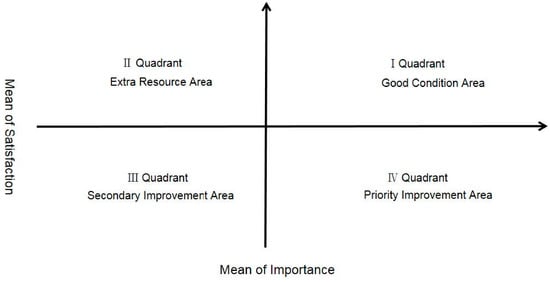
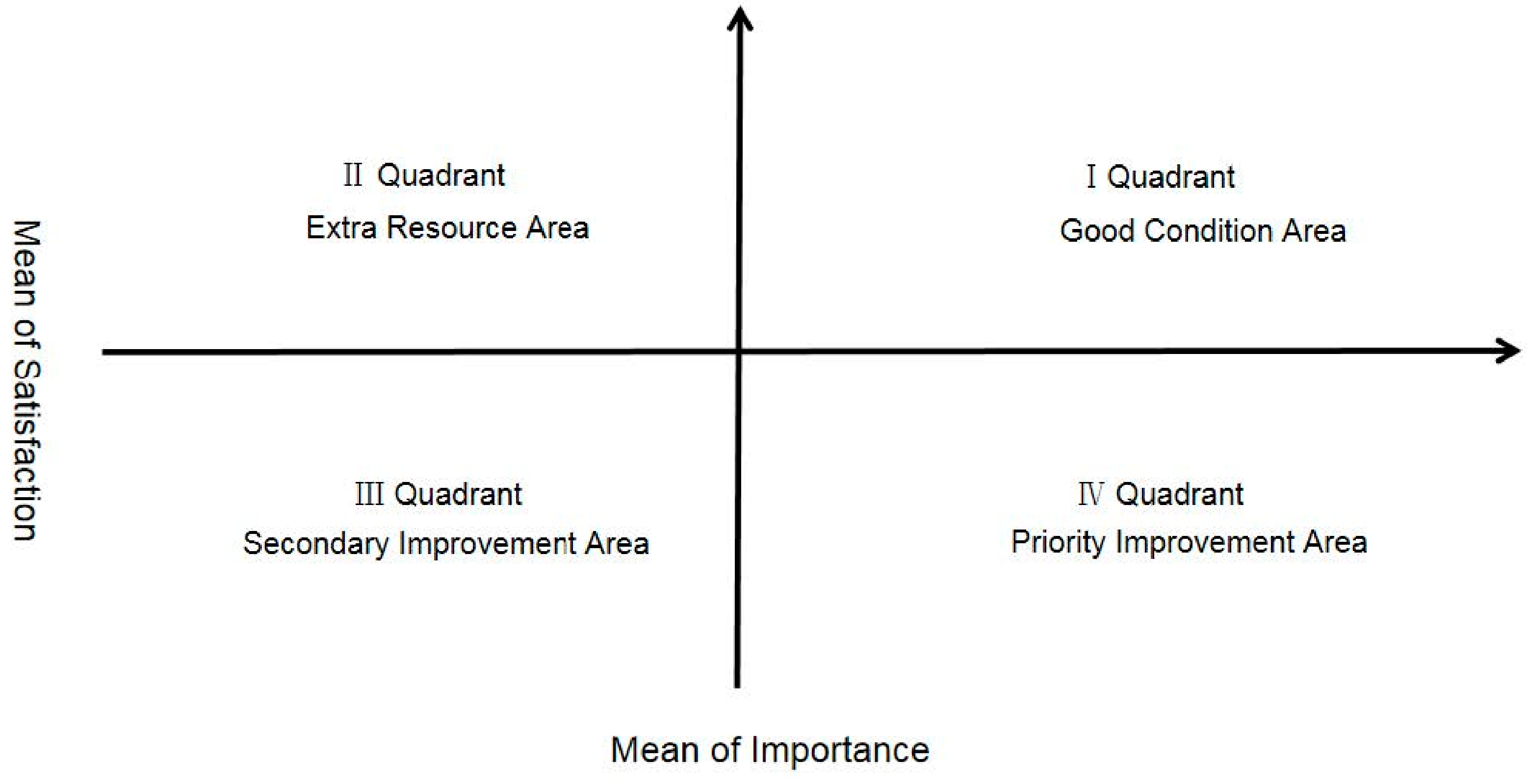
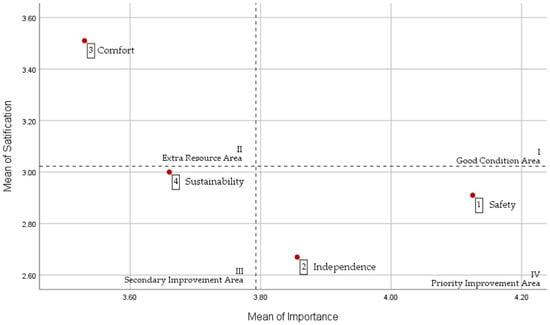
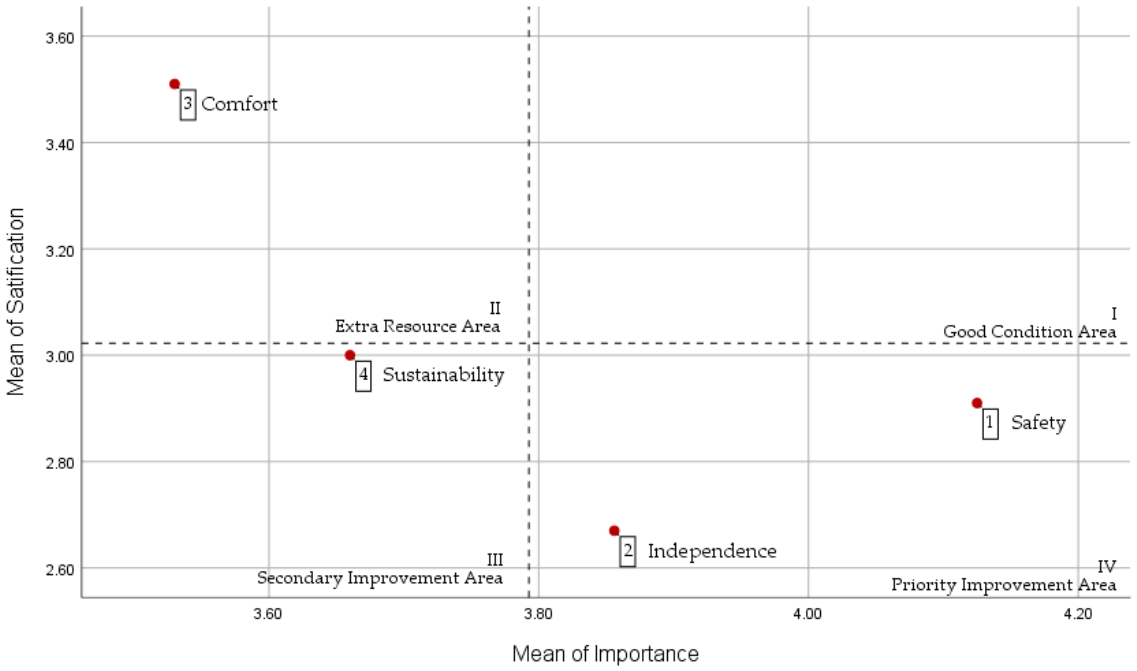
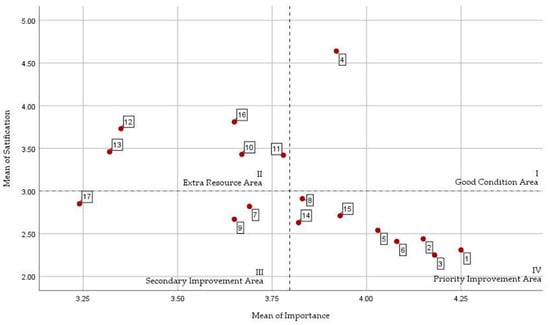
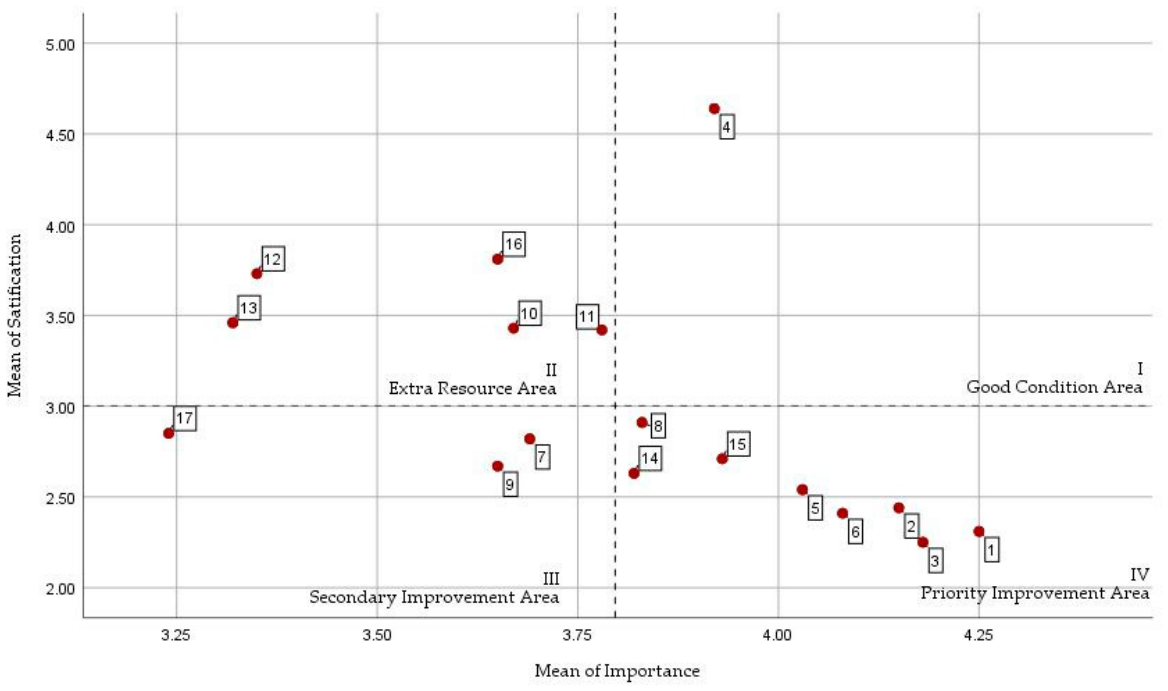
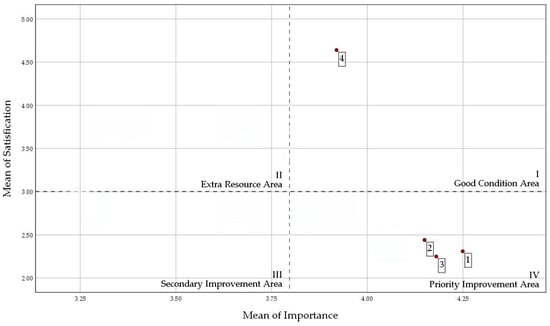
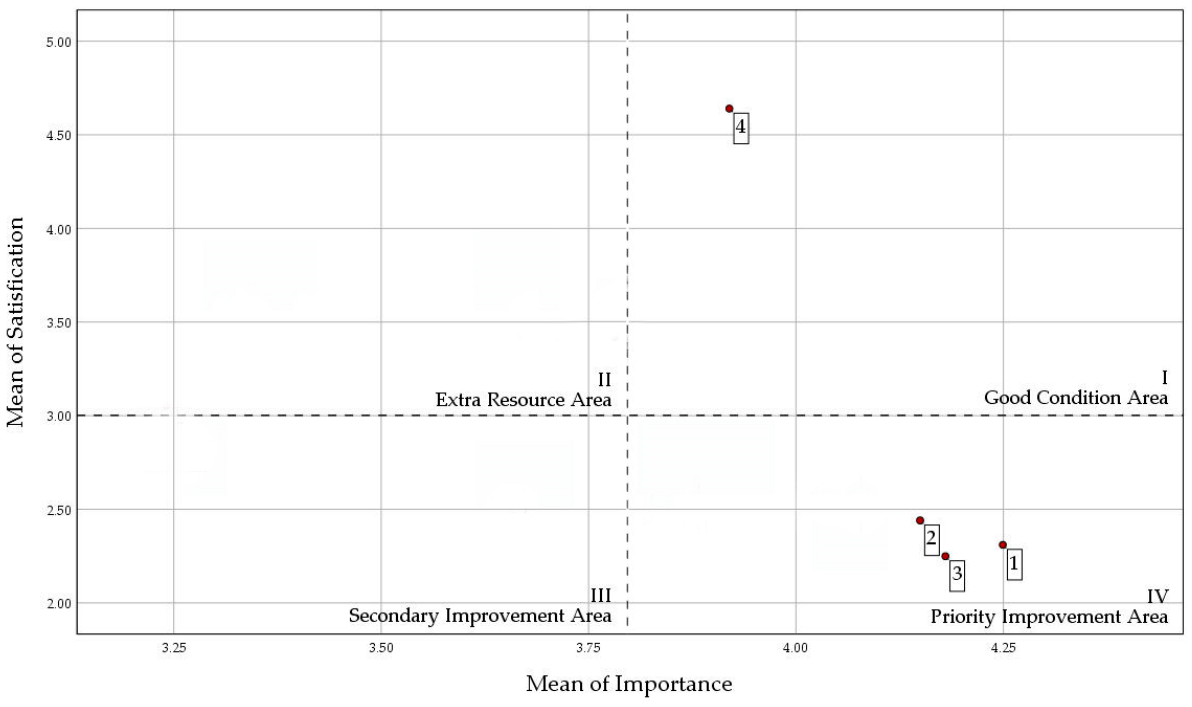
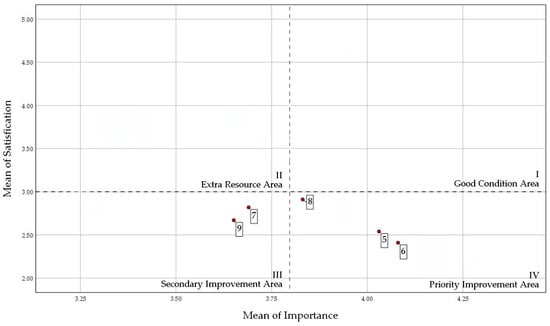
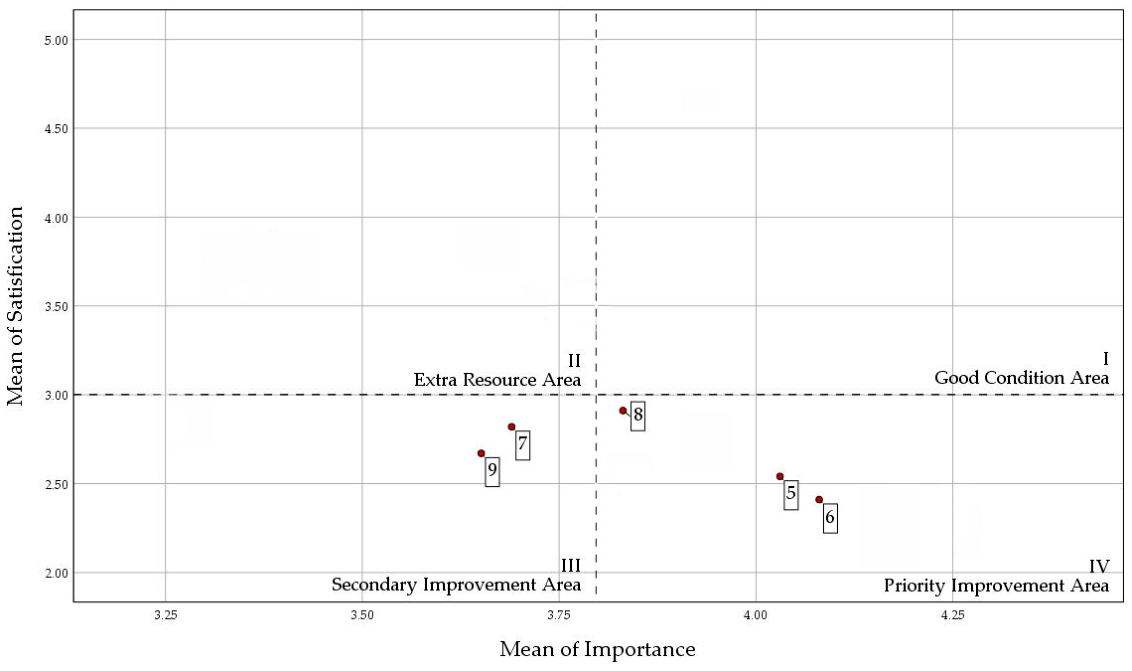
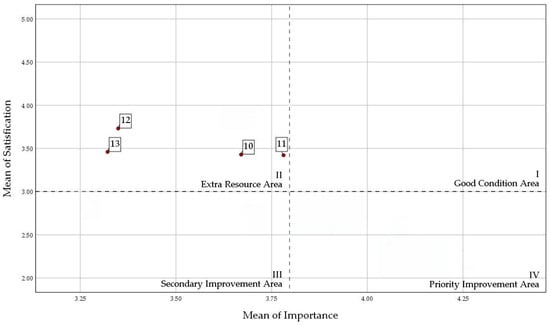
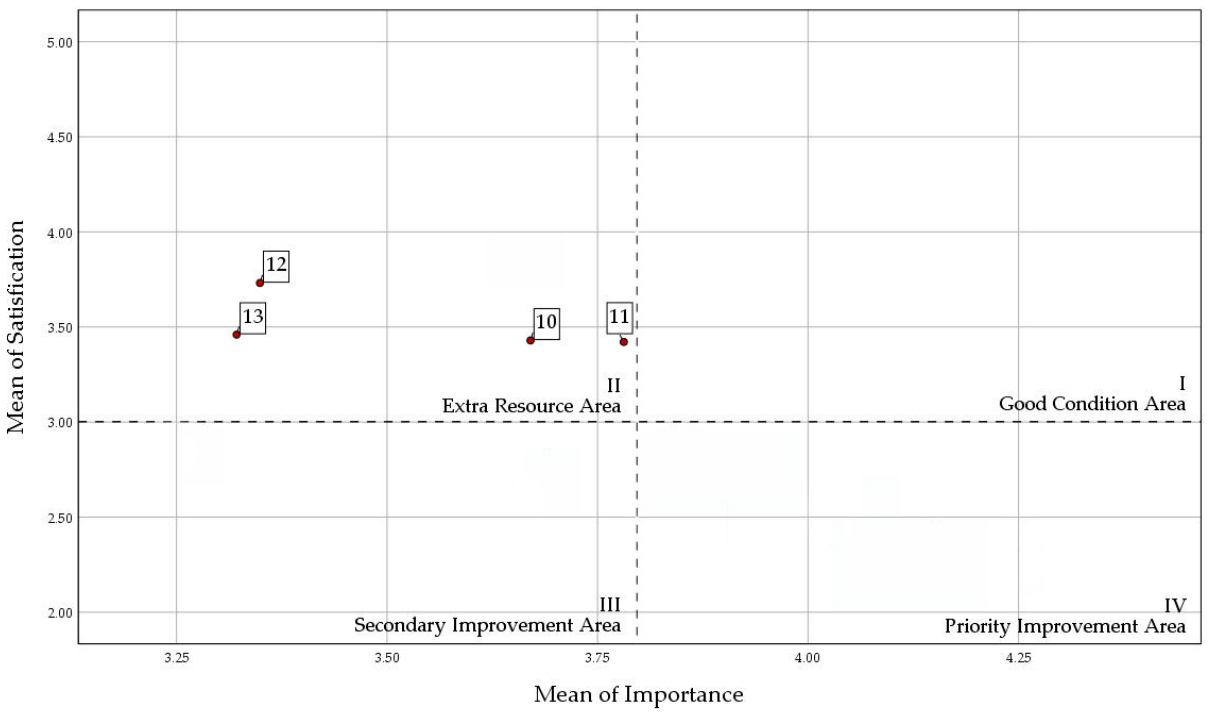
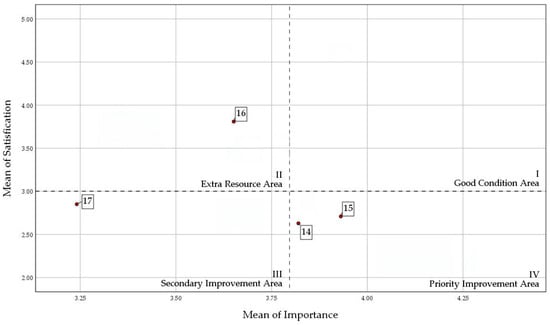
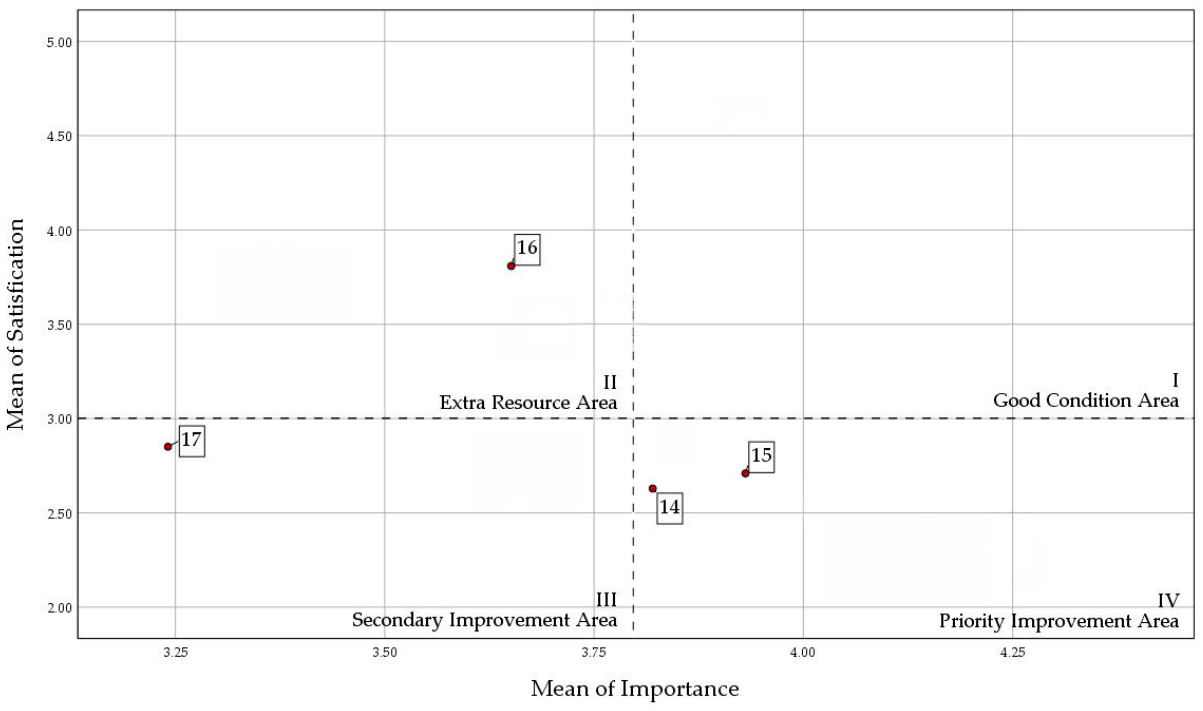

Disclaimer/Publisher’s Note: The statements, opinions and data contained in all publications are solely those of the individual author(s) and contributor(s) and not of MDPI and/or the editor(s). MDPI and/or the editor(s) disclaim responsibility for any injury to people or property resulting from any ideas, methods, instructions or products referred to in the content. |
© 2026 by the authors. Licensee MDPI, Basel, Switzerland. This article is an open access article distributed under the terms and conditions of the Creative Commons Attribution (CC BY) license.