


Abstract
Sustainable wastewater reclamation is important for conserving freshwater resources, improving water-use efficiency, and supporting sustainable agricultural water management. This study experimentally investigated and optimised water recovery from pretreated cattle wastewater using a two-stage reverse osmosis (RO) system, in which the concentrate from the first stage was treated in the second stage to recover additional water. Response surface methodology (RSM) based on a three-factor, three-level Box–Behnken design was used to evaluate the effects of feed pH (7.0–8.0), pressure (100–150 psi), and temperature (25–45 °C) on overall water recovery. The 15 experimental runs achieved water recovery rates of 64.79–74.13%. The quadratic model demonstrated a strong fit to the experimental data (R2 = 99.66%; predicted R2 = 98.20%), although the limited experimental dataset warrants further validation. Numerical optimisation predicted a maximum recovery of 75.0% at pH 7.803, 150 psi, and 45 °C. Validation experiments achieved an average recovery of 74.37%, with an average relative error of −0.84%. Under the optimised conditions, the system produced reclaimed water with electrical conductivity of 58 µS/cm, total dissolved solids of 33 mg/L, chemical oxygen demand of 5 mg/L, and total nitrogen of 0.7 mg/L. By recovering additional water from pretreated cattle wastewater, the two-stage RO configuration offers potential to reduce freshwater demand and improve resource efficiency in agricultural wastewater management.
1. Introduction
Freshwater scarcity is an increasing global challenge driven by population growth, urbanisation, industrialisation, climate change, and expanding agricultural activities [1,2]. Nearly four billion people experience severe water scarcity for at least one month each year, highlighting growing pressure on available freshwater resources [3,4]. Increasing water demand, particularly from agricultural and industrial sectors, emphasises the need for sustainable water management strategies that improve water-use efficiency and promote the use of alternative water sources.
Wastewater reclamation provides an important alternative for reducing freshwater demand while minimising the environmental impacts associated with wastewater discharge. Reclaimed water can be used for agricultural irrigation, industrial processes, landscaping, and other suitable applications, thereby supporting water conservation and circular water management [2,4,5]. In livestock production, cattle effluent is of particular concern because it can contain high concentrations of suspended solids, biodegradable organic matter, dissolved constituents, nitrogen, phosphorus, and microorganisms [6,7,8,9]. If inadequately treated, these contaminants can deteriorate surface water, groundwater, and soil quality. Excessive nitrogen and phosphorus can contribute to eutrophication, while high organic loads increase biochemical oxygen demand (BOD) and chemical oxygen demand (COD), potentially reducing dissolved oxygen (DO) in receiving waters [6,7,8,9].
The intensification of cattle production has increased the need for effective wastewater management and water recovery strategies. Conventional treatment processes, including biological treatment, anaerobic digestion, lagoons, and land application, can reduce organic matter and suspended solids but may not sufficiently remove dissolved contaminants and nutrients when high-quality reclaimed water is required [6,10,11]. Consequently, advanced treatment technologies, including membrane bioreactors, electrochemical treatment, advanced oxidation, constructed wetlands, and pressure-driven membrane processes, have received increasing attention for livestock wastewater treatment and resource recovery [10,11,12,13,14]. However, their practical application can be constrained by factors such as treatment efficiency, land requirements, energy consumption, operating complexity, and cost.
Among advanced membrane technologies, reverse osmosis (RO) is particularly attractive for wastewater reclamation because of its high separation efficiency and ability to remove a broad range of dissolved contaminants [15,16,17]. RO can substantially reduce dissolved salts, nutrients, organic constituents, and microorganisms, producing high-quality permeate suitable for different reuse applications depending on the required water-quality standard [15,16,17]. Nevertheless, RO performance and energy requirements are strongly influenced by feed-water characteristics, membrane properties, pretreatment, and operating conditions. Advances in membrane materials, module configurations, pretreatment processes, and energy-recovery technologies have continued to improve the efficiency and applicability of RO systems [15,17].
RO and integrated membrane systems have been investigated for the treatment of dairy wastewater, manure-derived wastewater, and other livestock effluents [12,18,19]. Previous studies have demonstrated that RO can achieve high rejection of dissolved solids, nutrients, and organic contaminants, while integrated treatment trains incorporating microfiltration (MF), ultrafiltration (UF), nanofiltration (NF), and RO can provide effective contaminant removal and improve feed-water quality before the final membrane-treatment stage [18,19,20,21,22]. However, RO performance can vary considerably with wastewater composition, pretreatment efficiency, membrane characteristics, and operating conditions. Therefore, findings obtained from other wastewater sources cannot necessarily be directly transferred to cattle-effluent treatment.
Among the operating variables affecting RO performance, feed pressure, temperature, and pH are particularly important. Feed pressure determines the hydraulic driving force across the membrane and consequently influences permeate flux and water recovery. Temperature affects water viscosity and membrane permeability, while pH can alter membrane surface properties, solute speciation, and interactions between dissolved constituents and the membrane surface [15,23,24,25]. These parameters may also influence concentration polarisation, fouling, and scaling behaviour. Their effects are particularly relevant to cattle effluent because its organic matter, suspended particles, nutrients, and dissolved constituents can contribute to membrane fouling and performance deterioration [19,26,27,28]. Therefore, systematically evaluating these operating parameters is important for identifying conditions that enhance RO water recovery.
Conventional one-factor-at-a-time optimisation approaches are limited in their ability to identify interactions among multiple operating variables and may require a large number of experiments. Response surface methodology (RSM) provides a systematic statistical approach for simultaneously evaluating individual, interaction, and nonlinear effects of process variables and developing predictive models [23]. Among RSM experimental designs, the Box–Behnken design (BBD) enables quadratic model development using a relatively small number of experimental runs and is therefore suitable for optimising membrane-treatment processes [23,29]. The application of RSM can consequently provide a more comprehensive understanding of how operating variables interact and influence RO performance.
Previous studies have investigated two-stage RO systems and applied RSM to optimise membrane performance [23,29,30,31]. RO-based treatment has also been examined for livestock and dairy wastewater. For example, Thörneby et al. [12] investigated RO treatment of liquid effluents from dairy cattle and pigs, Vourch et al. [18] examined RO treatment of dairy wastewater for water reuse, and Guo and Jin [19] evaluated a two-pass RO process for ultrafiltration-treated anaerobically digested manure wastewater, focusing mainly on membrane flux and solute rejection.
Although these studies demonstrate the potential of RO for wastewater reclamation, differences in wastewater characteristics, membrane configurations, operating conditions and performance indicators limit their direct applicability to the present treatment system. In particular, further experimental evidence is needed to understand the combined effects of feed pressure, temperature and pH on overall water recovery when concentrate from the first RO stage is treated in a second RO stage.
To address this research need, we investigated a concentrate-fed two-stage RO system treating pretreated cattle wastewater. We applied a three-factor Box–Behnken design to evaluate the individual, interaction and nonlinear effects of feed pressure, temperature and pH on overall water recovery. We then developed a quadratic regression model and conducted additional experiments to validate the predicted operating conditions. The main contribution of this study is therefore the experimental evaluation and statistical characterisation of water recovery under the investigated conditions, rather than the development of a new RO configuration or optimisation method.
We hypothesised that feed pressure, temperature and pH would individually affect water recovery in the two-stage RO system. We also expected that interactions between these variables and their nonlinear effects could influence the overall performance. In particular, we anticipated that increasing feed pressure would improve water recovery by increasing the driving force for water transport across the membrane. Similarly, we expected higher temperatures to improve membrane permeability and increase water recovery. We also considered that changes in pH could affect water recovery by altering membrane surface properties and interactions with dissolved substances in the wastewater. Based on these assumptions, we used RSM to investigate the individual and combined effects of these operating variables and identify suitable conditions for achieving high water recovery.
Accordingly, this study aimed to investigate and optimise overall water recovery from pretreated cattle wastewater using a concentrate-fed two-stage RO system. We applied RSM based on a BBD to examine how feed pressure, temperature and pH individually and collectively influenced water recovery. We then developed a quadratic regression model to predict water recovery and conducted additional experiments to validate the predicted optimum operating conditions. We also analysed the physicochemical and microbiological characteristics of the reclaimed water to assess the treatment performance and explore its potential for reuse.
2. Materials and Methods
This section describes the materials and methods used to investigate and optimise the two-stage RO system for cattle wastewater treatment and water recovery. The main treatment materials included poly aluminium chloride (PAC), sodium hydroxide (NaOH), polyelectrolyte (PE), sodium hypochlorite (NaOCl), sodium metabisulphite (SMBS), multigrade filtration media, activated carbon, cartridge filters, polyvinylidene fluoride (PVDF) UF membranes and composite polyamide RO membranes. The cattle wastewater was collected from CQUniversity’s Institute for Future Farming Systems (IFFS), Rockhampton, Queensland, Australia. The following sections describe the experimental setup and treatment procedure, RSM-based experimental design, statistical analysis, and wastewater sampling and characterization.
2.1. Experimental Setup and Procedure
A laboratory-scale treatment system with a nominal treatment capacity of 100 L/h was used to treat the wastewater and recover water for reuse. The integrated treatment train comprised equalisation, coagulation–flocculation, primary clarification, aerobic biological treatment, secondary clarification, multigrade sand filtration (MGF), activated carbon filtration (ACF), security filtration (SF), UF, two-stage RO, and ultraviolet (UV) treatment. The schematic representation of the treatment system, the pictorial view of the experimental setup, and the visual changes in cattle effluent at different stages of the treatment process are presented in Figure 1, Figure 2, and Figure 3, respectively, while the specifications of the major treatment units and equipment are summarised in Table 1.
Figure 1.
Schematic diagram of the laboratory-scale treatment system used for cattle wastewater treatment and water recovery.
Figure 2.
Pictorial view of the whole cattle wastewater treatment setup used in the present study.
Figure 3.
Visual changes in cattle effluent at different stages of the treatment process.
Table 1.
Specifications of the major components of the laboratory-scale cattle wastewater treatment system.
We continuously collected cattle wastewater from the discharge point at CQUniversity’s Institute for Future Farming Systems (IFFS) using a collection pump and transferred it directly to an equalisation tank. We used a fine-bubble diffuser to keep the wastewater well mixed and minimise the settling of suspended solids. The equalisation tank operated with a hydraulic retention time (HRT) of 8 h, which helped reduce variations in wastewater characteristics and provide a more consistent feed for the subsequent treatment processes.
After equalisation, we treated the wastewater through coagulation–flocculation using polyaluminium chloride (PAC) as the coagulant, sodium hydroxide (NaOH) for pH adjustment and PE as the flocculant. We continuously added these chemicals using automatic dosing pumps during operation. Before starting the experiments, we adjusted the dosing pump regulators to achieve the required chemical dosing rates based on wastewater characteristics and treatment requirements. We maintained the selected dosing settings during operation to support effective coagulation, flocculation and pH adjustment. We maintained mixing speeds of 60 rpm during coagulation and 30 rpm during flocculation, with a total HRT of 15 min. We then transferred the wastewater to the primary clarifier, where flocs and settleable solids were separated by gravity over an HRT of 2 h.
The clarified wastewater subsequently underwent aerobic biological treatment for 24 h, with fine-bubble diffusers providing oxygen for the microbial degradation of biodegradable organic matter. This was followed by secondary clarification to remove biological solids and residual suspended particles. The clarified effluent was then collected in a storage tank, where sodium hypochlorite (NaOCl) was added for disinfection.
The clarified wastewater was further treated through MGF, ACF, SF and UF. The MGF and ACF were used to reduce residual suspended particles, turbidity, organic compounds and odour-causing constituents. A two-stage security filter equipped with 5 µm cartridges provided additional removal of fine particles before UF. The UF unit consisted of four PVDF membrane elements, each with a nominal capacity of 200 gallons per day (GPD). The resulting UF permeate was used as feed for the two-stage RO system. Before RO treatment, sodium metabisulphite (SMBS) was added to neutralise residual free chlorine from the earlier sodium hypochlorite disinfection step. This dechlorination step was carried out to protect the polyamide RO membranes from chlorine-induced damage during operation.
The first RO stage comprised four 100 GPD composite polyamide membranes (Vontron, Guiyang, China) operated in parallel and supplied by two 200 GPD high-pressure pumps. The permeate was collected as reclaimed water, while the concentrate was directed to the second RO stage for further water recovery. The second stage consisted of two 100 GPD RO membrane elements supplied by a 200 GPD high-pressure pump. Permeate from both RO stages was combined to form the final reclaimed water stream, while the remaining concentrate was collected separately. The combined RO permeate was subsequently subjected to UV treatment as the final treatment step. The UV treatment unit had a nominal flow capacity of 1 GPM and an adapter power rating of 20 W, as shown in Table 1. However, we did not independently measure or verify the delivered UV dose during the experiments. Although we included UV treatment as the final treatment step, we could not independently confirm its disinfection effectiveness through UV-dose measurements.
We equipped the two-stage RO system with an automatic flushing arrangement to help minimise membrane fouling during operation. Where physical flushing is insufficient, chemical cleaning may be required. Standard procedures use acidic solutions, such as citric acid or hydrochloric acid, to remove inorganic scaling, while alkaline solutions containing NaOH, sometimes combined with surfactants or chelating agents, can help remove organic deposits. These solutions are generally prepared using RO permeate or deionised water and circulated through the membranes under the manufacturer’s recommended conditions, followed by thorough flushing. However, we did not separately evaluate chemical cleaning effectiveness during this study.
We conducted the RO experiments using a Box–Behnken design (BBD) to investigate the individual and interaction effects of feed pressure, temperature and pH on overall water recovery. We varied feed pressure from 100 to 150 psi, temperature from 25 to 45 °C, and pH from 7.0 to 8.0. During each experimental run, we monitored these parameters online and maintained the same selected set values in both RO stages. We then changed the operating conditions between runs according to the experimental design. We operated the UF and RO membrane units continuously, supplying feed water through their respective pumping systems. We calculated overall water recovery using the measured feed and permeate flow rates and used it as the response variable for RSM modelling and optimisation. We have discussed membrane fouling mechanisms, mitigation strategies and cleaning methods in detail in our previously published review article [32]. We also acknowledge that detailed information on the measurement accuracy and control tolerances of the monitoring instruments was unavailable for reporting.
During each experimental run, we monitored the feed, permeate and concentrate flow rates of both RO stages using online flow meters. We operated the system continuously, directing the concentrate from the first RO stage into the second stage for further water recovery. We then combined the permeate from both stages to determine overall water recovery. As the system operated continuously, we did not apply a separate flow-stabilisation period before recording the measurements. Instead, we recorded each flow-rate measurement three times under the selected operating conditions to improve the reliability and repeatability of the results. We used these measurements to calculate overall water recovery and assess the water balance across the two RO stages.
We operated both RO stages continuously under the selected experimental conditions and recorded three sets of flow-rate measurements at 2-h intervals, starting after the first 2 h of operation. Each experimental run lasted 6 h. We completed 15 Box–Behnken runs and three validation experiments, resulting in 108 h of experimental RO operation, excluding additional start-up, flushing and cleaning periods.
Water recovery is an important indicator of membrane system performance because it represents the proportion of feed water converted into reusable permeate. Higher recovery improves the efficient use of available water and reduces the volume of concentrate requiring further treatment or disposal. Therefore, water recovery directly influences both the technical performance and economic feasibility of membrane-based water reuse systems [23,33,34].
For the two-stage RO configuration, the overall water recovery (Rw (%)) was calculated as the ratio of the combined permeate flow from both RO stages to the initial feed flow [30,35,36,37,38]:
where Rw (%) represents the overall water recovery of the two-stage RO system; Qf,1 and Qf,2 represent the feed flow rates to RO Stages 1 and 2, respectively; Qp,1 and Qp,2 represent the corresponding permeate flow rates; and Qc,1 and Qc,2 represent the concentrate flow rates from the respective stages. All flow rates are expressed in L/h. The concentrate from the first RO stage was supplied directly to the second stage, while permeate from both stages was combined to calculate overall water recovery. Assuming negligible water accumulation and losses during measurement, the stage-wise and overall water balances are expressed in Equation (1a–c).
2.2. Design of Experiment (DoE) Using RSM
RSM was employed to investigate the individual and interactive effects of feed pressure, temperature, and pH on the overall water recovery of the two-stage RO system and to determine the operating conditions that maximised the response. RSM is regarded as an experimental approach which is widely used to optimise various industrial processes [39]. In this approach, a particular response can be predicted by developing a conceptual model. Then, effective visualisations and different equations can be constructed from the developed model to optimise that response.
The selection of an appropriate experimental design for RSM depends on the number of investigated factors, experimental objectives, equipment operating constraints, and available resources. Based on preliminary experiments, equipment operating constraints, and the relevant literature, feed pressure, feed temperature, and pH were identified as the key operating variables affecting RO water recovery and were therefore selected as the independent variables for RSM optimisation. Other operational and water-quality parameters, including feed concentration, flow rate, differential pressure, turbidity, total suspended solids (TSS), oxidation-reduction potential (ORP), COD, and silt density index (SDI), were not included as independent variables in the present experimental design.
Although we selected feed pressure, temperature and pH as the independent variables for RSM optimisation, we recognise that other operating conditions and water-quality parameters may also affect membrane fouling and water recovery. These include chemical dosing rates, DO, mixed liquor suspended solids (MLSS), UF operating conditions, SDI, TSS, chemical oxygen demand (COD), calcium and magnesium concentrations, and alkalinity. However, we did not independently examine the effects of these parameters in the present experimental design. Therefore, our model explains how feed pressure, temperature and pH influence water recovery under the investigated treatment conditions, rather than accounting for all the factors that may affect membrane performance.
We selected the temperature range of 25–45 °C based on preliminary experiments and the operating conditions of our laboratory-scale treatment system. This range allowed us to investigate how temperature influenced water recovery, although the developed optimisation model remains limited to the experimental conditions studied. We therefore recommend further experiments covering a wider temperature range, including both lower and higher temperatures, to evaluate the model’s applicability under different climatic and operating conditions.
A three-factor, three-level BBD was selected because it enabled estimation of linear, interaction, and quadratic effects with fewer experimental runs than a full three-level factorial design. The BBD also avoided experimental combinations in which all factors were simultaneously operated at their extreme levels [39]. In the present BBD, feed pressure, feed temperature, and pH were investigated at three coded levels: low (−1), centre (0), and high (+1). The total number of required experimental runs was determined using Equation (2) [40,41,42,43,44].
where N is the total number of experimental runs, k is the number of independent factors, and C is the number of centre-point runs.
N = 2k (k − 1) + C
With three centre-point repetitions (C = 3), the three-factor, three-level BBD required a total of fifteen experimental runs. When choosing levels for this type of design, it is essential to balance the physical limitations of the experimental equipment with the need to create an effective and representative response surface [41]. The selected factors and their corresponding levels are presented in Table 2, while the complete Box–Behnken experimental design and the measured overall RO water recovery values for the fifteen experimental runs are presented in Table 3. Although the selected BBD allowed us to develop a quadratic response surface model with a relatively small number of experiments, the model had only five residual degrees of freedom and two pure-error degrees of freedom. This limited the precision of our statistical analysis and the confidence with which we could interpret the results. In addition, the experimental design did not include the cube vertices, where all three operating variables reach their extreme values simultaneously. Therefore, we recognise that model predictions near the boundaries of the experimental range should be interpreted with caution and further validated through additional experiments.
Table 2.
Independent variables and coded levels used in the Box–Behnken experimental design.
Table 3.
Box–Behnken experimental design and measured overall RO water recovery.
RSM was used to establish the relationship between the selected independent variables and overall RO water recovery. A second-order polynomial model was fitted to the experimental data to describe the linear, quadratic, and interaction effects of the independent variables on the response [36,37,44,45,46], as expressed in Equation (3).
where Y is the predicted overall RO water recovery (%); β0 is the intercept; β1, β2, and β3 are the linear coefficients; β11, β22, and β33 are the quadratic coefficients; and β12, β13, and β23 represent the two-factor interaction coefficients. X1, X2, and X3 represent the independent variables.
Y = β0 + β1X1 + β2X2 + β3X3 + β12X1X2 + β13X1X3 + β23X2X3 + β11X12 + β22X22 + β33X32
2.3. Statistical Analysis
Analysis of variance (ANOVA) was used to assess the statistical significance of the fitted RSM model and its individual terms. Experimental water recovery values were compared with model-predicted values generated using Minitab software (version 20.2, USA).
The adequacy and robustness of the developed model were evaluated using key ANOVA metrics. The F-value, defined as the ratio of the model mean square to the residual mean square, was used to determine the overall significance of the regression model and its individual terms. Corresponding p-values were examined to establish statistical significance, with values below 0.05 indicating that the model terms are statistically meaningful.
Model reliability and predictive accuracy were further assessed using statistical indicators, including the coefficient of determination (R2), adjusted R2 (R2_adj), and predicted R2 (R2_pred), along with the associated degrees of freedom. The lack-of-fit test was also evaluated relative to pure error to assess the adequacy of the fitted quadratic model. In addition, three-dimensional (3D) response surface and contour plots were generated to provide a clear visual representation of the interaction effects between independent variables on permeate recovery. Numerical response optimisation was subsequently performed within the investigated factor ranges, with overall water recovery specified as the response to be maximised. The desirability function was used to determine the model-predicted optimum operating conditions. Residual diagnostic plots were examined to assess the assumptions of normality and constant variance.
2.4. Wastewater Sampling and Characterisation
We continuously collected cattle wastewater from the discharge point at CQUniversity’s Institute for Future Farming Systems (IFFS) using a pump and transferred it into a plastic equalisation tank. We designed the collection pump flow rate to maintain a hydraulic retention time (HRT) of 8 h in the equalisation tank. We continuously mixed the wastewater to minimise sedimentation and reduce short-term variations in wastewater characteristics before further treatment. However, we did not conduct a separate assessment of temporal variations in wastewater composition through repeated sampling over the experimental period.
We collected and analysed water samples to assess their physicochemical and microbiological characteristics, including pH, electrical conductivity (EC), turbidity, TSS, total dissolved solids (TDS), COD, BOD5, nutrients, dissolved ions and microbial indicators. We conducted the water-quality analyses following the relevant United States Environmental Protection Agency (USEPA) procedures and Standard Methods for the Examination of Water and Wastewater [47]. We reported some results as below the minimum detection limit (MDL) or not detected (ND). However, numerical detection limits and detailed laboratory quality assurance and quality control (QA/QC) records, including calibration, blank measurements and duplicate analyses, were not available for reporting in this study. Therefore, we interpreted the results based on the available analytical measurements and did not assume that constituents reported as non-detected were completely absent from the treated water.
3. Results and Discussion
This section presents the performance of the two-stage RO system for cattle wastewater treatment under different operating conditions. The effects of pH, feed pressure, and temperature on water recovery were examined using the experimental results and RSM. Statistical analysis was used to determine the significance of each operating parameter and their interactions, while response surface and contour plots were used to better understand their combined effects. The developed model was then used to identify the most favourable operating conditions for maximising water recovery. Where appropriate, the experimental findings were compared with previous studies to provide a broader understanding of the observed RO performance.
3.1. Experimental Performance of the Two-Stage RO System
The performance of the two-stage RO system was evaluated using the 15 experimental runs generated by the Box–Behnken design. The measured overall water recovery ranged from 64.79% to 74.13%, indicating that changes in feed pressure, temperature, and pH influenced the performance of the RO system. The highest experimental recovery of 74.13% was achieved at pH 8.0, 150 psi, and 35 °C, while a similar recovery of 74.09% was obtained at pH 8.0, 125 psi, and 45 °C. In contrast, the lowest recovery of 64.79% was observed at pH 7.0, 125 psi, and 25 °C. These results demonstrate that favourable combinations of the investigated operating parameters were important for achieving high water recovery.
The observed variation in recovery can be explained by the influence of the operating parameters on membrane transport. Increasing feed pressure generally increases the transmembrane driving force, thereby promoting water permeation through the RO membrane. Similarly, increasing temperature can enhance water transport by reducing feed-water viscosity and increasing membrane permeability. The effect of pH is more complex because changes in pH can influence membrane surface charge, solute speciation, and membrane–solute interactions. Therefore, the combined effects of these parameters should be considered when interpreting the recovery performance of the two-stage RO system.
The three centre-point experiments conducted at pH 7.5, 125 psi, and 35 °C produced recoveries of 69.55%, 70.10%, and 70.35%, respectively. The relatively small variation among these replicate measurements indicates good experimental repeatability around the centre of the investigated design space and provides a reliable estimate of pure experimental error for subsequent statistical analysis.
The present findings are broadly consistent with previous studies demonstrating the applicability of RO for the treatment and reclamation of livestock- and dairy-derived wastewater. Thörneby et al. [12] investigated RO treatment of liquid effluents from dairy cattle and pigs, demonstrating the potential of RO for concentrating contaminants and producing treated water from livestock effluents. Guo and Jin [19] also evaluated a two-pass RO process for UF-treated anaerobically digested manure wastewater, primarily reporting membrane flux and solute-rejection behaviour. Similarly, Vourch et al. [18] investigated RO treatment of dairy wastewater for water reuse and demonstrated the feasibility of recovering reusable water using membrane treatment. Although differences in wastewater characteristics, pretreatment, membrane configuration, operating conditions, and reported performance indicators prevent direct quantitative comparison among these studies, the previous findings support the applicability of RO-based treatment for livestock wastewater reclamation.
Table 4 compares the present study with previous investigations of RO-based livestock wastewater treatment. Earlier studies demonstrated the potential of RO for treating dairy and manure-derived wastewater, with particular emphasis on contaminant removal, membrane performance and water reuse. However, differences in wastewater characteristics, membrane configurations and reported performance indicators limit direct comparisons with our experimental system. In the present study, we focused on overall water recovery from pretreated cattle wastewater using a concentrate-fed two-stage RO configuration. We applied a Box–Behnken design to examine the individual, interaction and nonlinear effects of feed pressure, temperature and pH, followed by experimental validation of the predicted operating conditions. Therefore, our contribution lies in providing experimental and statistical evidence for this specific treatment configuration and wastewater source, rather than introducing a new RO technology or optimisation method.
Table 4.
Comparison of previous RO-based livestock wastewater treatment studies with the present study.
3.2. ANOVA and Model Adequacy
We evaluated the statistical significance and adequacy of the fitted quadratic model using analysis of variance (ANOVA). Table 5 presents the ANOVA results, while Table 6 summarises the key statistical indicators used to assess model performance.
Table 5.
Analysis of variance (ANOVA) for the quadratic recovery model.
Table 6.
Statistical summary of the fitted quadratic model.
The ANOVA results in Table 5 showed that the quadratic regression model was statistically significant, with an F-value of 163.96 and p < 0.001. The model explained 99.66% of the observed variability in water recovery (R2 = 99.66%). As shown in Table 6, the adjusted R2 (99.05%) and predicted R2 (98.20%) were also high and closely aligned, indicating strong explanatory and predictive performance. The model standard error was 0.2938. Furthermore, the lack-of-fit test was not statistically significant (F = 0.19, p = 0.894), indicating no evidence of systematic model inadequacy relative to the pure experimental error.
Although our quadratic regression model showed high R2, adjusted R2 and predicted R2 values, we recognise that these results should be interpreted carefully because of the relatively small experimental dataset. The full quadratic model had nine model degrees of freedom, leaving only five residual degrees of freedom from the 15 experimental runs. We found that the pure error mean square (0.1675) was higher than the residual mean square (0.0863), as the latter also included the smaller lack-of-fit mean square (0.0322). However, this difference alone does not indicate that the model was overfitted. The lack-of-fit test was also not statistically significant (p = 0.894), although the limited number of replicate observations reduced its ability to identify potential weaknesses in the model. Overall, these statistical results suggest that the model performed well within the investigated experimental range. However, we recognise that further independent validation is needed to strengthen confidence in its predictive accuracy and reliability.
Figure 4 illustrates the relationship between the experimental and model-predicted water recovery values for the 15 Box–Behnken experimental runs. The 45° reference line represents perfect agreement between the experimental and predicted values, while the discrete points represent the corresponding experimental and predicted recovery values. The data points are closely distributed around the 45° line, indicating good agreement between the experimental observations and model predictions.
Figure 4.
Relationship between experimental and model-predicted water recovery values for the 15 Box–Behnken experimental runs, with the 45° line representing perfect agreement.
Figure 5 presents the residual diagnostic plots used to assess the adequacy of the quadratic response surface model. The normal probability plot and histogram were examined to assess the distribution of the residuals, while the residual-versus-fitted-values plot was used to assess whether the residual variance remained approximately constant across the predicted recovery values. The residual-versus-order plot was examined for patterns that could indicate dependence between observations or changes in experimental conditions. Although the plots provide useful diagnostic information, some residuals appear relatively unusual, and the limited number of experimental runs restricts the strength of the conclusions. Therefore, the diagnostic results should be interpreted cautiously, and further independent validation is recommended to strengthen confidence in the model.
Figure 5.
Residual diagnostic plots for the quadratic response surface model of overall water recovery: (a) normal probability plot of residuals, (b) residuals versus fitted values, (c) histogram of residuals, and (d) residuals versus observation order.
According to Table 4, all three linear terms were statistically significant (p < 0.001). Among them, pH produced the largest F-value (659.53), followed by temperature (396.20) and pressure (369.83). Therefore, within the investigated factor ranges and according to the fitted model, pH showed the strongest statistical contribution to variation in recovery. The overall quadratic contribution was significant (p = 0.015). The pH2 term (p = 0.024) and temperature2 term (p = 0.005) were significant, whereas pressure2 was not significant (p = 0.666). The overall two-way interaction contribution was also significant (p = 0.034), primarily because the pH-temperature interaction was significant (p = 0.007). The pH-pressure (p = 0.872) and pressure-temperature (p = 0.434) interactions were not significant.
The experimental findings partly supported the research hypothesis. The ANOVA results showed that feed pressure, temperature and pH each had a statistically significant individual effect on water recovery (p < 0.001). Within the operating ranges investigated, we observed that water recovery generally increased as pressure, temperature and pH increased. However, when we examined the interactions between these variables, we found that only the interaction between pH and temperature was statistically significant (p = 0.007). This suggests that the effect of pH on water recovery partly depended on temperature, and vice versa. In contrast, the interactions between pH and pressure (p = 0.872) and between pressure and temperature (p = 0.434) were not statistically significant. We also identified significant quadratic effects of pH (p = 0.024) and temperature (p = 0.005), indicating that their relationships with water recovery were not entirely linear. However, the quadratic effect of pressure was not statistically significant (p = 0.666). Overall, our results supported the hypothesis that all three operating variables individually influenced water recovery. However, the hypothesis regarding their interaction and nonlinear effects was only partly supported, as not all interaction and quadratic terms were statistically significant within the investigated operating ranges.
These statistical findings further highlight the contribution of our study. Although previous studies have used RSM to optimise membrane-based wastewater treatment, we investigated how feed pressure, temperature and pH individually and collectively affected overall water recovery from pretreated cattle wastewater using a concentrate-fed two-stage RO system. We found a statistically significant interaction between pH and temperature, along with significant nonlinear effects of both variables. These results show why it is important to consider interactions and nonlinear effects when selecting suitable operating conditions for this treatment system. Therefore, our study provides experimental evidence, and a better understanding of how these operating conditions influence water recovery, rather than introducing a new optimisation method.
The high R2, adjusted R2, and predicted R2, together with the non-significant lack-of-fit, demonstrated that the quadratic model adequately represented the experimental data. Similar applications of RSM have been reported for the optimisation and modelling of membrane-based wastewater treatment processes [23,26,27,29]. These studies support the usefulness of RSM for examining the combined effects of operating variables and identifying favourable membrane operating conditions. However, direct comparison of values should be made cautiously because the response variables, experimental designs, feed-water characteristics and operating ranges differ among studies.
3.3. Regression Model
A second-order quadratic regression model was developed to describe the relationship between the operating variables and the overall water recovery of the two-stage RO system. The fitted model in uncoded units was expressed as follows:
The model accounted for the linear, quadratic, and interaction effects of pH, pressure, and temperature on water recovery. The ANOVA results showed that all three linear terms were statistically significant (p < 0.001). Among them, pH had the largest F-value, followed by temperature and pressure, indicating that pH had the strongest statistical influence on water recovery within the operating ranges examined in this study.
The significant quadratic effects of pH (p = 0.024) and temperature (p = 0.005) showed that their relationships with water recovery were not entirely linear. In comparison, the quadratic effect of pressure was not significant (p = 0.666), suggesting that pressure produced a mainly linear response within the investigated range of 100–150 psi. The interaction between pH and temperature was also significant (p = 0.007), indicating that the effect of temperature on recovery changed with pH, and similarly, the influence of pH depended partly on temperature. In contrast, the interactions between pH and pressure (p = 0.872) and between pressure and temperature (p = 0.434) were not statistically significant.
Because the three operating variables were expressed in different units and the model included significant quadratic and interaction effects, the numerical values of the uncoded regression coefficients should not be directly compared to determine the relative importance of the variables. The ANOVA results provide a more reliable basis for this comparison. The model showed strong agreement with the experimental data, with an R2 of 99.66%, an adjusted R2 of 99.05%, and a predicted R2 of 98.20%. In addition, the lack-of-fit was not significant (p = 0.894), confirming that there was no evidence of systematic model inadequacy within the experimental range.
The regression analysis showed that water recovery was influenced not only by the individual effects of pH, pressure, and temperature but also by nonlinear behaviour and interactions between the operating variables. In particular, the significant curvature of pH and temperature and their interaction highlighted the importance of considering these parameters together when determining suitable operating conditions for the two-stage RO system. These combined effects are further demonstrated by the response surface and contour plots.
3.4. Interaction Effects
The effects of pH, pressure, and temperature on water recovery were further examined using three-dimensional response surface and contour plots. In each plot, two operating parameters were varied while the third was kept at its centre level. These plots helped to show how the operating conditions affected water recovery and whether the variables interacted with each other.
3.4.1. Effect of Pressure and pH
Figure 6 shows the combined effect of pressure and pH on water recovery at a constant temperature of 35 °C.
Figure 6.
Response surface (a) and contour plot (b) showing the combined effects of feed pressure and pH on predicted RO water recovery at 35 °C.
Water recovery generally increased with increasing pressure and pH. At pH 7.0, increasing the pressure from 100 to 150 psi increased recovery from 64.80% to 68.59%. Similarly, at pH 8.0, recovery increased from 70.24% at 100 psi to 74.13% at 150 psi. These results show that higher pressure improved water recovery across the pH range studied.
The increase in recovery at higher pressure can be explained by the greater driving force across the RO membrane. As the applied pressure increases, the net driving force for water transport also increases, which can promote permeate production. The effect of pH may be related to changes in membrane charge and the behaviour of dissolved ions in the feed water. Previous research has shown that feed-water pH influences charge ionisation within polyamide RO membranes and consequently affects ion transport and rejection [48]. These pH-dependent changes may also influence membrane–solute interactions and overall membrane performance.
Although both pressure and pH significantly affected water recovery, their interaction was not significant (p = 0.872). This suggests that pressure and pH mainly influenced recovery through their individual effects rather than through a strong interaction. Therefore, the trend observed in Figure 5 was largely due to the separate contributions of pressure and pH.
3.4.2. Effect of Temperature and pH
Figure 7 presents the combined effect of temperature and pH on water recovery at a constant pressure of 125 psi.
Figure 7.
Response surface (a) and contour plot (b) showing the combined effects of temperature and pH on predicted RO water recovery at a feed pressure of 125 psi.
Recovery generally increased towards higher temperature and pH conditions. For example, at pH 8.0, increasing the temperature from 25 to 45 °C increased recovery from 68.68% to 74.09%. This result shows that temperature had an important influence on RO performance under the conditions investigated.
The increase in recovery at a higher temperature may be attributed to reduced water viscosity and increased membrane water permeability, which facilitate water transport and permeate production; similar increases in water permeability and permeate flux with increasing feed-water temperature have been reported in previous RO studies [49]. At the same time, pH can influence the charge characteristics of polyamide membranes and the transport of dissolved ions [48]. These mechanisms provide useful context for interpreting the effects observed in the present system, although permeate flux and overall water recovery represent different RO performance measures.
The interaction between pH and temperature was statistically significant (p = 0.007). The quadratic effects of pH (p = 0.024) and temperature (p = 0.005) were also significant. These results indicate that the effect of temperature on water recovery varied with pH and that the relationship between these parameters and recovery was nonlinear. The curvature of the response surface shown in Figure 6 is consistent with these statistical findings. Therefore, the combined effects of pH and temperature should be considered when selecting suitable operating conditions for the RO system.
3.4.3. Effect of Pressure and Temperature
Figure 8 shows the combined effect of pressure and temperature on water recovery at a constant pH of 7.5.
Figure 8.
Response surface (a) and contour plot (b) showing the combined effects of temperature and feed pressure on predicted RO water recovery at pH 7.5.
The response surface generally showed higher recovery at higher pressure and temperature. Increasing pressure increased the net driving force for water transport across the RO membrane, thereby promoting permeate production [50], while increasing temperature reduced water viscosity and promoted membrane water transport [49]. These effects contributed to the increase in recovery observed across the response surface.
However, the interaction between pressure and temperature was not statistically significant (p = 0.434). This indicates that the two variables mainly affected water recovery independently within the investigated range. The quadratic effect of temperature was significant (p = 0.005), showing some curvature in the temperature response. In contrast, the quadratic effect of pressure was not significant (p = 0.666), suggesting that the effect of pressure was mainly linear over the range of 100–150 psi.
Overall, the response surface analysis showed that pH, pressure, and temperature all influenced water recovery, although their interactions differed. A significant interaction was observed between pH and temperature, while the interactions between pH and pressure and between pressure and temperature were not significant. The response surfaces generally showed improved recovery under higher operating conditions within the ranges studied.
3.5. Process Optimisation and Model Validation
To validate the model’s predictions, we conducted three additional experiments under the predicted optimum operating conditions. Table 7 presents the experimental water recoveries and their relative errors compared with the model-predicted recovery.
Table 7.
Experimental validation of the model-predicted optimum conditions for water recovery.
As shown in Table 6, we conducted three validation experiments and obtained water recoveries of 74.09%, 75.19% and 73.82%, respectively, with an average recovery of 74.37%. The model predicted a recovery of 75.0%, while the relative errors for the individual experiments ranged from −1.57% to +0.25%, with an average relative error of −0.84%. These results showed good agreement between the experimental measurements and model predictions, suggesting that the developed RSM model could reasonably predict water recovery under the validated operating conditions.
We also compared the validated average recovery of 74.37% with the highest recovery of 74.13% obtained during the original Box–Behnken experiments at pH 8.0, 150 psi and 35 °C. The validated recovery was only 0.24 percentage points higher than the previous maximum. However, we could not determine whether this small difference was statistically significant because we did not conduct replicate experiments at the original best-performing condition. Therefore, the validation results mainly confirmed the model’s ability to predict water recovery rather than demonstrating a statistically significant improvement in system performance.
These validation experiments further highlight the contribution of our study. We developed and validated a quadratic regression model to predict overall water recovery from pretreated cattle wastewater using a concentrate-fed two-stage RO system. We achieved an average experimental recovery of 74.37%, which was close to the predicted value of 75.0%, showing that the model could reasonably predict water recovery under the tested conditions. Although the validated recovery was slightly higher than the previous maximum of 74.13%, we could not confirm whether this difference was statistically significant. Therefore, our findings mainly demonstrate the model’s ability to predict water recovery within the investigated operating range, rather than showing a statistically significant improvement in system performance.
We also recognise that the location of the predicted optimum within the experimental range requires careful consideration. The model identified pH 7.803, 150 psi and 45 °C as the optimum operating conditions for water recovery. Both pressure and temperature were at the upper limits of the investigated ranges, and this particular combination was not included in the original 15 experimental runs. Although our three additional validation experiments supported the predicted recovery at these conditions, the relatively small experimental dataset and limited observations near the design boundaries introduced some uncertainty about the exact location and reliability of the optimum. We therefore recommend further experiments around these operating conditions to improve confidence in the model predictions.
Another important limitation is that we focused only on maximising water recovery without considering other performance indicators, such as energy consumption, feed-water heating requirements, membrane fouling, scaling and long-term operational performance. For example, operating at 45 °C may increase energy demand if additional heating is required. Similarly, higher pressure and temperature may affect membrane performance and increase the risk of scaling under certain water-quality conditions. Therefore, we consider the identified operating conditions to be the model-predicted optimum for water recovery within the investigated experimental range, rather than the overall optimum for energy efficiency, economic performance or long-term membrane operation. Further research should consider these factors together to identify operating conditions that provide a suitable balance between water recovery, treatment efficiency and operational sustainability.
The validation results were also supported by the statistical performance of the quadratic regression model. We obtained an R2 of 99.66%, an adjusted R2 of 99.05% and a predicted R2 of 98.20%, while the lack-of-fit test was not statistically significant (p = 0.894). These results, together with the relatively small prediction errors observed during validation, suggest that the model provided reasonable predictions of water recovery at the tested operating conditions. However, we recognise that further experiments near the experimental boundaries are necessary to confirm the reliability of the predicted optimum. Based on the available results, we identified pH 7.80344, 150 psi and 45 °C as suitable operating conditions for achieving high water recovery within the investigated range, rather than claiming that these conditions represent a conclusively established global optimum.
3.6. Water Characterisation
We analysed the physicochemical and microbiological characteristics of raw cattle wastewater, pretreated water before RO and final reclaimed water produced under the optimised operating conditions. Table 8 presents the water-quality results at these three treatment stages and shows how the integrated treatment system improved water quality. Although we measured important water-quality parameters, including EC, TDS, COD, TN and TP, we did not include them as additional response variables in the RSM optimisation. As a result, we could not determine how permeate quality and contaminant rejection changed across the 15 experimental runs. We also did not systematically investigate permeate flux, transmembrane pressure difference, specific energy consumption, concentrate characteristics or long-term membrane fouling and scaling behaviour. Therefore, we recognise that the identified operating conditions represent the model-predicted optimum for water recovery within the investigated experimental range, rather than the overall optimum for treatment efficiency, energy consumption or long-term membrane performance.
Table 8.
Water-quality characteristics of raw cattle wastewater and reclaimed water.
The raw cattle wastewater contained high levels of suspended solids, organic matter, nutrients, dissolved salts, and microorganisms. The pretreatment processes considerably improved the water quality before it entered the RO system. Turbidity decreased from 111 to 3.04 NTU, while TSS decreased from 147 to 30 mg/L. COD and BOD5 were reduced from 642 to 99 mg/L and from 190 to 11 mg/L, respectively. Nutrient concentrations also decreased, with NH3-N falling from 25.5 to 6.24 mg/L, TN from 34 to 8.3 mg/L, and TP from 8 to 1.6 mg/L. Colour decreased significantly from 2180 to 14 Pt-Co. Total and faecal coliforms were also reduced from 4.10 × 10⁶ and 3.45 × 10⁶ CFU/100 mL, respectively, to non-detectable levels. These results show that the pretreatment stages were effective in removing suspended matter, organic pollutants, nutrients, colour, and microorganisms.
Pretreatment also reduced the hardness of the wastewater. Total hardness decreased from 355 to 340 mg/L, while calcium decreased from 109 to 105.5 mg/L and magnesium from 20 to 18.5 mg/L. However, some dissolved parameters increased before RO treatment. EC increased from 2370 to 2590 µS/cm and TDSs from 1305 to 1425 mg/L. Sodium increased from 308 to 371.5 mg/L, potassium from 249.50 to 255.45 mg/L, and chloride from 537.5 to 582.5 mg/L. Total alkalinity also increased from 109 to 126 mg/L as CaCO3, while bicarbonate increased from 133 to 154 mg/L. In contrast, sulphate decreased slightly from 15 to 14.5 mg/L.
The increases in TDS and certain dissolved-ion concentrations may be partly associated with chemical addition during pretreatment. NaOH, used for pH adjustment, can introduce additional sodium ions, while sodium hypochlorite (NaOCl), used for disinfection, can contribute to dissolved sodium and chloride concentrations. Other treatment chemicals may also influence the dissolved constituents. Since the pretreatment processes were primarily designed to remove suspended solids, organic matter and other contaminants rather than dissolved salts, these ions were not necessarily removed before RO treatment. Therefore, the observed increases in some dissolved constituents are consistent with the possible effects of chemical dosing during pretreatment, although their individual contributions were not quantified.
The two-stage RO system further improved the water quality. In the final reclaimed water, EC and TDS decreased to 58 µS/cm and 33 mg/L, respectively. COD and BOD5 were reduced to 5 and 2 mg/L, while NH3-N, TN, and TP decreased to 0.5, 0.7, and 0.05 mg/L, respectively. Total hardness decreased to 4.5 mg/L, and calcium and magnesium were reduced to 1.3 and 0.25 mg/L. Sodium, potassium and chloride concentrations decreased to 9.5, 6.5 and 13.5 mg/L, respectively, while sulphate remained below 1 mg/L. Turbidity, TSS, and colour were below the minimum detection limit (MDL), and total and faecal coliforms remained non-detectable. These results demonstrate that the combined pretreatment and two-stage RO process greatly improved the quality of the cattle wastewater and produced high-quality reclaimed water under the optimised operating conditions.
We assessed the quality of the reclaimed water by analysing conventional physicochemical parameters, dissolved ions, and total and faecal coliforms. However, we did not investigate emerging contaminants such as antibiotics, hormones, veterinary pharmaceutical residues, antibiotic resistance genes or disinfection by-products. We also did not include heavy metals or boron in our analysis. Although the results showed considerable improvements in water quality, we recognise that these findings do not confirm the removal of all potentially harmful contaminants or establish the microbiological safety of the reclaimed water for every reuse application. Furthermore, although we did not detect total or faecal coliforms in the reclaimed water, this does not necessarily mean that all pathogens were removed or inactivated. We therefore recommend further testing for these contaminants, along with a more detailed microbial risk assessment, before considering the reclaimed water suitable for specific reuse applications.
4. Recommendations for Future Work
The present study demonstrated the potential of a two-stage RO system to recover high-quality water from pretreated cattle wastewater, achieving an average validated water recovery of 74.37%. However, we recognise that further research is needed to improve treatment performance, operational reliability and economic feasibility. Based on our findings and the limitations identified in this study, we recommend the following areas for future research.
- Expanding Operating Conditions and Process Optimisation
We recommend investigating feed pressure, temperature and pH over wider operating ranges to improve the reliability and applicability of the developed RSM model. In this study, we examined temperatures between 25 and 45 °C. Future experiments could extend this range to 10–50 °C, provided these temperatures remain within the membrane manufacturer’s recommended operating limits. This would help us better understand how the system performs under different climatic and operating conditions. We also recommend considering water recovery, permeate quality, energy consumption and membrane fouling together during optimisation. This approach would help identify operating conditions that achieve high treatment efficiency while keeping operating costs and membrane-related problems to a minimum.
- 2.
- Investigating Long-Term Membrane Performance and Fouling
Further research should examine membrane fouling, scaling, permeate flux decline and cleaning requirements during extended operation. As cattle wastewater characteristics can change over time, these variations may influence pretreatment efficiency and RO performance. We therefore recommend investigating improved pretreatment methods, fouling-resistant membranes and effective cleaning strategies to maintain stable operation and extend membrane lifespan. Future studies could also explore real-time monitoring systems and artificial intelligence (AI)-based predictive models to detect early signs of fouling, adjust operating conditions and improve membrane cleaning schedules.
- 3.
- Large-Scale Validation Under Practical Operating Conditions
We recommend evaluating the laboratory-scale treatment system, which has a nominal capacity of 100 L/h, at a larger scale under actual cattle-farm operating conditions. Extended trials would help determine whether the system can consistently maintain high water recovery and reclaimed-water quality despite changes in wastewater characteristics, seasonal conditions and treatment demands. Future investigations should also examine equipment reliability, membrane replacement frequency, chemical consumption, maintenance requirements and operational downtime. These findings would provide valuable information for assessing the practical application and long-term performance of the treatment system.
- 4.
- Integrating Renewable Energy into the Treatment System
Although we have already assessed the potential of solar PV integration through a techno-economic analysis, further experimental work is needed to validate the estimated energy performance using actual electricity generation and consumption data. We recommend investigating how changes in solar energy availability influence RO operation, water recovery, energy consumption and membrane fouling. Future studies should also examine the use of battery storage and suitable energy management strategies to maintain stable treatment performance during periods of low solar generation or intermittent energy supply. This would help us better understand the practical benefits and limitations of integrating renewable energy into membrane-based wastewater treatment systems.
- 5.
- Improving Concentrate Management and Advancing Towards Zero Liquid Discharge
Further research should focus on managing the residual concentrate produced by the second RO stage. Although our two-stage RO configuration improved overall water recovery, it did not achieve complete zero liquid discharge (ZLD). We therefore recommend investigating additional treatment processes, such as membrane concentration, evaporation and crystallisation, to recover more water and reduce the volume of liquid waste. Future studies should also explore opportunities to recover nutrients, salts and other valuable materials from the concentrate. These approaches could help reduce waste disposal requirements, improve resource utilisation and support circular-economy practices in cattle wastewater management.
- 6.
- Improving Economic Feasibility and Environmental Sustainability
We recommend extending our existing techno-economic assessment to larger-scale treatment systems using actual operating and cost data. Future studies should investigate how treatment capacity, electricity consumption, chemical use, membrane replacement and concentrate management influence long-term treatment costs. Although we have already evaluated the economic performance of the system under different electricity supply scenarios, further analysis based on practical operating conditions would help us better understand its economic feasibility at larger scales. We also recommend conducting a life-cycle assessment to evaluate greenhouse gas emissions, freshwater savings, waste generation and the overall environmental impacts of the treatment system. Combining economic and environmental assessments would provide a clearer understanding of the system’s long-term sustainability.
- 7.
- Expanding Water-Quality Assessment and Reuse Safety Evaluation
We recommend expanding the water-quality assessment to include emerging contaminants such as antibiotics, veterinary pharmaceutical residues, hormones, antibiotic resistance genes and disinfection by-products, as well as heavy metals and boron. Investigating these contaminants would provide a more complete understanding of reclaimed-water quality and potential risks associated with its reuse. Future studies should also evaluate UV disinfection performance by measuring the delivered UV dose and establishing appropriate analytical detection limits and quality assurance and quality control procedures. We further recommend conducting a detailed microbial risk assessment and comparing the reclaimed-water quality with relevant water-reuse guidelines. These investigations would help determine whether the treated water is suitable for specific non-potable applications and identify any additional treatment requirements needed to ensure safe reuse.
5. Conclusions
In this study, we investigated and optimised water recovery from cattle wastewater using a two-stage RO system. We applied RSM based on a three-factor BBD to examine how feed pressure, temperature and pH influenced overall water recovery. Across the 15 experimental runs, water recovery ranged from 64.79% to 74.13%, with the highest recovery of 74.13% achieved at pH 8.0, 150 psi and 35 °C. We developed a quadratic regression model that showed strong agreement with the experimental results. Among the three operating variables, pH had the greatest influence on water recovery, followed by temperature and pressure. We also identified significant nonlinear effects of pH and temperature, along with a significant interaction between these two variables.
Using numerical optimisation, we predicted a maximum water recovery of 75.0% at pH 7.80344, 150 psi and 45 °C. We then conducted three confirmation experiments under these conditions and obtained water recoveries of 74.09%, 75.19% and 73.82%, respectively, with an average of 74.37%. The average relative error between the experimental and predicted recovery was −0.84%, indicating good agreement with the developed RSM model. Although the validated average recovery was 0.24 percentage points higher than the maximum recovery achieved during the original experimental runs, we could not establish whether this small difference was statistically significant. Therefore, our findings mainly demonstrate that the developed model can identify suitable operating conditions for achieving high water recovery, rather than confirming a statistically significant improvement over the original best-performing condition.
We also evaluated the quality of the reclaimed water produced under the optimised operating conditions. The results showed substantial reductions in salinity, organic matter, nutrients and other contaminants compared with the raw cattle wastewater. The final reclaimed water had a low EC of 58 µS/cm and a TDS concentration of 33 mg/L, while COD and TN decreased to 5 and 0.7 mg/L, respectively. Total and faecal coliforms were not detected. These findings highlight the effectiveness of the integrated treatment system in improving water quality and its potential to produce high-quality water for non-potable reuse. However, as emphasised in the Australian Guidelines for Water Recycling, the suitability of reclaimed water depends on its intended application and associated health and environmental risks. Therefore, further water-quality testing and risk assessment are needed before confirming its suitability for specific reuse applications.
Although we achieved high water recovery and considerably improved the quality of the treated wastewater, we did not directly assess the overall economic and environmental sustainability of the treatment system in this study. We therefore recommend further investigations into long-term membrane performance, energy and chemical consumption, concentrate management and treatment costs under practical operating conditions. We also recommend larger-scale validation, together with further techno-economic and life-cycle assessments, to better understand the practical feasibility, long-term reliability and environmental benefits of the treatment system.
Author Contributions
Conceptualization, M.G.R.; Methodology, M.M.H.; Software, M.M.H.; Validation, A.K.A.; Formal Analysis, M.A.U.; Investigation, M.A.U.; Writing—Original Draft, M.A.U.; Writing—Review and Editing, M.G.R., A.K.A., M.M.H. and A.S.M.S.; Visualization, M.M.H.; Supervision, M.G.R. and A.K.A.; Project Administration, A.S.M.S. All authors have read and agreed to the published version of the manuscript.
Funding
This research received no external funding.
Institutional Review Board Statement
Not applicable.
Informed Consent Statement
Not applicable.
Data Availability Statement
The original contributions presented in this study are included in the article. Further inquiries can be directed to the corresponding author.
Conflicts of Interest
The authors declare no conflicts of interest.
References
- Kay, M.; Bunning, S.; Burke, J.; Boerger, V.; Bojic, D.; Bosc, P.-M.; Clark, M.; Dale, D.; England, M.; Hoogeveen, J. The State of the World’s Land and Water Resources for Food and Agriculture 2021: Systems at Breaking Point; FAO: Rome, Italy, 2022. [Google Scholar]
- Liu, J.; Yang, H.; Gosling, S.N.; Kummu, M.; Flörke, M.; Pfister, S.; Hanasaki, N.; Wada, Y.; Zhang, X.; Zheng, C.; et al. Water scarcity assessments in the past, present, and future. Earth’s Future 2017, 5, 545–559. [Google Scholar] [CrossRef] [Scilit]
- Mekonnen, M.M.; Hoekstra, A.Y. Four billion people facing severe water scarcity. Sci. Adv. 2016, 2, e1500323. [Google Scholar] [CrossRef] [Scilit]
- WWAP (UNESCO). UN World Water Development Report 2017: Wastewater: The Untapped Resource; UNESCO: Paris, France, 2017. [Google Scholar]
- Shannon, M.A.; Bohn, P.W.; Elimelech, M.; Georgiadis, J.G.; Mariñas, B.J.; Mayes, A.M. Science and technology for water purification in the coming decades. Nature 2008, 452, 301–310. [Google Scholar] [CrossRef] [Scilit]
- Vaishnav, S.; Saini, T.; Chauhan, A.; Gaur, G.K.; Tiwari, R.; Dutt, T.; Tarafdar, A. Livestock and poultry farm wastewater treatment and its valorization for generating value-added products: Recent updates and way forward. Bioresour. Technol. 2023, 382, 129170. [Google Scholar] [CrossRef] [Scilit]
- Font-Palma, C. Methods for the treatment of cattle manure—A review. C 2019, 5, 27. [Google Scholar] [CrossRef] [Scilit]
- Lv, J.; Liu, Y.; Feng, J.; Liu, Q.; Nan, F.; Xie, S. Nutrients removal from undiluted cattle farm wastewater by the two-stage process of microalgae-based wastewater treatment. Bioresour. Technol. 2018, 264, 311–318. [Google Scholar] [CrossRef] [Scilit]
- Zhu, M.; Sun, W.; Xu, J.; Long, X.; Zhang, Y.; Yang, H. Simultaneous nutrition removal and high-efficiency biomass accumulation by microalgae using cattle wastewater. Environ. Technol. Innov. 2024, 36, 103837. [Google Scholar] [CrossRef] [Scilit]
- Barresi, S.; Marzo, A.C.; Milani, M. Constructed Wetlands for Dairy and Livestock Wastewater Treatment: A Review. Water 2025, 17, 3492. [Google Scholar] [CrossRef] [Scilit]
- de Souza, D.S.; Maciel, A.M.; Otenio, M.H.; de Mendonça, H.V. Optimization of ozone application in post-treatment of cattle wastewater from organic farms. Water Air Soil Pollut. 2020, 231, 362. [Google Scholar] [CrossRef] [Scilit]
- Thörneby, L.; Persson, K.; Trägårdh, G. Treatment of liquid effluents from dairy cattle and pigs using reverse osmosis. J. Agric. Eng. Res. 1999, 73, 159–170. [Google Scholar] [CrossRef] [Scilit]
- Aarons, S.R.; López-Coronado, J.A.; McDonald, S.; Campbell, R. Advanced Technologies to Treat Manure Generated on Dairy Farms: Overview and Perspectives for Intensifying Australian Systems. Agriculture 2026, 16, 747. [Google Scholar] [CrossRef] [Scilit]
- Mpongwana, N.; Kumari, S.; Rawat, I.; Zungu, P.V.; Bux, F. Resource recovery from dairy wastewater for circular-economy: A review of opportunities, challenges, and prospects. Environ. Dev. Sustain. 2026, 1–31. [Google Scholar] [CrossRef] [Scilit]
- Lee, J.; Park, K.-D.; Rho, H.; Woo, Y.C.; Lim, J.; Choi, J.-S. Evaluation of operational performance in an integrated RO and RED hybrid desalination process using lava seawater. Desalin. Water Treat. 2025, 322, 101184. [Google Scholar] [CrossRef] [Scilit]
- Lee, K.P.; Arnot, T.C.; Mattia, D. A review of reverse osmosis membrane materials for desalination—Development to date and future potential. J. Membr. Sci. 2011, 370, 1–22. [Google Scholar] [CrossRef] [Scilit]
- Elimelech, M.; Phillip, W.A. The future of seawater desalination: Energy, technology, and the environment. Science 2011, 333, 712–717. [Google Scholar] [CrossRef] [Scilit]
- Vourch, M.; Balannec, B.; Chaufer, B.; Dorange, G. Treatment of dairy industry wastewater by reverse osmosis for water reuse. Desalination 2008, 219, 190–202. [Google Scholar] [CrossRef] [Scilit]
- Guo, X.; Jin, X. Purification of UF-treated anaerobically digested manure wastewater by two-pass reverse osmosis. Desalin. Water Treat. 2014, 52, 3027–3034. [Google Scholar] [CrossRef] [Scilit]
- Cicekalan, B.; Shitreh, S.; Cavdar, B.; Salimi-Khaligh, S.; Yuksekdag, A.; Cataltas, A.; Musluoglu, A.; Guven, H.; Koyuncu, I.; Ozgun, H.; et al. Sustainable treatment of dairy industry wastewater using an integrated anaerobic membrane bioreactor-reverse osmosis system for industrial water reuse. Chem. Eng. J. 2025, 521, 166345. [Google Scholar] [CrossRef] [Scilit]
- Bortoluzzi, A.C.; Faitão, J.A.; Di Luccio, M.; Dallago, R.M.; Steffens, J.; Zabot, G.L.; Tres, M.V. Dairy wastewater treatment using integrated membrane systems. J. Environ. Chem. Eng. 2017, 5, 4819–4827. [Google Scholar] [CrossRef] [Scilit]
- Al-Tayawi, A.N.; Sisay, E.J.; Beszédes, S.; Kertész, S. Wastewater treatment in the dairy industry from classical treatment to promising technologies: An overview. Processes 2023, 11, 2133. [Google Scholar] [CrossRef] [Scilit]
- Srivastava, A.; Singh, R.; Rajput, V.D.; Minkina, T.; Agarwal, S.; Garg, M.C. A systematic approach towards optimization of brackish groundwater treatment using nanofiltration (NF) and reverse osmosis (RO) hybrid membrane filtration system. Chemosphere 2022, 303, 135230. [Google Scholar] [CrossRef] [Scilit]
- Raffin, M.; Germain, E.; Judd, S. Optimising operation of an integrated membrane system (IMS)—A Box–Behnken approach. Desalination 2011, 273, 136–141. [Google Scholar] [CrossRef] [Scilit]
- Nair, A.T.; Makwana, A.R.; Ahammed, M.M. The use of response surface methodology for modelling and analysis of water and wastewater treatment processes: A review. Water Sci. Technol. 2014, 69, 464. [Google Scholar] [CrossRef] [Scilit]
- Alardhi, S.M.; Salman, A.D.; Breig, S.J.M.; Jaber, A.A.; Fiyadh, S.S.; AlJaberi, F.Y.; Duc Nguyen, D.; Van, B.; Le, P.-C. Artificial neural network and response surface methodology for modeling reverse osmosis process in wastewater treatment. J. Ind. Eng. Chem. 2024, 133, 599–613. [Google Scholar] [CrossRef] [Scilit]
- Reza, A.; Chen, L.; Mao, X. Response surface methodology for process optimization in livestock wastewater treatment: A review. Heliyon 2024, 10, e30326. [Google Scholar] [CrossRef] [Scilit]
- Ren, Q.; Chen, X.; Yumminaga, Y.; Wang, N.; Yan, W.; Li, Y.; Liu, L.; Shi, J. Effect of operating conditions on the performance of multichannel ceramic ultrafiltration membranes for cattle wastewater treatment. J. Water Process Eng. 2021, 41, 102102. [Google Scholar] [CrossRef] [Scilit]
- Amri, R.E.; Zahnoune, R.; Boudouch, O.; Lahlou, C.; Hasib, A.; Kamil, N.; Elkacmi, R. Sustainable Optimization of Reverse Osmosis Pretreatment of Brackish Water Using Coagulation-Flocculation and Sludge Recirculation: A Box-Behnken Approach. Water Air Soil Pollut. 2025, 236, 896. [Google Scholar] [CrossRef] [Scilit]
- Byun, J.; Kim, Y.; Park, K.; Park, Y.-G. Implementation of low-pressure pressure exchanger (LPPX) on two-stage reverse osmosis (RO) system: Energetic and environmental impacts in a large-scale water reuse facility. J. Water Process Eng. 2025, 74, 107849. [Google Scholar] [CrossRef] [Scilit]
- Ho, N.A.D.; Nguyen, V.H.; Babel, S. Operation of Different Reverse Osmosis (RO) Membrane Modules for the Treatment of High-Strength Wastewater to Enhance the Recovery of Clean Water—A Case Study in Bac Ninh, Vietnam. Sustainability 2022, 14, 16105. [Google Scholar] [CrossRef] [Scilit]
- Uddin, M.A.; Rasul, M.G.; Azad, A.K.; Hasan, M.M.; Sayem, A.S.M. Sustainable Fouling Management in Renewable-Energy-Driven Reverse Osmosis for Wastewater Reuse: Mechanisms, Mitigation Strategies, and Future Perspectives. Water 2026, 18, 2268. [Google Scholar] [CrossRef] [Scilit]
- Panagopoulos, A. Techno-economic assessment of zero liquid discharge (ZLD) systems for sustainable treatment, minimization and valorization of seawater brine. J. Environ. Manag. 2022, 306, 114488. [Google Scholar] [CrossRef] [Scilit]
- Panagopoulos, A.; Giannika, V. Comparative techno-economic and environmental analysis of minimal liquid discharge (MLD) and zero liquid discharge (ZLD) desalination systems for seawater brine treatment and valorization. Sustain. Energy Technol. Assess. 2022, 53, 102477. [Google Scholar] [CrossRef] [Scilit]
- Jbari, Y.; Abderafi, S. Parametric study to enhance performance of wastewater treatment process, by reverse osmosis-photovoltaic system. Appl. Water Sci. 2020, 10, 217. [Google Scholar] [CrossRef] [Scilit]
- Karunakaran, A.; Chaturvedi, A.; Ali, J.; Singh, R.; Agarwal, S.; Garg, M. Response surface methodology-based modeling and optimization of chromium removal using spiral-wound reverse-osmosis membrane setup. Int. J. Environ. Sci. Technol. 2022, 19, 5999–6010. [Google Scholar] [CrossRef] [Scilit]
- Ghasemi, Z.; MirBagheri, S.; Vafaei, F. Optimization of a two-stage reverse osmosis pilot system for Caspian seawater desalination using response surface methodology: SEC reduction through recovery increase, Fe fouling, and scaling control. Int. J. Environ. Sci. Technol. 2024, 21, 493–514. [Google Scholar] [CrossRef] [Scilit]
- DW Solutions. Filmtec™ reverse osmosis membranes. Tech. Man. Form 2010, 399, 1–180. [Google Scholar]
- Kuehl, R.O. Design of Experiments: Statistical Principles of Research Design and Analysis, 2nd ed.; Duxbury/Thomson Learning: Pacific Grove, CA, USA, 2000; p. 666. [Google Scholar]
- Bezerra, M.A.; Santelli, R.E.; Oliveira, E.P.; Villar, L.S.; Escaleira, L.A. Response surface methodology (RSM) as a tool for optimisation in analytical chemistry. Talanta 2008, 76, 965–977. [Google Scholar] [CrossRef] [Scilit]
- Fukuda, I.M.; Pinto, C.F.F.; Moreira, C.d.S.; Saviano, A.M.; Lourenço, F.R. Design of experiments (DoE) applied to pharmaceutical and analytical quality by design (QbD). Braz. J. Pharm. Sci. 2018, 54, e01006. [Google Scholar] [CrossRef] [Scilit]
- Roslan, S.N.A.B.; Alias, N.H.; Othman, N.H.; Aziz, M.H.A.; Marpani, F.; Mat-Shayuti, M.S.; Shahruddin, M.Z.; DjokoKusworo, T. Application of response surface methodology for modelling of direct contact membrane distillation system: A review. Desalin. Water Treat. 2022, 257, 169–184. [Google Scholar] [CrossRef] [Scilit]
- Adigüzel, M.; Erkmen, J.; Yilmaz, M.T. Application and optimization of bipolar membrane process for drinking water production from Black Sea. J. Clean. Prod. 2023, 408, 136814. [Google Scholar] [CrossRef] [Scilit]
- Szpisják-Gulyás, N.; Al-Tayawi, A.N.; Horváth, Z.H.; László, Z.; Kertész, S.; Hodúr, C. Methods for experimental design, central composite design and the Box–Behnken design, to optimise operational parameters: A review. Acta Aliment. 2023, 52, 521–537. [Google Scholar] [CrossRef] [Scilit]
- Kanmani, P.; Karthik, S.; Aravind, J.; Kumaresan, K. The use of response surface methodology as a statistical tool for media optimization in lipase production from the dairy effluent isolate Fusarium solani. Int. Sch. Res. Not. 2013, 2013, 528708. [Google Scholar] [CrossRef] [Scilit]
- Rajewski, J.; Dobrzyńska-Inger, A. Application of response surface methodology (RSM) for the optimization of chromium (III) synergistic extraction by supported liquid membrane. Membranes 2021, 11, 854. [Google Scholar] [CrossRef] [Scilit]
- American Public Health Association; American Water Works Association; Water Environment Federation. Standard Methods for the Examination of Water and Wastewater, 24th ed.; American Public Health Association: Washington, DC, USA; American Water Works Association: Washington, DC, USA; Water Environment Federation: Washington, DC, USA, 2023. [Google Scholar]
- Kimani, E.M.; Pranić, M.; Porada, S.; Kemperman, A.J.B.; Ryzhkov, I.I.; van der Meer, W.G.J.; Biesheuvel, P.M. The influence of feedwater pH on membrane charge ionization and ion rejection by reverse osmosis: An experimental and theoretical study. J. Membr. Sci. 2022, 660, 120800. [Google Scholar] [CrossRef] [Scilit]
- Jin, X.; Jawor, A.; Kim, S.; Hoek, E.M.V. Effects of feed water temperature on separation performance and organic fouling of brackish water RO membranes. Desalination 2009, 239, 346–359. [Google Scholar] [CrossRef] [Scilit]
- Wu, J.; He, J.; Quezada-Renteria, J.A.; Xiao, M.; Le, J.; Au, K.; Guo, K.; Ye, N.; Toma, T.; Elimelech, M.; et al. Role of Transmembrane Pressure and Water Flux in Reverse Osmosis Composite Membrane Compaction and Performance. Environ. Sci. Technol. 2025, 59, 8856–8866. [Google Scholar] [CrossRef] [Scilit]
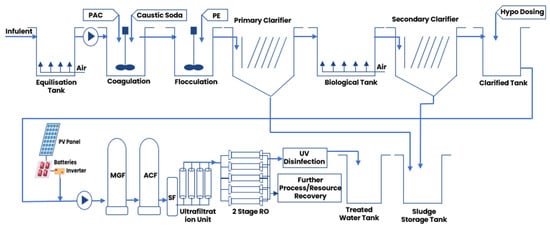
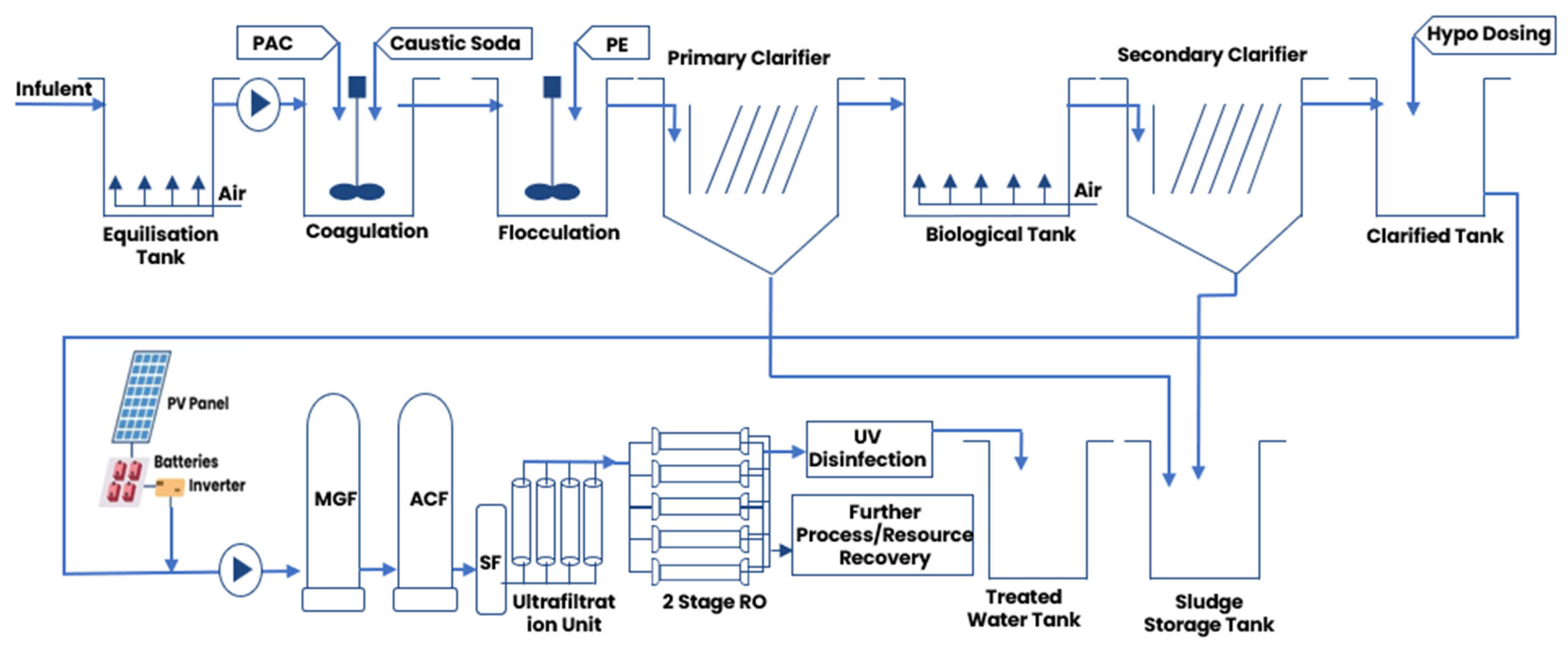
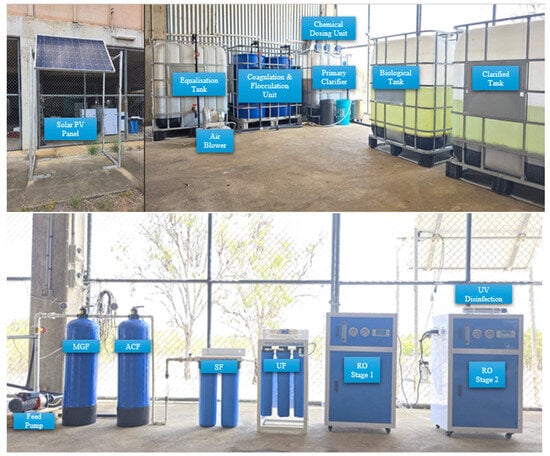
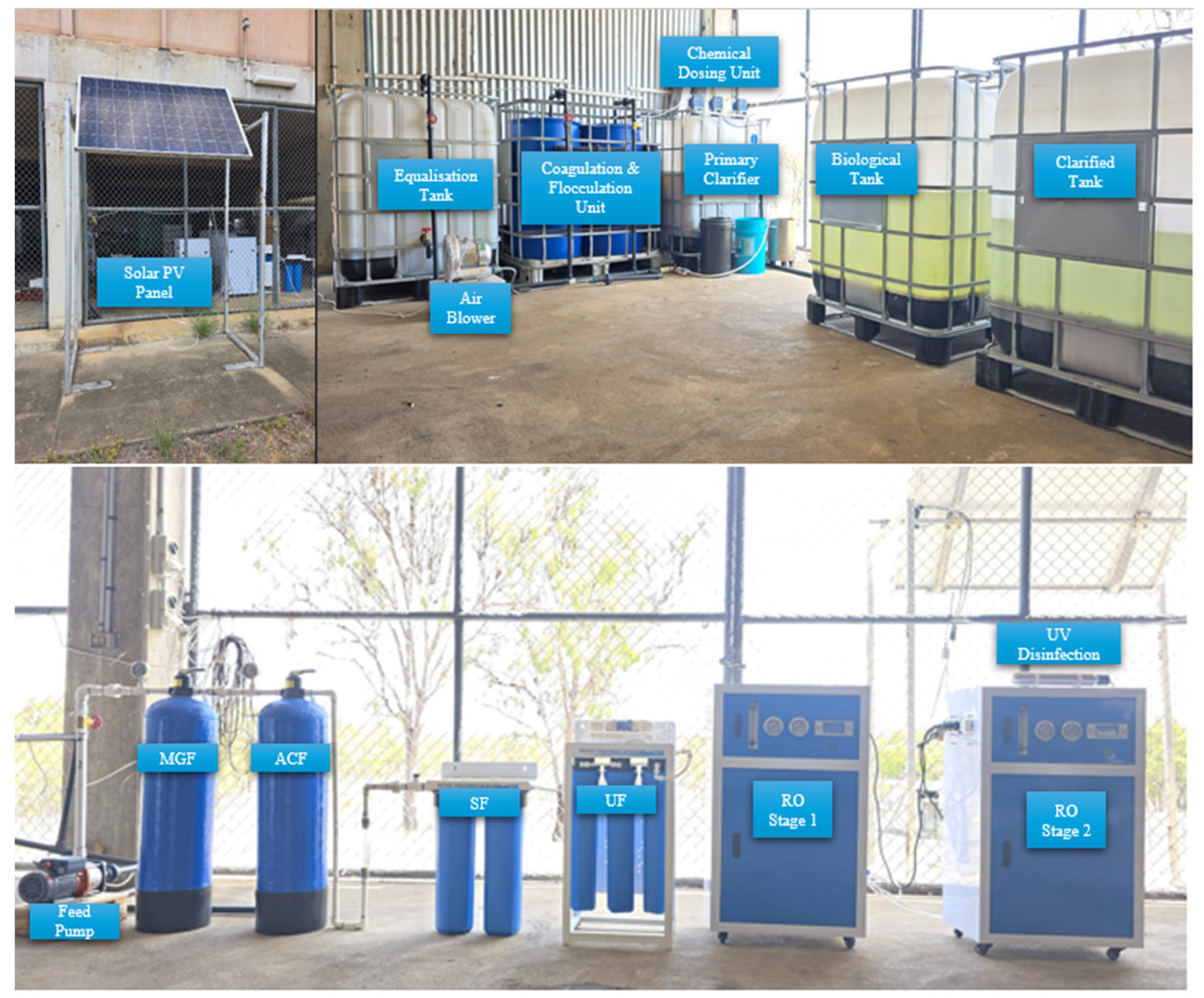
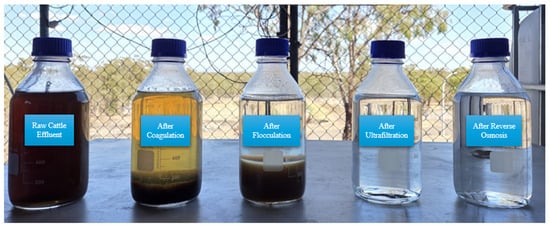
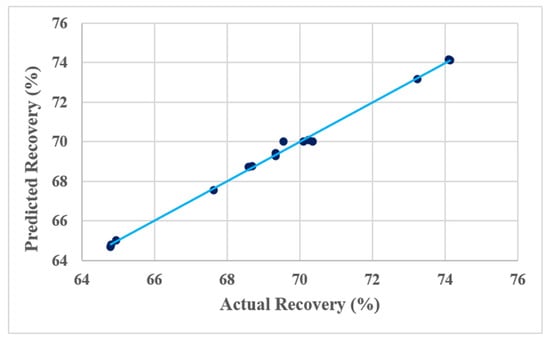
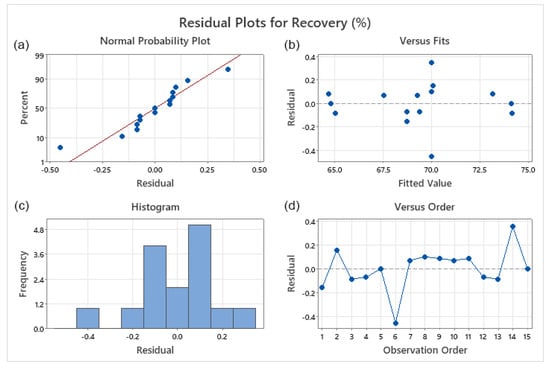
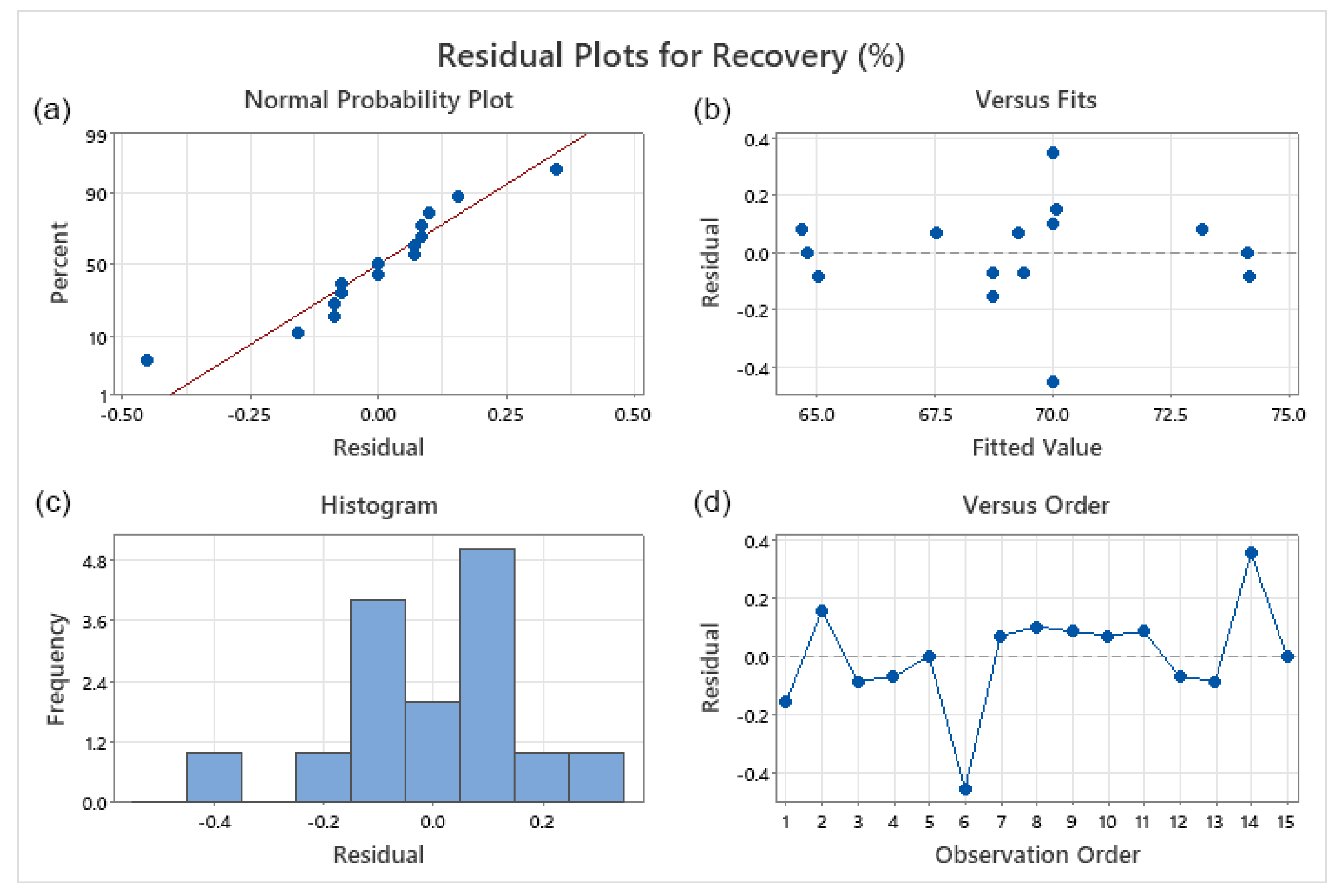
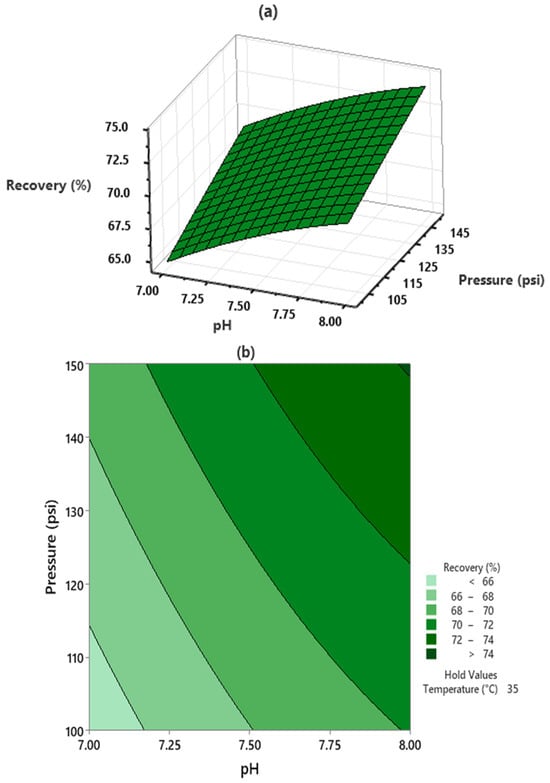
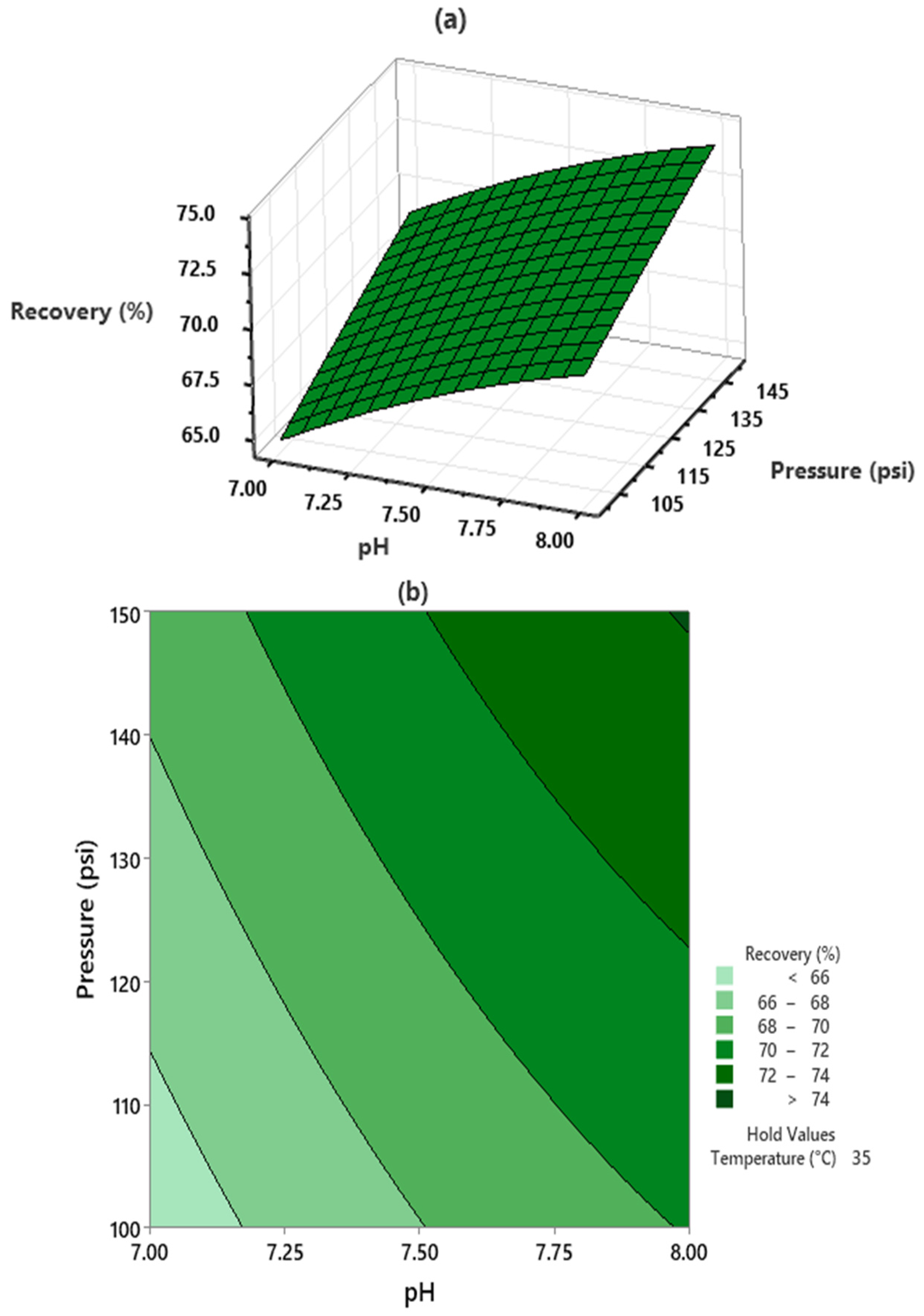
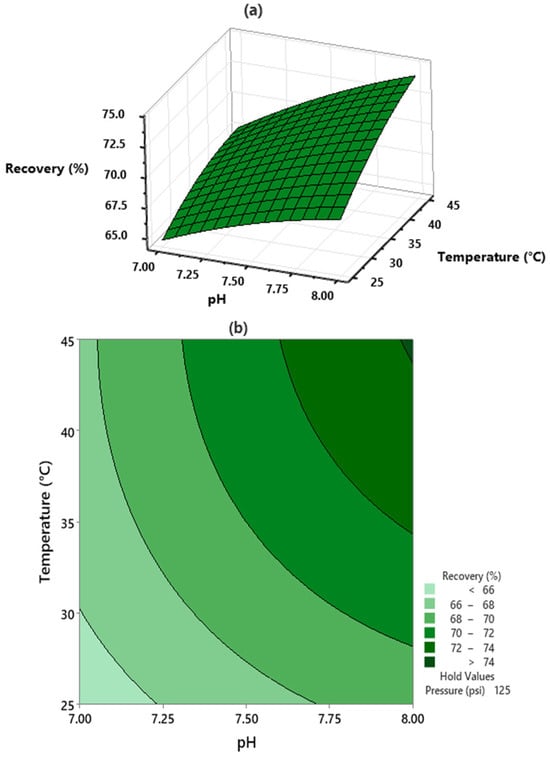
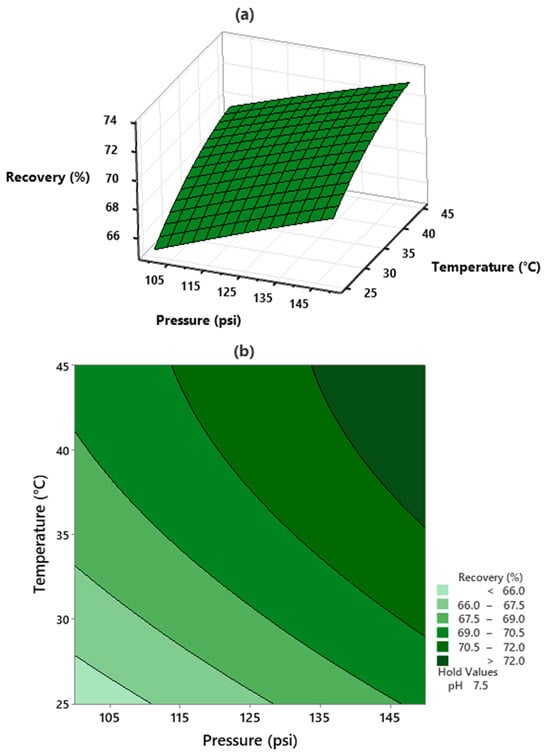

Disclaimer/Publisher’s Note: The statements, opinions and data contained in all publications are solely those of the individual author(s) and contributor(s) and not of MDPI and/or the editor(s). MDPI and/or the editor(s) disclaim responsibility for any injury to people or property resulting from any ideas, methods, instructions or products referred to in the content. |
© 2026 by the authors. Licensee MDPI, Basel, Switzerland. This article is an open access article distributed under the terms and conditions of the Creative Commons Attribution (CC BY) license.