


Abstract
The aim of this study was to investigate the effectiveness of calcined opoka rock as a sustainable phosphorus sorbent and to assess the effect of calcination temperature and hydraulic retention time on phosphorus removal efficiency. Opoka was included in this study due to its local availability and low acquisition cost. Filters filled with opoka rock (2–6 mm) calcined at temperatures ranging from 400 to 900 °C were tested under laboratory conditions at flow rates of 0.96 and 1.92 L d−1, corresponding to hydraulic retention times of 2 and 1 h, respectively. While previous studies have predominantly focused on opoka rock calcined at temperatures of 900 °C and above, this study systematically evaluated a broader calcination range (400–900 °C) to identify the optimum temperature for phosphorus removal and to improve the energy efficiency of sorbent preparation. A statistically significant non-linear relationship was found between the calcination temperature of opoka rock and total phosphorus removal efficiency. The highest phosphorus removal efficiencies were achieved in filters containing opoka rock calcined at 700 and 800 °C (72–78%), whereas the lowest efficiencies were observed for opoka rock calcined at 400 and 500 °C (3–11%). Significantly higher phosphorus removal efficiency was obtained at the lower flow rate (0.96 L d−1) and the longer hydraulic retention time (2 h). The calcination temperature had a strong and significant effect on the phosphorus removal efficiency, with a more pronounced effect observed after 2 h than after 1 h of retention time (partial correlation coefficients of 0.71 and 0.60, respectively). Furthermore, a global multiple polynomial regression model was successfully developed to predict phosphorus removal efficiency based on operational and influent parameters, including calcination temperature, retention time, influent pH, and influent phosphorus concentration. The model identified the optimal calcination temperature as 715.15 °C, closely confirming the experimental results. Importantly, the identified optimum temperature is lower than the temperatures typically reported for the preparation of calcined opoka sorbents. This finding suggests the possibility of reducing energy demand and the environmental footprint associated with sorbent production while maintaining high phosphorus removal efficiency. Filters filled with opoka rock calcined at 700 and 800 °C and operated at a hydraulic retention time of 2 h exhibited the longest lifespan and the greatest operational stability. Therefore, filters filled with opoka rock calcined at 700 and 800 °C and operated at a hydraulic retention time of 2 h can be recommended as an effective, low-cost, and sustainable solution for phosphorus removal in small-scale wastewater treatment plants.
1. Introduction
Phosphorus and its compounds have a huge influence on aquatic ecosystems and contribute to the eutrophication of water bodies [1,2,3]. This element is often released into the aquatic environment as an effect of various human activities, especially those which involve the discharge of untreated or insufficiently treated wastewater. According to [4], up to 70% of phosphorus released into the environment in Great Britain comes from wastewater. In Norway, it is assumed that each person produces on average 1.6 g P per day [5]. Removing phosphorus from wastewater poses a significant technological challenge. Given its enormous economic importance and the need to meet human subsistence needs, its limited resources, and its significant losses, it should also consider the possibility of phosphorus recovery and reuse [6,7]. Currently, more and more attention is being paid to wastewater treatment technologies based on the use of materials that have a natural ability to bind phosphorus through sorption or precipitation [1,8,9,10,11,12,13,14,15,16]). Phosphorus sorbents are classed among the sustainable materials and technologies which are used simultaneously for the removal of phosphorus from wastewater and its recovery and reuse as a fertilizer, in accordance with the principles of a circular economy [1,6,17,18,19].
In looking for new sorption media, it is necessary to consider what physicochemical properties materials selected for testing should have. In the case of phosphorus removal, it must be determined whether a candidate material contains elements that have a natural ability to bind phosphorus. With respect to this property, sorption materials can be classified, depending on the reaction mechanism, into two groups: Ca/Mg and Al/Fe [17,20]. The remaining physicochemical properties should indicate whether a material can be used to aid purification [21]. The basic properties of filter materials include their structural characteristics, such as porosity and surface area. The density of a material is particularly important in the case of multi-layer media, and it is used in determining the hydraulic conditions for flushing a filter medium. The particle size composition is selected depending on the type and properties of the suspension in the liquid being treated and the purification technology used [6].
The selection of an active filter material is a key step in designing a filtration plant. So far, the possibilities of using various materials have been tested, starting from natural minerals, rocks, soils, and marine sediments, through their modified forms, and ending with waste and by-products [6,12,16,17,21,22,23,24,25,26,27,28,29,30,31].
Among the natural materials, opoka rock and its derivatives are of significant importance. Opoka is a carbonate-silica rock, readily available in southeastern Poland and Ukraine [32,33]. This rock has a high capacity to absorb phosphorus, and in recent years, it has been increasingly used in small wastewater treatment plants [33,34,35,36,37]. Both natural opoka rock and its calcined form have been widely researched [25,32,33,38,39,40,41,42]. Numerous studies have confirmed that the sorption capacity of rock can be significantly increased by thermal treatment [25,32,38,39,40,41,42]. In the unprocessed raw material, the main component of the crystalline phase is CaCO3, as well as SiO2 with a quartz structure. As the treatment temperature increases, the CaCO3 gradually thermally degrades until it disappears at the decomposition temperature, i.e., 800–900 °C. After annealing at 1000 °C, the main phase is CaO—a product of calcium carbonate decomposition. The burning of rock and the formation of calcium oxide results in an increase in the material’s basicity [32,40,41,43]. Phase changes in the material also lead to structural changes, increasing the specific surface area, pore volume, and micropore volume, which may determine the sorption capacity for phosphorus and other elements. However, this relationship is not proportional, meaning that there is a critical temperature level beyond which structural changes become degenerative and lead to a decrease in porosity and specific surface area [32,43]. Previous studies do not provide a clear answer to the question of how phase changes occurring in rock at different processing temperatures translate into the effectiveness of this material in terms of phosphorus removal. Most of these studies focused primarily on determining the effect of the rock calcination temperature on the magnitude and kinetics of phosphorus sorption [32,38,44]. In turn, studies of the effectiveness of calcined rock under operating conditions most often concerned a narrow temperature range, 900 °C and above [35,36,45,46]. An additional problem in formulating clear conclusions on the effectiveness of calcined rock is the diversity of experimental conditions, including the granulation of the material used, the flow rate of wastewater through the filters, and the initial concentration of phosphorus. Meanwhile, calcination temperature is crucial from the point of view of the energy consumption of the sorption material preparation process and the economics of its use as a sorbent in wastewater treatment plants. Information on the influence of a broader calcination-temperature range on phosphorus removal efficiency, filter lifespan, and operational stability remains limited. Furthermore, to the best of our knowledge, no predictive model has been developed to identify the optimal calcination temperature and predict the phosphorus removal performance under varying operational conditions. Addressing these knowledge gaps, the objectives of this study were as follows: (1) compare the efficiency of total phosphorus removal from domestic wastewater in filters filled with opoka rock calcined at different temperatures (400, 500, 600, 700, 800, and 900 °C) under different flow rates and hydraulic retention times, (2) estimate the optimal calcination temperature of opoka rock based on the author’s prediction model, and (3) determine the chemical composition of the spent filter media to assess its potential for final disposal and beneficial reuse.
2. Materials and Methods
2.1. Structure of the Laboratory Model
The experiments were carried out using a laboratory model consisting of six filtration columns with a height of 0.80 m and a diameter of 0.04 m (Figure 1). Wastewater flowed vertically in the columns from bottom to top. Each column was filled with 0.20 L of carbonate-silica rock with the same grain size (2–6 mm) but fired at different temperatures (P1—400 °C, P2—500 °C, P3—600 °C, P4—700 °C, P5—800 °C, P6—900 °C) (Figure 2).
Figure 1.
Photo of the investigated model of wastewater filter beds.
Figure 2.
Schematic of the model of filter beds filled with carbonate-silica rock fired at different temperatures (P1—400 °C, P2—500 °C, P3—600 °C, P4—700 °C, P5—800 °C, P6—900 °C).
During the tests, the filtration columns were fed with real biologically treated domestic wastewater discharged from a domestic hybrid constructed wetland. Wastewater was dosed using peristaltic pumps, which allowed the delivery of the same pre-set amount of wastewater to all columns at the same time. The dosing system included an SPC 10 controller, a flow timer (manufactured by Pracownia Aparatury Pomiarowej TUXLAB in Lublin, Poland), and peristaltic pumps from Gorman-Rupp Industries (Bellville, OH, USA) (Figure 1).
2.2. Characterization of Opoka Rock
Opoka rock was sampled from an area in the vicinity of the town of Piaski in Lublin Province (Poland), 51°08′03″ N 22°50′41″ E (Figure 3).
Figure 3.
Natural opoka rock (carbonate-silica rock).
After drying, the opoka rock was crushed, and then the 2–6 mm particle size fraction was separated by sieving to be used in the tests. The separated opoka rock fraction was divided into 6 samples, which were then fired for 4 h in a PEM 2/87 muffle furnace (manufactured by Wodzisławskie Zakłady Przemysłu Terenowego in Wodzisław Śląski, Poland). Each sample was heat-treated at a different temperature: 400, 500, 600, 700, 800 and 900 °C. The material prepared in this way was transferred into the filtration columns.
The MiniPal 4 XRF spectrometer from PANalytical (Almelo, Netherlands) was used to determine the elemental composition of the clean (unused) opoka rock fired at the different temperatures and the same filter material after use in the experiment. Percent by weight of CaO, SiO2 Al2O3, Na2O, Fe, MgO, TiO2, S, K2O, P, Cl and MnO in the material was determined. Samples of opoka rock fired at 700, 800 and 900 °C contained more CaO compared to untreated opoka rock (Table 1): 41.674; 44.496 and 43.336% by weight, respectively. The content of CaO in opoka rock fired at the lower temperatures of 400, 500 and 600 °C was similar to that found in untreated rock. Apart from CaO, the main components of opoka rock were SiO2 and Al2O3. The remaining compounds were present in small amounts below 4% by weight (Table 1).
Table 1.
Chemical composition of untreated opoka rock samples and fired samples for laboratory testing (% by weight).
Selected physical properties of opoka rock were also examined: pH in H2O, pH in KCl, true density, bulk density, and porosity (Table 2). The tests were carried out in conformity with generally applicable Polish standards [47,48,49]. During firing, changes in the structure and texture of the rock were noted. First, the individual rock samples were observed to respond differently to heat treatment. Opoka rock samples retained their shape at all firing temperatures, but some samples changed their color to red or brown. Similar observations have been made by [50]. After firing, the pH of all samples measured in KCl increased and was greater the higher the firing temperature. Fired carbonate-silica rock samples did not show significant differences in true density or bulk density compared to untreated rock. All samples had a true density of 2.58 g/cm3; only the samples fired at the highest temperatures showed changes in this parameter. The bulk density of the samples changed irregularly (Table 2). Analysis of the opoka samples used in this study indicates an increase in the material’s porosity following heat treatment (Table 2). The most likely cause of the development of a porous structure in opoka as a result of calcination is the decomposition of calcium carbonate into calcium oxide with the release of carbon dioxide [33,43]. The release of carbon dioxide from the carbonate fraction creates empty micropores, and the silica–alumina framework becomes more permeable.
Table 2.
Physical properties of untreated opoka rock and opoka rock fired at different temperatures.
2.3. Analytical and Statistical Methods
The experiments were carried out in six filtration columns filled with carbonate-silica rock fired at different temperatures (P1, P2, P3, P4, P5, P6). For each filter, two variants of flow rate and a corresponding hydraulic retention time were considered:
- -
- Variant I—wastewater flow rate Q1 = 1.92 L/d and the corresponding hydraulic load of 1.530 m3/m2·d, wastewater retention time in the filter bed 1 h (RT1 = 1 h);
- -
- Variant II—wastewater flow rate Q2 = 0.96 L/d and the corresponding hydraulic load of 0.765 m3/m2·d, wastewater retention time in the filter bed 2 h (RT2 = 2 h).
In the case of variant I, the experiments were conducted over 6 weeks (filters P1, P2, P3) and 16 weeks (filters P4, P5, P6), and in the case of variant II, the experiments lasted 9 weeks (filters P1, P2, P3) and 37 weeks (filters P4, P5, P6). The different test periods for individual variants were related to the clogging of filters and their loss of hydraulic permeability.
Samples of influent to and effluent from the filters were collected for analysis once a week in compliance with the relevant standards [51,52]. The pH value and total phosphorus concentration were determined in the collected samples in accordance with applicable standards [53,54]. The pH value was determined electrometrically using a Multi 340i multiparameter meter from WTW (Weilheim, Germany). Total phosphorus content was determined photometrically after oxidizing the test sample in a thermoreactor at 120 °C. The determinations were made using an MPM 2010 photometer from WTW (Weilheim, Germany).
The mean concentrations of total phosphorus in influent (Cin) and effluent (Cef) of the filters were used to determine total phosphorus removal efficiency using the following formula:
ŋ = 100 · [1 − Cef/Cin] [%]
The composition of the effluent from the filters was compared with the requirements set out in the Regulation of the Polish Minister of Maritime Economy and Inland Navigation of 12 July 2019 [55]. Based on the results, the basic descriptive characteristics of the analyzed parameters were determined, and statistical analyses were carried out to ascertain the efficiency of the filters in removing total phosphorus from wastewater as a function of the firing temperature of opoka rock and the flow rate (retention time in the filter bed).
Since the results we obtained (total phosphorus concentration and removal efficiency values) did not follow a normal distribution (Shapiro–Wilk test), the null hypothesis that the firing temperature did not significantly affect the concentration of total phosphorus in the effluent or the efficiency of its removal was tested using the non-parametric Kruskal–Wallis test. Total phosphorus removal efficiencies for the two hydraulic retention times were compared using the non-parametric Mann–Whitney U test.
Spearman’s rank correlations were calculated to determine the relationship between the concentration of total phosphorus in treated wastewater and the pH in filters filled with opoka rock fired at different temperatures, operating under different flow rates/retention times. Moreover, Pearson’s linear correlation coefficient (r) was used to measure the strength and direction of the relationship between total phosphorus removal efficiency and total phosphorus concentration in influent (PIN) and effluent (PEF) wastewater. The significance of the correlations served as a basis for developing power-law models describing the dependence of the concentration of total phosphorus in treated wastewater on pH for the two experimental variants, i.e., for water retention times of 1 h and 2 h. The results are shown in scatterplots with a trend line. To mathematically formalize the relationship between the operational parameters and the treatment performance, a global multiple polynomial regression model was developed. The model predicts the total phosphorus removal efficiency using exclusively independent, a priori variables: opoka firing temperature, its quadratic term to capture the non-linear thermal activation effect, hydraulic retention time, influent pH and influent total phosphorus concentration. The model’s goodness of fit and overall statistical significance were evaluated using the adjusted coefficient of determination R2 and the F-test.
Additionally, the relationship between the firing temperature of opoka rock and total phosphorus removal efficiency was assessed using partial correlation, taking into account the duration of the experiment (week). Both variables were regressed against time, and Spearman correlation was calculated based on the model residuals.
The statistical analyses were performed using STATISTICA 13.3 software (TIBCO Software Inc., Palo Alto, CA, USA) at a significance level of α = 0.05.
3. Results and Discussion
3.1. Concentrations of Total Phosphorus in Wastewater Treated in the Filters with Opoka Rock
Pursuant to Polish legislation [55], the total phosphorus concentration limit for municipal wastewater released to water bodies or land from wastewater treatment plants of less than 2000 PE is 5 mg/L. This requirement only pertains to wastewater discharged into lakes and their tributaries and directly into artificial water reservoirs located on flowing waters. However, this standard should be applied to all small treatment plants as a means to protect water resources. For this reason, the total phosphorus concentration limit of 5 mg/L was used as a reference value in analyzing the present results.
The experiments with filters P1, P2 and P3 were conducted for 7 weeks in variant I (Q = 1.92 L/d) and for 10 weeks in variant II (Q = 0.96 L/d). After this time, the filters became clogged, which made further testing impossible. The experiments with filters P4, P5 and P6 were discontinued after 16 weeks (variant I) and after 37 weeks (variant II) for the same reason.
The average total phosphorus concentrations in biologically treated influent into the filters ranged from 4.0 to 12.9 mg/L, and the values of the coefficient of variation indicated that there was low and moderate variation in total phosphorus concentrations as per Mucha’s scale [56] (6.17 and 32.34% for RT1 and 10.89 and 24.86% for RT2, Table 3 and Table 4). The concentration of total phosphorus in wastewater treated in filters P1 and P2 did not change much, regardless of the loading rate (coefficient of variation < 15%). Far greater fluctuations in the concentration of total phosphorus were recorded in the effluent from filters P3–P6: they reached nearly 79% in the case of wastewater discharged from filter P3.
Table 3.
Descriptive statistics for total phosphorus concentrations in filter influent and effluent at the loading rate of Q1 = 1.92 L/d (RT1).
Table 4.
Descriptive statistics for total phosphorus concentrations in filter influent and effluent at the loading rate of Q2 = 0.96 L/d (RT2).
Figure 4a,b the show changes in total phosphorus concentration in influent and effluent samples from the six test filters over the entire experiment for variants I and II. Since two pump systems were used to supply wastewater to the filters during the entire experiment (variants I and II)—one feeding wastewater to filters P1–P3 and the other supplying it to filters P4–P6—there were some differences in the total phosphorus concentrations in the influent to these groups of filters. In the case of filters P1–P3, the total phosphorus concentrations in the influent were quite stable and ranged from 7.30 to 8.70 mg/L for variant I and from 6.86 to 9.40 mg/L for variant II. In the wastewater flowing into filters P4–P6, wider P concentration ranges were recorded: 4.0–12.6 and 4.0–12.9 mg/L, respectively.
Figure 4.
(a) Concentrations of total phosphorus in influent and effluent of the test filters in variant I (Q1 = 1.92 L/d; RT1). (b) Concentrations of total phosphorus in influent and effluent of the test filters in variant II (Q2 = 0.96 L/d; RT2).
The curves of the total phosphorus concentrations in the effluent from filters P1 and P2 for both experimental variants had a similar shape to those obtained for the influent concentrations of this element, and the concentration values themselves also differed only slightly. The total phosphorus concentration limit (5 mg/L) was exceeded in almost all the samples of wastewater treated in filters P1 and P2 (Figure 4a,b). The samples of effluent from filter P3 initially contained significantly lower total phosphorus concentrations than samples of the influent, but over time effluent concentrations increased, exceeding the limit of 5 mg/L at week 4 of the experiment in variant I, and at week 6 in variant II (Figure 4a,b). In the case of filter P3, the mean phosphorus concentration was 4.21 mg/L in variant I and 3.31 mg/L in variant II; however, the total phosphorus concentration limit was exceeded in approximately 50% of the samples.
The effluent samples from filters P4, P5 and P6 contained clearly lower concentrations of total phosphorus than influent samples when the wastewater retention time of 1 h and the flow rate of 1.92 L/d were used. The best results were recorded for samples of wastewater treated in filters P5 and P6, which contained mean concentrations of 4.45 mg/L and 4.67 mg/L of total phosphorus, respectively, compared to the mean influent concentration of 8.21 mg/L. The concentration curves and the trend lines had a similar shape (Figure 4a). Since the influent concentration of total phosphorus increased regularly, over time, the concentrations of this element in treated wastewater began to exceed the limit, starting from week 9 of the experiment for filter P4 and week 10 for filters P5 and P6 (Figure 4a).
At a wastewater retention time of 2 h and a loading rate of 0.96 L/d, a high disproportion was observed between the concentrations of total phosphorus in wastewater treated in filters P4 and P5 and the concentrations of this element in wastewater supplied to those filters. During the 37 weeks of the experiment, the concentration of total phosphorus in wastewater treated in filters P4 and P5 did not exceed 4 mg/L on any of the sampling events. The same situation held for samples collected at the outlet from filter P6 during the first ten weeks of the experiment. After that time, the concentrations of total phosphorus increased substantially, returning closer to the values recorded at the inlet. These results indicate that the longer time of retention of wastewater (2 h) in filters filled with carbonate-silica rock heat-treated at 700 and 800 °C helped to substantially reduce effluent concentrations of total phosphorus throughout the service life of the filters. This is well illustrated in Figure 5. The effluent from filters P1 and P2 had lower mean concentrations of total phosphorus in variant I when the hydraulic retention time was shorter (1 h). This can be partially explained by differences in the content of this component in the influent to the filters in variants I and II (Table 3 and Table 4). The mean influent phosphorus concentrations for filters P4, P5 and P6 were very similar in the two variants of the experiment. Effluent concentrations, on the other hand, depended on the hydraulic retention time. In filter P4, the mean effluent concentration of total phosphorus was nearly 3.50 mg/L lower at the retention time of 2 h compared to 1 h. A similar difference of 2.15 mg/L between mean total phosphorus concentrations was observed for filter P5, with the longer retention time (2 h) ensuring better removal of this element.
Figure 5.
Means and ranges of total phosphorus concentrations in effluent from the six test filters (P1–P6) for variants I and II of the experiment.
3.2. Total Phosphorus Removal Efficiency in Filters with the Opoka Rock
Figure 6a (variant I) and Figure 6b (variant II) show total phosphorus removal efficiencies of the six filters across the experiment period.
Figure 6.
(a) Total phosphorus removal efficiency of the filters in variant I (Q1 = 1.92 L/d; RT1). (b) Total phosphorus removal efficiency of the filters in variant II (Q2 = 0.96 L/d; RT2).
The mechanism of phosphorus compound removal on calcined rock is primarily based on physical sorption and chemisorption, which is based on the formation of ionic or covalent chemical bonds between adsorbate molecules and functional groups on the adsorbent surface [44]. This results in a change in the electronic configuration of both the adsorbate and the adsorbent. These bonds are strong, and the main feature of chemisorption is its irreversible and selective nature [57,58]. The overall effect of chemisorption is determined by ion exchange between molecules in solution and the adsorbent surface. This exchange is based on the presence of calcium carbonate decomposition products, primarily calcium oxide, in the calcined rock. Upon contact, calcium oxide is released into the solution. Studies by Zawadzka et al. [44] showed that, as a result of contact between calcined rock and a synthetic phosphate solution, the calcium concentration in the solution increased nearly fourfold compared to the initial level. Calcium ions released from the rock react with the phosphates to form an insoluble precipitate, significantly increasing the phosphorus removal effect. The precipitation process is favored by the natural alkalization of the environment, caused by the transformation of calcium oxide and other metals in the aqueous solution.
In both variants, the efficiency of filters P1 and P2 in removing total phosphorus generally did not exceed 20%. A better efficiency of over 80% was obtained for filter P3, but only during the first two weeks of the experiment. In further weeks of this study, the phosphorus removal efficiency of this filter dropped very quickly in both variants I and II. During the entire experiment, the best phosphorus removal efficiencies were obtained in filters P4, P5 and P6, i.e., those filled with opoka rock fired at 700, 800 and 900 °C, respectively.
According to our own research, thermal treatment of opoka rock affects the phosphorus removal process from wastewater. The process is based on the presence of thermal decomposition products of calcium carbonate, such as calcium oxide. According to Table 1, the highest calcium oxide content was found at calcination temperatures of 700–900 °C. Increased calcium oxide content determines the intensity of ion exchange and the precipitation of calcium phosphates in solid form. According to Brogowski and Renman [32], calcination of rockwool at 1000 °C resulted in a P-PO4− sorption capacity of up to 119.6 mg/g, while for natural, uncalcined rockwool this capacity was below 20.0 mg/g. Cucarella et al. [38] determined the sorption capacity of rockwool calcined at 900 °C to be 181.81 mg P-PO4−/g.
In variant II, in which the hydraulic retention time was 2 h and Q2 = 0.96 L/d, the best, relatively stable total phosphorus removal efficiencies were obtained in filters P4 and P5, which were filled with carbonate-silica rock fired at 700 and 800 °C, respectively. These filters had a very high phosphorus removal efficiency of over 90% until week 10 of the experiment. Later, they showed a systematic decline in efficacy to a maximum of 60% (P4) and 45%. (P5). Until week 8 of the experiment, the phosphorus removal efficiency of filter P6 was higher than 80%, but in the following weeks it decreased dramatically to 0–40%. These results indicate that over time, carbonate-silica rock fired at 900 °C gradually lost its ability to remove total phosphorus from wastewater.
Figure 7 shows fluctuations in total phosphorus removal efficiency and the mean efficiencies of the tested filters as a function of firing temperature of carbonate-silica rock and hydraulic retention time (flow rate).
Figure 7.
Fluctuations in total phosphorus removal efficiency of the six test filters (P1–P6) across the experiment period in variants I and II of the experiment.
In variant I, at RT1 (Q1 = 1.92 L/d), the highest mean total phosphorus removal efficiency (51%) was obtained in the filter filled with carbonate-silica rock fired at 800 °C (P5). Slightly lower mean efficiencies of 40–50% were recorded for filters P3, P4 and P6, filled with carbonate-silica rock fired at 600, 700 and 900 °C, respectively. The lowest efficiency was achieved in filters filled with opoka rock heat-treated at 400 and 500 °C (P1 and P2). It is worth noting that in variant II, with a lower wastewater loading rate (Q2 = 0.96 L/d) and a longer retention time (RT2 = 2 h), the total phosphorus removal efficiency of filters P3, P4 and P5 was significantly higher. Filters filled with carbonate-silica rock fired at 600, 700 and 800 °C removed an average of 63–78% of total phosphorus from wastewater (Figure 7). The increases in absolute values, compared to variant I, ranged from approximately 30% (P3) to over 47% (P4 and P5) for these filters. Filters P1 and P2 removed only small amounts of total phosphorus (<12%), regardless of the retention time and the flow rate used.
Figure 7 shows that phosphorus removal efficiency increased with increasing firing temperature—up to approximately 700–800 °C—before decreasing at 900 °C. The initial increase in phosphorus removal efficiency can be attributed to the progressive thermal decomposition of calcium carbonate, which is associated with an increase in the material’s reactivity and alkalinity. The firing process also promotes structural changes that increase the availability of reactive calcium species and phosphorus-binding sites. Consequently, the material’s ability to remove phosphorus from wastewater improves with increasing firing temperature, ranging from 400 to 700–800 °C. However, further increases in calcination temperature to 900 °C did not result in further improvement in phosphorus removal efficiency. Excessively intense thermal treatment can lead to unfavorable changes in the limestone’s crystalline structure, limiting its sorption capacity. At high processing temperatures of 800–900 °C, significant phase and structural transformations occur, resulting from the decomposition of carbonate phases and the formation of calcium oxide, leading to the formation of new mixed phases. The porous structure degrades due to the collapse of pores and micropores, resulting in a reduction in the specific surface area and pore size and volume [32,43]. This may result in a reduction in the availability of active sites and a change in the surface charge, which significantly reduces sorption capacity.
The results of the Kruskal–Wallis test (p-values of 0.0002 for RT1 and less than 0.0001 for RT2) also point to such a dependence, as well as partial correlation coefficients of 0.71 (RT2) and 0.60 (RT1). Moreover, filters filled with carbonate-silica rock fired at lower temperatures (400, 500 °C) had a significantly lower total phosphorus removal efficiency than those containing the same material fired at higher temperatures (≥600 °C) (Figure 7). Similar relationships have been observed, among others, in a study by Renman and Renman [59].
Extending the contact time of wastewater with the filter material had a positive effect on the total phosphorus removal efficiency of the filters, particularly those containing rock fired at 600, 700 and 800 °C (Figure 7). This observation was also confirmed by the significant result of the non-parametric Mann–Whitney U test (p = 0.0212). Only in the case of rock treated at 900 °C (P6) was there a slight difference in the efficiency of total phosphorus removal between variants I and II: a decrease in efficiency by approximately 4% (Figure 7). Our results confirm the thesis, put forward among others by Vohla et al. [46] that the phosphorus removal efficiency of filter materials depends not only on the composition of the medium used, but also the flow rate and retention time. Similar conclusions follow from data reported by Jóźwiakowski et al. [34], who conducted laboratory tests of vertical flow filters filled with carbonate-silica rock particles with grain sizes of 2–5 mm fired at 900 °C. They obtained mean total phosphorus removal efficiencies of 64.9, 66.3 and 72.8% at hydraulic retention times of 12, 16 and 24 h, respectively. Sorption kinetics studies conducted by Zawadzka et al. [44] on the Rockfos® material indicate a positive effect of contact time on the amount of adsorbed phosphorus. According to their results, the degree of phosphorus elimination from the synthetic solution for a contact time of 1 h was 22–40%, depending on the material granulation, and for a contact time of 2 h—33–54%.
Experiments by Nilsson et al. [42] have demonstrated that adsorption is not the only process responsible for the removal of phosphorus from the wastewater which comes in contact with reactive filter materials. An essential role is also played by precipitation of calcium phosphates in the solid phase, as confirmed by Gustafsson et al. [60] and Eveborn et al. [61]. It was shown that the filters P1 and P2 have a very low efficiency of phosphorus removal throughout the experiment period, regardless of the experimental conditions used (variant I or II) (Figure 6a,b). The remaining filters (P3–P6) exhibited quite a high total phosphorus removal efficiency in the initial period of the present study, which decreased markedly as a function of time. Initially, the efficiency of filter P3, at the flow rate of 1.92 L/d, exceeded 90% to quickly drop to less than 50% as early as week 2 of the experiment. At the lower loading rate (0.96 L/d), the same decrease occurred at week 6. Filters P1, P2 and P3 became clogged and were inoperative already at week 7 in variant I of the experiment (at Q = 1.92 L/d) and at week 10 in variant II (at Q = 0.96 L/d). The experiments were discontinued after 16 weeks of testing under variant I, and after 37 weeks under variant II, because all the filters became clogged at those time points (Figure 8).
Figure 8.
A clogged filter with opoka rock.
The filters may have been clogged by particles smaller than 1 mm, which restrict fluid flow through the filter and can lead to hydraulic failure [62]. Chemical clogging may also have occurred in the filters as a result of precipitation of calcite (Figure 8) [59,63]. Another cause of clogging may have been the significant amounts of calcium contained in the rock, which can precipitate in the form of suspension that silts up the filter. One possible way to unclog the filters was to rinse them with clean water, but this procedure would probably have reduced the reliability of the results obtained using those filters. Full-scale filters of this type used in practical settings, on the other hand, should be rinsed with clean water in the event of clogging.
3.3. Changes in the Content of Selected Elements in the Filter Material
The content of phosphorus in untreated carbonate-silica rock was 4.31 g P/kg. After heat-treatment at 400, 500 and 600 °C, the content of phosphorus dropped slightly by approximately 0.1 g P/kg (Figure 9). In the rock fired at 700, 800 and 900 °C, the phosphorus content ranged from 4.65 g P/kg to 5.07 g P/kg (Figure 9). According to Renman and Renman [59], heat treatment increases the reactivity of carbonate-silica rock and its ability to bind phosphorus, resulting in a high content of this element in the material used for filtration.
Figure 9.
Content of elemental phosphorus in carbonate-silica rock from filters P1–P6 before and after the experiment. Note: NOR—natural (untreated) opoka rock; C—clean opoka rock after firing; V1—opoka rock after firing and use in Variant 1; V2—opoka rock after firing and use in Variant II; P1, P2, P3, P4, P5, P6—filter numbers.
Chemical analysis of carbonate-silica rock sampled from the filters after their useful life showed an increase in the phosphorus content of this filter material (Figure 9). The highest phosphorus contents of 10.82 and 10.53 g P/kg were found in opoka rock samples from filters P4 and P5, respectively, tested in variant II. Much lower contents were found in samples from filters P1 and P2: 4.25–4.51 g P/kg.
The results indicate that there was a close relationship between the efficiency of the individual opoka rock filters in removing total phosphorus from wastewater and the content of elemental phosphorus in filter material sampled after the experiment. The highest increase in phosphorus content was found in samples of opoka rock fired at 700 and 800 °C collected after the experiment from filters P4 and P5 operated under variant II (Figure 9). These filters also exhibited the highest total phosphorus removal efficiency, which, on most sampling events, exceeded 70% (Figure 6a,b and Figure 7). The lowest accumulation of phosphorus was observed in filter material fired at 400 and 500 °C used in filters P1 and P2 (variants I and II). These filters also showed the lowest total phosphorus removal efficiency, which did not exceed 12% (Figure 6a,b and Figure 7). In our study, the content of phosphorus in the material used in filters P4, P5, and P6 approximately doubled after 37 weeks of the experiment (Figure 9). Jóźwiakowski [64]) observed an approximately two- to three-fold increase in phosphorus content compared to the control after 144 weeks of use of full-scale filters filled with 30–60 mm particles of opoka rock fired at 900 °C.
The balance of phosphorus removed from wastewater in each experimental scenario compared to the increase in the mass of elemental phosphorus in the spent rock samples indicates a varying contribution of adsorption to the total phosphorus removal process from the liquid phase. At low calcination temperatures (P1 and P2), in both flow scenarios, the mass of adsorbed phosphorus (resulting from the elemental content in the rock and the mass of the filter bed) was small and similar to or slightly higher than the phosphorus load removed from wastewater (determined based on time-varying concentrations in the influent and effluent from the filters and the amount of wastewater treated during the individual experiments). This suggests that almost all of the phosphorus removed from the liquid phase can be attributed to its accumulation in the sorption material. In the remaining filters, with rock calcined at 700, 800, and 900 °C (P4-P6), the mass of phosphorus adsorbed on the material increased significantly, which corresponds to the previous results of phosphorus removal efficiency from wastewater (Table 5). The share of the component retention in the sorption material was dominant in these cases and dependent on the wastewater flow rate, approximately 80% in variant I (Q1) and 60% in variant II (Q2). According to the results of the previous analysis, the filter with rock calcined at 900 °C was an exception. In this case, the share of phosphorus retained in the sorption material relative to phosphorus removed from wastewater was below 30%, suggesting the dominance of other phosphorus removal mechanisms.
Table 5.
Average loads of total phosphorus (Ld) removed from wastewater and mass increases in elemental forms of phosphorus in the used rock (M ads).
Figure 10a–f show concentrations of other selected elements and chemical compounds in opoka rock before and after the experiment.
Figure 10.
Content of selected chemical elements and compounds in carbonate-silica rock before and after the experiment: (a) CaO; (b) SiO2; (c) Al2O3; (d) Na2O; (e) Fe; (f) MgO. Note: NOR—natural (untreated) opoka rock; C—clean opoka rock after firing; V1—opoka rock after firing and use in Variant 1; V2—opoka rock after firing and use in Variant II; P1, P2, P3, P4, P5, P6—filter numbers.
When analyzing the data provided in Figure 10, one notes that CaO and SiO2 had the largest share in the composition of untreated opoka rock. These two compounds had a decisive impact on the binding of phosphorus from wastewater. This conclusion is supported by the fact that the content of these compounds decreased in all samples of opoka rock collected from the filters after the experiment. The smallest decrease in the contents of CaO and SiO2 compared to untreated opoka rock samples was observed for the material used in filters P1, P2 and P3. The decrease in the contents of CaO and SiO2 did not exceed 7% and 14%, respectively. The most perspicuous changes in the content of CaO in opoka rock were recorded during the service life of filters P4 and P5. In the case of these filters, CaO content decreased by a maximum of approximately 20%, while SiO2 content decreased by a maximum of 27%. Major changes were also recorded in the composition of opoka rock used in filter P6. The contents of CaO and SiO2 in the material used in this filter decreased by approximately 15% (Figure 10).
The content of Ca, Al, Fe and Mg in filter media influences their phosphorus removal efficiency [65]. Fired opoka rock contains all these phosphorus reactive elements, which may affect its sorption capacity. A high calcium content promotes the precipitation of phosphorus in the form of poorly soluble calcium phosphates, especially under slightly alkaline conditions typical of domestic wastewater. When wastewater subjected to treatment is more acidic, the content of Fe and Al may be more important because reactions with these ions are favored at lower pH values [66]. Karczmarczyk and Bus [40] have investigated the impact of the content of CaO, Al2O3, Fe2O3 and MgO in opoka rock on its ability to bind phosphorus from wastewater. They used opoka rock mined from deposits in Bełżec (Lublin Province, Poland) and calcined at 900 °C. Based on a statistical analysis, they concluded that the compound that played the main role in binding phosphorus was CaO. This was confirmed by a high CaO content of 238.6–520.1 g/kg in the investigated material. In another experiment, the role of Ca in binding phosphorus was confirmed by a high alkaline pH of the effluent from filters: 12.4 [38], 11.8 and 12.5 [59]. A higher pH promotes the precipitation of calcium phosphate, which is the main mechanism of P removal from wastewater [60].
The contents of Al2O3, Fe and MgO in the test media heat-treated at 400 to 900 °C (Figure 10) were similar to the values reported by Karczmarczyk and Bus [40]. The use of opoka rock as a filter medium did not lead to significant changes in the content of Al2O3 in the present experiment. Similar conclusions can be drawn regarding Fe content. The content of MgO increased during the useful life of the filters, more than doubling in some of them (Figure 10).
Considering the chemical composition of the opoka rock used in wastewater treatment, it can be considered a potential material for soil improvement. Its benefits should be considered primarily in the context of soil deacidification, which is determined by the high content of calcium oxide (over 35–40% by weight) and other metals. Compared to traditional calcium fertilizers in the oxide form, this content can be considered moderate. These compounds, thanks to natural chemical cycles in the presence of water, have a high potential to increase hydroxyl ion content and alkalize the environment. The second use of the used rock is related to its fertilizing properties. In addition to the natural components mentioned above, burnt rock contains a significant amount of phosphorus, including phosphorus bound during the wastewater treatment process. Its content is determined by the material’s sorption capacity. Our own research has shown that the phosphorus content in rock calcined at 700 and 800 °C was approximately 1% by weight, making this material a valuable source of this nutrient for plants. Used filter material should be treated as waste, and therefore its environmental use should take into account national requirements for the proper recovery process, including the level of contaminants in the waste, the adjustment of the waste dose to soil properties, and the method and timing of its use [67].
3.4. Changes in the pH of the Wastewater Treated in the Opoka Rock Filters
Figure 11a,b show changes in the pH of the influent and effluent of filters P1–P6 over the entire experiment period for variants I and II of the experiment.
Figure 11.
(a) Influent and effluent pH values for filters P1–P6, variant I (Q1 = 1.92 L/d; RT1). (b) Influent and effluent pH values for filters P1–P6, variant II (Q2 = 0.96 L/d; RT2).
The influent pH was slightly alkaline in the range of 7.10 to 7.67, which is typical of biologically treated domestic wastewater [64]. In the first weeks of the present study, a large increase was observed in effluent pH: up to 9–12, or even over 12 for filter P6. However, after 4 weeks (variant I) and 9 weeks (variant II) of the experiment, pH values dropped below 9 (Figure 11a,b), and effluent pH curves flattened.
The mechanism causing changes in wastewater pH during treatment in burnt-rock filters is primarily based on the transformation of calcium oxide, the main component of the sorbent. Upon contact with wastewater, it forms calcium hydroxide, which is highly alkaline. It can dissociate, releasing calcium ions and hydroxyl groups (OH-), which increases the solution pH. A similar pattern applies to other components of the rock, present in oxide form, including MgO, Na2O, and K2O. Due to the slightly alkaline pH of the initial solution, the binding of hydrogen ions (H+) to the adsorbent surface may have a minor effect on the alkalization of the environment [68]. The loss of these ions from the solution leads to its alkalization.
The gradual decrease in pH observed during filter operation may be related to the depletion of reactive alkaline calcium compounds generated during the calcination process. During the initial stage of operation, dissolution of these compounds contributes to elevated pH values. As the availability of reactive calcium phases decreases over time due to phosphorus-binding reactions and dissolution processes, the alkalizing effect of the filter material becomes weaker, leading to a progressive decrease in pH. The simultaneous decline in phosphorus removal efficiency observed in some filters is consistent with this interpretation.
Table 6 provides Spearman’s correlation coefficients between total phosphorus removal efficiency and wastewater pH across filter types and retention times.
Table 6.
Spearman’s correlation coefficients between total phosphorus removal efficiency and wastewater pH across filter types and retention times.
An analysis of effluent pH and phosphorus-removal efficiency revealed a positive association between these variables in most of the investigated filters (Table 6). However, this relationship should be interpreted with caution because the increase in pH was accompanied by an increase in calcium-ion concentration. Consequently, the independent effects of pH and calcium availability on phosphorus removal cannot be distinguished based on the present experimental results. The observed association may reflect the combined influence of these factors. An increase in pH can alter the chemical conditions governing phosphate retention, while calcium ions can promote phosphorus removal through the precipitation of sparingly soluble calcium phosphate compounds. Filter P1 was the only filter for which no statistically significant correlation between phosphorus-removal efficiency and pH was observed. In filters P3, P4, P5, and P6, the significant positive Spearman correlation coefficients indicate that phosphorus-removal efficiency increased alongside effluent pH, regardless of hydraulic retention time. Similar relationships between pH and phosphorus-removal efficiency have been reported in previous studies [42,60,61,69]. Studies of fungal biosorption of heavy metals have shown that pH can influence the ionization of functional groups on biosorbent surfaces; increasing pH may promote the deprotonation of carboxyl and hydroxyl groups, thereby increasing the availability of binding sites [69]. Although this mechanism was investigated in the context of heavy-metal removal, it illustrates the potential importance of pH-dependent surface interactions. However, its specific contribution to phosphorus removal by opoka filters cannot be established from the present data. Furthermore, changes in pH may reflect variations in the dissolution and reactivity of calcium-containing phases, which can simultaneously affect calcium availability and phosphate precipitation.
Jóźwiakowski et al. [34] reported significant positive correlations between phosphorus-removal efficiency and effluent pH in filters containing carbonate–silica rock with grain sizes of 1–2 mm (r = 0.78) and 2–5 mm (r = 0.64). They also observed that phosphorus-removal efficiency increased with rising effluent pH and decreasing grain size. Kasprzyk and Gajewska [41], who investigated Rockfos®, a carbonate–silica medium thermally treated above 700 °C, and lanthanum-modified bentonite, observed that a systematic decrease in effluent pH coincided with a decrease in phosphorus-removal efficiency. Similarly, Moges et al. [70] reported that, during the initial weeks of operation of filtration columns containing Polonite®, total phosphorus removal was almost 100% at an effluent pH of 10.6. After 140 days of operation, a decrease in phosphorus-removal efficiency coincided with a reduction in pH to below 8. Studies conducted by Jóźwiakowski et al. [34] and Jucherski et al. [25] also showed that strongly alkaline conditions (pH > 9) in opoka-based filters were associated with high orthophosphate removal, whereas removal efficiency decreased at pH values below 9.0. Taken together, these findings support the relevance of pH as a parameter associated with phosphorus-removal performance in filters containing calcium-rich materials. Nevertheless, neither the present study nor these observed associations necessarily establish an independent causal effect of pH, because calcium availability and changes in the reactivity of the filter medium may also contribute to phosphorus removal. Further experiments in which pH and calcium-ion concentration are controlled independently would be required to quantify their individual contributions.
3.5. Models of Total Phosphorus Removal Efficiency in the Filters with Opoka Rock
The results reported in the previous sections of this paper encouraged us to look for ways of describing the investigated relationships in mathematical terms. Figure 12a,b present the power-law models describing the dependence of effluent concentration of total phosphorus on pH for the two experimental variants with water retention times of 1 h and 2 h. In each case, the models exhibited a satisfactory fit to the empirical data (R2 > 0.7) which enables estimation of the concentration of total phosphorus for a given pH value). For example, an increase in pH from 8 to 9 will result in a decrease in total phosphorus concentration by approximately 2.68 mg/L at the hydraulic retention time of 1 h, and by 1.97 mg/L when the retention time is 2 h. However, when the pH increases from 11 to 12, the decrease in total phosphorus concentration will be much smaller at 0.16 mg/L (RT1) and 0.14 mg/L (RT2).
Figure 12.
(a) Scatterplot with a trend line for total phosphorus concentrations and pH in wastewater treated in the test filters in variant I of the experiment (Q1 = 1.92 L/d; RT1). (b) Scatterplot with a trend line for total phosphorus concentrations and pH in wastewater treated in the test filters in variant II of the experiment (Q2 = 0.96 L/d; RT2).
The correlations between the efficiency of removal of total phosphorus from wastewater and the concentration of this element in the influent and effluent from the filters are compared in Table 7.
Table 7.
Total phosphorus removal efficiency and total phosphorus concentrations in filter influent (PIN) and effluent (PEF)—Pearson’s correlation.
These results were used as a basis for developing a global multiple polynomial regression model to predict the total phosphorus removal efficiency (ŋTP) as a function of the operational parameters (opoka firing temperature (T) and hydraulic retention time (RT)) and the raw wastewater characteristics (influent pH and influent phosphorus concentration (PIN)). The resulting model is expressed by the following equation:
The model showed a highly significant fit (), with all the individual regression coefficients being highly significant (p < 0.001). This unified model provides a clear, mechanically consistent interpretation of the processes that regulate phosphorus removal. The quadratic temperature dependence reveals a theoretical optimal thermal modification temperature of approximately 715.15 °C. This confirms mathematically that thermal activation at 700–800 °C optimizes the reactive mineral phases of the bedrock. The positive hydraulic retention time coefficient (19.36) highlights the key role of contact time in achieving equilibrium. Moreover, the strong positive effect of influent pH (28.77) supports the established mechanistic understanding that alkaline conditions are necessary to drive the nucleation and precipitation of stable calcium–phosphate phases.
Although our global polynomial regression model is highly predictive, it remains empirical. Nonetheless, it provides a valuable baseline for future mechanistic modeling of phosphorus removal on calcium-rich sorbents. In these systems, phosphorus removal transitions from physical adsorption to chemical precipitation and surface crystallization. The boundary conditions optimized by our model—influent pH and the quadratic temperature term (T2) reflecting CaO activation, directly dictate the thermodynamic saturation index (SI) driving these pathways. To achieve a fully process-based understanding, future research could couple our empirical dataset with thermodynamic solvers within physics-integrated modeling frameworks [71].
3.6. Practical Implications and Sustainability Aspects
The results obtained in this study have important practical implications for the design and operation of phosphorus removal systems based on natural sorbents. Opoka rock is a naturally occurring siliceous–calcareous sedimentary material found in Poland and other parts of Central and Eastern Europe. Its mineralogical composition, including silica and calcium-containing compounds, supports its potential application in phosphorus removal. Silica contributes to the material’s structural properties, whereas calcium-containing phases can provide reactive sites for phosphate binding [72]. A review of reactive materials for phosphorus removal identified opoka as a promising natural sorbent, reporting sorption capacities of approximately 19.60 g P kg−1 for untreated opoka and up to 181.82 g P kg−1 for calcined material under the conditions of the studies reviewed [17]. These values illustrate the potential benefits of thermal activation, although they should not be interpreted as directly comparable with removal efficiencies obtained in continuous-flow filters. When opoka is sourced locally, its availability may also reduce transportation distances and the associated environmental burdens. Furthermore, opoka has been described as a potentially low-cost alternative to synthetic sorbents; however, its overall economic competitiveness depends on the costs of extraction, crushing, sieving, thermal activation, transportation, and replacement of the filter medium [17,72].
A key finding of this study is that high phosphorus removal efficiency can be achieved without calcining opoka at the highest temperatures reported in some previous studies. The highest removal efficiencies (72–78%) were obtained using opoka calcined at 700 and 800 °C, while the developed polynomial regression model identified an optimum calcination temperature of 715.15 °C. Previous research has shown that thermal treatment modifies the physicochemical and mineralogical properties of opoka and increases its phosphorus sorption capacity. In particular, the decomposition of calcium carbonate produces calcium oxide, which can enhance phosphorus retention through precipitation reactions [17,72]. However, the benefits of thermal activation must be balanced against its energy requirements and possible operational drawbacks. Gubernat et al. [17] noted that calcination can substantially increase the pH of the treated water, in some cases to values above 12, potentially necessitating additional pH adjustment. The results of the present study suggest that effective sorbent preparation may be possible at temperatures below approximately 900 °C, potentially reducing the energy demand associated with thermal activation. Nevertheless, the actual energy savings and environmental benefits cannot be quantified from the calcination temperature alone and would require direct measurements of energy consumption or a life-cycle assessment.
The results also demonstrate the importance of hydraulic retention time for treatment performance. Filters operated at the lower flow rate of 0.96 L d−1, corresponding to a hydraulic retention time of 2 h, achieved significantly higher phosphorus removal efficiency than filters operated at 1.92 L d−1, corresponding to a retention time of 1 h. Moreover, filters containing opoka calcined at 700 and 800 °C and operated at a retention time of 2 h exhibited the longest operational lifetime and greatest stability among the tested configurations. These findings provide practical guidance for selecting operating conditions that balance phosphorus removal efficiency, sorbent preparation requirements, and filter longevity. The tested configurations therefore represent promising options for small-scale and decentralized wastewater treatment systems, although their performance should be validated under real wastewater conditions. This qualification is important because the literature review by Gubernat et al. [17] found that reported sorption capacities vary substantially with material composition, pH, particle size, phosphorus concentration, and experimental conditions. The authors also emphasized the need to confirm laboratory findings through column and field studies.
An additional sustainability-related opportunity is the potential recovery and reuse of phosphorus retained in the spent filter medium. The observed increase in phosphorus content in the material suggests that exhausted opoka could potentially become a secondary source of this nutrient. This possibility is consistent with the ability of calcium-containing opoka phases to bind phosphorus through the formation of sparingly soluble calcium phosphate compounds [17,72]. The recovery of phosphorus from reactive filter materials could support circular-economy principles by returning a valuable nutrient to agricultural production rather than disposing of the exhausted medium. Gubernat et al. [17] discussed the potential use of phosphorus-enriched reactive materials as fertilizers or soil conditioners, while emphasizing that their suitability depends on phosphorus availability to plants and the absence of unacceptable concentrations of toxic substances, including potentially leachable metals and metalloids. Accordingly, the suitability of spent opoka from the present study for reuse as a soil amendment or fertilizer has not yet been established and would require further assessment of phosphorus bioavailability, contaminant content, and the potential release of undesirable substances. Subject to these assessments, phosphorus recovery from spent opoka could support nutrient recycling and circular-economy principles while potentially reducing the need for disposal of the exhausted filter medium.
4. Conclusions
This study demonstrated that the phosphorus removal performance of calcined opoka rock strongly depends on calcination temperature and hydraulic retention time. The highest total phosphorus removal efficiency (72–78%) was achieved in filters filled with opoka rock calcined at 700 and 800 °C and operated at a hydraulic retention time of 2 h (Q = 0.96 L d−1). These operating conditions also ensured the greatest stability and lifespan of the filters, making them suitable for practical application in small-scale domestic wastewater treatment systems.
A key contribution of this study is the identification of an optimal calcination temperature. A statistically significant non-linear relationship between calcination temperature and phosphorus removal efficiency was established, and the developed global multiple polynomial regression model indicated a theoretical optimum of 715.15 °C. This value is lower than the temperatures commonly reported for the preparation of calcined opoka sorbents, demonstrating that high phosphorus removal efficiency can be achieved with reduced energy input.
This study further showed that increasing the calcination temperature above the optimum (up to 900 °C) resulted in a significant decline in phosphorus removal performance, while materials calcined at low temperatures (400–600 °C) exhibited poor and unstable treatment efficiency. These findings provide new insights into the thermal activation of opoka rock and support the optimization of sorbent preparation.
Furthermore, the developed predictive model confirmed the importance of calcination temperature, hydraulic retention time, influent pH, and influent phosphorus concentration as key factors controlling phosphorus removal efficiency. The model can serve as a practical tool for the design and operation of phosphorus-removal systems.
Finally, the reuse of phosphorus-enriched spent opoka rock as a soil amendment highlights the circular economy potential of this material, supporting both wastewater treatment and nutrient recovery.
Author Contributions
Conceptualization: K.J., M.M. and A.P.-W.; methodology: K.J., A.P.-W.; software: M.R.-B., K.J. and A.P.-W.; validation: K.J., M.M. and M.R.-B.; formal analysis: K.J. and M.M.; investigation: A.P.-W., M.M. and G.W.; resources: A.P.-W., M.M. and M.G.-G.; data curation: A.P.-W.; writing—original draft preparation: A.P.-W., K.J., M.M., M.R.-B. and M.G.-G.; writing—review and editing: K.J., M.M. and M.R.-B.; visualization: A.P.-W., K.J. and M.R.-B.; supervision: K.J., M.M.; project administration, K.J. and M.M. All authors have read and agreed to the published version of the manuscript.
Funding
This research received no external funding.
Institutional Review Board Statement
Not applicable.
Informed Consent Statement
Not applicable.
Data Availability Statement
The raw data supporting the conclusions of this article will be made available by the authors on request.
Acknowledgments
Thank you very much for Robert Kufel from Ceramika KUFEL company (Suchynia, Poland) for help in making the opoka rock material available for research.
Conflicts of Interest
The authors declare no conflicts of interest. Material provider had no role in the design of the study; in the collection, analyses, or interpretation of data; in the writing of the manuscript; or in the decision to publish the results.
References
- Coelho, M.G.; Franco, D.D.M.; Siqueira, J.C.D.; Ribeiro, I.C.A.; Crippa, R.A.; Fia, R.; Matos, M.P.D. Sewage phosphorus recovery through sachets loaded with water treatment plant sludge. Water Sci. Technol. 2023, 88, 922–931. [Google Scholar] [CrossRef] [Scilit] [PubMed]
- Sasabuchi, I.; Krieger, K.S.; Nunes, R.S.; Ferreira, A.C.; Xavier, G.; Urzedo, A.L.; Carvalho, W.A.; Fadini, P.S. Sustainability In Phosphorus Use: A Bibliographic Review Focusing On The Current Situation In The State Of Sao Paulo, Brazil. Quim. NOVA 2022, 46, 185–198. [Google Scholar]
- Sun, S.; Han, J.; Hu, M.; Gao, M.; Qiu, Q.; Zhang, S.; Qiu, L.; Ma, J. Removal of phosphorus from wastewater by Diutina rugosa BL3: Efficiency and pathway. Sci. Total Environ. 2021, 801, 149751. [Google Scholar] [CrossRef] [Scilit] [PubMed]
- Bowes, M.J.; Jarvie, H.P.; Halliday, S.J.; Skeffington, R.A.; Wade, A.J.; Loewenthal, M.; Gozzard, E.; Newman, J.R.; Palmer-Felgate, E.J. Characterising phosphorus and nitrate inputs to a rural river using high-frequency concentration–flow relationships. Sci. Total Environ. 2015, 511, 608–620. [Google Scholar] [CrossRef] [Scilit] [PubMed]
- Yri, A.; Hensel, G.R.; Aasen, R.; Mæhlum, T. Undersøkelse av Mindre Avløpsanlegg i Normal Drift; Bioforsk: Ås, Norway, 2007. [Google Scholar]
- Gubernat, S.; Masłoń, A.; Czarnota, J.; Koszelnik, P.; Chutkowski, M.; Tupaj, M.; Gumieniak, J.; Kramek, A.; Galek, T. Removal of Phosphorus with the Use of Marl and Travertine and Their Thermally Modified Forms—Factors Affecting the Sorption Capacity of Materials and the Kinetics of the Sorption Process. Materials 2023, 16, 1225. [Google Scholar] [CrossRef] [Scilit] [PubMed]
- Morse, G.K.; Brett, S.W.; Guy, J.A.; Lester, J.N. Review: Phosphorus removal and recovery technologies. Sci. Total Environ. 1998, 212, 69–81. [Google Scholar] [CrossRef] [Scilit]
- Di Capua, F.; De Sario, S.; Ferraro, A.; Petrella, A.; Race, M.; Pirozzi, F.; Fratino, U.; Spasiano, D. Phosphorous removal and recovery from urban wastewater: Current practices and new directions. Sci. Total Environ. 2022, 823, 153750. [Google Scholar] [CrossRef] [Scilit] [PubMed]
- Fritzen, R.R.; Benetti, A.D. Phosphorus removal in domestic wastewater treatment plant by calcined eggshell. Water Sci. Technol. 2021, 84, 995–1010. [Google Scholar] [CrossRef] [Scilit]
- Liu, D.; Zhu, H.; Wu, K.; Wang, F.; Zhao, X.; Liao, Q. Understanding the effect of particle size of waste concrete powder on phosphorus removal efficiency. Constr. Build. Mater. 2020, 236, 117526. [Google Scholar] [CrossRef] [Scilit]
- Numviyimana, C.; Warchoł, J.; Khalaf, N.; Leahy, J.J.; Chojnacka, K. Phosphorus recovery as struvite from hydrothermal carbonization liquor of chemically produced dairy sludge by extraction and precipitation. J. Environ. Chem. Eng. 2022, 10, 106947. [Google Scholar] [CrossRef] [Scilit]
- Renman, A.; Renman, G. Removal of Phosphorus from Hypolimnetic Lake Water by Reactive Filter Material in a Recirculating System—Laboratory Trial. Water 2022, 14, 819. [Google Scholar] [CrossRef] [Scilit]
- Siqueira, J.C.D.; Matos, M.P.D.; Ribeiro, I.C.A.; Fia, R.; Matos, A.T.D. Sewage phosphorus removal using hen eggshells through different contact systems. Reveng 2020, 28, 375–388. [Google Scholar] [CrossRef] [Scilit]
- Usman, M.O.; Aturagaba, G.; Ntale, M.; Nyakairu, G.W. A review of adsorption techniques for removal of phosphates from wastewater. Water Sci. Technol. 2022, 20, 3113–3132. [Google Scholar] [CrossRef] [Scilit] [PubMed]
- Vu, M.T.; Nguyen, L.N.; Hasan Johir, M.A.; Ngo, H.H.; Skidmore, C.; Fontana, A.; Galway, B.; Bustamante, H.; Nghiem, L.D. Phosphorus removal from aqueous solution by steel making slag–Mechanisms and performance optimisation. J. Clean. Prod. 2021, 284, 124753. [Google Scholar] [CrossRef] [Scilit]
- Zhao, R.; Hu, Y.; Ding, W.; Ren, K.; Gou, X.; Zhao, C.; Zheng, H. Simultaneous oxidation and adsorption of phosphite by magnetic La2(CO3)3/CoFe2O4/biochar composite with peroxymonosulfate. Chem. Eng. J. 2023, 451, 138918. [Google Scholar] [CrossRef] [Scilit]
- Gubernat, S.; Masłoń, A.; Czarnota, J.; Koszelnik, P. Reactive materials in the removal of phosphorus compounds from wastewater—A review. Materials 2020, 13, 3377. [Google Scholar] [CrossRef] [Scilit] [PubMed]
- Jama-Rodzeńska, A.; Białowiec, A.; Koziel, J.A.; Sowiński, J. Waste to phosphorus: A transdisciplinary solution to P recovery from wastewater based on the TRIZ approach. J. Environ. Manag. 2021, 287, 112235. [Google Scholar] [CrossRef] [Scilit] [PubMed]
- Nardis, B.O.; Franca, J.R.; da Silva Carneiro, J.S.; Soares, J.R.; Guilherme, L.R.G.; Silva, C.A.; Melo, L.C.A. Production of engineered-biochar under different pyrolysis conditions for phosphorus removal from aqueous solution. Sci. Total Environ. 2022, 816, 151559. [Google Scholar] [CrossRef] [Scilit] [PubMed]
- Wu, H.; Fan, J.; Zhang, J.; Ngo, H.H.; Guo, W.; Liang, S.; Lv, J.; Lu, S.; Wu, W.; Wu, S. Intensified organics and nitrogen removal in the intermittent-aerated constructed wetland using a novel sludge-ceramsite as substrate. Bioresour. Technol. 2016, 210, 101–107. [Google Scholar] [CrossRef] [Scilit] [PubMed]
- Bus, A.; Karczmarczyk, A.; Baryła, A. Phosphorus reactive materials for permeable reactive barrier filling–lifespan estimations. Desalin. Water Treat. 2022, 245, 9–15. [Google Scholar] [CrossRef] [Scilit]
- Almanassra, I.W.; Mckay, G.; Kochkodan, V.; Ali Atieh, M.; Al-Ansari, T. A state of the art review on phosphate removal from water by biochars. Chem. Eng. J. 2021, 409, 128211. [Google Scholar] [CrossRef] [Scilit]
- Bacelo, H.; Pintor, A.M.; Santos, S.C.; Boaventura, R.A.; Botelho, C.M. Performance and prospects of different adsorbents for phosphorus uptake and recovery from water. Chem. Eng. J. 2020, 381, 122566. [Google Scholar] [CrossRef] [Scilit]
- Gubernat, S.; Czarnota, J.; Masłoń, A.; Koszelnik, P. Effectiveness of wastewater post-treatment in filter columns with the use of mineral materials. J. Civ. Eng. Environ. Archit. 2020, 37, 47–58. [Google Scholar] [CrossRef] [Scilit]
- Jucherski, A.; Walczowski, A.; Bugajski, P.; Jóźwiakowski, K.; Rodziewicz, J.; Janczukowicz, W.; Wu, S.; Kasprzyk, M.; Gajewska, M.; Mielcarek, A. Long-term operating conditions for different sorption materials to capture phosphate from domestic wastewater. Sustain. Mater. Technol. 2022, 31, e00385. [Google Scholar] [CrossRef] [Scilit]
- Luo, D.; Wang, L.; Nan, H.; Cao, Y.; Wang, H.; Kumar, T.V.; Wang, C. Phosphorus adsorption by functionalized biochar: A review. Environ. Chem. Lett. 2023, 21, 497–524. [Google Scholar] [CrossRef] [Scilit]
- Lv, N.; Li, X. Phosphorus removal from wastewater using Ca-modified attapulgite: Fixed-bed column performance and breakthrough curves analysis. J. Environ. Manag. 2023, 328, 116905. [Google Scholar] [CrossRef] [Scilit] [PubMed]
- Ma, X.; Li, S.; Ren, H.; Zhang, Y.; Ma, Z. Egg White-Mediated Fabrication of Mg/Al-LDH-Hard Biochar Composite for Phosphate Adsorption. Molecules 2022, 27, 8951. [Google Scholar] [CrossRef] [Scilit] [PubMed]
- Nguyen, M.D.; Thomas, M.; Surapaneni, A.; Moon, E.M.; Milne, N.A. Beneficial reuse of water treatment sludge in the context of circular economy. Environ. Technol. Innov. 2022, 28, 102651. [Google Scholar] [CrossRef] [Scilit]
- Yahya, K.; Ba, M.; Msadok, I.; Mlayah, A.; Srasra, E.; Hamdi, N. Removal of phosphate from synthetic wastewater: A comparative study between both activated clays using an experimental design methodology. Water Environ. Res. 2022, 94, e10800. [Google Scholar] [CrossRef] [Scilit] [PubMed]
- Zhang, M.Y.; Chi, Y.Z.; Li, S.Y.; Fu, C.L.; Yuan, H.Y.; Wang, X.K.; Chen, F.Q. Chemical phosphorus removal optimization from coating wastewater using iron-calcium salt. Desalin. Water Treat. 2022, 264, 164–171. [Google Scholar] [CrossRef] [Scilit]
- Brogowski, Z.; Renman, G. Characterization of opoka as a basis for its use in wastewater treatment. Pol. J. Environ. Stud. 2004, 13, 15–20. [Google Scholar]
- Bus, A.; Karczmarczyk, A.; Baryła, A. Choosing of reactive material for phosphorous removal from water and wastewater on the example of lightweight aggregate Pollytag®. Inżynieria Ekol. 2014, 39, 33–41. [Google Scholar] [CrossRef]
- Jóźwiakowski, K.; Gajewska, M.; Pytka, A.; Marzec, M.; Gizińska-Górna, M.; Jucherski, A.; Walczowski, A.; Nastawny, M.; Kamińska, A.; Baran, S. Influence of the particle size of carbonate-siliceous rock on the efficiency of phosphorous removal from domestic wastewater. Ecol. Eng. 2017, 98, 290–296. [Google Scholar] [CrossRef] [Scilit]
- Pytka-Woszczyło, A.; Różańska-Boczula, M.; Gizińska-Górna, M.; Marzec, M.; Listosz, A.; Jóźwiakowski, K. Efficiency of filters filled with rockfos for phosphorus removal from domestic sewage. Adv. Sci. Technol. Res. J. 2022, 16, 176–188. [Google Scholar] [CrossRef] [Scilit]
- Zawadzka, B.; Marzec, M.; Siwiec, T.; Jóźwiakowski, K.; Listosz, A. Pollutant removal efficiency in a meander flow filter applied in the outflow of a constructed wetland wastewater treatment plant—A case study. J. Ecol. Eng. 2026, 27, 29–44. [Google Scholar] [CrossRef] [Scilit] [PubMed][Green Version]
- Zawadzka, B.; Siwiec, T.; Marzec, M.; Jóźwiakowski, K.; Listosz, A. Meandering Flow Filter for Phosphorus Removal as a Component of Small Wastewater Treatment Plants—A Case Study. Water 2023, 15, 2703. [Google Scholar] [CrossRef] [Scilit]
- Cucarella, V.; Zaleski, T.; Mazurek, R. Phosphorus sorption capacity of different types of opoka. Ann. Wars. Univ. Life Sci.–SGGW Land Reclam. 2007, 38, 11–18. [Google Scholar] [CrossRef] [Scilit]
- Johansson, L. Industrial By-Products and Natural Substrata as Phosphorus Sorbents. Environ. Technol. 1999, 20, 309–316. [Google Scholar] [CrossRef] [Scilit]
- Karczmarczyk, A.; Bus, A. Testing of reactive materials for phosphorus removal from water and wastewater-comparative study. Ann. Wars. Univ. Life Sci.-SGGW Land Reclam. 2014, 46, 57–67. [Google Scholar] [CrossRef] [Scilit]
- Kasprzyk, M.; Gajewska, M. Phosphorus removal by application of natural and semi-natural materials for possible recovery according to assumptions of circular economy and closed circuit of P. Sci. Total Environ. 2019, 650, 249–256. [Google Scholar] [CrossRef] [Scilit] [PubMed]
- Nilsson, C.; Renman, G.; Westholm, L.J.; Renman, A.; Drizo, A. Effect of organic load on phosphorus and bacteria removal from wastewater using alkaline filter materials. Water Res. 2013, 47, 6289–6297. [Google Scholar] [CrossRef] [Scilit] [PubMed]
- Przekop, R.E.; Jakubowska, P.; Sztorch, B.; Kozera, R.; Dydek, K.; Jałbrzykowski, M.; Osiecki, T.; Marciniak, P.; Martyła, A.; Kloziński, A.; et al. Opoka—Sediment Rock as New Type of Hybrid Mineral Filler for Polymer Composites. AppliedChem 2021, 1, 90–110. [Google Scholar] [CrossRef] [Scilit]
- Zawadzka, B.; Marzec, M.; Siwiec, T.; Jóźwiakowski, K. Effect of Rockfos Material Granulation on Phosphorus Sorption Kinetics. Adv. Sci. Technol. Res. J. 2024, 18, 319–332. [Google Scholar] [CrossRef] [Scilit] [PubMed]
- Hylander, L.D.; Kietlińska, A.; Renman, G.; Simán, G. Phosphorus retention in filter materials for wastewater treatment and its subsequent suitability for plant production. Bioresour. Technol. 2006, 97, 914–921. [Google Scholar] [CrossRef] [Scilit] [PubMed]
- Vohla, C.; Kõiv, M.; Bavor, H.J.; Chazarenc, F.; Mander, Ü. Filter materials for phosphorus removal from wastewater in treatment wetlands—A review. Ecol. Eng. 2011, 37, 70–89. [Google Scholar] [CrossRef] [Scilit]
- PN-EN 1936:2010; Natural Stone Examination Methods—Determination of Density and Bulk Density and Total and Open Porosity. PKN: Warszawa, Poland, 2010.
- PN-ISO 10390:1997; Soil Quality—Determination of pH. PKN: Warszawa, Poland, 1997.
- PN-ISO 11464:1999; Soil Quality—Pre-Preparation of Samples for Physical and Chemical Tests. PKN: Warszawa, Poland, 1999.
- Mao, X.; Zhang, L.-Y.; Li, T.-Z.; Liu, H.-S. Properties of failure mode and thermal damage for limestone at high temperature. Min. Sci. Technol. 2009, 19, 290–294. [Google Scholar] [CrossRef] [Scilit]
- PN-74/C-04620/00; Water and Wastewater—Sampling—General Provision and Scope of the Standard. PKN: Warszawa, Poland, 2000.
- PN-EN 25667-2:1999; Water Quality—Sampling—Guidelines for Sampling Techniques. PKN: Warszawa, Poland, 1999.
- PN-EN ISO 6878:2006; Item. 8 Ap1:2010+Ap2:2010—Determination of Phosphorus. Spectrometric Method with Ammonium Molybdate. Determination of Total Phosphorus After Mineralization with Nitric Acid and Sulfuric Acid. PKN: Warszawa, Poland, 2006.
- PN-EN ISO 10523:2012; Water Quality—pH Determination. PKN: Warszawa, Poland, 2012.
- Regulation of the Minister of Marine Economy and Inland Navigation of 12 July 2019 on Substances Particularly Harmful to the Aquatic Environment and the Conditions to be Met When Introducing Sewage into Waters or into the Ground, as Well as When Discharging Rainwater or Meltwater into Waters or Water Facilities (No 2019 Item 1311). Available online: https://isap.sejm.gov.pl/isap.nsf/download.xsp/WDU20190001311/O/D20191311.pdf (accessed on 20 May 2025).
- Mucha, J. Geostatistical Methods in Documenting Deposits; AGH: Kraków, Poland, 1994. [Google Scholar]
- Gao, X.; Guo, C.; Hao, J.; Zhao, Z.; Long, H.; Li, M. Adsorption of heavy metal ions by sodium alginate based adsorbent-a review and new perspectives. Int. J. Biol. Macromol. 2020, 164, 4423–4434. [Google Scholar] [CrossRef] [Scilit] [PubMed]
- Guo, H.; Qin, Q.; Chang, J.-S.; Lee, D.-J. Modified alginate materials for wastewater treatment: Application prospects. Bioresour. Technol. 2023, 387, 129639. [Google Scholar] [CrossRef] [Scilit] [PubMed]
- Renman, A.; Renman, G. Long-term phosphate removal by the calcium-silicate material Polonite in wastewater filtration systems. Chemosphere 2010, 79, 659–664. [Google Scholar] [CrossRef] [Scilit] [PubMed]
- Gustafsson, J.P.; Renman, A.; Renman, G.; Poll, K. Phosphate removal by mineral-based sorbents used in filters for small-scale wastewater treatment. Water Res. 2008, 42, 189–197. [Google Scholar] [CrossRef] [Scilit] [PubMed]
- Eveborn, D.; Gustafsson, J.P.; Hesterberg, D.; Hillier, S. XANES Speciation of P in Environmental Samples: An Assessment of Filter Media for on-Site Wastewater Treatment. Environ. Sci. Technol. 2009, 43, 6515–6521. [Google Scholar] [CrossRef] [Scilit] [PubMed]
- Yao, K.-M.; Habibian, M.T.; O’Melia, C.R. Water and waste water filtration. Concepts and applications. Environ. Sci. Technol. 1971, 5, 1105–1112. [Google Scholar] [CrossRef] [Scilit]
- Drizo, A.; Forget, C.; Chapuis, R.P.; Comeau, Y. Phosphorus removal by electric arc furnace steel slag and serpentinite. Water Res. 2006, 40, 1547–1554. [Google Scholar] [CrossRef] [Scilit] [PubMed]
- Jóźwiakowski, K. Studies on the efficiency of sewage treatment in chosen constructed wetland systems. Infrastruct. Ecol. Rural Areas 2012, 1, 232. [Google Scholar]
- Westholm, L.J. Substrates for phosphorus removal—Potential benefits for on-site wastewater treatment? Water Res. 2006, 40, 23–36. [Google Scholar] [CrossRef] [Scilit] [PubMed]
- Arias, C.A.; Brix, H.; Johansen, N.-H. Phosphorus removal from municipal wastewater in an experimental two-stage vertical flow constructed wetland system equipped with a calcite filter. Water Sci. Technol. 2003, 48, 51–58. [Google Scholar] [CrossRef] [Scilit]
- Regulation of the Minister of the Environment. Regulation of the Minister of the Environment of 20 January 2015 on the recovery process R10. In Journal of Laws of 2015; item 132; Kancelaria Prezesa Rady Ministrów: Warszawa, Poland, 2015.
- Kenawy, E.-R.; Ghfar, A.A.; Wabaidur, S.M.; Khan, M.A.; Siddiqui, M.R.; Alothman, Z.A.; Alqadami, A.A.; Hamid, M. Cetyltrimethylammonium bromide intercalated and branched polyhydroxystyrene functionalized montmorillonite clay to sequester cationic dyes. J. Environ. Manag. 2018, 219, 285–293. [Google Scholar] [CrossRef] [Scilit] [PubMed]
- Zhang, W.; Gago-Ferrero, P.; Gao, Q.; Ahrens, L.; Blum, K.; Rostvall, A.; Björlenius, B.; Andersson, P.L.; Wiberg, K.I.; Haglund, P.; et al. Evaluation of five filter media in column experiment on the removal of selected organic micropollutants and phosphorus from household wastewater. J. Environ. Manag. 2019, 246, 920–928. [Google Scholar] [CrossRef] [Scilit] [PubMed]
- Eshetu Moges, M.; Todt, D.; Heistad, A. Treatment of Source-Separated Blackwater: A Decentralized Strategy for Nutrient Recovery towards a Circular Economy. Water 2018, 10, 463. [Google Scholar] [CrossRef] [Scilit]
- Ma, F.; Chen, J.; Dai, Z.; Cai, F.; Hu, Y. Autonomous inverse modeling of complex groundwater systems via a physics-integrated large language model multi-agent framework. Water Res. 2026, 299, 125886. [Google Scholar] [CrossRef] [Scilit] [PubMed]
- Svedaite, E.; Baltakys, K.; Dambrauskas, T. Opoka as a Natural Material for Phosphorus Removal: Properties and Applications. Water 2025, 17, 3017. [Google Scholar] [CrossRef] [Scilit]
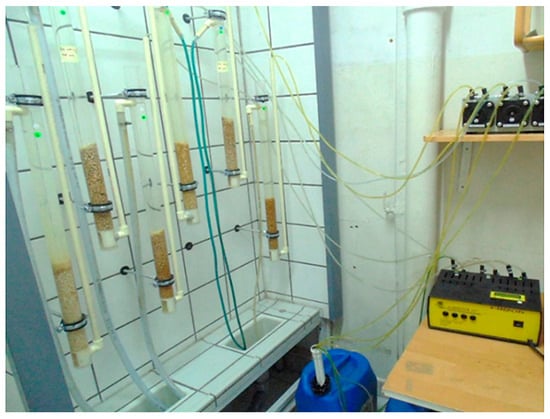
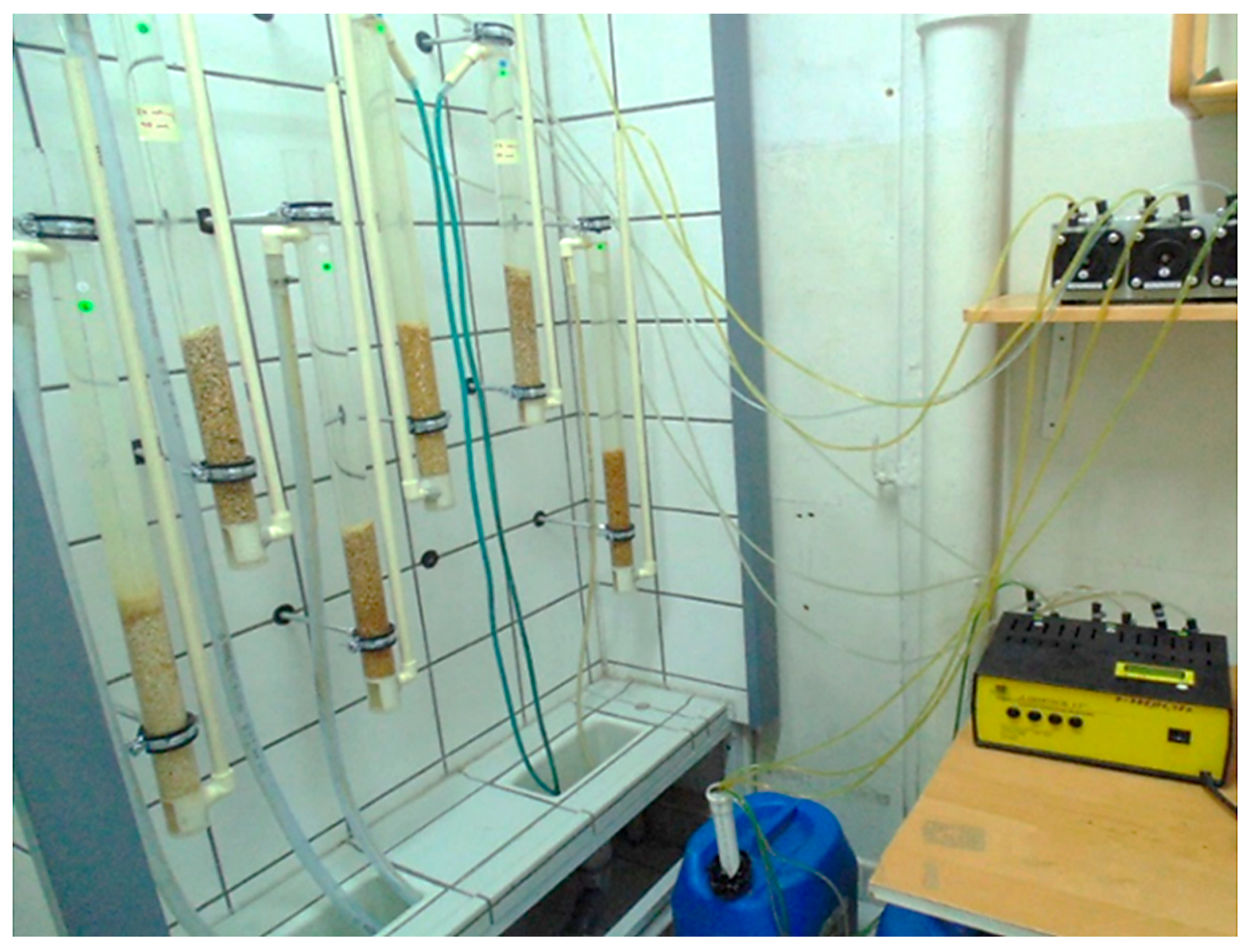
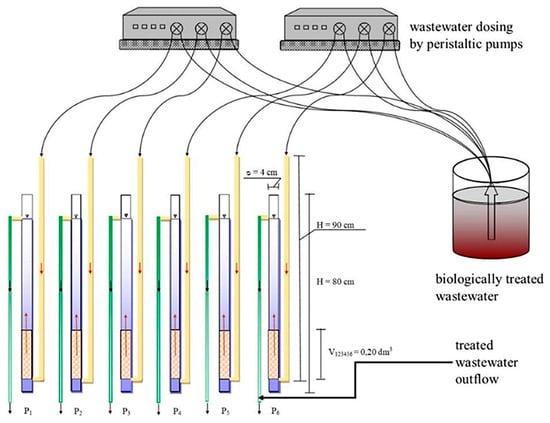
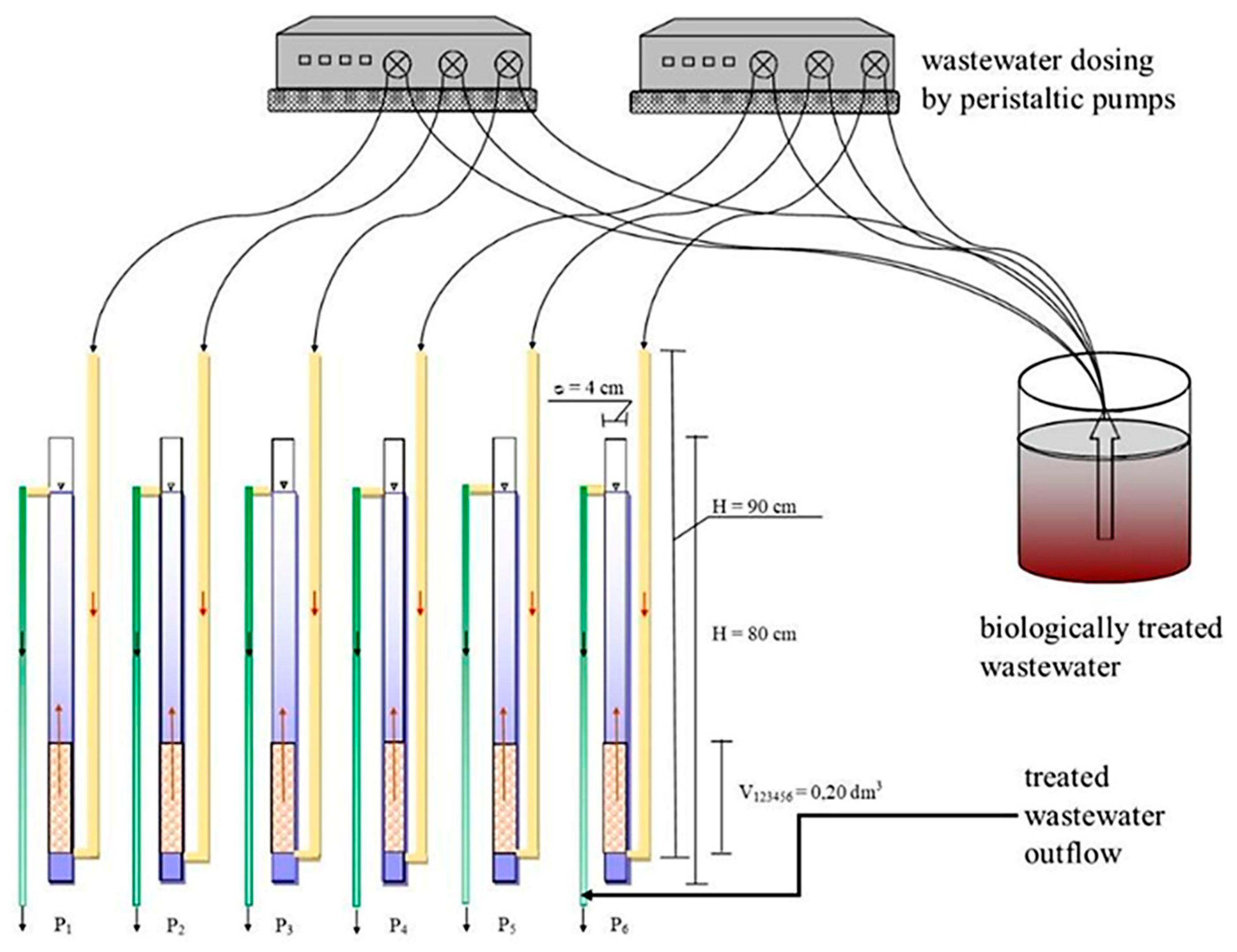
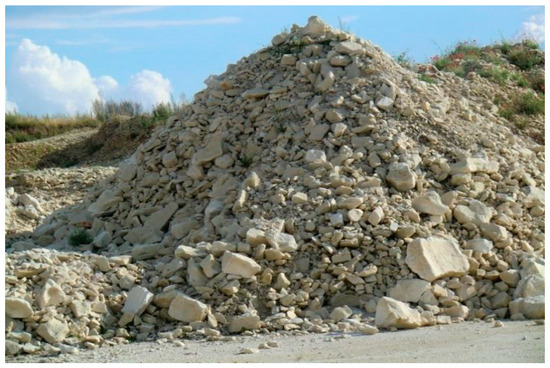
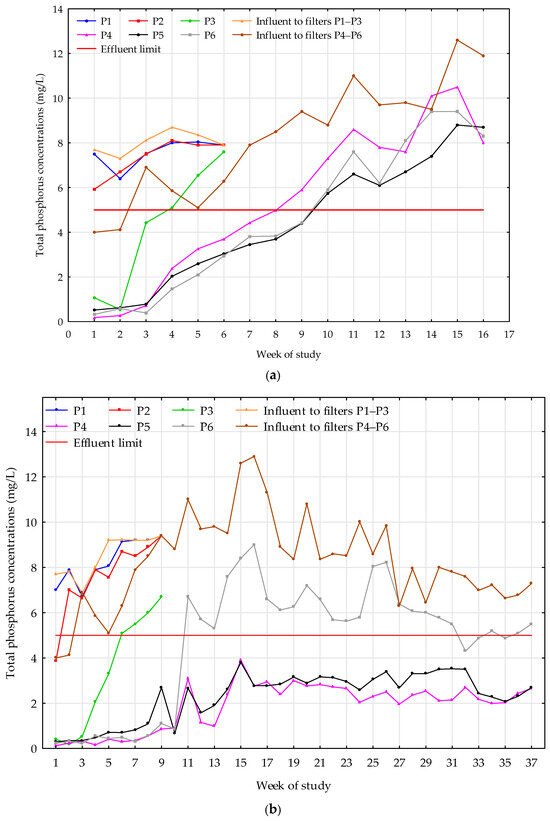
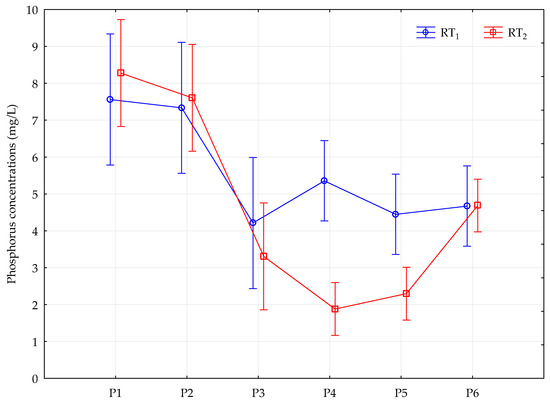
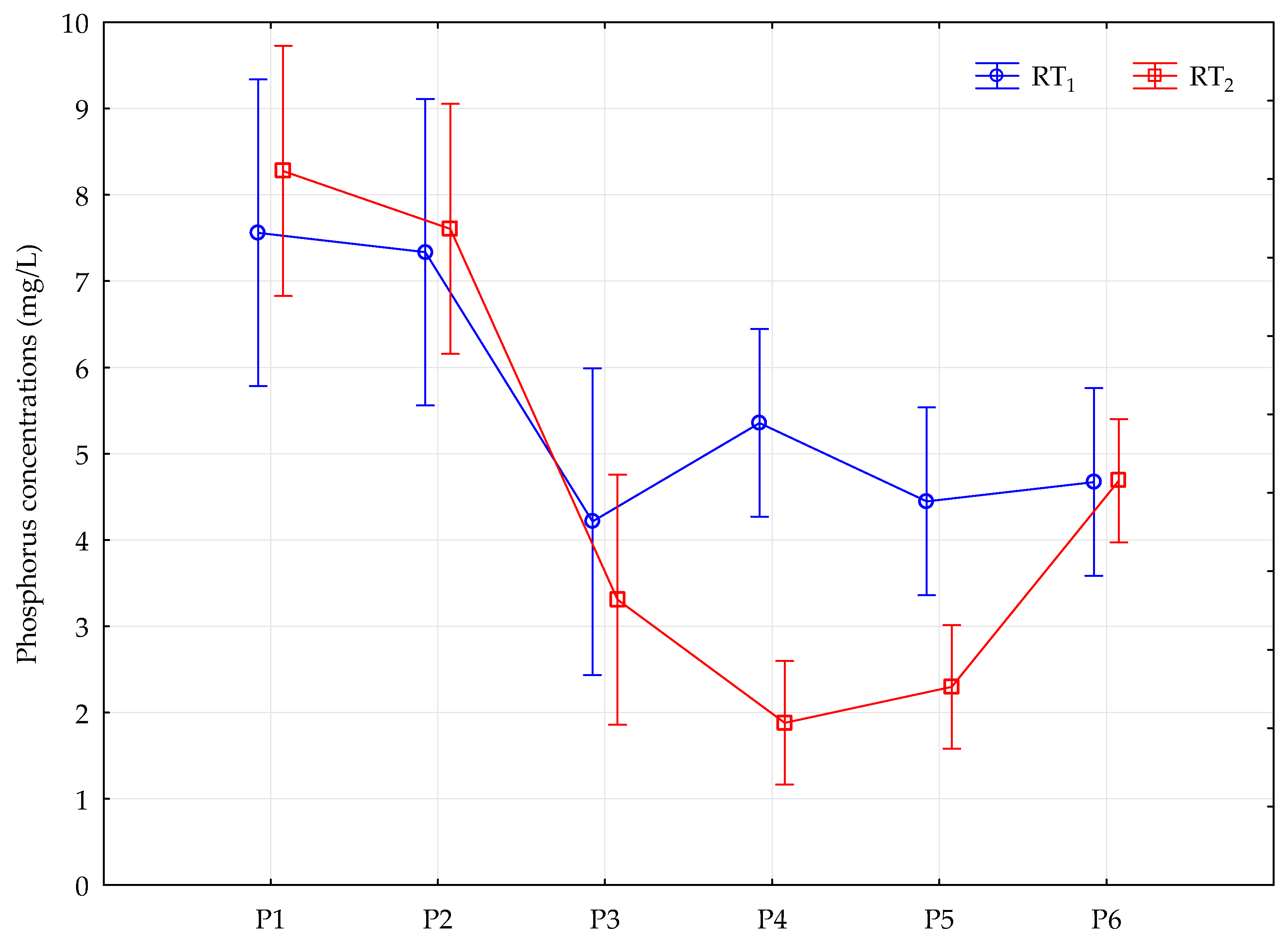
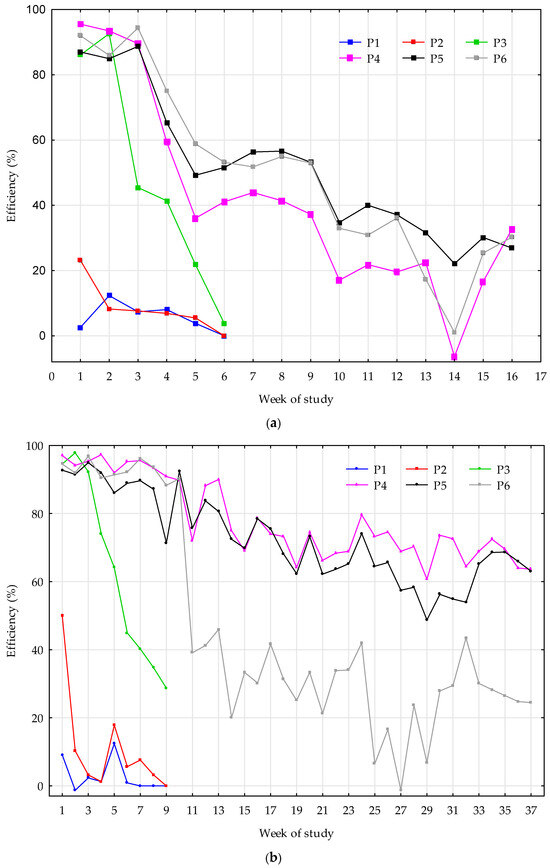
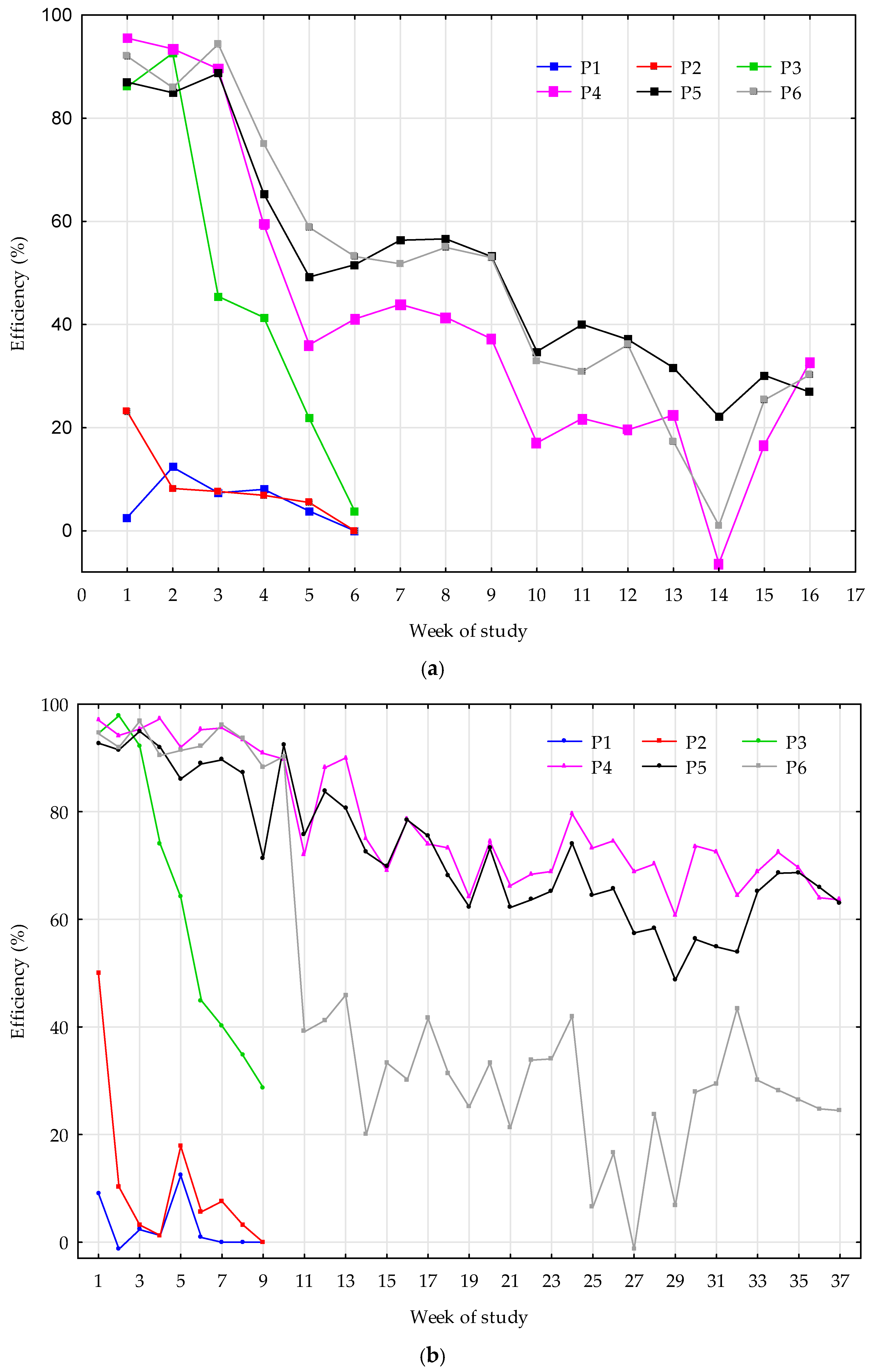
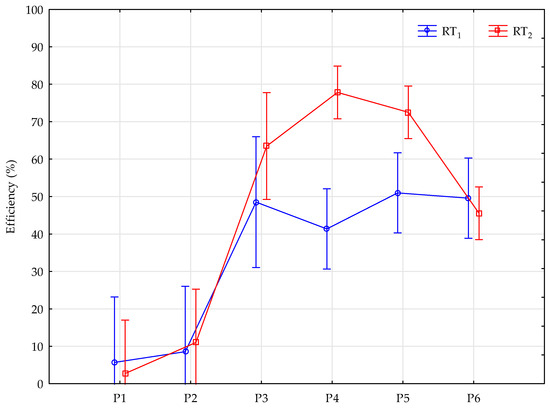
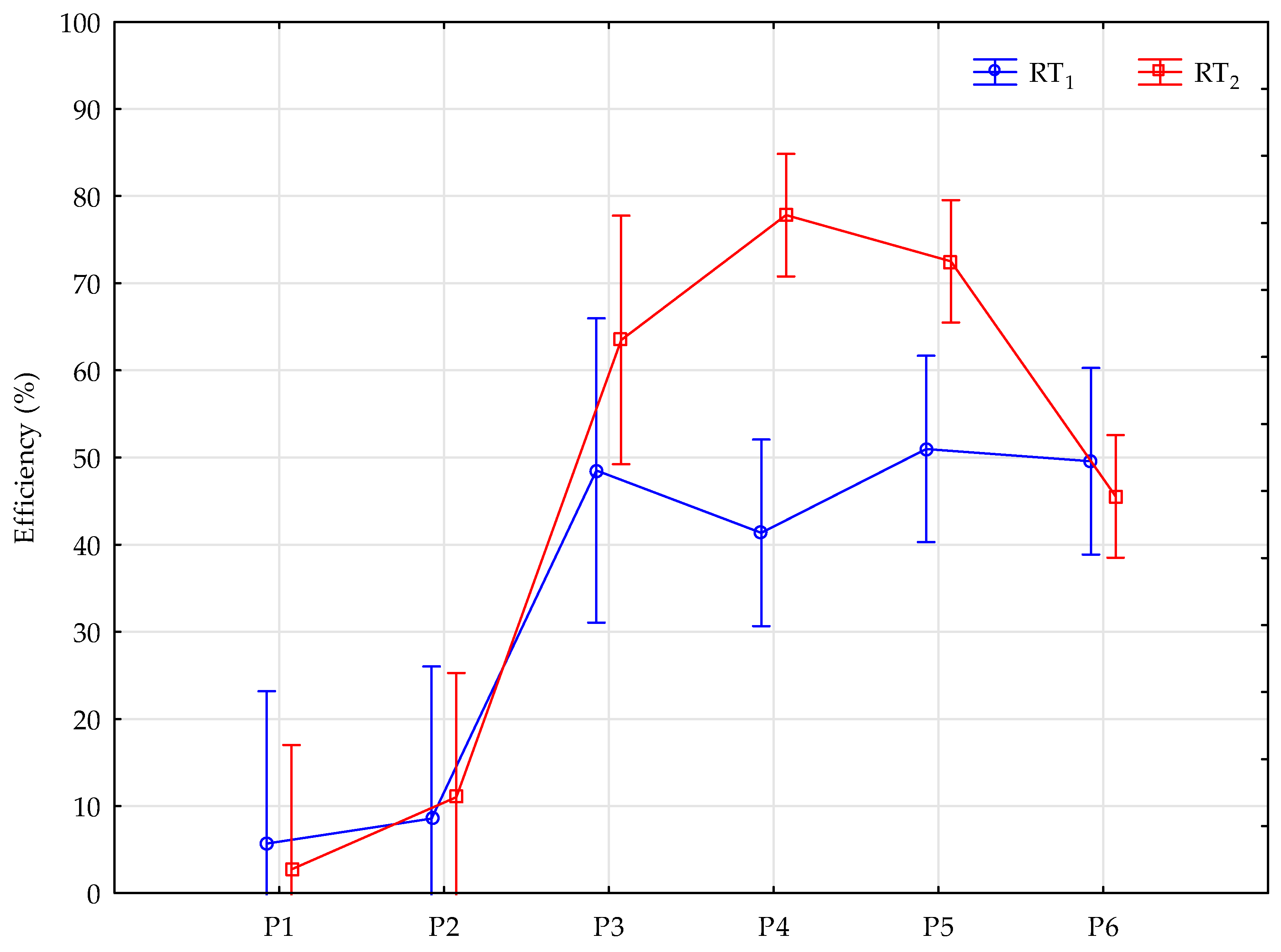
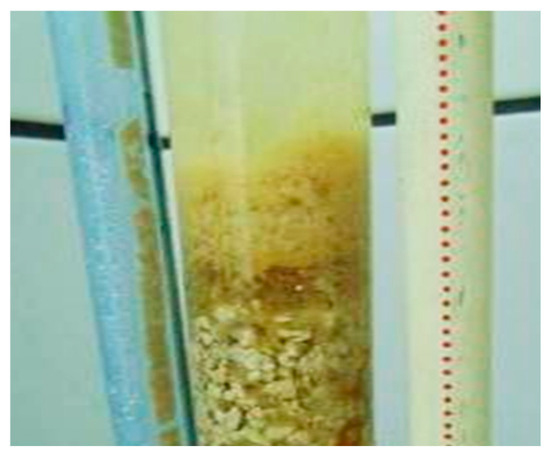
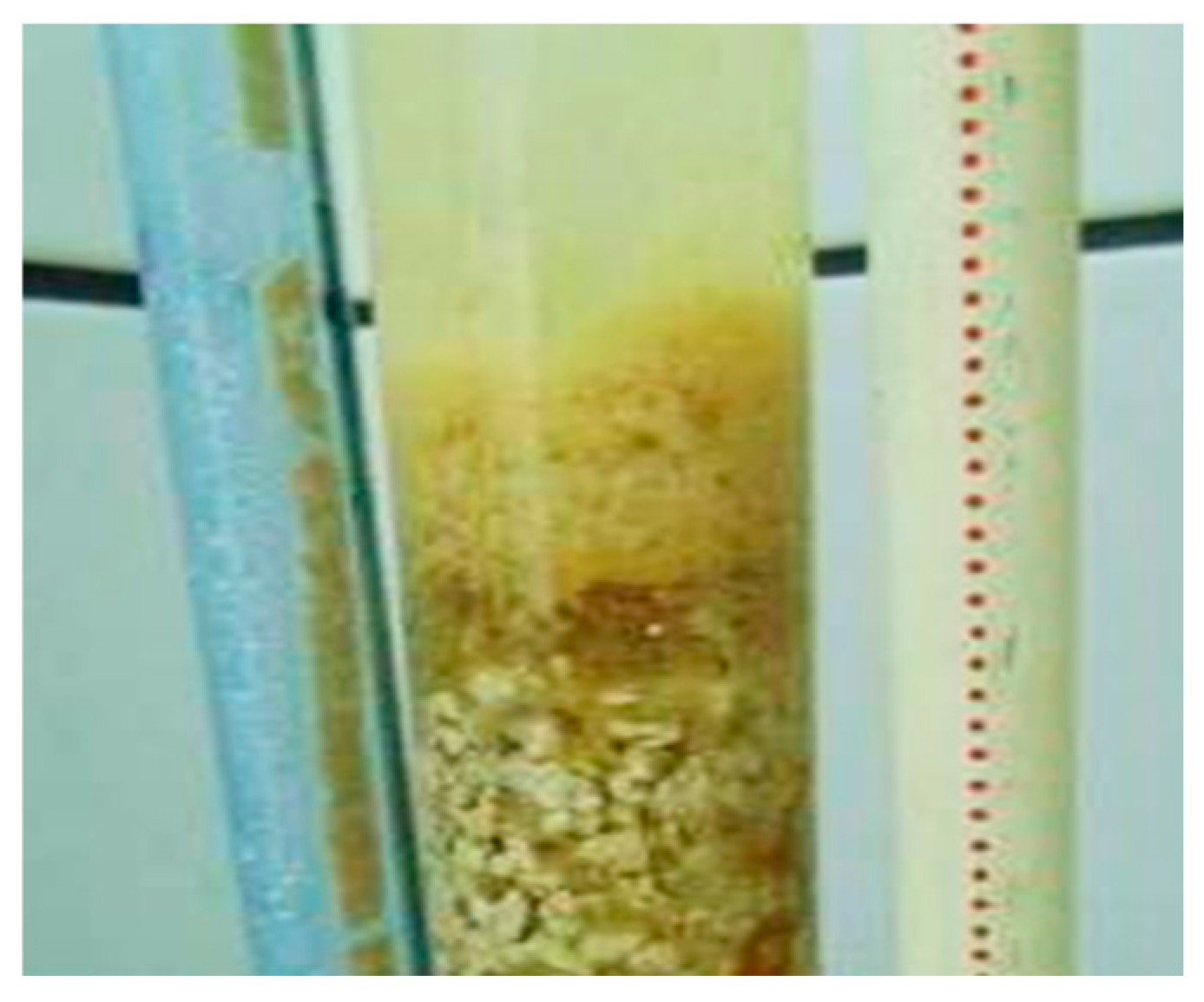
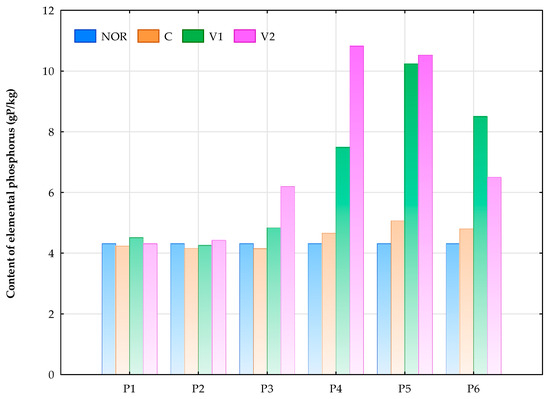
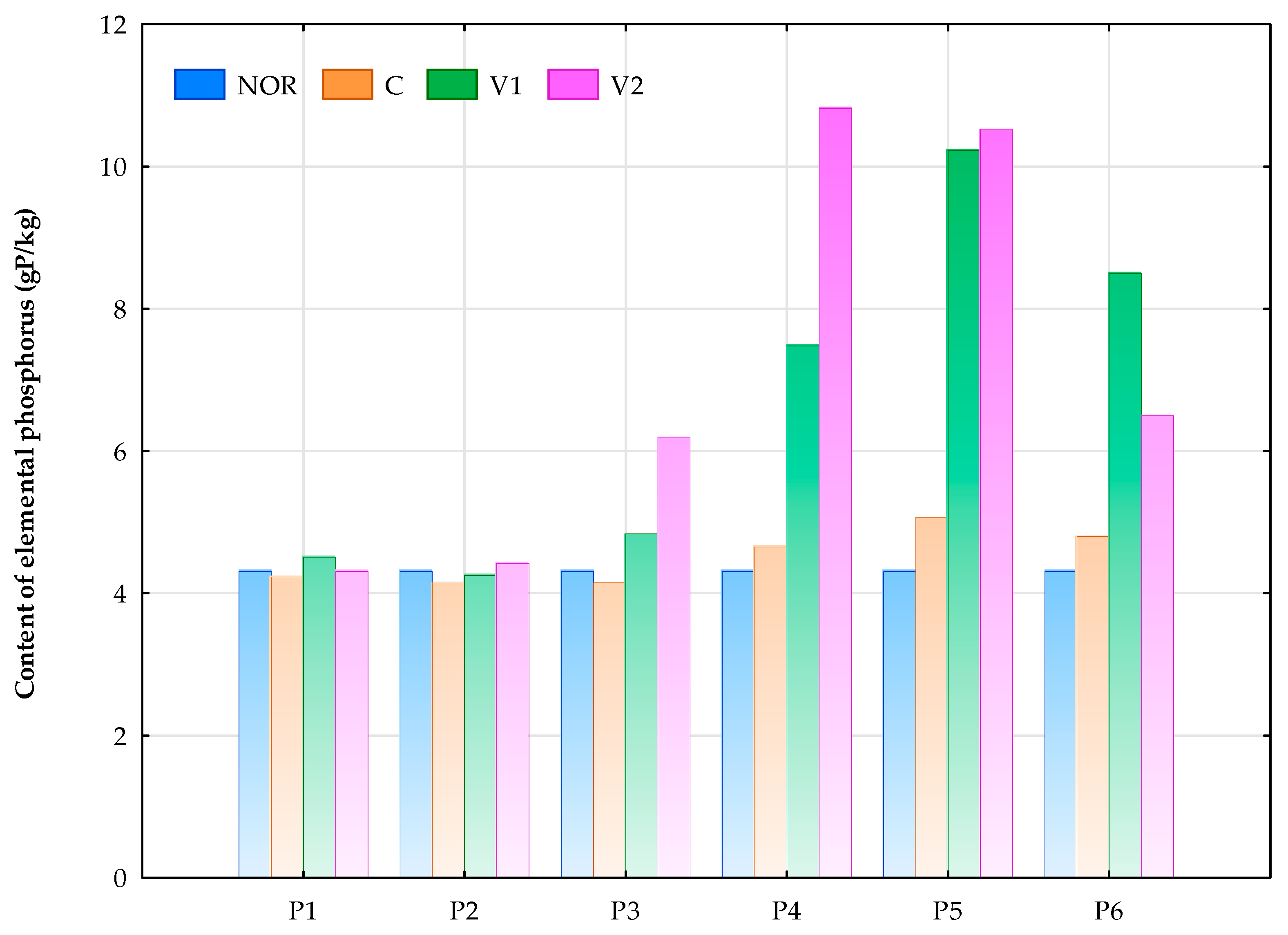
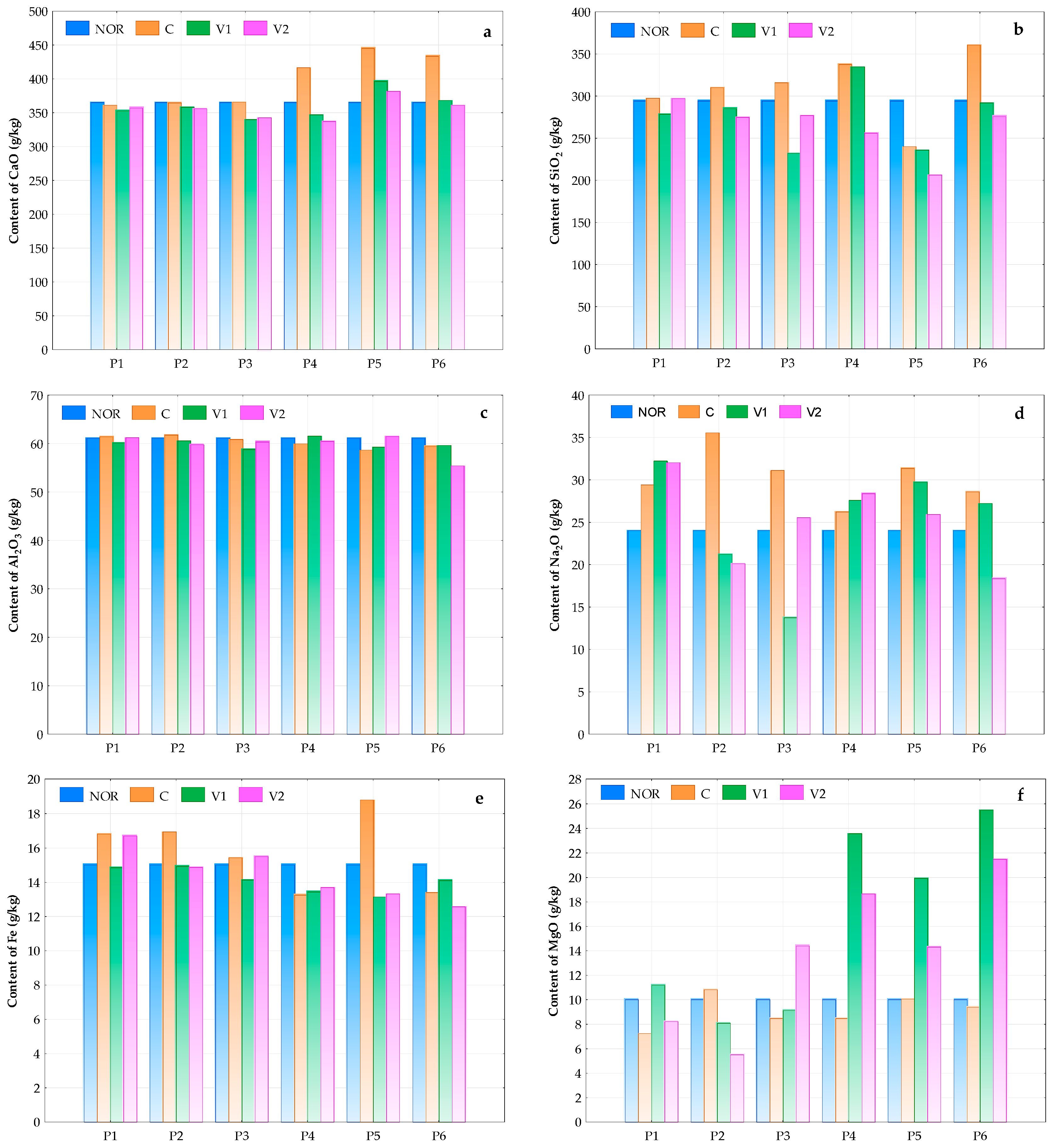
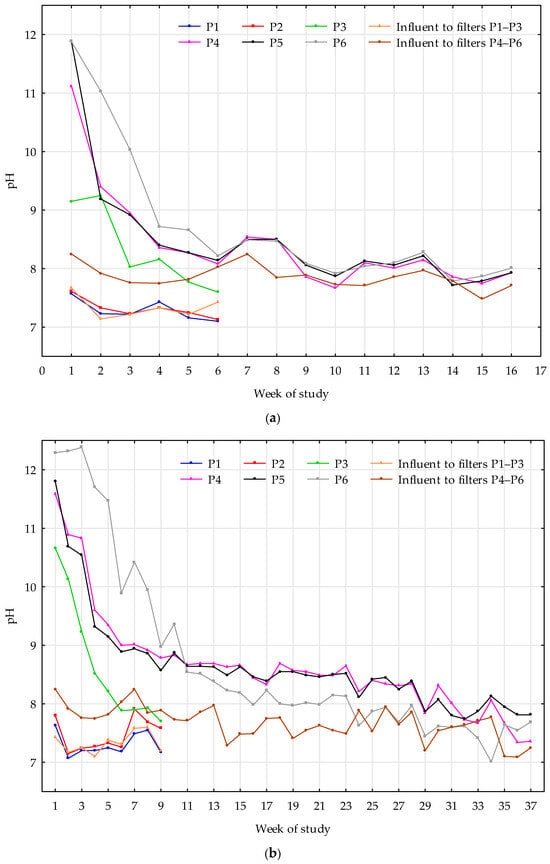
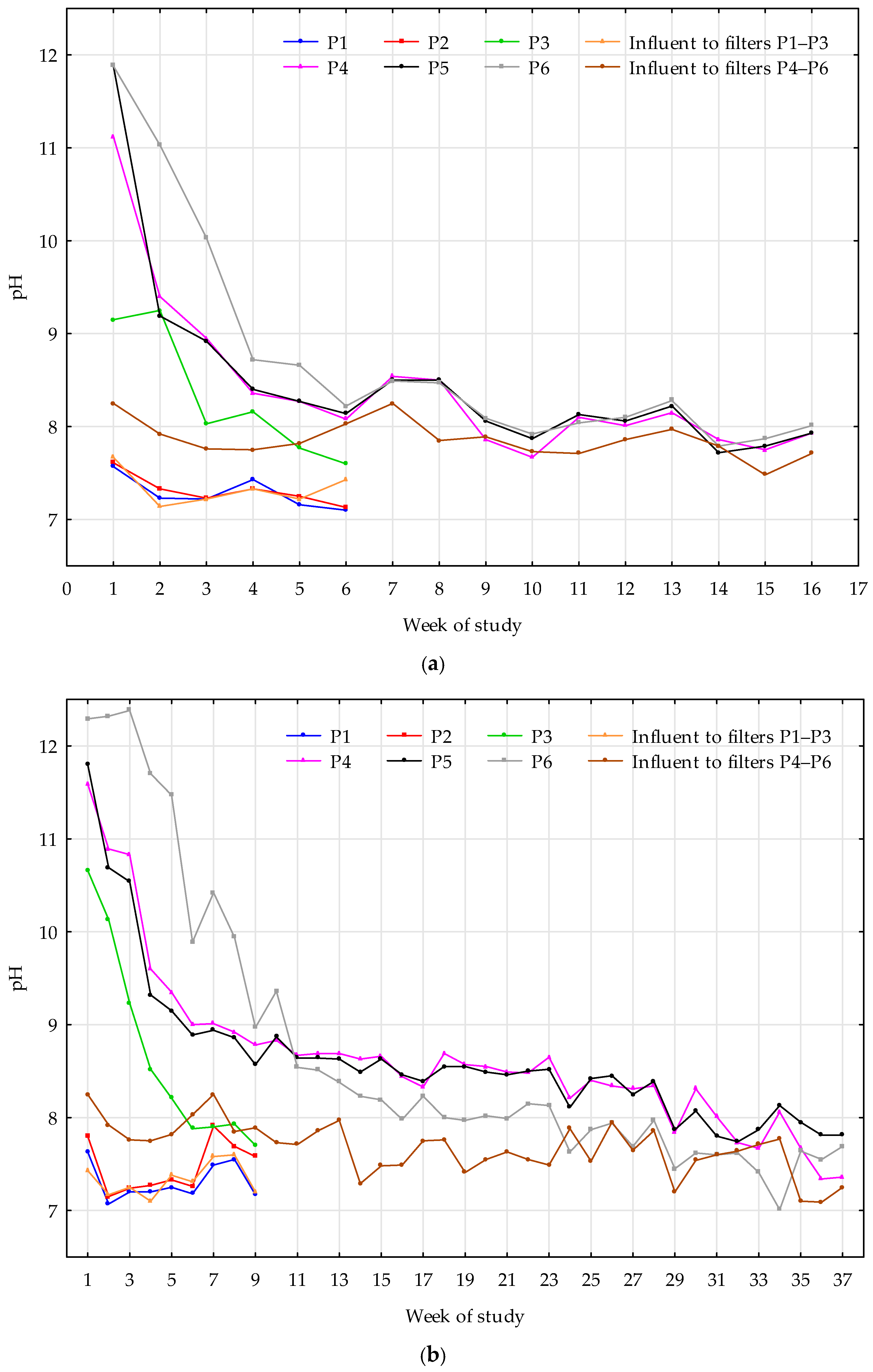
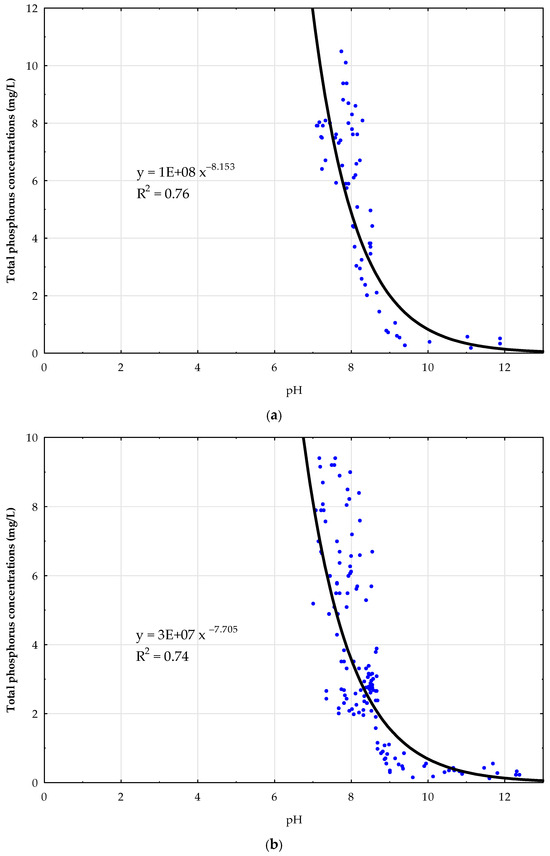
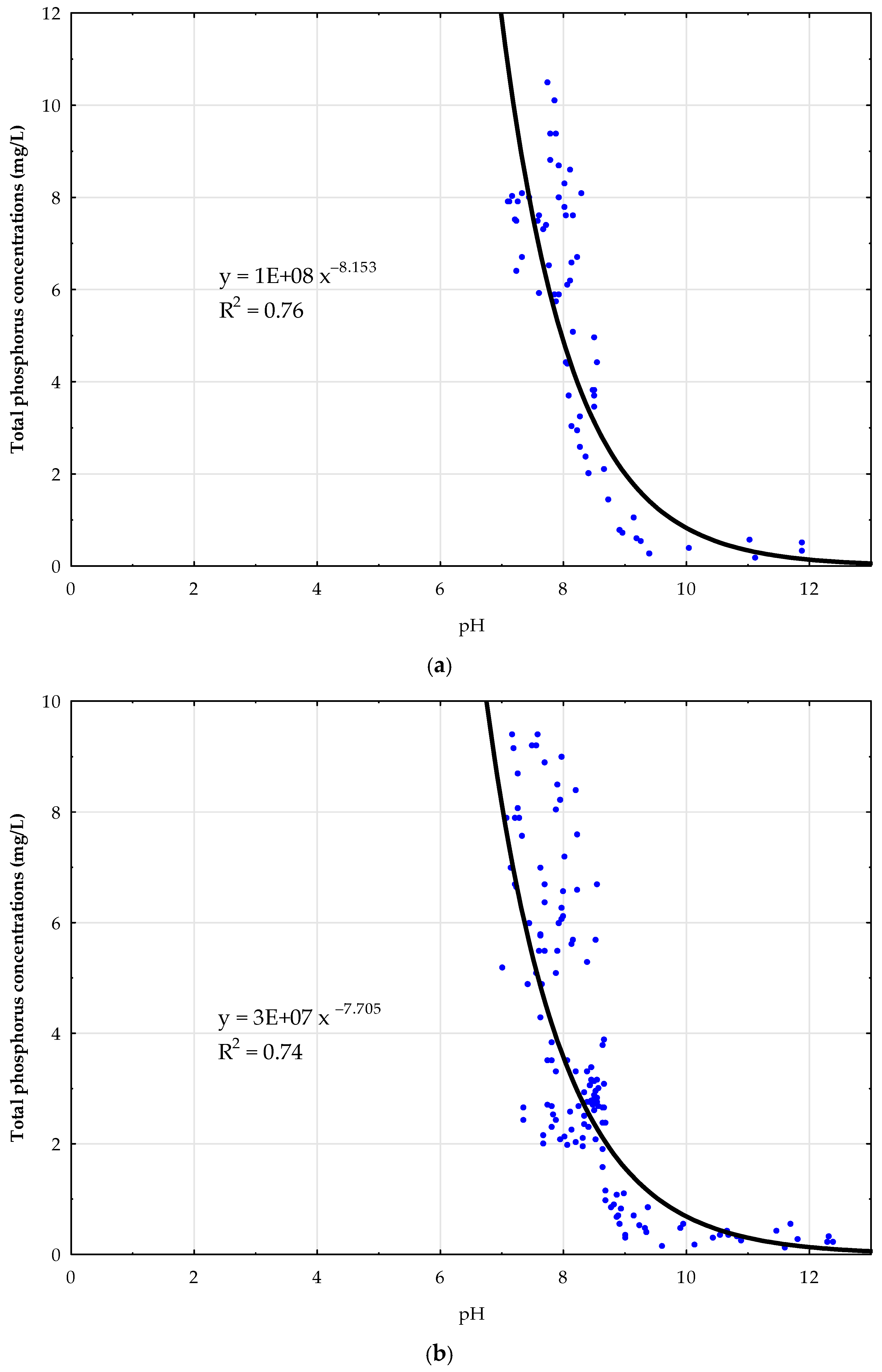

Disclaimer/Publisher’s Note: The statements, opinions and data contained in all publications are solely those of the individual author(s) and contributor(s) and not of MDPI and/or the editor(s). MDPI and/or the editor(s) disclaim responsibility for any injury to people or property resulting from any ideas, methods, instructions or products referred to in the content. |
© 2026 by the authors. Licensee MDPI, Basel, Switzerland. This article is an open access article distributed under the terms and conditions of the Creative Commons Attribution (CC BY) license.