


Abstract
Business and accounting curricula build environmental awareness but rarely develop environmental citizenship: the competences and willingness to act for sustainability. This study describes the environmental citizenship profile of final-semester accounting and finance students in Mexico and examines their experience of a multimodal, virtual reality (VR)-supported session embedded in a ten-week challenge-based course with an industry partner. A convergent mixed-methods design combined a single administration of an adapted Environmental Citizenship Questionnaire (ECQ; n = 123), an exploratory comparison of conceptually parallel pre- and post-session self-reports (n = 102), and thematic analysis of 103 open-ended reflections. The adapted ECQ was internally consistent (alpha = 0.956), but convergent validity was uneven, and two blocks repeating the same activities were merged, so its nine-factor structure is provisional. The profile showed a disposition–action gap: values (M = 3.54 of 4) and intentions to act as agents of change (M = 3.49) were high, whereas past environmental action was limited (42% had ever taken part in an environmental activity and 24% in any listed activity in the past six months). Self-reported knowledge and confidence did not change measurably, which high baselines, non-equivalent items, and a single session could each explain. In the reflections, the two authors coded engagement as predominant (83%), 12% referred to professional or sustainability-performance content, and expressions of intention to act were rare (2%). Without a control group, the findings describe this instructional package rather than an effect of VR.
1. Introduction
Education must be inherently transformative, equipping individuals with the knowledge, competencies, and ethical orientation needed to make informed decisions and engage in individual and collective actions that contribute to societal transformation and planetary stewardship [1]. Education for Sustainable Development (ESD) is therefore indispensable to Sustainable Development Goal (SDG) 4 on quality education and a key enabler of all other SDGs, integrating environmental stewardship, social equity, and economic viability into curricula to foster responsible citizenship for a sustainable future.
Higher education institutions are crucial in equipping students for the challenges of the twenty-first century. They are modifying their teaching and learning methods to align with the call for action embodied in the SDGs and integrating ESD into their curricula. Adopting a more sustainable approach involves community engagement that fosters citizens capable of collective action in addressing economic, environmental, and social issues [2].
Environmental education has nonetheless been criticized for developing awareness without developing citizenship. Its traditional focus on individual awareness and personal action has produced learners who recognize global environmental problems but do not take the actions needed to address them [3,4,5]. Sustainable environmental education responds by embedding environmental citizenship, and virtual reality has been proposed to provide the authentic, place-based experiences such an approach requires. Evidence for this proposition, however, has come mainly from secondary education: Tan et al. [6] showed that a VR-supported module improved environmental citizenship scores among secondary school students and called for testing the approach in other contexts and populations. Environmental citizenship has since been examined in higher education: a cross-national study of 2013 students in seven countries reported high environmental values and attitudes alongside markedly low past environmental action [7], and immersive VR already has a substantial evidence base in higher education [8]. What remains unexamined, to our knowledge, is the combination of these strands in accounting and finance education: a VR-supported experience embedded in an authentic industry challenge and examined through the lens of environmental citizenship.
This agenda has become increasingly urgent in business education. The consolidation of mandatory sustainability disclosure, through the ISSB standards IFRS S1 and S2, as adopted or referenced by individual jurisdictions, and the Sustainability Information Standards (NIS) in Mexico, requires future accounting professionals to combine technical reporting competences with the dispositions of environmental citizens: an understanding of why sustainability information matters and a willingness to act on it [9]. Environmental citizenship offers a theoretically grounded lens for those dispositions, yet, to our knowledge, it has not been examined in business or accounting education.
This study examines undergraduate business students’ environmental citizenship (EC) and the role of a sustainable environmental education (SEE) experience integrating virtual reality (VR) and an industry partner, implemented in the Financial Management and Strategic Controllership course. Given the exploratory nature of the implementation and the characteristics of the data collected, the study adopts a mixed-methods design and addresses the following research questions:
RQ1. What is the environmental citizenship profile of higher education business students, as measured by an adapted version of the Environmental Citizenship Questionnaire (ECQ), and is the adapted instrument reliable in this population?
RQ2. Do students’ self-reported knowledge of, and confidence in, sustainability evaluation differ between conceptually parallel items administered before and after a single VR-supported SEE session? (Exploratory; H1: post-session self-reports are higher than pre-session self-reports.)
RQ3. How do students perceive the usefulness of VR for examining buildings and contextual features relevant to sustainability evaluation, and would they endorse integrating it into accounting and finance courses?
RQ4. What evidence of sustainability-related competences, and of expressed intentions to act individually or collectively, appears in students’ open-ended reflections and teamwork products?
The study contributes to the literature in three ways. First, it extends the ECQ [10], an instrument developed and validated with secondary school students, to a higher education business population and reports preliminary psychometric evidence for the adaptation, complementing recent cross-national evidence from higher education [7]. Second, it points to a possible boundary condition for VR-based SEE interventions documented as effective in secondary education [6]: in a population with high baseline self-reported knowledge and confidence and high prior exposure to VR, a single immersive session did not shift self-reported knowledge, while its value concentrated in engagement, visualization, and immersion, with the professional translation of sustainability evident mainly in the prompted team task. Because the design is single-group and single-session, we advance this as a hypothesis for controlled research rather than as an established moderator. Third, it documents an instructional design (place-based education enabled by VR plus challenge-based learning with an industry partner) in which students’ proposals were directed at an organization rather than at personal habits, the collective orientation found lacking in prior work. In doing so, the study also speaks to business and accounting education: it documents how students, within this instructional package, framed sustainability in professional accounting language, a competence increasingly demanded by international education standards and mandatory ESG disclosure.
Aligning educational development with its intended goals while cultivating sustainability awareness requires deliberately designing a sustainable educational framework [11]. Sustainable environmental education behavior involves building awareness of environmental challenges, internalizing sustainability-oriented values and attitudes, and engaging in constructive actions that meet present needs while safeguarding future resources [12]. Integrating the ecological footprint into education is particularly valuable because it raises awareness of resource dependence, consumption patterns, and the need for sustainability to ensure a viable future for future generations [12]. Drawing on critical pedagogy and the structure–agency debate, Marouli [13] examines Education for Sustainable Development (ESD) and its goals, identifying key areas for improvement and proposing a transition toward Education for Eco-communities, which prioritizes community-based learning, comprehension of natural laws, sociological imagination, and political awareness in order to better align education with the challenges of the twenty-first century [14]. Consistent with this orientation, ESD equips learners with key competencies, such as systems thinking, collaboration, critical and forward-looking thinking, self-awareness, and integrated problem solving, enabling them to apply sustainability values and knowledge, engage in sociopolitical processes, and make future-oriented decisions that support sustainable development [15]. Ensuring sustainability requires an interdisciplinary, collaborative approach that integrates diverse forms of knowledge, interests, and value commitments in a participatory process of knowledge production [16]. Within this frame, Sustainable Environmental Education (SEE) is understood as an approach that develops responsible global citizens who can act for environmental sustainability [6]. A recurring critique in this literature is that conventional environmental education has emphasized individual awareness and personal action, an individualistic approach centered on protection and conservation of resources, and has therefore produced citizens who are aware of global environmental problems but unable or unwilling to take the necessary action to resolve them [3,5]. SEE responds by incorporating community engagement so learners are prepared to take collective action to solve economic, environmental, and social problems; for this reason, SEE should embed environmental citizenship as a means of forming individuals who participate responsibly in both private and public spaces [4,6].
Environmental citizenship (EC) has been defined by the European Network for Environmental Citizenship (ENEC) as the responsible pro-environmental behavior of citizens who act as agents of change, individually and collectively, in the private and public spheres and at local, national, and global scales, in order to solve contemporary environmental problems, prevent new ones, and achieve sustainability, while exercising environmental rights and duties and addressing the structural causes of environmental degradation [3]. As defined, EC sits within citizenship theory and reflects the understanding that active involvement in achieving sustainable development is each citizen’s responsibility [3]. To render this construct educationally usable, Hadjichambis and Paraskeva-Hadjichambi [10] developed the Education for Environmental Citizenship (EEC) model, which organizes EC into three areas: past and present actions as an environmental citizen; competences, comprising knowledge, conceptions, skills, attitudes, and values; and future actions, inside and outside the educational institution and as an agent of change. These outcomes are enacted across two dimensions (individual and collective), two spheres (private and public), and three scales (local, national, and global). The model matters because it moves EC beyond awareness toward a structured account of the cognitive, affective, and behavioral capacities an environmental citizen should possess, and because it explicitly incorporates collective and public-sphere action, the dimension most often neglected in conventional environmental education.
Based on this model, the same authors constructed and validated the Environmental Citizenship Questionnaire (ECQ), a 76-item instrument grouped into nine factors corresponding to the EEC model. Validated with 520 secondary school students in Cyprus, the ECQ demonstrated high internal consistency, with Cronbach’s alpha above 0.702 for every factor and 0.944 overall, and it remains the most comprehensive validated metric of EC available [10]. Notably, the original validation revealed relatively high knowledge and past-action scores alongside comparatively low attitudes and values, illustrating that the several components of EC do not necessarily develop in step, a pattern of practical interest for any intervention seeking to strengthen the construct.
The ECQ has since been used not only to describe EC but also to evaluate educational interventions. Most relevant to the present study, Tan et al. [6] applied a VR-supported SEE module in a Malaysian secondary school and measured its effect with the ECQ in a single-group pre-test/post-test design. The module produced a significant gain in EC scores (Wilcoxon Z = −4.454, effect size r = 0.81), and focus-group evidence indicated that students were engaged and improved in EC competences. Crucially, however, the future actions students envisaged remained individualistic rather than community-based, leading the authors to call for strategies and further research in other contexts to help learners become agents of change in the community. This open question, together with the absence of evidence in higher education and in business or accounting programs, frames the contribution of the present study.
The relevance of environmental citizenship to accounting education arises from the profession’s own transformation. The International Federation of Accountants (IFAC), through the International Education Standards (IES) issued by the International Accounting Education Standards Board (IAESB), establishes a competency-based model for the initial professional development of accountants that integrates technical competence, professional skills, and professional values, ethics, and attitudes, and that increasingly foregrounds sustainability and technological transformation as emerging professional demands [9]. In this literature, a threshold concept is understood as more than a foundational element for disciplinary understanding [17]; threshold concepts in accounting aim to foster sustained professional competence, understood as the capacity to integrate and apply technical knowledge, professional skills, and ethical values to perform a role in accordance with established standards [9].
Within this framework, the technical competences increasingly expected of accounting graduates include sustainability disclosure and reporting under the Global Reporting Initiative (GRI), SASB/ISSB materiality, the IFRS Sustainability Disclosure Standards (IFRS S1 and IFRS S2), the European Sustainability Reporting Standards (ESRS), the Mexican Sustainability Information Standards (NIS), and the United Nations Sustainable Development Goals (SDGs); carbon accounting and assurance through the GHG Protocol and ISO 14064; investment appraisal and green capital expenditure evaluation; cost management using energy-intensity indicators; and corporate reporting and stakeholder communication through ESG criteria and recognized building certifications such as LEED and WELL. Together, these competences prepare future accountants to make technically sound, ethically responsible, and sustainability-oriented decisions. Yet technical competence alone is insufficient: the disposition to recognize why sustainability information matters and the willingness to act on it are dispositional rather than technical, and environmental citizenship offers a theoretically grounded way to conceptualize them. This connection between EC and professional competence frameworks has not, to our knowledge, been examined empirically, which motivates the present study’s focus on business students.
In sustainability research, immersive technologies first emerged in the 1990s through tourism-related studies, when Dewailly introduced 3D visualization to reduce the carbon footprint in environmentally sensitive areas [15]. By stimulating multiple sensory channels, primarily vision and hearing, and, in some cases, touch, virtual reality (VR) induces a sense of presence that leads the brain to interpret a digitally generated environment as real, supporting applications across education, training, entertainment, therapy, and scientific research [18]. VR has consistently been shown to engage learners in both the cognitive and affective domains and to heighten the sense of presence in digital environments [6]. This sense of presence is central to the learning experience VR affords. VR recreates realistic experiences by engaging users’ perceptual senses through action-based interaction, and in educational interventions it is typically achieved through high levels of immersion involving virtual representations of the self and realistic interactions between virtual and physical environments [19]. Learners thereby gain autonomy, exploring environments at their own pace, which has been associated with higher self-efficacy and engagement. Technology is not without limitations. Some constraints relate to the limited flexibility of predesigned digital content, and students immersed in headsets are less likely to experience the psychological sense of belonging to a communal space [19]. The wider literature adds distraction, unfamiliarity with the interface, insufficient devices and bandwidth, and health effects such as dizziness, eyestrain, and cybersickness [6]. Another caution concerns the novelty effect: the motivation VR elicits may derive in part from the novelty of the technology rather than from learning itself, so its measured benefits may diminish once the novelty fades [6,20]. This caveat is directly relevant to interpreting short, single-session interventions.
Despite these limitations, VR can influence attitudes and therefore function as a persuasive technology [15], and virtual environments can enhance educational quality by increasing engagement, enabling high-quality visualizations, and allowing instructors to design tailored didactic applications while reducing costs and safety risks [21]. For environmental citizenship specifically, VR is valuable because it operationalizes two pedagogies recommended for EEC. It enables place-based education by transporting learners to environments otherwise inaccessible from the classroom, providing first-order experiences of the places under study, and it supports socio-scientific inquiry-based learning by allowing students to explore an authentic problem and determine appropriate courses of action [6,22]. By evoking emotions that motivate pro-environmental behavior, VR offers a plausible means of cultivating EC, which this study examines in a higher-education business context.
Conceptual Framework
The study is framed as a sequence linking the affordances of the immersive environment, the pedagogy surrounding it, and the environmental citizenship outcomes it targets, while distinguishing what was expected at each step from what the study could measure. We first distinguish technological features from psychological affordances. Immersion is an objective property of the system, the extent to which it delivers an inclusive, surrounding, and vivid virtual environment, whereas presence is the user’s subjective sense of being in the virtual place [23]. The Cognitive Affective Model of Immersive Learning (CAMIL) adds agency, the sense of initiating and controlling one’s own actions, as a second general affordance, and proposes that presence and agency affect learning indirectly, through affective and cognitive factors such as interest, motivation, self-efficacy, embodiment, cognitive load and self-regulation [24]. Interactivity, visualization and embodiment are therefore design features or mechanisms, whereas novelty and enjoyment are affective reactions that may accompany them; the terms are not interchangeable, and even specific design features of virtual environments, such as avatar geometry, can modulate users’ emotional engagement [25].
In this study, the two applications were expected to act through different affordances. Google Earth VR was expected to support presence in distant, real places, enabling virtual place-based visits to certified buildings and to the industry partner’s restaurant sites. It displays the form, surroundings and climatic context of buildings but not their operational performance, so judgments about energy use and emissions had to draw on the recorded expert talk, the CO2 video and the workbook prompts rather than on the virtual scenes alone. Arkio was expected to support agency and collaboration, because teams explored a shared, pre-loaded model of an eco-efficient city together. Neither application was expected to transmit knowledge by itself; in CAMIL terms, both were expected to raise situational interest and engagement that the surrounding instruction could then direct toward analysis [24].
Engagement is used here in the multidimensional sense established in educational research, comprising behavioral (participation and effort), emotional (affective reactions such as interest and enjoyment), and cognitive (investment in understanding) components [26]. Enjoyment is thus one indicator of emotional engagement, not engagement as a whole, and positive affect toward a technology can coexist with little cognitive investment. Accordingly, we treat reflections that report enjoyment as evidence of emotional engagement and reserve claims about cognitive engagement for evidence of analysis, such as the identification of emission sources or the use of reporting frameworks in teamwork.
The immersive session was embedded in a challenge-based learning (CBL) design. CBL organizes learning around open, real-world challenges that students address collaboratively, often with external stakeholders [27], and it has been used to integrate sustainability into higher education, including in Mexico [28]; industry and professional engagement is a recurring dimension [29]. Place-based education grounds learning in the ecological and social characteristics of specific places [30], and socio-scientific inquiry-based learning asks students to investigate authentic problems and decide on courses of action [22]. The combination matters for interpretation: a real partner with real sites gives students an organizational and collective object for their proposals, so any collective orientation in their work may stem from the challenge design as much as from the immersive experience.
Finally, the framework anticipates that dispositions and conduct need not align. Research on pro-environmental behavior has long documented a gap between environmental knowledge, values and attitudes, on the one hand, and behavior, on the other, attributing it to internal factors such as habits and perceived efficacy and to external factors such as infrastructure, costs and opportunities [31]; more generally, intentions translate only partially into behavior [32]. Environmental citizenship is also broader than personal attitudes because it includes individual and collective action in the private and public spheres [3]. We therefore distinguish three levels throughout: dispositions (values, attitudes and declared intentions), competence demonstrated in a learning task, and enacted behavior. The ECQ captures dispositions and self-reported past action, the team workbooks capture demonstrated competence, and the design does not capture subsequent behavior.
2. Materials and Methods
The intervention took place over a 10-week academic block from 24 March to 8 June 2025, in the Financial Management and Strategic Controllership course at a private university in Monterrey, Mexico, as part of a challenge-based learning block developed with an industry partner. This partner is a leading Mexican multinational restaurant operator. The block addressed a sustainable energy challenge, and students received academic training in accounting, finance, sustainability, assurance, emerging technologies, and programming. The VR-supported session’s learning objective was defined as ethical, sustainable citizenship and the discernment of sustainability-related impacts, risks, and opportunities in solution proposals beyond financial feasibility, aligned with three institutional transversal competences: conscious entrepreneurship, cutting-edge technologies, and digital culture.
The session comprised seven sequenced activities combining expert input, immersive VR experiences, and applied analysis for the industry partner (Table 1). Two VR applications were used: Arkio, a collaborative spatial-design application in which students explored a pre-loaded model of an eco-efficient city, and Google Earth VR, through which students conducted virtual visits to internationally recognized sustainable buildings (e.g., The Edge in Amsterdam, The Crystal in London, the Pixel Building in Melbourne) and to three restaurant locations of the industry partner in three Mexican states with contrasting climatic conditions (Estado de México, Nuevo León, and Quintana Roo). Students worked in teams, documented their observations in a structured workbook, and produced context-specific improvement proposals grounded in sustainability reporting frameworks (GRI, SASB/ISSB, IFRS S1–S2, and the Mexican NIS).
Table 1.
Design of the immersive learning intervention: activities, instructional phases and environmental citizenship dimensions.
The instructional sequence is consistent with the First Principles of Instruction framework [33] employed by Tan et al. [6]: knowledge activation (initial surveys and recorded expert talk), demonstration (CO2 video and guided VR exploration), application (identification of emission sources and efficiency solutions in the virtual environments), and integration (team-based improvement proposals for real buildings of the industry partner). It likewise operationalizes place-based education (enabled virtually through immersive visits to cities and buildings otherwise inaccessible from the classroom) and socio-scientific inquiry-based learning, as students investigated an authentic, locally relevant problem and proposed evidence-based courses of action [22].
The four class groups took part in two sessions held on the same day, two groups in the morning and two in the afternoon. The sessions were held on 3 May 2025, and students submitted their final course projects on 19 May 2025, allowing them to integrate the immersive learning experience into their projects. The session took place in the university’s virtual reality laboratory, equipped with seven HTC Vive Pro 2 headsets, with technical specifications provided by the university library staff. Each headset provides 5K resolution (2448 × 2448 pixels per eye) through dual-RGB-subpixel LCD panels and integrated, detachable Hi-Res-certified headphones with 3D spatial audio. Positional tracking used the SteamVR system with base stations, and connectivity was provided via USB-C 3.0 and DisplayPort 1.4. With seven headsets for two class groups per session, teams rotated through the equipment, and each team had about 10 to 15 min with the headsets for the immersive activities; all students used the headsets, so the four groups were split into two sessions. This logistical constraint is reflected in students’ reflections (Table 6). The first author explained and led both sessions, the co-author guided teams in both sessions, and the two other course instructors supervised; activities, materials and timing were the same for all groups. The team workbook was posted as a course task in the learning management system so that all students would complete it and upload it individually, but it did not count toward the final course grade.
Participants were undergraduate students enrolled in four class groups of the course, all pursuing the bachelor’s degree in accounting and finance (Contador Público y Finanzas, CPF) and in their final, eighth semester. The adapted ECQ was answered by 131 students; after removing one embedded header record and eight duplicate submissions (first submission retained), the analytical sample was n = 123. The pre- and post-session VR surveys yielded 124 and 103 unique respondents, respectively, producing a paired sample of n = 102 students after one mistyped student ID was corrected. Of the 124 pre-session respondents, 22 did not complete the post-session survey, and 1 post-session respondent had no pre-session response. Students without matched data did not differ significantly from the paired sample on any pre-session item (Mann–Whitney, all p ≥ 0.097) or ECQ factor (all p ≥ 0.094); descriptively, their pre-session scores were slightly higher, so attrition did not concentrate students with low baselines. Class group was self-reported in each instrument. Official class lists were not available to the authors for all four groups, so a response rate is not reported and comparisons by class group rely on self-reported membership. Participation was voluntary; responses were identified by student ID solely for pairing purposes, and IDs were removed before analysis.
EC was measured with a Spanish-language adaptation of the ECQ [10] contextualized for higher education: school-referenced items were reworded to the university context, and the ten activities of the future-actions-outside-school area were presented twice, once as a student outside campus and once as a future citizen. The adapted instrument comprises 85 items answered on 4-point Likert scales. Because the two future-actions-outside blocks proved empirically indistinguishable (Section 3.1), they were analyzed as a single 20-item factor, so results are reported for nine factors across the three ECQ areas, as in the original instrument (Table 2 reports items and scales per factor). Factors F2–F9 were scored so that higher values indicate a stronger expression of EC; the original article does not report how responses were scored. For F1, the response options record whether and how recently students took part (1 = no; 2 = within the last six months; 3 = more than six months ago; 4 = more than one year ago), so higher F1 values do not indicate stronger action; we therefore also report an ever/never representation of F1 (Section 3.1). The first author translated the ECQ into Spanish; no back-translation, expert panel review, cognitive interviews or pilot test were conducted. Relative to the 80-item list published with the original instrument, two items were combined and four were not included in order to shorten the questionnaire, and three items removed from the final 76-item version were retained; the complete Spanish instrument, an English translation and the item-by-item correspondence are provided in Supplementary Materials S1 and S2.
We recoded all items from the original text responses rather than the pre-coded spreadsheet. In this process, we identified and corrected three data-entry errors in the original coding, in which intermediate or higher response categories had been transposed in the Knowledge, Skills, and Future-actions-inside-university factors. The Values block, moreover, appeared twice in the questionnaire; the factor was computed from the first 16-item block, and the high agreement between the two blocks (mean inter-block r = 0.75; 86% identical responses) was retained only as an indicator of within-session consistency. Following item analysis, one Attitudes item (CA1) with a negative corrected item-total correlation (−0.16) was removed, leaving 84 items for the analyses reported here; the Attitudes factor therefore comprises eight items.
Self-reported knowledge, confidence, and perceptions regarding VR and sustainability evaluation were measured with brief surveys administered before (six items) and after (six items plus one open-ended question) the session, on 5-point agreement scales. Three item pairs are conceptually parallel across administrations (knowledge of energy efficiency in buildings, confidence applying sustainability criteria in project evaluation, and the link between sustainability and accounting work) and were used for the pre/post comparison. Because the post-session items are worded retrospectively and explicitly reference the intervention (“After using Virtual Reality, I better understand…”), they are not measurement-equivalent to the pre-session items. Two opposing biases follow: the wording mismatch adds measurement error that attenuates any pre/post difference toward zero, while the retrospective, intervention-referencing framing plausibly inflates post-session responses. Because the net direction is indeterminate, we do not characterize the comparison as conservative; we report the paired tests as exploratory, and we interpret the results primarily from the descriptive score distributions. We report the remaining post-session items (usefulness of the tools, identification of CO2 sources and mitigation strategies, and endorsement of VR in other accounting/finance courses) descriptively. The pre-session survey was administered several weeks into a course that already included sustainability-related instruction, so its scores are a baseline for the VR session rather than for sustainability education more broadly. The open-ended question asked students how they had experienced using VR for sustainability projects and what they had enjoyed most; because this wording invited positive, affective responses, it probably raised the frequency of the engagement/enjoyment theme, whereas it did not ask about accounting, reporting or professional practice.
The qualitative strand comprised two data sources with distinct analytic roles. The 103 open-ended reflections from the post-session survey provided systematic breadth and served as the corpus for all reported coding frequencies (Table 6). The structured team workbooks, produced during and after the session (submitted on 19 May 2025) and containing guided observations, answers to socio-scientific questions, and improvement proposals for the industry partner, provided illustrative depth only: they were not frequency-coded and are not treated as a representative sample. The workbook template (Supplementary Material S5) structured each activity with guiding questions. It asked students to connect each activity with accounting and reporting practice and, for the partner’s locations, to relate energy consumption and sustainable projects to eight reporting frameworks (including the Mexican NIS, IFRS S1–S2, SASB, GRI and ESRS) and to propose absolute and relative indicators; references to these frameworks in the workbooks were therefore prompted by the task.
The study followed a convergent mixed-methods design embedded in an exploratory implementation. The adapted ECQ was administered once at the beginning of the session to characterize the population’s environmental citizenship profile and assess the adapted instrument’s reliability (RQ1). The VR perception survey was administered before and after the session as a single-group pre/post component (RQ2–RQ3). Teams completed workbooks during the session, and open-ended reflections were collected with the post-session survey (RQ4). All instruments were delivered through Google Forms. The sessions were implemented in the university’s VR laboratory; the four groups completed them on 13 May 2025, and students submitted their final course projects on 19 May 2025. Most students completed the ECQ (114 of 123) and the pre-session survey (114 of 124) on the session day; the post-session survey was completed online after the session, between 14 May and 18 May (86 of 103 respondents on 16 May or 18 May), while teams were finishing their course projects. The remaining nine ECQ responses were submitted after the session (three on 14 May and six on 16 May); excluding them (n = 114) changed no factor mean by more than 0.03, and for these nine students the ECQ is not a pre-session measure.
One design feature requires explicit statement. The adapted ECQ was administered only once, at the outset of the session, and was not repeated afterward. Consequently, the study does not estimate change in environmental citizenship attributable to the intervention; instead, it characterizes the population’s baseline EC profile (RQ1) and, separately, examines change in self-reported knowledge and confidence through the pre/post VR perception survey (RQ2–RQ3). This design choice delimits the causal claims that can be drawn: the null and positive findings reported below concern self-reports and perceptions of the VR experience, not the development of EC as measured by the ECQ. This also motivates a direct recommendation for future research: administering the ECQ before and after longer, multi-session interventions to assess whether VR-supported SEE can shift environmental citizenship itself (Section 4.1).
We conducted quantitative analyses in Python 3.13.17 (SciPy 1.18.1; the single-factor models were estimated by maximum likelihood with semopy 2.3.11). We estimated internal consistency with Cronbach’s alpha per factor and for the full instrument. Beyond alpha, internal consistency was assessed with McDonald’s omega, corrected item-total correlations, and average inter-item correlations. For each factor, we estimated composite reliability and average variance extracted (AVE) from a congeneric single-factor model, and examined discriminant validity between conceptually adjacent factors using the heterotrait-monotrait ratio (HTMT) and the Fornell-Larcker criterion. Given the sample size (n = 123) relative to instrument length (84 items), we did not estimate a simultaneous nine-factor confirmatory model; we reserved full structural validation for a larger-sample study (Section 4.1). Factor scores were computed as item means. Because the factor correlations and the class-group comparisons involve multiple tests, we report Holm-adjusted results and treat these comparisons as exploratory. Shapiro–Wilk tests indicated non-normal distributions for most factors and for the pre/post difference scores (p = 0.029); accordingly, non-parametric tests were used: Spearman correlations among ECQ factors, Kruskal–Wallis for class-group comparisons, and Wilcoxon signed-rank tests for the paired pre/post comparisons, with effect size r = |Z|/√n (r ≈ 0.10 small, 0.30 medium, 0.50 large; [34]).
The reflections were analyzed thematically [35] using a hybrid deductive-inductive approach [36]. A codebook combined deductive codes derived from the three ECQ areas (competences; intention to act, individual vs. collective) with inductive codes that emerged during familiarization (professional integration; positive perceptions of VR; limitations of VR). The unit of analysis was the individual reflection; a response could receive more than one code, so reported frequencies are the percentage of reflections in which each theme appeared and are not mutually exclusive. Coding was performed manually by the two authors. Each author first coded all 103 reflections independently with a twelve-code codebook (eleven substantive codes and a not-codable code; Supplementary Material S6). Agreement in this independent round was 78% of the 1236 coding decisions, and Cohen’s kappa by code ranged from 0.00 to 0.79 (median 0.41); it was lowest for the intention, novelty, career, and professional-integration codes, which one coder had assigned by inference. The authors therefore added written decision rules that require an explicit phrase in the text for a code to be assigned, calibrated them jointly on ten reflections, and resolved all 267 disagreements by consensus. They then re-examined against the written rules the 71 positive codes for professional integration, career usefulness and intention to act in which no rule term appeared, and retained six. The frequencies reported are those of the final consensus codes; because they were not produced by a second independent round, no post-consensus reliability coefficient is reported. A single bilingual member of the author team translated quotations from Spanish.
Students worked in 20 teams (four groups, five teams per group) and produced structured workbooks during the session; each student uploaded the workbook individually, yielding 128 submissions of 20 unique team products. From these, the two team workbooks that most fully evidenced the translation of competences into professional accounting language were selected as illustrative cases (intensity sampling of information-rich cases; [37]). Because they were chosen to exemplify this translation at its fullest, they support no claim about prevalence; the professional-integration theme they illustrate also appears, less often and in more general terms, in the reflections (12%; Table 6). The full set of workbook submissions is available from the corresponding author on reasonable request.
Analytic credibility was pursued through the trustworthiness criteria of credibility, dependability, and confirmability [38], addressed through triangulation, reflexivity, and an audit trail. Method triangulation across the ECQ, the perception survey, the reflections, and the workbooks allowed findings to be corroborated across sources within the convergent design; investigator triangulation (independent coding by two analysts with consensus resolution) guarded against idiosyncratic interpretation; the codebook, both independent codings, and the consensus record were retained as an audit trail; and disconfirming instances were deliberately retained and coded (for example, the efficiency and low-fidelity critiques in Table 6).
The VR session was designed and implemented in 2025 by the course instructors as a regular teaching activity within the course, under the Academic Department of Accounting and Finance’s general endorsement of classroom innovation as a source of educational research by its faculty; no activity-specific authorization or formal research ethics review was sought at the time of data collection. The research use of the de-identified data was subsequently reviewed by the Institutional Committee on Research Ethics, which granted an exemption covering the secondary analysis of these data and the publication of the findings (see Institutional Review Board Statement). The exemption letters refer to the questionnaires and open-ended reflections administered through Google Forms; the team workbooks were produced in the same teaching activity, were submitted through the course learning management system and were de-identified in the same way before analysis. Students were informed verbally of the purpose of the data collection, that participation was voluntary, and how their data would be used, and the form stated that their responses would be anonymous; they gave consent by completing the survey. Because names and student IDs were collected for pairing, the data were confidential rather than anonymous at collection and were de-identified before analysis. All instruments were administered online through Google Forms. Students entered their name, student ID, and class group; IDs were used solely to match pre- and post-session responses and class group to identify the four participating groups; names were not used in the analysis, and all identifiers were removed before analysis. We treated responses as confidential and removed student IDs, replacing them with pseudonymous codes before analysis, so the reported results do not identify any individual. The VR sessions were conducted in the university’s laboratory under staff supervision, with standard safety and hygiene precautions for shared headset use.
Because the data were collected in courses taught by members of the research team, specific safeguards addressed the risk of undue influence. Participation in the research was voluntary and carried no grade credit, extra credit, or penalty; a student’s decision to participate or decline did not affect course grades, and students were informed of this. The team workbook was a course task completed by all students as a normal part of the course, although it did not count toward the final grade; only its use as research data was optional and consent-based. We determined final course grades using the course rubric without reference to whether a student had consented to the use of their data, and we pseudonymized all responses before analysis.
A reflexivity note is warranted regarding the research team. All coding was carried out by instructors who delivered the intervention: the lead and co-lead authors each taught one of the four groups, and two further instructors, who are not authors of this paper, taught the other two. No analyst was independent of the teaching, which risks confirmation bias. We limited it by constraining coding to a written codebook with decision rules, by independent initial coding followed by consensus, by coding responses from which student identifiers had already been removed, and by deliberately retaining disconfirming cases. We acknowledge this condition as a limitation (Section 4.1).
A generative AI assistant (see Acknowledgments) was used to re-run Python code for the statistical and inter-coder agreement analyses, to flag qualitative reflections for the coders’ review through keyword searches, and to support English-language editing and the formatting of the Supplementary Materials. All coding decisions were made by the two human coders, and the authors reviewed all outputs. The ECQ adaptation was carried out without AI assistance.
3. Results
3.1. Reliability and EC Profile (RQ1)
Table 2 presents the reliability and descriptive statistics of the adapted ECQ. Internal consistency was high across the nine factors: Cronbach’s alpha ranged from 0.766 to 0.959 and McDonald’s omega from 0.775 to 0.961, with an overall alpha of 0.956 (84 items, n = 123).
Table 2.
Reliability and descriptive statistics of the adapted Environmental Citizenship Questionnaire (n = 123; 1–4 scales).
Corrected item-total correlations were positive for all retained items (minimum 0.26), and composite reliability equaled omega for each factor. These values are comparable to the original validation (α = 0.944) [10] and the Malaysian secondary school application (α = 0.943) [6], supporting the adaptation’s internal-consistency reliability in a higher education business population. Convergent validity was more variable: AVE reached 0.50 or above for five factors but fell below it for Past actions (0.38), Conceptions (0.44), Skills (0.49) and Values (0.38), indicating that some broad factors capture heterogeneous content, as is common for behavior- and values-based scales. Mean inter-item correlations within factors ranged from 0.34 (Values) to 0.71 (Knowledge) (Past actions 0.35, Conceptions 0.41, Skills 0.49, Attitudes 0.55, Future actions inside the university 0.64, Future actions outside the university 0.49, Agents of change 0.58) and averaged 0.23 across all 84 items. Because alpha increases with the number of items, an average inter-item correlation of 0.23 is sufficient to produce an alpha of about 0.96 in an 84-item instrument [39]; the overall alpha therefore reflects instrument length and possibly redundancy among closely worded items (a “bloated specific” pattern) rather than the strength of a single construct, and we do not interpret it as evidence of unidimensionality. In addition, the means of the four factors with AVE below 0.50 should be interpreted with caution. Shapiro–Wilk tests indicated non-normal factor distributions (all p < 0.001).
Discriminant validity held for all factor pairs except one. The two factors created by splitting the future-actions-outside area, actions as a student outside campus and actions as a future citizen, were not empirically distinct (HTMT = 0.91; their inter-factor correlation, ρ = 0.837, exceeded the square root of the AVE of each, 0.73, violating the Fornell-Larcker criterion). Treated as a single 20-item scale, the merged factor was reliable (α = 0.951, ω = 0.952, AVE = 0.50). Because the two factors present the same ten activities under different stems (as a student outside campus and as a future citizen), we merged them into a single 20-item factor, Future actions outside university (α = 0.951, ω = 0.952, AVE = 0.50), which also brings the adaptation closer to the nine-factor structure of the original ECQ [10]. All factor-level results reported below (Table 2 and Table 3) use this nine-factor representation, and the merged factor reproduces the pattern of results of the two separate factors. Single-factor models fitted poorly for conceptions, values, and future actions outside the university (Supplementary Material S3), which indicates that these blocks are multidimensional. We therefore treat their scores as composite indices that summarize a content domain, not as unidimensional scales.
Table 3.
Spearman correlations among adapted ECQ factors (n = 123).
The EC profile reveals a disposition–action gap. Students report high values (M = 3.54), attitudes (M = 3.62), and commitment to act as agents of change (M = 3.49), the highest factor within the Future Actions area, alongside moderate-to-high knowledge (3.23), conceptions (3.28), and skills (3.12). In contrast, past and present action as environmental citizens is limited, and concrete future actions inside (2.54) and outside the university (2.63) fall clearly below the declared commitment to change. The F1 response scale records whether and how recently students took part (1 = no; 2 = within the last 6 months; 3 = more than 6 months ago; 4 = more than 1 year ago), so its mean (M = 1.86) combines whether and when students took part and does not order action from weaker to stronger; we therefore describe this area with participation rates. Between 25% and 31% of students had ever taken part in each of the five environmental, human rights or animal welfare activities, compared with 80% for community volunteering; 24% had taken part in at least one activity within the last six months. As a sensitivity analysis, we scored each activity as ever (1) or never (0): 15% of students had never taken part in any of the six activities, and 42% had ever taken part in at least one of the three environmental activities (environmental action group, fundraising for an environmental purpose, youth environmental campaign). The ever/never count was internally consistent (KR-20 = 0.78), correlated ρ = 0.93 with the original F1 score, and showed the same pattern of correlations with the other factors (significant only with Knowledge, ρ = 0.31, and Skills, ρ = 0.19, before correction).
This profile differs from that observed in the original validation. Among Cypriot secondary school students, knowledge (M = 2.89) and past actions (M = 2.74) scored highest, whereas attitudes (M = 1.54) and values (M = 1.72) scored lowest [10]. The present sample shows a partially inverse configuration: dispositional factors rank highest and past actions lowest, a pattern consistent with a gap between dispositions and action in this population, although mean differences across factors may partly reflect differences in item content and difficulty. The comparison is indicative only: the original article does not report how responses were scored, and in the adaptation the response anchors of the values block and the order of the past-actions options differ from the original (Supplementary Material S2). The finding also extends Tan et al.’s [6] observation that participants’ future intentions remained individualistic rather than community-oriented; here, intentions to act as agents of change are high in the abstract, while concrete actions inside and outside the university lag well behind.
Table 3 reports Spearman correlations among factors. The pattern replicates the original ECQ validation: attitudes and values correlate positively (ρ = 0.346, p < 0.001), future actions inside and outside the university are strongly associated (ρ = 0.655, p < 0.001), and future actions outside the university correlate with the intention to act as agents of change (ρ = 0.513, p < 0.001). Knowledge is moderately associated with agents-of-change intentions (ρ = 0.420, p < 0.001), while past actions are largely independent of competences and intentions, a pattern consistent with the disposition-action gap. After Holm correction across the 36 coefficients, 26 of the 29 nominally significant correlations remained significant; the three that did not were small correlations of values with future actions and agents-of-change intentions (ρ = 0.19 to 0.23).
No evidence of between-group differences was detected among the four self-reported class groups in any factor (Kruskal–Wallis, all p > 0.11) or between the morning and afternoon sessions (Mann–Whitney, all p ≥ 0.12).
3.2. Pre/Post Self-Reports (RQ2)
Table 4 presents the paired pre/post comparison (n = 102), reported as exploratory because the pre- and post-session items are not measurement-equivalent (Section 2). Self-reports were near the top of the scale at both administrations (4.0–4.4 on 5-point scales), and neither the three parallel constructs nor their composite moved (composite 4.20 to 4.27; Wilcoxon W = 1282, p = 0.451, r = 0.07) appreciably, so H1 is not supported. Distributional evidence indicates limited headroom: at baseline, 30%, 49%, and 56% of students selected the maximum response on the knowledge, confidence, and accounting-link items, respectively, and 70% to 89% selected 4 or 5; medians were 4, 4, and 5 at both administrations. The item with the most headroom, knowledge, showed the largest, though non-significant, mean increase (+0.19; bootstrap 95% CI −0.04 to 0.41). This pattern is consistent with a ceiling effect, and 75% of students reported prior experience with VR (M = 4.10), but other explanations remain plausible: the non-equivalence of the items, the limited sensitivity of a three-item comparison, the brevity of a single session, or a genuine absence of change (these factors are proposed as explanations, not tested; Section 4.1). Excluding the nine paired students who completed the pre-session survey after the session day did not change the results (n = 93; composite p = 0.683). This contrasts with the large gains reported for secondary school students with lower baselines (r = 0.81) [6]; as a between-study contrast in a single-group, single-session design, it is consistent with, but does not establish, a boundary condition for VR-based SEE interventions, which a controlled comparison across baseline levels would be needed to test.
Table 4.
Wilcoxon signed-rank tests for paired pre/post self-reports (n = 102; 5-point scales).
3.3. Perceptions of VR (RQ3)
Despite the absence of change in self-reported knowledge, students’ evaluation of the experience was markedly positive (Table 5): 83% agreed or strongly agreed with the item stating that the VR tools are useful “for visualizing the environmental performance of buildings” (M = 4.36; item wording as administered, Supplementary Material S4; the applications displayed buildings and their surroundings, not operational performance), 78% reported having identified CO2 sources and mitigation strategies in the models analyzed (M = 4.17), and 83% would recommend including VR experiences in other accounting or finance courses (M = 4.24).
Table 5.
Post-session perceptions of the VR experience (n = 103; 5-point scales).
Notably, the highest baseline self-report in the pre-session survey was the professional item, “I understand how an accountant can contribute to sustainability” (M = 4.43 on a 5-point scale; Table 4). Students therefore already reported a strong understanding of how accountants can contribute to sustainability before the session; read against the ECQ profile, what remains underdeveloped is not this professional understanding but the step from disposition to concrete action.
3.4. Competences and Intentions in Reflections and Workbooks (RQ4)
Thematic analysis of the 103 open-ended reflections was organized into ten themes that combine codes derived from the ECQ areas with emergent codes, and the frequencies reported below refer to this corpus (Table 6). Engagement dominated the open responses (83%), partly reflecting a prompt asking what students enjoyed most, followed by improved visualization and understanding (50%), novelty (45%), and a sense of immersion or presence in the place (42%). Teamwork was mentioned by 16%. Professional integration was less frequent: 12% referred to professional or sustainability-performance content, 7% with explicit accounting, financial, or business terms, and 5% referred to their career. Expressions of intention to act were rare (2%, both directed at an organization; none individual).
Table 6.
Themes in open-ended reflections (n = 103) with illustrative quotations (translated).
In the workbooks, where the task asked for it, teams connected the experience to ESG reporting, carbon accounting frameworks (GHG Protocol, ISO 14064), green capex, and sustainability disclosure standards (GRI, SASB/ISSB, IFRS S1–S2, Mexican NIS). Workbook evidence documented competences (systematic identification of CO2 sources; comparative analysis of certified buildings, see Figure 1 and Figure 2) and context-specific improvement proposals for the industry partner’s real buildings, directed at an organization rather than at personal habits, differentiated by climate and site conditions across three states. Limitations were mentioned in 17% of the reflections: insufficient time or shared headsets (5%) and reservations about quality or usefulness (15%), including low model fidelity, difficulty with the controls, and one efficiency critique (“I could have done all of that faster on my computer”).
Figure 1.
Restaurant location; Source: Google Earth.
Figure 2.
Google Earth VR: visualization in class; Source: Google Earth.
The workbooks additionally document the professional translation of the experience. Table 7 maps this evidence to accounting education competence domains and the reporting frameworks invoked by the teams. Within a task that asked teams to ground their proposals in reporting frameworks, students connected their observations to disclosure standards, carbon accounting methodologies, and investment appraisal language. This shows that students could produce professionally framed sustainability work within this instructional package; the design does not allow this outcome to be attributed to VR or to any single component, and completing a required team task demonstrates applied competence rather than a personal intention to act. Nor does it show critical appraisal: the workbook asked teams to align their observations with reporting frameworks, to name quantifiable indicators and to identify opportunities for improvement, but not to assess the quality of the underlying evidence, to justify the materiality of the indicators chosen, to weigh conflicts among stakeholders, or to examine the feasibility of their proposals. Fluency in reporting language is therefore not evidence of sound sustainability judgment, a distinction that matters because disclosure can be used to overstate environmental performance, as research on corporate greenwashing documents [40]. These dimensions were not assessed and remain for future work. Engagement was nevertheless heterogeneous: one workbook answered the observation prompt with generic content apparently retrieved from an internet search rather than from the immersive experience, a nuance that qualifies the qualitative evidence and is taken up in the limitations.
Table 7.
Professional competence evidence in team workbooks mapped to accounting education domains and reporting frameworks.
3.5. Integration of Quantitative and Qualitative Findings
Table 8 sets the quantitative and qualitative results side by side for six domains and states whether they converge, complement each other or diverge. The strands converge on the value students attached to the experience and on its limitations, and they are consistent with the disposition–action gap. They diverge on knowledge: half of the reflections describe better understanding, whereas the paired self-reports did not change. For professional integration and collective orientation, the strands are complementary: both were visible mainly in the team task that required them.
Table 8.
Joint display of quantitative and qualitative findings.
4. Discussion
This study examined the environmental citizenship of final-semester accounting and finance students and the role of a VR-supported sustainable environmental education experience delivered with an industry partner. Three findings organize the discussion: the reliability of the adapted ECQ and the disposition–action gap it reveals; the absence of measurable change in self-reports and what it implies about the conditions under which VR-supported SEE works; and the forms of value the experience generated.
The adapted ECQ performed reliably in a higher education business population (α = 0.956 overall, 0.766 to 0.959 across factors; ω = 0.775 to 0.961), comparable to the original validation in Cyprus (α = 0.944) and the Malaysian secondary school application (α = 0.943). This provides initial evidence that the adapted instrument functions reliably in a higher education business population, a first step toward, but not in itself establishing, the broader applicability that Hadjichambis and Paraskeva-Hadjichambi [10] called for across contexts and age groups. Convergent validity was uneven, and two subscales created during adaptation had to be merged, so establishing measurement invariance and full structural validity will require confirmatory analyses in larger samples. Substantively, the profile is characterized by a disposition–action gap. Values (M = 3.54), attitudes (M = 3.62), and the intention to act as agents of change (M = 3.49) are high, while past and present actions as environmental citizens are limited (42% had ever taken part in an environmental activity and 24% in any listed activity in the past six months) and concrete future actions inside (2.54) and outside the university (2.63) fall well below the declared commitment to change. The correlational structure reinforces this reading: past actions are largely unrelated to competences and intentions, whereas the intention to act as an agent of change correlates with future actions outside the university (ρ = 0.513) and with knowledge (ρ = 0.420). In short, students endorse environmental citizenship more than they report having enacted it.
Two interpretations of this gap deserve attention. The first is substantive: environmental citizenship may be constrained in this population not by values or knowledge but by opportunity and the absence of concrete action repertoires, which education for environmental citizenship is meant to supply; opportunity was not measured, however, and structural constraints, motivational processes, and the general intention–behavior gap are equally plausible, so the study does not identify the mechanism behind the gap. The second is methodological: self-reported dispositions are more susceptible to social desirability than self-reported past behavior, so part of the gap may reflect the tendency to endorse normatively desirable positions. The two explanations are not mutually exclusive, and the qualitative evidence, in which students proposed concrete and context-specific interventions rather than generic commitments, suggests the gap is not merely an artifact of self-presentation. The same pattern has been reported among 2013 higher education students in seven countries, with high values (M = 3.54) and attitudes (M = 3.49) alongside low past actions (M = 1.77) [7], suggesting the gap is neither specific to this sample nor to business students. The profile also differs from the original validation, where knowledge (M = 2.89) and past actions (M = 2.74) scored highest and attitudes (M = 1.54) and values (M = 1.72) lowest. The configuration observed here is partially inverse, though comparisons between studies using adapted instruments should be read with caution given possible differences in coding and context; they are descriptive only, because the populations, language, item composition, and scoring differ, and measurement invariance was not tested.
The pre/post component produced no measurable gain in self-reported knowledge and confidence (composite 4.20 to 4.27, p = 0.451, r = 0.07), and H1 was not supported. A ceiling effect is a plausible reading, supported by the high proportion of maximum responses at baseline, although item non-equivalence, the brevity of the session, and a genuine absence of change cannot be excluded; it is consistent with a boundary condition, which we advance as a hypothesis rather than a conclusion given the single-group, single-session design. Baseline self-reports were already high (4.0 to 4.4 on 5-point scales), 75% of students reported prior VR experience, and the intervention consisted of a single session. Under these conditions, self-report may have little measurable room for growth. The contrast with Tan et al. [6], who reported a large effect (r = 0.81) among secondary school students, is instructive: the same technology, applied through a comparable instructional framework, yielded very different measured gains, possibly because of differences in baseline level, prior exposure, and duration. A plausible implication is not that VR is ineffective in higher education, but that self-reported knowledge may be an insensitive outcome in a population that already rates itself highly.
Where, then, did the value lie? Students’ evaluation of the experience was strongly positive: 83% agreed that the tools were useful for visualizing buildings, 78% reported identifying CO2 sources and mitigation strategies, and 83% would recommend VR in other accounting or finance courses. The qualitative evidence points to three forms of value. Engagement dominated the reflections (83%), even though the reflection prompt asked what students enjoyed most. Visualization and understanding (50%) and a sense of immersion (42%) reflect the affordance of virtual place-based education, with students describing visits to cities and buildings as though physically present, which is precisely the “first-order experience” that place-based pedagogies seek and that logistical constraints usually preclude. Professional translation was less visible in the unprompted reflections, where 12% referred to professional or sustainability-performance content and 7% used explicit accounting, financial or business terms. It was documented mainly in the team workbooks, where the task asked for it, and where teams invoked ESG reporting, carbon accounting methodologies, green capital expenditure, and disclosure standards; Table 7 documents this translation across five competence domains. Expressions of intention to act were almost absent from the reflections (2%), which is consistent with the disposition–action gap observed in the ECQ, although the reflection prompt did not ask about intentions. Equally important, the improvement proposals developed for the industry partner’s real locations differed by climate and site conditions and targeted an organization rather than personal habits. This is relevant to the limitation Tan et al. [6] identified, namely that their participants’ future intentions remained individualistic rather than community-oriented, and suggests that the collective orientation of intentions may depend less on the technology than on the instructional design that surrounds it, in this case a challenge-based structure anchored in a real partner.
These findings carry three sets of implications. For education for environmental citizenship in higher education, the priority is not to raise awareness or values, which are already high, but to design for the disposition-action gap: to provide structured, repeated opportunities to act, preferably in the public and collective sphere, and to assess enacted behavior rather than declared intention. For accounting and business education, the results suggest that instructional packages combining immersive experiences with authentic reporting tasks may help connect technical reporting competences with the citizenship dispositions that give them meaning. The highest baseline self-report in the entire pre-session survey concerned the professional item (understanding how an accountant can contribute to sustainability, M = 4.43), indicating that students already understood how accountants can contribute to sustainability before the session; what the experience offered was not that understanding but a concrete occasion to apply it against real buildings and recognized frameworks, at a moment when sustainability disclosure is increasingly required through jurisdictional adoption of the ISSB standards and, in Mexico, the NIS. For instructional design, the results support longer, multi-session interventions; administering the ECQ before and after such interventions; and complementing self-report with performance-based evidence, since student work products captured competences the perception survey did not detect.
4.1. Limitations
Several limitations qualify these findings. The design was a single-group implementation without a control group, so no causal attribution to the intervention is warranted. The adapted ECQ was administered only once, at the outset of the session, which means the study characterizes the baseline environmental citizenship profile but does not estimate change in it. The psychometric evaluation established internal-consistency reliability and preliminary validity indicators, but the sample size relative to instrument length precluded a full confirmatory factor analysis of the factor structure; average variance extracted fell below the conventional threshold for four factors, whose means should therefore be read with caution, and the two blocks that repeated the future-actions-outside activities were not empirically distinct and had to be merged. Single-factor models also fitted poorly for conceptions, values and future actions outside the university, so these scores are best read as composite indices rather than as unidimensional scales. The nine-factor representation should therefore be regarded as provisional and re-examined in a larger, independent sample before use for measurement rather than descriptive purposes. The pre- and post-session items are not identical: the post-session items are worded retrospectively and reference the intervention, so they are not measurement-equivalent. We therefore treat the paired tests as exploratory rather than as a clean estimate of change, and we base the interpretation of the null on the descriptive ceiling pattern and the convergent qualitative evidence. All ECQ data came from a single self-report administration, so common-method variance may have inflated the correlations among factors. The post-session survey was completed one to five days after the session, while teams were finishing their projects, so post-session self-reports and reflections may also reflect that subsequent work.
The boundary condition we describe is offered as an interpretation consistent with the data and as a hypothesis for controlled, multi-population research, not as an established moderator: a single non-significant result in a single-group, single-session design cannot establish one. Relatedly, the high baseline scores and prior VR exposure we invoke to explain the null were not, and in this design could not be, tested as moderators; the study provides no experimental variation in these factors, and a post hoc within-sample test would be confounded with regression toward the scale ceiling and underpowered, since 75% of students reported prior exposure. We therefore present baseline level and prior exposure as explanatory conjectures, to be examined directly in designs that vary them and include a control group.
The workbook analysis was illustrative rather than exhaustive: we selected two team workbooks from the 20 unique team products (128 individual uploads) as information-rich cases, and the reported frequencies concern only the open-ended reflections; future work could code the full set of workbooks systematically. Engagement with the immersive experience was also heterogeneous, and at least one workbook response appeared to draw on generic internet content rather than on the session itself.
A single author translated the Spanish adaptation of the ECQ without back-translation or expert review, limiting evidence of linguistic and cultural equivalence. The virtual buildings were static representations: Google Earth VR displays the form and context of buildings but not their operational performance, which depends on occupancy, climate, schedules and equipment use. Students’ judgments about energy use and emissions therefore drew on instructional materials and inference rather than on information observable in the virtual scenes, and their proposals should be read as reasoned hypotheses rather than validated performance estimates.
Class-group membership was self-reported, and participation was not checked against enrollment records for every group. Agreement between the two coders in the independent round was low for several codes, and the final frequencies rest on consensus between two authors who also taught the course; they should be read as approximate.
The study was conducted in four class groups in a single course at one institution, which limits generalizability, and the positive perceptions may reflect a novelty effect, although the high rate of prior VR exposure makes this less likely than in populations encountering the technology for the first time. Finally, the instructors who delivered the intervention also coded the qualitative data, and the lead and co-lead authors coded reflections from groups they had taught; consensus coding, an a priori codebook, prior de-identification, and retention of disconfirming cases mitigate but do not eliminate the associated risk of confirmation bias.
4.2. Future Research
Future research could address these limitations along four lines. First, multi-session interventions with pre- and post-administration of the ECQ would allow direct estimation of change in environmental citizenship rather than in self-reported knowledge. Second, longitudinal follow-up of graduates would establish whether the declared commitment to act as agents of change translates into professional behavior, which is the central question raised by the disposition–action gap. Third, comparative designs across disciplines and institutions would clarify whether the profile observed here is specific to accounting and finance students or characteristic of business students more broadly. Fourth, designs that compare the VR condition with an equivalent desktop or video condition, holding content, duration, teamwork, and instructor input constant, would isolate the contribution of immersion. Delayed follow-up, objective assessment of student work and, where platforms allow, navigation and interaction logs would show whether effects persist and how learners engage with the virtual environment.
5. Conclusions
This study examined the environmental citizenship of final-semester accounting and finance students and the role of a virtual reality-supported sustainable environmental education experience implemented with an industry partner. Using a convergent mixed-methods design, it combined a cross-sectional administration of an adapted Environmental Citizenship Questionnaire, a paired pre/post survey of self-reports and perceptions, and thematic analysis of students’ reflections and work products.
Three conclusions follow. First, the ECQ can be adapted to a higher education business population with high internal consistency, extending an instrument designed and validated for secondary school students. Its structural validity, however, remains unsettled: convergent validity was uneven, and two blocks that repeated the same activities had to be merged, so treat the adaptation as provisional pending confirmation in a larger sample. Within those limits, it reveals a distinct profile in this group: high values and commitment to act as agents of change, alongside a low record of past action and modest concrete intentions. This disposition–action gap, rather than any deficit in awareness, may be the more pressing challenge for education for environmental citizenship in this population.
Second, a single immersive session did not shift students’ self-reported knowledge or confidence. Read against the large gains reported for secondary school learners and given the high baselines and prior exposure in this sample, this null is consistent with a ceiling effect, although other explanations cannot be excluded. It suggests a possible boundary condition: where baseline self-reports and prior exposure are high, self-reported knowledge is not the outcome on which the value of virtual reality should be judged; but as a single-group, single-session result, it motivates this as a hypothesis for controlled, multi-session research rather than establishing it.
Third, that value was nonetheless evident elsewhere. Students engaged strongly with the experience, used it to visualize buildings and their surroundings in places they could not otherwise visit, and, in the team task that asked for it, translated what they observed into the language of sustainability reporting, carbon accounting and investment appraisal; few did so spontaneously in their individual reflections. Their improvement proposals targeted a real organization and reflected local conditions, with an orientation toward collective rather than merely individual action that prior work had found lacking. Notably, the collective orientation appeared in the tasks that required proposals for a real organization rather than in the immersive activities themselves. Because the design varied neither the technology nor the surrounding pedagogy, we cannot attribute this to either component; we offer it as a hypothesis about instructional design for comparative studies to test.
Taken together, these findings suggest that, in this population, the VR-supported challenge contributed less by transmitting knowledge than by offering occasions to exercise dispositions that students already hold, although the design cannot separate the contribution of VR from that of the surrounding pedagogy. For business and accounting programs facing expanding sustainability disclosure requirements, such occasions may help turn an understanding students already report into professional practice.
Supplementary Materials
The following supporting information can be downloaded at: https://www.mdpi.com/article/10.3390/su182110856/s1, Supplementary Material: Environmental citizenship profile of accounting and finance students and their experience of an inmmersive, challenge-based sustainability session. S1. Adapted Environmental Citizenship Questionnaire (Spanish original and English translation). S2. Correspondence between the original ECQ items and the adapted version. S3. Standardized loadings and fit of single-factor models by factor. S4. Pre- and post-session survey items. S5. Team workbook template. S6. Qualitative codebook, coding procedure and inter-coder agreement.
Author Contributions
Conceptualization, A.F.G.-M. and V.V.-V. methodology, A.F.G.-M.; software, A.F.G.-M.; validation, A.F.G.-M. and V.V.-V.; formal analysis, A.F.G.-M. and V.V.-V.; investigation, A.F.G.-M.; data curation, A.F.G.-M.; writing—original draft preparation A.F.G.-M. and V.V.-V.; writing—review and editing, A.F.G.-M.; visualization, V.V.-V.; supervision, A.F.G.-M. All authors have read and agreed to the published version of the manuscript.
Funding
This research received no external funding.
Institutional Review Board Statement
This study is waived for ethical review as the secondary analysis of completely de-identified data (collected during regular teaching activities), which was classified as low risk, by the Institutional Committee on Research Ethics (CIEI) of the Instituto Tecnológico y de Estudios Superiores de Monterrey.
Informed Consent Statement
Informed consent for participation was obtained from all subjects involved in the study.
Data Availability Statement
The original contributions presented in this study are included in the article. The de-identified reflections and the team workbook submissions are available from the corresponding author on reasonable request, subject to institutional data-protection conditions.
Acknowledgments
The authors acknowledge support from the Accounting and Finance Academic Department and EGADE Business School at Tecnológico de Monterrey, which facilitated the completion of this research. Valuable feedback from colleagues and the institution’s commitment to advancing finance and sustainability significantly enhanced this work. During the preparation of this manuscript, the authors, for whom English is not their first language, used Grammarly 1.197.0 and QuillBot V 4.118.0 for style editing. During the revision, the authors also used Claude (Anthropic; model Claude Opus 5.5) to assist with the validation of code to run and check statistical computations in Python, and to format the Supplementary Materials; the tool was not used to assign or decide qualitative codes, which was done by the two authors; it computed the agreement statistics and flagged, by keyword search, coded reflections for the authors to re-examine. The authors have reviewed and edited the output and take full responsibility for the content of this publication.
Conflicts of Interest
The authors declare no conflicts of interest.
References
- UNESCO. Learn for Our Planet: A Global Review of How Environmental Issues are Integrated in Education; United Nations Educational, Scientific and Cultural Organization: Paris, France, 2021. [Google Scholar]
- Marzo, R.; Chen, H.; Anuar, H.; Wahab, M.; Ibrahim, M.; Ariffin, I.A.; Ahmad, A.; Kawuki, J.; Aljuaid, M. Effect of community participation on sustainable development: An assessment of sustainability domains in Malaysia. Front. Environ. Sci. 2023, 11, 1268036. [Google Scholar] [CrossRef] [Scilit]
- Hadjichambis, A.C.; Reis, P. Introduction to the conceptualisation of environmental citizenship for twenty-first-century education. In Conceptualizing Environmental Citizenship for 21st Century Education; Hadjichambis, A.C., Reis, P., Paraskeva-Hadjichambi, D., Cincera, J., Boeve-de Pauw, J., Gericke, N., Knippels, M.-C., Eds.; Springer: Berlin/Heidelberg, Germany, 2020; pp. 1–14. [Google Scholar] [CrossRef] [Scilit]
- Parra, G.; Hansmann, R.; Hadjichambis, A.C.; Goldman, D.; Paraskeva-Hadjichambi, D.; Sund, P.; Gericke, N.; Conti, D. Education for environmental citizenship and education for sustainability. In Conceptualizing Environmental Citizenship for 21st Century Education; Hadjichambis, A.C., Reis, P., Paraskeva-Hadjichambi, D., Cincera, J., Boeve-de Pauw, J., Gericke, N., Knippels, M.-C., Eds.; Springer: Berlin/Heidelberg, Germany, 2020; pp. 149–160. [Google Scholar] [CrossRef] [Scilit]
- Stern, P.C. Toward a coherent theory of environmentally significant behavior. J. Soc. Issues 2000, 56, 407–424. [Google Scholar] [CrossRef] [Scilit]
- Tan, W.Y.; Alias, N.; DeWitt, D. Sustainable environmental education using virtual reality: A module for improving environmental citizenship competences in secondary schools. EURASIA J. Math. Sci. Technol. Educ. 2024, 20, em2511. [Google Scholar] [CrossRef] [Scilit] [PubMed]
- Hajj-Hassan, M.; Gašparović, S.; Tsipa, A.; Persianis, P.; Cederqvist, A.-M.; de la Hoz-Ruiz, J.; Calderamo, A.; Cavallo, S.; Mastrolia, A.; Polo, C.; et al. Higher education students’ environmental citizenship: A comparative study between Croatia, Cyprus, France, Italy, Lebanon, Spain and Sweden. Environ. Dev. Sustain. 2026, 15, 1–44. [Google Scholar] [CrossRef] [Scilit]
- Radianti, J.; Majchrzak, T.A.; Fromm, J.; Wohlgenannt, I. A systematic review of immersive virtual reality applications for higher education: Design elements, lessons learned, and research agenda. Comput. Educ. 2020, 147, 103778. [Google Scholar] [CrossRef] [Scilit]
- International Accounting Education Standards Board. Handbook of International Education Standards; International Federation of Accountants: New York, NY, USA, 2026. [Google Scholar]
- Hadjichambis, A.C.; Paraskeva-Hadjichambi, D. Environmental Citizenship Questionnaire (ECQ): The development and validation of an evaluation instrument for secondary school students. Sustainability 2020, 12, 821. [Google Scholar] [CrossRef] [Scilit]
- Özburak, Ç. Sustainable life practice for preschool pupils: Sustainable environmental education program (SEEP) model. Int. J. Adv. Appl. Sci. 2021, 8, 77–84. [Google Scholar] [CrossRef] [Scilit]
- Arslan, A.; Durmuş, E. Green prospective teachers: A research on prospective teachers’ sustainable environmental behaviors, consumption habits and ecological footprint awareness. SAGE Open 2025, 15, 21582440251365820. [Google Scholar] [CrossRef] [Scilit]
- Marouli, C. Sustainability education for the future? Challenges and implications for education and pedagogy in the 21st century. Sustainability 2021, 13, 2901. [Google Scholar] [CrossRef] [Scilit]
- Ahmadov, T.; Karimov, A.; Durst, S.; Saarela, M.; Gerstlberger, W.; Wahl, M.F.; Karkkainen, T. A two-phase systematic literature review on the use of serious games for sustainable environmental education. Interact. Learn. Environ. 2025, 33, 1945–1966. [Google Scholar] [CrossRef] [Scilit]
- Ebinger, F.; Buttke, L.; Kreimeier, J. Augmented and virtual reality technologies in education for sustainable development: An expert-based technology assessment. TATuP—J. Technol. Assess. Theory Pract. 2022, 31, 28–34. [Google Scholar] [CrossRef] [Scilit]
- Smederevac-Lalic, M.; Finger, D.; Kovách, I.; Lenhardt, M.; Petrovic, J.; Djikanovic, V.; Conti, D.; Boeve-de Pauw, J. Knowledge and environmental citizenship. In Conceptualizing Environmental Citizenship for 21st Century Education; Hadjichambis, A.C., Reis, P., Paraskeva-Hadjichambi, D., Cincera, J., Boeve-de Pauw, J., Gericke, N., Knippels, M.-C., Eds.; Springer: Berlin/Heidelberg, Germany, 2020; pp. 69–82. [Google Scholar] [CrossRef] [Scilit]
- Lucas, U.; Mladenovic, R. The potential of threshold concepts: An emerging framework for educational research and practice. Lond. Rev. Educ. 2007, 5, 237–248. [Google Scholar] [CrossRef] [Scilit]
- Holuša, V.; Vaněk, M.; Beneš, F.; Švub, J.; Staša, P. Virtual reality as a tool for sustainable training and education of employees in industrial enterprises. Sustainability 2023, 15, 12886. [Google Scholar] [CrossRef] [Scilit]
- Lee, H.J.; Hwang, Y. Technology-enhanced education through VR-making and metaverse-linking to foster teacher readiness and sustainable learning. Sustainability 2022, 14, 4786. [Google Scholar] [CrossRef] [Scilit]
- Metcalf, S.; Chen, J.; Kamarainen, A.; Frumin, K.; Vickrey, T.; Grotzer, T.; Dede, C. Transitions in student motivation during a MUVE-based ecosystem science curriculum: An evaluation of the novelty effect. In Emerging Technologies in Virtual Learning Environments; Becnel, K., Ed.; IGI Global: Hershey, PA, USA, 2019; pp. 96–115. [Google Scholar] [CrossRef] [Scilit]
- Vergara, D.; Extremera, J.; Rubio, M.P.; Dávila, L.P. Meaningful learning through virtual reality learning environments: A case study in materials engineering. Appl. Sci. 2019, 9, 4625. [Google Scholar] [CrossRef] [Scilit]
- Paraskeva-Hadjichambi, D.; Goldman, D.; Hadjichambis, A.C.; Parra, G.; Lapin, K.; Knippels, M.C.; Van Dam, F. Educating for environmental citizenship in non-formal frameworks for secondary level youth. In Conceptualizing Environmental Citizenship for 21st Century Education; Springer International Publishing: Cham, Switzerland, 2020; pp. 213–235. [Google Scholar] [CrossRef] [Scilit]
- Slater, M.; Wilbur, S. A framework for immersive virtual environments (FIVE): Speculations on the role of presence in virtual environments. Presence Teleoperators Virtual Environ. 1997, 6, 603–616. [Google Scholar] [CrossRef] [Scilit]
- Makransky, G.; Petersen, G.B. The Cognitive Affective Model of Immersive Learning (CAMIL): A theoretical research-based model of learning in immersive virtual reality. Educ. Psychol. Rev. 2021, 33, 937–958. [Google Scholar] [CrossRef] [Scilit]
- Huang, Y.; Hu, X.; Pan, Y. Self-shape congruency in the metaverse: How avatar geometry modulates emotional engagement and virtual consumption. Comput. Hum. Behav. 2025, 173, 108788. [Google Scholar] [CrossRef] [Scilit]
- Fredricks, J.A.; Blumenfeld, P.C.; Paris, A.H. School engagement: Potential of the concept, state of the evidence. Rev. Educ. Res. 2004, 74, 59–109. [Google Scholar] [CrossRef] [Scilit]
- Gallagher, S.E.; Savage, T. Challenge-based learning in higher education: An exploratory literature review. Teach. High. Educ. 2023, 28, 1135–1157. [Google Scholar] [CrossRef] [Scilit]
- Portuguez Castro, M.; Gómez Zermeño, M.G. Challenge based learning: Innovative pedagogy for sustainability through e-learning in higher education. Sustainability 2020, 12, 4063. [Google Scholar] [CrossRef] [Scilit]
- Galdames-Calderón, M.; Stavnskær Pedersen, A.; Rodríguez-Gómez, D. Systematic review: Revisiting challenge-based learning teaching practices in higher education. Educ. Sci. 2024, 14, 1008. [Google Scholar] [CrossRef] [Scilit]
- Gruenewald, D.A. The best of both worlds: A critical pedagogy of place. Educ. Res. 2003, 32, 3–12. [Google Scholar] [CrossRef] [Scilit]
- Kollmuss, A.; Agyeman, J. Mind the gap: Why do people act environmentally and what are the barriers to pro-environmental behavior? Environ. Educ. Res. 2002, 8, 239–260. [Google Scholar] [CrossRef] [Scilit]
- Sheeran, P.; Webb, T.L. The intention–behavior gap. Soc. Personal. Psychol. Compass 2016, 10, 503–518. [Google Scholar] [CrossRef] [Scilit]
- Merrill, M.D. First principles of instruction. Educ. Technol. Res. Dev. 2002, 50, 43–59. [Google Scholar] [CrossRef] [Scilit]
- Cohen, J. Statistical Power Analysis for the Behavioral Sciences, 2nd ed; Lawrence Erlbaum Associates: Mahwah, NJ, USA, 1988. [Google Scholar]
- Braun, V.; Clarke, V. Using thematic analysis in psychology. Qual. Res. Psychol. 2006, 3, 77–101. [Google Scholar] [CrossRef] [Scilit]
- Fereday, J.; Muir-Cochrane, E. Demonstrating rigor using thematic analysis: A hybrid approach of inductive and deductive coding and theme development. Int. J. Qual. Methods 2006, 5, 80–92. [Google Scholar] [CrossRef] [Scilit]
- Patton, M.Q. Qualitative Research & Evaluation Methods, 4th ed.; Sage: Thousand Oaks, CA, USA, 2015. [Google Scholar]
- Lincoln, Y.S.; Guba, E.G. Naturalistic Inquiry; Sage: Thousand Oaks, CA, USA, 1985. [Google Scholar]
- Cortina, J.M. What is coefficient alpha? An examination of theory and applications. J. Appl. Psychol. 1993, 78, 98–104. [Google Scholar] [CrossRef]
- He, Q.; Liu, M.; Fang, X.; Iqbal, N. Public environmental attention and corporate greenwashing in China. Politická Ekon. 2026, 74, 605–632. [Google Scholar] [CrossRef] [Scilit]
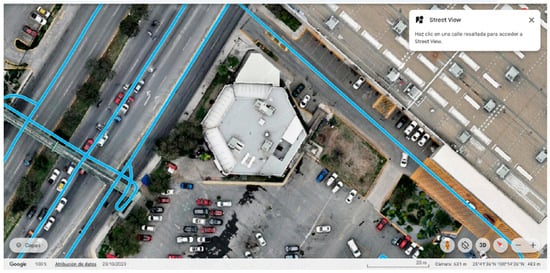
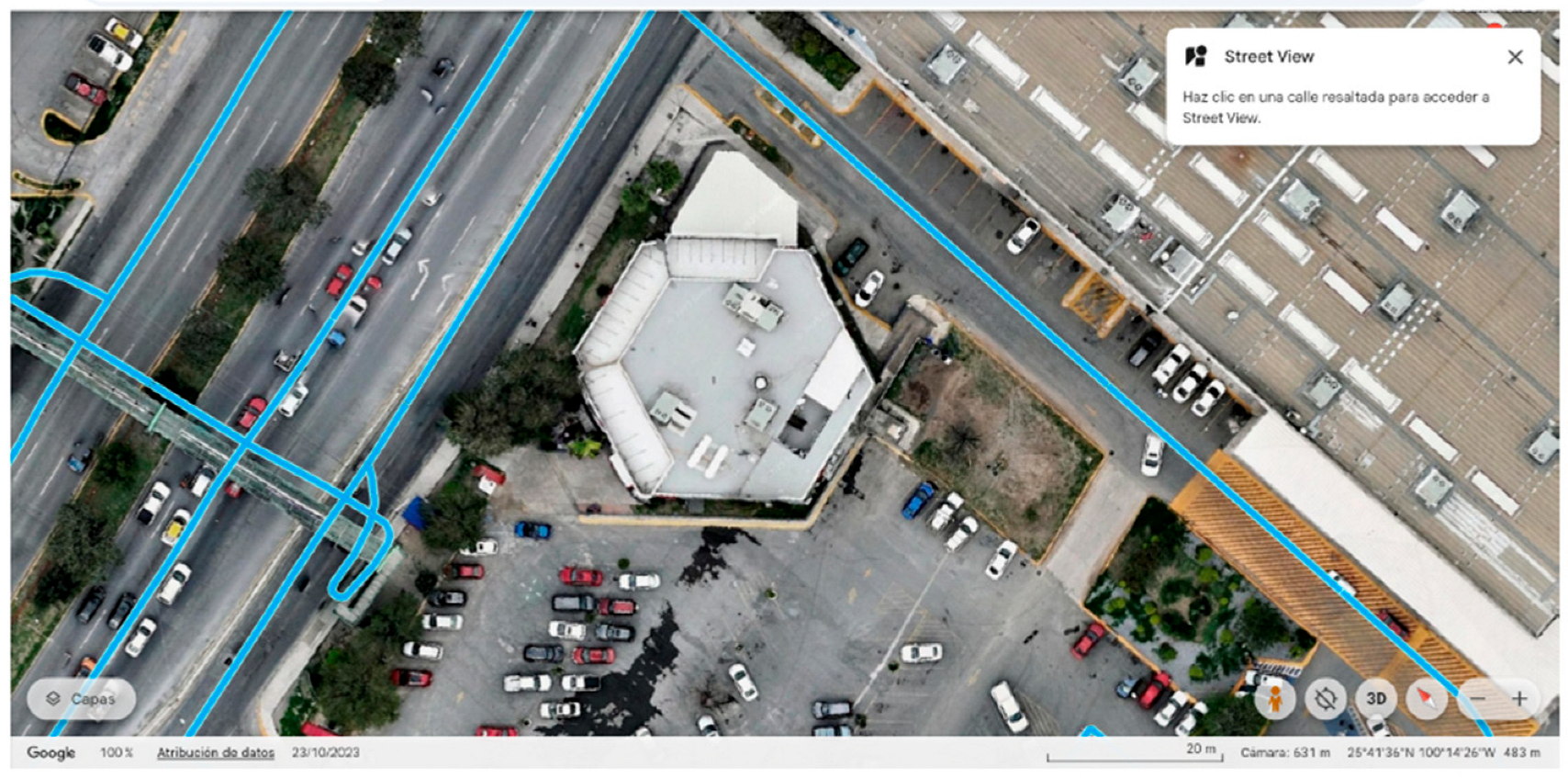
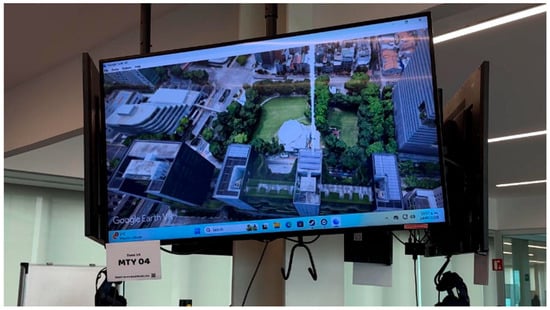
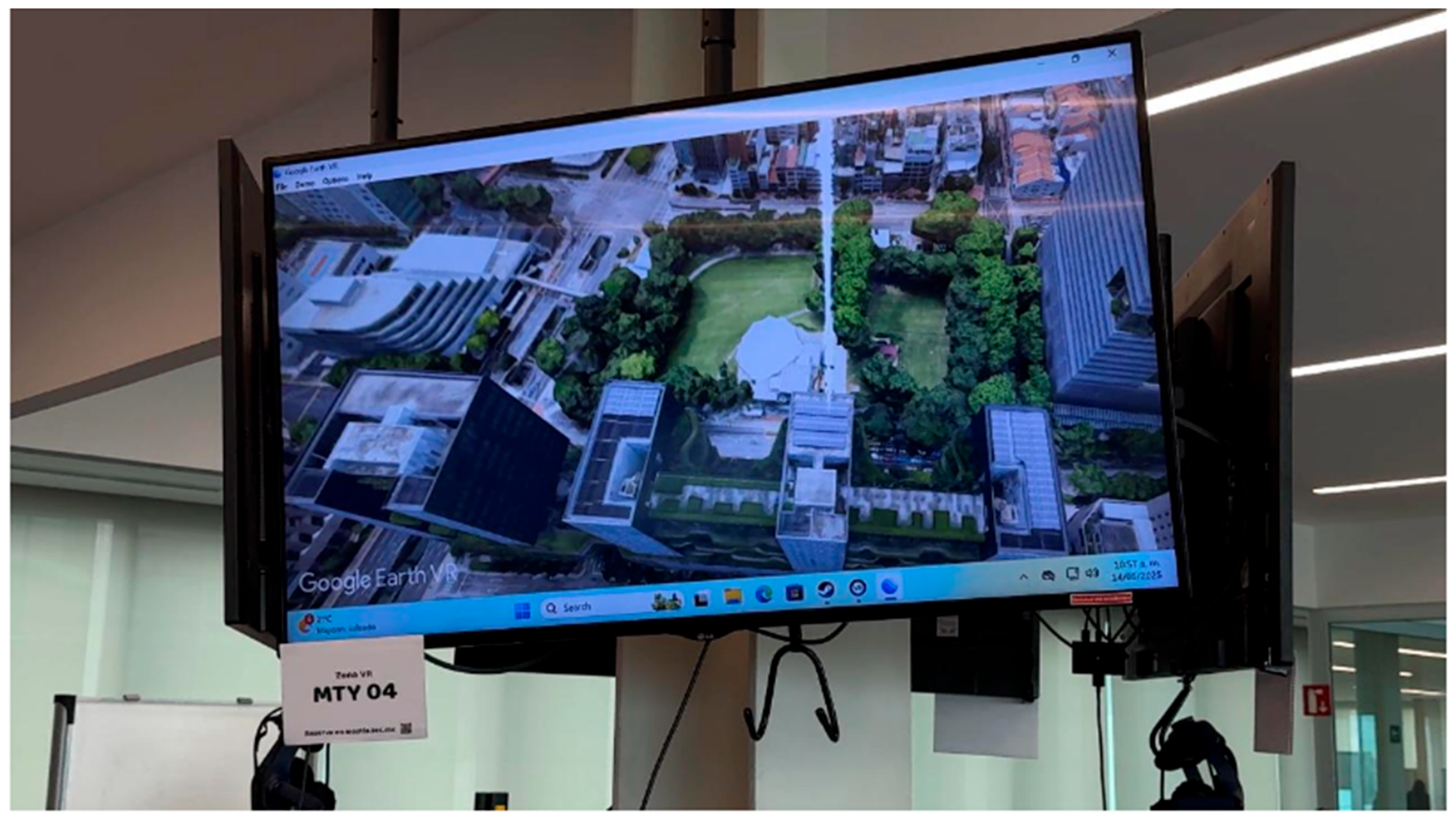

Disclaimer/Publisher’s Note: The statements, opinions and data contained in all publications are solely those of the individual author(s) and contributor(s) and not of MDPI and/or the editor(s). MDPI and/or the editor(s) disclaim responsibility for any injury to people or property resulting from any ideas, methods, instructions or products referred to in the content. |
© 2026 by the authors. Licensee MDPI, Basel, Switzerland. This article is an open access article distributed under the terms and conditions of the Creative Commons Attribution (CC BY) license.