


Abstract
The recycling of ultralight foam concrete (ULFC), both with and without phase-change material (PCM), involves crushing it and using the resulting recycled foam concrete powder (RFCP) as a partial substitute for cement or sand in cement composites. These recycling paths remain insufficiently explored in the literature regarding practical feasibility. Since both RFCP and PCM reduce the flowability of fresh mortars, incorporating RFCP with PCM is, in practice, only feasible with the addition of a superplasticizer (SP). The primary objectives of this study were to determine: (1) the effect of RFCP with PCM, when used to replace cement or sand, on mortar properties, and (2) its influence on the performance of the superplasticizer (SP), to assess the feasibility of using RFCP with PCM in cement composites. The addition of RFCP, both without PCM (RFCP_0) and with PCM (RFCP_PCM), deteriorates the properties of fresh and hardened mortars compared to reference mortars. The negative impact of RFCP is less pronounced when it replaces sand rather than cement. Compared to RFCP_0 mortars, RFCP_PCM mortars exhibit reduced flowability. PCM delays setting and reduces heat evolution during the first 48 h of hardening. PCM does not significantly affect strength or water absorption but increases shrinkage and lowers thermal conductivity. While RFCP_PCM does not impair SP efficiency, PCM causes SP to significantly retard setting and hardening.
1. Introduction
One of the key advancements in the construction industry is the development of sustainable materials that are energy-efficient in production, durable in use, multifunctional within a building, capable of reducing energy demands during operation, and recyclable. Among these materials are cement-based ultralight foam concretes (ULFCs) with a density of 200–400 kg/m3 [1,2,3,4,5,6,7,8,9], as well as ULFCs incorporating phase-change materials (PCMs) in the form of microcapsules (mPCMs) [10,11]. Due to their low density, ULFCs with mPCMs serve as effective insulating materials. The presence of mPCMs allows them to absorb, store, and release significant amounts of energy, helping to stabilize indoor temperatures within the thermal comfort range. This makes them a valuable component in energy-efficient heating and cooling systems [12,13,14,15]. In building applications, mPCMs typically consist of polymeric microcapsules, ranging from 1 μm to 1 mm in diameter, filled with paraffin-based organic PCMs [12,13,14,15]. As mentioned earlier, a crucial characteristic of a sustainable construction material is its ability to be disposed of or recycled at the end of its life cycle. Crushing can be identified as one of the primary methods for recycling ULFCs [16,17].
Due to the low strength of ULFCs, the crushing process requires minimal energy and primarily produces powder fractions up to 0.125 mm (recycled foam concrete powder, RFCP), along with smaller amounts of fine fractions up to 5 mm (recycled foam concrete fine aggregate, RFCFA) [16,17]. PCM microcapsules, if present, are mostly destroyed during crushing and sieving, resulting in RFCP containing free paraffin [16]. RFCP obtained from crushed ULFC, with or without PCM, can be reused in several ways: (1) as a component of cement, particularly since the addition of recycled concrete powder (RCP) is regulated by EN 197-6 Cement—Part 6: Cement with Recycled Building Materials [18]; and (2) as an aggregate [16,17]. Additionally, RFCP can undergo further processing, such as grinding or thermal treatment, to enhance its usability [17,19].
A previous study [16] explored the use of RFCP as a non-clinker cement component, considering its origin (ULFC with and without PCM) and processing (crushing, grinding, or heat treatment). Incorporating 20% RFCP significantly altered cement and mortar properties, with a very limited effect of source or processing. RFCP without PCM delayed setting, reduced heat evolution, and had high water demand, which led to lower flowability and faster workability loss. Mortars with RFCP showed slower early strength gain, reduced compressive and flexural strength (except thermally treated RFCP), higher shrinkage and water absorption, lower thermal conductivity, and variable heat capacity. Overall, RFCP from ULFCs without PCM behaves similarly to RCP from conventional concretes [19,20,21,22,23,24,25,26,27,28,29,30].
According to [16], the fact that PCM is present in the RFCP affects the properties of cement and fresh mortars. Though PCM accounts for less than 1% of mortar volume, it greatly increased RFCP’s water demand, reducing flowability, delayed setting, and reduced heat evolution during the first 48 h of hardening. In terms of hardened properties, PCM in RFCP had no significant effect on the strength or water absorption of mortars, but it increased shrinkage and reduced thermal conductivity. These findings align with other studies on the influence of PCM on mortars and concrete [12,13,14,15,31,32,33,34,35,36,37]. Processing by grinding RCP allows the slight reduction of this negative effect, but it remains considerable. Thermal processing removes PCM from RFCP; however, its water demand is still higher than that of thermally treated RFCP without PCM.
In terms of meeting the basic requirements of EN 196-1 [38] for cement in terms of the compressive strength after 2 and 28 days, only grinding has been found as a suitable processing method of RFCP [16]. Using RFCP processed by crushing or thermal treatment leads to a significant increase in the water demand of the cement, making its practical application unfeasible due to difficulties in controlling the flowability of fresh mixtures. This aligns with broader research on the negative effects of higher amounts of recycled concrete powder (RCP) [19,20,21,22,23,24,25,26,27,28,29,30] and/or mPCM [12,13,14,15,31,32,33,34,35,36,37] on the properties of hardened composites, which primarily stem from their adverse impact on flowability.
Limitations noted in [16,17,19,20,21,22,23,24,25,26,27,28,29,30,31,32,33,34,35,36,37] do not preclude using RFCP as an additive in mortar or concrete. Consistency can be maintained by increasing the water content, at the cost of the hardened properties of composites containing RCP or mPCM; however, the loss of flowability caused by RCP or mPCM can also be compensated with a superplasticizer (SP), and thus the negative impact of RCP can be reduced and, to some extent, controlled. In such cases, RFCP can be used not only as a partial cement replacement but also as a substitute for a portion of the aggregate, particularly when working with aggregates that contain minimal powder fractions. Due to its high water absorption capacity, RFCP can act as a stabilizer, and thus as a possible replacement for a portion of mineral additives. A positive influence of RCP on the stability of self-compacting concrete mixtures has been reported in [26,27]. Moreover, replacing sand with RFCP is potentially less detrimental to composite properties than using it as a cement substitute. This approach allows for the use of crushed RFCP (grain size < 0.125 mm), which is produced through a less energy-intensive process than grinding or heat treatment, resulting in both economic and environmental benefits. In terms of mPCM content, it should be noted that the amount of mPCM in the concrete is small. If ULFC with a density between 200 kg/m3 and 400 kg/m3 is used, with inclusion of 20% mPCM by volume of base paste, the PCM content in the RFCP will be around 10% by weight. When such RFCP with PCM is incorporated into concrete containing 300–350 kg/m3 of cement at replacement levels of up to 40% by cement weight, the PCM content will not exceed approximately 0.6–0.8% of the total concrete weight (1.6–1.8% of the total concrete volume). Literature on mPCMs suggests that this amount is too low to produce significant thermal effects or substantially alter the properties of hardened mortar or concrete [19,20,21,22,23,24,25,26,27,28,29,30]. However, in RFCP with PCM obtained through the crushing process, the mPCM capsules are destroyed, releasing the paraffin inside. This may lead to significantly greater negative effects than would be expected based on its low PCM content, as indicated in [16].
In terms of SP effectiveness in mortars and concretes with RFCP with PCM, the information available in the literature is limited. Generally speaking, the use of SP in mortars and concretes with the addition of recycled cementitious materials has been found to lead to positive outcomes of increased strength and durability [39,40,41]. This effect was, however, obtained through the lowering of the w/c ratio, with the workability of the mix controlled by the amount of SP added. In terms of basic interactions between recycled cement powders and SP, Yang et al. [42] found that the absorption of SP on the grains of recycled cement powder can lead to a decrease in its effectiveness. This indicates the possibility of issues with flowability for RFCP addition to mortar and concrete. Additionally, the presence of PCM in the RFCP must also be taken into consideration. In the interaction between SP and PCM, it can be expected that the polycarboxylate-based SP will adsorb on the paraffin-based mPCM grains preferably to cement grains, and thus a deflocculation of PCM can occur at the cost of SP effectiveness [43]. However, it remains unclear how the effectiveness of the superplasticizer (SP) may be influenced by the grinding of RFCP containing PCM, since this process, as previously noted, destroys the mPCM capsules and releases paraffin.
Available existing literature does not provide a systematic study of how the addition of RFCP with PCM would affect the properties of mortars and concretes, especially at high replacement rates. There is also a lack of analysis in terms of the feasibility of use of RFCP in practical applications, which spans basic mechanical properties or possible interactions between the RFCP with PCM and admixtures, which are currently a basic constituent of commercially used concretes and mortars. In particular, the interaction between SP and RFCP containing PCM, as well as the impact of incorporating higher amounts of RFCP with PCM as a cement or aggregate replacement, have not yet been thoroughly investigated.
Considering the state of the art presented above, the aim of this research was to:
- Investigate the effect of increased amounts of RFCP, obtained by crushing ULFC with and without mPCM, when used as an additive in mortar or concrete—either as a cement replacement or as a fine aggregate replacement—on the basic properties of fresh and hardened mortars.
- Assess the impact of RFCP containing PCM on the performance of the superplasticizer.
This would provide the basis for assessing the feasibility of using RFCP with PCM in cementitious materials. It is important to emphasize that the primary motivation for using RFCP with PCM as an additive in mortars or concretes is its recycling potential. The introduction of such RFCP is expected to negatively affect the properties of both fresh and hardened mortars and concretes. However, the key objective is to determine whether it is possible to obtain a material with acceptable properties for practical use in less demanding structures and/or environmental conditions.
2. Materials and Methods
2.1. Research Plan
The effects of using recycled foam concrete powder (RFCP), with and without PCM, as a replacement for up to 40% of the cement by weight, either as a partial cement replacement or as a fine aggregate replacement, were studied to check the feasibility of its practical use. As previously noted, the introduction of RFCP in amounts exceeding 20% typically severely reduces the workability of mortars, making proper compaction difficult. To achieve the required workability in mortars containing RFCP, a superplasticizer was necessary. The influence of RFCP was tested using standard mortars, as specified in EN 196-1 [38].
The RFCPs used in the study were obtained from ULFC panels. The density of the foam concrete used was in the range of 200 to 350 kg/m3. The ULFC used in the research was waste material form the NRG-STORAGE project, funded by the European Commission [10]. The properties of the ULFC panels and the process of their production are described in [9,10,44,45]. In general, to produce ULFC, a base paste with a w/c ratio of 0.40 was prepared. The base paste consisted of one of two cements, CEM I 42.5 R or CEM I 52.5 R cement, metakaolin (20% by weight), mPCM (up to 20% by volume of the base paste), and a superplasticizer, along with stabilizing and accelerating agents. This was mixed with a foam of density 70 kg/m3, prepared with a protein-based foaming agent. The base paste volume in the ULFC was 20 ± 5%. In the ULFCs, two paraffin-based PCMs in polymeric capsules were used for the ULFCs: Nextek 24D (PCM1) and Nextek 37D (PCM2). The age of the recycled ULFC panels ranged from 0.5 to 1.5 years. The material had very low compressive and flexural strength, and thus the process of grinding was conducted by hand, in a mortar. After grinding, the material was homogenized, and sieved by hand. After sieving, approximately 40% of the RFCP had a grain size of <0.125 mm, while the remaining material was fine aggregate with a grain size of up to 1 mm.
The research plan and sample codes are presented in Table 1. The sample names follow the structure: CEM/FA, indicating the use of the powder as a cement substitute (CEM) or a sand substitute (FA), with a mass replacement level of 20 or 40%. The designations RFCP_0, RFCP_PCM1, and RFCP_PCM2 indicate the type of PCM used or the absence of PCM (denoted by 0). The designation SP indicates that a superplasticizer was used.
Table 1.
Research plan and sample notations.
The study examined the following factors and their effect on the properties of mortars:
- The method of introducing RFCP into the paste or mortar: RFCP, in amounts of 20% or 40% by weight of cement, was introduced into the paste either as a substitute for cement or into the mortar as a replacement for (1) cement or (2) sand. The effect of adding 40% RFCP as a fine aggregate replacement, along with a superplasticizer (FA_40_RFCP_SP), was compared to mortars made from CEM I cement (CEM_REF), mortars with 60% CEM I and 40% ground limestone (CEM_40_L), and mortars made from 80% CEM I and 20% RFCP (with and without PCM and without the addition of SP, labelled CEM_20_RFCP).
- The type of PCM in the RFCP: The RFCPs used were obtained from: (1) foam concrete without PCM, and (2) foam concrete with the addition of two types of PCM—Nextek 24D (PCM1) or Nextek 37D (PCM2).
2.2. Materials
Portland cement CEM I 52.5 R, limestone powder (LL), RFCP with properties presented in Table 2 and Table 3, and CEN Standard Sand according to EN 196-1 [38], were used in the study. A polycarboxylate superplasticizer (SP) with a density of 1.07 g/cm3 and solid content of 35% was applied at a dosage of 1% of the cement weight, which reduces the water content in the mixture by 26%. The two types of PCM in the RFCP powder are Nextek 24D (PCM1) and Nextek 37D (PCM2), paraffin-based PMCs with melamine-formaldehyde polymer shell. Their peak melting temperature is, respectively, 24 °C and 37 °C. The mean particle size is 15–30 μm for both PCMs.
Table 2.
Properties of cement, limestone, and RFCPs.
Table 3.
Chemical composition of cement, limestone, and RFCPs.
The particle size distribution of the materials, determined using laser diffraction analysis (LDA), is shown in Figure 1. SEM images of RFCP with PCM1 are presented in Figure 2.
Figure 1.
Particle size distribution of CEM I cement (CEM), limestone (LL), and RFCP.
Figure 2.
SEM images of RFCP_PCM1: (a) overview of the RFCP_PCM1 at 1000× magnification, and (b) a remnant of the PCM capsule at 10,000 × magnification.
The specific surface area (SSA) of RFCP_0 is 29% higher than CEM cement and 24% higher than limestone (LL). LDA indicates that the fineness of RFCP_0 is significantly lower than the fineness of cement. However, LDA measurement does not take into account the porosity and irregular shape of the RFCP grains, or the possibility of their agglomeration, as shown in the SEM images (Figure 2). Based on the composition of ULFC, it can be estimated that the PCM content in RFCP is approximately 10% by weight, which was confirmed by DTG analysis (Figure 3 and Figure 4). According to the SEM images, no free or intact PCM microcapsules were found in the RFCP, only remnants of the microcapsules and traces of paraffin released from them, which were found covering the grains of RFCP (Figure 2).
Figure 3.
TGA curves of the RFCP (a) without PCM (RFCP_0) and (b) with PCM1 (RFCP_PCM1).
Figure 4.
TGA curve comparison for RFCP_0 and RFCP_PCM1.
The thermal analysis results of RFCP without PCM (RFCP_0) and with PCM (RFCP_PCM1) are shown in Figure 3 and Figure 4. The measurement was conducted on a Thermal Analyzer Netzsch STA 509 Jupiter in an atmosphere of synthetic air, with a speed of temperature increase of 10 K/min. The sample was dried in 50 °C to a constant mass, and then ground, so that it would pass through a 63 μm sieve. In general, the TGA curve of RFCP_0 is typical for hardened cementitious composites. Peaks in the range of 100–200 °C are associated with water evaporation and the dehydration of C3A and ettringite phases, then the peak at ~350 °C indicates the decomposition of alumina phases, while the peak at ~450 °C is the result of the dehydroxylation of portlandite Ca(OH)2. All these peaks are very characteristic of cementitious materials, and thus other peaks can be interpreted as the result of additions such as RFCP and metakaolin. A peak between 700 and 750 °C indicates the decarbonation of carbonates, which may be linked to the RFCP, while a peak at ~620 °C indicates the presence of metakaolin. The presence of PCM significantly affects the TGA curves, as evidenced by the increased mass loss in the temperature range of ~200–500 °C, which can be attributed to the evaporation of paraffin from the paraffin-based PCM [46,47].
2.3. Mortar Proportions
The composition of mortars used in the research is presented in Table 4. While in general, mortars with a w/c ratio of 0.50 were used, their workability was too stiff for rheological measurements due to equipment limitations, and thus a w/c ratio of 0.65 was employed just for rheological testing. Due to the high water demand of RFCP, a superplasticizer (SP) was added at a dosage of 1% by mass of cement and RFCP to the CEM_40_RFCP and FA_40_RFCP mortars to improve their workability and allow proper compaction. The amount of SP was adjusted so that the sample CEM_40_RFCP_SP had the same water demand as the reference sample REF_CEM. The same SP dosage was then used for all of the samples. In the case of samples with 20% RFCP addition, the water demand allowed for easy compaction, and thus the SP was deemed unnecessary.
Table 4.
Mix composition of mortar.
2.4. Testing Methods
The research examined the effects of introducing RFCP on the basic properties of cement, fresh mortars, and hardened mortars. All of the tests and their methods are described below. Unless otherwise specified, the results presented are the averages of three measurements (samples).
The influence of RFCP on the amount of water required to achieve a paste of standard consistency (referred to as the water demand of cement) was determined using the Vicat apparatus method, according to EN 196-3:2016-12 [48]. After obtaining the standard consistency, tests of setting time were conducted, also using the Vicat apparatus, according to EN 196-3:2016-12 [48].
The isothermal method of measuring the hydration heat of cement was used, according to EN 196-11:2019-01 [49]. An isothermal calorimeter (TAM Air) was used, and the internal mixing method was employed. The heat evolution was monitored over 168 h, and the results presented are the average of two samples.
The air content in fresh mortars was determined using the pressure method, according to EN 413-2:2016-11 [50].
The consistency of fresh mortar was assessed using the flow table method, according to EN 1015-3:2000 [51]. To better understand the impact of RFCP on the flowability of mortars, a comprehensive measurement of rheological properties was conducted. Due to the limitations of the equipment used, the mortar composition had to be modified by increasing the w/c ratio to 0.65, to obtain a fluidity fit for the measurement. It was assumed that the rheological properties of the mortars could be characterized by the Bingham model parameters: yield stress (τ0) and plastic viscosity (ηₚᵧ). The theoretical basis and methods for rheological measurements of mortars and concretes are widely discussed in [52]. It is well-documented in the literature (e.g., [44,52,53,54,55]) that only an approximation of the yield stress (τ0) of mortars can be determined using flow table measurements. It is also worth noting that rheological measurements performed on mortars can be used to predict the rheological properties of fresh concrete [55].
The rheological parameters of the mortars were measured using a Viskomat NT (manufactured by Schleibinger Geräte, Buchbach, Germany) rotational rheometer, as shown in Figure 5, using herringbone-shaped stainless steel probe (as presented in Figure 5). Immediately after mixing, mortar samples were placed in the rheometer in a testing cylinder and tested at 5 and 60 min following the procedure below: the speed was maintained at 120 rpm for 3 min, then decreased from 120 to 20 rpm in even intervals, during which the shear resistance was measured. The total measurement time was 4.5 min. The temperature of the mortar was maintained at 20 °C ± 1 °C using a thermostatic device. After testing at 5 min, the test sample was removed from the testing cylinder, remixed by hand with the remaining mortar, and left to rest in a covered contained at a controlled temperature of 20 ± 2 °C. After 60 min, the mortar was placed in the testing cylinder again. With the Viskomat NT, the rheological parameters, yield stress (τ0) and plastic viscosity (ηₚᵧ), are specified in conventional units as yield strength (g, Nm) and plastic viscosity (h, Nm·s), respectively. Using a special calibration procedure for the rheometer, fundamental units can be calculated. Calibration determined that, for this apparatus, τ0 = 7.9 g and ηₚᵧ = 0.78 h. However, since calibration was not performed for the specific rheometer used in this study, the results are presented in conventional units.
Figure 5.
Rheometer Schleibinger Viskomat NT setup used in testing.
The coefficient of determination (R2) for the measurements ranged from 0.991 to 0.999. Measurements were conducted without repetitions, but according to [56], the 95% confidence intervals for yield stress (g) and plastic viscosity (h) are 5.8% and 6.0%, respectively. These assumptions were used in the discussion of the results, specifically regarding the statistical significance of the influence of the investigated factors on the rheological properties of the mortars. It should be noted that according to previous research conducted on this rheometer [56], for mortars with high coefficients of determination, if there are no changes in material batches, and standard sand is used, the coefficient of variation for rheological parameters measurements is 4–5%. This assumption was confirmed by retesting the reference sample (CEM_REF), and therefore, due to the very limited amount of material, no repetitions were conducted for mixes with RFCP.
The effect of RFCP on flexural and compressive strengths was determined according to EN 196-1:2016-07 [38] using 40 mm × 40 mm × 160 mm3 samples after 2 and 28 days of hardening. For strength testing, ANOVA analysis was conducted in Statistica software from StatSoft/TIBCO Software, version 14.1.0. ANOVA analysis is a tool for analyzing the variance between the groups, allowing the assessment of the significance of the observed differences. The F-statistic and p-value were calculated. The significance level for the testing was set at the generally accepted p-value = 0.05.
The water absorbability of the mortar was measured using 40 mm × 40 mm × 160 mm3 samples after 28 days of hardening (cured under the same conditions as the specimens intended for strength testing). The specimens were dried to a constant mass at 105 °C ± 5 °C and then saturated to a constant mass. Water absorbability was calculated using the formula:
where mw is the mass of the wet sample, g, and md is the mass of the dried sample, g.
The effect of RFCP on shrinkage of the mortars from day 1 to day 28 was determined using the Graf-Kaufman method on 40 mm × 40 mm × 160 mm samples. The samples were stored in a climate chamber at 20 °C and 60% relative humidity.
The thermal conductivity and volumetric heat capacity of the mortars were determined after 28 days on 100 mm × 100 mm × 100 mm samples after curing in water at 20 °C, and dried at 105 °C ± 5 °C to a constant mass. The thermal performance of the mortars was assessed using the Isomet 2114 thermal analyzer [57], which operates on the principle of the dynamic method.
3. Results and Discussion
3.1. Required Water for Standard Consistency of Cement Pastes
The influence of the addition of RFCP and SP on the water required for the standard consistency of cement pastes is shown in Figure 6.
Figure 6.
Influence of RFCP and SP on the required water for the standard consistency of cement pastes.
The water required for the standard consistency of pastes increases linearly with the amount of RFCP added. The water demand of RFCP is notably higher than that of REF_CEM and LL. The presence of PCM in RFCP (RFCP-PCM1 and RFCP-PCM2) results in a significant increase in the water required to achieve standard consistency, making the water demand of RFCPs with PCM higher than that of RFCPs without PCM (RFCP_0). For common-use cements, the water demand typically ranges from 25% to 30%. However, when RFCP is used as the primary component of cement in amounts of 20% or 40%, the water demand exceeds 35% and 40%, respectively. This makes the application of higher amounts of RFCP, particularly RFCP with PCM, challenging.
The high water demand of cement pastes containing RFCP can be attributed to several factors. Primarily, the SSA of the hydrated cement in RFCP is higher than that of unhydrated cement. Additionally, the size and high porosity of the grains further increases the water demand of RFCP. The increased water demand in RFCP with PCM is due to the presence of paraffin lumps released from the microcapsules, which contribute to the agglomeration of RFCP (Figure 2).
The addition of SP significantly reduces the amount of water for standard consistency—by about 28% for REF_CEM and 32% for CEM_40_LL, by 27% for CEM_RFCP_40_0, and by 28% and 31% for CEM_RFCP_40_PCM1 and CEM_RFCP_40_PCM2, respectively. This is because SP disperses cement and RFCP agglomerates, increasing the amount of free water and, consequently, the flowability of the paste. Additionally, it is possible to reduce the water content in the paste without changing its flowability.
The addition of RFCP_0 in the paste slightly decreases the effectiveness of SP compared to REF_CEM. However, if RFCP_PCM1 and RFCP_PCM2 are added, the effects of SP are more pronounced than with RFCP_0. The actual mechanism of this effect is not known and requires additional microstructural and chemical analysis of the samples. However, based on the effects of SP, some possible causes can be identified. The likely explanation is that in the CEM_RFCP_40_PCM1 and CEM_RFCP_40_PCM2 pastes, more water is trapped in RFCP agglomerates than in RFCP_40_0. Since the addition of SP prevents the formation of these agglomerates, the pastes CEM_RFCP_40_PCM1_SP and CEM_RFCP_40_PCM2_SP with SP addition require a similar amount of water for standard consistency as RFCP_0 paste. However, the effectiveness of SP in the presence of PCM requires further investigation.
3.2. Initial Setting Time of Pastes
The results of testing the initial setting time of pastes with and without RFCP with standard consistency are shown in Figure 7. The initial setting of tested cement pastes was delayed by the presence of RFCP, with the delay being directly proportional to the amount of RFCP added. This delay is due to the replacement of some of the cement with inactive RFCP, which reduces the concentration of cement grains. When limestone powder (LL), which is also mostly inert, is added, the retarding effect is less pronounced because the finer grains of LL act as nuclei for crystallization. The presence of PCM in the aggregate causes a significant delay in the initial setting time, though the type of PCM does not influence the extent of the delay. This delay can be attributed to the free paraffin, which at some point leaked out from the capsules, which could lead to the agglomeration of the cement particles. Additionally, the free paraffin could block water from accessing the cement surface by adsorbing onto the cement grains.
Figure 7.
Influence of RFCP and SP addition on setting time of pastes.
The presence of SP in the paste also plays a role in the delayed initial setting time. The setting time delay is 71 min (39%) for REF_CEM, 60 min (39%) for CEM_LL_40, 180 min (71%) for CEM_RFCP_40, 220 min (75%) for CEM_RFCP_40_PCM1, and 228 min (77%) for CEM_RFCP_40_PCM2. This delay is caused by the increased dispersion and dilution of the cement grains due to the action of SP. Additionally, the adsorption of SP onto the surface of the cement grains hinders water access and slows the diffusion of ions into the liquid phase of the paste, further delaying the setting time. The relative delay in setting time due to the addition of SP in pastes with RFCP is approximately 70%, indicating that PCM has little effect on SP performance. However, due to the generally long setting time delay in pastes with RFCP, the additional delay caused by SP may pose challenges for practical applications.
3.3. Hydration Heat of Cement
The heat evolved and the rate of heat evolution of cement in the presence of LL, RFCP, and SP are shown in Figure 8 and Figure 9, as well as in Table 5. In general, the addition of RFCP prolongs periods II and III of cement hydration (respectively, the period of induction and acceleration), which is consistent with the results of the setting time presented in the previous section. Additionally, it reduces the heat flow, and decreases the total heat evolved in proportion to the amount of RFCP added. Compared to REF_CEM, the addition of 40% RFCP_0 (CEM_40_RFCP_0) extends period II of cement hydration by 2.4 h, delays the main hydration peak by 1.2 h, and reduces the peak heat evolved by 58%. Additionally, the total heat evolved by the cement after 72 and 168 h is reduced by 35.5% and 31.4%, respectively.
Figure 8.
Heat evolved (left) and heat flow (right) of cement in the presence of RFCP as 20% or 40% cement replacement, with and without SP: (a) RFCP_0 without PCM, (b) RFCP_PCM1 with PCM1, and (c) RFCP_PCM2 with PCM2.
Figure 9.
Heat evolved of cement with RFCP as 20% or 40% cement replacement, with and without SP. Vertical bars represent the 95% confidence interval.
Table 5.
Time of end hydration periods, peak value of the heat evolution rate of cement in the presence of RFCP and SP, and heat evolved related to values determined for cement REF_CEM [%].
Increasing the RFCP_0 content from 20% (CEM_20_RFCP_0) to 40% (CEM_40_RFCP_0) extends period II by 1.4 h. The main hydration peak is not delayed but is reduced by 47% while the cumulative heat evolved after 72 and 168 h is reduced by 28% and 25%, respectively. Comparing the addition of 40% RFCP_0 (CEM_40_RFCP_0) to the addition of 40% limestone LL (CEM_40_LL), it can be noticed that the amount of heat evolved by cement with LL is higher than in the case of cement with RFCP_0. Fine LL grains can act as a crystallization nucleus, whereas the relatively large grains of RFCP do not serve this function. However, after 72 h, the total heat evolved by cement with 40% RFCP is similar to that of cement with 40% LL, and after 162 h, it is even slightly higher—by about 5%.
The presence of PCM in the paste has a significant impact on cement hydration. For cement containing 20% RFCP with either PCM type, the end of the induction phase (period II) is delayed by 3.5–4.5 h compared to RFCP_0. The end of the acceleration period (period III) and the main hydration peak are delayed even further, by 6–9 h. In addition, the main hydration peak is reduced by about 20%, and the total heat evolved after 24 h decreases by approximately 15–20%. During this period, the type of PCM plays a significant role, since RFCP_PCM2 delays the end of period III more than RFCP_PCM1, leading to a greater reduction in heat evolved after 24 h.
At 40% RFCP, the effect of PCM on cement hydration is similar but noticeably weaker. The end of the acceleration period (period II) for cement with 40% RFCP with both PCM1 and PCM2 is delayed by about 1.2 and 2.1 h, respectively, compared to 40% RFCP_0, but the main hydration peak and the end of period III are not delayed. The main hydration peaks are lower by 9% in comparison to the paste with RFCP with no PCM, and the total heat evolved after 24 h is reduced by 8% for RFCP with PCM1 and 11% for RFCP with PCM2. After this period, the type of PCM has minimal influence, with RFCP_PCM2 affecting paste hydration by slightly greater prolongation of period II. However, the heat evolved by CEM_40_RFCP_PCM1 and CEM_40_RFCP_PCM2 after 24 h differs by only 4%.
The cement incorporating RFCP with PCM shows a higher heat evolution rate after 24 h compared to the RFCP-only sample, which helps to compensate for the initially reduced heat release. At 72 and 168 h, the total heat evolved by RFCP_PCM1 or RFCP_PCM2 remains only marginally lower, by about 2–3% than that of RFCP_0.
The addition of SP slows cement hydration during the initial period. This delay depends on the presence of RFCP and PCM within the RFCP. The end of period II is delayed by about 0.75 h for REF_CEM and cement with limestone (CEM_40_LL). For cement with RFCP_0 (CEM_40_RFCP_0), the delay is about 3.5 h (≈65%). For cement with RFCP_PCM (CEM_40_RFCP_PCM1 or CEM_40_RFCP_PCM2), it increases to approximately 4.75 h (≈80%). The presence of RFCP also delays the end of period III and the main hydration peak. This delay is about 9 h for RFCP_0 and increases to 12–19 h for RFCP_PCM (CEM_40_RFCP_PCM1 or CEM_40_RFCP_PCM2).
The retarding effect of SP is due to its adsorption on the cement surface and the primary hydrate layer, which hinders the diffusion of water molecules and ions into the liquid phase, thereby slowing the heat evolution during hardening [58]. The cause of the more significant retardation of the cement hydration process by SP in the presence of RFCP, especially RFCP with PCM, would require microstructural and chemical analysis; however, a possible cause may be identified. Due to the flocculation caused by free paraffin in the system, and the fact that RFCP can adsorb a significant amount of SP that prevents deflocculation [42], the accessibility of water to cement grains is decreased, and thus the reaction of hydration is slowed down.
It is important to note that while SP initially retards the hydration of clinker phases, after 24 h, the heat evolution rate in its presence surpasses that of cement without SP. This suggests that the formation of hydrates accelerates, leading to a comparable total heat release after 168 h.
It can therefore be concluded that incorporating PCM into RFCP influences the hydration heat of cement during the early hydration stage, up to 72 h. The observations on RFCP’s effect on setting time (see Section 3.2) align closely with the trends in hydration duration. The underlying mechanism affecting both heat evolution and setting time appears to be the same: as noted in Section 3.2, this arises from the adsorption of SP and paraffin from PCM onto the cement grains, combined with the dilution effect caused by SP.
3.4. Consistency and Rheological Properties of Fresh Mortars
The effect of RFCP on the consistency of fresh mortars with w/c ratios of 0.50 and 0.65 is shown in Figure 10, while the effect on the rheological properties of mortars with a w/c ratio of 0.65 is presented in Figure 11.
Figure 10.
Effect of RFCP type and dosage on the consistency of fresh mortars: (a) w/c = 0.50; (b) w/c = 0.65. Vertical bars represent the 95% confidence interval.
Figure 11.
Effect of RFCP type and dosage on the consistency of fresh mortars with w/c = 0.65 after 5 and 60 min: (a) yield stress (g); (b) plastic viscosity (h). Vertical bars represent the 95% confidence level.
Regardless of the w/c ratio, the presence of RFCP reduces mortar flow, with the effect becoming more pronounced as the RFCP content increases. When RFCP is added at 40% by weight of cement, the fresh mortar becomes too stiff, necessitating the addition of SP for proper workability. The addition of SP in the amount specified in Table 4 allows for the production of flowable mortars, such as CEM_40_RFCP_0_SP, which has a consistency similar to CEM_20_RFCP, and FA_40_RFCP_0_SP, which is similar to REF_CEM. It should be noted that SP added in this quantity causes excessive fluidization and complete segregation of CEM_REF and CEM_40_LL mortars.
The reduction in flow of mortars containing 40% RFCP_0 is smaller when RFCP replaces part of the sand. Although the flow of mortars decreases over time regardless of RFCP addition, the loss is generally negligible at a w/c ratio of 0.65. For instance, after 60 min, the flow loss for FA_40_RFCP_0 is less than that observed for CEM_40_RFCP_0 and REF_CEM, with flow table results reductions of 1.0, 1.7, and 1.9 cm, respectively.
The incorporation of PCM into RFCP (RFCP_PCM1, RFCP_PCM2) adversely affects mortar consistency. Relative to mortars with RFCP_0, those containing RFCP_PCM1 or RFCP_PCM2 show reduced flow and greater flow loss over time. The addition of SP enhances the flowability of mortars with 40% RFCP (CEM_40_RFCP and FA_40_RFCP), initially mitigating the negative influence of PCM on consistency. Nevertheless, the flow loss in CEM_40_RFCP and FA_40_RFCP mortars with RFCP_PCM1 or RFCP_PCM2 exceeds that of mortars with RFCP_0, especially when RFCP replaces cement. The type of PCM does not significantly affect the consistency of the tested mortars.
Rheometric measurements provide more insight into the effect of RFCP on the flowability of mortars. The addition of 20% RFCP_0 increases both the yield stress (g) and plastic viscosity (h) of the CEM_20_RFCP mortar compared to REF_CEM and CEM_40_LL mortars. Mortars with 40% RFCP_0, when used as a cement replacement and with the addition of SP (CEM_40_RFCP_0_SP), exhibit a 15% lower yield stress (g) and a 55% higher plastic viscosity (h) than CEM_20_RFCP_0. In contrast, mortars with 40% RFCP_0 used as a replacement for part of the sand and with SP (FA_40_RFCP_0_SP) show a 66% lower yield stress (g) and an 18% lower plastic viscosity (h) than CEM_20_RFCP_0. Notably, when RFCP is introduced as a sand replacement, both the yield stress (g) and plastic viscosity (h) of the mortar are significantly lower—by approximately 60% and 47%, respectively—compared to when it is introduced as a cement replacement.
The yield stress (g) of mortar REF_CEM increases by approximately 5 N·mm over a period of 60 min, while the increase for CEM_40_LL is even smaller, about 2 N·mm. The presence of RFCP_0 in the mortar accelerates the increase in yield stress (g) over time. For mortars with 40% RFCP (CEM_40_RFCP_0_SP and FA_40_RFCP_0_SP), the increase in yield stress (g) over time is similar, but slightly lower than for mortars with 20% RFCP (yield values of g increase by 11 and 15 N·mm, respectively). After 60 min, the plastic viscosity (h) of all mortars increases by up to 2 N·mm compared to the initial value, though this change has only a minor impact on their flowability. Nonetheless, the rise in plastic viscosity (h) over time is more evident in mortars with higher RFCP content.
The incorporation of PCM into RFCP markedly influences the rheological behavior of mortars containing 20% RFCP (CEM_20_RFCP). Compared to mortars with RFCP_0, those with RFCP_PCM show increased yield stress (g) and plastic viscosity (h). The PCM type also plays a role: mortars with RFCP_PCM1 exhibit lower yield stress (g) than those with RFCP_PCM2. However, the presence of PCM in RFCP does not affect the rate of increase in rheological parameters for mortars with 20% RFCP (CEM_20_RFCP). For mortars with 40% RFCP and SP (CEM_40_RFCP and FA_40_RFCP), regardless of how RFCP is introduced, the presence of PCM initially does not influence the yield stress (g) or plastic viscosity (h). Over time, however, the impact of PCM becomes more apparent. The increase in yield stress (g) over time for CEM_40_RFCP and FA_40_RFCP mortars with RFCP_PCM is higher than for mortars with RFCP_0, although the plastic viscosity (h) of these mortars does not change significantly over time. Mortars CEM_40_RFCP_PCM_SP and FA_40_RFCP_PCM_SP show a greater increase in yield stress (g) over time, by 11 and 5 N·mm, respectively, compared to mortars with RFCP_0. The type of PCM in RFCP does not significantly affect the changes in rheological parameters of these mortars over time.
The influence of RFCP on the consistency and rheological behavior of mortars is governed by several interrelated mechanisms. Compared to cement and sand, RFCP exhibits a significantly higher water demand. Materials with greater water demand reduce the mortar’s flowability while increasing its yield stress (g) and plastic viscosity (h). Additionally, RFCP particles are relatively large, larger than cement grains, and feature irregular shapes with rough surfaces. Consequently, their incorporation further elevates the yield stress (g) and plastic viscosity (h) of the mixture. Moreover, the grains absorb free water from the fresh mix, and RFCP accelerates the loss of workability in mortars.
The addition of SP releases water trapped in the agglomerates of cement and RFCP, which improves the flowability of the mortar by reducing its yield stress (g). The mechanism of SP’s effect in the presence of RFCP and PCM was discussed in Section 3.1, highlighting the more significant effects of SP when RFCP contains PCM. As the effects of SP diminish, the potential for agglomeration increases with RFCPs containing PCM, further accelerating the loss of flowability in mortars with its addition. Since RFCP is a powdery additive, introducing it as a replacement for sand increases the paste volume in FA_40_RFCP_SP mortars, which contributes to a decrease in yield stress (g) and plastic viscosity (h). The fine particles of RFCP are significantly finer than sand, and therefore can act as part of the paste, acting like a lubricant for coarser sand grains. This effect requires the water demand of the RFCP to be filled, and thus can be expected at w/c = 0.65, but not at w/c = 0.5, which can be noticed in the results of consistency testing (Figure 10). This effect does not occur in CEM_40_RFCP_SP mortars when RFCP replaces cement, as it does not significantly affect the paste volume in the mortar.
3.5. Air Content
The influence of RFCP on the air content in fresh mortars with w/c ratios of 0.50 and 0.65 is shown in Figure 12.
Figure 12.
Effect of RFCP type and dosage on air content in fresh mortars at w/c ratios of 0.50 and 0.65. Error bars represent standard deviation.
The addition of 20% RFCP_0 increases the air content in the w/c = 0.50 mortar by 1.9% compared to the CEM mortar. The presence of PCM reduces the air content by 1 to 1.5%, bringing it to a level similar to that of the CEM mortar. It is noteworthy that the addition of RFCP has the opposite effect compared to the addition of limestone powder (LL), which reduces the air content in the mortar. Mortars with 40% RFCP introduced as a cement replacement (and with SP added) have similar air content to those with 20% RFCP. Mortars with RFCP added as a sand replacement (and with SP present) show a slightly lower air content, about 0.2–0.8% less than those with RFCP as a cement replacement. The presence of PCM in RFCP slightly reduces the air content in mortars with 40% RFCP, with a negligible effect when RFCP is introduced as a sand replacement. Increasing the w/c ratio from 0.50 to 0.65 decreases the air content in all tested mortars by 2 to 3.5%. However, the general trend of RFCP’s effect on air content remains unchanged. In conclusion, while the addition of RFCP increases the air content in mortars, the presence of PCM in RFCP partially mitigates this increase.
3.6. Density of Hardened Mortars
Figure 13 illustrates the effect of RFCP type and content on the density of hardened mortars with a w/c ratio of 0.50. The density is determined by the mortar composition, including the amount, type, and method of RFCP incorporation, as well as its compaction ability, which is reflected by the air content. In comparison to the reference mortar, the density of the hardened mortar with 20% RFCP is roughly 3–3.5% lower. Increasing the amount of RFCP in the mortar results in a further reduction in density. When 40% RFCP is introduced as a cement replacement, the density decreases by approximately 7–7.5%, while replacing sand with RFCP reduces the density by 4.5–6% compared to REF_CEM. In terms of density, the presence of PCM in RFCP has a negligible effect, with variations in density due to the PCM presence ranging within ±1%.
Figure 13.
Effect of RFCP type and dosage on the density of hardened mortars. Vertical bars indicate standard deviation.
3.7. Flexural and Compressive Strength
The influence of the type of RFCP and the method of its addition to mortar (as a replacement for part of the cement CEM or as a replacement for fine aggregate) on the flexural and compressive strength of mortars after 2 and 28 days is shown in Figure 14 and Figure 15, respectively, and in Table 6.
Figure 14.
Influence of RFCP content (RFCP as partial cement CEM or fine aggregate (FA) replacement by mass) on the flexural strength of mortars: (a) after 2 days and (b) after 28 days. Vertical bars mean 95% confidence level.
Figure 15.
Influence of RFCP content (RFCP as partial cement CEM or fine aggregate (FA) replacement by mass) on the compressive strength of mortars: (a) after 2 days and (b) after 28 days. Vertical bars mean 95% confidence level.
Table 6.
Development of flexural and compressive strength of RFCP mortars expressed as a percentage relative to REF_CEM values.
The introduction of RFCP as a cement replacement reduces the flexural strength of mortars after 2 days in proportion to its amount. The flexural strength of CEM_20_RFCP mortars is 25–35% lower, and that of CEM_40_RFCP_SP mortars is 51–60% lower than that of REF_CEM. The negative effect of RFCP as a cement replacement is clearly more significant than the effect of introducing LL in an equivalent amount, especially for the 20% addition. When RFCP is used as a replacement for fine aggregate, it also reduces the flexural strength of FA_40_RFCP_SP mortars after 2 days, but to a much lesser extent. The strength is 35–40% lower than REF_CEM, yet 22–30% higher than REF_40_LL mortars and 32–48% higher than CEM_40_RFCP_SP mortars.
After 28 days, RFCP’s impact on the mortars’ flexural strength diminishes considerably, though it remains noticeable. The flexural strength of CEM_20_RFCP, CEM_40_RFCP_SP, and FA_40_RFCP_SP mortars is 8–9%, 12–14%, and 15–17% lower, respectively, compared to REF_CEM, and is similar to mortars with a comparable amount of LL. The influence of the method of RFCP introduction disappears, meaning it no longer matters whether RFCP replaced part of the cement or part of the fine aggregate.
The presence of PCM in RFCP does not seem to affect the flexural strength of CEM_20_RFCP, CEM_40_RFCP_SP, and FA_40_RFCP_SP mortars, as confirmed by ANOVA analysis (Figure 15, Table 7).
Table 7.
ANOVA analysis of effects of RFCP on flexural and compressive strength of mortars.
Similarly to flexural strength, replacing cement with RFCP reduces the compressive strength of mortars after 2 days, with the extent of reduction proportional to the RFCP content (Figure 15, Table 6 and Table 7). The compressive strength of CEM_20_RFCP mortars is 40–44% lower, and that of CEM_40_RFCP_SP mortars is 62–68% lower compared to REF_CEM mortar. Additionally, the negative effect of RFCP on compressive strength is more pronounced than its effect on flexural strength. When RFCP is introduced as a replacement for fine aggregate, it lowers the compressive strength of FA_40_RFCP_SP mortars by 47–49% compared to REF_CEM, which is significantly less than the reductions observed in CEM_40_RFCP_SP mortars (62–68%) and REF_CEM_40_LLL mortars (59%).
After 28 days, the compressive strength of CEM_20_RFCP mortars is 10–12% lower, that of CEM_40_RFCP_SP mortars is 24–26% lower, and that of FA_40_RFCP_SP mortars is 14–19% lower compared to REF_CEM mortars. While the negative effect of RFCP on compressive strength decreases after 28 days compared to 2 days, it remains significant.
Therefore, the presence of PCM in RFCP and the type of PCM in RFCP have no statistically significant effect on the compressive strength of the mortars after 2 and 28 days (Figure 15, Table 7).
The influence of the dynamics of early strength development in mortars with RFCPs is technologically important, as it affects the timing of formwork removal, influences curing methods for concrete at low or high temperatures, and determines the risk of thermal stresses in construction. As shown in Figure 16, mortars with RFCP generally exhibit slower early strength development compared to REF_CEM (Rc2/Rc28 = 0.67) and analogous CEM_LL mortars (Rc2/Rc28 = 0.51 and 0.37 for 20% and 40%, respectively). This delay is more pronounced with higher amounts of RFCP (Rc2/Rc28 = 0.41–0.45 for CEM_20_RFCP and 0.29–0.34 for CEM_40_RFCP_SP). Mortars with RFCP introduced as a replacement for fine aggregate also experience slower strength development compared to REF_CEM mortars. However, the delay in early strength gain is less significant for FA_RFCP mortars than for the corresponding CEM_RFCP mortars. The presence of PCM in RFCP, when used as a cement replacement, may slightly influence the dynamics of the early strength increase, though the effect is unclear. When RFCP is used as a replacement for fine aggregate, no significant effect of PCM on early strength development was observed.
Figure 16.
Influence of RFCP added as a cement or fine aggregate replacement on the dynamics of early compressive strength development Rc2/Rc28 of mortars.
As shown in Figure 17, after 2 days, the flexural-to-compressive strength ratio (Rf/Rc) of mortars containing RFCP and LL is higher than that of the reference mortar (CEM_REF). This results from the slower development of compressive strength compared to flexural strength. After 28 days, the Rf/Rc ratio for RFCP mortars is comparable to that of CEM_REF and CEM_LL mortars. The presence of PCM in RFCP has no significant effect on the relationship between flexural and compressive strength, with changes in Rf/Rc not exceeding 10%. It is worth noting that the negative effect of increasing the amount of RFCP in the mortar on its strength is less pronounced than in the study in [17]. This difference can be attributed to the fact that, in [17], a superplasticizer (SP) was not used to improve the flowability of fresh mortars. The lower flowability of those mortars made it more difficult to achieve adequate compaction of the samples.
Figure 17.
Influence of RFCP on the relationship between flexural and compressive strength Rf/Rc of mortars shown as: (a) the ratio of Rf/Rc and (b) Rc as a function of Rf.
The impact of RFCP on mortar strength results from several interacting mechanisms. The absence of chemical reactivity in RFCP directly contributes to its adverse effect on strength, particularly at early ages, as it dilutes the clinker and does not contribute to the hydration. However, due to its high water demand, RFCP absorbs part of the mixing water, reducing the amount of free water and thereby lowering the effective water-to-cement ratio (w/ceff). Consequently, the negative influence of RFCP on late-stage strength is less pronounced than would be expected based solely on its replacement level.
RFCP grains are not finer than grains of cement, so its role as a microfiller is limited when it is used as a partial cement replacement. However, when RFCP is used as a replacement for fine aggregate, its finer grains may help tighten the mortar structure, which could explain the beneficial effect of RFCP as a fine aggregate replacement on mortar strength.
It is also quite clear that the presence of PCM in RFCP affects mortar strength to a significant degree during the early hardening period, as was seen in measurements of hydration heat (Section 3.2) and setting time (Section 3.3). However, the presence and type of PCM in RFCP have a negligible influence on mortar strength after 2 and 28 days. This is expected, as the amount of PCM is small, and is consistent with the hydration heat results, which indicate that the effect of PCM on strength is minimal after two days.
It should also be noted that the addition of superplasticizer (SP) to mortars with 40% RFCP can affect their early strength. The presence of SP delays the hydration of cement up to 72 h (as shown in Section 3.2 and Section 3.3), which may result in slower early strength development during this period. However, since SP does not affect hydration over the long term, it should not affect the strength of mortars at later ages.
3.8. Shrinkage of Mortars
The effect of adding RFCP on the shrinkage of mortars is presented in Figure 18 and Figure 19. It is important to note that the recorded strains represent the combined effect of autogenous and drying shrinkage, as they were measured with no protection from water evaporation from the mortar surface. Notably, the shrinkage of CEM_20_RFCP, CEM_40_RFCP_SP, and FA_40_RFCP_SP mortars with the same type of RFCP do not differ significantly. This indicates that the shrinkage of RFCP mortars is not strongly influenced by the amount of RFCP added or the method of its incorporation.
Figure 18.
Effect of RFCP with and without PCM on mortar shrinkage: (a) CEM_20_RFCP mortars, (b) CEM_40_RFCP_SP mortars, and (c) FA_40_RFCP_SP mortars.
Figure 19.
Effect of RFCP type on mortar shrinkage after 3, 7, and 28 days. Vertical bars indicate the 95% confidence interval.
The shrinkage of mortars containing 20% RFCP_0 exceeds that of CEM_REF mortars after 2 and 7 days—by 15% at 2 days, and by 10% at 7 days. However, the impact of RFCP_0 on shrinkage decreases over time, and by 28 days, shrinkage levels are comparable to those of CEM_REF mortars. In contrast, RFCP and LL affect shrinkage differently, with LL consistently reducing shrinkage from the beginning.
Increasing the RFCP_0 content to 40%, whether as a cement or fine aggregate replacement, leads to a slight increase in early-age shrinkage compared to CEM_20_RFCP_0. However, this increase is minor and does not exceed 10%. By days 7 and 28, the shrinkage of CEM_40_RFCP_0 and FA_40_RFCP_0 mortars remains comparable to that of CEM_20_RFCP_0 mortars.
Regardless of the RFCP amount or method of introduction, the presence of PCM in RFCP has little impact on shrinkage up to day 2. However, over time, mortars with RFCP_PCM exhibit accelerated shrinkage. At 28 days, the shrinkage of mortars with PCM is approximately 25% higher for mortars with PCM1 and 14% higher for mortars with PCM2, in comparison to their RFCP_0 counterparts. This suggests that the type of PCM in RFCP significantly influences mortar shrinkage.
The study confirms the findings of [17], indicating that RFCP_0 has no significant impact on shrinkage after 28 days. Furthermore, the shrinkage of mortars CEM_20_RFCP, CEM_40_RFCP_SP, and FA_40_RFCP_SP, when using the same type of RFCP (RFCP_0, RFCP_PCM1, or RFCP_PCM2), does not vary significantly. This suggests that mortar shrinkage is not strongly influenced by the RFCP content or its method of introduction.
The high early-age shrinkage observed in mortars containing RFCP, relative to CEM_REF mortars, can likely be linked to the inert nature of RFCP. Its limited chemical reactivity results in a higher proportion of unbound water within the matrix, which tends to evaporate during the initial curing stages, thereby intensifying shrinkage.
However, this does not explain why the RFCP content itself does not significantly affect shrinkage. Notably, the presence of PCM in RFCP has a considerable impact on increasing mortar shrinkage, despite its low quantity. This finding contrasts with existing literature, which generally reports only a minor effect of PCM on the shrinkage of mortars and concretes. Interestingly, PCM type significantly influences shrinkage but does not have a notable effect on other hardened mortar properties. It should be noted that the effects of PCM on shrinkage available in the literature were tested on mostly intact PCMs, while in this case, the paraffin may not be encapsulated, but rather inside the matrix, coating the grains of RFCP, which can lead to flocculation of the grains. One of the explanations for the increase in shrinkage is the flocculation of the RFCP in the presence of SP and paraffin, leading to an increased amount of water in capillary pores, which then leads to increased shrinkage. In this case, the amount of RFCP would be secondary, as the primary issue driving the shrinkage would be the amount of SP, and to a higher degree, paraffin [42]. These observations highlight the need for further research in terms of the microstructure of RFCP and interactions between broken PCMs with SP.
3.9. Water Absorption of Hardened Mortars
The influence of RFCP on the water absorption of hardened mortars is shown in Figure 20. The study confirms the findings of [17]. Water absorption increases proportionally with RFCP content when introduced as a cement replacement. In CEM_20_RFCP mortars, water absorption is approximately 1% higher than in CEM_REF, while in CEM_40_RFCP mortars, it is about 1.5% higher. In contrast, FA_40_RFCP mortars, where RFCP replaces sand, exhibit water absorption approximately 1% lower than CEM_40_RFCP mortars, and similar to CEM_20_RFCP mortars. As can be noticed, the presence of PCM did not affect water absorption of mortars to a significant degree.
Figure 20.
Effect of RFCP type and content on the water absorption of hardened mortars.
The effect of RFCP on water absorption arises from the interplay of multiple mechanisms. The low chemical activity of RFCP, when used as a cement replacement, leads to a more porous paste structure. However, its high water demand reduces the effective water-to-cement ratio (w/ceff), which contributes to a denser paste and mortar structure, particularly when RFCP is introduced in place of sand. Additionally, the increased powder content in these mortars may further enhance structural densification. As a result, while RFCP slightly increases water absorption, the effect remains relatively minor, even at higher replacement levels.
3.10. Thermal Conductivity and Volume Heat Capacity of Hardened Mortars
Figure 21 and Figure 22 illustrate the effects of RFCP type and the amount added on the thermal conductivity and volumetric heat capacity of mortars.
Figure 21.
The effect of RFCP type and content on the thermal conductivity of mortars (a), and (b) the relationship between thermal conductivity and mortar density.
Figure 22.
The effect of RFCP type and content on the volume heat capacity of mortars (a), and (b) the relationship between volume heat capacity and mortar density.
The thermal conductivity of mortars containing RFCP_0 is lower than that of REF_CEM mortar, particularly at higher RFCP content. CEM_40_RFCP_0 and FA_40_RFCP_0 mortars exhibit thermal conductivities that are 20% and 10% lower, respectively, than REF_CEM. The presence of PCM in RFCP further reduces the thermal conductivity of RFCP mortars—by up to 4% in CEM_20_RFCP_PCM mortars and slightly more, between 7% and 8%, in CEM_40_RFCP_PCM and FA_40_RFCP_PCM mortars with higher RFCP content. However, the type of PCM in RFCP does not significantly affect the thermal conductivity of the mortars, with the only exception being a slight reduction observed in CEM_20_RFCP_PCM2 mortars.
The volume heat capacity of mortars is also affected by the presence of RFCP. Mortars containing RFCP_0 exhibit values comparable to those of CEM_REF mortars, whereas mortars containing RFCP_PCM1 and RFCP_PCM2 demonstrate reduced volume heat capacity. These measurements were performed at 20 °C, a temperature below the phase-transition thresholds of the PCMs used (24 °C and 37 °C), and therefore do not reflect their potential for latent heat storage. Additionally, the effectiveness of PCM has been found to be lowered if encapsulation is damaged, and in the case of RFCP with PCM, the grinding process may damage the shell of PCM, releasing the paraffin [59]. In contrast to RFCP, the substitution of 40% limestone powder (LL) for cement does not alter thermal conductivity but leads to an increase in the volume heat capacity of the mortar.
Thermal conductivity is directly related to the density of mortars, increasing as density increases (Figure 21 and Figure 22). Since the addition of RFCP reduces mortar density, mortars containing RFCP also exhibit lower thermal conductivity. Furthermore, RFCP_PCMs have a lower density than RFCP_0, resulting in even lower thermal conductivity in mortars with RFCP_PCM. Volume heat capacity also appears to be influenced by mortar density, though the correlation is less pronounced, due to the fact that even if the full potential of PCM is reduced, the PCM in the cementitious matrix can be expected to provide some measure of heat capacity, offsetting to a limited extent the changes due to the reduction in density.
4. Summary and Conclusions
Based on the study of RFCP obtained from ultra-light foam concretes (ULFC) with and without paraffin-based PCM (RFCP_0 and RFCP_PCM, respectively) used as a Type I additive (either as a cement or sand replacement), the analysis leads to the following conclusions:
- The addition of RFCP delays cement setting, reduces the rate of heat evolution, and lowers total heat release, with stronger effects observed at higher RFCP content.
- The use of RFCP with or without paraffin-based PCM as a replacement for cement or sand significantly reduces the flowability of mortars and increases their air content. Additionally, mortars with higher RFCP content experience faster flowability loss over time. To maintain adequate flowability, comparable to reference mortars, in mortars containing more than 20% RFCP (by cement mass), the addition of SP is necessary. Mortars in which RFCP replaces sand are more susceptible to flowability reduction than those where RFCP replaces cement. The presence of paraffin-based PCM in RFCP does not negatively affect the performance of superplasticizers (SP) in enhancing mortar flowability.
- The presence of paraffin-based PCM in RFCP generally has a negative impact on the early hydration of cement and the flowability of fresh mortars. While its effect on mortar properties may be noticeable during the initial hardening period, it becomes largely insignificant after 28 days, except for shrinkage.
- The mechanical properties of mortars are negatively affected by the presence of RFCP with no PCM in the mortar. Using RFCP as a replacement for 20% of cement leads to a decrease in both compressive and flexural strength to up to 11%, while up to a 26% decrease can be expected in the case of using RFCP as a replacement for 40% of cement. Early shrinkage is increased in the presence of RFCP with no PCM almost twofold, however, after 28 days, the shrinkage is comparable to that of the reference sample. The thermal conductivity for mortars with RFCP is lower than that of the reference sample by up to 20%, however volume heat capacity is comparable.
- The presence of paraffin-based PCM in RFCP does not affect the strength or absorbability of RFCP mortars, but reduces their thermal conductivity and significantly increases shrinkage.
- Compared to mortars where RFCP is used as a cement replacement, those in which an equivalent amount and type of RFCP replace sand exhibit higher strength at both 2 and 28 days, faster strength development, higher thermal conductivity, and similar volume heat capacity. The impact of paraffin-based PCM in RFCP on the properties of hardened mortars remains consistent regardless of whether it is introduced as a replacement for cement or sand.
- Based on these findings, both RFCP_0 and RFCP_PCM can be used as mortar additives, replacing either cement or aggregate at up to 40% of cement by weight. However, a reduction in both fresh and hardened mortar properties should be expected, especially when using RFCP_PCM. Using RFCP as a sand replacement is generally more favorable.
- Due to the worsening of both fresh and hardened mortar properties, the practical application is therefore limited to less demanding structures and/or environmental conditions, such as indoor decorative elements, fillers, and non-structural indoor construction elements. Further research is, however, necessary to introduce the RFCP into practice. The study did not delve into the effect of RFCP with PCM on the microstructure of the mortars or optimization of SP content in the mixture, as the main focus was on the observable effects that would provide a basis for the feasibility of using RFCP. Additionally, to further the possible practical use, the effect of RFCP on the durability of mortars and concretes should also be explored, as well as the long-term effects of RFCP with PCM. Therefore, there are two clear directions for further studies—firstly, the effect of RFCP with PCM on microstructure, necessitating tests such as XRD, FTIR, and more in-depth SEM photography. The second direction is the durability testing and long-term testing of the mechanical properties, with tests of freeze–thaw, chloride penetration, and the carbonation of mortars and concretes with RFCP addition. The possibility of leakage of paraffin from the composites should also be tested, in addition to long-term strength. From the standpoint of the utilization potential for RFCP, LCA analysis would also be necessary to provide information about the sustainability potential of using RFCP as a constituent of cementitious materials.
Author Contributions
Conceptualization, J.G. and B.K.; methodology, J.G.; investigation, J.G., G.C. and M.G.; resources, B.K., H.J., D.Z. and E.A.B.K.; data curation, G.C.; writing—original draft preparation, J.G. and M.G.; writing—review and editing, M.G. and B.K.; visualization, J.G. and M.G.; and supervision, B.K. All authors have read and agreed to the published version of the manuscript.
Funding
This research received no external funding.
Data Availability Statement
The original contributions presented in this study are included in the article. Further inquiries can be directed to the corresponding author.
Acknowledgments
This work utilized the results of the NRG-STORAGE project (GA 870114), funded by the European Union’s H2020 Framework under the LC-EEB-01-2019 call, H2020-NMBP-ST-IND-2018-2020/H2020-NMBP-EEB-2019, IA type. This research is also supported by the Silesian University of Technology (individual grant 03/060/RGJ26/1087).
Conflicts of Interest
The authors declare no conflicts of interest.
References
- Ramamurthy, K.; Kunhanandan Nambiar, E.K.; Indu Siva Ranjani, G. A Classification of Studies on Properties of Foam Concrete. Cem. Concr. Compos. 2009, 31, 388–396. [Google Scholar] [CrossRef] [Scilit]
- Amran, Y.H.M.; Farzadnia, N.; Abang Ali, A.A. Properties and Applications of Foamed Concrete; a Review. Constr. Build. Mater. 2015, 101, 990–1005. [Google Scholar] [CrossRef] [Scilit]
- Chica, L.; Alzate, A. Cellular Concrete Review: New Trends for Application in Construction. Constr. Build. Mater. 2019, 200, 637–647. [Google Scholar] [CrossRef] [Scilit]
- Raj, A.; Sathyan, D.; Mini, K.M. Physical and Functional Characteristics of Foam Concrete: A Review. Constr. Build. Mater. 2019, 221, 787–799. [Google Scholar] [CrossRef] [Scilit]
- Kuzielová, E.; Žemlička, M.; Bača, Ľ.; Pach, L. Preparation of Lightweight Foam Concretes with Bulk Density Less than 200 Kg·m−3. Cem. Wapno Beton 2018, 5, 369–378. [Google Scholar]
- Jones, M.R.; Ozlutas, K.; Zheng, L. High-Volume, Ultra-Low-Density Fly Ash Foamed Concrete. Mag. Concr. Res. 2017, 69, 1146–1156. [Google Scholar] [CrossRef] [Scilit]
- Adams, T.; Vollpracht, A.; Haufe, J.; Hildebrand, L.; Brell-Cokcan, S. Ultra-Lightweight Foamed Concrete for an Automated Facade Application. Mag. Concr. Res. 2019, 71, 424–436. [Google Scholar] [CrossRef] [Scilit]
- Abd Elrahman, M.; Sikora, P.; Chung, S.-Y.; Stephan, D. The Performance of Ultra-Lightweight Foamed Concrete Incorporating Nanosilica. Archiv. Civ. Mech. Eng. 2021, 21, 79. [Google Scholar] [CrossRef] [Scilit]
- Gołaszewski, J.; Klemczak, B.; Smolana, A.; Gołaszewska, M.; Cygan, G.; Mankel, C.; Peralta, I.; Röser, F.; Koenders, E.A.B. Effect of Foaming Agent, Binder and Density on the Compressive Strength and Thermal Conductivity of Ultra-Light Foam Concrete. Buildings 2022, 12, 1176. [Google Scholar] [CrossRef] [Scilit]
- NRG-STORAGE. Available online: https://nrg-storage.eu/ (accessed on 9 January 2026).
- Zhilyaev, D.; Fachinotti, V.D.; Zanoni, F.; Ortega, A.; Goracci, G.; Mankel, C.; Koenders, E.A.B.; Jonkers, H.M. Early-Stage Analysis of a Novel Insulation Material Based on MPCM-Doped Cementitious Foam: Modelling of Properties, Identification of Production Process Hotspots and Exploration of Performance Trade-Offs. Dev. Built Environ. 2023, 16, 100243. [Google Scholar] [CrossRef] [Scilit]
- Tao, Y.B.; He, Y.-L. A Review of Phase Change Material and Performance Enhancement Method for Latent Heat Storage System. Renew. Sustain. Energy Rev. 2018, 93, 245–259. [Google Scholar] [CrossRef] [Scilit]
- Akeiber, H.; Nejat, P.; Majid, M.Z.A.; Wahid, M.A.; Jomehzadeh, F.; Zeynali Famileh, I.; Calautit, J.K.; Hughes, B.R.; Zaki, S.A. A Review on Phase Change Material (PCM) for Sustainable Passive Cooling in Building Envelopes. Renew. Sustain. Energy Rev. 2016, 60, 1470–1497. [Google Scholar] [CrossRef] [Scilit]
- Song, M.; Niu, F.; Mao, N.; Hu, Y.; Deng, S. Review on Building Energy Performance Improvement Using Phase Change Materials. Energy Build. 2018, 158, 776–793. [Google Scholar] [CrossRef] [Scilit]
- Rathore, P.K.S.; Shukla, S.K. Potential of Macroencapsulated PCM for Thermal Energy Storage in Buildings: A Comprehensive Review. Constr. Build. Mater. 2019, 225, 723–744. [Google Scholar] [CrossRef] [Scilit]
- Klemczak, B.; Gołaszewski, J.; Cygan, G.; Gołaszewska, M.; Jonkers, H.; Zhilyaev, D.; Koenders, E.A.B. Utilization of Waste Foam Concrete with MPCM as a Substitution Material for Cement in Mortars. J. Build. Eng. 2024, 90, 109284. [Google Scholar] [CrossRef] [Scilit]
- Pizoń, J. Fresh, Mechanical, and Thermal Properties of Cement Composites Containing Recycled Foam Concrete as Partial Replacement of Cement and Fine Aggregate. Materials 2023, 16, 7169. [Google Scholar] [CrossRef] [Scilit] [PubMed]
- EN 197-6:2023; Cement with Recycled Building Materials Standard CEN. European Committee for Standardization (CEN): Brussels, Belgium, 2023. Available online: https://standards.iteh.ai/catalog/standards/cen/96772c60-54f9-4226-b230-8f5c39dbd57d/en-197-6-2023 (accessed on 9 January 2026).
- Yang, Y.; Kang, Z.; Zhan, B.; Gao, P.; Yu, Q.; Wang, J.; Zhao, W.; Zhang, Y.; Bi, W.; Yang, C.; et al. Short Review on the Application of Recycled Powder in Cement-Based Materials: Preparation, Performance and Activity Excitation. Buildings 2022, 12, 1568. [Google Scholar] [CrossRef] [Scilit]
- Meng, T.; Hong, Y.; Ying, K.; Wang, Z. Comparison of Technical Properties of Cement Pastes with Different Activated Recycled Powder from Construction and Demolition Waste. Cem. Concr. Compos. 2021, 120, 104065. [Google Scholar] [CrossRef] [Scilit]
- Laurente, R.D.; Villagrán-Zaccardi, Y.A.; Zega, C.J.; Alderete, N.M. Recycled Powder as Filler Admixture in Cementitious Systems: Production and Characterization. In Proceedings of the 6th Amazon & Pacific Green Materials Congress and Sustainable Construction Materials LAT-RILEM Conference, Cali, Colombia, 27–29 April 2016. [Google Scholar]
- Kalinowska-Wichrowska, K.; Kosior-Kazberuk, M.; Pawluczuk, E. The Properties of Composites with Recycled Cement Mortar Used as a Supplementary Cementitious Material. Materials 2020, 13, 64. [Google Scholar] [CrossRef] [Scilit]
- Real, S.; Carriço, A.; Bogas, J.A.; Guedes, M. Influence of the Treatment Temperature on the Microstructure and Hydration Behavior of Thermoactivated Recycled Cement. Materials 2020, 13, 3937. [Google Scholar] [CrossRef] [Scilit]
- Moon, D.-J.; Moon, H.-Y.; Kim, Y.-B. Fundamental Properties of Mortar Containing Waste Concrete Powder. Geosystem Eng. 2005, 8, 95–100. [Google Scholar] [CrossRef] [Scilit]
- Kim, Y.J.; Choi, Y.W. Utilization of Waste Concrete Powder as a Substitution Material for Cement. Constr. Build. Mater. 2012, 30, 500–504. [Google Scholar] [CrossRef] [Scilit]
- Kim, Y.-J. Quality Properties of Self-Consolidating Concrete Mixed with Waste Concrete Powder. Constr. Build. Mater. 2017, 135, 177–185. [Google Scholar] [CrossRef] [Scilit]
- Wang, J.; Mu, M.; Liu, Y. Recycled Cement. Constr. Build. Mater. 2018, 190, 1124–1132. [Google Scholar] [CrossRef] [Scilit]
- Horsakulthai, V. Effect of Recycled Concrete Powder on Strength, Electrical Resistivity, and Water Absorption of Self-Compacting Mortars. Case Stud. Constr. Mater. 2021, 15, e00725. [Google Scholar] [CrossRef] [Scilit]
- Chen, X.; Li, Y.; Bai, H.; Ma, L. Utilization of Recycled Concrete Powder in Cement Composite: Strength, Microstructure and Hydration Characteristics. J. Renew. Mater. 2021, 9, 2189–2208. [Google Scholar] [CrossRef] [Scilit]
- Kim, J.; Grabiec, A.M.; Ubysz, A. An Experimental Study on Structural Concrete Containing Recycled Aggregates and Powder from Construction and Demolition Waste. Materials 2022, 15, 2458. [Google Scholar] [CrossRef] [Scilit]
- Illampas, R.; Rigopoulos, I.; Ioannou, I. Influence of Microencapsulated Phase Change Materials (PCMs) on the Properties of Polymer Modified Cementitious Repair Mortar. J. Build. Eng. 2021, 40, 102328. [Google Scholar] [CrossRef] [Scilit]
- Fenollera, M.; Míguez, J.L.; Goicoechea, I.; Lorenzo, J.; Ángel Álvarez, M. The Influence of Phase Change Materials on the Properties of Self-Compacting Concrete. Materials 2013, 6, 3530–3546. [Google Scholar] [CrossRef] [Scilit]
- Hunger, M.; Entrop, A.G.; Mandilaras, I.; Brouwers, H.J.H.; Founti, M. The Behavior of Self-Compacting Concrete Containing Micro-Encapsulated Phase Change Materials. Cem. Concr. Compos. 2009, 31, 731–743. [Google Scholar] [CrossRef] [Scilit]
- Zetola, V.; Claros-Marfil, L.J.; Santos, A.G.; González, F.J.N. Effect of Paraffin and Silica Matrix Phase Change Materials on Properties of Portland Cement Mortars. Materials 2021, 14, 921. [Google Scholar] [CrossRef] [Scilit] [PubMed]
- Xu, B.; Li, Z. Paraffin/Diatomite Composite Phase Change Material Incorporated Cement-Based Composite for Thermal Energy Storage. Appl. Energy 2013, 105, 229–237. [Google Scholar] [CrossRef] [Scilit]
- Djamai, Z.I.; Salvatore, F.; Si Larbi, A.; Cai, G.; El Mankibi, M. Multiphysics Analysis of Effects of Encapsulated Phase Change Materials (PCMs) in Cement Mortars. Cem. Concr. Res. 2019, 119, 51–63. [Google Scholar] [CrossRef] [Scilit]
- Alsaadawi, M.M.; Amin, M.; Tahwia, A.M. Thermal, Mechanical and Microstructural Properties of Sustainable Concrete Incorporating Phase Change Materials. Constr. Build. Mater. 2022, 356, 129300. [Google Scholar] [CrossRef] [Scilit]
- EN 196-1:2016; Methods of Testing Cement. Determination of Strength. Comité Européen de Normalisation (CEN): Brussels, Belgium, 2016.
- Cartuxo, F.; de Brito, J.; Evangelista, L.; Jiménez, J.R.; Ledesma, E.F. Increased Durability of Concrete Made with Fine Recycled Concrete Aggregates Using Superplasticizers. Materials 2016, 9, 98. [Google Scholar] [CrossRef] [Scilit]
- Nachimuthu, B.; Viswanathan, R.; Subramaniyan, Y.; Baskaran, J. Mechanical Properties of Recycled Concrete Aggregates with Superplasticizer. Matéria 2024, 29, e20230382. [Google Scholar] [CrossRef] [Scilit]
- Pereira, P.; Evangelista, L.; de Brito, J. The Effect of Superplasticizers on the Mechanical Performance of Concrete Made with Fine Recycled Concrete Aggregates. Cem. Concr. Compos. 2012, 34, 1044–1052. [Google Scholar] [CrossRef] [Scilit]
- Yang, K.; Liu, S.; Liu, Y.; Wu, K.; Duan, Z.; Xiao, J.; Xu, L. Unravelling Determining Role of Recycled Powder Adsorbing Polycarboxylate Ethers in Recycled Cement Paste Dispersion. Constr. Build. Mater. 2025, 485, 141535. [Google Scholar] [CrossRef] [Scilit]
- Sanfelix, S.G.; Santacruz, I.; Szczotok, A.M.; Belloc, L.M.O.; De la Torre, A.G.; Kjøniksen, A.-L. Effect of Microencapsulated Phase Change Materials on the Flow Behavior of Cement Composites. Constr. Build. Mater. 2019, 202, 353–362. [Google Scholar] [CrossRef] [Scilit]
- Klemczak, B.; Gołaszewski, J.; Cygan, G.; Smolana, A.; Gołaszewska, M. Shrinkage Strains Development in Ultralight Cementitious Foams with Embedded MPCM. Dev. Built Environ. 2024, 17, 100299. [Google Scholar] [CrossRef] [Scilit]
- Klemczak, B.; Gołaszewski, J.; Cygan, G.; Smolana, A.; Gołaszewska, M. Analysis of Methods Reducing Early Age Shrinkage of Ultra-Light Foam Concrete with Phase Change Material. In Proceedings of the International RILEM Conference on Synergising Expertise Towards Sustainability and Robustness of Cement-Based Materials and Concrete Structures; Jędrzejewska, A., Kanavaris, F., Azenha, M., Benboudjema, F., Schlicke, D., Eds.; Springer Nature Switzerland: Cham, Switzerland, 2023; pp. 1143–1152. [Google Scholar]
- Pradhan, R.; Ramaswamy, A.P. Encapsulation of Paraffin Wax by Rigid Cross-Linked Poly (Styrene Divinylbenzene-Acrylic Acid) and Its Thermal Characterization. SN Appl. Sci. 2019, 1, 859. [Google Scholar] [CrossRef] [Scilit]
- Su, J.F.; Wang, S.B.; Zhang, Y.Y.; Huang, Z. Physicochemical Properties and Mechanical Characters of Methanol-Modified Melamine-Formaldehyde (MMF) Shell microPCMs Containing Paraffin. Colloid. Polym. Sci. 2011, 289, 111–119. [Google Scholar] [CrossRef] [Scilit]
- EN 196-3:2016; Methods of Testing Cement. Part 3, Determination of Setting Times and Soundness. Comité Européen de Normalisation (CEN): Brussels, Belgium, 2016.
- EN 196-11-2019-01-14; Methods of Testing Cement. Heat of Hydration. Isothermal Conduction Calorimetry Method. Comité Européen de Normalisation (CEN): Brussels, Belgium, 2019.
- EN 413-2:2016; Masonry Cement Test Methods for Fresh Mortar Compliance. Comité Européen de Normalisation (CEN): Brussels, Belgium, 2016. Available online: https://standards.iteh.ai/catalog/standards/cen/f997dda2-398f-413b-a891-9e7b4e46ef5d/en-413-2-2016 (accessed on 9 January 2026).
- EN 1015-3:1999; Test Methods for Fresh Mortar Consistence by Flow Table. Comité Européen de Normalisation (CEN): Brussels, Belgium, 1999. Available online: https://standards.iteh.ai/catalog/standards/cen/f427f20a-2746-4ab7-bd55-d1c455b1f009/en-1015-3-1999 (accessed on 9 January 2026).
- Roussel, N. Understanding the Rheology of Concrete; Woodland: Cambridge, UK, 2011. [Google Scholar]
- Banfill, P.F.G. The Rheology of Fresh Cement and Concrete—A Review. In Proceedings of the 11th International Cement Chemistry Congress, Durban, South Africa, 11–16 May 2003; pp. 50–63. [Google Scholar]
- Banfill, P.F.G. The Rheology of Fresh Mortar. Mag. Concr. Res. 1991, 43, 13–21. [Google Scholar] [CrossRef] [Scilit]
- Gołaszewski, J.; Kostrzanowska-Siedlarz, A.; Cygan, G.; Drewniok, M. Mortar as a Model to Predict Self-Compacting Concrete Rheological Properties as a Function of Time and Temperature. Constr. Build. Mater. 2016, 124, 1100–1108. [Google Scholar] [CrossRef] [Scilit]
- Gołaszewski, J.; Cygan, G.; Gołaszewska, M. Repeatability and Reproducibility of Measurement of Rheological Parameters of Fresh Mortars and Concretes. In Rheologische Messungen an Baustoffen 2018; Greim, M., Kusterle, W., Teubert, O., Eds.; Tredition GmbH: Hamburg, Germany, 2018; pp. 66–95. [Google Scholar]
- Isomet 2114—APPLIED PRECISION s.r.o. Available online: https://www.appliedp.com/product/isomet/ (accessed on 7 January 2026).
- Nocuń-Wczelik, W.; Wasąg, T.; Styczyńska, M.; Mikłaszewski, G. Effect of some concrete admixtures on the Portland cement hydration. Cem. Wapno Beton 2009, 14, 223–231. [Google Scholar]
- Wadee, A.; Walker, P.; McCullen, N.; Ferrandiz-Mas, V. The Effect of Thermal Cycling on the Thermal and Chemical Stability of Paraffin Phase Change Materials (PCMs) Composites. Mater. Struct. 2025, 58, 25. [Google Scholar] [CrossRef] [Scilit]
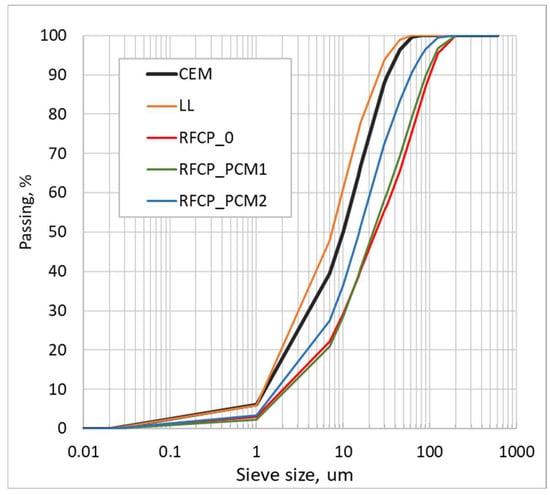
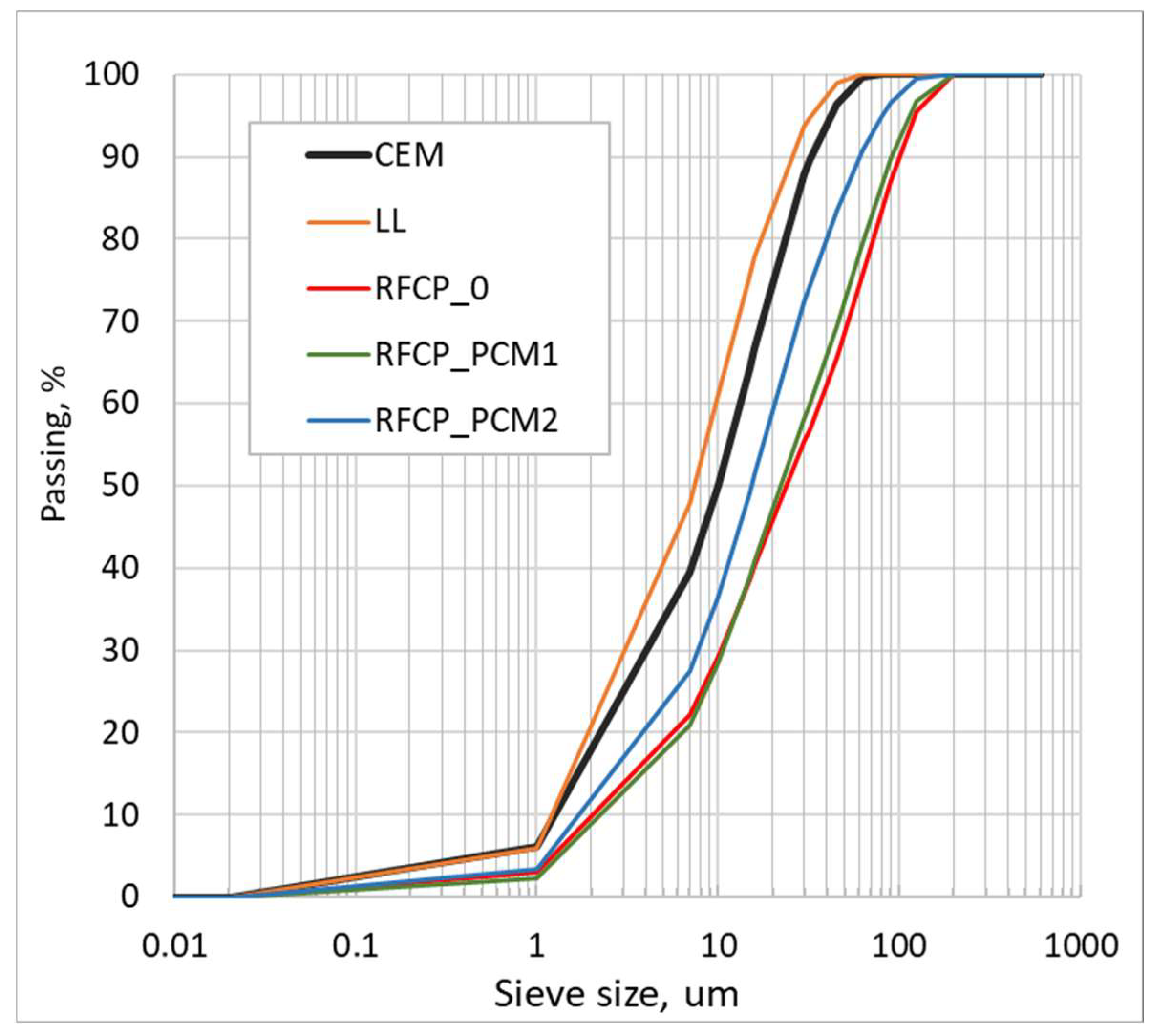
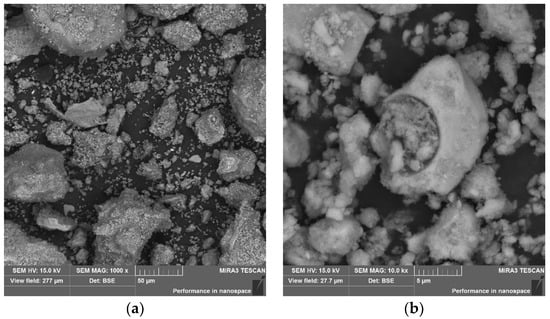
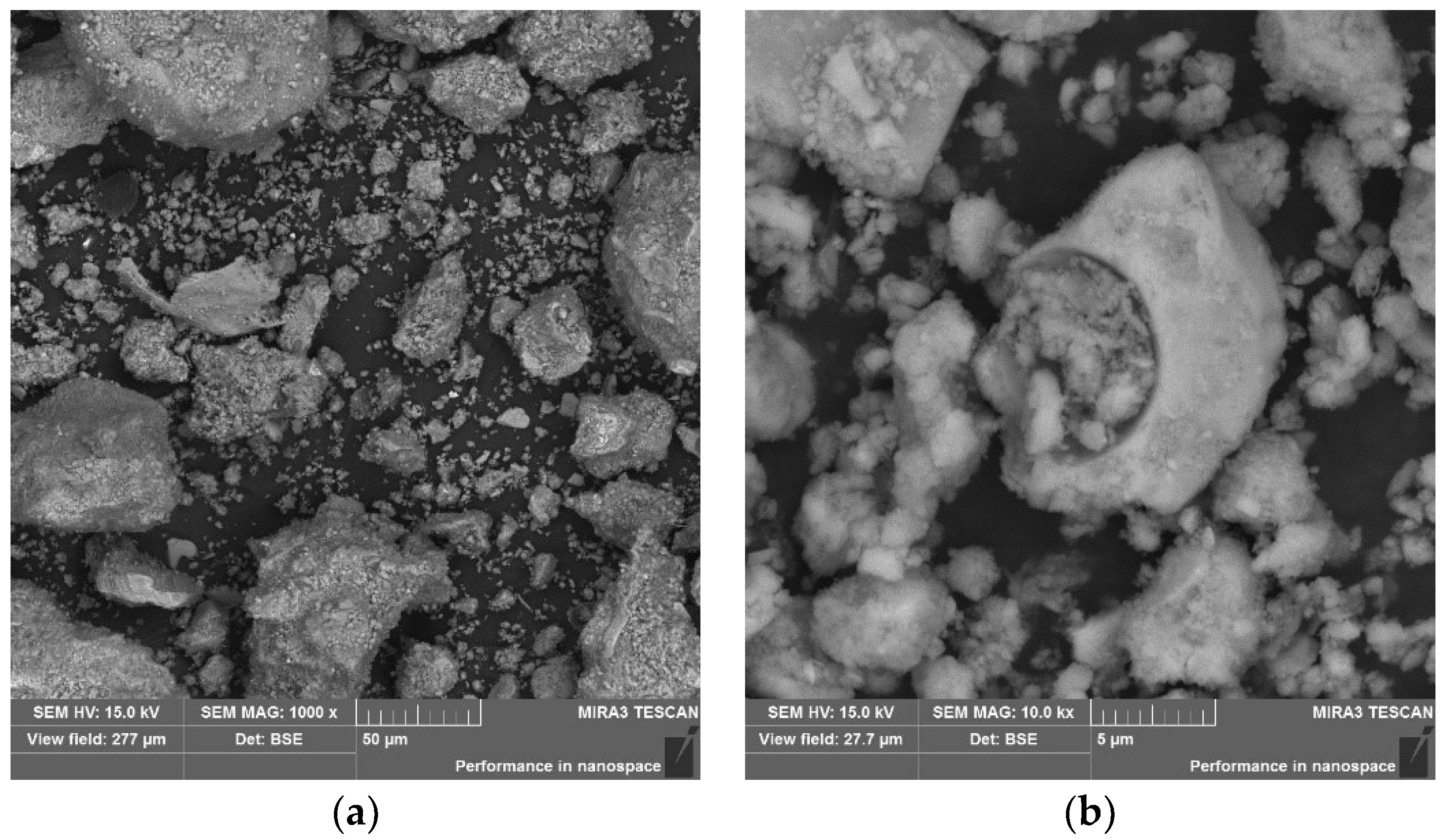
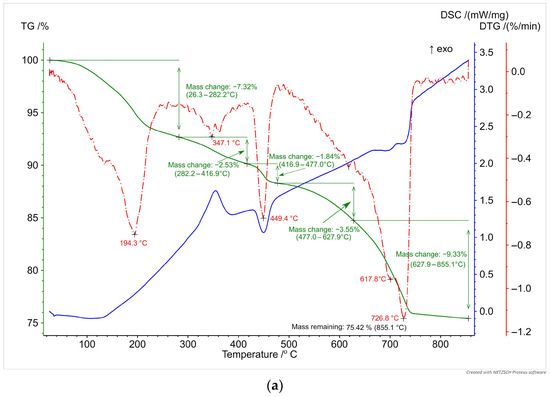
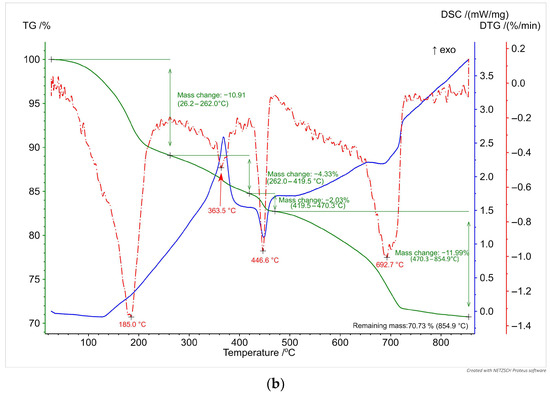
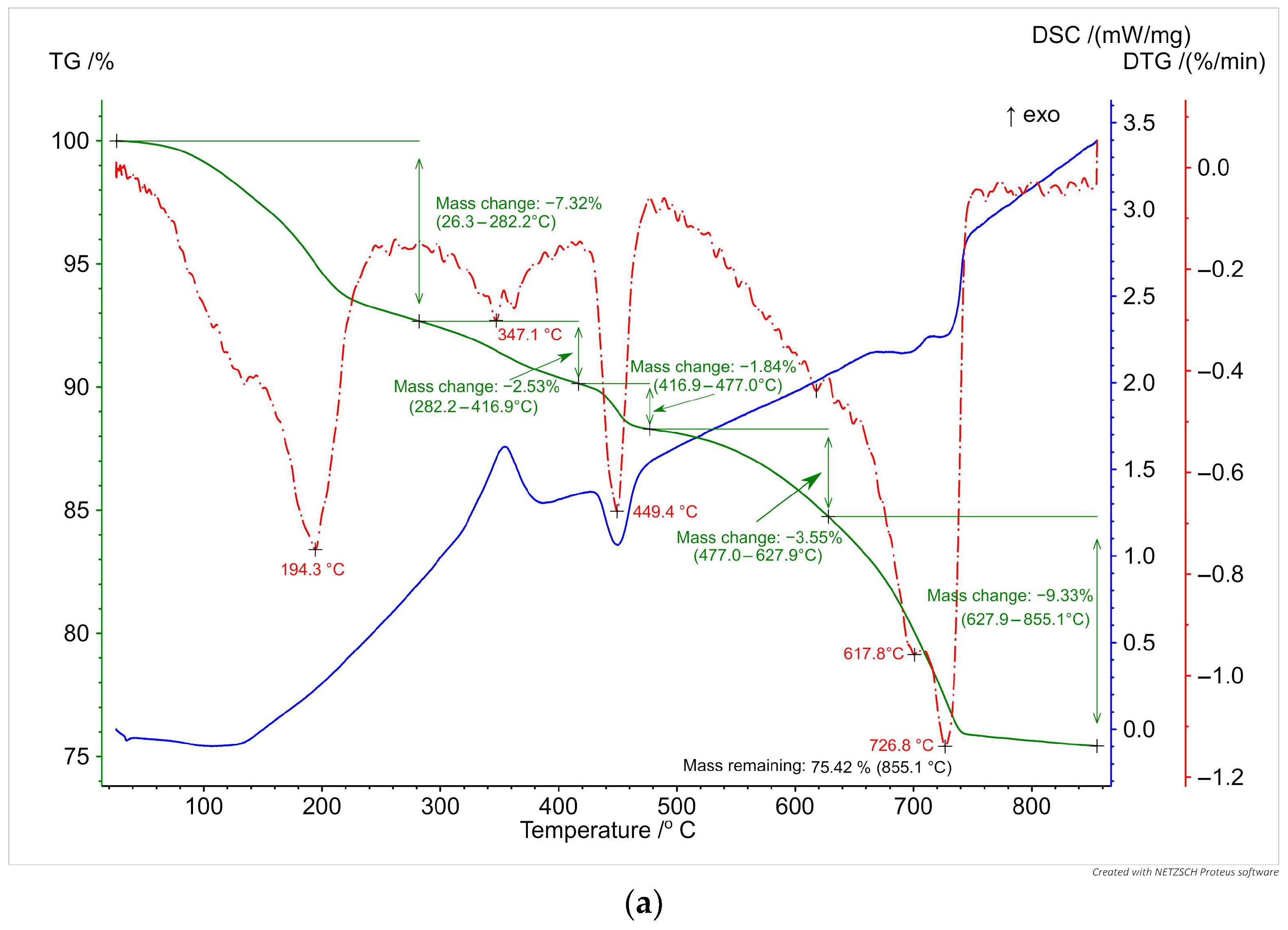
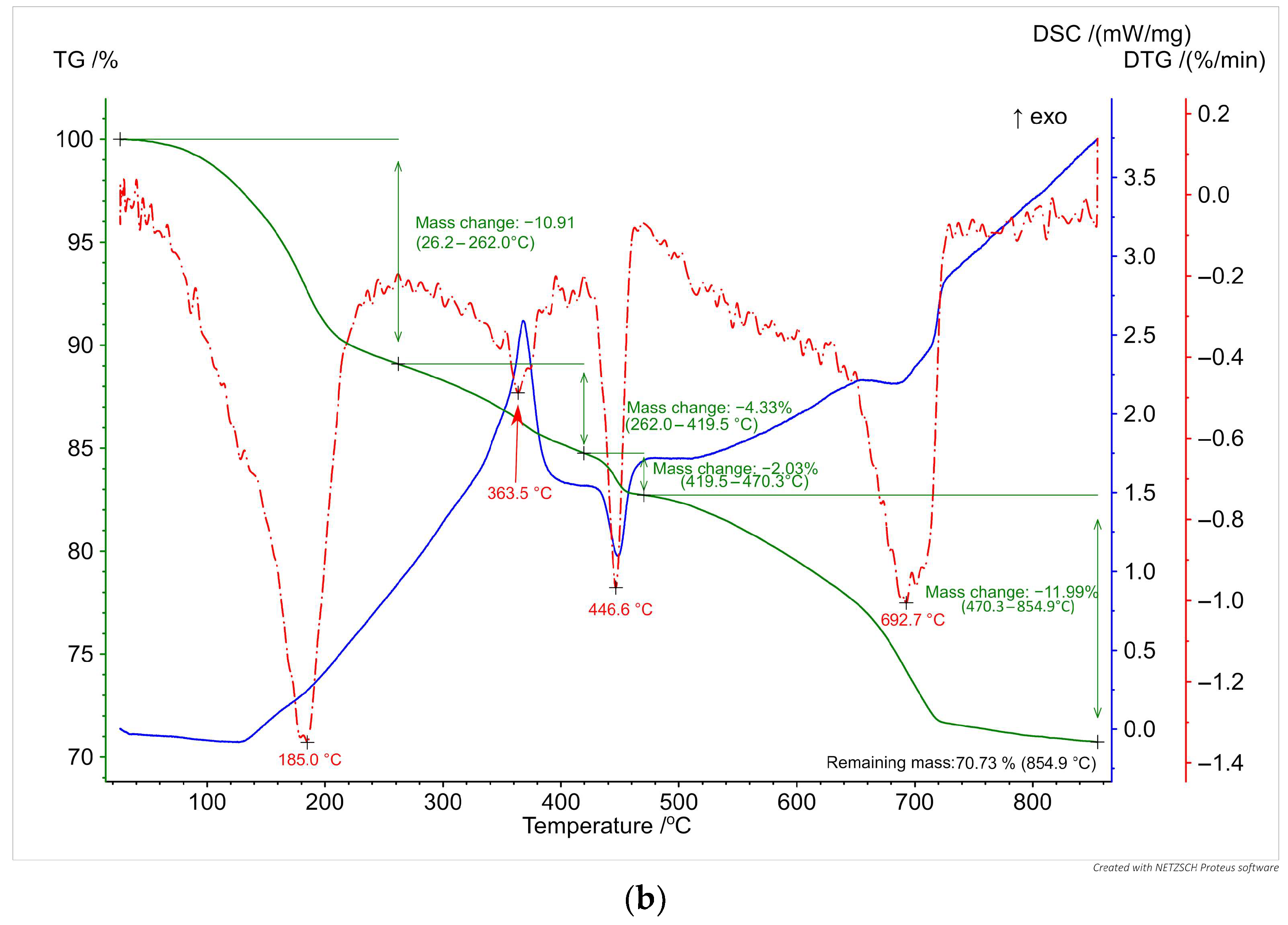
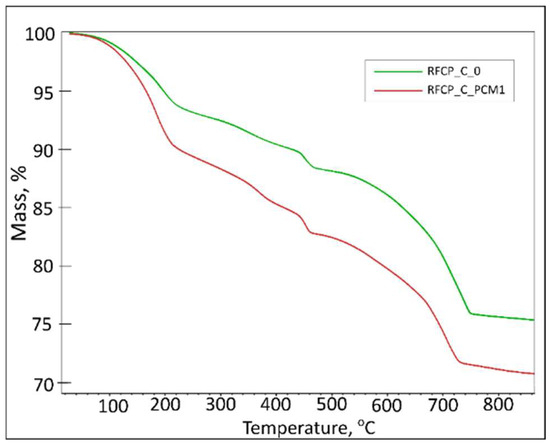
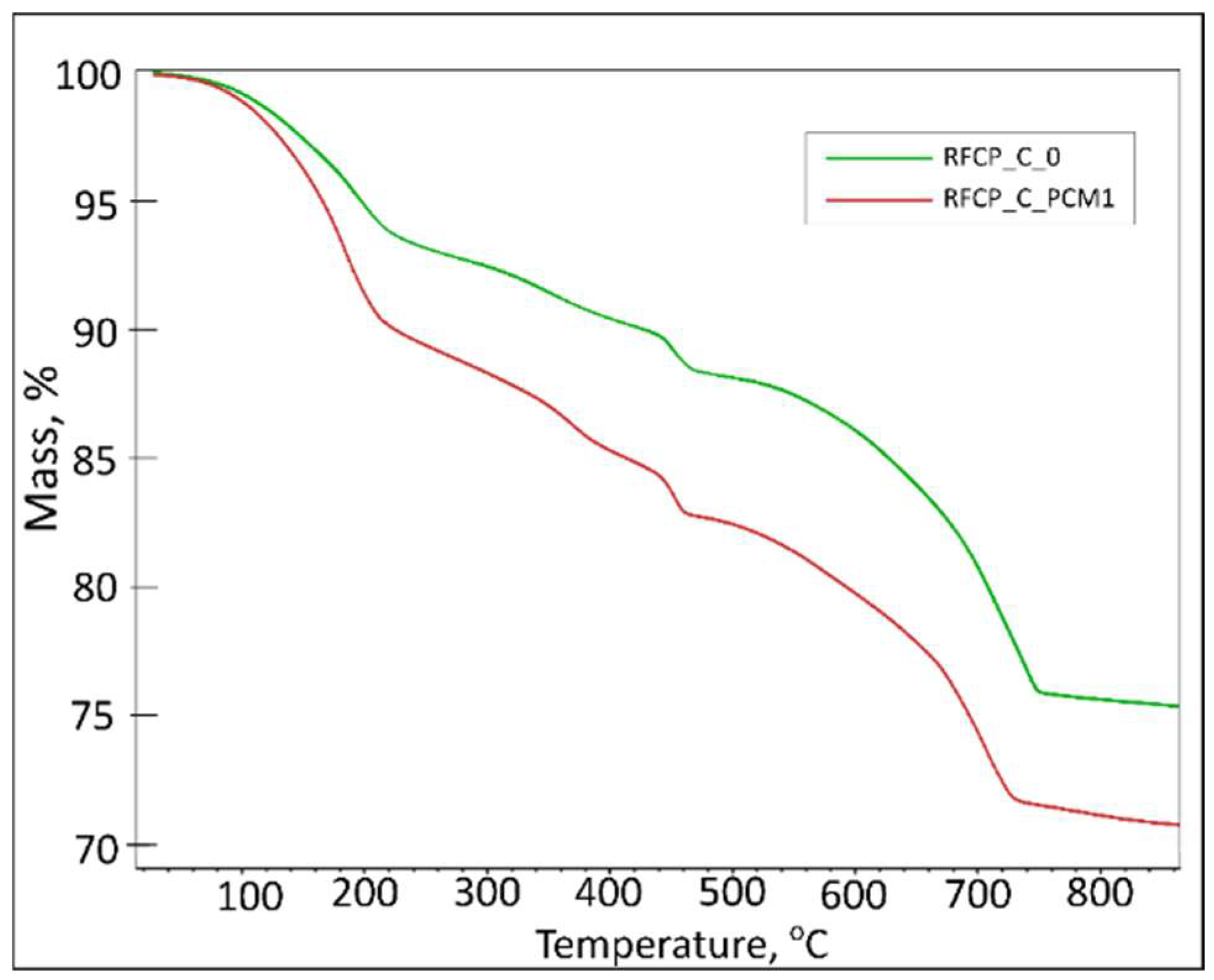
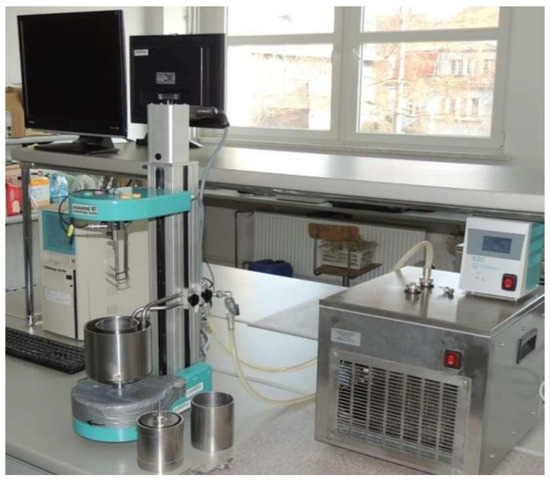
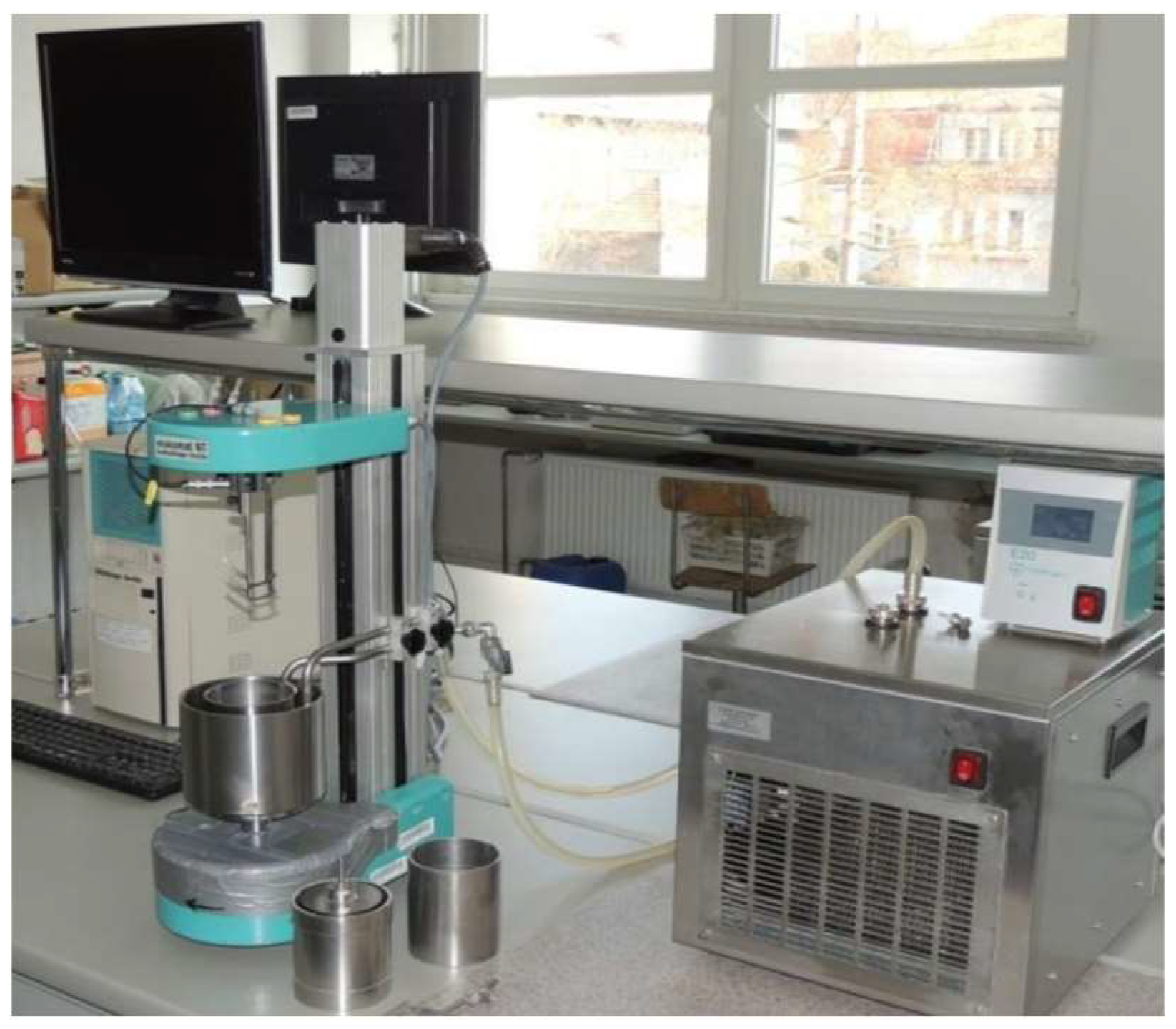
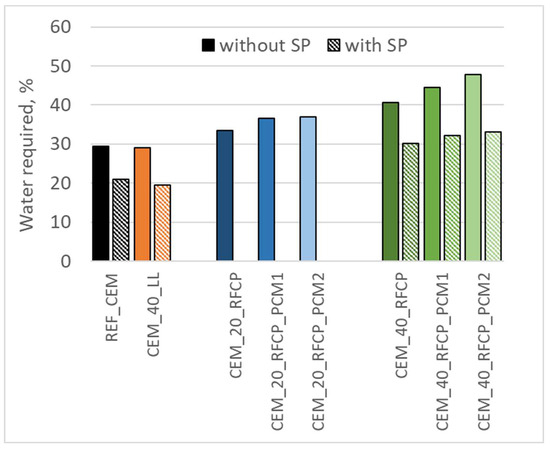
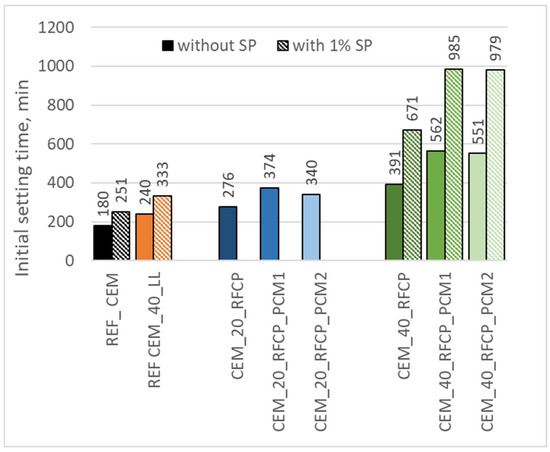
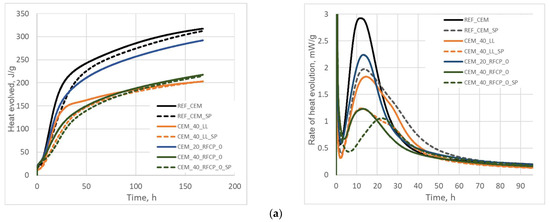
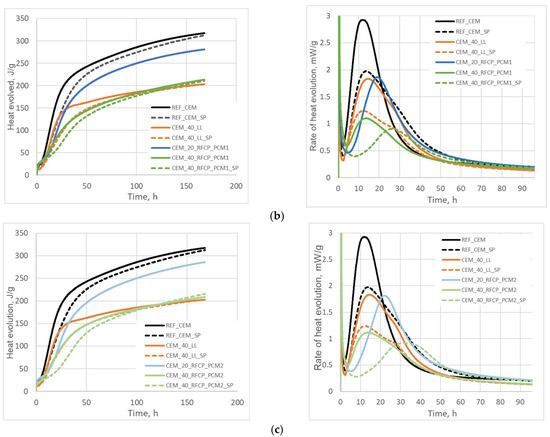
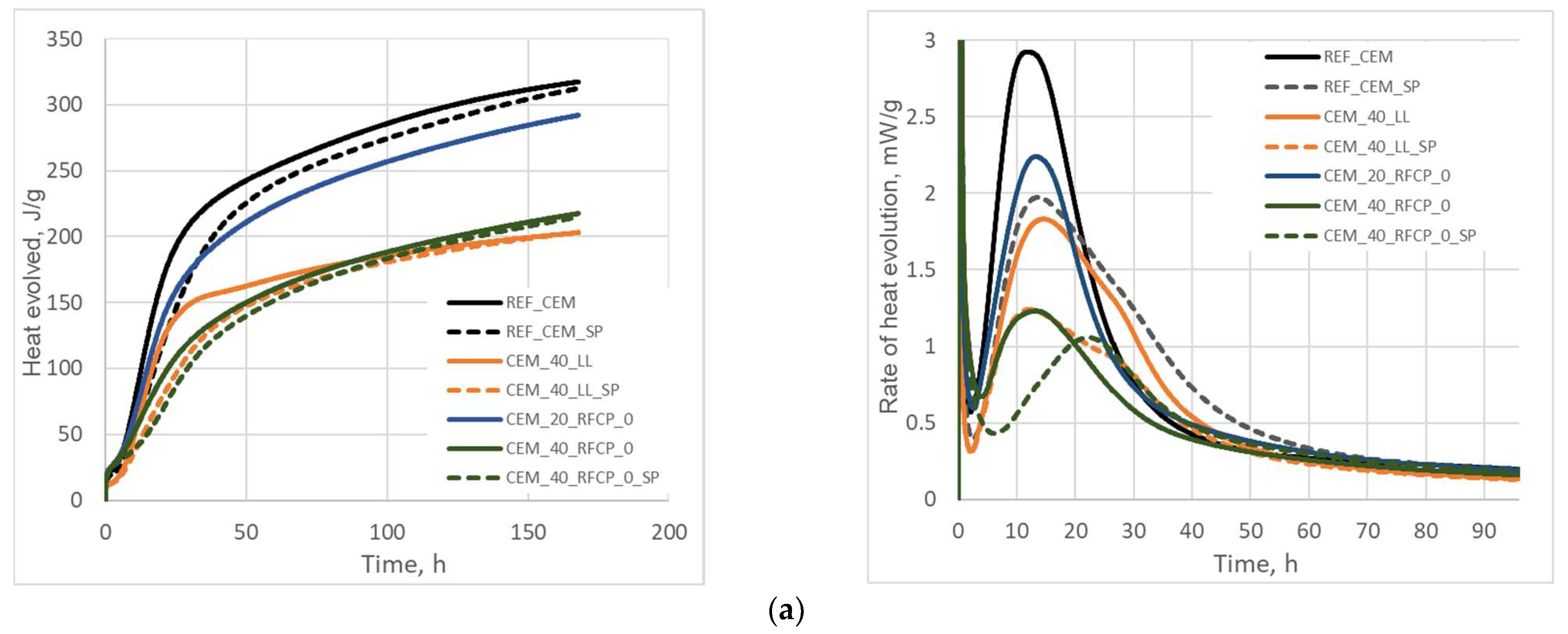
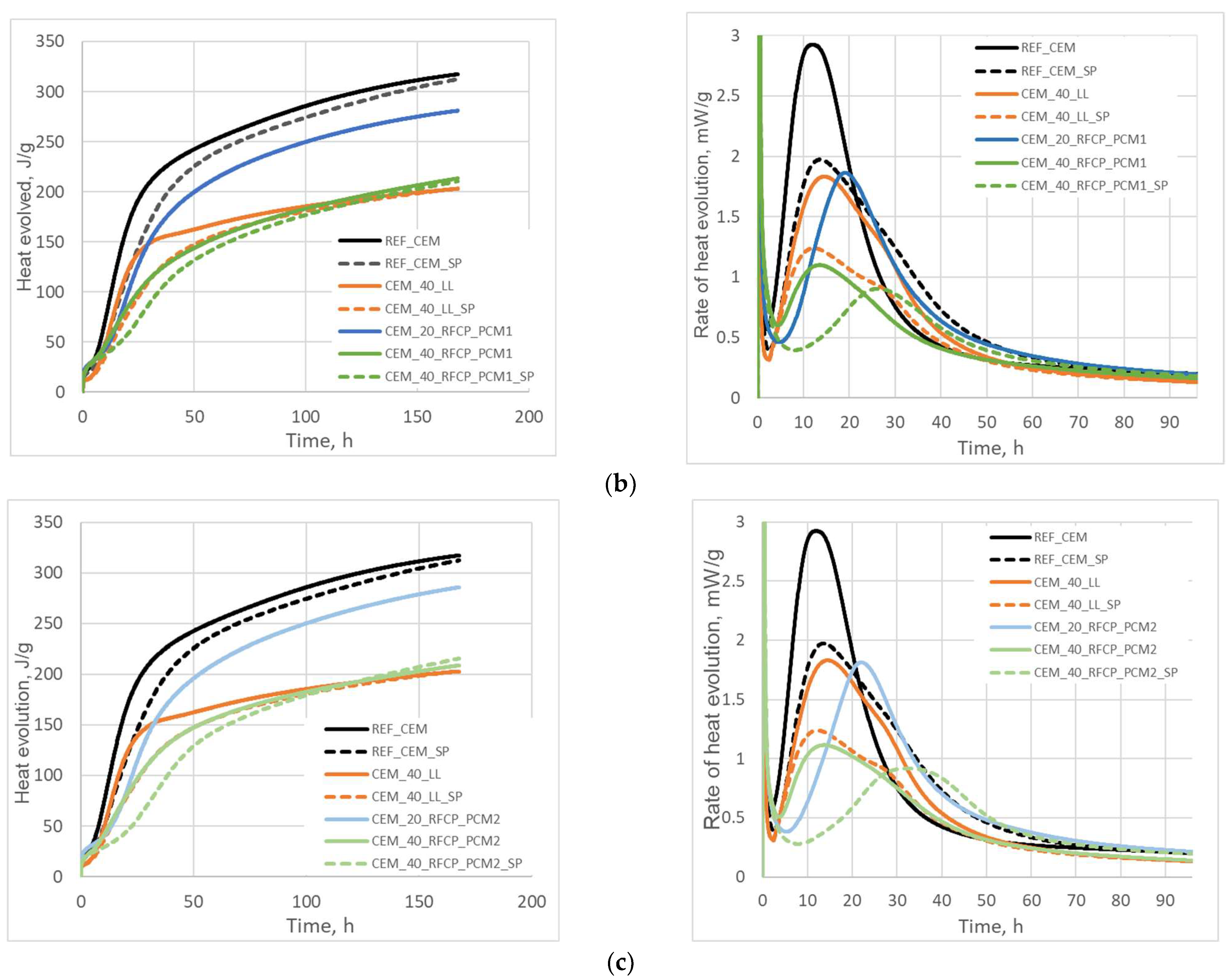
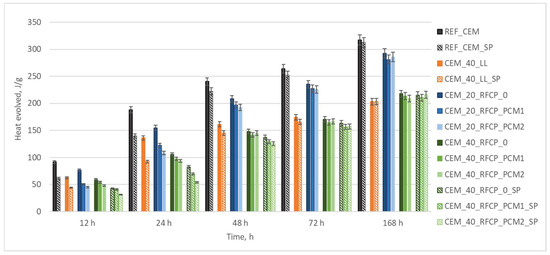
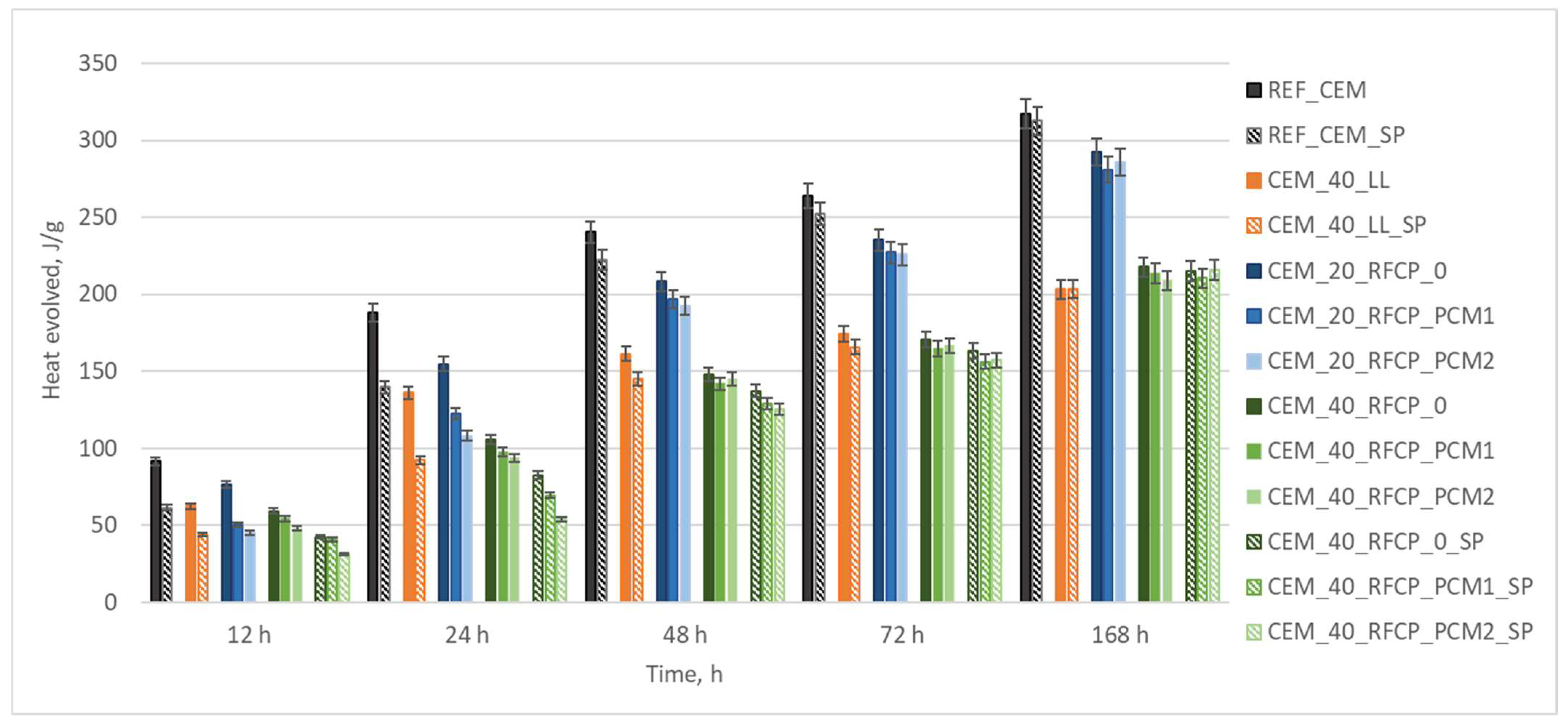
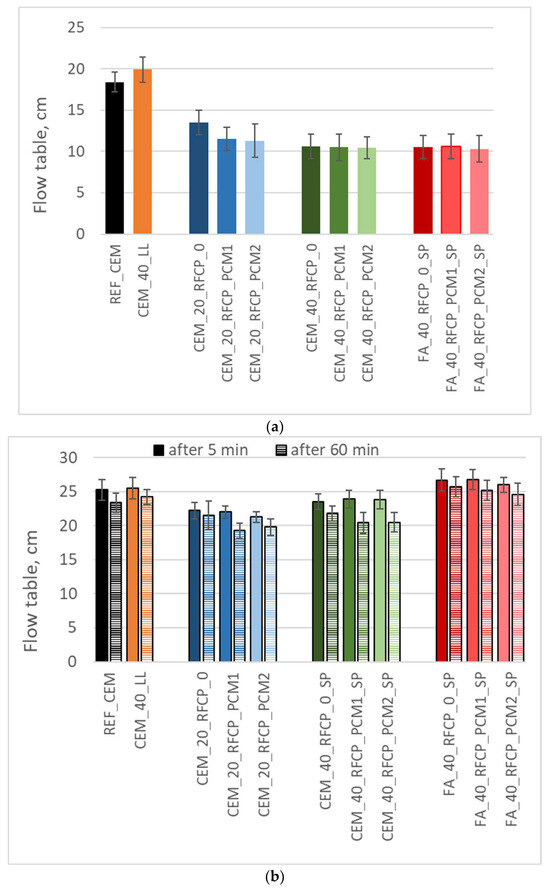
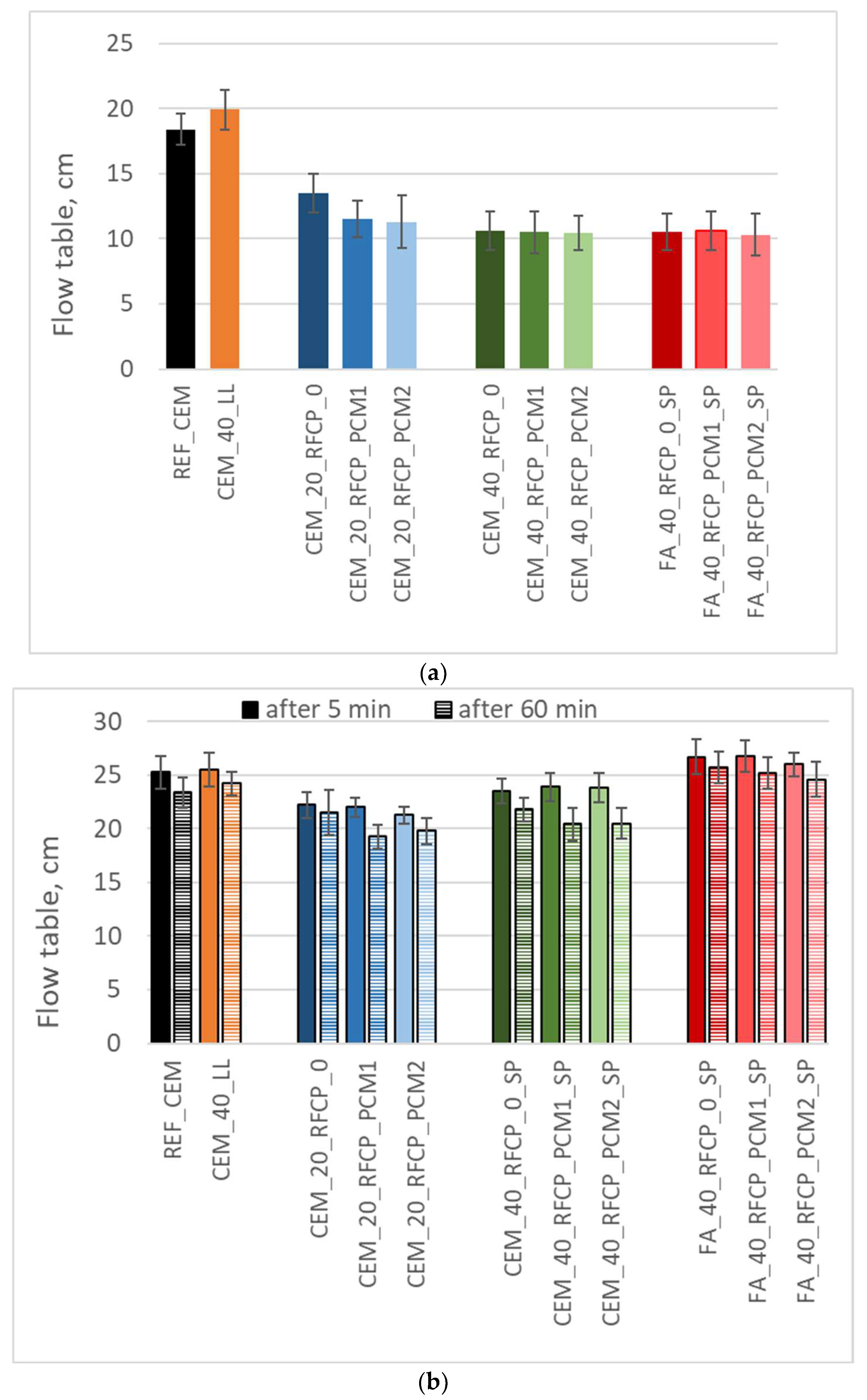
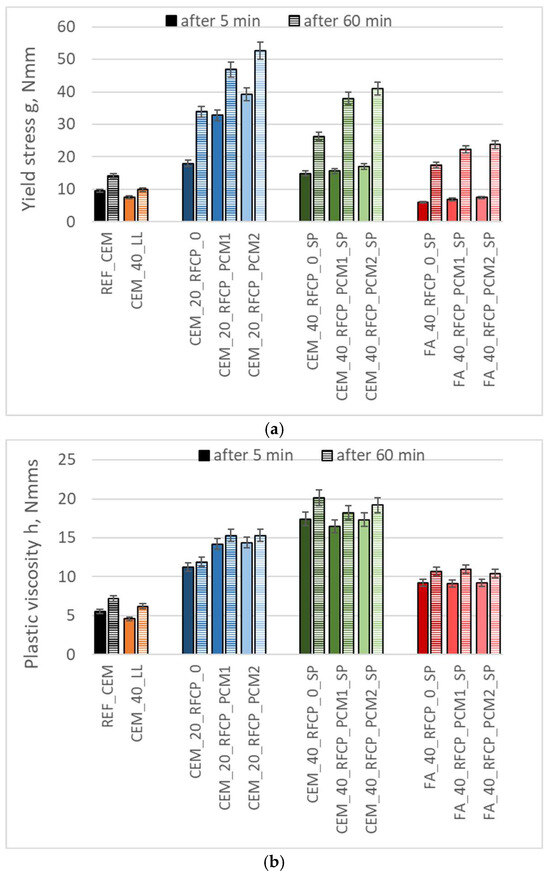
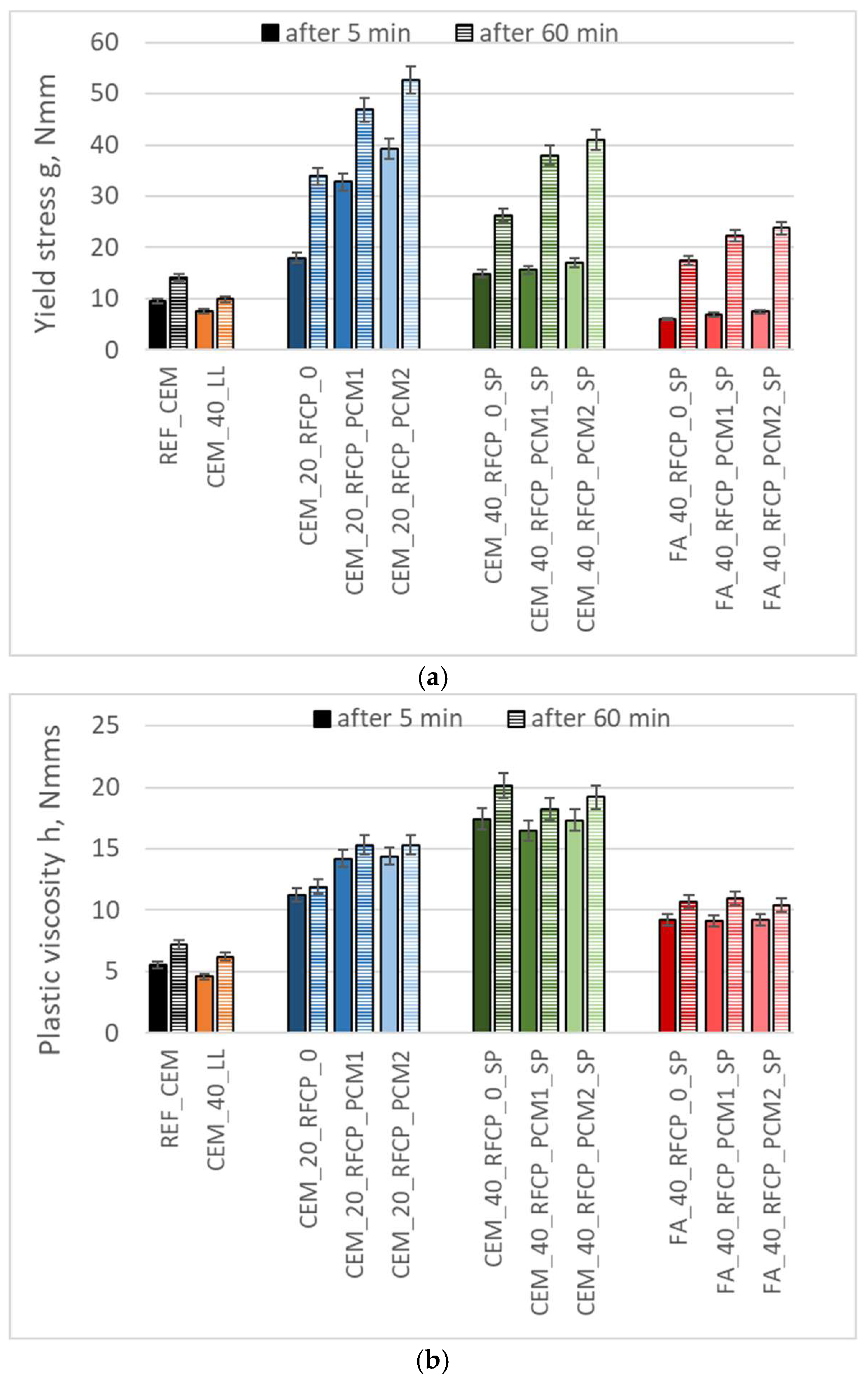
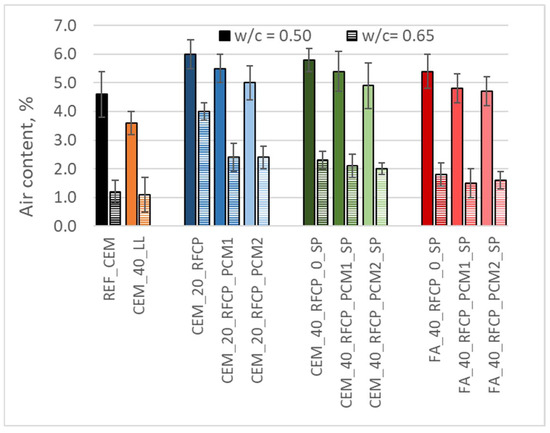
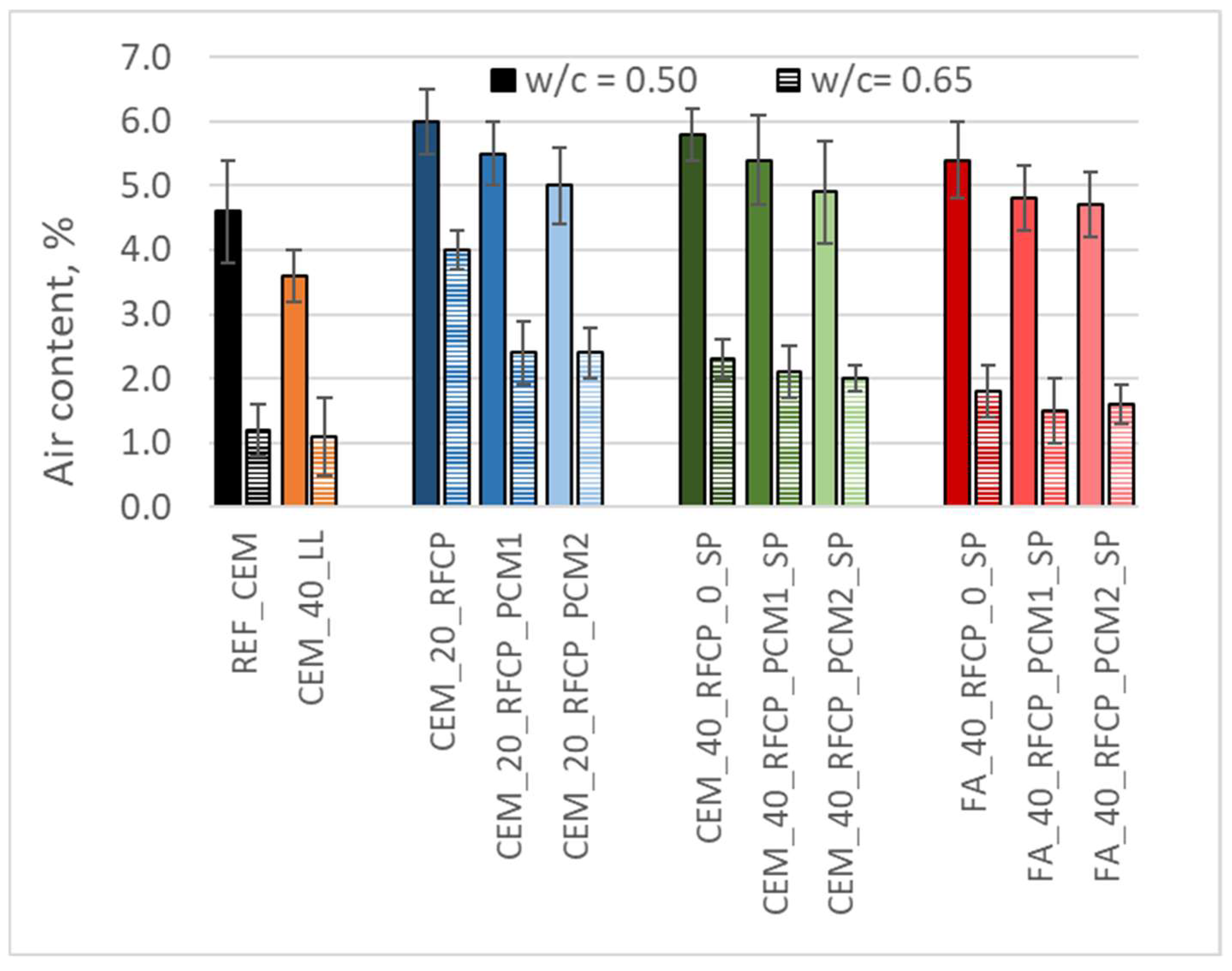
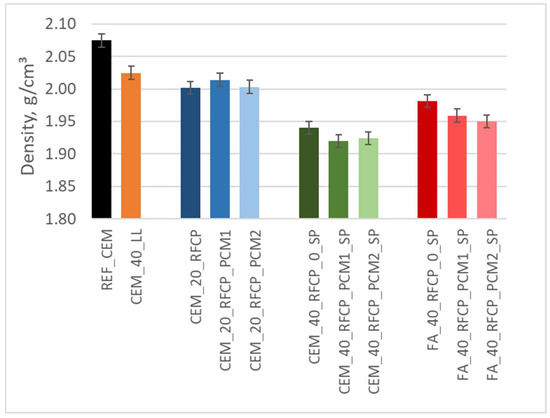
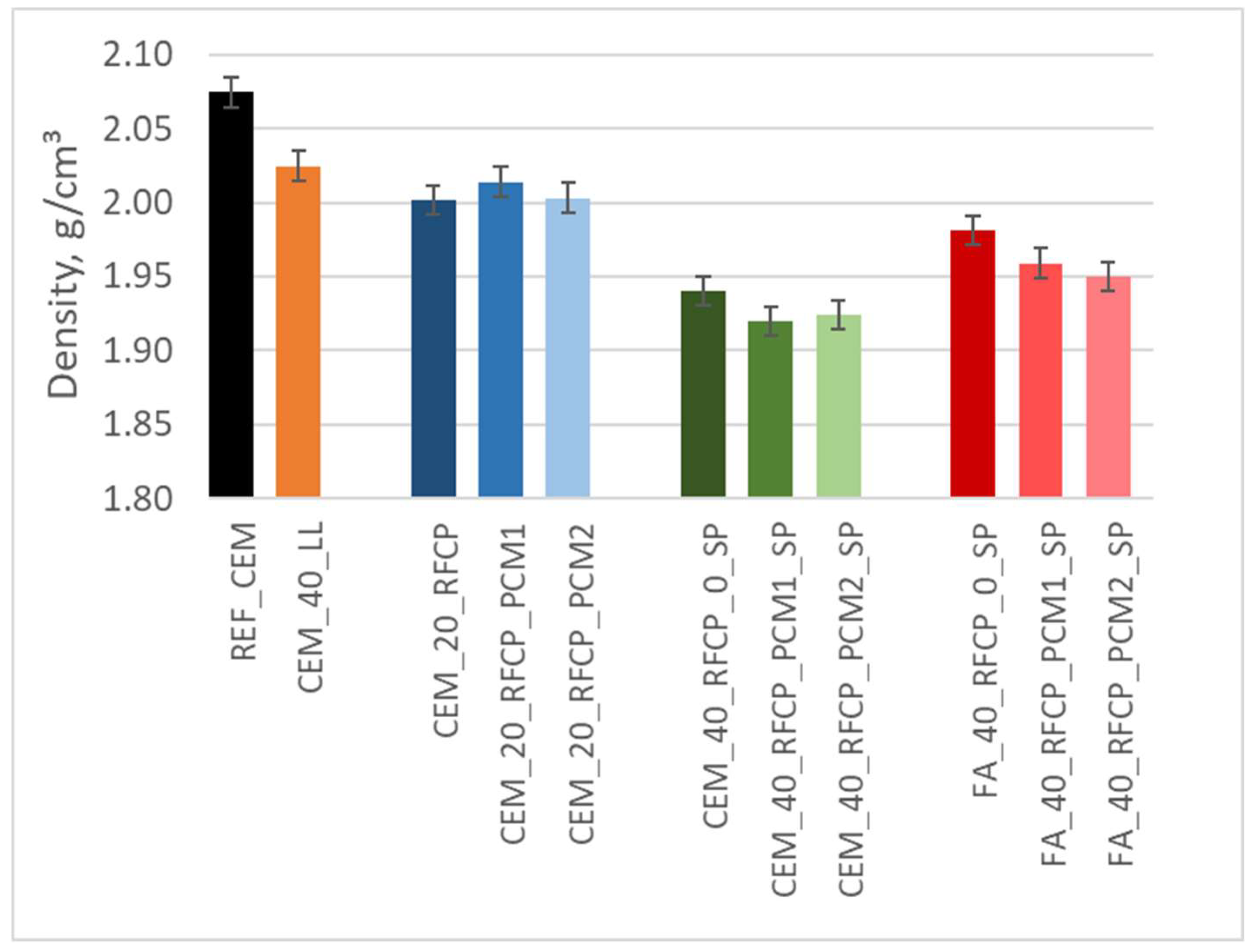
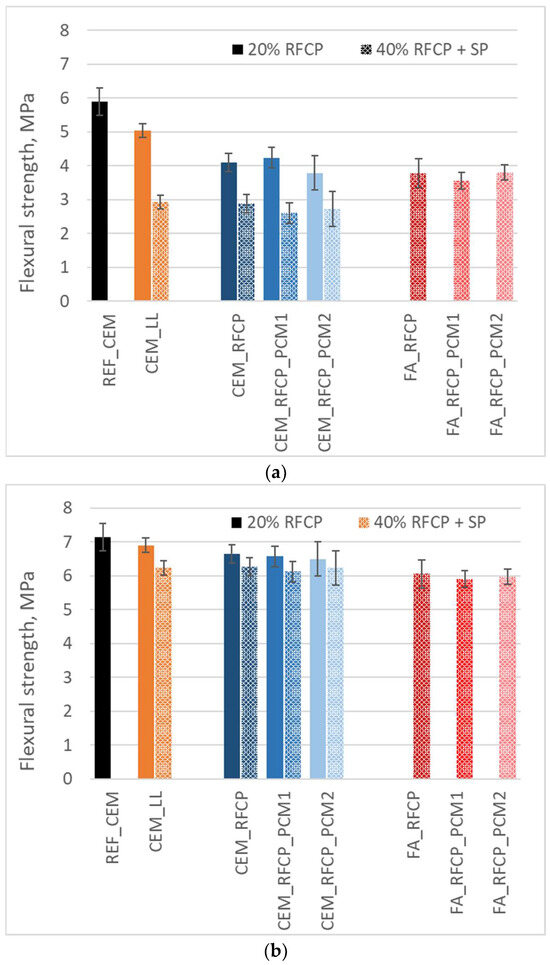
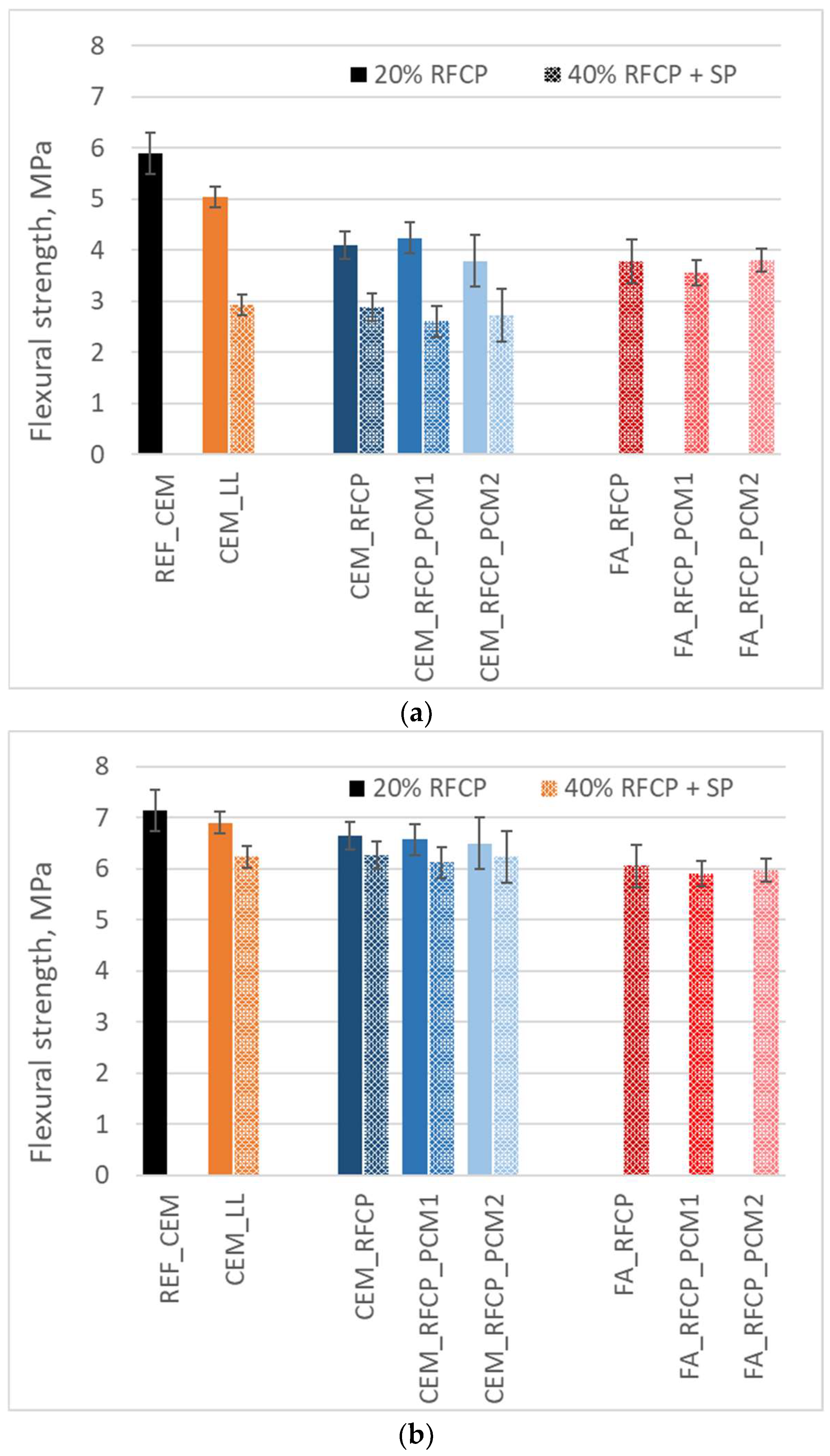
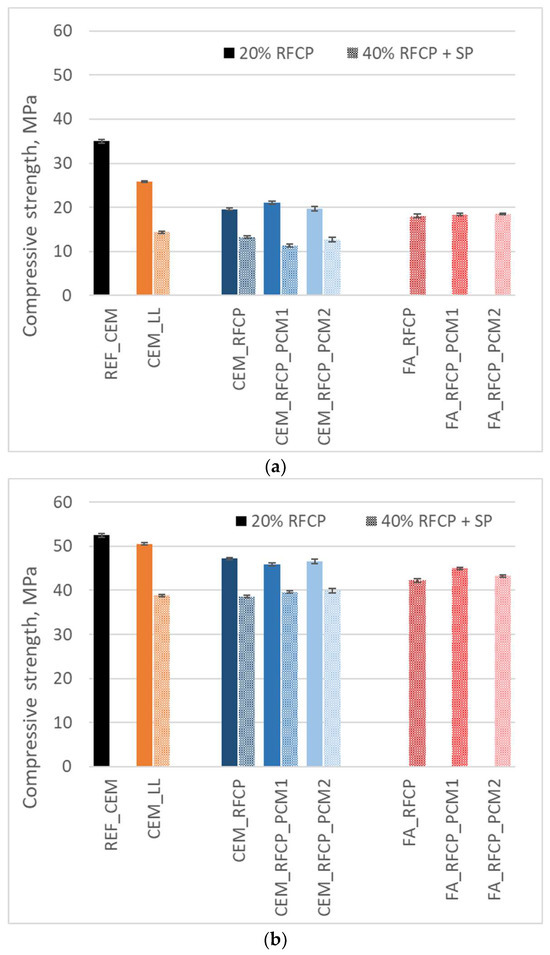
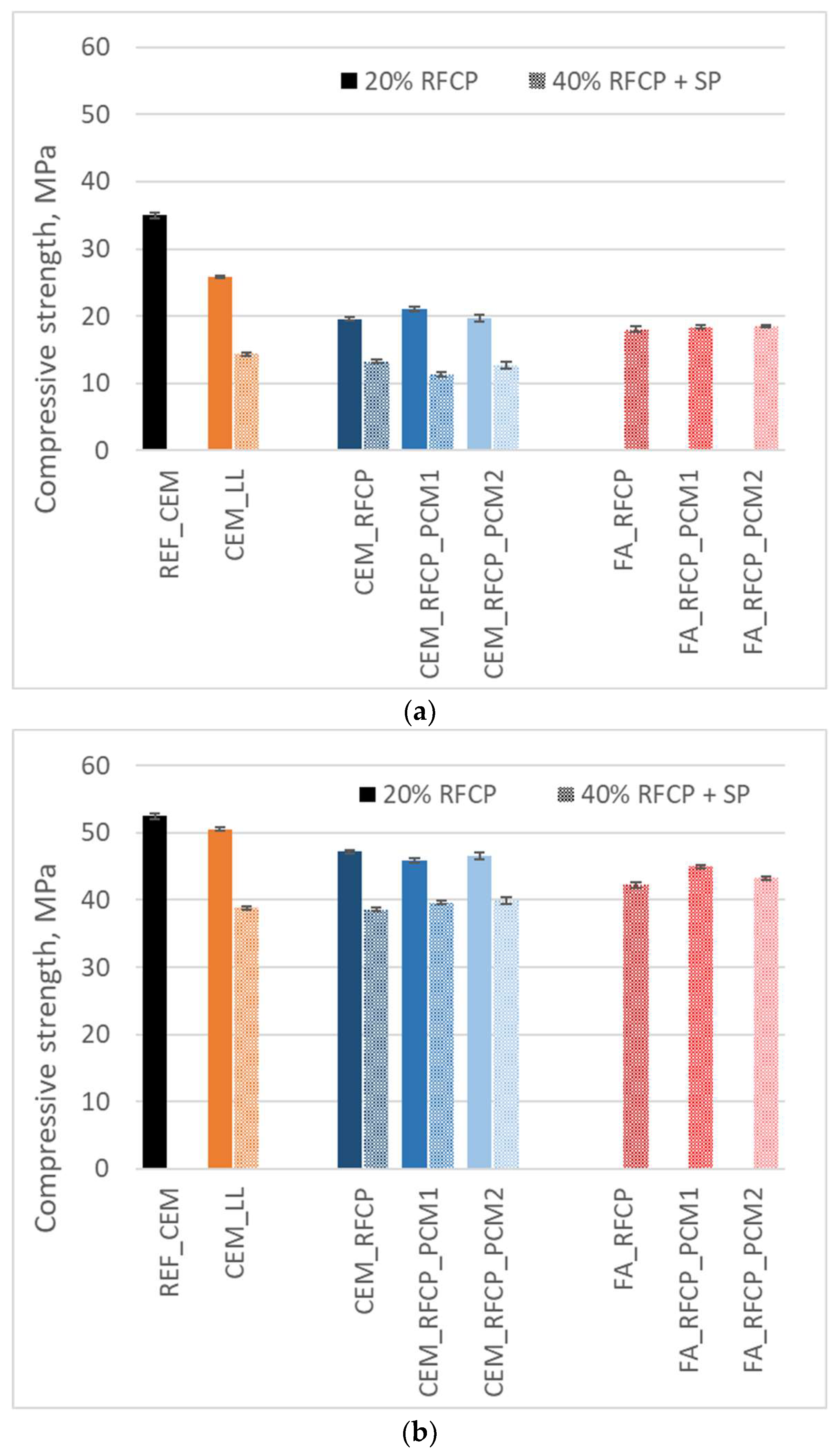
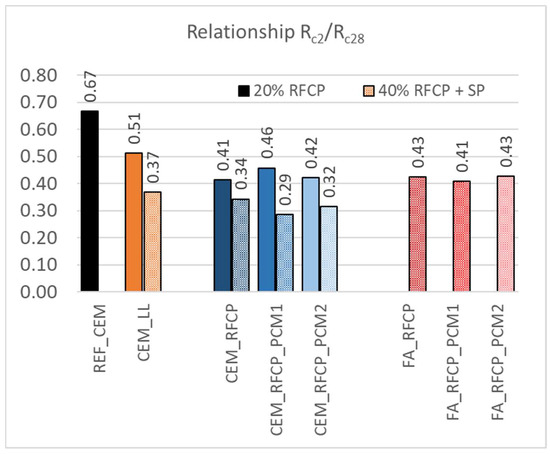
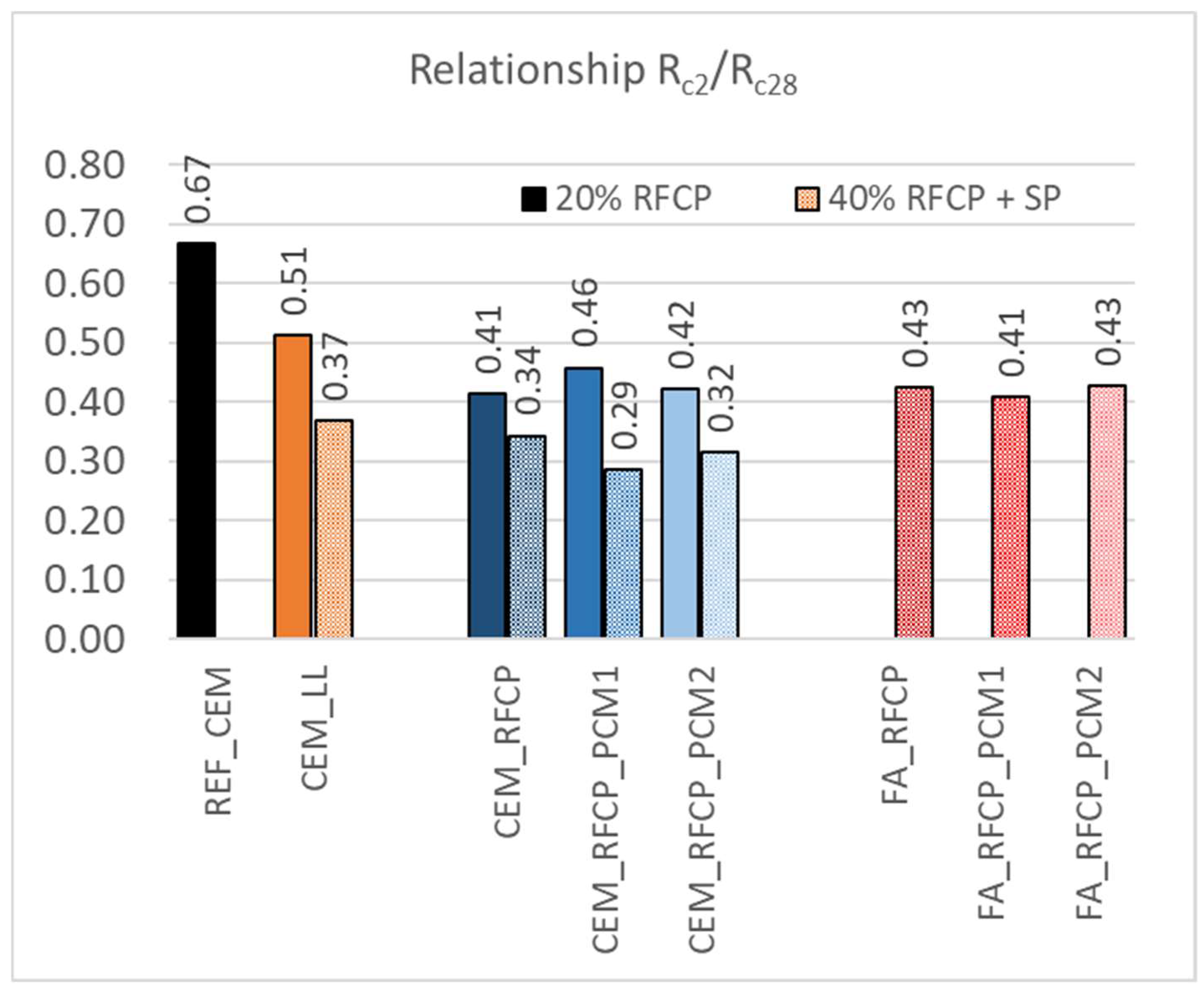
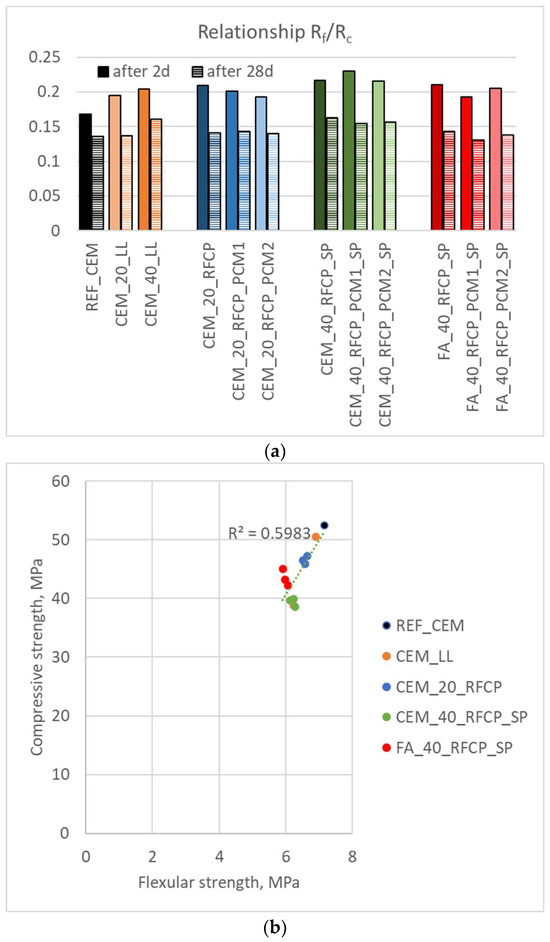
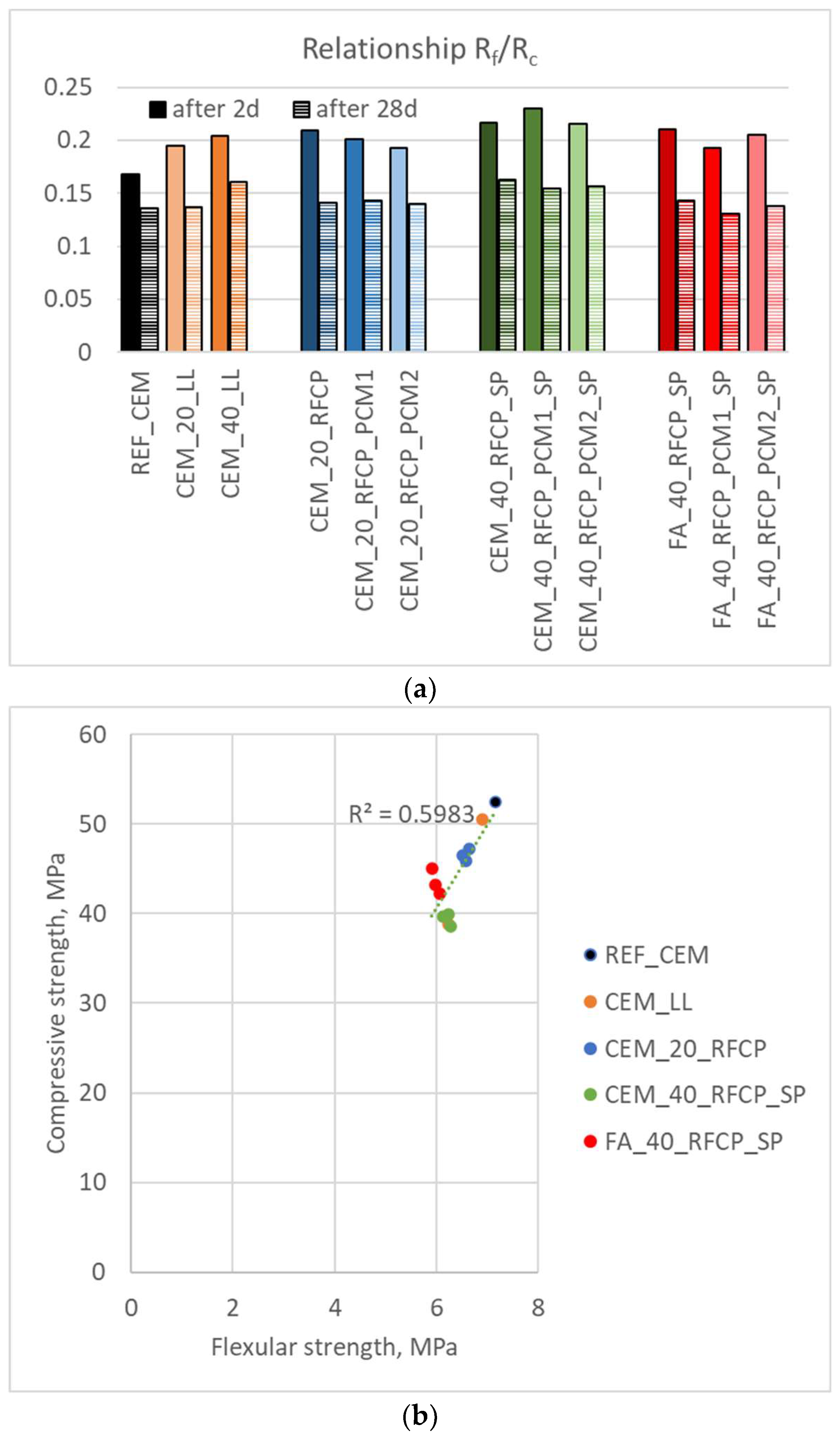
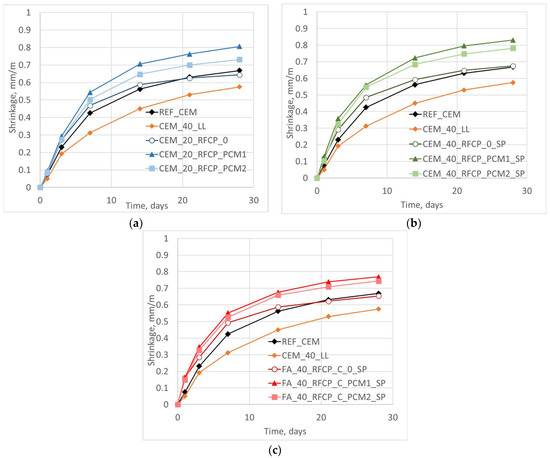
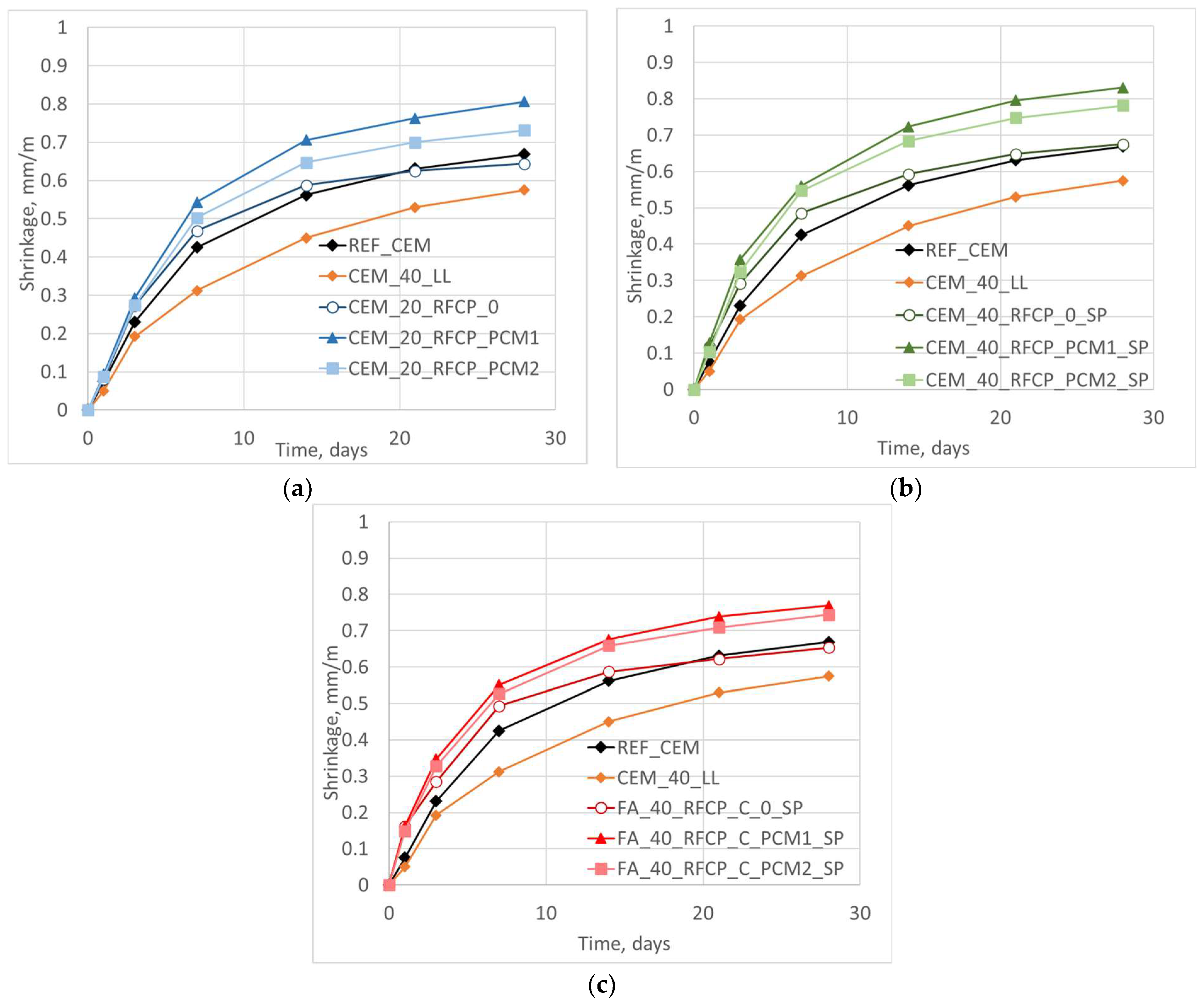
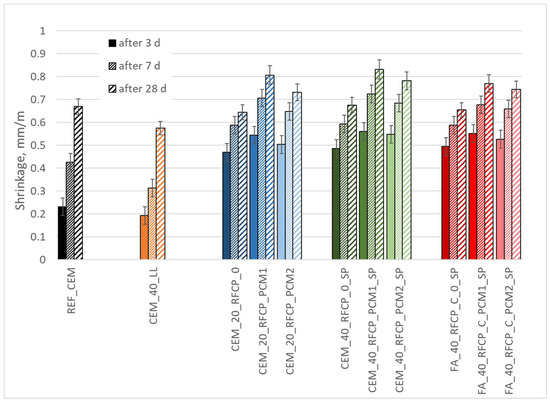
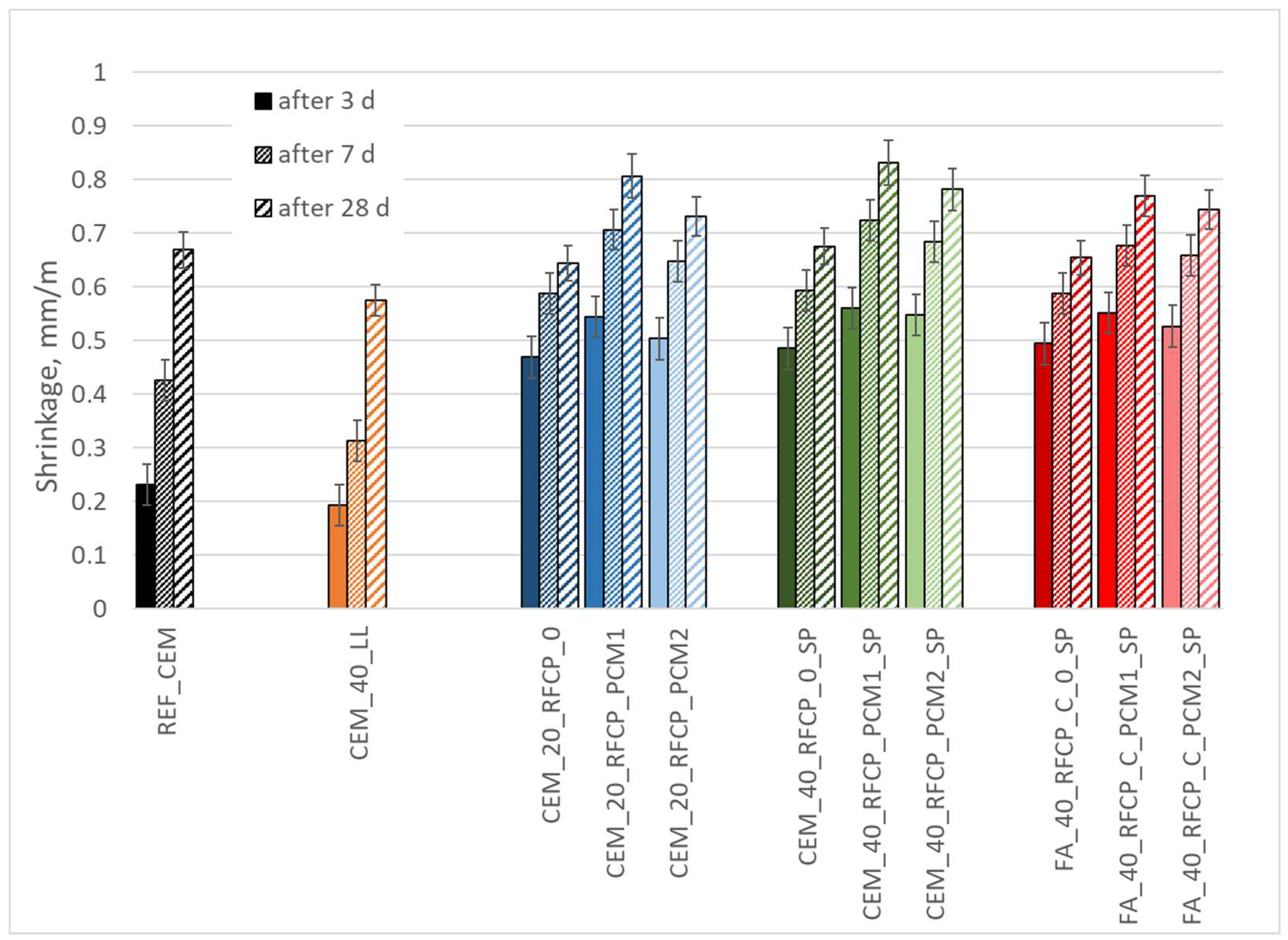
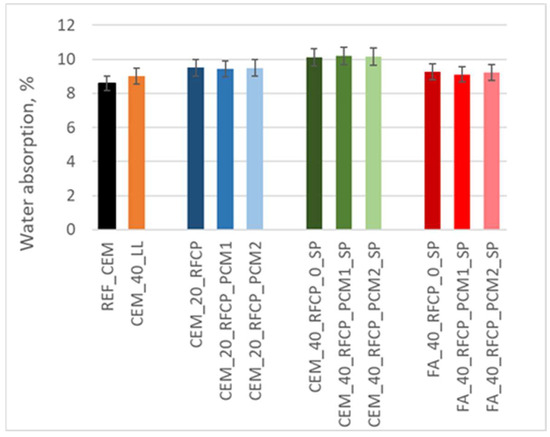
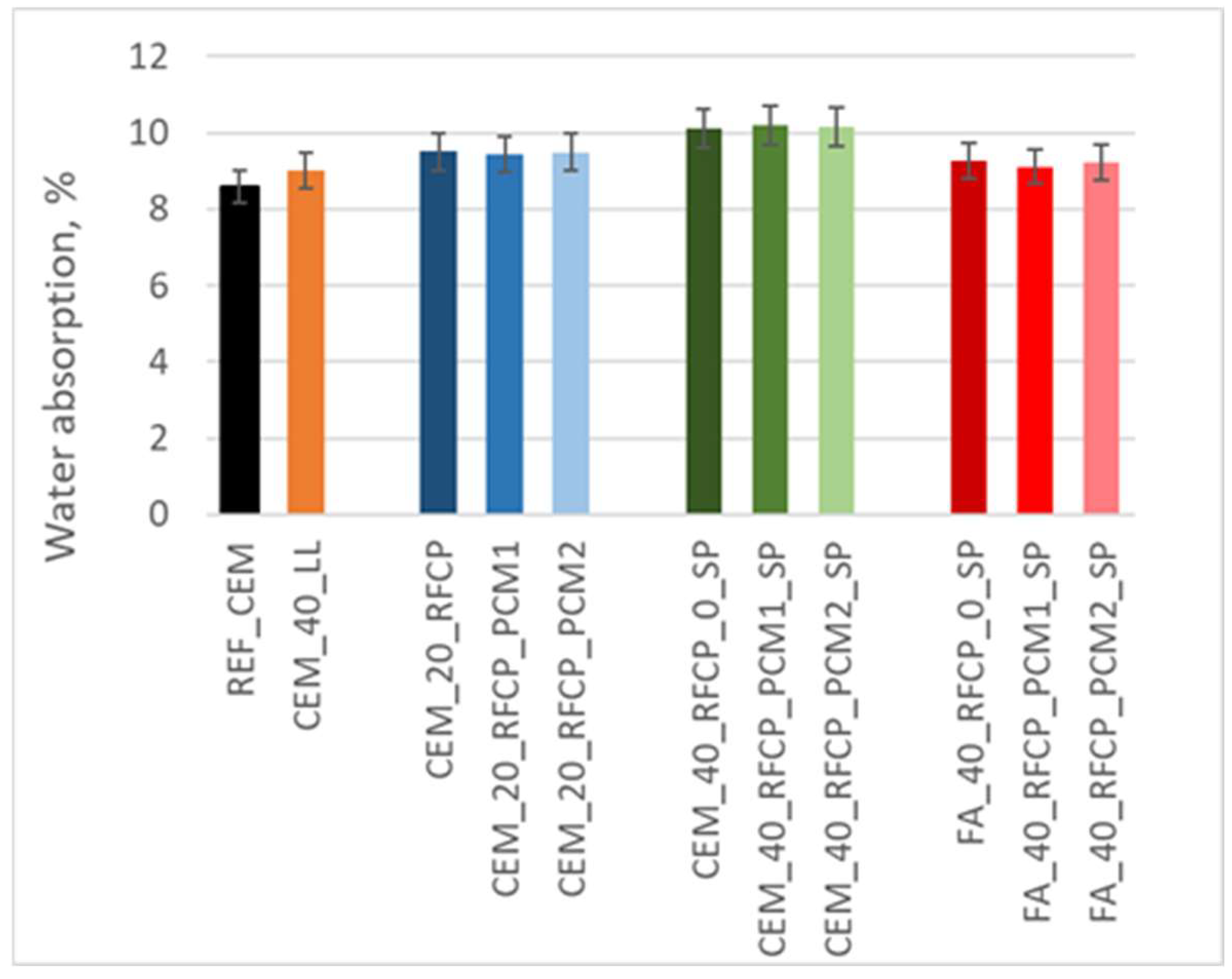
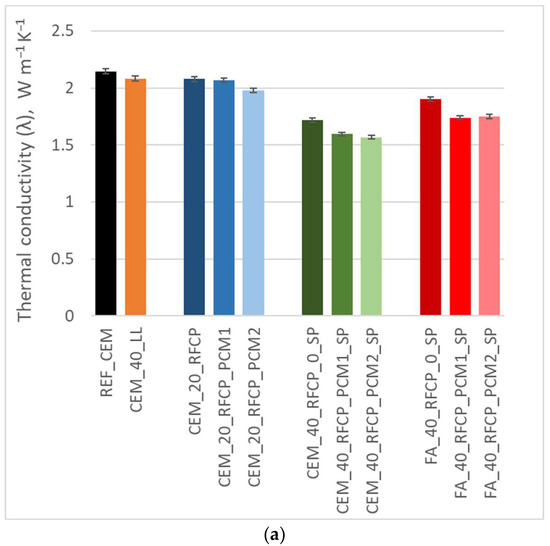
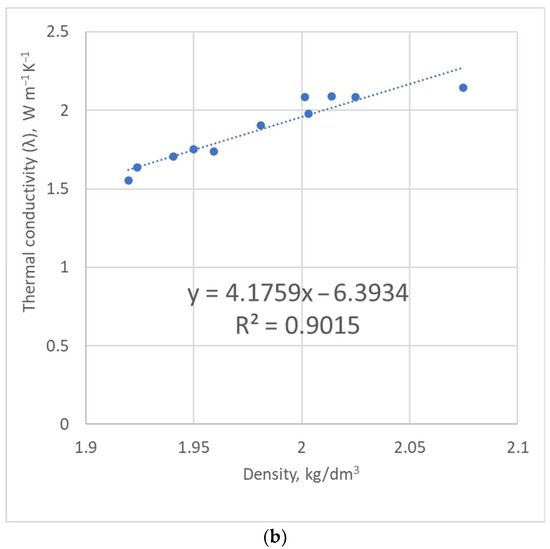
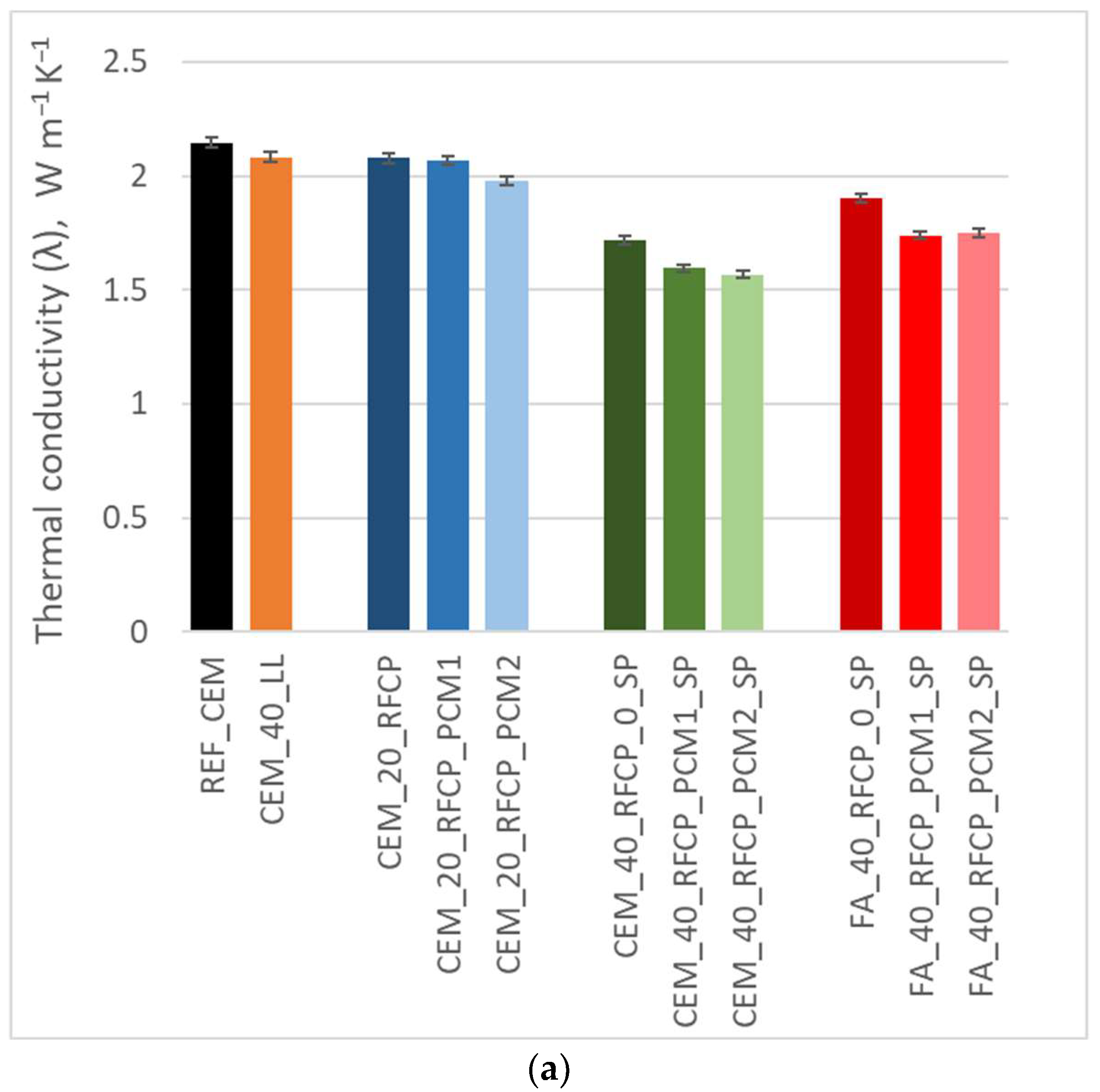
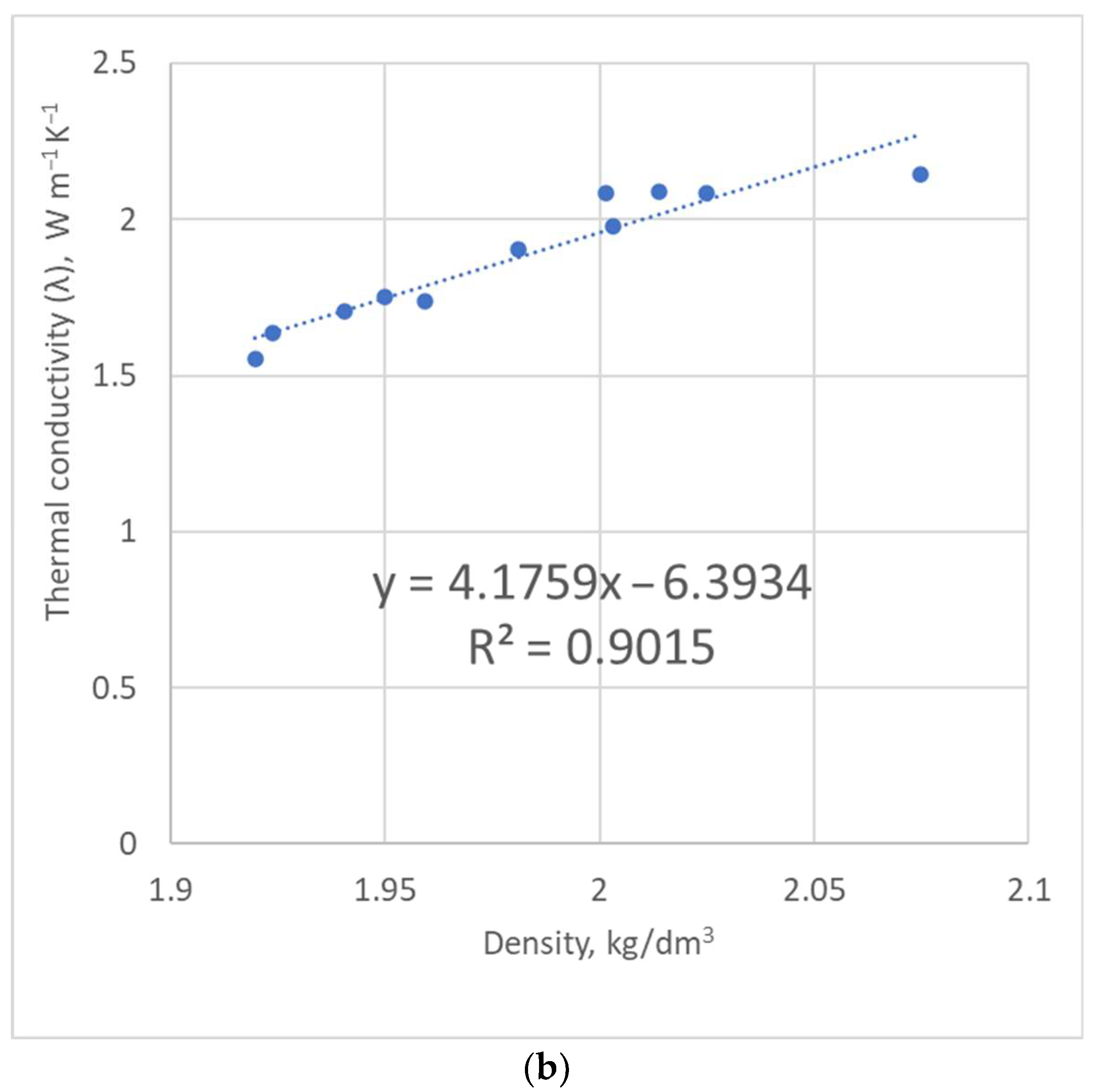
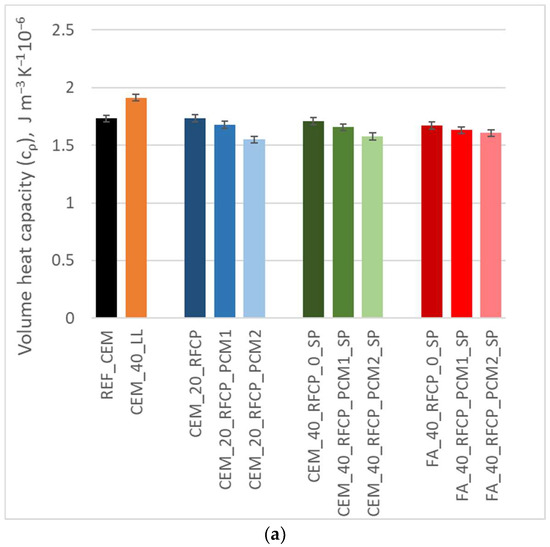
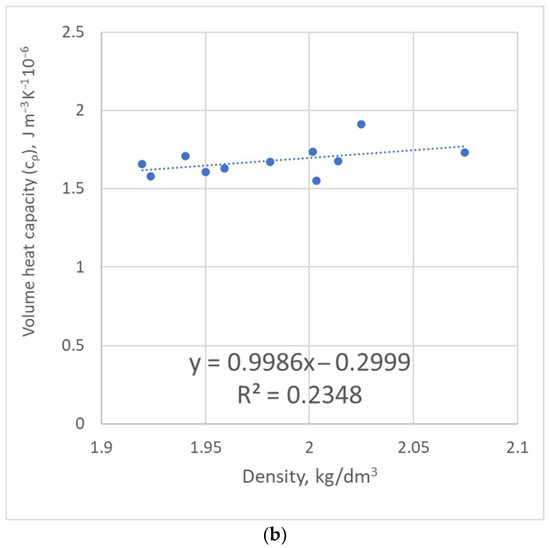
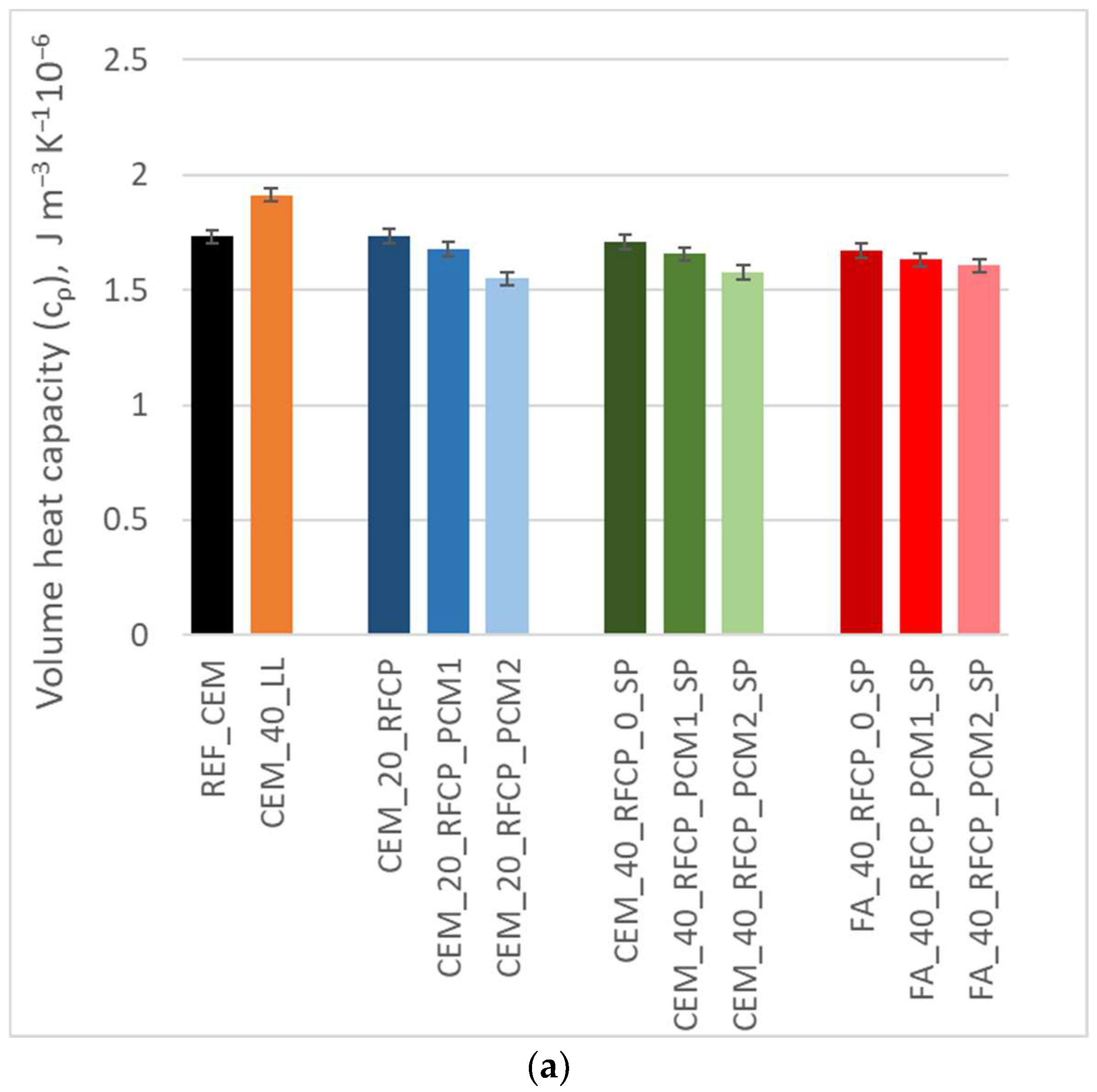
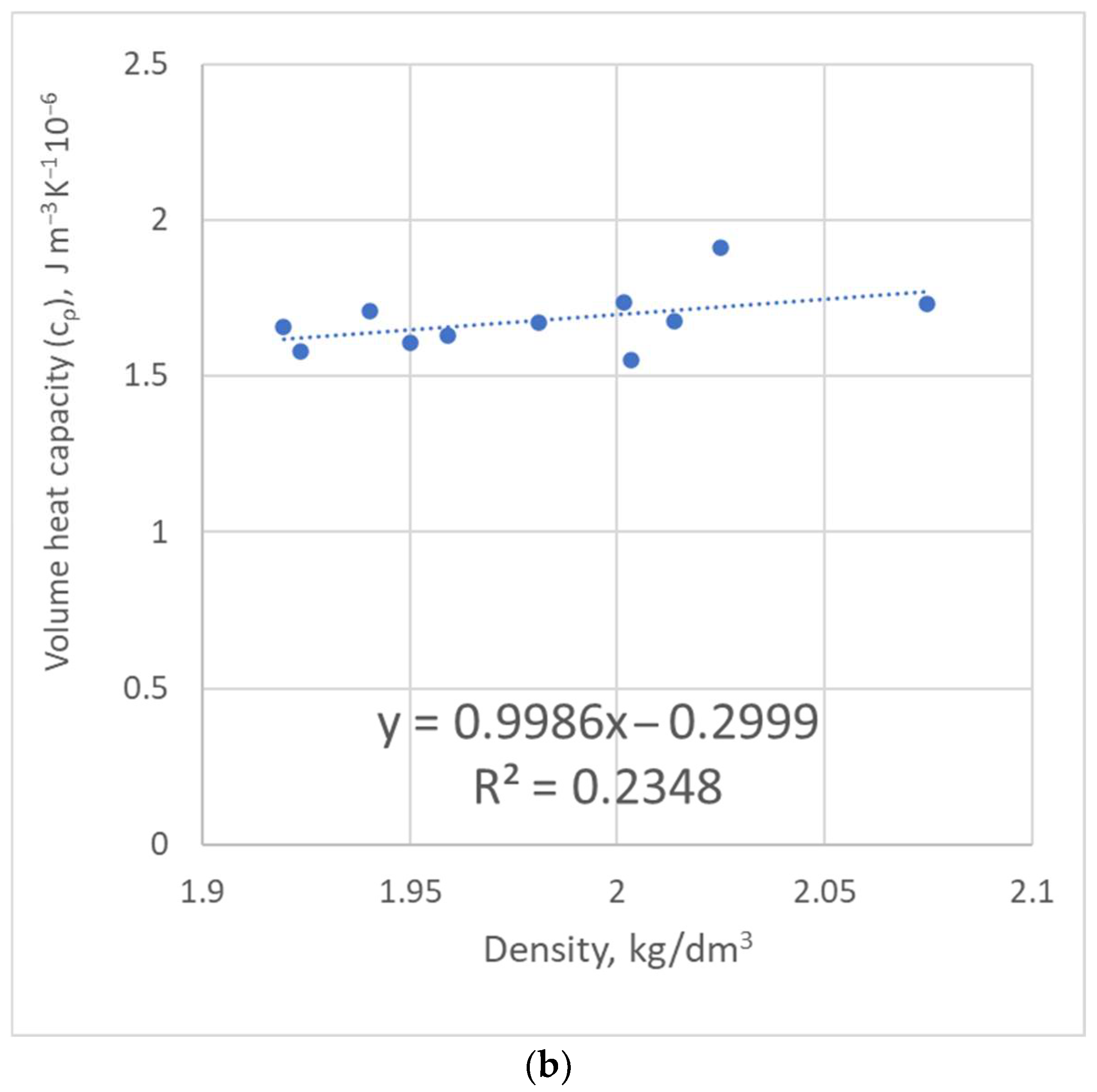

Disclaimer/Publisher’s Note: The statements, opinions and data contained in all publications are solely those of the individual author(s) and contributor(s) and not of MDPI and/or the editor(s). MDPI and/or the editor(s) disclaim responsibility for any injury to people or property resulting from any ideas, methods, instructions or products referred to in the content. |
© 2026 by the authors. Licensee MDPI, Basel, Switzerland. This article is an open access article distributed under the terms and conditions of the Creative Commons Attribution (CC BY) license.