


Abstract
China’s transition toward a low-carbon and sustainable energy system requires renewable energy firms to align their technological decisions with environmental policy objectives. Drawing on the Porter hypothesis, this study examines how command-and-control, market-incentive, and voluntary environmental regulations influence firms’ utilization of three sustainable energy technologies (SETs): renewable electricity, energy-saving technologies, and waste management. It also assesses how these technological practices contribute to firm competitiveness. Survey data collected from 273 renewable energy firms in China’s hydropower, wind, and solar sectors were analyzed using partial least squares structural equation modelling. The results show that command-and-control and voluntary environmental regulations positively influence all three SET dimensions. Market-incentive environmental regulation positively affects energy-saving technologies and waste management but has no significant effect on renewable electricity utilization. Renewable electricity, energy-saving technologies, and waste management all positively contribute to firm competitiveness. These findings provide conditional support for the strong Porter hypothesis by demonstrating that technological responses that can improve firms’ competitiveness depend on the alignment between the regulatory instrument employed and the technology targeted. This study provides firm-level evidence for designing differentiated regulatory strategies that support both China’s decarbonization objectives and the competitiveness of renewable energy firms.
1. Introduction
China’s remarkable economic expansion has traditionally relied on an extensive growth strategy, resulting in considerable environmental deterioration and unsustainable resource utilization [1]. Presently, China is the primary global user of energy and the most significant emitter of greenhouse gases, with approximately 90% of China’s greenhouse gas emissions derived from its energy industry [2]. China’s persistent reliance on fossil fuels, particularly coal and oil [3], highlights the significant challenges it faces on its path to sustainability. In September 2020, acknowledging the urgency and necessity of combating climate change, the Chinese government pledged to achieve carbon neutrality by 2060. Due to the predominant impact attributed to heavy reliance on fossil fuels in the energy sector, transitioning to a low-carbon and sustainable energy system has become a crucial national priority to achieve emissions reduction goals and lessen climate related effects [4,5].
Sustainable energy development relies on the three interconnected pillars of sustainable development: environmental protection, social benefit, and economic growth [6]. Significant progress toward these sustainability objectives is largely dependent on critical technological developments. These achievements encompass decreasing energy consumption on the demand side, improving the efficiency of energy production, and shifting from fossil fuels to alternative renewable energy sources [7]. Therefore, achieving a sustainable energy transition requires energy-sector enterprises to adopt more sustainable manufacturing practices. Such practices can reduce environmental impacts and improve resource efficiency by integrating renewable energy, energy-efficient technologies, and waste reduction and recycling throughout production activities [8].
In response to deteriorating environmental issues and in pursuit of sustainable transformation, the Chinese government has enacted a series of environmental protection regulations [9,10]. China’s environmental regulatory framework has transitioned from a model that relied solely on government administrative orders to a comprehensive system that incorporates command-and-control, market incentives, and voluntary measures [1]. Despite the government’s extensive initiatives and substantial funding aimed at accelerating the renewable energy transition, existing subsidies and fiscal incentives have not succeeded in consistently incentivizing businesses to strengthen their investment strategies or promote significant innovation [11].
From a theoretical perspective, traditional economic theories suggest that enterprises are likely to incur higher costs because of stringent environmental policy instruments [12]. For instance, emissions trading schemes, environmental penalties, and carbon taxes can create “opportunity costs” that negatively impact corporate performance, potentially resulting in inefficiency and loss of market share [13]. Critics argue that stricter environmental regulations increase operating costs, which may harm businesses and weaken their competitive advantage compared with industries or regions with less stringent regulations. They warn that such regulatory pressures could encourage carbon leakage, where polluting activities shift to less regulated areas, while also slowing down innovation and productivity growth [14,15]. Conversely, the Porter hypothesis posits that well-structured regulations can stimulate firms to engage in research and development (R&D), resulting in an innovation-compensation effect. This innovation-compensation effect may offset the incremental costs of pollution control and energy adjustments mandated by environmental regulations [16]. Empirical studies have often supported the Porter hypothesis, demonstrating that environmental regulations not only reduce carbon intensity but also accelerate structural transitions toward low-carbon economies [17,18,19,20]. These findings highlight the dual effects of regulations: while they create short-term financial burdens, they also support technological advancement to achieve long-term sustainable industrial transformation and gain competitive advantages.
Moreover, mixed empirical findings on how environmental regulations affect firm competitiveness suggest that outcomes may vary significantly across industries. Industry-specific factors can lead to substantial differences in both compliance costs and firms’ innovation capabilities. In addition, the types of environmental regulation implemented also play a critical role in shaping outcomes. For instance, Zhao et al. [15] demonstrated that command-and-control environmental regulations positively influence technological innovation and directly enhance firm competitiveness. In contrast, market-based instruments showed no significant impact in their study. Thus, these inconsistent results underscore the necessity of considering industry-specific contexts and different types of regulatory tools when examining the effects of environmental regulations on firm competitiveness.
Empirically, previous studies of environmental regulation have predominantly focused on national, regional, or industry-level outcomes, while firm-level evidence remains comparatively limited [1]. Although aggregate studies provide valuable insights into the effects of environmental regulation on renewable energy development, emissions reduction, technological innovation, and economic performance, they cannot fully explain how these outcomes emerge within individual enterprises. National- and industry-level indicators may conceal substantial heterogeneity in firms’ resources, managerial priorities, operational structures, technological capabilities, and exposure to regulatory pressures [21,22]. Examining environmental regulation at the firm level can therefore mitigate aggregation bias and clarify how regulatory pressures influence organizational decisions and business outcomes [23]. More specifically, aggregate policy effects ultimately depend on the investment, technology utilization, and operational decisions made by regulated firms. Firm-level analysis is consequently essential for identifying how particular regulatory instruments are translated into specific technological responses and competitive outcomes. Such evidence complements national-, regional-, and industry-level research by revealing the managerial and operational processes underlying the broader patterns documented in aggregate studies.
Given these theoretical and empirical gaps, this study examines how command-and-control environmental regulation (CER), market-incentive environmental regulation (MER), and voluntary environmental regulation (VER) influence three dimensions of sustainable energy technology utilization: renewable electricity, energy-saving technologies, and waste management. It further evaluates how these technological responses contribute to firm competitiveness. To achieve these objectives, this study employs partial least squares structural equation modeling (PLS-SEM) to analyze empirical data from 273 renewable energy firms operating in China’s strategically critical sectors: hydropower, wind, and solar energy. As a strategically important emerging industry, China’s renewable energy sector plays a central role in the national energy transition and has expanded under extensive policy support [24]. Therefore, understanding how regulatory mechanisms influence enterprises’ decisions to adopt sustainable energy technologies (SETs) is crucial. The results show that CER and VER positively influence all three SETs, whereas MER positively influences energy-saving technologies and waste management but has no significant effect on renewable electricity utilization. All three SET dimensions positively contribute to firm competitiveness.
Overall, this study contributes to the existing literature from three interrelated perspectives. First, existing research leaves unresolved not only whether environmental regulation promotes technological responses and competitiveness, but also whether different regulatory instruments generate comparable responses across different technological domains. By separately examining command-and-control environmental regulation, market-incentive environmental regulation, and voluntary environmental regulation in relation to renewable electricity utilization, energy-saving technologies, and waste management, this study identifies both instrument-specific and technology-specific boundary conditions within the Porter hypothesis. The findings provide conditional rather than universal support for its strong version. Although all three categories of sustainable energy technologies positively contribute to firm competitiveness, the regulatory instruments differ in their ability to stimulate these technological responses. In particular, the non-significant relationship between market-incentive environmental regulation and renewable electricity utilization indicates that flexible economic instruments do not necessarily generate uniform technological responses. This study therefore also qualifies the narrow Porter hypothesis by showing that the effectiveness of flexible regulatory instruments depends on the particular technology being targeted rather than on regulatory flexibility alone. By disaggregating the regulatory instruments and technological responses, this study identifies instrument- and technology-specific boundary conditions that refine the strong and narrow versions of the Porter hypothesis rather than merely reconfirming their general propositions.
Second, this study provides firm-level primary evidence that complements predominantly national-, regional-, and industry-level research. Although aggregate studies offer valuable insights into broad policy and environmental outcomes, they may conceal substantial heterogeneity in firms’ resources, managerial discretion, operational conditions, and technology adoption decisions. Because firms directly experience regulatory requirements and determine how resources are allocated to environmental practices, the firm represents the level at which regulation is translated into technological and operational change. Using survey data from Chinese renewable energy enterprises, this study identifies the managerial and operational responses that ultimately aggregate into the industry- and national-level outcomes reported in prior research. Therefore, analyzing the environmental regulation’s effects on SET implementation at the enterprise level significantly enhances both the practical relevance and the policy implications of the findings.
Third, this study makes a conceptual and analytical contribution by disaggregating sustainable energy technologies rather than treating them as a single, undifferentiated technological or environmental outcome. These dimensions represent changes in firms’ energy inputs, production-process efficiency, and post-production resource management, respectively. Mapping these three dimensions against the three regulatory mechanisms reveals that policy effectiveness varies systematically across both regulatory instruments and technological domains. This differentiation offers one explanation for the inconsistent conclusions regarding the Porter hypothesis in previous studies, as aggregated measures may conceal important variations in how firms respond to particular regulatory tools. The findings also provide a basis for designing regulatory strategies that align particular policy instruments with the sustainable technologies they are most capable of promoting.
The subsequent sections of this paper are organized as follows. In Section 2, the existing literature is reviewed, and the research hypotheses are presented. Section 3 describes the methodology utilized in this study. Section 4 outlines the results of the data analysis, while Section 5 discusses the findings and the theoretical and practical implications. Section 6 is the conclusion of this study, including limitations and suggestions for future research directions.
2. Literature Review
2.1. Sustainable Energy Technologies and the Extent of Utilization in China
Before examining the specific technologies through which firms contribute to the energy transition, it is important to consider the environmental challenges associated with conventional energy production. Traditional energy enterprises face the dual requirement of meeting continuing energy demand while reducing the anthropogenic impacts of their operations. Addressing this tension requires extensive environmental modernization of energy infrastructure, transitions toward cleaner energy sources and technologies, improved resource efficiency, and the integration of environmental objectives into firms’ long-term development strategies [25]. A sustainable energy transition therefore requires firms to address environmental burdens at multiple stages of their operations by substituting cleaner energy inputs, improving the efficiency of production processes, and recovering value from residual materials [6,7]. This perspective is consistent with the circular economy paradigm, which replaces linear patterns of extraction, production, consumption, and disposal with systems designed to narrow, slow, and close energy and material loops. Renewable inputs, resource efficiency, waste reduction, reuse, and recovery can therefore be understood as complementary components of firms’ sustainable transformation rather than as isolated environmental initiatives [26,27,28].
SETs are technological solutions for the transformation and production of energy, facilitating the shift from high carbon emissions to energy sources that achieve zero carbon discharge [29]. The concept may include technologies related to energy generation, storage, transmission, production, conservation, and environmental management. However, the present study focuses specifically on SETs that firms can integrate into their own production and operational activities. Based on prior literature on SETs, this study operationalized SETs into three main complementary categories: renewable electricity, energy-saving technologies, and waste management [30,31]. This firm-level conceptualization distinguishes technologies used within enterprises from national- or industry-level indicators such as installed renewable energy capacity, aggregate energy intensity, or total emission reductions.
Renewable electricity utilization refers to firms’ use of electricity generated from renewable sources, either through external procurement or their own generation facilities. It represents a substitution of cleaner energy for conventional electricity inputs and has become increasingly necessary due to tightening environmental regulatory pressures and market-driven sustainability requirements [32]. Energy-saving technologies refer to technologies, equipment, and operational systems implemented within production processes to reduce the energy and material resources required to perform organizational activities. Previous research associates such technologies particularly with reductions in energy and material consumption and improvements in environmental performance [33]. Waste management practices mainly focus on the post-production stage by emphasizing the minimization and prevention of environmental degradation through sustainable waste handling [34]. These practices are consistent with circular economy principles because they seek to return materials to productive use while reducing environmental damage and dependence on virgin resources [27].
The three dimensions are selected because they represent different but interconnected stages of firms’ production and resource-use systems. Renewable electricity concerns the environmental characteristics of the energy inputs used by the firm. Energy-saving technologies concern the efficiency of the production process, while waste management concerns the treatment of residual outputs. This input-process-output classification is the analytical conceptualization adopted in the present study. Although all three dimensions contribute to sustainable operations, they are not interchangeable. Each involves different investment requirements, implementation processes, managerial decisions, expected returns, and forms of regulatory support. Treating SET utilization as a single aggregated construct could therefore conceal important differences in how firms respond to specific environmental policy instruments.
China’s policy framework further supports the relevance of these three technological dimensions. Regarding energy inputs, the launch of the green electricity trading pilot program in September 2021 created a formal mechanism through which enterprises could purchase renewable electricity and respond to emerging carbon and indirect-emission requirements [35,36]. Regarding production efficiency, national programs such as the Top-1000 Enterprises Energy Conservation Program and its subsequent expansion into the Top-10,000 Enterprises Energy Conservation and the Low-Carbon Program imposed energy-saving targets on major energy-consuming enterprises [37,38,39,40,41]. Regarding production outputs, China’s green and circular development agenda has emphasized efficient resource utilization, energy recycling, waste reduction, and reduced dependence on material and energy consumption [42,43]. These policy areas correspond respectively to renewable electricity utilization, energy-saving technologies, and waste management.
Nevertheless, the existence of extensive national policies does not demonstrate that enterprises respond uniformly to different regulatory mechanisms. Firms vary in their resources, operational structures, managerial priorities, technology requirements, and capacity to absorb investment costs. Prior firm-level studies have typically operationalized sustainable energy technology adoption as a single composite index or focused on one technology in isolation, most often renewable electricity procurement alone, an approach that obscures the distinct drivers and production stages associated with each technology type. This study instead conceptualizes SETs as three theoretically distinct, empirically separable dimensions corresponding to the input, process, and output stages of the production cycle, departing from prior single-dimension conceptualizations and allowing the differential effectiveness of regulatory instruments across dimensions to be identified.
In summary, the Chinese government has actively implemented extensive policies and strategic frameworks to accelerate energy transition through the wider adoption of SETs. Despite growing efforts by Chinese firms to integrate SETs into production and operations, the practical deployment of these technologies remains at an early developmental stage. Studies suggest that further empirical analysis at the micro-level is required to rigorously assess the real impacts and operational effectiveness of SET utilization [44]. This disaggregation enables this study to determine whether command-and-control, market-incentive, and voluntary environmental regulations generate comparable effects across the three technological domains. It therefore provides a more precise basis for evaluating regulatory effectiveness and for explaining how firm-level SET utilization contributes to competitiveness in China’s renewable energy sector.
2.2. Porter Hypothesis
Porter and Van Der Linde [16] explained how well-designed environmental regulations could create a mutually beneficial outcome by simultaneously promoting environmental protection and improving firm competitiveness. Their perspective includes five key mechanisms. First, environmental regulations serve as guidance, directing firms toward technological innovation. Second, environmental regulations can reduce the uncertainty related to environmental investments, thus leading firms to invest more confidently in sustainable practices. Third, regulations lead to increased environmental awareness among firms, triggering a more in-depth integration of ecological thinking into their strategies. Fourth, environmental regulations can reshape traditional competition dynamics within the industry, creating new opportunities for firms to actively respond to sustainability-oriented innovations. Last, environmental regulations exert external pressures on companies to pursue continuous innovation and technological progress. Jaffe and Palmer [45] further classified the Porter hypothesis into three distinct perspectives regarding the impact of environmental regulation on firms’ innovation and competitiveness, namely, “weak,” “strong,” and “narrow”. First, the “weak” version proposes that properly designed environmental regulations can encourage firms to innovate, however, whether or not such innovations can actually enhance firms’ competitive position remains ambiguous. Second, the “strong” Porter hypothesis explicitly argues that environmental regulations foster innovation among firms, subsequently and directly improving their overall competitiveness. Third, the “narrow” version highlights the differences between flexible regulations and conventional, rigid policies, suggesting that flexible environmental regulations are particularly more effective in motivating firms to innovate.
Despite the potential win-win relationship proposed by the Porter hypothesis, the conventional compliance-cost perspective offers a competing explanation of the environmental regulation–competitiveness relationship. From this perspective, stricter environmental regulation imposes direct and opportunity costs associated with pollution-control investment, monitoring, reporting, process modification, and regulatory compliance. These expenditures may increase production costs, divert financial and managerial resources from productive activities, and adversely affect productivity and competitiveness, particularly in the short term and in pollution- or energy-intensive industries [46,47]. Prescriptive regulations may also restrict technological flexibility when they require particular compliance methods or lock firms into specified technologies, rather than allowing firms to identify the most efficient means of achieving environmental objectives [16,48]. Furthermore, firms differ in their innovation capabilities and capacity to absorb compliance costs. Firms with limited financial resources, technical expertise, infrastructure, or managerial capabilities may therefore be less able to translate regulatory pressure into commercially valuable technological improvements [21,47].
In contrast, the Porter hypothesis proposes that well-designed environmental regulation can reveal resource inefficiencies, reduce uncertainty surrounding environmental investment, and stimulate technological and operational improvements whose benefits may offset at least part of the associated compliance costs [16,48]. Whether the innovation-compensation mechanism occurs therefore depends on whether regulation generates sufficiently valuable technological and operational responses. The compliance-cost and innovation-compensation perspectives are therefore not necessarily mutually exclusive because regulation may impose immediate compliance burdens while generating longer-term efficiency or differentiation benefits.
Numerous studies have empirically tested the Porter hypothesis at different levels, including the regional level [49,50], the firm level [51,52], and the industry level [53,54,55]. However, some studies verified the Porter hypothesis in different versions. For example, Sun et al. [50] validated both the narrow and strong versions, Zhong et al. [55] found evidence for the weak and strong forms, while Yu et al. [51], Chen et al. [56], and Jin et al. [52] confirmed only the weak version. There are also contrasting perspectives. China’s pollution charge system was found to reduce enterprise patent output [57]; such inhibitory effects may arise when compliance expenditures crowd out firms’ R&D resources [58]. Additional studies indicate that the impact of environmental regulation on the technological innovation of enterprises remains uncertain [54], and that heterogeneous regulatory instruments can produce U-shaped or inverted-U-shaped effects across cleaner production and end-of-pipe technological innovation [59].
Previous inconsistencies may also reflect insufficient differentiation in three areas. First, environmental regulation has been operationalized and classified differently across studies, and treating it as a unitary construct may conceal differences among command-and-control, market-incentive, and voluntary instruments, which impose different levels of coercion, flexibility, and managerial discretion [60,61]. Second, empirical tests employ different measures and scopes of technological innovation, even though accurately identifying the regulatory instrument and clearly specifying the technological response are important prerequisites for testing the Porter hypothesis [51,61]. In the present study, renewable electricity utilization, energy-saving technologies, and waste management represent distinct technological domains involving different organizational decisions, investment requirements, and implementation processes. Third, the estimated effects of environmental regulation may differ across national, regional, industry, and firm levels. Aggregate analyses can obscure variation in firms’ capabilities, governance arrangements, managerial responses, and capacity to translate regulatory pressure into technological change [21,61,62]. Consequently, support for the Porter hypothesis may depend simultaneously on the regulatory instrument employed, the technological response examined, the organizational level of analysis, and the industrial and institutional context.
Overall, the Porter hypothesis should not be interpreted as a universal prediction that every environmental regulation will stimulate every form of technological response and consequently improve competitiveness. The unresolved theoretical question is therefore not merely whether the hypothesis is supported, but under which regulatory and technological conditions its proposed innovation-compensation mechanism is most likely to occur. To address this issue, the present study adopts the strong Porter hypothesis as its principal theoretical foundation while also drawing on the narrow version to distinguish among regulatory designs. It separately examines how command-and-control, market-incentive, and voluntary environmental regulations influence renewable electricity utilization, energy-saving technologies, and waste management practices, and subsequently evaluates how these technological responses contribute to firm competitiveness.
2.3. Hypothesis Development
Based on the theoretical foundations of the Porter hypothesis, the conceptual framework compromises here comprises the following three types of environmental regulation, which are CER, MER, and VER. In addition, sustainable energy technologies which include renewable electricity, energy-saving technologies, and waste management are also include in the framework. Firm competitiveness serves as the outcome variable. Figure 1 depicts the comprehensive framework of this study.
Figure 1.
Theoretical analysis framework.
2.3.1. Command-and-Control Environmental Regulation (CER) and the Extent of SET Utilization
Command-and-control environmental regulation refers to the direct oversight and mandatory supervision of production operations by a national administrative authority in accordance with current laws, regulations, rules, and standards [1]. Command-and-control regulation helps to improve firms’ awareness and highlights resource inefficiencies and potential technological opportunities [15]. From an institutional point of view, regulatory pressure is crucial in guiding firms to align their operations with societal goals, thereby improving their environmental initiatives [63]. Moreover, the government is crucial in reducing the uncertain risks associated with green initiatives, as inadequate policy support may prevent companies from realizing sustainable growth [64]. Based on this, the hypotheses are formulated as follows:
H1a.
Command-and-control environmental regulation has a significant positive impact on the extent of using renewable electricity.
H1b.
Command-and-control environmental regulation has a significant positive impact on the extent of using energy-saving technologies.
H1c.
Command-and-control environmental regulation has a significant positive impact on the extent of using waste management practices.
2.3.2. Market-Incentive Environmental Regulation (MER) and the Extent of SET Utilization
Market-incentive environmental regulation employs economic incentives such as emission fees, carbon taxes, or subsidies to influence firms’ decisions at the level of their production technology usage and the amount of pollutants they emit [1]. In contrast to command-and-control regulation, market-incentive regulation offers greater flexibility and cost efficiency [65]. Market-incentive regulation is mainly based on guiding and incentivizing firms by rewarding them financially for their green technological innovation activities in the form of tax incentives and environmental subsidies, thereby stimulating green technology innovation [66]. Government support in the process can partially correct market failures in the green industry and increase enterprises’ incentives to make advances in this industry [67]. Based on this, the hypotheses are formulated as follows:
H2a.
Market-incentive environmental regulation has a significant positive impact on the extent of using renewable electricity.
H2b.
Market-incentive environmental regulation has a significant positive impact on the extent of using energy-saving technologies.
H2c.
Market-incentive environmental regulation has a significant positive impact on the extent of using waste management practices.
2.3.3. Voluntary Environmental Regulation (VER) and the Extent of SET Utilization
Voluntary environmental regulation mainly comprises the proactive commitments made by organizations or individuals to manage and reduce pollution that extend beyond regulatory compliance requirements. For organizations, these voluntary measures include obtaining environmental certifications, utilizing eco labeling-labels, and engaging in voluntary environmental agreements [60]. According to Chege and Wang [68], even though voluntary environmental initiatives are not compulsory, the environmental knowledge acquired through processes such as ISO 14001 certification or participation in voluntary agreements can significantly enhance the effectiveness of mandatory environmental policies by facilitating innovation and driving green transformation within firms. Hence, voluntary regulation cultivates organizational learning, enabling more effective self-regulatory environmental behaviors in firms [69]. Furthermore, firms that consistently implement voluntary environmental practices over time tend to develop environmental routines and norms within their organizations, helping them to overcome internal inertia and continuously improve pollution management as well as their overall environmental performance [70]. In addition, the study by Dost et al. [71] showed that adopting effective voluntary environmental practices not only assists firms in complying with compulsory regulatory requirements but also fosters the adoption of cleaner production methods, green manufacturing processes, and new technologies. Thus, voluntary environmental regulation is expected to positively drive the adoption and use of sustainable energy technologies in firms by creating favorable organizational conditions and promoting proactive environmental innovation. Based on this, the hypotheses are formulated as follows:
H3a.
Voluntary environmental regulation has a significant positive impact on the extent of using renewable electricity.
H3b.
Voluntary environmental regulation has a significant positive impact on the extent of using energy-saving technologies.
H3c.
Voluntary environmental regulation has a significant positive impact on the extent of using waste management practices.
2.3.4. The Extent of SET Utilization and Firm Competitiveness
According to the “strong” version of the Porter hypothesis, innovation caused by well-designed environmental regulations can offset a firm’s additional regulatory compliance costs, thereby enhancing its overall productivity and competitive position [45]. Based on this perspective, this study includes firm competitiveness in its research framework as a core outcome resulting from the utilization of sustainable energy technologies. Porter [72] explained that firms could gain competitive advantages mainly through two pathways: cost advantage and differentiation advantage. Cost advantage is achieved if a company is able to offer products or services at a lower cost than its competitors. In contrast, differentiation advantage involves offering more dissimilar or superior products and services in comparison with industry competitors, which can include attributes like product characteristics, innovative distribution channels, unique marketing strategies, or a good brand reputation. Moreover, the concept of green competitiveness, as introduced by Porter [73] and further developed by Cheng et al. [74], highlights the capability of firms to cultivate favorable corporate images through environmental sustainability initiatives to gain stakeholder recognition and secure a competitive advantage. Consequently, firm competitiveness is measured through three dimensions in this study: cost competitiveness, market expansion, and environmental compliance.
Environmental practices adopted by enterprises do not only deal with climate change issues but also create substantial business opportunities, enable the acquisition of new customers, and strengthen strategic partnerships [75]. In response to persistent global changes, customers have become more knowledgeable and discerning, preferring firms with environmentally sustainable offerings and services [76]. Additionally, firms’ investments in research and development for innovative technologies that mitigate negative environmental impacts can also promote the development of novel products and services, thereby supporting their competitive advantage [77]. Systematic evidence also indicates that circular economy practices may improve resource efficiency, reduce costs and waste, enhance innovation and supply chain resilience, and support long-term competitive positioning [78]. Based on this, the hypotheses are formulated as follows:
H4a.
The extent of using renewable electricity has a significant positive impact on a firm’s competitiveness.
H4b.
The extent of using energy-saving technologies has a significant positive impact on a firm’s competitiveness.
H4c.
The extent of using waste management practices has a significant positive impact on a firm’s competitiveness.
3. Research Methodology
3.1. Research Design
This study combines exploratory and explanatory research methods to examine how different regulatory mechanisms influence the usage of sustainable energy technologies among renewable energy firms in China, thus enhancing their long-term sustainable competitiveness. This study began with an exploratory methods to identify and validate key research variables. Based on these preliminary insights, a draft questionnaire was developed and then was reviewed by two academic experts and three industry professionals, all of whom have extensive knowledge of sustainable energy and environmental management practices.
Following expert evaluation, a pilot test was rigorously conducted among representatives from randomly selected renewable energy companies in China. Their feedback was carefully integrated to refine the questionnaire, ensuring clarity, contextual relevance, and practical applicability within the Chinese renewable energy sector. The finalized survey instrument comprised 47 items (detailed in Appendix A and Appendix B), incorporating all key research constructs measured through a five point Likert scale for effective data collection.
Subsequently, the explanatory component of this study entailed extensive quantitative analysis to empirically examine and test the hypotheses grounded in the Porter hypothesis framework. Quantitative data gathered from the survey were systematically processed and analyzed using the statistical software packages SPSS 29.0.1.0 and SmartPLS v4.1.1.8, ensuring rigorous validation of this study’s conceptual framework and providing comprehensive insights into the regulatory impacts on SETs and their contribution to sustainable competitiveness in the renewable energy industry.
3.2. Data Collection Procedure
Data were collected from medium- and large-size enterprises (with more than 300 employees) in China’s hydropower, wind, and solar energy sectors. According to the information obtained from the TianYanCha business database in November 2023, there were approximately 8150 enterprises in these three sectors. TianYanCha is an official registered platform that provides corporate registration and business information for companies operating across China.
The required sample size was estimated using G*Power 3.1 in accordance with Kline’s [79] recommendations. With statistical power set at 0.95, a significance level of 0.05, and a medium effect size of 0.15, the minimum required sample was 119 responses [80]. However, because organizational surveys often have relatively low response rates, 816 enterprises were selected, representing approximately 10% of the identified population. Stratified sampling was used to ensure representation from the hydropower, wind, and solar sectors. Managers were chosen as respondents because their roles generally provide them with a good understanding of their firms’ environmental practices, operational activities, organizational structures, and strategic priorities.
The survey was carried out between September 2024 and February 2025. Questionnaire invitations were distributed through email and WeChat, and paper-based copies were provided when needed. Participants were informed that the survey was conducted only for academic purposes and were assured that their responses would remain confidential and anonymous. Clear instructions were also provided to support accurate completion of the questionnaire [81]. A total of 286 responses were received. After initial data cleaning, 13 responses were removed because of duplicate submissions, unusually short completion times, or logical inconsistencies. The final sample therefore consisted of 273 valid responses, resulting in a valid response rate of 33.46%.
3.3. Data Analysis Techniques
This study used two statistical tools: SPSS and SmartPLS. SPSS version 29.0.1.0 was used to perform essential data validation procedures, including missing data handling and variable reliability assessment, and facilitated descriptive analysis of respondents’ demographic characteristics. Structural equation modeling (SEM) is known for its flexibility and advanced techniques and has become more widely applied in different research areas to explore direct and indirect relationships between variables [82]. Structural equation modeling (SEM) consists of two main approaches: covariance-based structural equation modeling (CB-SEM) and partial least squares structural equation modeling (PLS-SEM). PLS-SEM was selected based on the objectives and structural characteristics of the research model. First, PLS-SEM is a more appropriate technique, given the prediction-oriented objective of this study, which seeks to identify the regulatory instruments and technology pathways that best predict firm competitiveness rather than to confirm a prespecified covariance structure [82]. Second, the proposed model is structurally complex. It simultaneously examines three types of environmental regulation, three dimensions of sustainable energy technology utilization, and firm competitiveness. PLS-SEM permits these interdependent relationships to be estimated simultaneously rather than through a series of separate regression models. Third, the model contains a reflective–formative higher-order construct. PLS-SEM is particularly suitable for models combining reflective and formative measurement specifications and enables the reliability and validity of the lower-order constructs and the weights, significance, and collinearity of the formative higher-order construct to be assessed within a unified analytical framework [83,84]. Finally, PLS-SEM is not as stringent in terms of sample requirements as CB-SEM because the analyzed data do not need to obey a multivariate normal distribution. With these considerations in mind, this study employs PLS-SEM and uses SmartPLS v 4.1.1.8 to evaluate the proposed research model.
4. Data Analysis and Results
This study carefully addressed potential response bias. The research initially evaluated nonresponse bias by comparing the first 25% of responses with the final 25% across all research variables, following the approach proposed by Armstrong and Overton [85]. Independent t-tests were performed for all constructs, revealing no significant differences (p > 0.05), suggesting that nonresponse bias is minimal. Moreover, common method bias was carefully assessed. A full-collinearity assessment was performed in accordance with the guidelines provided by Kock and Lynn [86] and Kock [87] to evaluate whether any constructs exhibited variance inflation factor (VIF) values equal to or greater than 3.3. The analysis revealed that all constructs had VIF values ranging from 1.653 to 2.636 (refer to Table 1), indicating that common method variance was not a significant issue in this study. The results showed that the data were reliable for further analysis.
Table 1.
Full-collinearity testing.
This section outlines the results of an empirical study exploring the relationships among regulations, the use of sustainable energy technologies, and firm competitiveness within the Chinese renewable energy industry. In total, 273 valid responses were obtained through a stratified random sampling method and subsequently analyzed using PLS-SEM. SEM typically consists of two components: the first is the measurement model, which mainly assesses the reliability and validity of constructs, and the second is the structural model, which explores the relationships between constructs through pathway analysis [82]. The detailed data analysis steps and results are presented below:
4.1. Demographic Analysis
Table 2 outlines the demographic profile of the 273 energy firms included in the survey. Out of these, 123 (45.1%) companies are in the hydropower industry, 37 (13.6%) companies are in the wind energy industry, and 113 (41.4%) are solar energy companies. Regarding years of operation, 38 (13.90%) had been established for less than 5 years, 59 (21.60%) had been established between 5 and 10 years, 106 (38.80%) had been established between 11 and 20 years, and 70 (25.70%) had been established for more than 21 years. Regarding size, 146 (53.50%) companies had 300–500 employees, 53 (19.40%) companies had 501 to 1000 employees, 29 (10.60%) companies had 1001 to 5000 employees, and 45 companies had more than 5001 employees, representing 16.50% of the total. In terms of location, eastern China had the smallest number of companies, with 18 (6.60%), whereas south central China had the largest number of companies, with 92 (33.7% of the total). Most of the companies (127,46.5%) were private enterprises, followed by 57 state-owned enterprises, which comprise 20.9% of the total companies. Finally, for the annual turnover distribution of the surveyed companies, the largest proportion (35.5%) reported annual turnover between RMB 100 million and RMB 500 million. Firms with turnover ranging from RMB 50 million to RMB 100 million accounted for 18.7%, followed by companies earning between RMB 500 million and RMB 1 billion (15.0%). Companies with a turnover above RMB 1 billion represented 9.2% of the sample. Smaller-scale companies, with annual turnover of less than RMB 50 million, comprised 21.7%. This diverse composition in terms of industry sectors, company size, geographic distribution, and annual turnover, provides a comprehensive perspective on the unique characteristics of the sample.
Table 2.
Organization profile of the Chinese energy industry.
4.2. Measurement Model Assessment
The measurement model was assessed using confirmatory factor analysis (CFA) and followed the guidelines suggested by Hair et al. [83]. The first step involved checking the outer loading of each latent variable’s indicators. According to the practices recommended by Bagozzi et al. [88] and Hair et al. [83], indicators with outer loadings below 0.40 should be deleted. Consequently, two indicators (CER4 and FC1) were removed from further analysis, as presented in Table 3. Additionally, multicollinearity among indicators was evaluated through the variance inflation factor (VIF). All VIF values were less than the cutoff value of 5 [82], indicating that there were no issues with multicollinearity.
Table 3.
Confirmatory factor analysis results of the measurement model.
The next step assesses the reliability and internal consistency through Cronbach’s alpha (α) and composite reliability (CR) values. All constructs showed Cronbach’s alpha scores surpassing the recommended threshold of 0.7, and CR values ranged between 0.851 and 0.923, which were significantly higher than the minimum requirement of 0.7 [83]. Next, average variance extracted (AVE) was used to assess convergent validity. All AVE values were greater than the critical threshold of 0.5, indicating strong convergent validity for all constructs [83]. Overall, the measurement model analysis confirmed that all constructs and indicators in this study had acceptable reliability, good convergent validity, and no evidence of multicollinearity. A comprehensive summary of the measurement model assessment is presented in Table 3.
In addition to convergent validity and internal consistency, discriminant validity is another important part of measurement model assessment. Henseler et al. [89] observed that the Fornell–Larcker criterion might be inadequate for a sufficient evaluation of discriminant validity. Hence, this study evaluated discriminant validity by employing the advanced techniques in PLS-SEM, namely, the Heterotrait–Monotrait ratio (HTMT) [89]. The findings demonstrated that all HTMT values were below the 0.85 threshold [82], thereby affirming discriminant validity (see Table 4).
Table 4.
Discriminant validity results (HTMT).
While the HTMT results reported above confirm discriminant validity between all first-order constructs, this statistical result does not remove a degree of conceptual proximity between some components of the firm competitiveness measure and the SET and regulatory constructs. In particular, the energy-use item and the green-process and material-cost-saving items within the cost competitiveness dimension describe firm-level outcomes that are conceptually close to the energy-saving technologies construct, and the environmental compliance dimension describes firm behavior that is conceptually close to the command-and-control and voluntary environmental regulation constructs. This measurement issue is acknowledged here and is revisited in Section 5 when interpreting the SET–competitiveness relationships and the evidence for the strong Porter hypothesis.
Finally, the firm’s competitiveness is a higher-order construct with formative indicators. According to Hair et al. [83], to determine the multicollinearity of formative indicators for formative constructs, the statistical significance and relevance of these formative indicators need to be checked to validate the higher-order construct (see Table 5). All lower-order constructs possess a significant weight and VIF values that fall within the stringent threshold of 3.33 [90]. No indication of multicollinearity was found in the formative construct of firm competitiveness. The findings indicated that the indicator weights are substantial, significant, and correctly assigned for a formative construct coefficient: market expansion → FC (β = 0.452, t = 6.693, one-tailed p < 0.001), cost competitiveness → FC (β = 0.484, t = 6.525, one-tailed p < 0.001), and environmental compliance → FC (β = 0.247, t = 3.632, one-tailed p < 0.001). Consequently, all first-order constructs contribute to their corresponding second-order constructs in the PLS measurement model. The evaluation results of the formative measurement model indicate that all construct measures demonstrate acceptable levels of reliability and validity for formative constructs.
Table 5.
Higher-order construct validity.
4.3. Assessment of Structural Model
First, the explanatory power and predictive capability of the structural model were assessed by examining the coefficients of determination (R2) and the predictive relevance (Q2) values. As summarized in Table 6, the R2 value for firm competitiveness is 0.634, while the R2 values for the renewable electricity, energy-saving technologies, and waste management are 0.380, 0.585, and 0.442, respectively. Following guidelines proposed by Hair et al. [91], R2 values of 0.25, 0.5, and 0.75 represent weak, moderate, and substantial explanatory power, respectively. Hence, the R2 in the model indicated moderate explanatory power of the model. Additionally, the Q2 values were calculated to assess the predictive relevance of the model. Hair et al. [82] suggested that Q2 values greater than 0, 0.25, and 0.50 indicate small, medium, and large predictive relevance, respectively. The results show Q2 values of 0.510 for firm competitiveness, 0.340 for renewable electricity, 0.566 for energy-saving technologies, and 0.420 for waste management, all suggesting moderate to large predictive relevance. Collectively, both the R2 and Q2 values clearly demonstrate that the structural model possesses significant explanatory strength and robust predictive capability concerning these key constructs.
Table 6.
Structural model results.
Secondly, this study utilized the partial least squares (PLS) algorithm with bootstrapping (10,000 subsamples drawn from 273 observations) to analyze the structural paths, obtaining path coefficients (standardized beta), t-statistics, and p-values. According to the outcomes summarized in Table 7, all proposed hypotheses were statistically supported, except for hypothesis H2a. Specifically, hypothesis H2a, which investigated the relationship between market-incentive environmental regulation and renewable electricity usage, yielded an insignificant result (β = 0.111, p = 0.064). In contrast, hypotheses H1a, H1b, and H1c received significant support, confirming that command-and-control environmental regulation positively influences firms’ adoption of renewable electricity (β = 0.210, p < 0.05), energy-saving technologies (β = 0.362, p < 0.001), and waste management practices (β = 0.346, p < 0.001), respectively. Moreover, hypotheses H2b and H2c, examining the effects of market-incentive environmental regulation on energy-saving technologies and waste management practices, were also validated, displaying coefficients of 0.269 (p < 0.001) and 0.289 (p < 0.001), respectively. Additionally, voluntary environmental regulation demonstrated significant positive impacts on the utilization of renewable electricity (β = 0.418, p < 0.001), energy-saving technologies (β = 0.340, p < 0.001), and waste management practices (β = 0.207, p < 0.05), thus supporting hypotheses H3a, H3b, and H3c. Meanwhile, hypotheses H4a, H4b, and H4c, which concerned the relationships between sustainable energy technology adoption (namely, renewable electricity, energy-saving technologies, and waste management) and firm competitiveness, were also supported by significant positive effects, with respective path coefficients of 0.372, 0.301, and 0.313, and all p values less than 0.001.
Table 7.
Path coefficient and hypotheses testing.
5. Discussion
The PLS-SEM results reveal a differentiated pattern in which environmental regulatory instruments do not generate uniform technological responses. Command-and-control environmental regulation and voluntary environmental regulation are positively associated with all three dimensions of sustainable energy technology utilization, whereas market-incentive environmental regulation is positively associated with energy-saving technologies and waste management but not with renewable electricity utilization. At the same time, renewable electricity, energy-saving technologies, and waste management all contribute positively to firm competitiveness. These findings indicate that the regulation–technology–competitiveness relationship depends on both the regulatory instrument employed and the technological domain targeted, rather than representing an automatic outcome of environmental regulation.
CER has a significant positive impact on SET use, which includes the use renewable electricity, energy-saving technologies, and waste management, thus supporting hypotheses H1a, H1b, and H1c (see Table 7). This finding indicates fact that command-and-control environmental regulation is a critical driver for the use of sustainable energy technologies (SETs) in the Chinese new energy industry. These regulations are legally binding, imposing limits on emissions, energy use, and reductions in pollution. For this reason, they compel companies to use cleaner and more effective technologies in their businesses [92]. The result is consistent with previous studies, such as those by Chen et al. [18], Liu et al. [93], and Ning and Shen [94]. The effectiveness of command-and-control regulation may be particularly evident in China’s centrally coordinated regulatory environment. Renewable energy firms are strongly influenced by government targets, administrative supervision, and formal compliance requirements because non-compliance may result in financial penalties, operational restrictions, reputational damage, or difficulties in obtaining regulatory approval. Although mandatory regulation can impose additional compliance burdens on firms [95], it also provides a clear indication that environmental investment cannot be indefinitely deferred. This reduces uncertainty regarding whether firms must respond and directs managerial attention toward technologies capable of satisfying regulatory standards. The finding is therefore consistent with Porter and van der Linde’s [16] argument that environmental regulation can signal resource inefficiencies, increase awareness of technological opportunities, reduce uncertainty surrounding environmental investment, and exert pressure for technological improvement. In this context, SET utilization may be regarded by firms not only as a compliance requirement but also as a means of improving operational efficiency, environmental legitimacy, and long-term competitive positioning.
Market-incentive environmental regulation presents a more selective pattern. MER has a positive effect on the adoption of energy-saving technologies and effective waste management practices, supporting hypotheses H2b and H2c. However, hypothesis H2a, concerning the effect of MER on renewable electricity adoption, was not supported. The positive relationships with energy-saving technologies and waste management may reflect the relatively visible and appropriable economic returns associated with these practices. Energy-saving equipment and process improvements can lower firms’ energy consumption and operating costs, while waste prevention can reduce disposal expenses and generate value from residual materials. Economic instruments such as subsidies, tax incentives, emissions trading, and environmental charges can improve the expected return from these investments and shorten their anticipated payback periods. For example, emissions trading mechanisms may reward reductions in energy use and encourage firms to invest in energy-efficient technologies and operational improvements [96]. Similarly, economic instruments can support waste prevention and management objectives by increasing the economic value attached to materials that would otherwise be discarded [97].
The insignificant relationship between market-incentive regulation and renewable electricity is particularly important. It indicates that the existence of subsidies or economic incentives does not necessarily result in greater renewable electricity utilization. One possible explanation is that current incentives may be directed more strongly toward renewable energy generation and production capacity than toward renewable electricity procurement and consumption by individual firms. Previous research has similarly suggested that feed-in tariff mechanisms may increase renewable energy generation without producing an equivalent increase in firm-level renewable electricity consumption [98,99]. Renewable electricity decisions may also involve comparatively high initial investment, uncertain electricity-price advantages, limited access to green electricity markets, grid constraints, and differences in the availability of renewable supply across regions. Under these conditions, the financial incentive received by a firm may be insufficient to overcome the total cost and operational uncertainty associated with changing its electricity source. Another possible explanation for this difference could be the current weaknesses of China’s market-based incentive mechanisms, which may include lack sufficient scope, clarity, transparency, or consistency to drive renewable electricity adoption effectively. Additionally, Greenstone and Hanna [100] point out that the effectiveness of market-based regulations usually depends on strong institutional frameworks that support market operations. They also noted that developing countries often have inadequate institutional structures, which can undermine the effectiveness of market-oriented regulatory tools. Theoretically, the MER findings refine the regulatory design assumptions of the Porter hypothesis. Market-oriented instruments can stimulate technological responses when economic signals are sufficiently strong, stable, accessible, and closely aligned with the cost structure of the targeted technology. Energy-efficiency and waste-management investments may generate savings that accrue relatively directly and predictably to the adopting firm. Renewable electricity utilization, by contrast, may depend more heavily on external market and infrastructure conditions that individual firms cannot fully control. The unsupported H2a relationship should therefore not be interpreted as evidence that market incentives are generally ineffective. Rather, it suggests that regulatory flexibility alone is insufficient and that the effectiveness of market instruments depends on the correspondence between the policy design and the technological domain being targeted.
Voluntary environmental regulation, as a key component of China’s regulation framework, has been shown to have a positive impact on renewable electricity, energy-saving technologies, and waste management, thus supporting hypotheses H3a, H3b, and H3c. Unlike CER, voluntary regulation does not rely primarily on the threat of legal sanctions. Its influence may instead operate through organizational commitment, environmental learning, reputational incentives, stakeholder expectations, and the institutionalization of environmental routines. This finding is in line with the findings of Chege and Wang [68], who emphasize the capacity of voluntary environmental initiatives to develop environmental knowledge and facilitate green transformation. By voluntarily committing to sustainable development goals, companies not only mitigate environmental impacts [101] but also promote green innovation [102] and improve their public image [103], which in turn leads companies to directly engage in voluntary environmental initiatives that implement technological innovation, optimize production processes, and provide products that are environmentally sustainable to meet client demands [104]. A visible inconsistency between a firm’s renewable energy activities and its own internal use of conventional electricity, inefficient production systems, or weak waste management practices could undermine its environmental reputation. Participation in certification, environmental disclosure, eco-labelling, and voluntary agreements may therefore encourage firms to demonstrate consistency between their public sustainability commitments and internal operations. Such participation can also create environmental knowledge, monitoring systems, organizational routines, and managerial norms that facilitate the utilization of multiple SET dimensions. In contrast to MER, which principally alters the economic attractiveness of particular investments, VER may influence a broader range of technologies because environmental considerations become incorporated into organizational identity and strategic decision-making.
Finally, the results demonstrate that renewable electricity utilization, energy-saving technologies, and waste management all contribute positively to firm competitiveness, supporting H4a, H4b, and H4c, which are consistent with the established strong version of the Porter hypothesis [45]. In addition, this finding aligns with previous studies [50,55], confirming that environmental regulation stimulates the adoption of green innovation activities to improve corporate competitiveness. Sun et al. [50] assert that competitive success primarily follows three channels: increasing production-cost efficiency, providing high-performance products, and highlighting the significance of ecological value and environmental conservation in consumer preferences and choices. Nevertheless, the three SET dimensions are likely to generate competitive value through partly different mechanisms.
A measurement caveat should be borne in mind when interpreting the SET–competitiveness relationships discussed below and the evidence they provide for the strong Porter hypothesis. As acknowledged in Section 4.2, some components of the firm competitiveness measure, particularly energy use and green-process or material-cost-saving measures within cost competitiveness, and environmental compliance, are conceptually close to the SET and regulatory constructs, even though the HTMT results support discriminant validity between them. This counsels a degree of caution in treating the SET–competitiveness paths as fully independent evidence for the strong Porter hypothesis, rather than as partly reflecting overlapping firm-level practices.
Renewable electricity can strengthen competitiveness by lowering exposure to carbon-related requirements, supporting environmental compliance, improving corporate reputation, and differentiating firms in markets in which customers and business partners increasingly evaluate the carbon characteristics of products and supply chains. It may also provide greater energy cost stability when firms can secure reliable long-term renewable electricity arrangements. Energy-saving technologies contribute to competitiveness primarily through production efficiency. Investment in energy-saving technologies can reduce the amount of energy required for production and thereby lower operating costs [105]. Reduced energy intensity may also improve productivity and help firms comply with increasingly stringent environmental and energy-efficiency standards. These findings correspond with the innovation-compensation logic of the Porter hypothesis because the expenditure required for technological improvement may be partly recovered through subsequent resource and efficiency gains. Waste management can enhance competitiveness by reducing disposal costs, limiting environmental liabilities, and improving compliance. These practices can also reduce exposure to environmental penalties and strengthen firms’ reputation among environmentally conscious customers and supply chain partners. The positive relationship therefore indicates that waste management should not be regarded solely as an end-of-pipe compliance activity. When integrated with circular economy practices, it can support cost competitiveness, environmental compliance, and market differentiation. Therefore, incorporating an environmentally friendly value proposition into a company’s strategy is useful for maintaining competitiveness [106] in various contexts; this also applies to the utilization of SETs in China’s renewable energy sector.
Taken together, the heterogeneous findings refine the theoretical interpretation of the Porter hypothesis. The results indicate that the relationship between environmental regulation and competitiveness cannot be explained solely by regulatory stringency or flexibility. Command-and-control regulation appears to influence firms principally through mandatory standards, enforcement, and regulatory certainty. Market-incentive regulation operates by changing the expected financial attractiveness of particular investments, and voluntary regulation operates through organizational learning, commitment, reputation, and stakeholder visibility. These mechanisms are complementary rather than mutually exclusive. The findings therefore suggest that comprehensive SET utilization may be better supported by a policy portfolio that combines enforceable minimum requirements, technology-specific economic incentives, and credible voluntary programs. At the same time, the findings provide conditional support for the strong Porter hypothesis. Although SET utilization contributes positively to firm competitiveness, the regulatory instruments differ in their ability to stimulate those technological responses. They also qualify the narrow Porter hypothesis by showing that flexible market-oriented instruments are not uniformly more effective than mandatory or voluntary approaches. Environmental regulation is thus more appropriately understood as an instrument- and technology-contingent driver of competitiveness rather than as a universally beneficial or universally costly force.
5.1. Theoretical Implications
This study contributes to the Porter hypothesis by clarifying the conditions under which environmental regulations are translated into firm-level technological responses and, subsequently, firm competitiveness. First, the findings provide conditional rather than universal support for the strong version of the Porter hypothesis. The strong version proposes that technological responses stimulated by well-designed environmental regulations can offset regulatory costs and improve firm competitiveness [16,45]. Consistent with this proposition, renewable electricity utilization, energy-saving technologies, and waste management all have significant positive effects on firm competitiveness. These findings indicate that sustainable energy technologies can generate competitive benefits through improvements in cost competitiveness, market expansion, and environmental compliance. However, the regulatory antecedents of these technological responses are heterogeneous. Command-and-control environmental regulation and voluntary environmental regulation significantly influence all three categories of sustainable energy technologies, whereas market-incentive environmental regulation significantly promotes energy-saving technologies and waste management but does not significantly influence renewable electricity utilization. The regulation–technology–competitiveness relationship proposed by the strong Porter hypothesis should therefore not be understood as an automatic sequence in which every regulatory instrument generates every form of technological response. Instead, competitive benefits depend first on whether a particular regulatory instrument successfully encourages firms to adopt or utilize the relevant technology.
Second, the findings qualify the narrow version of the Porter hypothesis, which generally suggests that flexible environmental regulations are more effective in stimulating technological responses than conventional prescriptive regulations [45]. The results do not support a simple distinction in which flexible instruments are uniformly effective while mandatory instruments are comparatively restrictive. Although market-incentive and voluntary environmental regulations both provide firms with greater discretion than command-and-control regulation, they produce different patterns of technological response. Voluntary environmental regulation significantly influences all three SET categories, whereas the effect of market-incentive environmental regulation is selective and does not extend to renewable electricity utilization. At the same time, command-and-control environmental regulation significantly promotes each of the three technological dimensions. These results do not establish that one regulatory mechanism is universally superior to another; rather, they demonstrate that regulatory flexibility alone is insufficient to explain policy effectiveness. The narrow Porter hypothesis should consequently consider the correspondence between the regulatory instrument employed and the technological domain being targeted. Regulatory effectiveness is therefore better understood as instrument- and technology-specific than as a general consequence of whether a policy is mandatory or flexible.
Third, this study provides a more differentiated explanation of the technological mechanism underlying the Porter hypothesis. Previous applications of the hypothesis frequently conceptualize environmental innovation or green technology as a broad outcome, which may conceal important differences among firms’ technological responses. This study instead distinguishes three operational forms of sustainable energy technology utilization. Renewable electricity represents a transformation in firms’ energy inputs; energy-saving technologies represent efficiency improvements within production processes; and waste management represents the sustainable handling of resources after production. By mapping each of these technological dimensions against command-and-control, market-incentive, and voluntary environmental regulations, this study opens the regulatory–technological response “black box” identified in previous Porter hypothesis research [107]. The heterogeneous findings show that the same regulatory instrument may not produce equivalent responses across different technologies. This disaggregation provides one potential explanation for the inconsistent conclusions reported in previous research, because aggregated measures of environmental innovation may obscure technology-specific regulatory effects.
Fourth, the firm-level design provides a more explicit account of how the Porter hypothesis operates at the organizational level. Much of the previous research conducted at national, regional, or industry levels identifies aggregate associations between environmental regulation, technological development, and economic outcomes. Although such research is valuable, aggregate evidence may conceal variations in firms’ resources, managerial discretion, operational conditions, and technology-adoption decisions. By using primary data from Chinese renewable energy enterprises, this study examines regulatory responses at the level at which technology investment and utilization decisions are actually made. The results therefore reveal the firm-level technological choices underlying broader industry- and national-level outcomes. This contribution does not arise merely from applying the Porter hypothesis in a new national or industrial setting; rather, the firm-level evidence provides the empirical basis for specifying how different regulatory mechanisms generate heterogeneous technological responses within regulated enterprises.
Overall, the theoretical contribution of this study lies in refining rather than merely reconfirming the Porter hypothesis. The findings shift the theory away from a general proposition that environmental regulation stimulates technological change and competitiveness toward a conditional explanation in which outcomes depend jointly on the regulatory instrument employed and the technology targeted. This study therefore identifies instrument- and technology-specific boundary conditions within the regulation–technology–competitiveness relationship. This differentiated perspective helps explain why previous studies have reached inconsistent conclusions and provides a more precise theoretical basis for evaluating environmental regulation in China’s renewable energy sector.
5.2. Practical Implications
In addition to the theoretical implications, this study offers stakeholder-specific practical implications for the three regulatory instruments examined, as well as for firm managers in the renewable energy sector. Because command-and-control, market-incentive, and voluntary environmental regulations generate different technological responses, policy recommendations should not assume that a single regulatory instrument will be equally effective for renewable electricity utilization, energy-saving technologies, and waste management. Instead, stakeholders should develop a coordinated policy portfolio in which mandatory standards establish minimum requirements, economic instruments improve the financial attractiveness of targeted investments, and voluntary programmes encourage firms to exceed basic compliance levels.
First, for the regulatory authorities responsible for command-and-control standards, the strong and uniform effect of CER across all three technology dimensions indicates that mandatory, clearly specified standards remain the most reliable lever for accelerating SET adoption at this stage of China’s renewable energy sector development. For energy-saving technologies and waste management, regulators can establish measurable sector-specific standards relating to energy intensity, equipment efficiency, waste reduction, and waste handling requirements. These requirements should be supported by standardized reporting, regular inspection, transparent enforcement, and proportionate penalties for non-compliance. For renewable electricity utilization, regulators may consider clearly specified procurement or consumption expectations, accompanied by realistic transition periods and differentiated requirements according to firms’ size, technological capacity, and regional access to renewable electricity. Such differentiation is important because uniform requirements could impose disproportionate costs on firms operating in regions with limited green electricity supply or grid access. Command-and-control regulation should therefore provide regulatory certainty without prescribing a single technological solution for all enterprises.
Second, for the government agencies that design market-based instruments, the weak effect of MER on renewable electricity adoption points to a specific design gap rather than a case against market mechanisms in general, so they should redesign economic instruments according to the investment characteristics of the targeted technology. The positive effects of MER on energy-saving technologies and waste management suggest that incentives are most effective when firms can connect financial support with identifiable cost savings. Performance-based subsidies, concessional green loans, tax deductions, accelerated depreciation, and preferential financing could therefore be tied to independently verified reductions in energy consumption, waste generation, disposal costs, or raw material use. Linking incentives to actual outcomes rather than merely to equipment purchases would reduce the risk of supporting investments that are installed but not effectively utilized. On the other hand, policymakers should reexamine renewable electricity specific market incentives. Demand-side measures could include support for long-term green electricity contracts, reduced transaction costs for corporate renewable electricity purchases, improved access to green certificates, clearer price information, and financing for on-site renewable generation facilities where technically feasible. Electricity market operators should also simplify procurement procedures and improve the transparency, stability, and regional availability of green electricity products. Zou and Zhang [108] support this direction by highlighting that environmental regulation in China still relies heavily on compulsory measures and lacks sufficient market orientation and autonomy, which reduces its compatibility with market principles.
Third, for industry associations and certification bodies, the consistently positive effect of VER across all three technology dimensions suggests that voluntary instruments can complement mandatory standards by encouraging firms to move beyond minimum compliance. Industry associations can develop sector-specific guidelines for renewable electricity procurement, energy management, and waste reduction; organize technical training; disseminate successful implementation cases; and establish benchmarking platforms through which firms can compare their performance with industry peers. Certification and eco-labelling bodies should require measurable and verifiable evidence of technological and operational improvement rather than relying primarily on procedural compliance. Independent verification, periodic reassessment, and transparent disclosure would help prevent symbolic participation and greenwashing while increasing the reputational and market value of credible voluntary commitments. Under China’s authoritarian environmentalism, top-down pressure transmission mechanisms [109,110] may lead to regulatory deficiencies when public engagement is insufficient [111]. Consequently, enhancing VER may include not only the design of voluntary programs but also institutional frameworks that promote transparency, trustworthiness, and stakeholder engagement.
Fourth, for firm managers, the research provides practical guidance by explaining the strategic benefits of adopting SETs. This study empirically confirms that SET adoption directly enhances firm competitiveness through increased market expansion, cost efficiency, and environmental compliance. For energy companies operating in China, the findings suggest that adopting SETs is not only a regulatory compliance issue but also a strategic way to achieve long-term competitive advantages. Renewable electricity utilization can support environmental compliance, corporate credibility, and differentiation in sustainability-sensitive markets. Energy-saving technologies can directly reduce energy intensity and operating costs, while waste management can lower disposal expenses, reduce environmental liabilities, and recover value from residual materials. Managers should therefore evaluate SET investments through a broader business case that incorporates regulatory risk, energy and material savings, market opportunities, reputational benefits, and long-term resilience rather than relying only on short-term financial payback. Managers can use these insights, disaggregated by technology type, to prioritize investment toward the specific SET dimension that each applicable regulatory instrument most strongly supports. Investments in energy efficiency and waste recovery may be prioritized where cost savings are measurable and relatively immediate, while renewable electricity strategies may require longer-term procurement planning, collaboration with energy suppliers, and assessment of regional electricity market conditions. Firms can establish cross-functional teams involving environmental management, operations, finance, procurement, and strategic planning to evaluate these investments. Incorporating SET indicators into managerial performance assessment and sustainability reporting would further ensure that technology adoption is translated into continuous operational use rather than remaining a one-time compliance exercise.
Finally, taken together, these stakeholder-specific insights emphasize the critical role of well-designed and appropriately combined regulatory frameworks in stimulating further technological development within the renewable and sustainable energy sectors. Command-and-control regulation should establish a credible minimum environmental standard. Market-incentive regulation should reduce the financial and market barriers associated with technology-specific investments, and voluntary regulation should reward firms that exceed compulsory requirements and develop leading environmental practices. Coordination is particularly important because overlapping, inconsistent, or rapidly changing policies could increase uncertainty and weaken firms’ willingness to undertake long-term technological investments. A balanced regulatory portfolio would therefore combine mandatory accountability, targeted financial support, and credible voluntary recognition to promote broader SET utilization while enhancing the competitiveness of firms in China’s renewable energy sector and facilitating China’s ongoing transition towards a low-carbon economy.
6. Conclusions and Limitations
6.1. Conclusions
This study examined how command-and-control environmental regulation, market-incentive environmental regulation, and voluntary environmental regulation influence firms’ utilization of renewable electricity, energy-saving technologies, and waste management practices, and how these technological practices contribute to firm competitiveness. The proposed relationships were tested using survey data from 273 firms operating in China’s hydropower, wind, and solar sectors. The findings underscore that CER and VER have a positive and significant influence across all types of SETs, highlighting the key role of stringent regulatory frameworks in driving sustainable energy transitions. In contrast, MER has demonstrated effectiveness mainly in promoting energy-saving technologies and waste management practices, but its effect on renewable electricity utilization was not statistically significant, suggesting opportunities for policymakers to enhance market-incentive environmental regulatory policies through mechanisms such as environmental taxes and emissions trading permits in order to foster firms’ commitment to green and sustainable development. The findings further demonstrate that renewable electricity utilization, energy-saving technologies, and waste management all contribute positively to firm competitiveness. Renewable electricity can support environmental compliance, reputation, and market differentiation. Energy-saving technologies can improve operational and cost efficiency, and waste management can reduce disposal and material costs while supporting circular value creation. The results therefore indicate that SET utilization can represent a source of competitive value rather than solely an environmental compliance activity.
Theoretically, the findings provide conditional rather than universal support for the strong Porter hypothesis. Although all three SET dimensions improve firm competitiveness, the three regulatory instruments differ in their ability to stimulate these technological responses. The results also qualify the narrow Porter hypothesis by demonstrating that flexible market-incentive regulation is not uniformly more effective than mandatory or voluntary regulation across technological domains. This study therefore refines the Porter hypothesis by identifying instrument- and technology-specific conditions within the regulation–technology–competitiveness relationship. Practically, the insights offer strategic guidance for energy-sector managers to align technological investments with regulatory incentives, thereby improving operational efficiency, environmental performance, and market competitiveness. At the same time, the findings indicate that no single regulatory mechanism is sufficient to promote comprehensive SET utilization. Policymakers are encouraged to refine regulatory frameworks, ensuring they are enforceable, flexible, incentivizing, and supportive. A coordinated policy portfolio is therefore required to support the sustainable transformation and competitiveness of firms in China′s renewable energy sector.
6.2. Limitations and Future Research
First, this research adopted a cross-sectional survey approach to gather data from respondents. Although this approach is valuable in capturing the perceptions and current practices of respondents at a single point in time, it limits the ability to infer causality or to capture dynamic changes in firms’ regulatory responsiveness and SET utilization over time. Future research could employ a longitudinal approach to examine the relationships and mechanisms identified over an extended period. For example, it can be hypothesized that even if firms initially show limited responsiveness or resistance to market-incentive environmental regulations, continued exposure to and interaction with these regulations might gradually enhance their recognition of both environmental benefits and competitive advantages. Second, the present study did not formally assess the specific indirect effects associated with these pathways. Consequently, the findings demonstrate that the three regulatory instruments influence SET utilization and that SET utilization contributes to firm competitiveness, but they do not establish the statistical significance or relative magnitude of each indirect regulatory effect. Future studies should explicitly examine the indirect effects of command-and-control, market-incentive, and voluntary environmental regulations on firm competitiveness through renewable electricity utilization, energy-saving technologies, and waste management and resource recovery. Future models may also include direct relationships between the regulatory instruments and firm competitiveness to determine whether SET utilization represents indirect-only, complementary, or other forms of mediation. Third, while this study examined key regulatory mechanisms, including CER, MER, and VER, it did not explicitly account for certain external factors. Thus, future research should incorporate additional contextual and external variables that might further influence firms’ sustainable energy adoption decisions. For instance, exploring the role of global political conditions, international policy agreements (e.g., the Paris Agreement targets), geopolitical risks, global supply chain disruptions, and market volatility could provide more comprehensive and realistic perspectives. Fourth, a measurement issue raised during the review process should be noted as a limitation. Some components of the firm competitiveness measure, particularly energy use, green-process and material-cost-saving items, and environmental compliance, are conceptually close to the SET and regulatory constructs used elsewhere in the model, even though discriminant validity between them was statistically supported. Future studies could reduce this conceptual proximity by developing firm competitiveness items that are more clearly differentiated in content from the antecedent regulatory and technology constructs. Finally, the present research primarily employed quantitative analysis methods to test relationships between variables, specifically PLS-SEM. While quantitative analysis enables empirical testing and generalizable results, it inherently lacks the depth of qualitative research in exploring underlying motivations, attitudes, or deeper contextual factors influencing firms’ decision making processes. Future research can incorporate qualitative research methodologies, such as in depth interviews, focus groups, or case studies, which would allow for a deeper exploration of managers’ motivations, strategic reasoning, internal decision making processes, and barriers faced in adopting SETs. In conclusion, exploring these untested domains through the proposed methodologies and case studies is expected to deepen the theoretical understanding of SETs application, providing policymakers, industry leaders, and practitioners with useful guidance for promoting sustainable industrial practices and gaining a competitive advantage. Promoting this agenda will facilitate future research in achieving the primary goal of global carbon neutrality and sustainable development.
Author Contributions
Conceptualization, X.L. and S.Z.; writing—original draft preparation, X.L.; writing—review and editing, X.L., S.Z. and M.N.M.; supervision, S.Z. and M.N.M. All authors have read and agreed to the published version of the manuscript.
Funding
This research received no external funding.
Institutional Review Board Statement
Approval was obtained from the Universiti Malaya Research Ethics Committee (Non-Medical) (UM.TNC2/UMREC_3243, 5 March 2024). The procedures used in this study adhere to the tenets of the Declaration of Helsinki.
Informed Consent Statement
Informed consent was obtained from all subjects involved in the study.
Data Availability Statement
The datasets generated and analyzed during the current study are available from the corresponding author on reasonable request.
Acknowledgments
We thank all the participants who took part in the survey for their valuable suggestions and contributions to this research. Institutional support from Universiti Malaya is also acknowledged.
Conflicts of Interest
The authors declare no conflicts of interest.
Appendix A. Constructs and Items for Environmental Regulations and SETs
Appendix B. Constructs and Items for Firm Competitiveness
References
- Du, W.; Li, M.; Wang, Z. The impact of environmental regulation on firms’ energy-environment efficiency: Concurrent discussion of policy tool heterogeneity. Ecol. Indic. 2022, 143, 109327. [Google Scholar] [CrossRef] [Scilit]
- IEA. An Energy Sector Roadmap to Carbon Neutrality in China 2021. Available online: https://www.iea.org/reports/an-energy-sector-roadmap-to-carbon-neutrality-in-china (accessed on 5 August 2025).
- Dong, K.; Jiang, Q.; Shahbaz, M.; Zhao, J. Does low-carbon energy transition mitigate energy poverty? The case of natural gas for China. Energy Econ. 2021, 99, 105324. [Google Scholar] [CrossRef] [Scilit]
- Qiao, H.; Chen, S.; Dong, X.; Dong, K. Has China’s coal consumption actually reached its peak? National and regional analysis considering cross-sectional dependence and heterogeneity. Energy Econ. 2019, 84, 104509. [Google Scholar] [CrossRef] [Scilit]
- Zhao, G.; Ahmed, R.I.; Ahmad, N.; Yan, C.; Usmani, M.S. Prioritizing critical success factors for sustainable energy sector in China: A DEMATEL approach. Energy Strategy Rev. 2021, 35, 100635. [Google Scholar] [CrossRef] [Scilit]
- Marti, L.; Puertas, R. Sustainable energy development analysis: Energy Trilemma. Sustain. Technol. Entrep. 2022, 1, 100007. [Google Scholar] [CrossRef] [Scilit]
- Guzović, Z.; Duic, N.; Piacentino, A.; Markovska, N.; Mathiesen, B.V.; Lund, H. Recent advances in methods, policies and technologies at sustainable energy systems development. Energy 2022, 245, 123276. [Google Scholar] [CrossRef] [Scilit]
- Filho, W.L.; Aina, Y.A.; Gatto, A.; Rampasso, I.S.; Sigahi, T.F.A.C.; Anholon, R.; Bella, R.L.F.; Quelhas, O.L.G.; De Vasconcelos, C.R.P.; Luetz, J.M. Greening the factory floor and reducing the climate impact of the manufacturing sector. Discov. Sustain. 2025, 6, 1204. [Google Scholar] [CrossRef] [Scilit]
- Tian, Z.; Tian, Y.; Chen, Y.; Shao, S. The economic consequences of environmental regulation in China: From a perspective of the environmental protection admonishing talk policy. Bus. Strategy Environ. 2020, 29, 1723–1733. [Google Scholar] [CrossRef] [Scilit]
- Qin, M.; Sun, M.; Li, J. Impact of environmental regulation policy on ecological efficiency in four major urban agglomerations in eastern China. Ecol. Indic. 2021, 130, 108002. [Google Scholar] [CrossRef] [Scilit]
- Wen, H.; Lee, C.-C.; Zhou, F. Green credit policy, credit allocation efficiency and upgrade of energy-intensive enterprises. Energy Econ. 2021, 94, 105099. [Google Scholar] [CrossRef] [Scilit]
- Dagestani, A.A.; Shang, Y.; Schneider, N.; Cifuentes-Faura, J.; Zhao, X. Porter in China: A quasi-experimental view of market-based environmental regulation effects on firm performance. Energy Econ. 2023, 126, 106966. [Google Scholar] [CrossRef] [Scilit]
- Liu, C.; Ma, C.; Xie, R. Structural, Innovation and Efficiency Effects of Environmental Regulation: Evidence from China’s Carbon Emissions Trading Pilot. Environ. Resour. Econ. 2020, 75, 741–768. [Google Scholar] [CrossRef] [Scilit]
- Sæther, S.R. Climate policy choices: An empirical study of the effects on the OECD and BRICS power sector emission intensity. Econ. Anal. Policy 2021, 71, 499–515. [Google Scholar] [CrossRef] [Scilit]
- Zhao, X.; Zhao, Y.; Zeng, S.; Zhang, S. Corporate behavior and competitiveness: Impact of environmental regulation on Chinese firms. J. Clean. Prod. 2015, 86, 311–322. [Google Scholar] [CrossRef] [Scilit]
- Porter, M.E.; Van Der Linde, C. Toward a new conception of the Environment-Competitiveness relationship. J. Econ. Perspect. 1995, 9, 97–118. [Google Scholar] [CrossRef] [Scilit]
- Zhao, A.; Wang, J.; Sun, Z.; Guan, H. Environmental taxes, technology innovation quality and firm performance in China—A test of effects based on the Porter hypothesis. Econ. Anal. Policy 2022, 74, 309–325. [Google Scholar] [CrossRef] [Scilit]
- Chen, X.; He, J.; Qiao, L. Does environmental regulation affect the export competitiveness of Chinese firms? J. Environ. Manag. 2022, 317, 115199. [Google Scholar] [CrossRef] [Scilit] [PubMed]
- Liu, C.; Xin, L.; Li, J. Environmental regulation and manufacturing carbon emissions in China: A new perspective on local government competition. Environ. Sci. Pollut. Res. 2022, 29, 36351–36375. [Google Scholar] [CrossRef] [Scilit] [PubMed]
- Cheng, Z.; Kong, S. The effect of environmental regulation on green total-factor productivity in China’s industry. Environ. Impact Assess. Rev. 2022, 94, 106757. [Google Scholar] [CrossRef] [Scilit]
- Qiu, L.D.; Zhou, M.; Wei, X. Regulation, innovation, and firm selection: The porter hypothesis under monopolistic competition. J. Environ. Econ. Manag. 2018, 92, 638–658. [Google Scholar] [CrossRef] [Scilit]
- Berger-Schmitz, Z.; George, D.; Hindal, C.; Perkins, R.; Travaille, M. What explains firms’ net zero adoption, strategy and response? Bus. Strategy Environ. 2023, 32, 5583–5601. [Google Scholar] [CrossRef] [Scilit]
- Liu, Y.; Wang, A.; Wu, Y. Environmental regulation and green innovation: Evidence from China’s new environmental protection law. J. Clean. Prod. 2021, 297, 126698. [Google Scholar] [CrossRef] [Scilit]
- Yu, S.; Lu, T.; Hu, X.; Liu, L.; Wei, Y.-M. Determinants of overcapacity in China’s renewable energy industry: Evidence from wind, photovoltaic, and biomass energy enterprises. Energy Econ. 2020, 97, 105056. [Google Scholar] [CrossRef] [Scilit]
- Karaeva, A.; Ionescu, G.; Cioca, L.I.; Tolkou, A.; Katsoyiannis, I.; Kyzas, G. Environmental sustainability for traditional energy small and medium enterprises. Environ. Sci. Pollut. Res. 2023, 30, 47822–47831. [Google Scholar] [CrossRef] [Scilit] [PubMed]
- Ma, S.-H.; Wen, Z.-G.; Chen, J.-N.; Wen, Z.-C. Mode of circular economy in China’s iron and steel industry: A case study in Wu’an city. J. Clean. Prod. 2013, 64, 505–512. [Google Scholar] [CrossRef] [Scilit]
- Gallego-Schmid, A.; Chen, H.-M.; Sharmina, M.; Mendoza, J.M.F. Links between circular economy and climate change mitigation in the built environment. J. Clean. Prod. 2020, 260, 121115. [Google Scholar] [CrossRef] [Scilit]
- Koul, B.; Yakoob, M.; Shah, M.P. Agricultural waste management strategies for environmental sustainability. Environ. Res. 2022, 206, 112285. [Google Scholar] [CrossRef] [Scilit] [PubMed]
- Vujanović, M.; Wang, Q.; Mohsen, M.; Duić, N.; Yan, J. Sustainable energy technologies and environmental impacts of energy systems. Appl. Energy 2019, 256, 113919. [Google Scholar] [CrossRef] [Scilit]
- Chai, Q.; Zhang, X. Technologies and policies for the transition to a sustainable energy system in china. Energy 2010, 35, 3995–4002. [Google Scholar] [CrossRef] [Scilit]
- Viswanathan, R.; Telukdarie, A. The role of 4IR technologies in waste management practices-a bibliographic analysis. Procedia Comput. Sci. 2022, 200, 247–256. [Google Scholar] [CrossRef] [Scilit]
- Sitompul, H.; Saifi, M.; Hutahayan, B.; Sunarti. Use of renewable energy to enhance firm performance: A Systematic review. Sustainability 2024, 16, 9157. [Google Scholar] [CrossRef] [Scilit]
- Pons, M.; Bikfalvi, A.; Llach, J.; Palcic, I. Exploring the impact of energy efficiency technologies on manufacturing firm performance. J. Clean. Prod. 2013, 52, 134–144. [Google Scholar] [CrossRef] [Scilit]
- Fayshal, M.A. Current practices of plastic waste management, environmental impacts, and potential alternatives for reducing pollution and improving management. Heliyon 2024, 10, e40838. [Google Scholar] [CrossRef] [Scilit] [PubMed]
- Guo, S.-M.; Feng, T.-T. Blockchain-based smart trading mechanism for renewable energy power consumption vouchers and green certificates: Platform design and simulation. Appl. Energy 2024, 369, 123351. [Google Scholar] [CrossRef] [Scilit]
- Kong, J.-J.; Feng, T.-T.; Cui, M.-L.; Liu, L.-L. Mechanisms and motivations: Green electricity trading in China’s high-energy-consuming industries. Renew. Sustain. Energy Rev. 2024, 210, 115212. [Google Scholar] [CrossRef] [Scilit]
- Ai, H.; Hu, Y.; Li, K. Impacts of environmental regulation on firm productivity: Evidence from China’s Top 1000 Energy-Consuming Enterprises Program. Appl. Econ. 2021, 53, 830–844. [Google Scholar] [CrossRef] [Scilit]
- Xiao, Y.; Yin, H.; Moon, J.J. Coping with Externally Imposed Energy Constraints: Competitiveness and Operational Impact of China’s Top-1000 Energy-Consuming Enterprises Program. Energy J. 2023, 44, 103–138. [Google Scholar] [CrossRef] [Scilit]
- Shi, X.; Tian, B.; Yang, L.; Yu, J.; Zhou, S. How do regulatory environmental policies perform? A case study of China’s Top-10,000 enterprises energy-saving program. Renew. Sustain. Energy Rev. 2023, 187, 113734. [Google Scholar] [CrossRef] [Scilit]
- Shao, S.; Xu, L.; Yang, L.; Yu, D. How do energy-saving policies improve environmental quality: Evidence from China’s Top 10,000 energy-consuming enterprises program. World Dev. 2024, 175, 106466. [Google Scholar] [CrossRef] [Scilit]
- Lin, B.; Lin, Z. Government energy conservation assessment policy and enterprise financial performance. Energy Policy 2025, 204, 114677. [Google Scholar] [CrossRef] [Scilit]
- Zhou, H.C.; Huo, L.M.; Guan, Y.L.; Li, C.Z.; Zhou, C. Carbon Circular Economy: Connotation, practice and its far-reaching impact on carbon neutrality. Ecol. Econ. 2021, 37, 13–26, (In Chinese with English abstract). [Google Scholar]
- Wang, Y.; Guo, C.-H.; Chen, X.-J.; Jia, L.-Q.; Guo, X.-N.; Chen, R.-S.; Zhang, M.-S.; Chen, Z.-Y.; Wang, H.-D. Carbon peak and carbon neutrality in China: Goals, implementation path, and prospects. China Geol. 2021, 4, 720–746. [Google Scholar] [CrossRef] [Scilit]
- Chen, P.; Dagestani, A.A. What lies about circular economy practices and performance? Fresh insights from China. J. Clean. Prod. 2023, 416, 137893. [Google Scholar] [CrossRef] [Scilit]
- Jaffe, A.B.; Palmer, K. Environmental Regulation and Innovation: A panel data study. Rev. Econ. Stat. 1997, 79, 610–619. [Google Scholar] [CrossRef] [Scilit]
- Palmer, K.; Oates, W.E.; Portney, P.R. Tightening environmental standards: The Benefit-Cost or the No-Cost paradigm? J. Econ. Perspect. 1995, 9, 119–132. [Google Scholar] [CrossRef] [Scilit]
- Dechezleprêtre, A.; Sato, M. The impacts of environmental regulations on competitiveness. Rev. Environ. Econ. Policy 2017, 11, 183–206. [Google Scholar] [CrossRef] [Scilit]
- Ambec, S.; Cohen, M.A.; Elgie, S.; Lanoie, P. The Porter hypothesis at 20: Can environmental regulation enhance innovation and competitiveness? Rev. Environ. Econ. Policy 2013, 7, 2–22. [Google Scholar] [CrossRef] [Scilit]
- Zhao, S.; Cao, Y.; Feng, C.; Guo, K.; Zhang, J. How do heterogeneous R&D investments affect China’s green productivity: Revisiting the Porter hypothesis. Sci. Total Environ. 2022, 825, 154090. [Google Scholar] [CrossRef] [Scilit] [PubMed]
- Sun, X.; Zhang, R.; Yu, Z.; Zhu, S.; Qie, X.; Wu, J.; Li, P. Revisiting the porter hypothesis within the economy-environment-health framework: Empirical analysis from a multidimensional perspective. J. Environ. Manag. 2023, 349, 119557. [Google Scholar] [CrossRef] [Scilit] [PubMed]
- Yu, H.; Peng, F.; Yuan, T.; Li, D.; Shi, D. The effect of low-carbon pilot policy on low-carbon technological innovation in China: Reexamining the porter hypothesis using difference-in-difference-in-differences strategy. J. Innov. Knowl. 2023, 8, 100392. [Google Scholar] [CrossRef] [Scilit]
- Jin, C.; Tsai, F.-S.; Gu, Q.; Wu, B. Does the porter hypothesis work well in the emission trading schema pilot? Exploring moderating effects of institutional settings. Res. Int. Bus. Financ. 2022, 62, 101732. [Google Scholar] [CrossRef] [Scilit]
- Wang, X.; Zhang, T.; Nathwani, J.; Yang, F.; Shao, Q. Environmental regulation, technology innovation, and low carbon development: Revisiting the EKC Hypothesis, Porter Hypothesis, and Jevons’ Paradox in China’s iron & steel industry. Technol. Forecast. Soc. Change 2022, 176, 121471. [Google Scholar] [CrossRef] [Scilit]
- Hu, D.; Jiao, J.; Tang, Y.; Han, X.; Sun, H. The effect of global value chain position on green technology innovation efficiency: From the perspective of environmental regulation. Ecol. Indic. 2021, 121, 107195. [Google Scholar] [CrossRef] [Scilit]
- Zhong, C.; Hamzah, H.Z.; Yin, J.; Wu, D.; Cao, J.; Mao, X.; Li, H. Impact of environmental regulations on the industrial eco-efficiency in China—Based on the strong porter hypothesis and the weak porter hypothesis. Environ. Sci. Pollut. Res. 2023, 30, 44490–44504. [Google Scholar] [CrossRef] [Scilit] [PubMed]
- Chen, Y.P.; Zhuo, Z.; Huang, Z.; Li, W. Environmental regulation and ESG of SMEs in China: Porter hypothesis re-tested. Sci. Total Environ. 2022, 850, 157967. [Google Scholar] [CrossRef] [Scilit] [PubMed]
- Liu, G.; Sun, W.; Kong, Z.; Dong, X.; Jiang, Q. Did the pollution charge system promote or inhibit innovation? Evidence from Chinese micro-enterprises. Technol. Forecast. Soc. Change 2023, 187, 122207. [Google Scholar] [CrossRef] [Scilit]
- Dong, J.; Zhang, H.; Zhang, W.; Luo, J.; Yang, Y.; Tu, Y. Analysis of the influence and coupling effect of environmental regulation policy tools on industrial green and low-carbon transformation. Sci. Rep. 2024, 14, 25873. [Google Scholar] [CrossRef] [Scilit] [PubMed]
- Zhang, Y.; Hu, H.; Zhu, G.; You, D. The impact of environmental regulation on enterprises’ green innovation under the constraint of external financing: Evidence from China’s industrial firms. Environ. Sci. Pollut. Res. 2023, 30, 42943–42964. [Google Scholar] [CrossRef] [Scilit] [PubMed]
- Bu, M.; Qiao, Z.; Liu, B. Voluntary environmental regulation and firm innovation in China. Econ. Model. 2020, 89, 10–18. [Google Scholar] [CrossRef] [Scilit]
- Zhang, W.; Zhu, B.; Li, Y.; Yan, D. Revisiting the Porter hypothesis: A multi-country meta-analysis of the relationship between environmental regulation and green innovation. Humanit. Soc. Sci. Commun. 2024, 11, 232. [Google Scholar] [CrossRef] [Scilit]
- Guo, M.; Wang, H.; Kuai, Y. Environmental regulation and green innovation: Evidence from heavily polluting firms in China. Financ. Res. Lett. 2023, 53, 103624. [Google Scholar] [CrossRef] [Scilit]
- Khan, F.U.; Zhang, J.; Saeed, I.; Ullah, S. Do institutional contingencies matter for green investment?—An institution based view of Chinese listed companies. Heliyon 2024, 10, e23456. [Google Scholar] [CrossRef] [Scilit] [PubMed]
- Zhang, C.; Zhou, B.; Tian, X. Political connections and green innovation: The role of a corporate entrepreneurship strategy in state-owned enterprises. J. Bus. Res. 2022, 146, 375–384. [Google Scholar] [CrossRef] [Scilit]
- Wu, J.; Yu, Z.; Wang, B.; Ma, C. Environmental regulations and carbon intensity: Assessing the impact of command-and-control, market-incentive, and public-participation approaches. Carbon Manag. 2025, 16, 2499091. [Google Scholar] [CrossRef] [Scilit]
- Ma, L.; Ma, S.; Tang, Q.; Sun, M.; Yan, H.; Yuan, X.; Tian, W.; Chen, Y. Environmental regulation effect on the different technology innovation-based the empirical analysis. PLoS ONE 2024, 19, e0296008. [Google Scholar] [CrossRef] [Scilit] [PubMed]
- Montmartin, B.; Herrera, M. Internal and external effects of R&D subsidies and fiscal incentives: Empirical evidence using spatial dynamic panel models. Res. Policy 2015, 44, 1065–1079. [Google Scholar] [CrossRef] [Scilit]
- Chege, S.M.; Wang, D. The influence of technology innovation on SME performance through environmental sustainability practices in Kenya. Technol. Soc. 2019, 60, 101210. [Google Scholar] [CrossRef] [Scilit]
- Jiang, Z.; Wang, Z.; Lan, X. How environmental regulations affect corporate innovation? The coupling mechanism of mandatory rules and voluntary management. Technol. Soc. 2021, 65, 101575. [Google Scholar] [CrossRef] [Scilit]
- Kumar, S.; Shetty, S. Corporate participation in voluntary environmental programs in India: Determinants and deterrence. Ecol. Econ. 2018, 147, 1–10. [Google Scholar] [CrossRef] [Scilit]
- Dost, M.; Pahi, M.H.; Magsi, H.B.; Umrani, W.A. Influence of the best practices of environmental management on green product development. J. Environ. Manag. 2019, 241, 219–225. [Google Scholar] [CrossRef] [Scilit] [PubMed]
- Porter, M.E. Competitive Advantage: Creating and Sustaining Superior Performance; Free Press: New York, NY, USA, 1985. [Google Scholar]
- Porter, M.E. America’s Green Strategy. Sci. Am. 1991, 264, 168. [Google Scholar] [CrossRef] [Scilit]
- Cheng, X.; Long, R.; Chen, H.; Li, Q. Coupling coordination degree and spatial dynamic evolution of a regional green competitiveness system—A case study from China. Ecol. Indic. 2019, 104, 489–500. [Google Scholar] [CrossRef] [Scilit]
- Setyaningrum, R.P.; Kholid, M.N.; Susilo, P. Sustainable SMES performance and green Competitive advantage: The role of green creativity, business independence and green IT empowerment. Sustainability 2023, 15, 12096. [Google Scholar] [CrossRef] [Scilit]
- Tazhibekova, K.; Shametova, A. Ecological initiatives and their influence on the competitiveness and sustainability of companies: “Green” Strategies of SMEs. J. Knowl. Econ. 2024, 16, 1623–1645. [Google Scholar] [CrossRef] [Scilit]
- Behera, P.; Sethi, N. Nexus between environment regulation, FDI, and green technology innovation in OECD countries. Environ. Sci. Pollut. Res. 2022, 29, 52940–52953. [Google Scholar] [CrossRef] [Scilit] [PubMed]
- Szczech-Pietkiewicz, E. Circular Economy and Business Performance: A Strategic Environmental Management Perspective from a Systematic Review. Sustainability 2026, 18, 5912. [Google Scholar] [CrossRef] [Scilit]
- Kline, R.B. Principles and Practice of Structural Equation Modeling; Guilford Publications: New York, NY, USA, 2023. [Google Scholar]
- Faul, F.; Erdfelder, E.; Buchner, A.; Lang, A.-G. Statistical power analyses using G*Power 3.1: Tests for correlation and regression analyses. Behav. Res. Methods 2009, 41, 1149–1160. [Google Scholar] [CrossRef] [Scilit] [PubMed]
- Chidlow, A.; Ghauri, P.N.; Yeniyurt, S.; Cavusgil, S.T. Establishing rigor in mail-survey procedures in international business research. J. World Bus. 2015, 50, 26–35. [Google Scholar] [CrossRef] [Scilit]
- Hair, J.F.; Risher, J.J.; Sarstedt, M.; Ringle, C.M. When to use and how to report the results of PLS-SEM. Eur. Bus. Rev. 2019, 31, 2–24. [Google Scholar] [CrossRef] [Scilit]
- Hair, J.F.; Hult, G.T.M.; Ringle, C.M.; Sarstedt, M. A Primer on Partial Least Squares Structural Equation Modeling (PLS-SEM); Sage: Thousand Oaks, CA, USA, 2022. [Google Scholar]
- Dash, G.; Paul, J. CB-SEM vs PLS-SEM methods for research in social sciences and technology forecasting. Technol. Forecast. Soc. Change 2021, 173, 121092. [Google Scholar] [CrossRef] [Scilit]
- Armstrong, J.S.; Overton, T.S. Estimating nonresponse bias in mail surveys. J. Mark. Res. 1977, 14, 396. [Google Scholar] [CrossRef] [Scilit]
- Kock, N.; Lynn, G. Lateral collinearity and Misleading Results in Variance-Based SEM: An illustration and recommendations. J. Assoc. Inf. Syst. 2012, 13, 546–580. [Google Scholar] [CrossRef] [Scilit]
- Kock, N. Common method bias in PLS-SEM. Int. J. E-Collab. 2015, 11, 1–10. [Google Scholar] [CrossRef] [Scilit]
- Bagozzi, R.P.; Yi, Y.; Phillips, L.W. Assessing construct validity in organizational research. Adm. Sci. Q. 1991, 36, 421. [Google Scholar] [CrossRef] [Scilit]
- Henseler, J.; Ringle, C.M.; Sarstedt, M. A new criterion for assessing discriminant validity in variance-based structural equation modeling. J. Acad. Mark. Sci. 2015, 43, 115–135. [Google Scholar] [CrossRef] [Scilit]
- Diamantopoulos, A.; Siguaw, J.A. Formative versus Reflective Indicators in Organizational Measure Development: A comparison and Empirical illustration. Br. J. Manag. 2006, 17, 263–282. [Google Scholar] [CrossRef] [Scilit]
- Hair, J.F.; Black, W.C.; Babin, B.J.; Anderson, R.E. Multivariate Data Analysis, 8th ed.; Cengage Learning: Andover, UK, 2018. [Google Scholar]
- Wang, M.; Liao, G.; Li, Y. The Relationship between Environmental Regulation, Pollution and Corporate Environmental Responsibility. Int. J. Environ. Res. Public Health 2021, 18, 8018. [Google Scholar] [CrossRef] [Scilit] [PubMed]
- Liu, S.; Xu, H.; Chen, X. Does environmental regulation pressure induce the green innovation of enterprises? Quasi-natural experiment of China’s air pollution prevention and control action plan. Technol. Anal. Strateg. Manag. 2024, 36, 4471–4486. [Google Scholar] [CrossRef] [Scilit]
- Ning, Y.; Shen, B. Environmental regulations, finance, and firm environmental investments: An empirical exploration. Total Qual. Manag. Bus. Excell. 2024, 35, 713–738. [Google Scholar] [CrossRef] [Scilit]
- Li, J.; Wu, Z.; Feng, L. How does environmental regulation affect corporate tax burdens? Evidence from China’s environmental courts. Econ. Model. 2024, 130, 106566. [Google Scholar] [CrossRef] [Scilit]
- Zhou, K.; Guan, Z.; Lian, Y. Carbon mitigation effect of emission trading product: Perspective from intra-industry carbon leakage. Energy Econ. 2024, 140, 107966. [Google Scholar] [CrossRef] [Scilit]
- Magrini, C.; D’Addato, F.; Bonoli, A. Municipal solid waste prevention: A review of market-based instruments in six European Union countries. Waste Manag. Res. J. Sustain. Circ. Econ. 2020, 38, 3–22. [Google Scholar] [CrossRef] [Scilit] [PubMed]
- Li, W.; Lu, C.; Zhang, Y.-W. Prospective exploration of future renewable portfolio standard schemes in China via a multi-sector CGE model. Energy Policy 2019, 128, 45–56. [Google Scholar] [CrossRef] [Scilit]
- Bao, X.; Zhao, W.; Wang, X.; Tan, Z. Impact of policy mix concerning renewable portfolio standards and emissions trading on electricity market. Renew. Energy 2019, 135, 761–774. [Google Scholar] [CrossRef] [Scilit]
- Greenstone, M.; Hanna, R. Environmental regulations, air and water pollution, and infant mortality in India. Am. Econ. Rev. 2014, 104, 3038–3072. [Google Scholar] [CrossRef] [Scilit]
- Johnstone, L.; Hallberg, P. ISO 14001 adoption and environmental performance in small to medium sized enterprises. J. Environ. Manag. 2020, 266, 110592. [Google Scholar] [CrossRef] [Scilit] [PubMed]
- Hu, S.; Wang, M.; Wu, M.; Wang, A. Voluntary environmental regulations, greenwashing and green innovation: Empirical study of China’s ISO14001 certification. Environ. Impact Assess. Rev. 2023, 102, 107224. [Google Scholar] [CrossRef] [Scilit]
- Li, L.; Zhang, J.; Bai, Y.; Yang, R. Public environmental concern and enterprise environmental protection investment: From the perspective of enterprise life cycle. Environ. Dev. Sustain. 2023, 26, 15031–15065. [Google Scholar] [CrossRef] [Scilit]
- Wang, A.; Hu, S.; Zhu, M.; Wu, M. Customer contagion effects of voluntary environmental regulation: A supplier green innovation perspective. Energy Econ. 2024, 132, 107446. [Google Scholar] [CrossRef] [Scilit]
- Guan, R.; Wang, H.; Zheng, R.; Shi, X.; Wang, K. Evaluating the impact of digital technologies on energy efficiency: Evidence from Chinese publicly listed companies. Energy Policy 2025, 207, 114847. [Google Scholar] [CrossRef] [Scilit]
- Ilyas, I.M.; Osiyevskyy, O. Exploring the impact of sustainable value proposition on firm performance. Eur. Manag. J. 2021, 40, 729–740. [Google Scholar] [CrossRef] [Scilit]
- Jaffe, A.B.; Newell, R.G.; Stavins, R.N. Technological change and the Environment. In Handbook of Environmental Economics; Elsevier: Amsterdam, The Netherlands, 2003; pp. 461–516. [Google Scholar] [CrossRef] [Scilit]
- Zou, H.; Zhang, Y. Does environmental regulatory system drive the green development of China’s pollution-intensive industries? J. Clean. Prod. 2021, 330, 129832. [Google Scholar] [CrossRef] [Scilit]
- Liao, X.; Shi, X. Public appeal, environmental regulation and green investment: Evidence from China. Energy Policy 2018, 119, 554–562. [Google Scholar] [CrossRef] [Scilit]
- Li, X.; Yang, X.; Wei, Q.; Zhang, B. Authoritarian environmentalism and environmental policy implementation in China. Resour. Conserv. Recycl. 2019, 145, 86–93. [Google Scholar] [CrossRef] [Scilit]
- Ge, T.; Qiu, W.; Li, J.; Hao, X. The impact of environmental regulation efficiency loss on inclusive growth: Evidence from China. J. Environ. Manag. 2020, 268, 110700. [Google Scholar] [CrossRef] [Scilit] [PubMed]
- Zhang, Y.; Wang, J.; Xue, Y.; Yang, J. Impact of environmental regulations on green technological innovative behavior: An empirical study in China. J. Clean. Prod. 2018, 188, 763–773. [Google Scholar] [CrossRef] [Scilit]
- Zhang, T.-J.; Zhou, J.-Y.; Wang, M.; Ren, K.; Imran, M.; Wang, R. Cultivation mechanism of green technology innovation in manufacturing enterprises under environmental regulations in China. Front. Environ. Sci. 2022, 10, 926896. [Google Scholar] [CrossRef] [Scilit]
- Liao, Z. Environmental policy instruments, environmental innovation and the reputation of enterprises. J. Clean. Prod. 2018, 171, 1111–1117. [Google Scholar] [CrossRef] [Scilit]
- Stucki, T.; Woerter, M. Intra-firm diffusion of green energy technologies and the choice of policy instruments. J. Clean. Prod. 2016, 131, 545–560. [Google Scholar] [CrossRef] [Scilit]
- Yacob, P.; Wong, L.S.; Khor, S.C. An empirical investigation of green initiatives and environmental sustainability for manufacturing SMEs. J. Manuf. Technol. Manag. 2019, 30, 2–25. [Google Scholar] [CrossRef] [Scilit]
- Li, H. 企业品牌竞争力测评研究 [Research on the Evaluation of Corporate Brand Competitiveness]. Doctoral Dissertation, Liaoning University, Shenyang, China, 2012. [Google Scholar]
- Wang, N.; Zhang, S.J.; Wang, W. Impact of Environmental Innovation Strategy on Green Competitiveness: Evidence from China. Int. J. Environ. Res. Public Health 2022, 19, 5879. [Google Scholar] [CrossRef] [Scilit] [PubMed]
- Chaudhary, T.; Chanda, A.K. Evaluation and measurement of performance, practice and pressure of green supply chain in Indian manufacturing industries. Uncertain. Supply Chain Manag. 2015, 3, 363–374. [Google Scholar] [CrossRef] [Scilit]
- Gupta, A.K.; Gupta, N. Environment Practices Mediating the Environmental Compliance and firm Performance: An Institutional Theory Perspective from Emerging Economies. Glob. J. Flex. Syst. Manag. 2021, 22, 157–178. [Google Scholar] [CrossRef] [Scilit] [PubMed]
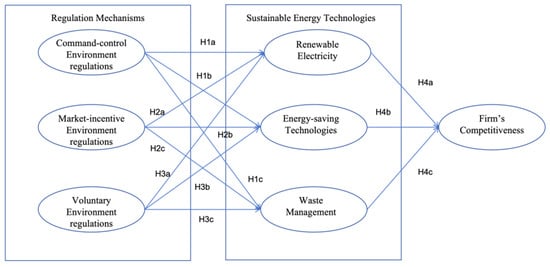
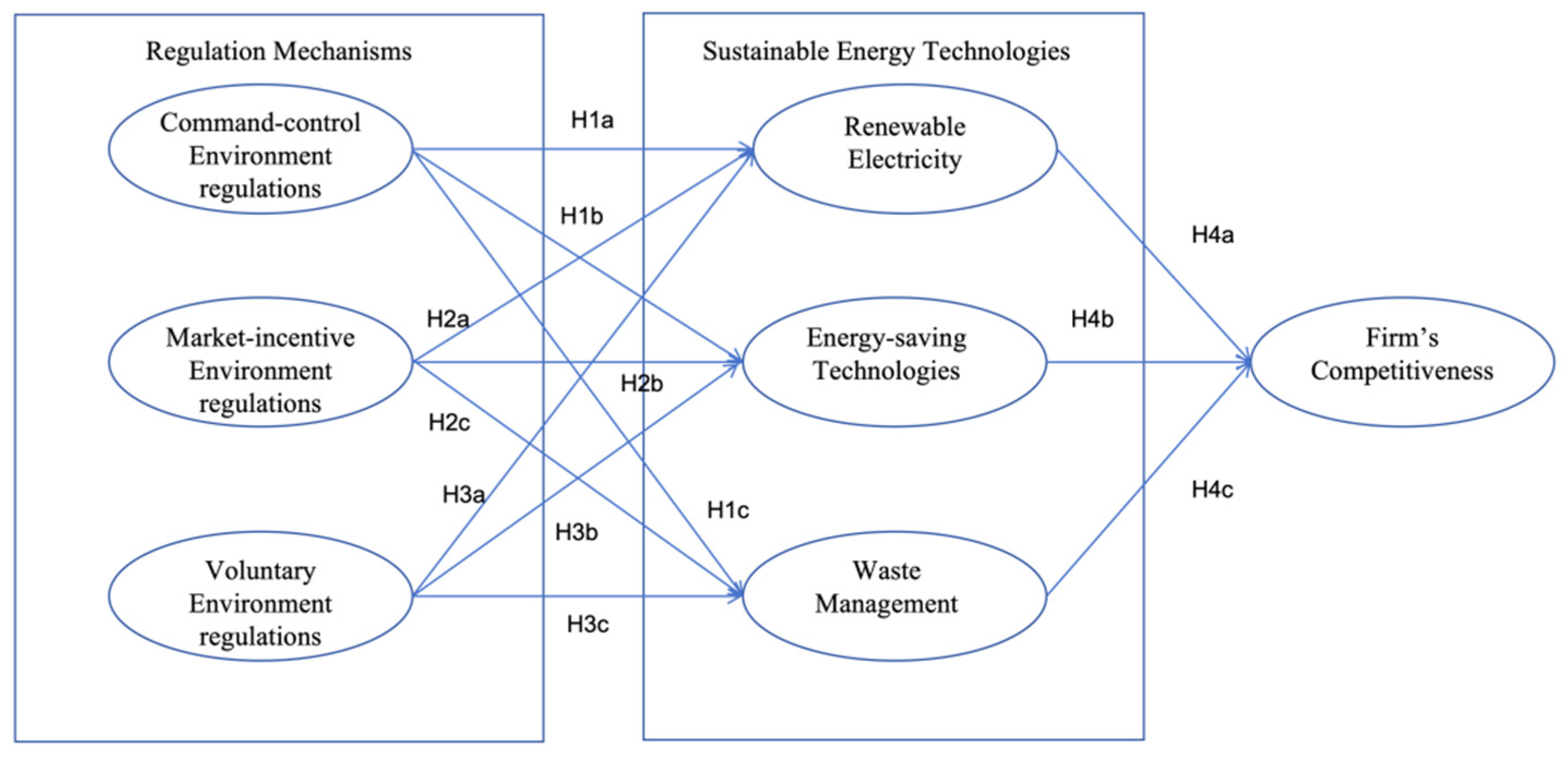

Disclaimer/Publisher’s Note: The statements, opinions and data contained in all publications are solely those of the individual author(s) and contributor(s) and not of MDPI and/or the editor(s). MDPI and/or the editor(s) disclaim responsibility for any injury to people or property resulting from any ideas, methods, instructions or products referred to in the content. |
© 2026 by the authors. Licensee MDPI, Basel, Switzerland. This article is an open access article distributed under the terms and conditions of the Creative Commons Attribution (CC BY) license.