


Abstract
Coffee fermentation is a critical yet under-optimized stage of the coffee value chain, with significant implications for beverage quality, process consistency, and smallholder livelihoods. Pichia species, together with several non-Saccharomyces yeasts historically associated with the genus, are frequently detected in natural and semi-dry coffee fermentation; however, their functional roles remain insufficiently characterized, constraining evidence-based starter-culture design. Direct coffee evidence implicates P. kudriavzevii, P. kluyveri, and Meyerozyma guilliermondii (formerly Pichia guilliermondii) in substrate transformation, fermentation dynamics, and sensory quality development. However, these findings are derived exclusively from studies conducted on single farms during single harvest seasons, without independent validation across multiple farms, harvest seasons, origins, or production environments, limiting their broader applicability. In contrast, ecologically prevalent species, including P. fermentans, Wickerhamomyces anomalus (formerly Pichia anomala), and Debaryomyces hansenii (formerly Pichia hansenii), remain largely unexplored in the context of coffee fermentation. To contextualize the current knowledge and identify promising avenues for future research, this review synthesizes evidence from cocoa, Baijiu, bakery, vinegar, dairy, and other solid-state fermentation systems. Across these diverse matrices, Pichia and related non-Saccharomyces yeasts frequently exert a disproportionate influence on flavor development, microbial succession, and process stability relative to their population abundance. The reported mechanisms include ester and higher-alcohol production, modulation of bacterial community dynamics, extracellular enzymatic activity, and bioprotective effects. Notably, functional impact often occurs without numerical dominance; ester production can increase alongside declining ethanol yield, and ecological persistence may increase despite declining absolute abundance, implicating community-level interactions in addition to direct metabolic activity. However, both the mechanisms and the magnitudes of these effects vary across fermentation systems, underscoring that functions demonstrated in one matrix cannot be assumed to translate directly to coffee without experimental validation. Future progress will require strain-level characterization, mechanistic studies, deliberate multi-species consortium design, process optimization, and field-scale validation in diverse coffee-producing environments. Such efforts will provide a scientific foundation for evidence-based starter-culture development capable of improving coffee quality, consistency, and producer value.
1. Introduction
Coffee is one of the most widely consumed non-alcoholic beverages globally and remains one of the most important agricultural commodities in international trade. Following harvest, coffee cherries must undergo post-harvest processing to transform them into stable green beans that are suitable for roasting. Natural (dry) and semi-dry (pulped natural/honey) processing are among the oldest and most widely used post-harvest methods in coffee production. Unlike washed processing, where depulped beans undergo controlled wet fermentation in closed or semi-closed tanks over a shorter and more manageable timeframe, natural and semi-dry methods rely on extended open-air drying on raised beds or patios, exposing developing microbial communities to fluctuating temperature, humidity, and rainfall over several days to weeks [1,2,3,4,5]. These methods substantially reduce water consumption compared with washed processing, providing a significant advantage in water-limited coffee-growing regions, and are associated with distinctive fruity and complex sensory profiles that command growing market interest [3,6]. However, the same open, low-control conditions that make natural and semi-dry processing resource-efficient also leave them prone to spontaneous, uneven fermentation, often producing off-flavors, inconsistent drying, cup-quality defects, and post-harvest losses that undermine the resource inputs already invested in the process. Targeted fermentation control through functional starter cultures offers a practical route to reduce waste, improve batch consistency, and enhance the microbiological and sensory stability of dried coffee during storage and transport. Indigenous microbial communities, including bacteria, yeasts, and filamentous fungi, drive the biochemical transformations underlying these outcomes [3,4,5,7,8,9], with yeasts playing a particularly important role in substrate degradation and volatile flavor formation [10,11,12,13,14,15,16].
Among these, Pichia and related non-Saccharomyces yeasts are consistently and frequently detected across natural and semi-dry coffee fermentation environments, often constituting a substantial proportion of the yeast community [17,18,19,20]. In this review, the term “Pichia and related non-Saccharomyces yeasts’’ or “Pichia group” refers to species currently classified within the genus Pichia, together with yeast species from other genera that were historically assigned to Pichia, including Meyerozyma guilliermondii (formerly Pichia guilliermondii), Wickerhamomyces anomalus (formerly Pichia anomala), and Debaryomyces hansenii (formerly Pichia hansenii). This taxonomic-history criterion, current or former classification within Pichia, defines the formal scope of the review and is the sole basis on which a species is treated as a Pichia-group member. A small number of additional taxonomically unrelated species are discussed at specific points in this review solely because they were investigated within the same controlled experimental study as Pichia-group species (e.g., Meyerozyma caribbica co-investigated with Pichia kluyveri in [21]). Such species are explicitly identified at each point of discussion as falling outside the Pichia-group taxonomic scope and are reported only for direct comparative context within that study or as co-predominant isolates [22]. This terminology is used as a functional framework, rather than a taxonomic designation. These yeasts are recognized for their metabolic versatility, stress tolerance, aromatic metabolite production, enzymatic activity, and biocontrol potential, and have been shown to shape flavor development, substrate modification, and microbial ecosystem dynamics in fermentations such as cocoa, bread, and sourdough [21,22,23,24,25,26,27,28,29].
Despite this, the functional roles and technological potential of Pichia and related non-Saccharomyces yeasts in coffee solid-state fermentation (SSF) remain relatively unexplored. Prior reviews have broadly addressed coffee microbial ecology [2,3,4,5,7,8,30,31], but none have systematically examined Pichia and related non-Saccharomyces yeasts as a focal group or consolidated cross-system functional knowledge for coffee-specific translation. As the coffee sector faces mounting pressure to improve product consistency, process control, and resilience, clarifying the functional drivers behind Pichia and related non-Saccharomyces yeasts can inform more effective and quality-driven fermentation practices on a farm scale. Therefore, this review aims to: (1) document the ecological occurrence and diversity of Pichia and related non-Saccharomyces yeasts associated with natural and semi-dry coffee fermentation; (2) synthesize their functional traits, including aroma formation, enzymatic activity, stress tolerance, microbial interactions, and bioprotective potential, by integrating direct coffee evidence with cross-system knowledge from cocoa, Baijiu, bread, sourdough, and other solid-state fermentation ecosystems; and (3) evaluate the opportunities, limitations, and research requirements for translating these functional traits into the development of robust Pichia and related non-Saccharomyces starter cultures for natural and semi-dry coffee processing.
2. Methodology
2.1. Literature Search Strategy
A structured narrative review approach was employed to synthesize the current knowledge on the ecological, metabolic, and technological roles of Pichia and related non-Saccharomyces yeasts in coffee fermentation and related SSF systems. Literature searches were conducted in Scopus, Web of Science Core Collection, and PubMed until August 2026, with no restrictions on the publication year. Additional seminal and historical references were included where necessary to provide context for yeast ecology, coffee fermentation, and solid-state fermentation. Where relevant, a small number of non-peer-reviewed academic sources (e.g., theses or conference proceedings) were considered according to the eligibility criteria described in Section 2.2.
The search strategy was designed to identify studies describing the occurrence, diversity, functional roles, metabolic activities, and technological applications of the target yeasts in fermentation environments. The search terms included combinations of taxonomic, process-related, and functional keywords, including:
(“Pichia” OR “Pichia spp.” OR “non-Saccharomyces yeast”) AND (“coffee fermentation” OR “coffee processing” OR “coffee bean fermentation” OR “natural dry coffee process” OR “Semi-dry coffee process” OR “honey coffee process” OR “solid-state fermentation” OR “food fermentation” OR “cocoa fermentation” OR “cereal fermentation” OR “Baijiu” OR “vinegar” OR “dairy” OR “meat” OR “fish fermentation” OR “soybean” OR “Pu-erh tea”) AND (“volatile compounds” OR “flavor” OR “aroma” OR “enzymes” OR “pectinase” OR “cellulase” OR “microbial succession” OR “starter culture” OR “biocontrol”).
Additional searches were conducted using historical taxonomic synonyms to ensure comprehensive coverage of the older literature. For example, P. guilliermondii, P. anomala, and P. hansenii were searched alongside their currently accepted names, Meyerozyma guilliermondii, Wickerhamomyces anomalus, and Debaryomyces hansenii, respectively. The reference lists of key review articles and primary research papers were manually screened to identify additional relevant studies.
2.2. Study Selection and Eligibility Criteria
Studies were selected based on their relevance to the ecology, physiology, metabolism, and technological applications of Pichia and related non-Saccharomyces yeasts in fermentation. Eligible literature included original peer-reviewed research articles, review articles, and selected authoritative books and book chapters that provided evidence on one or more of the following aspects: (i) yeast diversity, occurrence, and microbial succession during fermentation; (ii) production of flavor-active metabolites and volatile compounds; (iii) extracellular enzymatic activities involved in substrate transformation; (iv) microbial interactions, ecological functions, and stress adaptation; and (v) technological applications, including starter-culture development, fermentation management, biocontrol, and quality improvement. A limited number of conference proceedings and theses were included only when they reported directly relevant findings that were not subsequently available in peer-reviewed literature and provided unique data directly relevant to the scope of this review. Such sources were evaluated using the same relevance criteria as peer-reviewed studies and were included only as supplementary evidence when no equivalent peer-reviewed publication could be identified. Genomic and molecular studies were included only when their findings could be directly linked to physiological traits, metabolic functions, ecological behavior, or fermentation performance. Taxonomic nomenclature was standardized according to currently accepted yeast classifications, with historical synonyms reported only at first mention to facilitate the interpretation of earlier literature. Clinical studies, purely taxonomic investigations lacking functional relevance, and studies unrelated to fermentation were excluded. Patents were excluded from the evidence synthesis and cited only where necessary to provide historical or technological context. Most forms of grey literature were excluded, except for selected theses and conference proceedings that met the predefined eligibility criteria.
2.3. Data Extraction, Evidence Classification, and Synthesis
Information extracted from the selected studies included yeast species identity, fermentation substrate, process conditions, ecological role, enzyme production, metabolic activities, volatile compound formation, microbial interactions, sensory outcomes, and reported industrial or technological applications.
Given the substantial heterogeneity among fermentation substrates, production systems, analytical methodologies, and experimental designs, a quantitative meta-analysis was not considered appropriate. Instead, a qualitative evidence synthesis approach was used to identify recurring functional traits, ecological mechanisms, and technological opportunities shared across fermentation ecosystems.
To distinguish experimentally validated functions from proposed applications, the evidence was categorized into four tiers:
- Tier 1—Direct coffee evidence: experimental data demonstrating measured activity, mechanism, or functional/sensory outcome, including mucilage degradation, microbial succession, volatile compound formation, starter-culture performance, or sensory/cup-quality outcomes, obtained specifically within a coffee fermentation or storage matrix, based on direct assay rather than correlation alone. Where a study reported only a correlation between yeast abundance and a reduced spoilage or antifungal-associated outcome, without a direct mechanistic assay (e.g., a volatile inhibition or enzymatic activity test), this was classified as Tier 2 (presence/associative evidence) rather than Tier 1. A controlled experimental comparison (e.g., inoculated vs. uninoculated treatment) demonstrating a measured outcome was classified as Tier 1, even when the underlying mechanism was not independently assayed. An observational or correlational association between naturally varying yeast abundance and an outcome, without a controlled comparison, was classified as Tier 2, regardless of the outcome measured.
- Tier 2—Presence evidence (coffee): studies reporting the detection or occurrence of Pichia and related non-Saccharomyces yeasts during coffee processing, spontaneous fermentation, or storage, without accompanying functional, mechanistic, or sensory data. This tier captures microbiome or culture-dependent surveys in which a species is identified as present, but its ecological or technological role is not experimentally tested.
- Tier 3—Cross-system evidence: studies from other fermentation ecosystems providing evidence relevant to coffee fermentation but not used, on their own, to infer demonstrated function in coffee. This tier includes two subtypes, indicated alongside the tier label in the tables where applicable: (a) function established, non-coffee—functional or mechanistic findings from a non-coffee matrix (e.g., measured metabolite production, enzymatic activity, ecological interactions), with or without partial coffee detection; and (b) presence/detection only, non-coffee—organism reported as detected or co-occurring in a non-coffee matrix, without functional characterization in that matrix. Cross-system sources included the following:
- Cocoa fermentations, where Pichia and related non-Saccharomyces yeasts influence pulp degradation, flavor precursor formation, and starter-culture performance;
- Baijiu and vinegar fermentations, which provide evidence for aroma generation, microbial interactions, and adaptation to solid-state fermentation conditions;
- Sourdough, soybean, dairy, and meat fermentations, which demonstrate enzymatic capabilities, flavor production pathways, stress tolerance, and biocontrol functions;
- Broader SSF studies describing ecological principles and process characteristics that are applicable to coffee fermentation systems.
- Tier 4—Hypothesis-level interpretation: proposed functions for coffee inferred from physiological characteristics, metabolic pathways, genomic information, or evidence obtained from related fermentation systems, representing a plausible analogy from other SSF systems that remain entirely untested in coffee. These interpretations were used to identify promising research directions and potential applications that require direct validation under coffee fermentation conditions.
The tier hierarchy prioritizes matrix-specificity over mechanistic depth: evidence generated within coffee fermentation, even where only presence or detection is reported (Tier 2), is considered more directly informative for this review’s scope than functional evidence obtained from an unrelated fermentation matrix (Tier 3a), since substrate composition, pH, oxygen availability, and microbial community context can substantially alter yeast physiology across other fermentation systems. Findings from cocoa, Baijiu, or dairy systems are therefore treated as suggestive rather than confirmatory until validated in coffee.
The tier label reflects the source and type of evidence, that is, whether a finding derives from direct functional coffee experimentation, coffee presence/detection surveys, cross-system studies (functional or presence-only), or unvalidated hypotheses. The tier assignment does incorporate one methodological distinction—whether an effect was directly assayed versus inferred from correlation alone, which determines placement in Tier 1 versus Tier 2—but does not otherwise reflect the full spectrum of methodological rigor. Considerations such as replication, the number of independent farms/sites or harvest seasons, sample size, blinding, and strain-level identification confidence were evaluated separately for each entry and reported narratively in the corresponding Limitations/Knowledge Gaps column of Table 2 and in the Coffee Experimental Priority column of Tables 4 and 5. The tier label is therefore not, and is not intended to be, a proxy for overall methodological quality; two studies assigned the same tier may differ substantially in design rigor, and this is made explicit in the accompanying narrative rather than in the tier number itself.
3. Natural and Semi-Dry Coffee Processing Characteristics
Natural and semi-dry processes are among the oldest and most widely used post-harvest methods for coffee processing [32]. They involve moisture removal from whole coffee cherries (natural process, typically ~ 60–70% moisture content on a wet basis after harvest) or coffee beans with mucilage partially removed (semi-dry/honey process, commonly ~55–65% moisture content initially), followed by drying to a final moisture content of approximately 10–12% through exposure to solar radiation under ambient environmental conditions with limited process control [1,33,34]. Natural and semi-dry coffee processing share several characteristics with SSF, including microbial growth on structured solid substrates and the progressive reduction in water availability during processing [33,34,35]. However, these processes should not be regarded as uniform SSF environments throughout the fermentation process. Fresh coffee cherries and freshly depulped beans initially contain substantial moisture and highly hydrated mucilage, allowing microbial growth in a moisture-rich biological matrix. As fermentation and drying progress, water availability gradually decreases, resulting in conditions that increasingly resemble classical SSF systems. Consequently, natural and honey processing are better viewed as fermentation systems operating along a moisture continuum, rather than as static SSF environments. Within this continuum, natural processing generally progresses toward lower moisture conditions during drying, whereas honey processing retains a hydrated mucilage layer for longer periods, supporting microbial activity at the bean surface (Figure 1).
Figure 1.
Comparison of natural (dry) and semi-dry (pulped natural/honey) coffee post-harvest processing methods. Images were taken by the author at Samambaia Farm (Santo Antônio do Amparo, Minas Gerais), CETEC Farm (Itumirim, Minas Gerais), M4 Farm (Campos Gerais, Minas Gerais), and São Manoel Farm (Muzambinho, Minas Gerais), Brazil. 1 sorting and cleaning may be skipped, and the whole batch is processed and then graded in the downstream process after dehulling. 2 The main types of honey coffee are classified by how much mucilage remains on the bean. White honey retains little mucilage (0–25%), yellow honey retains moderate mucilage (25–50%), red honey retains high mucilage (50–75%), and black honey retains most of the mucilage (75–100%). Following depulping, some producers use mechanical demucilagers to remove the remaining mucilage attached to the beans.
A critical but often overlooked distinction between these two methods is that they measure surface moisture availability rather than bulk moisture content. In the natural process, the intact exocarp (skin) acts as a physical barrier between the internal pulp and mucilage and the external environment of the coffee bean. The skin has a relatively low water retention capacity, restricting direct moisture exchange and limiting the surface water activity to which microorganisms are initially exposed. In the honey process, the removal of the skin exposes the mucilage layer directly to the surface of the coffee bean. Mucilage is a pectin-rich, highly hydrophilic matrix with a substantially greater water-holding capacity than the exocarp, and consequently presents a more hydrated, accessible substrate surface despite comparable or even lower bulk moisture levels at equivalent drying stages [36,37]. Therefore, the exposed mucilage layer is expected to provide greater local water availability and substrate accessibility than the intact exocarp, potentially supporting earlier and more diverse microbial activity during drying. However, direct measurements of surface water activity during natural and honey coffee processing remain limited. Consequently, current interpretations are based primarily on the physicochemical properties of mucilage and observed microbial succession patterns, rather than direct quantification of microenvironmental water activity. In contrast, in the natural dry process, microbial colonization of the substrate surface may initially be restricted by the exocarp barrier, with more active microbial engagement developing as the skin degrades or cracks during drying. These differences in substrate exposure and hydration are likely to influence the microbial community composition, succession dynamics, and ultimately, flavor development.
The most common traditional drying methods are patio (terreiro) drying and raised bed drying, where coffee cherries are spread in thin layers on cement, brick, or other patio surfaces (terreiros) or on elevated mesh beds, respectively (Figure 1). Coffee is regularly turned to promote uniform drying, improve airflow, and reduce moisture heterogeneity. Drying typically takes several days for the natural process and approximately 8 days for the semi-dry process, and is strongly influenced by environmental factors, including solar radiation, rainfall, temperature, and humidity [33].
This open, weather-dependent approach contrasts sharply with washed processing, in which depulped beans are held in closed or semi-closed fermentation tanks, a compact, controlled environment that limits the influence of ambient fluctuations, allows active management of fermentation duration, and supports more reproducible and consistent flavor outcomes [6]. To address the limitations of traditional open-air drying, modern drying systems have been introduced, including mechanical drying systems that dry coffee in layers (~7 cm to 1 m depth) using crossflow or counter-current hot air. These systems can achieve approximately 11% moisture content within 24 h to one week, depending on the drying depth, air conditions, and frequency of coffee mixing. A hybrid approach, combining traditional sun drying with mechanical drying using rotary or flat-bed dryers, is also widely employed to achieve target moisture levels in a shorter time while maintaining coffee quality [33] (Figure 1).
Regardless of the drying system employed, natural and semi-dry coffee processing represents a dynamic fermentation continuum rather than a single physicochemical state. Fresh cherries and mucilage-rich beans initially support microbial activity under relatively high moisture conditions, followed by a mucilage-associated semi-solid phase and ultimately a progressively desiccating stage characterized by declining water availability and increasing environmental stress. As moisture declines, the water activity decreases, substrate concentrations shift, and temperature and oxygen gradients develop across the drying mass. These conditions selectively favor stress-tolerant microbial populations and drive successive community transitions throughout the process [3,4,5]. The resulting microbial activity, encompassing sugar metabolism, organic acid production, and generation of aroma-active volatile compounds, is a principal determinant of the sensory characteristics that distinguish naturally and semi-dry processed coffees from their washed counterparts [7,8,9]. Understanding the ecology and function of stress-tolerant yeast populations, particularly the Pichia group, within the SSF environment is therefore central to rationalizing and ultimately directing the quality outcomes of these processing methods.
4. Occurrence of Pichia and Related Non-Saccharomyces Yeasts Among Native Microbiota in Natural and Semi-Dry Processes
This section reports occurrence data as extracted from the cited studies, and in line with the evidence classification framework described in the Section 2, explicitly distinguishes (a) the number of studies in which a taxon was detected, (b) whether it was reported as numerically/relatively dominant or merely recurrent, (c) the fermentation stage at which any reported dominance occurred, and (d) the quantification method used (culture-based CFU enumeration, which reflects viable population density, versus relative amplicon abundance, which reflects community composition and is not equivalent to absolute population size). Because the underlying studies differ substantially in terms of country of origin, altitude, coffee species, processing method, sampling time, and analytical platform, the dominance patterns reported here should not be read as evidence of a uniform or origin-independent ecological role for Pichia and related non-Saccharomyces yeast across coffee fermentation systems.
In the natural dry coffee process, bacterial populations, primarily Bacillus, Tatumella, Pseudomonas, and Enterobacter species, dominate at harvest and during early fermentation [38]. Filamentous fungi, such as Aspergillus, Penicillium, and Fusarium, proliferate during prolonged natural fermentation and drying, and their abundance is inversely correlated with that of yeasts [38,39]. Yeast genera, such as Pichia, Candida, Arxula, and Saccharomycopsis, are present throughout fermentation [40]. Across the three studies that specifically reported genus- or species-level yeast composition in natural dry fermentation, the Pichia and related non-Saccharomyces yeast group was recurrently detected and numerically dominant in all three, although the specific dominant species within the group differed by study. In Silva et al. (2000) [40], the genus Pichia alone accounted for 38.9% of yeast isolates, exceeding Candida (22.3%), Arxula (18.9%), and Saccharomycopsis (9.7%) isolates. In Silva et al. (2008) [38], D. hansenii was the most frequent species (42.6% of isolates), with P. guilliermondii second (20.6%); together, these two Pichia-group members accounted for approximately 63% of all yeast isolates recovered. In Pereira et al. (2021) [39], Meyerozyma (35%, driven predominantly by M. guilliermondii) and Pichia (8%) together accounted for 43% of yeast isolates, exceeding Candida, the largest single non-group genus (39%), although neither Meyerozyma nor Pichia was individually the top-ranked genus. All three studies used culture-based enumeration (selective media plate counts with morphological, biochemical, or MALDI-TOF isolate identification), consistent with absolute/viable population measurement rather than relative amplicon abundance.
A further study from Ecuador [41] examined a related but methodologically distinct process: 144 h fermentation of whole coffee fruit under aerobic (“natural”), CO2 carbonic maceration, and refrigerated carbonic maceration treatments, rather than open-air natural drying. Therefore, this study should be interpreted alongside, rather than pooled directly with, the three natural-dry studies above. From the 329 isolated strains, nine species were biochemically identified: Hanseniaspora opuntiae, H. uvarum, Kurtzmaniella quercitrusa, P. fermentans, P. kluyveri, P. membranifaciens, Torulaspora delbrueckii, T. quercuum, and W. anomalus. Of these, four species—three Pichia spp. and W. anomalus—were classified as Pichia-group members, while Hanseniaspora, Kurtzmaniella, and Torulaspora co-occurred as non-group taxa. The study reported the detection of the Pichia group across sites and treatments but did not report an overall quantitative abundance ranking; the only abundance-related observation was site-specific, noting that the Loja “El aguacate” site showed a comparatively higher abundance of the genus Pichia than the Olmedo and Gonzanamá sites, while lacking K. quercitrusa and T. delbrueckii altogether. Species richness differed significantly by fermentation treatment (p = 0.030) and showed a non-significant trend by site (p = 0.083), providing further evidence, consistent with the pattern above, that yeast community composition in these systems is shaped by processing conditions and origin rather than reflecting a fixed or uniform community structure.
Taken together, these four selected studies indicate that the Pichia and related non-Saccharomyces yeast group was consistently detected and, where quantitative data permit assessment, numerically dominant in the three natural-dry fermentation studies reviewed, while the fourth study (a distinct short-duration fermentation process) confirms recurrent detection of the group without providing an equivalent quantitative dominance measure. The identity of the specific dominant species within the group varied by study, origin, and, in the Ecuadorian case, by site and fermentation treatment. This heterogeneity underscores that group-level detection should not be read as evidence that any single species or a fixed dominance ranking applies uniformly across coffee origins and processing conditions (Table 1). Overall, natural coffee processing can be viewed as an open fermentation system that progressively develops SSF-like characteristics as drying progresses. The selective advantages of indigenous yeasts, including Pichia and related non-Saccharomyces yeasts, emerge within a continuously changing environment in which moisture availability, oxygen diffusion, temperature, and nutrient accessibility evolve throughout processing [42]. During the later drying stages, declining water availability and increasing osmotic stress favor microorganisms with strong stress tolerance, metabolic flexibility, and competitive fitness. The substrates typically have low moisture content, imposing limited water activity, which necessitates microorganisms with high osmotolerance and the ability to thrive under conditions resembling their natural habitats. Oxygen diffusion is restricted within the solid matrix, mainly in deeper layers, creating microaerophilic zones that demand strains capable of efficient oxygen utilization and substrate penetration. Heat accumulation from microbial metabolism can elevate local temperatures, necessitating thermotolerant organisms with stable enzymatic activity. Uneven nutrient distribution within the substrate further selects microorganisms that can degrade the outer layers, colonize internal pores, and perform localized metabolic reactions to produce desired bioproducts, such as pectinases [43,44]. Additional desirable traits include growth at low pH and resistance to environmental contamination. In SSF, microbial colonization typically begins at the substrate surface and progresses into the internal pores [33,34,40,41,45]. The reported predominance of endogenous isolates, including Pichia and related non-Saccharomyces yeasts, during natural dry fermentation is consistent with their high stress tolerance and adaptation to such conditions, highlighting their potential as promising candidates for artificial inoculation.
Table 1.
Occurrence and characteristics of Pichia and related non-Saccharomyces isolates across coffee fermentation methods.
In the semi-dry process, several studies have demonstrated that this type of coffee fermentation supports a more diverse and complex community of endogenous microorganisms [3,4,7,9,49,50,51,52,53,54,55,56]. For example, Vilela et al. (2010) [46] reported that during the semi-dry fermentation of Coffea arabica from Brazil, the predominant bacteria included B. subtilis, B. cereus, Escherichia coli, Enterobacter agglomerans, and Klebsiella pneumoniae, whereas the main yeasts were W. anomalus, T. delbrueckii, and Rhodotorula mucilaginosa [46]. Among these, W. anomalus was the only yeast species detected at every stage of processing, from freshly harvested fruit (4.3 log CFU/g) through washing, pulping, and fermentation, with population sizes remaining consistently high (5.3–6.0 log CFU/g) throughout the 216 h fermentation period and increasing toward its later stages (192–216 h). This is the only quantitative, stage-resolved dominance measure among the semi-dry studies reviewed here, based on culture-based CFU enumeration. Recently, Shen et al. (2024) [47] used high-throughput amplicon sequencing to characterize the semi-dry fermentation process of C. arabica from Yunnan, China, across four stages (0, 3, 6, and 9 days) [47]. At the genus level, the five most abundant fungal genera overall were Candida, Hannaella, Hanseniaspora, Pichia, and Lachancea; however, Pichia itself was not the leading genus at any stage: its relative abundance ranged from 3.83% (day 0) to a maximum of 14.56% (day 3), remaining a visually minor component of the fungal community throughout, never exceeding roughly 15% even at its peak, while the stage-dominant genus at each time point was consistently a non-Pichia-group taxon (Candida at day 3, with the single largest genus-level band of the entire dataset at 44.20%; Hannaella at day 6; Hanseniaspora at day 9). Candida (up to 44.20%), Hannaella (up to 22.19%), and Hanseniaspora (rising to 21.50% by day 9) each reached substantially higher peak abundances than Pichia at their respective dominant stages. Shen et al. (2024) [47] explicitly compared their findings with those of Vilela et al. (2010) [46], noting that W. anomalus, T. delbrueckii, and R. mucilaginosa were the dominant yeasts reported in the Brazilian study, in contrast to the Candida-, Hannaella-, and Hanseniaspora-led fungal succession observed in their own Chinese samples, illustrating that, even within the same processing method, the specific taxon carrying the highest abundance differed by origin, and that different Pichia-group members (W. anomalus vs. Debaryomyces) were the more relevant group representatives in each study.
During the honey process, successful yeast growth is supported by the favorable conditions created by the coffee mucilage matrix, which provides abundant fermentable sugars and nutrients for the microbial metabolism. The observed increase in yeast populations during fermentation, reaching high cell densities (approximately 7.6 log CFU/mL at the initial stage), demonstrates strong microbial adaptation and activity in the semi-solid environment. Yeast growth typically increases during the active fermentation phase (approximately 48–96 h), followed by a decline during drying as moisture availability decreases [55]. This growth pattern reflects the ability of yeasts to utilize pulp-derived sugars while adapting to environmental stresses, including increased acidity, osmotic pressure, and reduced water availability. The coexistence of yeasts with bacteria, such as Lactobacillus and Acetobacter, and other fungi highlights the role of microbial succession and interactions in driving sugar degradation, organic acid transformation, and aroma compound formation during honey coffee processing. Collectively, these findings indicate substantial cross-study, origin-dependent variability, in which Pichia-group species predominate during semi-dry fermentation. The semi-dry process is best described as a mucilage-associated semi-solid fermentation system, rather than a classical SSF process. The retained mucilage provides a highly hydrated substrate during the early stages of fermentation, supporting active microbial metabolism and succession before progressive drying reduces water availability and imposes increasing environmental stress. Consequently, the honey process occupies an intermediate position between wet fermentation systems and the more desiccated conditions encountered during the later stages of natural coffee processing. This semi-solid environment supports the coexistence of aerobic and anaerobic microorganisms, creating heterogeneous microzones that influence microbial dynamics and metabolite formation. Moderate moisture levels promote microbial growth and enzymatic activity, whereas excessive moisture hinders gas exchange, favors bacterial contamination, and reduces metabolic productivity. Conversely, insufficient moisture restricts nutrient solubility and microbial access to substrates, thereby impairing fermentation efficiency [56]. Such fluctuations in water content, temperature, and aeration, which are common in uncontrolled fermentation settings, generate multiple stressors, including osmotic pressure, oxygen limitation, and accumulation of ethanol and organic acids. If not properly managed, these conditions may result in undesirable sensory attributes such as “stinker” or overly fruity notes, excessive mucilage degradation, or the development of off-flavors caused by the breakdown of flavor precursors. Key parameters that require careful control include mucilage content, fermentation duration, temperature, aeration, drying rate, and bean moisture [1,57,58]. These fluctuating and often stressful environments selectively favor stress-tolerant microorganisms, particularly yeasts such as Pichia and related non-Saccharomyces yeasts, which have been reported in high abundance in some, though not all, studies during the semi-dry process. The recurrent detection of these yeasts in semi-aerobic, high-osmotic, and ethanol-rich fermentation environments is consistent with their ecological adaptability to these conditions. Whether yeast prevalence can serve as a practical indicator of stress intensity or suboptimal process conditions has not been directly tested in the studies reviewed here and remains a hypothesis requiring dedicated validation. Beyond abiotic drivers, the intrinsic biological properties of yeast shape the mycobiome of SSF systems. Certain Pichia and related non-Saccharomyces species possess antifungal and biocontrol activity, actively suppressing mold proliferation within the fermentation matrix and thereby reducing the incidence of mycotoxin contamination and moldy or otherwise defective sensory outcomes [59,60,61], adding a biotic dimension to the abiotic drivers discussed above. The functional mechanisms and species-specific evidence underpinning this biocontrol capacity are discussed in detail in the following sections.
In modern SSF coffee processing, several strategies have been developed to modify the fermentation atmosphere, including self-induced anaerobic fermentation (SIAF) and the use of CO2-saturated and oxygen-depleted environments. Importantly, SIAF should be regarded as a distinct fermentation environment, rather than simply a modified form of natural or honey processing [62]. Although SIAF can be conducted using either intact cherries or depulped beans, deliberate oxygen restriction, carbon dioxide accumulation, and enhanced moisture retention generate ecological conditions that differ substantially from those occurring during conventional open-air drying. These differences can markedly influence microbial succession, metabolite formation, and fermentation outcomes. Under anaerobic conditions, sugars are metabolized by microorganisms through fermentative pathways, producing ethanol, CO2, glycerol, organic acids, and volatile compounds that enhance sweetness, acidity, and aroma complexity. Furthermore, maintaining the beans within this controlled environment can influence their endogenous metabolic activity, thereby modulating the final product quality compared to traditional open, uncontrolled fermentations [63,64,65]. For example, in a pilot on-farm study, whole fruits of Coffea were collected from four altitudes (800, 1000, 1200, and 1400 m) in the Caparaó region of Brazil and processed using the natural (dry) method in SIAF without water, for 72 h, with samples collected at 48 h [22]. The results revealed a rich and diverse microbiota, with bacterial and fungal communities showing clear altitude-dependent clustering. Among bacteria, dominance was altitude-specific rather than shared across sites: Gluconobacter (19.8%) and Novosphingobium (18.9%) were the two leading genera at 800 m; Weissella (32.7%) at 1000 m; Sphingomonas (36.2%) at 1200 m; and Methylobacterium (39.4%) at 1400 m. The fungal community was even more diverse and was overwhelmingly dominated at the genus level by Cystofilobasidium, which alone accounted for 15.8–83.9% of the fungal community depending on altitude, most strikingly 83.857% at 1200 m. Papiliotrema flavescens and Cladosporium delicatulum were also recurrent. M. caribbica, although outside the formal Pichia-group taxonomic scope defined in the Introduction, was the most quantitatively prominent member, reaching 11.445% (1000 m) and 10.216% (1400 m); it is reported here for comparative context alongside the Pichia-group species, consistent with its treatment elsewhere in this review. W. anomalus was also detected, reaching 3.216% at 1200 m, its highest recorded value in this dataset, although this represented only a minor fraction of the fungal community at that altitude, where C. ferigula alone accounted for 83.857%. W. sydowiorum and W. lynferdii were reported as exclusively detected at 1200 m, but no abundance data were given for either, so their presence should be read as a detection record rather than evidence of adaptive success or ecological prominence. M. guilliermondii, D. hansenii, and P. kluyveri were also detected but remained below 1% relative abundance at every reported altitude. Overall, this study shows that the Pichia group is a consistently minor component of the SIAF fungal community relative to Cystofilobasidium. Within the group, W. anomalus was the most abundant member, reaching a maximum of 3.2% at 1200 m, with no altitude at which the group as a whole approached numerical dominance. M. caribbica, although outside the formal Pichia-group taxonomic scope and reported here only for comparative context, was in fact more abundant than any individual group member at every altitude sampled.
In a complementary pilot experiment using depulped coffee beans under the same SIAF system, altitude exerted a marked influence on both bacterial and fungal communities [48]. Among bacteria, dominance was altitude-specific rather than shared: Gluconobacter (43.7%) was dominant at 800 m, Weissella (54.1%) at 1000 m, and Leclercia at both 1200 m (61.1%) and 1400 m (38.1%). Additional altitude-specific genera included Methylobacterium, Mangrovibacter, and Azotobacter (800 m), Ochrobactrum (1000 m), Rosenbergiella and Yersinia (1200 m), and Curtobacterium (1400 m), reflecting the variable physicochemical and nutritional gradients of the fermentation environment. Similarly, the microbial community dynamics during fermentation are strongly influenced by temperature. At higher temperatures (37 °C), communities are typically dominated by Acetobacter, whereas at lower temperatures (20 °C), Leuconostoc and Gluconobacter are more prevalent [66]. This temperature-driven selection is consistent with the metabolic preferences of acetic acid bacteria, whereas Gluconobacter mainly performs incomplete oxidation of sugars to gluconic acid, whereas Acetobacter oxidizes ethanol to acetic acid and can further metabolize acetate under suitable conditions [67]. Consequently, higher temperatures may favor acetic acid accumulation due to enhanced Acetobacter activity, which can be undesirable in coffee fermentation, as excessive ethanol oxidation leads to over-acidification. The fungal community was particularly dynamic, comprising 203 identified species, with Cystofilobasidium infirmominiatum being the most abundant species at three of the four altitudes tested: 800 m (20.819%), 1000 m (16.841%), and 1200 m (58.282%). At 1400 m, however, the filamentous fungus Cladosporium delicatulum was most abundant (18.74%), with C. infirmominiatum second (10.42%), indicating that Cystofilobasidium dominance, while frequent, was not universal across altitudes. Interestingly, W. anomalus was the second-most-dominant yeast at 800 m (10.99% relative abundance) and was also consistently detected at higher altitudes, together with W. ciferrii, T. delbrueckii, Candida tropicalis, M. caribbica, and D. hansenii [48]. However, this 10.99% value was the highest across all four altitudes and was not replicated elsewhere. W. anomalus, together with W. ciferrii, T. delbrueckii, Candida tropicalis, and D. hansenii, was among the 49 species (24.14% of all 203 identified) detected at every altitude sampled —indicating consistent low-level presence rather than consistent dominance. M. caribbica (non-Pichia group), by contrast, was not among these ubiquitously detected species; it was specifically the second-most-abundant species at 1000 m only (10.35%), and Papiliotrema flavescens (non-Pichia group) held that position at 1200 m (3.72%).
Overall, coffee fermentation is characterized by a diverse microbial community and is primarily influenced by temperature, oxygen availability, moisture content, nutrient availability, location, and altitude, all of which regulate the microbial community structure and associated metabolic pathways. Therefore, harnessing the functional characteristics of locally adapted isolates, including their stress tolerance, competitive dominance, and biocontrol activity, alongside the precise regulation of fermentation conditions, represents a more informed basis for starter-culture design than relying solely on the control of abiotic parameters. Therefore, the ecological success of endogenous isolates under site-specific SSF conditions should be considered a primary criterion for candidate strain selection, with the goal of ensuring desirable sensory quality while preventing the formation of undesirable metabolites. Figure 2 illustrates the comparative environmental conditions in natural dry, semi-dry/honey, and self-induced anaerobic fermentation coffee processing.
Figure 2.
Comparative environmental conditions in natural dry, semi-dry/honey, and self-induced anaerobic fermentation (SIAF) coffee processing.
5. Coffee-Specific Evidence for Pichia and Related Non-Saccharomyces Starter Cultures
Among the few species experimentally evaluated in coffee, P. kudriavzevii has demonstrated functional behavior consistent with these broader fermentation roles. A semi-dry coffee fermentation study was conducted at a single location in India over one harvest season. Fifty-kilogram batches of depulped coffee berries were placed in baskets covered with banana leaves to retain moisture and heat. These batches were inoculated with a pectinolytic P. kudriavzevii isolate PSM2001 at an initial concentration of 8.43 log CFU/g and maintained at 27 °C ± 2 [18]. The strain was identified as P. kudriavzevii (match to CBS5147, accession MH545928) and deposited at CFTRI for reference [18]. Inoculation with the pectinolytic P. kudriavzevii produced a modulated fermentation environment characterized by lower pH and reduced soluble solids relative to uninoculated controls (pH 3.8 vs. 5.0; Brix 3.0° vs. 4.2°). Bacterial communities shifted markedly toward dominance by lactic acid bacteria such as Leuconostoc and Lactobacillus, reflecting yeast-bacteria interactions during fermentation. Total polyphenols and chlorogenic acids increased in both green and roasted beans, with green inoculated beans showing 16% higher total polyphenols compared to controls (p < 0.05). Community composition was assessed by ITS/16S metagenomic sequencing at the genus level. Importantly, strain-level persistence of the inoculated PSM2001 strain was not confirmed through strain-specific tracking. This means that the reported Pichia abundance reflects genus-level relative abundance rather than confirmed survival of the specific inoculated strain, which limits mechanistic attribution of the observed benefits to the inoculated isolate [18]. Volatile compounds were identified by SPME-GC-MS using library-based compound identification. However, the fruity and caramel-like descriptors assigned to higher alcohols and furans were drawn from external literature rather than from within-study aroma-activity measurements, which represents a methodological limitation. Sensory evaluation was conducted by a six-member trained panel (including one Q-grader) following the SCA cupping protocol. This panel identified improvements in balance, mouthfeel, acidity, and overall quality, with descriptors including sweet, honey-like, berry, and chocolate notes. The authors proposed that polyphenol increases may reflect the migration of phenolic compounds from the pulp to the endosperm during enzymatic mucilage breakdown. However, no transport or mass-balance evidence was reported to support this mechanism, so it remains a hypothesis rather than a demonstrated process. Alternative explanations, such as altered degradation or extraction dynamics, cannot be excluded based on the available data. As a single-location, single-season study with three replicates per group, these findings warrant confirmation through multi-harvest or multi-origin replicated trials before broader application.
A subsequent study examined P. kudriavzevii combined with Klebsiella sp. in whole-cherry, closed-container solid-state wine-coffee fermentation at a single farm in West Java, Indonesia (Arabica variety Line S) [68]. The yeast was identified as P. kudriavzevii by ITS phylogenetic analysis. The bacterial isolate was identified only tentatively as Klebsiella sp.; bootstrap support for species-level assignment fell below the reliability threshold. At a 1:10 bacteria-to-yeast ratio with 15% inoculum (v/w), both bacterial and yeast populations increased by approximately 2–3 log CFU/g relative to uninoculated controls after the first day. Klebsiella dominated early fermentation because of its rapid growth. Only P. kudriavzevii persisted after drying, reflecting its tolerance to low pH and reduced water activity [68]. Optimal inoculation ratios produced desirable chocolate, ripe cherry, and red-wine-like tannin notes (evaluated by two Q-graders). Cupping scores showed substantial variability. The lowest score (78.38, below specialty grade) occurred at the 1:10 ratio with 5% inoculum, whereas the highest score (84.25) occurred at the same 1:10 ratio but with 15% inoculum. Cupping scores for the 1:20 and 1:5 ratios were similar to each other and intermediate between these extremes. These results show that inoculum percentage was more critical than the bacteria-to-yeast ratio alone in determining sensory outcomes, challenging simple ratio-based optimization strategies. The authors attributed the population increases to competitive dominance of the inoculum over the native microbiota, although this mechanism was not directly tested through exclusion experiments or metabolic profiling. This study was conducted at a single farm during a single harvest and involved a small sensory panel (n = 2 Q-graders).
A one-year monitoring study tracked fungal community dynamics and mycotoxin accumulation in a single lot of green coffee beans stored in jute sacks at a Mexican facility [69]. The study employed 18S rRNA amplicon sequencing to characterize fungal communities and quantified OTA at monthly intervals over 12 months. The initial fungal community was dominated by M. guilliermondii (44.5% relative abundance), P. kluyveri (21.7%), and H. guilliermondii (12.7%), with minor presence of A. flavus and Fusarium species. Culture-based assessments showed filamentous fungal infection rising from 12% in October to 100% by December. OTA was first detected at month 6 (~1.1 µg/kg) and rose to approximately 5 µg/kg by year-end. During the second half of storage, Saccharomycetales yeasts declined as xerophilic Wallemia became dominant (reaching 70% relative abundance). Multivariate analysis attributed fungal succession primarily to rising water activity, moisture content, and sugar levels rather than to antagonistic effects of Saccharomycetales yeasts. This statistical association suggests that environmental conditions, not microbial competition, drove the observed community shifts [70]. The A. flavus strain identified in this study was explicitly characterized as non-OTA-producing. This creates a fundamental attribution problem: the source of the accumulated OTA remains unknown. While other unidentified or undetected OTA-producing fungi may have been present, the study did not establish which species were responsible for toxin production [69]. No direct antifungal assays were performed in this storage study. The decline of Saccharomycetales yeasts coinciding with Wallemia dominance and OTA accumulation is consistent with loss of any potential bioprotective effect, but this interpretation remains inferential. Without controlled inoculation experiments or direct antagonism assays, the functional role, if any, of the initially dominant P. kluyveri and M. guilliermondii populations cannot be determined from observational data alone.
A separate, controlled in vitro study provides more direct mechanistic support for antifungal and mycotoxin-suppressive activity by Pichia group yeasts against a coffee-relevant Aspergillus species, although using different fungal and yeast strains and a laboratory co-culture system rather than the storage matrix itself [71]. Using coffee-isolated strains of W. anomalus, P. kluyveri, and H. uvarum tested against two OTA-producing strains of A. ochraceus, also isolated from coffee, this study found that W. anomalus and P. kluyveri significantly inhibited A. ochraceus growth on both general (malt extract) and coffee-bean-based agar media, in a dose-dependent manner (104 vs. 106 yeast cells/mL), with H. uvarum showing weaker effects, particularly on the coffee-bean medium. Critically, direct thin-layer chromatography quantification showed that W. anomalus (all six strains tested) and P. kluyveri (all four strains) completely prevented detectable OTA production on both media, even though fungal growth was only partially inhibited, indicating that OTA suppression was not simply a byproduct of reduced fungal biomass. Spore germination assays further showed that live yeast cells fully blocked germination, while cell-free, filtered culture supernatant also substantially delayed germination, implicating both direct contact and a diffusible extracellular factor; the study explicitly tested and ruled out pH as the responsible mechanism. Volatile antifungal compounds (e.g., ethyl acetate) were proposed as a candidate mechanism but were not directly measured in this study [71]. This study meaningfully strengthens the plausibility of the cross-system antifungal and OTA-suppression mechanism invoked below, because it uses coffee-relevant yeast strains, a coffee-relevant Aspergillus species, and coffee-bean-based growth media, rather than a non-coffee matrix. However, it remains distinct from, and does not directly validate, the mechanism for the green coffee bean storage study specifically: the target fungal species differ (A. ochraceus here vs. the A. flavus strain identified, but explicitly noted as non-OTA-producing, in the storage study), the yeast strains differ, and this was a controlled laboratory co-culture rather than a field storage environment. The evidence should therefore be read as Tier 3 cross-system evidence with unusually strong contextual relevance to coffee, rather than as direct confirmation of the mechanism underlying the storage study’s observed OTA accumulation.
Similar functional characteristics have been observed for P. kluyveri, another species evaluated in natural dry coffee fermentations. A direct-coffee study examined P. kluyveri (strain CCMA 1743, deposited at CCMA/UFLA) in C. canephora cherries from a single farm in Espírito Santo, Brazil, comparing four treatments over seven days: conventional dry processing (CV) and SIAF, each with and without inoculation [72]. Sensory scores improved by ~1.0 point from inoculation within each method (CV 77.3 → 78.3; SIAF 83.4 → 84.4, peaking day 4), with only SIAF removing negative descriptors entirely; inoculation added citrus/chocolate notes under CV and floral/fruity/coconut/mango notes under SIAF. Notably, viable yeast counts declined during SIAF regardless of inoculation (~4.7–4.8 → 2.2–2.8 log CFU/g) even as sensory scores rose, a finding the authors flag as unexpected, since quality improvement did not track with sustained yeast abundance. Filamentous fungi were undetectable under SIAF but increased under CV; the authors link this to quality, although the association is correlational rather than isolated from co-varying factors (oxygen, LAB counts). Volatile compounds were identified by GC-MS showed that P. kluyveri inoculation was associated with larger relative peak areas for several compounds, including beta-damascenone, ethyl phenylacetate, ethyl nicotinate, methyl salicylate, maltol, 2-acetylpyrrole, and two pyrazines (2,3,5-trimethylpyrazine, 2-ethyl-5-methylpyrazine); ethyl phenylacetate appeared only in SIAF-PK from day 3 onward, marking the first report of this compound in C. canephora. As a single-farm, single-harvest study with a three-member panel and no described blinding, this evidence should be weighted accordingly. A further study examined P. kluyveri (strain CCMA 1743) and M. caribbica (strain CCMA 1738), inoculated separately (not in combination) into Conilon coffee (C. canephora) from two altitudes (300 m and 600 m) in Espírito Santo, Brazil, with qPCR used to track strain-specific population dynamics via species-specific primers [21]. P. kluyveri showed strong altitude dependence: it was undetectable in spontaneous (uninoculated) fermentation at 300 m but reached 3.8 log CFU/g by 12 h in spontaneous fermentation at 600 m; with direct inoculation, it established at an average of approximately 4.9 log CFU/g across both altitudes. Twenty-four volatile compounds were identified by GC-MS in roasted beans (predominantly pyrazines, along with phenols, aldehydes, pyrroles, ketones, and one alcohol); P. kluyveri inoculation was associated with modest increases in the relative percentages of furfuryl alcohol, 2-acetyl-3-methylpyrazine, and 2-methoxy-4-vinylphenol at 300 m, although sensory descriptors for these compounds were drawn from external literature rather than measured aroma activity. Despite these microbiological and chemical changes, P. kluyveri inoculation did not significantly alter cupping scores at either altitude, and consumer triangular testing did not distinguish PK-inoculated coffee from the control at either site. M. caribbica, evaluated as a separate single-yeast treatment in the same study, reduced filamentous fungal populations by 63% (300 m) and 90% (600 m) relative to control. The authors attributed this to competition for space and hydrolytic enzyme production (chitinase, β-1,3-glucanase), citing evidence from other systems, although no direct antifungal mechanism assay was performed in the study itself. M. caribbica inoculation significantly increased cupping scores at 600 m only (82.21 vs. 80.69 for control and 80.95 for PK, +1.52 and +1.26 points, respectively), reaching the “fine” grade classification, with descriptors of chocolate, nuts, and almond. This coffee was also the only treatment distinguished from the control by untrained consumers in triangular testing at both altitudes [21].
P. kluyveri (isolated on-farm and selected in vitro from among five candidate yeasts for fermentative potential) was also evaluated in the semi-carbonic anaerobic fermentation of whole C. arabica cherries from a single farm in Marília, São Paulo, Brazil, across four treatments: spontaneous fermentation, LAB alone (commercial Lactococcus lactis/Leuconostoc mesenteroides blend, duplicate), LAB + P. kluyveri co-inoculation (duplicate), and P. kluyveri alone (duplicate) [73]. This study monitored temperature, soluble solids (°Brix), pH, and microbial counts (plating and direct microscopy) over 40 h. The P. kluyveri-only treatment showed the most rapid fermentation, consuming 49% of soluble solids by 18 h (versus 37.5% for the LAB-only treatment) and reaching the lowest final pH (3.6 by 40 h), leading the authors to suggest that this treatment would need to be halted at 24 h in practice. The co-inoculated treatment (LAB + P. kluyveri) showed slower soluble-solids consumption than the yeast-only treatment, which the authors interpreted as possible competitive inhibition of the yeast by the added lactic acid bacteria, though this was not directly tested. Final microbial counts in the P. kluyveri-only treatment were lower than the pre-fermentation baseline, which the authors attributed to fermentation stress associated with the rapid pH decline. As this study reports only physicochemical and microbial count data, it provides evidence of P. kluyveri’s fermentative activity and metabolic speed under semi-carbonic anaerobic conditions, but there is no basis for claims about aroma, flavor, or sensory quality; any such claims require separate studies with volatile or sensory analysis. The authors described these findings as preliminary and recommended replication in a subsequent harvest [73]. A further study fermented dry-depulped cherries under microaerophilic conditions for 72 h using a 5% inoculum of Lactiplantibacillus plantarum, P. kluyveri, or a 1:1 mixed culture [74]. P. kluyveri inoculation highlighted flavors of sugar cane, orange, aromatic herbs, and mint (81.3 points), whereas L. plantarum produced chocolate, nutty, citric, and caramel notes (79.9 points). Uninoculated controls scored 79.0, exhibiting milder sweetness. Overall, in controlled self-induced anaerobic fermentations, this species demonstrated robust survival in both depulped and whole cherries and generated a wide spectrum of aldehydes, acids, alcohols, and esters [17,75,76]. These metabolites were associated with the highest sensory scores, including distinctive red fruit and strawberry notes not detected in spontaneous fermentations, highlighting the strong capacity of P. kluyveri to modulate the volatile composition and sensory profile of coffee.
Another yeast directly evaluated as a starter culture in controlled coffee fermentations is M. guilliermondii (strain CCMA 1739, isolated from C. canephora and deposited at CCMA/UFLA). In SIAF of whole cherries (C. arabica cv. Catuaí and C. canephora clone K61; triplicate; 5 kg bioreactors; 5 days), with inoculated (approximately 108 CFU/mL starter) and spontaneous (uninoculated) fermentation compared separately for each species, inoculation increased the formation of esters in C. arabica and aldehydes in C. canephora relative to spontaneous fermentation [77]. Additionally, the inoculation significantly modified volatile profiles: ester content increased in Coffea arabica (21.66% vs. 20.53% in spontaneous fermentation), whereas in a separate comparison for Coffea canephora, aldehydes (14.39% vs. 13.48%) and 4-ethenyl-2-methoxyphenol (21.90% vs. 19.76%) were elevated by inoculation. Odor descriptors associated with these compound classes (e.g., fruity/floral for esters, sweet/caramel for aldehydes) were drawn from cited literature rather than measured via GC-olfactometry or odor-activity values within this study. Notably, C. canephora beans inoculated with M. guilliermondii exhibited a statistically significant increase in sensory score (+3.33 points, achieving “specialty” classification, evaluated by three certified Q-graders), whereas C. arabica beans showed no significant sensory score difference between inoculated and spontaneous fermentation (p > 0.05) and reached specialty status irrespective of fermentation strategy. The study authors attributed this species-specific outcome to strain origin: because this M. guilliermondii strain was isolated specifically from Canephora coffee, it may be better adapted to the Canephora fermentation environment than to Arabica, given differences in chemical composition (sugars, lipids, caffeine, trigonelline, chlorogenic acids) between the two species. However, this remains the authors’ proposed explanation rather than a directly tested mechanism. A separate dry-processing study compared four yeast starter strains—Candida parapsilosis, two strains of S. cerevisiae, and M. guilliermondii (UFLA YCN731, from the UFLA Culture Collection)—in both washed and non-washed (natural) C. arabica, using temporal dominance of sensations (TDS) analysis, organic acid quantification (HPLC), and volatile profiling (GC-FID) [78]. Contrary to the pattern observed for the other three strains, in which non-washed coffee elicited more distinct and pleasant TDSs than washed coffee, M. guilliermondii was the one strain for which this improvement in non-washed coffee was not observed—its non-washed and washed sensory profiles were comparatively similar. In non-washed coffee, M. guilliermondii-inoculated samples showed an initial bitterness sensation followed by a dominant chocolate note at 20 s. M. guilliermondii inoculation was also associated with the highest acetic acid concentrations among all treatments (up to 10.52 g/kg in non-washed pulp + seed, and 7.68–7.70 g/kg in washed coffee at both fermentation timepoints), a finding that the study’s own authors noted exceeded the acid threshold associated with good beverage quality, indicating that, in this study, this strain did not avoid off-flavor acid accumulation. All four strains, including M. guilliermondii, persisted throughout fermentation as confirmed by PCR-DGGE. This study’s findings for M. guilliermondii do not support a generalized claim of superior or uniquely beneficial performance in natural/non-washed processing; rather, it showed a distinct but not unambiguously favorable sensory and chemical profile relative to the other tested strains.
In contrast, several Pichia and related non-Saccharomyces yeasts frequently detected in spontaneous coffee fermentations, including P. fermentans, W. anomalus, and D. hansenii, have not yet been deliberately evaluated as starter cultures in natural dry or semi-dry coffee fermentations. Their consistent detection in spontaneous coffee fermentations constitutes Tier 2 presence evidence (direct coffee detection) but does not demonstrate a causal role in mucilage degradation, volatile formation, bacterial succession, or sensory improvement. Their well-established roles in bakery, cocoa, and other fermented food systems provide Tier 3 cross-system evidence (discussed below) suggesting potential for analogous functions in coffee, including aroma modulation through ester and higher-alcohol formation, substrate degradation through enzymatic activities, and microbial stabilization via antifungal or competitive interactions, but these functions remain Tier 4 hypotheses to be tested in coffee. The functional analogy from other SSF systems is plausible given shared physicochemical stressors but is limited by the unique composition of coffee mucilage, the high chlorogenic acid content of coffee, and the specific sensory endpoints targeted in coffee quality evaluation. Table 2 summarizes the experimental evidence for Pichia and related non-Saccharomyces yeasts in coffee SSF, including findings, sensory outcomes, evidence tiers and knowledge gaps.
Table 2.
Experimental evidence for Pichia and related non-Saccharomyces yeasts in natural dry and semi-dry coffee: findings, sensory outcomes, evidence tier, and knowledge gaps.
6. Functional Roles of Pichia and Related Non-Saccharomyces Yeasts in SSF Ecosystems: Implications for Coffee Fermentation
The following sections synthesize current knowledge of frequently reported Pichia and related non-Saccharomyces yeasts, including P. kudriavzevii, P. fermentans, P. kluyveri, W. anomalus, M. guilliermondii, and D. hansenii, with particular emphasis on their fermentation behavior under aerobic and oxygen-limited conditions and their functional roles in diverse fermented-food systems. Because direct functional studies in coffee remain limited, evidence from other SSF systems is incorporated to provide mechanistic insights relevant to coffee processing. To assess the relevance of these systems to coffee fermentation, each fermentation matrix was evaluated against a set of comparative criteria, including substrate composition, water activity, oxygen availability, pH, temperature, fermentation duration, dominant microbial partners, functional relevance to coffee, and overall translational relevance, as summarized in Table 3. This comparison identifies cocoa and Baijiu as the most informative model systems for coffee fermentation. Cocoa represents the closest analog because of its highly similar pectin-rich substrate, microbial succession patterns, and fermentation ecology. Although Baijiu differs substantially in substrate composition, it shares several ecological characteristics with coffee, including pronounced environmental gradients, microbial succession, and complex multispecies interactions. Accordingly, these systems receive the greatest emphasis throughout this review. Other fermentation systems, including bread and sourdough, vinegar, soy, dairy products, fermented meats, fermented fish, and tea, provide valuable insights into specific physiological traits, such as stress adaptation, aroma formation, microbial interactions, and bioprotective activity. However, differences in substrate composition, water activity, fermentation conditions, and sensory objectives limit the direct transferability of findings from these systems to coffee. Building on this comparative framework, the following sections examine the major functional attributes of Pichia and related non-Saccharomyces yeasts, including stress adaptation, substrate transformation, acidification dynamics, microbial interactions, aroma formation, sensory outcomes, and bioprotective potential.
Table 3.
Comparative analysis of fermentation systems relevant to coffee fermentation.
6.1. Ecological Persistence and Stress Adaptation
Ecological persistence under environmental stress is one of the most consistently documented characteristics of Pichia and related non-Saccharomyces yeasts across solid-state fermentation systems. Fermentation environments are inherently dynamic and become progressively more restrictive as fermentation proceeds. Fluctuating oxygen availability, increasing concentrations of ethanol and organic acids, nutrient depletion, osmotic stress, temperature variation, and intense microbial competition collectively impose strong selective pressures on resident microorganisms [35,45,49]. Consequently, the ability to remain metabolically active under these conditions is a critical determinant of microbial fitness and a prerequisite for the expression of downstream functional traits. Across diverse SSF systems, the ecological significance of the Pichia group appears to derive not only from its metabolic capabilities but also from its capacity to remain active under conditions that inhibit less-adapted microorganisms.
Among the available model systems, cocoa fermentation provides some of the strongest evidence for this ecological strategy. During cocoa processing, microbial populations are exposed to progressive acidification, ethanol accumulation, elevated temperatures, and depletion of readily available sugars as fermentation proceeds [58,79]. Despite these increasingly restrictive conditions, P. kluyveri and P. fermentans remain metabolically active throughout multiple fermentation stages and frequently persist after other yeast populations have declined (Table 4). P. kluyveri illustrates this directly: although its absolute density declined from 6.35 to 5.77 log CFU/g over the first 24 h of fermentation, its relative share of the total yeast community increased from 13.2% to 39.8% over the same period, as faster-declining competitors such as Hanseniaspora opuntiae and H. thailandica fell away even more quickly [106,107,108,109,110]. P. fermentans shows comparable resilience under more extreme conditions, tolerating temperatures ≥ 40 °C, osmotic pressure equivalent to ≥50% hexose, and the combined accumulation of ethanol (12–15%), lactic acid (2%), and acetic acid (2%) [79,111,112,113]. This persistence suggests that these yeasts can exploit dynamically changing nutrient resources while tolerating the physicochemical stresses associated with substrate transformation and microbial succession, rather than functioning merely as transient colonizers.
Findings from Baijiu fermentations further support stress adaptation as a defining ecological characteristic of these yeasts, although the evidence is stage— and style-specific rather than indicating uniform dominance throughout fermentation. Baijiu production involves highly heterogeneous environments characterized by elevated temperatures, limited oxygen availability, increasing acidity, and substantial ethanol accumulation [82,85]. Under these conditions, P. kudriavzevii shows style-specific stress tolerance: in strong-flavor Baijiu, it tolerates acidic conditions while producing acetic acid and ethyl acetate, and in sauce-flavor Baijiu, it remains abundant specifically during high-temperature fermentation stages, surviving elevated temperature, ethanol stress, and low water activity [82,85]. Rather than persisting uniformly, non-Saccharomyces yeasts including Pichia dominate during different fermentation stages in a pattern that is stage-specific rather than fixed, with S. cerevisiae instead showing temporary dominance during mid-fermentation ethanol production. This same body of work indicates that Pichia group more broadly modulates the fungal-bacterial metabolic network and contributes to community stability rather than ethanol dominance [114,115], suggesting that their ecological significance in Baijiu derives as much from their position within the community as from individual stress tolerance.
Comparable patterns are observed in acidic fermentation environments. In Zhenjiang vinegar production, P. kudriavzevii demonstrates greater tolerance to combined acid and thermal stress relative to S. cerevisiae, allowing it to maintain metabolic activity during stages characterized by elevated organic acid concentrations [92,93]. Likewise, M. guilliermondii, and D. hansenii have been reported to tolerate combinations of low pH, osmotic stress, and nutrient limitation across bakery, dairy, and food-preservation systems [116,117,118,119]. The recurrence of these observations across diverse substrates indicates that stress tolerance has been reported in multiple, taxonomically diverse members of this group and across the range of fermentation systems reviewed here, rather than being restricted to a single fermentation environment. Whether this reflects a genuinely conserved ecological characteristic, as opposed to convergent or system-specific adaptation, has not been established and requires dedicated comparative physiological studies.
Importantly, stress adaptation should not be viewed as an isolated physiological trait. Rather, it provides the ecological foundation on which many other fermentation-related functions depend. Continued metabolic activity under acidic, ethanol-rich, and nutrient-depleted conditions allows these yeasts to participate in substrate transformation, maintain interactions with bacterial partners, influence microbial succession, and contribute to volatile production during stages of fermentation when less tolerant microorganisms are no longer active. Consequently, many functional roles attributed to the Pichia group may arise not only from its metabolic activities but also from its capacity to remain active when other microorganisms decline. Their ecological importance therefore depends not only on what they produce, but also on when they remain metabolically active relative to other members of the microbial community.
Emerging coffee-specific evidence supports the relevance of this ecological framework. Several studies have reported the persistence of Pichia and related non-Saccharomyces yeasts during natural and honey coffee fermentations despite declining pH, increasing concentrations of fermentation metabolites, fluctuating oxygen availability, and progressive substrate depletion [38,41,52,78]. Direct inoculation studies further demonstrate that P. kudriavzevii and P. kluyveri remain metabolically active during controlled coffee fermentations while significantly influencing fermentation chemistry [18,77]. Although the physiological mechanisms underlying this persistence remain insufficiently characterized in coffee, these observations are consistent with the broader SSF literature and suggest that stress adaptation may be one of the most transferable functional traits from other fermentation ecosystems.
Collectively, evidence from cocoa, Baijiu, vinegar, bakery, dairy, and coffee fermentations indicates that ecological persistence and stress adaptation are foundational characteristics of Pichia and related non-Saccharomyces yeasts. Their repeated ability to remain metabolically active under low pH, elevated ethanol concentrations, osmotic stress, nutrient limitation, and fluctuating environmental conditions likely underpins many of the functional roles discussed throughout this review. By maintaining activity as fermentation conditions become increasingly restrictive, these yeasts are positioned to influence substrate utilization, environmental modification, microbial community development, and metabolite production across multiple stages of the fermentation process. Accordingly, stress adaptation should be regarded as a core ecological trait linking the occurrence of these yeasts in SSF systems to their broader functional significance in coffee fermentation.
6.2. Substrate Transformation and Mucilage Degradation
While ecological persistence enables these yeasts to remain active throughout fermentation, their functional influence ultimately depends on their capacity to modify and transform the fermentation substrate. Consequently, the first direct manifestation of stress-tolerant persistence is often observed through substrate degradation and nutrient mobilization processes that determine resource accessibility for the wider microbial community. Effective degradation of the mucilage layer represents a critical early ecological process during coffee fermentation, particularly in natural and honey processing methods, in which microorganisms must colonize and metabolize substrates embedded within a pectin-rich matrix. Mucilage breakdown regulates nutrient availability, microbial colonization patterns, and the availability of metabolic precursors required for subsequent fermentation processes [13,37,120,121]. Despite the central role of mucilage degradation in fermentation efficiency and coffee quality development, direct evidence linking Pichia and related non-Saccharomyces yeasts to coffee mucilage degradation remains relatively limited.
Among the available fermentation models, cocoa provides the closest ecological comparison because both cocoa and coffee involve microbial growth within sugar-rich mucilaginous environments containing pectin, organic acids, and soluble carbohydrates [37,58,79,122]. In cocoa, this shared substrate ecology is reflected in active carbohydrate utilization: P. kudriavzevii converts sugars to ethanol roughly tenfold more efficiently than spontaneous fermentation controls, and P. fermentans metabolizes glucose directly within the pulp [106,112,123]. Neither of these findings, however, involves direct evidence of enzymatic mucilage breakdown; the cocoa data document sugar consumption and metabolite production, but not measured pectinase or cellulase activity or structural degradation of the pulp matrix. Direct evidence of mucilage-degrading enzymatic activity by Pichia group species has instead been demonstrated in cereal-based systems, where W. anomalus and P. kluyveri release pectinases and cellulases against complex carbohydrates [124,125]. Similarly, in soybean fermentations, P. fermentans contributes to peptide degradation and amino-nitrogen release, demonstrating broader substrate-remodeling capabilities [126]. Together, these findings promote the release of fermentable substrates and facilitate broader microbial access to nutrients as fermentation progresses, but the specific mechanism (metabolic utilization vs. structural enzymatic breakdown) and the species involved differ by fermentation system, and neither has been directly demonstrated within coffee mucilage itself.
Importantly, accumulating evidence indicates that substrate transformation is a community-driven process rather than the result of a single microorganism’s activity. During cocoa fermentation, co-inoculation of P. fermentans and L. plantarum altered microbial succession and increased ethanol, organic acid, and volatile production relative to uninoculated controls [112]. These findings suggest that substrate degradation and nutrient mobilization emerge from cooperative interactions among yeasts and bacteria rather than from the action of individual species alone. Similar network-level interactions have been identified in Baijiu, where Pichia-associated yeasts participate in metabolically interconnected communities involving bacteria and filamentous fungi [114,127,128]. Collectively, the available evidence supports a mechanistic framework in which Pichia and related non-Saccharomyces yeasts contribute to substrate transformation through nutrient mobilization, extracellular hydrolytic activity, and cooperative interactions with associated microbial populations. However, the specific mechanism and species involved vary among fermentation systems, and the direct contribution of these yeasts to coffee mucilage degradation remains unconfirmed.
6.3. Acidification and pH Modulation
As fermentable substrates become accessible and microbial metabolism intensifies, fermentation environments undergo progressive acidification. Changes in pH influence nutrient availability, microbial competitiveness, enzymatic activity, and the production of flavor-active metabolites, making acidification one of the principal regulators of SSF function. Across multiple SSF systems, Pichia and related non-Saccharomyces yeasts are consistently associated with fermentations characterized by declining pH and increasing concentrations of organic acids. Their role, however, appears to extend beyond survival under acidic conditions. Instead, these yeasts frequently influence acidification indirectly through interactions with acid-producing bacterial populations and through changes in substrate utilization and carbon flux [31,112].
Evidence from cocoa fermentation illustrates this process well. P. fermentans contributes to ethanol production, which subsequently serves as a substrate for AAB, promoting acetic acid formation and accelerating fermentation progression [112]. Co-cultures of P. fermentans and L. plantarum further increase lactic acid accumulation while altering volatile production and microbial succession [112]. These observations suggest that the influence of P. fermentans on fermentation extends beyond its direct metabolic activity, as ethanol production can indirectly modulate acidification trajectories by stimulating bacterial metabolism. As summarized in Table 4, enhanced activity of LAB and AAB associated with P. fermentans results in increased formation of ethanol, acetic acid, ethyl acetate, and higher alcohols, highlighting the interconnected nature of yeast-bacterial metabolism during fermentation. Similar synergistic interactions between non-Saccharomyces yeasts and bacteria have been documented in cereal-based fermentations. In particular, P. kluyveri has been shown to cooperate with bacterial populations in sugar utilization and organic acid production, contributing to microbial succession and the accumulation of acids, including acetic, malic, oxalic, and propionic acids [125,129,130]. These studies demonstrate that acidification is often a community-driven process in which metabolic products generated by one microbial group become substrates for another, resulting in dynamic changes in pH and fermentation chemistry. Consequently, community-level interactions may exert a greater influence on acidification patterns than the activity of any individual microorganism in isolation [131,132].
Importantly, coffee fermentation now provides emerging direct evidence that certain Pichia-group members actively influence acidification dynamics, as demonstrated for P. kudriavzevii [18] and P. kluyveri [77] in Section 5. Collectively, these findings indicate that some Pichia species can actively shape acidification trajectories during coffee fermentation rather than simply persisting under acidic conditions. Although the precise mechanisms remain incompletely understood, the observed reductions in pH are likely linked to enhanced substrate utilization, altered metabolic fluxes, and interactions with bacterial populations involved in organic acid production. However, these studies also highlight an important practical consideration. Lower pH does not necessarily equate to improved fermentation performance or superior coffee quality. Excessive acidification may contribute to process instability, undesirable sensory attributes, or over-fermentation [5,133,134]. Consequently, the value of Pichia-mediated pH modulation depends not simply on achieving low pH values but on the rate, extent, and timing of acidification during fermentation. Beyond its biochemical significance, acidification functions as a major ecological driver of microbial succession. As pH declines, selective pressures intensify, favoring acid-tolerant microorganisms while suppressing less-adapted populations. The resulting shifts in community composition influence nutrient competition, metabolic activity, and the succession of microbial populations throughout the fermentation process [135]. Viewed within this broader ecological framework, acidification acts as a critical link between substrate transformation and microbial community assembly. The degradation and metabolism of fermentable substrates generate organic acids and other metabolites that modify environmental conditions, while the resulting changes in pH influence which microorganisms persist, proliferate, or decline. Consequently, acidification should be considered not merely a chemical outcome of fermentation but a central ecological mechanism governing the structure and function of SSF communities, including those associated with coffee processing.
Table 4.
Functional evidence for Pichia and related non-Saccharomyces yeasts in ecological persistence, substrate transformation, and acidification across selected fermentation systems, with experimental priorities for coffee.
6.4. Microbial Community Interactions
As fermentation progresses, microbial succession is shaped not only by changes in substrate availability and environmental conditions but also by interactions among community members. These interactions influence resource utilization, ecological niche formation, and the temporal dynamics of microbial populations, ultimately affecting fermentation performance and metabolite production. Within this context, Pichia and related non-Saccharomyces yeasts may contribute to fermentation outcomes not only through their direct metabolic activities but also through their interactions with bacterial and fungal communities (Table 5).
Increasing evidence from SSF systems suggests that fermentation outcomes are often governed more by interactions among community members than by the metabolic activities of individual microorganisms in isolation. The clearest evidence for this role comes from cocoa fermentation, where microbial succession follows a highly coordinated sequence involving yeasts, LAB, and AAB. During the early stages of fermentation, Pichia species contribute to sugar catabolism and ethanol production, generating physicochemical conditions that facilitate subsequent bacterial colonization [79,81]. For example, co-inoculation of P. fermentans with L. plantarum resulted in both altered metabolite production and significant restructuring of microbial community composition, including increased prevalence of Lactobacillus populations and modified fermentation trajectories [112]. This represents one of the clearest examples of a yeast actively influencing bacterial community structure rather than simply coexisting with it. However, whether P. fermentans or related Pichia species produce comparable restructuring effects on indigenous coffee-associated LAB and AAB communities remains untested. The coffee-observed LAB shift toward Leuconostoc/Lactobacillus during P. kudriavzevii inoculation, detailed in Section 5, has not been mechanistically linked to yeast activity in the way demonstrated here for cocoa and represents an important priority for future co-inoculation studies.
A similar phenomenon has been observed in Baijiu fermentations, where microbial assembly is driven by dynamic interactions among yeasts, bacteria, and filamentous fungi under continuously shifting physicochemical conditions [85,139]. Rather than maintaining stable abundance throughout fermentation, different microbial groups occupy distinct ecological niches as substrate composition, oxygen availability, pH, and temperature evolve. Studies of non-Saccharomyces yeast consortia, including Pichia and related genera, demonstrate stage-dependent succession patterns that contribute to fermentation stability and dynamic aroma evolution [85,127,139]. Importantly, several studies demonstrate that Pichia-associated yeasts can modify fermentation outcomes by reorganizing microbial interaction networks rather than by directly producing specific metabolites. In Baijiu, interactions among yeasts, bacteria, and filamentous fungi have been associated with cross-kingdom metabolic coupling involving LAB-driven acidification, yeast-mediated esterification, and fungal enzymatic activities [114,115]. These interacting processes contribute to the formation of organic acids, ester precursors, and aroma compounds, supporting the concept that fermentation outcomes may emerge from coordinated community-wide metabolic activity rather than the activity of individual species alone. However, direct evidence for comparable interaction networks in coffee fermentation is currently lacking.
Additional evidence from Baijiu suggests that Pichia and related non-Saccharomyces yeasts may contribute to community stability through their effects on broader metabolic networks rather than through ethanol production alone [85,140]. These yeasts interact with bacterial and fungal populations and are associated with the diversification of volatile compounds, including alcohols, acids, and esters. Nevertheless, the proposed role of these organisms as “network regulators” has only been demonstrated in Baijiu systems and should not be presumed to be transferable to coffee fermentation without experimental validation. Further support for the importance of community interactions comes from studies of W. anomalus. In Baijiu fermentations, inoculation with W. anomalus reshaped both bacterial and fungal community structure, increased the dominance of Wickerhamomyces populations, and altered microbial succession patterns [127,141]. These ecological changes were accompanied by increased production of ethyl acetate, ethyl butyrate, ethyl caproate, and ethyl lactate, contributing to enhanced fruity and floral aroma characteristics. The authors proposed that these effects arose through modification of the microbial ecosystem rather than through direct metabolite production alone, supporting the concept of microbial ecosystem engineering.
One of the most important consequences of microbial community assembly is its influence on metabolic outputs. Accumulating evidence indicates that volatile formation often emerges from cooperative metabolic networks involving yeasts, bacteria, and fungi rather than from the activity of a single organism. Consequently, aroma development can be interpreted as a downstream manifestation of microbial succession and ecosystem-level metabolic interactions. From this perspective, microbial community interactions provide the mechanistic bridge between environmental modification and flavor development. The composition and succession of microbial populations ultimately determine which metabolic pathways become dominant, which compounds accumulate, and how fermentation-derived metabolites contribute to product quality. As a result, understanding how Pichia and related non-Saccharomyces yeasts influence microbial community assembly may be as important as understanding their individual metabolic capabilities. However, nearly all evidence supporting these ecological roles originates from cocoa and Baijiu fermentations. Consequently, whether the Pichia group exerts comparable effects on microbial succession, community structure, or interaction networks during coffee fermentation remains unresolved. Future research should therefore prioritize controlled inoculation and co-inoculation studies to determine whether species such as P. fermentans and W. anomalus can modify indigenous LAB and AAB populations, alter succession dynamics, or improve fermentation consistency in coffee processing. This knowledge will be essential for evaluating the ecological significance of these yeasts beyond their individual metabolic activities and for developing microbiome-informed approaches to coffee fermentation management.
6.5. Aroma and Volatile Compound Formation
Among the various functions attributed to Pichia and related non-Saccharomyces yeasts, their contribution to aroma formation represents one of the most consistently documented across fermentation systems. While yeasts have traditionally been valued for ethanol production, increasing evidence suggests that many non-Saccharomyces species exert a disproportionate influence on sensory quality through the production of volatile and aroma-active compounds, often without dominating overall fermentation performance.
Across cocoa, Baijiu, cereal fermentations, vinegar production, fish fermentations, and dairy systems, Pichia-associated yeasts repeatedly contribute to the production of esters, higher alcohols, aldehydes, ketones, and aroma precursors associated with enhanced flavor complexity [30,92,94,109,110,130]. A particularly recurring feature is elevated production of fruity and floral esters, including ethyl acetate, isoamyl acetate, phenethyl acetate, ethyl lactate, and ethyl benzoate. The repeated occurrence of these compounds across diverse fermentation substrates suggests that ester biosynthesis is a conserved functional characteristic of many Pichia-associated yeasts rather than a substrate-specific phenomenon.
Evidence from cocoa fermentation provides strong support for this interpretation. Inoculation with P. kudriavzevii has been associated with increased production of alcohols, aldehydes, ketones, and esters, resulting in more complex volatile profiles than spontaneous fermentations [30,123]. Similarly, co-cultures involving P. kluyveri and S. cerevisiae generated broader volatile repertoires and produced chocolates described as sweeter, less acidic, and more balanced than those generated by individual species alone [110]. These findings suggest that the contribution of Pichia species extends beyond the synthesis of individual metabolites and includes broader modification of volatile composition and aroma balance.
Comparable observations have been reported in cereal and bakery fermentations. Species including P. kluyveri, P. kudriavzevii, and W. anomalus consistently produce acetate esters and higher alcohols associated with fruity, floral, and green sensory attributes [118,119,124,125,130,142,143,144]. Notably, these metabolic effects are frequently observed despite lower rates of sugar consumption than S. cerevisiae, suggesting that their significance lies in specialized metabolic capabilities rather than dominance of carbon utilization or ethanol production. Importantly, aroma formation is increasingly recognized as a community-level process rather than the outcome of individual microbial metabolism alone. The clearest supporting evidence for this comes from studies that manipulated or characterized community structure directly rather than measuring metabolite output from a single strain. In cocoa fermentation, co-inoculation of P. fermentans with L. plantarum restructures microbial succession, driving Lactobacillus prevalence toward 96.5% within 24 h, and generates metabolites including ethyl acetate, 2-methyl-1-butanol, and 3-methyl-1-butanol acetate that are not detected when either species ferments alone [79,111,112,113]. In Baijiu, W. anomalus functions less as a direct aroma producer than as an ecosystem engineer: inoculation reshapes fungal-bacterial community structure and increases Wickerhamomyces dominance, and this community-level restructuring, occurring alongside reduced, rather than increased, ethanol yield—is associated with elevated ethyl acetate, ethyl butyrate, and ethyl caproate [127,141]. The reduced-ethanol/increased-ester pattern is notable because it decouples aroma contribution from fermentative dominance, directly supporting the broader claim that these yeasts can shape sensory outcomes without controlling the fermentation’s primary metabolic output. This community-level view is reinforced by evidence that Baijiu yeast populations undergo continuous, stage-dependent succession, adapting to shifting temperature, pH, oxygen, and nutrient conditions in ways that generate a mixed, evolving volatile profile across fermentation stages [85,127,139]. It is also supported by cross-system studies showing that LAB acidification, yeast esterification, and fungal enzymatic activity operate as a coupled system, with yeasts more broadly described as modulating the metabolic network and contributing to community stability rather than acting through ethanol dominance alone [85,140]. Taken together, these findings suggest that Pichia-group yeasts contribute to aroma not only through direct metabolite synthesis but also through modulation of microbial networks responsible for ecosystem-scale metabolic flux. It is worth stating plainly, however, that aroma formation as an emergent, community-level property is, at this point, a conceptual framework drawn entirely from cocoa and Baijiu. No coffee study has yet tested whether an equivalent network effect operates in coffee fermentation, and this gap should be treated as a priority for co-inoculation and community-manipulation trials rather than assumed by analogy.
This distinction is particularly important for coffee because cup quality depends not simply on the presence of desirable aroma compounds but on the relative balance among acids, alcohols, esters, aldehydes, ketones, and aroma precursors generated throughout fermentation and subsequently modified during roasting [145,146,147,148,149,150]. Consequently, the influence of the Pichia group on coffee quality may arise from their effects on the overall metabolic landscape of fermentation, including its community structure, per the evidence above, rather than from the production of any single compound. The coffee-specific volatile findings supporting this concept, for P. kudriavzevii and P. kluyveri, are detailed in Section 5. Although the number of coffee studies remains limited, they indicate that targeted manipulation of yeast populations can influence aroma development during coffee processing. The cross-system evidence suggests that co-inoculation or consortium-level manipulation, rather than single-strain addition alone, may be an especially promising avenue given how much of the aroma effect in cocoa and Baijiu is community-mediated. Viewed within the broader ecological framework developed throughout this review, aroma formation represents a downstream outcome of substrate transformation, environmental modification, and microbial succession. The metabolic networks established during fermentation ultimately determine which volatile compounds accumulate and in what proportions. Consequently, the contribution of Pichia and related non-Saccharomyces yeasts to aroma development should be understood not only in terms of their direct biosynthetic activities but also through their capacity to influence the structure and function of the wider fermentation ecosystem. Aroma formation therefore serves as a mechanistic bridge linking microbial ecology to the sensory properties ultimately perceived in the coffee cup.
6.6. Sensory and Cup-Quality Outcomes
While volatile formation provides insight into fermentation metabolism, its practical significance ultimately depends on whether these changes translate into improved product quality. Accordingly, sensory evaluation represents the most relevant endpoint for assessing the functional significance of microbial activity during fermentation. Sensory attributes reflect the cumulative effects of substrate transformation, environmental modification, microbial succession, and volatile generation throughout the fermentation process. Across diverse fermentation systems, Pichia and related non-Saccharomyces yeasts have consistently been associated with improved sensory performance, although the magnitude and nature of these effects vary among products and fermentation systems. In cocoa fermentation, inoculation with P. kudriavzevii or P. kluyveri modifies volatile composition and improves the sensory characteristics of finished chocolate products [30,110,112,123], while P. fermentans achieves a comparable improvement specifically through co-inoculation with lactic acid bacteria rather than as a standalone inoculant. Its sensory contribution in the available evidence is therefore a community effect, not an individual one [79,111,112,113]. Importantly, these sensory improvements cannot be explained solely by changes in individual volatile compounds, suggesting that broader modifications of fermentation dynamics, including the community restructuring described in Section 6.5, contribute to overall product quality. A similar pattern is evident across cereal, bakery, and traditional fermented foods. Fermentations involving W. anomalus, P. kluyveri, P. kudriavzevii, and M. guilliermondii have been associated with greater aroma intensity, reduced harshness, improved flavor balance, and enhanced consumer acceptance (Table 5) [119,124,125,130]. Collectively, these observations indicate that the sensory contribution of non-Saccharomyces yeasts extends beyond the production of specific aroma compounds and may involve broader modulation of the overall sensory matrix.
Despite this consistent cross-system evidence, relatively few peer-reviewed studies have directly evaluated the sensory effects of the Pichia group in coffee fermentation as detailed in Section 5 [18,74,151], an early patent [19]; while excluded from the formal evidence synthesis per the Methods, is included here for the technological context it provides and reports comparable sensory observations. Although these findings remain limited in number, they suggest that targeted manipulation of yeast communities may influence coffee sensory characteristics in a predictable manner. Notably, while most coffee starter-culture trials to date have inoculated a single species, a small number have tested pairwise co-inoculation (e.g., P. kudriavzevii with Klebsiella spp., and lactic acid bacteria with P. kluyveri); none, however, has tested a designed multispecies consortium of the kind that produced the strongest sensory effects in cocoa and Baijiu. This distinction—between opportunistic or pairwise co-inoculation and deliberately engineered, community-level interventions—represents a specific and currently untested experimental priority. However, the extrapolation of sensory outcomes from other fermented foods to coffee requires caution. Unlike many fermented products, coffee undergoes drying, roasting, extraction, and brewing before consumption. Consequently, many fermentation-derived metabolites are transformed, degraded, or incorporated into new compounds during downstream processing stages. Therefore, favorable sensory outcomes observed in cocoa, vinegar, or cereal fermentations cannot be assumed to translate directly into coffee without validation through roasting and cupping studies. An additional challenge lies in the complex relationship between fermentation chemistry and cup quality. Improvements in volatile diversity or metabolite abundance do not necessarily result in improved sensory scores. The final sensory outcome depends on the concentration, balance, and interactions of numerous compounds, as well as cultivar characteristics, roasting conditions, and brewing parameters. Consequently, predicting cup quality from fermentation chemistry alone remains difficult.
Despite these limitations, evidence from coffee and other SSF systems collectively supports the view that Pichia and related non-Saccharomyces yeasts possess the capacity to modulate coffee quality through aroma diversification, environmental modification, and microbial community regulation. Rather than acting through a single mechanism, their effects on sensory quality appear to emerge from multiple interacting ecological processes, including the community-level restructuring and network modulation—documented in cocoa and Baijiu—that shape fermentation trajectories and influence the formation of sensory-relevant metabolites. From a practical perspective, sensory performance represents the ultimate criterion against which fermentation interventions must be evaluated. Consequently, future research should couple microbial and metabolomic analyses with standardized sensory assessment and should extend beyond single-strain inoculation to test consortium-level interventions. These approaches will be necessary to establish clearer causal links between yeast function, fermentation dynamics, and coffee cup quality. Beyond quality enhancement, however, microbial ecology also influences another important dimension of coffee processing: product stability and safety.
6.7. Bioprotection and Mycotoxin Safety
In addition to their contributions to fermentation performance and sensory development, Pichia and related non-Saccharomyces yeasts have attracted increasing attention as potential bioprotective microorganisms. These yeasts may contribute to microbial stability by suppressing undesirable microorganisms and reducing the risk of spoilage during processing and storage. Across diverse fermented food systems, reported mechanisms of bioprotection include nutrient competition, niche exclusion, volatile-mediated inhibition, production of antimicrobial metabolites, hydrolytic enzyme activity, biofilm formation, and modulation of microbial community structure.
Among these species, W. anomalus is the most extensively studied bioprotective yeast within this group. In sourdough and bakery fermentations, W. anomalus inhibits Penicillium, Aspergillus, and Fusarium species through the production of ethyl acetate and phenethyl alcohol, killer-toxin activity, and β-1,3-glucanase activity [152,153]. Comparable but mechanistically distinct antifungal activity has been reported separately for M. guilliermondii and D. hansenii, each in a different food matrix. In bread and dough systems, M. guilliermondii inhibits Penicillium and Aspergillus spp. through a combination of antifungal metabolites (ethanol, ethyl acetate), β-1,3-glucanase activity, and organic acid production, extending shelf life and improving texture [69]. In dairy systems, D. hansenii instead suppresses spoilage molds, including Penicillium, Cladosporium, and Fusarium, primarily through the production of antifungal VOCs (2-phenylethanol, organic acids, ketones), an effect supported by strong VOC inhibition correlations. It also contributes to food safety through biogenic amine degradation [70,154]. Collectively, these observations suggest that antagonistic activity against spoilage fungi may represent a broadly conserved functional trait among several Pichia-associated yeasts, although the underlying mechanisms —metabolite-mediated in bread and VOC-mediated in dairy —vary across matrices and species.
The potential relevance of these traits to coffee processing is considerable. Fungal contamination remains a persistent challenge during coffee drying, storage, and transport, particularly under conditions of delayed drying, elevated humidity, or inadequate storage practices. Coffee cherries and beans may be colonized by Aspergillus, Penicillium, and other filamentous fungi capable of producing mycotoxins, including ochratoxin A [5,155]. Accordingly, microorganisms capable of suppressing fungal proliferation without compromising coffee quality represent attractive candidates for future biocontrol strategies. However, an important distinction must be made between fungal growth inhibition and mycotoxin mitigation. While suppression of fungal growth may reduce opportunities for toxin accumulation, evidence demonstrating that Pichia and related yeasts directly inhibit mycotoxin biosynthesis remains scarce. Fungal growth and toxin production are not always tightly linked, and microorganisms capable of limiting fungal proliferation may not necessarily prevent toxin formation under all conditions. Furthermore, bioprotective activity is likely to be strongly influenced by substrate composition, microbial community structure, water activity, temperature, oxygen availability, and processing practices. Consequently, observations from bakery, dairy, or other fermented foods should be regarded as evidence of biological plausibility rather than direct evidence of efficacy during coffee fermentation. Incorporating bioprotective traits into starter-culture selection may ultimately provide a dual benefit by improving both process consistency and microbial safety. Future research should therefore move beyond simple documentation of yeast occurrence and directly assess antifungal activity, competitive fitness, and mycotoxin-related outcomes under coffee-relevant conditions. Integrating microbiological, metabolomic, and food-safety assessments into starter-culture evaluation frameworks will be essential for determining whether bioprotection can be reliably harnessed as part of coffee fermentation management strategies.
Table 5.
Microbial community interactions, aroma and volatile compound formation, and bioprotection/mycotoxin safety by Pichia and related non-Saccharomyces yeasts in selected fermentation systems, with experimental priorities for coffee.
7. Integration and Future Perspectives
The evidence reviewed across diverse SSF systems collectively supports an integrated ecological framework for understanding how Pichia and related non-Saccharomyces yeasts influence coffee fermentation. Although individual studies often emphasize specific outcomes such as aroma enhancement, acidification, or microbial control, these functions should not be viewed as independent processes. Rather, they represent interconnected components of a broader ecological network in which microbial activity continuously reshapes the physical, chemical, and biological characteristics of the fermentation environment. Across cocoa, Baijiu, cereal fermentations, vinegar, dairy products, and other fermented foods, Pichia-associated yeasts repeatedly contribute to substrate transformation, environmental modification, microbial succession, volatile production, sensory development, and, in some cases, bioprotection [30,112,114,115]. The recurrence of these functions across diverse fermentation ecosystems suggests that members of this yeast group occupy comparable functional roles across a wide range of fermentation ecosystems, despite differences in substrate composition and processing conditions. Whether this reflects genuinely conserved ecological niches, rather than convergent functional outcomes arising independently in each system, has not been directly tested and remains an open question for future comparative ecological research.
Collectively, the evidence reviewed in Section 6.1, Section 6.2, Section 6.3, Section 6.4, Section 6.5, Section 6.6 and Section 6.7 supports a sequential ecological model in which substrate transformation shapes environmental conditions, which in turn drive microbial succession, thereby determining metabolic output and, ultimately, sensory quality and microbial stability. Within this framework, the role of Pichia and related non-Saccharomyces yeasts goes beyond individual metabolic traits and includes more extensive impacts on ecosystem function and the trajectory of fermentation.
An important conclusion emerging from this review is that fermentation performance is increasingly understood as a property of microbial communities rather than individual microorganisms. Evidence from cocoa and Baijiu fermentations consistently demonstrates that interactions among yeasts, bacteria, and, in some systems, filamentous fungi contribute substantially to fermentation outcomes. Consequently, the ecological significance of the Pichia group may be better understood through its influence on microbial community assembly, environmental modification, and metabolic connectivity than through direct metabolite production alone. Despite the valuable insights provided by cross-system comparisons, important limitations remain when translating these findings to coffee fermentation. Coffee differs from most model fermentation systems in substrate composition, physicochemical characteristics, processing practices, and quality objectives. Coffee mucilage contains a distinctive mixture of sugars, chlorogenic acids, caffeine, organic acids, and other phytochemicals that may influence microbial behavior in ways not captured by evidence derived from cocoa, cereals, or other substrates [37,54]. Furthermore, fermentation-derived metabolites are subsequently modified through drying, roasting, and brewing, creating additional layers of complexity that complicate direct links between fermentation microbiology and final cup quality.
These limitations highlight a fundamental gap in current knowledge. Despite the frequent detection of Pichia and related non-Saccharomyces yeasts in spontaneous coffee fermentations, relatively few studies have progressed beyond descriptive microbiome analyses to establish causal relationships between individual strains, microbial interactions, fermentation dynamics, and coffee quality outcomes [41,50,75]. As a result, many of the functional roles proposed in coffee remain biologically plausible but insufficiently validated under coffee-processing conditions. Closing this gap will require moving from occurrence-based microbiology toward hypothesis-driven functional ecology.
Several research priorities emerge from the evidence synthesized in this review. First, future research should prioritize strain-level functional characterization under coffee-relevant conditions. Considerable physiological diversity exists within species, and species-level identification alone provides limited predictive value for starter-culture development. Integrating microbiological characterization with metabolomics, transcriptomics, and controlled fermentation experiments will be essential for understanding how individual strains interact with coffee substrates and microbial communities.
Second, microbial interaction networks should become a central focus of coffee fermentation research. The evidence presented throughout this review suggests that many desirable fermentation outcomes emerge from interactions among yeasts, bacteria, and filamentous fungi rather than from the activity of individual strains. Consequently, future studies should evaluate candidate strains within representative microbial consortia and investigate mechanisms of cross-feeding, environmental modification, ecological succession, and metabolic cooperation. This consideration is particularly relevant for coffee fermentation, which is typically conducted under open, non-sterile conditions. Under these circumstances, inoculated starter cultures must interact with diverse endogenous microbial communities whose composition may vary according to cultivar, processing method, local environment, and geographical location. Therefore, understanding the ecological interactions between inoculated and endogenous microorganisms, and their responses to environmental variation, will be critical for predicting starter-culture performance and ensuring consistent fermentation outcomes across commercial production systems.
Third, stronger integration between microbial ecology and coffee quality assessment is needed. Future work should seek to establish predictive relationships linking microbial composition, environmental conditions, metabolite production, and sensory outcomes. Such approaches may enable the rational design of fermentation strategies tailored to specific cultivars, processing methods, production environments, and quality targets.
Fourth, translational research will be essential for bridging the gap between laboratory findings and commercial implementation. Candidate strains should be evaluated under realistic production conditions across different cultivars, climates, processing methods, and operational scales.
Finally, comprehensive safety evaluations should be incorporated into starter-culture development programs. The frequent isolation of Pichia-group yeasts from spontaneous coffee fermentations should not be considered sufficient evidence of their safety for intentional starter-culture applications. Safety assessments must be conducted at the strain level because phenotypic and genetic heterogeneity can exist within the same species, resulting in substantial differences in their technological suitability and biosafety profiles [131,156]. This consideration is particularly relevant for P. kudriavzevii (syn. Candida krusei), a species commonly reported during coffee and other food fermentations but also recognized as an opportunistic human pathogen associated with candidiasis, endophthalmitis, peritonitis, osteomyelitis, and other infections, especially in immunocompromised individuals [157,158,159]. Furthermore, P. kudriavzevii displays intrinsic resistance to fluconazole and may exhibit multidrug-resistance phenotypes, highlighting the importance of thorough characterization before industrial deployment [131,160]. Consequently, candidate starter cultures should undergo comprehensive safety evaluation combining both phenotypic and genomic approaches. Recommended assessments include accurate strain identification, antimicrobial susceptibility testing, evaluation of virulence-associated traits, determination of growth capacity at human body temperature, and screening for cytotoxic or hemolytic activities where relevant [156,161,162]. Whole-genome sequencing has become an important component of microbial safety assessment because it enables the identification of virulence factors, antimicrobial resistance determinants, mobile genetic elements, and genes associated with undesirable metabolic activities, including biogenic amine production [156]. The absence of pathogenicity-related genes in specific P. kudriavzevii strains has been demonstrated through comparative genomic analyses, illustrating the importance of distinguishing individual strains from species-level assumptions regarding safety [163]. In addition to excluding undesirable traits, safety assessment should consider potential beneficial attributes, including the capacity to suppress spoilage microorganisms or reduce mycotoxin contamination. For example, certain strains of M. guilliermondii have demonstrated the ability to degrade patulin under fermentation-relevant conditions, suggesting that selected yeasts may contribute not only to sensory development but also to product safety [164]. Nevertheless, regulatory acceptance and commercial implementation require evidence that candidate strains lack clinically relevant safety concerns and comply with relevant food-safety regulatory frameworks. Depending on the target market, this may include compliance with the European Food Safety Authority (EFSA) Qualified Presumption of Safety (QPS) framework, the United States Food and Drug Administration (FDA) Generally Recognized as Safe (GRAS) framework, or equivalent national regulatory requirements for microbial cultures used in food production. Therefore, recommendations for coffee starter cultures should be formulated at the strain level and supported by robust phenotypic, genomic, and regulatory evidence rather than generalized from species occurrence alone [131,156].
Overall, the available evidence indicates that Pichia and related non-Saccharomyces yeasts are more than incidental members of coffee fermentation microbiota; rather, they appear to function as ecologically important regulators of fermentation, capable of shaping outcomes across the same stages summarized above, from substrate transformation through to sensory quality and, potentially, microbial stability. The integration of coffee-specific experimentation with mechanistic insights derived from broader SSF research therefore represents a promising pathway for advancing coffee fermentation science and supporting the rational development of next-generation microbial starter cultures. Figure 3 summarizes the evidence-based framework developed in this review for evaluating Pichia and related non-Saccharomyces yeasts as candidate starter cultures for natural and semi-dry coffee fermentation. By combining direct evidence from coffee fermentation with complementary knowledge from other solid-state fermentation systems, the framework identifies current evidence, knowledge gaps, and the key research steps required to support the rational development of robust starter cultures.
Figure 3.
Evidence-based roadmap for evaluating Pichia and related non-Saccharomyces yeasts as starter cultures for coffee solid-state fermentation.
8. Conclusions
Pichia and related non-Saccharomyces yeasts are recurrent members of coffee fermentation communities, yet their functional roles remain insufficiently characterized. Evidence from other solid-state fermentation systems suggests their capacity to influence substrate transformation, microbial succession, aroma development, and microbial stability. However, these functions are highly context dependent, and their relevance to coffee fermentation requires direct experimental validation. A central conclusion emerging from this review is that coffee fermentation research must move beyond descriptive microbial surveys toward mechanistic, hypothesis-driven investigations capable of establishing causal relationships between microbial activity, fermentation dynamics, metabolite production, and sensory outcomes. This is particularly important for species that are consistently detected yet functionally underexplored, such as P. fermentans, W. anomalus, and D. hansenii. Addressing these gaps will require experimentally designed studies that integrate strain-level characterization with measurements of microbial interactions, community dynamics, metabolite production, process performance, and cup quality. Attention should be given to the ecological complexity of coffee fermentation systems, which are typically conducted under open, non-sterile conditions. Under these circumstances, inoculated microorganisms must interact with diverse endogenous microbial communities whose composition varies according to cultivar, processing method, geographical location, harvest season, and environmental conditions. Future advances in coffee fermentation science will depend on predictive, function-oriented frameworks that combine microbial ecology, metabolomics, sensory science, and fermentation engineering. These approaches would support the rational design of starter cultures and mixed-species consortia tailored to specific processing methods, coffee varieties, environmental conditions, and target sensory attributes, with Pichia and related non-Saccharomyces yeasts standing out as particularly promising candidates given their demonstrated versatility in other fermentation systems. Realizing this potential, however, will require rigorous validation across diverse production environments, operational scales, and harvest seasons. Advancing from ecological observation to functional understanding, and from empirical practice to evidence-based process design, will provide the foundation for developing robust microbial strategies that improve fermentation consistency, enhance sensory quality, reduce post-harvest losses, and increase value across the coffee supply chain.
Funding
This research received no external funding.
Institutional Review Board Statement
Not applicable.
Informed Consent Statement
Not applicable.
Data Availability Statement
No new data were created or analyzed in this study. Data sharing is not applicable to this article.
Acknowledgments
The author acknowledges AB Mauri, Australia, and the University of New South Wales (UNSW), Australia, for institutional affiliations. The author thanks colleagues and collaborators for valuable scientific discussions and feedback that contributed to the development of this manuscript. During the preparation of the revised version of this manuscript, the author used Microsoft Copilot (GPT-5 based) to assist with language refinement, including text editing, and grammar checking, with the aim of improving clarity, consistency, and conciseness. Following the use of these tools, the author critically reviewed, revised, and verified all content and accepts full responsibility for the accuracy, interpretation, and integrity of the final published work.
Conflicts of Interest
The author is employed by AB Mauri, Australia. The author declares that the research was conducted in the absence of any commercial or financial relationships that could be construed as a potential conflict of interest.
References
- Aswathi, K.N.; Murthy, P.S. Pulped Natural/Honey Coffee Process: An Innovative Approach. Food Humanit. 2024, 2, 100287. [Google Scholar] [CrossRef] [Scilit]
- Pereira, G.V.d.M.; Soccol, V.T.; Brar, S.K.; Neto, E.; Soccol, C.R. Microbial Ecology and Starter Culture Technology in Coffee Processing. Crit. Rev. Food Sci. Nutr. 2017, 57, 2775–2788. [Google Scholar] [CrossRef] [Scilit] [PubMed]
- Ferreira, L.J.C.; Gomes, M.d.S.; de Oliveira, L.M.; Santos, L.D. Coffee Fermentation Process: A Review. Food Res. Int. 2023, 169, 112793. [Google Scholar] [CrossRef] [Scilit] [PubMed]
- Shen, X.; Wang, Q.; Wang, H.; Fang, G.; Li, Y.; Zhang, J.; Liu, K. Microbial Characteristics and Functions in Coffee Fermentation: A Review. Fermentation 2025, 11, 5. [Google Scholar] [CrossRef] [Scilit]
- Elhalis, H.; Cox, J.; Zhao, J. Coffee Fermentation: Expedition from Traditional to Controlled Process and Perspectives for Industrialization. Appl. Food Res. 2023, 3, 100253. [Google Scholar] [CrossRef] [Scilit]
- Rizkyanto, R.; Nova, B.; Wati, L.; Lubis, P. Effect of Washed Process Fermentation on Specialty Coffee Flavor. Int. J. Eco-Innov. Sci. Eng. 2026, 7, 47–52. [Google Scholar] [CrossRef] [Scilit]
- Huch, M.; Franz, C.M. Coffee: Fermentation and Microbiota. In Advances in Fermented Foods and Beverages; Holzapfel, W., Ed.; Woodhead Publishing: Cambridge, UK, 2015; pp. 501–513. [Google Scholar]
- Soares, C.A.L.; de Alencar, E.R.; Chiarello, M.D.; Oliveira, L.d.L.d. Unraveling the Impact of Coffee Fermentation: Interactions among Processing Variables and Their Effects on Sensory Quality. Trends Food Sci. Technol. 2025, 163, 105151. [Google Scholar] [CrossRef] [Scilit]
- Schwan, R.F.; Silva, C.; Batista, L. Coffee Fermentation; CRC Press: Boca Raton, FL, USA, 2012. [Google Scholar]
- Massawe, G.A.; Lifa, S.J. Yeasts and Lactic Acid Bacteria Coffee Fermentation Starter Cultures. Int. J. Postharvest Technol. Innov. 2010, 2, 41–82. [Google Scholar] [CrossRef] [Scilit]
- Martins, P.M.M.; Ribeiro, L.S.; Miguel, M.G.d.C.P.; Evangelista, S.R.; Schwan, R.F. Production of Coffee (Coffea arabica) Inoculated with Yeasts: Impact on Quality. J. Sci. Food Agric. 2019, 99, 5638–5645. [Google Scholar] [CrossRef] [Scilit] [PubMed]
- Chin, X.H.; Ho, S.; Chan, G.; Basri, N.; Teo, M.; Thong, A.; Goh, F.; Lindley, N.D.; Peterson, E.C. Aromatic Yeasts: Interactions and Implications in Coffee Fermentation Aroma Profiles. J. Agric. Food Chem. 2023, 71, 9677–9686. [Google Scholar] [CrossRef] [Scilit] [PubMed]
- Elhalis, H.; Cox, J.; Zhao, J. Yeasts Are Essential for Mucilage Degradation of Coffee Beans during Wet Fermentation. Yeast 2023, 40, 425–436. [Google Scholar] [CrossRef] [Scilit] [PubMed]
- Haile, M.; Kang, W.H. Isolation, Identification, and Characterization of Pectinolytic Yeasts for Starter Culture in Coffee Fermentation. Microorganisms 2019, 7, 401. [Google Scholar] [CrossRef] [Scilit] [PubMed]
- Schwan, R.F.; Bressani, A.P.P.; Martinez, S.J.; Batista, N.N.; Dias, D.R. The Essential Role of Spontaneous and Starter Yeasts in Cocoa and Coffee Fermentation. FEMS Yeast Res. 2023, 23, foad019. [Google Scholar] [CrossRef] [Scilit] [PubMed]
- Elhalis, H.; Cox, J.; Frank, D.; Zhao, J. The Crucial Role of Yeasts in the Wet Fermentation of Coffee Beans and Quality. Int. J. Food Microbiol. 2020, 333, 108796. [Google Scholar] [CrossRef] [Scilit] [PubMed]
- Batista, N.N.; Trujillo, M.A.P.; Martinez, S.J.; Bressani, A.P.P.; Dias, D.R.; Schwan, R.F. Exploring Non-Saccharomyces Yeasts for Sensory Enhancement in Coffee Fermentation. J. Food Compos. Anal. 2026, 150, 108873. [Google Scholar] [CrossRef] [Scilit]
- Shankar, S.R.; Sneha, H.P.; Prakash, I.; Khan, M.; H N, P.K.; Om, H.; Basavaraj, K.; Murthy, P.S. Microbial Ecology and Functional Coffee Fermentation Dynamics with Pichia kudriavzevii. Food Microbiol. 2022, 105, 104012. [Google Scholar] [CrossRef] [Scilit] [PubMed]
- Saerens, S.; Swiegers, J.H. Enhancement of Coffee Quality and Flavor by Using Pichia kluyveri Yeast Starter Culture for Coffee Fermentation. WO2014177666A1, 1 May 2014. [Google Scholar]
- Sampaio, V.d.M.; Wiele, N.; Vale, A.d.S.; Woiciechowski, A.L.; Karp, S.G.; Soccol, C.R.; Pereira, G.V.d.M. Modulation of Aroma and Chemical Composition of Coffee Beans through Simultaneous and Sequential Inoculation of Pichia fermentans and Pediococcus pentosaceus during Wet Fermentation. Syst. Microbiol. Biomanuf. 2025, 5, 335–346. [Google Scholar] [CrossRef] [Scilit]
- da Silva, B.L.; Pereira, P.V.; Bertoli, L.D.; Silveira, D.L.; Batista, N.N.; Pinheiro, P.F.; Carneiro, J.d.S.; Schwan, R.F.; Silva, S.d.A.; Coelho, J.M.; et al. Fermentation of Coffea canephora Inoculated with Yeasts: Microbiological, Chemical, and Sensory Characteristics. Food Microbiol. 2021, 98, 103786. [Google Scholar] [CrossRef] [Scilit] [PubMed]
- Martinez, S.J.; Simão, J.B.P.; Pylro, V.S.; Schwan, R.F. The Altitude of Coffee Cultivation Causes Shifts in the Microbial Community Assembly and Biochemical Compounds in Natural Induced Anaerobic Fermentations. Front. Microbiol. 2021, 12, 671395. [Google Scholar] [CrossRef] [Scilit] [PubMed]
- Passoth, V.; Fredlund, E.; Druvefors, U.Ä.; Schnürer, J. Biotechnology, Physiology and Genetics of the Yeast Pichia anomala. FEMS Yeast Res. 2006, 6, 3–13. [Google Scholar] [CrossRef] [Scilit] [PubMed]
- Sun, W.; Zuo, Y.; Yao, Z.; Gao, J.; Shao, Z.; Lian, J. Recent Advances in Synthetic Biology Applications of Pichia Species. In Synthetic Biology of Yeasts: Tools and Applications; Darvishi Harzevili, F., Ed.; Springer International Publishing: Cham, Switzerland, 2022; pp. 251–292. [Google Scholar]
- Fredlund, E.; Druvefors, U.; Boysen, M.E.; Lingsten, K.-J.; Schnürer, J. Physiological Characteristics of the Biocontrol Yeast Pichia anomala J121. FEMS Yeast Res. 2002, 2, 395–402. [Google Scholar] [CrossRef] [Scilit] [PubMed]
- Passoth, V.; Olstorpe, M.; Schnürer, J. Past, Present and Future Research Directions with Pichia anomala. Antonie Leeuwenhoek 2011, 99, 121–125. [Google Scholar] [CrossRef] [Scilit] [PubMed]
- Walker, G.M. Pichia anomala: Cell Physiology and Biotechnology Relative to Other Yeasts. Antonie Leeuwenhoek 2011, 99, 25–34. [Google Scholar] [CrossRef] [Scilit] [PubMed]
- Ganapathiwar, S.; Bhukya, B. In Vitro Assessment for the Probiotic Potential of Pichia kudriavzevii. Bioinformation 2023, 19, 441–444. [Google Scholar] [CrossRef] [Scilit] [PubMed]
- Poomani, M.S.; Mariappan, I.; Muthan, K.; Subramanian, V. Insights of Pichia kudriavzevii SVMS2019 for Cellulase Production and Fermentation into Ethanol. Renew. Energy 2024, 225, 120296. [Google Scholar] [CrossRef] [Scilit]
- Chagas Junior, G.C.A.; Ferreira, N.R.; Andrade, E.H.d.A.; do Nascimento, L.D.; de Siqueira, F.C.; Lopes, A.S. Profile of Volatile Compounds of On-Farm Fermented and Dried Cocoa Beans Inoculated with Saccharomyces Cerevisiae KY794742 and Pichia kudriavzevii KY794725. Molecules 2021, 26, 344. [Google Scholar] [CrossRef] [Scilit] [PubMed]
- Banwo, K.; Osagbemi, O.; Ajao, O.; Sanni, A. Sourdough Bread from the Blend of Cassava, Sweet Potato, and Soybean Flours Using Lactobacillus plantarum and Pichia kudriavzevii. Acta Aliment. 2020, 49, 441–450. [Google Scholar] [CrossRef] [Scilit]
- Haile, M.; Kang, W.H. The Harvest and Post-Harvest Management Practices’ Impact on Coffee Quality. In Coffee-Production and Research; IntechOpen: London, UK, 2019; pp. 1–18. [Google Scholar]
- de Abreu, D.J.M.; Lorenço, M.S.; Machado, G.G.L.; Silva, J.M.; de Azevedo, E.C.; Carvalho, E.E.N. Influence of Drying Methods on the Post-Harvest Quality of Coffee: Effects on Physicochemical, Sensory, and Microbiological Composition. Foods 2025, 14, 1463. [Google Scholar] [CrossRef] [Scilit] [PubMed]
- Aswathi, K.N.; Shirke, A.; Praveen, A.; Chaudhari, S.R.; Murthy, P.S. Pulped Natural/Honey Robusta Coffee Fermentation Metabolites, Physico-Chemical and Sensory Profiles. Food Chem. 2023, 429, 136897. [Google Scholar] [CrossRef] [Scilit] [PubMed]
- Krishna, C. Solid-State Fermentation Systems—An Overview. Crit. Rev. Biotechnol. 2005, 25, 1–30. [Google Scholar] [CrossRef] [Scilit] [PubMed]
- Otálora, M.C.; Wilches-Torres, A.; Castaño, J.A.G. Physicochemical Properties and Valorization of the Mucilage Byproduct from Colombian Coffea arabica L. as a Powdered Food Hydrocolloid. ACS Food Sci. Technol. 2024, 4, 2895–2906. [Google Scholar] [CrossRef] [Scilit]
- Avallone, S.; Guiraud, J.-P.; Guyot, B.; Olguin, E.; Brillouet, J.-M. Fate of Mucilage Cell Wall Polysaccharides during Coffee Fermentation. J. Agric. Food Chem. 2001, 49, 5556–5559. [Google Scholar] [CrossRef] [Scilit] [PubMed]
- Silva, C.F.; Batista, L.R.; Abreu, L.M.; Dias, E.S.; Schwan, R.F. Succession of Bacterial and Fungal Communities during Natural Coffee (Coffea arabica) Fermentation. Food Microbiol. 2008, 25, 951–957. [Google Scholar] [CrossRef] [Scilit] [PubMed]
- Pereira, P.V.; Bravim, D.G.; Grillo, R.P.; Bertoli, L.D.; Osório, V.M.; Oliveira, D.d.S.; Miguel, M.G.d.C.P.; Schwan, R.F.; Silva, S.d.A.; Coelho, J.M.; et al. Microbial Diversity and Chemical Characteristics of Coffea canephora Grown in Different Environments and Processed by Dry Method. World J. Microbiol. Biotechnol. 2021, 37, 51. [Google Scholar] [CrossRef] [Scilit] [PubMed]
- Silva, C.F.; Schwan, R.F.; Dias, Ë.S.; Wheals, A.E. Microbial Diversity during Maturation and Natural Processing of Coffee Cherries of Coffea arabica in Brazil. Int. J. Food Microbiol. 2000, 60, 251–260. [Google Scholar] [CrossRef] [Scilit] [PubMed]
- Apolo, D.; Fernández, J.M.; Benítez, Á.; Figueroa, J.G.; Estrada, K.; Cruz, D. Phenotypic and Molecular Characterization of Yeast Diversity Associated to Postharvest Fermentation Process of Coffee Fruits in Southern Ecuador. Diversity 2023, 15, 984. [Google Scholar] [CrossRef] [Scilit]
- Soccol, C.R.; Vandenberghe, L.P.S. Overview of Applied Solid-State Fermentation in Brazil. Biochem. Eng. J. 2003, 13, 205–218. [Google Scholar] [CrossRef] [Scilit]
- Santiago, A.M.; Conrado, L.S.; Mélo, B.C.A.; Sousa, C.A.B.; Oliveira, P.L.; Lima, F.C.S. Solid State Fermentation: Fundamentals and Application. In Transport Phenomena and Drying of Solids and Particulate Materials; Delgado, J.M.P.Q., Barbosa de Lima, A.G., Eds.; Springer International Publishing: Cham, Switzerland, 2014; pp. 117–139. [Google Scholar]
- Vandenberghe, L.P.S.; Karp, S.G.; de Oliveira, P.Z.; de Carvalho, J.C.; Rodrigues, C.; Soccol, C.R. Chapter 18-Solid-State Fermentation for the Production of Organic Acids. In Current Developments in Biotechnology and Bioengineering; Pandey, A., Larroche, C., Soccol, C.R., Eds.; Elsevier: Amsterdam, The Netherlands, 2018; pp. 415–434. [Google Scholar]
- Pandey, A. Solid-State Fermentation. Biochem. Eng. J. 2003, 13, 81–84. [Google Scholar] [CrossRef] [Scilit]
- Vilela, D.M.; Pereira, G.V.d.M.; Silva, C.F.; Batista, L.R.; Schwan, R.F. Molecular Ecology and Polyphasic Characterization of the Microbiota Associated with Semi-Dry Processed Coffee (Coffea arabica L.). Food Microbiol. 2010, 27, 1128–1135. [Google Scholar] [CrossRef] [Scilit] [PubMed]
- Shen, X.; Yuan, W.; Wang, Q.; Peng, B.; Guo, Y.; Liu, K.; Jiang, W. Dynamic Changes in Microbial Communities and Chemical Compounds during the Semi-Dry Fermentation Processing of Coffea arabica. Fermentation 2024, 10, 435. [Google Scholar] [CrossRef] [Scilit]
- Martinez, S.J.; Bressani, A.P.P.; Simão, J.B.P.; Pylro, V.S.; Dias, D.R.; Schwan, R.F. Dominant Microbial Communities and Biochemical Profile of Pulped Natural Fermented Coffees Growing in Different Altitudes. Food Res. Int. 2022, 159, 111605. [Google Scholar] [CrossRef] [Scilit] [PubMed]
- Kumar, V.; Ahluwalia, V.; Saran, S.; Kumar, J.; Patel, A.K.; Singhania, R.R. Recent Developments on Solid-State Fermentation for Production of Microbial Secondary Metabolites: Challenges and Solutions. Bioresour. Technol. 2021, 323, 124566. [Google Scholar] [CrossRef] [Scilit] [PubMed]
- Silva, C.F.; Vilela, D.M.; Cordeiro, C.d.S.; Duarte, W.F.; Dias, D.R.; Schwan, R.F. Evaluation of a Potential Starter Culture for Enhance Quality of Coffee Fermentation. World J. Microbiol. Biotechnol. 2013, 29, 235–247. [Google Scholar] [CrossRef] [Scilit] [PubMed]
- Martinez, S.J.; Bressani, A.P.P.; Miguel, M.G.d.C.P.; Dias, D.R.; Schwan, R.F. Different Inoculation Methods for Semi-Dry Processed Coffee Using Yeasts as Starter Cultures. Food Res. Int. 2017, 102, 333–340. [Google Scholar] [CrossRef] [Scilit] [PubMed]
- Evangelista, S.R.; da Cruz Pedrozo Miguel, M.G.; de Souza Cordeiro, C.; Silva, C.F.; Pinheiro, A.C.M.; Schwan, R.F. Inoculation of Starter Cultures in a Semi-Dry Coffee (Coffea arabica) Fermentation Process. Food Microbiol. 2014, 44, 87–95. [Google Scholar] [CrossRef] [Scilit] [PubMed]
- Ribeiro, L.S.; Miguel, M.G.d.C.P.; Evangelista, S.R.; Martins, P.M.M.; van Mullem, J.; Belizario, M.H.; Schwan, R.F. Behavior of Yeast Inoculated during Semi-Dry Coffee Fermentation and the Effect on Chemical and Sensorial Properties of the Final Beverage. Food Res. Int. 2017, 92, 26–32. [Google Scholar] [CrossRef] [Scilit] [PubMed]
- Haile, M.; Kang, W.H. The Role of Microbes in Coffee Fermentation and Their Impact on Coffee Quality. J. Food Qual. 2019, 2019, 4836709. [Google Scholar] [CrossRef] [Scilit]
- Aswathi, K.N.; Shirke, A.; Praveen, A.; Murthy, P.S. Functioning of Saccharomyces Cerevisiae in Honey Coffee (Coffea canephora) and Their Effect on Metabolites, Volatiles and Flavor Profiles. Food Res. Int. 2024, 180, 114092. [Google Scholar] [CrossRef] [Scilit] [PubMed]
- Farid, M.A.M.; Shata, H.M.A.; Noor El-Deen, A.M.; Abdelwahed, N.A.M. Semisolid State Fermentation. Egypt. Pharm. J. 2015, 14, 94–102. [Google Scholar] [CrossRef] [Scilit]
- Aswathi, K.N.; Shankar, S.R.; Seenivasan, K.; Prakash, I.; Murthy, P.S. Metagenomics and Metabolomic Profiles of Coffea canephora Processed by Honey/Pulped Natural Technique. Innov. Food Sci. Emerg. Technol. 2022, 79, 103058. [Google Scholar] [CrossRef] [Scilit]
- Schwan, R.F.; Wheals, A.E. The Microbiology of Cocoa Fermentation and Its Role in Chocolate Quality. Crit. Rev. Food Sci. Nutr. 2004, 44, 205–221. [Google Scholar] [CrossRef] [Scilit] [PubMed]
- de Souza, M.L.; Ribeiro, L.S.; Miguel, M.G.d.C.P.; Batista, L.R.; Schwan, R.F.; Medeiros, F.H.; Silva, C.F. Yeasts Prevent Ochratoxin A Contamination in Coffee by Displacing Aspergillus carbonarius. Biol. Control 2021, 155, 104512. [Google Scholar] [CrossRef] [Scilit]
- López-Rodríguez, C.; Verheecke-Vaessen, C.; Strub, C.; Fontana, A.; Guehi, T.; Schorr-Galindo, S.; Medina, A. Resilience to Climate Change by Biocontrol Yeasts Against Ochratoxin A Production in Robusta Coffee. Toxins 2025, 17, 110. [Google Scholar] [CrossRef] [Scilit] [PubMed]
- Ramírez, V.E.; Moreno, J.D.T.; Ramírez-Toro, C.; Bolívar, G.; Plaza-Dorado, J.L. Evaluation of Controlled Fermentation of Coffee Cherries (Coffea arabica) with Encapsulated Meyerozyma caribbica Inoculation through Dry Processing and Its Effect on the Quality. Food Biophys. 2026, 21, 80. [Google Scholar] [CrossRef] [Scilit]
- Pereira, T.S.; Batista, N.N.; Pimenta, L.P.S.; Martinez, S.J.; Ribeiro, L.S.; Naves, J.A.O.; Schwan, R.F. Self-Induced Anaerobiosis Coffee Fermentation: Impact on Microbial Communities, Chemical Composition and Sensory Quality of Coffee. Food Microbiol. 2022, 103, 103962. [Google Scholar] [CrossRef] [Scilit] [PubMed]
- Kartika, A.A.; Sunarharum, W.B.; Mahatmanto, T. The Impact of Self-Induced Anaerobic Fermentation (SIAF) on Coffee Antioxidants: A Review. J. Exp. Life Sci. 2024, 14, 40–49. [Google Scholar] [CrossRef] [Scilit]
- Mauricio, J.C.; Millán, C.; Ortega, J.M. Influence of Oxygen on the Biosynthesis of Cellular Fatty Acids, Sterols and Phospholipids during Alcoholic Fermentation by Saccharomyces cerevisiae and Torulaspora delbrueckii. World J. Microbiol. Biotechnol. 1998, 14, 405–410. [Google Scholar] [CrossRef] [Scilit]
- Elhalis, H.; Cox, J.; Frank, D.; Zhao, J. The Role of Wet Fermentation in Enhancing Coffee Flavor, Aroma and Sensory Quality. Eur. Food Res. Technol. 2021, 247, 485–498. [Google Scholar] [CrossRef] [Scilit]
- Lee, B.-H.; Huang, C.-H.; Liu, T.-Y.; Liou, J.-S.; Hou, C.-Y.; Hsu, W.-H. Microbial Diversity of Anaerobic-Fermented Coffee and Potential for Inhibiting Ochratoxin-Produced Aspergillus Niger. Foods 2023, 12, 2967. [Google Scholar] [CrossRef] [Scilit] [PubMed]
- Mamlouk, D.; Gullo, M. Acetic Acid Bacteria: Physiology and Carbon Sources Oxidation. Indian J. Microbiol. 2013, 53, 377–384. [Google Scholar] [CrossRef] [Scilit] [PubMed]
- Taufik, I.; Syachnoormalieta, F.I.; Istiadi, K.A.; Rusdiana, F.F.; Astuti, D.E.A.I. Bacterial and Yeast Optimization in Arabica Coffee Fermentation to Enhance Winey Flavor. Biodiversitas 2024, 25, 4265. [Google Scholar] [CrossRef] [Scilit]
- Broissin-Vargas, L.M.; Snell-Castro, R.; Godon, J.J.; González-Ríos, O.; Suárez-Quiroz, M.L. Impact of Storage Conditions on Fungal Community Composition of Green Coffee Beans Coffea arabica L. Stored in Jute Sacks during 1 Year. J. Appl. Microbiol. 2018, 124, 547–558. [Google Scholar] [CrossRef] [Scilit] [PubMed]
- Huang, C.; Zhang, L.; Johansen, P.G.; Petersen, M.A.; Arneborg, N.; Jespersen, L. Debaryomyces hansenii Strains Isolated From Danish Cheese Brines Act as Biocontrol Agents to Inhibit Germination and Growth of Contaminating Molds. Front. Microbiol. 2021, 12, 662785. [Google Scholar] [CrossRef] [Scilit] [PubMed]
- Masoud, W.; Kaltoft, C.H. The Effects of Yeasts Involved in the Fermentation of Coffea arabica in East Africa on Growth and Ochratoxin A (OTA) Production by Aspergillus Ochraceus. Int. J. Food Microbiol. 2006, 106, 229–234. [Google Scholar] [CrossRef] [Scilit] [PubMed]
- do Rosario, D.K.A.; Jacinto, B.A.S.; Dutra, M.S.; Gonçalves, J.L.C.; Martins, P.H.A.; Osório, V.M.; Schwan, R.F.; Bernardes, P.C. Performance of Indigenous Microbiota and Wild-Type Pichia kluyveri in Fermentation for Quality Improvement of Coffea canephora Based on Chemical and Sensory Characteristics. Food Chem. 2026, 508, 148258. [Google Scholar] [CrossRef] [Scilit] [PubMed]
- Barbieri, M.G.F. Desempenho Fermentativo da Levedura Pichia kluyveri R8 e de Fermento Lático Comercial Adicionados em Cerejas de Coffea arabica Durante Processo Pós-Colheita. Bachelor’s Thesis, Fatec Estudante Rafael Almeida Camarinha, Marília, Brazil, 2023. [Google Scholar]
- Orozco Arias, K.; Cardona Vargas, Y.; González Montero, V.; Garzón Cano, L.; Motato Rocha, K. Effect of Lactiplantibacillus plantarum and Pichia kluyveri on Coffee (Coffea arabiga) Cup Sensory Profile during Semi-Wet Coffee Beans Fermentation. Bachelor’s Thesis, Universidad de Antioquia, Medellín, Colombia, 2022. [Google Scholar]
- Batista, N.N.; Martins, P.M.M.; Martinez, S.J.; Dias, D.R.; Schwan, R.F. Biotechnological Potential of Non-Saccharomyces Yeasts to Modulate Flavor Profiles in Specialty Coffee Fermentation. World J. Microbiol. Biotechnol. 2025, 42, 9. [Google Scholar] [CrossRef] [Scilit] [PubMed]
- Martins, P.M.M.; Falcão, I.d.J.; Batista, N.N.; Bernardes, P.C.; Schwan, R.F. Selection and Characterization of Non-Saccharomyces Yeast Strains for Potential Use in Arabica and Conilon Coffee Fermentations. J. Food Sci. 2025, 90, e70431. [Google Scholar] [CrossRef] [Scilit] [PubMed]
- do Rosário, D.K.A.; Mutz, Y.d.S.; Vieira, K.M.; Schwan, R.F.; Bernardes, P.C. Effect of Self-Induced Anaerobiosis Fermentation (SIAF) in the Volatile Compounds and Sensory Quality of Coffee. Eur. Food Res. Technol. 2024, 250, 667–675. [Google Scholar] [CrossRef] [Scilit]
- Evangelista, S.R.; Silva, C.F.; Miguel, M.G.P.d.C.; Cordeiro, C.d.S.; Pinheiro, A.C.M.; Duarte, W.F.; Schwan, R.F. Improvement of Coffee Beverage Quality by Using Selected Yeasts Strains during the Fermentation in Dry Process. Food Res. Int. 2014, 61, 183–195. [Google Scholar] [CrossRef] [Scilit]
- De Vuyst, L.; Weckx, S. The Cocoa Bean Fermentation Process: From Ecosystem Analysis to Starter Culture Development. J. Appl. Microbiol. 2016, 121, 5–17. [Google Scholar] [CrossRef] [Scilit] [PubMed]
- De Vuyst, L.; Leroy, F. Functional Role of Yeasts, Lactic Acid Bacteria and Acetic Acid Bacteria in Cocoa Fermentation Processes. FEMS Microbiol. Rev. 2020, 44, 432–453. [Google Scholar] [CrossRef] [Scilit] [PubMed]
- Ho, V.; Zhao, J.; Fleet, G. Yeasts Are Essential for Cocoa Bean Fermentation. Int. J. Food Microbiol. 2014, 174, 72–87. [Google Scholar] [CrossRef] [Scilit] [PubMed]
- Dong, W.; Peng, Y.; Ma, J.; Hu, Y.; Chen, S.; Zhao, S. Yeasts in Traditional Baijiu Fermentation: Diversity, Functions, Microbial Interactions and Applications. Front. Microbiol. 2025, 16, 1652173. [Google Scholar] [CrossRef] [Scilit] [PubMed]
- Sakandar, H.A.; Hussain, R.; Khan, Q.F.; Zhang, H. Functional Microbiota in Chinese Traditional Baijiu and Mijiu Qu (Starters): A Review. Food Res. Int. 2020, 138, 109830. [Google Scholar] [CrossRef] [Scilit] [PubMed]
- Dong, W.; Zeng, Y.; Ma, J.; Cai, K.; Guo, T.; Tan, G.; Yu, X.; Hu, Y.; Peng, N.; Zhao, S. Characteristics and Functions of Dominant Yeasts Together with Their Applications during Strong-Flavor Baijiu Brewing. Foods 2024, 13, 2409. [Google Scholar] [CrossRef] [Scilit] [PubMed]
- Guan, T.; Lin, Y.; Chen, K.; Ou, M.; Zhang, J. Physicochemical Factors Affecting Microbiota Dynamics During Traditional Solid-State Fermentation of Chinese Strong-Flavor Baijiu. Front. Microbiol. 2020, 11, 2090. [Google Scholar] [CrossRef] [Scilit] [PubMed]
- Shen, T.; Liu, J.; Wu, Q.; Xu, Y. Increasing 2-Furfurylthiol Content in Chinese Sesame-Flavored Baijiu via Inoculating the Producer of Precursor l-Cysteine in Baijiu Fermentation. Food Res. Int. 2020, 138, 109757. [Google Scholar] [CrossRef] [Scilit] [PubMed]
- Sevgili, A. Sourdough Fermentation and Microbiome. In Current Research on Food Engineering and Science; Özgür Publications: Gaziantep, Turkey, 2025; p. 77. [Google Scholar] [CrossRef] [Scilit]
- Xu, D.; Zhang, H.; Xi, J.; Jin, Y.; Chen, Y.; Guo, L.; Jin, Z.; Xu, X. Improving Bread Aroma Using Low-Temperature Sourdough Fermentation. Food Biosci. 2020, 37, 100704. [Google Scholar] [CrossRef] [Scilit]
- Gobbetti, M. The Sourdough Microflora: Interactions of Lactic Acid Bacteria and Yeasts. Trends Food Sci. Technol. 1998, 9, 267–274. [Google Scholar] [CrossRef] [Scilit]
- Korcari, D.; Secchiero, R.; Laureati, M.; Marti, A.; Cardone, G.; Rabitti, N.S.; Ricci, G.; Fortina, M.G. Technological Properties, Shelf Life and Consumer Preference of Spelt-Based Sourdough Bread Using Novel, Selected Starter Cultures. LWT 2021, 151, 112097. [Google Scholar] [CrossRef] [Scilit]
- Zhang, X.; Wang, P.; Xu, D.; Wang, W.; Zhao, Y. Aroma Patterns of Beijing Rice Vinegar and Their Potential Biomarker for Traditional Chinese Cereal Vinegars. Food Res. Int. 2019, 119, 398–410. [Google Scholar] [CrossRef] [Scilit] [PubMed]
- Hua, S.; Wei, X.; Wang, L.; Wang, Y.; Cheng, S.; Bao, C.; Zeng, X.; Chen, X.; Yu, Y.; Tan, J. Application of Pichia kudriavzevii in Solid-State Fermentation of Zhenjiang Aromatic Vinegar: Microbial Community Structure and Volatile Flavor Changes. Int. J. Food Microbiol. 2025, 442, 111357. [Google Scholar] [CrossRef] [Scilit] [PubMed]
- Zhou, Z.; Liu, S.; Kong, X.; Ji, Z.; Han, X.; Wu, J.; Mao, J. Elucidation of the Aroma Compositions of Zhenjiang Aromatic Vinegar Using Comprehensive Two Dimensional Gas Chromatography Coupled to Time-of-Flight Mass Spectrometry and Gas Chromatography-Olfactometry. J. Chromatogr. A 2017, 1487, 218–226. [Google Scholar] [CrossRef] [Scilit] [PubMed]
- Gao, P.; Zhang, X.; Zhang, Z.; Jiang, Q.; Yang, F.; Yu, P.; Xia, W.; Liu, S. Application of Wickerhamomyces anomalus and Pichia fermentans to Improve the Aroma of Fermented Sour Fish. LWT 2024, 192, 115725. [Google Scholar] [CrossRef] [Scilit]
- De Freitas, I.; Pinon, N.; Berdagué, J.-L.; Tournayre, P.; Lortal, S.; Thierry, A. Kluyveromyces lactis but Not Pichia fermentans Used as Adjunct Culture Modifies the Olfactory Profiles of Cantalet Cheese. J. Dairy Sci. 2008, 91, 531–543. [Google Scholar] [CrossRef] [Scilit] [PubMed]
- Cano-García, L.; Flores, M.; Belloch, C. Molecular Characterization and Aromatic Potential of Debaryomyces hansenii Strains Isolated from Naturally Fermented Sausages. Food Res. Int. 2013, 52, 42–49. [Google Scholar] [CrossRef] [Scilit]
- Cano-García, L.; Belloch, C.; Flores, M. Impact of Debaryomyces hansenii Strains Inoculation on the Quality of Slow Dry-Cured Fermented Sausages. Meat Sci. 2014, 96, 1469–1477. [Google Scholar] [CrossRef] [Scilit] [PubMed]
- Cano-García, L.; Rivera-Jiménez, S.; Belloch, C.; Flores, M. Generation of Aroma Compounds in a Fermented Sausage Meat Model System by Debaryomyces hansenii Strains. Food Chem. 2014, 151, 364–373. [Google Scholar] [CrossRef] [Scilit] [PubMed]
- Ramos-Moreno, L.; Ruiz-Castilla, F.J.; Bravo, C.; Martínez, E.; Menéndez, M.; Dios-Palomares, R.; Ramos, J. Inoculation with a Terroir Selected Debaryomyces hansenii Strain Changes Physico-Chemical Characteristics of Iberian Cured Pork Loin. Meat Sci. 2019, 157, 107875. [Google Scholar] [CrossRef] [Scilit] [PubMed]
- Corral, S.; Belloch, C.; López-Díez, J.J.; Flores, M. Lipolysis and Aroma Generation as Mechanisms Involved in Masking Boar Taint in Sodium Reduced Fermented Sausages Inoculated with Debaryomyces hansenii Yeast. J. Sci. Food Agric. 2018, 98, 2121–2130. [Google Scholar] [CrossRef] [Scilit] [PubMed]
- Wah, T.T.; Walaisri, S.; Assavanig, A.; Niamsiri, N.; Lertsiri, S. Co-Culturing of Pichia guilliermondii Enhanced Volatile Flavor Compound Formation by Zygosaccharomyces rouxii in the Model System of Thai Soy Sauce Fermentation. Int. J. Food Microbiol. 2013, 160, 282–289. [Google Scholar] [CrossRef] [Scilit] [PubMed]
- Aryuman, P.; Lertsiri, S.; Visessanguan, W.; Niamsiri, N.; Bhumiratana, A.; Assavanig, A. Glutaminase-Producing Meyerozyma (Pichia) guilliermondii Isolated from Thai Soy Sauce Fermentation. Int. J. Food Microbiol. 2015, 192, 7–12. [Google Scholar] [CrossRef] [Scilit] [PubMed]
- Elhalis, H.; Chin, X.H.; Chow, Y. Soybean Fermentation: Microbial Ecology and Starter Culture Technology. Crit. Rev. Food Sci. Nutr. 2023, 64, 7648–7670. [Google Scholar] [CrossRef] [Scilit] [PubMed]
- Wang, T.; Bo, N.; Sha, G.; Lu, W.; Ma, Y.; Zhao, M. Effect of Inoculation with Debaryomyces hansenii on the Microbial Community and Quality of Pu-Erh Tea during Fermentation. Food Sci. 2025, 46, 124–133. [Google Scholar] [CrossRef]
- Zhang, Q.; Ma, Z.; Meng, Q.; Li, D.; Ding, Z. Key Aroma Compounds and Metabolic Profiling of Debaryomyces hansenii L1-1-Fermented Flos Sophorae. J. Food Biochem. 2021, 45, e13711. [Google Scholar] [CrossRef] [Scilit] [PubMed]
- Crafack, M.; Mikkelsen, M.B.; Saerens, S.; Knudsen, M.; Blennow, A.; Lowor, S.; Takrama, J.; Swiegers, J.H.; Petersen, G.B.; Heimdal, H.; et al. Influencing Cocoa Flavour Using Pichia kluyveri and Kluyveromyces marxianus in a Defined Mixed Starter Culture for Cocoa Fermentation. Int. J. Food Microbiol. 2013, 167, 103–116. [Google Scholar] [CrossRef] [Scilit] [PubMed]
- Jespersen, L.; Nielsen, D.S.; Hønholt, S.; Jakobsen, M. Occurrence and Diversity of Yeasts Involved in Fermentation of West African Cocoa Beans. FEMS Yeast Res. 2005, 5, 441–453. [Google Scholar] [CrossRef] [Scilit] [PubMed]
- Pereira, G.V.d.M.; Miguel, M.G.d.C.P.; Ramos, C.L.; Schwan, R.F. Microbiological and Physicochemical Characterization of Small-Scale Cocoa Fermentations and Screening of Yeast and Bacterial Strains to Develop a Defined Starter Culture. Appl. Environ. Microbiol. 2012, 78, 5395–5405. [Google Scholar] [CrossRef] [Scilit] [PubMed]
- Batista, N.N.; Ramos, C.L.; Ribeiro, D.D.; Pinheiro, A.C.M.; Schwan, R.F. Dynamic Behavior of Saccharomyces Cerevisiae, Pichia kluyveri and Hanseniaspora uvarum during Spontaneous and Inoculated Cocoa Fermentations and Their Effect on Sensory Characteristics of Chocolate. LWT-Food Sci. Technol. 2015, 63, 221–227. [Google Scholar] [CrossRef] [Scilit]
- Moreira, I.; Costa, J.; Vilela, L.; Lima, N.; Santos, C.; Schwan, R. Influence of S. Cerevisiae and P. Kluyveri as Starters on Chocolate Flavour. J. Sci. Food Agric. 2021, 101, 4409–4419. [Google Scholar] [CrossRef] [Scilit] [PubMed]
- Martelli, H.L.; Dittmar, H.F.K. Cacao Fermentation. Appl. Microbiol. 1961, 9, 370–371. [Google Scholar] [CrossRef] [PubMed]
- Viesser, J.A.; Pereira, G.V.d.M.; Neto, D.P.d.C.; Rogez, H.; Góes-Neto, A.; Azevedo, V.; Brenig, B.; Aburjaile, F.; Soccol, C.R. Co-Culturing Fructophilic Lactic Acid Bacteria and Yeast Enhanced Sugar Metabolism and Aroma Formation during Cocoa Beans Fermentation. Int. J. Food Microbiol. 2021, 339, 109015. [Google Scholar] [CrossRef] [Scilit] [PubMed]
- Batista, N.N.; Ramos, C.L.; Dias, D.R.; Pinheiro, A.C.M.; Schwan, R.F. The Impact of Yeast Starter Cultures on the Microbial Communities and Volatile Compounds in Cocoa Fermentation and the Resulting Sensory Attributes of Chocolate. J. Food Sci. Technol. 2016, 53, 1101–1110. [Google Scholar] [CrossRef] [Scilit]
- Chen, C.; Xiong, Y.; Xie, Y.; Zhang, H.; Jiang, K.; Pang, X.-N.; Huang, M. Metabolic Characteristics of Lactic Acid Bacteria and Interaction with Yeast Isolated from Light-Flavor Baijiu Fermentation. Food Biosci. 2022, 50, 102102. [Google Scholar] [CrossRef] [Scilit]
- Kang, J.; Huang, X.; Li, R.; Zhang, Y.; Chen, X.-X.; Han, B.-Z. Deciphering the Core Microbes and Their Interactions in Spontaneous Baijiu Fermentation: A Comprehensive Review. Food Res. Int. 2024, 188, 114497. [Google Scholar] [CrossRef] [Scilit] [PubMed]
- Bintsis, T. Yeasts in Different Types of Cheese. AIMS Microbiol. 2021, 7, 447–470. [Google Scholar] [CrossRef] [Scilit] [PubMed]
- Tovar, M.D.L.; Tibasosa, G.; González, C.M.; Ballestas, K.; Lopez-Hernandez, M.D.P.; Rodríguez, V.F. Isolation and Identification of Microbial Species Found in Cocoa Fermentation as Microbial Starter Culture Candidates for Cocoa Bean Fermentation in Colombia. Pelita Perkeb. 2020, 36, 236–248. [Google Scholar] [CrossRef] [Scilit]
- Xu, Y.; Zhao, Q.; Xu, Y.; Wei, X.; Xu, X.; Xu, D. The Mechanism of Low Temperature Enhances Dough Aromas during Fermentation by Pichia kudriavzevii: Sugar and Amino Acid Metabolism, Acid Utilization and Alcohol Production. Food Biosci. 2024, 59, 104187. [Google Scholar] [CrossRef] [Scilit]
- Xu, Y.; Xu, Y.; Zhao, Q.; Xu, X.; Xu, D. The Contributions of Pichia kudriavzevii EP1 to Sourdough: Acid Utilization, Oligosaccharides and Peptides Production and Aroma Enhancement. Food Biosci. 2024, 59, 104225. [Google Scholar] [CrossRef] [Scilit]
- Shah, A.; Dolhaji, N.H.; Abdullah, N.S.; Asbani, M.A. Pectinase-Assisted Fermentation of Mucilage Removal from Coffea Liberica. In Proceedings of the IOP Conference Series: Earth and Environmental Science; IOP Publishing: Bristol, UK, 2025; Volume 1535, p. 012011. [Google Scholar]
- Agate, A.D.; Bhat, J. V Role of Pectinolytic Yeasts in the Degradation of Mucilage Layer of Coffea Robusta Cherries. Appl. Microbiol. 1966, 14, 256–260. [Google Scholar] [CrossRef] [PubMed]
- Schwan, R.F.; Cooper, R.M.; Wheals, A.E. Endopolygalacturonase Secretion by Kluyveromyces marxianus and Other Cocoa Pulp-Degrading Yeasts. Enzym. Microb. Technol. 1997, 21, 234–244. [Google Scholar] [CrossRef] [Scilit]
- Pereira, G.V.M.; Alvarez, J.P.; Neto, D.P.d.C.; Soccol, V.T.; Tanobe, V.O.A.; Rogez, H.; Góes-Neto, A.; Soccol, C.R. Great Intraspecies Diversity of Pichia kudriavzevii in Cocoa Fermentation Highlights the Importance of Yeast Strain Selection for Flavor Modulation of Cocoa Beans. LWT 2017, 84, 290–297. [Google Scholar] [CrossRef] [Scilit]
- Méndez, P.X.; Uña, J.A.; Vega-Fernández, S.; Santos, M.Á. The Ability of the Yeast Wickerhamomyces anomalus to Hydrolyze Immunogenic Wheat Gliadin Proteins. Foods 2022, 11, 4105. [Google Scholar] [CrossRef] [Scilit]
- Chen, S.; Zhang, F.; Ananta, E.; Muller, J.A.; Liang, Y.; Lee, Y.K.; Liu, S. Inoculation of Latilactobacillus sakei with Pichia kluyveri or Saccharomyces boulardii Improves Flavor Compound Profiles of Salt-Free Fermented Wheat-Gluten: Effects from Single Strain Inoculation. Curr. Res. Food Sci. 2023, 6, 100492. [Google Scholar] [CrossRef] [Scilit] [PubMed]
- Cao, C.; Song, X.; Mu, Y.; Sun, W.; Su, G. Co-Culturing Limosilactobacillus Fermentum and Pichia fermentans to Ferment Soybean Protein Hydrolysates: An Effective Flavor Enhancement Strategy. Innov. Food Sci. Emerg. Technol. 2025, 100, 103920. [Google Scholar] [CrossRef] [Scilit]
- Wang, W.; Fan, G.; Li, X.; Fu, Z.; Liang, X.; Sun, B. Application of Wickerhamomyces anomalus in Simulated Solid-State Fermentation for Baijiu Production: Changes of Microbial Community Structure and Flavor Metabolism. Front. Microbiol. 2020, 11, 598758. [Google Scholar] [CrossRef] [Scilit] [PubMed]
- Wan, Z.; Hu, H.; Liu, K.; Qiao, Y.; Guo, F.; Wang, C.; Xin, F.; Zhang, W.; Jiang, M. Engineering Industrial Yeast for Improved Tolerance and Robustness. Crit. Rev. Biotechnol. 2024, 44, 1461–1477. [Google Scholar] [CrossRef] [Scilit] [PubMed]
- van Wyk, N.; Binder, J.; Ludszuweit, M.; Köhler, S.; Brezina, S.; Semmler, H.; Pretorius, I.S.; Rauhut, D.; Senz, M.; von Wallbrunn, C. The Influence of Pichia kluyveri Addition on the Aroma Profile of a Kombucha Tea Fermentation. Foods 2023, 12, 1938. [Google Scholar] [CrossRef] [Scilit] [PubMed]
- Ozel, B.; Agirman, B.; Simsek, O.; Erten, H. Effects of Backslopping on Yeast Diversity and the Volatile Profile of Tarhana. Yeast 2025, 42, 222–234. [Google Scholar] [CrossRef] [Scilit] [PubMed]
- Houngbédji, M.; Padonou, S.W.; Parkouda, C.; Johansen, P.G.; Hounsou, M.; Agbobatinkpo, B.P.; Sawadogo-Lingani, H.; Jespersen, L.; Hounhouigan, D.J. Multifunctional Properties and Safety Evaluation of Lactic Acid Bacteria and Yeasts Associated with Fermented Cereal Doughs. World J. Microbiol. Biotechnol. 2021, 37, 34. [Google Scholar] [CrossRef] [Scilit] [PubMed]
- Nuobariene, L.; Hansen, Å.S.; Arneborg, N. Isolation and Identification of Phytase-Active Yeasts from Sourdoughs. LWT-Food Sci. Technol. 2012, 48, 190–196. [Google Scholar] [CrossRef] [Scilit]
- Revelo-Romo, D.M.; Gutiérrez, N.H.H.; Troya, A.H.; Amaya-Gómez, C.V.; Flórez-Martínez, D.H.; Overmann, J.; Torres, M.F.V.; Barrios, A.F.G. Omics Approaches to Explore the Coffee Fermentation Microecosystem and Its Effects on Cup Quality. Food Res. Int. 2025, 206, 116035. [Google Scholar] [CrossRef] [Scilit] [PubMed]
- Waters, D.M.; Arendt, E.K.; Moroni, A. V Overview on the Mechanisms of Coffee Germination and Fermentation and Their Significance for Coffee and Coffee Beverage Quality. Crit. Rev. Food Sci. Nutr. 2017, 57, 259–274. [Google Scholar] [CrossRef] [Scilit] [PubMed]
- Wang, N.; Zhang, P.; Zhou, X.; Zheng, J.; Ma, Y.; Liu, C.; Wu, T.; Li, H.; Wang, X.; Wang, H.; et al. Isolation, Identification, and Characterization of an Acid-Tolerant Pichia kudriavzevii and Exploration of Its Acetic Acid Tolerance Mechanism. Fermentation 2023, 9, 540. [Google Scholar] [CrossRef] [Scilit]
- Sevinc-Demircan, B.; Ozturkoglu-Budak, S. Use of Yeast Isolates of Cheese Origin as Adjunct Culture in Beyaz Cheese: Influence on Sensorial, Textural and Quality Characteristics. J. Food Sci. Technol. 2023, 60, 2670–2680. [Google Scholar] [CrossRef] [Scilit] [PubMed]
- Jain, K.; Arora, R.; Bobade, H.; Kocher, G.S. Untapping the Potential of Meyerozyma guilliermondii for the Production of Fermented Type II Sourdough Bread Having Health Promoting Attributes. Food Biosci. 2025, 71, 107186. [Google Scholar] [CrossRef] [Scilit]
- Khanna, R.; Arora, R.; Kocher, G.S. Bioprospecting the Production of Functional Type II Sourdough Using Novel Yeast Meyerozyma guilliermondii YB1: A Step towards SDGs. Food Sci. Biotechnol. 2025, 34, 2529–2541. [Google Scholar] [CrossRef] [Scilit] [PubMed]
- Duan, Z.-F.; Han, M.-Y.; Niu, J.-L.; Zhao, J.-R.; Li, W.-W.; Zhu, L.-N.; Ma, H.-F.; Wu, Y.-F.; Li, X.-T.; Sun, B.-G. Evolution of Fermented Grain Yeast Communities in Strong-Flavored Baijiu and Functional Validation of Yeasts That Produce Superior-Flavored Substances. J. Sci. Food Agric. 2024, 104, 5973–5981. [Google Scholar] [CrossRef] [Scilit] [PubMed]
- Hu, X.; Wang, K.; Chen, M.; Fan, J.; Han, S.; Hou, J.; Chi, L.; Liu, Y.; Wei, T. Profiling the Composition and Metabolic Activities of Microbial Community in Fermented Grain for the Chinese Strong-Flavor Baijiu Production by Using the Metatranscriptome, High-Throughput 16S RRNA and ITS Gene Sequencings. Food Res. Int. 2020, 138, 109765. [Google Scholar] [CrossRef] [Scilit] [PubMed]
- Liu, J.; Chen, Y.; Fu, G.; Chen, Y.; Wan, Y.; Deng, M.; Cai, W.; Li, M. Improvement of the Flavor of Major Ethyl Ester Compounds during Chinese Te-Flavor Baijiu Brewing by Wickerhamomyces anomalus. Food Biosci. 2022, 50, 102022. [Google Scholar] [CrossRef] [Scilit]
- Mo, E.K.; Sung, C.K. Production of White Pan Bread Leavened by Pichia anomala SKM-T. Food Sci. Biotechnol. 2014, 23, 431–437. [Google Scholar] [CrossRef] [Scilit]
- Mititiuc, C.; Dabija, A.; Avramia, I. Unconventional Yeast in the Bakery Industry: A Review. Appl. Sci. 2025, 15, 9732. [Google Scholar] [CrossRef] [Scilit]
- Chen, Y.; Wan, Y.; Cai, W.; Che, X.; Peng, H.; Fu, G. Study on the Mechanism on Synthesis of Higher Alcohols in Wickerhamomyces anomalus under Ethanol Stress. Flavour Fragr. J. 2024, 39, 10–22. [Google Scholar] [CrossRef] [Scilit]
- Arruda, N.P.; Hovell, A.; Rezende, C.M.; Freitas, S.P.; Couri, S.; Bizzo, H.R. Correlation between Precursors and Volatiles in Brazilian Arabica Coffee Processed by Dry, Semi-Dry and Wet Methods and Discrimination by Principal Component Analysis. Quim. Nova 2012, 35, 2044–2051. [Google Scholar]
- Semmelroch, P.; Laskawy, G.; Blank, I.; Grosch, W. Determination of Potent Odourants in Roasted Coffee by Stable Isotope Dilution Assays. Flavour Fragr. J. 1995, 10, 1–7. [Google Scholar] [CrossRef] [Scilit]
- Girma, B.; Sualeh, A. A Review of Coffee Processing Methods and Their Influence on Aroma. Int. J. Food Eng. Technol. 2022, 6, 7–16. [Google Scholar] [CrossRef] [Scilit]
- Mayer, F.; Czerny, M.; Grosch, W. Sensory Study of the Character Impact Aroma Compounds of a Coffee Beverage. Eur. Food Res. Technol. 2000, 211, 272–276. [Google Scholar] [CrossRef] [Scilit]
- Lee, L.W.; Cheong, M.W.; Curran, P.; Yu, B.; Liu, S.Q. Coffee Fermentation and Flavor—An Intricate and Delicate Relationship. Food Chem. 2015, 185, 182–191. [Google Scholar] [CrossRef] [Scilit] [PubMed]
- Oestreich-Janzen, S.H. Chemistry of Coffee☆. In Reference Module in Chemistry, Molecular Sciences and Chemical Engineering; Elsevier: Amsterdam, The Netherlands, 2019. [Google Scholar]
- Elhalis, H.; Cox, J.; Frank, D.; Zhao, J. Microbiological and Chemical Characteristics of Wet Coffee Fermentation Inoculated With Hansinaspora uvarum and Pichia kudriavzevii and Their Impact on Coffee Sensory Quality. Front. Microbiol. 2021, 12, 713969. [Google Scholar] [CrossRef] [Scilit] [PubMed]
- Coda, R.; Cassone, A.; Rizzello, C.G.; Nionelli, L.; Cardinali, G.; Gobbetti, M. Antifungal Activity of Wickerhamomyces anomalus and Lactobacillus plantarum during Sourdough Fermentation: Identification of Novel Compounds and Long-Term Effect during Storage of Wheat Bread. Appl. Environ. Microbiol. 2011, 77, 3484–3492. [Google Scholar] [CrossRef] [Scilit] [PubMed]
- Syrokou, M.K.; Paramithiotis, S.; Kanakis, C.D.; Papadopoulos, G.K.; Tarantilis, P.A.; Skandamis, P.N.; Bosnea, L.; Mataragas, M.; Drosinos, E.H. Effect of Dough-Related Parameters on the Antimold Activity of Wickerhamomyces anomalus Strains and Mold-Free Shelf Life of Bread. Appl. Sci. 2022, 12, 4506. [Google Scholar] [CrossRef] [Scilit]
- Coda, R.; Rizzello, C.G.; Di Cagno, R.; Trani, A.; Cardinali, G.; Gobbetti, M. Antifungal Activity of Meyerozyma guilliermondii: Identification of Active Compounds Synthesized during Dough Fermentation and Their Effect on Long-Term Storage of Wheat Bread. Food Microbiol. 2013, 33, 243–251. [Google Scholar] [CrossRef] [Scilit] [PubMed]
- Lu, L.; Tibpromma, S.; Karunarathna, S.C.; Jayawardena, R.S.; Lumyong, S.; Xu, J.; Hyde, K.D. Comprehensive Review of Fungi on Coffee. Pathogens 2022, 11, 411. [Google Scholar] [CrossRef] [Scilit] [PubMed]
- Mo, X.; Zhou, M.; Li, Y.; Yu, L.; Bai, H.; Shen, P.; Zhou, X.; Zhu, H.; Sun, H.; Bu, R.; et al. Safety Assessment of a Novel Marine Multi-Stress-Tolerant Yeast Meyerozyma guilliermondii GXDK6 According to Phenotype and Whole Genome-Sequencing Analysis. Food Sci. Hum. Wellness 2024, 13, 2048–2059. [Google Scholar] [CrossRef] [Scilit]
- Jamiu, A.T.; Albertyn, J.; Sebolai, O.M.; Pohl, C.H. Update on Candida krusei, a Potential Multidrug-Resistant Pathogen. Med. Mycol. 2021, 59, 14–30. [Google Scholar] [CrossRef] [Scilit] [PubMed]
- Chu, Y.; Li, M.; Jin, J.; Dong, X.; Xu, K.; Jin, L.; Qiao, Y.; Ji, H. Advances in the Application of the Non-Conventional Yeast Pichia kudriavzevii in Food and Biotechnology Industries. J. Fungi 2023, 9, 170. [Google Scholar] [CrossRef] [Scilit] [PubMed]
- Nguyen, T.A.; Kim, H.Y.; Stocker, S.; Kidd, S.; Alastruey-Izquierdo, A.; Dao, A.; Harrison, T.; Wahyuningsih, R.; Rickerts, V.; Perfect, J.; et al. Pichia kudriavzevii (Candida krusei): A Systematic Review to Inform the World Health Organisation Priority List of Fungal Pathogens. Med. Mycol. 2024, 62, myad132. [Google Scholar] [CrossRef] [Scilit] [PubMed]
- Salehi, M.; Ahmadikia, K.; Mahmoudi, S.; Kalantari, S.; Jamalimoghadamsiahkali, S.; Izadi, A.; Kord, M.; Dehghan Manshadi, S.A.; Seifi, A.; Ghiasvand, F.; et al. Oropharyngeal Candidiasis in Hospitalised COVID-19 Patients from Iran: Species Identification and Antifungal Susceptibility Pattern. Mycoses 2020, 63, 771–778. [Google Scholar] [CrossRef] [Scilit] [PubMed]
- Elhalis, H.; See, X.Y.; Osen, R.; Chin, X.H.; Chow, Y. Significance of Fermentation in Plant-Based Meat Analogs: A Critical Review of Nutrition, and Safety-Related Aspects. Foods 2023, 12, 3222. [Google Scholar] [CrossRef] [Scilit] [PubMed]
- Chin, X.H.; Elhalis, H.; Chow, Y.; Liu, S.Q. Enhancing Food Safety in Soybean Fermentation through Strategic Implementation of Starter Cultures. Heliyon 2024, 10, e25007. [Google Scholar] [CrossRef] [Scilit] [PubMed]
- Guo, C.; Sun, Y.; Chen, H.; Yin, G.; Song, Y. Identification and Assessment of Pichia kudriavzevii YS711 Isolated from “Jiangshui” with the Capacity for Uric Acid Metabolism. Microbiol. Res. 2025, 298, 128200. [Google Scholar] [CrossRef] [Scilit] [PubMed]
- Luo, Y.; Liu, L.; Yuan, L.; Li, J.; Wang, X. The Characteristics of Patulin Degradation by Probiotic Yeast-Pichia guilliermondii S15-8. Food Control 2022, 133, 108627. [Google Scholar] [CrossRef] [Scilit]
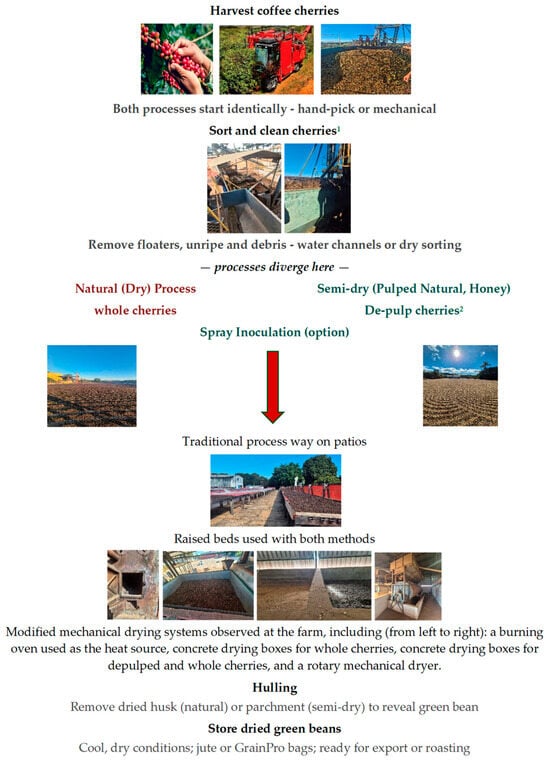
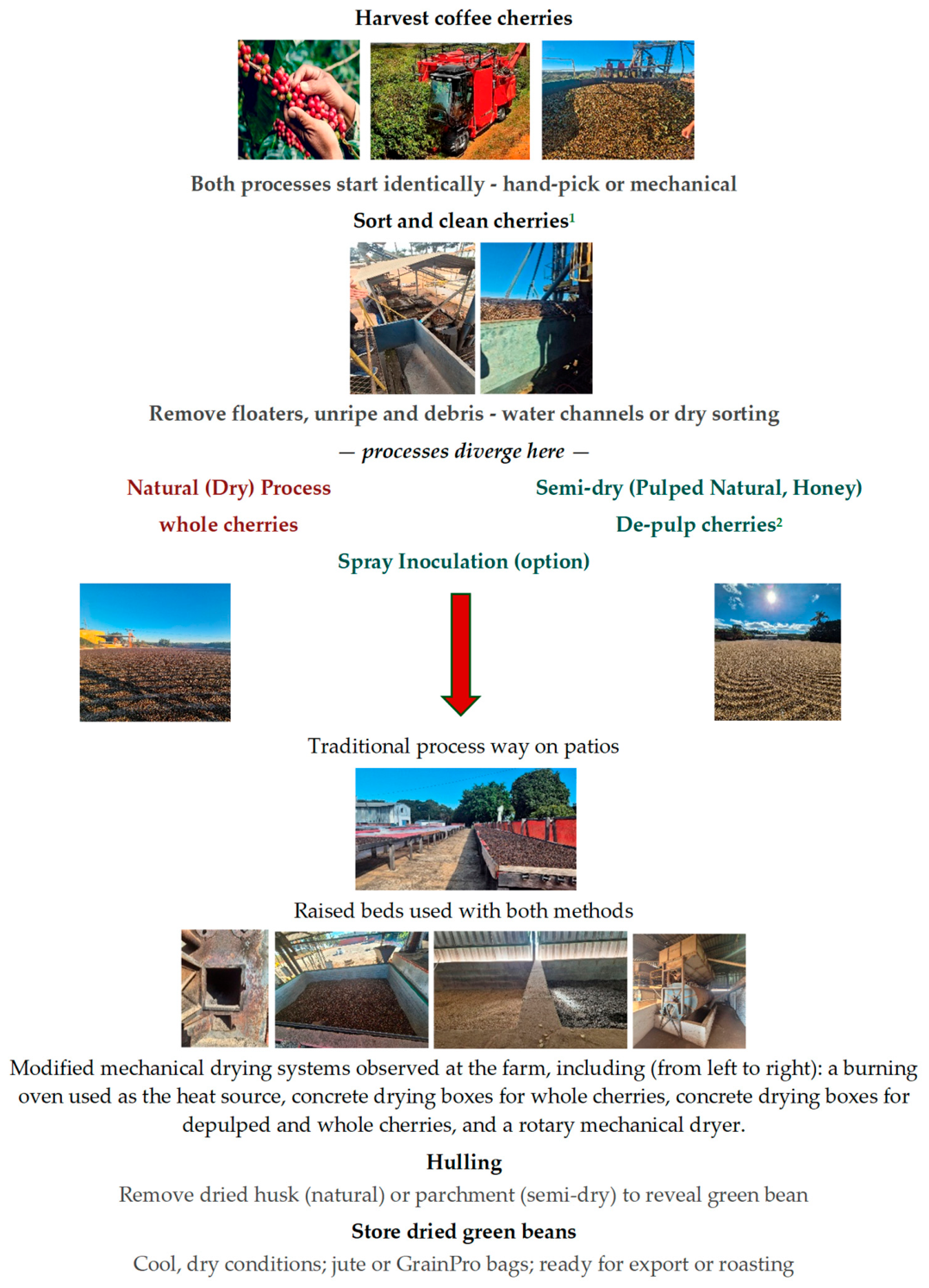
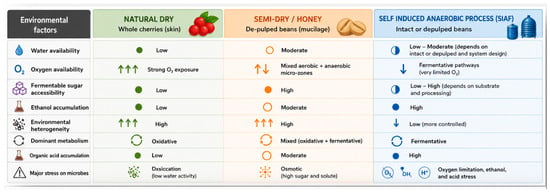
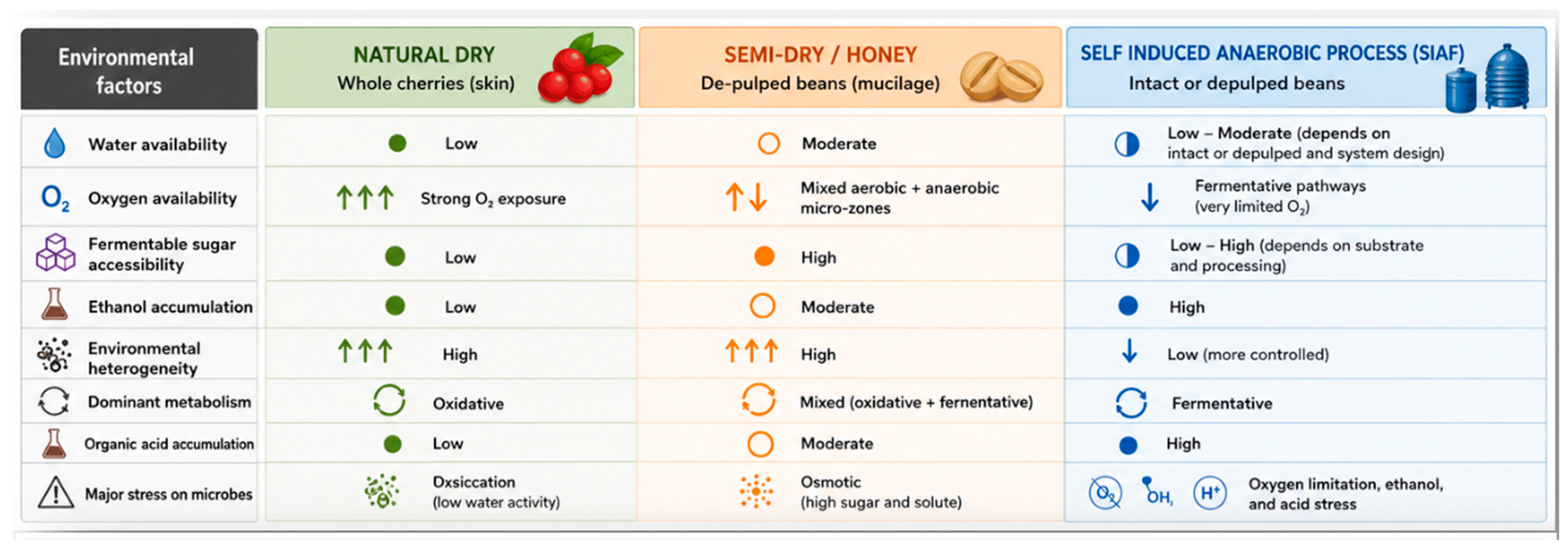
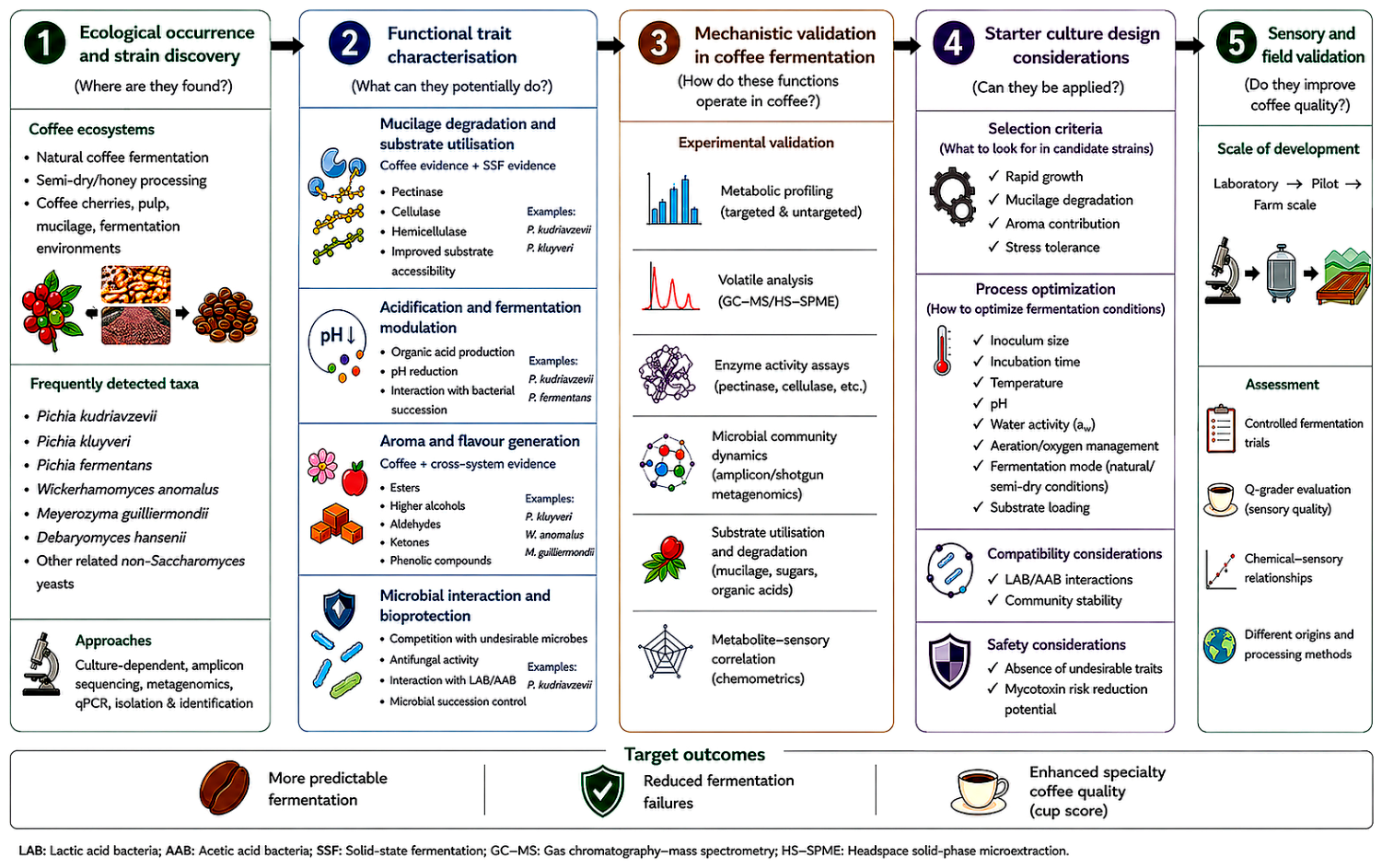

Disclaimer/Publisher’s Note: The statements, opinions and data contained in all publications are solely those of the individual author(s) and contributor(s) and not of MDPI and/or the editor(s). MDPI and/or the editor(s) disclaim responsibility for any injury to people or property resulting from any ideas, methods, instructions or products referred to in the content. |
© 2026 by the author. Licensee MDPI, Basel, Switzerland. This article is an open access article distributed under the terms and conditions of the Creative Commons Attribution (CC BY) license.