


Abstract
Agricultural heritage education can support intergenerational knowledge transmission, yet little is known about how children engage with living agricultural heritage landscapes. Drawing on the Cognition–Affect–Behavior (CAB) framework, this study examined relationships among heritage knowledge, participation motivation, place attachment, digital facilitation, and participation intention among children in the Huzhou Mulberry-dyke & Fish-pond System, China. Survey data from 206 children aged 10–15 years were analyzed using partial least squares structural equation modeling. Heritage knowledge was positively related to participation motivation and place attachment, both of which were positively related to participation intention. Participation motivation and place attachment were also significant mediators of the relationship between heritage knowledge and participation intention, while the direct relationship remained significant. Digital facilitation was positively related to participation motivation and strengthened the relationship between heritage knowledge and participation motivation. These findings highlight the value of combining knowledge-oriented learning with motivating activities, place-based experiences, and appropriate digital support in agricultural heritage education.
1. Introduction
Agricultural heritage systems are living socio-ecological landscapes formed through long-term interactions between local communities and their environments. They preserve traditional farming practices, ecological knowledge, agrobiodiversity, landscape patterns, and cultural memories accumulated across generations. The Globally Important Agricultural Heritage Systems (GIAHS) programme of the Food and Agriculture Organization of the United Nations recognizes such systems not as static remnants of the past, but as dynamic landscapes that integrate agricultural production, biodiversity conservation, cultural identity, and local livelihoods [1,2]. However, many agricultural heritage systems are now facing increasing pressure from rural out-migration, changes in livelihood structures, land-use transformation, and the weakening of intergenerational knowledge transmission. As younger generations become less involved in everyday agricultural practices, transmitting agricultural heritage knowledge across generations may become more difficult, and awareness of local conservation needs may weaken.
Children are central to this issue, yet their role in agricultural heritage education and future participation has received limited empirical attention. Existing studies on heritage education have mainly focused on museums, archaeological sites, urban cultural tourism, or adult visitors. In these settings, heritage learning is often organized around exhibition, interpretation, and visitor experience. Agricultural heritage education differs from these contexts because it is embedded in living rural landscapes, seasonal farming practices, family memory, and community-based ecological knowledge. Children in agricultural heritage communities are therefore not only potential learners of local knowledge, but also future participants in heritage interpretation, transmission, and related educational or conservation activities. Nevertheless, they are still often positioned as passive recipients of knowledge rather than as active meaning-makers or participants in heritage-related practices [3,4]. This gap is particularly evident in agricultural heritage education, where limited research has examined how school-aged children transform heritage knowledge into motivation, emotional connection, and participation intention.
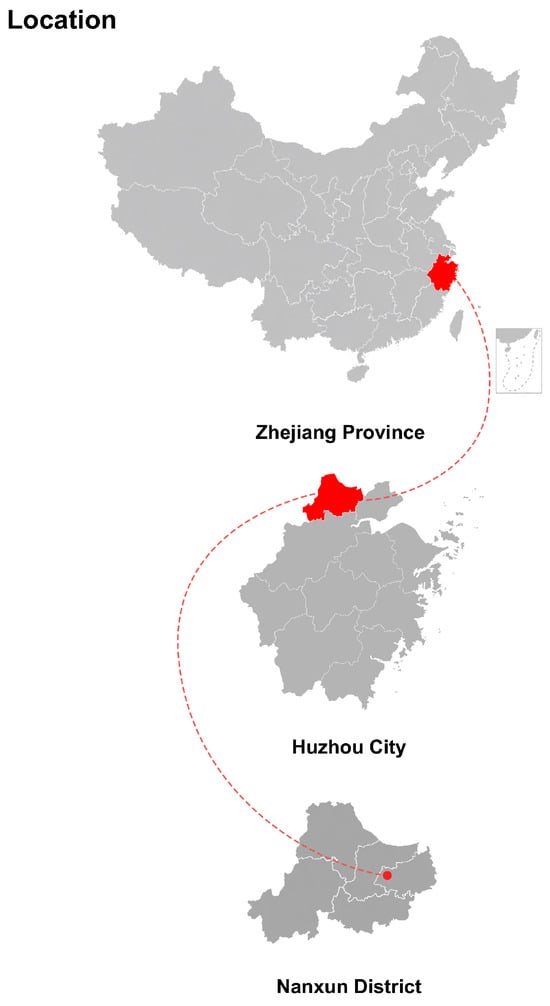
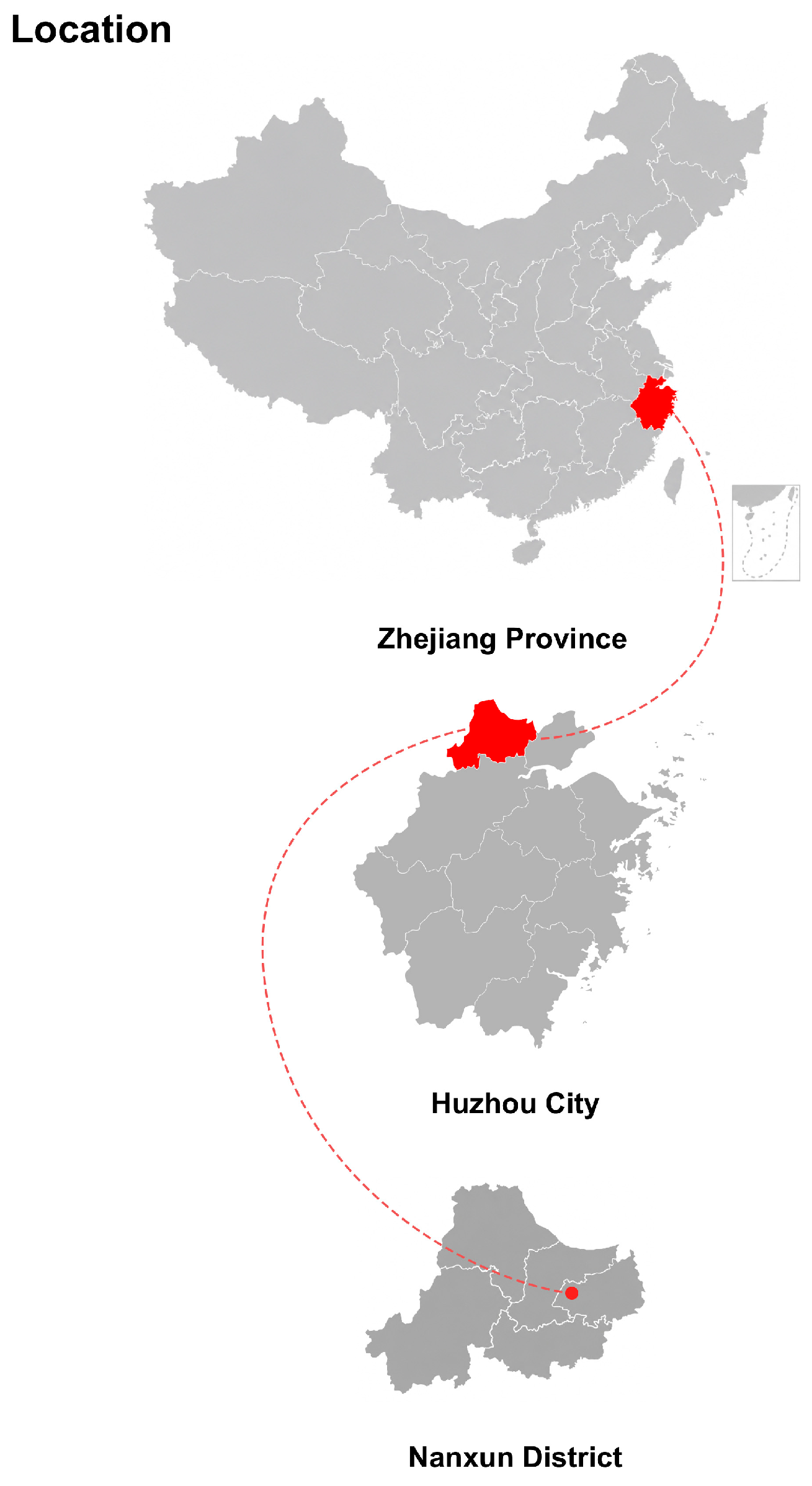
Huzhou, Zhejiang Province, provides a suitable setting for examining this issue. The Huzhou Mulberry-dyke & Fish-pond System, designated as a GIAHS in 2017, originated more than 2500 years ago and integrates mulberry cultivation, sericulture, fish farming, and irrigation-drainage practices into a mutually supportive agroecological system [5]. This system embodies a long-standing relationship between land, water, production, and local culture. Huzhou is also associated with the Taihu Lougang Irrigation and Drainage System, a World Heritage Irrigation Structure composed of canals, water gates, embankments, and related water-management landscapes [6]. Together, these agricultural and hydraulic heritage resources provide rich educational materials for children to understand local ecology, production traditions, community history, and place identity. The Huzhou case is therefore particularly relevant for exploring how agricultural heritage education can be connected with children’s everyday rural environments. The study area is located in Huzhou City, Zhejiang Province, with the field context centered on Nanxun District and the Huzhou Mulberry-dyke & Fish-pond System. Figure 1 shows the location of the study area.
Figure 1.
Location of the study area.
To explain the formation of children’s participation intention, this study adopts the Cognition–Affect–Behavior (CAB) framework. The CAB framework is rooted in the tripartite model of attitude structure, which distinguishes cognitive, affective, and behavioral components [7,8]. In the context of agricultural heritage education, heritage knowledge represents the cognitive basis through which children understand the history, ecological functions, and cultural value of agricultural heritage. Heritage knowledge may operate through motivational and place-based affective responses before being translated into participation intention. Therefore, this study treats participation motivation and place attachment as key mediating mechanisms between heritage knowledge and participation intention.
This theoretical choice also responds to the limitations of simply applying intention-prediction models. The Theory of Planned Behavior has been widely used to explain behavioral intention through attitude, subjective norms, and perceived behavioral control [9]. However, the present study is less concerned with predicting intention from social norms or perceived control, and more concerned with explaining how agricultural heritage knowledge is transformed into motivational and place-based affective responses among children. The CAB framework is therefore more consistent with the research purpose, because it allows the study to trace the pathway from cognition to affective-motivational responses and then to behavioral intention.
In addition, this study introduces digital facilitation as a contextual condition that may strengthen the transformation from heritage knowledge to participation motivation. Digital facilitation in this study refers to children’s perceived support from digital tools in accessing, visualizing, and interacting with agricultural heritage knowledge. In rural heritage education, digital tools should not be understood as a replacement for place-based learning. They may instead help children better understand ecological cycles, farming processes, spatial relationships, and local stories that are difficult to grasp through textual explanation alone. For example, short videos, QR-code-guided interpretation, digital story maps, AR-based explanations, and virtual farming demonstrations can make the ecological relationships among mulberry trees, silkworms, fishponds, water systems, and village landscapes easier to visualize and the learning process more engaging [10,11]. In this way, digital facilitation may help children draw on their heritage knowledge to develop greater curiosity, interest in learning, and motivation to participate.
Accordingly, this study addresses two questions. First, how are heritage knowledge, participation motivation, place attachment, and participation intention related among school-aged children in the Huzhou Mulberry-dyke & Fish-pond System? Second, does digital facilitation relate to participation motivation and moderate the relationship between heritage knowledge and participation motivation? To answer these questions, a questionnaire survey was conducted with 206 children aged 10–15 years in Huzhou, Zhejiang Province, China. The data were analyzed using partial least squares structural equation modeling (PLS-SEM).
By focusing on school-aged children in a living agricultural heritage landscape, this study examines how heritage knowledge, participation motivation, place attachment, and digital facilitation are related to participation intention. The study also considers how digital learning support may shape the relationship between heritage knowledge and children’s motivation. The study may inform child-centered agricultural heritage education, local curriculum design, and community-based learning in GIAHS and other agricultural heritage landscapes.
2. Literature Review
2.1. Agricultural Heritage and Intergenerational Engagement
Agricultural heritage encompasses more than farming practices; it reflects living socio-ecological systems, agricultural biodiversity, traditional knowledge, rituals, beliefs, and collective identities rooted in place [1]. While global frameworks such as GIAHS have elevated awareness of the value of traditional agricultural systems, their community-level revitalization still depends on local transmission and everyday participation. In China, studies on GIAHS and China’s Nationally Important Agricultural Heritage Systems (China-NIAHS) have examined heritage identification, dynamic conservation, adaptive management, community participation, and multifunctional development [12,13]. These studies suggest that agricultural heritage conservation depends on institutional protection and the continued transmission of local knowledge and farming practices within communities.
However, intergenerational gaps and rural out-migration have weakened this process. In transitional rural China, migration, livelihood change, and shifting family strategies have reshaped intergenerational relations. Wu and Yuan [14] show that intergenerational relationships are closely associated with rural sociocultural resilience. Their findings help explain why disruptions in these relationships may hinder the transmission of agricultural heritage knowledge to younger generations. In response, some China-NIAHS and GIAHS sites have introduced agricultural heritage through local curricula, teaching materials, popular science resources, study tours, and children’s picture storybooks [13,15]. These practices indicate that younger generations are gradually being included in agricultural heritage education, but empirical research on children’s learning experiences and participation mechanisms remains limited.
Children’s participation in cultural heritage management has emerged as a growing field of inquiry, recognizing younger generations not only as recipients of heritage knowledge but also as potential participants in heritage interpretation, renewal, and transmission [16]. Such participation may support early environmental awareness and emotional bonding with local environments [17]. Yet most empirical studies on children and heritage remain centered on museum education [18] or tourism contexts [19], leaving agricultural heritage settings underexplored. Agricultural heritage education is embedded in living production landscapes, seasonal farming practices, family memories, and community-based ecological knowledge, whereas most museum- and tourism-based research examines exhibition-oriented or visitor-oriented settings.
2.2. Children’s Participation in Agricultural Heritage Education
Children’s participation in agricultural heritage education refers to more than children’s attendance at heritage-related activities. It involves opportunities for children to observe, understand, express, interpret, and engage with local heritage in ways that are appropriate to their age, experience, and learning environment. In child participation research, children are not regarded simply as passive recipients of adult knowledge, but as social actors who can form views, make meanings, and respond to their surroundings through everyday experience [3,4]. In agricultural heritage settings, this means that children may participate through learning about farming practices, observing local landscapes, joining school- or community-based activities, sharing their own understanding of local traditions, and developing interest in future heritage-related engagement.
Children’s participation differs from the broader idea of youth participation. Youth participation often refers to older adolescents or young adults who have relatively greater autonomy in civic action, volunteering, community work, cultural entrepreneurship, tourism activities, or heritage management. The United Nations commonly defines youth, for statistical purposes, as persons aged 15–24 [20]. Recent heritage studies have also discussed youth participation in cultural heritage management in relation to purpose, positioning, perspectives, and power relations [16]. Such a definition is useful in studies of youth governance and social participation, but it does not fully capture the learning conditions of younger school-aged children. Children’s participation is more strongly shaped by schools, teachers, parents, community institutions, and structured educational opportunities.
The focus on children aged 10–15 is therefore both conceptual and methodological. Under the Convention on the Rights of the Child, a child is generally defined as a person below the age of 18, and children’s views should be given due weight according to their age and maturity [21]. Lansdown’s work on children’s evolving capacities further suggests that children’s ability to participate develops progressively and should be supported through suitable opportunities, guidance, and social conditions [22]. Children aged 10–15 are still embedded in school- and family-based learning environments, but they are also increasingly able to understand local environmental issues, reflect on place-based experience, and express preferences.
The 10–15 age range was also suitable for questionnaire-based research on participation intention. Studies on children as survey respondents show that children’s cognitive, communicative, and social skills influence response quality, and that questionnaire design should be adapted to children’s developmental level [23]. Compared with younger children, those aged 10–15 are generally better able to respond to structured questions about heritage knowledge, motivation, emotional attachment, and future intention.
In agricultural heritage education, this distinction is especially relevant. Agricultural heritage is not learned only through formal interpretation or museum-style displays. It is encountered through village landscapes, fishponds, mulberry trees, water systems, farming tools, seasonal practices, food memories, and local stories. For school-aged children, these familiar elements can become meaningful learning resources when connected with heritage knowledge. Therefore, examining children aged 10–15 helps clarify how agricultural heritage education may shape early participation motivation, place attachment, and willingness to engage in future heritage-related activities.
2.3. The CAB Framework and Variable Relationships
The CAB framework is rooted in the tripartite view of attitude structure, which distinguishes cognitive, affective, and behavioral components of human responses [7,8]. This perspective has been used to explain how knowledge and beliefs are connected with emotional or motivational responses, and how these responses are further related to behavioral tendencies. Compared with models that focus primarily on intention prediction, the CAB framework gives greater attention to the process through which understanding is translated into affective and behavioral responses.
The Theory of Planned Behavior (TPB) has been widely applied to behavioral intention research. It explains intention through attitude toward the behavior, subjective norm, and perceived behavioral control [9]. TPB is useful when the research focus is on the effects of social pressure, perceived control, and rational evaluation on intention. However, heritage education involves a broader learning process. In this context, children’s responses are not shaped only by whether they perceive an activity as feasible or socially encouraged. They may also depend on what children know about heritage, whether such knowledge generates interest, whether it strengthens emotional ties with place, and whether these responses lead to a willingness to participate.
The CAB framework is therefore used to examine agricultural heritage education as a process linking knowledge, affective responses, and participation intentions. In this study, heritage education is viewed not simply as the transmission of factual information, but as a process through which children’s understanding may be related to motivation, emotional connection with place, and willingness to participate. Similar cognition–emotion–behavior logic has also been applied in education for sustainable development and protected-area research, where knowledge and emotional factors were found to jointly shape behavioral intention [24]. In agricultural heritage education, children’s understanding of a living heritage system may influence both their interest in participation and their emotional connection with the local landscape.
Within this framework, heritage knowledge can be understood as the cognitive component. It concerns children’s understanding of the history, ecological production relationships, and protection value of the Huzhou Mulberry-dyke & Fish-pond System. Participation Motivation reflects the motivational response, including interest, curiosity, and perceived meaningfulness. This interpretation is consistent with motivation research, which emphasizes that interest and perceived value are important for engagement in learning activities [25]. Place Attachment represents a place-based affective response. It refers to the emotional bond between people and meaningful places, and has been conceptualized through person, process, and place dimensions [26]. Participation intention represents the behavioral component and refers to children’s willingness to engage in future learning activities, site visits, hands-on experiences, or heritage-sharing activities related to agricultural heritage.
Based on this framework, heritage knowledge is expected to influence participation intention both directly and indirectly through participation motivation and place attachment. Participation motivation and place attachment are treated as parallel mediating mechanisms rather than sequential stages. This structure allows the study to examine whether children’s heritage knowledge is linked to participation intention not only through motivational and place-based responses, but also through a direct cognitive pathway.
2.4. Digital Facilitation in Agricultural Heritage Education
Digital technologies have increasingly been used in heritage education to support interpretation, visualization, and learner engagement. Augmented reality (AR), virtual museums, digital heritage platforms, mobile applications, gamified learning activities, and interactive storytelling have been discussed as tools that can make heritage content more accessible and engaging [10,27]. In heritage learning contexts, these tools can provide visual explanations, location-based information, interactive tasks, and narrative experiences that text-based instruction alone cannot readily offer.
Existing research suggests that digital tools can support both knowledge acquisition and learning motivation. For example, digital storytelling and mobile technologies have been used to enhance children’s awareness and interest in sustainability-related cultural assets [11]. Location-based AR has also been applied to cultural heritage communication and education, especially for younger learners, by connecting digital content with real places [10]. Recent heritage education research has examined how digitally supported learning formats can enhance learner motivation and learning outcomes [28]. These studies indicate that digital tools may help learners move beyond passive reception and become more actively engaged in heritage learning.
In agricultural heritage education, digital facilitation can be understood as the learning support provided by digital tools and media. Such support may include virtual farming simulations, digital story maps, QR-code-guided tours, short videos, mobile applications, interactive displays, or game-based learning tasks. These applications are especially relevant because agricultural heritage knowledge often involves ecological and production relationships that are not immediately visible to children. In the Huzhou Mulberry-dyke & Fish-pond System, for instance, the connections among mulberry trees, silkworms, fishponds, dyke soil, and water management form a complex ecological-production cycle. Digital tools can help visualize these connections, link landscape elements with explanatory narratives, and make the learning process more concrete.
Digital learning support may enhance participation motivation by making agricultural heritage activities easier to understand, more interesting, and more relevant to children’s learning experiences. At the same time, digital facilitation may also strengthen the relationship between heritage knowledge and participation motivation. When digital support is strong, children may find agricultural heritage knowledge easier to understand and more engaging. Under such conditions, knowledge is more likely to stimulate curiosity, perceived meaningfulness, and willingness to participate.
Although previous studies have examined digital tools in cultural heritage education, most have treated digital media as teaching resources, interpretation tools, or learning interventions. Less attention has been paid to their moderating role in the relationship between knowledge and motivation, particularly in rural agricultural heritage settings. This gap matters because acquiring heritage knowledge does not necessarily motivate children to participate in future agricultural heritage activities. Digital facilitation is therefore introduced as both a direct factor related to participation motivation and a contextual condition that may strengthen the relationship between heritage knowledge and participation motivation.
The following hypotheses are proposed:
H1.
Heritage Knowledge positively influences Participation Motivation.
H2.
Heritage Knowledge positively influences Place Attachment.
H3.
Participation Motivation positively influences Participation Intention.
H4.
Place Attachment positively influences Participation Intention.
H5.
Heritage Knowledge positively influences Participation Intention.
H6.
Digital Facilitation positively influences Participation Motivation.
H7.
Digital Facilitation positively moderates the relationship between Heritage Knowledge and Participation Motivation.
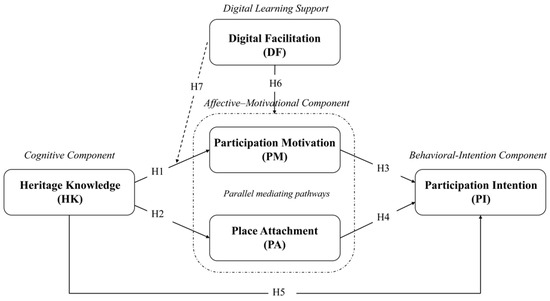
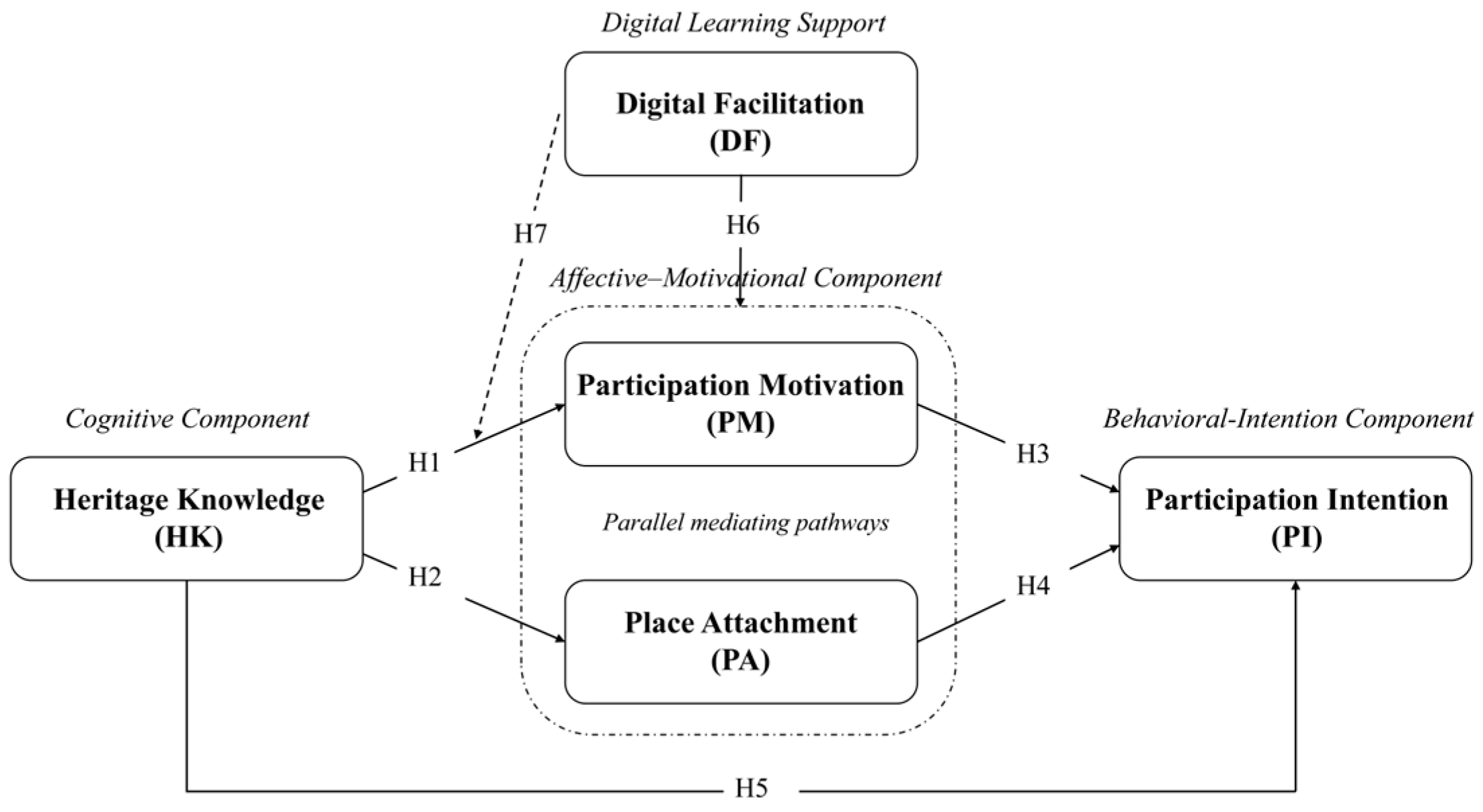
Figure 2 presents the theoretical framework and hypothesized relationships of the study.
Figure 2.
Theoretical framework and hypothesized relationships. Note: Solid arrows indicate hypothesized direct relationships. The dashed arrow indicates the hypothesized moderating effect of digital facilitation on the relationship between heritage knowledge and participation motivation.
3. Method
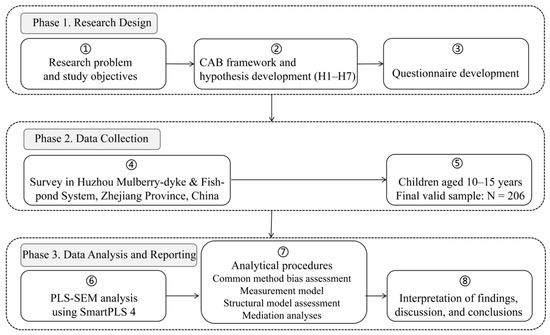
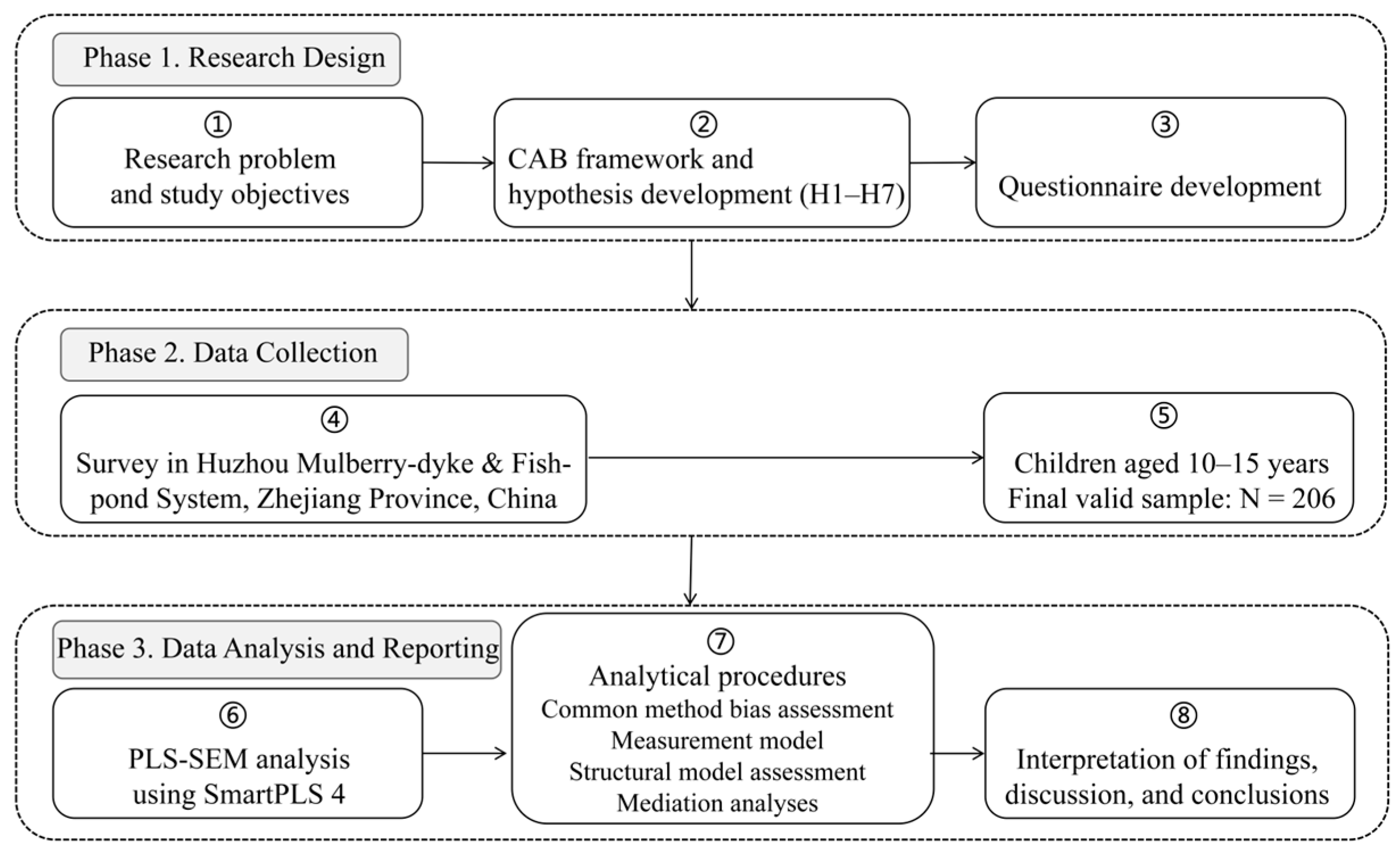
Figure 3 presents the methodological workflow of the study, including research design, data collection, and data analysis procedures.
Figure 3.
Methodological workflow of the study.
3.1. Questionnaire Design and Measures
A cross-sectional questionnaire was used to examine the relationships among heritage knowledge, participation motivation, place attachment, digital facilitation, and participation intention among school-aged children in Huzhou, Zhejiang Province, China. Participation motivation and place attachment were specified as parallel mediators between heritage knowledge and participation intention, while the direct relationship between heritage knowledge and participation intention was also included in the structural model. Digital facilitation was modeled as both a direct predictor of participation motivation and a moderator of the relationship between heritage knowledge and participation motivation.
The questionnaire assessed five reflective constructs: heritage knowledge, referring to children’s understanding of the local agricultural heritage system; participation motivation, referring to interest and willingness to engage in agricultural heritage activities; place attachment, referring to emotional connection with the local agricultural heritage landscape; digital facilitation, referring to perceived support from digital tools for agricultural heritage learning; and participation intention, referring to willingness to participate in and share local agricultural heritage activities.
Item development was informed by the relevant theoretical and empirical literature and contextualized to the Huzhou Mulberry-dyke & Fish-pond System. The sources informing the development of each item are provided in Table 1. All items were measured on a five-point Likert scale ranging from 1 (strongly disagree) to 5 (strongly agree). The questionnaire was administered in Chinese, and English translations are provided in Table 1.
A forward- and back-translation procedure was used to examine semantic equivalence between the English source items and the Chinese questionnaire [29]. The Chinese version was reviewed for clarity, contextual relevance, and age appropriateness and was pilot-tested with 30 children aged 10–15 years who were not included in the final sample. Minor wording revisions were made before the formal survey.
Table 1.
Measurement Items and Sources Informing Item Development.
3.2. Participants, Data Collection, and Ethical Procedures
Children aged 10–15 years from areas in or near the Huzhou Mulberry-dyke & Fish-pond System were recruited using purposive sampling. After data screening, 206 valid questionnaires were retained for the final analysis.
Written informed consent was obtained from parents or guardians, and child assent was obtained before participation. Participants completed an anonymous Chinese-language questionnaire and were informed that participation was voluntary and that they could discontinue at any time. No personally identifiable information was collected, and signed consent forms were stored separately from the questionnaire responses.
3.3. Data Analysis
Data were analyzed using SmartPLS 4 [33]. Given the single-source, self-reported survey design, Harman’s single-factor test was conducted as a diagnostic assessment of potential common-method bias before the PLS-SEM estimation [34].
All constructs were modeled reflectively. The measurement model was assessed using standardized outer loadings, Cronbach’s alpha, rho_A, composite reliability, and average variance extracted [35]. Discriminant validity was assessed using the heterotrait–monotrait ratio of correlations (HTMT) [36].
The structural model was evaluated using inner variance inflation factor values, coefficients of determination (R2 and adjusted R2), standardized path coefficients, and f2 effect sizes. The significance of direct, indirect, and interaction effects was assessed using percentile bootstrapping with 5000 resamples, a two-tailed test, and a significance level of 0.05. Ninety-five percent percentile bootstrap confidence intervals were used to evaluate the estimated effects [35].
Participation motivation and place attachment were examined as parallel mediators of the relationship between heritage knowledge and participation intention. Their specific indirect effects were assessed separately, while the direct path from heritage knowledge to participation intention was retained in the mediation model [37]. Digital facilitation was examined as both a direct predictor of participation motivation and a moderator of the relationship between heritage knowledge and participation motivation. The moderating effect was assessed by including the interaction term between digital facilitation and heritage knowledge in the PLS-SEM model [38].
4. Results
Among the 206 respondents, 107 were boys (51.9%), and 99 were girls (48.1%). Participants were aged between 10 and 15 years, with a mean age of 12.63 years. Table 2 summarises the demographic characteristics of the respondents.
Table 2.
Demographic Profile of Respondents (N = 206).
4.1. Common Method Bias Assessment
Harman’s single-factor test was used to examine potential common-method bias. All 15 measurement items were entered into an unrotated principal component analysis. Five components with eigenvalues greater than 1 were extracted, and the first unrotated component accounted for 33.89% of the total variance. As this value was below the commonly used 50% heuristic threshold, the analysis did not indicate that a single common factor dominated the covariance among the measurement items. The test therefore suggested that common-method bias was unlikely to dominate the dataset.
4.2. Measurement Model
4.2.1. Reliability and Convergent Validity
The reflective measurement model was assessed in terms of indicator reliability, internal consistency reliability, and convergent validity. As shown in Table 3, all indicator loadings exceeded the recommended threshold of 0.70, ranging from 0.831 to 0.923. This indicates that each measurement item adequately reflected its intended construct.
Table 3.
Reliability and Convergent Validity of the Measurement Model.
All constructs demonstrated satisfactory internal consistency reliability. Cronbach’s alpha values ranged from 0.857 to 0.881, while rho_A values ranged from 0.859 to 0.905. Composite reliability values were between 0.913 and 0.926, exceeding the recommended level of 0.70. In addition, the average variance extracted values ranged from 0.777 to 0.808, well above the recommended threshold of 0.50. These results support the reliability and convergent validity of the measurement model.
4.2.2. Discriminant Validity
Discriminant validity was assessed using the HTMT criterion. As reported in Table 4, all HTMT values were well below the conservative threshold of 0.85. The values ranged from 0.037 to 0.552, with the highest ratio observed between place attachment and participation intention (HTMT = 0.552). These results indicate that the five focal constructs, namely digital facilitation, heritage knowledge, place attachment, participation motivation, and participation intention, were empirically distinct from one another.
Table 4.
Discriminant Validity Assessment Using the HTMT Criterion.
4.3. Structural Model Assessment
4.3.1. Collinearity Diagnostics and Explanatory Power
Prior to evaluating the structural relationships, collinearity among the predictor constructs was assessed using inner variance inflation factor (VIF) values. As shown in Table 5, the VIF values ranged from 1.000 to 1.291, indicating no evidence of problematic collinearity in the structural model.
Table 5.
Collinearity Diagnostics for the Structural Model.
The explanatory power of the structural model was assessed using the coefficients of determination. As shown in Table 6, the R2 values were 0.099 for place attachment, 0.246 for participation motivation, and 0.382 for participation intention. The corresponding adjusted R2 values were 0.095, 0.235, and 0.373, respectively. Among the three endogenous constructs, participation intention had the highest proportion of explained variance.
Table 6.
Explanatory Power of the Structural Model.
4.3.2. Hypothesis Testing
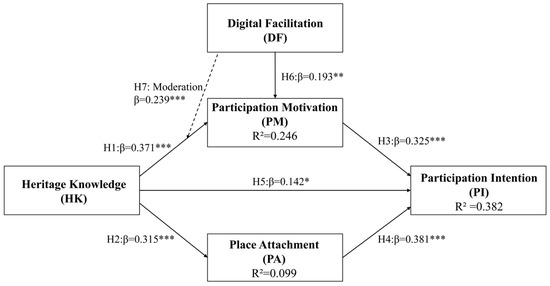
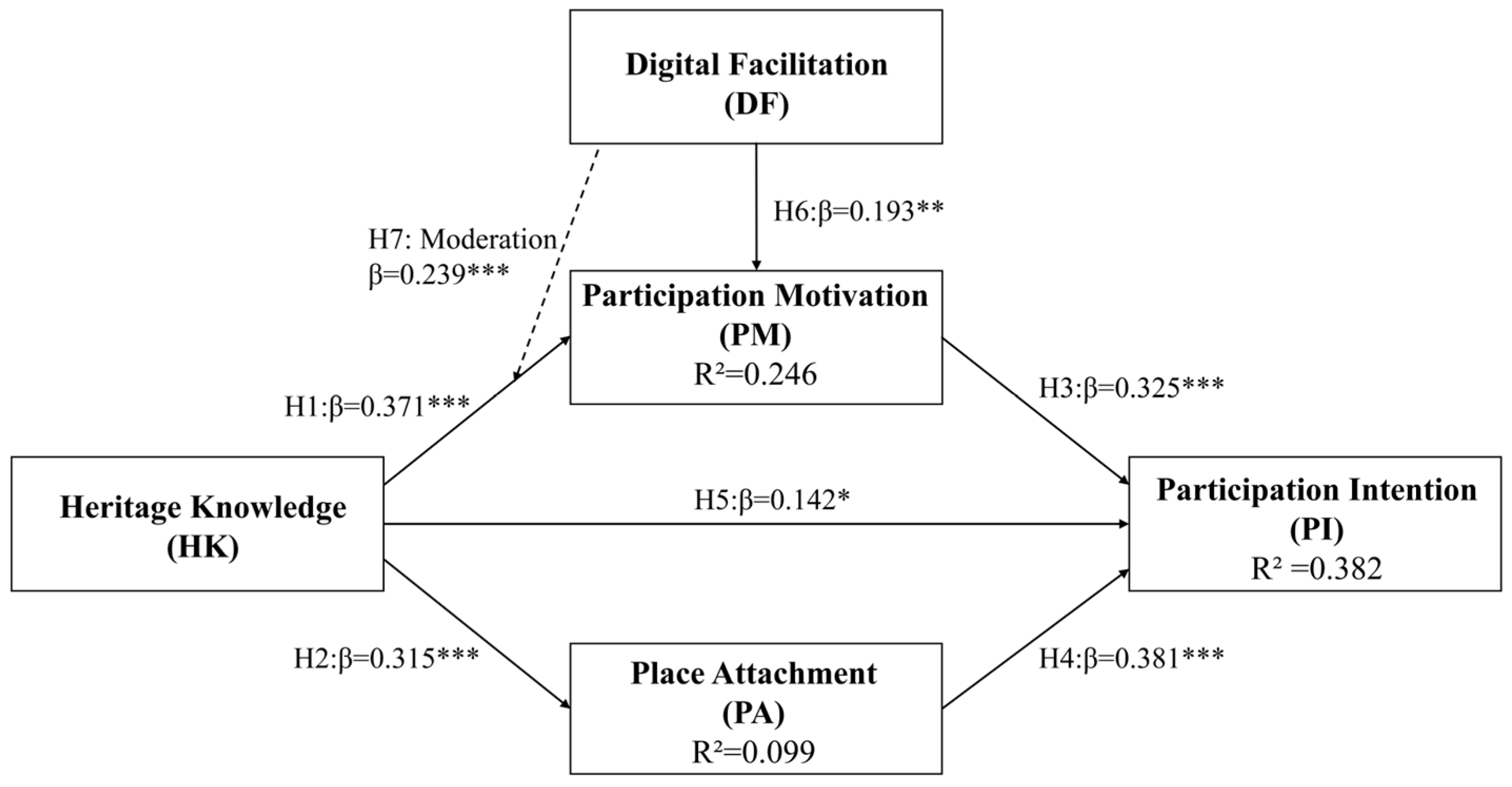
The proposed direct and moderating relationships were evaluated using bootstrapping. Table 7 presents the hypothesis testing results, including standardized path coefficients, t-values, p-values, 95% percentile bootstrap confidence intervals, and effect sizes. Figure 4 summarizes the estimated structural model, including the standardized path coefficients and R2 values for the endogenous constructs. All reported confidence intervals excluded zero.
Table 7.
Hypothesis Testing Results for Direct and Moderating Effects.
Figure 4.
Estimated Structural Model. Note: Solid arrows represent direct paths. The dashed arrow indicates the moderating effect of digital facilitation on the relationship between heritage knowledge and participation motivation. Values on arrows are standardized path coefficients (β). R2 values are reported for the endogenous constructs. * p < 0.05; ** p < 0.01; *** p < 0.001.
Heritage knowledge was positively associated with participation motivation (β = 0.371, t = 6.277, p < 0.001, 95% CI [0.250, 0.482]), supporting H1. It was also positively associated with place attachment (β = 0.315, t = 4.779, p < 0.001, 95% CI [0.184, 0.444]), supporting H2. Participation motivation was positively associated with participation intention (β = 0.325, t = 5.123, p < 0.001, 95% CI [0.198, 0.447]), supporting H3. Place attachment also showed a positive relationship with participation intention (β = 0.381, t = 6.724, p < 0.001, 95% CI [0.267, 0.489]), supporting H4. Heritage knowledge had a significant direct relationship with participation intention (β = 0.142, t = 2.186, p = 0.029, 95% CI [0.013, 0.267]), supporting H5.
Digital facilitation was positively associated with participation motivation (β = 0.193, t = 3.209, p = 0.001, 95% CI [0.085, 0.317]), supporting H6. The interaction term between digital facilitation and heritage knowledge was significant and positive (β = 0.239, t = 4.296, p < 0.001, 95% CI [0.130, 0.343]), supporting H7. The significant interaction term shows that digital facilitation strengthened the positive relationship between heritage knowledge and participation motivation.
Regarding local effect sizes, place attachment had the largest contribution to the explained variance in participation intention (f2 = 0.211), followed by heritage knowledge in predicting participation motivation (f2 = 0.177). The interaction term showed a small-to-medium local effect size (f2 = 0.082), while the remaining direct effects made smaller contributions to their respective endogenous constructs.
4.4. Mediation Analysis
The parallel mediating roles of participation motivation and place attachment were examined using bootstrapped specific indirect effects. As reported in Table 8, heritage knowledge had a significant indirect association with participation intention through participation motivation (β = 0.121, t = 4.130, p < 0.001, 95% CI [0.067, 0.181]). The indirect pathway through place attachment was likewise significant (β = 0.120, t = 4.029, p < 0.001, 95% CI [0.067, 0.182]).
Table 8.
Bootstrapped Specific Indirect Effects.
These findings indicate that heritage knowledge was related to stronger participation intention through both higher participation motivation and stronger place attachment. Because the direct relationship between heritage knowledge and participation intention was significant, as reported for H5 in Table 7, and both specific indirect effects were also positive and significant, the results were consistent with complementary mediation [39]. The two indirect effects were nearly identical in magnitude, suggesting that participation motivation and place attachment functioned as parallel and complementary pathways rather than competing mechanisms.
5. Discussion
The findings show that children’s heritage knowledge was closely related to participation motivation, place attachment, and participation intention in the Huzhou Mulberry-dyke & Fish-pond System. Digital facilitation was also positively related to participation motivation and strengthened the relationship between heritage knowledge and participation motivation. The results are consistent with the CAB framework, which links cognitive, affective, and behavioral components of engagement.
5.1. Cognitive Development and the Relationships of Heritage Knowledge with Motivation and Place Attachment
Heritage knowledge was positively associated with both participation motivation and place attachment. The path from heritage knowledge to participation motivation was stronger (β = 0.371) than the path from heritage knowledge to place attachment (β = 0.315). This pattern suggests that, for children in this age group, learning about agricultural heritage may first be reflected in curiosity, interest, and willingness to take part in related activities, while emotional bonds with place may develop more gradually.
Piaget’s theory of cognitive development helps interpret this pattern. Children aged 10–15 may be transitioning from concrete operational thinking toward more advanced formal reasoning. At this stage, they become increasingly able to connect visible objects and experiences with broader relationships and meanings [40]. The Huzhou Mulberry-dyke & Fish-pond System offers a particularly suitable learning context because its main elements are concrete and observable. Children can see mulberry trees, silkworms, fishponds, dykes, water systems, and farming activities, while gradually understanding how these elements form an interconnected ecological, productive, and cultural system [5,13].
When children understand why these local practices and landscapes are valuable, agricultural heritage activities may become more interesting and meaningful. Knowledge can give children a clearer sense of what they are observing and why participation matters. This may be one reason why heritage knowledge was more strongly related to participation motivation. Self-determination theory further suggests that learning is more likely to motivate children when it supports understanding, competence, and a sense of personal involvement [25]. In agricultural heritage education, knowledge may therefore encourage participation when it is connected with exploration, observation, storytelling, and hands-on experience.
Heritage knowledge was also positively related to place attachment. Learning about the historical and ecological value of familiar ponds, mulberry dykes, and farming practices can help children see their local environment in new ways. However, place attachment is not formed through knowledge alone. Emotional bonds with place are also shaped by repeated experiences, family memories, local stories, community relationships, and a sense of belonging [26,41]. This pattern may reflect the slower development of place attachment compared with participation motivation. Children may become interested in agricultural heritage after gaining knowledge of it, whereas stronger emotional attachment to place often develops through longer-term contact with local landscapes and communities.
5.2. Parallel Pathways to Participation Intention
Participation motivation and place attachment both had positive effects on participation intention. Heritage knowledge was indirectly associated with participation intention through these two pathways. The indirect effect through participation motivation (β = 0.121) was almost identical to the indirect effect through place attachment (β = 0.120), indicating that the two mechanisms played complementary rather than competing roles.
This pattern fits the CAB framework, in which cognitive understanding is linked to affective and motivational responses that shape behavioral intention [7,8]. Participation motivation reflects children’s interest, curiosity, and willingness to engage in agricultural heritage activities. Place attachment reflects their emotional connection with the local agricultural heritage landscape. Although these constructs represent different responses, both contributed to children’s willingness to participate in future learning, visiting, hands-on, and sharing activities.
Heritage knowledge also retained a significant direct effect on participation intention after participation motivation and place attachment were included in the model. Because the direct effect and both specific indirect effects were significant, the results were consistent with complementary mediation [39]. In other words, children who had stronger heritage knowledge were more willing to participate in agricultural heritage activities not only because they were more motivated or attached to place, but also because knowledge itself provided a basis for recognizing the relevance and value of participation.
Providing information about local history or farming practices may therefore be necessary but not sufficient to sustain children’s engagement. Educational activities should also stimulate curiosity, provide opportunities for participation, and help children develop personal connections with local places. Field observations, hands-on learning, local storytelling, and interactions with farmers or community members may be particularly valuable because they connect knowledge with both motivation and place attachment.
5.3. Direct and Moderating Roles of Digital Facilitation
Digital facilitation showed a positive relationship with participation motivation. It also strengthened the relationship between heritage knowledge and participation motivation. Children who reported greater support from digital learning tools tended to show stronger motivation to participate in agricultural heritage activities, and the effect of heritage knowledge on motivation became stronger when digital facilitation was higher.
Digital tools may support agricultural heritage education by making heritage content easier for children to understand and more engaging. Digital story maps, short videos, mobile learning materials, interactive visual resources, and QR-code-guided activities can help children understand agricultural heritage in more accessible and engaging ways. In the Huzhou Mulberry-dyke & Fish-pond System, these tools can make the relationships among mulberry cultivation, silkworm rearing, fishpond management, water circulation, and village landscapes easier to visualize. They can also help children connect information with places that they see in their everyday environment.
From the perspective of self-determination theory, digital learning resources may support motivation. Digital learning resources may support motivation by giving children more opportunities to explore content, understand complex relationships, and connect learning with familiar places and experiences [25]. Digital heritage education studies have likewise shown that mobile technology, storytelling, augmented reality, and interactive learning resources can support engagement and learning motivation [10,11,28].
Digital facilitation should not replace field-based or hands-on learning. Agricultural heritage is rooted in living landscapes, seasonal activities, farming knowledge, and community relationships. Its value lies partly in direct experience. Digital tools are most useful when they complement field observations, practical activities, and interactions with local residents. When used to complement direct experience, digital tools can help children connect what they learn about agricultural heritage with activities they are willing to explore in practice.
5.4. Theoretical Contributions to Child-Centered Agricultural Heritage Education
This study adds to agricultural heritage education research by focusing on school-aged children as current learners and potential participants in agricultural heritage activities. Much of the existing discussion on agricultural heritage transmission has focused on farmers, local residents, tourists, planners, or future generations in general. By examining children’s heritage knowledge, participation motivation, place attachment, and participation intention, this study brings attention to how children already engage with agricultural heritage in the present. This perspective aligns with child-participation research, which recognizes children’s capacity to form views and engage with matters that affect their everyday lives [4,16].
The study also applies the CAB framework within the context of a living agricultural heritage system. Agricultural heritage education involves more than learning isolated facts about the past. It connects ecological systems, production practices, landscape features, cultural memory, and local identity. The results show that heritage knowledge was linked to participation intention through both participation motivation and place attachment. These two pathways demonstrate that children’s engagement with agricultural heritage includes both interest in participation and emotional connection with place [7,8].
The analysis further identifies digital facilitation as both a direct contributor to participation motivation and a moderator of the relationship between heritage knowledge and participation motivation. Previous research has highlighted the value of digital technologies in heritage communication and education [10,11,28]. The present study extends this discussion to a rural agricultural heritage context by showing that digital learning support can strengthen the motivational value of heritage knowledge. The results point to the value of combining digital support with local knowledge, place-based experience, and meaningful learning opportunities.
5.5. Practical Implications
These findings are relevant to schools, local communities, and heritage institutions involved in agricultural heritage education. For schools, agricultural heritage education should combine classroom learning with observation, participation, and reflection. Teachers can introduce the relationships among mulberry cultivation, silkworm rearing, fishpond management, water systems, and village landscapes before organizing local visits or hands-on activities. Students can then record their observations through drawings, learning journals, group presentations, or simple mapping exercises. This approach can help children connect heritage knowledge with personal experience and participation.
Local communities can create opportunities for children to learn directly from people who manage the heritage landscape and preserve local knowledge. Farmers, older residents, local cultural practitioners, and family members can contribute to guided walks, seasonal farming experiences, storytelling activities, food-making events, or demonstrations related to mulberry cultivation and sericulture. These activities can help children understand agricultural heritage as part of community life rather than as distant historical knowledge.
For heritage institutions, interpretation programs should be more accessible and engaging for children. QR-code-based resources, short videos, digital story maps, and mobile learning materials can be used before, during, and after heritage visits. These resources should be designed to support, rather than replace, children’s direct contact with landscapes, farming practices, and local knowledge. Long-term collaboration among schools, communities, and heritage institutions can give children repeated opportunities to learn about and participate in agricultural heritage through different formats.
Agricultural heritage education can be strengthened by combining knowledge-based learning, meaningful activities, place-based experience, and appropriate digital support. Such an approach can help children understand the value of local agricultural heritage, develop an interest in participating in related activities, and build stronger connections with the places in which they live.
6. Conclusions
Using the Huzhou Mulberry-dyke & Fish-pond System as the study context, this study examined how heritage knowledge, participation motivation, place attachment, and digital facilitation are related to children’s participation intention in agricultural heritage education.
The results show that heritage knowledge was positively related to participation motivation and place attachment. Participation motivation and place attachment, in turn, were positively associated with participation intention. Heritage knowledge was related to participation intention both directly and indirectly through participation motivation and place attachment. These findings indicate that children’s willingness to engage in agricultural heritage activities is connected not only with what they know about local heritage, but also with whether they find it meaningful, interesting, and personally connected to the places in which they live.
Digital facilitation was positively related to participation motivation and strengthened the association between heritage knowledge and motivation. This result suggests that digital learning resources can help children engage more actively with agricultural heritage when they are used to make complex ecological relationships, farming processes, and local stories easier to understand. However, digital tools should complement rather than replace direct contact with agricultural landscapes, farming practices, and community knowledge.
The study contributes to agricultural heritage education by focusing on children as active participants in ongoing heritage learning and transmission. It also supports the usefulness of the CAB framework for examining how knowledge, motivation, place attachment, and participation intention are connected in a living agricultural heritage context. The results also point to the value of combining classroom learning, field-based activities, community participation, and child-friendly digital resources in agricultural heritage education.
This study has four main limitations. The study used self-reported questionnaire data collected at one point in time. The results therefore show relationships among the variables but cannot confirm causal direction or temporal order. Participation intention was measured rather than actual participation behavior, and the sample was limited to participants from a single agricultural heritage area. In addition, digital facilitation was examined as a broad learning-support construct rather than as the use or effectiveness of particular technologies.
Future research could follow children over time to examine how heritage knowledge, motivation, place attachment, and actual participation develop. It could also compare the effects of different digital tools, such as QR-code-guided learning, digital story maps, short videos, mobile applications, virtual simulations, and game-based activities. Studies across different agricultural heritage sites would also help determine whether the relationships identified in Huzhou apply to other cultural, ecological, and educational settings.
Author Contributions
Formal analysis, M.S.; investigation, M.S. and Z.Z.; methodology, M.S., N.Z.H. and A.M.; resources, M.S. and Z.Z.; software, M.S.; validation, M.S. and N.Z.H.; visualization, M.S.; writing—original draft preparation, M.S.; writing—review and editing, M.S., N.Z.H., A.M. and Z.Z.; supervision, N.Z.H. and A.M.; project administration, N.Z.H. and A.M.; data curation, Z.Z. All authors have read and agreed to the published version of the manuscript.
Funding
This research received no external funding.
Institutional Review Board Statement
Ethical review and approval were waived for this study by the Institute of Malaysian and International Studies (IKMAS), Universiti Kebangsaan Malaysia, as per its institutional guidelines on research ethics, which state that ethical review for academic research involving human participants is encouraged but not compulsory for anonymous, voluntary, non-interventional questionnaire surveys that do not collect personally identifiable or sensitive information.
Informed Consent Statement
Informed consent for participation was obtained from all subjects involved in the study.
Data Availability Statement
The data presented in this study are available from the corresponding author upon reasonable request.
Conflicts of Interest
The authors declare no conflict of interest.
Abbreviations
The following abbreviations are used in this manuscript:
| GIAHS | Globally Important Agricultural Heritage Systems |
| FAO | Food and Agriculture Organization of the United Nations |
| China-NIAHS | China’s Nationally Important Agricultural Heritage Systems |
| CAB | Cognition–Affect–Behavior |
| TPB | Theory of Planned Behavior |
| AR | Augmented Reality |
| PLS-SEM | Partial Least Squares Structural Equation Modeling |
| HK | Heritage Knowledge |
| PM | Participation Motivation |
| PA | Place Attachment |
| DF | Digital Facilitation |
| PI | Participation Intention |
| CR | Composite Reliability |
| AVE | Average Variance Extracted |
| HTMT | Heterotrait–Monotrait Ratio |
References
- Koohafkan, P.; Altieri, M.A. Globally Important Agricultural Heritage Systems: A Legacy for the Future; Food and Agriculture Organization of the United Nations: Rome, Italy, 2011; Available online: https://www.fao.org/4/i2232e/i2232e.pdf (accessed on 20 July 2026).
- Food and Agriculture Organization of the United Nations. Globally Important Agricultural Heritage Systems (GIAHS): Combining Agricultural Biodiversity, Resilient Ecosystems, Traditional Farming Practices and Cultural Identity. 2018. Available online: https://www.fao.org/3/i9187en/I9187EN.pdf (accessed on 20 July 2026).
- Clark, A.; Moss, P. Listening to Young Children: The Mosaic Approach, 2nd ed.; National Children’s Bureau: London, UK, 2011. [Google Scholar]
- Hart, R.A. Children’s Participation: From Tokenism to Citizenship; Innocenti Essays No. 4; UNICEF International Child Development Centre: Florence, Italy, 1992. [Google Scholar]
- Food and Agriculture Organization of the United Nations. Zhejiang Huzhou Mulberry-dyke & Fish-Pond System, China. Available online: https://www.fao.org/giahs/giahs-around-the-world/china-zhejiang-huzhou-system/en (accessed on 20 July 2026).
- International Commission on Irrigation and Drainage. Lougang Irrigation and Drainage System of Taihu Lake Basin. Available online: https://icid-ciid.org/award/his_details/53 (accessed on 20 July 2026).
- Rosenberg, M.J.; Hovland, C.I. Cognitive, Affective, and Behavioral Components of Attitudes. In Attitude Organization and Change: An Analysis of Consistency Among Attitude Components; Rosenberg, M.J., Hovland, C.I., McGuire, W.J., Abelson, R.P., Brehm, J.W., Eds.; Yale University Press: New Haven, CT, USA, 1960; pp. 1–14. [Google Scholar]
- Breckler, S.J. Empirical Validation of Affect, Behavior, and Cognition as Distinct Components of Attitude. J. Personal. Soc. Psychol. 1984, 47, 1191–1205. [Google Scholar] [CrossRef] [PubMed]
- Ajzen, I. The Theory of Planned Behavior. Organ. Behav. Hum. Decis. Processes 1991, 50, 179–211. [Google Scholar] [CrossRef] [Scilit]
- Kleftodimos, A.; Evagelou, A.; Triantafyllidou, A.; Grigoriou, M.; Lappas, G. Location-Based Augmented Reality for Cultural Heritage Communication and Education: The Doltso District Application. Sensors 2023, 23, 4963. [Google Scholar] [CrossRef] [Scilit] [PubMed]
- Tzima, S.; Styliaras, G.; Bassounas, A.; Tzima, M. Harnessing the Potential of Storytelling and Mobile Technology in Intangible Cultural Heritage: A Case Study in Early Childhood Education in Sustainability. Sustainability 2020, 12, 9416. [Google Scholar] [CrossRef] [Scilit]
- Min, Q.; Zhang, Y.; Jiao, W.; Sun, X. Responding to Common Questions on the Conservation of Agricultural Heritage Systems in China. J. Geogr. Sci. 2016, 26, 969–982. [Google Scholar] [CrossRef] [Scilit]
- Min, Q.; Zhang, B. Research Progress in the Conservation and Development of China-Nationally Important Agricultural Heritage Systems (China-NIAHS). Sustainability 2020, 12, 126. [Google Scholar] [CrossRef] [Scilit]
- Wu, X.; Yuan, Z. Understanding the Socio-Cultural Resilience of Rural Areas through the Intergenerational Relationship in Transitional China: Case Studies from Guangdong. J. Rural Stud. 2023, 97, 303–313. [Google Scholar] [CrossRef] [Scilit]
- Sun, F.-R.; Xu, T.-Z. The Study Tour in China: An Emerging Mode for Practical Education. Sustainability 2021, 13, 11969. [Google Scholar] [CrossRef] [Scilit]
- Zhang, Y.; Ikiz Kaya, D.; van Wesemael, P.J.V.; Colenbrander, B.J.F. Youth Participation in Cultural Heritage Management: A Conceptual Framework. Int. J. Herit. Stud. 2024, 30, 56–80. [Google Scholar] [CrossRef] [Scilit]
- Chawla, L. Childhood Experiences Associated with Care for the Natural World: A Theoretical Framework for Empirical Results. Child. Youth Environ. 2007, 17, 144–170. [Google Scholar] [CrossRef] [Scilit]
- Piscitelli, B.; Penfold, L. Child-Centered Practice in Museums: Experiential Learning through Creative Play at the Ipswich Art Gallery. Curator Mus. J. 2015, 58, 263–280. [Google Scholar] [CrossRef] [Scilit]
- Canosa, A.; Graham, A.; Wilson, E. Progressing a Child-Centred Research Agenda in Tourism Studies. Tour. Anal. 2019, 24, 95–100. [Google Scholar] [CrossRef] [Scilit]
- United Nations. Youth. Available online: https://www.un.org/en/global-issues/youth (accessed on 20 July 2026).
- United Nations. Convention on the Rights of the Child; United Nations: New York, NY, USA, 1989; Available online: https://www.ohchr.org/en/instruments-mechanisms/instruments/convention-rights-child (accessed on 20 July 2026).
- Lansdown, G. The Evolving Capacities of the Child; UNICEF Innocenti Research Centre: Florence, Italy, 2005; Available online: https://digitallibrary.un.org/record/556609 (accessed on 20 July 2026).
- Borgers, N.; de Leeuw, E.; Hox, J. Children as Respondents in Survey Research: Cognitive Development and Response Quality. Bull. Méthodol. Sociol. 2000, 66, 60–75. [Google Scholar] [CrossRef] [Scilit]
- Ding, Y.; Zhao, M.; Li, Z.; Xia, B.; Atutova, Z.; Kobylkin, D. Impact of Education for Sustainable Development on Cognition, Emotion, and Behavior in Protected Areas. Int. J. Environ. Res. Public Health 2022, 19, 9769. [Google Scholar] [CrossRef] [Scilit] [PubMed]
- Ryan, R.M.; Deci, E.L. Self-Determination Theory and the Facilitation of Intrinsic Motivation, Social Development, and Well-Being. Am. Psychol. 2000, 55, 68–78. [Google Scholar] [CrossRef] [PubMed]
- Scannell, L.; Gifford, R. Defining Place Attachment: A Tripartite Organizing Framework. J. Environ. Psychol. 2010, 30, 1–10. [Google Scholar] [CrossRef] [Scilit]
- Boboc, R.G.; Băutu, E.; Gîrbacia, F.; Popovici, N.; Popovici, D.-M. Augmented Reality in Cultural Heritage: An Overview of the Last Decade of Applications. Appl. Sci. 2022, 12, 9859. [Google Scholar] [CrossRef] [Scilit]
- Guo, M. Bichronous Modes in Heritage Education for Enhancing Motivation and Learning Outcomes via the ARCS Model. npj Herit. Sci. 2025, 13, 268. [Google Scholar] [CrossRef] [Scilit]
- Beaton, D.E.; Bombardier, C.; Guillemin, F.; Ferraz, M.B. Guidelines for the Process of Cross-Cultural Adaptation of Self-Report Measures. Spine 2000, 25, 3186–3191. [Google Scholar] [CrossRef] [Scilit] [PubMed]
- Altman, I.; Low, S.M. (Eds.) Place Attachment; Plenum Press: New York, NY, USA, 1992. [Google Scholar] [CrossRef] [Scilit]
- Williams, D.R.; Vaske, J.J. The Measurement of Place Attachment: Validity and Generalizability of a Psychometric Approach. For. Sci. 2003, 49, 830–840. [Google Scholar] [CrossRef] [Scilit]
- Lam, T.; Hsu, C.H.C. Predicting Behavioral Intention of Choosing a Travel Destination. Tour. Manag. 2006, 27, 589–599. [Google Scholar] [CrossRef] [Scilit]
- Ringle, C.M.; Wende, S.; Becker, J.-M. SmartPLS 4; SmartPLS GmbH: Bönningstedt, Germany, 2024; Available online: https://www.smartpls.com (accessed on 20 July 2026).
- Podsakoff, P.M.; MacKenzie, S.B.; Lee, J.-Y.; Podsakoff, N.P. Common Method Biases in Behavioral Research: A Critical Review of the Literature and Recommended Remedies. J. Appl. Psychol. 2003, 88, 879–903. [Google Scholar] [CrossRef] [Scilit] [PubMed]
- Hair, J.F.; Risher, J.J.; Sarstedt, M.; Ringle, C.M. When to Use and How to Report the Results of PLS-SEM. Eur. Bus. Rev. 2019, 31, 2–24. [Google Scholar] [CrossRef] [Scilit]
- Henseler, J.; Ringle, C.M.; Sarstedt, M. A New Criterion for Assessing Discriminant Validity in Variance-Based Structural Equation Modeling. J. Acad. Mark. Sci. 2015, 43, 115–135. [Google Scholar] [CrossRef] [Scilit]
- Nitzl, C.; Roldán, J.L.; Cepeda Carrión, G. Mediation Analysis in Partial Least Squares Path Modeling: Helping Researchers Discuss More Sophisticated Models. Ind. Manag. Data Syst. 2016, 116, 1849–1864. [Google Scholar] [CrossRef] [Scilit]
- Frazier, P.A.; Tix, A.P.; Barron, K.E. Testing Moderator and Mediator Effects in Counseling Psychology Research. J. Couns. Psychol. 2004, 51, 115–134. [Google Scholar] [CrossRef] [Scilit]
- Zhao, X.; Lynch, J.G., Jr.; Chen, Q. Reconsidering Baron and Kenny: Myths and Truths about Mediation Analysis. J. Consum. Res. 2010, 37, 197–206. [Google Scholar] [CrossRef] [Scilit]
- Piaget, J.; Inhelder, B. The Psychology of the Child; Basic Books: New York, NY, USA, 1969. [Google Scholar]
- Jack, G. Place Matters: The Significance of Place Attachments for Children’s Well-Being. Br. J. Soc. Work 2010, 40, 755–771. [Google Scholar] [CrossRef] [Scilit]

Disclaimer/Publisher’s Note: The statements, opinions and data contained in all publications are solely those of the individual author(s) and contributor(s) and not of MDPI and/or the editor(s). MDPI and/or the editor(s) disclaim responsibility for any injury to people or property resulting from any ideas, methods, instructions or products referred to in the content. |
© 2026 by the authors. Licensee MDPI, Basel, Switzerland. This article is an open access article distributed under the terms and conditions of the Creative Commons Attribution (CC BY) license.