


Abstract
Photovoltaic (PV) technology is now one of the main options for expanding the power of low-carbon electricity generation. However, in practical operation, PV systems still face several persistent difficulties, including the variability of solar irradiance, gradual performance degradation, fault occurrence, suboptimal control, and the growing complexity of grid-connected operation. These issues explain why artificial intelligence (AI) has become increasingly relevant in PV research, not only as a prediction tool, but also to improve monitoring, control, diagnosis, and decision-making. This review investigates the applications of AI in the major stages of the PV system lifecycle: solar resource assessment, power forecasting, fault detection, condition monitoring, system sizing, maximum power point tracking (MPPT), and grid integration. Rather than treating these applications as separate research topics, the review attempts to connect them through the common factors that determine their practical value: data quality, sensing configuration, model complexity, physical operating conditions, and deployment constraints. The reviewed studies indicate that AI-based MPPT methods can achieve tracking efficiencies close to 99%, while recent forecasting models, particularly LSTM, CNN–LSTM, and transformer-based architectures, can reduce prediction errors under changing weather conditions. At the same time, PV fault detection is moving beyond electroluminescence image classification toward more practical multimodal strategies that combine infrared thermography, RGB and drone imagery, electrical measurements, and SCADA/IoT data. Nevertheless, the progress reported in the literature should be interpreted with caution. Many proposed models are still evaluated on limited or non-standardized datasets, and their performance may decrease when they are transferred to different PV technologies, climates, fault severities, or operating conditions. Other recurring limitations include class imbalance, high computational cost, weak generalization, and the limited interpretability of deep-learning models. For this reason, hybrid neural networks, explainable AI, physics-informed learning, edge-AI, federated learning, and quantum machine learning are discussed as possible directions for making AI-based PV solutions more reliable and deployable. This review aims to critically synthesize recent advances and remaining gaps in order to support the practical integration of AI into efficient, reliable, and sustainable PV systems.
1. Introduction
Photovoltaic PV technology has evolved from a niche energy source to one of the fastest-growing contributors to the world power supply over the past decade [1]. The rapid growth is mainly driven by the urge to lower greenhouse gas emissions and diversify the sources of energy, in addition to the continuous reduction in PV manufacturing costs. Moreover, another important feature of PV technology is its flexibility. PV systems can be installed on residential rooftops, integrated into buildings, deployed on large-scale solar farms, or combined with storage and smart-grid infrastructures for a wide range of energy applications. As a result, PV deployment is increasingly considered to be both an environmental necessity and a strategic option for improved energy security and economic development.
In addition to conventional grid-connected and stand-alone PV installations, a major technological shift is emerging towards multi-source energy systems. In these architectures, PV is combined with complementary energy sources or functional layers, such as thermal energy recovery, wind power, energy storage, building-integrated systems, IoT sensing, and ambient energy-harvesting devices [2,3,4,5]. This transition aims to improve energy availability, optimize the resource use, and enhance the flexibility of the system in the face of environmental variations. However, multi-source PV systems also introduce increased complexity, as they require coordinated detection, forecasting, control, fault diagnosis, and energy management strategies for multiple energy sources and operational objectives [3,4,5]. This development reinforces the role of AI as a tool for data fusion, predictive control, optimization and decision support in next-generation PV systems.
Despite these advances, PV systems remain heavily influenced by actual operating conditions. Variations in irradiance and temperature, as well as partial shading, directly affect the electrical output of PV modules, resulting in uneven energy production and complicating energy consumption forecasting and operational optimization [6,7,8]. Further losses are caused by soiling, the slow build-up of dust and environmental debris on the surface of the module that reduces the amount of solar radiation incident on the cells, particularly in arid and semi-arid regions [9]. These factors affect the system efficiency, maintenance planning, reliability, and eventually the economic return of PV installations. The challenges are even more complex in hybrid and multi-harvesting configurations, where the PV output has to be coordinated with other energy sources, storage systems, converters, and control strategies.
The growing complexity of modern PV systems, particularly their integration with storage, smart grids, IoT monitoring, and emerging multi-harvesting architectures, has naturally increased interest in data-driven approaches for monitoring, control, and decision-making. As larger volumes of operational data have become available through sensors, monitoring platforms, supervisory control systems, and remote inspection technologies, AI techniques have gained considerable attention within the PV research community. Methods ranging from artificial neural networks and fuzzy logic systems to deep-learning architectures and hybrid optimization models have been investigated for tasks such as solar resource assessment, power forecasting, fault diagnosis, performance optimization, energy management, and MPPT. In addition to academic research, AI is starting to find its way into industrial practice. Joint initiatives such as the work of Tryolabs and Open Climate Fix showcase the potential of AI-enabled solutions to boost forecasting capabilities and optimize grid operations, which improve the reliability of solar energy systems [10,11].
The increasing interest in AI integration into PV systems is therefore understandable. PV installations are now more instrumented than before, producing large amounts of operational data through sensors, inverters, supervisory control and data acquisition systems, IoT devices, and image-based inspection platforms. At the same time, machine-learning methods have matured considerably, moving beyond purely academic demonstrations toward more practical applications. This has opened opportunities that are difficult to realize with solely conventional approaches. While forecasting remains one of the most active research areas, AI is increasingly being explored for fault diagnosis, condition monitoring, performance assessment, system control, predictive maintenance, layout optimization, and grid interaction. The attraction is clear: PV systems operate under variable environmental conditions, and many of the resulting relationships are nonlinear, time-dependent, and difficult to describe using purely physical models. AI offers an alternative way to manage this complexity, although questions related to reliability, transferability, interpretability, and deployment feasibility remain only partly resolved.
The rapid increase in research on AI and PV systems has resulted in scattered literature, which complicates the acquisition of a clear image of the AI applications across all the phases of the lifecycle of a PV system. For this purpose, a structured search and screening process was conducted, as summarized in Figure 1 and Table 1. The search was conducted in the Scopus database using the keywords “photovoltaic”, “optimization”, and “artificial intelligence”, and returned 106 review papers published between 2008 and 2026. A closer examination of these publications revealed that many were only indirectly connected to the objectives of this review. Several papers focused mainly on hybrid renewable-energy systems with photovoltaics representing only one component of a broader framework, while others addressed photovoltaic materials, hardware technologies, solar-thermal systems, hydrogen-based energy solutions, or application-specific topics of limited relevance to AI-based PV system operation. Reviews without an explicit AI component were also excluded. After applying these screening criteria, 37 review papers were retained for detailed analysis. Figure 1 presents the PRISMA-like selection flow, while Table 1 summarizes the temporal distribution of the retained reviews and their dominant research themes.
Figure 1.
PRISMA-like flow diagram of the search, screening, and selection process used to identify review papers on artificial intelligence applications in photovoltaic systems.
The selected reviews cover six major areas that repeatedly emerge in the literature: solar resource assessment, energy forecasting, fault detection, system sizing, MPPT, and grid integration. An important observation is that research attention has not been distributed evenly across these topics. MPPT and energy forecasting account for a large proportion of the published review literature, reflecting their long-standing importance in PV system operation. By contrast, solar resource assessment and fault detection remained less explored for many years and have only attracted substantial attention more recently, particularly with the growing availability of data-driven monitoring techniques, image-based inspection, and IoT-enabled PV monitoring.
One of the challenges during the literature survey was the rapid progress in AI research. Developments that would normally take many years in other disciplines can occur in a much shorter period in fields driven by machine learning, computing resources, and data availability [12,13]. For this reason, the publication date of a review paper is an important factor when assessing the relevance of the review to the current state of the field. Accordingly, special attention has been given to reviews published during the last five years, namely from 2021 to 2026. This period corresponds to the widespread adoption of advanced deep-learning architectures, increased computational power, greater availability of operational PV data, and growing interest in data-intensive applications in the PV domain [14,15].
Earlier reviews remain important as they document the foundations of AI integration into PV systems and provide valuable historical context. However, they predate the widespread adoption and maturation of many AI methods that now dominate literature. This evolution can be observed across several research areas. Reviews devoted to system sizing published in 2008, 2009, and 2013 [16,17,18], early studies on MPPT techniques published in 2014, 2015, and 2017 [19,20,21], and forecasting reviews published around 2018 [22] mainly reflect the early stages of AI adoption in PV applications. Since then, the field has expanded considerably in terms of algorithmic sophistication, data availability, sensing technologies, and deployment contexts. Consequently, although multiple reviews may exist for a given topic, their conclusions should be interpreted within the technological context of the period in which they were written rather than as a complete representation of current capabilities.
The analysis of recent review papers, within the past five years, shows that, although the field has advanced considerably, the literature on AI in photovoltaics remains largely organized around individual technical problems. Separate reviews are available for MPPT, energy forecasting, system sizing, fault detection, and grid integration, and many of these contributions provide helpful insights within their respective areas. Nevertheless, these functions are generally treated independently, even though they are closely linked to the actual operation of a photovoltaic system. This fragmented view creates a significant gap in the literature. Advances in one area often have repercussions on others; for example, improved forecasting can facilitate grid integration and storage management, while better fault detection can improve energy yield estimation, maintenance planning, and MPPT reliability. These interactions are becoming increasingly important in emerging multi-crop photovoltaic systems, where solar generation must be coordinated with storage, thermal energy recovery, complementary energy sources, and intelligent control systems.
This study is motivated by a recurring observation: although AI is now present at almost every stage of the operation of the entire photovoltaic system, these developments are rarely examined together from a lifecycle perspective. Most published studies focus on specific tasks, such as irradiance and power forecasting, MPPT, fault diagnosis, system sizing, or grid integration. These contributions are valuable, but they generally analyze each topic separately, and hence, offer a limited view of the impact of their progress in one area on the others. For example, improved irradiance forecasting can facilitate grid integration, storage management, and MPPT reliability, while more accurate fault detection can improve energy yield assessment, maintenance planning, and operational decision-making. These interdependencies justify a life-cycle-oriented synthesis, in which resource assessment, forecasting, sizing, condition monitoring, MPPT, network integration, and end-of-life management are examined as interconnected stages rather than independent research areas.
Beyond algorithmic developments, this study also examines the practical factors that determine real-world performance, including data availability, detection technologies, computational requirements, system architecture, transferability, validation level, and deployment feasibility. Emphasis is placed on fault detection and condition monitoring, areas where the range of available information sources has expanded considerably in recent years, including electroluminescence imaging, infrared thermography, RGB and drone inspections, electrical measurements, SCADA streams, and IoT monitoring data. Another objective of this study is to move beyond simply compiling a catalog of AI methods. Where possible, the analyzed studies are compared in terms of accuracy, robustness, computational load, convergence behavior, data requirements, detection constraints, validation context, and field deployment feasibility. The study also addresses emerging directions that are likely to shape future smart PV systems, including explainable AI, hybrid learning frameworks, physics-based approaches, federated learning, quantum machine learning, large language models, and AI-assisted workflows for emerging multi-crop PV architectures.
The remainder of the paper is organized as follows. Section 2 introduces the basic concepts needed in the rest of the review, such as PV technologies, system architectures, modeling methodologies, and some recent figures on the installed capacity around the world. Section 3 provides a brief survey of the AI techniques most frequently encountered in energy applications, with a particular focus on the ones widely used in the PV field. Section 4 discusses the application of AI on the various stages of the PV life cycle, including solar resource assessment, energy forecasting, fault detection and condition monitoring, system sizing, MPPT control, and grid integration. Finally, Section 5 describes the challenges that still prevent large-scale deployment and points out emerging research directions that may shape the future development of intelligent PV systems.
Table 1.
Temporal Distribution of Research Themes and Key Review Papers on Artificial Intelligence in Photovoltaic Systems (2008–2026).
2. Overview of Photovoltaic Systems
2.1. Installed Solar PV Capacity
The rapid growth of solar photovoltaic systems in recent years is an indication of the increasing share of solar energy in the global electricity sector. In 2024, the worldwide installation of new PV capacity was close to 600 GW, bringing the cumulative global capacity to about 2.24 TWp [35]. This represents the largest annual increment on record and is a sign of the continuing growth of the PV industry, despite the still ongoing issues of supply-chain constraints and volatility in raw material prices.
However, the geographical distribution of this growth is still uneven. China is the world leader in the market, exceeding the symbolic threshold of 1 TWp of installed PV capacity by the end of 2024, with almost 50% of the global total. Europe has also recorded a solid growth in recent years, and the USA and India continue to grow their solar fleets at a sustained pace. All these regions represent a large share of new installations and are key players in the global energy transition [35].
Moreover, there is broad agreement among global energy projections that solar photovoltaics will continue to grow rapidly through the end of this decade [36]. The International Energy Agency (IEA) projects that solar PV will account for more than 80% of global renewable capacity additions between 2025 and 2030, with annual installations approaching 700 GW by the end of the decade [37]. Under the Net Zero Emissions scenario, global installed photovoltaic capacity is projected to reach around 6.7 TW by 2030, although other market projections suggest that cumulative capacity could exceed 7 TW. Such projections indicate that solar PV technology will become the largest source of renewable electricity generation before 2030 [37]. This unprecedented expansion will further reinforce the role of artificial intelligence in the operation and optimization of future photovoltaic systems.
2.2. PV System Technologies and Applications
2.2.1. PV Technologies
The continuous development of photovoltaic technology has led to the emergence of several generations of solar cells, all of which are representative of different approaches to increase efficiency, reduce manufacturing costs, or expand the range of possible applications [38]. While crystalline silicon remains the dominant technology in the commercial market, persistent research efforts have led to a rich portfolio of photovoltaic devices based on alternative materials and architectures. For convenience, these technologies are often grouped into three broad generations, as illustrated in Figure 2. The first generation includes standard crystalline silicon cells, which are still the majority of global PV installations. Thin film technologies are the second generation, developed to reduce material consumption and manufacturing costs. The third generation includes a wider range of emerging concepts, e.g., perovskite, organic, dye-sensitized, nanocrystal-based, polymer-based, multi-junction, and concentrator photovoltaic cells, many of which are aimed at overcoming limitations of conventional technologies and further improving the performance of the devices [38].
Figure 2.
Classification of Existing Photovoltaic Cell Technologies.
- First Generation: Crystalline Silicon Solar Cells
Crystalline silicon technologies constitute the first generation of PV cells and still dominate the global PV market thanks to their high reliability, long operational lifetime, and mature manufacturing infrastructure [39,40]. The main types of PV cells in this family are monocrystalline (mono-Si) and polycrystalline silicon (poly-Si) cells, with the first dominating the market currently in terms of market shares due to their superior efficiency. Tremendous progress has been made in the last decade with the advent of advanced cell architectures such as Passivated Emitter and Rear Cell (PERC), Tunnel Oxide Passivated Contact (TOPCon), Heterojunction Technology (HJT), and Interdigitated Back Contact (IBC) [41]. These innovations have significantly reduced recombination losses and improved carrier collection, thus enabling continuous efficiency improvements while maintaining the well-established silicon manufacturing ecosystem. Consequently, emerging solar-cell concepts generally compare against crystalline silicon, the benchmark photovoltaic technology.
- Second Generation: Thin-film Solar Cells
The second generation of photovoltaic technologies is the thin-film solar cells, represented by amorphous silicon (a-Si), cadmium telluride (CdTe), and copper indium gallium selenide (CIGS) [41]. The main drivers for the development of these technologies were the reduction in material consumption and cost of production while, at the same time, providing advantages such as lightweight structures, mechanical flexibility, and compatibility with a wider range of applications. CdTe and CIGS have reached competitive efficiencies and commercial maturity for some segments of the market, and amorphous silicon remains attractive for applications where flexibility and low-cost production are the spotlight. Despite these advantages, thin-film technologies still occupy a smaller share of the global PV market compared with crystalline silicon.
- Third Generation: Emerging and Next-Gen Cells
Beyond the conventional silicon and thin-film solar cells, a diverse range of emerging PV technologies have been developed to improve efficiency, reduce manufacturing costs, and enable new applications. Perovskite solar cells have attracted particular attention due to their high efficiency and low cost of fabrication [42]. Organic and polymer solar cells offer advantages in terms of flexibility, lightweight design, and compatibility with large-area manufacturing processes, which makes them attractive for wearable and building-integrated applications. Dye-sensitized solar cells offer a great choice for low-light environments. At the higher end of the spectrum, multi-junction and concentrated solar cells have produced some of the highest conversion efficiency tested in laboratory environments, demonstrating that advanced devices can exceed the performance limits of single-junction cells [43]. Although these technologies offer significant potential, many of them still face challenges related to long-term stability, large-scale manufacturing, and commercialization that hamper their market acceptance when compared with conventional silicon-based options.
2.2.2. PV System Applications
Photovoltaic technology is used for many applications ranging from small off-grid systems in remote areas to large grid-connected power plants. PV systems are usually classified into on-grid and off-grid systems according to their connection to the electrical grid, as shown in Figure 3. Although these two approaches are designed to achieve different operational needs, they share many of the same basic components, with the PV module being the core component of any solar energy system. Both configurations use, in practice, similar module technologies and mounting structures, and the system design is mainly influenced by the energy demand, site conditions, and the availability of the electrical grid.
Figure 3.
The wide range of PV applications.
Regardless of the application, PV systems are built around a set of components whose main task is to convert solar energy into usable electrical power and deliver it safely to the end user [44]. Although system architectures differ depending on whether the installation is grid-connected or standalone, most PV systems share a few core elements, namely the PV generator, electrical wiring, power-conversion units, and protection devices.
The PV generator (made up of solar modules connected in series and/or parallel) converts the solar radiation into direct current (DC) electricity. The power is transmitted by electrical wiring to a power converter, usually an inverter, which converts the DC output to alternating current (AC) so that it can be used for loads in homes or put into the grid. The inverter is often considered one of the most important components of a PV system because its performance directly affects energy conversion efficiency, power quality, and system reliability. Comprehensive details related to inverter technologies, topologies, and standards can be found in ref. [45].
In addition to energy conversion, safe operation must also be ensured. Therefore, PV systems are equipped with protection mechanisms to limit the effects of electrical faults, overcurrent, overvoltage, and other abnormal operating conditions. To ensure the safety of the system and its operation in the long term, devices such as fuses, circuit breakers, surge protectors, and grounding systems are required.
3. Overview of AI Techniques Used in PV Systems
3.1. AI, ML, and DL: Basic Concepts
AI is a broad field aimed at developing computer systems capable of performing tasks that normally require human intelligence, such as learning, reasoning, decision-making, and pattern recognition. Machine learning (ML) is a subfield of AI where algorithms learn relationships and patterns directly from the data, without being explicitly programmed for each specific task. Deep learning (DL) is a specialized branch of ML, based on multi-layered artificial neural networks, capable of automatically extracting complex features from large datasets, such as images, time-series signals, and operational monitoring data [46,47,48].
AI has become an important tool to solve complex problems in photovoltaic systems, especially when large data, non-linear relationships, and real-time decisions are involved. In this broad area, ML is used to refer to the algorithms that learn patterns directly from the data, while DL is a specialized branch of ML based on multi-layer neural networks, as illustrated in Figure 4. While DL has attracted considerable attention in recent years, classical ML methods are still widely used in PV applications, especially when data sets are limited, computational resources are constrained, or model interpretability is required. In this context, “limited data” does not refer only to the digital storage size of the dataset, such as megabits (Mbit), megabytes (MB), or gigabytes (GB). It mainly refers to the amount, diversity, and representativeness of the available information for model training. A dataset can be considered limited when it contains a small number of independent samples, short monitoring periods, few PV technologies or climatic conditions, insufficient labeled fault cases, or highly imbalanced classes. This distinction is important in PV applications because high-resolution electroluminescence, infrared, or RGB images may occupy a large storage volume while still containing only a limited number of representative defect examples. Conversely, SCADA or meteorological time-series data may require less storage but provide many useful samples over long operating periods. Therefore, the limitation of a dataset should be evaluated according to its statistical representativeness and suitability for the target AI task, rather than by storage volume alone. The choice between ML and DL therefore depends not only on predictive accuracy but also on the characteristics of the available data and the intended application.
Figure 4.
Link between artificial intelligence, machine learning, and deep learning.
Moreover, the increasing deployment of sensors, monitoring platforms, and communication technologies has resulted in the production of substantial operational data in the photovoltaic sector. This has encouraged the use of AI techniques for diverse tasks such as solar resource assessment, energy forecasting, fault diagnosis, system optimization, and intelligent control. Consequently, AI is becoming a popular complementary tool to extract meaningful insights from complex PV datasets and to support more efficient system operation.
3.2. Main AI Model Families for PV Data
In the PV field, classical ML methods include backpropagation neural networks (BPNNs), support vector machines (SVMs), decision trees (DTs), random forests (RFs), k-nearest neighbors (KNNs), gradient boosting (GB), and ensemble learning approaches. These methods are widely used for structured data such as meteorological measurements, electrical parameters, SCADA (Supervisory Control and Data Acquisition) recordings, and PV power generation history. DL methods include convolutional neural networks (CNNs), recurrent neural networks (RNNs), long short-term memory (LSTM) networks, bidirectional long short-term memory (BiLSTM) models, autoencoders (AEs), and transformer-based architectures. These models are particularly well-suited for image inspection, time-series forecasting, and complex pattern recognition tasks. In addition, fuzzy logic (FL), adaptive neuro-fuzzy inference systems (ANFIS), reinforcement learning (RL), and metaheuristic optimization algorithms are commonly adopted for MPPT, control, energy management, and optimization problems of PV systems [49,50,51,52,53].
Image-based applications rely primarily on deep-learning architecture. CNNs have become the dominant approach for processing electroluminescence, infrared thermography, and RGB imagery because of their ability to automatically learn spatial features associated with defects and degradation [54]. More recently, transformer-based architecture has attracted growing interest, particularly in applications involving large-scale image datasets and complex spatiotemporal patterns.
Time-series applications, such as irradiance and power forecasting, frequently employ recurrent and sequence-learning models. LSTM networks, Bidirectional LSTM (BiLSTM) models, temporal convolutional networks, and transformers are often used to identify temporal dependencies and make predictions more accurate when conditions change [55].
Control and optimization problems often need another class of AI techniques. Fuzzy logic systems, ANFIS, reinforcement-learning algorithms, and hybrid approaches combining AI with metaheuristic optimization methods have been successfully used for MPPT, energy-management strategies, and design optimization of PV systems [56,57,58,59,60].
3.3. Mapping AI Methods to PV Applications
There is no one set of AI techniques that is best for all photovoltaic applications [61,62,63,64,65,66,67,68]. The choice of the model is dependent upon the type and nature of the data, the computation resources, the time required to respond, and the purpose of the task [69,70,71,72,73,74,75,76,77,78,79,80,81,82,83,84,85]. ML models can perform well with structured data, while the DL approaches tend to perform better when large quantities of images or long temporal sequences are available. Similarly, reinforcement learning and neuro-fuzzy approaches are particularly attractive for control-oriented applications where decisions must be continuously adapted to changing operating conditions.
For this reason, the following sections examine AI applications across the photovoltaic lifecycle by focusing on the relationship between data characteristics, algorithmic capabilities, and operational requirements. Particular attention is given to solar resource assessment, energy forecasting, fault detection and condition monitoring, system sizing, MPPT control, and grid integration, which collectively represent the principal domains in which AI has been applied to modern PV systems.
4. Applications of AI in PV Systems
The range of AI approaches presented above reflects the diversity of problems encountered in PV systems. Their relevance becomes clearer when considered in relation to the main phases of the PV lifecycle. As illustrated in Figure 5, a comprehensive lifecycle view encompasses resource assessment, system sizing and design, fault detection and condition monitoring, MPPT and real-time control, and forecasting and grid integration, all the way to the end-of-life phase. This last stage is of increasing importance, as the rapid expansion of installed PV capacity will inevitably lead to an increase in the volume of decommissioned modules and PV waste [86,87,88,89]. In this context, circular economy strategies are no longer limited to material disposal, but also encompass module dismantling, waste treatment, reverse logistics, and the recovery of valuable materials such as silicon, silver, aluminum, glass, and copper [88,89]. AI can contribute to this emerging field by facilitating automated and safer dismantling, improving waste stream sorting, optimizing collection and recycling circuits, and increasing material recovery, thereby reducing the operating costs and limiting the loss of valuable resources to landfills. While end-of-life management is a critical component of the PV value chain, this section focuses on the five AI application areas for which current literature provides the most substantial evidence: solar potential assessment, system sizing and design, fault detection and condition monitoring, MPPT and real-time control, and grid-integrated PV production forecasting [90,91,92,93,94,95]. The following subsections examine these five areas by linking available data sources, algorithmic choices, performance objectives, and deployment constraints to identify the practical strengths and limitations of current AI-based solutions.
Figure 5.
AI applications across the PV lifecycle, from solar resource assessment and system design to operation, grid integration, and end-of-life management.
4.1. Solar Resource Assessment and Irradiance Forecasting
Accurate characterization of the solar resource is fundamental to virtually every stage of a PV project, from system design and sizing to operational planning and energy management. Therefore, obtaining reliable irradiance estimates remains far from straightforward. Solar radiation is highly sensitive to cloud movement, atmospheric conditions, and local climatic variability, all of which can change considerably over short time scales and small geographical distances. As a result, forecasting solar availability continues to be one of the most challenging tasks in the operation of the PV system [96].
The complex interactions between the many variables influencing solar irradiance are often difficult to describe using conventional empirical and statistical methods. This difficulty has led to a growing interest in AI techniques, in particular those that can learn the non-linear relationships from different data sources, such as meteorological observations, satellite images, and ground measurements [97,98]. By exploiting the heterogeneous data sources, the AI models can provide a more detailed description of the variability of the solar resource and allow a more reliable assessment of irradiance under varying environmental conditions.
The first applications of AI to solar resource assessment relied primarily on ANNs and other conventional ML techniques. At the time, the main challenge was to improve irradiance estimation using readily available meteorological variables such as temperature, relative humidity, wind speed, and sunshine duration. Despite their relatively simple architecture by current standards, these models demonstrated that meaningful relationships could be extracted from environmental data without relying exclusively on empirical correlations or physical assumptions.
As research activity expanded, ML-based solar resource assessment and irradiance forecasting models were evaluated under increasingly diverse climatic conditions, data configurations, and forecasting horizons. The studies summarized in Table 2 illustrate this evolution from conventional ANN-based solar radiation estimation toward recurrent, ensemble, hybrid, and deep-learning approaches [99,100,101,102,103,104,105,106,107]. Early ANN and MLP models demonstrated that data-driven methods can estimate solar radiation or forecast irradiance using commonly available meteorological and geographical variables, such as temperature, humidity, altitude, sunshine duration, and historical irradiance [99,100,101]. These models were particularly useful in locations where direct solar radiation measurements were limited or unavailable.
Table 2.
Comparative assessment of representative ML approaches for solar resource assessment, irradiance forecasting.
As the reviewed studies report different error indicators, the comparison in Table 2 prioritizes normalized error measures, in particular nRMSE or RRMSE when available, as these metrics express prediction error relative to the magnitude of the measured irradiance and are thus more suitable for cross-dataset comparison than raw RMSE or correlation coefficients alone.
The reported performance values in Table 2 should not be interpreted as a direct numerical ranking of algorithms, because the reviewed studies differ with regard to the forecasting target, the prediction horizon, the location, the climate variability, the input variables, the dataset size, the preprocessing strategy, the validation procedure, and the evaluation metric. To ensure meaningful comparisons, normalized error measures, especially nRMSE or RRMSE, are the most appropriate consolidated accuracy criteria when they are available, as they express forecasting error relative to the magnitude of the observed irradiance. Raw RMSE and MAE remain useful for evaluating absolute prediction errors within a given dataset, whereas MAPE should be interpreted carefully when the irradiance values are low, and the correlation-based indicators, such as R or R2, do not fully describe the magnitude of the forecasting errors. Consequently, Table 2 is intended to provide a contextual comparison of the families of the methods, the data requirements, the strengths, and the limitations, while giving priority to the normalized error-based metrics for accuracy interpretation whenever possible.
Therefore, the findings summarized in Table 2 indicate that the conventional ANN-based models remain useful for basic solar radiation estimation and resource assessment when only limited meteorological variables are available. Recurrent models, such as NARX and LSTM, are more suitable for short-term or day-ahead forecasting tasks where temporal dependencies are significant. Ensemble and hybrid models, especially RF-based approaches combined with preprocessing or optimization techniques, provide stronger robustness for noisy, heterogeneous, or multi-region datasets [103,104]. This progression highlights a general trend in the literature: the choice of AI method should be guided not only by reported accuracy, but also by data availability, forecast horizon, interpretability, computational complexity and the targeted photovoltaic application [106,107].
Building on these conventional ML and recurrent forecasting approaches, recent studies have increasingly explored DL architecture owing to their ability to learn nonlinear weather-driven patterns and temporal dependencies from sequential data. LSTM networks and their bidirectional variants have been widely applied to irradiance forecasting, particularly when sufficient historical weather or irradiance sequences are available. Several studies [110,111,112,113] have reported improved forecasting performance compared with persistence models, feedforward neural networks, or other conventional baselines under specific climatic and temporal conditions. In some cases, high correlation values and reduced forecasting errors were obtained, although the magnitude of improvement varied according to the dataset, forecasting horizon, input features, and validation strategy. In addition, Deep Belief Networks (DBNs) and Deep Neural Networks (DNNs) have been investigated in different climatic contexts, where their multilayer structures can improve representation learning when large and representative training datasets are available [114].
Nonetheless, despite such advances, the superiority of the DL models is not absolute. The performance gains achieved with LSTM, BiLSTM, DBN, or DNN models often come with higher computational requirements, more complex training procedures, and greater sensitivity to data quality. When historical data is limited, noisy, or highly heterogeneous, ensemble-based ML models, such as RF or hybrid RF approaches, can be competitive and more practical alternatives. Therefore, the choice between machine learning and DL methods should not be based solely on predictive accuracy, but also on data availability, forecast horizon, computational cost, interpretability, and deployment constraints.
The comparison presented in Table 2 also shows that the maturity and transferability of AI-based solar resource assessment methods are highly dependent on the forecasting objective, data availability, and validation context. ANN and MLP models are relatively mature for basic solar irradiance estimation and site-scale resource assessment, particularly when the goal is to infer missing irradiance data from readily available meteorological or geographic variables. However, their transferability is limited when trained on restricted regional datasets or when temporal dependencies are not explicitly represented. Recurrent models such as NARX and LSTM are better suited for short-term and day-over-day forecasts, as they can capture delayed inputs and weather sequences. Nevertheless, the reliability of these models in the field is subject to the length, the quality, and the representativeness of the historical time-series data. Ensemble and hybrid methods, particularly random forest-based and preprocessing-assisted models, are more robust for heterogeneous weather datasets and multi-regional applications, although their performance remains sensitive to the feature selection, the forecast horizon, and the validation strategy. Thereby, the indicators presented in Table 2 should not be interpreted as a direct ranking of the algorithms. A fair comparative evaluation should compare models using the same forecast objectives, time horizon, climate zone, input variables, distribution of training and test data, and error indicators. From a deployment perspective, simpler machine learning models are often easier to transfer when data is limited, while deep learning models become more attractive when long, high-quality, and site-specific time series are available.
4.2. AI for Fault Detection, Diagnosis, and Condition Monitoring
Fault detection and condition monitoring are important for reliable and safe operation of photovoltaic systems, which are becoming larger and more complex. Under outdoor conditions, PV modules and balance-of-system components are continuously exposed to mechanical stress, thermal cycling, electrical mismatch, humidity, soiling, dust accumulation, and other environmental effects. Over time, these stresses may lead to different forms of degradation, ranging from cell/module-level defects to string, inverter, and safety-related faults. What makes diagnosis particularly challenging is that many of these faults develop gradually, interact with operating conditions, or produce similar symptoms at the system level.
Conventional diagnostic practices, including visual inspection, I–V curve measurements, and periodic field testing, remain useful, but are difficult to scale in large PV installations. They are generally labor-intensive, time-consuming, and unable to provide continuous information about the health of the system. This limitation has motivated the use of AI-based methods that can extract fault-related patterns from imaging data, electrical signatures, and operational monitoring streams.
Therefore, AI-based PV fault detection is best conceptualized as a multimodal diagnostic framework rather than a single technique. At the cell/module level, electroluminescence imaging, infrared thermography, and RGB/drone-based inspection provide complementary information regarding internal, thermal, and visible defects. At the string, inverter, and plant levels, the use of I–V/P–V characteristics, electrical measurements, and SCADA/IoT data aids in identifying underperformance, degradation trends, and operational anomalies. Furthermore, the utilization of AI is also extended to safety-critical monitoring, especially for arc faults, ground faults, insulation failures, bypass diode failures, and overheating.
4.2.1. Imaging-Based Inspection
- Electroluminescence (EL) imaging
EL imaging is one of the most powerful among the various imaging techniques to detect cell-level and internal defects in PV modules. EL images reveal the electroluminescent response of solar cells under a forward bias that provides detailed information about the electrical activity of individual cells and enables the identification of defects that normally would not be visible during normal visual inspection. Typical examples of such defects are micro-cracks, inactive regions, broken fingers, corrosion, soldering defects, and disconnected cell areas [115].
EL imaging can detect different degradation patterns for the different PV technologies, i.e., inactive areas, cracked cells, and areas of localized performance loss (Figure 6), as referenced in [116]. These field observations point to the difficulty of relying solely on manual inspection methods, especially if a large number of modules are to be checked in a limited time.
Figure 6.
Electroluminescence (EL) images of some PV modules showing different defects and inactive areas [116].
The earlier studies on EL-image analysis were mainly based on conventional image processing techniques such as filtering, applying thresholds, segmentation, and handcrafted feature extraction. These methods achieved promising results but were often sensitive to parameter tuning and expert supervision. More recently, there has been an increasing interest in using machine learning and deep learning methods for automatic defect detection and to improve robustness to different image conditions. Nian et al. achieved recognition rates ranging from 80% for crack detection to 99% for black-cell detection using an automated EL-image processing framework [117]. Subsequently, SVM and CNN methods were proposed to reduce the dependence on manually designed features and to improve classification performance [118,119,120,121].
DL models have improved the performance of EL-based inspection through directly learning defect-related spatial patterns from image data. Karimi et al. showed that CNN-based methods can perform better than traditional classifiers in distinguishing healthy, cracked, and corroded cells [119]. Similarly, Demirci et al. combined deep feature extraction and SVM classification and obtained more than 90% accuracy for the ELPV dataset [121]. These results suggest that hybrid DL frameworks are promising when available datasets are limited, or class imbalance is significant.
Beyond classification accuracy, practical deployment introduces additional constraints. Large-scale inspections increasingly rely on automated or drone-assisted workflows, where inference speed becomes almost as important as detection performance. Recent comparisons on the ELPV dataset indicate that lightweight CNN architectures can offer a favorable compromise between accuracy and latency, making them attractive for real-time or edge-based inspection systems, whereas deeper architectures are often better suited to offline analysis and detailed diagnostic evaluation [122,123,124,125,126].
- Infrared thermography (IR)
IR has emerged as a valuable tool for PV fault diagnosis, mainly because it can be employed directly under normal operating conditions. Unlike EL imaging, which usually requires controlled acquisition environments and module excitation, thermographic inspection can be carried out in the field without interruption of the operation of the system. This practical advantage has been a key reason for its extensive use in utility-scale PV plants where rapid inspection of a large number of modules is often needed [127].
The main advantage of infrared monitoring is the high correlation between its measurement and the appearance of different PV faults. Before a fault causes a noticeable decline in power output, it often generates localized thermal anomalies. Hot spots, defective interconnections, bypass diode failures, inactive substrings, and severe soiling are typical examples of issues that can manifest through abnormal thermal behavior [128]. Therefore, thermal imaging is routinely used as a first detection tool for identifying underperforming modules and possible degradation mechanisms.
However, the interpretation of thermographic images is rarely straightforward. Temperature patterns are influenced not only by the presence of faults, but also by operating and environmental conditions. Variations in irradiance, wind speed, ambient temperature, and module loading can alter the thermal response of a module and sometimes mask or exaggerate fault signatures. This challenge is even more pronounced in large PV installations, where thousands of thermal images may have to be analyzed in a short time.
These difficulties have motivated the use of AI-based thermographic analysis. Instead of relying on fixed temperature thresholds [129], ML and DL models can learn complex thermal patterns for different fault categories and operating conditions. This is especially useful for large-scale inspections that are difficult and subjective to interpret manually. AI-based methods may exploit both spatial and context information in thermal images, which may enhance the robustness and consistency of fault classification, especially with subtle or early-stage anomalies.
The thermographic inspection performed in study [116] revealed that localized temperature anomalies are correlated with underperforming modules in real operating conditions, as illustrated in Figure 7. These observations support the value of thermography as a field diagnostic tool. However, the study also emphasizes one of the main disadvantages of IR thermography, i.e., thermal signatures cannot be analyzed and interpreted in isolation. In practice, the most accurate diagnostics are often obtained by combining thermographic results with electrical measurements or other complementary imaging techniques, especially when distinguishing between faults with similar thermal responses.
Figure 7.
Infrared thermography images of PV modules at Green Energy Park, Morocco, showing hot spots and localized overheating patterns associated with module defects or operational anomalies [116].
- RGB and UAV-Based Inspection
Although electroluminescence and infrared thermography can provide detailed information about the electrical and thermal behavior of PV modules, RGB imaging offers a practical solution for rapid visual assessment of large PV installations. The availability of high-resolution cameras and UAVs has greatly increased the use of RGB-based inspection, especially for utility-scale PV plants, where manual surveys are often impractical [130].
RGB images are mainly used to detect visible defects and surface anomalies, such as broken glass, delamination, discoloration, heavy soiling, shading from vegetation, mechanical damage, and other physical deterioration. When used with UAV platforms, it allows for the inspection of many modules with relatively short periods, thereby reducing the need for labor and system downtime. Such a capacity is particularly beneficial in preventive maintenance programs and for periodic assessment of the condition of large solar farms.
The large number of images produced during UAV inspections has naturally spurred the use of AI-based analysis techniques. Object detection and semantic and instance segmentation models can automatically detect abnormal modules, localize defective regions, and help maintenance teams decide the order of corrective actions [131,132]. These methods have greatly improved the inspection efficiency by decreasing the need for manual image inspection and enabling near-real-time analysis of large PV installations.
Despite these advantages, RGB inspection has an inherent limitation: many electrically active defects remain invisible at the module surface. Microcracks, inactive cell regions, and other internal degradation mechanisms may not display any visual symptoms until significant damage has occurred. Thus, RGB images tend to be most useful when employed as part of a broader, multimodal diagnostic framework. RGB, thermal, and electroluminescence data are increasingly combined in modern inspections to take advantage of the complementary benefits of each imaging modality: RGB for surface condition, thermal for capturing operational thermal behavior, and electroluminescence for revealing fine cell-level defects [122,123].
The same image-based and monitoring approaches are also relevant for soiling assessment and cleaning management. Dust accumulation on the outer surface of PV modules is not a structural fault, but it can produce substantial energy losses and may create non-uniform irradiance patterns that resemble other underperformance conditions. So, RGB/UAV images, thermal data, electrical measurements, or SCADA indicators can be used to build AI models that estimate the soiling severity, identify the areas that are affected, and support the decision-making when and where cleaning operations are required. These outputs can be integrated with robotic cleaning systems in large PV plants to automate the dust removal process, minimize the human intervention, optimize the cleaning routes and schedules, and improve the energy yield while reducing the water consumption and the operational costs.
4.2.2. Electrical-Signature-Based Diagnosis
The electrical signature diagnosis is based on the measurement of voltage, current, power, and I–V/P–V characteristics to detect anomalous operating conditions in photovoltaic modules, strings, and arrays [124,125]. While imaging-based techniques usually identify defects at the cell or module level, electrical techniques provide a global view of photovoltaic performance at the system level. The main advantage of electrical techniques is their straightforward integration into existing monitoring infrastructures, which allows continuous monitoring without the need for dedicated imaging equipment.
The diagnostic value of electrical signatures arises from the fact that many faults alter the shape of the I–V and P–V curves. Changes in parameters such as short-circuit current, open-circuit voltage, fill factor, series resistance, or shunt resistance can indicate the presence of degradation mechanisms, mismatch conditions, connection failures, partial shading, soiling, or bypass-diode-related anomalies [126,133,134]. In practice, however, interpreting these signatures is rarely straightforward. Different physical faults may produce similar electrical responses, while the signatures themselves are strongly influenced by irradiance and temperature variations. As a result, distinguishing between fault categories using conventional threshold-based methods can become challenging, particularly under changing operating conditions.
This challenge has encouraged the adoption of ML techniques that could explore complex relationships in electrical data. Techniques like SVM, decision trees, RF, k-nearest neighbor (K-NN), and ANNs have been widely investigated for fault classification using voltage, current, power, and the extracted I-V curve features [125,135,136,137,138]. These models can learn characteristic patterns directly from historical observations, without depending on predefined diagnostic rules, which enhances their capability to detect subtle anomalies and to discriminate between fault conditions that may appear similar from a purely electrical perspective.
Electrical diagnostics is a very appealing option for plant-level monitoring, as it can operate continuously through inverter measurements, string monitoring units, or a supervisory control system [139,140]. Therefore, early detection of performance losses and operational anomalies is possible without the need for periodic inspections. Electrical measurements alone, however, may not always be sufficient to uniquely identify the underlying physical cause of a fault. Degradation, soiling, and partial shading can all lead to power losses, and different fault mechanisms can lead to similar distortions in the I–V characteristics [133,141,142]. Consequently, hybrid diagnostic frameworks, increasingly investigated in recent studies, combine electrical measurements with environmental variables, irradiance data, temperature sensors, and imaging-based data. Multimodal approaches have shown promising potential for enhancing diagnostic reliability and reducing false alarms in complex operating environments [143,144].
4.2.3. SCADA/IoT Monitoring and Predictive Maintenance
The rising digitalization of photovoltaic farms has stimulated the deployment of supervisory control and data acquisition (SCADA) systems and IoT-based monitoring platforms. These systems continuously collect information on plant operation, such as electrical measurements, inverter outputs, module and ambient temperatures, irradiance levels, alarm logs, and energy-production data [145,146,147]. Different from the imaging-based inspection methods, which are normally carried out periodically and are targeted at localized defects, the SCADA and IoT infrastructure provide a wider view of the plant behavior and allow continuous supervision of the performance of the system.
This capability is particularly valuable because many operational problems do not manifest as clearly visible defects. Inverter malfunctions, string underperformance, sensor drift, communication failures, degradation trends, and unexpected production losses often develop gradually and may remain unnoticed for long periods if only periodic inspections are used [139,146,147]. Detecting such anomalies requires the analysis of large volumes of multivariate time-series data, a task that has become increasingly suited to AI-based approaches.
One of the main challenges in SCADA-based fault diagnosis is the limited availability of labeled fault data. Although supervised learning methods can achieve excellent performance when representative fault examples are available, real operating plants rarely provide complete and well-annotated fault histories [148,149,150]. Fault events are often infrequent, inconsistently recorded, or entirely absent from historical datasets. As a result, recent research has increasingly focused on anomaly-detection techniques that learn normal operating behavior and identify deviations as potential indicators of abnormal conditions.
Autoencoders, variational autoencoders, clustering, isolation forests, and other unsupervised or semi-supervised approaches have shown great promise in this domain [145,146,149,151,152,153]. Instead of trying to classify all possible fault types, these models construct a baseline healthy operation representation and flag observations that diverge from this baseline. This approach is especially appealing for the detection of emerging faults, unknown anomalies, or slow degradation processes.
The same monitoring infrastructure can also be used for predictive maintenance strategies. Instead of reacting to failures after they occur, AI models can be used to predict the probability of future faults and to detect gradual degradation in performance before it results in considerable energy losses [153]. In this context, some time-series architectures, such as LSTM networks, temporal convolutional models, and transformer-based approaches, have been investigated due to their ability to predict long-term operational trends and changing degradation patterns [93,154].
Despite these advances, large-scale deployment remains challenging. SCADA data are often affected by missing values, noisy measurements, sensor calibration, inconsistent sampling frequencies, and differences between plants operating in different climatic conditions [84,85,155]. These factors can heavily affect the reliability of the models and limit their transferability between sites. Consequently, robust AI-based monitoring systems are not only dependent on accurate prediction models, but also on efficient data quality management, normalization methods, drift detection, and periodic model recalibration. Tackling these practical difficulties is an important step for the widespread implementation of predictive maintenance in modern PV installations.
4.2.4. Safety-Critical Fault Detection
The influence of PV faults is different. Some faults lead mainly to efficiency and energy losses, while others may endanger the safety of the system and cause risks to equipment, infrastructure, and people. Safety-critical faults include DC arc faults, ground faults, insulation failures, severe hot spots, connector overheating, reverse currents, and bypass diode failures [156,157,158,159]. These are less frequent than normal operational faults, but the consequences can be much more severe, especially if they evolve into fire hazards or cause irreversible damage to the parts of the system.
Conventional protection schemes, such as fuses, circuit breakers, residual-current devices, insulation-monitoring units, and dedicated arc-fault detectors, are still the first line of defense for PV systems. However, it is difficult to detect dangerous conditions in PV systems. The variable irradiance, nonlinear operating characteristics, and constantly changing load conditions can mask the fault signatures or produce behaviors similar to abnormal operation. Thus, it is a challenging task to distinguish between the real safety threats and normal operating transients [158,160,161].
DC arc-fault detection has been widely studied for safety-critical applications. Arc faults, which usually precede catastrophic failures, are identified using abnormal current fluctuations, high-frequency electrical disturbances, and localized heating [161,162,163,164]. AI-based models have been increasingly studied to identify these patterns and distinguish them from normal variations such as weather, inverter switching, or load changes. Similar approaches have been applied to detect ground fault, insulation breakdown, and bypass-diode failure by analyzing electrical measurements, leakage-current properties, and long-term performance trends [147,159].
Thermal monitoring is also important for safety diagnosis. Infrared imaging can detect overheating connectors, junction boxes, bypass diodes, and hot spots before visible damage occurs [155,165,166,167,168]. Relying on only one source of information is often insufficient, especially when the fault signatures are weak or affected by environmental conditions. Recent research has thus increasingly moved toward multimodal monitoring frameworks combining electrical measurements with thermal imagery, inverter alarms, and historical operational data [169,170]. Combining complementary sources of information increases confidence in fault diagnosis and reduces the likelihood of missed detections.
Despite their potential, AI-based safety-monitoring systems must be deployed with caution. In safety-critical applications, the consequences of false negatives can be far more serious than modest reductions in the accuracy of the diagnostics. In addition, too many false alarms can undermine the operator’s confidence and cause alarm fatigue. Therefore, AI should be considered a decision-support and early warning technology, not a replacement for existing protection devices. Robust validation procedures, understandable decision mechanisms, conservative alarm strategies, and fallback protection schemes are still necessary requirements for practical deployment in safety-critical PV environments [157,158,164].
4.2.5. Synthesis and Practical Guidelines
The studies reviewed in this section confirm that no single sensing modality or AI technique can address the full spectrum of degradation, faults, and performance losses encountered in photovoltaic systems. For this reason, Table 3 compares the main diagnostic and condition-monitoring families using consistent criteria, including target fault or degradation type, sensing modality, representative AI methods, common evaluation metrics, diagnostic strength, practical limitation, and deployment suitability. This comparison shows that the selection of an AI-based monitoring strategy should not be based only on the reported accuracy, but also on the monitoring scale, the fault localization requirements, the data availability, the inspection cost, the computational constraints, the maintenance needs, and the acceptable false-alarm level. Surface-related degradation, particularly soiling and dust accumulation, is considered within this broader condition-monitoring perspective as it directly affects the energy yield and often requires timely corrective action, including optimized cleaning schedules or robotic cleaning in large PV plants.
Table 3.
Comparative assessment of AI-based fault-detection and condition-monitoring approaches in photovoltaic systems.
Imaging-based approaches provide the strongest capability for spatial localization, but their practical roles differ according to the sensing modality. EL inspection is particularly effective for high-resolution cell-level diagnosis, especially for internal defects such as micro-cracks, cracked cells, broken fingers, corrosion-related degradation, and low-emission defective cells. However, EL imaging usually requires more controlled acquisition conditions and is less suitable for continuous outdoor monitoring. IR thermography is more field-deployable as it allows thermal anomalies detection during operation, including hot spots, bypass-diode anomalies, shading effects, soiling-related heating, inactive substrings, and offline modules. Nevertheless, its reliability depends strongly on the irradiance, the wind speed, the viewing angle, the thermal contrast, and the camera resolution. RGB/UAV and multimodal aerial inspection methods are better suited for rapid plant-scale assessment, module localization, and maintenance planning, particularly for visible defects, soiling, vegetation shading, and abnormal modules. Their main limitation is that the internal defects may remain undetected, unless RGB data are combined with IR or with other sensing modalities.
Electrical signature-based and SCADA/IoT-based methods offer a different advantage: they enable continuous or near-continuous monitoring without requiring periodic imaging campaigns. Electrical-signature diagnosis, built on I–V/P–V curves, current, voltage, power ratios, and residual indicators, is useful for detecting DC-side faults such as short-circuit faults, open-circuit faults, string disconnection, mismatch, and partial shading. However, different faults may produce similar electrical responses, especially under variable irradiance and temperature, which can complicate the fault isolation. SCADA/IoT-based monitoring extends the diagnostic scale from the string or array level to the plant level by using inverter data, operational time series, environmental measurements, and anomaly-detection models. These approaches are particularly relevant for predictive maintenance and early-warning systems, especially when only limited labeled fault data are available. Still, their performance depends on the quality of the data, the reliability of the sensors, the selection of the thresholds, and the ability to manage false alarms under changing operating conditions.
Safety-critical monitoring represents a separate diagnostic category because the evaluation priority is not only classification accuracy, but also fast and reliable protection. DC arc faults, ground faults, insulation failures, and fire-risk anomalies require detection methods with high recall, low false-alarm rates, short response times, and robustness to noise. In this context, AI-based methods are promising owing to complex fault signatures from high-frequency current or voltage signals. However, their deployment in real-world applications is subject to considerations such as real-time implementation, limitations of embedded hardware, standardization requirements, and consequences of missed detections.
Additionally, the comparison in Table 3 highlights important differences in the maturity of the deployment and on the practical transferability. EL-based inspection is technically well-established for laboratory testing, manufacturing quality control, and detailed cell- or module-level diagnosis, but its transferability to continuous field monitoring remains limited as the image acquisition usually requires more controlled conditions. IR thermography and RGB/UAV-based inspection are closer to field deployment because given that they can be integrated into periodic aerial inspection campaigns and large-scale maintenance workflows. Yet, their field reliability remains sensitive to the irradiance level, the wind speed, the viewing angle, the thermal contrast, the camera resolution, the flight altitude, and the site-specific acquisition conditions. Electrical-signature-based and SCADA/IoT-based approaches are more transferable to operational PV plants since they rely on the measurements that are already available in many monitoring systems, such as the voltage, the current, the inverter data, the irradiance, and the time-series production data. Nevertheless, their diagnostic specificity is weaker than image-based methods due to different faults which may produce similar electrical or performance signatures. Safety-critical AI methods, especially for arc-fault, ground-fault, and fire-risk detection, remain promising, but require stricter real-time validation, low false-alarm rates, noise robustness, and compliance with protection standards before broad field deployment.
4.3. AI for Energy Forecasting and Grid Integration
Unlike the solar irradiance forecasting discussed in Section 4.1, which focuses on predicting the incoming solar radiation reaching PV modules, this section addresses PV power and energy forecasting. These forecasts use irradiance predictions together with meteorological variables, PV system characteristics, and operating conditions to estimate the electrical power or energy delivered by the PV system. Accurate forecasting of the PV energy output is fundamental to electricity grid operations across multiple timescales: real-time forecasting (minutes to hours) for controlling the rate of production increase and decrease; intraday forecasting (one to six hours) for immediate distribution and reserve scheduling; and one-day advance forecasting to determine unit commitments and market supply. Because PV production is weather-sensitive, effective models must integrate climate data (numerical weather prediction, satellite imagery, and sky monitoring cameras) with historical station measurements to monitor cloud dynamics and daily and seasonal influences. Improved forecasting reduces grid balancing costs and reliance on fossil fuel backups, thereby enhancing grid stability and the utilization of renewable energy.
As described in Section 3, practitioners use (1) basic/ensemble machine learning (GBM/RF) when data are limited and interpretability is critical; (2) sequential deep learning (RNN/LSTM/BiLSTM and Temporal CNN/Transformer) when monitoring long-time dependencies; and (3) hybrid/linear models that analyze signals (e.g., VMD/WT) and optimize hyperparameters using metaheuristic optimization algorithms (e.g., PSO/ECGO) before using a deep predictor, often achieving the best balance between accuracy and robustness.
Recent hybrid frameworks present the gains from decomposition and attention-based sequence models [193]. For rooftop photovoltaic solar energy systems in urban areas, the use of the VMD-ECGO-Informer pipeline (an analysis and optimization of the enhanced Chaos Game and a location-sensitive hashing algorithm) reduced the root mean square error by up to 62.3% compared to robust baselines over three consecutive months, consistently outperforming the BP, ELM, Reformer, Informer, and LSH-Informer variants [193]. Similar CNN–LSTM/Transformer stacks report double-digit error reductions by isolating multi-scale variability and tuning deep model hyperparameters.
Operators increasingly require prediction intervals or quantile forecasts (e.g., P10/P50/P90) to schedule reserves and manage ramping risk [66]. These AI models produce time intervals via quantile regression, clustering, or Bayesian deep learning, yielding calibrated uncertainty ranges suitable for operations [194]. These probabilistic outputs, rather than single-point predictions, are directly usable for unit commitment, reserve, and economic allocation analyzers, reducing the penalty costs resulting from over- or under-commitment and enabling risk-aware curtailment strategies when necessary [195].
Three constraints dominate: (a) computational cost/response time, since day-to-day operations require frequent reforecasting; (b) data skewness and seasonality, which degrade models unless online learning or periodic retraining is applied; and (c) range variation between stations/climates, which necessitates learning transfer, range adaptation, and feature normalization (e.g., clear-sky index) [196]. In resource-constrained SCADA/edge environments, model compression (trimming/quantization) and long-term retraining help maintain accuracy within operational time limits [78]. When NWP is sparse or delayed, nowcasting via satellite/sky-camera streams can backstop intra-day forecasts [197].
For real-time/intraday forecasts, use deep hybrid models (convolutional neural network-long-term memory/switch with decompression) when response time budgets allow; otherwise, adopt gradient-enhanced compact trees with engineered weather features [198]. For daily forecasts, sequence models that incorporate numerical weather prediction variables (and probabilistic outputs) achieve the best value at the commitment level; and across time horizons, forecasts should be presented as calibrated quantities and skill scores (rather than continuous forecasts) and integrated into reserve/transmission management processes to maximize network utility [199].
4.4. AI for PV System Optimization and MPPT
4.4.1. PV System Sizing & Layout Optimization
PV system sizing and layout optimization are multi-objective design problems involving technical, economic, and reliability-related constraints. Depending on the application, the design variables may include the PV-array size, the battery-storage capacity, the number of modules in series and parallel, the inverter capacity, the DC/AC ratio, the tilt angle, the row spacing, the module placement, and the tracking configuration. As these variables are discrete, interdependent, and strongly affected by local solar resources, load profiles, and economic assumptions, conventional analytical or trial-and-error sizing approaches may become insufficient when meteorological data are scarce or when the design space is large [18].
A related optimization problem concerns active tracking systems, which change the physical orientation of PV modules to increase the incident solar irradiance. Active tracking, in contrast to fixed-tilt design, introduces decision variables such as tilt angle, azimuth angle, actuator movement, tracking schedule, and energy consumed by the positioning mechanism. AI and robotics can support this task by predicting the optimal module orientation using the solar position, the irradiance, the weather conditions, and the feedback of the sensors, while motorized or robotic actuators implement the required adjustment. These systems are particularly relevant when the gain in captured irradiance is higher than the additional mechanical complexity, maintenance, and auxiliary energy consumption [200,201,202,203].
The studies summarized in Table 4 can be grouped into two main research directions in AI-assisted PV sizing. The first direction focuses on the stand-alone PV systems, where ANN, ANFIS, and GRNN models are used as surrogate predictors for optimal PV-array and storage sizes. These approaches are particularly useful for isolated sites because they can estimate sizing parameters from limited inputs such as the geographical coordinates, the reliability level, or the analytically generated sizing datasets [204,205,206]. However, their reliability depends strongly on the representativeness of the training database, the considered load profile, and the climatic diversity covered during model development.
Table 4.
Comparative assessment of AI-based approaches for PV system sizing and layout optimization.
The second direction concerns the grid-connected PV systems, where the optimization problem shifts from autonomy and loss-of-load probability toward energy yield, economic profitability, module–inverter matching, tilt angle, module placement, and converter distribution. In this context, PSO/CPSO and Bat Algorithm approaches are useful since they can explore discrete and constrained design spaces more efficiently than exhaustive search or manual configuration [207,208]. For example, Kornelakis and Marinakis maximized the lifetime net present value (NPV) by optimizing the number of PV modules, tilt angle, module placement, and distribution among DC/AC converters [207]. Othman et al. used the Bat algorithm to search for the optimal PV module and inverter combination that maximized the specific yield [208].
Thereafter, Table 4 does not attempt to rank the methods using a single accuracy value. Instead, it compares them using consistent criteria: system type, sizing objective, input data, decision variables, method, evaluation metric, main contribution, and limitation. This structure shows that the most appropriate sizing method depends on the PV application. ANN, ANFIS, and GRNN models are well suited to rapid estimation of stand-alone PV sizing parameters when the training domain is representative. Metaheuristic approaches such as PSO/CPSO and the Bat algorithm are more appropriate for grid-connected layout optimization, module–inverter matching, and economic objective maximization. Future studies should report standardized indicators, such as sizing prediction error, loss-of-load probability, specific yield, NPV, LCOE, constraint-violation rate, and computational effort, to enable more rigorous cross-study comparisons.
Beyond the reported performance indicators, Table 4 shows that the practical maturity of AI-based PV sizing methods depends on the system type and on the nature of the design objective. ANN, ANFIS, and GRNN surrogate models for stand-alone PV systems are relatively mature for rapid preliminary sizing when they are trained within a representative regional climate and load envelope. They are particularly useful for isolated sites where measured solar radiation data are scarce. However, their transferability remains limited when they are applied to climates, load profiles, reliability targets, or PV/battery technologies that differ from the training database. In contrast, grid-connected optimization methods utilizing PSO, the Bat algorithm, or similar metaheuristics, are better suited for practical and techno-economic design because they can handle discrete variables such as the number of modules, inverter selection, string configuration, tilt angle, and converter distribution. Nonetheless, their optimality is highly dependent on the site-specific assumptions, including component prices, land costs, tariff structure, discount rate, available surface area, and local weather data. Therefore, the methods in Table 4 should not be ranked solely based on their accuracy, convergence, or objective function value. A fair comparison should be made with the same load profile or grid injection target, the same weather data, the same reliability criteria, the same economic assumptions, the same design constraints, and the same computational budget. From a deployment perspective, simple AI models are useful for rapid regional sizing, while optimization methods based on metaheuristics and simulation are more readily transferable to technical design when realistic economic, electrical, and spatial constraints are explicitly taken into account.
4.4.2. AI for MPPT and Real-Time Power Extraction
During PV operation, the MPPT controller must identify and track the MPP on a nonlinear P–V characteristic that changes with irradiance, temperature, load variation, and partial shading. Under uniform irradiance, the P–V curve generally contains a single MPP. However, under partial shading conditions, bypass diodes create multiple local maxima, making global maximum power point (GMPP) detection more difficult. Conventional methods such as perturb and observe (P&O) and incremental conductance are attractive because of their simplicity and low implementation cost, but they may suffer from steady-state oscillations, slow convergence, or failure to identify the GMPP under rapidly varying irradiance or partial shading conditions [209,210,211,212,213]. As illustrated in Figure 8, a feedforward multilayer neural network can process irradiance, temperature, voltage, and current measurements to estimate the maximum available PV power and provide a real-time reference to the MPPT controller.
Figure 8.
Schematic of an ANN-based MPPT controller.
Unlike sizing, layout optimization, or active positioning, MPPT is primarily a real-time electrical control problem. Consequently, the relevant comparison criteria are not limited to tracking efficiency. Response time, steady-state ripple, GMPP detection capability under partial shading, sensor requirements, converter topology, computational burden, and hardware feasibility are equally important. For this reason, Table 5 compares the reviewed AI-based MPPT methods using consistent criteria, including method family, input variables, converter or system context, operating condition, reported metric, main contribution, and practical limitation.
Table 5.
Comparative assessment of AI-based MPPT controllers for real-time PV power extraction.
The comparison in Table 5 shows that AI-based MPPT methods follow three main development paths. The first path uses ANN or ANFIS models to estimate the MPP reference from irradiance and temperature, as in ANN-MPPT and ANFIS-MPPT controllers [209,210]. These methods are effective under varying climatic conditions, especially when representative training data are available. However, they generally require reliable G and T measurements, which improve the detection requirements and can reduce the robustness if the training data do not cover the entire operating range.
The second approach uses the electrical measurements, primarily PV voltage and current, to avoid the need for additional irradiance and temperature sensors [211,214,215]. These methods are attractive for low-cost deployment since the voltage and the current are already measured in most MPPT systems. Nevertheless, as they do not directly observe irradiance or temperature, they often require richer training data, adaptive mechanisms, or P-V scanning procedures to identify the GMPP under partial shading. This creates a trade-off between hardware simplicity and algorithmic complexity.
The third approach combines AI models with optimization, adaptive estimation, or nonlinear control. Examples include ANN-PSO, ANFIS-ABC, ANFIS-PSO, ANN-assisted sequential Monte Carlo estimation, and ANN-based reference generation combined with supertwisting sliding mode control [212,213,216,217,218,219]. These hybrid methods are generally better suited for partial shading or rapid illumination changes since they improve global search, convergence speed, and robustness. However, they lead to higher implementation complexity, greater dependence on controller tuning, and higher computational requirements.
The results in Table 5 should be interpreted as a comparison of MPPT control contexts and their deployment readiness, not as a direct ranking based solely on tracking efficiency. High MPPT efficiency alone is insufficient to judge the practical value of a controller, as its performance also depends on the required sensors, converter topology, shading scenario, computational load, and validation level. ANN and ANFIS controllers using irradiance and temperature as inputs are relatively mature for controlled photovoltaic systems when reliable sensors and representative training data are available. Nevertheless, their transferability may decrease when the photovoltaic technology, climate, converter, or irradiance range differ from the training conditions. Methods based solely on photovoltaic voltage and current are more suitable for practical deployment, as these variables are already measured in most MPPT systems. However, their ability to identify the geometric maximum power point (GMPP) under partial shading often requires additional scanning, adaptive estimation, or richer training data. Hybrid methods such as ANN-PSO, ANFIS-PSO, ANFIS-ABC, ANN-assisted sequential Monte Carlo estimation, and ANN-based reference generation, combined with nonlinear control, are better suited for partial shading and rapid illumination changes given that they improve the global search, the convergence speed, and the robustness. Even so, many of these methods remain more focused on laboratory or simulation validation than on large-scale deployment, especially when tested with predefined illumination profiles, ideal sensors, or simplified converter models. A relevant comparison must thereafter evaluate MPPT controllers under identical conditions: same photovoltaic array configuration, same converter topology, same irradiance and temperature profiles, same types of partial shading, same sensor set, same sampling period, and same hardware constraints. From a deployment perspective, mature MPPT methods are those that combine high tracking efficiency with a short response time, low steady-state ripple, GMPP detection, limited sensor requirements, low computational cost, and experimental validation on embedded hardware.
4.5. Synthesis and Practical Guidelines for AI in PV Systems
The preceding subsections demonstrate that AI techniques are now used virtually across all the stages of the lifecycle of a PV system, including solar potential assessment, energy forecasting, fault detection and diagnosis, system layout sizing and optimization, MPPT, and grid integration. In these applications, the analyzed studies report substantial performance gains, such as low forecast errors for solar irradiance and high tracking efficiencies for smart and hybrid MPPT controllers. However, the comparative analysis also shows that these values do not directly demonstrate suitability for field deployment. Their practical relevance depends on the validation context, data representativeness, sensor quality, hardware constraints, and the ability of the model to maintain reliability when transferred to different climates, photovoltaic technologies, inverter architectures, and operating conditions.
Table 6 summarizes the main cross-cutting constraints affecting the deployment of AI in photovoltaic systems. These constraints are grouped into three dimensions: data availability, model complexity, and computing resources. This structure allows us to distinguish between methods close to operational use, promising but context-dependent methods, and methods that remain primarily experimental or simulation-based.
Table 6.
Comparison of data availability, model complexity, and computational requirements for AI applications in PV systems.
The three dimensions summarized in Table 6 are closely connected. In practice, methods relying on routinely available measurements, such as voltage, current, inverter data, meteorological variables, and SCADA streams, are easier to integrate into operational PV systems since they fit existing monitoring infrastructures. Methods that require rare fault labels, specialized imaging conditions, or frequent retraining face more limitations when transferred from one site to another. Similarly, very deep architecture, reinforcement learning controllers, and highly hybrid optimization schemes can offer excellent performance in controlled studies, but their practical use depends on their reliability across different sites, seasons, PV technologies, and hardware platforms.
From a data perspective, solar irradiance and meteorological records remain geographically heterogeneous; EL/IR image datasets used for fault detection often lack sufficiently labeled and balanced fault classes; and SCADA streams are frequently noisy, incomplete, or affected by sensor drift. These limitations increase the risk of overfitting, restrict transferability between sites and seasons, and complicate independent validation. From a modeling perspective, sophisticated approaches such as deep sequence learning for forecasting and hybrid intelligent controllers for MPPT offer high performance, but they also require larger training datasets, precise calibration, regularization, and domain adaptation. Without these conditions, gains achieved in one PV system may not be generalizable to another.
Computational constraints also influence the choice of method. Real-time fault monitoring and MPPT control loops must meet subsecond or millisecond response times, while network forecasting and management tools can often operate in control room or cloud environments with longer update intervals. This distinction is critical as a model that performs well in ideal simulations can fail in the presence of noisy sensors, missing data, aging modules, changing weather conditions, or onboard controller latency. As summarized in Table 6, the interaction between data quality, model complexity, and computing resources determines whether a method can be deployed on edge devices, plant-level monitoring systems, control room platforms, or cloud infrastructures.
To improve comparability and accelerate technology transfer, future studies should adopt standardized reporting practices. At a minimum, manuscripts should clearly report the input variables (e.g., voltage and current only (V, I) or voltage, current, irradiance, and temperature (V, I, G, T), the task-specific evaluation metrics, the training and testing domains, the computing platform, and the level of validation. Prediction studies should report the MAE, RMSE, MAPE, R2, prediction horizon, distribution between training and test data, and climatic context. Fault detection studies should report accuracy, precision, recall, F1 score, area under the ROC curve (AUC), false alarm rate, inference time, and fault class definitions. Sizing and optimization studies should specify reliability indicators, economic indicators such as the LCOE and NPV, constraint violation rates, computation time, and design assumptions. MPPT studies should specify tracking efficiency, response time, steady-state ripple, GMPP success rate under partial shading, converter topology, sampling period, and hardware validation.
Furthermore, studies must clearly indicate whether validation was performed through numerical simulation, controlled laboratory experiments, closed-loop hardware testing, embedded implementation, or long-term field operation. This distinction is necessary as their performance in the laboratory or simulation does not automatically imply feasibility for field deployment. Real-world photovoltaic power plants are affected by sensor degradation, missing data, soiling, module compatibility differences, inverter constraints, communication delays, maintenance interventions, seasonal variations, and site-specific regulations. Thus, comparative evaluation should not be limited to maximum accuracy or efficiency but must also consider robustness, transferability, computational cost, interpretability, and maintenance requirements.
This framework has direct implications for deployment. In applications where response time is critical, such as UAV-based IR/RGB inspection, inverter-level fault detection, and real-time MPPT, lightweight CNNs, compact ANN/ANFIS models, fuzzy controllers, and embedded-friendly hybrid methods are generally more practical than large deep-learning architectures. In data-constrained environments, physics-guided learning that combines clear-sky models, PV physical models, or converter models with data-driven components can improve generalization beyond the training site. For grid operation, probabilistic forecasts, prediction intervals, and quantile-based models often provide greater operational value than point forecasts since they can be incorporated into reserve scheduling, storage dispatch, and uncertainty-aware grid management. Across these applications, transferability depends not only on model accuracy, but also on sensor availability, retraining needs, inference latency, interpretability, and maintenance cost.
In summary, the AI methods analyzed can be classified into three maturity levels. First, methods on currently available and experimentally validated operational data, such as SCADA monitoring, drone/infrared inspection, classical machine learning forecasting, and compact MPPT controllers employing artificial neural networks (ANNs) or maximum power monitoring (MPPT) systems (ANFIS), are closest to practical deployment. Second, methods like multimodal fault diagnosis, hybrid MPPT optimization, physics-guided forecasting, and advanced sizing optimization are promising, but their performance is highly dependent on data coverage, sensor configuration, photovoltaic technology, and site-specific constraints. Third, approaches based on deep reinforcement learning, federated learning, quantum machine learning, or highly complex hybrid architecture remain largely experimental until they are tested on real-world photovoltaic power plants, under various climates and with embedded or grid-connected hardware. This maturity-based interpretation avoids viewing the literature as a mere catalog of techniques and clarifies which AI methods are ready for field deployment that are only transferable under specific conditions and still require further validation before practical adoption.
Figure 9 presents a structured overview of the main application areas of AI in photovoltaic systems. As displayed, AI technologies can be organized into four main application areas: solar potential assessment, fault detection and diagnosis, energy forecasting and grid integration, and photovoltaic system optimization, including sizing and MPPT. For each area, the figure summarizes typical input data sources, representative AI models, expected outcomes, operational benefits, and challenges. This framework illustrates how AI can support the entire photovoltaic value chain, from potential assessment and system design to operation, maintenance, and real-time grid interaction. At the same time, it highlights that data quality, computational requirements, validation level, and transferability remain critical factors for large-scale deployment.
Figure 9.
Structured overview of the main application areas of artificial intelligence in photovoltaic systems.
5. Challenges and Future Directions of AI in PV Systems
Despite the promising progress described in the previous sections, several cross-cutting challenges continue to constrain the use of AI for PV systems. These challenges are not only about model accuracy, but also include data availability and label quality, generalization to different climates and PV technologies, real-time implementation, cybersecurity, governance, and operational capacity for maintaining AI systems after they have been deployed. In this section, we discuss these limitations and propose future research directions for the development of AI methods that are accurate in controlled studies, robust, interpreted, secure, and transferable to field operations.
5.1. Data, Labels, and Benchmarking
Data availability, coverage, and quality are major limitations to the effectiveness of AI in PV applications. Meteorological and irradiance datasets tend to be geographically variable, temporally inconsistent, subject to missing values, and variable in measurement quality. Sensor defects, calibration drift, soiling, communication failures, and incomplete metadata can introduce biases that reduce out-of-sample performance. In defect detection, the lack of sufficiently large, balanced, and labeled EL, IR, and RGB image datasets poses a major obstacle to supervised learning, especially when defect categories, module technologies, and acquisition conditions vary across studies. At the facility level, SCADA streams and controller logs are often sampled at different frequencies and stored with inconsistent metadata, making it difficult to compare algorithms under different illumination, temperature, shading, and operating conditions.
These limitations underline the need for photovoltaic-specific reference test suites, with standardized allocations between training, validation and testing phases, common preprocessing protocols and rich metadata describing site location, climate, module technology, inverter type, sensing infrastructure, acquisition conditions and fault definitions. Such benchmarks would improve external validation and reduce the risk of reporting results that are highly dependent on a single site or dataset. When annotations are limited, semi-supervised learning, self-supervised pretraining, active learning for targeted annotation, and harmonized quality control of time-series inputs can improve signal-to-noise ratios and reduce dependence on large labeled datasets [150,154,196].
5.2. Robustness, Generalization, and Uncertainty
Models trained in one climate, sensor configuration, module technology, or operating regime often reduce performance when transferred to another context. This reduction in performance is caused by the distribution shifts related to the seasonality, soiling, albedo, sensor drift, maintenance operations, degradation, and changes in PV system design. Hence, future AI models for PV systems should be evaluated not only on random test splits but also on site-separated, season-separated, and technology-separated validation scenarios. Domain adaptation, transfer learning, clear-sky normalization, site-specific scaling, and physics-guided features can contribute to improving the robustness in transferring models across climates and PV technologies.
Uncertainty quantification is also crucial for operational decision-making. PV power plant operators need calibrated uncertainty estimates rather than simple deterministic point-in-time forecasts. In grid forecasting and operation, probabilistic results, such as prediction intervals, quantiles, or scenario forecasts, can facilitate risk-based decision-making related to charging planning, storage management, production reduction, and maintenance planning. Quantile regression, deep ensembles, Bayesian neural networks, and conformal prediction are promising tools in this regard. However, these methods must be evaluated using appropriate calibration metrics, suitable scoring rules, reliability diagrams, and diagnostics to verify the validity of the predicted intervals under changing operating conditions [154,196,220,221].
5.3. Operational Constraints and Assurance
PV applications operate in heterogeneous computing environments with strict timing, memory, and energy constraints. MPPT control loops in power converters may require millisecond or sub-millisecond response times, which limit the use of large models even if they perform well offline. UAV-based IR/RGB inspection requires models that are accurate, fast, and energy-efficient enough for onboard or near-edge processing. Forecasting and grid-operation tools can often operate in control-room or cloud environments, but they still require frequent updates with new weather forecasts, SCADA data, and operational constraints.
These requirements motivate the use of compact edge architectures, such as lightweight CNNs, shallow neural networks, compact ANFIS models, and small fuzzy-rule bases. Model compression techniques such as pruning, quantization, and knowledge distillation can achieve reduced inference time and memory consumption with acceptable accuracy. For forecasting and grid operation, hierarchical architecture may be more suitable where light models perform fast screening, and deeper models perform confirmatory analysis as needed.
Reliability is also essential. In safety-relevant applications, raw predictive performance is not sufficient. Explanations that highlight physically meaningful regions of EL, IR, or RGB images can help verify whether image-based detectors rely on real defects rather than acquisition artifacts. Similarly, interpretable approximations of learned MPPT or inverter-control policies can support safety analysis and controller certification. Practical systems should include safeguards such as voltage, current, and temperature limits, fallback controllers, anomaly-triggered resets, and systematic recording of model decisions and uncertainty estimates for post-event analysis [189,222,223]. Reports should therefore include not only accuracy, but also computation budget, inference time, processor class, memory footprint, and validation conditions.
5.4. Data Governance, Privacy, and Capacity for Deployment
The practical usefulness of AI for PV systems depends not only on model performance but also on data governance, privacy, cybersecurity, and long-term operational management. Owners, operators, manufacturers, and service providers often distribute PV data from power plants, industrial sites, and distributed assets. License terms, metadata quality, data retention policies, and access rights are not always consistent. Centralizing raw logs for model training can raise issues related to data ownership, privacy, cybersecurity, and commercial confidentiality.
Privacy-preserving learning offers possible solutions, but it also introduces technical trade-offs. Federated learning allows models to be trained across multiple sites while keeping raw data local [83,224]. Secure aggregation limits the inferences that individual participants can draw [225]. Differential privacy can reduce leakage risks during model updates [226]. Nevertheless, these techniques may increase communication cost, slow convergence, or reduce final model accuracy if they are not carefully designed for PV data characteristics and utility constraints [83].
Organizational capacity is equally important. A major deployment gap remains because many PV projects lack personnel who can combine knowledge of PV physics, power electronics, data engineering, machine learning, and MLOps. Sustainable deployment requires initial and continuous training programs that connect PV modeling, power-converter operation, data pipelines, experiment tracking, distribution-shift evaluation, and reproducible workflows [227,228]. Production reliability also depends on the lifecycle management, including data-quality monitoring, drift detection, scheduled recalibration, shadow deployment, rollback procedures, and post-hoc explainability audits. Joint operations-analytics protocols that define alarm thresholds, secure fallback modes, retraining triggers, and responsibilities can reduce operational risk and improve return on investment [81,227,228,229].
The cross-cutting deployment challenges discussed above, along with their PV-specific consequences and recommended mitigation measures, are summarized in Table 7.
Table 7.
Cross-cutting challenges for AI in PV systems and recommended mitigations.
5.5. Future Directions for AI in PV Systems
Future work on AI for PV systems should move from isolated model development toward robust, validated, and deployable workflows. In imaging-based inspection, semi-supervised and self-supervised pretraining on large unlabeled EL, IR, and RGB image datasets can provide transferable representations for downstream crack, hotspot, soiling, delamination, and mismatch detection with fewer labeled samples. Active learning can further reduce annotation cost by directing experts toward the most informative or uncertain images [49]. Domain adaptation and data augmentation can reduce differences between the types of the modules, the sensors, the lighting conditions, and the acquisition platforms, but they should be supported by calibration checks to avoid overconfident predictions under out-of-distribution conditions [155]. Validation protocols should separate the sites, acquisition campaigns, and environmental conditions to measure true generalization rather than memorization of dataset-specific artifacts [49,155].
For grid-integration applications, future work should place greater emphasis on decision-oriented and probabilistic forecasting [65]. Grid operators need forecasts that quantify uncertainty and enable risk-based decision-making, not just point estimates [195]. These systems require periodic recalibration to account for seasonal variations, sensor drift, and changes in photovoltaic plant behavior. They must also provide information on their performance relative to numerical weather predictions and persistence scenarios, as well as computation time, update frequency, and the feasibility of daytime operation [65,195].
Reliable operation also requires interpretability between different detection and control modalities. Explanations that link predictions to physically significant structures, such as crack networks in EL images, overheating zones in thermography, anomalous inverter signatures in SCADA streams, or cloud movements in irradiance forecasts, can help detect spurious correlations and facilitate root cause analysis [81]. Lightweight attribution and explanation methods are particularly important for edge devices, where bandwidth, privacy, and latency can limit the transfer of raw images or logs to cloud platforms. Post-deployment audits comparing model explanations with expert diagnosis can identify learning shortcuts and prevent progressive performance degradation [237].
Large-scale language models (LLMs) are also emerging as an important future avenue for AI-assisted photovoltaic workflows. Their role should not be considered a replacement for digital AI models such as CNNs, XGBoost, LSTM, ANFIS controllers, fuzzy systems, or optimization algorithms. Rather, LLMs can serve as an orchestration and reasoning layer to translate the outputs of specialized models into concrete operational decisions. For example, an LLM-based assistant could process SCADA alarms, irradiance forecasts, inverter logs, thermal images, maintenance reports, and fault detection results, then produce diagnostic summaries, prioritize inspection tasks, explain the probable causes of failures, and recommend follow-up actions to operators. In design and optimization workflows, LLMs can facilitate natural language interaction with simulation tools, automate the comparison of different configurations, extract constraints from technical documents, and generate standardized technical reports. Thanks to their multimodal capabilities, LLMs can also contribute to the interpretation of RGB, IR, or EL images in conjunction with electrical and meteorological measurements. Yet, their application to photovoltaic systems requires robust safeguards, such as validation against digital models, traceability of recommendations, confidentiality of installation data, access control, audit logs, and validation of safety-critical decisions by a human operator [233,234,235,236].
The data ownership versus the dilemma of diverse training databases must be addressed through broad collaboration and privacy-preserving techniques. Federated learning with secure aggregation and differentially private updates enables model training across operators without the need to centralize raw plant data, thus increasing climate and technology coverage and mitigating disclosure risks [83,225]. In practical deployment, efficient communication protocols and hyperparameter tuning are required to mitigate convergence delays and accuracy degradation [238].
Quantum machine learning remains an emerging research direction that may provide advantages for selected combinatorial optimization problems, topology design, network planning, or specialized kernel classification tasks. Even so, fair assessment requires strong classical baselines, transparent accounting of computational energy and cost, and a clear identification of which PV tasks can realistically benefit from quantum resources [239,240,241,242,243]. Hybrid neural systems also remain promising for sparse or noisy data, particularly for fault detection, MPPT, and forecasting. Their transition from prototype to field application will depend on governance, benchmarking, interpretability, and the MLOps practices mentioned earlier.
5.6. Interpretable and Explainable AI for PV Applications
Interpretable and explainable artificial intelligence (XAI) is expected to play a central role in the future deployment of AI-based photovoltaic systems. While deep learning models can achieve high accuracy in prediction or classification, many still operate as black boxes, limiting their adoption in practical applications. In photovoltaic forecasting, XAI can help identify the meteorological and operational variables that most influence projected energy production, such as irradiance, temperature, humidity, wind speed, and historical output. For fault detection and condition monitoring, XAI can highlight image areas, electrical indicators, or SCADA (Supervisory Control and Data Acquisition) variables that contribute to a given diagnostic decision. For example, saliency maps and Grad-CAM (Gradient-weighted Class Activation Mapping) can locate defective areas in electroluminescence, infrared, or RGB images, while feature importance analysis, SHAP (SHapley Additive Explanations), and LIME (Local Interpretable Model-Independent) explanations can clarify the contribution of each input variable in prediction or anomaly detection models. Thus, explainable AI (XAI) can improve the transparency, increase the operator confidence, facilitate the maintenance decisions, and simplify the transition of AI models from laboratory validation to industrial deployment in photovoltaic systems [244].
5.7. Integration of AI with PV Physical Models
Integrating artificial intelligence into physical photovoltaic models represents a significant avenue for improving the reliability and generalization of AI-based PV applications. Purely data-driven models can offer high accuracy under specific training conditions, but their performance can decrease when applied to different PV technologies, climates, degradation states, or operating conditions. These limitations have led to the growing adoption of hybrid approaches that incorporate physical knowledge. These methods combine physical knowledge from equivalent PV circuit models, thermal models, irradiance models, I-V/P-V characteristics, degradation models, and energy balance equations with data-driven learning. For example, a physical PV model can first estimate the expected power output under given irradiance and temperature conditions, while an AI model can then learn the residual errors due tosoiling, partial shading, degradation, sensor uncertainty, or unmodeled operating effects. Another approach involves directly using physical equations or operational constraints in the learning process, as in physics-informed neural networks (PINNs), to ensure that the predictions of the models remain consistent with the known behavior of photovoltaic systems. AI can also serve as a surrogate model to accelerate computationally intensive simulations, facilitate real-time control, or update digital twin parameters using SCADA and field monitoring data. These hybrid AI-physics frameworks reduce reliance on large datasets, improve extrapolation under unknown conditions, and increase the reliability of AI-based predictions, fault diagnostics, MPPT control, and optimization of photovoltaic systems.
6. Conclusions
This review examined the expanding role of artificial intelligence in photovoltaic systems from a lifecycle perspective. The main observation that emerges from the literature is that AI is no longer confined to isolated prediction or control tasks. It is increasingly becoming part of the operational logic of PV systems, supporting resource assessment, forecasting, fault diagnosis, condition monitoring, sizing, layout optimization, MPPT, grid integration, and, more recently, end-of-life and maintenance-related decisions.
Progress has been significant, but uneven. In forecasting and solar resource assessment, machine learning and deep learning models have improved the ability to capture nonlinear and time-dependent variations in irradiance and PV power. Their performance, however, remains closely tied to data quality, local climate conditions, forecasting horizon, and the representativeness of the training data. A similar pattern appears in fault detection and condition monitoring. The field has clearly moved beyond single-source diagnosis toward multimodal inspection, combining electroluminescence, infrared thermography, RGB/UAV imagery, electrical signatures, SCADA data, and IoT measurements. This shift is important as PV faults rarely appear in only one form or at one scale. Cell-level cracks, hot spots, soiling, string faults, inverter anomalies, and plant-level underperformance often interact, and reliable diagnosis increasingly requires more than one data source.
AI has also become an important tool for design and control. Surrogate models, neuro-fuzzy systems, evolutionary optimizers, and intelligent controllers can help manage the nonlinear and multi-objective nature of PV sizing, layout design, active positioning, and MPPT. These approaches are particularly useful under partial shading, rapidly changing weather, and complex technical or economic constraints. Nevertheless, high reported accuracy or tracking efficiency should be interpreted with care. Many results are obtained under controlled experimental conditions, simulation settings, or limited case studies. This makes it difficult to judge how well the same models would perform in other climates, PV technologies, inverter architectures, or long-term field conditions.
A recurring limitation across the reviewed literature is the lack of comparability. Studies often differ in datasets, validation procedures, performance metrics, fault categories, sensing configurations, and operating environments. As a result, direct ranking of AI methods is rarely meaningful without considering the context in which they were tested. Other practical barriers remain equally important: limited labeled fault data, sensor dependence, noisy measurements, computational cost, embedded-hardware constraints, cybersecurity risks, privacy concerns, and the still-limited interpretability of many advanced models. These issues are not secondary details; they largely determine whether an AI method can move from a promising prototype to a reliable PV operation tool.
Future research should for these reasons focus less narrowly on improving numerical accuracy and more deliberately on robustness, transparency, and deployment. Multimodal data fusion, hybrid AI–physics models, explainable AI, semi-supervised and self-supervised learning, federated learning, and embedded AI appear especially relevant for this transition. Emerging directions such as quantum machine learning and large language models may also play a role, although their contribution to PV systems remains at an early stage. Their value will depend on careful benchmarking, numerical grounding, human validation, and integration with verified engineering models rather than on novelty alone.
As a result, AI offers a strong opportunity to improve the efficiency, reliability, safety, and sustainability of photovoltaic systems. Its most valuable contribution is not simply that it improves individual tasks, but that it can help connect measurements, models, control actions, and operational decisions across the PV lifecycle. Realizing this potential will require better field validation, stronger data standards, more transparent models, and closer alignment between AI development and the practical constraints of PV engineering.
Author Contributions
Conceptualization, A.B., A.A., Y.C., H.Z., M.E.Y. and C.H.; methodology, A.B., A.A., Y.C., H.Z., M.E.Y. and C.H.; validation, A.B., A.A., Y.C., B.L., H.Z., M.E.Y., Z.B. and C.H.; investigation, A.B., A.A., Y.C., B.L., H.Z., M.E.Y., Z.B. and C.H.; data curation, A.B., A.A., Y.C., B.L., H.Z., M.E.Y., Z.B. and C.H.; writing—original draft preparation, A.B., A.A., Y.C., B.L., H.Z., M.E.Y., Z.B. and C.H.; writing—review and editing, M.E.A., N.E.O. and N.E.; visualization, A.B., A.A., Y.C., B.L., H.Z., M.E.Y., Z.B. and C.H.; supervision, A.E.A. and P.-O.L. All authors have read and agreed to the published version of the manuscript.
Funding
This research received no external funding.
Institutional Review Board Statement
Not applicable.
Informed Consent Statement
Not applicable.
Data Availability Statement
No new data have been created or analyzed in this study. Data sharing is not applicable to this article.
Acknowledgments
The authors wish to express their sincere gratitude to Wilhelmina Logerais, a native English speaker, for her proofreading of this review paper.
Conflicts of Interest
The authors declare no conflicts of interest.
Abbreviations
The following abbreviations are used in this manuscript:
| AC | Alternating current |
| AI | Artificial intelligence |
| ANFIS | Adaptive neuro-fuzzy inference system |
| ANN | Artificial neural network |
| AUC | Area under the curve |
| BiLSTM | Bidirectional long short-term memory |
| CAPEX | Capital expenditure |
| CdTe | Cadmium telluride |
| CIGS | Copper indium gallium selenide |
| CNN | Convolutional neural network |
| CRPS | Continuous ranked probability score |
| DC | Direct current |
| DHI | Diffuse horizontal irradiance |
| DL | Deep learning |
| DNI | Direct normal irradiance |
| DSSC | Dye-sensitized solar cell |
| DT | Decision tree |
| EL | Electroluminescence |
| F1-score | Harmonic mean of precision and recall |
| FL | Fuzzy logic |
| GA | Genetic algorithm |
| GHI | Global horizontal irradiance |
| GMPP | Global maximum power point |
| HNN | Hybrid neural network |
| IoT | Internet of things |
| IR | Infrared imaging |
| IRT | Infrared thermography |
| I–V | Current–voltage characteristic |
| KNN | k-nearest neighbors |
| LCoE | Levelized cost of energy |
| LSTM | Long short-term memory |
| MAE | Mean absolute error |
| MAPE | Mean absolute percentage error |
| mAP | Mean average precision |
| ML | Machine learning |
| MLP | Multilayer perceptron |
| MLOps | Machine learning operations |
| MPP | Maximum power point |
| MPPT | Maximum power point tracking |
| MRE | Mean relative error |
| NB | Naive Bayes |
| NPV | Net present value |
| NWP | Numerical weather prediction |
| OPEX | Operational expenditure |
| P&O | Perturb and observe |
| PID | Potential-induced degradation |
| PSO | Particle swarm optimization |
| PV | Photovoltaic |
| PWM | Pulse-width modulation |
| P–V | Power–voltage characteristic |
| QML | Quantum machine learning |
| R2 | Coefficient of determination |
| RF | Random Forest |
| RGB | Red–green–blue |
| RMSE | Root mean square error |
| RNN | Recurrent neural network |
| SAPM | Sandia performance model |
| SCADA | Supervisory control and data acquisition |
| SMC | Sliding mode control |
| SVM | Support vector machine |
| UAV | Unmanned aerial vehicle |
| V2G | Vehicle-to-grid |
| VAE | Variational autoencoder |
| XAI | Explainable artificial intelligence |
References
- Ghosh, S.; Yadav, R. Future of Photovoltaic Technologies: A Comprehensive Review. Sustain. Energy Technol. Assess. 2021, 47, 101410. [Google Scholar] [CrossRef] [Scilit]
- Chow, T.T. A Review on Photovoltaic/Thermal Hybrid Solar Technology. Appl. Energy 2010, 87, 365–379. [Google Scholar] [CrossRef] [Scilit]
- Memon, S.A.; Upadhyay, D.S.; Patel, R.N. Optimal Configuration of Solar and Wind-Based Hybrid Renewable Energy System with and without Energy Storage Including Environmental and Social Criteria: A Case Study. J. Energy Storage 2021, 44, 103446. [Google Scholar] [CrossRef] [Scilit]
- Kuhn, T.E.; Erban, C.; Heinrich, M.; Eisenlohr, J.; Ensslen, F.; Neuhaus, D.H. Review of Technological Design Options for Building Integrated Photovoltaics (BIPV). Energy Build. 2021, 231, 110381. [Google Scholar] [CrossRef] [Scilit]
- Ma, D.; Lan, G.; Hassan, M.; Hu, W.; Das, S.K. Sensing, Computing, and Communications for Energy Harvesting IoTs: A Survey. IEEE Commun. Surv. Tutor. 2020, 22, 1222–1250. [Google Scholar] [CrossRef] [Scilit]
- Teixeira, R.; Cerveira, A.; Pires, E.J.S.; Baptista, J. Advancing Renewable Energy Forecasting: A Comprehensive Review of Renewable Energy Forecasting Methods. Energies 2024, 17, 3480. [Google Scholar] [CrossRef] [Scilit]
- Teixeira, R.; Cerveira, A.; Pires, E.J.S.; Baptista, J. Enhancing Weather Forecasting Integrating LSTM and GA. Appl. Sci. 2024, 14, 5769. [Google Scholar] [CrossRef] [Scilit]
- Ribeiro, D.; Cerveira, A.; Solteiro Pires, E.J.; Baptista, J. Modeling and Forecasting Photovoltaic Power Production. In Proceedings of the 2023 International Conference on Electrical, Computer and Energy Technologies (ICECET); IEEE: Piscataway, NJ, USA, 2023; pp. 1–6. [Google Scholar]
- Bouaichi, A.; Logerais, P.-O.; El Amrani, A.; Ennaoui, A.; Messaoudi, C. Comprehensive Analysis of Aging Mechanisms and Design Solutions for Desert-Resilient Photovoltaic Modules. Sol. Energy Mater. Sol. Cells 2024, 267, 112707. [Google Scholar] [CrossRef] [Scilit]
- Solar Energy Predictions with AI: A Joint Case Study. Available online: https://tryolabs.com/blog/solar-energy-predictions-with-ai-a-joint-case-study (accessed on 4 July 2026).
- Open Climate Fix. Available online: https://www.openclimatefix.org (accessed on 4 July 2026).
- Abramo, G.; D’Angelo, C.A.; Cicero, T. What Is the Appropriate Length of the Publication Period over Which to Assess Research Performance? Scientometrics 2012, 93, 1005–1017. [Google Scholar] [CrossRef] [Scilit]
- Donthu, N.; Kumar, S.; Mukherjee, D.; Pandey, N.; Lim, W.M. How to Conduct a Bibliometric Analysis: An Overview and Guidelines. J. Bus. Res. 2021, 133, 285–296. [Google Scholar] [CrossRef] [Scilit]
- Gaviria, J.F.; Narváez, G.; Guillen, C.; Giraldo, L.F.; Bressan, M. Machine Learning in Photovoltaic Systems: A Review. Renew. Energy 2022, 196, 298–318. [Google Scholar] [CrossRef] [Scilit]
- Husein, M.; Gago, E.J.; Hasan, B.; Pegalajar, M.C. Towards Energy Efficiency: A Comprehensive Review of Deep Learning-Based Photovoltaic Power Forecasting Strategies. Heliyon 2024, 10, e33419. [Google Scholar] [CrossRef] [Scilit] [PubMed]
- Mellit, A.; Kalogirou, S.A. Artificial Intelligence Techniques for Photovoltaic Applications: A Review. Prog. Energy Combust. Sci. 2008, 34, 574–632. [Google Scholar] [CrossRef] [Scilit]
- Khatib, T.; Mohamed, A.; Sopian, K. A Review of Photovoltaic Systems Size Optimization Techniques. Renew. Sustain. Energy Rev. 2013, 22, 454–465. [Google Scholar] [CrossRef] [Scilit]
- Mellit, A.; Kalogirou, S.A.; Hontoria, L.; Shaari, S. Artificial Intelligence Techniques for Sizing Photovoltaic Systems: A Review. Renew. Sustain. Energy Rev. 2009, 13, 406–419. [Google Scholar] [CrossRef] [Scilit]
- Mellit, A.; Kalogirou, S.A. MPPT-Based Artificial Intelligence Techniques for Photovoltaic Systems and Its Implementation into Field Programmable Gate Array Chips: Review of Current Status and Future Perspectives. Energy 2014, 70, 1–21. [Google Scholar] [CrossRef] [Scilit]
- Jena, D.; Ramana, V.V. Modeling of Photovoltaic System for Uniform and Non-Uniform Irradiance: A Critical Review. Renew. Sustain. Energy Rev. 2015, 52, 400–417. [Google Scholar] [CrossRef] [Scilit]
- Kermadi, M.; Berkouk, E.M. Artificial Intelligence-Based Maximum Power Point Tracking Controllers for Photovoltaic Systems: Comparative Study. Renew. Sustain. Energy Rev. 2017, 69, 369–386. [Google Scholar] [CrossRef] [Scilit]
- Das, U.K.; Tey, K.S.; Seyedmahmoudian, M.; Mekhilef, S.; Idris, M.Y.I.; Van Deventer, W.; Horan, B.; Stojcevski, A. Forecasting of Photovoltaic Power Generation and Model Optimization: A Review. Renew. Sustain. Energy Rev. 2018, 81, 912–928. [Google Scholar] [CrossRef] [Scilit]
- Motahhir, S.; El Hammoumi, A.; El Ghzizal, A. The Most Used MPPT Algorithms: Review and the Suitable Low-Cost Embedded Board for Each Algorithm. J. Clean. Prod. 2020, 246, 118983. [Google Scholar] [CrossRef] [Scilit]
- Mellit, A.; Pavan, A.M.; Ogliari, E.; Leva, S.; Lughi, V. Advanced Methods for Photovoltaic Output Power Forecasting: A Review. Appl. Sci. 2020, 10, 487. [Google Scholar] [CrossRef] [Scilit]
- Ali, A.; Irshad, K.; Khan, M.F.; Hossain, M.M.; Al-Duais, I.N.A.; Malik, M.Z. Artificial Intelligence and Bio-Inspired Soft Computing-Based Maximum Power Plant Tracking for a Solar Photovoltaic System under Non-Uniform Solar Irradiance Shading Conditions—A Review. Sustainability 2021, 13, 10575. [Google Scholar] [CrossRef] [Scilit]
- Tina, G.M.; Ventura, C.; Ferlito, S.; De Vito, S. A State-of-Art-Review on Machine-Learning Based Methods for PV. Appl. Sci. 2021, 11, 7550. [Google Scholar] [CrossRef] [Scilit]
- Dimd, B.D.; Voller, S.; Cali, U.; Midtgard, O.M. A Review of Machine Learning-Based Photovoltaic Output Power Forecasting: Nordic Context. IEEE Access 2022, 10, 26404–26425. [Google Scholar] [CrossRef] [Scilit]
- Çırak, C.R.; Çalık, H. Hotspots in Maximum Power Point Tracking Algorithms for Photovoltaic Systems—A Comprehensive and Comparative Review. Eng. Sci. Technol. Int. J. 2023, 43, 101436. [Google Scholar] [CrossRef] [Scilit]
- Olabi, A.G.; Abdelkareem, M.A.; Semeraro, C.; Al Radi, M.; Rezk, H.; Muhaisen, O.; Al-Isawi, O.A.; Sayed, E.T. Artificial Neural Networks Applications in Partially Shaded PV Systems. Therm. Sci. Eng. Prog. 2023, 37, 101612. [Google Scholar] [CrossRef] [Scilit]
- Perez-Rodriguez, S.A.; Alvarez-Alvarado, J.M.; Romero-Gonzalez, J.A.; Aviles, M.; Mendoza-Rojas, A.E.; Fuentes-Silva, C.; Rodriguez-Resendiz, J. Metaheuristic Algorithms for Solar Radiation Prediction: A Systematic Analysis. IEEE Access 2024, 12, 100134–100151. [Google Scholar] [CrossRef] [Scilit]
- A Review of Photovoltaic Array Fault Diagnosis Technology. Available online: https://dgjsxb.ces-transaction.com/EN/abstract/abstract9857.shtml (accessed on 7 April 2026).
- Yaqoob, S.J.; Arnoos, H.; Alwan, N.T.; Bajaj, M.; Alwan, I.M.; Aljanabi, M.H.A.; Zneid, B.A.; Geremew, M.S. Advanced Maximum Power Point Tracking in Photovoltaic Systems: A Comprehensive Review of Classical, AI-Based, and Metaheuristic Optimization Techniques. Eng. Rep. 2025, 7, e70404. [Google Scholar] [CrossRef] [Scilit]
- Terkes, M.; Demirci, A.; Dagal, I.; Gokalp, E.; Cali, U. Comparative Analysis of AI-Based Regression Models for Solar Power Forecasting: Techniques, Preprocessing, and Evaluation. Energy Rep. 2026, 15, 109071. [Google Scholar] [CrossRef] [Scilit]
- Chandola, J.; Pundir, S.; Sharma, A.; Song, Y.; Fekete, G.; Singh, T. Recent Advances in MPPT Techniques for Photovoltaic Systems: A Review of Classical (P&O, IC), Intelligent (ANN), Optimization (PSO) and Hybrid (ANN-PSO) Methods. Results Eng. 2026, 29, 109395. [Google Scholar] [CrossRef] [Scilit]
- Masson, G.; Van Rechem, A.; de l’Epine, M.; Jäger-Waldau, A. Snapshot of Global PV Markets 2025; IEA PVPS: Paris, France, 2025; p. 24. [Google Scholar] [CrossRef] [Scilit]
- Renewables 2025—Analysis. Available online: https://www.iea.org/reports/renewables-2025 (accessed on 4 July 2026).
- Global Market Outlook for Solar Power 2025–2029—SolarPower Europe. Available online: https://www.solarpowereurope.org/insights/outlooks/global-market-outlook-for-solar-power-2025-2029/detail (accessed on 30 June 2026).
- Pastuszak, J.; Węgierek, P. Photovoltaic Cell Generations and Current Research Directions for Their Development. Materials 2022, 15, 5542. [Google Scholar] [CrossRef] [Scilit] [PubMed]
- Philipps, D.S.; Warmuth, W. Photovoltaics Report; Fraunhofer ISE: Breisgau, Germany, 2026. [Google Scholar]
- VDMA Photovoltaics Equipment. International Technology Roadmap for Photovoltaic (ITRPV); Results 2020; VDMA Photovoltaics Equipment: Frankfurt am Main, Germany, 2021; Volume 12, pp. 1–74. [Google Scholar]
- Green, M.A.; Dunlop, E.D.; Yoshita, M.; Kopidakis, N.; Bothe, K.; Siefer, G.; Hao, X. Solar Cell Efficiency Tables (Version 62). Prog. Photovolt. Res. Appl. 2023, 31, 651–663. [Google Scholar] [CrossRef] [PubMed]
- Bett, A.W.; Philipps, S.P.; Essig, S.; Heckelmann, S.; Kellenbenz, R.; Klinger, V.; Niemeyer, M.; Lackner, D.; Dimroth, F. Overview About Technology Perspectives for High Efficiency Solar Cells For Space And Terrestrial Applications. In Proceedings of the 28th European Photovoltaic Solar Energy Conference and Exhibition, Paris, France, 30 September–4 October 2013. [Google Scholar]
- Fraunhofer ISE Develops the World’s Most Efficient Solar Cell with 47.6 Percent Efficiency—Fraunhofer ISE. Available online: https://www.ise.fraunhofer.de/en/press-media/press-releases/2022/fraunhofer-ise-develops-the-worlds-most-efficient-solar-cell-with-47-comma-6-percent-efficiency.html (accessed on 26 August 2023).
- Bun, L. Détection et Localisation de Défauts Pour un Système PV. Ph.D. Thesis, Université de Grenoble, Grenoble, France, 2011. [Google Scholar]
- Jana, J.; Saha, H.; Das Bhattacharya, K. A Review of Inverter Topologies for Single-Phase Grid-Connected Photovoltaic Systems. Renew. Sustain. Energy Rev. 2017, 72, 1256–1270. [Google Scholar] [CrossRef] [Scilit]
- Bishop, C.M.; Nasrabadi, N.M. Pattern Recognition and Machine Learning; Springer: Berlin/Heidelberg, Germany, 2006; Volume 4. [Google Scholar]
- Goodfellow, I.; Bengio, Y.; Courville, A.; Bengio, Y. Deep Learning; MIT Press Cambridge: Cambridge, MA, USA, 2016; Volume 1. [Google Scholar]
- LeCun, Y.; Bengio, Y.; Hinton, G. Deep Learning. Nature 2015, 521, 436–444. [Google Scholar] [CrossRef] [Scilit] [PubMed]
- Jing, L.; Tian, Y. Self-Supervised Visual Feature Learning with Deep Neural Networks: A Survey. IEEE Trans. Pattern Anal. Mach. Intell. 2020, 43, 4037–4058. [Google Scholar] [CrossRef] [Scilit]
- Barto, A.G. Reinforcement Learning: An Introduction. by Richard’s Sutton. SIAM Rev. 2021, 6, 423. [Google Scholar]
- Cortes, C.; Vapnik, V. Support-Vector Networks. Mach. Learn. 1995, 20, 273–297. [Google Scholar] [CrossRef] [Scilit]
- Breiman, L. Random Forests. Mach. Learn. 2001, 45, 5–32. [Google Scholar] [CrossRef] [Scilit]
- Hornik, K.; Stinchcombe, M.; White, H. Multilayer Feedforward Networks Are Universal Approximators. Neural Netw. 1989, 2, 359–366. [Google Scholar] [CrossRef] [Scilit]
- LeCun, Y.; Bottou, L.; Bengio, Y.; Haffner, P. Gradient-Based Learning Applied to Document Recognition. Proc. IEEE 2002, 86, 2278–2324. [Google Scholar]
- Hochreiter, S.; Schmidhuber, J. Long Short-Term Memory. Neural Comput. 1997, 9, 1735–1780. [Google Scholar] [CrossRef] [Scilit] [PubMed]
- Vaswani, A.; Shazeer, N.; Parmar, N.; Uszkoreit, J.; Jones, L.; Gomez, A.N.; Kaiser, Ł.; Polosukhin, I. Attention Is All You Need. Adv. Neural Inf. Process. Syst. 2017, 30. [Google Scholar]
- Wang, D.; Tan, D.; Liu, L. Particle Swarm Optimization Algorithm: An Overview. Soft Comput. 2018, 22, 387–408. [Google Scholar] [CrossRef] [Scilit]
- Golberg, D.E. Genetic Algorithms in Search, Optimization, and Machine Learning; Addion Wesley: Boston, MA, USA, 1989; p. 36. [Google Scholar]
- Zimmermann, H. Fuzzy Set Theory. Wiley Interdiscip. Rev. Comput. Stat. 2010, 2, 317–332. [Google Scholar] [CrossRef] [Scilit]
- Jang, J.-S. ANFIS: Adaptive-Network-Based Fuzzy Inference System. IEEE Trans. Syst. Man. Cybern. 1993, 23, 665–685. [Google Scholar] [CrossRef] [Scilit]
- Bacher, P.; Madsen, H.; Nielsen, H.A. Online Short-Term Solar Power Forecasting. Sol. Energy 2009, 83, 1772–1783. [Google Scholar] [CrossRef] [Scilit]
- Pedro, H.T.; Coimbra, C.F. Assessment of Forecasting Techniques for Solar Power Production with No Exogenous Inputs. Sol. Energy 2012, 86, 2017–2028. [Google Scholar] [CrossRef] [Scilit]
- Zhou, H.; Zhang, Y.; Yang, L.; Liu, Q.; Yan, K.; Du, Y. Short-Term Photovoltaic Power Forecasting Based on Long Short Term Memory Neural Network and Attention Mechanism. IEEE Access 2019, 7, 78063–78074. [Google Scholar] [CrossRef] [Scilit]
- Xie, Y.; Li, C.; Li, M.; Liu, F.; Taukenova, M. An Overview of Deterministic and Probabilistic Forecasting Methods of Wind Energy. Iscience 2023, 26, 105804. [Google Scholar] [CrossRef] [Scilit] [PubMed]
- Hong, T.; Pinson, P.; Fan, S.; Zareipour, H.; Troccoli, A.; Hyndman, R.J. Probabilistic Energy Forecasting: Global Energy Forecasting Competition 2014 and Beyond. Int. J. Forecast. 2016, 32, 896–913. [Google Scholar] [CrossRef] [Scilit]
- Li, B.; Zhang, J. A Review on the Integration of Probabilistic Solar Forecasting in Power Systems. Sol. Energy 2020, 210, 68–86. [Google Scholar] [CrossRef] [Scilit]
- Kaur, D.; Islam, S.N.; Mahmud, M.A.; Haque, M.E.; Anwar, A. A VAE-Bayesian Deep Learning Scheme for Solar Power Generation Forecasting Based on Dimensionality Reduction. Energy AI 2023, 14, 100279. [Google Scholar] [CrossRef] [Scilit]
- Sudharshan, K.; Naveen, C.; Vishnuram, P.; Krishna Rao Kasagani, D.V.S.; Nastasi, B. Systematic Review on Impact of Different Irradiance Forecasting Techniques for Solar Energy Prediction. Energies 2022, 15, 6267. [Google Scholar] [CrossRef] [Scilit]
- Paletta, Q.; Nie, Y.; Saint-Drenan, Y.-M.; Le Saux, B. Improving Cross-Site Generalisability of Vision-Based Solar Forecasting Models with Physics-Informed Transfer Learning. Energy Convers. Manag. 2024, 309, 118398. [Google Scholar] [CrossRef] [Scilit]
- Sheng, H.; Ray, B.; Chen, K.; Cheng, Y. Solar Power Forecasting Based on Domain Adaptive Learning. IEEE Access 2020, 8, 198580–198590. [Google Scholar] [CrossRef] [Scilit]
- Sun, Y.; Szűcs, G.; Brandt, A.R. Solar PV Output Prediction from Video Streams Using Convolutional Neural Networks. Energy Environ. Sci. 2018, 11, 1811–1818. [Google Scholar] [CrossRef] [Scilit]
- Nie, Y.; Li, X.; Scott, A.; Sun, Y.; Venugopal, V.; Brandt, A. SKIPP’D: A SKy Images and Photovoltaic Power Generation Dataset for Short-Term Solar Forecasting. Sol. Energy 2023, 255, 171–179. [Google Scholar] [CrossRef] [Scilit]
- Huang, B.; Wang, J. Applications of Physics-Informed Neural Networks in Power Systems-a Review. IEEE Trans. Power Syst. 2022, 38, 572–588. [Google Scholar]
- Misyris, G.S.; Venzke, A.; Chatzivasileiadis, S. Physics-Informed Neural Networks for Power Systems; IEEE: Piscataway, NJ, USA, 2020; pp. 1–5. [Google Scholar]
- Li, Y.; Yu, C.; Shahidehpour, M.; Yang, T.; Zeng, Z.; Chai, T. Deep Reinforcement Learning for Smart Grid Operations: Algorithms, Applications, and Prospects. Proc. IEEE 2023, 111, 1055–1096. [Google Scholar] [CrossRef] [Scilit]
- Wang, X.; Jia, W. Optimizing Edge AI: A Comprehensive Survey on Data, Model, and System Strategies. arXiv 2025, arXiv:250103265. [Google Scholar]
- Majumder, S.; Dong, L.; Doudi, F.; Cai, Y.; Tian, C.; Kalathil, D.; Ding, K.; Thatte, A.A.; Li, N.; Xie, L. Exploring the Capabilities and Limitations of Large Language Models in the Electric Energy Sector. Joule 2024, 8, 1544–1549. [Google Scholar] [CrossRef] [Scilit]
- Han, S.; Mao, H.; Dally, W.J. Deep Compression: Compressing Deep Neural Networks with Pruning, Trained Quantization and Huffman Coding. arXiv 2015, arXiv:151000149. [Google Scholar]
- Doshi-Velez, F.; Kim, B. Towards a Rigorous Science of Interpretable Machine Learning. arXiv 2017, arXiv:170208608. [Google Scholar]
- Molnar, C.; Casalicchio, G.; Bischl, B. Interpretable Machine Learning–A Brief History, State-of-the-Art and Challenges; Springer: Berlin/Heidelberg, Germany, 2020; pp. 417–431. [Google Scholar]
- Ribeiro, M.T.; Singh, S.; Guestrin, C. “Why Should i Trust You?” Explaining the Predictions of Any Classifier; Association for Computing Machinery: New York, NY, USA, 2016; pp. 1135–1144. [Google Scholar]
- Sarker, M.A.A.; Shanmugam, B.; Azam, S.; Thennadil, S. Enhancing Smart Grid Load Forecasting: An Attention-Based Deep Learning Model Integrated with Federated Learning and XAI for Security and Interpretability. Intell. Syst. Appl. 2024, 23, 200422. [Google Scholar] [CrossRef] [Scilit]
- Kairouz, P.; McMahan, H.B.; Avent, B.; Bellet, A.; Bennis, M.; Bhagoji, A.N.; Bonawitz, K.; Charles, Z.; Cormode, G.; Cummings, R. Advances and Open Problems in Federated Learning. Found. Trends Mach. Learn. 2021, 14, 1–210. [Google Scholar] [CrossRef] [Scilit]
- Kreuzberger, D.; Kühl, N.; Hirschl, S. Machine Learning Operations (Mlops): Overview, Definition, and Architecture. IEEE Access 2023, 11, 31866–31879. [Google Scholar] [CrossRef] [Scilit]
- Lavin, A.; Gilligan-Lee, C.M.; Visnjic, A.; Ganju, S.; Newman, D.; Ganguly, S.; Lange, D.; Baydin, A.G.; Sharma, A.; Gibson, A. Technology Readiness Levels for Machine Learning Systems. Nat. Commun. 2022, 13, 6039. [Google Scholar] [CrossRef] [Scilit] [PubMed]
- Irena, I.P. End-of-Life Management: Solar Photovoltaic Panels. IEA International Energy Agency Photovoltaic Power Systems Programme 2016. Available online: https://www.irena.org/-/media/Files/IRENA/Agency/Publication/2016/IRENA_IEAPVPS_End-of-Life_Solar_PV_Panels_2016.pdf (accessed on 4 July 2026).
- Xu, Y.; Li, J.; Tan, Q.; Peters, A.L.; Yang, C. Global Status of Recycling Waste Solar Panels: A Review. Waste Manag. 2018, 75, 450–458. [Google Scholar] [CrossRef] [Scilit] [PubMed]
- Chowdhury, M.D.S.; Rahman, K.S.; Chowdhury, T.; Nuthammachot, N.; Techato, K.; Akhtaruzzaman, M.D.; Tiong, S.K.; Sopian, K.; Amin, N. An Overview of Solar Photovoltaic Panels’ End-of-Life Material Recycling. Energy Strategy Rev. 2020, 27, 100431. [Google Scholar] [CrossRef] [Scilit]
- Heath, G.A.; Silverman, T.J.; Kempe, M.; Deceglie, M.; Ravikumar, D.; Remo, T.; Cui, H.; Sinha, P.; Libby, C.; Shaw, S.; et al. Research and Development Priorities for Silicon Photovoltaic Module Recycling to Support a Circular Economy. Nat. Energy 2020, 5, 502–510. [Google Scholar] [CrossRef] [Scilit]
- Voyant, C.; Notton, G.; Kalogirou, S.; Nivet, M.-L.; Paoli, C.; Motte, F.; Fouilloy, A. Machine Learning Methods for Solar Radiation Forecasting: A Review. Renew. Energy 2017, 105, 569–582. [Google Scholar] [CrossRef] [Scilit]
- Antonanzas, J.; Osorio, N.; Escobar, R.; Urraca, R.; Martinez-de-Pison, F.J.; Antonanzas-Torres, F. Review of Photovoltaic Power Forecasting. Sol. Energy 2016, 136, 78–111. [Google Scholar] [CrossRef] [Scilit]
- Chu, Y.; Wang, Y.; Yang, D.; Chen, S.; Li, M. A Review of Distributed Solar Forecasting with Remote Sensing and Deep Learning. Renew. Sustain. Energy Rev. 2024, 198, 114391. [Google Scholar] [CrossRef] [Scilit]
- Lim, B.; Arık, S.Ö.; Loeff, N.; Pfister, T. Temporal Fusion Transformers for Interpretable Multi-Horizon Time Series Forecasting. Int. J. Forecast. 2021, 37, 1748–1764. [Google Scholar] [CrossRef] [Scilit]
- Paletta, Q.; Terrén-Serrano, G.; Nie, Y.; Li, B.; Bieker, J.; Zhang, W.; Dubus, L.; Dev, S.; Feng, C. Advances in Solar Forecasting: Computer Vision with Deep Learning. Adv. Appl. Energy 2023, 11, 100150. [Google Scholar] [CrossRef] [Scilit]
- Lago, J.; Marcjasz, G.; De Schutter, B.; Weron, R. Forecasting Day-Ahead Electricity Prices: A Review of State-of-the-Art Algorithms, Best Practices and an Open-Access Benchmark. Appl. Energy 2021, 293, 116983. [Google Scholar] [CrossRef] [Scilit]
- Paoli, C.; Voyant, C.; Muselli, M.; Nivet, M.-L. Forecasting of Preprocessed Daily Solar Radiation Time Series Using Neural Networks. Sol. Energy 2010, 84, 2146–2160. [Google Scholar] [CrossRef] [Scilit]
- Yadav, A.K.; Chandel, S.S. Solar Radiation Prediction Using Artificial Neural Network Techniques: A Review. Renew. Sustain. Energy Rev. 2014, 33, 772–781. [Google Scholar] [CrossRef] [Scilit]
- Yildiz, B.Y.; Şahin, M.; Şenkal, O.; Pestemalci, V.; Emrahoğlu, N. A Comparison of Two Solar Radiation Models Using Artificial Neural Networks and Remote Sensing in Turkey. Energy Sources Part Recovery Util. Environ. Eff. 2013, 35, 209–217. [Google Scholar] [CrossRef] [Scilit]
- Yadav, A.K.; Malik, H.; Chandel, S. Application of Rapid Miner in ANN Based Prediction of Solar Radiation for Assessment of Solar Energy Resource Potential of 76 Sites in Northwestern India. Renew. Sustain. Energy Rev. 2015, 52, 1093–1106. [Google Scholar] [CrossRef] [Scilit]
- Mellit, A.; Pavan, A.M. A 24-h Forecast of Solar Irradiance Using Artificial Neural Network: Application for Performance Prediction of a Grid-Connected PV Plant at Trieste, Italy. Sol. Energy 2010, 84, 807–821. [Google Scholar] [CrossRef] [Scilit]
- Bounoua, Z.; Mechaqrane, A. Prediction of Daily Global Horizontal Solar Irradiation Using Artificial Neural Networks and Commonly Measured Meteorological Parameters. In Proceedings of the AIP Conference Proceedings; AIP Publishing LLC: Melville, NY, USA, 2018; Volume 2056, p. 020024. [Google Scholar]
- Ahmad, A.; Anderson, T.N.; Lie, T.T. Hourly Global Solar Irradiation Forecasting for New Zealand. Sol. Energy 2015, 122, 1398–1408. [Google Scholar] [CrossRef] [Scilit]
- Benali, L.; Notton, G.; Fouilloy, A.; Voyant, C.; Dizene, R. Solar Radiation Forecasting Using Artificial Neural Network and Random Forest Methods: Application to Normal Beam, Horizontal Diffuse and Global Components. Renew. Energy 2019, 132, 871–884. [Google Scholar] [CrossRef] [Scilit]
- Liu, D.; Sun, K. Random Forest Solar Power Forecast Based on Classification Optimization. Energy 2019, 187, 115940. [Google Scholar] [CrossRef] [Scilit]
- Husein, M.; Chung, I.-Y. Day-Ahead Solar Irradiance Forecasting for Microgrids Using a Long Short-Term Memory Recurrent Neural Network: A Deep Learning Approach. Energies 2019, 12, 1856. [Google Scholar] [CrossRef] [Scilit]
- Elizondo, D.; Hoogenboom, G.; McClendon, R.W. Development of a Neural Network Model to Predict Daily Solar Radiation. Agric. For. Meteorol. 1994, 71, 115–132. [Google Scholar] [CrossRef] [Scilit]
- Linares-Rodríguez, A.; Ruiz-Arias, J.A.; Pozo-Vázquez, D.; Tovar-Pescador, J. Generation of Synthetic Daily Global Solar Radiation Data Based on ERA-Interim Reanalysis and Artificial Neural Networks. Energy 2011, 36, 5356–5365. [Google Scholar] [CrossRef] [Scilit]
- Bounoua, Z.; Chahidi, L.O.; Mechaqrane, A. New Categorized Machine Learning Models for Daily Solar Irradiation Estimation in Southern Morocco’s, Zagora City. E-Prime-Adv. Electr. Eng. Electron. Energy 2024, 10, 100777. [Google Scholar] [CrossRef] [Scilit]
- Voyant, C.; Muselli, M.; Paoli, C.; Nivet, M.-L. Optimization of an Artificial Neural Network Dedicated to the Multivariate Forecasting of Daily Global Radiation. Energy 2011, 36, 348–359. [Google Scholar] [CrossRef] [Scilit]
- Srivastava, S.; Lessmann, S. A Comparative Study of LSTM Neural Networks in Forecasting Day-Ahead Global Horizontal Irradiance with Satellite Data. Sol. Energy 2018, 162, 232–247. [Google Scholar] [CrossRef] [Scilit]
- Qing, X.; Niu, Y. Hourly Day-Ahead Solar Irradiance Prediction Using Weather Forecasts by LSTM. Energy 2018, 148, 461–468. [Google Scholar] [CrossRef] [Scilit]
- Michael, N.E.; Hasan, S.; Al-Durra, A.; Mishra, M. Short-Term Solar Irradiance Forecasting Based on a Novel Bayesian Optimized Deep Long Short-Term Memory Neural Network. Appl. Energy 2022, 324, 119727. [Google Scholar] [CrossRef] [Scilit]
- Bounoua, Z.; Mechaqrane, A. Hourly and Sub-Hourly Ahead Global Horizontal Solar Irradiation Forecasting Using a Long Short-Term Memory Neural Networks Deep Learning Approach: A Case Study. Sustain. Mater. Technol. 2023, 36, e00599. [Google Scholar] [CrossRef] [Scilit]
- Ghimire, S.; Deo, R.C.; Raj, N.; Mi, J. Deep Learning Neural Networks Trained with MODIS Satellite-Derived Predictors for Long-Term Global Solar Radiation Prediction. Energies 2019, 12, 2407. [Google Scholar] [CrossRef] [Scilit]
- Mühleisen, W.; Hirschl, C.; Brantegger, G.; Neumaier, L.; Spielberger, M.; Sonnleitner, H.; Kubicek, B.; Ujvari, G.; Ebner, R.; Schwark, M.; et al. Scientific and Economic Comparison of Outdoor Characterisation Methods for Photovoltaic Power Plants. Renew. Energy 2019, 134, 321–329. [Google Scholar] [CrossRef] [Scilit]
- Bouaichi, A.; Merrouni, A.A.; El Amrani, A.; Jaeckel, B.; Hajjaj, C.; Naimi, Z.; Messaoudi, C. Long-Term Experiment on p-Type Crystalline PV Module with Potential Induced Degradation: Impact on Power Performance and Evaluation of Recovery Mode. Renew. Energy 2022, 183, 472–479. [Google Scholar] [CrossRef] [Scilit]
- Nian, B.; Fu, Z.; Wang, L.; Cao, X. Automatic Detection of Defects in Solar Modules: Image Processing in Detecting. In Proceedings of the 2010 International Conference on Computational Intelligence and Software Engineering; IEEE: Chengdu, China, 2010; pp. 1–4. [Google Scholar]
- Anwar, S.A.; Abdullah, M.Z. Micro-Crack Detection of Multicrystalline Solar Cells Featuring Shape Analysis and Support Vector Machines. In Proceedings of the 2012 IEEE International Conference on Control System, Computing and Engineering; IEEE: Piscataway, NJ, USA, 2012; pp. 143–148. [Google Scholar]
- Karimi, A.M.; Fada, J.S.; Hossain, M.A.; Yang, S.; Peshek, T.J.; Braid, J.L.; French, R.H. Automated Pipeline for Photovoltaic Module Electroluminescence Image Processing and Degradation Feature Classification. IEEE J. Photovolt. 2019, 9, 1324–1335. [Google Scholar] [CrossRef] [Scilit]
- Mathias, N.; Shaikh, F.; Thakur, C.; Shetty, S.; Dumane, P.; Chavan, D.S. Detection of Micro-Cracks in Electroluminescence Images of Photovoltaic Modules. SSRN Electron. J. 2020. [Google Scholar] [CrossRef] [Scilit]
- Demirci, M.Y.; Beşli, N.; Gümüşçü, A. Efficient Deep Feature Extraction and Classification for Identifying Defective Photovoltaic Module Cells in Electroluminescence Images. Expert Syst. Appl. 2021, 175, 114810. [Google Scholar] [CrossRef] [Scilit]
- Jahn, U.; Herz, M.; Köntges, M.; Parlevliet, D.; Paggi, M.; Tsanakas, I.; Stein, J.; Berger, K.A.; Ranta, S.; French, R.H. Review on Infrared and Electroluminescence Imaging for PV Field Applications: International Energy Agency Photovoltaic Power Systems Programme; International Energy Agency: Paris, France, 2018. [Google Scholar]
- Koester, L.; Lindig, S.; Louwen, A.; Astigarraga, A.; Manzolini, G.; Moser, D. Review of Photovoltaic Module Degradation, Field Inspection Techniques and Techno-Economic Assessment. Renew. Sustain. Energy Rev. 2022, 165, 112616. [Google Scholar] [CrossRef] [Scilit]
- Suliman, F.; Anayi, F.; Packianather, M. Electrical Faults Analysis and Detection in Photovoltaic Arrays Based on Machine Learning Classifiers. Sustainability 2024, 16, 1102. [Google Scholar] [CrossRef] [Scilit]
- Li, B.; Delpha, C.; Migan-Dubois, A.; Diallo, D. Fault Diagnosis of Photovoltaic Panels Using Full I–V Characteristics and Machine Learning Techniques. Energy Convers. Manag. 2021, 248, 114785. [Google Scholar] [CrossRef] [Scilit]
- Lin, J.-H.; Wu, Y.-K. Simulation and Fault Diagnosis Using Current-Voltage Characteristics of Photovoltaic Systems—A Case Study. Eng. Proc. 2025, 92, 79. [Google Scholar] [CrossRef] [Scilit]
- Oufadel, A.; Azouzoute, A.; Ghennioui, H.; Soubai, C.; Taabane, I. Data-Driven Digital Inspection of Photovoltaic Panels Using a Portable Hybrid Model Combining Meteorological Data and Image Processing. IEEE J. Photovolt. 2024, 14, 937–950. [Google Scholar] [CrossRef] [Scilit]
- Barraz, Z.; Sebari, I.; Oufettoul, H.; Lamrini, N.; Ait Abdelmoula, I. A Holistic Multimodal Approach for Real-Time Anomaly Detection and Classification in Large-Scale Photovoltaic Plants. Energy AI 2025, 21, 100525. [Google Scholar] [CrossRef] [Scilit]
- Boubaker, S.; Kamel, S.; Ghazouani, N.; Mellit, A. Assessment of Machine and Deep Learning Approaches for Fault Diagnosis in Photovoltaic Systems Using Infrared Thermography. Remote Sens. 2023, 15, 1686. [Google Scholar] [CrossRef] [Scilit]
- Winkel, P.; Wilbert, S.; Röger, M.; Krauth, J.J.; Algner, N.; Nouri, B.; Wolfertstetter, F.; Carballo, J.A.; Alonso-Garcia, M.C.; Polo, J. Cell-Resolved PV Soiling Measurement Using Drone Images. Remote Sens. 2024, 16, 2617. [Google Scholar] [CrossRef] [Scilit]
- Masita, K.; Hasan, A.; Shongwe, T.; Hilal, H.A. Deep Learning in Defects Detection of PV Modules: A Review. Sol. Energy Adv. 2025, 5, 100090. [Google Scholar] [CrossRef] [Scilit]
- Terzoglou, G.; Loufakis, M.; Symeonidis, P.; Ioannidis, D.; Tzovaras, D. Employing Deep Learning Framework for Improving Solar Panel Defects Using Drone Imagery; IEEE: Piscataway, NJ, USA, 2023; pp. 1–5. [Google Scholar]
- Dhimish, M.; Chen, Z. Novel Open-Circuit Photovoltaic Bypass Diode Fault Detection Algorithm. IEEE J. Photovolt. 2019, 9, 1819–1827. [Google Scholar] [CrossRef] [Scilit]
- Garoudja, E.; Harrou, F.; Sun, Y.; Kara, K.; Chouder, A.; Silvestre, S. Statistical Fault Detection in Photovoltaic Systems. Sol. Energy 2017, 150, 485–499. [Google Scholar] [CrossRef] [Scilit]
- Amiri, A.F.; Oudira, H.; Chouder, A.; Kichou, S. Faults Detection and Diagnosis of PV Systems Based on Machine Learning Approach Using Random Forest Classifier. Energy Convers. Manag. 2024, 301, 118076. [Google Scholar] [CrossRef] [Scilit]
- Eldeghady, G.S.; Kamal, H.A.; Hassan, M.A.M. Comparative Analysis of the Performance of Supervised Learning Algorithms for Photovoltaic System Fault Diagnosis. Sci. Technol. Energy Transit. 2024, 79, 27. [Google Scholar] [CrossRef] [Scilit]
- Tao, Y.; Yu, T.; Yang, J. Photovoltaic Array Fault Diagnosis and Localization Method Based on Modulated Photocurrent and Machine Learning. Sensors 2024, 25, 136. [Google Scholar] [CrossRef] [Scilit] [PubMed]
- Chen, Z.; Wu, L.; Cheng, S.; Lin, P.; Wu, Y.; Lin, W. Intelligent Fault Diagnosis of Photovoltaic Arrays Based on Optimized Kernel Extreme Learning Machine and IV Characteristics. Appl. Energy 2017, 204, 912–931. [Google Scholar] [CrossRef] [Scilit]
- Livera, A.; Theristis, M.; Makrides, G.; Georghiou, G.E. Recent Advances in Failure Diagnosis Techniques Based on Performance Data Analysis for Grid-Connected Photovoltaic Systems. Renew. Energy 2019, 133, 126–143. [Google Scholar] [CrossRef] [Scilit]
- Olalla, C.; Deline, C.; Clement, D.; Levron, Y.; Rodriguez, M.; Maksimovic, D. Performance of Power-Limited Differential Power Processing Architectures in Mismatched PV Systems. IEEE Trans. Power Electron. 2014, 30, 618–631. [Google Scholar] [CrossRef] [Scilit]
- Niazi, K.A.K.; Yang, Y.; Kerekes, T.; Sera, D. A Simple Mismatch Mitigating Partial Power Processing Converter for Solar PV Modules. Energies 2021, 14, 2308. [Google Scholar] [CrossRef] [Scilit]
- Sezgin-Ugranlı, H.G. Photovoltaic System Performance under Partial Shading Conditions: Insight into the Roles of Bypass Diode Numbers and Inverter Efficiency Curve. Sustainability 2025, 17, 4626. [Google Scholar] [CrossRef] [Scilit]
- Liu, Y.; Duran, E.; Bruce, A.; Yildiz, B.; Severiano, B.M.; Ibrahim, I.A.; Rispler, J.; Martell, C.; Rougieux, F. A Methodological Review of Cost-Effective Data-Driven Fault Detection and Diagnosis in Distributed Photovoltaic Systems. Appl. Energy 2025, 401, 126636. [Google Scholar] [CrossRef] [Scilit]
- Thakfan, A.; Bin Salamah, Y. Artificial-Intelligence-Based Detection of Defects and Faults in Photovoltaic Systems: A Survey. Energies 2024, 17, 4807. [Google Scholar] [CrossRef] [Scilit]
- Mimouni, A.; Chahet, Y.; El Amrani, A.; El Amraoui, M.; Azeroual, M.; Bejjit, L. Applications of IoT and Machine Learning in Photovoltaic (PV) Systems: A Comprehensive Review. Sustainability 2026, 18, 2005. [Google Scholar] [CrossRef] [Scilit]
- Syamsuddin, A.; Adhi, A.C.; Kusumawardhani, A.; Prahasto, T.; Widodo, A. Predictive Maintenance Based on Anomaly Detection in Photovoltaic System Using SCADA Data and Machine Learning. Results Eng. 2024, 24, 103589. [Google Scholar] [CrossRef] [Scilit]
- Francisti, J.; Fodor, K.; Balogh, Z.; Magdin, M. Predictive Modeling and Anomaly Detection in Solar PV Inverters Using Machine Learning. Results Eng. 2025, 28, 108348. [Google Scholar] [CrossRef] [Scilit]
- Harrou, F.; Dairi, A.; Taghezouit, B.; Khaldi, B.; Sun, Y. Automatic Fault Detection in Grid-Connected Photovoltaic Systems via Variational Autoencoder-Based Monitoring. Energy Convers. Manag. 2024, 314, 118665. [Google Scholar] [CrossRef] [Scilit]
- Vichare, R.V.; Gaikwad, S.R. AI-Based Predictive Maintenance of Solar Photovoltaics Systems: A Comprehensive Review. Energy Inform. 2025, 8, 128. [Google Scholar] [CrossRef] [Scilit]
- Bouyeddou, B.; Harrou, F.; Taghezouit, B.; Sun, Y.; Hadj Arab, A. Improved Semi-Supervised Data-Mining-Based Schemes for Fault Detection in a Grid-Connected Photovoltaic System. Energies 2022, 15, 7978. [Google Scholar] [CrossRef] [Scilit]
- Ovi, M.H.; Akanda, R.R.; Abdul Kaium Shohug, M. Unsupervised Machine Learning for Anomaly Detection in Solar Power Generation: Comparative Insight; Springer: Berlin/Heidelberg, Germany, 2024; pp. 331–345. [Google Scholar]
- Ratsheola, K.; Setlhaolo, D.; Rasool, A.; Ali, A.; Mabunda, N.E. A Hybrid Artificial Intelligence for Fault Detection and Diagnosis of Photovoltaic Systems Using Autoencoders and Random Forests Classifiers. Eng 2025, 6, 254. [Google Scholar] [CrossRef] [Scilit]
- Ahmed, A.M.; Li, L.; Khalilpour, K. Predictive Maintenance of Solar Photovoltaic Systems: A Comprehensive Review. IET Renew. Power Gener. 2025, 19, e70152. [Google Scholar] [CrossRef] [Scilit]
- Salinas, D.; Flunkert, V.; Gasthaus, J.; Januschowski, T. DeepAR: Probabilistic Forecasting with Autoregressive Recurrent Networks. Int. J. Forecast. 2020, 36, 1181–1191. [Google Scholar] [CrossRef] [Scilit]
- Ovadia, Y.; Fertig, E.; Ren, J.; Nado, Z.; Sculley, D.; Nowozin, S.; Dillon, J.; Lakshminarayanan, B.; Snoek, J. Can You Trust Your Model’s Uncertainty? Evaluating Predictive Uncertainty under Dataset Shift. arXiv 2019, arXiv:1906.02530. [Google Scholar]
- Ciric, R.; Håkedal, E.L.; Pedersen, O.T.; Dørum, K.O. Reliability and Electrical Safety of Grid-Connected Household PV Systems: Data-Driven Risk Analysis and Insights. Smart Energy 2025, 18, 100182. [Google Scholar] [CrossRef] [Scilit]
- El-Banby, G.M.; Moawad, N.M.; Abouzalm, B.A.; Abouzaid, W.F.; Ramadan, E. Photovoltaic System Fault Detection Techniques: A Review. Neural Comput. Appl. 2023, 35, 24829–24842. [Google Scholar] [CrossRef] [Scilit]
- Islam, S. A Comprehensive Review of AI-Driven DC Arc Fault Detection in Photovoltaic Systems. Control Syst. Optim. Lett. 2025, 3, 174–183. [Google Scholar] [CrossRef] [Scilit]
- Zhang, W.; Xu, L.; Wang, Y.; Xu, P.; Ma, K. Review of Ground Insulation Resistance Detection Methods for Photovoltaic (PV) Systems. Smart Energy Syst. Res. 2025, 1, 10007. [Google Scholar] [CrossRef] [Scilit]
- Baltacı, Ö.; Kıral, Z.; Dalkılınç, K.; Karaman, O. Thermal Image and Inverter Data Analysis for Fault Detection and Diagnosis of PV Systems. Appl. Sci. 2024, 14, 3671. [Google Scholar] [CrossRef] [Scilit]
- Zhang, W.; Xu, P.; Wang, Y.; Li, D.; Liu, B. A DC Arc Detection Method for Photovoltaic (PV) Systems. Results Eng. 2024, 21, 101807. [Google Scholar] [CrossRef] [Scilit]
- Zhou, L.; Hou, M.; Zeng, Z.; Zhao, J.; Shu, C.-M.; Jiang, H. DC Series Arc Fault Detection in Photovoltaic Systems Using a Hybrid WDCNN-BiLSTM-CA Model. Fire 2026, 9, 84. [Google Scholar] [CrossRef] [Scilit]
- Han, B.; Zou, G.; Wang, W.; Li, J.; Zhang, X. Photovoltaic DC Series Arc Fault Detection Method Based on Two-Stage Feature Comprehensive Decision. Sol. Energy 2025, 285, 113084. [Google Scholar] [CrossRef] [Scilit]
- Tian, C.; Xu, Z.; Wang, L.; Liu, Y. Arc Fault Detection Using Artificial Intelligence: Challenges and Benefits. Math. Biosci. Eng. 2023, 20, 12404–12432. [Google Scholar] [CrossRef] [Scilit] [PubMed]
- Dhimish, M.; Tyrrell, A.M. Photovoltaic Bypass Diode Fault Detection Using Artificial Neural Networks. IEEE Trans. Instrum. Meas. 2023, 72, 3507710. [Google Scholar] [CrossRef] [Scilit]
- Jimenez, K.; Cano, J.B.; Velilla, E. A Lightweight Deep Learning Model for Fault Detection of PV Modules Using Thermal Images. Sol. Energy 2026, 303, 114120. [Google Scholar] [CrossRef] [Scilit]
- Et-taleby, A.; Chaibi, Y.; Ayadi, N.; Elkari, B.; Benslimane, M.; Chalh, Z. Enhancing Fault Detection and Classification in Photovoltaic Systems Based on a Hybrid Approach Using Fuzzy Logic Algorithm and Thermal Image Processing. Sci. Afr. 2025, 28, e02684. [Google Scholar] [CrossRef] [Scilit]
- Wang, C.; Zhang, L.; Xu, Q.; Chen, P. Research on Thermal Fault Detection and Location of Photovoltaic Connectors Based on Multiple Model Estimator. Mar. Energy Res. 2025, 2, 10007. [Google Scholar] [CrossRef] [Scilit]
- Yu, S.; Gan, F.; Han, T.; Hou, S.; Feng, X.; Chen, K. Multimodal Fault Detection Model for Photovoltaic Modules. Sci. Rep. 2026, 16, 3278. [Google Scholar] [CrossRef] [Scilit] [PubMed]
- Xu, Z.; Wei, P. Physics-Guided Multimodal Deep Learning for Arc Fault Detection Using Electrical and Optical Sensing; SPIE: Bellingham, WA, USA, 2026; Volume 14128, pp. 1540–1551. [Google Scholar]
- Mateo Romero, H.F.; González Rebollo, M.Á.; Cardenoso-Payo, V.; Alonso Gómez, V.; Redondo Plaza, A.; Moyo, R.T.; Hernandez-Callejo, L. Applications of Artificial Intelligence to Photovoltaic Systems: A Review. Appl. Sci. 2022, 12, 10056. [Google Scholar] [CrossRef] [Scilit]
- Deitsch, S.; Christlein, V.; Berger, S.; Buerhop-Lutz, C.; Maier, A.; Gallwitz, F.; Riess, C. Automatic Classification of Defective Photovoltaic Module Cells in Electroluminescence Images. Sol. Energy 2019, 185, 455–468. [Google Scholar] [CrossRef] [Scilit]
- de Oliveira, A.K.V.; Aghaei, M.; Rüther, R. Aerial Infrared Thermography for Low-Cost and Fast Fault Detection in Utility-Scale PV Power Plants. Sol. Energy 2020, 211, 712–724. [Google Scholar] [CrossRef] [Scilit]
- Le, M.; Le, D.; Vu, H.H.T. Thermal Inspection of Photovoltaic Modules with Deep Convolutional Neural Networks on Edge Devices in AUV. Measurement 2023, 218, 113135. [Google Scholar] [CrossRef] [Scilit]
- Ukiwe, E.K.; Adeshina, S.A.; Jacob, T.; Adetokun, B.B. Deep Learning Model for Detection of Hotspots Using Infrared Thermographic Images of Electrical Installations. J. Electr. Syst. Inf. Technol. 2024, 11, 24. [Google Scholar] [CrossRef] [Scilit]
- Khatri, A.; Khadka, S.; Lamichhane, N.; Shrestha, R. A Comprehensive Review of Infrared Thermography and Deep Learning Applications for Solar Photovoltaic Systems. Infrared Phys. Technol. 2025, 148, 105878. [Google Scholar] [CrossRef] [Scilit]
- Li, X.; Li, W.; Yang, Q.; Yan, W.; Zomaya, A.Y. An Unmanned Inspection System for Multiple Defects Detection in Photovoltaic Plants. IEEE J. Photovolt. 2019, 10, 568–576. [Google Scholar] [CrossRef] [Scilit]
- Michail, A.; Livera, A.; Tziolis, G.; Candás, J.L.C.; Fernandez, A.; Yudego, E.A.; Martínez, D.F.; Antonopoulos, A.; Tripolitsiotis, A.; Partsinevelos, P. A Comprehensive Review of Unmanned Aerial Vehicle-Based Approaches to Support Photovoltaic Plant Diagnosis. Heliyon 2024, 10, e23983. [Google Scholar] [CrossRef] [Scilit] [PubMed]
- Li, X.; Yang, Q.; Lou, Z.; Yan, W. Deep Learning Based Module Defect Analysis for Large-Scale Photovoltaic Farms. IEEE Trans. Energy Convers. 2018, 34, 520–529. [Google Scholar] [CrossRef] [Scilit]
- Liao, K.-C.; Lu, J.-H. Using UAV to Detect Solar Module Fault Conditions of a Solar Power Farm with IR and Visual Image Analysis. Appl. Sci. 2021, 11, 1835. [Google Scholar] [CrossRef] [Scilit]
- Polymeropoulos, I.; Bezyrgiannidis, S.; Vrochidou, E.; Papakostas, G.A. Enhancing Solar Plant Efficiency: A Review of Vision-Based Monitoring and Fault Detection Techniques. Technologies 2024, 12, 175. [Google Scholar] [CrossRef] [Scilit]
- Evstatiev, B.I.; Trifonov, D.T.; Gabrovska-Evstatieva, K.G.; Valov, N.P.; Mihailov, N.P. PV Module Soiling Detection Using Visible Spectrum Imaging and Machine Learning. Energies 2024, 17, 5238. [Google Scholar] [CrossRef] [Scilit]
- Naeem, U.; Chadda, K.; Vahaji, S.; Ahmad, J.; Li, X.; Asadi, E. Aerial Imaging-Based Soiling Detection System for Solar Photovoltaic Panel Cleanliness Inspection. Sensors 2025, 25, 738. [Google Scholar] [CrossRef] [Scilit] [PubMed]
- Hammerschmitt, B.K.; Jachenski Junior, J.C.; Mario, L.; Tonolo, E.A.; Fonseca, P.H.D.; Silva, R.M.; Menezes, N.P. Soiling Status Detection in Photovoltaic Energy Systems Using Machine Learning and Weather Data for Cleaning Alerts. Energies 2026, 19, 1964. [Google Scholar] [CrossRef] [Scilit]
- Kishor, I.; Mamodiya, U.; Patil, V.; Naik, N. AI-Integrated Autonomous Robotics for Solar Panel Cleaning and Predictive Maintenance Using Drone and Ground-Based Systems. Sci. Rep. 2025, 15, 32187. [Google Scholar] [CrossRef] [Scilit] [PubMed]
- Dhimish, M.; Holmes, V.; Mehrdadi, B.; Dales, M.; Mather, P. Photovoltaic Fault Detection Algorithm Based on Theoretical Curves Modelling and Fuzzy Classification System. Energy 2017, 140, 276–290. [Google Scholar] [CrossRef] [Scilit]
- Garoudja, E.; Chouder, A.; Kara, K.; Silvestre, S. An Enhanced Machine Learning Based Approach for Failures Detection and Diagnosis of PV Systems. Energy Convers. Manag. 2017, 151, 496–513. [Google Scholar] [CrossRef] [Scilit]
- Yuan, Z.; Xiong, G.; Fu, X. Artificial Neural Network for Fault Diagnosis of Solar Photovoltaic Systems: A Survey. Energies 2022, 15, 8693. [Google Scholar] [CrossRef] [Scilit]
- Li, B.; Delpha, C.; Diallo, D.; Migan-Dubois, A. Application of Artificial Neural Networks to Photovoltaic Fault Detection and Diagnosis: A Review. Renew. Sustain. Energy Rev. 2021, 138, 110512. [Google Scholar] [CrossRef] [Scilit]
- Berghout, T.; Benbouzid, M.; Bentrcia, T.; Ma, X.; Djurović, S.; Mouss, L.-H. Machine Learning-Based Condition Monitoring for PV Systems: State of the Art and Future Prospects. Energies 2021, 14, 6316. [Google Scholar] [CrossRef] [Scilit]
- Pillai, D.S.; Rajasekar, N. A Comprehensive Review on Protection Challenges and Fault Diagnosis in PV Systems. Renew. Sustain. Energy Rev. 2018, 91, 18–40. [Google Scholar] [CrossRef] [Scilit]
- Paul, K.C.; Waldmann, D.; Chen, C.; Wang, Y.; Zhao, T. Artificial Intelligence for DC Arc Fault Detection in Photovoltaic Systems: A Comprehensive Review. IEEE Access 2025, 13, 90766–90794. [Google Scholar] [CrossRef] [Scilit]
- Peng, T.; Fu, Y.; Wang, Y.; Xiong, J.; Suo, L.; Nazir, M.S.; Zhang, C. An Intelligent Hybrid Approach for Photovoltaic Power Forecasting Using Enhanced Chaos Game Optimization Algorithm and Locality Sensitive Hashing Based Informer Model. J. Build. Eng. 2023, 78, 107635. [Google Scholar] [CrossRef] [Scilit]
- Xu, C.; Sun, Y.; Du, A.; Gao, D. Quantile Regression Based Probabilistic Forecasting of Renewable Energy Generation and Building Electrical Load: A State of the Art Review. J. Build. Eng. 2023, 79, 107772. [Google Scholar] [CrossRef] [Scilit]
- Morales, J.M.; Conejo, A.J.; Madsen, H.; Pinson, P.; Zugno, M. Integrating Renewables in Electricity Markets: Operational Problems; Springer Science & Business Media: Dordrecht, The Netherlands, 2013; Volume 205. [Google Scholar]
- Lakshminarayanan, B.; Pritzel, A.; Blundell, C. Simple and Scalable Predictive Uncertainty Estimation Using Deep Ensembles. arXiv 2017, arXiv:1612.01474. [Google Scholar]
- Marquez, R.; Coimbra, C.F. Intra-Hour DNI Forecasting Based on Cloud Tracking Image Analysis. Sol. Energy 2013, 91, 327–336. [Google Scholar] [CrossRef] [Scilit]
- Agga, A.; Abbou, A.; Labbadi, M.; El Houm, Y.; Ali, I.H.O. CNN-LSTM: An Efficient Hybrid Deep Learning Architecture for Predicting Short-Term Photovoltaic Power Production. Electr. Power Syst. Res. 2022, 208, 107908. [Google Scholar] [CrossRef] [Scilit]
- Yang, D.; Alessandrini, S.; Antonanzas, J.; Antonanzas-Torres, F.; Badescu, V.; Beyer, H.G.; Blaga, R.; Boland, J.; Bright, J.M.; Coimbra, C.F. Verification of Deterministic Solar Forecasts. Sol. Energy 2020, 210, 20–37. [Google Scholar] [CrossRef] [Scilit]
- Sadeghi, R.; Parenti, M.; Memme, S.; Fossa, M.; Morchio, S. A Review and Comparative Analysis of Solar Tracking Systems. Energies 2025, 18, 2553. [Google Scholar] [CrossRef] [Scilit]
- AL-Rousan, N.; Mat Isa, N.A.; Mat Desa, M.K. Efficient Single and Dual Axis Solar Tracking System Controllers Based on Adaptive Neural Fuzzy Inference System. J. King Saud Univ.-Eng. Sci. 2020, 32, 459–469. [Google Scholar] [CrossRef] [Scilit]
- Yang, L.Z.; Yunus, M.A.M.; Sahlan, S.; Jamali, A. Automated Dual-Axis Solar Tracking System Using Fuzzy Logic Control. In Proceedings of the 2023 IEEE 9th International Conference on Smart Instrumentation, Measurement and Applications (ICSIMA); IEEE: Piscataway, NJ, USA, 2023; pp. 150–154. [Google Scholar]
- Santos de Araújo, J.V.; de Lucena, M.P.; da Silva Netto, A.V.; Gomes, F.D.S.V.; Oliveira, K.C.D.; de Souza Neto, J.M.R.; Macedo, E.C.T.D. Solar Tracking Control Algorithm Based on Artificial Intelligence Applied to Large-Scale Bifacial Photovoltaic Power Plants. Sensors 2024, 24, 3890. [Google Scholar] [CrossRef] [Scilit] [PubMed]
- Mellit, A. Artificial Intelligence Based-Modeling for Sizing of a Stand-Alone Photovoltaic Power System: Proposition for a New Model Using Neuro-Fuzzy System (ANFIS); IEEE: Piscataway, NJ, USA, 2006; pp. 606–611. [Google Scholar]
- Khatib, T.; Elmenreich, W. An Improved Method for Sizing Standalone Photovoltaic Systems Using Generalized Regression Neural Network. Int. J. Photoenergy 2014, 2014, 748142. [Google Scholar] [CrossRef] [Scilit]
- Sanusi, Y.; Abisoye, S.; Awodugba, A. Application of Neural Networks for Predicitng the Optimal Sizing Parameters of Stand-Alone Photovoltaic Systems. SOP Trans. Appl. Phys. 2014, 1, 12–16. [Google Scholar] [CrossRef] [Scilit]
- Kornelakis, A.; Marinakis, Y. Contribution for Optimal Sizing of Grid-Connected PV-Systems Using PSO. Renew. Energy 2010, 35, 1333–1341. [Google Scholar] [CrossRef] [Scilit]
- Othman, Z.; Sulaiman, S.I.; Musirin, I.; Mohamad, K. Bat Inspired Algorithm for Sizing Optimization of Grid-Connected Photovoltaic System; IEEE: Piscataway, NJ, USA, 2015; pp. 195–200. [Google Scholar]
- Divyasharon, R.; Banu, R.N.; Devaraj, D. Artificial Neural Network Based MPPT with CUK Converter Topology for PV Systems Under Varying Climatic Conditions; IEEE: Piscataway, NJ, USA, 2019; pp. 1–6. [Google Scholar]
- Al-Majidi, S.D.; Abbod, M.F.; Al-Raweshidy, H.S. Design of an Efficient Maximum Power Point Tracker Based on ANFIS Using an Experimental Photovoltaic System Data. Electronics 2019, 8, 858. [Google Scholar] [CrossRef] [Scilit]
- Bouarroudj, N.; Boukhetala, D.; Feliu-Batlle, V.; Boudjema, F.; Benlahbib, B.; Batoun, B. Maximum Power Point Tracker Based on Fuzzy Adaptive Radial Basis Function Neural Network for PV-System. Energies 2019, 12, 2827. [Google Scholar] [CrossRef] [Scilit]
- Rahman, M.M.; Islam, M.S. PSO and ANN Based Hybrid MPPT Algorithm for Photovoltaic Array under Partial Shading Condition. Eng. Int. 2020, 8, 9–24. [Google Scholar] [CrossRef] [Scilit]
- Chen, L.; Wang, X. Enhanced MPPT Method Based on ANN-assisted Sequential Monte–Carlo and Quickest Change Detection. IET Smart Grid 2019, 2, 635–644. [Google Scholar] [CrossRef] [Scilit]
- Rizzo, S.A.; Scelba, G. ANN Based MPPT Method for Rapidly Variable Shading Conditions. Appl. Energy 2015, 145, 124–132. [Google Scholar] [CrossRef] [Scilit]
- Bouselham, L.; Hajji, M.; Hajji, B.; Bouali, H. A New MPPT-Based ANN for Photovoltaic System under Partial Shading Conditions. Energy Procedia 2017, 111, 924–933. [Google Scholar] [CrossRef] [Scilit]
- Ahmed, S.; Muhammad Adil, H.M.; Ahmad, I.; Azeem, M.K.; e Huma, Z.; Abbas Khan, S. Supertwisting Sliding Mode Algorithm Based Nonlinear MPPT Control for a Solar PV System with Artificial Neural Networks Based Reference Generation. Energies 2020, 13, 3695. [Google Scholar] [CrossRef] [Scilit]
- Padmanaban, S.; Priyadarshi, N.; Bhaskar, M.S.; Holm-Nielsen, J.B.; Ramachandaramurthy, V.K.; Hossain, E. A Hybrid ANFIS-ABC Based MPPT Controller for PV System with Anti-Islanding Grid Protection: Experimental Realization. IEEE Access 2019, 7, 103377–103389. [Google Scholar] [CrossRef] [Scilit]
- Veera Manikandan, P.; Selvaperumal, S. EANFIS-Based Maximum Power Point Tracking for Standalone PV System. IETE J. Res. 2022, 68, 4218–4231. [Google Scholar]
- Priyadarshi, N.; Padmanaban, S.; Holm-Nielsen, J.B.; Blaabjerg, F.; Bhaskar, M.S. An Experimental Estimation of Hybrid ANFIS–PSO-Based MPPT for PV Grid Integration under Fluctuating Sun Irradiance. IEEE Syst. J. 2019, 14, 1218–1229. [Google Scholar]
- Gal, Y.; Ghahramani, Z. Dropout as a Bayesian Approximation. arXiv 2015, arXiv:150602157. [Google Scholar]
- Rasp, S.; Lerch, S. Neural Networks for Postprocessing Ensemble Weather Forecasts. Mon. Weather Rev. 2018, 146, 3885–3900. [Google Scholar] [CrossRef] [Scilit]
- Ying, X. An Overview of Overfitting and Its Solutions; IOP Publishing: Bristol, UK, 2019; Volume 1168, p. 022022. [Google Scholar]
- Harkut, D.G.; Kasat, K. Introductory Chapter: Artificial Intelligence-Challenges and Applications; IntechOpen: London, UK, 2019. [Google Scholar]
- McMahan, B.; Moore, E.; Ramage, D.; Hampson, S.; y Arcas, B.A. Communication-Efficient Learning of Deep Networks from Decentralized Data; PMLR: Cambridge, MA, USA, 2017; pp. 1273–1282. [Google Scholar]
- Bonawitz, K.; Ivanov, V.; Kreuter, B.; Marcedone, A.; McMahan, H.B.; Patel, S.; Ramage, D.; Segal, A.; Seth, K. Practical Secure Aggregation for Privacy-Preserving Machine Learning; Association for Computing Machinery: New York, NY, USA, 2017; pp. 1175–1191. [Google Scholar]
- Abadi, M.; Chu, A.; Goodfellow, I.; McMahan, H.B.; Mironov, I.; Talwar, K.; Zhang, L. Deep Learning with Differential Privacy; Association for Computing Machinery: New York, NY, USA, 2016; pp. 308–318. [Google Scholar]
- Breck, E.; Cai, S.; Nielsen, E.; Salib, M.; Sculley, D. The ML Test Score: A Rubric for ML Production Readiness and Technical Debt Reduction; IEEE: Piscataway, NJ, USA, 2017; pp. 1123–1132. [Google Scholar]
- Sculley, D.; Holt, G.; Golovin, D.; Davydov, E.; Phillips, T.; Ebner, D.; Chaudhary, V.; Young, M.; Crespo, J.-F.; Dennison, D. Hidden Technical Debt in Machine Learning Systems. Adv. Neural Inf. Process. Syst. 2015, 28. [Google Scholar]
- Lundberg, S.M.; Lee, S.-I. A Unified Approach to Interpreting Model Predictions. Adv. Neural Inf. Process. Syst. 2017, 30. [Google Scholar]
- Korovin, A.; Vasilev, A.; Egorov, F.; Saykin, D.; Terukov, E.; Shakhray, I.; Zhukov, L.; Budennyy, S. Anomaly Detection in Electroluminescence Images of Heterojunction Solar Cells. Sol. Energy 2023, 259, 130–136. [Google Scholar] [CrossRef] [Scilit]
- Yang, Y.; Zhang, J.; Shu, X.; Pan, L.; Zhang, M. A Lightweight Transformer Model for Defect Detection in Electroluminescence Images of Photovoltaic Cells. IEEE Access 2024, 12, 194922–194931. [Google Scholar] [CrossRef] [Scilit]
- Harrag, A.; Messalti, S. IC-Based Variable Step Size Neuro-Fuzzy MPPT Improving PV System Performances. Energy Procedia 2019, 157, 362–374. [Google Scholar] [CrossRef] [Scilit]
- Mirshekali, H.; Reza Shadi, M.; Ghanadi Ladani, F.; Reza Shaker, H. A Review of Large Language Models for Energy Systems: Applications, Challenges, and Future Prospects. IEEE Access 2025, 13, 163162–163188. [Google Scholar] [CrossRef] [Scilit]
- Cheng, Y.; Zhao, H.; Zhou, X.; Zhao, J.; Cao, Y.; Yang, C.; Cai, X. A Large Language Model for Advanced Power Dispatch. Sci. Rep. 2025, 15, 8925. [Google Scholar] [CrossRef] [Scilit] [PubMed]
- Jia, M.; Cui, Z.; Hug, G. Enabling Large Language Models to Perform Power System Simulations with Previously Unseen Tools: A Case of Daline. In Proceedings of the 2026 IEEE PES International Meeting (PES IM); IEEE: Piscataway, NJ, USA, 2026; pp. 1–5. [Google Scholar]
- Jiang, G.; Ma, Z.; Zhang, L.; Chen, J. EPlus-LLM: A Large Language Model-Based Computing Platform for Automated Building Energy Modeling. Appl. Energy 2024, 367, 123431. [Google Scholar] [CrossRef] [Scilit]
- Murdoch, W.J.; Singh, C.; Kumbier, K.; Abbasi-Asl, R.; Yu, B. Definitions, Methods, and Applications in Interpretable Machine Learning. Proc. Natl. Acad. Sci. USA 2019, 116, 22071–22080. [Google Scholar] [CrossRef] [Scilit] [PubMed]
- Li, T.; Sahu, A.K.; Zaheer, M.; Sanjabi, M.; Talwalkar, A.; Smith, V. Federated Optimization in Heterogeneous Networks. Proc. Mach. Learn. Syst. 2020, 2, 429–450. [Google Scholar]
- Uehara, G.S.; Narayanaswamy, V.; Tepedelenlioglu, C.; Spanias, A. Quantum Machine Learning for Photovoltaic Topology Optimization; IEEE: Piscataway, NJ, USA, 2022; pp. 1–5. [Google Scholar]
- Biamonte, J.; Wittek, P.; Pancotti, N.; Rebentrost, P.; Wiebe, N.; Lloyd, S. Quantum Machine Learning. Nature 2017, 549, 195–202. [Google Scholar] [CrossRef] [Scilit] [PubMed]
- Schuld, M.; Killoran, N. Quantum Machine Learning in Feature Hilbert Spaces. Phys. Rev. Lett. 2019, 122, 040504. [Google Scholar] [CrossRef] [Scilit] [PubMed]
- Havlíček, V.; Córcoles, A.D.; Temme, K.; Harrow, A.W.; Kandala, A.; Chow, J.M.; Gambetta, J.M. Supervised Learning with Quantum-Enhanced Feature Spaces. Nature 2019, 567, 209–212. [Google Scholar] [CrossRef] [Scilit] [PubMed]
- Cerezo, M.; Arrasmith, A.; Babbush, R.; Benjamin, S.C.; Endo, S.; Fujii, K.; McClean, J.R.; Mitarai, K.; Yuan, X.; Cincio, L. Variational Quantum Algorithms. Nat. Rev. Phys. 2021, 3, 625–644. [Google Scholar] [CrossRef] [Scilit]
- Utama, C.; Meske, C.; Schneider, J.; Schlatmann, R.; Ulbrich, C. Explainable Artificial Intelligence for Photovoltaic Fault Detection: A Comparison of Instruments. Sol. Energy 2023, 249, 139–151. [Google Scholar] [CrossRef] [Scilit]
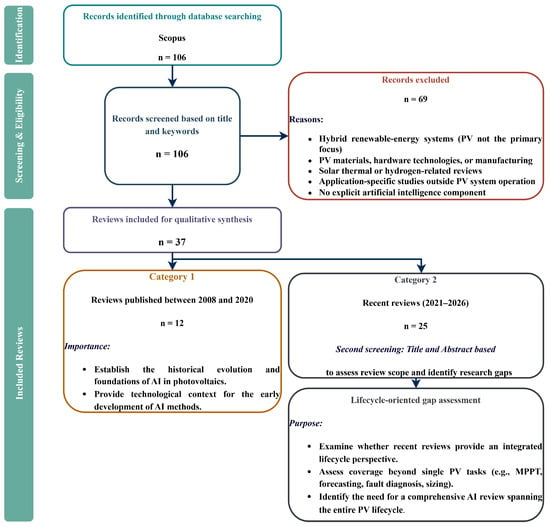
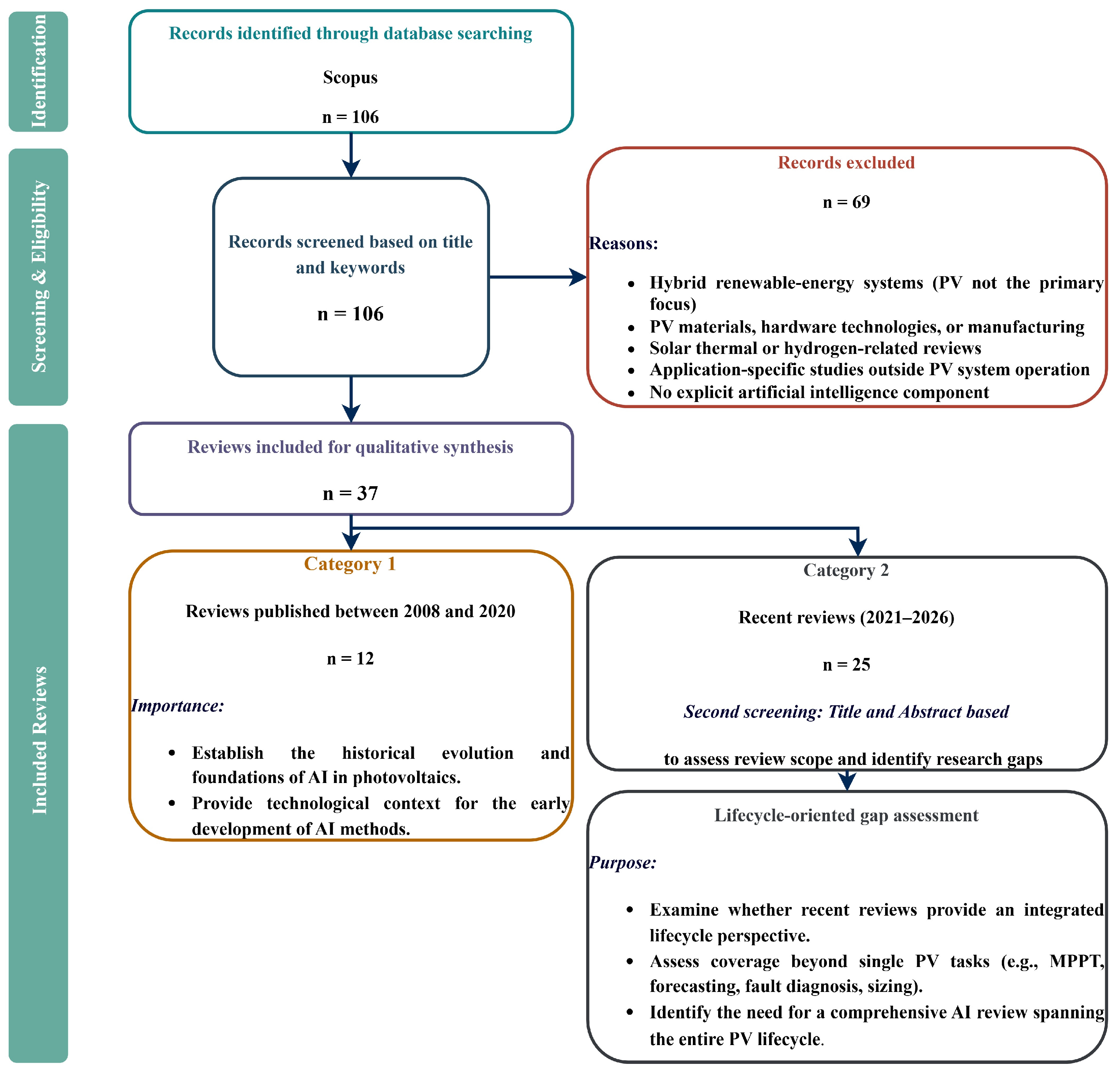
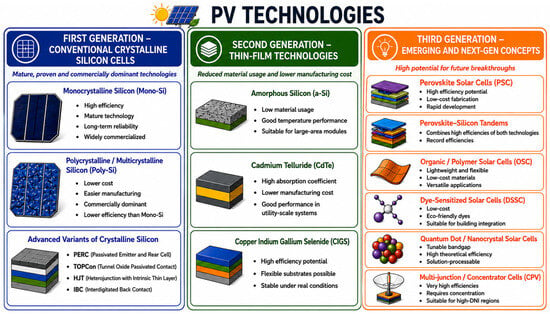
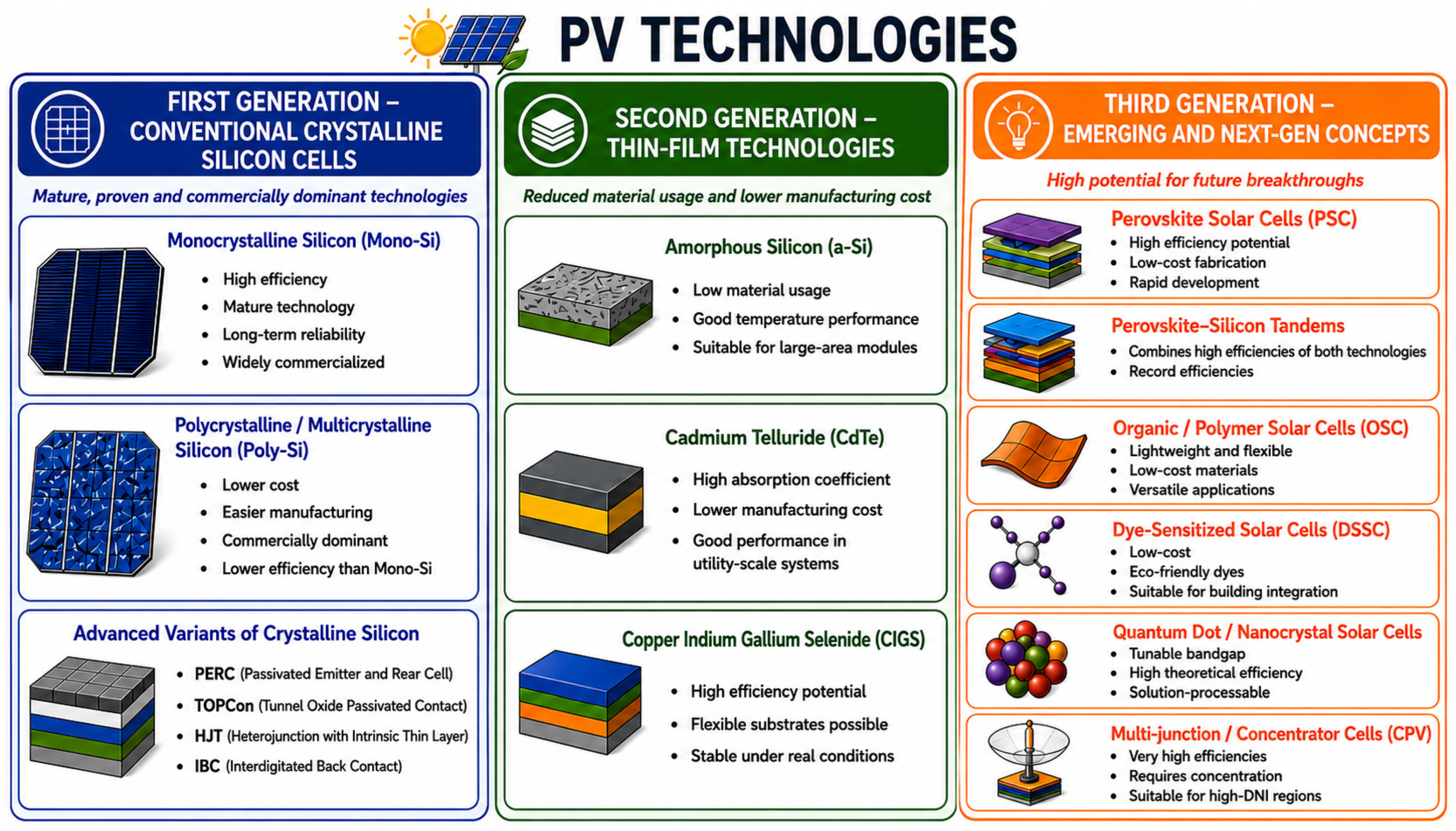
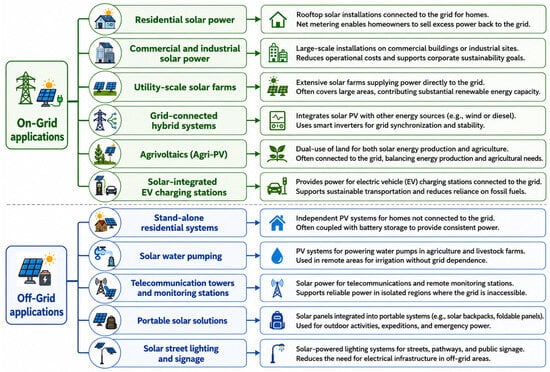
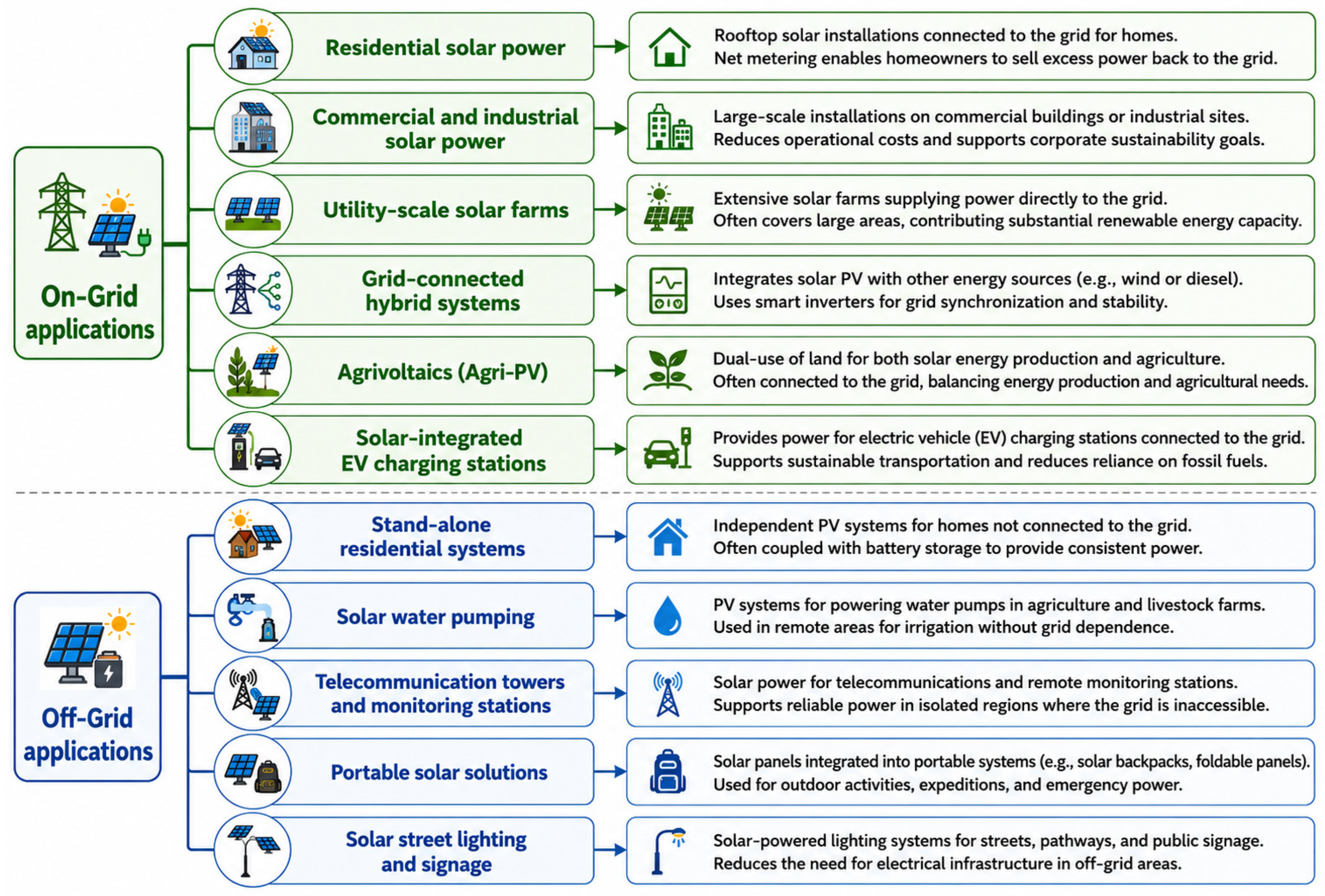
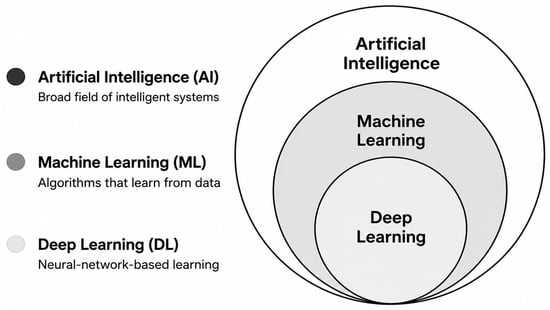
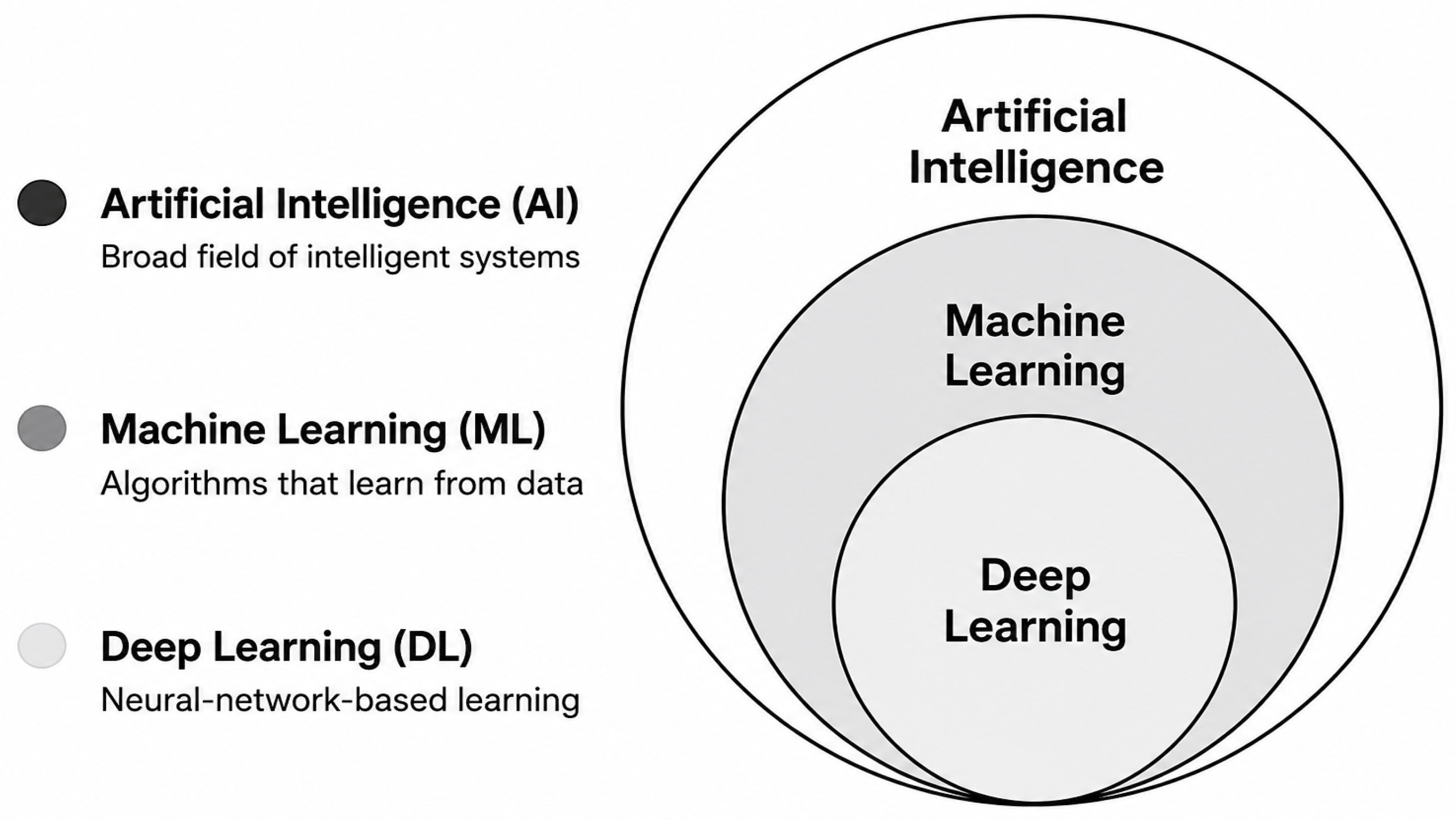
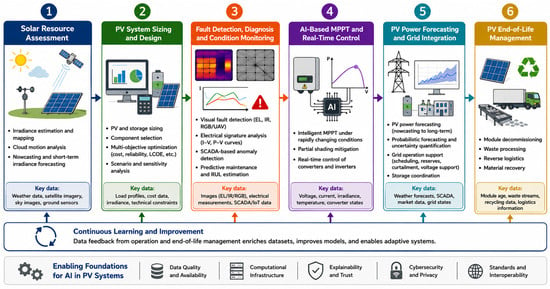
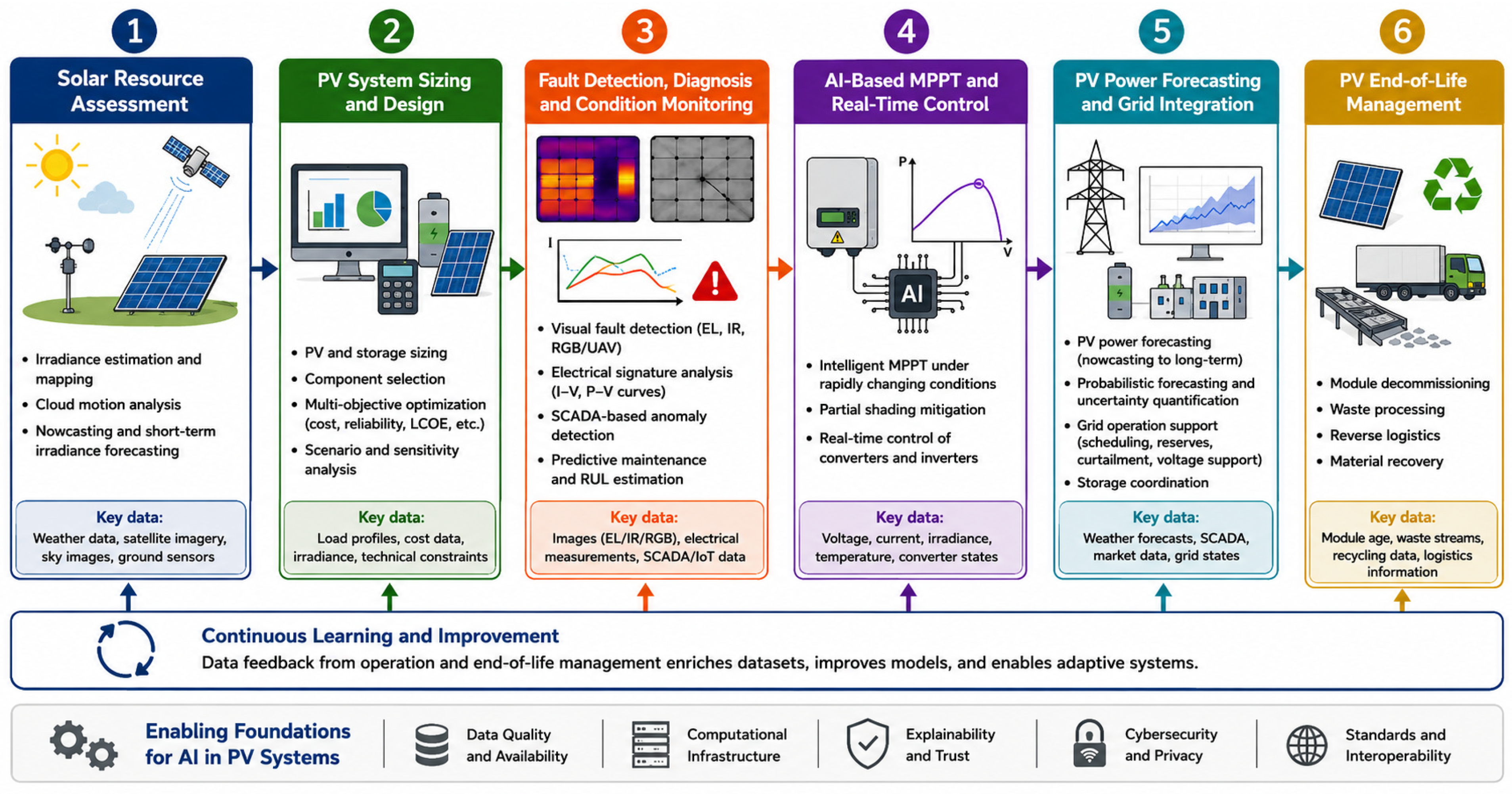
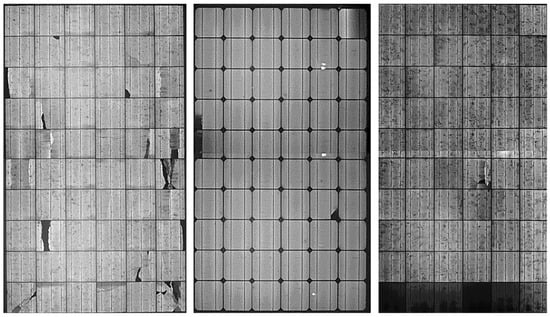
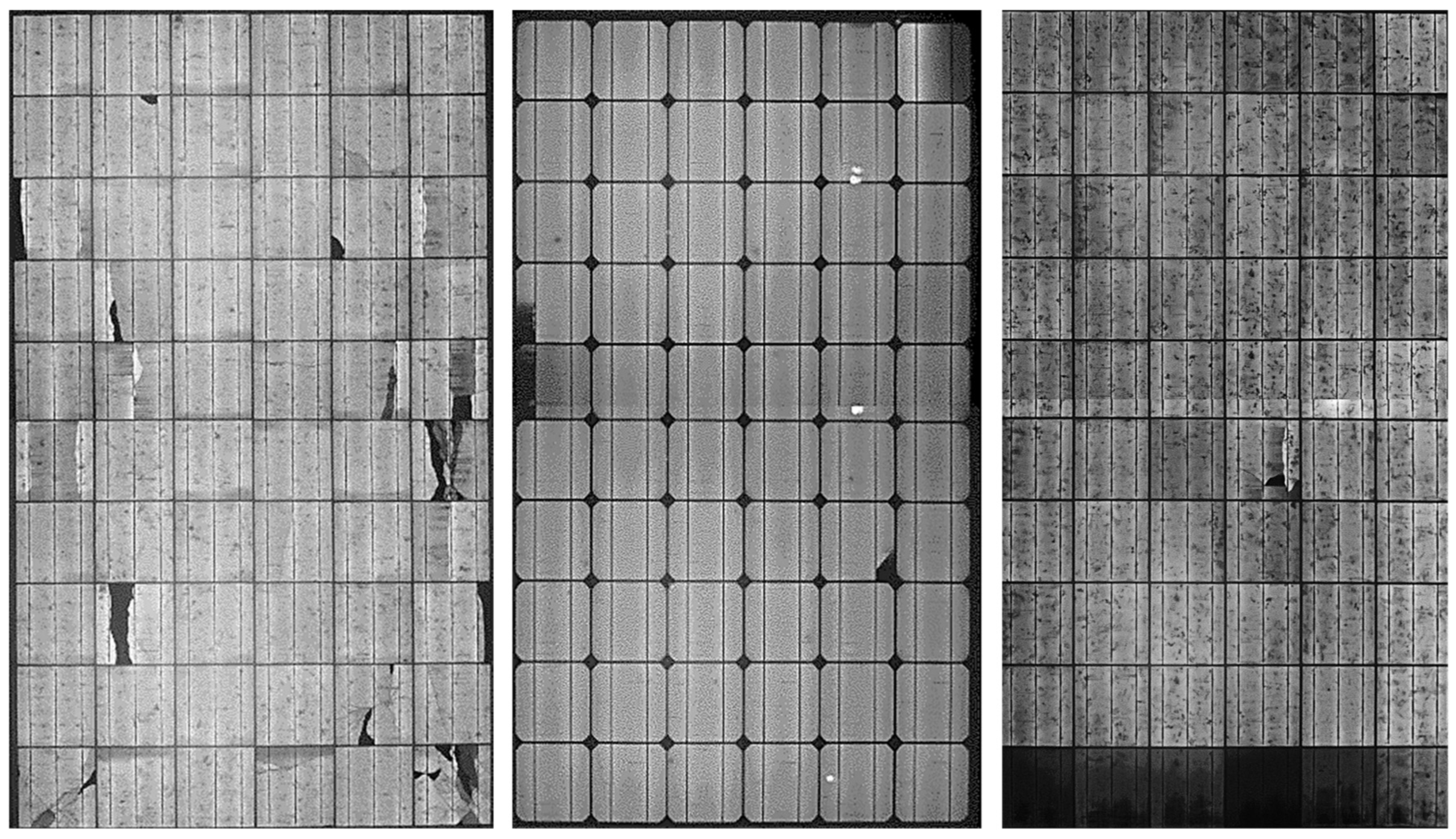
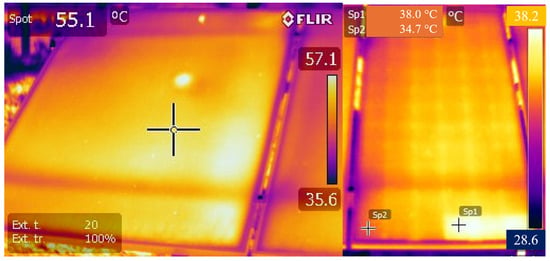
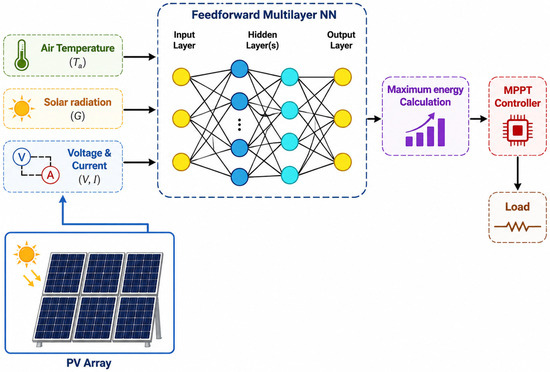
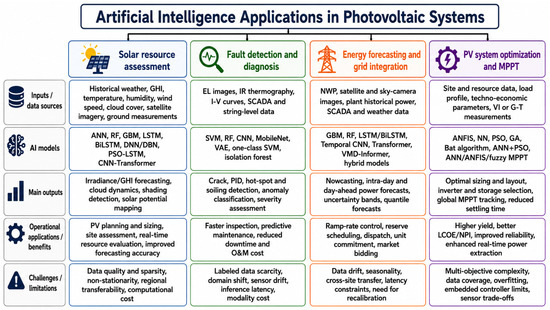
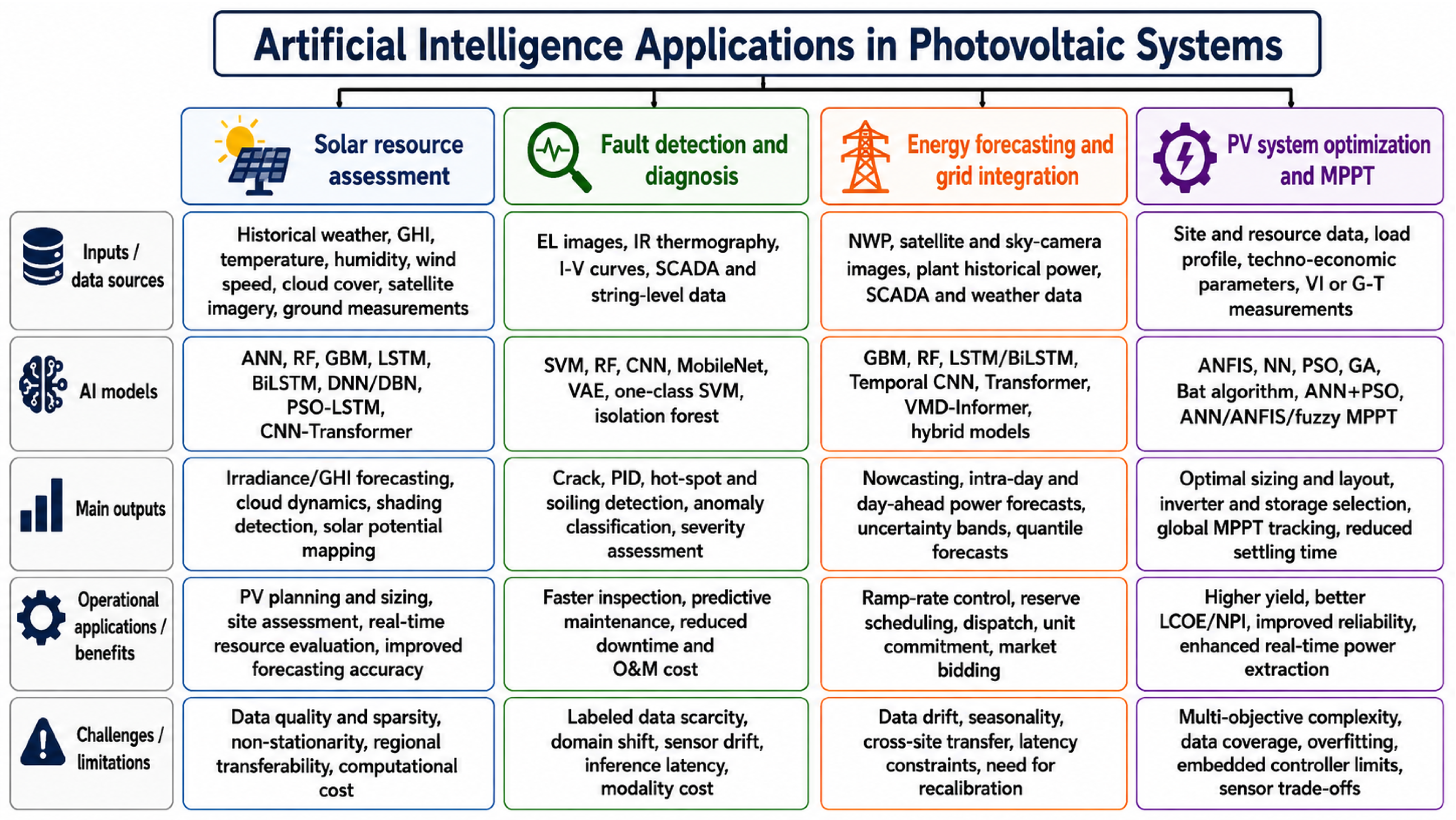

Disclaimer/Publisher’s Note: The statements, opinions and data contained in all publications are solely those of the individual author(s) and contributor(s) and not of MDPI and/or the editor(s). MDPI and/or the editor(s) disclaim responsibility for any injury to people or property resulting from any ideas, methods, instructions or products referred to in the content. |
© 2026 by the authors. Licensee MDPI, Basel, Switzerland. This article is an open access article distributed under the terms and conditions of the Creative Commons Attribution (CC BY) license.