


Abstract
The implementation of construction 3D printing (3DP) offers a viable approach to enhancing productivity, optimizing material use, and advancing sustainability in infrastructure development, particularly in developing construction markets where economic constraints, labour reliance, and environmental challenges persist. This study proposes and empirically tests a theory-based framework to evaluate the perceived critical success factors (CSFs) shaping readiness for the adoption of 3DP within the Egyptian construction sector. The proposed framework is fundamentally grounded in the Technology–Organization–Environment (TOE) perspective, wherein Resource and Technology Optimization (RTO) and Innovation and Creativity in Design (ICD) constitute the technological dimension, Strategic Project Management (SPM) and Organizational Support (OS) represent the organizational dimension, and Stakeholder and Client Engagement (SCE), Sustainability and Environmental Initiatives (SEI), and Policy and Regulatory Considerations (PRC) define the environmental dimension. A total of 157 valid responses collected from construction professionals were analyzed using the Relative Importance Index (RII) and partial least squares structural equation modelling (PLS-SEM). Because construction 3DP remains at an early, pre-commercial stage of diffusion in Egypt, the survey captures professionals’ perceptions of adoption readiness rather than verified implementation performance. This sample exceeds the requirements of a priori statistical power analysis (n = 103 to detect medium effects with seven predictors at a power of 0.80 and α = 0.05) and the inverse-square-root criterion (n = 137), thereby providing adequate statistical power for the structural estimates. However, generalizability remains bounded by the purposive, single-country sample. The RII findings indicate that inaccurate budgeting and scheduling, limited managerial competence, shortages of skilled labour, cultural resistance, and inadequate awareness constitute the most significant barriers to adoption. The structural model accounted for 81.6% of the variance in 3DP adoption. Furthermore, all hypothesized relationships were positive and statistically significant, with 95% confidence intervals excluding zero; SPM (β = 0.4851), RTO (β = 0.4195), and SCE (β = 0.3343) were identified as the most influential determinants, followed by OS, ICD, SEI, and PRC. Discriminant validity was supported by both the Fornell–Larcker and heterotrait–monotrait (HTMT) criteria, and full collinearity diagnostics indicated no substantial common-method bias. The results reveal that successful 3DP adoption is determined not solely by technological preparedness, but also by effective alignment of managerial capabilities, resource optimization, stakeholder trust, sustainability orientation, and regulatory support. Beyond prior TOE- and SEM-based 3DP studies, which have largely examined technology acceptance in developed markets or tested aggregate constructs, this study advances the field by disaggregating the three TOE contexts into seven empirically tested CSF constructs, quantifying their relative influence, and providing the first empirically tested adoption framework of this kind for the Egyptian construction sector, grounded in perception survey data. The resulting framework can support the prospective implementation of sustainable construction technologies in infrastructure sectors in developing countries.
1. Introduction
The construction industry is a key pillar of national economic development; however, it remains one of the most resource-intensive and environmentally consequential sectors worldwide. The sector accounts for approximately 36% of total global energy consumption and 39% of worldwide CO2 emissions, highlighting the urgent need for technological innovation to support sustainability objectives [1]. Despite the rapid pace of urbanization, conventional construction practices continue to dominate and are frequently associated with operational inefficiencies, high costs, prolonged project durations, and labour shortages [2].
Additive manufacturing, commonly known as 3D Printing (3DP), has emerged as a disruptive technology capable of mitigating these challenges by automating material deposition and enabling the production of complex structural geometries with minimal waste. In the construction sector, this process is referred to as Construction 3D Printing (C3DP) and involves the layer-by-layer fabrication of concrete or cementitious materials using digitally controlled systems, including gantry printers, robotic arms, and contour crafting techniques. Internationally, 3DP has demonstrated considerable benefits, including shorter project timelines, improved safety, greater design flexibility, and substantial savings in materials and costs [3,4].
However, in developing countries such as Egypt, the adoption of C3DP remains at an early stage. Egypt hosts one of the largest and most labour-intensive construction markets in Africa, characterized by extensive national housing and infrastructure programmes, a continued reliance on conventional cast-in-place methods, and substantial construction waste generation [5,6]. Construction activity is also regionally differentiated: large urban development programmes are concentrated in Greater Cairo and the Nile Delta, whereas considerable housing demand exists in remote desert and Upper Egypt regions, where high material-transport and labour-mobilization costs make on-site automated fabrication particularly attractive [5,7]. Within this market, C3DP implementation is hindered by limited standardization, shortages of skilled labour, high initial equipment costs, and the absence of supportive regulatory frameworks [5]. Recent empirical evidence confirms that similar techno-economic and institutional barriers persist across other developing construction markets, including India, Nigeria, and Sri Lanka, where high capital requirements, limited technical know-how, and regulatory uncertainty dominate [8,9]. Moreover, the existing literature predominantly focuses on technical feasibility, while empirical evidence concerning managerial and strategic enablers remains limited [8,10]. Consequently, there is a need for a comprehensive empirical framework to identify and empirically test the CSFs influencing 3DP adoption in construction, particularly in developing economies.
The technical profile of the Egyptian building stock further shapes how C3DP could be deployed [5]. Residential construction is dominated by reinforced-concrete skeleton systems with solid masonry infill walls rather than lightweight framed assemblies, and typologies range from single-storey rural dwellings to the repetitive multi-storey apartment blocks that characterize national housing programmes [5,6]. Egypt’s hot, arid climate imposes demanding thermal requirements on external envelopes, which conventionally rely on thermal mass, increased wall thickness, or cavity (double-wall) configurations; printed walls would need to reproduce these functions—for instance, through hollow-core or double-skin printed sections—while also accommodating the reinforcement detailing required by national concrete and seismic design codes for structural elements [5,11]. Site conditions are equally differentiated: dense urban infill plots in Greater Cairo offer limited lateral clearance for gantry-type printers, whereas the open, repetitive layouts of new desert cities and remote settlements provide conditions to which large-format gantry and crane systems are well suited [5,7]; the predominantly dry climate additionally favours continuous on-site printing with few weather interruptions [7]. On the materials side, Egypt hosts one of the region’s largest domestic cement industries, so the cementitious base for printable mixtures is locally available, although specialized admixtures and printing systems currently depend on imports [5,11]. Finally, the institutional environment combines visible enablers—large state-led housing and infrastructure programmes, an established professional-engineering community, and emerging university–industry collaboration—with the absence, to date, of dedicated regulatory pathways for additive construction; government support and inter-firm collaboration in technological development are therefore decisive conditions, captured in this study through the PRC and OS constructs [5,11].
The Technology–Organization–Environment (TOE) framework was deliberately selected over alternative adoption theories such as the Technology Acceptance Model (TAM) and the Unified Theory of Acceptance and Use of Technology (UTAUT) [12,13]. TAM and UTAUT are individual-level models that explain users’ behavioural intentions towards information systems; however, the decision to adopt C3DP is made at the organizational level and is contingent upon firm-level resources, managerial capabilities, and external conditions such as regulation, market pressure, and stakeholder acceptance, which fall outside the explanatory scope of individual-acceptance models [13,14]. The TOE framework explicitly captures these three interrelated contexts and has been successfully applied to organizational technology adoption in construction, including smart contracts, building information modelling, and 3DP [14,15]. Accordingly, TOE offers the most appropriate theoretical lens for examining C3DP adoption in the project-based, multi-stakeholder, and highly regulated context of the construction industry.
Within the context of sustainable infrastructure solutions, this study contributes by illustrating how 3DP can support sustainable construction technologies through waste reduction, enhanced material efficiency, safer automated construction, and climate-responsive project delivery in a developing-country context. This infrastructure-oriented perspective is important because decisions regarding 3DP adoption influence not only building production methods but also the capacity of infrastructure systems to reduce embodied resource consumption and accommodate urban growth through more efficient construction processes. Accordingly, this study frames C3DP as a sustainable infrastructure adoption problem rather than a purely technical implementation issue. To make this contribution verifiable, the framework is explicitly linked in Section 5.1 to measurable sustainability outcome indicators—construction-waste intensity, embodied carbon, material-use efficiency, energy consumption, safety performance, affordability, and life-cycle cost.
This research seeks to address this gap by developing and empirically testing an SEM that explains how managerial, technological, environmental, and policy-related factors collectively influence 3DP adoption in Egypt’s construction sector. The study adopts a literature-informed, sequential exploratory–confirmatory quantitative survey design, integrating exploratory literature analysis, quantitative data collection, and SEM-based empirical testing, to achieve three main objectives:
- Identify and prioritize the critical success factors and barriers affecting 3DP adoption, as perceived by industry professionals.
- Empirically test the relationships among these factors using SEM; and
- Develop an empirically tested conceptual framework to support the sustainable implementation of 3DP in construction projects.
Figure 1 presents the TOE-based theoretical framework guiding this study, and Figure 2 illustrates the main construction-related 3DP approaches. By integrating strategic management, sustainability, and innovation within a quantitative modelling framework, this study enhances the understanding of technology diffusion in the construction sector. The resulting empirically tested model offers practical insights for industry practitioners, policymakers, and technology developers seeking to advance more sustainable, automated, and digitally integrated construction practices.
Figure 1.
Technology–Organization–Environment (TOE)-based theoretical framework for the adoption of 3D printing in construction.
Figure 2.
Construction-related 3D printing approaches.
2. Literature Review
2.1. Overview of 3D Printing in Construction
The origins of 3D printing date back to the late 1970s and early 1980s, when the earliest additive manufacturing (AM) techniques were introduced for rapid prototyping. The first commercialized process, stereolithography (STL), was developed by Charles W. Hull in 1983, allowing digital CAD data to be converted into physical 3D models through layer-by-layer photopolymerization [16]. By the mid-1990s, Dr. Behrokh Khoshnevis advanced the use of AM in construction through the concept of Contour Crafting (CC), a large-scale printing method that employed cementitious materials to produce building components with automated precision. This development laid the foundation for what is now known as C3DP, commonly referred to as 3D concrete Printing (3DCP) [17].
Over the past two decades, 3DP has progressed from small-scale prototyping to full-scale construction applications. Developments in digital modelling and robotic automation have enhanced its potential for producing structural components, housing units, and infrastructure projects. At present, C3DP systems can print complete building envelopes, walls, and structural shells on-site, thereby reducing many of the limitations associated with conventional construction methods [18]. Among these systems, extrusion-based approaches remain the most widely used because of their scalability, cost efficiency, and compatibility with conventional concrete materials. Common variants include gantry-based printers, robotic-arm extrusion systems, and contour-crafting configurations [19].
Globally, extrusion-based and powder-bed systems remain the dominant technologies in large-scale construction applications. Hassan et al. [11] reported that the United States and the Netherlands are leading large-scale 3DP implementation, followed by the UAE, where 3DP has been institutionalized through official building codes and pilot projects. Despite these developments, persistent challenges remain regarding standardization, material performance, and large-scale automation. To support the safe and effective integration of additive manufacturing into construction, international organizations such as ISO and ASTM have started developing technical standards, most notably ISO/ASTM 52939:2023 [20], which establishes quality assurance principles for structural and infrastructure elements produced through 3D printing.
This technological development underscores that 3DP is not merely a means to enable design flexibility, but a transformative construction process with the potential to redefine productivity, sustainability, and resource efficiency. Nevertheless, a critical reading of this trajectory shows that technological maturity has consistently outpaced managerial, regulatory, and market readiness: printing systems have advanced from laboratory prototypes to full-scale dwellings within two decades, whereas comparable progress in codes, skills, and business models has not materialized [8,11,19]. The following sections therefore move beyond a chronological account and critically examine the main benefits, barriers, and critical success factors affecting C3DP adoption in construction projects.
2.2. Benefits and Challenges of 3D Printing Adoption
3DP offers several advantages over conventional construction methods. Previous studies have consistently reported significant reductions in construction time, labour dependency, and material waste, together with greater design flexibility and improved worker safety [3,4,21]. From an environmental perspective, the technology reduces embodied carbon emissions and facilitates the use of locally sourced or recycled materials, thereby supporting sustainable building practices [10]. Table 1 summarizes the key benefits identified in prior studies. The magnitude of these benefits, however, varies considerably across studies and contexts: cost analyses of robotically fabricated walls indicate that digital fabrication becomes cost-competitive primarily for geometrically complex elements, whereas simple elements may remain cheaper to cast conventionally [22], and reported time savings depend strongly on the printing system, the printable material, and the degree of on-site versus off-site production [7,19]. These divergences indicate that the business case for C3DP is context-dependent rather than universal, reinforcing the need for country-specific adoption studies such as the present one.
Table 1.
Key advantages of 3D printing in construction.
Despite its potential, several barriers continue to restrict large-scale adoption, particularly in developing markets. These barriers include the lack of standardized codes and guidelines, high equipment costs, shortages of skilled labour, challenges in material performance, and institutional resistance to change [7,8,9]. Comparative evidence further suggests that the relative severity of these barriers varies across markets: studies in developed economies emphasize regulatory approval and material certification, whereas studies in developing markets consistently rank cost, skills, and awareness constraints as the highest constraints [9,10]. Table 2 summarizes the common barriers synthesized from previous studies.
Table 2.
Significant barriers to the adoption of 3D printing in construction.
2.3. Case Studies
3D-printing technology has been implemented across a diverse range of construction project types, including residential buildings, environmentally sustainable housing units, research and development initiatives, and public infrastructure projects. Several notable case studies have demonstrated its application in infrastructure development, highlighting the growing potential of 3D printing not only for small-scale buildings but also for larger, more complex construction projects, as presented in Table 3.
Table 3.
Summary of documented 3D-printing case studies across countries.
Only one case study provided a cost comparison between 3D Printing and conventional methods for constructing a concrete wall, indicating that 3D Printing could substantially reduce formwork and labour costs, with the total cost of the concrete wall estimated at approximately one-fifth that of traditional construction methods. However, these findings represent preliminary estimates, and a more detailed cost assessment is required, considering factors such as material selection, robot type, and project location. Construction in remote areas, where material transportation and labour costs are typically higher, may present different cost dynamics compared with urban settings, thereby further complicating cost comparisons, as presented in Table 4 [7].
Table 4.
Comparison of construction costs for a 40 MPa concrete wall using traditional vs. 3D printing methods.
Beyond individual demonstration projects, documented implementation experiences in developing and emerging markets provide a useful benchmark for the Egyptian context. In the United Arab Emirates, C3DP has been institutionalized through dedicated regulations and government-backed pilot programmes, supported by strong public investment and an explicit strategy to print a substantial share of new buildings [11]. In Saudi Arabia, large-scale gantry printers have been deployed for residential units, demonstrating technical feasibility while also exposing dependence on imported equipment, proprietary materials, and foreign expertise [11,28]. In India, pilot 3D-printed houses have been delivered through academia–industry partnerships, yet recent assessments report persistent challenges related to material certification, financing, and workforce readiness [16]. Comparable studies in Nigeria and Sri Lanka reveal early-stage awareness, limited institutional support, and cost barriers similar to those observed in Egypt [9,12], while applications in remote-area housing highlight logistical advantages alongside supply-chain fragility [7].
A comparison of these experiences reveals a consistent pattern: successful adopters combined strong governmental sponsorship, local material development, and structured training programmes, whereas stalled initiatives typically lacked regulatory pathways and skilled operators. This pattern closely mirrors the barrier structure identified empirically in this study (Section 4.3), in which managerial, awareness, and skills-related constraints outrank purely technical limitations, and it reinforces the value of benchmarking Egypt’s readiness against these regional precedents [5,8,10].
2.4. Critical Success Factors (CSFs) for 3D Printing in Construction
Critical Success Factors refer to the key areas in which satisfactory performance is necessary to ensure the successful implementation of a project or technology. For emerging digital innovations such as 3DP, these factors include technical readiness, leadership, regulatory frameworks, and environmental responsibility [29]. Based on comprehensive literature synthesis and empirical analysis, this study identifies seven core constructs that collectively explain 3DP adoption. These CSFs form the structural foundation of the conceptual model, which is later empirically tested using SEM.
These constructs encompass managerial readiness, technological and resource optimization, stakeholder engagement, design innovation, sustainability considerations, regulatory support, and organizational commitment. Collectively, the seven dimensions presented in Table 5 provide a comprehensive framework for assessing the strategic, technical, environmental, and institutional factors that drive successful 3DP implementation within the construction sector.
Table 5.
Critical Success Factors based on the literature review.
2.5. Theoretical Framework for 3D Printing Adoption
This study explicitly applies the Technology–Organization–Environment (TOE) framework as the theoretical lens for explaining 3DP adoption in construction. The TOE framework suggests that three interrelated contexts influence organizational adoption of technological innovation: the technological context, which relates to the availability, compatibility, and perceived performance of the technology; the organizational context, which concerns internal leadership, resources, managerial capability, and readiness; and the environmental context, which involves external stakeholders, regulatory conditions, market pressures, and sustainability expectations. This perspective is appropriate for construction 3DP because its adoption depends simultaneously on digital and printing capabilities, project management readiness, and external acceptance by clients, regulators, suppliers, and sustainability-oriented stakeholders. The framework was originally formalized by Tornatzky and Fleischer [12] and, unlike individual-acceptance models such as TAM [39] and UTAUT [13], it operates at the organizational level of analysis, which corresponds to the unit of adoption examined in this study. On this basis, the present study extends the classical TOE formulation in three ways: it decomposes the three generic contexts into seven measurable, construction-specific CSF constructs; it treats sustainability orientation (SEI) as an explicit environmental sub-dimension rather than an implicit market condition; and it quantifies the relative weight of each context empirically through PLS-SEM, as illustrated in Figure 3.
Figure 3.
Theoretical framework of critical success factors influencing 3D printing adoption in the construction industry.
2.6. Synthesis of the Literature and Research Gap
The reviewed literature confirms that C3DP can support faster delivery, reduced labour dependency, elimination of formwork, increased material efficiency, and reduced waste [4,19,25]. However, three critical observations emerge from the synthesis. First, much of the existing research remains either technically oriented or review-based, with limited empirical testing of the managerial, organizational, sustainability, and regulatory conditions required for adoption in developing construction markets [8,10]. Second, the available adoption studies rely on heterogeneous theoretical bases—or on none at all—which impedes the cumulative comparison of findings across countries [14,29]. Third, in the Egyptian context, this gap is particularly important because 3DP adoption is still constrained by low awareness, restricted technical capacity, uncertain cost performance, limited local supply chains, and the absence of mature implementation standards [5,6]. Accordingly, this study extends prior work by combining RII and PLS-SEM within an explicit TOE structure to rank the major barriers and empirically test the direct influence of seven critical success factors on construction 3DP adoption.
3. Research Methodology
3.1. Research Design and Approach
This study employed a sequential exploratory–confirmatory research design. The exploratory phase involved synthesizing previous studies on 3DP benefits, barriers, and CSFs, whereas the confirmatory phase utilized questionnaire data and PLS-SEM to evaluate the Technology–Organization–Environment-based adoption model. This design is appropriate because construction 3DP is still at an early stage of diffusion in Egypt, requiring both conceptual development and empirical testing. Consistent with this design, the study assesses professionals’ perceptions of C3DP adoption readiness; it does not measure actual implementation behaviour or verified field performance, and all constructs—including the dependent construct, 3DP adoption (3DPA)—are interpreted accordingly throughout the paper.
This literature-informed quantitative survey strategy—sequencing an exploratory literature synthesis with a confirmatory statistical analysis of primary survey data—enabled the integration of both exploratory and confirmatory analyses; no qualitative strand of data collection or analysis is involved. The exploratory component identified key enablers and barriers influencing 3DP adoption, while the confirmatory component statistically examined the relationships among these factors. The combined use of the Relative Importance Index (RII) and SEM provided a rigorous approach for assessing both the relative Importance and causal influence of each factor on adoption outcomes.
3.2. Conceptual Framework
The conceptual framework was formulated by integrating the seven CSFs within the Technology–Organization–Environment framework and subsequently testing their relationships with 3DP adoption empirically using SmartPLS-based PLS-SEM. This approach reinforces the model’s theoretical foundation and connects each construct to a clearly defined adoption mechanism. The model assumes that technology-related capabilities, organizational readiness, and external environmental pressures collectively determine the success of 3DP adoption. Accordingly, SPM, RTO, SCE, ICD, SEI, PRC, and OS were modelled as independent latent constructs influencing 3DPA as the dependent construct. The resulting structural model, including the outer-loading values obtained from the PLS-SEM estimation, is presented in Figure 4.
Figure 4.
Structural model PLS-SEM outer loading values. Construct abbreviations: SPM = Strategic Project Management; RTO = Resource and Technology Optimization; SCE = Stakeholder and Client Engagement; ICD = Innovation and Creativity in Design; SEI = Sustainability and Environmental Initiatives; PRC = Policy and Regulatory Considerations; OS = Organizational Support; 3DPA = 3D Printing Adoption.
3.3. Data Collection and Sampling
A structured questionnaire survey was developed based on the proposed conceptual model and distributed to professionals working in Egypt’s construction sector, including engineers, contractors, architects, and project managers. Invitations were distributed electronically through professional and institutional networks and construction organizations in Egypt. Inclusion criteria required respondents to be professionals currently active in the Egyptian construction sector (engineers, architects, project managers, contractors, consultants, or academics engaged with the industry); incomplete questionnaires, submitted by respondents outside the construction sector, or exhibiting invariant response patterns were excluded during the screening reported in Section 4.1. Purposive sampling was employed to target respondents with relevant experience or technical expertise in 3DP or advanced construction technologies. This strategy was justified by the early diffusion stage of C3DP in Egypt. Because the population of professionals with meaningful exposure to additive construction is small and cannot be enumerated, probability sampling would have produced a predominantly uninformed sample, whereas purposive selection maximizes the information content of each response [40]. The approach nevertheless entails a risk of selection bias, as respondents were recruited through accessible professional networks and organizations; consequently, technology-aware and contractor-affiliated professionals may be over-represented, and the findings should be generalized to the wider Egyptian industry with caution. This potential bias is explicitly acknowledged in Section 5.2.
The questionnaire consisted of three main sections:
- ➢
- Demographic and professional details, including role, experience, and organization type.
- ➢
- Assessment of CSFs and adoption perceptions, where participants rated 39 indicators representing the seven CSF constructs and the 3DP adoption construct on a five-point Likert scale (1 = Strongly Disagree; 5 = Strongly Agree).
- ➢
- Perceptions of barriers and readiness, to cross-validate the influence of environmental and organizational factors identified from the literature.
The measurement indicators were developed through a three-stage procedure. First, an initial pool of candidate items was generated deductively from prior validated CSF and 3DP-adoption studies, with each item mapped to one of the seven constructs summarized in Table 5 [15,29,30,31,33]. Second, the pool was screened for redundancy and contextual relevance to the Egyptian construction sector, and item wording was refined through a content-validity review by a panel of academics and senior practitioners in construction engineering and management. Third, the refined instrument was pilot-tested with a small group of construction professionals to verify clarity, completeness, and response time, and minor wording adjustments were incorporated. The final instrument comprised 39 reflective indicators: 31 indicators measuring the seven CSF constructs and eight indicators measuring the 3DP adoption construct (3DPA). The subsequent purification of the measurement model through reliability, convergent validity, and discriminant validity testing is reported in Section 3.5 and Section 4.4. In addition, brief definitions of C3DP and each construct were provided at the beginning of the corresponding questionnaire section, establishing a common understanding among respondents—including those with limited prior exposure to additive construction—and supporting the informed completion of the perception items.
A total of 224 questionnaires were distributed, of which 157 were deemed valid for analysis, yielding an effective response rate of 70%. Sample adequacy was verified through statistical power analysis rather than rule-of-thumb heuristics alone. An a priori power analysis conducted in G*Power 3.1 for a linear multiple regression model with seven predictors, a medium effect size (f2 = 0.15), a significance level of α = 0.05, and a target power of 0.80 indicated a minimum requirement of 103 respondents [41,42]. In addition, the inverse square root method, which estimates the minimum sample size required to detect the smallest expected standardized path coefficient (β = 0.213 for PRC) as significant at the 5% level with 80% power, yielded approximately 137 respondents [43]. The obtained sample of 157 therefore exceeds both criteria, confirming that the analysis is adequately powered for hypothesis testing [40]. Although a notable proportion of respondents were early-career professionals, the sample remains relevant, as participants were purposively selected from construction-related disciplines, with 93% identified as industry practitioners across diverse organizational categories, including contractors, consultants, project management firms, employers, and operators. Consequently, the sample is considered appropriate for an exploratory evaluation of 3DP adoption readiness within the Egyptian construction industry, while the distribution of respondents’ experience is acknowledged as a limitation of the study.
3.4. Data Analysis Techniques
The analysis was undertaken in two principal stages:
- (1)
- Relative Importance Index (RII):
The Relative Importance Index (RII) was applied to rank the relative significance of each CSF and barrier. The RII value was calculated using the following formula:
where W denotes the weight assigned to each factor (1–5), A represents the maximum possible weight (5), and N refers to the total number of respondents. Factors yielding higher RII values were ranked as having greater criticality for 3DP adoption.
- (2)
- Structural Equation Modelling (SEM):
Following the RII analysis, SEM was conducted using SmartPLS 4 to examine the proposed Technology–Organization–Environment-based hypotheses and empirically test the conceptual framework. PLS-SEM was preferred over covariance-based SEM because this study is prediction-oriented, incorporates multiple latent constructs and indicators, and examines an emerging technology context in which theoretical development remains ongoing. Moreover, PLS-SEM is appropriate for moderate sample sizes and does not impose strict multivariate normality assumptions [40].
The analysis was performed using a two-step procedure:
- ➢
- Measurement Model (Outer Model): Reliability and validity were assessed through Cronbach’s Alpha, Composite Reliability (CR), and Average Variance Extracted (AVE).
- ➢
- Structural Model (Inner Model): Path coefficients, R2 values, t-statistics, and 95% confidence intervals, derived from 10,000 bootstrapped samples, were examined to evaluate the strength and statistical significance of the relationships among constructs.
Model quality was evaluated using R2, adjusted R2, Stone–Geisser’s Q2 predictive relevance, effect sizes (f2), collinearity statistics (inner VIF), and the Standardized Root Mean Square Residual (SRMR < 0.08), in accordance with the recommended assessment procedures for PLS-SEM [40]. In addition, discriminant validity was examined using the heterotrait–monotrait (HTMT) ratio of correlations [44], and common method bias was assessed statistically through a full-collinearity VIF procedure [45] (Section 4.5).
3.5. Reliability and Validity Testing
The reliability and validity of the measurement model were confirmed through a series of statistical assessments. Cronbach’s Alpha values for all constructs exceeded 0.7, demonstrating adequate internal consistency. Composite Reliability (CR) values ranged from 0.82 to 0.94, indicating strong construct reliability and convergent validity. Furthermore, all Average Variance Extracted (AVE) values were above 0.5, indicating that each construct accounted for sufficient variance among its observed indicators. Discriminant validity was assessed using the Fornell–Larcker criterion, cross-loadings, and the HTMT ratio, with HTMT values below the conservative 0.85 threshold taken to indicate adequate discriminant validity [44].
3.6. Hypotheses Development
Based on the conceptual framework and literature synthesis, seven hypotheses were developed to empirically examine the relationships among the identified constructs. These hypotheses propose that each CSF has a positive influence on 3DPA within the construction industry:
H1.
Well-developed Strategic Project Management (SPM) practices positively influence the successful implementation of 3DP technology in the construction industry.
H2.
Resource and Technology Optimization (RTO), including investment in 3DP technologies and a qualified workforce, significantly contributes to the successful implementation of 3D Printing in construction projects.
H3.
Active Stakeholder and Client Engagement (SCE) positively supports the successful adoption of 3DP technology by aligning project objectives with stakeholder expectations.
H4.
Innovation and Creativity in Design (ICD), particularly when supported by 3DP applications, positively influences project efficiency and overall project success.
H5.
Sustainability and Environmental Initiatives (SEI), such as the use of recyclable materials and reduction in construction waste, contribute to the efficient and sustainable adoption of 3DP technology in the construction industry.
H6.
Policy and Regulatory Considerations (PRC), including robust legal frameworks and governmental support, enhance the successful adoption and implementation of 3DP technology in the construction sector.
H7.
Organizational Support (OS), including internal support systems and compliance with regulatory requirements, positively promotes the successful adoption and implementation of 3DP technology in the construction sector.
Collectively, these hypotheses transform the identified CSFs into a theory-driven adoption model, enabling the findings to be interpreted as empirical evidence of how Technology–Organization–Environment dimensions influence 3DP adoption within a developing-country construction market. The hypotheses were deliberately specified as direct effects of the seven CSF constructs on 3DPA. This specification is most faithful to the TOE framework, which treats the three contexts as parallel antecedents of adoption rather than as a causal chain [12]; it establishes baseline estimates for the first SEM-based study of C3DP adoption in Egypt while preserving the a priori statistical power established in Section 3.3; and it is consistent with the near-zero correlations among the seven exogenous constructs, which provide no empirical basis for inter-factor pathways such as OS influencing SPM or PRC influencing RTO. Conceptually plausible mediation and interaction mechanisms are identified as an agenda for future longitudinal research in Section 5.2.
4. Results and Discussion
4.1. Preliminary Data Examination
Before applying RII and PLS-SEM, the questionnaire responses were screened for completeness, consistency, and suitability for statistical analysis. Incomplete or invalid responses were excluded, resulting in 157 valid responses for the final analysis. This preliminary screening helped reduce missing data and ensured the dataset was appropriate for both barrier ranking and structural model estimation.
4.2. Respondent Profile
The survey yielded 157 valid responses, reflecting a diverse yet industry-focused sample. Approximately 93% of respondents were construction industry professionals, reinforcing the practical relevance of the collected data. Among these participants, 59% were affiliated with contracting firms, followed by respondents employed in project-management organizations and consultancy companies.
A substantial share of respondents had 0–5 years of professional experience (62.4%), while 51.6% indicated that they were unfamiliar with the application of 3D Printing in construction. Rather than considering this solely as a limitation, the study interpreted it as an indicator of adoption readiness, as limited awareness among early-career and industry-oriented professionals reflects the restricted diffusion of 3DP knowledge in Egypt. Nevertheless, this sample profile is explicitly recognized as a study limitation, since perceptions of 3DP may vary among highly experienced practitioners and respondents with direct exposure to additive construction projects. This profile can influence the results through two mechanisms: respondents unfamiliar with C3DP evaluate expected rather than experienced enablers, which can introduce optimism bias and blur distinctions between adjacent constructs, while early-career respondents may over-weight training and digital-workflow considerations relative to the contractual, liability, and financing constraints that senior practitioners would emphasize. These caveats reinforce the interpretation of the findings as perception-based evidence of adoption readiness and motivate the expert-panel and stratified follow-up designs recommended in Section 5.2.
4.3. Relative Importance Index (RII)—Analysis of Barriers
To identify the principal obstacles hindering 3DP adoption within the Egyptian construction industry, the Relative Importance Index (RII) was applied to all barrier variables extracted from the survey. Respondents evaluated the severity of each challenge using a five-point Likert scale.
During the preliminary literature synthesis, 32 potential barriers to 3DP implementation in construction were identified and classified into six categories: material and equipment issues; design and technical challenges; worksite and environmental risks; labour and management challenges; regulatory and economic barriers; and awareness and cultural barriers (Table 2). During the instrument-development procedure described in Section 3.3, these 32 barriers were screened by the content-validity panel and in the pilot test against three criteria: contextual relevance to current Egyptian construction practice; non-redundancy, whereby closely overlapping literature items were merged into single survey items; and questionnaire economy, to limit respondent fatigue given the 39 indicators already required for the measurement model. This screening yielded 17 survey items covering all six categories—three items each for material and equipment issues (ME), design and technical challenges (DTC), worksite and environmental risks (WER), labour and management challenges (LMC), and regulatory and economic barriers (RE), and two items for awareness and cultural barriers (AC)—each coded by category and rated by respondents as described in Section 3.3.
Among these barriers, one that received unanimous agreement from all respondents was classified under design and technical limitations: the lack of knowledge and competence in 3D-printed design concepts. This finding reflects the limited exposure of Egyptian professionals to additive design methodologies and the absence of specialized training related to digital fabrication workflows.
Furthermore, the five most critical barriers, according to the Relative Importance Index (RII) ranking, were concentrated in two categories: labour and management challenges and awareness and cultural barriers. The most significant barrier was the inaccuracy of project budgeting and scheduling for 3DP projects (RII = 0.920), followed by the lack of qualified project managers with adequate technical expertise (RII = 0.916). The third-ranked barrier concerned the shortage or unavailability of skilled labor capable of operating and maintaining 3DP equipment (RII = 0.913). The fourth barrier reflected cultural resistance within the industry, specifically the reluctance to adopt emerging construction technologies (RII = 0.912). The fifth-ranked barrier was insufficient awareness among professionals of the potential advantages and efficiencies of 3DP (RII = 0.904). Table 6 presents the Relative Importance Index results for the barriers to 3DP adoption, along with their rankings and assigned Importance levels. For clarity, the importance bands in Table 6 are colour-coded, and the five highest-ranked barriers are additionally visualized in Figure 5.
Table 6.
Relative importance of 3D printing adoption barriers in the Egyptian construction industry.
Figure 5.
Top five RII-ranked barriers to construction 3DP adoption in Egypt. Barrier codes (defined in Table 2 and Table 6): LMC3 = inaccurate project budgeting and scheduling for 3DP projects; LMC2 = lack of qualified project managers with adequate 3DP expertise; LMC1 = shortage of skilled labour for operating and maintaining 3DP equipment; AC2 = cultural resistance to adopting emerging construction technologies; AC1 = insufficient awareness of the advantages of 3DP.
These findings suggest that the most significant barriers to 3DP adoption in Egypt are primarily organizational, cultural, and managerial rather than purely technological. Although technical limitations persist, the major challenges stem from deficiencies in project leadership, managerial preparedness, and overall awareness of 3DP capabilities. Consequently, the successful diffusion of this technology will require targeted interventions focused on professional training, educational development, and broader industry mindset transformation to enhance confidence in and acceptance of digital construction practices.
4.4. Measurement Model Evaluation
The measurement model was evaluated using SmartPLS 4 to examine internal consistency, convergent validity, and indicator reliability. Most indicator loadings exceeded the recommended threshold of 0.70, while all retained indicators met the minimum acceptable criterion. As shown in Table 7, Cronbach’s Alpha (α) and Composite Reliability (ρa and ρc) ranged from acceptable to excellent across all constructs, and AVE values exceeded 0.50, thereby confirming convergent validity.
Table 7.
Construct reliability and convergent validity tests.
Discriminant validity was confirmed using the Fornell–Larcker criterion and cross-loading assessment. Each construct exhibited a square root of AVE greater than its correlations with the other constructs, while each item showed its highest loading on its designated construct. These results confirm the distinctiveness of the Technology–Organization–Environment-based constructs. Discriminant validity was further examined using the heterotrait–monotrait ratio of correlations (HTMT) [44], reported in Table 8. All HTMT values are below the conservative threshold of 0.85: the largest value (0.600) concerns the SPM–3DPA pair, and all values among the seven exogenous CSF constructs are below 0.23. Notably, the HTMT value between OS and SPM is 0.034, confirming that these two conceptually related constructs—top-management commitment and resource availability (OS) versus project planning, scheduling, and leadership practices (SPM)—are empirically distinct.
Table 8.
Discriminant validity (heterotrait–monotrait ratio, HTMT).
4.5. Common Method Bias Consideration
Because the empirical data were collected from a single informant using a single questionnaire administered at a single point in time, common method bias (CMB) was addressed through both procedural and statistical remedies. Procedurally, responses were collected anonymously; the predictor and outcome items were placed in separate, clearly delineated sections of the questionnaire, providing psychological separation; a brief definition of each construct preceded its items; and item wording was kept neutral and construct-specific to reduce ambiguity and response-pattern bias. Statistically, CMB was assessed using the full-collinearity variance inflation factor (VIF) procedure [45], in preference to the less sensitive Harman’s single-factor test [46]. The full-collinearity VIFs of the seven exogenous constructs range from 1.320 to 2.290, all below the conservative threshold of 3.3, indicating that no pathological common variance contaminates the predictors; the corresponding value for the endogenous construct equals 1/(1 − R2) by definition and therefore reflects the model’s explanatory power rather than an independent bias diagnostic. Two features of the results further argue against substantial CMB: the latent correlations among the seven CSF constructs are near zero (|r| = 0.001–0.194; Table 9), a pattern incompatible with a pervasive method factor, which would systematically inflate the correlations among all same-method constructs [46]; and the high explained variance of the structural model arises from the additive contribution of seven quasi-orthogonal predictors rather than from a single dominant common dimension. Nevertheless, the reliance on single-source, cross-sectional perception data remains a limitation, acknowledged in Section 5.2, and future research should employ marker variables, multi-wave measurement, or multi-informant designs.
Table 9.
Discriminant validity (Fornell–Larcker criterion).
4.6. Structural Model Evaluation and Hypothesis Testing
After evaluating the measurement model, the structural model was evaluated using a 10,000-sample bootstrapping procedure. The analysis considered standardized path coefficients (β), t-statistics, p-values, 95% confidence intervals, f2 effect sizes, and inner VIF values, as reported in Table 10 and visualized in Figure 6. The findings indicate that all 7 Technology–Organization–Environment-based predictors exerted positive, statistically significant effects on 3DP adoption. In addition, all VIF values were substantially below the conservative threshold of 5, confirming that multicollinearity did not bias or inflate the structural estimates. The 95% confidence intervals of all path coefficients, computed from the bootstrap standard errors, exclude zero (Table 10), corroborating the robustness of these effects.
Table 10.
Path analysis results.
Figure 6.
Path coefficients (β) and effect sizes (f2) of the seven critical success factor constructs on construction 3D printing adoption (3DPA).
The strongest predictor was Strategic Project Management (SPM; β = 0.4851), followed by Resource and Technology Optimization (RTO; β = 0.4195) and Stakeholder and Client Engagement (SCE; β = 0.3343). This finding indicates that 3DP adoption in Egypt is primarily shaped by organizational project-management capability, technical and resource readiness, and effective stakeholder alignment.
The overall model quality criteria further confirm the structural model’s strong explanatory and predictive performance. The R2 = 0.816 demonstrates that the Technology–Organization–Environment-based CSFs explain more than 81% of the variance in 3DP adoption, while the adjusted R2 = 0.807 confirms that this explanatory strength is not attributable solely to model complexity. Moreover, Q2 = 0.789 indicates strong predictive relevance, SRMR = 0.057 meets the recommended PLS-SEM fit threshold, and RMSE = 0.467 reflects an acceptable level of predictive error (Table 11). These results support the robustness of the proposed TOE-based framework and justify its use as a roadmap for adopting 3DP in developing infrastructure contexts.
Table 11.
Results of model quality criteria.
5. Discussion
The findings offer a clearer understanding of 3DP adoption in the Egyptian construction industry when interpreted through the Technology–Organization–Environment (TOE) framework. The results indicate that adoption depends not only on the availability of 3D printing equipment but also on organizations’ capacity to manage, coordinate, and control this emerging construction approach.
Strategic Project Management (SPM) emerged as the strongest predictor of 3DP adoption. This demonstrates that effective leadership, systematic planning, accurate scheduling, and adaptive management practices are essential for integrating 3DP into construction projects. In the Egyptian context, 3DP adoption would require adjustments in procurement, design coordination, material planning, quality control, and site management. Accordingly, strong project management capability represents a fundamental requirement for successful implementation.
Resource and Technology Optimization (RTO) also demonstrated a strong positive effect. This confirms that 3DP adoption requires more than the acquisition of new equipment. It depends on the availability of appropriate printers, printable materials, trained operators, digital modelling tools, maintenance planning, and reliable suppliers. This is particularly important in developing markets, where supply chains, technical expertise, and material availability may remain constrained.
Stakeholder and Client Engagement (SCE) was also identified as a significant driver of adoption. Since 3DP introduces new technical, legal, and performance-related uncertainties, stakeholders may express concerns regarding structural reliability, liability, safety, and long-term durability. Therefore, transparent communication, workshops, demonstrations, and continuous engagement are necessary to build confidence and promote broader acceptance of the technology.
Organizational Support (OS) exerted a positive influence on 3DP adoption, highlighting the Importance of top management commitment, resource allocation, and internal institutional support. Emerging technologies are unlikely to be successfully implemented when treated merely as technical experiments. Rather, they require sustained organizational commitment through training initiatives, pilot projects, supplier collaboration, and effective coordination among design, construction, and material teams.
Innovation and Creativity in Design (ICD) also demonstrated a significant effect, confirming that design capability is a critical factor in realizing the full potential of 3DP. The benefits of 3DP are maximized when design teams utilize its capabilities to generate complex geometries, reduce formwork requirements, enhance material efficiency, and integrate BIM-based workflows. Accordingly, future implementation should emphasize design-for-additive-construction principles rather than limiting 3DP applications to conventional design approaches.
Sustainability and Environmental Initiatives (SEIs) showed a significant but moderate effect. This suggests that sustainability is an important motivation for 3DP adoption; however, it may not be sufficient on its own without strong managerial and technical readiness. 3DP can contribute to sustainable infrastructure by reducing waste, minimizing formwork, improving material efficiency, and supporting safer construction practices. Nevertheless, these benefits should be further validated through life-cycle assessments, embodied-carbon analysis, and project-level performance comparisons.
Policy and Regulatory Considerations (PRCs) were also significant, although they exhibited the weakest effect among the predictors. This indicates that regulations, standards, certification mechanisms, and liability frameworks remain important; however, practitioners may currently prioritize factors that are more directly controllable, such as management capability, resource availability, training, and stakeholder coordination. As 3DP becomes more widely implemented, regulatory and approval requirements are expected to play a more influential role in large-scale adoption.
In interpreting these results, it is also necessary to consider the specific characteristics of C3DP that either enhance or hinder its adoption. The principal technological attractions are speed and versatility: extrusion-based systems can produce wall elements considerably faster than conventional formwork-based methods and can realize complex geometries at little additional cost [19,22]. However, these advantages are conditional. Cost and productivity analyses show that the economic benefit of digital fabrication is greatest for customized or geometrically complex elements and diminishes for simple, repetitive components [22]. Adoption therefore requires substantial and partly irreversible investments in printing equipment, printable-material development, and digital design infrastructure, which are particularly onerous in developing markets exposed to currency volatility and import dependence [8,11]. Equally demanding is the human dimension: operators, designers, and project managers require systematic retraining, and organizational structures must be reconfigured around digital workflows, new quality-control regimes, and unfamiliar procurement and liability arrangements [10,24]. The dominance of SPM and RTO in the structural model is consistent with this interpretation, indicating that the restructuring of management practices and resource bases—rather than the printing technology itself—constitutes the binding constraint on adoption in Egypt.
The sample characteristics should also be considered when interpreting the findings. Although the 157 valid responses are appropriate for PLS-SEM analysis, a substantial proportion of respondents were early-career professionals, and more than half reported limited familiarity with 3DP, which may have influenced their perceptions. Nevertheless, this low level of familiarity is itself an important finding, as it reflects the limited diffusion of 3DP knowledge within the Egyptian construction industry. The interpretive consequences of this profile are detailed in Section 4.2. At the same time, the sample remains informative for the study’s stated purpose: in a market where C3DP diffusion is minimal, a large population of implementation-experienced experts does not yet exist, and the perceptions of the practitioner cohort that will carry out early adoption (93% industry professionals) are precisely the readiness conditions the framework is designed to capture. Follow-up studies should nevertheless prioritize expert-only panels—senior contractors, project managers, technology suppliers, regulators, and clients with direct 3DP project experience—alongside stratified comparisons by familiarity, professional experience, and organization type.
Overall, the results indicate that 3DP adoption in Egypt should proceed through a gradual and structured implementation pathway. The first stage should prioritize awareness development, professional training, and pilot projects. The second stage should focus on establishing local material supply chains, BIM-to-print workflows, and cost and schedule benchmarks. The third stage should address the development of regulatory procedures, certification systems, and liability frameworks. This phased approach aligns with the TOE framework by demonstrating that successful adoption depends on technological readiness, organizational capability, and supportive external conditions. In the Egyptian setting, these stages can draw on the conditions identified in Section 1—domestic availability of cementitious materials, the repetitive typologies of state housing programmes, and open desert sites suited to gantry systems—while prioritizing printable-mixture certification and reinforcement detailing consistent with national design codes.
5.1. Additional Discussion and Implications
The overall pattern of results indicates that adopting 3DP construction in Egypt should be understood as a combined managerial, technological, and environmental transition. The dominance of SPM, RTO, and SCE suggests that organizations must first establish strong project governance, resource readiness, and stakeholder confidence before large-scale adoption can occur. This finding is consistent with the TOE logic, in which technological innovation becomes viable only when internal organizational capacity and external acceptance develop together.
From a sustainability perspective, the findings are important because 3DP is not only a digital construction method but also a potential pathway to reduce waste, minimize formwork, improve material efficiency, and support safer construction environments. However, the moderate effect of SEI suggests that sustainability benefits alone may not drive adoption unless they are translated into measurable project advantages, such as cost savings, time reduction, lower material consumption, and improved life-cycle performance. To make this contribution verifiable, the framework can be linked to measurable sustainability outcome indicators. Formwork elimination and near-net-shape deposition can translate into quantifiable reductions in construction waste, with review studies reporting savings of roughly 30–60% relative to conventional formed concrete [3,4,11]; topology-optimized and hollow-core printed sections can reduce material consumption per structural element [11,19]; automated deposition can remove workers from hazardous manual tasks, with the potential to improve safety performance [11,25]; and the cost comparison documented in Table 4 illustrates potential affordability gains for standard wall elements. Life-cycle evidence is more conditional: LCA studies indicate that the net embodied-carbon and energy balance of printed elements depends critically on binder content and mix design, and cement-rich printable mixes can offset the geometric material savings [2,17,26]. Accordingly, future applications of the framework should pair each TOE context with explicit key performance indicators—waste intensity (kg/m2), embodied carbon (kgCO2e/m2), material-use efficiency, energy consumption, recordable safety incidents, affordability, and life-cycle cost—so that adoption readiness can be evaluated against verified sustainability outcomes rather than perceptions alone. It should be emphasized that these sustainability benefits remain prospective for Egypt: they are reported in the international literature but have yet to be demonstrated empirically in Egyptian C3DP projects.
Theoretically, the study extends the classical TOE framework [12] in three respects rather than merely re-validating it. First, it decomposes the three generic TOE contexts into seven measurable, construction-specific CSF constructs, thereby converting an explanatory taxonomy into a testable structural model. Second, it quantifies the relative explanatory weight of each context, demonstrating that, in a developing market, the organizational dimension (SPM, OS) and technology-resource readiness (RTO) dominate the environmental dimension (SCE, SEI, PRC)—an ordering that the classical TOE formulation does not predict a priori. Third, it positions sustainability orientation (SEI) as an explicit, empirically distinct environmental sub-construct, extending TOE’s traditional treatment of the external environment as chiefly regulatory and competitive. In practice, the results provide construction firms and policymakers with a prioritization logic: managerial capability and resource optimization should be strengthened first, followed by broader stakeholder education, design innovation, and regulatory development. Two further clarifications follow. The seven constructs were not selected arbitrarily: they emerged from the systematic synthesis in Section 2.4 (Table 5) as the enabler domains most frequently and consistently associated with C3DP implementation success, and they jointly operationalize all three TOE contexts without conceptual overlap, as confirmed empirically by the discriminant-validity results in Section 4.4. Moreover, the Egyptian evidence indicates that the TOE mechanism operates differently in a developing market than is commonly reported for advanced economies, where regulatory frameworks and technological maturity typically act as the proximate enablers of digital-construction adoption [8,11,14]. Here, policy and regulation exhibited the weakest effect (β = 0.213), and managerial capability the strongest (β = 0.485), implying that, in early-diffusion, resource-constrained settings, the binding constraints are internal capabilities rather than external institutions. This ordering constitutes a context-specific boundary condition for TOE-based adoption research in developing countries [10,11,47,48].
5.2. Limitations and Future Research
The study has several limitations, which correspond directly to the methodological choices reported in Section 3. First, consistent with the purposive sampling strategy justified in Section 3.3, the sample was obtained through a non-probability sampling method and may therefore over-represent technology-aware and contractor-affiliated professionals; the associated selection bias limits representativeness across all stakeholder groups in the Egyptian construction sector. Second, the respondent profile included a considerable proportion of early-career professionals (62.4% with 0–5 years of experience) and a majority of participants with limited familiarity with construction 3DP (51.6%); therefore, the findings should be interpreted as evidence of current adoption readiness rather than as definitive expert consensus. Third, although the sample satisfies the statistical power requirements established in Section 3.3, statistical adequacy does not equate to population generalizability, and the single-country design restricts the transferability of the findings to other developing markets. Fourth, the study is survey-based and does not incorporate a comprehensive case study of an actual 3D-printed infrastructure project; the case-study benchmarking added in Section 2.3 relies on secondary sources. Future research should validate the proposed framework using direct project case studies, expert-only samples, longitudinal data, and comparative analyses across different developing countries. Fifth, all constructs—including 3DPA—were measured through self-reported perceptions collected at a single point in time from single informants; although the full-collinearity diagnostics (Section 4.5) and the HTMT results (Section 4.4) indicate that neither common method bias nor construct redundancy materially affected the estimates, the cross-sectional, perception-based design precludes causal verification against observed implementation behaviour, and future research should employ marker variables, multi-wave measurement, or multi-informant designs. Finally, the structural model was deliberately specified with direct effects only, consistent with the parallel-antecedent logic of the TOE framework (Section 3.6). However, the near-zero correlations among the seven CSFs (Table 8) provide no empirical support for mediation among them in the present data. Conceptually plausible mechanisms—such as organizational support enabling strategic project management or policy support stimulating resource and technology investment—should be examined in future longitudinal or multi-wave studies. Future studies should also segment responses by familiarity with 3DP and professional experience.
6. Conclusions
This study developed and empirically tested a Technology–Organization–Environment-based framework for evaluating the critical success factors influencing construction 3D printing adoption in the Egyptian construction industry. Because the model was estimated from perception survey data collected at an early stage of C3DP diffusion, the framework is best characterized as an empirically tested adoption-readiness framework grounded in perception survey data rather than as a verification of implementation performance. Using RII and SmartPLS-based PLS-SEM, the study confirmed that the combined effects of technological, organizational, and environmental contexts shape 3DP adoption. The results indicate that SPM, RTO, and SCE are the strongest predictors of adoption, followed by OS, ICD, SEI, and PRC. All seven hypothesized relationships were supported; PRC exerted a positive and statistically significant effect, although its coefficient was the lowest among the predictors. This suggests that regulatory clarity remains important, while firms currently perceive project management capability, resource readiness, and stakeholder confidence as more immediate drivers of adoption. The principal theoretical contribution of the study therefore extends beyond empirical testing: by disaggregating the TOE contexts into seven measurable CSF constructs, quantifying their relative influence, and embedding sustainability as an explicit environmental sub-dimension, the study transforms the TOE framework into an operational, weight-ranked adoption model for construction 3DP in developing economies.
The findings are directly relevant to sustainable infrastructure development, as 3DP can contribute to waste reduction, material optimization, safer automated construction, design flexibility, and improved project delivery efficiency. The empirically tested framework can assist contractors, consultants, policymakers, and technology providers in prioritizing the conditions required for responsible and scalable 3DP implementation. In practical terms, the results support a scalable, three-stage implementation pathway for Egypt and comparable developing countries: (i) awareness building, professional training, and government-sponsored pilot projects to establish managerial and technical readiness; (ii) development of local printable-material supply chains, BIM-to-print workflows, and cost and schedule benchmarks to embed the technology in mainstream procurement; and (iii) codification of regulatory procedures, certification schemes, and liability frameworks to enable large-scale, safety-assured deployment. Because the framework constructs are not country-specific, the empirically tested model can be recalibrated in other developing markets to guide analogous adoption roadmaps. Future studies should examine the framework through actual 3DP pilot projects, infrastructure case studies, and longitudinal research that monitors the development of technological maturity, workforce readiness, and regulatory progress. Further research should also compare responses from practitioners who are familiar and unfamiliar with 3DP to enhance the model’s explanatory power.
7. Recommendations
- Develop pilot-scale 3DP projects to demonstrate technical feasibility, cost implications, and sustainability benefits within the Egyptian construction context.
- Establish specialized training programs for project managers, engineers, BIM specialists, and site operators to improve workforce readiness for additive construction.
- Strengthen local material supply chains and encourage testing of printable materials that satisfy buildability, pumpability, durability, and sustainability requirements.
- Promote BIM-to-print workflows and digital design practices to improve coordination between design, fabrication, and construction teams.
- Develop clear regulatory procedures, certification requirements, and liability frameworks to support safe and scalable adoption of 3DP in construction projects.
Author Contributions
Mariam Alaaeldin: M.A., Ahmed Elyamany: A.E., Ahmed Osama Daoud: A.O.D. Conceptualization, M.A., A.E. and A.O.D.; Methodology, M.A. and A.O.D.; Software, M.A.; Validation, M.A.; Formal Analysis, M.A.; Investigation, A.O.D.; Resources, A.E. and A.O.D.; Data Curation, M.A.; Writing—Original Draft Preparation, M.A.; Writing—Review and Editing, A.E. and A.O.D.; Visualization, M.A.; Supervision, A.E. and A.O.D.; Project Administration, A.E. and A.O.D. All authors have made substantial contributions to the conception and design of the study, data acquisition and interpretation, and the preparation and revision of the manuscript. All authors have read and approved the final version of the manuscript and agree to be accountable for all aspects of the work, ensuring that questions related to the accuracy or integrity of any part of the research are appropriately investigated and resolved. All authors have read and agreed to the published version of the manuscript.
Funding
This research received no external funding.
Institutional Review Board Statement
This study was conducted in accordance with the Declaration of Helsinki and approved by the Institutional Review Board (Ethics Committee) of the Faculty of Engineering, The British University in Egypt (protocol code EC-2425-8, date of approval: 7 July 2025).
Informed Consent Statement
Informed consent was obtained from all subjects involved in the study.
Data Availability Statement
The original contributions presented in this study are included in the article Further inquiries can be directed to the corresponding author(s).
Acknowledgments
The authors would like to express their sincere appreciation to all construction industry professionals, engineers, contractors, consultants, project managers, and academics who participated in the questionnaire survey and contributed valuable insights to this research. Their expertise and experience were essential for evaluating the critical success factors influencing the adoption of construction 3D printing in Egypt. The authors are also grateful to the Civil Engineering Department at The British University in Egypt (BUE) for its academic support throughout the study. Finally, the authors would like to thank the anonymous reviewers and editors for their constructive comments and valuable suggestions, which helped improve the quality and clarity of this manuscript.
Conflicts of Interest
The authors declare no conflicts of interest.
References
- UN Environment; International Energy Agency. 2019 Global Status Report for Buildings and Construction: Towards a Zero-Emission, Efficient and Resilient Buildings and Construction Sector; United Nations Environment Programme: Nairobi, Kenya, 2019. [Google Scholar]
- Adaloudis, M.; Bonnin Roca, J. Sustainability Tradeoffs in the Adoption of 3D Concrete Printing in the Construction Industry. J. Clean. Prod. 2021, 307, 127201. [Google Scholar] [CrossRef] [Scilit]
- Hager, I.; Golonka, A.; Putanowicz, R. 3D Printing of Buildings and Building Components as the Future of Sustainable Construction? Procedia Eng. 2016, 151, 292–299. [Google Scholar] [CrossRef] [Scilit]
- Wu, P.; Wang, J.; Wang, X. A Critical Review of the Use of 3-D Printing in the Construction Industry. Autom. Constr. 2016, 68, 21–31. [Google Scholar] [CrossRef] [Scilit]
- El-Din, A.A.; Ibrahim, M.; El Sayed, Z. Applying 3D Printing as a New Building Technology: Potentials and Challenges in the Egyptian Context. In Proceedings of the REAL CORP 2021—26th International Conference on Urban Development, Regional Planning and Information Society, Vienna, Austria, 7–10 September 2021; CORP: Vienna, Austria, 2021; pp. 53–63. [Google Scholar]
- Daoud, A.O.; Othman, A.A.E.; Robinson, H.; Bayyati, A. An Investigation into Solid Waste Problem in the Egyptian Construction Industry: A Mini-Review. Waste Manag. Res. 2020, 38, 371–382. [Google Scholar] [CrossRef] [Scilit] [PubMed]
- Bazli, M.; Ashrafi, H.; Rajabipour, A.; Kutay, C. 3D Printing for Remote Housing: Benefits and Challenges. Autom. Constr. 2023, 148, 104772. [Google Scholar] [CrossRef] [Scilit]
- Cooray, N.K.V.; Coomasaru, P. Adoption of 3D Printing Technology in Sri Lanka’s Construction Industry; Faculty of Architecture Research Unit: Colombo, Sri Lanka, 2022. [Google Scholar]
- Besklubova, S.; Skibniewski, M.J.; Zhang, X. Factors Affecting 3D Printing Technology Adaptation in Construction. J. Constr. Eng. Manag. 2021, 147, 04021026. [Google Scholar] [CrossRef] [Scilit]
- Chang, R.; Antwi-Afari, M.F. Critical Success Factors for Implementing 3D Printing Technology in Construction Projects: Academics and Construction Practitioners’ Perspectives. Constr. Innov. 2025, 25, 843–866. [Google Scholar]
- Hassan, H.; Rodriguez-Ubinas, E.; Al Tamimi, A.; Trepci, E.; Mansouri, A.; Almehairbi, K. Towards Innovative and Sustainable Buildings: A Comprehensive Review of 3D Printing in Construction. Autom. Constr. 2024, 163, 105417. [Google Scholar] [CrossRef] [Scilit]
- Tornatzky, L.G.; Fleischer, M. The Processes of Technological Innovation; Lexington Books: Lexington, MA, USA, 1990. [Google Scholar]
- Venkatesh, V.; Morris, M.G.; Davis, G.B.; Davis, F.D. User Acceptance of Information Technology: Toward a Unified View. MIS Q. 2003, 27, 425–478. [Google Scholar] [CrossRef] [Scilit]
- Badi, S.; Ochieng, E.; Nasaj, M.; Papadaki, M. Technological, Organisational and Environmental Determinants of Smart Contracts Adoption: UK Construction Sector Viewpoint. Constr. Manag. Econ. 2021, 39, 36–54. [Google Scholar]
- Wu, P.; Zhao, X.; Baller, J.H.; Wang, X. Developing a Conceptual Framework to Improve the Implementation of 3D Printing Technology in the Construction Industry. Archit. Sci. Rev. 2018, 61, 133–142. [Google Scholar] [CrossRef] [Scilit]
- Prasad, K.V.; Vasugi, V.; Senthil Kumaran, G. Application of 3D Printing Concepts in the Architecture, Engineering and Construction (AEC) Industry—A Scientometric Review. Mater. Today Proc. 2023, 119, 37–44. [Google Scholar]
- Bianchi, I.; Volpe, S.; Fiorito, F.; Forcellese, A.; Sangiorgio, V. Life Cycle Assessment of Building Envelopes Manufactured through Different 3D Printing Technologies. J. Clean. Prod. 2024, 440, 140905. [Google Scholar] [CrossRef] [Scilit]
- Li, S.; Lan, T.; Nguyen, H.X.; Tran, P. Frontiers in Construction 3D Printing: Self-Monitoring, Multi-Robot, Drone-Assisted Processes. Prog. Addit. Manuf. 2025, 10, 2001–2030. [Google Scholar] [CrossRef] [Scilit]
- Buswell, R.A.; Leal de Silva, W.R.; Jones, S.Z.; Dirrenberger, J. 3D Printing Using Concrete Extrusion: A Roadmap for Research. Cem. Concr. Res. 2018, 112, 37–49. [Google Scholar] [CrossRef] [Scilit]
- ISO/ASTM 52939:2023; Additive Manufacturing for Construction—Qualification Principles—Structural and Infrastructure Elements. International Organization for Standardization: Geneva, Switzerland, 2023.
- Pessoa, S.; Guimarães, A.S.; Lucas, S.S.; Simões, N. 3D Printing in the Construction Industry—A Systematic Review of the Thermal Performance in Buildings. Renew. Sustain. Energy Rev. 2021, 141, 110794. [Google Scholar] [CrossRef] [Scilit]
- García de Soto, B.; Agustí-Juan, I.; Hunhevicz, J.; Joss, S.; Graser, K.; Habert, G.; Adey, B.T. Productivity of Digital Fabrication in Construction: Cost and Time Analysis of a Robotically Built Wall. Autom. Constr. 2018, 92, 297–311. [Google Scholar] [CrossRef] [Scilit]
- Ahmed, S.; El-Sayegh, S.M.; Romdhane, L. Significance of 3D Printing Risks in Construction Projects. In Proceedings of the International Conference on Structural Engineering and Concrete Technology (ICSECT 2024), London, UK, 14–16 April 2024. Paper No. 122. [Google Scholar] [CrossRef] [Scilit]
- Olsson, N.O.E.; Arica, E.; Woods, R.; Madrid, J.A. Industry 4.0 in a Project Context: Introducing 3D Printing in Construction Projects. Proj. Leadersh. Soc. 2021, 2, 100033. [Google Scholar] [CrossRef] [Scilit]
- El-Sayegh, S.; Romdhane, L.; Manjikian, S. A Critical Review of 3D Printing in Construction: Benefits, Challenges, and Risks. Arch. Civ. Mech. Eng. 2020, 20, 34. [Google Scholar] [CrossRef] [Scilit]
- Motalebi, A.; Khondoker, M.A.H.; Kabir, G. A Systematic Review of Life Cycle Assessments of 3D Concrete Printing. Sustain. Oper. Comput. 2024, 5, 41–50. [Google Scholar] [CrossRef] [Scilit]
- Ahmed, S.; Romdhane, L.; El-Sayegh, S.M.; Manjikian, S. Risk Assessment for 3D Printing in Construction Projects. J. Financ. Manag. Prop. Constr. 2024. ahead of print. [Google Scholar] [CrossRef] [Scilit]
- Khan, M.S.; Sanchez, F.; Zhou, H. 3-D Printing of Concrete: Beyond Horizons. Cem. Concr. Res. 2020, 133, 106070. [Google Scholar] [CrossRef] [Scilit]
- Waqar, A.; Othman, I.; Pomares, J.C. Impact of 3D Printing on the Overall Project Success of Residential Construction Projects Using Structural Equation Modelling. Int. J. Environ. Res. Public Health 2023, 20, 3800. [Google Scholar] [CrossRef] [Scilit] [PubMed]
- Gunduz, M.; Almuajebh, M. Critical Success Factors for Sustainable Construction Project Management. Sustainability 2020, 12, 1990. [Google Scholar] [CrossRef] [Scilit]
- Yang, J.; Shen, G.Q.; Ho, M.; Drew, D.S.; Chan, A.P.C. Exploring Critical Success Factors for Stakeholder Management in Construction Projects. J. Civ. Eng. Manag. 2009, 15, 337–348. [Google Scholar] [CrossRef] [Scilit]
- Mathar, H.; Assaf, S.; Hassanain, M.A.; Abdallah, A.; Sayed, A.M.Z. Critical Success Factors for Large Building Construction Projects: Perception of Consultants and Contractors. Built Environ. Proj. Asset Manag. 2020, 10, 349–367. [Google Scholar] [CrossRef] [Scilit]
- Banihashemi, S.; Hosseini, M.R.; Golizadeh, H.; Sankaran, S. Critical Success Factors (CSFs) for Integration of Sustainability into Construction Project Management Practices in Developing Countries. Int. J. Proj. Manag. 2017, 35, 1103–1119. [Google Scholar] [CrossRef] [Scilit]
- Esmaeili, B.; Pellicer, E.; Molenaar, K.R. Critical Success Factors for Construction Projects. In Project Management and Engineering Research, 2014; Ayuso Muñoz, J.L., Yagüe Blanco, J.L., Capuz-Rizo, S.F., Eds.; Lecture Notes in Management and Industrial Engineering; Springer: Cham, Switzerland, 2016; pp. 3–14. [Google Scholar]
- Shan, M.; Liu, W.-Q.; Hwang, B.-G.; Lye, J.-M. Critical Success Factors for Small Contractors to Conduct Green Building Construction Projects in Singapore: Identification and Comparison with Large Contractors. Environ. Sci. Pollut. Res. 2020, 27, 8879–8892. [Google Scholar] [CrossRef] [Scilit]
- Al Kuwaiti, E.; Ajmal, M.M.; Hussain, M. Determining Success Factors in Abu Dhabi Health Care Construction Projects: Customer and Contractor Perspectives. Int. J. Constr. Manag. 2018, 18, 430–445. [Google Scholar] [CrossRef] [Scilit]
- Gudienė, N.; Banaitis, A.; Banaitienė, N.; Lopes, J. Development of a Conceptual Critical Success Factors Model for Construction Projects: A Case of Lithuania. Procedia Eng. 2013, 57, 392–397. [Google Scholar] [CrossRef] [Scilit]
- Silva, G.A.S.K.; Warnakulasooriya, B.N.F.; Arachchige, B.J.H. Critical Success Factors for Construction Projects: A Literature Review. In Proceedings of the 12th International Conference on Business Management (ICBM), Colombo, Sri Lanka, 7–8 December 2015. [Google Scholar]
- Davis, F.D. Perceived Usefulness, Perceived Ease of Use, and User Acceptance of Information Technology. MIS Q. 1989, 13, 319–340. [Google Scholar] [CrossRef] [Scilit]
- Hair, J.F.; Risher, J.J.; Sarstedt, M.; Ringle, C.M. When to Use and How to Report the Results of PLS-SEM. Eur. Bus. Rev. 2019, 31, 2–24. [Google Scholar] [CrossRef] [Scilit]
- Cohen, J. A Power Primer. Psychol. Bull. 1992, 112, 155–159. [Google Scholar] [CrossRef] [PubMed]
- Faul, F.; Erdfelder, E.; Buchner, A.; Lang, A.-G. Statistical Power Analyses Using G*Power 3.1: Tests for Correlation and Regression Analyses. Behav. Res. Methods 2009, 41, 1149–1160. [Google Scholar] [CrossRef] [Scilit] [PubMed]
- Kock, N.; Hadaya, P. Minimum Sample Size Estimation in PLS-SEM: The Inverse Square Root and Gamma-Exponential Methods. Inf. Syst. J. 2018, 28, 227–261. [Google Scholar]
- Henseler, J.; Ringle, C.M.; Sarstedt, M. A New Criterion for Assessing Discriminant Validity in Variance-Based Structural Equation Modeling. J. Acad. Mark. Sci. 2015, 43, 115–135. [Google Scholar]
- Kock, N. Common Method Bias in PLS-SEM: A Full Collinearity Assessment Approach. Int. J. e-Collab. 2015, 11, 1–10. [Google Scholar] [CrossRef] [Scilit]
- Podsakoff, P.M.; MacKenzie, S.B.; Lee, J.-Y.; Podsakoff, N.P. Common Method Biases in Behavioral Research: A Critical Review of the Literature and Recommended Remedies. J. Appl. Psychol. 2003, 88, 879–903. [Google Scholar] [CrossRef] [Scilit] [PubMed]
- Opawole, A.; Olojede, B.O.; Kajimo-Shakantu, K. Assessment of the Adoption of 3D Printing Technology for Construction Delivery: A Case Study of Lagos State, Nigeria. J. Sustain. Constr. Mater. Technol. 2022, 7, 184–197. [Google Scholar] [CrossRef] [Scilit]
- Waqar, A.; Othman, I.; Almujibah, H.; Sajjad, M.; Deifalla, A.; Shafiq, N.; Qureshi, A.H. Overcoming Implementation Barriers in 3D Printing for Gaining Positive Influence Considering PEST Environment. Ain Shams Eng. J. 2024, 15, 102517. [Google Scholar] [CrossRef] [Scilit]
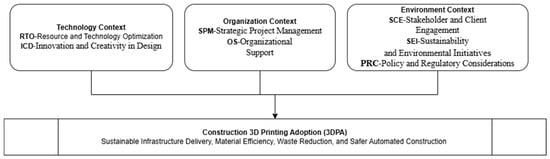
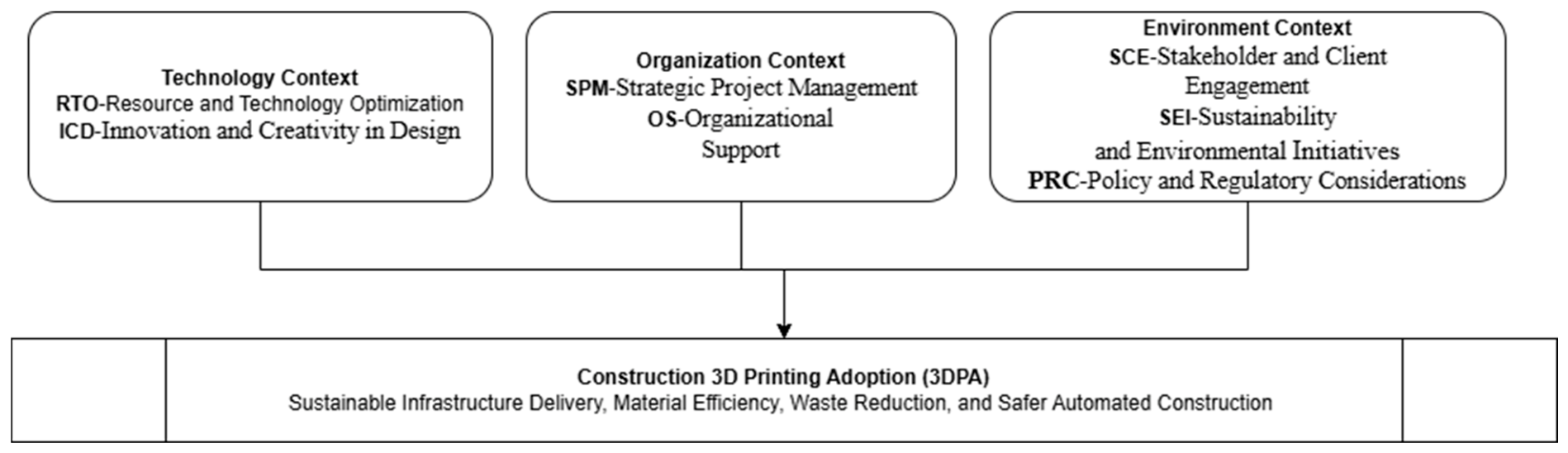
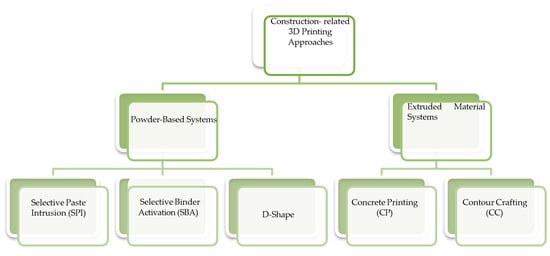
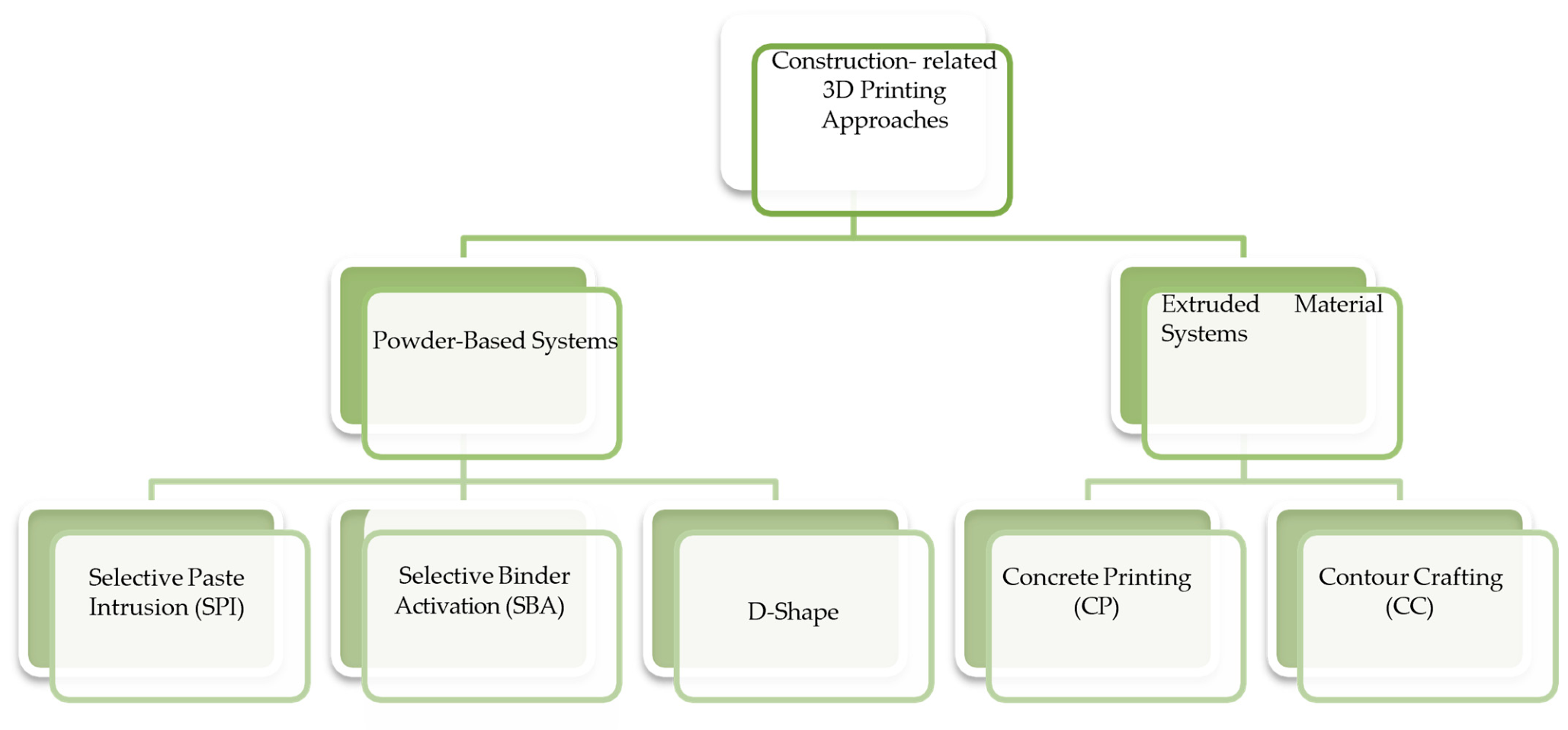
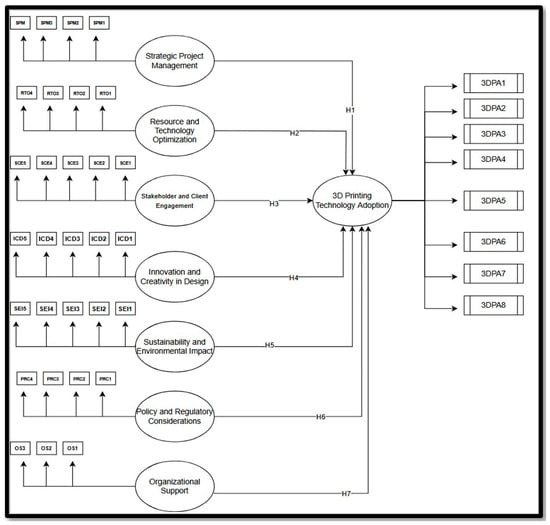
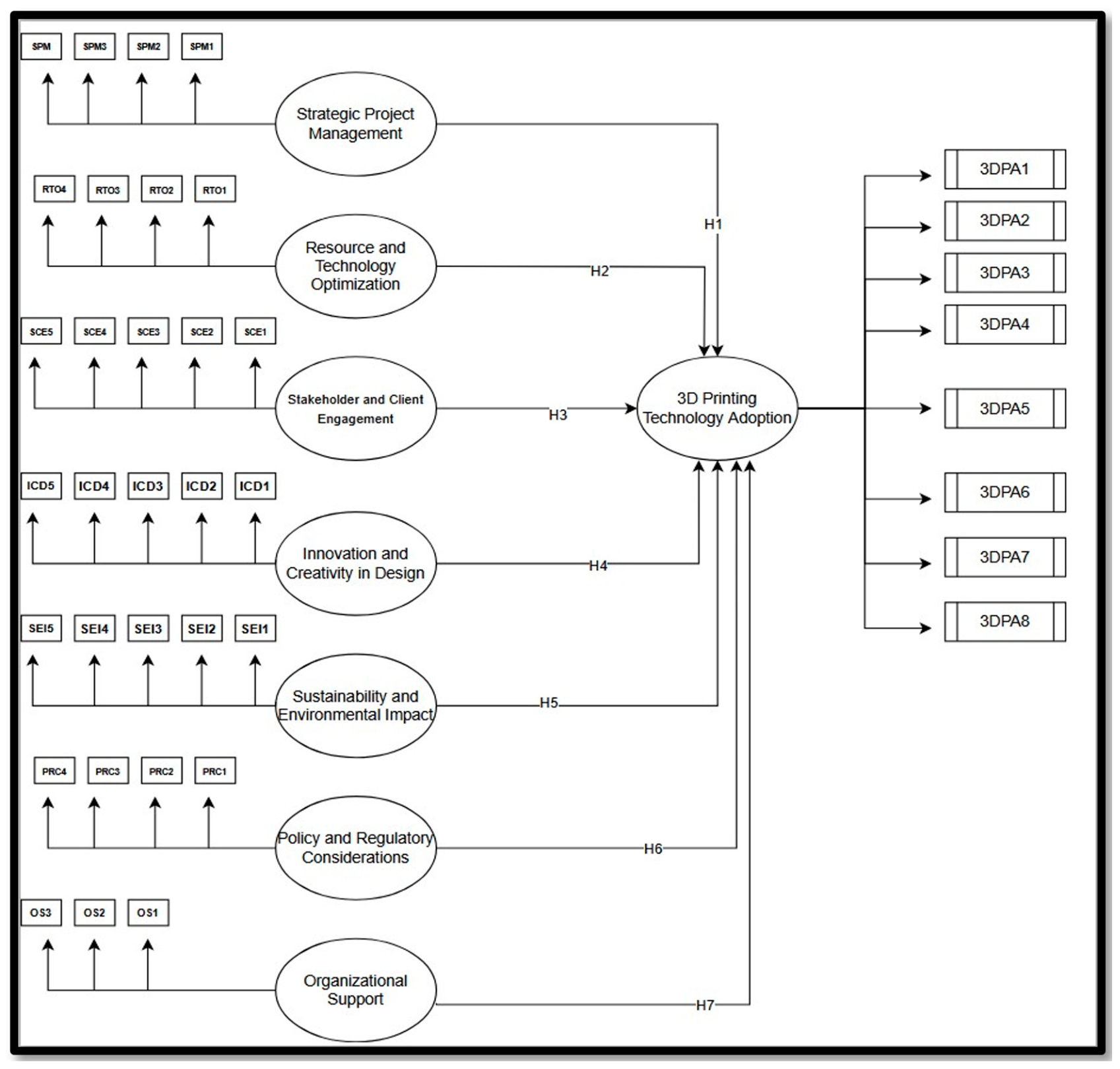
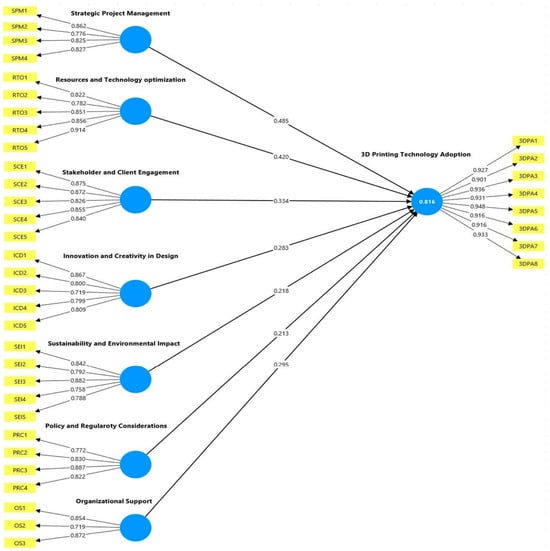
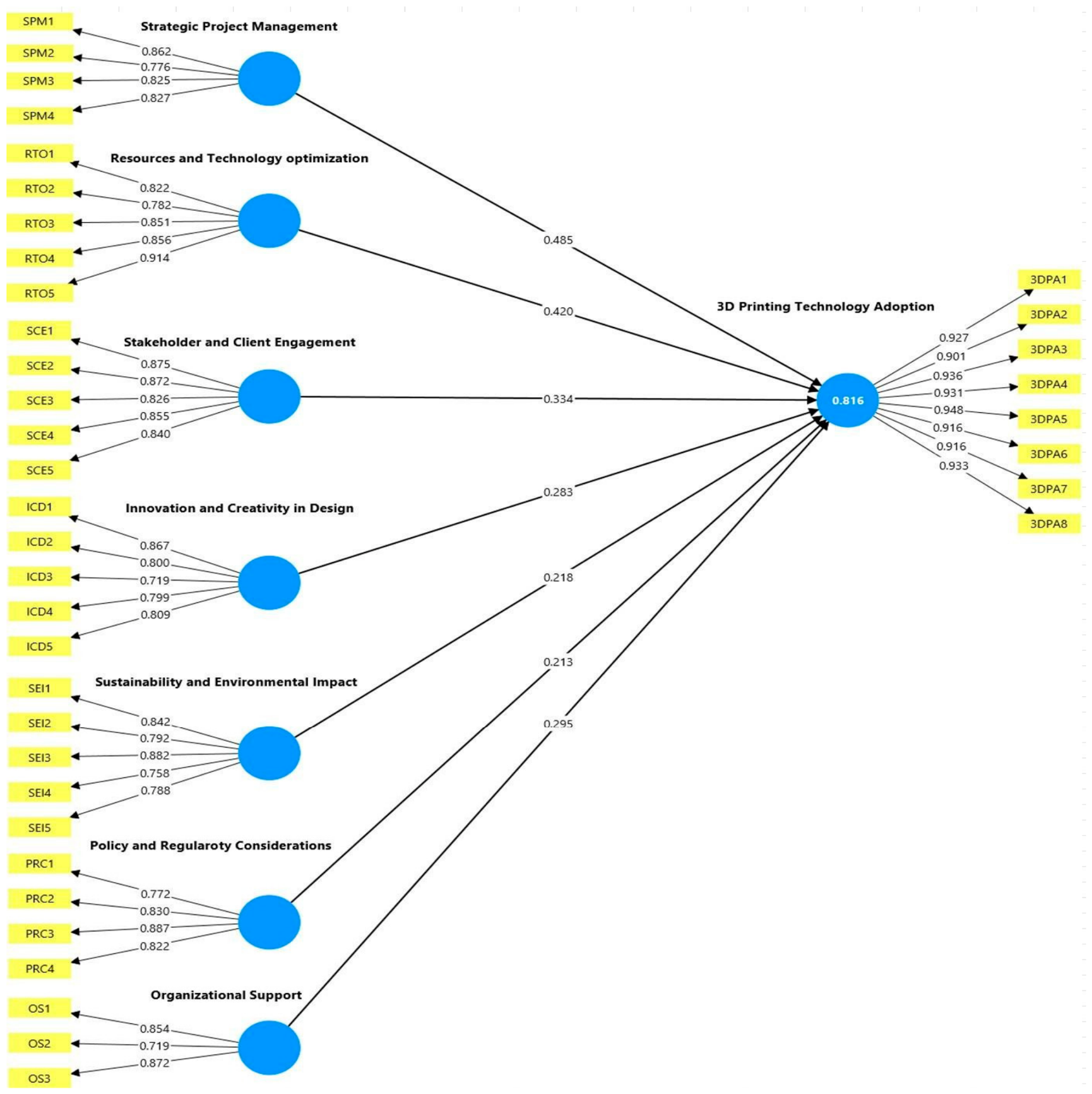
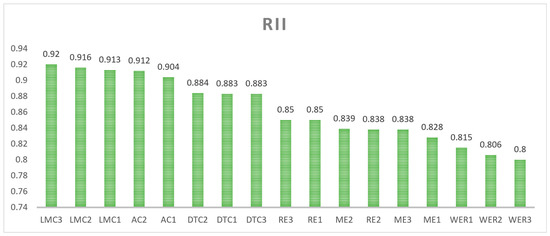
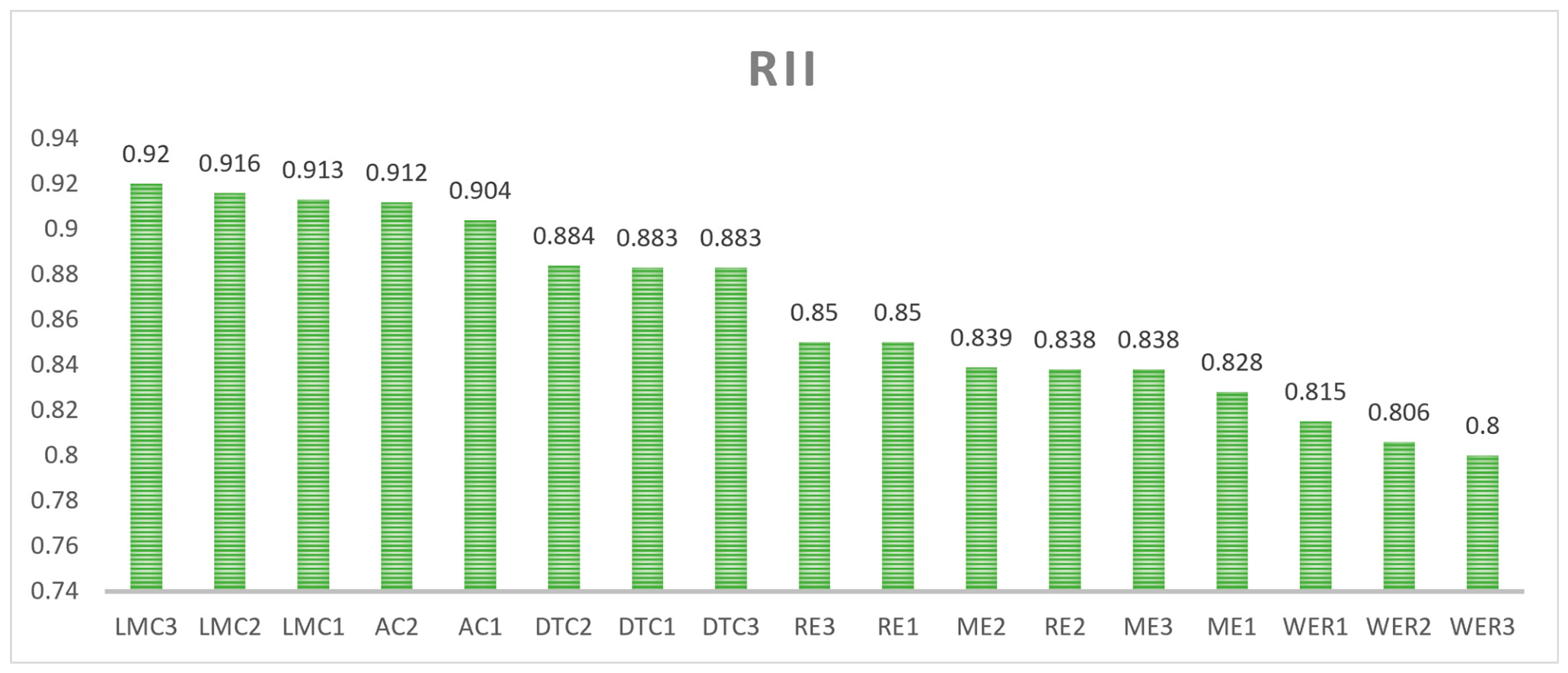
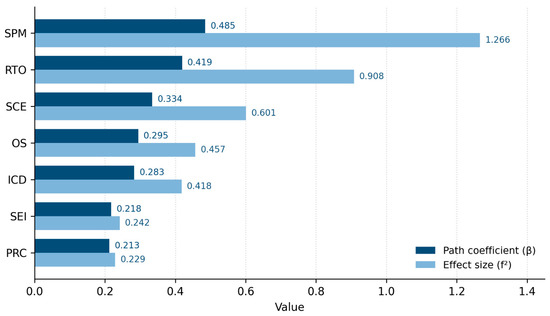
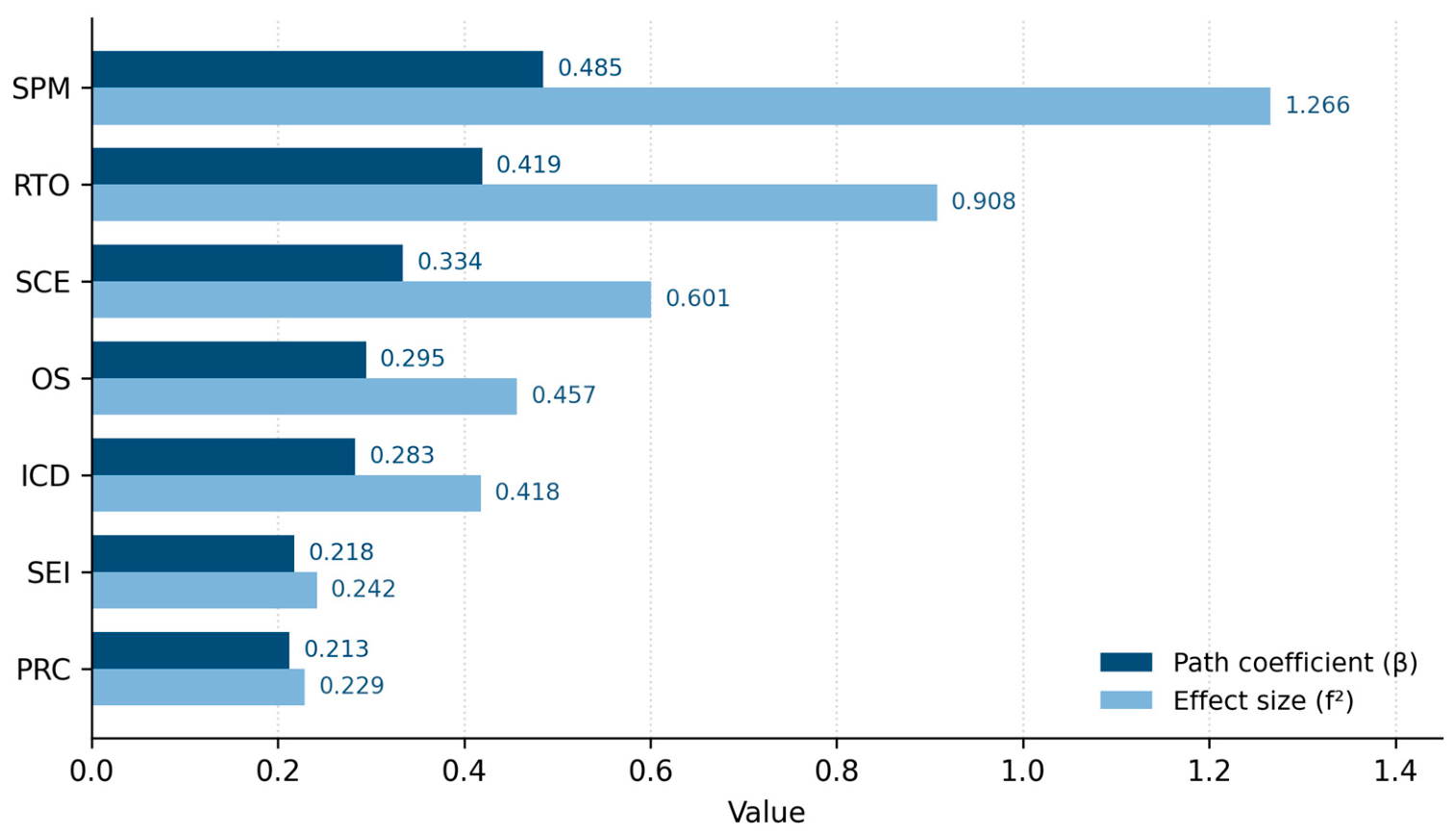

Disclaimer/Publisher’s Note: The statements, opinions and data contained in all publications are solely those of the individual author(s) and contributor(s) and not of MDPI and/or the editor(s). MDPI and/or the editor(s) disclaim responsibility for any injury to people or property resulting from any ideas, methods, instructions or products referred to in the content. |
© 2026 by the authors. Licensee MDPI, Basel, Switzerland. This article is an open access article distributed under the terms and conditions of the Creative Commons Attribution (CC BY) license.