


Abstract
The present study investigates the relationship between human perception, multisensory gastronomic experiences, and technological mediation within the context of gastrotourism. The research introduces the concept of G@strotourism as a perception-centered and digitally mediated experiential tourism framework, where tourist experiences are shaped through the interaction of sensory engagement, experiential memory, and digital technology. A quantitative methodology was employed, with data collected from 942 international tourists who had visited Greece at least once. EFA, CFA, and SEM analyses were conducted to examine the relationships among pre-trip perceptions, memorable food experiences, technologically enhanced memories, loyalty, and behavioral intention. The findings provide preliminary evidence that technologically enhanced gastronomic experiences influence memory formation, emotional attachment to destinations, and future tourist behavior. The study contributes to the literature on perception-centered tourism experiences by highlighting the roles of sensory perception, memory processes, and digital mediation in gastronomic tourism, and by discussing their implications for tourism experiences enhanced through digital technologies.
1. Introduction
Gastronomic tourism is recognized as a vital pillar for destination development, significantly influencing visitor satisfaction and long-term loyalty through the cultural and sensory appeal of local cuisine [1]. While terms like “food tourism”, “gastronomy tourism”, or “gastronomic tourism” are often used interchangeably, gastronomy encompasses a broader perspective, viewing food as both an art and a scientific discipline [2]. A central dimension of gastronomic tourism is human perception, the cognitive and physiological process through which individuals interpret sensory stimuli to influence their behavior [3]. As digital technologies become increasingly embedded in the travel process, the focus of research is shifting toward how these tools mediate the sensory and cognitive dimensions of the food experience [4]. However, a critical research gap exists. Specifically, the current literature primarily addresses technology as a functional tool for information management or consumption behavior [5,6], overlooking the deeper perceptual mechanisms that sustain the bond between tourists and destinations in the post-visit phase. The majority of the existing theories often model memory as a static, passive recall of past events rather than a dynamic process [7,8], falling to explain how the mechanisms of human perception and sensory engagement interact with digital mediation to reactivate and enhance experiences. This lack of a perception-centered framework prevents destinations from fully leveraging the sensory dimensions of food to drive the long-term behavioral outcomes that may strengthen destination competitiveness and support the long-term viability of tourism destinations [9].
To address this gap, the present study introduces G@strotourism framework. Unlike the traditional gastronomic tourism paradigm which focus on the consumption of culinary products, G@strotourism proposes a hybrid physical and digital ecosystem centered on the persistence of human perception. The primary theoretical contribution of the present study is the introduction of the Technologically Augmented Gastro-Memories (TAGM). This concept advances existing work on Memorable Tourism Experiences (MTEs) by arguing that digital mediation does not just store a memory but actively reconstructs and intensifies it, acting as a proactive psychological force that recalibrates future motivations and drives the vividness of sensory encounters.
The novelty of this research lies in its extension of traditional satisfaction-centered approaches through the incorporation of perception, memory reconstruction, and digital mediation as interconnected dimensions of gastronomic tourism experiences [10]. Consequently, the primary aim of the present study is to empirically examine how digital technologies and human perception mechanisms interact across all visit phases (pre-visit, on-site and post-visit) to shape food tourism experiences, memory recollection and long-term loyalty behavior. By validating the G@strotourism framework, this research seeks to provide to Destination Management Organizations (DMOs) and local authorities with a strategic methodology for mass personalization. Ultimately, the present study aims to provide insights into how technology-enhanced gastronomic experiences can strengthen destination competitiveness, encourage repeat visitation, and reinforce the long-term value of local gastronomic resources.
2. Literature Review and Previous Studies
Due to the nature of the tourism activity, tourists’ perceptions were traditionally shaped by advertising campaigns and word-of-mouth recommendations [11]. However, the recent technological advancements have transformed tourists’ behavior [12]. In this current digital era, social media platforms and smartphones have emerged as the dominant sources, used both by tourists for trip insights and by destinations for personalized targeting. The literature systematically shows that this role is most prominent in the pre-trip phase [13]. However, a significant variation exists in how different segments of tourists utilize these tools. For instance, according to Pabel and Prideaux, first-time visitors rely heavily on digital platforms and social media groups for information [14], while repeat visitors often relegate social media to a supplementary role, prioritizing their own prior knowledge [15].
The effectiveness of these digital channels is further complicated by strategic and economic factors. As noted by Pabel and Prideaux, successful social media campaigns require specialized strategies and high-skilled personnel. Consequently, a challenge arises for smaller destinations which, due to limited financial resources, may experience budget leakage without achieving effective audience engagement [16]. This complexity suggests that the influence of digital media is not absolute but contingent on strategic planning.
At the same time, traditional information sources such as travel shows, travel fairs, magazines and brochures, maintain a reliability advantage and continue to shape expectations and motivate tourists [16]. As Zhang and Hu [17] suggest, traditional media influence is rooted in cognitive evaluation. Based on this assumption, traditional media influence the destination’s image and provide a structured narrative that allows tourists to imagine the destination, which is often missing from the chaotic flow of social media. Traditional media travel advertisements are very effective because they offer a pre-visit experience. High-quality images and professional storytelling offer to tourists the opportunity to imagine themselves at the destination. This mental experience often operates as a key factor in making a final decision [18].
Building on these insights into the role of social media, smartphones and traditional media in shaping tourists’ pre-trip perceptions, the following research hypotheses are proposed:
H1a.
The use of social media and smartphones significantly influences pre-trip perceptions.
H1b.
Traditional information sources significantly influence pre-trip perceptions.
Beyond social and traditional media, pre-trip perceptions are also influenced by tourist’s own memories. Researchers agree that people interpret new places through the lens of their previous experiences [19]. When planning a trip, travelers often use these memories as a benchmark to make new decisions.
In this process, gastronomic experiences are especially important. Food involves multiple senses and for this reason it creates very strong and lasting memories [20]. These memorable food experiences act as catalysts for authenticity, increase destination loyalty and influence future travel decisions [21]. A very interesting part of this is known as “Gastro-nostalgia”. This occurs when the memory of food creates strong emotions and nostalgia, which makes travelers feel more excited and have higher expectations for their next visit [22].
Building on these insights into the role of previous food memorable experience in shaping tourists’ pre-trip perceptions, the following research hypotheses are proposed:
H1c.
Previous memorable food experiences significantly shape pre-trip perceptions.
According to the literature, modern tourists increasingly seek authentic experiences, and food has become one of the strongest motivations to travel [23]. This novel trend in tourists’ behavior has created a specific segment of travelers known as food tourists [24]. These individuals choose a destination primarily for its food image and overall gastronomic reputation.
For these travelers the reputation of a destination’s local cuisine is the most important factor when they form their initial impressions and expectations. Typical examples of food destinations with rich culinary heritage are France and Italy [23]. Wondirad and Verheye [25] provide empirical evidence showing that gastronomy often determines the final choice of a holiday destination. They argued that for many travelers, the culinary heritage and identity of a place is the main reason they decide to visit it. Furthermore, Li et al. [26] used modern analytical methods to examine how this motivation works to create a destination’s image. They concluded that food-related motivations are key drivers in gastronomic tourism destination image formation which in turn influences the pre-trip perception of travelers. Based on these findings, the following research hypotheses are proposed:
H1d.
Travel motivations significantly influence pre-trip perceptions.
There is a consistent agreement in the literature that a destination’s food heritage is a major factor in how tourists shape their initial image of a place [27]. These pre-trip impressions are not just static images, rather they create a set of expectations that shape how tourists will evaluate their entire trip. These expectations often act as a mental map for the actual visit [28]. In this context, Kutlu and Ayyildiz [29] emphasize that the destination image is the cornerstone of creating Memorable Tourism Experiences (MTE). In their research they argue that if the pre-trip image is strong and positive, it is more likely that the tourists will have a deep and lasting memory of their trip.
A key point of agreement among researchers is that when these pre-trip expectations are met or exceeded, they result in higher satisfaction and, most importantly, in memorable food experiences [30]. Specifically, Rasoolimanesh et al. [31] argued that for tourists who value heritage and culture, the connection between their expectations and the actual experience is what makes a trip truly memorable. Local food, as part of destination’s heritage, is a powerful tool in this process because it creates lasting memories through human perception [28]. In other words, what a tourist expects to experience before leaving home directly affects how they will remember the food after they return.
However, the complex relationship between the pre-trip perceptions and the memorable food experience is revealed in the literature. Stone and Sthapit [32] provided a critical perspective though their research, which reveals that memories are not always positive. They argue that if there is a gap between what a tourist expects and what they experience, it can lead to negative experiences. This suggests that pre-trip perceptions are so powerful that they can lead to either satisfaction or disappointment, depending on the quality of the food and service.
The phenomenon of memorable food experiences is further explained by Tung and Ritchie [20], who argue that memorability is not accidental, instead it is a result of a positive gastronomic image combined with the opportunity to participate in food activities. Consequently, when tourists anticipate these experiences during the planning phase of new trips, their minds are already primed to value and remember them [30]. Synthesizing this evidence, we can conclude that memorable food experiences are not just about the quality of the food during the trip, but they are a complex result of the perceptions and anticipation formed before the trip begins [33]. Based on this connection between pre-trip perceptions and the actual food experience the following hypothesis is proposed:
H2.
The pre-trip perceptions significantly influence memorable food experiences.
Hedonism and enjoyment constitute fundamental dimensions of leisure experiences and critical factors in determining tourist satisfaction and subsequent behavioral intentions [34]. In tourism, gastronomy is a primary area where these emotions are found, as tourists often seek to explore new foods and culinary activities [27]. There is a broad agreement in the literature that the value of trying new food experiences helps create a memorable experience that leads to higher levels of satisfaction [35]. As García-Pérez and Castillo-Ortiz [36] show in their systematic literature review, these memorable food experiences are not only about the food itself, but they are a combination of the setting, the service and the uniqueness of the food.
Several studies have confirmed the importance of food experiences in this process. For instance, Stone et al. [37] argued that culinary activities are directly connected to a tourist’s memories. Similarly, Rehman et al. [38] highlighted that satisfaction with local food and local food value are key drivers of overall satisfaction, especially when the food represents the unique character of the destination. Furthermore, Sthapit, Bjork and Coudounaris [39] argue that consuming local food creates positive feelings, which contribute to higher satisfaction levels. This suggests that the experiential nature of these activities makes the trip more memorable, which further increases how satisfied a tourist feels [40].
However, the literature also reveals that the relationship between memorable food experiences and satisfaction is complex. Stone and Sthapit [32] provided a critical perspective of this relationship, explaining that memories are not always positive. They argued that if a food experience is negative, due to poor quality or service, then it can still be memorable but it will lead to dissatisfaction. This means that for a memorable food experience to result in satisfaction, the quality of the food and the service should be in high standards so the expectations of tourists will be meet.
Consequently, we can conclude that food-related experiential activities lead to higher satisfaction when they combine hedonism and enjoyment with positive lasting impressions. Based on this connection, the following hypothesis is proposed:
H3.
The memorable food experiences significantly influence tourist satisfaction.
The relationship between tourist satisfaction and post-trip destination perceptions has been widely examined in tourism literature. Post-trip perceptions are often conceptualized within the boarder framework of the destination’s perceived image. Sadeh et al. [41] argued that satisfaction positively influences both the perceived image and the perceived value of destinations. Similarly, Li et al. [42] confirmed that when tourists are satisfied with their overall stay, they develop a much stronger and more positive perceived image of the destination after they return home.
Within the context of gastronomy tourism, satisfaction has been shown to play a decisive role in shaping post-trip perceptions. Zhu et al. [43] highlights that the value tourists find in their food experiences directly shapes how they perceive the destination’s image. In the same way, Kovalenko et al. [44] explain that gastronomic experiences act as a bridge that connects the pleasure of a meal with the final perception of the place in the tourist’s mind. When food experiences are high-quality, they enhance the perceived image of the destination and make tourists more likely to return.
However, the literature reveals an important point of divergence. While many researchers show a strong link, some recent findings suggest that satisfaction from local food consumption does not always change the overall perceived image of a destination [45]. This suggests that the relationship is complex and may depend on the type of destination or the specific profile of tourists. This gap in the research highlights the need for further investigation to understand how satisfaction transforms into a long-term perception.
According to these findings, we can conclude that while satisfaction is a major driver of post-trip perceptions, the impact of food satisfaction specifically is a complex phenomenon that needs further exploration. Based on this connection, the following hypothesis is proposed:
H4.
Tourism satisfaction significantly influences post-trip destination perceptions.
According to tourism literature, post-trip perceptions are positively associated with technological e-memories, future behavioral intentions, and loyalty. Technological e-memories refer primarily to the digital records, such as photos, videos and social media posts that tourists create to document their journeys [46]. These digital traces are not just files, but they act as a digital extension of human memory allowing people to store, organize, share and recall their experiences in a permanent way [47].
Looking at the role of technology, social media are often used prior to a trip to find practical information. However, their use is even more important in the post-trip phase. During this stage, tourists use social media platforms to share their experiences and rate the attractions they visited [48]. Research shows that digital tools, such as podcasts featuring post-trip stories, can positively influence how audiences perceive a destination [49].
In gastronomy tourism, this digital sharing is a way of remembering together. Wood et al. [50] argue that sharing festival and food experiences helps groups build a collective memory. Furthermore, Moreno-Lobato et al. [9] concluded that in food festivals, memory is formed through both emotional and intellectual mechanisms. Modern technologies like augmented reality (AR) now allow tourists to recall their past food experiences, making the overall memory stronger and longer lasting [51].
However, there is a critical perspective on the role of technology among the literature. While digital tools can help us remember, there is a risk of what is called “digital amnesia”. According to this approach, relying too much on technology to record a trip, including taking as many photos as possible, might erode or weaken our real memory [52]. Similarly, Sthapit et al. [53] highlight that digital-free tourism experiences, where tourists stay away from technology, can sometimes lead to even more powerful and authentic experiences.
Technology can either enhance the memories of tourists or, if used too much, distract from the actual experience. However, we can conclude that post-trip perceptions are the main driver for creating technological e-memories. This relationship has a positive impact because positive perceptions act as a catalyst that encourages tourists to document and share their best memories. When a tourist perceives a food experience as high quality and unique, they feel a natural desire to preserve this feeling. The use of digital tools transforms the fleeting moment into a permanent digital asset that they can recall anytime. Evermore, tourists share positive e-memories to communicate their status on their social media. Even with the risk of digital amnesia, the emotional strength of a positive perception often outweighs the distractions of technology. Therefore, the more positive the post-trip perception, the more likely the tourist is to use technology to enrich, extend, and protect that memory. Based on this connection, the following hypothesis is proposed:
H5a.
Post-trip perceptions are positively influence technological e-memories.
Beyond shaping technological e-memories, post-trip perceptions are also a critical determinant of tourists’ behavioral intentions. While satisfaction is often felt during the experience, post-trip perceptions represent the lasting impression and the overall evaluation that remains once the tourist returns home. Positive evaluations of a destination influence tourist’s willingness to revisit, recommend the experience, and engage in similar activities in the future. Kim et al. [54] emphasize that the way a trip is remembered and re-evaluated after its conclusion is a more stable predictor of future behavior than the fleeting emotions felt during the stay.
According to this approach, a positive post-trip perception allows tourists to mentally think themselves back into the destination [55]. In the context of gastronomy tourism, Angelakis et al. [56] argued that for destinations with strong culinary identity, like Crete, the post-trip food image becomes a dominant factor in the decision-making process for future trips. Similarly, Jiang et al. [57] highlight that when a destination is perceived as a gastronomic brand after the visit, it creates a much stronger reason for repeat visitation.
However, this relationship is far from straightforward. The literature suggests that post-trip perceptions are not isolated from other the other phases of the trip experience. Björk and Kauppinen-Räisänen [58] claimed that while local food experiences serve as fundamental pillars in shaping positive memorable experiences, they must be supported by overall destination quality. They point out that if the post-trip evaluation reveals a gap between the good food and poor infrastructure, then the overall perception may become fragmented. In such cases, a positive food perception along might not be enough to trigger a revisit. Furthermore, Rousta and Jamshidi [59] examine the food tourism value which is the balance between the cost and the quality of the food experiences. They concluded that if the post-trip perceived value is low, tourists may perceive the experience as a one-time event rather that a reason to return.
Thus, it can be concluded that post-trip perceptions are the final processed version of the trip in the tourist’s mind that determines their future actions. Based on this evidence, the following hypothesis is proposed:
H5b.
Post-trip perceptions are positively influence behavioral intentions.
Building on the established role of post-trip perceptions in shaping technological e-memories and future behavioral intentions, it is equally important to consider their impact on destination loyalty. Loyalty is not merely a repeated visit, but it is often shaped by the positive relationship between tourists’ expectations and the processed post-trip perceptions they form after returning home [60]. In tourism literature, destination loyalty is defined as the extent to which tourists perceive a destination as a recommended place and feel an emotional commitment to it.
According to Respati et al. [61], revisit intentions and loyalty are rooted in the cognitive evaluation of the trip’s attributes. Therefore, positive post-trip perceptions strengthen the emotional response that tourists have when thinking back to their stay in a destination. Tosun et al. [62] highlight that this emotional response, combined with the perceived service quality acts as a key pillar of loyalty. This is particularly true in gastronomy tourism, where memory of local flavors creates a unique sensory impression that distinguishes the destination from competitors.
Furthermore, Zhang et al. [63] suggest that when post-trip perceptions of tourists are characterized by memorability, the likelihood of developing long-term loyalty increases significantly. This is consistent with the findings of Abdilla et al. [64] whose systematic review confirms that destination satisfaction and the subsequent positive re-evaluation of the trip are the most consistent predictors of revisit intentions. However, Um et al. [65] point out in their analysis of the antecedents of revisit intention that loyalty is also influenced by the perceived attractiveness of the destination during the post-trip phase. If the post-trip perception remains vivid and attractive, the tourist moves from a simple intention to return to a state of true loyalty. Although loyalty can change over time, there is strong evidence in tourism literature of the positive relationship between post-trip perceptions and levels of loyalty over the last decades [66]. Based on this evidence, the following research hypotheses are proposed:
H5c.
Post-trip perception positively influencing loyalty.
In the post-trip phase, the essential role of Information and Communication Technologies (ICTs) has been widely recognized in shaping tourists’ memories and influencing their future behavior. Travel photographs, blogs and vlogs have become common digital artifacts, enabling travelers to communicate their experiences. Studies reveal that such practices are more common among younger, well-educated individuals with higher incomes [67]. Research also shows that while pre-trip communication tends to emphasize the functional characteristics of a destination, post-trip sharing highlights psychological and personal dimensions, reflecting a deeper engagement with the experiences [68].
The motivations behind sharing travel experiences include recognition, self-presentation, and the pursuit of social support [69]. The proliferation of smartphones and mobile technologies has fundamentally transformed tourism, providing travelers with real-time access to information and problem-solving tools while also facilitating the sharing of experiences during and after their trips [70]. More recently, Neuhofer et al. [71] argue in their research of technology-enhanced tourism experiences that, when technology is deeply integrated into the travel journey, it creates a more intense and memorable narrative, enhancing technologically memories through novel sensory and gastronomic interactions.
These technologically enhanced memories act as a cognitive anchor that influences how tourists utilize broad and diverse information channels when planning future trips. According to Lo et al. [67], digital artifacts such as online photography serve as visual proof that motivates tourists to cross-reference their personal digital archives with structured information from traditional sources. In addition, Hernández-Méndez et al. [72] observe that while digital sharing and e-word-of-mouth initiate interest, they often trigger a psychological need for validation through official and structured media. This leads travelers to consult classic sources, such as travel guides, brochures, and attend travel fairs, to reduce perceived risk and gather detailed information to replicate the quality of their past experiences. On this basis, the following research hypotheses are proposed:
H6a.
The post-trip technologically enhanced gastronomic memories are positively associated with tourists’ search for gastronomic information from diverse sources (e.g., travel guides, advertisements, brochures, media) when planning a future trip.
The reinforcement of memories through digital means often creates a state of digital continuity, where the post-trip phase directly motivates the next pre-trip planning cycle through the same technological ecosystem. In gastronomy tourism, bloggers and influencers have a crucial role in this cycle, as they inspire taste awareness and stimulate desire, significantly influencing readers’ willingness to patronize specific gastronomic experiences [73]. Latip et al. [74] argued that particularly in culinary heritage destinations travelers behave within a continuous digital loop, consuming and generating content that anchors their future intentions.
More recently, augmented reality (AR) and gamification have introduced novel ways to enrich tourists’ sensory and gastronomic experiences, creating deeply embedded technologically augmented memories [51]. The transition from remembering a trip to planning the next one via social media is influenced by various determinant factors, including social influence and effort expectancy [75]. Recent quantitative research suggests that social media is no longer a supplementary tool but a primary driver in the trip-planning phase [76], even for smaller regional or gastronomic destinations where digital presence is key to attracting returning visitors [14]. Taken together these findings, the reliance on smartphones and gastronomic applications is a direct outcome of the technologically mediated nature of the original experience, leading to the following hypothesis:
H6b.
The post-trip technologically enhanced gastronomic memories are associated with tourists’ use of social media and gastronomic applications on smartphones when planning a future trip.
Every destination seeks to cultivate loyal visitors, as loyalty not only motivates repeat travel but also enhances the overall value of the tourism experience. Destination loyalty is typically expressed through tourists’ increased likelihood of recommending a destination or revisiting it. However, destination loyalty is not merely a behavioral outcome of a previous visit, it functions also as a powerful psychological driver that actively shapes the motivation for future travel. When tourists develop loyalty toward a destination, this bond acts as a filter through which past experiences are processed and recalled. According to Chi and Qu [77], loyalty enhances the positive image of a destination, creating a cognitive environment where previous experiences are consistently valued. This internal process encourages tourists to retrieve their memories, with loyalty serving as the catalyst that elevates these recollections into active push and pull motivation factors.
Yoon and Uysal [78] suggest that the structural relationship between motivation and loyalty is reciprocal. This suggests that while motivations lead often to a visit, the resulting loyalty recalibrates the tourist’s internal needs for future travel planning. In the context of gastronomy tourism, loyalty has been positively associated with the push motivation factors in contexts such as creative tourism [79], and wine tourism [80], where prior experiences and satisfaction act as motivators. Gursoy, Chen and Chi [81] further suggested that post-trip behaviors are directly shaped by tourists’ satisfaction and experiences, which in turn can influence motivation for future trips. In addition, Angelakis et al. [56] have demonstrated that loyal food tourists use their prior positive experience as a benchmark, transforming stored memories into a primary motivation to return and experience again those sensory outcomes. Furthermore, Wang and Li [82] confirm that loyalty is a dominant factor that influences future behavioral intentions, effectively bridging the gap between a past memory and the motivation for a subsequent trip.
Loyalty ensures that memories remain active and meaningful over time. It acts as a catalyst that transforms a passive mental record into a dynamic force of attraction and behavioral influence. On this basis, the following research hypothesis is proposed:
H7a.
Loyalty is positively associated with tourists’ motivations for future travel to the same destination.
Equally important is the connection between loyalty and the persistence of memorability, which contributes to the long-term attractiveness and continuity of gastronomic destinations. Traditional approaches often view memorable food experiences as a precursor to loyalty. However, recent research suggests that there is a dynamic relationship between them. More specifically, a reverse relationship where loyalty acts as a primary driver for memory recollection occurs. According to Sthapit et al. [83], the memory of local food experiences must be perceived as an extended construct that is continuously reconstructed after the trip to a destination. For loyal tourists, this reconstruction is not accidental; their ongoing psychological commitment to the destination ensures that past gastronomic experiences remain as a core element of their identity, enhancing the vividness of these memories over time.
Furthermore, loyalty is a recollection process that also serves as a protective mechanism for the destination’s reputation over the time. For instance, Stone and Sthapit [32] argued that travel memories are not always positive and they can include negative culinary experiences. Nonetheless, loyalty often exhibit as a form of cognitive resilience where the existing bond with a destination allows tourists to prioritize positive recollections while contextualizing the impact of negative ones. In such approach, loyalty acts as the filter that preserves the memorable status of the destination’s gastronomy, even when faced with occasional inconsistencies.
The impact of loyalty on tourists’ memorability extends beyond simple recall to influence future tourists’ preferences. Emadlou et al. [84] argued that when loyalty anchors the recollection of memorable food experiences, it fosters the development of responsible tourists. This occurs when tourists actively recall sensory and cultural experiences, strengthening their emotional connection with the destination’s culinary heritage. Consequently, loyalty acts as the catalyst that transforms a passive mental record into a dynamic and meaningful force that ensures the long-term memorability of the gastronomic experience. On this basis, the following research hypotheses are proposed:
H7b.
Loyalty is positively associated with tourists’ previous memorable food experiences.
Figure 1 presents the hypothesized model of the present study.
Figure 1.
Hypothesized model of the present study.
3. Materials and Methods
This study used quantitative research. For this reason, a literature-based questionnaire was developed. Items were adapted from previous studies and were refined to align with the context of the present research. The questionnaire consisted of four sections. In the first section participants’ demographic profile was collected. The second section comprised 43 items measuring the participants’ perceptions prior to their trip to Greece, as well as the factors influencing those perceptions. The third section included 18 items assessing the experience and the satisfaction levels of participants during their trip. The fourth section includes 30 items measuring participants’ perceptions after their trip in Greece.
The questionnaire was administered in English to ensure accessibility for a diverse international sample of tourists visiting Greece. Since all items were adapted by English-written articles, no translation was necessary, thereby preserving the linguistic and conceptual consistency of the original scales. Content validity was established through a rigorous review process by four academic experts. To ensure both thematic and methodological accuracy, the experts were selected based on their specialized backgrounds in tourism management, consumer behavior, and advanced quantitative analysis. Their feedback led to minor linguistic refinements to ensure the instrument was optimized for the target population before final administration. All items were measured on a 7-point Likert scale, where 1 indicates “totally disagree” and 7 indicated “totally agree”.
In the present study, a convenience sampling method was applied. This method involves selecting research participants based on specific characteristics that serve the purpose of the research. Data were collected from tourists that were required to be over 18 years old and classified as inbound tourists in Greece. They were recruited during their departure from Greece, specifically at international exit points: the Athens International Airport “Eleftherios Venizelos” and Kalamata State Airport “Captain Vassilis Konstantakopoulos”. This approach was chosen because participants departing Greece would have a more complete and informed perspective of the tourism experience that the country offers as a gastronomic destination, having just concluded their visit.
Although convenience sampling introduces limitations regarding absolute representativeness, its use is widely justified in tourism research conducted at transit and exit points due to high operational accessibility and the unique ability to capture a large, international, and active tourist population [85]. To maximize tourist diversity and mitigate geographical concentration bias, the two selected hubs represent contrastive entry/exit gates. Athens International Airport serves as the nation’s primary, high-volume international gateway attracting a globally diverse demographic, while Kalamata State Airport acts as a prominent regional hub capturing specialized, experiential charter tourists. This dual-location strategy helps capture a wider spectrum of nationalities, travel purposes, and culinary profiles.
The survey was conducted between July and October 2022. A total of 1370 questionnaires were shared and 1045 were completed. More particularly, at Athens International Airport 700 questionnaire were shared, of which 488 were completed, resulting in almost 70% response rate. At Kalamata State Airport, 670 questionnaires were shared, with 577 completed, corresponding to an 86% response rate. Overall, the study achieved a total 76% response rate based on the total questionnaires that initially were shared. All ethical guidelines were followed to ensure the anonymity and confidentiality of the participants’ data during the completion of the questionnaire. In addition, participants were informed that they were allowed to discontinue their participation in the survey at any time. Crucially participants were explicitly assured of their anonymity to minimize social desirability bias, the sections of the questionnaire were psychologically separated using different introductory headers, and scale items were carefully refined during the expert review phase to eliminate ambiguous phrasing.
Ultimately, after completing the data collection phase, researchers checked the dataset for any missing information in the questionnaires to ensure the reliability and validity of the measurement tool. As a result, 103 questionnaires were found to contain incomplete or missing responses and were excluded from further analysis. Consequently, 942 completed questionnaires were used to address the research questions of the study.
4. Analysis and Results
The analysis of the present study followed a three-step approach, including Exploratory Factory Analysis (EFA), Confirmatory Factory Analysis (CFA), and Structural Equation Modeling (SEM) [86]. Initially, Raynald’s SPSS tool was employed to randomly split the full dataset in two equal sub-samples (n = 471) [87]. Moreover, splitting the data was applied to avoid collecting non-comparable samples in different periods [88]. These sub-samples followed the recommended 1:5 item-to-respondents ratio and met the minimum sample size of 300 respondents [89].
Firstly, EFA was conducted using the IBM SPSS Statistics 26 software package (Statistical Package for the Social Science), on the first sub-sample of the data to identify the latent variable [90]. This was followed by a CFA, using SPSS AMOS v23, on the second sub-sample to validate the factor structure derived from the EFA software [91]. Finally, to answer the research questions, SEM approach was applied. SEM help the researchers to access and validate the relationships between the latent construct that were identified and confirmed in the previous stages of the analysis [91].
4.1. Socio-Demographic Profile of the Respondents
Table 1 presents the socio-demographic characteristics of the total dataset. According to the results, most of the respondents were females (52.8%), most commonly falling within the 36–45 age group (29.9%), and holding a university degree (43.9%) or a master’s degree (26.9%). In terms of accommodation preferences, the majority of the respondents chose to stay in rooms to let (30.3%) or in four-star hotels (24%). Furthermore, the vast majority of participants reported have visited Greece more than once (78.8%), indicating a high level of repeat visitation and a strong connection to Greece as a tourism destination. Regarding this specific finding, it should be noted that while such a profile may influence pre-trip expectations, it aligns with the study’s aim to examine long-term loyalty and the reactivation of gastronomic memories. This sample provides a robust basis for testing the feedback loops between loyalty and memory, which are central pillars of the G@strotourism framework.
Table 1.
Socio-demographic profile of the total database.
4.2. EFA
To ensure the validity and reliability of the study’s instrument, it was deemed essential to perform an EFA [92]. Accordingly, the EFA was conducted using the principal axis factoring method with Promax rotation and Kaiser normalization. A minimum factor loading threshold of 0.5 was applied to determine item retention within each factor. Initially, 30 items did not meet the loading criteria and were deleted from the rest of the analysis. The removal of these 30 items was a necessary step to refine the instrument and achieve statistical parsimony. The majority of these items were excluded primarily due to poor factor loadings (<0.50) or the presence of significant cross-loadings between items [93]. Following this approach, achieving unidimensionality through EFA and CFA is a prerequisite before proceeding to SEM. Eliminating items that do not meet the required loading thresholds ensures that the latent constructs are measured with precision and that the structural relationships in the SEM are not biased by measurement error.
Ultimately, eleven factors were identified from the EFA, explaining the 72.85% of the total variation. The adequacy of the sample and the appropriateness of the factor analysis were confirmed by the Kaiser index (Kaiser-Meyer-Olkin = 0.951) and Bartlett’s test of sphericity (chi-square = 51,282.45; p-value < 0.000). In addition, to further ensure the reliability of the extracted factors, Cronbach’s a coefficients were calculated. All factors demonstrated Cronbach’s a value over the recommended threshold of 0.7, confirming the internal consistency and reliability of the study’s instrument [94]. Table 2 presents the extracted results of EFA and a detailed list of items and references that was finally used.
Table 2.
Results of the EFA.
The first factor was labeled “Smart Phones and social media—SPSM” (16 items). The second factor was “Behavioral Intentions—BI” (9 items). The third factor was “Satisfaction—SAT” (6 items). The fourth factor was “Post-trip Perceptions—POSTTPR”, (5 items) The fifth factor was “Previous Memorable Food Experiences—PMFE”, (4 items). The sixth factor was “Information Sources—IS” (3 items). The seventh factor was “Technological e-memories—TECHME” (6 items). The eighth factor was “Memorable Food Experience—MFE” (4 items). The ninth factor was “Motivation—MOT” (3 items). The tenth factor was “Pre-Trip Perceptions—PRETPR” (3 items). Ultimately, the eleventh factor was “Loyalty—LOYAL” (3 items).
4.3. CFA
After extracting acceptable results from EFA, we conducted a CFA on the second sub-sample of the dataset using IBM AMOS 24.0 (IBM Corp., Armonk, NY, USA) software. However, since all data were collected through a self-reported questionnaire, common method bias (CMB) was assessed before proceeding with the CFA. To this end, Harman’s single-factor test was performed [114]. All items were loaded into an unrotated Exploratory Factor Analysis, and the results indicated that the first extracted factor accounted for 36.67% of the total variance which is below the 50% of the recommended threshold. Therefore, common method bias did not pose a significant threat to the validity of the results.
Next, the researchers used the structure identified in the EFA to develop the structure of the latent variable for the CFA. The analysis was performed using the Maximum Likelihood method to evaluate the validity and reliability of the constructs within the measurement model. Initially, the model fit in data was assessed through fit indices including item loading (>0.5) and p-value (<0.05), RMSEA, CFI, TLI, GFI and SRMR [115]. The preliminary analysis did not yield satisfactory results; therefore, to improve the model’s performance, modification indices were consulted. Following a cautious approach, covariances were added between the error terms of specific items within the same latent construct that exhibited high redundancy. Following Hair et al. [116] recommendations, error terms were only covaried when theoretically justifiable, reflecting shared variance due to similar item phrasing, and no cross-construct covariances were permitted. Additionally, three items that did not meet the required loading threshold (>0.5) were removed to improve the model fit [117].
According to the final analysis, the measurement model fits the data well. Specifically, the Cronbach’s a for each latent variable was considered very good, ranging from 0.808 to 0.957. Regarding the validity and reliability of the model, fit indices were within the recommended thresholds, except for the Goodness of Fit Index (χ2/df = 3.24, p < 0.001, RMSEA = 0.049, SRMR = 0.046, CFI = 0.929, TLI = 0.921, GFI = 0.889). It is important to note that the GFI is influenced by the sample size; therefore, even if the recommended values are not achieved, it should not be solely used to reject the overall model fit [91]. Table 3 shows the results of the CFA.
Table 3.
Results of the CFA.
Regarding composite reliability (CR), the recommended threshold is above 0.70 (CR > 0.70). In the present analysis, all latent constructs exceed the minimum criterion, indicating that the constructs are measured consistently. The average variance extracted (AVE) was examined to assess convergent validity, with values exceeding the recommended threshold of 0.50 (AVE > 0.5) [118]. Additionally, discriminant validity was successfully established using the Fornell–Larcker criterion, as the square root of the AVE for each latent construct was consistently higher than its highest correlation with any other construct. Table 4 presents the extracted results of the convergence and discriminant validity of the measurement model.
Table 4.
Results of the convergence and discriminant validity.
4.4. SEM
The results of CFA confirmed that the measurement model fits the data. In the final step of the analysis, researchers conducted Structural Equation Modeling (SEM) to examine the relationships between the latent constructs and to answer the research questions.
The analysis was performed using Maximum Likelihood method. According to the final analysis, the structural model fits the data well, with fit indices within the recommended thresholds (χ2/df = 3.82, p < 0.001, RMSEA = 0.055, SRMR = 0.066, CFI = 0.908, TLI = 0.901, GFI = 0.940), confirming the goodness of fit of the model. Table 5 presents the results of SEM.
Table 5.
SEM hypothesis test.
The empirical results indicate that almost all the relationships between the latent factors confirm their statistical significance. The only relationship that shows a statistically non-significant relationship is that between the “Smartphones & Social Media” construct and the “Pre-Trip Perceptions” construct (Table 5). Figure 2 visualizes the results of the calculation of the regression coefficient values and their significance for better understanding. Notably, the standardized path coefficients for H5a (β = 0.974) and H5b (β = 0.952) exhibit exceptionally high values. However, the measurement model results presented in Table 4 demonstrate that the square root of the AVE for post-trip perceptions (0.756) exceeds its correlation coefficients with both technological e-memories (0.464) and behavioral intentions (0.630), confirming that these constructs capture distinct empirical structures and that discriminant validity is fully established.
Figure 2.
SEM results, *** p < 0.001.
5. Conclusions
The present study contributes to the expanding literature on gastrotourism by introducing and empirically validating the concept of G@strotourism as a perception-centered and technologically mediated experiential tourism framework. The findings demonstrate that gastronomic tourism experiences are not exclusively consumption-based or satisfaction-driven phenomena, but rather complex multisensory experiences dynamically shaped through the interaction of human perception, emotional engagement, experiential memory, and digital mediation.
One of the most important findings of the study is that previous memorable food experiences and travel motivations significantly influence tourists’ pre-trip perceptions. This finding confirms that expectations are not simply rational or cognitive evaluations of a future trip, but dynamic emotional and sensory simulations of anticipated experiences. The result is strongly aligned with embodied cognition theory [119], which argues that cognitive processes are deeply rooted in bodily sensory experiences, as well as reconstructive memory theory [120], according to which individuals mentally reconstruct previous emotional and sensory experiences to interpret and anticipate future events. Tourists appear to reactivate previous gastronomic memories and emotionally charged sensory representations when forming expectations regarding future destinations. Consequently, gastronomy functions not only as a cultural attraction but also as a mechanism of emotional anticipation and experiential imagination.
At the same time, the findings revealed that smartphones and social media did not significantly influence pre-trip perceptions. This result partially contradicts dominant smart tourism literature, which often positions digital media as primary drivers of destination image formation. However, in the context of gastrotourism, tourists may seek deeper forms of authenticity and experiential credibility that cannot always be adequately transmitted through fragmented digital content. Therefore, traditional information sources continue to maintain symbolic authenticity and cognitive legitimacy within gastronomic tourism contexts.
The confirmation of Hypothesis H2 demonstrates that pre-trip perceptions significantly influence memorable food experiences. This finding suggests that memorable gastronomic experiences may begin to develop before tourists physically encounter a destination. Rather than being exclusively consumption-based outcomes, memorable food experiences appear to emerge through a process of cognitive anticipation, emotional preparation, and sensory imagination. This perspective contributes to broader discussions within experiential tourism literature that view tourism experiences as temporally extended phenomena rather than events con-fined to the period of travel. In addition, this finding strongly supports expectancy-confirmation theory [121] according to which tourists experience greater satisfaction and memorability when actual experiences confirm or exceed pre-existing expectations. The results suggest that tourists who develop strong anticipatory perceptions regarding local gastronomy, authenticity, and cultural identity are more likely to experience emotionally intense and memorable gastronomic encounters during the trip. In this sense, memorable food experiences are not formed exclusively during consumption but are partially constructed before the trip through cognitive anticipation and emotional preparation.
Furthermore, the confirmation of Hypothesis H3 demonstrates that memorable food experiences significantly influence tourist satisfaction. This result reinforces previous studies arguing that gastronomic experiences represent one of the most emotionally powerful dimensions of tourism experiences. More importantly, the findings indicate that tourist satisfaction is not shaped solely through functional evaluations of service quality, but through multisensory engagement, emotional intensity, and experiential immersion. The study therefore provides empirical support for the inclusion of perception, multisensory engagement, and memory processes as complementary dimensions alongside satisfaction in understanding gastronomic tourism experiences.
Particularly significant are the findings regarding post-trip perceptions and technologically enhanced gastro-memories. From a theoretical perspective, this finding supports recent arguments that digital technologies should not be viewed solely as communication or information tools. Instead, they appear to function as active components of the tourism experience itself, participating in the continuous reconstruction and reinforcement of experiential memories. This interpretation extends existing discussions in smart tourism research by emphasizing the role of technology in sustaining emotional engagement long after the physical trip has ended. In addition, the results demonstrate that post-trip perceptions positively influence technological e-memories, behavioral intentions, and destination loyalty. This finding reinforces the theory of digital memory mediation and suggests that digital technologies now constitute an active component of the tourism experience rather than merely communication or information tools [122]. Through smartphones, social media platforms, photographs, videos, and gastronomic applications, tourists continuously reconstruct and emotionally reactivate their experiences after the trip. Consequently, digital technologies function as mnemonic reinforcement mechanisms that prolong emotional attachment to destinations and maintain experiential continuity over time.
The findings concerning technologically enhanced gastro-memories further confirm that digital mediation extends the experiential life cycle of tourism experiences. Hypothesis H6b demonstrated that technologically enhanced gastronomic memories positively influence tourists’ use of social media and gastronomic applications during future trip planning. This finding indicates that tourists increasingly operate within a continuous digital experiential ecosystem, where post-trip memory reconstruction directly shapes future behavioral intentions and information-seeking behavior. The result is consistent with recent digitally mediated tourism theories suggesting that technology creates an ongoing cycle of emotional engagement, experiential continuity, and destination interaction beyond the temporal boundaries of the trip itself.
Another important contribution of the study concerns the dynamic relationship between loyalty, motivation, and memory reconstruction. Although traditional tourism literature usually conceptualizes motivation as an antecedent of loyalty, the findings of the present study suggest that, in gastrotourism, loyalty also functions as a feedback mechanism influencing future travel motivations. This result is theoretically consistent with self-reinforcement theory [123], and experiential attachment theory [124] according to which emotionally intense and meaningful experiences create long-term psychological bonds with destinations. Loyal tourists do not simply express an intention to revisit a destination, but develop enhanced motivational drivers associated with gastronomic identity, nostalgia, emotional attachment, and the pursuit of experiential continuity.
Similarly, the confirmation of Hypothesis H7b demonstrates that loyalty positively influences tourists’ recall and emotional reconstruction of previous memorable food experiences. Importantly, loyalty does not alter the original experience itself, but rather influences the retrospective interpretation, emotional encoding, and mnemonic reconstruction of that experience over time. This finding is highly compatible with reconstructive memory theory [125], selective recall theory [126], and the phenomenon of rosy retrospection [127]. Tourists who develop stronger emotional bonds with a destination tend to recall previous gastronomic experiences with greater emotional intensity and more positive affective content. Loyalty therefore acts as a psychological filter that selectively reinforces positive sensory and emotional memories while minimizing negative experiential aspects. This observation further suggests that loyalty may operate not only as a behavioral outcome but also as a cognitive mechanism through which tourists continuously reinterpret past experiences. Such a perspective challenges linear tourism models in which experiences lead to loyalty and instead support a more dynamic view characterized by ongoing interactions between memory, emotion, and destination attachment. In this sense, destination loyalty functions not only as a behavioral outcome of previous experiences but also as an active mechanism for reconstructing and emotionally reinforcing those experiences.
Overall, the findings strongly support the central theoretical proposition of G@strotourism: that gastronomic tourism should be conceptualized as a multisensory, perception-driven, and technologically mediated experiential ecosystem. Human perception, emotional engagement, memory reconstruction, digital mediation, and sensory immersion dynamically interact in shaping tourist satisfaction, loyalty, future motivations, and behavioral intentions. While sustainability was not explicitly operationalized within the empirical model, the observed relationships between memorable gastronomic experiences, loyalty, and future behavioral intentions suggest possible implications for sustainable destination development. However, such implications remain theoretical and should be examined more directly in future research through the inclusion of sustainability-related constructs and indicators. These results seem to theoretically support the transition from conventional forms of gastronomy tourism to more digitally mediated and multisensory experiential tourism frameworks. From this perspective, the concept of G@strotourism is proposed not simply as a technological extension of food tourism, but as a perception-centered tourism ecosystem in which the gastronomic experience is dynamically shaped through interaction human perception, experiential memory, digital technology, and emotional engagement. In contrast to traditional forms of gastronomy tourism, where the experience is mainly limited to physical consumption and presence at the destination, G@strotourism seems to extend the gastronomic experience before the trip, during the trip, and even after the completion of the tourist experience, through continuous digital interaction and mnemonic reactivation.
5.1. Practical Implications
The findings of this study provide important practical implications for Destination Management Organizations (DMOs), hospitality businesses, and policy makers seeking to strengthen destination competitiveness through gastronomic tourism. The study suggests that destinations should move beyond conventional food promotion strategies focused solely on authenticity or quality and invest in the design of multisensory and emotionally enriched gastronomic experiences. Atmosphere, storytelling, local culture, esthetic presentation and experiential interaction should be strategically integrated to enhance visitors’ emotional engagement and experiential value. In this respect, sensorial marketing strategies can function as important mechanisms for strengthening experiential immersion, destination differentiation and memorable visitor experiences.
At the same time, the findings highlight the strategic role of digital technologies in extending and intensifying the gastronomic experience beyond physical journey. Social media, mobile applications, immersive AR/VR technologies and digital storytelling platforms should not function merely as promotional tools, but as mechanisms for emotional activation, memory reinforcement and long-term visitor–destination connection. For example, DMOs could develop destination-specific gastronomic communities, mobile applications that allow visitors to archive and revisit food experiences, digital recipe libraries linked to local producers, or post-trip storytelling campaigns that encourage visitors to share and reactivate their gastronomic memories. Such initiatives may help maintain visitor engagement beyond the trip itself and strengthen long-term destination attachment. In this context, technologically enhanced gastro-memories emerge as a critical factor influencing tourist loyalty, destination attachment and future behavioral intentions.
Furthermore, the results emphasize the growing importance of personalized and perception-driven tourism experiences. DMOs and tourism businesses can leverage data-driven personalization and digitally adaptive experiences tailored to visitors’ sensory preferences, motivations and experiential expectations, thereby enhancing differentiation and competitive advantage.
Finally, although sustainability was not directly examined in the present study, the findings suggest that technologically enhanced gastronomic experiences may contribute to broader sustainable tourism objectives. The positive relationships identified between memorable food experiences, destination loyalty, and future behavioral intentions indicate that meaningful gastronomic experiences can strengthen long-term visitor–destination relationships and encourage repeat visitation. Such outcomes may support destination resilience, reinforce local cultural identity, and enhance the long-term value generated by gastronomic tourism. Nevertheless, these potential sustainability benefits should be interpreted with caution, as sustainability-related outcomes were not explicitly measured in the present research. Future studies could investigate these relationships more directly by incorporating sustainability-focused constructs and indicators into the proposed framework. Consequently, tourism stakeholders and policy makers should integrate digitally enhanced multisensory gastronomic experiences into broader destination branding, experiential innovation and sustainable tourism development strategies to enhance long-term competitiveness and sustainable destination growth.
5.2. Theoretical Contributions
This study contributes to the literature on gastronomic tourism by proposing G@strotourism as a perception-driven and technologically mediated experiential framework that broadens existing satisfaction-based perspectives. The findings suggest that gastronomic tourism experiences are dynamically co-created through the interaction of multisensory stimulation, emotional engagement, embodied cognition and digital mediation, thereby extending experiential tourism theory toward a more holistic and human-centered interpretive perspective. More specifically, the findings indicate that gastronomic tourism experiences are subjectively constructed through the unique cognitive, emotional and sensory characteristics of everyone. Personal memories, cultural background, embodied experiences and emotional states influence how tourists perceive, interpret and remember gastronomic encounters, while technological mediation functions as an adaptive and personalized experiential mechanism rather than a standardized digital tool.
An additional contribution of the proposed framework is the explicit integration of multisensory perception into the study of gastronomic tourism experiences. Although previous MTE research has extensively examined memorability, satisfaction, and behavioral outcomes, less attention has been paid to the sensory processes through which experiences are perceived, encoded, and subsequently reconstructed in memory. The G@strotourism framework suggests that memorable gastronomic experiences emerge from the interaction between sensory stimuli, emotional responses, and cognitive interpretation. In this view, taste, smell, visual esthetics, atmosphere, and social interaction are not merely attributes of an experience; they are key mechanisms through which meaning is created and memories are formed.
Building upon this multisensory perspective, the study introduces the concept of technologically enhanced gastro-memories (TAGM), which conceptualizes digital technologies not merely as informational or promotional tools, but as active mechanisms of experiential amplification, emotional reactivation and memory enhancement. In this regard, the study extends reconstructive memory theory within tourism studies by demonstrating that digitally mediated interactions continuously reshape tourists’ mnemonic and emotional associations with destinations before, during and after travel experiences through digital interaction.
Furthermore, the research shifts the theoretical focus of gastronomic tourism from static post-consumption evaluations toward dynamic experiential ecosystems characterized by continuous interaction between tourists and hybrid physical–digital environments that coexist and continuously influence tourist perceptions and behaviors.
This perspective enriches the literature on Memorable Tourism Experiences by emphasizing personalization, multisensory immersion and the evolving role of technology in shaping tourist behavior, destination attachment, tourist loyalty and future behavioral intentions. Furthermore, the findings reinforce the theoretical importance of multisensory intensity as a fundamental component in the creation of unique, unforgettable, emotionally enriched experiences that foster long-term visitor–destination relationships, highlighting the transformative role of technologically enhanced experiential tourism in contemporary destination development and sustainable tourism competitiveness.
5.3. Limitations and Future Research Directions
Despite its contributions, this study presents certain limitations. Initially, the use of convenience and purposive sampling at specific international airports may limit the generalizability of the findings to the broader tourist population, such as those entering by sea or land. Furthermore, because the sample relied heavily on repeat visitors, the validated gastrotourism framework inherently reflects the pre-existing perceptions, established expectations, and specific memory reconstruction processes characteristic of repeat tourists. Consequently, the findings should not be interpreted as universally applicable, as first-time tourists, whose decision-making and imagery formation are driven by different motivational triggers, may interact differently with the model’s paths. Future research should utilize broader, more diverse samples to explicitly compare first-time versus repeat visitor cohorts, and incorporate mixed-methods approach to combine qualitative depth with quantitative robustness.
In addition, the cross-sectional design prevents a full understanding of the temporal evolution of technologically enhanced gastro-memories. Future longitudinal studies are needed to examine how these memories influence destination relationships over time. Additionally, as this study relied on self-reported data, future research could integrate neurogastronomy and sensory marketing techniques to provide more objective insights into emotional connections.
Finally, while this research focused on current digital mediation, future studies should explore the evolving role of technology in both real and metaverse environments. Given the impact of pre-visit perceptions, further analysis is encouraged regarding VR, AR, and influencer endorsements. Updating survey instruments to include XR and MR technologies will ensure that findings remain relevant to the rapidly evolving immersive gastronomic landscape.
Author Contributions
Conceptualization, D.K. and T.M.; methodology, D.K. and M.A.; software, M.A.; investigation, D.K.; data curation, D.K. and M.A.; writing—original draft preparation, D.K. and M.A.; writing—review and editing, D.K. and M.A.; supervision, T.M.; project administration, T.M. All authors have read and agreed to the published version of the manuscript.
Funding
This research received no external funding.
Institutional Review Board Statement
Ethical review and approval were waived for this study by the Ethics Committee Regulations of the University of Thessaly: https://www.uth.gr/en/university/institutional/ethics-committee; https://www.uth.gr/sites/default/files/contents/2026/20250317_code_2145291654.pdf (all accessed on 15 June 2026).
Informed Consent Statement
Informed consent was obtained from all subjects involved in the study.
Data Availability Statement
The original contributions presented in this study are included in the article. Further inquiries can be directed to the corresponding author.
Acknowledgments
During the preparation of this work the authors used ChatGPT 5 in order to improve the readability and language of the manuscript. After using this tool, the author reviewed and edited the content as needed and takes full responsibility for the content of the published article.
Conflicts of Interest
The authors declare no conflicts of interest.
References
- Sio, K.P.; Fraser, B.; Fredline, L. A Contemporary Systematic Literature Review of Gastronomy Tourism and Destination Image. Tour. Recreat. Res. 2024, 49, 312–328. [Google Scholar] [CrossRef] [Scilit]
- Gillespie, G.; Cousins, J. European Gastronomy into the 21st Century, 1st ed.; Routledge: Abingdon, UK; Butterworth-Oxford: Oxford, UK; Heinemann: Portsmouth, NH, USA, 2001. [Google Scholar]
- Spence, C. Gastrophysics: The New Science of Eating; Penguin: Milton Keynes, UK, 2017. [Google Scholar]
- Mele, E. Cultural Tourists of the Future: Envisioning How Digital Technologies Can Shape Heritage Experiences in Europe. In The Future of Cultural Tourism; Multilingual Matters: Bristol, UK, 2025; pp. 139–154. [Google Scholar]
- Hjalager, A.-M. Digital Food and the Innovation of Gastronomic Tourism. J. Gastron. Tour. 2022, 7, 35–49. [Google Scholar] [CrossRef] [Scilit]
- Stone, M.J.; Zou, S. Consumption Value in Food Tourism: The Effects on Purchase Involvement and Post-Travel Behaviours. Tour. Recreat. Res. 2025, 50, 214–228. [Google Scholar] [CrossRef] [Scilit]
- Vithayaporn, S.; Jarujan, S.; Areewan, C. From Food to Memory: Tourists’ Perceived Value of Gastronomy Tourism Contributing to Destination Development. ABAC ODI J. Vision. 2025, 13, 303–326. [Google Scholar]
- Uysal, M.; Sirgy, M.J. Handbook of Tourism and Quality-of-Life Research II: Enhancing the Lives of Tourist, Residents of Host Communities and Service Providers; Springer: Berlin/Heidelberg, Germany, 2023. [Google Scholar]
- Moreno-Lobato, A.; Campón-Cerro, A.-M.; Di-Clemente, E.; Hernández-Mogollón, J.-M. Memory Formation in Gastronomic Tourism Experiences through Affective and Intellectual Mechanisms. The Case of Gastronomic Festivals. Investig. Turísticas 2025, 30, 190–208. [Google Scholar] [CrossRef] [Scilit]
- Purwanegara, M.S.; Windasari, N.A.; Perdhana, H.F.; Ashadi, M.F.R.; Aprilianty, F. Improving Gastro-Tourism Experience through 3d Virtual Attractions: Evidence from Tourists’ Self-Reported and Neurophysiological Responses. J. Hosp. Tour. Technol. 2025, 16, 229–246. [Google Scholar] [CrossRef] [Scilit]
- Buhalis, D.; Main, H. Information Technology in Peripheral Small and Medium Hospitality Enterprises: Strategic Analysis and Critical Factors. Int. J. Contemp. Hosp. Manag. 1998, 10, 198–202. [Google Scholar] [CrossRef] [Scilit]
- Bhatiasevi, V.; Yoopetch, C. The Determinants of Intention to Use Electronic Booking among Young Users in Thailand. J. Hosp. Tour. Manag. 2015, 23, 1–11. [Google Scholar] [CrossRef] [Scilit]
- Xiang, Z.; Gretzel, U. Role of Social Media in Online Travel Information Search. Tour. Manag. 2010, 31, 179–188. [Google Scholar] [CrossRef] [Scilit]
- Pabel, A.; Prideaux, B. Social Media Use in Pre-Trip Planning by Tourists Visiting a Small Regional Leisure Destination. J. Vacat. Mark. 2016, 22, 335–348. [Google Scholar] [CrossRef] [Scilit]
- Gerlitz, C.; Helmond, A. The like Economy: Social Buttons and the Data-Intensive Web. New Media Soc. 2013, 15, 1348–1365. [Google Scholar] [CrossRef] [Scilit]
- Tsai, C.-T.S. Memorable Tourist Experiences and Place Attachment When Consuming Local Food. Int. J. Tour. Res. 2016, 18, 536–548. [Google Scholar] [CrossRef] [Scilit]
- Zhang, Y.; Hu, H.-L. Media Influence on Tourists’ Pro-Environmental Behavior: An Analysis of Environmental Cognitive Evaluation in the Context of Chinese Tourism. Sage Open 2025, 15, 21582440251366961. [Google Scholar] [CrossRef] [Scilit]
- Tercia, C.; Teichert, T.; Sirad, D.; Soehadi, A. Conveying Pre-Visit Experiences through Travel Advertisements and Their Effects on Destination Decisions. J. Destin. Mark. Manag. 2020, 16, 100331. [Google Scholar] [CrossRef] [Scilit]
- Williams, H.A.; Yuan, J.; Williams, R.L. Attributes of Memorable Gastro-Tourists’ Experiences. J. Hosp. Tour. Res. 2019, 43, 327–348. [Google Scholar] [CrossRef] [Scilit]
- Tung, V.W.S.; Ritchie, J.R.B. Exploring the Essence of Memorable Tourism Experiences. Ann. Tour. Res. 2011, 38, 1367–1386. [Google Scholar] [CrossRef] [Scilit]
- Alonso, A.D.; Ogle, A. Tourism and Hospitality Small and Medium Enterprises and Environmental Sustainability. Manag. Res. Rev. 2010, 33, 818–826. [Google Scholar] [CrossRef] [Scilit]
- Mandal, S.; Gunasekar, S.; Dixit, S.K.; Das, P. Gastro-Nostalgia: Towards a Higher Order Measurement Scale Based on Two Gastro Festivals. Tour. Recreat. Res. 2022, 47, 293–315. [Google Scholar] [CrossRef] [Scilit]
- Pesonen, J.; Pasanen, K. A Closer Look at Tourist Information Search Behaviour When Travelling Abroad: What Is the Role of Online Marketing in Choice of Destination? In Information and Communication Technologies in Tourism 2017; Springer International Publishing: Cham, Switzerland, 2017; pp. 431–443. [Google Scholar]
- Tikkanen, I. Maslow’s Hierarchy and Food Tourism in Finland: Five Cases. Br. Food J. 2007, 109, 721–734. [Google Scholar] [CrossRef] [Scilit]
- Wondirad, A.; Verheye, G. Does Gastronomy Determine Visitors’ Holiday Destination Choice? Empirical Evidence Based on a Mixed-Methods Research Approach. Cogent Food Agric. 2023, 9, 2266195. [Google Scholar] [CrossRef] [Scilit]
- Li, Z.-X.; Hu, Q.-Z.; Liu, S.-F. Gastronomy Tourism Destination Image Formation: Findings from PLS-SEM and FsQCA. J. Qual. Assur. Hosp. Tour. 2025, 1–20. [Google Scholar] [CrossRef] [Scilit]
- Björk, P.; Kauppinen-Räisänen, H. Exploring the Multi-Dimensionality of Travellers’ Culinary-Gastronomic Experiences. Curr. Issues Tour. 2016, 19, 1260–1280. [Google Scholar] [CrossRef] [Scilit]
- Vignolles, A.; Pichon, P.-E. A Taste of Nostalgia. Qual. Mark. Res. Int. J. 2014, 17, 225–238. [Google Scholar] [CrossRef] [Scilit]
- Kutlu, D.; Ayyıldız, H. The Role of the Destination Image in Creating Memorable Tourism Experience. J. Tour. Serv. 2021, 12, 199–216. [Google Scholar] [CrossRef] [Scilit]
- Wijaya, S.; King, B.; Nguyen, T.-H.; Morrison, A. International Visitor Dining Experiences: A Conceptual Framework. J. Hosp. Tour. Manag. 2013, 20, 34–42. [Google Scholar] [CrossRef] [Scilit]
- Rasoolimanesh, S.M.; Seyfi, S.; Hall, C.M.; Hatamifar, P. Understanding Memorable Tourism Experiences and Behavioural Intentions of Heritage Tourists. J. Destin. Mark. Manag. 2021, 21, 100621. [Google Scholar] [CrossRef] [Scilit]
- Stone, M.J.; Sthapit, E. Memories Are Not All Positive: Conceptualizing Negative Memorable Food, Drink, and Culinary Tourism Experiences. Tour. Manag. Perspect. 2024, 54, 101296. [Google Scholar] [CrossRef] [Scilit]
- Hospers, G.-J. Lynch’s The Image of the City after 50 Years: City Marketing Lessons from an Urban Planning Classic. Eur. Plan. Stud. 2010, 18, 2073–2081. [Google Scholar] [CrossRef] [Scilit]
- Duman, T.; Mattila, A.S. The Role of Affective Factors on Perceived Cruise Vacation Value. Tour. Manag. 2005, 26, 311–323. [Google Scholar] [CrossRef] [Scilit]
- Kivela, J.; Crotts, J.C. Tourism and Gastronomy: Gastronomy’s Influence on How Tourists Experience a Destination. J. Hosp. Tour. Res. 2006, 30, 354–377. [Google Scholar] [CrossRef] [Scilit]
- García-Pérez, L.E.; Castillo-Ortiz, I. Memorable Gastro-Tourism Experiences: A Systematic Literature Review. Ann. Tour. Res. Empir. Insights 2024, 5, 100158. [Google Scholar] [CrossRef] [Scilit]
- Stone, M.J.; Soulard, J.; Migacz, S.; Wolf, E. Elements of Memorable Food, Drink, and Culinary Tourism Experiences. J. Travel Res. 2018, 57, 1121–1132. [Google Scholar] [CrossRef] [Scilit]
- Rehman, S.U.; Samad, S.; Singh, S.; Usman, M. Tourist’s Satisfaction with Local Food Effect Behavioral Intention in COVID-19 Pandemic: A Moderated-Mediated Perspective. Br. Food J. 2022, 124, 3133–3151. [Google Scholar] [CrossRef] [Scilit]
- Sthapit, E.; Björk, P.; Coudounaris, D.N. Emotions Elicited by Local Food Consumption, Memories, Place Attachment and Behavioural Intentions. Anatolia 2017, 28, 363–380. [Google Scholar] [CrossRef] [Scilit]
- Ali, F.; Ryu, K.; Hussain, K. Influence of Experiences on Memories, Satisfaction and Behavioral Intentions: A Study of Creative Tourism. J. Travel Tour. Mark. 2016, 33, 85–100. [Google Scholar] [CrossRef] [Scilit]
- Sadeh, E.; Asgari, F.; Mousavi, L.; Sadeh, S. Factors Affecting Tourist Satisfaction and Its Consequences. J. Basic Appl. Sci. Res. 2012, 2, 1557–1569. [Google Scholar]
- Li, T.; Liu, F.; Soutar, G.N. Experiences, Post-Trip Destination Image, Satisfaction and Loyalty: A Study in an Ecotourism Context. J. Destin. Mark. Manag. 2021, 19, 100547. [Google Scholar] [CrossRef] [Scilit]
- Zhu, Y.; Zhu, L.; Weng, L. How Do Tourists’ Value Perceptions of Food Experiences Influence Their Perceived Destination Image and Revisit Intention? A Moderated Mediation Model. Foods 2024, 13, 412. [Google Scholar] [CrossRef] [Scilit] [PubMed]
- Kovalenko, A.; Dias, Á.; Pereira, L.; Simões, A. Gastronomic Experience and Consumer Behavior: Analyzing the Influence on Destination Image. Foods 2023, 12, 315. [Google Scholar] [CrossRef] [Scilit] [PubMed]
- Lo, M.C.; Mohamad, A.A.; Songan, P.; Yeo, A. Rural Destinations and Tourists’ Satisfaction. J. Serv. Mark. 2011, 11, 59–74. [Google Scholar] [CrossRef] [Scilit]
- Belk, R.W. Extended Self in a Digital World. J. Consum. Res. 2013, 40, 477–500. [Google Scholar] [CrossRef] [Scilit] [PubMed]
- van Dijck, J. Mediated Memories in the Digital Age; Stanford University Press: Redwood City, CA, USA, 2007. [Google Scholar]
- Fotis, J.; Buhalis, D.; Rossides, N. Social Media Use and Impact during the Holiday Travel Planning Process. In Information and Communication Technologies in Tourism 2012; Springer: Vienna, Austria, 2012; pp. 13–24. [Google Scholar]
- Kang, M.; Gretzel, U. Perceptions of Museum Podcast Tours: Effects of Consumer Innovativeness, Internet Familiarity and Podcasting Affinity on Performance Expectancies. Tour. Manag. Perspect. 2012, 4, 155–163. [Google Scholar] [CrossRef] [Scilit]
- Wood, E.H.; Kinnunen, M.; Moss, J.; Li, Y. Shared Festival Tourism Experiences: The Power and Purpose of Remembering Together. J. Travel Res. 2024, 63, 409–427. [Google Scholar] [CrossRef] [Scilit]
- Sardo, J.D.P.; Semião, J.; Monteiro, J.M.; Pereira, J.A.R.; de Freitas, M.A.G.; Esteves, E.; Rodrigues, J.M.F. Portable Device for Touch, Taste and Smell Sensations in Augmented Reality Experiences. In INCREaSE; Springer International Publishing: Cham, Swizterland, 2018; pp. 305–320. [Google Scholar]
- Kanbay, Y.; Babaoğlu, E.; Akkurt Yalçıntürk, A.; Akçam, A. Digital Amnesia: The Erosion of Memory. Psikiyatr. Güncel Yaklaşımlar 2025, 17, 544–553. [Google Scholar] [CrossRef] [Scilit]
- Sthapit, E.; Ji, C.; Yang, P.; Woosnam, K. Memorable Digital-Free Tourism Experiences: Antecedents and Outcomes. J. Vacat. Mark. 2026, 32, 468–485. [Google Scholar] [CrossRef] [Scilit]
- Kim, S.; Holland, S.; Han, H. A Structural Model for Examining How Destination Image, Perceived Value, and Service Quality Affect Destination Loyalty: A Case Study of Orlando. Int. J. Tour. Res. 2013, 15, 313–328. [Google Scholar] [CrossRef] [Scilit]
- Zhao, Z.; Shi, D.; Huang, Z.; Liu, X. How Does Tourism Memory Affect Revisit Decisions? The Mediating Role of Episodic Future Thinking. Tour. Manag. Perspect. 2023, 49, 101199. [Google Scholar] [CrossRef] [Scilit]
- Angelakis, G.; Vecchio, Y.; Lemonakis, C.; Atsalakis, G.; Zopounidis, C.; Mattas, K. Exploring the Behavioral Intentions of Food Tourists Who Visit Crete. Sustainability 2023, 15, 8961. [Google Scholar] [CrossRef] [Scilit]
- Jiang, F.; Huang, R.; Chen, Q.; Zhang, J. Brand Equity, Tourist Satisfaction and Travel Intentions in a UNESCO Creative City of Gastronomy: A Case Study of Yangzhou, China. Foods 2023, 12, 2690. [Google Scholar] [CrossRef] [Scilit] [PubMed]
- Björk, P.; Kauppinen-Räisänen, H. Culinary-Gastronomic Tourism—A Search for Local Food Experiences. Nutr. Food Sci. 2014, 44, 294–309. [Google Scholar] [CrossRef] [Scilit]
- Rousta, A.; Jamshidi, D. Food Tourism Value: Investigating the Factors That Influence Tourists to Revisit. J. Vacat. Mark. 2020, 26, 73–95. [Google Scholar] [CrossRef] [Scilit]
- Prayag, G.; Ryan, C. Antecedents of Tourists’ Loyalty to Mauritius: The Role and Influence of Destination Image, Place Attachment, Personal Involvement, and Satisfaction. J. Travel Res. 2012, 51, 342–356. [Google Scholar] [CrossRef] [Scilit]
- Respati, A.; Kusumawati, A.; Yulianto, E.; Fahrudi, A.N.L.I. Exploring Determinants and Theoretical Underpinnings of Revisit Intention in Tourism: A PRISMA-Based Systematic Literature Review. Sustainability 2025, 17, 11044. [Google Scholar] [CrossRef] [Scilit]
- Tosun, C.; Dedeoğlu, B.B.; Fyall, A. Destination Service Quality, Affective Image and Revisit Intention: The Moderating Role of Past Experience. J. Destin. Mark. Manag. 2015, 4, 222–234. [Google Scholar] [CrossRef] [Scilit]
- Zhang, H.; Wu, Y.; Buhalis, D. A Model of Perceived Image, Memorable Tourism Experiences and Revisit Intention. J. Destin. Mark. Manag. 2018, 8, 326–336. [Google Scholar] [CrossRef] [Scilit]
- Abdilla, M.; Wardi, Y. Destination Satisfaction and Revisit Intention: Insights From A Systematic Literature Review of Tourism Research. J. Manaj. Univ. Bung Hatta 2025, 20, 238–261. [Google Scholar] [CrossRef] [Scilit]
- Um, S.; Chon, K.; Ro, Y. Antecedents of Revisit Intention. Ann. Tour. Res. 2006, 33, 1141–1158. [Google Scholar] [CrossRef] [Scilit]
- Chi, C.G. An Examination of Destination Loyalty: Differences Between First-Time and Repeat Visitors. J. Hosp. Tour. Res. 2012, 36, 3–24. [Google Scholar] [CrossRef] [Scilit]
- Lo, I.S.; McKercher, B.; Lo, A.; Cheung, C.; Law, R. Tourism and Online Photography. Tour. Manag. 2011, 32, 725–731. [Google Scholar] [CrossRef] [Scilit]
- Jani, D.; Hwang, Y.-H. User-Generated Destination Image through Weblogs: A Comparison of Pre- and Post-Visit Images. Asia Pac. J. Tour. Res. 2011, 16, 339–356. [Google Scholar] [CrossRef] [Scilit]
- Kang, M.; Schuett, M.A. Determinants of Sharing Travel Experiences in Social Media. J. Travel Tour. Mark. 2013, 30, 93–107. [Google Scholar] [CrossRef] [Scilit]
- Tussyadiah, I.P.; Zach, F.J. The Role of Geo-Based Technology in Place Experiences. Ann. Tour. Res. 2012, 39, 780–800. [Google Scholar] [CrossRef] [Scilit]
- Neuhofer, B.; Buhalis, D.; Ladkin, A. A Typology of Technology-Enhanced Tourism Experiences. Int. J. Tour. Res. 2014, 16, 340–350. [Google Scholar] [CrossRef] [Scilit]
- Hernández-Méndez, J.; Muñoz-Leiva, F.; Sánchez-Fernández, J. The Influence of E-Word-of-Mouth on Travel Decision-Making: Consumer Profiles. Curr. Issues Tour. 2015, 18, 1001–1021. [Google Scholar] [CrossRef] [Scilit]
- Zhou, Z.; Li, T.; Liu, C.; Zhou, Y.; Li, P.; Wen, S. Why Do Social Media Users Follow Tourism-Related Posts? Roles of Bloggers and Posts in Trip Planning. Ind. Manag. Data Syst. 2023, 123, 3080–3108. [Google Scholar] [CrossRef] [Scilit]
- Abdul Latip, M.S.; Abdul Rahman, A.E.; Noh, I.; Mohamad, M.A.; Mohd Zahari, M.S. Diving into the Digital Age of Travel: How Travellers Behave in the Context of Social Media and Culinary Heritage Destinations? J. Hosp. Tour. Technol. 2025, 16, 1213–1231. [Google Scholar] [CrossRef] [Scilit]
- Cheunkamon, E.; Jomnonkwao, S.; Ratanavaraha, V. Determinant Factors Influencing Thai Tourists’ Intentions to Use Social Media for Travel Planning. Sustainability 2020, 12, 7252. [Google Scholar] [CrossRef] [Scilit]
- Souza, S.C.d.; Machado, D.F.C. Uso e Influência Das Mídias Sociais No Planejamento de Viagens: Um Estudo Quantitativo. Rev. Tur. Em Análise 2017, 28, 254–270. [Google Scholar] [CrossRef] [Scilit]
- Chi, C.G.-Q.; Qu, H. Examining the Structural Relationships of Destination Image, Tourist Satisfaction and Destination Loyalty: An Integrated Approach. Tour. Manag. 2008, 29, 624–636. [Google Scholar] [CrossRef] [Scilit]
- Yoon, Y.; Uysal, M. An Examination of the Effects of Motivation and Satisfaction on Destination Loyalty: A Structural Model. Tour. Manag. 2005, 26, 45–56. [Google Scholar] [CrossRef] [Scilit]
- Dean, D.; Suhartanto, D. The Formation of Visitor Behavioral Intention to Creative Tourism: The Role of Push–Pull Motivation. Asia Pac. J. Tour. Res. 2019, 24, 393–403. [Google Scholar] [CrossRef] [Scilit]
- Brandano, M.G.; Osti, L.; Pulina, M. How Motivations and Satisfaction Influence Wine Tourists’ Loyalty? An Analysis of the Italian Case. Int. J. Cult. Tour. Hosp. Res. 2019, 13, 55–69. [Google Scholar] [CrossRef] [Scilit]
- Gursoy, D.; Chen, J.S.; Chi, C.G. Theoretical Examination of Destination Loyalty Formation. Int. J. Contemp. Hosp. Manag. 2014, 26, 809–827. [Google Scholar] [CrossRef] [Scilit]
- Wang, L.; Li, X. The Five Influencing Factors of Tourist Loyalty: A Meta-Analysis. PLoS ONE 2023, 18, e0283963. [Google Scholar] [CrossRef] [Scilit] [PubMed]
- Sthapit, E.; Coudounaris, D.N.; Björk, P. Extending the Memorable Tourism Experience Construct: An Investigation of Memories of Local Food Experiences. Scand. J. Hosp. Tour. 2019, 19, 333–353. [Google Scholar] [CrossRef] [Scilit]
- Emadlou, N.; Velikova, N.; Yuan, J.J.; Paul Jones, R.; Jai, T.-M. Tasting Place: How Memorable Food-Based Experiences Create Responsible Tourists. Tour. Rev. Int. 2025, 29, 71–92. [Google Scholar] [CrossRef] [Scilit]
- Saut, M.; Song, V. Influences of Airport Service Quality, Satisfaction, and Image on Behavioral Intention towards Destination Visit. Urban Plan. Transp. Res. 2022, 10, 82–109. [Google Scholar] [CrossRef] [Scilit]
- Madeira, A.; Correia, A.; Filipe, J.A. Modelling Wine Tourism Experiences. Anatolia 2019, 30, 513–529. [Google Scholar] [CrossRef] [Scilit]
- Arifin, W.N. Random Sampling and Allocation Using SPSS. Educ. Med. J. 2012, 4, e129. [Google Scholar] [CrossRef] [Scilit]
- Lorenzo-Seva, U. SOLOMON: A Method for Splitting a Sample into Equivalent Subsamples in Factor Analysis. Behav. Res. Methods 2021, 54, 2665–2677. [Google Scholar] [CrossRef] [Scilit] [PubMed]
- Gie Yong, A.; Pearce, S. A Beginner’s Guide to Factor Analysis: Focusing on Exploratory Factor Analysis. Tutor. Quant. Methods Psychol. 2013, 9, 79–94. [Google Scholar] [CrossRef] [Scilit]
- Howard, M.C. A Review of Exploratory Factor Analysis Decisions and Overview of Current Practices: What We Are Doing and How Can We Improve? Int. J. Hum. Comput. Interact. 2016, 32, 51–62. [Google Scholar] [CrossRef] [Scilit]
- Bagozzi, R.P.; Yi, Y. Specification, Evaluation, and Interpretation of Structural Equation Models. J. Acad. Mark. Sci. 2012, 40, 8–34. [Google Scholar] [CrossRef] [Scilit]
- Widaman, K.F. Exploratory Factor Analysis and Confirmatory Factor Analysis. In APA Handbook of Research Methos in Psychology; Cooper, H., Ed.; American Psychological Association: Washington, DC, USA, 2012; Volume 3, pp. 361–389. [Google Scholar]
- Gerbing, D.W.; Anderson, J.C. An Updated Paradigm for Scale Development Incorporating Unidimensionality and Its Assessment. J. Mark. Res. 1988, 25, 186–192. [Google Scholar] [CrossRef] [Scilit]
- Ursachi, G.; Horodnic, I.A.; Zait, A. How Reliable Are Measurement Scales? External Factors with Indirect Influence on Reliability Estimators. Procedia Econ. Financ. 2015, 20, 679–686. [Google Scholar] [CrossRef] [Scilit]
- Icoz, O.; Kutuk, A.; Icoz, O. Social Media and Consumer Buying Decisions in Tourism: The Case of Turkey. PASOS Rev. Tur. Patrim. Cult. 2018, 16, 1051–1066. [Google Scholar] [CrossRef] [Scilit]
- Wang, D.; Park, S.; Fesenmaier, D.R. The Role of Smartphones in Mediating the Touristic Experience. J. Travel Res. 2012, 51, 371–387. [Google Scholar] [CrossRef] [Scilit]
- Mauri, A.G.; Minazzi, R. Web Reviews Influence on Expectations and Purchasing Intentions of Hotel Potential Customers. Int. J. Hosp. Manag. 2013, 34, 99–107. [Google Scholar] [CrossRef] [Scilit]
- Ghaderi, Z.; Hatamifar, P.; Ghahramani, L. How Smartphones Enhance Local Tourism Experiences? Asia Pac. J. Tour. Res. 2019, 24, 778–788. [Google Scholar] [CrossRef] [Scilit]
- Ghanem, M.S. The Behavioral Intention of Tourists toward Local Foods: An Applied Research on the Local Foods Served in Egyptian Siwa Oasis. J. Serv. Sci. Manag. 2019, 12, 714–741. [Google Scholar] [CrossRef]
- Babolian Hendijani, R. Effect of Food Experience on Tourist Satisfaction: The Case of Indonesia. Int. J. Cult. Tour. Hosp. Res. 2016, 10, 272–282. [Google Scholar] [CrossRef] [Scilit]
- Sthapit, E.; Coudounaris, D.N. Memorable Tourism Experiences: Antecedents and Outcomes. Scand. J. Hosp. Tour. 2018, 18, 72–94. [Google Scholar] [CrossRef] [Scilit]
- Jeaheng, Y.; Al-Ansi, A.; Han, H. Halal-Friendly Hotels: Impact of Halal-Friendly Attributes on Guest Purchase Behaviors in the Thailand Hotel Industry. J. Travel Tour. Mark. 2019, 36, 729–746. [Google Scholar] [CrossRef] [Scilit]
- Lee, S.; Park, H.; Ahn, Y. The Influence of Tourists’ Experience of Quality of Street Foods on Destination’s Image, Life Satisfaction, and Word of Mouth: The Moderating Impact of Food Neophobia. Int. J. Environ. Res. Public Health 2019, 17, 163. [Google Scholar] [CrossRef] [Scilit] [PubMed]
- Rajesh, R. Impact of Tourist Perceptions, Destination Image and Tourist Satisfaction on Destination Loyalty: A Conceptual Model. PASOS Rev. Tur. Patrim. Cult. 2013, 11, 67–78. [Google Scholar] [CrossRef] [Scilit]
- Zhang, T.; Chen, J.; Hu, B. Authenticity, Quality, and Loyalty: Local Food and Sustainable Tourism Experience. Sustainability 2019, 11, 3437. [Google Scholar] [CrossRef] [Scilit]
- Pearce, P.L.; Lee, U.-I. Developing the Travel Career Approach to Tourist Motivation. J. Travel Res. 2005, 43, 226–237. [Google Scholar] [CrossRef] [Scilit]
- Chang, M.; Kim, J.-H.; Kim, D. The Effect of Food Tourism Behavior on Food Festival Visitor’s Revisit Intention. Sustainability 2018, 10, 3534. [Google Scholar] [CrossRef] [Scilit]
- Lai, M.Y.; Khoo-Lattimore, C.; Wang, Y. Food and Cuisine Image in Destination Branding: Toward a Conceptual Model. Tour. Hosp. Res. 2019, 19, 238–251. [Google Scholar] [CrossRef] [Scilit]
- Buhalis, D.; Foerste, M. SoCoMo Marketing for Travel and Tourism: Empowering Co-Creation of Value. J. Destin. Mark. Manag. 2015, 4, 151–161. [Google Scholar] [CrossRef] [Scilit]
- Sthapit, E. Memories of Gastronomic Experiences, Savoured Positive Emotions and Savouring Processes. Scand. J. Hosp. Tour. 2017, 19, 115–139. [Google Scholar] [CrossRef] [Scilit]
- Uysal, M.; Gahan, L.; Martin, B. An Examination of Event Motivation: A Case Study. Festiv. Manag. Event Tour. 1993, 1, 5–10. [Google Scholar]
- Kim, Y.G.; Eves, A.; Scarles, C. Building a Model of Local Food Consumption on Trips and Holidays: A Grounded Theory Approach. Int. J. Hosp. Manag. 2009, 28, 423–431. [Google Scholar] [CrossRef] [Scilit]
- Pecotić, M.; Bazdan, V.; Samardžija, J. Interior Design in Restaurants as a Factor Influencing Customer Satisfaction. RIThink 2014, 4, 10–14. [Google Scholar]
- Podsakoff, P.M.; MacKenzie, S.B.; Lee, J.-Y.; Podsakoff, N.P. Common Method Biases in Behavioral Research: A Critical Review of the Literature and Recommended Remedies. J. Appl. Psychol. 2003, 88, 879–903. [Google Scholar] [CrossRef] [Scilit] [PubMed]
- Hair, J.F.; Black, W.C.; Babin, B.J.; Anderson, R.E. Multivariate Data Analysis, 7th ed.; Pearson Education: Hoboken, NJ, USA, 2010. [Google Scholar]
- Hair, J.F.; Gabriel, M.L.D.d.S.; Patel, V.K. AMOS Covariance-Based Structural Equation Modeling (CB-SEM): Guidelines on Its Application as a Marketing Research Tool. Rev. Bras. De Mark. 2014, 13, 44–55. [Google Scholar] [CrossRef] [Scilit]
- Xie, C.; Zhang, J.; Morrison, A.M. Developing a Scale to Measure Tourist Perceived Safety. J. Travel Res. 2020, 60, 004728752094610. [Google Scholar] [CrossRef] [Scilit]
- Arifin, W.N.; Yusoff, M.S.B. Confirmatory Factor Analysis of the Universiti Sains Malaysia Emotional Quotient Inventory Among Medical Students in Malaysia. Sage Open 2016, 6, 2158244016650240. [Google Scholar] [CrossRef] [Scilit]
- Wang, Y.; Miao, H.; Wang, Y.; Wu, R.; Li, W.; Xiong, M. Stimulating Tourists’ Senses for Sustainable Destination Development: Combining Embodied Cognition Theory and the S-O-R Model. J. Vacat. Mark. 2026, 32, 601–619. [Google Scholar] [CrossRef] [Scilit]
- Liu, Y.; Minamikawa, K. From Sensory Experience to Revisit Intentions: An Embodied Cognition Perspective on Replica Tourism. Sustainability 2024, 16, 8030. [Google Scholar] [CrossRef] [Scilit]
- Lu, M. The Antecedents of Satisfaction and Revisit Intention for Thai Restaurants: An Empirical Study of Chongqing, China. J. Od Manag. Dev. 2025, 1, 22–38. [Google Scholar] [CrossRef] [Scilit]
- Li, L.; Liu, M.; Zhang, Y.; Lai, X. How Can Use and Gratification Attributes Evoke On-Site Travel Intention in Digital Museum Tourism? A Serial Mediation Model. J. Hosp. Tour. Technol. 2026, 17, 620–642. [Google Scholar] [CrossRef] [Scilit]
- Silva, R.S.d.; Souki, G.Q.; Oliveira, A.S.d.; Vieira, L.S.G.; Serra, M. Cognitive, Affective and Behavioural Repercussions of Perceived Quality in Tourism Vocational Education: Insights from Self-Determination Theory. Int. J. Educ. Manag. 2024, 38, 1710–1734. [Google Scholar] [CrossRef] [Scilit]
- Wang, S.; Lehto, X.; Cai, L.; Behnke, C.; Kirillova, K. Travelers’ Psychological Comfort with Local Food Experiences and Place Attachment. J. Hosp. Tour. Res. 2023, 47, 1453–1477. [Google Scholar] [CrossRef] [Scilit]
- Brown, S.A.B. Varieties of Memory, Varieties of Reconstruction, Varieties of Memory Trace. Philos. Psychol. 2025, 1–27. [Google Scholar] [CrossRef] [Scilit]
- Pastötter, B.; Haciahmet, C.C. Can People Intentionally and Selectively Forget Prose Material? Front. Psychol. 2022, 13, 928533. [Google Scholar] [CrossRef] [Scilit] [PubMed]
- Cai, R.; Leung, X.Y.; Lu, L. When the Future Feels Closer Than the Past: An Experimental Research of Nostalgia Versus Forestalgia in Destination Ads. J. Hosp. Tour. Res. 2026, 50, 225–241. [Google Scholar] [CrossRef] [Scilit]
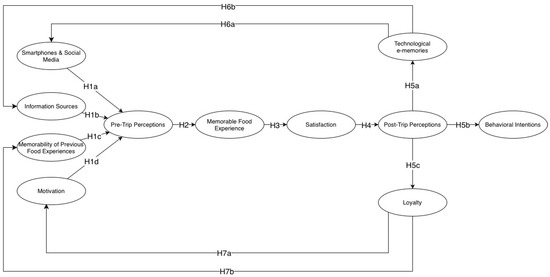
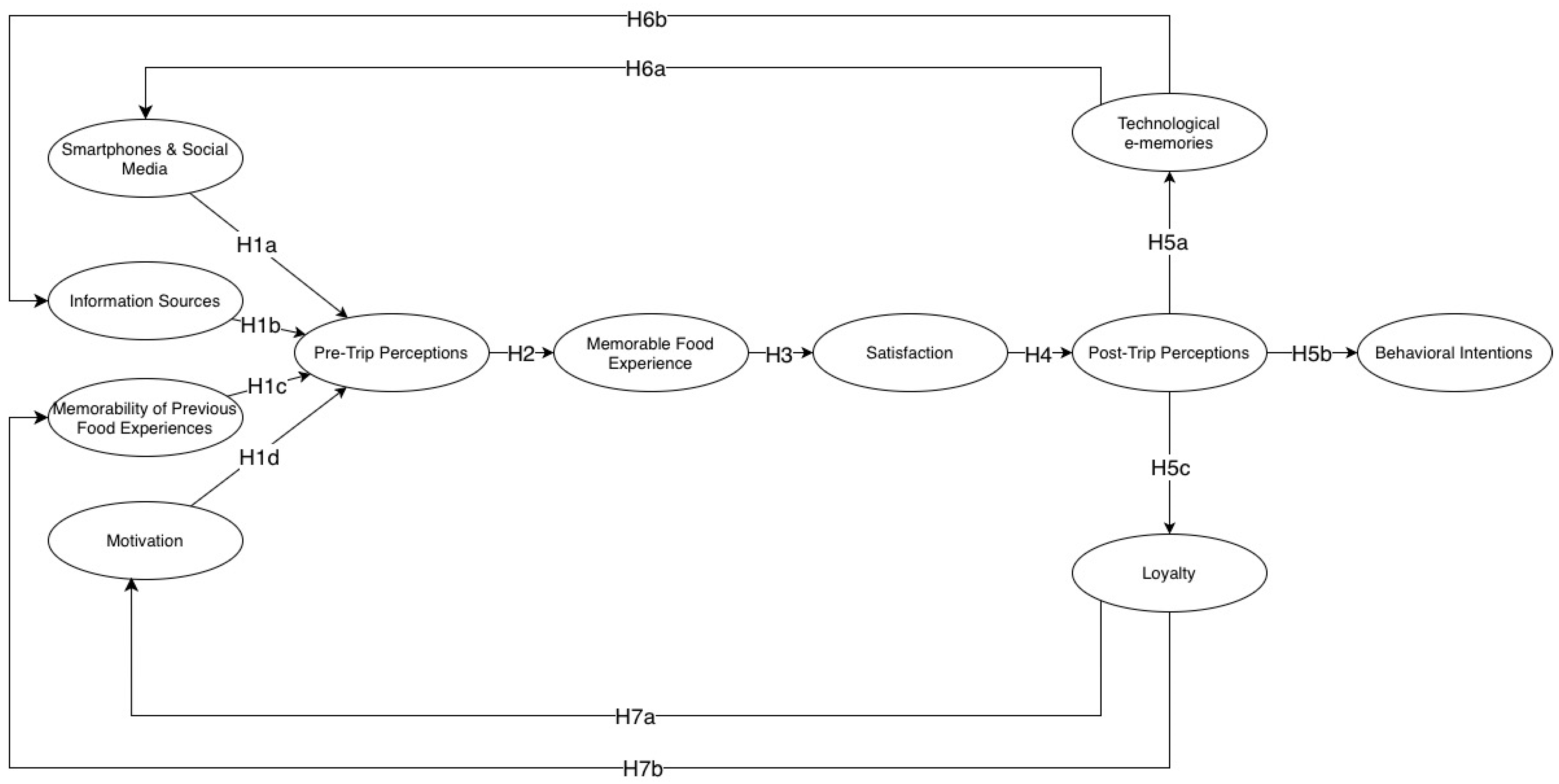
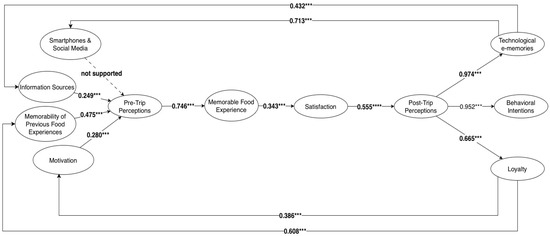
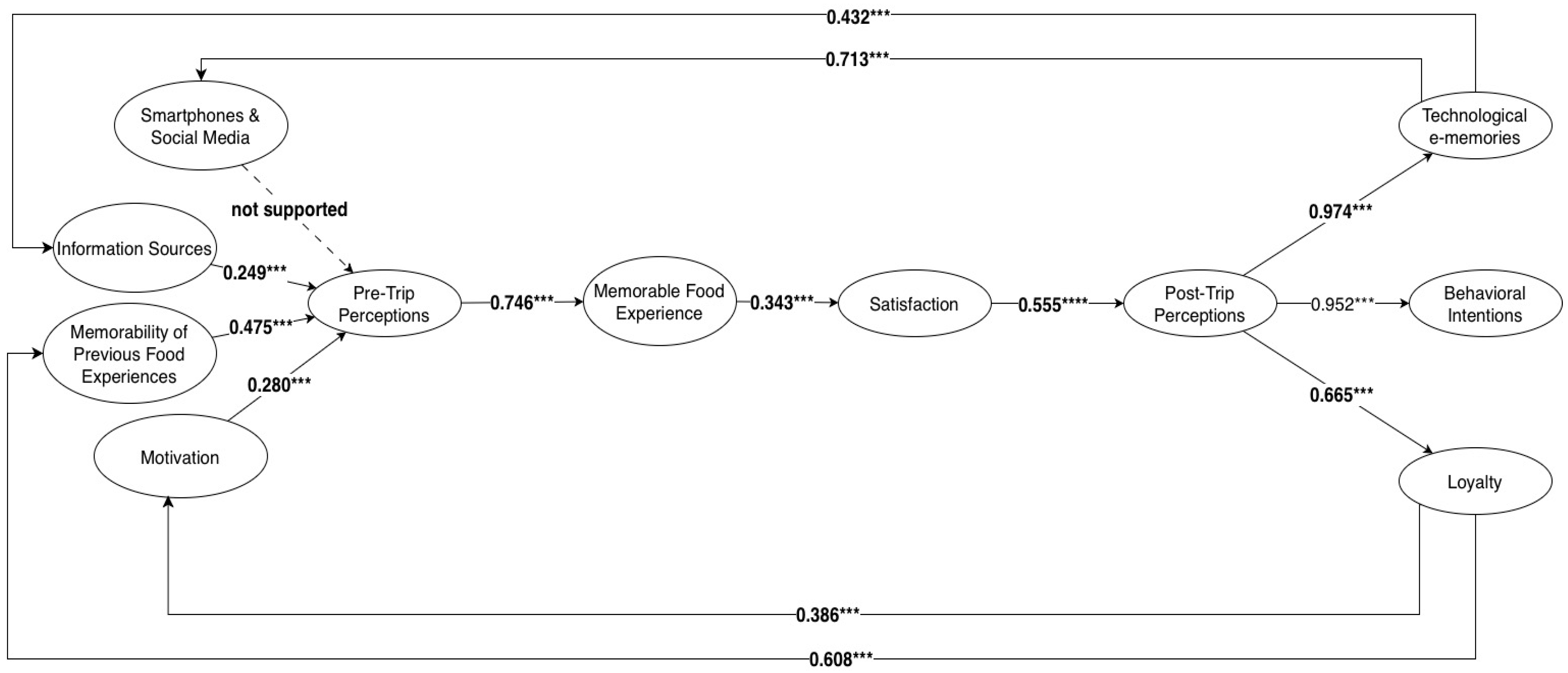

Disclaimer/Publisher’s Note: The statements, opinions and data contained in all publications are solely those of the individual author(s) and contributor(s) and not of MDPI and/or the editor(s). MDPI and/or the editor(s) disclaim responsibility for any injury to people or property resulting from any ideas, methods, instructions or products referred to in the content. |
© 2026 by the authors. Licensee MDPI, Basel, Switzerland. This article is an open access article distributed under the terms and conditions of the Creative Commons Attribution (CC BY) license.