


Abstract
Enhancing the resilience of the agricultural industrial chain is a critical pillar for ensuring national food security and promoting the construction of a strong agricultural nation. This study explores the direct impact, transmission mechanisms, and boundary conditions of rural human capital on the agricultural industrial chain. Based on panel data from 30 Chinese provinces spanning 2010 to 2024, this study constructed a comprehensive measurement index system and employed two-way fixed effects, Two-Stage Least Squares (2SLS), System Generalized Moment Estimation (System GMM), and panel threshold regression models. The results indicate that rural human capital acts as a significant endogenous driver enhancing agricultural resilience. Mechanism analysis reveals this positive effect is indirectly transmitted through the rationalization and advancement of the industrial structure. Furthermore, marketization levels exert a double-threshold effect. The empowering effect of rural human capital on the resilience of the agricultural industrial chain is most pronounced at low marketization levels, while its marginal contribution continues to decline as marketization advances to medium and high levels. Heterogeneity tests show this enhancement is most pronounced in economically developed and disaster-prone regions. In conclusion, to fully release human capital dividends and improve the system’s risk-resistance capacity, policymakers should construct multi-level cultivation systems, leverage structural optimization, and implement moderately paced, localized market reforms.
1. Introduction
The Fourth Plenary Session of the 20th Central Committee of the Communist Party of China explicitly proposed to “ensure the security of food and key industrial and supply chains”. Meanwhile, the Plan for Accelerating the Construction of a Strong Agricultural Country (2024–2035) identifies “strong industrial resilience” as a core characteristic of building an agricultural powerhouse. In the critical transition period from a large agricultural country to a strong agricultural country, enhancing agricultural resilience is key to cultivating endogenous growth momentum [1]. Improving the resilience of the agricultural industrial chain is not only the safety bottom line for consolidating the “Three Rural Issues” (agriculture, rural areas, and farmers) and ensuring national food security, but also the strategic hub for constructing a modern agricultural system, smoothing the “dual circulation,” and achieving rural revitalization [2]. According to data from the National Bureau of Statistics, China’s grain output in 2025 steadily exceeded 1.4 trillion jin, and the processing and conversion rate of agricultural products reached 75%, indicating the preliminary emergence of a modern agricultural pattern. However, as agricultural modernization accelerates, deep-seated contradictions such as insufficient structural adaptability of the industrial chain and lagging development of productive service industries remain prominent, restricting the stability and adaptability of the industrial chain [3].
Currently, China’s demographic dividend is weakening, and the cost of agricultural labor is rising. With changes in population structure, the number of young workers migrating to cities has increased, while rural hollowing out and aging have become increasingly severe, leading to a lack of industrial vitality and insufficient reserve forces for agricultural production. Furthermore, the educational level of agricultural practitioners in China remains relatively low; statistics from the seventh national census in 2020 showed that the average years of education in rural areas were 8.99 years, far below those in countries such as Japan, Europe, and America. As the functions of agriculture expand, division of labor becomes more refined, and production chains extend, there is growing demand for specialized technical talent [4]. The 2026 Central No. 1 Document proposed to “expand and strengthen the rural talent pool” and “strengthen the cultivation of rural industrial leaders and rural governance talents”. Entering the new stage of the “15th Five-Year Plan,” the state explicitly proposed to persist in “investing in people” and promote the high-quality transformation of “human resources” into “human capital”. From a mechanistic standpoint, human capital drives technological progress and factor reorganization, which can significantly enhance the risk resistance and technological absorption levels of the agricultural system [5,6]. Conversely, a decline in the quality of human capital engaged in agricultural production not only inhibits the improvement of agricultural green total factor productivity [7] but also significantly reduces agricultural industrial chain resilience [8]. Human capital, centered on education, training, and health, can directly improve production efficiency and indirectly accelerate technology diffusion, thereby consolidating agricultural industrial chain resilience by enhancing total factor productivity [9]. Simultaneously, this process inevitably induces the rationalization and high-level evolution of the industrial structure, thereby indirectly driving the leap in agricultural industrial chain resilience. Based on this, this paper attempts to answer the following questions through further research: Can the improvement of rural human capital become an endogenous driving force for enhancing agricultural industrial chain resilience? What are the transmission paths and mechanisms through which rural human capital acts on agricultural industrial chain resilience? Are there mediating effects and threshold effects? Based on this, the research contributions of this paper are mainly reflected in the following three aspects:
- (1)
- Regarding the research perspective, diverging from previous studies that focus on how human capital enhances “agricultural productivity,” this paper establishes “people” as the core endogenous driver of resilience development. By subdividing rural human capital into educational, health, and migratory types, it demonstrates that under extreme shocks, the fundamental value of human capital lies in maintaining systemic stability and rapid recovery.
- (2)
- Regarding conceptual measurement, this study breaks through the limitations of broad resilience to strictly define and reconstruct “agricultural industrial chain resilience”. In contrast to traditional “agricultural economic resilience,” this paper constructs a whole-chain measurement framework encompassing the pre-production, mid-production, and post-production stages of the agricultural industrial chain. By integrating green sustainability and digital intelligent transformation indicators, it more precisely captures the characteristics of agricultural modernization in the new era.
- (3)
- Regarding the transmission mechanism, differing from studies that attribute agricultural upgrading directly to exogenous technology or capital, this paper elucidates the transmission pathway among “rural human capital,” “industrial structure,” and “agricultural industrial chain resilience”. It proves that through the rationalization and advancement of the industrial structure, rural human capital can be internalized into the resistance, recovery, and reorganization capabilities of the agricultural industrial chain.
- (4)
- Regarding boundary conditions, this study uncovers a non-linear threshold effect. Breaking away from the assumption that the marketization level is a “linear positive” factor, it identifies a “double-threshold” effect: the empowering effect of rural human capital is actually strongest during the low-marketization stage, whereas excessive marketization is prone to triggering a talent “siphon effect” that leads to diminishing returns in empowerment. Furthermore, it reveals the fundamentally different heterogeneous roles played by human capital in economically developed regions and disaster-prone regions.
2. Literature Review
The term “resilience” derives from the Latin word “Resilire,” meaning “return to a previous state”. Holling (1973) first introduced “ecosystem resilience” into ecology, establishing the research paradigm of resilience science [10]. Reggiani et al. (2002) subsequently applied resilience concepts to spatial economics [11], and Martin (2012) further structured regional economic resilience into four dimensions—fragility, resistance, recovery, and regenerative capacity—highlighting the heterogeneous characteristics of shock absorption, a theoretical framework that has since become the cornerstone for subsequent resilience research [12].
As global supply chain risks intensify, the resilience framework has been progressively applied to agriculture, expanding research perspectives from isolated agricultural ecological or economic resilience to more systemic resilience across entire agricultural industrial chains. The agricultural industrial chain is a comprehensive system driven by the synergy of capital, information, products, and technology, encompassing industrial organizations, structural configurations, and scale systems involving farmers, cooperatives, and enterprises engaged in upstream production, midstream processing, and downstream sales activities [13,14,15]. Consequently, agricultural industrial chain resilience is defined as “the agricultural system’s capacity to maintain core functions and evolve continuously through three phases—resistance, recovery, and restructuring—in environments characterized by persistent external shocks and uncertainties” [16]. Its essence lies in the holistic capability of all chain segments and stakeholders to collaborate in ensuring stable operations, rapid recovery, and sustainable development under risk conditions [17].
In measuring the resilience of agricultural industrial chains, the mainstream approach adopts an evolutionary framework of “resistance,” “recovery,” and “reconfiguration” [18,19]. Under this framework, scholars have different focuses: Hao Aimin et al. (2024) emphasize industrial organization and factor mobility, focusing on process efficiency between upstream and downstream links [20]; Luo Hehua et al. (2026) use fracture resilience, shock resilience, and evolutionary resilience for characterization [21]; Wen Chunhui and Liu Zhicheng (2026) incorporate a trade dependence indicator under the dual circulation paradigm, focusing on the industrial chain’s ability to mitigate supply and demand fluctuations through domestic and international dual circulation mechanisms [22]; and other scholars have introduced the Pressure-State-Response (PSR) model, constructing an agricultural industrial chain resilience system that highlights dynamic feedback characteristics in the measurement process [23,24]. Furthermore, Jiang et al. (2024) adopt a macroeconomic residual method to avoid subjective weighting biases, but this has a “black-box” limitation in reflecting the internal structure of the agricultural industrial chain [5].
To reflect high-quality development, Wang Cheng and Wang Yufeng (2026) expanded to a five-dimensional model integrating green governance [25], while Qiu Shuqin et al. (2026) seek a balance between ecological security and industrial chain autonomy [26]. Despite these advancements, existing frameworks still face limitations. Conceptually, existing studies frequently confuse “agricultural industrial chain resilience” with “agricultural production resilience,” overemphasizing scale expansion while failing to adequately capture whole-chain synergistic effects [27]. Methodologically, relying on static absolute indicators (such as fixed asset investment) leads to “scale bias,” thereby overestimating the resilience of major agricultural provinces and masking their genuine structural vulnerabilities [28].
Research on the influencing mechanisms primarily covers three perspectives. First, digital innovations—such as digital infrastructure, digital inclusive finance, and artificial intelligence—optimize agricultural resource allocation and enhance agricultural industrial chain resilience [29,30,31]; Zhou et al. (2026) confirm through micro-level enterprise data that digital transformation can mitigate supply chain risks [32]. Second, institutional environments and external shocks exhibit complex effects: the “Chain Leader System” enhances collaborative resilience [33], whereas extreme temperatures (Qin Zhaohui et al., 2026) [34] and agricultural insurance (Dong et al., 2026) [35] show non-linear “double-edged sword” threshold effects. Third, the aging of the rural labor force significantly undermines resilience, although digital technologies and agricultural socialized services can mitigate this constraint [36,37].
Overall, three critical theoretical gaps remain. First, rural human capital is typically treated merely as a control variable rather than being investigated as a core driving force of agricultural industrial chain resilience. Second, regarding how rural human capital acts as a bridge by correcting factor misallocation and driving industrial structural upgrading, existing empirical evidence remains insufficient. Third, explorations of boundary conditions predominantly focus on spatial or digital divides, overlooking the complex marketization process—specifically, whether the “siphon effect” of capital and talent triggered by excessive marketization could undermine agricultural industrial chain resilience.
3. Theoretical Mechanism and Analytical Framework
Based on human capital theory and system resilience theory, this paper analyzes the internal mechanism through which rural human capital influences the resilience of the agricultural industrial chain. First, according to the theory of Theodore W. Schultz [38], rural human capital is categorized into three types—educational, health-based, and migration-based—where educational human capital reflects the knowledge accumulation, skill improvement, and professionalization level of the rural labor force; health-based human capital reflects the health capital accumulation and quality of life of rural residents; and migration-based human capital reflects the mobility and information acquisition capabilities of farmers. The paper further elucidates how these three types of rural human capital, acting as production factors, strengthen the resistance, recoverability, and reorganization of the agricultural industrial chain. Second, by introducing the rationalization and upgrading of the industrial structure as a mediating mechanism, the paper analyzes the transmission paths through which rural human capital indirectly enhances agricultural industrial chain resilience by optimizing factor allocation and promoting technological iteration. Finally, the level of marketization is incorporated into the analytical framework to examine its threshold effect as an external institutional environment within the “rural human capital–agricultural industrial chain resilience” relationship. Based on this, the paper constructs the following analytical framework to explore the mechanism by which the enhancement of rural human capital promotes the resilience of the agricultural industrial chain (Figure 1).
Figure 1.
Mechanism of rural human capital enhancement on agricultural industrial chain resilience improvement.
3.1. The Impact of Rural Human Capital on Agricultural Industrial Chain Resilience
Rural human capital serves as the foundation for the sustainable development and stable operation of the agricultural industrial chain. Schultz [38] argued that investments in education, training, health, and migration can effectively enhance labor productivity and innovation capabilities, suggesting that human capital investment is a necessary condition for the high-quality development of modern agriculture and the enhancement of agricultural industrial chain resilience.
First, educational human capital strengthens the “resistance” of the agricultural industrial chain. Elevating the education level of farmers and providing targeted agricultural training help promote the innovation and dissemination of agricultural technology [39], which in turn significantly enhances the resilience of the agricultural industrial chain by improving labor productivity, optimizing factor allocation, and driving the transition from extensive to intensive production [40]. Nelson and Phelps [41] found that highly educated farmers can more easily understand and adapt to new production technologies and machinery, noting that educational attainment has a significant impact on agricultural labor productivity in an era of rapid change in agricultural equipment and technology. The accumulation of knowledge and skills not only improves the technical foundation of agricultural production but also empowers the labor force to promote the diffusion of agricultural technology, thereby increasing the buffering capacity of agricultural production against external shocks and strengthening the overall resilience of the agricultural industrial chain.
Second, health-based human capital strengthens the “recoverability” of the agricultural industrial chain. Health-based human capital promotes the growth of national wealth by increasing individual production capacity, boosting education investment, and strengthening the propensity to save [42]. The health status of rural residents is significantly influenced by factors such as income, education, medical accessibility, and long-term medical costs; labor with good health possesses higher productivity and the capacity for continuous work, which is conducive to maintaining the continuity of production activities [43]. Furthermore, the improvement of medical security reduces the impact of disease risks on agricultural operations, household investment, and income stability, thereby decreasing the decline in labor supply caused by “returning to poverty due to illness”. It also provides the necessary conditions for agricultural operating entities to rapidly mobilize resources and restart production after a shock, enhancing the recovery elasticity of the agricultural industrial chain.
Third, migration-based human capital strengthens the “reorganization” of the agricultural industrial chain. Labor transfer leads to the substitution of labor with capital, resulting in a trend of capital deepening in agricultural production, where labor-saving capital inputs—such as machinery, fertilizers, and high-quality seeds—are gradually promoted. In this process, farmers participate in the modern division of labor system by purchasing socialized services [44], a “division of labor outsourcing” model that breaks through individual management boundaries and drives the improvement of agricultural total factor productivity. Simultaneously, while expanding non-agricultural employment, the transfer of rural labor promotes modern agricultural transformation through “industrial driving” and “productivity boosting effects” [45], establishing information sharing and collaborative networks between urban and rural areas as well as between industry and agriculture. These informal institutional arrangements formed through mobility can improve risk warning capabilities and information dissemination speed, thereby increasing the flexibility of agricultural operating entities in responding to market changes. This also drives the agricultural industrial chain to evolve toward high value-added and modernization, further enhancing the resilience of the agricultural industrial chain.
3.2. The Indirect Impact of Industrial Structure Optimization on the Enhancement of Agricultural Industrial Chain Resilience
The optimization of industrial structures provides a solid foundation for enhancing the resilience of the agricultural industrial chain. In essence, industrial structure optimization represents the organic unity of rationalization and advancement: the former emphasizes coordination and balance among various sectors, while the latter focuses on the transition of industries toward high-value-added segments [46]. Enhancing the agricultural industrial chain resilience requires both the introduction of modern production factors to transform traditional agriculture [47] and the use of structural optimization to drive the flow of factors from low-efficiency sectors to high-efficiency ones. This optimized allocation of resources not only accelerates the development of emerging business formats but also extends the agricultural industrial chain toward the high-value end, thereby shaping new economic growth poles while simultaneously strengthening industrial resilience [48].
First, industrial structure rationalization enhances the shock resistance of agricultural industrial chains by improving factor allocation efficiency. Rationalization promotes the strategic allocation of resources—such as labor and capital—into agricultural fields and segments characterized by high productivity and high returns on low inputs, thereby improving overall production efficiency and output benefits [49]. Conversely, structural imbalances lead to resource misallocation and supply-demand discrepancies, which hinder the economic cycle and weaken system stability [50].
Second, industrial structure advancement serves as the driving force for enhancing agricultural industrial chain resilience. Industrial structure advancement reflects the transition of an economy from primary, low-value-added sectors to technology-intensive, high-value-added ones, resulting from the synergy of technological progress, factor upgrading, and industrial integration [51]. It facilitates the deep integration of agriculture with manufacturing and services, fostering high-end segments such as advanced agro-processing, modern logistics, and information services, which in turn strengthens value chain extension and industrial synergy. Industrial structure advancement not only boosts the regenerative and innovative capacities of agricultural systems but also mitigates systemic risks through knowledge spillovers and positive technological externalities.
Third, industrial structure optimization requires a corresponding human capital structure. If the supply of human capital fails to meet the demand for high-skilled labor in emerging industries, the process of industrial upgrading will be impeded [52]. Investment in human capital improves labor quality, alters marginal productivity and factor input structures, creates dynamic comparative advantages, and facilitates industrial upgrading [53]. On the one hand, the enhancement of human capital drives technological innovation, injecting momentum into industrial upgrading [54]. On the other hand, low-quality rural human capital hinders the transformation of traditional agriculture, whereas high-quality human capital supports the application of agricultural technology and facilitates structural optimization [55].
In summary, industrial structure rationalization and advancement act as the mediating mechanisms through which rural human capital enhancement strengthens agricultural industrial chain resilience: the former enhances system stability by improving resource allocation efficiency, while the latter improves regenerative capacity and adaptability through technological upgrading and industrial integration.
3.3. Non-Linear Effects of Rural Human Capital on the Resilience of Agricultural Industrial Chains
Entering the “15th Five-Year Plan” period, the Chinese government has explicitly proposed to “deepen the development of a unified national market,” aiming to dismantle institutional barriers that impede the fair competition of production factors. A sound institutional environment reduces transaction costs by minimizing information asymmetry and ensuring the effective enforcement of contracts [56]; by improving incentive mechanisms, corporate productivity can be enhanced [57]; by reducing government intervention in businesses, it helps leverage the decisive role of market mechanisms in resource allocation [58]. For the agricultural sector, a robust institutional environment can mitigate transaction costs and optimize resource allocation within the agricultural industrial chain by enhancing information transparency, strengthening property rights protection, and improving the efficiency of contract enforcement [59]. Consequently, breaking down regional barriers and market fragmentation is of decisive significance for facilitating the seamless mobility and efficient agglomeration of various production factors—including human capital—across all segments of the agricultural industrial chain.
The marketization process enhances the “marginal transformation efficiency” of human capital by optimizing incentive structures. In stages of low marketization, administrative barriers and sluggish factor circulation cause the innovative potential of high-quality labor to be offset by high institutional costs [60]. As market-oriented reforms deepen and the freedom of factor mobility increases, high-quality labor can achieve cross-industry division of labor and technological coupling within a more open system, thereby enhancing the adaptability of the agricultural system through knowledge diffusion. At this stage, marketization plays a “catalyst” role, significantly amplifying the positive impact of rural human capital on the resilience of agricultural industrial chains.
However, beyond the aforementioned positive impacts of marketization on agricultural industrial chain resilience, its potential negative effects also warrant further investigation. First is the “siphon effect” of production factors: in an overly marketized environment, profit-seeking motives may drive the accelerated outflow of capital and high-skilled labor toward high-yield non-agricultural sectors, resulting in “factor drainage” within the agricultural system [61]. Second is the “amplification effect” of competitive risks: the natural cycles and inherent vulnerability of agriculture place it at a disadvantage when competing with highly organized non-agricultural markets. Excessive competition may exacerbate “cobweb fluctuations,” thereby undermining the steady state of input-output cycles [62]. Furthermore, if the public service system fails to transform in synchronization with market reforms, excessive marketization may highlight lags in redistributive fields such as education and healthcare, which in turn erodes the existing stock value of human capital [63].
Accordingly, the impact of rural human capital on the resilience of agricultural industrial chains is subject to the threshold constraints of marketization levels. When the level of marketization is below the critical threshold, institutional constraints prevent the efficacy of human capital from being fully unleashed. After crossing this threshold, marketization dividends drive the synergistic optimization of human capital and industrial structures, producing a multiplier effect. However, once marketization exceeds an optimal range, factor crowding out and market risks lead to an attenuation of its marginal promotional effect.
3.4. Extraction of Research Hypotheses and Summary of Theoretical Logic
In summary, as the most active factor of production in the agricultural system, rural human capital not only exerts a direct driving effect on industrial chain resilience by improving labor productivity and technical diffusion capabilities, but also plays an indirect supporting role through the “resistance–recovery–reorganization” logic by inducing the rational allocation and sophisticated evolution of the industrial structure. Meanwhile, this factor-enabling effect does not operate in a vacuum; its effective release highly depends on the external institutional environment constructed by marketization levels. Based on the systematic review of the logical relationships among rural human capital, industrial structure optimization, and marketization levels, this paper proposes the following research hypotheses:
H1.
Rural human capital has a significant positive impact on the resilience of the agricultural industrial chain.
H2a.
Enhancement of rural human capital strengthens agricultural industrial chain resilience by promoting the rationalization of the industrial structure.
H2b.
Enhancement of rural human capital strengthens agricultural industrial chain resilience by driving the advancement of the industrial structure.
H3.
The impact of rural human capital on the resilience of the agricultural industrial chain is subject to non-linear constraints of marketization levels, exhibiting a significant double-threshold effect.
4. Variable Selection, Model Specification, and Data Sources
4.1. Variable Selection
4.1.1. Explained Variable
The dependent variable of this study is agricultural industrial chain resilience. Drawing on previous research and integrating the practical conditions of Chinese agriculture, this paper measures agricultural industrial chain resilience from three dimensions: resistance, recovery, and reorganization [12,20]. Meanwhile, dividing Resistance into three dimensions: Upstream Production Input Security, Midstream Production Stability, and Downstream Circulation Resilience; Recovery into two dimensions: Financial and Policy Support and Market and Trade Resilience; and Reconfiguration into three dimensions: Technology and Digital Transformation, Green Sustainability, and Industrial Chain Extension. The final framework comprises 8 subsystems and 20 indicators, as presented in Table 1 [64,65,66]. The entropy weight method is then employed to calculate the comprehensive resilience index. As an objective weighting model, the entropy weight method determines weights entirely based on the degree of dispersion of the observed values for each indicator, effectively avoiding the interference of subjective factors in weight allocation and ensuring the neutrality of the evaluation process. This method can accurately capture minor informational differences between indicators and is more scientific in characterizing the dynamic evolution and inter-provincial disparities of agricultural industrial chain resilience, thereby ensuring the robustness and persuasiveness of the research conclusions.
Table 1.
Evaluation index system for agricultural industrial chain resilience.
First, resistance capacity serves as the primary foundation of agricultural industrial chain resilience. It emphasizes the maximum external shock the agricultural system can withstand internally while maintaining its structural integrity and functional stability. This reflects the core capability of the agricultural industrial chain—across production, processing, transportation, and sales—to effectively resist natural disasters, market risks, and international shocks, thereby ensuring the security and stability of the national supply of grain and essential agricultural products [67]. Therefore, this paper innovatively incorporates the entire spectrum of pre-production, in-production, and post-production stages as the resistance components of agricultural industrial chain resilience. The stable supply of upstream production factors constitutes the first line of defense in fortifying resistance [68]. It is imperative to leverage modern agricultural science, technology, and physical equipment to overcome bottlenecks in key core agricultural technologies. Furthermore, cutting-edge technologies such as bioengineering and gene editing should be promoted to expand the space for agricultural development [69]. Relying on an industry-university-research collaborative innovation model, efforts must be intensified to foster seed industry innovation, achieve self-reliance in seed science and technology, and resolve the “chokehold” technical challenges concerning seed sources [70]. In the midstream, securing grain yields is crucial, which involves pest and disease control, disaster prevention and relief, and farmland infrastructure construction, thereby enhancing comprehensive agricultural production capacity, including grain output [71]. Concurrently, guided by the principle of “adopting an all-encompassing approach to food and developing a diversified food supply system” proposed in the report to the 20th National Congress of the Communist Party of China, it is necessary to tailor measures to local conditions. This entails formulating a modern agricultural production structure that aligns with the resource and environmental carrying capacity and meets the increasingly diversified food consumption demands of urban and rural residents. In the downstream circulation stage, it is vital to optimize the spatial layout of modern, urban-rural integrated commercial circulation networks. By utilizing digital empowerment, new business formats and models in circulation can be cultivated to build a smart agricultural supply chain. This facilitates the organic integration of the production, circulation, and consumption ends of the agricultural industrial chain. Furthermore, the construction of logistics and warehousing facilities, coupled with the popularization of the Internet, accelerates regional economic integration and factor mobility [72], ultimately bridging the “last mile” in agricultural product circulation.
Secondly, recoverability emphasizes the capacity of the agricultural system to return to its pre-shock state or approach normal operational levels within a short period after sustaining functional impairment from external uncertainty shocks. This reflects the resource restructuring efficiency of the agricultural industrial chain following a shock. Resilience theory highlights that after experiencing chain disruptions caused by shocks, the system maintains the dynamic stability and continuous development of the industrial chain under risk impacts through the reconstruction of internal network structures, the reallocation of resources, and the restructuring of network relationships [73]. Within the agricultural industrial chain, such recoverability relies on capital injections. Through market-oriented instruments such as credit, bonds, and insurance, the financial sector attracts social capital into agriculture and rural areas, forming a diversified investment mechanism comprising “fiscal support, financial services, and social capital”. This mechanism bridges rural development gaps, boosts economic vitality, and activates endogenous rural drivers to build a sustainable development model by optimizing financial resource allocation, innovating risk-sharing mechanisms, and deepening inclusive finance [74]. From the perspective of agricultural “external circulation,” enhancing agricultural industrial chain resilience requires adopting a global vision. It is essential to establish a transnational, full-chain agricultural development system under the “Belt and Road” initiative, deepen cooperation in agricultural trade and investment, advance substantive collaboration in agricultural resources, personnel, and technology with countries along the route, and facilitate the cross-border flow of production factors. Additionally, agricultural product price volatility is a non-negligible risk source in macroeconomic operations. When transmitted and amplified through value chains and their embedded production networks, its impact on the macroeconomic aggregate generates a multiplier effect that exceeds the intrinsic share of the agricultural sector, potentially evolving into systemic macroeconomic risks [75]. Therefore, stabilizing agricultural product prices contributes to mitigating risk exposure [76].
Finally, reorganization represents the advanced stage of resilience enhancement. It emphasizes that the industrial chain must not only “recover its original state” but also achieve structural leapfrogging through technological innovation, green transition, and value chain extension, thereby building immunity against similar future risks. With the innovative development of agricultural digital technologies and intelligent information platforms, the agricultural industrial chain possesses a stronger capacity for structural restructuring and greater potential for functional enhancement [29]. Among these, science and technology serve as the inexhaustible driving force for high-quality agricultural development. Powered by modern scientific and technological engines such as engineering, biotechnology, and information technology, they propel agricultural production toward intelligence, high efficiency, and precision [77]. Modern breeding technologies, intelligent agricultural equipment, and precise agricultural production management systems significantly improve the efficiency and quality of agricultural production [78]. Meanwhile, the transition from traditional to green agriculture can promote the formation of a sustainable agricultural model characterized by ecological security, resource security, and agricultural product quality safety. This shifts the paradigm from resource-depleting extensive growth to eco-friendly green development, adhering to the concept that “lucid waters and lush mountains are invaluable assets,” and achieving a dynamic balance and harmonization of economic, ecological, and social benefits. Efforts should be vigorously made to promote ecological, organic, and circular agriculture, reducing reliance on chemical pesticides and fertilizers to ensure the quality and safety of agricultural products [79]. Regarding industrial convergence, the cross-integration of primary, secondary, and tertiary industries forms an integrated industrial chain encompassing the production, processing, circulation, sales, and service of agricultural products, thereby creating new value-added. This measure encompasses two dimensions: the first is integrating the production, processing, and sales stages of agricultural products to extend the agricultural industrial chain; the second is expanding agricultural functions to broaden the profit sources for the agricultural sector and farmers through various means, such as developing rural tourism, sightseeing farms, and specialty catering [75]. Ultimately, this fosters an integrated pattern of “production, processing, sales, and services,” as well as a new paradigm characterized by “refined production, intensive processing, efficient circulation, and intelligent services” [80]. Consequently, the agricultural system is propelled to transition from passive post-disaster recovery to proactive functional reorganization, realizing high-quality and sustainable development.
4.1.2. Core Explanatory Variable
This study selects rural human capital as the core explanatory variable. According to Schultz’s human capital theory, there are four primary pathways for human capital formation: formal education, adult learning programs, healthcare and medical services, and migration for better employment. Integrating the realistic characteristics of China’s rural development and existing research results [81]. As detailed in Table 2, this paper constructs an indicator system for rural human capital across four dimensions—education, vocational training, health expenditure, and mobility and migration—to characterize the structure and competency status of rural human capital. This system not only reflects the long-term accumulation of knowledge and skills within the labor force but also measures the impact of health capital and spatial mobility on their productivity, information acquisition capability, and innovation capability, thereby providing a measurement basis for investigating rural human capital and its underlying mechanisms. In calculating the composite index, the entropy weight method is likewise employed to determine indicator weights, with the methods and procedures consistent with those used for measuring agricultural industrial chain resilience. The specific indicator settings are as follows.
Table 2.
Evaluation indicator system for rural human capital.
4.1.3. Mechanism Variable
To investigate the impact mechanism of rural human capital on agricultural industrial chain resilience, this study introduces two mediating variables—industrial structure rationalization (TL) and industrial structure advancement (TS)—to characterize the transmission pathway through which rural human capital enhances agricultural industrial chain resilience by driving the optimization of the industrial structure. Following the research approach of Gan et al. [51], this paper employs a modified Theil index to measure the degree of industrial structure rationalization across provinces. The calculation formula is as follows:
where represents the value-added of the i-th industry, represents the number of employed persons in the i-th industry, and Y and L denote the total value-added and total number of employed persons across the three industries, respectively. This indicator reflects the degree of structural deviation between output and employment. When TL = 0, it indicates a perfect match, meaning the structure is the most rational; a larger TL value indicates a more severe deviation and a lower degree of rationalization. For the convenience of interpretation, this paper takes the negative value of TL (−TL) so that a larger value represents a more rational structure. The higher the level of rural human capital, the stronger the skill structure and technology absorption capacity of the laborers, which is more conducive to the reallocation and coordination of factors among industries, thereby promoting the rationalization of the industrial structure and enhancing the resource utilization efficiency and risk resistance capacity of the agricultural system.
In terms of industrial structure advancement, the ratio of the value-added of the tertiary industry to that of the secondary industry is used to measure the degree of industrial upgrading. The calculation formula is as follows:
where Y2 represents the value-added of the secondary industry, and Y3 represents the value-added of the tertiary industry. A larger TS value indicates that the economic structure tends more toward advancement and servitization. The enhancement of rural human capital, through technological innovation, knowledge diffusion, and factor recombination, drives the integration of the secondary and tertiary industries and facilitates the embedding of agriculture into the modern industrial chain system, thereby enhancing the innovation resilience and reorganization capacity of the agricultural system.
4.1.4. Threshold Variable
To investigate the non-linear characteristics of the impact of rural human capital enhancement on agricultural industrial chain resilience under varying levels of marketization, this paper draws on existing research [59,82] to measure the institutional environment of various provinces and municipalities. Specifically, this study utilizes five core indicators from the Marketization Index of China’s Provinces, a recognized system for evaluating regional marketization degrees: the relationship between the government and markets, the development of the non-state economy, the development of product markets, the development of factor markets, and the development of market intermediaries and the legal environment.
First, the “rate of change” of the sub-indicators for each region in the sample is calculated. The calculation formula is as follows:
where is the change value of for different regions r and different sub-indicators j from year t − 1 to year t. Then, the relationship between the change in each sub-indicator and the changes in the five dimensions is calculated:
Applying the entropy formula to calculate the different rates of change for the five sub-indicators, the final measurement formula for the level of marketization is as follows:
where max represents the maximum entropy value of the region in year t; the higher the IEit score of a province, the higher its level of marketization.
4.1.5. Controlled Variable
Based on existing research findings [83,84,85], this study selects variables that are both influenced by and independent of the resilience of the agricultural industrial chain as control variables, as follows:
- (1)
- Basic Conditions for Agricultural Production: Measured by the proportion of effective irrigated area to total cultivated area. This indicator characterizes the foundational guarantee level for agricultural production.
- (2)
- Per capita power output of agricultural machinery: Measured by the ratio of total agricultural machinery power to the rural resident population. This indicator characterizes the level of mechanized equipment and operations in agricultural production.
- (3)
- Overall grain production capability: Measured by the grain yield per unit area. This indicator characterizes the comprehensive output and the capacity for stable production and supply security of regional grain.
- (4)
- Rural cable television coverage rate: Measured by the proportion of actual rural cable television subscribers to the total number of rural households. This indicator characterizes the coverage level of basic information infrastructure in rural areas.
- (5)
- Proportion of administrative villages with formulated village plans: Measured by the ratio of the number of administrative villages that have completed statutory village planning to the total number of administrative villages within the jurisdiction. This indicator characterizes the level of planning guidance and governance standardization in rural development.
4.2. Model Specification
4.2.1. Foundation Model
A fixed-effects panel regression model is employed to analyze the direct relationship between rural human capital and agricultural industrial chain resilience:
where Yit denotes the agricultural industrial chain resilience of province i in year t, Laborit represents the rural human capital index, Controlsit denotes a series of control variables, μi is the individual fixed effect, λt is the time fixed effect, and εit is the random disturbance term.
4.2.2. Threshold Effect Model
To investigate the non-linear characteristics of the impact of rural human capital enhancement on agricultural industrial chain resilience under varying levels of marketization, this paper employs the panel threshold regression model proposed by Hansen [86], using the one-period lagged marketization index as the threshold variable. The model is specified as follows:
where denotes the agricultural industrial chain resilience of province i in year t; Laborit represents the rural human capital index; represents the marketization index, serving as the threshold variable; , and are the first, second, and third threshold values, respectively; is an indicator function that takes the value of 1 if the condition holds true, and 0 otherwise; Xit represents the control variables; and εit is the disturbance term.
4.3. Data Sources
Given the availability and completeness of the data, this study selects 30 provinces in China (excluding Tibet, Hong Kong, Macao, and Taiwan) as the research sample. The data are sourced from the China Rural Statistical Yearbook, China Agriculture Statistical Yearbook, China State Farms Statistical Yearbook, China Insurance Yearbook, China Statistical Yearbook, China Industry Statistical Yearbook, China Financial Yearbook, China Population and Employment Statistical Yearbook, and the statistical yearbooks of the respective provinces, as well as the website of the National Bureau of Statistics, the patent database of China National Knowledge Infrastructure (CNKI), the CSMAR database, the EPS database, and the CEI database, among others. For a few missing data points, this paper employs the interpolation method for calculation (Table 3).
Table 3.
Descriptive statistics of variables.
5. Empirical Results and Analysis
5.1. Spatiotemporal Evolution Characteristics of China’s Agricultural Industrial Chain Resilience
In accordance with the regional division method of eastern, central, western and northeastern China issued by the National Bureau of Statistics, combined with the research sample of 30 provincial-level administrative regions in this paper, the whole country is divided into four major regions. Specifically, the eastern region includes 10 provinces: Beijing, Tianjin, Hebei, Shanghai, Jiangsu, Zhejiang, Fujian, Shandong, Guangdong and Hainan; the central region includes 6 provinces: Shanxi, Anhui, Jiangxi, Henan, Hubei and Hunan; the western region includes 12 provinces: Inner Mongolia, Guangxi, Chongqing, Sichuan, Guizhou, Yunnan, Tibet (excluded from the analysis), Shaanxi, Gansu, Qinghai, Ningxia and Xinjiang; the northeastern region includes 3 provinces: Liaoning, Jilin and Heilongjiang (Figure 2).
Figure 2.
Agricultural industrial chain resilience values.
From 2010 to 2015, the overall resilience of China’s agricultural industrial chain experienced a continuous decline. The core reason lies in the siphoning effect generated by rapid industrialization and urbanization, which led to a reduction in both the quantity and quality of the agricultural labor force. Concurrently, rising prices of agricultural materials squeezed production profits, while a massive influx of international agricultural product imports impacted the domestic market, leading to a continuously expanding agricultural trade deficit. At the regional level, the Eastern region, relying on its mature agricultural product processing and circulation systems, experienced the smallest decline and maintained a relatively high overall level of resilience. Conversely, the Central, Western, and Northeastern regions were more significantly affected by labor outflows and the decline in comparative agricultural benefits, resulting in more substantial drops in resilience.
Between 2015 and 2020, the national agricultural industrial chain resilience achieved a significant rebound. During this phase, the implementation of the Rural Revitalization Strategy, the continuous refinement of the policy system supporting and benefiting agriculture, and increasing fiscal support for the agricultural sector played pivotal roles. The reform of the rural land property rights system promoted moderate-scale agricultural operations, while the booming development of new business formats such as digital and smart agriculture effectively enhanced agricultural production efficiency and risk resistance capacity. Regarding regional differences, the Central region, leveraging its arable land resource advantages and policy dividends, recorded the fastest improvement in resilience, with major agricultural provinces rapidly entering the medium-to-high value range. The Chengdu-Chongqing area in the West emerged as a new growth pole with a substantial increase in resilience. The Northeastern region experienced a steady recovery, although its overall level remained below the national average.
From 2020 to 2024, the national agricultural industrial chain resilience saw a slight pullback. The primary cause was the superimposed impact of multiple external shocks: the COVID-19 pandemic disrupted global supply chains, impeding the circulation of agricultural materials and products; frequent extreme weather disasters severely damaged agricultural production; and international geopolitical conflicts drove up global food and energy prices, increasing agricultural production costs and exacerbating agricultural trade risks. During this period, the Eastern region, relying on its comprehensive full-industry-chain system, demonstrated stronger risk resistance capacity, experiencing the smallest decline and maintaining its leading position nationwide. The Western region, significantly affected by extreme weather and rising logistics costs, experienced a larger decline. The Northeastern region saw a slight drop in resilience due to fluctuations in the prices of agricultural materials and grain.
In terms of spatial differentiation characteristics, the Eastern region has consistently remained a high-level resilience agglomeration area, forming three major high-value industrial clusters: the Yangtze River Delta, the Pearl River Delta, and the Bohai Rim. Leveraging mature market mechanisms, advanced technical equipment, and comprehensive processing and circulation systems, it has constructed an integrated modern agricultural industrial system with outstanding comprehensive risk resistance and value-added capabilities. The Central region is accelerating its rise, entering the medium-value range overall, with core agricultural provinces joining the national high-value echelon, serving as the core carrier for ensuring national food supply. The Western region exhibits pronounced internal development polarization: the Chengdu-Chongqing area has joined the high-value echelon, and most provinces in the Southwest and Northwest have achieved steady resilience improvements based on characteristic agriculture. However, remote provinces, constrained by natural conditions and economic levels, have weak industrial chain foundations and low resilience. The Northeastern region has developed steadily, relying on its black soil and large-scale operation advantages, but its developmental edge has not been fully unleashed due to constraints such as low marketization, homogeneous industrial structure, and brain drain.
Overall, the spatiotemporal evolution of China’s agricultural industrial chain resilience from 2010 to 2024 reveals three major laws: First, the overall trend exhibits an inverted N-shaped phased fluctuation, undergoing continuous adjustment and optimization in response to the macroeconomic environment, policy regulations, and external shocks. Second, the spatial pattern of “high in the East, low in the West” remains stable, yet the regional gap continues to narrow, with the resilience disparity between the East and West decreasing annually, demonstrating a significant trend of coordinated regional development. Third, five major urban agglomerations have become core growth poles, radiating their influence to drive the upgrading of agricultural industrial chains in surrounding areas.
5.2. Provincial Correlation Analysis of Rural Human Capital and Agricultural Industrial Chain Resilience
Figure 3 presents the cross-sectional distribution characteristics of the rural human capital index and the agricultural industrial chain resilience (AICR) index across 30 provincial-level administrative regions of China in 2024 (the right vertical axis represents the rural human capital index; the left vertical axis represents the AICR index). It can be observed that the provincial distribution of the two variables generally follows the pattern of “high in the east and low in the west”: major eastern coastal and agricultural provinces such as Jiangsu, Shandong and Zhejiang boast the nation’s leading AICR; while northwestern inland provinces including Qinghai, Ningxia and Xinjiang rank at the bottom in both indicators, indicating a positive spatial correlation between the two variables.
Figure 3.
Mean values of agricultural industrial chain resilience and rural human capital (2010–2024).
However, the figure also reveals that the spatial coupling between the two is not fully synchronized, and there exists an obvious regional mismatch. Northeast China exhibits a characteristic coexistence of high human capital and low resilience: the rural human capital levels of Liaoning, Jilin and Heilongjiang are higher than those of most provinces in central and western China, but their AICR lags significantly behind major agricultural provinces in central China such as Henan and Hubei. Shandong Province, despite having a slightly lower rural human capital level than the core provinces in the Yangtze River Delta, still maintains a top-tier resilience level nationwide by virtue of its sound agricultural product processing and circulation system and advantages of large-scale operation. This asynchrony indicates that the transformation of rural human capital into agricultural industrial chain resilience is not a simple linear mapping relationship, and its conversion efficiency is constrained by factors such as institutional links and industrial structure.
5.3. Baseline Regression Results
Table 4 presents the estimation results of the baseline regression. The models are specified in a progressive manner to gradually control for potential confounding factors: Model (1) only controls for province-level individual fixed effects; Model (2) further incorporates year fixed effects; Model (3) includes all control variables on the basis of individual fixed effects; and Model (4) simultaneously controls for both two-way fixed effects and all control variables. The results indicate that for every one-unit increase in the rural human capital composite index, the Agricultural Industrial Chain Resilience rises by 0.0507 units. The results indicate that rural human capital consistently exerts a significant positive effect on agricultural industrial chain resilience.
Table 4.
Benchmark regression.
This demonstrates that the enhancement of rural human capital can effectively strengthen the shock resistance and recovery capacity of the agricultural economic system. A higher level of rural human capital implies a more educated and skilled agricultural labor force. This high-quality workforce exhibits stronger capabilities in adopting modern agricultural technologies, optimizing resource allocation, and processing complex market information. When confronted with external disruptions—such as extreme weather events, supply chain bottlenecks, or market price fluctuations—agricultural participants with superior human capital can rapidly make rational, adaptive decisions to mitigate losses. Consequently, the accumulation of rural human capital not only acts as an essential “buffer” against exogenous shocks but also serves as an internal “accelerator” for structural recovery, fundamentally driving the agricultural industrial chain to evolve from traditional vulnerability to modern resilience.
5.4. Robustness Checks and Endogeneity Analysis
5.4.1. Robustness Checks
To verify the credibility of the baseline empirical findings, this study implements robustness checks from five empirical perspectives: alternative dependent variable measurement, sample trimming, alternative econometric specification, quantile estimation, and outlier elimination, and the corresponding regression results are documented in Table 5. Column (1) uses the logarithmic transformation of agricultural industrial chain resilience as an alternative dependent variable; Column (2) drops samples in 2020 disturbed by the COVID-19 shock; Column (3) applies the PPML estimator to alleviate potential heteroskedasticity bias; Column (4) adopts median panel quantile regression to reduce the disturbance of extreme values; Columns (5) and (6) respectively perform 1% and 5% bilateral winsorization on all continuous variables to weaken the impact of abnormal observations. Regression results show that the core explanatory variable rural human capital (Labor) obtains statistically significant positive coefficients across all six regression columns. After a series of robustness checks, the sign and significance of rural human capital remain essentially unchanged, which corroborates the baseline conclusion that the improvement in rural human capital can significantly enhance agricultural industrial chain resilience.
Table 5.
Robustness test.
5.4.2. Endogenous Analysis
To address potential endogeneity issues arising from reverse causality and omitted variables between rural human capital and agricultural industrial chain resilience, this study employs two approaches. First, a two-stage least squares (2SLS) estimation is conducted using the one-period lagged rural human capital as an instrumental variable. The first-stage F-statistic is 173.37, far exceeding both the empirical critical value of 10 for weak instruments and the Stock-Yogo 10% critical value of 16.38. Furthermore, the Kleibergen-Paap rk LM statistic is 76.29 (p < 0.01), which rejects the null hypothesis of underidentification. In the second stage, the coefficient for rural human capital is 0.056, which is significantly positive at the 10% level (p = 0.051). Second, considering the temporal inertia of agricultural supply chain resilience, a System Generalized Method of Moments (System GMM) estimation is further applied, wherein the instruments are collapsed to prevent the problem of instrument proliferation. The results show that the coefficient of the lagged dependent variable is significantly positive, and the sign for the rural human capital coefficient remains positive. The p-value for the AR(2) test is 0.062, and the p-value for the Hansen overidentification test is 0.086; neither rejects the null hypothesis, confirming the validity of the instrumental variable specification. Both methods indicate that the core conclusions remain robust after mitigating the endogeneity issues (Table 6).
Table 6.
Endogeneity test results.
5.5. Mechanism Tests
The results in Column (2) of Table 7 show that the regression coefficient of rural human capital on industrial structure rationalization (rat) is 0.5731 and significant at the 5% level, indicating that the accumulation of rural human capital drives the coordinated allocation of agricultural resources across different sectors and promotes the rationalized evolution of the industrial structure. Column (3) incorporates the industrial structure rationalization indicator into the baseline model. The results show that the coefficient of rural human capital remains significant at the 5% level with a value of 0.0434, and the impact coefficient of industrial structure rationalization on agricultural industrial chain resilience is 0.0127 and significant at the 1% level. This confirms that rural human capital can indirectly enhance agricultural industrial chain resilience through the channel of industrial structure rationalization.
Table 7.
Mechanism test regression results.
Column (4) of Table 7 examines the impact of rural human capital on industrial structure advancement (adv), and its coefficient is 0.4545 and significant at the 1% level, indicating that high-quality rural labor can effectively drive the agricultural industrial structure to transition toward high value-added and high-tech segments. The results in Column (5) further show that, when simultaneously controlling for rural human capital and industrial structure advancement, the promoting effect of the advancement index on agricultural industrial chain resilience is 0.0239 and highly significant at the 1% level, while the coefficient of rural human capital remains significant at the 5% level with a value of 0.0398. This demonstrates that rural human capital achieves the enhancement of agricultural industrial chain resilience by inducing the advanced optimization of industrial structure.
In summary, the mediation effects of both industrial structure rationalization and advancement highlight a dual-pathway transmission mechanism through which rural human capital empowers the agricultural industrial chain resilience. From the perspective of resource allocation, an educated and skilled rural workforce significantly mitigates factor misallocation, facilitating the seamless flow of labor and capital across the primary, secondary, and tertiary agricultural sectors. This structural rationalization effectively diversifies operational risks. Concurrently, from the perspective of value creation, human capital accelerates the adoption of modern technologies and the extension of the agricultural chain into deep processing and producer services. This structural advancement shifts the agricultural sector towards higher value-added activities, thereby accumulating robust financial and technological buffers against external shocks. Therefore, the dual-wheel drive of structural rationalization and advancement serves as the crucial structural bridge translating human capital potential into tangible, systemic agricultural industrial chain resilience.
5.6. Heterogeneity Analysis
To further investigate the regional differences in the impact of rural human capital on agricultural industrial chain resilience, this paper conducts a heterogeneity analysis from two dimensions: regional economic development level and natural disaster exposure. Table 8 reports the regression results under different groupings. From the perspective of regional development levels, this study classifies the top 15 provinces as developed regions and the bottom 15 as underdeveloped regions, based on the 2025 national provincial GDP rankings. The regression results show that the direction of the impact of rural human capital on agricultural industrial chain resilience remains consistent between developed and underdeveloped regions, but there is a distinct difference in statistical significance. The estimation results for developed regions are significantly positive, indicating that, coupled with well-established local market systems, infrastructure, and technological environments, the educational and skill advantages of the rural labor force can be effectively translated into productive efficiency and organizational synergy, thereby enhancing the shock resistance and recovery capacity of the agricultural system. Although the estimation results for underdeveloped regions are positive, they do not reach the level of statistical significance. This reflects structural constraints in such regions, such as a weak economic foundation and insufficient factor mobility, which make it difficult for human capital to fully embed into the industrial system and exert a multiplier effect.
Table 8.
Heterogeneity regression results.
From the perspective of natural disaster exposure, based on data from the 2013–2022 China Environmental Statistical Yearbook, this paper averages and ranks the natural disaster loss amounts of each province. The top 15 provinces are defined as disaster-prone regions, while the bottom 15 are defined as less disaster-prone regions. The results demonstrate that the promoting effect of rural human capital on agricultural industrial chain resilience is significant in disaster-prone regions, whereas the impact in less disaster-prone regions fails to reach statistical significance. This is because the core of industrial chain resilience lies in the system’s capacity to “resist, recover, and reorganize” in the face of external shocks. In regions with frequent natural disasters, the agricultural system constantly faces severe external survival pressures. Under such circumstances, the knowledge reserves, emergency management capabilities, and technological adaptability of the rural labor force become crucial variables for disaster mitigation and the rapid repair of damaged chains, profoundly amplifying their marginal utility in enhancing resilience. Conversely, in regions with relatively stable natural conditions, the agricultural industrial chain rarely suffers extreme physical damage, and the system’s routine operational inertia is sufficient to maintain basic stability. As a result, the unique advantages of human capital in risk defense and post-disaster reconstruction are not fully manifested.
5.7. Threshold Effect Analysis
Given that the impact of rural human capital on the resilience of the agricultural industrial chain may exhibit nonlinear characteristics depending on the degree of marketization, this study uses the degree of marketization (market) as a threshold variable and the logarithm of rural human capital (ln labor) as the threshold-dependent variable, employing Hansen’s (1999) [86] panel threshold model for testing. The threshold existence test (with 300 bootstrap samplings) results are presented in Table 9: both single and dual thresholds are significant at the 5% level, while the triple threshold is not significant; therefore, the dual threshold model was adopted.
Table 9.
Threshold effect test results.
Table 10 presents the regression results of the double-threshold model with marketization level as the threshold variable, examining the nonlinear impact of rural human capital (lnlabor) on agricultural industrial chain resilience (AICR). The model identifies two significant threshold values: 4.261 and 8.368, based on which the full sample is divided into three intervals of low, medium, and high marketization levels. When the marketization level is no more than 4.261 (the low marketization stage), the regression coefficient of lnlabor is 0.0546 and statistically significant at the 1 level. This indicates that a 1% increase in rural human capital leads to a 0.0546% improvement in agricultural industrial chain resilience, with the marginal driving effect of factors being the strongest at this stage. When the marketization level ranges from 4.261 to 8.368 (the medium marketization stage), the regression coefficient drops to 0.0297, and the positive empowering effect of rural human capital weakens markedly. When the marketization level exceeds 8.368 (the high marketization stage), the regression coefficient further decreases to 0.0131, and the marginal contribution of rural human capital continues to decline. Overall, the promoting effect of rural human capital on agricultural industrial chain resilience exhibits an obvious stepwise declining trend. This phenomenon is underpinned by profound institutional economics logic, which can be explained from the perspectives of differences in factor allocation characteristics and institutional environments across various marketization stages.
Table 10.
Threshold effect regression results.
In the low marketization stage where the marketization level ≤ 4.261, the marginal contribution of rural human capital to agricultural industrial chain resilience reaches its peak. The core reason is that traditional labor has become the dominant scarce factor in agricultural production under institutional barriers to factor mobility. Qian et al. (2025) pointed out that in the early stage of reform and opening up and the initial stage of marketization, the rural land property rights system was centered on the “separation of two rights,” and the average distribution of land by population formed a highly fragmented operation pattern [87]. The average contracted land area per household was only 0.32 hectares, scattered into 4.59 plots. This small-scale decentralized operation mode naturally excludes large-scale investment of capital and technological factors. Studies based on transaction cost theory show that in a low marketization environment, the factor market is underdeveloped, and the transaction costs of modern production factors such as capital and technology are extremely high, making it difficult for them to effectively enter the agricultural production field [59]. A survey of farmers in the Yellow River Basin by Liu et al. (2025) also confirmed that in areas with low marketization, insufficient credit support, and weak technology extension systems make it almost impossible for farmers to obtain modern agricultural machinery and precision agricultural technology support, and agricultural production completely relies on traditional manual labor and accumulated experience [88]. In this context, the micro-foundation formed by the land extension policy has a profound contradiction with the inherent requirements of large-scale, specialized and efficient agricultural socialized services. The quantity and experience of rural human capital directly determine the level of agricultural output and the basic stability of the industrial chain, so their marginal pulling effect is naturally the most significant.
When the marketization level enters the medium range of 4.261~8.368, the positive enabling effect of rural human capital declines significantly, which is an inevitable result of the substitution of traditional labor by capital and technological factors under institutional deregulation. With the advancement of market-oriented reform, the rural land property rights system centered on the “separation of three rights” was gradually established, and the land management right transfer market began to take shape. Farmers who do not engage in farming can transfer their land, while farmers who do farming can expand their farming scale through land transfer, realizing large-scale operation of rural land and thus improving the economic benefits of land cultivation. The emergence of large-scale operation has significantly lowered the application threshold of modern agricultural machinery and technology [89,90]. At this stage, the improvement of the institutional environment has reduced factor transaction costs, and capital and technological factors have begun to enter the agricultural field on a large scale, with their marginal output gradually exceeding that of traditional human capital. With the gradual improvement of technology promotion demonstration systems and credit support systems, more and more farmers have begun to adopt precision agricultural technologies, and the importance of traditional manual labor in agricultural production has continued to decline, leading to a gradual attenuation of the marginal contribution of rural human capital [59,88].
In the high marketization stage where the marketization level > 8.368, the marginal contribution of rural human capital further drops to the lowest level. On the one hand, excessive marketization leads to excessive profit-seeking of capital and the loss of agricultural factors. The allocation efficiency of land and capital factors is low, with coexisting problems of inflow barriers, retention difficulties, and inefficient utilization. Although the scale of land transfer has been expanding, the fragmented land pattern has not been fundamentally changed due to property right segmentation and traditional operating habits. Small and scattered cultivated land cannot meet the demand for contiguous operation in large-scale and intelligent production, resulting in difficulties in the operation of large intelligent agricultural machinery and high digital management costs. In terms of capital, the inherent characteristics of the agricultural industry, such as long cycles, high risk, and weak income stability, make most social capital flow into non-agricultural fields, weakening the stability of the agricultural system [91]. On the other hand, there is a structural mismatch between the modern agricultural production system and traditional rural human capital. In the high marketization stage, agricultural production methods have undergone fundamental changes, and new formats such as smart agriculture and ecological agriculture have developed rapidly, shifting the quality requirements for human capital from “quantity-oriented and experience-oriented” to “skill-oriented and management-oriented”. However, the current supply of rural human capital in China is still dominated by traditional farmers with low education levels and old ages, who are difficult to adapt to the needs of digital and large-scale modern agricultural production [92]. The aging trend of the rural labor force continues to intensify, and there is a serious shortage of existing practitioners with modern technical operation capabilities and business management thinking. Meanwhile, the willingness of external talents to flow into the agricultural field is generally low. It is difficult to attract high-quality groups such as college graduates and scientific and technological talents, and also difficult to retain locally cultivated technical backbones, forming a double gap in talent supply. This structural mismatch between the supply and demand of human capital ultimately leads to the continuous narrowing of the marginal contribution of traditional rural human capital to the resilience of the agricultural industrial chain.
6. Discussion
Enhancing the resilience of the agricultural industrial chain is a complex systemic project. While previous studies have extensively examined the roles of digital inclusive finance, technological innovation, and agricultural machinery services on agricultural resilience, they have largely overlooked the endogenous initiative of “people”—the core element of agricultural production. This study bridges this gap by incorporating rural human capital, industrial structure optimization, and marketization levels into a unified analytical framework.
6.1. The Endogenous Driving Role of Rural Human Capital
Our baseline regression results strongly support the positive impact of rural human capital on agricultural industrial chain resilience. Although Huffman (2001) [9] established the causal relationship between human capital investment and agricultural productivity growth, we extend the application boundary of human capital theory from the narrow realm of “agricultural production efficiency” to the broader concept of “systemic resilience”, demonstrating that human capital serves as a critical buffer against external shocks beyond normal output enhancement. Most previous agricultural resilience studies treated human factors as secondary control variables, such as Jiang and Wu (2025) [8] who focused exclusively on the quantitative dimension of rural labor aging. Similarly, studies on digital economy [29,30] and technological innovation [31] emphasized the empowering effects of material factors while neglecting the endogenous agency of human capital. Our findings fill this critical gap by identifying rural human capital as a fundamental endogenous driver, updating Schultz’s (1961) [38] classic proposition to the context of building resilient agricultural systems.
6.2. The Transmission Logic of Industrial Structure Optimization
We reveal that industrial structure rationalization and advancement act as dual mediating mechanisms. While Zhang et al. (2026) [16] showed that the digital economy enhances resilience via industrial structure upgrading, they treated structural transformation as a direct outcome of technological progress, ignoring human capital as an essential prerequisite [55]. We further distinguish the independent mediating effects of the two dimensions of industrial structure optimization, extending Gan et al.’s (2011) [51] analytical framework to the agricultural sector. Rationalization improves system stability through factor allocation efficiency, while advancement enhances regenerative capacity via technological upgrading and industrial integration, resolving the “black box” problem in previous industrial structure-resilience research.
6.3. The Dialectical View of Marketization
The most groundbreaking finding of this study is that the empowering effect of rural human capital on agricultural industrial chain resilience is non-linear. Instead, it is constrained by a significant double threshold effect of the marketization level, exhibiting a step-wise diminishing pattern: strongest in the low marketization stage, weakened in the medium stage, and weakest in the high marketization stage. This conclusion revises the traditional consensus that “a higher degree of marketization inevitably leads to higher resource allocation efficiency”. This indicates that agricultural modernization should not blindly pursue absolute marketization; rather, a precise balance must be struck between market mechanisms and protective agricultural policies [92]. Concurrently, it is imperative to strengthen the training of “highly skilled farmers,” ensuring that their skill levels adapt to the demands of modern agricultural development, thereby better empowering the enhancement of agricultural industrial chain resilience.
6.4. Limitations and Future Prospects
Although this study provides new insights, it is not without limitations, which pave the way for future research. First, due to data availability, this study employs provincial-level panel data. Future studies could utilize micro-level survey data from rural households or county-level statistics to capture the heterogeneous impacts of human capital at a more granular level. Second, the measurement of human capital in this paper primarily relies on macro-statistical indicators. Future research could incorporate multidimensional micro-indicators, such as farmers’ digital literacy and entrepreneurial capabilities. Finally, the interplay between human capital and emerging factors like digital infrastructure and green finance in co-determining agricultural resilience remains a promising avenue for further exploration.
7. Research Findings and Policy Recommendations
7.1. Conclusions
Based on the panel data of 30 provincial-level administrative regions in China from 2010 to 2024, this paper systematically examines the impact, transmission mechanisms, and boundary conditions of rural human capital on agricultural industrial chain resilience. The main conclusions are as follows:
First, the baseline regression results indicate that rural human capital significantly enhances agricultural industrial chain resilience. This conclusion is further validated by robust models, including Two-Stage Least Squares (2SLS) and System Generalized Method of Moments (System GMM) estimations. Second, industrial structure optimization plays a dual mediating role. Rural human capital not only directly strengthens agricultural industrial chain resilience but also exerts an indirect impact through two parallel pathways: one is facilitating industrial structure rationalization, thereby improving factor allocation efficiency and system stability; the other is driving industrial structure advancement, which enhances the innovation and reorganization capacity of the agricultural system. Third, the empowering effect of rural human capital is constrained by a significant double threshold effect of the marketization level, exhibiting a step-wise diminishing pattern: strongest in the low marketization stage, weakened in the medium stage, and weakest in the high marketization stage. Fourth, the heterogeneity analysis reveals significant regional differences in the enhancing effect of rural human capital on agricultural industrial chain resilience: this positive empowering effect is statistically significant in both economically developed and disaster-prone regions. In economically developed regions, high-quality and highly skilled agricultural talents can more efficiently absorb cutting-edge digital and intelligent technologies, thereby enhancing the value-creation capacity of the agricultural industrial chain by promoting the optimization of industrial structures. Meanwhile, in disaster-prone regions, an educated and well-trained agricultural workforce possesses stronger risk awareness and the cognitive foundation necessary to effectively adopt modern risk-management tools.
7.2. Policy Recommendations
Based on the above research conclusions, to fully release the dividends of rural human capital, comprehensively enhance the resilience of China’s agricultural industrial chain, and accelerate the construction of an agricultural powerhouse, this paper proposes the following four targeted policy recommendations:
First, construct a multi-level rural human capital cultivation system to consolidate the human foundation of agricultural industrial chain resilience. In response to the core conclusion that rural human capital serves as an endogenous driving force, a multi-dimensional cultivation mechanism characterized by “government-led and multi-party participation” should be established. Initially, the articulation between basic education and vocational skills training must be strengthened. While ensuring the quality of rural compulsory education, priority should be given to vocational skills training oriented towards modern agriculture—particularly practical skills such as digital agriculture, intelligent agricultural machinery operation, and agricultural product e-commerce—to resolve the structural mismatch between traditional human capital and modern agriculture in the high marketization stage. Secondly, the rural public health and medical security system should be improved. Increasing investment in rural grassroots medical and health institutions will enhance farmers’ health levels and prevent the erosion of human capital stock caused by poverty due to illness. Thirdly, a two-way incentive mechanism for urban-rural talent mobility should be established. By breaking down institutional barriers such as household registration (hukou) and social security, and introducing policies like tax incentives and startup subsidies, university graduates, military veterans, and scientific and technological personnel can be attracted to return to rural areas for entrepreneurship and employment. Concurrently, the orderly mobility of the rural labor force should be encouraged to enhance their information acquisition and resource integration capabilities.
Second, use industrial structure optimization as a pivot to unblock the transmission pathway of human capital to industrial chain resilience. Relying on the dual mediating roles of industrial structure rationalization and advancement, the deep integration of human capital and industrial development should be promoted. On the one hand, industrial structure rationalization should be facilitated by guiding production factors, such as labor and capital, to flow toward efficient agricultural segments. Vigorously developing agricultural socialized services will address the difficulty of connecting smallholder farmers with modern agriculture, thereby improving the organizational degree and risk resistance capacity of agricultural production. On the other hand, the advancement of the industrial structure should be accelerated by extending the agricultural industrial chain and developing new industries and business formats, such as the deep processing of agricultural products, rural tourism, and rural e-commerce. This will create more high-value-added employment opportunities, attracting high-quality rural labor for local and nearby employment.
Third, implement a phased and differentiated marketization reform strategy to precisely match the optimal institutional environment for human capital empowerment. For regions with a low marketization level, the central government should establish special transfer payments, heavily tilted toward improving the quality of rural compulsory education, achieving full coverage of agricultural vocational skills training, and building grassroots medical and health systems, to rapidly increase the local human capital stock. On this basis, administrative barriers to land transfer and labor mobility should be gradually dismantled, and property rights trading platforms should be improved. This allows the accumulated human capital to achieve optimal allocation through the factor market, maximizing its driving effect on agricultural industrial chain resilience.
For regions with a medium marketization level, the policy focus should shift toward the synergistic investment of human capital alongside capital and technology. Emphasis should be placed on cultivating new types of agricultural operating entities, supporting the development of agricultural socialized service organizations, and promoting the deep integration of highly skilled farmers with modern agricultural machinery, digital technology, and large-scale operations. Simultaneously, the agricultural credit guarantee system should be refined to guide social capital into the agricultural sector in an orderly manner, forming a synergistic empowerment paradigm of “human capital leadership + capital and technological support”.
For regions with a high marketization level, the core of the policy is to prevent the factor siphon effect and resolve the structural mismatch of human capital. On the one hand, a compensation mechanism for the return of agricultural talent should be established, providing startup subsidies, social security subsidies, and tax deductions for high-quality talents returning to rural areas to engage in agricultural production, thus curbing the outflow of agricultural talent caused by the profit-seeking nature of capital. On the other hand, advanced training for “highly skilled farmers” should be conducted in a targeted manner, focusing on improving farmers’ capabilities in digital operations, industrial chain management, and risk prevention and control, to address the structural contradiction between traditional human capital and the modern agricultural production system. Concurrently, government investment in basic and public welfare agricultural fields should be strengthened, and an interest compensation mechanism for grain production should be established to offset market failures and safeguard the security bottom line of the agricultural industrial chain.
Fourth, implement precise regional support policies based on the heterogeneity of rural human capital’s empowering effects. For economically developed regions, their advantages in high-level human capital should be fully leveraged to build modern agricultural industrial clusters, allowing them to play a leading role in the modernization of the agricultural industrial chain and generate radiation-driven effects to export technology and management experience to the central and western regions. For disaster-prone regions, policies should prioritize specialized human capital cultivation in the field of risk management; local governments should provide targeted training on disaster prevention and mitigation, with a specific focus on enhancing farmers’ financial literacy, as it is only through the continuous improvement of this specific human capital that agricultural operators can effectively understand, accept, and utilize agricultural insurance and risk-sharing mechanisms, thereby truly enhancing the shock resistance of the agricultural system. For economically underdeveloped regions, central fiscal transfer payments should be increased to prioritize the accumulation of basic human capital, such as education, healthcare, and transportation, laying a solid foundation for enhancing agricultural industrial chain resilience.
Author Contributions
Conceptualization, W.W. and Z.Z.; methodology, Z.Z. and J.L.; software, Z.Z. and J.L.; validation, Z.Z.; formal analysis, Z.Z., X.Z. and Y.W.; investigation, Z.Z. and J.L.; resources, Z.Z. and W.W.; data curation, Z.Z., X.Z. and Y.W.; writing—original draft preparation, Z.Z.; writing—review and editing, Z.Z., X.Z. and Y.W.; visualization, Z.Z. and Y.W.; supervision, W.W.; project administration, W.W.; funding acquisition, W.W. All authors have read and agreed to the published version of the manuscript.
Funding
This research was funded by the Major Bidding Program of the National Social Science Foundation of China (grant number: 24&ZD108).
Institutional Review Board Statement
Not applicable.
Informed Consent Statement
Not applicable.
Data Availability Statement
The authors will provide the raw data backing the conclusions of this article upon request.
Conflicts of Interest
The authors declare no conflicts of interest.
References
- Hao, A.; Tan, J. Mechanisms and Effect Measurement of Rural Industrial Integration in Enhancing Agricultural Resilience. J. Agrotech. Econ. 2023, 7, 88–107. [Google Scholar] [CrossRef]
- Song, H.; Jiang, F. Advancing and Expanding Agricultural and Rural Modernization: A Review of the 14th Five-Year Plan and Outlook for the 15th Five-Year Plan. Reform 2025, 7, 23–40. Available online: https://kns.cnki.net/kcms2/article/abstract?v=myyot3CgzEoFHkibtgriJZTLccivOWeUUD6yz0NzbhNccx4MVkcmYh7kMrJnIJs1jFB3hZuofQZ0iKQiPg64uCyThrrj9ZKk6CHUWBGS9J9Wrt9FxtbxmBWP33YsghVima1aNfF_VTwduA_LEi1uCTZGpJxxg1uapGOyqOxn9qFYdU10BaJ2hQ==&uniplatform=NZKPT&language=CHS (accessed on 1 June 2026).
- He, Y.; Yang, S. Research on Resilience Building of Agricultural Industrial Chains under the “Dual Circulation” Scenario. Issues Agric. Econ. 2021, 10, 78–89. [Google Scholar] [CrossRef]
- You, L.; Tian, X. New Quality Productivity in Agriculture: Practical Logic, Connotation Analysis and Formation Mechanism. On Econ. Probl. 2024, 6, 27–35. [Google Scholar] [CrossRef]
- Jiang, J.; Wu, H.; Li, S.; Liu, Q. Impact of rural population aging on agricultural industrial chain resilience: An analysis based on production factors. East China Econ. Manag. 2024, 38, 94–105. [Google Scholar] [CrossRef]
- Liu, Y.; Wang, Y. Labor quality and labor productivity in private enterprises: A Marxist perspective. World Econ. 2021, 44, 3–24. [Google Scholar] [CrossRef]
- Du, J.; Li, B.; Yang, H. The impact of agricultural human capital on agricultural green total factor productivity under population aging. China Popul. Resour. Environ. 2023, 33, 215–228. [Google Scholar]
- Jiang, J.; Wu, H. The Impact of Rural Labor Aging on Agricultural Industrial Chain Resilience: An Analysis from the Perspective of Digital Technology and Digital Inclusive Finance. J. Nanjing Agric. Univ. (Soc. Sci. Ed.) 2025, 25, 168–181. [Google Scholar] [CrossRef]
- Huffman, W.E. Human capital: Education and agriculture. In Handbook of Agricultural Economics; Gardner, B., Rausser, G., Eds.; Elsevier: Amsterdam, The Netherlands, 2001; Volume 1, pp. 333–381. [Google Scholar] [CrossRef] [Scilit]
- Holling, C.S. Resilience and Stability of Ecological Systems. Annu. Rev. Ecol. Syst. 1973, 1, 1–23. [Google Scholar] [CrossRef] [Scilit]
- Reggiani, A.; De Graaff, T.; Nijkamp, P. Resilience: An Evolutionary Approach to Spatial Economic Systems. Netw. Spat. Econ. 2002, 2, 211–229. [Google Scholar] [CrossRef] [Scilit]
- Martin, R. Regional Economic Resilience, Hysteresis and Recessionary Shocks. J. Econ. Geogr. 2012, 1, 1–32. [Google Scholar] [CrossRef] [Scilit]
- Shan, P.; Chen, J.; He, E. Digital Inclusive Finance, Agricultural Industrial Chain Extension and Farmers’ Income Growth. Chin. Agric. Resour. Reg. Plan. 2026, 47, 235–246. [Google Scholar]
- Zhang, H.; Tong, H. Problems and Optimization Paths of Agricultural Industrial Chain Finance Development Under the Rural Revitalization Strategy. Southwest Finance 2021, 6, 61–72. Available online: https://kns.cnki.net/kcms2/article/abstract?v=myyot3CgzEp09te-h6koLLefxONn1I-TLfWaCbtH7j0dJ336E_fP8a4GcYkK1JtjTJ_rQp19bO_wib9TjkJtZmpcGC3MTpHz30h098uDuQ76mIGlaUXxxEP1KhSRGTH-65H-t6WpruH-J_OqdCZzKyGJxv7A9iEjWbXHqtdOsAKTlm5xOkfSnA==&uniplatform=NZKPT&language=CHS (accessed on 1 June 2026).
- Nie, S.C.; Wang, G.X.; Zhong, F.Y. New Infrastructure Driving Agricultural Economic Resilience: Theoretical Mechanism and Empirical Test. J. Agric. For. Econ. Manag. 2025, 24, 65–74. [Google Scholar] [CrossRef]
- Zhang, Q.; Song, B.; Fei, S.; Li, H. Assessing the Impact of Digital Economic Development on the Resilience of China’s Agricultural Industry Chain. Agriculture 2026, 16, 230. [Google Scholar] [CrossRef] [Scilit]
- Bao, A.; He, M.; Zhou, Q.; Gao, H. The impact of industrial policies oriented toward the digital economy on the resilience of the agricultural industrial chain. Front. Sustain. Food Syst. 2025, 9, 1634474. [Google Scholar] [CrossRef] [Scilit]
- Nicolau, A.M.; Semenescu, A.; Petcu, P. Assessing the Resilience of Regenerative Agricultural Systems to Climate Change: A Scenario-Based Systemic Analysis Framework. Agriculture 2026, 16, 374. [Google Scholar] [CrossRef] [Scilit]
- Santos, J.M.R.C.A. Operationalizing the “Social” in Mountain Social–Ecological Systems: A Proposed Framework and Indicator Set. Sustainability 2026, 18, 3248. [Google Scholar] [CrossRef] [Scilit]
- Hao, A.; Xie, M.; Liu, Y. Measurement of Resilience Level and Spatiotemporal Evolution of Agricultural Industrial Chain. Stat. Decis. 2024, 40, 95–100. [Google Scholar] [CrossRef]
- Luo, H.; Dai, Q.; Xu, C. Test on the Influence Mechanism and Spatial Effect of Digital Finance on the Resilience of Agricultural Industrial Chain. Stat. Decis. 2026, 42, 149–154. [Google Scholar] [CrossRef]
- Wen, C.; Liu, Z. Analysis of Level Measurement, Spatiotemporal Evolution and Regional Differences of Agricultural Industrial Chain Resilience in Global South Countries. World Agric. 2026, 5, 113–127. [Google Scholar] [CrossRef]
- Zeng, X.; Zhang, X.; Li, Z.; Yang, Y.; Yang, W. Spatial Effect of Digital Inclusive Finance on the Resilience of Agricultural Industrial Chain. Econ. Geogr. 2025, 45, 183–191. [Google Scholar] [CrossRef]
- Zhang, S.; Li, L.; Sun, H. Spatiotemporal Evolution and Influencing Factors of Rural Resilience in the Anhui Section of the Yangtze River Basin Based on the PSR Model. Acta Ecol. Sin. 2025, 45, 6231–6245. [Google Scholar] [CrossRef]
- Wang, C.; Wang, Y. Regional Differences, Dynamic Evolution and Spatial Convergence Characteristics of Agricultural Industrial and Supply Chain Resilience Levels in China. Stat. Decis. 2026, 42, 100–105. [Google Scholar] [CrossRef]
- Qiu, S.; Cai, C.; Tan, M. Empirical Test of Digital Economy Empowering the Improvement of Agricultural Industrial Chain Resilience. Stat. Decis. 2026, 42, 129–134. [Google Scholar] [CrossRef]
- Zhang, Y.; Long, W. Challenges and Improvement Countermeasures of Agricultural Industrial Chain Resilience Under the Great Food Outlook. Acad. J. Zhongzhou 2023, 4, 54–61. [Google Scholar]
- Mijiti, M.; Sun, W.J. Research on the Impact of Digital Infrastructure Construction on Agricultural Industrial Chain Resilience—Based on the Perspectives of Agricultural Production Efficiency and Industrial Structure Optimization. Chin. Agric. Resour. Reg. Plan. 2026, 5, 1–15. Available online: https://link.cnki.net/urlid/11.3513.S.20260311.1434.012 (accessed on 1 June 2026).
- Ruan, J.; Sun, Y. Artificial Intelligence Empowering the Improvement of Agricultural Industrial and Supply Chain Resilience: Logic, Challenges and Paths. J. Nanjing Agric. Univ. (Soc. Sci. Ed.) 2026, 26, 24–37. [Google Scholar] [CrossRef]
- Li, J.; Wan, Q. The impact of agricultural technological innovation on the resilience of agricultural industrial chains: An analysis based on the threshold effect of fiscal agricultural support policies. J. Agrotech. Econ. 2025, 3, 4–17. [Google Scholar] [CrossRef]
- Wu, H.; Yang, H.; Li, Y.; Wang, S. Diverse Pathways for Digital and Intelligence Technologies to Enhance Resilience in the Agricultural Industry Chain—A Configuration Analysis Based on 99 Prefecture-Level Cities in China’s Yellow River Basin. Sustainability 2026, 18, 675. [Google Scholar]
- Zhou, Y.; He, W.; Tang, H.; Liu, Y. From complexity to strength: How digital transformation and innovation enhances agricultural supply chain resilience? J. Innov. Knowl. 2026, 15, 100985. [Google Scholar] [CrossRef] [Scilit]
- Li, J.; Yang, M.J.; Tian, Q.S.; Zhao, K.X. Agricultural Industrial and Supply Chain Resilience: Measurement and Spatiotemporal Evolution Characteristics—Also on the Impact of the Chain Leader System Policy. J. China Agric. Univ. (Soc. Sci. Ed.) 2026, 1–16. [Google Scholar] [CrossRef]
- Qin, Z.H.; Ren, L.; Ding, Z.G.; Tan, Q.J. Research on the Impact of Extreme Temperature on Agricultural Industrial Chain Resilience. J. Agric. For. Econ. Manag. 2026, 25, 52–63. [Google Scholar] [CrossRef]
- Dong, Y.; Gui, C.; Zeng, Y.; Qi, C. A Study on the Nonlinear Impact of Agricultural Insurance on the Resilience of Agricultural Economy. Agriculture 2026, 16, 261. [Google Scholar] [CrossRef] [Scilit]
- Zhang, H.; Bai, X.; Zhao, M. How Agricultural Machinery Socialized Services Influence Agricultural Economic Resilience: Theoretical Mechanisms and Macro Evidence. J. Agrotech. Econ. 2025, 8, 57–79. [Google Scholar] [CrossRef]
- Yu, L.; Wang, L.; Shi, C.; Yue, X.; Wang, Z.G. Impact of Production Agglomeration on Agricultural Industrial Resilience from the Perspective of Human Capital. Agric. Mod. Res. 2024, 45, 929–937. [Google Scholar] [CrossRef]
- Schultz, T.W. Investment in human capital. Am. Econ. Rev. 1961, 51, 1–17. [Google Scholar]
- Yu, W.; Zhang, P. Research on spatiotemporal differentiation characteristics and influencing factors of agricultural development resilience in China. Geogr. Geo-Inf. Sci. 2019, 35, 102–108. [Google Scholar]
- Yang, H.; Zou, Y.; Yuan, J. Research on the Impact of Technological Innovation on Agricultural Economic Resilience. Collect. Essays Finance Econ. 2025, 29–40. [Google Scholar] [CrossRef]
- Nelson, R.R.; Phelps, E.S. Investment in humans, technological diffusion, and economic growth. Am. Econ. Rev. 1966, 56, 69–75. [Google Scholar]
- Luan, B.; Yang, J. Rural residents’ income, health payment structure and rural health human capital: Evidence from panel data of China provinces. J. Agrotech. Econ. 2015, 76–84. [Google Scholar] [CrossRef]
- Chu, X.; Wei, L. Research on Influencing Factors of Rural Residents’ Health: Dynamic Analysis Based on China Health and Nutrition Survey Data. J. Agrotech. Econ. 2010, 37–46. [Google Scholar] [CrossRef]
- Zhang, L.; Luo, B. How can small-scale farming be integrated into the track of modern agricultural development?—Empirical evidence from China’s major wheat-producing regions. Econ. Res. J. 2018, 53, 144–160. [Google Scholar]
- Wang, L.; Cheng, Q. Impact of rural labor transfer on agricultural resilience and its mechanism. Agric. Econ. 2025, 2, 82–84. [Google Scholar]
- Li, H.; Zou, Q. Environmental Regulation, Resource Endowment and Urban Industrial Transformation: A Comparative Analysis of Resource-Based and Non-resource-Based Cities. Econ. Res. J. 2018, 53, 182–198. [Google Scholar]
- Luo, B. Fundamental Transformation: Understanding the China Path of Agricultural Modernization. J. Huazhong Agric. Univ. (Soc. Sci. Ed.) 2022, 1–9. [Google Scholar] [CrossRef]
- Hong, Y. Reflections on Chinese-style agricultural modernization and the development of new quality productive forces. Issues Agric. Econ. 2024, 4–10. [Google Scholar] [CrossRef]
- Yang, Z.; Ma, F. Spatial effects of agricultural industrial structure adjustment on agricultural production efficiency. Chin. Agric. Resour. Reg. 2025, 46, 219–232. [Google Scholar]
- He, X.; Li, J. Interactive Mechanism Between Capital Accumulation and Industrial Structure Upgrading: A Perspective from Marxist Political Economy. J. Shanxi Univ. Finance Econ. 2025, 47, 65–67. [Google Scholar]
- Gan, C.; Zheng, R.; Yu, D. The impact of industrial structure changes on economic growth and fluctuations in China. Econ. Res. J. 2011, 46, 4–16. [Google Scholar]
- Zhang, G.; Wen, J.; Tang, X. China’s human capital, human capital structure and industrial structure upgrading. China Popul. Resour. Environ. 2011, 21, 138–146. [Google Scholar]
- Bai, Y. Research on the Impact of Heterogeneous Human Capital on Industrial Upgrading. Master’s Thesis, Central University of Finance and Economics, Beijing, China, 2020. [Google Scholar]
- Liu, Z.; Li, H.; Hu, Y.; Li, C. Advanced human capital structure and economic growth: A discussion on the formation and narrowing of regional disparities among eastern, central, and western regions. Econ. Res. J. 2018, 53, 50–63. [Google Scholar]
- Ma, Y.; Gao, Q.; Yang, X. Aging Rural Labor Force and Agricultural Industrial Structure Upgrading: Theoretical Mechanisms and Empirical Testing. J. Huazhong Agric. Univ. (Soc. Sci. Ed.) 2023, 2, 69–79. [Google Scholar] [CrossRef]
- Khanna, T.; Rivkin, J.W. Estimating the performance effects of business groups in emerging markets. Strateg. Manag. J. 2001, 22, 45–74. [Google Scholar] [CrossRef] [Scilit]
- Fu, K.; Zhang, J. How National Comprehensive Innovation Reform Leads High-Quality Development of Enterprises: From the Dual Perspectives of Policy Driving and Institutional Incentives. Mod. Econ. Res. 2022, 102–114. [Google Scholar] [CrossRef]
- Shi, J.; Sun, T. Building a High-Level Socialist Market Economy System in an All-Round Way: Formation Mechanism and Key Priorities. Soc. Sci. Beijing 2025, 4–15. [Google Scholar] [CrossRef]
- Zhao, Y.; Zhang, Z.; Feng, T.; Tao, K. Big Data Development, Institutional Environment and Government Governance Efficiency. Manag. World 2019, 35, 119–132. [Google Scholar] [CrossRef]
- Wang, S.; Xiong, K.; Deng, G. Regulation of Administrative Monopoly and Cross-regional Capital Flows of Enterprises under the Background of Unified Large Markets. Mod. Finance J. Tianjin Univ. Financ. Econ. 2025, 45, 60–78. [Google Scholar] [CrossRef]
- Shao, Z.; Hu, B.; Zhang, K. Factor acquisition and differentiation of agricultural operating entities under the background of agricultural division of labor: A case study of glutinous rice production in County A. Chin. Agric. Resour. Reg. 2025, 1–19. Available online: https://link.cnki.net/urlid/11.3513.S.20251125.1124.007 (accessed on 1 June 2026).
- Yang, P. Promoting Sustainable Agricultural Development through Functional Diversification. Macroecon. Manag. 2011, 47–48. [Google Scholar] [CrossRef]
- Chen, M. Challenges and Responses to High-Quality Development of Agriculture and Rural Areas during the 14th Five-Year Plan Period. Zhongzhou J. Acad. Stud. 2020, 4, 49–55. [Google Scholar]
- Sun, Z.; Supanut, A.; Liu, J.; Kotrajaras, P. Digital Inclusive Finance, Rural Industrial Integration, and Agricultural Economic Resilience in China: A Threshold Mediation Analysis. Agriculture 2026, 16, 1128. [Google Scholar] [CrossRef] [Scilit]
- Zhang, M.; Hui, L. Spatial differences and influencing factors identification of agricultural economic resilience in China. World Agric. 2022, 36–50. [Google Scholar] [CrossRef]
- Liao, X.; Xiao, Y.; Sun, H. Research on Spatial Spillover Effects and Dynamic Evolution of Grain Production Resilience in Yunnan Province Based on Spatial Markov Chains. J. Yunnan Agric. Univ. (Soc. Sci.) 2025, 19, 11–19. [Google Scholar]
- Chen, R.; Wang, Y.; Zhang, L.; Wang, Q.; Zhang, Y. Development Evaluation, Spatiotemporal Differentiation and Driving Mechanism of China’s Grain Industrial Chain Resilience and Security Level. Syst. Eng. Theory Pract. 2025, 1–20. Available online: https://link.cnki.net/urlid/11.2267.N.20250904.1242.004 (accessed on 1 June 2026).
- Kancs, A. Enhancing resilience: Model-based simulations. J. Def. Anal. Logist. 2024, 8, 105–120. [Google Scholar] [CrossRef] [Scilit]
- Chen, J.; Wang, G.Z. Promotion Strategies for the Development of New Quality Productive Forces in China’s Agriculture under the New Development Paradigm. Theor. Explor. 2025, 2, 102–111. [Google Scholar]
- Sun, Q. Cultivating New Quality Productivity via Industry-University-Research Collaborative Innovation to Bolster the Building of a Powerful Agricultural Country. China Sci. Technol. Ind. 2024, 4, 12–14. [Google Scholar] [CrossRef]
- Lei, Z.; Suolang, J.; Li, Z. Research on the Optimization of Input Guarantee Mechanism for Grain Production in China. Fiscal Sci. 2024, 5, 58–71. [Google Scholar]
- Zhou, J.; Bai, Y. Temporal changes and regional differences in the level of urban-rural development integration in China. China Ind. Econ. 2014, 2, 5–17. [Google Scholar]
- Xu, B.; Liu, W.; Li, J.; Yang, Y.; Wen, F.; Song, H. Resilience measurement and dynamic optimization of container logistics supply chain under adverse events. Comput. Ind. Eng. 2023, 180, 109202. [Google Scholar] [CrossRef] [Scilit]
- Yan, J.; Huang, B.T. Actively Promoting Financial Support for Comprehensive Rural Revitalization. Macroecon. Manag. 2025, 67–72+82. [Google Scholar] [CrossRef]
- Li, D.; Niu, N.; Wang, X. Practices, Experiences and Enlightenments of High-Level Opening-up of Agriculture at Home and Abroad—Also on the Breakthrough Path of Yunnan Agricultural Opening-up. World Agric. 2025, 44–55. [Google Scholar] [CrossRef]
- Ding, Z.; Li, B. Research on the Impact of Agricultural Product Price Fluctuations on Policy-based Agricultural Insurance: Based on a Subject Game Model. China Rural Econ. 2020, 6, 115–125. [Google Scholar]
- Song, Y.; Zhong, Y. Research on the Theoretical Connotation, Logical Mechanism and Practical Path of Coordinated Development of “Four Types of Agriculture”. Qiushi J. 2026, 53, 94–105. Available online: https://link.cnki.net/urlid/23.1070.C.20260529.1024.002 (accessed on 6 June 2026).
- Kuang, Y.; Peng, Y. Evolution Logic, Stage Characteristics and Path Innovation of High-Quality Development of Rural Industries. J. Northwest A&F Univ. (Soc. Sci. Ed.) 2025, 25, 22–31. [Google Scholar] [CrossRef]
- Zhao, Y. Practical Requirements for Promoting Comprehensive Rural Revitalization from the Perspective of Chinese-style Modernization. Rural Sci. Exp. 2025, 22, 177–179. [Google Scholar] [CrossRef]
- Zhang, X. Research on High-quality Development of New Quality Agricultural Productivity Empowered by Digital Technology. Shanxi Agric. Econ. 2025, 23, 32–34. [Google Scholar] [CrossRef]
- Jiang, M.; Zhang, J. Changes in rural human capital and agricultural labor productivity: An empirical analysis under the trend of urban-rural integration in China. Econ. Probl. 2023, 9, 77–87. [Google Scholar] [CrossRef]
- Fan, G.; Wang, X.; Zhu, H. China Marketization Index: Report on the Relative Progress of Marketization in Various Regions in 2011; Economic Science Press: Beijing, China, 2011. [Google Scholar]
- Li, Y.; Yan, F. Impact of Agricultural Industry Agglomeration on Agricultural Economic Resilience: A Case Study of 77 Prefecture-Level Cities in the Middle and Lower Reaches of the Yangtze River. J. Agrotech. Econ. 2025, 4, 38–53. [Google Scholar] [CrossRef]
- Zhong, Z.; Jiang, W.; Li, D. Can Socialized Services Promote High-Quality Agricultural Development? Evidence from Grain Production in the Third National Agricultural Census. China Rural Econ. 2021, 12, 109–130. [Google Scholar]
- Li, Y.; Zhang, X.; Chen, Y.; Liu, Y. Impact of Human Settlement Environment Quality on Rural Development: An Analysis Based on Cross-sectional Data of Village Sampling Survey in Jiangsu Province. China Popul. Resour. Environ. 2020, 30, 158–167. [Google Scholar]
- Hansen, B.E. Threshold effects in non-dynamic panels: Estimation, testing, and inference. J. Econom. 1999, 93, 345–368. [Google Scholar] [CrossRef] [Scilit]
- Qian, L. Coordinated Development of Land Contract Renewal and Agricultural Socialized Service System: Theoretical Logic, Key Obstacles and Realization Path. Rural Econ. 2025, 6, 133–142. [Google Scholar] [CrossRef]
- Liu, H.; Sun, Z.; Ruan, J. Institutional Environment, Value Perception and Adoption of Precision Agriculture Technology—Evidence from 1998 Micro-households in the Yellow River Basin. J. Northwest A&F Univ. (Soc. Sci. Ed.) 2025, 25, 121–132. [Google Scholar] [CrossRef]
- Shi, R.; Qian, Z.; Huang, L. Institutional Environment, Land Use Values and Rural Land Property Right System Reform—Practice and Enlightenment of Gaozuo Town. China Rural Surv. 2025, 6, 81–100. [Google Scholar] [CrossRef]
- Chen, F.; Guo, W. China’s Rural Land Property Right System Reform for Comprehensive Rural Revitalization. Shanghai Land Resour. 2025, 46, 1–7. [Google Scholar]
- Shangguan, D. Research on Development Challenges and Optimization Strategies of New Quality Agricultural Productivity under the Rural Revitalization Strategy. Agric. Dev. Equip. 2025, 12, 208–210. [Google Scholar]
- Chen, S.; Liu, C. Vitalizing Rural Areas: Rural Human Capital Cultivation for the Development of New Rural Industries and Business Forms. World Agric. 2025, 6, 37–50. [Google Scholar] [CrossRef]
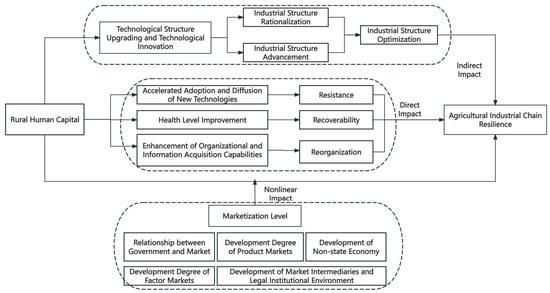
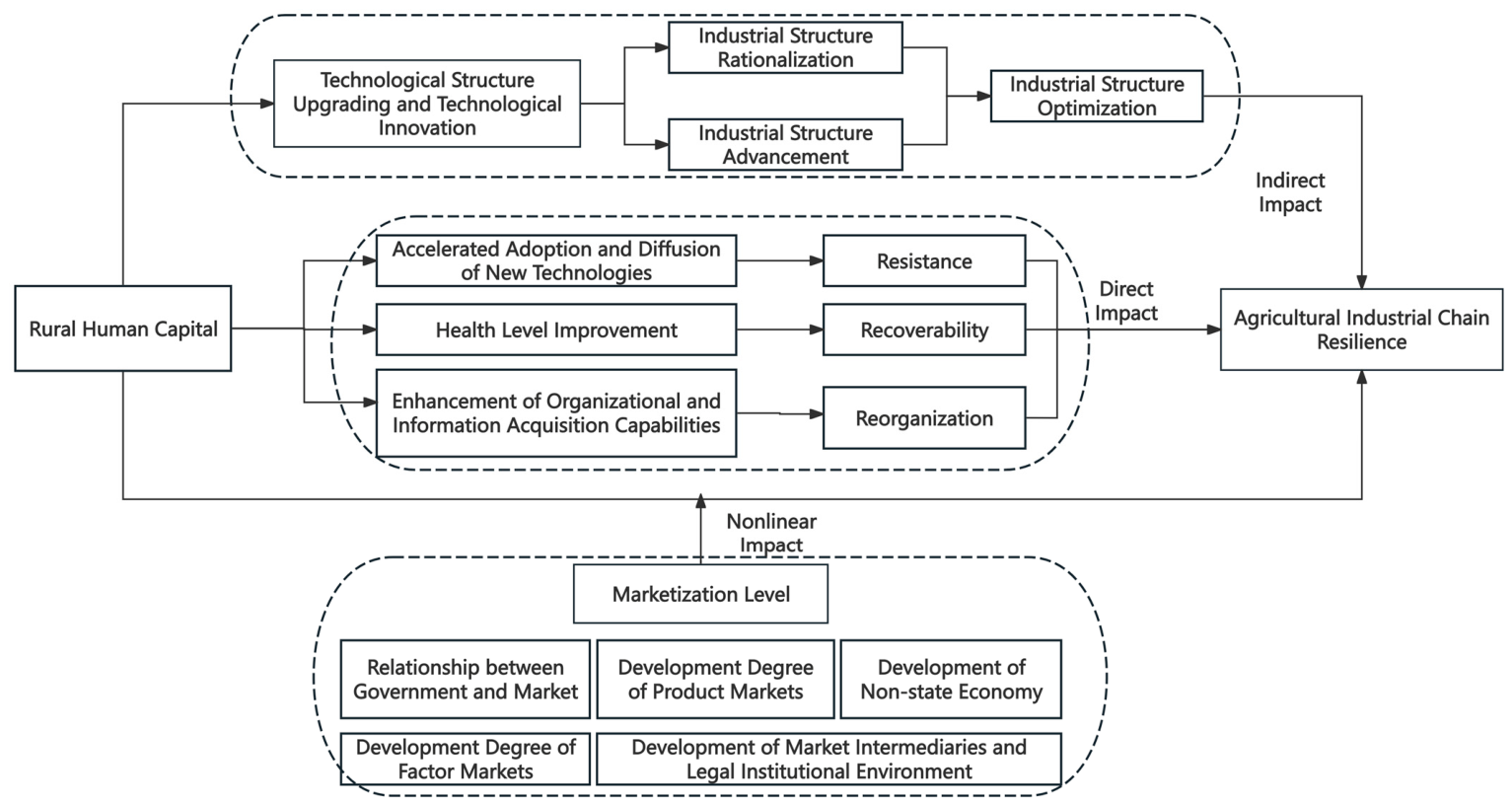
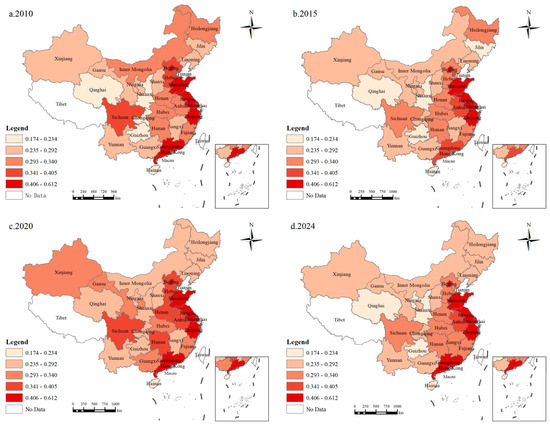
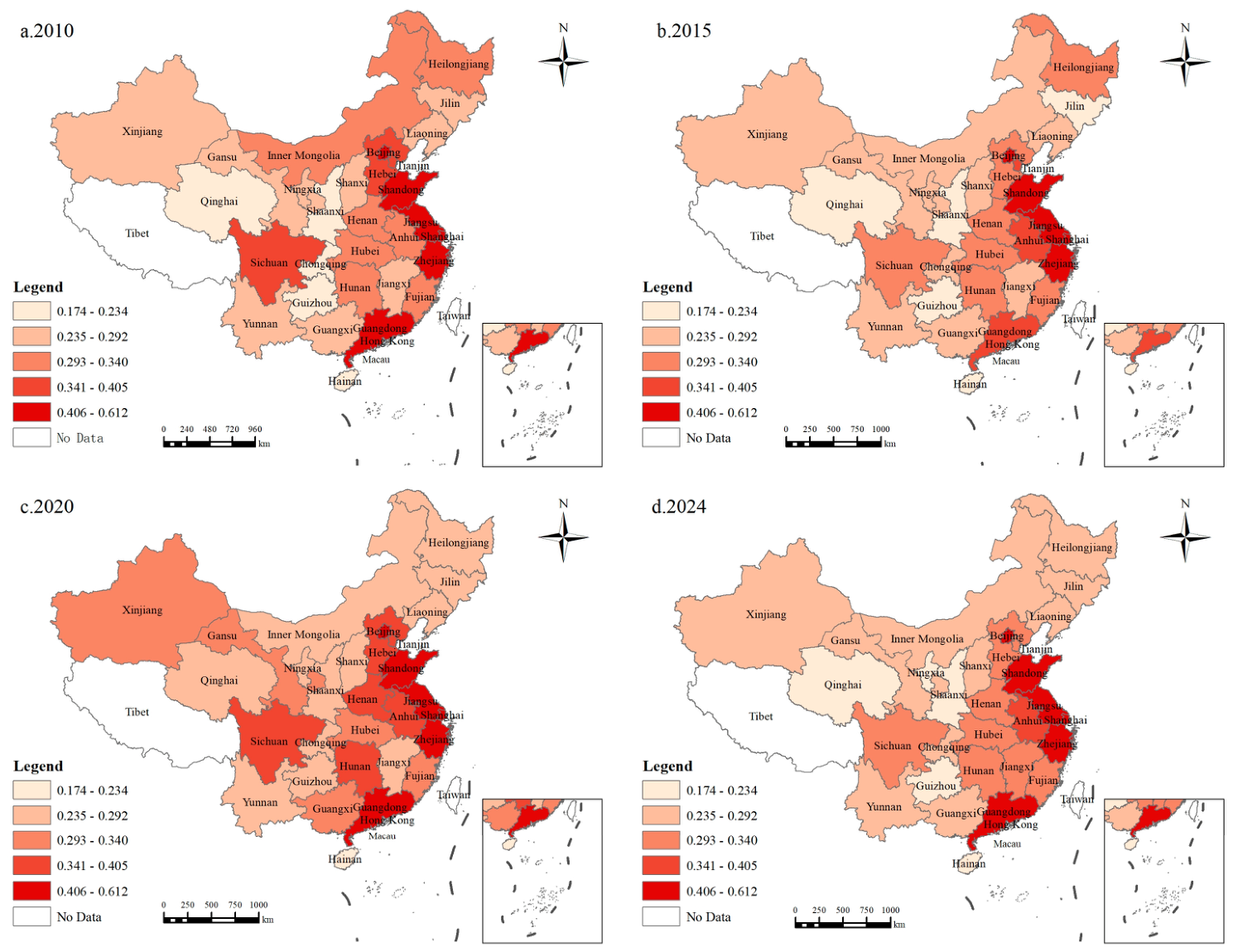
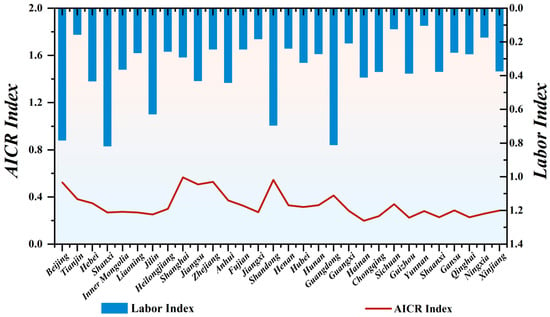
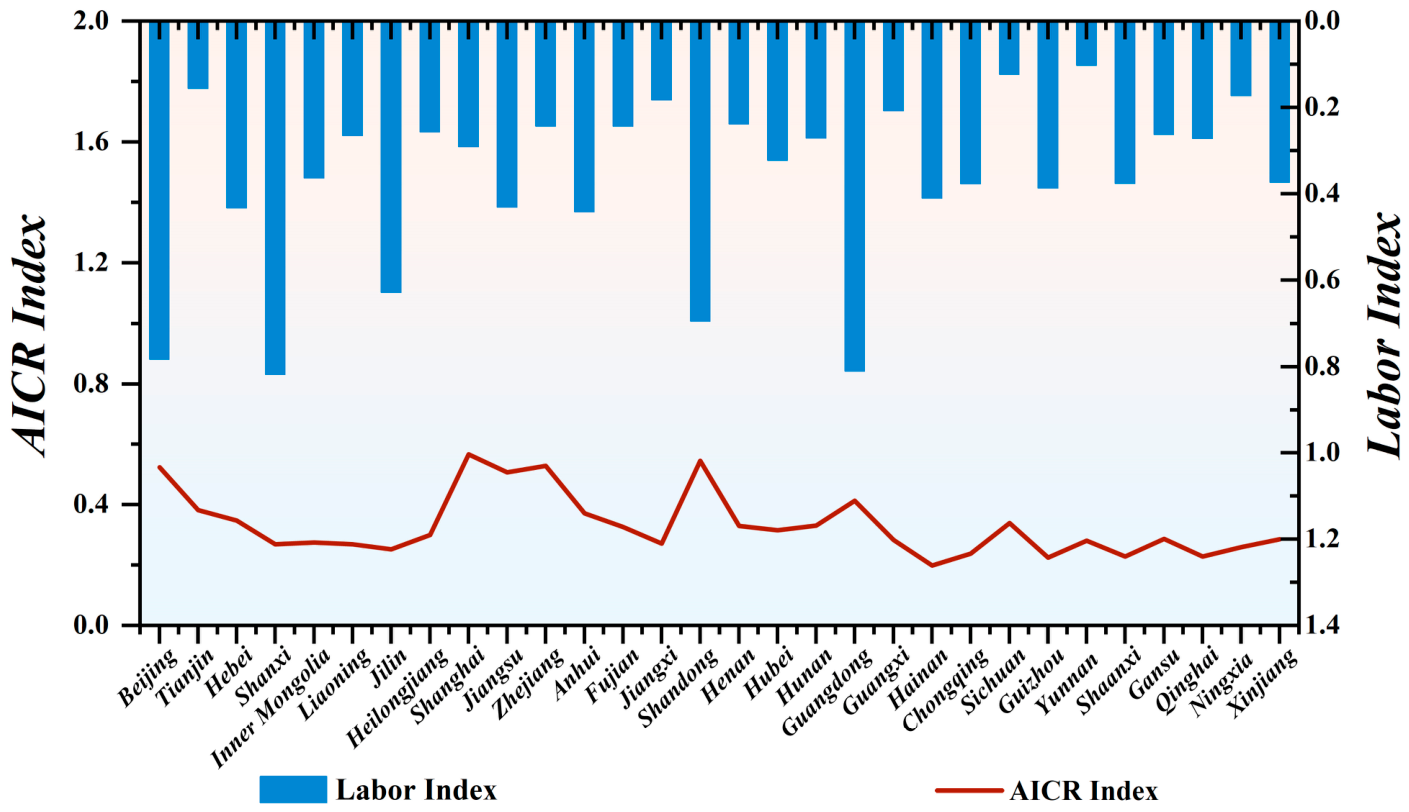

Disclaimer/Publisher’s Note: The statements, opinions and data contained in all publications are solely those of the individual author(s) and contributor(s) and not of MDPI and/or the editor(s). MDPI and/or the editor(s) disclaim responsibility for any injury to people or property resulting from any ideas, methods, instructions or products referred to in the content. |
© 2026 by the authors. Licensee MDPI, Basel, Switzerland. This article is an open access article distributed under the terms and conditions of the Creative Commons Attribution (CC BY) license.