


Abstract
Do enterprises with high tax contributions exhibit green transformation inertia due to the alignment of government and enterprise interests? Using data from the Chinese A-share market, this paper finds that high tax contributions significantly inhibit corporate green transformation. The mechanism lies in the fact that local governments implement inclusive regulation for high-tax-contribution enterprises, reducing their environmental compliance pressure and cutting environmental protection investment; at the same time, the halo effect of tax contributions provides a cover for enterprises’ low-quality environmental information disclosure. Exclusion analysis shows that financing constraints are not a limiting factor. Heterogeneity analysis indicates that the above effects are more prominent in samples with close government–enterprise connections, fierce industry competition, and loose local environmental regulations. Economic consequences show that insufficient green transformation caused by high tax contributions ultimately damages enterprises’ environmental performance and long-term sustainable development capabilities, and significantly increases stock price crash risk. Optimizing internal management and external supervision within enterprises can help mitigate this negative effect. This paper reveals the hidden obstacles to corporate green transformation under the symbiosis of government and enterprise interests, providing a new perspective for understanding the complexity of environmental governance.
1. Introduction
Corporate green transformation is no longer merely a choice of social responsibility but has become a core pathway to building long-term competitive advantages and achieving sustainable development. To support enterprise green transformation, China has introduced a set of tax incentives—including a 15% corporate income tax rate for high-tech enterprises, investment tax credits for energy-saving and environmental protection equipment, and an environmental protection tax designed to charge more for higher emissions. These instruments are complemented by green finance policies at the central level. From a market standpoint, green transformation matches evolving demand and provides firms with a way to secure a competitive advantage in the future; it also helps reduce pollution and improve the broader social environment. Market actors therefore show a clear preference for green transformation over extensive production models. Whether it is the upgrading of pollution control technologies, the innovation of green production models, or the standardized disclosure of environmental information, all have become key measures for enterprises to respond to policy directions and align with market demands.
Corporate green transformation does not occur in isolation. This decision-making process is consistently embedded within the governance logic of local governments and the interest networks of government–enterprise interactions. Local governments not only bear the environmental governance responsibility of promoting green transformation among enterprises within their jurisdictions, but also face practical pressures to safeguard fiscal revenue and maintain economic stability. This potential relationship between environmental goals and fiscal goals has injected complex institutional variables into corporate green transformation behaviors.
Corporate tax contribution serves as the pivotal link connecting government–enterprise relations. Its impact on green transformation has sparked significant debate within both academic and practical circles, giving rise to two seemingly opposing logical deductions.
On the one hand, green transformation, while supported by state incentives, is not cost-free for firms. They typically bear visible costs—such as investment in pollution control facilities and production process restructuring—alongside hidden burdens like temporarily lower profitability and cash flow strain. Moreover, some tax incentives come with explicit eligibility constraints, including high-tech enterprise certification and environmental compliance thresholds. From a market perspective, investors’ speculative orientation implies limited tolerance for earnings volatility. The short-term costs of green transformation directly compress book profits, weakening investor confidence and the willingness to supply capital. This creates external market pressure that constrains the greening process.
As pillars of local public finance, high-tax-contributing enterprises are likely to receive special attention from tax-dependent local governments. Such attention may evolve into inclusive treatment in environmental regulation. This enables enterprises to maintain operational legitimacy without incurring high environmental costs, thereby weakening their incentives for green transformation. At the same time, the reputational halo brought by heavy tax burdens may also conceal real problems in their environmental information disclosure, making it difficult for the market and regulators to identify opportunistic behavior in the green transition.
On the other hand, the view that high tax contribution promotes green transformation also has theoretical support. Green transformation helps build future competitive advantage [1,2] and cultivate a favorable image [3,4,5]. Meanwhile, high-tax-contributing enterprises tend to attract considerable market attention, owing to their strong profitability and tax compliance. This generates direct oversight pressure on their green transformation. From the perspective of local governments, corporate green transformation serves both as a pathway to promote sustainable regional economic development and as a vital measure to cultivate future tax sources. To maintain tax revenue and mitigate the impact of transformation on current business operations, governments may even provide resource support to high-tax-contributing enterprises to facilitate their green transition.
Under the fiscal strain and tax dependence created by the tax-sharing system, two trade-offs arise between enterprises’ tax contributions and green transformation. The first is a local-government trade-off between securing tax revenue and enforcing environmental protection. The second is a firm-level trade-off between resisting green transformation to contain costs and proactively pursuing it for long-term sustainability.
China’s distinctive institutional setting provides a typical context for this study. First, the tax-sharing system and the cadre performance evaluation system jointly exert fiscal pressure on local governments. At the same time, local governments bear the political obligation of remitting tax revenues to the central government on schedule, giving them a clear motive to secure these revenues. Second, because local environmental protection agencies depend on local governments for personnel, funding, and material resources, their work is subject to local government influence and displays a localized character [6]. This creates the institutional conditions for local governments to exercise differentiated regulatory oversight over high-tax-contributing enterprises. Drawing on political economy, institutional theory, and stakeholder theory, this study examines local governments’ trade-off between public governance and officials’ private interests, firms’ strategic responses, and the dual role of market investors—who combine a benign presumption with monitoring pressure—in order to explore the intrinsic relationship between enterprises’ tax contributions and green transformation.
Based on the above analysis, this study employs a sample of Chinese A-share listed enterprises from 2007 to 2023 to examine the relationship between corporate tax contribution and green transformation, along with its underlying mechanisms. The empirical findings show that higher tax contributions significantly impede corporate green transformation. Mechanism tests indicate that high tax contributions enable enterprises to more easily obtain inclusive treatment in environmental regulation from local governments, thereby reducing their environmental investment. Meanwhile, the public holds a benign presumption toward enterprises with high tax contributions, and this halo effect conceals their low-quality environmental information disclosure, thus hindering green transformation. Exclusion analysis reveals that financing constraints are not the intrinsic reason. On the contrary, these firms are more favored by creditors due to their strong profitability and tax compliance. Heterogeneity analysis demonstrates that the inhibiting effect of tax contributions on green transformation is stronger under several conditions. This effect is more pronounced for state-owned enterprises, for firms with politically connected executives, in intensely competitive markets, and where local environmental regulation is weak. It also strengthens when non-tax revenue accounts for a low share of local fiscal revenue. Economic consequence tests find that when high tax contributions hinder green transformation, enterprises’ stock price crash risk increases significantly, while their environmental performance and sustainable development capability decline. Strengthening internal and external governance mechanisms can effectively mitigate this inhibiting effect. These include introducing executives with environmental backgrounds, alleviating managerial myopia, and strengthening information transmission and monitoring by analysts and the media.
This study makes marginal contributions primarily in the following aspects:
First, this study extends research on government–business relations and the economic consequences of tax contributions. Existing literature generally emphasizes that firms proactively seek political connections to secure institutional rents through lobbying or cultivating political backgrounds [7,8]. We reveal that under the tax-sharing system, fiscal pressure induces local governments’ tax dependence on high-tax-contributing firms, making tax contributions a pivotal bond in government–firm interaction. We further anchor the economic consequences of this mechanism in corporate green transformation and find that this bond inhibits transformation through differentiated regulatory treatment. This offers new evidence on how fiscal pressure impedes green transformation via the government–business channel.
Second, this study complements existing research on the determinants of enterprise green transformation. Prior studies have examined factors such as tax policy, fiscal pressure, and government–business relations [9,10,11]. Anchored in the institutional feature of local governments’ tax dependence under the tax-sharing system, this study argues that fiscal pressure not only shapes local government behavior but also fosters a tax-centric government–business relationship, thereby probing the connection between tax contributions and green transformation. The analysis follows a transmission mechanism that runs from the tax-sharing system through fiscal pressure and a tax-centric government–business relationship to green transformation. By integrating tax contribution, fiscal pressure, and government–business relations into a unified analytical framework, this study offers a new explanatory variable for understanding the barriers to enterprise green transformation.
Finally, this study extends the analytical framework of government–business bargaining in environmental regulation from the perspective of tax contributions. Existing research has focused primarily on the spillover effects of tax enforcement on polluting behavior [12] and on formal rent-seeking [13]. We find that higher tax contributions enable firms to obtain differentiated regulatory treatment from local governments. This interactive mechanism dampens green transformation, offering new empirical evidence on the institutional constraints that government–business relations under the tax-sharing system impose on environmental governance. Other emerging markets likewise face trade-offs among fiscal revenue, economic development, and environmental governance, giving the findings a degree of cross-contextual relevance.
2. Literature Review
Regarding the relationship between corporate tax burden and corporate behavior, existing research has explored various aspects such as corporate investment, financing, and environmental development. From an investment perspective, the literature has examined multiple dimensions such as innovation, labor demand, and the financialization of industrial firms [14,15,16]. Regarding innovation, some studies suggest that heavy tax burdens suppress corporate innovation [17], whereas others argue that the tax shield effect can offset or even incentivize innovation [18,19]. From a financing perspective, tax burdens also weigh on corporate debt financing. On the one hand, higher tax obligations may prompt creditors to raise financing costs, tightening firms’ financing constraints [20,21]. On the other hand, because interest expenses are tax-deductible [22], cost considerations lead firms to increase leverage [23,24].
In the Chinese context, research has yet to converge on the relationship between corporate tax burdens and environmental development. From a resource-constraint perspective, higher effective tax burdens crowd out green investment and strengthen firms’ incentives to cut costs and engage in greenwashing, thereby inhibiting green development [25,26]. By contrast, some scholars argue that environmental taxes raise the cost of non-compliance and thus force firms toward green innovation [27]. Miroshnychenko et al. (2026) [28], drawing on a 34-country study, find that environmental taxes also promote green innovation in other emerging markets, while this effect is not significant in developed countries.
How government incentives shape environmental governance has long been a central concern in the international literature. Traditional environmental economics holds that regulatory and incentive policies profoundly affect implementation outcomes [29]. Subsequent research, however, finds that enforcement also hinges on local governments’ willingness to act. Under fiscal decentralization and regional competition, local governments face trade-offs among environmental protection, tax revenue, and economic growth, which in turn influence the intensity of policy enforcement [30,31].
Research on emerging markets indicates that both fiscal decentralization and government–business relations significantly shape corporate green development [32,33]. Fiscal decentralization affects local governments’ environmental policy decisions and enforcement intensity—for example, by fueling a race to the bottom, shifting resource allocation, and altering incentive structures—which in turn influences firms’ green development [34]. As for government–business relations, given the underdeveloped institutional context in emerging economies, these ties have become a critical non-market channel for resource access. Rahmatulloh et al. (2025) [35] find that in Indonesia, such connections help firms secure more sustainable energy and lower carbon emissions. In contrast, Milmanda (2026) [36] argues that firms, acting in their own interest, lobby governments to redesign environmental rules and reduce non-compliance costs, thereby impeding green development.
Building on the preceding analysis, existing research has examined the drivers of corporate green development through the lenses of tax policy, fiscal decentralization, and government–business relations. Among these, the fiscal decentralization perspective is closest to our study. Yet the literature focuses mainly on how fiscal decentralization shapes local government behavior—for instance, by molding environmental policy and, in turn, firms’ green conduct. Far less attention has been paid to how fiscal decentralization shapes the interest alignment between government and firms, and how this alignment subsequently influences green transformation. This study integrates tax policy, fiscal pressure, and government–business relations into a unified analytical framework to investigate the relationship between tax contributions and green transformation.
3. Theoretical Analysis and Research Hypotheses
3.1. High Tax Contribution May Impede Corporate Green Transformation
First, high tax contributions enable enterprises to gain tolerant environmental regulation from local governments. Taxation, by virtue of its stability and regularity, plays a central role in fiscal revenue and can effectively ease government fiscal pressure [37]. Political economy holds that the government is not a fully neutral maximizer of social welfare. Its policy choices are shaped jointly by public governance objectives and the constraints of official promotion. When facing the trade-off between tax mandates and environmental goals, local governments’ hesitation in enforcing environmental policies stems mainly from the following factors. First, the political evaluation of local officials centers on economic growth indicators. The ecological and economic benefits of environmental governance, by contrast, are delayed and difficult to quantify. For officials subject to periodic assessments, enforcing environmental policies rarely translates into favorable evaluation outcomes. Driven by their own promotion interests, local officials therefore tend to delay environmental policy implementation. Second, environmental governance generates positive externalities. An individual region that implements environmental policies must bear the associated costs—such as slower economic growth—alone, while the benefits are shared with neighboring regions. From an economic standpoint, this naturally leads local governments to hesitate in enforcing such policies. Third, in the trade-off between tax mandates and environmental goals, local governments face the political obligation of remitting tax revenues to the central government on schedule. The outcomes of environmental policy are slow to materialize and, in the short run, can dampen economic development and compromise tax revenue targets. Under these multiple constraints, local governments are inclined to preserve tax revenue and delay environmental policy implementation.
Against this backdrop, high-tax-contributing enterprises serve as a critical tax base for local finance, their operational stability directly tied to the sustainability of tax revenue. Strict enforcement of environmental policies would raise their costs, weaken profitability, and in turn jeopardize local tax receipts. Such enterprises therefore tend to assume a priority position within the local government’s interest structure. In implementing environmental policies, local governments are inclined to exercise differentiated regulatory oversight over these firms. From a stakeholder-theory perspective, government is a key stakeholder of the firm. By relaxing regulatory scrutiny, the government indirectly lowers firms’ non-compliance costs, which to some degree encourages them to maintain existing production models and weakens their willingness to pursue green transformation.
Second, high tax contributions tend to prompt firms to scale back green investment. From the firm’s perspective, green transformation entails long investment cycles, high costs, and uncertain future returns, which squeeze operating funds and undermine profitability. As rational actors weighing costs against benefits, firms hesitate in the face of such high costs and risks. From the government’s perspective, motivated by the need to boost fiscal revenue and enhance officials’ performance records, local governments and officials favor investment projects with short payback periods [38,39,40]. In contrast, the green transition cycle is lengthy and may hinder corporate profitability, which deviates from the objectives of local governments and officials. Accommodative environmental regulation lowers firms’ compliance costs and can easily trigger opportunistic motives to sidestep transformation. In the government–business interaction, to some extent, firms’ voluntary reduction of green investment and their focus on short-term operations align with local governments’ demands, making it easier for firms to secure policy and resource support. Thus, driven by benefit maximization, high-tax-contributing enterprises are more inclined to proactively cut green investment and postpone green transformation.
Third, high tax contributions weaken external oversight pressure and, to some degree, can provide a cover for low-quality environmental information disclosure. Paying taxes is a recognized dimension of corporate social responsibility [41]. High tax contributions cast firms as social responsibility role models in the public eye, generating a tax-contribution halo effect. Under this halo, stakeholders such as the public tend to relax their scrutiny and are more likely to give the firm the benefit of the doubt. The market becomes more inclined to trust the firm’s behavior and disclosed information. In effect, the halo effect reduces the risk that poor disclosure quality and sluggish green transformation will be exposed. This can easily foster opportunistic motives and dampen firms’ willingness to pursue green transformation.
Finally, high tax contributions tend to tighten firms’ financing constraints, thereby crowding out resources for green transformation. Taxes constitute a mandatory redistribution of corporate profits to local governments. On the one hand, a heavier tax burden squeezes internal funds. Combined with the high costs of green transformation, this may force firms to scale back green investment simply to maintain essential operations. On the other hand, when firms turn to external financing amid an internal funding shortage, creditors and other investors typically demand higher risk premiums out of concern for capital safety. Under combined internal and external financial pressure, firms are more inclined to focus on current operations and rely on short-term profitability rather than commit to green transformation, which entails high costs, long cycles, and substantial risk.
Based on the above analysis, the following hypothesis is proposed:
H1a.
Ceteris paribus, a high corporate tax contribution hinders corporate green transformation.
3.2. High Tax Contribution May Promote Corporate Green Transformation
High-tax-contributing enterprises have an intrinsic motivation to proactively pursue green transformation and amplify the tax-contribution halo effect. This logic can be examined along three dimensions. First, according to institutional theory, firm behavior is shaped by institutional pressures from the surrounding social environment. The market closely monitors corporate sustainability. By undertaking green transformation, firms can align with market expectations and cultivate a favorable image among investors. Moreover, high tax contributions draw market attention. This attention creates oversight pressure. Firms can also actively use it to place their green transformation in the investor spotlight, further strengthening their positive image. Second, green transformation represents a major future trend, and firms that achieve it are more likely to gain a competitive advantage. From a long-term sustainability perspective, this encourages firms to favor substantive green behaviors over merely symbolic gestures aimed at impression management. Third, governments provide multi-dimensional support for green practices—such as tax concessions and green subsidies—which helps lower the costs of transformation and indirectly raises potential returns, thereby reinforcing firms’ internal motivation to pursue green transformation.
Second, high tax contributions create market oversight pressure that pushes firms toward green transformation reactively. According to stakeholder theory, corporate conduct must answer not only to shareholders but also to the demands of investors, consumers, and other stakeholders. Tax payment is a recognized dimension of social responsibility [41]. High-tax-contributing enterprises tend to be regarded as social responsibility role models and therefore attract greater market attention. Green development has now become a broad consensus, and such firms are readily held to higher environmental expectations. Against this backdrop, the risk of exposure for environmental inaction increases, which to some extent constrains passive environmental behavior and helps steer these enterprises toward green transformation projects.
Third, local governments tend to provide resource support for the green transformation of high-tax-contributing enterprises. Driven by fiscal pressure and tax dependence, such enterprises occupy a priority position in local governments’ interest structure and are thus more likely to receive favorable resource allocation. Firms face resource constraints. Since taxation already claims a portion of profits, further investment in green transformation can crowd out resources needed for current operations and may weaken short-term profitability. From the government’s standpoint, green transformation is vital for regional sustainability and for securing a stable, sustainable future tax base. Out of concern for maintaining tax revenue and cultivating future tax sources, local governments may offer resource support, such as innovation subsidies and environmental subsidies [42]. Therefore, while high tax contributions may squeeze resources for green transformation, they may also earn government resource tilts that facilitate such transformation.
Finally, high tax contributions can help ease financing constraints and provide funding for green transformation. A higher level of tax contributions partly reflects strong profitability and tax compliance, indicating lower overall investment risk. As a result, high-tax-contributing enterprises are more likely to gain investor support. Creditors tend to charge lower risk premiums to such firms, which relatively reduces financing costs. From equity investors’ perspective, strong profitability and lower risk imply a greater likelihood of earning substantial dividends or capital gains, making them more willing to invest and further easing financing constraints. With these constraints relaxed, firms gain more room for fund deployment and become more inclined to pursue green transformation.
Thus, under the tax-contribution halo, firms’ pursuit of green transformation results from the combined effect of intrinsic motivation, external pressure, and resource support. Based on this reasoning, we propose the following competing hypothesis:
H1b.
Ceteris paribus, a high corporate tax contribution promotes corporate green transformation.
4. Research Design
4.1. Sample Selection and Data Sources
This study utilizes a sample of Chinese A-share listed companies from 2007 to 2023. The initial sample is processed as follows: (1) exclusion of financial firms; (2) exclusion of observations with missing data for key variables; (3) exclusion of samples classified as ST, *ST, or PT; and (4) winsorization of all continuous variables at the 1st and 99th percentiles to mitigate the influence of outliers. After applying these filters, the final sample consists of 44,008 firm-year observations. Data on corporate green transformation are manually collected from the annual reports of listed companies. Information on corporate tax burden is sourced from the CSMAR database. Other data are obtained from multiple sources, including the CSMAR database, the CNRDS database, the CCER database, annual reports of listed companies, the SinoSec ESG Ratings, and municipal and provincial statistical yearbooks across China.
4.2. Definition of Main Variables
4.2.1. Corporate Green Transformation (Gre)
Drawing on the methodology of Zhou et al. (2022) [43], 113 keywords related to corporate green transformation are selected across five dimensions: promotional initiatives, strategic concepts, technological innovation, pollution control, and monitoring management. Using text analysis, the frequency of these keywords in the annual reports of listed companies was quantified to form a green transformation word frequency count. The natural logarithm of one plus this frequency count was then calculated to derive the Corporate Green Transformation Index (Gre).
4.2.2. Corporate Tax Contribution (TaxNCF)
Following Liu and Liu (2014) [44], corporate tax contribution is measured as the difference between taxes and related fees paid and tax refunds received from the corporate cash flow statement. This net tax expenditure is then scaled by operating revenue to reflect the tax burden.
4.2.3. Control Variables
To mitigate the potential influence of other factors on the findings, ten control variables are incorporated into the regression model. These include corporate financial characteristics, corporate governance, and municipal-level development indicators. The specific control variables are: firm size (Size), return on assets (Roa), leverage ratio (Lev), firm age (FirmAge), operating revenue growth rate (Growth), proportion of independent directors (Indep), CEO duality (Dual), ownership concentration (Top1), level of economic development (Per_GDP), and industrial structure upgrading (Structure). In addition, industry (Industry) and year (Year) fixed effects are included in the regression model to account for industry-specific variations in corporate green transformation and potential time-related influences. Table 1 presents the definitions of the main variables.
Table 1.
Variable definitions.
4.3. Model Design
To examine the impact of corporate tax contributions on green transformation, the following empirical model is constructed:
where i denotes the firm, t denotes the year, Gre represents the corporate green transformation, TaxNCF is the explanatory variable measuring corporate tax contributions, Controls refers to a set of control variables, and ε is the idiosyncratic error term. Standard errors are clustered at the firm level. A significantly negative coefficient a1 would support hypothesis H1a, indicating that a higher corporate tax burden is associated with a lower degree of green transformation.
5. Empirical Results
5.1. Descriptive Statistics
Table 2 presents the descriptive statistics for the main variables. The mean value of the Corporate Green Transformation (Gre) is 1.832, with a median of 1.792, indicating that only a small number of firms have achieved a high level of green transformation. The variable ranges from 0 to 4.025, suggesting substantial variation in green transformation across different firms. For the corporate tax contribution (TaxNCF), the mean is 0.0571 and the median is 0.0462, reflecting the presence of some firms with relatively high tax contributions. With a minimum value of −0.0653, a maximum of 0.290, and a standard deviation of 0.0582, the tax burden varies considerably across firms, confirming meaningful variation in the dependent variable. The distributions of the remaining control variables are generally consistent with those reported in existing literature and are not discussed in detail here for brevity.
Table 2.
Descriptive statistics of the main variables.
5.2. Baseline Results
Table 3 presents the baseline regression results. As shown in columns (1) and (2), the coefficients on corporate tax contribution (TaxNCF) are negative and statistically significant at the 1% level. This indicates a significant negative association between corporate tax burden and green transformation, supporting our H1a that a higher tax burden inhibits a firm’s green transformation.
Table 3.
Baseline regression results.
5.3. Robustness and Endogeneity Tests
5.3.1. Adjusting the Clustering Level
To account for potential correlation in green transformation among firms within the same prefecture-level city, we re-estimated the model with standard errors clustered at the city level. As reported in column (1) of Table 4, the coefficient on corporate tax contribution (TaxNCF) remains significantly negative, providing further support for our hypothesis.
Table 4.
Robustness tests.
5.3.2. Firm Fixed Effects Model
To mitigate concerns related to time-invariant unobservable firm characteristics, we incorporated firm fixed effects into the regression. The results, shown in column (2) of Table 4, indicate that the coefficient on TaxNCF continues to be significantly negative, reinforcing the conclusion that a higher tax burden inhibits corporate green transformation.
5.3.3. Incorporating City-Level Control Variables
To address potential omitted variable bias at the regional level, we included city fixed effects in the model. As presented in column (3) of Table 4, the estimated coefficient on TaxNCF remains significantly negative after controlling for city-level heterogeneity, reaffirming the robustness of our main findings.
5.3.4. Controlling for Environmental Variables
Theoretically, regional environmental characteristics and regulatory intensity can influence firms’ green transformation. To mitigate omitted variable bias, we control for both factors in the baseline regression. Environmental characteristics (EnvChars) are measured by the natural logarithm of provincial chemical oxygen demand (COD) emissions. Environmental regulation (Environment) is captured by the share of energy conservation and environmental protection expenditure in local fiscal expenditure. In addition, given that industry attributes strongly shape firms’ green decisions, we also control for industry nature (Pollute). We define 18 heavily polluting industries as polluting industries, including coal mining and washing, oil and natural gas extraction, and others [45]. The results in column (1) of Table 5 show that the coefficient on TaxNCF is significantly negative, consistent with hypothesis H1a.
Table 5.
Controlling for environmental variables, conducting lead tests, and controlling for profitability effects.
5.3.5. Lead Test for the Dependent Variable
The negative relationship between tax contributions and green transformation may be subject to an alternative interpretation: firms that delay green transformation suffer less short-term damage to profitability, which could in turn raise their tax contributions. To strengthen causal inference, we lead the dependent variable by one period and two periods, respectively, and re-estimate the regressions, thereby mitigating the influence of reverse causality. The results in columns (2) and (3) of Table 5 show that the coefficient on TaxNCF remains significantly negative, consistent with hypothesis H1a.
5.3.6. Controlling for Profitability Effects
Tax contributions indirectly reflect firms’ profitability. Hence, an alternative explanation for the negative relationship between tax contributions and green transformation is that local governments tend to offer differentiated regulatory treatment to more profitable firms, and the market is also more likely to give such firms the benefit of the doubt due to their strong profitability. To rule out this alternative, we control for earnings before interest and taxes (EBIT), measured as EBIT divided by total assets. The results in column (4) of Table 5 show that the coefficient on TaxNCF is significantly negative at the 1% level, consistent with hypothesis H1a.
5.3.7. Heckman Two-Stage Test
To avoid systematic bias from missing data, we apply the Heckman two-stage procedure. Specifically, we first construct a treatment indicator, Treat, which equals 1 if a firm’s TaxNCF exceeds its industry–year median and 0 otherwise. We then use prefecture-level topographic relief (Rdls) as an instrumental variable. Higher relief entails greater local government expenditure on road maintenance and other public works. To boost fiscal revenue, local governments tend to strengthen tax enforcement, which raises firms’ tax contributions. Thus, Rdls satisfies the relevance condition. As for exogeneity, Rdls is a geographic feature at the prefecture level, whereas green transformation is a firm-level outcome; it is unlikely that Rdls directly affects a firm’s green transformation.
The results in Table 6 show that in the first-stage regression, the coefficient on Rdls is significantly positive at the 1% level. In the second stage, after incorporating the inverse Mills ratio, the coefficient on TaxNCF remains significantly negative, indicating that our conclusions are robust.
Table 6.
Heckman two-stage test and System GMM model.
5.3.8. System GMM Model
Considering that green transformation may display temporal persistence, which could affect our findings, we use the system GMM estimator. Specifically, we include the first and second lags of the dependent variable as regressors to capture the dynamic continuity of green transformation. TaxNCF and the other control variables are treated as endogenous, with their second and deeper lags serving as instruments. The results in column (3) of Table 6 show that the coefficient on TaxNCF remains significantly negative, confirming that the baseline results are robust.
5.3.9. Placebo Test
To further strengthen causal inference, we conduct a placebo test by randomly reassigning the core explanatory variable—tax contributions (TaxNCF)—and repeating the regression 500 times to obtain the distribution of placebo coefficients. The resulting distribution is symmetric around zero, while the actual estimate from the baseline regression lies in the left tail, with all placebo coefficients larger than the true value and a corresponding placebo p-value below 0.001. This further confirms the reliability of the baseline findings. Figure 1 reports the placebo test results.
Figure 1.
Placebo test. The thick red vertical line represents the baseline coefficient of −0.366.
5.3.10. Alternative Measures
To address potential measurement error and ensure the robustness of our findings, we re-estimated the model using alternative measures of both the explanatory and explained variables.
For the explanatory variable, we replaced the baseline measure (TaxNCF) with a simpler metric, Tax, defined as taxes and related fees paid divided by operating revenue, thereby excluding tax refunds. As shown in column (1) of Table 7, the coefficient on Tax remains significantly negative at the 1% level, confirming that the baseline conclusion based on TaxNCF is not sensitive to the measure of tax burden.
Table 7.
Robustness tests: Variable replacement and entropy balance matching.
For the explained variable, we first adopted an alternative green transformation index (GTIndex) from the CNRDS database. Column (2) of Table 7 shows that the coefficient on TaxNCF is still significantly negative at the 1% level. We further followed Han et al. (2025) [46] and used the number of green patent applications (GT) to proxy for green transformation. Results in column (3) again show a significantly negative coefficient on TaxNCF. These findings consistently support the main conclusion that higher corporate tax contributions are associated with lower levels of green transformation.
5.3.11. Entropy Balancing Approach
We employed entropy balance matching (EBM) to mitigate potential sample selection bias. Firms are divided into treatment and control groups based on whether their TaxNCF was above the industry-year median. The treatment group (Treat = 1) consisted of firms with above-median TaxNCF, while the control group (Treat = 0) included the remainder. Covariates included Size, Roa, Lev, FirmAge, Growth, Indep, Dual, Top1, Per_GDP, and Structure. As reported in Table 8, the EBM procedure successfully balanced the covariates. Before matching, the treatment and control groups exhibited significant differences in the mean, variance, and skewness of covariates; after matching, these differences are substantially reduced, indicating good matching quality. We then re-ran the regression using the matched sample. The results in column (4) of Table 7 show that the coefficient on TaxNCF remains significantly negative, suggesting that our main finding holds after accounting for potential selection bias.
Table 8.
Entropy balancing matching results.
5.3.12. Instrumental Variable Approach
Although the degree of corporate green transformation is unlikely to affect corporate tax contributions, our analysis may still be subject to omitted variable bias. To address this endogeneity concern, we employ an instrumental variable (IV) approach.
First, we use provincial-level reliance on land finance (Pro_field) as an instrument for corporate tax burden. This variable is calculated as land conveyance revenue/general public budget revenue. The choice of this instrument is justified as follows. First, as a major source of local government revenue, a higher share of land finance income reduces local governments’ reliance on tax revenues, thereby lowering the corporate tax burden. This ensures a strong correlation between the instrument and the endogenous variable, satisfying the relevance condition. Second, land fiscal revenue and tax revenue together constitute the key pillars of local public finance. When land revenue declines, local governments tend to intensify tax enforcement to swiftly close fiscal gaps. In contrast, adjusting environmental regulation stringency or altering industrial subsidies involves significant time lags. In theory, therefore, the corporate tax burden serves as the core channel through which fiscal pressure is transmitted to firm behavior. Moreover, land fiscal dependence is a government-level revenue characteristic rather than a direct firm-level intervention, while green transformation is a firm-specific attribute. It is thus unlikely that land fiscal dependence directly influences green transformation, satisfying the exogeneity assumption.
Regression results are reported in columns (1) and (2) of Table 9. Column (1) shows that the coefficient on Pro_field is significantly negative at the 1% level, confirming a negative correlation between land finance reliance and corporate tax burden. Furthermore, the Kleibergen-Paap rk LM statistic is significant at the 1% level, rejecting the null hypothesis of underidentification. The Kleibergen-Paap rk Wald F-statistic is 30.051, which exceeds the Stock-Yogo weak identification test critical value of 16.38 at the 10% level, confirming that the instrument is not weak. These results support the validity of our instrumental variable. As shown in column (2), the coefficient on TaxNCF remains significantly negative at the 1% level, indicating that a higher corporate tax burden inhibits green transformation. This finding further corroborates our main conclusion.
Table 9.
Instrumental variable approach.
Second, we use central city status (center_city) as an instrumental variable and re-estimate the regression. Following Zhao et al. [47], we define provincial capitals and sub-provincial cities as central cities (center_city = 1) and all other cities as peripheral cities (center_city = 0). Compared with peripheral cities, central cities are more developed in transportation and population, providing more favorable economic conditions that enhance firms’ profitability and, in turn, expand their tax contributions. The instrument is thus highly correlated with TaxNCF, satisfying the relevance condition. Regarding exogeneity, central city status is essentially a city-level geographic attribute that theoretically does not directly intervene in firms’ green transformation decisions. Strategic environmental behaviors such as greenwashing occur across all city types, and their distribution does not vary systematically with geographic features like urban location. The instrument therefore meets the exclusion restriction.
Columns (3) and (4) of Table 9 report the results. In column (3), the coefficient on center_city is significantly positive at the 1% level, confirming that the instrument satisfies the relevance condition. The Kleibergen–Paap rk LM statistic is significant at the 1% level, indicating no underidentification; the Kleibergen–Paap rk Wald F statistic is 47.848, well above the Stock–Yogo 10% critical value of 16.38, supporting the validity of the instrument. In column (4), the coefficient on TaxNCF is significantly negative, again affirming the robustness of our conclusions.
5.4. Mechanism Analysis
The empirical findings confirm that corporate tax contributions significantly inhibit corporate green transformation. However, what are the specific channels through which this effect operates? To investigate the underlying mechanisms, the following analysis examines four potential pathways: (1) lenient environmental regulation under high tax contribution conditions, (2) reduced corporate environmental investment, (3) inferior environmental information disclosure quality, and (4) heightened financing constraints.
5.4.1. Lenient Government Regulation
Green transformation entails long cycles, high costs, and uncertain future returns, while firm resources are finite. Committing to green transformation tends to squeeze resources for short-term operations and thus weakens profitability. For local governments, the dual pressures of fiscal strain and performance evaluation create an imperative to protect the tax base. To sustain fiscal revenue, local governments are inclined to adopt a relatively accommodative regulatory approach toward such firms. High tax contributions, therefore, can easily foster a tacit interest alignment between government and firms. This alignment lowers compliance costs for high-tax-contributing enterprises and may trigger opportunistic motives to sidestep transformation. Accordingly, we infer that accommodative local government regulation likely serves as an important mechanism through which tax contributions impede green transformation.
We measure local government environmental oversight with three proxies. First, ET1 is the ratio of actual pollution discharge fees (or environmental protection tax) paid to total assets, multiplied by 100. Second, ET2 is the natural logarithm of the difference between the payable amount and the actual payment plus one: ln(payable amount − actual payment + 1). Third, EP is the natural logarithm of the number of environmental penalties plus one: ln(penalties + 1). As shown in columns (1) to (3) of Table 10, the coefficients on TaxNCF are all significantly negative. This supports the conjecture that high tax contributions enable firms to obtain accommodative regulatory treatment from local governments, thereby fostering opportunistic motives to sidestep transformation.
Table 10.
Lenient environmental regulation by governments.
5.4.2. Inadequate Corporate Eco-Investment
First, as both resource allocator and policy enforcer, the local government significantly shapes firms’ environmental decisions and behavior. When local governments adopt accommodative regulation, firms, as rational actors weighing costs against benefits, are more inclined to maintain existing production models and reduce environmental spending. Second, local governments play a pivotal role in firms’ development path choices, which gives firms an incentive to align with government preferences. Reducing environmental investment and concentrating on current business activities partly serves local governments’ needs for revenue and officials’ performance targets. This alignment helps build close government–business ties and increases the likelihood of securing government resources. We therefore infer that under high tax contributions, firms tend to cut environmental spending, thereby impeding green transformation.
Following Zhang et al. (2019) [48], we measure the scale of corporate environmental investment (Invst) as environmental protection investment divided by total assets. The regression results presented in column (1) of Table 11 show that the coefficient on corporate tax contribution (TaxNCF) is significantly negative at the 1% level. This finding confirms our conjecture that a high tax burden induces firms to reduce environmental investment, thereby hindering green transformation.
Table 11.
Low environmental investment and inferior environmental information disclosure quality.
5.4.3. Inferior Environmental Disclosure
High tax contributions indirectly signal strong profitability, high tax compliance, and active assumption of social responsibility. Stakeholders tend to give the firm the benefit of the doubt and are less inclined to scrutinize its environmental disclosures. This weakens external oversight, creating room for firms to disclose environmental information selectively and slow the pace of transformation. We thus conjecture that higher tax contributions are associated with lower environmental disclosure quality, fostering opportunistic motives to sidestep green transformation.
We measure corporate information quality using the quality of environmental information disclosure (Env). Following the approach of Wang et al. (2021) [49], we measure environmental disclosure quality (Env) by selecting indicators that span environmental liabilities, environmental management, environmental performance and governance, disclosure media, and regulatory certifications. These indicators are scored according to the principles of completeness, significance, and reliability. A higher value of the Env index indicates superior quality of corporate environmental information disclosure.
The regression results are presented in column (2) of Table 11. In the regression with Env as the dependent variable, the coefficient on corporate tax contribution (TaxNCF) is significantly negative. This suggests that high tax contributions provide cover for firms to degrade the quality of their environmental information disclosure, thereby reducing the exposure costs associated with inaction on green transformation.
5.4.4. Heightened Financing Constraints
Taxation represents a mandatory government claim on corporate profits. Higher tax contributions generally mean lower retained earnings. Shrinking internal funds constrain investment and, in turn, limit profitability. Faced with reduced internal capital and earnings uncertainty, creditors and other investors demand higher risk premiums, further tightening financing pressure. When both internal and external funds are constrained, firms tend to concentrate on short-term operations, and their willingness to pursue green transformation declines.
This study employs the FC index to measure corporate financing constraints and regresses it on corporate tax contribution (TaxNCF). The regression results in column (1) of Table 12 show that the coefficient on TaxNCF is significantly negative at the 1% level. This indicates that a higher corporate tax contribution does not exacerbate but actually alleviates corporate financing constraints.
Table 12.
Heightened financing constraint.
We then explore why higher tax contributions ease financing constraints. Debt financing is the primary external funding channel for firms. Because of their strong profitability and tax compliance, creditors favor high-tax-contributing enterprises and accept lower risk premiums. We measure the cost of debt (Cost) as financial expenses divided by total liabilities at period-end. The regression results are reported in Table 12. The coefficient on TaxNCF is significantly negative, confirming that higher tax contributions help lower financing costs and ease financing constraints. Therefore, overall, financing constraints do not appear to be the mechanism through which tax contributions impede green transformation.
5.5. Further Analysis
Both theoretical reasoning and empirical evidence confirm that corporate tax contributions significantly hinder corporate green transformation. However, the green transformation decisions of high-tax-contributing firms are inevitably shaped by their contextual environment. To explore this, we examine the heterogeneous effects of corporate tax contributions on green transformation across three dimensions: internal firm environment, industry environment, and macro-level institutional environment.
5.5.1. Firm-Level Heterogeneity
- (1)
- Perspective of Ownership Nature
First, due to the absence of owners, the government serves as the de facto controller and agent of state-owned enterprises (SOEs), making local governments more inclined to favor SOEs [50]. Second, SOEs carry both economic and social functions [51]. Prioritizing green transformation would undermine their capacity to fulfill social responsibilities, which partly conflicts with local demands. As a result, local governments are more willing to offer SOEs accommodative environmental regulation, and high tax contributions further strengthen this advantage. We therefore expect that the impeding effect of high tax contributions on green transformation is more pronounced for state-owned enterprises.
The sample is divided into two groups based on ownership type—state-owned enterprises (SOEs) and non-state-owned enterprises (non-SOEs)—and group regressions are performed. The results, presented in columns (1) and (2) of Table 13, show that the coefficient on corporate tax contribution (TaxNCF) is significantly negative only for SOEs, and this difference is confirmed by a formal test of coefficient differences between groups. These findings validate our earlier conjecture that the inhibitory effect of high tax contributions on green transformation is more pronounced in SOEs. This also suggests that, compared to non-SOEs, SOEs are more likely to receive preferential treatment from local governments.
Table 13.
Ownership nature and executive political connections.
- (2)
- Perspective of executive political connections
Executive political connections typically foster closer government–business ties. Politically connected firms often find it easier to lobby the government for resources [52,53]. In the realm of environmental governance, politically connected firms tend to face lower environmental compliance costs. When these firms also demonstrate high tax contributions, they are likely to receive even more preferential treatment and resource allocation from local governments. Based on this reasoning, we posit that the inhibitory effect of high tax contributions on green transformation is more pronounced in firms with executive political connections.
This study measures executive political connections based on whether the firm’s chairman or general manager currently holds or has previously held a government position. The sample is divided into two groups according to the presence or absence of such political connections, and group regressions are performed. The results in columns (3) and (4) of Table 13 show that while the coefficients on corporate tax contribution (TaxNCF) are significantly negative in both subsamples, the coefficient is significantly larger in magnitude for the group with political connections than for the group without such connections. This finding confirms our conjecture that the inhibitory effect of high tax contributions on green transformation is more pronounced in firms with executive political connections.
5.5.2. Industry-Level Heterogeneity
Industry competition affects firms’ willingness and ability to pursue green transformation. Higher tax contributions crowd out disposable funds, and when combined with green transformation, they further squeeze existing operating resources. When competition is intense, firms urgently need to preserve their current competitive advantage and are therefore more inclined to maintain existing production models. Therefore, both their willingness and capacity to transform remain relatively low. When competition is weak, firms hold an advantageous market position and face less survival pressure, making them more inclined to engage in green transformation. Based on this analysis, we expect the impeding effect of tax contributions on green transformation to be more pronounced under intense market competition.
This study employs the Herfindahl-Hirschman Index (HHI) to measure the degree of market competition. The sample is divided into two groups based on the industry-year median of HHI, followed by group-wise regressions. The results, presented in columns (1) and (2) of Table 14, show that the coefficient on corporate tax contribution (TaxNCF) is significantly negative at the 1% level in the high-competition group, and this difference is confirmed by a test for inter-group coefficient differences. This indicates that the inhibitory effect of high tax contributions on corporate green transformation is more pronounced in more competitive market environments.
Table 14.
Industry-level and macro-level environments.
5.5.3. Macro-Level Heterogeneity
- (1)
- Perspective of environmental regulation
Environmental regulation intensity reflects local governments’ emphasis on environmental protection. When regulation is stringent, firms face high non-compliance costs [54]. At the same time, local governments allocate regional resources and set and enforce policies, making them a factor that firms cannot ignore in their decision-making. Even high-tax-contributing firms must therefore take local governments’ environmental demands into account. By contrast, when regulation is weak, a lax regulatory environment can easily breed opportunistic motives, and the accommodative treatment that accompanies high tax contributions further encourages such behavior. We accordingly expect the impeding effect of tax contributions on green transformation to be more pronounced when local environmental regulation is weak.
This study measures the intensity of local government environmental regulation by the ratio of municipal government expenditure on energy conservation and environmental protection to total fiscal expenditure (Environment). The sample is divided into two groups based on the industry-year median of this measure, and group regressions is conducted. As shown in the regression results in Table 14, when the intensity of local government environmental regulation is low, the coefficient on corporate tax contribution (TaxNCF) is significantly negative at the 1% level, and this difference passes the test for inter-group coefficient differences. These findings confirm our hypothesis that the inhibitory effect of high tax contributions on corporate green transformation is more pronounced in regions with weaker environmental regulation.
- (2)
- Perspective of non-tax revenue
In addition to tax revenue, non-tax revenue serves as another crucial source of fiscal income [55,56]. Local governments possess considerable autonomy in the collection and management of non-tax revenue, allowing them to adjust such revenue streams in response to fiscal gaps [57]. As a result, non-tax revenue also tends to be favored by local governments. When non-tax revenue constitutes a large share of local fiscal income, governments reduce their reliance on corporate tax contributions. Conversely, when the proportion of non-tax revenue is low, local authorities place greater emphasis on corporate taxes. To alleviate fiscal pressure, governments are more inclined to adopt lenient environmental supervision toward firms with high tax contributions, thereby triggering opportunistic corporate behavior aimed at avoiding green transformation. Accordingly, this study posits that the inhibitory effect of corporate tax contributions on green transformation is more pronounced in regions where non-tax revenue makes up a smaller share of total fiscal revenue.
This study measures the level of local government non-tax revenue (Nontax) as the ratio of non-tax revenue to general budget revenue at the prefectural city level. The sample is then divided into two groups based on the industry-year median of the non-tax revenue share (Nontax), followed by group regressions. The regression results in Table 14 show that when the share of non-tax revenue is low, the coefficient on corporate tax contribution (TaxNCF) is significantly negative, and this difference is confirmed by a test for inter-group coefficient differences. These results confirm our conjecture that the negative effect of corporate tax contributions on green transformation is more pronounced when the share of local government non-tax revenue is low. This finding also implies a substitutive relationship between non-tax revenue and tax revenue in local government fiscal revenue.
5.6. Economic Consequences
5.6.1. Corporate Environmental Performance
When high tax contributions inhibit green transformation, several mechanisms may lead to a decline in corporate environmental performance (EP). First, from the perspective of internal management philosophy, shareholders and top management tend to downgrade the priority of environmental issues. Based on upper echelons theory, this dismissive attitude toward environmental protection tends to permeate middle and lower management levels as well as general employees. Second, in terms of corporate environmental practices, the neglect of environmental considerations by shareholders and executives translates into concrete actions: a lack of environmental planning in strategy formulation, disregard for green technology innovation, and even the persistence of resource-intensive production models. At the employee level, weakened environmental awareness results in inefficient execution of eco-friendly practices, leading to resource waste and low allocation efficiency—all of which ultimately undermine corporate environmental performance. Thus, we hypothesize that as corporate tax contributions increase and the level of green transformation declines, corporate environmental performance will decrease significantly.
This study employs the E-score from the SinoSec ESG Ratings to measure corporate environmental performance (EP). We then construct a transformed variable Gre1 by multiplying the dependent variable, the corporate green transformation index (Gre), by −1. An interaction term (Gre1_TaxNCF) is created by multiplying Gre1 with corporate tax contribution (TaxNCF). The regression results in column (1) of Table 15 show that the coefficient of the interaction term Gre1_TaxNCF is significantly negative, thereby confirming the hypothesis proposed above.
Table 15.
Economic consequences.
5.6.2. Sustainable Development Capacity
First, environmental stewardship is a key component of corporate legitimacy [3]. By actively pursuing green transformation, firms signal to stakeholders their commitment to sustainable development and social responsibility. This responsiveness to green demands helps build an implicit competitive advantage, fostering consumer recognition and easing financing constraints [58,59]. Second, green technology innovation is integral to green transformation, which entails shifts not only in corporate philosophy but also in production techniques. Proactive green transformation facilitates the adoption of greener technologies, thereby enhancing core competitiveness and sustainable development capabilities. Finally, from a supply chain perspective, green transformation helps firms build implicit advantages and strengthen core competitiveness, gaining recognition from upstream and downstream partners and improving supply chain resilience. Moreover, corporate green transformation generates positive spillover effects [60,61], promoting green transitions across the supply chain and boosting overall market confidence, which further enhances resilience. A more resilient supply chain stabilizes operations and improves sustainable development capacity. Thus, we posit that rising corporate tax contributions, by reducing the level of green transformation, significantly undermine a firm’s sustainable development capacity.
Drawing on Yang et al. (2018) [62], this study measures corporate sustainable growth capability (SGR) using the formula: Net Profit Margin × Earnings Retention Rate × (1 + Equity Ratio)/(1/Total Asset Turnover − Net Profit Margin × Earnings Retention Rate × (1 + Equity Ratio)). Subsequently, we construct an interaction term, Gre1_TaxNCF, between Gre1 and corporate tax contribution (TaxNCF). The regression results presented in column (2) of Table 15 show that the coefficient of the interaction term Gre1_TaxNCF is significantly negative at the 1% level, thereby confirming the hypothesis proposed above.
5.6.3. Stock Price Crash Risk
On the one hand, against the backdrop of growing prominence given to environmental sustainability, stakeholders hold higher green expectations for firms with high tax contributions. However, these firms exploit lenient government environmental supervision to reduce investment in environmental resources. As a result, the actual behavior of high-tax-contributing firms runs counter to market expectations for environmental stewardship. When corporate green transformation performance fails to meet market expectations, it can trigger investors to dump shares, thereby exacerbating stock price crash risk.
On the other hand, under the tax-contribution halo, the market tends to give firms the benefit of the doubt, which may lower the quality of their environmental disclosures. According to the information hoarding hypothesis, when accumulated undisclosed negative information reaches a critical threshold, it can trigger a sharp or even catastrophic decline in stock prices [63]. Poor environmental disclosure quality masks firms’ inaction on green transformation, effectively widening the information asymmetry between firms and outside investors. Once their inaction is exposed, investors are likely to react swiftly by adjusting stock prices, increasing the risk of a stock price crash. Therefore, we posit that as corporate tax contributions increase and the level of green transformation declines, stock price crash risk rises significantly.
To measure stock price crash risk, this study employs the down-to-up volatility ratio (DUVOL) of firm stock returns. We then construct the interaction term Gre1_TaxNCF between Gre1 and corporate tax contribution (TaxNCF) and include it in the regression model. The results in column (3) of Table 15 show that the coefficient on the interaction term Gre1_TaxNCF is significantly positive, thereby supporting our hypothesis.
5.7. Governance Measures
To address the negative effect of high tax contributions on corporate green transformation, this study proposes targeted governance measures from both internal and external perspectives.
5.7.1. Internal Corporate Governance Measures
- (1)
- Executives’ environmental background
According to Upper Echelons Theory, managerial characteristics profoundly influence corporate decisions. On the one hand, executives with environmental backgrounds deeply recognize the competitive advantages of green practices in future markets, leading them to prioritize sustainable development in strategic decision-making [64,65]. Furthermore, in daily operations, these environmentally experienced executives can promptly identify market opportunities and swiftly position the firm to build green competitive advantages [66]. On the other hand, their specialized knowledge in environmental matters equips them to provide professional expertise that enables and empowers corporate green transformation [67,68]. Therefore, the presence of executives with environmental backgrounds can effectively mitigate the negative impact of high tax contributions on corporate green transformation.
Drawing on the methodology of Wang et al. (2022) [64], this study employs two measures: whether a firm appoints executives with environmental backgrounds (hbbjdum) and the number of such executives (lnhbbj), where lnhbbj = ln(number of environmentally experienced executives + 1). First, the regression results in columns (1) and (2) of Table 16 show that for firms without environmentally experienced executives, the coefficient on corporate tax contribution (TaxNCF) is significantly negative at the 1% level, and this difference is confirmed by a test for inter-group coefficient differences.
Table 16.
Internal governance.
Second, the sample is divided into two groups based on the industry-year median of lnhbbj, followed by group regressions. As shown in columns (3) and (4) of Table 16, the coefficient on TaxNCF remains significantly negative in the subsample with fewer environmentally experienced executives, and the inter-group coefficient difference is statistically significant. These findings confirm that executives with environmental backgrounds can play a governance role in mitigating the inhibitory effect of high tax burdens on corporate green transformation. This result underscores the critical importance of environmentally experienced executives in advancing corporate green initiatives.
- (2)
- Management foresight
Green transformation helps firms build future competitive advantages. With long-term managerial vision, executives recognize the strategic importance of green transformation for future competitiveness and are more willing to temporarily sacrifice short-term gains for long-term benefits. They can also identify emerging opportunities in green markets and position the firm accordingly. In contrast, under myopic management, decision-makers tend to prioritize immediate profitability [69,70]. Given the inherent high costs and delayed returns of green transformation, it is less likely to be prioritized under short-sighted leadership. Therefore, we posit that reducing managerial myopia can effectively mitigate the negative impact of high corporate tax contributions on green transformation.
Following the approach of Hu et al. (2021) [71], this study employs text analysis to calculate the ratio of short-term horizon word frequency to the total word count in the MD&A section, constructing a Managerial Myopia Index (Myopia_Index). The sample is then divided into two groups based on the industry-year median of the Myopia_Index, followed by group regressions. The results in Table 16 indicate that in the group with a higher Myopia_Index, the coefficient on corporate tax contribution (TaxNCF) is significantly negative at the 1% level, and this difference is confirmed by a test for inter-group coefficient differences. This confirms the above conjecture that managerial myopia exacerbates the inhibitory effect of high corporate tax contributions on green transformation. These findings highlight the governance role of long-term managerial vision in corporate green transformation.
5.7.2. External Governance Measures
- (1)
- Analyst coverage
Acting as information intermediaries, financial analysts help alleviate information asymmetry in capital markets through their extensive data sources and professional analysis capabilities. With their extensive information channels and analytical expertise, they can quickly assess the actual progress of corporate green transformation and disseminate their findings, thereby reducing information opacity [72,73,74]. Given the prevailing emphasis on environmental sustainability, when stakeholders become aware—through analyst reports—of inadequate green transformation efforts, they are likely to react through stock selling, potentially leading to price declines or even crashes [75,76]. Consequently, high analyst coverage increases the exposure risk of corporate inaction on green transformation, which could harm corporate interests. To protect their interests, firms under intense analyst scrutiny tend to curb the opportunistic motives induced by high tax burdens and take concrete actions to meet market expectations for environmental responsibility.
This study measures analyst coverage using the number of analysts following a firm (Analyst), specifically defined as ln(1 + number of analysts). The sample is split into two groups based on the industry-year median of Analyst, followed by group regressions. The results in Table 17 show that the coefficient on corporate tax contribution (TaxNCF) is significantly negative at the 1% level only in the low analyst coverage group. A test for inter-group coefficient differences confirms that the two groups differ significantly. These findings support our conjecture that high analyst coverage encourages corporate green transformation.
Table 17.
External governance.
- (2)
- Media monitoring
Media scrutiny can uncover and disseminate information about firms’ green transformation to the market, strengthening external discipline and raising the risk that environmental inaction will be exposed [77,78]. Moreover, the media can track firms continuously, providing long-term oversight. Media outlets—especially online media—also possess wide reach and can transmit information rapidly to the public. As green development has become a broad consensus, public exposure of a firm’s sluggish green transformation can damage its image and stock price. We therefore hypothesize that media scrutiny significantly weakens the negative effect of high tax contributions on green transformation.
Drawing on the methodology of Li et al. (2022) [79], this study measures media monitoring pressure (Media) using the volume of positive news coverage about a firm, calculated as Media = ln(1 + number of positive news articles). A higher volume of positive news coverage indicates lower media monitoring pressure. The sample is then divided into two groups based on the industry-year median of Media, followed by group regressions. As shown in columns (3) and (4) of Table 17, when media monitoring pressure is low, the coefficient on corporate tax contribution (TaxNCF) is significantly negative, and this difference is confirmed by a test for inter-group coefficient differences. This confirms our conjecture that media monitoring can effectively mitigate the inhibitory effect of high corporate tax contributions on green transformation. Furthermore, it underscores the critical role of media monitoring as an external governance mechanism in promoting substantive corporate green investment.
6. Conclusions
Against the backdrop of growing societal emphasis on green development, corporate green transformation has become a crucial issue for sustainable economic and social development. Using a sample of Chinese A-share listed companies from 2007 to 2023, this study finds that high tax contributions significantly inhibit corporate green transformation. This conclusion remains robust after a series of tests including alternative regression models, entropy balancing matching, and instrumental variable approaches. Mechanism tests indicate that higher corporate tax contributions prompt local governments to adopt accommodative environmental regulatory strategies, which induce firms to cut environmental spending. The halo effect also provides cover for low-quality environmental disclosure, ultimately impeding the green transformation process. Further analysis shows that the negative effect of tax contributions on green transformation varies with firms’ internal environment, industry conditions, and macro-environment. Specifically, regarding the internal environment, the inhibitory effect is more pronounced in state-owned enterprises and firms with executives having political connections. In terms of industry environment, high tax contributions are more likely to reduce green transformation levels in highly competitive markets. Regarding the macro-environment, the negative impact is significantly stronger when local governments have weaker environmental regulations and lower shares of non-tax revenue. Economic consequence tests show that as green transformation levels decline in high-tax-contributing firms, stock price crash risk increases significantly, while environmental performance and sustainable growth capability decrease substantially. However, several measures can effectively mitigate this phenomenon: appointing executives with environmental backgrounds, reducing managerial myopia, and strengthening external governance through analyst monitoring and media oversight.
Under China’s fiscal decentralization system, the institutional incentive that makes fiscal revenue the core objective of local governments does not change with firms’ listing status. Our conclusions therefore carry a degree of generalizability to non-A-share listed firms. Moreover, other emerging markets face similar trade-offs among fiscal revenue, economic development, and environmental protection, lending the study a degree of cross-contextual relevance.
Based on these findings, we propose the following recommendations:
First, regulatory oversight of corporate information disclosure—particularly environmental disclosure—should be strengthened. Local governments may grant firms environmental passes. Even so, societal sustainability pressure can still push companies toward deceptive environmental disclosure as a form of symbolic conformity. It is essential, therefore, to improve the governance of corporate disclosures. This would help prevent and detect such strategic or superficial greenwashing.
Second, the environmental conduct of high-tax-contributing firms warrants closer scrutiny. This can help curb opportunistic behavior driven by their perceived fiscal importance. Market-based monitoring, such as analyst oversight, should be fully leveraged to uphold environmental accountability.
Finally, under the multiple objectives of economic growth and environmental protection, local governments face considerable governance trade-off pressures. Higher-level oversight—exemplified by central environmental protection inspections—should therefore be fully leveraged to discipline and guide local governments’ environmental regulatory conduct.
Author Contributions
Conceptualization, D.H.; Methodology, D.H. and W.X.; Validation, Y.Z.; Formal analysis, Y.Z.; Investigation, Y.Z.; Resources, W.X.; Data curation, Y.Z.; Writing—original draft, Y.Z.; Writing—review & editing, D.H. and W.X.; Supervision, D.H. and W.X.; Project administration, D.H. All authors have read and agreed to the published version of the manuscript.
Funding
This research received no external funding. The APC was funded by the author.
Institutional Review Board Statement
Not applicable.
Informed Consent Statement
Not applicable.
Data Availability Statement
The original contributions presented in this study are included in the article. Further inquiries can be directed to the corresponding author.
Conflicts of Interest
The authors declare no conflict of interest.
References
- Midilli, A.; Dincer, I.; Ay, M. Green energy strategies for sustainable development. Energy Policy 2006, 34, 3623–3633. [Google Scholar] [CrossRef] [Scilit]
- Gazzola, P.; Del Campo, A.G.; Onyango, V. Going green vs going smart for sustainable development: Quo vadis? J. Clean. Prod. 2019, 214, 881–892. [Google Scholar]
- Suddaby, R.; Greenwood, R. Rhetorical strategies of legitimacy. Adm. Sci. Q. 2005, 50, 35–67. [Google Scholar] [CrossRef] [Scilit]
- Li, D.; Zheng, M.; Cao, C.; Chen, X.; Ren, S.; Huang, M. The impact of legitimacy pressure and corporate profitability on green innovation: Evidence from China top 100. J. Clean. Prod. 2017, 141, 41–49. [Google Scholar] [CrossRef] [Scilit]
- Soewarno, N.; Tjahjadi, B.; Fithrianti, F. Green innovation strategy and green innovation: The roles of green organizational identity and environmental organizational legitimacy. Manag. Decis. 2019, 57, 3061–3078. [Google Scholar]
- Huang, R.; Chu, F. Central environmental protection inspection, performance appraisal pressure, and corporate “greenwashing”. J. China Univ. Geosci. (Soc. Sci. Ed.) 2023, 23, 70–86. [Google Scholar]
- Hillman, A.J.; Hitt, M.A. Corporate political strategy formulation: A model of approach, participation, and strategy decisions. Acad. Manag. Rev. 1999, 24, 825–842. [Google Scholar] [CrossRef] [Scilit]
- Faccio, M. Politically connected firms. Am. Econ. Rev. 2006, 96, 369–386. [Google Scholar] [CrossRef] [Scilit]
- Aghion, P.; Dechezleprêtre, A.; Hemous, D.; Martin, R.; Van Reenen, J. Carbon taxes, path dependency, and directed technical change: Evidence from the auto industry. J. Political Econ. 2016, 124, 1–51. [Google Scholar] [CrossRef] [Scilit]
- Yang, K.; Chen, G.; Chen, R. The dark side of climate policy uncertainty: Hindering energy transition by shaping environmental taxes effectiveness. J. Environ. Manag. 2024, 369, 122314. [Google Scholar] [CrossRef] [Scilit]
- Xiao, G.; Shen, S. To pollute or not to pollute: Political connections and corporate environmental performance. J. Corp. Financ. 2022, 74, 102214. [Google Scholar] [CrossRef] [Scilit]
- Luo, Y.; Zhang, M.; Lin, G. Unanticipated environmental pollution: A study on the cross-departmental spillover effects of tax administration. China Econ. Q. 2024, 24, 322–340. [Google Scholar]
- Fan, Z.; Tian, B. Tax competition, tax enforcement, and corporate tax avoidance. Econ. Res. J. 2013, 48, 99–111. [Google Scholar]
- Devereux, M.P.; Griffith, R. Taxes and the location of production: Evidence from a panel of US multinationals. J. Public Econ. 1998, 68, 335–367. [Google Scholar] [CrossRef] [Scilit]
- Wasylenko, M.; McGuire, T. Jobs and taxes: The effect of business climate on states’ employment growth rates. Natl. Tax. J. 1985, 38, 497–511. [Google Scholar] [CrossRef] [Scilit]
- Peng, Y.; Liu, D.; Gu, L. Can tax reduction alleviate the “hollowing out” of the real economy? Evidence from listed companies. Tax. Res. 2017, 391, 93–97. [Google Scholar]
- Ji, Y.; Wang, Z. Does tax burden hinder corporate innovation? Evidence from the “Golden Tax Project Phase III”. South China Econ. Rev. 2019, 38, 17–35. [Google Scholar]
- Jorgenson, D.W. Capital theory and investment behavior. Am. Econ. Rev. 1963, 53, 247–259. [Google Scholar]
- Berger, P. Explicit and implicit tax effects of the R&D tax credit. J. Account. Res. 1993, 31, 131–171. [Google Scholar]
- Yu, W.; Yin, H.; Liang, P. Tax administration, fiscal pressure, and corporate financing constraints. China Ind. Econ. 2018, 358, 100–118. [Google Scholar]
- Deng, X.; Zhu, Y. Tax burden and corporate financing constraints: An empirical analysis based on World Bank China enterprise survey data. Tax. Econ. Res. 2019, 24, 38–47, 52. [Google Scholar]
- Modigliani, F.; Miller, M.H. Corporate income taxes and the cost of capital: A correction. Am. Econ. Rev. 1963, 53, 433–443. [Google Scholar]
- Wu, L.; Yue, H. Tax rate adjustment and capital structure changes: A study based on the cancellation of China’s “levy first, refund later” income tax preferential policy. Manag. World 2006, 158, 111–118+127. [Google Scholar]
- Graham, J.R. Debt and the marginal tax rate. J. Financ. Econ. 1996, 41, 41–73. [Google Scholar] [CrossRef] [Scilit]
- Li, L.; Nie, Z.; Xi, T. Multi-dimensional governance and state capacity: From the perspectives of VAT administration and corporate pollution discharge. J. World Econ. 2022, 45, 112–135. [Google Scholar]
- Hu, J.; Fang, Q.; Wu, H. Environmental tax and highly polluting firms’ green transformation: Evidence from green mergers and acquisitions. Energy Econ. 2023, 127, 107046. [Google Scholar] [CrossRef] [Scilit]
- Wang, H.; Qiu, L. The green technology innovation effect of environmental protection fee-to-tax reform: An analysis based on the perspective of tax burden classification. China Popul. Resour. Environ. 2024, 34, 108–119. [Google Scholar]
- Miroshnychenko, I.; Haanaes, K.; Binder, J. National environmental policies and corporate green innovation: The mirroring versus substitution hypotheses. Bus. Strategy Environ. 2026, 1–18. [Google Scholar] [CrossRef] [Scilit]
- Porter, M.E.; Linde, C. Toward a new conception of the environment-competitiveness relationship. J. Econ. Perspect. 1995, 9, 97–118. [Google Scholar] [CrossRef] [Scilit]
- Oates, W.E.; Schwab, R.M. Economic competition among jurisdictions: Efficiency enhancing or distortion inducing? J. Public Econ. 1988, 35, 333–354. [Google Scholar]
- Fredriksson, P.G.; Millimet, D.L. Strategic interaction and the determination of environmental policy across US states. J. Urban Econ. 2002, 51, 101–122. [Google Scholar] [CrossRef] [Scilit]
- Udeagha, M.C.; Ngepah, N. Dynamic ARDL simulations effects of fiscal decentralization, green technological innovation, trade openness, and institutional quality on environmental sustainability: Evidence from South Africa. Sustainability 2022, 14, 10268. [Google Scholar] [CrossRef] [Scilit]
- Riaz, H.; Saeed, A.; Liedong, T.A.; Rajwani, T. Environmental management, nonmarket strategy, and firm performance in emerging markets: The case of ISO 14001. Bus. Ethics Environ. Responsib. 2022, 31, 139–163. [Google Scholar]
- Udeagha, M.C.; Ngepah, N. Striving towards environmental sustainability in the BRICS economies: The combined influence of fiscal decentralization and environmental innovation. Int. J. Sustain. Dev. World Ecol. 2023, 30, 111–125. [Google Scholar]
- Rahmatulloh, S.A.; Anridho, N.; Ningsih, S.; Kamarudin, K.A. Do politically connected firms perform better in carbon emission performance? Evidence from Indonesian firms. Corp. Soc. Responsib. Environ. Manag. 2025, 32, 4358–4371. [Google Scholar] [CrossRef] [Scilit]
- Milmanda, B.F. Weak by design: How agribusiness organize in congress to trap environmental reforms in Brazil and Chile. World Dev. 2026, 204, 107391. [Google Scholar] [CrossRef] [Scilit]
- Fan, Y. Continuing to advance China’s VAT deduction system reform. Tax. Res. 2022, 444, 38–41. [Google Scholar]
- Wei, J.; Xu, L.; Ren, B. Fiscal bias incentives, local government behavior, and economic growth quality. Econ. Sci. 2016, 213, 5–18. [Google Scholar]
- Li, Z.; Yang, S. Fiscal decentralization, government innovation preference, and regional innovation efficiency. Manag. World 2018, 303, 29–42. [Google Scholar]
- Cheng, Z.; Yu, T.; Pan, J.; Zhang, Y. Local officials’ promotion incentives, performance appraisal system, and corporate technological innovation. Nankai Bus. Rev. 2020, 23, 64–75. [Google Scholar]
- Carroll, A.B. The pyramid of corporate social responsibility: Toward the moral management of organizational stakeholders. Bus. Horiz. 1991, 34, 39–48. [Google Scholar] [CrossRef] [Scilit]
- Peng, H.; Mao, X. Government innovation subsidies, corporate executive background, and R&D investment: Empirical evidence from China’s high-tech industries. Financ. Trade Econ. 2017, 38, 147–161. [Google Scholar]
- Zhou, K.; Wang, R.X.; Tao, Y.Q.; Zheng, Y.T. Corporate green transformation and stock price crash risk. Manag. Sci. 2022, 35, 56–69. [Google Scholar]
- Liu, J.; Liu, F. Fiscal centralization, government control, and corporate tax burden: Evidence from China. Account. Res. 2014, 315, 21–27. [Google Scholar]
- Li, J.L.; Yang, Z.; Chen, J.; Cui, W.Q. Research on the mechanism of ESG promoting corporate performance: From the perspective of corporate innovation. Sci. Sci. Manag. Sci. Technol. 2021, 42, 71–89. [Google Scholar]
- Han, Y.; Hu, J.; Yu, X. The supply chain “green expansion effect” of corporate ESG performance. J. Financ. Econ. 2025, 51, 4–18. [Google Scholar]
- Zhao, T.; Zhang, Z.; Liang, S. Digital economy, entrepreneurial activity, and high-quality development: Empirical evidence from Chinese cities. Manag. World 2020, 36, 65–76. [Google Scholar]
- Zhang, Q.; Zheng, Y.; Kong, D. Regional environmental governance pressure, executive experience, and corporate environmental investment: A quasi-natural experiment based on the “Ambient Air Quality Standards (2012)”. Econ. Res. J. 2019, 54, 183–198. [Google Scholar]
- Wang, W.; Zhu, H.; Zhang, B. Capital market openness and environmental information disclosure quality. Manag. Sci. 2021, 34, 29–42. [Google Scholar]
- Xu, G.; Zhu, W.; Zhang, Z. Fiscal decentralization, corporate rent-seeking, and local government subsidies: Empirical evidence from China’s capital market. J. Financ. Econ. 2012, 38, 120–127. [Google Scholar]
- Huang, W.; Wang, Y. Local government fiscal pressure, political identity, and corporate charitable donation: Evidence based on a national survey of private enterprises. Contemp. Financ. Econ. 2020, 431, 39–50. [Google Scholar]
- Yu, W.; Wang, M.; Jin, X. Political connections and financing constraints: Information effects and resource effects. Econ. Res. J. 2012, 47, 125–139. [Google Scholar]
- Fan, J.P.H.; Rui, O.M.; Zhao, M. Public governance and corporate finance: Evidence from corruption cases. J. Comp. Econ. 2008, 36, 343–364. [Google Scholar] [CrossRef] [Scilit]
- Gray, W.B.; Deily, M.E. Compliance and enforcement: Air pollution regulation in the US steel industry. J. Environ. Econ. Manag. 1996, 31, 96–111. [Google Scholar] [CrossRef] [Scilit]
- Wang, J.; Tong, J.; Li, X. Tax competition, fiscal expenditure pressure, and the growth of local non-tax revenue. Financ. Trade Econ. 2014, 35, 27–38. [Google Scholar]
- Ostrom, E. Governing the Commons: The Evolution of Institutions for Collective Action; Cambridge University Press: Cambridge, UK, 1990. [Google Scholar]
- Guo, Y.; Ouyang, J. Local government fiscal transparency, soft budget constraints, and non-tax revenue growth. Public Financ. Res. 2017, 413, 73–88. [Google Scholar]
- Huang, R.; Chen, W.; Wang, K. External financing needs, impression management, and corporate greenwashing. Comp. Econ. Soc. Syst. 2019, 203, 81–93. [Google Scholar]
- Sheng, G.; Gong, S.; Yue, B. How do corporate environmental behaviors enhance consumer response? A dual mediation model based on consumer-corporate identification and greenwashing perception. Collect. Essays Financ. Econ. 2019, 248, 85–94. [Google Scholar]
- Yan, B.; Cheng, M.; Wang, N. ESG green spillover, supply chain transmission, and corporate green innovation. Econ. Res. J. 2024, 59, 72–91. [Google Scholar]
- Dai, R.; Liang, H.; Ng, L. Socially responsible corporate customers. J. Financ. Econ. 2021, 142, 598–626. [Google Scholar] [CrossRef] [Scilit]
- Yang, X.; Peng, C.; Yao, A. Management ability, internal control, and corporate sustainable development. Audit. Res. 2018, 203, 121–128. [Google Scholar]
- Jin, L.; Myers, S.C. R2 around the world: New theory and new tests. J. Financ. Econ. 2006, 79, 257–292. [Google Scholar] [CrossRef] [Scilit]
- Wang, H.; Lin, W.; Xie, R. Executive environmental background and green investor entry. J. Quant. Tech. Econ. 2022, 39, 173–194. [Google Scholar]
- Ling, H.; Yang, Z.; Xu, R.; Chen, J. Diversity of CEO public environmental experience and corporate green technology innovation. Sci. Sci. Manag. S. T. 2024, 45, 189–210. [Google Scholar]
- Liu, M.; Fang, X.; Ying, W. Tax system greening and green investor entry: Evidence from the implementation of the “Environmental Protection Tax Law”. Foreign Econ. Manag. 2025, 47, 38–53. [Google Scholar]
- Banerjee, S.B. Corporate citizenship and indigenous stakeholders: Exploring a new dynamic of organizational stakeholder relationships. J. Corp. Citizsh. 2001, 1, 39–55. [Google Scholar]
- Wang, L.; Li, Y.; Lu, S.; Boasson, V. The impact of the CEO’s green ecological experience on corporate green innovation: The moderating effect of corporate tax credit rating and tax burden. Front. Environ. Sci. 2023, 11, 1126692. [Google Scholar] [CrossRef] [Scilit]
- Wang, H.; Zeng, D. A study on the impact of managerial myopia bias on corporate investment behavior: An empirical analysis based on the perspective of shareholder short-term interest pressure. Financ. Econ. Theory Pract. 2013, 34, 34–38. [Google Scholar]
- Narayanan, M.P. Managerial incentives for short-term results. J. Financ. 1985, 40, 1469–1484. [Google Scholar] [CrossRef] [Scilit]
- Hu, N.; Xue, F.; Wang, H. Does managerial myopia affect corporate long-term investment? Based on text analysis and machine learning. Manag. World 2021, 37, 139–156. [Google Scholar]
- Pan, Y.; Dai, Y.; Lin, C. Information opacity, analyst coverage, and individual stock crash risk. J. Financ. Res. 2011, 375, 138–151. [Google Scholar]
- Derrien, F.; Kecskés, A.; Mansi, S.A. Information asymmetry, the cost of debt, and credit events: Evidence from quasi-random analyst disappearances. J. Corp. Financ. 2016, 39, 295–311. [Google Scholar] [CrossRef] [Scilit]
- Li, K. Does information asymmetry impede market efficiency? Evidence from analyst coverage. J. Bank. Financ. 2020, 118, 105856. [Google Scholar] [CrossRef] [Scilit]
- Hutton, A.P.; Marcus, A.J.; Tehranian, H. Opaque financial reports, R2, and crash risk. J. Financ. Econ. 2009, 94, 67–86. [Google Scholar] [CrossRef] [Scilit]
- Hong, H.A.; Kim, J.; Welker, M. Divergence of cash flow and voting rights, opacity, and stock price crash risk: International evidence. J. Account. Res. 2017, 55, 1167–1212. [Google Scholar] [CrossRef] [Scilit]
- Lu, W.; Guan, F.; Zhang, P.; Deng, Y. Media exposure, information disclosure environment, and cost of equity capital. Account. Res. 2014, 326, 66–71. [Google Scholar]
- Zhai, S.; Cheng, Y.; Xu, H.; Tong, L.; Cao, L. Media attention and corporate ESG information disclosure quality. Account. Res. 2022, 418, 59–71. [Google Scholar]
- Li, Z.B.; Shao, Y.M.; Li, Z.Z.; Li, M.S. ESG information disclosure, media supervision, and corporate financing constraints. Sci. Decis. Mak. 2022, 2022, 1–26. [Google Scholar]
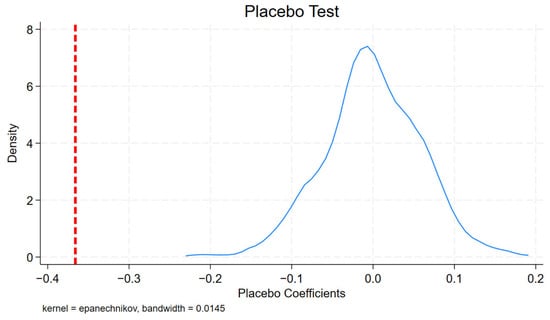
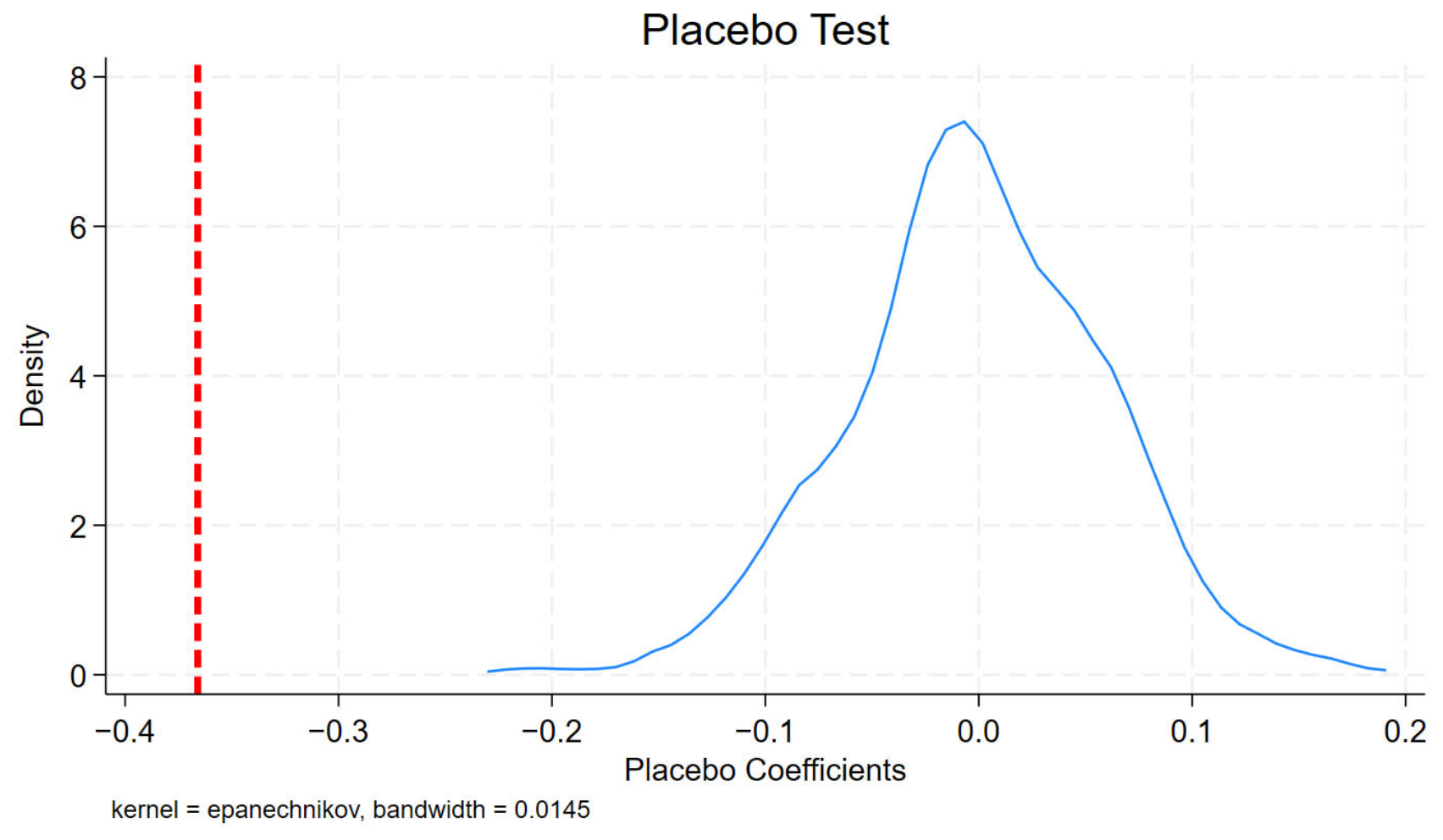

Disclaimer/Publisher’s Note: The statements, opinions and data contained in all publications are solely those of the individual author(s) and contributor(s) and not of MDPI and/or the editor(s). MDPI and/or the editor(s) disclaim responsibility for any injury to people or property resulting from any ideas, methods, instructions or products referred to in the content. |
© 2026 by the authors. Licensee MDPI, Basel, Switzerland. This article is an open access article distributed under the terms and conditions of the Creative Commons Attribution (CC BY) license.