


Abstract
The present study explores social capital in relation to sustainable development in rural areas experiencing population decline, focusing on the mediating role of young farmers. Specifically, it examines bonding, bridging, and linking capital to determine whether young farmers can halt demographic decline, enhance regional attractiveness, and contribute to sustainable development. For this purpose, qualitative research was conducted using semi-structured interviews with twenty-four young farmers across twelve municipalities in Greece experiencing the highest population decline. Findings indicate that young farmers in these areas have strongly developed and leveraged bonding capital which reinforces their position within the family, social and kinship networks. However, bridging and linking capital remain weak and problematic, complicating the efforts to deal with migration tensions and to create conditions for sustainable development. Policy adjustments are necessary to foster bridging and linking capital.
1. Introduction
Social capital is considered a critical factor in enabling rural populations to access resources and contribute to sustainable development [1].
Building strong, long-lasting close-knit and trusting relationships within the family, the local community, and at the institutional level contributes to sustainable agriculture production [2,3]. Factors related to trust, collaboration, and participation in agricultural collectives, as well as knowledge transfer channels and access to resources influence farmers’ way of thinking and acting, thereby shaping agricultural development [2,4]. However, the socio-economic and demographic characteristics of rural areas are not homogeneous; therefore, the support networks vary [5,6]. This means that social capital exhibits different dynamics in rural areas with declining populations compared with areas that maintain or increase their population [7]. Trust relations in rural areas might be strong but are not effective in creating the conditions for sustainable socioeconomic development if not accompanied by external networks [8,9]. The relationship among social capital, agricultural production, and rural population contribution—when strong—generates added value for sustainable development [1,10,11]. To this end, the relationship between social capital and young farmers is crucial [12,13], as young farmers are considered the key drivers of rural sustainability [14].
According to the international literature, most studies examine social capital through a horizontal approach to rural areas. This study exhibits novelty by shifting the horizontal approach from ‘rural areas’ to ‘demographically shrinking rural areas.’ This shift is a theoretical distinction that highlights how the dynamics of social capital operate under these extreme conditions. Furthermore, in most cases, young farmers are viewed as passive recipients within the structures of local rural communities. The current study approaches young farmers through a specialized role: that of a mediator between social capital and the sustainable development of rural areas experiencing extreme demographic decline.
The aim of this study is to examine, through semi-structured interviews employing a qualitative approach, the mediating role of young farmers in linking social capital to sustainable development in rural areas experiencing substantial population decline. The specific objectives of the study are to examine and analyze how the dimensions of bonding, bridging, and linking social capital, as mediated by young farmers, can enhance the attractiveness of demographically declining areas. What sets this study apart from others is its focus on rural areas characterized by severe population decline. It also lies in the fact that it holistically combines social capital, the mediating role of young farmers, and the sustainable development of rural areas experiencing severe demographic decline. The theoretical contribution of the research lies in enriching the international literature with findings on the mediating role of young farmers in local sustainability. Empirically, the research fills a research gap and highlights qualitative data on survival strategies for young farmers in isolated and demographically shrinking rural areas.
Notably, in this study, social capital is not approached from the perspective of being the root cause of the problems facing the particular demographically declining areas. It is approached from the perspective of a mediating factor and a mechanism for the management and resilience of the areas examined by the research.
2. Literature Review
According to the international literature, the demographic and economic pressures faced by agricultural areas due to domestic and international challenges require the strengthening of local resilience [15,16]. Resilience should be based on local human resources, such as young farmers, but simultaneously linked to external resources [17]. The research of Yang et al. [18], which examined the role of social capital in enhancing the resilience to multiple shocks in underdeveloped rural areas, noted that the role of social capital in these settings remains unexplored, indicating the need for further research. This argument was also demonstrated by Elshof & Bailey [19] whose study examined the effects of rural demographic decline on the social capital of rural families. Prior research has also identified similar research gaps [20,21]. Some studies have highlighted research gaps regarding how the rural workforce experiences demographic decline and how it responds within the context of shrinking rural communities [20,21,22]. In the more recent literature, there has been an increase in research examining policies aimed at addressing the phenomenon of population decline in rural areas [23,24].
The broader international literature of social capital has been based on the concepts and framework developed by Putnam [25] end Woolcock [26,27]. Based on this theoretical framework several aspects and effects of social capital have been examined [28,29]. One of the areas that sparked research interest was the relationship between social capital and agricultural production, agricultural enterprises, agricultural cooperatives, and food supply chain [30]. Several studies have also examined the relationship between social capital and human resources engaged in agricultural production [31,32]. The relationships and effects of social capital on farmers’ contributions [10,11], specialization in agricultural production [1], farming decision making [10], income [18] and their willingness to adopt rural land management plans in their activities [33] have also been explored. Furthermore, several studies have examined how social capital influences farmers’ participation in collective action [34], the diversification of agricultural production [35,36], their social networks [37,38], and the adoption of new technologies [39]. Many researchers have also examined the relationships between social capital and young farmers [12,13,40]. However, none of these studies have explored the link between social capital and young farmers living in demographically shrinking rural areas.
Based on the existing research, young people play a substantial mediating role between social capital and sustainable development [41,42]. In this regard, these young farmers leverage connections to implement sustainable practices [43] and social relationships to diversify their agricultural production [44]. The relationship between social capital, sustainable agricultural production and rural communities’ sustainability has gained considerable attention among researchers [43,45]. Social capital has been examined in relation to farmers’ attitudes towards sustainable agriculture [46], biodiversity [47], as well as the reuse and recycling of materials [48,49]. Furthermore, studies have linked social capital with the collection and management of resources [50], and the collective action supporting natural capital [51].
Filling the Research Gap
The international literature examines separately relationships such as social capital and rural development, social capital and innovation, or the effects of demographic decline in rural areas. However, research examining the mediating mechanism of the role of young farmers in linking and bridging the three dimensions of social capital (bonding, bridging, linking) with sustainable development in rural areas experiencing demographic decline. The study by Loras-Gimeno et al. [52], which examined policies implemented in demographically shrinking regions, identified a gap in scaled-up and generalized frameworks, as most studies focus on individual factors and cases. The study by Heredia-R et al. [53] also identified a research gap, noting that these factors prevent them from transforming their networks and social trust into sustainable goals.
3. Research Landscape
Greece is among the European Union countries experiencing a severe decline in its rural population [35,54]. In addition to general population decline, rural areas are characterized by an aging population and low participation rate of young people in the agricultural sector [55,56,57]. This demographic shift is accelerating annually. For instance, between 2024 and 2025, more than 18.5% of individuals exited the farming profession [58]. The concrete deployment is illustrated in Figure 1. This continuous decline in the rural population generates socioeconomic and territorial effects, severely hindering the broader vision for sustainable rural development [59].
Figure 1.
Percentage of employed people by broad groups of economic activity (2014–2025). Source: Hellenic Statistical Authority [58] Labour Force Survey: 4th Quarter 2025.
While young farmers account for 11.9% of farm managers in the European Union, the equivalent percentage in Greece is just 7.2% [60]. Among the EU member states, only Cyprus (5.1%) and Portugal (6.4%) report a lower percentage of young farmers. In Greece to be officially classified as a young farmer an individual must be between 18 and 40 years old, act as the manager of a farm and be registered in the Register of Farmers and Agricultural Holdings.
4. Theoretical Background
This study is based on the theory of social capital as developed by Putnam [25] towards bonding and bridging social capital, and by Woolcock [26,27] with regard to linking social capital. Additionally, the research incorporates the theoretical approaches of sustainable rural development [61,62], the demographic decline and generation renewal [63,64].
The theory of social capital is widely explored in studies across the fields of sociology, economics, agriculture, and rural communities’ development [4,26,65]. The theory of social capital sheds light on and explains how social relations are transformed into productive resources [66,67]. Additionally, it provides a lens to identify the benefits individuals gain through their involvement in social structures and social networks [68]. Putnam emphasized the importance of social networks and trust, arguing that social capital is shaped and strengthened by the connections among individuals, networks and a climate of trust and reciprocity [25]. According to Putnam, social capital is formed at two dimensions [25]. The first dimension, bonding social capital, refers to the formation of strong bonds within an individual’s immediate social circle, encompassing relationships based on trust and mutual support with family, relatives, friends, and neighbors [25]. The second dimension involves the formation of strong bonds with the wider local community, such as building relationships with local associations, cooperatives, and farmers’ groups [25].
Building upon these concepts, another dimension of social capital emerged, the linking social capital by Woolcock [26,27]. Linking social capital is a factor that contributes to social integration and economic development [26,27]. Specifically, it connects individuals or shrinking and marginalized local communities with individuals or groups of people who hold political and economic power [26,27]. It is referred to the formation of strong relationships with various institutional stakeholders such as central government, local government agencies, and financial institutions [3,26]. The framework within which an individual is embedded and the nature of their relationships with a social network, continuously foster relationships which generate benefits [69]. Through their individual and collective actions, individuals capitalize on opportunities by leveraging their social connections to gain access to resources aiming at improving their quality of life and social status [69]. Consistently, through social relationships individuals access resources embedded in their social networks [70]. According to Putnam [25] the most important indicators of social capital include the level of existing trust, perceived reciprocity, and the degree of participation in civil society. It should be noted that the lack of trust directly impacts reciprocity and without widespread reciprocity, social capital tends to diminish significantly [71].
Social capital, as a concept, is compatible and interrelated with the concept of sustainable development, since trust, reciprocity, social cohesion, and networks lie at its core [72]. Social capital is considered a key element of social sustainability [73,74]. According to the theoretical approaches of sustainable rural development [61,62] sustainability in agriculture sector is based on the interplay of economic sustainability, social cohesion, and environmental protection [75,76]. The fundamental theoretical principles of sustainable development are determined by three pillars. The first includes the responsibility towards future generations, which dictates that consumption of resources should not exceed nature’s regenerative capacity [77,78]. The second pillar is the fair distribution of resources [79,80]. Finally, the third pillar emphasizes the interdependent relationship among economic, social, and environmental activities [81,82].
Social capital and social sustainable development are linked to the sociodemographic and socioeconomic characteristics of local communities [25,83]. Demographic aging, economic stability and social decline are often explained on the basis of theoretical approaches related to demographic decline and generational renewal [84,85]. The socioeconomic characteristics of people in local communities—such as those related to educational attainment and home ownership—are positively associated with social capital [86]. Furthermore, social capital is positively related to high-quality services and existing infrastructure [86]. The more stable population an area has the higher its social capital is [86]. This does not imply that the existing problems of disadvantaged areas are necessarily linked to the lack of social capital [86]. Notably, there exist also critiques acknowledging that strong ties do not always lead to the development process but, under certain conditions, can also limit opportunities for external networking and the development of innovative actions [87,88].
To ensure conceptual consistency and avoid ambiguities, this study has integrated these interrelated concepts into a comprehensive conceptual framework that examines the social mechanisms through which social capital, with its three dimensions (bonding, bridging, and linking), acts either as a catalyst or as a barrier to sustainable development. The problem is the demographic decline and the aging population; the analytical tools used are the bonding, bridging, and linking dimensions of social capital; young farmers have undertaken the mediating role to connect social capital with sustainable development, with the ultimate goal (final objective) being the sustainable development of demographically shrinking rural areas. The above integrated model was precisely reflected in the Discussion section demonstrating its functionality.
It should also be noted that this study does not address or examine, in a statistical sense, the ‘mediation’ between an independent and a dependent variable. The ‘mediating role’ as a concept was used by the research team at a conceptual level rather than a quantitative one. Young farmers in demographically shrinking rural areas are the ones who, through their actions, transform social capital resources into drivers of development. The mediation mechanisms operate on the basis of access to information, knowledge transfer, collaborations, access to nationally and EU funded programs, participation in collectives, as well as the adoption of innovations and best practices.
5. Methodology
5.1. Research Design and Data Collection
In the present study the qualitative approach was employed as it effectively captures people’s experiences, beliefs, and attitudes, as well as the social context [89,90]. It is suitable for highlighting and understanding human behavior and interpersonal relationships [91], enabling the interpretation of the complex effects of the phenomenon [92]. It captures behaviors and the ways in which people experience phenomena and facts [93]. According to Gibson et al. [94] qualitative research gives a platform and voice to human experiences, thereby capturing key insights of the phenomenon under investigation. For data collection semi-structured interviews were employed, as they can effectively facilitate the focus on the phenomenon under investigation and reveal aspects that are otherwise difficult to uncover [95]. Semi-structured interviews adequately convey views and experiences, reflecting how the individual perceives and experiences the phenomenon [96].
5.2. Sample
The sample of the study consists of twenty young farmers from twelve municipalities that experienced the greatest population decline between two official censuses (2011–2021). From each municipality two young farmers were selected. Table 1 lists the selected municipalities along with their population decline rates. All twelve municipalities are purely rural.
Table 1.
Data from the municipalities where the sample was collected.
The twelve municipalities were selected based on their common characteristics. According to the latest census, they exhibit the highest population decline among all Greek municipalities. Their economies rely predominantly on the primary sector and are currently experiencing a downward trend. On top of that, they are geographically isolated, encompass a heavily aged rural population, and rely on family networks. In the past, they experienced some of the largest migration flows, leading to a sharp decline in primary sector production. In these municipalities, traditional farming methods prevail, which are low-yield. The concrete facets form a unified whole for all twelve municipalities and ensure that our sample is adequate, in terms of a diversity of experiences, for examining social capital and sustainable development through the mediating role of young farmers.
The selected young farmers participated in the survey fulfilled the aforementioned criteria, and the official requirements to be considered young farmers in Greece, being between 18 and 40 years old and registered in the Register of Farmers and Agricultural Holdings. For the selection of the sample, convenience sampling was employed [97,98]. This method is effective at extracting data by exploring people’s views and experiences [97].
In municipalities facing demographic challenges, such as aging rural populations, and social isolation, identifying an adequate sample presents difficulties. These areas are characterized by limited social networks and institutional distrust. However, the convenience sampling strategy reduces distrust and bias. To ensure both geographic and production diversity, we selected twelve different municipalities that share the common characteristic of having the largest population decline in Greece. Additionally, our sample includes different sectors of crop and livestock production. Towards sample selection, we applied convenience sampling by leveraging the network we had already established within local and regional government. This network connected us with young farmers in the regions matching the specific criteria we set. Specifically, they introduced us to thirty young farmers. Thematic saturation was observed after the twentieth in-depth semi-structured interview, when it was determined that no new issues were emerging at the time. However, four additional interviews were ultimately conducted to confirm that saturation persisted across different rural areas and agricultural sectors.
We observed that the interviewees were repeating themselves without adding any new information. The sample was deemed adequate, as the use of small samples in qualitative research has been validated in the international literature. Guest et al. [99] argue that saturation is usually reached after the twelfth interview, while Mason [100] and Bertaux [101] claim that fifteen interviews ensure the validity of the sample.
The characteristics of the participants in the survey are summarized in Table 2.
Table 2.
Participant characteristics.
Table 3.
Additional information about the survey participants.
The semi-structured interviews were conducted from January to March 2026, each lasting approximately one hour. Ethical research practices were strictly followed; participants provided their consent after they were fully briefed about the study’s objectives and that their anonymity was guaranteed [102,103]. Although small, the sample size was sufficient to prevent the loss or alteration of participants’ personal characteristics [104,105], in providing rich information [106], and ensuring accurate results in the analysis of each case [107,108]. Semi-structured interviews were conducted via telephone, since according to the international literature, telephone interviews are as equally reliable as in-person interviews [109]. Lastly, the qualitative interview guide utilised is available in the supplementary material via the relevant link at the end of this research article.
5.3. Data Analysis
Data collected were analyzed performing thematic analysis. The codes were initially developed identifying interconnected groups and organizing the data based on the research questions [110,111]. Subsequently, themes and subthemes were identified and retrieved [112,113]. During the review of the themes, those that did not meet the established criteria were identified and dropped. The emerged thematic codes and sub-codes are presented in Table 4.
Table 4.
Themes and subthemes.
To ensure transparency in this study, the six-step reflective analysis outlined by Braun & Clarke [114] was followed. Specifically, these steps are: data familiarization, generation of initial codes, searching for themes, reviewing themes, defining themes, and producing a report.
Coding Table 5 illustrates how the initial codes, subthemes, and themes were developed.
Table 5.
Indicative table listing initial codes, subthemes, and thematic areas.
In order to ensure the reliability of the research findings and to avoid subjectivity during the coding process, a peer-review procedure was followed. Initially, the two members of the research team responsible for coding the findings worked separately. Subsequently, they discussed any differences of opinion. They did not operate on the basis of calculating percentages but rather on the basis of carrying out amendments through dialogue and the presentation of arguments in order to reach an agreement.
5.4. Thematic Map
At the phase of data analysis, thematic maps were developed to delineate the content and dimensions of each theme. Drawing upon the emerged thematic codes and sub-codes and positioning young farmers from rural areas experiencing population decline at the core of this study, two distinct thematic maps were designed. Figure 2 depicts young farmers as agents of transformation in local rural communities, driving sustainable development.
Figure 2.
Depiction of the role of young farmers as agents of transformation in rural areas promoting sustainable development and addressing population decline.
In Figure 3, young farmers were depicted as active contributors to social capital, promoting sustainable development.
Figure 3.
Input of social resources based on social capital and outcomes focused on young farmers.
The two thematic maps present thematic and conceptual categories as they emerged from the analysis of the findings. To achieve positive outcomes, social capital and institutional trust, together with participation and networks—through the mediating role of young farmers—must be transformed into sustainable development, innovation, and demographic resilience. The inflow of social resources through the role of young farmers should be transformed into environmental certifications, innovative interventions, and forces that will help make demographically shrinking rural areas attractive. However, the findings indicate that bonding social capital is strong at the local level but is not linked to bridging social capital to produce results. The mediating role of young farmers is not effective.
6. Findings
The findings are organized into five thematic sections comprising “Integration into the local community, networking and participation in collective actions”, “Social Capital”, “Sustainable development and innovation”, “Population decline” and “Social bonds and trust”.
- Integration into the local community, networking, and participation in collective actions
In this thematic section the following subthemes were identified: relationship with local community, access to resources, knowledge transfer channels, search for information, participation in collective bodies, and collaborations. The study showed that family and local community networks in areas with population decline are strong. While family acceptance and knowledge transfer regarding traditional farming practices exists, this knowledge is often considered outdated. Weak bridging social capital was described in highly emotional terms by the majority of the respondents. Disappointment was widespread. The mention of R2 is characteristic.
“I live in a village with just 65 permanent residents. The decision to stay in my hometown and work in agriculture was a difficult one. My parents are elderly and depend on me. The land I cultivate was passed down to me by my parents”(R2)
“We were taught by our parents how to cultivate our land. Today everything has changed. This way of doing things is outdated, and no one can expect to make an income with those methods”(R23)
“The village has been deserted by its residents. There are just two of us young people left, and we work in agriculture. Our parents are too old to help us in the farms”(R19)
The study revealed that the open networks of local communities are not strong. Communal gathering places are absent, as most villages lack even basic social venues. They do not even have coffee shops, and the only source of information are television and the internet. While collaboration among the few young farmers does occur, it remains highly limited. Furthermore, the participation in cooperatives or farmer groups is also limited. The explanation given by the study participants in their accounts is that most cooperatives are bankrupt, have become stagnant, and are run by boards that have remained in place for years, renewing their terms through manipulative practices. They state that they prefer to operate independently without dependencies. Their strong bonding social capital has trapped them in a person-centered operating model. A lack of trust regarding their integration into collective structures is pervasive in their narratives.
“The village doesn’t have a coffee shop. The exchange of views is done through phone. The information gets to us through television and the internet”(R11)
“In our village, we are only four young people. We collaborate in the crops from time to time; however, each one of us has his own pace”(R12)
“Our municipality has small and scattered villages. This makes the establishment of cooperatives difficult. There used to be one, but it is now inactive. In my village people used the say that few houses make a bad village”(R7)
“Most cooperatives are stuck in debt, and their leadership is perpetuated through closed-door mechanisms. All decisions are made by small, exclusive groups. It’s better to operate independently and not be controlled by others”(R23)
- Social Capital
In this thematic section the following subthemes were identified: Bonding, Bridging and Linking. The study showed that in the areas with declined populations there is a sense of community that primarily stems from family, relatives, and friends. In these regions, where family structures are strong and the influence of the local community is significant, there is pressure against the introduction of external knowledge and pressure to continue traditional farming practices, as well as resistance to adopting change. The accounts of R11 and R19 are characteristic:
“We still follow the traditional farming methods we learned from our parents, with only minor changes. Major changes require money and information, and we don’t have those resources. Our village is very remote, and that contributes to our isolation. Our village is very remote, and that contributes to our isolation.”(R11)
“They tried to get me to change the way I farm the land I inherited from my parents, and everyone in the village treated me with suspicion.”(R19)
The collaboration through collective actions is ineffective. The institutional links are particularly problematic when it comes to government and banking services. This indicates strong bonding social capital. However, the deficit in bridging and linking social capital appears to be linked to geographical and social isolation, as well as to the deficit in institutional information channels. The end result is a lack of cooperation at the interregional level. Young farmers are unable to incorporate interregional collaborations into their plans and adopt innovations through best practices to make demographically shrinking regions more attractive. This is illustrated by excerpts from the narratives of R4, R3, R20, and R5.
“Our products are of excellent quality. We’re having a hard time marketing them. We don’t know how others manage to market them without any obstacles at good prices. There’s no organization to connect us with producers from other regions”(R4)
“If it weren’t the family’s support and the help of my friends, I would have a hard time getting through it. Fortunately, in Greece people help and support one another and especially within the family”(R3)
“Villages here are dominated by elder people. Young farmers are very few. This makes the organization in cooperatives very difficult. Wherever they have been established, if not supported by the state, they struggle to survive”(R20)
“We are disappointed with government services. They promise us a lot but deliver very little. All of us who got loans have regretted it”(R5)
- Sustainable Development and Innovation
In this thematic section the following subthemes were identified: Attitude towards sustainable agriculture, introduction of innovations, European programs and long-term strategy, and environmental certification. The study revealed an interest in organic farming; however, limited progress has been made due to a lack of information and insufficient support from institutions and public agents. This difficulty in moving beyond traditional farming practices, explains the slow adoption of innovative approaches.
“Few of us have been involved in organic farming. However, there is potential for it to become more widespread if there is ongoing information and government support”(R2)
“Unfortunately, the traditional way we cultivate doesn’t leave much room for innovative actions, though that doesn’t mean that no steps have been taken in that direction”(R6)
The survey indicated minimal engagement of young farmers with European programs, with the exception of four participants who reported facing significant bureaucratic hurdles. While no long-term strategic plans were identified, a favorable climate for environmental certifications exists.
“We receive subsidies from the European Union for our production. However, few of us have been involved in other European programs. We are open to such programs, but my own experience has shown that they are bureaucratic and complicated”(R24)
“It is very important to us that our products are certified as a result of environmentally friendly cultivation practices. They are in greater demand and have greater value”(R9)
- Population decline
Within this thematic section, the following subthemes were highlighted: impact of population decline, rural population retention, and the role of young farmers in areas with declining populations. The survey results show that demographic decline makes rural areas less attractive to young people, negatively affecting their income and quality of life. Furthermore, this decline hinders population retention, increases production costs, complicates labor recruitment, and fosters social isolation. Consequently, young farmers in these areas experience uncertainty regarding their long-term stay and often express desire for their children to avoid following agriculture carriers in the area.
“It is not easy for young children to stay in this place. You walk through the village streets, and you do not meet any other person to talk to. There is no school, and to find a doctor you have to travel for several kilometers”(R4)
“The elderly pass away and young people seek better conditions in urban centers. Here, you learn firsthand what isolation means”(R16)
“I am not at all sure if my decision to stay here and continue the agricultural profession of my parents was the right one. If you ask me whether I would like my children to stay here too, I would say with certainty, no”(R8)
- Social bonds and trust
In this thematic section the following subthemes were revealed: level of trust in institutions, and the degree of satisfaction with services. The survey revealed a general lack of trust in government structures and institutions in these areas among local residents. Furthermore, participants reported feeling isolated, forgotten, and neglected by the central government. The lack of linking social capital was expressed in a highly emotionally charged manner by the majority of the study participants. R1’s comment is particularly indicative.
“Even “God” has forgotten us here. They only remember us during the election season. For us, everything seems distant and hard to reach. Our trust in everyone and everything has been shaken. I am not exaggerating. This is the harsh reality”(R1)
“In our area, almost all services have been relocated to the capital of the prefecture. The schools closed and banks closed their branches that used to be here. The same applies to public services. Everything is being done to reduce costs. Once upon a time, our village had five coffee shops and now there is only one left.”(R14)
7. Discussion
The aim of the study was to explore the linkage between social capital and sustainable development in rural areas experiencing demographic decline, with particular attention to the mediating role of young farmers. The research explores the dimensions of social capital in these areas to assess whether young farmers can mitigate population decline, increase the attractiveness of these areas, and consequently contribute to sustainable development.
The study presents empirical evidence that bonding capital is strong in rural areas with declining populations. Farmers in these areas rely heavily on closed networks of family, relatives, and friends, where trust plays a crucial role. Strong ties within the family and local community result in a phenomenon referred to in the international literature as the “bonding trap” [115,116]. Robust structures within the family and local environment create pressures to exclude any knowledge and best practices that may originate from the external environment. This situation leads young farmers in demographically shrinking rural areas to be unable to move beyond traditional practices and to maintain their closed systems. Networks formed mainly through bonding capital are associated with a lower capacity of implementing changes in farming practices which could encourage innovation [19].
According to Putnam [25], while bonding capital reinforces the capability of small family groups to succeed, bridging capital is needed to move forward. Bridging capital has the potential to generate benefits for farming societies such as increased appreciation, collaboration, cooperation, and social ties with stakeholders [25,117]. The inability of young farmers in demographically declining areas to participate significantly in cooperatives and farmers’ groups is not merely a matter of limited participation. Weak external networks and the failure of young farmers to participate in collective actions deprive them of seamless access to new resources and modern environmentally friendly technologies. This fact intensifies isolation and highlights the inability of bonding social capital to connect with bridging social capital. This limited bridging capital creates obstacles to larger collaborative initiatives and leads to low availability of resources related to information and innovation as well as to new technologies [37]. This phenomenon might be further explained by a weak culture of volunteerism within Greek society, alongside the declining popularity of the cooperative movement [118]. The corruption, patronage and direct political control experienced in previous decades which have formed a negative attitude towards the formation of agricultural cooperatives which has been passed down from generation to generation [118]. Furthermore, the absence of ties with other heterogeneous community networks and groups (i.e., agri-business enterprises, farmers advisors, etc.) hinders their access to research-based knowledge and innovative experiences that could offer opportunities for new production forms or business models [6].
The problem is exacerbated at the level of the linking social capital. The study revealed that young farmers in rural areas with declining populations have lost their confidence in institutions and public agencies and simultaneously are poorly informed about the European funded programs designed for them. Consequently, the networks connecting these young farmers with the decision-making centers are inactive. This means that the vertical link that should connect young farmers in demographically shrinking rural areas with the political and economic centers of power that shape policy is problematic because it does not exist. Linking social capital does not function. The lack of trust in institutions and the low participation of young farmers in domestic and European programs can be explained by the asymmetrical power relationship. Institutions are unable to connect with young farmers in these regions, and consequently, institutional integration cannot be achieved on a practical level. Drawing from the international literature, these phenomena are mostly found in closed rural communities [26,119]. The aforementioned analysis also illustrates the interconnection mechanism between bonding, bridging, and linking social capital. Bonding social capital hinders bridging social capital, and at the same time, the difficulty in transitioning from bonding social capital to bridging social capital has an impact on linking social capital.
Upon examining the internal variations and comparing the evidence revealed, three variations ultimately emerged. Female interviewees in the study, regardless of their level of education, expressed their experience of social isolation more strongly, emphasizing the lack of infrastructure and services for education and healthcare. A second element showing that the more mountainous and remote the settlement and the more severely it is demographically shrinking, the stronger family dependence becomes. The concrete dependence, which indicates substantial bonding social capital, presents early signs of differentiation without, however, diminishing in intensity within settlements experiencing moderate population decline. A third factor that emerged is that young farmers who have graduated from universities show greater interest in certified and branded products and in environmental certifications generally. However, simultaneously, they appear to feel the lack of information about domestic and European funding programs more acutely.
Certain excerpts from the narratives of the study participants, which are presented in fragments in the findings section, give the impression that they are scattered, emotionally charged accounts. However, these emotionally charged references are adequate samples selected from the participants’ narratives and used in the systematic coding and thematic analysis. These references are empirical evidence. For example, the statement “I live in a village with just 65 permanent residents. The decision to stay in my hometown and work in agriculture was a difficult one” is an empirical piece of evidence suggesting that these specific areas are not attractive and that uncertainty and risk prevail for young farmers in these areas. These factors are linked to demographic decline and, of course, to weak bridging social capital. But the emotionally charged expression “Even ‘God’ has forgotten us here” also suggests isolation and is reflected in the subtheme regarding trust in institutions and satisfaction with the state services provided. These factors are linked to a lack of connection with centers of power, a fact that contributes to geographical and social isolation. In other words, a deficit of “linking social capital.
Extending the research findings further reveals that the identified lack of bridging and linking social capital deprives young farmers living in demographically shrinking rural areas of the opportunity to participate in collective action through cooperatives and farmers’ groups. It deprives them of the opportunity to contribute to creating a sense of attractiveness for their regions. This situation creates negative feelings towards their continued residence in these regions. Therefore, an effective combination of new support policies is needed to foster the creation of strong open networks and improve the relationship of young farmers with decision-making centers. Low trust must be addressed, and the currently problematic channels of knowledge transfer must be improved. According to Sabet and Khaksar [120] mutual trust and common action have significant effect on sustainable rural development. New tools are needed for young farmers to facilitate the adoption of new farming practices, such as organic farming, for which the participants in the survey demonstrated enthusiasm and expressed the need for the increase in linking social capital. Drawing from the international literature, strong relationships of trust and close ties at the levels of bonding, bridging, and linking capital contribute to sustainable rural development [3,4]. According to Coleman [121], building trust within a social structure contributes to collective action and collaboration. Collective action, considered by many scholars as the core value of social capital, should be reinforced, as this can lead to adaptive capacity and rural sustainable development [8,37]. The interpretation of the research findings suggests that since networks in these areas remain problematic, it will be highly challenging to enhance the areas’ attractiveness for residents. Moreover, the low level of young farmers’ satisfaction revealed in the present study is a significant factor contributing to the abandonment of these areas. Reversing the regressive population pyramid therefore requires strengthening the bridging and linking capital through targeted policy interventions and financial instruments.
The confinement of young farmers in demographically shrinking rural areas within family, kinship, and local networks, and their inability to expand into external networks, is also observed in other regions of southern Europe. Studies by Llorent-Bedmar et al. [122] and Camarero & Oliva [123] conducted in Spain showed that young people in Spain’s rural areas experience geographical and social isolation. The same was shown by the studies by Lorente et al. [124] in Portugal and Grignoli et al. [125] in Italy. However, research by [126] conducted in Eastern Europe also highlighted the lack of trust among rural populations in institutions, which has the effect of widening their economic isolation. Hegewald [127] research showed that the lack of trust in institutions felt by rural residents creates dissatisfaction because they believe that governments are not interested in solving their problems.
In Table 6 we capture the unified functionality model that we mentioned in the theoretical background.
Table 6.
Overview of the unified functionality model.
The findings of the study highlight and confirm the usefulness of the unified model analyzed in the theoretical framework. The lack of trust in institutions explains why the linking dimension of social capital is weak among young farmers in demographically shrinking regions. Furthermore, the weak linking of social capital hinders the development of long-term sustainability as well as access to National and European funding programs.
8. Conclusions
The study presents a first systematic attempt to explore the social capital in areas with declining populations through the lens of young farmers and explore its connection with sustainable rural development, identifying young farmers’ role in this linkage. The deficit in bridging and linking social capital identified in this study deprives young farmers living in demographically declining rural areas of the opportunity to participate in collective actions such as cooperatives and farmers’ groups. It also deprives them of the opportunity to develop initiatives to enhance the attractiveness of their regions. As long as networks beyond family, friends and relatives remain problematic the attractiveness of new farming practices that go beyond the traditional ones will be difficult to establish. Information channels and knowledge will remain weak and problematic and national and European policies will struggle to achieve their intended results. Policies to reinforce bridging and linking social capital are particularly needed and are very important for sustainable growth in areas that experience deficiencies in human capital capabilities [128], with this need being even more acute in rural areas with declining populations. The increase in bridging and linking capital will enhance the efficiency of young farmers and will facilitate information transfer and cooperation and will also prevent the fragmentation and vulnerability of local rural communities [37]. In this way young farmers’ social capital will become stronger at all levels, transforming their mediating role into drivers of sustainable development. It should be noted that the data from this study reflect the behavioral intentions of young farmers who live and work in demographically declining regions and do not pertain to either migration flows or macroeconomic trends. The study’s findings stem from the social dimension of sustainability rather than from economic and environmental indicators. Biological, environmental, and economic indicators were not among the study’s objectives; rather, the study focused on factors such as social cohesion and institutional trust.
8.1. Policy Recommendations Based on Empirical Findings
Based on the empirical findings, and in order for social capital—through the mediating role of young farmers—to improve the latter’s position and contribute to the attractiveness of demographically shrinking rural areas, changes are needed in the mix of policies currently in place. Moreover, the institutional deficit could be mitigated by establishing an agricultural advisory structure in each municipality, involving representatives of young farmers, local government, and universities. This structure, through its work, will strengthen linking social capital. It will enable young farmers to effectively design development strategies. Additionally, establishing a rural innovation structure in shrinking municipalities would help address the information deficit. Such a body should serve as a channel for knowledge transfer and guidance to transform traditional farming practices and ensure seamless access to domestic and European funding programs. On top of that, to address the issue of limited participation by young farmers in cooperatives and farmer groups, the government should offer tax incentives for participation. Specifically, it should also provide incentives for participation in European funding programs while simultaneously supporting collective schemes. The concrete schemes should include a quota for young farmers. The aforementioned aspect will strengthen bridging social capital. To increase the attractiveness of demographically shrinking rural areas, the government will need to implement stronger policies to reduce the cost of living for young farmers in these regions. Policies will need to be developed to subsidize heating, the fuel required for farming, transportation, digital connectivity, and support for social networking.
8.2. Theoretical Contribution
This study contributes to the body of literature, firstly by qualitatively exploring the interplay between social capital and rural sustainable development in regions with declining populations. The most recent body of knowledge on rural sustainability studies echoes the existence of a gap in relation to the connection between social capital and sustainable development in rural communities with declining populations. The study also provides an empirical operationalization of the multiple dimensions of theories of social capital [25,26] within rural settings. This approach allows for precisely showing how sustainable development is affected by social capital in rural areas. Finally, the study introduces a new discussion about the role of young farmers in leveraging the dimensions of social capital towards sustainable development and revitalization of rural areas with declining populations.
8.3. Practical Implications
The understanding of the role of young farmers in the linkage between social capital and sustainable development in rural areas experiencing demographic decline, also has significant practical implications. The study offers an empirical foundation and conceptualization of social capital dynamics in rural areas with demographic decline which is of vital importance for developing strategies for the revitalization of these areas. The research results provide agricultural policy makers at national and European level with comprehensive knowledge of existing open networks’ dynamics and operations that can be reinforced and utilized for better identification of gaps, targeting of interventions, and development of effective policies and initiatives to support young farmers.
The current relationship between young farmers and formal networks such as institutions and public agencies was perceived as being bureaucratic, reducing young farmers’ willingness to adopt new farming practices and leverage support provided by EU programs and public agencies. This knowledge can be used by policy makers to shift toward fostering more close ties within young farmers’ formal networks, and promote the efficient exchange of information, facilitating social learning to enhance long-term supportive strategies for sustainable development in rural areas.
Moreover, understanding the connection between the dimensions of social capital with sustainable rural development and the inherent role of young farmers could enable training providers and other organizations involved in the farming supportive ecosystem to develop effective training and capacity building tailored to young farmer’s needs. Through capacity building initiatives designed to foster the development of bridging capital, young farmers in rural areas will gain access to diversified knowledge resources. This learning can enhance their creativity and innovation, cooperation, and help them overcome negative effects associated with conventional farming practices and ultimately promote agricultural growth and the attractiveness of rural areas.
8.4. Research Limitations and Future Research Directions
While the study findings provide valuable insights about the role of young farmers in the linkage between social capital and rural sustainable development in Greece, some limitations should be considered and serve as a basis for future research. While the study results offer a rich context, they are limited in their generalizability to other rural agricultural settings. Therefore, future research attempts could extend this research to other European countries to explore regional and cultural differences. On top of that, there is a need for further research on rural areas using different theoretical approaches. The study provides some exploratory findings; the social capital approach to sustainable development in areas with declining population was based on the views, experiences, and perceptions of young farmers themselves, who live in these areas and are directly affected by this phenomenon. Future research could also focus on the perceptions of local community leaders in these areas, as well as those responsible for policies aimed at the sustainable development of these regions and the strengthening of the position and role of young farmers. Furthermore, future research could also focus on exploring in more depth the factors that hinder the development of bridging and linking social capital in rural populations, as well as the role of other variables such as shared value in the community [129], or personality characteristics of young farmers through the lens of personal values [130,131] and personality traits [132]. Furthermore, this study does not examine social capital through quantitative demographic and economic data, and this is a limitation of the study. A future study combining qualitative and quantitative findings would provide a more complete picture of the impact of social capital on the sustainable development of demographically shrinking rural areas and the mediating role of young farmers.
Supplementary Materials
The following supporting information can be downloaded at: https://www.mdpi.com/article/10.3390/su18136560/s1, QUALITATIVE SEMI-STRUCTURED INTERVIEW GUIDE.
Author Contributions
P.L.: Conceptualization, Formal analysis, Funding acquisition, Methodology, Project administration, Supervision, Writing—original draft, Writing—review and editing. N.A.: Conceptualization, Supervision, Methodology, Validation, Resources, Writing—original draft, Writing—review and editing. A.S.: Data curation, Software, Validation, Writing—original draft, Writing—review and editing. S.A.: Investigation, Data curation, Formal analysis, Methodology, Writing—original draft, Writing—review and editing. G.P.: Investigation, Software, Visualization, Writing—original draft, Writing—review and editing. All authors have read and agreed to the published version of the manuscript.
Funding
This research received no external funding.
Institutional Review Board Statement
Ethical review and approval were waived for this study due to the fact that the present study complies with the following elements: 1. The study involves certain data collection without experimental or intervention-based procedures. 2. No sensitive personal data is collected, and all participants remain anonymous. 3. Participation is voluntary, with full disclosure and signed informed consent obtained from all participants (ensuring ethical data collection). 4. The study poses minimal risk to participants and does not involve vulnerable populations or patients.
Informed Consent Statement
Verbal informed consent was obtained from the participants. Verbal consent was obtained rather than written because the interviews took place via phone as the participants are based on remote rural areas.
Data Availability Statement
The original contributions presented in this study are included in the article. Further inquiries can be directed to the corresponding author.
Conflicts of Interest
The authors declare no conflicts of interest.
References
- Chen, P.; Gao, J.; Zhang, M.; Wu, D. New-type professional farmers: How to make use of different types of social capital to engage in agriculture specialization. J. Rural Stud. 2025, 114, 103545. [Google Scholar] [CrossRef] [Scilit]
- Tregear, A.; Cooper, S. Embeddedness, social capital and learning in rural areas: The case of producer cooperatives. J. Rural Stud. 2016, 44, 101–110. [Google Scholar] [CrossRef] [Scilit]
- Szreter, S.; Woolcock, M. Health by association? Social capital, social theory, and the political economy of public health. Int. J. Epidemiol. 2004, 33, 650–667. [Google Scholar] [CrossRef] [Scilit] [PubMed]
- Rivera, M.; Knickel, K.; María Díaz-Puente, J.; Afonso, A. The role of social capital in agricultural and rural development: Lessons learnt from case studies in seven countries. Sociol. Rural 2019, 59, 66–91. [Google Scholar]
- Wu, B.; Liu, L. Social capital for rural revitalization in China: A critical evaluation on the government’s new countryside programme in Chengdu. Land Use Policy 2020, 91, 104268. [Google Scholar] [CrossRef] [Scilit]
- Cofré-Bravo, G.; Klerkx, L.; Engler, A. Combinations of bonding, bridging, and linking social capital for farm innovation: How farmers configure different support networks. J. Rural Stud. 2019, 69, 53–64. [Google Scholar] [CrossRef] [Scilit]
- Nabavi, S.H.; Asadi-Lari, M.; Mousavi, M.T.; Rashedi, V.; Fadayevatan, R. Socioeconomic determinants of social capital inequality among older adults of tehran: A population-based study (Urban HEART-2). Med. J. Islam. Repub. Iran 2021, 35, 1287–1295. [Google Scholar] [CrossRef] [Scilit]
- Koutsou, S.; Partalidou, M.; Ragkos, A. Young farmers’ social capital in Greece: Trust levels and collective actions. J. Rural Stud. 2014, 34, 204–211. [Google Scholar] [CrossRef] [Scilit]
- Lannoo, S.; Verhaeghe, P.P.; Vandeputte, B.; Devos, C. Differences in social capital between urban and rural environments. J. Urban Aff. 2012, 34, 373–394. [Google Scholar] [CrossRef] [Scilit]
- Lai, J.; Beethem, K.; Marquart-Pyatt, S.T. Farmers’ Social Capital in Agricultural Decision-Making. Rural Sociol. 2025, 90, 216–241. [Google Scholar] [CrossRef] [Scilit]
- Gómez-Limón, J.A.; Vera-Toscano, E.; Garrido-Fernández, F.E. Farmers’ Contribution to Agricultural Social Capital: Evidence from Southern Spain. Rural Sociol. 2014, 79, 380–410. [Google Scholar]
- Syamsiah, S.; Sumardjo, S.; Fatchiya, A.; Haryanto, Y.; Winarno, K. The interplay of external support, learning, and social capital in young farmers’ agribusiness sustainability. BIO Web Conf. 2025, 171, 04012. [Google Scholar] [CrossRef] [Scilit]
- de Brito, R.P.; de Sá, M.M.; di Araújo, N.M. The role of social capital in climate change adaptation: Small farmers’ perspective. J. Macromark. 2024, 44, 704–722. [Google Scholar] [CrossRef] [Scilit]
- Belezentis, T.; Ribasauskiene, E.; Morkunas, M.; Volkov, A.; Streimikiene, D.; Toma, P. Young farmers’ support under the Common Agricultural Policy and sustainability of rural regions: Evidence from Lithuania. Land Use Policy 2020, 94, 104542. [Google Scholar] [CrossRef] [Scilit]
- Yusriadi, Y.; Kaslin, A. Resilience of rural communities facing global challenges. J. Indones. Sch. Soc. Res. 2025, 5, 65–72. [Google Scholar] [CrossRef] [Scilit]
- Paniagua, A. Challenges and pathways in sustainable rural resiliencies or/and resistances. Sustainability 2024, 16, 5397. [Google Scholar] [CrossRef] [Scilit]
- Liu, M.; Zhang, C.; Li, Z.; Abdulai, A.; Yang, J. Building Rural Resilience Through a Neo-Endogenous Approach in China: Unraveling the Metamorphosis of Jianta Village. Agriculture 2025, 15, 2251. [Google Scholar] [CrossRef] [Scilit]
- Yang, C.; Zhou, D.; Zou, M.; Yang, X.; Lai, Q.; Liu, F. The impact of social capital on rural residents’ income and its mechanism analysis—Based on the intermediary effect test of non-agricultural employment. Heliyon 2024, 10, e34228. [Google Scholar] [CrossRef] [Scilit] [PubMed]
- Elshof, H.; Bailey, A. The role of responses to experiences of rural population decline in the social capital of families. J. Rural Community Dev. 2015, 10, 72–93. [Google Scholar]
- Matanle, P.; Sato, Y. Coming soon to a city near you! Learning to live ‘beyond growth’ in Japan’s shrinking regions. Soc. Sci. Jpn. J. 2010, 13, 187–210. [Google Scholar] [CrossRef] [Scilit]
- Stockdale, A. Rural Out-Migration: Community Consequences and Individual Migrant Experiences. Sociol. Rural. 2004, 44, 187–210. [Google Scholar] [CrossRef] [Scilit]
- Barnett, R.; Barnett, P. “If you want to sit on your butts you’ll get nothing!” Community activism in response to threats of rural hospital closure in southern New Zealand. Health Place 2003, 9, 59–71. [Google Scholar] [CrossRef] [Scilit] [PubMed]
- Cuadrado-Roura, J.R. Population imbalances in Europe. Urban concentration versus rural depopulation. Reg. Sci. Policy Pract. 2023, 15, 713–716. [Google Scholar] [CrossRef] [Scilit]
- Rodríguez-Soler, R.; Uribe-Toril, J.; Valenciano, J.D.P. Worldwide trends in the scientific production on rural depopulation, a bibliometric analysis using bibliometrix R-tool. Land Use Policy 2020, 97, 104787. [Google Scholar] [CrossRef] [Scilit]
- Putnam, R.D. Bowling Alone: The Collapse and Revival of American Community; Simon and Schuster: New York, NY, USA, 2000. [Google Scholar]
- Woolcock, M. Social capital and economic development: Toward a theoretical synthesis and policy framework. Theory Soc. 1998, 2, 151–208. [Google Scholar] [CrossRef] [Scilit]
- Woolcock, M. The place of social capital in understanding social and economic outcomes. Can. J. Policy Res. 2001, 2, 11–17. [Google Scholar]
- Letnar, M.; Širok, K. The role of social capital in employability models: A systematic review and suggestions for future research. Sustainability 2025, 17, 1782. [Google Scholar] [CrossRef] [Scilit]
- Gentry, A.N.; Martin, J.P.; Douglas, K.A. Social capital assessments in higher education: A systematic literature review. Front. Educ. 2025, 9, 1498422. [Google Scholar] [CrossRef] [Scilit]
- Kustepeli, Y.; Gulcan, Y.; Yercan, M.; Yıldırım, B. The role of agricultural development cooperatives in establishing social capital. Ann. Reg. Sci. 2025, 70, 681–704. [Google Scholar]
- Zhang, X.; Zhang, L.; Nie, T. Study on the impact of social capital on farmers’ decision-making behavior of adopting trusteeship services. Sustainability 2023, 15, 5343. [Google Scholar] [CrossRef] [Scilit]
- Mahaarcha, D.; Sirisunhirun, S. Social capital and farmers’ participation in multi-level irrigation governance in Thailand. Heliyon 2023, 9, e18793. [Google Scholar] [CrossRef] [Scilit] [PubMed]
- Mathijs, E. Social capital and farmers’ willingness to adopt countryside stewardship schemes. Outlook Agric. 2003, 32, 13–16. [Google Scholar] [CrossRef] [Scilit]
- Liang, Q.; Huang, Z.; Lu, H.; Wang, X. Social capital, member participation, and cooperative performance: Evidence from China’s Zhejiang. Int. Food Agribus. Manag. Rev. 2015, 18, 49–77. [Google Scholar]
- Gittins, P.; Apostolopoulos, S.; Anastasopoulou, E.E.; Apostolopoulos, N. Responding to Greece’s constrained agricultural context: Farm diversification strategies used by family farmers. J. Rural Stud. 2025, 113, 103522. [Google Scholar] [CrossRef] [Scilit]
- Lang, L.D.; Behl, A.; Dong, N.T.; Temouri, Y.; Thu, N.H. Effect of social capital on agribusiness diversification intention in the emerging market. J. Intellect. Cap. 2022, 23, 56–84. [Google Scholar]
- Moghfeli, Z.; Ghorbani, M.; Rezvani, M.R.; Khorasani, M.A.; Azadi, H.; Scheffran, J. Social capital and farmers’ leadership in Iranian rural communities: Application of social network analysis. J. Environ. Plan. Manag. 2023, 66, 977–1001. [Google Scholar]
- Wiesinger, G. The importance of social capital in rural development, networking and decision-making in rural areas. J. Alp. Res. 2007, 95-4, 43–56. [Google Scholar] [CrossRef] [Scilit]
- Castillo, G.M.L.; Engler, A.; Wollni, M. Planned behavior and social capital: Understanding farmers’ behavior toward pressurized irrigation technologies. Agric. Water Manag. 2021, 243, 106524. [Google Scholar] [CrossRef] [Scilit]
- Jeong, H.N. A qualitative study on the difficulties of rural settlement experienced by young farmers and the effects of their parent’s social capital. J. Rural Soc. 2022, 32, 67–108. [Google Scholar] [CrossRef] [Scilit]
- Grimm, S.; van der Merwe, R.; Barole, N.; Atchikiti, I.; Attipoe, E.; Chebaane, O.; Djigo, M.; Giri, T.; Peng, S.; Tembo, D.J. Youth Perspectives and Engagement on Sustainability; IDOS Policy Brief No. 33/2024; German Institute of Development and Sustainability (IDOS): Bonn, Germany, 2024. [Google Scholar]
- Hollingshead, B.P. Young people, education and sustainable development: Exploring principles, perspectives and praxis. J. Educ. Sustain. Dev. 2010, 4, 307–309. [Google Scholar] [CrossRef] [Scilit]
- Addai, G.; Guodaar, L.; Amponsah, O.; Ibrahiem, D.M.; Felix, K.; Antwi-Agyei, P. Role of social capital in agricultural diversification: Implications for sustainable development in rural regions. Sustain. Dev. 2024, 32, 4844–4865. [Google Scholar] [CrossRef] [Scilit]
- Tengapoe, K.; Baddianaah, I.; Yaradua, A.S. Access to social capital and smallholder agricultural practices: The case of smallholder farmers in North-Western Ghana. Cogent Food Agric. 2024, 10, 2353670. [Google Scholar] [CrossRef] [Scilit]
- Widjayanthi, L.; Kusmiati, A.; Ibanah, I.; Agung, S.; Wijayanto, Y.; Wulanjani, D.; Prastowo, S.; Gabrillo, C.A. Learning from Community Practices: Social Capital of Farming Communities in Supporting Sustainable Agriculture. J. Lifesci 2024, 5, 135–143. [Google Scholar] [CrossRef] [Scilit]
- Ali, A.; Salman, D.; Agustang, A.; Ahmad, J.; Saleh, S.; Kamaruddin, S.A. Social capital and community empowerment: Towards sustainable agricultural. Univers. J. Agric. Res. 2023, 11, 380–388. [Google Scholar] [CrossRef] [Scilit]
- Pretty, J.; Smith, D. Social capital in biodiversity conservation and management. Conserv. Biol. 2004, 18, 631–638. [Google Scholar] [CrossRef] [Scilit]
- Alipour, A.; Mousavi, S.S.; Ebrahimi, M.S. Social capital as a key predictor in solid rural waste management: A case study of rural residents in Iran. Clean. Waste Syst. 2025, 11, 100293. [Google Scholar] [CrossRef] [Scilit]
- Liu, J.; Huang, S.; Wang, Y. Study of farmers’ willingness to participate in environmental governance based on recycling, reduction and resourcing. Sustainability 2023, 15, 10850. [Google Scholar] [CrossRef] [Scilit]
- Pretty, J. Social capital and the collective management of resources. Science 2003, 302, 1912–1914. [Google Scholar] [CrossRef] [Scilit] [PubMed]
- Auer, A.; Von Below, J.; Nahuelhual, L.; Mastrangelo, M.; Gonzalez, A.; Gluch, M.; Vallejos, M.; Staiano, L.; Laterra, P.; Paruelo, J. The role of social capital and collective actions in natural capital conservation and management. Environ. Sci. Policy 2020, 107, 168–178. [Google Scholar] [CrossRef] [Scilit]
- Loras-Gimeno, D.; Díaz-Lanchas, J.; Gómez-Bengoechea, G. Rural depopulation in the 21st century: A systematic review of policy assessments. Reg. Sci. Policy Pract. 2025, 17, 100176. [Google Scholar] [CrossRef] [Scilit]
- Heredia-R, M.; Blanco-Gutiérrez, I.; Díaz-Ocampo, E.; Torres, E.; Puhl, L.; Torres-Miño, C.; González, J.H.; Saqalli, M.; Morales-Opazo, C. Linking capital assets to the understanding and adoption of the Sustainable Development Goals: Evidence from young farmers in the Ecuadorian Amazon. Sustain. Futures 2026, 11, 101781. [Google Scholar] [CrossRef] [Scilit]
- Papadopoulou, E.; Kalantzi, E.; Papalexiou, C. Shrinkage of agricultural and rural areas: The case study of Kastoria. Int. J. Sustain. Agric. Manag. Inform. 2023, 9, 93–113. [Google Scholar] [CrossRef] [Scilit]
- Antonoglou, D.; Rontos, K.; Salvati, L. Toward a socio-environmental disadvantaged region? The case of Western Macedonia, Greece. In Environmental Sustainability and Global Change; Elsevier: Amsterdam, The Netherlands, 2025; pp. 157–191. [Google Scholar]
- Makris, I.; Apostolopoulos, S.; Giannopoulos, V.; Dimitrakopoulos, P.; Charalampakis, P. The Impact of Formal and Informal Institutional Elements on Land Mobility Within Rural Greece. Sustainability 2025, 17, 4412. [Google Scholar] [CrossRef] [Scilit]
- Apostolopoulos, N.; Apostolopoulos, S.; Newbery, R.; Steiner, A. The role of hybrid healthcare enterprises in marginal communities: Exploring Greek community pharmacies. Int. J. Entrep. Behav. Res. 2025, 31, 2398–2419. [Google Scholar] [CrossRef] [Scilit]
- Hellenic Statistical Authority. Labour Force Survey: 4th Ouarter 2025. 2026. Available online: https://www.statistics.gr/documents/20181/1da197ef-d345-0598-d26d-eee38dc57432 (accessed on 5 April 2026).
- Papadopoulos, A.G.; Baltas, P. Rural depopulation in Greece: Trends, processes, and interpretations. Geographies 2023, 4, 1–20. [Google Scholar] [CrossRef] [Scilit]
- Eurostat. Farmers and the Agricultural Labour Force-Statistics. 2022. Available online: https://ec.europa.eu/eurostat/statistics-explained/index.php?title=Farmers_and_the_agricultural_labour_force_-_statistics (accessed on 2 April 2026).
- Barrier, E.B. The concept of sustainable economic development. In The Economics of Sustainability; Routledge: London, UK, 2017; pp. 87–96. [Google Scholar]
- Thompson, P.B. The Agrarian Vision: Sustainability and Environmental Ethics; University Press of Kentucky: Lexington, KY, USA, 2010. [Google Scholar]
- Livi-Bacci, M. A Concise History of World Population; John Wiley & Sons: Hoboken, NJ, USA, 2025. [Google Scholar]
- Lesthaeghe, R. The second demographic transition: A concise overview of its development. Proc. Natl. Acad. Sci. USA 2014, 111, 18112–18115. [Google Scholar] [CrossRef] [Scilit] [PubMed]
- Putnam, R.D. Tuning in, tuning out: The strange disappearance of social capital in America. PS Political Sci. Politics 1995, 28, 664–683. [Google Scholar] [CrossRef] [Scilit]
- Dinda, S. Social capital in the creation of human capital and economic growth: A productive consumption approach. J. Socio-Econ. 2008, 37, 2020–2033. [Google Scholar] [CrossRef] [Scilit]
- Reimer, B.; Lyons, T.; Ferguson, N.; Polanco, G. Social capital as social relations: The contribution of normative structures. Sociol. Rev. 2008, 56, 256–274. [Google Scholar] [CrossRef] [Scilit]
- Akdere, M. Social capital theory and implications for human resource development. Singap. Manag. Rev. 2005, 27, 1–25. [Google Scholar]
- Bourdieu, P. The forms of capital. In Handbook of Theory and Research for the Sociology of Education; Richardson, J., Ed.; Greenwood: Westport, CT, USA, 1986. [Google Scholar]
- Lin, N. Social Capital: A Theory of Social Structure and Action; Cambridge University Press: Cambridge, UK, 2002; Volume 19. [Google Scholar]
- Illingworth, P. The Duty to Promote Social Capital in Dawson Angus. In The Philosophy of Public Health; Ashgate Publishing: Surrey, UK, 2009; pp. 39–40. [Google Scholar]
- Bhuiyan, S.H.; Evers, H.-D. Social Capital and Sustainable Development: Theories and Concepts; ZEF Working Paper Series, No. 2; University of Bonn, Center for Development Research (ZEF): Bonn, Germany, 2005. [Google Scholar]
- Yoo, C.; Lee, S. Neighborhood built environments affecting social capital and social sustainability in Seoul, Korea. Sustainability 2016, 8, 1346. [Google Scholar] [CrossRef] [Scilit]
- Woodcraft, S. Social sustainability and new communities: Moving from concept to practice in the UK. Procedia-Soc. Behav. Sci. 2012, 68, 29–42. [Google Scholar] [CrossRef] [Scilit]
- Purvis, B.; Mao, Y.; Robinson, D. Three pillars of sustainability: In search of conceptual origins. Sustain. Sci. 2019, 14, 681–695. [Google Scholar]
- Barbier, E.B. The concept of sustainable economic development. Environ. Conserv. 1987, 14, 101–110. [Google Scholar] [CrossRef] [Scilit]
- Page, T. Conservation and Economic Efficiency: An Approach to Materials Policy; RFF Press: Washington, DC, USA, 2013. [Google Scholar]
- Tremmel, J.C. A Theory of Intergenerational Justice; Routledge: London, UK, 2009. [Google Scholar]
- Taghizadeh, Z. Intergenerational and Intra-generational Equity Under the BBNJ Agreement; Advancing Accountability Towards Sustainable Management of the Marine Environment. Environ. Manag. 2025, 75, 3688–3706. [Google Scholar] [CrossRef] [Scilit]
- Rayner, S.; Malone, E.L. Climate change, poverty, and intragenerational equity: The national level. Int. J. Glob. Environ. Issues 2001, 1, 175–202. [Google Scholar] [CrossRef] [Scilit]
- Sachs, J.D. The age of sustainable development. In The Age of Sustainable Development; Columbia University Press: New York, NY, USA, 2015. [Google Scholar]
- Brundtland, G.H. Brundtland report. Our common future. Com. Mund. 1987, 4, 17–25. [Google Scholar]
- Eriksson, M.; Santosa, A.; Zetterberg, L.; Kawachi, I.; Ng, N. Social capital and sustainable social development—How are changes in neighbourhood social capital associated with neighbourhood sociodemographic and socioeconomic characteristics? Sustainability 2021, 13, 13161. [Google Scholar] [CrossRef] [Scilit]
- Lutz, W. A population policy rationale for the twenty-first century. Popul. Dev. Rev. 2014, 40, 527–544. [Google Scholar] [CrossRef] [Scilit]
- Zaidi, A. Population aging and financial and social sustainability challenges of pension systems in Europe: A cross-national perspective. In The Future of Multi-Pillar Pensions; Bovenberg, L., Ewijk, C.V., Westerhout, E., Eds.; Cambridge University Press: Cambridge, UK, 2012; pp. 17–45. [Google Scholar]
- Humphreys, E. Social capital in disadvantaged neighbourhoods: A diversion from needs or a real contribution to the debate on area-based regeneration? Ir. J. Sociol. 2007, 16, 50–76. [Google Scholar] [CrossRef] [Scilit]
- Wang, Z.; McNally, R.; Lenihan, H.; Li, C. Social capital as a barrier to innovation: The mediating role of job autonomy. Financ. Res. Lett. 2025, 72, 106530. [Google Scholar] [CrossRef] [Scilit]
- Reyes Bautista, I.I.; Valencia Pérez, L.R.; Palacios Bustamante, R. Managing social capital networks in digital international innovation ecosystems. Ann. Reg. Sci. 2025, 74, 53. [Google Scholar] [CrossRef] [Scilit]
- Creswell, J.W. Research Design: Qualitative, Quantitative, and Mixed Methods Approaches; Sage Publications: Thousand Oaks, CA, USA, 2014. [Google Scholar]
- Fossey, E.; Harvey, C.; McDermott, F.; Davidson, L. Understanding and evaluating qualitative research. Aust. N. Z. J. Psychiatry 2002, 36, 717–732. [Google Scholar] [CrossRef] [Scilit] [PubMed]
- Pathak, V.; Jena, B.; Kalra, S. Qualitative research. Perspect. Clin. Res. 2013, 4, 192. [Google Scholar] [CrossRef] [Scilit] [PubMed]
- Neergaard, H.; Ulhøi, J.P. (Eds.) Handbook of Qualitative Research Methods in Entrepreneurship; Edward Elgar Publishing: Cheltenham, UK, 2007. [Google Scholar]
- Willig, C. Introducing Qualitative Research In Psychology. Adventures in Theory and Method; Open University Press: Buckingham, UK; Philadelphia, PA, USA, 2001. [Google Scholar]
- Gibson, G.; Timlin, A.; Curran, S.; Wattis, J. The scope for qualitative methods in research and clinical trials in dementia. Age Ageing 2004, 33, 422–426. [Google Scholar] [CrossRef] [Scilit] [PubMed]
- Adeoye-Olatunde, O.A.; Olenik, N.L. Research and scholarly methods: Semi-structured interviews. J. Am. Coll. Clin. Pharm. 2021, 4, 1358–1367. [Google Scholar] [CrossRef] [Scilit]
- McIntosh, M.J.; Morse, J.M. Situating and constructing diversity in semi-structured interviews. Glob. Qual. Nurs. Res. 2015, 2, 2333393615597674. [Google Scholar] [CrossRef] [Scilit] [PubMed]
- Golzar, J.; Noor, S.; Tajik, O. Convenience sampling. Int. J. Educ. Lang. Stud. 2022, 1, 72–77. [Google Scholar] [CrossRef] [Scilit]
- Yin, R.K. Discovering the future of the case study. Method in evaluation research. Eval. Pract. 1994, 15, 283–290. [Google Scholar] [CrossRef] [Scilit]
- Guest, G.; Bunce, A.; Johnson, L. How many interviews are enough? An experiment with data saturation and variability. Field Methods 2006, 18, 59–82. [Google Scholar] [CrossRef] [Scilit]
- Mason, M. Sample Size and Saturation in PhD Studies Using Qualitative Interviews. Forum Qual. Soc. Res. 2010, 11, 8. [Google Scholar]
- Bertaux, D. (Ed.) Biography and Society: The Life History Approach in the Social Sciences; Sage: London, UK, 1981; Volume 23. [Google Scholar]
- Apostolopoulos, N.; Apostolopoulos, S.; Makris, I.; Stavroyiannis, S. Rural healthcare enterprises in the vortex of COVID-19: The impact of public policies on the internal and external environment. Adm. Sci. 2021, 11, 82. [Google Scholar] [CrossRef] [Scilit]
- Creswell, J.W.; Poth, C.N. Qualitative Inquiry and Research design: Choosing Among Five Approaches; Sage Publications: London, UK, 2016. [Google Scholar]
- Polit, D.F.; Beck, C.T. Nursing Research: Principles and Methods; Lippincott Williams & Wilkins: Philadelphia, PA, USA, 2004. [Google Scholar]
- Patton, M.Q. Qualitative Research and Evaluation Methods, 3rd ed.; Sage Publications: Thousand Oaks, CA, USA, 2002. [Google Scholar]
- Moser, A.; Korstjens, I. Series: Practical guidance to qualitative research. Part 3: Sampling, data collection and analysis. Eur. J. Gen. Pract. 2018, 24, 9–18. [Google Scholar] [PubMed]
- Smith, J.A.; Flowers, P.; Larkin, M. Interpretative Phenomenological Analysis: Theory, Method and Research; Sage: London, UK, 2009. [Google Scholar]
- Robinson, O.C. Sampling in interview-based qualitative research: A theoretical and practical guide. Qual. Res. Psychol. 2014, 11, 25–41. [Google Scholar]
- Farooq, M.B.; De Villiers, C. Telephonic qualitative research interviews: When to consider them and how to do them. Meditari Account. Res. 2017, 25, 291–316. [Google Scholar] [CrossRef] [Scilit]
- Guest, G.; MacQueen, K.M.; Namey, E.E. Applied Thematic Analysis; Sage Publications: London, UK, 2011. [Google Scholar]
- Miles, M.B.; Huberman, A.M. Qualitative Data Analysis: A Sourcebook of New Methods; Sage: Thousand Oaks, CA, USA, 1984. [Google Scholar]
- Terry, G.; Hayfield, N.; Clarke, V.; Braun, V. Thematic analysis. In The SAGE Handbook of Qualitative Research in Psychology; SAGE: London, UK, 2017; Volume 2, p. 25. [Google Scholar]
- Langdridge, D.; Hagger-Johnson, G. Introduction to Research Methods and Data Analysis in Psychology; Pearson Education: London, UK, 2009. [Google Scholar]
- Braun, V.; Clarke, V. Using thematic analysis in psychology. Qual. Res. Psychol. 2006, 3, 77–101. [Google Scholar] [CrossRef] [Scilit]
- Andriani, L.; Christoforou, A. Social capital: A roadmap of theoretical and empirical contributions and limitations. J. Econ. Issues 2016, 50, 4–22. [Google Scholar] [CrossRef] [Scilit]
- Ali, R.; Khan, A.H.; Rajper, S.A. Social Capital and Desistance: A Qualitative Analysis of Incarcerated Juveniles’ Experiences in Pakistan’s Juvenile Justice System. ASSAJ 2026, 5, 81–91. [Google Scholar]
- Arnott, D.; Chadwick, D.; Wynne-Jones, S.; Dandy, N.; Jones, D. Importance of building bridging and linking social capital in adapting to changes in UK agricultural policy. J. Rural Stud. 2021, 83, 1–10. [Google Scholar] [CrossRef] [Scilit]
- European Commission. Social Enterprises and Their Ecosystems in Europe. Updated Country Report: Greece; Publications Office of the European Union: Luxembourg, 2019. Available online: https://europa.eu/!Qq64ny (accessed on 25 February 2026).
- Gören, H. Social capital in farmers’ climate adaptation: Bonding, bridging and linking ties. J. Rural Stud. 2026, 121, 103884. [Google Scholar] [CrossRef] [Scilit]
- Sabet, N.S.; Khaksar, S. The performance of local government, social capital and participation of villagers in sustainable rural development. Soc. Sci. J. 2024, 61, 1–29. [Google Scholar] [CrossRef] [Scilit]
- Coleman, J.S. Social capital in the creation of human capital. Am. J. Sociol. 1988, 94, S95–S120. [Google Scholar] [CrossRef] [Scilit]
- Llorent-Bedmar, V.; Palma, V.C.C.D.; Navarro-Granados, M. The rural exodus of young people from empty Spain. Socio-educational aspects. J. Rural Stud. 2021, 82, 303–314. [Google Scholar] [CrossRef] [Scilit]
- Camarero, L.; Oliva, J. Thinking in rural gap: Mobility and social inequalities. Palgrave Commun. 2019, 5, 95. [Google Scholar] [CrossRef] [Scilit]
- Lorente, T.Á.; de Oliveira, J.L.S.S.; Cardoso, A.B. The social problem of rural depopulation in Spain and Portugal. In Social Problems in Southern Europe; Edward Elgar Publishing: Cheltenham, UK, 2020; pp. 143–156. [Google Scholar]
- Grignoli, D.; D’Ambrosio, M.; Boriati, D. Vulnerability and inner areas in Italy—“should young stay or should young go”? A survey in the Molise region. Sustainability 2024, 16, 359. [Google Scholar]
- Rodríguez-Pose, A.; Sandu, A. Banking on trust: Institutional trust and the geography of financial exclusion in Central and Eastern Europe. Environ. Plan. A Econ. Space 2025, 57, 921–948. [Google Scholar] [CrossRef] [Scilit]
- Hegewald, S. Locality as a safe haven: Place-based resentment and political trust in local and national institutions. J. Eur. Public Policy 2024, 31, 1749–1774. [Google Scholar]
- Muringani, J.; Fitjar, R.; Rodrıguez-Pose, A. Social capital and economic growth in the regions of Europe. Environ. Plan. A Econ. Space 2021, 53, 1412–1434. [Google Scholar] [CrossRef] [Scilit]
- Lemańczyk, J.; Garczarek-Bąk, U.; Szymkowiak, A. Realizing the social capital theory through the creation of shared value. Decision 2026, 53, 3–27. [Google Scholar] [CrossRef] [Scilit]
- Sotiropoulou, A.; Papadimitriou, D.; Maroudas, L. Personal Values and Typologies of Social Entrepreneurs. The Case of Greece. J. Soc. Entrep. 2021, 12, 1–27. [Google Scholar] [CrossRef] [Scilit]
- Tatarko, A.; Maklasova, E. Relation Among ICT Usage and Bridging/Bonding Social Capital: The Moderating Role of Basic Human Values. Psychol. Stud. 2025, 70, 201–208. [Google Scholar] [CrossRef] [Scilit]
- Tulin, M.; Lancee, B.; Volker, N. Personality and Social Capital. Soc. Psychol. Q. 2018, 81, 295–318. [Google Scholar] [CrossRef] [Scilit] [PubMed]
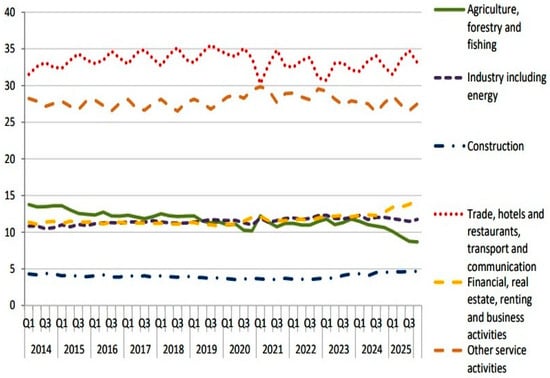
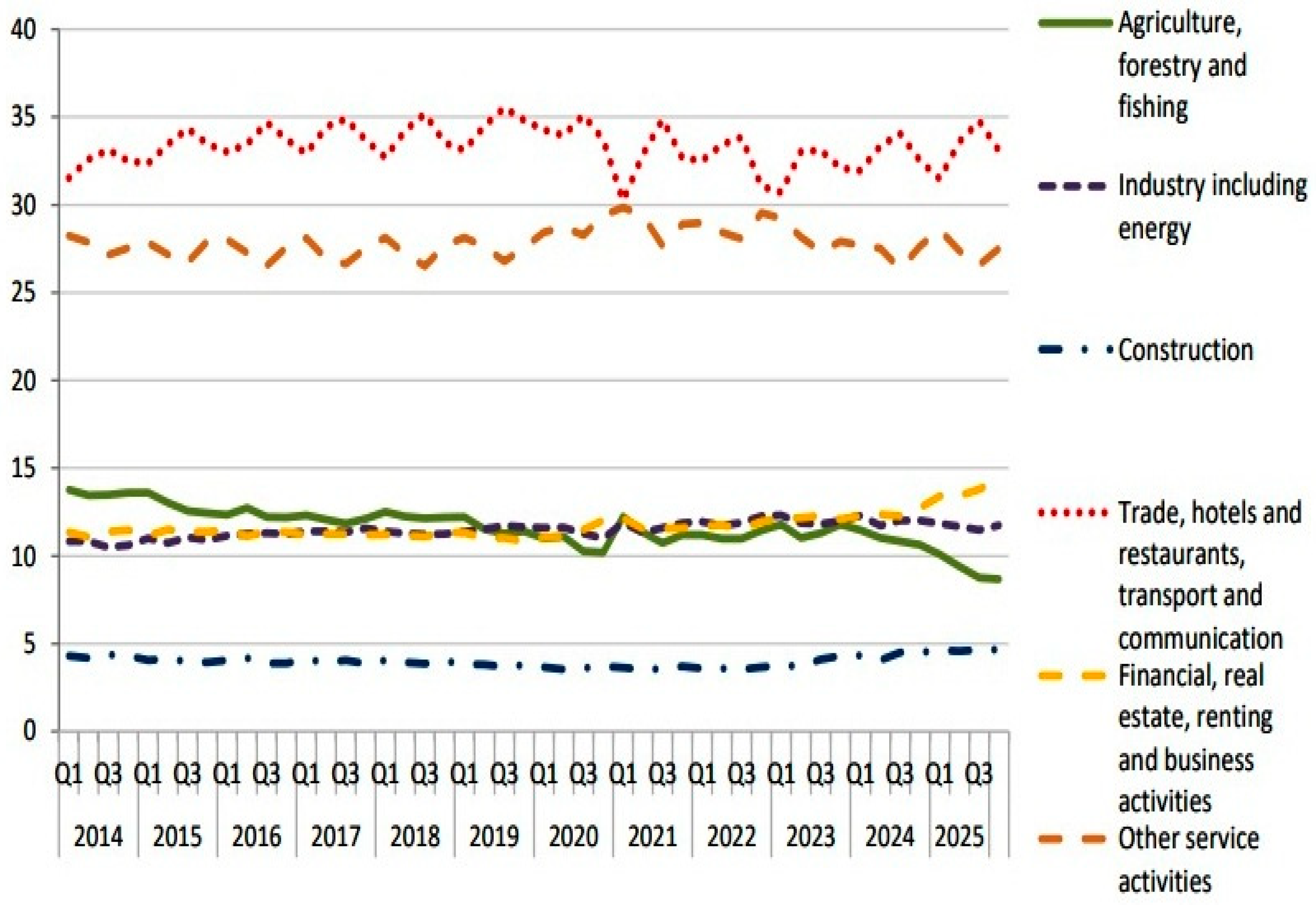
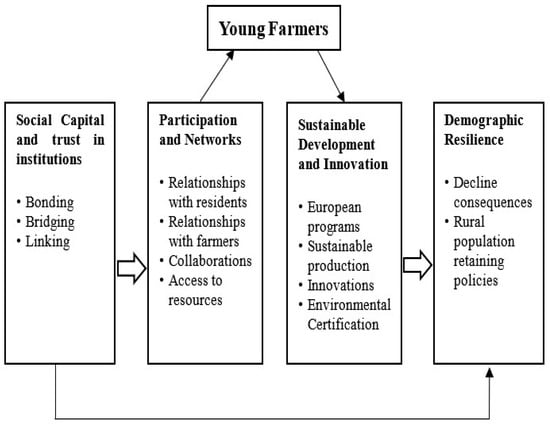
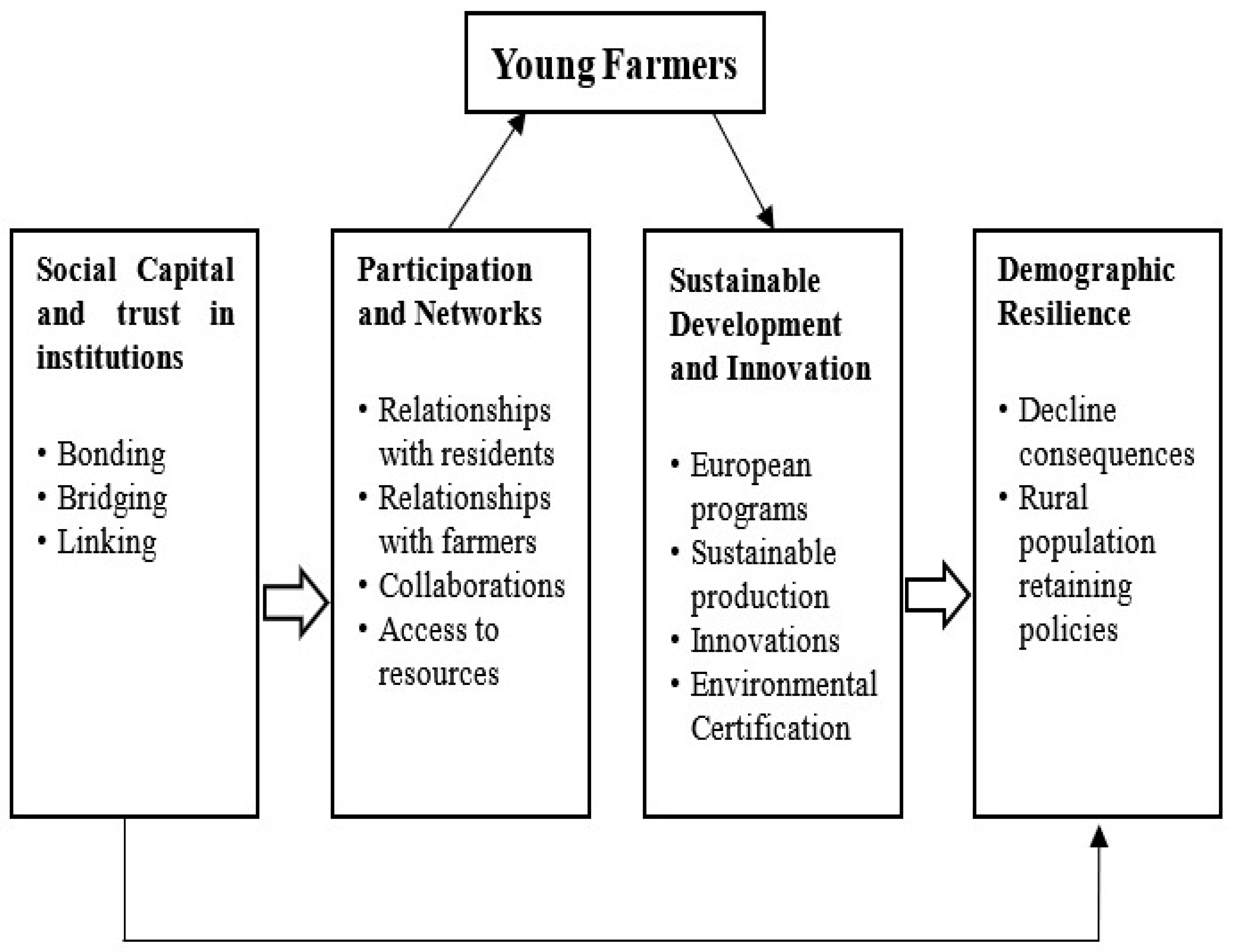
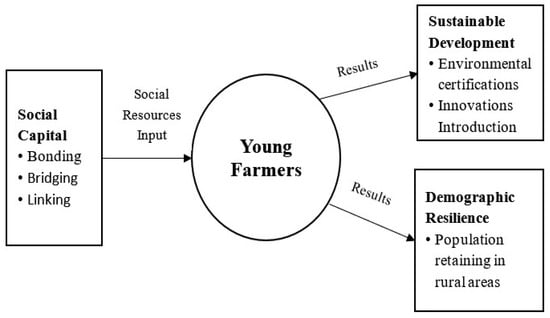
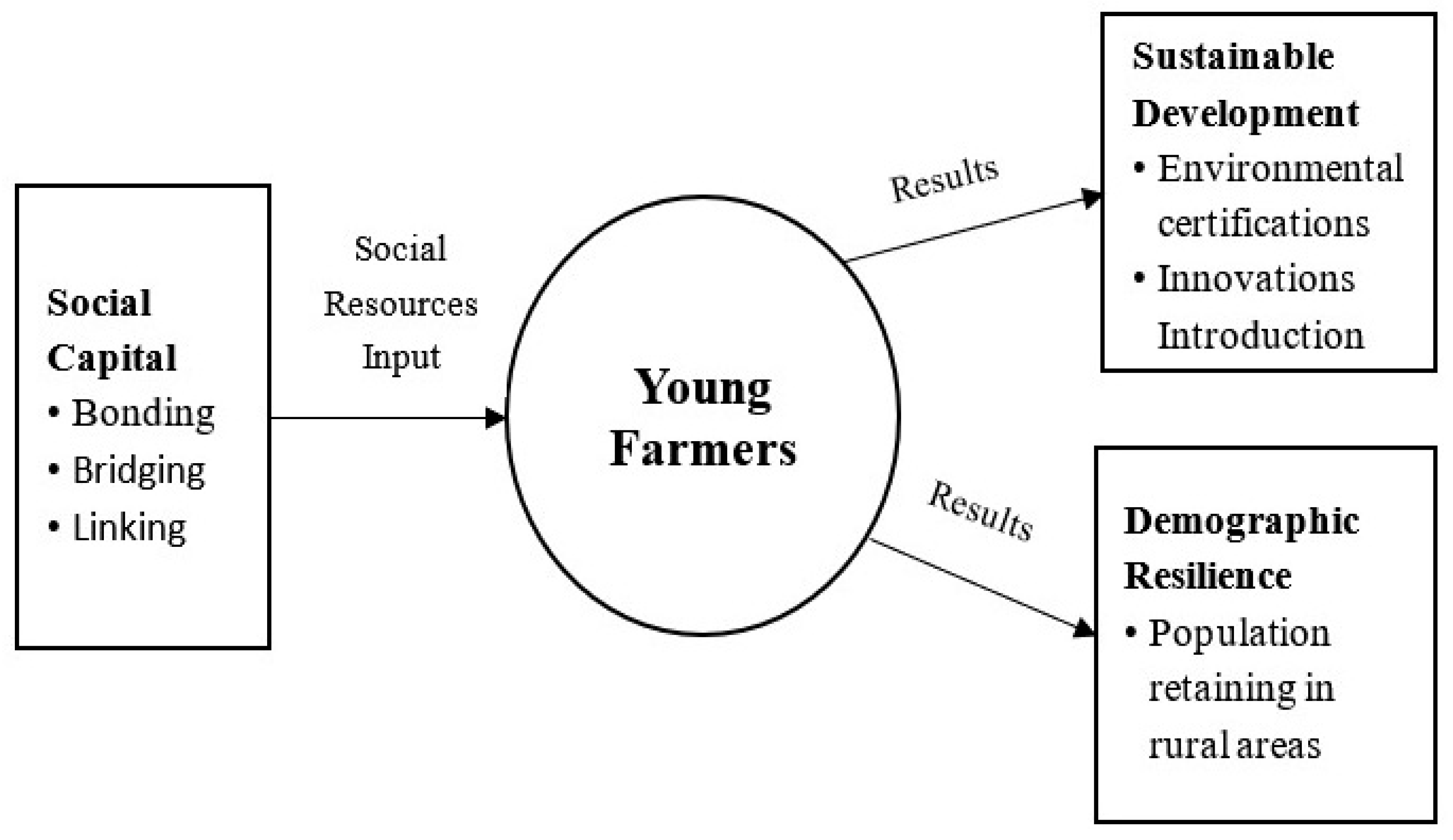

Disclaimer/Publisher’s Note: The statements, opinions and data contained in all publications are solely those of the individual author(s) and contributor(s) and not of MDPI and/or the editor(s). MDPI and/or the editor(s) disclaim responsibility for any injury to people or property resulting from any ideas, methods, instructions or products referred to in the content. |
© 2026 by the authors. Licensee MDPI, Basel, Switzerland. This article is an open access article distributed under the terms and conditions of the Creative Commons Attribution (CC BY) license.