


Abstract
Interzeolite transformation (IZT) has emerged as a versatile strategy for accessing zeolite frameworks through controlled framework reorganization under comparatively simplified synthesis conditions. Unlike traditional synthesis approaches that frequently require organic structure-directing agents (OSDAs), highly alkaline media, and prolonged thermal treatment, IZT converts pre-existing zeolite into a new topology, enabling direct reuse of crystalline matter while reducing synthesis complexity. This review examines how structural drivers, including framework density, structural memory, and building-unit compatibility, govern transformation pathways and phase selectivity across five principal transformation approaches: (i) solution-mediated, (ii) assembly–disassembly–organization–reassembly (ADOR), (iii) mechanically assisted, (iv) steam-assisted, and (v) fully solid-state systems. These approaches promote distinct transformation pathways that govern framework reconstruction, structural inheritance, and phase selectivity. Recent advances in solvent-free, mechanochemical, steam-assisted, and microwave-assisted synthesis demonstrate the potential of IZT to reduce solvent consumption, template usage, and crystallization times. Despite these advances, major challenges remain in predicting transformation outcomes, controlling transient intermediates, and establishing scalable and quantitatively validated sustainability metrics. Collectively, these developments position IZT as a promising platform for the rational and sustainable design of next-generation zeolitic materials.
1. Introduction
Zeolites are crystalline microporous aluminosilicates whose structural diversity, thermal robustness, and precisely defined pore networks determine their central role in catalysis, separations, and environmental remediation [1,2,3,4,5]. Their impact spans both established petrochemical processes and emerging sustainable technologies in green-oxidation chemistry [6,7,8]. Conventional hydrothermal and solvothermal syntheses, however, rely on complex precursor gels, elevated temperatures, long crystallization times, and frequently organic structure-directing agents (OSDAs), resulting in high energy demands, toxic reagent use, and substantial chemical waste [9,10]. These limitations have intensified efforts to develop more resource-efficient routes to zeolite materials [11,12,13].
Interzeolite transformation (IZT) has emerged as one of the most promising alternatives. Although early hydrothermal studies described framework “conversion” primarily as a recrystallization pathway rather than a targeted synthesis route [14], IZT was later recognized as a reproducible transformation process in which one zeolite framework converts into another under specific chemical or thermal conditions [15,16,17,18]. Initially, parent–daughter product relationships could be rationalized through framework topology, building-unit compatibility, and transformation energetics [19,20,21]. Seed-assisted strategies further revealed the importance of heterogeneous nucleation and cross-nucleation in directing these pathways [22,23].
Recent advances have expanded IZT into a versatile platform for alternative and potentially more resource-efficient zeolite synthesis. Low-temperature and even room-temperature transformations [16] and microwave-assisted routes [17] provide rapid, energy-saving pathways for zeolite conversion. Partial or composite interconversions [24,25] further enable the targeted generation of hybrid and hierarchical materials. Across these developments, IZT has diversified into multiple transformation environments and mechanistic pathways spanning solution-mediated to fully solid-state systems. However, despite these advances, a unified perspective that integrates mechanistic principles with sustainability considerations remains underdeveloped.
This review consolidates current knowledge on IZT from both mechanistic and sustainability viewpoints, highlights recent breakthroughs, and outlines opportunities for environmentally responsible design of zeolitic materials. The review is structured to move from mechanism to application. Section 2 reviews the five activation environments and the transformation pathways associated with each. Section 3 discusses how structural features such as framework density, secondary building units, and composite building units influence the evolution from parent to daughter phases and control the degree of structural memory preserved throughout the transformation process. Section 4 and Section 5 examine the chemical and process parameters that govern zeolite formation in practice, including the Si/Al ratio, alkalinity, the identity of charge-balancing cations, seeding strategies, and the use of organic structure-directing agents. Section 6 addresses sustainability considerations, and Section 7 outlines the most critical open questions that remain in the field.
2. Concept and Significance of IZT
IZT is a synthesis strategy in which a pre-existing zeolite framework is reorganized into a different topology under controlled chemical or physical stimuli [26]. Unlike conventional gel-based crystallization, which assembles frameworks from molecular precursors, IZT proceeds through the restructuring of an already-formed aluminosilicate network, allowing partial preservation of structural motifs during framework reconstruction. This process typically involves partial dissolution of the parent phase followed by nucleation and growth of the daughter phase, although the extent of dissolution and the degree of structural inheritance vary widely across systems.
Early studies on the conversion of kaolinite and related aluminosilicates into zeolites [27,28] demonstrated that crystalline frameworks can undergo topological reorganization without complete amorphization, thereby establishing the conceptual basis for IZT. Over the past decades, IZT has evolved into a versatile and controllable methodology capable of accessing metastable or otherwise difficult-to-obtain zeolite frameworks. In contrast to conventional gel-based synthesis, which often relies on complex precursor systems and OSDAs, IZT frequently allows the parent zeolite to act both as a source of reactive species and as a source of locally inherited structural motifs, facilitating rapid nucleation and growth and often resulting in reduced crystallization times and improved phase selectivity [16,29,30,31].
The significance of IZT extends beyond synthetic efficiency. By emphasizing framework reorganization rather than assembly from molecular precursors, IZT provides an alternative perspective on crystallization pathways and highlights the role of structural inheritance in directing phase evolution. From a practical standpoint, the reduced reliance on organic templates and simplified synthesis protocols contributes to improved material efficiency and decreased process complexity. Moreover, the ability to convert existing or end-of-life zeolite materials into new functional frameworks introduces opportunities for circular approaches to zeolite design [32,33,34].
2.1. Synthesis Approaches to IZT
IZTs can be classified according to the degree of molecular mobility in the activation medium, spanning solution-mediated, quasi-solid-state, and fully solid-state regimes. For clarity, the transformation systems discussed here are grouped according to their dominant activation environment or reconstruction mechanism into five commonly reported categories: (i) solution-mediated, (ii) ADOR, (iii) mechanically assisted, (iv) steam-assisted, and (v) fully solid-state pathways. Within each activation environment, multiple structural mechanisms—such as diffusionless rearrangement, competing phase formation, intergrowth development, and recrystallization [26]—may operate depending on the parent topology and chemical conditions. In the following sections, these modes are discussed separately to clarify their mechanistic distinctions and avoid conceptual overlap.
2.1.1. Solution-Mediated Transformations
Solution-mediated IZT—where the parent zeolite dissolves at least partially into the liquid phase, supplying soluble species that feed nucleation and growth of the daughter framework—is the most reported [26,35]. It typically proceeds through one of three scenarios: (1) partial dissolution leading to amorphous or pseudomorphic intermediates [36,37]; (2) partial dissolution without amorphous intermediates leading to zeolite-to-zeolite conversion [38]; or (3) cross-nucleation, in which the daughter zeolite nucleates on the surface of a different parent zeolite despite lacking structural similarity [39,40].
Figure 1 provides a schematic overview of solution-mediated IZTs, illustrating the three mechanistic scenarios—partial dissolution with amorphization, direct zeolite-to-zeolite conversion, and cross-nucleation—introduced above. Amorphous intermediates or partial dissolution have been observed in FAU → EDI [16], FAU → *BEA [41] and many other IZTs, where the parent phase first collapses to an amorphous phase that subsequently crystallizes into the daughter framework. In less common cases, such as the FAU → AEI/AFX or FAU → KFI [42,43] transformation, crystallization proceeds through partial dissolution of FAU followed by rapid consumption of the dissolved species, without formation of an amorphous intermediate [38,42].
Figure 1.
Schematic representation of solution-mediated IZTs, in which the parent crystal may be partially dissolved to form an amorphous intermediate, partially dissolved without forming an amorphous phase, or provide a surface that enables cross-nucleation. Based on the literature cited in Section 2.1.1.
In dissolution–recrystallization pathways, the parent phase supplies reactive oligomeric species that accelerate nucleation. The final topology is governed by both thermodynamic stability and kinetic factors—solution composition, alkalinity, temperature, nucleation dynamics, the presence of seeds or OSDAs, and Ostwald-type phase evolution. What makes the FAU → EDI system particularly instructive is the competition between two processes usually discussed in isolation: amorphization of the parent and nucleation of the daughter. Ferdov confirmed that FAU passes through a detectable amorphous intermediate before EDI nucleation begins, captured directly by PXRD at both room temperature and 60 °C [16], establishing that structural collapse precedes crystallization of the product. What the data leave open is what that intermediate actually looks like internally. Rather than a fully structureless gel, it may retain some local ordering inherited from the parent—a partially disordered aluminosilicate network that carries enough structural memory to influence how and where EDI nuclei form. The pseudomorphic crystallization of hollow EDI particles reported in the same study points in this direction [16]: nucleation tracked the shape of the amorphous precursor closely enough to reproduce its morphology, which is hard to reconcile with a completely featureless gel. It remains an open question whether the amorphous phase retains enough structural memory to steer nucleation or bias the final topology. This aspect has received far less attention than the thermodynamic arguments that typically dominate discussions of transformation selectivity [26,35].
Beyond the intrinsic mechanistic factors governing dissolution and nucleation, several external parameters can accelerate or redirect solution-mediated IZT. Microwave irradiation accelerates transformation through rapid volumetric heating and enhanced supersaturation dynamics, enabling FAU conversion to MER, LTJ, CAN, and ANA within minutes rather than days [17]. Dealumination acts differently—by generating surface defects and mesopores, it increases the reactive surface area of the parent, lowering the effective activation barrier for framework dissolution [31]. Ultrasound enhances dissolution and mass-transfer rates and has been shown to accelerate LTA → SOD conversion [44,45], though the number of IZT systems studied under sonochemical conditions remains small; its potential for low-temperature radioiodine capture via CH3I adsorption [46] provides motivation for further investigation. Cross-nucleation represents a mechanistically distinct pathway in which the parent does not fully dissolve but instead provides a heterogeneous nucleation surface for the daughter phase. This has been documented in CHA → AFI [39] and FAU → RHO [47] transformations. Molecular simulations confirm that cross-nucleation does not require shared SBUs or CBUs between parent and daughter—nucleation can proceed through transient interfacial layers that lower the energy barrier to critical-nucleus formation regardless of structural similarity between the two frameworks [40].
Together, these mechanisms show how solution-mediated IZT spans a continuum from dissolution-assisted recrystallization to interfacial nucleation. Partial dissolution enables direct zeolite-to-zeolite conversion, while deeper breakdown leads to reconstructive pathways governed by solution chemistry. Cross-nucleation adds a distinct interfacial route in which the parent phase acts as a heterogeneous nucleation surface rather than a source of dissolved species. The scope of solution-mediated transformation has recently been extended beyond aluminosilicate zeolites: in KOH solution, preformed ETS-4 particles transform into single crystals of GTS-1 through a reversed crystallization pathway initiated at the particle surface, establishing the first interzeolite-type transformation between microporous heteropolyhedral titanosilicates and demonstrating that crystal morphology can be templated through particle self-assembly [48].
2.1.2. Assembly–Disassembly–Organization–Reassembly (ADOR)
Although ADOR is sometimes treated separately from classical IZT due to its layer-selective reconstruction mechanism, it is included here on functional grounds: it begins with a crystalline zeolite and ends with a distinct, IZA-assigned framework, satisfying the simplest operational definition of a zeolite-to-zeolite transformation. Its products—OKO, PCR, and the IPC-series frameworks—are inaccessible by any conventional IZT route, so omitting it would leave a synthetically important family of transformations unaddressed. Where ADOR genuinely departs from the rest of the IZT landscape—in its requirement for germanosilicate parents, its bond-selective hydrolysis step, its layer-by-layer reconstruction mechanism, and its capacity for programmable pore architecture—these distinctions are explicitly noted in the following section.
The ADOR mechanism (Figure 2) is a selective topological reconstruction route that enables access to zeolite frameworks unobtainable by conventional hydrothermal synthesis [49,50,51]. It relies on the hydrolytic weakness of Ge-rich double four-ring (d4r) units in parent germanosilicates such as UTL, where Ge is preferentially located in positions that can be selectively cleaved during disassembly [49,50,51]. Hydrolysis of these Ge–O bonds proceeds rapidly in water or strong acids, showing fast Ge removal while the siliceous layers remain intact [50,51]. The resulting IPC-1P layers retain intralayer connectivity but expose silanols that allow controlled rearrangement governed by temperature, pH, added silicon, and time [52,53].
Figure 2.
General scheme of the ADOR mechanism in IZT, in which a germanosilicate framework is selectively disassembled into layers, reorganized, and subsequently reassembled into a new three-dimensional structure. Based on the literature cited in Section 2.1.2.
Reassembly occurs via high-temperature silanol condensation, and the degree of prior organization determines the crystallinity and final topology [54], showing larger rearrangements for fully disconnected IPC-1P than for partially connected IPC-2P or IPC-6P [52]. The ADOR route yields daughter frameworks including IPC-2 (OKO) and IPC-4 (PCR) [55], as well as IPC-6 (*PCS), IPC-7, IPC-9, and IPC-10, which currently have no assigned IZA codes. In contrast to solution-mediated IZTs, ADOR proceeds through bond-selective disassembly followed by layer-based reassembly to generate new zeolite topologies.
2.1.3. Mechanical Activation and Defect-Driven Transformations
Mechanical activation has established itself as a practical route to IZT under reduced-solvent or solvent-free conditions [18,56]. Grinding and milling introduce lattice distortion, raising the internal energy of the parent zeolite and generating a defect-rich, partially amorphous surface that is far more reactive than the intact crystal. The consequences are well-documented across framework types: ZSM-5 loses substantial crystallinity and microporosity upon milling [57], while natural clinoptilolite undergoes fragmentation to nanoscale particles that retain useful adsorption capacity despite partial amorphization [58]. The mechanistic picture emerging from these and related studies [59,60,61,62,63,64,65,66,67] is that milling simultaneously creates strained, undercoordinated sites that lower the barrier to Si–O bond hydrolysis; shifts the Si/Al coordination distribution toward more reactive Q(1Al) and Q(2Al) environments; and in some cases, releases structurally bound water as a local crystallization medium. Taken together, these effects redirect the transformation away from the standard dissolution–reprecipitation sequence and toward pathways in which amorphous or defect-rich intermediates serve as the immediate precursors to the daughter phase. Mechanically pre-activated seeds accelerate this process further by providing heterogeneous nucleation sites and shortening induction periods [59,66].
Building on these principles, recent experimental works show that ball milling of parent zeolites such as FAU-type materials can dramatically promote their transformation into other frameworks including SOD, GIS, ANA, CAN, MER, LTA and CHA type structures [18,56]. These two studies reveal distinct but complementary mechanochemical routes that differ primarily in what governs phase selectivity (Figure 3). In the first route, the identity of the alkali cation is the dominant control variable: NaOH directs FAU toward ANA and CAN, KOH toward MER and CAN, and CsOH selectively toward ANA [18]. In the second route, using KOH throughout, phase selectivity is instead governed by the interplay of temperature, water content, and seeding—with lower water content and moderate temperature favoring MER, while higher water content combined with elevated temperature and CHA seeds enables selective formation of CHA [56]. Importantly, both routes involve mixed crystalline and amorphous intermediates depending on reaction conditions: transient crystalline phases (GIS, SOD, potassium silicate) and amorphous precursors are documented in both studies, with the nature of the intermediate governed by the specific conditions rather than the route identity. MER is accessible via both routes. These findings collectively show that mechanochemical activation can either preserve or erase structural inheritance depending on the extent of disorder introduced during milling and that the interplay of kinetic and thermodynamic factors under non-equilibrium milling conditions makes the contribution of each difficult to disentangle [18,56].
Figure 3.
Comparison of two mechanochemical interzeolite conversion routes from FAU-type zeolite. In the cation-directed route [18], phase selectivity is governed by the identity of the alkali cation (Na+, K+, Cs+), yielding ANA, CAN, SOD, and MER as daughter phases. In the parameter-directed route [56], phase selectivity is controlled by the interplay of temperature, water content, and seeding, affording MER, CHA, and LTA. Both routes proceed through mixed crystalline and amorphous intermediates depending on reaction conditions. MER is accessible via both routes. Based on refs. [18,56].
2.1.4. Steam-Assisted Transformations
Steam-assisted conversion represents an intermediate regime between fully solution-mediated and fully solid-state transformation. In these systems, water is present primarily as vapor, allowing localized hydrolysis and short-range bond mobility while limiting long-range transport of dissolved species. As a result, structural inheritance effects are often enhanced relative to conventional hydrothermal synthesis. The FAU → CHA transformation exemplifies this behavior [68], as steam enables partial bond rearrangement and framework reorganization without fully dissolving the parent structure, allowing CHA to emerge through a combination of localized hydrolysis, defect migration, and short-range reconstruction. Steam-assisted conversion combined with mechanochemical activation is treated as a distinct category because mechanochemistry generates reactive defects, whereas steam provides the chemical driving force for crystallization—two fundamentally different mechanisms that act sequentially rather than as a single unified process. Mechanochemical activation coupled with steam enables rapid conversion of FAU to GME (20 h) and other frameworks (MOR, MFI, ANA) [69]. The approach extends to complex and waste-derived systems, as demonstrated by the conversion of coke-containing spent MFI into hierarchical CHA via steam-assisted dry-gel conversion, where residual carbon directs mesoporosity and limits crystal growth [33]. More broadly, vapor-phase crystallization pathways—such as the steam-driven evolution of coal fly ash from sodalite to cancrinite/nosean—highlight the ability of water vapor alone to mediate sequential framework transformations under mild conditions [70]. Figure 4 summarizes the main steam-assisted and mechano-steam-assisted IZTs discussed above, highlighting the distinct mechanistic regimes and representative FAU- and MFI-derived pathways. Overall, steam-assisted pathways show that IZT can proceed efficiently in highly confined environments, where limited water availability suppresses extensive dissolution but still enables framework rearrangement and crystallization.
Figure 4.
Main steam- and mechano-steam-assisted IZTs. Based on the literature cited in Section 2.1.4.
One persistent challenge that cuts across all five categories is the blurring of category boundaries in practice. Many systems reported as “steam-assisted” involve a non-trivial amount of residual liquid water, and “solvent-free” conditions often rely on adsorbed surface moisture that is difficult to quantify. More rigorous operando measurement of actual water activity during transformation—rather than nominal addition amounts—would sharpen mechanistic distinctions and improve cross-laboratory reproducibility. More broadly, virtually all mechanistic descriptions of IZT currently rely on ex situ snapshots; real-time in situ PXRD, total scattering, and solid-state NMR studies are needed to observe transient intermediates directly and establish whether competing pathways operate sequentially or in parallel.
2.1.5. Pressure- and Thermally Driven Transformations
A smaller but mechanistically important class of solid-state transformations involves direct framework rearrangement induced by pressure or thermal activation—collectively referred to as “fully solid-state systems” in the Abstract, and distinct from both the ball-milling-based mechanically assisted IZT of Section 2.1.3 and the steam-assisted IZT of Section 2.1.4. In these systems, bond breaking and reconstruction occur without conventional dissolution–reprecipitation processes. The pressure-induced transformation of ITQ-29 into ITQ-50 provides a representative example [71]. Rather than undergoing irreversible amorphization, the framework experiences a reconstructive crystalline-to-crystalline transition under pressure, preserving long-range order while reorganizing connectivity. Related behavior has also been reported in zeolite-like titanosilicates (R-GTS-1), where reversible thermally induced symmetry changes occur through framework distortion and reorganization [72], and in LTA-SOD transformation [73]. These observations demonstrate that structural collapse in porous frameworks does not necessarily lead to irreversible amorphization and may instead provide access to alternative crystalline states. Comparable pressure-induced disordering phenomena have also been reported in related porous crystalline materials, including zeolitic imidazolate frameworks (ZIFs), although these systems fall outside the strict definition of IZT [74,75,76]. Their inclusion here serves only to illustrate broader principles of framework flexibility, defect generation, and reconstructive behavior in porous solids. A complementary expression of this continuum emerges under thermal collapse regimes. In zeolite-like transition-metal silicates such as ETS-4 [72] and CuSH-1Na [77], thermal amorphization proceeds along an expansive trajectory, generating ultralight macroporous foams through progressively lower-density bulk amorphous states rather than densification as described for LTA and FAU zeolites [78,79]. Together, these observations illustrate that framework collapse and reconstruction in porous solids may proceed through multiple crystalline or amorphous intermediates under non-hydrothermal conditions (Figure 5).
Figure 5.
Schematic presentation of scenarios of pressure- and thermally driven framework rearrangements in solid state synthesis conditions. Based on the literature cited in Section 2.1.5.
3. Structural Relationships Between Parent and Daughter Zeolites in IZTs
Note on dataset assembly: The dataset underlying Table 1 and Figure 6 and Figure 7 was assembled by systematic survey of peer-reviewed publications reporting crystallographically confirmed IZTs. Cases were included where the parent was a crystalline zeolite framework, the product matched a confirmed IZA framework type, and the synthesis conditions (temperature, time, and activation medium) were clearly reported. Cases with amorphous or non-zeolitic parents or with unidentified products were excluded. Framework density values come from the IZA Structure Commission database; Secondary Building Unit (SBU) and Composite Building Unit (CBU) assignments follow IZA conventions. Where the same parent–daughter pair was reported by multiple independent groups or under distinct conditions, each entry was counted separately so that the full accessible parameter space is represented. The dataset is therefore representative rather than exhaustive, and readers wanting the most current inventory should consult the IZA Synthesis Commission database directly.
Figure 6.
IZT behavior of zeolite parent phases and temperature distribution of conversion processes. (a) Number of IZTs observed for each parent zeolite phase, categorized by framework density (FD) change. (b) Histogram of most frequent IZT temperatures. The data underlying this figure were compiled and analyzed by using the literature summarized in Table 1.
Figure 7.
Structural inheritance and synthesis effects of IZTs. (a) Relative prevalence of transformations preserving common SBUs and CBUs (SOLU—solution, MECHA—mechanical (includes water-deficient conditions, see Table 1 footnote), STEMA—steam, SOLFRE—solvent-free, SOLSTA—solid-state). (b) Frequency distribution of preserved SBUs across reported IZTs. (c) Relationship between framework density (FD) evolution and preservation of common SBUs and CBUs. (d) Number of IZTs obtained by different methods. Data compiled and analyzed from the literature summarized in Table 1.
3.1. Framework Density Evolution and Thermodynamic Trends
IZTs are shaped not only by chemical environment and reaction kinetics but also by intrinsic structural relationships between parent and daughter frameworks. Two descriptors—framework density (FD) and structural building units—provide a basis for rationalizing transformation pathways. As shown in Table 1 and Figure 6a, most IZTs produce daughter frameworks with higher FD, suggesting a frequent tendency toward densification across reported systems. However, this trend is partially influenced by the prevalence of low-FD FAU-type parents. Importantly, deviations such as LEV → CHA [80], LTL → CHA [81,82], MFI → CHA [33,83], FER → CHA [84], and others demonstrate that FD alone does not uniquely determine transformation outcomes: kinetic factors, structural memory, or specific intermediates can override the thermodynamic drive and stabilize lower-density topologies, particularly for ANA, FER, LTL, MFI, and MOR-based parents. The temperature distribution provides additional mechanistic insight (Figure 6b). Most reported transformations occur between 120 and 180 °C, conditions commonly associated with hydrothermal dissolution–reprecipitation pathways. Lower-temperature events correspond predominantly to mechanochemical or ADOR processes, where activation barriers are reduced through defect generation, bond-selective hydrolysis, or preorganized layered intermediates. Conversely, the high-temperature tail is consistent with highly reconstructive transformation conditions involving extensive framework rearrangement.
3.2. Structural Inheritance and Building-Unit Compatibility
Structural relationships between zeolite frameworks are commonly described using secondary building units (SBUs) and composite building units (CBUs) [85]. These descriptors capture the degree of structural inheritance between parent and daughter frameworks and influence transformation mechanisms. Figure 7a shows that transformations involving shared SBUs occur more frequently than those involving CBUs. This suggests that local secondary structural motifs are more readily preserved during framework reorganization. Although daughter phases most commonly exhibit higher framework density than their parent structures, the comparatively low frequency of CBU inheritance indicates limited preservation of long-range framework connectivity during densification.
Figure 7b shows that 4-membered and 6-membered ring SBUs are the most frequently preserved structural motifs across reported IZT systems. Their high prevalence suggests that these geometrically simple and energetically stable units function as persistent reconstruction intermediates during framework evolution. In contrast, more complex SBUs such as 6-2 and 6-6 motifs occur far less frequently and are generally associated with specific transformation families, particularly FAU-derived systems.
Table 1 also shows that the majority of transformations lack common SBUs or CBUs, indicating that large-scale framework reconstruction is common in IZT, even though local structural motifs may still influence nucleation behavior and intermediate stability. Representative examples include FAU → MFI [30], FAU → EDI [16], FAU → LTJ [17] and *BEA → AFI [86], all of which proceed without structural inheritance. In contrast, the minority of transformations retain common SBUs or CBUs and proceed through topotactic or pseudotopotactic pathways, including FAU → CHA, FAU → AEI, FAU → AFX, LEV → CHA, and LTL → CHA. In these cases, shared structural motifs such as 4-rings and 6-rings act as structural memory elements that reduce nucleation barriers and accelerate crystallization.
Beyond motif preservation, framework density evolution provides insight into the thermodynamic direction of IZT processes. The predominance of higher-FD daughter phases indicates that densification frequently correlates with observed transformation pathways and may reflect an underlying thermodynamic preference across both reconstructive and partially inherited transformation pathways (Figure 7c), suggesting that framework density primarily reflects thermodynamic driving forces rather than the degree of structural inheritance. In contrast, transformations toward lower FD frameworks are comparatively rare and exhibit limited motif preservation, consistent with more extensive reconstructive rearrangement.
3.3. Influence of Activation Medium on Transformation Pathways
Beyond structural inheritance, the activation medium strongly influences the mechanistic pathway of IZT. Solution-mediated systems generally promote dissolution–reprecipitation processes and therefore favor reconstructive transformations [35,36]. In solution-mediated IZT, few variables matter more than the molar concentration of the alkaline activator. Higher OH− concentrations accelerate Si–O–T bond hydrolysis across the FAU framework, raising the pool of soluble silicate and aluminate species available for renucleation [26,35]. At low alkalinity, dissolution proceeds slowly and the system remains close to thermodynamic equilibrium, typically leading to the most stable framework accessible under these conditions [87]. At intermediate alkalinity, as in FAU → CHA [29,88] and FAU → EDI [16] syntheses—where the reaction window is set by a narrow near-saturation KOH concentration rather than a broad alkalinity range—the kinetics are sufficiently fast to stabilize metastable products that would not form at higher OH− concentrations. At high alkalinity, rapid and extensive dissolution delivers a highly reactive gel from which dense frameworks such as ANA and SOD nucleate preferentially [87,89]. The identity of the alkali cation matters independently of concentration: Na+ strongly favors sodalite- and cancrinite-cage architectures [87]; K+ promotes larger-cage products such as LTL and MAZ [90], as well as OFF under supplemental NaOH conditions [91], while Cs+ and mixed-cation systems can stabilize RHO or KFI frameworks whose cage dimensions match the cation radius more closely [42,43]. Achieving a target framework therefore requires attention to both the concentration and the identity of the activator simultaneously. The influence of synthesis temperature deserves separate consideration. Room-temperature IZTs—the FAU → EDI conversion being the clearest example [16]—operate through an unusual dissolution–renucleation pathway that entirely bypasses the thermal activation required for conventional hydrothermal synthesis, and they tend to yield metastable, Al-rich products that would collapse to denser phases (ANA, SOD) at higher temperatures. Conventional hydrothermal treatment (80–180 °C, autogenous pressure) remains the most widely studied regime and generally favors dissolution–reprecipitation with progressively denser daughter frameworks as temperature increases [35,90]. Sol–gel preconditioned routes—in which the parent zeolite is selectively dealuminated or desilicated before transformation—offer additional compositional leverage by tuning the Si/Al ratio of the reactive medium prior to conversion [92,93,94]. Microwave-assisted synthesis compresses crystallization from days to minutes through volumetric heating, without fundamentally altering the underlying dissolution–renucleation mechanism [17]. Taken together, these regimes span a wide continuum from room temperature to >200 °C and from aqueous solution to solvent-free conditions, each imposing distinct constraints on dissolution rate, nucleation kinetics, and the degree of structural inheritance retained in the product; representative examples spanning this continuum include FAU → MOR [90], FAU → STF [29], and *BEA → CHA [95]. Figure 7d shows that solution-mediated synthesis is the dominant approach for transformations. Mechanical, steam-assisted, and solvent-free systems also exhibit partial preservation of SBUs, although less frequently, indicating that short-range structural inheritance can persist even under reduced-solvent or solid-state conditions. These trends demonstrate that the degree of structural preservation is strongly influenced by the synthesis route. Unlike most reconstructive IZT pathways, ADOR-type processes preserve larger framework fragments and therefore exhibit enhanced retention of structural connectivity. In contrast, quasi-solid-state environments such as steam-assisted conversion enable limited hydrolysis and short-range bond mobility while suppressing long-range transport. These conditions amplify the influence of inherited SBUs and CBUs, as observed in FAU → CHA [68]. Fully solid-state and mechanochemical activation introduce defects, strain, and local disorder that lower nucleation barriers and can either enhance or erase structural memory depending on the energy-input pathway, as demonstrated in FAU → ANA [17,18,87], FAU → GIS [18,90], FAU → SOD [18,89], and LTA → IFR [71]. Thus, activation mode strongly influences the balance between amorphization, reconstructive reassembly, and topotactic rearrangement and must be considered alongside FD and structural inheritance when rationalizing IZT behavior.
3.4. Crystallization Kinetics and Energy Input
In addition to influencing transformation mechanisms, synthesis methodology also strongly affects crystallization kinetics, as evidenced by the temperature–time data summarized in Table 1. Conventional hydrothermal synthesis (80–180 °C) typically requires hours to days, particularly for reconstructive transformations lacking structural inheritance. Microwave-assisted synthesis reduces crystallization times to minutes (e.g., FAU → ANA, FAU → MER, FAU → LTJ) [17], reflecting rapid heating and supersaturation effects. Mechanochemical activation provides an intermediate regime, where defect generation and enhanced reactivity enable phase formation within hours under reduced thermal input (e.g., FAU → ANA, FAU → GIS, FAU → SOD, FAU → MER, FAU → CHA, FAU → LTA) [18,56]. All these trends show that synthesis methodology strongly influences crystallization kinetics and the extent of structural inheritance.
The framework-density and building-unit analyses presented here are useful for rationalizing known transformations, but their predictive power is limited. Given a known transformation, FD change and SBU/CBU overlap can explain why it occurred and why a particular structural pathway was favored—but they cannot predict this in advance. What they cannot yet do is predict, before the experiment, which daughter frameworks will form from an untested parent under new conditions. The apparent prevalence of densification in the dataset also likely carries a publication bias: well-crystallized, phase-pure products are far more commonly reported than failed transformations and amorphous residues, and the latter are systematically underrepresented. Future data compilations that explicitly log null results and failed attempts would substantially improve the statistical reliability of any trend extracted from this kind of survey.
Table 1.
Qualitative comparison of framework-density (FD) changes, the presence of common composite building units (CBUs) in the parent and daughter phases, activation media, temperature and time of IZTs.
4. FAU-Derived Transformation Pathways and Reaction Environment
IZTs from FAU zeolites are governed mainly by the composition of the parent framework, particularly the Si/Al ratio, as well as the alkalinity and type of cations present in the reaction medium. The Si/Al ratio strongly influences the composition and reactivity of the FAU-derived aluminosilicate oligomers that mediate restructuring, thereby determining both the feasibility and direction of conversion.
Beyond the type of daughter framework, the Si/Al ratio of the parent FAU has a direct bearing on the physicochemical properties of the product [93]. The aluminosilicate oligomers released during FAU dissolution carry a composition that closely mirrors the parent ratio [26,35], so a low-silica FAU (Si/Al ≈ 2.6–3) generates predominantly Al-rich species that template small-pore frameworks with dense Al distributions and high ion-exchange capacity. High-silica FAU (Si/Al > 10) tends to release more siliceous oligomers during transformation, which often leads to the formation of silica-rich daughter phases such as CHA or AEI [29,38]. These frameworks are generally more hydrothermally stable and therefore better suited for applications such as NH3-SCR in automotive exhaust treatment [114,115]. At intermediate Si/Al ratios, the oligomer population is heterogeneous, and the transformation is correspondingly less selective, often yielding phase mixtures or frameworks with broad Al distributions [93,94]. Dealuminated FAU precursors have been used to target catalyst-grade SSZ-13 with Si/Al ratios appropriate for SCR, demonstrating that precursor composition is a practical lever for tuning product performance rather than merely a synthetic variable [116,117].
Low-silica FAU (Si/Al ≈ 2.6–3) consistently yields Al-rich small-pore frameworks, most commonly CHA or EDI, particularly under strongly basic or Al-supplemented conditions [16,17,87]. In contrast, high-silica FAU (Si/Al > 10) can generate more siliceous CHA or OFF, provided that OH− concentration, alkali cation (Na+, K+, TMA+, Li+), and OSDA choice are tuned to match the Si/Al ratio of the parent and the crystallizing product [91,92,116,117,118,119]. Under strongly basic conditions, extensive Si dissolution can partially decouple product Si/Al from the parent, enabling “unusual” Si/Al values in CHA and OFF when oligomer reactivity is appropriately modulated [91,116,118]. Structural compatibility, especially the presence of shared D6R and 4- and 6-ring motifs between FAU and CHA/OFF frameworks, may promote nucleation and growth by improving the compatibility of released oligomers during reconstruction [68]. Although ZK-5 (KFI) also contains D6R units, the FAU → ZK-5 transformation does not proceed through D6R inheritance because FAU loses all crystallinity before ZK-5 nucleation. In this system, the parent framework dissolves completely, and ZK-5 crystallizes through an anion-templated, OSDA-free pathway directed by K+ and NO3−. As a consequence of this solution-mediated mechanism, the Si/Al ratio of ZK-5 reflects the composition of the dissolved aluminosilicate species rather than direct transfer of the parent FAU Si/Al ratio [42].
Figure 8 illustrates the general effect of the initial FAU Si/Al ratio and reaction environment on IZT outcomes, summarizing the pathways described above. These observations establish that FAU Si/Al ratio and reaction environment strongly influence the likelihood of specific transformation pathways. The patterns described here are useful, but predicting transformation outcomes from FAU Si/Al ratio alone remains out of reach. Most studies change one precursor variable at a time, which makes it nearly impossible to separate the intertwined effects of Si/Al ratio, alkalinity, and cation identity on how oligomers speciate and where nucleation begins. Running factorial experiments across these variables—backed by in situ 29Si NMR of the reactive medium—would put the framework on much stronger predictive footing.
Figure 8.
Generalized influence of initial FAU Si/Al ratio and reaction environment on likely IZT pathways. Based on analysis of the data compiled in Table 1 and literature cited therein.
5. Chemical Modifiers and Process Control in IZT
5.1. OSDAs Versus Inorganic Cations: Insights from Bruter et al. [35] Dataset
Bruter et al. [35] compiled a systematic dataset of IZT cases that allows direct comparison between OSDA-directed and inorganic-cation-directed transformation pathways. The dataset shows that inorganic cations can direct the formation of dense frameworks from FAU without any organic template, while OSDAs are generally required when the target is a low-density or metastable phase [35]. Within the dataset, cesium promotes the formation of ANA from FAU, while Li+, Rb+, and K+ direct crystallization of ABW, MER, and CHA without the need for organic templates [87]. Switching from organic to inorganic directing agents carries real process advantages. Replacing TMAda or related quaternary ammonium templates with inorganic cations removes a major cost and waste driver: the FAU → MSE synthesis time drops from 16 days to 3 days when the framework itself supplies the reactive aluminate and silicate species, and the calcination step needed to burn out the organic is avoided entirely [105]. Atom economy improves for the same reason—heteroatoms already present in the parent lattice carry over into the product rather than being resupplied from an external source [93]. Where partial densification accompanies the transformation, secondary mesoporosity can also develop in situ, without a separate leaching or steaming step [32]. Overall, these observations show that OSDAs are essential for stabilizing low-density or metastable frameworks, whereas inorganic cations favor simpler, more sustainable routes toward dense zeolite structures [35,87]. IZT therefore provides a potential route toward reduced template usage and simplified synthesis conditions [29,88].
5.2. Seeding and Template-Free Strategies
Three classes of chemical modifiers shape IZT outcomes: heteroatoms incorporated into the framework, organic or inorganic structure-directing agents, and seeds. Each operates through a distinct mechanism and they are not always separable in practice. Heteroatom substitution alters both framework stability and the reactivity of dissolved species during transformation. Zn incorporation into FAU, for instance, stabilizes the metastable parent over a wider temperature window and suppresses the FAU → GIS conversion that would otherwise dominate under mildly alkaline conditions [120]. Al distribution in the parent framework influences oligomer speciation during dissolution, which in turn controls nucleation selectivity and the acid site density of the daughter phase [93]. The same principle extends to isomorphous substitution with Sn and Ti: IZT routes to Sn-Beta and Ti-Beta are feasible and yield materials with Lewis acidity comparable to those obtained by conventional synthesis, provided that seeds and structural compatibility between parent and target are accounted for [110,121]. On the organic template side, the central tension is between selectivity and sustainability. OSDAs such as TMAda+ and piperidine derivatives reliably stabilize low-density frameworks like CHA, AEI, and LEV by filling cage voids and suppressing competing nucleation, but they add cost, generate calcination waste, and require handling of corrosive quaternary ammonium solutions [11,12,13]. Template-free and low-template IZT routes—FAU → MFI, MOR → Ti-Beta, USY → ZK-5, among others—demonstrate that the structural motifs inherited from the parent zeolite can substitute for the OSDA’s directing function in many cases, particularly when the parent–daughter pair shares secondary building units [15,29,42,43,110]. Tuning the NaOH/SiO2 ratio and Si/Al content of the parent typically suffices to steer nucleation without organic additives, though the product is sometimes less phase-pure than the OSDA-directed analogue [29,94]. Seeding introduces a complementary handle on nucleation that is compatible with both OSDA-containing and template-free conditions. Seeds accelerate crystallization and narrow the particle size distribution, and in several systems, they make IZT feasible where it would otherwise stall [42]. What makes seeding in IZT distinct from conventional seed-assisted synthesis is that seeds frequently dissolve and contribute their structural fragments to the reactive pool rather than acting as passive growth templates—the structural memory effect [15]. Molecular simulations of cross-nucleation systems support this picture: even seeds lacking shared composite building units with the target framework can accelerate nucleation through transient interfacial layers that lower the energy barrier to critical-nucleus formation [40]. Microwave-assisted IZT and the deliberate use of partially converted interzeolite intermediates extend the toolbox further, compressing crystallization times and enabling access to products that are difficult to obtain under conventional thermal conditions [16,17]. Figure 9 summarizes how these modifier classes interact during a typical IZT sequence.
Figure 9.
Chemical modifiers and process control in IZTs, illustrating how heteroatoms, organic and inorganic structure-directing agents, and seeds collectively influence nucleation and framework evolution during IZT. Based on the literature cited in Section 5.
A recurring shortcoming in the IZT literature on chemical modifiers is that most studies vary only one parameter at a time—one cation type, one OSDA species, one seeding concentration—while everything else is held constant. This makes it genuinely difficult to disentangle coupled effects. Changing the alkali cation, for instance, does not simply alter the “directing” species; it simultaneously shifts the solution pH, the ionic strength, and the solvation environment of aluminosilicate oligomers in the reactive gel. Systematic factorial design experiments, backed by in situ 29Si NMR speciation of the reaction mixture, would yield clearer mechanistic insight and more transferable synthesis guidance than is currently available in the literature.
6. Sustainability Benefits of IZTs
Many reported IZT systems exhibit improved atom economy through framework reuse and reduced dependence on external nutrient sources. For example, FAU- and *BEA-derived routes to high-silica frameworks such as MFI, CHA, STF, and MTW proceed entirely without OSDAs, instead leveraging structural memory in the parent zeolite and inorganic cations, thereby avoiding the costly and waste-intensive templates required in conventional hydrothermal synthesis [29,30,122]. Accordingly, organic-free or low-OSDA IZT protocols are widely recognized as efficient routes to high-silica frameworks while minimizing the use of organic additives [29,30]. Solvent minimization represents a second major sustainability benefit. IZT-based syntheses of CHA from FAU and Ti-Beta from MOR or Ti-MWW can be conducted under solvent-free or very low-template conditions, reducing water consumption and simplifying work-up [110,111]. More broadly, solvent-free zeolite synthesis is recognized as a greener alternative to conventional hydrothermal methods, as it reduces wastewater generation and increases space–time yield by eliminating bulk solvent [123]. Consistent with this, many IZT and related zeolite syntheses are performed in highly alkaline, low-solvent or solvent-free media, improving yield and autoclave utilization while adhering to green chemistry principles of solvent minimization and efficient raw material use. Several reported IZT systems exhibit reduced crystallization times and lower thermal requirements relative to conventional hydrothermal synthesis. Microwave-assisted transformations of FAU significantly shorten crystallization times and reduce energy input relative to conventional hydrothermal treatment, enabling rapid formation of MER, LTJ, CAN, and ANA at 60–170 °C instead of multi-day syntheses near 95 °C [17]. This acceleration is commonly attributed to rapid volumetric heating and enhanced dissolution–recrystallization dynamics [17]. Waste minimization and circular economy principles are also intrinsic to IZT strategies. By converting existing zeolites—including widely available FAU, CHA, and *BEA, often produced at industrial scale without OSDAs—into new frameworks such as CHA, AEI, AFX, MFI, MWW, FER, STF, and MTW, IZT promotes material reuse rather than fresh raw material synthesis [29,68,97,124]. Consequently, commercial zeolites (e.g., FAU, *BEA, CHA, Ti-MWW, MOR) as well as spent or partially transformed materials can serve as nutrient sources or precursors for new catalysts, sometimes yielding hybrid or hierarchical structures instead of being discarded. Reviews on zeolites derived from waste and fly ash further emphasize the importance of such valorization strategies, highlighting the conversion of low-value residues into high-value zeolitic catalysts and sorbents within a circular economy framework [125,126,127]. Thus, the reported IZT systems suggest that framework reuse, reduced template dependence, and process intensification can improve synthesis efficiency relative to conventional hydrothermal routes. These advantages arise from the ability of IZTs to exploit structural inheritance while operating under tunable and resource-efficient conditions.
Table 2 summarizes the principal sustainability advantages of IZT with representative examples and, where primary data are available, indicative quantitative benchmarks. Direct head-to-head comparisons are still rare in the IZT literature—most studies do not report mass balances or E-factor estimates alongside a conventional synthesis benchmark—so several entries remain qualitative. The FAU → CHA route without TMAda+ [29,88] illustrates what is achievable: OSDA loading drops from roughly 0.3–0.5 g TMAda+ per gram of product to zero, crystallization time falls from several days to 12–48 h, and the calcination step needed to burn out the template is eliminated entirely. An alternative cheaper SDA, DMCHABr, similarly enables rapid FAU → CHA transformation with comparable NH3-SCR activity [101]. Solvent-free routes such as Ti-MWW → Ti-Beta [110] operate with H2O/SiO2 below 5, versus 20–40 in typical hydrothermal synthesis, and room-temperature FAU → EDI [16] requires no external heating at all. These data points are noted in the table where the primary literature provides them; the remaining entries identify directions where future studies should supply the missing numbers.
Table 2.
Sustainability advantages of IZT with representative examples.
Beyond synthesis metrics, IZT-derived materials have been benchmarked against their conventionally prepared counterparts in several catalytic contexts. FAU → CHA-derived SSZ-13 reaches NH3-SCR activity and hydrothermal stability comparable to materials made with TMAda+, a template whose cost per kilogram is roughly an order of magnitude higher than the inorganic reagents used in the IZT route [114]. AEI zeolites obtained from FAU parents via IZT show competitive methanol-to-olefins performance with a remarkably high catalyst lifetime compared to SSZ-13 [128]; Cu-exchanged FAU-derived AEI also demonstrates high NH3-SCR activity and hydrothermal stability retained after treatment at 900 °C [115]. MOR and GIS phases have been synthesized by IZT from FAU precursors [90], and these materials are expected to retain the acid site densities and ion-exchange capacities needed for FCC co-catalyst and separation applications, though direct head-to-head performance benchmarks against conventionally prepared analogues remain scarce. When IZT generates additional mesoporosity through partial framework densification, it can enhance intracrystalline diffusion without requiring separate post-synthetic treatments such as leaching or steaming. This offers a practical advantage, even if its direct contribution to reducing overall process complexity is difficult to isolate. However, claims regarding the sustainability of IZT are still supported largely by individual case studies rather than systematic evidence. Few reports provide quantitative metrics such as E-factors, water consumption, or energy requirements alongside those of conventional synthesis routes. As a result, despite the apparent environmental benefits of IZT, their true magnitude remains difficult to assess. More consistent, side-by-side evaluations will be needed before these advantages can be convincingly demonstrated and translated into industrial practice.
7. Conclusions
7.1. Challenges, Knowledge Gaps, and Future Perspectives
IZT is a versatile strategy, but it is not without boundaries, and understanding where it falls short is as important as cataloguing its successes. High-silica MFI frameworks—ZSM-5, Silicalite-1, and TS-1—remain difficult targets. FAU and MFI share no common SBUs or CBUs, so any conversion must proceed through essentially complete dissolution and renucleation rather than a structurally guided transformation. FAU → MFI has been reported under forcing conditions (190 °C, 32 h) [30], but yields and phase purity are generally inferior to TPA+-directed synthesis, and reproducibility between groups has been inconsistent. TS-1 presents the additional complication that isomorphous Ti incorporation requires precise control over Si/Ti ratios and hydrolysis kinetics that current IZT conditions do not deliver reliably—Ti tends to segregate to external surfaces or form anatase rather than substituting uniformly into framework positions [130]. Silicalite-1 demands near-zero Al content that is incompatible with the aluminosilicate chemistry of typical FAU precursors. These cases illustrate a broader point: IZT is most effective when parent and daughter frameworks share structural motifs or when the target is an Al-rich small-to-medium-pore aluminosilicate. As a general synthesis platform for the full topology space of zeolites, it remains complementary to, rather than a replacement for, OSDA-directed hydrothermal synthesis.
Despite its advantages, IZT faces several challenges that limit its broader implementation. Mechanistic understanding remains incomplete, with multiple competing pathways—such as dissolution–recrystallization, cross-nucleation, and solid-state or solution-mediated rearrangement—contributing to transformation behavior [16,40,131]. This complexity limits predictive control over phase selectivity and transformation outcomes. Control over intermediate phases is also limited. Zeolite syntheses can proceed via multiple transient crystalline or amorphous intermediates whose nucleation and transformation pathways are kinetically controlled and difficult to direct, leading to mixed phases or variable reproducibility [132,133,134]. From a sustainability standpoint, the lack of standardized, quantitative metrics for comparing zeolite syntheses (energy, water, waste) is noted more broadly for zeolite formation from minerals and wastes, where mechanistic studies are still scarce and are needed to optimize conditions and control crystallinity [135]. Addressing these gaps will be essential for rigorously validating IZT as a sustainable technology. Future research directions focus on integrating advanced tools and methodologies. Data-driven and machine learning approaches based on large zeolite synthesis datasets and OSDA–zeolite relationships offer ways to predict synthesis outcomes and phase selectivity, including intergrowths and competing phases [136,137,138,139]. Operando and in situ characterization, especially advanced solid-state NMR and high-energy X-ray total scattering with pair distribution function analysis, are expected to yield deeper insights into nucleation, amorphous-to-crystalline transitions, and intermediate structures [133,140,141,142]. In parallel, upcycling of spent FCC catalysts and other low-value feeds into zeolites is emerging as a promising circular strategy, demonstrating nearly closed recycling loops and conversion of leached residues into fresh zeolites such as ZSM-5, FAU, and others [143,144,145,146]. Overall, the future development of IZT will depend on achieving a more predictive understanding of transformation mechanisms while simultaneously establishing robust and quantitatively validated sustainability metrics. Integrating mechanistic insight with scalable green synthesis strategies will be essential for positioning IZT as a mature platform for next-generation zeolite production.
7.2. Toward Predictive Design of IZTs
Future progress in IZT research will increasingly depend on predictive control of transformation pathways rather than empirical screening. The collective evidence reviewed here suggests that transformation outcomes are governed by a coupled interplay between framework density, local structural inheritance, framework mobility, oligomer reactivity, and activation environment. Integrating these descriptors with data-driven synthesis databases, operando characterization, and machine learning approaches may enable predictive identification of favorable parent–daughter relationships and metastable transformation windows. Such approaches could ultimately transform IZT from a largely empirical methodology into a rationally designed synthesis platform for next-generation zeolitic materials.
The datasets needed to take this seriously are now available. The OSDA–zeolite and ZeoSyn datasets compiled by Jensen et al. [138] and Pan et al. [139] have already been used to model phase selectivity and design OSDAs for specific framework targets in conventional hydrothermal synthesis. The transformation inventory in Table 1 is a more modest but directly relevant starting point for IZT-specific models: each row encodes a parent framework, a set of synthesis conditions, and an observed daughter phase, which is precisely the input–output structure that a classifier or regression model requires. Graph neural network representations of framework topology offer a natural way to encode structural compatibility between parent and daughter before any experiment is run. The more immediate bottleneck is not algorithmic but experimental: models trained on ex situ snapshots cannot capture the transient intermediates that actually control nucleation. Integrating operando total-scattering and NMR measurements with surrogate models—so that the model sees the evolving pair distribution function or 29Si spectrum in real time—would close this gap and is a realistic near-term target given current instrument capabilities. One concrete test of such an approach would be predicting the daughter phase from FAU across a grid of hydroxide concentrations, alkali cation identities, and temperatures. Incorrect predictions from such a model would be at least as informative as correct ones, since they would expose the variables that current structural descriptors fail to capture.
Funding
This work was supported by the Portuguese Foundation for Science and Technology (FCT) in the framework of the Strategic Funding UID/04650/2025 (https://doi.org/10.54499/UID/04650/2025).
Institutional Review Board Statement
Not applicable.
Informed Consent Statement
Not applicable.
Data Availability Statement
No new data were created or analyzed in this study. Data sharing is not applicable to this article.
Conflicts of Interest
The author declares no conflicts of interest.
References
- Pérez-Botella, E.; Valencia, S.; Rey, F. Zeolites in Adsorption Processes: State of the Art and Future Prospects. Chem. Rev. 2022, 122, 17647–17695. [Google Scholar] [CrossRef] [Scilit] [PubMed]
- Li, Y.; Yu, J. Emerging applications of zeolites in catalysis, separation and host–guest assembly. Nat. Rev. Mater. 2021, 6, 1156–1174. [Google Scholar] [CrossRef] [Scilit]
- Kumari, S.; Chowdhry, J.; Kumar, M.; Chandra Garg, M. Zeolites in wastewater treatment. Environ. Res. 2024, 260, 119782. [Google Scholar] [CrossRef] [Scilit] [PubMed]
- Qazi, U.Y.; Javaid, R.; Ikhlaq, A.; Khoja, A.H.; Saleem, F. A Comprehensive Review on Zeolite Chemistry for Catalytic Conversion of Biomass/Waste into Green Fuels. Molecules 2022, 27, 8578. [Google Scholar] [CrossRef] [Scilit] [PubMed]
- Wei, L.; Wang, H.; Dong, Q.; Li, Y.; Xiang, H. A Review on the Research Progress of Zeolite Catalysts for Heavy Oil Cracking. Catalysts 2025, 15, 401. [Google Scholar] [CrossRef] [Scilit]
- Mancinelli, M.; Martucci, A. Exploring the Potential of Zeolites for Sustainable Environmental Applications. Sustain. Chem. 2025, 6, 9. [Google Scholar] [CrossRef] [Scilit]
- Kordala, N.; Wyszkowski, M. Zeolite Properties, Methods of Synthesis, and Selected Applications. Molecules 2024, 29, 1069. [Google Scholar] [CrossRef] [Scilit] [PubMed]
- Corma, A.; Nemeth, L.T.; Renz, M.; Valencia, S. Sn-zeolite beta as a heterogeneous chemoselective catalyst for Baeyer–Villiger oxidations. Nature 2001, 412, 423–425. [Google Scholar] [CrossRef] [Scilit] [PubMed]
- Derbe, T.; Temesgen, S.; Bitew, M. A Short Review on Synthesis, Characterization, and Applications of Zeolites. Adv. Mater. Sci. Eng. 2021, 2021, 6637898. [Google Scholar] [CrossRef] [Scilit]
- Asgar Pour, Z.; Sebakhy, K.O. A Review on the Effects of Organic Structure-Directing Agents on the Hydrothermal Synthesis and Physicochemical Properties of Zeolites. Chemistry 2022, 4, 431–446. [Google Scholar] [CrossRef] [Scilit]
- Zdretsov, I.M.; Gerasimov, A.M. Green and low-cost synthesis of zeolites from kaolin. React. Chem. Eng. 2024, 9, 1994–2027. [Google Scholar] [CrossRef] [Scilit]
- Meng, X.; Xiao, F.-S. Green Routes for Synthesis of Zeolites. Chem. Rev. 2014, 114, 1521–1543. [Google Scholar] [PubMed]
- Maghfirah, A.; Ilmi, M.M.; Fajar, A.T.N.; Kadja, G.T.M. A review on the green synthesis of hierarchically porous zeolite. Mater. Today Chem. 2020, 17, 100348. [Google Scholar] [CrossRef] [Scilit]
- Barrer, R.M.; Hinds, L.; White, E.A. 299. The hydrothermal chemistry of silicates. Part III. Reactions of analcite and leucite. J. Chem. Soc. 1953, 1466–1475. [Google Scholar] [CrossRef] [Scilit]
- Jain, R.; Rimer, J.D. Seed-Assisted zeolite synthesis. Microporous Mesoporous Mater. 2020, 300, 110174. [Google Scholar] [CrossRef] [Scilit]
- Ferdov, S. Interzeolite Transformation from FAU-to-EDI Type of Zeolite. Molecules 2024, 29, 1744. [Google Scholar] [CrossRef] [Scilit] [PubMed]
- Ferdov, S.; Gonçalves, R. Microwave-assisted interzeolite transformations. Dalton Trans. 2025, 54, 7621–7626. [Google Scholar] [CrossRef] [Scilit] [PubMed]
- Jakupec, N.; Ardila-Fierro, K.J.; Martinez, V.; Halasz, I.; Volavšek, J.; Algara-Siller, G.; Etter, M.; Valtchev, V.; Užarević, K.; Palčić, A. Mechanochemically Induced OSDA-Free Interzeolite Conversion. ACS Sustain. Chem. Eng. 2024, 12, 5220–5228. [Google Scholar] [CrossRef] [Scilit]
- Jon, H.; Nakahata, K.; Lu, B.; Oumi, Y.; Sano, T. Hydrothermal conversion of FAU into BEA zeolites. Microporous Mesoporous Mater. 2006, 96, 72–78. [Google Scholar] [CrossRef] [Scilit]
- Jon, H.; Takahashi, S.; Sasaki, H.; Oumi, Y.; Sano, T. Hydrothermal conversion of FAU zeolite into RUT zeolite in TMAOH system. Microporous Mesoporous Mater. 2008, 113, 56–63. [Google Scholar] [CrossRef] [Scilit]
- Sasaki, H.; Jon, H.; Itakura, M.; Inoue, T.; Ikeda, T.; Oumi, Y.; Sano, T. Hydrothermal conversion of FAU zeolite into aluminous MTN zeolite. J. Porous Mater. 2009, 16, 465–471. [Google Scholar]
- Itakura, M.; Inoue, T.; Takahashi, A.; Fujitani, T.; Oumi, Y.; Sano, T. Synthesis of High-silica CHA Zeolite from FAU Zeolite. Chem. Lett. 2008, 37, 908–909. [Google Scholar] [CrossRef] [Scilit]
- Honda, K.; Yashiki, A.; Itakura, M.; Ide, Y.; Sadakane, M.; Sano, T. Influence of seeding on FAU–∗BEA interzeolite conversions. Microporous Mesoporous Mater. 2011, 142, 161–167. [Google Scholar] [CrossRef] [Scilit]
- Campos, D.O.; Monsores, A.D.F.F.; Suguihiro, N.M.; Aranda, D.A.G.; Garcia Martinez, J.; Romano, P.N.; de Almeida, J.M.A.R. Combining Mesoporosity and Shape Selectivity in FAU–MFI Interzeolite Intermediates. ACS Sustain. Chem. Eng. 2026, 14, 72–85. [Google Scholar] [PubMed]
- Telles de Souza, J.; Ferreira Young, A.; Sousa-Aguiar, E.F.; Romano, P.N.; García-Martínez, J.; De Almeida, J.M.A.R. How Local Order Leads to Shape Selectivity in Disordered Materials. ACS Catal. 2025, 15, 4586–4595. [Google Scholar] [CrossRef] [Scilit] [PubMed]
- Mallette, A.J.; Shilpa, K.; Rimer, J.D. The Current Understanding of Mechanistic Pathways in Zeolite Crystallization. Chem. Rev. 2024, 124, 3416–3493. [Google Scholar] [CrossRef] [Scilit] [PubMed]
- Barrer, R.M.; Cole, J.F.; Sticher, H. Chemistry of soil minerals. Part V. J. Chem. Soc. A 1968, 2475–2485. [Google Scholar] [CrossRef] [Scilit]
- Barrer, R.M.; Marcilly, C. Hydrothermal chemistry of silicates. Part XV. J. Chem. Soc. A 1970, 2735–2745. [Google Scholar] [CrossRef] [Scilit]
- Goel, S.; Zones, S.I.; Iglesia, E. Synthesis of Zeolites via Interzeolite Transformations without Organic Structure-Directing Agents. Chem. Mater. 2015, 27, 2056–2066. [Google Scholar] [CrossRef] [Scilit]
- Qin, W.; Jain, R.; Robles Hernández, F.C.; Rimer, J.D. Organic-Free Interzeolite Transformation in the Absence of Common Building Units. Chem. Eur. J. 2019, 25, 5893–5898. [Google Scholar] [CrossRef] [Scilit] [PubMed]
- Liu, M.; Li, G.; Zhang, S.; Gao, X.; Zhang, B.; Bai, X.; Liu, H.; Liu, H. Organic-Free Synthesis of Hierarchical ZSM-5. Ind. Eng. Chem. Res. 2022, 61, 6057–6064. [Google Scholar] [CrossRef] [Scilit]
- Martínez-Ortigosa, J.; Tarach, K.A.; Rogala, O.; Linares, N.; Góra-Marek, K.; García-Martínez, J. Leveraging mesoporosity and acidity in interzeolite transformation intermediates. Appl. Catal. B 2025, 379, 125685. [Google Scholar] [CrossRef] [Scilit]
- Li, D.; Chen, Y.; Hu, J.; Deng, B.; Cheng, X.; Zhang, Y. Synthesis of Hierarchical Chabazite Zeolite via Interzeolite Transformation of Coke-containing Spent MFI. Appl. Catal. B 2020, 270, 118881. [Google Scholar] [CrossRef] [Scilit]
- Yin, R.; Han, L.; Wang, B.; Ren, W.; Chang, L.; Bao, W.; Wang, J. In-situ interzeolite transformation synthesis Cu-SSZ-13 from coal fly ash-derived zeolite. J. Environ. Chem. Eng. 2024, 12, 112898. [Google Scholar] [CrossRef] [Scilit]
- Bruter, D.V.; Pavlov, V.S.; Ivanova, I.I. Interzeolite Transformations as a Method for Zeolite Catalyst Synthesis. Pet. Chem. 2021, 61, 251–275. [Google Scholar] [CrossRef] [Scilit]
- Cundy, C.S.; Cox, P.A. The Hydrothermal Synthesis of Zeolites. Chem. Rev. 2003, 103, 663–702. [Google Scholar] [CrossRef] [Scilit] [PubMed]
- Limlamthong, M.; Lee, M.; Jongsomjit, B.; Ogino, I.; Pang, S.; Choi, J.; Yip, A.C.K. Solution-mediated transformation of natural zeolite. Adv. Powder Technol. 2021, 32, 4155–4166. [Google Scholar] [CrossRef] [Scilit]
- Boruntea, C.-R.; Lundegaard, L.F.; Corma, A.; Vennestrøm, P.N.R. Crystallization of AEI and AFX zeolites through zeolite-to-zeolite transformations. Microporous Mesoporous Mater. 2019, 278, 105–114. [Google Scholar] [CrossRef] [Scilit]
- Tang, L.; Haw, K.-G.; He, P.; Fang, Q.; Qiu, S.; Valtchev, V. Synthesis of zeolite SSZ-24 using a catalytic amount of SSZ-13 seeds. Inorg. Chem. Front. 2019, 6, 3097–3103. [Google Scholar] [CrossRef] [Scilit]
- Chu-Jon, C.; Martinez, E.; Bertolazzo, A.A.; Banik, S.; Rimer, J.D.; Sankaranarayanan, S.K.R.S.; Molinero, V. Interzeolite Transformation through Cross-Nucleation. J. Am. Chem. Soc. 2024, 146, 33204–33213. [Google Scholar] [CrossRef] [Scilit] [PubMed]
- Jon, H.; Ikawa, N.; Oumi, Y.; Sano, T. An Insight into the Process Involved in Hydrothermal Conversion of FAU to BEA Zeolite. Chem. Mater. 2008, 20, 4135–4141. [Google Scholar] [CrossRef] [Scilit]
- Lozinska, M.M.; Bruce, E.L.; Mattock, J.; Chitac, R.G.; Cox, P.A.; Turrina, A.; Wright, P.A. Understanding the Anion-Templated, OSDA-Free, Interzeolite Conversion Synthesis of High Silica Zeolite ZK-5. Chemistry 2022, 28, e202201689. [Google Scholar] [CrossRef] [Scilit] [PubMed]
- Kim, J.; Cho, S.J.; Kim, D.H. Facile Synthesis of KFI-type Zeolite. ACS Catal. 2017, 7, 6070–6081. [Google Scholar] [CrossRef] [Scilit]
- Andaç, Ö.; Tatlıer, M.; Sirkecioğlu, A.; Ece, I.; Erdem-Şenatalar, A. Effects of ultrasound on zeolite A synthesis. Microporous Mesoporous Mater. 2005, 79, 225–233. [Google Scholar] [CrossRef] [Scilit]
- Nzodom Djozing, W.S.; Valange, S.; Nikitenko, S.I.; Chave, T. Sonohydrothermal synthesis of zeolite A and its phase transformation into sodalite. Dalton Trans. 2024, 53, 16407–16421. [Google Scholar] [CrossRef] [Scilit] [PubMed]
- An, H.; Kweon, S.; Park, S.; Lee, J.; Min, H.-K.; Park, M.B. Immobilization of Radioiodine via an Interzeolite Transformation to Iodosodalite. Nanomaterials 2020, 10, 2157. [Google Scholar] [CrossRef] [Scilit] [PubMed]
- Ke, Q.; Sun, T.; Cheng, H.; Wei, X.; Guo, Y.; Zhao, S.; Zeng, S.; Wang, S. Accelerated Construction of High-Silica RHO and CHA Zeolites via Interzeolite Transformation. Ind. Eng. Chem. Res. 2018, 57, 16763–16771. [Google Scholar] [CrossRef] [Scilit]
- Ferdov, S. Interzeolite-type transformation between microporous titanosilicates. Dalton Trans. 2026, 55, 1653–1658. [Google Scholar] [CrossRef] [Scilit] [PubMed]
- Bignami, G.P.M.; Dawson, D.M.; Seymour, V.R.; Wheatley, P.S.; Morris, R.E.; Ashbrook, S.E. Synthesis, Isotopic Enrichment, and Solid-State NMR Characterization of Zeolites Derived from the ADOR Process. J. Am. Chem. Soc. 2017, 139, 5140–5148. [Google Scholar] [CrossRef] [Scilit] [PubMed]
- Henkelis, S.E.; Mazur, M.; Rice, C.M.; Wheatley, P.S.; Ashbrook, S.E.; Morris, R.E. Kinetics and Mechanism of the Hydrolysis and Rearrangement Processes within the ADOR Synthesis of Zeolites. J. Am. Chem. Soc. 2019, 141, 4453–4459. [Google Scholar] [CrossRef] [Scilit] [PubMed]
- Eliášová, P.; Opanasenko, M.; Wheatley, P.S.; Shamzhy, M.; Mazur, M.; Nachtigall, P.; Roth, W.J.; Morris, R.E.; Čejka, J. The ADOR mechanism for the synthesis of new zeolites. Chem. Soc. Rev. 2015, 44, 7177–7206. [Google Scholar] [CrossRef] [Scilit] [PubMed]
- Morris, S.A.; Bignami, G.P.M.; Tian, Y.; Navarro, M.; Firth, D.S.; Čejka, J.; Wheatley, P.S.; Dawson, D.M.; Slawinski, W.A.; Wragg, D.S.; et al. In situ solid-state NMR and XRD studies of the ADOR process. Nat. Chem. 2017, 9, 1012–1018. [Google Scholar] [CrossRef] [Scilit] [PubMed]
- Kasneryk, V.; Shamzhy, M.; Zhou, J.; Yue, Q.; Mazur, M.; Mayoral, A.; Luo, Z.; Morris, R.E.; Čejka, J.; Opanasenko, M. Vapour-phase-transport rearrangement technique. Nat. Commun. 2019, 10, 5129. [Google Scholar] [CrossRef] [Scilit] [PubMed]
- Yue, Q.; Kasneryk, V.; Mazur, M.; Abdi, S.; Zhou, Y.; Wheatley, P.S.; Morris, R.E.; Čejka, J.; Shamzhy, M.; Opanasenko, M. ADOR zeolite with 12 × 8 × 8-ring pores derived from IWR germanosilicate. J. Mater. Chem. A 2024, 12, 802–812. [Google Scholar] [CrossRef] [Scilit] [PubMed]
- Přech, J.; Čejka, J. UTL titanosilicate: An extra-large pore epoxidation catalyst with tunable textural properties. Catal. Today 2016, 277, 2–8. [Google Scholar] [CrossRef] [Scilit]
- Jakupec, N.; Uran, E.; Jabłońska, M.; Užarević, K.; Palčić, A. Thermo-mechanochemical interzeolite conversion in water-deficient systems. Microporous Mesoporous Mater. 2026, 403, 113981. [Google Scholar] [CrossRef] [Scilit]
- Lima, D.S.D.; Zapelini, I.W.; Silva, L.L.; Mintova, S.; Martins, L. Impacts of ball-milling on ZSM-5 zeolite properties. Catal. Today 2024, 441, 114842. [Google Scholar] [CrossRef] [Scilit]
- Bohács, K.; Kristály, F.; Mucsi, G. The influence of mechanical activation on the nanostructure of zeolite. J. Mater. Sci. 2018, 53, 13779–13789. [Google Scholar] [CrossRef] [Scilit]
- Rainer, D.N.; Morris, R.E. New avenues for mechanochemistry in zeolite science. Dalton Trans. 2021, 50, 8995–9009. [Google Scholar] [CrossRef] [Scilit] [PubMed]
- Kim, L.; Dobra, G.; Isopescu, R.; Iliev, S.; Cotet, L.; Boiangiu, A.; Laurentiu, F. Short review on mechanical activation in non-metallurgical alumina production. Rom. J. Ecol. Environ. Chem. 2022, 4, 62–79. [Google Scholar] [CrossRef] [Scilit]
- Petkova, V.; Mihaylova, K.; Kaljuvee, T.; Piroeva, I. Induced structural changes within a natural apatite-calcite system. Mater. Chem. Phys. 2025, 334, 130435. [Google Scholar] [CrossRef] [Scilit]
- Grabias-Blicharz, E.; Panek, R.; Franus, M.; Franus, W. Mechanochemically Assisted Coal Fly Ash Conversion into Zeolite. Materials 2022, 15, 7174. [Google Scholar] [CrossRef] [Scilit] [PubMed]
- Natsagdorj, N.; Lkhagvasuren, N.; Munkhjargal, B.; Temuujin, J. Influence of co-milling oxide physical properties on the structural changes of natural clinoptilolite zeolites. Mong. J. Chem. 2023, 24, 27–32. [Google Scholar] [CrossRef] [Scilit]
- Štefanec, P.; Rukavina, M.; Bafti, A.; Gabrijel, I.; Serdar, M.; Mandić, V. Calorimetric study of the pozzolanic potential. J. Therm. Anal. Calorim. 2025, 150, 1181–1194. [Google Scholar]
- Yang, C.; Zhang, J.; Li, S.; Li, H.; Hou, X.; Zhu, G. Mechanisms of mechanochemical activation during comprehensive utilization of high-alumina coal fly ash. Waste Manag. 2020, 116, 190–195. [Google Scholar] [CrossRef] [Scilit] [PubMed]
- Katsenis, A.D.; Puškarć, A.; Štrukil, V.; Mottillo, C.; Julien, P.A.; Užarević, K.; Pham, M.-H.; Do, T.O.; Kimber, S.A.J.; Lazić, P.; et al. In situ X-ray diffraction monitoring of a mechanochemical reaction. Nat. Commun. 2015, 6, 6662. [Google Scholar] [CrossRef] [Scilit] [PubMed]
- Klevtsov, D.P.; Krivoruchko, O.P.; Zolotovskii, B.P.; Buyanov, R.A. Study of solid-phase transformations during mechanochemical and thermal treatment. Thermochim. Acta 1985, 93, 513–515. [Google Scholar] [CrossRef] [Scilit]
- Higuchi, Y.; Tanaka, S. Interzeolite transformation from H+-type FAU zeolite into pure CHA zeolite via OSDA/seeds-free and steam-assisted conversion process. Microporous Mesoporous Mater. 2023, 354, 112550. [Google Scholar] [CrossRef] [Scilit]
- Mielby, J.; Møller, K.H.; Iltsiou, D.; Goodarzi, F.; Enemark-Rasmussen, K.; Kegnæs, S. A shortcut to high-quality gmelinite through steam-assisted interzeolite transformation. Microporous Mesoporous Mater. 2022, 330, 111606. [Google Scholar] [CrossRef] [Scilit]
- Belviso, C.; Lettino, A.; Cavalcante, F. Zeolite Synthesis and Steam: Preliminary data Using coal fly ash. J. Clust. Sci. 2023, 34, 3041–3046. [Google Scholar] [CrossRef] [Scilit]
- Jorda, J.; Rey, F.; Sastre, G.; Valencia, S.; Palomino, M.; Corma, A.; Segura, A.; Errandonea, D.; Lacomba, R.; Manjón, F.J.; et al. Synthesis of a Novel Zeolite through a Pressure-Induced Reconstructive Phase Transition Process. Angew. Chem. Int. Ed. 2013, 52, 10458–10462. [Google Scholar]
- Ferdov, S. Thermal flexibility of microporous titanosilicate with distorted pharmacosiderite structure. Microporous Mesoporous Mater. 2012, 159, 96–99. [Google Scholar] [CrossRef] [Scilit]
- Ding, L.; Yang, H.; Rahimi, P.; Omotoso, O.; Friesen, W.; Fairbridge, C.; Shi, Y.; Ng, S. Solid transformation of zeolite NaA to sodalite. Microporous Mesoporous Mater. 2010, 130, 303–308. [Google Scholar] [CrossRef] [Scilit]
- Erkartal, M.; Durandurdu, M. Pressure-induced amorphization, mechanical and electronic properties of ZIF-8. Mater. Chem. Phys. 2020, 240, 122222. [Google Scholar] [CrossRef] [Scilit]
- Sharma, S.K.; Sudarshan, K.; Yadav, A.K.; Jha, S.N.; Bhattacharyya, D.; Pujari, P.K. Investigation of Compression-Induced Deformations in Local Structure of ZIF-8. J. Phys. Chem. C 2019, 123, 22273–22280. [Google Scholar] [CrossRef] [Scilit]
- Poryvaev, A.S.; Polyukhov, D.M.; Fedin, M.V. Mitigation of Pressure-Induced Amorphization in ZIF-8 upon EPR Control. ACS Appl. Mater. Interfaces 2020, 12, 16655–16661. [Google Scholar] [CrossRef] [Scilit] [PubMed]
- Ferdov, S. Additive-free macroporous glasses by thermal amorphization of self-foaming copper silicate. J. Mater. Sci. 2025, 60, 23344–23355. [Google Scholar] [CrossRef] [Scilit]
- Greaves, G.N.; Meneau, F.; Sapelkin, A.; Colyer, L.M.; Gwynn, I.A.; Wade, S.; Sankar, G. The rheology of collapsing zeolites amorphized by temperature and pressure. Nat. Mater. 2003, 2, 622–629. [Google Scholar] [CrossRef] [Scilit] [PubMed]
- Navrotsky, A. Zeolites-Ordered, disordered, collapsed. Nat. Mater. 2003, 2, 571–572. [Google Scholar] [CrossRef] [Scilit] [PubMed]
- Goto, I.; Itakura, M.; Shibata, S.; Honda, K.; Ide, Y.; Sadakane, M.; Sano, T. Transformation of LEV-type zeolite into less dense CHA-type zeolite. Microporous Mesoporous Mater. 2012, 158, 117–122. [Google Scholar] [CrossRef] [Scilit]
- Nishitoba, T.; Nozaki, T.; Park, S.; Wang, Y.; Kondo, J.N.; Gies, H.; Yokoi, T. CHA-Type Zeolite Prepared by Interzeolite Conversion Method Using FAU and LTL-Type Zeolite. Catalysts 2020, 10, 1204. [Google Scholar] [CrossRef] [Scilit]
- Li, Y.; Zhang, Y.; Lan, A.; Bian, H.; Liu, R.; Li, X.; Han, P.; Dou, T. Synthesis of SSZ-13 zeolite with zeolite L-added synthesis gel. Microporous Mesoporous Mater. 2019, 279, 1–9. [Google Scholar] [CrossRef] [Scilit]
- Li, Q.; Bing, L.; Li, F.; Liu, J.; Han, D.; Wang, F.; Wang, G. Rapid and facile synthesis of hierarchical nanocrystalline SSZ-13 via the interzeolite transformation of ZSM-5. New J. Chem. 2020, 44, 5501–5507. [Google Scholar] [CrossRef] [Scilit]
- Li, Q.; Cong, W.; Li, K.; Xu, C.; Bing, L.; Wang, F.; Han, D.; Wang, G. Transformation synthesis of SSZ-13 zeolite from ZSM-35 zeolite. J. Solid State Chem. 2021, 304, 122635. [Google Scholar] [CrossRef] [Scilit]
- Suhendar, D.; Buchari; Mukti, R.R.; Ismunandar. Simple approach in understanding interzeolite transformations using ring building units. IOP Conf. Ser. Mater. Sci. Eng. 2018, 349, 012016. [Google Scholar] [CrossRef] [Scilit]
- Kubota, Y.; Maekawa, H.; Miyata, S.; Tatsumi, T.; Sugi, Y. Hydrothermal synthesis of metallosilicate SSZ-24 from metallosilicate beta as precursors. Microporous Mesoporous Mater. 2007, 101, 115–126. [Google Scholar] [CrossRef] [Scilit]
- Van Tendeloo, L.; Gobechiya, E.; Breynaert, E.; Martens, J.A.; Kirschhock, C.E. Alkaline cations directing the transformation of FAU zeolites into five different framework types. Chem. Commun. 2013, 49, 11737–11739. [Google Scholar] [CrossRef] [Scilit] [PubMed]
- Miyagawa, S.; Miyake, K.; Hirota, Y.; Nishiyama, N.; Miyamoto, M.; Oumi, Y.; Tanaka, S. Solvent/OSDA-free interzeolite transformation of FAU into CHA zeolite with quantitative yield. Microporous Mesoporous Mater. 2019, 278, 219–224. [Google Scholar] [CrossRef] [Scilit]
- Kweon, S.; An, H.; Son, Y.M.; Park, M.B.; Min, H.-K. Hydrothermal interconversion of FAU-type zeolite. Microporous Mesoporous Mater. 2021, 317, 111019. [Google Scholar] [CrossRef] [Scilit]
- Sano, T.; Itakura, M.; Sadakane, M. High potential of interzeolite conversion method for zeolite synthesis. J. Jpn. Pet. Inst. 2013, 56, 183–197. [Google Scholar] [CrossRef] [Scilit]
- Itakura, M.; Oumi, Y.; Sadakane, M.; Sano, T. Synthesis of high-silica offretite by the interzeolite conversion method. Mater. Res. Bull. 2010, 45, 646–650. [Google Scholar] [CrossRef] [Scilit]
- Robijns, S.; Devos, J.; Donckels, T.; de Oliveira-Silva, R.; De Witte, N.; Sakellariou, D.; Van Assche, T.R.C.; Dusselier, M. Steering Interzeolite Conversion with Alkali Metal Cations. Cryst. Growth Des. 2023, 23, 289–299. [Google Scholar]
- Devos, J.; Shah, M.A.; Dusselier, M. On the key role of aluminium and other heteroatoms during interzeolite conversion synthesis. RSC Adv. 2021, 11, 26188–26210. [Google Scholar] [CrossRef] [Scilit] [PubMed]
- Zhang, K.; Fernandez, S.; Ostraat, M.L. Understanding Commonalities and Interplay Between Organotemplate-Free Zeolite Synthesis, Hierarchical Structure Creation, and Interzeolite Transformation. ChemCatChem 2018, 10, 4197–4212. [Google Scholar] [CrossRef] [Scilit]
- Khan, N.A.; Yoo, D.K.; Bhadra, B.N.; Jun, J.W.; Kim, T.-W.; Kim, C.-U.; Jhung, S.H. Preparation of SSZ-13 zeolites from beta zeolite. Chem. Eng. J. 2019, 377, 119546. [Google Scholar] [CrossRef] [Scilit]
- Tian, P.; Su, X.; Wang, Y.; Xia, Q.; Zhang, Y.; Fan, D.; Meng, S.; Liu, Z. Phase-Transformation Synthesis of SAPO-34. Chem. Mater. 2011, 23, 1406–1413. [Google Scholar] [CrossRef] [Scilit]
- Zhang, J.; Chu, Y.; Deng, F.; Feng, Z.; Meng, X.; Xiao, F.-S. Evolution of D6R units in the interzeolite transformation from FAU, MFI or *BEA into AEI: Transfer or reassembly? Inorg. Chem. Front. 2020, 7, 2204–2211. [Google Scholar] [CrossRef] [Scilit]
- Maruo, T.; Yamanaka, N.; Tsunoji, N.; Sadakane, M.; Sano, T. Facile Synthesis of AEI Zeolites by Hydrothermal Conversion of FAU Zeolites. Chem. Lett. 2014, 43, 302–304. [Google Scholar]
- Yoshioka, T.; Liu, Z.; Iyoki, K.; Chokkalingam, A.; Yonezawa, Y.; Hotta, Y.; Ohnishi, R.; Matsuo, T.; Yanaba, Y.; Ohara, K.; et al. Ultrafast and continuous-flow synthesis of AFX zeolite via interzeolite conversion of FAU zeolite. React. Chem. Eng. 2021, 6, 74–81. [Google Scholar] [CrossRef] [Scilit]
- Matsuda, K.; Funase, N.; Tsuchiya, K.; Tsunoji, N.; Sadakane, M.; Sano, T. Facile synthesis of highly crystalline EMT zeolite. Microporous Mesoporous Mater. 2019, 274, 299–303. [Google Scholar] [CrossRef] [Scilit]
- Xiong, X.; Yuan, D.; Wu, Q.; Chen, F.; Meng, X.; Lv, R.; Dai, D.; Maurer, S.; McGuire, R.; Feyen, M.; et al. Efficient and rapid transformation of high silica CHA zeolite from FAU zeolite in the absence of water. J. Mater. Chem. A 2017, 5, 9076–9080. [Google Scholar] [CrossRef] [Scilit]
- Chiyoda, O.; Davis, M.E. Hydrothermal conversion of Y-zeolite using alkaline-earth cations. Microporous Mesoporous Mater. 1999, 32, 257–264. [Google Scholar] [CrossRef] [Scilit]
- Zhang, X.; Wang, Y.; Wang, X.; Chen, H.; Li, H.; Sun, C.; Sun, L.; Fan, C.; Wang, C. An efficient route for synthesis of ERI zeolite. Microporous Mesoporous Mater. 2019, 279, 407–415. [Google Scholar] [CrossRef] [Scilit]
- Yoshida, Y.; Sada, Y.; Sano, T.; Okubo, T.; Wakihara, T. Accelerated Crystallization of LTA Zeolite. Cryst. Growth Des. 2023, 23, 2231–2238. [Google Scholar] [CrossRef] [Scilit]
- Inagaki, S.; Tsuboi, Y.; Nishita, Y.; Syahylah, T.; Wakihara, T.; Kubota, Y. Rapid Synthesis of an Aluminum-Rich MSE-Type Zeolite by the Hydrothermal Conversion of FAU-Type Zeolite. Chem. Eur. J. 2013, 19, 7780–7786. [Google Scholar] [CrossRef] [Scilit] [PubMed]
- Nakazawa, N.; Yoshida, Y.; Inagaki, S.; Kubota, Y. Synthesis of novel aluminosilicate YNU-5 and enhancement of the framework thermal stability by post-synthesis treatment. Microporous Mesoporous Mater. 2019, 280, 66–74. [Google Scholar] [CrossRef] [Scilit]
- Goel, S.; Wu, Z.; Zones, S.I.; Iglesia, E. Synthesis and Catalytic Properties of Metal Clusters Encapsulated within Small-Pore Zeolites. J. Am. Chem. Soc. 2012, 134, 17688–17695. [Google Scholar] [CrossRef] [Scilit] [PubMed]
- Zones, S.I.; Van Nordstrand, R.A. Novel zeolite transformations: The template-mediated conversion of Cubic P zeolite to SSZ-13. Zeolites 1988, 8, 166–174. [Google Scholar] [CrossRef] [Scilit]
- Subotić, B.; Šmit, I.; Madžija, O.; Sekovanić, L. Kinetic study of the transformation of zeolite A into zeolite P. Zeolites 1982, 2, 135–142. [Google Scholar] [CrossRef] [Scilit]
- Lin, H.; Wang, J.; Gao, B.; Yang, K.; Lv, G.; Qi, S.; Zhu, Z.; Lü, H. Solvent-free and low template content synthesis of Ti-Beta zeolite via interzeolite transformation. Microporous Mesoporous Mater. 2022, 344, 112203. [Google Scholar] [CrossRef] [Scilit]
- Zhu, Z.; Xu, H.; Wang, B.; Yin, J.; Jiang, J.; Lü, H.; Wu, P. Intensified interzeolite transformation: Ultrafast synthesis of active and stable Ti-Beta zeolites without solvents. Chem. Commun. 2019, 55, 14279–14282. [Google Scholar] [CrossRef] [Scilit] [PubMed]
- Pei, Y.; Zhong, Y.; Xie, Q.; Chen, N. Two-step hydrothermal synthesis and conversion mechanism of zeolite X from stellerite zeolite. RSC Adv. 2022, 12, 3313–3321. [Google Scholar] [CrossRef] [Scilit] [PubMed]
- Rainer, D.N.; Rice, C.M.; Warrender, S.J.; Ashbrook, S.E.; Morris, R.E. Mechanochemically assisted hydrolysis in the ADOR process. Chem. Sci. 2020, 11, 7060–7069. [Google Scholar] [CrossRef] [Scilit] [PubMed]
- Martín, N.; Vennestrøm, P.N.R.; Thøgersen, J.R.; Moliner, M.; Corma, A. Fe-Containing Zeolites for NH3-SCR of NOx: Effect of Structure, Synthesis Procedure, and Chemical Composition on Catalytic Performance and Stability. Chem. Eur. J. 2017, 23, 13404–13414. [Google Scholar] [CrossRef] [Scilit] [PubMed]
- Sonoda, T.; Maruo, T.; Yamasaki, Y.; Tsunoji, N.; Takamitsu, Y.; Sadakane, M.; Sano, T. Synthesis of high-silica AEI zeolites with enhanced thermal stability by hydrothermal conversion of FAU zeolites, and their activity in the selective catalytic reduction of NOx with NH3. J. Mater. Chem. A 2015, 3, 857–865. [Google Scholar] [CrossRef] [Scilit]
- Itakura, M.; Goto, I.; Takahashi, A.; Fujitani, T.; Ide, Y.; Sadakane, M.; Sano, T. Synthesis of high-silica CHA type zeolite by interzeolite conversion of FAU type zeolite. Microporous Mesoporous Mater. 2011, 144, 91–96. [Google Scholar] [CrossRef] [Scilit]
- Robijns, S.; Devos, J.; Baeckelmans, B.; De Frene, T.; Torka Beydokhti, M.; de Oliveira-Silva, R.; De Witte, N.; Sakellariou, D.; Van Assche, T.R.C.; Dusselier, M. Split Syntheses: Introducing Bottom-Up Control over Aluminum in SSZ-13 and ZSM-5 Zeolites. JACS Au 2025, 5, 593–605. [Google Scholar] [CrossRef] [Scilit] [PubMed]
- Møller, K.H.; Debost, M.; Lakiss, L.; Kegnæs, S.; Mintova, S. Interzeolite conversion of a micron-sized FAU to a nanosized CHA zeolite free of organic structure directing agent. RSC Adv. 2020, 10, 42953–42959. [Google Scholar] [CrossRef] [Scilit] [PubMed]
- Dang, L.V.; Nguyen, T.T.M.; Do, D.V.; Le, S.T.; Pham, T.D.; Le, A.T.M. Study on the Synthesis of Chabazite Zeolites via Interzeolite Conversion of Faujasites. J. Anal. Methods Chem. 2021, 2021, 5554568. [Google Scholar] [CrossRef] [Scilit] [PubMed]
- Mallette, A.J.; Hong, S.; Freeman, E.E.; Saslow, S.A.; Mergelsberg, S.; Motkuri, R.K.; Neeway, J.J.; Mpourmpakis, G.; Rimer, J.D. Heteroatom Manipulation of Zeolite Crystallization: Stabilizing Zn-FAU. JACS Au 2022, 2, 2295–2306. [Google Scholar] [CrossRef] [Scilit] [PubMed]
- Zhu, Z.; Xu, H.; Jiang, J.; Guan, Y.; Wu, P. Sn-Beta zeolite hydrothermally synthesized via interzeolite transformation. J. Catal. 2017, 352, 1–12. [Google Scholar] [CrossRef] [Scilit]
- Sheldon, R.A. The E factor 25 years on: The rise of green chemistry and sustainability. Green Chem. 2017, 19, 18–43. [Google Scholar] [CrossRef] [Scilit]
- Al-Nahari, S.; Laurencin, D.; Alonso, B. Solvent-free synthesis of zeolites: New insights. Microporous Mesoporous Mater. 2023, 350, 112445. [Google Scholar] [CrossRef] [Scilit]
- Pornsetmetakul, P.; Coumans, F.J.A.G.; Heinrichs, J.M.J.J.; Zhang, H.; Wattanakit, C.; Hensen, E.J.M. Accelerated Synthesis of Nanolayered MWW Zeolite by Interzeolite Transformation. Chem. Eur. J. 2024, 30, e202302931. [Google Scholar] [PubMed]
- Mlonka-Mędrala, A. Recent Findings on Fly Ash-Derived Zeolites Synthesis and Utilization. Energies 2023, 16, 6593. [Google Scholar] [CrossRef] [Scilit]
- Makgabutlane, B.; Nthunya, L.N.; Nxumalo, E.N.; Musyoka, N.M.; Mhlanga, S.D. Microwave Irradiation-Assisted Synthesis of Zeolites from Coal Fly Ash. ACS Omega 2020, 5, 25000–25008. [Google Scholar] [CrossRef] [Scilit] [PubMed]
- Prasertsab, A.; Leangsiri, W.; Salakhum, S.; Yomthong, K.; Ittisanronnachai, S.; Watcharasing, S.; Kiattikomol, P.; Wattanakit, C. Transformation of Production Sand Waste to FAU and LTA Zeolites. Top. Catal. 2023, 66, 1631–1648. [Google Scholar] [CrossRef] [Scilit]
- Martín, N.; Li, Z.; Martínez-Triguero, J.; Yu, J.; Moliner, M.; Corma, A. Nanocrystalline SSZ-39 zeolite as an efficient catalyst for the methanol-to-olefin (MTO) process. Chem. Commun. 2016, 52, 6072–6075. [Google Scholar] [CrossRef] [Scilit] [PubMed]
- Sun, Y.; Yang, C.; Wen, Z.; Zhang, Z.; Wei, P.; Wang, X.; Li, Q. Synthesis of hierarchical MFI zeolite by interzeolite conversion of spent FAU zeolite. Sustain. Energy Fuels 2024, 8, 641–648. [Google Scholar] [CrossRef] [Scilit]
- Xue, Y.; Liu, S.; Wang, J.; Zhang, H.; Wei, H.; Liu, Y.; Wang, X.; Tian, J.; Jiang, J.; Li, B. A Review on Understanding and Strengthening of Active Species in Titanium Silicalite-1 (TS-1) Catalysts. Adv. Sci. 2025, 12, e12531. [Google Scholar] [CrossRef] [Scilit] [PubMed]
- dos Santos, M.B.; Vianna, K.C.; Pastore, H.O.; Andrade, H.M.C.; Mascarenhas, A.J.S. Studies on the synthesis of ZSM-5 by interzeolite transformation from zeolite Y. Microporous Mesoporous Mater. 2020, 306, 110413. [Google Scholar] [CrossRef] [Scilit]
- Zeng, J.; Sastre, G.; Hong, S.B. Capturing Different Intermediate Phases during Zeolite Synthesis. J. Am. Chem. Soc. 2024, 146, 27468–27474. [Google Scholar] [CrossRef] [Scilit] [PubMed]
- Minami, A.; Hu, P.; Sada, Y.; Yamada, H.; Ohara, K.; Yonezawa, Y.; Sasaki, Y.; Yanaba, Y.; Takemoto, M.; Yoshida, Y.; et al. Tracking Sub-Nano-Scale Structural Evolution in Zeolite Synthesis. J. Am. Chem. Soc. 2022, 144, 23313–23320. [Google Scholar] [CrossRef] [Scilit] [PubMed]
- Jain, R.; Mallette, A.J.; Rimer, J.D. Controlling Nucleation Pathways in Zeolite Crystallization: Seeding Conceptual Methodologies. J. Am. Chem. Soc. 2021, 143, 21446–21460. [Google Scholar] [CrossRef] [Scilit] [PubMed]
- Gao, S.; Peng, H.; Song, B.; Zhang, J.; Wu, W.; Vaughan, J.; Zardo, P.; Vogrin, J.; Tulloch, S.; Zhu, Z. Synthesis of zeolites from low-cost feeds and its sustainable environmental applications. J. Environ. Chem. Eng. 2023, 11, 108995. [Google Scholar] [CrossRef] [Scilit]
- Hoffman, A.J.; Xie, M.; Gómez-Bombarelli, R. Learning descriptors to predict organic structure-directing agent applicability in zeolite synthesis. Microporous Mesoporous Mater. 2025, 386, 113467. [Google Scholar] [CrossRef] [Scilit]
- Xu, L.; Peng, X.; Xi, Z.; Yuan, Z.; Zhong, W. Predicting organic structures directing agents for zeolites. Chem. Eng. Sci. 2023, 282, 119188. [Google Scholar] [CrossRef] [Scilit]
- Jensen, Z.; Kwon, S.; Schwalbe-Koda, D.; Paris, C.; Gómez-Bombarelli, R.; Román-Leshkov, Y.; Corma, A.; Moliner, M.; Olivetti, E.A. Discovering Relationships between OSDAs and Zeolites. ACS Cent. Sci. 2021, 7, 858–867. [Google Scholar] [CrossRef] [Scilit] [PubMed]
- Pan, E.; Kwon, S.; Jensen, Z.; Xie, M.; Gómez-Bombarelli, R.; Moliner, M.; Román-Leshkov, Y.; Olivetti, E. ZeoSyn: A Comprehensive Zeolite Synthesis Dataset. ACS Cent. Sci. 2024, 10, 729–743. [Google Scholar] [CrossRef] [Scilit] [PubMed]
- Wu, D.; Yao, X.; Liang, L.; Deng, Q.; Han, L.; Hou, G.; Dai, W. Operando Two-Dimensional Solid-State NMR Unveils Dual-Template Collaboration and Competition. J. Am. Chem. Soc. 2025, 147, 18864–18875. [Google Scholar] [CrossRef] [Scilit] [PubMed]
- Zheng, M.; Chu, Y.; Wang, Q.; Wang, Y.; Xu, J.; Deng, F. Advanced solid-state NMR spectroscopy and its applications in zeolite chemistry. Prog. Nucl. Magn. Reson. Spectrosc. 2024, 140–141, 1–41. [Google Scholar] [CrossRef] [Scilit] [PubMed]
- Wang, W.; Xu, J.; Deng, F. Recent advances in solid-state NMR of zeolite catalysts. Natl. Sci. Rev. 2022, 9, nwac155. [Google Scholar] [CrossRef] [Scilit] [PubMed]
- Marschall, M.S.; Seifert, M.; Hauck, M.; Busse, O.; Weigand, J.J. Zeolite synthesis using recycled silicon and aluminum components from spent FCC catalysts. Waste Manag. 2025, 202, 114817. [Google Scholar] [CrossRef] [Scilit] [PubMed]
- Marschall, M.S.; Seifert, M.; Hauck, M.; Busse, O.; Weigand, J.J. Selective conversion of spent cracking catalyst to faujasite-structured zeolites. Mater. Today Commun. 2024, 41, 110234. [Google Scholar] [CrossRef] [Scilit]
- Ferella, F.; Leone, S.; Innocenzi, V.; De Michelis, I.; Taglieri, G.; Gallucci, K. Synthesis of zeolites from spent fluid catalytic cracking catalyst. J. Clean. Prod. 2019, 230, 910–926. [Google Scholar] [CrossRef] [Scilit]
- Timoshev, V.; Haufe, L.A.; Busse, O.; Hamedi, H.; Seifert, M.; Weigand, J.J. Recycling of Spent FCC Catalysts: Conversion of Leached Residues to Zeolite ZSM-5. ChemSusChem 2024, 17, e202301642. [Google Scholar] [CrossRef] [Scilit] [PubMed]
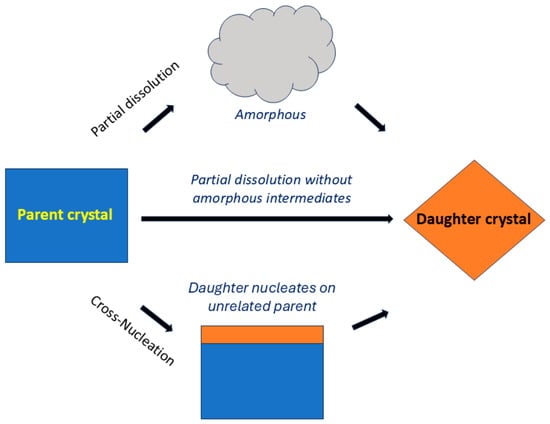
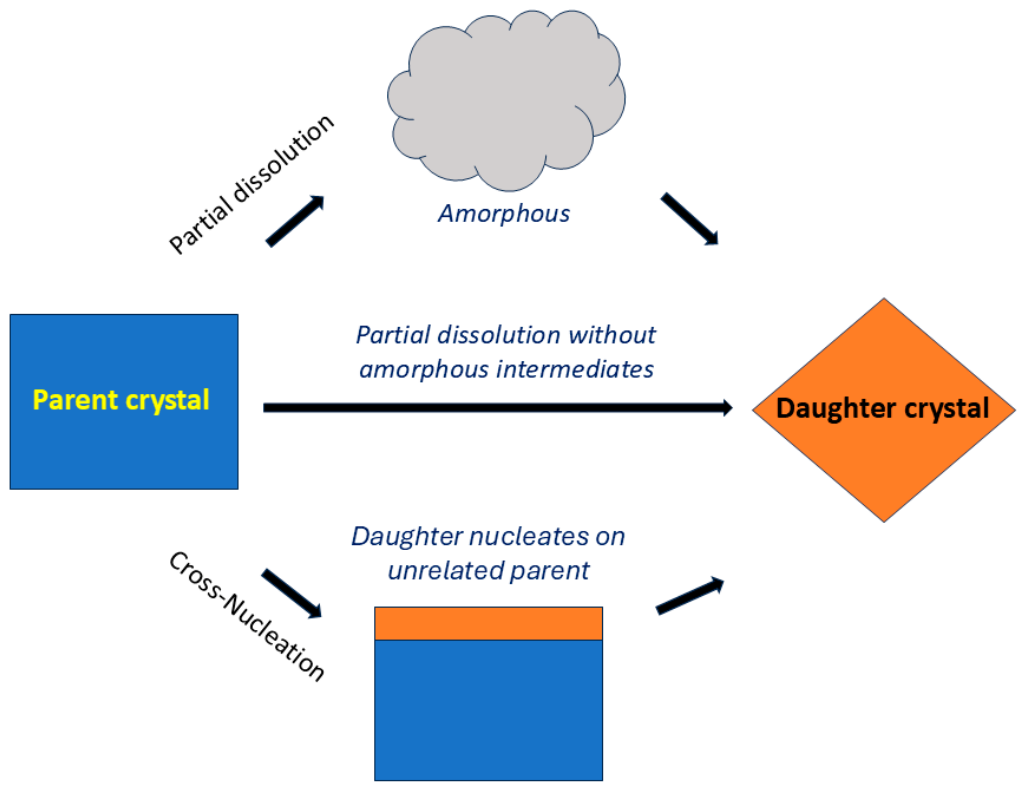


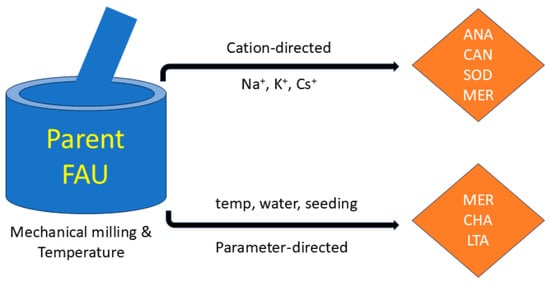
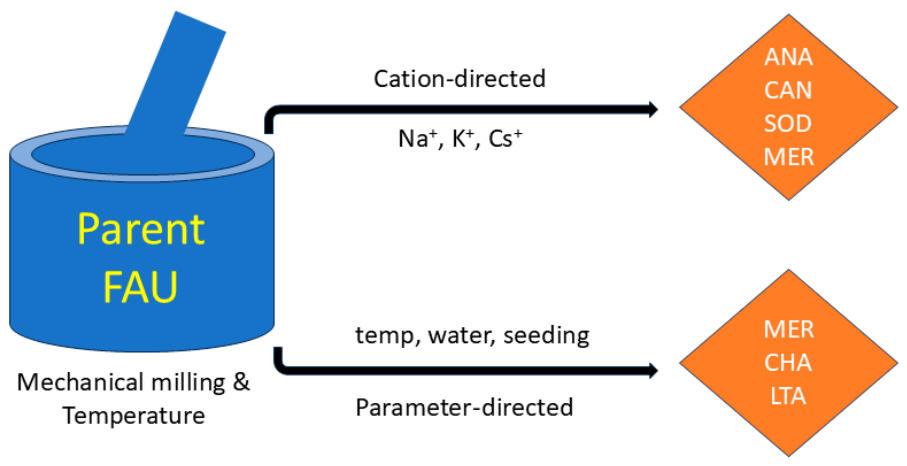
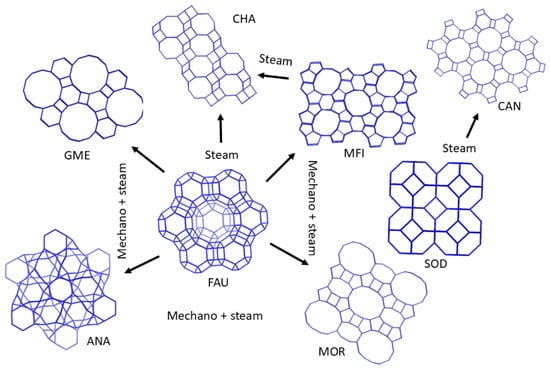
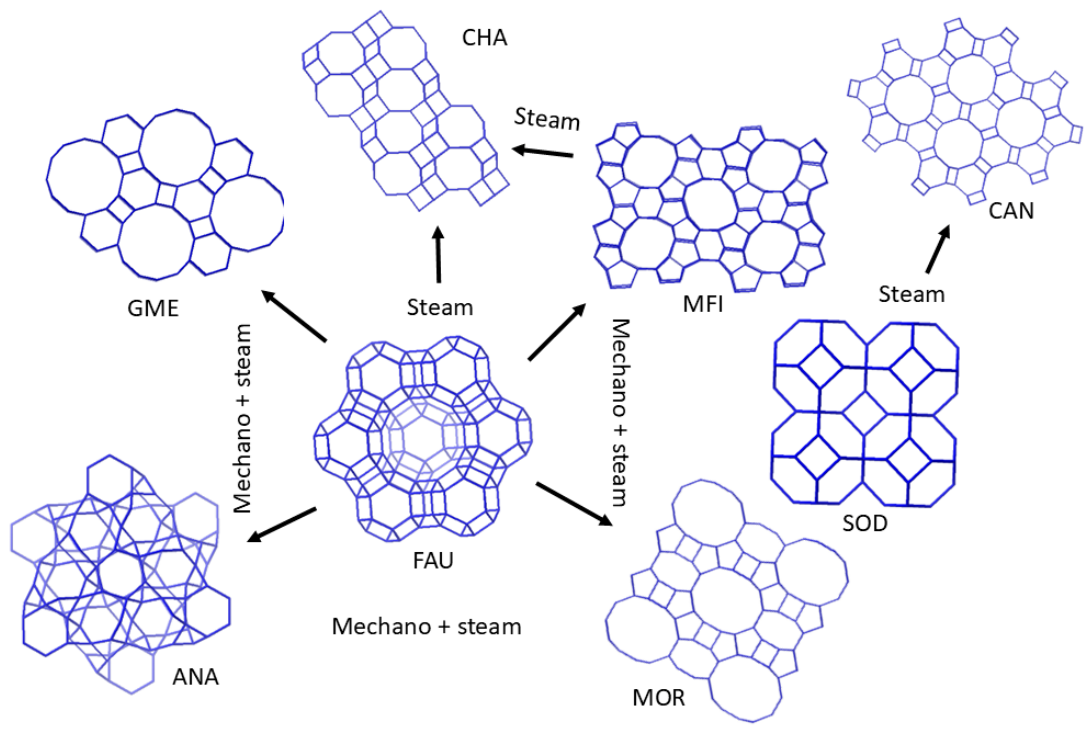
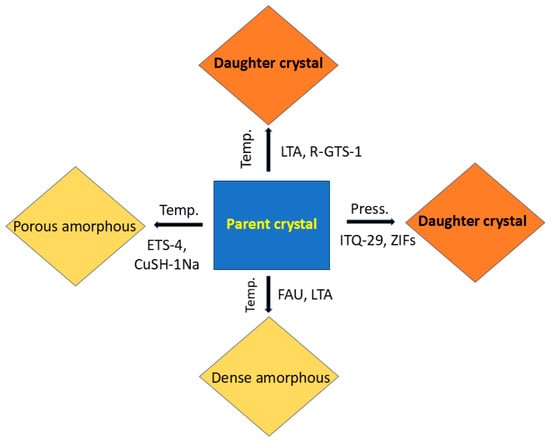
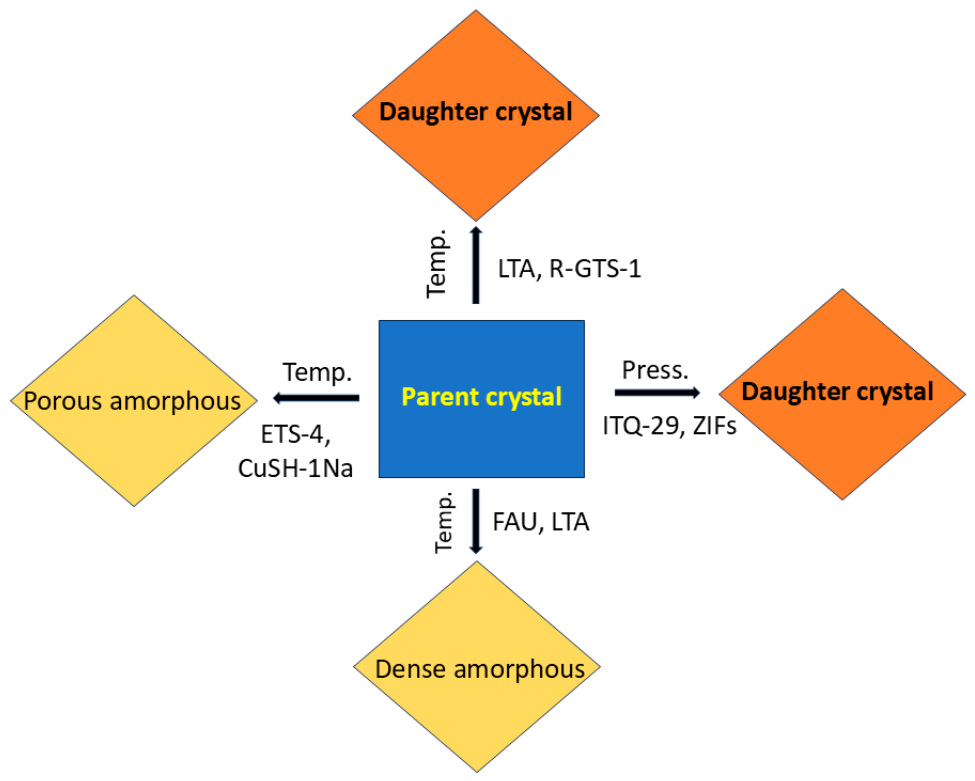
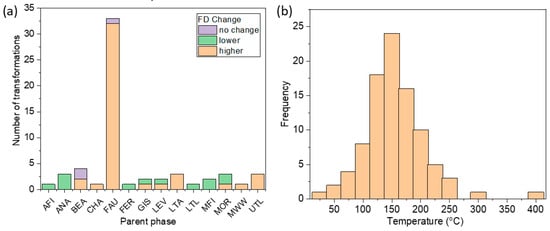
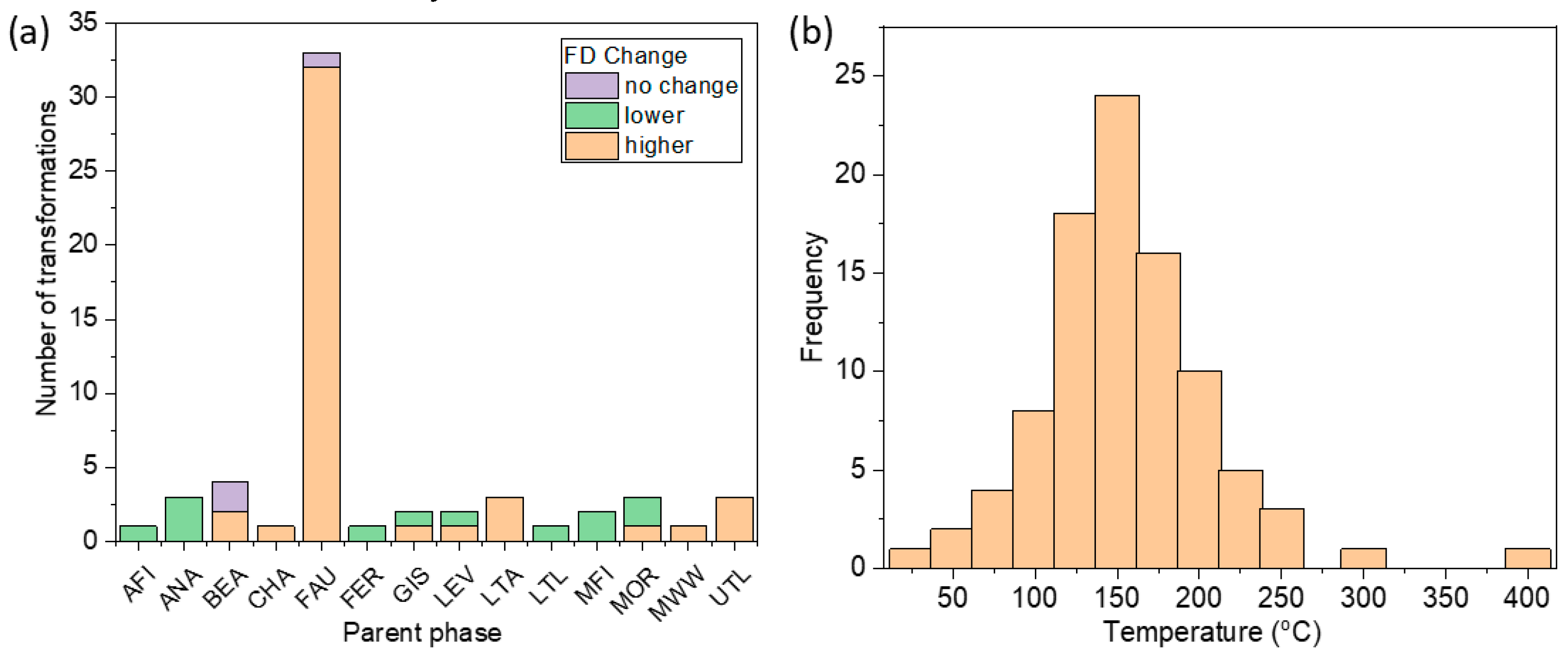
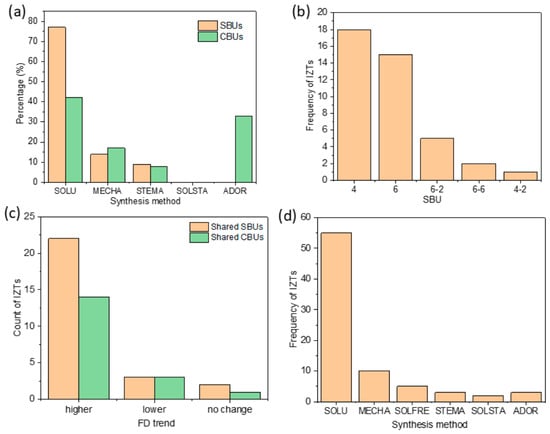
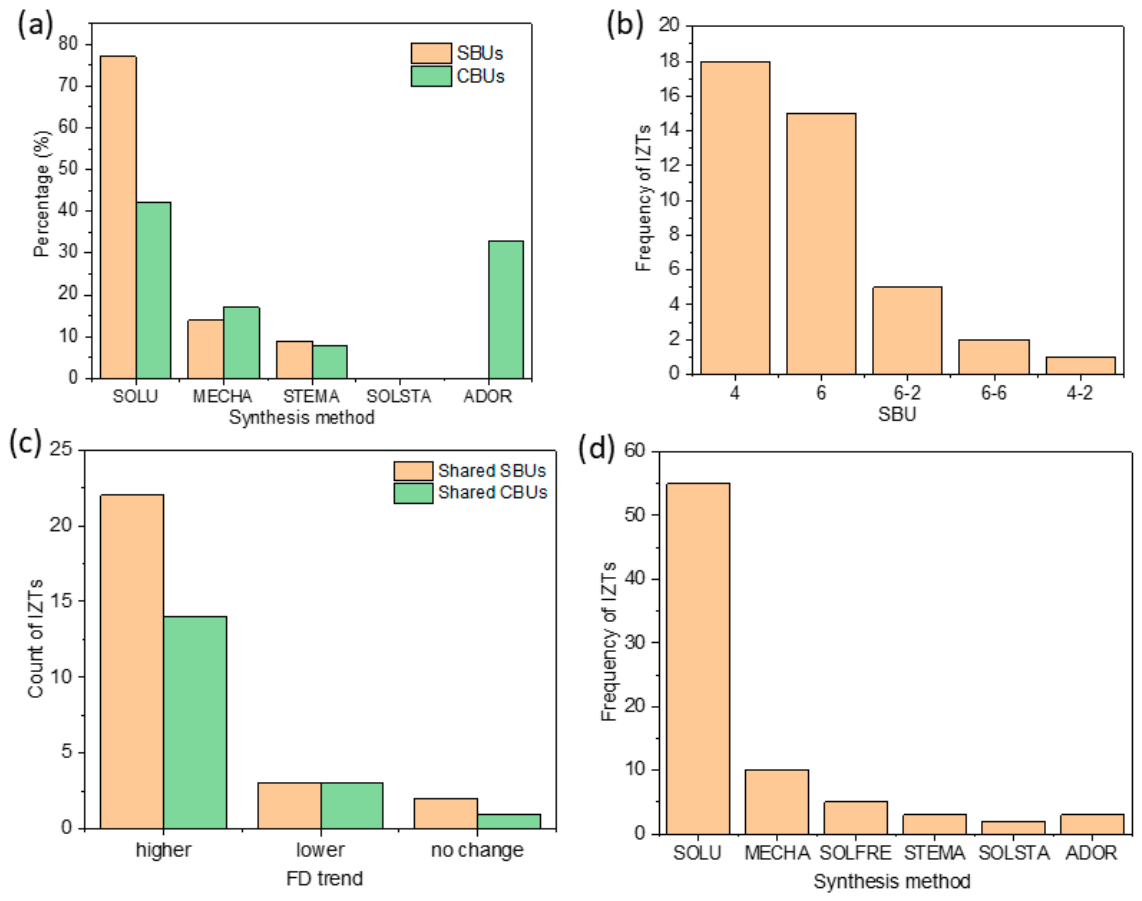
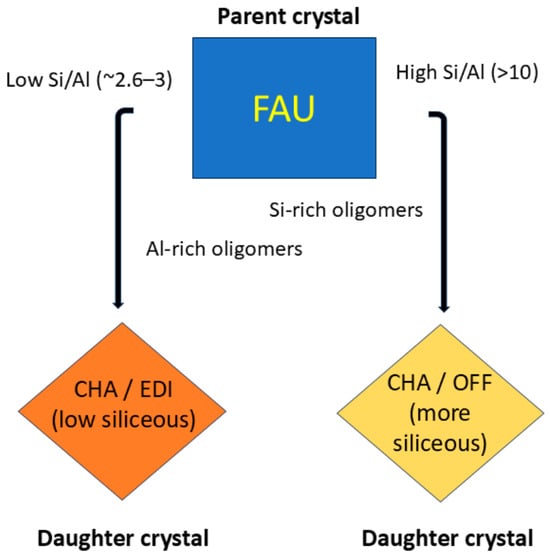
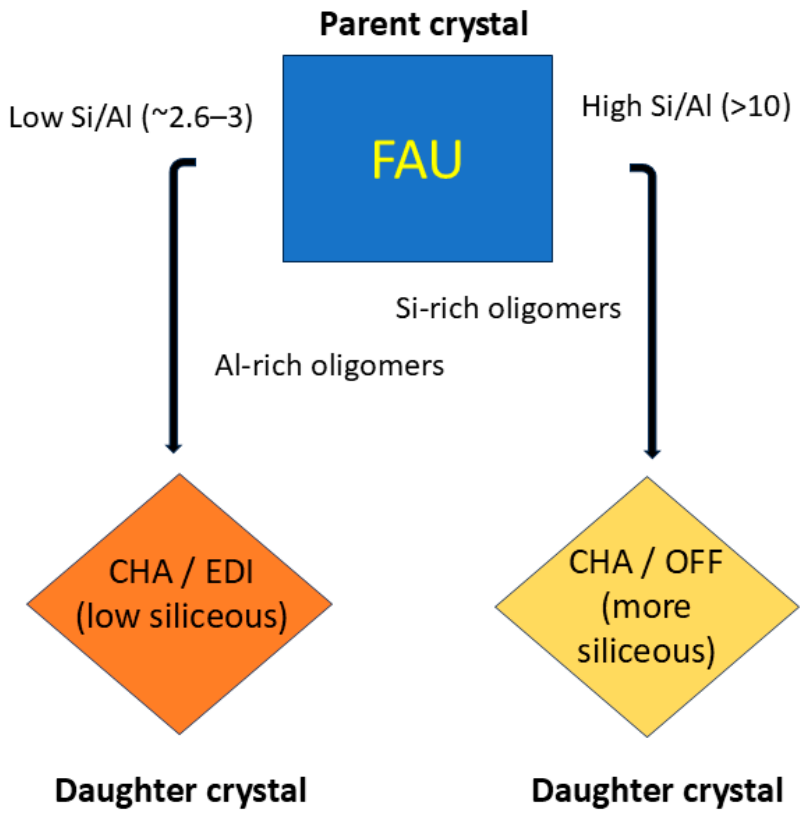
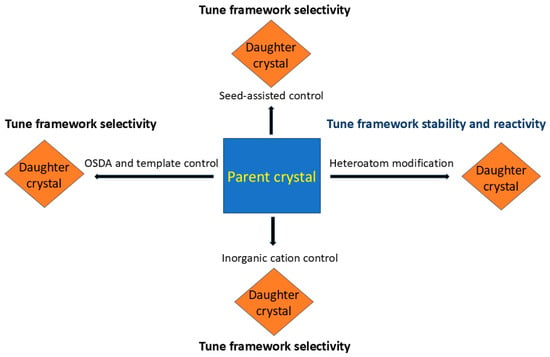
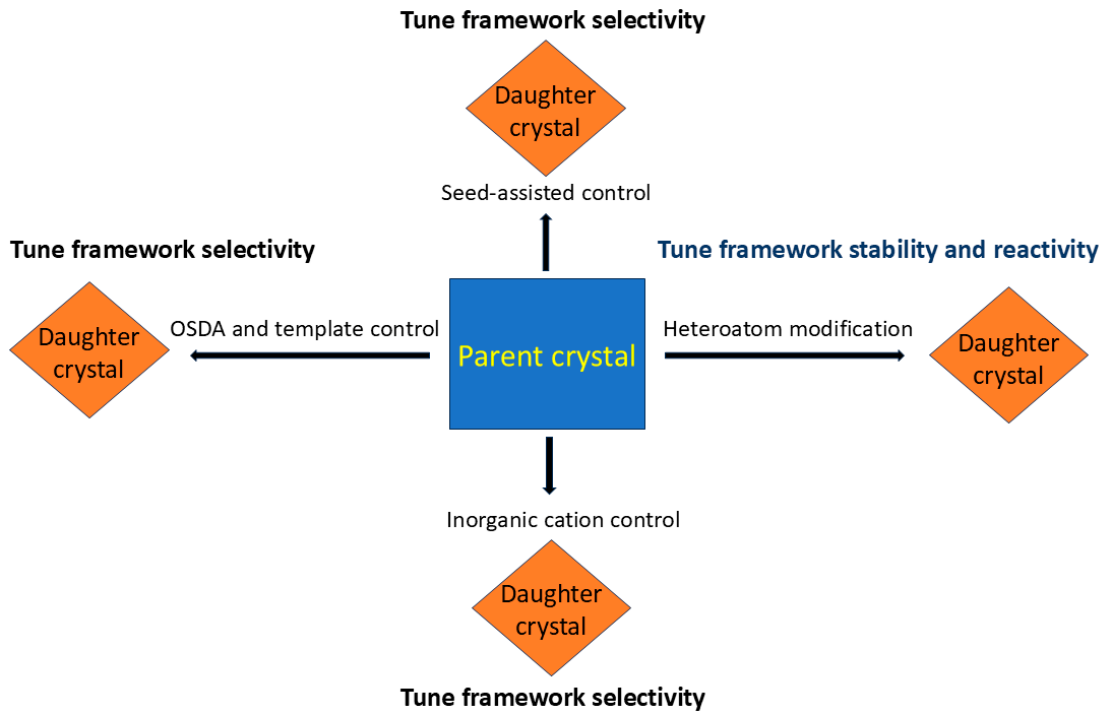

Disclaimer/Publisher’s Note: The statements, opinions and data contained in all publications are solely those of the individual author(s) and contributor(s) and not of MDPI and/or the editor(s). MDPI and/or the editor(s) disclaim responsibility for any injury to people or property resulting from any ideas, methods, instructions or products referred to in the content. |
© 2026 by the author. Licensee MDPI, Basel, Switzerland. This article is an open access article distributed under the terms and conditions of the Creative Commons Attribution (CC BY) license.