


Abstract
This systematic review examines how organisational resilience is conceptualised, enacted, and enabled in the Digital Age, characterised by Artificial Intelligence (AI), Generative AI, the Internet of Things (IoT), Big Data, and Robotics. Despite their transformative potential, these technologies are often treated as peripheral tools rather than core mechanisms in resilience architectures. Adopting a critical realist paradigm, we conducted a Systematic Literature Review (SLR) following the PRISMA 2020 protocol to review thirty (30) peer-reviewed empirical studies (2017–present). A pre-SLR conceptual framework, linking Business Intelligence and Responsiveness constructs, guided data extraction and synthesis. Building on this, we propose a conceptual framework and explanatory model grounded in the Context–Mechanism–Outcome logic. The model distinguishes generative mechanisms (real domain), organisational responses (actual domain), and observable indicators (empirical domain). The review identifies Collective Capability (CC), Adaptive Capability (AC) and Dynamic Capability (DC) mechanisms as key generative powers, with Digital Age enablers embedded within Adaptive Capability (AC) and Dynamic Capability (DC). Together, these mechanisms contribute to Systemic Preparedness (SP), Rapid Recovery (RR) and Generative Stability (GS), thereby supporting the emergence of Organisational Resilience (OR). This reconceptualises resilience as an emergent, non-linear outcome of mechanism interactions, offering a unified direction. Future research should prioritise longitudinal multi-case studies and quantitative testing of Context–Mechanism–Outcome configurations, supported by mixed-method designs to validate and refine the proposed framework.
1. Introduction
In the rapidly evolving context of the Digital Age, characterised by artificial intelligence (AI), including generative artificial intelligence (GenAI), robotics, the Internet of Things (IoT), and big data, organisational resilience has become an increasingly critical capability for contemporary organisations; Australia is not exempt from these dynamics. Organisational resilience refers to an organisation’s ability to anticipate, prepare for, respond to, and recover from significant disruptions, thereby enabling the restoration of functionality to a stable operational state [1,2,3,4]. In digitally intensive environments, resilience assumes heightened importance due to sustained technological volatility and systemic uncertainty, even as technological advancement simultaneously enhances organisations’ capacity to anticipate and adapt to disruption.
The Digital Age represents a socio-technical era defined by the pervasive integration of digital technologies, data connectivity, and algorithmic intelligence across organisational, industrial, and societal systems [5,6]. Within this broader transformation, the Industry 4.0 paradigm formalises the integration of cyber–physical systems, automation, and data exchange across manufacturing and services. In contrast, the emerging Industry 5.0 vision extends this logic toward human-centred, sustainable, and resilient production ecosystems [7,8,9]. Although the Digital Age encompasses a wide spectrum of technological developments, this study focuses on five principal enablers: Artificial Intelligence (AI), Generative Artificial Intelligence (GenAI), the Internet of Things (IoT), Big Data (BD), and Robotics and Automation (RA) [10,11]. GenAI is particularly salient in practical terms because it extends beyond predictive analytics to autonomously generate content, solutions, and adaptive insights, thereby accelerating organisational learning and innovation. In doing so, GenAI connects the automation logic of Industry 4.0 with the collaborative and human-centric orientation of Industry 5.0, strengthening resilience within digitally mediated environments [12,13,14,15].
These digital age technologies are poised to reshape organisational frameworks significantly, facilitate the evolution of capabilities, and redefine competitive dynamics [16,17,18,19,20]. Conversely, such significant powers pose considerable challenges, including heightened cybersecurity vulnerabilities, significant labour market disruptions, and intricate ethical dilemmas inherent in the application of these technological advancements [21,22,23,24]. Such rapid innovation and the pace of disruption can also exacerbate the frequency and magnitude of both natural and human-made crises [25,26,27]. Concerns are also raised regarding the potential misuse of digital technologies by corporate or governmental actors, including unauthorised surveillance and ethically questionable deployment [28,29,30,31]. Accordingly, digital transformation simultaneously enhances organisational capability and intensifies systemic exposure.
Globally, developed economies such as Germany, France, and the United States have advanced coordinated digital industrial strategies, including High-Tech Strategy 2020, La Nouvelle France Industrielle, and the Advanced Manufacturing Partnership [32]. In the APAC region, China’s “Made in China 2025”, Japan’s “Society 5.0” [33,34], and Singapore’s “Smart Nation” agendas have sought to accelerate industrial digitalisation, data integration, and human–machine collaboration, signalling a strategic pivot towards high-value, innovation-driven economies [35]. Australia’s digital transformation trajectory has been comparatively fragmented, characterised by targeted sector-specific initiatives rather than a unified national strategy. Programs such as the Advanced Manufacturing Growth Centre, the Industry 4.0 Testlabs Network, and CSIRO’s Data61 seek to enhance collaboration among government, industry, and research institutions. Complementary frameworks, including the National Artificial Intelligence Action Plan [36,37,38,39] and the Digital Economy Strategy 2030 [38,40,41], reflect progress, yet implementation remains uneven across sectors. This policy landscape reinforces the importance of organisational-level capability development within digitally dynamic contexts.
Resilience, as a broader concept, is defined across multiple domains, including individuals, societies, systems, and organisations. Human-centric perspectives emphasise the pivotal role of employees in cultivating resilience through adaptation, leadership, and professional development [42,43,44,45,46,47,48]. These approaches foreground behavioural and cultural dimensions but are frequently criticised for underemphasising structural and technological enablers [49]. Conversely, systems-based models conceptualise resilience as an inherent organisational property grounded in redundancy, flexibility, and interdependence [50,51,52]. While technically robust, such frameworks often fragment resilience into discrete safeguards rather than positioning it as an integrated organisational capability. More recent scholarship advances holistic conceptualisations, such as the Relative Overall Resilience paradigm [23,53,54], which integrates proactive preparedness and adaptive learning supported by leadership and networked collaboration. However, many of these frameworks predate the socio-technical complexity of the Digital Age and therefore insufficiently account for the interaction between automation, connectivity, and human agency.
Within this context, organisational resilience is commonly understood as the capacity of organisations to anticipate disruption, adapt to changing conditions, and recover from adverse events while maintaining operational continuity and long-term viability [42,43,44,45,46,47,48,49,50,51,52,53,54]. We adopt the view that resilience offers a holistic capability supporting not only crisis response but also long-term viability and sustainability. Despite this broad conceptual alignment, contemporary scholarship on organisational resilience in digitally intensive environments remains fragmented. Although empirical research across sectors identifies preliminary associations between digital technologies and adaptive capacity, it seldom offers cohesive explanations of how technological mechanisms interact with organisational structures to generate resilience outcomes [55,56]. Digital systems are frequently treated as supplementary tools rather than as embedded mechanisms shaping organisational sensing, interpretation, and decision-making. Consequently, integrated accounts connecting digital capabilities with organisational routines, leadership processes, governance arrangements, and systemic learning remain limited. This omission underscores the need for research that clarifies the conceptual relationships between emerging technologies and organisational functioning.
This study, therefore, investigates how organisational resilience is transformed by and enacted through Digital Age technologies. Its central objective is to address the apparent gap in both scholarly literature and practical methodologies by analysing the mutual interaction between digital enablers and organisational capabilities. Through a systematic review and synthesis of the extant scholarship, the study establishes a clearer conceptual framework and a model for resilience research in digitally mediated environments. Rather than proposing a complete model, this work identifies a conceptual framework that can guide future empirical development. It clarifies how resilience may be conceptualised, operationalised, and embedded as a strategic organisational capability under conditions of technological change and systemic uncertainty [44,45,46,57,58,59].
Despite preliminary links between digital technologies and adaptive capacity, current scholarship treats these as supplementary tools, lacking integrated frameworks that explain how they underpin sensing, decision making, and systemic learning in digitally intensive environments. Grounded in critical realism, this study assumes organisational resilience emerges from generative mechanisms (real domain) activated by Digital Age technologies, producing observable responses (empirical domain) through organisational processes (actual domain). This paradigm justifies a systematic literature review to gather empirical evidence, combined with abductive reasoning to identify underlying mechanisms.
Three central research questions guide the study:
RQ1: How does the existing literature depict organisational leaders and employees’ comprehension of the influence of Digital Age technologies on organisational resilience?
RQ2: What mechanisms, practices, and organisational conditions identified in the literature enable the development and sustainment of organisational resilience capabilities in this digital age (or technologically dynamic environment)?
RQ3: What structural and capability adaptations, reported in the literature, reflect how organisations leverage AI, Generative AI, IoT, robotics, and data-driven technologies to strengthen resilience outcomes?
Collectively, these research questions systematically investigate the relational, structural, and strategic facets of organisational resilience. The questions seek to explain how resilience is conceptualised, implemented, and institutionalised within organisations navigating the accelerated technological advancements, inherent uncertainties, and transformative dynamics characteristic of the Digital Age.
This research contributes substantively to both theoretical and practical domains. First, it addresses a notable lacuna by integrating digital transformation scholarship with organisational resilience theory. Second, by identifying and structuring key resilience practice areas, the study provides a conceptual architecture that informs scholarly inquiry and practical implementation. Third, it underscores the necessity of context-sensitive and holistic organisational strategies that balance proactive preparedness with adaptive responsiveness, aligning digital investment with leadership capability and workforce development. Ultimately, this investigation provides conceptual clarity and practical insight for policymakers, organisational leaders, and researchers seeking to strengthen resilience amid accelerating technological evolution.
2. Theoretical Foundations
2.1. Philosophical Position
This study is grounded in Critical Realism, a philosophical position that assumes social and organisational phenomena are generated by underlying causal mechanisms that exist independently of direct observation, even though knowledge of those mechanisms is necessarily partial, socially mediated, and fallible [60,61,62]. Critical Realism distinguishes between three ontological domains: the empirical, referring to what is observed or experienced; the actual, referring to events and processes that occur whether observed or not; and the real, referring to the deeper generative mechanisms and structures that produce observable outcomes [63,64,65,66,67].
This philosophical position is particularly appropriate for examining organisational resilience in the Digital Age because resilience outcomes are rarely reducible to directly observable events alone. Organisational responses to disruption are shaped by interacting socio-technical conditions, including technological infrastructures, governance arrangements, leadership processes, routines, and human agency, many of which are not immediately visible but exert causal influence on organisational behaviour [68,69]. Accordingly, this study does not treat resilience merely as an observable outcome or a descriptive organisational attribute; rather, it approaches resilience as an emergent capability produced through the interaction of deeper organisational and technological mechanisms.
In methodological terms, Critical Realism supports an explanatory mode of inquiry that moves beyond surface description towards causal interpretation. It enables the study to use a systematic literature review not simply to aggregate prior findings, but to identify patterned relationships, infer underlying mechanisms, and clarify the structural conditions through which organisational resilience is generated in digitally intensive environments [69,70,71]. This philosophical orientation, therefore, provides the basis for linking empirical evidence from the literature to a broader explanatory account of how Digital Age technologies interact with organisational capabilities to shape resilience outcomes.
2.2. Model Development Pathway
Distinct from conventional SLR approaches, this study adopts a three-stage conceptual development process. First, a pre-SLR conceptual framework is established, drawing on foundational theoretical and empirical literature to articulate core resilience constructs in their pre-digital form. Second, the framework is iteratively refined during the systematic literature review, as Digital Age constructs and relationships emerge through structured evidence extraction and synthesis. Third, the resulting post-SLR framework informs a future research agenda aimed at empirically confirming and further refining the model through qualitative investigation. This staged approach ensures theoretical coherence, methodological rigour, and a clear progression from literature synthesis to model development and empirical confirmation. Figure 1 illustrates the three-stage model development process adopted in this study.
Figure 1.
Model Development Stages.
Stage 1—Initial/Pre-SLR Conceptual Framework Prior to SLR
The initial conceptual framework was developed prior to the systematic literature review through a structured scoping exercise [71,72,73,74]. It identifies the core constructs, parameters, and hypothesised relationships underpinning organisational resilience in the Digital Age. The framework synthesises established theory, practitioner insight, and preliminary conceptual reasoning to provide a baseline representation of the interaction between organisational practices and digital enablers. Its purpose is to provide a structured theoretical foundation guiding subsequent evidence collection and analysis. Iterative development through scoping, construct specification, and visualisation was supported by peer feedback to ensure conceptual rigour and reflexivity.
Stage 2—Post-SLR Conceptual Framework and Model Developed Through Iterative Refinement (The outcome of this study)
Following the systematic literature review, the conceptual framework and analytical model were refined through iterative synthesis of the reviewed literature. Patterns, mechanisms, and relationships were identified across the evidence-informed restructuring of the initial framework to better reflect empirical insights [74,75,76]. This refinement included consolidating or reclassifying constructs, incorporating evidence-supported digital enablers, and a clearer articulation of the relationships among strategic, operational, human, and technological capabilities.
Stage 3—Refined and Operationalised Model (Future Research Recommendations)
The final stage extends the conceptual model by outlining pathways for empirical validation and operationalisation. It highlights the need for qualitative and quantitative investigations capable of examining the proposed generative mechanisms. The stage also emphasises the development of measurable indicators and diagnostic tools to operationalise the model across organisational contexts, supporting systematic evaluation of organisational resilience capabilities.
2.3. Initial/Pre-SLR Conceptual Framework
The Digital Age is fundamentally characterised by intelligence, whereas organisational resilience is intrinsically linked to responsiveness. This intelligence, particularly through the application of business intelligence systems and advanced technologies including Artificial Intelligence, Generative AI, the Internet of Things, Big Data analytics, and robotics, facilitates robust data-driven decision-making processes [77,78,79,80,81]. Responsiveness, by contrast, is characterised by an organisation’s capacity to anticipate, adapt to, and effectively recover from disruptive events [23,82]. Leveraging these dual principles, a preliminary conceptual framework was established prior to the systematic literature review to structure the investigation into organisational resilience within the Digital Age. Underpinned by critical realism, the model assumes that observable organisational behaviours emerge from deeper underlying causal mechanisms.
The initial conceptual framework was devised through abductive reasoning to clarify construct relationships, reduce terminological ambiguity, and guide thematic organisation. It was developed through structured scoping, construct specification, and visualisation, and refined through peer feedback to ensure theoretical rigour. While the use of a pre-review conceptual framework enhances analytical coherence and mitigates thematic drift, it also carries a potential risk of confirmation bias; this was addressed through triangulation and transparent documentation. The framework maps the interconnections among strategic flexibility, digital infrastructure, leadership, and workforce adaptability, illustrating how digital intelligence and organisational responsiveness interact to build organisational resilience in the Digital Age [83,84,85,86,87,88,89].
The initial/pre-SLR conceptual framework establishes the foundational structure of organisational resilience and conceptualises resilience as a multi-faceted organisational capability composed of two constructs and ten associated practices. Practices associated with the Business Intelligence construct include Strategic Flexibility, Business Process Flexibility, Modernised Systems, Integrated Functions, and Resilience-Ready Leadership [77,89,90,91,92,93,94,95,96,97,98,99,100,101,102,103,104]. Complementary practices forming the Responsiveness construct include Resilience-Ready Personnel, Integrated Teams, Rapid Recovery, Systems Redundancy, and Defensive Functions [105,106,107,108,109,110,111,112,113,114]. Operational definitions of these constructs and practices are presented in Table 1.
The framework is theoretically grounded in the integration of organisational performance theory and organisational resilience theory. Organisational performance theory, particularly through the lens of dynamic capabilities, emphasises the ability of organisations to detect, capture, and reconfigure resources in response to environmental and technological change [115,116]. Within this perspective, resilience can be interpreted as a capability that supports sustained organisational performance under conditions of disruption [117,118]. Organisational resilience theory further examines how organisations anticipate, absorb, and adapt to disruption while maintaining operational continuity and enabling transformation [2,119,120].
Within this integrated perspective, Business Intelligence represents the organisational capability to generate actionable insight through the collection, integration, and interpretation of data [121,122,123,124]. Responsiveness reflects the organisation’s capacity to act upon such insight through coordinated and timely responses to emerging opportunities or threats [52,125]. Together, these constructs form the analytical foundation of the framework by linking information-processing capability to adaptive organisational behaviour [126,127,128]. Organisational performance theory, therefore, provides the overarching explanatory perspective, while organisational resilience theory explains how organisations sustain and renew operations under conditions of uncertainty [129,130,131,132]. Table 1 consolidates the pre-SLR framework constructs, practices, operational definitions, and their application in this investigation.
Table 1.
Initial/Pre-SLR conceptual framework definitions.
The discussion extends these constructs by examining their co-presence within digitally enabled organisational environments. It outlines how strategic, operational, and human capabilities collectively contribute to adaptive performance and organisational resilience. This conceptual positioning is informed by recent empirical research highlighting the systemic character of responsiveness within digitally enabled organisations [157,158,159,160]. Recent organisational resilience scholarship also reinforces the need to conceptualise resilience as both an organisational theory and a quantifiable system-level capability, thereby supporting its treatment as an integrated and measurable organisational phenomenon [161,162].
Building on this evidence, the interrelationship between Digital Age-enabled Business Intelligence and organisational responsiveness aligns strategic intelligence with adaptive capability. Business Intelligence practices support the organisation’s capacity to sense, interpret, and respond to change by converting data, information, and system visibility into actionable organisational insight. Responsiveness then reflects the organisation’s ability to translate that insight into coordinated action, including preparedness, adaptation, continuity, and recovery. The interaction between intelligence generation and adaptive response, therefore, forms the central mechanism through which organisational resilience develops within digitally enabled environments. Collectively, these relationships illustrate that responsiveness is not merely reactive but an intelligence-enabled strategic condition that evolves through the interaction of digital systems, leadership capability, and organisational practices. The dynamic interaction between Business Intelligence and responsiveness, therefore, represents the central mechanism through which organisational resilience emerges in the Digital Age..
3. Materials and Methods
3.1. Overview
This study employs a Systematic Literature Review (SLR) structured according to the PRISMA 2020 framework to ensure transparency, traceability, and methodological rigour in study identification, screening, and reporting. Although the broader study adopts a critical realist perspective, introduced earlier, this section focuses on the procedural aspects of the review. Critical realism informs interpretation by emphasising the identification of underlying mechanisms shaping organisational resilience rather than purely descriptive aggregation of studies. To enhance protocol transparency, the review documented the search dates, database coverage, search strings, screening workflow, and extraction procedures. Primary database searches were conducted between February and March 2025, with citation tracking completed in April 2025. Full database search strings, screening rules, and extraction templates are reported in a protocol appendix to ensure reproducibility and auditability of the review process [163,164,165,166,167,168].
3.2. Search Questions
Search questions operationalised the research objectives into a structured retrieval strategy consistent with systematic review practice. These questions guided database searches, initial decisions, and thematic synthesis.
SQ1: What empirical evidence exists on how digital transformation mechanisms influence organisational resilience capabilities across sectors and contexts?
SQ2: What mechanisms or organisational conditions link technological enablers such as AI, IoT, robotics, big data, and GenAI with organisational resilience outcomes?
SQ3: What conceptual or framework-based studies provide insights that can inform the development of a Digital Age resilience model?
3.3. Search Databases and Strategy
Searches were conducted across Scopus, Web of Science Core Collection, ProQuest Social Sciences Premium Collection, and Business Source Ultimate, covering management, organisational studies, business, and information systems literature. Google Scholar was used only for supplementary citation chaining and verification due to indexing limitations [164]. Search strings were iteratively developed using Boolean logic, truncation, and controlled vocabulary. Keywords were grouped into three clusters: resilience concepts, organisational practices, and Digital Age technologies. Backward and forward citation tracking was also applied to capture relevant studies not identified in initial database searches [165,166]. Full database search strings are provided in Appendix A.
3.4. Inclusion and Exclusion Criteria
Explicit inclusion and exclusion criteria were applied to ensure conceptual relevance and methodological consistency. Included studies addressed organisational resilience at the firm level, were published between 2017 and 2025, and demonstrated sufficient methodological or conceptual rigour within fields such as management, organisational studies, engineering, business, and information systems. Studies focusing on individual, ecological, or city-level resilience, or lacking methodological transparency, were excluded [62]. The criteria are summarised in Table 2 and detailed in the protocol Appendix A.
Table 2.
Eligibility Criteria.
3.5. Screening Workflow
Screening followed the PRISMA four-stage workflow: identification, screening, eligibility, and inclusion [163]. Records were managed using Records were managed using RayyanAI, Rayyan Systems Inc., Cambridge, MA, USA, and a Microsoft Excel tracking matrix, Microsoft Corporation, Redmond, WA, USA, to remove duplicates [164]. Title and abstract screening removed clearly irrelevant studies while retaining ambiguous cases to minimise false exclusions [160,165,166,167]. Full-text assessment confirmed conceptual relevance to organisational resilience in digitally dynamic environments [169,170,171,172]. Backward and forward citation searches using Scopus, Elsevier, Amsterdam, Netherlands, and Google Scholar, Google LLC, Mountain View, CA, USA, were subsequently conducted to identify additional relevant studies [165]. The full workflow is presented in the PRISMA flow diagram Figure 2.
Figure 2.
The PRISMA flow diagram.
To improve rigour, screening and extraction procedures were periodically rechecked to ensure consistent application of inclusion criteria and coding decisions. Selected records were reassessed to confirm agreement in screening and thematic classification. Discrepancies were resolved through reference to the predefined criteria. Reliability outcomes are reported in the protocol in Appendix A.
To assess study quality and potential bias, the appraisal considered methodological transparency, analytical coherence, and the strength of the link between evidence and conclusion. A sensitivity analysis was conducted by excluding or down-weighting lower-quality studies to test whether the key resilience mechanisms remained consistent. The core mechanisms remained stable across higher-quality studies, supporting the robustness of the findings. The selection of the 30-article sample is justified as appropriate for a focused realist synthesis, where depth of analysis and theoretical coherence are prioritised over breadth. The review reached theoretical saturation, with no new mechanisms, patterns, or explanatory insights emerging from additional studies, confirming the adequacy of the sample size. A comprehensive list of the included material is presented systematically in Table 3.
Table 3.
A list of the included literature.
All reviewed articles satisfied the predefined inclusion criteria, except for two articles published in 2010 [176] and another in 2016 [192]. These articles were marginally below the formal inclusion threshold but were retained as contextual references because of their direct relevance to the development of the dynamic capability mechanisms identified in this study. Although they did not fully satisfy all formal inclusion criteria, the articles provided substantively valuable theoretical insight into capability reconfiguration, adaptive adjustment and organisational response under conditions of change. This is consistent with the dynamic capabilities literature, which conceptualises organisational capability as the capacity to integrate, build and reconfigure internal and external competences in response to rapidly changing environments.
3.6. Data Extraction Matrix
A structured extraction matrix captured study metadata, methodological characteristics, and the presence of the ten resilience practices examined in this study [61,165,200,201,202,203,204]. Each study was coded as directly addressing, indirectly addressing, or not addressing each practice. Extraction occurred in two stages: descriptive recording followed by conceptual coding. Given the volume of literature, artificial intelligence was used in a controlled manner to support the review workflow. The study used the Projects function within ChatGPT (GPT-5.1/GPT-5.1 Chat; OpenAI, San Francisco, CA, USA). This function enabled project-specific instructions to be added, retained, tested, and progressively refined. The instruction set was iteratively adjusted until the outputs became stable and consistently produced the required data, assisted with record prioritisation, document categorisation, metadata organisation, and targeted text retrieval around identified practices. The tool assisted in identifying relevant themes and locating supporting evidence within the literature; however, it was not used for independent analysis. Similar AI-assisted approaches have been shown to improve efficiency in systematic reviews when combined with human oversight [205,206,207]. All final decisions regarding study inclusion, exclusion, coding, and interpretation remained under manual review. AI outputs were verified against the original studies to avoid errors or hallucinated interpretations, consistent with current guidance on responsible AI use in systematic reviews [208,209,210,211,212,213,214,215,216,217,218,219,220,221]. This approach ensured traceability between the source material and thematic synthesis. The extraction structure is presented in Table 4.
Table 4.
Data extraction framework.
4. Results
This section presents the results of the systematic literature review. The analysis proceeds in three stages: (1) descriptive characteristics of the literature corpus, (2) identification of resilience practices emerging from the literature, and (3) examination of cross-practice interaction patterns.
4.1. Descriptive Analysis
The literature studied comprises thirty (30) studies, primarily recent, high-quality, peer-reviewed journal articles focused on organisation-wide resilience. Most studies (83%) were published post-2020, reflecting growing scholarly attention to digital transformation and the Digital Age. Qualitative research predominated (47%), with quantitative (40%) and mixed methods (13%) approaches also evident, indicating methodological diversity. A majority of studies (90%) adopted a holistic organisational scope, while 60% focused on large firms, with limited representation of SMEs (17%). Most publications were in Q1 or Q2 journals, confirming intense academic rigour. In terms of timing, over half examined both pre- and post-event resilience, though only a few (10%) explored real-time dynamics, highlighting a research gap. Table 5 provides the distribution of the results.
Table 5.
Overview of the results.
4.2. Identification of Resilience Practices
All ten (10) hypothesised resilience practices were identified in the literature, although they varied in emphasis and conceptual maturity. The reported frequencies represent salience indicators derived from thematic coding and show how often each practice appeared across the analysed studies. The study used the Projects function within ChatGPT (GPT-5.1/GPT-5.1 Chat; OpenAI, San Francisco, CA, USA). This function enabled project-specific instructions to be added, retained, tested, and progressively refined. The instruction set was iteratively adjusted until the outputs became stable and consistently produced the required data, supported theme identification and frequency compilation, with human-in-the-loop validation used to review and confirm all outputs. These frequencies indicate thematic prominence, not causal strength or effectiveness. Table 6 summarises the relative frequency from explicit thematic coding and the dominant organisation sizes.
Table 6.
Frequency analysis.
While the frequency distribution highlights the prevalence of individual practices, it does not explain the thematic patterns through which these practices are conceptualised within the literature. The next subsection, therefore, examines the dominant themes associated with each practice to clarify how resilience capabilities are interpreted across different organisational settings.
4.3. Thematic Results by Practice
Across the thirty (30) studies, all ten resilience practices were identified, although the depth of their articulation and explicit coverage varied significantly. Some practices were addressed directly as distinct capabilities. In contrast, others were implicitly acknowledged or surfaced indirectly, with their specific attributes and contributions to overall organisational resilience elaborated upon in the subsequent sections.
4.3.1. Strategic Flexibility
The analysis of thirty (30) studies reveals that Strategic Flexibility is directly addressed in 60% (n = 18) and indirectly in 40% (n = 12). Strategic Flexibility is particularly evident within large-scale organisations (n = 19; 63%), where it is conceptualised as a systemic capability that facilitates proactive transformation through strategic foresight, decentralised decision making, and adaptive resource allocation. Within SMEs (n = 4; 13%), strategic flexibility predominantly manifests as reactive and improvisational. Conversely, research encompassing both pre- and post-event phases provides the most comprehensive insight (n = 14; 47%), conceptualising flexibility as an iterative learning continuum. In contrast, studies focused solely on the periods after or during critical events frequently characterise it as a reactive, adaptive mechanism. The theoretical coherence of Strategic Flexibility is most evident at the intersection of large-scale, enterprise-wide, and temporally comprehensive analyses (i.e., spanning both pre- and post-event phases).
4.3.2. Business Process Flexibility
An analysis of thirty (30) studies reveals that Business Process Flexibility is directly addressed as a practice in merely 33% (n = 10) and indirectly in 60% (n = 18). It is more visible in SME-focused research (n = 4; 13%), where flexibility is characterised as a proximate and adaptive response to disruptive events. Conversely, within large organisations (n = 19; 63%). Conversely, within large organisations, it is often subsumed within broader discussions concerning digital transformation and strategic agility. Research encompassing both pre- and post-event phases (n = 14; 47%) treats it as part of continuous learning, whereas post- and during-event research highlight its tactical and reactive nature. Organisation-wide studies (n = 26; 87%) provide the structural context for theorising flexibility, although many tend to diminish its significance within broader discussions of transformation.
4.3.3. Modernised Systems
Across the dataset of thirty studies analysed, Modernised Systems emerge as a highly prominent, explicitly articulated theme of organisational resilience, with 77% (n = 23) of papers engaging with them directly. The concept is strongest in large organisations (n = 19; 63%), modernisation is conceptualised as a fundamental strategic imperative for fostering digital resilience, facilitated by the cohesive integration of automation, advanced analytics, and real-time decision-making systems. Investigations encompassing both pre-event and post-event phases (n = 14; 47%) demonstrate how digital systems support both anticipatory planning and post-crisis recovery, while post-event studies (n = 11; 37%) emphasise operational responsiveness. The theme is predominantly explored at the organisation-wide level (n = 26; 87%), where modern systems are conceptualised as foundational for effective coordination and comprehensive information visibility.
4.3.4. Integrated Functions
Within the thirty (30) studies examined, Integrated Functions receive direct articulation in only 13% (n = 4), with the vast majority (83%; n = 25) engaging the theme indirectly. Most research focuses on large companies (n = 19; 63%), framing integration as implicit within coordination or strategic alignment rather than as a discrete resilience capability. Studies spanning pre- and post-event periods (n = 14; 47%) treat it as part of continuity processes, while during-event studies (n = 5; 17%) offer the clearest examples of integration under pressure. Although organisation-wide analyses (n = 26; 87%), which present the most significant opportunity for thorough exploration, are most often discussed, discussions of integrated functions seldom extend beyond descriptive accounts of their interdependencies.
4.3.5. Resilience Ready Leadership
Of the thirty (30) studies analysed, twenty-four studies addressed Resilience Ready Leadership either directly or indirectly (n = 24; 80%). Within this total, six studies directly addressed the theme (n = 6; 20%), while eighteen studies addressed it indirectly (n = 18; 60%). The theme is strongest in large organisations (n = 19; 63%), where leadership is linked to decision making, foresight, and organisational continuity, though rarely conceptualised as a distinct capability. Studies spanning pre- and post-event periods (n = 14; 47%) engage leadership, conceptualising its role as a primary driver of organisational preparedness and continuous learning. Conversely, research focused on post-event or during-event scenarios often adopts a narrower perspective, predominantly highlighting reactive coordination efforts. Although most research adopts an organisation-wide scope (n = 26; 87%), Leadership is frequently subsumed within broader discourse concerning organisational culture or governance frameworks, rather than being explicitly conceptualised as a distinct mechanism for fostering resilience.
4.3.6. Resilience Ready Personnel
Within the thirty (30) studies analysed, ‘Resilience Ready Personnel’ receive direct articulation in merely 13% (n = 4) and are indirectly addressed in 70% (n = 21), indicating limited conceptual maturity. The majority of studies focus on large organisations (n = 19; 63%), where personnel readiness is embedded within broader notions of workforce adaptability and capability development. Pre- and post-event studies (n = 14; 47%) reference personnel readiness as part of preparedness and training, whereas during-event studies (n = 5; 17%) provide stronger engagement through real-time decision making and emergency-response examples. Most studies adopt an organisation-wide lens (n = 26; 87%). Personnel readiness, while acknowledged as a supportive element rather than a primary capability, is often integrated within broader discussions of workforce adaptability and skill development. In small and medium-sized enterprises, readiness typically manifests as reactive and improvisational, driven more by immediate necessity than by structured strategic planning.
4.3.7. Integrated Teams
Among the thirty (30) studies analysed, Integrated Teams are directly discussed in 7% (n = 2), indirectly in 43% (n = 13), and not addressed in 50% (n = 15). Most papers focus on large organisations (n = 19; 63%), yet explicit theorisation of integrated teams remains underdeveloped; instead, academic discourse frequently emphasises cross-functional communication or ad hoc crisis task forces rather than robustly designed team integration. Temporally, this theme gains significant prominence during event-driven scenarios (n = 5; 17%), where two (n = 2 studies, 40%) directly examine tightly coordinated teams enabling rapid problem-solving; in pre/post-event work (n = 14; 47%), the theme is often absent or only loosely linked to collaboration and scenario planning. Despite an organisation-wide scope in 87% (n = 26), integrated teams remain in the background; area-specific studies (n = 4) demonstrate limited engagement with the topic. Cross-dimensional analyses reveal that, even within optimal organisational designs, the theme of integrated teams is often implicitly addressed in broader discussions of organisational culture or governance frameworks, rather than explicitly conceptualised as a distinct resilience mechanism. In the context of Small and Medium-sized Enterprises, such integration tends to be emergent and driven by immediate necessity, often without formal structural provisions.
4.3.8. Rapid Recovery
Within the corpus of thirty (30) studies, ‘Rapid Recovery’ is explicitly examined in 34% (n = 10) and indirectly in 66% (n = 19). Engagement is strongest in large organisations (n = 19; 66%), where direct treatments link recovery speed to institutionalised crisis playbooks, preconfigured protocols, and analytics-enabled decision hierarchies. Mixed-focus papers add comparative depth; SME-only studies are fewer but often more explicit, emphasising agility and proximity to leadership. Methodologically, pre/post-event designs (n = 14; 48%) provide the most comprehensive accounts, framing recovery as an iterative capability shaped by planning, anticipation, and feedback. During-event studies (n = 4; 14%) highlight tactical coordination and time-critical interventions; post-event-only work tends to describe actions rather than mechanisms. Most papers use an organisation-wide scope (n = 26; 90%). Recovery is consistently conceptualised as a strategic, system-level capability, distinct from a mere localised response.
4.3.9. Systems Redundancy
Across the thirty (30) publications included, Systems Redundancy is directly addressed in 30% (n = 9), indirectly addressed in 53% (n = 16), and not addressed in 17% (n = 5). The majority of research focuses on large organisations (n = 19; 63%), in which redundancy is discussed mainly as a background factor in infrastructure or continuity planning rather than as a defined construct. Mixed-focus studies (large and SME; n = 7; 23%) show moderate engagement, while SME-only studies (n = 4; 13%) show little to no direct treatment, reflecting resourcing constraints. The theme is most prominent in pre- and post-event contexts (n = 17; 57%), where redundancy is positioned as a proactive design feature, compared with post-event (n = 10; 33%) and during-event (n = 3; 10%) settings, where it is treated reactively. Most studies adopt an organisation-wide lens (n = 26; 87%). Redundancy is integrated into system-level frameworks that encompass areas such as information technology infrastructure, supply chain management, and continuity of operations.
4.3.10. Defensive Functions
Drawing on evidence from the thirty (30) studies, Defensive Functions are directly addressed in 27% (n = 8), indirectly in 47% (n = 14), and not addressed in 27% (n = 8). The majority of studies centre on large organisations (n = 20; 67%), where defensive mechanisms such as cybersecurity, monitoring systems, and contingency isolation are mentioned, though often embedded within broader resilience frameworks. Mixed-focus studies (n = 7; 23%) show moderate but inconsistent engagement, while SME-focused papers (n = 3; 10%) rarely address defensive functions directly. Temporally, the theme is strongest in pre- and post-event studies (n = 18; 60%), where defensive capabilities are conceptualised as anticipatory safeguards and post-event stabilisers. Post-event (n = 9; 30%) and during-event (n = 3; 10%) studies tend to describe reactive responses such as containment or fallback systems. Most analyses use an organisation-wide perspective (n = 28; 93%), reflecting a predominant focus on enterprise-wide preparedness over localised departmental implementation.
Although the thematic analysis reveals how individual resilience practices are conceptualised in the literature, organisational resilience rarely emerges from isolated practices. The following analysis, therefore, examines cross-practice interactions to identify recurring configurations of practices that collectively contribute to organisational resilience.
4.4. Cross-Practice Interactions
Figure 3 Presents a Venn diagram illustrating the co-occurrence of Strategic Flexibility, Rapid Recovery, and Systems Redundancy within the dataset. This visualisation highlights the frequency with which these themes are jointly addressed, thereby revealing patterns of conceptual intersection in organisational resilience research.
Figure 3.
The co-occurrence of Strategic Flexibility, Rapid Recovery, and Systems Redundancy. Colours are used only to visually distinguish between the three practice areas and do not indicate hierarchy, weighting, or relative importance.
Across the thirty analysed studies (n = 30), multiple resilience practices were frequently observed together within the same publications. Strategic Flexibility, Rapid Recovery, and Modernised Systems co-occurred in twenty-nine studies (n = 29; 97%). These practices were most commonly identified in studies focusing on large organisations and in studies examining both pre-event and post-event resilience phases. A second cluster of frequent co-occurrence was identified between Integrated Functions, Modernised Systems, and Business Process Flexibility. These practices appeared concurrently in twenty-eight to twenty-nine studies (n = 28–29; 93–97%). This co-occurrence was observed across both large-firm and mixed-firm studies and was typically reported in research examining organisation-wide resilience capabilities.
Another recurrent grouping was observed between Resilience-Ready Personnel, Resilience-Ready Leadership, and Strategic Flexibility. These themes were jointly referenced in twenty-two to twenty-five studies (n = 22–25; 73–83%). This pattern was most visible in studies examining large organisations and organisation-wide resilience capabilities. In addition, Defensive Functions, Systems Redundancy, and Rapid Recovery were reported together in twenty-one studies (n = 21; 70%). These themes were frequently observed in studies analysing infrastructure-intensive organisations and in research examining post-event recovery contexts. Finally, Integrated Teams, Rapid Recovery, and Resilience-Ready Personnel were jointly discussed in eighteen to twenty-nine studies (n = 18–29; 60–97%), depending on whether the themes were addressed directly or indirectly within the analysed publications.
Taken together, these patterns indicate that resilience practices tend to appear in recurring combinations rather than as isolated organisational capabilities. The results presented in this section, therefore, provide the empirical basis for the conceptual synthesis developed in the subsequent Section 5.
5. Discussion
This systematic literature review establishes that organisational resilience in the Digital Age is best understood as a relational and multi-dimensional phenomenon emerging from the dynamic interplay among human, structural, and digitally enabled configurations. In the literature surveyed, resilience is not depicted as an inherent or stable organisational trait, nor as the outcome of a single isolated practice. Instead, it manifests through recurring patterns of organisational behaviour across the disruption cycle: how organisations anticipate disruptions, coordinate responses under pressure, sustain essential functions, restore performance, and incorporate lessons to address subsequent disturbances more effectively. In this sense, resilience emerges from the integrated performance of these behaviours rather than from a fixed organisational asset or discrete intervention. This interpretation aligns with contemporary resilience scholarship that conceptualises resilience as a dynamic organisational capability rather than a static attribute [1,181,183].
The review confirms the presence of all ten proposed resilience practices across the analysed literature, although with varying levels of conceptual maturity and explicit articulation. Some practices are treated as discrete organisational capabilities, while others appear indirectly within broader discussions of digital transformation, governance, or business continuity [1,187]. Consequently, the findings presented in Section 4 confirm these practices as an empirically grounded foundation for examining organisational resilience in the Digital Age. At the same time, the synthesis reveals gaps in how the literature explains the interconnections among these practices, their sequential unfolding across disruption phases, and the conditions under which they become activated within specific organisational contexts. The following sections, therefore, build on this empirical base by linking the identified practices to deeper generative mechanisms while preserving the definitions derived from the synthesis.
A notable feature of the empirical evidence is its predominantly organisation-wide orientation. This reflects a shift away from fragmented, function-specific descriptions of resilience towards more holistic system-level narratives. Within this perspective, organisational resilience is increasingly portrayed as an enterprise-wide capability requiring integration across strategy, operations, governance, and technological infrastructure rather than dominance within a single organisational domain [188]. Section 4 also shows that resilience-related practices frequently appear in grouped configurations and co-occur with considerable regularity. These patterns suggest complementarity rather than simple accumulation. In practice, the identified practices operate as interconnected enabling elements shaping the range of feasible responses during disruption events rather than as isolated mechanisms producing independent outcomes. This configuration helps explain why similar practice labels can lead to different results across organisational settings: their effectiveness depends on the integrated organisational arrangements within which they are embedded.
The synthesis also clarifies the role of digital technologies within organisational resilience. A distinction emerges between digitally enabled resilience and simple technology adoption. Technologies such as Artificial Intelligence, Generative AI, the Internet of Things, Big Data, and Robotics rarely appear as autonomous drivers of resilience [174,179,196]. Instead, these enablers function as enabling infrastructures that enhance organisational sensing, situational awareness, automation, and decision-making speed. Through these capabilities, digital technologies support preparedness, mobilisation, and recovery by reducing information asymmetries and improving coordination across organisational units [180,189,198]. Generative AI is particularly relevant to Adaptive Capability because it can support rapid sense-making, scenario development and option generation under conditions of uncertainty. Rather than merely automating existing processes, Generative AI can assist organisations in interpreting weak signals, testing alternative responses and refining decisions as disruption conditions evolve. In this sense, it strengthens adaptive resilience by enabling faster learning, more responsive reconfiguration and improved decision support during uncertain or changing conditions. However, the literature consistently indicates that digital technologies alone cannot substitute for the organisational conditions required for resilience. Leadership, governance structures, workforce capability, and institutionalised coordination mechanisms remain essential for sustaining coherent responses during disruption [181,184,189]. This observation helps explain why technological investments of similar scale frequently produce different resilience outcomes. Such variation reflects deeper causal pathways linked to authority structures, embedded routines, and cross-functional integration rather than technological capacity alone.
Although the thematic synthesis demonstrates broad agreement on core resilience practices, the literature also reveals persistent debates regarding how organisational resilience should be conceptualised and operationalised in the Digital Age. Figure 4 illustrates these divergences as enduring tensions rather than isolated disagreements.
Figure 4.
Divergences and tensions in the literature.
One tension contrast technocratic and participatory approaches to resilience. Approximately 40% of studies conceptualise resilience as a system-oriented construct realised through formal planning, automation, and governance arrangements [184], whereas 27% describe it as a relational process shaped by collaboration and distributed decision making [184,194]. This contrast is particularly visible in studies examining Integrated Functions and Resilience-Ready Personnel, where researchers differ over whether coordination should be engineered through formal structures or cultivated through distributed agency and trust. A second tension concerns the balance between immediate responsiveness and long-term organisational sustainability. Some studies prioritise rapid recovery and operational continuity as primary resilience objectives, whereas others emphasise strategic adaptation, organisational evolution, and learning across disruption cycles [181,189]. This divergence reflects a continuing tension between short-term stabilisation and long-term renewal. A third tension concerns standardisation versus contextual adaptation. Approximately 30% of studies promote universal frameworks or maturity models designed to guide resilience development [188]. However, a similar proportion of questions has their applicability within small and medium-sized enterprises or culturally diverse contexts where resilience often emerges through informal and situation-specific practices [175,186,194]. Collectively, these tensions indicate broad agreement on the importance of resilience but ongoing disagreement regarding how it should be implemented.
The methodological characteristics of the reviewed corpus reveal both progress and limitations. The literature demonstrates increasing methodological pluralism and empirical sophistication [185,195]. However, a major limitation concerns the scarcity of studies examining resilience during active disruption events. The lack of real-time observations restricts the ability to analyse escalation dynamics, decision sequencing, and coordination processes as they occur. Consequently, much of the literature relies on retrospective accounts shaped by hindsight. Such reconstructions may portray organisational responses as more coherent than they were in practice. This limitation is particularly significant because many resilience theories depend on temporal dynamics such as mobilisation speed, delegation of authority, and the transition from crisis response to organisational learning.
From a practical perspective, the synthesis indicates that organisational resilience cannot be developed through isolated initiatives. Instead, resilience requires coordinated alignment across organisational capabilities. Digital investments rarely produce resilient outcomes when implemented as stand-alone technological improvements. Their effectiveness depends on simultaneous strengthening of leadership capability, workforce readiness, cross-functional coordination, redundancy arrangements, and learning mechanisms that transform operational experience into institutional knowledge [180,196,197]. These insights suggest that organisations should prioritise governance structures that oversee system integration, predefined coordination protocols for high-pressure situations, and institutionalised learning processes that translate post-incident reviews into revised procedures and training programmes. For policymakers and regulators, the findings support governance frameworks that combine minimum resilience standards with flexibility for context-specific adaptation, particularly in sectors characterised by shared infrastructures and interdependent networks.
In summary, the systematic literature review demonstrates that organisational resilience in the Digital Age is most consistently represented as a relational, multi-dimensional phenomenon that emerges through recurrent behavioural patterns across disruption phases. Across the reviewed studies, resilience manifests through organisational abilities to anticipate disruptions, coordinate responses under pressure, maintain operational continuity, restore performance, and incorporate learning for future disturbances [1,181,188]. This distinction is important because Generative Stability should not be equated with Passive Robustness. Passive Robustness refers to the capacity of an organisation to withstand disruption through existing structures, buffers, redundancies, controls, or reserves. Generative Stability, by contrast, refers to the active production of stability through learning, reconfiguration, digital interpretation, and adaptive decision making during or after disruption. The former is primarily protective and absorptive, whereas the latter is dynamic, learning-oriented, and dependent on the organisation’s capacity to generate new responses under uncertainty. However, the synthesis remains largely descriptive and practice-oriented, explaining what organisations do but offering limited insight into why similar practice portfolios produce different outcomes across contexts, organisational sizes, and disruption conditions. These limitations are reinforced by empirical gaps within the literature, particularly the scarcity of during-event studies and the dominance of large-firm perspectives. They are also reflected in ongoing theoretical debates concerning resilience strategies, including tensions among technocratic design and participatory agency, short-term response and long-term transformation, and universal frameworks and context-sensitive approaches.
Taken together, these findings highlight a central limitation in the current resilience literature: while practices associated with resilience are increasingly well-documented, the causal conditions through which these practices interact to generate resilience outcomes remain insufficiently theorised. Addressing this limitation requires a conceptual structure capable of distinguishing observable practices from the deeper generative mechanisms that enable their activation across disruption phases. Accordingly, the following section develops a Post-SLR conceptual framework and conceptual model grounded in the empirical patterns identified in this review. The framework translates the observed practice configurations into an explanatory architecture that links resilience practices to the generative mechanisms through which organisational resilience emerges in digitally enabled organisational environments.
6. Post SLR: Organisational Resilience Conceptual Framework and a Model for the Digital Age
This research adopts critical realism as its philosophical foundation, positing that organisational outcomes arise from the interplay of observable practices, underlying causal mechanisms, and evolving contextual contingencies. From this ontological vantage, it propounds an enhanced conceptual framework that reconceptualises Organisational Resilience as an emergent causal power, rather than a static trait, discrete competence, or reactive phenomenon. Rather than mere empirical distillation, the framework emerges from theoretical synthesis, weaving together recurrent patterns, interpretive rationales, and causal inferences across the literature to yield an explanatory narrative that surpasses the contributions of isolated studies. In so doing, it transcends prevailing descriptive paradigms by illuminating the processes whereby resilience is generated, manifested, and perpetuated amid digitally infused organisational contexts defined by volatility and disruption. Within critical realist ontology, the framework elucidates the core explanatory logic of resilience emergence. At the same time, the conceptual model furnishes a schematised depiction of this logic, delineating the organisation and temporal expression of causal processes. The framework thereby affords theoretical anchorage, as the model enables analytical precision and avenues for future empirical testing. The ensuing sections first delineate the conceptual model, then expound the framework in depth, tracing a logical arc from philosophical moorings to explanatory architecture.
6.1. Post-SLR Conceptual Framework for Organisational Resilience in the Digital Age
This section delineates a conceptual framework that furnishes the comprehensive explanatory architecture for apprehending Organisational Resilience in the Digital Age through a critical realist lens. It elucidates the ontological status of resilience as an emergent causal power and demarcates the conceptual confines within which resilience-related phenomena are construed. Eschewing the delineation of specific causal pathways or temporal sequences, the framework outlines the principal domains, conditioning principles, and overarching causal orientations whereby resilience is understood to emerge and endure within digitally infused organisational milieus. In this manner, it proffers a cohesive interpretive edifice that synthesises organisational capabilities, contextual contingencies, and temporal dynamics, without reducing explanations to empirical observables or deterministic associations. Accordingly, the framework constitutes the theoretical cornerstone upon which the ensuing conceptual model is erected, rendering the explanatory rationale into a schematised depiction conducive to analytical refinement and prospective empirical validation.
Critical Realism provides the philosophical underpinning for the post-SLR conceptual framework, given that Organisational Resilience eludes reduction to straightforward categorisation, linear variables, or static trait-based constructs. The synthesis from the systematic literature review indicates that resilience outcomes prove contingent, relational, and context-bound, such that similar organisational actions may yield disparate results under different circumstances. A Critical Realist lens accordingly emphasises explanation rather than mere description, treating observable organisational behaviours as empirical expressions from which deeper, unobservable generative mechanisms and their causal powers may be discerned across the pre-disruption, disruption, and post-disruption phases. Thus, the framework emerges as an integrated interpretation synthesised from the reviewed literature corpus, distinct from any straightforward extraction of its components. This approach is intentional, safeguarding the causal profundity inherent in Critical Realist analysis while avoiding early adherence to measurement schemes or linear causal presumptions. In turn, it maintains the explanatory structure’s alignment with the stratified, emergent character of Organisational Resilience, free from premature reductive operationalisation. Positivist structural equation modelling approaches are limited in their suitability for framework construction, as such approaches presuppose stable, reified constructs and predominantly linear relationships among variables. Yet the systematic literature review’s findings fail to uphold such assumptions amid digitally infused organisational resilience, where outcomes appear contingent and nonlinear, driven by latent generative mechanisms.
The post-SLR conceptual framework conceptualises Organisational Resilience as an emergent causal power generated through the patterned interaction among multiple generative mechanisms, which activate under conditions relevant to disruption. In line with Critical Realist principles, it elucidates the specific types of causal powers at play, delineates the organisational domains in which these powers function, and outlines the temporal conditions most conducive to their activation. This positioning underscores the contingent and relational dynamics inherent in resilience processes, distinguishing underlying generative mechanisms from observable behaviours across pre-disruption, disruption, and post-disruption phases. By synthesising the systematic literature review’s findings, the framework prioritises explanatory depth over descriptive simplicity, thereby clarifying how Organisational Resilience manifests as a stratified phenomenon shaped by the interplay of these mechanisms, without presuming linear or fixed causal pathways.
The accompanying Table 7 provides concise definitional descriptions of the practices and generative mechanisms that constitute the framework and should be treated as the primary reference point for terminological clarity. Collective Capability denotes the generative causal power responsible for producing coherent, coordinated human action under stress, incorporating essential processes such as shared sense-making that fosters collective understanding, mobilisation that aligns personnel and efforts, and relational stabilisation that preserves interpersonal cohesion amid adversity. Adaptive Capability denotes the causal power essential for sustaining operational coherence under strain, encompassing continuity-enabling adjustment that preserves functional continuity, buffering that absorbs disruptive impacts, and stabilisation that effectively constrains escalation to prevent further deterioration. Dynamic Capability denotes the causal power that facilitates reconfiguration of strategy and operating logics as conditions shift, including purposeful reorientation that redirects organisational focus, reprioritisation that reorders competing demands, and resource reallocation that optimises deployment to emerging priorities. Digital Activation mechanisms are conceptualised not as discrete sources of resilience but as transversal activators that modulate the rapidity, visibility, synchronisation, and intensity of the triggering and alignment of other mechanisms, thereby reconfiguring the enactment of resilience in digitally mediated organisational contexts.
Table 7.
Post-SLR conceptual framework.
Systemic Preparedness refers to the pre-disruption conditioning that establishes organisational readiness and sensitivity, thereby determining the conditions under which generative mechanisms can activate in a timely and coherent manner prior to the onset of adversity. Within the Critical Realist framework, this preparatory phase shapes the potential for resilience processes by fostering an attuned state that anticipates disruptions without assuming deterministic outcomes. Responsiveness is conceptualised as a contingent system behaviour observable during the disruption phase, emerging when Systemic Preparedness aligns with other mechanisms to produce visible patterns of enactment. This alignment underscores the relational dynamics inherent in resilience, in which outcomes depend on contextual activation rather than on fixed attributes. Rapid Recovery denotes the short-horizon mechanism that generates immediate containment and stabilisation, addressing acute pressures to prevent escalation in the initial disruption stages. Generative Stability, by contrast, operates as the longer-horizon mechanism that produces restoration, realignment, learning, and durable adaptation once initial stabilisation has been secured, thereby sustaining organisational coherence over extended periods.
In relation to RQ1, the framework elucidates the perception and enactment of Organisational Resilience in the Digital Age by conceptualising digital technologies as conditioning and activating structures, rather than as autonomous resilience capabilities. Digitally mediated sensing, visibility, automation, and decision acceleration reshape the contextual conditions under which judgement, coordination, and stabilisation unfold, thereby altering the mode and tempo of enactment. These technological influences modify the relational environments in which resilience processes operate, influencing the pace, form, and synchronisation of organisational responses to disruption without supplanting human agency. This positioning preserves the centrality of human-centred causal powers, ensuring that digital elements serve to modulate rather than determine the activation of underlying mechanisms. In keeping with Critical Realist principles, the framework thus emphasises the contingent interplay between digital structures and generative processes, highlighting how perception and enactment emerge from context-specific alignments rather than from fixed technological attributes.
In relation to RQ2, the framework delineates how Organisational Resilience is generated and sustained by conceptualising it as an emergent causal power arising from the interactions among the Collective Capability Mechanism, Adaptive Capability Mechanism, and Dynamic Capability Mechanism. These generative processes are temporally conditioned by Systemic Preparedness and are manifested through Responsiveness, which incorporates Rapid Response and Generative Stability. Distinct from a classificatory approach, the framework offers an explanatory perspective that accounts for variations in outcomes across contexts, while emphasising the inherent non-linearity of interaction effects within digitally mediated organisational settings. Grounded in Critical Realism, this formulation underscores the contingent activation of mechanisms in the real domain, where resilience emerges relationally rather than predictably from isolated elements, thereby illuminating the stratified causal structures that underpin organisational responses to disruption without presuming uniform empirical manifestations.
Compared with the pre-SLR conceptualisation, the refined framework introduces greater causal depth by transitioning from descriptive categorisations to a mechanism-oriented explanatory structure. The definitions of the practices are retained as established in the review; nevertheless, “rapid response” is reframed from a practice to a mechanism, thereby emphasising that it represents not a discrete organisational attribute but a contingent causal process actualised through the alignment of preparedness and other mechanisms amid disruption conditions.
6.2. Post-SLR Conceptual Model for Organisational Resilience in the Digital Age
This section introduces the Critical Realist conceptual model stemming from the post-SLR conceptual framework by specifying how Organisational Resilience is generated through stratified causation across the Real, Actual, and Empirical domains.
The model is structured in line with Critical Realist ontology by distinguishing (i) generative mechanisms in the Real domain, (ii) the contingent events and system behaviours these mechanisms produce when activated in the Actual domain, and (iii) the partial observations and indicators through which these events are apprehended in the Empirical domain. This stratification is not presentational; it is substantive, as it prevents Organisational Resilience from being treated as either a directly measurable variable or a simple aggregation of organisational attributes. To support practitioner interpretation, the Critical Realist domains can be translated into practical management terms. The Real domain refers to the underlying organisational mechanisms that shape resilience, such as leadership capability, data maturity, systems integration, decision rights, and adaptive capacity. The Actual domain refers to how these mechanisms are activated during disruption, including coordination, escalation, scenario assessment, resource mobilisation, and operational adaptation. The Empirical domain refers to what managers can observe, measure, and review, such as recovery time, disruption impacts, decision quality, incident reports, post-event learning, and resilience performance indicators. From a managerial perspective, this means that resilience should not be assessed only through visible outcomes after disruption. Managers should also identify the deeper organisational conditions that enable or constrain resilient action before, during, and after disruptive events.
This model stemmed from the broader framework developed in the study. While the framework provides the explanatory architecture for organising the synthesis, the model formalises the causal structure by linking empirically observable organisational activities to the underlying generative mechanisms and to the contingent events and behaviours through which resilience becomes visible over time. The model is therefore presented as a mechanism-centred account of emergence, designed to avoid conflating practices, mechanisms, and outcomes. The conceptual framework establishes and defines all constructs and mechanisms, while the following section introduces the analytical model derived from this structure. This section accordingly focuses on the model’s causal logic, domain stratification, and the operational value of presenting the account in this form, rather than reproducing tabulated definitions or mappings. Figure 5 provides a graphical representation of this causal structure and should be read alongside the tables.
Figure 5.
Organisational Resilience Conceptual Model for the Digital Age.
Three mechanisms are identified: the Collective Capability Mechanism (CC), the Adaptive Capability Mechanism (AC), and the Dynamic Capability Mechanism (DC). The Collective Capability Mechanism (CC) enables coordination, mobilisation, and shared sense-making across human actors. The Adaptive Capability Mechanism (AC) stabilises organisational functioning through redundancy, integration, and containment. The Dynamic Capability Mechanism (CC) affords flexibility, reconfiguration, and strategic realignment in response to changing conditions. Digital Enablers act as a transversal activator, amplifying the Adaptive Capability Mechanism (AC) and the Dynamic Capability Mechanism (DC) by enhancing organisational sensing, visibility, automation, and decision speed, without constituting an independent capability.
The interaction among the Dynamic Capability Mechanism (DC), the Adaptive Capability Mechanism (AC), and digitally are enabling and amplifying processes. The model suggests that these capabilities are produced solely by AI or other digital enablers, not by human judgment in isolation. Rather, they emerge from the interaction among organisational practices, human interpretation, and digital technologies. In this model, the Adaptive Capability Mechanism (AC) is generated through Modernised Systems (MS), Systems Redundancy (SR), Integrated Functions (IF), and Defensive Functions (DF). These practices provide the structural and operational conditions that allow organisations to absorb disruption, maintain continuity, reconfigure resources, and adjust processes as conditions change. AI, Gen AI, IoT, big data, and robotics strengthen this capability by improving information processing, weak-signal detection, anomaly identification, scenario modelling, and sensemaking. However, these digital outputs only become resilience-relevant when interpreted and acted upon by organisational actors with contextual knowledge, professional judgement, and decision authority. Dynamic Capability Mechanism (DC) is generated through Strategic Flexibility (SF) and Business Process Flexibility (BF). These practices enable organisations to move beyond immediate adjustment by reshaping strategies, redesigning processes, and reconfiguring operating models in response to emerging risks and opportunities. The generative power for resilience, therefore, arises from the combined interaction of human intuition, tacit knowledge, algorithmic insight, organisational routines, and governance processes. This interaction enables organisations to anticipate disruption earlier, challenge assumptions, coordinate responses, adapt decisions, and renew their operating arrangements over time. In this sense, AI and other digital enablers are not treated as peripheral tools or peripheral sources of resilience. They operate as part of a broader socio-technical system in which people, practices, systems, data, governance, and organisational learning combine to generate collective, adaptive, and dynamic capabilities that strengthen organisational resilience.
Together, the Collective Capability Mechanism (CC), Dynamic Capability Mechanism (DC), and Adaptive Capability Mechanism (AC) generate intermediate response mechanisms in the real domain, namely the Systemic Preparedness Outcome (SP), the Rapid Recovery Outcome (RR), and the Generative Stability Outcome (RS). These produce short-term containment alongside longer-term recovery and learning. Organisational Resilience (OR) emerges as a causal power through the repeated, contextually contingent activation of these mechanisms over time. It cannot be reduced to individual practices, capabilities, or technologies, but arises from their patterned interplay within specific organisational and environmental contexts. The causal flow through which empirical organisational activity is treated as an indicator of deeper causal powers, rather than as a direct cause of outcomes. Within a critical realist logic, empirically observable elements contribute to organisational resilience only through activation and alignment of generative mechanisms possessing causal powers in the Real domain. When activated under disruption-relevant conditions, these mechanisms generate tendencies toward events and behaviours in the Actual domain, including the organisational patterns commonly interpreted as preparedness, response, recovery, and learning. The model further treats temporality as constitutive of emergence, such that the activation of mechanisms is conditioned by timing, sequencing, and persistence across pre-disruption, disruption, and post-disruption phases. For this reason, intermediate mechanisms are represented as temporal organisers of resilience enactment rather than as additional “capabilities” or re-labelled practices. This positioning preserves explanatory depth by showing how the same underlying causal powers can produce different resilience trajectories depending on whether activation occurs early, coherently, and persistently, or late, partially, and in conflict with other system constraints. The figure should be read as the model-level articulation of causal structure, with definitional detail retained in the accompanying tables.
In the model, Organisational Resilience is conceptualised as an emergent causal power arising from the patterned interactions and repeated activations of multiple mechanisms over time, under specific contextual conditions. It is therefore neither guaranteed by the presence of individual practices nor reducible to a single response episode. The model is designed to retain non-linearity and contingency as intrinsic features of resilience in digitally mediated organisational settings, where comparable surface actions may yield different outcomes depending on timing, interdependencies, and contextual constraints. Table 8 Specifies the model’s ontological positioning in a way that enables conceptual precision without requiring repetition in the narrative text.
Table 8.
Critical Realist Ontological Positioning of the Model Elements.
Presenting the account in a stratified Critical Realist form provides a practical launchpad for subsequent operationalisation without forcing premature commitments to linear measurement models. By separating mechanisms from events and indicators, the model allows empirical work to proceed in a disciplined manner: indicators can be specified as fallible, partial traces of Actual-domain behaviours, which in turn are understood as contingent manifestations of Real-domain causal powers. This approach avoids a recurring methodological error in resilience research, in which empirical indicators are conflated with generative mechanisms, or mechanisms are incorrectly treated as directly observable variables. The model therefore supports the development of future empirical instruments by clarifying what should be measured at the Empirical level, what should be interpreted as Actual-domain behaviour, and what should remain theorised as Real-domain generative causation. It also clarifies why digital technologies can appear decisive in operational settings without being treated as an autonomous “resilience capability”: their contribution is modelled as conditioning the activation, synchronisation, and intensity of other mechanisms. As depicted in Figure 6 and the above Table 8, the conceptual model provides a coherent analytical foundation for translating the explanatory account into a researchable design while retaining causal assumptions consistent with Critical Realism.
Figure 6.
Integrated Critical Realist Model of Organisational Resilience. The figure combines the causal flow and mechanism-based model by showing how first-order practice areas activate collective, adaptive and dynamic mechanisms, which are amplified by digital enablers and contribute to systemic preparedness, rapid recovery, Generative Stability and the emergent outcome of organisational resilience.).
To extend the model for applied explanation, the analysis adopts a realist Context–Mechanism–Outcome (CMO) configuration. Within a Critical Realist paradigm, CMO provides a structured way to explain how causal powers in the Real domain are activated or constrained by contextual conditions, generating contingent outcomes in the Actual domain that may later be observed through empirical indicators. Table 9 sets out the CMO configurations derived from the synthesis and should be treated as the primary specification. The narrative implication is that Organisational Resilience does not arise from any single configuration in isolation. Rather, it emerges through repeated and sustained interactions among multiple configurations across disruption episodes, appearing as a patterned system tendency rather than a one-off performance state. This extension preserves the model’s commitment to contingency and non-determinism while improving explanatory clarity for subsequent empirical and practice-facing applications.
Table 9.
Critical Realism CMO Configuration of Organisational Resilience.
The conceptual framework presented in the preceding section provides the principal synthesis required to address RQ1 and RQ2 by clarifying how Organisational Resilience is conceptualised in digitally mediated contexts and by specifying the mechanism architecture implied by the literature. This model section does not restate that framework-level argument. Instead, it supports RQ3 by formalising the causal structure through which Organisational Resilience is theorised to emerge over time across the Real, Actual, and Empirical domains. As shown in Figure 6 and specified configurationally in Table 9, this structure strengthens the study’s explanatory contribution by making the framework’s mechanism logic operationally usable without reducing it to descriptive enumeration or linear variable relations. Positivist and SEM-oriented approaches remain relevant to later empirical testing; however, they are treated here as downstream methodological options to be deployed only after the model’s causal assumptions and domain distinctions have been made explicit. The model, therefore, functions as the conceptual bridge between explanatory synthesis and subsequent empirical scrutiny.
7. Future Research Directions
The present investigation constructs a Critical Realist conceptual framework that elucidates the emergence of organisational resilience in the Digital Age via the patterned interplay among collective, adaptive, dynamic, and digitally enabled mechanisms. Although the framework is theoretically anchored and empirically synthesised through a systematic literature review, additional empirical endeavours are essential to expand, validate, and situate its explanatory ambit. The subsequent four directions delineate cohesive and mutually reinforcing trajectories for prospective research, encompassing empirical corroboration, performance-focused analysis, contextual demarcation, and paradigmatic diversification.
7.1. Empirical Testing and Indicator Development
Future research should accord priority to empirical testing consonant with the tenets of Critical Realism, centring upon the identification and corroboration of generative mechanisms in lieu of their direct measurement. Critical Realism refrains from operationalising mechanisms as variables; nonetheless, empirical inquiry may scrutinise the observable traces and tendencies through which these mechanisms manifest in practice within the empirical domain. This necessitates the systematic application of documentary analysis, operational records, incident logs, post-disruption reviews, and longitudinal case evidence to examine patterns of preparedness, response, and recovery over time. Such inquiry should explicitly adopt longitudinal, multi-case study designs to trace how Context–Mechanism–Outcome configurations are activated and evolve across disruption episodes. Indicators including response latency, recovery trajectories, continuity outcomes, and proof of post-event adaptation may not function as direct measures of Organisational Resilience itself, but as observable manifestations of underlying causal powers in operation within specific contexts. Empirical work must therefore embrace mechanism-informed observation protocols that delineate how collective, adaptive, dynamic, and digitally activated mechanisms are contingently activated and sustained across disruption episodes. Such rigorous, ontology-aligned approaches, derived through analytical synthesis, enable the discernment of mechanism activation without imputing observability to unobservable powers in the Real domain, thereby upholding distinctions among the empirical, Actual, and Real-domain strata.
This methodological orientation equips researchers to evaluate whether the causal tendencies delineated in the framework arising from interactions among mechanisms such as the Collective Capability Mechanism, Adaptive Capability Mechanism, Dynamic Capability Mechanism, Digital Enabler Mechanisms, Systemic Preparedness Mechanism, Rapid Response Mechanism, and Generative Stability Mechanism are reproduced, suppressed, or modulated under varying contextual configurations. By tracing contingent Context–Mechanism–Outcome configurations, inquiry can illuminate how Actual-domain events and Empirical-domain observables emerge without reducing Organisational Resilience to static attributes. This trajectory of investigation buttresses the framework’s explanatory robustness, fidelity to Critical Realist ontology, and dedication to excavating causal depth beneath empirical surface regularities, as synthesised from extant literature.
7.2. Productivity-Oriented and Performance-Based Analysis
A second direction for future research concerns extending the framework via a productivity-oriented analytical perspective, explicitly anchored in the causal architecture of the proposed model. Within this investigation, Organisational Resilience emerges as a causal power from the interplay among the Collective Capability Mechanism, Adaptive Capability Mechanism, Dynamic Capability Mechanism, and Digital Enabler Mechanisms, realised through the Systemic Preparedness Mechanism, Rapid Response Mechanism, and Generative Stability Mechanism. Future studies may thus scrutinise how the contingent activation and sustainment of these mechanisms shape productivity trajectories under disruption, rather than positing productivity as an independent or rival construct. Such analyses would trace how the Systemic Preparedness Mechanism configures pre-disruption efficiency, the Rapid Response Mechanism sustains short-term output continuity, and the Generative Stability Mechanism underpins longer-term recovery, learning, and performance enhancement. Productivity is thereby situated not as an alternative to Organisational Resilience, but as a contingent Actual-domain outcome generated by the same unobservable causal powers. Empirical efforts may utilise operational performance records, system throughput data, and longitudinal production patterns to identify observable correspondences between mechanism activation and shifts in efficiency and value creation. This approach is particularly relevant to infrastructure-intensive, digitally mediated sectors, where disruption directly impairs system performance. By embedding productivity within the model’s causal structure, future research bolsters the framework’s explanatory depth and practical applicability without eroding its Critical Realist ontological coherence.
7.3. Industry Specific Application and Comparative Analysis
Future research should moreover customise and deploy the framework within particular sectoral contexts, recognising that Organisational Resilience manifests through identical generative mechanisms, albeit under heterogeneous contextual conditions. Within the proposed model, collective, adaptive, dynamic, and digitally activated mechanisms do not function in isolation. Their activation remains conditioned by sector-specific factors, encompassing regulatory regimes, asset criticality, system coupling, digital maturity, workforce configuration, and operational interdependence. Comparative studies across sectors such as energy, transport, healthcare, data centres, and manufacturing would facilitate examination of how these uniform mechanisms engender divergent resilience trajectories through variations in systemic preparedness, response timing, and stability pathways. Such scrutiny accords with Critical Realism’s emphasis on contingent causality, wherein divergent outcomes arise not from variation in the mechanisms themselves. Industry-specific applications may also reveal additional contextual constraints or enabling conditions that shape the practical realisation of preparedness, rapid response, and Generative Stability. Rather than seeking universal generalisation, this trajectory of inquiry promotes middle-range explanations that retain the framework’s core causal structure whilst accommodating sectoral variations in resilient performance.
7.4. Exploration of Alternative Paradigms Beyond Critical Realism
Whilst this study is explicitly grounded in Critical Realism, future research may fruitfully explore alternative paradigms to complement and expand its insights. Post-positivist approaches, including Structural Equation Modelling, which fall within positivist or post-positivist paradigms, could be deployed to test patterned associations among observable indicators at scale, especially when large datasets are accessible. Such approaches provide a basis for quantitative testing of Context–Mechanism–Outcome configurations, enabling statistical validation of relationships between generative mechanisms, digital enablers, and resilience outcomes. Interpretivist or constructivist studies might further illuminate how organisational actors interpret disruptions and operationalise the Systemic Preparedness Mechanism, Rapid Response Mechanism, and Generative Stability Mechanism in practice. In addition, mixed-method designs may integrate longitudinal case-based insights with quantitative testing to iteratively refine and validate the proposed configurations. Such methodological pluralism neither undermines the Critical Realist foundation of this study nor erodes its ontological commitments; rather, it enables different paradigms to interrogate distinct aspects of the phenomenon under investigation. Critical Realism remains uniquely suited to explicating how and why Organisational Resilience, as an emergent causal power in the Real domain, arises from generative mechanisms, whilst alternative paradigms may furnish complementary descriptive or predictive insights into Empirical-domain observables or Actual-domain contingencies. Collectively, these diverse approaches can cultivate a more comprehensive and theoretically mature body of research on Organisational Resilience.
Author Contributions
Conceptualisation, Methodology, Research Writing Original Draft, and Writing, Review and Editing by M.M. and Supervision by K.C.C. and M.A. All authors have read and agreed to the published version of the manuscript.
Funding
This research received no specific external funding. The study was undertaken as part of M.M.’s PhD research, supported by the Australian Government Research Training Program through a tuition fee offset. No dedicated grant, project funding, stipend, or direct financial payment was received for the conduct of this study.
Institutional Review Board Statement
Not applicable.
Informed Consent Statement
Not applicable.
Data Availability Statement
Data available on request from the corresponding author.
Conflicts of Interest
The authors declare no conflicts of interest.
Abbreviations
AI: Artificial Intelligence; GenAI: Generative Artificial Intelligence (Generative AI); IoT: Internet of Things; I4.0: Industry 4.0; SLR: Systematic Literature Review.
Appendix A. Systematic Literature Review Protocol
Appendix A.1. Purpose and Scope of the Appendix
This appendix provides the detailed protocol supporting the Systematic Literature Review (SLR) reported in the main body of the article. While the main text summarises the review methodology, including the PRISMA 2020 structure, search questions, database coverage, screening workflow and data extraction process, this appendix provides the supporting procedural detail required for transparency, reproducibility and auditability.
The appendix documents the search questions, database selection, search string development, database-specific search logic, screening workflow, eligibility criteria, data extraction matrix, use of AI-assisted workflow and quality control procedures. This structure ensures that the main article remains concise while preserving sufficient methodological detail to demonstrate the integrity of the review process.
The SLR was structured according to the PRISMA 2020 framework to support transparent reporting, traceability and systematic documentation of identification, screening, eligibility and inclusion decisions [163]. The review was also informed by a critical realist orientation, which guided the interpretation of organisational resilience as a mechanism-based phenomenon rather than a purely descriptive construct [63,64,67,68,69].
Appendix A.2. Search Questions
The search questions were developed to operationalise the study’s research questions into a structured retrieval strategy. They guided the identification of relevant studies, the development of database search strings, the application of inclusion and exclusion criteria, and the subsequent thematic synthesis.
The review was guided by the following search questions:
SQ1: What empirical evidence exists on how digital transformation mechanisms influence organisational resilience capabilities across different sectors and contexts?
SQ2: What mechanisms or organisational conditions link technological enablers such as artificial intelligence, the Internet of Things, robotics, big data and generative artificial intelligence with organisational resilience outcomes?
SQ3: What conceptual or framework-based studies provide insights that can inform the development of a Digital Age resilience model?
Together, these search questions provided the operational bridge between the study’s conceptual objectives and the practical conduct of the SLR.
Appendix A.3. Search Databases
The search strategy was designed to provide interdisciplinary coverage across management, organisational studies, information systems, engineering, business and social science literature. Searches were conducted across four primary academic databases, with Google Scholar used only for supplementary citation checking and verification.
Appendix A.3.1. Scopus
Scopus was used because of its broad interdisciplinary coverage across management, organisational studies, information systems, engineering and business research. It provided a primary source for identifying peer-reviewed journal articles and conference proceedings relevant to organisational resilience and Digital Age technologies.
Appendix A.3.2. Web of Science Core Collection
Web of Science Core Collection was used to support cross-verification of records and citation tracking. Its citation indexing functions assisted in identifying backward and forward citation links relevant to the development of resilience-related mechanisms.
Appendix A.3.3. ProQuest Social Sciences Premium Collection
ProQuest Social Sciences Premium Collection was used to capture applied organisational, policy and social science literature that may not be consistently indexed in Scopus or Web of Science. This supported broader coverage of organisational and management-oriented sources.
Appendix A.3.4. Business Source Ultimate
Business Source Ultimate was used to identify management, business continuity, organisational resilience and practitioner-oriented academic publications. This database was relevant to the study because organisational resilience is frequently discussed in business, continuity planning and strategic management literature.
Appendix A.3.5. Google Scholar
Google Scholar was used only for supplementary discovery, citation chaining and verification of records. It was not used as a primary database for deterministic retrieval because of limitations relating to indexing transparency, ranking consistency and reproducibility.
Appendix A.4. Search String Development
The search strings were developed iteratively using Boolean logic, truncation and database-specific syntax. Initial terms were identified through a preliminary scoping review and then organised into three conceptual clusters.
Appendix A.4.1. Cluster A: Core Resilience Concepts
This cluster captured the primary construct of interest:
- resilience;
- organisational resilience;
- organizational resilience.
Appendix A.4.2. Cluster B: Practice-Oriented Terms
Thiscluster captured organisational practices and capabilities associated with resilience:
- business continuity;
- flexibility;
- leadership;
- integration;
- redundancy;
- collaboration;
- risk posture;
- buffering;
- adaptive capacity;
- recovery.
Appendix A.4.3. Cluster C: Digital Age and Technology Terms
This cluster captured the technological and contextual conditions relevant to the Digital Age:
- artificial intelligence;
- AI;
- digital transformation;
- technological change;
- Industry 4.0;
- Industry 5.0;
- fourth industrial;
- Internet of Things;
- IoT;
- big data;
- robotics;
- generative artificial intelligence;
- GenAI;
- uncertainty;
- disruption.
Following testing of broader and narrower combinations, the final search strategy focused on organisational resilience in the context of Digital Age technologies and Industry 4.0/5.0 terminology. The database-specific search strings are presented in Section A.5.
Appendix A.5. Database-Specific Search Strings
Appendix A.5.1. Scopus
TITLE-ABS-KEY(("resilience" AND ("industry 4.0" OR "industry 5.0" OR "fourth industrial" OR "IR4.0" OR "I4.0" OR "IR5.0" OR "I5.0")))
AND PUBYEAR > 2017
AND (LIMIT-TO(SRCTYPE, "j") OR LIMIT-TO(SRCTYPE, "p"))
AND LIMIT-TO(LANGUAGE, "English")
Appendix A.5.2. ProQuest Social Sciences Premium Collection
(TI(resilien*) OR AB(resilien*))
AND
(AB("industry 4.0" OR "industry 5.0" OR "fourth industrial" OR IR4.0 OR I4.0 OR IR5.0 OR I5.0)
OR
TI("industry 4.0" OR "industry 5.0" OR "fourth industrial" OR IR4.0 OR I4.0 OR IR5.0 OR I5.0))
Limiters applied: peer-reviewed sources; English language; publication date from 1 January 2017 to 31 March 2025.
Appendix A.5.3. Business Source Ultimate
(TI(resilien*) OR AB(resilien*) OR SU(resilien*))
AND
(TI("industry 4.0" OR "industry 5.0" OR "fourth industrial" OR IR4.0 OR I4.0 OR IR5.0 OR I5.0)
OR
AB("industry 4.0" OR "industry 5.0" OR "fourth industrial" OR IR4.0 OR I4.0 OR IR5.0 OR I5.0)
OR
SU("industry 4.0" OR "industry 5.0" OR "fourth industrial" OR IR4.0 OR I4.0 OR IR5.0 OR I5.0))
Appendix A.5.4. Google Scholar
Google Scholar was used only for supplementary discovery and citation chaining. Search queries mirrored the core conceptual structure used in the primary databases. Records identified through Google Scholar were retained only where they were verifiable through stable bibliographic sources and satisfied the inclusion criteria.
Appendix A.6. Screening Workflow
The screening process followed the PRISMA 2020 stages of identification, screening, eligibility and inclusion [163]. Records were managed using Rayyan and Microsoft Excel to support duplicate removal, decision tracking and documentation of screening outcomes.
Appendix A.6.1. Title Screening
Title screening was conducted to remove studies that were clearly outside the scope of the review. Studies focused exclusively on individual resilience, ecological resilience, biological resilience, regional resilience or non-organisational systems were excluded at this stage. Ambiguous titles were retained for abstract screening to reduce the risk of prematurely excluding relevant studies.
Appendix A.6.2. Abstract Screening
Abstracts were reviewed against the predefined inclusion and exclusion criteria. Studies were retained where they addressed organisational resilience, Digital Age technologies, technological change, organisational adaptation, dynamic capability, recovery, business continuity or related organisational mechanisms. Abstracts that did not provide sufficient information for a clear decision were advanced to full-text review.
Appendix A.6.3. Full-Text Screening
Full texts were assessed to confirm conceptual relevance, methodological transparency and alignment with the review scope. Studies were excluded where they lacked sufficient engagement with organisational resilience, were not situated at the organisational or firm level, or did not provide adequate methodological or conceptual detail.
Appendix A.6.4. Citation Tracking
Backward and forward citation searches were conducted to identify additional studies with conceptual relevance that may not have appeared in the initial database searches. Citation tracking was used to strengthen conceptual coverage and identify literature relevant to resilience mechanisms, dynamic capabilities and Digital Age organisational adaptation.
Appendix A.6.5. Final Inclusion
The final set of included studies was carried forward into the data extraction and thematic synthesis process. Final inclusion decisions were based on the study’s relevance to organisational resilience, its connection to Digital Age technologies or digitally dynamic environments, and its contribution to identifying resilience practices, mechanisms or outcomes.
Appendix A.7. Inclusion and Exclusion Criteria
The eligibility criteria are summarised in Table 2 in the main article and were applied consistently throughout the screening process.
Appendix A.7.1. Inclusion Criteria
Studies were included where they:
- were published between 2017 and 2025, except where retained as contextual theoretical references;
- addressed organisational resilience at the firm, enterprise or organisational level;
- engaged with Digital Age technologies, technological change, Industry 4.0, Industry 5.0 or digitally dynamic environments;
- provided empirical, conceptual or framework-based insight relevant to resilience capability;
- demonstrated sufficient methodological transparency or theoretical development;
- were published in English.
Appendix A.7.2. Exclusion Criteria
Studies were excluded where they:
- focused primarily on individual, ecological, city-level, regional or national resilience without clear organisational application;
- lacked sufficient methodological or conceptual transparency;
- were outside the Digital Age or technological transformation context;
- were non-academic, informal or unverifiable sources;
- did not contribute to the identification of organisational resilience practices, mechanisms or outcomes.
Appendix A.7.3. Contextual Exceptions
Two articles published before the formal date threshold were retained as contextual references because of their direct relevance to dynamic capabilities, capability reconfiguration and organisational adaptation. These articles were not treated as primary frequency-based evidence. Instead, they informed the interpretation of mechanisms and supported theoretical coherence within the review.
Appendix A.8. Data Extraction Matrix
A structured data extraction matrix was developed in Microsoft Excel to ensure consistency, transparency and traceability across the included studies. The matrix captured bibliographic details, methodological characteristics, demographic variables and evidence relating to the ten resilience practice areas.
Each study was coded according to whether each practice area was:
- directly addressed;
- indirectly addressed; or
- not addressed.
The extraction process was undertaken in two stages. The first stage recorded descriptive information, including publication details, methodology, organisational focus and study scope. The second stage involved conceptual coding of resilience practices, supporting evidence and inferred mechanisms.
Extraction Fields
| Field | Description |
| Paper Title | Full title of the paper as it appears in the source. |
| Long Citation | Full citation, including authors, year, title, journal or publication source, volume, issue and page details where available. |
| Year | Year of publication. |
| Short Citation | Condensed citation used for in-text or tabular reference. |
| Journal Name | Name of the journal or publication source. |
| Journal Ranking | Ranking or quality indicator, where available. |
| Research Method | Qualitative, quantitative, mixed methods or conceptual. |
| Scope of Resilience Coverage | Whether resilience is treated organisation-wide or within a specific domain. |
| Focus of the Paper | Whether the study focuses on large firms, SMEs or both. |
| Paper Type | Journal article, conference paper, thesis, policy paper or other source type. |
| Timing of Outcomes/Findings | Pre-event, during-event, post-event or multi-phase. |
| Strategic Flexibility | Directly addressed, indirectly addressed or not addressed. |
| Business Process Flexibility | Directly addressed, indirectly addressed or not addressed. |
| Modernised Systems | Directly addressed, indirectly addressed or not addressed. |
| Integrated Functions | Directly addressed, indirectly addressed or not addressed. |
| Resilience Ready Leadership | Directly addressed, indirectly addressed or not addressed. |
| Resilience Ready Personnel | Directly addressed, indirectly addressed or not addressed. |
| Integrated Teams | Directly addressed, indirectly addressed or not addressed. |
| Rapid Recovery | Directly addressed, indirectly addressed or not addressed. |
| Systems Redundancy | Directly addressed, indirectly addressed or not addressed. |
| Defensive Functions | Directly addressed, indirectly addressed or not addressed. |
| Supporting Evidence | Key extracted text or evidence supporting the coding decision. |
| Page or Location Reference | Page, section or location details where available. |
| Inferred Mechanism | Mechanism inferred from the study, where applicable. |
| Coding Notes | Notes explaining coding decisions, ambiguities or reviewer judgement. |
Appendix A.9. Use of AI-Assisted Workflow
Artificial intelligence was used in a controlled and supporting capacity during the review workflow. The study used the Projects function within ChatGPT (GPT-5.1/GPT-5.1 Chat; OpenAI, San Francisco, CA, USA). This function enabled project-specific instructions to be added, retained, tested and progressively refined. The instruction set was iteratively adjusted until outputs became stable and consistently aligned with the required data extraction structure.
The AI-assisted workflow supported document categorisation, metadata organisation, identification of potentially relevant text passages, consistency checking across extraction fields, preliminary grouping of studies by practice area and drafting support for descriptive summaries.
The AI tool was not used to make final inclusion, exclusion, coding or interpretation decisions. All outputs were manually checked against the original source material. AI-generated summaries were revised, corrected or rejected where necessary. This process was used to reduce administrative burden while preserving human oversight, auditability and methodological control.
Appendix A.10. Quality Control and Verification
Several verification steps were applied to maintain data integrity and methodological consistency.
First, extracted study details were checked against the original source documents to confirm bibliographic accuracy, methodological classification and thematic coding.
Second, coding decisions were reviewed against the predefined extraction categories to ensure consistent application of the “directly addressed”, “indirectly addressed” and “not addressed” classifications.
Third, ambiguous cases were retained for further review rather than excluded prematurely.
Fourth, AI-assisted outputs were treated as provisional and were not accepted without manual verification.
Finally, the full extraction matrix was reviewed for internal consistency before thematic synthesis.
Appendix A.11. Citation Use Within the Appendix
Citations were retained in the appendix only where they support methodological frameworks, review standards or established methodological practices. Citations are therefore appropriate for PRISMA 2020, critical realism, systematic review methodology, citation chaining, AI-assisted systematic review methods and human oversight of AI-assisted workflows.
Citations are not required for descriptive details specific to this study, including the search questions, database names, database-specific search strings, extraction matrix fields and procedural descriptions of what was undertaken by the authors.
This approach avoids unnecessary citation density while maintaining appropriate scholarly support for the methodological foundations of the review.
References
- Conz, E.; Magnani, G. A dynamic perspective on the resilience of firms: A systematic literature review and a framework for future research. Eur. Manag. J. 2019, 38, 400–412. [Google Scholar] [CrossRef] [Scilit]
- You, J.J. An Overview of Organizational Resilience in Research and Strategy: Implications for the Future of Work. AIB Insights 2023, 23, 3. [Google Scholar] [CrossRef] [Scilit]
- Dong, B. A Systematic Review of the Organizational Resilience Literature and Future Outlook. Front. Bus. Econ. Manag. 2023, 8, 86–89. [Google Scholar] [CrossRef] [Scilit]
- Galaitsi, S.E.; Pinigina, E.; Keisler, J.M.; Pescaroli, G.; Keenan, J.M.; Linkov, I. Business Continuity Management, Operational Resilience, and Organizational Resilience: Commonalities, Distinctions, and Synthesis. Int. J. Disaster Risk Sci. 2023, 14, 713–721. [Google Scholar] [CrossRef] [Scilit]
- Nownes, A.J. The second machine age: Work, progress, and prosperity in a time of brilliant technologies. Choice Rev. Online 2015, 52, 52–3201. [Google Scholar] [CrossRef] [Scilit]
- Effoduh, J.O. The Fourth Industrial Revolution by Klaus Schwab. Transnatl. Hum. Rights Rev. 2016, 3. [Google Scholar] [CrossRef] [Scilit]
- Xu, L.D.; Xu, E.L.; Li, L. Industry 4.0: State of the art and future trends. Int. J. Prod. Res. 2018, 56, 2941–2962. [Google Scholar] [CrossRef] [Scilit]
- Akman, A.; Erdirençelebi, M. A Human-Centered Digital Transformation: A Bibliometric Analysis of Society 5.0 and Industry 5.0. Istanb. Manag. J. 2024, 96, 1–16. [Google Scholar] [CrossRef] [Scilit]
- Dacre, N.; Yan, J.; Frei, R.; Al-Mhdawi, M.K.S.; Dong, H. Advancing sustainable manufacturing: A systematic exploration of Industry 5.0 supply chains for sustainability, human-centricity, and resilience. Prod. Plan. Control 2024, 36, 1499–1528. [Google Scholar] [CrossRef] [Scilit]
- Agrawal, S.; Agrawal, R.; Kumar, A.; Luthra, S.; Garza-Reyes, J.A. Can industry 5.0 technologies overcome supply chain disruptions?—A perspective study on pandemics, war, and climate change issues. Oper. Manag. Res. 2023, 17, 453–468. [Google Scholar] [CrossRef] [Scilit]
- Maddikunta, P.K.R.; Pham, Q.-V.; Prabadevi, B.; Deepa, N.; Dev, K.; Gadekallu, T.R.; Ruby, R.; Liyanage, M. Industry 5.0: A survey on enabling technologies and potential applications. J. Ind. Inf. Integr. 2021, 26, 100257. [Google Scholar] [CrossRef] [Scilit]
- Kanbach, D.K.; Heiduk, L.; Blueher, G.; Schreiter, M.; Lahmann, A. The GenAI is out of the bottle: Generative artificial intelligence from a business model innovation perspective. Rev. Manag. Sci. 2023, 18, 1189–1220. [Google Scholar] [CrossRef] [Scilit]
- Ghobakhloo, M.; Fathi, M.; Iranmanesh, M.; Vilkas, M.; Grybauskas, A.; Amran, A. Generative artificial intelligence in manufacturing: Opportunities for actualizing Industry 5.0 sustainability goals. J. Manuf. Technol. Manag. 2024, 35, 94–121. [Google Scholar] [CrossRef] [Scilit]
- Banh, L.; Strobel, G. Generative artificial intelligence. Electron. Mark. 2023, 33, 63. [Google Scholar] [CrossRef] [Scilit]
- Amankwah-Amoah, J.; Abdalla, S.; Mogaji, E.; Elbanna, A.; Dwivedi, Y.K. The impending disruption of creative industries by generative AI: Opportunities, challenges, and research agenda. Int. J. Inf. Manag. 2024, 79, 102759. [Google Scholar] [CrossRef] [Scilit]
- Trappey, A.J.; Trappey, C.V.; Govindarajan, U.H.; Chuang, A.C.; Sun, J.J. A review of essential standards and patent landscapes for the Internet of Things: A key enabler for Industry 4.0. Adv. Eng. Inform. 2017, 33, 208–229. [Google Scholar] [CrossRef] [Scilit]
- Peruzzini, M.; Raffaeli, R.; Malatesta, M.; Germani, M. Toward a function-based IT platform for variants redesign of household appliances. Artif. Intell. Eng. Des. Anal. Manuf. 2017, 31, 512–534. [Google Scholar] [CrossRef] [Scilit]
- Plekhanov, D.; Franke, H.; Netland, T.H. Digital transformation: A review and research agenda. Eur. Manag. J. 2023, 41, 821–844. [Google Scholar] [CrossRef] [Scilit]
- Awad, J.A.R.; Martín-Rojas, R. Digital transformation influence on organisational resilience through organisational learning and innovation. J. Innov. Entrep. 2024, 13, 69. [Google Scholar] [CrossRef] [Scilit]
- Pani, A.K.; Pramanik, H.S. Digital Transformation of Organizations—Defining an Emergent Construct. In IFIP Advances in Information and Communication Technology; Springer Science + Business Media: Berlin/Heidelberg, Germany, 2020; pp. 511–523. [Google Scholar] [CrossRef] [Scilit]
- Rao, A.S.R.S.; Vazquez, J.A. Identification of COVID-19 can be quicker through artificial intelligence framework using a mobile phone–based survey when cities and towns are under quarantine. Infect. Control Hosp. Epidemiol. 2020, 41, 826–830. [Google Scholar] [CrossRef] [Scilit]
- Lu, Y. Industry 4.0: A survey on technologies, applications and open research issues. J. Ind. Inf. Integr. 2017, 6, 1–10. [Google Scholar] [CrossRef] [Scilit]
- Lee, A.V.; Vargo, J.; Seville, E. Developing a Tool to Measure and Compare Organizations’ Resilience. Nat. Hazards Rev. 2013, 14, 29–41. [Google Scholar] [CrossRef] [Scilit]
- “World Economic Forum Annual Meeting 2016 Mastering the Fourth Industrial Revolution,” World Economic Forum, Global. January 2016. Available online: https://www.weforum.org/publications/world-economic-forum-annual-meeting-2016-mastering-the-fourth-industrial-revolution/?utm_source=chatgpt.com (accessed on 15 November 2025).
- Hsu, P.-H.; Lee, H.-H.; Peng, S.-C.; Yi, L. Natural Disasters, Technology Diversity, and Operating Performance. Rev. Econ. Stat. 2018, 100, 619–630. [Google Scholar] [CrossRef] [Scilit]
- Fraumeni, B.M.; Liu, G. Summary of World Economic Forum, ‘The Global Human Capital Report 2017—Preparing people for the future of work’. In Measuring Human Capital; Elsevier BV: Amsterdam, The Netherlands, 2021; p. 125. [Google Scholar] [CrossRef] [Scilit]
- Dugbartey, A.N. Systemic financial risks in an era of geopolitical tensions, climate change, and technological disruptions: Predictive analytics, stress testing and crisis response strategies. Int. J. Sci. Res. Arch. 2025, 14, 1428–1448. [Google Scholar] [CrossRef] [Scilit]
- Leslie, D.; Ashurst, C.; González, N.M.; Griffiths, F.; Jayadeva, S.; Jorgensen, M.; Katell, M.; Krishna, S.; Kwiatkowski, D.; Martins, C.I.; et al. ‘Frontier AI,’ Power, and the Public Interest: Who Benefits, Who Decides? Harv. Data Sci. Rev. 2024, 5. [Google Scholar] [CrossRef] [Scilit]
- Kreutzer, T.; Orbinski, J.; Appel, L.; An, A.; Marston, J.; Boone, E.; Vinck, P. Ethical implications related to processing of personal data and artificial intelligence in humanitarian crises: A scoping review. BMC Med. Ethics 2025, 26, 49. [Google Scholar] [CrossRef] [Scilit]
- Pizzi, M.; Romanoff, M.; Engelhardt, T. AI for humanitarian action: Human rights and ethics. Int. Rev. Red Cross 2020, 102, 145–180. [Google Scholar] [CrossRef] [Scilit]
- Kihara, T.; Bendor, R.; Lomas, D. Designing an Escape Room in the City for Public Engagement with AI-enhanced Surveillance. In Proceedings of the CHI ‘19: CHI Conference on Human Factors in Computing Systems, Glasgow, UK, 4–9 May 2019; pp. 1–6. [Google Scholar] [CrossRef] [Scilit]
- Dalenogare, L.S.; Benitez, G.B.; Ayala, N.F.; Frank, A.G. The expected contribution of Industry 4.0 technologies for industrial performance. Int. J. Prod. Econ. 2018, 204, 383–394. [Google Scholar] [CrossRef] [Scilit]
- Saad, S.; Alnuaimi, S. Innovation Framework for Digital Era. In Advances in Transdisciplinary Engineering; IOS Press: Amsterdam, The Netherlands, 2022. [Google Scholar] [CrossRef] [Scilit]
- ElMaraghy, H.; Monostori, L.; Schuh, G.; ElMaraghy, W. Evolution and future of manufacturing systems. CIRP Ann. 2021, 70, 635–658. [Google Scholar] [CrossRef] [Scilit]
- Mariani, M.; Borghi, M. Industry 4.0: A bibliometric review of its managerial intellectual structure and potential evolution in the service industries. Technol. Forecast. Soc. Change 2019, 149, 119752. [Google Scholar] [CrossRef] [Scilit]
- Industry 4.0 Testlabs in Australia Report; Government Report; Department of Industry, Science and Resources: Canberra, Australia, 2025.
- Manning, K.; Rajagopalan, A.; Spoehr, J.; Hordacre, A.; Moretti, C. Robotics and the Digital Shipyard. January 2021. Available online: https://researchnow.flinders.edu.au/en/publications/robotics-and-the-digital-shipyard (accessed on 20 April 2025).
- Devitt, S.K.; Copeland, D. Australia’s Approach to AI Governance in Security and Defence. arXiv 2021, arXiv:2112.01252. [Google Scholar] [CrossRef] [Scilit]
- Sharma, M.; Luthra, S.; Joshi, S.; Kumar, A. Implementing challenges of artificial intelligence: Evidence from public manufacturing sector of an emerging economy. Gov. Inf. Q. 2021, 39, 101624. [Google Scholar] [CrossRef] [Scilit]
- Ferreira, W.d.P.; Armellini, F.; De Santa-Eulalia, L.A. Simulation in industry 4.0: A state-of-the-art review. Comput. Ind. Eng. 2020, 149, 106868. [Google Scholar] [CrossRef] [Scilit]
- Kriz, A.; Tresidder, J.; Dowd, A.; Weerawardena, J.; Witell, L.; Snyder, H.; de Pallant, R. Business model–dynamic capabilities and open innovation initiatives in research-intensive organisations: A case of Australia’s national science agency. Aust. J. Public Adm. 2022, 82, 400–404. [Google Scholar] [CrossRef] [Scilit]
- Helgeson, J.; O’fallon, C. Resilience Dividends and Resilience Windfalls: Narratives That Tie Disaster Resilience Co-Benefits to Long-Term Sustainability. Sustainability 2021, 13, 4554. [Google Scholar] [CrossRef] [Scilit]
- Ivanov, D.; Dolgui, A. Viability of intertwined supply networks: Extending the supply chain resilience angles towards survivability. A position paper motivated by COVID-19 outbreak. Int. J. Prod. Res. 2020, 58, 2904–2915. [Google Scholar] [CrossRef] [Scilit]
- Galy, A.; Chênevert, D.; Fouquereau, E.; Groulx, P. Toward a new conceptualization of resilience at work as a meta-construct? Front. Psychol. 2023, 14, 1211538. [Google Scholar] [CrossRef] [Scilit]
- Georgescu, I.; Bocean, C.G.; Vărzaru, A.A.; Rotea, C.C.; Mangra, M.G.; Mangra, G.I. Enhancing Organizational Resilience: The Transformative Influence of Strategic Human Resource Management Practices and Organizational Culture. Sustainability 2024, 16, 4315. [Google Scholar] [CrossRef] [Scilit]
- Liang, F.; Cao, L. Linking Employee Resilience with Organizational Resilience: The Roles of Coping Mechanism and Managerial Resilience. Psychol. Res. Behav. Manag. 2021, 14, 1063–1075. [Google Scholar] [CrossRef] [Scilit] [PubMed]
- Portney, K.E.; Berry, J.M. Resiliency and Vulnerability to Adverse Developmental Outcomes Associated With Poverty. Am. Behav. Sci. 1991, 34, 416–430. [Google Scholar] [CrossRef] [Scilit]
- Mallak, L.A. Measuring resilience in health care provider organizations. Health Manpow. Manag. 1998, 24, 148–152. [Google Scholar] [CrossRef] [Scilit] [PubMed]
- Sapeciay, Z.; Wilkinson, S.; Costello, S.B. Building organisational resilience for the construction industry. Int. J. Disaster Resil. Built Environ. 2017, 8, 98–108. [Google Scholar] [CrossRef] [Scilit]
- Khan, T.Z.A.; Farooq, W.; Rasheed, H. Organizational Resilience: A Dynamic Capability of Complex Systems. J. Manag. Res. 2019, 6, 1–26. [Google Scholar] [CrossRef] [Scilit]
- Bruneau, M.; Chang, S.E.; Eguchi, R.T.; Lee, G.C.; O’Rourke, T.D.; Reinhorn, A.M.; Shinozuka, M.; Tierney, K.; Wallace, W.A.; Von Winterfeldt, D. A Framework to Quantitatively Assess and Enhance the Seismic Resilience of Communities. Earthq. Spectra 2003, 19, 733–752. [Google Scholar] [CrossRef] [Scilit]
- Duchek, S. Organizational resilience: A capability-based conceptualization. Bus. Res. 2019, 13, 215–246. [Google Scholar] [CrossRef] [Scilit]
- Bhamra, R.; Dani, S.; Burnard, K. Resilience: The concept, a literature review and future directions. Int. J. Prod. Res. 2011, 49, 5375–5393. [Google Scholar] [CrossRef] [Scilit]
- Lichte, D.; Torres, F.S.; Engler, E. Framework for Operational Resilience Management of Critical Infrastructures and Organizations. Infrastructures 2022, 7, 70. [Google Scholar] [CrossRef] [Scilit]
- Kenett, R.S.; Swarz, R.S.; Zonnenshain, A. (Eds.) Systems Engineering in the Fourth Industrial Revolution; Wiley: Hoboken, NJ, USA, 2019. [Google Scholar] [CrossRef] [Scilit]
- Morisse, M.; Prigge, C. Design of a Business Resilience Model for Industry 4.0 Manufacturers. In Proceedings of the 23rd Americas Conference on Information Systems, Boston, MA, USA, 10–12 August 2017; Association for Information Systems: Atlanta, GA, USA, 2017. [Google Scholar]
- Khuntia, J.; Saldanha, T.; Kathuria, A.; Tanniru, M.R. Digital service flexibility: A conceptual framework and roadmap for digital business transformation. Eur. J. Inf. Syst. 2022, 33, 61–79. [Google Scholar] [CrossRef] [Scilit]
- Anggraito, K.; Lubis, M.; Mukti, I.Y.; Fakhrurroja, H. Digital Transformation: A Framework for Strategic Organizational Transformation. In Proceedings of the International Conference on WorldS4, London, UK, 19–21 August 2025; pp. 369–379. [Google Scholar]
- Cardoso, A.; Figueiredo, J.; Oliveira, I.; Pocinho, M. From Crisis to Opportunity: Digital Transformation, Digital Business Models, and Organizational Resilience in the Post-Pandemic Era. Adm. Sci. 2025, 15, 193. [Google Scholar] [CrossRef] [Scilit]
- Stutchbury, K. Critical realism: An explanatory framework for small-scale qualitative studies or an ‘unhelpful edifice’? Int. J. Res. Method Educ. 2022, 45, 113–128. [Google Scholar] [CrossRef] [Scilit]
- Snyder, H. Literature review as a research methodology: An overview and guidelines. J. Bus. Res. 2019, 104, 333–339. [Google Scholar] [CrossRef] [Scilit]
- Jabareen, Y. Building a Conceptual Framework: Philosophy, Definitions, and Procedure. Int. J. Qual. Methods 2009, 8, 49–62. [Google Scholar] [CrossRef] [Scilit]
- Danermark, B.; Ekström, M.; Karlsson, J.C. Explaining Society: Critical Realism in the Social Sciences; Routledge: London, UK, 2019. [Google Scholar]
- Bhaskar, R. A Realist Theory of Science; Routledge: London, UK, 2013. [Google Scholar] [CrossRef] [Scilit]
- Cramer-Petersen, C.L.; Christensen, B.T.; Ahmed-Kristensen, S. Empirically analysing design reasoning patterns: Abductive-deductive reasoning patterns dominate design idea generation. Des. Stud. 2019, 60, 39–70. [Google Scholar] [CrossRef] [Scilit]
- Archer, M.S. Realist Social Theory; Cambridge University Press (CUP): Cambridge, UK, 1995. [Google Scholar] [CrossRef] [Scilit]
- Sayer, A. Realism and Social Science; SAGE Publications: Thousand Oaks, CA, USA, 2000. [Google Scholar] [CrossRef] [Scilit]
- Wynn, D.; Williams, C.K. Principles for Conducting Critical Realist Case Study Research in Information Systems1. MIS Q. 2012, 36, 787–809. [Google Scholar] [CrossRef] [Scilit]
- Fletcher, A.J. Applying critical realism in qualitative research: Methodology meets method. Int. J. Soc. Res. Methodol. 2016, 20, 181–194. [Google Scholar] [CrossRef] [Scilit]
- Easton, G. Critical realism in case study research. Ind. Mark. Manag. 2010, 39, 118–128. [Google Scholar] [CrossRef] [Scilit]
- Hoddy, E.T. Critical realism in empirical research: Employing techniques from grounded theory methodology. Int. J. Soc. Res. Methodol. 2019, 22, 111–124. [Google Scholar] [CrossRef] [Scilit]
- Sommer, B. Crisis management and institutional transformation: How China’s Communist Party ensured survival through military modernization, 1976–1992. Probl. Perspect. Manag. 2025, 23, 310–327. [Google Scholar] [CrossRef] [Scilit]
- Zachariadis, M.; Scott, S.; Barrett, M. Methodological Implications of Critical Realism for Mixed-Methods Research1. MIS Q. 2013, 37, 855–879. [Google Scholar] [CrossRef] [Scilit]
- Lawani, A. Critical realism: What you should know and how to apply it. Qual. Res. J. 2020, 21, 320–333. [Google Scholar] [CrossRef] [Scilit]
- Dalkin, S.M.; Hardwick, R.J.L.; Haighton, C.A.; Finch, T.L. Combining Realist approaches and Normalization Process Theory to understand implementation: A systematic review. Implement. Sci. Commun. 2021, 2, 68. [Google Scholar] [CrossRef] [Scilit]
- Muselela, C. Guidance to critical realism mixed-methods research framework: A must-adopt approach to explore the relationship of social realities. Int. J. Sci. Res. Arch. 2025, 15, 912–923. [Google Scholar] [CrossRef] [Scilit]
- Lasi, H.; Fettke, P.; Kemper, H.-G.; Feld, T.; Hoffmann, M. Industry 4.0. Bus. Inf. Syst. Eng. 2014, 6, 239–242. [Google Scholar] [CrossRef] [Scilit]
- Doshi, P. From Insight To Impact: The Evolution Of Data-Driven Decision Making In The Age Of Ai. Int. J. Artif. Intell. Appl. 2025, 16, 83–92. [Google Scholar] [CrossRef] [Scilit]
- Paramesha, M.; Rane, N.; Rane, J. Big data analytics, artificial intelligence, machine learning, internet of things, and blockchain for enhanced business intelligence. SSRN Electron. J. 2024. [Google Scholar] [CrossRef] [Scilit]
- Rimon, S.T.H. Leveraging Artificial Intelligence in Business Analytics for Informed Strategic Decision-Making: Enhancing Operational Efficiency, Market Insights, and Competitive Advantage. J. Artif. Intell. Gen. Sci. 2024, 6, 600–624. [Google Scholar] [CrossRef] [Scilit]
- Yetgin, S.A.; Altas, H. Analyzing the Corporate Business Intelligence Impact: A Case Study in the Financial Sector. Appl. Sci. 2025, 15, 1012. [Google Scholar] [CrossRef] [Scilit]
- Ciampi, F.; Marzi, G.; Rialti, R. Artificial Intelligence, Big Data, Strategic Flexibility, Agility, and Organizational Resilience: A Conceptual Framework Based on Existing Literature. In Proceedings of the International Conferences on WWW/Internet 2018 and Applied Computing 2018, Budapest, Hungary, 21–23 October 2018; Isaías, P., Weghorn, H., Eds.; IADIS Press: Lisbon, Portugal, 2018; ISBN 978-989-8533-82-1. [Google Scholar]
- Sætre, A.S.; Van de Ven, A.H. Generating Theory by Abduction. Acad. Manag. Rev. 2021, 46, 684–701. [Google Scholar] [CrossRef] [Scilit]
- Torraco, R.J. Writing Integrative Literature Reviews: Guidelines and Examples. Hum. Resour. Dev. Rev. 2005, 4, 356–367. [Google Scholar] [CrossRef] [Scilit]
- Paré, G.; Trudel, M.-C.; Jaana, M.; Kitsiou, S. Synthesizing information systems knowledge: A typology of literature reviews. Inf. Manag. 2015, 52, 183–199. [Google Scholar] [CrossRef] [Scilit]
- Alvesson, M.; Sköldberg, K. Reflexive Methodology New Vistas for Qualitative Research, 3rd ed.; SAGE Publications: Thousand Oaks, CA, USA, 2018. [Google Scholar]
- Finlay, L. Negotiating the swamp: The opportunity and challenge of reflexivity in research practice. Qual. Res. 2002, 2, 209–230. [Google Scholar] [CrossRef] [Scilit]
- Greenhalgh, T.; Robert, G.; Macfarlane, F.; Bate, P.; Kyriakidou, O.; Peacock, R. Storylines of research in diffusion of innovation: A meta-narrative approach to systematic review. Soc. Sci. Med. 2005, 61, 417–430. [Google Scholar] [CrossRef] [Scilit] [PubMed]
- Hafnidah, N.; Gustomo, A.; Prasetio, E.A.; Abdurrahman, A. Leadership succession and its impact on organizational resilience: A contingency perspective in engineering firms. Proj. Leadersh. Soc. 2025, 6, 100192. [Google Scholar] [CrossRef] [Scilit]
- Bezek, J.L.; Tillem, S.; Suarez, G.L.; Burt, S.A.; Vazquez, A.Y.; Michael, C.; Sripada, C.; Kump, K.L.; Hyde, L.W. Functional brain network organization and multidomain resilience to neighborhood disadvantage in youth. Am. Psychol. 2024, 79, 1123–1138. [Google Scholar] [CrossRef] [Scilit]
- Ligonenko, L.; Andriichuk, V.; Melnyk, S.; Smyrnov, Y. Assessing the level of resilience of enterprises as a precondition for ensuring their sustainability and competitiveness. Technol. Audit. Prod. Reserv. 2025, 1, 13–19. [Google Scholar] [CrossRef] [Scilit]
- Pandey, A.K.; Daultani, Y.; Pratap, S.; Ip, A.W.H.; Zhou, F. Analyzing Industry 4.0 Adoption Enablers for Supply Chain Flexibility: Impacts on Resilience and Sustainability. Glob. J. Flex. Syst. Manag. 2024, 26, 1–24. [Google Scholar] [CrossRef] [Scilit]
- Thomas, S.; Nair, D.S.; Joseph, J.; Srampical, S.G.; Cleetus, R.S. Examining the Sustainable Integration of Artificial Intelligence in Human Resource Digitalization in the Context of Industry 4.0. Eur. Public Soc. Innov. Rev. 2025, 11, 1–14. [Google Scholar] [CrossRef] [Scilit]
- Acuña-Coll, N.; Sánchez-Silva, M. Integrating systems thinking and flexibility in infrastructure management. Innov. Infrastruct. Solut. 2023, 8, 144. [Google Scholar] [CrossRef] [Scilit]
- Aldrighetti, R.; Battini, D.; Ivanov, D. Efficient resilience portfolio design in the supply chain with consideration of preparedness and recovery investments. Omega 2023, 117, 102841. [Google Scholar] [CrossRef] [Scilit]
- Guo, J.; Lin, J.; Luo, X. Enhancing organizational resilience through big data analytics capability: The mediating role of strategic flexibility. Inf. Technol. People 2025, 39, 1557–1595. [Google Scholar] [CrossRef] [Scilit]
- Ejsmont, K.; Gladysz, B.; Corti, D.; Castaño, F.; Mohammed, W.M.; Lastra, J.L.M. Towards ‘Lean Industry 4.0’—Current trends and future perspectives. Cogent Bus. Manag. 2020, 7, 1781995. [Google Scholar] [CrossRef] [Scilit]
- Pagliosa, M.; Tortorella, G.; Ferreira, J.C.E. Industry 4.0 and Lean Manufacturing. J. Manuf. Technol. Manag. 2019, 32, 543–569. [Google Scholar] [CrossRef] [Scilit]
- Ghobakhloo, M. The future of manufacturing industry: A strategic roadmap toward Industry 4.0. J. Manuf. Technol. Manag. 2018, 29, 910–936. [Google Scholar] [CrossRef] [Scilit]
- Alvarez, A.; Bordel, B. Understanding How Business Transformation Processes Are Driven: A Business Agility Model. Adm. Sci. 2025, 15, 128. [Google Scholar] [CrossRef] [Scilit]
- Tallon, P.P.; Pinsonneault, A. Competing Perspectives on the Link between Strategic Information Technology Alignment and Organizational Agility: Insights from a Mediation Model1. MIS Q. 2011, 35, 463–486. [Google Scholar] [CrossRef] [Scilit]
- Brozovic, D. Strategic Flexibility: A Review of the Literature. Int. J. Manag. Rev. 2016, 20, 3–31. [Google Scholar] [CrossRef] [Scilit]
- Subramaniam, R.; Palakkeel, P.; Arunmozhi, M. Revolutionizing business intelligence: Pioneering an enhanced adoption Framework through the Technology-Organization-Environment Paradigm. Res. Sq. 2023, in press. [Google Scholar] [CrossRef] [Scilit]
- Sanchez, R. Strategic flexibility in product competition. Strat. Manag. J. 1995, 16, 135–159. [Google Scholar] [CrossRef] [Scilit]
- Khammarnia, M.; Tavana, K.; Soheili, F.; BagherBarahouei, F.; Arabborzu, Z. Analysis of Organizational Resilience, Job Burnout, and Productivity Among Employees of Health System in Iran. Shiraz E-Med. J. 2024, 26, e143347. [Google Scholar] [CrossRef] [Scilit]
- McAlister, M.M.; Murali, P.S.; Zhang, Q.; Wells, E.C.; Mohebbi, S. Improving and quantifying organizational resilience for sustainable management of critical infrastructures: A multi-level system dynamics approach. Int. J. Disaster Risk Reduct. 2024, 115, 105079. [Google Scholar] [CrossRef] [Scilit]
- Qhal, E.M.A. Data-Driven Knowledge Management Frameworks for Effective Risk and Crisis Management: A Cross-Industry Approach. J. Appl. Data Sci. 2025, 6, 1437–1453. [Google Scholar] [CrossRef] [Scilit]
- Adel, M.J.v.D.; de Vries, T.A.; van Donk, D.P. Improving cross-functional teams’ effectiveness during supply chain disruptions: The importance of information scouting and internal integration. Supply Chain Manag. Int. J. 2022, 28, 773–786. [Google Scholar] [CrossRef] [Scilit]
- Mahajan, N. Governance Of Cross-Functional Delivery In Scalable Multi-Vendor Agile Transformations. Int. J. Appl. Math. 2025, 38, 156–167. [Google Scholar] [CrossRef] [Scilit]
- Nguyen, M.; Malik, A.; Sharma, P.; Kingshott, R.; Gugnani, R. High involvement work system and organizational and employee resilience: Impact of digitalisation in crisis situations. Technol. Forecast. Soc. Change 2024, 205, 123510. [Google Scholar] [CrossRef] [Scilit]
- Shojaee, A.; Vasa, L. Relationship between dynamic capability view and organizational resilience: Findings from a symmetric approach. Probl. Perspect. Manag. 2024, 22, 671–682. [Google Scholar] [CrossRef] [Scilit]
- Liu, W.; Hu, Y.; Huang, Q. Research on Critical Factors Influencing Organizational Resilience of Major Transportation Infrastructure Projects: A Hybrid Fuzzy DEMATEL-ISM-MICMAC Approach. Buildings 2024, 14, 1598. [Google Scholar] [CrossRef] [Scilit]
- Bai, Y.; You, X.; Sun, Y. Transformational leadership, dual innovation, and organizational resilience. Curr. Psychol. 2025, 44, 17455–17473. [Google Scholar] [CrossRef] [Scilit]
- Tang, M.; Zhang, Y.; Li, C.; Song, Y.; Huang, H.; Niu, W.; Zhang, C. Assessment of port resilience based on Evidential Reasoning and Bayesian network: An improved framework by segmenting the metrics across time and performance dimensions. Reliab. Eng. Syst. Saf. 2025, 262, 111172. [Google Scholar] [CrossRef] [Scilit]
- Wang, Z.; Jia, J. Digital transformation and organizational resilience. Finance Res. Lett. 2025, 78, 107165. [Google Scholar] [CrossRef] [Scilit]
- Teece, D.J.; Pisano, G.; Shuen, A. Dynamic Capabilities And Strategic Management. Strateg. Manag. J. 1997, 18, 509–533. [Google Scholar] [CrossRef] [Scilit]
- Garrido-Moreno, A.; Martín-Rojas, R.; García-Morales, V.J. The key role of innovation and organizational resilience in improving business performance: A mixed-methods approach. Int. J. Inf. Manag. 2024, 77, 102777. [Google Scholar] [CrossRef] [Scilit]
- Do, H.; Budhwar, P.; Shipton, H.; Nguyen, H.-D.; Nguyen, B. Building organizational resilience, innovation through resource-based management initiatives, organizational learning and environmental dynamism. J. Bus. Res. 2022, 141, 808–821. [Google Scholar] [CrossRef] [Scilit]
- Chari, A.; Stahre, J.; Bärring, M.; Despeisse, M.; Li, D.; Friis, M.; Mörstam, M.; Johansson, B. Analysing the antecedents to digital platform implementation for resilient and sustainable manufacturing supply chains—An IDEF0 modelling approach. J. Clean. Prod. 2023, 429, 139598. [Google Scholar] [CrossRef] [Scilit]
- Napier, E.; Liu, S.Y.; Liu, J. Adaptive strength: Unveiling a multilevel dynamic process model for organizational resilience. J. Bus. Res. 2023, 171, 114334. [Google Scholar] [CrossRef] [Scilit]
- Chen, H.; Chiang, R.H.L.; Storey, V.C. Business Intelligence and Analytics: From Big Data to Big Impact. MIS Q. 2012, 36, 1165–1188. [Google Scholar] [CrossRef] [Scilit]
- Huy, P.Q.; Phuc, V.K. Big data in relation with business intelligence capabilities and e-commerce during COVID-19 pandemic in accountant’s perspective. Future Bus. J. 2023, 9, 40. [Google Scholar] [CrossRef] [Scilit]
- Mekimah, S.; Zighed, R.; Bengana, I.; Mili, K. Business Intelligence in Organizational Decision-Making: A Bib-liometric Analysis of Research Trends and Gaps (2014–2024). Res. Sq. 2024, in press. [Google Scholar] [CrossRef] [Scilit]
- Fatima, A.; Linnes, C. The Current Status of Business Intelligence: A Systematic Literature Review. January 2019. Available online: https://hdl.handle.net/11250/2641835 (accessed on 15 November 2025).
- Kołodziej, D.; Żak, K.; Rydzewski, R.; Zatoński, M. Organizational resilience and its contexts—A systematic review of the literature. In Scientific Papers of Silesian University of Technology Organization and Management Series; Silesian University of Technology: Gliwice, Poland, 2024; Volume 2024. [Google Scholar] [CrossRef] [Scilit]
- Yiu, L.D.; Yeung, A.C.; Jong, A.P. Business intelligence systems and operational capability: An empirical analysis of high-tech sectors. Ind. Manag. Data Syst. 2020, 120, 1195–1215. [Google Scholar] [CrossRef] [Scilit]
- Georgewill, I.A. Structural Flexibility And Corporate Responsiveness In The Business Environment: A Theoretical Review. Eur. J. Econ. Financ. Res. 2021, 4. [Google Scholar] [CrossRef] [Scilit]
- Jiménez-Partearroyo, M.; Medina-López, A. Leveraging Business Intelligence Systems for Enhanced Corporate Competitiveness: Strategy and Evolution. Systems 2024, 12, 94. [Google Scholar] [CrossRef] [Scilit]
- Weritz, P.; Braojos, J.; Matute, J.; Benitez, J. Impact of strategic capabilities on digital transformation success and firm performance: Theory and empirical evidence. Eur. J. Inf. Syst. 2024, 34, 415–435. [Google Scholar] [CrossRef] [Scilit]
- Bejarano-Chalá, R.A.; García-Salirrosas, E.E.; Villar-Guevara, M. Toward a Deeper Understanding of Organizational Theory: An Organizational Performance Scale for Third-Sector Institutions in Latin America. Adm. Sci. 2025, 15, 378. [Google Scholar] [CrossRef] [Scilit]
- Welch, J. Building an organizational legacy: Four key principles for responsible leadership. Dev. Learn. Organ. Int. J. 2024, 38, 15–18. [Google Scholar] [CrossRef] [Scilit]
- Pavlov, A.; Micheli, P. Rethinking organizational performance management: A complexity theory perspective. Int. J. Oper. Prod. Manag. 2022, 43, 899–915. [Google Scholar] [CrossRef] [Scilit]
- Agostini, L.; Nosella, A.; Sarala, R.; Nkeng, C. Emerging trends around strategic flexibility: A systematic review supported by bibliometric techniques. Manag. Decis. 2023, 63, 1835–1881. [Google Scholar] [CrossRef] [Scilit]
- Umam, R.; Sommanawat, K. Strategic Flexibility, Manufacturing Flexibility, and Firm Performance Under the Presence of an Agile Supply Chain: A Case of Strategic Management in Fashion Industry. Pol. J. Manag. Stud. 2019, 19, 407–418. [Google Scholar] [CrossRef] [Scilit]
- Rialti, R.; Zollo, L.; Ferraris, A.; Alon, I. Big data analytics capabilities and performance: Evidence from a moderated multi-mediation model. Technol. Forecast. Soc. Change 2019, 149, 119781. [Google Scholar] [CrossRef] [Scilit]
- Wei, Z.; Song, X.; Wang, D. Manufacturing flexibility, business model design, and firm performance. Int. J. Prod. Econ. 2017, 193, 87–97. [Google Scholar] [CrossRef] [Scilit]
- Burkhart, T.; Krumeich, J.; Loos, P.; Werth, D. Analyzing the Business Model Concept—A Comprehensive Classification of Literature. In Proceedings of the International Conference on Information Systems, ICIS 2011, Shanghai, China, 4–7 December 2011. [Google Scholar]
- Sabaruddin, L.O.; Islamiyah, N.; Abdullah, M. Business model design and the performance of entrepreneurial firms in emerging markets. J. Small Bus. Enterp. Dev. 2025, 32, 1422–1441. [Google Scholar] [CrossRef] [Scilit]
- Moser, P.; Isaksson, O.H.; Seifert, R.W. Inventory dynamics in process industries: An empirical investigation. Int. J. Prod. Econ. 2017, 191, 253–266. [Google Scholar] [CrossRef] [Scilit]
- Lobova, S.V.; Bodiako, A.V.; Dontsova, L.V.; An, Y.; Salin, V.N. Approaches to Classification of Modern Business Systems. In Specifics of Decision Making in Modern Business Systems; Emerald Publishing Limited: Leeds, UK, 2019; p. 21. [Google Scholar] [CrossRef] [Scilit]
- Khedr, A.; Kholeif, S.; Saad, F. An Integrated Business Intelligence Framework for Healthcare Analytics. Int. J. Adv. Res. Comput. Sci. Softw. Eng. 2017, 7, 263–270. [Google Scholar] [CrossRef] [Scilit]
- Saturno, M.; Pertel, V.M.; Deschamps, F.; Loures, E.D.F.R. Proposal Of An Automation Solutions Architecture For Industry 4.0. DEStech Trans. Eng. Technol. Res. 2018, 14, 185–195. [Google Scholar] [CrossRef] [Scilit]
- Temponi, C.; Bryant, M.D.; Fernandez, B. Integration of business function models into an aggregate enterprise systems model. Eur. J. Oper. Res. 2009, 199, 793–800. [Google Scholar] [CrossRef] [Scilit]
- Tejeida-Padilla, R.; Badillo-Piña, I.; Morales-Matamoros, O. A systems science approach to enterprise resources planning systems. Syst. Res. Behav. Sci. 2010, 27, 87–95. [Google Scholar] [CrossRef] [Scilit]
- McManus, S.T. Organisational Resilience in New Zealand. Ph.D. Thesis, University of Canterbury, Christchurch, New Zealand, 2008. [Google Scholar]
- Resilient Organisations. Organizational Resilience Research & Consulting, Organisational Report. June 2019. Available online: https://www.resorgs.org.nz/ (accessed on 15 November 2025).
- Sjödin, D.R.; Parida, V.; Wincent, J. Value co-creation process of integrated product-services: Effect of role ambiguities and relational coping strategies. Ind. Mark. Manag. 2016, 56, 108–119. [Google Scholar] [CrossRef] [Scilit]
- Pype, P.; Krystallidou, D.; Deveugele, M.; Mertens, F.; Rubinelli, S.; Devisch, I. Healthcare teams as complex adaptive systems: Focus on interpersonal interaction. Patient Educ. Couns. 2017, 100, 2028–2034. [Google Scholar] [CrossRef] [Scilit]
- Pradana, D.W.; Ekowati, D. Future organizational resilience capability structure: A systematic review, trend and future research directions. Manag. Res. Rev. 2024, 47, 1586–1605. [Google Scholar] [CrossRef] [Scilit]
- Saka, T.N.; Hormiga, E.; Valls-Pasola, J. Crisis response strategies: A digital reluctance perspective. Rev. Manag. Sci. 2024, 19, 2569–2607. [Google Scholar] [CrossRef] [Scilit]
- Cedergren, A.; Johansson, J.; Hassel, H. Challenges to critical infrastructure resilience in an institutionally fragmented setting. Saf. Sci. 2018, 110, 51–58. [Google Scholar] [CrossRef] [Scilit]
- Li, M.; Cheng, S.; Lu, M. Impact of information technology capabilities on organizational resilience: The mediating role of social capital. Humanit. Soc. Sci. Commun. 2024, 11, 1424. [Google Scholar] [CrossRef] [Scilit]
- Zhang, J.; Li, H.; Zhao, H. The Impact of Digital Transformation on Organizational Resilience: The Role of Innovation Capability and Agile Response. Systems 2025, 13, 75. [Google Scholar] [CrossRef] [Scilit]
- Tim, Y.; Leidner, D.E. Digital Resilience: A Conceptual Framework for Information Systems Research. J. Assoc. Inf. Syst. 2023, 24, 1184–1198. [Google Scholar] [CrossRef] [Scilit]
- Nafchi, M.Z.; Mohelská, H. Effects of Industry 4.0 on the Labor Markets of Iran and Japan. Economies 2018, 6, 39. [Google Scholar] [CrossRef] [Scilit]
- Mamouni Limnios, E.; Mazzarol, T. Resilient Organisations: Offense versus Defense. In Proceedings of the 25th Annual Australia and New Zealand Academy of Management Conference, Wellington, New Zealand, 7–9 December 2011; pp. 1–15. Available online: https://www.anzam.org/wp-content/uploads/pdf-manager/409_ANZAM2011-030.PDF (accessed on 15 November 2025).
- Biswakarma, G.; Bohora, B. Dynamic capabilities and organizational performance: The mediating role of organizational resilience in IT sector. Future Bus. J. 2025, 11, 173. [Google Scholar] [CrossRef] [Scilit]
- Buzzao, G.; Rizzi, F. The role of dynamic capabilities for resilience in pursuing business continuity: An empirical study. Total. Qual. Manag. Bus. Excel. 2023, 34, 1353–1385. [Google Scholar] [CrossRef] [Scilit]
- Wang, L.; Törngren, M.; Onori, M. Current status and advancement of cyber-physical systems in manufacturing. J. Manuf. Syst. 2015, 37, 517–527. [Google Scholar] [CrossRef] [Scilit]
- Babiceanu, R.F.; Seker, R. Trustworthiness Requirements for Manufacturing Cyber-physical Systems. Procedia Manuf. 2017, 11, 973–981. [Google Scholar] [CrossRef] [Scilit]
- Kantabutra, S.; Ketprapakorn, N. Toward an Organizational Theory of Resilience: An Interim Struggle. Sustainability 2021, 13, 13137. [Google Scholar] [CrossRef] [Scilit]
- Koh, S.L.; Suresh, K.; Ralph, P.; Saccone, M. Quantifying organisational resilience: An integrated resource efficiency view. Int. J. Prod. Res. 2023, 62, 5737–5756. [Google Scholar] [CrossRef] [Scilit]
- Page, M.J.; McKenzie, J.E.; Bossuyt, P.M.; Boutron, I.; Hoffmann, T.C.; Mulrow, C.D.; Shamseer, L.; Tetzlaff, J.M.; Akl, E.A.; Brennan, S.E.; et al. The PRISMA 2020 statement: An updated guideline for reporting systematic reviews. BMJ 2021, 372, 71. [Google Scholar] [CrossRef] [Scilit] [PubMed]
- Booth, A.; Sutton, A.; Clowes, M.; James, M.M.-S. Systematic Approaches to a Successful Literature Review, 2nd ed.; SAGE Publications: Thousand Oaks, CA, USA, 2016. [Google Scholar]
- Greenhalgh, T.; Robert, G.; Macfarlane, F.; Bate, P.; Kyriakidou, O. Diffusion of Innovations in Service Organizations: Systematic Review and Recommendations. Milbank Q. 2004, 82, 581–629. [Google Scholar] [CrossRef] [Scilit] [PubMed]
- Pawson, R.; Greenhalgh, T.; Harvey, G.; Walshe, K. Realist review—A new method of systematic review designed for complex policy interventions. J. Health Serv. Res. Policy 2005, 10, 21–34. [Google Scholar] [CrossRef] [Scilit] [PubMed]
- Petticrew, M.; Roberts, H. Systematic Reviews in the Social Sciences; Wiley: Hoboken, NJ, USA, 2006. [Google Scholar] [CrossRef] [Scilit]
- Tranfield, D.; Denyer, D.; Smart, P. Towards a Methodology for Developing Evidence-Informed Management Knowledge by Means of Systematic Review. Br. J. Manag. 2003, 14, 207–222. [Google Scholar] [CrossRef] [Scilit]
- Lengnick-Hall, C.A.; Beck, T.E.; Lengnick-Hall, M.L. Developing a capacity for organizational resilience through strategic human resource management. Hum. Resour. Manag. Rev. 2011, 21, 243–255. [Google Scholar] [CrossRef] [Scilit]
- Burnard, K.; Bhamra, R. Organisational resilience: Development of a conceptual framework for organisational responses. Int. J. Prod. Res. 2011, 49, 5581–5599. [Google Scholar] [CrossRef] [Scilit]
- Bhaskar, R. Explaining Society; Taylor & Francis: London, UK, 2005. [Google Scholar] [CrossRef] [Scilit]
- Ponomarov, S.Y.; Holcomb, M.C. Understanding the concept of supply chain resilience. Int. J. Logist. Manag. 2009, 20, 124–143. [Google Scholar] [CrossRef] [Scilit]
- Wamba, S.F.; Queiroz, M.M. A Framework Based on Blockchain, Artificial Intelligence, and Big Data Analytics to Leverage Supply Chain Resilience considering the COVID-19. IFAC-Pap. 2022, 55, 2396–2401. [Google Scholar] [CrossRef] [Scilit] [PubMed]
- Radanliev, P.; De Roure, D.; Walton, R.; Van Kleek, M.; Montalvo, R.M.; Maddox, L.; Santos, O.; Burnap, P.; Anthi, E. Artificial intelligence and machine learning in dynamic cyber risk analytics at the edge. SN Appl. Sci. 2020, 2, 1773. [Google Scholar] [CrossRef] [Scilit]
- Ciasullo, M.V.; Montera, R.; Douglas, A. Building SMEs’ resilience in times of uncertainty: The role of big data analytics capability and co-innovation. Transform. Gov. People Process Policy 2022, 16, 203–217. [Google Scholar] [CrossRef] [Scilit]
- den Hertog, P.; van der Aa, W.; de Jong, M.W. Capabilities for managing service innovation: Towards a conceptual framework. J. Serv. Manag. 2010, 21, 490–514. [Google Scholar] [CrossRef] [Scilit]
- Trim, P.R.J.; Lee, Y.-I. Combining Sociocultural Intelligence with Artificial Intelligence to Increase Organizational Cyber Security Provision through Enhanced Resilience. Big Data Cogn. Comput. 2022, 6, 110. [Google Scholar] [CrossRef] [Scilit]
- Nica, E. Cyber-Physical Production Networks and Advanced Digitalization in Industry 4.0 Manufacturing Systems: Sustainable Supply Chain Management, Organizational Resilience, and Data-driven Innovation. J. Self-Gov. Manag. Econ. 2019, 7, 27. [Google Scholar] [CrossRef] [Scilit]
- Radanliev, P.; De Roure, D.; Nicolescu, R.; Huth, M.; Santos, O. Digital twins: Artificial intelligence and the IoT cyber-physical systems in Industry 4.0. Int. J. Intell. Robot. Appl. 2021, 6, 171–185. [Google Scholar] [CrossRef] [Scilit]
- Saeed, S.; Altamimi, S.A.; Alkayyal, N.A.; Alshehri, E.; Alabbad, D.A. Digital Transformation and Cybersecurity Challenges for Businesses Resilience: Issues and Recommendations. Sensors 2023, 23, 6666. [Google Scholar] [CrossRef] [Scilit] [PubMed]
- Davey, J.; Krisjanous, J.; Ashill, N. Editorial: Service resilience in an increasingly ambiguous, dynamic and complex world—Absorb, adapt and transform. J. Serv. Mark. 2024, 38, 385–391. [Google Scholar] [CrossRef] [Scilit]
- Veiga, P.M.; Ferreira, J.J.; Zhang, J.Z.; Liu, Y. Exploring the Connections: Ambidexterity, Digital Capabilities, Resilience, and Behavioral Innovation. J. Comput. Inf. Syst. 2024, 65, 415–427. [Google Scholar] [CrossRef] [Scilit]
- Butler, C. Five steps to organisational resilience: Being adaptive and flexible during both normal operations and times of disruption. J. Bus. Contin. Emerg. Plan. 2018, 12, 103–112. [Google Scholar] [CrossRef] [Scilit]
- Prayag, G.; Ozanne, L.K.; Chowdhury, M. How can service organizations build resilience by leveraging capabilities and service worker team knowledge? J. Serv. Mark. 2024, 38, 474–493. [Google Scholar] [CrossRef] [Scilit]
- Zhang, J.; Long, J.; von Schaewen, A.M.E. How Does Digital Transformation Improve Organizational Resilience?—Findings from PLS-SEM and fsQCA. Sustainability 2021, 13, 11487. [Google Scholar] [CrossRef] [Scilit]
- Wided, R. IT Capabilities, Strategic Flexibility and Organizational Resilience in SMEs Post-COVID-19: A Mediating and Moderating Role of Big Data Analytics Capabilities. Glob. J. Flex. Syst. Manag. 2022, 24, 123–142. [Google Scholar] [CrossRef] [Scilit]
- Garrido, S.; Muniz, J.; Ribeiro, V.B. Operations Management, Sustainability & Industry 5.0: A critical analysis and future agenda. Clean. Logist. Supply Chain 2024, 10, 100141. [Google Scholar] [CrossRef] [Scilit]
- Wood, M.D.; Wells, E.M.; Rice, G.; Linkov, I. Quantifying and mapping resilience within large organizations. Omega 2019, 87, 117–126. [Google Scholar] [CrossRef] [Scilit]
- Nair, A.J.; Manohar, S.; Mittal, A. Reconfiguration and transformation for resilience: Building service organizations towards sustainability. J. Serv. Mark. 2024, 38, 404–425. [Google Scholar] [CrossRef] [Scilit]
- Furstenau, L.B.; Zani, C.; Terra, S.X.; Sott, M.K.; Choo, K.-K.R.; Saurin, T.A. Resilience capabilities of healthcare supply chain and supportive digital technologies. Technol. Soc. 2022, 71, 102095. [Google Scholar] [CrossRef] [Scilit]
- Sobczak, A. Robotic Process Automation as a Digital Transformation Tool for Increasing Organizational Resilience in Polish Enterprises. Sustainability 2022, 14, 1333. [Google Scholar] [CrossRef] [Scilit]
- Annarelli, A.; Nonino, F. Strategic and operational management of organizational resilience: Current state of research and future directions. Omega 2016, 62, 1–18. [Google Scholar] [CrossRef] [Scilit]
- Yang, J.; Cheng, Q. The Impact Of Organisational Resilience On Construction Project Success: Evidence From Large-Scale Construction In China. J. Civ. Eng. Manag. 2020, 26, 775–788. [Google Scholar] [CrossRef] [Scilit]
- Lopez, E.; Flecha-Ortiz, J.A.; Santos-Corrada, M.; Dones, V. The role of organizational resilience in SME service innovation and value cocreation. J. Serv. Mark. 2024, 38, 443–459. [Google Scholar] [CrossRef] [Scilit]
- Ewertowski, T.; Güldoğuş, B.Ç.; Kuter, S.; Akyüz, S.; Weber, G.-W.; Sadłowska-Wrzesińska, J.; Racek, E. The use of machine learning techniques for assessing the potential of organizational resilience. Cent. Eur. J. Oper. Res. 2023, 32, 685–710. [Google Scholar] [CrossRef] [Scilit]
- Yu, Y.; Xu, J.; Zhang, J.Z.; Liu, Y.; Kamal, M.M.; Cao, Y. Unleashing the power of AI in manufacturing: Enhancing resilience and performance through cognitive insights, process automation, and cognitive engagement. Int. J. Prod. Econ. 2024, 270, 109175. [Google Scholar] [CrossRef] [Scilit]
- Browder, R.E.; Dwyer, S.M.; Koch, H. Upgrading adaptation: How digital transformation promotes organizational resilience. Strateg. Entrep. J. 2023, 18, 128–164. [Google Scholar] [CrossRef] [Scilit]
- Chen, A.P.S. Using Conversational AI to Service Organizational Agility and Flexibility: The Dynamic Capability and Option View. In Proceedings of the WSSE 2023: The 5th World Symposium on Software Engineering, Tokyo, Japan, 22–24 September 2023; pp. 67–70. [Google Scholar] [CrossRef] [Scilit]
- Yoo, D.; Roh, J.J. Value Chain Creation in Business Analytics. J. Glob. Inf. Manag. 2021, 29, 131–147. [Google Scholar] [CrossRef] [Scilit]
- Sina, L.B.; Secco, C.A.; Blazevic, M.; Nazemi, K. Visual Analytics for Corporate Foresight—A Conceptual Approach. In Proceedings of the 2023 27th International Conference Information Visualisation (IV), Tampere, Finland, 25–28 July 2023; IEEE Computer Society: Los Alamitos, CA, USA, 2023; pp. 244–250. [Google Scholar] [CrossRef] [Scilit]
- Veloso, S.G.; Pereira, G.S.; de Faria, R.M.D.; Senger, M.H. Basic life support: Students teaching community health workers. Med. Educ. 2016, 50, 1157. [Google Scholar] [CrossRef] [Scilit] [PubMed]
- Bressanelli, G.; Perona, M.; Saccani, N. Challenges in supply chain redesign for the Circular Economy: A literature review and a multiple case study. Int. J. Prod. Res. 2018, 57, 7395–7422. [Google Scholar] [CrossRef] [Scilit]
- Dubois, A.; Gadde, L.-E. Systematic combining: An abductive approach to case research. J. Bus. Res. 2002, 55, 553–560. [Google Scholar] [CrossRef] [Scilit]
- Miles, M.B.; Huberman, A.M. Qualitative Data Analysis An Expanded Sourcebook, 2nd ed.; SAGE: Thousand Oaks, CA, USA, 1994. [Google Scholar]
- Ge, L.; Agrawal, R.; Singer, M.; Kannapiran, P.; Molina, J.A.D.C.; Teow, K.L.; Yap, C.W.; Abisheganaden, J.A. Leveraging artificial intelligence to enhance systematic reviews in health research: Advanced tools and challenges. Syst. Rev. 2024, 13, 269. [Google Scholar] [CrossRef] [Scilit]
- Klopfenstein, D.V.; Dampier, W. Commentary to Gusenbauer and Haddaway 2020: Evaluating retrieval qualities of Google Scholar and PubMed. Res. Synth. Methods 2020, 12, 126–135. [Google Scholar] [CrossRef] [Scilit]
- Marshall, I.J.; Wallace, B.C. Toward systematic review automation: A practical guide to using machine learning tools in research synthesis. Syst. Rev. 2019, 8, 163. [Google Scholar] [CrossRef] [Scilit]
- de la Torre-López, J.; Ramírez, A.; Romero, J.R. Artificial intelligence to automate the systematic review of scientific literature. Computing 2023, 105, 2171–2194. [Google Scholar] [CrossRef] [Scilit]
- van Dijk, S.H.B.; Brusse-Keizer, M.G.J.; Bucsán, C.C.; van der Palen, J.; Doggen, C.J.M.; Lenferink, A. Artificial intelligence in systematic reviews: Promising when appropriately used. BMJ Open 2023, 13, e072254. [Google Scholar] [CrossRef] [Scilit]
- Fabiano, N.; Gupta, A.; Bhambra, N.; Luu, B.; Wong, S.; Maaz, M.; Fiedorowicz, J.G.; Smith, A.L.; Solmi, M. How to optimize the systematic review process using AI tools. JCPP Adv. 2024, 4, e12234. [Google Scholar] [CrossRef] [Scilit]
- O’cOnnor, A.M.; Clark, J.; Thomas, J.; Spijker, R.; Kusa, W.; Walker, V.R.; Bond, M. Large language models, updates, and evaluation of automation tools for systematic reviews: A summary of significant discussions at the eighth meeting of the International Collaboration for the Automation of Systematic Reviews (ICASR). Syst. Rev. 2024, 13, 290. [Google Scholar] [CrossRef] [Scilit]
- Bönisch, C. Automated Metadata Transformation in a Medical Data Integration Center: Implementation of an Algorithm and Standardized Quality Analysis. Ph.D. Thesis, Åbo Akademi University, Turku, Finland, 2023. [Google Scholar] [CrossRef] [Scilit]
- Foppiano, L.; Mato, T.; Terashima, K.; Suarez, P.O.; Tou, T.; Sakai, C.; Wang, W.-S.; Amagasa, T.; Takano, Y.; Ishii, M. Semi-automatic staging area for high-quality structured data extraction from scientific literature. Sci. Technol. Adv. Mater. Methods 2023, 3, 2286219. [Google Scholar] [CrossRef] [Scilit]
- Schmidt, L.; Olorisade, B.K.; McGuinness, L.A.; Thomas, J.; Higgins, J.P.T. Data extraction methods for systematic review (semi)automation: A living review protocol. F1000Research 2020, 9, 210. [Google Scholar] [CrossRef] [Scilit] [PubMed]
- Bianchi, J.; Hirt, J.; Vogt, M.; Vetsch, J. Data Extractions Using a Large Language Model (Elicit) and Human Reviewers in Randomized Controlled Trials: A Systematic Comparison. Cochrane Evid. Synth. Methods 2025, 3, e70033. [Google Scholar] [CrossRef] [Scilit]
- Clark, J.; Barton, B.; Albarqouni, L.; Byambasuren, O.; Jowsey, T.; Keogh, J.; Liang, T.; Moro, C.; O’nEill, H.; Jones, M. Generative artificial intelligence use in evidence synthesis: A systematic review. Res. Synth. Methods 2025, 16, 601–619. [Google Scholar] [CrossRef] [Scilit]
- Huang, L.; Yu, W.; Ma, W.; Zhong, W.; Feng, Z.; Wang, H.; Chen, Q.; Peng, W.; Feng, X.; Qin, B.; et al. A Survey on Hallucination in Large Language Models: Principles, Taxonomy, Challenges, and Open Questions. ACM Trans. Inf. Syst. 2025, 43, 1–55. [Google Scholar] [CrossRef] [Scilit]
- Sun, Y.; Sheng, D.; Zhou, Z.; Wu, Y. AI hallucination: Towards a comprehensive classification of distorted information in artificial intelligence-generated content. Humanit. Soc. Sci. Commun. 2024, 11, 1278. [Google Scholar] [CrossRef] [Scilit]
- Qureshi, R.; Shaughnessy, D.; Gill, K.A.R.; Robinson, K.A.; Li, T.; Agai, E. Are ChatGPT and large language models “the answer” to bringing us closer to systematic review automation? Syst. Rev. 2023, 12, 72. [Google Scholar] [CrossRef] [Scilit]
- Hughes, L.; Mavi, R.K.; Aghajani, M.; Fitzpatrick, K.; Gunaratnege, S.M.; Shekarabi, S.A.H.; Hughes, R.; Khanfar, A.; Khatavakhotan, A.; Mavi, N.K.; et al. Impact of artificial intelligence on project management (PM): Multi-expert perspectives on advancing knowledge and driving innovation toward PM2030. J. Innov. Knowl. 2025, 10, 100772. [Google Scholar] [CrossRef] [Scilit]
- Bronke, J.; Lindeblad, L.; Aabjerg, U.; Klitgaard, A. Where Are All the Women at? Insights from the Danish Construction Educational System. In Proceedings of the 40th Annual ARCOM Conference, London, UK, 2–4 September 2024; Volume 2024, pp. 227–236. Available online: https://local.forskningsportal.dk/local/dki-cgi/ws/cris-link?src=ucn&id=ucn-4f1a863c-900d-421a-a248-872357d876cd&ti=Where%20are%20all%20the%20women%20at%3F%20Insights%20from%20the%20Danish%20construction%20educational%20system (accessed on 15 November 2025).
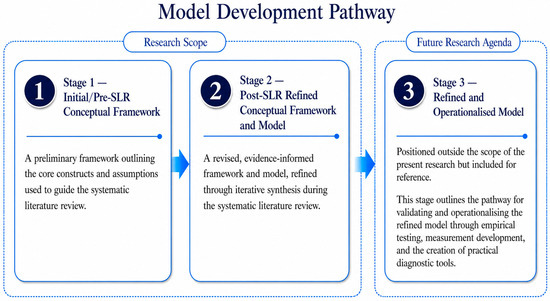
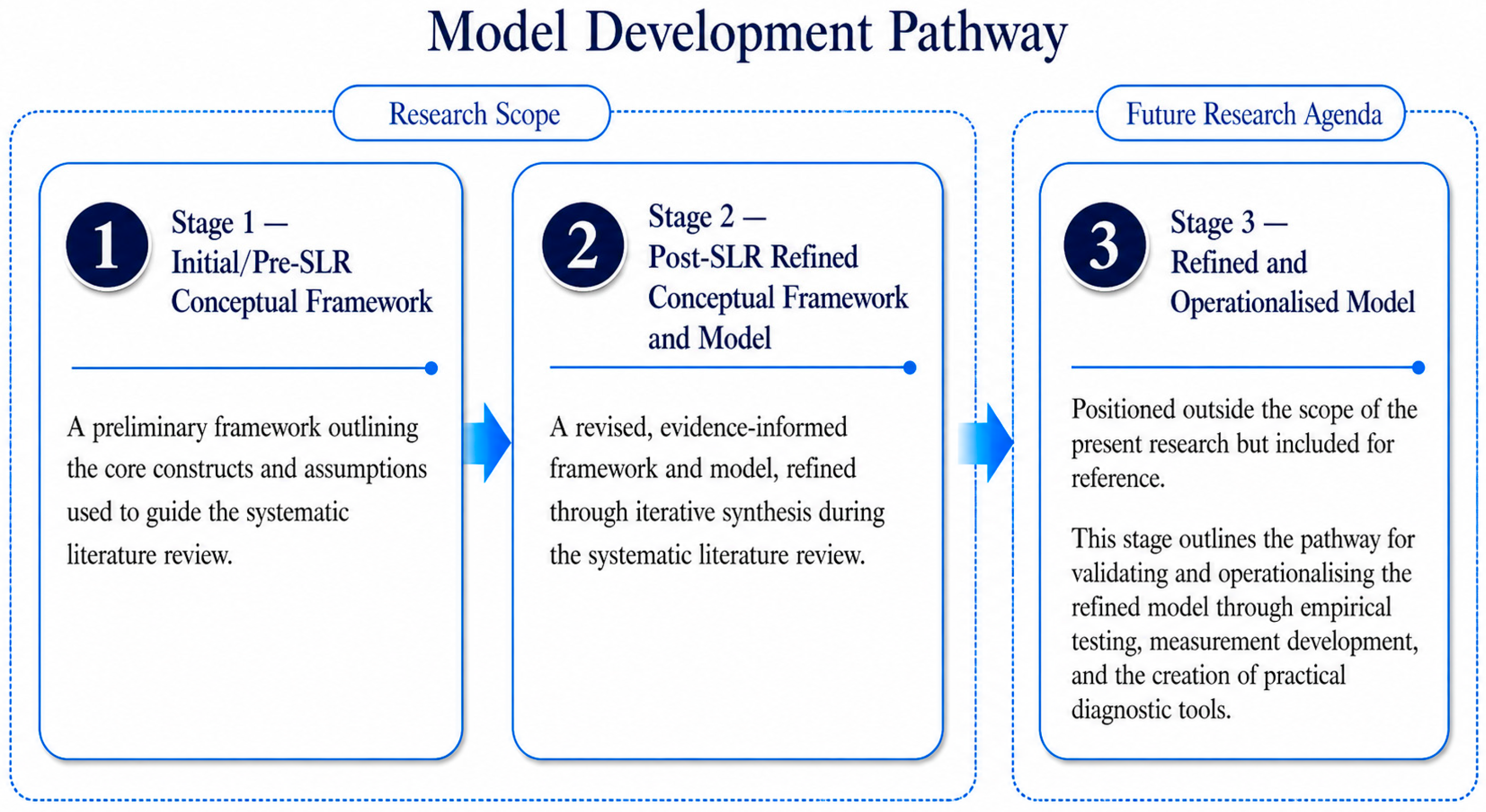
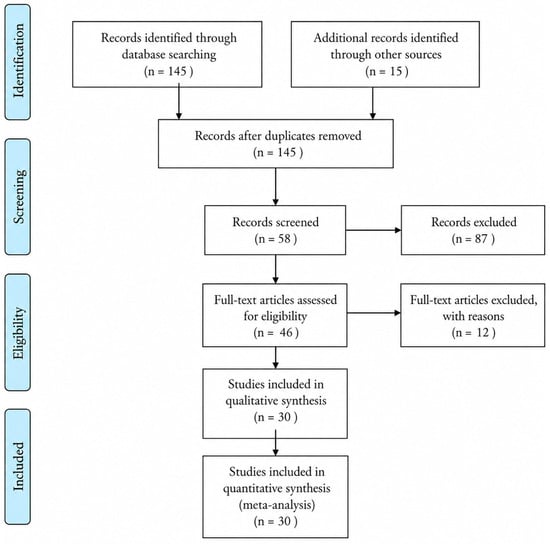
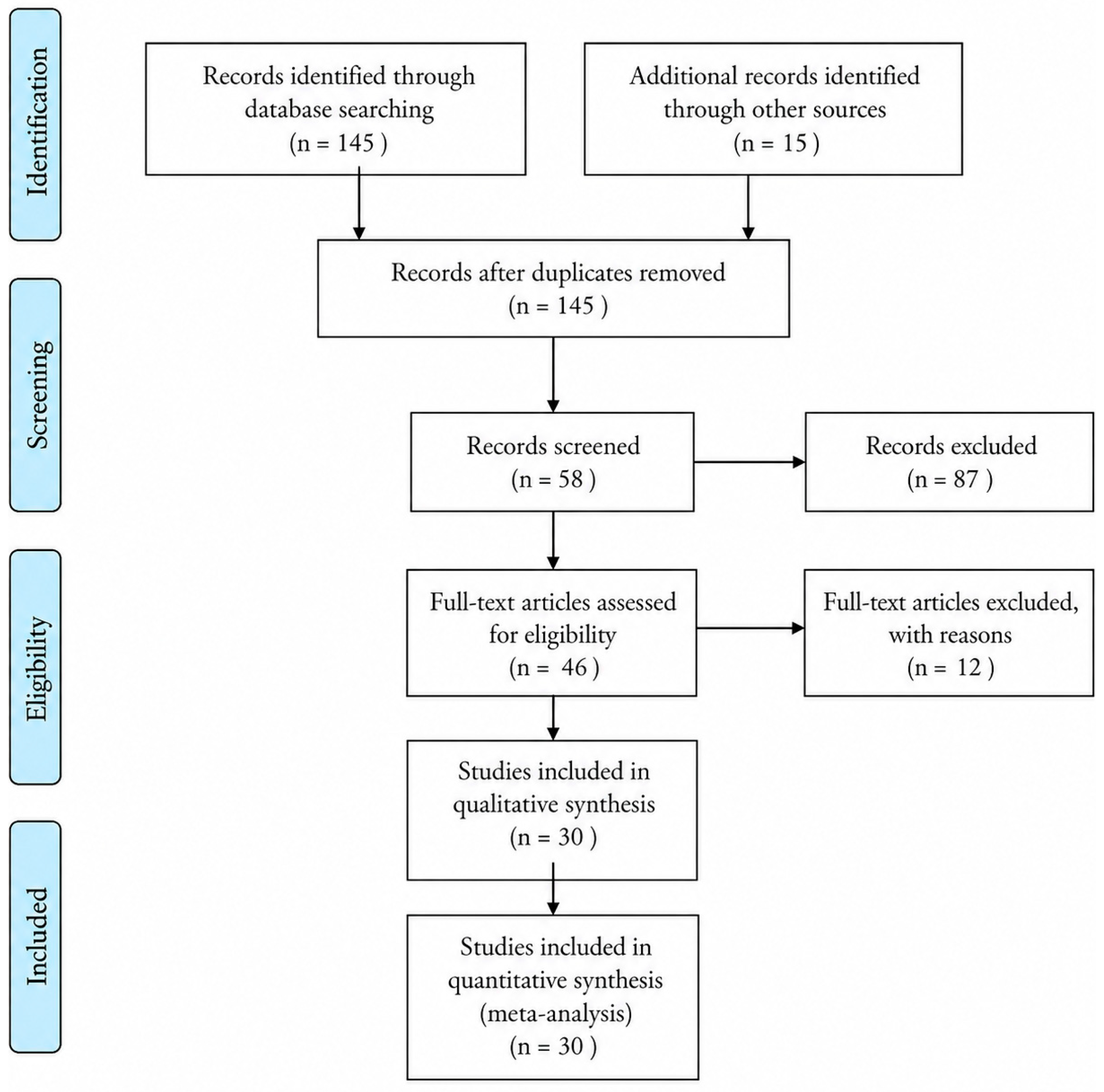
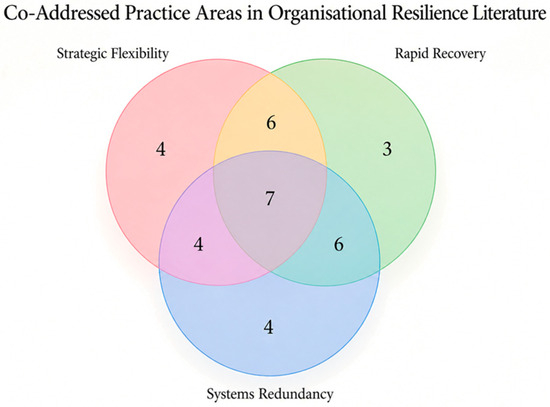
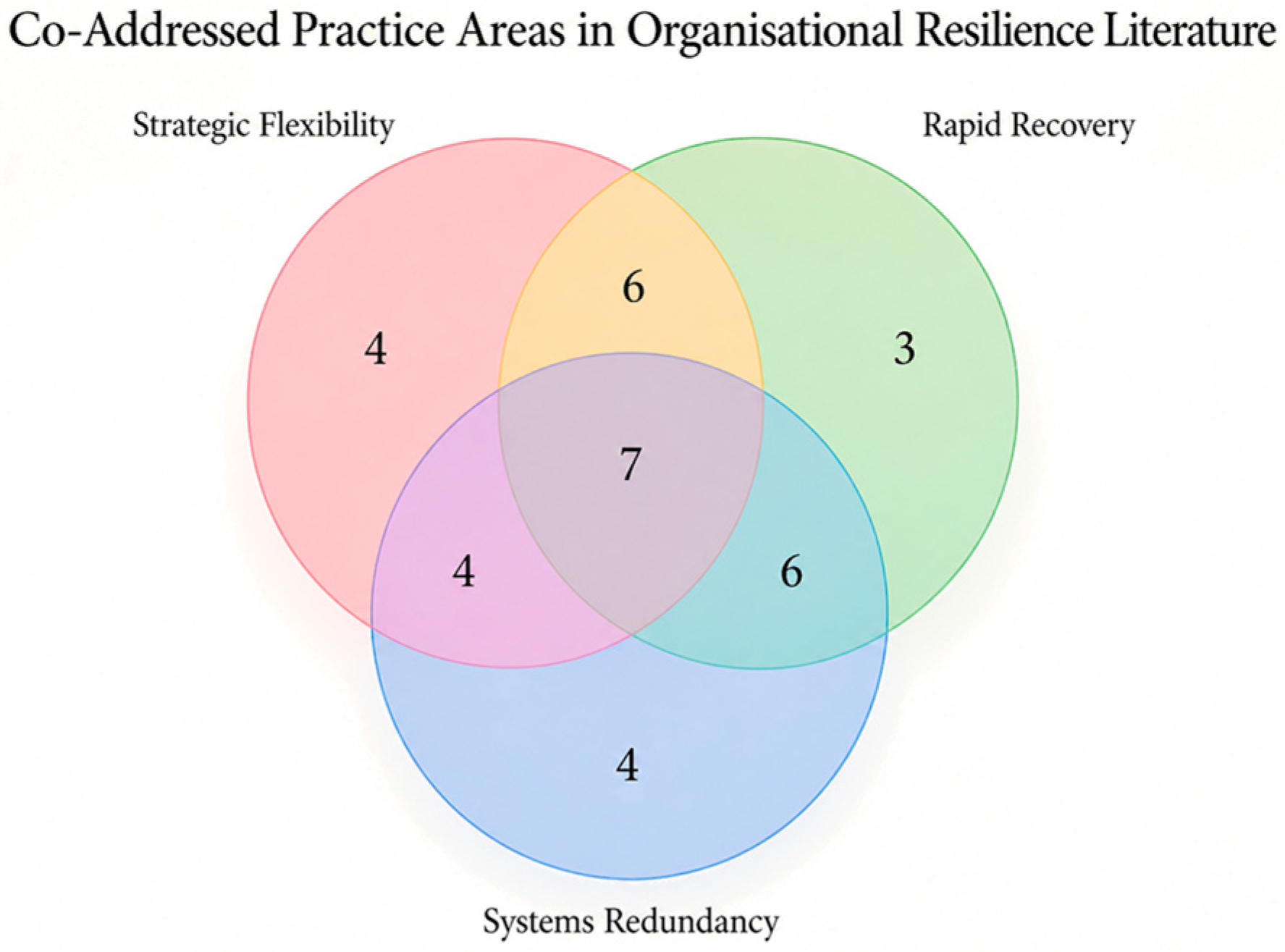
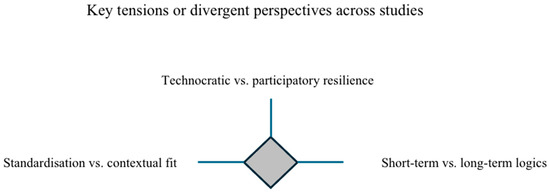
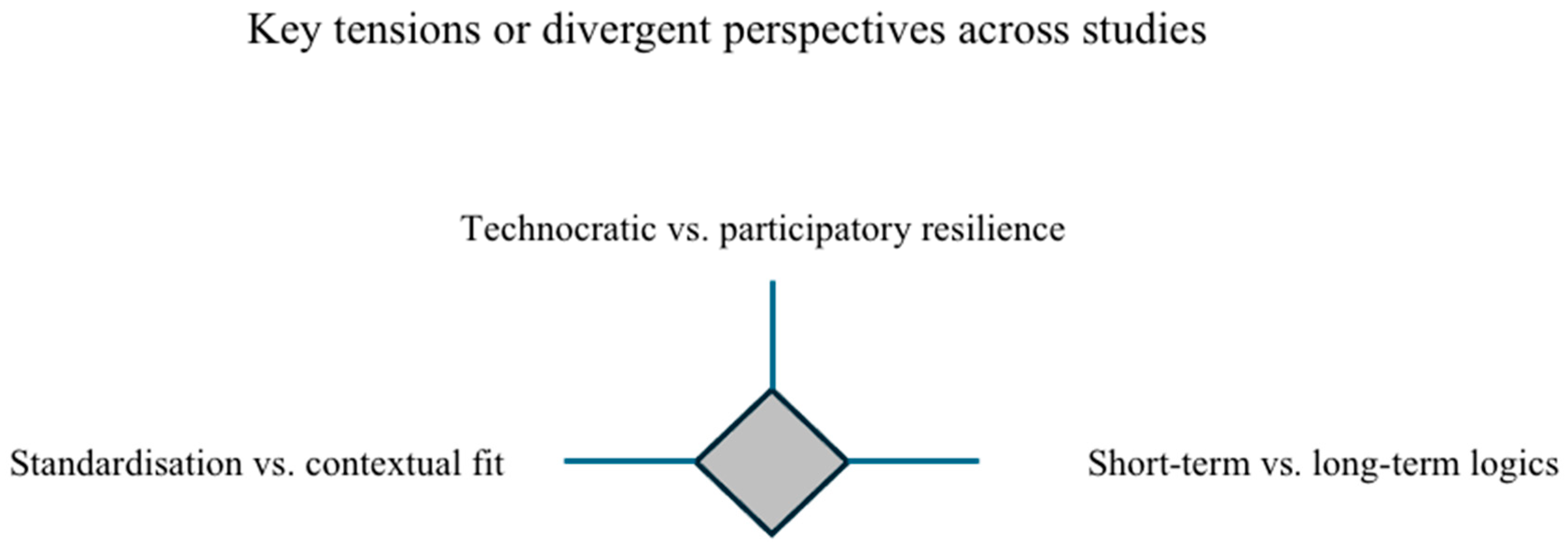
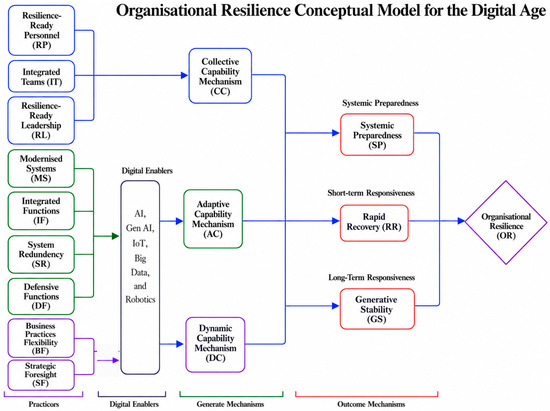
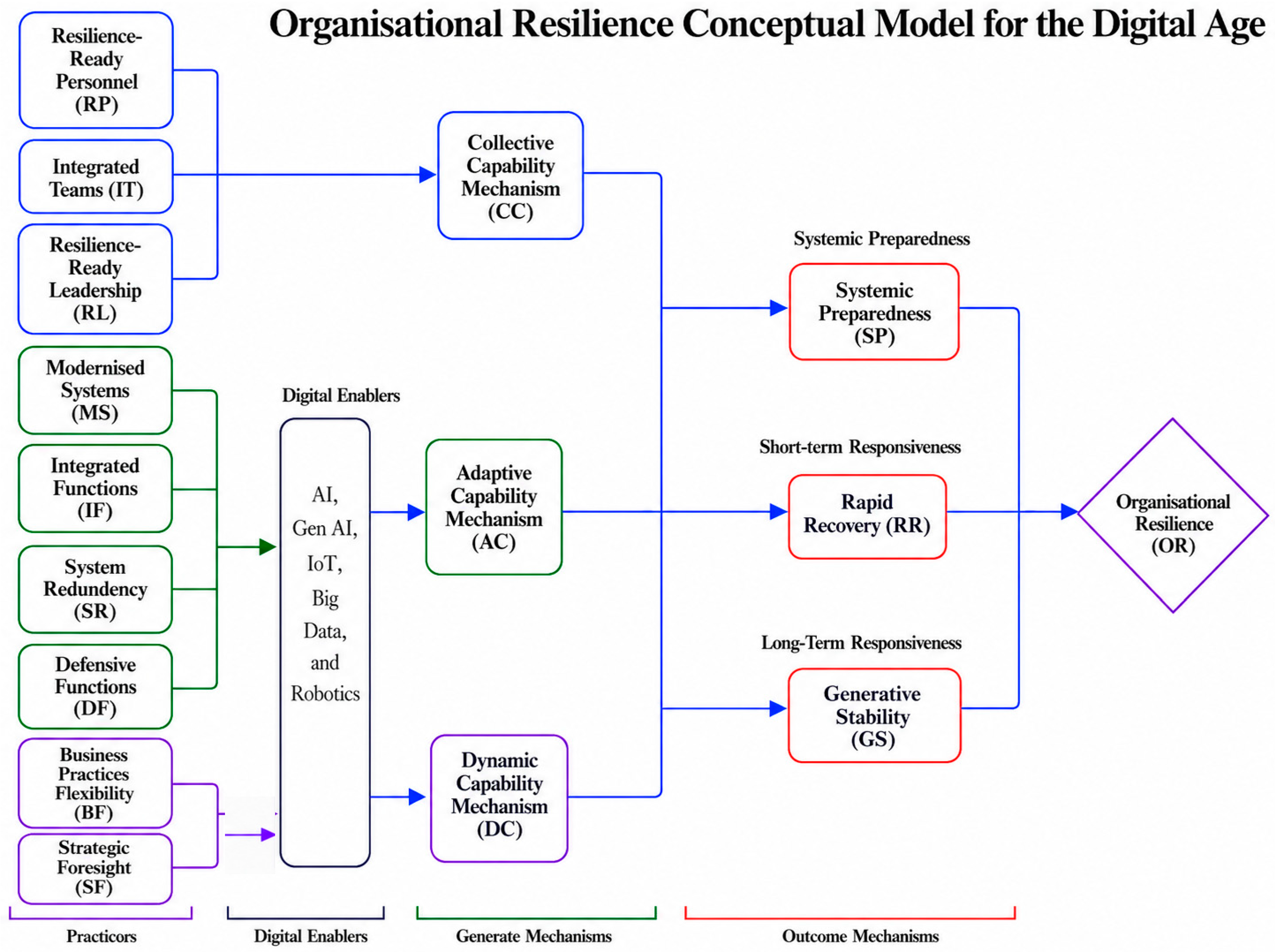
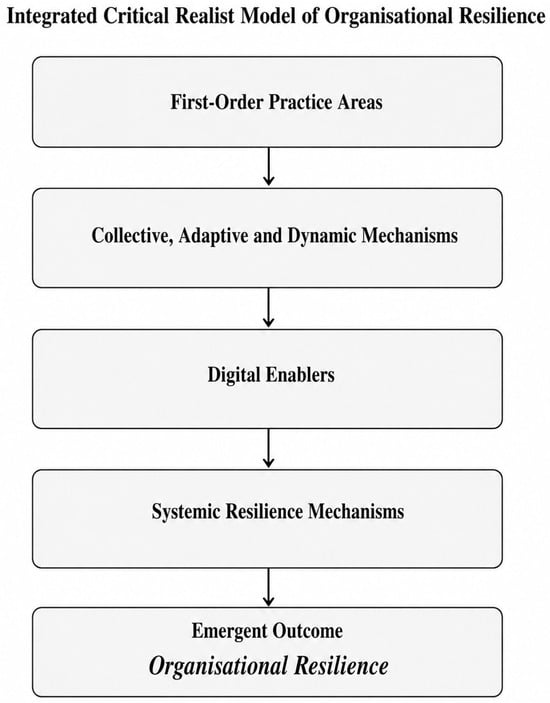
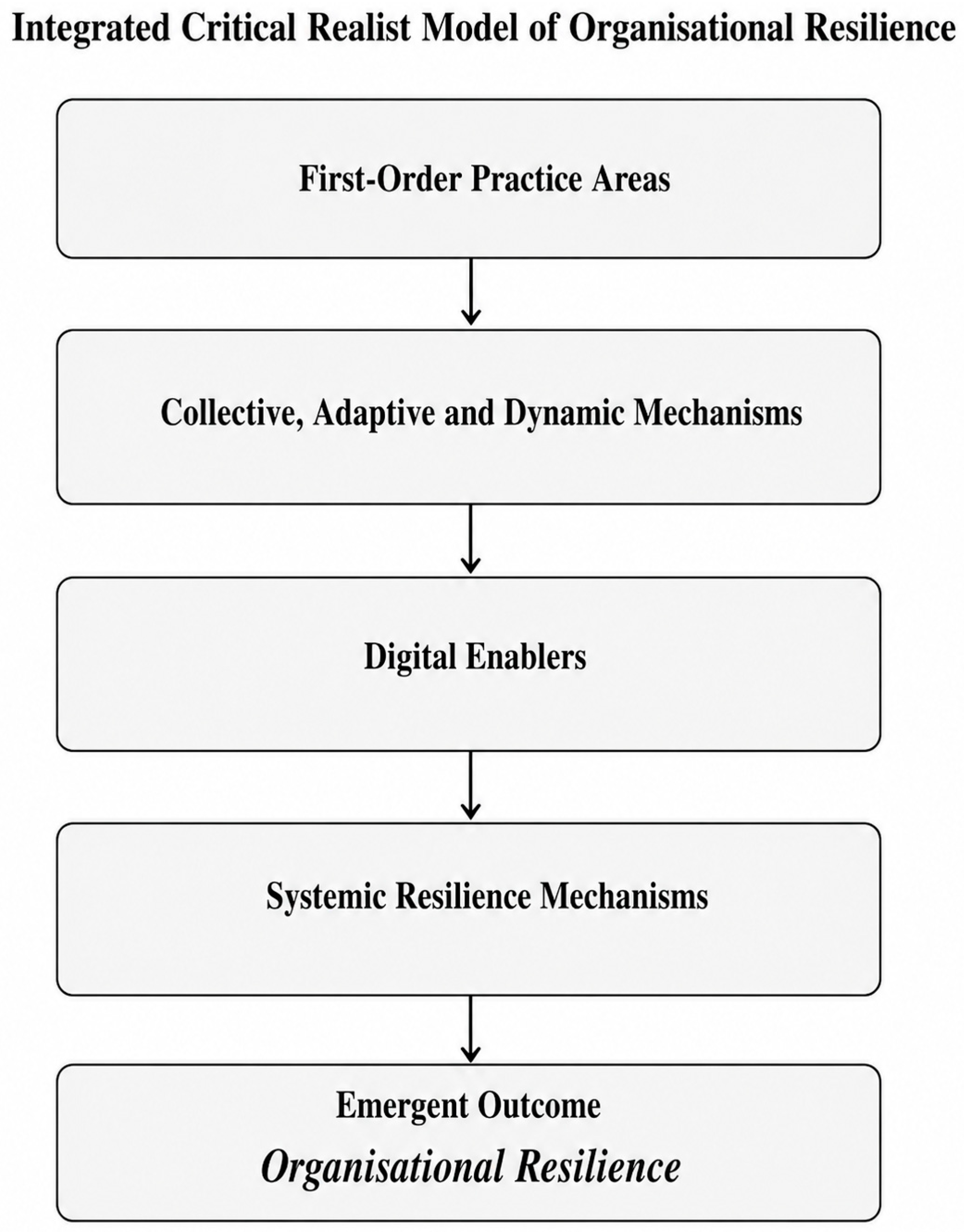

Disclaimer/Publisher’s Note: The statements, opinions and data contained in all publications are solely those of the individual author(s) and contributor(s) and not of MDPI and/or the editor(s). MDPI and/or the editor(s) disclaim responsibility for any injury to people or property resulting from any ideas, methods, instructions or products referred to in the content. |
© 2026 by the authors. Licensee MDPI, Basel, Switzerland. This article is an open access article distributed under the terms and conditions of the Creative Commons Attribution (CC BY) license.