


Abstract
The copper industry generates nearly 25 million tons of slag annually, which is stockpiled or landfilled, leading to land occupation and the potential for soil and water contamination alongside the environmental burden of the construction sector, which accounts for up to 9% of global CO2 emissions and massive raw material consumption. The need for low-carbon, resource-efficient binders has spurred interest in geopolymerization, or the alkali activation of aluminosilicate residues, as a pathway to valorize industrial by-products. The objective of this review is to analyze, synthesize, and critically evaluate the scientific evidence on alkali-activated materials derived from Cu slag, emphasizing the synthesis parameters, mechanical and durability behavior, and environmental performance. The review applies the PRISMA 2020 methodology. The analysis of the 57 reports shows that copper slag—used alone or with metakaolin or blast furnace slag—can produce alkali-activated materials with high compressive strength, refined pore structures, and cradle-to-gate CO2 reductions of up to 80%. Cu slag is not a chemically homogeneous precursor, and its influence on performance depends on the activation strategy and dosage rather than the slag content alone. Overall, this review consolidates dispersed findings, identifies research gaps, and proposes a framework for sustainable valorization in the form of low-carbon construction materials.
1. Introduction
The global demand for non-ferrous metals—particularly copper—has driven a continuous increase in metallurgical production, generating large volumes of solid residues, including copper slags, tailings, and dusts. Copper smelting alone produces nearly 25 million tons of slag annually worldwide [1], of which only a small portion is reused, while the rest is stockpiled in landfills or tailing ponds. These residues occupy vast areas and have the potential for the release of heavy metals, causing long-term soil and water contamination [1]. This issue positions the present review within the broader field of materials science and environmental engineering, focusing on low-carbon binders, industrial residue valorization, and the circular economy approach applied to construction materials.
The construction industry, dominated by cement-based materials, remains one of the most resource and energy-intensive sectors worldwide. It accounts for nearly 50% of total raw material consumption and approximately 36% of global final energy use [2]. The production of ordinary Portland cement (OPC) alone contributes about 7–9% of total CO2 emissions, and its annual output is projected to surpass 5.5 billion tons by 2050 [3]. This process requires large amounts of limestone, clay, and fossil fuels, causing significant resource depletion and environmental degradation. In response, alkali activation has emerged as a promising low-carbon alternative capable of reducing greenhouse gas emissions, energy consumption, and industrial waste [3]. Although the term geopolymerization is often used in related contexts, it more properly refers to low-calcium systems, whereas alkali-activated materials also include calcium-rich binders with distinct reaction products. Through alkaline activation, silica and alumina rich by-products such as fly ash, blast furnace slag, red mud, and copper slag can be converted into alkali-activated materials (AAMs) or geopolymers exhibiting comparable or even superior mechanical strength and durability relative to conventional cement [3]. Within this framework, copper slag represents a particularly promising precursor due to its chemical similarity to blast furnace slag, containing high proportions of SiO2, Al2O3, Fe2O3, and CaO. Its alkaline activation can lead to different binding gels depending on the precursor composition and activator type, including N–A–S–H in low-calcium systems and C–A–S–H or hybrid gels in calcium-rich systems; in copper slag-based binders, iron-bearing phases such as fayalite and magnetite may further affect reaction pathways and the formation of Fe-containing gel networks. These reaction products contribute to high mechanical strength and improved chemical stability [1]. Moreover, the reuse of copper slag contributes to reducing environmental burdens from mining and smelting activities, aligning with the principles of sustainable construction and waste valorization [1,2].
Recent studies have expanded the application of these materials to harsh service conditions. For instance, hybrid systems combining metakaolin and Fe-rich tailings have shown significant improvements in compressive strength, pore refinement, and chloride penetration resistance under simulated marine environments [4]. These results reveal the potential of metallurgical residues—including copper slags—to yield marine-grade, durable geopolymers with low carbon footprints. However, despite this progress, research on copper slag activation remains fragmented. Existing reviews have treated non-ferrous slags collectively [1] or focused on general circular practices in construction [2], but there is no systematic synthesis dedicated specifically to copper slag-based alkali-activated materials. Important gaps remain regarding composition–performance relationships, the heterogeneous reporting of synthesis parameters, and scarce durability data, which together hinder robust cross-study comparison. As a result, the current review seeks to address these gaps through the guiding questions presented in Section 2.
Accordingly, the objective of this review is to describe alkali-activated materials that use copper slags through a systematic review of the scientific literature, identifying the main trends, parameters, environmental contributions, and research gaps that define this emerging field. The review aims to establish a comprehensive reference framework for advancing both theoretical understanding and the industrial application of copper slag-based geopolymers.
The review is organized as follows: Section 2 outlines the methodological framework, including the search strategy, inclusion and exclusion criteria, and the analytical categories used for data classification. Section 3 presents the results and synthesis of the selected studies, emphasizing precursor composition, activator characteristics, material performance, and environmental indicators. Section 4 discusses emerging trends, research gaps, and current challenges, while Section 5 summarizes the main conclusions and offers recommendations for future research.
2. Methods
This systematic review follows the PRISMA 2020 guidelines (Preferred Reporting Items for Systematic Reviews and Meta-Analyses) to ensure methodological transparency, reproducibility, and rigor in literature-based research. The completed PRISMA 2020 checklist is provided in Supplementary Material S1. The aim is to synthesize and critically evaluate scientific evidence on the valorization of copper slag through alkali-activated materials (AAMs), identifying key relationships between precursor characteristics, synthesis parameters, mechanical and durability performance, and environmental impacts. This review was not registered in a formal review registry; therefore, no registration number is available. No formal review protocol was prepared for this systematic review.
The objective of this review is to describe alkali-activated materials containing copper slag by systematically reviewing the scientific literature, identifying experimental approaches, performance outcomes, and reported environmental contributions. This aims to consolidate dispersed knowledge and provide a methodological basis to guide future research and the sustainable application of copper slag-derived materials in low-carbon construction.
The review is guided by the following specific research questions (SRQs):
- What are the main synthesis routes, activator compositions, and operational parameters used in copper slag-based alkali activation?
- How do these parameters influence the mechanical aspects, durability, and other properties of copper slag-derived AAMs?
- What are the environmental benefits and impacts reported in the literature regarding the use of copper slag in alkali-activated systems?
A structured search was conducted in the Scopus and Web of Science (WoS) databases, with no year restrictions, to include both early and recent studies relevant to the alkali activation of copper slag. The same Boolean search algorithm was applied in both databases, as detailed in Table 1, to ensure the consistency and comparability of results.
Table 1.
Search algorithms used.
To ensure methodological rigor and thematic relevance, specific inclusion and exclusion criteria were established before the screening process. These criteria were designed to identify studies that directly contribute to understanding the alkali activation of copper slag while excluding research outside the defined scope of this review. The selection aimed to encompass experimental articles that provide quantitative or qualitative evidence on material synthesis, mechanical and durability performance, or environmental implications associated with copper slag-based alkali-activated materials. The full criteria are presented in Table 2.
Table 2.
Inclusion and exclusion criteria.
The criteria defined in Table 2 were established to ensure methodological rigor and cross-study comparability. Restricting the dataset to open-access publications enabled direct access to complete full texts for transparent screening and data extraction, although this criterion may also have introduced selection bias by excluding relevant studies not freely available. Conference papers were excluded because they often report preliminary findings with limited methodological detail, which may hinder robust comparisons with full experimental studies. Therefore, peer-reviewed journal articles were prioritized as the main evidence base for this review, although some emerging studies may have been excluded.
The primary search strategy consisted of a predefined Boolean algorithm applied in the Scopus and Web of Science (WoS) databases, covering all records available up to October 2025. In addition, a complementary ChatGPT 5.5-assisted search was used only to identify potentially relevant studies not captured in the initial database search due to terminology or indexing differences; final study inclusion was based exclusively on the predefined inclusion and exclusion criteria. In total, 139 records were identified (47 from Scopus, 64 from WoS, and 28 through the complementary search strategy), of which 24 duplicates were removed prior to screening.
The procedure began with a preliminary screening based on article titles, which was aimed at identifying studies that directly addressed the alkali activation of copper slag or related blended systems. Of the 115 records screened, 6 were excluded at this stage for not aligning with the scope of the review. This was followed by a detailed abstract review of the remaining 109 records, which led to the exclusion of 52 studies that were outside the scope of the review. Finally, 57 full-text articles were assessed for eligibility to confirm their methodological relevance and data completeness, and all 57 studies were included in the final synthesis.
The complete search and selection process is illustrated in Figure 1, which schematically presents each sequential phase, indicating the filters applied, the number of documents excluded at each step, and those that advanced to subsequent stages of review, as well as the final set of publications included for in-depth synthesis. It is worth noting that the total number of selected studies remains limited, reflecting both the emerging nature of copper slag valorization through alkali activation and the relatively small body of literature currently available on this topic.
Figure 1.
PRISMA 2020 flow diagram.
Study selection and data extraction followed standardized procedures to ensure methodological rigor and reproducibility. All records retrieved from the databases were independently screened by two reviewers using predefined inclusion and exclusion criteria; disagreements were resolved by consensus. Full-text articles deemed potentially eligible underwent the same independent assessment process. Data extraction from the full-text PDFs was carried out by one reviewer using a structured and validated template, after which the extracted datasets were independently checked and cross-verified by the other three reviewers to ensure accuracy and completeness; unclear or missing information was verified directly against the original source documents. Risk of bias in the included studies was evaluated using predefined criteria adapted to experimental research in material science with independent assessments followed by a consensus-based resolution of discrepancies. Automated tools were used only for reference management and duplicate detection without influencing eligibility decisions, data extraction, or risk-of-bias evaluation.
Based on the detailed analysis of the selected scientific articles, the following analytical categories (ACs) and subcategories (SCs) were defined to structure the information and address the research questions guiding this systematic review of alkali-activated materials (AAMs) using copper slag.
AC1—Synthesis and Operational Parameters: This category examines the experimental configurations used in the alkali activation of copper slag, emphasizing synthesis methods, activator formulations, and operational variables that influence reactivity and gel formation.
Subcategories:
- SC1.1—precursor characteristics, preparation, and use, covering the oxide composition of copper slag (SiO2, Al2O3, Fe2O3, CaO), its application either as a primary precursor or as a fine aggregate, and any pretreatment procedures such as grinding, sieving, homogenization, or thermal processing.
- SC1.2—synthesis parameters, encompassing the chemical composition of the alkaline activator, the precursor blend design (including the combination of copper slag with other aluminosilicate sources), mixture proportions involving fine aggregates and the reaction products or gels identified.
AC2—Mechanical, Durability, and Other Properties: This category evaluates how synthesis and curing conditions affect the mechanical strength and long-term stability of copper slag-based AAMs. It integrates both mechanical and chemical indicators of performance.
Subcategories:
- SC2.1—mechanical performance, covering compressive, flexural, and tensile strength results, together with the key experimental conditions that influence them, including curing temperature, curing duration, and specimen geometry.
- SC2.2—durability and leaching behavior, addressing permeability, resistance to chloride, sulfate, and acid attack as well as the leaching of heavy metals under different exposure environments.
AC3—Environmental Benefits and Impacts: This category examines the environmental aspects of copper slag valorization, focusing on the sustainability benefits and broader implications for the circular economy.
Subcategories:
- SC3.1—environmental benefits, such as waste reduction, CO2 emission mitigation, and decreased demand for natural raw materials.
- SC3.2—environmental assessment, including life cycle assessment (LCA), energy consumption, and comparisons with conventional Portland cement-based systems.
Figure 2 illustrates the analytical structure guiding this systematic review, linking each research question (SRQ) to its corresponding analytical categories (ACs) and subcategories (SCs) for systematic synthesis and interpretation of the results.
Figure 2.
Diagram of analytical categories.
To ensure consistency in the comparative analysis, compressive strength at 28 days—reported in most included studies—was selected as the primary reference metric. No data transformations were required beyond standardizing measurement units when necessary. Heterogeneity among studies was examined descriptively, with particular attention to the differing roles of copper slag, which was used either as a precursor or as a fine aggregate; these distinctions are discussed in detail in Section 3. Records with missing or incomplete outcome data were excluded from the synthesis, and no imputation procedures were applied, thereby reducing the risk of bias associated with missing results.
Possible causes of heterogeneity among study results were explored qualitatively through comparative subgroup analysis rather than quantitative meta-regression. The analysis considered differences according to the role of copper slag in the mixture (precursor or fine aggregate), Fe content, Ca availability, mineralogical characteristics, pretreatment, precursor blending strategy, and activator design. Quantitative meta-regression was not performed due to the substantial variability in formulations, curing conditions, specimen geometries, testing methods, and reported outcomes across the included studies.
3. Results
The results of this systematic review are presented in two complementary levels. First, a bibliometric overview of the selected studies is provided, including a keyword-based word cloud generated from abstracts (Figure 3), annual publication trends (Figure 4), and the geographic distribution of author affiliations (Figure 5). These visualizations were developed in Python 3.12. Detailed reproducibility information and the Python scripts used for bibliometric visualizations are provided in Supplementary Material S2. Second, the substantive findings are organized into three predefined analytical categories aligned with the objectives of this review: (1) synthesis routes and operational parameters; (2) mechanical, durability, and other performance properties; and (3) environmental benefits and impacts. Together, these sections provide both a descriptive overview of the field and a structured synthesis of the main technical findings reported in the selected studies.
Figure 3.
Word cloud generated from the abstracts of the selected publications.
Figure 4.
Number of publications by year.
Figure 5.
Geographic distribution of author affiliations.
3.1. Bibliometric Overview of the Selected Studies
The bibliometric visualizations presented in this section were generated in Python 3.12 using pandas, matplotlib, WordCloud, and geopandas. Publication trends were obtained from the frequency distribution of publication years in the compiled database. For the word-cloud analysis, abstracts were merged into a single text corpus, the expression ‘copper slag’ was normalized as a single token, and standard English stopwords were combined with a custom stopword list to remove low-informative terms. No stemming or lemmatization was applied. To improve reproducibility, the full scripts, preprocessing workflow, custom stopword list, and figure-generation settings are provided in the Supplementary Material.
Figure 3 presents a word cloud generated from the abstracts of all included studies, highlighting the dominant terminology used in research on copper-slag-based alkali-activated materials. The most prominent terms—such as “copper slag,” “compressive strength,” “alkali activated,” “geopolymer,” “aggregate,” and “material”—reflect a strong focus on precursor chemistry, mechanical performance, and mixture design. Secondary terms including “fly ash,” “GGBFS (ground granulated blast-furnace slag),” “curing,” “ratio,” and “microstructure” indicate the frequent co-use of supplementary precursors and attention to processing variables. Collectively, the distribution of terms illustrates the conceptual emphasis of the field, with research concentrated on the mechanical behavior, activation mechanisms, and durability-related aspects of copper slag–derived AAMs.
Figure 4 illustrates the annual distribution of publications included in this review. The trend shows a marked increase in research activity starting in 2020, with a sharp rise between 2021 and 2024, reaching a peak of 11 articles in 2024. This growth reflects the rapid consolidation of copper slag-based alkali-activated materials as a significant research topic within sustainable construction and alternative binders. The consistent output from 2022 onwards suggests an established and expanding scientific interest aligned with global efforts to reduce carbon-intensive cement production and valorize metallurgical by-products.
Figure 5 displays the geographic distribution of publications derived from the full set of author affiliations for each article. Rather than assigning a single country per study, all countries associated with the authors’ institutional affiliations were included in the count. This approach captures the collaborative and international nature of research on copper slag-based alkali-activated materials and explains why the total number of country occurrences exceeds the number of articles in the dataset. The resulting map reveals strong research activity concentrated in India and China, followed by European countries such as Germany, Switzerland, Belgium and the Netherlands, with additional contributions from North America, Latin America, Africa and Oceania.
Overall, the bibliometric analysis reveals a research field that is rapidly expanding in both volume and geographic diversity. The growing concentration of publications after 2020 reflects increasing global interest in the valorization of copper slag through alkali-activated systems, which is supported by collaborative networks spanning Asia, Europe, and the Americas. The dominant terminology identified in the word cloud confirms a strong focus on precursor chemistry, mechanical behavior, and activation mechanisms, while the publication trend underscores the consolidation of this topic within sustainable construction research. Together, these findings provide a contextual foundation for interpreting the experimental evidence synthesized in the following sections, highlighting both the maturity and the emerging opportunities of this research domain.
3.2. Synthesis and Operational Parameters
- SC1.1—Precursor characteristics, preparation, and use
To enable a consistent comparison of the materials evaluated across the selected studies, Table 3 compiles key characteristics of the copper slag (CS) used in each investigation. The information includes (i) its chemical oxide composition—focusing on SiO2, Al2O3, Fe2O3 and CaO as the most relevant components for alkali activation; (ii) the reported mineralogical phases and degree of amorphous content; (iii) the pretreatment methods applied prior to synthesis, such as grinding, sieving or thermal conditioning; and (iv) the specific role of copper slag within the mixture either as a precursor in the alkali-activated binder or as a fine aggregate. This structured compilation provides a unified basis for understanding how variations in composition, reactivity, and processing influence the resulting mechanical and durability performance of copper slag-based alkali-activated materials.
Table 3.
Copper slag composition, mineralogy and use.
Table 3 compiles the main characteristics of the copper slag used across the 57 selected studies, including its oxide composition (SiO2, Al2O3, Fe2O3, and CaO), the mineral phases reported, the pretreatment methods applied prior to synthesis, and the specific role assigned to copper slag within each mixture. Overall, the table shows that the studies employ slag with heterogeneous chemical and mineralogical features as well as diverse pretreatment procedures and functional uses within alkali-activated systems. Most works rely on mechanically processed slag—typically ground and sieved—to improve fineness and ensure particle-size uniformity [5,6,7,8,12,13,14,15,16,18,19,20,21,23,25,27,28,30,31,33,34,35,37,38,39,40,41,43,47,48,49,50,51,52,53,57,58,59,60,61]. Mineralogical analyses consistently identify fayalite and magnetite as the dominant crystalline phases when present, although many studies describe the slag as predominantly amorphous. The table also indicates that copper slag is used either as the precursor [5,6,7,8,11,12,13,15,16,18,19,21,22,25,27,28,31,33,34,37,38,43,47,49,50,51,52,53,54,55,57,58,59,60,61] or as a fine aggregate replacement [9,10,14,17,20,23,24,26,29,30,32,35,36,39,40,41,42,44,45,46,48,52,56], depending on the mixture design and the purpose of each study. Together, these data provide the basis for subsequent comparisons of mechanical, durability, and environmental performance across the selected literature.
- SC1.2—Synthesis parameters
Table 4 summarizes the synthesis parameters reported across the selected studies, including the chemical composition of the alkaline activator, the design of precursor blends incorporating copper slag, the mixture proportions involving fine aggregates, and the reaction products or gels identified through characterization analyses. The following abbreviations are used: CS denotes copper slag, FA fly ash, GGBFS ground granulated blast-furnace slag, MK metakaolin, FS fayalite slag, LS ladle slag, DFA desulfurized fly ash, UFGGBFS ultrafine GGBFS, NS natural sand, RS river sand, RHA rice husk ash, and SF silica fume, and CBA circulating fluidized-bed combustion bottom ash.
Table 4.
Synthesis parameters and gel phases in copper slag alkali-activated materials.
From a chemical standpoint, the parameters compiled in Table 4 govern the extent and nature of the dissolution–polycondensation reactions that give rise to the binding gels in copper slag-based alkali-activated systems. In this review, the L/S ratio is defined as the ratio between the total liquid activator solution and the solid precursors in the binder. Under highly alkaline conditions, hydroxide-rich solutions attack the amorphous, fayalite- and magnetite-bearing phases of copper slag, dissolving silicate and aluminate species, schematically:
which subsequently undergo polycondensation to form cross-linked aluminosilicate networks such as N–A–S–H and C–A–S–H gels:
(Si,Al)–Oslag + OH− + H2O → SiO(OH)3− + Al(OH)4−
SiO(OH)3− + Al(OH)4− + Na+ → Na+–(Si–O–Al–O)n + 2H2O
Iron released from the slag can also be incorporated into these frameworks, yielding Fe-substituted gels (often described as N–F–S–H or Fe-modified C–A–S–H).
Table 4 compiles the principal synthesis parameters reported across the selected studies, including the composition of the alkaline activator, the precursor blend proportions, the fine aggregate fractions when applicable, and the gel phases identified through characterization techniques such as XRD, FTIR, SEM–EDS, or NMR. The information reveals the broad variability in activator types—mainly sodium or potassium hydroxides and silicates—together with diverse precursor combinations involving copper slag alone [7,8,12,18,47,58,60] or blended with fly ash [9,10,13,14,17,20,23,24,26,29,31,32,34,36,39,40,42,43,45,49,56], GGBFS [5,14,22,25,26,28,29,30,35,36,40,41,42,44,46,48,49,52,53,54,55,56], metakaolin [6,11,16,57,61], or other aluminosilicate sources [13,15,19,21,27,33,35,36,37,40,50,51,52,59]. In most studies, alkaline solutions are aged for approximately 24 h prior to mixing to ensure full dissolution and stabilization of the activator. Mixture proportions also differ substantially, ranging from paste systems without aggregates [5,6,8,11,12,13,15,22,31,33,34,37,38,45,47,49,57,58,59] to mortars incorporating natural sand, copper slag, or mixed fine aggregates [7,9,10,14,16,17,18,19,20,21,23,24,25,26,27,28,29,30,32,35,36,39,40,41,42,43,44,46,48,50,51,52,53,54,55,56,60,61]. Reported reaction products predominantly include N-A-S-H, C-A-S-H, mixed N–A–S–H/C–A–S–H gels, and Fe-rich aluminosilicate gels, depending on the chemistry of each formulation.
Overall, the synthesis parameters summarized in this category demonstrate a high degree of formulation heterogeneity across copper slag-based alkali-activated materials both in activator chemistry and in precursor–aggregate design. This consolidated information enables a systematic transition toward evaluating mechanical performance, where curing temperature, curing duration, and specimen geometry become critical variables influencing strength development.
3.3. Mechanical Properties
- SC2.1—Mechanical performance
The performance results presented in this review are based exclusively on the best-performing mixture reported in each study that incorporated copper slag whether as a precursor in the alkali-activated binder or as a fine aggregate. To ensure consistency across the dataset, the selection criterion was compressive strength at 28 days, as this curing age is the most widely reported in the reviewed publications and provides a comparable benchmark for mechanical performance. This approach enables a coherent evaluation of how copper slag affects the mechanical behavior of alkali-activated and geopolymeric materials across different mix designs and activation conditions.
Table 5 summarizes the curing conditions, specimen geometry, and mechanical performance reported across the selected studies. The compiled data include curing temperature, the dimensions and types of specimens used for compression, flexural, or tensile testing, and the corresponding mechanical strengths—reported here primarily as compressive strength at 28 days along with the maximum flexural and tensile strengths when available. Here,“28-day compressive strength” refers to the uniaxial compressive strength measured after 28 days of curing, typically following standardized procedures such as ASTM C109/C109M [62] for mortars or ASTM C39/C39M [63] for concretes, depending on whether only fine aggregates or both fine and coarse aggregates are present. This curing age was selected as the common benchmark because most of the included studies either report strength only at 28 days or report this age within their mechanical dataset; furthermore, values at other ages (e.g., 3, 7 or 90 days) are not consistently available across all reports and would substantially reduce the size of the comparable dataset. It is also widely recognized that the ultimate strength of cementitious and alkali-activated systems is typically reached by 28 days, so focusing on this age provides a technically meaningful and widely accepted reference point. Using this single reference age, therefore, enables consistent comparison of mechanical performance across heterogeneous datasets. The table shows substantial variability in curing regimes, ranging from ambient curing to oven curing followed by ambient storage, as well as differences in specimen sizes and testing configurations. Reported mechanical strengths also span a wide range, reflecting the influence of precursor composition, activator chemistry, curing conditions, and the incorporation of copper slag either as a precursor or fine aggregate.
Table 5.
Curing conditions and mechanical performance of copper slag alkali-activated materials.
Table 3, Table 4 and Table 5 should be interpreted as complementary, as each provides a different layer of understanding of copper slag-based alkali-activated materials. Accordingly, any direct cross-study comparison of compressive strength remains constrained by formulation heterogeneity and should be interpreted in light of the combined information provided across these three tables.
Table 5 shows that the curing temperatures reported across the studies range from ambient conditions [5,7,8,9,12,14,19,20,22,23,24,25,26,27,28,29,30,32,35,36,37,39,40,41,43,45,47,48,49,50,52,53,54,55,57,59,60,61] to oven curing at 60–80 °C, which is typically followed by additional curing at room temperature [6,10,11,13,15,16,17,18,21,31,33,34,38,42,44,46,51,56,58]. Curing durations vary broadly, from 1 day to 90 days, although most mechanical results correspond to the 28-day age. Specimen geometries include cubes [5,9,10,11,13,14,15,16,17,19,20,21,22,23,24,26,27,29,30,31,32,34,35,37,38,39,40,41,42,44,45,46,47,49,52,53,56,57,58,59,60], prisms [7,8,13,15,18,24,25,28,30,35,42,44,48,50,55,56,59,61], and cylinders [17,24,30,36,42,44,54,56], depending on the test type and experimental setup. Compressive strength values exhibit a wide span with 28-day strengths ranging from below 5 MPa in low-density foamed systems [15,47] to over 100 MPa in dense alkali-activated formulations [28,30]. The maximum flexural strengths, when reported, generally fall between 10 and 17 MPa [25,28,30,35,56], while tensile strengths remain lower, between 1 and 13 MPa [10,17,24,26,29,30,35,36,42,44,51,56,59]. Overall, the table provides a consolidated view of the curing regimes, specimen configurations, and mechanical performance achieved across the reviewed copper slag-based alkali-activated materials.
- SC2.2—Durability and leaching behavior
Only a limited number of studies provide experimental data on permeability, resistance to chloride, sulfate, or acid exposure, and heavy-metal leaching. Among the 57 articles reviewed, reporting on durability performance is sparse and heterogeneous with most works focusing primarily on mechanical properties or microstructural characterization. As a result, the evidence available for SC2.2 is restricted to a subset of studies that include partial or qualitative indicators, which limit the degree of cross-comparison but still allow for the identification of consistent trends within the reported results.
Across studies reporting microstructural indicators, copper slag-based alkali-activated materials generally exhibit low to moderate porosity with several mixtures showing dense matrices and reduced capillary absorption. Reported values range from 3 to 10% porosity in highly compact systems [6,7,13,16,23,30,43,50,53,55], which is consistent with SEM observations showing refined pore networks and limited microcracking. Some mixtures reach very low water absorption (<2%) or sorptivity < 6 mm [17,29], indicating strong densification. In contrast, foam-type formulations exhibit very high porosities (≥70%) due to intentionally generated pores [15,47]. Overall, the available results show that copper-slag-containing AAMs tend to form compact microstructures associated with reduced transport properties.
Only a few studies report on the quantitative durability performance beyond microstructure. The available data indicate that some copper slag-based AAMs develop high resistance to chloride exposure [9,11,19,23,35,42,44], including mixtures classified as “very low permeability” under ASTM C1202 [64] (<1000 C) after extended curing [23] and reduced chloride diffusion when copper slag replaces fine aggregates [42,44]. The reported sulfate resistance shows mass variations below ±2% and compressive-strength losses between 5 and 15% after exposure to Na2SO4 or MgSO4 solutions [9,19,20,21,35,44]. A smaller group of studies evaluates acid resistance, showing mass losses of 1–5% and moderate reductions in strength after exposure to H2SO4 or HNO3 for 25–90 days [9,19,20,21,29,44]. These results suggest the material can withstand mildly aggressive environments when mixture design provides adequate gel stability.
Metal-leaching results are the least reported among the durability indicators. Only two studies present numerical values: one showing very low leaching (<0.001 ppm for Cr, Co, Mn, Zn) in dense matrices [53] and another classifying material as C3 due to the partial release of Cu and Mo from unreacted slag phases [28]. A few additional articles mention potential risks qualitatively but without quantitative measurements [61]. Overall, the limited evidence indicates that well-reacted matrices can effectively immobilize most metals, although specific slag chemistries may influence leaching behavior.
3.4. Environmental Impacts
- SC3.1—Environmental benefits
Across the reviewed literature, environmental benefits were consistently associated with the use of copper slag–based alkali-activated materials, although the depth and type of reporting varied markedly among studies. Most works highlighted the valorization of industrial by-products, particularly copper and nickel slags, fly ash, GGBFS, or other metallurgical residues, thereby reducing the volume of waste requiring landfilling [5,6,7,9,10,11,12,13,14,15,16,17,18,19,20,21,22,23,24,25,26,27,28,29,30,31,32,33,34,35,36,37,38,39,40,41,43,44,45,46,47,48,49,50,51,52,53,54,55,56,57,58,59,60,61]. A recurrent benefit reported is the mitigation of CO2 emissions compared with Portland cement, with reductions ranging from qualitative descriptions to estimates as high as 70–85% lower embodied CO2, depending on the precursor system, curing regime, and activator use [6,8,9,10,12,13,14,15,16,17,18,21,22,23,24,25,27,28,29,34,35,36,37,40,44,46,48,49,51,59]. Some studies additionally reported reductions in the embodied energy of 50–60% relative to OPC-based materials [16,44,49,50]. The reported reductions in CO2 emissions and energy do not arise from a simple one-to-one substitution of Portland cement by raw copper slag but rather from formulations in which the clinker content in the binder is partially or completely avoided. In alkali-activated binders, copper slag (often together with fly ash, GGBFS or other residues) takes over the role normally played by Portland clinker, supplying the reactive Si, Al and part of the Ca needed to form N–A–S–H and C–A–S–H gels so that the clinker phase is no longer required as the primary source of binding oxides.
A large subset of studies emphasized the decreased demand for natural raw materials, particularly through the full or partial replacement of natural sand with copper slag, thus reducing pressure on river ecosystems and sand mining activities [6,9,10,13,14,15,17,19,21,22,26,30,39,41,43,44,45,46,47,48,52,56]. Other works highlighted the avoided extraction of limestone, clay, iron ore, and other virgin materials commonly used in Portland cement production [44].
Finally, a few studies addressed environmental safety considerations, such as reduced heavy-metal leaching from stabilized matrices [53]. However, some isolated cases indicated the potential leaching of Cu and Mo depending on the slag composition and curing conditions [28,61]. Overall, the compiled evidence suggests that incorporating copper slag and other industrial by-products reduces waste, mitigates CO2 emissions, and decreases the consumption of natural aggregates across most of the reviewed formulations.
- SC3.2—Environmental assessment
The environmental assessment reported across the selected studies is based on heterogeneous methodological approaches, most notably life-cycle-based frameworks and embodied impact calculations. One study explicitly follows the ISO 14040 [65] LCA structure—goal and scope definition, inventory analysis, impact assessment, and interpretation—to quantify the embodied energy and carbon footprint of alkali-activated pastes with varying copper-slag contents [49]. Another work applies a carbon-emission calculation approach using published emission factors for individual constituents—PC, FA, CBA, CS, NaOH, and sodium silicate—to compute the total CO2e impact of multiple mix formulations, comparing them against conventional mortar systems [21]. Additional assessments quantify embodied CO2 (ECO2e), embodied energy (EE), and production cost using material-specific ecological factors (kgCO2e/kg and MJ/kg) extracted from prior studies, allowing for an evaluation of mixtures incorporating copper slag and crumb rubber as alternative fine aggregates [41]. A similar embodied-impact method was adopted in another study, which decomposed ECO2e and EE according to contributions from the alkali activator, GGBFS, processing energy, and the replacement ratio of natural sand by copper slag [46]. Across these methodologies, the principal findings consistently indicate that copper slag-based AAMs achieve reductions in total CO2 emissions or energy demand when CS replaces energy-intensive precursors (FA, GGBFS) or natural sand with reported savings up to ~80% in CO2e at optimal CS contents [21,41,46,49], while the alkali activator remains the dominant contributor to the environmental footprint in systems where it is used in significant proportions [41,46].
Overall, the environmental evidence available in the selected studies remains limited but consistently points toward copper slag as a low-carbon aluminosilicate source that can reduce the environmental footprint of alkali-activated systems when used either as a precursor or fine aggregate. Although full ISO-compliant LCA evaluations are scarce, the available data indicate that incorporating copper slag offers a feasible environmental improvement pathway within alkali-activated materials, supporting its role as a circular, resource-efficient alternative for sustainable binder design.
4. Discussion
To enable a more rigorous interpretation of the mechanical results, it is necessary to reorganize the experimental evidence in a format that reveals broader patterns across studies. The substantial variability in precursor chemistry, activator composition, liquid-to-solid ratios, curing regimes, and testing configurations makes direct comparison difficult, and tabulated values alone do not capture how the copper slag (CS) content influences strength. Graphical representation, therefore, provides a clearer link between the raw data and the subsequent critical discussion by highlighting shared trends, outliers, and divergences.
Figure 6 examines only the mixtures in which CS is used as a precursor, plotting 28-day compressive strength against the proportion of CS in the reactive binder. By focusing exclusively on formulations where CS participates in dissolution–polycondensation reactions, the figure allows for an assessment of whether increasing CS levels systematically affects mechanical performance. For analytical consistency, mixtures from citations [33] (soil stabilization), refs. [15,47] (foam-type materials), and ref. [21] (no compressive strength reported) were excluded from the plot.
Figure 6.
Effect of copper slag content on strength for CS-precursor geopolymers. References corresponding to each bar/data point, from left to right, are [5,6,7,8,11,12,13,16,18,19,22,25,27,28,31,34,37,38,43,49,50,51,53,54,55,57,58,59,60,61].
Comparing mixtures with identical copper slag contents confirms that the dispersion observed in Figure 6 is largely governed by activator chemistry and L/S ratio rather than CS percentage itself. For instance, the two systems with 25% CS and 75% GGBFS show compressive strengths of 105 MPa and 39.5 MPa for mixtures [28,54], respectively. Both use Na-silicate–based activators, but [28] employs a combined NaOH + Na2SiO3 solution with SiO2/Na2O ≈ 1.6, 5.3 wt% Na2O and a relatively low L/S = 0.33, whereas [54] relies solely on Na2SiO3 (6.5 wt% Na2O over precursor) with a much higher L/S = 0.55. A third mixture with similar composition but intermediate L/S = 0.42 and a NaOH + Na2SiO3 activator of modulus 1.5 [55] reaches 71.7 MPa, lying between the other two.
This triad suggests that higher silicate–alkali availability and lower L/S ratios favor denser gel networks and higher strengths, and that simply reporting “25% CS” obscures the critical role of activator design. The case of 31% CS + 69% GGBFS reinforced with steel fibers [25] (90 MPa) also illustrates that mechanical enhancement can be partly attributed to fiber bridging rather than chemistry alone, and this must be acknowledged when interpreting strength–CS trends.
The 40% CS + 60% FA series reinforces the same point. The three mixtures [31,34,37] share the same precursor blend but use fundamentally different activators: soda ash (Na2CO3) at L/S ≈ 0.30 in [31,34] versus a NaOH + Na2SiO3 system with NaOH:Na2SiO3 = 0.15 and L/S = 0.55 in [37]. The two Na2CO3-activated mortars reach only 17 and 24.66 MPa, while the silicate–hydroxide activated mixture attains 81.6 MPa despite its higher L/S. This contrast is consistent with the slower dissolution and lower pH of carbonate activators, which delay gel formation; it also shows that switching from carbonate to hydroxide–silicate activation has a larger impact on strength than any incremental change in CS content. A similar pattern appears for the 70% CS + 30% GGBFS mixtures [5,22]: both are strong, but differences between Na2SiO3 solution at low L/S = 0.23 [5] and a mixed Na2SiO3/Na2Si2O5 system at L/S = 0.33 [22] likely explain the small but non-negligible strength gap (84 vs. 75 MPa), again pointing to activator composition as the controlling variable.
Even when the slag fraction is very high, activator design remains decisive. The three mortars with 80% FS and 20% LS [19,27,50]—chemically similar but not identical to CS-based systems—show strengths of 48, 48 and 34 MPa despite nominally identical precursor proportions. All use NaOH 10 M + Na2SiO3 but differ in Na2SiO3/NaOH ratio (2.5 vs. 1.0) and likely in effective L/S (not always reported), indicating that modulus and activator dose control the extent to which Fe-rich phases participate in the binding gel. The strongest evidence comes from the 100% CS group [7,8,12,18,38,58,59,60], where compressive strength spans almost an order of magnitude (≈8–68 MPa) under purely slag-based precursors. Here, activators range from low-molarity NaOH/Na2SiO3 (2 M NaOH, SiO2/Na2O = 1.5–2.0, L/S = 0.25) [7] to concentrated KOH + K2SiO3 blends (Ms = 1.17–1.4, L/S ≈ 0.35) [8,12], pure KOH 8 M with L/S ≈ 0.20 [58], Na2SiO3 solutions with very low L/S = 0.17 [38], and mixed NaOH + Na2SiO3 activators with fixed modulus and water/slag ≈ 25 wt% [18,60]. The highest strengths are consistently associated with balanced hydroxide–silicate systems at moderate to low L/S, whereas pure KOH or low-modulus silicate solutions yield much poorer performance despite identical 100% CS content.
Taken together, these internal comparisons show that the apparent ‘scatter’ in Figure 6 is not random noise but rather the consequence of heterogeneous activator chemistries, moduli, and liquid/solid ratios layered on top of varying precursor blends. These parameters affect strength development through their control over precursor dissolution, nucleation density, and gel polymerization. In particular, lower or moderate L/S ratios generally increase the effective concentration of reactive species in the solution, favoring dissolution and local supersaturation, whereas higher L/S ratios tend to dilute the system and hinder the development of a dense and continuous binding network. At the same time, silicate availability and the activator modulus govern the balance between hydroxide-driven dissolution and silicate-driven gel growth: insufficient silicate may limit polymerization, whereas an excessively high modulus may reduce effective alkalinity and slow precursor breakdown. Thus, the same CS content can lead to either very low or very high strengths depending on how effectively the activation strategy promotes the formation of compact and well-connected gel structures. Any attempt to infer an ‘optimal CS percentage’ without controlling for these parameters is therefore misleading.
Beyond activator-related effects, a broader comparison across precursor systems indicates that the dominant gel formation pathway in CS-based binders is composition-dependent rather than universal. In pure CS systems, the reaction products are more strongly controlled by the Fe-rich and low-Ca nature of the slag, which tends to produce slower reaction kinetics, lower early heat release, and Fe-bearing gel assemblages whose development is highly sensitive to the activator chemistry, precursor amorphous content, and curing conditions [19,28,38,50,60,61]. When CS is blended with blast furnace slag, the additional availability of Ca and Al shifts the reaction pathway toward denser mixed gels, including C–A–S–H, C-(N)-A-S-H, and Fe-bearing hybrid assemblages, generally improving hardening, compactness, and strength development [19,22,28,50]. In systems blended with metakaolin or other reactive aluminosilicate precursors, the matrix tends to favor more polymerized aluminosilicate networks, while CS contributes through partial Fe participation, modification of the Si/Al balance, and, in some cases, micro-aggregate or filler effects that help densify the microstructure despite the lower intrinsic reactivity of the slag [16,37,61]. Thus, the mechanistic interpretation of CS-based alkali-activated materials should not be framed around a single gel model but rather around competitive and system-dependent gel formation pathways controlled by the balance among Fe, Ca, Al, amorphous content, and activator composition.
Figure 7 presents the mixtures in which copper slag (CS) is used exclusively as fine aggregate, plotting the 28-day compressive strength together with the corresponding CS replacement level. Unlike the precursor-based systems in Figure 6, these mixtures incorporate CS as an inert granular phase, meaning that its influence arises primarily from particle packing, pore refinement, and interfacial transition zone characteristics rather than from chemical reactivity. This separation allows evaluating whether higher CS aggregate contents translate into systematic mechanical improvements or whether strength is instead governed by matrix composition and activator chemistry. As in Figure 6, mixtures outside the scope—such as studies lacking compressive strength data—were excluded to ensure methodological consistency.
Figure 7.
Effect of copper slag content on strength for CS fine-aggregate mixtures. The references associated with each bar/data point are presented from left to right as follows: [9,10,14,17,20,23,24,26,29,30,32,35,39,40,41,42,44,45,46,48,52,56].
For mixtures where copper slag acts exclusively as fine aggregate, Figure 7 confirms that compressive strength is governed mainly by binder design and aggregate grading rather than by the chemistry of CS itself. This is evident when comparing systems with identical CS content. For mixes with 40% CS and 60% natural or manufactured sand, the spread in 28-day compressive strength among [35,39,40,52] is linked to differences in binder dosage and type: an Fe-rich C-A-S-H matrix with a binder:aggregate ratio close to 1:1 [35] contrasts with N-A-S-H-dominated or mixed C-A-S-H/N-A-S-H binders at lower binder fractions (from ≈40:60 down to ≈30:70) in [39,40,52] when all are cured at ambient conditions. Similar trends appear in the 50% CS series: although [9,29,32] share the same CS replacement level, they show different strengths because of the use of river sand versus natural sand and rubber as well as because of the transition from low-calcium N-A-S-H systems [9] to Ca-rich mixed C-A-S-H/N-A-S-H matrices in GGBFS-containing binders [29,32]. The pair of mixtures with 60% CS and 40% sand [26,42] further reinforces this interpretation: despite a more intensive oven-curing regime in [42], both formulations—based on FA–GGBFS binders with mixed C-A-S-H/C-S-H gels—converge to similar 28-day compressive strengths, suggesting that beyond a certain threshold, curing temperature plays a secondary role compared to binder chemistry and binder:aggregate ratio. The 100% CS group [14,23,24,30,41,45,48] exhibits the widest mechanical scatter, ranging from low to ultra-high strengths; here, the decisive variables are again the binder system (from FA-based N-A-S-H to highly Ca-rich GGBFS–dolomite matrices), the binder content (ratios from ≈1:4.5 up to 1:1), and the presence of fiber reinforcement—flax fibers in [14] and metallic fibers in [30]—which enhance post-cracking behavior and load transfer.
Taken together, these comparisons show that when CS is used as a fine aggregate, its role is predominantly physical rather than chemical, and the large variability in Figure 7 arises mainly from differences in binder formulation, particle packing density, interfacial transition zone (ITZ) quality, and reinforcement strategy. In particular, the angular shape, high density, and relatively low water absorption of copper slag can improve particle packing and reduce voids when aggregate grading is favorable, thereby contributing to a denser microstructure and higher compressive strength. At the same time, these benefits depend strongly on the matrix design, because the ITZ between the slag particles and the alkali-activated binder may become either more compact or more defective depending on the binder content, gel type, and curing conditions. A well-designed matrix can promote better particle embedding, lower local porosity, and more efficient stress transfer across the ITZ, whereas poorly balanced formulations may offset the packing advantage of CS and lead to weaker interfaces. Therefore, the effect of CS replacement in fine-aggregate mixtures cannot be interpreted as a simple function of slag percentage alone but rather as the outcome of how aggregate characteristics interact with binder chemistry and microstructural development.
A critical examination of the mineralogical and pretreatment characteristics summarized in Table 3 reveals that a large fraction of the mechanical variability observed in Figure 6 and Figure 7 originates not from the nominal copper slag (CS) content itself but rather from heterogeneous slag chemistries, inconsistent pretreatments, and the fundamentally different roles assigned to CS across studies. Even within the precursor-based systems of Figure 6, the mineralogical diversity is striking: Fe2O3 ranges from 20.4% [60] to 93% [42], amorphous fractions span from <30% [5] to ≈95% [58], and crystalline assemblages vary from fayalite–magnetite systems [5,6,7,8,9,11,12,16,17,18,19,22,23,25,26,27,28,32,35,36,37,38,39,40,42,49,50,53,55,57,59,60,61] to highly vitreous slags with minimal crystalline content [31,34,36]. Such differences directly affect the dissolution kinetics, gel composition, and network connectivity, yet most publications treat “copper slag” as a chemically homogeneous precursor. The table demonstrates that this assumption is unsustainable—CS precursors are not equivalent materials and should not be compared on the basis of mass fraction alone.
Pretreatment protocols amplify this divergence. Some studies employ aggressive mechanical activation—planetary milling, ball milling, or fine sieving (<45–90 μm)—which increases the reactive surface area and amorphous exposure [5,6,12,16,31,34,43]. Others use slag as received with only washing or simple sieving [9,10,20,23,24,26]. These inconsistencies lead to fundamentally different precursor reactivities: a milled, high-amorphous slag such as [58] behaves as a highly reactive geopolymer precursor, while coarse crystalline fayalite–magnetite slags such as [36] behave more like inert fillers. Thus, the apparent compressive strength gradients in Figure 6 cannot be interpreted independently of pretreatment history. What appears as “scatter” is, in reality, a composite of mechanochemical activation intensity, slag fineness, and amorphous/crystalline ratios that vary by more than an order of magnitude across the dataset.
A broader analytical reading of Table 3 and Table 4 further indicates that the Fe-based classification is more informative when copper slag is used as a precursor than when it is used as a fine aggregate. In precursor-type systems, both low-Fe (<50 wt% Fe2O3) and high-Fe slags (>50 wt% Fe2O3) can develop either high or limited compressive strengths, indicating that Fe content alone does not govern performance. Low-Fe slags can reach very high strengths when blended with reactive Ca- and Al-bearing co-precursors, as in [25,28,53,55], while several high-Fe slags also achieve high strengths when sufficient amorphous content, intensive pretreatment, suitable activator chemistry, or reactive co-binders are present, as in [5,12,22,37,57]. Conversely, other high-Fe precursor systems remain mechanically limited, as shown in [15,31,34,38,43,47,58]. A second pattern emerging from Table 3 is that many of the high-Fe slags are also Ca-poor, whereas the best-performing blended systems generally include additional Ca- and Al-bearing precursors such as GGBFS, ladle slag, or metakaolin. This suggests that when CS acts as a precursor, compressive strength depends not only on Fe classification but also on whether the system has sufficient Ca and Al availability to promote more effective gel development and matrix densification. In contrast, when CS is used as a fine aggregate, the high-Fe versus low-Fe distinction becomes less predictive, since strength is governed mainly by the binder system, packing density, interfacial transition zone quality, and overall mixture design, as reflected by the wide range of strengths reported in both low-Fe and high-Fe aggregate-type systems. Therefore, the activator reported in Table 4 appears to respond more directly to the role assigned to CS in the mixture and to the reactivity of the binder-forming fraction while still being conditioned by both bulk chemistry and phase composition when CS is used as a precursor.
A third cross-cutting observation is that the functional role of CS interacts strongly with its mineralogy, particularly its Fe-bearing phases. When CS is used as a precursor, phases such as fayalite and magnetite may be partially consumed during alkali activation and contribute to Fe-bearing reaction products, but this participation is neither uniform nor fully described by a single gel type. Across the reviewed studies, Fe has been associated not only with N–F–S–H-type gels but also with Fe-rich aluminosilicate networks, Fe-modified C–A–S–H, mixed C-(N)-A-S-H/N–F–S assemblages, and, in some cases, Ca–Fe-bearing products such as andradite [19,28,37,50]. At the same time, the available evidence suggests that Fe behavior remains only partially clarified: some studies indicate an oxidation of Fe during activation and the possible incorporation of Fe into silicate networks, whereas others suggest that stable crystalline Fe-bearing phases remain only weakly reactive [28,38,50]. This distinction is important because high Fe contents do not necessarily enhance performance; on the contrary, several studies show that Fe-rich slags with low Ca/Al availability or with a higher proportion of crystalline phases tend to exhibit slower reaction kinetics, lower early heat release, weaker gel development, and more porous matrices unless complemented by more reactive co-binders or more favorable precursor chemistry [19,28,50,60,61]. By contrast, when CS is used as an aggregate, these same Fe-rich phases no longer act primarily as reactive species but instead influence density, angularity, particle packing, and microcracking at the ITZ. Table 3 highlights several studies using chemically similar CS materials in both roles—e.g., ref. [18] vs. [19], or ref. [31] vs. [34]—yet the resulting mechanical behavior diverges sharply depending on whether iron-bearing phases participate in binder formation or remain predominantly physically inert.
5. Conclusions
This review consolidates dispersed findings, identifies research gaps, and proposes a framework for the sustainable valorization of copper slag in low-carbon construction materials. The analysis of the 57 reports assessed for eligibility shows that copper slag—used alone or combined with metakaolin or blast furnace slag—can produce alkali-activated materials with high compressive strength, refined pore structures, and measurable environmental gains, including waste reduction and CO2 emissions reduced by up to 80%. However, the evidence also shows that copper slag is not a chemically homogeneous precursor and that its effect on performance cannot be interpreted from CS mass fraction alone.
The comparative analysis of Figure 6 and Figure 7 shows that the apparent mechanical variability reported across studies is not random but rather the result of heterogeneous precursor chemistries, pretreatment histories, activator compositions, liquid-to-solid ratios, binder formulations, and functional roles assigned to copper slag. When CS is used as a precursor, strength development is governed primarily by the extent to which the activation strategy promotes dissolution, nucleation, and gel polymerization; thus, the same CS content can lead to either low or high strengths depending on the activator chemistry, silicate availability, and modulus. When CS is used as a fine aggregate, its role is predominantly physical rather than chemical, and the resulting performance depends mainly on the particle packing density, interfacial transition zone quality, binder design, and reinforcement strategy. Therefore, any attempt to infer an optimal CS percentage without controlling for these variables is misleading.
A critical research gap identified in this review is the lack of a standardized characterization framework for copper slag in AAM research. Some studies report the complete oxide chemistry, mineralogy, amorphous content, particle size, and pretreatment conditions [5,6,7,8,12,16,18,19,34,57,58,59,60], whereas others provide only partial or no mineralogical information [10,14,15,21,29,30,42,45,48]. This inconsistency limits reproducibility, hinders data comparability, and weakens mechanistic interpretation, since nominally similar CS contents may correspond to materials with fundamentally different reactivities and roles in the mixture. The evidence compiled here shows that the mineralogy, amorphous/crystalline balance, fineness, and pretreatment history must be treated as primary variables rather than secondary descriptors.
Future studies should prioritize standardized characterization and reporting protocols for copper slag, including oxide composition, mineralogy, amorphous content, particle size, and pretreatment. A more consistent reporting of formulation variables—particularly activator chemistry, modulus, liquid-to-solid ratio, and binder proportions—is also needed to enable more robust cross-study comparisons. In addition, further research should expand environmental assessment through more consistent life-cycle approaches. These advances are necessary to establish transferable design criteria and to support the reliable scale-up of copper slag-based alkali-activated materials.
Supplementary Materials
The following supporting information can be downloaded at https://www.mdpi.com/article/10.3390/su18104924/s1, Supplementary Material S1: PRISMA 2020 checklist used for reporting and methodological transparency of the systematic review [66]. Supplementary Material S2: Reproducibility details and Python scripts used for bibliometric visualizations, including data preprocessing, keyword filtering, and figure generation procedures.
Author Contributions
Conceptualization, C.C. and J.M.; methodology, A.A.-Z.; investigation, A.A.-Z.; resources, J.M.; writing—original draft preparation, A.A.-Z.; writing—review and editing, C.C.; supervision, R.C.; funding acquisition, J.M. All authors have read and agreed to the published version of the manuscript.
Funding
This work was funded by the National Agency for Research and Development (ANID—Chile)/Scholarship Program/DOCTORADO NACIONAL (national doctoral program), folio: 21260006.
Institutional Review Board Statement
Not applicable.
Informed Consent Statement
Not applicable.
Data Availability Statement
No new data were created in this study.
Acknowledgments
Agustin Arancibia Zuñiga acknowledges the Doctoral program on the smart industry of the Engineering faculty of the Pontificia Universidad Católica de Valparaíso, Chile.
Conflicts of Interest
The authors declare no conflicts of interest.
Abbreviations
The following abbreviations are used in this manuscript:
| AAM | Alkali-Activated Material(s) |
| OPC | Ordinary Portland Cement |
| CS | Copper Slag |
| FA | Fly Ash |
| GGBFS | Ground-Granulated Blast-Furnace Slag |
| FS | Fayalite Slag |
| LS | Ladle Slag |
| DFA | Desulfurized Fly Ash |
| UFGGBFS | Ultrafine Ground Granulated Blast-Furnace Slag |
| NS | Natural Sand |
| RS | River Sand |
| RHA | Rice Husk Ash |
| SF | Silica Fume |
| CBA | Circulating Fluidized-Bed Combustion Bottom Ash |
| N–A–S–H | Sodium Aluminosilicate Hydrate |
| C–A–S–H | Calcium Aluminosilicate Hydrate |
| N–F–S–H | Fe-Substituted Sodium Aluminosilicate Hydrate |
| L/S | Liquid-to-Solid Ratio |
| XRD | X-Ray Diffraction |
| SEM | Scanning Electron Microscopy |
| EDS | Energy-Dispersive Spectroscopy |
| FTIR | Fourier-Transform Infrared Spectroscopy |
| NMR | Nuclear Magnetic Resonance |
| PRISMA | Preferred Reporting Items for Systematic Reviews and Meta-Analyses |
| ASTM | American Society for Testing and Materials |
| EE | Embodied Energy |
| CO2e | Carbon Dioxide Equivalent |
References
- Singh, J.; Singh, S.P. Geopolymerization of Solid Waste of Non-Ferrous Metallurgy—A Review. J. Environ. Manag. 2019, 251, 109571. [Google Scholar] [CrossRef] [Scilit]
- Hidalgo, D.; Verdugo, F. Harnessing Secondary Resources for Sustainable and Circular Practices in the Construction Sector: A Scoping Review. Appl. Sci. 2025, 15, 5410. [Google Scholar] [CrossRef] [Scilit]
- Alahmari, T.S.; Abdalla, T.A.; Rihan, M.A.M. Review of Recent Developments Regarding the Durability Performance of Eco-Friendly Geopolymer Concrete. Buildings 2023, 13, 3033. [Google Scholar] [CrossRef] [Scilit]
- Tian, X.; Chen, Z.; Wu, J.; Lv, X.; Liu, H.; Hu, S.; Gao, C.; Jiang, T.; Wang, L. Strength Enhancement and Resistance to Chloride Ions Penetration Mechanisms of Metakaolin/Fe-Rich Tailings Hybrid Geopolymers with Equivalent Flowability in Accelerated Marine Environments. Constr. Build. Mater. 2025, 493, 143273. [Google Scholar] [CrossRef] [Scilit]
- Zhang, T.; Zhi, S.; Li, T.; Zhou, Z.; Li, M.; Han, J.; Li, W.; Zhang, D.; Guo, L.; Wu, Z. Alkali Activation of Copper and Nickel Slag Composite Cementitious Materials. Materials 2020, 13, 1155. [Google Scholar] [CrossRef] [Scilit]
- Lemougna, P.N.; Hernandez, G.M.; Dilissen, N.; Kingne, F.; Gu, J.; Rahier, H. Alkali-Activated Copper Slag with Carbon Reinforcement: Effects of Metakaolinite, OPC and Surfactants. Appl. Sci. 2024, 14, 2081. [Google Scholar] [CrossRef] [Scilit]
- Mahajan, D.S.; Meena, S.S.; Muhammad, S. Alkali-activation of copper slag: Characterization and mechanical properties of inorganic polymer binder. Chem. Eng. J. 2025, 515, 163615. [Google Scholar] [CrossRef] [Scilit]
- Gómez-Casero, M.; Bueno-Rodríguez, S.; Castro, E.; Quesada, D.E. Alkaline activated cements obtained from ferrous and non-ferrous slags. Electric arc furnace slag, ladle furnace slag, copper slag and silico-manganese slag. Cem. Concr. Compos. 2023, 147, 105427. [Google Scholar] [CrossRef] [Scilit]
- Clement, D.; Rajasekaran, C.; Singh, S.K.; Tiwari, M. Assessment on the effectiveness of chemical admixture in processed laterite and copper slag based geopolymer mortar. Constr. Build. Mater. 2025, 464, 140135. [Google Scholar] [CrossRef] [Scilit]
- Haque, M.; Ankur, N.; Meena, A.; Singh, N. Carbonation and permeation behaviour of geopolymer concrete containing copper slag and coal ashes. Dev. Built Environ. 2023, 16, 100276. [Google Scholar] [CrossRef] [Scilit]
- Wu, J.; Li, J.; Rao, F.; Yin, W. Characterization of Slag Reprocessing Tailings-Based Geopolymers in Marine Environment. Minerals 2020, 10, 832. [Google Scholar] [CrossRef] [Scilit]
- Gómez-Casero, M.; Pérez-Villarejo, L.; Sánchez-Soto, P.; Eliche-Quesada, D. Comparative study of alkali activated cements based on metallurgical slags, in terms of technological properties developed. Sustain. Chem. Pharm. 2022, 29, 100746. [Google Scholar] [CrossRef] [Scilit]
- Khan, K.A.; Raut, A.; Chandrudu, C.R.; Sashidhar, C. Design and development of sustainable geopolymer using industrial copper byproduct. J. Clean. Prod. 2021, 278, 123565. [Google Scholar] [CrossRef] [Scilit]
- Development of a Sustainable Flax Fiber- Geopolymer Composite Matrix Incorporated with Copper Slag as a Filler. Glob. NEST Int. J. 2024, 26, 1–11. [CrossRef] [Scilit]
- Tsaousi, G.-M.; Sakkas, K.-M.; Panias, D. Development of advanced materials from industrial waste, with high thermal performance. Constr. Build. Mater. 2022, 315, 125779. [Google Scholar] [CrossRef] [Scilit]
- Singh, J.; Singh, S. Development of Alkali-activated Cementitious Material using Copper Slag. Constr. Build. Mater. 2019, 211, 73–79. [Google Scholar] [CrossRef] [Scilit]
- Arunachelam, N.; Maheswaran, J.; Chellapandian, M.; Murali, G.; Vatin, N.I. Development of High-Strength Geopolymer Concrete Incorporating High-Volume Copper Slag and Micro Silica. Sustainability 2022, 14, 7601. [Google Scholar] [CrossRef] [Scilit]
- Adediran, A.; Yliniemi, J.; Illikainen, M. Development of Sustainable Alkali-Activated Mortars Using Fe-Rich Fayalitic Slag as the Sole Solid Precursor. Front. Built Environ. 2021, 7, 653466. [Google Scholar] [CrossRef] [Scilit]
- Adediran, A.; Yliniemi, J.; Carvelli, V.; Adesanya, E.; Illikainen, M. Durability of alkali-activated Fe-rich fayalite slag-based mortars subjected to different environmental conditions. Cem. Concr. Res. 2022, 162, 106984. [Google Scholar] [CrossRef] [Scilit]
- Deep, A.; Sarkar, P. Durability of copper slag aggregate geopolymer concrete exposed to acid and sulphate attack. Constr. Build. Mater. 2025, 493, 143107. [Google Scholar] [CrossRef] [Scilit]
- Rathee, M.; Singh, N. Durability properties of copper slag and coal bottom ash based I-shaped geopolymer paver blocks. Constr. Build. Mater. 2022, 347, 128461. [Google Scholar] [CrossRef] [Scilit]
- Lemougna, P.N.; Dilissen, N.; Hernandez, G.M.; Kingne, F.; Gu, J.; Rahier, H. Effect of Sodium Disilicate and Metasilicate on the Microstructure and Mechanical Properties of One-Part Alkali-Activated Copper Slag/Ground Granulated Blast Furnace Slag. Materials 2021, 14, 5505. [Google Scholar] [CrossRef] [Scilit]
- Rathanasalam, V.; Perumalsami, J.; Jayakumar, K. Effect of Ultrafine Ground Granulated Blast-Furnace Slag (UFGGBFS) and Copper Slag on Ambient Cured Geopolymer Concrete. Ann. Chim.-Sci. Matér. 2019, 43, 377–382. [Google Scholar] [CrossRef] [Scilit]
- Arunachelam, N.; Maheswaran, J.; Chellapandian, M.; Ozbakkaloglu, T. Effective Utilization of Copper Slag for the Production of Geopolymer Concrete with Different NaOH Molarity under Ambient Curing Conditions. Sustainability 2022, 14, 16300. [Google Scholar] [CrossRef] [Scilit]
- Xu, Q.; Liu, S.; Qian, J.; Xu, R.; Ma, W. Effects of three different types of fibers and dosage on the properties of alkali-activated copper slag–slag cementitious materials. Sci. Rep. 2025, 15, 26438. [Google Scholar] [CrossRef] [Scilit]
- Deep, A.; Sarkar, P. Enhancing sustainability in concrete construction: Utilizing copper slag for improved properties of geopolymer concrete. Constr. Build. Mater. 2024, 453, 139044. [Google Scholar] [CrossRef] [Scilit]
- Adediran, A.; Yliniemi, J.; Moukannaa, S.; Ramteke, D.; Perumal, P.; Illikainen, M. Enhancing the thermal stability of alkali-activated Fe-rich fayalite slag-based mortars by incorporating ladle and blast furnace slags: Physical, mechanical and structural changes. Cem. Concr. Res. 2023, 166, 107098. [Google Scholar] [CrossRef] [Scilit]
- Stefanini, L.; Ghorbani, S.; De Schutter, G.; Matthys, S.; Walkley, B.; Provis, J.L. Evaluation of copper slag and stainless steel slag as replacements for blast furnace slag in binary and ternary alkali-activated cements. J. Mater. Sci. 2023, 58, 12537–12558. [Google Scholar] [CrossRef] [Scilit]
- Subash, N.; Avudaiappan, S.; Kumar, S.A.; Amran, M.; Vatin, N.; Fediuk, R.; Aepuru, R. Experimental Investigation on Geopolymer Concrete with Various Sustainable Mineral Ashes. Materials 2021, 14, 7596. [Google Scholar] [CrossRef] [Scilit] [PubMed]
- Experimental study on effective utilization of industrial solid wastes in developing Ultra-High Performance Geopolymer Concrete. Glob. NEST Int. J. 2024, 26, 1–11. [CrossRef] [Scilit]
- Erunkulu, I.; Malumbela, G.; Oladijo, O. Feasibility of geopolymer synthesis using soda ash in copper slag blended fly ash-based geopolymer. Mater. Today Proc. 2023, 86, 41–46. [Google Scholar] [CrossRef] [Scilit]
- Choudary, Y.; Singh, K.; Babu, T.S.; Deepthi, G. Impact on Mechanical and Durable Properties of Rubber and Copper Slag-based Geo-polymer Mortar using Various Sodium Hydroxide Molarities and Proportions of Alkali Activator Solutions. J. Min. Environ. 2023, 14, 853–870. [Google Scholar] [CrossRef]
- Tajaddini, A.; Saberian, M.; Sirchi, V.K.; Li, J.; Maqsood, T. Improvement of mechanical strength of low-plasticity clay soil using geopolymer-based materials synthesized from glass powder and copper slag. Case Stud. Constr. Mater. 2022, 18, e01820. [Google Scholar] [CrossRef] [Scilit]
- Erunkulu, I.O.; Malumbela, G.; Oladijo, O.P. Influence of chemical composition of soda ash activated fly ash and copper slag geopolymer pastes on compressive strength. Eng. Solid Mech. 2023, 11, 437–446. [Google Scholar] [CrossRef] [Scilit]
- Yaswanth, K.; Revathy, J.; Gajalakshmi, P. Influence of copper slag on Mechanical, durability and microstructural properties of GGBS and RHA blended strain hardening geopolymer composites. Constr. Build. Mater. 2022, 342, 128042. [Google Scholar] [CrossRef] [Scilit]
- Rathanasalam, V.; Perumalsami, J.; Jayakumar, K. Mechanical and Microstructural Properties of Copper Slag Based Blended Geopolymer Concrete. Mater. Sci. 2021, 27, 302–307. [Google Scholar] [CrossRef] [Scilit]
- Lu, X.; Liu, B.; Zhang, Q.; Wang, S.; Liu, J.; Li, Q.; Fan, J.; Wei, S. Mechanical properties and hydration of fly ash-based geopolymers modified by copper slag. Mater. Today Commun. 2024, 39, 108914. [Google Scholar] [CrossRef] [Scilit]
- Zhang, T.; Jin, H.; Guo, L.; Li, W.; Han, J.; Pan, A.; Zhang, D. Mechanism of Alkali-Activated Copper-Nickel Slag Material. Adv. Civ. Eng. 2020, 2020, 7615848. [Google Scholar] [CrossRef] [Scilit]
- Clement, D.; Rajasekaran, C.; Agarwal, S.; Pratap, M. Microstructural insights of geopolymer mortar using binary blended sustainable fine aggregates. Case Stud. Constr. Mater. 2025, 22, e04753. [Google Scholar] [CrossRef] [Scilit]
- Nithin, A.V.; Deepa Raj, S.; Soman, M. Optimizing the compressive strength of low-grade hydrous clay and copper slag-based sustainable ternary blended geopolymer mortar. J. Build. Eng. 2024, 90, 109431. [Google Scholar] [CrossRef] [Scilit]
- Ameri, F.; Shoaei, P.; Musaeei, H.R.; Zareei, S.A.; Cheah, C.B. Partial replacement of copper slag with treated crumb rubber aggregates in alkali-activated slag mortar. Constr. Build. Mater. 2020, 256, 119468. [Google Scholar] [CrossRef] [Scilit]
- Deep, A.; Sarkar, P. Performance assessment of steel reinforcement in copper slag-based geopolymer concrete: Bond strength and corrosion resistance. Structures 2025, 80, 109880. [Google Scholar] [CrossRef] [Scilit]
- Erunkulu, I.O.; Malumbela, G.; Oladijo, O.P. Performance evaluation of fly ash–copper slag-based geopolymer bricks. Low-Carbon Mater. Green Constr. 2024, 2, 14. [Google Scholar] [CrossRef] [Scilit]
- Mithun, B.; Narasimhan, M. Performance of alkali activated slag concrete mixes incorporating copper slag as fine aggregate. J. Clean. Prod. 2016, 112, 837–844. [Google Scholar] [CrossRef] [Scilit]
- Mahendran, K.; Arunachelam, N. Performance of Fly Ash and Copper Slag based Geopolymer Concrete. Indian J. Sci. Technol. 2016, 9, 1–6. [Google Scholar] [CrossRef] [Scilit]
- Ameri, F.; Shoaei, P.; Zahedi, M.; Karimzadeh, M.; Musaeei, H.R.; Cheah, C.B. Physico-mechanical properties and micromorphology of AAS mortars containing copper slag as fine aggregate at elevated temperature. J. Build. Eng. 2021, 39, 102289. [Google Scholar] [CrossRef] [Scilit]
- Tsaousi, G.-M.; Panias, D. Production, Properties and Performance of Slag-Based, Geopolymer Foams. Minerals 2021, 11, 732. [Google Scholar] [CrossRef] [Scilit]
- Chen, Z.; You, N.; Chen, C.; Zhang, Y. Properties of dredged sludge solidified with alkali-activated slag-based materials and blended with copper slag as fine aggregates of mortars. Constr. Build. Mater. 2021, 312, 125459. [Google Scholar] [CrossRef] [Scilit]
- Zhang, T.; Xu, R.; Tu, S.; Qian, Z.; Shi, T.; Zhang, K.; Zhang, G. Recycling copper slag as precursor in alkali-activated materials: Reaction mechanisms, microstructural features, and environment impact. Constr. Build. Mater. 2025, 492, 142886. [Google Scholar] [CrossRef] [Scilit]
- Adediran, A.; Yliniemi, J.; Lemougna, P.N.; Perumal, P.; Illikainen, M. Recycling high volume Fe-rich fayalite slag in blended alkali-activated materials: Effect of ladle and blast furnace slags on the fresh and hardened state properties. J. Build. Eng. 2022, 63, 105436. [Google Scholar] [CrossRef] [Scilit]
- Sharma, R.S.; Singh, N. Strength characterization of geopolymer paving blocks containing copper slag and coal ash. Discov. Concr. Cem. 2025, 1, 17. [Google Scholar] [CrossRef] [Scilit]
- Yaswanth, K.; Revathy, J.; Gajalakshmi, P. Strength, durability and micro-structural assessment of slag-agro blended based alkali activated engineered geopolymer composites. Case Stud. Constr. Mater. 2022, 16, e00920. [Google Scholar] [CrossRef] [Scilit]
- You, N.; Chen, Z.; Gao, Z.; Song, X. The effect of copper slag as a precursor on the mechanical properties, shrinkage and pore structure of alkali-activated slag-copper slag mortar. J. Build. Eng. 2024, 98, 111151. [Google Scholar] [CrossRef] [Scilit]
- MacLennan, S.; Almeida, F.C.R.; Klemm, A.J. The Effect of Superabsorbent Polymers on Mechanical Characteristics and Cracking Susceptibility of Alkali-Activated Mortars Containing Ground Granulated Blast-Furnace Slag and Copper Slag. CivilEng 2022, 3, 1077–1090. [Google Scholar] [CrossRef] [Scilit]
- Xu, R.; Wang, H.; Yang, R.; Kong, F.; Hong, T. The potential of copper slag as a precursor for partially substituting blast furnace slag to prepare alkali-activated materials. J. Clean. Prod. 2023, 434, 140283. [Google Scholar] [CrossRef] [Scilit]
- Sahu, A.; Kumar, P.; Pratap, B.; Gogineni, A.; Sembeta, R.Y. Thermal and mechanical performance of geopolymer concrete with recycled aggregate and copper slag as fine aggregate. Sci. Rep. 2025, 15, 28968. [Google Scholar] [CrossRef] [Scilit]
- Nikolov, A.; Karamanov, A. Thermal Properties of Geopolymer Based on Fayalite Waste from Copper Production and Metakaolin. Materials 2022, 15, 2666. [Google Scholar] [CrossRef] [Scilit] [PubMed]
- Miltiadis, S.K.; Giannopoulou, I.; Tahir, M.F.M.; Abu Hashim, M.F.; Panias, D. Upgrading Copper Slags to Added Value Fire Resistant Geopolymers. Waste Biomass Valorization 2019, 11, 3811–3820. [Google Scholar] [CrossRef] [Scilit]
- Kozub, B.; Sitarz, M.; Gądek, S.; Ziejewska, C.; Mróz, K.; Hager, I. Upscaling of Copper Slag-Based Geopolymer to 3D Printing Technology. Materials 2024, 17, 5581. [Google Scholar] [CrossRef] [Scilit]
- Nazer, A.; Payá, J.; Borrachero, M.V.; Monzó, J. Use of ancient copper slags in Portland cement and alkali activated cement matrices. J. Environ. Manag. 2016, 167, 115–123. [Google Scholar] [CrossRef] [Scilit]
- Zheng, X.; Pan, J.; Easa, S.; Fu, T.; Liu, H.; Liu, W.; Qiu, R. Utilization of copper slag waste in alkali-activated metakaolin pervious concrete. J. Build. Eng. 2023, 76, 107246. [Google Scholar] [CrossRef] [Scilit]
- ASTM C109/C109M-23; Standard Test Method for Compressive Strength of Hydraulic Cement Mortars (Using 2-in. or [50-mm] Cube Specimens). ASTM International: West Conshohocken, PA, USA, 2023.
- ASTM C39/C39M-21; Standard Test Method for Compressive Strength of Cylindrical Concrete Specimens. ASTM International: West Conshohocken, PA, USA, 2021.
- ASTM C1202-22; Standard Test Method for Electrical Indication of Concrete’s Ability to Resist Chloride Ion Penetration. ASTM International: West Conshohocken, PA, USA, 2022.
- ISO 14040:2006; Environmental Management—Life Cycle Assessment—Principles and Framework. International Organization for Standardization: Geneva, Switzerland, 2006.
- Page, M.J.; McKenzie, J.E.; Bossuyt, P.M.; Boutron, I.; Hoffmann, T.C.; Mulrow, C.D.; Shamseer, L.; Tetzlaff, J.M.; Akl, E.A.; Brennan, S.E.; et al. The PRISMA 2020 statement: An updated guideline for reporting systematic reviews. BMJ 2021, 372, n71. [Google Scholar] [CrossRef] [Scilit]
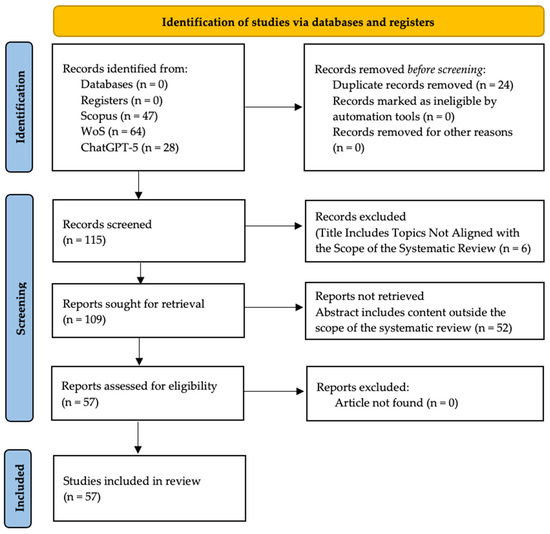
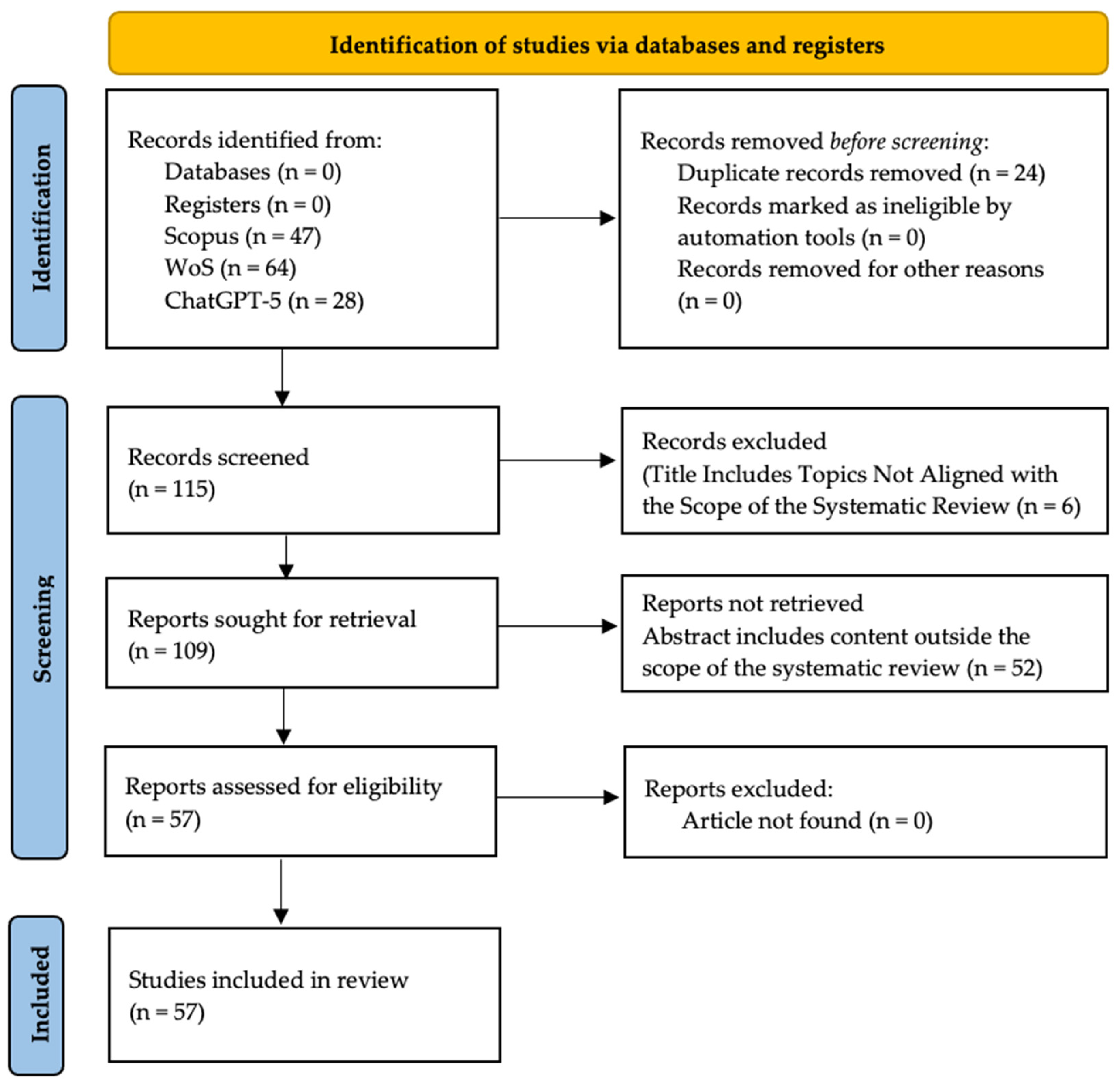
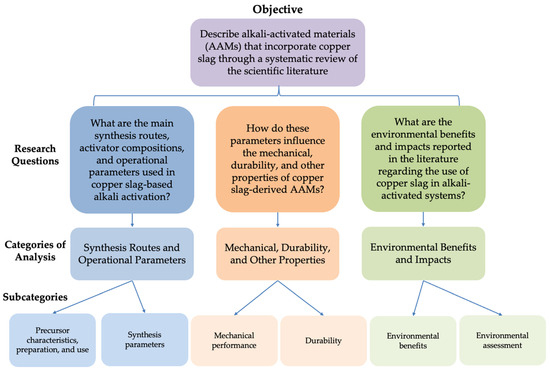
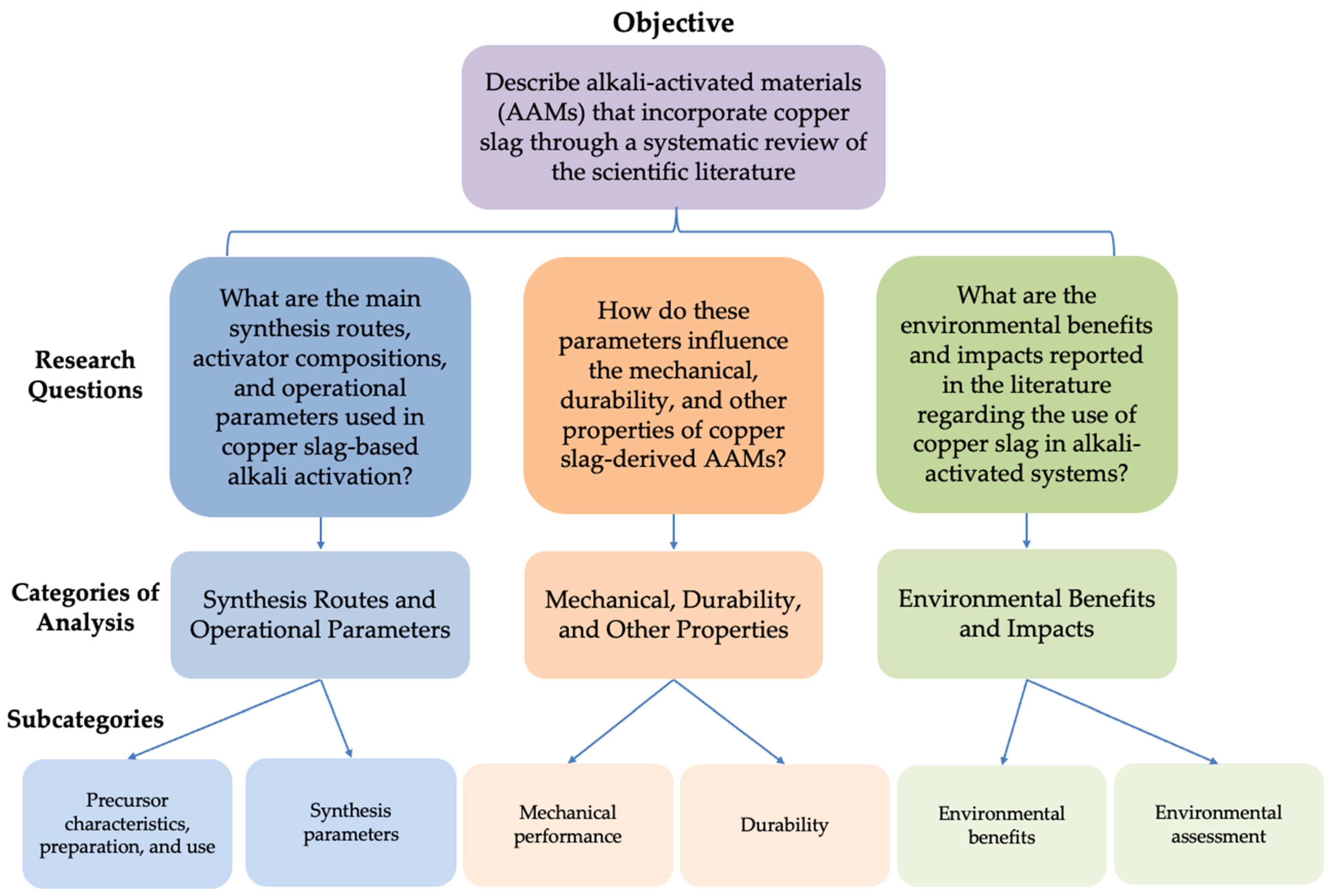
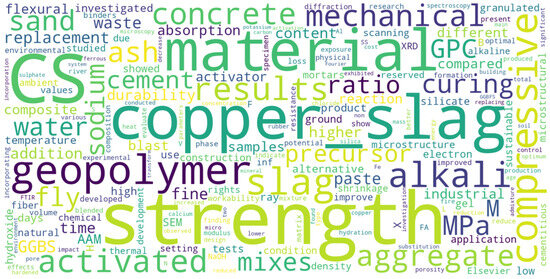
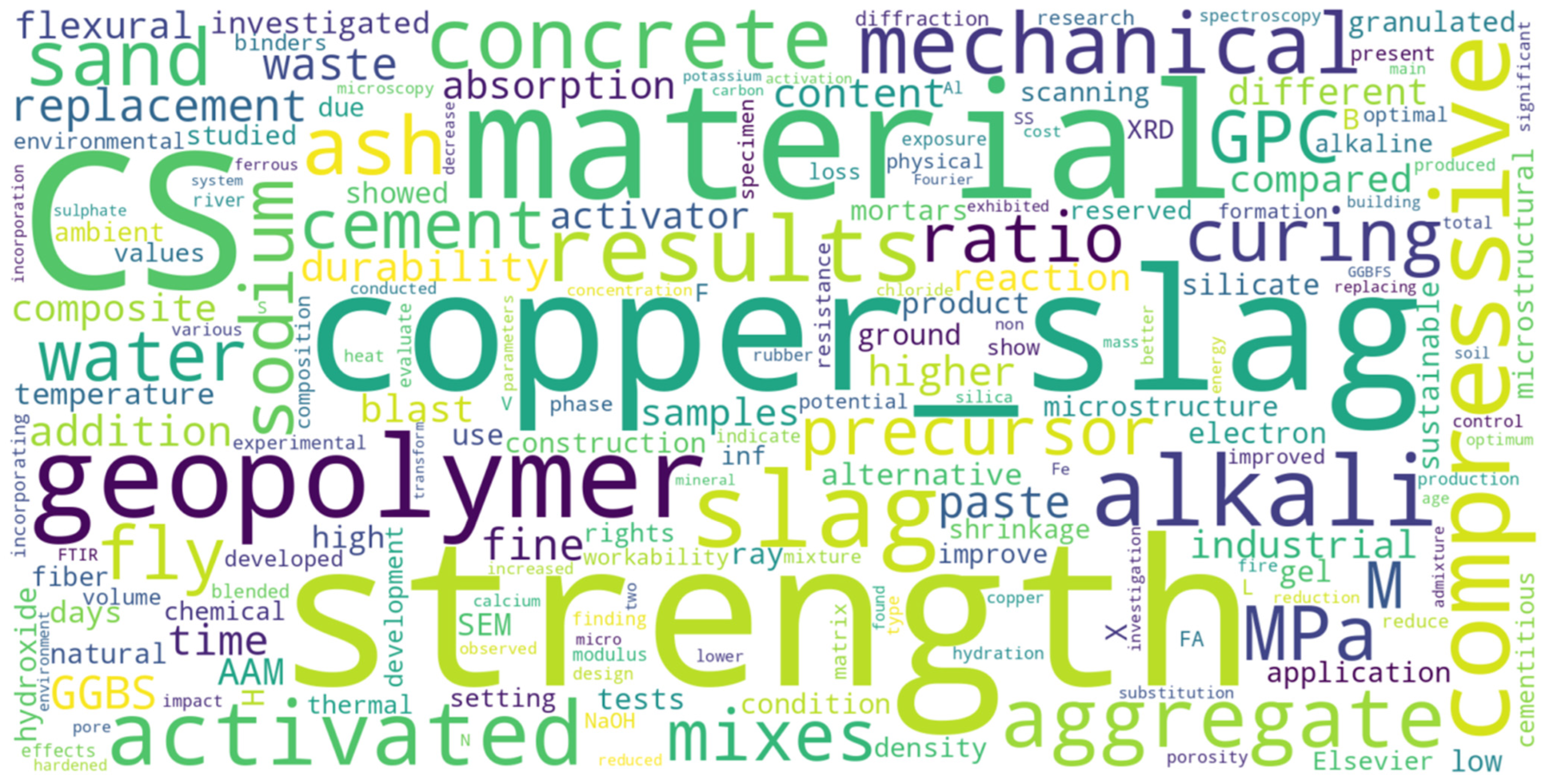
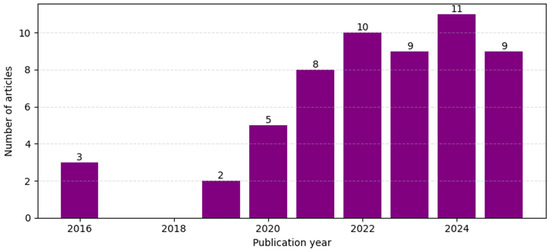
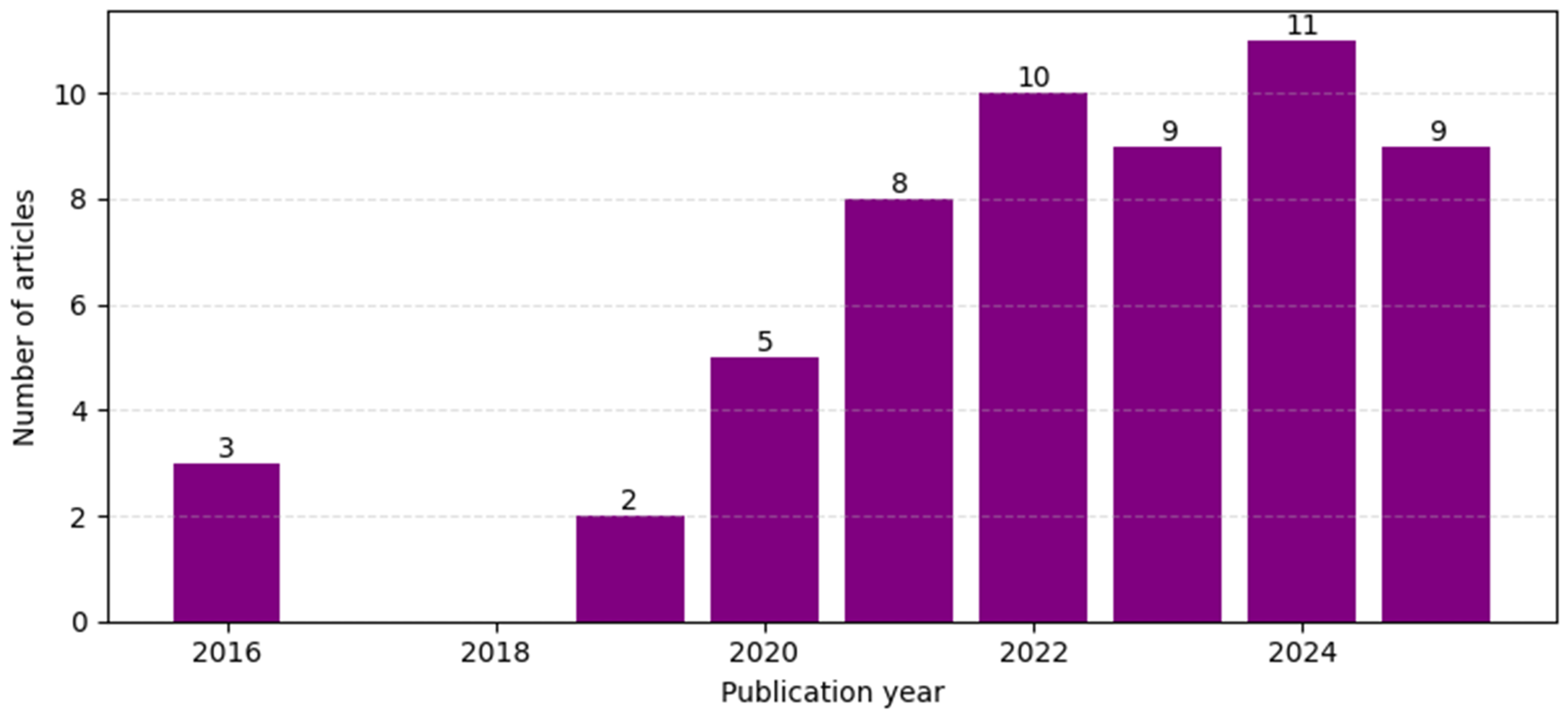
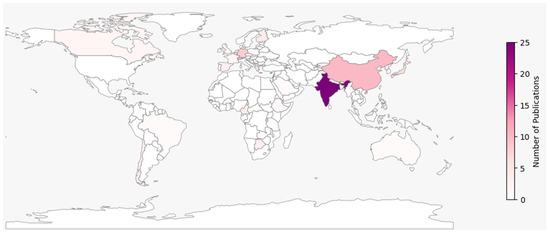
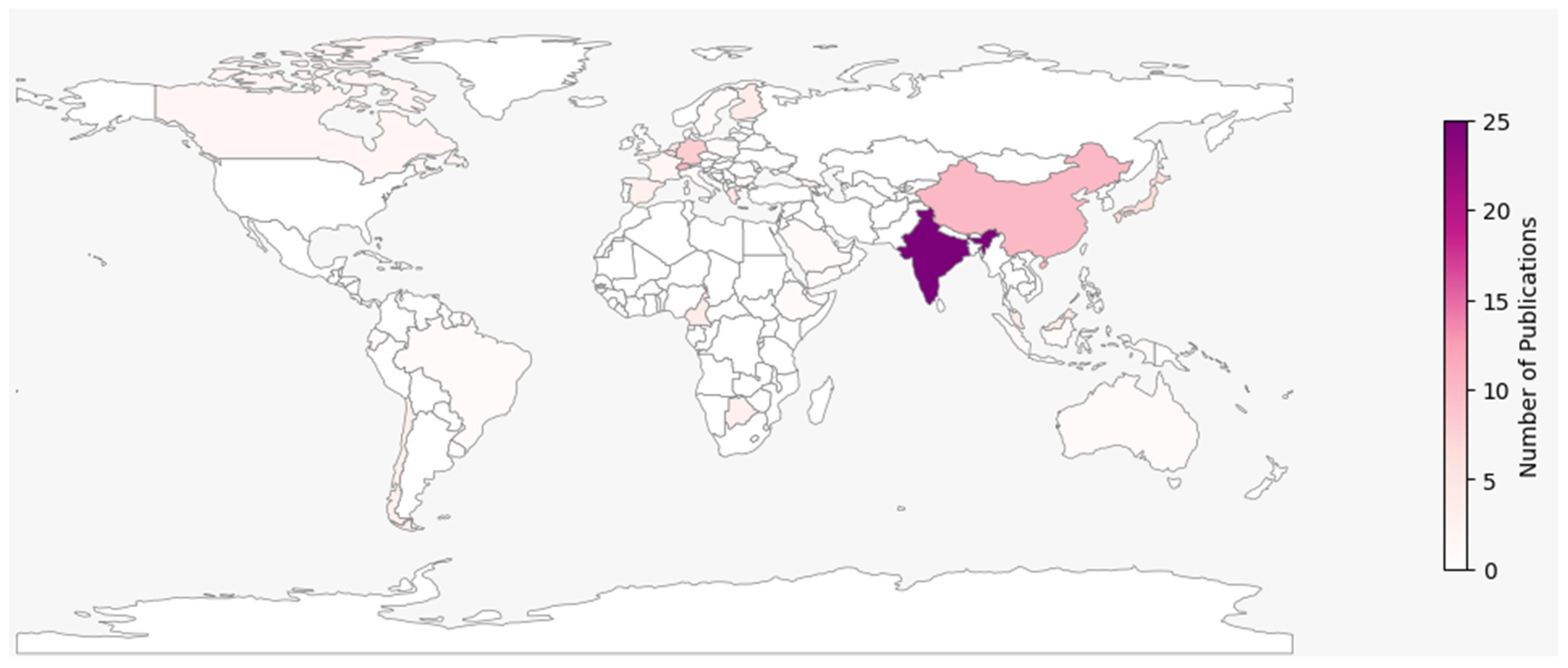
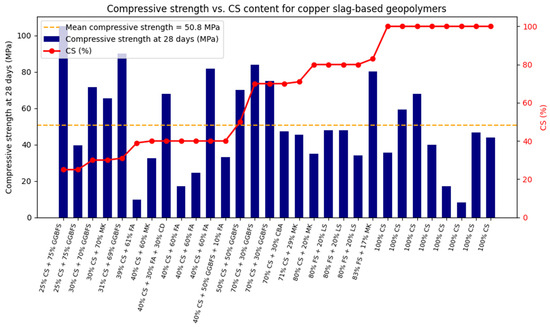
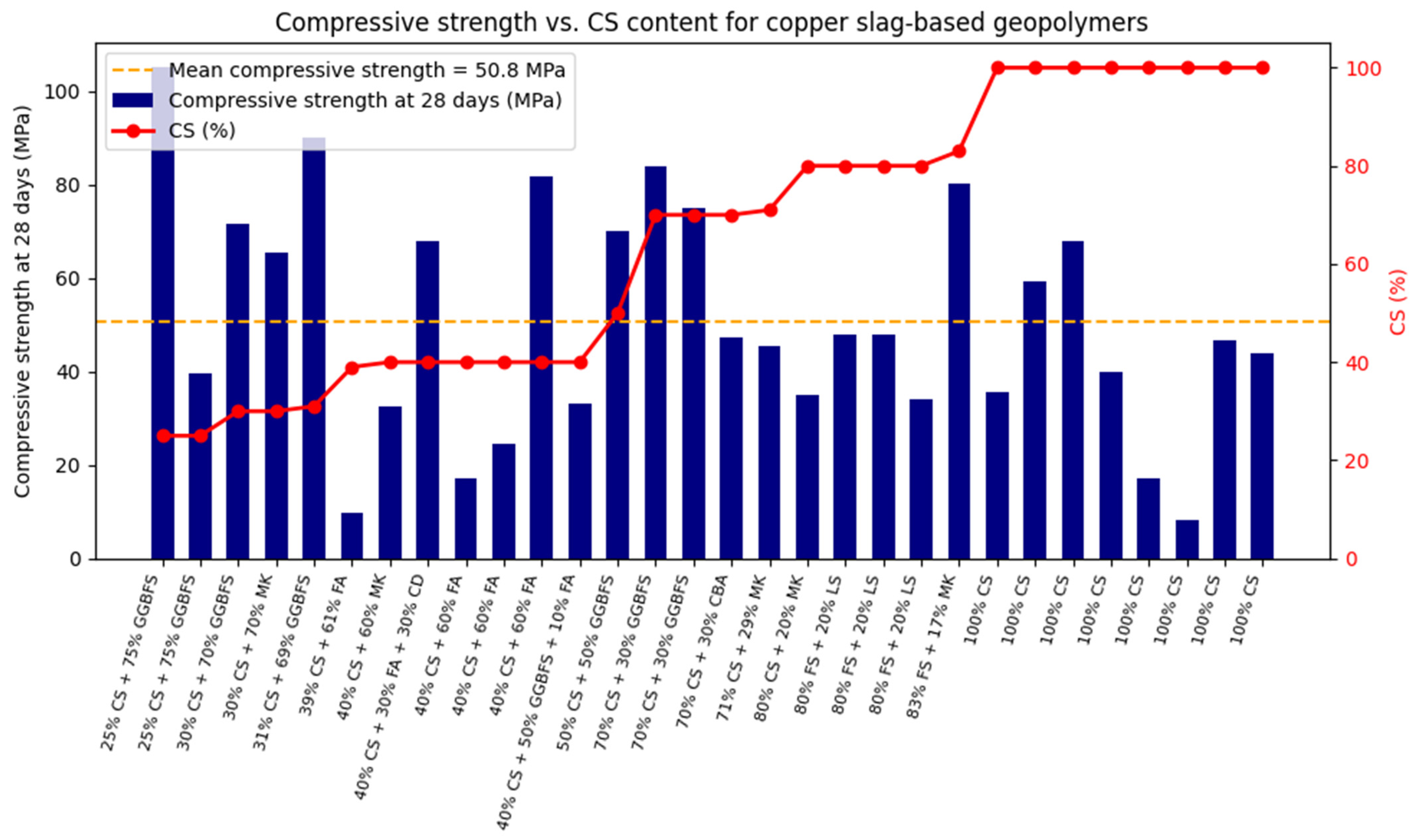
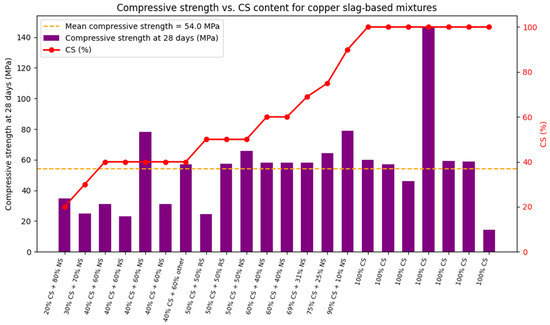
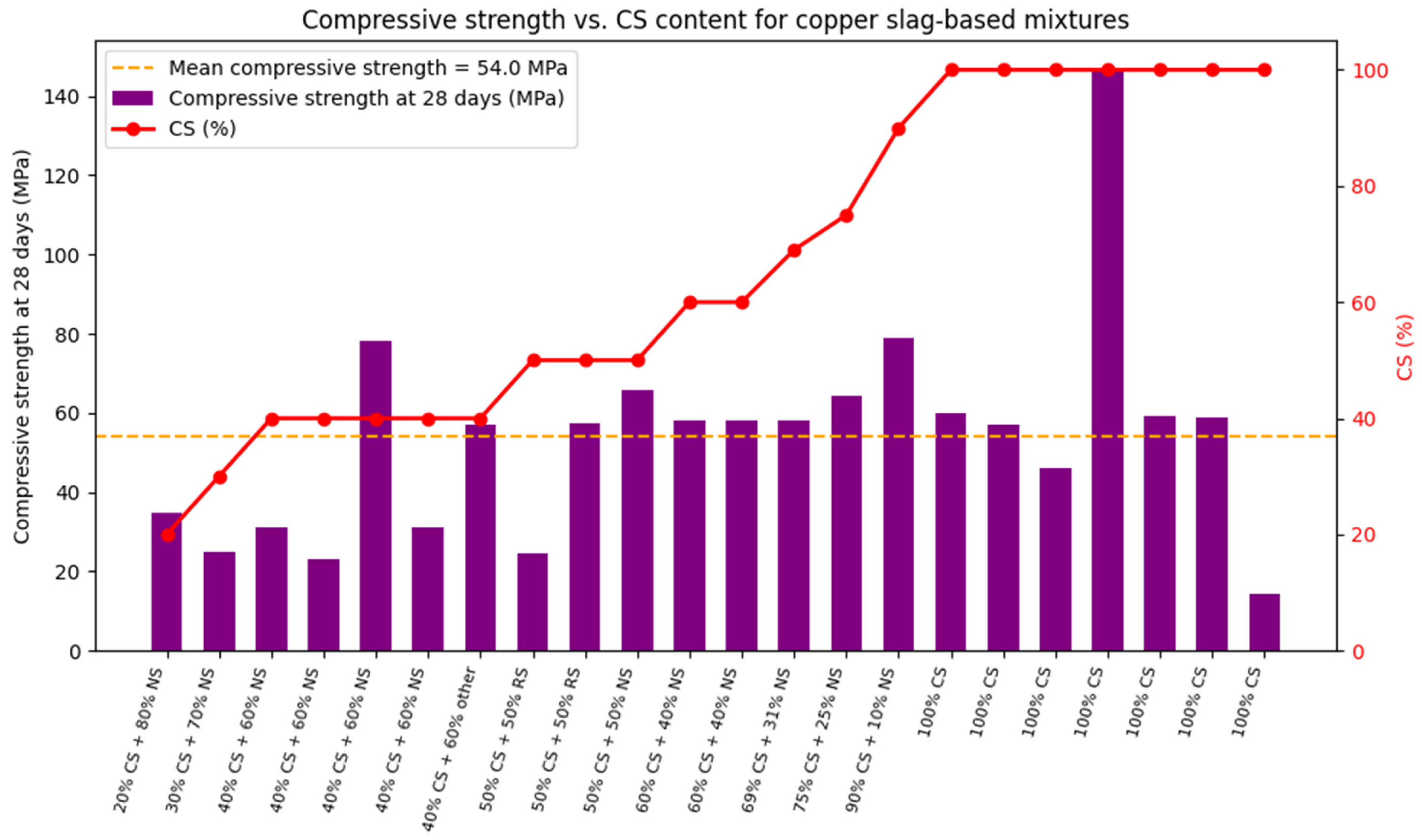

Disclaimer/Publisher’s Note: The statements, opinions and data contained in all publications are solely those of the individual author(s) and contributor(s) and not of MDPI and/or the editor(s). MDPI and/or the editor(s) disclaim responsibility for any injury to people or property resulting from any ideas, methods, instructions or products referred to in the content. |
© 2026 by the authors. Licensee MDPI, Basel, Switzerland. This article is an open access article distributed under the terms and conditions of the Creative Commons Attribution (CC BY) license.