


Abstract
Urban sustainability actions implemented by local governments play a crucial role in addressing contemporary environmental challenges and advancing sustainable urban development. Beyond their environmental impacts, these local initiatives may also be associated with citizens’ participation, behaviors, and sense of responsibility toward the environment. However, limited empirical research has systematically examined how municipal sustainability initiatives contribute not only to environmental and sustainability outcomes but also to the development of environmental citizenship. This study evaluates urban sustainability actions implemented by local governments during the timespan of eight years (2017–2025) within the framework of the National Green City Awards in Cyprus. Using a structured coding scheme and a dataset of municipal sustainability initiatives, the study analyses the relationships between action characteristics, governance and participation mechanisms, environmental and sustainability outcomes, and environmental citizenship outcomes. The empirical analysis employs descriptive statistics and association levels to examine the relationship between the studied dimensions and sustainability outcomes and environmental citizenship development. The findings highlight that the environmental domain, SDG alignment, and nature-based solutions are significantly associated with the effectiveness of municipal sustainability initiatives. The study contributes to the literature on sustainable urban development and environmental governance by providing an empirical framework for evaluating municipal sustainability actions and by demonstrating their role in fostering environmental citizenship and sustainability-oriented civic engagement.
1. Introduction
Cities play a central role in addressing contemporary environmental challenges, including climate change, biodiversity loss, environmental degradation, and social inequalities. As the majority of the global population now lives in urban areas [1], local governments have become key actors in implementing sustainability initiatives that contribute to global environmental goals [2]. Urban sustainability actions, such as climate mitigation measures, nature-based solutions, sustainable mobility initiatives, and environmental education programs, represent important instruments through which municipalities promote environmental protection and sustainable development (e.g., [3,4,5]). These initiatives are closely linked with Sustainable Development Goals (SDGs) such as SDG 11 (Sustainable Cities and Communities) and SDG 13 (Climate Action), which emphasize the importance of local actions in achieving global sustainability targets.
Despite the growing number of municipal sustainability initiatives implemented worldwide, there is still limited empirical research that systematically evaluates their overall effectiveness and broader societal impacts. Existing studies are primarily focused either on specific environmental outcomes such as reductions in greenhouse gas emissions and improvements in urban biodiversity (e.g., [6]), or on governance aspects of urban sustainability policies (e.g., [7]). However, fewer studies examine how the characteristics of urban sustainability actions, governance, and participation mechanisms, as well as environmental outcomes, interact to associate broader societal transformations. In particular, the potential role of urban sustainability best practices and initiatives in fostering environmental citizenship, including civic engagement, environmental responsibility, and sustainability-oriented behavioral change, remains underexplored.
The concept of environmental citizenship, as conceptualized by the European Network for Environmental Citizenship [8], refers to the active and responsible engagement of individuals and communities in actions aimed not only at solving existing environmental problems but also at preventing new ones, through both individual and collective practices in private and public spheres. Environmental citizenship goes beyond pro-environmental behavior, encompassing a multidimensional construct that includes knowledge, values, attitudes, skills, and, crucially, critical and democratic participation, with an emphasis on sustainability, justice, and transformative action. Within the context of green cities, fostering environmental citizens is essential, as contemporary urban challenges such as climate change, biodiversity loss, and sustainable resource management cannot be effectively addressed solely through technological or governance-based solutions. Instead, they require informed, engaged, and empowered citizens who actively participate in decision-making processes, collaborate with institutions and communities, and adopt practices that strengthen collective environmental responsibility, making environmental citizenship a fundamental pillar for urban sustainability and resilience.
This study addresses this gap by evaluating municipal sustainability actions implemented within the framework of the National Green Cities Awards of Cyprus over an eight-year period. Using a structured coding scheme and a comprehensive dataset of municipal initiatives, the study examines how action characteristics, governance, and participation mechanisms contribute to the development of environmental sustainability outcomes and environmental citizenship outcomes. By integrating these dimensions into a unified analytical framework, the study provides new empirical insights into the effectiveness of urban sustainability actions and their potential to promote environmentally responsible and engaged citizens.
1.1. Research Gap and Contributions of the Study
In recent years, a substantial and rapidly growing body of research has focused on green cities, highlighting their critical role in addressing pressing environmental and urban challenges. Green cities are increasingly recognized as key frameworks for promoting sustainability, improving quality of life, and enhancing urban resilience in the face of climate change (e.g., [9,10,11]). Through integrated approaches that combine environmental protection, sustainable resource management, and inclusive urban planning, green cities contribute to reducing ecological footprints and fostering healthier living environments (e.g., [12,13,14]). Moreover, green cities support innovation, citizen engagement, and long-term socio-environmental well-being. As urban populations continue to rise, their importance becomes even more pronounced, positioning green cities at the forefront of global sustainability agendas. Although a growing body of literature examines urban sustainability initiatives and local environmental governance, important research gaps remain.
Firstly, most studies focus on specific sectors or environmental outcomes, such as climate mitigation policies, sustainable mobility, or biodiversity conservation, without providing a comprehensive evaluation of municipal sustainability actions across multiple environmental domains [15]. Secondly, existing research often analyses governance processes or policy instruments separately from their environmental impacts, limiting our understanding of how action characteristics, governance mechanisms, and environmental outcomes interact in practice [16]. Thirdly, relatively few empirical studies explore how municipal sustainability initiatives contribute to broader societal transformations, particularly the development of environmental citizenship and sustainability-oriented civic engagement [17]. According to Hadjichambis et al. [18], future research should focus on successful case studies to explore whether green cities have achieved higher levels of citizen engagement in green policies and to reveal more factors that may facilitate citizens’ successful engagement.
This study addresses those gaps by developing and implementing an integrated exploratory, analytical, and conceptual framework that links urban sustainability actions, governance and participation mechanisms, environmental and sustainability outcomes, and environmental citizenship outcomes and could be applied and tested in future studies. Using an eight-year dataset of local governments’ sustainability initiatives implemented within the framework of the National Green Cities Awards of ‘Country’ (not named due to the blind review process) between 2017 and 2025, the study provides one of the first systematic empirical evaluations of how local sustainability actions contribute not only to environmental improvements but also to the development of environmentally responsible and engaged citizens.
The main contributions of this study are threefold. First, it introduces a comprehensive coding framework that enables the systematic evaluation of municipal sustainability actions across multiple dimensions. Second, it empirically examines the relationship between sustainability actions, environmental outcomes, and environmental citizenship outcomes, thereby contributing to the emerging literature linking urban sustainability governance with environmental citizenship. Third, it proposes a hierarchical analytical and conceptual model of sustainability action effectiveness in Green Cities that could be applied and tested in future studies.
1.2. Structure of the Paper
The paper is structured as follows. Section 2 provides an overview of relevant literature on urban sustainability, local environmental governance, and environmental citizenship, and presents the theoretical foundations of the study. Section 3 describes the research design, dataset, coding scheme, and methodology used to evaluate municipal sustainability actions. Section 4 presents the empirical results of the statistical analysis, including descriptive statistics and association levels examining the relationships between action characteristics, governance mechanisms, environmental outcomes, and environmental citizenship outcomes. Finally, Section 5 discusses the implications of the findings for urban sustainability governance, participation, and environmental citizenship and concludes with recommendations for future research and policy development.
2. Theoretical Underpinning and Conceptual Analytical Framework
Urban sustainability has emerged as a central concept in addressing the complex environmental, social, and economic challenges faced by contemporary cities (e.g., [19]). Local governments play a crucial role in implementing sustainability actions that address issues such as climate change, biodiversity loss, environmental degradation, and social inequalities. In this context, green cities are instrumental in resisting the environmental crisis and ensuring a sustainable future for future generations [20]. Green cities are argued to have important environmental and sustainability outcomes, such as reduction of waste and emissions, while enhancing the efficiency with which energy, water, and land are used [21,22]. Toward this direction, municipal best practices and actions, including climate mitigation strategies, nature-based solutions, environmental education programs, and sustainable mobility policies, constitute key instruments through which cities contribute to various SDGs such as SDG 11 (Sustainable Cities and Communities) and SDG 13 (Climate Action).
However, the effectiveness of municipal sustainability actions depends not only on their technical or environmental design but also on governance processes as well as on stakeholder and citizen engagement [23]. Elelman and Feldman [24] have argued, for instance, that citizens are not encouraged enough to actively get involved in socio-environmental issues in green cities. The involvement and active engagement of citizens and stakeholders are therefore not only desirable but also imperative for the successful conceptualization, development, and application of sustainability initiatives [25].
According to Barney [26], citizens’ engagement has four functions: (a) to apply democratic procedures in policy development, (b) to let citizens increase their awareness with the purpose of diminishing misinformed oppositions, (c) to inform the city administration as to how citizens might react to (green or less green) policies, and (d) to help optimize civil communication strategies related to specific projects and policies [26]. It is therefore not surprising that contemporary urban sustainability governance increasingly emphasizes participatory approaches that involve citizens, civil society organizations, educational institutions, and other stakeholders in decision-making and implementation processes. Urban sustainability governance refers to the institutional arrangements through which cities design and implement sustainability strategies. Within this broader framework, urban environmental governance addresses specific environmental policy domains such as biodiversity protection, climate mitigation, and resource management.
Participatory governance and collaborative partnerships enhance the legitimacy, effectiveness, and long-term sustainability of local environmental initiatives by fostering shared responsibility and collective action [27]. Such participatory processes not only improve governance outcomes but also shape how individuals engage with environmental issues. In this sense, beyond their immediate environmental impacts, urban sustainability actions may also contribute to broader societal transformations. In particular, sustainability initiatives can promote the development of environmental citizenship, understood as the active engagement of individuals and communities in addressing environmental problems and promoting sustainable practices [28].
Environmental citizenship is defined as the responsible pro-environmental behavior of citizens who act and participate in society as agents of change in the private and public spheres on a local, national, and global scale, through individual and collective actions, in the direction of solving contemporary environmental problems, preventing the creation of new environmental problems, achieving sustainability, and developing a healthy relationship with nature [29]. Environmental citizenship involves not only environmentally responsible behavior but also other aspects such as participation in collective actions, civic engagement, and the promotion of environmental rights, justice, and intergenerational responsibility [30]. In this way, green cities may provide a promising venue to address cities’ environmental degradation and citizens’ disengagement with current socio-environmental issues, thus giving rise to the notion of Environmental Citizenship. In addition, green cities may have also proved successful in achieving Environmental Citizenship’s outcomes, leading to sustainability [18].
Building on these perspectives, this study conceptualizes municipal sustainability actions as processes that link action characteristics, governance, and participation mechanisms and environmental and sustainability outcomes, and environmental citizenship outcomes. First, the characteristics of sustainability actions, including innovation, technological approaches, and the use of nature-based solutions, shape the potential effectiveness of municipal initiatives. Second, governance and participation mechanisms are associated with how actions are implemented and how stakeholders engage with sustainability initiatives. Third, these processes generate measurable environmental and sustainability outcomes such as climate mitigation, climate adaptation, biodiversity protection, and long-term sustainability. Finally, successful sustainability actions may contribute to broader environmental citizenship outcomes, including behavioral change, civic participation, and the promotion of sustainability values. This analytical and conceptual framework allows for a systematic analysis of how municipal sustainability initiatives contribute not only to environmental improvements but also to the development of environmentally responsible and engaged citizens. However, this is an analytical and conceptual framework rather than a causal or mechanistic framework.
Based on the above theoretical framework, this study proposes an analytical framework that examines how municipal sustainability actions implemented by local governments contribute to environmental outcomes and the development of environmental citizenship. The framework integrates five analytical dimensions: Sustainability action characteristics, governance and participation mechanisms, environmental and sustainability outcomes, and environmental citizenship outcomes (Figure 1). More details, such as the definitions and the scales used for each variable, are given in Supplementary Materials.
Figure 1.
Conceptual framework of the study with five dimensions and 32 variables.
The first dimension, “Sustainability action characteristics”, refers to the fundamental features of municipal sustainability initiatives. These include the environmental domain addressed, the type of action, its alignment with the Sustainable Development Goals (SDGs), and the degree of innovation, technology use, and nature-based solutions integrated in the design of the initiative. These characteristics are associated with the potential effectiveness and transformative capacity of sustainability actions. Beyond their descriptive role, these characteristics constitute the core design architecture that shapes how sustainability actions are conceived, prioritized, and operationalized within urban systems. Actions that demonstrate strong “alignment with SDGs” and integrate “nature-based solutions” tend to exhibit higher levels of systemic coherence and ecological relevance, enhancing their capacity to generate long-term environmental benefits [31]. Similarly, the integration of “innovation” and “technology” can amplify efficiency, scalability, and adaptability, allowing initiatives to respond more effectively to complex urban sustainability challenges [32]. Importantly, the configuration of these characteristics associates not only direct environmental outcomes but also the potential to foster broader societal change, including the promotion of environmental awareness and responsible citizenship.
The second dimension, “Governance”, focuses on the processes through which sustainability initiatives are implemented and supported. This dimension includes six variables, such as “partnerships” with schools, universities, NGOs, and public or private organizations, “year”, “municipality type”, “population size”, “evidence-based planning”, and the “scale of action”. Participatory governance is widely recognized as a key factor influencing the success and legitimacy of environmental policies at the local level [33]. Governance was conceptualized in this study as a multi-layered construct, distinguishing between governance mechanisms and governance contextual factors influencing governance capacity and governance contextual modifiers. Governance mechanisms included “partnerships” and “evidence-based planning”, reflecting coordination and informed decision-making processes. Structural governance capacity was captured through “municipality type” and “population size”, representing variations in administrative resources and institutional capabilities. In addition, governance contextual modifiers such as “scale of action” were treated as action-related characteristics influencing governance complexity and coordination demands. Also, “year” was included as a governance contextual modifier representing a temporal dimension reflecting the progressive maturation of governance practices over time.
The third dimension is “Participation”. This dimension includes three variables: “citizen participation”, “community engagement”, and “volunteer participation”. Participation is conceptualized not merely as the extent of involvement, but as a critical social process that enables the co-production and societal embedding of sustainability actions within urban contexts [34]. Higher levels of citizen and community engagement enhance the legitimacy, acceptance, and long-term sustainability of initiatives, while also facilitating the diffusion of environmental values and practices across local communities [35]. “Volunteer participation”, in particular, reflects active civic commitment and contributes to strengthening social capital and collective responsibility [36]. Importantly, participation operates as an enabling mechanism through which well-designed sustainability actions translate into tangible environmental and sustainability outcomes, while simultaneously fostering environmental citizenship. In this sense, participation bridges the technical dimensions of sustainability action design with their broader social and behavioral impacts, reinforcing the integrative nature of urban sustainability transitions.
The fourth dimension, “Environmental and sustainability outcomes”, captures the direct environmental impacts generated by municipal actions. These outcomes include “environmental impact”, “climate mitigation”, “climate adaptation”, “biodiversity protection”, “behaviour change”, “beneficiaries”, “education impact”, “social inclusion”, and “long-term sustainability”. Beyond measuring immediate effects, this dimension reflects the overall effectiveness and quality of sustainability actions as they materialize within real urban contexts. It integrates both ecological and socio-environmental outcomes, highlighting that successful initiatives not only reduce environmental pressures but also contribute to behavioral shifts, social inclusion, and educational awareness [37]. These outcomes may be associated with the design characteristics of the actions, while being further enabled by participation processes and contextual governance conditions. The inclusion of variables such as “beneficiaries” and “long-term sustainability” allows for the assessment of both the scale and durability of impacts, ensuring that actions are evaluated not only for their short-term performance but also for their capacity to generate sustained and transformative change [38]. In this way, the dimension serves as a key bridge between action design and broader environmental citizenship outcomes, reinforcing the systemic nature of sustainability transitions in Green Cities.
The fifth dimension, “Environmental Citizenship Outcomes”, refers to the broader societal impacts of sustainability actions. These include contributions to solving current environmental problems, preventing future environmental challenges, addressing structural causes of environmental degradation, fostering a healthy relationship with nature, promoting environmental rights and duties, encouraging civic engagement, advancing inter- and intra-generational justice, and supporting sustainability transitions. The proposed EC outcomes derived from the proposed EEC model [29] (Figure 2), which aspires to promote EC in an integrated educational approach. In this model, the researchers have summarized the structural elements of EEC, as follows: (a) the competences (knowledge, attitudes, skills, values, and behaviors) that allows them to act in a responsible way, and actively participate in the civic and social arena, thus becoming “agents of change”, (b) the potential actions an environmental citizen may undertake in different dimensions (individual or collective), spheres (private or public), and scales (local, national and global), and (c) the main intended environmental outcomes that could contribute to environmental and social change. In particular, according to the EEC model, the main environmental outcomes are related to the solution of current environmental problems, the prevention of new ones, the exploration of the structural causes underlying the environmental problems, the development of a healthy relationship with nature, the practice of environmental rights and duties, the achievement of critical and active engagement and civic participation, the promotion of inter/intra-generational justice, as well as the achievement of sustainability.
Figure 2.
The EEC model (Source: Hadjichambis and Paraskeva-Hadjichambi, 2020) [29].
The proposed analytical framework assumes that the characteristics of sustainability actions, governance, and participation processes are associated with environmental and sustainability outcomes, as well as with the development of environmental citizenship outcomes. While previous studies have examined urban sustainability governance (e.g., [39]), citizen participation (e.g., [40]), and environmental and sustainability outcomes (e.g., [41]) separately or sometimes up to two dimensions (e.g., [42,43,44]) few studies have provided an integrated empirical framework linking these five dimensions: sustainability action design, governance, participation, environmental and sustainability outcomes, and environmental citizenship outcomes. This study addresses this gap by proposing and empirically testing an analytical framework of sustainability action effectiveness. More specifically, the existing literature tends to approach these dimensions mainly in isolation, without capturing their combined and interactive effects within real-world urban sustainability actions. In addition, environmental citizenship has predominantly been conceptualized as a normative, attitudinal, or educational construct, with limited empirical operationalization as a measurable outcome of sustainability practices. As a result, there is a lack of empirical evidence demonstrating how concrete municipal actions can simultaneously generate environmental improvements and foster active, sustainability-oriented environmental citizenship outcomes.
Therefore, the present study advances the field in several important ways. First, it develops a comprehensive and structured analytical framework that integrates five key dimensions within a unified model. Second, it moves beyond perception-based or survey-driven approaches by utilizing a large-scale, longitudinal dataset of 177 municipal sustainability actions implemented over an eight-year period, thereby providing robust, practice-based empirical evidence. Third, it operationalizes environmental citizenship as an observable and measurable outcome, capturing its multidimensional nature through eight indicators related to civic engagement, behavioral change, environmental responsibility, and justice. Fourth, it proposes a hierarchical conceptualization of sustainability action effectiveness, empirically demonstrating that action design is associated with outcomes, while participation and governance play enabling and contextual roles, respectively. By combining these elements, the study offers a novel contribution to the field. It not only bridges the gap between environmental performance and societal transformation, but also provides a practice-oriented perspective on how well-designed municipal sustainability actions can function as catalysts for both ecological outcomes and the development of environmentally responsible and engaged citizens.
2.1. Research Questions
The study is guided by three (3) complementary research questions, as follows:
RQ1: What are the main descriptive characteristics of the 177 municipal sustainability actions implemented by local governments in the period 2017–2025?
RQ2: To what extent are municipal sustainability action characteristics associated with environmental and sustainability outcomes, as well as environmental citizenship outcomes?
RQ3: How are governance and participation mechanisms associated with environmental and sustainability outcomes and environmental citizenship outcomes?
2.2. Hypotheses
Guided by the aforementioned research questions and grounded on the proposed analytical framework, the study formulates the following hypotheses:
H1:
Municipal sustainability action characteristics (Figure 1) are associated with environmental and sustainability outcomes, as well as with environmental citizenship outcomes.
H2:
Governance-related variables (Figure 1) are associated with environmental and sustainability outcomes and environmental citizenship outcomes.
H3:
Participation-related variables (Figure 1) are associated with environmental and sustainability outcomes and environmental citizenship outcomes.
3. Methodology
3.1. Research Design
This study adopts a content analysis approach to examine municipal sustainability actions implemented by local governments within the framework of the Green Cities initiatives. The research aims to analyze the characteristics of sustainability actions, governance and participation mechanisms, environmental and sustainability outcomes, and environmental citizenship outcomes. A structured coding scheme (Supplementary Materials) was developed in order to systematically analyze and evaluate the sustainability actions submitted within the Green Cities framework. Each action was treated as the unit of analysis.
3.2. Dataset and Unit of Analysis
The dataset consists of 177 sustainability actions implemented by local authorities and submitted to the Green Cities Awards framework during the timespan of the last eight years (2017–2025) in ‘Country’ (not named due to the blind review process). These were all awarded actions. It is also clarified that the same municipality could submit up to two actions (projects) per year and, consequently, could appear multiple times in the dataset; however, the same action (project) could not be resubmitted across different years. Therefore, each project corresponds to a single submission with identical supporting materials. Furthermore, the award criteria and the structure of the collected data remained consistent across all years examined. Each action represents one observation in the dataset.
For each action, information was collected regarding:
- Sustainability characteristics of the action
- Governance mechanisms
- Participation mechanisms
- Environmental and sustainability outcomes
- Environmental citizenship outcomes
These dimensions were coded using predefined variables in order to ensure consistency and comparability across cases.
3.3. Coding Scheme
A structured coding protocol was developed to evaluate each sustainability action based on 32 variables organized into five analytical dimensions (see Figure 1). The coding scheme was grounded in literature regarding constructs and content. The full coding scheme can be found in Supplementary Materials, along with definitions of the variables and the scale used for each variable. What follows is a brief description of the five dimensions in terms of their comprising variables.
3.3.1. Sustainability Action Characteristics
This dimension captures the basic features of the sustainability action, including its thematic focus, scale, and innovation characteristics. Six (6) variables included Action Type, Environmental Domain, SDG Alignment, Innovation Level, Technology Use, and Nature-Based Solutions. These variables describe the design and technical characteristics of the sustainability initiatives.
3.3.2. Governance Mechanisms
This dimension examines the governance mechanisms supporting the implementation of sustainability actions. Variables included Partnerships (Schools/Universities/NGOs/PPP), Exact Year, Municipality Type, Population Size, Evidence-Based Planning, and Scale of Action. These variables capture the governance dimension of municipal sustainability initiatives. As explained in Section 2, Governance focuses on governance mechanisms (i.e., “partnerships” and “evidence-based planning”), as well as structural governance capacity captured through “municipality type” and “population size”, representing variations in administrative resources and institutional capabilities. In addition, it includes governance complexity and coordination demands such as “scale of action” and the temporal dimension through “year”, reflecting the progressive maturation of governance practices over time.
3.3.3. Participation Mechanisms
This dimension examines the participatory processes supporting the implementation of sustainability actions, including three variables: citizen participation, community engagement, and volunteer participation. These three (3) variables capture the participatory governance dimension of municipal sustainability initiatives.
3.3.4. Environmental and Sustainability Outcomes
This dimension evaluates the environmental and social impacts generated by the sustainability actions, including nine (9) variables: Environmental Impact, Climate Mitigation, Climate Adaptation, Biodiversity Protection, Education Impact, Social Inclusion, Beneficiaries, Behavior Change, and Long Term Sustainability.
3.3.5. Environmental Citizenship Outcomes
The final dimension examines the broader societal impacts of sustainability actions in terms of environmental citizenship. Eight (8) variables were used to evaluate these outcomes based on ENEC (2020) methodology:
- Solution of current environmental problems
- Prevention of new environmental problems
- Addressing structural causes of environmental problems
- Development of a healthy relationship with nature
- Practice of environmental rights and duties
- Achievement of critical and active civic participation
- Promotion of inter- and intra-generational justice
- Achievement of sustainability
These variables capture the extent to which municipal sustainability actions contribute to the development of environmentally responsible and engaged citizens.
3.4. Data Analysis
The empirical analysis consists of two main stages:
- Descriptive analysis of municipal sustainability actions and their characteristics, including a comparative analysis of environmental and sustainability outcomes across different types of actions.
- Association analysis to examine the associations between the key variables included in the dataset.
- Correlation analysis with Spearman’s rank-order correlations (ρ) was calculated for variables with ordinal or dichotomous scaling to examine the correlations between the key variables included in the dataset.
This analytical framework enables a systematic examination of how municipal sustainability actions contribute not only to environmental improvements but also to the development of environmental citizenship.
3.4.1. Statistical Methods
A comprehensive statistical analysis was conducted to examine the relationships between action characteristics, governance variables, participation, environmental and sustainability outcomes, as well as environmental citizenship outcomes. The analytical strategy combined descriptive and inferential techniques, including chi-square tests of independence and Spearman’s rank-order correlations. All statistical analyses were conducted using IBM SPSS Statistics (Version 31.0).
Chi-Square Tests of Independence
Pearson chi-square (χ2) tests were employed to examine associations between categorical independent variables and a range of outcome variables. These analyses were conducted across five thematic dimensions. For each analysis, contingency tables were constructed, and Pearson chi-square statistics were calculated along with corresponding degrees of freedom and significance levels. Statistical significance was evaluated at the p ≤ 0.05, ≤0.01, and <0.001 levels.
For variables where χ2 assumptions were violated (i.e., expected cell counts < 5 in >20% of cells or zero counts), Monte Carlo exact tests (50,000 replications) were used to estimate p-values. This applied to the following variables: Environmental Domain, SDG Alignment, Action Type, Year, and Scale of Action. For all other analyses, standard Pearson χ2 tests were used.
Moreover, given the large number of statistical tests conducted, the risk of Type I error was addressed by applying the Benjamini–Hochberg false discovery rate (FDR) correction. Specifically, the FDR correction was applied separately within each set of related analyses (Section 4.2, Section 4.3, Section 4.4, Section 4.5, Section 4.6 and Section 4.7), corresponding to distinct conceptual groupings aligned with the study hypotheses (H1–H3). Each set of tests represents a coherent family of comparisons addressing a specific analytical dimension (e.g., action characteristics, governance, or participation in relation to environmental sustainability and environmental citizenship outcomes). Statistical significance was therefore assessed based on FDR-adjusted p-values (q-values), using a threshold of q < 0.05, while raw p-values are reported for transparency.
Cross-tabulation analyses and adjusted standardized residuals were additionally examined in order to identify category-level patterns underlying statistically significant associations. This approach enabled the detection of specific categories that were disproportionately overrepresented or underrepresented across the studied dimensions. Thus, cross-tabulation analyses complemented the overall χ2 results by providing a more detailed interpretation of the observed association patterns.
Spearman Rank-Order Correlations
To provide additional information regarding the direction and magnitude of associations, Spearman’s rank-order correlations (ρ) were calculated for variables with ordinal or dichotomous scaling (e.g., levels of participation or binary yes/no variables). Spearman’s rho coefficients range from −1 to +1, with positive values indicating that higher levels of one variable are associated with higher levels of the corresponding outcome variable, and negative values indicating inverse relationships.
These analyses were conducted to complement the chi-square statistics and Cramer’s V effect sizes, which assess the existence and strength of associations but do not indicate directionality. Spearman’s rho coefficients were not calculated for variables conceptualized as purely nominal categories without meaningful rank ordering (e.g., environmental domain, SDG alignment, and action type).
Effect Size Estimation and Interpretation
In addition to statistical significance testing, effect sizes were calculated to assess the practical significance of the observed associations. Specifically, Cramer’s V was used as a measure of effect size for the chi-square tests of independence. For ordinal and dichotomous variables, Spearman’s rank-order correlation coefficients (ρ) additionally provided information regarding both the magnitude and direction of associations.
Given the variability in table dimensions and degrees of freedom across the analyses, effect sizes were interpreted using an extended classification framework, which allows for a more nuanced assessment in contingency tables of varying sizes. In line with applied statistical literature [45,46], Cramer’s V values were interpreted as follows:
- 0.00–0.10: negligible effect
- 0.10–0.20: small effect
- 0.20–0.40: moderate effect
- 0.40–0.60: strong effect
- >0.60: very strong effect
For Spearman’s rho coefficients, values closer to ±1 were interpreted as indicating stronger monotonic relationships, whereas values closer to 0 indicated weaker associations. Positive coefficients reflected positive directional relationships between variables, while negative coefficients reflected inverse relationships.
This approach extends the conventional thresholds proposed by Cohen [47] and is considered more appropriate for studies involving multiple categorical variables and contingency tables with different degrees of freedom. Moreover, the use of this classification enables a clearer distinction between statistically significant but weak associations and those with substantial practical importance, thereby enhancing the interpretability of the findings.
3.4.2. Coding Reliability
To ensure coding reliability, the coding scheme was independently applied by three coders with expertise in Green Cities awards. A three-stage validation process was implemented to enhance the consistency and validity of the coding procedure. In the first stage, a pilot coding exercise was conducted using a subset of 15 sustainability actions. During this phase, one coder reviewed the coding of the other two coders and proposed refinements to ensure consistent interpretation and application of the coding scheme. In the second stage, interrater reliability was assessed using Cohen’s kappa (κ) for pairwise comparisons between coders. The results indicated high to almost perfect agreement, with κ values ranging from 0.80 to 1.00 (p < 0.001), demonstrating strong consistency in the coding process. In cases where discrepancies between coders were identified, the third coder acted as an independent reviewer to resolve disagreements and support the final coding decision. Following this validation process, the three coders proceeded with the full coding of the dataset, splitting up the dataset for coding between the three coders. In the final stage, the coding scheme and initial coding results were further reviewed collaboratively by all co-authors. This process led to the refinement and consolidation of the coding protocol, ensuring conceptual clarity and consistency across all variables. Overall, the multi-stage validation procedure ensured a high level of coding reliability and strengthened the internal validity of the dataset.
4. Results
4.1. Descriptive Statistics for the Five Dimensions Studied
Table 1, Table 2, Table 3, Table 4 and Table 5 present the descriptive characteristics of municipal sustainability actions implemented by local governments in terms of absolute number and percentages reported across the five dimensions studied of the 177 sustainability actions.
Table 1.
Absolute number and percentage of “Sustainability Action Characteristics”dimension.
Table 2.
Absolute number and percentage of “Governance” dimension.
Table 3.
Absolute number and percentage of “Participation” dimension.
Table 4.
Absolute number and percentage of “Environmental & Sustainability Outcomes” dimension.
Table 5.
Absolute number and percentage of “Environmental Citizenship Outcomes” dimension.
Table 1 summarizes the characteristics of the 177 sustainability actions. The descriptive analysis of the 177 municipal sustainability actions reveals a diverse but uneven distribution of key action characteristics. In terms of environmental domains, actions are primarily concentrated in Green Areas and Biodiversity and Culture and Environment (both 20.3%), followed by Waste Management (16.9%) and Environmental Awareness and Education (9.0%), while other domains, such as Air Quality and Water Management, are less represented. Regarding action type, the majority of initiatives are infrastructure-based (58.2%), whereas softer interventions such as awareness campaigns (13.6%), policy/regulation (9.0%), and technological solutions (9.6%) appear less frequently, indicating a strong emphasis on physical interventions. With respect to innovation level, actions are relatively evenly distributed between low (36.7%) and medium (36.7%) levels, with a smaller proportion classified as highly innovative (26.6%), suggesting moderate overall innovation capacity. The use of technology remains limited, with only 23.2% of actions incorporating technological components, highlighting a relatively low level of digital integration in municipal sustainability initiatives. Similarly, nature-based solutions (NBS) are applied in 42.9% of the actions, indicating a moderate but not dominant integration of ecosystem-based approaches. Finally, in terms of scale of action, the vast majority of initiatives are implemented at the municipal level (91.5%), with very limited representation at neighborhood, regional, or national scales, suggesting a predominantly localized implementation pattern. In addition, Table 1 also presents the distribution of sustainability actions according to their alignment with the Sustainable Development Goals (SDGs). The majority of actions are aligned with SDG 11: Sustainable Cities and Communities (62.7%, N = 111), reflecting the explicitly urban focus of the dataset and the centrality of city-level interventions in addressing sustainability challenges. A smaller proportion of actions targets SDG 12: Responsible Consumption and Production (13.6%, N = 24), indicating a moderate emphasis on resource efficiency, waste, and circular practices within urban systems. Limited alignment is observed with SDG 15: Life on Land (biodiversity) (6.8%, N = 12) and particularly SDG 13: Climate Action (2.3%, N = 4), suggesting that biodiversity protection and explicit climate actions are less frequently addressed as standalone priorities, possibly being embedded within broader urban initiatives. Additional categories include “Other” (9.0%, N = 16) and “Multiple” (5.6%, N = 10), the latter highlighting the cross-cutting nature of some interventions. These SDGs were selected as analytically relevant because they capture core dimensions of urban sustainability—namely urban development (SDG 11), resource use (SDG 12), climate response (SDG 13), and biodiversity integrity (SDG 15)—thus providing a coherent framework for assessing the design orientation and strategic priorities of sustainability actions in cities. Overall, the findings indicate that municipal sustainability actions are characterized by a strong focus on infrastructure-led, locally implemented interventions, with moderate levels of innovation and partial integration of technology and nature-based solutions. These descriptive patterns answer RQ1 and provide the empirical baseline for the subsequent association analyses (RQ2–RQ3).
Table 2 presents the “Governance” characteristics of the 177 sustainability actions. The majority of actions are implemented at the municipal level (75.1%), with fewer at the community level (24.9%). The distribution across population sizes is relatively balanced, with a concentration in medium-sized municipalities (5001–100,000 inhabitants). Evidence-based planning is limited, applied in only 9.6% of actions, while most actions do not systematically incorporate it. Partnerships are present in approximately one-third of the cases (32.2%), indicating selective collaboration. Finally, the vast majority of actions are implemented at the municipal scale (91.5%), with minimal representation at regional or national levels. It is worth noting that, within the country’s administrative system, a “municipality” refers to an urban local authority established under the Municipalities Law, characterized by elected governance structures and broader administrative, planning, and service-delivery responsibilities. In contrast, a “community” denotes a smaller local authority governed by a Community Council, with comparatively more limited governance capacities, competences, and resources under the Communities Law. This distinction is analytically important, as it reflects structural differences in governance capacity, institutional organization, and the ability to design and implement sustainability actions.
Table 3 presents the participation characteristics of the 177 sustainability actions. Citizen participation is relatively evenly distributed across levels, with limited participation (35.6%) slightly exceeding no participation (34.5%) and active participation (29.9%). Community engagement is present in nearly half of the actions (46.9%), while a slightly higher proportion (53.1%) reports no engagement. In contrast, volunteer participation is less common, observed in one-third of the actions (33.9%), with the majority (66.1%) reporting no volunteer involvement. Overall, the results indicate moderate but uneven levels of participation, with more passive forms being more prevalent than active engagement.
Table 4 presents the distribution of environmental and sustainability outcomes across the 177 sustainability actions. Behavior change and environmental impact are among the most frequently observed outcomes, indicating a strong emphasis on awareness and direct environmental effects. Climate-related outcomes, including mitigation and adaptation, are also represented but to a lesser extent, reflecting more specialized interventions. Biodiversity protection and education impact show moderate presence, suggesting integration of ecological and learning dimensions. Social inclusion and beneficiary reach vary across actions, highlighting differences in social targeting. Overall, the results indicate a diverse but uneven distribution of sustainability outcomes across actions.
Table 5 presents the distribution of environmental citizenship outcomes across the 177 sustainability actions. Most actions contribute to the solution (63.3%) and prevention (62.7%) of environmental problems, as well as to the development of a healthy relationship with nature (61.6%) and the practice of environmental rights and duties (64.4%). High proportions are also observed for inter/intra-generational justice (74.0%) and the overall achievement of sustainability (87.6%), indicating strong civic-oriented outcomes. In contrast, addressing the structural causes of environmental problems is considerably less frequent (10.7%), highlighting a gap in deeper systemic engagement. Overall, environmental citizenship outcomes are widely present but unevenly distributed across dimensions.
4.2. Associations Between Municipal “Sustainability Actions Characteristics” and “Environmental and Sustainability Outcomes”
A series of chi-square tests of independence were conducted to examine the relationships between project characteristics (action type, environmental domain, SDG alignment, innovation level, technology use, and nature-based solutions) and key outcome dimensions, including behavioral change, environmental impact, climate mitigation and adaptation, biodiversity protection, education impact, social inclusion, beneficiaries, and long-term sustainability (N = 177). Where χ2 assumptions were violated, Monte Carlo-based p-values were used (see Methods). Statistical significance is interpreted based on FDR-adjusted p-values (q < 0.05). In addition, Spearman’s rank correlation coefficients (ρ) were calculated for ordinal and dichotomous variables (i.e., innovation level, technology use, and nature-based solutions) to assess the direction of associations between project characteristics and sustainability outcomes. Overall, the results reveal a robust pattern of associations across several outcome variables after correction, although the strength of these relationships varies across dimensions.
Table 6 presents the results of chi-square tests of independence (Pearson χ2 with Monte Carlo-estimated p-values where applicable), along with effect size estimates (Cramer’s V) and Spearman’s rank-order correlation coefficients (ρ) for ordinal and dichotomous variables where appropriate. The findings indicate that “Environmental domain” is the most consistent and influential variable, demonstrating statistically robust associations after correction with most outcomes. Given substantial sparsity in the contingency tables, Monte Carlo-based p-values were applied for this variable. Significant associations were observed with behaviour change (χ2 = 39.03, p < 0.001, V = 0.470), environmental impact (χ2 = 34.86, p = 0.016, V = 0.314), climate mitigation (χ2 = 39.49, p < 0.001, V = 0.472), climate adaptation (χ2 = 29.69, p < 0.001, V = 0.410), biodiversity protection (χ2 = 53.55, p < 0.001, V = 0.550), education impact (χ2 = 44.30, p < 0.001, V = 0.500), social inclusion (χ2 = 29.73, p < 0.001, V = 0.410), and long-term sustainability (χ2 = 50.09, p < 0.001, V = 0.376). All of these associations remained statistically significant after FDR adjustment, with effect sizes ranging from moderate to strong, indicating substantial practical significance. Category-level inspection of adjusted standardized residuals further showed that waste management, sustainable tourism, and environmental awareness initiatives were disproportionately associated with positive behavioral and educational outcomes, whereas sustainable energy consumption initiatives were comparatively less likely to demonstrate behavior-change outcomes. In addition, biodiversity-focused domains (e.g., green areas and biodiversity) were strongly associated with biodiversity protection outcomes, while water resource management initiatives were particularly associated with climate adaptation and long-term sustainability.
Table 6.
Associations between municipal “Sustainability actions characteristics” and “Sustainability outcomes” based on Pearson chi-square tests, Cramer’s V, and Spearman’s rho correlations.
Similarly, “SDG alignment” shows statistically robust associations after FDR correction with most Environmental and Sustainability Outcomes, including “Behaviour change” (χ2 = 13.05, p = 0.020, V = 0.272), “Environmental impact” (χ2 = 31.56, p < 0.001, V = 0.299), “Climate mitigation” (χ2 = 13.98, p = 0.012, V = 0.281), “Climate adaptation” (χ2 = 26.04, p < 0.001, V = 0.384), “Biodiversity protection” (χ2 = 23.53, p < 0.001, V = 0.365), “Education impact” (χ2 = 15.03, p = 0.007, V = 0.291), “Social inclusion” (χ2 = 26.57, p < 0.001, V = 0.387), and “Long-term sustainability” (χ2 = 52.25, p < 0.001, V = 0.384), all of which remained significant following FDR adjustment, with effect sizes generally in the moderate range. More specifically, SDG12-aligned initiatives were disproportionately associated with behavioral change and educational outcomes, whereas SDG15-aligned initiatives were more strongly connected with biodiversity protection and climate adaptation outcomes. SDG11-aligned projects were comparatively more likely to demonstrate high environmental impact and social inclusion outcomes.
“Action type” demonstrates selective associations with a limited number of outcomes after correction, particularly with “Behaviour change” (χ2 = 20.10, p < 0.001, V = 0.337), “Climate adaptation” (χ2 = 11.17, p = 0.044, V = 0.251), “Biodiversity protection” (χ2 = 30.50, p < 0.001, V = 0.415), “Education impact” (χ2 = 26.67, p < 0.001, V = 0.388), and “Long-term sustainability” (χ2 = 42.32, p < 0.001, V = 0.346). The initially observed association with “Climate adaptation” (p = 0.044) did not remain statistically significant after FDR adjustment and is therefore not interpreted as robust. Cramer’s V values indicate moderate effect sizes. Cross-tabulation analyses further indicated that awareness campaigns and educational programs were more strongly associated with behavioral change and educational impact outcomes, whereas infrastructure-oriented actions showed comparatively weaker associations with these dimensions. Biodiversity protection outcomes were also less frequently associated with awareness campaigns and technological solutions than with infrastructure-focused initiatives.
Among enabling factors, “Innovation level” is robustly associated after correction with “Environmental impact” (χ2 = 86.79, p < 0.001, V = 0.495), “Climate adaptation” (χ2 = 7.60, p = 0.022, V = 0.207), “Social inclusion” (χ2 = 10.28, p = 0.006, V = 0.241), “Beneficiaries” (χ2 = 11.85, p = 0.018, V = 0.183), and “Long-term sustainability” (χ2 = 37.09, p < 0.001, V = 0.324), all of which remained statistically significant after FDR adjustment, with effect sizes ranging from small to moderate. Residual analyses further demonstrated that highly innovative initiatives were disproportionately associated with high environmental impact and long-term sustainability outcomes, whereas low-innovation projects were more frequently associated with lower environmental impact and shorter-term orientations. Moreover, Spearman’s rho indicated a strong positive association between innovation level and environmental impact (ρ = 0.611, p < 0.001), as well as positive associations with social inclusion (ρ = 0.239, p = 0.001), beneficiaries (ρ = 0.242, p = 0.001), and long-term sustainability (ρ = 0.416, p < 0.001). These findings suggest that higher levels of innovation are generally associated with stronger sustainability-related outcomes.
“Technology use” shows limited but statistically robust associations after correction with ‘Behaviour change” (χ2 = 5.73, p = 0.017, V = 0.180), “Social inclusion” (χ2 = 5.87, p = 0.015, V = 0.182), “Biodiversity protection” (χ2 = 4.93, p = 0.026, V = 0.167), and “Beneficiaries” (χ2 = 6.29, p = 0.043, V = 0.189), all with small effect sizes. The association with beneficiaries did not remain statistically significant after FDR adjustment and is therefore interpreted with caution. At the category level, non-technological initiatives were somewhat more likely to demonstrate behavioral change and social inclusion outcomes, whereas technology-based initiatives tended to show comparatively weaker biodiversity and behavioral outcomes. Spearman’s rho coefficients indicate weak negative directional but statistically significant relationships for behavior change (ρ = −0.180, p = 0.017), biodiversity protection (ρ = −0.167, p = 0.026), and social inclusion (ρ = −0.182, p = 0.015). However, given the binary coding structure of technology use, the negative coefficients should be interpreted cautiously and in relation to the underlying coding scheme.
Finally, “Nature-based Solutions” exhibit strong and statistically significant associations with “Climate adaptation” (χ2 = 19.38, p < 0.001, V = 0.331), “Biodiversity protection” (χ2 = 60.45, p < 0.001, V = 0.584), “Education impact” (χ2 = 6.44, p = 0.011, V = 0.191), and “Long-term sustainability” (χ2 = 12.53, p = 0.002, V = 0.266), all of which remained significant after FDR adjustment, indicating moderate to strong effects, particularly for “Biodiversity”. Cross-tabulations further revealed that nature-based initiatives were substantially more likely to demonstrate climate adaptation, biodiversity protection, and long-term sustainability outcomes than non-nature-based initiatives, highlighting the strong alignment between ecosystem-oriented approaches and broader sustainability objectives. Moreover, Spearman’s rho additionally demonstrated positive directional associations between nature-based solutions and climate adaptation (ρ = 0.331, p < 0.001), biodiversity protection (ρ = 0.584, p < 0.001), and long-term sustainability (ρ = 0.265, p < 0.001). A weak negative association was observed with education impact (ρ = −0.191, p = 0.011), which should also be interpreted in light of the variable coding structure.
Overall, the results demonstrate that action design characteristics, especially “Environmental domain”, “SDG alignment”, and “Action type”, have the strongest and most consistent associations with “Environmental and Sustainability Outcomes”, while enabling factors such as “Innovation” and “Technology” play a more limited but important role. After adjustment for multiple comparisons, the overall pattern of findings remains robust, with only a small number of marginal associations no longer reaching statistical significance and therefore interpreted cautiously. Although some contingency tables contained small expected cell frequencies due to the diversity of categories, Monte Carlo exact tests and residual analyses provided additional support for the robustness and interpretability of the observed association patterns. Finally, the additional directional analyses provided by Spearman’s rho further indicate that higher innovation levels and the implementation of nature-based solutions are generally associated with stronger sustainability-related outcomes.
4.3. Associations Between Municipal “Sustainability Actions Characteristics” and “Environmental Citizenship Outcomes”
Table 7 presents the results of Pearson chi-square tests examining the associations between “Sustainability action characteristics” and “Environmental Citizenship (EC) Outcomes”, complemented by effect size estimates (Cramer’s V). Where χ2 assumptions were violated, Monte Carlo-based p-values were used (see Methods). Statistical significance is interpreted based on FDR-adjusted p-values (q < 0.05). In addition, for ordinal and dichotomous variables, Spearman’s rank correlation coefficient (ρ) was additionally calculated to assess the direction and strength of associations between sustainability action characteristics and Environmental Citizenship outcomes.
Table 7.
Associations between municipal “Sustainability actions characteristics” and “Environmental Citizenship Outcomes” based on Pearson chi-square tests, Cramer’s V, and Spearman’s rho correlations.
The findings indicate that “Environmental domain” demonstrates statistically robust associations after correction with several EC dimensions, including “Prevention of new environmental problems”, “Addressing structural causes”, “Development of a healthy relationship with nature”, and “Active civic participation” (all remained significant after FDR correction). The corresponding effect sizes range from moderate to strong, indicating meaningful practical significance, particularly for the development of human–nature relationships and participatory outcomes. Cross-tabulation and adjusted residual analyses further revealed that these associations were primarily driven by projects related to “Green Areas and Biodiversity”, “Waste Management”, and “Environmental Awareness and Education”, which were disproportionately associated with positive EC outcomes. In contrast, projects focused on “Culture and Environment” and “Sustainable Energy Consumption and Renewable Energy” were less frequently associated with relational and participatory EC dimensions than expected. Particularly strong patterns were observed for “Development of a Healthy Relationship with Nature” (DHRN), where “Green Areas and Biodiversity” initiatives showed substantial overrepresentation among positive outcomes (adjusted residual = 4.2), while “Sustainable Energy Consumption and Renewable Energy” initiatives were underrepresented (adjusted residual = −4.4).
Similarly, “SDG alignment” shows statistically significant associations across multiple EC outcomes, all of which remained significant after FDR adjustment, with effect sizes ranging from moderate to strong. The strongest effects are observed for dimensions related to environmental rights, civic participation, and broader sustainability engagement, highlighting the central role of SDG-oriented action design in fostering environmental citizenship. Category-level analyses indicated that projects aligned with SDG12 and SDG15 were consistently overrepresented among positive EC outcomes, particularly regarding prevention-oriented engagement, environmental rights and duties, and civic participation. For example, SDG12-aligned initiatives demonstrated substantially higher-than-expected frequencies for “Prevention of the Creation of New Environmental Problems” and “Achievement of Critical and Active Engagement and Civic Participation”, whereas SDG11-aligned initiatives were comparatively underrepresented in these dimensions. SDG15-aligned projects were also strongly associated with the development of healthy human–nature relationships and environmental rights and duties.
Regarding enabling factors, “Innovation level” exhibits statistically significant associations with selected EC outcomes, including structural change, environmental rights and duties, civic participation, and inter- and intra-generational justice, all of which remained statistically significant after FDR adjustment. However, the association with “Development of a healthy relationship with nature” (χ2 = 6.41, p = 0.041, V = 0.190) was no longer statistically significant after FDR adjustment (q = 0.070). The corresponding effect sizes are generally small to moderate, indicating that innovation contributes to environmental citizenship in a supportive rather than dominant role. Cross-tabulations further showed that projects characterized by high innovation levels were disproportionately associated with outcomes related to “Addressing Structural Causes of Environmental Problems” and “Promotion of Inter/Intra-generational Justice”, whereas low-innovation projects were comparatively less likely to demonstrate these EC dimensions. Moreover, Spearman’s rank correlations further provided information regarding the direction of these relationships. Specifically, higher levels of innovation were positively associated with “Addressing the Structural Causes of Environmental Problems” (ρ = 0.246, p < 0.001), while negative associations were observed with “Practice of Environmental Rights and Duties” (ρ = −0.290, p < 0.001), “Achievement of Critical and Active Engagement and Civic Participation” (ρ = −0.223, p = 0.003), and particularly “Promotion of Inter/Intra-generational Justice” (ρ = −0.400, p < 0.001). These directional findings suggest that more highly innovative projects tended to emphasize structural and systemic dimensions of environmental citizenship, whereas less innovative initiatives were comparatively more associated with participatory and justice-oriented citizenship dimensions.
“Technology use” demonstrates a similarly selective pattern, with statistically significant associations observed for specific EC dimensions such as problem-solving and prevention, development of human relationships with nature, environmental rights and duties, inter- and intra-generational justice, and achieving sustainability, all of which remained significant following FDR adjustment. In contrast, the association with “Practice of environmental rights and duties” (χ2 = 4.33, p = 0.037, V = 0.156) was no longer statistically significant after FDR adjustment (q = 0.066). Nevertheless, the effect sizes remain consistently small, suggesting a limited practical association compared to core action design variables. Adjusted residual analyses indicated that technology-supported initiatives were overrepresented among projects promoting prevention-oriented citizenship outcomes, intergenerational justice, and sustainability achievement, although the magnitude of these associations remained comparatively modest. The Spearman analyses additionally demonstrated that technology-supported initiatives were positively associated with “Solution of Current Environmental Problems” (ρ = 0.224, p = 0.003), “Prevention of the Creation of New Environmental Problems” (ρ = 0.174, p = 0.020), “Practice of Environmental Rights and Duties” (ρ = 0.156, p = 0.038), “Promotion of Inter/Intra-generational Justice” (ρ = 0.173, p = 0.022), and “Achievement of Sustainability” (ρ = 0.207, p = 0.006). In contrast, a negative association was observed with “Development of a Healthy Relationship with Nature” (ρ = −0.172, p = 0.022), indicating that technology-oriented sustainability actions were comparatively less likely to emphasize relational human–nature dimensions.
On the other hand, nature-based solutions demonstrated the clearest directional relationship with “Development of a Healthy Relationship with Nature”, showing a strong positive Spearman correlation (ρ = 0.450, p < 0.001). This finding reinforces the cross-tabulation results and indicates that projects incorporating nature-based approaches were substantially more likely to foster relational and nature-connected dimensions of environmental citizenship. No statistically significant directional associations were observed between nature-based solutions and the remaining EC dimensions.
Overall, the “Effect sizes (Cramer’s V) indicate moderate to strong associations, confirming the substantive role of “Environmental domain” and “SDG alignment” in shaping “Environmental Citizenship Outcomes.” The additional cross-tabulation and adjusted residual analyses further clarify that nature-oriented, biodiversity-focused, and SDG12/SDG15-aligned initiatives were particularly associated with stronger Environmental Citizenship dimensions, especially those related to human–nature relationships, civic participation, environmental rights, and prevention-oriented engagement. After adjustment for multiple comparisons, the overall pattern remains robust, with only a small number of marginal associations no longer reaching statistical significance and therefore interpreted with caution.
4.4. Associations Between “Governance” and “Environmental and Sustainability Outcomes”
Table 8 presents the results of Pearson chi-square tests examining the associations between “Governance” and “Environmental and Sustainability Outcomes”, complemented by effect size estimates (Cramer’s V). Statistical significance is interpreted based on FDR-adjusted p-values (q < 0.05). To complement chi-square analyses and Cramer’s V effect sizes, Spearman’s rho correlations were additionally examined for ordinal and dichotomous variables in order to assess the directionality of associations between governance dimensions and sustainability outcomes.
Table 8.
Associations between “Governance” and “Environmental and Sustainability Outcomes” based on Pearson chi-square tests, Cramer’s V, and Spearman’s rho correlations.
Prior to correction, the findings suggested that “Scale of action” demonstrated selective statistically significant associations with “Environmental impact” (χ2 = 13.03, p = 0.026, V = 0.192), “Biodiversity protection” (χ2 = 8.16, p = 0.036, V = 0.215), and “Social inclusion” (χ2 = 9.17, p = 0.015, V = 0.228). However, these associations did not remain statistically significant after FDR adjustment (all q > 0.05). The corresponding effect sizes are small to moderate, suggesting a modest but meaningful association with “Action scale” on specific environmental and social outcomes, although these effects should be interpreted with caution given the lack of robustness after correction. Inspection of adjusted residuals nevertheless suggests that neighborhood-level actions were comparatively more associated with low environmental impact and lower biodiversity-related outcomes, whereas national and regional initiatives tended to be linked with higher levels of social inclusion and biodiversity protection. However, these patterns are based on relatively small subgroup frequencies and should therefore be interpreted cautiously. Spearman analyses additionally suggested weak but positive directional relationships between scale of action and both social inclusion (ρ = 0.166, p = 0.027) and beneficiaries reached (ρ = 0.219, p = 0.003), indicating that broader-scale initiatives tended to be associated with more socially inclusive outcomes and wider project reach.
Similarly, “Population size” showed statistically significant relationships with selected outcomes, including “Behavioural Change” (χ2 = 15.83, p = 0.003, V = 0.299), “Social Inclusion” (χ2 = 11.83, p = 0.019, V = 0.259), and “Beneficiaries” (χ2 = 29.56, p < 0.001, V = 0.289). However, after FDR adjustment, only the associations with “Behavioural Change” and “Beneficiaries” remained statistically significant, while the association with “Social Inclusion” did not. Adjusted residual analyses indicate that municipalities with populations exceeding 100,000 inhabitants were substantially less likely to report behavioral change outcomes (27.8%) compared with smaller municipalities, while municipalities with fewer than 5000 inhabitants showed comparatively higher proportions of behavioral change outcomes (78.6%). In relation to beneficiaries, larger municipalities (>100,000 inhabitants) were strongly associated with projects reaching more than 1000 beneficiaries (94.4%), whereas municipalities with populations below 1000 inhabitants were more strongly associated with projects targeting between 100 and 1000 beneficiaries. Complementary Spearman’s rho analyses further clarified the direction of these relationships. Population size demonstrated a significant negative association with behavioral change outcomes (ρ = −0.233, p = 0.002), indicating that smaller municipalities were comparatively more likely to report behavioral change impacts. Conversely, population size was positively associated with the number of beneficiaries reached (ρ = 0.343, p < 0.001), suggesting that larger municipalities were more likely to implement projects with broader population reach.
In contrast, other “Governance” variables—such as “Municipality type”, “Evidence-based planning”, and “Partnerships”—exhibit limited associations, with effect sizes predominantly in the small range. While some statistically significant relationships were observed prior to correction, only a small subset of associations—primarily those with p-values < 0.001 (e.g., Municipality Type in relation to Beneficiaries, and Partnerships in relation to Education Impact)—remained statistically significant after FDR adjustment. Even where statistically significant relationships are observed, their practical significance remains modest. More specifically, community-type municipalities demonstrated relatively higher proportions of projects associated with social inclusion (54.5%) and biodiversity protection (45.5%) compared with municipalities, although these associations did not remain robust after correction. By contrast, municipalities were significantly more likely to implement projects reaching more than 1000 beneficiaries (73.7%), whereas community-type authorities were more strongly associated with projects targeting between 100–1000 beneficiaries (47.7%). Furthermore, projects involving partnerships with schools, universities, NGOs, or PPPs were substantially more likely to report education-related impacts (70.2%) compared with projects without partnerships (39.2%), representing one of the clearest governance-related patterns identified in the dataset. This pattern was further supported by a positive Spearman correlation between partnerships and education impact (ρ = 0.290, p < 0.001), indicating that collaborative governance arrangements were consistently associated with stronger educational outcomes. Evidence-based planning also demonstrated a selective association with social inclusion prior to correction, with projects lacking evidence-based planning more frequently reporting social inclusion outcomes (43.8%) compared with projects explicitly reporting evidence-based planning (11.8%), although this relationship did not remain statistically robust after FDR adjustment. Spearman’s rho similarly indicated a weak negative association between evidence-based planning and social inclusion (ρ = −0.192, p = 0.011), suggesting that projects explicitly reporting evidence-based planning were somewhat less likely to report social inclusion outcomes within this dataset.
The year additionally demonstrated several statistically significant associations after FDR correction, particularly with “Environmental impact” (χ2 = 61.80, p < 0.001, V = 0.418), “Climate adaptation” (χ2 = 43.38, p < 0.001, V = 0.495), “Biodiversity protection” (χ2 = 20.37, p = 0.004, V = 0.339), and “Social inclusion” (χ2 = 31.61, p < 0.001, V = 0.423), with effect sizes ranging from moderate to strong. Residual analyses indicate that projects implemented in 2023 were strongly associated with high environmental impact and elevated social inclusion outcomes, whereas projects implemented in 2021 were more frequently associated with low environmental impact. Similarly, climate adaptation outcomes were substantially more prevalent in 2024 and 2025, while projects implemented in 2019 and 2023 were comparatively less likely to report adaptation-related outcomes. Biodiversity protection outcomes also appeared more prominent in 2025 relative to earlier years. Spearman correlations similarly indicated positive directional associations between more recent implementation years and climate adaptation outcomes (ρ = 0.280, p < 0.001), as well as biodiversity protection outcomes (ρ = 0.184, p = 0.014), suggesting an increasing orientation of municipal initiatives toward adaptation and biodiversity-related sustainability priorities over time. These findings may suggest evolving municipal priorities over time, with more recent initiatives increasingly oriented toward climate adaptation, biodiversity, and socially inclusive sustainability actions.
Overall, the magnitude and distribution of effect sizes suggest that “Governance” appears to play a comparatively less prominent role within this dataset in shaping “Environmental and Sustainability Outcomes”. After adjustment for multiple comparisons, most initially observed associations did not remain statistically robust, reinforcing the more limited influence of governance variables relative to action design characteristics. Nevertheless, the combined chi-square, effect-size, residual, and directional correlation analyses indicate selective but meaningful governance-related patterns, particularly with regard to project reach, social inclusion, beneficiaries, educational impact, and biodiversity protection as sustainability outcomes.
4.5. Associations Between “Governance” and “Environmental Citizenship Outcomes”
A series of chi-square tests of independence were conducted to examine the relationships between governance variables and Environmental Citizenship (EC) outcomes (N = 177). Statistical significance is interpreted based on FDR-adjusted p-values (q < 0.05). In addition, Spearman’s rank-order correlations (ρ) were calculated for ordinal and dichotomous variables to assess the direction of associations between governance characteristics and EC outcomes. Overall, the results reveal a more selective pattern of associations after correction, with only a subset of initially significant relationships remaining robust.
Table 9 presents the results of Pearson chi-square tests examining the associations between “Governance” variables and “Environmental Citizenship (EC) Outcomes”, complemented by effect size estimates (Cramer’s V). The findings indicate that “Year” appears to be the most consistently associated governance variable, demonstrating statistically significant associations across all EC dimensions (p < 0.05), including “Solution of environmental problems” (SCEP), “prevention” (PCNEP), “Structural change” (ASCEP), “Human–nature relationships” (DHRN), “Environmental rights and duties” (PERD), “Civic participation” (ACAECP), “Inter- and intra-generational justice” (PIIGJ), and “Sustainability achievement” (AS). All of these associations remained statistically significant following FDR adjustment, with corresponding effect sizes ranging from moderate to strong, indicating substantial practical significance and highlighting that temporal variation (Year) is strongly associated with environmental citizenship outcomes. The crosstab analyses further indicate substantial fluctuations across years in the proportion of municipalities reporting specific EC dimensions, suggesting that environmental citizenship priorities and practices evolved considerably over time. In particular, later years (e.g., 2024–2025) generally demonstrated higher proportions of positive EC outcomes for several dimensions, including “Human–nature relationships”, “Environmental rights and duties”, “Inter- and intra-generational justice”, and “Sustainability achievement”. The supplementary Spearman analyses further confirmed directional trends for several EC dimensions. Positive correlations were observed between Year and “Development of a healthy relationship with nature” (ρ = 0.274, p < 0.001) and “Promotion of inter-/intra-generational justice” (ρ = 0.185, p = 0.014), suggesting that more recent years were associated with stronger emphasis on these EC outcomes. In contrast, negative associations were observed for “Prevention of environmental problems” (ρ = –0.232, p = 0.002) and “Addressing the structural causes of environmental problems” (ρ = –0.162, p = 0.032), indicating temporal variation in the thematic focus of municipal environmental initiatives over time.
Table 9.
Associations between “Governance” and “Environmental Citizenship Outcomes” based on Pearson chi-square tests, Cramer’s V, and Spearman’s rho correlations.
In contrast, “Municipality type” shows limited and selective associations, with statistically significant relationships observed only for “Prevention of environmental problems” (PCNEP: χ2 = 9.55, p = 0.002, V = 0.232) and “Human–nature relationships” (DHRN: χ2 = 7.99, p = 0.005, V = 0.212). Both associations remained statistically significant after FDR adjustment, although effect sizes remain small to moderate, indicating a modest practical association. The crosstab distributions suggest that communities reported proportionally higher emphasis on preventive approaches and healthy human–nature relationships compared with municipalities, indicating possible differences in local governance orientation and community engagement practices between the two administrative structures. Spearman’s correlations also supported the observed directional pattern, showing a positive association between municipality type and “Development of a healthy relationship with nature” (ρ = 0.212, p = 0.005) and a negative association with “Prevention of environmental problems” (ρ = −0.232, p = 0.002). These findings indicate that the coded municipality categories differed systematically in their orientation toward preventive versus relational environmental citizenship dimensions.
Similarly, “Population size” demonstrates statistically significant associations with “Prevention of environmental problems” (PCNEP: χ2 = 11.36, p = 0.023, V = 0.253) and “Human–nature relationships” (DHRN: χ2 = 15.80, p = 0.003, V = 0.299). However, after FDR adjustment, only the association with “Human–nature relationships” (DHRN) remained statistically significant, whereas the association with PCNEP was no longer significant, suggesting that demographic scale is associated with specific aspects of environmental citizenship outcomes. Inspection of the crosstab residuals indicates that smaller population categories (<1000 inhabitants) reported comparatively higher frequencies of initiatives related to healthy human–nature relationships, whereas medium-sized municipalities (5001–20,000 inhabitants) tended to report lower proportions. This pattern may reflect stronger place-based environmental engagement in smaller local communities. The directional analysis further indicated a negative association between population size and “Development of a healthy relationship with nature” (ρ = −0.196, p = 0.009), suggesting that smaller municipalities tended to report stronger emphasis on human–nature relationship dimensions. Conversely, weak positive associations were observed between population size and both “Solution of current environmental problems” (ρ = 0.172, p = 0.022) and “Prevention of environmental problems” (ρ = 0.172, p = 0.022), although these relationships remained modest in magnitude.
In addition, “Evidence-based planning” shows a limited effect, with a statistically significant association only for “Prevention of environmental problems (PCNEP: χ2 = 5.24, p = 0.022, V = 0.172), corresponding to a small effect size. This association did not remain statistically significant after FDR adjustment and should therefore be interpreted with caution. Nevertheless, the observed distribution suggests that municipalities applying evidence-based planning practices reported proportionally higher preventive environmental actions compared with those without such planning. Spearman’s analysis similarly suggested a weak positive association between evidence-based planning and “Prevention of environmental problems” (ρ = 0.172, p = 0.022), indicating that municipalities employing evidence-based planning practices were somewhat more likely to report preventive environmental actions.
“Partnerships” exhibit selective but meaningful associations, particularly with “Prevention of environmental problems” (PCNEP: χ2 = 4.33, p = 0.037, V = 0.156), “Environmental rights and duties” (PERD: χ2 = 9.74, p = 0.002, V = 0.235), civic participation (ACAECP: χ2 = 5.80, p = 0.016, V = 0.181), and “Inter- and intra-generational justice” (PIIGJ: χ2 = 6.25, p = 0.012, V = 0.188). These effects are small to moderate. Following FDR adjustment, only the associations with PERD and PIIGJ remained statistically significant, whereas the associations with PCNEP and civic participation (ACAECP) were no longer significant, indicating that the contribution of collaborative structures is more limited and outcome-specific than initially observed. The crosstab analyses indicate that municipalities engaging in partnerships with schools, universities, NGOs, or public-private partnerships reported consistently higher proportions of positive EC outcomes, particularly regarding environmental rights and duties and inter-/intra-generational justice. This finding suggests that collaborative governance structures may strengthen socially oriented and participatory dimensions of environmental citizenship. Directional correlation analyses further demonstrated that partnerships were positively associated with “Environmental rights and duties” (ρ = 0.235, p = 0.002), “Achievement of critical and active engagement and civic participation” (ρ = 0.181, p = 0.016), and “Promotion of inter-/intra-generational justice” (ρ = 0.188, p = 0.012). These findings support that collaborative governance arrangements are linked to stronger participatory and justice-oriented environmental citizenship outcomes.
Finally, “Scale of action” shows minimal association, with a statistically significant association observed only for “Environmental rights and duties” (PERD: χ2 = 8.20, p = 0.042, V = 0.215), corresponding to a small to moderate effect size. This association did not remain statistically significant after FDR adjustment, indicating that scale-related effects are not robust when controlling for multiple comparisons. However, the crosstab distributions suggest that national-level initiatives were comparatively less likely to report positive outcomes related to environmental rights and duties than neighborhood- or municipal-level actions, although these findings should be interpreted cautiously due to the small number of cases within some categories and violations of χ2 assumptions. In addition, a weak negative association was observed between scale of action and “Environmental rights and duties” (ρ = −0.165, p = 0.028), suggesting that more localized initiatives were comparatively more likely to emphasize rights- and duties-related EC dimensions than broader-scale actions.
Overall, the results indicate that governance variables are associated with outcomes in a selective and generally modest manner on “Environmental citizenship outcomes”, with the notable exception of temporal variation (year), which appears with a strong association. After adjustment for multiple comparisons, the pattern becomes more conservative, with several marginal associations no longer reaching statistical significance. The supplementary directional analyses further demonstrated that several governance characteristics were systematically associated with specific EC dimensions. In particular, collaborative governance arrangements and smaller-scale local contexts were positively associated with participatory, justice-oriented, and human–nature relationship dimensions of environmental citizenship. Taken together, the findings suggest that governance-related characteristics influence environmental citizenship outcomes unevenly, with collaborative governance arrangements, local demographic context, and temporal developments appearing more influential than administrative scale or formal planning structures alone. The prevention of the creation of new environmental problems appears to be statistically associated with the largest number of governance variables.
4.6. Associations Between “Participation” and “Environmental and Sustainability Outcomes”
Table 10 presents the results of Pearson chi-square tests examining the associations between “Participation” variables and “Environmental and Sustainability Outcomes”, complemented by effect size estimates (Cramer’s V). As several variables were ordinal or dichotomous in nature, Spearman’s rho correlations were additionally examined to clarify the direction of relationships between participation variables and sustainability outcomes. Statistical significance is interpreted based on FDR-adjusted p-values (q < 0.05).
Table 10.
Associations between “Participation” and “Environmental and Sustainability Outcomes” based on Pearson chi-square tests, Cramer’s V, and Spearman’s rho correlations.
The findings indicate that “Citizen participation” is significantly associated with “Behaviour change” (χ2 = 18.74, p < 0.001, V = 0.325), “Environmental impact” (χ2 = 12.09, p = 0.017, V = 0.185), and “Long-term sustainability” (χ2 = 15.87, p = 0.003, V = 0.212). The corresponding effect sizes range from small to moderate, indicating a meaningful but limited practical association with sustainability outcomes. More specifically, projects characterized by “Active” citizen participation reported substantially higher levels of behavioral change (88.7%) compared with projects with no participation (50.8%), while “Active” participation was also associated with lower proportions of long-term sustainability outcomes (37.7%) relative to projects with no participation (70.5%), suggesting a more mixed sustainability profile across participation levels. Spearman’s rho analyses further suggest that citizen participation was positively associated with behavioral change (ρ = 0.318, p < 0.001), climate adaptation (ρ = 0.160, p = 0.033), biodiversity protection (ρ = 0.160, p = 0.034), and educational impact (ρ = 0.168, p = 0.025), while negative associations were observed with environmental impact (ρ = −0.163, p = 0.030) and long-term sustainability (ρ = −0.273, p < 0.001).
Similarly, “Community engagement” shows statistically significant associations with “Behaviour change” (χ2 = 11.62, p < 0.001, V = 0.256), “Education impact” (χ2 = 9.45, p = 0.002, V = 0.231), and “Social inclusion” (χ2 = 14.08, p < 0.001, V = 0.282), whereas the association with “Environmental impact” (χ2 = 7.51, p = 0.023, V = 0.206) did not remain statistically significant after FDR adjustment and should be interpreted with caution. The crosstabulations indicate that projects with community engagement were more likely to report behavioral change (79.5% vs. 55.3%), positive educational impact (61.4% vs. 38.3%), and social inclusion outcomes (55.4% vs. 27.7%) compared with projects lacking community engagement. Directional analyses further indicated positive relationships between community engagement and behavioral change (ρ = 0.256, p < 0.001), environmental impact (ρ = 0.187, p = 0.012), educational impact (ρ = 0.231, p = 0.002), and social inclusion (ρ = 0.282, p < 0.001). These effect sizes are moderate, suggesting that community-level processes play an important role in shaping behavioral and social sustainability outcomes.
In contrast, “Volunteer participation” demonstrates the broadest and most consistent pattern of significant associations, including “Behaviour change” (χ2 = 9.19, p = 0.002, V = 0.228), “Environmental impact” (χ2 = 9.81, p = 0.007, V = 0.235), “Climate adaptation” (χ2 = 11.35, p < 0.001, V = 0.253), “Biodiversity protection” (χ2 = 27.60, p < 0.001, V = 0.395), “Beneficiaries” (χ2 = 12.61, p = 0.002, V = 0.267), and “Long-term sustainability” (χ2 = 10.01, p = 0.007, V = 0.238), all of which remained statistically significant after FDR adjustment. Effect sizes range from small to moderate, with relatively stronger effects observed for “Biodiversity protection”. Inspection of adjusted residuals and column percentages suggests that projects involving volunteers were particularly associated with biodiversity protection outcomes, with 60.0% of volunteer-based projects reporting biodiversity protection compared with only 20.5% of projects without volunteer participation. Volunteer participation was also linked to higher rates of climate adaptation outcomes (50.0% vs. 24.8%) and behavioral change (81.7% vs. 59.0%). Furthermore, volunteer-based projects were more frequently associated with medium-scale beneficiary reach (41.7%) than projects without volunteer participation (19.7%). Spearman’s rho analyses further indicated positive associations between volunteer participation and behavioral change (ρ = 0.228, p = 0.002), climate adaptation (ρ = 0.253, p < 0.001), and biodiversity protection (ρ = 0.395, p < 0.001), while negative associations emerged with environmental impact (ρ = −0.221, p = 0.003), beneficiaries (ρ = −0.255, p < 0.001), and long-term sustainability (ρ = −0.172, p = 0.022).
Overall, the results suggest that participation is associated with sustainability outcomes in differentiated ways, with more active forms of engagement, particularly “Volunteer participation”, exerting broader and more consistent effects, while “Citizen participation” and “Community engagement” primarily affect behaviural and social dimensions.
4.7. Associations Between “Participation” and “Environmental Citizenship Outcomes”
Table 11 presents the results of Pearson chi-square tests examining the associations between participation variables and environmental citizenship (EC) outcomes, complemented by effect size estimates (Cramer’s V). As several participation variables were ordinal or dichotomously coded, Spearman’s rank-order correlations (ρ) were additionally examined to clarify the direction of the observed relationships. Statistical significance is interpreted based on FDR-adjusted p-values (q < 0.05).
Table 11.
Associations between “Participation” and “Environmental Citizenship Outcomes” based on Pearson chi-square tests, Cramer’s V, and Spearman’s rho correlations.
The findings indicate that citizen participation demonstrates statistically significant associations with multiple EC outcomes, including “Solution” and “Prevention of environmental problems”, “Development of a healthy relationship with nature”, “Practice of environmental rights and duties”, “Achievement of Critical and Active Engagement and Civic Participation”, “Promotion of inter/intra-generational justice”, and “sustainability achievement” (p < 0.05). The corresponding effect sizes range from small to strong, with particularly very strong effects observed for “Achievement of Critical and Active Engagement and Civic Participation” and strong effects for “Practice of environmental rights and duties”, indicating substantial practical significance. Inspection of the crosstab distributions further indicates that higher levels of citizen participation (“Active”) are consistently associated with greater proportions of positive environmental citizenship outcomes compared to “None” or “Limited” participation categories. This pattern is especially pronounced for “Achievement of Critical and Active Engagement and Civic Participation”, where all actively participating cases reported positive outcomes, highlighting the particularly strong relationship between active participation and civic-oriented environmental citizenship dimensions. The additional Spearman’s rho analyses further demonstrated that these associations were consistently positive in direction. Higher levels of citizen participation were associated with stronger environmental citizenship outcomes, particularly for “Achievement of Critical and Active Engagement and Civic Participation” (ρ = 0.672, p < 0.001), “Practice of environmental rights and duties” (ρ = 0.431, p < 0.001), and “Promotion of inter/intra-generational justice” (ρ = 0.418, p < 0.001). Smaller but still statistically significant positive associations were also observed for “Development of a healthy relationship with nature” (ρ = 0.274, p < 0.001), “Solution of current environmental problems” (ρ = 0.249, p < 0.001), “Prevention of the creation of new environmental problems” (ρ = 0.164, p = 0.029), and “Achievement of sustainability” (ρ = 0.217, p = 0.004). By contrast, no statistically significant directional association was observed for “Addressing the structural causes of environmental problems” (ρ = −0.071, p = 0.346).
Similarly, “Community engagement” exhibits statistically significant but more selective associations, particularly with “Development of a healthy relationship with nature” and “Achievement of Critical and Active Engagement and Civic Participation”. The previously observed association with “Prevention of environmental problems” did not remain statistically significant after FDR adjustment. The effect sizes are generally small to moderate, suggesting a targeted contribution of community-level processes to specific “Environmental Citizenship Outcomes. The crosstab results also show that respondents involved in community engagement activities reported notably higher proportions of positive outcomes related to civic participation and relationships with nature compared to those without community engagement, supporting the interpretation that community-level processes primarily strengthen participatory and relational dimensions of environmental citizenship. The Spearman’s rho analyses additionally indicated positive directional relationships between community engagement and both “Development of a healthy relationship with nature” (ρ = 0.207, p = 0.006) and “Achievement of Critical and Active Engagement and Civic Participation” (ρ = 0.343, p < 0.001). However, a weak negative correlation was observed for “Prevention of the creation of new environmental problems” (ρ = −0.165, p = 0.028).
In contrast, “Volunteer participation” shows a highly differentiated pattern. Statistically significant associations are observed with development of a healthy relationship with nature (DHRN: p < 0.001, V = 0.394), environmental rights and duties (PERD: p = 0.002, V = 0.233), active civic participation (ACAECP: p < 0.001, V = 0.379), whereas the association with inter/intra-generational justice (PIIGJ: p = 0.043, V = 0.152) did not remain statistically significant after FDR adjustment. These results indicate moderate effects for DHRN and ACAECP, a small-to-moderate effect for PERD, and a small effect for PIIGJ. The effect for PIIGJ should therefore be interpreted with caution. By contrast, “Volunteer participation” shows negligible effects for the remaining outcomes, including solution of current problems, prevention, structural causes, and sustainability achievement (V = 0.026, 0.009, 0.017, and 0.017, respectively), despite some non-significant chi-square values. More specifically, the crosstab distributions reveal that volunteers reported substantially higher levels of positive outcomes for “Development of a healthy relationship with nature” and “Achievement of Critical and Active Engagement and Civic Participation” compared to non-volunteers, whereas differences across volunteering categories were minimal for broader structural or sustainability-related outcomes. The directional analyses similarly demonstrated positive associations between volunteer participation and “Development of a healthy relationship with nature” (ρ = 0.394, p < 0.001), “Achievement of Critical and Active Engagement and Civic Participation” (ρ = 0.379, p < 0.001), and “Practice of environmental rights and duties” (ρ = 0.233, p = 0.002). A weaker positive association was also observed for “Promotion of inter/intra-generational justice” (ρ = 0.152, p = 0.043), although this relationship did not remain statistically significant following FDR correction. In contrast, volunteer participation demonstrated negligible and non-significant directional relationships with broader structural and sustainability-oriented outcomes, including “Solution of current environmental problems”, “Prevention of environmental problems”, “Addressing structural causes”, and “Achievement of sustainability”.
Overall, the results suggest that “Volunteer participation” is not uniformly associated with all environmental citizenship dimensions, but is particularly important for relational, rights-based, and active engagement outcomes, especially those linked to human–nature relationships and civic participation. More broadly, the combined chi-square, effect size, and Spearman correlation analyses indicate that participation-related variables are predominantly positively associated with environmental citizenship outcomes, although the strength and breadth of these relationships differ across forms of participation. Citizen participation demonstrated the broadest and strongest pattern of positive associations, whereas community engagement and volunteer participation contributed more selectively to relational, rights-based, and civic-oriented dimensions of environmental citizenship.
4.8. Overall Distribution of Significant Associations Across Five Dimensions
Table 12 presents the number and percentage of statistically significant associations (based on Pearson Chi-Square Tests) across the five dimensions examined in the study, namely “sustainability action characteristics”, “governance”, and “participation”, in relation to both environmental and sustainability outcomes and environmental citizenship outcomes. The results indicate that “Sustainability action characteristics” exhibit the highest number and proportion of significant associations, with 34 significant relationships (63%) for “Environmental and sustainability outcomes” and 28 (58%) for “Environmental citizenship outcomes”. This highlights the dominant role of action design variables in influencing both types of outcomes. In contrast, “Governance” variables demonstrate comparatively lower levels of association, with 19 significant relationships corresponding to 40% for “Environmental and sustainability outcomes” and 40% for “Environmental citizenship outcomes”, suggesting a more limited and less consistent pattern of associations. On the other hand, “Participation” variables show moderate levels of association, with 16 significant relationships (59%) for ‘Environmental and sustainability outcomes” and 14 (58%) for “Environmental citizenship outcomes”. Notably, participation appears to have a relatively stronger connection with “Environmental citizenship outcomes” compared to “Environmental and sustainability outcomes”.
Table 12.
Number and percentage of significant associations between all variables of the five dimensions.
Overall, the distribution of significant associations across dimensions suggests that “Sustainability action design characteristics” constitute the most influential factor, followed by “participation”, while “governance” variables show a relatively limited and uneven pattern of associations in shaping sustainability and environmental citizenship outcomes.
5. Discussion
The present study provides a comprehensive empirical examination of 177 sustainability actions implemented in Green Cities, exploring the relationships between sustainability action design characteristics, governance and participation variables, and their effects on environmental and sustainability outcomes, and environmental citizenship outcomes. By integrating multiple analytical approaches, including descriptive statistics and chi-square tests with effect sizes and Spearman’s correlations (in selected variables), the findings offer a nuanced understanding of the mechanisms through which sustainability actions generate both environmental and citizenship outcomes. The following sections present the breakthroughs derived from this study.
5.1. The Primacy of Action Design in Driving Sustainability Outcomes
Across all analyses, results suggest that action design characteristics appear to be the most influential factor within this dataset of both environmental and sustainability outcomes and environmental citizenship outcomes. In particular, “Environmental domain”, “SDG alignment”, and the integration of “Nature-based Solutions” exhibit the highest frequency of statistically significant associations, accompanied by moderate to strong effect sizes, indicating substantial practical significance. These results not only confirm but extend existing literature emphasizing the importance of integrated and context-specific sustainability approaches [48,49,50,51]. The strong and consistent role of “SDG alignment” highlights the importance of strategic coherence, while the high effect sizes associated with “Nature-based Solutions” reinforce their effectiveness in addressing biodiversity, climate adaptation, and ecosystem resilience (e.g., [52,53,54]). Importantly, the findings demonstrate that action design is associated not only with environmental performance but also with the generation of environmental citizenship outcomes, suggesting that well-designed sustainability actions function as dual-impact mechanisms, producing both ecological and civic transformation.
5.2. Revisiting the Role of Governance in Green Cities
In contrast to the strong effects observed for action design, governance variables exhibit limited and selective associations, with predominantly small effect sizes, suggesting a more modest and context-dependent role. Variables such as municipality type, partnerships, and evidence-based planning show inconsistent and context-dependent associations with both sustainability and environmental citizenship outcomes. These findings provide a more nuanced perspective on the role of governance, suggesting that its association may be more context-dependent than often assumed in the literature [55,56,57,58]. Instead, the results suggest that governance operates more as a contextual and enabling condition rather than a determining factor. Even where statistically significant associations are observed, their effect sizes remain modest, reinforcing the interpretation that governance alone may not be sufficient to consistently generate strong outcomes without appropriate strong action design and context-related adaptations. The limited and inconsistent effect of “evidence-based planning” is particularly noteworthy, pointing to a potential gap between planning processes and implementation outcomes. This aligns with critiques of technocratic policy approaches that highlight the importance of contextual adaptation and practical execution [59,60].
5.3. Participation: Differentiated Effects and the Importance of Intensity
Participation variables demonstrate a differentiated and non-uniform pattern of association, both in terms of statistical significance and effect size magnitude. “Citizen participation” and “Volunteer participation” are associated with the broadest range of Environmental and Sustainability Outcomes, although with different patterns and strengths. More specifically, “Citizen participation” is significantly associated with behavioral change, environmental impact, and long-term sustainability, while “Volunteer participation” demonstrates broader associations, including behavioral change, environmental impact, climate adaptation, biodiversity protection, beneficiaries, and long-term sustainability, with several moderate effect sizes observed particularly for biodiversity protection and climate adaptation. In contrast, “Community engagement” is primarily associated with behavioral change, environmental impact, educational impact, and social inclusion, with mostly small to moderate effect sizes, indicating meaningful but more socially oriented associations rather than broad sustainability performance. Regarding Environmental Citizenship Outcomes, “Citizen participation” demonstrates the strongest and most consistent pattern of associations across multiple dimensions, particularly prevention of current and new environmental problems, healthy human–nature relationships, environmental rights and duties, active civic participation, inter/intra-generational justice, and achievement of sustainability, including several moderate to relatively strong effect sizes. “Volunteer participation” exhibits a more selective but still substantial pattern, particularly for healthy human–nature relationships, environmental rights and duties, active civic participation, and inter/intra-generational justice, whereas “Community engagement” demonstrates more limited associations mainly related to prevention of new environmental problems and active civic participation. These findings refine existing perspectives on participation [61], suggesting that participation is not a homogeneous construct, and its effectiveness depends on type, in-tensity, and embeddedness within action design. In addition, motivation [62] and/or intensity of involvement may affect the strengths of different forms of participation [63]. Poorly equipped participation sometimes takes different shapes, leading to different outcomes [64]. Overall, participation appears to function primarily as a supporting social mechanism, rather than a primary association of sustainability outcomes.
5.4. Reframing Environmental Citizenship: From Construct to Outcome
One of the most important contributions of this study is the clear distinction between environmental citizenship as a conceptual construct and as an observable outcome. While prior research has conceptualized environmental citizenship as a set of values, competences, and dispositions [65,66], the present findings demonstrate that Environmental Citizenship Outcomes show consistent associations with action characteristics and are linked to sustainability performance. These findings suggest a critical theoretical statement that environmental citizenship should be understood as a dynamic, emergent outcome of sustainability actions. In this sense, sustainability actions do not simply rely on environmentally aware citizens but actively contribute to their formation. This reframing aligns with broader calls in sustainability science to move beyond attitudinal models toward practice-based and outcome-oriented frameworks.
5.5. Innovation and Technology as Enabling Factors
Innovation and technology emerge as secondary, enabling factors, characterized by statistically significant but generally small to moderate effect sizes. Their association is selective, primarily associated with outcomes such as “environmental impact”, “social inclusion”, and “behaviour change”. Μore highly innovative projects tended to emphasize structural and systemic dimensions of environmental citizenship, whereas less innovative initiatives were comparatively more associated with participatory and justice-oriented citizenship dimensions. In addition, technology-oriented sustainability actions were comparatively less likely to emphasize relational human–nature dimensions. These findings support existing literature positioning “innovation” and “technology” as facilitators rather than a primary association of sustainability (e.g., [67,68,69]). The current results suggest that “innovation” and “technology” enhance environmental sustainability outcomes only when embedded within strong action design frameworks, rather than operating independently.
5.6. Toward a Hierarchical–Contextual Model of Sustainability Action Effectiveness
The findings support a hierarchical–contextual model of sustainability action effectiveness in Green Cities, in which different dimensions contribute in a structured yet non-equivalent manner to both environmental and sustainability outcomes and environmental citizenship outcomes (Figure 3).
Figure 3.
A hierarchical–contextual model of sustainability action effectiveness in Green Cities.
At the core of this model lies a hierarchical structure of associations. At the primary level, sustainability action design characteristics, particularly “environmental domain”, “SDG alignment”, and “Nature-based Solutions”, emerge as the most consistent and influential determinants of outcomes. These variables exhibit the highest proportion of statistically significant associations, often with moderate to strong effect sizes, indicating that action design constitutes the main association of both environmental performance and broader societal impact. At the secondary level, “innovation” and “technology” operate as enabling mechanisms. Their effects are statistically significant but generally more limited and less consistent, suggesting that they enhance, rather than associate, the effectiveness of sustainability actions. At the third level, “participation” processes function as a social mediation layer. Participation variables, particularly “citizen and volunteer participation”, are associated with both environmental outcomes and, more strongly, with environmental citizenship outcomes. Although effect sizes are mostly small to moderate, their consistency indicates that participation plays a key role in translating action design into behavioral change and civic engagement. In parallel, the model incorporates a contextual layer of governance-related variables, including governance mechanisms (partnerships, evidence-based planning), governance capacity (municipality type, population size), and governance contextual modifiers (scale of action and year). These variables exhibit selective and generally weaker associations, indicating that they condition the implementation context and relate to the enabling environment of sustainability actions rather than acting as a primary association of outcomes. Within this structure, environmental citizenship outcomes emerge as a higher-order outcome layer, reflecting the combined association of action design and participation. Overall, the model highlights that sustainability effectiveness is primarily associated with design quality, supported by enabling and participatory processes, and conditioned by governance-related contextual factors.
5.7. Implications for Theory and Practice
The findings of this study offer several important contributions to the theoretical advancement of sustainability and environmental citizenship research. First, the study reconceptualizes environmental citizenship as an outcome-based phenomenon, shifting the analytical focus from normative or attitudinal dimensions toward measurable results emerging from sustainability actions. This perspective allows environmental citizenship to be examined empirically as a product of specific design, governance, and participation configurations, thereby strengthening its operationalization within urban sustainability research. Second, the results provide evidence supporting the primacy of action design over governance structures in shaping both environmental and citizenship outcomes. While governance remains an important contextual enabler, the findings suggest that the intrinsic characteristics of sustainability actions—such as their ecological focus, strategic alignment, and implementation quality—play a more decisive role within the examined dataset. Third, the study advances the literature by proposing a hierarchical model that integrates sustainability performance with environmental citizenship outcomes, offering a more comprehensive and structured framework for understanding how different dimensions interact in the context of Green Cities.
From a practical perspective, the findings carry significant implications for policymakers and practitioners involved in the design and implementation of urban sustainability initiatives. The results indicate that greater emphasis should be placed on the careful design of sustainability actions, ensuring strong ecological relevance and strategic coherence. In particular, aligning actions with the Sustainable Development Goals and incorporating nature-based solutions appear to enhance both environmental effectiveness and citizenship-related outcomes. Furthermore, the study highlights the importance of fostering targeted and active forms of participation that move beyond passive or symbolic engagement, as these are more likely to contribute to meaningful environmental and social impacts. Overall, the findings suggest a shift away from symbolic approaches to environmental citizenship toward more substantive, action-oriented strategies that generate tangible outcomes within urban sustainability contexts.
5.8. Limitations and Future Research
Despite its contributions, the study also has some limitations. Given the use of association-based analyses, the findings should be interpreted as indicative of relationships rather than causal effects. Moreover, the modest effect size of the associations suggests that additional variables may relate to sustainability action quality, while the use of chi-square tests limits the analysis to bivariate associations and does not account for potential confounding variables or interaction effects. Future research should employ multivariate approaches such as logistic regression or structural equation modeling. In addition, future research should incorporate longitudinal designs, additional contextual variables, and advanced modeling approaches (e.g., structural equation modeling) to further explore causal relationships.
Importantly, the findings are also constrained by the nature of the dataset. The analysis is based on a specific database of sustainability actions submitted to the Green Cities Awards framework, which may reflect particular reporting standards, selection criteria, or institutional priorities. In addition, the focus on a single national context limits the generalisability of the results, as governance structures, policy frameworks, and socio-environmental conditions may differ across countries. Therefore, the results may not be directly generalized to other countries or cities. Further research is therefore needed to assess the extent to which these findings hold across different institutional and geographical contexts, ideally through the use of multi-country datasets and harmonized indicators.
6. Conclusions
Overall, the findings of this study demonstrate that sustainability action quality in Green Cities is primarily associated with the intrinsic design and ecological logic of actions, while environmental citizenship emerges as a dynamic, outcome-based process that reflects, rather than associates, sustainability performance. Building on this premise, this work highlights that well-structured action design, particularly when aligned with SDGs, Nature-based Solutions, and coherent environmental domains, acts as the principal association of both environmental and social outcomes. At the same time, participation and governance-related conditions function as enabling layers that facilitate the translation of design into effective implementation and impact. The results further suggest that environmental citizenship is not an isolated input factor but evolves through the successful realization of sustainability actions, reinforcing a feedback loop between outcomes and civic engagement. This perspective contributes to a more nuanced understanding of urban sustainability, emphasizing the interplay between technical design, institutional capacity, and social processes. Ultimately, the proposed framework offers both theoretical and practical implications for designing more effective, inclusive, and transformative sustainability actions in urban contexts.
Supplementary Materials
The following supporting information can be downloaded at: https://www.mdpi.com/article/10.3390/su18104879/s1. In Supplementary Materials, the table presents all variables included in the study, along with their coding structure, type (nominal, ordinal, numerical), and operational definitions. The variables capture key dimensions of sustainability action characteristics, including action design, environmental domains, governance and participation features, environmental and sustainability outcomes, and environmental citizenship (EC) outcomes, based on the Environmental Citizenship Education (EEC) model (Hadjichambis & Paraskeva-Hadjichambi, 2020 [29]).
Author Contributions
Conceptualization, A.C.H.; Methodology, A.C.H., D.H. and Y.G.; Coding Data, M.P., G.S., K.K., A.C.H., D.H. and Y.G.; Statistical validation, Y.G., A.C.H. and D.H.; Writing—review and editing, A.C.H., D.H. and Y.G. All authors have read and agreed to the published version of the manuscript.
Funding
This research received no external funding.
Institutional Review Board Statement
Not applicable.
Informed Consent Statement
Not applicable.
Data Availability Statement
Data is unavailable due to privacy or ethical restrictions.
Conflicts of Interest
The authors declare no conflicts of interest.
Abbreviations
The following abbreviations are used in this manuscript:
| SDGs | Sustainable Development Goals |
| SCEP | Solution of Current Environmental Problems |
| PCNEP | Prevention of the Creation of New Environmental Problems |
| ASCEP | Addressing the Structural Causes of Environmental Problems |
| DHRN | Development of a Healthy Relationship with Nature |
| PERD | Practice of environmental rights and duties |
| ACAECP | Achievement of Critical and Active Engagement and Civic Participation |
| PIIGJ | Promotion of inter/intra-generational justice |
| AS | Achievement of Sustainability |
References
- Southerland, V.A.; Brauer, M.; Mohegh, A.; Hammer, M.S.; Van Donkelaar, A.; Martin, R.V.; Apte, J.S.; Anenberg, S.C. Global Urban Temporal Trends in Fine Particulate Matter (PM2· 5) and Attributable Health Burdens: Estimates from Global Datasets. Lancet Planet. Health 2022, 6, e139–e146. [Google Scholar] [CrossRef] [Scilit]
- Masuda, H.; Kawakubo, S.; Okitasari, M.; Morita, K. Exploring the Role of Local Governments as Intermediaries to Facilitate Partnerships for the Sustainable Development Goals. Sustain. Cities Soc. 2022, 82, 103883. [Google Scholar] [CrossRef] [Scilit]
- Santiago Fink, H. Human-Nature for Climate Action: Nature-Based Solutions for Urban Sustainability. Sustainability 2016, 8, 254. [Google Scholar] [CrossRef] [Scilit]
- Anthony Jnr, B. Developing Green Urban Mobility Policies for Sustainable Public Transportation in Local Communities: A Norwegian Perspective. J. Place Manag. Dev. 2024, 17, 136–155. [Google Scholar] [CrossRef] [Scilit]
- Pupphachai, U.; Zuidema, C. Sustainability Indicators: A Tool to Generate Learning and Adaptation in Sustainable Urban Development. Ecol. Indic. 2017, 72, 784–793. [Google Scholar] [CrossRef] [Scilit]
- Rega-Brodsky, C.C.; Aronson, M.F.J.; Piana, M.R.; Carpenter, E.-S.; Hahs, A.K.; Herrera-Montes, A.; Knapp, S.; Kotze, D.J.; Lepczyk, C.A.; Moretti, M. Urban Biodiversity: State of the Science and Future Directions. Urban Ecosyst. 2022, 25, 1083–1096. [Google Scholar] [CrossRef] [Scilit]
- Lord, F.; Prior, J. How Do Governance Visions, Institutions and Practices Enable Urban Sustainability Transformations? A Study of Battambang and Sihanoukville, Cambodia. Front. Sustain. Cities 2024, 6, 1342524. [Google Scholar] [CrossRef] [Scilit]
- Hadjichambis, A.C.; Reis, P. Introduction to the Conceptualisation of Environmental Citizenship for Twenty-First-Century Education. In Conceptualizing Environmental Citizenship for 21st Century Education; Springer: Cham, Switzerland, 2020; pp. 1–14. [Google Scholar] [CrossRef] [Scilit]
- Javidroozi, V.; Carter, C.; Grace, M.; Shah, H. Smart, Sustainable, Green Cities: A State-of-the-Art Review. Sustainability 2023, 15, 5353. [Google Scholar] [CrossRef] [Scilit]
- Krivtsov, V.; Ahilan, S.; Arthur, S.; Birkinshaw, S.; Dawson, D.; Everett, G.; Glenis, V.; Kapetas, L.; Kilsby, C.; Lamond, J. Blue-Green Cities: Achieving Urban Flood Resilience, Water Security, and Biodiversity. In The Palgrave Encyclopedia of Urban and Regional Futures; Springer International Publishing: Cham, Switzerland, 2023; pp. 86–93. [Google Scholar] [CrossRef] [Scilit]
- Pauleit, S.; Erlwein, S.; Feder, S.; Linke, S.; Zölch, T. Climate Resilient Green Cities of the Future Building Evidence for Action. Built Environ. 2025, 51, 588–613. [Google Scholar] [CrossRef] [Scilit]
- Kosoe, E.A.; Ogwu, M.C. Sustainable Urban Planning and Environmental Management. In Evaluating Environmental Processes and Technologies; Springer Nature: Cham, Switzerland, 2025; pp. 463–485. [Google Scholar] [CrossRef] [Scilit]
- Riffat, S.; Ahmad, M.I.; Shakir, A. Eco-Cities: Sustainable Urban Living. In Sustainable Energy Technologies and Low Carbon Buildings; Springer Nature: Cham, Switzerland, 2024; pp. 259–309. Available online: https://www.springerprofessional.de/en/eco-cities-sustainable-urban-living/50402096 (accessed on 10 March 2026).
- Wheatley, M.C. Green Urbanism: Enhancing City Life through Integrated Green Spaces. Prem. J. Environ. Sci. 2024, 1, 100007. [Google Scholar] [CrossRef] [Scilit]
- Salati, M.; Bragança, L.; Mateus, R. Sustainability Assessment on an Urban Scale: Context, Challenges, and Most Relevant Indicators. Appl. Syst. Innov. 2022, 5, 41. [Google Scholar] [CrossRef] [Scilit]
- Evans, J.; Thomas, C. Environmental Governance; Routledge: Oxfordshire, UK, 2023. [Google Scholar] [CrossRef] [Scilit]
- Prakash, D.; Arora, T.; Bisla, M. Sustainable Citizenship and Societies: A Review and Qualitative Analysis. Future Bus. J. 2026, 12, 46. [Google Scholar] [CrossRef] [Scilit]
- Hadjichambis, A.C.; Paraskeva-Hadjichambi, D.; Sinakou, E.; Adamou, A.; Georgiou, Y. Green Cities for Environmental Citizenship: A Systematic Literature Review of Empirical Research from 31 Green Cities of the World. Sustainability 2022, 14, 16223. [Google Scholar] [CrossRef] [Scilit]
- Abujder Ochoa, W.A.; Iarozinski Neto, A.; Vitorio Junior, P.C.; Calabokis, O.P.; Ballesteros-Ballesteros, V. The Theory of Complexity and Sustainable Urban Development: A Systematic Literature Review. Sustainability 2025, 17, 3. [Google Scholar] [CrossRef] [Scilit]
- Ahmad, I.; Abdullah, N.; Koji, I.; Mohamad, S.E.; Al-Dailami, A.; Yuzir, A. Role of Algae in Built Environment and Green Cities: A Holistic Approach towards Sustainability. Int. J. Built Environ. Sustain. 2022, 9, 69–80. [Google Scholar] [CrossRef] [Scilit]
- Lindfield, M.; Steinberg, F. Inclusive Cities; Asian Development Bank: Mandaluyong City, Philippines, 2011; Available online: https://www.google.com/url?sa=t&source=web&rct=j&opi=89978449&url=https://www.adb.org/sites/default/files/publication/30059/green-cities.pdf&ved=2ahUKEwju-O6n-u-TAxVUTKQEHW3MHR8QFnoECBsQAQ&usg=AOvVaw0elnbNLOnc32A2qkhtgE9t (accessed on 10 March 2026).
- Venkatesh, G. A Critique of the European Green City Index. J. Environ. Plan. Manag. 2014, 57, 317–328. [Google Scholar] [CrossRef] [Scilit]
- Tumpa, R.J.; Naeni, L. Improving Decision-Making and Stakeholder Engagement at Project Governance Using Digital Technology for Sustainable Infrastructure Projects. Smart Sustain. Built Environ. 2025, 14, 1292–1329. [Google Scholar] [CrossRef] [Scilit]
- Eleman, R.; Feldman, L.D. The Future of Citizen Engagement in Cities—The Council of Citizen Engagement in Sustainable Urban Strategies (ConCensus). Futures 2018, 101, 80–91. [Google Scholar] [CrossRef] [Scilit]
- Bifulco, F.; Tregua, M.; Amitrano, C.C.; D’Auria, A. ICT and Sustainability in Smart Cities Management. Int. J. Public Sect. Manag. 2016, 29, 132–147. [Google Scholar] [CrossRef] [Scilit]
- Barney, D. The Morning after: Citizen Engagement in Technological Society. Techné Res. Philos. Technol. 2006, 9, 23–31. [Google Scholar] [CrossRef] [Scilit]
- Ahmad, Z.; Esposito, P. Collaborative Governance for Social Change and Environmental Sustainability: A Case Study of Campania Region. Adm. Sci. 2025, 15, 217. [Google Scholar] [CrossRef] [Scilit]
- Hernández Guzmán, D.; Hernández García de Velazco, J. Global Citizenship: Towards a Concept for Participatory Environmental Protection. Glob. Soc. 2024, 38, 269–296. [Google Scholar] [CrossRef] [Scilit]
- Hadjichambis, A.C.; Paraskeva-Hadjichambi, D. Education for Environmental Citizenship: The Pedagogical Approach. In Conceptualizing Environmental Citizenship for 21st Century Education; Springer Nature: Singapore, 2020; pp. 237–261. [Google Scholar] [CrossRef] [Scilit]
- Hadjichambis, A.; Reis, P.; Paraskeva-Hadjichambi, D.; Činčera, J.; Boeve-de Pauw, J.; Gericke, N.; Knippels, M.-C. Conceptualizing Environmental Citizenship for 21st Century Education; Springer: Cham, Switzerland, 2020. [Google Scholar] [CrossRef] [Scilit]
- Mpiere, D.; Tehami, K.; Coulibaly, I.; Mbaiogaou, C. Assessing the Integration of the Sendai Framework, Sustainable Development Goals, and the Paris Agreement in Advancing Disaster Risk Reduction and Sustainable Development: Insights from an African Perspective. J. Geosci. Environ. Prot. 2025, 13, 350–368. [Google Scholar] [CrossRef]
- Das, D.K. Exploring the Symbiotic Relationship between Digital Transformation, Infrastructure, Service Delivery, and Governance for Smart Sustainable Cities. Smart Cities 2024, 7, 806–835. [Google Scholar] [CrossRef] [Scilit]
- Osmani, S.R. Participatory Governance: An Overview of Issues and Evidence. In Participatory Governance and the Millennium Development Goals; United Nations Department for Economic and Social Affairs: New York, NY, USA, 2008; pp. 1–45. Available online: https://pure.ulster.ac.uk/en/publications/participatory-governance-an-overview-of-issues-and-evidence-3/ (accessed on 10 March 2026).
- Broto, V.C.; Ortiz, C.; Lipietz, B.; Osuteye, E.; Johnson, C.; Kombe, W.; Mtwangi-Limbumba, T.; Macías, J.C.; Desmaison, B.; Hadny, A. Co-Production Outcomes for Urban Equality: Learning from Different Trajectories of Citizens’ Involvement in Urban Change. Curr. Res. Environ. Sustain. 2022, 4, 100179. [Google Scholar] [CrossRef] [Scilit]
- Hawkins, C.V.; Wang, X. Sustainable Development Governance: Citizen Participation and Support Networks in Local Sustainability Initiatives. Public Work. Manag. Policy 2012, 17, 7–29. [Google Scholar] [CrossRef] [Scilit]
- Gül, Ö. Exploring the Impact of Volunteerism Integration on Graduate Engagement in Sustainability: An Analysis of Opinions and Experiences. Cogent Educ. 2025, 12, 2553415. [Google Scholar] [CrossRef] [Scilit]
- Biggeri, M.; Ferrannini, A.; Lodi, L.; Cammeo, J.; Francescutto, A. The “Winds of Change”: The SPES Framework on Sustainable Human Development. 2023. Available online: https://flore.unifi.it/bitstream/2158/1437465/1/Biggeri%20et%20al%20%20%282023%29%20SPES-Working-paper-2.1_29th-September-2023_FINAL.pdf (accessed on 10 March 2026).
- Vital, A.L.G. Analysis and Evaluation of the Model for Impact Assessment, for a Social Impact NGO: Validity Testing in a Real World Context. 2026. Available online: http://hdl.handle.net/10362/200126 (accessed on 10 March 2026).
- Egba, V.N.; Ukeje, I.; Ayanwale, M.A.; Robinson, D.F.; Ojogbane, R.S.; Akonye, J.E. Smart Urban Governance for Sustainable Cities: Integrating Artificial Intelligence, Digitalization, and Renewable Energy Technologies in Nigeria’s Public Service Transformation. Front. Sustain. Cities 2026, 8, 1739482. [Google Scholar] [CrossRef] [Scilit]
- Bouzguenda, I.; Alalouch, C.; Fava, N. Towards Smart Sustainable Cities: A Review of the Role Digital Citizen Participation Could Play in Advancing Social Sustainability. Sustain. Cities Soc. 2019, 50, 101627. [Google Scholar] [CrossRef] [Scilit]
- Alamoudi, A.K.; Abidoye, R.B.; Lam, T.Y.M. The Impact of Citizens’ Participation Level on Smart Sustainable Cities Outcomes: Evidence from Saudi Arabia. Buildings 2023, 13, 343. [Google Scholar] [CrossRef] [Scilit]
- Adrian, K. Sustainability, Citizen Participation, and City Governance: Multidisciplinary Perspectives; Kong, H.L., Monfort, T., Eds.; Taylor and Francis Group: Abingdon, UK, 2025; 244p. [Google Scholar] [CrossRef] [Scilit]
- Kiss, B.; Sekulova, F.; Hörschelmann, K.; Salk, C.F.; Takahashi, W.; Wamsler, C. Citizen Participation in the Governance of Nature-based Solutions. Environ. Policy Gov. 2022, 32, 247–272. [Google Scholar] [CrossRef] [Scilit]
- Fan, P.; Ren, L.; Zeng, X. Resident Participation in Environmental Governance of Sustainable Tourism in Rural Destination. Sustainability 2024, 16, 8173. [Google Scholar] [CrossRef] [Scilit]
- Field, A. Discovering Statistics Using IBM SPSS Statistics; Sage Publications Limited: London, UK, 2024; Available online: https://sadbhavnapublications.org/research-enrichment-material/2-Statistical-Books/Discovering-Statistics-Using-IBM-SPSS-Statistics-4th-c2013-Andy-Field.pdf (accessed on 10 March 2026).
- Hatcher, L. Step-by-Step Basic Statistics Using SAS: Student Guide; SAS Institute: Cary, NC, USA, 2003. [Google Scholar] [CrossRef] [Scilit]
- Cohen, J. Statistical Power Analysis for the Behavioral Sciences; Routledge: Oxfordshire, UK, 2013. [Google Scholar] [CrossRef] [Scilit]
- Holden, M. Is Integrated Planning Any More than the Sum of Its Parts? Considerations for Planning Sustainable Cities. J. Plan. Educ. Res. 2012, 32, 305–318. [Google Scholar] [CrossRef] [Scilit]
- Turcu, C. Re-Thinking Sustainability Indicators: Local Perspectives of Urban Sustainability. J. Environ. Plan. Manag. 2013, 56, 695–719. [Google Scholar] [CrossRef] [Scilit]
- Sachs, J.D.; Schmidt-Traub, G.; Mazzucato, M.; Messner, D.; Nakicenovic, N.; Rockström, J. Six Transformations to Achieve the Sustainable Development Goals. Nat. Sustain. 2019, 2, 805–814. [Google Scholar] [CrossRef] [Scilit]
- Devisscher, T.; Konijnendijk, C.; Nesbitt, L.; Lenhart, J.; Salbitano, F.; Lwasa, S. SDG 11: Sustainable Cities and Communities-Impacts on Forests and Forest-Based Livelihoods. In Sustainable Development Goals: Their Impacts on Forests and People; Chapter 11; Cambridge University Press: Cambridge, UK, 2019; pp. 349–385. [Google Scholar] [CrossRef] [Scilit]
- Chausson, A.; Turner, B.; Seddon, D.; Chabaneix, N.; Girardin, C.A.J.; Kapos, V.; Key, I.; Roe, D.; Smith, A.; Woroniecki, S. Mapping the Effectiveness of Nature-based Solutions for Climate Change Adaptation. Glob. Change Biol. 2020, 26, 6134–6155. [Google Scholar] [CrossRef] [Scilit]
- Kabisch, N.; Stadler, J.; Korn, H.; Bonn, A. Nature-Based Solutions for Societal Goals under Climate Change in Urban Areas–Synthesis and Ways Forward. In Nature-Based Solutions to Climate Change Adaptation in Urban Areas: Linkages Between Science, Policy and Practice; Springer International Publishing: Cham, Switzerland, 2017; pp. 323–336. [Google Scholar] [CrossRef] [Scilit]
- O’Leary, B.C.; Fonseca, C.; Cornet, C.C.; de Vries, M.B.; Degia, A.K.; Failler, P.; Furlan, E.; Garrabou, J.; Gil, A.; Hawkins, J.P.; et al. Embracing Nature-Based Solutions to Promote Resilient Marine and Coastal Ecosystems. Nat.-Based Solut. 2023, 3, 100044. [Google Scholar] [CrossRef] [Scilit]
- Saerbeck, B.; Jörgensen, K.; Jänicke, M. Multi-level Climate Governance: The Global System and Selected Sub-systems. Environ. Policy Gov. 2017, 27, 105–107. [Google Scholar] [CrossRef] [Scilit]
- Robinson, J. Comparative Urbanism: New Geographies and Cultures of Theorizing the Urban. Int. J. Urban Reg. Res. 2016, 40, 187–199. [Google Scholar] [CrossRef] [Scilit]
- Pinto, F.; Akhavan, M. Reimagining Proximity: Operationalising the X-Minute City and Urban Regeneration in Amsterdam and Milan. Land 2025, 15, 71. [Google Scholar] [CrossRef] [Scilit]
- Maxwell, K. Connecting Theories and Practice of Governance Networks and Sustainability Policies in Cities. Ph.D. Thesis, University of Oxford, Oxford, UK, 2020. Available online: https://ora.ox.ac.uk/objects/uuid:d35e299f-9813-4b43-82e7-32a6955df94b (accessed on 10 March 2026).
- Taktak, F. Professional Disciplines and Areas of Responsibility in Urban Transformation Projects in Turkey: A Social Network Analysis Approach. J. Urban Plan. Dev. 2026, 152, 04026023. [Google Scholar] [CrossRef] [Scilit]
- Head, B.W. Reconsidering Evidence-Based Policy: Key Issues and Challenges. Policy Soc. 2010, 29, 77–94. [Google Scholar] [CrossRef] [Scilit]
- Reed, M.S. Stakeholder Participation for Environmental Management: A Literature Review. Biol. Conserv. 2008, 141, 2417–2431. [Google Scholar] [CrossRef] [Scilit]
- Renn, O.; Schweizer, P. Inclusive Risk Governance: Concepts and Application to Environmental Policy Making. Environ. Policy Gov. 2009, 19, 174–185. [Google Scholar] [CrossRef] [Scilit]
- Arnstein, S.R. A Ladder of Citizen Participation. J. Am. Inst. Plan. 1969, 35, 216–224. [Google Scholar] [CrossRef] [Scilit]
- Kropp, C. Demokratische Planung Der Klimaanpassung? Über Die Fallstricke Partizipativer Verfahren Im Expertokratischen Staat. In Partizipation und Klimawandel. Ansprüche, Konzepte und Umsetzung; Knierim, A., Baasch, S., Gottschick, M., Eds.; Oekom Verlag: München, Germany, 2013; pp. 55–74. Available online: https://www.academia.edu/9742387/Kropp_C_2013_Demokratische_Planung_der_Klimaanpassung_%C3%9Cber_die_Fallstricke_partizipativer_Verfahren_im_expertokratischen_Staat_In_Knierim_A_Baasch_St_and_M_Gottschick_Hrsg_Partizipation_und_Klimawandel_Anspr%C3%BCche_Konzepte_und_Umsetzung_M%C3%BCnchen_Oekom_Verlag_S_55_74 (accessed on 10 March 2026).
- Dobson, A. Environmental Citizenship: Towards Sustainable Development. Sustain. Dev. 2007, 15, 276–285. [Google Scholar] [CrossRef] [Scilit]
- Hadjichambis, A.; Reis, P. European Network for Environmental Citizenship (ENEC). Impact 2018, 2018, 52–54. [Google Scholar] [CrossRef] [Scilit]
- Ahad, M.A.; Paiva, S.; Tripathi, G.; Feroz, N. Enabling Technologies and Sustainable Smart Cities. Sustain. Cities Soc. 2020, 61, 102301. [Google Scholar] [CrossRef] [Scilit]
- Jayashree, P.; Hamza, F.; El Barachi, M.; Gholami, G. Inclusion as an Enabler to Sustainable Innovations in Smart Cities: A Multi-Level Framework. In Proceedings of the 2019 4th International Conference on Smart and Sustainable Technologies (SpliTech); IEEE: New York, NY, USA, 2019; pp. 1–9. [Google Scholar] [CrossRef] [Scilit]
- Chaparro-Banegas, N.; Ibañez Escribano, A.M.; Mas-Tur, A.; Roig-Tierno, N. Innovation Facilitators and Sustainable Development: A Country Comparative Approach. Environ. Dev. Sustain. 2024, 26, 8467–8495. [Google Scholar] [CrossRef] [Scilit] [PubMed]
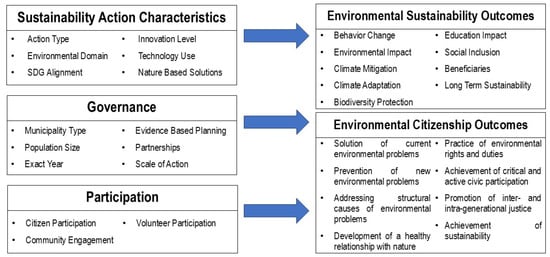
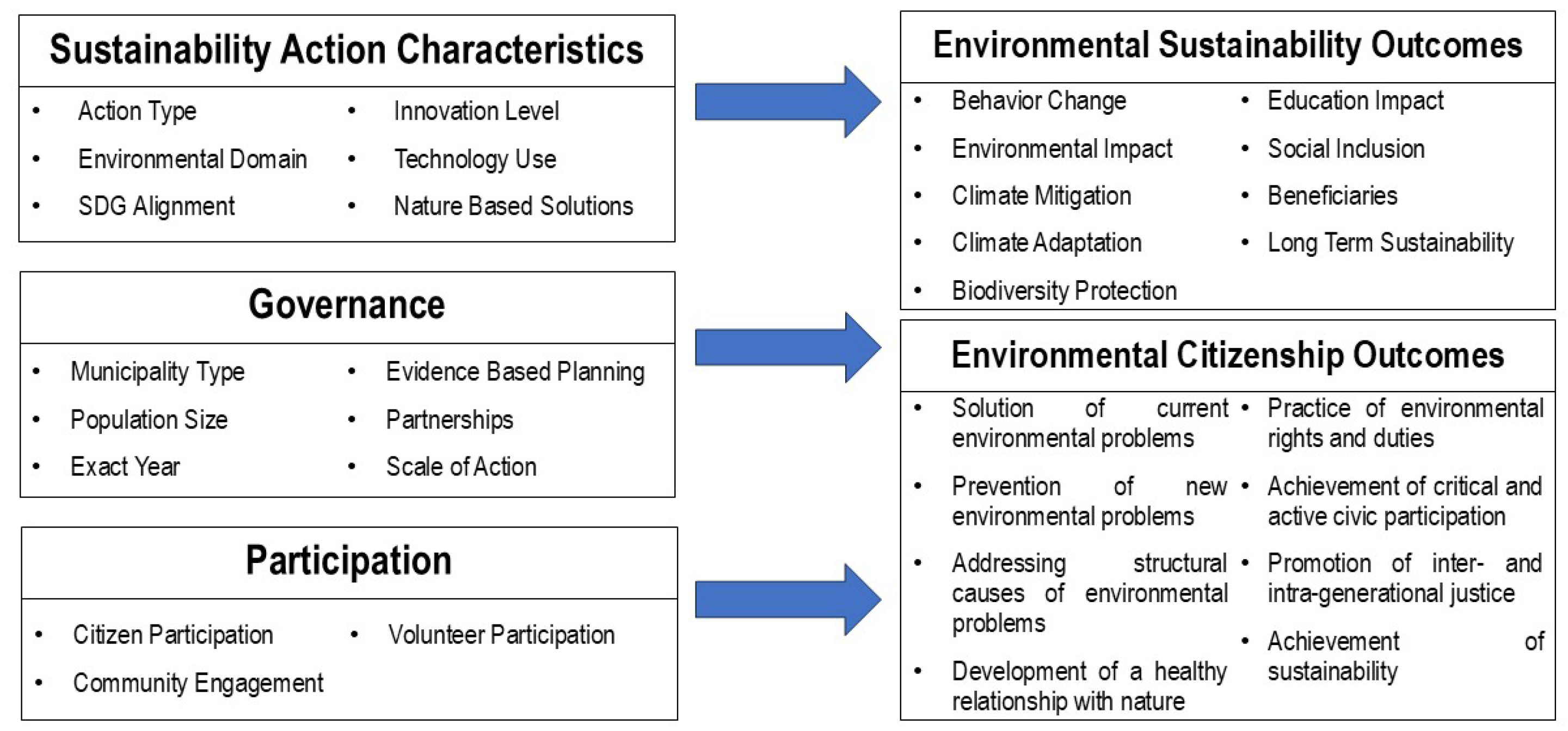
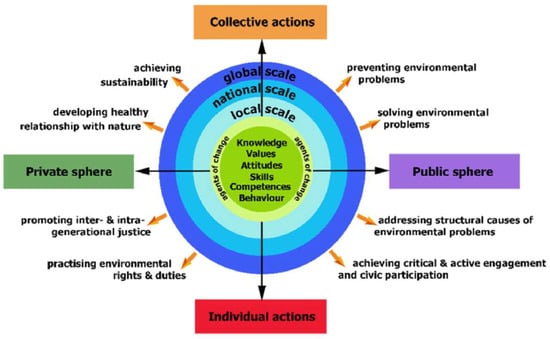
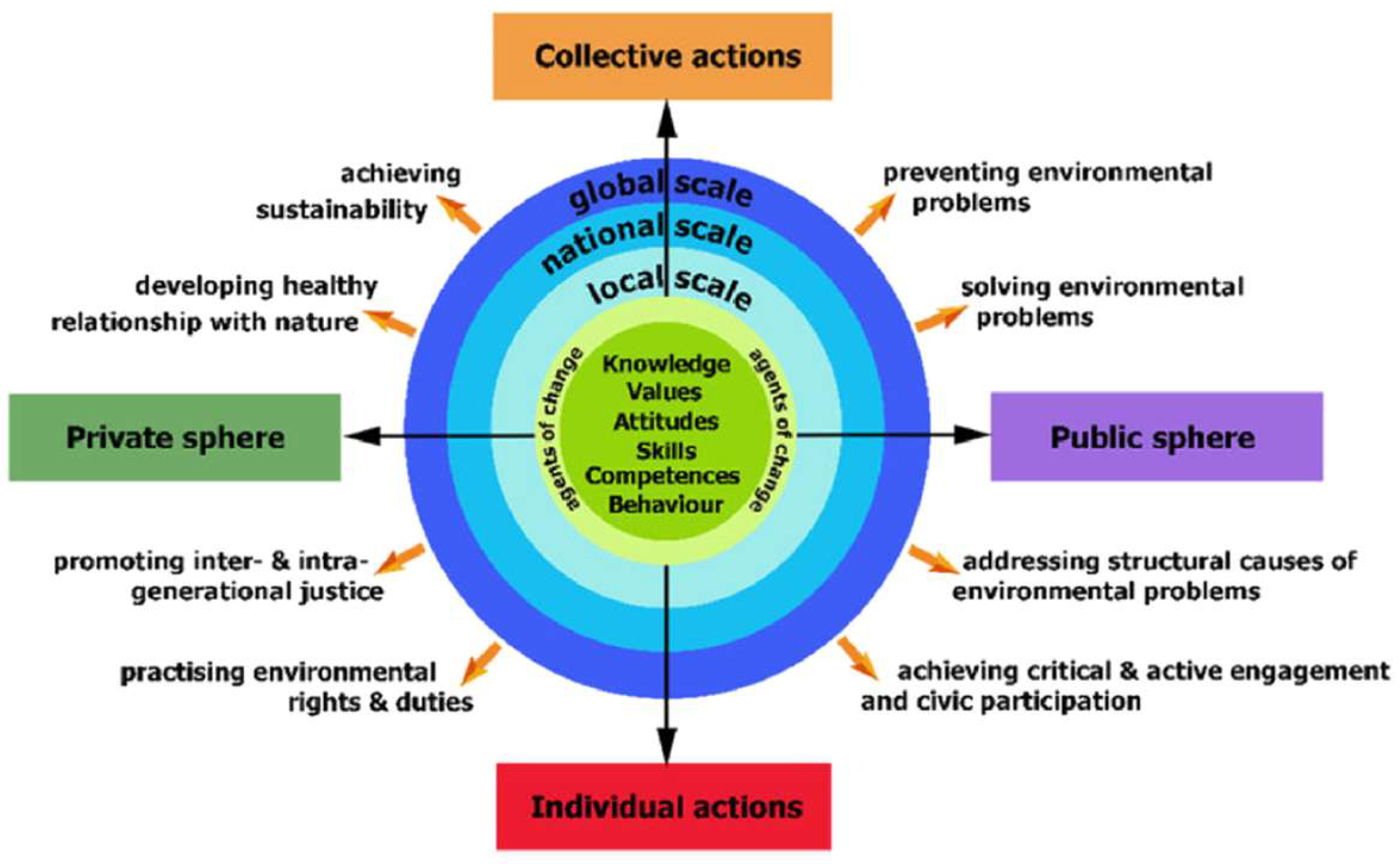
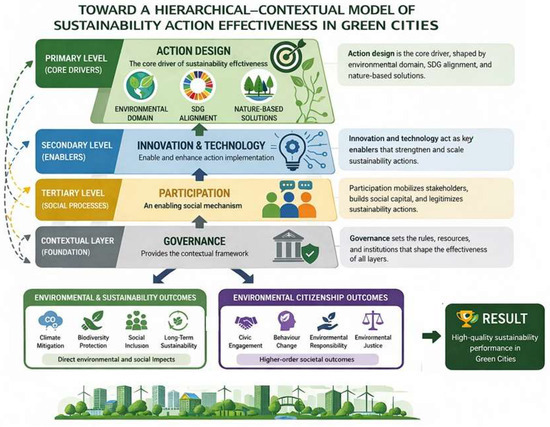
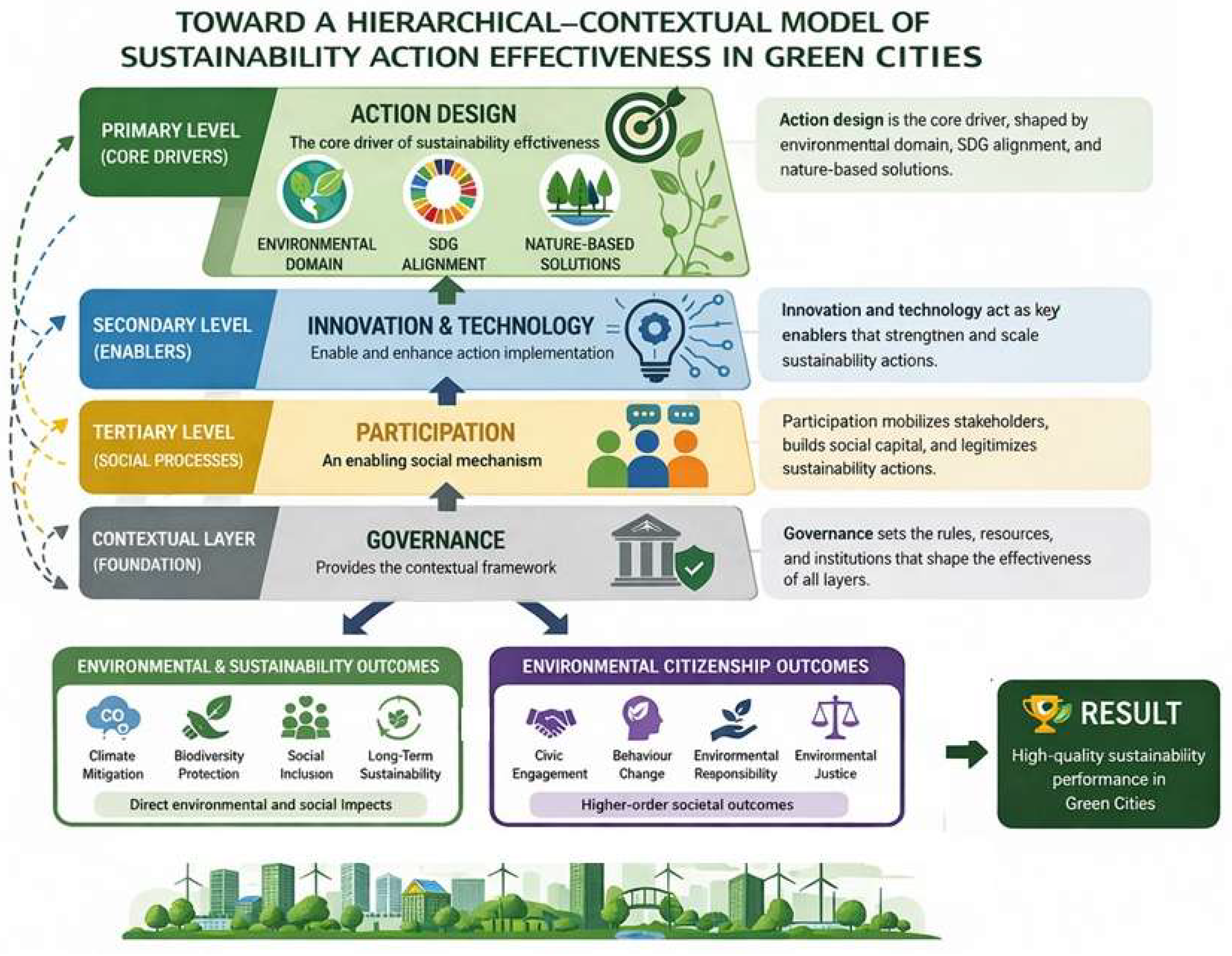

Disclaimer/Publisher’s Note: The statements, opinions and data contained in all publications are solely those of the individual author(s) and contributor(s) and not of MDPI and/or the editor(s). MDPI and/or the editor(s) disclaim responsibility for any injury to people or property resulting from any ideas, methods, instructions or products referred to in the content. |
© 2026 by the authors. Licensee MDPI, Basel, Switzerland. This article is an open access article distributed under the terms and conditions of the Creative Commons Attribution (CC BY) license.