1. Introduction
The term “digital nomad” was first used by Makimoto and Manners [
1]. Since the concept first emerged, technology and digitalization have changed the rules of work. Digital transformation has created different types of digital work, and digital nomads are a unique type of digital worker [
2]. Also, digital technology is blurring the boundaries between work and leisure, contributing to the evolution of digital nomadism as a new typology of worker. Definitions have been fragmented and scattered through different disciplines and perspectives [
3,
4]. So, what exactly are digital nomads? They are basically people who work in the new digital economy. They travel to different places for work and do not have an office or regular working hours [
5,
6,
7,
8]. Digital nomads have been recognized from a wide range of academic perspectives [
5,
9]. Consequently, the term “digital nomad” is identified through various lenses, including work [
4], tourism and leisure [
10,
11] lifestyle [
8], mobility [
12,
13], and other contextual frameworks [
14,
15,
16]. It is possible to encounter different definitions of digital nomads. However, the common features of the definitions are that they make explanations based on digital work, flexibility, mobility, and identity and community. To understand digital nomadism, it is important to look at how organizations and work are changing because of digital technology. Furthermore, the role of digital platforms in the technological development process and their significance for digital nomads will be discussed. Technological development, which facilitates flexible working arrangements, encompasses infrastructure services related to nomadism and “platform” infrastructure. Platforms encompass components such as the establishment of markets and the development of payment systems, which facilitate remote and independent work [
17]. A conceptual analysis of digital nomadism in the contemporary context will also be provided. The reason for choosing this approach is that we prefer to make explanations within the ecosystem that creates the concept of digital nomads. Within the conceptual framework we have developed, a bibliometric study based on the Web of Science and Scopus databases is designed to investigate the development of “digital nomadism” in the global literature over a given period. Through bibliometric analysis, it will be possible to quantitatively examine patterns, trends, and relationships in the scientific literature.
2. Literature Review
The digital era is not about turning existing processes into digital versions. It is about using new perspectives enabled by digital technology to rethink the way we do things. The world of work is undergoing a fascinating transformation, driven by technology and digitalization. The growth in remote work, made possible by digital infrastructure and platforms, has meant that people can now work from anywhere. This has created opportunities for highly mobile individuals known as digital nomads. Digital nomads are emerging as new actors in a labor market transformed by technology and digitalization, thanks to their unique skills in using digital tools. New technologies (big data, cloud computing, artificial intelligence, etc.) are being used in different ways every day. This change affects all processes, from production to consumption. In the new economic system that is focused on digitalization, the most important thing is speed, and the goal is to keep innovating. Because of this, jobs and the way people work are becoming more and more temporary. The authenticity of digital nomads coincides with the flexibility and temporariness required by the digital transformation. Organizations are being impacted by the wave of digital transformation and are becoming more focused on speed and agility. As a result, organizations are starting to use a new project-based structure. Project developments have led to both structural changes within organizations and a need to make significant changes for employees [
18]. The unique nature of each project, which is characterized by its temporality [
19], ensures that employees are employed in different ways and that they take on different roles within the project context [
20,
21]. In this context, projectification became part of a widespread phenomenon [
22]. Projectification can be defined narrowly “processes of organizational re-structuring initiatives taken in order increase the primacy of projects within a firm and its immediate supply network” [
23]. The use of projects is designed to make organizations more flexible, innovative, and agile [
24,
25]. Projects also organize and shape our actions at work and in our professional profiles and networks but also in our homes and leisure activities [
26]. The specific nature of each project fits the characteristics of digital nomadism, i.e., the temporary nature of projects that evoke and channel autonomy. As managers of their own freedom, individuals construct a projectified self [
27,
28]. These projects and individuals are viable options for each other. The projectified self is an expression of the cultural values found in the projectification society [
29,
30]. The “projectified self” refers to how knowledge, workers identities, and work are influenced by the structure of projects. In this society, people’s value depends on their ability to produce and consume themselves and others. They are seen as self-controlling, self-improving, self-commercializing, and as people who compartmentalize their lives and work hard to meet deadlines [
27,
28,
31].
The project-based structure of organizations is a result of the project-based nature of work. This situation is undoubtedly influenced by the dynamism created by digitalization and new technologies [
32]. From the perspective of employees, this change is observed as the emergence and spread of new working styles. Project-based organizations and work align with the innovative and competitive nature of the digital economy [
24,
33]. Therefore, flexible working models, such as project-based working, which can be adapted to dynamic conditions, are well-suited to the needs of the digital world [
34,
35]. Digitalization and new technologies create the kind of conditions that make it easy to develop new business models and organizational structures, and they also create the kind of environment that makes it easy to grow digital platforms [
36].
Platforms connect local and global markets in new ways, opening up possibilities in the digital age [
37,
38,
39]. Digital platforms represent a pivotal component of the economy, offering substantial benefits to all stakeholders and generating significant economic value. Digital platforms are evolving towards a borderless global structure, a paradigm which includes those who sell their labor, those who seek to hire labor, and those who own, operate, and maintain the platform converge. Digital platforms have caused a major change in the world of work, especially for platform workers [
40] like digital nomads, who can now access global markets and communicate easily. Digital platforms establish the conditions for maximum labor flexibility through their demand-oriented nature. The presence of these conditions, created by digital platforms, allows digital nomads to secure diverse jobs and projects during their travels.
Digital technologies should be considered fundamental to the definition of digital nomadism rather than as variables that can be altered. For this reason, digital infrastructure is essential for ensuring reliable, high-speed internet connectivity. The existence of a global digital infrastructure marks a new phase in the ongoing evolution of capitalism [
41,
42]. As Steinberg argues, the transition from automobile capitalism to platform capitalism is a significant development in the field [
43]. This new phase is changing the way businesses are conducted, along with the costs and consequences of doing business [
44]. In a global market that is interconnected by smart devices and characterized by extended borders, platforms are able to provide their existing services at a low cost due to the instant access that they provide [
41,
45].
The success of platform organizations is changing traditional approaches to work [
46,
47]. Gig work is a widely used term to refer to non-standard employment that takes place through platforms. “Non-standard employment” is an umbrella term that describes various forms of employment contracts that deviate from the standard employment relationship. They include temporary employment; part-time and on-call work; temporary agency work and other multiparty employment relationships; as well as disguised employment and dependent self-employment. As working from home does not take place at the employer’s premises, but rather at the worker’s home or at another location of their choosing, it too is considered a diverse employment arrangement. Non-standard employment features prominently on digital labor platforms [
48,
49]. Gig work is a concept that has gained popularity with the rise of digitalization and platforms [
50,
51]. In recent years, with the rise in digitalization and platforms, discussions on gig work have evolved from exploring, when gig work first emerged, to debates on the meaning [
52] and future of such work [
15,
49,
53,
54]. The formal transformation of work means changing the relationship between organizations and workers. At the same time, institutions are being set up for the future of employment [
39,
55,
56]. Digital nomadism is also part of this concept, which has developed with the speed of digitalization, but this rapid development has not occurred at the same speed in regards to the formation of comprehensive regulations [
57].
Digitalization is altering the rules of work and reshaping our lives. The way we work is changing. We are moving from working at the workplace to working away from home and even to work from anywhere. This innovative feature allows individuals to seamlessly balance work and travel, enhancing their overall productivity and efficiency [
58,
59]. We believe that the evolution of work towards project completion through a projectification approach is a key factor in this development. Employees are expected to complete their work, tasks, or projects, regardless of their location. The advent of digital platforms has empowered employees to accomplish their professional obligations in a flexible manner, leading to a paradigm shift in their lifestyles. This form of work and travel, referred to as “digital nomadism”, is increasing in prevalence, particularly based on the principles of the digital age.
Today’s technological trends are reshaping the rules and relationships of employment. Digital nomadism is a new labor phenom emerging in this wave of transformation. Our study focuses on the phenomenon of digital nomadism, which is the result of digitalization and technological evolution. A novel employee/traveler hybrid model is emerging, characterized by project-based work facilitated by digital platforms that can be accessed remotely and globally, thus blurring the traditional boundaries between employment and travel.
Today, digital technologies are a basic part of most people’s jobs. Digital nomadism is a new idea that combines freelance work, flexible jobs, and the ability to travel the world [
5]. The concept of gig work refers to a new type of employment that combines remote work, travel, and vacation experiences. Digital nomads, who are considered a new type of employee, are defined as individuals who utilize digital opportunities and location independence in their work [
15,
60,
61].
Reichenberger provides a comprehensive definition of digital nomads as follows: “Digital nomads are defined as workers who achieve location independence by conducting their work online and transferring this independence to mobility by not working in a permanently designated personal office space. They use the possibility of working and traveling simultaneously to the extent that there is no permanent residence” [
8]. In other words, digital nomads are people who work online and can work from anywhere. Digital nomadism also gives people more freedom to move around by not designating a fixed office space. According Hannonen [
9], the utilization of digital tools during travel does not inherently categorize an individual as a digital nomad. The term “digital nomadism” refers to a lifestyle characterized by the pursuit of travel and exploration in conjunction with professional goals and activities.
Digital nomadism, based on freedom of movement, faced an existential crisis in 2020 due to the restrictions on global mobility that were put in place in response to the pandemic. Considering these developments, a new conceptualization of digital nomadism is imperative in the post-COVID-19 era. In this context, digital nomads are defined as “using digital technologies to work remotely, work and travel at the same time, have autonomy over the frequency and choice of location, and visit at least three locations per year other than their own home or the home of a friend or family member” [
4].
Digital nomadism is a lifestyle that continues to exist as long as there is a demand for travel and digital jobs. Digital nomadism is a multifaceted concept that exhibits a dynamic equilibrium between two poles. The nature of this phenomenon undergoes a shift when one of these poles assumes a more dominant position. In circumstances where employees are traveling for leisure and then returning home, a remote working style emerges that combines work and vacation, referred to as a “workation” [
62]. If digital nomads remain in the places they travel for extended periods, they are considered migrants engaged in digital work [
58,
63]. Digital nomadism is a work–life style in which employees move away from the traditional working order and perform their work on projects in different parts of the world, leading a wandering lifestyle.
3. Materials and Methods
Bibliometric analysis is a tool that can be used to identify research trends; evaluate impact; and map the collaboration, institutional, and geographic patterns of bibliographic material often over a period of time [
64]. It can be used to assess citation patterns and highlight influential publications. Additionally, it can help researchers choose top journals, enhance literature reviews, and support meta-analyses. Significant studies have been conducted in the fields of management [
65,
66], medicine [
67], sociology [
68], and hospitality and tourism [
69]. Using bibliometrics, researchers can create detailed knowledge maps representing the intellectual structure of the research areas and analyze their nature using statistical and mathematical methods [
70]. Bibliometric methods offer a systematic and comprehensive approach to assessing the status, impact, quality, and future directions of academic research. This method provides a comprehensive projection of the research topic, thus enabling researchers to guide decision making. In our study, this approach is used to develop and provide insight into the rapidly evolving concept of digital nomadism, influenced by forces such as digitalization and technological developments. It helps to provide an understanding of the past and present state of digital nomadism, as well as the direction in which it is evolving in the future.
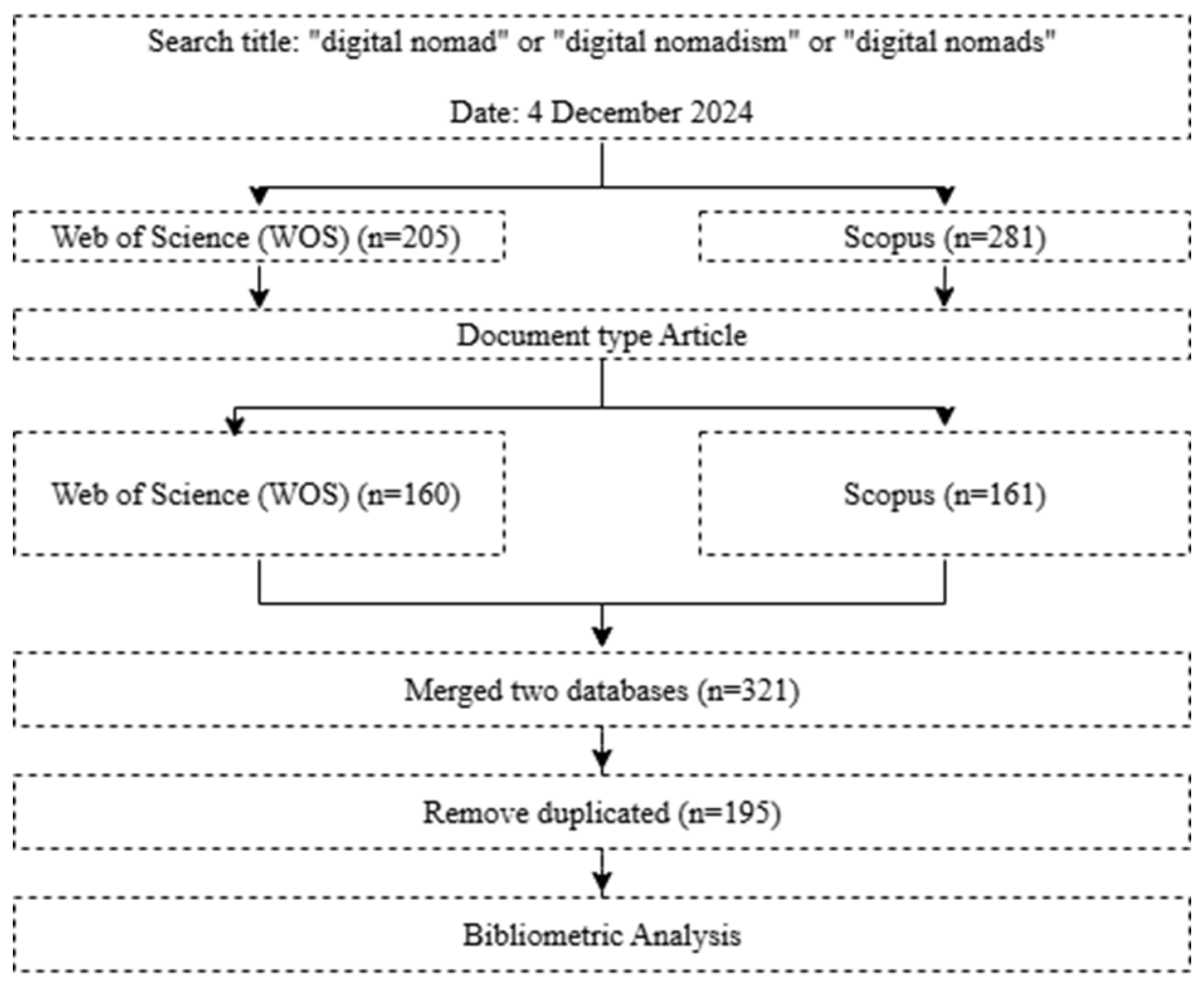
In this study, data was retrieved from the Web of Science (WOS) and Scopus (see
Figure 1). These are two major databases commonly used by researchers. The Web of Science (WoS) and Scopus databases are widely used for bibliometric analysis. Therefore, the use of both databases minimizes the exclusion of articles. As previously stated, these databases are used in bibliometric analyses in a variety of academic disciplines. The Web of Science (WOS) database, without a time span limit, was searched using the keywords “digital nomad” or “digital nomadism” or “digital nomads”. The search was performed by using the multiple related keywords mentioned above on 4 December 2024 in a single day to avoid bias caused by daily database updates. At first, we accessed 205 publications; after application of the inclusion and exclusion criteria (document types: article), the final number of papers was reduced to 160. The Scopus database search routine was as follows: the keywords “digital nomad” or “digital nomadism” or “digital nomads” were searched for in the title, abstract, and keywords. The search was performed on 4 December 2024, using the keywords above. Initially, we accessed 281 publications; after using the Limited to Articles filter, the final number of publications was reduced to 161. To address data overlap issues, the obtained datasets were merged using the Rstudio statistical Bibliometrix package, duplicate data were removed, and a scientific data table was created by combining the information collected from the WoS and Scopus databases. The final step was to merge the two databases in Rstudio (the R package is an easy and more efficient way to integrate data into databases) and remove the duplicate bibliography. Therefore, in order to avoid the problems associated with the manual process of merging the Scopus and WoS databases [
71], this paper proposes an automatic merging process [
72,
73,
74]. The results were refined and screened for eligibility to remove 126 duplicates. Duplicates were removed using R basis functions and following the steps suggested by Echchakoui [
73] and improved by Caputo et al. [
74,
75]. These methods performed a bibliometric analysis by combining the bibliographic metadata from the Scopus and WoS databases using Bibliometrix.
In this study, the data were analyzed using the Bibliometrix package version 4.3.2 in the RStudio software. RStudio is an application that is based on R. It is standalone, meaning it can be used on its own. It has all the functions available in R. RStudio was developed and is provided by Posit Software. RStudio is to empower users to use R efficiently. The Bibliometrix for RStudio software includes an integrated Biblioshiny utility with a graphical user interface, designed for users without coding expertise. Biblioshiny is a web interface that allows you to use Bibliometrix. This enables the creation of comprehensive analyses with innovative plot representations. Biblioshiny performs science mapping analysis using the main functions of the bibliometrix package. Biblioshiny combines the functionality of a bibliometrics package with the ease of use of web applications using the Shiny (web application framework for R) package version 1.10.0 environment [
75,
76].
4. Results and Discussion
Table 1 provides basic information on the bibliometric analysis of the development of the digital nomad research theme related to data from the Web of Science and Scopus.
4.1. Performance Analysis
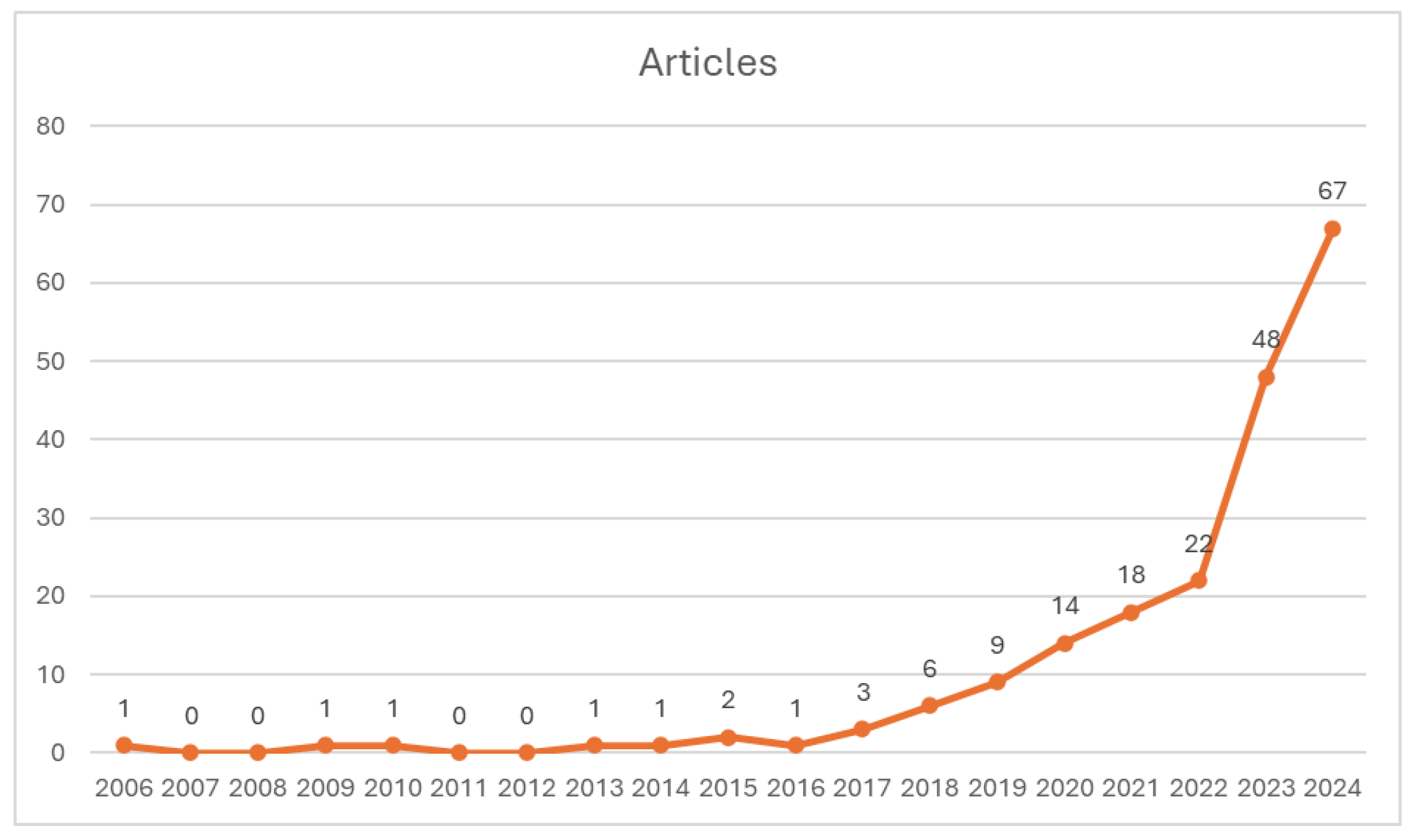
Figure 2 shows the number of articles published on the topic by year from 2006 to 2024. A total of 48 out of 195 published articles were only indexed by Scopus. The first article published on the subject of digital nomadism dates back to 2006. There has been no significant increase in the number of articles from 2006 to 2016. It was not until after 2016 that the number of articles published on the subject began to increase. This rate of increase has risen exponentially over the last 2 years. A total of 48 articles were published in 2023 and 67 articles in 2024. The increasing awareness of the topic by different disciplines is leading to an increase in publications. In addition, the increasing digitalization and remote working systems in 2020 and beyond has led researchers interested in this topic to conduct research on digital nomads.
The academic community has recently shown significant interest in digital nomads. This is mainly because of the restrictions people experienced during the coronavirus period and the fact that the use of digital technology was required in every field. In 2020, because of the coronavirus, there were numerous restrictions on people’s movements around the world. This clearly undermined mobility, which is one of the core values of digital nomads. But at the same time, new opportunities have emerged for people who work remotely [
77]. The fact that many people have had to work from home has led to many jobs being performed digitally, as well as to many people working away from the office [
59]. This means that there are now new job opportunities for people who have the right digital skills, like digital nomads. In addition, the fact that various countries offer opportunities for digital nomads in the post-covid period has increased interest in the field [
12,
14,
57]. Finally, the future of work as a research field has gained momentum because of the effects of the COVID-19 pandemic on the transformation of traditional jobs into digital jobs. Digital nomads are the subject of studies as a research object for identifying digitalization trends and predicting future changes [
15,
78].
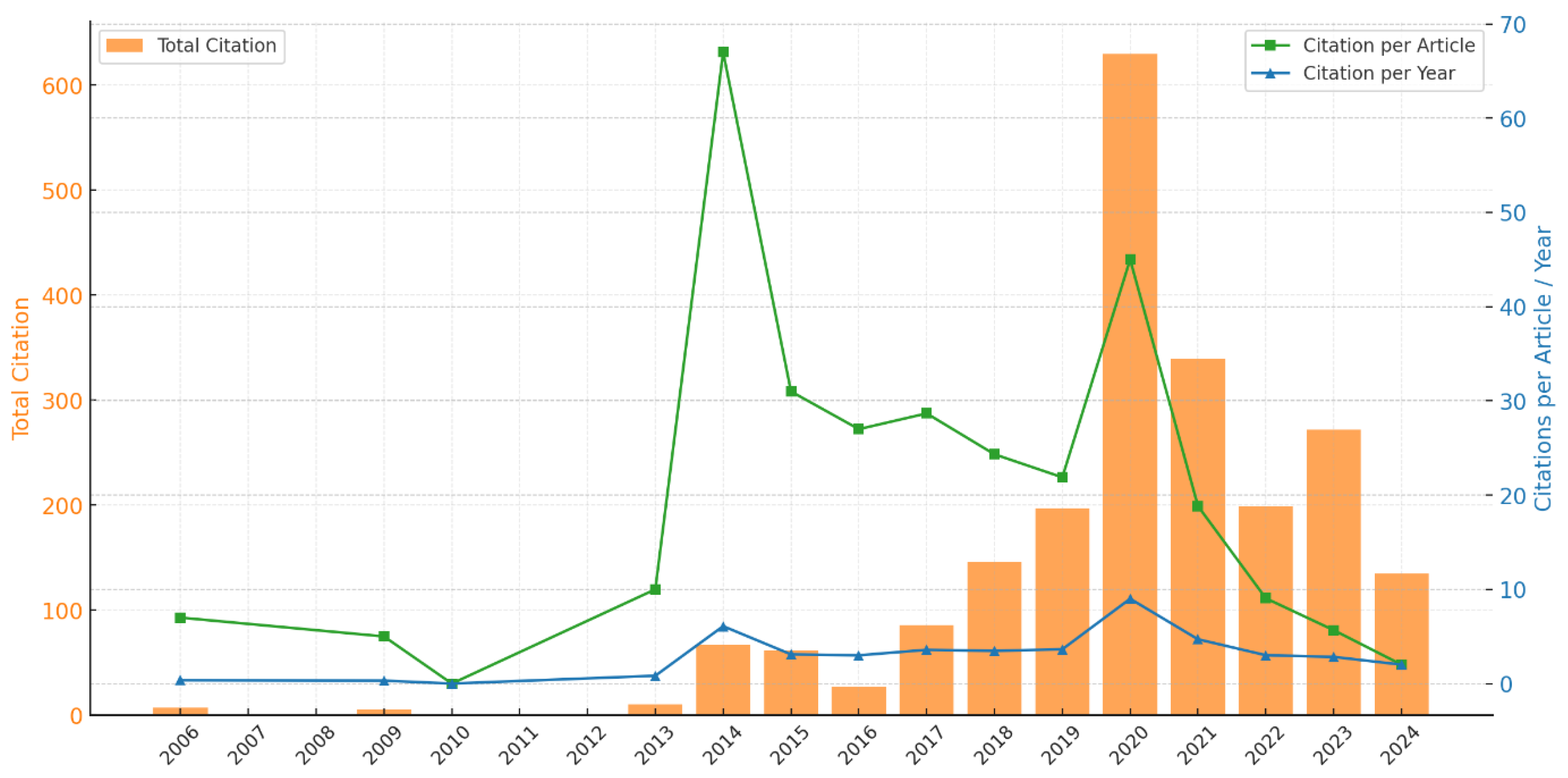
Over the years, interest in the research area has risen, the number of publications has increased (
Figure 2), and the average annual citation value per article has decreased due to the increase in the number of articles (
Table 2). In 2020, the yearly average number of times each article has been cited reached its highest level (
Figure 3). As mentioned earlier, it is thought that the effects of the coronavirus period, as well as research on digitalization and the future of work, have increased the citation of digital nomad articles. It was noted that the rise in citations for articles on digital nomadism can be attributed to the challenges posed by restrictions and the pursuit of solutions to these challenges.
4.2. Most-Cited Articles Globally
Table 3 presents the top ten most-cited articles in the field of digital nomad research. These articles offer valuable insights into the impact of publications within the scientific community. Despite the fact that these articles were published in the last decade, they continue to be foundational studies on which digital nomad research remains grounded.
Reichenberger’s research examines the motivations of digital nomads, emphasizing dissatisfaction with traditional work structures and the pursuit of professional and personal freedom. Reichenberger’s research identifies three levels of mobility and challenges the work–leisure dichotomy, suggesting that information and communication technologies enable digital nomads to combine work and leisure.
The work of Sutherland and Jarrahi centers on the role of technology in the gig economy. Focusing on digital nomads, this study investigates how workers utilize digital infrastructures to blur the boundaries between work and personal life. It shows how flexible gig workers are and suggests that we should understand how they work together and how they spread out.
Wang’s study explores how remote work, accelerated by the pandemic, challenges traditional office structures. It looks at digital nomadism and flexible working models and how they affect productivity, well-being, and urbanization. In addition, it examines the impact of these developments on the future of knowledge work.
Mancinelli’s research explores how digital nomads embrace global mobility and remote work, valuing freedom and self-expression while adapting to neoliberal ideals of flexibility and entrepreneurship. However, this autonomy also reinforces personal responsibility, precarity, and self-exploitation, reflecting broader economic shifts in labor, mobility, and the gig economy.
Cook’s study highlights the paradox of digital nomadism. Freedom requires strict self-discipline. Longitudinal research reveals how nomads struggle with work–leisure boundaries, isolation, and productivity pressures.
Hannonen’s article improves the way we understand the concept by distinguishing it from other mobile work practices. It highlights key aspects such as productivity, perpetual travel, and community and proposes a lifestyle mobility approach that integrates work as a defining element.
De Vaujany’s research has analyzed how emerging work practices, such as remote working and digital nomadism, create a paradox in which autonomy coexists with increased surveillance and control. Studies show how these new modes blur boundaries, promoting freedom while increasing surveillance. This dynamic intensified during the pandemic, reshaping organizing practices and challenging traditional notions of work and autonomy.
Filippo Dal Fiore’s paper discusses how mobile technology affects the way people travel and identifies the benefits and problems. Mobile devices enhance mobility by reducing barriers, increasing efficiency, and enabling real-time adjustments, yet they also pose paradoxes, such as making travel both easier and more burdensome.
Orel’s study examines the rise of digital nomadism and the growing use of co-working spaces to balance work and leisure. Digital nomads value mobility but face challenges such as isolation, which co-working spaces can help to mitigate. These spaces enhance productivity, foster social connections, and serve as hubs for innovation, making them essential to nomadic lifestyles.
Richards’s paper explores different types of young people who travel and live in a nomadic way, such as backpackers, flashpackers, and global nomads. Each of these groups has their own mobility strategies. Backpackers seek social interaction, flashpackers rely on digital connectivity, and global nomads reject societal norms, while still engaging with local communities. These groups navigate mobility through distinct but interdependent approaches.
These articles primarily explore digital nomadism, emphasizing mobility, work–life balance, and technology’s role in reshaping labor dynamics. Key themes include freedom, flexibility, productivity, and isolation. Digital nomads seek autonomy but face challenges including self-discipline, work–leisure boundaries, and precarious labor conditions. Technology facilitates remote work, enhancing efficiency yet increasing surveillance and control. The gig economy, coworking spaces, and neoliberal ideals also shape this lifestyle. Different nomadic groups, such as backpackers, flashpackers, and global nomads, adopt distinct mobility strategies. Overall, digital nomadism reflects broader economic shifts and the paradox of enhanced freedom coexisting with heightened dependence on digital infrastructure and market forces.
4.3. Author Productivity
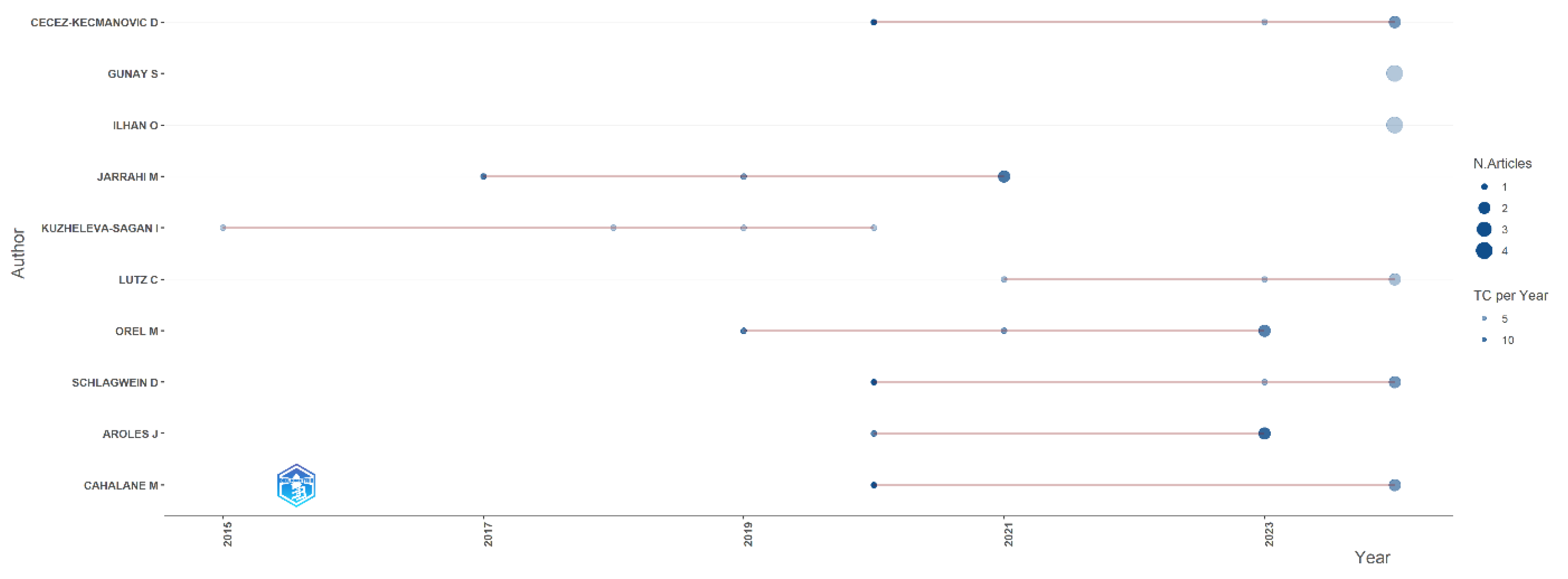
Figure 4 shows that the number of publications by an author in a given period is a measure of productivity. It shows the temporal cross-section of prolific authors’ interest in the field of digital nomads. Although productivity alone does not necessarily indicate a researcher’s overall productive capacity, scholars have traditionally used other measures, such as total citations, to assess a researcher’s importance in the scientific community. In
Figure 4, the bubble size represents the number of publications written by each author each year. The intensity of color indicates the total number of citations per year. Although Kuzheleva-Sagan is a pioneer with her publications, her publications come to an end after 2020, at a time when interest in the field is growing.
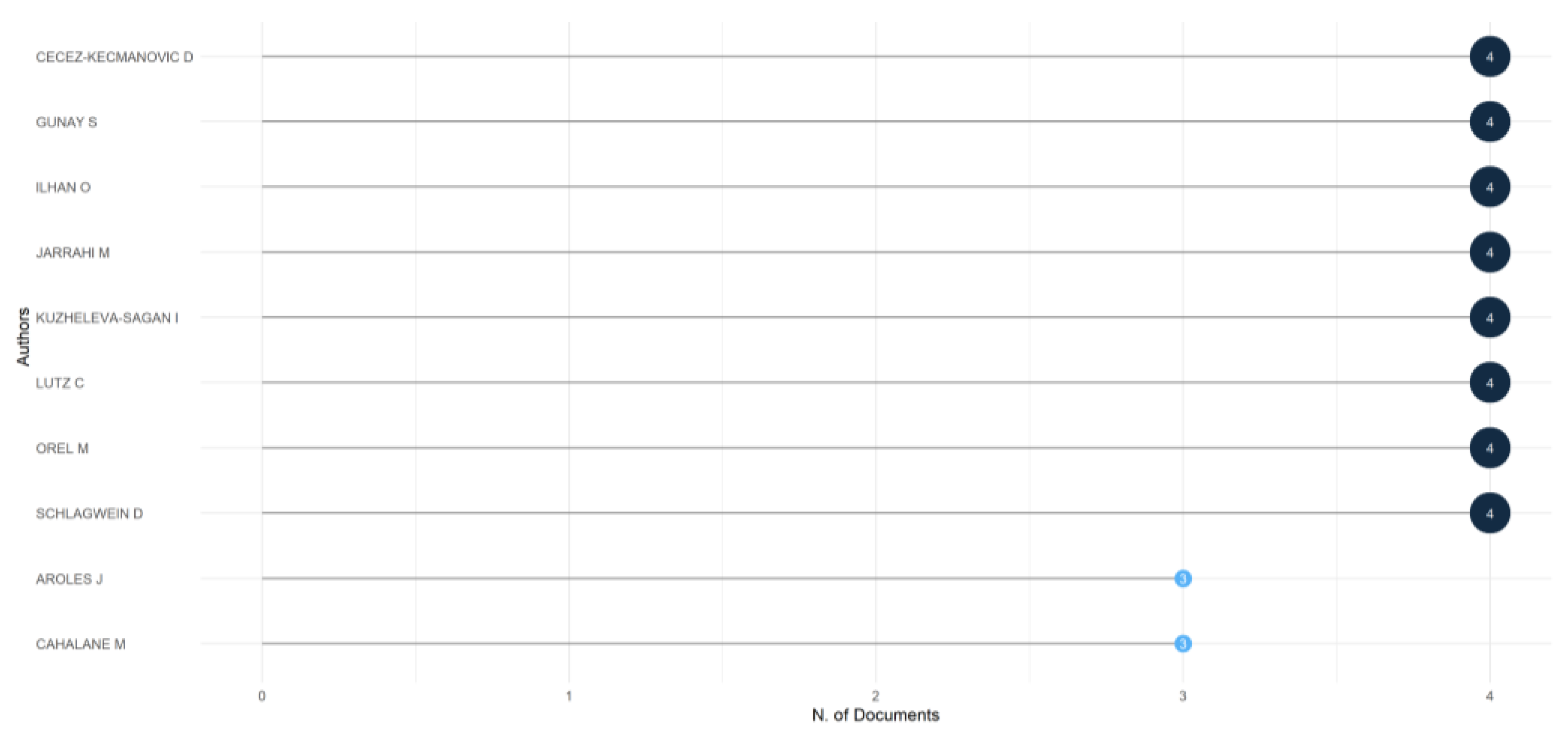
Figure 5 represents the number of publications by author. The situation is similar for other prolific authors. The most prolific authors contributed four articles to the field.
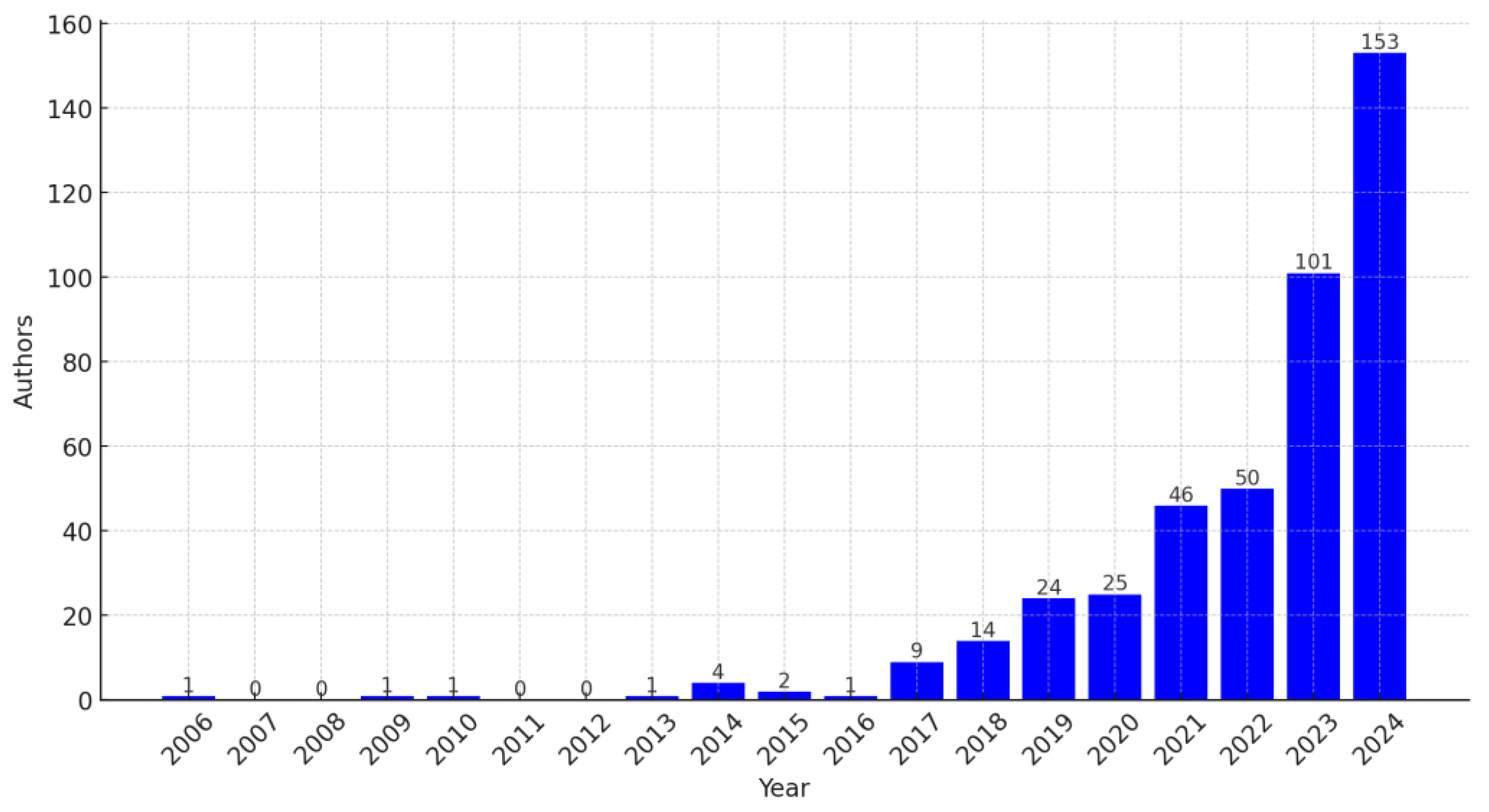
Figure 6 shows how the number of authors changes from year to year. Some periods have more activity than others. There has been a noticeable increase recently, especially around 2024. This suggests that there is growing recognition of the research area. If this trend continues, we can expect to see more significant contributions in the coming years. The number of authors each year (433) is more than the total number of authors across all years (397,
Table 1) because some authors appear in more than one year. This means that while 397 authors are unique overall, some have contributed to different years, which adds up to a higher total when we add up the numbers for each year.
4.4. Scientific Production by Country
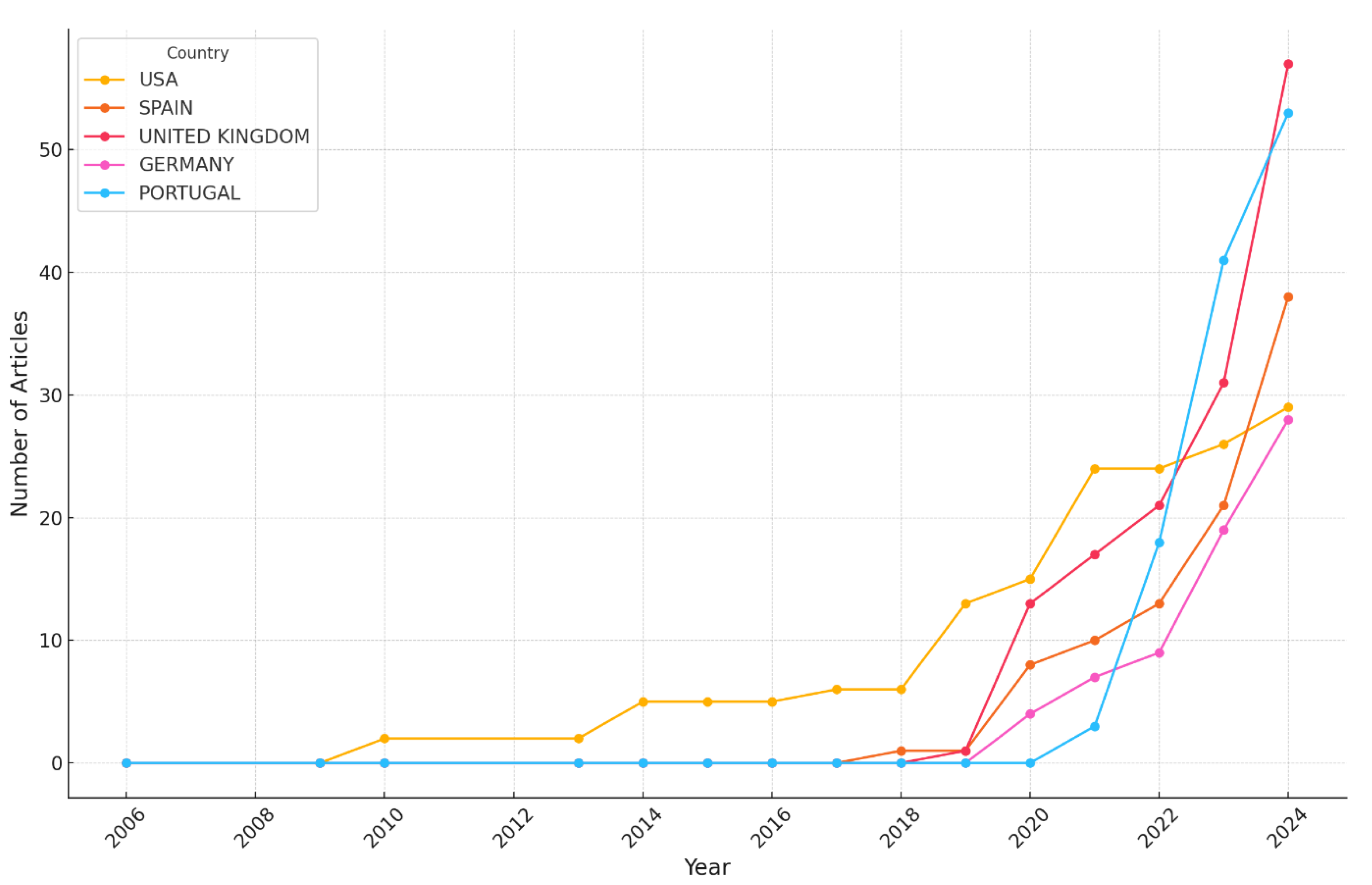
Figure 7 illustrates the scientific production of various countries, highlighting their publication frequency. The United Kingdom has been identified as the most contributing country, with 57 publications, followed by Portugal, with 53 publications. The contributions of these two countries account for more than half of total publications. Spain (38) and the USA (29) are in third and fourth place, respectively. Although the first articles on this topic were published in the USA, there has been a significant increase in the number of publications as a result of growing international interest, particularly during the pandemic. Digital nomadism, which has been the subject of publications from the UK and Portugal since 2019, is a rapidly developing field.
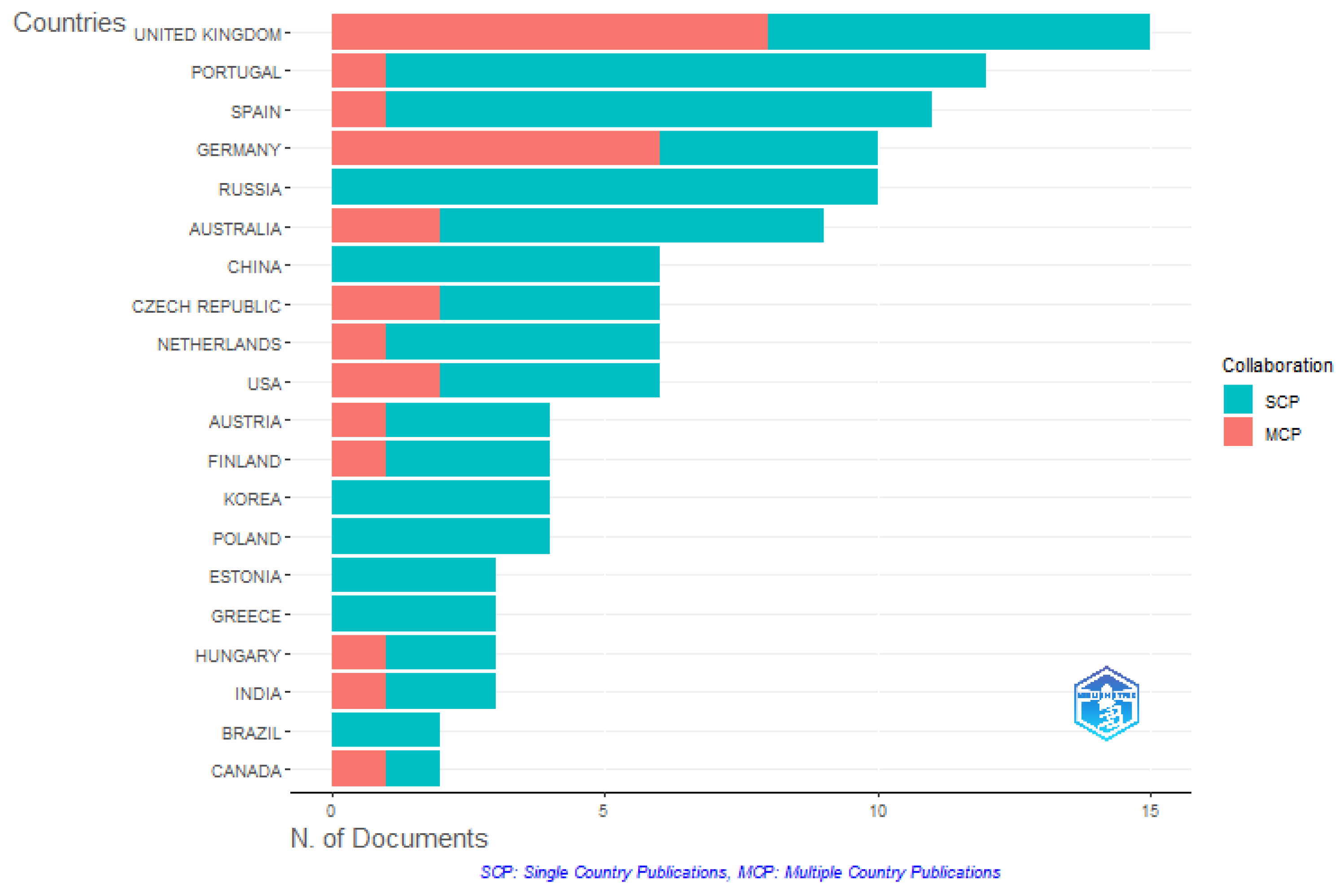
When we evaluate in terms of corresponding author’s countries, although the UK maintains first place in the ranking, 7 of the 15 articles are single-country publications and 8 are multi-country publications (
Figure 8).
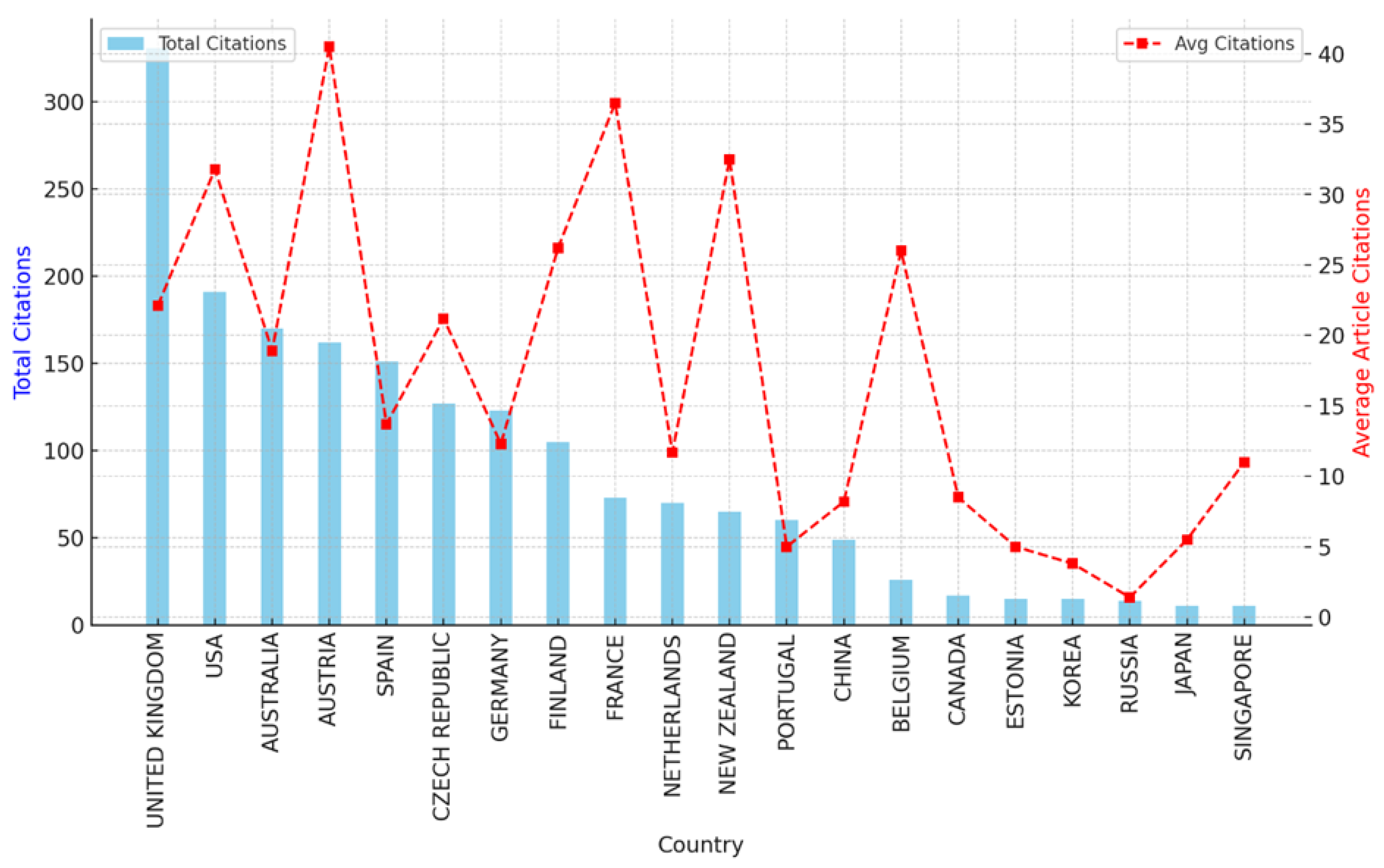
The global contributions to digital nomad research in terms of citations were analyzed and are presented in
Figure 9. It presents the most cited countries, ranked according to the total number of citations per country (TC) and the average number of citations per article (AAC). We present only the top 20 countries. The United Kingdom has received the highest number of citations (331 TC, 22.1% of average article citations (AAC)), followed by the USA (191 TC, 33.8% of AAC) and the Australia (170 TC, 18.9% of AAC).
4.5. Keyword Co-Occurrence Network
Co-word analysis is a common bibliometric method used to analyze the keywords which best reflect the core content of the literature. This analysis defines the relationship between two keywords as the frequency of their co-occurrence. These relationships can be used for further analysis. These analyses reveal the relationships and structure of the keywords, identify hotspots, and predict development trends [
85,
86].
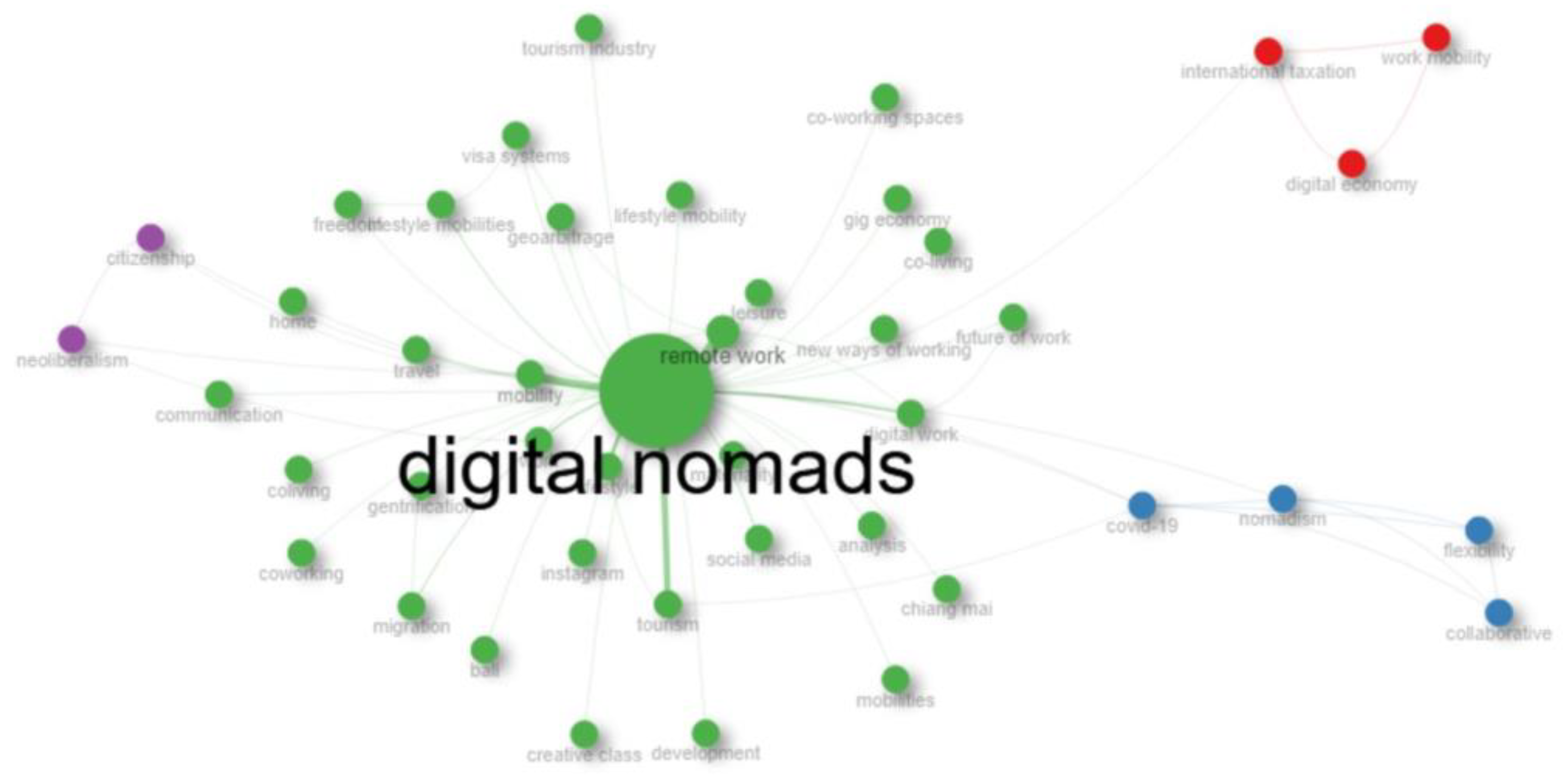
As can be seen in
Figure 10, the keywords are grouped into four clusters. It can be seen that the clusters colored in green generally reflect common keywords and that the publications are closely related to each other. It can be seen that the blue cluster is clustered within the COVID-19 framework. In this respect, the pandemic period, evaluated as 2020 and beyond, when publications increased, was not reflected in the keyword preference in the publications. The keywords in the red cluster indicate macro issues, such as economy, international taxation, and work mobility. In this context, the clustering around a specific keyword, such as taxation, shows that the authors working in this field are interested in digital nomadism. The purple-colored cluster consists of the keywords citizenship and neoliberalism. Although this cluster consists of two words, it is linked to different words (work, mobility, etc.). The clustering in the keywords shows that the studies are differentiated at certain points.
4.6. Most Relevant Sources
As illustrated in
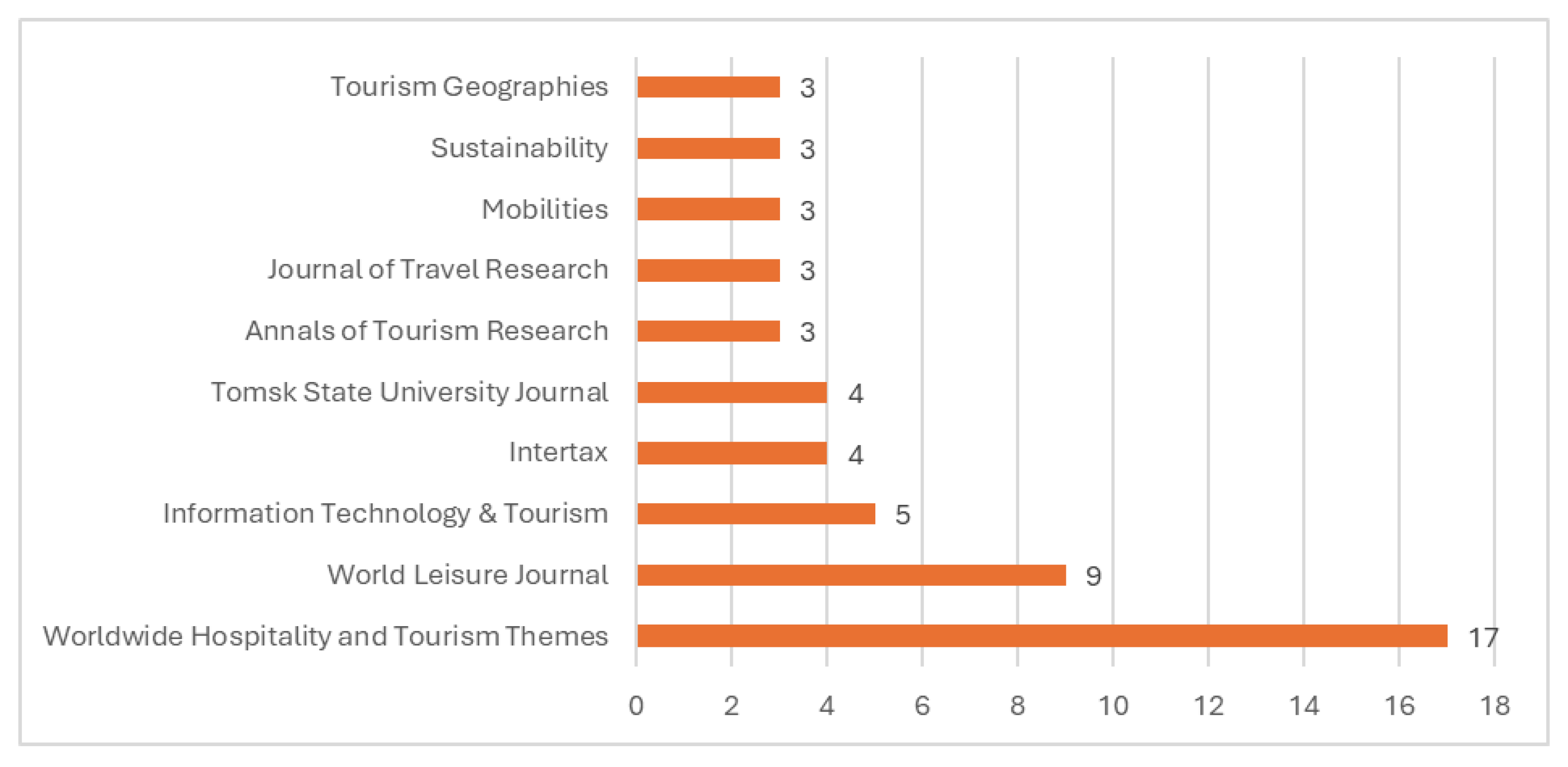
Figure 11, the most significant sources contributing to the scientific literature on digital nomadism are emphasized, with the number of publications in each journal indicated. It is also important to understand which journals are more focused on publishing papers in the field of digital nomads. This information on publication sources will help researchers to read and submit more papers to these journals. Therefore, this study analysis shows us the primary sources of digital nomad research. The
Worldwide Hospitality and Tourism Themes journal has published the most significant contributions to the scientific literature, with a total of 17 articles. They are followed by
World Leisure Journal, with nine articles. Other notable journals include
Information Technology & Tourism,
Intertax, and the
Tomsk State University Journal, which also show a significant volume of publications.
Tomsk State University Journal was only indexed by WoS, while other journals in
Figure 11 were indexed by both WoS and Scopus. It is important to note that these journals are key for sharing research on digital nomads, showing both how important they are scientifically and how they attract influential studies. It can be seen that the publications are mainly found in tourism-related journals. In this respect, it may be appropriate to note that the perspective of digital nomadism is widely evaluated as a tourist typology.
These sources are important because they show that a significant amount of knowledge and technological development is reflected in certain key journals. These journals can help researchers find the best ways to publish and read important works in this area. This distribution also shows that research on digital nomads is growing and changing with time. It includes many different approaches and uses technology in new ways.
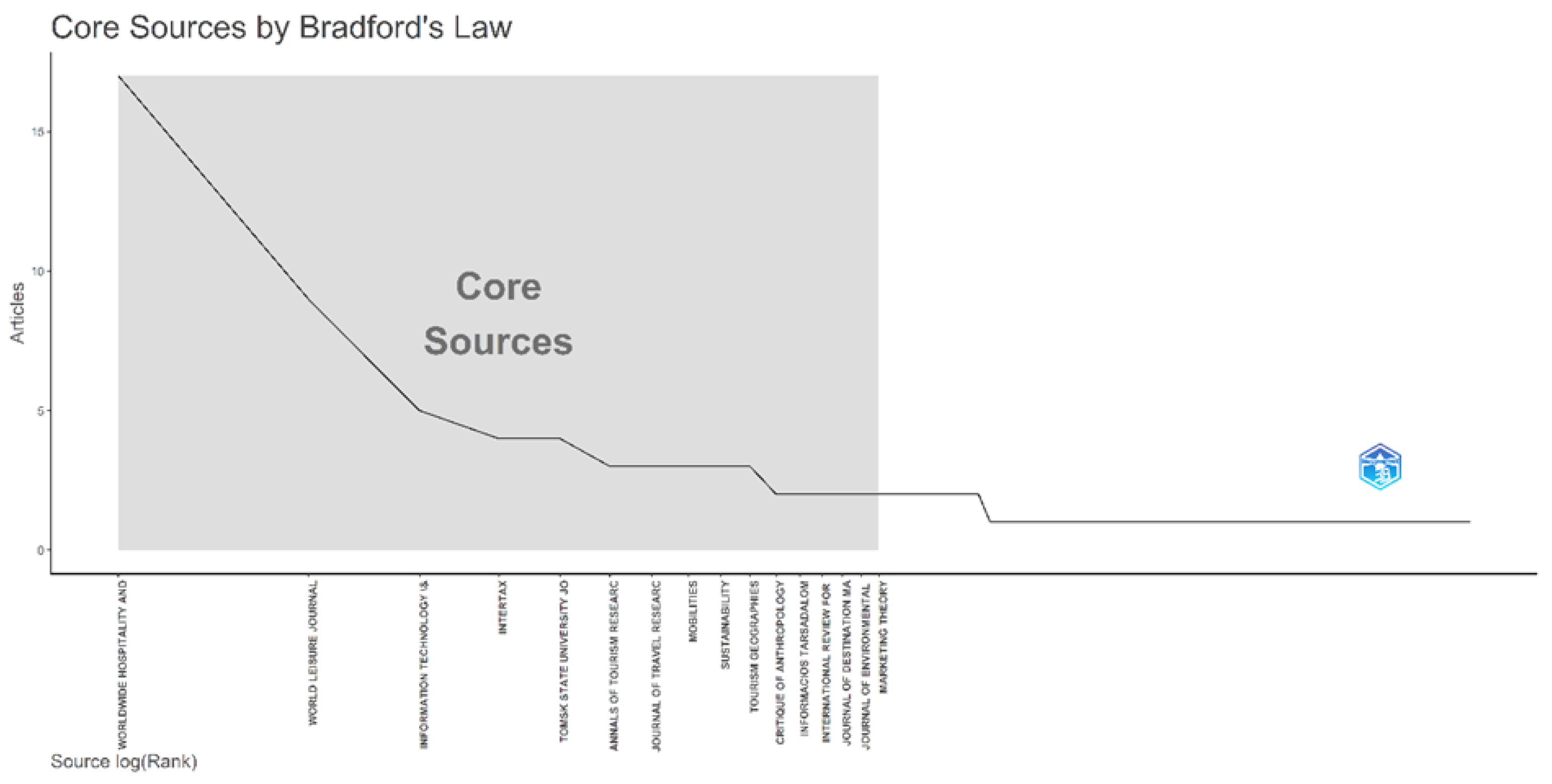
In addition, Bradford’s law divides sources into three zones according to the distribution of the number of publications, with Zone 1 representing the most important sources, as used in
Figure 12. The graph represents the frequency of articles per ranked journal, categorized into three zones. Zone 1 includes the core journals containing the most articles. In addition to the journals listed in
Figure 11,
Critique of Anthropology,
Informacios Tarsadalom, the
International Review for Spatial Planning and Sustainable Development, the
Journal of Destination Marketing & Management, the
Journal of Environmental Management and Tourism, and
Marketing Theory are part of Zone 1. The journals in Zone 1 host 33.84% of the articles.
Worldwide Hospitality and Tourism Themes has the highest number of articles, with a publication rate of 8.71. Zone 2 includes the middle-tier journals and Zone 3 the peripheral journals, contributing fewer articles. This follows the classic Bradford’s law pattern, where a small number of journals contribute most of the articles, while a larger number contribute fewer articles.
4.7. Collaboration Network
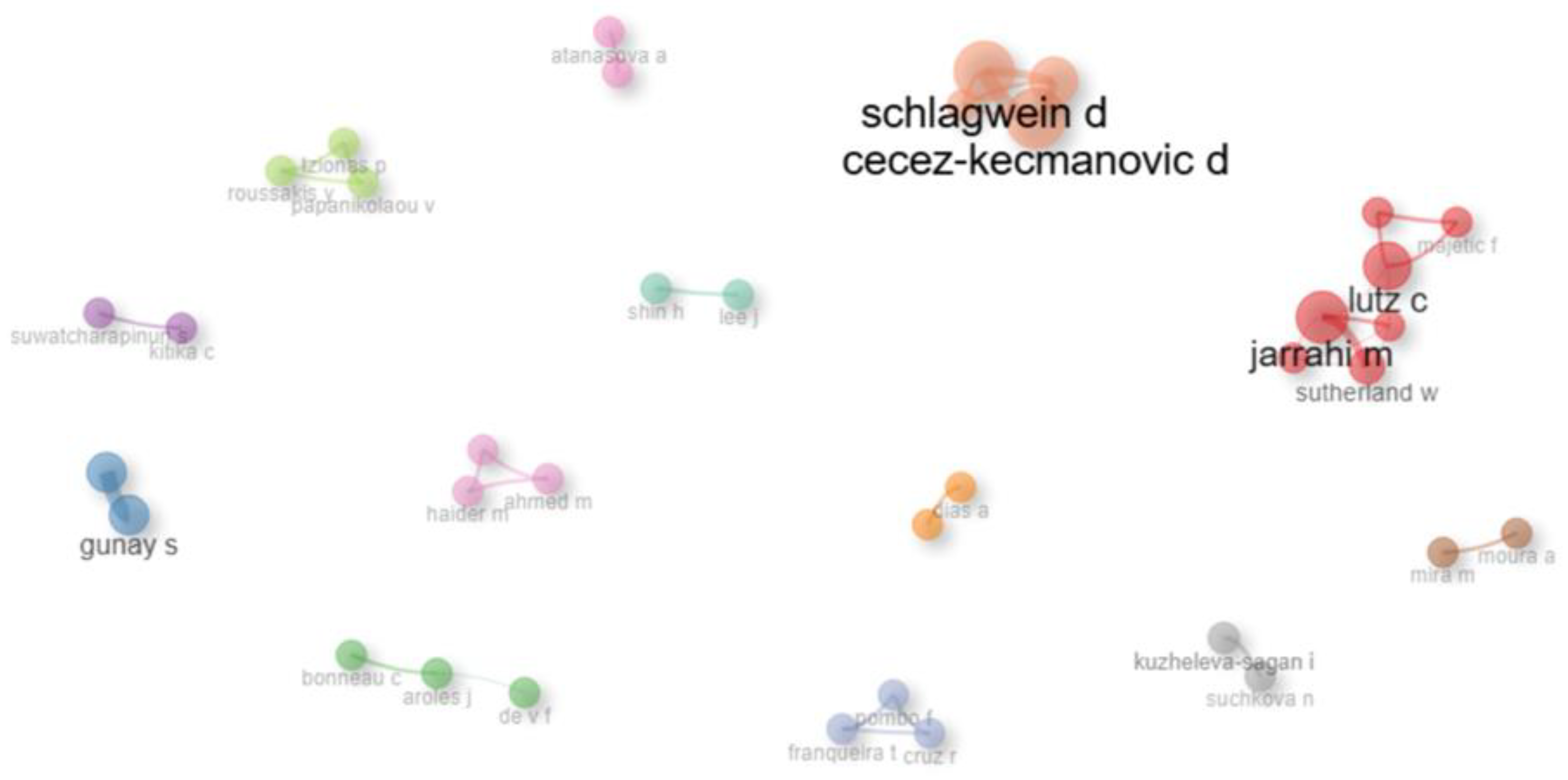
Collaboration between authors has also been analyzed. In particular, the collaboration network shows research groups that illustrate specific themes and how they are related.
Figure 13 shows a total of 13 research groups for the analyzed topic.
Figure 13 also shows how little collaboration there is between the groups. The largest group includes seven authors (Jarrahi, Lutz, Sutherland, Erickson, Majetić, Miguel, and Sawyer). The main areas of research for authors in this group are lifestyle and identity, local communities, social media, workspaces, and productivity.
4.8. Conceptual Structure
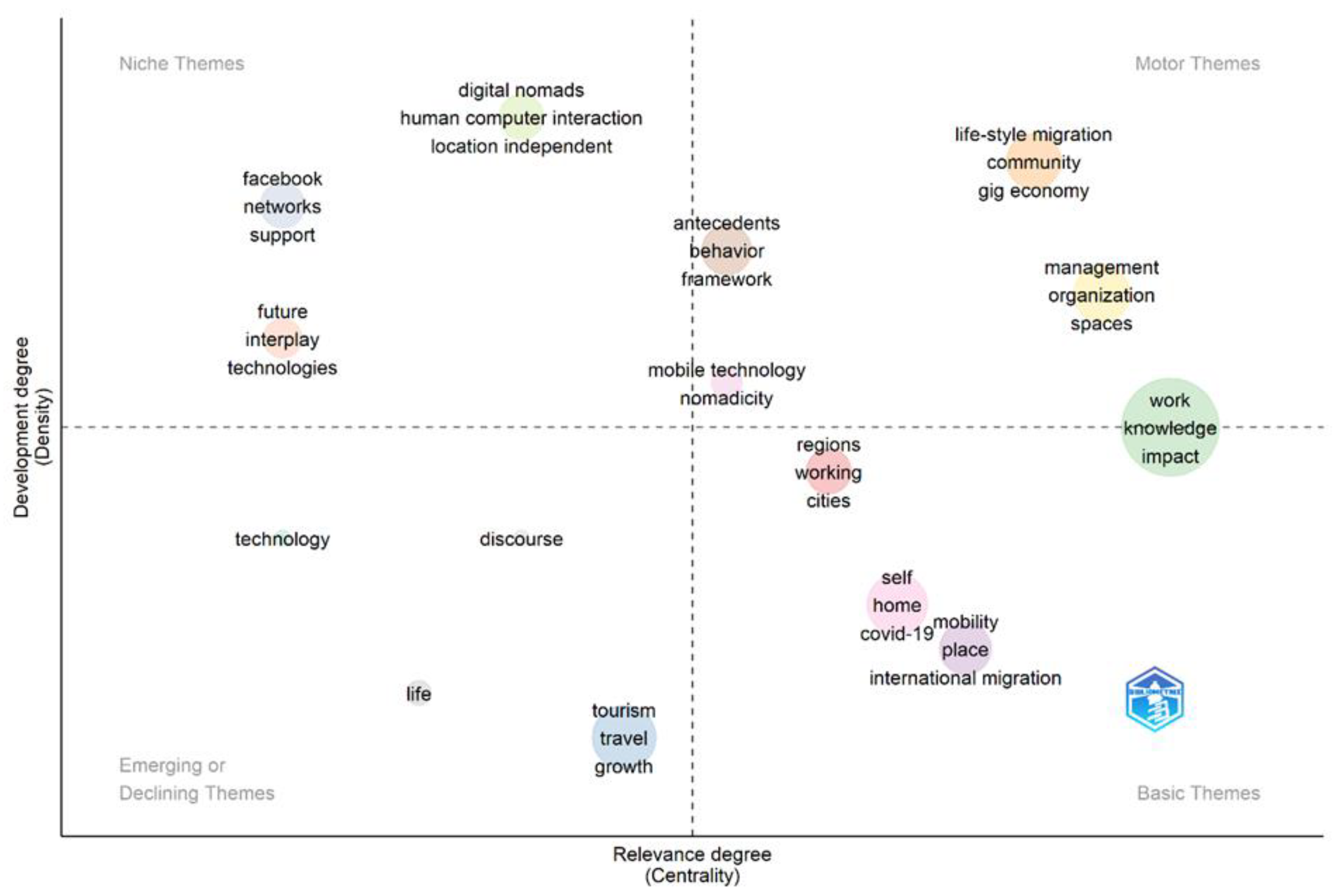
The thematic map organizes various themes based on two measurements: centrality (measures the degree of interaction of a network with other networks) and density (measures the internal strength of the network).
Figure 14 shows the visual representation of the quadrants based on the degree of density and centrality in the articles on digital nomads. The map groups the critical research areas into four quadrants based on the extent of centrality and density, indicating emerging, basic, motor, and niche themes (
Table 4) [
87].
Figure 14 shows the thematic map, which is a graphic representation that provides information about the relationships between the degree of relevance (centrality) and the degree of development (density) of different themes in a research field. The thematic map is intended to group the keywords of the authors, with a view to highlighting how relevant they are and the field of research. The thematic map illustrates the main research topics in regards to digital nomad issues. Motor Themes, in the upper-right quadrant (including terms such as life-style migration, community, gig economy, management, organization, and spaces), are well-developed, essential for shaping the scientific domain, and externally linked to concepts applicable to other themes. These are the most important research areas. These themes exhibit high density and centrality and are important for future research. These themes reflect the evolving nature of digital work, migration, and organizational structures in a tech-driven world. Future studies should focus on these themes, as they are likely to define the direction of further scientific research in the field of digital nomads. Basic Themes, in the lower-right quadrant (including terms such as work, knowledge, impact, mobility, and international migration), have been included in the field of study, although with less density in specific developmental contexts. These are basic topics in the field that need to be further studied. The biggest bubbles show the most important topics and the areas on which researchers are the most focused (work, knowledge, and impact). These keywords show us which areas are going to be the most important in shaping the future of work in the digital age. A review of the Basic and Motor themes reveals an emerging trend of digital nomadism, centered on remote knowledge workers within the gig economy and digital platform ecosystems. This analysis provides a comprehensive framework for understanding the current state and future direction of this topic. Niche Themes, in the upper-left quadrant (including terms such as digital nomads, human–computer interaction, and location-independent), support specialized areas with high density but lower centrality, means lack external connections. They may not be linked to other themes, but they do have a deep focus in the research. Finally, regarding Emerging or Declining Themes, in the lower-left quadrant (including terms such as life, discourse, technology, tourism, travel, and growth), it is evident that these themes have not been the focus of significant attention, and as such, they require further scrutiny. These are the areas in which research is becoming less popular.
5. Conclusions
This study provides a comprehensive bibliometric analysis of digital nomadism, a phenomenon that has gained significant attention over the past two decades due to the rise in digital technologies, remote work opportunities, and shifting employment paradigms. The findings indicate that the concept of digital nomadism has undergone a transformation. Historically associated with the tourism and leisure sectors, it has now expanded to encompass elements of the gig economy and digital platform ecosystems. The socioeconomic effects of platform capitalism are significant contributing factors to the evolution of digital nomadism.
The academic literature has mainly focused on travelers and their travel experiences. In recent years, this has been changing. Researchers have been studying different areas. This shift shows that the academic view of digital nomads is changing [
16,
17,
57,
59]. Digital nomadism is often seen as a contrast to traditional corporate structures and standard employment due to its emphasis on worker independence and autonomy. This encourages a paradigm shift in the conceptualization of work and organizational flexibility, such as the development of projectification. The dynamics that shape and evolve digital nomadism also impact organizations. As previously mentioned, platforms play a crucial role in this transformation [
44]. Consequently, there has been a significant increase in work arrangements such as remote work, gig work, and project-based employment, with many companies and employees worldwide adopting these practices. As observed in the thematic map, research focus is shifting toward the topics of work–life style, management, organization, and knowledge work in a gig economy. This trend suggests that companies may increasingly adopt digital nomad employment structures to accommodate this growing workforce.
As the digital nomad population grows, regulatory authorities will develop more structured policies, such as international taxation. Furthermore, the mobility of digital nomads is indicative of an international migration process that is encouraged and increasingly regulated by countries based on their unique characteristics [
17].
Digital nomadism offers valuable insights into the future of work, transcending borders and reshaping traditional workplace norms. Future studies will likely focus on the digital skills of digital nomads, how they can keep their careers going, and how companies and governments can better understand this changing workforce.
One limitation of the study is that it collected only articles during the data collection process. Therefore, further bibliometric analysis of publications in other types of publications is needed to expand the research. Despite its limitations, the study certainly adds to our understanding of the research into the phenomenon of digital nomads.
The extant research conducted on this subject indicates a shift from the field of tourism to different fields. In this context, further studies are required to determine whether digital nomadism is a lifestyle for tourists or a new type of self-employment.