


Abstract
Climate change has intensified the frequency, scale, and interconnection of disasters, challenging the resilience of urban social–ecological systems. Progress remains fragmented because studies on climate adaptation, disaster risk, and resilience often evolve in isolation. Using an integrated methodological approach that combines bibliometric and knowledge mapping analyses of 2396 climate change, 1228 disaster risk, and 989 climate-related disaster risk publications (1994–2024) from the Web of Science Core Collection, this study explores global trends, collaboration networks, and thematic evolution. Results show that (1) disaster risk research remains centered on emergency management; (2) climate change resilience emphasizes adaptive governance and nature-based transformation; and (3) climate-related disaster studies increasingly address compound hazards and cross-sectoral feedback. Synthesizing these strands, this study develops a Dynamic Resilience Framework integrating multi-level feedbacks, governance coordination, and spatiotemporal coupling across robustness, redundancy, transformability, and learnability. The framework identifies future research priorities in multi-risk governance, urban transformability, and justice-oriented adaptation.
1. Introduction
Climate change is reshaping the global disaster landscape by increasing the frequency, intensity, and interconnectedness of hazards. Extreme floods, heatwaves, droughts, and storms increasingly interact with underlying social and ecological vulnerabilities, producing compound and cascading effects that threaten urban livelihoods, infrastructure, and governance [1]. The IPCC and recent global assessments characterize climate change as a “risk multiplier,” [2], with 2023 statistics revealing a significant rise in climate-related disasters worldwide (Figure 1).
Figure 1.
Number of Disasters by Disaster Type.
Recent extreme events illustrate the accelerating and compound nature of climate-related risks. The 2019–2020 Australian bushfires [3] and Cyclone Idai [4] demonstrate how heat-, drought-, and storm-driven hazards cascade across social–ecological systems, while the 2023 Nova Kakhovka Dam breach further show that climate-amplified events disturbances can propagate across sectors and generate long-lasting impacts that exceed existing coping capacities [5]. These cases underscore the urgency of strengthening SES resilience amid escalating multi-hazard conditions. Resilience thinking has accordingly shifted from disaster avoidance toward comprehensive risk management, emphasizing adaptive and transformative capacities to address multidimensional climate challenges [6]. Current UN sustainability agendas increasingly foreground socio-cultural sustainability—highlighting equity, identity, community cohesion, and cultural continuity as integral components of resilient development alongside ecological and economic dimensions. Within this discourse, the urban social–ecological system (SES) provides a critical analytical lens for understanding the interactions between human activities and natural processes that shape a city’s ability to absorb, adapt, and transform under stress [7].
Building on this shift, a growing body of research has sought to understand urban responses to climate-induced risks across three major domains: climate change adaptation, disaster risk resilience, and SES resilience. Disaster risk resilience is rooted in emergency management, prioritizing preparedness, rapid response, and post-event recovery to maintain short-term system stability [8]. Climate change adaptation, by contrast, focuses on long-term and anticipatory adjustments to slow-onset environmental change, emphasizing strategic planning, institutional reform, and proactive capacity building [9]. SES resilience offers yet another lens by highlighting cross-scale feedbacks, nonlinearity, and the co-evolution of human and ecological subsystems, thereby underscoring the dynamic and emergent nature of urban resilience processes [10].
While these orientations are complementary, they also generate conceptual tensions—such as the misalignment between the near-term operational imperatives of disaster management and the long-term transformative agenda of climate adaptation, while sector-specific interventions may contradict the holistic, system-coupled orientation of SES resilience. Placing the three perspectives within a unified analytical frame allows for a richer understanding of how acute shocks and chronic stresses interact, how disturbances propagate across social–ecological subsystems, and how resilience develops through dynamic feedbacks rather than isolated interventions.
Therefore, this review integrates insights from the three domains by employing CiteSpace and Web of Science data (1994–2024) to map global publication trends, collaboration structures, and thematic evolution in climate change, disaster risk, and climate-related risk research. It further provides a comprehensive bibliometric and theoretical synthesis of SES resilience in the context of climate change.
This research seeks to reconceptualize SES resilience in responding to disaster risks under climate change by integrating dynamic systems analysis with justice-oriented perspectives. Building on the synthesis of existing knowledge, it proposes a Dynamic SES Resilience Framework that captures the complex, evolving nature of urban systems through three structural features: (1) Dynamic feedbacks among social, ecological, and institutional subsystems; (2) Multi-level governance interactions that shape adaptive and transformative capacities; and (3) Spatiotemporal coupling mechanisms that drive resilience evolution. These features operate through four interrelated dimensions—robustness, redundancy, transformability, and learnability—that link local adaptive actions to broader sustainability transitions.
Accordingly, this study addresses the following questions: (1) How has SES resilience research evolved in relation to disaster risks and climate change? (2) What conceptual trajectories and interdisciplinary linkages structure this field? (3) How can a dynamic, justice-oriented SES framework guide future urban adaptation and risk governance?
By answering these questions, the study offers both an empirical mapping of the field and a conceptual advancement via the Dynamic SES Resilience Framework. This framework directly addresses the identified gap by unifying disjointed perspectives, integrating shock-stress dynamics, and centering equity—ultimately outlining future directions for multi-risk governance, multi-scale urban transformability, and justice-oriented adaptation. It provides a reflexive foundation for advancing dynamic and equitable urban resilience in the climate crisis era.
2. Reconceptualizing Social–Ecological Systems Resilience in Responding to Disaster Risks in the Context of Climate Change
2.1. The Goal Orientation of Resilience Under Climate Change
Facing intensified and normalized disaster risks under climate change—characterized by novel compound threats with cross-sectoral transmission—cities confront not only heightened multi-hazard impacts but cascading social–economic disruptions. To understand and respond to these risks, a suite of interrelated concepts has emerged, including vulnerability, adaptability, resilience, and sustainability, each offering distinct analytical lenses for assessing and managing climate-related risks (see Table 1). Among these, resilience extends beyond the focus on inherent system weaknesses (vulnerability) or incremental adjustments (adaptability), encompassing a multidimensional capacity that integrates resistance, recovery, learning, and transformative change. This provides a more comprehensive and operational framework for addressing the dynamic complexities posed by climate change.
Table 1.
Key Concepts for Responding to Climate Change.
As complex adaptive systems, the interdependent components within cities render isolated optimization of any single element insufficient—or even counterproductive—for enhancing systemic resilience. This necessitates a paradigm shift beyond historical approaches that evolved from disaster avoidance to risk management [11]. Contemporary strategies must adopt a SES perspective to capture climate-disaster complexity, dynamic urban feedbacks, and multi-scale vulnerability drivers.
Consequently, this study believes that the goal of urban resilience in the context of climate change must transcend siloed frameworks by prioritizing four core capacities: robustness to absorb acute shocks, recoverability to restore baseline functionality, transformative capability to reconfigure systems proactively, and learnability of continuously accumulating and applying knowledge. Establishing such dynamic defenses ensures urban sustainability and citizen safety amid escalating climate threats.
2.2. Reconceptualizing SES Resilience in Responding to Disaster Risks Under Climate Change
The word “Resilience” originated in the field of engineering mechanics. Its concept experienced a cognitive transformation from engineering resilience to ecological resilience, and then to evolutionary resilience [12]. With the continuous update of the concept of risk governance, resilience has gradually been introduced into fields such as sociology and management. In the 20th century, the SES resilience theory was proposed in the field of natural disasters. This theory holds that resilience is the ability to provide natural capital for human development, withstand the pressures of environmental changes and human activities, and balance long-term and short-term human needs with natural carrying capacity. In recent research, it has been recognized that the focus should shift from the resilience issues caused by the deterioration of the SES to the resilience of the coupled human-environment system [13].
Table 2 below summarizes the differences between traditional resilience concepts and the SES resilience concept. It highlights the key distinctions in focus, limitations, and innovations brought by the new concept.
Table 2.
Comparison of Resilience Concepts.
Building on these established perspectives, this study defines Social–Ecological Systems Resilience in Responding to Disaster Risks under Climate Change as an evolving process of co-adaptation and transformation in which ecological, social, and institutional subsystems continuously reorganize to absorb acute climate shocks, adjust to chronic stresses, and transform toward more sustainable and equitable states amid growing climatic uncertainty. This concept emphasizes not just restoring a prior state, but also enabling systems to adapt and thrive amid change, reflecting a shift from static recovery to dynamic adaptation [14].
3. Materials and Methods
3.1. Data Collection
This study employs bibliometric and historical trend analysis to critically examine global research on SES resilience in disaster risk and climate crisis contexts. Data were extracted. Data were extracted from the Web of Science Core Collection (WOSCC), including SCI-expanded, SSCI, A&HCI, and ESCI indices (Clarivate Analytics, Philadelphia, PA, USA). Topic search field was used for the selected keywords. The topic search includes keyword searches from Title, Abstract, and Author’s keywords. The database was searched on the 13 November 2024, and no limit of year was applied to the search criterion. The document type was set to “Article.” Bibliographic records, including titles, authors, abstracts, journals, affiliations, keywords, citations, and references, were exported in plain text format.
The search strategy was constructed using four conceptual keyword domains:
- Core resilience terminology (e.g., adapt, resilience), focusing on adaptive and resilience capacities;
- Social–ecological systems (e.g., social–ecological system, human-nature);
- Disaster risk (e.g., disaster, catastrophe, risk);
- Climate hazards (e.g., climate, drought, flood, extreme temperature, storm, wildfire).
The four conceptual keyword domains were determined based on core SES resilience theory and preliminary pilot searches. Keywords within each domain were selected through multiple rounds of testing and refinement to ensure retrieval of all commonly used variants across disciplines. The final search string was formulated as follows:
- Research on SES Resilience in Responding to Disaster Risks:TS = (adapt* OR resilience) AND TS = (social-ecological system OR “social-ecological” OR “socio-ecological” OR “social and ecological” OR “human-nature” OR “human and nature” OR “human-environment”) AND TS = (disaster OR catastrophe OR risk)
- Research on SES Resilience in Responding to Climate Change:TS = (adapt* OR resilience) AND TS = (social-ecological system OR “social-ecological” OR “socio-ecological” OR “social and ecological” OR “human-nature” OR “human and nature” OR “human-environment”) AND TS = (climate OR drought OR flood OR extreme temperature OR storm OR wildfire)
- Research on SES Resilience in Responding to Climate-related Disaster Risks:TS = (adapt* OR resilience) AND TS = (social-ecological system OR “social-ecological” OR “socio-ecological” OR “social and ecological” OR “human-nature” OR “human and nature” OR “human-environment”) AND TS = (disaster OR catastrophe OR risk) AND TS = (climate OR drought OR flood OR extreme temperature OR storm OR wildfire)
A flow diagram summarizing the screening and supplementation workflow is provided in Figure 2.
Figure 2.
Flowchart of Literature screening and supplementation.
The entire screening procedure—undertaken independently by two reviewers—followed three sequential steps. First, duplicate records were removed using CiteSpace 6.3.R1 (Chaomei Chen, Drexel University, Philadelphia, PA, USA). Second, titles and abstracts were screened to eliminate studies with no substantive relevance. Third, full texts were assessed against predefined eligibility criteria.
To minimize retrieval bias and ensure comprehensive coverage, a two-layer supplementation strategy was adopted. Manual searches were conducted in leading journals—such as Science, International Journal of Disaster Risk Reduction, Natural Hazards, and Global Environmental Change—to identify relevant studies potentially missed by keyword-based queries. In addition, two senior scholars with expertise in disaster risk and resilience independently reviewed the preliminary corpus and recommended influential works that were difficult to capture through database searches alone. Summary results for each research domain are presented in Table 3.
Table 3.
Search Results.
3.2. Data Analysis Methods
Based on the literature retrieval results, Cite Space (6.3.R1) was used to conduct bibliometric analysis on the above—mentioned dataset and construct visual results. The items involved include: (1) Historical development trend analysis to understand the time trends of research on the resilience of SES related to disaster risks and climate change. (2) Collaboration network analysis to identify the productive countries, organizations, and authors that have published relevant articles and analyze the international cooperation situation. (3) Citation analysis to determine the number of citations of specific articles and the co-citation characteristics, and identify the key research areas. (4) Keyword analysis to understand the nature, connections, and content of the articles, and analyze the research hotspots and frontier issues.
In this study, specific parameters for bibliometric analysis were chosen to ensure the accuracy and reliability of the results. The time slicing was set to one year to capture fine-grained temporal dynamics. A citation threshold of ≥5 and a centrality threshold of ≥0.03 were applied based on the distribution of the dataset to retain structurally important nodes while minimizing noise. Node types included authors, institutions, countries, references, and keywords to comprehensively represent collaboration, intellectual structure, and research fronts. The network was pruned using CiteSpace’s default Pathfinder algorithm (P = 2, Q = 3), which effectively preserves the backbone structure without visual overfitting. Keyword and reference clustering adopted the LLR algorithm, as it provides higher discriminative power than MI or LSI, and the resulting clusters achieved silhouette score S = 0.9416 (above 0.7), indicating good consistency. Burst detection employed Kleinberg’s algorithm with γ = 1.0 and a minimum burst duration of two years, following established bibliometric practice to robustly identify emergent research topics. Sensitivity checks using alternative thresholds confirmed that the major network topology and cluster structures remained stable, supporting the robustness of these parameter choices.
4. Results and Discussion
4.1. Overview of Results
The abstracts of the three searched categories are shown in Table 4. The results indicate that the number of studies on the resilience of SES in responding to climate change (2396) is significantly higher than that on the resilience of SES in responding to disaster risks (1228) and the resilience of SES in responding to climate-related disaster risks (989). The number of journals that published research on the resilience of SES in responding to disaster risks (433) is close to that of journals that published research on the resilience of SES in responding to climate change (632). However, there are only 337 journals that published articles on the resilience research in responding to disaster risks under the background of climate change, which can be attributed to the relatively small number of relevant studies.
Table 4.
Summary of Article Information in Web of Science (1994–2024).
The number of citations shows very obvious differences among the three categories. The research on the resilience of SES in responding to climate change has the highest number of citations (69,016), with each article being cited approximately 29 times. Articles on the research of the resilience of SES in responding to disaster risks are cited about 30 times per article, and articles on the resilience of SES in responding to climate-related disaster risks are cited about 33 times per article on average. In terms of the number of authors, the number of studies on the resilience of SES in responding to climate change (9859) is nearly twice that of the resilience of SES in responding to disaster risks (5378), while 4594 authors have published studies on the resilience of SES in responding to climate-related disaster risks. The research studies on the resilience of SES in responding to climate change used 14,072 keywords, followed by the resilience of SES in responding to disaster risks (8162) and the resilience of SES in responding to climate-related disaster risks (6774).
Overall, the research on the resilience of SES in responding to climate change leads in the number of studies, citations, authors, institutions, and countries/regions, followed by the research on the resilience of SES in responding to disaster risks. The research on the resilience of SES in responding to climate-related disaster risks is still in its infancy.
4.2. Analysis of Publication Trends
4.2.1. Global Publication Trends
The number of studies per year is regarded as an important indicator for evaluating the development of a specific topic. The results show that the number of studies related to the resilience of SES is increasing (Figure 3). This trend suggests an expanding interest in SES resilience research, reflecting its growing relevance to global challenges such as climate change and disaster risk management. According to the extracted data, the literature related to the resilience of SES in responding to disaster risks was first published in 1994 by Hilty, Lorenz M. The article proposed that the urban structure is both the focus of environmental problems and a potential solution to the ecological crisis, emphasizing that the sustainable urban management approach should utilize the advantages provided by information technology in managing complex dynamic systems while considering the potential risks of technology [15]. The 1997 study “Sustainable agriculture, and arid and semiarid ecosystems of Venezuela” was the first to jointly address disaster risks, climate change, and social resilience, proposing land-use diversification and minimal capital input to enhance ecosystem resilience and cope with climate-related risks [16]. This marks a shift towards a more integrated, multi-dimensional view of resilience, a perspective that has gained increasing traction in recent years.
Figure 3.
Statistics of the number of global studies from 1994–2024.
While these early studies established the theoretical groundwork, a more comprehensive understanding began to emerge in the following decades. The literature from 1994 to 2024 can be categorized into three stages: 1994–2003, 2004–2013, and 2014–2024. This time slice division allows us to capture the dynamic development of research trends while mitigating data fragmentation. The results reveal that during the first stage (1994–2003), the literature focused primarily on disaster risk resilience, with a limited number of publications addressing the intersections of SES resilience, climate change, and climate-related disaster risks. From 2004 to 2013, research on disaster risk resilience grew modestly, comprising just 14.42% of the literature, while literature on the intersection of disaster risks, climate change, and SES resilience saw a substantial increase.
This trend culminated in the period between 2014 and 2024, which witnessed an explosive growth in related research, with publications in the three fields reaching 85%, 89%, and 97%, respectively. This rapid growth can be attributed to global policy frameworks such as the Sendai Framework for Disaster Risk Reduction (2015–2030) and the Paris Agreement (2015), which catalyzed international efforts to bridge policy and academic research on comprehensive disaster and climate risk management. The research landscape evolved from theoretical explorations to applied studies that combine policy, practice, and empirical research, reflecting the increasing interdisciplinary and practical relevance of SES resilience.
4.2.2. Publication Trends of Major Countries
The publication trends by country further illuminate the global emphasis on SES resilience research and highlight institutional and policy drivers behind these shifts. As noted by Codal et al. (2021), countries with well-developed institutional frameworks on climate change tend to have a stronger output of resilience research [17]. Figure 4 shows that countries like the United States, the United Kingdom, China, and Australia have significantly contributed to this body of research, with marked growth in their publications post-2013.
Figure 4.
Annual Publication Trends of the Top 10 Countries in the Research.
For instance, the United States maintained a leading position in SES resilience research, particularly after the release of the U.S. Climate Action Plan (2013), with a significant increase in articles in the field of SES resilience in response to climate change. Similarly, China’s policy actions, notably the Third National Assessment Report on Climate Change (2015) and the Policies and Actions on Addressing Climate Change (2021), coincided with a dramatic increase in climate resilience research outputs. Notably, China surpassed many countries in 2021 in terms of the number of publications in this field, becoming the second-largest contributor after the United States.
As for thematic directions, countries such as the United States, the UK, and China predominantly focused on flood risk mitigation and farming systems, reflecting the urgent need to address pressing climate risks in urban and agricultural settings. Australia, on the other hand, has focused significantly on food security, aligning with its unique climate challenges such as droughts and bushfires [18].
These national trends highlight not only the diverse focus areas within SES resilience but also how institutional capacity and governance structures play a central role in driving research agendas. Government-driven policies, particularly those supported by funding and national initiatives, have been identified as key factors in steering the trajectory of climate-related academic inquiry [19]. Countries with stronger policy frameworks on climate change adaptation tend to see faster growth in related research output, demonstrating the influence of policy on scientific progress in this field.
4.2.3. Publication Trends of Major Journals
A critical aspect of understanding publication trends is the analysis of core journals. Co-citation analysis, which measures the correlation between journals by the frequency with which they are cited together, offers valuable insights into the central platforms for SES resilience research. The Global Environmental Change: Human and Policy Dimensions journal emerged as the most co-cited journal, underscoring its importance in shaping discourse around the integration of environmental change and policy in disaster resilience. The journal’s wide readership, coupled with its strong influence in both the environmental and policy spheres, has made it a central platform for researchers aiming to integrate complex social–ecological systems into climate resilience studies. Other journals, such as Ecology and Society, Science, and the Proceedings of the National Academy of Sciences of the United States of America (PNAS), also featured prominently in the co-citation map (Table 5), reflecting the broad interdisciplinary nature of SES resilience research.
Table 5.
Top ten most co-cited journals.
The subject areas represented in these journals are diverse, with environmental sciences and ecology being the most prevalent disciplines. Journals like Global Environmental Change and Ecology and Society often explore topics related to global environmental change, biodiversity, and the interconnections between ecology and society, highlighting the importance of ecological resilience in SES research. The continued dominance of these disciplines in SES resilience research underscores the fundamental role of ecological systems in understanding and building resilience. Earth sciences and meteorology journals also play a key role, particularly in studies focusing on climate change risk prediction, natural disaster forecasting, and management. Social sciences journals, including those on governance, public participation, and community resilience, contribute significantly to the understanding of how social systems can support the resilience of SES. These studies highlight the importance of social dimensions in disaster management and illustrate the intersection between climate change adaptation, disaster risk reduction, and broader issues such as urban development, technological innovation, and economic resilience [20].
This integration of diverse disciplines underscores the multidimensional, interdisciplinary nature of the research field. Such a comprehensive, systems-oriented approach is essential for developing actionable knowledge that can effectively address the complexities of climate-induced disaster risks.
4.3. Analysis of Collaboration Networks
4.3.1. Country/Region Analysis
Research on SES resilience is dominated by developed countries, particularly the United States, United Kingdom, and Australia, which lead in all three categories—disaster risks, climate change, and climate-related disaster risks. These nations, with advanced research capabilities and supportive policy frameworks, significantly shape the global resilience discourse. For instance, the United States contributes 33.71% to disaster risk resilience, 33.64% to climate change resilience, and 36.18% to climate-related disaster risks. While emerging economies like China and India are gaining ground, particularly in publication output, they face challenges in international collaboration. Notably, China’s high publication output is paired with relatively lower international cooperation, indicating substantial potential for enhanced global integration.
International cooperation in SES resilience research is expanding, with European countries, particularly the UK, Germany, and the Netherlands, forming dense networks in climate change adaptation. The increasing cross-regional collaborations between the U.S., China, and Australia points to a transnational shift in resilience research, particularly in addressing global climate-related risks.
This pattern arises from the comparative advantage of developed countries, which benefit from open, data-intensive tools and technologies that enable more effective coordination and funding for large-scale research projects [21]. In contrast, the more fragmented institutional environments in emerging economies hinder their international cooperation and reduce their influence in global research.
Geographical and environmental contexts also play a critical role in shaping national research priorities. Coastal nations like the U.S., the UK, and Germany prioritize research on sea-level rise and storms, while inland nations like India and Australia focus on drought and water resource management. This highlights the need for context-specific adaptation strategies and polycentric governance in managing climate risks across diverse ecological and social–political settings.
4.3.2. Institutional Analysis
Institutional contributions to SES resilience research reveal a concentration of influential research centers in North America, Europe, and China. Stockholm University, with its focus on adaptive management and community resilience, exemplifies the influence of well-established research institutions in shaping resilience strategies. Similarly, the University of California and Arizona State University lead climate risk research, benefiting from interdisciplinary collaboration and institutional policies that foster global engagement.
The U.S. Department of Agriculture (USDA) also stands out, ranking among the top institutions in both climate change and disaster resilience research, demonstrating the vital role of government agencies in advancing SES resilience frameworks. Such agencies are crucial in creating policy-driven research agendas that align with national and global priorities, thereby influencing the broader institutional landscape for resilience research.
Notably, the Chinese Academy of Sciences is actively engaged in SES resilience research, yet its relatively low collaboration centrality indicates a need for stronger international ties. This disparity reflects a potential knowledge fragmentation within the field, where regions with more active international collaboration are better positioned to lead global resilience frameworks, while others risk becoming isolated. Such fragmentation can exacerbate climate inequality, particularly in terms of access to knowledge, resources, and global understanding.
4.3.3. Author Analysis
The analysis of authors’ contributions reflects the growing emphasis on transformative adaptation and social justice within the field of SES resilience research. As showed in Table 6, by addressing issues of governance, equity, and policy transformation, these scholars are pushing the boundaries of traditional resilience theory toward a more inclusive, systemic approach that recognizes the interconnectedness of environmental, social, and political dimensions [22].
Table 6.
Core Scholars and Research Directions in SES Resilience.
In disaster risk resilience research, Folke C, a leader in sustainability science, has published extensively with Berkes F and Brown K, emphasizing the role of community-based approaches and adaptive capacity in managing social–ecological systems. Their research underscores the critical shift from focusing solely on vulnerability to emphasizing transformative resilience, which incorporates adaptive governance and social justice in disaster risk management [23].
In climate change research, Lavorel S leads with significant contributions on the role of ecosystem services and nature-based solutions in supporting human adaptation. Her work highlights the interdisciplinary integration of ecology and social sciences, underscoring the need for adaptive governance strategies that are both flexible and inclusive [24]. The group around Chaffin BC, which frequently collaborates, emphasizes environmental law and policy, advocating for policy reforms that enhance system resilience and transformative adaptation.
In the context of climate-related disaster risks, Bardsley Douglas K focuses on community resilience, emphasizing the integration of environmental monitoring and socioeconomic resilience strategies [25,26]. His work, in collaboration with Renaud, whose research focuses on water resource management and community adaptation, illustrates the growing importance of multi-dimensional resilience strategies that consider both ecological and societal factors [27], advocating for institutional reforms to enhance resilience.
4.4. Analysis of Research Hotspots and Evolution Trends
4.4.1. Structural Distribution of Research Hotspots
The structural distribution of research hotspots demonstrates both convergence and differentiation among the three domains of Social–Ecological Systems (SES) resilience in responding to disaster risks, climate change, and climate-related disaster risks. Across all fields, keywords such as resilience, vulnerability, management, and framework dominate, reflecting a shared emphasis on adaptive capacity, governance efficiency, and theoretical model construction. However, the internal focus differs: research on resilience in responding to disaster risks concentrates on short-term emergency management and post-disaster recovery [28]. It continuously improves management theories and methods, for example, using GIS technology and historical analysis to manage disaster risks, and establishing governance strategies such as Adaptive Governance [29], and Disaster Risk Reduction [30].
Research on resilience in responding to climate change emphasizes long-term adaptation, ecosystem services, and sustainable development [31], while research on resilience in responding to climate-related disaster risks integrates both perspectives, highlighting multi-hazard interactions, compound effects, and cross-scale linkages.
4.4.2. Changes in Frontier Research Hotspots
The evolution of frontier research hotspots shows distinct temporal dynamics across the three fields (Figure 5). In studies on the resilience of Social–Ecological Systems in responding to disaster risks, early research (before 2014) focused on conceptual frameworks and emergency response mechanisms. Between 2015 and 2019, attention shifted toward adaptive governance and policy integration. Since 2020, frontier topics have emphasized digital technologies, early-warning systems, and quantitative assessment of resilience levels [32,33]. This shift aligns with broader changes in disaster risk management, where tools such as artificial intelligence (AI), machine learning (ML), and Geographic Information Systems (GIS) have become central to real-time decision-making [34].
Figure 5.
Timeline of Frontier Shifts in Three Research Domains.
In the field of climate change, early discussions on vulnerability and resilience have gradually evolved into themes of transformative adaptation, nature-based solutions, and climate justice, representing a transition from environmental management to social transformation. A notable recent development has been the renewed recognition of the role of indigenous and traditional knowledge in climate adaptation [35]. This resurgence highlights the growing trend of decolonizing knowledge and incorporating local wisdom into mainstream climate science [36]. Additionally, the social–economic dimensions of climate change have gained increasing prominence, with discussions now shifting from the physical impacts of climate change to issues of power and the rights of marginalized communities.
Research on resilience in responding to climate-related risks has developed from single-hazard risk analysis to compound disaster assessment and multi-level governance, integrating climate dynamics with institutional adaptation. Several scholars have effectively highlighted the roles of compound risk cascading impacts [37] and nature-based solutions [38] in addressing the complex challenges of climate risks.
Although each field has distinct trajectories, all convergence toward integrated, cross-scale, and participatory frameworks that emphasize learning, collaboration, and proactive adaptation rather than reactive response.
4.4.3. Thematic Classification of the Research Status
In the research on the resilience of SES in responding to disaster risks, eight major clusters were identified through keyword co-occurrence network analysis. These clusters include Climate Change, Sustainable Development, Public Health, Social–Ecological Systems, Land Ecosystems, City, Complex Adaptive Systems, and Conceptual Clarity. Thematically, Sustainable Development and Public Health highlight the social dimensions of resilience, while Complex Adaptive Systems and Conceptual Clarity indicate a growing theoretical integration of resilience thinking and adaptive systems theory. This progression reflects a paradigmatic shift from disaster response and recovery toward proactive risk reduction and adaptive co-management. The increasing focus on City and Land Ecosystems further connects disaster risk resilience to spatial governance and ecological restoration.
These clusters collectively reveal that early studies emphasized conceptual clarification [39], system interactions, and the social–ecological governance framework [40]. Later research increasingly integrated quantitative tools such as random forest algorithms and dynamic simulations to explore resilience optimization, disaster risk reduction, and adaptive management [41,42]. The transition reflects a shift from descriptive understanding to mechanism-oriented and application-oriented research, linking SES resilience to sustainable urban governance and cross-scale policy design.
The keyword co-citation analysis revealed 20 sub-clusters in the Research on the Resilience of SES in Responding to Climate Change (Figure 6) with high modularity (Q = 0.8258) and silhouette (S = 0.9416), indicating robust clustering.
Figure 6.
Keyword Cluster Network Map of the Research on the Resilience of SES in Responding to Climate Change.
By integrating latent semantic indexing and log-likelihood ratio results (Table 7), five overarching themes were summarized: (1) Ecosystem Services and Sustainable Development, (2) Response Strategies and Resource Management, (3) Climate Information and Technical Support, (4) System Adaptation and Spatial Planning, (5) Climate Disaster Management and Technological Adaptation.
Table 7.
Information on Thematic Clustering of the Co-citation Network of Keywords in the Research on the Resilience of SES in Responding to Climate Change.
Among these, the latter four represent the core research directions of SES resilience under climate change. Response Strategies and Resource Management focuses on adaptive governance and participatory resource allocation, while Climate Disaster Management and Technological Adaptation emphasizes the integration of engineering resilience and ecosystem-based risk reduction. Involves the management of meteorological disaster risks such as forest fires, droughts, floods, and hydrology, including research on the causes and influencing factors of climate-related disaster risks, their impacts and risks on SES, and how to reduce climate-related disaster risks through forecasting, early warning, response measures, or institutional policies [43]. Climate Information and Technical Support highlights data-driven climate services and model-based monitoring. Quantitative advances—such as spatially explicit modeling and network analysis—further enabled researchers to visualize resilience patterns and simulate systemic responses across scales [44].
At the same time, the spatial dimension attracted growing scholarly attention, as urbanization, land-use change, and climate-induced migration intensified spatial inequalities in exposure and adaptive capacity. This led to the rise in system adaptation and spatial planning, emphasizing landscape connectivity, urban–rural linkages, and spatial configurations that enhance system redundancy and adaptive potential. It pays particular attention to specific vulnerable areas such as arid regions in Africa and mountainous rural areas [45].
The dominance of Ecosystem Services and Sustainable Development signals the increasing integration of nature-based solutions (NbS), viewing ecosystem services as both protective buffers and adaptive enablers. Research in this theme has evolved from ecological assessment toward the integration of social–economic co-benefits such as flood mitigation, livelihood diversification, and biodiversity conservation [46]. NbS implementation varies across regions: developed countries emphasize urban NbS and hybrid infrastructure for risk reduction, whereas developing regions focus on agroecological adaptation and community-based ecosystem restoration [47]. This divergence underscores the interplay between social–economic capacity, governance structure, and local ecological endowment in shaping climate adaptation pathways.
These thematic patterns indicate a shift in this field from passive vulnerability assessments to more proactive, systemic resilience governance. The field increasingly integrates perspectives from ecological economics, governance theory, and spatial resilience planning, with a growing emphasis on sustainable and equitable adaptation strategies.
For SES resilience in responding to climate-related disaster risks, six thematic clusters were derived from the CiteSpace clustering results and subsequently consolidated based on thematic similarity and conceptual coherence: “Basic Cognition of Climate Change and Disaster Risks,” “Comprehensive Research from the Perspective of Socio-Ecological Systems,” “Adaptation Strategies and Mechanisms,” “Impact Assessment and Analysis,” “Governance and Strategy Integration,” and “Urbanization and Resilience Response.” (Figure 7)
Figure 7.
Time-series Diagram of the Thematic Evolution of the Research on the Resilience of SES in Responding to Climate-related Disaster Risks.
“Basic Cognition” represents the foundational understanding of climate–disaster linkages, with keywords such as climate change and vulnerability. Early research focused on the phenomena of climate change, but has since shifted to exploring compound disaster risks and the interaction of multiple hazards.
“Comprehensive Research from the Perspective of Social–Ecological Systems” emphasizes the interactions, feedback loops, and institutional embedding of socio-ecological systems, with a growing focus on achieving sustainable development goals. This research has evolved from theoretical frameworks to case studies and system modeling, increasingly incorporating quantitative coupling models and scenario analysis [48].
“Adaptation Strategies and Mechanisms” focuses on designing and evaluating adaptation measures at individual, community, and institutional levels, including tools like household decisions, adaptive governance, and infrastructure finance. This research is dominated by model-based or empirical evaluations of effectiveness, cost–benefit analysis, and the development of actionable decision support tools.
“Impact Assessment and Analysis” addresses the quantitative evaluation of climate-related disaster impacts on ecosystem services, agricultural systems, health, and the economy, often combining social sciences, spatial modeling, and ecological assessments. It is strongly connected with keywords such as land-use, agriculture, and sustainable development.
Research on “governance and strategy integration” focuses on how to construct a comprehensive “cohesive strategy” to address climate-related disaster risks, integrating multi-level governance and stakeholder participation. Research increasingly focuses on the operationalization of these strategies and overcoming institutional barriers [49], utilizing methods like multi-criteria decision analysis and real-options analysis to assess their effectiveness, cost–benefit, and adaptability [50].
“Urbanization and Resilience Response” investigates how urbanization processes (e.g., urbanization, land-use) alter exposure to risks and vulnerability, offering resilience solutions like urban flood resilience. This field has grown significantly since 2010, with a sharp increase after 2020 in research on urban flood resilience and coastal management, especially in regions most impacted by climate change. Key topics include sea-level rise, storm surges, and wave-induced erosion, with ongoing advancements in both scientific understanding and practical interventions for coastal protection.
These themes are interconnected through key pathways. “Basic Cognition” provides the foundational evidence for all applied themes, while the SES framework links governance and urban practices, offering tools to integrate strategies that account for social–ecological feedbacks and uncertainties. Urbanization intensifies risks, prompting governance innovations that shape the effectiveness of adaptation strategies, fostering a continuous cycle of practice and assessment. This tight interconnection among themes underscores the multidimensional, interdisciplinary, and integrated nature of current research in the field.
5. Research Directions and Challenges for the Resilience of Social–Ecological Systems in Adapting to the Future
5.1. Knowledge Evolution and the Formation of the Dynamic SES Resilience Framework
Over the past two decades, research on the resilience of social–ecological systems has evolved across three major domains: disaster risk, climate change, and climate-related disaster risk. Each domain has contributed distinctive yet complementary perspectives that collectively shape the contemporary understanding of SES resilience.
In the research on the resilience of SES in responding to disaster risks, early studies emphasized physical exposure and vulnerability assessment, emphasizing the ability of systems to resist external shocks. Over time, the concept of resilience expanded to include the system’s ability to maintain essential functions through flexibility, redundancy, and governance coordination. This shift is evident in the work of Meuwissen et al. (2019), which marked a transition from resistance to a more comprehensive focus on adaptation and governance [51]—highlighting the role of governance mechanisms, infrastructure networks, and emergency response capacities sustain essential societal functions during crises. Within this domain, ecological resilience—such as ecosystem stability, hazard-buffering capacities, and biophysical recovery—typically forms the analytical core, whereas social resilience is incorporated mainly insofar as it shapes collective response capacities, including preparedness, cooperation, and institutional coordination.
In contrast, research on the resilience of SES in responding to climate change moved from static resistance to dynamic adaptation. The focus broadened from physical climate impacts to include adaptive capacity, transformational potential, and co-evolutionary feedbacks. Key topics such as ecosystem services, sustainable development, resource management, and spatial planning reflect this evolution, demonstrating how SES reorganize their internal structures and feedback mechanisms under persistent pressures. In this domain, social resilience becomes more central, encompassing equity, cultural continuity, social cohesion, and adaptive behavioral change, while ecological resilience provides the environmental foundation upon which these adaptive processes unfold. Unlike earlier climate technology research that emphasized data methods [52], our research highlights the importance of multi-stakeholder collaboration in interpreting climate data and driving action.
Meanwhile, research on the resilience of SES in responding to climate-related disaster risks integrates the two above, examining the compounded and interacting impacts of climate hazards on SES. It advances toward a systemic, cross-scalar, and multi-risk understanding of resilience. Research highlights the need to capture nonlinear dynamics, feedback loops, and uncertainty propagation across spatial and temporal scales. In this domain, ecological and socio-cultural resilience are often examined together, yet their conceptual scopes remain distinct: ecological resilience pertains to the integrity, regulating functions, and regenerative capacity of biophysical systems, whereas social resilience reflects socially embedded adaptive capacities such as risk perception, institutional learning, and knowledge co-production. Their interactions are typically analyzed only when explicitly theorized. Recent work further underscores the importance of integrated governance approaches that bridge disaster risk reduction and climate adaptation, highlighting learning mechanisms, knowledge co-production, and multi-actor collaboration as essential drivers of resilience in complex systems.
Across these domains, several convergent theoretical transformations have emerged, jointly redefining resilience as a dynamic, multi-dimensional process rather than a static system property. (1) The conceptual focus has shifted from resistance and recovery toward adaptability and transformation, recognizing that resilience entails continuous adjustment within changing contexts. (2) The analytical lens has expanded from isolated hazards to coupled and cascading risks, requiring an integrated understanding of how multiple stressors interact within complex SES. (3) SESs are increasingly conceptualized as adaptive and networked entities characterized by feedback, learning, and self-organization, reflecting the growing influence of complexity science and systems theory. Finally, the governance perspective has evolved from technocratic control to participatory adaptation, emphasizing inclusivity, justice, and multi-level collaboration in decision-making processes, as also highlighted by Qamar et al. (2023) in their recent review of the social dimensions of resilience under climate change [53].
Guided by these theoretical trajectories, this study proposes the Dynamic Social–Ecological System Resilience Framework (Figure 8), which advances existing SES and urban resilience models by explicitly integrating cross-scale dynamics, governance interactions, and spatiotemporal coupling mechanisms. Unlike conventional urban or disaster resilience models that emphasize functional continuity or post-event recovery, this framework foregrounds continuous co-adaptation, reorganization, and long-term evolution. It therefore moves beyond the goal of maintaining stability to emphasize adaptive and transformative capacities under interacting acute shocks and chronic climate stresses—an orientation particularly relevant for environments exposed to escalating multi-hazard risks [12].
Figure 8.
Dynamic Social–Ecological System Resilience Framework.
The framework introduces three structural innovations: (1) Dynamic subsystem feedbacks, which conceptualize social and ecological components not as discrete domains but as an interacting whole, thereby overcoming the static limitations embedded in earlier SES models; (2) multi-level governance interactions, extending adaptive governance to encompass cross-sectoral and cross-jurisdictional coordination; and (3) spatiotemporal coupling mechanisms, addressing the inability of earlier frameworks to explain how resilience evolves, diffuses, and cascades across scales and over time.
The framework’s dynamic evolution is shaped by four interrelated dimensions: robustness, redundancy, transformability, and learnability. Robustness reflects the system’s capacity to maintain essential structures and functions amid climate-induced disturbances, building on the notion of stability and manifested in infrastructure durability, ecological integrity, and institutional reliability [54]. Redundancy, drawing on Biggs et al.’s emphasis on diversity, is defined as the buffering capacity generated through functional overlap, resource heterogeneity, and the presence of multiple governance actors [55]. Transformability captures the ability of SES to shift toward new development pathways when existing configurations become untenable—surpassing adaptability’s incremental adjustments to involve a fundamental reorganization of system structures [56]. And learnability—newly emphasized here—captures reflexive governance, knowledge accumulation, and continuous monitoring—elements that have become central in contemporary resilience research [57].
These dimensions interact as a co-evolving mechanism embedded in the framework’s dynamic feedbacks, multi-level governance processes, and spatial–temporal couplings. Robustness and redundancy underpin short-term absorption, while learnability prevents rigidity through cross-scale learning loops (e.g., local monitoring informing higher-level adaptation plans). Transformability emerges when accumulated learning interacts with redundant capacities, enabling experimentation with new pathways.
A brief example illustrates this integration: in flood-prone contexts, community early-warning data (learnability) can inform municipal water-discharge adjustments (multi-level governance), which reshape upstream–downstream hydrological dynamics (spatiotemporal coupling), shifting the system toward more anticipatory, transformative flood-risk management.
By operationalizing the observed shift in the literature from passive vulnerability assessment to systemic resilience governance, the Dynamic SES Resilience Framework provides a more scalable architecture for capturing multi-hazard, multi-level, and cross-sectoral dynamics. It offers a structured basis for identifying pathways through which urban systems can enhance stability, foster transformative capacity, and strengthen adaptive learning under conditions of increasing environmental uncertainty.
5.2. Epistemic and Normative Reflections on SES Resilience
Despite theoretical maturation, SES resilience research continues to face epistemic and normative challenges. Epistemically, current resilience frameworks often privilege quantitative modeling and system metrics, while contextual and indigenous knowledge remains marginal. This imbalance limits the diversity of adaptive strategies and constrains the transferability of resilience insights across social–ecological contexts. Normatively, the emphasis on technocratic adaptation has led to insufficient engagement with justice, equity, and inclusivity, frequently reinforcing existing power asymmetries. Events such as the 2022 Pakistan floods further reveal that social norms and mobility issues can make vulnerable groups more vulnerable [58].
Bridging these gaps requires an integrated paradigm that merges dynamic system understanding (from Section 5.1) with justice-oriented governance. Such a paradigm emphasizes: (1) inclusivity in knowledge production, (2) transparency in governance processes, and (3) fairness in the distribution of adaptive capacity. This reflexive turn reframes SES resilience not only as a functional property of systems but also as a normative goal—anchored in sustainability, equity, and adaptive justice. It also sets the epistemic foundation for advancing resilience research toward more transformative, participatory, and context-sensitive trajectories.
5.3. Future Research Directions
The bibliometric analysis and theoretical synthesis above indicate that advancing research on the resilience of social–ecological systems (SES) under climate change requires establishing a reflexive and transformative research agenda. Future studies must move beyond descriptive modeling and managerial adaptation frameworks to prioritize a deeper understanding of the complex interactions among climate-related disasters, urban systems, and governance processes. Particular emphasis should be placed on integrative methodologies, principles of equity, and cross-scalar perspectives.
Building on the Dynamic SES Resilience Framework, future research should focus on three interrelated directions: (1) Deepening the understanding of uncertainty and systemic interactions under multi-risk conditions; (2) Developing and simulating multi-scale resilience trajectories within complex urban social–ecological systems; and (3) Advancing context-specific, justice-oriented adaptation pathways that integrate scientific knowledge with local and indigenous wisdom.
5.3.1. From the Risk Perspective: Unpacking Deep Uncertainty and Coupled Hazard Dynamics
Current research on climate-related disaster risk remains largely static and event-centered, offering limited insight into the compound, cascading, and systemic interactions among multiple hazards and social drivers. This narrow framing restricts our ability to grasp the deep uncertainties inherent in SES responses—uncertainties that arise from incomplete knowledge, unpredictable feedbacks, and emergent system behaviors. As emphasized by Mcmillan et al. (2022), resilience in addressing climate risks must be conceptualized as a co-evolutionary dynamic process rather than isolated events [59]. Building on this, we further emphasize that future research should consider the adaptive intelligence required to capture nonlinear dynamics and cascading risks in social–ecological systems. Embed the robustness and redundancy dimensions of the framework into analytical models that explicitly capture the temporal evolution and interdependence of hazards, exposures, and responses. Investigate the mechanisms of compound and sequential risks, including social amplification and ecological feedback loops.
A key frontier in current research lies in developing intelligent models capable of dynamically adapting to the evolving nature of climate risks. Grounded in complex systems theory, dynamic network analysis, and agent-based modeling, these models should possess the capacity to learn from new data in real time and continuously update risk projections. They can precisely depict the spatiotemporal evolution of cascading disasters—such as extreme rainfall triggering infrastructure failures and social unrest—while also evaluating how ecological diversity, infrastructure redundancy, and social networks enhance system robustness under uncertainty. By leveraging such adaptive intelligence, researchers can identify critical intervention nodes and implement targeted actions that contain localized risks before they escalate into systemic crises.
Another promising avenue lies in quantifying deep uncertainty through AI-enhanced methods. Advances in machine learning, particularly deep learning and data assimilation techniques, now allow for the detection of hidden dependencies and nonlinear interactions within large spatiotemporal datasets. Integrating these approaches with probabilistic scenario modeling would make it possible to explore how social–ecological dynamics, land-use change, and governance responses propagate uncertainty in climate risks. This line of inquiry could reveal not only the most probable outcomes but also the full range of plausible system behaviors under changing environmental and social conditions. Compared with earlier SES reviews such as Herrero-Jáuregui et al. (2018)—which emphasize the conceptual development of SES and the need for methodological integration [60]—our analysis advances the field by explicitly identifying the next-generation technical tools required to address climate-related risks in dynamically coupled SES. Moreover, while machine-learning reviews in single-hazard contexts focus primarily on event-level forecasting [61], our study extends these approaches toward a multi-risk, cross-scalar, and uncertainty-aware analytical framework, positioning adaptive intelligence as a core mechanism for understanding cascading and compound climate risks.
Finally, researchers must prioritize the design of robust and adaptive decision-making frameworks. Since uncertainty can never be fully eliminated, decision-scaling and robust decision-making approaches offer valuable ways to evaluate strategies that perform effectively across multiple possible futures. Future studies should examine how feedback processes within SES—such as the unintended consequences of engineering-based interventions or maladaptive governance responses—reshape system exposure and alter adaptive pathways over time.
Collectively, these directions extend the robustness and redundancy dimensions of the Dynamic SES Resilience Framework, reframing disaster risk management as a continuous process of learning under uncertainty rather than a prediction-based exercise in control.
5.3.2. From the Urban System Perspective: Mapping Multi-Scale Transformability and Governance Integration
The second research frontier concerns the multi-scalar evolution of resilience trajectories within urban SES. Most existing studies treat resilience as a static attribute or an eventual recovery outcome, overlooking its path-dependent dynamics shaped by interactions among social, ecological, and infrastructural subsystems. In reality, resilience is not a fixed state but a process that unfolds across scales, mediated by feedbacks, thresholds, and transitions within the urban fabric.
Understanding how resilience processes evolve from neighborhood-level adaptation to regional-scale transformation is therefore crucial. Urban SES are embedded in multi-level governance structures, where local adaptive actions—such as community-based risk mitigation or informal infrastructure repair—can aggregate to influence metropolitan sustainability, while regional policies and institutional regimes simultaneously shape the adaptive space available to local actors. This nested, cross-scalar dynamic forms a feedback network linking micro-level adaptation to macro-level transformation, underscoring the need for analytical approaches that explicitly capture these governance and feedback processes.
Future research should thus focus on the spatiotemporal coupling mechanisms through which short-term disturbances interact with long-term structural pressures to generate nonlinear resilience trajectories. Three interrelated directions emerge for advancing this agenda.
First, identifying critical transitions and tipping points requires hybrid computational modeling that integrates Agent-Based Models with System Dynamics approaches. These tools can reveal how small perturbations cascade through interdependent urban networks, potentially triggering systemic shifts or regime transitions. This has been demonstrated in the review by Schlüter et al. on coupled social–ecological system modeling [62]. Looking ahead, understanding where and when such tipping points occur is essential for identifying moments when transformability—the capacity to reorganize social–ecological relations—becomes necessary to prevent maladaptive lock-ins.
Another important direction involves operationalizing cross-scale coupling is vital for linking micro-level adaptation behaviors with macro-level system outcomes. Understanding how household relocation decisions, local governance initiatives, and community-led innovations accumulate to influence urban sustainability and regional ecological stability can advance multi-level governance analysis. This research should explore how coordination, power asymmetries, and information exchange shape the emergence or erosion of adaptive capacity across scales, helping to design governance systems that enable coherent action under uncertainty.
A further step lies in developing dynamic digital twin systems that simulate the evolution of urban resilience in real time. Integrating city information modeling, remote sensing data, and machine learning techniques can make it possible to monitor vulnerabilities, test adaptive interventions, and adjust policies continuously as conditions change. These digital systems operationalize the learnability and robustness dimensions of the dynamic SES resilience framework, allowing for continuous feedback between data, modeling, and decision-making.
Ultimately, advancing research along these directions shifts the focus from static resilience assessments to predictive, adaptive, and experimental governance. By tracing how resilience processes unfold and interact across scales—from neighborhoods to metropolitan and regional networks—urban systems can iteratively learn, adjust, and transform in the face of compounding climate risks. This multi-scalar understanding of resilience not only bridges local adaptation and global sustainability goals but also provides a foundation for designing governance systems capable of learning under uncertainty and transforming under stress.
5.3.3. From the Risk–City Relationship Perspective: Advancing Localized and Justice-Oriented Adaptation Pathways
The third frontier focuses on integrating multi-level resilience governance with ethical and epistemic inclusivity to advance localized, justice-oriented adaptation pathways. As climate risks intensify, their interactions with urbanization, inequality, and environmental degradation create deeply uneven landscapes of exposure and adaptive capacity. Future research must move beyond the narrow confines of technical risk optimization toward cultivating resilience diversity and cognitive inclusivity—an approach that is contextually grounded, equity-oriented, and expansive in the range of knowledge systems, adaptive practices, and governance actors it engages in building resilience.
A critical step lies in integrating scientific assessments with indigenous and community-based knowledge to co-produce adaptive solutions that are both contextually grounded and socially legitimate. Research should explore frameworks that merge ecosystem-based modeling with participatory and ethnographic approaches, enabling plural forms of knowledge to inform resilience diagnostics and policy design. This epistemic integration expands the learnability and redundancy dimensions of the SES framework, enhancing a system’s ability to draw on multiple knowledge pathways under uncertainty. Although prior studies have underscored the value of local ecological knowledge and participatory practices, these insights remain fragmented and largely confined to single-case applications. We argue that empirical research is still needed to examine how hybrid knowledge networks—combining scientific expertise, local experience, and traditional ecological wisdom—generate adaptive diversity and increase the robustness of decision-making in complex urban systems.
Embedding fairness and inclusion in governance design represents a parallel research priority. Urban SES resilience should be reconceptualized as a normative process that redistributes power, resources, and representation in adaptation decision-making. Future studies must investigate participatory institutional mechanisms capable of institutionalizing equity—such as inclusive risk councils, co-management platforms for urban commons, and citizen assemblies for climate adaptation. Embedding such mechanisms in planning processes operationalizes the transformability dimension of the SES framework, as it enables local actors to redefine adaptation objectives, renegotiate trade-offs, and reconfigure social–ecological relations in pursuit of just transitions.
Equally vital is the development of analytical frameworks capable of tracing how adaptive interventions reshape feedback dynamics within urban SES over time. Integrating spatial justice metrics, network analysis, and longitudinal social–ecological modeling can help researchers reveal how adaptation projects—whether green infrastructure, resettlement programs, or digital monitoring systems—alter the flows of ecosystem services, governance authority, and social trust. Such research would strengthen the robustness and learnability components of the SES framework by uncovering how institutional design and social learning jointly mediate resilience outcomes.
Finally, addressing the risk–city nexus demands a multi-scalar, collaborative governance perspective that links global frameworks and local actions. Comparative studies across cities and regions should analyze how transnational adaptation initiatives—such as the Paris Agreement, ICLEI networks, or IPCC urban platforms—interact with locally rooted governance innovations. Understanding how global norms are translated, negotiated, and contested in local contexts can inform the creation of multi-level governance architectures that align global climate goals with place-based justice imperatives.
Together, these directions call for a paradigm shift toward adaptive governance systems that are epistemically plural, ethically grounded, and spatially connected. By integrating diverse knowledge systems, embedding justice into governance design, and tracing feedbacks across scales, urban SES resilience research can evolve into a science of co-produced transformation—one capable of fostering sustainability that is both resilient and just.
6. Conclusions
Cities are increasingly exposed to complex and interacting climate-related disaster risks, which pose significant challenges to sustainable urban development. This study systematically reviews research on urban social–ecological system (SES) resilience in the context of climate change and disaster risks. Using a combination of bibliometric analysis, thematic synthesis, and reflective critique, we examine the evolution of research outputs, core themes, governance approaches, and multi-hazard considerations over the past three decades. The study aims to clarify conceptual advances, identify gaps, and provide an integrative framework to guide future research and practice.
From this comprehensive review, three key conceptual advances emerge. First, resilience is recognized as a dynamic, multi-dimensional process, moving beyond static recovery to encompass robustness, redundancy, transformability, and learning. Second, research has shifted from analyzing isolated hazards to understanding coupled, multi-scale risks and feedbacks across SES components. Third, governance perspectives have evolved from technocratic, top-down approaches toward multi-level, participatory, and justice-oriented strategies that integrate ecological, social, and institutional dimensions. Collectively, these insights inform the design of frameworks that capture cross-scale interactions, adaptive learning, and equitable resilience outcomes.
Building on these insights, this study proposes the Dynamic Social–Ecological System Resilience Framework, which operationalizes resilience in urban SES as an evolving, multi-level process shaped by interactions among ecological, social, and governance subsystems. The framework emphasizes dynamic feedbacks, multi-level governance interactions, and spatiotemporal coupling, linking local adaptive actions with broader sustainability transformations. Guided by this framework, we outline a forward-looking research agenda that prioritizes: (1) deepening understanding of multi-hazard dynamics and system feedbacks to strengthen robustness; (2) mapping multi-scale transformability and governance integration pathways; and (3) developing context-specific, justice-oriented adaptation strategies. These directions provide a coherent roadmap for advancing theory, methods, and practice in urban SES resilience under climate change, particularly in supporting adaptive, inclusive, and justice-focused urban planning.
Despite its contributions, this study has several inherent limitations. Bibliometric analyses are subject to database and language biases, potentially missing non-English or region-specific SES resilience research. The cross-sectional design limits causal inference and cannot fully capture dynamic theme evolution. Moreover, bibliometrics reveals macro-level patterns but lacks the qualitative depth to assess theoretical nuance. Future studies should integrate multi-language and multi-database sources, adopt longitudinal or causal-analytic approaches, and combine bibliometric mapping with empirical case studies to validate and refine the proposed framework.
Overall, this review integrates knowledge on urban social–ecological system resilience, highlights key conceptual advances, and proposes a theoretically grounded and practically oriented Dynamic SES Resilience Framework. By combining multi-hazard dynamics, adaptive governance, and justice-oriented adaptation, the framework can assist urban planners, policymakers, and risk managers in identifying critical vulnerabilities, optimizing intervention priorities, and designing adaptation pathways that link short-term actions with long-term resilience transitions. In doing so, it helps translate complex resilience concepts into actionable and context-specific planning and policy options.
Author Contributions
Conceptualization, J.Q. and H.L.; methodology, J.Q.; software, J.Q.; validation, J.Q. and H.L.; formal analysis, J.Q.; investigation, J.Q.; resources, J.Q. and H.L.; data curation, J.Q.; writing—original draft preparation, J.Q. and H.L.; writing—review and editing, J.Q. and H.L.; visualization, J.Q.; supervision, H.L. and Q.Y.; project administration, H.L. and Q.Y.; funding acquisition, Q.Y. All authors have read and agreed to the published version of the manuscript.
Funding
This work was supported by National Natural Science Foundation of China, ‘Research on the Coupling and Coordination of Shrinkage and Social-Ecological System Resilience of Small Towns and Differentiated Planning and Regulation: A Case Study of Northeast China’ (No. 52278056).
Institutional Review Board Statement
Not applicable.
Informed Consent Statement
Not applicable.
Data Availability Statement
The data presented in this study are available on request from the corresponding author.
Acknowledgments
We thank all the teachers and students who contributed to this study, and the anonymous reviewers for the helpful comments that improved this manuscript.
Conflicts of Interest
The authors declare no conflicts of interest.
Abbreviations
The following abbreviation was used in this manuscript:
| SES | Social–Ecological Systems |
References
- Zhai, L.; Lee, J.-E. Investigating Vulnerability, Adaptation, and Resilience: A Comprehensive Review within the Context of Climate Change. Atmosphere 2024, 15, 474. [Google Scholar] [CrossRef] [Scilit]
- Ribeiro, P.J.G.; Gonçalves, L.A.P.J. Urban resilience: A conceptual framework. Sustain. Cities Soc. 2019, 50, 101625. [Google Scholar] [CrossRef] [Scilit]
- Jalaludin, B.; Johnston, F.; Vardoulakis, S.; Morgan, G. Reflections on the Catastrophic 2019–2020 Australian Bushfires. Innovation 2020, 1, 100010. [Google Scholar] [CrossRef] [Scilit]
- Nyongesa, A.M.; Shi, D.; Li, S.; Li, Q. Influence of convective parameterization on the simulation of tropical cyclones over the South West Indian Ocean: A case study of tropical cyclone Idai (2019). Atmos. Res. 2024, 306, 107461. [Google Scholar] [CrossRef] [Scilit]
- Bisinicu, E.; Lazar, L. Assessing the Black Sea Mesozooplankton Community Following the Nova Kakhovka Dam Breach. J. Mar. Sci. Eng. 2025, 13, 67. [Google Scholar] [CrossRef] [Scilit]
- Petzold, J.; Garschagen, M.; Deshpande, S.; Dhiman, R.; Doshi, D.; Katzschner, A.; Santos, A.P.; Parthasarathy, D. Identifying future challenges for climate change adaptation through insights from participatory scenario-downscaling in Mumbai. Npj Clim. Action 2024, 3, 111. [Google Scholar] [CrossRef] [Scilit]
- Cutter, S.L.; Barnes, L.; Berry, M.; Burton, C.; Webb, J. A Place-Based Model for Understanding Community Resilience to Natural Disasters. Glob. Environ. Change 2008, 18, 598–606. [Google Scholar] [CrossRef] [Scilit]
- Su, C.; Ma, J.Y.; Wang, C.P.; Deng, J.; Chen, W.L. Flood-induced coal mine disaster chain evolution and risk analysis. Nat. Hazards 2025, 121, 21031–21058. [Google Scholar] [CrossRef] [Scilit]
- Haasnoot, M.; Di Fant, V.; Kwakkel, J.; Lawrence, J. Lessons from a decade of adaptive pathways studies for climate adaptation. Glob. Environ. Change 2024, 88, 102907. [Google Scholar] [CrossRef] [Scilit]
- Folke, C. Resilience: The emergence of a perspective for social—Ecological systems analyses. Glob. Environ. Change 2006, 16, 253–267. [Google Scholar] [CrossRef] [Scilit]
- Saunders, W.S.A.; Becker, J.S. A discussion of resilience and sustainability: Land use planning recovery from the Canterbury earthquake sequence, New Zealand. Int. J. Disaster Risk Reduct. 2015, 14, 73–81. [Google Scholar] [CrossRef] [Scilit]
- Holling, C.S. Resilience and Stability of Ecological Systems. Annu. Rev. Ecol. Syst. 1973, 4, 1–23. [Google Scholar] [CrossRef] [Scilit]
- Karimzadeh, S.; Miyajima, M.; Hassanzadeh, R.; Amiraslanzadeh, R.; Kamel, B. A GIS-based seismic hazard, building vulnerability and human loss assessment for the earthquake scenario in Tabriz. Soil Dyn. Earthq. Eng. 2014, 66, 263–280. [Google Scholar] [CrossRef] [Scilit]
- Su, C.; Du, P.; Deng, J.; Wang, X.P. Resource allocation for resilience and safety enhancement in resource-based cities under multi-dimensional interdependencies. Stoch. Environ. Res. Risk Assess. 2025, 39, 6329–6346. [Google Scholar] [CrossRef] [Scilit]
- Lorenz, M.H.; Ulrike, W. Sustainable Cities-Opportunities and Risks of Information Technology. IFIP Congr. 1994, 52, 613–618. [Google Scholar]
- Matteucci, S.D.; Colma, A. Sustainable agriculture, and arid and semiarid ecosystems of Venezuela. Interciencia 1997, 22, 123. [Google Scholar]
- Codal, K.S.; Ari, I.; Codal, A. Multidimensional perspective for performance assessment on climate change actions of G20 countries. Environ. Dev. 2021, 39, 100639. [Google Scholar] [CrossRef] [Scilit]
- Kungl, G. Stewards or sticklers for change? Incumbent energy providers and the politics of the German energy transition. Energy Res. Soc. Sci. 2015, 8, 13–23. [Google Scholar] [CrossRef] [Scilit]
- Dorota, M. Climate Change Adaptation and Innovation-Together or Apart? The Example of the European Union Cohesion Policy in Poland. Econ. Environ. 2025, 8, 841. [Google Scholar]
- Schipper, L.; Pelling, M. Disaster risk, climate change and international development: Scope for, and challenges to, integration. Disasters 2006, 30, 19–38. [Google Scholar] [CrossRef] [Scilit]
- Petzold, A.; Bundke, U.; Hienola, A.; Laj, P.; Myhre, C.L.; Vermeulen, A.; Adamaki, A.; Kutsch, W.; Thouret, V.; Boulanger, D.; et al. Opinion: New directions in atmospheric research offered by research infrastructures combined with open and data-intensive science. EGUsphere 2023, 1–39. [Google Scholar] [CrossRef] [Scilit]
- Lazar, N.; Chithra, K. Comprehensive bibliometric mapping of publication trends in the development of Building Sustainability Assessment Systems. Environ. Dev. Sustain. 2020, 23, 4899–4923. [Google Scholar] [CrossRef] [Scilit]
- Folke, C.; Polasky, S.; Rockström, J.; Galaz, V.; Westley, F.; Lamont, M.; Scheffer, M.; Österblom, H.; Carpenter, S.R.; Chapin, F.S.; et al. Our future in the Anthropocene biosphere. Ambio 2021, 50, 834–869. [Google Scholar] [CrossRef] [Scilit]
- Thonicke, K.; Bahn, M.; Lavorel, S.; Bardgett, R.D.; Erb, K.; Giamberini, M.; Reichstein, M.; Vollan, B.; Rammig, A. Advancing the Understanding of Adaptive Capacity of Social-Ecological Systems to Absorb Climate Extremes. Earth’s Future 2020, 8, e2019EF001221. [Google Scholar] [CrossRef] [Scilit]
- Bardsley, D.K.; Palazzo, E.; Marco, P. Regional path dependence and climate change adaptation: A case study from the McLaren Vale, South Australia. J. Rural. Stud. 2018, 63, 24–33. [Google Scholar] [CrossRef] [Scilit]
- Bardsley, D.K.; Knierim, A. Hegel, Beck and the reconceptualization of ecological risk: The example of Australian agriculture. J. Rural. Stud. 2020, 80, 503–512. [Google Scholar] [CrossRef] [Scilit]
- Sušnik, J.; Vamvakeridou-Lyroudia, L.S.; Baumert, N.; Kloos, J.; Renaud, F.G.; La Jeunesse, I.; Mabrouk, B.; Savić, D.A.; Kapelan, Z.; Ludwig, R.; et al. Interdisciplinary assessment of sea-level rise and climate change impacts on the lower Nile delta, Egypt. Sci. Total Environ. 2015, 503–504, 279–288. [Google Scholar] [CrossRef] [Scilit] [PubMed]
- Wolkin, A.; Patterson, J.R.; Harris, S.; Soler, E.; Burrer, S.; McGeehin, M.; Greene, S. Reducing Public Health Risk During Disasters: Identifying Social Vulnerabilities. J. Homel. Secur. Emerg. Manag. 2015, 12, 809–822. [Google Scholar] [CrossRef] [Scilit] [PubMed]
- Cheng, H.; Zhu, L.; Meng, J. Fuzzy evaluation of the ecological security of land resources in mainland China based on the Pressure-State-Response framework. Sci. Total Environ. 2022, 804, 150053. [Google Scholar] [CrossRef] [Scilit]
- Panwar, V.; Wilkinson, E.; Pelling, M. The barriers to uptake of disaster risk management science in urban planning: A political economy analysis. Disasters 2024, 48, e12644. [Google Scholar] [CrossRef] [Scilit]
- Sofia, M.; Birgit, S.; Sophie, C.; White, R.M.; Carlos, J.C.J.; Grecia, C.; Jorge, C. Traditional knowledge for climate change adaptation in Mesoamerica: A systematic review. Soc. Sci. Humanit. Open 2023, 7, 100473. [Google Scholar] [CrossRef] [Scilit]
- Caldera, H.J.; Wirasinghe, S.C. A universal severity classification for natural disasters. Nat. Hazards 2022, 111, 1533–1573. [Google Scholar] [CrossRef] [Scilit]
- Olaiya, H.B.A. Transforming Our World: The 2030 Agenda for Sustainable Development & International Decade for People of African Descent; United Nations: New York, NY, USA, 2015. [Google Scholar]
- Saha, S. Introduction to Multicriteria Decision Making in Hazard Monitoring. In Progress in Multicriteria Decision Making Models: A New Paradigm to Monitor Hazards; Springer: Cham, Switzerland, 2025; pp. 3–12. [Google Scholar]
- Brown, G.; Reed, P. Values Compatibility Analysis: Using Public Participation Geographic Information Systems (PPGIS) for Decision Support in National Forest Management. Appl. Spat. Anal. Policy 2012, 5, 317–332. [Google Scholar] [CrossRef] [Scilit]
- Celliers, L.; Costa, M.M.; Williams, D.S.; Rosendo, S. The ‘last mile’ for climate data supporting local adaptation. Glob. Sustain. 2021, 4, e41. [Google Scholar] [CrossRef] [Scilit]
- Gianluca, P.; Anawat, S.; Luca, G. Progressing the research on systemic risk, cascading disasters, and compound events. Prog. Disaster Sci. 2024, 22, 100319. [Google Scholar] [CrossRef] [Scilit]
- Solomun, M.K.; Eremija, S.; Bogunovic, I.; Hysa, A.; Cesljar, G.; Cigoja, I.; Ferreira, C.S.S. Nature-Based Solutions Mainstreaming: Challenges and Opportunities for Climate-Related Natural Hazards Mitigation in Western Balkans Countries. Seefor-South-East Eur. For. 2025, 16, 73–84. [Google Scholar] [CrossRef] [Scilit]
- Soleimani, M.; Behzadian, K.; Ardeshir, A. Evaluation of Strategies for Modifying Urban Storm Water Drainage System Using Risk-Based Criteria; FAO: Rome, Italy, 2016. [Google Scholar]
- Bruneau, M.; Chang, S.E.; Eguchi, R.T.; Lee, G.C.; O’Rourke, T.; Reinhorn, A.M.; Shinozuka, M.; Tierney, K.; Wallace, W.A.; Von Winterfeldt, D. A Framework to Quantitatively Assess and Enhance the Seismic Resilience of Communities. Earthq. Spectra 2012, 19, 733–752. [Google Scholar] [CrossRef] [Scilit]
- Thakur, S.; Kumar, M.; Tiwari, A.; Yadav, A.; Soni, T.; Tripathi, D.K. Long term (1901−2021) trends and prediction of climatic variability in selected agro-ecological zones of Himachal Pradesh using coupled statistical and machine learning approaches. Singap. J. Trop. Geogr. 2024, 45, 384–402. [Google Scholar] [CrossRef] [Scilit]
- Ahrweiler, P. Cultural Beliefs and Participatory AI: Unlocking Untapped Catalysts for Climate Action. Sustainability 2025, 17, 4172. [Google Scholar] [CrossRef] [Scilit]
- Montoya-Rincon, J.P.; Mejia-Manrique, S.A.; Azad, S.; Ghandehari, M.; Harmsen, E.W.; Khanbilvardi, R.; Gonzalez-Cruz, J.E. A socio-technical approach for the assessment of critical infrastructure system vulnerability in extreme weather events. Nat. Energy 2023, 8, 1002–1012. [Google Scholar] [CrossRef] [Scilit]
- Alperen, C.I.; Artigue, G.; Kurtulus, B.; Pistre, S.; Johannet, A. A Hydrological Digital Twin by Artificial Neural Networks for Flood Simulation in Gardon de Sainte-Croix Basin, France. IOP Conf. Ser. Earth Environ. Sci. 2021, 906, 012112. [Google Scholar] [CrossRef] [Scilit]
- Ford, J.D.; Cunsolo Willox, A.; Chatwood, S.; Furgal, C.; Harper, S.; Mauro, I.; Pearce, T. Adapting to the Effects of Climate Change on Inuit Health. Am. J. Public Health 2014, 104, e9–e17. [Google Scholar] [PubMed]
- Ramyar, R.; Ackerman, A.; Johnston, D.M. Adapting cities for climate change through urban green infrastructure planning. Cities 2021, 117, 103316. [Google Scholar] [CrossRef] [Scilit]
- Ishtiaque, A.; Sangwan, N.; Yu, D.J. Robust-yet-fragile nature of partly engineered social-ecological systems: A case study of coastal Bangladesh. Ecol. Soc. 2017, 22, 5. [Google Scholar] [CrossRef] [Scilit]
- McPhearson, T.; Cook, E.M.; Berbés-Blázquez, M.; Cheng, C.; Grimm, N.B.; Andersson, E.; Barbosa, O.; Chandler, D.G.; Chang, H.; Chester, M.V.; et al. A social-ecological-technological systems framework for urban ecosystem services. One Earth 2022, 5, 505–518. [Google Scholar] [CrossRef] [Scilit]
- Birkmann, J.; von Teichman, K. Integrating disaster risk reduction and climate change adaptation: Key challenges—Scales, knowledge, and norms. Sustain. Sci. 2010, 5, 171–184. [Google Scholar] [CrossRef] [Scilit]
- Dash, B. Integrating Climate Change Adaptation (CCA) into Disaster Management Plans: A Study of Visakhapatnam District, India. Public Organ. Rev. A Glob. J. 2024, 25, 131–151. [Google Scholar] [CrossRef] [Scilit]
- Meuwissen, M.P.M.; Feindt, P.H.; Spiegel, A.; Termeer, C.J.A.M.; Mathijs, E.; Mey, Y.D.; Finger, R.; Balmann, A.; Wauters, E.; Urquhart, J.; et al. A framework to assess the resilience of farming systems. Agric. Syst. 2019, 176, 102656. [Google Scholar] [CrossRef] [Scilit]
- Guidi, C.; Di Matteo, G.; Grego, S. An overview of proven Climate Change Vulnerability Assessment tools for forests and forest-dependent communities across the globe: A literature analysis. J. For. Res. 2018, 29, 1167–1175. [Google Scholar] [CrossRef] [Scilit]
- Qamar, A.H. Social dimensions of resilience and climate change: A rapid review of theoretical approaches. Present Environ. Sustain. Dev. 2023, 17, 139–153. [Google Scholar] [CrossRef] [Scilit]
- Anderies, J.M.; Janssen, M.A.; Ostrom, E. A Framework to Analyze the Robustness of Social-ecological Systems from an Institutional Perspective. Ecol. Soc. 2004, 9, 18. [Google Scholar] [CrossRef] [Scilit]
- Ahern, J.; Cilliers, S.; Niemelä, J. The concept of ecosystem services in adaptive urban planning and design: A framework for supporting innovation. Landsc. Urban Plan. 2014, 125, 254–259. [Google Scholar] [CrossRef] [Scilit]
- Folke, C.; Carpenter, S.R.; Walker, B.; Scheffer, M.; Chapin, T.; Rockström, J. Resilience Thinking: Integrating Resilience, Adaptability and Transformability. Ecol. Soc. 2010, 15, 20. [Google Scholar] [CrossRef] [Scilit]
- Wamsler, C.; Brink, E.; Rivera, C. Planning for climate change in urban areas: From theory to practice. J. Clean. Prod. 2013, 50, 68–81. [Google Scholar] [CrossRef] [Scilit]
- Iqbal, A.; Nazir, H.; Khurshid, N. Exploring the effects of floods in Pakistan: Pre/post flood analysis 2022. Int. J. Disaster Risk Reduct. 2024, 115, 105032. [Google Scholar] [CrossRef] [Scilit]
- McMillan, R.; Kocsis, J.; Daniere, A. Rights, justice and climate resilience: Lessons from fieldwork in urban Southeast Asia. Environ. Urbaniz. 2022, 34, 170–189. [Google Scholar] [CrossRef] [Scilit]
- Herrero-Jáuregui, C.; Arnaiz-Schmitz, C.; Reyes, M.F.; Telesnicki, M.; Agramonte, I.; Easdale, M.H.; Schmitz, M.F.; Aguiar, M.; Gómez-Sal, A.; Montes, C. What do We Talk about When We Talk about Social-Ecological Systems? A Literature Review. Sustainability 2018, 10, 2950. [Google Scholar] [CrossRef] [Scilit]
- Hajji, S.; Boudhar, A.; Elaloui, A.; Merghadi, A.; Krimissa, S.; Namous, M.; Eloudi, H.; Ismaili, M.; El Bouzekraoui, M. A review of the literature on spatial prediction of floods using machine learning models. J. Coast. Conserv. 2025, 29, 85. [Google Scholar] [CrossRef] [Scilit]
- Schlüter, M.; McAllister, R.R.J.; Arlinghaus, R.; Bunnefeld, N.; Eisenack, K.; Hölker, F.; Milner-Gulland, E.J.; Müller, B.; Nicholson, E.; Quaas, M.; et al. New horizons for managing the environment: A review of coupled social-ecological systems modeling. Nat. Resour. Model. 2012, 25, 219–272. [Google Scholar] [CrossRef] [Scilit]
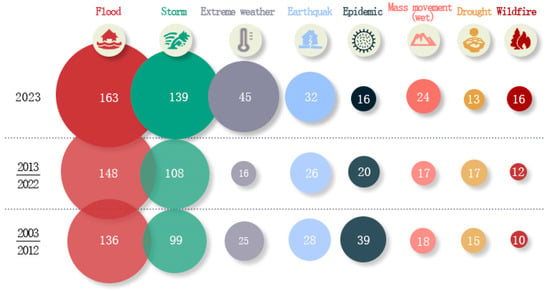
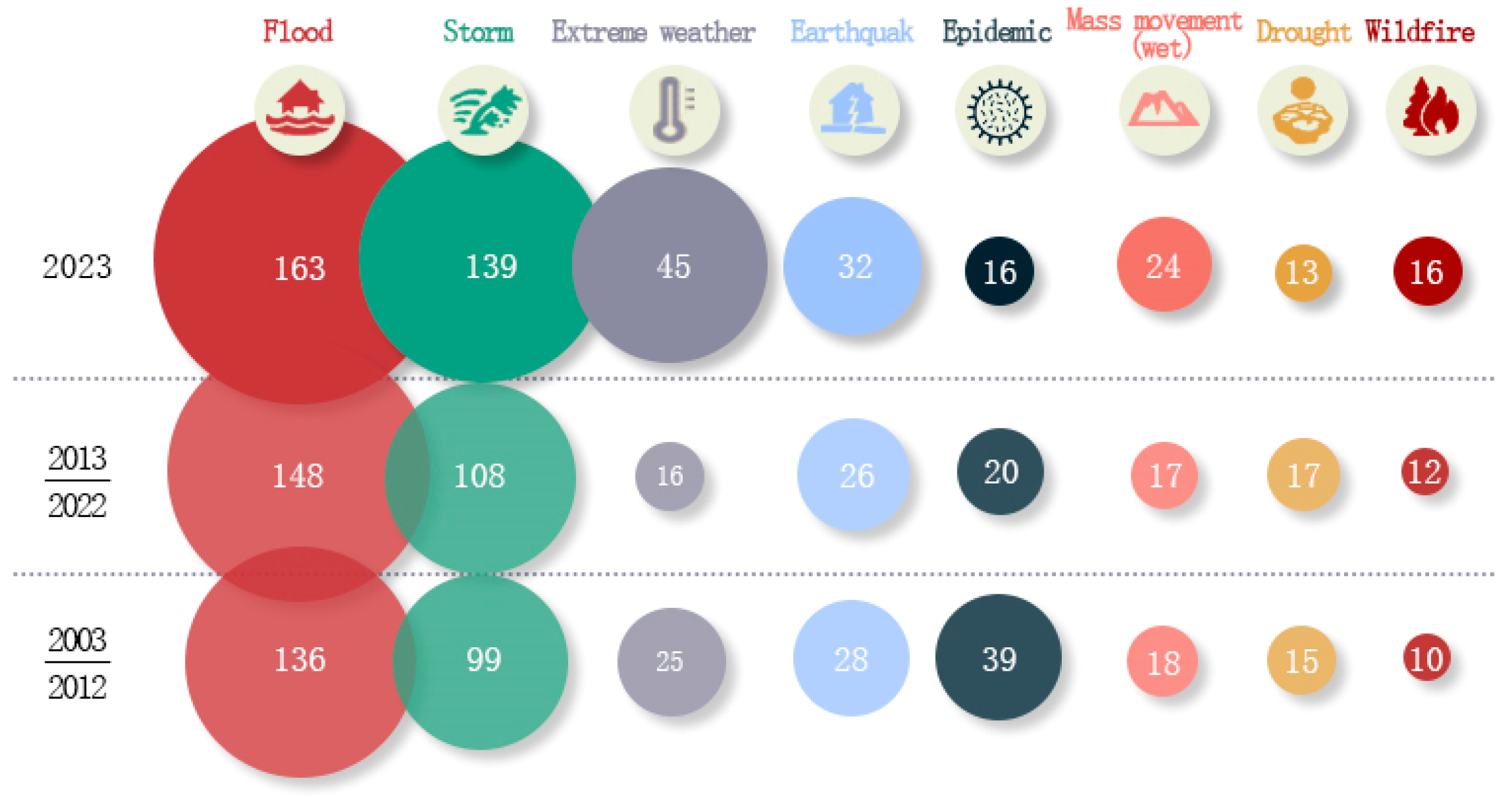
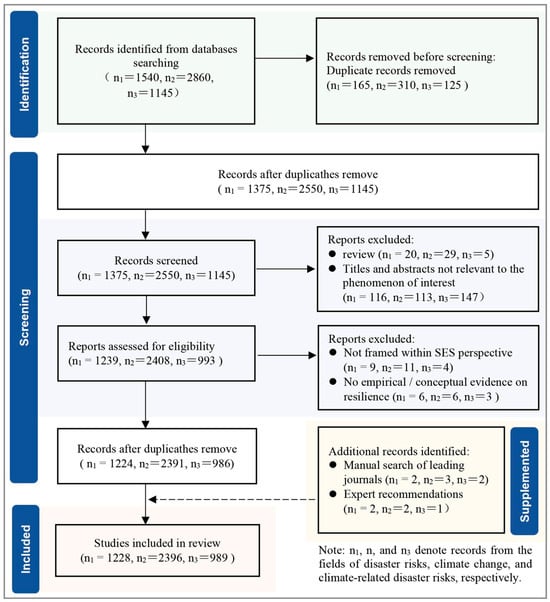
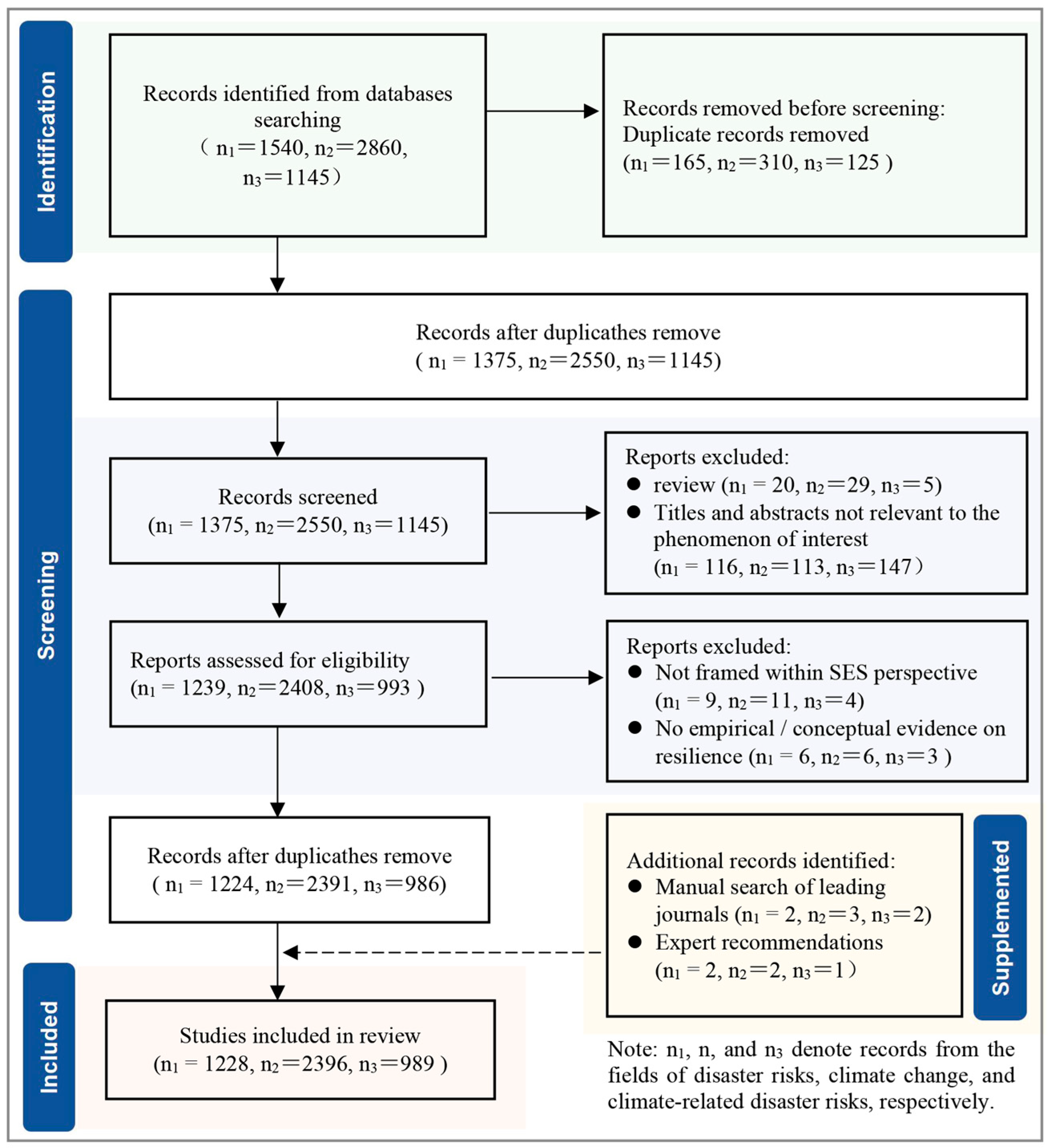
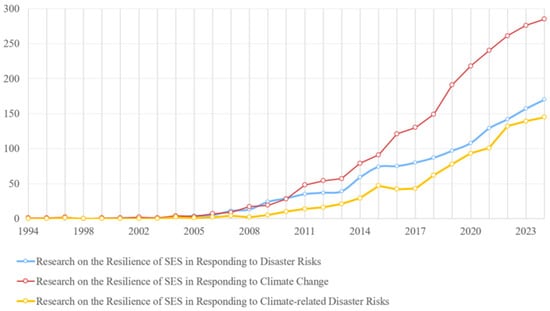
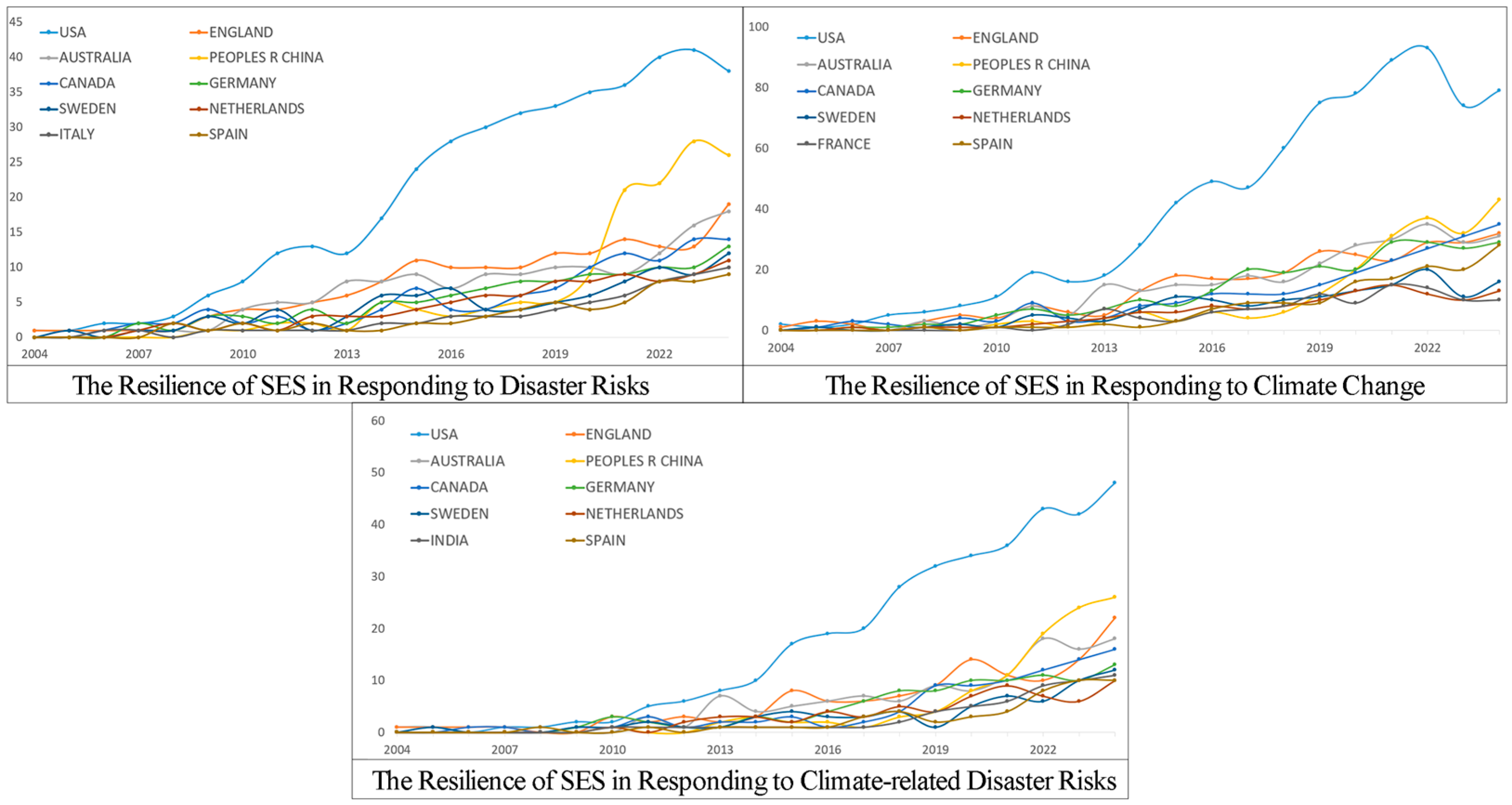
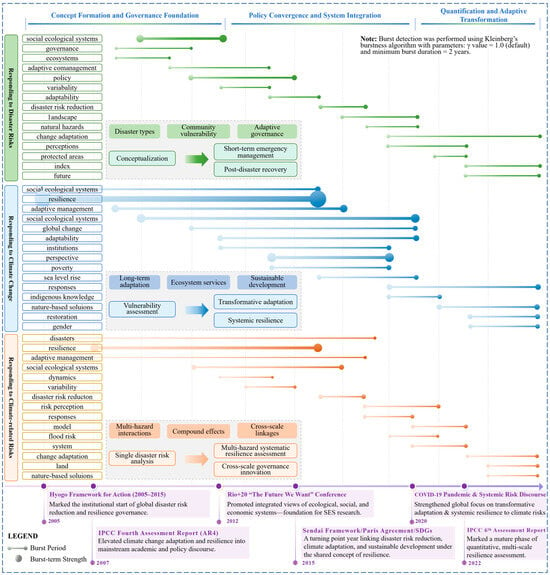
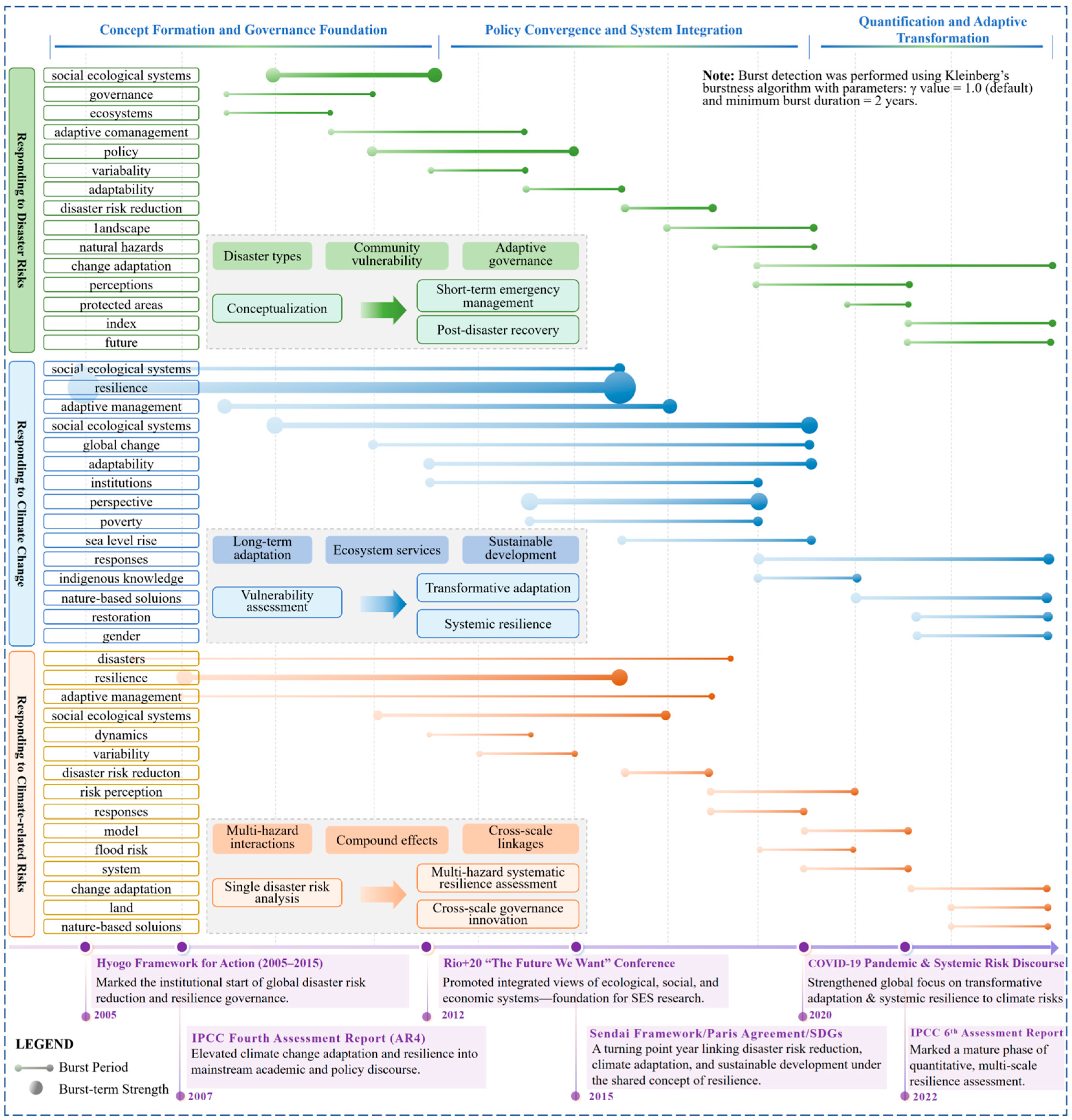
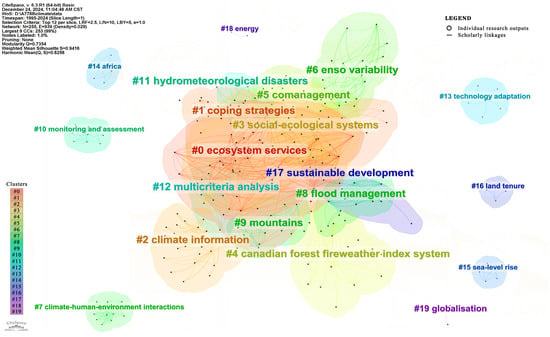
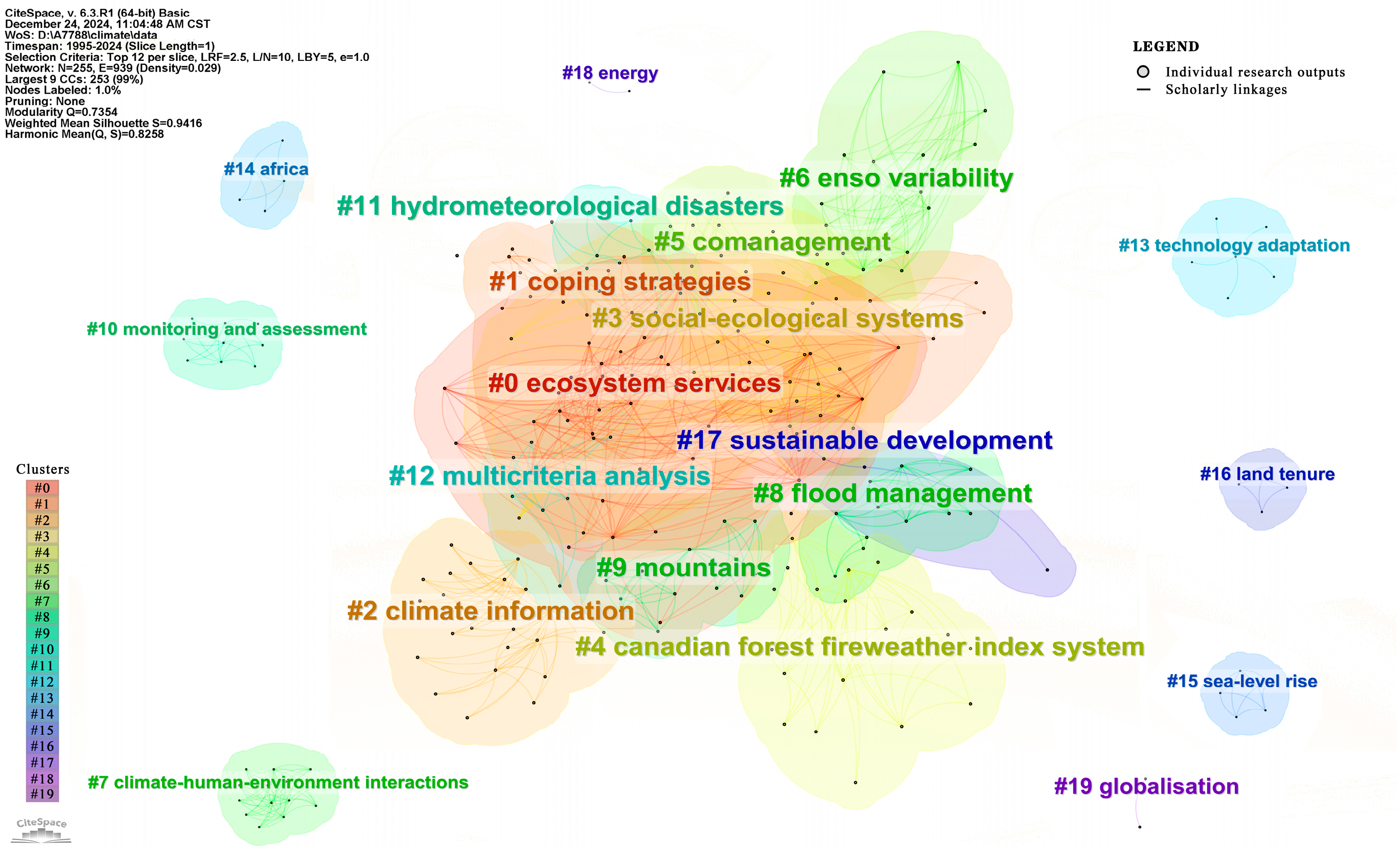
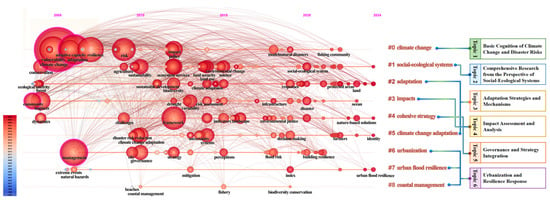
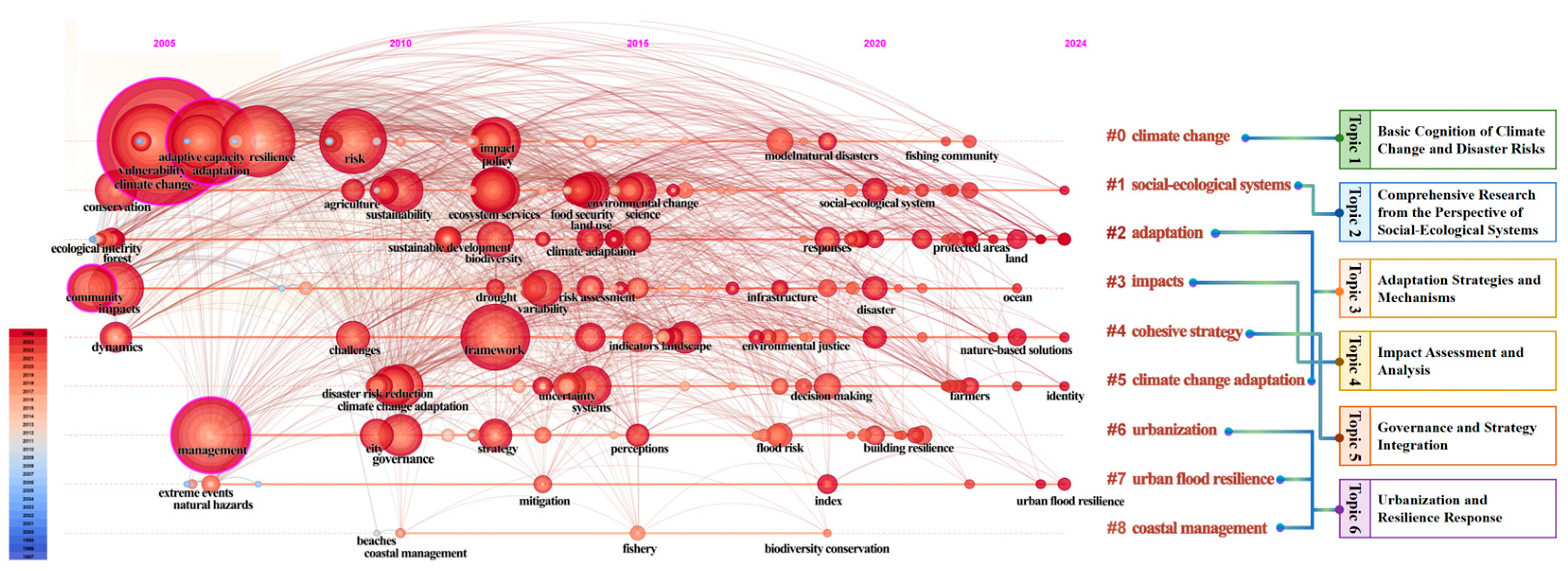
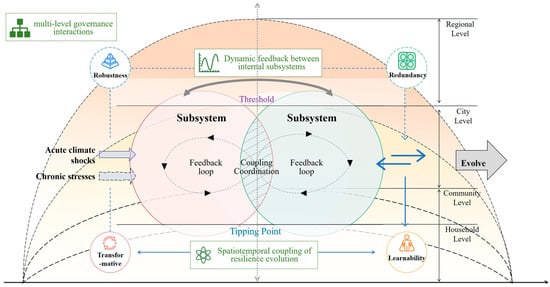
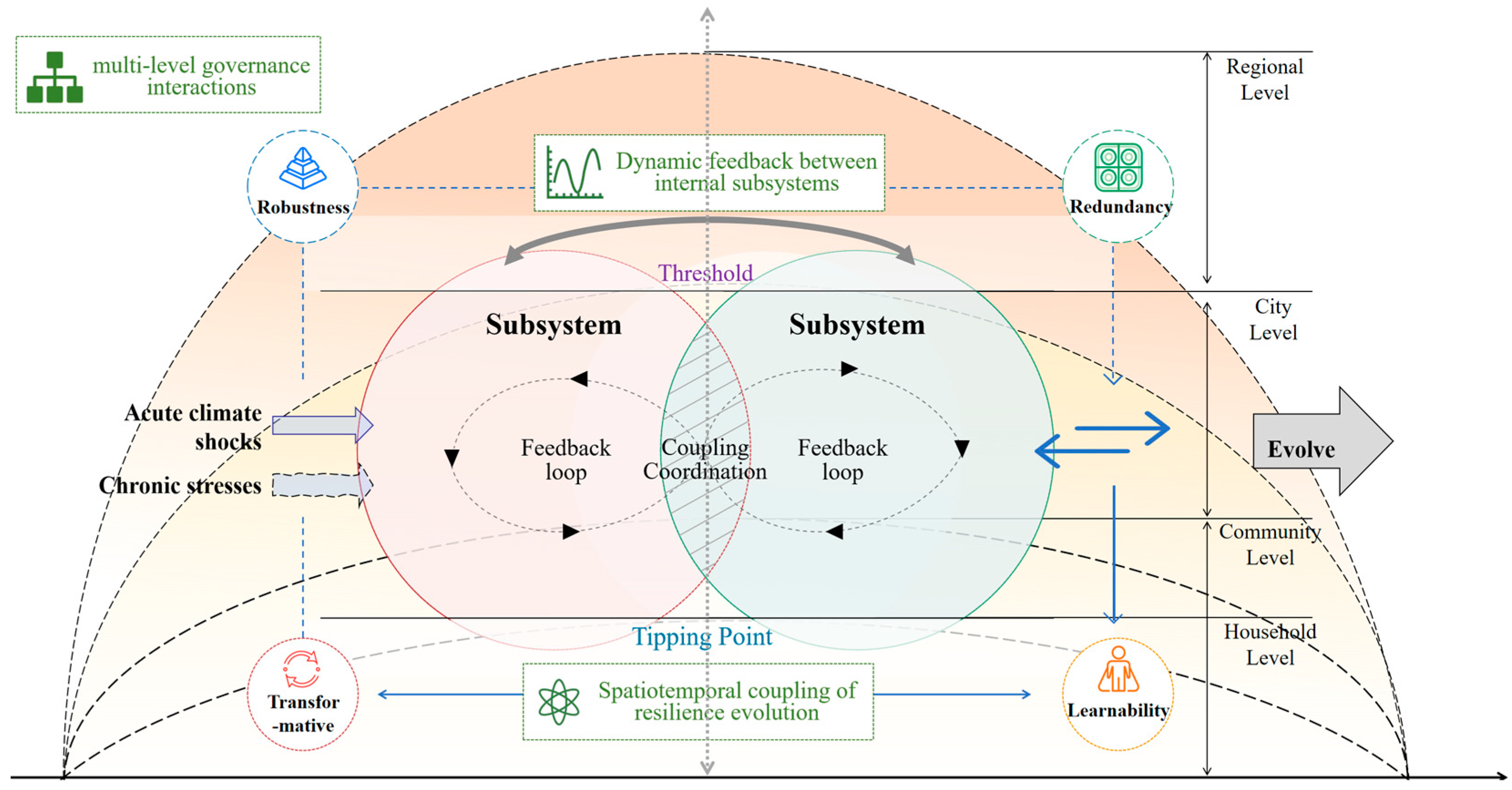

Disclaimer/Publisher’s Note: The statements, opinions and data contained in all publications are solely those of the individual author(s) and contributor(s) and not of MDPI and/or the editor(s). MDPI and/or the editor(s) disclaim responsibility for any injury to people or property resulting from any ideas, methods, instructions or products referred to in the content. |
© 2025 by the authors. Licensee MDPI, Basel, Switzerland. This article is an open access article distributed under the terms and conditions of the Creative Commons Attribution (CC BY) license (https://creativecommons.org/licenses/by/4.0/).