


Abstract
Public spaces in peri-urban towns are becoming key focal points of urban regeneration in China due to their geographic advantages, resource endowments, and diverse populations. Substantial investments have been made to improve residents’ living environments and well-being. As over-commercialized urban centers increasingly face congestion and homogenization, the distinctive landscapes and authentic everyday life of peri-urban towns are attracting growing attention from tourists. Understanding both residents’ and visitors’ perceptions of these public spaces is therefore essential for successful regeneration. This study examines Nanquan Street, which lies ina peri-urban heritage town in Wuxi, Jiangnan region, China. Drawing on user-generated content from major Chinese social media platforms (Xiaohongshu and Dianping) and field observations guided by the AEIOU framework, a three-stage grounded theory approach was employed to identify the key factors influencing user satisfaction. The analysis identified twelve sub-dimensions grouped into three overarching categories: foundational preconditions, social developmental factors, and spatial-operational factors, which collectively shape sustained satisfaction in Peri-urban heritage towns. By translating the satisfaction model into sustainable design strategies, this study proposes a set of renewal pathways applicable not only to Nanquan Street but also to similar peri-urban towns facing comparable challenges. Emphasizing multi-user experience, low-intervention strategies, and contextual adaptability, this research contributes to theoretical understandings of sustainable renewal in peri-urban towns. It provides actionable guidance for balancing everyday life, cultural heritage, and sustainable tourism development.
1. Introduction
Under the dual context of rapid urbanization and the national historic towns revitalization strategy, the renewal of historic towns has become a key dimension of China’s spatial governance agenda [1]. Sustainable renewal requires a careful balance between modernization and cultural preservation [2]. Globally, the revitalization of historic towns has been integrated into the international policy agenda [3]. The UNESCO Recommendation on the Historic Urban Landscape advocated a landscape-based, community-centered approach that transcends monument preservation, emphasizing cultural continuity and participatory management as the foundations of sustainability [4]. Similarly, the United Nations 2030 Agenda for Sustainable Development, particularly Goal 11 on “Sustainable Cities and Communities,” calls for protecting cultural and natural heritage while fostering balanced urban–rural development [5].
The global study of historic town regeneration has undergone substantial evolution over the past half-century. Renewal initiatives increasingly view public space not merely as physical infrastructure, but as a critical interface for shaping identity, supporting social inclusion, and improving environmental performance [6]. In Europe, policy frameworks such as the European Landscape Convention [7] and the Leipzig Charter on Sustainable European Cities [8] have guided member states in integrating heritage conservation with rural revitalization, social inclusion, and environmental quality. Empirical initiatives, such as Italy’s Sassi di Matera, illustrate how cultural heritage can serve as a driver for the circular economy and sustainable tourism [9]. In East Asia, Bukchon Hanok Village [10] and Shirakawa-go emphasize the continuity of living heritage through participatory governance and incremental adaptation [11]. These global practices share a common orientation: shifting from the preservation of the past to sustainable, future-oriented development.
China’s historic town revitalization policies have evolved within this global framework but along distinctive trajectories [12]. From the 1980s, heritage protection focused primarily on architectural conservation and “museumification” [13]. A paradigm shift occurred in 2014 with the introduction of the National New Urbanization Plan (2014–2020) and the Rural Revitalization Strategy (2017), which integrated cultural heritage into broader social and ecological systems [14,15]. The Regulations on the Protection of Famous Historical and Cultural Cities, Towns, and Villages, emphasized authenticity, integrity, and adaptive reuse while encouraging public participation [16]. These milestones established the foundation for a more refined, context-sensitive approach to renewal [17], promoting strategies tailored to local conditions [18].
At the practical level, the development and evolution of historic town renewal projects in China can be roughly divided into three phases [19,20]. The early phase (1980s–1990s) prioritized the conservation of cultural relics and monumental architecture. Projects such as Lijiang and Pingyao, which focused on visual integrity and tourism development, often resulted in displacement and over-commercialization [21]. The transition phase (2000s–2010s) coincided with urban-rural integration and the rise in cultural industries [17], exemplified by Zhouzhuang, Wuzhen, and Xidi-Hongcun [22]. Tourism became the primary economic driver [23], prompting debates on the “theme-park effect” and the loss of local life [24]. The current phase (2015–present), aligned with the Rural Revitalization Strategy, marks a shift toward human-centered sustainable renewal [25].
Despite the growing attention to historic town regeneration, several research gaps remain. Geographically, existing studies, both in China and abroad, have primarily focused on large-scale urban heritage districts or famous tourist towns, leaving the unique socio-spatial dynamics of small- and medium-scale peri-urban towns underexplored [26]. Most research also centers on historic towns surrounding megacities such as Beijing, Shanghai, and Guangzhou [27]. In the Jiangnan region, known for its water-town morphology and dense cultural heritage, most research has emphasized architectural preservation or tourism-driven development [28]. Such approaches often overlook the everyday experiences and evolving needs of diverse user groups who inhabit and interact with these spaces. Methodologically, previous studies have tended to adopt single-source data frameworks, relying on expert evaluation or quantitative spatial metrics that fail to capture the perceptual and behavioral dimensions of users. The rapid digitalization of daily life has transformed how people perceive, experience, and evaluate public spaces. Although recent research increasingly employs user-generated content (UGC) to represent public opinions in urban studies, few have combined online and on-site data to provide a holistic understanding. In terms of research content, studies on historic town renewal have typically focused on behavioral observation [29,30], satisfaction assessment [31], and participatory planning models [25,32]. However, investigations targeting the small-scale public spaces of peri-urban heritage towns remain limited. These towns, where residents’ everyday lives coexist with tourism activities, demand more nuanced research that can respond to their complex spatial and social balance [33,34].
Peri-urban heritage town refers to a type of historical settlement located in the transitional zone between city central area and towns [35], which retains traditional architectural and cultural heritage while bearing the spillover effects of urbanization [33]. Their spatial scale is smaller than that of central urban heritage districts, yet their ties to natural landscapes are stronger [1]. Many urban renewal policies prioritize large-scale rural revitalization projects or central historic districts [36]. However, the renewal logic of these cases cannot be replicated in peri-urban heritage contexts due to the differences in scale, resources, and development backgrounds. Given China’s vast geographic and socio-economic diversity, the challenges faced by historic towns vary significantly across regions and developmental stages [37,38]. Researchers and practitioners must therefore pay special attention to the specific conditions of peri-urban heritage towns, which have received comparatively little theoretical and practical focus [39].
The Jiangnan region, renowned for its intricate “water–street–dwelling” morphology and poetic spatial imagery, epitomizes China’s water-town heritage [40]. Its cultural landscape reflects the interplay of natural resources, traditional craftsmanship, and fine-grained spatial organization [28,41]. Located within the economically dynamic Yangtze River Delta, Jiangnan’s towns face dual pressures of modernization and preservation [42]. Wuxi, a quintessential Jiangnan city, features numerous historic settlements, including Huishan, Dangkou, and Meicun. Following its increased national visibility, particularly after hosting the 2025 CCTV Spring Festival Gala, visitor inflows have intensified, resulting in congestion in central attractions and redirecting tourist interest to peripheral areas. Among these, Nanquan Street, situated on Wuxi’s southern fringe, retains the archetypal riverside pattern of “one river, two streets.” Its whitewashed walls, stone bridges, and closely knit social fabric encapsulate the spatial character of Jiangnan. Yet Nanquan Town faces challenges common to many peri-urban towns: how to upgrad living environments without over-commercialization and attract visitors without eroding local life [43]. Its modest scale, morphological integrity, and socio-cultural fabric make it an exemplary site for developing transferable sustainable renewal strategies for peri-urban towns’ public spaces in Jiangnan.
Guided by the principles of human-centered design and sustainable development, the success of peri-urban town renewal depends on achieving enduring user satisfaction. Enduring satisfaction refers to the long-term positive perception of public space that emerges through continuous use and interaction [44]. It reflects both stability and adaptability, integrating functional performance with emotional attachment [45]. In Peri-urban heritage contexts, enduring satisfaction relies on the alignment between spatial attributes and users’ daily lives, social interaction, and cultural values [46]. Residents and visitors constitute two primary user groups whose expectations directly shape renewal priorities [47]. Traditional methods, such as surveys [48], interviews, and participatory workshops, remain valuable but are limited in terms of temporal and spatial coverage [49,50]. In the digital era, user-generated content (UGC) from social media platforms provides large-scale, spontaneous insights into public perceptions [51]. Scholars are increasingly adopting UGC-based analysis to evaluate urban experiences [47]. Given the need to incorporate the views of both residents and visitors, this study combines online UGC analysis with systematic field observation. This mixed-methods approach combines qualitative depth with data-driven breadth, enabling a comprehensive understanding of the facilitators, prerequisites, and barriers that affect user satisfaction in heritage public spaces. The methodology is particularly suited to the complex socio-spatial fabric of Jiangnan’s peri-urban towns.
Building on this foundation, the study pursues three objectives: (1) to identify the multidimensional factors shaping user satisfaction in the public spaces of peri-urban towns. (2) to develop a sustainable renewal framework that reconciles residents’ daily needs with visitors’ experiential expectations. (3) to translate these findings into transferable strategies for the sustainable regeneration of Jiangnan’s heritage towns.
The remainder of the paper is organized as follows. Section 2 presents the literature review and theoretical framework. Section 3 introduces the study area and research methodology, including data sources and coding procedures. Section 4 presents the empirical findings and explains the internal mechanisms of enduring satisfaction in peri-urban town public spaces. Section 5 translates the theoretical model into design strategies and transferable principles for heritage renewal. Section 6 concludes with theoretical implications, methodological Innovation, policy recommendations, research limitations and future directions.
2. Literature Review and Theoretical Framework
2.1. Increasingly Refined Studies on Historic Town Space Renewal
The quality of public space is a critical determinant of urban vitality, social sustainability, and human well-being [52]. Public space in historic towns not only records heritage but also serves as a foundation for revitalizing local economies and activating social life [53]. Numerous studies have extended human-centered design theories to the field of heritage renewal [54], focusing on user satisfaction as a key measure of spatial quality [55]. User satisfaction reflects the perceived gap between users’ expectations and their actual experiences of the environment. It provides a vital metric for assessing the success of public space renewal initiatives [48]. Early research on historic town tourism primarily emphasized visitor satisfaction [48]. More recent studies have increasingly integrated the perspectives of both tourists and residents, offering multi-stakeholder insights into spatial renewal and tourism development [19]. In small-scale heritage towns, long-term satisfaction is not merely a reaction to physical conditions but rather a dynamic cognitive and emotional process shaped by continuous interaction between users and their surroundings [31]. The concept of place identity further deepens this understanding. Place identity in historic contexts refers to a sense of belonging and continuity that connects individual memory with collective cultural narratives [56]. For residents of peri-urban towns, identity is maintained through daily practices such as community gatherings, market activities, and local festivals [31]. These everyday routines reinforce symbolic and emotional attachments to place. For visitors, identity is formed through the experiential authenticity of engaging with traditional landscapes and local lifestyles [51]. Hence, place identity represents a long-term state that complements user satisfaction and jointly contributes to the sustainable development of public spaces [57].
Public space renewal has become a crucial pathway for improving the environmental quality and social vitality of historic towns [58]. In recent years, urban regeneration discourse has shifted from large-scale redevelopment toward strategies emphasizing long-term adaptability, user satisfaction, and sustainability. Renewal strategies increasingly focus on lightweight, incremental interventions and participatory design [59]. Public participation plays a central role in enhancing user satisfaction and promoting sustainable spatial development [60]. It refers to the active involvement of local residents, business owners, and visitors in the place planning, design, and management process [61]. Participatory processes help reconcile multiple interests, enhance place attachment, and build collective responsibility for heritage conservation [62]. Studies have shown that inclusive decision-making fosters a stronger sense of ownership and contributes to the long-term maintenance and resilience of public spaces [63]. In heritage contexts, participatory planning has also been recognized as a means to balance authenticity with modernization [32].
Public space renewal focuses on the physical, social, cultural, and functional enhancements of existing spaces. In recent years, it has increasingly emphasized improving multifunctionality, flexible adaptability, and inclusivity to sustain long-term value. Research on public space renewal in historic towns has evolved along three main directions. First, spatial morphological perspective examines the physical form and environmental quality of historic spaces, focusing on street layouts, building typologies, and pedestrian accessibility [52,64]. Recent studies have refined this approach by exploring micro-scale design elements. Paving, seating, and shading, and their impact on users’ sensory and behavioral experiences [65]. Second, a socio-cultural approach emphasizes place identity and everyday life, analyzing how public spaces support social interaction, community cohesion [66], and cultural expression [67]. This strand of research stresses the need to maintain local distinctiveness amid pressures from tourism and commercialization. Third, an emerging user-centered and data-driven perspective explores user perception [68], satisfaction [31], and behavioral patterns [69], integrating digital data, surveys, and field observations to capture lived experience more dynamically.
At the practical level, renewal projects are still constrained by short planning cycles, rapid construction [70], limited public participation, and fragmented implementation mechanisms [71]. Many existing strategies remain dominated by top-down planning or economic objectives rather than user-centered design [72]. As a result, spatial homogenization, cultural disconnection, and insufficient attention to residents’ everyday experiences continue to undermine the authenticity and vitality of local environments.
Despite this growing diversity, several research gaps persist. First, peri-urban historic towns remain underrepresented in both international and Chinese scholarship. These towns play a crucial role in dispersing tourism flows from city centers, maintaining cultural distinctiveness, and improving residents’ quality of life, yet they have received limited scholarly attention. Second, the regional focus of historic town research in China has been uneven. Although Jiangnan towns are widely recognized for their distinctive water-based morphology and cultural continuity, empirical research on their sustainable renewal strategies is still scarce. Third, existing studies often examine physical design, user experience, and governance mechanisms in isolation rather than conceptualizing them as interdependent systems [73]. An integrated framework bridging micro-scale spatial experience with long-term satisfaction and sustainable regeneration goals remains absent.
2.2. Methodological Turn: From Physical Renewal to Human-Centered Analysis
The multidimensional and synergistic development of peri-urban towns’ public spaces requires an integrative research approach. The methodology of historic town renewal has undergone a significant transformation, with a growing emphasis on cross-disciplinary collaboration that bridges urban design, sociology, environmental psychology [74], and digital humanities [75,76]. Early research relied primarily on architectural surveys, spatial syntax analysis [77], and heritage typology studies that focused on form and structure [78]. By the 2000s, methods from environmental psychology and behavioral geography, such as behavioral mapping [79] and public life studies, expanded the analytical focus to human behavior and spatial use [80].
More recent approaches have adopted participatory and data-driven methodologies [81]. Techniques such as community workshops [82] and participatory GIS [83] have introduced residents’ perspectives into spatial decision-making, enabling the development of conceptual models of satisfaction, resilience, and spatial identity. Concurrently, the rise in big data and social media analytics has enabled researchers to employ user-generated content (UGC) to capture public perceptions [68], sentiments, and behavioral patterns across time and space [69]. These emerging approaches combine the qualitative depth of ethnographic inquiry with the quantitative scale of digital analysis, yielding a more comprehensive understanding of users’ experiences [84]. This methodological diversification signifies a paradigm shift from “designing for people” to “designing with people,” recognizing users as co-creators of spatial meaning and encouraging iterative feedback between design practice and lived experience.
Methodologically, several limitations remain. First, most existing research still focuses on single dimensions. Architectural surveys, spatial syntax, and visual assessments often capture the morphological outcomes of renewal [85], but overlook how users perceive, interpret, and emotionally inhabit these spaces [39]. Consequently, the relational dynamics between physical form, social interaction, and long-term satisfaction remain insufficiently understood [40]. Second, participatory methods, while widely advocated, often face constraints in practice. Many community workshops and participatory GIS projects are conducted at the planning stage but rarely extend into the later phase [60]. This approach often overlooks the enduring performance of design interventions and the subsequent shifts in satisfaction that emerge through continued use. Moreover, stakeholder participation tends to be symbolic or top-down, with limited representation of marginalized groups [86]. This problem is even more pronounced in resource-constrained peri-urban towns, where institutional and financial capacities for participatory planning are limited. Third, data-driven methods relying on big data and social media analytics present new opportunities but also challenges [81]. While user-generated content enables large-scale sentiment and perception analysis, it is biased toward younger, tourist-oriented populations who are more active online [47]. Local residents, especially older or long-term inhabitants, remain underrepresented in such datasets. This asymmetry can distort interpretations of place experience and satisfaction. Few studies have integrated online and offline data to construct comprehensive user satisfaction models that account for both lived and represented experiences.
2.3. Analytical Framework: From User Perspective to Grounded Theory Modeling
The literature review reveals that single research methods have limitations in capturing the multi-dimensional nature of user satisfaction in peri-urban towns. Surveys lack temporal coverage, UGC analysis neglects on-site behaviors, and field observations fail to capture tourists’ perceptual experiences. This gap justifies the selection of a mixed-methods design in this study. To systematically examine how users anticipate, occupy, and evaluate public space. We employ the AEIOU user observation model for on-site research and apply grounded theory to data collected from both physical and digital spaces, aiming to construct a model of factors influencing long-term user satisfaction in heritage towns. The AEIOU framework, a foundational tool in design thinking, enables researchers to systematically capture and translate multifaceted environmental information into actionable insights [87]. It categorizes human experience into five interrelated dimensions: Activities, Environments, Interactions, Objects, and Users. This structured lens facilitates comprehensive observation of user behavior, spatial interactions, and contextual patterns. Applying AEIOU in public space analysis facilitates a comprehensive understanding of how people interact with their environments, both physically and socially.
Grounded theory complements this observational method by providing a systematic qualitative approach to build theory directly from empirical data [88]. Through open, axial, and selective coding, grounded theory reveals latent structures and relationships within user-generated narratives [89]. This study integrates online user-generated data with systematic on-site observation. This hybrid approach captures the full spectrum of user experience, from sensory and emotional responses to behavioral patterns, resulting in a theoretically robust model of user satisfaction and sustainable environmental renewal. By integrating physical observation with digital ethnography, the framework bridges the gap between users’ lived experience and design intervention, offering a more nuanced understanding of how public spaces can evolve adaptively within the socio-cultural fabric of peri-urban towns.
2.4. Research Gaps and Objectives
Although academic attention to the renewal of historic towns has increased significantly, existing studies still primarily focus on popular historic towns surrounding large cities. Unlike mature central tourist destinations, peri-urban towns exhibit smaller spatial scales, higher resident densities, and fragile yet unique heritage assets [39]. Applying standardized urban renewal models directly to these areas often yields spatial and functional mismatches, inefficient resource utilization, and unsatisfactory user outcomes. Their renewal must navigate the dual challenge of preserving authenticity while sustaining vitality amid changing socio-economic contexts. Therefore, there is an urgent need to develop sustainable, user-centered renewal frameworks that preserve and celebrate local heritage while accommodating evolving patterns of everyday life.
This research aims to construct such a framework through an in-depth empirical investigation of Nanquan Street in Wuxi, Jiangsu Province, a representative case within the Jiangnan water-town region. By integrating user perceptions collected from both digital and physical environments, this study seeks to transcend one-dimensional, physically oriented renewal models and develop integrative, transferable design strategies suitable for peri-urban town contexts.
Accordingly, this study addresses the following core questions: (1) What key factors influence user satisfaction and spatial adaptation in the public spaces of peri-urban towns? (2) How do social, environmental, and perceptual dimensions interact to shape these experiences? (3) How can these insights inform a sustainable renewal framework for Jiangnan’s peri-urban towns’ public spaces?
3. Empirical Research
3.1. Study Area: Nanquan Street, Wuxi, Jiangsu Province
Nanquan Town is located in the southernmost part of Wuxi City, Jiangsu Province, within the administrative jurisdiction of the Xuelang Subdistrict of Binhu District. Geographically, Nanquan Town is located approximately 20 km south of Wuxi’s city center, within the Yangtze River Delta, one of China’s most economically dynamic regions. Despite its peripheral location, the town is surrounded by high-density new residential districts and integrated urban infrastructure, forming a transitional interface between urban expansion and rural continuity. During the Republican era (1912–1949), Nanquan Town was recognized as one of the “Four Major Towns” in Wuxi County, renowned for its intersecting canals, thriving markets, and prosperous commerce. It accumulated a rich cultural heritage and served as the political, economic, and cultural center of southern Wuxi, earning the title “Little Wuxi.” At its heart lies the “Kaihua Fangquan,” known for its sweet water and ancient origins. The Changguang River intersects the old street, forming a cross-junction with the Nanheng River, connected by several historic bridges, including the West Bridge, Xuren Bridge, Laohu Bridge, East Bridge, and Xinglong Bridge. Numerous well-preserved century-old buildings line the riverbanks, such as the Hele Hall, Yangyuan Hall, and the residential compounds of the Zhang, Wang, and Gu families. In November 2008, Nanquan Town was listed among the first batch of ten historic towns and villages in Wuxi’s conservation catalogue, recognized for its distinctive Ming and Qing dynasty characteristics.
Nanquan Town exemplifies the spatial and cultural characteristics of a traditional Jiangnan water town. As the most common and quintessential type of public space in ancient towns, the street integrates transportation, daily life, and commerce. Nanquan Street is situated along both banks of the Nanheng River. Renowned for its distinctive morphology of “A central waterway flanked by streets” and thriving shops, it accumulated a rich cultural heritage. Its whitewashed walls, black-tiled roofs, and riverfront dwellings create a linear settlement pattern that embodies the harmony between waterway and architecture. Now, Nanquan Street retains the riverside space, stoned bridges, and narrow lanes that still preserve the spatial essence of traditional Jiangnan life, although many houses have aged and require renovation. The street continues to function as a living community, accommodating both long-term residents and small-scale local commerce. Nanquan Street extends approximately 600 m in length, with the central river averaging 6 m wide and each riverside setback from building façade to riverbank about 7 m. The total cross-sectional width between opposite buildings is approximately 20 m, yielding an overall spatial extent of around 12,000 m2. Within this corridor, representative observation nodes were selected for AEIOU field analysis (Figure 1). This area exhibits an intimate, small-scale, and high-frequency of use, encompassing rich community interactions that represent the vital artery of the ancient town. However, it also faces challenges, including physical infrastructure degradation, population aging, and pressure from urban tourism and redevelopment. Given these conditions, Nanquan Street provides an ideal setting to explore how sustainable renewal can reconcile heritage preservation, local livelihood improvement, and visitor experience enhancement under the broader goal of sustainable urban–rural integration.
Figure 1.
Location map and typical spatial types of Nanquan Old Street, Source: drawn by the author.
3.2. Research Design
This study employs a user-centered, mixed-methods design to investigate sustainable renewal strategies for peri-urban towns’ public spaces in the Jiangnan region. Using Nanquan Street as an empirical case, the research integrates digital ethnography with on-site observation to capture both tourist and resident perspectives. First, user-generated content was collected from two leading Chinese social media platforms: Xiaohongshu and Dianping, to capture spontaneous user experiences and evaluations. Second, field investigations employed the AEIOU framework to record and analyze users’ behaviors and environmental interactions, providing insights into everyday life that may be underrepresented in online data.
This dual-source approach bridges perceptual data from online discourse and behavioral data from in situ observation, allowing for a more holistic representation of both tourism-oriented and livelihood-oriented spatial uses. The combined dataset was subsequently analyzed through a three-stage grounded theory process to extract core categories and relational mechanisms influencing long-term user satisfaction. The ultimate aim is to translate these findings into an actionable design checklist and a transferable sustainable renewal framework for similar peri-urban towns contexts (Figure 2).
Figure 2.
Methodological Framework. Source: drawn by the author.
3.3. Data Collection and Processing
3.3.1. Social Media Data Collection
To build a robust corpus of user perceptions, posts, and comments were retrieved from Xiaohongshu and Dianping between August 2018 and August 2025, covering pre-, mid-, and post-pandemic dynamics. Using the Bazhuayu data scraping platform, all posts containing the keywords “Wuxi Nanquan” and “Nanquan Old Street” were collected. The two platforms provide complementary perspectives: Xiaohongshu emphasizes lifestyle narratives and emotional expression, while Dianping focuses on structured service evaluations and spatial functionality. The initial dataset consisted of approximately 201 posts and 744 comments from Dianping, as well as 165 posts and 365 comments from Xiaohongshu. A multi-stage data filtering process was developed to ensure the validity and reliability of the dataset (Figure 3). After removing advertisements, duplicates, and irrelevant content, 872 valid textual entries were retained for qualitative analysis. Non-verbal symbols such as emojis were translated into descriptive language to preserve affective information. Examples of the conversion process are presented (Table 1).
Figure 3.
UGC Data Filtering Flowchart.
Table 1.
Emoji Conversion Example Table.
3.3.2. Field Observation Data Collection
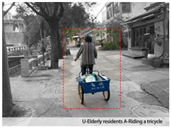
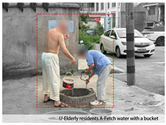
Field observations were conducted in November 2023, May 2024, and August 2025, covering different seasons, climatic conditions, and time periods (detailed schedules are provided in Appendix A). Prior to data collection, one researcher with expertise in user experience research trained two field investigators to ensure they fully understood the AEIOU framework, research objectives, and standardized recording procedures (Training Manual provided in Appendix B). Each observer received a standardized AEIOU Field Observation Sheet (Appendix C) to ensure methodological consistency.
The 600 m-long street was divided into 12 observation nodes, spaced approximately 50 m apart, representing diverse spatial typologies, including intersections, waterfront areas, and small open spaces near bridges. At each node, two observers simultaneously conducted 30 min sessions under the supervision of the lead researcher. After each session, data were reviewed for consistency and completeness. Because AEIOU records are qualitative narrative data, inter-observer reliability was computed using a Quantified Agreement Index (QAI) based on semantic similarity scores (0–1 scale). Each observation phrase pair was rated as identical (1.0), highly similar (0.75), partially similar (0.5), weakly similar (0.25), or unrelated (0). Points scoring below 0.7 were re-observed to minimize bias and ensure the robustness of results. Finally, the mean QAI across five AEIOU dimensions was 0.82, equivalent to “almost perfect agreement” per Cohen’s Kappa interpretation [90]. More than 450 photographs and extensive field notes were compiled (representative examples are shown in Appendix D). These entries were later integrated with online UGC for grounded theory analysis.
3.3.3. Coding and Analytical Procedure
To ensure theoretical robustness, 80 percent of all textual data (698 online items and 360 field entries) were randomly selected for coding, while the remaining data (174 online items and 90 field entries) were reserved for testing theoretical saturation. All texts were coded and analyzed using NVivo 12. After numbering and preprocessing, the three-stage grounded coding procedure: open, axial, and selective, was applied in accordance with the principle of maximum conceptual relevance. This process yielded a set of interrelated categories that underpin users’ spatial experience and provide the empirical foundation for the sustainable renewal framework.
4. Results
4.1. Coding Results
Following the three-stage grounded theory procedure [89], a total of 1058 valid text segments were processed through iterative open, axial, and selective coding. The analytical focus remained on the core research question: “Which factors influence users’ enduring satisfaction in per-urban town public space, and through what mechanisms is this satisfaction achieved?”
4.1.1. Open Coding
During the open coding phase, the data were analyzed through continuous comparison, abstraction, and induction. This process yielded 48 initial concepts and 12 preliminary categories. For instance, a social media comment stating “Convenient parking lots are located on nearby small streets” was coded under the Convenient Parking (A6) category. At the same time, an on-site observation noting “Pedestrians must yield when electric bikes cross narrow bridges” was labelled under Vehicular–Pedestrian Conflict (A5). Both were subsequently grouped within the subcategory Transportation Conditions (A2). The complete coding framework is presented in Appendix E. These categories captured diverse aspects of user perception, ranging from tangible spatial attributes, such as plant configuration, accessibility, and material authenticity, to intangible experiences related to cultural features, social interaction, and emotional attachment.
4.1.2. Axial Coding
In this research, the central phenomenon was defined as “enduring satisfaction in public space.” Through iterative comparison and abstraction, interrelations among categories were clarified. For example, the Policy Guidance (A9) and Local Material Resources (A3) were both basic factors for local development, therefore integrated under the dimension of Foundational Preconditions. Similarly, the categories concerning functions, facilities, and transportation were consolidated under Spatial and Operational Conditions, as they directly shape the material and experiential quality of space. This process ultimately produced three core dimensions: Foundational Preconditions, Social Developmental Factors, and Spatial and Operational Factors, each comprising several subcategories (Table 2).
Table 2.
Category and subcategory from axial coding. Source: drawn by the author.
4.1.3. Selective Coding
Selective coding identified the core category and clarified its relationships with all other dimensions. The central analytical construct was defined as: “The factors influencing enduring satisfaction and their formation pathways.” Within this model, the regional resource base operates as the underlying precondition, spatial and operational factors provide the tangible foundation for user experience, and developmental factors act as the social and managerial drivers (Figure 4). Together, these elements constitute an integrated mechanism that generates and sustains enduring satisfaction in public spaces. The theoretical model and its internal mechanisms address the first two research questions proposed before.
Figure 4.
Formation path of enduring satisfaction in public spaces. Source: drawn by the author.
4.1.4. Theoretical Saturation Test
Theoretical saturation was tested to confirm model robustness. The remaining 264 textual items, excluded from the initial coding, were reanalysed by the second research team using the same three-stage grounded theory procedure. For instance, the text “The local delicacies at the street-side snack shops are delicious” was coded into the existing Food Experience (AA32) category. All other remaining texts were also coded into pre-established categories. The results fully aligned with the established “Pathway to Enduring Satisfaction in Public Spaces” model and produced no new categories or relationships. Consequently, the model was considered theoretically saturated.
4.2. Internal Mechanisms of Factors Influencing Enduring User Satisfaction
The grounded theoretical analysis yielded a multi-level structural model that explains how users’ long-term satisfaction in public space is generated, reinforced, and sustained. At the foundation, preconditions establish the essential environmental and institutional framework. Elements such as local resource endowment, ecological setting, climatic resilience, and demographic structure provide the groundwork for subsequent renewal activities. These factors define both the potential and the limitations of spatial transformation, influencing user perception even before tangible design interventions are implemented.
The second dimension, Spatial and Operational Conditions, directly determines the experiential quality of public space. Comfort, safety, and inclusivity emerge as the primary determinants of user satisfaction. Facilities that are adaptable to different ages and uses, coupled with walkable, accessible circulation networks, encourage sustained engagement. Equally crucial is the establishment of responsive operational mechanisms that ensure regular maintenance and adaptive management, fostering a sense of order and continuity within everyday spatial life.
The third dimension, Social Developmental Factors, serves as the driving force that transforms public space from a “usable” to a “meaningful” environment. Positive social interactions, participatory design processes, and balanced stakeholder collaboration create opportunities for collaborative governance and co-production. These processes strengthen place attachment and collective identity, thereby cultivating a sense of stewardship and ongoing engagement. Economic incentives and cultural pride, both tangible and intangible, act as reinforcing feedback loops that sustain the space’s vitality over time.
In synthesis, the interaction of these three dimensions produces a virtuous cycle of satisfaction formation. Foundational Preconditions define the material and institutional baseline. Spatial and Operational Conditions deliver direct experiential quality, and Social Developmental Factors catalyze continuous renewal through emotional, cultural, and multi-user engagement. Together, they address the research questions: What are the key factors influencing user satisfaction in peri-urban historic town public spaces? How do they interact to shape such positive experiences and sustain spatial sustainability? Based on these structured factors, the research findings can be translated into design strategies and principles.
5. Design Strategies and Transferable Principles from the Factor Model
To translate the theoretical framework into actionable practice, the model of enduring satisfaction was operationalized as a series of design strategies across multiple dimensions. These strategies integrate user-centered insights, grounded-theory categories, and the design opportunities identified during preliminary research. The resulting approach not only guides the regeneration of Nanquan Street but also extends to generalizable principles applicable to other per-urban towns (Table 3).
Table 3.
Table of Design Strategies and Principles.
5.1. Planning for Long-Term Policy and Value Orientation
The sustainable revitalization of Nanfangquan Old Street depends on alignment between policies and user needs, as well as on the continuous mobilization of resources. Some social media comments express users’ dissatisfaction with previous renewal efforts. This partly reflects the fact that user suggestions have rarely been incorporated into historic town renovations. Approximately 22% of UGC entries expressed concerns about superficial renovation. Field observations confirmed that several upgraded areas lacked ongoing maintenance or adaptive reuse. To counteract this pattern, policy emphasis should shift from sporadic embellishment toward sustained, small-scale investment and adaptive planning mechanisms. Establishing a community micro-regeneration fund can enable residents’ associations to implement incremental improvements such as repairing riverfront balustrades, restoring communal courtyards, and maintaining neighborhood greenery. Moreover, integration within the regional tourism system is vital. Users often remarked that “the old street is too short and lacks connection to nearby attractions.” Linking Nanfangquan with adjacent scenic areas, retail clusters, and transport nodes can extend the duration and diversity of visits, balancing tourist flow across different seasons. At a broader scale, this strategy demonstrates how value-oriented policy frameworks can support other peri-urban towns by embedding cultural preservation, local economic vitality, and community wellbeing into planning objectives. Renewal thus becomes a continuous process of adaptive optimization rather than a finite project defined by capital input or construction cycles.
5.2. Balancing Population Structure to Revitalize Community Dynamics
Both social-media narratives and field observations reveal a demographic imbalance: over 65% of observed daytime users were elderly, while youth activities were sporadic. Elderly residents constitute the majority, while many younger locals have migrated away. Visitors describe the place as “quiet and nostalgic,” yet residents perceive it as “lonely and lifeless.” Addressing this condition requires design strategies that restore intergenerational balance and social interaction. Balanced Population Structure factor measures demographic inclusivity and social diversity in spatial use. Spatial interventions should prioritize comfort and accessibility. Rest areas offering shade in summer and shelter in winter, safe riverside walkways, and easily maintainable facilities can enhance everyday usability for older residents. Simultaneously, flexible micro-spaces should be introduced for younger entrepreneurs and returning locals. Pop-up retail units, artist workshops, and seasonal vending stalls can provide low-cost economic entry points that reconnect livelihoods with local identity. For similar heritage-rural contexts, the transferable principle lies in cultivating community vitality through dual inclusivity: ensuring age-friendly environments while creating entrepreneurial opportunities for younger populations. A balanced demographic structure fosters sustained social diversity, cultural continuity, and economic resilience.
5.3. Preserving Cultural and Material Authenticity
UGC analysis shows that 34% of posts emphasize sensory and emotional connection to Nanfangquan’s material authenticity. Comments about “white walls and black tiles,” “stone bridges,” or “old wells” dominate positive perceptions. This defines Local Material Resources as the tangible heritage elements that generate symbolic value and collective memory. Field observations identified a strong spatial rhythm along the riverside. Daily activities like washing, chatting, drinking tea embody cultural continuity. Place Identity, the emotional attachment linking people and place, is reinforced through these everyday rituals. Design strategies should focus on maintaining authenticity in both material and practice. This includes using vernacular materials such as blue bricks, pebbles, and reclaimed timber, preserving traditional construction techniques, and aligning new interventions with existing spatial textures. Facilities should correspond to the rhythms of daily life: reinforcing river embankment railings for safety, installing discreet seating near alleyfronts, and maintaining access to communal wells and water points that support routine domestic activities. The combination of physical continuity and emotional recognition forms a dual foundation of user satisfaction. For comparable heritage towns, the universal guideline is to shift from aestheticized reconstruction toward living space design, in which continuity of everyday life and social interactions enhances emotional attachment. By improving daily living spaces, the local cultural attributes are also preserved.
5.4. Enhancing Climate Adaptation and Ecological Resilience
The concept model confirms the significance of Climate Adaptation and Ecological Environment. The study defines these as the environmental capacity of public spaces to maintain comfort and usability under changing weather conditions. Observations indicated that humid summers, heavy rainfall, and frequent surface water accumulation diminish comfort and safety. Users repeatedly mentioned these online. Improvement requires a nature-based solution compatible with the delicate scale of Jiangnan water-town environments. Planting native shade trees along pedestrian routes, repairing permeable stone pavements, and reinforcing wooden shading structures with waterproof finishes can enhance microclimatic adaptability. Riverbanks should be stabilized using bioengineering methods with reeds and aquatic vegetation, forming ecological corridors that integrate visual beauty with environmental function. These small-scale, resource-efficient interventions illustrate a replicable principle for other rural public spaces: climate adaptation should rely on localized blue-green infrastructure that simultaneously enhances comfort, ecological diversity, and cultural identity, strengthening resilience without imposing high technological or financial burdens.
5.5. Optimizing Spatial Experience and Operational Management
Once the basic environmental quality is secured, the spatial experience requires refinement through space design and management. Both online and field data indicate that user satisfaction is shaped by Operational Management and Transportation Accessibility. Approximately 27% of UGC posts highlighted uneven maintenance, limited lighting, and congested peak-hour areas. Observations confirmed the spatial clustering of activities near food stalls, wells, and intersections. These findings define Operational Management as the capacity to maintain functional order through time. Improving circulation by reconfiguring pedestrian and non-motorized routes. Adopting adaptive lighting systems can enhance experiential quality, can also improve nighttime. Lightweight modular furniture, foldable stalls, and integrated planter-seating can maintain spatial openness and adaptability.
Equally critical is the temporal dimension of space use. Introducing time-based operational models, such as curated evening markets, local craft fairs, or small cultural performances, can extend vitality beyond daytime hours. Regular maintenance schedules and flexible business permits can also stimulate Redevelopment Potential, allowing the space to evolve while retaining authenticity. Establishing a multi-stakeholder management committee ensures that daily operations remain transparent and responsive. For other small heritage settlements, this participatory operational model exemplifies how micro-scale activation and co-governance can ensure adaptability, inclusivity, and resilience. Public space thereby remains a living place that evolves alongside community life. Transforming everyday activity into shared processes of place-making rather than static heritage preservation.
6. Discussion and Conclusions
This study integrates social media data mining and site observation. Through iterative coding and model construction, it elucidates the dynamic interactions among material, social, perceptual, and governance dimensions that collectively shape long-term user satisfaction in peri-urban towns’ public spaces.
6.1. Comparative Synthesis and Findings of the Study
While previous studies have underscored the roles of environmental resources, micro-scale facilities, and social participation in shaping user experience in historic spaces, research on peri-urban heritage towns has often remained fragmented. Many studies focusing on rural and small-town contexts emphasize physical renewal, such as improving accessibility, walkability, and environmental comfort [40]. Others explore socio-cultural dimensions, revealing how place attachment, positive social interactions, and collective identity enhance long-term satisfaction [91,92]. However, these perspectives seldom integrate the environmental, social, and institutional dimensions into a cohesive explanatory model. These findings collectively affirm that both physical and social dimensions are indispensable for the sustainable development of heritage towns. This study builds upon and extends these insights. By integrating user-grounded evidence derived from digital narratives and in situ observations, it reveals fine-grained spatial and perceptual dynamics specific to peri-urban settings. It highlights the importance of contextual adaptability under conditions of limited funding and institutional capacity. These elements are crucial for sustaining vitality in small heritage towns but are easily overlooked in standardized, top-down planning frameworks.
6.2. Methodological Innovation
Methodologically, the study follows a closed-loop process that integrates multi-source data analysis, theoretical modelling, and strategic formulation. This process demonstrates how digital and physical data can be productively combined to reveal the full spectrum of user experience. The integration of these data sources enhances the credibility of the results and provides a replicable mixed-method framework for heritage town studies. Previous research often relied on a single data source, either online data or field observation. Online data essentially represent younger users and tourist-oriented experiences, while field observation rarely captures evaluative perspectives. In this study, approximately 75% of social media narratives reflected tourists’ views of public spaces, confirming the need to supplement multiple stakeholder perspectives with field observations. The non-participatory on-site observations objectively recorded authentic interactions among community managers, residents, and visitors. The combined analysis revealed how environmental and social factors jointly influence perception and satisfaction, offering valuable insights for sustainable renewal frameworks in Jiangnan’s peri-urban heritage towns.
6.3. Policy Implications
While the analysis primarily focused on user groups such as residents and visitors, peri-urban renewal inevitably involves multiple stakeholders, including governments, developers, and administrators. As reflected in online user comments critical of previous government-led interventions, conflicting priorities often emerge. Local governments may prioritize tourism revenue, residents emphasize everyday convenience, tourists seek rich experiences, and developers pursue short-term returns. These tensions underscore the need for transparent coordination mechanisms and adaptive policy instruments that ensure equitable distribution of benefits and responsibilities.
The findings also reveal that existing policy and planning documents provide essential direction, funding, and regulatory foundations for sustainable satisfaction. Based on empirical results, local renewal agendas and planning documents should integrate the key factors identified in this study. First, planning mechanisms should shift from short-term projects toward continuous regeneration frameworks. Second, at the spatial and environmental level, plans should promote sustainable environmental renewal, prioritizing walkability and low-carbon mobility to enhance both tourist circulation and residents’ convenience. Third, policies should strengthen the protection of cultural authenticity, promoting the reuse of traditional materials and architecture to preserve local identity. Preferential leasing policies for local artisans can further safeguard authenticity and prevent over-commercialization. Fourth, population and social inclusion policies should encourage intergenerational engagement and attract younger residents through affordable workspaces, housing incentives, and flexible business licensing. Finally, governance frameworks should institutionalize multi-stakeholder coordination platforms involving residents, merchants, planners, and local authorities to ensure that interest negotiation becomes a routine component of spatial management. Together, these policy recommendations translate the satisfaction model into actionable strategies for sustainable renewal.
6.4. Research Limitations and Future Directions
Several limitations must be acknowledged. First, this study primarily focuses on user perspectives, leaving government, administrative, and developer dimensions underexplored. Second, despite efforts to minimize bias through observer training, standardized templates, inter-observer reliability testing, and theoretical saturation checks, researcher interpretation may still influence coding depth. Future studies should address these gaps. They should incorporate perspectives from local administrators, developers, and policymakers to critically evaluate the framework’s rationality in multi-stakeholder contexts. Data-driven management tools, such as mobile sensing platforms and environmental monitoring systems [93], could provide real-time feedback loops to support adaptive, evidence-based decision-making. Longitudinal studies tracking post-design outcomes could reveal how satisfaction evolves and how feedback mechanisms reinforce or weaken spatial resilience. Moreover, cross-regional comparative studies within the Jiangnan area could test the framework’s transferability and adaptability to different socio-cultural and environmental contexts, refining its broader applicability.
6.5. Conclusions
Ultimately, this study offers both theoretical and practical contributions to the renewal of small- and medium-scale peri-urban heritage towns in China. The results address the research objectives in three ways. First, the study identifies the multidimensional factors shaping enduring user satisfaction. The theoretical framework comprises three interdependent dimensions: (1) Foundational Conditions, encompassing ecological resilience, policy support, and basic usability. (2) Spatial-Operational Factors, referring to flexible spatial configurations and context-specific management systems sustaining everyday vitality. (3) Social Developmental Factors, encompassing social interaction, community participation, and developmental potential that ensure long-term satisfaction and resilience.
Second, the model reveals the mechanisms linking these factors, providing practical guidance for prioritizing renewal strategies. Foundational conditions establish the groundwork for sustainability. Spatial and operational factors should be tailored to local conditions. In Jiangnan’s water-town environments, a balance must be maintained between authenticity and transformation. Physical interventions should respect the morphological logic and socio-spatial rhythms of traditional water-based settlements while enabling gradual economic and cultural evolution. Social developmental factors drive adaptive feedback that reinforces lasting satisfaction.
Third, by translating these insights into an actionable Design Strategy Checklist, the study bridges the gap between theoretical satisfaction modelling and practical spatial planning. The framework remains firmly grounded in the empirical realities of Nanquan Street, reflecting its demographic structure, climatic conditions, and material authenticity, while offering a transferable model for other Jiangnan peri-urban heritage towns navigating the balance between preservation and modernization. By applying “light, slow, and soft” design principles that emphasize cultural continuity, flexibility, and co-production, the study demonstrates how leveraging endogenous resources and promoting low-intensity yet continuous social activation can make heritage renewal both feasible and sustainable. It conceptualizes user satisfaction as a dynamic equilibrium among physical, social, and governance factors, providing a theoretically grounded yet practically applicable reference for sustainable peri-urban heritage town renewal.
Author Contributions
Conceptualization, T.Y., Y.C. and S.L.; methodology, T.Y. and Y.C.; software, T.Y. and Y.C.; validation, T.Y., Y.C. and S.L.; formal analysis, T.Y. and Z.C.; investigation T.Y., Y.C. and Z.C.; resources, T.Y., Y.C. and S.L.; data curation, T.Y.; writing—original draft preparation, T.Y. and Y.C.; writing—review and editing, T.Y. S.L.; visualization, T.Y. and S.L. supervision, S.L. All authors have read and agreed to the published version of the manuscript.
Funding
This research received no external funding.
Institutional Review Board Statement
Not applicable.
Informed Consent Statement
Not applicable.
Data Availability Statement
The data presented in this study are available on request from the author.
Conflicts of Interest
The authors declare no conflicts of interest.
Appendix A
Table A1.
Detailed Field Observation Schedule.
Appendix B. AEIOU Field Observation Training Manual
Appendix B.1. AEIOU Introduction
The AEIOU framework is designed to help researchers systematically capture human–environment interactions in public spaces. It structures field observation into five interrelated dimensions: Activities, Environments, Interactions, Objects, and Users.
Appendix B.2. Training Objectives
Accurately identify and record observed behaviors without subjective interpretation. Maintain consistent coding and descriptive language across sessions. Apply standardized procedures for time, place, and environmental conditions. Manage observation bias through structured note-taking and reflection.
Table A2.
AEIOU Field Observation Instruction sheet.
Appendix C. Structured AEIOU Record Table
- Study Site: Nanquan Street, Wuxi, China
- Observation Period:
- Observers: A/B
- Lead Researcher:
- Observation Duration per Point:
- Observation Point:
- Weather Conditions: Sunny/Cloudy/Rainy/Humid/Windy (please circle)
- Date and Time: [YYYY-MM-DD/HH:MM–HH:MM]
- Day Type: Weekday/Weekend (please circle)
Table A3.
AEIOU Field Observation Record Sheet.
Appendix D
Table A4.
Representative Site Survey Forms—AEIOU Framework.
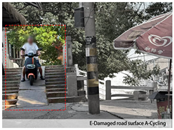
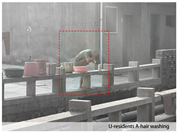
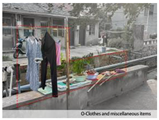
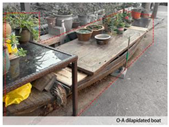
Appendix E
Table A5.
Example of open coding analysis.
References
- Salvia, R.; Halbac-Cotoara-Zamfir, R.; Cividino, S.; Salvati, L.; Quaranta, G. From Rural Spaces to Peri-Urban Districts: Metropolitan Growth, Sparse Settlements and Demographic Dynamics in a Mediterranean Region. Land 2020, 9, 200. [Google Scholar] [CrossRef] [Scilit]
- Jin, W.; Fukuda, H. Research on Heritage Conservation and Development of Chinese Ancient Towns and Historic Districts Based on Knowledge Graph Analysis. Buildings 2025, 15, 2459. [Google Scholar] [CrossRef] [Scilit]
- Nüssli, R.; Schmid, C. Beyond the urban–suburban divide: Urbanization and the production of the urban in Zurich North. Int. J. Urban Reg. Res. 2016, 40, 679–701. [Google Scholar] [CrossRef] [Scilit]
- Rodwell, D. The historic urban landscape and the geography of urban heritage. Hist. Environ. Policy Pract. 2018, 9, 180–206. [Google Scholar] [CrossRef] [Scilit]
- Arora, N.K.; Mishra, I. United Nations Sustainable Development Goals 2030 and environmental sustainability: Race against time. Environ. Sustain. 2019, 2, 339–342. [Google Scholar] [CrossRef] [Scilit]
- Shach-Pinsly, D.; Shadar, H. The public open space quality in a rural village and an urban neighborhood: A re-examination after decades. Sustainability 2024, 16, 7938. [Google Scholar] [CrossRef] [Scilit]
- Europe, C.O. European landscape convention. In Proceedings of the Report and Convention, Florence, Italy, 19–20 October 2010. [Google Scholar]
- Frank, S. Stadtentwicklung durch die EU: Europäische Stadtpolitik und URBAN-Ansatz im Spannungsfeld von Lissabon-Strategie und Leipzig Charta. Raumforsch. Und Raumordn. 2008, 66, 107–117. [Google Scholar] [CrossRef] [Scilit]
- Bernardo, M.; De Pascale, F. Matera (Basilicata, Southern Italy): A European model of reuse, sustainability and resilience. Adv Econ Bus 2016, 4, 26–36. [Google Scholar] [CrossRef] [Scilit]
- Youn, H.C.; Ryoo, S.L. Conflicts and resolutions due to the expansion of urban heritage-Focusing on historic sites and Hanok areas in Seoul. Archit. Res. 2023, 25, 29–40. [Google Scholar]
- Hirayu, H.; Ojika, T.; Kijima, R. Constructing the historic villages of Shirakawa-go in virtual reality. IEEE Multimed. 2000, 7, 61–64. [Google Scholar] [CrossRef] [Scilit]
- Liu, Y.; Zang, Y.; Yang, Y. China’s rural revitalization and development: Theory, technology and management. J. Geogr. Sci. 2020, 30, 1923–1942. [Google Scholar] [CrossRef] [Scilit]
- Čamprag, N. Museumification of historical centres: The case of Frankfurt Altstadt reconstruction. In Tourism in the City: Towards an Integrative Agenda on Urban Tourism; Springer: Berlin/Heidelberg, Germany, 2016; pp. 165–178. [Google Scholar]
- Chen, X. The core of China’s rural revitalization: Exerting the functions of rural area. China Agric. Econ. Rev. 2020, 12, 1–13. [Google Scholar] [CrossRef] [Scilit]
- Chen, X.; Wei, H.; Song, Y. Rural Revitalization in China; Springer: Berlin/Heidelberg, Germany, 2023. [Google Scholar]
- Mu, Q.; Aimar, F. How are historical villages changed? A systematic literature review on European and Chinese cultural heritage preservation practices in rural areas. Land 2022, 11, 982. [Google Scholar] [CrossRef] [Scilit]
- Yung, E.H.; Chan, E.H.; Xu, Y. Community-initiated adaptive reuse of historic buildings and sustainable development in the inner city of Shanghai. J. Urban Plan. Dev. 2014, 140, 05014003. [Google Scholar] [CrossRef] [Scilit]
- García-Hernández, M.; De la Calle-Vaquero, M.; Yubero, C. Cultural heritage and urban tourism: Historic city centres under pressure. Sustainability 2017, 9, 1346. [Google Scholar] [CrossRef] [Scilit]
- Jiang, Y.; Mohabir, N.; Ma, R.; Wu, L.; Chen, M. Whose village? Stakeholder interests in the urban renewal of Hubei old village in Shenzhen. Land Use Policy 2020, 91, 104411. [Google Scholar] [CrossRef] [Scilit]
- Xia, J.; Gu, X.; Fu, T.; Ren, Y.; Sun, Y. Trends and future directions in research on the protection of traditional village cultural heritage in urban renewal. Buildings 2024, 14, 1362. [Google Scholar] [CrossRef] [Scilit]
- Li, J.; Dai, T.; Yin, S.; Zhao, Y.; Kaya, D.I.; Yang, L. Promoting conservation or change? The UNESCO label of world heritage (re) shaping urban morphology in the Old Town of Lijiang, China. Front. Arch. Res. 2022, 11, 1121–1133. [Google Scholar] [CrossRef] [Scilit]
- Li, Y.; Dang, A.; Cao, H. Conservation oriented accessibility assessment for historical and cultural towns: Taking Zhouzhuang town as an example. In Proceedings of the 2010 18th International Conference on Geoinformatics, Beijing, China, 18–20 June 2010; pp. 1–6. [Google Scholar]
- Semprebon, G. Fragilities of historical settlements targeted by heritage tourism: Comparison and ex-post assessment of two water towns in the Qingpu district of Shanghai. J. Chin. Arch. Urban. 2022, 4, 163. [Google Scholar] [CrossRef] [Scilit]
- Zang, Y.; Liu, Y.; Yang, Y.; Woods, M.; Fois, F. Rural decline or restructuring? Implications for sustainability transitions in rural China. Land Use Policy 2020, 94, 104531. [Google Scholar] [CrossRef] [Scilit]
- Li, J.; Krishnamurthy, S.; Roders, A.P.; van Wesemael, P. Imagine the Old Town of Lijiang: Contextualising community participation for urban heritage management in China. Habitat Int. 2021, 108, 102321. [Google Scholar] [CrossRef] [Scilit]
- Miles, S. Small city–big ideas: Culture-led regeneration and the consumption of place. In Small Cities; Routledge: Oxfordshire, UK, 2006; pp. 233–243. [Google Scholar]
- Lysgård, H.K. The ‘actually existing’ cultural policy and culture-led strategies of rural places and small towns. J. Rural Stud. 2016, 44, 1–11. [Google Scholar] [CrossRef] [Scilit]
- Chen, X.; Yin, Y.; Jiang, M.; Lin, H. Deep analysis of the homogenization phenomenon of the ancient water towns in Jiangnan: A dual perspective on landscape patterns and tourism destination images. Sustainability 2023, 15, 12595. [Google Scholar] [CrossRef] [Scilit]
- Yung, E.H.K.; Zhang, Q.; Chan, E.H. Underlying social factors for evaluating heritage conservation in urban renewal districts. Habitat Int. 2017, 66, 135–148. [Google Scholar] [CrossRef] [Scilit]
- Shang, W.; He, C.; Lv, S. Sustainable renewal of spontaneous spatial characteristics of a historical–cultural district: A case study of Tanhualin, Wuhan, China. Sustainability 2023, 15, 2038. [Google Scholar] [CrossRef] [Scilit]
- Gao, X.; Wang, Z.; Cao, M.; Liu, Y.; Zhang, Y.; Wu, M.; Qiu, Y. Neighbourhood satisfaction in rural resettlement residential communities: The case of Suqian, China. Hous. Stud. 2022, 37, 1497–1518. [Google Scholar] [CrossRef] [Scilit]
- Zhong, X.; Leung, H.H. Exploring participatory microregeneration as sustainable renewal of built heritage community: Two case studies in Shanghai. Sustainability 2019, 11, 1617. [Google Scholar] [CrossRef] [Scilit]
- Li, J. Culture and tourism-led peri-urban transformation in China–The case of Shanghai. Cities 2020, 99, 102628. [Google Scholar] [CrossRef] [Scilit]
- Li, W.; Zhou, Y.; Zhang, Z. Strategies of landscape planning in peri-urban rural tourism: A comparison between two villages in China. Land 2021, 10, 277. [Google Scholar] [CrossRef] [Scilit]
- Biegańska, J.; Środa-Murawska, S.; Kruzmetra, Z.; Swiaczny, F. Peri-urban development as a significant rural development trend. Quaest. Geogr. 2018, 37, 125–140. [Google Scholar] [CrossRef] [Scilit]
- Yao, Z.; Jiang, C. Imitation Reference, and Exploration-Development Path to Urban Renewal in China (1985–2017). J. Urban Hist. 2020, 46, 728–746. [Google Scholar] [CrossRef] [Scilit]
- Wang, S.; Zhang, J.; Wang, F.; Dong, Y. How to achieve a balance between functional improvement and heritage conservation? A case study on the renewal of old Beijing city. Sustain. Cities Soc. 2023, 98, 104790. [Google Scholar] [CrossRef] [Scilit]
- Zhou, M.; Chu, S.; Du, X. Safeguarding traditional villages in China: The role and challenges of Rural Heritage preservation. Built Herit. 2019, 3, 81–93. [Google Scholar] [CrossRef] [Scilit]
- Kenyon, P.; Black, A. Small Town Renewal: Overview and Case Studies; Rural Industries Research and Development Corporation (RIRDC): Wagga Wagga, Australia, 2001. [Google Scholar]
- Liu, C.; Liu, J. Resilience of Living Streets in Small and Medium-Sized Towns: A Grounded Theory Study of Yixing, China. Sustainability 2023, 15, 12084. [Google Scholar] [CrossRef] [Scilit]
- Liu, Q.; Liao, Z.; Wu, Y.; Mulugeta Degefu, D.; Zhang, Y. Cultural sustainability and vitality of Chinese vernacular architecture: A pedigree for the spatial art of traditional villages in Jiangnan region. Sustainability 2019, 11, 6898. [Google Scholar] [CrossRef] [Scilit]
- Huang, Y.; Huang, Y.; Chen, Y.; Yan, Y.; Zheng, L.; Ying, Z. Interpretation of the jiangnan landscape and countryside (shan-shui) pattern: Evidence from the classification and spatial form of traditional settlements in the nanxi river basin. Buildings 2025, 15, 413. [Google Scholar] [CrossRef] [Scilit]
- Giordano, S. Agrarian landscapes: From marginal areas to cultural landscapes—Paths to sustainable tourism in small villages—The case of Vico Del Gargano in the club of the Borghi più belli d’Italia. Qual. Quant. 2020, 54, 1725–1744. [Google Scholar] [CrossRef] [Scilit]
- Mouratidis, K.; Yiannakou, A. What makes cities livable? Determinants of neighborhood satisfaction and neighborhood happiness in different contexts. Land Use Policy 2022, 112, 105855. [Google Scholar] [CrossRef] [Scilit]
- Insch, A. Branding the city as an attractive place to live. In City branding: Theory and Cases; Springer: Berlin/Heidelberg, Germany, 2011; pp. 8–14. [Google Scholar]
- Yang, W.; Fan, B.; Tan, J.; Lin, J.; Shao, T. The spatial perception and spatial feature of rural cultural landscape in the context of rural tourism. Sustainability 2022, 14, 4370. [Google Scholar] [CrossRef] [Scilit]
- Fisher, D.M.; Wood, S.A.; Roh, Y.-H.; Kim, C.-K. The geographic spread and preferences of tourists revealed by user-generated information on Jeju Island, South Korea. Land 2019, 8, 73. [Google Scholar] [CrossRef] [Scilit]
- Liu, Y.; Ning, S.; Oyama, I.; Li, L. Study informing policy on Chinese ancient town tourism based on a tourist satisfaction survey: A case study in the city of Chengdu. Sustainability 2017, 9, 1087. [Google Scholar] [CrossRef] [Scilit]
- Yang, L. Cultural tourism in a replicated old town: Tourists’ views. Tour. Plan. Dev. 2019, 16, 93–111. [Google Scholar] [CrossRef] [Scilit]
- Terkenli, T.; Bell, S.; Tošković, O.; Dubljević-Tomićević, J.; Panagopoulos, T.; Straupe, I.; Kristianova, K.; Straigyte, L.; O’brien, L.; Živojinović, I. Tourist perceptions and uses of urban green infrastructure: An exploratory cross-cultural investigation. Urban For. Urban Green. 2020, 49, 126624. [Google Scholar] [CrossRef] [Scilit]
- Zhu, Z.; Wang, R.; Hu, J. The elements identification and model construction of rural tourism experience based on user-generated content. Environ. Dev. Sustain. 2025, 27, 24877–24898. [Google Scholar] [CrossRef] [Scilit]
- Gehl, J. Cities for People; Island press: Washington, DC, USA, 2013. [Google Scholar]
- He, D.; Zhang, Y. Revitalization of Traditional Villages Oriented to SDGs: Identification of Sustainable Livelihoods and Differentiated Management Strategies. Buildings 2025, 15, 1127. [Google Scholar] [CrossRef] [Scilit]
- Xiong, Y.; Zhang, J.; Yan, Y.; Sun, S.; Xu, X.; Higueras, E. Effect of the spatial form of Jiangnan traditional villages on microclimate and human comfort. Sustain. Cities Soc. 2022, 87, 104136. [Google Scholar] [CrossRef] [Scilit]
- Gu, S.; Li, J.; Wang, M.; Ma, H. Post-renewal evaluation of an urbanized village with cultural resources based on multi public satisfaction: A case study of nantou ancient city in shenzhen. Land 2023, 12, 211. [Google Scholar] [CrossRef] [Scilit]
- Radford, D. Space, place and identity: Intercultural encounters, affect and belonging in rural Australian spaces. J. Intercult. Stud. 2017, 38, 495–513. [Google Scholar] [CrossRef] [Scilit]
- Moreno, C.; Allam, Z.; Chabaud, D.; Gall, C.; Pratlong, F. Introducing the “15-Minute City”: Sustainability, resilience and place identity in future post-pandemic cities. Smart Cities 2021, 4, 93–111. [Google Scholar] [CrossRef] [Scilit]
- Jaszczak, A.; Žukovskis, J.; Antolak, M. The role of rural renewal program in planning of the village public spaces: Systematic approach. Manag. Theory Stud. Rural Bus. Infrastruct. Dev. 2017, 39, 432–441. [Google Scholar] [CrossRef] [Scilit]
- Xia, J.; Zhao, Z.; Chen, L.; Sun, Y. How urban renewal affects the sustainable development of public spaces: Trends, challenges, and opportunities. Front. Environ. Sci. 2024, 12, 1482169. [Google Scholar] [CrossRef] [Scilit]
- Kyttä, M.; Randrup, T.; Sunding, A.; Rossi, S.; Harsia, E.; Palomäki, J.; Kajosaari, A. Prioritizing participatory planning solutions: Developing place-based priority categories based on public participation GIS data. Landsc. Urban Plan. 2023, 239, 104868. [Google Scholar] [CrossRef] [Scilit]
- Bobbio, L. Designing effective public participation. Policy Soc. 2019, 38, 41–57. [Google Scholar] [CrossRef] [Scilit]
- Barnes, M.; Newman, J.; Knops, A.; Sullivan, H. Constituting ‘the public’in public participation. Public Adm. 2003, 81, 379–399. [Google Scholar] [CrossRef] [Scilit]
- Dias, N.T.; Keraminiyage, K.; DeSilva, K.K. Long-term satisfaction of post disaster resettled communities: The case of post tsunami–Sri Lanka. Disaster Prev. Manag. Int. J. 2016, 25, 581–594. [Google Scholar] [CrossRef] [Scilit]
- Lynch, K. The image of the environment. Image City 1960, 11, 1–13. [Google Scholar]
- Lesan, M.; Gjerde, M. Sidewalk design in multi-cultural settings: A study of street furniture layout and design. Urban Des. Int. 2021, 26, 21–41. [Google Scholar] [CrossRef] [Scilit]
- Novara, C.; Abbate, C.S.; Garro, M.; Lavanco, G. The welfare of immigrants: Resilience and sense of community. J. Prev. Interv. Community 2022, 50, 391–405. [Google Scholar] [CrossRef] [Scilit]
- Cheng, T.-M.; Wu, H.C.; Wang, J.T.-M.; Wu, M.-R. Community Participation as a mediating factor on residents’ attitudes towards sustainable tourism development and their personal environmentally responsible behaviour. Curr. Issues Tour. 2019, 22, 1764–1782. [Google Scholar]
- Hua, Y.; Ding, L.; Dong, H.; Lin, Z. Influence of User-Generated Content (UGC) in Social Media on the Intangible Cultural Heritage Preservation of Gen Z Tourists in the Digital Economy Era. Int. J. Tour. Res. 2024, 26, e2743. [Google Scholar] [CrossRef] [Scilit]
- Li, J.; Pan, J.; Dou, Q.; Fu, F.; Shi, Y. Digital Footprint as a Public Participatory Tool: Identifying and Assessing Industrial Heritage Landscape through User-Generated Content on Social Media. Land 2024, 13, 743. [Google Scholar] [CrossRef] [Scilit]
- Schiller, A. How Do You Solve a Problem Like Saint Orsola?: Urban Space and Neighborhood Renewal in Florence’s Historic Center. Hum. Organ. 2019, 78, 288–297. [Google Scholar] [CrossRef] [Scilit]
- Zhuang, T.; Qian, Q.K.; Visscher, H.J.; Elsinga, M.G.; Wu, W. The role of stakeholders and their participation network in decision-making of urban renewal in China: The case of Chongqing. Cities 2019, 92, 47–58. [Google Scholar] [CrossRef] [Scilit]
- Wang, Y.; Wang, X.; Yin, H. From Neglected to Vibrant: Urban Regeneration of Nonconservation Historic Districts in Tongzhou’s South Street, Beijing. J. Urban Plan. Dev. 2025, 151, 04025012. [Google Scholar] [CrossRef] [Scilit]
- Lu, W.; Qiu, B.; Wu, Y. Exploration of urban community renewal governance for adaptive improvement. Habitat Int. 2024, 144, 102999. [Google Scholar] [CrossRef] [Scilit]
- Wang, J.; Wang, J.; Gou, A. Colour fragmentation measurement in a historic area: Using Shanghai Old Town as an example. Color Res. Appl. 2020, 45, 926–940. [Google Scholar] [CrossRef] [Scilit]
- Zhong, Q.; Xie, L.; Wu, J. Reimagining heritage villages’ sustainability: Machine learning-driven human settlement suitability in Hunan. Humanit. Soc. Sci. Commun. 2025, 12, 661. [Google Scholar] [CrossRef] [Scilit]
- Ma, Y.; Wang, L.; Zhang, J. Quantifying Spatial Openness and Visual Perception in Historic Urban Environments. Buildings 2025, 15, 3295. [Google Scholar] [CrossRef] [Scilit]
- Lyu, Y.; Abd Malek, M.I.; Jaafar, N.H.; Sima, Y.; Han, Z.; Liu, Z. Unveiling the potential of space syntax approach for revitalizing historic urban areas: A case study of Yushan Historic District, China. Front. Arch.-Tectural Res. 2023, 12, 1144–1156. [Google Scholar] [CrossRef] [Scilit]
- Wang, L.; Cha, J.; Qiu, Y.; Wen, C. Understanding vitality through spatial neighborhoods: A multi-scale morphological analysis of a historic town. Npj Herit. Sci. 2025, 13, 544. [Google Scholar] [CrossRef] [Scilit]
- Whyte, W.H. The Social Life of Small Urban Spaces; Project for Public Spaces: Brooklyn, NY, USA, 1980. [Google Scholar]
- Cai, Z.; Fang, C.; Zhang, Q.; Chen, F. Joint development of cultural heritage protection and tourism: The case of Mount Lushan cultural landscape heritage site. Herit. Sci. 2021, 9, 86. [Google Scholar] [CrossRef] [Scilit]
- Van Wart, S.; Lanouette, K.; Parikh, T. Scripts and Counterscripts in Community-Based Data Science: Participatory Digital Mapping and the Pursuit of a Third Space. J. Learn. Sci. 2020, 29, 127–153. [Google Scholar] [CrossRef] [Scilit]
- Huong, P.T.T. Living heritage, community participation and sustainability: Redefining development strategies in the Hoi An Ancient Town World Heritage property, Vietnam. In Urban Heritage, Development and Sustainability; Routledge: Oxfordshire, UK, 2015; pp. 274–290. [Google Scholar]
- Brown, G.; Kyttä, M. Key issues and research priorities for public participation GIS (PPGIS): A synthesis based on empirical research. Appl. Geogr. 2014, 46, 122–136. [Google Scholar] [CrossRef] [Scilit]
- Li, J.; Wang, J.; Li, X. Heritage Value Assessment and Landscape Preservation of Traditional Chinese Villages Based on the Daily Lives of Local Residents: A Study of Tangfang Village in China and the UNESCO HUL Approach. Land 2024, 13, 1535. [Google Scholar] [CrossRef] [Scilit]
- Rezvani, M.R.; Mansourian, H. Developing small cities by promoting village to town and its effects on quality of life for the local residents. Soc. Indic. Res. 2013, 110, 147–170. [Google Scholar] [CrossRef] [Scilit]
- Dell’Anna, F.; Dell’Ovo, M. A stakeholder-based approach managing conflictual values in urban design processes. The case of an open prison in Barcelona. Land Use Policy 2022, 114, 105934. [Google Scholar] [CrossRef] [Scilit]
- Chen, C.-H.; Branham, R.; Hsiao, W.-H.; Chen, S.-C.; Huang, Y.-C. Workshop Process for Design Education by Using AEIOU Approach to Wayfinding Application. In Proceedings of the 2012 Design Research Society International Conference, Bangkok, Thailand, 1–4 July 2012. [Google Scholar]
- Glaser, B.; Strauss, A. Discovery of Grounded Theory: Strategies for Qualitative Research; Routledge: Oxfordshire, UK, 2017. [Google Scholar]
- Conlon, C.; Timonen, V.; Elliott-O’Dare, C.; O’Keeffe, S.; Foley, G. Confused About Theoretical Sampling? Engaging Theoretical Sampling in Diverse Grounded Theory Studies. Qual. Health Res. 2020, 30, 947–959. [Google Scholar] [CrossRef] [Scilit]
- McHugh, M.L. Interrater reliability: The kappa statistic. Biochem. Medica 2012, 22, 276–282. [Google Scholar] [CrossRef] [Scilit]
- Coyle, S.J. Sustainable and Resilient Communities: A Comprehensive Action Plan for Towns, Cities, and Regions; John Wiley & Sons: Hoboken, NJ, USA, 2011; Volume 15. [Google Scholar]
- Chelleri, L.; Waters, J.J.; Olazabal, M.; Minucci, G. Resilience trade-offs: Addressing multiple scales and temporal aspects of urban resilience. Environ. Urban. 2015, 27, 181–198. [Google Scholar] [CrossRef] [Scilit]
- Tang, L.; Zheng, X.; Su, X.; Zheng, S.; Shao, G. Experimental mobile environmental monitoring and real-time analysis as an initial application of EIoT in town villages in China. Int. J. Sustain. Dev. World Ecol. 2013, 20, 267–271. [Google Scholar] [CrossRef] [Scilit]
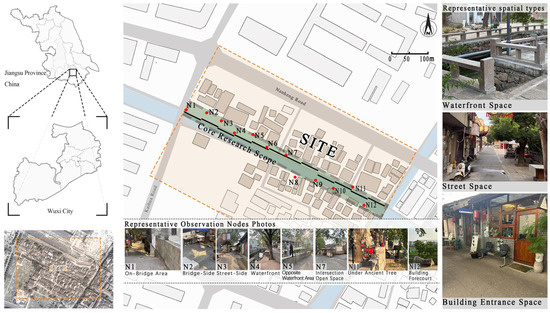
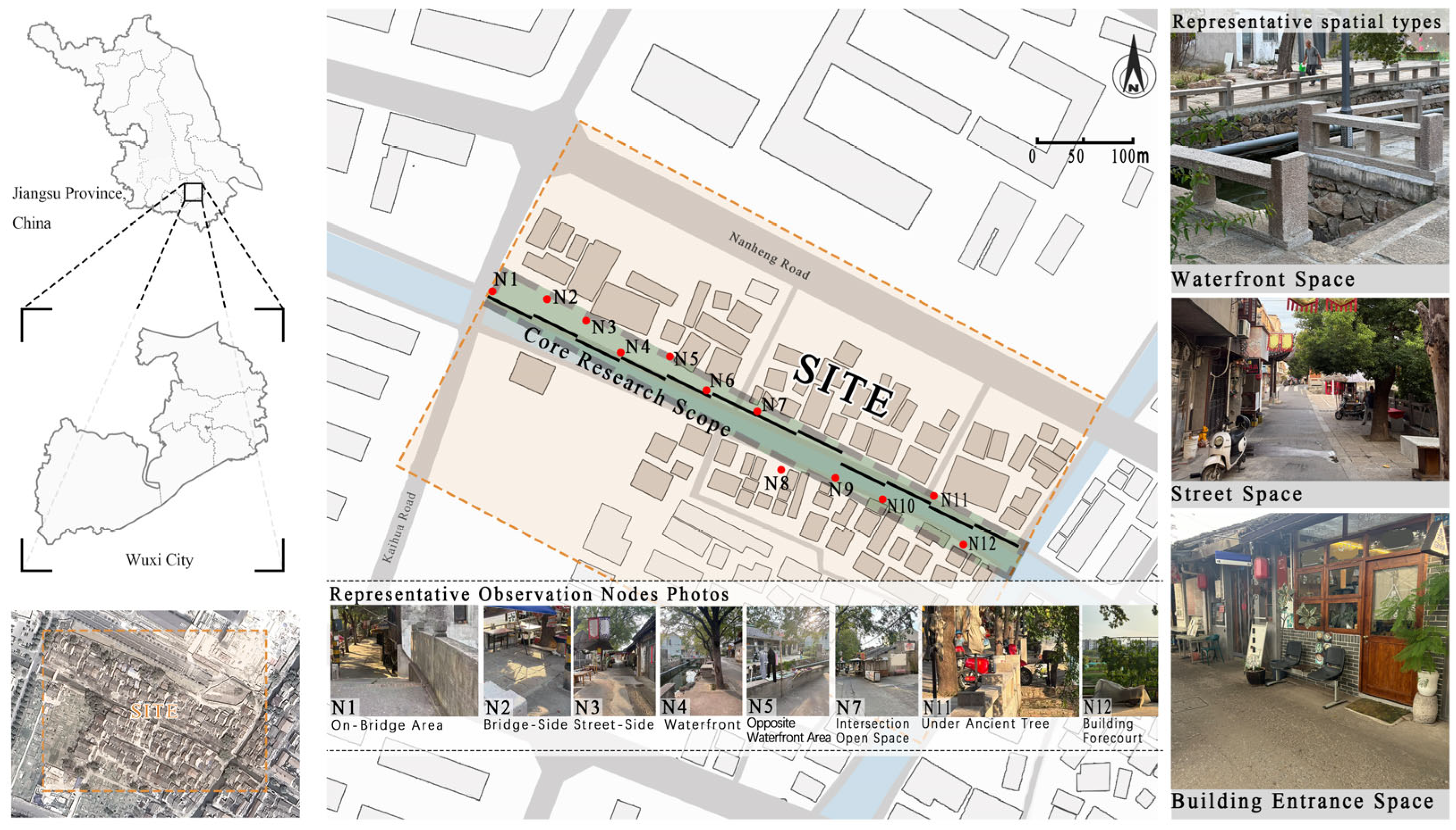
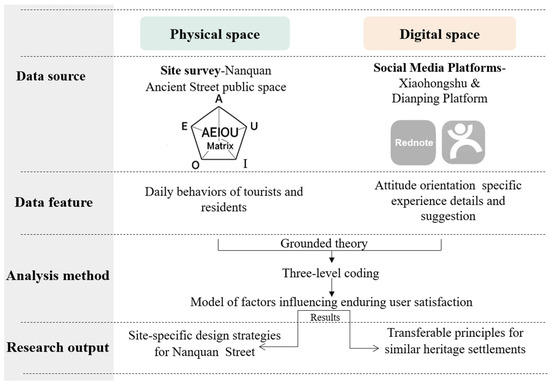
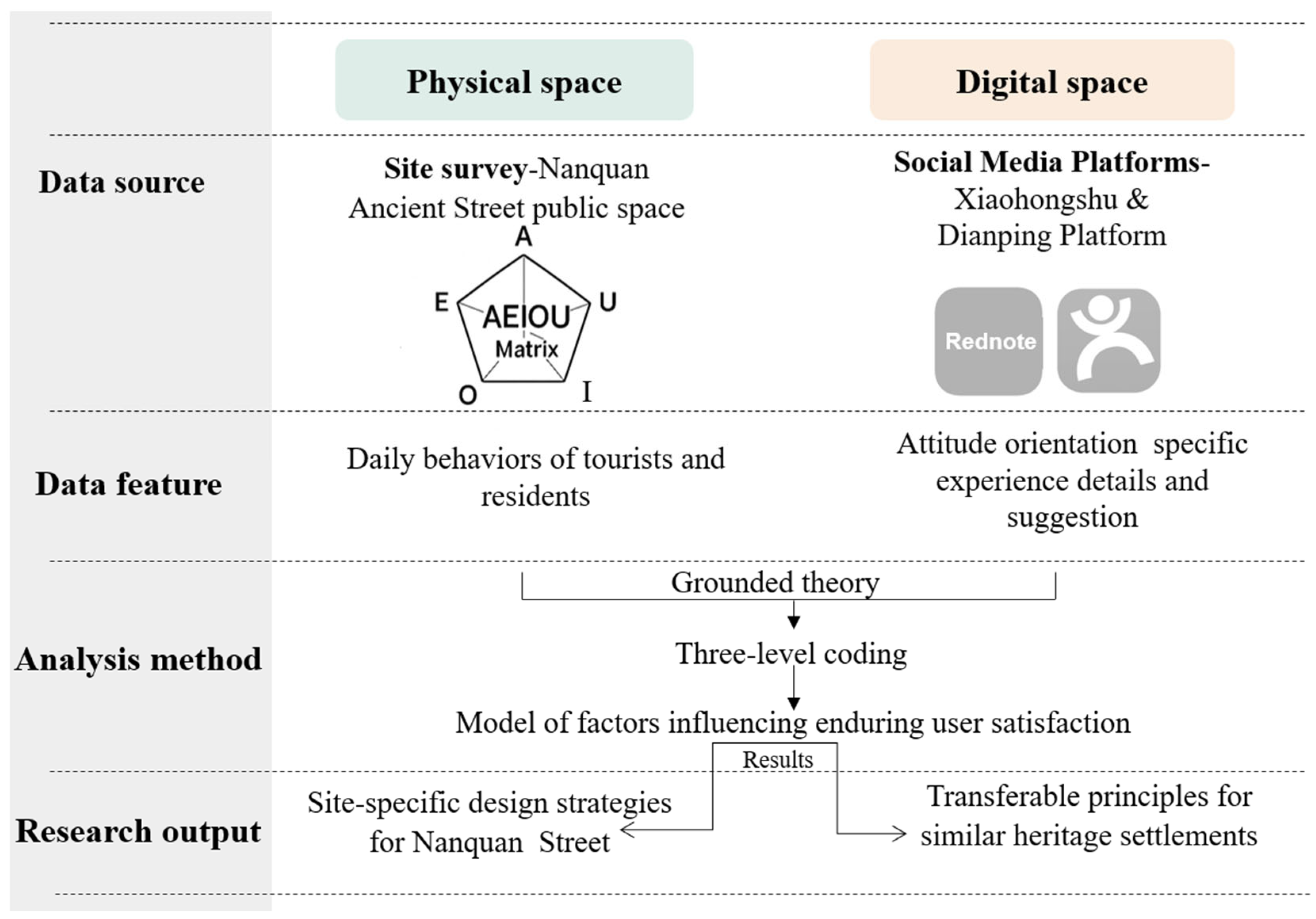
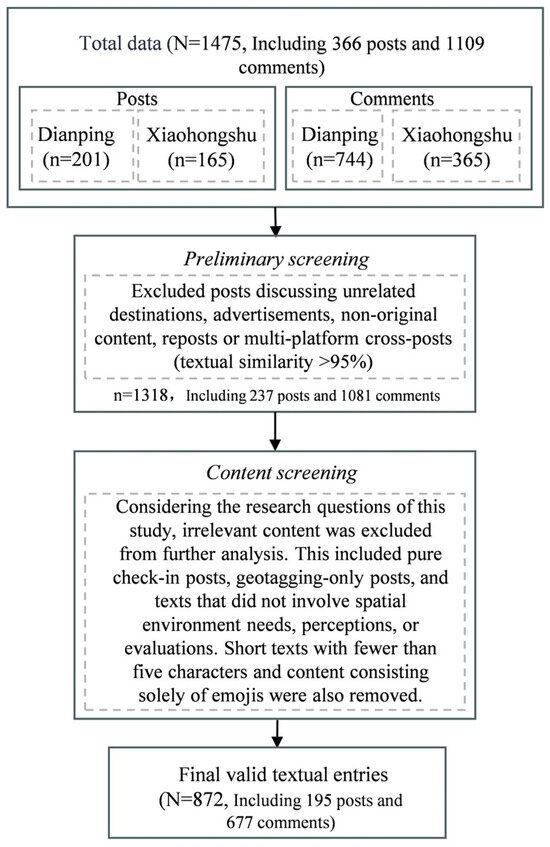
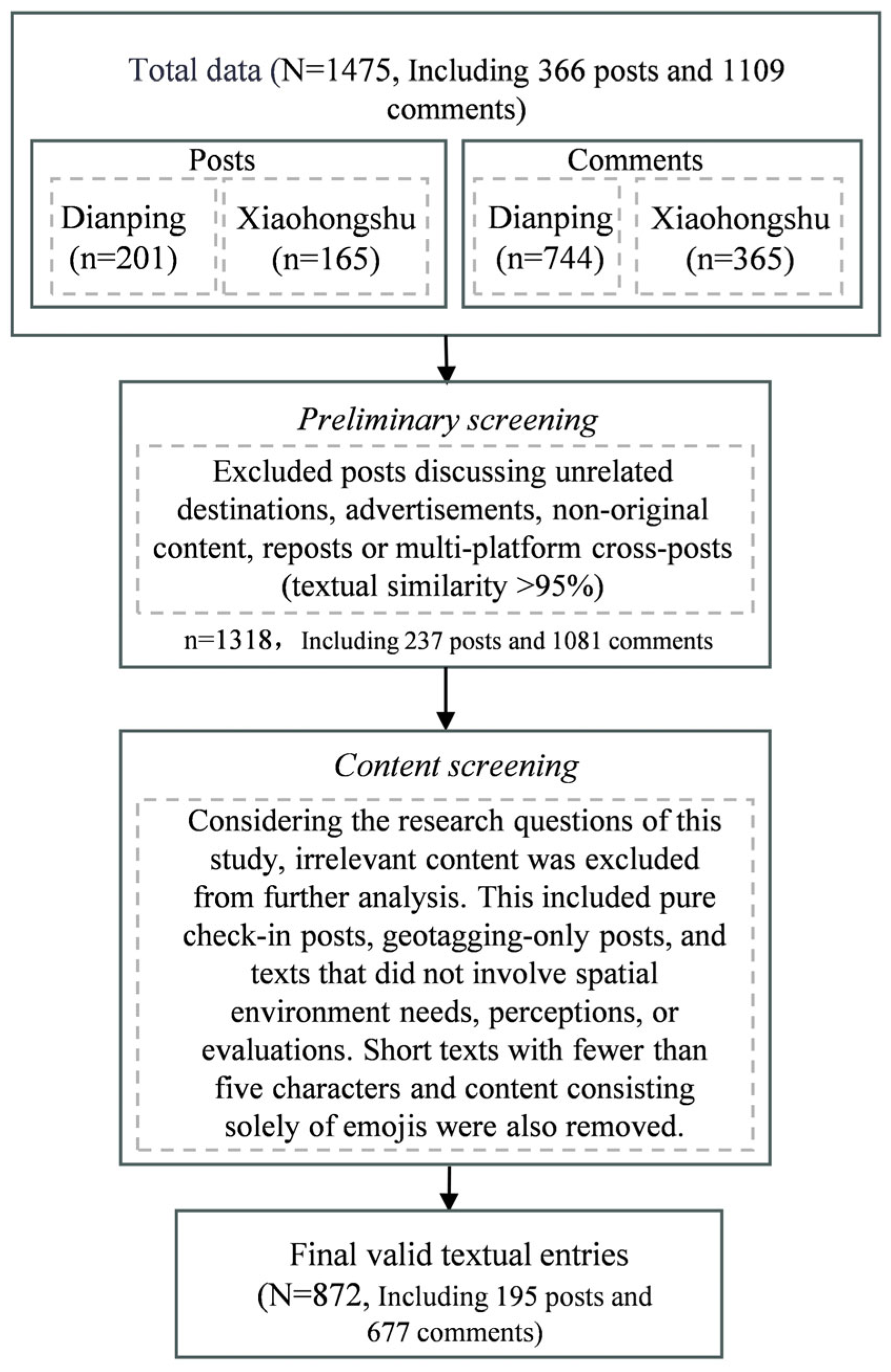
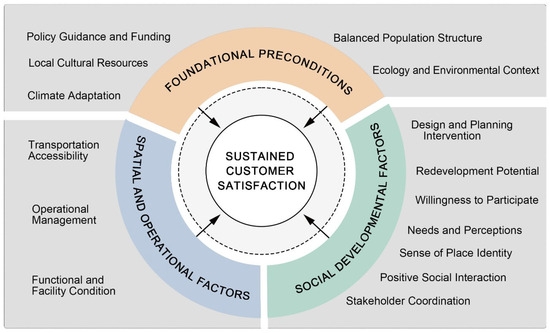
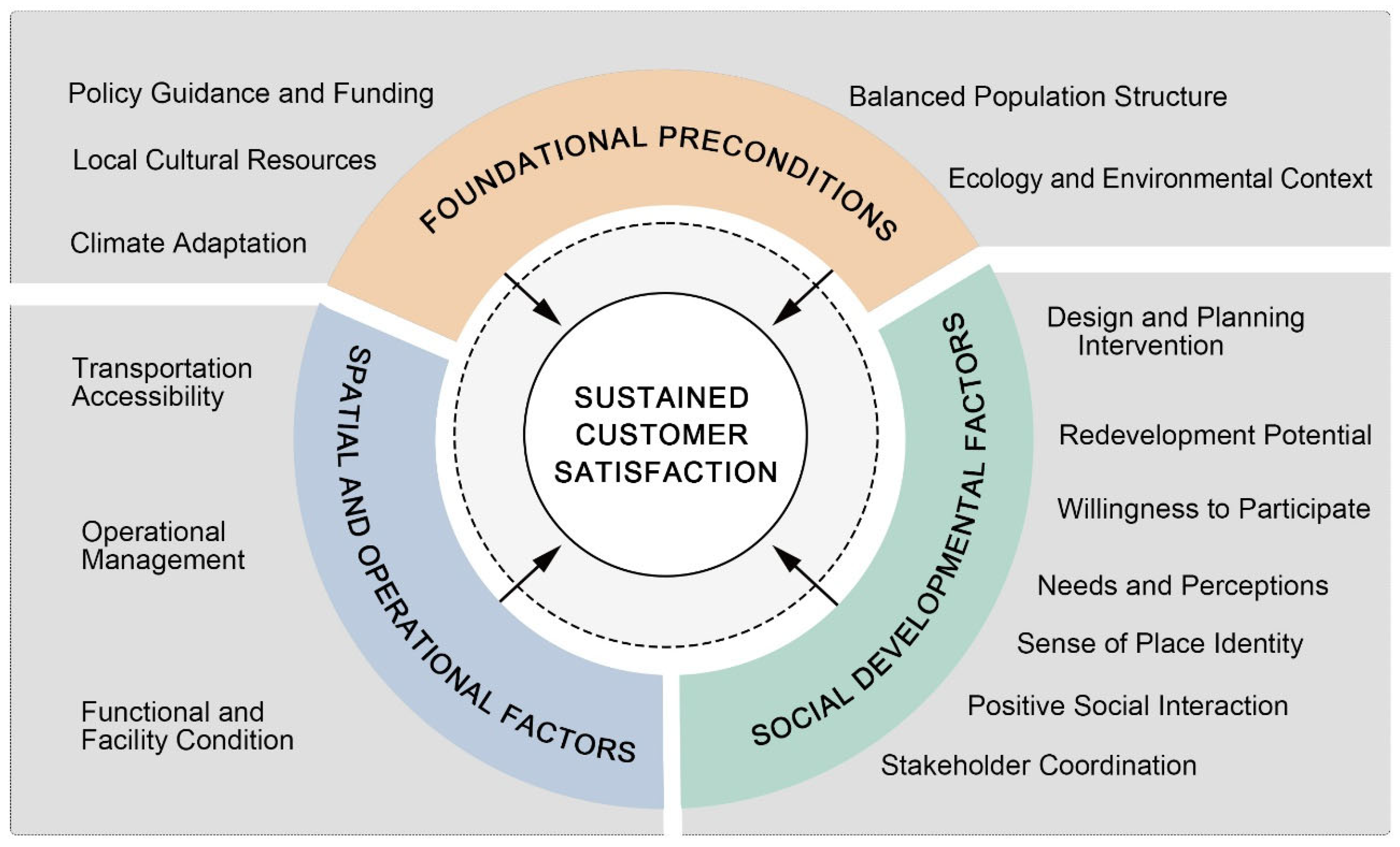





Disclaimer/Publisher’s Note: The statements, opinions and data contained in all publications are solely those of the individual author(s) and contributor(s) and not of MDPI and/or the editor(s). MDPI and/or the editor(s) disclaim responsibility for any injury to people or property resulting from any ideas, methods, instructions or products referred to in the content. |
© 2025 by the authors. Licensee MDPI, Basel, Switzerland. This article is an open access article distributed under the terms and conditions of the Creative Commons Attribution (CC BY) license (https://creativecommons.org/licenses/by/4.0/).